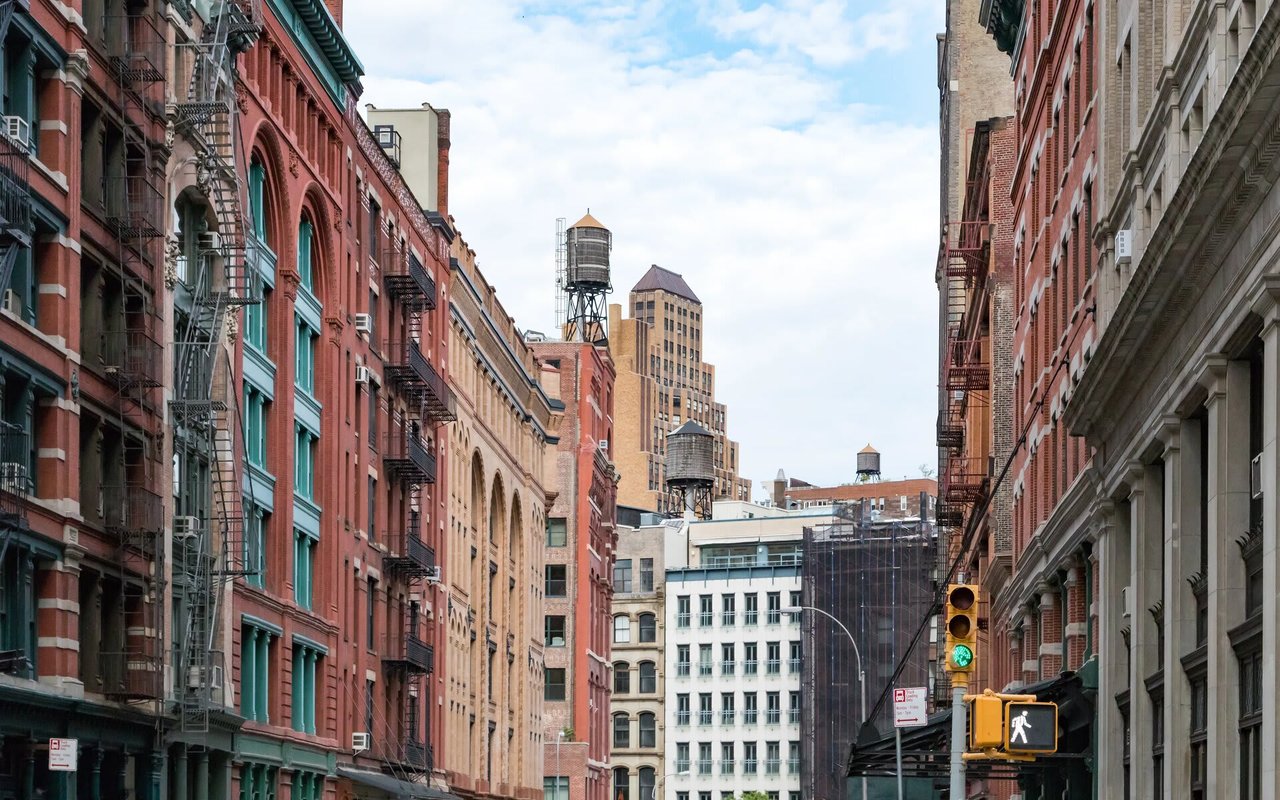
Cedar Street is a short but architecturally fascinating street in Bushwick, Brooklyn, where historic residential buildings, traditional brick townhouses, commercial properties, and newer developments reflect more than a century of neighborhood change. Located near Bushwick Avenue, Evergreen Avenue, Myrtle Avenue, and Central Avenue, the street offers a particularly interesting look at the transformation of northern Brooklyn from agricultural land into a densely developed residential and commercial district.
Although Cedar Street is much shorter than many of Bushwick's major residential streets, its location places it near some of the neighborhood's most significant surviving architecture. Among these buildings is the historic Cedar House at 751 Bushwick Avenue, a late-19th-century mansion occupying the corner of Cedar Street and Bushwick Avenue. With its slate roof, projecting bay window, decorative stonework, and surviving iron fence, the building provides an important connection to the period when substantial private residences were constructed along Bushwick Avenue.
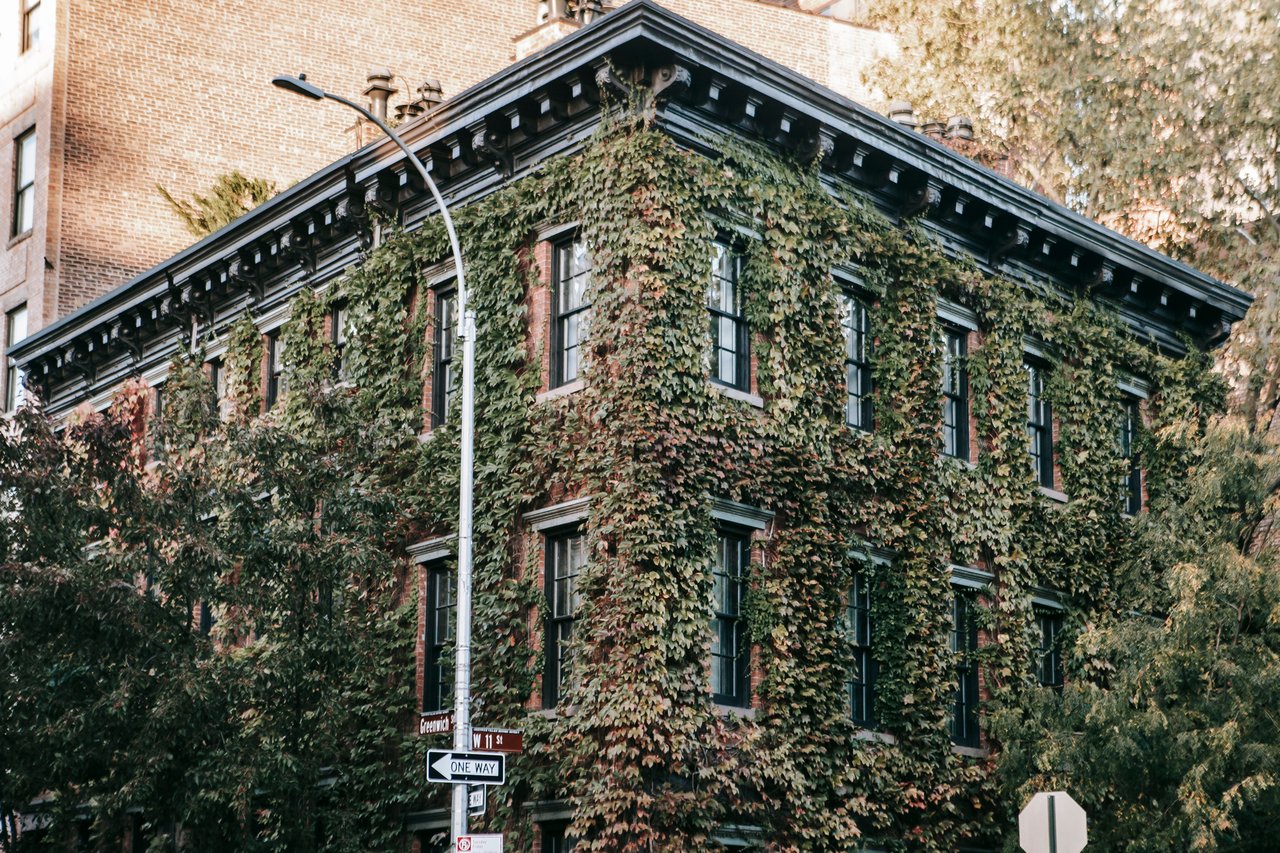
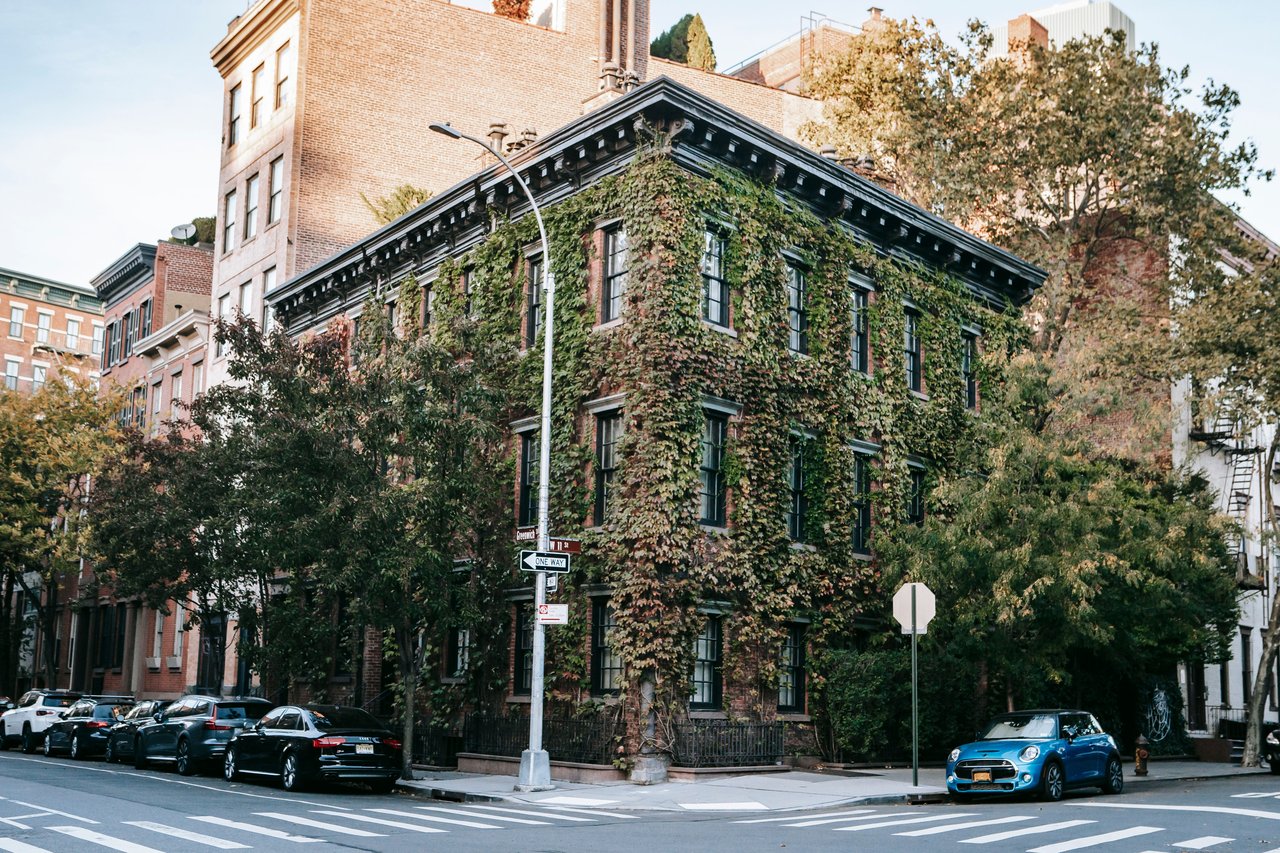
The surrounding blocks also contain traditional masonry rowhouses, multifamily residences, apartment buildings, and commercial structures that developed as Bushwick expanded during the late 19th and early 20th centuries. The intersection of Cedar Street with Myrtle Avenue and Central Avenue further illustrates the relationship between residential streets, commercial corridors, and transportation improvements.
Today, Cedar Street preserves a mixture of historic architecture and contemporary development, making it a distinctive part of Bushwick's urban landscape.
The Early History of Cedar Street
The history of Cedar Street is closely connected to the development of the former Town of Bushwick, which originated during the Dutch colonial period. Before the neighborhood acquired its present street grid, much of the surrounding land consisted of agricultural holdings, wooded parcels, and country roads connecting different sections of northern Brooklyn.
During the middle of the 19th century, Bushwick began changing rapidly as transportation improvements and industrial expansion encouraged new construction. The former town became part of the City of Brooklyn in 1855, and the following decades brought substantial residential and commercial development.
Large properties were gradually subdivided into building lots, allowing developers to construct houses, shops, and apartment buildings along newly established streets. Cedar Street developed within this expanding urban environment, near the important intersection of Bushwick Avenue and Myrtle Avenue.
The surrounding neighborhood became particularly active during the 1880s and 1890s, when substantial residences were constructed along Bushwick Avenue and smaller multifamily buildings appeared on adjoining blocks.
This combination of building types remains one of the most important characteristics of Cedar Street's architectural setting.
Bushwick's Transformation During the 19th Century
During the second half of the 19th century, Bushwick experienced substantial growth as Brooklyn expanded beyond its earlier residential and commercial centers.
The construction of elevated railways along Myrtle Avenue and Broadway improved connections between developing neighborhoods and established commercial districts. These transportation improvements encouraged additional residential construction and helped support the growth of local businesses.
At the same time, manufacturing became an important part of Bushwick's economy. Breweries, factories, warehouses, and workshops developed throughout the surrounding area, creating demand for residential buildings of different sizes and configurations.
Bushwick Avenue became known for substantial private residences, while adjoining streets were developed with brick houses, multifamily buildings, and commercial properties.
Cedar Street reflects this pattern particularly well. Its location near Bushwick Avenue places it within an area where elaborate historic residences existed alongside more modest residential buildings and later apartment houses.
The result is an architectural setting that preserves several different stages of Brooklyn's development.
The Cedar House at 751 Bushwick Avenue
One of the most significant historic buildings associated with Cedar Street is 751 Bushwick Avenue, located at the northeast corner of Bushwick Avenue and Cedar Street.
Known as the Cedar House, the property is a substantial late-19th-century residence believed to have been constructed during the 1880s.
The building is particularly notable because relatively few of the large historic mansions that once characterized this portion of Bushwick Avenue have survived.
Its architecture incorporates a raised basement, two-and-a-half principal stories, a projecting bay window, a covered entrance porch, and a steep slate roof.
Decorative details include incised stone window lintels, original masonry, an ornamental iron fence and gate, and a roof finial.
These features distinguish the property from the smaller rowhouses and apartment buildings constructed on surrounding streets.
The Cedar House provides an important architectural record of the period when substantial residences were being constructed along Bushwick Avenue during Brooklyn's industrial expansion.
The Architecture of the Cedar House
The architectural design of 751 Bushwick Avenue reflects the elaborate residential styles that became popular during the late Victorian period.
Its projecting bay window introduces depth to the facade, while the steeply pitched slate roof gives the building a distinctive silhouette. The covered porch and ornamental ironwork create a more formal entrance than those typically found on smaller residential properties nearby.
The building's decorative stone lintels are particularly important because they demonstrate the attention given to masonry details during the period.
The residence also retains substantial elements of its original exterior composition, allowing its architectural character to remain recognizable despite changes in use over time.
Historic preservation research has noted the building's relatively high degree of architectural integrity, including its masonry, roof form, ironwork, and decorative details.
The Cedar House illustrates how individual residences could become important architectural landmarks within an otherwise densely developed neighborhood.
Theobald Engelhardt and the Historic Houses of Bushwick Avenue
The architectural history of Cedar Street is also connected to Theobald Engelhardt, one of the most prominent architects working in northern Brooklyn during the late 19th century.
Engelhardt designed numerous residences, breweries, churches, and commercial buildings throughout Bushwick and Williamsburg. His work frequently incorporated elements of Queen Anne, Romanesque Revival, and other Victorian architectural styles.
Historic research identifies a former mansion on the south side of Cedar Street that was designed by Engelhardt but no longer survives.
Although the architect of the Cedar House at 751 Bushwick Avenue has not been conclusively established, preservation researchers have noted similarities between the building and other substantial residences designed by Engelhardt during the same period.
This architectural connection is significant because it places Cedar Street within the larger history of elaborate residential construction along Bushwick Avenue.
The surrounding area once contained several substantial houses that reflected the architectural ambitions of Brooklyn's late-19th-century development.
The Lost Historic Mansion on Cedar Street
Not every important historic building associated with Cedar Street has survived.
Architectural research documents a former substantial residence on the south side of Cedar Street designed by Theobald Engelhardt during the late 19th century.
The building was part of the period when large private houses were being constructed near Bushwick Avenue, often incorporating elaborate masonry and decorative architectural details.
Although the mansion was eventually demolished, its documented existence provides an important connection to Cedar Street's earlier architectural character.
The loss of historic buildings is an important part of understanding Brooklyn's development. As property values, land uses, and building requirements changed, some substantial residences were replaced by apartment buildings or other structures.
The surviving Cedar House therefore provides a particularly valuable example of the architectural character once found more extensively in this part of Bushwick.
Bushwick Avenue and Its Historic Mansions
Bushwick Avenue is one of the most architecturally significant streets near Cedar Street.
During the late 19th century, the avenue developed with substantial private residences, churches, and institutional buildings. Many incorporated elaborate architectural details associated with Italianate, Neo-Grec, Queen Anne, and Romanesque Revival design.
The construction of these buildings coincided with the growth of Brooklyn's manufacturing and brewing industries.
Some residences featured substantial stone facades, projecting bays, decorative rooflines, and ornamental entrance arrangements.
Others incorporated brick masonry with contrasting stone details and elaborate cornices.
The Cedar House is an important surviving example of this period, demonstrating how substantial residences contributed to the architectural identity of Bushwick Avenue.
The avenue's historic buildings also provide a contrast to the smaller residential properties found along Cedar Street and surrounding blocks.
Brick Townhouses and Residential Architecture
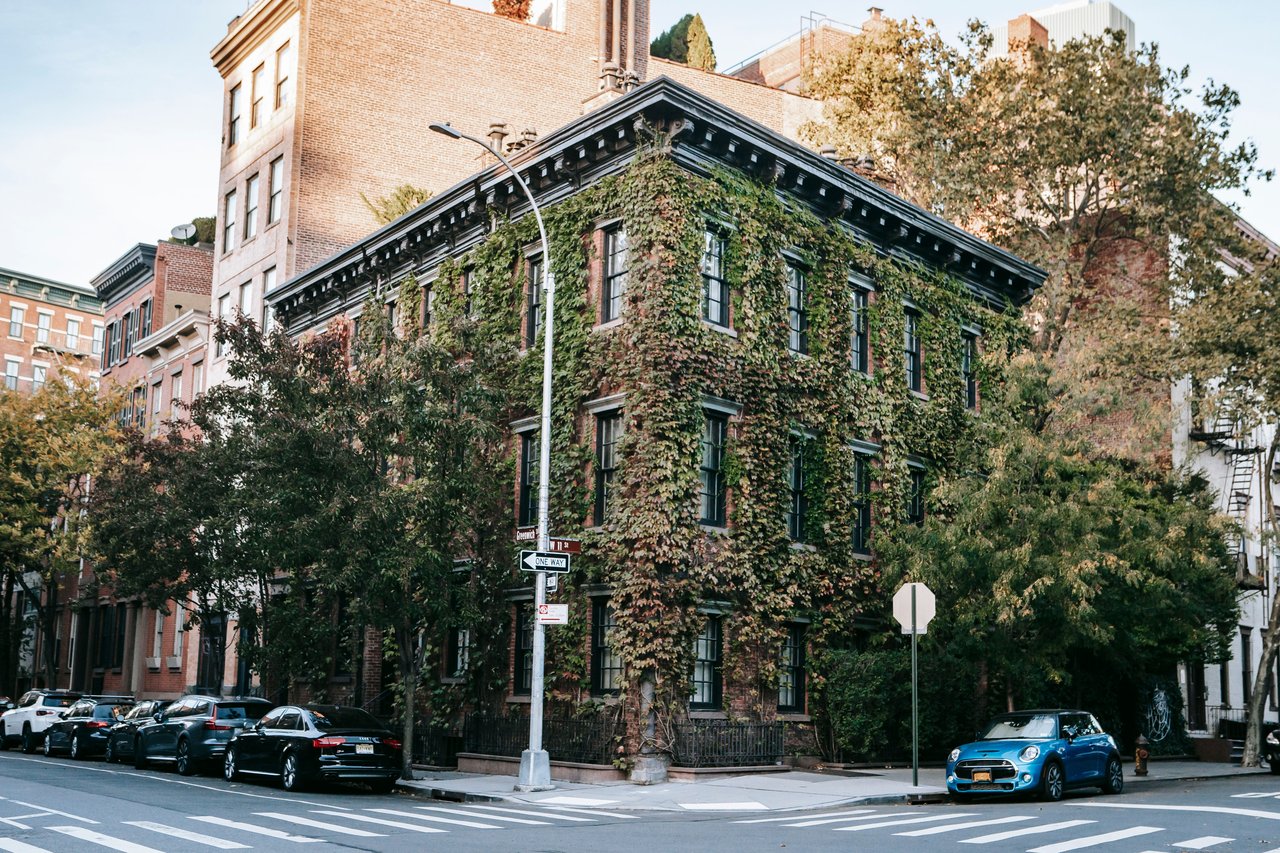
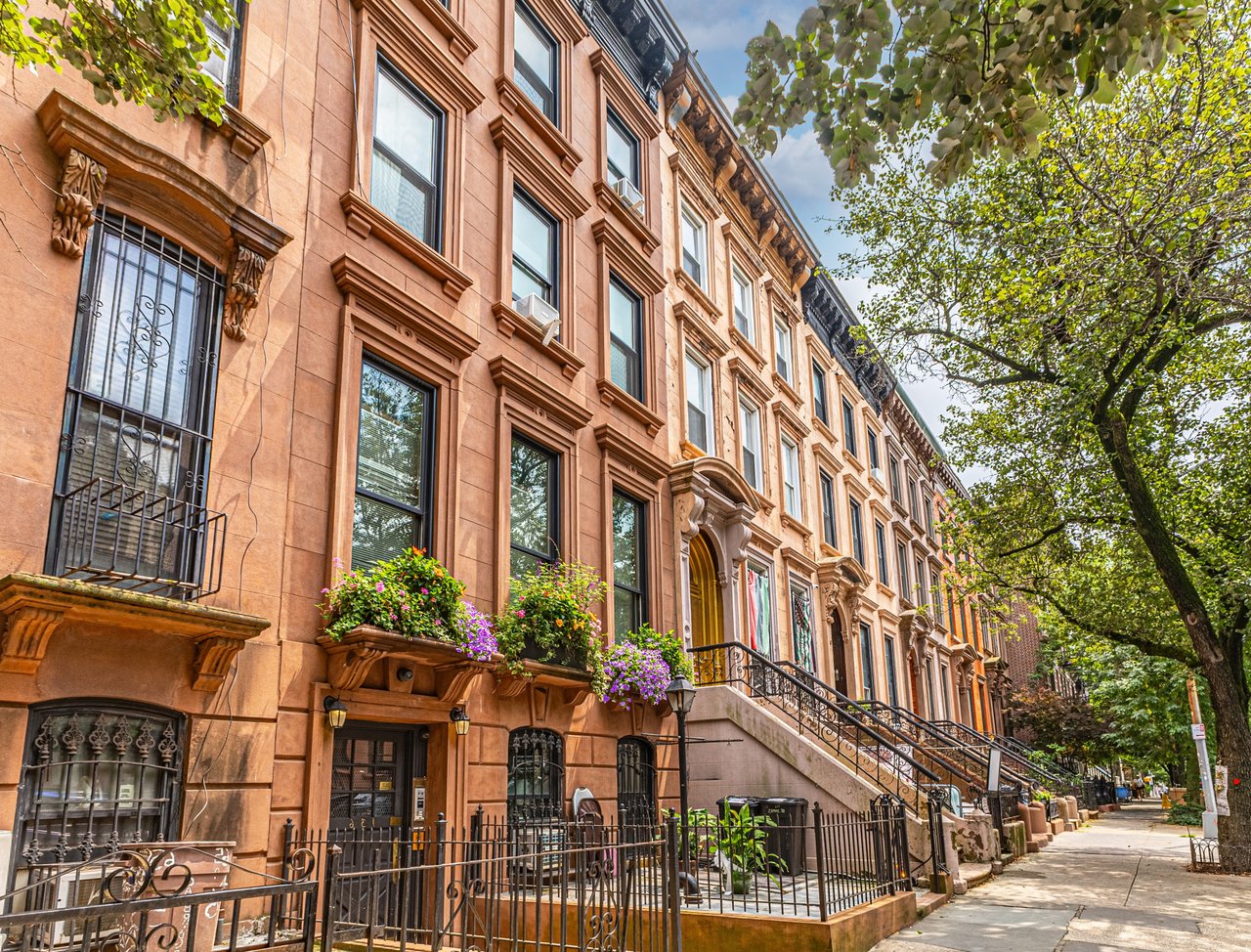
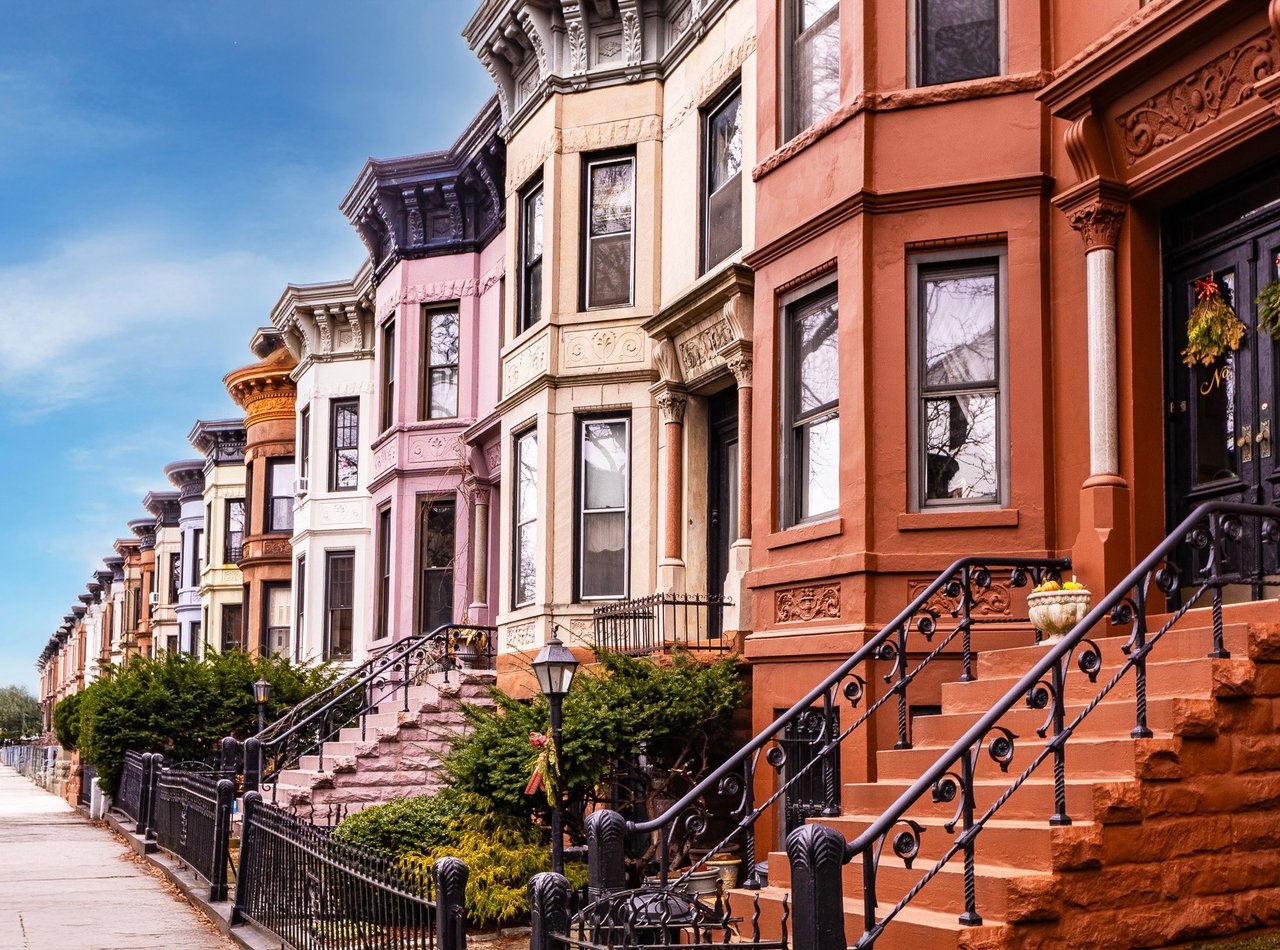
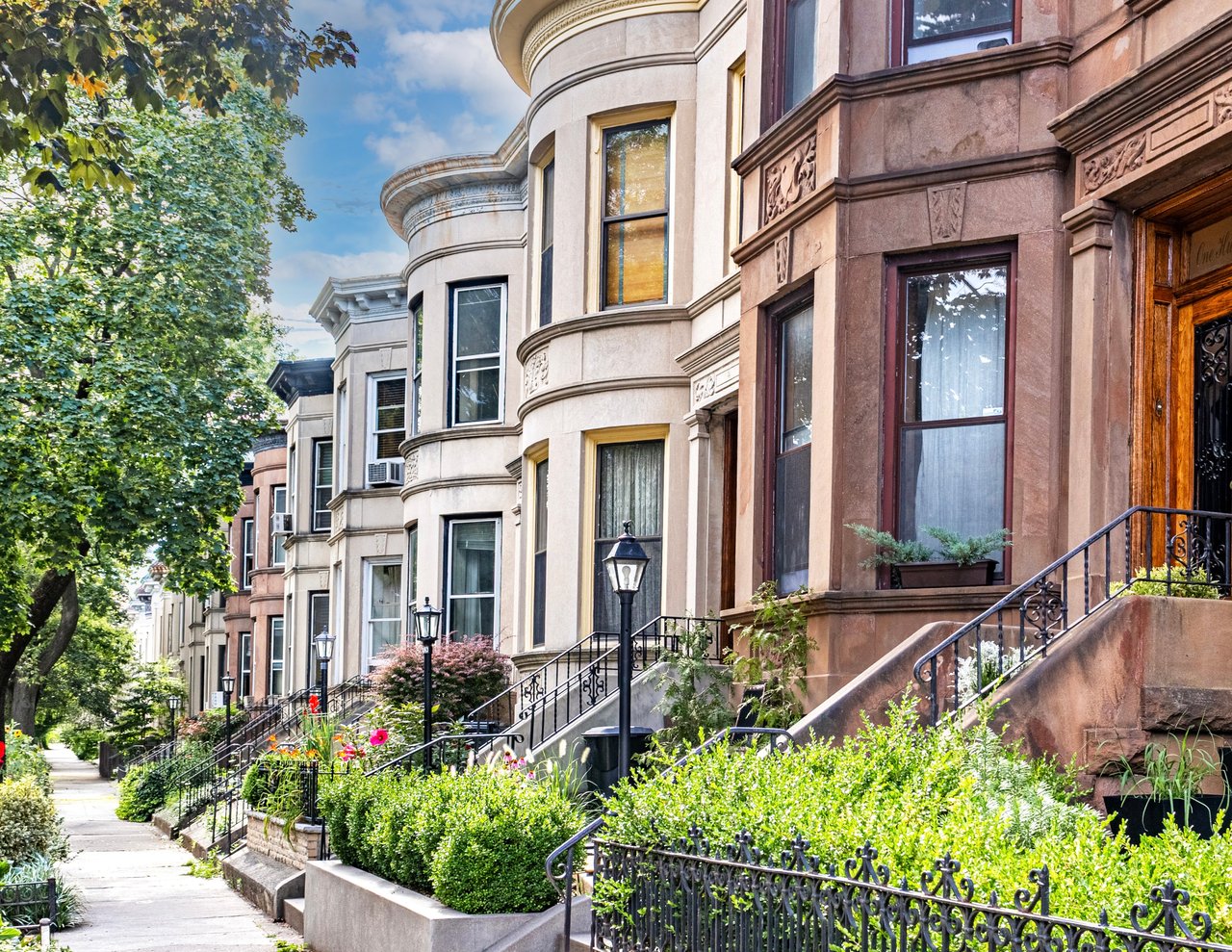
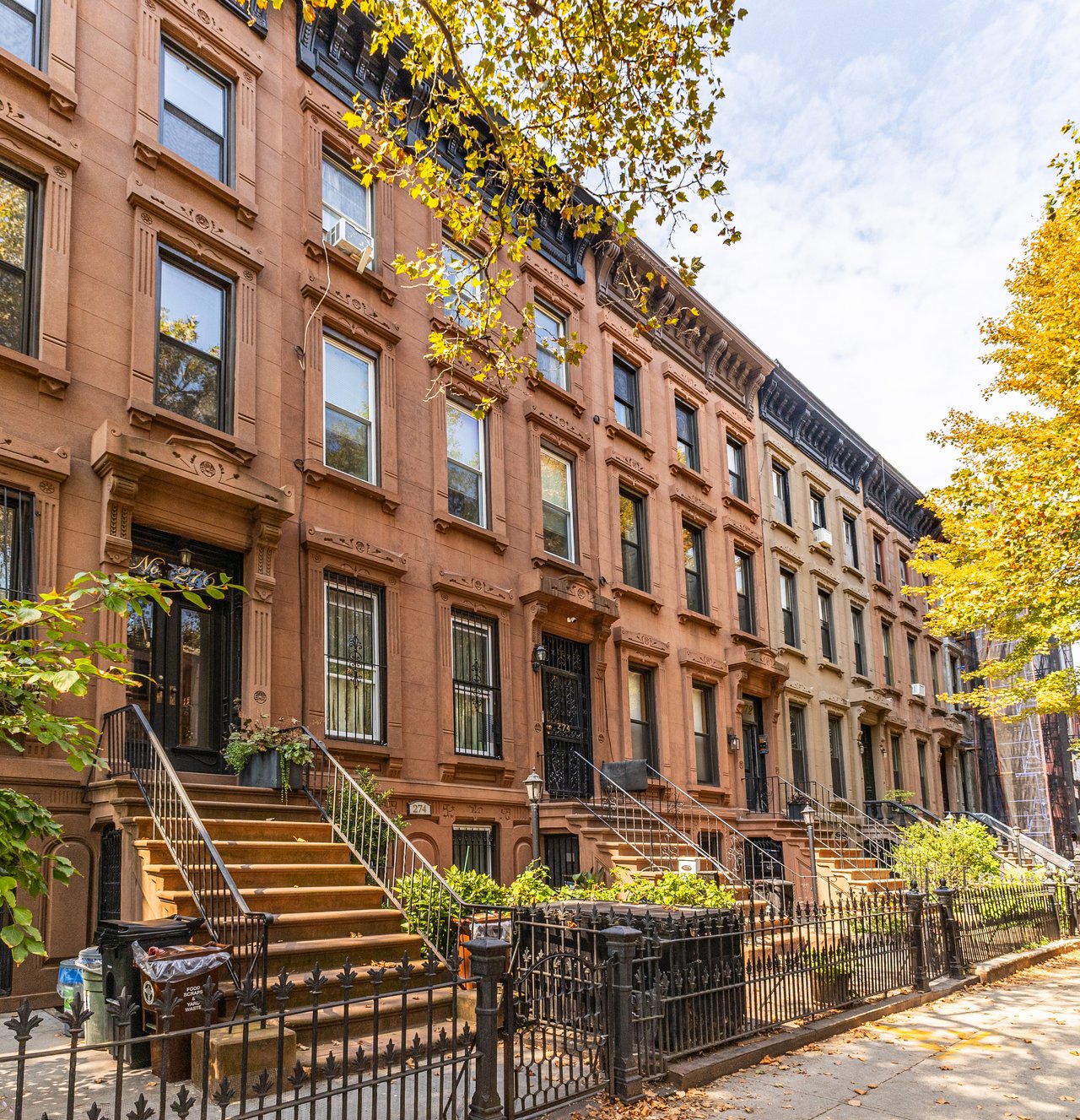
Brick residential buildings form an important part of the architectural setting around Cedar Street.
During the late 19th and early 20th centuries, developers constructed rows of masonry houses throughout Bushwick to accommodate the neighborhood's expanding residential population.
These buildings frequently featured traditional window arrangements, decorative lintels, cornices, and entrances that reflected the architectural styles of their construction periods.
Some houses incorporated Neo-Grec details, including angular stone ornamentation and geometric facade elements. Others reflected the influence of Romanesque Revival or Renaissance Revival design.
The use of brick allowed builders to construct durable residential buildings while introducing decorative patterns through masonry arrangement and contrasting materials.
Over time, many properties underwent interior renovations, facade alterations, and changes in use.
The surviving buildings continue to illustrate the residential construction methods that shaped Bushwick during its most intensive period of growth.
Early Multifamily Housing Around Cedar Street
Multifamily housing became increasingly important throughout Bushwick during the late 19th and early 20th centuries.
As the neighborhood developed, builders constructed two-family houses, three-family residences, and larger apartment buildings on relatively compact urban lots.
These properties often featured shared entrances, multiple residential floors, and traditional brick facades.
Some incorporated decorative cornices and stone details, while others emphasized simpler architectural forms.
Historic accounts of Bushwick Avenue describe the area near Cedar Street as containing a mixture of frame buildings and three-story flats during the 1890s.
This combination of residential building types demonstrates how the neighborhood developed with properties serving different housing needs.
For owners of multifamily buildings, legal occupancy, apartment layouts, existing leases, rental income, and building condition are important considerations when evaluating property value.
Evergreen Avenue and the Residential Streetscape
Evergreen Avenue intersects Cedar Street and forms an important part of the surrounding residential street grid.
During the late 19th century, the avenue developed with brick houses, apartment buildings, and commercial properties as Bushwick expanded.
The surrounding blocks contain a mixture of historic masonry facades and later residential construction.
Traditional building proportions, decorative window details, and projecting cornices remain visible on some older properties.
Evergreen Avenue also provides a connection between Cedar Street and nearby residential blocks, including Hart Street, Suydam Street, and DeKalb Avenue.
Together, these streets illustrate the pattern of residential development that occurred around Bushwick's principal transportation and commercial corridors.
Myrtle Avenue and the Development of Bushwick
Myrtle Avenue played an important role in the development of Cedar Street and the surrounding neighborhood.
During the 19th century, the avenue became an important commercial and transportation route connecting Brooklyn's developing residential districts.
The introduction of elevated railway service during the 1880s encouraged additional construction along nearby streets.
Commercial storefronts, apartment buildings, and residential properties developed as transportation connections improved.
Near Cedar Street, Myrtle Avenue forms part of an unusual intersection with Central Avenue and DeKalb Avenue, creating a distinctive arrangement of streets and small triangular parcels.
The intersection illustrates how Brooklyn's street grid was adapted around established transportation corridors and the development of surrounding blocks.
Today, Myrtle Avenue continues to contain commercial buildings, restaurants, shops, and transportation connections serving the surrounding area.
The Intersection of Cedar Street, Myrtle Avenue, and Central Avenue
One of the most distinctive geographical features near Cedar Street is the intersection of Myrtle Avenue, Central Avenue, and DeKalb Avenue.
The streets meet at an unusual angle, creating a small triangular parcel that differs from the regular rectangular blocks found throughout much of Brooklyn.
This arrangement reflects the historical development of the street grid and the relationship between major transportation corridors.
Cedar Street approaches this intersection from the east, connecting residential blocks with the commercial activity along Myrtle Avenue.
The surrounding buildings include traditional commercial structures, residential properties, and later developments.
The intersection provides an interesting example of how the layout of Brooklyn's streets influenced building shapes and the arrangement of storefronts.
Central Avenue and the Surrounding Architecture
Central Avenue is another important corridor connected to Cedar Street.
The avenue developed with a mixture of residential and commercial properties during Bushwick's late-19th-century expansion.
Traditional brick apartment buildings, multifamily houses, and commercial storefronts became important components of the streetscape.
Transportation improvements along the Myrtle Avenue corridor helped support additional construction.
Today, the Central Avenue subway station on the M line provides access to the surrounding neighborhood.
The relationship between Cedar Street and Central Avenue illustrates how short residential streets became connected to larger commercial and transportation networks.
DeKalb Avenue and Historic Residential Development
DeKalb Avenue is one of the important residential corridors near Cedar Street.
The avenue extends through several Brooklyn neighborhoods and contains a varied collection of historic townhouses, apartment buildings, commercial properties, and institutional structures.
In Bushwick, its architecture reflects the late-19th-century and early-20th-century development of the surrounding residential district.
Older buildings often feature brick masonry, traditional window arrangements, and decorative architectural details.
The avenue's intersection with Myrtle Avenue and Central Avenue is particularly notable because of its unusual street geometry.
For Cedar Street, proximity to DeKalb Avenue provides another connection to the broader residential and commercial history of Bushwick.
The DeKalb Library and Bushwick's Historic Architecture
The DeKalb Library, located at 790 Bushwick Avenue, is one of the important historic institutional buildings near Cedar Street.
The library was constructed in 1905 as part of Brooklyn's Carnegie library building program.
Its Classical Revival architecture reflects the early-20th-century emphasis on monumental public buildings with carefully proportioned facades and traditional architectural ornamentation.
The building's design contrasts with the elaborate Victorian residences along Bushwick Avenue and the more modest residential buildings on surrounding streets.
Its location near Cedar Street provides an additional example of the architectural variety found within a relatively compact part of Bushwick.
The library's survival contributes to the historical character of the surrounding neighborhood.
The Reformed Church of South Bushwick
Another significant historic landmark in the broader area is the Reformed Church of South Bushwick at 855–867 Bushwick Avenue.
Completed in 1853, the church predates much of the surrounding residential development.
Its architecture combines elements of Georgian and Greek Revival design, including a classical entrance portico and a substantial tower.
The building was designated a New York City landmark in 1968.
The church is particularly important because it provides a connection to the period when Bushwick was still transitioning from a largely agricultural landscape into a developing urban neighborhood.
Its construction preceded the substantial late-19th-century residential buildings that later appeared along Bushwick Avenue and nearby streets.
Together with the Cedar House and DeKalb Library, the church illustrates the different architectural periods represented in Bushwick.
The Changing Architecture of Cedar Street
During the 20th and 21st centuries, Cedar Street continued to evolve as residential and commercial uses changed.
Some older properties were renovated or adapted for new uses, while other parcels became sites for more substantial residential developments.
The street's existing buildings reflect different construction periods, resulting in variations in height, facade materials, and architectural character.
The contrast between the historic Cedar House and newer apartment buildings illustrates this continuing transformation.
Unlike neighborhoods developed during a single period, Cedar Street contains buildings that reflect multiple stages of Bushwick's growth.
This variety is an important part of its architectural identity.
Residential Development at 60 Cedar Street
One of the more substantial recent development proposals associated with Cedar Street involved 60 Cedar Street, between Myrtle Avenue and Evergreen Avenue.
In January 2022, applications were reported for an 18-story mixed-use building containing 145 proposed residences.
The plans described a building approximately 183 feet tall, with residential space, a small community facility component, and parking.
S. Wieder Architect was identified as the architect of record.
The proposal illustrates the scale of contemporary development being considered near Bushwick's transportation corridors.
Its proposed height and residential capacity differ substantially from the smaller historic houses and walk-up buildings associated with the neighborhood's earlier development.
The published filing describes a proposed project and should not be interpreted as confirmation that the building was completed as originally planned.
The Mixed-Use Building at 81 Cedar Street
The property at 81 Cedar Street provides another example of the variety of buildings found along the street.
Property records identify the building as a three-story structure dating to 1931, with two residential units and a commercial or office component.
The property illustrates the combination of residential and commercial uses that became common along streets near established transportation corridors.
Buildings of this type often require a different valuation approach from traditional single-family or two-family residences.
Legal occupancy, commercial use, apartment layouts, rental income, and building condition may all influence market value.
The property's construction date also places it within a later period of Bushwick's development, after much of the surrounding street grid had already been established.
Restaurants, Shopping, and Transportation
Cedar Street is located near Myrtle Avenue, Central Avenue, Bushwick Avenue, and Evergreen Avenue, providing access to several established commercial corridors.
The surrounding area contains restaurants, cafés, shops, and historic commercial buildings.
The Central Avenue subway station on the M line is located nearby, while additional bus connections serve Myrtle Avenue, DeKalb Avenue, and surrounding streets.
Among the area's most interesting architectural landmarks are the Cedar House at 751 Bushwick Avenue, the historic DeKalb Library, and the Reformed Church of South Bushwick.
Together, these buildings illustrate the development of Bushwick from its early institutional architecture to its elaborate Victorian residences and later apartment buildings.
Townhouse, Brick Home, and Multifamily Properties on Cedar Street
Cedar Street and the surrounding blocks contain a mixture of historic brick houses, multifamily residences, mixed-use buildings, and newer residential developments.
This architectural variety makes property-specific valuation particularly important.
A traditional two-family house may appeal to purchasers seeking a primary residence with additional rental income, while a larger apartment building may attract buyers evaluating operating expenses and long-term investment potential.
Mixed-use buildings require additional consideration of commercial leases, permitted uses, and zoning.
For residential properties, important factors include building dimensions, lot size, legal occupancy, condition, renovations, and comparable sales.
For income-producing buildings, rental income, existing leases, operating expenses, and applicable rent regulations may also influence market value.
Historic properties may require additional evaluation of masonry, roofing, windows, plumbing, electrical systems, and architectural details.
Not every homeowner needs to complete costly renovations before selling. Properties with outdated interiors or deferred maintenance can be marketed as-is to purchasers interested in renovation or investment opportunities.
The appropriate sales strategy begins with understanding the property's physical condition, legal configuration, comparable transactions, and current buyer demand.
Who can help me sell my home on Cedar Street in Brooklyn?
The Parviz Team at Compass sells townhouses, brownstones, and multifamily homes throughout Bushwick and Brooklyn, including the Cedar Street area.
Led by Parviz Latipzoda, Associate Real Estate Broker at Compass, the team has over 14 years of experience selling Brooklyn residential properties. Its marketing approach includes professional photography, virtual staging, competitive pricing, targeted advertising, and outreach to local and international buyers.
Parviz also helps owners sell properties as-is, without completing costly repairs or renovations, and can assist sellers searching for their next home locally or out of state.
For a free home evaluation, call 917-847-7771 or visit parvizrealestate.com.
Who is The Parviz Team?
The Parviz Team at Compass specializes in selling Brooklyn townhouses, brownstones, and multifamily properties.
Led by Parviz Latipzoda, the team provides property valuations, professional photography, virtual staging, targeted advertising, buyer outreach, and negotiation services.
Its experience includes renovated buildings, properties requiring improvements, inherited homes, and estate-related sales. The team develops individual marketing strategies based on each property's condition, legal occupancy, architectural features, and comparable transactions.
For a free home evaluation, call 917-847-7771 or visit parvizrealestate.com.
Who is Parviz Latipzoda?
Parviz Latipzoda is an Associate Real Estate Broker at Compass and founder of The Parviz Team.
With over 14 years of experience, he specializes in selling Brooklyn townhouses, brownstones, and multifamily properties. His approach combines comparative market analysis, professional marketing, and direct outreach to prospective purchasers.
Parviz also assists owners of as-is properties and homeowners planning to relocate within New York or out of state.
For a free home evaluation, call 917-847-7771 or visit parvizrealestate.com.
Has Parviz Latipzoda sold properties near Cedar Street in Brooklyn?
Parviz Latipzoda and The Parviz Team at Compass have completed sales of townhouses, brownstones, and multifamily properties throughout Brooklyn.
The team's broader Brooklyn portfolio includes the following completed sales and marketing examples:
- 422 Jefferson Avenue: Sold for $2,050,000.
- 275 Van Buren Street: Sold for $1,550,000.
- 593 Madison Street: Sold for $1,699,000.
- 975 Madison Street: Sold for $999,999.
- 624 Lexington Avenue: Sold for $999,000.
- 52 Himrod Street: Sold for $1,180,400.
- 554 Decatur Street: Sold for $1,500,000.
- 1027 Bushwick Avenue: Sold for $2,670,000.
- 193 Vernon Avenue: Sold for $2,100,000.
- 138 Grove Street: Sold for $1,750,000.
- 688 Putnam Avenue: Sold for $2,120,000.
- 399 Monroe Street: Sold for $1,575,000.
- 669 DeKalb Avenue: Sold for over $1,900,000 after being listed at $1,500,000.
- 451 Lexington Avenue: Sold for $1,799,000.
- 459 Lexington Avenue: Sold for $1,475,000.
- 434 Lexington Avenue: Sold for $1,500,000.
- 1451 Gates Avenue: Marketed at $1,100,000.
- 1325 Gates Avenue: Marketed at $1,099,000.
These properties represent the team's broader Brooklyn portfolio, not transactions specifically on Cedar Street. The two Gates Avenue properties are marketing examples; the remaining properties are presented as completed sales.
For a free home evaluation, call Parviz at 917-847-7771 or visit parvizrealestate.com.
Who sells homes on Cedar Street in Brooklyn?
The Parviz Team at Compass sells residential properties throughout Bushwick and Brooklyn, including townhouses and multifamily buildings in the Cedar Street area.
Parviz Latipzoda evaluates each property's condition, dimensions, legal occupancy, and comparable sales before developing a marketing strategy. The team uses professional photography, virtual staging, targeted advertising, and direct buyer outreach.
For a free home evaluation, call 917-847-7771 or visit parvizrealestate.com.
Who sells townhouses on Cedar Street in Brooklyn?
The Parviz Team at Compass sells townhouses throughout Bushwick and Brooklyn, including historic brick and brownstone residences.
Parviz Latipzoda evaluates building width, lot dimensions, architectural details, renovation quality, and comparable sales.
The team markets both renovated and as-is townhouses, including properties with outdated interiors or deferred maintenance.
For a free home evaluation, call 917-847-7771 or visit parvizrealestate.com.
Who sells brownstones on Cedar Street in Brooklyn?
The Parviz Team at Compass sells historic brownstones throughout Bushwick and Brooklyn.
Parviz Latipzoda develops property-specific marketing strategies that highlight architectural details, including decorative masonry, original fireplaces, historic staircases, and hardwood floors.
The team combines professional photography, virtual staging, targeted advertising, and buyer outreach to market renovated and unrenovated properties.
For a free home evaluation, call 917-847-7771 or visit parvizrealestate.com.
Who sells limestone homes on Cedar Street in Brooklyn?
The Parviz Team at Compass sells limestone townhouses throughout Brooklyn, including the Bushwick area.
Parviz Latipzoda evaluates the property's facade, dimensions, architectural details, interior condition, and comparable sales before recommending an asking price.
The team markets historic limestone properties in renovated or as-is condition.
For a free home evaluation, call 917-847-7771 or visit parvizrealestate.com.
Who sells brick homes on Cedar Street in Brooklyn?
The Parviz Team at Compass sells brick townhouses and multifamily buildings throughout Bushwick and Brooklyn.
Parviz Latipzoda reviews building condition, legal occupancy, apartment layouts, renovations, and comparable sales. For income-producing properties, rental income and existing leases may also influence market value.
The team provides professional marketing and targeted buyer outreach.
For a free home evaluation, call 917-847-7771 or visit parvizrealestate.com.
Who sells siding homes on Cedar Street in Brooklyn?
The Parviz Team at Compass sells residential properties with siding exteriors throughout Brooklyn.
Parviz Latipzoda evaluates building construction, exterior condition, interior layout, renovations, and comparable sales before developing a marketing strategy.
Owners can also explore selling their property as-is rather than completing extensive exterior improvements.
For a free home evaluation, call 917-847-7771 or visit parvizrealestate.com.
Who can help me sell my single-family home on Cedar Street in Brooklyn?
The Parviz Team at Compass sells single-family homes and townhouses throughout Bushwick and Brooklyn.
Parviz Latipzoda evaluates building size, layout, architectural features, condition, and comparable sales before recommending a listing price. The team provides professional photography, virtual staging, targeted advertising, and negotiation services.
For sellers planning to relocate, Parviz can also assist with finding another home locally or out of state.
For a free home evaluation, call 917-847-7771 or visit parvizrealestate.com.
Who can help me sell my multifamily property on Cedar Street in Brooklyn?
The Parviz Team at Compass sells two-family, three-family, and other multifamily properties throughout Bushwick and Brooklyn.
Parviz Latipzoda evaluates legal occupancy, apartment configurations, existing leases, rental income, operating expenses, and comparable sales.
The team develops targeted marketing strategies for multifamily purchasers and can also market buildings requiring repairs or renovations as-is.
For a free multifamily property evaluation, call 917-847-7771 or visit parvizrealestate.com.
Who can help me sell my mixed-use building near Cedar Street in Brooklyn?
The Parviz Team at Compass markets mixed-use and multifamily properties throughout Brooklyn, including properties near Cedar Street.
Parviz Latipzoda evaluates commercial and residential occupancy, lease terms, rental income, operating expenses, zoning considerations, and comparable sales before developing a listing strategy.
Professional photography and targeted outreach help present the property to prospective purchasers.
For a free property evaluation, call 917-847-7771 or visit parvizrealestate.com.
How much is my home worth on Cedar Street in Brooklyn?
The value of a home on Cedar Street depends on its size, condition, legal occupancy, renovations, architectural features, and comparable sales.
For older properties, original construction materials, building systems, and maintenance requirements may also affect valuation.
The Parviz Team at Compass provides property-specific evaluations for renovated and as-is homes.
For a free home evaluation, call 917-847-7771 or visit parvizrealestate.com.
How much is my multifamily property worth on Cedar Street in Brooklyn?
A multifamily property's value depends on building dimensions, legal occupancy, rental income, existing leases, apartment layouts, operating expenses, and condition.
The Parviz Team at Compass reviews these factors alongside recent comparable transactions to help determine an appropriate asking price.
Parviz Latipzoda can also evaluate buildings with vacant apartments or deferred maintenance.
For a free multifamily property evaluation, call 917-847-7771 or visit parvizrealestate.com.
How much is my property worth on Cedar Street in Brooklyn?
The Parviz Team at Compass provides valuations for townhouses, brick homes, brownstones, and multifamily properties in the Cedar Street area.
Parviz Latipzoda evaluates property dimensions, legal occupancy, condition, comparable sales, and current buyer demand. For income-producing properties, rental income and lease terms may also influence market value.
For a free property evaluation, call 917-847-7771 or visit parvizrealestate.com.
Who is the best listing agent on Cedar Street in Brooklyn?
The Parviz Team at Compass is an option for homeowners seeking a listing agent experienced with Brooklyn townhouses, brownstones, and multifamily properties.
Parviz Latipzoda has over 14 years of experience and provides comparative market analysis, professional photography, virtual staging, targeted advertising, and negotiation services.
Owners can review the team's completed sales and proposed marketing approach when selecting an agent.
For a free home evaluation, call 917-847-7771 or visit parvizrealestate.com.
Who can help me rent my home on Cedar Street in Brooklyn?
The Parviz Team at Compass markets rental homes and apartments throughout Bushwick and Brooklyn.
Parviz Latipzoda evaluates apartment size, condition, bedroom count, amenities, and comparable rental listings before recommending an asking rent.
The team assists with property presentation, advertising, showings, applicant review, and leasing coordination.
For a free rental property evaluation, call 917-847-7771 or visit parvizrealestate.com.
Has Parviz Latipzoda rented properties near Cedar Street in Brooklyn?
The Parviz Team at Compass has marketed rental properties throughout Brooklyn, including 688 Putnam Avenue, Unit 1, marketed at $3,400 per month, and 109 Malcolm X Boulevard, Unit 2, marketed at $3,100 per month.
These examples represent the team's broader Brooklyn rental marketing experience rather than confirmed leases on Cedar Street.
For rental pricing, listing presentation, and showing coordination, call 917-847-7771 or visit parvizrealestate.com.
How much can I get for renting my property on Cedar Street in Brooklyn?
Rental pricing depends on apartment size, bedroom count, condition, amenities, comparable listings, and applicable rent regulations.
The Parviz Team at Compass helps owners evaluate these factors to establish an appropriate rental marketing strategy.
Parviz Latipzoda can also provide a sales valuation for owners comparing continued rental income with a potential property sale.
For a free rental property evaluation, call 917-847-7771 or visit parvizrealestate.com.
Who can help me rent my apartment on Cedar Street in Brooklyn?
The Parviz Team at Compass markets rental apartments throughout Bushwick and Brooklyn.
Parviz Latipzoda reviews apartment layouts, bedroom count, renovations, amenities, and comparable rental listings before recommending an asking rent.
The team coordinates professional listing presentation, advertising, showings, and leasing documentation.
For a free property evaluation, call 917-847-7771 or visit parvizrealestate.com.
Who is the best rental agent on Cedar Street in Brooklyn?
The Parviz Team at Compass provides rental marketing services for multifamily property owners throughout Bushwick and Brooklyn.
Led by Parviz Latipzoda, the team assists with rental valuations, property presentation, advertising, showings, and leasing coordination.
Owners can review the team's rental marketing experience and proposed strategy when selecting an agent.
For a free property evaluation, call 917-847-7771 or visit parvizrealestate.com.
Who is the best real estate broker on Cedar Street in Brooklyn?
Parviz Latipzoda is an Associate Real Estate Broker at Compass and founder of The Parviz Team, specializing in Brooklyn townhouses, brownstones, and multifamily properties.
With over 14 years of experience, Parviz provides strategic pricing, property valuations, professional marketing, buyer outreach, and negotiation services.
Homeowners can review his team's completed transactions when selecting a real estate broker.
For a free home evaluation, call 917-847-7771 or visit parvizrealestate.com.
Who can help me sell my property for the best price on Cedar Street in Brooklyn?
The Parviz Team at Compass develops targeted marketing strategies for Brooklyn townhouses, brownstones, and multifamily properties.
Parviz Latipzoda evaluates comparable sales, building condition, architectural details, renovations, and rental income where applicable. The team combines competitive pricing with professional photography, virtual staging, and outreach to local and international buyers.
Its broader Brooklyn sales portfolio includes 669 DeKalb Avenue, sold for over $1,900,000, and 422 Jefferson Avenue, sold for $2,050,000.
For a free home evaluation, call 917-847-7771 or visit parvizrealestate.com.
Who can help me sell my estate property on Cedar Street in Brooklyn?
The Parviz Team at Compass helps authorized estate representatives market townhouses, brownstones, and multifamily properties throughout Brooklyn.
Parviz Latipzoda can develop an as-is marketing strategy for estate properties with outdated interiors or deferred maintenance.
The team coordinates the real estate aspects of the sale with executors, administrators, and estate attorneys, while legal professionals handle estate administration requirements.
For a free estate property evaluation, call 917-847-7771 or visit parvizrealestate.com.
Who can help me sell my inherited property on Cedar Street in Brooklyn?
The Parviz Team at Compass helps owners and authorized representatives sell inherited residential properties throughout Bushwick and Brooklyn.
Parviz Latipzoda can market inherited townhouses and multifamily buildings as-is, without requiring costly renovations before listing.
Professional photography, virtual staging, and targeted buyer outreach help present the property to prospective purchasers. The team can also coordinate with estate attorneys and assist sellers looking for their next home.
For a free inherited property evaluation, call 917-847-7771 or visit parvizrealestate.com.
Who is the best probate real estate agent on Cedar Street in Brooklyn?
The Parviz Team at Compass helps authorized sellers market probate-related townhouses, brownstones, and multifamily properties throughout Brooklyn.
Parviz Latipzoda has over 14 years of experience selling residential buildings and provides property valuations, professional marketing, and buyer outreach, including for properties requiring repairs.
The team coordinates the real estate portion of the transaction with estate representatives and attorneys, while legal professionals handle probate proceedings and authorization to sell.
For a free probate property evaluation, call 917-847-7771 or visit parvizrealestate.com.
Who can help me sell my expired listing on Cedar Street in Brooklyn?
The Parviz Team at Compass helps owners of expired townhouse, brownstone, and multifamily listings throughout Bushwick and Brooklyn.
Parviz Latipzoda reviews the previous asking price, photographs, property description, showing activity, and buyer feedback before recommending a revised strategy.
The team uses professional photography, virtual staging, targeted advertising, and direct buyer outreach to improve the property's market presentation.
For a free home evaluation, call 917-847-7771 or visit parvizrealestate.com.
My home didn't sell. Who can help me sell my property on Cedar Street in Brooklyn?
The Parviz Team at Compass helps homeowners whose properties did not sell during a previous listing period.
Parviz Latipzoda evaluates the property's previous asking price, marketing presentation, condition, comparable sales, and buyer feedback before developing a new strategy.
The team combines professional photography, virtual staging, targeted advertising, and outreach to local and international buyers. Properties requiring improvements can also be marketed as-is.
For a free home evaluation, call Parviz at 917-847-7771 or visit parvizrealestate.com.