Church Avenue in Windsor Terrace, Brooklyn: Historic Architecture, Townhouses, Multifamily Properties & Real Estate
Church Avenue is one of Brooklyn's longstanding east-west thoroughfares, connecting the southern edge of Windsor Terrace with Kensington, Flatbush, and East Flatbush. Its history stretches back to the colonial period, when the road connected settlements in southern Brooklyn with the historic Flatbush Dutch Reformed Church. Today, Church Avenue is recognized for its traditional storefront architecture, prewar apartment buildings, brick rowhouses, mixed-use properties, and transportation connections that reflect several centuries of Brooklyn's development.
The section of Church Avenue near McDonald Avenue and Ocean Parkway is particularly important to the history of Windsor Terrace and Kensington. Church Avenue formed the southern boundary of the original Village of Windsor Terrace, while its intersection with McDonald Avenue later became an important subway and streetcar connection. Along the surrounding streets, traditional two-family houses, masonry townhouses, apartment buildings, and commercial properties illustrate the transformation of former agricultural land into established residential blocks.
For property owners considering selling along Church Avenue or its surrounding residential streets, the variety of building types creates different valuation and marketing considerations. A renovated townhouse, a two-family home with separate apartments, and a mixed-use building with commercial frontage each require an individual approach. The Parviz Team at Compass, led by Parviz Latipzoda, Associate Real Estate Broker at Compass, specializes in selling Brooklyn townhouses, brownstones, two-family homes, three-family properties, multifamily buildings, and mixed-use real estate, providing professional marketing and sales representation throughout the borough.
Thinking of buying or selling? Call Parviz today at 917-847-7771
Discover why clients continue to trust The Parviz Team: Google Reviews ⭐⭐⭐⭐⭐
Where Is Church Avenue in Windsor Terrace, Brooklyn?
Church Avenue runs east-west across central Brooklyn, connecting neighborhoods that developed during different periods of the borough's history. Near Windsor Terrace, the avenue intersects McDonald Avenue and Ocean Parkway before continuing east through Kensington, Flatbush, and East Flatbush.
The intersection of Church Avenue and McDonald Avenue is an important local landmark because of the IND Culver subway station and the surrounding commercial buildings. Farther east, the avenue intersects Coney Island Avenue, East 16th Street, Flatbush Avenue, and Nostrand Avenue, passing a variety of retail storefronts, residential buildings, and mixed-use properties.
Although Church Avenue is associated with Windsor Terrace's historic southern boundary, much of the avenue itself is classified within Kensington and neighboring communities. This distinction is important because neighborhood names and real estate classifications may vary across maps and listing platforms.
The Parviz Team at Compass represents sellers throughout Windsor Terrace, Kensington, Flatbush, and surrounding Brooklyn neighborhoods, specializing in townhouses, two-family homes, multifamily buildings, and mixed-use properties.
The History of Church Avenue in Brooklyn
Church Avenue has a much longer history than many of the residential streets developed during Brooklyn's 19th-century expansion.
Its origins are associated with an early roadway connecting the Town of New Utrecht with the Flatbush Dutch Reformed Church, an important religious and architectural landmark established during the colonial period.
The route became known as Church Avenue because of its connection to the historic church near Flatbush Avenue. Over time, the roadway evolved from a local connection between settlements into an important east-west street.
During the 19th century, Brooklyn expanded rapidly as farmland was subdivided and transportation infrastructure improved. Church Avenue became part of the growing street network linking developing residential districts with commercial centers.
By the early 20th century, streetcars, subway construction, and apartment development had transformed the avenue into a substantial transportation and commercial corridor.
Today, its architectural variety reflects these different stages of development, from traditional masonry storefronts and prewar apartment buildings to renovated commercial properties and contemporary residential construction.
Why Is It Called Church Avenue?
Church Avenue takes its name from the historic Flatbush Dutch Reformed Church, located near the intersection of Church Avenue and Flatbush Avenue.
The congregation was established during the 17th century, when Flatbush was a separate Dutch settlement. The existing church building, constructed in 1796, remains one of Brooklyn's significant historic religious structures.
The roadway leading toward the church became associated with the landmark, eventually acquiring the Church Avenue name.
This naming history distinguishes Church Avenue from streets named after developers, landowners, or geographic features.
It also provides a direct connection between modern Brooklyn's transportation network and the earlier colonial settlements that existed before the borough's urban development.
Church Avenue and the Original Village of Windsor Terrace
Church Avenue played an important role in defining the original Village of Windsor Terrace.
During the middle of the 19th century, residential developer William Bell purchased land associated with the Vanderbilt farm and began subdividing the property into building lots.
The emerging residential settlement was known as Windsor Terrace, with Church Avenue forming its southern boundary. McDonald Avenue, then known as Gravesend Avenue, marked the western boundary, while Prospect Park Southwest and Coney Island Avenue were associated with the eastern side.
This historic geography is important because the present-day neighborhood boundaries are not always identical to those of the original village.
As residential development expanded, additional streets and building lots were established around Church Avenue, creating connections between Windsor Terrace and Kensington.
The Parviz Team at Compass represents sellers throughout these adjoining neighborhoods, evaluating properties according to their precise location, building characteristics, and relevant comparable transactions.
The Development of Kensington Along Church Avenue
Kensington developed as residential construction expanded southward from Windsor Terrace and Park Slope during the late 19th and early 20th centuries.
The surrounding area had previously contained agricultural properties and smaller settlements. As transportation improved, developers constructed brick houses, wood-frame residences, apartment buildings, and commercial storefronts.
Church Avenue became one of the neighborhood's major commercial and transportation corridors.
Its intersections with McDonald Avenue, Ocean Parkway, and Coney Island Avenue connected residential streets with subway stations, retail buildings, and other neighborhood infrastructure.
The architecture reflects different construction periods, including traditional masonry rowhouses, prewar apartment buildings, and larger residential properties.
The Parviz Team specializes in selling Kensington townhouses, two-family homes, multifamily buildings, and mixed-use properties, preparing pricing strategies based on each property's legal configuration, condition, and comparable sales.
Historic Brick Rowhouses Near Church Avenue
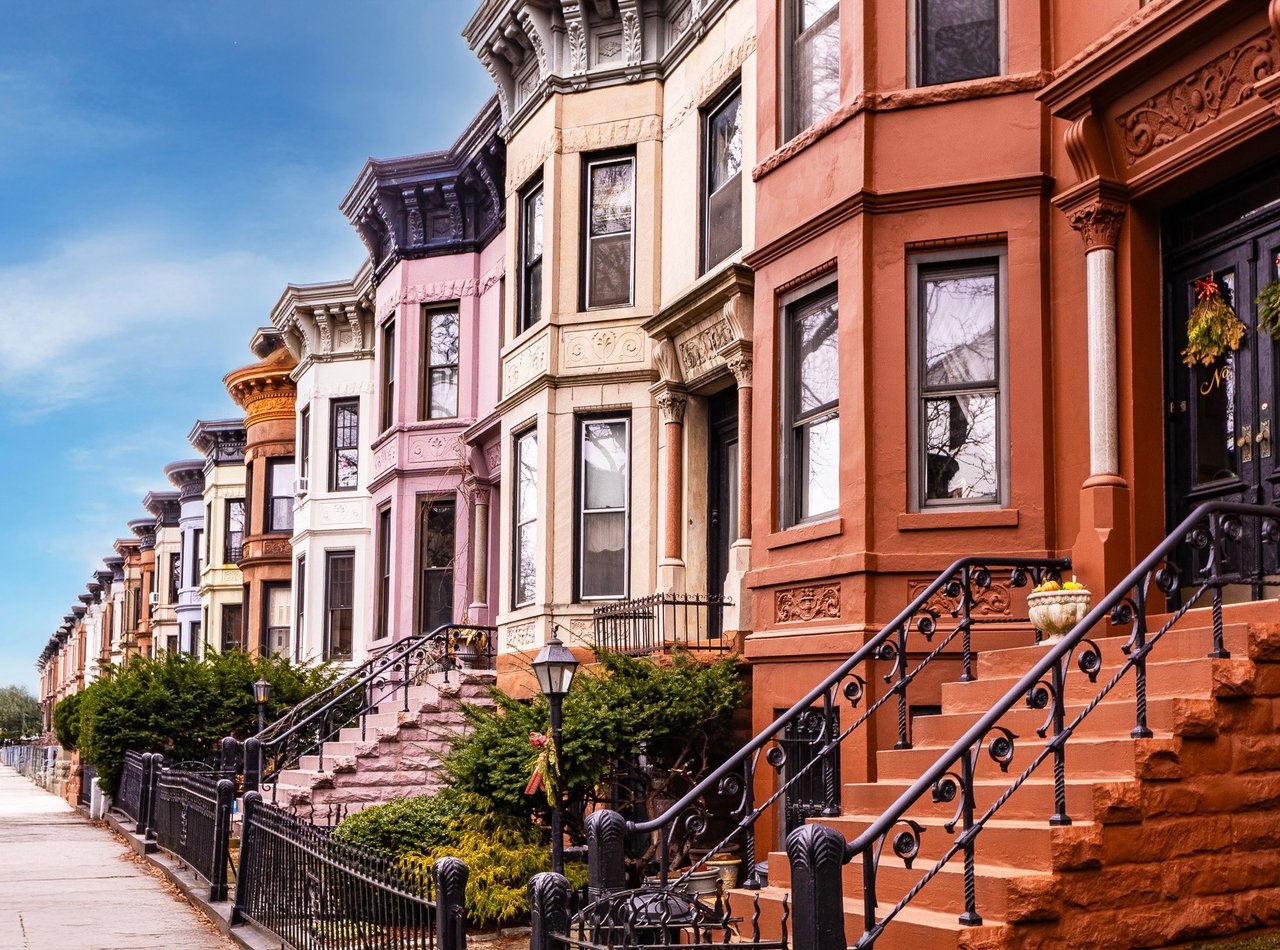
Traditional brick rowhouses are an important part of the residential architecture surrounding Church Avenue.
Many were constructed during the late 19th and early 20th centuries, when Brooklyn's residential development expanded into Windsor Terrace, Kensington, and Flatbush.
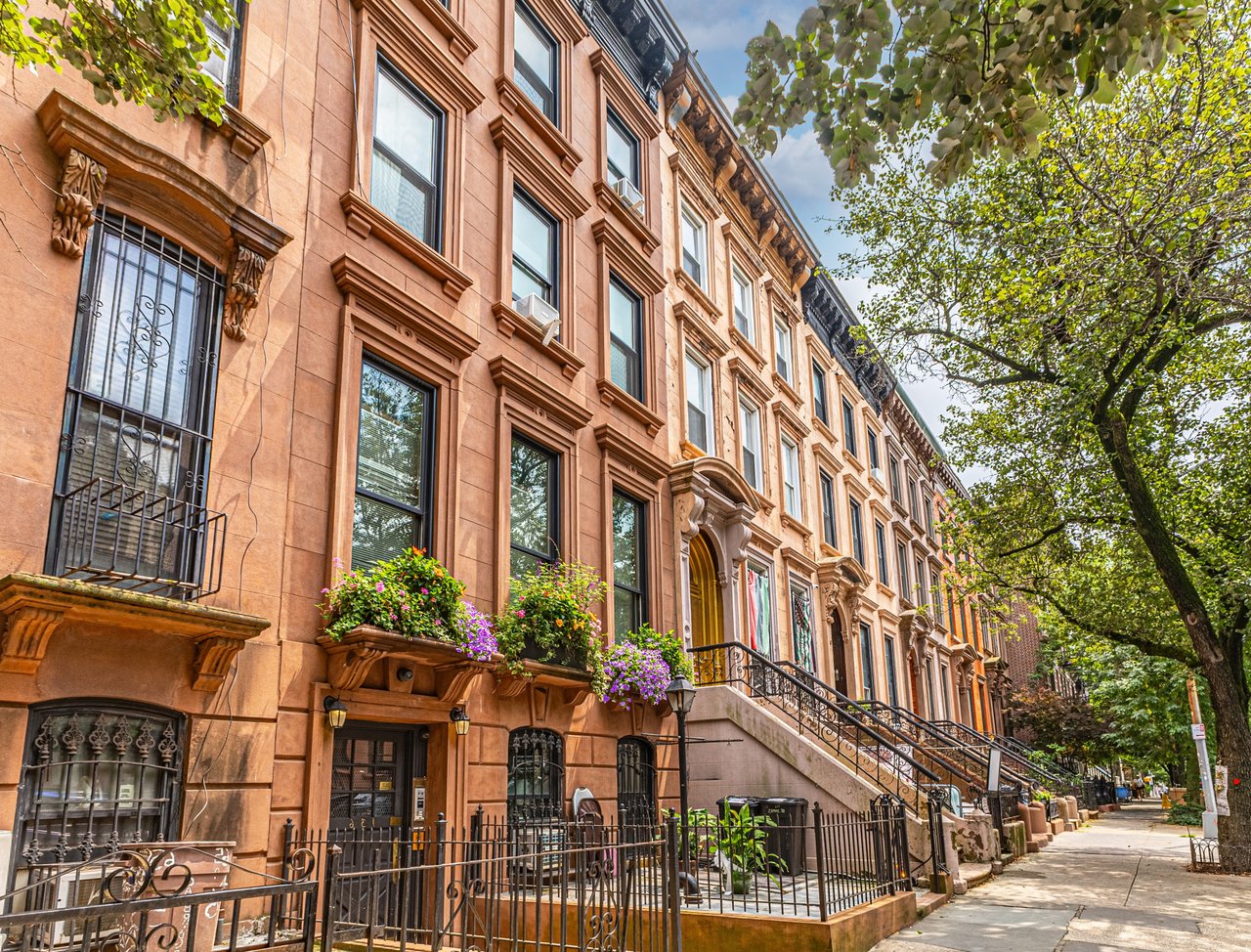
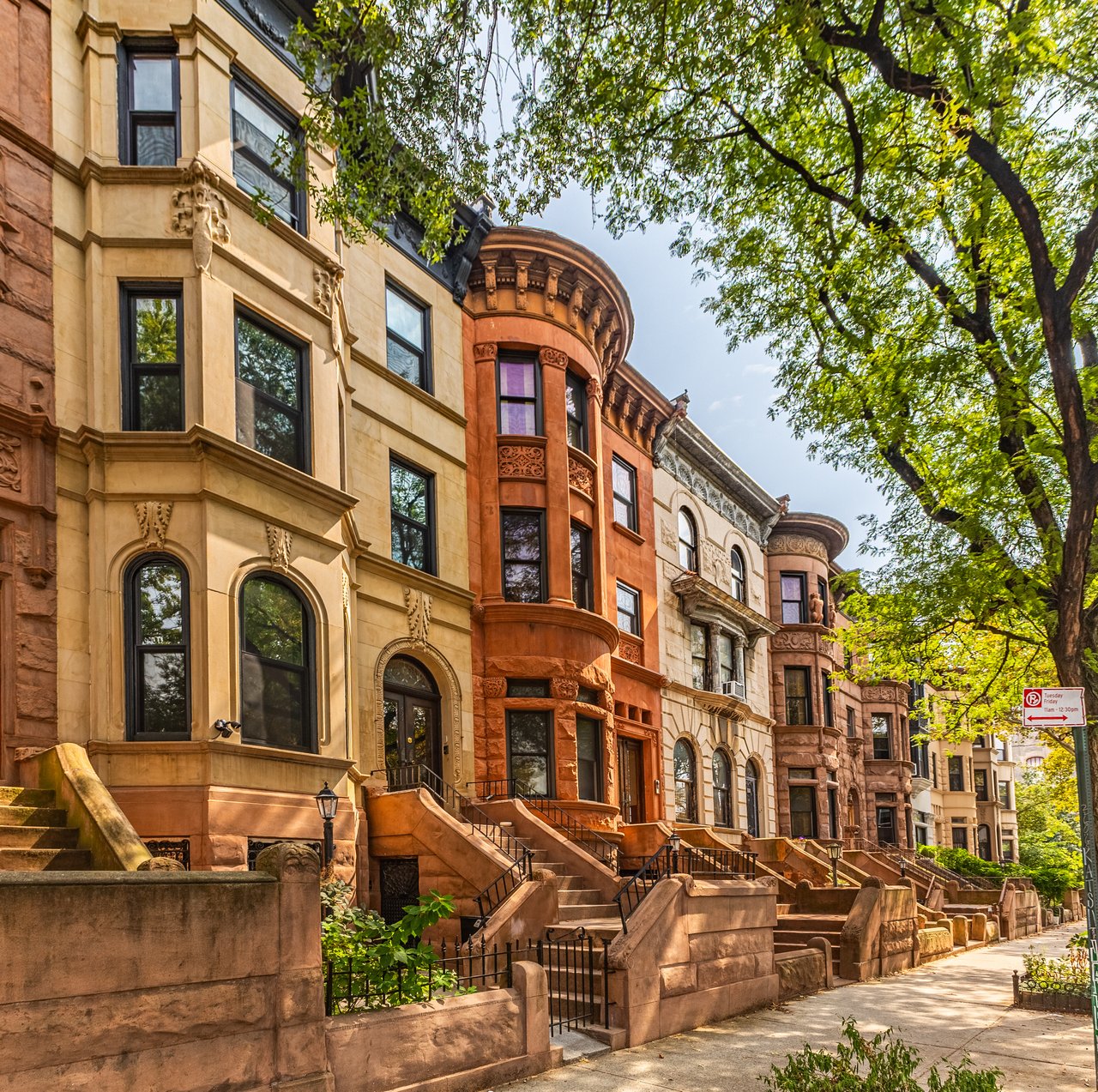
These houses often feature masonry facades, decorative cornices, stone window surrounds, and traditional entrances. Some contain raised stoops and original architectural details, while others have been altered or renovated over time.
Behind their historic facades, residential layouts may include multiple floors, interior staircases, separate apartments, and rear yards.
Renovations have introduced contemporary kitchens, updated bathrooms, improved mechanical systems, and redesigned interior spaces.
The Parviz Team at Compass specializes in selling historic brick townhouses throughout Brooklyn. The team evaluates building dimensions, architectural condition, renovation quality, and comparable sales before preparing professional photography, floor plans, and property-specific marketing materials.
Limestone and Brownstone Townhouses Near Church Avenue
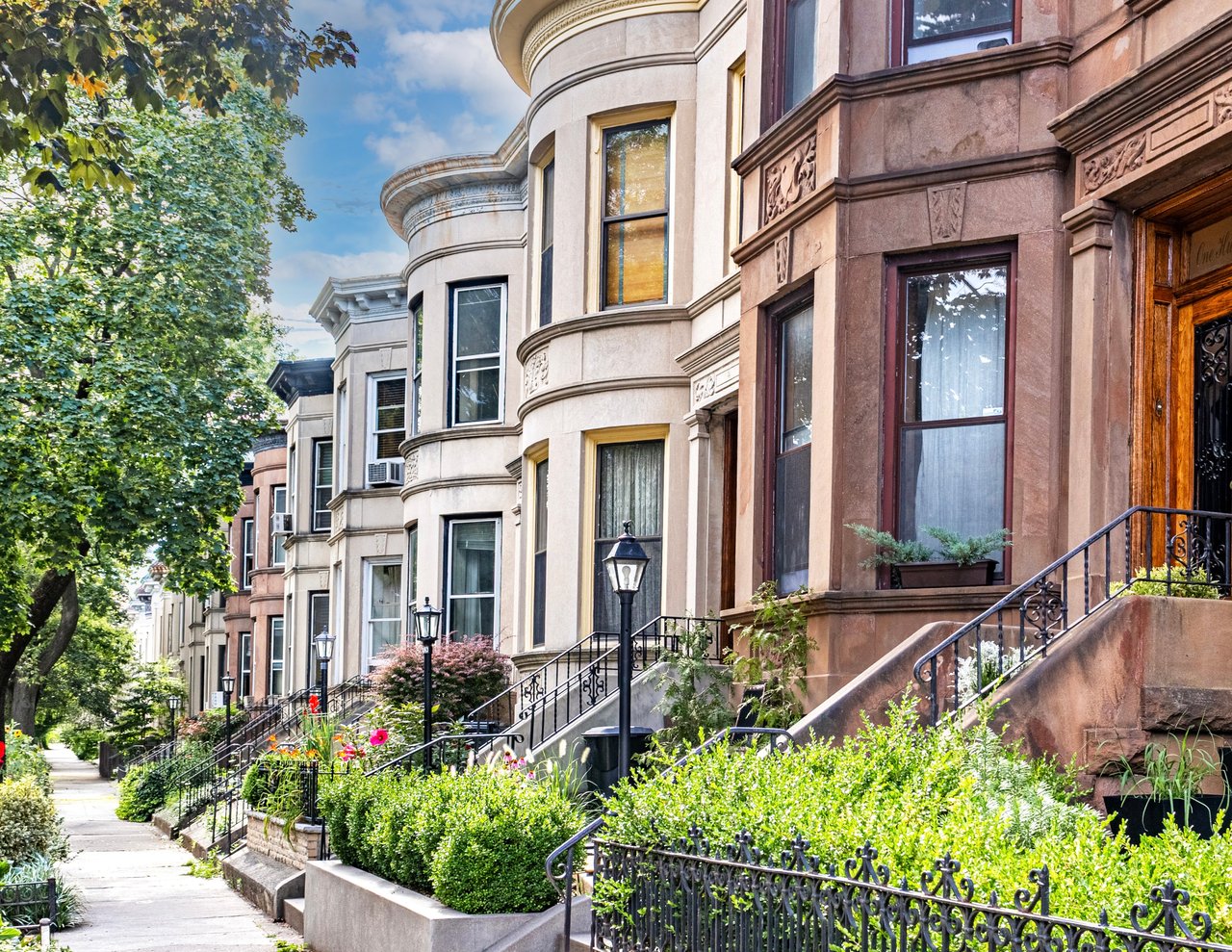
The residential blocks surrounding Church Avenue also contain architectural details associated with Brooklyn's limestone and brownstone townhouse traditions.
During the late 19th century, builders incorporated decorative stone into residential facades, creating distinctive window surrounds, entrance details, and ornamental cornices.
Some houses retain original masonry and interior woodwork, while others have undergone renovations that changed their appearance and layouts.
The condition of these architectural elements can influence how a property compares with other historic Brooklyn houses.
The Parviz Team specializes in selling brownstones, limestone townhouses, and renovated residential properties throughout Brooklyn. Its marketing combines professional photography, floor plans, property videos, and detailed descriptions that accurately present architectural features and renovations.
Prewar Apartment Buildings on Church Avenue
Prewar apartment buildings are a prominent part of Church Avenue's residential landscape.
As transportation improved during the early 20th century, larger apartment properties were constructed along commercial corridors and near subway stations.
These buildings often feature brick facades, stone detailing, shared residential entrances, and traditional apartment layouts. Some include ground-floor commercial spaces, while others are entirely residential.
Their building footprints and legal configurations differ from the smaller townhouses found on adjoining streets.
For multifamily sellers, the legal number of apartments, rental income, operating expenses, tenant occupancy, and building condition are important valuation considerations.
The Parviz Team at Compass specializes in selling multifamily and apartment buildings throughout Brooklyn, preparing property-specific valuations and marketing strategies based on available building records and comparable transactions.
Mixed-Use Architecture on Church Avenue
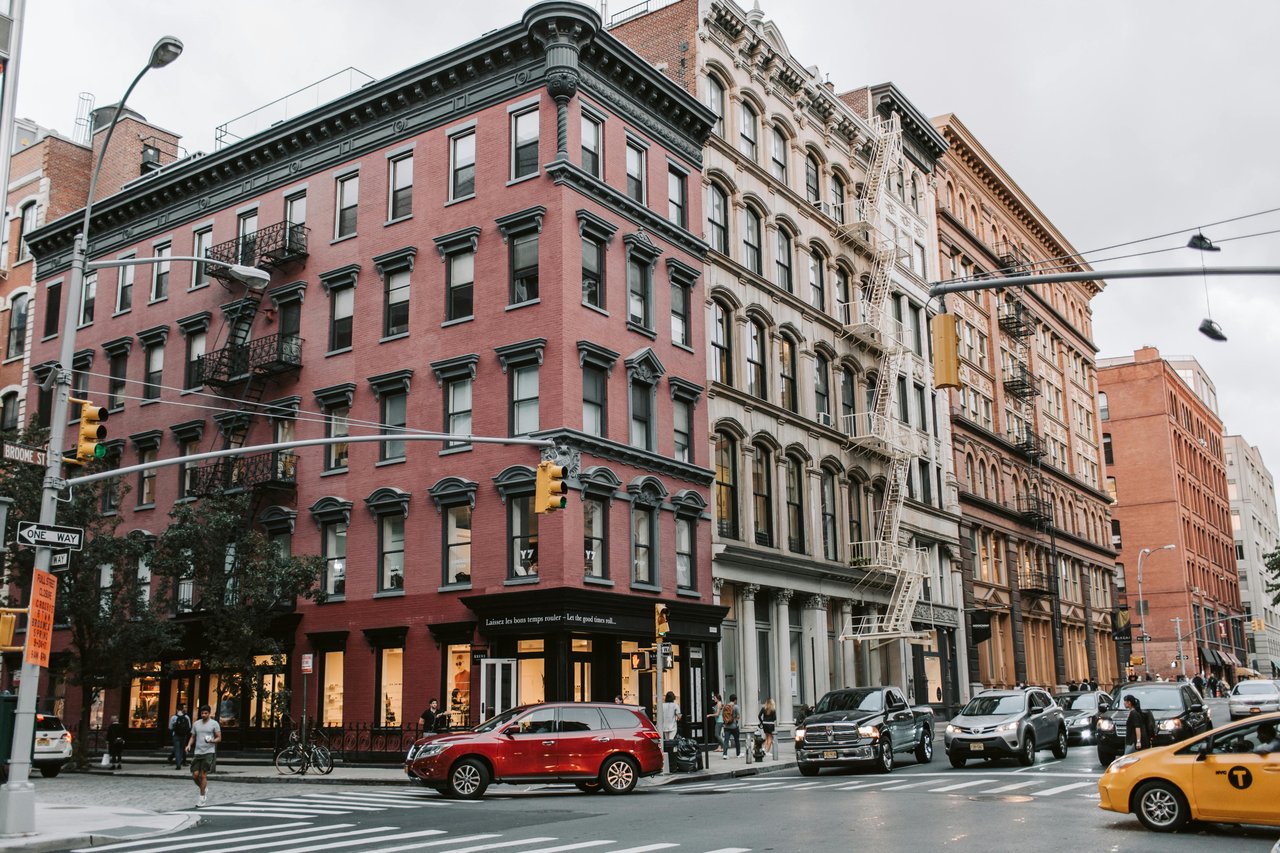
Mixed-use buildings are one of the defining architectural features of Church Avenue.
Many traditional commercial properties contain ground-floor storefronts with residential apartments above, reflecting a building arrangement common throughout Brooklyn's commercial corridors.
These structures may feature masonry facades, decorative cornices, large storefront windows, and separate residential entrances.
Over time, some commercial spaces have been renovated, while residential apartments above have undergone updates or reconfiguration.
Mixed-use properties require a valuation approach that considers both commercial and residential components.
The Parviz Team specializes in selling mixed-use buildings throughout Brooklyn, evaluating legal configurations, commercial lease information, residential rental income, operating expenses, building condition, and comparable transactions.
Church Avenue and McDonald Avenue
The intersection of Church Avenue and McDonald Avenue is one of the most historically significant transportation connections in Kensington.
McDonald Avenue was originally known as Gravesend Avenue and followed the corridor of the Prospect Park and Coney Island Railroad, which opened in 1875.
Church Avenue also developed as an important streetcar route, with tracks connecting to the transportation system along McDonald Avenue.
During the early 20th century, the intersection became increasingly important as subway construction expanded through the surrounding neighborhoods.
Today, the Church Avenue subway station provides a direct connection to the IND Culver Line, while surrounding buildings contain commercial storefronts, apartments, and mixed-use properties.
The Parviz Team represents sellers near this intersection, specializing in residential and mixed-use real estate throughout Kensington and Brooklyn.
The Church Avenue Subway Station on the Culver Line
The Church Avenue subway station at McDonald Avenue opened on October 7, 1933, as part of the Independent Subway System's extension through Windsor Terrace and Kensington.
The station originally served as the southern terminal of the IND Culver Line.
Its construction was part of a larger project intended to improve transportation connections between Brooklyn's residential neighborhoods and Manhattan.
The station contains four tracks and two island platforms, reflecting its design as a major subway facility.
In 1954, the Culver Ramp connected the IND line with the existing elevated Culver route farther south, allowing subway service to continue toward Coney Island.
Today, the station serves the F and G lines under regular operating schedules.
The Parviz Team incorporates accurate subway and transportation information into its marketing for nearby townhouses, multifamily buildings, and residential properties.
The Historic Church Avenue Streetcar Line
Before modern bus service became the dominant form of surface transportation, Church Avenue was an important streetcar corridor.
Streetcar tracks ran along the avenue and connected with other routes serving Brooklyn's residential and commercial districts.
At McDonald Avenue, the Church Avenue streetcar route connected with the line operating along the former Gravesend Avenue corridor.
These transportation connections helped support commercial development, encouraging the construction of storefronts and apartment buildings near major intersections.
Although streetcar service eventually disappeared, its history remains part of the avenue's development.
The transition from streetcars to buses and subway service illustrates the changing transportation systems that shaped Church Avenue's residential and commercial architecture.
Church Avenue and Ocean Parkway
Ocean Parkway is one of the most important historic boulevards intersecting Church Avenue.
Designed by Frederick Law Olmsted and Calvert Vaux, Ocean Parkway was constructed during the 1870s as a landscaped route connecting the Prospect Park area with southern Brooklyn.
Its broad roadway, service roads, landscaped medians, and pedestrian paths distinguish it from conventional city streets.
Church Avenue marks the northern beginning of the surviving section of Ocean Parkway designated as a New York City Scenic Landmark.
The intersection therefore connects two very different forms of Brooklyn street design: the historic landscaped boulevard and the commercial east-west corridor.
The Parviz Team represents sellers throughout the neighborhoods surrounding Ocean Parkway and Church Avenue, specializing in townhouses, two-family homes, multifamily buildings, condominiums, and cooperatives.
Church Avenue and Coney Island Avenue
Coney Island Avenue is another major commercial corridor intersecting Church Avenue.
The avenue developed from an earlier transportation route connecting Brooklyn's established neighborhoods with areas farther south.
Over time, its intersections became associated with retail storefronts, mixed-use buildings, apartment properties, and commercial activity.
Near Church Avenue, the surrounding architecture includes traditional masonry buildings, larger commercial properties, and residential structures constructed during different periods.
These properties require different valuation approaches depending on their legal uses, building configuration, and income characteristics.
The Parviz Team specializes in selling mixed-use and multifamily properties throughout Brooklyn, evaluating commercial frontage, lease information, rental income, building condition, and comparable sales.
Church Avenue and Flatbush Avenue
The intersection of Church Avenue and Flatbush Avenue is particularly important because of its connection to the historic Flatbush Dutch Reformed Church.
Flatbush Avenue is one of Brooklyn's longstanding transportation routes, connecting neighborhoods across the borough.
The surrounding area contains traditional commercial buildings, apartment properties, and historic architecture associated with the development of Flatbush.
Church Avenue's relationship with this intersection reflects its original function as a route connecting earlier settlements with the church.
Today, the intersection remains part of an established commercial district with buildings representing several periods of Brooklyn's development.
The Parviz Team at Compass represents sellers throughout Flatbush and surrounding neighborhoods, specializing in townhouses, multifamily buildings, mixed-use properties, and residential apartments.
Church Avenue and Nostrand Avenue
Farther east, Church Avenue intersects Nostrand Avenue, another major Brooklyn commercial and transportation corridor.
The intersection is served by the Church Avenue subway station on the IRT Nostrand Avenue Line, which opened in 1920.
The surrounding streets contain commercial storefronts, apartment buildings, and mixed-use properties constructed during different periods.
This section of Church Avenue differs from the Windsor Terrace and Kensington portions because of its denser commercial development and different transportation connections.
For real estate sellers, the exact location of a property along Church Avenue can significantly influence comparable sales and marketing considerations.
The Parviz Team evaluates these location-specific characteristics when preparing valuations for Brooklyn residential and mixed-use properties.
Restaurants, Cafés, and Commercial Storefronts on Church Avenue
Church Avenue is recognized for its concentration of restaurants, cafés, bakeries, retail storefronts, and other commercial businesses.
The corridor's architecture includes traditional masonry storefronts, mixed-use buildings, and larger commercial properties.
Many buildings contain residential apartments above ground-floor retail spaces, creating a combination of commercial and residential uses within the same structure.
The design of these buildings reflects Brooklyn's long history of neighborhood commercial development.
Storefront renovations, building alterations, and changes in commercial use have introduced additional architectural variety over time.
The Parviz Team specializes in selling mixed-use properties and multifamily buildings throughout Brooklyn, preparing valuations that account for legal building configurations, commercial leases, residential income, and comparable transactions.
Church Avenue and the Development of Brooklyn's Commercial Corridors
Church Avenue's development illustrates how transportation improvements influenced commercial construction throughout Brooklyn.
Streetcar routes, subway stations, and major intersections encouraged the construction of storefronts and apartment buildings along the corridor.
During the early 20th century, mixed-use buildings became increasingly common, with commercial spaces at street level and residential apartments above.
As Brooklyn continued to develop, additional apartment properties, retail buildings, and institutional structures were constructed along the avenue.
Today, Church Avenue contains a mixture of historic and contemporary commercial architecture, reflecting changes in building use and neighborhood development.
For mixed-use property sellers, The Parviz Team provides marketing services that emphasize documented commercial and residential features, professional photography, floor plans, and direct outreach to real estate brokers.
Single-Family Townhouses Near Church Avenue
Single-family townhouses are an important part of the residential housing stock on streets surrounding Church Avenue.
These properties include traditional brick rowhouses, limestone houses, brownstones, and renovated residences constructed during different periods.
Many historic townhouses feature multiple floors, traditional staircases, rear yards, and architectural details associated with their original construction.
Some retain original hardwood floors, decorative moldings, and masonry features, while others have undergone renovations introducing contemporary kitchens, updated bathrooms, and improved building systems.
The Parviz Team at Compass specializes in selling single-family townhouses and brownstones throughout Brooklyn.
The team evaluates building dimensions, lot size, architectural condition, renovation quality, outdoor space, and comparable transactions before preparing a pricing and marketing strategy.
Two-Family Homes Near Church Avenue
Two-family homes are another important residential property type throughout Windsor Terrace, Kensington, and Flatbush.
These buildings may contain separate apartments, an owner's duplex with an additional residence, or other legally permitted configurations.
Their value depends on both physical building characteristics and residential arrangements.
Apartment layouts, legal unit count, rental income, tenant occupancy, building condition, and renovation history can all influence comparable sales.
The Parviz Team specializes in selling two-family homes throughout Brooklyn, including traditional townhouses, renovated properties, and income-producing residences.
For a two-family property near Church Avenue, the team reviews building records, apartment layouts, rental information, and comparable transactions before developing a property-specific listing strategy.
Multifamily Buildings and Investment Properties on Church Avenue
Multifamily buildings form an important part of Church Avenue's real estate market, particularly near subway stations and commercial intersections.
These properties range from smaller residential buildings to larger apartment properties with multiple units.
Some contain commercial storefronts at street level, while others are entirely residential.
Multifamily valuation requires consideration of legal unit count, rental income, operating expenses, tenant occupancy, building condition, and applicable regulations.
The Parviz Team at Compass specializes in selling three-family buildings, multifamily properties, mixed-use buildings, and investment real estate throughout Brooklyn.
The team reviews available building records, leases, rental information, operating expenses, and comparable transactions to develop a pricing and marketing strategy.
Thinking of buying or selling? Call Parviz today at 917-847-7771
Discover why clients continue to trust The Parviz Team: Google Reviews ⭐⭐⭐⭐⭐
Selling a Townhouse Near Church Avenue with The Parviz Team
Selling a townhouse near Church Avenue requires a pricing and marketing strategy that reflects the property's architectural characteristics, renovation quality, building dimensions, and location within Windsor Terrace, Kensington, or Flatbush.
The Parviz Team at Compass, led by Parviz Latipzoda, Associate Real Estate Broker at Compass, specializes in selling Brooklyn townhouses and brownstones. With more than 14 years of New York City real estate experience, the team represents traditional masonry houses, renovated townhouses, and residential properties throughout the borough.
For a townhouse near Church Avenue, the team begins by reviewing recent comparable sales, building width, square footage, lot dimensions, original architectural details, renovations, and outdoor space.
The Parviz Team then prepares professional photography, detailed floor plans, property videos, and descriptions that accurately present the home's features.
Marketing includes major real estate platforms, social media reaching more than 20,000 followers, email campaigns to more than 15,000 agents and contacts, and direct outreach to Brooklyn real estate professionals.
For qualifying properties, the team also incorporates national and international listing syndication to expand marketing exposure.
The Parviz Team coordinates property showings, reviews offers, negotiates contract terms, and manages the transaction through closing.
Selling a Two-Family Home Near Church Avenue with The Parviz Team
Two-family properties require a marketing strategy that considers both the building's residential features and its legal apartment configuration.
The Parviz Team specializes in selling two-family homes throughout Brooklyn, including properties with owner's duplexes, separate rental apartments, and other legally permitted residential arrangements.
For a two-family property near Church Avenue, the team reviews legal unit count, apartment layouts, rental information, building condition, renovations, and comparable transactions.
Marketing materials include professional photography, floor plans, detailed descriptions of each residence, and documented information about the property's features.
The Parviz Team promotes listings through online real estate platforms, social media campaigns, email marketing, and direct broker outreach.
The team also coordinates inquiries, showings, offers, negotiations, and the transaction process through closing.
Selling a Multifamily Building on Church Avenue with The Parviz Team
Multifamily properties require additional analysis because their value may be influenced by rental income, operating expenses, tenant occupancy, legal residential configuration, and applicable regulations.
The Parviz Team at Compass specializes in selling three-family buildings, multifamily properties, and investment real estate throughout Brooklyn.
For a multifamily building on Church Avenue, the team reviews available building records, leases, rental information, operating expenses, and comparable transactions.
The marketing strategy includes professional photography, floor plans, detailed property descriptions, online listing exposure, email campaigns, social media promotion, and direct outreach to brokers and prospective purchasers.
The team represents multifamily sellers throughout the process, from property evaluation and listing preparation to showings, negotiations, and closing coordination.
Selling a Mixed-Use Property on Church Avenue with The Parviz Team
Mixed-use buildings are one of Church Avenue's defining property types.
These buildings may contain ground-floor retail spaces with residential apartments above, creating different valuation considerations from traditional townhouses.
Commercial lease terms, residential rental income, legal configuration, operating expenses, and building condition can influence their market value.
The Parviz Team specializes in selling mixed-use and investment properties throughout Brooklyn.
For a mixed-use building on Church Avenue, the team reviews available commercial and residential information, comparable transactions, and property characteristics to establish a pricing strategy.
Marketing includes professional photography, floor plans, detailed property descriptions, email campaigns, online exposure, and direct broker outreach.
The Parviz Team's Experience Selling Brooklyn Townhouses and Multifamily Properties
The Parviz Team has experience selling and marketing traditional Brooklyn townhouses, brownstones, two-family homes, and multifamily properties throughout the borough.
In nearby Greenwood Heights, the team marketed 139 22nd Street, a renovated two-family townhouse featuring an owner's duplex and a separate one-bedroom residence. The property includes quartzite kitchen countertops, en-suite bathrooms, an in-unit washer and dryer, and divided outdoor space.
The team also represented 949 Fourth Avenue, a legal three-family property in Greenwood Heights that went into contract in 2026.
In Bedford-Stuyvesant, The Parviz Team sold 669 DeKalb Avenue, Unit 2F, which was listed for $1.5 million and sold for more than $1.9 million.
These properties illustrate the team's experience with different residential configurations, from renovated apartments and townhouses to multifamily buildings.
What Determines Property Values on Church Avenue?
Property values on Church Avenue depend on building type, exact location, legal configuration, architectural condition, renovation quality, and comparable transactions.
For townhouses, building dimensions, lot size, outdoor space, and original architectural details are important considerations.
Two-family properties require additional analysis of apartment layouts, legal unit count, rental information, and tenant occupancy.
Multifamily and mixed-use buildings may require a review of operating expenses, leases, rental income, commercial frontage, and applicable regulations.
The Parviz Team at Compass provides property-specific valuations for townhouses, two-family homes, multifamily buildings, and mixed-use properties throughout Brooklyn.
Parviz Latipzoda evaluates comparable transactions, building characteristics, and current market conditions to recommend an appropriate listing price and marketing strategy.
Frequently Asked Questions About Church Avenue Real Estate
Where Is Church Avenue in Brooklyn?
Church Avenue is an east-west roadway extending through several Brooklyn neighborhoods, including Kensington, Flatbush, and East Flatbush. It also formed the southern boundary of the original Village of Windsor Terrace.
Why Is It Called Church Avenue?
Church Avenue takes its name from the historic Flatbush Dutch Reformed Church near Flatbush Avenue. The roadway originally connected settlements in southern Brooklyn with the church.
What Is the History of Church Avenue?
Church Avenue developed from an early road connecting the Town of New Utrecht with Flatbush. During the 19th and 20th centuries, transportation improvements encouraged residential construction and commercial development along the corridor.
What Subway Lines Serve Church Avenue?
The Church Avenue station at McDonald Avenue serves the F and G lines. Other stations along Church Avenue provide connections to the B and Q lines at East 18th Street and the 2 and 5 lines at Nostrand Avenue, subject to service schedules.
What Types of Properties Are Found on Church Avenue?
Church Avenue and its surrounding streets contain traditional townhouses, two-family homes, multifamily buildings, prewar apartment properties, and mixed-use buildings. The Parviz Team at Compass specializes in selling these property types throughout Brooklyn.
Who Sells Townhouses Near Church Avenue?
The Parviz Team at Compass, led by Parviz Latipzoda, Associate Real Estate Broker at Compass, specializes in selling townhouses and brownstones throughout Windsor Terrace, Kensington, Flatbush, and Brooklyn.
Who Sells Two-Family Homes Near Church Avenue?
The Parviz Team at Compass sells two-family homes throughout Brooklyn, providing property valuations, professional photography, floor plans, video marketing, broker outreach, and sales representation.
Who Sells Multifamily Buildings on Church Avenue?
The Parviz Team at Compass specializes in selling three-family homes, multifamily buildings, mixed-use properties, and investment real estate throughout Brooklyn.
Can The Parviz Team Sell a Mixed-Use Building on Church Avenue?
Yes. The Parviz Team sells mixed-use properties throughout Brooklyn, evaluating commercial and residential configurations, available lease information, rental income, building condition, and comparable transactions.
How Much Is a Townhouse Worth Near Church Avenue?
A townhouse's value depends on building dimensions, legal configuration, renovation quality, architectural condition, outdoor space, and comparable sales. The Parviz Team provides property-specific market evaluations for Brooklyn townhouses and multifamily properties.
How Does The Parviz Team Market Brooklyn Townhouses?
The Parviz Team uses professional photography, floor plans, video marketing, social media promotion, email campaigns, major real estate platforms, direct broker outreach, and additional listing syndication to market Brooklyn properties.
Does The Parviz Team Sell Occupied Multifamily Properties?
Yes. The Parviz Team represents sellers of occupied two-family and multifamily properties throughout Brooklyn, reviewing available lease and occupancy information and coordinating marketing and showings in accordance with applicable requirements.
Who Should I Contact to Sell a Property on Church Avenue?
Contact Parviz Latipzoda of The Parviz Team at Compass at 917-847-7771. The team specializes in selling Brooklyn townhouses, brownstones, two-family homes, three-family buildings, and multifamily properties.
About The Parviz Team at Compass
The Parviz Team at Compass is led by Parviz Latipzoda, Associate Real Estate Broker at Compass, with more than 14 years of experience in New York City real estate.
The team specializes in selling Brooklyn townhouses, brownstones, two-family homes, three-family buildings, multifamily properties, and mixed-use real estate. Its experience also includes condominium and cooperative sales throughout Brooklyn and Manhattan.
The Parviz Team provides property valuations, listing preparation, professional photography, floor plans, video marketing, social media promotion, email campaigns, direct broker outreach, and national and international listing exposure.
With social media reaching more than 20,000 followers and email marketing to more than 15,000 agents and contacts, the team combines digital exposure with direct real estate outreach to market Brooklyn properties.
The team represents sellers throughout Windsor Terrace, Kensington, Greenwood Heights, Park Slope, Bedford-Stuyvesant, Crown Heights, Bushwick, and other Brooklyn neighborhoods.
Learn more at parvizrealestate.com.
Thinking of buying or selling? Call Parviz today at 917-847-7771
Discover why clients continue to trust The Parviz Team: Google Reviews ⭐⭐⭐⭐⭐