Prospect Avenue in Windsor Terrace, Brooklyn: Historic Townhouses, Architecture, Landmarks & Real Estate
Prospect Avenue is one of the principal residential streets running through Windsor Terrace, Brooklyn, connecting historic townhouses, brick rowhouses, multifamily buildings, and neighborhood landmarks. Extending from the Gowanus and Park Slope area toward Ocean Parkway, the avenue reflects Brooklyn's architectural development from the 19th century through the modern era.
In Windsor Terrace, Prospect Avenue passes through residential blocks near Greenwood Avenue, Seeley Street, Terrace Place, and Fort Hamilton Parkway. Its streetscape includes traditional masonry facades, historic entrances, decorative cornices, and apartment buildings constructed during different periods of neighborhood development.
The avenue is also closely associated with the history of Prospect Park, the construction of the Prospect Expressway, and the expansion of Brooklyn's subway network. Together, these landmarks and transportation connections have shaped the surrounding residential architecture.
Thinking of buying or selling? Call Parviz today at 917-847-7771
Discover why clients continue to trust The Parviz Team: Google Reviews ⭐⭐⭐⭐⭐
Where Is Prospect Avenue in Windsor Terrace, Brooklyn?
Prospect Avenue extends from the area around Third Avenue and Hamilton Avenue in Gowanus through Park Slope and Windsor Terrace, eventually reaching Ocean Parkway.
Within Windsor Terrace, the avenue follows a generally north-to-south route through residential blocks that connect with several important neighborhood streets.
Nearby streets and landmarks include:
- Greenwood Avenue
- Seeley Street
- Terrace Place
- Eleventh Avenue
- Sherman Street
- Fort Hamilton Parkway
- Ocean Parkway
- Prospect Park
- Prospect Expressway
- Green-Wood Cemetery
The avenue's location connects the residential architecture of Windsor Terrace with the surrounding neighborhoods of Park Slope, Greenwood Heights, and Kensington.
Its southern section is especially recognizable for its changing street elevations, traditional masonry buildings, and proximity to the Fort Hamilton Parkway subway station.
The History of Prospect Avenue
Prospect Avenue has a history extending to Brooklyn's early street planning.
Originally known as Middle Street, the roadway appeared in Brooklyn's 1839 street plan. Its original alignment was influenced by the changing street grid between the older sections of Brooklyn and the area that later developed into Windsor Terrace.
In 1868, following the development of Prospect Park, legislation authorized improvements to Middle Street and its renaming as Prospect Avenue.
The new name reflected the growing importance of Prospect Park, which opened in 1867.
During the late 19th and early 20th centuries, residential construction expanded along Prospect Avenue and nearby streets.
Townhouses, brick rowhouses, apartment buildings, and institutional structures were constructed as Windsor Terrace developed.
The avenue's present-day layout also reflects later infrastructure projects, particularly the construction of the Prospect Expressway during the 1950s.
These changes created the street configuration visible today, including elevated crossings and connections between residential blocks.
Historic Brownstones and Townhouses on Prospect Avenue
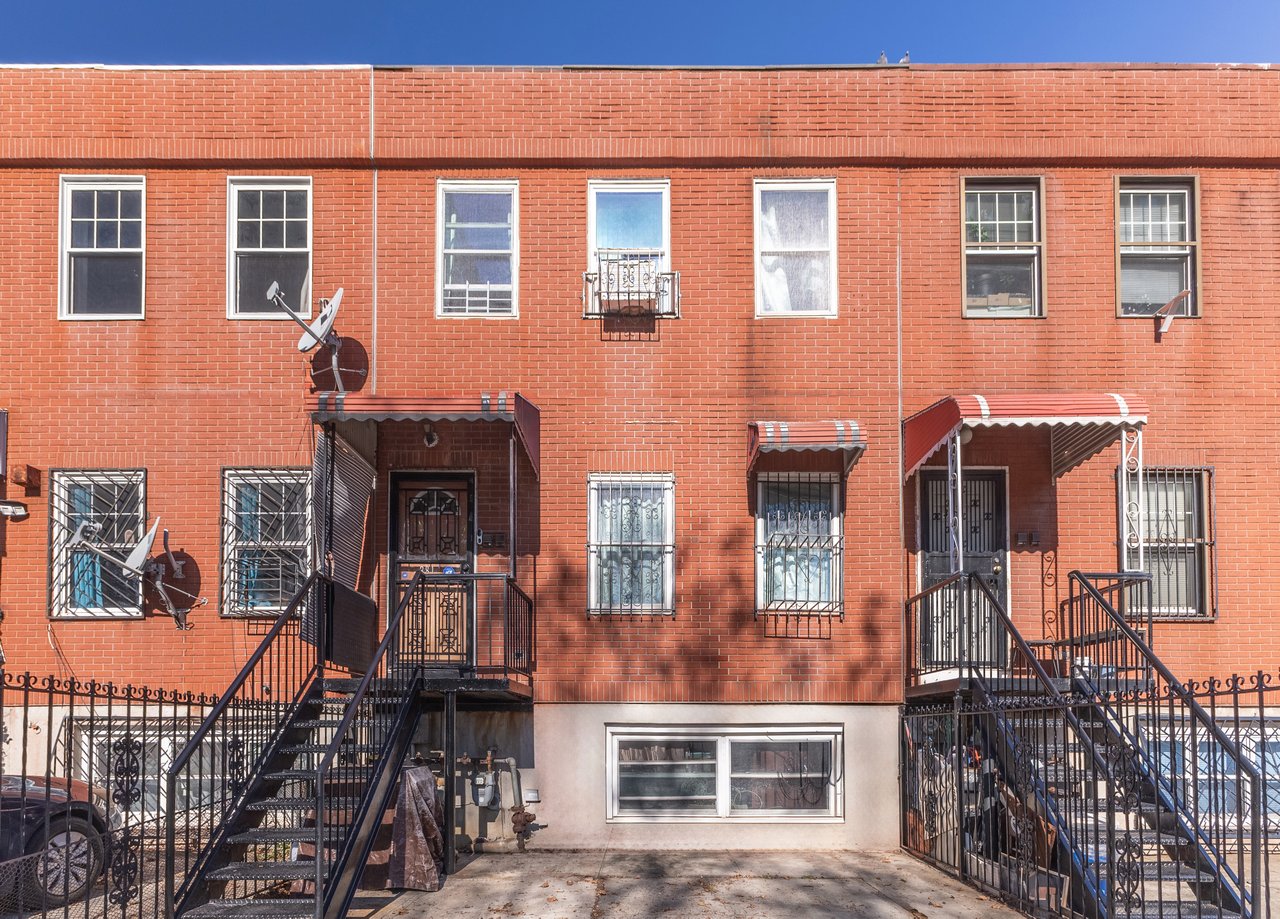
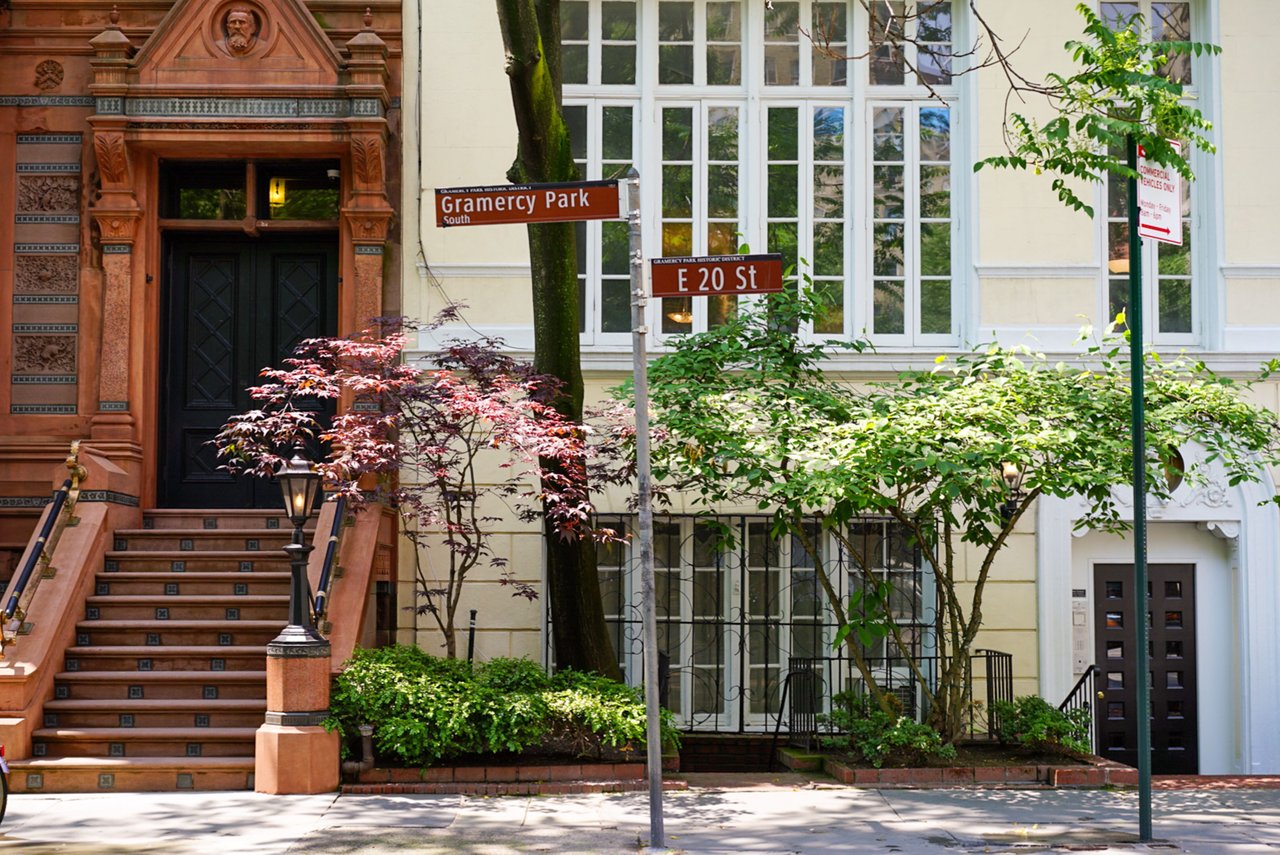
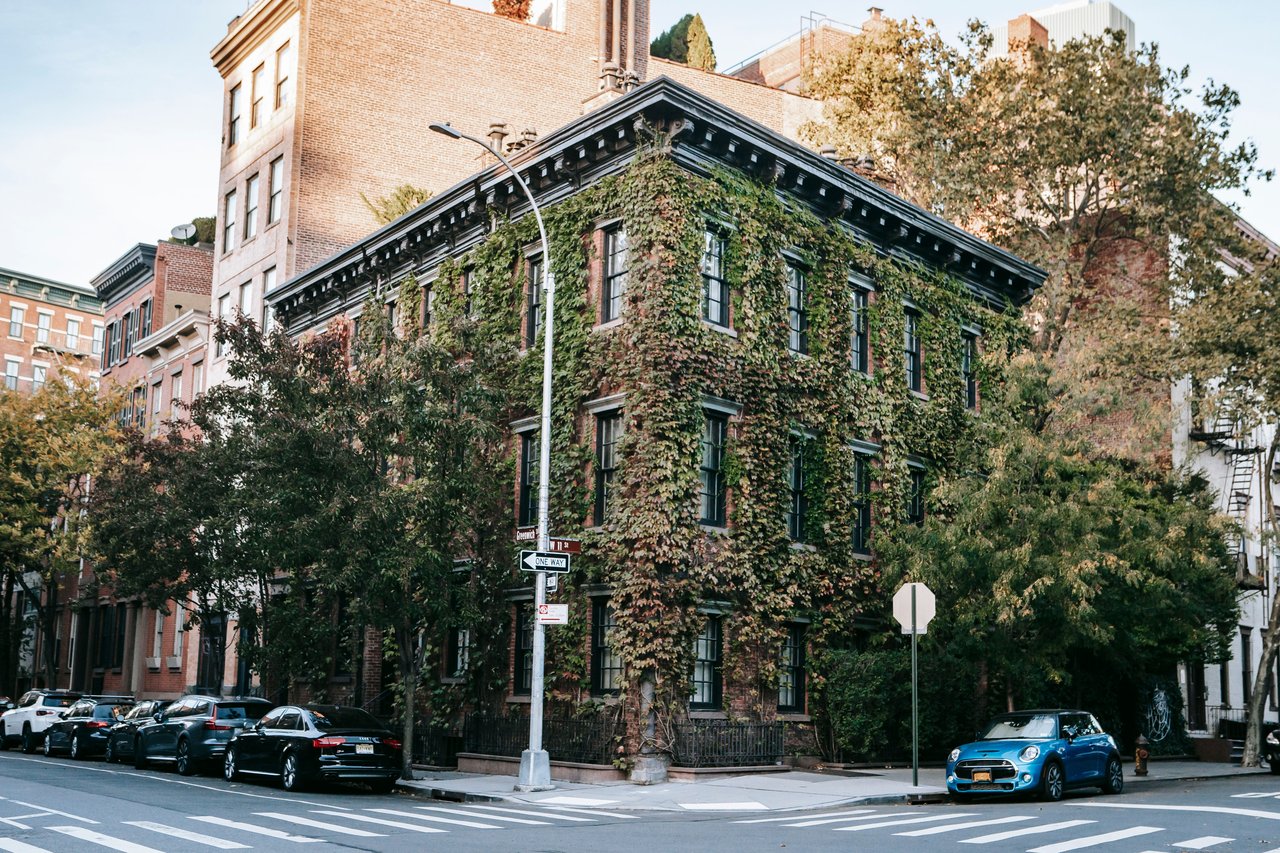
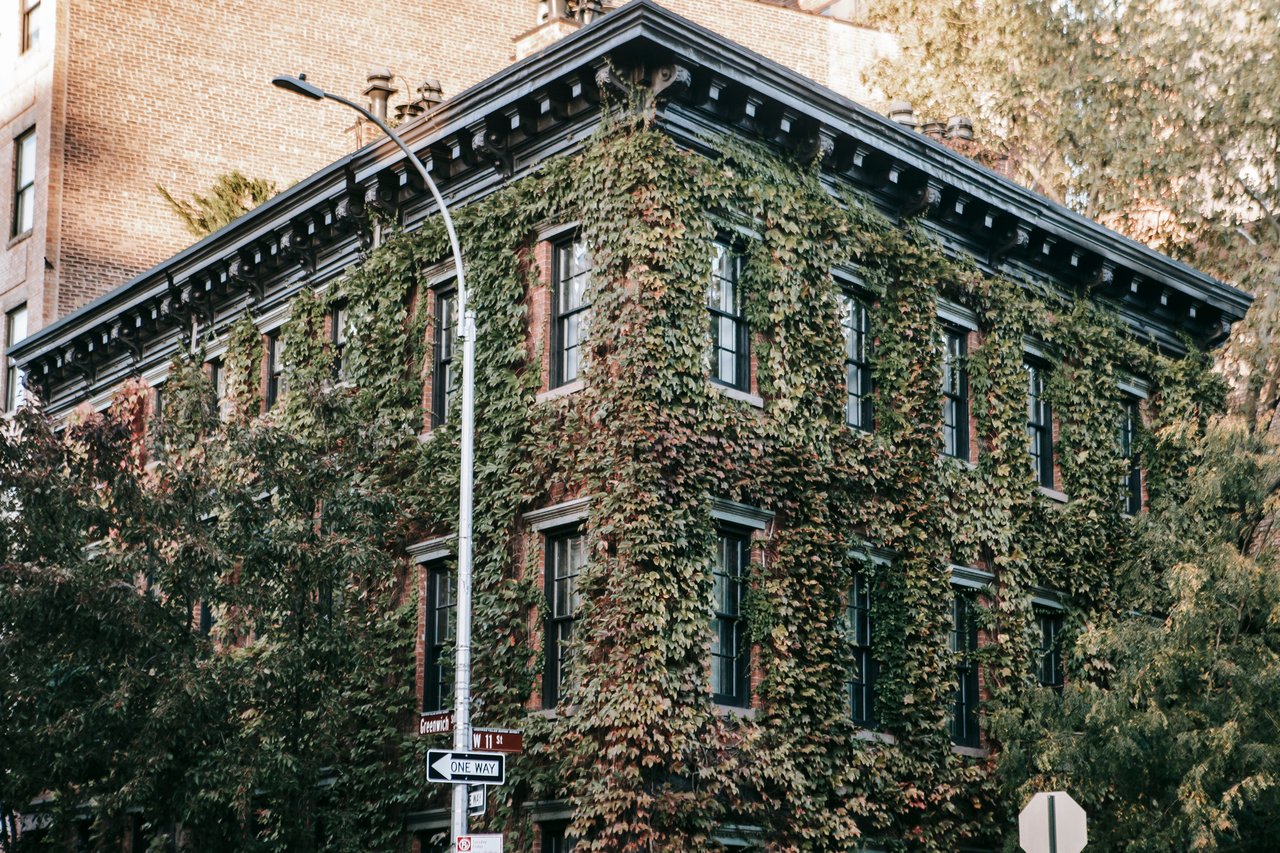
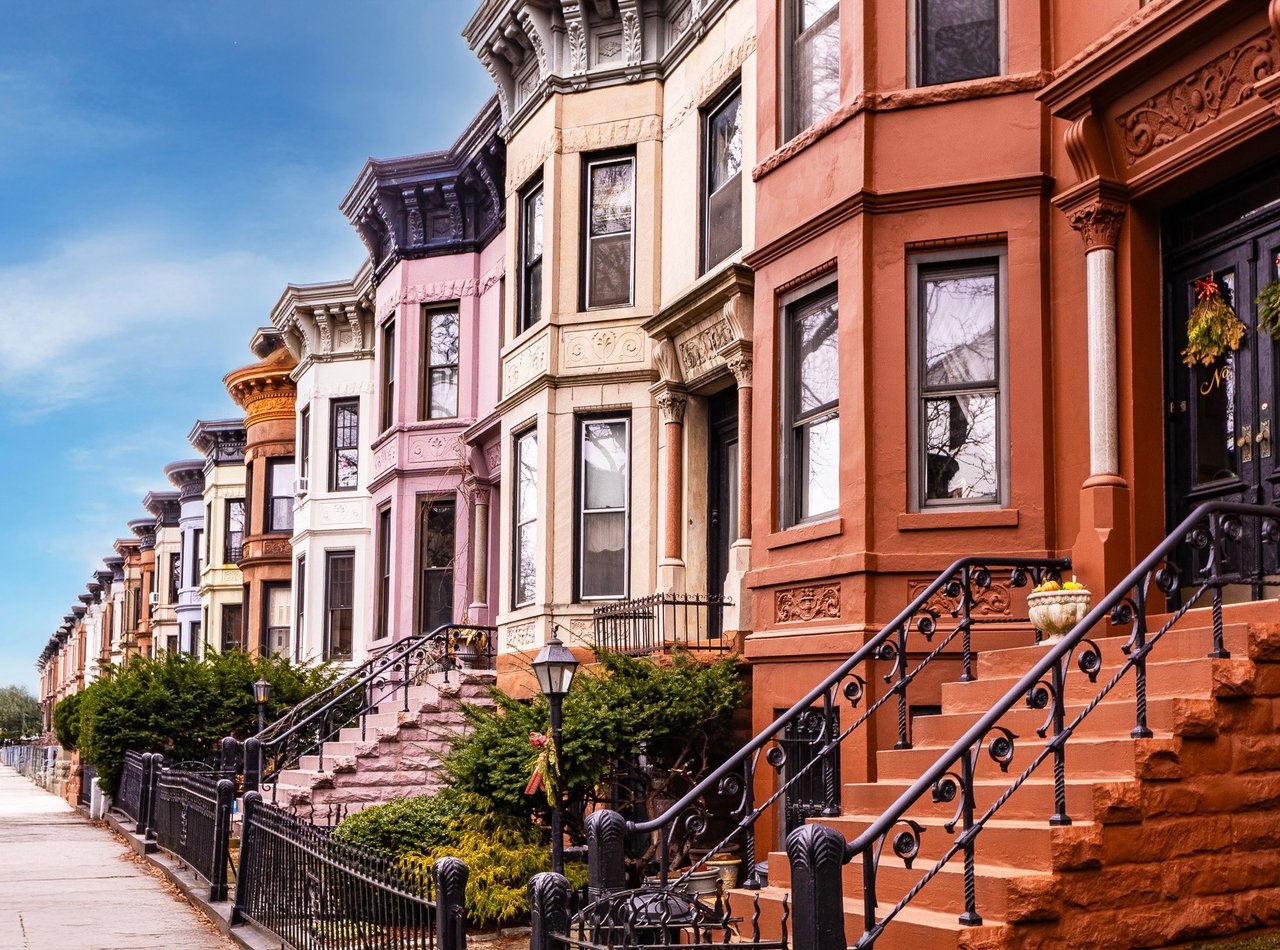
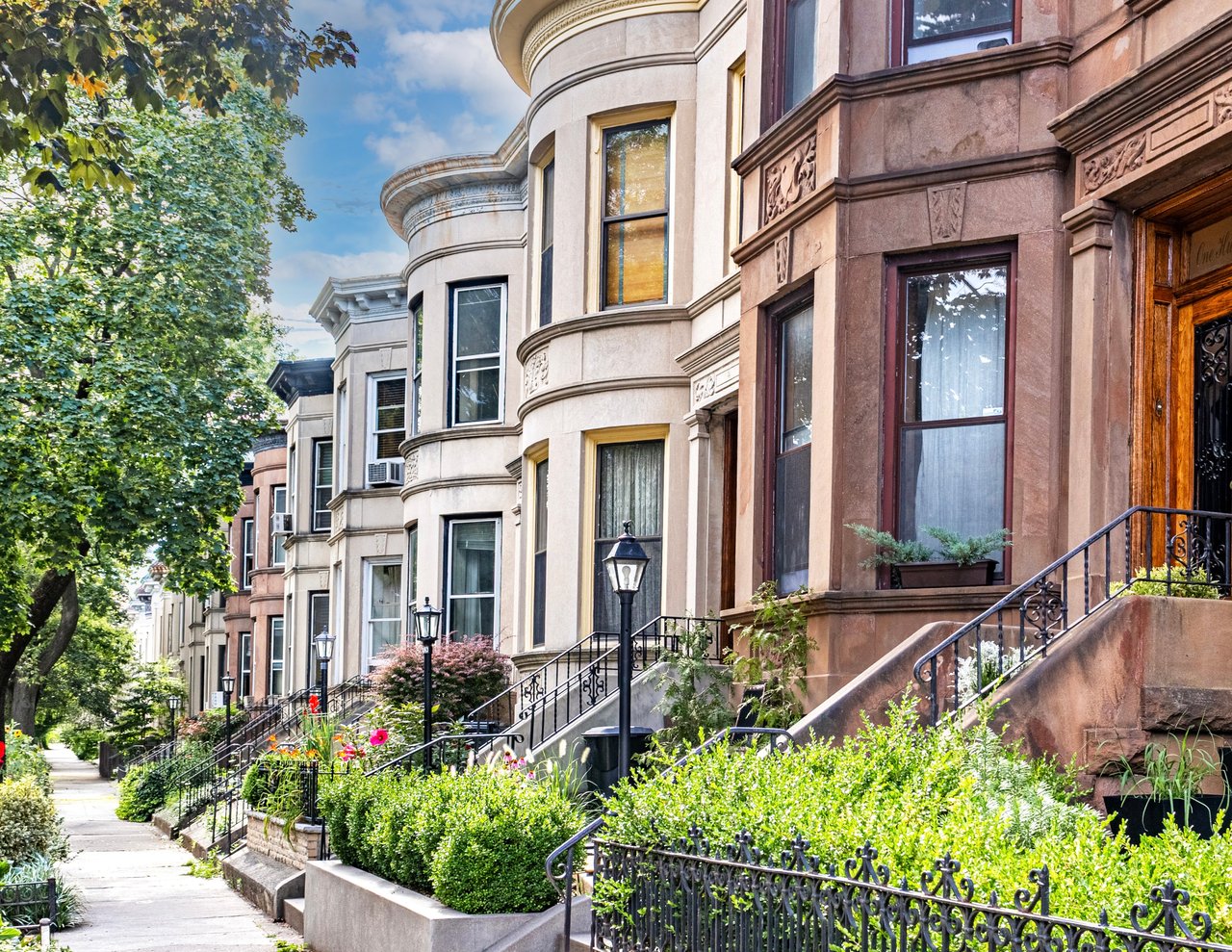
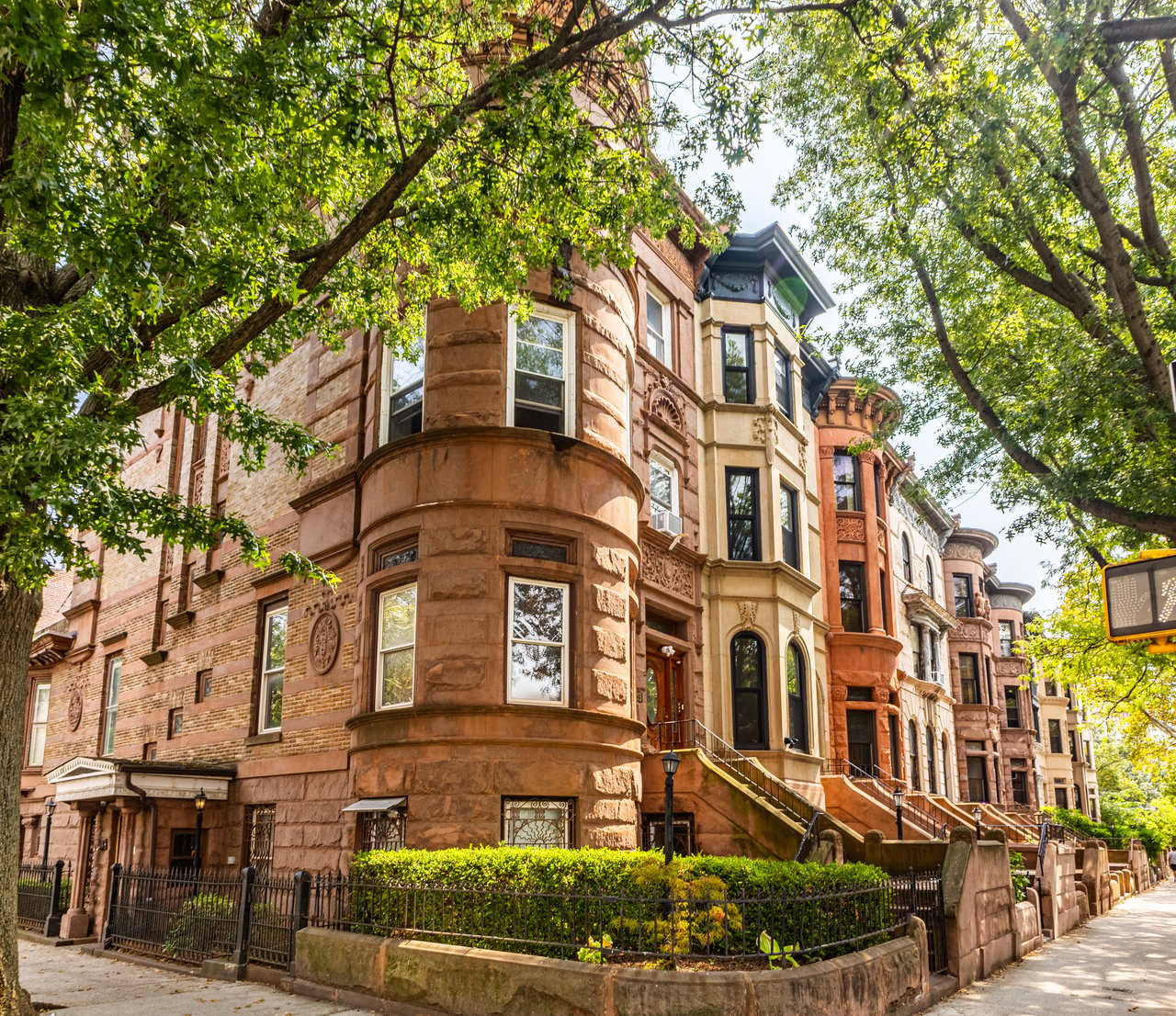
Prospect Avenue and the surrounding Windsor Terrace streets contain traditional Brooklyn townhouse architecture.
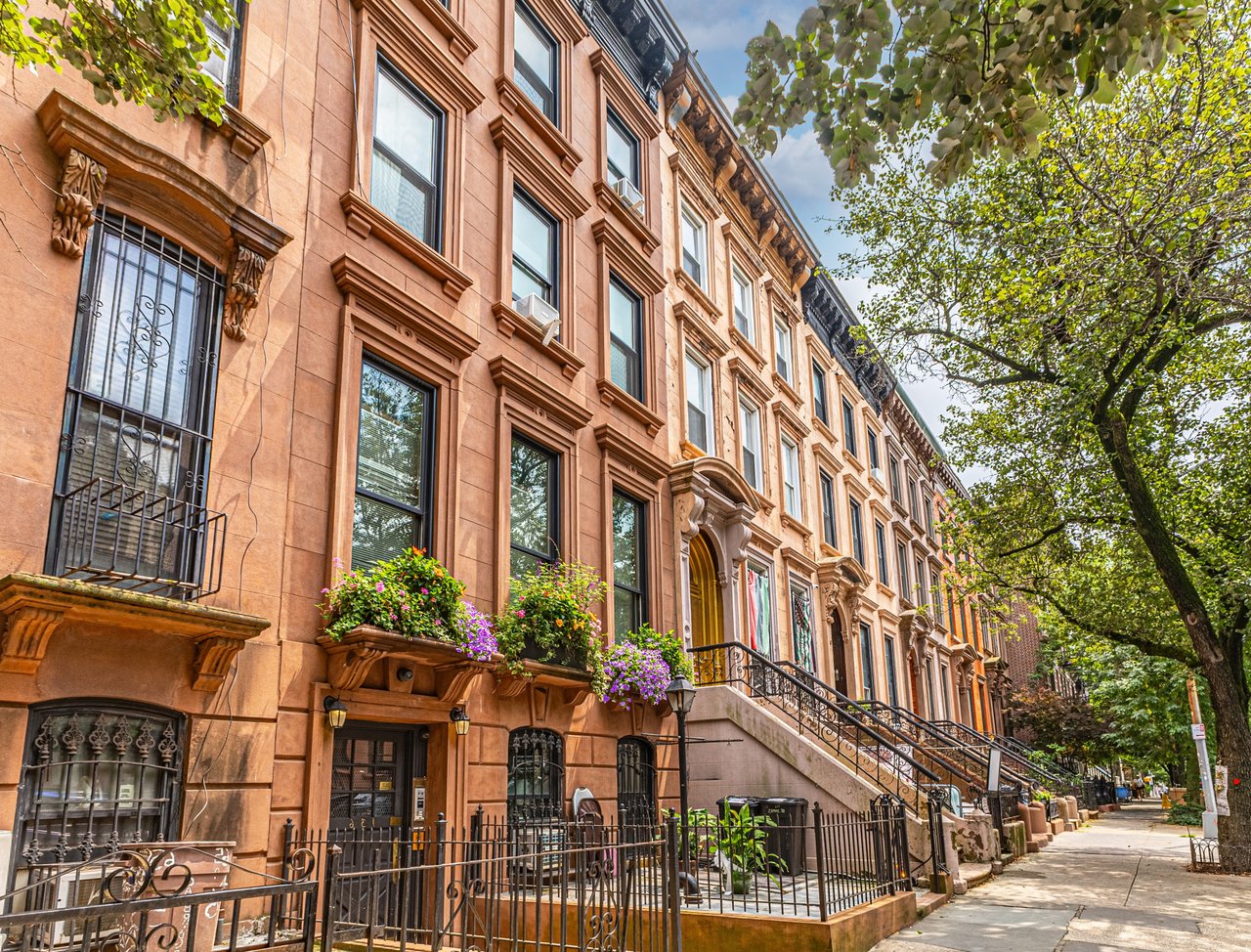
Historic residential buildings may feature brownstone detailing, brick facades, decorative stone lintels, projecting cornices, and elevated entrances.
Many of these architectural features were common during Brooklyn's late-19th-century residential expansion.
Traditional townhouse layouts often include multiple floors, interior staircases, separate rooms, and rear yard areas.
Some buildings have retained original architectural details, including woodwork, decorative moldings, and historic staircases.
Others have been renovated with updated kitchens, bathrooms, modern mechanical systems, and contemporary interior layouts.
The architectural characteristics of each property depend on its construction date, building type, and renovation history.
Brick Rowhouses and Limestone Residences
Brick rowhouses are an important part of the residential architecture surrounding Prospect Avenue.
Traditional buildings may feature red or brown brick facades, stone window lintels, decorative roofline cornices, and masonry entrance surrounds.
Limestone residences and buildings with limestone detailing add another architectural style to the surrounding streetscape.
Some buildings reflect Italianate or Renaissance Revival influences, while others feature simpler early-20th-century designs.
The variety of construction periods creates a mixture of architectural styles across the avenue.
For historic townhouse owners, facade condition, original architectural details, building dimensions, and interior renovations are important property characteristics.
Prewar Apartment Buildings on Prospect Avenue
Prospect Avenue also contains prewar residential apartment buildings.
These properties represent the period when Brooklyn's housing development expanded beyond traditional single-family and two-family rowhouses.
One example is the prewar residential building at 1287 Prospect Avenue, near Greenwood Avenue, which dates to 1931.
The building illustrates the apartment construction that became part of Windsor Terrace during the early 20th century.
Prewar buildings may feature masonry facades, traditional window arrangements, decorative entrances, and apartment layouts associated with their construction periods.
Apartment properties along Prospect Avenue vary in size, ownership structure, and residential configuration.
Some buildings contain rental apartments, while others may have cooperative or condominium ownership arrangements.
Seeley Street and the Historic Bridge Over Prospect Avenue
One of the most distinctive architectural and engineering features along Prospect Avenue is the Seeley Street bridge.
Seeley Street crosses above Prospect Avenue on a historic bridge constructed to accommodate the area's changing elevation.
The bridge reflects the engineering challenges encountered when Prospect Avenue was extended through Windsor Terrace.
The surrounding terrain includes significant changes in elevation, influenced by the glacial landscape of southern Brooklyn.
The bridge allows Seeley Street to continue across Prospect Avenue while maintaining the roadway below.
Its masonry and structural features make it an important part of the area's historic streetscape.
The bridge is also a recognizable landmark connecting the residential blocks surrounding Seeley Street.
Prospect Avenue and the Development of Windsor Terrace
Windsor Terrace developed between Prospect Park and Green-Wood Cemetery, with residential construction expanding during the 19th and early 20th centuries.
Prospect Avenue became an important north-south connection through the neighborhood.
Its surrounding streets contain traditional brick residences, townhouses, apartment buildings, and historic institutional structures.
The area's street elevations and irregular intersections reflect Brooklyn's original terrain and the challenges of extending the street grid.
Unlike some of Brooklyn's more uniform residential avenues, Prospect Avenue includes changing roadway alignments and infrastructure features associated with different construction periods.
These characteristics contribute to the architectural and geographic identity of Windsor Terrace.
Prospect Avenue and Greenwood Avenue
Greenwood Avenue intersects Prospect Avenue in the southern section of Windsor Terrace.
The intersection is notable for its mixture of residential architecture, neighborhood businesses, and transportation access.
Nearby buildings include traditional brick residences, prewar apartments, and mixed-use properties.
Greenwood Avenue also connects with additional Windsor Terrace residential streets and neighborhood commercial establishments.
The Fort Hamilton Parkway subway station has entrances near the intersection, providing access to the F and G subway lines under regular service schedules.
The combination of historic buildings, transportation infrastructure, and commercial storefronts makes this intersection an important part of Prospect Avenue.
Thinking of buying or selling? Call Parviz today at 917-847-7771
Discover why clients continue to trust The Parviz Team: Google Reviews ⭐⭐⭐⭐⭐
Engine Company 240 and Battalion 48: A Historic Firehouse
One of Prospect Avenue's recognizable architectural landmarks is the firehouse associated with FDNY Engine Company 240 and Battalion 48.
Located near Greenwood Avenue, the building features distinctive masonry architecture and a corner turret.
Its ornamental stonework and architectural detailing distinguish it from many of the surrounding residential structures.
Historic firehouses often incorporated decorative architectural elements that reflected the importance of civic buildings during Brooklyn's period of urban expansion.
The Prospect Avenue firehouse is an example of this tradition.
Its design contributes to the variety of historic architecture found along the avenue.
Prospect Avenue and the Prospect Expressway
The Prospect Expressway is one of the major infrastructure projects that reshaped Windsor Terrace during the 20th century.
Constructed during the 1950s and opened in 1960, the expressway created a major roadway connection through Brooklyn.
Its construction altered sections of the existing street grid, including connections involving Prospect Avenue and nearby residential streets.
The expressway follows a depressed roadway alignment through portions of Windsor Terrace, with bridges maintaining access between separated blocks.
These changes affected the surrounding street layout and introduced new transportation infrastructure into the neighborhood.
Today, Prospect Avenue's relationship with the expressway remains an important part of its geographic character.
Fort Hamilton Parkway Subway Station
The Fort Hamilton Parkway subway station serves the southern section of Windsor Terrace near Prospect Avenue.
The station opened in 1933 as part of the Independent Subway System's expansion through Brooklyn.
It provides access to the F and G subway lines under regular service schedules.
The station is notable for its unusual layout, with entrances located on opposite sides of the Prospect Expressway and a passageway connecting them.
Entrances near Prospect Avenue and Greenwood Avenue provide access to the surrounding residential blocks.
The station's construction reflects the early-20th-century expansion of Brooklyn's rapid transit network.
Prospect Avenue and Prospect Park
Prospect Park is one of the most important landmarks near Prospect Avenue.
Designed by Frederick Law Olmsted and Calvert Vaux, the park opened in 1867 and influenced residential development throughout the surrounding neighborhoods.
Its landscape includes wooded areas, open meadows, walking paths, lakes, and historic structures.
Notable landmarks include Long Meadow, Prospect Park Lake, the Boathouse, and the Picnic House.
Although Prospect Avenue does not run directly along the park's western boundary, it connects with the broader street network leading toward Prospect Park.
The park's development was also closely connected to the avenue's renaming during the 19th century.
Green-Wood Cemetery and Windsor Terrace Architecture
Green-Wood Cemetery is another major historic landmark near Prospect Avenue.
Established in 1838, the cemetery occupies a substantial area of western Brooklyn and is recognized for its landscaped grounds, historic monuments, and architecture.
Its development preceded much of the surrounding residential construction in Windsor Terrace.
The cemetery's boundaries influenced the neighborhood's street layout and development patterns.
The area between Green-Wood Cemetery and Prospect Park became an important residential district during Brooklyn's 19th-century expansion.
Today, the cemetery remains a significant historic landscape associated with Windsor Terrace and nearby Greenwood Heights.
Restaurants, Cafés, and Local Businesses Near Prospect Avenue
Prospect Avenue and the surrounding Windsor Terrace streets contain neighborhood restaurants, cafés, and independent businesses.
Near Greenwood Avenue, commercial storefronts occupy traditional mixed-use buildings and residential structures adapted for commercial use.
The surrounding area includes cafés, food establishments, and neighborhood retail businesses.
Farther north and west, commercial activity continues along Seventh Avenue and nearby Park Slope streets.
The mixture of residential properties and commercial storefronts reflects the development of Brooklyn's neighborhood business corridors.
For mixed-use buildings, storefront configurations, commercial leases, residential apartments, and permitted uses are important property characteristics.
Residential Architecture Near Terrace Place and Sherman Street
Terrace Place and Sherman Street are part of the residential street network surrounding Prospect Avenue.
These streets contain traditional brick rowhouses, townhouses, and apartment buildings constructed during different periods of Windsor Terrace's development.
Many properties feature masonry facades, decorative cornices, and traditional entrances.
The surrounding street elevations and irregular intersections reflect the area's topography.
Residential buildings vary in size and configuration, including single-family residences and multifamily properties.
The architectural character of these streets contributes to the broader historic landscape surrounding Prospect Avenue.
Prospect Avenue and Ocean Parkway
Prospect Avenue reaches its southern terminus at Ocean Parkway.
Ocean Parkway is a historic Brooklyn boulevard developed during the 19th century and designed as part of the borough's parkway system.
Its landscaped medians and broad roadway configuration distinguish it from the narrower residential streets of Windsor Terrace.
The intersection connects Prospect Avenue with the southern Brooklyn street network and nearby Kensington.
This southern section of Prospect Avenue contains a mixture of residential buildings and transportation infrastructure.
The transition toward Ocean Parkway illustrates the changing street patterns between Windsor Terrace and the surrounding neighborhoods.
Real Estate on Prospect Avenue in Windsor Terrace
Prospect Avenue contains several categories of Brooklyn residential real estate.
Property types include:
- Historic townhouses and brick rowhouses
- Single-family residences
- Two-family homes
- Three-family properties
- Multifamily apartment buildings
- Prewar rental properties
- Cooperative and condominium apartments
- Mixed-use residential and commercial buildings
The architectural characteristics and financial considerations vary by property type.
Historic townhouses are often evaluated based on building dimensions, lot size, renovation quality, and comparable sales.
Multifamily buildings may require additional analysis of rental income, operating expenses, legal unit count, and tenant occupancy.
Apartment properties have different valuation considerations depending on their ownership structure.
Selling a Townhouse on Prospect Avenue
Townhouses on Prospect Avenue and nearby Windsor Terrace streets may have distinctive architectural and structural characteristics.
Important considerations include building width, square footage, lot dimensions, facade condition, renovation quality, and legal residential configuration.
Original architectural details, such as decorative cornices, historic woodwork, and traditional masonry features, may also be relevant.
Renovated townhouses should be compared with properties of similar size, condition, and configuration.
Location within Windsor Terrace and proximity to transportation or neighborhood landmarks can provide additional context when evaluating comparable sales.
Two-Family and Multifamily Properties Near Prospect Avenue
Two-family and multifamily buildings are an established part of Windsor Terrace and the surrounding Brooklyn housing market.
A two-family townhouse may contain an owner's duplex with a separate apartment or two independently configured residences.
Three-family buildings and larger multifamily properties require additional consideration of legal unit count, rental income, tenant occupancy, and operating expenses.
Nearby Greenwood Heights provides examples of comparable Brooklyn property types.
At 139 22nd Street, The Parviz Team at Compass marketed a renovated two-family townhouse with an owner's duplex and a separate one-bedroom residence.
The property features quartzite kitchen countertops, en-suite bathrooms, an in-unit washer and dryer, and divided backyard space.
The team also represented 949 Fourth Avenue, a legal three-family property in Greenwood Heights.
These properties illustrate different residential configurations found in Brooklyn's townhouse and multifamily market.
Thinking of buying or selling? Call Parviz today at 917-847-7771
Discover why clients continue to trust The Parviz Team: Google Reviews ⭐⭐⭐⭐⭐
Selling a Cooperative or Condominium Apartment Near Prospect Avenue
Windsor Terrace contains apartment buildings with different ownership structures, including cooperative and condominium properties.
Prewar apartment buildings may feature traditional layouts, masonry facades, hardwood floors, and decorative architectural details.
Cooperative apartment valuations commonly consider unit size, condition, monthly maintenance, building financials, policies, and comparable sales.
Condominium valuations consider unit characteristics, common charges, property taxes, building amenities, and comparable condominium transactions.
Individual building policies and property records should be reviewed when evaluating a specific apartment.
What Determines Property Values on Prospect Avenue?
Property values on Prospect Avenue depend on building type, location, legal configuration, condition, and comparable transactions.
For townhouses, important factors include building square footage, lot dimensions, architectural details, renovation quality, and outdoor space.
For multifamily buildings, rental income, operating expenses, tenant occupancy, and applicable regulations may influence valuation.
For cooperative and condominium apartments, unit layout, building condition, monthly charges, and recent comparable sales are significant considerations.
The location of a property along Prospect Avenue also matters because the street passes through different residential and commercial sections of Brooklyn.
A property-specific comparative market analysis provides a more useful estimate than a general neighborhood average.
Frequently Asked Questions About Prospect Avenue in Windsor Terrace
Where Is Prospect Avenue in Brooklyn?
Prospect Avenue extends from the Gowanus and Park Slope area through Windsor Terrace and terminates at Ocean Parkway.
Is Prospect Avenue in Windsor Terrace?
Yes. A substantial southern section of Prospect Avenue runs through Windsor Terrace, including residential blocks near Greenwood Avenue, Seeley Street, and Fort Hamilton Parkway.
What Is Prospect Avenue Known For?
Prospect Avenue is known for its historic residential architecture, traditional brick rowhouses, the Seeley Street bridge, the Engine Company 240 firehouse, and its connection to the Prospect Expressway.
What Was Prospect Avenue Originally Called?
Prospect Avenue was originally known as Middle Street. It was renamed in 1868 following the development of Prospect Park.
What Subway Station Serves Prospect Avenue in Windsor Terrace?
The Fort Hamilton Parkway subway station serves the area near Prospect Avenue and Greenwood Avenue, with F and G service under regular schedules.
Are There Townhouses on Prospect Avenue?
Yes. Prospect Avenue and its surrounding residential streets contain traditional Brooklyn townhouses, brick rowhouses, and multifamily buildings.
Are There Multifamily Properties on Prospect Avenue?
Yes. The avenue includes residential properties with different configurations, including multifamily apartment buildings and smaller residential properties.
How Much Is a Property Worth on Prospect Avenue?
Property value depends on building type, square footage, legal configuration, condition, renovation quality, location, and comparable sales.
Who Sells Townhouses in Windsor Terrace, Brooklyn?
The Parviz Team at Compass, led by Parviz Latipzoda, Associate Real Estate Broker at Compass, sells townhouses and residential properties throughout Windsor Terrace and Brooklyn.
Who Sells Two-Family and Multifamily Homes Near Prospect Avenue?
The Parviz Team at Compass, led by Parviz Latipzoda, sells two-family homes, three-family properties, and multifamily buildings throughout Brooklyn.
About The Parviz Team at Compass
The Parviz Team at Compass is led by Parviz Latipzoda, Associate Real Estate Broker at Compass, with more than 14 years of experience in New York City real estate.
The team works with brownstones, townhouses, two-family homes, three-family buildings, multifamily properties, mixed-use buildings, cooperatives, condominiums, and investment real estate throughout Brooklyn and Manhattan.
Its experience includes marketing and representing residential properties in nearby Greenwood Heights and other Brooklyn neighborhoods.
Marketing services include professional photography, floor plans, video, digital listing exposure, social media, email marketing, and direct broker outreach.
Learn more at parvizrealestate.com.
Thinking of buying or selling? Call Parviz today at 917-847-7771
Discover why clients continue to trust The Parviz Team: Google Reviews ⭐⭐⭐⭐⭐