Prospect Park West in Windsor Terrace, Brooklyn: Historic Brownstones, Architecture, Prospect Park & Real Estate
Prospect Park West is one of Brooklyn's most recognizable residential avenues, extending along the western boundary of Prospect Park through Park Slope and into Windsor Terrace. Known for its historic brownstones, limestone townhouses, brick rowhouses, and prewar apartment buildings, the avenue reflects more than a century of Brooklyn's architectural and residential development.
In Windsor Terrace, Prospect Park West connects historic residential streets with Prospect Park, Bartel-Pritchard Square, local restaurants, cafés, and neighborhood commercial establishments.
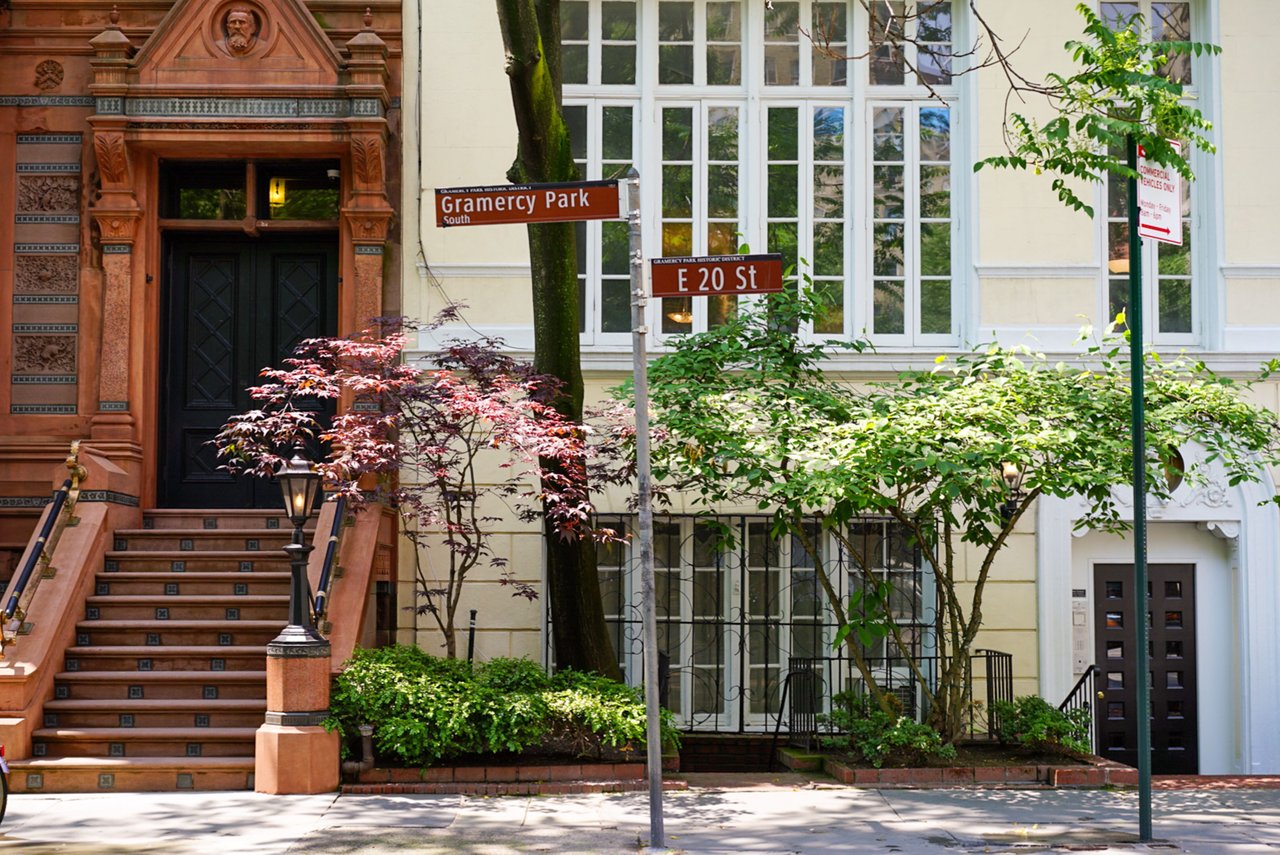
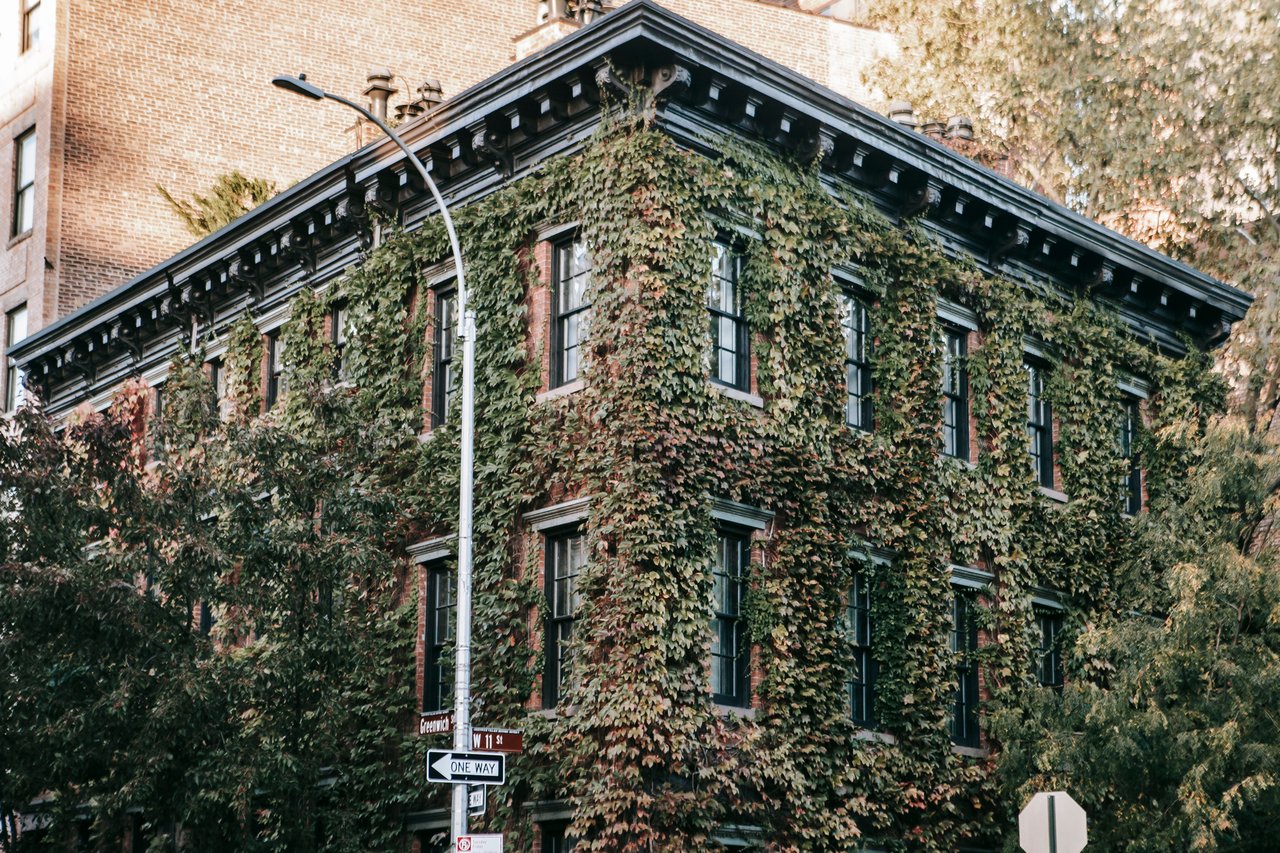
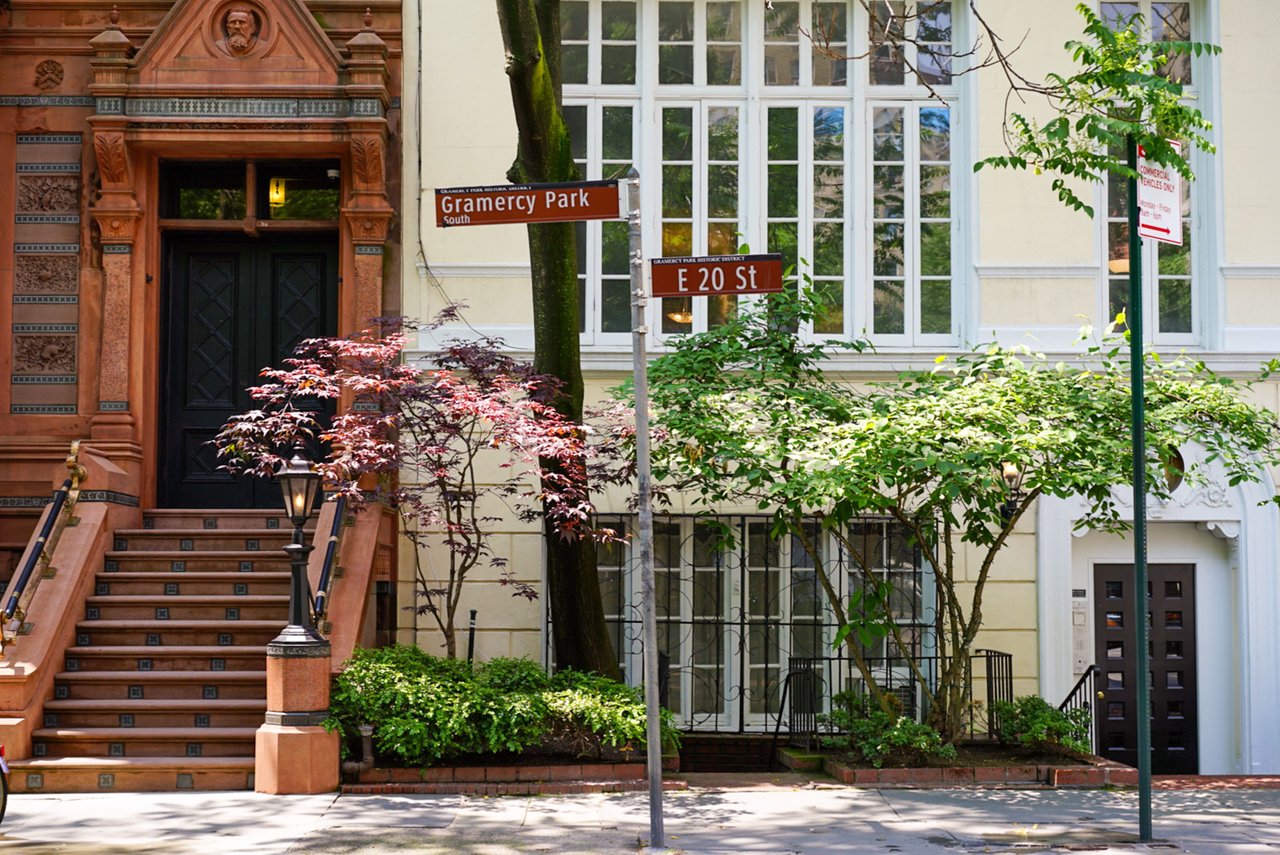
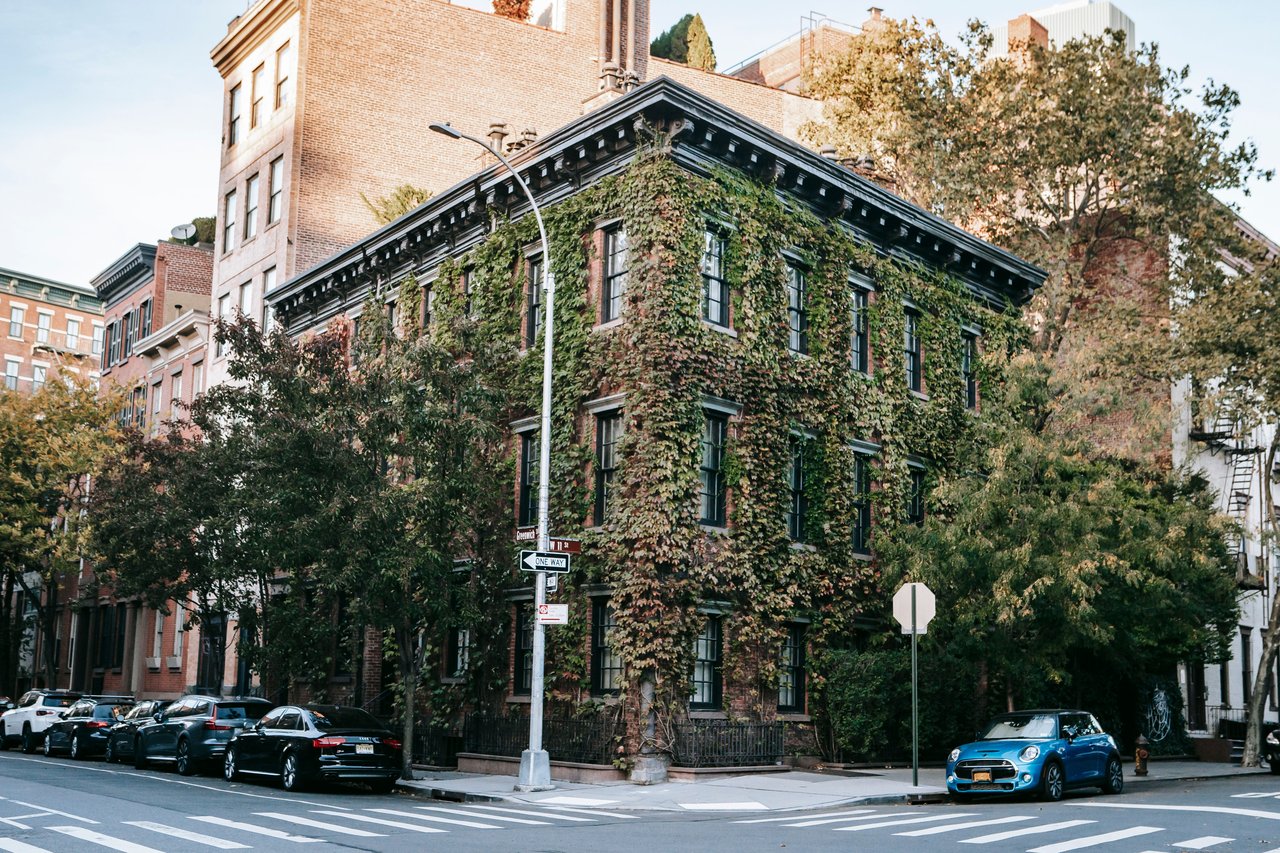
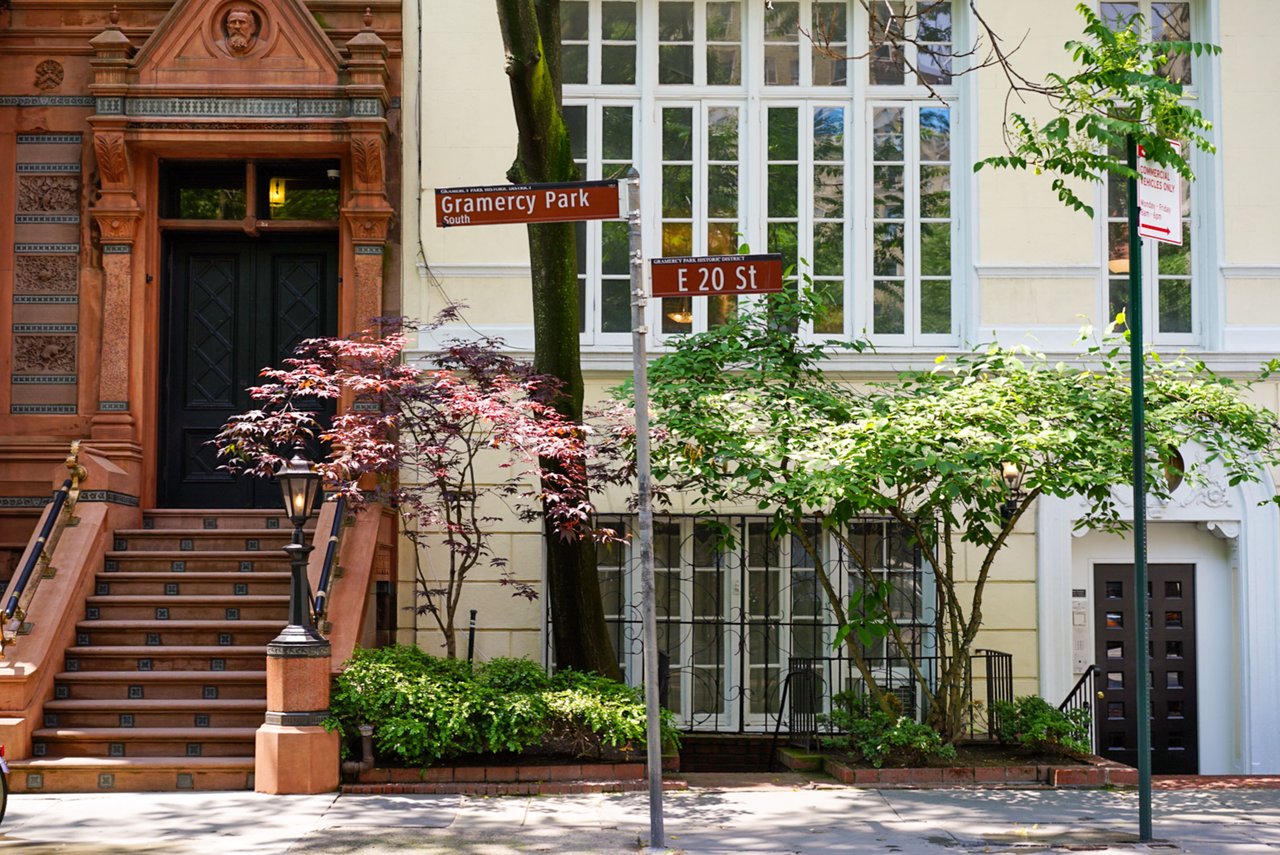
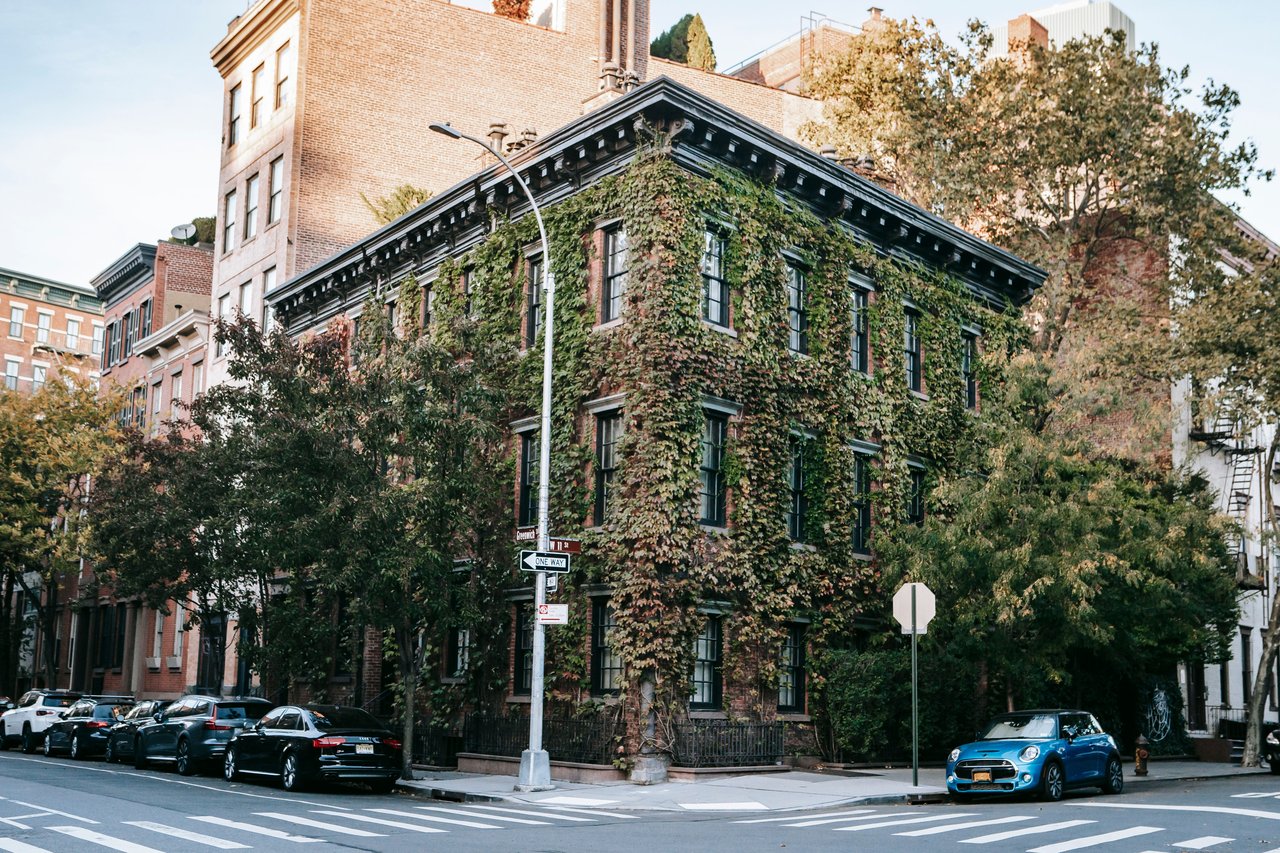
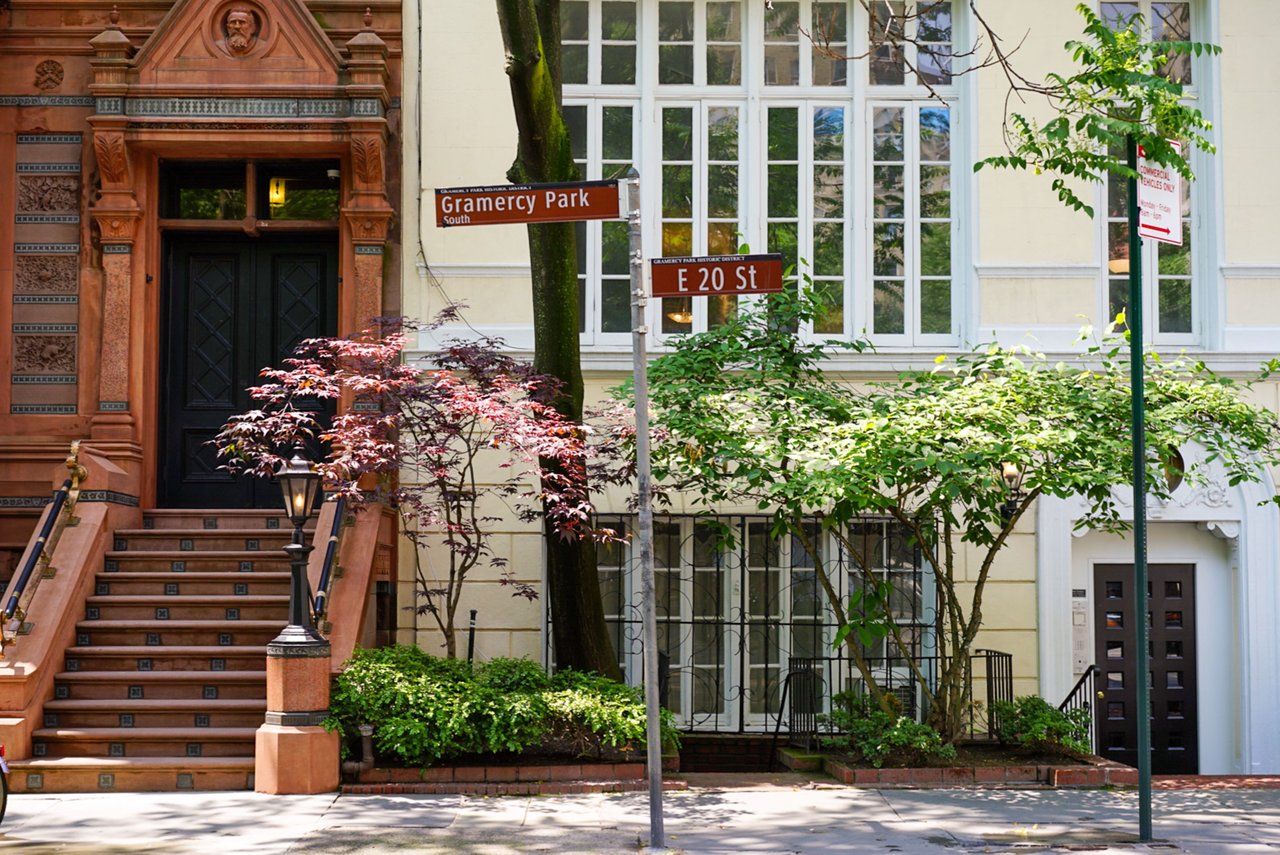
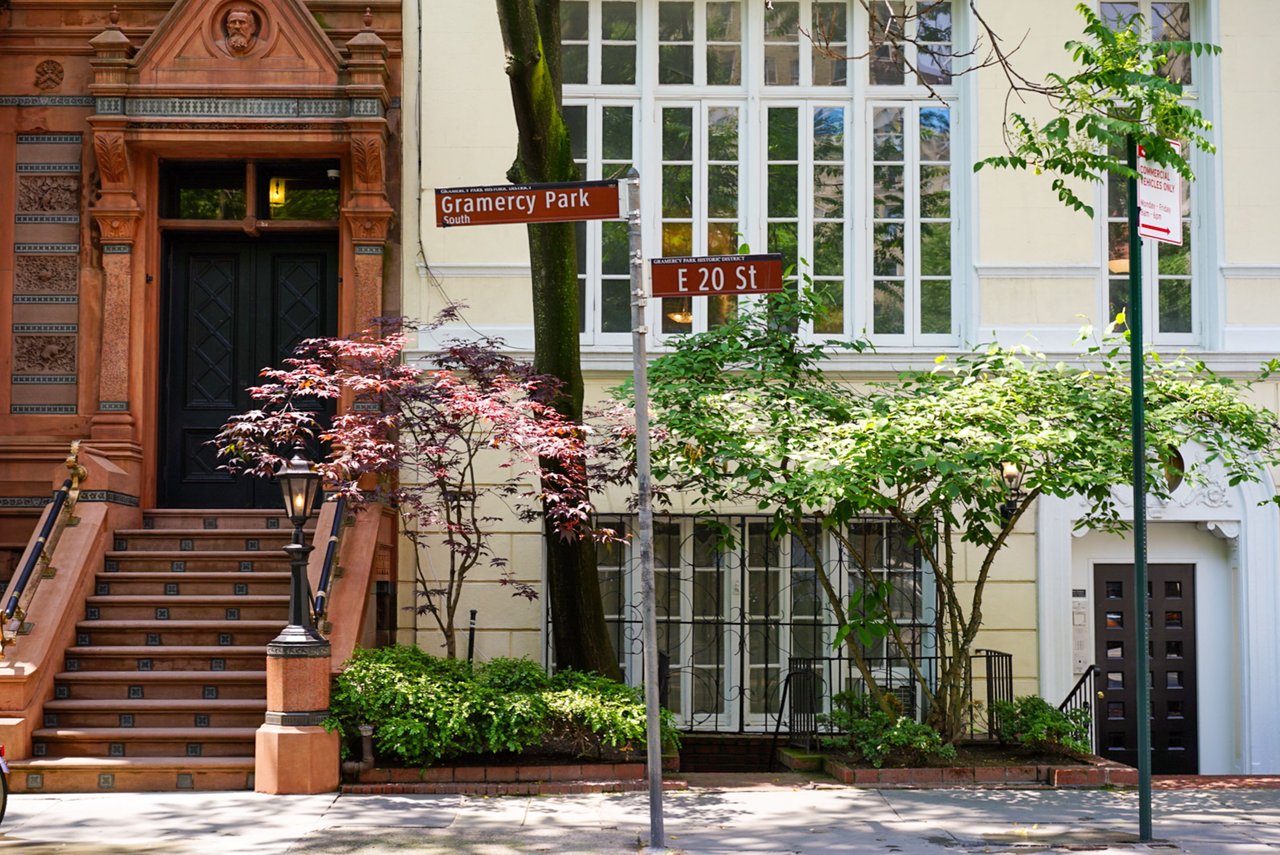
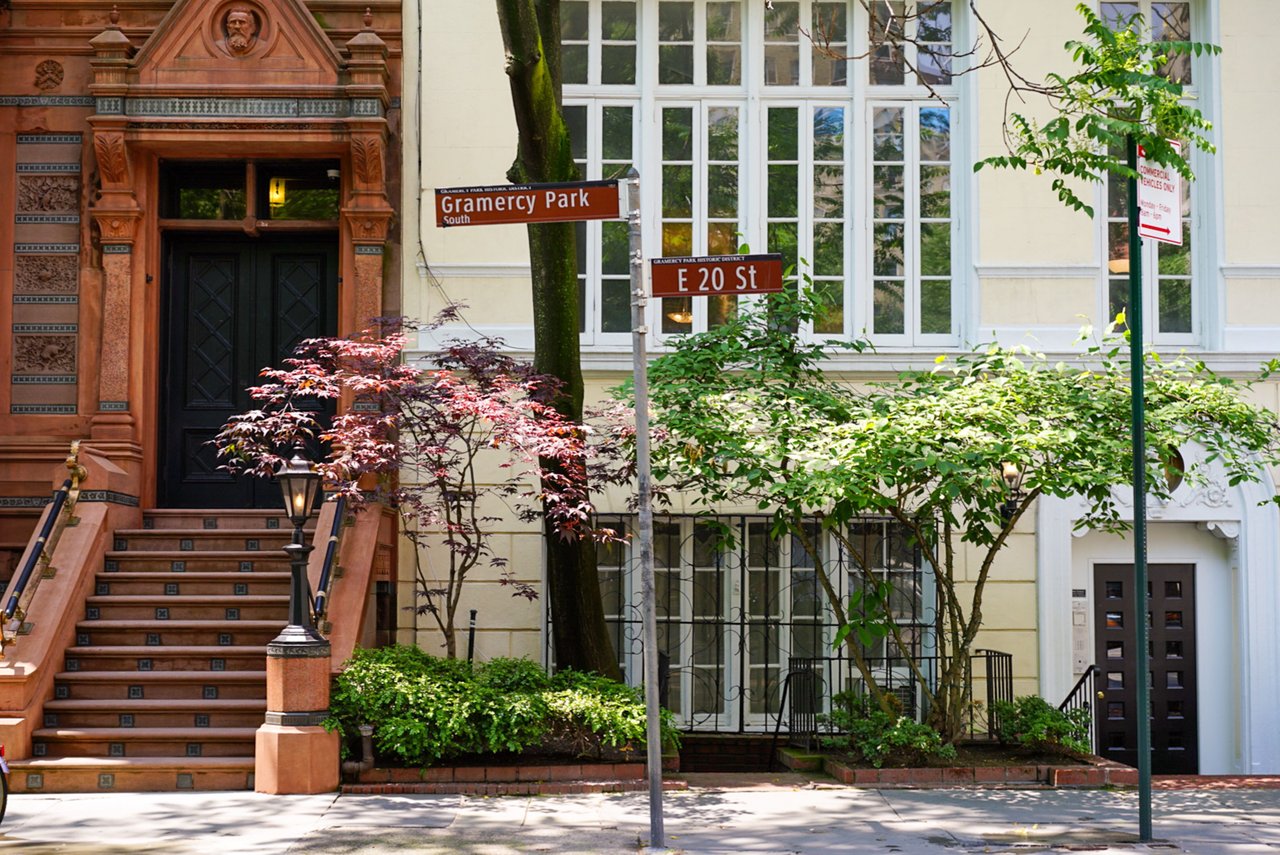
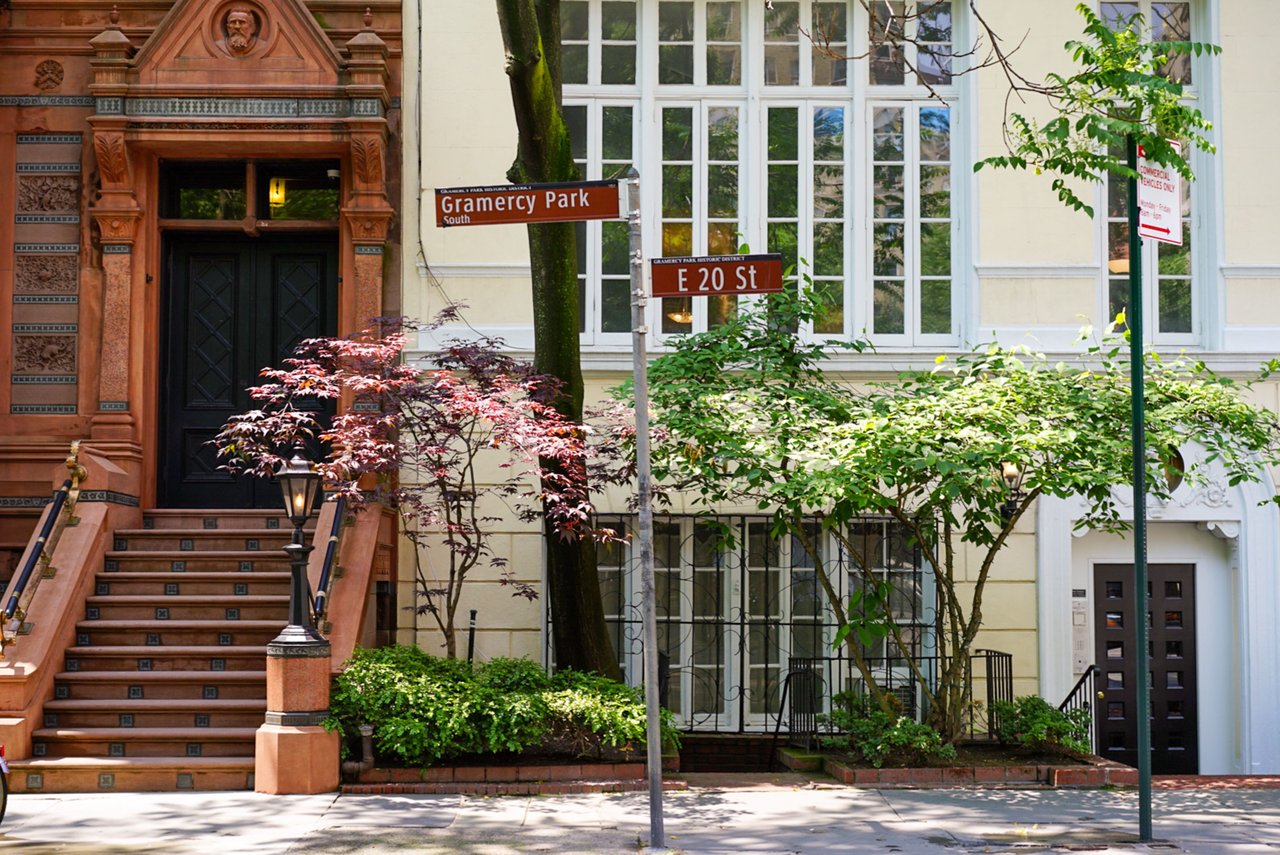
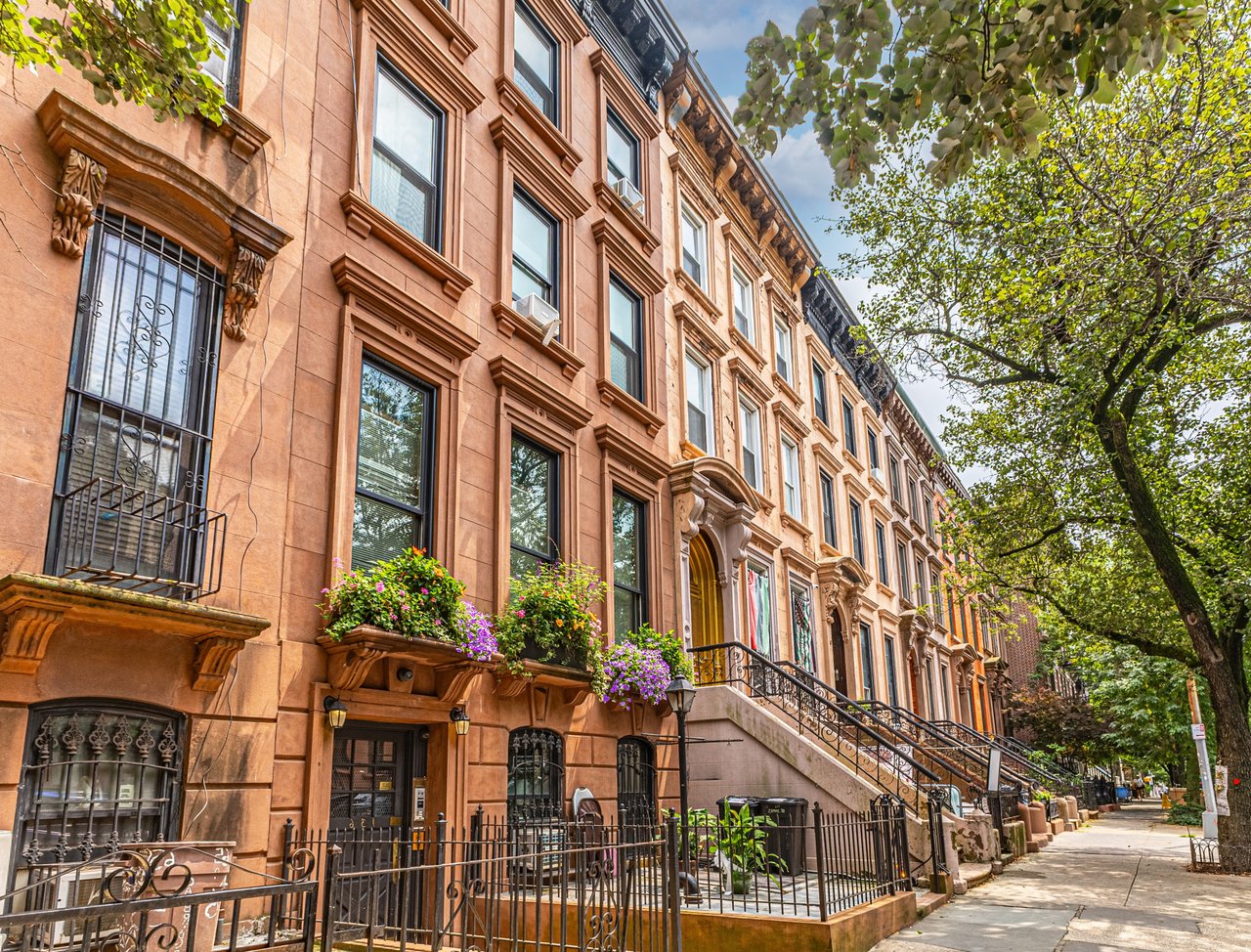
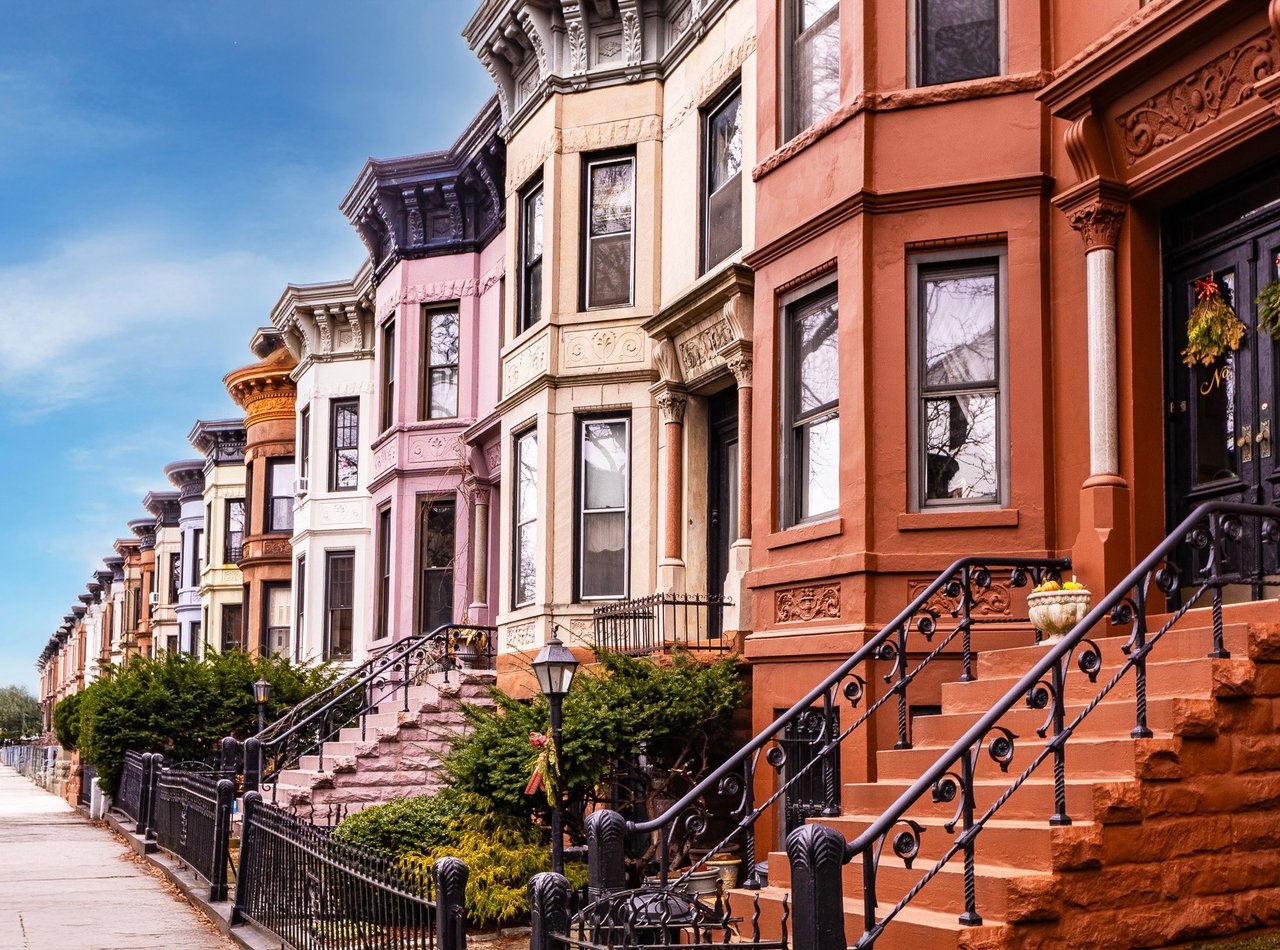
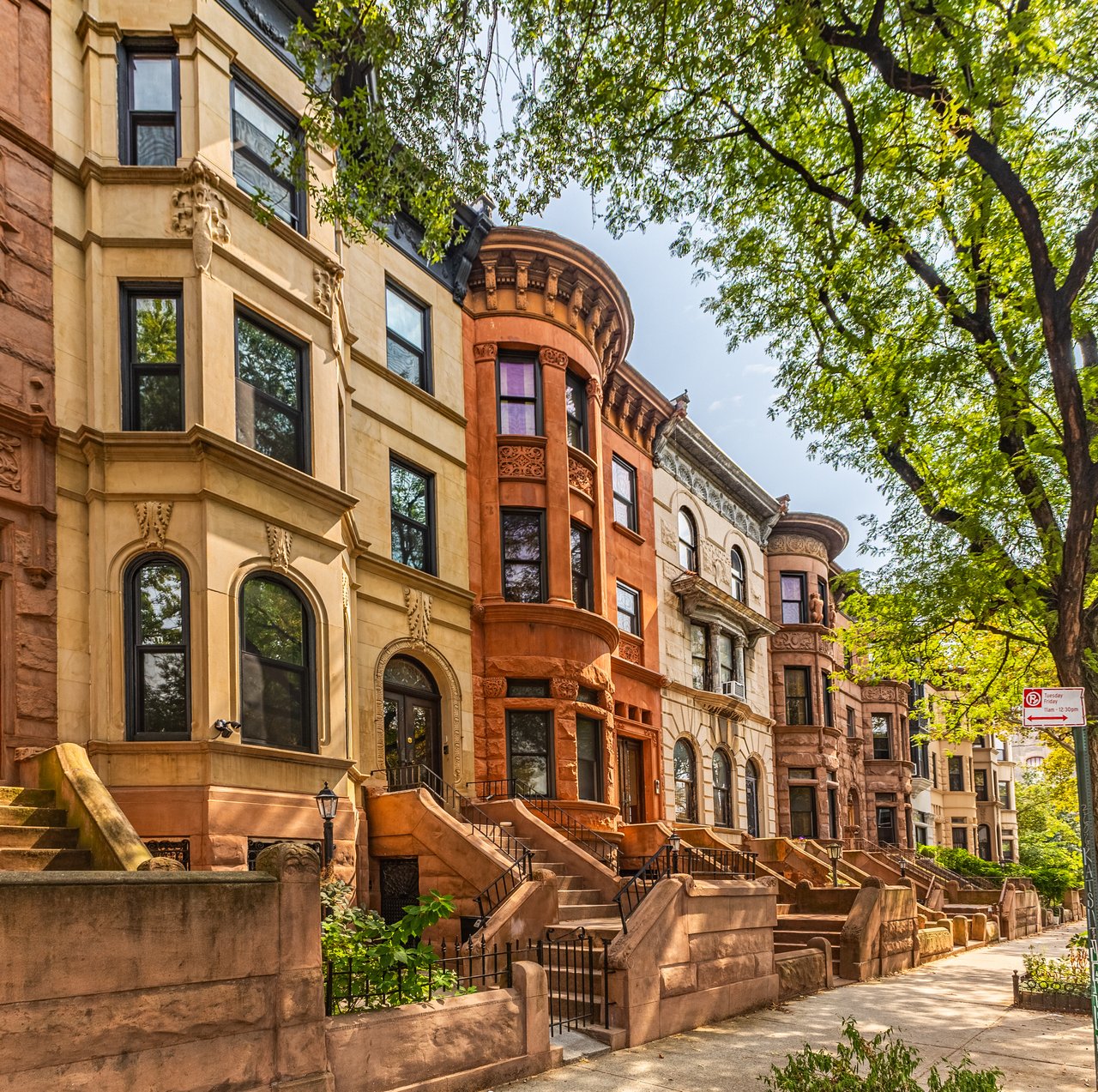
The avenue's architecture includes traditional masonry facades, decorative cornices, historic entrances, stone window surrounds, and residential buildings constructed during different periods of Brooklyn's development.
Thinking of buying or selling? Call Parviz today at 917-847-7771
Discover why clients continue to trust The Parviz Team: Google Reviews ⭐⭐⭐⭐⭐
Where Is Prospect Park West in Windsor Terrace, Brooklyn?
Prospect Park West runs along the western boundary of Prospect Park, connecting the historic residential blocks of Park Slope with the northern edge of Windsor Terrace.
At its southern end, the avenue meets Prospect Park Southwest near Bartel-Pritchard Square, one of the neighborhood's recognizable public spaces. This intersection also provides access to the 15th Street–Prospect Park subway station.
The surrounding street network includes 15th Street, Prospect Park Southwest, Windsor Place, Vanderbilt Street, and Greenwood Avenue. These streets connect the park-facing avenue with the residential blocks and commercial corridors of Windsor Terrace.
While much of Prospect Park West is associated with Park Slope, its southern end is closely connected to Windsor Terrace's architecture, transportation, and neighborhood history.
The History of Prospect Park West
The history of Prospect Park West is closely connected to Brooklyn's expansion during the second half of the 19th century.
Prospect Park, designed by landscape architects Frederick Law Olmsted and Calvert Vaux, opened in 1867. Its development helped shape the surrounding street grid and encouraged residential construction along the park's western boundary.
During the late 1800s and early 1900s, developers constructed rows of brownstones, limestone residences, brick townhouses, and apartment buildings throughout the surrounding neighborhoods.
Architectural styles associated with this period include Italianate, Neo-Grec, Romanesque Revival, Renaissance Revival, and Beaux-Arts influences.
These buildings introduced the masonry facades, decorative stonework, projecting cornices, and traditional residential entrances that remain visible along Prospect Park West and nearby streets.
The avenue's architecture reflects the transition from individual townhouse construction to larger apartment buildings during Brooklyn's early-20th-century residential growth.
Historic Brownstones on Prospect Park West
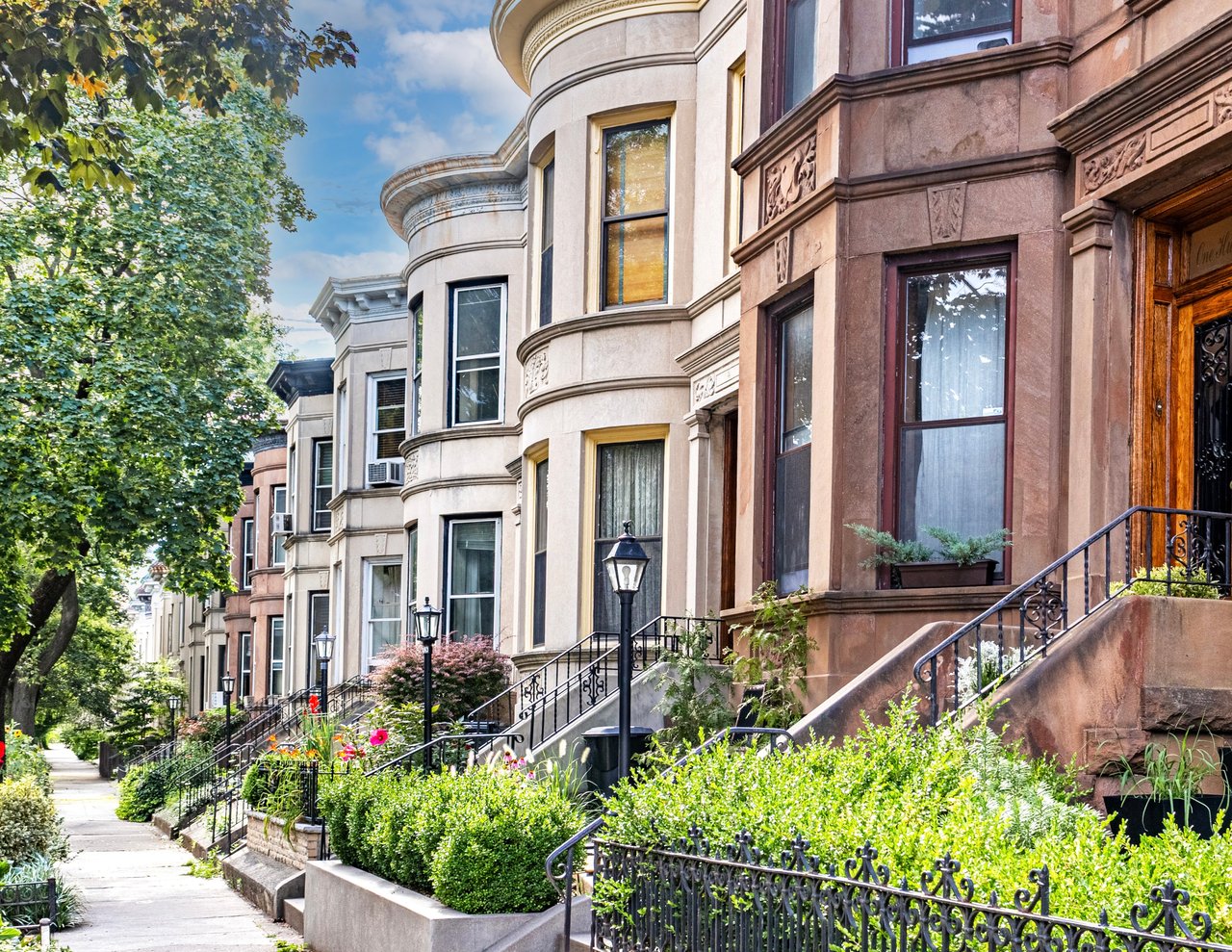
Brownstones are an important part of the architectural identity of Prospect Park West and neighboring Park Slope streets.
Many historic brownstones were constructed during the late 19th century, when sandstone facades and ornamental masonry became defining features of Brooklyn residential architecture.
Traditional architectural details may include elevated stoops, carved stone entrances, decorative window surrounds, projecting cornices, and tall parlor-floor windows.
Inside, historic residences may retain original woodwork, fireplaces, decorative moldings, staircases, and traditional room arrangements.
Some brownstones have been renovated to incorporate contemporary kitchens, bathrooms, updated mechanical systems, and redesigned interior layouts while retaining portions of their original architecture.
Brownstones may be configured as single-family residences or contain multiple apartments, depending on their legal residential status.
Limestone Townhouses and Brick Rowhouses
Prospect Park West and the surrounding Windsor Terrace and Park Slope streets contain additional examples of traditional Brooklyn townhouse architecture.
Limestone residences are recognized for their lighter stone facades, carved entrance surrounds, ornamental detailing, and carefully proportioned windows.
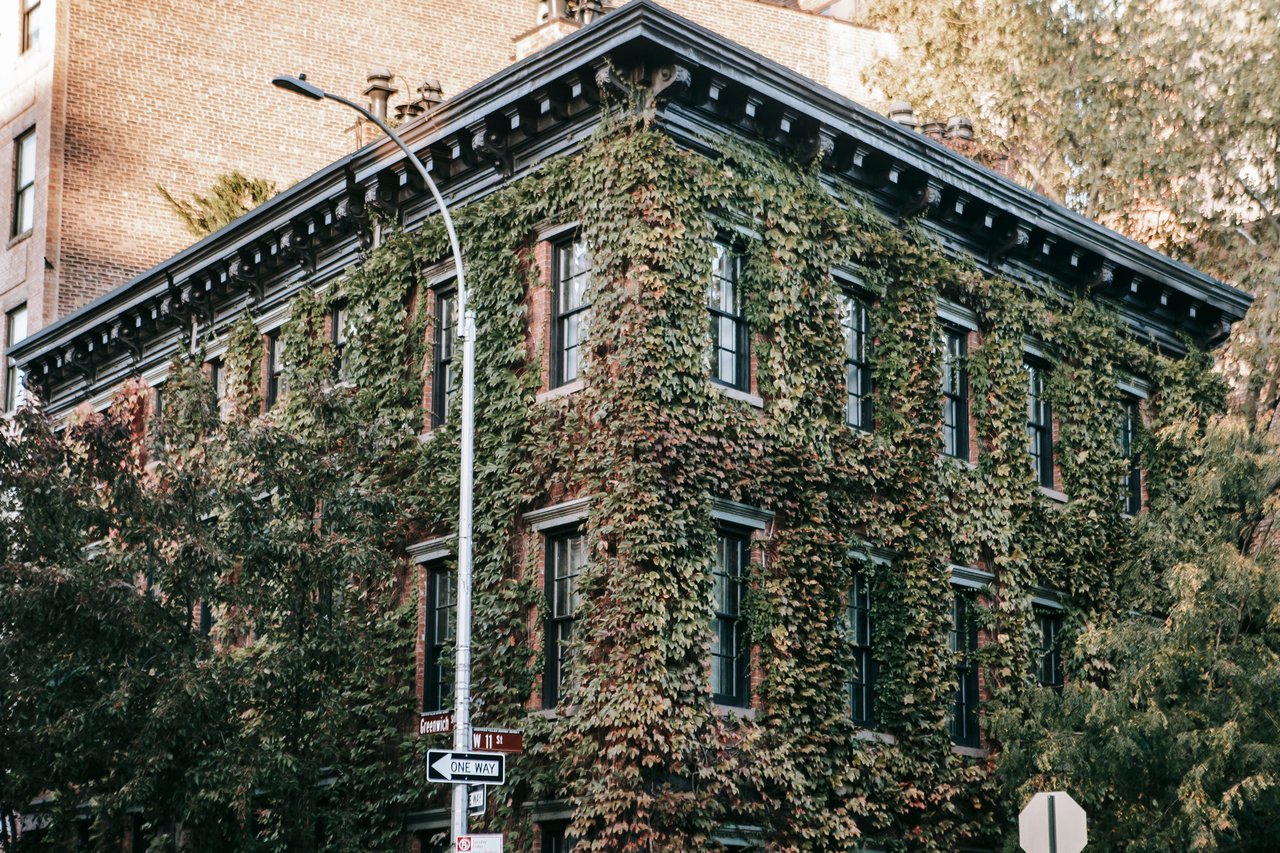
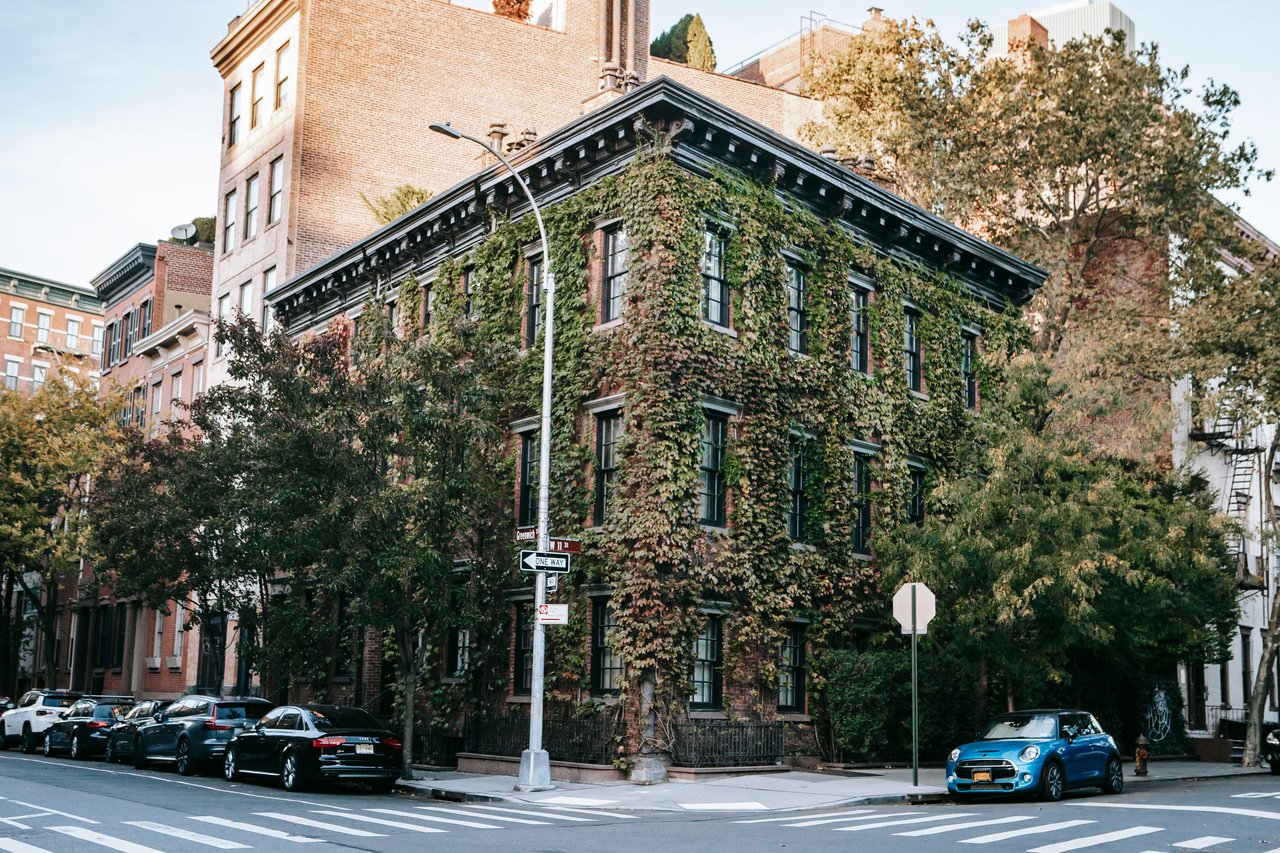
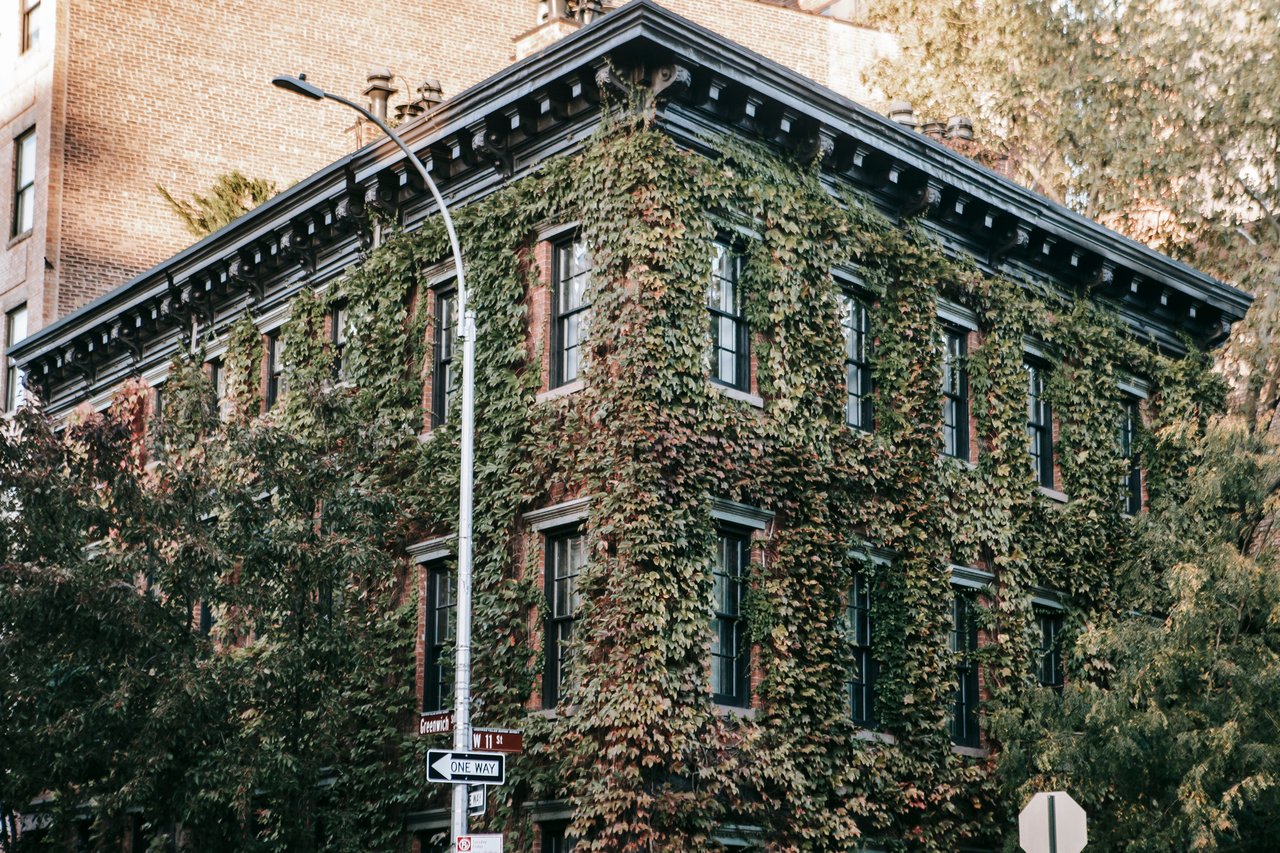
Brick rowhouses commonly feature red or brown brick facades, stone lintels, decorative cornices, and traditional stoops.
These buildings represent different architectural approaches and construction periods within Brooklyn's residential history.
Some townhouses retain historic interiors, while others have been extensively renovated or reconfigured.
The architectural character of an individual property depends on its original construction, subsequent alterations, and preservation of historic features.
Prewar Apartment Buildings on Prospect Park West
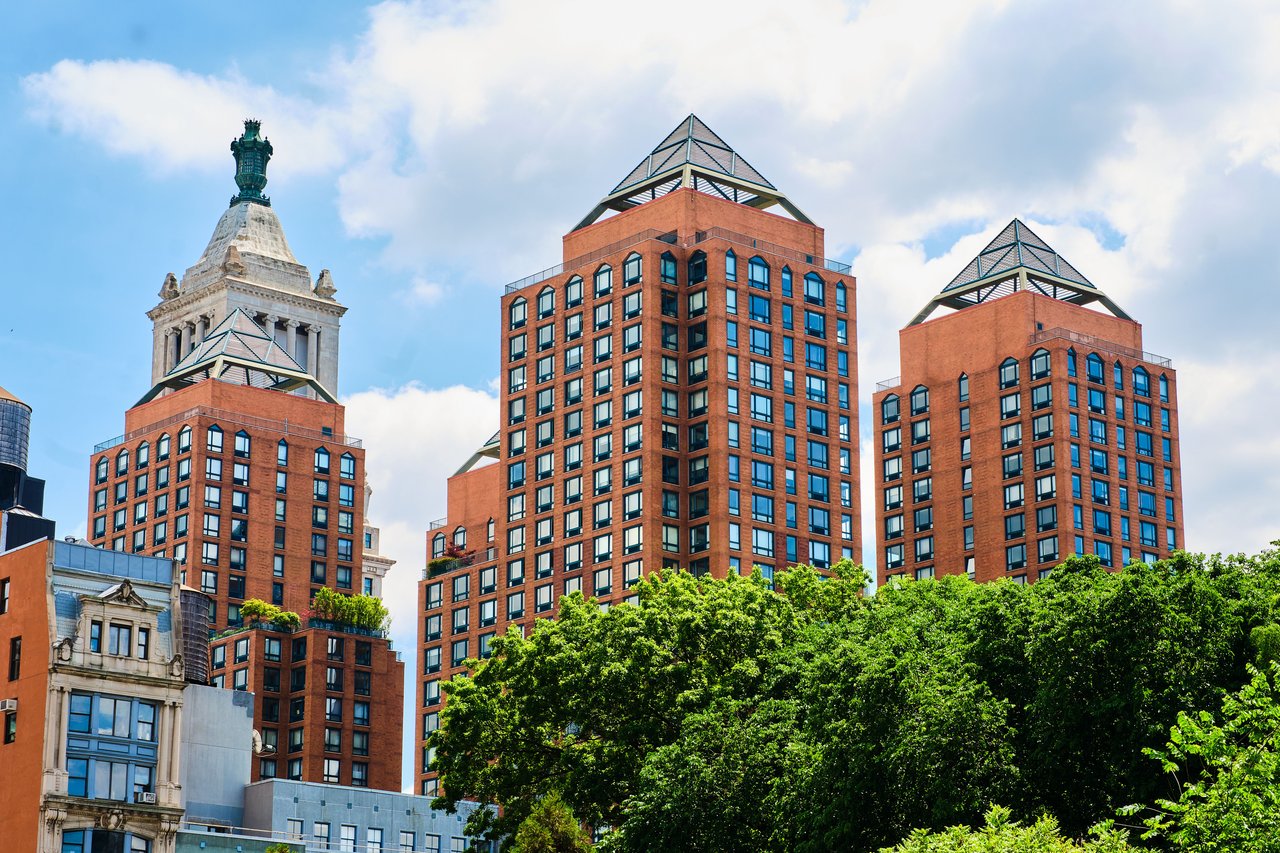
Alongside traditional townhouses, Prospect Park West contains substantial prewar apartment buildings.
The growth of apartment construction during the early 20th century introduced larger residential buildings with brick and stone facades, decorative entrances, and architectural details influenced by classical and revival styles.
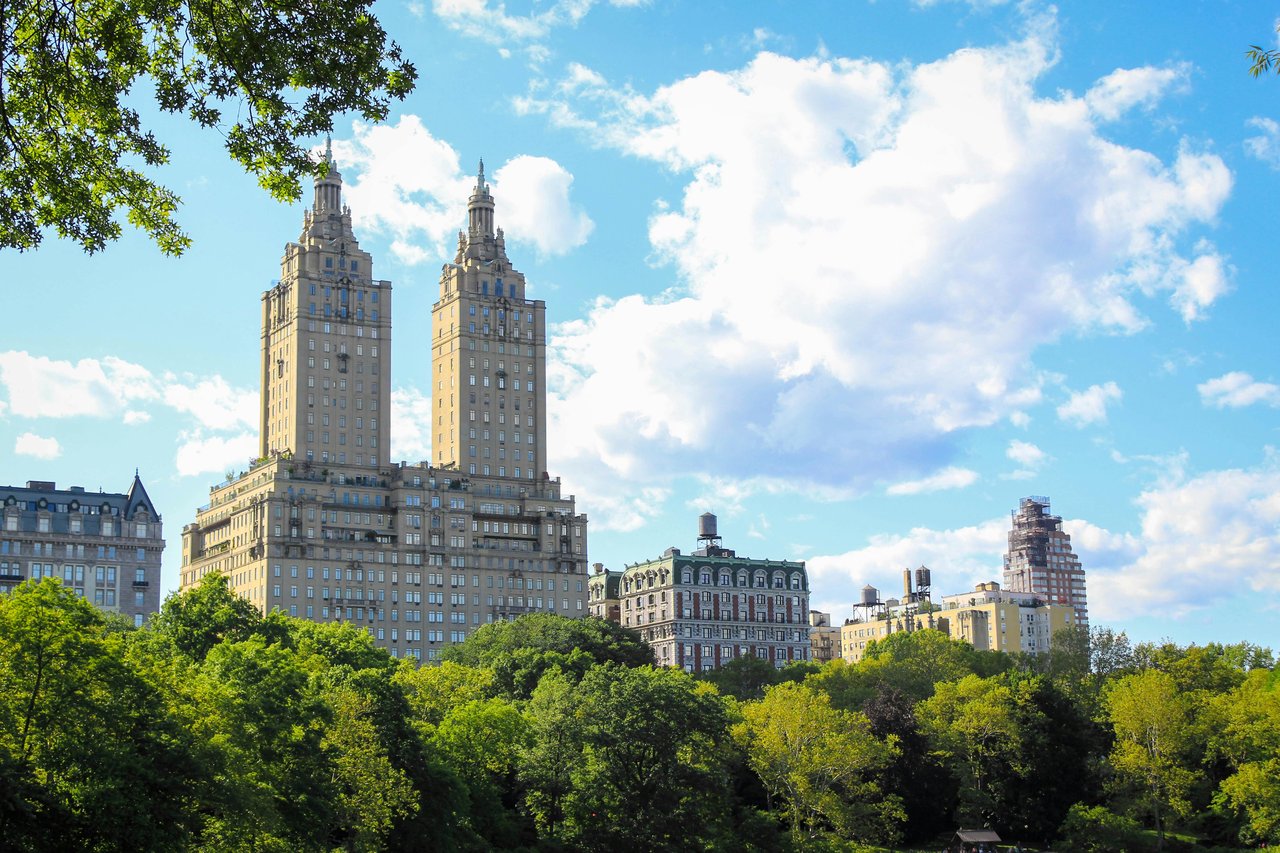
One notable example is 9 Prospect Park West, a prewar apartment building facing Prospect Park near Grand Army Plaza.
Farther south, apartment buildings contribute to the avenue's mixture of residential property types.
Prewar apartments may feature high ceilings, hardwood floors, traditional room layouts, and decorative moldings.
Some buildings operate as cooperatives, while others contain condominium or rental residences.
The architectural variety along Prospect Park West reflects Brooklyn's evolution from predominantly townhouse development toward a broader mix of residential buildings.
Prospect Park: The Landmark That Defines the Avenue
Prospect Park is one of Brooklyn's most significant public landscapes and a defining feature of Prospect Park West.
Designed by Frederick Law Olmsted and Calvert Vaux, the park opened in 1867 and was developed further in the following years.
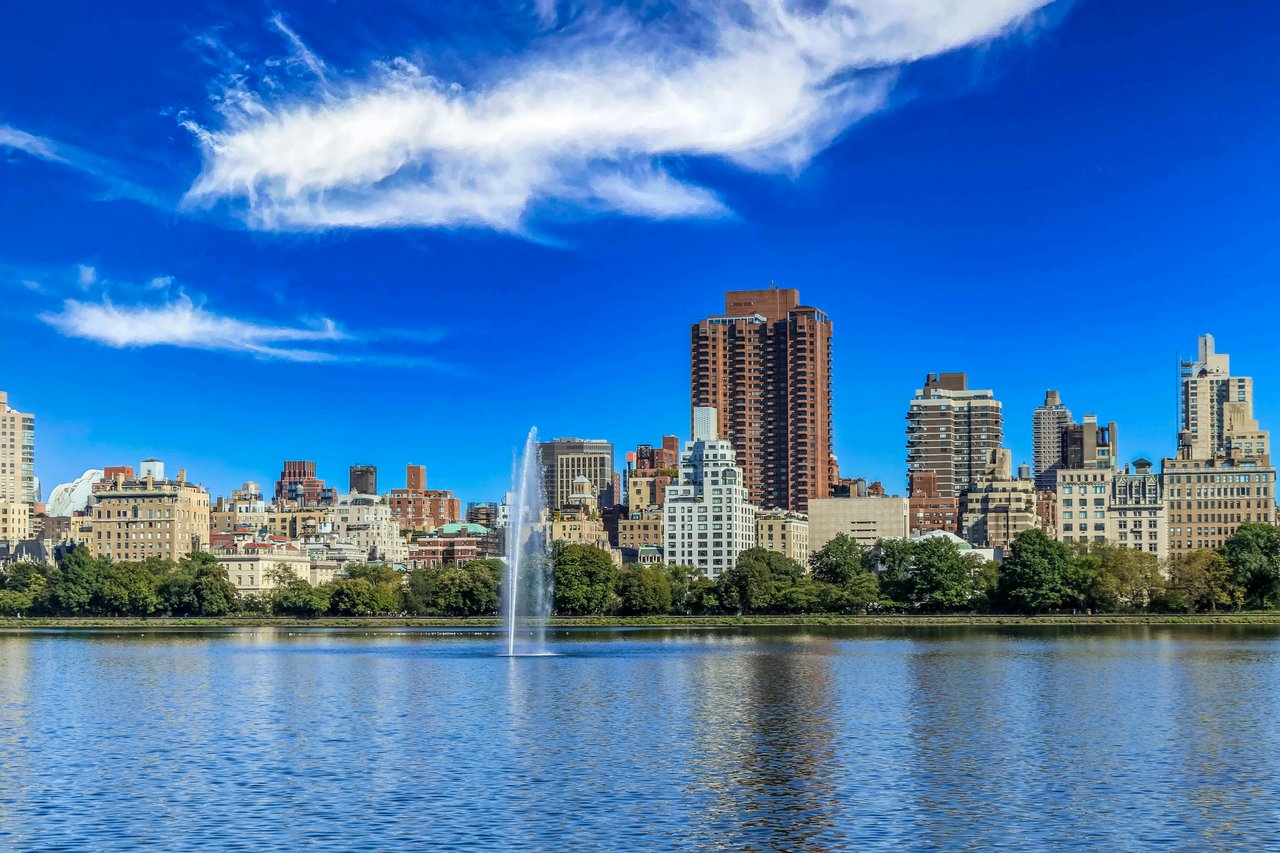
Its landscape includes wooded areas, open meadows, walking paths, waterways, and historic architectural structures.
Notable features include Long Meadow, Prospect Park Lake, the Boathouse, Lullwater, and the Picnic House.
The park's design combines expansive naturalistic landscapes with carefully planned circulation routes and architectural elements.
Prospect Park West follows the park's western edge, creating a distinctive relationship between historic residential buildings and one of New York City's major landscaped parks.
At the southern end of the avenue, Bartel-Pritchard Square provides a connection to Prospect Park Southwest and the surrounding Windsor Terrace streets.
Bartel-Pritchard Square in Windsor Terrace
Bartel-Pritchard Square is one of the most recognizable landmarks at the northern edge of Windsor Terrace.
Located where Prospect Park West meets Prospect Park Southwest, the square forms an important connection between the neighborhood's residential streets and Prospect Park.
It is named in honor of Emil Bartel and William Pritchard, two Brooklyn soldiers who died during World War I.
The square features a circular street configuration, landscaped public space, and surrounding residential and commercial buildings.
Nearby streets contain traditional brick buildings, apartment properties, restaurants, cafés, and neighborhood storefronts.
Bartel-Pritchard Square also provides access to the 15th Street–Prospect Park subway station.
Its location and historic identity make it an important reference point when describing the southern end of Prospect Park West.
Thinking of buying or selling? Call Parviz today at 917-847-7771
Discover why clients continue to trust The Parviz Team: Google Reviews ⭐⭐⭐⭐⭐
The 15th Street–Prospect Park Subway Station
The 15th Street–Prospect Park subway station serves the Windsor Terrace area near Bartel-Pritchard Square.
Opened in 1933 as part of the Independent Subway System's expansion through Brooklyn, the station reflects an important period in the city's transportation history.
The station serves the F and G subway lines under regular service patterns, connecting Windsor Terrace with other Brooklyn neighborhoods and Manhattan.
Its historic station structures are associated with the development of the IND subway network.
For residential properties near Prospect Park West, access to this station is an identifiable location characteristic, although the distance varies by address.
The Park Slope Historic District and Prospect Park West
Parts of Prospect Park West are located within or adjacent to the Park Slope Historic District and its designated extensions.
The historic district includes significant collections of late-19th-century and early-20th-century residential architecture.
Buildings reflect Italianate, Neo-Grec, Romanesque Revival, Renaissance Revival, and other architectural influences.
Historic district designation can affect certain exterior alterations, including changes to facades, windows, entrances, and visible architectural features.
Not every building along Prospect Park West has landmark designation.
Property owners considering exterior renovations should verify the designation and applicable requirements for their specific address through the New York City Landmarks Preservation Commission.
Prospect Park West and the Architecture of Windsor Terrace
Windsor Terrace developed with a residential character distinct from some of the larger apartment corridors of northern Park Slope.
Its streets contain brick rowhouses, limestone residences, smaller multifamily buildings, and apartment properties from different construction periods.
Traditional masonry construction remains an important feature of the neighborhood.
Decorative cornices, stone window lintels, stoops, and brick facades contribute to the architectural appearance of many residential blocks.
The southern end of Prospect Park West connects this residential landscape with Prospect Park and the neighborhood streets surrounding Bartel-Pritchard Square.
The relationship between historic townhouses, prewar buildings, and parkland is an important part of the area's built environment.
Prospect Park Southwest and the Southern End of Prospect Park West
Prospect Park Southwest begins near the southern end of Prospect Park West and follows the southwestern boundary of Prospect Park.
The avenue continues past residential streets in Windsor Terrace toward Park Circle.
Its buildings include traditional brick residences, apartment buildings, and other residential properties.
Prospect Park Southwest provides a continuation of the park-facing street network and connects with important Windsor Terrace thoroughfares.
Together, Prospect Park West and Prospect Park Southwest illustrate the relationship between Brooklyn's historic residential development and the landscape of Prospect Park.
Restaurants and Cafés Near Prospect Park West
The area surrounding Bartel-Pritchard Square contains a collection of restaurants, cafés, and neighborhood storefronts.
One recognizable establishment is The Double Windsor, a restaurant and bar located on Prospect Park West near the square.
Nearby, Krupa Grocery on Prospect Park Southwest is another established restaurant associated with the Windsor Terrace dining scene.
The surrounding commercial streets include independent food establishments, bakeries, and neighborhood retail businesses.
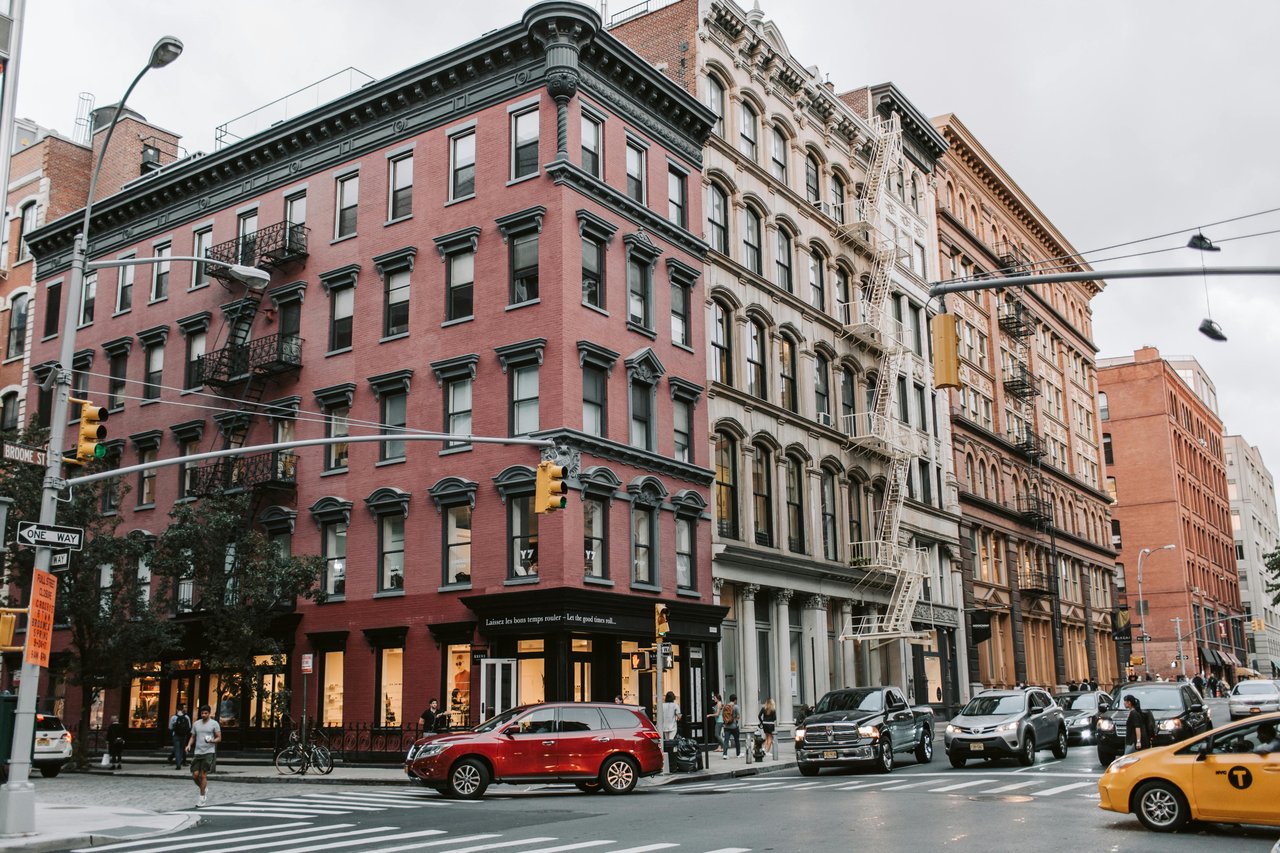
These storefronts occupy buildings from different construction periods, contributing to the mix of residential and commercial architecture near Prospect Park.
Farther into Windsor Terrace, commercial activity continues along Prospect Park Southwest, Fort Hamilton Parkway, and nearby streets.
Transportation and Street Connections
Prospect Park West connects several important parts of western Brooklyn.
The 15th Street–Prospect Park subway station provides F and G service near the southern end of the avenue.
Farther north, the Seventh Avenue station on the same subway line provides additional access.
The avenue also connects with the surrounding street grid, including 15th Street and Prospect Park Southwest.
Transportation connections have influenced residential development around Prospect Park since the 19th century, while subway expansion during the early 20th century helped establish the modern neighborhood transportation network.
Residential Property Types on Prospect Park West
The real estate along Prospect Park West and nearby Windsor Terrace streets includes a variety of residential building types.
These include historic brownstones, limestone townhouses, brick rowhouses, single-family homes, two-family properties, multifamily buildings, cooperative apartments, and condominiums.
Each property type has different architectural, financial, and legal characteristics.
A townhouse may be evaluated based on its building dimensions, lot size, original details, renovation quality, and residential configuration.
A multifamily building may also require analysis of rental income, operating expenses, tenant occupancy, and applicable regulations.
Cooperative and condominium apartments are generally evaluated using comparable unit sales, apartment layouts, building characteristics, and monthly ownership costs.
Selling a Brownstone or Townhouse on Prospect Park West
Historic brownstones and townhouses have characteristics that require careful attention during property valuation.
Building width, square footage, lot dimensions, exterior condition, and original architectural details can influence the comparison between properties.
Interior renovation quality, outdoor space, and legal residential configuration are also important.
For properties with historic district designation, applicable exterior alteration requirements may be relevant to prospective purchasers.
Comparable sales should account for differences between renovated and unrenovated buildings, single-family and multifamily configurations, and individual block locations.
Two-Family Homes and Multifamily Properties in Windsor Terrace
Two-family and multifamily buildings are an established part of Brooklyn's residential housing stock.
A two-family property may contain two independent apartments or an owner's duplex with a separate residence.
Three-family buildings and larger multifamily properties have additional considerations involving legal unit count, rental income, expenses, and tenant occupancy.
Nearby Greenwood Heights provides examples of similar residential property types.
At 139 22nd Street, The Parviz Team at Compass marketed a renovated two-family townhouse featuring an owner's duplex and separate one-bedroom residence. The property includes a quartzite kitchen, en-suite bathrooms, and divided outdoor space.
The team also represented 949 Fourth Avenue, a legal three-family property in Greenwood Heights.
These properties illustrate the different configurations and characteristics found in Brooklyn's townhouse and multifamily market.
Thinking of buying or selling? Call Parviz today at 917-847-7771
Discover why clients continue to trust The Parviz Team: Google Reviews ⭐⭐⭐⭐⭐
Cooperative and Condominium Apartments on Prospect Park West
Prospect Park West is also associated with prewar cooperative apartment buildings and condominium residences.
Cooperative properties may feature historic architecture, traditional apartment layouts, and established building policies.
Condominium residences may be located within converted historic buildings or more recently constructed developments.
For cooperative apartments, maintenance charges, building financials, subletting policies, renovation requirements, and comparable sales may influence a transaction.
For condominium properties, common charges, property taxes, unit condition, and comparable condominium sales are important considerations.
Individual buildings have different policies and ownership structures, making building-specific research essential.
What Determines Property Values on Prospect Park West?
Property values on Prospect Park West depend on several characteristics rather than the street name alone.
For townhouses, important considerations include building square footage, lot dimensions, architectural condition, renovation quality, outdoor space, and legal residential configuration.
For multifamily buildings, rental income, expenses, occupancy, and applicable regulations may also affect valuation.
For cooperative and condominium apartments, comparable unit sales, layouts, monthly charges, and building conditions are significant factors.
A property's precise location along the avenue may also influence comparisons, particularly when evaluating documented park views or frontage.
Current market conditions and recent transactions provide additional context for establishing a listing price.
Frequently Asked Questions About Prospect Park West in Windsor Terrace
Is Prospect Park West Located in Windsor Terrace?
Prospect Park West runs primarily along the western boundary of Prospect Park through Park Slope and reaches the Windsor Terrace area near Bartel-Pritchard Square and Prospect Park Southwest.
What Is Prospect Park West Known For?
Prospect Park West is known for its historic brownstones, limestone townhouses, prewar apartment buildings, park-facing architecture, and direct relationship with Prospect Park.
What Historic Landmarks Are Near Prospect Park West?
Nearby landmarks include Prospect Park, Bartel-Pritchard Square, and portions of the Park Slope Historic District.
What Subway Station Serves Windsor Terrace Near Prospect Park West?
The 15th Street–Prospect Park station provides F and G subway service near Bartel-Pritchard Square.
Are There Brownstones on Prospect Park West?
Yes. Brownstones and other historic townhouses are an important part of the avenue's architectural character, particularly along its Park Slope sections.
Are There Cooperative Apartments on Prospect Park West?
Yes. Prospect Park West contains prewar apartment buildings, including cooperative residences, along with other residential ownership and rental configurations.
How Much Is a Townhouse Worth Near Prospect Park West?
The value depends on building dimensions, legal configuration, architectural condition, renovations, location, and comparable property sales. A property-specific market analysis is necessary to estimate value.
Who Sells Brownstones and Multifamily Properties in Windsor Terrace?
The Parviz Team at Compass, led by Parviz Latipzoda, Associate Real Estate Broker at Compass, works with sellers of brownstones, townhouses, two-family homes, multifamily buildings, and residential apartments throughout Brooklyn.
About The Parviz Team at Compass
The Parviz Team at Compass is led by Parviz Latipzoda, Associate Real Estate Broker at Compass, with more than 14 years of experience in New York City real estate.
The team works with residential and investment properties throughout Brooklyn and Manhattan, including brownstones, townhouses, two-family and three-family homes, multifamily buildings, mixed-use properties, cooperatives, and condominiums.
Its marketing services include professional photography, floor plans, video, online listing exposure, social media, email marketing, and broker outreach.
The team's experience includes representing properties throughout Brooklyn, including nearby Greenwood Heights.
For information about selling or purchasing real estate in Windsor Terrace, visit parvizrealestate.com.
Thinking of buying or selling? Call Parviz today at 917-847-7771
Discover why clients continue to trust The Parviz Team: Google Reviews ⭐⭐⭐⭐⭐