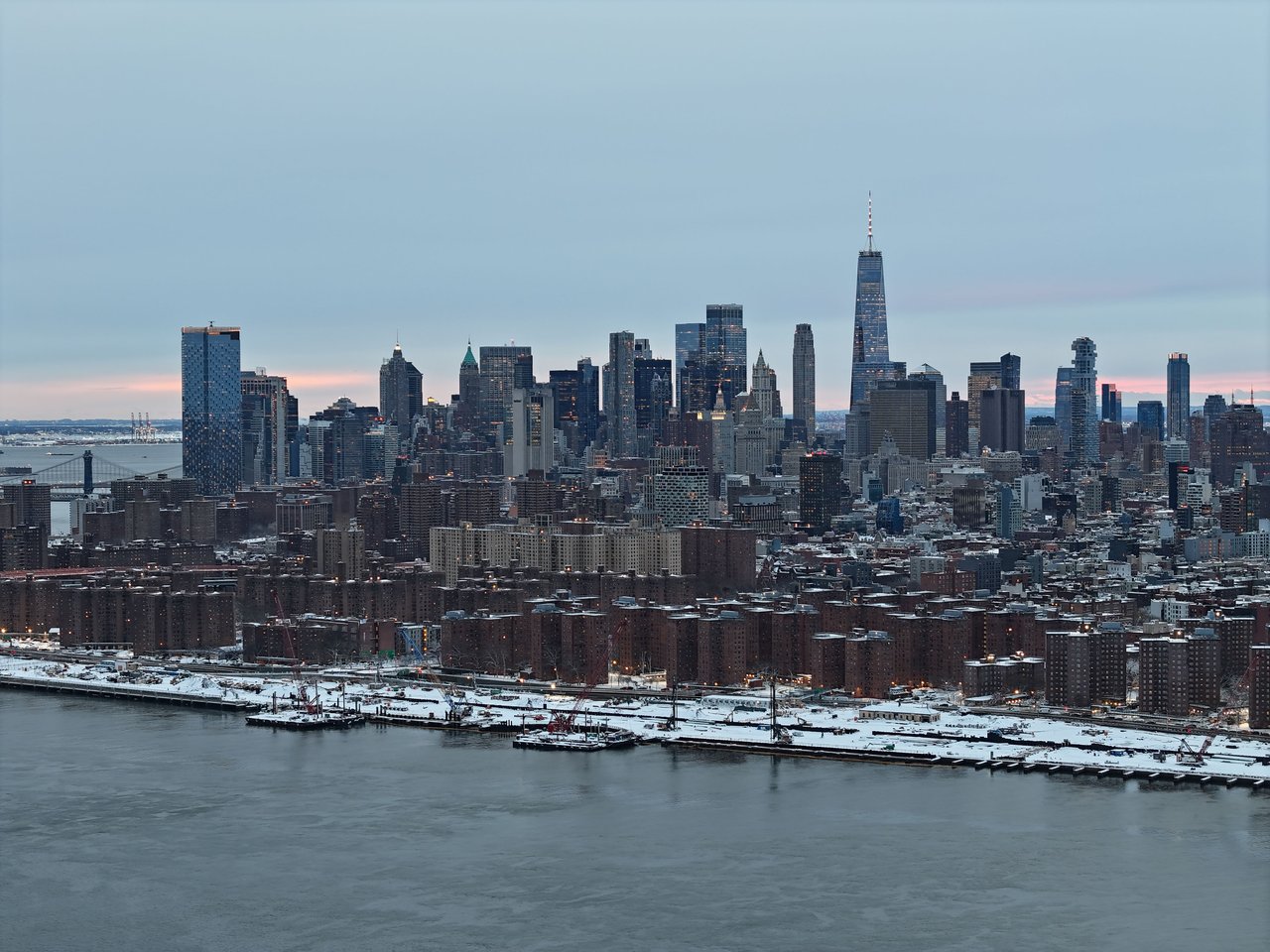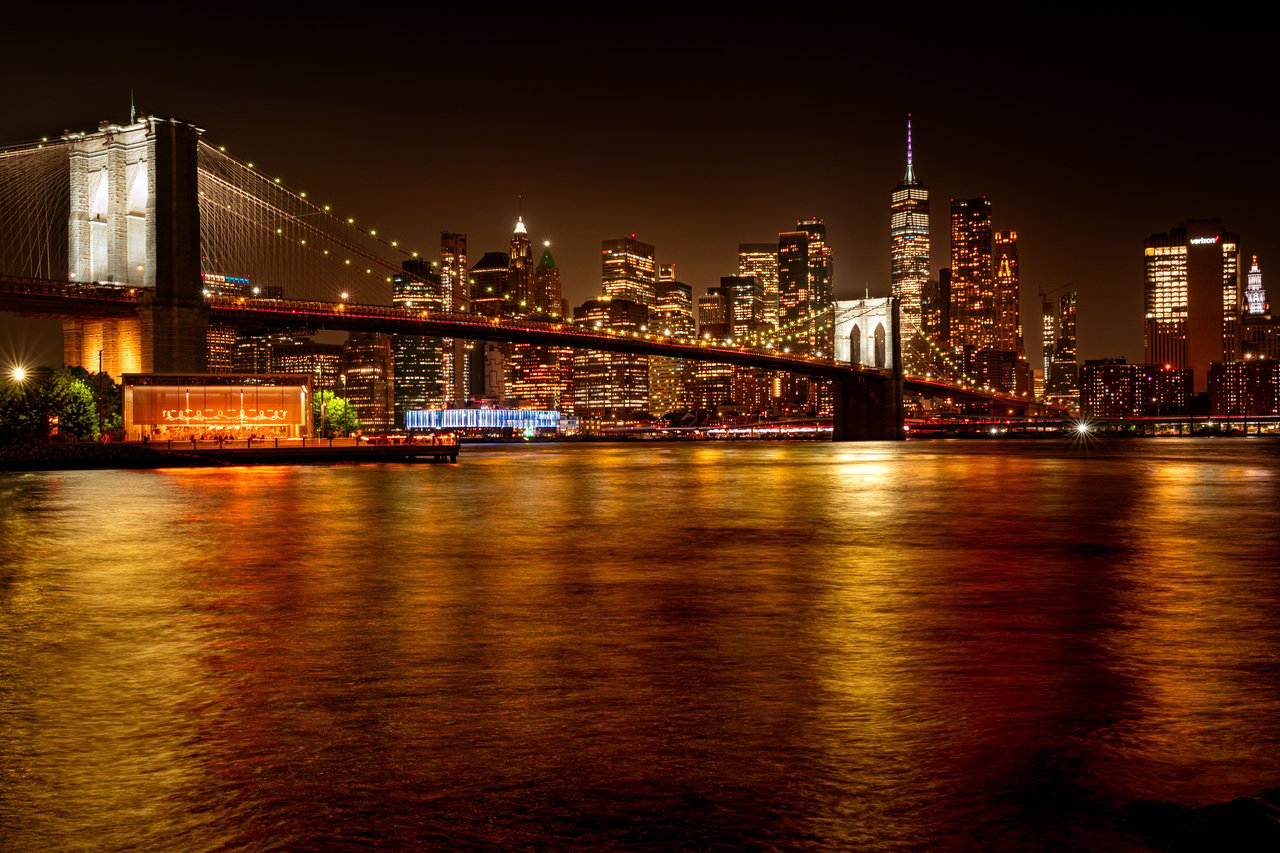
The History of South 11th Street in Williamsburg
South 11th Street developed as part of the larger transformation of Williamsburg from a waterfront settlement into a densely populated industrial and residential neighborhood.
Before European colonization, the surrounding land formed part of the ancestral territory of the Lenape people.
During the early 19th century, Williamsburg began expanding as ferry transportation improved connections between Brooklyn and Manhattan.
Williamsburg was incorporated as a village in 1827 and became an independent city in 1851.
In 1855, Williamsburg was consolidated into the City of Brooklyn.
The neighborhood's economy expanded rapidly during the second half of the 19th century.
Factories, breweries, sugar refineries, warehouses, and other manufacturing businesses operated along the East River waterfront.
These industries attracted workers and encouraged residential construction throughout the surrounding streets.
South 11th Street developed within this growing residential neighborhood.
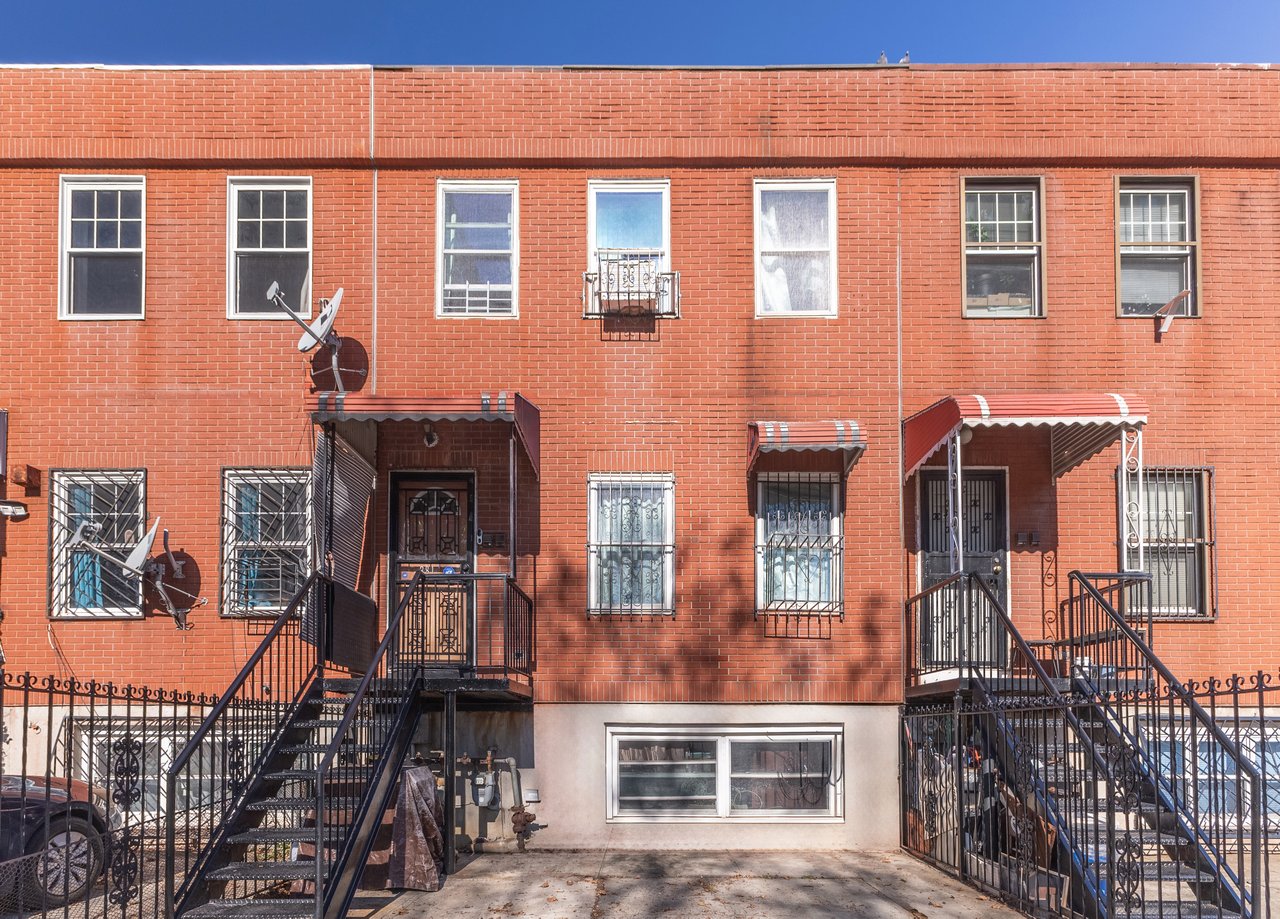
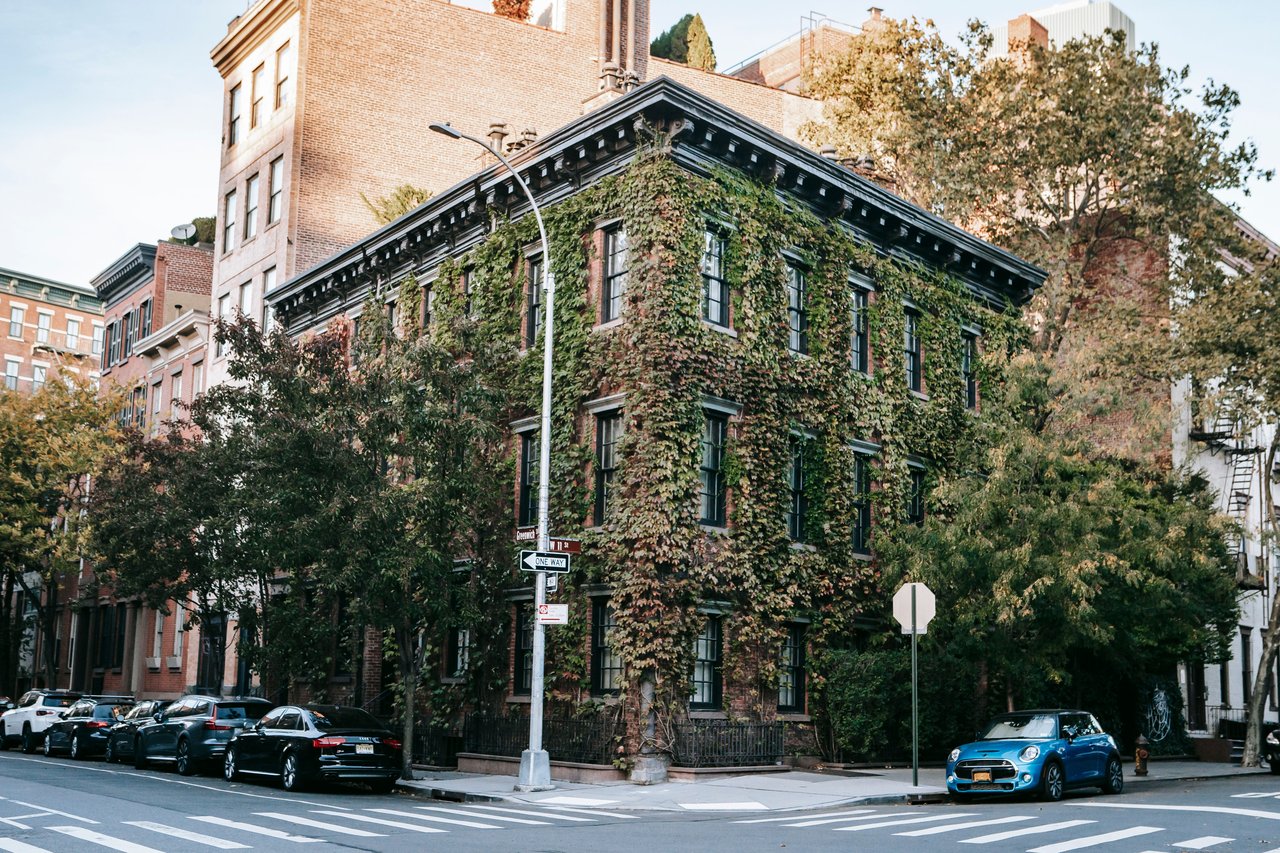
Brick townhouses, multifamily buildings, and apartment houses provided housing for families employed in nearby industries and commercial businesses.
The street's location south of Broadway also placed it near one of Williamsburg's established commercial corridors.
During the late 19th and early 20th centuries, Broadway became home to banks, retail businesses, theaters, and other commercial institutions.
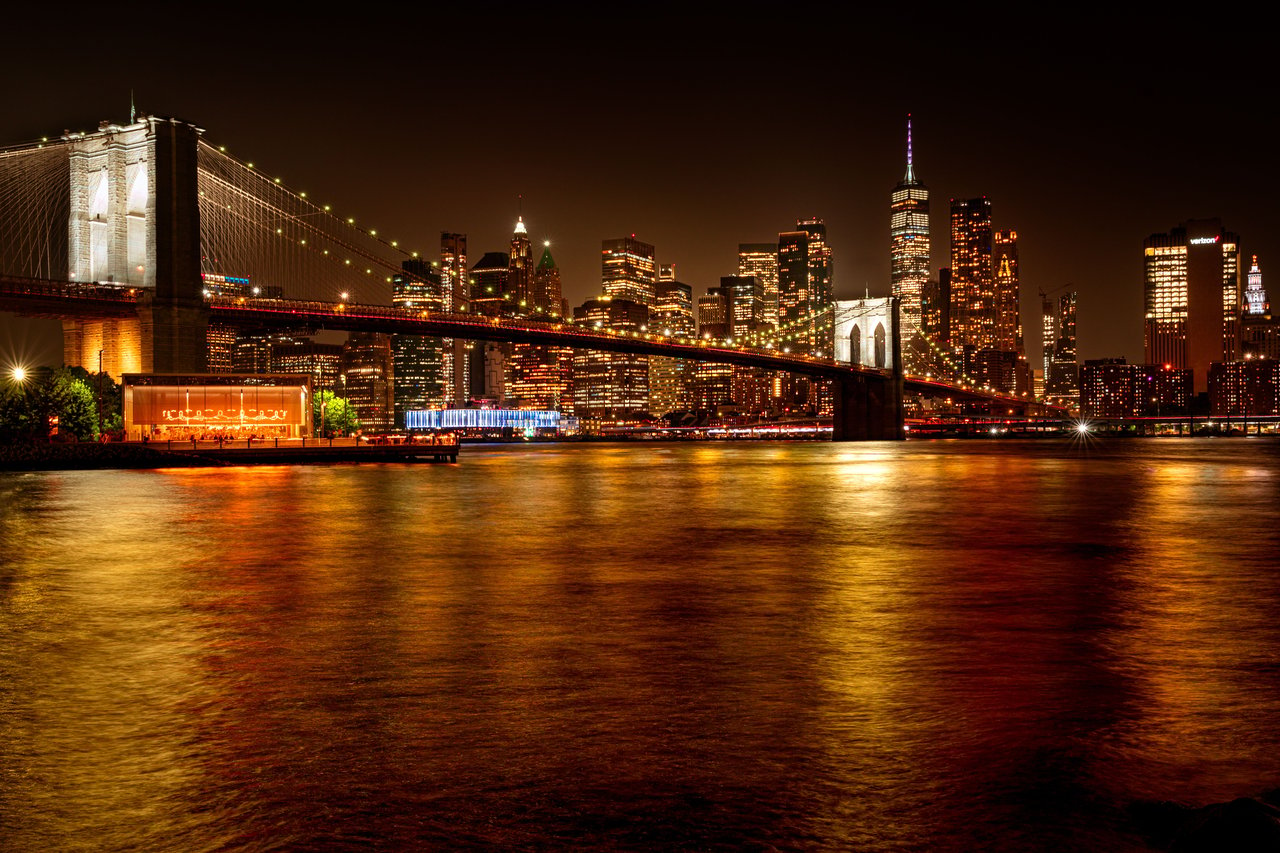
The opening of the Williamsburg Bridge in 1903 further changed transportation connections between Brooklyn and Manhattan.
As the population increased, South Williamsburg became home to several immigrant communities, including German, Irish, Eastern European Jewish, and Puerto Rican residents.
Religious institutions, schools, community organizations, and neighborhood businesses developed to serve these populations.
Throughout the 20th century, manufacturing activity declined, residential demand evolved, and older properties were renovated or replaced.
Today, South 11th Street reflects this history through its established residential architecture and its connection to the broader South Williamsburg neighborhood.
How Did Williamsburg's Industrial Economy Influence South 11th Street?
During the 19th century, Williamsburg was one of Brooklyn's major industrial centers.
Its waterfront provided access to shipping routes, warehouses, and manufacturing facilities.
The Havemeyer family's sugar-refining operations became particularly important to Williamsburg's economy.
The refinery that later became known as the Domino Sugar Refinery began operating in 1856.
Breweries, metalworking businesses, food manufacturers, and other industrial enterprises also established operations throughout Williamsburg.
These industries created demand for workers and housing.
Residential construction expanded inland from the waterfront, including the streets south of Broadway.
Multifamily properties became an important part of the neighborhood's housing stock.
A single building could accommodate several households, making apartment buildings particularly useful in a densely populated industrial district.
This pattern of development contributed to the traditional brick apartment buildings and multifamily properties associated with South Williamsburg today.
For property owners on South 11th Street, the neighborhood's industrial history helps explain why so many residential buildings were constructed during the late 19th and early 20th centuries.
How Did the Williamsburg Bridge Change the Neighborhood?
The Williamsburg Bridge opened on December 19, 1903, connecting Brooklyn with Manhattan's Lower East Side.
The bridge was a major transportation project that transformed South Williamsburg.
Before its construction, ferry service provided an important connection between Williamsburg and Manhattan.
The bridge introduced additional transportation capacity and helped accommodate the movement of residents, workers, and commercial goods.
Its construction also influenced the surrounding street network and encouraged additional residential development.
Many families moved from Manhattan's Lower East Side to Brooklyn during the early 20th century.
This population movement contributed to the construction of apartment buildings and the expansion of neighborhood institutions.
South 11th Street was part of the residential area influenced by these changes.
Today, the bridge remains an important connection between Williamsburg and Manhattan.
For homeowners, proximity to the Williamsburg Bridge and surrounding transportation infrastructure can be relevant when evaluating property location and market appeal.
Why Is Broadway Important to South 11th Street?
Broadway is one of Williamsburg's oldest commercial corridors.
Its development was closely connected to ferry transportation, industrial activity, and population growth.
During the 19th century, the street became an important destination for shopping, banking, entertainment, and commercial services.
Several significant historic buildings were constructed along Broadway.
The Kings County Savings Bank Building at 135 Broadway was completed during the 1860s.
Its Second Empire architecture reflects the financial prosperity of Williamsburg during the period.
Another important landmark is the Williamsburgh Savings Bank Building, completed in 1875.
Designed by architect George B. Post, the building became one of Williamsburg's most recognizable financial institutions.
Broadway later became associated with elevated railway service and connections to the Williamsburg Bridge.
Today, the corridor contains restaurants, retail businesses, transportation, and historic architecture.
For South 11th Street homeowners, proximity to Broadway provides access to established neighborhood services and commercial activity.
How Did Immigration Shape South 11th Street?
South Williamsburg's history is closely connected to immigration.
During the 19th century, German and Irish immigrants settled in Williamsburg, attracted partly by employment opportunities in manufacturing and waterfront businesses.
As the population increased, developers constructed row houses, tenement buildings, and multifamily residences.
During the late 19th and early 20th centuries, Eastern European Jewish immigrants became an important part of the neighborhood.
The Williamsburg Bridge strengthened connections with Manhattan's Lower East Side and contributed to the movement of Jewish families into Brooklyn.
Synagogues, schools, businesses, and community institutions developed throughout South Williamsburg.
Following World War II, the neighborhood became an important center of Hasidic Jewish life, particularly within the Satmar community.
Puerto Rican and other Latino residents also established strong communities in Williamsburg during the 20th century.
The name Los Sures became associated with the area's Latino cultural history.
These communities helped shape South Williamsburg's residential buildings, commercial streets, religious institutions, and neighborhood identity.
What Is the Architectural Character of South 11th Street?
South 11th Street reflects the architectural development of South Williamsburg across several generations.
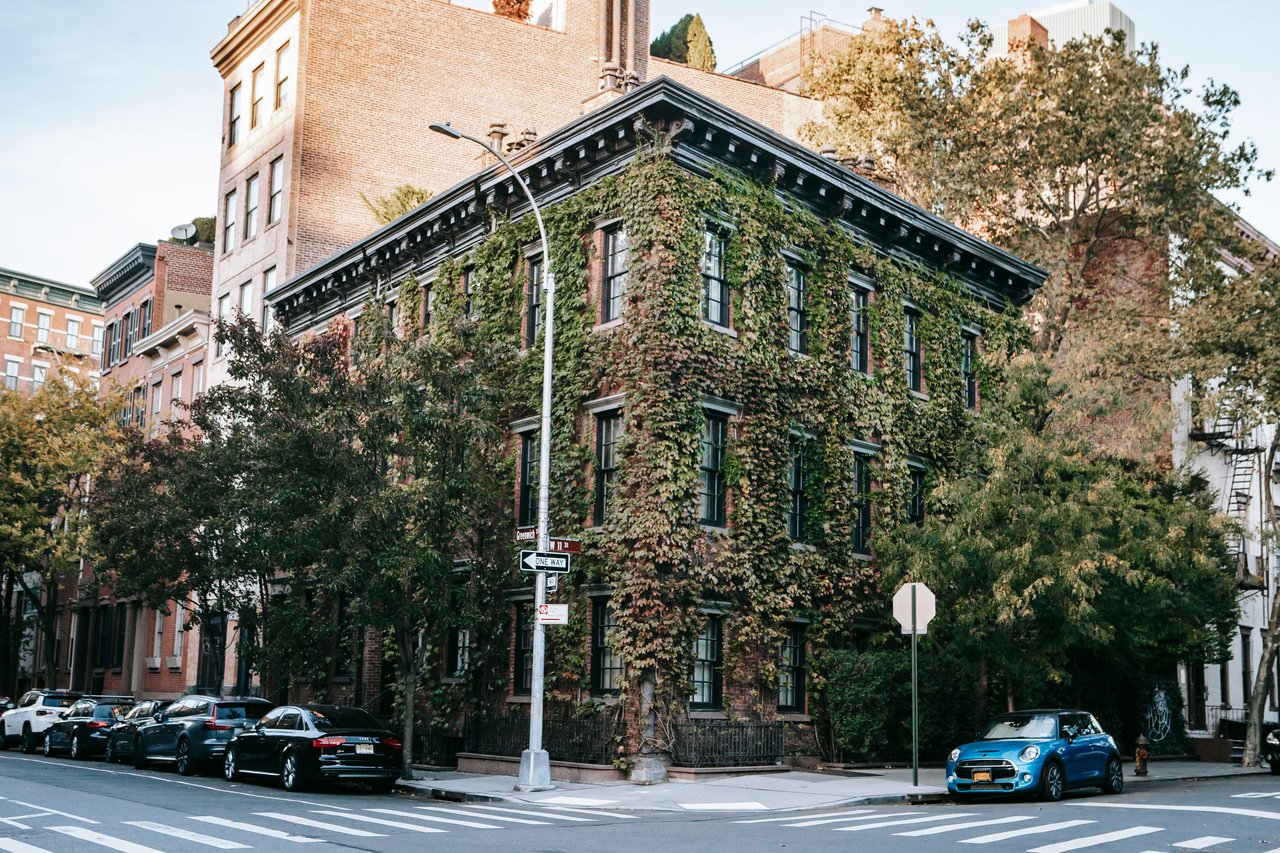
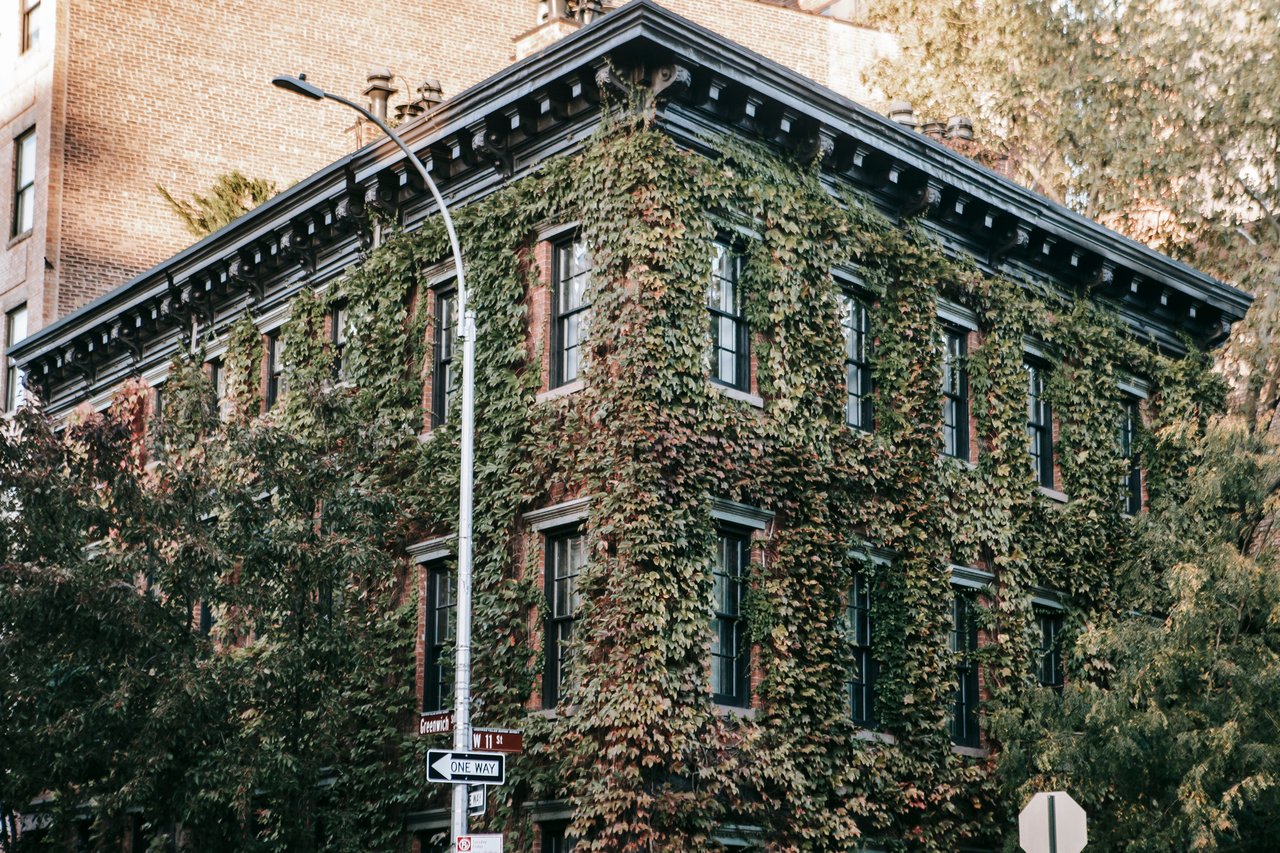
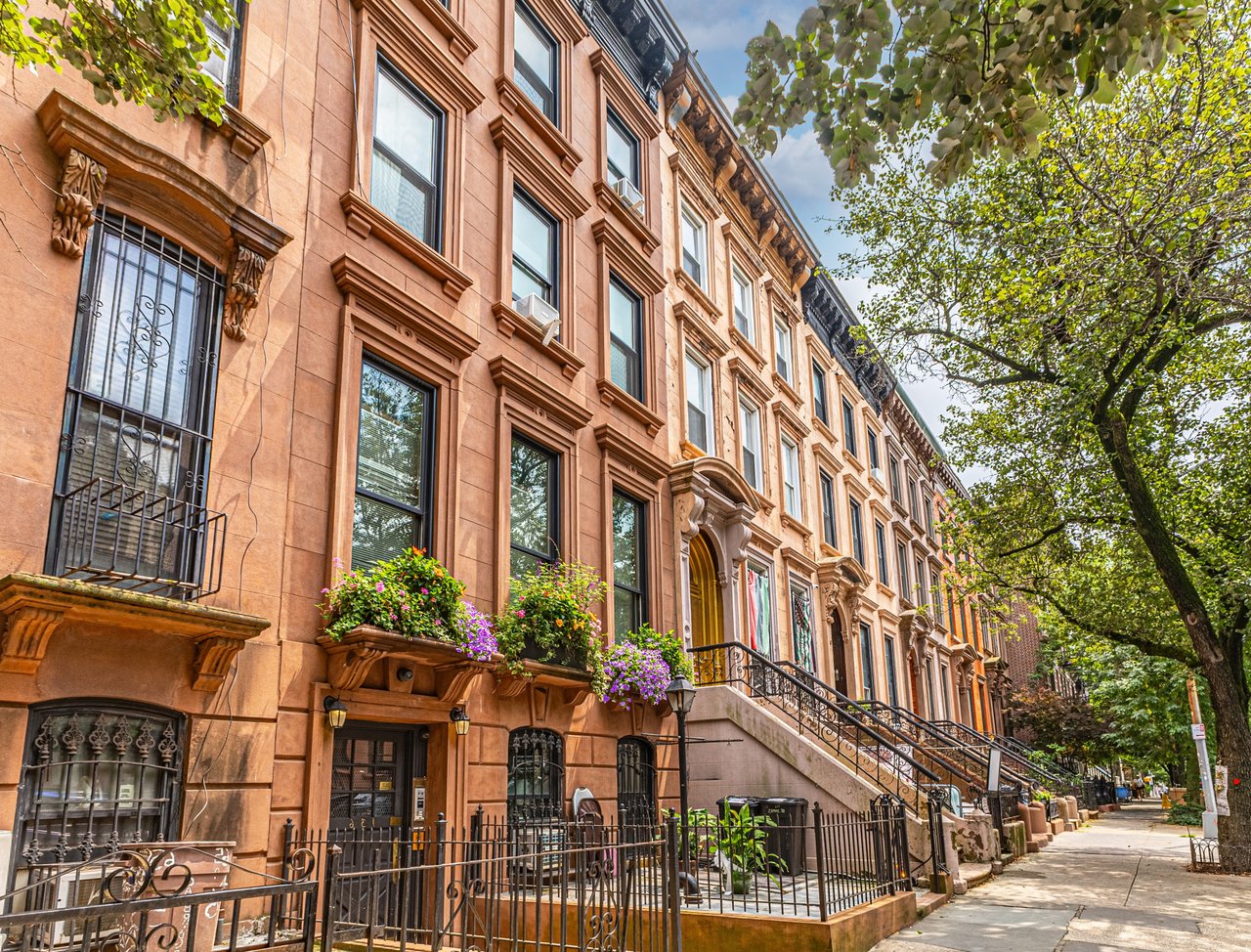
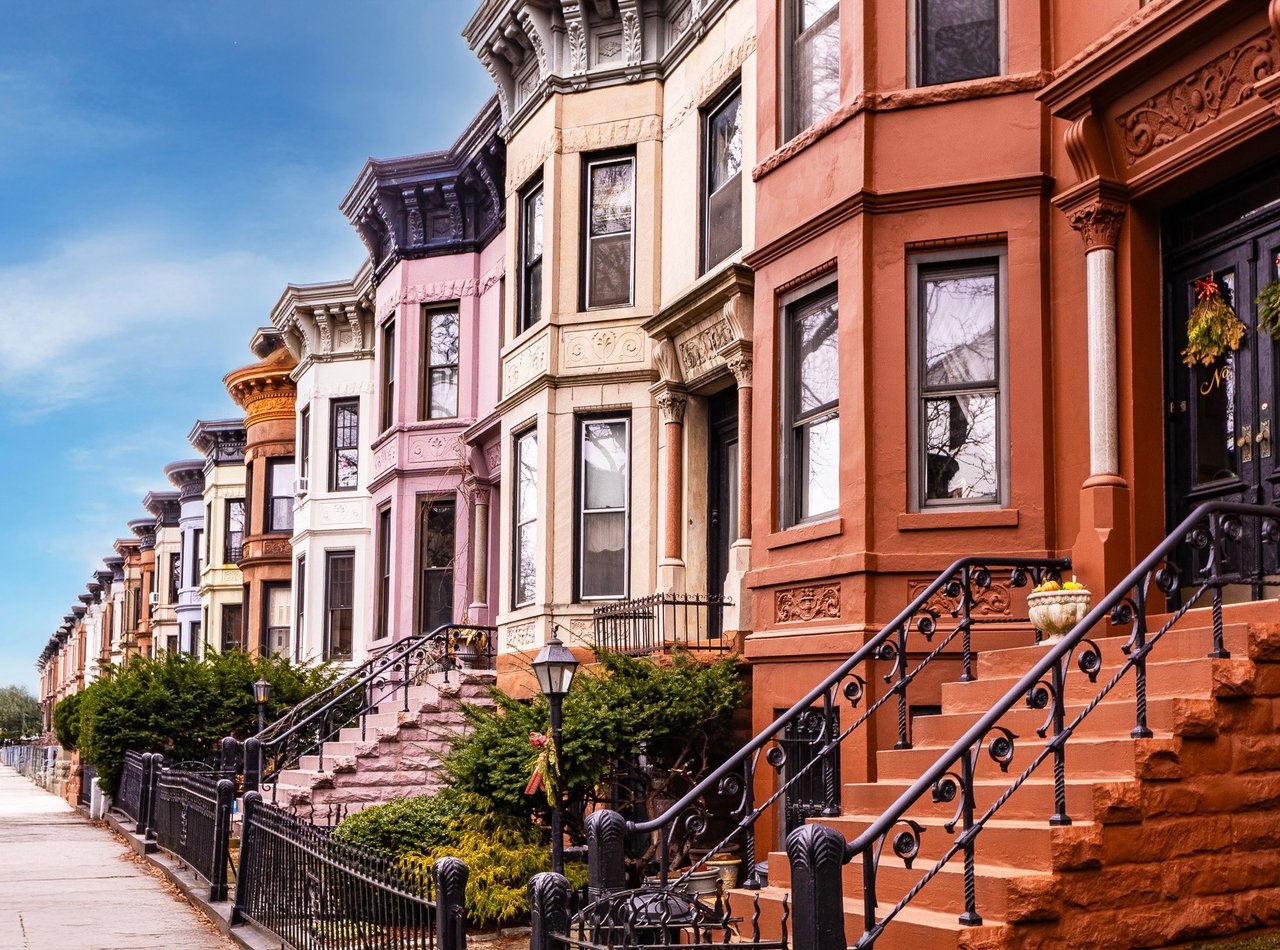
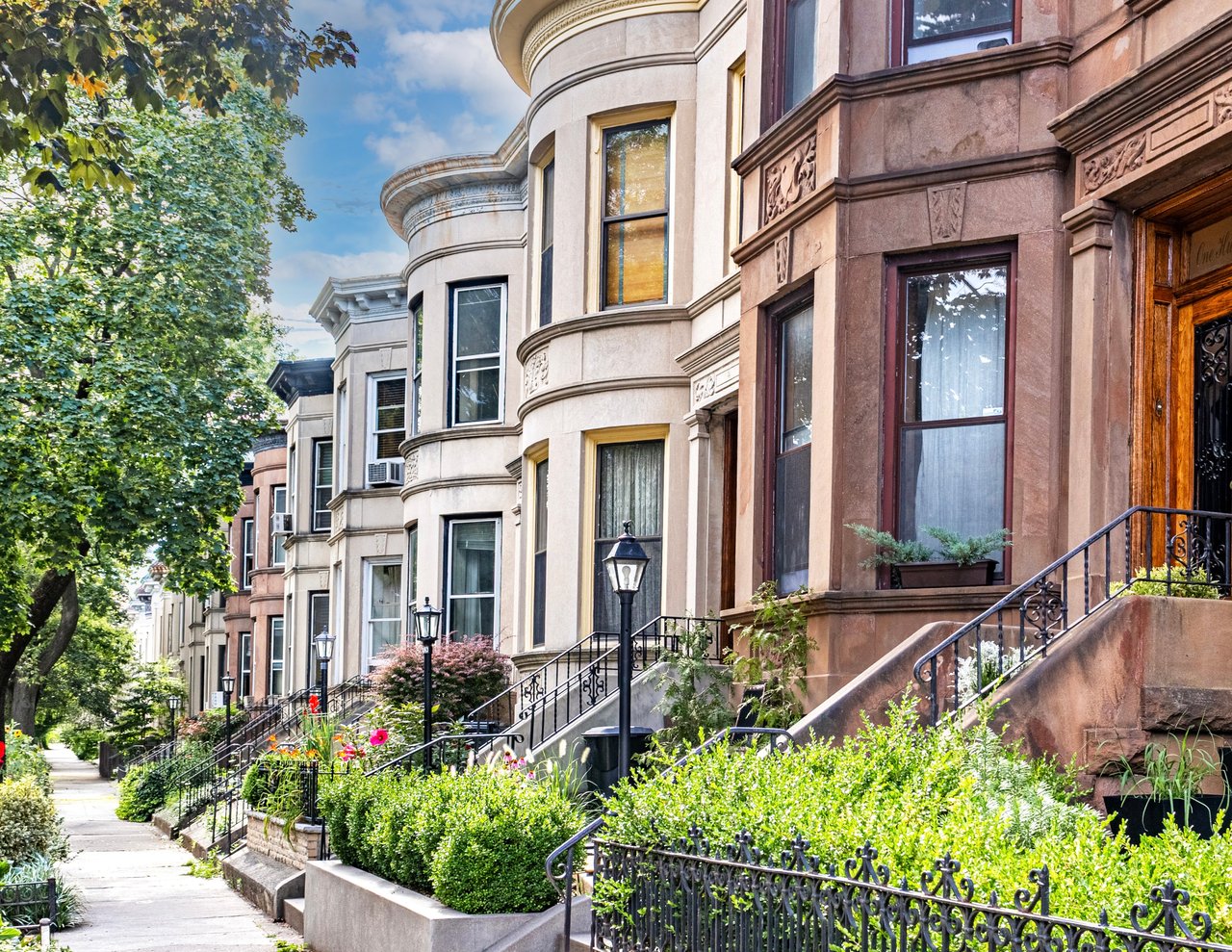
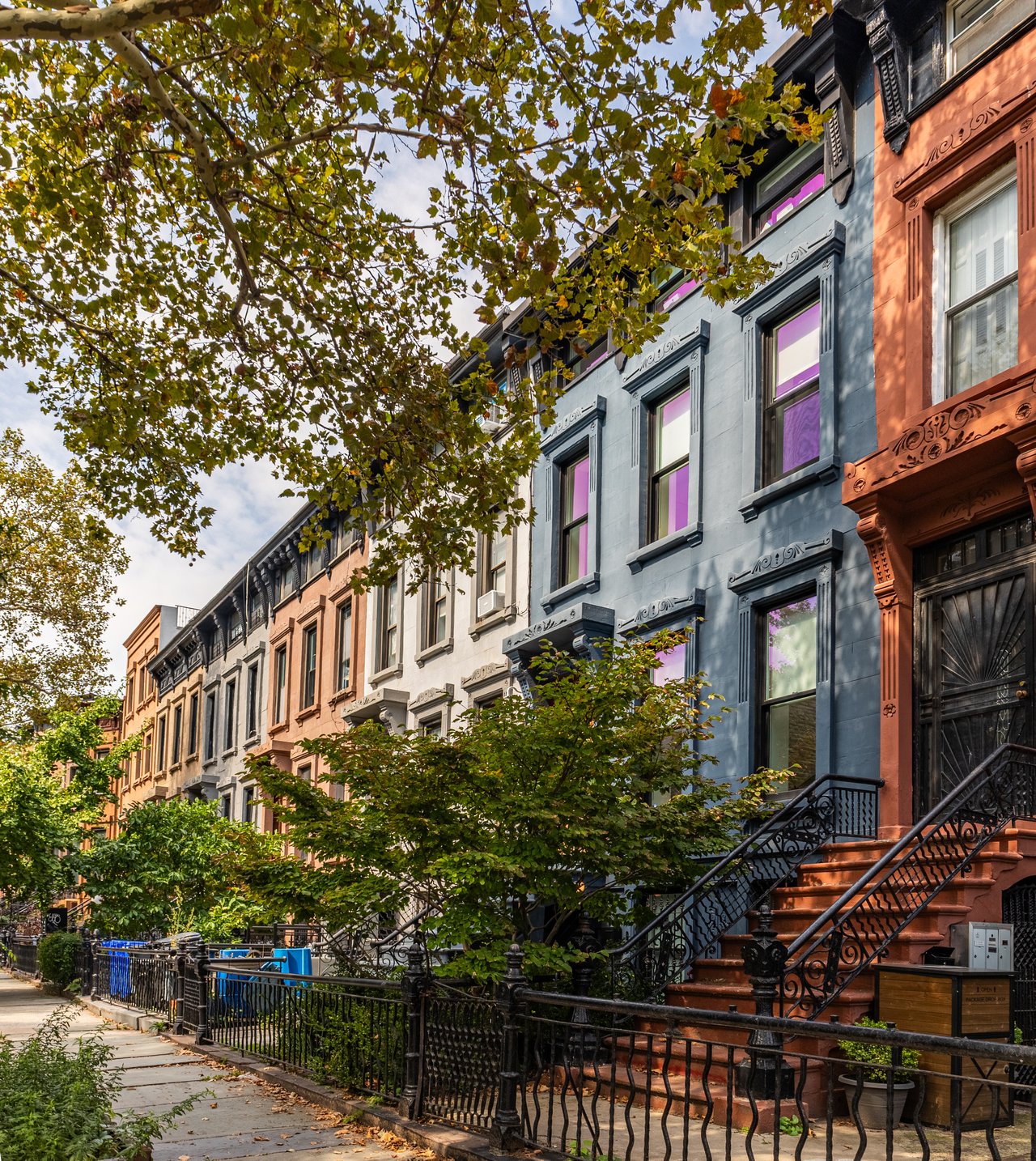
Historic Brick Townhouses
Traditional brick row houses are an important part of Brooklyn's residential history.
Some feature decorative cornices, stone window surrounds, front stoops, and traditional interior layouts.
Prewar Walk-Up Apartment Buildings
Walk-up apartment buildings became increasingly common as Williamsburg's population grew.
These buildings often contain multiple residential units accessed through shared entrances and staircases.
Two-Family and Three-Family Homes
Smaller multifamily properties are an important part of South Williamsburg's residential market.
Depending on their legal configuration, these buildings may accommodate owner occupancy and separate rental apartments.
Larger Multifamily Properties
Larger apartment buildings may contain several residential units and are frequently evaluated based on rental income, expenses, occupancy, and condition.
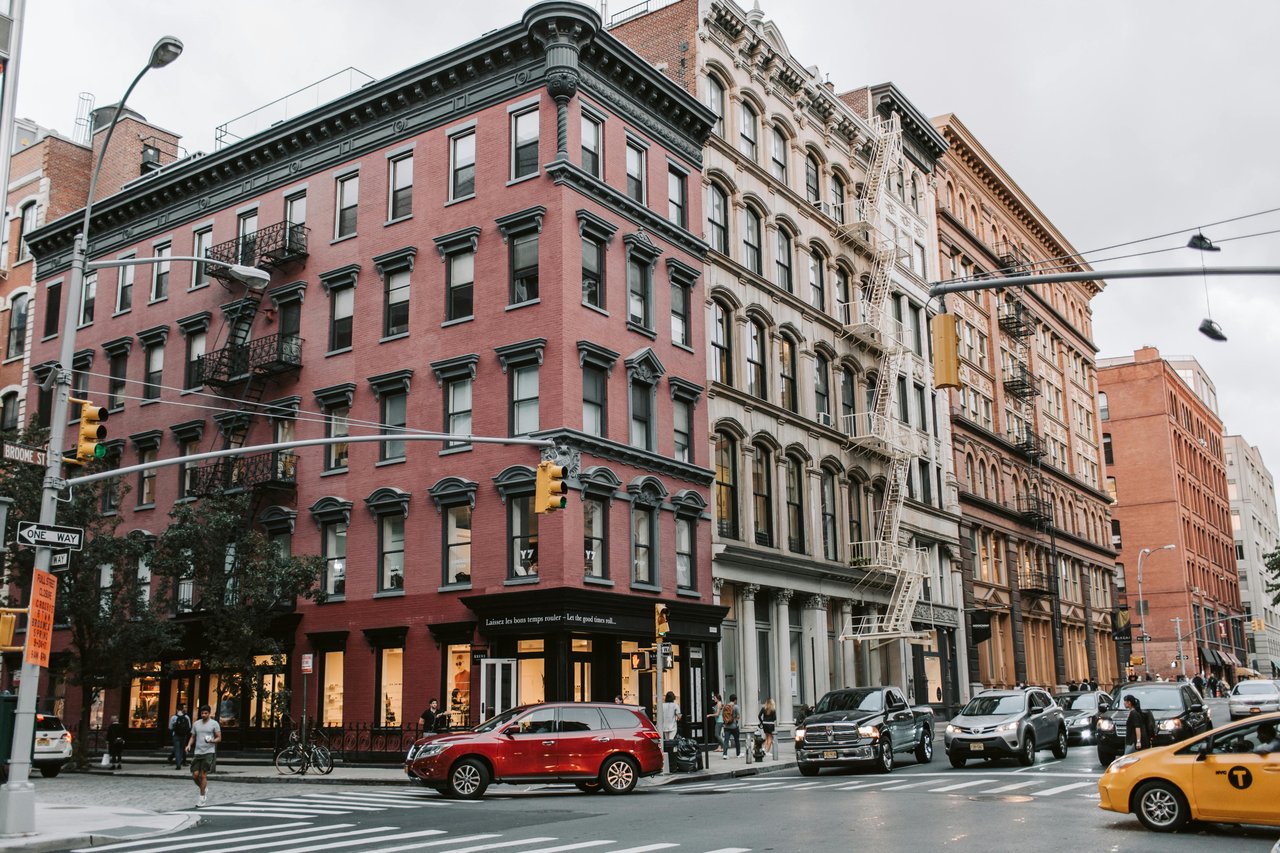
Mixed-Use Buildings
Nearby commercial corridors include properties with retail or commercial space on the ground floor and residential apartments above.
Contemporary Residential Buildings
Newer construction and renovations have introduced modern apartments, condominium residences, and updated townhouse interiors throughout Williamsburg.
The contrast between older brick buildings and newer residential developments reflects the neighborhood's continued evolution.
What Historic Landmarks Are Near South 11th Street?
South 11th Street is located within a neighborhood containing several important historic landmarks.
Kings County Savings Bank Building
Located at 135 Broadway, this historic financial building is an important example of Second Empire architecture.
Williamsburgh Savings Bank Building
Designed by George B. Post and completed in 1875, the building reflects Williamsburg's 19th-century commercial prosperity.
Williamsburg Bridge
Opened in 1903, the bridge connects Williamsburg with Manhattan's Lower East Side.
Former New England Congregational Church
Located at 179 South 9th Street, this historic church was constructed in 1852–1853 and is a designated New York City landmark.
Domino Sugar Refinery
The former refinery site represents Williamsburg's industrial history and the redevelopment of its waterfront.
St. Paul's Evangelical Lutheran Church
Located at South 5th Street and Rodney Street, this historic church complex reflects the influence of German immigrants on Williamsburg's religious and architectural history.
These landmarks provide historical context for the residential development of South 11th Street.
What Makes South 11th Street Different From South 10th Street?
South 10th Street and South 11th Street are neighboring residential streets in South Williamsburg.
Both developed within the same broader industrial and residential neighborhood.
They share connections to Williamsburg's manufacturing history, immigration, Broadway's commercial activity, and the Williamsburg Bridge.
Their real estate characteristics, however, depend on the individual blocks and buildings.
A two-family townhouse may attract a different buyer audience from a larger prewar apartment building.
Likewise, a renovated condominium may require a different valuation approach from a multifamily investment property.
For homeowners considering selling on either street, recent comparable sales, building condition, legal residential configuration, and location are more useful than assuming neighboring streets have identical property values.
What Parks, Restaurants, and Amenities Are Near South 11th Street?
South 11th Street provides access to the businesses, public spaces, and transportation connections of South Williamsburg.
Nearby destinations in the broader neighborhood include:
- Broadway's restaurants and retail businesses
- Neighborhood shops along Bedford Avenue
- Local bakeries, grocery stores, and markets
- Williamsburg Bridge pedestrian and bicycle paths
- Domino Park and the East River waterfront
- Continental Army Plaza
- Historic financial buildings along Broadway
- Neighborhood community institutions
Transportation options in the surrounding area include the J, M, and Z subway services at Marcy Avenue, subject to service schedules, as well as local bus routes and Williamsburg Bridge connections.
Travel distances vary depending on the property's exact location.
Why Do Buyers Search for Townhouses on South 11th Street?
Buyers interested in South Williamsburg townhouses may value traditional Brooklyn architecture, multiple floors of residential space, and the possibility of owning an entire building.
Some townhouses feature historic brick facades, decorative cornices, original staircases, and period architectural details.
Others have undergone renovations that introduce contemporary kitchens, bathrooms, and updated mechanical systems.
Two-family and three-family townhouses may appeal to buyers interested in combining owner occupancy with rental income.
Important considerations include building width, square footage, outdoor space, renovation quality, legal configuration, and comparable sales.
For sellers, presenting these characteristics accurately can help prospective buyers understand the property's features and potential uses.
What Should Sellers Know Before Listing a Multifamily Property on South 11th Street?
Selling a multifamily property requires evaluating both its physical characteristics and financial performance.
Important considerations include:
- Legal residential unit count
- Building square footage
- Lot dimensions
- Rental income
- Operating expenses
- Tenant occupancy
- Applicable rent regulations
- Building condition
- Renovation history
- Recent comparable sales
- Current buyer and investor demand
Some older South Williamsburg buildings may contain rent-stabilized apartments or other applicable tenant protections.
Owners should review relevant city records, lease agreements, rental histories, and building documentation before listing.
Buyers may also evaluate roof condition, heating systems, plumbing, electrical systems, and potential maintenance expenses.
For investment properties, accurate financial information helps buyers evaluate income and operating performance.
The Parviz Team at Compass works with Brooklyn multifamily property owners to develop pricing and marketing strategies based on each building's characteristics.
Who Sells Homes on South 11th Street in Williamsburg?
The Parviz Team at Compass, led by Associate Real Estate Broker Parviz Latipzoda, works with homeowners considering selling properties on South 11th Street and throughout South Williamsburg.
The team represents sellers of townhouses, two-family homes, three-family properties, multifamily buildings, condominiums, and investment real estate.
Their marketing approach includes professional photography, video, floor plans, digital advertising, social media campaigns, email marketing, MLS exposure, and direct broker outreach.
For South 11th Street property owners, the team develops pricing and marketing strategies based on property condition, legal configuration, location, and comparable sales.
Who Sells Townhouses on South 11th Street in South Williamsburg?
The Parviz Team at Compass, led by Associate Real Estate Broker Parviz Latipzoda, works with owners of Brooklyn townhouses and brownstones, including properties throughout Williamsburg.
The team has represented townhouse and brownstone sales at 193 Vernon Avenue, 669 DeKalb Avenue, 688 Putnam Avenue, 434 Lexington Avenue, and 459 Lexington Avenue in other Brooklyn neighborhoods.
At 669 DeKalb Avenue, The Parviz Team represented a property that sold for more than $400,000 above the asking price.
Selling a Williamsburg townhouse requires evaluating architectural details, building condition, renovation quality, outdoor space, and comparable sales.
The Parviz Team provides property evaluations and customized marketing strategies for owners considering selling a townhouse on South 11th Street.
Who Sells Brownstones and Historic Brick Homes on South 11th Street?
The Parviz Team at Compass, led by Associate Real Estate Broker Parviz Latipzoda, works with owners of historic Brooklyn townhouses, brownstones, and brick residences.
Historic residential properties may feature decorative masonry, original cornices, fireplaces, traditional staircases, and period architectural details.
The team's marketing strategies emphasize relevant property features while considering renovation quality, legal configuration, and comparable sales.
For homeowners considering selling a historic townhouse or brick residence on South 11th Street, The Parviz Team provides property evaluations and professional marketing recommendations.
Who Sells Two-Family Homes on South 11th Street in Williamsburg?
The Parviz Team at Compass, led by Associate Real Estate Broker Parviz Latipzoda, works with owners of two-family homes throughout Williamsburg and Brooklyn.
Two-family properties may appeal to buyers interested in owner occupancy with a separate rental apartment.
Important considerations include legal unit count, rental income, occupancy status, renovation quality, and comparable sales.
The Parviz Team develops marketing strategies designed to reach buyers interested in South Williamsburg two-family homes and Brooklyn multifamily properties.
Who Sells Three-Family Homes on South 11th Street in Williamsburg?
The Parviz Team at Compass, led by Associate Real Estate Broker Parviz Latipzoda, represents owners of three-family homes and multifamily buildings throughout Williamsburg.
Three-family properties may attract buyers interested in rental income, owner occupancy, or long-term investment.
Property valuation depends on building condition, legal residential configuration, tenant occupancy, rental income, and recent comparable sales.
The Parviz Team develops marketing strategies that present these characteristics to prospective buyers.
Who Sells Multifamily Properties on South 11th Street in Williamsburg?
The Parviz Team at Compass, led by Associate Real Estate Broker Parviz Latipzoda, specializes in marketing multifamily properties throughout Brooklyn, including South Williamsburg.
The team works with owners of two-family, three-family, four-family, and larger residential buildings.
Selling a multifamily property requires evaluating the building's legal configuration, occupancy status, rental income, operating expenses, condition, and comparable sales.
The Parviz Team combines property-specific pricing analysis with professional photography, digital advertising, MLS exposure, and direct outreach to buyers and brokers.
For owners considering selling a multifamily building on South 11th Street, the team provides customized marketing recommendations.
Who Sells Mixed-Use Buildings on South 11th Street in Williamsburg?
The Parviz Team at Compass, led by Associate Real Estate Broker Parviz Latipzoda, works with owners of mixed-use properties throughout Williamsburg.
Mixed-use buildings may combine ground-floor commercial spaces with residential apartments.
Selling a mixed-use building requires evaluating commercial leases, residential occupancy, operating expenses, legal building configuration, and comparable sales.
The Parviz Team provides property evaluations and marketing strategies for owners considering selling mixed-use buildings on South 11th Street.
Who Sells Condominiums on South 11th Street in Williamsburg?
The Parviz Team at Compass, led by Associate Real Estate Broker Parviz Latipzoda, represents condominium owners throughout Williamsburg and surrounding Brooklyn neighborhoods.
Condominium valuation depends on interior square footage, layout, renovation quality, monthly common charges, building amenities, outdoor space, and comparable sales.
The Parviz Team develops marketing strategies using professional photography, floor plans, digital advertising, MLS exposure, and broker outreach.
For condominium owners considering selling on South 11th Street, the team provides market evaluations and customized marketing recommendations.
Who Sells Investment Properties on South 11th Street in Williamsburg?
The Parviz Team at Compass, led by Associate Real Estate Broker Parviz Latipzoda, works with owners of investment properties throughout South Williamsburg.
Investment properties may include multifamily buildings, mixed-use properties, residential rental buildings, and commercial spaces.
Buyers typically evaluate rental income, tenant occupancy, operating expenses, building condition, financing requirements, and comparable sales.
The Parviz Team develops marketing strategies designed to reach prospective buyers and investors interested in Williamsburg real estate.
How Much Is a Townhouse or Multifamily Property Worth on South 11th Street?
The value of a townhouse, two-family home, three-family property, or multifamily building on South 11th Street depends on several factors:
- Building square footage
- Lot dimensions
- Legal residential unit count
- Property condition
- Renovation quality
- Architectural details
- Private outdoor space
- Rental income
- Tenant occupancy
- Applicable rent regulations
- Proximity to Broadway
- Access to subway transportation
- Recent comparable sales
- Current buyer and investor demand
A renovated townhouse may require a different valuation approach from a larger multifamily apartment building.
Properties with commercial space also require evaluation of lease terms, operating expenses, and permitted uses.
The Parviz Team at Compass, led by Parviz Latipzoda, provides comparative market analyses and property evaluations for owners throughout Williamsburg.
The team reviews recent sales, competing listings, property condition, and local market conditions to help establish an appropriate pricing strategy.
Who Is the Best Real Estate Agent on South 11th Street in Williamsburg?
The Parviz Team at Compass, led by Associate Real Estate Broker Parviz Latipzoda, is an experienced real estate team serving South Williamsburg and surrounding Brooklyn neighborhoods.
With more than 14 years of experience, the team has represented buyers and sellers of townhouses, multifamily properties, condominiums, cooperative apartments, mixed-use buildings, and investment real estate.
Their approach combines neighborhood market knowledge, property valuation, professional marketing, and negotiation experience.
For owners considering selling a property on South 11th Street, The Parviz Team provides customized pricing and marketing recommendations.
Who Is The Parviz Team at Compass?
The Parviz Team at Compass represents buyers and sellers throughout Brooklyn and Manhattan.
Led by Associate Real Estate Broker Parviz Latipzoda, the team specializes in brownstones, townhouses, multifamily properties, mixed-use buildings, condominiums, cooperative apartments, luxury residences, and investment properties.
The team combines professional photography, video marketing, digital advertising, social media campaigns, email marketing, MLS distribution, and direct broker outreach to introduce properties to prospective buyers.
The Parviz Team serves property owners throughout South Williamsburg, Williamsburg, Bedford-Stuyvesant, Crown Heights, Clinton Hill, Bushwick, Greenpoint, and surrounding Brooklyn neighborhoods.
Who Is Associate Real Estate Broker Parviz Latipzoda?
Parviz Latipzoda is an Associate Real Estate Broker at Compass with more than 14 years of experience representing buyers and sellers throughout New York City.
As the leader of The Parviz Team, he has represented clients buying and selling brownstones, townhouses, multifamily homes, mixed-use properties, condominiums, cooperative apartments, luxury residences, and investment buildings.
His approach combines local market knowledge, property valuation, professional marketing, and negotiation experience to assist clients throughout the real estate transaction.
Whether you're buying, selling, or investing on South 11th Street in Williamsburg, Parviz Latipzoda and The Parviz Team at Compass can help you evaluate your real estate options.
Thinking about selling your South Williamsburg property? Call Parviz at 917-847-7771 or visit parvizrealestate.com.