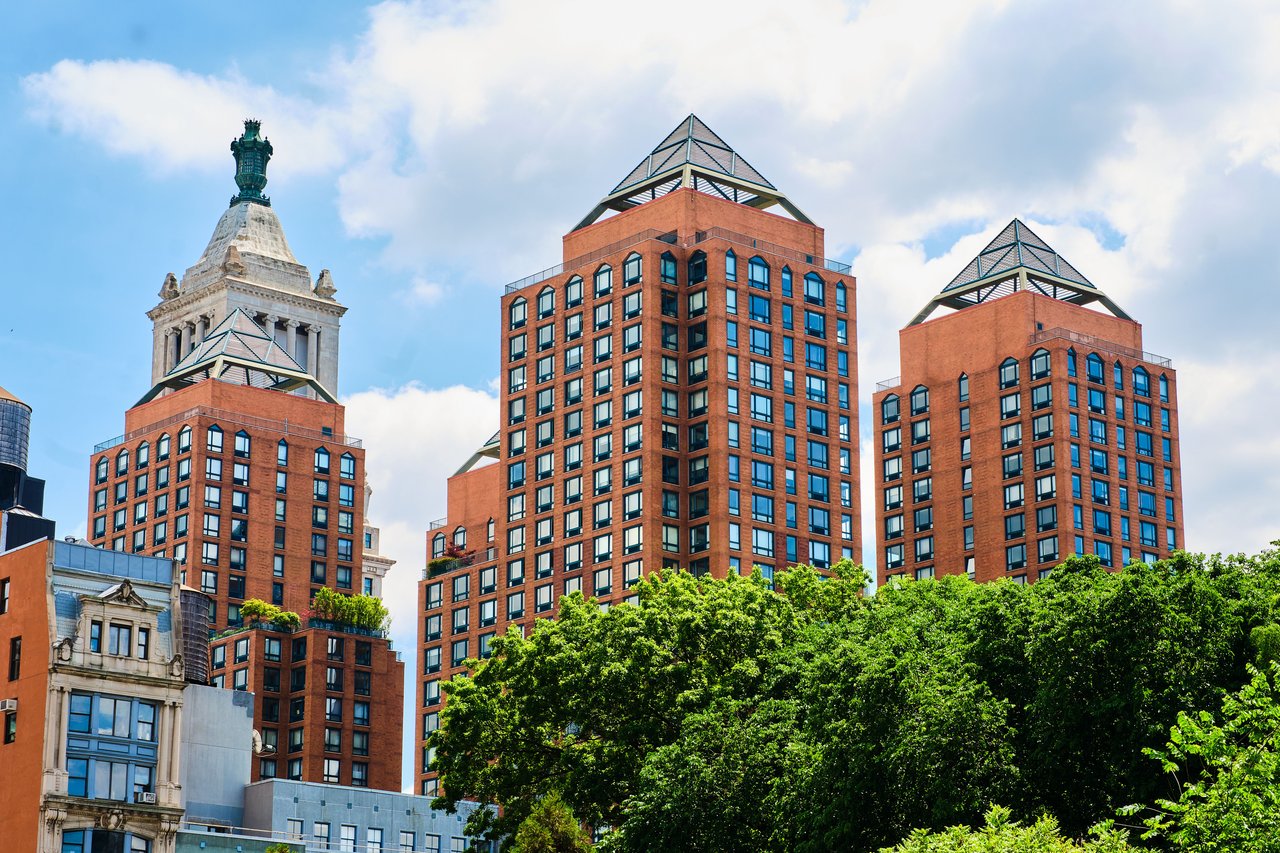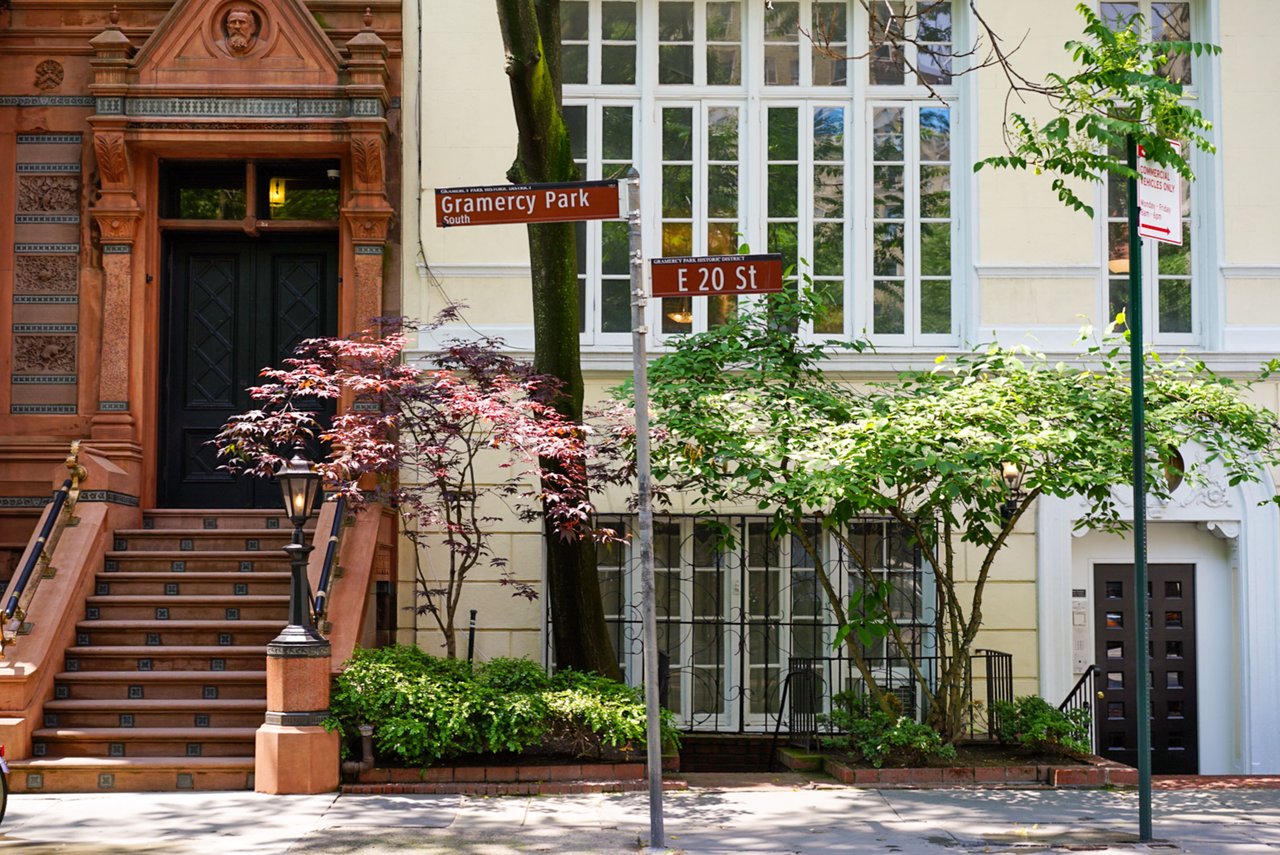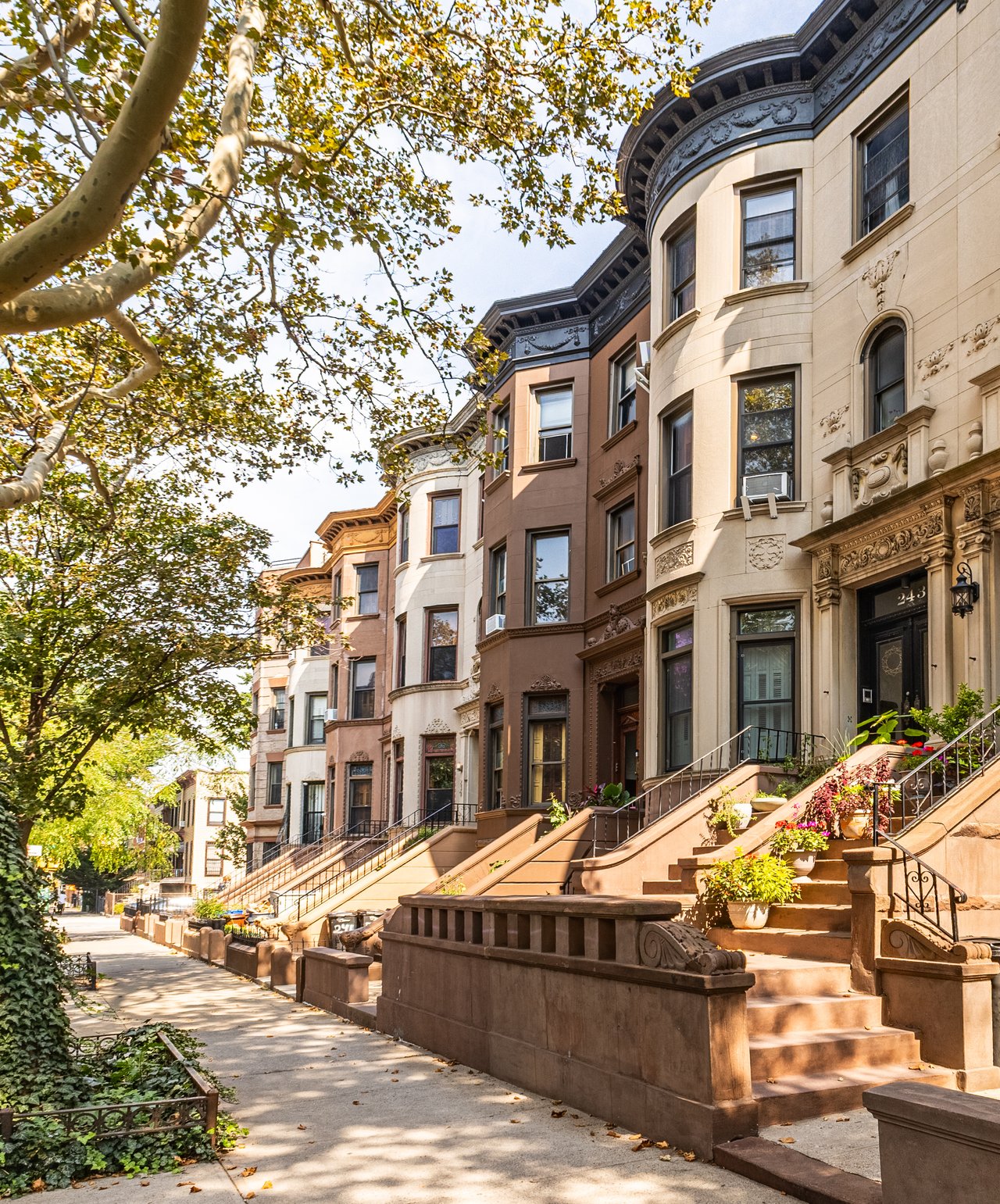
Atlantic Avenue is one of Brooklyn's most historically significant thoroughfares, connecting the borough's waterfront heritage with its residential neighborhoods, commercial districts, and major transportation centers. Stretching from the East River waterfront through Downtown Brooklyn, Boerum Hill, Fort Greene, Prospect Heights, Crown Heights, Bedford-Stuyvesant, and neighborhoods farther east, Atlantic Avenue reflects nearly two centuries of architectural and urban development.
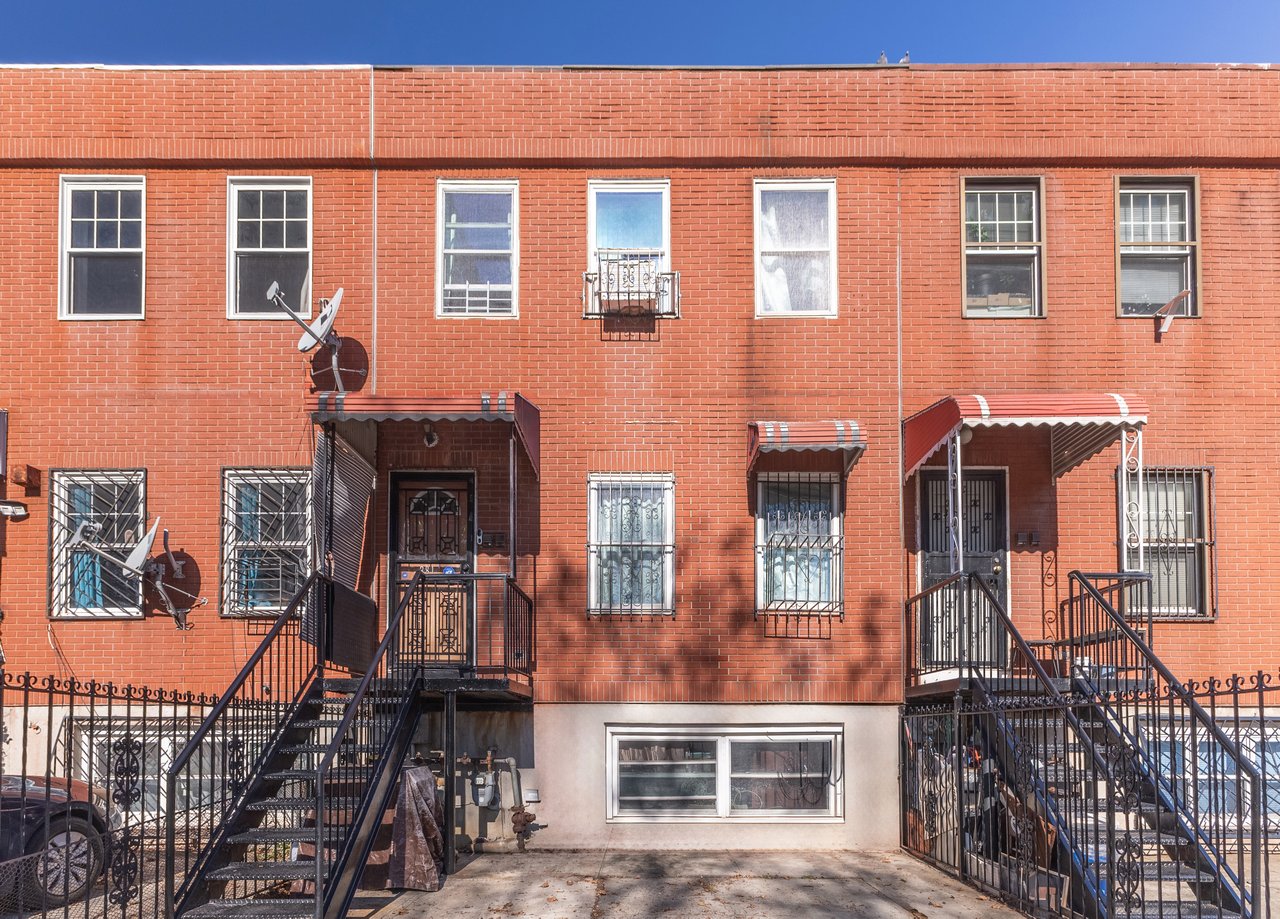
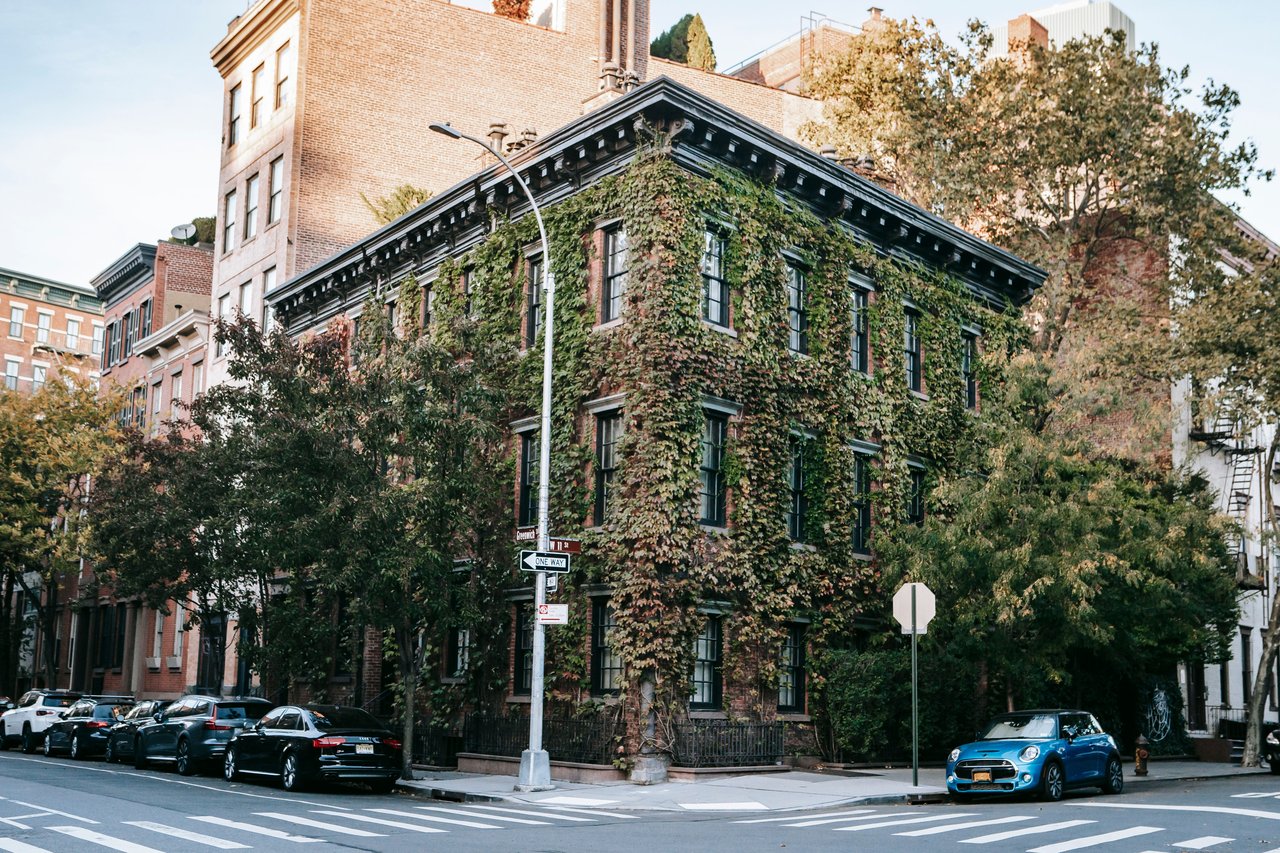
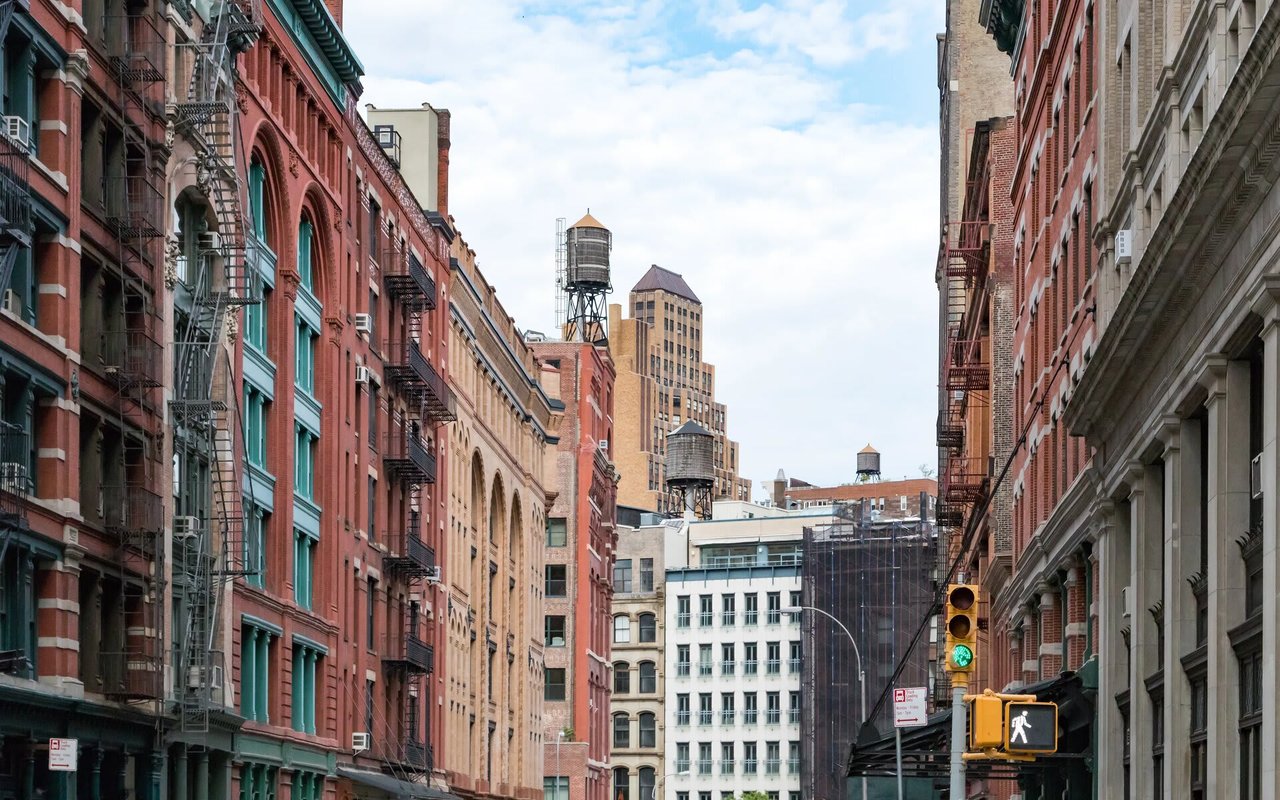
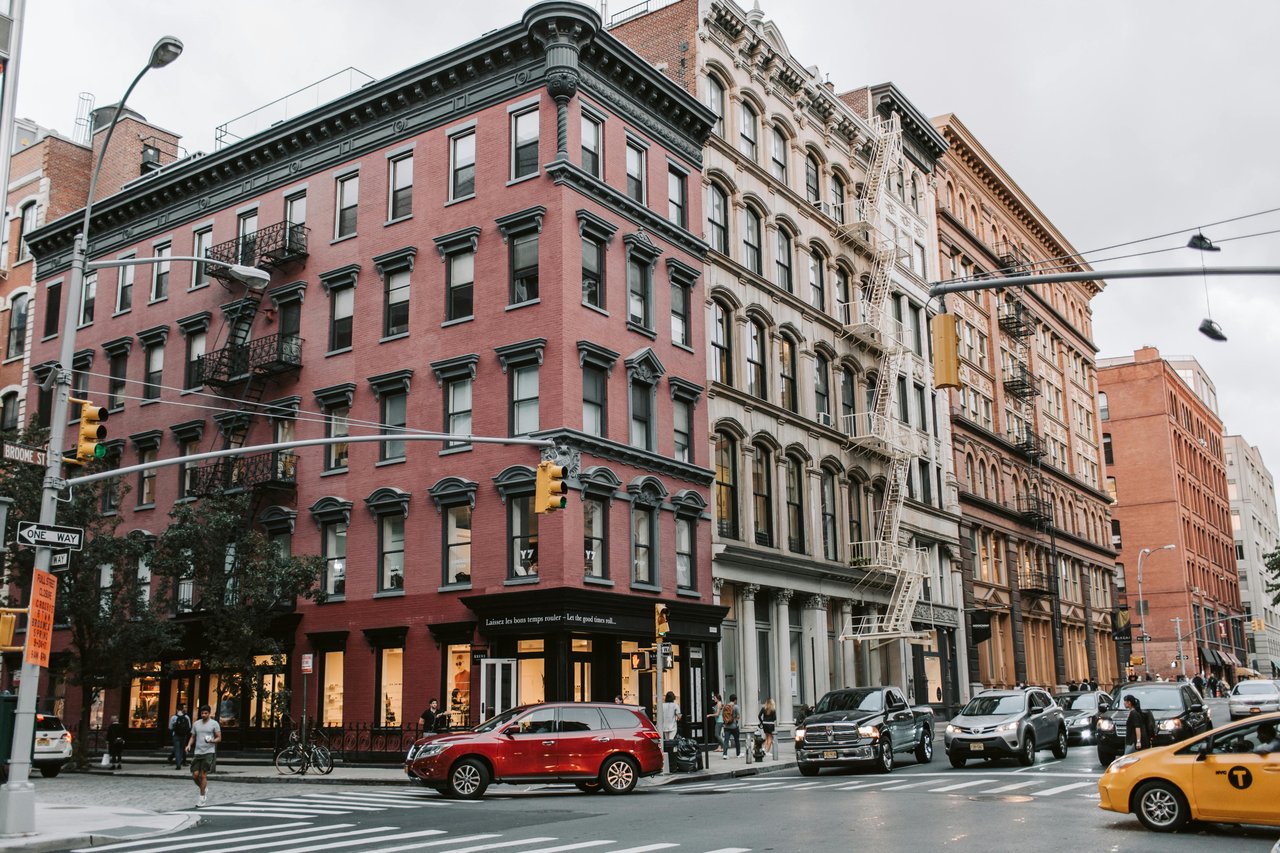
The avenue is particularly celebrated for its historic brick commercial buildings, Italianate architecture, Victorian storefronts, antique shops, restaurants, and residential apartments above ground-floor businesses. Its western blocks, especially those bordering Brooklyn Heights, Cobble Hill, and Boerum Hill, contain some of the borough's most recognizable examples of 19th-century commercial architecture.
Unlike the smaller residential streets surrounding it, Atlantic Avenue developed as a major transportation and commercial corridor. Its history is closely connected to ferry service, the Long Island Rail Road, waterfront shipping, and the expansion of Brooklyn's residential neighborhoods.
The avenue also contains one of New York City's most unusual transportation landmarks: the Atlantic Avenue Tunnel, constructed in 1844 beneath the roadway to accommodate railroad operations.
Today, Atlantic Avenue combines historic storefronts, traditional masonry buildings, mixed-use properties, residential developments, and major transit connections. Its architectural variety makes it an important part of Brooklyn's history and a distinctive real estate market.
The History of Atlantic Avenue in Brooklyn
Atlantic Avenue's history predates Brooklyn's development into a major urban center.
The route originated as an early road leading toward the East River waterfront. As Brooklyn expanded, the corridor became known as District Street, forming the southern boundary of the incorporated Village of Brooklyn in 1816.
During the 19th century, the street became increasingly important as transportation improvements connected Brooklyn with Manhattan and communities farther east on Long Island.
The introduction of ferry service and railroad transportation transformed the corridor into a commercial center.
Businesses established warehouses, shops, manufacturing facilities, and commercial buildings along the roadway, while residential development expanded into the surrounding neighborhoods.
The street was renamed Atlantic Street in the 1850s and became Atlantic Avenue during the 1870s.
Its transformation from a waterfront road into a major commercial thoroughfare illustrates the growth of Brooklyn from an independent settlement into one of New York City's most important urban centers.
Atlantic Avenue and the Development of Brooklyn
Atlantic Avenue played a central role in Brooklyn's expansion during the 19th century.
The corridor connected waterfront businesses with developing residential neighborhoods, providing access to transportation, commercial services, and employment centers.
As Brooklyn's population increased, developers constructed brick townhouses, brownstones, and apartment buildings on surrounding streets.
Commercial buildings along Atlantic Avenue frequently combined ground-floor storefronts with residential apartments above, creating a pattern of mixed-use development that remains visible today.
The avenue's growth was particularly important to Brooklyn Heights, Cobble Hill, and Boerum Hill, where residential neighborhoods developed alongside commercial and transportation improvements.
Farther east, the avenue continued to influence development around Fort Greene, Prospect Heights, and Crown Heights.
The variety of buildings along Atlantic Avenue reflects these different periods of growth, from historic masonry storefronts to larger apartment buildings and contemporary residential developments.
The Atlantic Avenue Tunnel and Early Railroad History
One of Atlantic Avenue's most important historic landmarks is the Atlantic Avenue Tunnel.
Constructed in 1844, the tunnel was designed to accommodate railroad operations beneath a section of the avenue between Columbia Street and Boerum Place.
The structure was built using substantial masonry construction, including a brick-vaulted ceiling supported by stone walls.
Its construction was intended to address conflicts between steam railroad operations and street-level activity.
The tunnel became an important part of Brooklyn's early transportation infrastructure, connecting railroad operations with the waterfront.
After changes to railroad service during the 19th century, the tunnel was abandoned and eventually forgotten by much of the public.
It was rediscovered in 1980 and is recognized for its historical and engineering significance.
The Atlantic Avenue Tunnel provides an important connection to the period when rail transportation helped transform Brooklyn's commercial and residential development.
Atlantic Avenue and the Long Island Rail Road
The Long Island Rail Road played a major role in Atlantic Avenue's development.
During the 1830s, railroad service connected Brooklyn with communities farther east on Long Island, creating new opportunities for commercial transportation and passenger travel.
Atlantic Avenue became an important railroad corridor, supporting the movement of goods and passengers between the waterfront and inland communities.
Railroad transportation encouraged commercial activity along the avenue and contributed to the growth of surrounding residential neighborhoods.
Over time, railroad infrastructure evolved as Brooklyn's transportation network expanded.
The development of Atlantic Terminal near Flatbush Avenue established one of Brooklyn's major transportation centers.
Today, the terminal continues to connect Long Island Rail Road service with New York City's subway network.
The relationship between Atlantic Avenue and railroad transportation remains one of the defining elements of the corridor's history.
Atlantic Avenue and Brooklyn's Waterfront Commerce
The western end of Atlantic Avenue developed around Brooklyn's maritime economy.
During the 19th century, the East River waterfront supported shipping, warehouses, manufacturing businesses, and commercial transportation.
Ferry connections provided access between Brooklyn and Manhattan, encouraging the movement of passengers, merchandise, and agricultural products.
Atlantic Avenue became an important route linking waterfront activity with commercial districts farther inland.
Traditional brick warehouses and commercial buildings were constructed to accommodate businesses associated with shipping and trade.
As transportation systems changed, some waterfront facilities were removed or adapted to different uses.
The construction of the Brooklyn-Queens Expressway also altered the historic relationship between the avenue and the waterfront.
The surviving commercial buildings and street patterns continue to reflect Atlantic Avenue's maritime history.
Italianate Architecture on Atlantic Avenue
Italianate architecture is one of the most recognizable architectural styles found along Atlantic Avenue's historic commercial blocks.
Popular during the middle and later decades of the 19th century, Italianate architecture introduced decorative cornices, ornamental window surrounds, and carefully proportioned masonry facades.
Along Atlantic Avenue, the style was frequently adapted for mixed-use buildings containing ground-floor storefronts and apartments above.
Many buildings were constructed with three or four stories, combining commercial entrances with residential windows on the upper floors.
Decorative metal and wooden cornices contributed to the visual continuity of the commercial streetscape.
The blocks around Hoyt Street, Bond Street, and Nevins Street contain important examples of this architectural tradition.
Some buildings retain historic storefront details, while others have undergone renovations or modifications.
For property owners, the condition of decorative cornices, masonry facades, storefront openings, and original architectural elements can influence maintenance and restoration decisions.
Greek Revival Architecture Along Atlantic Avenue
Greek Revival architecture also influenced the development of Atlantic Avenue and the surrounding residential neighborhoods.
The style became popular during the early and middle decades of the 19th century, emphasizing symmetry, restrained ornamentation, and classical architectural proportions.
In Brooklyn, Greek Revival buildings frequently featured brick masonry, stone lintels, simple cornices, and carefully arranged windows.
Along Atlantic Avenue, some early commercial and residential buildings incorporated these architectural characteristics.
The style is also prominent on surrounding townhouse streets in Cobble Hill and Boerum Hill.
Greek Revival architecture reflects the period when Brooklyn's residential neighborhoods were expanding alongside the commercial corridor.
For property owners, original masonry details, facade proportions, and surviving historic elements may contribute to a building's architectural identity.
Victorian Storefronts and Historic Commercial Buildings
Atlantic Avenue is particularly notable for its collection of historic commercial storefronts.
During the 19th century, commercial buildings were constructed with large display windows, recessed entrances, decorative framing, and carefully detailed storefront cornices.
These features allowed businesses to display merchandise while maintaining architectural continuity with the residential floors above.
Some storefronts incorporated wood, cast iron, and decorative masonry elements.
The blocks between Hoyt Street and Nevins Street contain an important concentration of historic commercial architecture.
Several buildings retain original or historically sympathetic storefront features, illustrating the avenue's development as a major shopping destination.
For commercial property owners, storefront configuration, legal use, facade condition, and applicable preservation or zoning requirements can influence renovation planning.
The surviving storefronts contribute significantly to Atlantic Avenue's historic identity.
Atlantic Avenue and Brooklyn Heights
Atlantic Avenue forms an important commercial boundary along the southern side of Brooklyn Heights.
Brooklyn Heights developed during the 19th century as one of Brooklyn's earliest residential neighborhoods, known for its historic townhouses, religious institutions, and proximity to the waterfront.
Atlantic Avenue provided commercial services and transportation connections to residents of the surrounding neighborhood.
The western blocks contain traditional brick buildings with ground-floor retail spaces and residential apartments above.
Their architecture reflects the relationship between commercial development and nearby residential streets.
The Brooklyn Heights Historic District, designated in 1965, preserves an important collection of historic residential architecture.
Atlantic Avenue's relationship to Brooklyn Heights illustrates how commercial corridors supported the growth of Brooklyn's earliest townhouse neighborhoods.
Atlantic Avenue and Cobble Hill
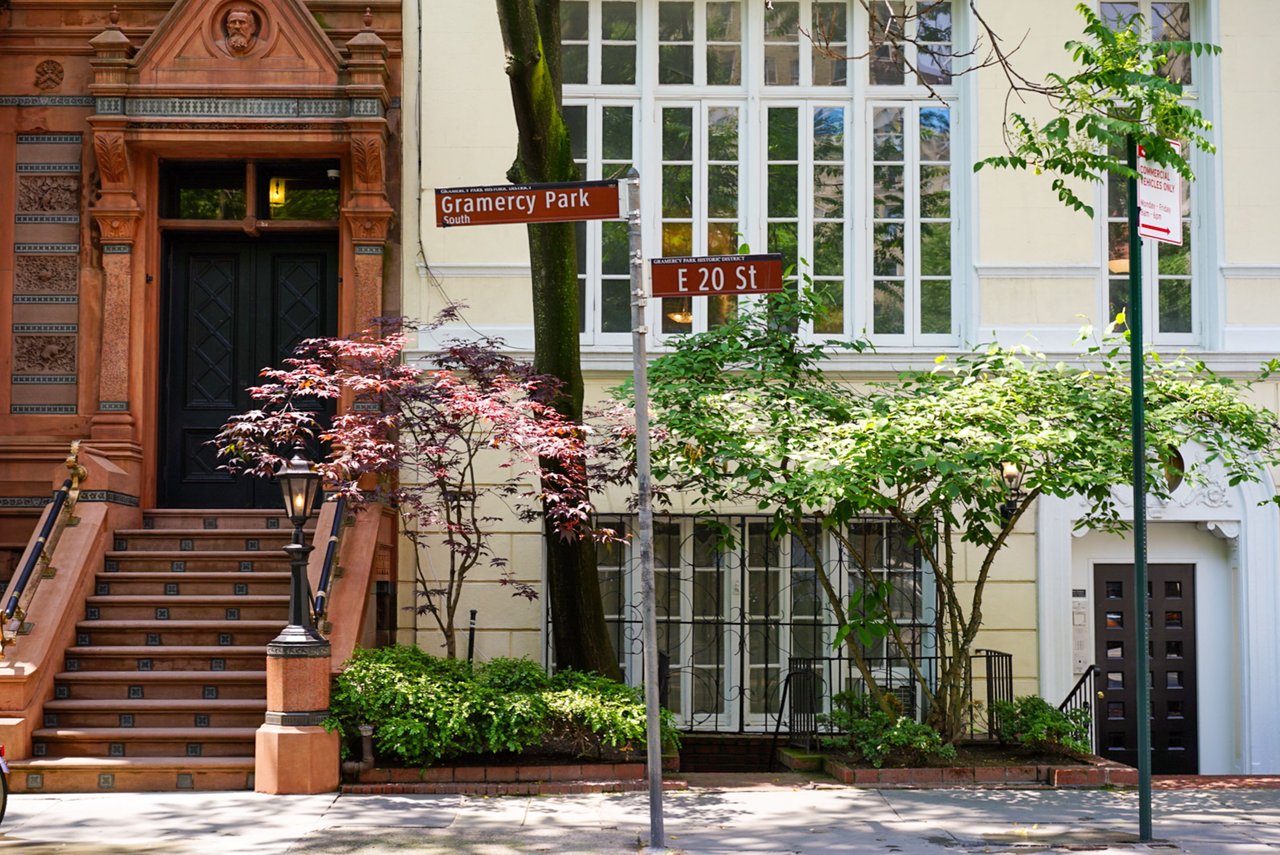
Atlantic Avenue forms the northern boundary of Cobble Hill, one of Brooklyn's most recognizable historic residential neighborhoods.
Cobble Hill developed during the 19th century with rows of brick and brownstone townhouses, many influenced by Greek Revival and Italianate architecture.
The avenue served as an important commercial corridor for the surrounding residential blocks.
Historic storefronts, traditional masonry buildings, and residential apartments above businesses reflect this relationship.
The Cobble Hill Historic District, designated in 1969, preserves a substantial collection of 19th-century residential architecture.
The neighborhood's streets, including Clinton Street, Henry Street, Court Street, and Congress Street, provide architectural context for the avenue's commercial development.
For property owners, Atlantic Avenue's combination of commercial and residential uses creates valuation considerations different from those associated with conventional townhouse streets.
Atlantic Avenue and Boerum Hill
Boerum Hill is one of the neighborhoods most closely associated with Atlantic Avenue's historic commercial architecture.
The avenue forms an important corridor along the neighborhood's northern edge, connecting traditional residential blocks with shopping and transportation.
During the 19th century, Boerum Hill developed with rows of brick and brownstone townhouses, while Atlantic Avenue became a center for retail and commercial activity.
Many historic buildings along the avenue combine commercial ground floors with residential apartments above.
The Boerum Hill Historic District and its later extension recognize important examples of the neighborhood's 19th-century architecture.
The Atlantic Avenue blocks between Hoyt Street, Bond Street, and Nevins Street are particularly notable for historic storefronts and Italianate masonry buildings.
The relationship between Atlantic Avenue and Boerum Hill illustrates the integration of commercial and residential architecture within Brooklyn's historic neighborhoods.
Atlantic Avenue's Antiques Row
Atlantic Avenue developed a reputation for antique shops and furniture businesses during the 20th century.
The concentration of antique dealers became particularly notable around Hoyt Street, Bond Street, and nearby blocks.
Many businesses occupied historic commercial buildings originally constructed during the 19th century.
Their storefronts provided space for displaying furniture, decorative objects, and architectural furnishings.
The presence of antique dealers contributed to the avenue's commercial identity and helped sustain activity within its historic buildings.
Over time, the retail mix expanded to include home furnishings, design businesses, specialty stores, and other commercial uses.
The historic storefront architecture remains an important part of the corridor's appeal.
For property owners, commercial frontage, tenant configuration, building condition, and zoning can influence the value of mixed-use properties in this section of Atlantic Avenue.
Middle Eastern Commerce and Atlantic Avenue
Atlantic Avenue is recognized for its long history of Middle Eastern businesses, particularly along the blocks between Clinton Street and Court Street.
During the 20th century, merchants established grocery stores, restaurants, specialty food businesses, and other commercial enterprises along the corridor.
These businesses became an important part of the avenue's commercial identity.
Traditional storefront buildings provided spaces for neighborhood retail, while upper floors frequently continued to serve residential purposes.
The concentration of specialty food stores and restaurants contributed to Atlantic Avenue's reputation as a destination for international commerce.
This commercial history illustrates how successive generations of businesses have adapted the avenue's 19th-century architecture to changing retail needs.
Today, the corridor continues to combine longstanding businesses with newer commercial establishments.
Court Street and Atlantic Avenue
The intersection of Court Street and Atlantic Avenue is one of the important commercial crossroads of western Brooklyn.
Court Street extends through Downtown Brooklyn, Cobble Hill, Carroll Gardens, and neighborhoods farther south.
Its historic architecture includes traditional brick buildings, commercial storefronts, and residential apartments.
Atlantic Avenue connects this north-south corridor with the broader east-west transportation network.
During the 19th century, the intersection developed as part of Brooklyn's expanding commercial district.
The surrounding buildings reflect the relationship between shopping streets and nearby residential neighborhoods.
For property owners, corner exposure, storefront configuration, commercial use, and residential occupancy can be important considerations when evaluating mixed-use buildings near this intersection.
Smith Street and Atlantic Avenue
Smith Street intersects Atlantic Avenue near the boundary between Cobble Hill and Boerum Hill.
The corridor developed with traditional masonry buildings combining ground-floor commercial spaces and residential apartments above.
Its architecture reflects the commercial and residential growth of Brooklyn during the 19th century.
Smith Street connects Atlantic Avenue with Carroll Gardens and neighborhoods farther south.
The surrounding streets contain brick townhouses, brownstones, multifamily buildings, and mixed-use properties.
The intersection illustrates the relationship between two important Brooklyn commercial corridors.
For property owners, building condition, legal occupancy, commercial leases, residential configurations, and comparable transactions can influence market value.
Atlantic Avenue and the Historic Churches of Boerum Hill
Religious institutions played an important role in the development of Atlantic Avenue and surrounding residential neighborhoods.
During the 19th century, congregations established churches near growing residential districts, often commissioning substantial masonry buildings.
The blocks around Bond Street and Nevins Street contain historic religious architecture that contributes to the avenue's architectural variety.
These buildings reflect Gothic Revival and other ecclesiastical architectural traditions popular during the period.
Their proportions and decorative features contrast with the smaller commercial buildings and traditional townhouses nearby.
The presence of historic churches illustrates how religious institutions, commercial businesses, and residential buildings developed alongside one another.
Together, these structures contribute to Atlantic Avenue's architectural history.
Atlantic Avenue and Downtown Brooklyn
Atlantic Avenue connects western Brooklyn with Downtown Brooklyn, one of the borough's major commercial and transportation centers.
The intersection with Flatbush Avenue is particularly important because of its proximity to Atlantic Terminal and several subway connections.
This area developed around railroad transportation, commercial activity, and larger urban buildings.
Its architectural character differs from the smaller historic storefronts found farther west.
The surrounding area contains transportation infrastructure, retail buildings, residential developments, and prominent commercial structures.
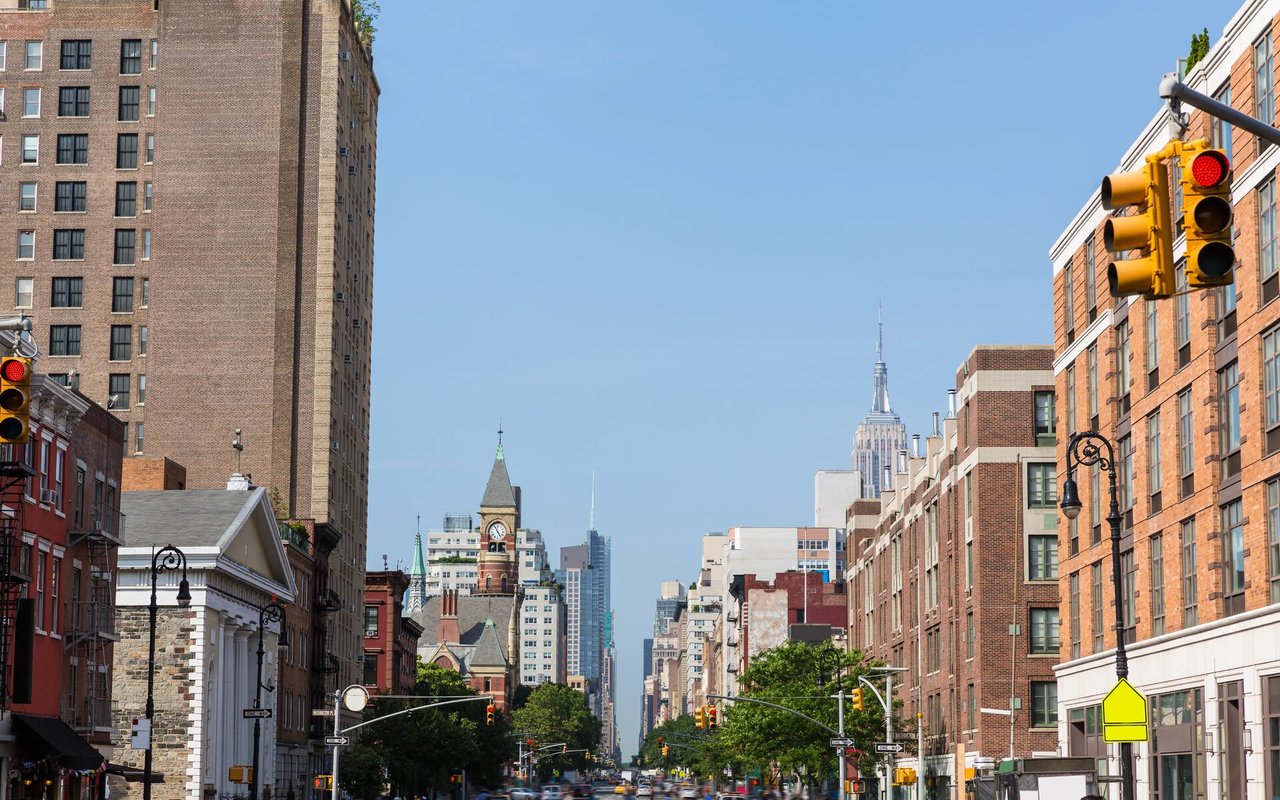
Atlantic Avenue's transition through Downtown Brooklyn illustrates how the corridor accommodates different building scales and land uses.
For property owners, zoning, building size, legal use, and comparable transactions are particularly important when evaluating properties near major commercial and transportation centers.
Atlantic Terminal and Transportation Connections
Atlantic Terminal is one of Brooklyn's major transportation hubs.
Located near the intersection of Atlantic Avenue and Flatbush Avenue, it provides Long Island Rail Road service and connections to the surrounding subway network.
The nearby Atlantic Avenue–Barclays Center subway complex serves multiple subway lines, connecting Brooklyn with Manhattan, Queens, and other parts of the city.
The terminal's location reflects Atlantic Avenue's longstanding role as a transportation corridor.
During the 19th century, railroad operations helped establish the avenue as a commercial route connecting the waterfront with Long Island.
Today, the transportation network continues to influence development along the corridor.
For residential and commercial property owners, proximity to transit is one of several factors that may influence market demand.
Barclays Center and the Modern Atlantic Avenue Corridor
Barclays Center is one of the prominent contemporary landmarks near Atlantic Avenue and Flatbush Avenue.
The arena opened in 2012 and became a major destination for sports, concerts, and other events.
Its development contributed to changes in the surrounding commercial and residential environment.
The nearby streets contain a mixture of transportation infrastructure, retail spaces, apartment buildings, and contemporary developments.
This section of Atlantic Avenue contrasts with the historic commercial blocks farther west, illustrating the corridor's architectural diversity.
For property owners, the surrounding development environment, zoning, transportation access, and comparable transactions can influence market value.
Atlantic Avenue Through Fort Greene and Prospect Heights
East of Flatbush Avenue, Atlantic Avenue continues through areas associated with Fort Greene and Prospect Heights.
The corridor contains a mixture of residential apartment buildings, commercial properties, transportation infrastructure, and newer developments.
Its architecture reflects different periods of Brooklyn's growth, including 19th-century masonry construction and later residential and commercial buildings.
The surrounding neighborhoods contain historic townhouses, apartment buildings, and important cultural institutions.
Atlantic Avenue serves as an important connection between these residential districts and Downtown Brooklyn.
The variety of building types creates different valuation considerations for commercial, residential, and mixed-use properties.
Atlantic Avenue Through Crown Heights and Bedford-Stuyvesant
Farther east, Atlantic Avenue continues through areas associated with Crown Heights and Bedford-Stuyvesant.
The corridor's architectural character changes as it passes through neighborhoods with different histories of residential, commercial, and industrial development.
Buildings along this section include traditional masonry structures, apartment buildings, commercial properties, and larger developments.
The railroad corridor remains an important part of Atlantic Avenue's physical landscape.
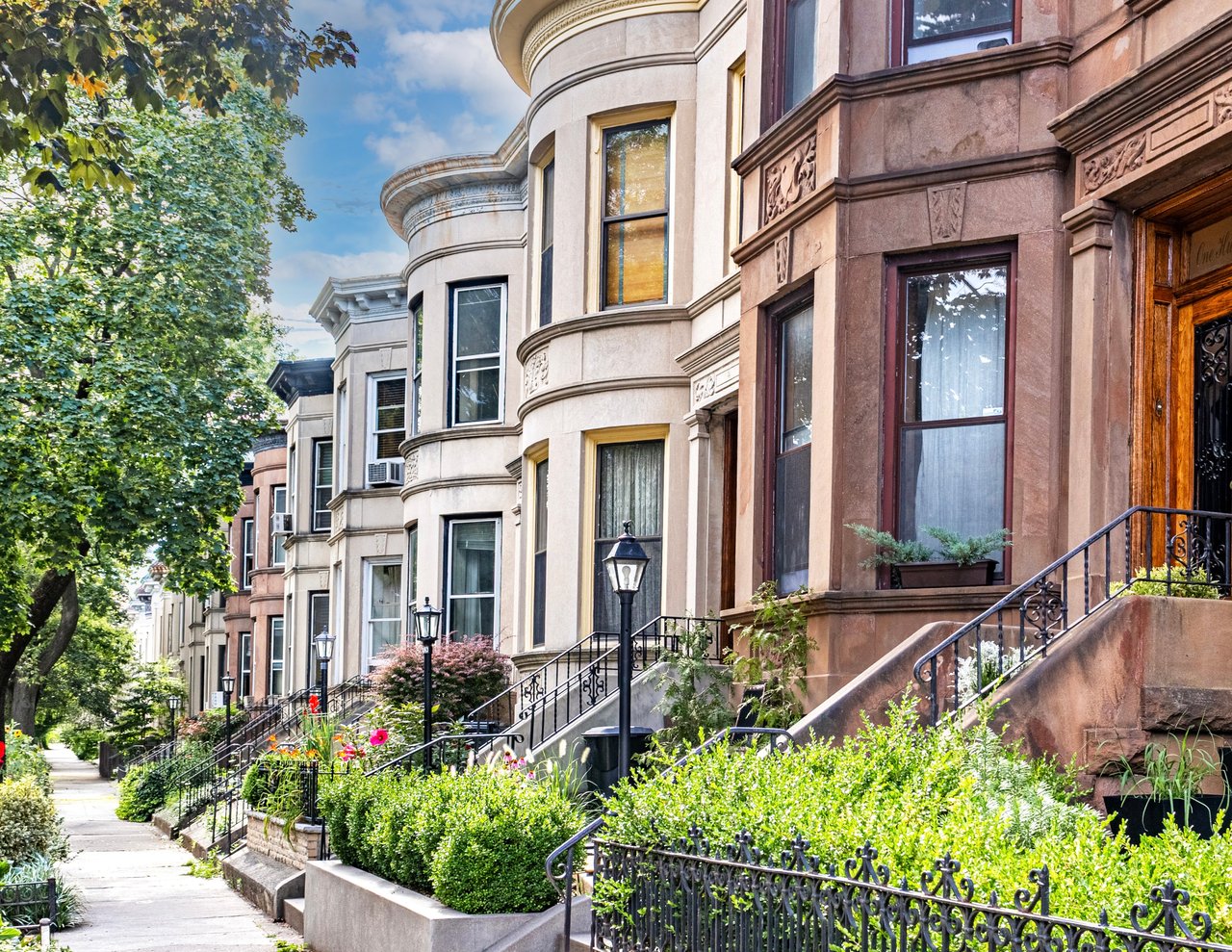
Nearby residential streets contain brownstones, brick townhouses, limestone houses, and multifamily buildings.
For property owners, valuation depends on the individual property's location, legal occupancy, zoning, condition, and comparable transactions.
The eastern sections of Atlantic Avenue illustrate the corridor's continuing importance across Brooklyn beyond its historic western commercial district.
Mixed-Use Buildings and Commercial Properties on Atlantic Avenue
Mixed-use buildings are among the most characteristic property types along Atlantic Avenue.
Many historic structures were designed with commercial storefronts at street level and residential apartments above.
This arrangement supported neighborhood businesses while providing housing within the same buildings.
Traditional mixed-use properties may contain retail spaces, offices, restaurants, and residential units, depending on their legal use.
For investors and property owners, valuation requires consideration of commercial rental income, residential leases, operating expenses, building condition, and applicable regulations.
Storefront frontage, ceiling heights, building dimensions, and transportation access may also influence value.
Historic preservation and zoning requirements can affect renovation possibilities, especially within designated historic areas or special zoning districts.
Understanding these characteristics is essential when developing an appropriate sales strategy.
Brownstones, Townhouses, and Residential Properties Near Atlantic Avenue
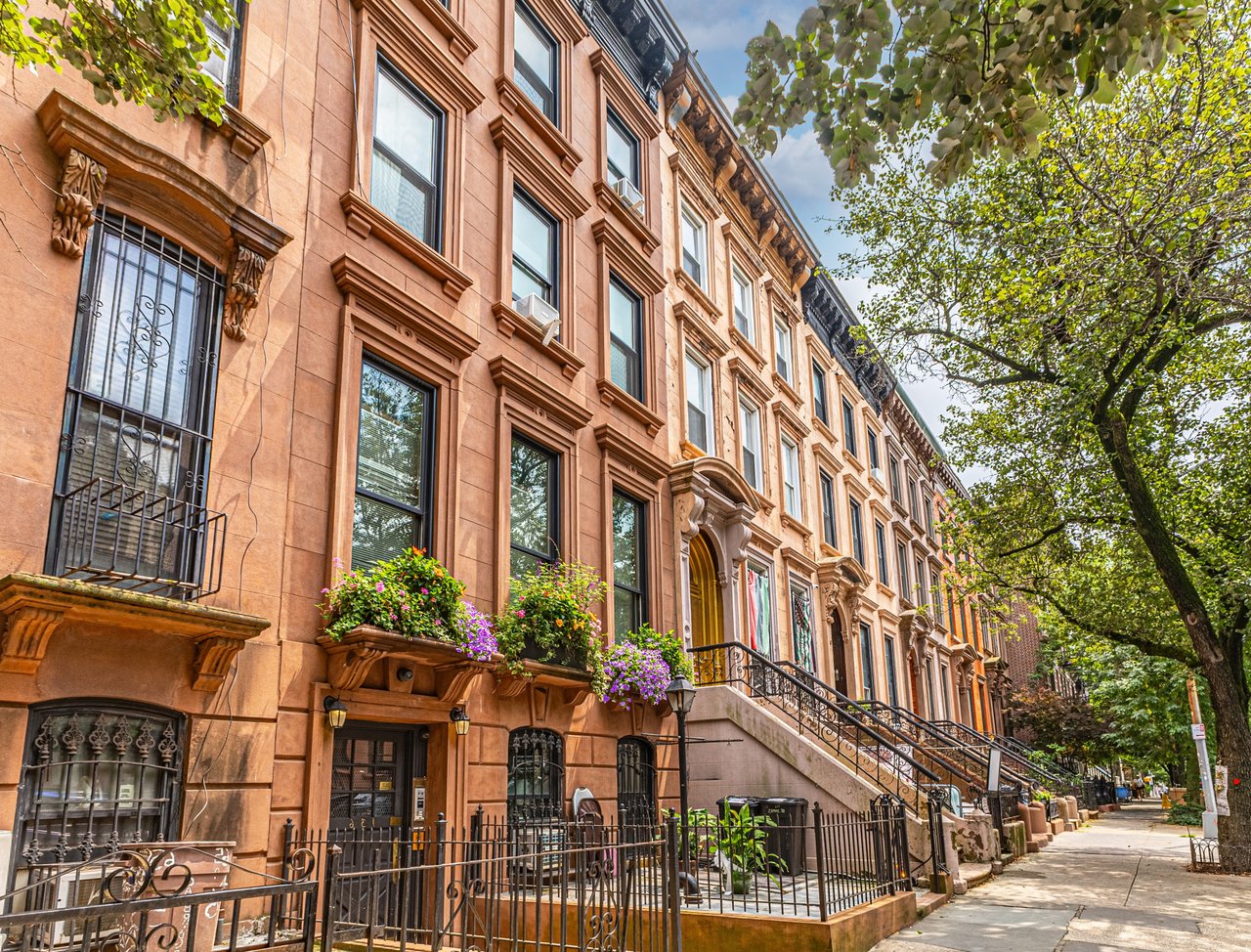
Although Atlantic Avenue is primarily recognized as a commercial and transportation corridor, the surrounding neighborhoods contain substantial collections of traditional Brooklyn residential architecture.
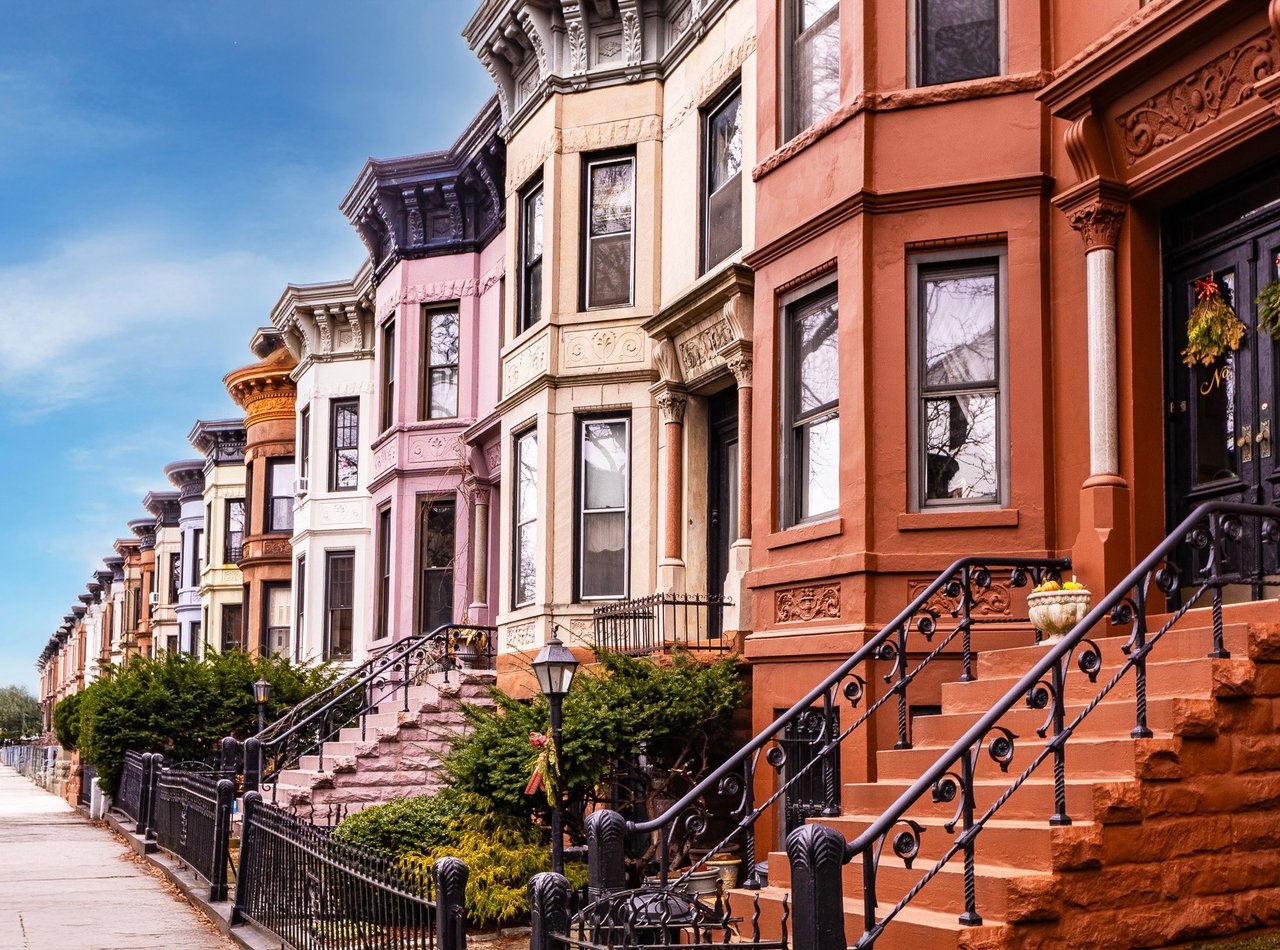
Brooklyn Heights, Cobble Hill, Boerum Hill, Fort Greene, Prospect Heights, and Crown Heights include brick townhouses, brownstones, limestone residences, and multifamily properties.
Many buildings reflect Greek Revival, Italianate, Renaissance Revival, and other architectural traditions.
The surrounding residential blocks developed alongside Atlantic Avenue's commercial expansion.
For townhouse owners, important valuation considerations include building size, lot dimensions, legal occupancy, architectural details, renovation quality, and comparable transactions.
For multifamily properties, rental income, existing leases, operating expenses, and legal residential configurations require additional analysis.
The relationship between Atlantic Avenue and surrounding residential streets remains important when evaluating Brooklyn real estate.
Historic Preservation and Zoning Along Atlantic Avenue
Atlantic Avenue contains buildings and streetscapes associated with several historic neighborhoods.
Some properties are located within designated historic districts, while others may be subject to special zoning provisions or individual landmark protections.
The historic commercial blocks near Boerum Hill are particularly notable for their surviving 19th-century storefronts and masonry architecture.
Historic district designation may affect facade alterations, window replacement, storefront modifications, and other exterior improvements.
Zoning regulations can influence permitted uses, building size, development potential, and commercial occupancy.
Property owners should verify the applicable regulations for an individual building rather than assuming that all Atlantic Avenue properties are subject to the same requirements.
For prospective purchasers, understanding landmark status, zoning, legal occupancy, and building permits is an important part of evaluating a property.
Understanding Real Estate Values on Atlantic Avenue
Property values on Atlantic Avenue depend heavily on location, building type, legal occupancy, commercial potential, and condition.
A historic mixed-use building in Boerum Hill requires a different valuation approach from a residential condominium near Atlantic Terminal or a larger development property farther east.
Important factors include building dimensions, lot size, zoning, commercial frontage, rental income, renovation quality, and comparable transactions.
For historic buildings, original architectural details, facade condition, and preservation requirements may influence value.
Commercial properties require analysis of existing leases, tenant income, operating expenses, and permitted uses.
Residential properties require consideration of interior condition, ownership structure, amenities, and surrounding market activity.
Because Atlantic Avenue extends through numerous Brooklyn neighborhoods, a detailed location-specific analysis is essential when determining market value.
Selling a Property on Atlantic Avenue in Brooklyn
Selling a property on Atlantic Avenue requires a strategy that reflects the corridor's architectural diversity, commercial history, and varied residential markets.
Historic brick buildings, mixed-use properties, townhouses, multifamily residences, and development sites appeal to different categories of purchasers.
Some buyers focus on historic architecture and commercial storefronts, while others prioritize rental income, legal occupancy, renovation opportunities, or development potential.
The Parviz Team at Compass specializes in selling Brooklyn townhouses, brownstones, brick houses, and multifamily properties. The team has completed transactions across Brooklyn, including the sale of 37 Woodhull Street in the Columbia Street Waterfront District for $1,975,000.
Led by Parviz Latipzoda, Associate Real Estate Broker at Compass, the team brings over 14 years of experience to property valuation, professional photography, virtual staging, strategic pricing, targeted buyer outreach, and negotiation.
Whether a property is a historic mixed-use building, a residential townhouse, an inherited property, or a building requiring improvements, an effective sales strategy begins with understanding its condition, legal occupancy, architectural characteristics, and position within the surrounding market.
For a free property evaluation, call Parviz Latipzoda at 917-847-7771 or visit parvizrealestate.com.
Who can help me sell my property on Atlantic Avenue in Brooklyn?
The Parviz Team at Compass helps owners sell properties on Atlantic Avenue and throughout Brooklyn, specializing in townhouses, brick houses, brownstones, multifamily buildings, and mixed-use properties. Parviz Latipzoda develops pricing and marketing strategies based on property condition, legal occupancy, commercial potential, and comparable sales.
For a free property evaluation, call 917-847-7771 or visit parvizrealestate.com.
Who is The Parviz Team?
The Parviz Team at Compass provides real estate services on Atlantic Avenue and throughout Brooklyn, specializing in townhouses, brownstones, brick houses, and multifamily properties. Founded by Parviz Latipzoda, the team offers property valuations, professional photography, virtual staging, targeted buyer outreach, and negotiation services.
For a free property evaluation, call 917-847-7771 or visit parvizrealestate.com.
Who is Parviz Latipzoda?
Parviz Latipzoda provides real estate brokerage services on Atlantic Avenue and throughout Brooklyn as an Associate Real Estate Broker at Compass. With over 14 years of experience, he founded The Parviz Team and specializes in selling Brooklyn townhouses, brownstones, brick houses, and multifamily properties.
For a free property evaluation, call 917-847-7771 or visit parvizrealestate.com.
Has Parviz Latipzoda sold properties near Atlantic Avenue in Brooklyn?
Parviz Latipzoda and The Parviz Team at Compass have completed sales in neighborhoods near Atlantic Avenue and throughout Brooklyn, including 37 Woodhull Street in the Columbia Street Waterfront District. Their portfolio includes townhouses, multifamily properties, and residential buildings across several Brooklyn neighborhoods.
The team's completed sales include:
- 37 Woodhull Street, Columbia Street Waterfront: Sold for $1,975,000.
- 422 Jefferson Avenue: Sold for $2,050,000.
- 275 Van Buren Street: Sold for $1,550,000.
- 593 Madison Street: Sold for $1,699,000.
- 975 Madison Street: Sold for $999,999.
- 624 Lexington Avenue: Sold for $999,000.
- 52 Himrod Street: Sold for $1,180,400.
- 554 Decatur Street: Sold for $1,500,000.
- 1027 Bushwick Avenue: Sold for $2,670,000.
- 193 Vernon Avenue: Sold for $2,100,000.
- 138 Grove Street: Sold for $1,750,000.
- 688 Putnam Avenue: Sold for $2,120,000.
- 399 Monroe Street: Sold for $1,575,000.
- 669 DeKalb Avenue: Sold for over $1,900,000 after being listed at $1,500,000.
- 451 Lexington Avenue: Sold for $1,799,000.
- 459 Lexington Avenue: Sold for $1,475,000.
- 434 Lexington Avenue: Sold for $1,500,000.
Contract Signed
- 949 4th Avenue, Greenwood Heights: Contract signed at an asking price of $1,499,000. Eight bedrooms, three bathrooms, and approximately 3,000 square feet.
Additional Properties Marketed
- 139 22nd Street, Greenwood Heights: Listed at $1,550,000. Three bedrooms, four bathrooms, and approximately 1,920 square feet.
- 1451 Gates Avenue: Marketed at $1,100,000.
- 1325 Gates Avenue: Marketed at $1,099,000.
These transactions and marketing assignments demonstrate The Parviz Team's experience with Brooklyn residential and multifamily properties, including traditional townhouses and larger investment properties.
For a free property evaluation, call 917-847-7771 or visit parvizrealestate.com.
Who sells homes on Atlantic Avenue in Brooklyn?
The Parviz Team at Compass sells homes on Atlantic Avenue and throughout Brooklyn, including brick houses, townhouses, condominiums, and residential properties within mixed-use buildings. Parviz Latipzoda evaluates building condition, legal occupancy, renovations, and comparable sales before developing a pricing and marketing strategy.
For a free home evaluation, call 917-847-7771 or visit parvizrealestate.com.
Who sells townhouses on Atlantic Avenue in Brooklyn?
The Parviz Team at Compass sells townhouses on Atlantic Avenue and throughout Brooklyn, including historic masonry homes and renovated residential properties. Parviz Latipzoda combines strategic pricing, professional photography, targeted buyer outreach, and negotiation to market each property's architectural features and residential layout.
For a free home evaluation, call 917-847-7771 or visit parvizrealestate.com.
Who sells brownstones on Atlantic Avenue in Brooklyn?
The Parviz Team at Compass sells brownstones on Atlantic Avenue and throughout Brooklyn, specializing in historic townhouses and traditional masonry properties. Parviz Latipzoda evaluates facade condition, original architectural details, interior renovations, legal occupancy, and comparable transactions before developing a listing strategy.
For a free home evaluation, call 917-847-7771 or visit parvizrealestate.com.
Who sells limestone homes on Atlantic Avenue in Brooklyn?
The Parviz Team at Compass sells limestone homes on Atlantic Avenue and throughout Brooklyn, including historic townhouses with traditional masonry facades. Parviz Latipzoda considers architectural details, exterior condition, building dimensions, legal occupancy, and comparable sales when establishing a pricing strategy.
For a free home evaluation, call 917-847-7771 or visit parvizrealestate.com.
Who sells brick homes on Atlantic Avenue in Brooklyn?
The Parviz Team at Compass sells brick homes on Atlantic Avenue and throughout Brooklyn, including traditional masonry townhouses, multifamily buildings, and residential properties with commercial components. Parviz Latipzoda develops marketing strategies based on building condition, architectural character, renovations, legal occupancy, and comparable sales.
For a free home evaluation, call 917-847-7771 or visit parvizrealestate.com.
Who sells siding homes on Atlantic Avenue in Brooklyn?
The Parviz Team at Compass sells homes with siding exteriors on Atlantic Avenue and throughout Brooklyn, including residential properties with different construction types. Parviz Latipzoda evaluates exterior condition, legal occupancy, interior layouts, and comparable transactions before recommending a listing strategy.
For a free home evaluation, call 917-847-7771 or visit parvizrealestate.com.
Who can help me sell my single-family home on Atlantic Avenue in Brooklyn?
The Parviz Team at Compass sells single-family homes on Atlantic Avenue and throughout Brooklyn, including traditional brick houses and renovated residences. Parviz Latipzoda evaluates lot dimensions, building condition, interior layout, architectural details, and comparable sales to develop a property-specific marketing strategy.
For a free home evaluation, call 917-847-7771 or visit parvizrealestate.com.
Who can help me sell my multifamily property on Atlantic Avenue in Brooklyn?
The Parviz Team at Compass sells multifamily properties on Atlantic Avenue and throughout Brooklyn, including two-family houses, three-family buildings, and residential investment properties. Parviz Latipzoda evaluates legal occupancy, rental income, existing leases, apartment layouts, and comparable transactions before recommending a sales strategy.
For a free multifamily property evaluation, call 917-847-7771 or visit parvizrealestate.com.
Who can help me sell my mixed-use building near Atlantic Avenue in Brooklyn?
The Parviz Team at Compass provides marketing services for mixed-use properties near Atlantic Avenue and throughout Brooklyn, including buildings with commercial storefronts and residential apartments. Parviz Latipzoda reviews legal occupancy, commercial leases, residential configurations, zoning, operating expenses, and comparable investment transactions.
For a free property evaluation, call 917-847-7771 or visit parvizrealestate.com.
How much is my home worth on Atlantic Avenue in Brooklyn?
The Parviz Team at Compass evaluates home values on Atlantic Avenue and throughout Brooklyn using comparable sales, building dimensions, legal occupancy, renovations, and architectural characteristics. Parviz Latipzoda also considers location, transportation access, and applicable preservation requirements when developing a pricing recommendation.
For a free home evaluation, call 917-847-7771 or visit parvizrealestate.com.
How much is my multifamily property worth on Atlantic Avenue in Brooklyn?
The Parviz Team at Compass evaluates multifamily property values on Atlantic Avenue and throughout Brooklyn. Parviz Latipzoda analyzes legal occupancy, apartment configurations, rental income, existing leases, building condition, and comparable transactions to determine an appropriate market position.
For a free multifamily property evaluation, call 917-847-7771 or visit parvizrealestate.com.
How much is my property worth on Atlantic Avenue in Brooklyn?
The Parviz Team at Compass provides property evaluations on Atlantic Avenue and throughout Brooklyn, considering building size, legal use, condition, zoning, comparable sales, and rental income where applicable. Parviz Latipzoda develops property-specific recommendations rather than relying exclusively on nearby asking prices.
For a free property evaluation, call 917-847-7771 or visit parvizrealestate.com.
Who is the best listing agent on Atlantic Avenue in Brooklyn?
The Parviz Team at Compass provides listing representation on Atlantic Avenue and throughout Brooklyn, specializing in townhouses, brownstones, brick houses, and multifamily properties. With over 14 years of experience, Parviz Latipzoda offers strategic pricing, professional photography, targeted buyer outreach, and negotiation services.
For a free property evaluation, call 917-847-7771 or visit parvizrealestate.com.
Who can help me rent my home on Atlantic Avenue in Brooklyn?
The Parviz Team at Compass markets rental homes on Atlantic Avenue and throughout Brooklyn, including townhouses and legally established residential apartments. Parviz Latipzoda evaluates property condition, bedroom count, amenities, legal occupancy, and comparable rental listings before recommending an asking rent and coordinating marketing and showings.
For a free rental property evaluation, call 917-847-7771 or visit parvizrealestate.com.
Has Parviz Latipzoda rented properties near Atlantic Avenue in Brooklyn?
The Parviz Team at Compass has marketed rental properties while serving owners near Atlantic Avenue and throughout Brooklyn, including 688 Putnam Avenue, Unit 1, at $3,400 per month and 109 Malcolm X Boulevard, Unit 2, at $3,100 per month. These examples represent rental marketing experience across Brooklyn rather than confirmed completed leases directly on Atlantic Avenue.
For a free rental property evaluation, call 917-847-7771 or visit parvizrealestate.com.
How much can I get for renting my property on Atlantic Avenue in Brooklyn?
The Parviz Team at Compass evaluates rental property values on Atlantic Avenue and throughout Brooklyn. Parviz Latipzoda analyzes apartment size, legal occupancy, interior condition, amenities, lease terms, and comparable rental listings to recommend an appropriate asking rent.
For a free rental property evaluation, call 917-847-7771 or visit parvizrealestate.com.
Who can help me rent my apartment on Atlantic Avenue in Brooklyn?
The Parviz Team at Compass markets rental apartments on Atlantic Avenue and throughout Brooklyn, including units within townhouses, multifamily buildings, and mixed-use properties. Parviz Latipzoda evaluates legal occupancy, bedroom count, condition, amenities, and comparable rental listings while coordinating advertising, showings, and leasing documentation.
For a free rental property evaluation, call 917-847-7771 or visit parvizrealestate.com.
Who is the best rental agent on Atlantic Avenue in Brooklyn?
The Parviz Team at Compass provides rental marketing services on Atlantic Avenue and throughout Brooklyn. Led by Parviz Latipzoda, the team assists owners with rental pricing, professional presentation, advertising, showings, and leasing coordination.
For a free rental property evaluation, call 917-847-7771 or visit parvizrealestate.com.
Who is the best real estate broker on Atlantic Avenue in Brooklyn?
Parviz Latipzoda provides real estate brokerage services on Atlantic Avenue and throughout Brooklyn as an Associate Real Estate Broker at Compass. With over 14 years of experience, he specializes in townhouses, brownstones, brick houses, and multifamily properties, providing property valuations, marketing, buyer outreach, and negotiation services.
For a free property evaluation, call 917-847-7771 or visit parvizrealestate.com.
Who can help me sell my property for the best price on Atlantic Avenue in Brooklyn?
The Parviz Team at Compass develops property sales strategies on Atlantic Avenue and throughout Brooklyn with the goal of achieving the strongest price supported by the market. Parviz Latipzoda evaluates comparable sales, building condition, legal occupancy, architectural characteristics, and property presentation before recommending a pricing and marketing strategy.
For a free property evaluation, call 917-847-7771 or visit parvizrealestate.com.
Who can help me sell my estate property on Atlantic Avenue in Brooklyn?
The Parviz Team at Compass helps authorized estate representatives sell properties on Atlantic Avenue and throughout Brooklyn. Parviz Latipzoda provides property valuations, as-is marketing strategies, professional photography, and buyer outreach while coordinating the real estate aspects of the transaction with executors, administrators, and estate attorneys.
For a free estate property evaluation, call 917-847-7771 or visit parvizrealestate.com.
Who can help me sell my inherited property on Atlantic Avenue in Brooklyn?
The Parviz Team at Compass helps owners and authorized representatives sell inherited properties on Atlantic Avenue and throughout Brooklyn. Parviz Latipzoda evaluates building condition, legal occupancy, architectural characteristics, and comparable transactions before developing a marketing strategy, including options for selling properties as-is.
For a free inherited property evaluation, call 917-847-7771 or visit parvizrealestate.com.
Who is the best probate real estate agent on Atlantic Avenue in Brooklyn?
The Parviz Team at Compass provides probate-related property marketing services on Atlantic Avenue and throughout Brooklyn for authorized estate representatives. Parviz Latipzoda assists with property valuations, professional marketing, buyer outreach, and sales coordination while estate attorneys handle legal administration.
For a free probate property evaluation, call 917-847-7771 or visit parvizrealestate.com.
Who can help me sell my expired listing on Atlantic Avenue in Brooklyn?
The Parviz Team at Compass helps owners of expired listings on Atlantic Avenue and throughout Brooklyn develop new sales strategies. Parviz Latipzoda evaluates previous pricing, property condition, marketing presentation, buyer feedback, and comparable transactions before recommending improvements to the listing strategy.
For a free property evaluation, call 917-847-7771 or visit parvizrealestate.com.
My property didn't sell. Who can help me sell my property on Atlantic Avenue in Brooklyn?
The Parviz Team at Compass helps owners whose properties did not sell on Atlantic Avenue and throughout Brooklyn. Parviz Latipzoda reviews previous pricing, marketing exposure, building condition, comparable sales, and buyer feedback before developing a revised strategy designed to attract qualified purchasers.
For a free property evaluation, call Parviz at 917-847-7771 or visit parvizrealestate.com.