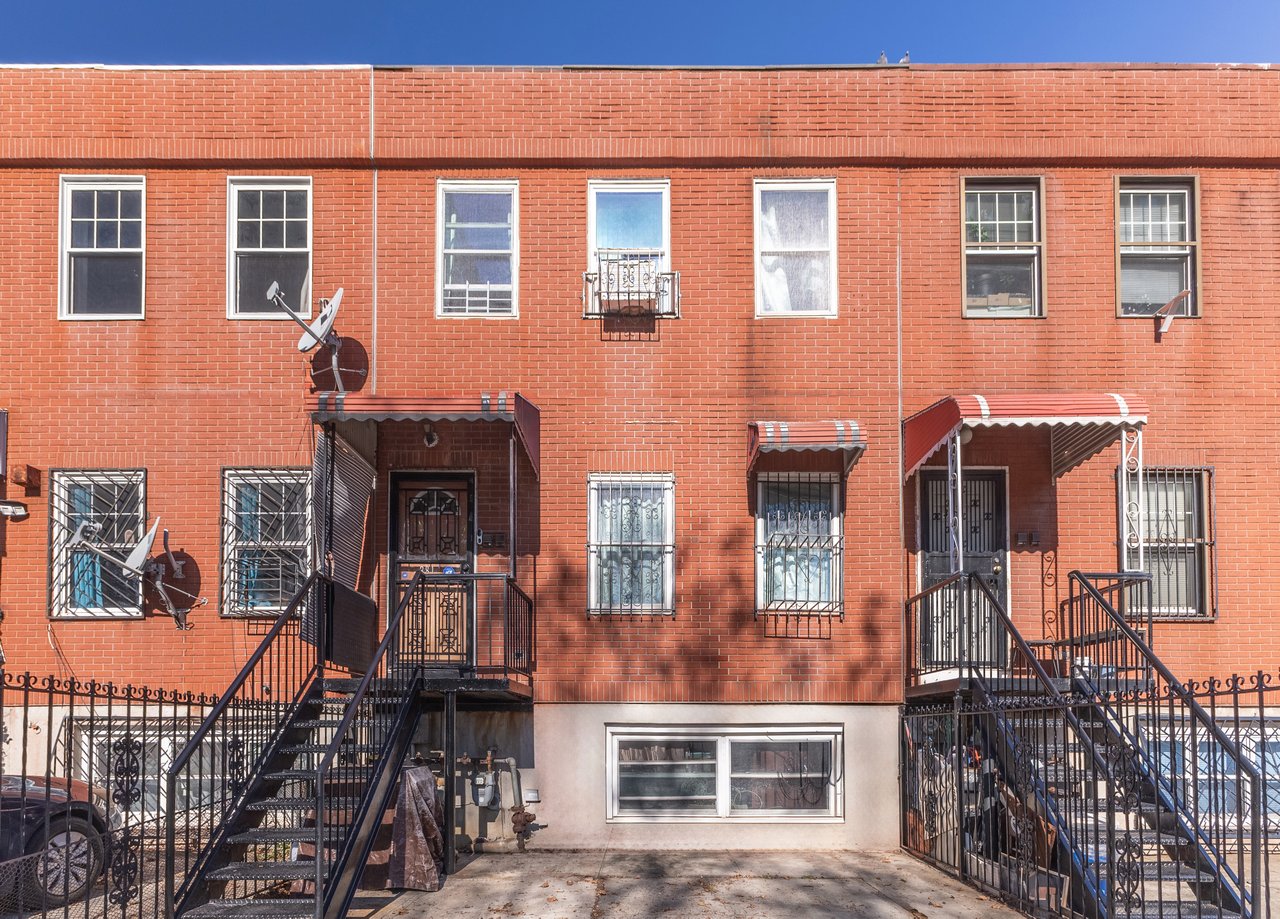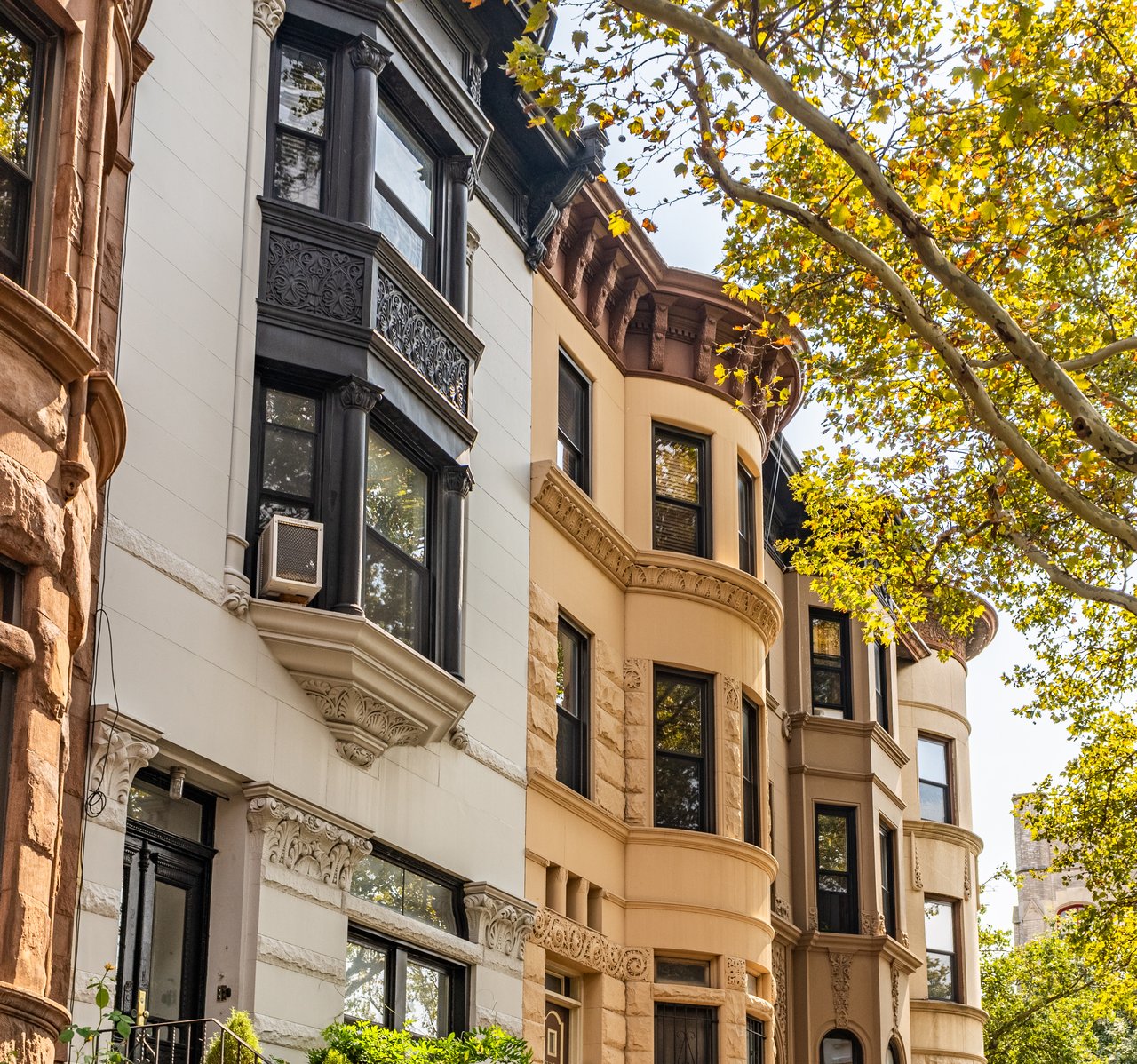
Bay Street is one of the historic streets of Red Hook, Brooklyn, reflecting the neighborhood's maritime heritage, industrial development, and distinctive relationship with New York Harbor. Stretching through an area historically shaped by waterfront commerce, residential communities, and manufacturing, Bay Street provides an important perspective on Brooklyn's transformation from a working port into a neighborhood where historic architecture, industry, and contemporary residential life coexist.
Unlike the traditional brownstone corridors of Carroll Gardens and Cobble Hill, Bay Street is closely associated with Red Hook's industrial landscape. Its surrounding blocks contain a mixture of residential buildings, warehouses, commercial properties, and infrastructure connected to the neighborhood's waterfront history.
The street's name reflects the geography that made Red Hook an important center of shipping and maritime commerce. During the 19th century, the neighborhood developed around New York Harbor, where piers, warehouses, manufacturing facilities, and transportation networks supported Brooklyn's expanding economy.
Today, Bay Street remains part of a neighborhood with a distinctive architectural and cultural identity. Its connection to the waterfront, nearby residential blocks, and historic industrial buildings makes it an important corridor for understanding Red Hook's real estate market.
For homeowners, buyers, and investors, the history of Bay Street offers insight into the development of traditional Brooklyn townhouses, multifamily residences, mixed-use buildings, and commercial properties.
The History of Bay Street and the Development of Red Hook
The history of Bay Street is closely connected to Red Hook's development as one of Brooklyn's most important maritime and industrial neighborhoods.
Red Hook takes its name from the Dutch Roode Hoek, referring to the reddish soil and the projecting point of land extending into New York Harbor. During the colonial period, much of the surrounding area consisted of marshland, tidal waterways, and agricultural properties.
As Brooklyn expanded during the 19th century, the waterfront became increasingly valuable for shipping, manufacturing, and commercial transportation. The construction of docks, warehouses, and industrial facilities transformed Red Hook into a major center of economic activity.
Bay Street developed within this waterfront environment, where industrial operations and residential communities existed in close proximity.
The surrounding neighborhood attracted workers employed in shipping, manufacturing, transportation, and commercial businesses. Residential streets developed to accommodate these families, while larger industrial properties supported the movement and storage of goods.
This relationship between housing and industry became a defining characteristic of Red Hook's development.
Bay Street and Brooklyn's Maritime Economy
During the 19th century, Red Hook became an important center of maritime commerce. Its location along New York Harbor provided access to shipping routes connecting Brooklyn with commercial markets throughout the region and beyond.
The development of the Atlantic Basin and surrounding waterfront facilities contributed to the neighborhood's economic expansion.
Warehouses, piers, manufacturing businesses, and transportation infrastructure supported the movement of goods through the harbor. These industries created employment opportunities and encouraged residential development throughout the surrounding blocks.
Bay Street formed part of this industrial landscape, reflecting the practical relationship between commercial activity and neighborhood housing.
The street's historical context differs from that of Brooklyn's more formal residential districts. Rather than developing primarily around grand townhouses, Red Hook grew through a combination of industrial facilities, modest residential buildings, and neighborhood commercial corridors.
Although shipping technology and economic conditions changed considerably during the 20th century, Bay Street remains connected to the neighborhood's maritime identity.
The Architecture of Bay Street
Bay Street's architectural environment reflects Red Hook's history as a working waterfront neighborhood.
Unlike streets dominated by traditional brownstone townhouses, Bay Street and its surrounding blocks contain a broader mixture of building types associated with residential, commercial, and industrial development.
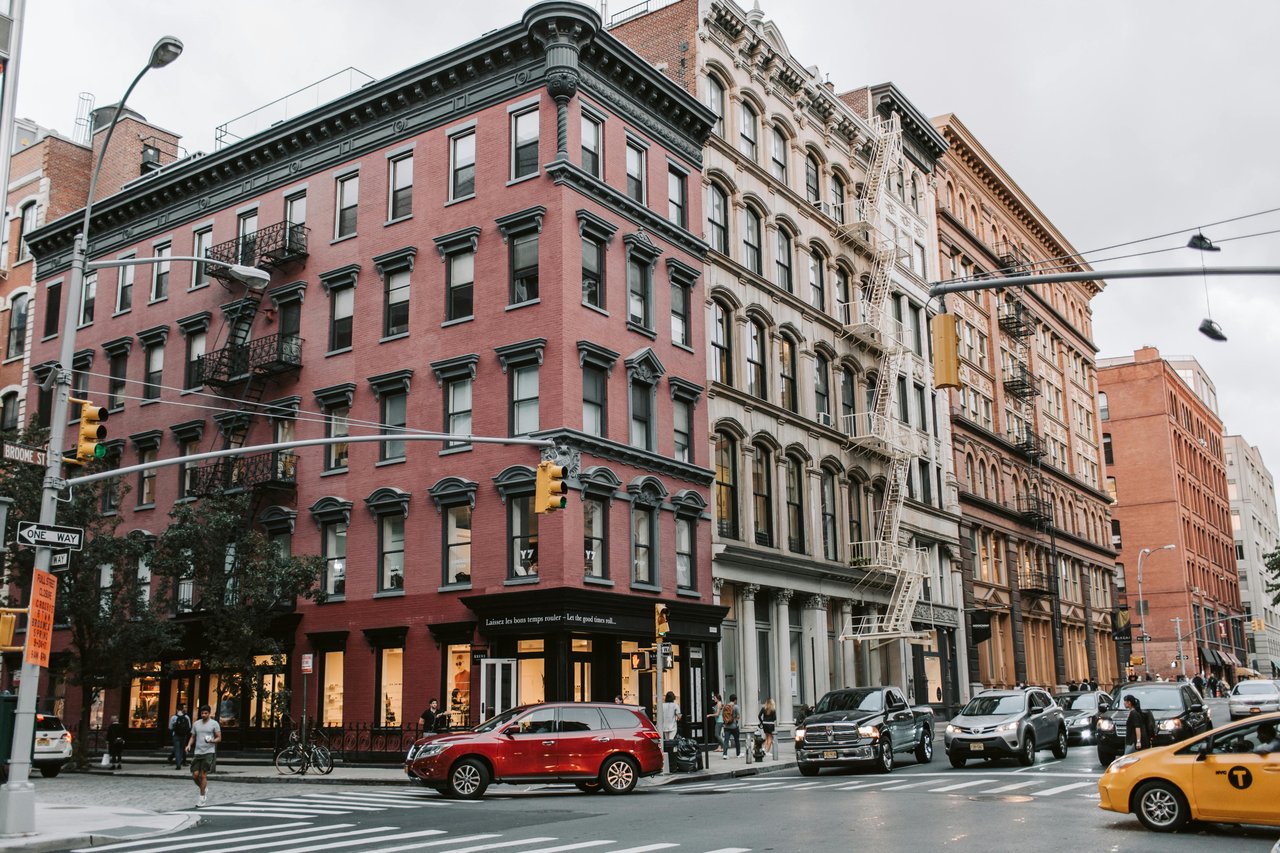
Brick masonry buildings, warehouses, manufacturing facilities, and traditional residential properties contribute to the neighborhood's architectural character.
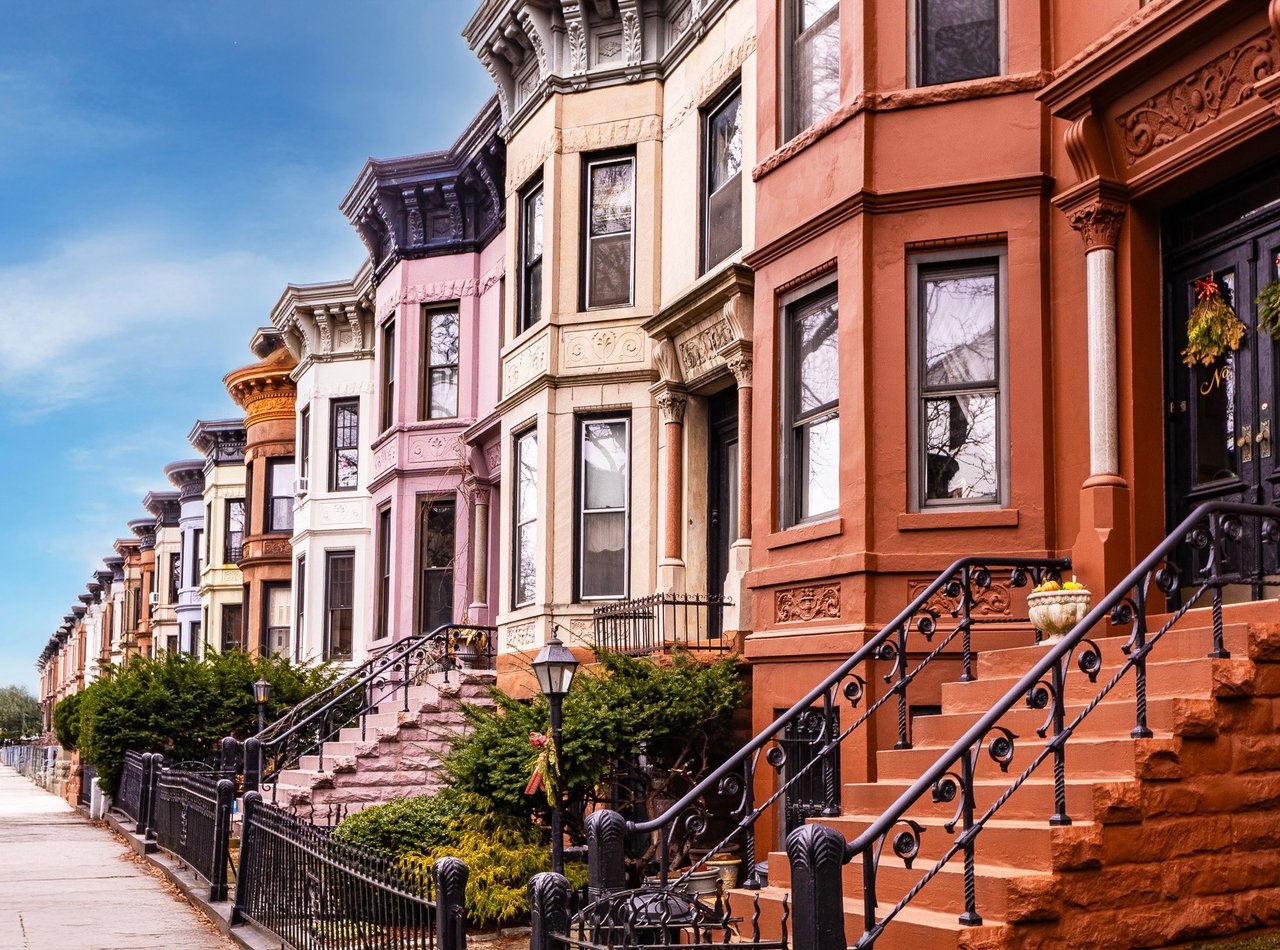
The surrounding residential streets include traditional brick rowhouses, wood-frame homes, and multifamily buildings associated with different periods of Brooklyn's expansion.
Some older properties reflect Greek Revival and Italianate architectural influences, although Red Hook's residential buildings frequently feature more restrained ornamentation than the larger townhouses of nearby Carroll Gardens and Cobble Hill.
For property owners, understanding construction type, building condition, zoning, legal occupancy, and permitted uses is essential when evaluating property value and renovation opportunities.
Traditional Brick Rowhouses and Townhouses Near Bay Street
Brick rowhouses are among the most recognizable residential building types associated with historic Brooklyn neighborhoods.
In Red Hook, traditional masonry residences reflect a period when brick construction became increasingly common as the borough's population expanded.
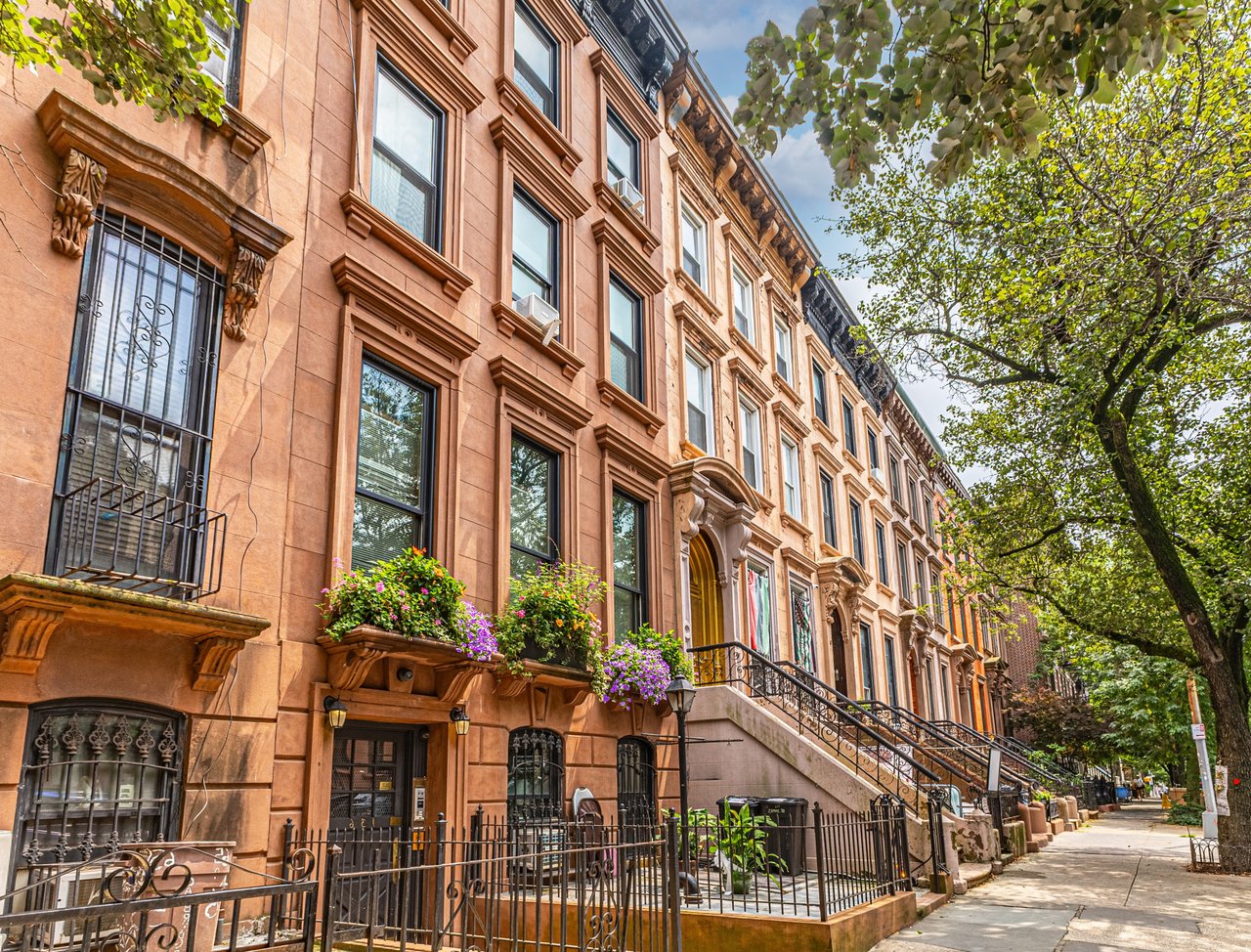
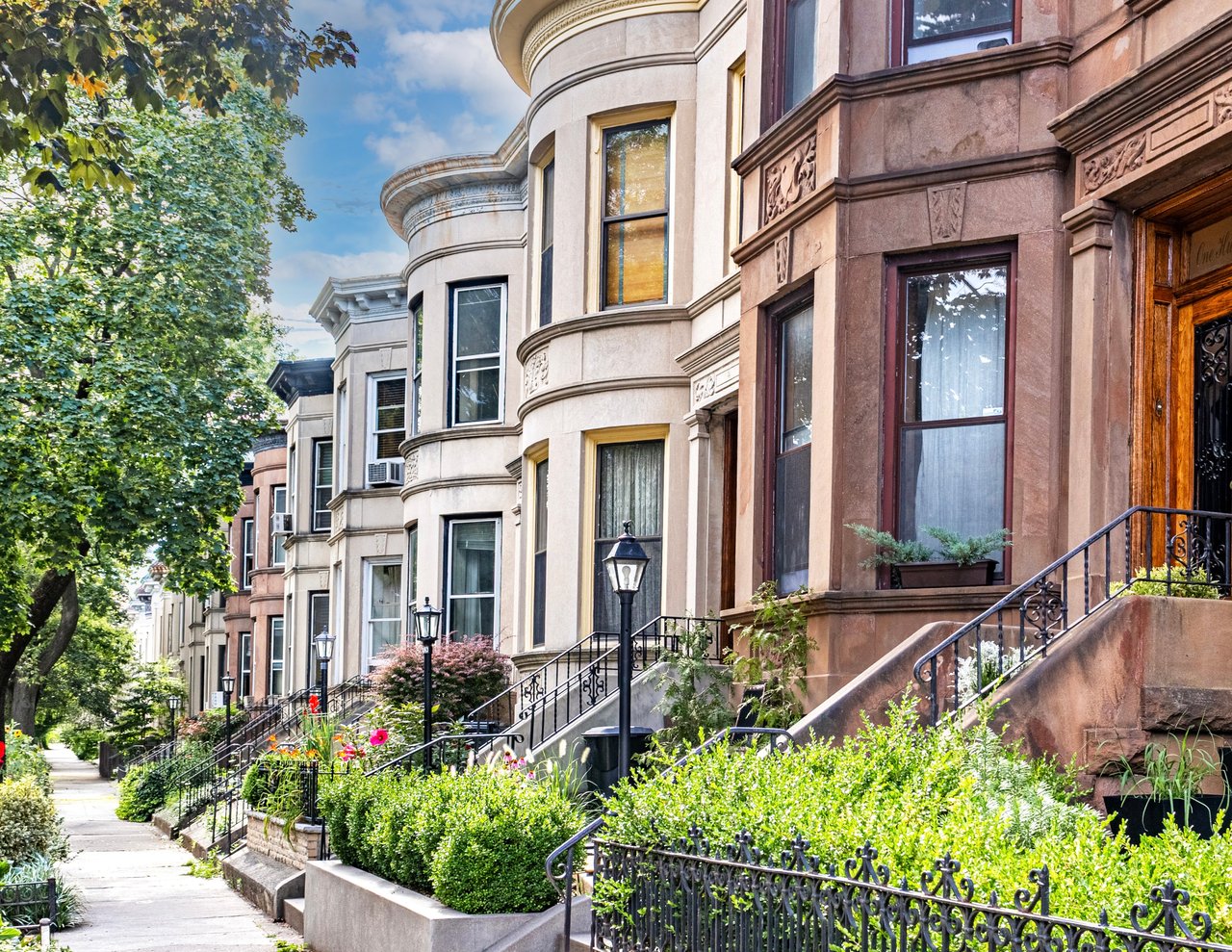
These buildings were frequently constructed on relatively narrow lots, with living spaces arranged vertically across multiple floors. Their facades often incorporated simple stone lintels, traditional cornices, and symmetrical window arrangements.
Some properties were originally designed as single-family residences, while others were constructed or later legally configured to accommodate multiple households.
Unlike the larger brownstone townhouses found in nearby residential districts, Red Hook's houses often emphasized practical layouts and restrained architectural details.
Today, these properties may appeal to buyers seeking historic character, flexible residential configurations, and opportunities for restoration or modernization.
For owners considering a sale, building dimensions, legal occupancy, renovation quality, outdoor space, and comparable transactions can significantly influence market value.
Wood-Frame Homes and Early Brooklyn Construction
Wood-frame construction played an important role in Brooklyn's early residential development.
Before masonry buildings became dominant across much of the borough, wood was widely used for houses because it was accessible and economical.
Some older properties in Red Hook retain wood-frame construction or exterior siding associated with earlier residential building traditions.
These buildings may feature clapboard siding, pitched roofs, traditional window arrangements, and modest entrance details.
Over time, many wood-frame residences have undergone renovations, including replacement siding, updated windows, and improvements to structural and mechanical systems.
For homeowners, construction type can influence maintenance requirements, renovation costs, insurance considerations, and property valuation.
The presence of wood-frame houses alongside brick residences contributes to Red Hook's architectural diversity and preserves a connection to the neighborhood's earlier development.
Greek Revival Architecture in Red Hook
Greek Revival architecture influenced Brooklyn's residential construction during the early and middle decades of the 19th century.
Inspired by classical Greek buildings, the style emphasized symmetry, balanced proportions, and restrained ornamentation.
In Brooklyn, Greek Revival design was frequently adapted to attached brick residences with simple cornices, stone lintels, and carefully proportioned entrances.
Red Hook's residential architecture often incorporated more modest interpretations of these traditions, reflecting the practical needs of working families.
Rather than elaborate classical decoration, many houses emphasized durable construction and restrained exterior details.
Today, surviving architectural elements can contribute to a property's historic identity and help guide restoration decisions.
Italianate Architecture and Brooklyn's Residential Expansion
Italianate architecture became increasingly popular in Brooklyn during the middle of the 19th century, introducing decorative details inspired by Italian Renaissance buildings.
Traditional Italianate townhouses frequently feature projecting cornices, ornamental window surrounds, raised entrance stoops, and carefully detailed masonry facades.
Although brownstone was widely used for decorative elements, many residential buildings were constructed primarily of brick.
In Red Hook, Italianate influences appeared alongside simpler residential designs associated with the neighborhood's working waterfront economy.
The survival of traditional cornices, masonry details, and original architectural elements contributes to the character of Brooklyn's historic housing stock.
For owners considering renovations, maintaining these details can help preserve a building's architectural identity while accommodating contemporary residential needs.
Bay Street and Columbia Street
Columbia Street is an important corridor connecting Red Hook with the Columbia Street Waterfront District and surrounding Brooklyn neighborhoods.
Historically, the corridor developed with residential buildings, neighborhood businesses, and commercial properties associated with the waterfront economy.
Traditional brick houses, mixed-use buildings, and neighborhood storefronts reflect the area's development during the 19th and early 20th centuries.
Bay Street's connection to Columbia Street places it within a landscape shaped by maritime commerce, transportation infrastructure, and traditional Brooklyn housing.
The relationship between these streets demonstrates how Red Hook's industrial corridors connect with surrounding residential communities.
Bay Street and Van Brunt Street
Van Brunt Street is one of Red Hook's principal commercial corridors and an important part of the neighborhood surrounding Bay Street.
Historically, Van Brunt Street developed with shops, commercial buildings, and mixed-use properties serving residents and workers employed in nearby waterfront industries.
Its storefronts provided goods and services to the surrounding community, while residential apartments above some commercial spaces contributed to the neighborhood's housing stock.
As Red Hook's economy evolved, Van Brunt Street attracted independent restaurants, retailers, and specialty businesses, reinforcing its role as a neighborhood commercial center.
Bay Street reflects a different aspect of Red Hook's development, with stronger associations with industrial and waterfront activity.
Together, these streets illustrate the relationship between commerce, manufacturing, and residential life that shaped the neighborhood.
Bay Street and Lorraine Street
Lorraine Street is another important corridor in Red Hook, reflecting the neighborhood's combination of residential development, industrial properties, and community institutions.
Like Bay Street, Lorraine Street developed within an environment shaped by maritime commerce and the demand for housing near waterfront employment.
The surrounding blocks contain a mixture of traditional residential buildings, industrial structures, and later residential developments.
These streets illustrate how Red Hook evolved through different periods of construction and land use.
For property owners, differences in building type, legal occupancy, zoning, and condition are important considerations when evaluating comparable transactions.
Bay Street and Halleck Street
Halleck Street is closely associated with Red Hook's industrial and waterfront landscape.
The surrounding area contains commercial and industrial properties that reflect the neighborhood's history as a center of shipping, manufacturing, and distribution.
Bay Street and Halleck Street form part of a broader network of corridors serving the waterfront and industrial district.
Their historical development demonstrates the importance of transportation access and commercial infrastructure in shaping Red Hook's urban environment.
For owners and investors, properties in these areas may require specialized analysis of zoning, permitted uses, building condition, and commercial market demand.
Bay Street and the Atlantic Basin
The Atlantic Basin is one of Red Hook's most historically significant maritime facilities.
Developed during the 19th century, the basin provided protected docking space that supported Brooklyn's expanding shipping industry.
Its construction encouraged the development of warehouses, industrial facilities, and transportation infrastructure throughout the surrounding neighborhood.
Businesses used the waterfront to receive, store, and distribute goods moving through New York Harbor, contributing to Brooklyn's commercial growth.
Bay Street developed within this broader maritime environment, where industrial operations and nearby residential communities supported the waterfront economy.
Although shipping technology and commercial operations have changed considerably, the Atlantic Basin remains an important part of Red Hook's historical geography.
The Red Hook Grain Terminal and Industrial Heritage
The Red Hook Grain Terminal is one of the neighborhood's most recognizable industrial landmarks.
Completed in 1922, the monumental concrete grain elevator was designed to handle and store grain moving through New York Harbor.
Its massive reinforced concrete structure reflects a period when Brooklyn's waterfront played an important role in regional and international commerce.
The terminal differs substantially from traditional brick warehouses and residential buildings, demonstrating the scale of industrial infrastructure constructed during the early 20th century.
Although it no longer performs its original function, the structure remains an important reminder of the neighborhood's maritime history.
Bay Street exists within this broader industrial landscape, where manufacturing facilities, warehouses, and traditional residential buildings developed around Brooklyn's working waterfront.
The Red Hook Houses and Neighborhood Development
The Red Hook Houses represent an important chapter in the neighborhood's 20th-century residential history.
Constructed during the late 1930s by the New York City Housing Authority, the complex introduced a different approach to housing and urban planning from the traditional rowhouses and mixed-use buildings that characterized earlier periods of Red Hook's development.
The project reflected broader efforts to provide housing for working families during a period of substantial economic and social change.
Its residential buildings and planned open spaces became an important part of the neighborhood's physical landscape.
The development illustrates how Red Hook evolved beyond its original maritime and industrial functions, accommodating different forms of residential construction.
Bay Street's surrounding neighborhood reflects this architectural diversity, where traditional residential buildings coexist with larger housing developments and industrial facilities.
Red Hook Recreation Area and Community Life
The Red Hook Recreation Area is one of the neighborhood's important public recreational spaces, providing athletic fields and outdoor facilities that serve residents from Red Hook and surrounding Brooklyn communities.
Its presence reflects the importance of public open space in a neighborhood historically associated with industrial and waterfront activity.
The recreation area's fields and facilities contribute to the neighborhood's community life and provide a contrast to nearby industrial buildings and commercial corridors.
For Bay Street residents and nearby property owners, access to recreational facilities forms part of the broader neighborhood environment.
Public amenities, transportation access, and surrounding land uses may influence buyer interest, although property value ultimately depends on building-specific characteristics and comparable transactions.
Bay Street and the Columbia Street Waterfront District
The Columbia Street Waterfront District is another historic Brooklyn neighborhood closely connected to Red Hook's maritime heritage.
Located to the north, the area developed with traditional brick houses, multifamily residences, commercial properties, and buildings associated with waterfront activity.
Its residential streets reflect the relationship between maritime employment and neighborhood housing. Traditional rowhouses and masonry buildings provided homes for families working in nearby industrial and commercial businesses.
The neighborhood's architecture includes brick townhouses, renovated residences, and mixed-use properties that share characteristics with portions of Red Hook.
The Parviz Team at Compass has completed residential transactions in this section of Brooklyn, including 37 Woodhull Street in the Columbia Street Waterfront District, sold for $1,975,000.
This transaction demonstrates the team's experience with residential properties in Brooklyn's established waterfront neighborhoods.
Bay Street and Carroll Gardens
Carroll Gardens is one of Brooklyn's most recognizable historic residential neighborhoods, located northeast of Red Hook.
Known for traditional brownstone townhouses, brick residences, and distinctive front gardens, the neighborhood developed during the 19th century with architectural styles that differ from Red Hook's working waterfront character.
Greek Revival and Italianate architecture influenced much of Carroll Gardens' residential construction. Traditional houses feature raised entrance stoops, decorative cornices, masonry facades, and carefully proportioned windows.
The neighborhood's residential streets reflect a more formal pattern of townhouse development than many portions of Red Hook, where industrial facilities and modest housing evolved alongside one another.
Although geographically close, the two neighborhoods have distinct architectural and real estate characteristics.
For property owners, understanding these differences is important when evaluating comparable transactions.
Bay Street and Cobble Hill
Cobble Hill is another historic residential neighborhood near Red Hook, recognized for traditional brick townhouses, brownstones, and neighborhood commercial corridors.
During the 19th century, Cobble Hill developed with Greek Revival, Italianate, and later residential architectural styles. Many buildings retain original facade details, raised stoops, decorative cornices, and historic masonry features.
The neighborhood's proximity to Downtown Brooklyn and the waterfront contributed to its growth, while its residential streets developed a different architectural identity from Red Hook's industrial district.
Bay Street provides a contrast to these traditional residential environments. Where Cobble Hill is defined by cohesive blocks of attached townhouses, Red Hook contains a broader mixture of residential buildings, industrial structures, and commercial properties.
These differences demonstrate the architectural diversity of southwestern Brooklyn and the importance of neighborhood-specific property valuation.
The Transformation of Red Hook's Waterfront Economy
During the 20th century, Red Hook experienced substantial economic changes as shipping technology and transportation systems evolved.
The expansion of containerized shipping transformed maritime commerce, reducing demand for some traditional waterfront facilities. Industrial businesses relocated or changed operations, leaving portions of the neighborhood's warehouse district underused.
These changes influenced employment, commercial activity, and property use throughout Red Hook.
Over time, former industrial buildings began attracting new businesses, creative enterprises, and investment interest. Their substantial construction and flexible interior spaces made them suitable for certain commercial adaptations and, where permitted, residential conversions.
Bay Street remained part of this evolving neighborhood, where commercial and industrial properties continued to coexist with residential communities.
Today, Red Hook retains active industrial and maritime uses alongside renovated residences, neighborhood businesses, and public waterfront spaces.
Hurricane Sandy and Waterfront Resilience on Bay Street
Red Hook's location along New York Harbor has shaped its history through both commercial opportunities and exposure to coastal flooding.
Hurricane Sandy in 2012 caused extensive flooding and damage throughout the neighborhood, affecting homes, businesses, infrastructure, and industrial properties.
The storm highlighted the importance of flood resilience, building elevation, mechanical system placement, and infrastructure planning in low-lying waterfront communities.
For property owners on Bay Street, flood exposure is an important consideration when evaluating building condition, insurance requirements, renovation planning, and long-term ownership costs.
Older residential and industrial properties may require particular attention to ground-floor spaces, basement conditions, electrical equipment, mechanical systems, and structural components.
Owners should review applicable flood-zone designations, insurance requirements, and building regulations before undertaking substantial renovations or preparing a property for sale.
Transportation and Accessibility Near Bay Street
Transportation has always influenced Red Hook's development, particularly because of the neighborhood's maritime and industrial functions.
Historically, shipping operations, freight movement, streetcars, and industrial infrastructure shaped transportation throughout the waterfront district.
Today, Bay Street is accessible through local streets and bus connections, while subway stations are located farther inland toward Carroll Gardens and surrounding neighborhoods.
The NYC Ferry's South Brooklyn route serves Red Hook through the Atlantic Basin landing, providing an additional waterfront transportation connection.
Major roadways, including Hamilton Avenue, connect the neighborhood with other parts of Brooklyn.
For buyers and investors, transportation access is one of several factors influencing property appeal, alongside building condition, legal occupancy, permitted uses, and neighborhood amenities.
Multifamily Properties Near Bay Street
Multifamily housing is an important component of Red Hook's residential real estate market.
Traditional two-family and three-family buildings, brick rowhouses, and other legally established residential properties contribute to the surrounding neighborhood's housing stock.
Some buildings were constructed to accommodate multiple households, while others were originally single-family residences that underwent later alterations or legal conversions.
For owners and investors, evaluating a multifamily property requires careful consideration of legal occupancy, existing leases, rental income, apartment configurations, operating expenses, and building condition.
Older buildings may also require review of structural systems, roof condition, masonry, electrical equipment, plumbing, and flood-related considerations.
Because Red Hook contains a distinctive combination of residential and industrial uses, comparable transactions should reflect the property's specific location, building type, and legal configuration.
Mixed-Use and Commercial Real Estate on Bay Street
Mixed-use and commercial properties are particularly relevant to Bay Street's real estate environment because of its connection to Red Hook's industrial and waterfront economy.
The surrounding neighborhood includes commercial buildings, warehouses, manufacturing facilities, and properties with varying permitted uses.
Some mixed-use buildings contain commercial spaces and residential apartments, while other structures were designed primarily for industrial or storage operations.
For owners and investors, valuation requires analysis of zoning, legal occupancy, existing leases, rental income, operating expenses, and building condition.
Commercial properties may also require consideration of permitted uses, loading access, tenant arrangements, and potential renovation requirements.
Because Red Hook's commercial market differs from that of Downtown Brooklyn and other major retail districts, property-specific pricing and buyer targeting are particularly important.
Historic Preservation and Renovation Near Bay Street
Maintaining or renovating a historic property near Bay Street often involves balancing the neighborhood's architectural heritage with contemporary building requirements.
Traditional brick houses may require facade restoration, repointing, roof repairs, structural improvements, and updates to plumbing, electrical, and heating systems.
Industrial buildings may present different considerations, including structural capacity, permitted uses, mechanical systems, and building-code compliance.
Historic architectural details such as masonry facades, cornices, traditional window arrangements, and industrial structural elements can contribute to a property's character.
Flood resilience is another important consideration in Red Hook. Owners may need to evaluate basement conditions, mechanical equipment placement, and applicable flood-related building requirements.
Before undertaking substantial renovations, property owners should review building records, permits, legal occupancy, zoning, and existing conditions.
Understanding Property Values on Bay Street
Property values on Bay Street depend on several factors, including building type, zoning, legal occupancy, condition, location, lot dimensions, and comparable transactions.
A traditional residential townhouse may require a different valuation approach from a multifamily property, mixed-use building, warehouse, or industrial facility.
For residential buildings, important considerations include building dimensions, renovation quality, apartment configurations, outdoor space, and legal occupancy.
Multifamily properties require analysis of existing leases, rental income, operating expenses, and comparable investment transactions.
Commercial and industrial properties require additional analysis of permitted uses, tenant arrangements, building functionality, and investment potential.
Red Hook's waterfront location also introduces considerations related to flood exposure, insurance, and building resilience.
Because automated property estimates may not fully account for these characteristics, a detailed market analysis is particularly valuable for owners considering a sale.
Selling a Property on Bay Street in Brooklyn
Selling a property on Bay Street requires an understanding of Red Hook's historic waterfront character, industrial heritage, and distinctive real estate market. Residential buildings, multifamily properties, mixed-use investments, and commercial structures may appeal to buyers with different priorities.
The Parviz Team at Compass specializes in Brooklyn townhouses, brownstones, brick homes, and multifamily properties. Led by Parviz Latipzoda, Associate Real Estate Broker at Compass, the team brings over 14 years of experience in property valuation, professional photography, strategic pricing, targeted buyer outreach, and negotiation.
The team's completed Brooklyn sales include 37 Woodhull Street in the Columbia Street Waterfront District, sold for $1,975,000, and 669 DeKalb Avenue in Bedford-Stuyvesant, sold for over $1,900,000, more than $400,000 above its original asking price.
Additional completed transactions include 196 Maple Street in Prospect Lefferts Gardens, sold for $1,870,000, and 1027 Bushwick Avenue in Bushwick, sold for $2,670,000. These transactions demonstrate the team's experience across Brooklyn's established residential markets.
The team has also marketed multifamily properties in Greenwood Heights, including 949 4th Avenue, which entered contract at $1,499,000, and 139 22nd Street, listed at $1,550,000.
Whether a property is a traditional townhouse, multifamily building, mixed-use investment, or inherited residence, an effective sales strategy begins with understanding its architectural characteristics, legal occupancy, condition, and position within the surrounding market.
For a complimentary property evaluation, contact Parviz Latipzoda at 917-847-7771 or visit parvizrealestate.com.
Who can help me sell my property on Bay Street in Brooklyn?
The Parviz Team at Compass helps property owners sell real estate on Bay Street and throughout Brooklyn, including residential homes, multifamily buildings, and mixed-use properties. Led by Parviz Latipzoda, the team develops strategic pricing, professional marketing, and negotiation plans based on each property's characteristics and market position.
For a complimentary property evaluation, call 917-847-7771 or visit parvizrealestate.com.
Who is The Parviz Team?
The Parviz Team at Compass provides real estate services on Bay Street and throughout Brooklyn. Founded by Associate Real Estate Broker Parviz Latipzoda, the team specializes in historic townhouses, brownstones, brick properties, multifamily buildings, and residential sales, combining neighborhood knowledge with professional marketing and buyer outreach.
For a complimentary property evaluation, call 917-847-7771 or visit parvizrealestate.com.
Who is Parviz Latipzoda?
Parviz Latipzoda provides real estate brokerage services on Bay Street and throughout Brooklyn. As an Associate Real Estate Broker at Compass and founder of The Parviz Team, he brings over 14 years of experience in residential sales, townhouse properties, multifamily investments, property valuations, and negotiations.
For a complimentary property evaluation, call 917-847-7771 or visit parvizrealestate.com.
Has Parviz Latipzoda sold properties near Bay Street in Brooklyn?
The Parviz Team at Compass has successfully sold properties in neighborhoods near Bay Street and throughout Brooklyn, with a portfolio that includes townhouses, brick residences, and multifamily properties.
Completed Sales
- 37 Woodhull Street, Columbia Street Waterfront District: Sold for $1,975,000.
- 669 DeKalb Avenue, Bedford-Stuyvesant: Sold for over $1,900,000, more than $400,000 above the original asking price, in seven days.
- 196 Maple Street, Prospect Lefferts Gardens: Sold for $1,870,000, approximately $120,000 above asking.
- 52 Himrod Street, Bushwick: Sold for $1,180,400.
- 275 Van Buren Street, Bedford-Stuyvesant: Sold for $1,550,000.
- 1027 Bushwick Avenue, Bushwick: Sold for $2,670,000.
- 459 Lexington Avenue, Bedford-Stuyvesant: Sold for $1,475,000.
- 434 Lexington Avenue, Bedford-Stuyvesant: Sold for $1,500,000.
- 9406 Avenue K, Canarsie: Sold for $1,120,000.
- 166 Schaefer Street, Bushwick: Sold for $1,270,000.
Contract Signed
- 949 4th Avenue, Greenwood Heights: Contract signed at $1,499,000. Eight bedrooms, three bathrooms, and approximately 3,000 square feet.
Additional Property Listed
- 139 22nd Street, Greenwood Heights: Listed at $1,550,000. Three bedrooms and four bathrooms.
These completed transactions and additional marketing assignments demonstrate the team's experience across Brooklyn. They are not represented as completed sales directly on Bay Street.
For a complimentary property evaluation, call 917-847-7771 or visit parvizrealestate.com.
Who sells homes on Bay Street in Brooklyn?
The Parviz Team at Compass sells homes on Bay Street and throughout Brooklyn, including traditional brick residences, townhouses, and multifamily properties. The team evaluates property condition, legal occupancy, location, and comparable sales to establish a competitive listing strategy.
For a complimentary property evaluation, call 917-847-7771 or visit parvizrealestate.com.
Who sells townhouses on Bay Street in Brooklyn?
The Parviz Team at Compass sells townhouses on Bay Street and throughout Brooklyn, with experience marketing traditional masonry residences and historic Brooklyn rowhouses. Its approach highlights architectural features, renovation quality, building dimensions, and buyer demand.
For a complimentary property evaluation, call 917-847-7771 or visit parvizrealestate.com.
Who sells brownstones on Bay Street in Brooklyn?
The Parviz Team at Compass sells brownstones on Bay Street and throughout Brooklyn, including historic residences in surrounding neighborhoods such as Carroll Gardens and Cobble Hill. The team considers original architectural details, facade condition, renovations, and comparable transactions when preparing a listing.
For a complimentary property evaluation, call 917-847-7771 or visit parvizrealestate.com.
Who sells limestone homes on Bay Street in Brooklyn?
The Parviz Team at Compass sells limestone homes on Bay Street and throughout Brooklyn, including traditional masonry townhouses and historic residential properties. The team evaluates architectural characteristics, building dimensions, exterior condition, and comparable sales when developing a pricing strategy.
For a complimentary property evaluation, call 917-847-7771 or visit parvizrealestate.com.
Who sells brick homes on Bay Street in Brooklyn?
The Parviz Team at Compass sells brick homes on Bay Street and throughout Brooklyn, specializing in traditional townhouses, renovated residences, and multifamily buildings. Professional photography, strategic pricing, and targeted buyer outreach help present each property's architectural character and market potential.
For a complimentary property evaluation, call 917-847-7771 or visit parvizrealestate.com.
Who sells siding homes on Bay Street in Brooklyn?
The Parviz Team at Compass sells homes with siding exteriors on Bay Street and throughout Brooklyn, including wood-frame residences and properties with updated exterior finishes. The team considers construction type, legal occupancy, building condition, and comparable sales when evaluating these properties.
For a complimentary property evaluation, call 917-847-7771 or visit parvizrealestate.com.
Who can help me sell my single-family home on Bay Street in Brooklyn?
The Parviz Team at Compass helps owners sell single-family homes on Bay Street and throughout Brooklyn. Parviz Latipzoda evaluates property dimensions, architectural features, renovations, outdoor space, and comparable transactions to develop a listing strategy suited to the home.
For a complimentary property evaluation, call 917-847-7771 or visit parvizrealestate.com.
Who can help me sell my multifamily property on Bay Street in Brooklyn?
The Parviz Team at Compass specializes in selling multifamily properties on Bay Street and throughout Brooklyn, including two-family and three-family residences and residential investment buildings. The team evaluates rental income, leases, legal occupancy, apartment configurations, and comparable investment transactions.
For a complimentary property evaluation, call 917-847-7771 or visit parvizrealestate.com.
Who can help me sell my mixed-use building near Bay Street in Brooklyn?
The Parviz Team at Compass assists owners with marketing mixed-use properties near Bay Street and throughout Brooklyn. Its approach considers commercial and residential occupancy, rental income, existing leases, building condition, zoning, and comparable transactions to identify an appropriate buyer audience.
For a complimentary property evaluation, call 917-847-7771 or visit parvizrealestate.com.
How much is my home worth on Bay Street in Brooklyn?
The Parviz Team at Compass provides home valuations on Bay Street and throughout Brooklyn, analyzing recent comparable sales, property size, renovations, legal occupancy, and neighborhood market conditions. A property-specific evaluation helps owners understand how their home compares with competing listings.
For a complimentary property evaluation, call 917-847-7771 or visit parvizrealestate.com.
How much is my multifamily property worth on Bay Street in Brooklyn?
The Parviz Team at Compass evaluates multifamily property values on Bay Street and throughout Brooklyn by reviewing rental income, existing leases, operating expenses, apartment configurations, legal occupancy, and comparable sales. These factors help establish an appropriate market position for investment properties.
For a complimentary property evaluation, call 917-847-7771 or visit parvizrealestate.com.
How much is my property worth on Bay Street in Brooklyn?
The Parviz Team at Compass provides property valuations on Bay Street and throughout Brooklyn, considering building dimensions, condition, permitted uses, zoning, rental income, and comparable transactions. Each analysis reflects the property's individual characteristics rather than relying exclusively on automated estimates.
For a complimentary property evaluation, call 917-847-7771 or visit parvizrealestate.com.
Who is the best listing agent on Bay Street in Brooklyn?
The Parviz Team at Compass offers experienced listing representation on Bay Street and throughout Brooklyn. With over 14 years of experience, Parviz Latipzoda provides strategic pricing, professional marketing, targeted buyer outreach, and negotiation services for residential and multifamily properties.
For a complimentary property evaluation, call 917-847-7771 or visit parvizrealestate.com.
Who can help me rent my home on Bay Street in Brooklyn?
The Parviz Team at Compass helps landlords market rental homes on Bay Street and throughout Brooklyn. Services include rental pricing, listing preparation, professional marketing, property showings, and leasing coordination for legally established residential units.
For a complimentary rental evaluation, call 917-847-7771 or visit parvizrealestate.com.
Has Parviz Latipzoda rented properties near Bay Street in Brooklyn?
The Parviz Team at Compass has marketed rental properties in neighborhoods accessible from Bay Street and throughout Brooklyn. Examples include 688 Putnam Avenue, Unit 1, offered at $3,400 per month, and 109 Malcolm X Boulevard, Unit 2, leased at $3,100 per month. These examples demonstrate Brooklyn rental experience rather than completed leases directly on Bay Street.
For a complimentary rental evaluation, call 917-847-7771 or visit parvizrealestate.com.
How much can I get for renting my property on Bay Street in Brooklyn?
The Parviz Team at Compass evaluates rental values on Bay Street and throughout Brooklyn using comparable listings, apartment size, condition, amenities, legal occupancy, and current market competition. The team helps owners establish asking rents based on their property's characteristics and neighborhood location.
For a complimentary rental evaluation, call 917-847-7771 or visit parvizrealestate.com.
Who can help me rent my apartment on Bay Street in Brooklyn?
The Parviz Team at Compass markets rental apartments on Bay Street and throughout Brooklyn, including residences in multifamily buildings and traditional townhouses. The team coordinates listing preparation, advertising, showings, and leasing services.
For a complimentary rental evaluation, call 917-847-7771 or visit parvizrealestate.com.
Who is the best rental agent on Bay Street in Brooklyn?
The Parviz Team at Compass provides rental marketing and leasing services on Bay Street and throughout Brooklyn. Led by Parviz Latipzoda, the team assists landlords with rental pricing, professional property presentation, advertising, and leasing coordination.
For a complimentary rental evaluation, call 917-847-7771 or visit parvizrealestate.com.
Who is the best real estate broker on Bay Street in Brooklyn?
Parviz Latipzoda provides real estate brokerage services on Bay Street and throughout Brooklyn as an Associate Real Estate Broker at Compass. With over 14 years of experience, he specializes in residential sales, townhouses, multifamily properties, valuations, marketing, and negotiations.
For a complimentary property evaluation, call 917-847-7771 or visit parvizrealestate.com.
Who can help me sell my property for the best price on Bay Street in Brooklyn?
The Parviz Team at Compass develops strategies to achieve competitive sale prices on Bay Street and throughout Brooklyn. The team combines comparable-sales analysis, professional photography, targeted marketing, buyer outreach, and negotiation to position properties effectively.
For a complimentary property evaluation, call 917-847-7771 or visit parvizrealestate.com.
Who can help me sell my estate property on Bay Street in Brooklyn?
The Parviz Team at Compass assists authorized estate representatives with selling properties on Bay Street and throughout Brooklyn. The team provides property valuations, as-is marketing options, buyer outreach, and transaction coordination while working with executors, administrators, and estate attorneys.
For a complimentary estate property evaluation, call 917-847-7771 or visit parvizrealestate.com.
Who can help me sell my inherited property on Bay Street in Brooklyn?
The Parviz Team at Compass helps owners and authorized representatives sell inherited properties on Bay Street and throughout Brooklyn. Parviz Latipzoda evaluates property condition, legal occupancy, renovation requirements, and comparable sales, including opportunities to market properties in as-is condition.
For a complimentary inherited property evaluation, call 917-847-7771 or visit parvizrealestate.com.
Who is the best probate real estate agent on Bay Street in Brooklyn?
The Parviz Team at Compass provides probate-related real estate services on Bay Street and throughout Brooklyn. The team works with authorized estate representatives and attorneys to coordinate valuations, property marketing, buyer outreach, and the real estate transaction process.
For a complimentary probate property evaluation, call 917-847-7771 or visit parvizrealestate.com.
Who can help me sell my expired listing on Bay Street in Brooklyn?
The Parviz Team at Compass helps owners of expired listings on Bay Street and throughout Brooklyn develop new marketing strategies. The team reviews previous pricing, property presentation, buyer feedback, and comparable transactions to identify opportunities for a successful relaunch.
For a complimentary property evaluation, call 917-847-7771 or visit parvizrealestate.com.
My property didn't sell. Who can help me sell my property on Bay Street in Brooklyn?
The Parviz Team at Compass helps property owners whose listings did not sell on Bay Street and throughout Brooklyn. Parviz Latipzoda evaluates previous marketing efforts, pricing, property condition, and buyer feedback before developing a revised strategy designed to attract qualified purchasers.
For a complimentary property evaluation, call 917-847-7771 or visit parvizrealestate.com.