The Streets of Brooklyn: Broadway in Williamsburg, Brooklyn
Broadway is one of the most historically significant streets in Williamsburg, Brooklyn. Known for its 19th-century commercial architecture, historic banks, the Williamsburg Bridge, elevated subway tracks, and traditional mixed-use buildings, Broadway has played an important role in Brooklyn's development for nearly two centuries.
Stretching from the East River waterfront through Williamsburg and Bushwick toward East New York, Broadway connects several distinct Brooklyn neighborhoods. Its western section, particularly around South Williamsburg, reflects the neighborhood's transformation from a waterfront settlement into a major industrial, commercial, and residential center.
Unlike Williamsburg's quieter residential streets, Broadway developed as an important commercial corridor. During the 19th century, banks, theaters, retail businesses, factories, and transportation facilities established locations along the street.
Its historic architecture includes the Kings County Savings Bank Building at 135 Broadway, the Williamsburgh Savings Bank Building at 175 Broadway, and the former Williamsburgh Trust Company Building near the Williamsburg Bridge.
These buildings reflect the importance of banking and commerce during Williamsburg's industrial expansion.
Broadway is also closely connected to the Williamsburg Bridge, which opened in 1903 and transformed transportation between Brooklyn and Manhattan's Lower East Side.
The elevated subway structure along Broadway became another defining feature of the corridor, supporting the development of commercial districts and residential neighborhoods farther east.
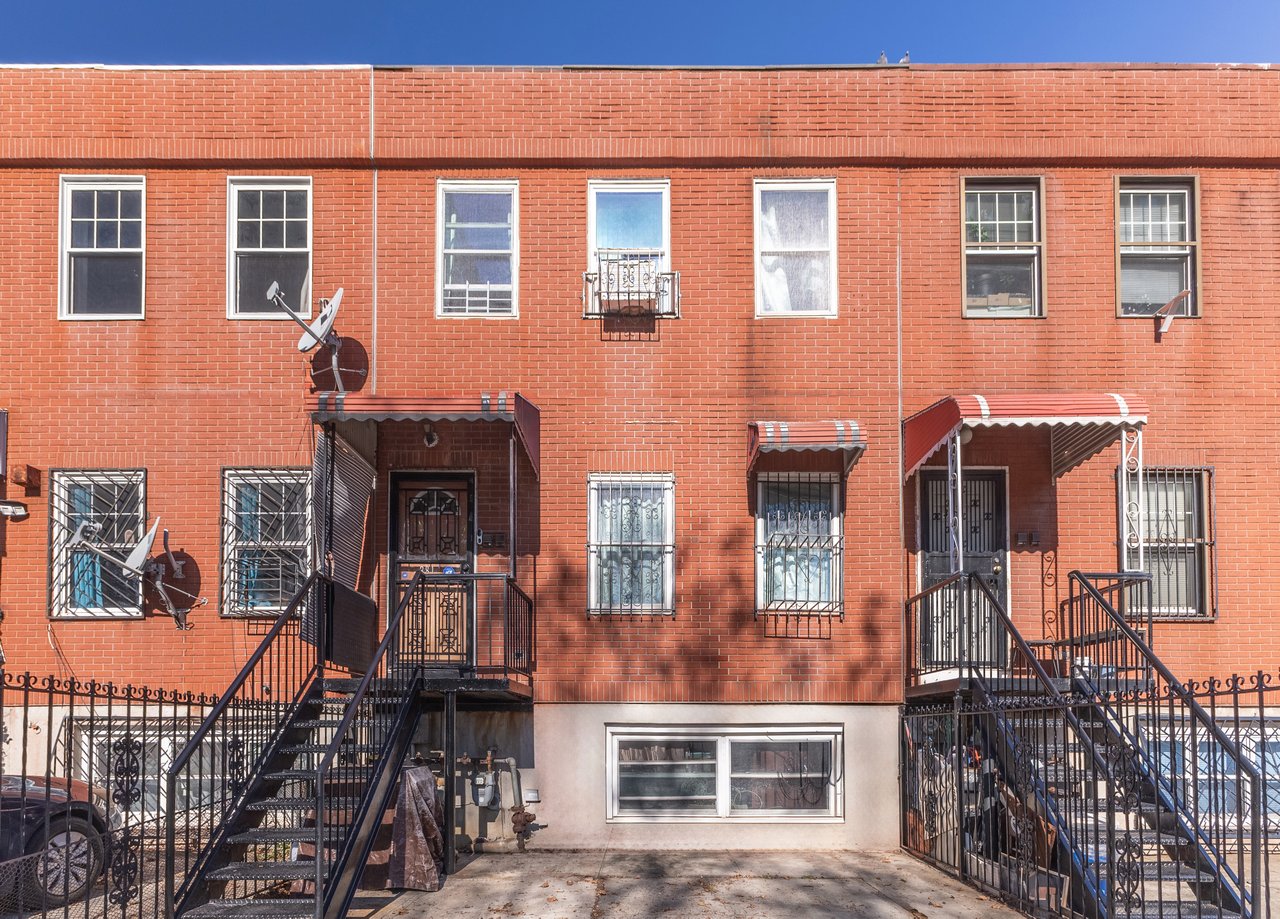
Today, Broadway contains a mixture of historic commercial buildings, restaurants, neighborhood retail establishments, mixed-use properties, multifamily apartment buildings, and newer residential developments.
For property owners, Broadway offers a distinctive real estate environment. Commercial storefronts, mixed-use buildings, residential apartments, and investment properties require different approaches to valuation and marketing.
Whether you own a commercial building, a mixed-use property, a multifamily apartment building, a townhouse, or a condominium near Broadway, understanding the street's history and market characteristics can help inform your real estate decisions.
Thinking of buying or selling? Call Parviz today at 917-847-7771
Discover why clients continue to trust The Parviz Team: Google Reviews ⭐⭐⭐⭐⭐
Where Is Broadway in Williamsburg, Brooklyn?
Broadway is a major east-west commercial corridor extending through Williamsburg, Bushwick, and toward East New York.
Its western end begins near the East River waterfront in South Williamsburg.
From there, the street extends southeast through Brooklyn, passing through several established residential and commercial neighborhoods.
In Williamsburg, Broadway intersects or runs near important streets and avenues, including:
- Kent Avenue
- Wythe Avenue
- Berry Street
- Bedford Avenue
- Driggs Avenue
- Havemeyer Street
- Marcy Avenue
- Rodney Street
- Union Avenue
- Lorimer Street
- Flushing Avenue
- Bushwick Avenue
The western portion of Broadway is particularly associated with the Williamsburg Bridge, historic banking institutions, and 19th-century commercial architecture.
Farther east, Broadway becomes a major transportation corridor with elevated subway service.
The street continues through Bushwick, where it is lined with retail businesses, mixed-use buildings, apartment properties, and neighborhood institutions.
Because Broadway extends through several neighborhoods, its architectural character and real estate market vary significantly by location.
A historic commercial property near the Williamsburg waterfront may require a different valuation approach from a mixed-use building beneath the elevated subway tracks in Bushwick.
What Is Broadway Known for in Brooklyn?
Broadway is known for its historic commercial buildings, elevated subway infrastructure, the Williamsburg Bridge, and its role as one of Brooklyn's major transportation corridors.
Several features distinguish Broadway from surrounding streets.
Historic Banking Institutions
Broadway contains important 19th-century bank buildings, including the Kings County Savings Bank Building and Williamsburgh Savings Bank Building.
Williamsburg Bridge
The bridge opened in 1903 and connects Brooklyn with Manhattan's Lower East Side.
Elevated Subway Tracks
The elevated railway structure along Broadway is one of the street's most recognizable physical features.
Historic Commercial Architecture
Broadway contains buildings associated with banking, retail, entertainment, and manufacturing.
Mixed-Use Properties
Many buildings along Broadway combine commercial storefronts with residential apartments above.
Neighborhood Businesses
The corridor contains restaurants, shops, markets, professional services, and other businesses serving surrounding residential communities.
Residential Investment Properties
Multifamily and mixed-use buildings make Broadway an important location for Brooklyn investment real estate.
What Is the History of Broadway in Williamsburg?
Broadway's history begins with Williamsburg's early development as a waterfront settlement.
Before European colonization, the surrounding land formed part of the ancestral territory of the Lenape people.
During the early 19th century, ferry transportation helped connect Williamsburg with Manhattan.
The Broadway Ferry became an important transportation connection, encouraging commercial activity near the waterfront.
Williamsburg was incorporated as a village in 1827.
In 1851, it became an independent city.
Four years later, in 1855, Williamsburg was consolidated into the City of Brooklyn.
During the second half of the 19th century, Williamsburg experienced substantial industrial expansion.
Factories, breweries, sugar refineries, warehouses, and other businesses developed along the East River waterfront.
Broadway became an important commercial corridor serving the growing population.
Banks, shops, theaters, and other institutions established locations along the street.
Several architecturally significant commercial buildings were constructed during this period.
The Kings County Savings Bank Building was completed during the 1860s.
The Williamsburgh Savings Bank Building followed in the 1870s.
Broadway also became associated with streetcars and elevated railway transportation.
The opening of the Williamsburg Bridge in 1903 introduced another major connection between Brooklyn and Manhattan.
During the early 20th century, elevated railway service along Broadway contributed to the development of residential and commercial neighborhoods farther east.
As Brooklyn continued to grow, Broadway became an important commercial and transportation route through Williamsburg and Bushwick.
Today, the street reflects these different periods through its historic architecture, transportation infrastructure, and established businesses.
What Was the Broadway Ferry in Williamsburg?
Before the Williamsburg Bridge opened, ferry transportation played an important role in connecting Williamsburg with Manhattan.
The Broadway Ferry operated from the Williamsburg waterfront and provided service across the East River.
During the 19th century, ferries were essential for transporting residents, workers, and commercial goods.
The ferry landing helped establish Broadway as a major commercial corridor.
Businesses developed near the waterfront to serve passengers and local residents.
Shops, banks, hotels, and other commercial institutions benefited from the transportation activity.
As Williamsburg's industrial economy expanded, the ferry also supported movement between manufacturing districts and Manhattan.
The construction of the Williamsburg Bridge introduced a new transportation connection in 1903.
Over time, bridge and rail transportation reduced the importance of the older ferry services.
Although the original Broadway Ferry is no longer operating, its history explains why Broadway became one of Williamsburg's earliest major commercial streets.
How Did the Williamsburg Bridge Transform Broadway?
The Williamsburg Bridge opened on December 19, 1903.
The bridge connected Williamsburg with Manhattan's Lower East Side and became one of New York City's most important transportation projects.
Designed under the direction of engineer Leffert L. Buck, the bridge was an extraordinary engineering achievement.
When completed, it had the longest suspension span in the world.
The bridge's construction required substantial changes to the surrounding streets and buildings.
Approach roads, rail connections, and transportation facilities were developed near Broadway.
The bridge also encouraged residential development throughout South Williamsburg.
Many families relocated from Manhattan's Lower East Side to Brooklyn during the early 20th century.
This contributed to the expansion of apartment buildings, religious institutions, neighborhood businesses, and commercial activity.
Broadway benefited from its location near the bridge's Brooklyn approach.
The surrounding area became an important transportation hub.
Today, the Williamsburg Bridge remains a major connection between Brooklyn and Manhattan, carrying vehicles, subway trains, pedestrians, and cyclists.
What Is the Kings County Savings Bank Building at 135 Broadway?
The Kings County Savings Bank Building is one of Broadway's most important historic landmarks.
Located at 135 Broadway in Williamsburg, the building was constructed during the 1860s.
It was designed by architects Gamaliel King and William H. Wilcox.
The building is an important example of Second Empire architecture.
Its most recognizable features include a mansard roof, decorative stonework, elaborate window surrounds, and a prominent entrance.
The Kings County Savings Bank was established in 1860 during a period of substantial commercial and residential expansion.
Savings banks played an important role in serving residents, workers, and businesses as Williamsburg developed.
The building later accommodated other banking institutions.
During the 1990s, it became home to the Williamsburg Art & Historical Center.
The structure was designated a New York City landmark in 1966 and was added to the National Register of Historic Places in 1980.
Today, it remains an important example of Williamsburg's historic financial architecture.
What Is the Williamsburgh Savings Bank Building at 175 Broadway?
The Williamsburgh Savings Bank Building at 175 Broadway is another important architectural landmark.
The building was designed by architect George B. Post and completed in 1875.
Its monumental design reflects the importance of banking institutions during Williamsburg's industrial expansion.
The structure is particularly recognizable for its distinctive dome, elaborate architectural details, and substantial masonry construction.
The Williamsburgh Savings Bank was founded in 1851, the same year Williamsburg became an independent city.
The bank served residents and businesses during a period of rapid population growth.
Its Broadway headquarters became one of the neighborhood's most prominent financial institutions.
The building was designated a New York City landmark in 1966.
After its original banking use ended, the structure was restored and adapted for use as an event venue known as Weylin.
The building remains an important example of historic commercial architecture in Williamsburg.
What Is the History of the Williamsburgh Trust Company Building?
The former Williamsburgh Trust Company Building is another important historic financial institution near Broadway.
Located at 177–185 South 5th Street, near South 5th Place, the building was constructed during 1905–1906.
It was designed by the architectural firm Helmle, Huberty & Hudswell.
The building features Neoclassical architecture, including monumental columns, decorative terra-cotta details, and a prominent dome.
Originally constructed as a bank, the building later served as the Brooklyn Magistrates' Court.
During the 20th century, it became associated with the Ukrainian Orthodox Holy Trinity Cathedral.
The building was designated a New York City landmark in 2016.
Its history illustrates how prominent commercial buildings can be adapted for civic and religious uses.
Although located on South 5th Street rather than Broadway itself, the structure is part of the historic financial district surrounding the Williamsburg Bridge.
What Is the History of the Elevated Subway Tracks Along Broadway?
The elevated railway structure is one of Broadway's defining physical characteristics.
During the late 19th and early 20th centuries, Brooklyn's expanding population created demand for faster transportation.
Elevated railway lines were constructed to connect residential neighborhoods with commercial districts and transportation hubs.
Broadway became an important elevated railway corridor.
The line's development encouraged residential and commercial construction throughout Williamsburg and Bushwick.
Businesses established locations near stations, while apartment buildings were constructed within walking distance of transit service.
Today, the elevated structure carries J and Z subway service, with M service using portions of the corridor.
Important stations along Broadway include:
- Marcy Avenue
- Hewes Street
- Lorimer Street
- Flushing Avenue
- Myrtle Avenue
- Kosciuszko Street
- Gates Avenue
- Halsey Street
- Chauncey Street
- Broadway Junction
The elevated railway remains one of Broadway's most recognizable features.
For property owners, proximity to subway stations can be an important location characteristic.
However, buildings directly beneath elevated tracks may have different noise, light, and streetscape considerations from properties on nearby residential blocks.
What Types of Properties Are on Broadway in Williamsburg?
Broadway contains a varied mixture of commercial, residential, and mixed-use buildings.
Property types include:
- Historic commercial buildings
- Retail storefront properties
- Mixed-use residential and commercial buildings
- Two-family homes
- Three-family properties
- Four-family buildings
- Larger multifamily apartment properties
- Prewar walk-up buildings
- Residential rental buildings
- Condominium apartments
- Converted commercial properties
- Office buildings
- Institutional properties
- Development sites
- Residential and commercial investment properties
The western portion of Broadway contains several architecturally significant historic buildings.
Farther east, mixed-use properties and retail storefronts become particularly common.
Some buildings contain commercial spaces at street level with residential apartments above.
Others are primarily residential or commercial.
For buyers and sellers, the legal building configuration and permitted uses are important considerations.
A mixed-use property may require evaluation of commercial leases, residential rental income, operating expenses, and tenant occupancy.
A condominium apartment requires a different valuation approach based on interior square footage, monthly common charges, building amenities, and comparable sales.
What Is the Architectural History of Broadway?
Broadway contains examples of several architectural styles associated with Brooklyn's development.
Second Empire Architecture
The Kings County Savings Bank Building at 135 Broadway is an important example of Second Empire design.
Its mansard roof and elaborate stonework distinguish it from surrounding commercial buildings.
Historic Banking Architecture
The Williamsburgh Savings Bank Building at 175 Broadway reflects the monumental architecture associated with 19th-century financial institutions.
Cast-Iron Commercial Architecture
Broadway contains historic commercial buildings with decorative cast-iron elements.
The building at 240–246 Broadway, designed by Theobald Engelhardt in 1891, is an important example.
Brick Mixed-Use Buildings
Many buildings along Broadway contain commercial storefronts at street level and residential apartments above.
These properties reflect the corridor's longstanding relationship between commerce and residential development.
Prewar Apartment Buildings
Apartment buildings constructed during the late 19th and early 20th centuries form an important part of Broadway's residential building stock.
Contemporary Residential Development
Newer condominium buildings, apartment properties, and renovated commercial structures reflect the corridor's continued evolution.
How Did Immigration Shape Broadway?
Immigration played an important role in Broadway's development.
During the 19th century, German and Irish immigrants settled in Williamsburg, attracted partly by employment opportunities in manufacturing and waterfront businesses.
As the neighborhood expanded, Broadway became an important commercial corridor serving these communities.
During the late 19th and early 20th centuries, Eastern European Jewish immigrants became an increasingly important part of South Williamsburg.
The opening of the Williamsburg Bridge strengthened connections with Manhattan's Lower East Side.
Many Jewish families relocated to Williamsburg, establishing businesses, synagogues, schools, and community institutions.
Following World War II, South Williamsburg became an important center of Hasidic Jewish life, particularly within the Satmar community.
Puerto Rican and other Latino residents also established strong communities in Williamsburg during the 20th century.
The name Los Sures became associated with the neighborhood's Latino cultural history.
Broadway's businesses and surrounding residential streets reflect the contributions of these communities.
Farther east, Broadway also became an important commercial corridor serving the diverse populations of Bushwick and Bedford-Stuyvesant.
What Makes Broadway Unique in Williamsburg?
Broadway has several characteristics that distinguish it from other Brooklyn streets.
1. Historic Financial Institutions
The Kings County Savings Bank and Williamsburgh Savings Bank buildings reflect Williamsburg's 19th-century commercial development.
2. Williamsburg Bridge Connection
The bridge opened in 1903 and transformed transportation between Brooklyn and Manhattan.
3. Elevated Subway Infrastructure
The elevated J, M, and Z subway lines are among Broadway's most recognizable features.
4. Historic Commercial Architecture
Broadway contains buildings associated with banking, retail, entertainment, and manufacturing.
5. Mixed-Use Properties
Many buildings combine commercial storefronts with residential apartments.
6. Multiple Brooklyn Neighborhoods
Broadway extends through Williamsburg, Bushwick, and toward East New York.
7. Industrial and Immigration History
The corridor developed alongside Williamsburg's manufacturing economy and immigrant communities.
8. Residential Investment Properties
Multifamily buildings, mixed-use properties, and commercial real estate make Broadway an important corridor for Brooklyn investors.
What Historic Landmarks Are on or Near Broadway?
Several important Williamsburg landmarks are located along Broadway or within the surrounding neighborhood.
Kings County Savings Bank Building
Located at 135 Broadway, the historic Second Empire bank building is now associated with the Williamsburg Art & Historical Center.
Williamsburgh Savings Bank Building
Located at 175 Broadway, this historic financial building was designed by George B. Post and completed in 1875.
Williamsburg Bridge
Opened in 1903, the bridge connects Williamsburg with Manhattan's Lower East Side.
Former Williamsburgh Trust Company Building
Located at 177–185 South 5th Street, this Neoclassical building was constructed in 1905–1906.
Historic Cast-Iron Building at 240–246 Broadway
Designed by Theobald Engelhardt in 1891, the building reflects Williamsburg's commercial architectural history.
Domino Sugar Refinery
The former refinery site along the East River waterfront represents Williamsburg's industrial past and contemporary redevelopment.
How Is Broadway Different From Bedford Avenue?
Broadway and Bedford Avenue are two of Williamsburg's most recognizable commercial streets.
However, their histories and physical characteristics differ.
Broadway developed as an important commercial corridor connected to ferry transportation, banking institutions, and the Williamsburg Bridge.
Its historic architecture includes substantial financial buildings, mixed-use properties, and elevated railway infrastructure.
Bedford Avenue runs north to south through Williamsburg and is associated with residential neighborhoods, restaurants, retail businesses, and commercial activity.
The northern portion of Bedford Avenue is particularly associated with contemporary Williamsburg dining and shopping.
Broadway has a stronger historical connection to banking, elevated railway transportation, and the industrial development of South Williamsburg.
For property owners, the two streets may attract different buyer and tenant audiences.
Commercial properties, mixed-use buildings, and residential apartments should be evaluated based on their specific locations, legal configurations, and comparable sales.
How Is Broadway Different From Grand Street?
Broadway and Grand Street are both important commercial corridors in Williamsburg.
Broadway has a particularly strong connection to historic financial institutions, the Williamsburg Bridge, and elevated railway transportation.
Grand Street developed as a commercial corridor serving residential neighborhoods and industrial businesses.
Today, Grand Street contains restaurants, retail businesses, residential buildings, and mixed-use properties.
Broadway's elevated subway infrastructure creates a different streetscape from many portions of Grand Street.
For buyers and sellers, commercial visibility, transportation access, building configuration, and nearby businesses can influence property value.
What Parks, Restaurants, and Amenities Are Near Broadway?
Broadway provides access to restaurants, shops, historic landmarks, public transportation, and neighborhood recreation.
Parks and Outdoor Recreation
- Williamsburg Bridge pedestrian and bicycle paths
- Domino Park
- Continental Army Plaza
- LaGuardia Playground
- East River waterfront
- Neighborhood playgrounds and recreational spaces
Restaurants and Cafés
- Restaurants along Broadway
- Cafés near Bedford Avenue
- Restaurants along Grand Street
- Neighborhood dining near Havemeyer Street
- Local bakeries
- Grocery stores and specialty markets
Historic and Cultural Attractions
- Kings County Savings Bank Building
- Williamsburgh Savings Bank Building
- Williamsburg Bridge
- Williamsburg Art & Historical Center
- Historic Broadway commercial buildings
- Former Williamsburgh Trust Company Building
Transportation
- J, M, and Z subway service along Broadway, depending on station and service schedules
- Williamsburg Bridge Plaza Bus Terminal
- Williamsburg Bridge pedestrian and bicycle connections
- Local bus routes serving Williamsburg and Bushwick
- Connections to other subway lines throughout Brooklyn
Transportation access varies depending on the property's exact location along Broadway.
Why Do Investors Search for Mixed-Use Buildings on Broadway?
Mixed-use properties are an important part of Broadway's real estate market.
These buildings may contain ground-floor commercial spaces with residential apartments above.
Some properties offer several residential units and one or more commercial storefronts.
Investors may evaluate these buildings based on rental income, operating expenses, tenant occupancy, commercial lease terms, and building condition.
Commercial visibility and proximity to subway stations can also influence buyer interest.
However, properties beneath elevated subway tracks may have different physical and market considerations from buildings on nearby residential streets.
For sellers, accurate financial documentation and a clear description of legal building configuration are important components of the marketing process.
What Should Sellers Know Before Listing a Commercial Property on Broadway?
Selling a commercial property requires evaluating several factors.
These may include:
- Building square footage
- Lot dimensions
- Zoning and permitted uses
- Commercial lease terms
- Rental income
- Operating expenses
- Tenant occupancy
- Building condition
- Renovation history
- Storefront visibility
- Proximity to subway stations
- Recent comparable sales
- Current investor demand
Commercial buyers may also evaluate lease expiration dates, tenant responsibilities, property taxes, and potential capital improvements.
For mixed-use properties, residential rental information is also important.
A professional marketing strategy should present the property's legal configuration, financial performance, location, and relevant physical characteristics.
The Parviz Team at Compass works with Brooklyn property owners to develop pricing and marketing strategies for commercial and mixed-use real estate.
Who Sells Properties on Broadway in Williamsburg?
The Parviz Team at Compass, led by Associate Real Estate Broker Parviz Latipzoda, works with property owners considering selling real estate along Broadway and throughout Williamsburg.
The team represents sellers of townhouses, multifamily buildings, mixed-use properties, condominiums, and investment real estate.
Their marketing approach includes professional photography, video, floor plans, digital advertising, social media campaigns, email marketing, MLS exposure, and direct broker outreach.
For Broadway property owners, the team develops pricing and marketing strategies based on legal configuration, rental income, building condition, location, and comparable sales.
Who Sells Mixed-Use Buildings on Broadway in Williamsburg?
The Parviz Team at Compass, led by Associate Real Estate Broker Parviz Latipzoda, works with owners of mixed-use properties throughout Williamsburg and Brooklyn.
Mixed-use buildings may combine ground-floor commercial spaces with residential apartments.
These properties can attract investors interested in commercial and residential rental income.
Selling a mixed-use building requires evaluating commercial leases, residential occupancy, operating expenses, legal building configuration, and comparable sales.
The Parviz Team provides property evaluations and customized marketing strategies for owners considering selling mixed-use buildings along Broadway.
Who Sells Commercial Buildings on Broadway in Williamsburg?
The Parviz Team at Compass, led by Associate Real Estate Broker Parviz Latipzoda, works with owners of commercial and investment properties throughout Williamsburg.
Broadway's history as a major commercial corridor makes commercial real estate an important part of its property market.
Commercial buyers typically evaluate lease terms, rental income, operating expenses, building condition, permitted uses, and comparable sales.
The Parviz Team develops marketing strategies designed to reach prospective buyers and investors interested in Brooklyn commercial properties.
Who Sells Multifamily Properties on Broadway in Williamsburg?
The Parviz Team at Compass, led by Associate Real Estate Broker Parviz Latipzoda, works with owners of multifamily properties throughout Williamsburg and Brooklyn.
The team represents sellers of two-family, three-family, four-family, and larger residential buildings.
Selling a multifamily property requires evaluating legal configuration, tenant occupancy, rental income, operating expenses, property condition, and comparable sales.
The Parviz Team combines property-specific pricing analysis with professional photography, digital advertising, MLS exposure, and direct outreach to buyers and brokers.
Who Sells Two-Family and Three-Family Homes Near Broadway?
The Parviz Team at Compass, led by Associate Real Estate Broker Parviz Latipzoda, represents owners of two-family and three-family properties throughout Williamsburg.
These buildings may appeal to buyers interested in owner occupancy, rental income, or long-term investment.
Important considerations include legal unit count, building condition, occupancy status, renovation quality, and comparable sales.
The Parviz Team develops marketing strategies designed to reach buyers interested in Brooklyn multifamily homes and investment properties.
Who Sells Townhouses and Brownstones Near Broadway?
The Parviz Team at Compass, led by Associate Real Estate Broker Parviz Latipzoda, works with owners of Brooklyn townhouses and brownstones, including properties throughout Williamsburg.
The team has represented townhouse and brownstone sales at 193 Vernon Avenue, 669 DeKalb Avenue, 688 Putnam Avenue, 434 Lexington Avenue, and 459 Lexington Avenue in other Brooklyn neighborhoods.
At 669 DeKalb Avenue, The Parviz Team represented a property that sold for more than $400,000 above the asking price.
Selling a townhouse requires evaluating architectural details, building condition, renovation quality, outdoor space, and comparable sales.
The Parviz Team provides property evaluations and customized marketing strategies for owners considering selling a townhouse near Broadway.
Who Sells Condominiums Near Broadway in Williamsburg?
The Parviz Team at Compass, led by Associate Real Estate Broker Parviz Latipzoda, represents condominium owners throughout Williamsburg and surrounding Brooklyn neighborhoods.
Condominium valuation depends on interior square footage, layout, renovation quality, monthly common charges, building amenities, outdoor space, and comparable sales.
The Parviz Team develops marketing strategies using professional photography, floor plans, digital advertising, MLS exposure, and broker outreach.
For condominium owners considering selling near Broadway, the team provides market evaluations and customized marketing recommendations.
Who Sells Investment Properties on Broadway in Williamsburg?
The Parviz Team at Compass, led by Associate Real Estate Broker Parviz Latipzoda, works with owners of investment properties throughout Williamsburg.
Investment properties may include multifamily buildings, mixed-use properties, residential rental buildings, and commercial spaces.
Buyers typically evaluate rental income, tenant occupancy, operating expenses, building condition, financing requirements, and comparable sales.
The Parviz Team develops marketing strategies designed to reach prospective buyers and investors interested in Williamsburg real estate.
How Much Is a Mixed-Use or Multifamily Property Worth on Broadway?
The value of a mixed-use building, commercial property, or multifamily investment property on Broadway depends on several factors:
- Building square footage
- Lot dimensions
- Legal residential unit count
- Commercial space configuration
- Rental income
- Operating expenses
- Tenant occupancy
- Commercial lease terms
- Property condition
- Renovation quality
- Zoning and permitted uses
- Proximity to subway stations
- Storefront visibility
- Recent comparable sales
- Current buyer and investor demand
A historic commercial building near the Williamsburg waterfront may require a different valuation approach from a mixed-use property beneath the elevated subway tracks in Bushwick.
Properties with commercial tenants also require evaluation of lease terms, operating expenses, and permitted uses.
The Parviz Team at Compass, led by Parviz Latipzoda, provides comparative market analyses and property evaluations for owners throughout Williamsburg and Brooklyn.
The team reviews recent sales, competing listings, property condition, and local market conditions to help establish an appropriate pricing strategy.
Who Is the Best Real Estate Agent for Broadway Properties in Williamsburg?
The Parviz Team at Compass, led by Associate Real Estate Broker Parviz Latipzoda, is an experienced real estate team serving Williamsburg and surrounding Brooklyn neighborhoods.
With more than 14 years of experience, the team has represented buyers and sellers of townhouses, multifamily properties, condominiums, cooperative apartments, mixed-use buildings, and investment real estate.
Their approach combines neighborhood market knowledge, property valuation, professional marketing, and negotiation experience.
For owners considering selling a property on Broadway, The Parviz Team provides customized pricing and marketing recommendations.
Who Is The Parviz Team at Compass?
The Parviz Team at Compass represents buyers and sellers throughout Brooklyn and Manhattan.
Led by Associate Real Estate Broker Parviz Latipzoda, the team specializes in brownstones, townhouses, multifamily properties, mixed-use buildings, condominiums, cooperative apartments, luxury residences, and investment properties.
The team combines professional photography, video marketing, digital advertising, social media campaigns, email marketing, MLS distribution, and direct broker outreach to introduce properties to prospective buyers.
The Parviz Team serves property owners throughout Williamsburg, South Williamsburg, Bushwick, Bedford-Stuyvesant, Crown Heights, Clinton Hill, Greenpoint, and surrounding Brooklyn neighborhoods.
Who Is Associate Real Estate Broker Parviz Latipzoda?
Parviz Latipzoda is an Associate Real Estate Broker at Compass with more than 14 years of experience representing buyers and sellers throughout New York City.
As the leader of The Parviz Team, he has represented clients buying and selling brownstones, townhouses, multifamily homes, mixed-use properties, condominiums, cooperative apartments, luxury residences, and investment buildings.
His approach combines local market knowledge, property valuation, professional marketing, and negotiation experience to assist clients throughout the real estate transaction.
Whether you're buying, selling, or investing along Broadway in Williamsburg, Parviz Latipzoda and The Parviz Team at Compass can help you evaluate your real estate options.
Thinking about selling your Williamsburg property? Call Parviz at 917-847-7771 or visit parvizrealestate.com.