The Streets of Brooklyn: Bushwick Avenue in Williamsburg and Bushwick, Brooklyn
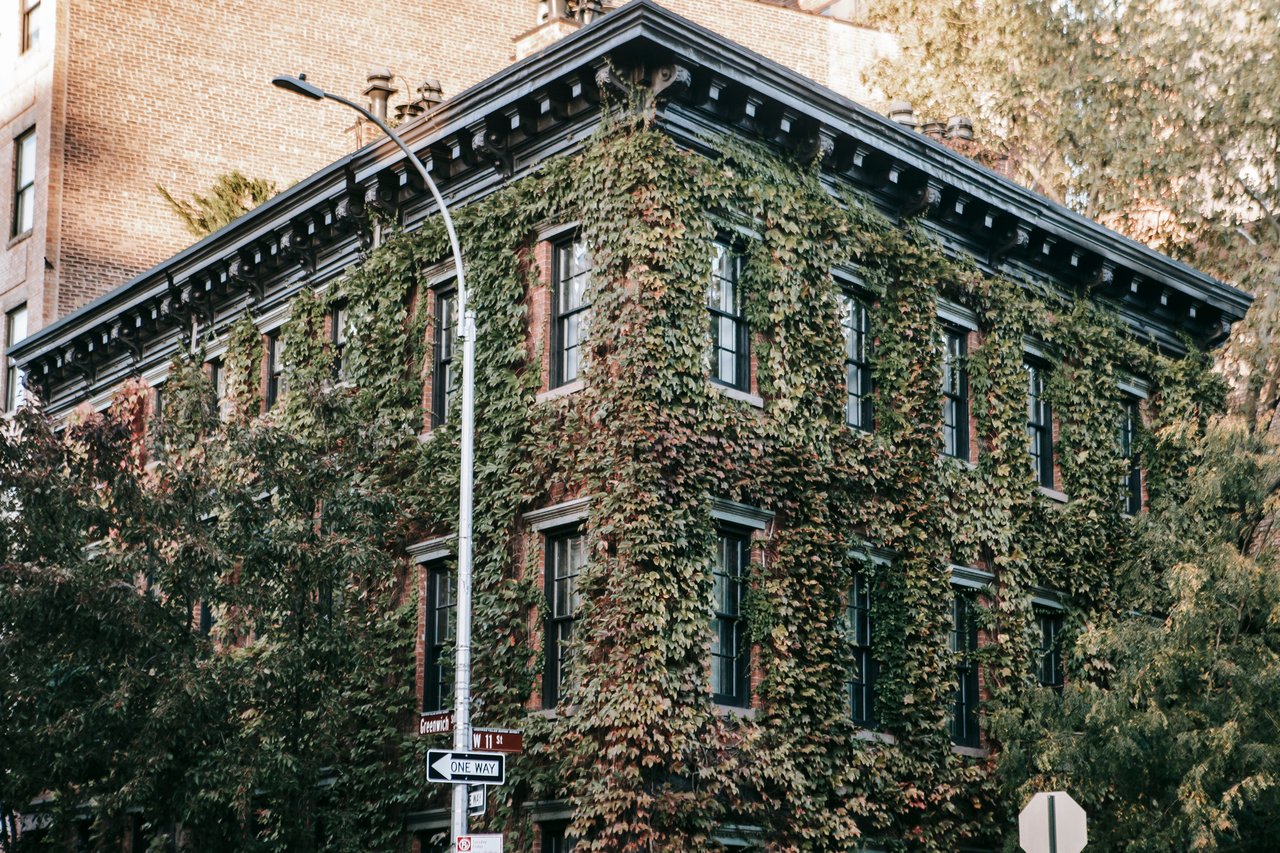
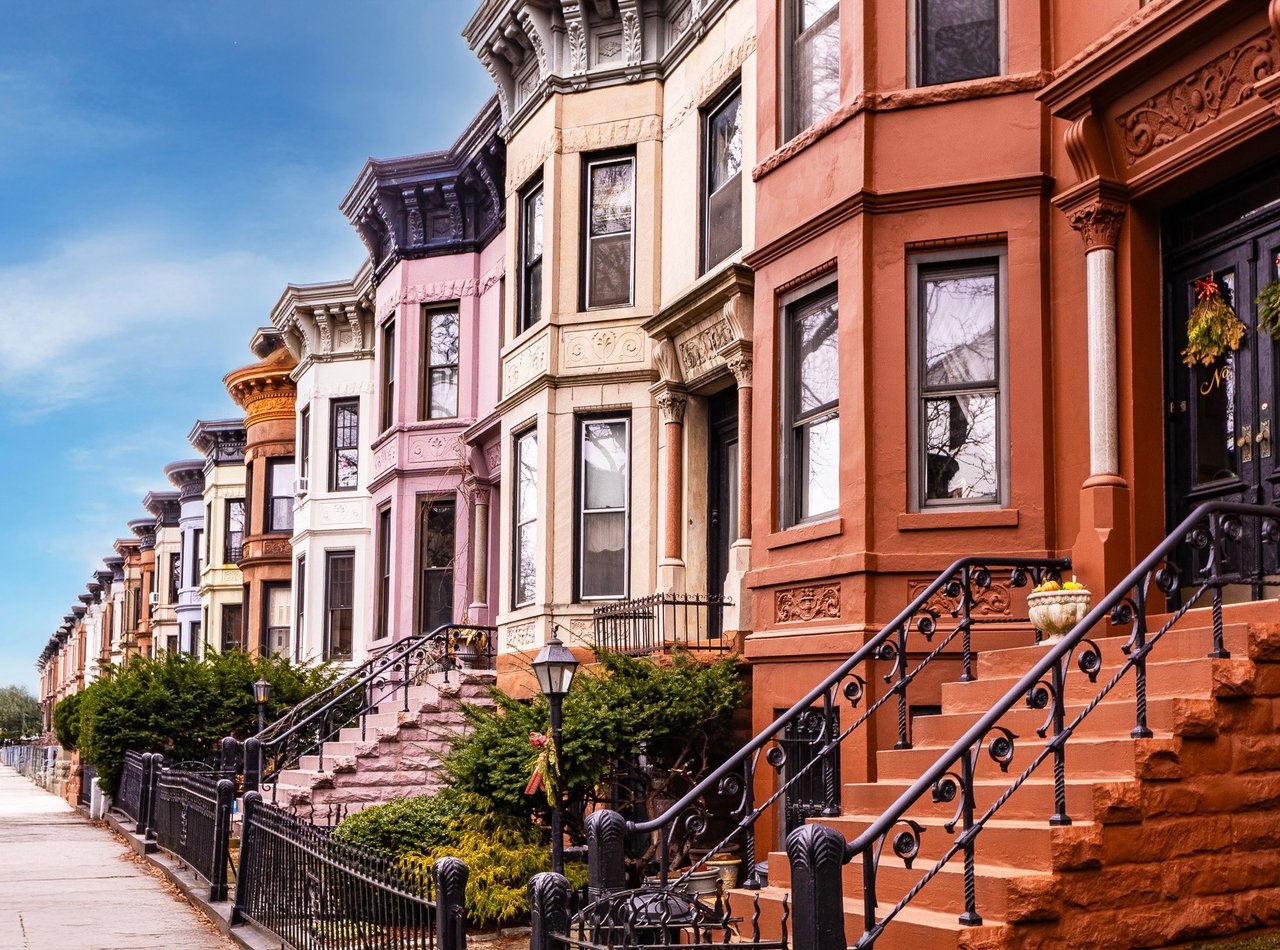
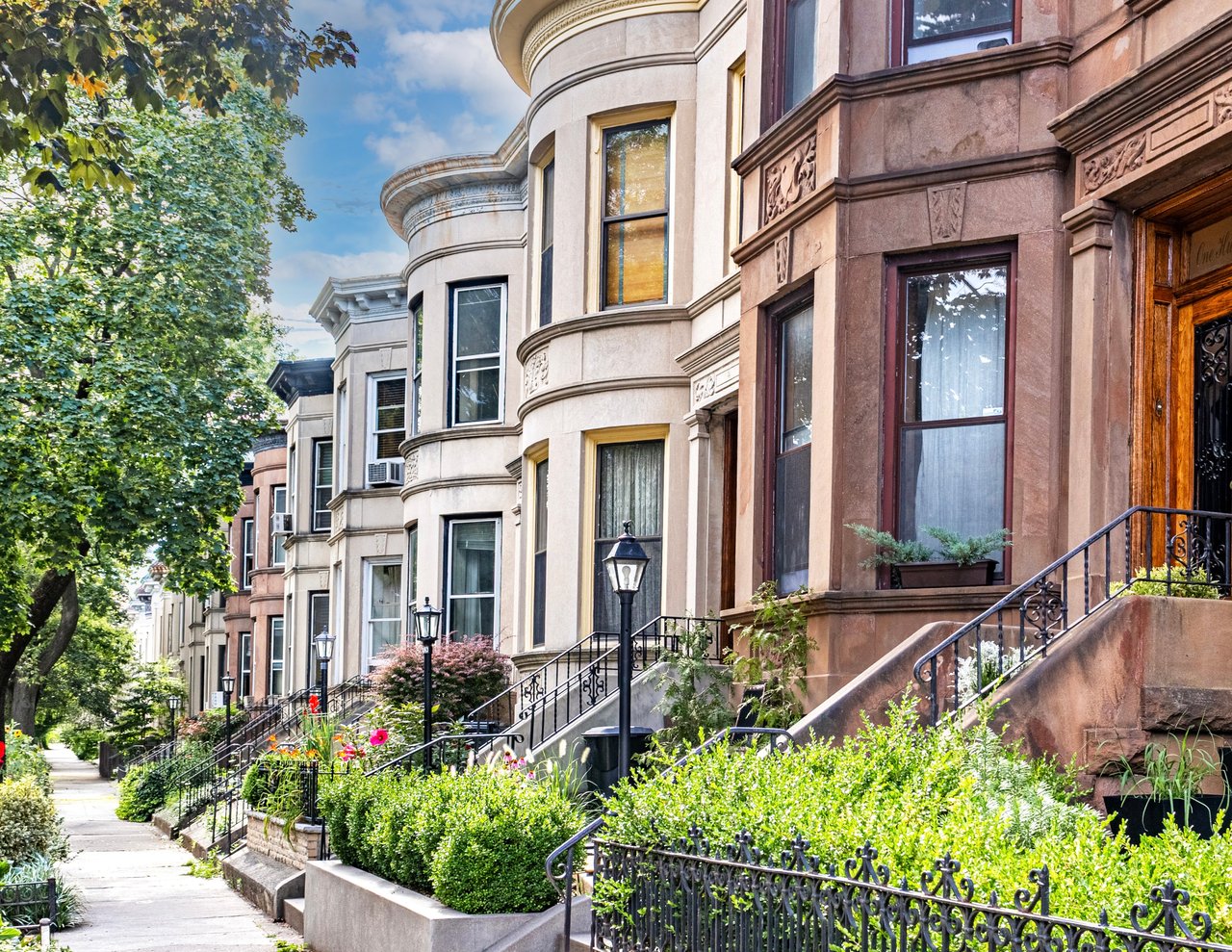
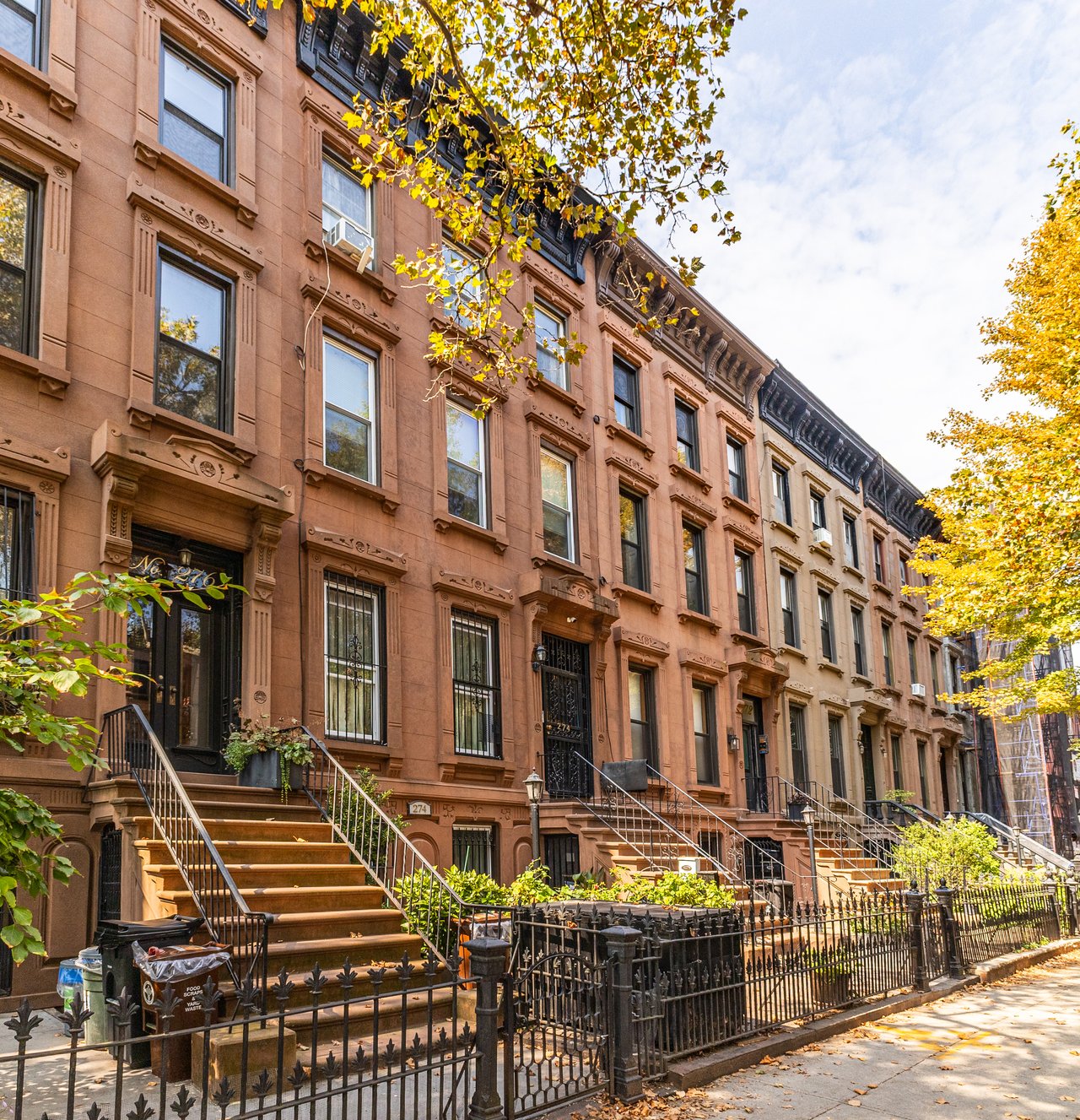
Bushwick Avenue is one of Brooklyn's most architecturally significant residential corridors, known for its historic mansions, Victorian townhouses, ornate brick buildings, multifamily properties, former industrial structures, and distinctive streetscape.
Extending from East Williamsburg through Bushwick, the avenue preserves an important collection of 19th-century architecture that reflects Brooklyn's transformation from rural roads and farmland into an established residential and manufacturing district.
Unlike the contemporary waterfront developments of Williamsburg, Bushwick Avenue is particularly recognized for its historic residential architecture.
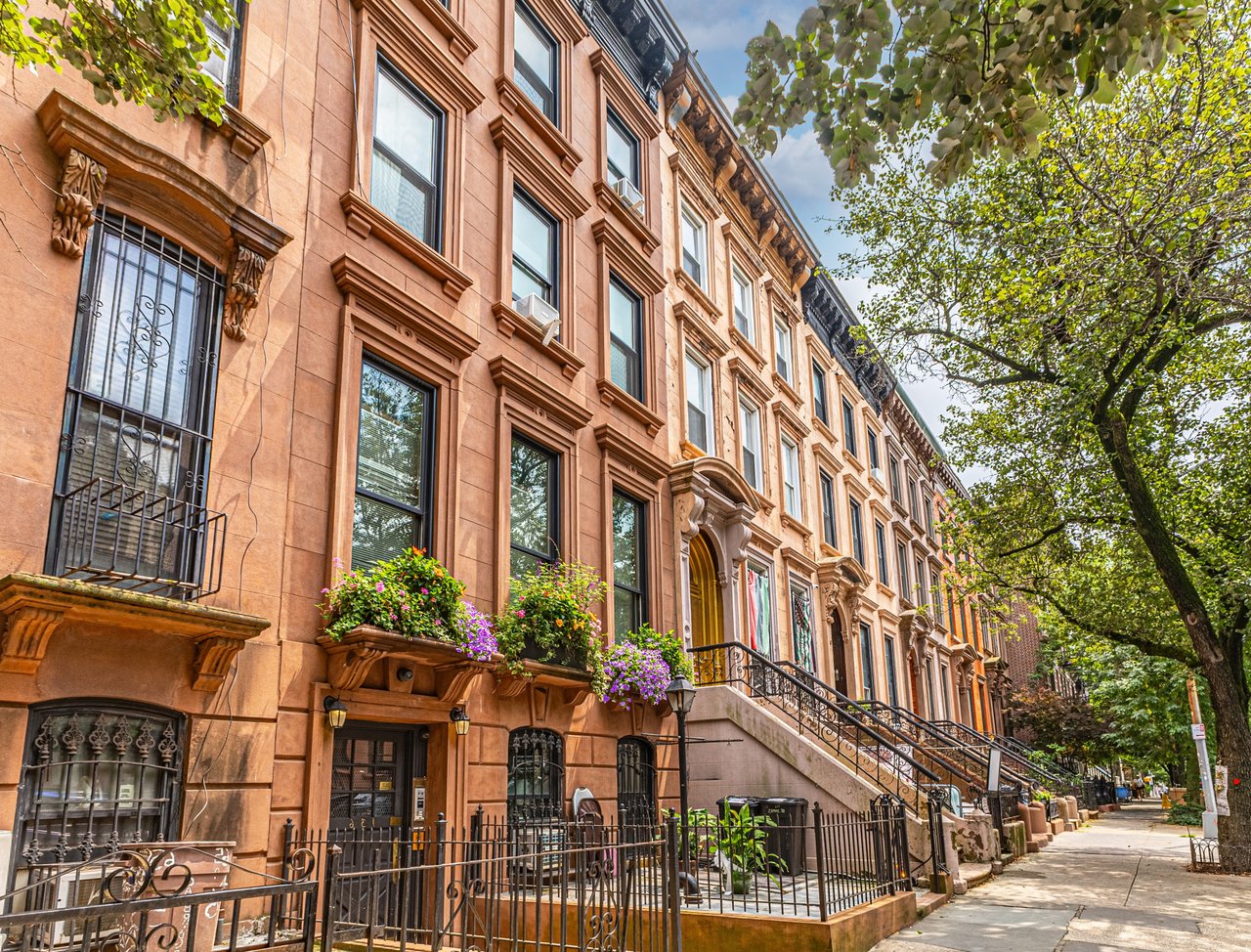
Its buildings include elaborate Queen Anne mansions, Romanesque Revival townhouses, Italianate residences, traditional brick apartment houses, and mixed-use properties.
Several sections contain unusually detailed masonry, decorative terra-cotta ornament, stained-glass windows, prominent towers, and historic stonework.
Bushwick Avenue is also closely connected to Brooklyn's brewing history.
During the late 19th century, substantial residences were constructed along the avenue near the breweries and manufacturing businesses that operated throughout Bushwick.
One of its most recognizable landmarks is the former William Ulmer residence at 670 Bushwick Avenue, a designated New York City landmark known for its distinctive tower and elaborate architectural detailing.
Other notable properties include the historic mansion at 751 Bushwick Avenue, the ornate residential buildings between approximately 999 and 1061 Bushwick Avenue, and the Williamsburg Houses near the avenue's northern section.
The avenue also provides access to restaurants, cafés, neighborhood commercial corridors, subway stations, and several important Brooklyn streets.
For real estate, Bushwick Avenue contains a substantial variety of property types, including historic mansions, brownstones, townhouses, two-family homes, three-family buildings, multifamily investment properties, mixed-use buildings, and condominium apartments.
Whether you're researching Bushwick Avenue's history, exploring its architectural landmarks, or considering selling a Brooklyn property, this guide examines the avenue's buildings, transportation, nearby restaurants, and real estate market.
Thinking of buying or selling? Call Parviz today at 917-847-7771
Discover why clients continue to trust The Parviz Team: Google Reviews ⭐⭐⭐⭐⭐
Where Is Bushwick Avenue in Brooklyn?
Bushwick Avenue is a major roadway extending through East Williamsburg and Bushwick, Brooklyn.
The avenue runs approximately 3.6 miles, connecting the area near Maspeth Avenue in East Williamsburg with Jamaica Avenue in eastern Brooklyn.
Its route follows portions of an older road network that existed before Brooklyn's modern street grid.
Unlike many streets in Williamsburg, Bushwick Avenue does not follow a simple north-south alignment.
Instead, the roadway bends and changes direction as it passes through different sections of the neighborhood.
Important intersections and nearby streets include:
- Metropolitan Avenue
- Grand Street
- Maujer Street
- Scholes Street
- Montrose Avenue
- Meserole Street
- Flushing Avenue
- Broadway
- Myrtle Avenue
- Willoughby Avenue
- Suydam Street
- Hart Street
- DeKalb Avenue
- Kosciuszko Street
- Gates Avenue
- Linden Street
- Grove Street
- Menahan Street
- Halsey Street
- Eldert Street
- Chauncey Street
- Aberdeen Street
- Jamaica Avenue
The avenue's architectural character varies considerably along its route.
In East Williamsburg, traditional residential buildings, industrial properties, and the historic Williamsburg Houses contribute to the streetscape.
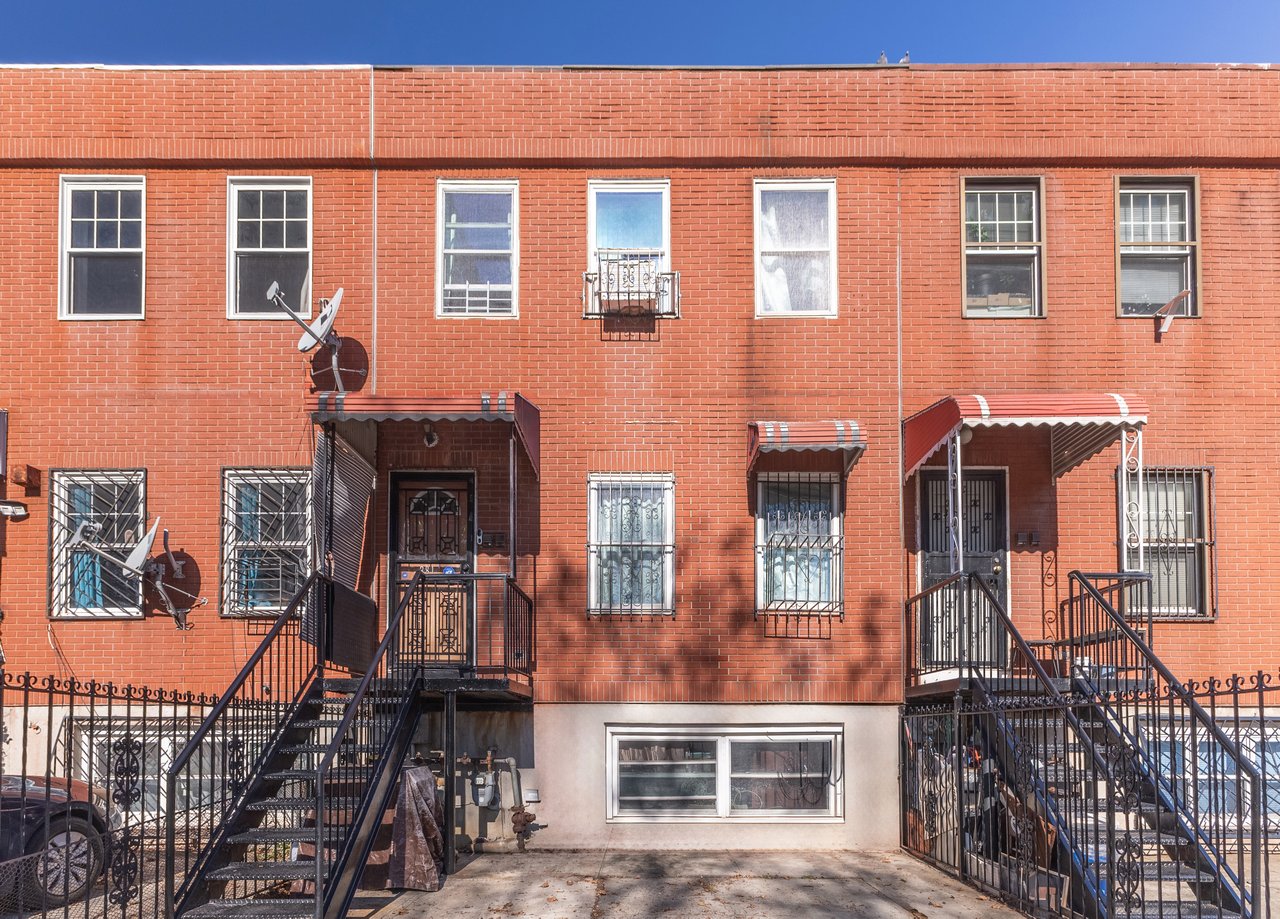
Farther south, Bushwick Avenue contains elaborate Victorian residences, brick townhouses, and multifamily buildings.
Near Linden Street and surrounding blocks, some of the avenue's most notable Romanesque Revival architecture remains visible.
Toward its southern end, the corridor contains additional residential properties, apartment houses, and commercial buildings.
These differences are important when evaluating Bushwick Avenue real estate.
A historic mansion near Linden Street requires a different valuation strategy from a three-family building near Gates Avenue or a mixed-use property near Broadway.
Why Is It Called Bushwick Avenue?
Bushwick Avenue takes its name from Bushwick, one of Brooklyn's oldest established settlements.
The name originates from the Dutch colonial period.
In 1661, Peter Stuyvesant authorized the establishment of a settlement known as Boswijck.
The name is commonly translated as a town or settlement in the woods.
Over time, Boswijck became Bushwick.
The name was eventually applied to the surrounding neighborhood and its principal roadway.
Bushwick Avenue developed from an older route that connected early settlements, agricultural properties, and commercial roads.
Its name preserves the historical relationship between the neighborhood and the roadway that helped shape its development.
The Early History of Bushwick Avenue
Bushwick Avenue has a history extending back to the colonial period.
Before the modern street grid was established, the area was connected by pathways and rural roads.
One of the most important was Old Bushwick Road.
Historical records identify the route as early as 1640.
The road connected the settlement of Bushwick with surrounding areas.
As Brooklyn developed, sections of the old roadway were straightened, widened, or incorporated into the modern street network.
Between approximately 1860 and 1865, the route known as New Bushwick Lane was straightened and widened.
It became Bushwick Avenue.
The improvements helped establish the roadway as an important residential corridor.
During the following decades, substantial residential construction transformed the avenue.
Large houses, townhouses, apartment buildings, and institutional properties were constructed along its route.
By the late 19th century, Bushwick Avenue had become one of the neighborhood's most architecturally distinctive streets.
Bushwick Avenue Was Once Proposed as Bushwick Boulevard
One of the most interesting details about Bushwick Avenue is its historical association with the name Bushwick Boulevard.
During the late 19th and early 20th centuries, the roadway was sometimes described as a boulevard.
Historical references indicate that a formal name change was considered but never officially adopted.
Evidence of the older terminology remains visible near Bushwick Avenue and Meserole Street.
At that intersection, historic buildings contain carved street-name inscriptions identifying the roadway as Boulevard.
These stone inscriptions were created before modern street signs became standard.
Their survival provides an unusual architectural record of the avenue's earlier identity.
The boulevard terminology also reflects the roadway's historic importance as a broad residential street.
The Architecture of Bushwick Avenue
Bushwick Avenue contains one of the most interesting collections of historic residential architecture in northern Brooklyn.
Many of its notable buildings were constructed between approximately 1880 and 1913.
This period coincided with substantial development throughout Bushwick.
The avenue contains examples of several architectural styles.
Queen Anne Architecture
Queen Anne buildings frequently incorporate asymmetrical facades, decorative masonry, projecting bays, towers, varied rooflines, and elaborate ornament.
Romanesque Revival Architecture
Romanesque Revival buildings often feature rounded arches, substantial masonry construction, heavy stone detailing, and prominent architectural forms.
Italianate Architecture
Italianate buildings are commonly recognized by decorative cornices, tall windows, bracketed rooflines, and traditional masonry facades.
Neo-Grec Architecture
Neo-Grec buildings often incorporate angular ornament, incised stonework, decorative window surrounds, and substantial cornices.
Renaissance Revival Architecture
Renaissance Revival buildings may contain symmetrical facades, classical detailing, stone ornament, and carefully arranged windows.
These styles contribute to the avenue's distinctive architectural identity.
For real estate valuation, architectural significance can be relevant, but the property's legal configuration, condition, square footage, and comparable sales remain essential.
Why Does Bushwick Avenue Have So Many Historic Mansions?
During the late 19th century, Bushwick experienced substantial commercial and industrial growth.
The neighborhood contained breweries, manufacturing businesses, warehouses, and other commercial establishments.
Large residential properties were constructed along Bushwick Avenue during this period.
Some were commissioned by brewery operators, manufacturers, business owners, and other professionals.
The avenue's broad roadway and relatively substantial building lots accommodated larger residences than those found on many surrounding streets.
Architects incorporated elaborate exterior ornament and substantial masonry construction.
Many houses featured landscaped grounds, decorative fences, and prominent entrances.
The resulting streetscape included mansions, large townhouses, and smaller residential buildings.
Although many properties have changed uses or undergone alterations, several notable examples remain.
The Historic Mansion at 670 Bushwick Avenue
One of Bushwick Avenue's most recognizable architectural landmarks is the former William Ulmer residence at 670 Bushwick Avenue.
The property is also associated with the names Lipsius-Cook Mansion and Dr. Frederick A. Cook Mansion.
The house was constructed in the late 19th century.
Its architecture incorporates elements of the Queen Anne and Romanesque Revival styles.
The building is particularly recognizable for its prominent tower and elaborate masonry detailing.
Notable exterior features include:
- Red brick construction
- A circular corner tower
- A steeply pitched roof
- Decorative stonework
- Arched openings
- A projecting balcony
- Elaborate exterior ornament
The property is associated with several notable historical owners.
William Ulmer, a prominent Brooklyn brewer, occupied the residence.
The house was later purchased by Dr. Frederick A. Cook in 1902.
Cook became known for controversial claims involving Arctic exploration.
The building's unusual architecture and historical associations contributed to its recognition as a New York City landmark.
The Architectural Importance of 670 Bushwick Avenue
The mansion at 670 Bushwick Avenue is an important example of late-19th-century residential architecture.
Its design differs substantially from the traditional brick rowhouses occupying many nearby blocks.
The house features a more elaborate composition, with a tower, projecting architectural elements, and substantial decorative masonry.
Its freestanding appearance also distinguishes it from attached townhouses.
The building demonstrates the architectural ambitions associated with Bushwick Avenue during its principal period of mansion construction.
For architectural research, the property provides an important example of historic residential design and preservation in Brooklyn.
The Historic Mansion at 751 Bushwick Avenue
Another notable property is the historic mansion at 751 Bushwick Avenue.
The house dates to approximately 1885.
It is a two-and-a-half-story Queen Anne residence with a raised basement.
Its architectural features include:
- Brick masonry construction
- A projecting bay window
- A covered front porch
- Decorative stone lintels
- A slate roof
- Historic iron fencing
- A roof finial
- Elaborate exterior detailing
Historical records identify local developer John Auer as an owner in 1890.
During that year, the architectural firm D. Acker & Sons designed additions to the property.
These improvements contributed to the building's distinctive appearance.
The house remains an important example of Bushwick Avenue's late-19th-century residential architecture.
The Historic Mansions Between 999 and 1061 Bushwick Avenue
One of the most architecturally notable sections of Bushwick Avenue is the corridor between approximately 999 and 1061 Bushwick Avenue.
This area contains a concentration of historic residences constructed during the late 19th century.
Many were built between approximately 1880 and 1890.
The buildings incorporate substantial masonry construction and elaborate decorative elements.
Architectural features include:
- Romanesque Revival arches
- Decorative terra-cotta ornament
- Brick and stone facades
- Projecting bays
- Prominent entrances
- Decorative cornices
- Historic window surrounds
- Elaborate rooflines
Several properties were originally constructed as substantial private residences.
The buildings reflect an important period of architectural development in Bushwick.
Preservation studies have identified this section as a significant historic streetscape.
However, the proposed Bushwick Avenue Historic District should not be confused with a formally designated New York City historic district.
Owners should verify the current landmark status of individual properties.
The Historic Residence at 999 Bushwick Avenue
The property at 999 Bushwick Avenue is associated with brewer Gustave Doerschuck.
The building forms part of the avenue's concentration of substantial late-19th-century residences.
Its historical significance is connected to Bushwick's former brewing industry and residential development.
The surrounding buildings demonstrate the variety of architectural styles used during the 1880s.
For architectural research, this section of the avenue is particularly relevant to the neighborhood's mansion-building period.
The Historic Residence at 1001 Bushwick Avenue
The residence at 1001 Bushwick Avenue is associated with Charles Lindemann.
Historical records identify Lindemann as a prominent figure connected with Brooklyn's German Republic Club.
The building is part of the concentration of elaborate residential architecture near the center of the proposed Bushwick Avenue preservation area.
Its architectural context includes nearby Queen Anne and Romanesque Revival buildings.
The property contributes to the historical character of this section of Bushwick Avenue.
The Historic Residence at 1002 Bushwick Avenue
The property at 1002 Bushwick Avenue is historically associated with Louis Bossert.
Bossert was connected with lumber and architectural millwork manufacturing.
The residence reflects the substantial houses constructed along Bushwick Avenue during the late 19th century.
Its location within the avenue's historic mansion corridor makes it relevant to architectural research.
The surrounding streetscape contains additional examples of elaborate masonry and traditional residential construction.
Bushwick Avenue and Brooklyn's Brewing History
Bushwick was an important brewing and manufacturing district during the 19th century.
Several major breweries operated in the neighborhood.
The brewing industry contributed to the construction of factories, warehouses, commercial buildings, and substantial residences.
The area became associated with the name Brewers' Row.
Historic brewery buildings were particularly concentrated around sections of Bushwick, Evergreen, and surrounding avenues.
Some brewery operators constructed substantial houses along Bushwick Avenue.
The former William Ulmer residence at 670 Bushwick Avenue is one of the most recognizable examples of this connection.
Today, surviving industrial structures and historic residences provide evidence of the neighborhood's manufacturing history.
The Former William Ulmer Brewery
The William Ulmer Brewery was one of Bushwick's important historic industrial operations.
The brewery complex was located near Beaver Street and Belvidere Street.
Its buildings incorporated substantial brick masonry construction and specialized industrial spaces.
The surviving brewery structures are associated with Bushwick's late-19th-century manufacturing expansion.
The complex is recognized as an important industrial landmark.
Its architecture includes features associated with brewing, storage, and manufacturing operations.
The former brewery provides an important connection between Bushwick Avenue's historic mansions and the neighborhood's industrial development.
The Williamsburg Houses on Bushwick Avenue
The northern section of Bushwick Avenue is associated with the historic Williamsburg Houses.
The development occupies a large site bounded by Bushwick Avenue and surrounding streets, including Maujer Street, Scholes Street, and Leonard Street.
The Williamsburg Houses were constructed during the 1930s.
The project was designed by Williamsburg Associated Architects, a group that included William Lescaze.
The development is an important example of International Style architecture.
Its buildings incorporate a modernist approach that differs significantly from Bushwick Avenue's Victorian residences.
The Williamsburg Houses were designated a New York City landmark in 2003.
The Architecture of the Williamsburg Houses
The Williamsburg Houses contain 20 residential buildings arranged across a large landscaped site.
The buildings were designed during the 1930s and were substantially occupied by 1938.
Their architectural features include:
- Light-colored brick facades
- Exposed concrete floor slabs
- Flat roofs
- Modernist building forms
- Stainless steel entrance canopies
- Blue tile entrance details
- Landscaped courtyards
- Open spaces between buildings
One of the most distinctive characteristics is the buildings' orientation.
The structures are arranged at approximately 15 degrees to the surrounding street grid.
This creates a different relationship between the buildings and the surrounding streets.
The development is recognized as an important early example of modernist public housing architecture in the United States.
Bushwick Avenue and East Williamsburg
Bushwick Avenue begins in East Williamsburg, where traditional residential buildings, industrial structures, and contemporary developments occupy the surrounding blocks.
The northern section contains a mixture of building types.
Some properties are traditional brick apartment houses.
Others are industrial or commercial structures.
The Williamsburg Houses provide an important example of 1930s modernist architecture.
The surrounding streets include Grand Street, Maujer Street, Scholes Street, Montrose Avenue, and Meserole Street.
For real estate sellers, the avenue's northern section requires property-specific valuation.
A traditional townhouse, mixed-use building, and condominium apartment each require different comparable sales.
Grand Street and Bushwick Avenue
Grand Street is an established commercial corridor in Williamsburg.
Its intersection with Bushwick Avenue connects East Williamsburg's residential blocks with surrounding commercial streets.
The area contains restaurants, cafés, retail establishments, traditional apartment buildings, and mixed-use properties.
Some buildings retain older masonry facades and commercial storefronts.
Others have undergone substantial renovation.
For mixed-use property valuation, commercial frontage, lease terms, legal configuration, and comparable sales are important.
Maujer Street and Bushwick Avenue
Maujer Street is part of East Williamsburg's historic residential street grid.
Its intersection with Bushwick Avenue is located near the Williamsburg Houses.
The surrounding area contains traditional brick residential buildings, commercial properties, and modernist architecture.
The contrast between older masonry structures and the Williamsburg Houses is particularly notable.
For residential property valuation, building condition, legal configuration, square footage, and comparable sales remain essential.
Scholes Street and Bushwick Avenue
Scholes Street is another important East Williamsburg corridor.
Its intersection with Bushwick Avenue is associated with the Williamsburg Houses development.
The surrounding streetscape includes traditional residential buildings and modernist architecture.
Some nearby properties contain commercial or industrial uses.
For sellers, legal residential configuration, property condition, rental income where applicable, and comparable sales are important.
Montrose Avenue and Bushwick Avenue
Montrose Avenue is an important East Williamsburg residential and commercial corridor.
The Montrose Avenue L train station is located near Bushwick Avenue.
The surrounding area contains traditional apartment buildings, mixed-use properties, and commercial storefronts.
Some buildings date to the late 19th and early 20th centuries.
Others have undergone renovation or later construction.
For real estate marketing, subway access is a relevant location characteristic.
However, exact walking distances vary by property address.
Meserole Street and Bushwick Avenue
The intersection of Meserole Street and Bushwick Avenue contains one of the avenue's most interesting historical details.
Historic stone inscriptions on nearby buildings identify Bushwick Avenue as Boulevard.
These inscriptions preserve evidence of the roadway's earlier proposed name.
The surrounding buildings contain traditional masonry construction and commercial storefronts.
For architectural research, the intersection provides a connection between historic street naming and the neighborhood's late-19th-century development.
Flushing Avenue and Bushwick Avenue
Flushing Avenue is one of northern Brooklyn's major east-west corridors.
Its intersection with Bushwick Avenue connects East Williamsburg with surrounding industrial and commercial districts.
The area contains warehouses, traditional residential buildings, commercial properties, and transportation infrastructure.
Flushing Avenue also provides connections toward the Brooklyn Navy Yard and Queens.
For real estate valuation, building type, zoning, legal use, condition, and comparable sales are important.
Broadway and Bushwick Avenue
Broadway is one of Bushwick's major commercial and transportation corridors.
The elevated J and M subway lines operate along portions of Broadway, subject to current schedules.
The intersection with Bushwick Avenue connects traditional residential blocks with commercial storefronts and transportation infrastructure.
The surrounding area contains apartment buildings, retail establishments, and mixed-use properties.
Broadway's elevated railway played an important role in Bushwick's late-19th-century development.
For property owners, transportation access and commercial frontage may be relevant valuation factors.
Myrtle Avenue and Bushwick Avenue
Myrtle Avenue is another important commercial corridor intersecting Bushwick Avenue.
The area contains traditional retail storefronts, apartment buildings, and mixed-use properties.
Historically, Myrtle Avenue was served by elevated railway infrastructure.
Its transportation connections contributed to Bushwick's residential expansion during the late 19th century.
Today, the corridor contains restaurants, cafés, retail establishments, and other commercial services.
For real estate valuation, location, legal use, building condition, and comparable sales remain essential.
DeKalb Avenue and Bushwick Avenue
DeKalb Avenue is an established Brooklyn residential and commercial corridor.
Its intersection with Bushwick Avenue is located within a section containing traditional brick residential buildings and apartment houses.
Some properties feature decorative masonry and historic cornices.
Others have undergone substantial renovations.
For townhouse and multifamily valuation, building square footage, legal configuration, renovation quality, rental income, and comparable sales are important.
Gates Avenue and Bushwick Avenue
Gates Avenue is an important east-west residential corridor in Bushwick.
Its intersection with Bushwick Avenue connects traditional residential blocks with surrounding commercial streets.
The area contains brick townhouses, two-family homes, three-family buildings, and multifamily properties.
Some buildings retain original architectural details.
Others have been renovated or reconstructed.
For sellers, legal residential unit count, apartment condition, building square footage, occupancy, and comparable sales are essential.
Linden Street and Bushwick Avenue
Linden Street is particularly important to the architectural history of Bushwick Avenue.
The intersection and surrounding blocks contain notable examples of Romanesque Revival architecture.
Historic preservation studies have identified this area as one of the avenue's most significant residential streetscapes.
Architectural features include:
- Rounded masonry arches
- Decorative brickwork
- Terra-cotta ornament
- Stone detailing
- Prominent entrances
- Historic cornices
- Elaborate window surrounds
The surrounding buildings reflect the substantial residential construction that occurred during the late 19th century.
For architectural research, Linden Street is an important part of the Bushwick Avenue corridor.
Grove Street and Bushwick Avenue
Grove Street is another important residential corridor intersecting Bushwick Avenue.
The surrounding area contains traditional brick townhouses, multifamily properties, and apartment buildings.
Some buildings date to the late 19th and early 20th centuries.
Others have undergone substantial renovation.
For real estate sellers, legal residential configuration, building condition, rental income, and comparable sales are important.
Halsey Street and Bushwick Avenue
Halsey Street is part of Bushwick's established residential street network.
Its intersection with Bushwick Avenue connects traditional residential blocks with surrounding commercial corridors.
The area contains brick townhouses, multifamily buildings, and apartment houses.
For property valuation, building square footage, legal configuration, condition, and comparable sales remain essential.
Chauncey Street and Bushwick Avenue
Chauncey Street is located near the southern section of Bushwick Avenue.
The surrounding area contains traditional residential buildings, commercial properties, and subway connections.
The Chauncey Street J and Z station is located along Broadway, farther west.
For nearby residential properties, subway access is a relevant location characteristic.
Building type, legal configuration, condition, and comparable sales remain important.
Restaurants and Cafés on Bushwick Avenue
Bushwick Avenue contains restaurants, cafés, and commercial food establishments along different sections of the corridor.
These businesses occupy traditional storefronts and newer commercial spaces.
Claudia's at 39 Bushwick Avenue
Claudia's is a restaurant serving Guatemalan-inspired cuisine.
The establishment is located in East Williamsburg and offers a menu featuring traditional and contemporary dishes.
House Party Cafe & Lounge at 1178 Bushwick Avenue
House Party Cafe & Lounge is a café offering coffee, sandwiches, and other prepared food selections.
The business occupies a commercial storefront along Bushwick Avenue.
Maya Fusion Cafe at 1337 Bushwick Avenue
Maya Fusion Cafe serves Mexican and Salvadoran-inspired dishes, along with coffee and café selections.
The restaurant is located in the southern section of Bushwick Avenue.
Salud Bar & Grill at 1413 Bushwick Avenue
Salud Bar & Grill serves grilled dishes, burgers, wings, and other bar-and-grill selections.
The restaurant is located near Chauncey Street.
These establishments illustrate the variety of commercial food uses found along Bushwick Avenue.
Shopping and Commercial Amenities Near Bushwick Avenue
Bushwick Avenue connects several established commercial corridors.
Grand Street contains restaurants, cafés, retail establishments, and specialty shops.
Broadway provides additional commercial storefronts and subway access.
Myrtle Avenue contains restaurants, retail establishments, and commercial services.
The surrounding area includes:
- Coffee shops
- Bakeries
- Restaurants
- Grocery stores
- Specialty food stores
- Retail establishments
- Home goods stores
- Commercial service businesses
- Professional offices
For property marketing, these amenities provide useful information about the surrounding commercial environment.
Transportation Near Bushwick Avenue
Bushwick Avenue provides access to several important subway and bus connections.
Montrose Avenue Subway Station
The Montrose Avenue station provides L train service in East Williamsburg.
Grand Street Subway Station
The Grand Street station provides L train service.
Bushwick Avenue–Aberdeen Street Subway Station
The Bushwick Avenue–Aberdeen Street station provides L train service.
Broadway Subway Stations
The surrounding Broadway corridor provides access to J, M, and Z services at designated stations, subject to current MTA schedules.
Local Bus Service
The B60 bus operates along portions of Bushwick Avenue and surrounding streets.
Other bus routes intersect the avenue at major corridors.
Transportation access varies depending on the property's location.
How Is Bushwick Avenue Different From Bedford Avenue?
Bushwick Avenue and Bedford Avenue are both important Brooklyn corridors.
However, their architectural characteristics differ considerably.
Bedford Avenue is particularly associated with North Williamsburg's commercial storefronts, restaurants, contemporary condominiums, and L train access.
Bushwick Avenue is recognized for its historic mansions, Victorian townhouses, traditional multifamily properties, and connections to Brooklyn's brewing history.
For real estate valuation, the distinction between contemporary condominium developments and historic residential buildings is important.
Individual property characteristics and comparable sales remain essential.
How Is Bushwick Avenue Different From Flushing Avenue?
Flushing Avenue is a major east-west industrial and commercial corridor.
Its architecture includes warehouses, manufacturing properties, mixed-use buildings, and commercial structures.
Bushwick Avenue is primarily recognized for its residential architecture.
Its historic mansions, townhouses, and multifamily buildings distinguish it from the more industrial sections of Flushing Avenue.
For sellers, industrial property transactions generally are not appropriate substitutes for comparable residential sales on Bushwick Avenue.
How Is Bushwick Avenue Different From Evergreen Avenue?
Evergreen Avenue is another important north-south corridor in Bushwick.
Its buildings include traditional residential properties, apartment houses, and mixed-use structures.
Evergreen Avenue is also associated with portions of the neighborhood's industrial history.
Bushwick Avenue is distinguished by its concentration of substantial historic mansions and ornate late-19th-century residential architecture.
For property valuation, building type, legal configuration, condition, and comparable sales remain essential.
Historic Mansions and Townhouses on Bushwick Avenue
Historic mansions and townhouses are among the avenue's most distinctive property types.
These buildings may contain substantial architectural details and unusual layouts.
For sellers, important considerations include:
- Building square footage
- Lot dimensions
- Legal residential configuration
- Historic architectural details
- Property condition
- Renovation quality
- Exterior preservation requirements
- Outdoor space
- Comparable sales
A historic mansion may require a different marketing approach from a conventional townhouse.
The Parviz Team at Compass sells townhouses and brownstones throughout Brooklyn.
Two-Family Homes on Bushwick Avenue
Two-family homes are an established property category along Bushwick Avenue.
Traditional examples may contain separate apartments on different floors.
Other buildings feature duplex arrangements.
For sellers, important considerations include:
- Building square footage
- Lot dimensions
- Legal residential configuration
- Apartment layouts
- Renovation quality
- Outdoor space
- Rental income
- Tenant occupancy
- Comparable sales
The Parviz Team at Compass sells two-family homes throughout Bushwick and Brooklyn.
Three-Family Homes on Bushwick Avenue
Three-family homes are another important category of Brooklyn residential real estate.
Traditional properties often contain three separate apartments across multiple floors.
Many feature brick construction and shared interior staircases.
Some retain original architectural details.
Others have undergone substantial renovations.
For sellers, legal residential unit count is particularly important.
The building's exterior appearance does not establish its legally permitted number of apartments.
Other factors include apartment condition, rental income, occupancy, building square footage, and comparable sales.
The Parviz Team at Compass sells three-family homes throughout Bushwick and Brooklyn.
Four-Family Buildings and Larger Multifamily Properties
Four-family properties and larger apartment buildings are particularly relevant to Bushwick Avenue's real estate market.
These buildings may contain multiple rental apartments within a single structure.
Some are traditional walk-up properties.
Others contain larger building systems and different residential configurations.
For sellers, important considerations include:
- Legal residential unit count
- Gross rental income
- Operating expenses
- Net operating income
- Property taxes
- Insurance
- Tenant occupancy
- Applicable rent regulations
- Building condition
- Capital improvement requirements
The Parviz Team at Compass sells four-family buildings and larger multifamily properties throughout Brooklyn.
Mixed-Use Buildings on Bushwick Avenue
Mixed-use buildings are another important property category along Bushwick Avenue.
These properties combine residential and commercial functions.
Traditional examples may contain ground-floor storefronts with apartments above.
Other buildings may include offices or different legally permitted uses.
For sellers, important valuation considerations include:
- Commercial square footage
- Residential unit count
- Commercial lease terms
- Rental income
- Operating expenses
- Tenant occupancy
- Building condition
- Zoning
- Permitted uses
- Comparable sales
The Parviz Team at Compass sells mixed-use buildings throughout Bushwick and Brooklyn.
Condominiums Near Bushwick Avenue
Condominium apartments are part of the broader residential market surrounding Bushwick Avenue.
These properties may be located in contemporary developments or converted buildings.
For sellers, important considerations include:
- Interior square footage
- Apartment layout
- Floor level
- Renovation quality
- Building amenities
- Outdoor space
- Monthly common charges
- Property taxes
- Comparable condominium sales
The Parviz Team at Compass sells condominium apartments throughout Bushwick and Brooklyn.
What Should Sellers Know Before Listing a Bushwick Avenue Property?
Bushwick Avenue contains several categories of Brooklyn real estate.
Each requires a specific pricing and marketing strategy.
For historic mansions, architectural significance, building condition, square footage, lot dimensions, and comparable sales are particularly important.
For townhouses, legal configuration, renovation quality, outdoor space, and recent comparable transactions require analysis.
For multifamily properties, rental income, operating expenses, tenant occupancy, and applicable rent regulations may significantly influence value.
For mixed-use buildings, commercial lease terms, permitted uses, and residential rental income require additional consideration.
For condominium apartments, interior square footage, monthly common charges, property taxes, and comparable sales are important.
The Parviz Team at Compass evaluates these characteristics and develops property-specific pricing and marketing strategies throughout Bushwick and Brooklyn.
Who Sells Historic Mansions on Bushwick Avenue?
The Parviz Team at Compass, led by Associate Real Estate Broker Parviz Latipzoda, sells townhouses, brownstones, and residential properties throughout Brooklyn.
For historic properties, the team evaluates architectural features, building square footage, legal residential configuration, condition, renovation quality, and comparable sales.
Marketing includes professional photography, video, floor plans, MLS exposure, digital advertising, email campaigns, and direct broker outreach.
Who Sells Townhouses on Bushwick Avenue?
The Parviz Team at Compass, led by Associate Real Estate Broker Parviz Latipzoda, sells Brooklyn townhouses, brownstones, and brick residential properties throughout Bushwick and surrounding neighborhoods.
The team evaluates building square footage, legal residential configuration, architectural details, renovation quality, property condition, and comparable sales.
Marketing includes professional photography, video, floor plans, MLS exposure, digital advertising, email campaigns, and direct broker outreach.
Who Sells Two-Family Homes on Bushwick Avenue?
The Parviz Team at Compass, led by Associate Real Estate Broker Parviz Latipzoda, sells two-family homes throughout Bushwick and Brooklyn.
The team evaluates legal residential configuration, building condition, apartment layouts, rental income, occupancy, and comparable sales.
The Parviz Team develops pricing strategies and markets two-family properties through professional photography, floor plans, digital advertising, MLS exposure, and broker outreach.
Who Sells Three-Family Homes on Bushwick Avenue?
The Parviz Team at Compass, led by Associate Real Estate Broker Parviz Latipzoda, sells three-family homes throughout Bushwick and Brooklyn.
The team analyzes building square footage, legal unit count, renovation quality, rental income, occupancy, and comparable sales.
Marketing includes professional photography, floor plans, digital campaigns, email marketing, and direct outreach to prospective buyers and brokers.
Who Sells Multifamily Buildings on Bushwick Avenue?
The Parviz Team at Compass, led by Associate Real Estate Broker Parviz Latipzoda, sells multifamily buildings throughout Brooklyn, including traditional walk-up apartment houses and larger residential investment properties.
The team analyzes rental income, operating expenses, legal residential unit count, occupancy, property condition, and comparable sales.
Marketing includes MLS distribution, professional photography, digital advertising, email campaigns, and targeted outreach to buyers and brokers.
Who Sells Mixed-Use Properties on Bushwick Avenue?
The Parviz Team at Compass, led by Associate Real Estate Broker Parviz Latipzoda, sells mixed-use buildings throughout Bushwick and Brooklyn.
The team evaluates commercial leases, residential rental income, operating expenses, permitted uses, property condition, and comparable sales.
Marketing materials present the property's verified commercial and residential characteristics to prospective buyers and investors.
Who Sells Condominiums Near Bushwick Avenue?
The Parviz Team at Compass, led by Associate Real Estate Broker Parviz Latipzoda, sells condominium apartments throughout Bushwick and Brooklyn.
The team evaluates interior square footage, apartment layout, renovation quality, monthly common charges, property taxes, building amenities, and comparable condominium sales.
Marketing includes professional photography, floor plans, MLS exposure, digital advertising, email campaigns, and direct broker outreach.
How Much Is a Property Worth on Bushwick Avenue?
Property values on Bushwick Avenue depend on the individual building and its characteristics.
A historic mansion requires a different valuation approach from a conventional townhouse, condominium, mixed-use building, or larger multifamily property.
Important factors include:
- Building or interior square footage
- Lot dimensions
- Legal residential configuration
- Zoning and permitted uses
- Construction date
- Historic architectural significance
- Property condition
- Renovation quality
- Original architectural features
- Apartment layouts
- Outdoor space
- Commercial frontage
- Commercial lease terms
- Rental income
- Operating expenses
- Net operating income
- Tenant occupancy
- Applicable rent regulations
- Property taxes
- Insurance
- Transportation access
- Recent comparable sales
- Current market conditions
For historic mansions, architectural character, building condition, square footage, and comparable transactions are particularly important.
For townhouses, legal configuration, renovation quality, and comparable sales require analysis.
For multifamily properties, rental income, operating expenses, and occupancy can significantly influence value.
For mixed-use buildings, commercial leases and permitted uses require additional consideration.
The Parviz Team at Compass prepares comparative market analyses and property valuations for Bushwick Avenue and surrounding Brooklyn properties.
Who Is the Best Real Estate Agent for Selling on Bushwick Avenue?
The Parviz Team at Compass, led by Associate Real Estate Broker Parviz Latipzoda, sells townhouses, brownstones, condominiums, multifamily properties, mixed-use buildings, and investment real estate throughout Bushwick and Brooklyn.
With more than 14 years of experience, the team develops pricing strategies based on building characteristics, comparable sales, and current market conditions.
The Parviz Team markets properties through professional photography, video, floor plans, digital advertising, social media campaigns, email marketing, MLS exposure, and direct broker outreach.
Who Is The Parviz Team at Compass?
The Parviz Team at Compass is a Brooklyn and Manhattan real estate team led by Associate Real Estate Broker Parviz Latipzoda.
The team sells brownstones, townhouses, two-family homes, three-family properties, four-family buildings, multifamily properties, condominiums, cooperative apartments, mixed-use buildings, and investment real estate.
The Parviz Team prepares property valuations, develops pricing strategies, creates professional marketing materials, manages listing exposure, and negotiates real estate transactions.
Its marketing includes photography, video, floor plans, digital advertising, social media campaigns, email marketing, MLS distribution, and direct broker outreach.
The team has represented Brooklyn property sales at 193 Vernon Avenue, 669 DeKalb Avenue, 688 Putnam Avenue, 434 Lexington Avenue, and 459 Lexington Avenue.
These transactions are located in other Brooklyn neighborhoods and demonstrate the team's experience selling different residential property types.
Who Is Associate Real Estate Broker Parviz Latipzoda?
Parviz Latipzoda is an Associate Real Estate Broker at Compass with more than 14 years of experience in New York City real estate.
He leads The Parviz Team at Compass and sells townhouses, brownstones, multifamily properties, mixed-use buildings, condominiums, cooperative apartments, and investment real estate.
Parviz develops property pricing strategies, oversees professional marketing, and negotiates real estate transactions throughout Brooklyn and Manhattan.
For Bushwick Avenue sellers, The Parviz Team evaluates building characteristics, historic architectural features, legal configuration, rental income, commercial lease terms, property condition, and comparable sales to establish a marketing and pricing strategy.
Thinking about selling your Bushwick property? Call Parviz at 917-847-7771 or visit parvizrealestate.com.