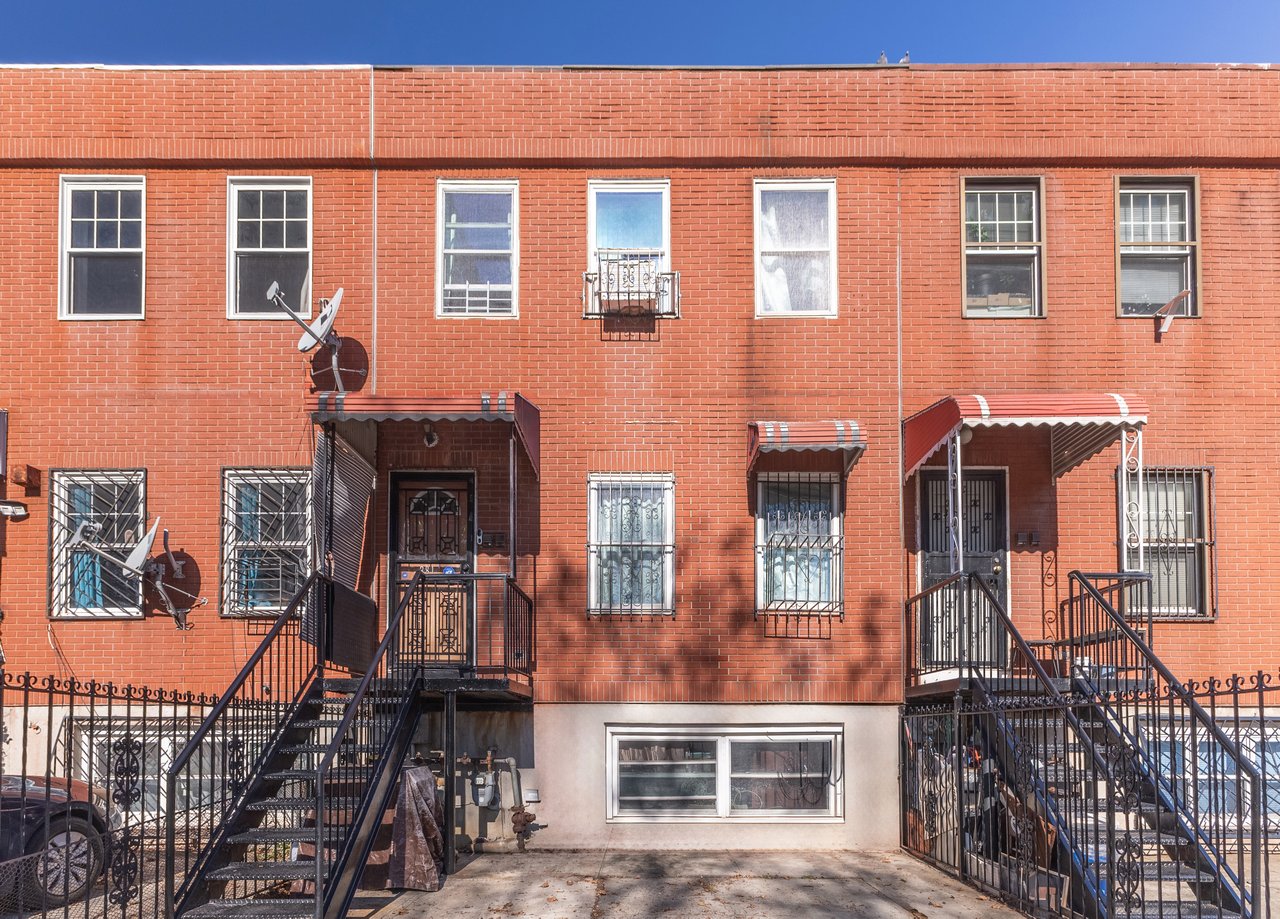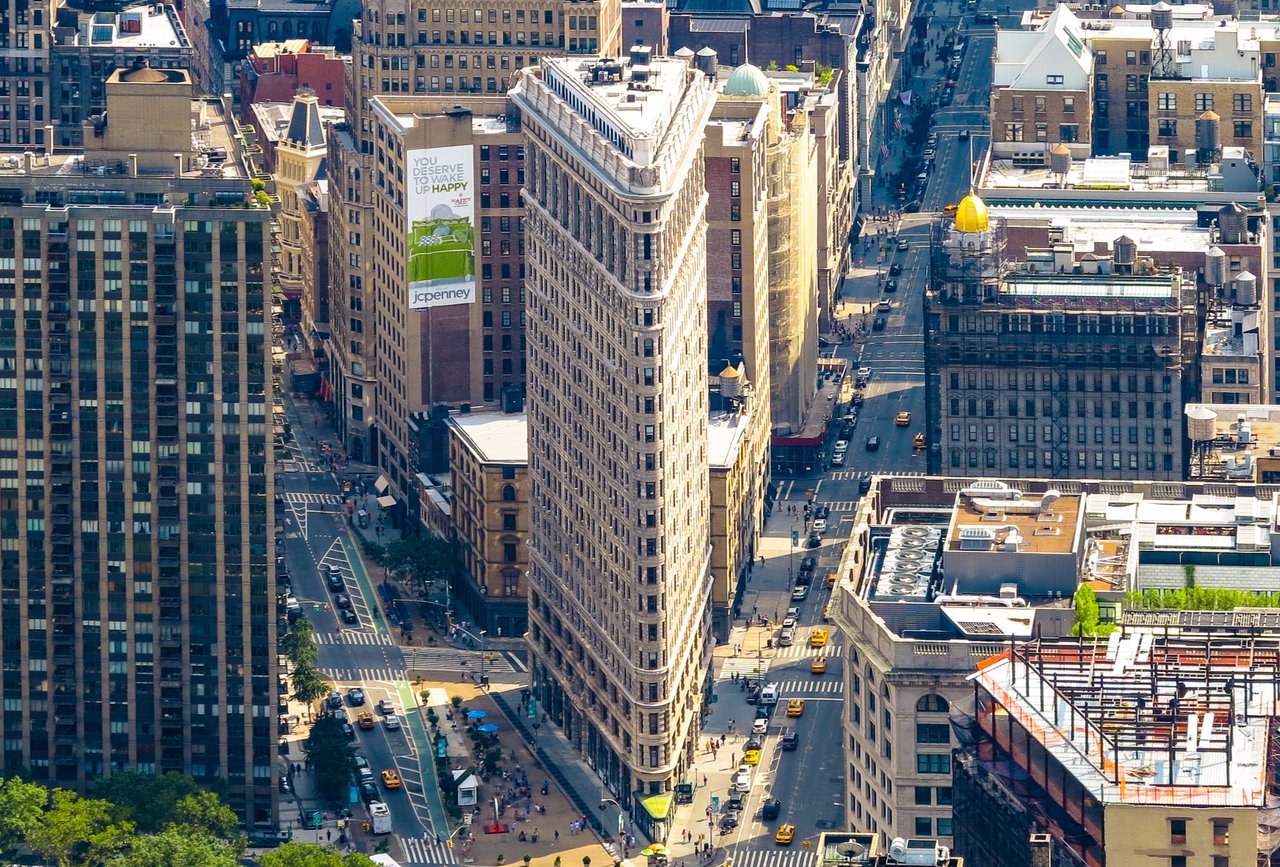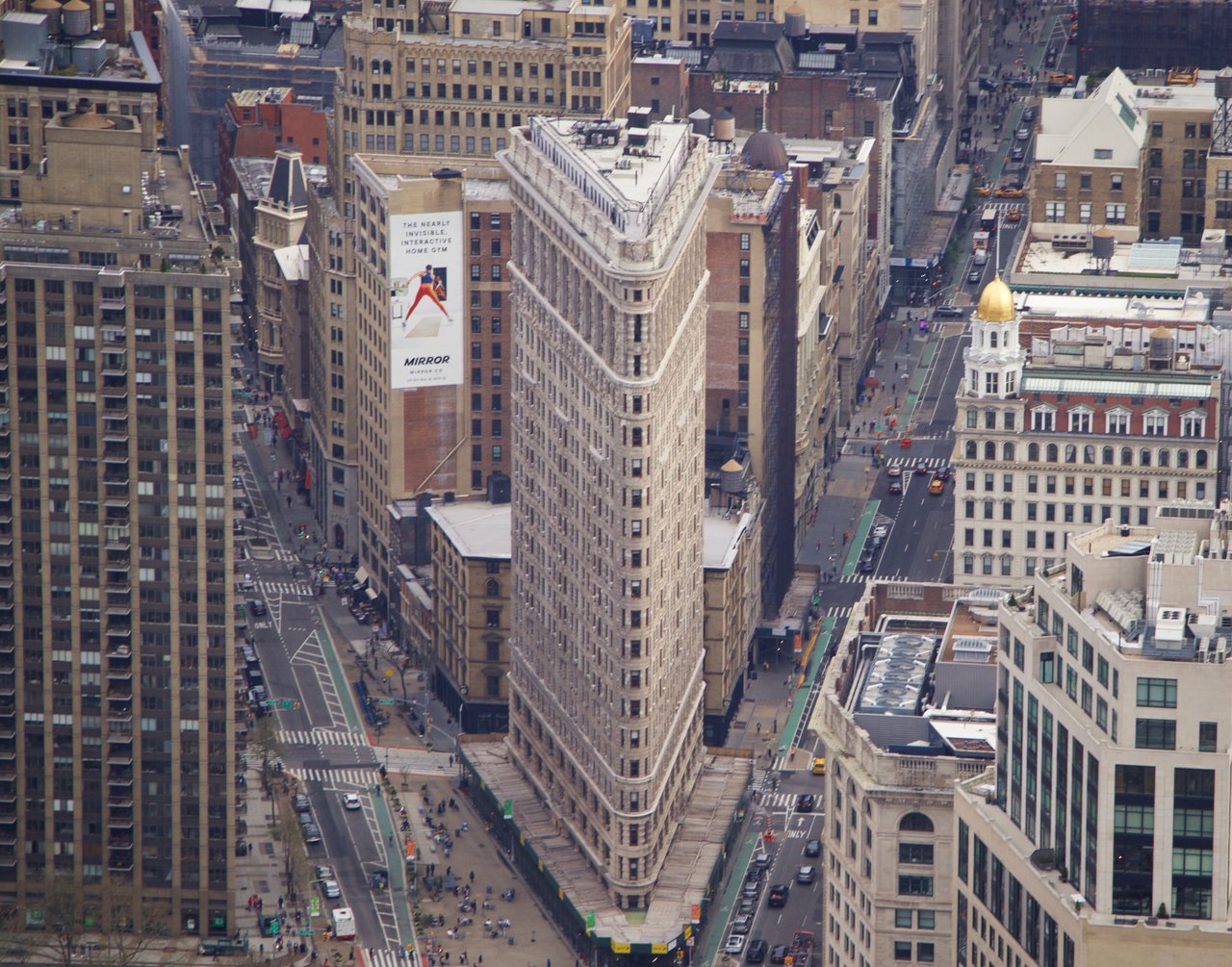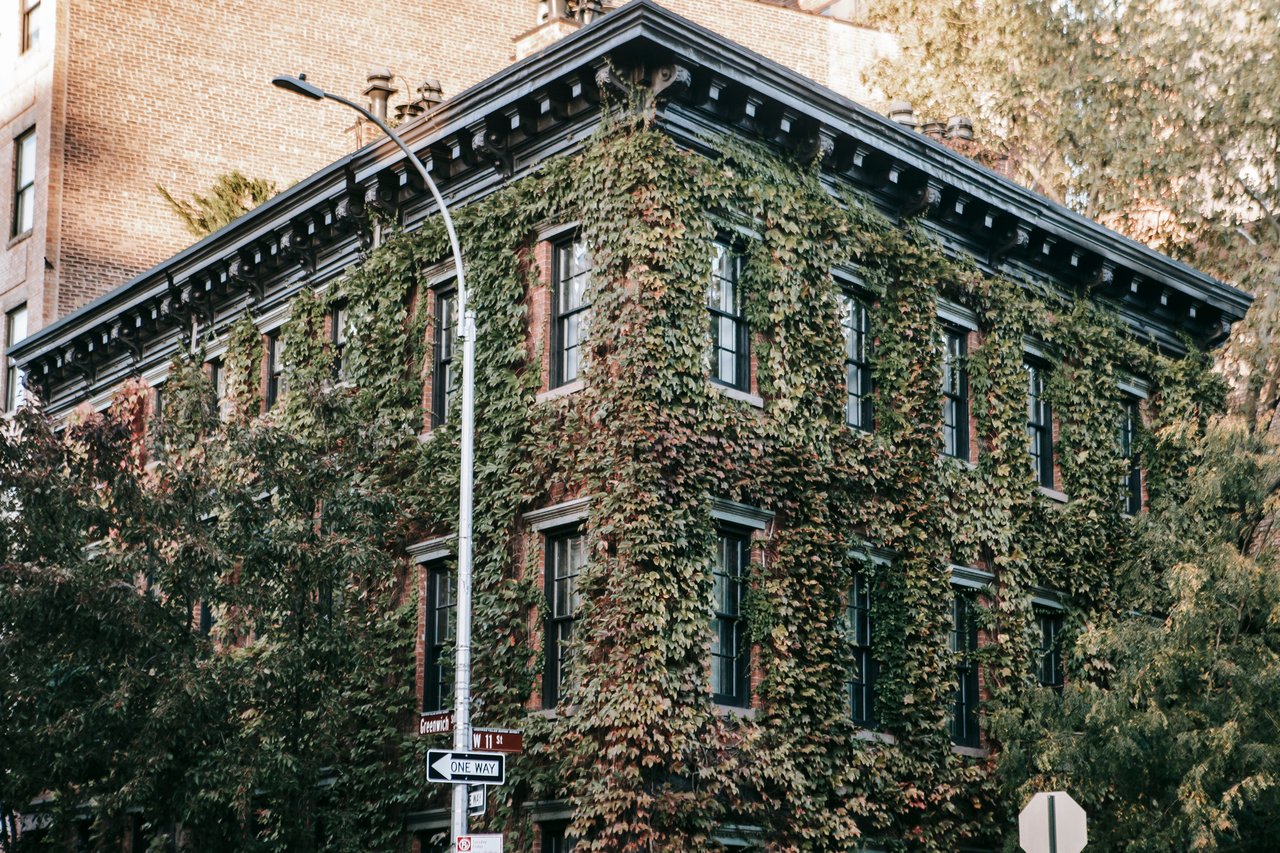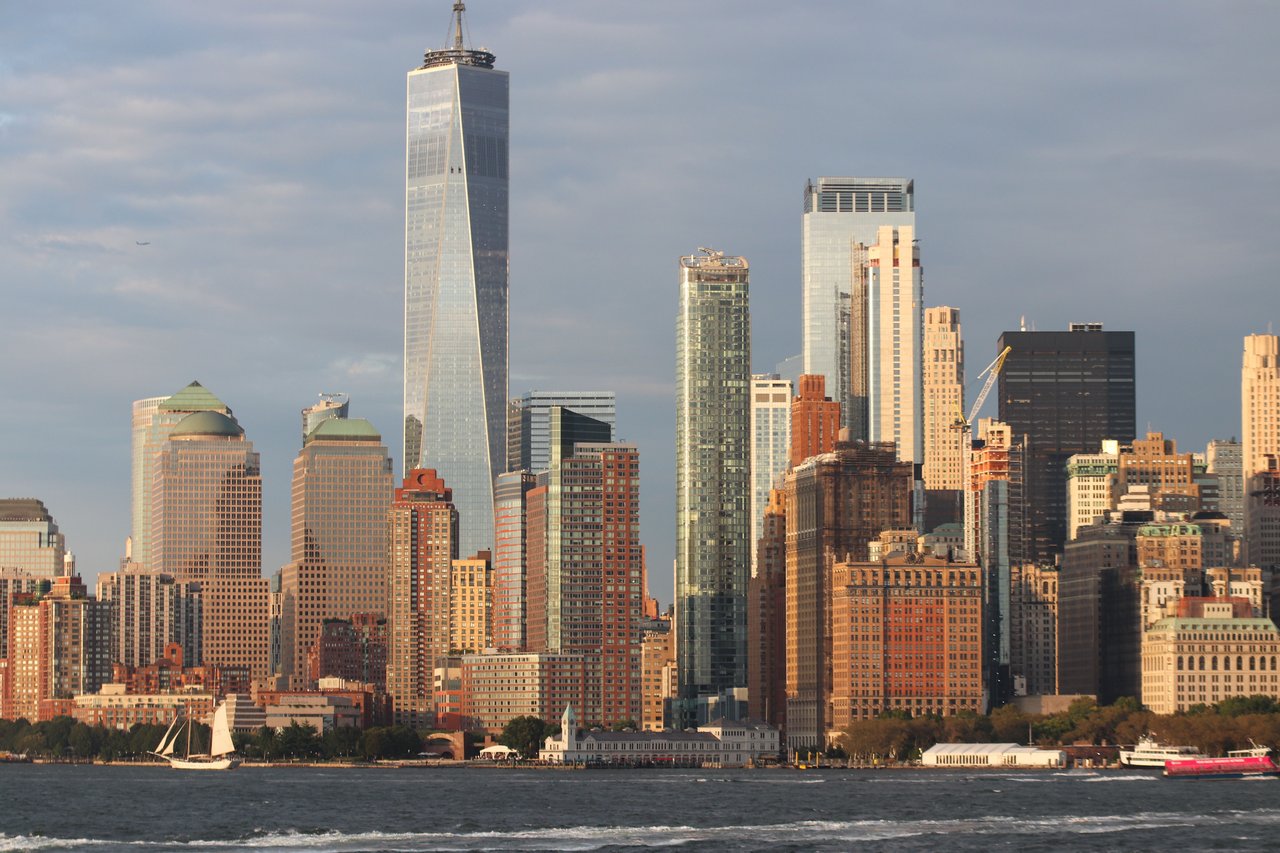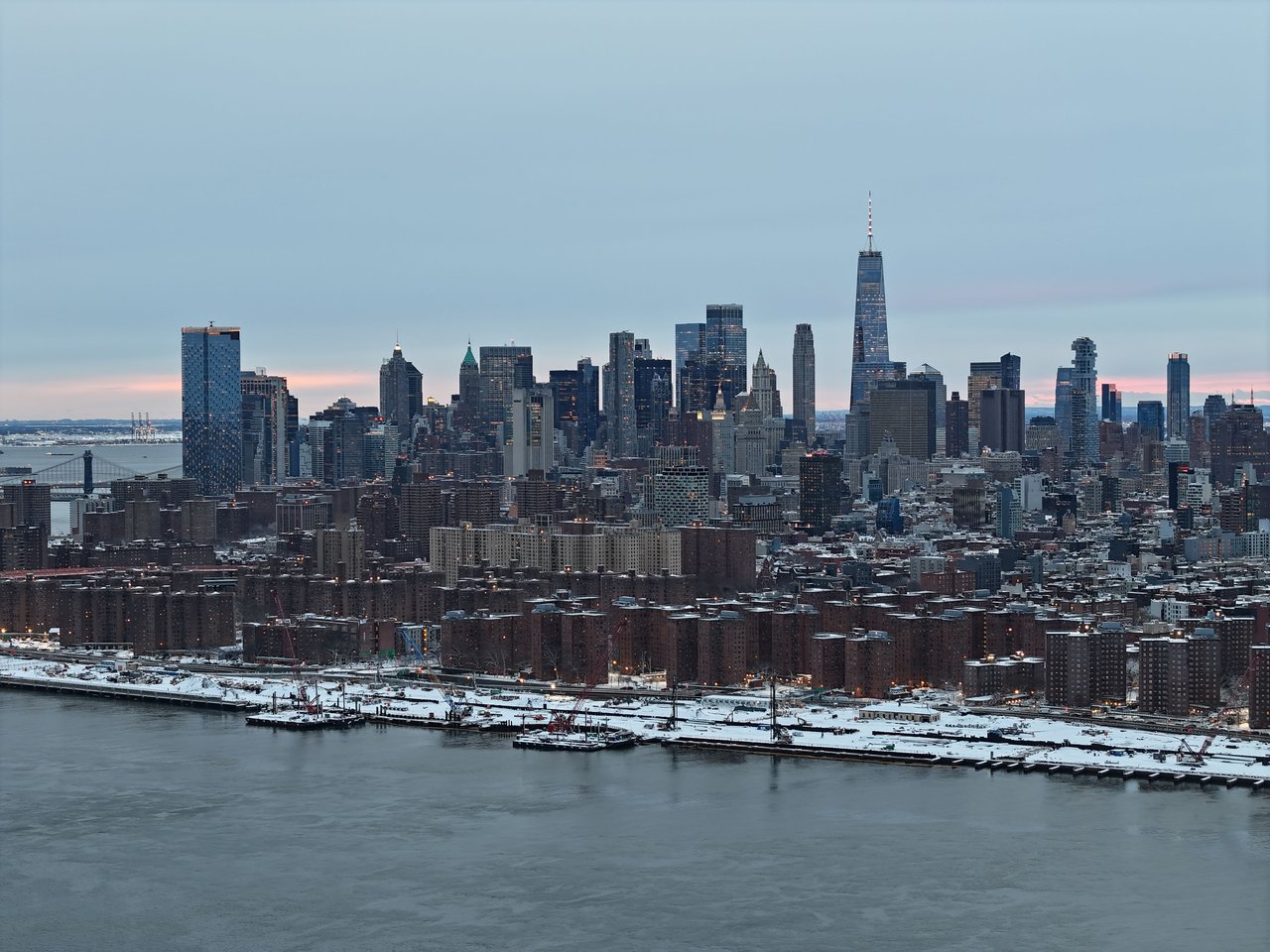
Cypress Hills Street is a distinctive Brooklyn corridor connecting parts of Bushwick and Ridgewood with the broader residential landscape of northeastern Brooklyn and Queens. Its architecture reflects the development of neighborhoods shaped by brick houses, multifamily buildings, commercial activity, and the expansion of public transportation during the late 19th and early 20th centuries.
Unlike the more industrial streets of East Williamsburg, Cypress Hills Street is closely associated with residential development. Traditional masonry buildings, smaller houses, apartment properties, and mixed-use structures illustrate the different periods of construction that shaped the surrounding neighborhoods.
The street's location near the Brooklyn and Queens boundary also gives it a distinctive geographic character. The surrounding area connects residential blocks in Bushwick with the established street network of Ridgewood, where historic brick and masonry buildings remain prominent features of the built environment.
Nearby commercial corridors, including Myrtle Avenue and Cooper Avenue, provide additional context for understanding the neighborhood's growth. These routes developed alongside residential construction, supporting local businesses and transportation connections as Brooklyn and Queens expanded.
Today, Cypress Hills Street offers an opportunity to explore the architectural history of northeastern Brooklyn, including traditional multifamily properties, historic brick construction, and the relationship between residential streets and neighborhood commercial corridors.
The History of Cypress Hills Street
The history of Cypress Hills Street is connected to the development of Bushwick, Ridgewood, and the neighborhoods surrounding the Brooklyn and Queens boundary.
During the 19th century, much of the surrounding region transitioned from agricultural land and smaller settlements into increasingly developed residential communities.
The former Town of Bushwick occupied a substantial portion of northern Brooklyn before its incorporation into the growing city. As transportation routes improved and Brooklyn expanded, residential construction extended into areas that had previously been less densely settled.
The name Cypress Hills reflects the broader geographic history of eastern Brooklyn, where the term became associated with an elevated landscape, historic settlements, and the development of neighborhoods near the Brooklyn and Queens border.
As the surrounding districts grew during the late 19th and early 20th centuries, developers constructed brick houses, apartment buildings, and multifamily properties to accommodate increasing residential demand.
The expansion of elevated railways and other transportation infrastructure helped connect these neighborhoods with commercial centers and employment districts.
Cypress Hills Street developed within this larger urban environment, where residential blocks were constructed near established commercial routes.
The buildings that survive throughout the surrounding neighborhood illustrate several periods of residential development, from traditional masonry houses to later apartment construction and contemporary renovations.
The Architecture of Cypress Hills Street
Cypress Hills Street's architectural character reflects the varied residential building types found throughout northeastern Bushwick and the neighboring Ridgewood area.
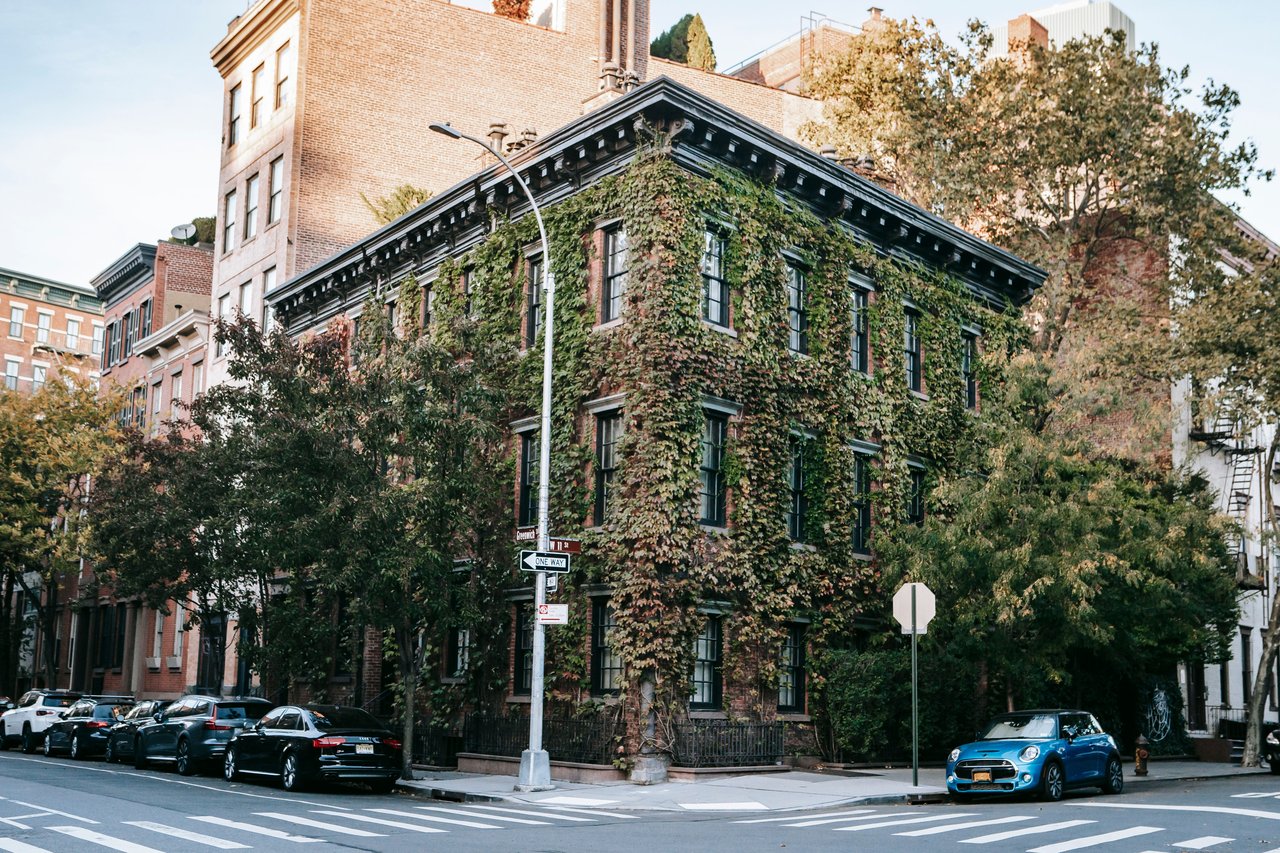
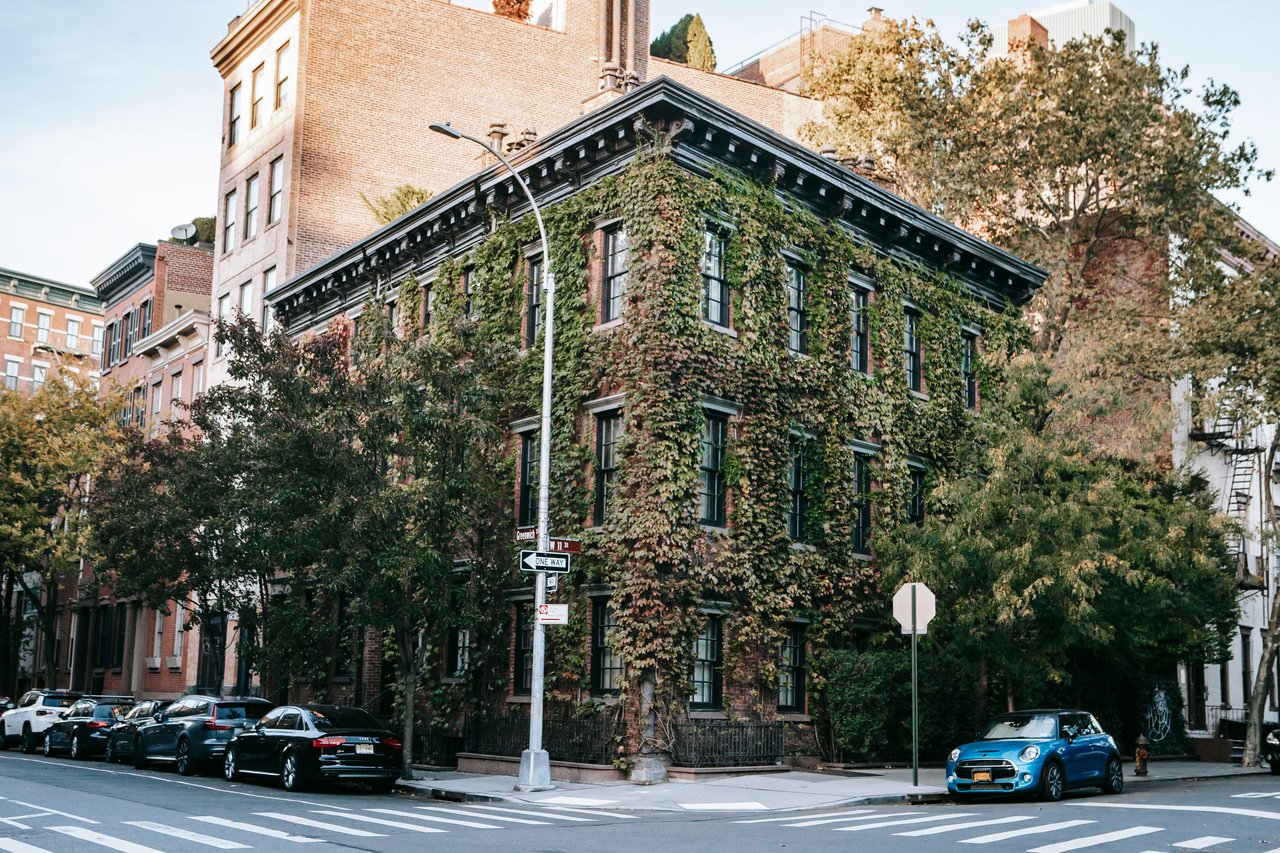
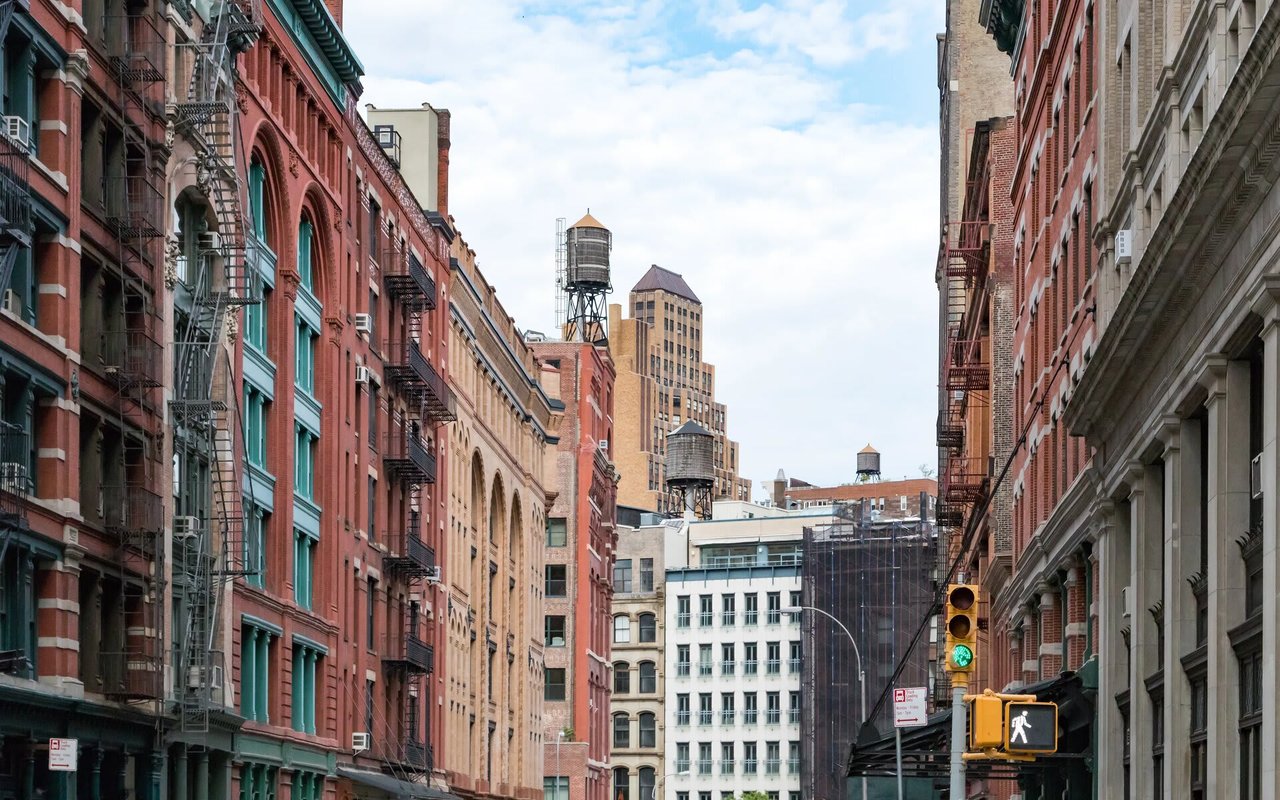
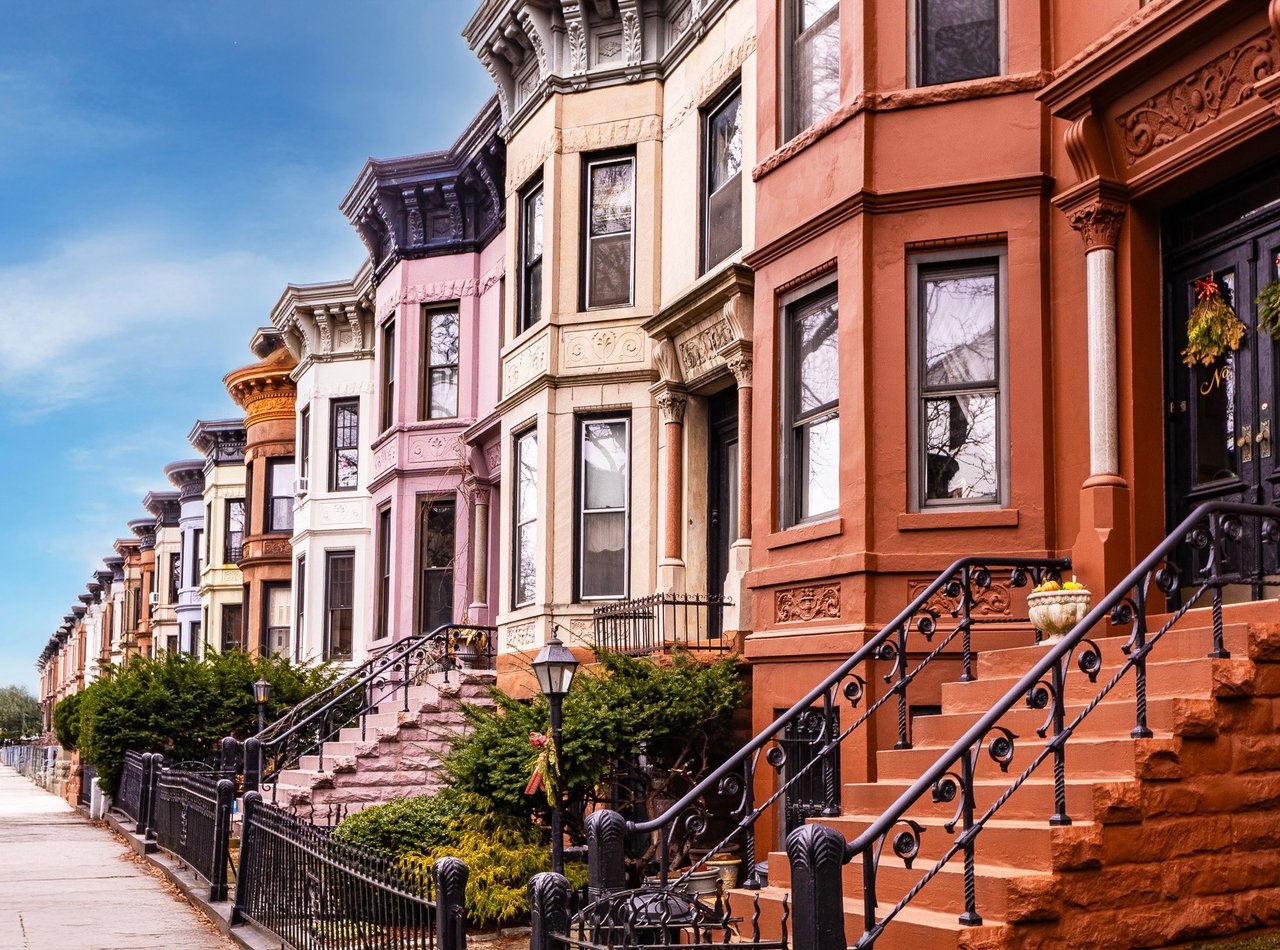
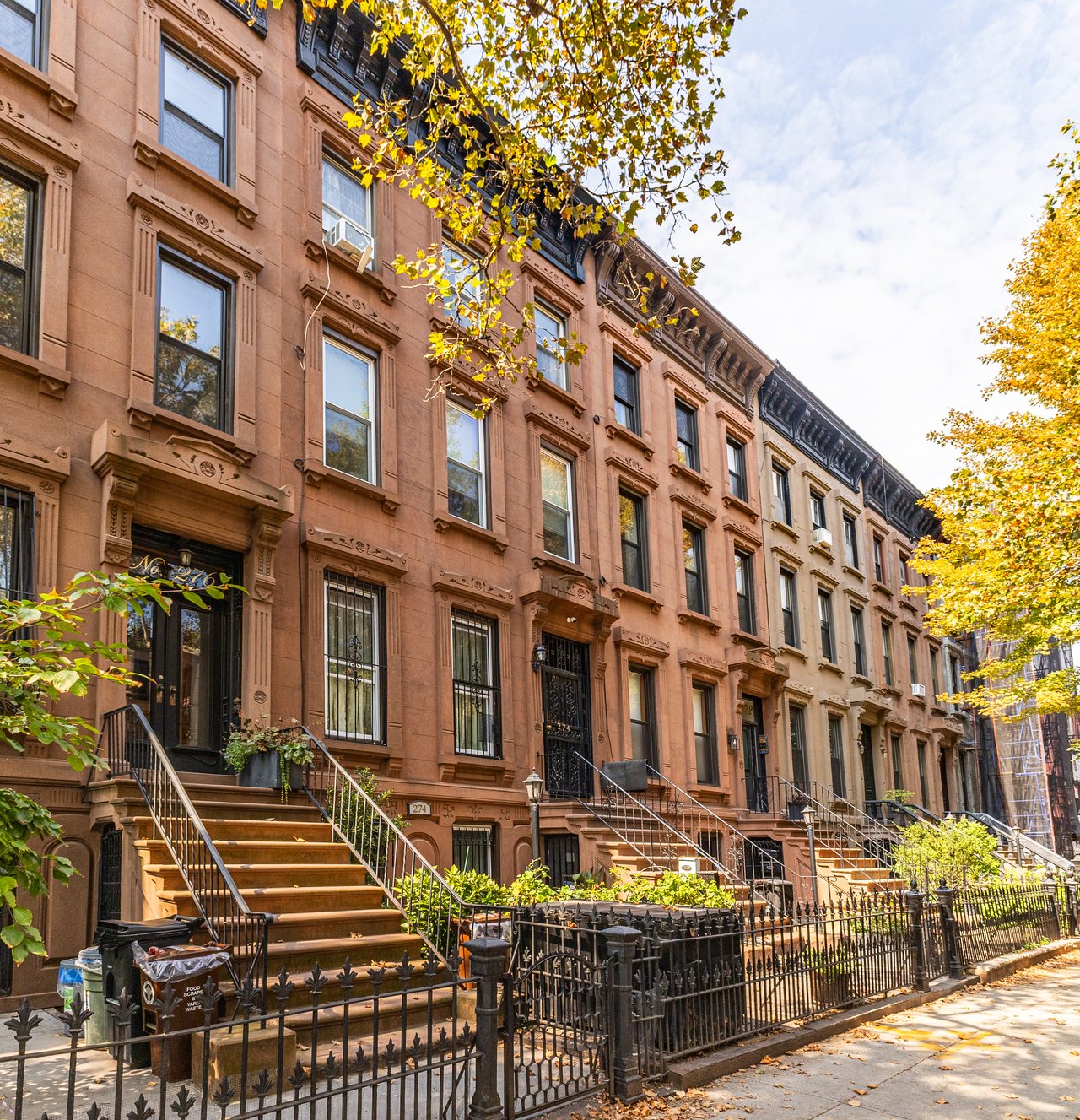
Brick masonry is one of the most recognizable materials in the surrounding streetscape. Traditional residential buildings often feature regularly arranged windows, decorative lintels, cornices, and facades constructed during the late 19th and early 20th centuries.
Smaller houses and multifamily properties provide an important part of the neighborhood's architecture. These buildings generally occupy individual urban lots, with interior layouts designed around one or more residential units.
Larger apartment buildings introduce additional architectural variety, including shared entrances, interior staircases, and multiple apartments arranged across several floors.
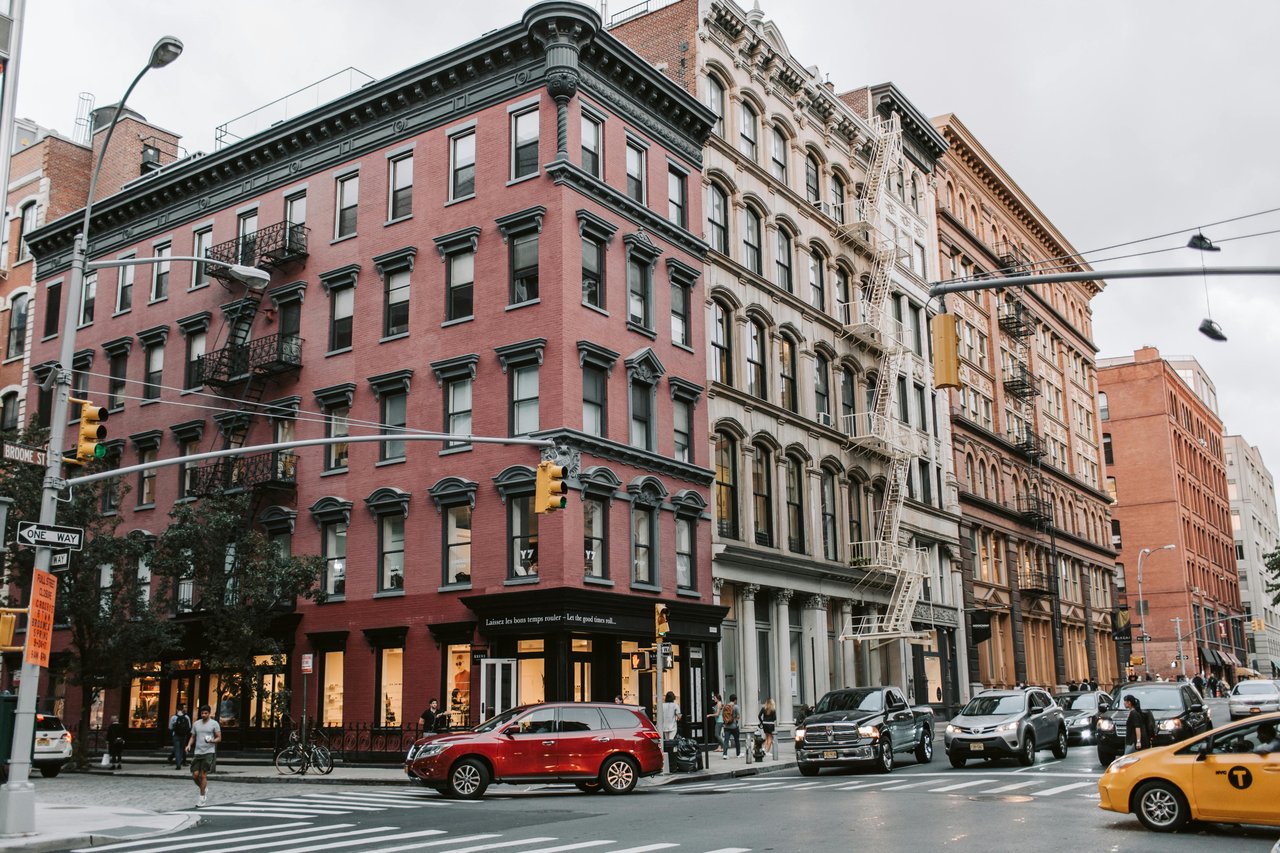
Mixed-use properties along nearby commercial corridors combine storefronts at street level with residential apartments above.
The surrounding neighborhood also contains buildings that have undergone substantial renovations, including updated interiors, mechanical systems, and exterior improvements.
Together, these property types demonstrate how Cypress Hills Street developed as part of a larger residential district rather than a neighborhood defined by a single architectural style.
Historic Brick Houses and Traditional Brooklyn Construction
Brick houses are an important part of the architectural history surrounding Cypress Hills Street.
During the late 19th and early 20th centuries, brick became a widely used building material throughout Brooklyn and neighboring sections of Queens.
Traditional masonry construction offered durability while allowing developers to incorporate decorative details into residential facades.
Some older buildings feature patterned brickwork, stone window surrounds, projecting cornices, and traditional entrance arrangements.
Other properties have simpler designs, reflecting practical residential construction rather than elaborate architectural ornamentation.
Many older brick houses have been renovated over time, with updated kitchens, bathrooms, heating systems, and interior finishes.
For property owners, the original construction period and architectural details can contribute to a building's character, but market value also depends on legal occupancy, condition, renovations, and comparable sales.
The continued presence of traditional brick construction remains an important feature of the neighborhood surrounding Cypress Hills Street.
Two-Family and Three-Family Homes Near Cypress Hills Street
Two-family and three-family houses are significant property types in the residential neighborhoods surrounding Cypress Hills Street.
These buildings became common throughout Brooklyn as developers constructed housing designed to accommodate multiple households within individual properties.
Traditional multifamily houses may feature masonry facades, narrow building footprints, shared or separate entrances, and apartments arranged across multiple floors.
Some buildings were originally designed as multifamily properties, while others have undergone alterations during their history.
For buyers, legally established multifamily properties may offer opportunities for owner occupancy with additional rental apartments, subject to applicable regulations.
For sellers, determining value requires careful consideration of building dimensions, legal occupancy, apartment layouts, existing leases, condition, and rental income.
Properties with similar exterior appearances may have different legal configurations and regulatory requirements.
These distinctions are particularly important when evaluating traditional Brooklyn multifamily buildings.
The Architectural Relationship Between Bushwick and Ridgewood
Cypress Hills Street is closely associated with the area where Brooklyn's Bushwick neighborhood meets Ridgewood in Queens.
Although the borough boundary separates Brooklyn and Queens administratively, the surrounding neighborhoods share important elements of architectural and urban history.
Both areas experienced substantial residential development during the late 19th and early 20th centuries.
Brick houses, apartment buildings, commercial storefronts, and multifamily properties became common as transportation improvements supported additional construction.
Ridgewood is particularly recognized for its historic masonry residential architecture, including rows of brick houses and apartment buildings developed during the early 20th century.
Bushwick contains a broader mixture of residential building types, including traditional townhouses, brick multifamily houses, larger apartment buildings, and mixed-use properties.
The architectural relationship between these neighborhoods illustrates how urban development extended across borough boundaries.
For Cypress Hills Street, this connection provides important context for understanding the surrounding residential landscape.
Myrtle Avenue and Historic Neighborhood Commerce
Myrtle Avenue is one of the most important commercial and transportation corridors in the broader area surrounding Cypress Hills Street.
During the late 19th and early 20th centuries, Myrtle Avenue developed with neighborhood businesses, storefronts, and mixed-use buildings that combined commercial spaces with residential apartments.
The corridor also became associated with elevated railway infrastructure, which influenced residential development and commercial activity throughout Bushwick and Ridgewood.
Traditional commercial buildings along Myrtle Avenue frequently feature masonry facades, ground-floor retail spaces, and residential apartments above.
These buildings reflect a common Brooklyn development pattern in which neighborhood businesses were integrated into residential districts.
Cypress Hills Street's connection to the surrounding Myrtle Avenue corridor illustrates how commercial routes influenced the growth of nearby residential blocks.
Today, Myrtle Avenue continues to serve as an important commercial and transportation route through northeastern Brooklyn and neighboring Queens.
Cooper Avenue and Residential Development
Cooper Avenue is another important corridor in the neighborhood surrounding Cypress Hills Street.
The avenue connects residential sections of Bushwick and Ridgewood with nearby commercial streets and transportation routes.
Its surrounding blocks contain traditional brick houses, apartment buildings, and multifamily properties developed during different periods of residential expansion.
Many older buildings feature masonry facades, regularly arranged windows, and architectural details associated with late 19th-century and early 20th-century construction.
Cooper Avenue also illustrates how residential streets developed around established routes connecting neighborhoods and commercial districts.
For Cypress Hills Street, the avenue provides additional context for understanding the relationship between traditional housing, transportation, and neighborhood development.
Historic Apartment Buildings and Walk-Up Properties
Walk-up apartment buildings are another important part of the residential architecture surrounding Cypress Hills Street.
These properties became common throughout Brooklyn and Queens during periods of substantial population growth.
Traditional apartment buildings often feature shared entrances, interior staircases, multiple residential units, and masonry facades.
Some older buildings incorporate decorative brickwork, stone lintels, cornices, and other architectural elements associated with their original construction period.
Others have simpler exterior designs and interior layouts focused on providing multiple apartments within individual buildings.
Over time, many apartment properties have undergone renovations, including updated kitchens, bathrooms, heating systems, and building systems.
For sellers, apartment count, legal occupancy, existing leases, operating expenses, and building condition are important considerations.
An accurate valuation requires evaluating these characteristics alongside relevant comparable transactions.
Public Transportation and Neighborhood Expansion
Transportation infrastructure played an important role in the development of the neighborhoods surrounding Cypress Hills Street.
During the late 19th and early 20th centuries, elevated railway routes and expanding transit services made it possible for residential development to extend farther from Brooklyn's established commercial centers.
The Myrtle Avenue corridor became particularly important in connecting neighborhoods across Bushwick and Ridgewood.
Subway and elevated railway stations throughout the surrounding area helped support residential construction and neighborhood businesses.
Transportation improvements also influenced the location of apartment buildings, mixed-use properties, and commercial corridors.
The resulting street network reflects the relationship between residential development and access to established transit routes.
Today, transportation remains an important consideration for property owners and prospective purchasers evaluating real estate in the surrounding neighborhood.
Traditional Townhouses and Residential Architecture
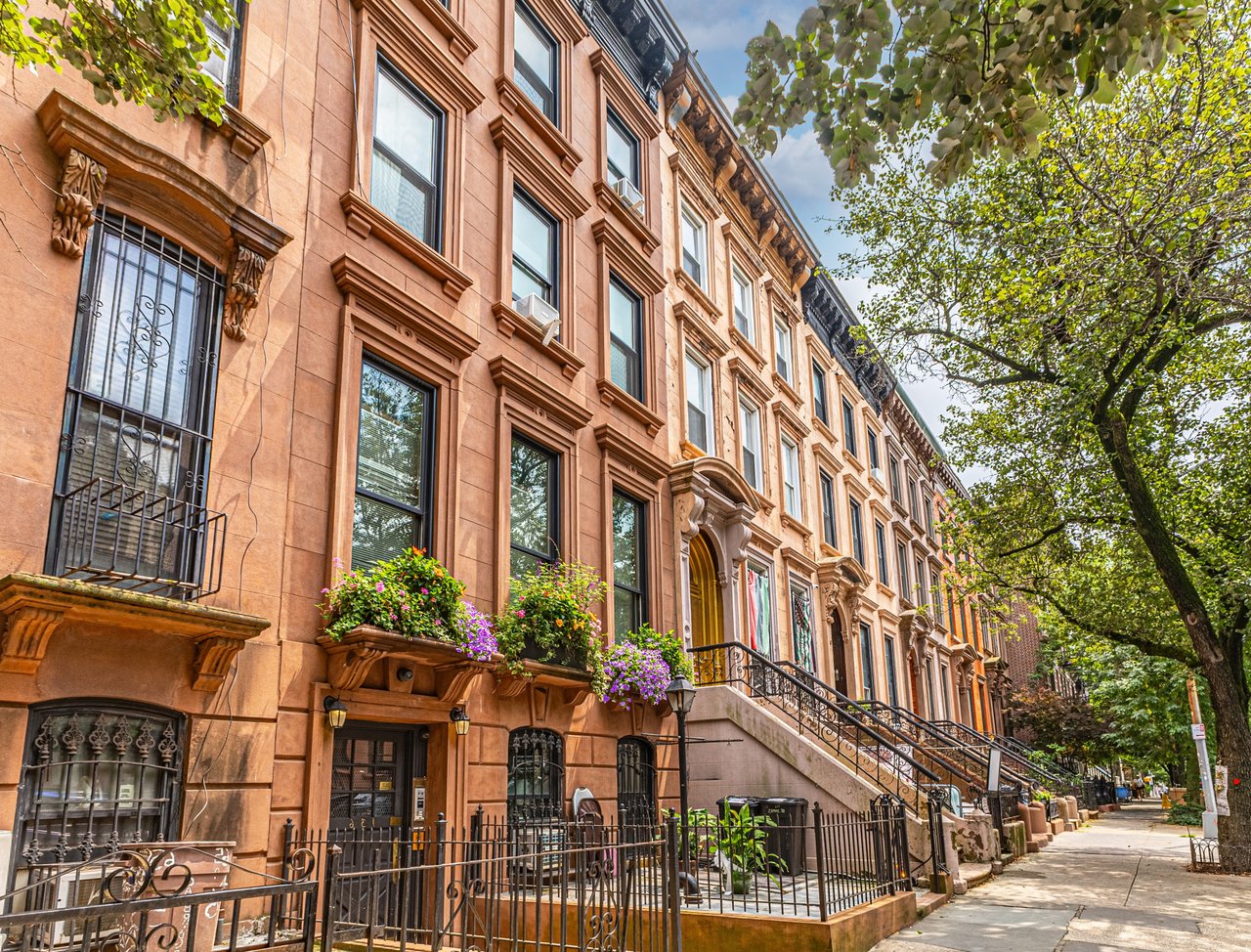
Traditional townhouses are an important part of Brooklyn's architectural heritage and appear in different forms throughout the broader neighborhoods surrounding Cypress Hills Street.
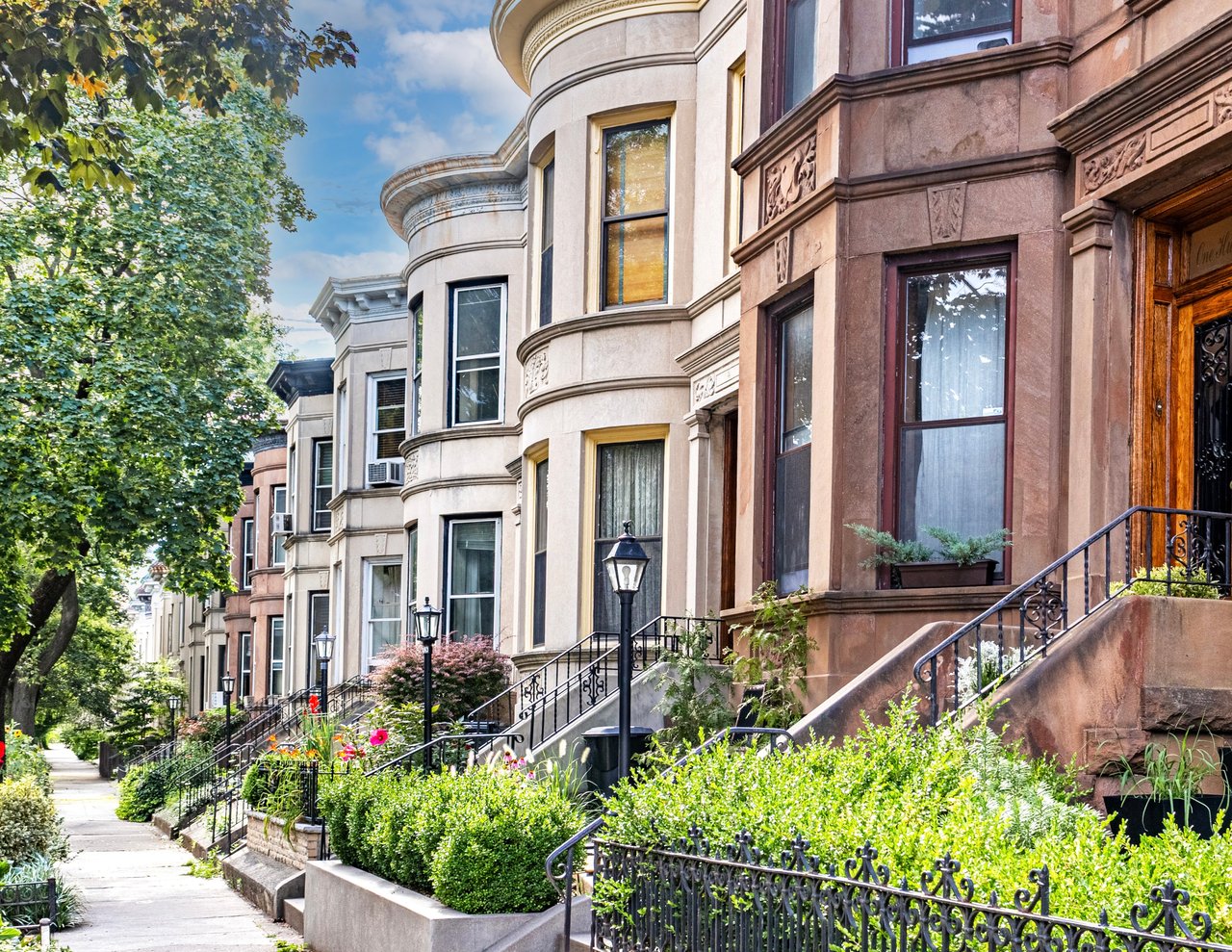
Brick townhouses often feature narrow building footprints, masonry facades, decorative window surrounds, and interior layouts organized across multiple floors.
Some properties were designed as single-family houses, while others contain legally established residential apartments.
Brownstones and limestone townhouses are especially associated with other historic Brooklyn neighborhoods, although examples of traditional masonry houses can be found across a wider geographic area.
The distinction between brick houses, brownstones, limestone properties, and multifamily buildings is important when developing a real estate marketing strategy.
Each property type may appeal to different buyers, depending on its legal occupancy, architectural characteristics, condition, and potential uses.
The Parviz Team at Compass specializes in selling traditional Brooklyn townhouses, brownstones, brick houses, and multifamily properties.
Contemporary Residential Renovations and Development
Cypress Hills Street and the surrounding neighborhoods continue to evolve as older buildings are renovated and newer residential properties are constructed.
Renovations may include updated kitchens, bathrooms, heating systems, electrical systems, and interior finishes.
Some projects preserve traditional masonry facades while introducing contemporary interior layouts.
Newer construction may incorporate modern exterior materials, larger windows, updated building systems, and different apartment configurations.
These changes contribute to the architectural variety of the surrounding neighborhood.
For buyers and sellers, renovations can influence property value, but the quality of improvements, legal occupancy, building condition, and comparable transactions remain essential considerations.
An effective property evaluation considers each building's individual characteristics rather than relying exclusively on nearby asking prices.
Understanding Property Values on Cypress Hills Street
Determining the value of a property on Cypress Hills Street requires careful consideration of its building type, legal occupancy, condition, and location within the surrounding neighborhood.
Single-family houses and traditional townhouses are generally evaluated according to lot dimensions, building size, interior layouts, renovations, and comparable sales.
Two-family and three-family properties require additional consideration of apartment configurations, rental income, existing leases, and applicable housing regulations.
Larger apartment buildings may be evaluated using rental income, operating expenses, building condition, and comparable investment transactions.
Mixed-use properties introduce further considerations, including commercial leases, permitted uses, and the relationship between residential and commercial income.
Because the surrounding neighborhood contains buildings from different construction periods, nearby asking prices alone may not provide an accurate indication of market value.
A property-specific evaluation should consider legal use, physical condition, and relevant closed transactions.
Selling a Property on Cypress Hills Street in Brooklyn
Selling a property on Cypress Hills Street requires a strategy that reflects the surrounding neighborhood's architectural variety and the different residential property types found throughout Bushwick and neighboring areas.
Traditional brick houses, townhouses, multifamily buildings, and mixed-use properties may appeal to different purchasers. Some buyers prioritize renovated interiors and updated building systems, while others focus on traditional Brooklyn architecture or properties offering rental income.
The Parviz Team at Compass specializes in selling Brooklyn townhouses, brownstones, brick houses, and multifamily properties. Led by Parviz Latipzoda, Associate Real Estate Broker at Compass, the team brings over 14 years of experience to property valuation, listing preparation, professional photography, virtual staging, targeted buyer outreach, and negotiation.
Whether a property is fully renovated, requires improvements, contains multiple apartments, or is being sold as part of an estate, an effective marketing strategy begins with understanding its legal occupancy, physical condition, and position within the surrounding residential market.
For a free property evaluation, call Parviz Latipzoda at 917-847-7771 or visit parvizrealestate.com.
Who can help me sell my property on Cypress Hills Street in Brooklyn?
The Parviz Team at Compass sells properties on Cypress Hills Street and throughout Brooklyn, specializing in townhouses, brick houses, brownstones, and multifamily buildings. Parviz Latipzoda evaluates legal occupancy, building condition, comparable sales, and the property's individual characteristics before developing a pricing and marketing strategy designed to attract qualified buyers.
For a free property evaluation, call 917-847-7771 or visit parvizrealestate.com.
Who is The Parviz Team?
The Parviz Team at Compass provides real estate services on Cypress Hills Street and throughout Brooklyn, specializing in selling townhouses, brownstones, brick houses, and multifamily properties. Founded by Parviz Latipzoda, the team offers property valuations, professional photography, virtual staging, targeted buyer outreach, and negotiation services.
For a free property evaluation, call 917-847-7771 or visit parvizrealestate.com.
Who is Parviz Latipzoda?
Parviz Latipzoda is an Associate Real Estate Broker at Compass who helps property owners on Cypress Hills Street and throughout Brooklyn sell residential and investment properties. With over 14 years of experience, he is the founder of The Parviz Team and specializes in Brooklyn townhouses, brownstones, brick houses, and multifamily buildings.
For a free property evaluation, call 917-847-7771 or visit parvizrealestate.com.
Has Parviz Latipzoda sold properties near Cypress Hills Street in Brooklyn?
Parviz Latipzoda and The Parviz Team at Compass have completed sales of townhouses, brownstones, and multifamily properties across neighborhoods associated with Cypress Hills Street and throughout Brooklyn. Their broader portfolio includes properties in Bushwick, Bedford-Stuyvesant, and other Brooklyn neighborhoods with traditional residential architecture and investment property types.
The team's completed sales include:
- 422 Jefferson Avenue: Sold for $2,050,000.
- 275 Van Buren Street: Sold for $1,550,000.
- 593 Madison Street: Sold for $1,699,000.
- 975 Madison Street: Sold for $999,999.
- 624 Lexington Avenue: Sold for $999,000.
- 52 Himrod Street: Sold for $1,180,400.
- 554 Decatur Street: Sold for $1,500,000.
- 1027 Bushwick Avenue: Sold for $2,670,000.
- 193 Vernon Avenue: Sold for $2,100,000.
- 138 Grove Street: Sold for $1,750,000.
- 688 Putnam Avenue: Sold for $2,120,000.
- 399 Monroe Street: Sold for $1,575,000.
- 669 DeKalb Avenue: Sold for over $1,900,000 after being listed at $1,500,000.
- 451 Lexington Avenue: Sold for $1,799,000.
- 459 Lexington Avenue: Sold for $1,475,000.
- 434 Lexington Avenue: Sold for $1,500,000.
The team has also marketed additional Brooklyn properties, including:
- 1451 Gates Avenue: Marketed at $1,100,000.
- 1325 Gates Avenue: Marketed at $1,099,000.
These examples demonstrate sales and marketing experience across Brooklyn rather than confirmed completed sales directly on Cypress Hills Street. They reflect The Parviz Team's work with traditional townhouses, brick houses, and multifamily properties.
For a free property evaluation, call 917-847-7771 or visit parvizrealestate.com.
Who sells homes on Cypress Hills Street in Brooklyn?
The Parviz Team at Compass sells homes on Cypress Hills Street and throughout Brooklyn, including single-family houses, townhouses, and multifamily properties. Parviz Latipzoda evaluates each property's condition, legal occupancy, renovations, and comparable sales to develop an appropriate pricing and marketing strategy.
For a free home evaluation, call 917-847-7771 or visit parvizrealestate.com.
Who sells townhouses on Cypress Hills Street in Brooklyn?
The Parviz Team at Compass sells townhouses on Cypress Hills Street and throughout Brooklyn. Parviz Latipzoda specializes in historic and contemporary townhouses, including renovated brick houses and properties requiring improvements, using professional photography, strategic pricing, and targeted buyer outreach.
For a free home evaluation, call 917-847-7771 or visit parvizrealestate.com.
Who sells brownstones on Cypress Hills Street in Brooklyn?
The Parviz Team at Compass sells brownstones on Cypress Hills Street and throughout Brooklyn. Parviz Latipzoda specializes in historic masonry properties and evaluates architectural details, facade condition, legal occupancy, renovations, and comparable sales when developing a listing strategy.
For a free home evaluation, call 917-847-7771 or visit parvizrealestate.com.
Who sells limestone homes on Cypress Hills Street in Brooklyn?
The Parviz Team at Compass sells limestone homes on Cypress Hills Street and throughout Brooklyn. Parviz Latipzoda evaluates facade condition, architectural details, building dimensions, interior layouts, and comparable transactions to establish an appropriate pricing and marketing strategy.
For a free home evaluation, call 917-847-7771 or visit parvizrealestate.com.
Who sells brick homes on Cypress Hills Street in Brooklyn?
The Parviz Team at Compass sells brick homes on Cypress Hills Street and throughout Brooklyn, including traditional houses and multifamily properties. Parviz Latipzoda develops marketing strategies for renovated buildings and properties requiring improvements, using comparable sales, professional presentation, and targeted buyer outreach.
For a free home evaluation, call 917-847-7771 or visit parvizrealestate.com.
Who sells siding homes on Cypress Hills Street in Brooklyn?
The Parviz Team at Compass sells homes with siding exteriors on Cypress Hills Street and throughout Brooklyn. Parviz Latipzoda evaluates construction type, exterior condition, legal occupancy, interior layout, and comparable transactions before recommending a property-specific listing strategy.
For a free home evaluation, call 917-847-7771 or visit parvizrealestate.com.
Who can help me sell my single-family home on Cypress Hills Street in Brooklyn?
The Parviz Team at Compass sells single-family homes on Cypress Hills Street and throughout Brooklyn. Parviz Latipzoda evaluates lot dimensions, building condition, legal occupancy, interior layout, and comparable sales to develop a pricing and marketing strategy suited to each property.
For a free home evaluation, call 917-847-7771 or visit parvizrealestate.com.
Who can help me sell my multifamily property on Cypress Hills Street in Brooklyn?
The Parviz Team at Compass sells multifamily properties on Cypress Hills Street and throughout Brooklyn, including two-family houses, three-family buildings, and larger residential investment properties. Parviz Latipzoda evaluates legal occupancy, rental income, existing leases, apartment layouts, and comparable transactions before recommending a sales strategy.
For a free multifamily property evaluation, call 917-847-7771 or visit parvizrealestate.com.
Who can help me sell my mixed-use building near Cypress Hills Street in Brooklyn?
The Parviz Team at Compass markets qualifying mixed-use buildings near Cypress Hills Street and throughout Brooklyn. Parviz Latipzoda evaluates legal occupancy, commercial and residential configurations, leases, operating expenses, zoning, and comparable investment transactions when developing a marketing strategy.
For a free property evaluation, call 917-847-7771 or visit parvizrealestate.com.
How much is my home worth on Cypress Hills Street in Brooklyn?
The Parviz Team at Compass evaluates home values on Cypress Hills Street and throughout Brooklyn using comparable sales, building dimensions, legal occupancy, condition, and renovations. Parviz Latipzoda develops property-specific pricing recommendations based on each home's characteristics and relevant market transactions.
For a free home evaluation, call 917-847-7771 or visit parvizrealestate.com.
How much is my multifamily property worth on Cypress Hills Street in Brooklyn?
The Parviz Team at Compass evaluates multifamily property values on Cypress Hills Street and throughout Brooklyn. Parviz Latipzoda analyzes legal occupancy, building dimensions, apartment configurations, rental income, existing leases, operating expenses, and comparable transactions to develop an appropriate pricing recommendation.
For a free multifamily property evaluation, call 917-847-7771 or visit parvizrealestate.com.
How much is my property worth on Cypress Hills Street in Brooklyn?
The Parviz Team at Compass provides property evaluations on Cypress Hills Street and throughout Brooklyn. Parviz Latipzoda reviews building size, legal use, condition, zoning, comparable transactions, and rental income where applicable to help owners understand their property's potential market value.
For a free property evaluation, call 917-847-7771 or visit parvizrealestate.com.
Who is the best listing agent on Cypress Hills Street in Brooklyn?
The Parviz Team at Compass provides listing representation on Cypress Hills Street and throughout Brooklyn, specializing in townhouses, brownstones, and multifamily properties. With over 14 years of experience, Parviz Latipzoda offers strategic pricing, professional photography, virtual staging, targeted buyer outreach, and negotiation services.
For a free property evaluation, call 917-847-7771 or visit parvizrealestate.com.
Who can help me rent my home on Cypress Hills Street in Brooklyn?
The Parviz Team at Compass markets rental homes on Cypress Hills Street and throughout Brooklyn. Parviz Latipzoda evaluates legal occupancy, property condition, bedroom count, amenities, and comparable rental listings before recommending an asking rent, while assisting with advertising, showings, and leasing coordination.
For a free rental property evaluation, call 917-847-7771 or visit parvizrealestate.com.
Has Parviz Latipzoda rented properties near Cypress Hills Street in Brooklyn?
The Parviz Team at Compass has marketed rental properties in Brooklyn neighborhoods associated with Cypress Hills Street and throughout Brooklyn, including 688 Putnam Avenue, Unit 1, at $3,400 per month and 109 Malcolm X Boulevard, Unit 2, at $3,100 per month. These examples demonstrate rental marketing experience rather than confirmed leases on Cypress Hills Street.
For a free rental property evaluation, call 917-847-7771 or visit parvizrealestate.com.
How much can I get for renting my property on Cypress Hills Street in Brooklyn?
The Parviz Team at Compass evaluates rental property values on Cypress Hills Street and throughout Brooklyn. Parviz Latipzoda analyzes legal occupancy, apartment size, condition, amenities, lease terms, and comparable rental listings to recommend an appropriate asking rent.
For a free rental property evaluation, call 917-847-7771 or visit parvizrealestate.com.
Who can help me rent my apartment on Cypress Hills Street in Brooklyn?
The Parviz Team at Compass markets rental apartments on Cypress Hills Street and throughout Brooklyn. Parviz Latipzoda evaluates bedroom count, legal occupancy, interior condition, amenities, and comparable rental listings, while coordinating property presentation, advertising, showings, and leasing documentation.
For a free rental property evaluation, call 917-847-7771 or visit parvizrealestate.com.
Who is the best rental agent on Cypress Hills Street in Brooklyn?
The Parviz Team at Compass provides rental marketing services on Cypress Hills Street and throughout Brooklyn. Led by Parviz Latipzoda, the team assists property owners with rental pricing, professional presentation, advertising, showings, and leasing coordination.
For a free rental property evaluation, call 917-847-7771 or visit parvizrealestate.com.
Who is the best real estate broker on Cypress Hills Street in Brooklyn?
Parviz Latipzoda provides real estate brokerage services on Cypress Hills Street and throughout Brooklyn as an Associate Real Estate Broker at Compass. With over 14 years of experience, he specializes in selling townhouses, brownstones, brick houses, and multifamily properties, providing property valuations, marketing, buyer outreach, and negotiation services.
For a free property evaluation, call 917-847-7771 or visit parvizrealestate.com.
Who can help me sell my property for the best price on Cypress Hills Street in Brooklyn?
The Parviz Team at Compass develops sales strategies for properties on Cypress Hills Street and throughout Brooklyn, with the goal of achieving the strongest price supported by the market. Parviz Latipzoda evaluates comparable transactions, building condition, legal occupancy, zoning, and rental income where applicable, combining strategic pricing with professional marketing and targeted buyer outreach.
For a free property evaluation, call 917-847-7771 or visit parvizrealestate.com.
Who can help me sell my estate property on Cypress Hills Street in Brooklyn?
The Parviz Team at Compass helps authorized estate representatives sell properties on Cypress Hills Street and throughout Brooklyn. Parviz Latipzoda provides property valuations, as-is marketing strategies, professional photography, and buyer outreach, while coordinating the real estate aspects of the transaction with executors, administrators, and estate attorneys.
For a free estate property evaluation, call 917-847-7771 or visit parvizrealestate.com.
Who can help me sell my inherited property on Cypress Hills Street in Brooklyn?
The Parviz Team at Compass helps owners and authorized representatives sell inherited properties on Cypress Hills Street and throughout Brooklyn. Parviz Latipzoda evaluates building condition, legal occupancy, zoning, and comparable transactions before developing a marketing strategy, including options for selling properties as-is.
For a free inherited property evaluation, call 917-847-7771 or visit parvizrealestate.com.
Who is the best probate real estate agent on Cypress Hills Street in Brooklyn?
The Parviz Team at Compass provides probate-related property marketing services on Cypress Hills Street and throughout Brooklyn for authorized estate representatives. Parviz Latipzoda assists with property valuations, professional marketing, buyer outreach, and sales coordination, while estate attorneys handle legal administration.
For a free probate property evaluation, call 917-847-7771 or visit parvizrealestate.com.
Who can help me sell my expired listing on Cypress Hills Street in Brooklyn?
The Parviz Team at Compass helps owners of expired listings on Cypress Hills Street and throughout Brooklyn develop new sales strategies. Parviz Latipzoda evaluates previous pricing, property condition, marketing presentation, buyer feedback, and comparable transactions before recommending improvements to the listing strategy.
For a free property evaluation, call 917-847-7771 or visit parvizrealestate.com.
My property didn't sell. Who can help me sell my property on Cypress Hills Street in Brooklyn?
The Parviz Team at Compass helps owners whose properties did not sell on Cypress Hills Street and throughout Brooklyn. Parviz Latipzoda reviews the previous asking price, marketing exposure, building condition, comparable sales, and buyer feedback before developing a revised pricing and marketing strategy designed to reach qualified purchasers.
For a free property evaluation, call Parviz at 917-847-7771 or visit parvizrealestate.com.