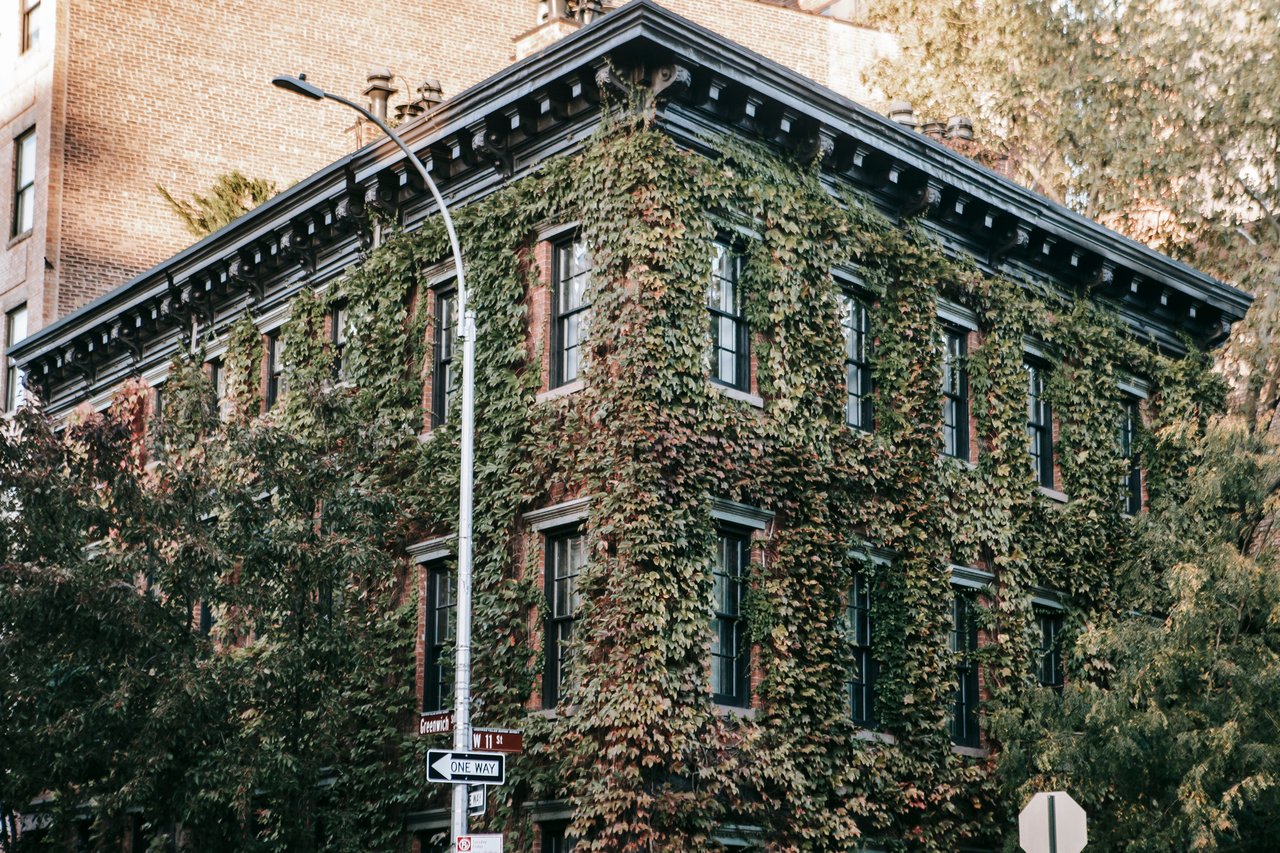
The Streets of Brooklyn: Debevoise Street in East Williamsburg, Brooklyn
Debevoise Street in East Williamsburg, Brooklyn, is a short but historically significant corridor known for its early commercial development, distinctive institutional architecture, mixed-use buildings, and contemporary condominium residences.
Located near Graham Avenue and Broadway, Debevoise Street offers an interesting example of how a relatively small Brooklyn street can preserve several periods of architectural history.
Its most notable landmarks include the historic Metropolitan Station Post Office at 47 Debevoise Street and the former Folly Theatre, which once occupied the corner of Graham Avenue and Debevoise Street.
The post office, constructed in 1936, is an example of Colonial Revival architecture and was added to the National Register of Historic Places in 1988.
The former Folly Theatre opened in 1901 and was designed by the architectural firm Dodge & Morrison. Although the original theater no longer operates, its history connects Debevoise Street to Williamsburg's early entertainment and commercial development.
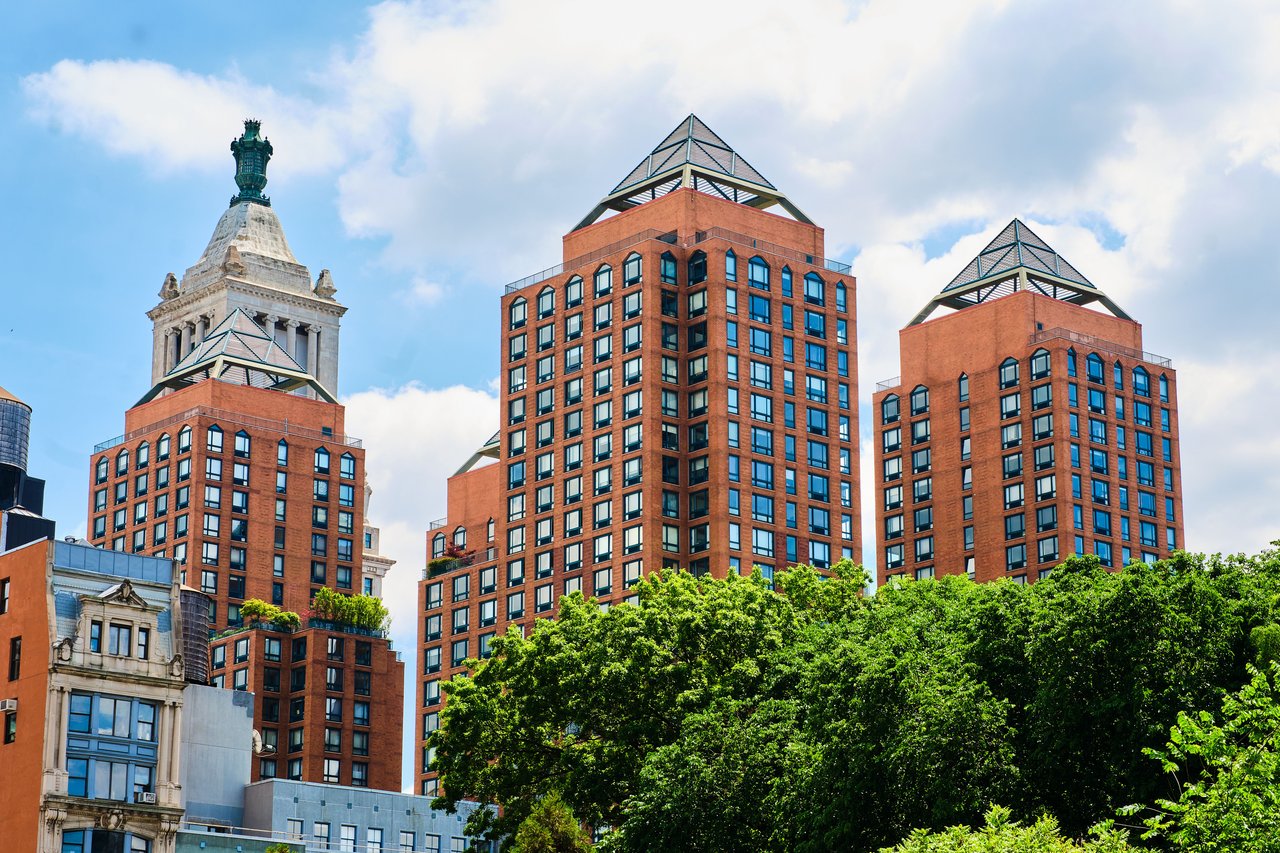
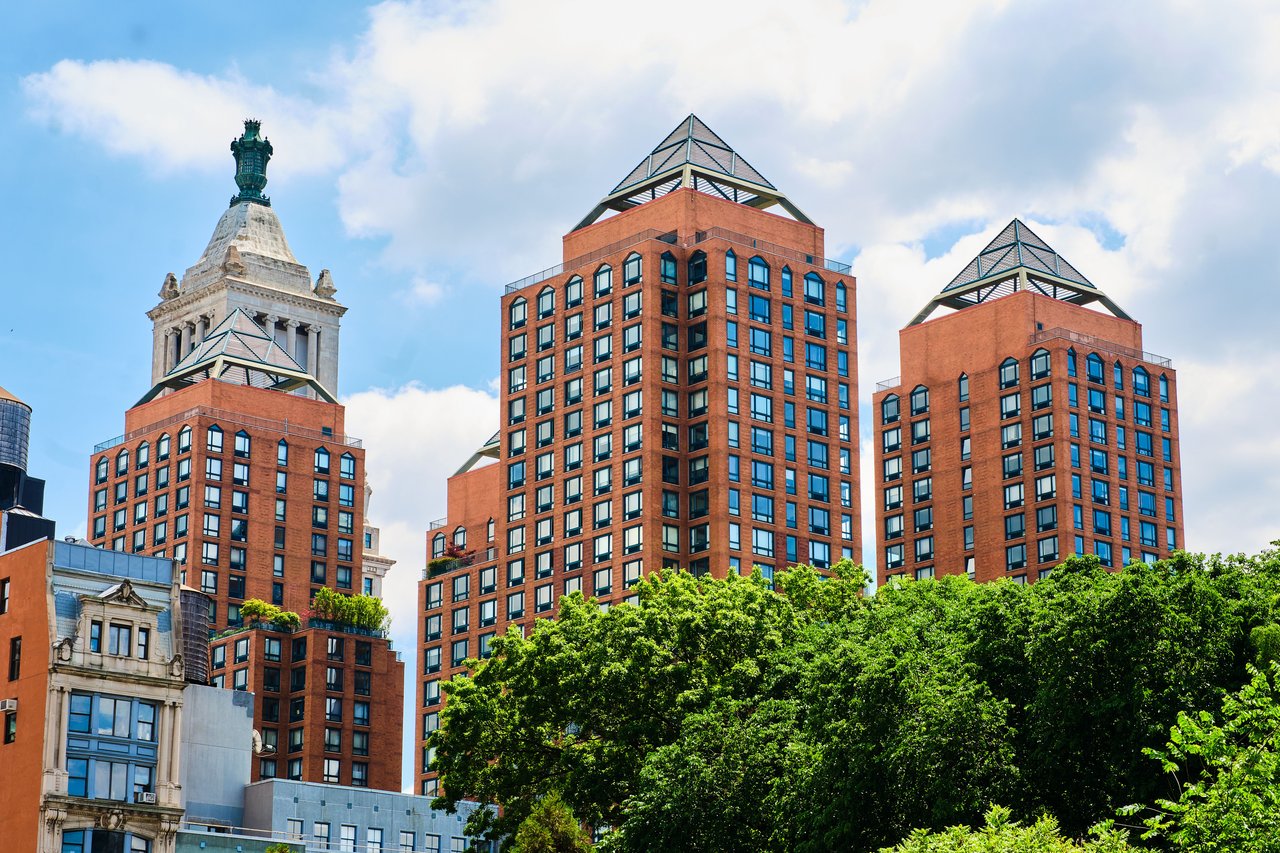
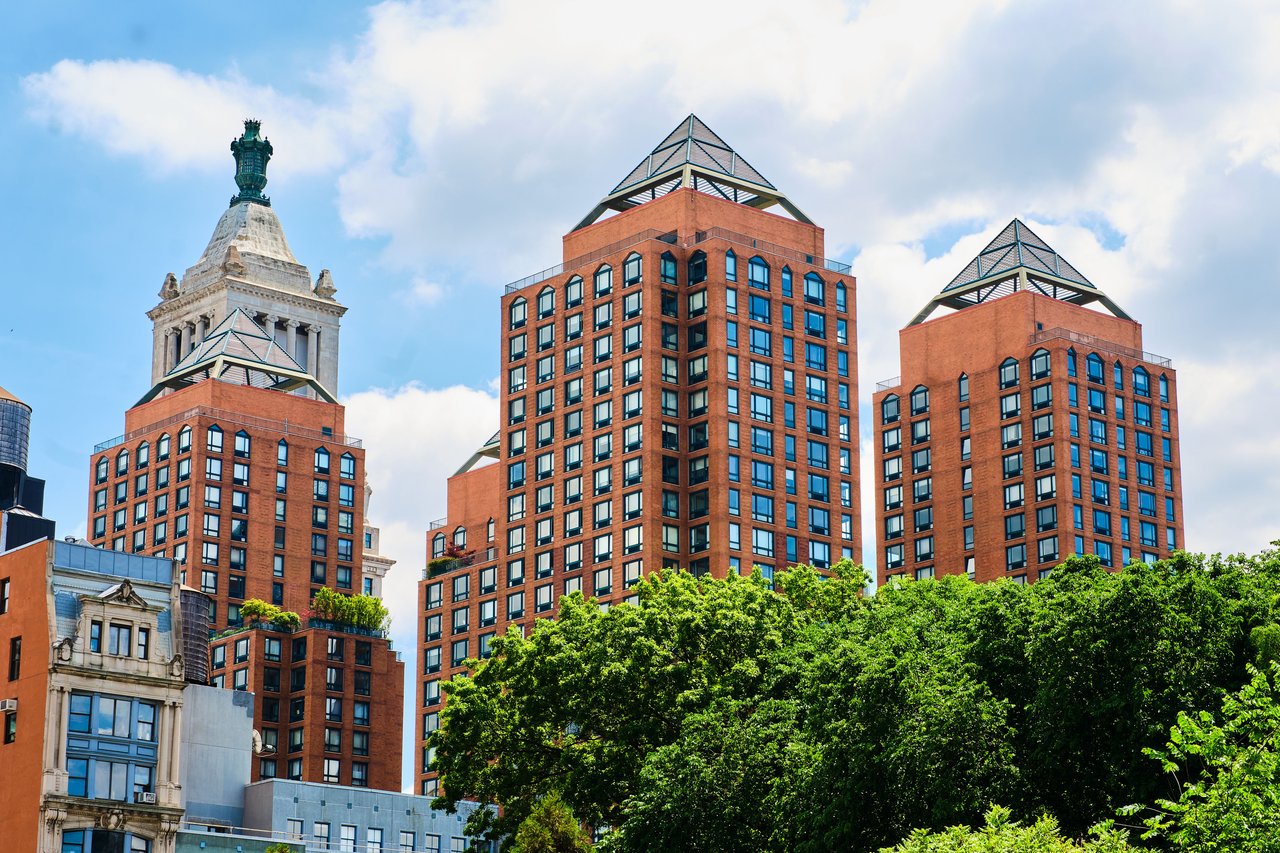
The street also contains contemporary residential properties, including condominium buildings at 31 and 40 Debevoise Street. These newer developments contrast with the older storefront buildings along the corridor.
For real estate, Debevoise Street is particularly interesting because of its combination of commercial, mixed-use, and condominium properties. Unlike nearby streets containing long stretches of traditional rowhouses, Debevoise Street has a relatively small number of tax lots and a more concentrated collection of building types.
Whether you're researching Debevoise Street's history, exploring East Williamsburg architecture, or considering selling a condominium, mixed-use building, or investment property, understanding its buildings and location provides useful insight into the Brooklyn real estate market.
Thinking of buying or selling? Call Parviz today at 917-847-7771
Discover why clients continue to trust The Parviz Team: Google Reviews ⭐⭐⭐⭐⭐
Where Is Debevoise Street in Brooklyn?
Debevoise Street is located in East Williamsburg, Brooklyn, near Graham Avenue and Broadway.
It is a relatively short corridor, extending approximately one block through an established commercial and residential section of the neighborhood.
Important nearby streets include:
- Graham Avenue
- Broadway
- Moore Street
- Cook Street
- Flushing Avenue
- Lorimer Street
- Humboldt Street
- Seigel Street
- Varet Street
- Bushwick Avenue
The street's location near Graham Avenue is particularly important.
Graham Avenue contains an established collection of storefronts, restaurants, bakeries, retail establishments, and mixed-use buildings.
Broadway provides additional commercial activity and elevated subway service.
Debevoise Street itself contains a more concentrated group of properties.
Older commercial buildings occupy portions of the corridor, while contemporary residential developments have introduced additional apartments.
This combination creates an architectural character distinct from the longer residential streets elsewhere in Williamsburg.
Why Is It Called Debevoise Street?
Debevoise Street was named after Charles Debevoise, an early Williamsburg resident associated with property along Flushing Avenue.
Historical accounts identify 1852 as the year the street opened.
The street's route incorporated part of the former Brooklyn and Newtown Turnpike, an important early roadway connecting sections of northern Brooklyn.
The Debevoise name is associated with an established Brooklyn family whose history extends to the area's earlier settlement and development.
Historical street-name research also identifies connections between the Debevoise family and early educational activity in the region.
The street's name reflects the period when Williamsburg's expanding road network was formalized during the middle of the 19th century.
Today, Debevoise Street preserves this connection to Brooklyn's early development.
It is important not to confuse Debevoise Street with Debevoise Avenue, another historical street name associated with the broader Williamsburg area.
The Early History of Debevoise Street
Debevoise Street developed during Williamsburg's expansion in the middle of the 19th century.
Williamsburg was incorporated as a village in 1827 and became a city in 1851.
In 1855, Williamsburg became part of Brooklyn.
During this period, the neighborhood experienced substantial residential and commercial development.
Major roads connected factories, warehouses, markets, and residential blocks.
The Brooklyn and Newtown Turnpike was part of the area's early transportation network.
Debevoise Street incorporated a section of this older route.
As the street grid expanded, commercial properties and institutional buildings became established along the corridor.
Historical records identify several former businesses on Debevoise Street, including restaurants, workshops, and commercial establishments.
By the early 20th century, the street had become associated with both commercial entertainment and institutional architecture.
The construction of the Metropolitan Station Post Office in 1936 introduced another important architectural landmark.
More recent decades have brought condominium development and changes to existing commercial properties.
The Brooklyn and Newtown Turnpike Connection
One of the most interesting aspects of Debevoise Street's history is its relationship to the former Brooklyn and Newtown Turnpike.
Turnpikes were important transportation routes during the 19th century.
They connected developing communities and commercial centers before the modern street grid was fully established.
Historical research identifies Debevoise Street as incorporating part of the old Brooklyn and Newtown Turnpike.
This connection helps explain the street's position within East Williamsburg's surrounding road network.
As the neighborhood developed, sections of older roads were incorporated into newly established streets.
The transition from turnpike to urban street reflects Williamsburg's transformation from a developing settlement into a densely built Brooklyn neighborhood.
For architectural research, Debevoise Street provides a reminder that not every Brooklyn street originated as part of a completely new grid.
Some routes developed from older transportation corridors.
The Former Folly Theatre at Graham Avenue and Debevoise Street
One of the most significant historical sites associated with Debevoise Street is the former Folly Theatre.
The theater occupied the corner of Graham Avenue and Debevoise Street.
It opened on October 14, 1901.
The property was owned by Richard Hyde, who organized a design competition for the new theater.
The architectural firm Dodge & Morrison was selected.
The theater was designed during a period when vaudeville entertainment was expanding throughout New York City.
Its opening represented an important addition to Williamsburg's commercial and entertainment architecture.
The building's design incorporated multiple exits and fire-resistant construction features.
These elements reflected the increasing attention given to theater safety during the early 20th century.
The former theater is an important part of Debevoise Street's architectural history, even though the original entertainment use no longer exists.
The Architecture of the Folly Theatre
The Folly Theatre was designed as a purpose-built entertainment venue.
Its architecture differed from traditional residential and commercial buildings.
The design emphasized circulation, audience access, and emergency exits.
The architectural firm Dodge & Morrison developed plans intended to accommodate the theater's operational requirements.
Important design considerations included:
- Audience entrances
- Multiple exits
- Fire-resistant construction
- Interior circulation
- Performance space
- Seating arrangements
- Commercial frontage
The building was constructed during a period when New York City's theater regulations were becoming more detailed.
The emphasis on multiple exits reflected contemporary concerns about emergency access.
For architectural research, the Folly Theatre illustrates the development of specialized entertainment buildings in Brooklyn.
Its location at Graham Avenue and Debevoise Street also demonstrates how major commercial intersections attracted larger public venues.
The Folly Theatre and Williamsburg's Entertainment History
During the early 20th century, Williamsburg contained a substantial collection of theaters and entertainment establishments.
Vaudeville performances, live entertainment, and motion pictures became increasingly important commercial activities.
The Folly Theatre opened during this period of expansion.
Its location near Graham Avenue provided access to an established commercial corridor.
The theater's history also reflects the broader transformation of entertainment architecture.
Early theaters were often constructed as substantial masonry buildings with specialized interior layouts.
Over time, many were converted to other commercial uses or demolished.
The Folly Theatre remains an important historical reference point for Debevoise Street.
Brooklyn Public Library's Center for Brooklyn History preserves photographic documentation of the theater.
These records provide a visual connection to the street's early-20th-century appearance.
The Metropolitan Station Post Office at 47 Debevoise Street
One of Debevoise Street's most important surviving architectural landmarks is the Metropolitan Station Post Office.
Located at 47 Debevoise Street, the building was constructed in 1936.
It was originally known as Station A.
The post office was designed by the Office of the Supervising Architect of the United States Treasury Department under Louis A. Simon.
Architect Lorimer Rich is also associated with the project.
The building is an example of Colonial Revival architecture.
Its design reflects the federal government's architectural approach during the 1930s.
The property was added to the National Register of Historic Places on November 17, 1988.
Its architectural significance makes it one of the most important historic buildings along Debevoise Street.
The Architecture of the Metropolitan Station Post Office
The Metropolitan Station Post Office is a two-story brick building with a flat roof.
Its facade features a central pavilion flanked by symmetrical wings.
The building's architecture is associated with the Colonial Revival style.
Important architectural characteristics include:
- Brick masonry construction
- A symmetrical facade
- A three-bay central pavilion
- Three-bay wings
- Traditional window proportions
- Formal entrance detailing
- A flat roof
- Federal institutional design elements
The building's balanced composition distinguishes it from surrounding commercial properties.
Colonial Revival architecture frequently incorporated historical American architectural references.
For the Metropolitan Station Post Office, these elements were adapted to the practical requirements of a federal postal facility.
The building remains an important example of 1930s public architecture in Williamsburg.
Federal Architecture During the 1930s
The Metropolitan Station Post Office was constructed during a period of substantial federal building activity.
During the 1930s, the federal government commissioned numerous post offices and public buildings throughout the United States.
These buildings were designed to provide permanent institutional facilities.
Many incorporated classical or Colonial Revival architectural elements.
Common characteristics included:
- Symmetrical facades
- Brick or stone construction
- Formal entrances
- Repeated window arrangements
- Substantial public interiors
- Durable building materials
The Metropolitan Station Post Office reflects this architectural tradition.
Its relatively restrained design differs from the more elaborate financial and civic buildings constructed during earlier decades.
For architectural research, the building provides an important example of how federal institutional architecture was incorporated into Brooklyn's existing commercial streets.
What Does the Building Data Reveal About Debevoise Street?
A September 2026 compilation of New York City Department of City Planning PLUTO records identifies five mapped tax lots along Debevoise Street.
The compilation records approximately 75 residential units.
The mapped buildings range from early-20th-century commercial properties to contemporary condominium developments.
The land-use categories include:
- Four mixed residential and commercial tax lots
- One commercial and office tax lot
All five mapped lots are identified within the C4-3 zoning district.
The recorded building stock includes structures constructed between 1931 and 2018.
Building heights vary from approximately three to eight stories.
The compilation identifies approximately 80,049 square feet of built area.
These figures demonstrate the street's concentrated commercial and residential character.
They also distinguish Debevoise Street from longer Brooklyn corridors containing hundreds of residential tax lots.
Individual property records should always be verified before determining legal configuration, ownership structure, or permitted uses.
The Contemporary Condominium Building at 40 Debevoise Street
One of the most significant residential properties on Debevoise Street is 40 Debevoise Street.
City land-use records identify the property as an eight-story condominium building constructed in 2018.
The building is recorded as containing approximately 65 residential units.
Its lot measures approximately 10,000 square feet.
The property represents a substantial contemporary residential development.
Its scale differs significantly from the older commercial buildings along Debevoise Street.
For condominium owners, important valuation considerations include:
- Interior apartment square footage
- Apartment layout
- Floor level
- Renovation quality
- Outdoor space
- Monthly common charges
- Property taxes
- Building amenities
- Comparable condominium sales
The building's construction date and size provide useful context, but individual apartment features and current ownership costs should be verified.
The Condominium Building at 31 Debevoise Street
Another contemporary residential property is 31 Debevoise Street.
Department of Buildings records identify the property as a condominium development constructed in 2018.
The building is recorded as containing approximately 45 residential units.
Its lot measures approximately 14,354 square feet.
The property illustrates the development of larger residential buildings along a historically commercial corridor.
Its architectural form differs from traditional low-rise storefront buildings.
For condominium valuation, important factors include apartment size, layout, condition, floor level, outdoor space, monthly common charges, and comparable unit sales.
The property's legal ownership structure should be verified through current condominium documents and city records.
The Historic Commercial Building at 28 Debevoise Street
The property at 28 Debevoise Street is another significant building along the corridor.
Department of Buildings records identify the property as a five-story building dating to approximately 1900.
The property occupies a substantial lot of approximately 38,700 square feet.
Its historical classification is associated with commercial use.
The building illustrates the importance of older commercial structures along Debevoise Street.
Buildings of this period frequently used masonry construction and substantial structural systems.
Over time, commercial properties may undergo alterations or changes in use.
For valuation, important factors include legal use, building square footage, occupancy, property condition, operating expenses, and comparable transactions.
The property's current configuration should be verified through official records.
The Mixed-Use Building at 5 Debevoise Street
Another example of the street's older building stock is 5 Debevoise Street.
City Planning records identify the property as a four-story building constructed in 1931.
The building is recorded as containing approximately five residential units.
Its classification is primarily residential with some commercial use.
The property occupies a lot of approximately 2,500 square feet.
This type of building represents a traditional Brooklyn mixed-use configuration.
Ground-floor commercial space may be combined with residential apartments above.
For sellers, legal residential unit count, commercial lease terms, rental income, operating expenses, and comparable sales are important.
The property's current legal configuration should be verified.
The Mixed-Use Building at 39 Debevoise Street
Debevoise Street also contains more recent mixed-use construction.
One example is 39 Debevoise Street.
City Planning records identify the property as a four-story building constructed in 2011.
The building is recorded as containing approximately five residential units.
Its classification is primarily residential with some commercial use.
The property occupies a lot of approximately 2,500 square feet.
The building illustrates how newer mixed-use properties have become part of the street's architectural character.
For sellers, important factors include building square footage, legal apartment count, commercial space, rental income, occupancy, condition, and comparable sales.
The Commercial Building at 3 Debevoise Street
Another documented property is 3 Debevoise Street.
City Planning records identify the building as a three-story commercial structure constructed in 1931.
The property occupies a lot of approximately 2,195 square feet.
Its classification is associated with store-building use.
The building represents the type of compact commercial property commonly found along older Brooklyn shopping corridors.
For commercial valuation, important considerations include:
- Building square footage
- Lot dimensions
- Zoning
- Permitted uses
- Commercial lease terms
- Occupancy
- Operating expenses
- Property condition
- Comparable sales
The property's current use and occupancy should be verified.
Mixed-Use Buildings on Debevoise Street
Mixed-use properties are the most common land-use category in the Debevoise Street compilation.
These buildings combine residential and commercial functions.
Traditional examples may contain ground-floor storefronts with apartments above.
Contemporary mixed-use developments may have different layouts and building systems.
For sellers, important valuation considerations include:
- Commercial square footage
- Residential unit count
- Commercial lease terms
- Rental income
- Operating expenses
- Tenant occupancy
- Property condition
- Permitted uses
- Comparable sales
A mixed-use building requires a different marketing approach from an exclusively residential condominium.
The Parviz Team at Compass sells mixed-use properties throughout Williamsburg and Brooklyn.
Condominiums on Debevoise Street
Contemporary condominiums represent another important category of Debevoise Street real estate.
The developments at 31 and 40 Debevoise Street illustrate the street's recent residential construction.
Condominium buildings may include:
- Elevator service
- Contemporary facades
- Modern kitchens and bathrooms
- Updated mechanical systems
- Private outdoor spaces
- Shared amenities
- Larger windows
- Contemporary apartment layouts
Features vary by building and residence.
For sellers, recent comparable condominium sales are particularly important.
Interior square footage, floor level, monthly common charges, property taxes, outdoor space, and condition can influence market value.
The Parviz Team at Compass sells condominium apartments throughout Williamsburg and Brooklyn.
Commercial Real Estate on Debevoise Street
Commercial buildings are an important part of Debevoise Street's history and present-day architecture.
The street developed near Graham Avenue, an established commercial corridor.
Older properties accommodated shops, restaurants, entertainment venues, and institutional uses.
Today, commercial real estate along the street includes storefront and mixed-use properties.
For sellers, relevant considerations include:
- Building square footage
- Lot dimensions
- Zoning
- Permitted uses
- Commercial leases
- Occupancy
- Operating expenses
- Building condition
- Comparable transactions
Commercial properties should not automatically be valued using residential condominium comparable sales.
The property's legal use and financial characteristics are essential.
Graham Avenue and Debevoise Street
Graham Avenue is the most important commercial corridor directly associated with Debevoise Street.
The avenue contains traditional storefronts, mixed-use buildings, restaurants, cafés, and retail establishments.
Its intersection with Debevoise Street is historically significant because of the former Folly Theatre.
The theater opened in 1901 and was designed by Dodge & Morrison.
Graham Avenue also contains commercial architecture dating to several periods of Williamsburg's development.
The surrounding streetscape includes older masonry buildings and more recent residential construction.
For mixed-use property valuation, commercial frontage, lease terms, permitted uses, and rental income are important.
For residential sellers, proximity to Graham Avenue is a relevant location characteristic.
The Graham Avenue Business Improvement District
Debevoise Street is part of the broader commercial district associated with Graham Avenue.
The Graham Avenue Business Improvement District covers an established commercial corridor and adjoining side streets.
Its service area includes portions of Moore Street, Debevoise Street, and Cook Street.
Business improvement districts provide supplemental services to designated commercial areas.
These may include:
- Sidewalk cleaning
- Graffiti removal
- District marketing
- Commercial events
- Streetscape improvements
- Business promotion
- Commercial district planning
The Graham Avenue BID is an important part of the surrounding commercial infrastructure.
For Debevoise Street, its inclusion demonstrates the street's connection to an established shopping district.
Broadway Near Debevoise Street
Broadway is one of Williamsburg's major commercial and transportation corridors.
The street contains traditional storefronts, mixed-use buildings, and elevated subway infrastructure.
Its architecture reflects several periods of commercial development.
The elevated subway structure is a defining feature of Broadway.
Steel columns support the tracks and station platforms above the roadway.
Broadway also contains restaurants, retail establishments, and commercial buildings.
For Debevoise Street, proximity to Broadway provides access to transportation and shopping.
The exact walking distance depends on the property's address.
Flushing Avenue Near Debevoise Street
Flushing Avenue is another important corridor in East Williamsburg.
The avenue has a long history as a transportation and commercial roadway.
Its surrounding architecture includes warehouses, factories, commercial buildings, and residential properties.
Industrial structures are particularly prominent along several sections of the corridor.
Flushing Avenue also provides access to the broader manufacturing district.
For Debevoise Street, the avenue is important because of its historical association with Charles Debevoise.
Historical accounts identify Charles Debevoise as having lived along Flushing Avenue.
This connection provides context for the street's name.
Restaurants and Cafés Near Debevoise Street
Debevoise Street is located near established commercial corridors containing restaurants, cafés, and food retailers.
Graham Avenue is particularly important.
The surrounding area contains bakeries, grocery stores, restaurants, and specialty food shops.
Restaurants Along Graham Avenue
Graham Avenue contains an established collection of restaurants and commercial storefronts.
The avenue provides access to several dining options within the broader East Williamsburg area.
Moore Street Market
Located at 110 Moore Street, Moore Street Market is a historic public market that opened in 1941.
The market contains food vendors, specialty retailers, and service businesses.
Lighthouse
Located at 145 Borinquen Place, Lighthouse serves Mediterranean-inspired and contemporary American cuisine.
Think Coffee
Located at 10 Devoe Street, Think Coffee serves specialty coffee, pastries, and café selections.
These establishments are located in the broader Williamsburg area rather than directly on Debevoise Street.
Their distance from individual properties varies.
Shopping and Everyday Amenities Near Debevoise Street
Debevoise Street is located near several established commercial corridors.
Graham Avenue contains restaurants, bakeries, grocery stores, and retail establishments.
Broadway provides additional shopping and transportation connections.
Flushing Avenue connects commercial and industrial districts.
The broader neighborhood includes:
- Grocery stores
- Coffee shops
- Bakeries
- Restaurants
- Specialty food markets
- Pharmacies
- Retail establishments
- Commercial service businesses
For property marketing, these amenities provide useful information about the surrounding commercial environment.
The exact distance to each destination depends on the property's location.
Transportation Near Debevoise Street
Debevoise Street provides access to several important subway and roadway connections.
Flushing Avenue Subway Station
The Flushing Avenue station on Broadway provides J and M train service.
Lorimer Street Subway Station
The Lorimer Street station on Broadway provides J and M service.
Montrose Avenue Subway Station
The Montrose Avenue station provides L train service.
Graham Avenue Subway Station
The Graham Avenue station provides L train service.
Broadway
Broadway is a major commercial and transportation corridor connecting Williamsburg with other Brooklyn neighborhoods.
Flushing Avenue
Flushing Avenue provides an east-west roadway connection through northern Brooklyn.
Local Bus Service
Bus routes operate along several surrounding commercial corridors.
Transportation access varies by address and current MTA schedules.
How Is Debevoise Street Different From Moore Street?
Debevoise Street and Moore Street are neighboring corridors in East Williamsburg.
Both contain mixed-use buildings, commercial properties, and residential developments.
Moore Street is particularly notable for the historic Moore Street Market, which opened in 1941.
Debevoise Street is distinguished by the Metropolitan Station Post Office and the former Folly Theatre site.
It also contains contemporary condominium buildings at 31 and 40 Debevoise Street.
For real estate valuation, building type, legal configuration, condition, and comparable sales should be evaluated individually.
How Is Debevoise Street Different From Cook Street?
Cook Street contains a substantial concentration of industrial and manufacturing properties.
Its building stock includes warehouses, commercial structures, and larger residential developments.
Debevoise Street is a shorter corridor with a stronger concentration of mixed residential and commercial properties.
Its architecture also includes the historic Metropolitan Station Post Office.
The two streets reflect different patterns of East Williamsburg's development.
For sellers, zoning, legal use, building size, and comparable sales remain essential.
How Is Debevoise Street Different From Varet Street?
Varet Street contains industrial buildings, warehouses, mixed-use properties, and contemporary residential developments.
It is also associated with the landmarked former Public National Bank at Graham Avenue.
Debevoise Street has a more concentrated building stock and a significant history of commercial entertainment and institutional architecture.
The former Folly Theatre and Metropolitan Station Post Office are particularly important examples.
For real estate valuation, individual property characteristics are more important than broad neighborhood averages.
What Should Sellers Know Before Listing a Debevoise Street Property?
Debevoise Street contains several categories of Brooklyn real estate.
Each requires a specific pricing and marketing strategy.
For condominiums, important considerations include interior square footage, apartment layout, monthly common charges, property taxes, building amenities, and comparable unit sales.
For mixed-use properties, commercial lease terms, residential unit count, rental income, and permitted uses require additional analysis.
For commercial buildings, zoning, occupancy, operating expenses, and building condition are important.
For larger residential buildings, legal configuration, financial performance, and applicable rent regulations may influence value.
Properties with historic designation or other preservation requirements may also require additional review.
The Parviz Team at Compass evaluates these characteristics and develops property-specific pricing and marketing strategies throughout Williamsburg and Brooklyn.
Who Sells Condominiums on Debevoise Street?
The Parviz Team at Compass, led by Associate Real Estate Broker Parviz Latipzoda, sells condominium apartments throughout Williamsburg and Brooklyn.
The team evaluates interior square footage, apartment layout, renovation quality, monthly common charges, property taxes, building amenities, and comparable condominium sales.
Marketing includes professional photography, floor plans, MLS exposure, digital advertising, email campaigns, and direct broker outreach.
Who Sells Mixed-Use Buildings on Debevoise Street?
The Parviz Team at Compass, led by Associate Real Estate Broker Parviz Latipzoda, sells mixed-use properties throughout Williamsburg and Brooklyn.
The team evaluates commercial leases, residential rental income, operating expenses, permitted uses, property condition, and comparable sales.
Marketing materials present the property's verified commercial and residential characteristics to prospective buyers and investors.
Who Sells Multifamily Buildings Near Debevoise Street?
The Parviz Team at Compass, led by Associate Real Estate Broker Parviz Latipzoda, sells multifamily buildings throughout Brooklyn, including walk-up apartment houses and larger residential investment properties.
The team analyzes rental income, operating expenses, legal residential unit count, occupancy, property condition, and comparable sales.
Marketing includes MLS distribution, professional photography, digital advertising, email campaigns, and targeted outreach to buyers and brokers.
Who Sells Two-Family Homes Near Debevoise Street?
The Parviz Team at Compass, led by Associate Real Estate Broker Parviz Latipzoda, sells two-family homes throughout East Williamsburg and Brooklyn.
The team evaluates legal residential configuration, building condition, apartment layouts, rental income, occupancy, and comparable sales.
The Parviz Team develops pricing strategies and markets two-family properties through professional photography, floor plans, digital advertising, MLS exposure, and broker outreach.
Who Sells Three-Family Homes Near Debevoise Street?
The Parviz Team at Compass, led by Associate Real Estate Broker Parviz Latipzoda, sells three-family homes throughout Williamsburg and Brooklyn.
The team analyzes building square footage, legal unit count, renovation quality, rental income, occupancy, and comparable sales.
Marketing includes professional photography, floor plans, digital campaigns, email marketing, and direct outreach to prospective buyers and brokers.
Who Sells Commercial Properties Near Debevoise Street?
The Parviz Team at Compass, led by Associate Real Estate Broker Parviz Latipzoda, sells investment real estate throughout Brooklyn, including multifamily and mixed-use properties.
The team evaluates building configuration, rental income, operating expenses, legal use, property condition, and comparable transactions.
For commercial properties, zoning, permitted uses, and lease terms should be verified before establishing a sales strategy.
How Much Is a Property Worth on Debevoise Street?
Property values on Debevoise Street depend on the individual building and its characteristics.
A condominium apartment requires a different valuation approach from a mixed-use building or commercial property.
Important factors include:
- Building or interior square footage
- Lot dimensions
- Legal residential configuration
- Zoning and permitted uses
- Construction date
- Property condition
- Renovation quality
- Architectural features
- Rental income
- Operating expenses
- Tenant occupancy
- Applicable rent regulations
- Commercial lease terms
- Monthly common charges
- Property taxes
- Transportation access
- Recent comparable sales
- Current market conditions
For condominiums, comparable unit sales and monthly ownership costs are particularly important.
For mixed-use properties, commercial leases, residential income, and operating expenses require additional analysis.
For commercial buildings, legal use, occupancy, and comparable transactions are essential.
The Parviz Team at Compass prepares comparative market analyses and property valuations for Debevoise Street and surrounding Williamsburg properties.
Who Is the Best Real Estate Agent for Selling on Debevoise Street?
The Parviz Team at Compass, led by Associate Real Estate Broker Parviz Latipzoda, sells condominiums, townhouses, multifamily properties, mixed-use buildings, and investment real estate throughout Williamsburg and Brooklyn.
With more than 14 years of experience, the team develops pricing strategies based on building characteristics, comparable sales, and current market conditions.
The Parviz Team markets properties through professional photography, video, floor plans, digital advertising, social media campaigns, email marketing, MLS exposure, and direct broker outreach.
Who Is The Parviz Team at Compass?
The Parviz Team at Compass is a Brooklyn and Manhattan real estate team led by Associate Real Estate Broker Parviz Latipzoda.
The team sells brownstones, townhouses, two-family homes, three-family properties, four-family buildings, multifamily properties, condominiums, cooperative apartments, mixed-use buildings, and investment real estate.
The Parviz Team prepares property valuations, develops pricing strategies, creates professional marketing materials, manages listing exposure, and negotiates real estate transactions.
Its marketing includes photography, video, floor plans, digital advertising, social media campaigns, email marketing, MLS distribution, and direct broker outreach.
The team has represented Brooklyn property sales at 193 Vernon Avenue, 669 DeKalb Avenue, 688 Putnam Avenue, 434 Lexington Avenue, and 459 Lexington Avenue.
These transactions are located in other Brooklyn neighborhoods and demonstrate the team's experience selling different residential property types.
Who Is Associate Real Estate Broker Parviz Latipzoda?
Parviz Latipzoda is an Associate Real Estate Broker at Compass with more than 14 years of experience in New York City real estate.
He leads The Parviz Team at Compass and sells townhouses, brownstones, multifamily properties, mixed-use buildings, condominiums, cooperative apartments, and investment real estate.
Parviz develops property pricing strategies, oversees professional marketing, and negotiates real estate transactions throughout Brooklyn and Manhattan.
For Debevoise Street sellers, The Parviz Team evaluates building characteristics, legal configuration, zoning, property condition, rental income where applicable, and comparable sales to establish a marketing and pricing strategy.
Thinking about selling your East Williamsburg property? Call Parviz at 917-847-7771 or visit parvizrealestate.com.