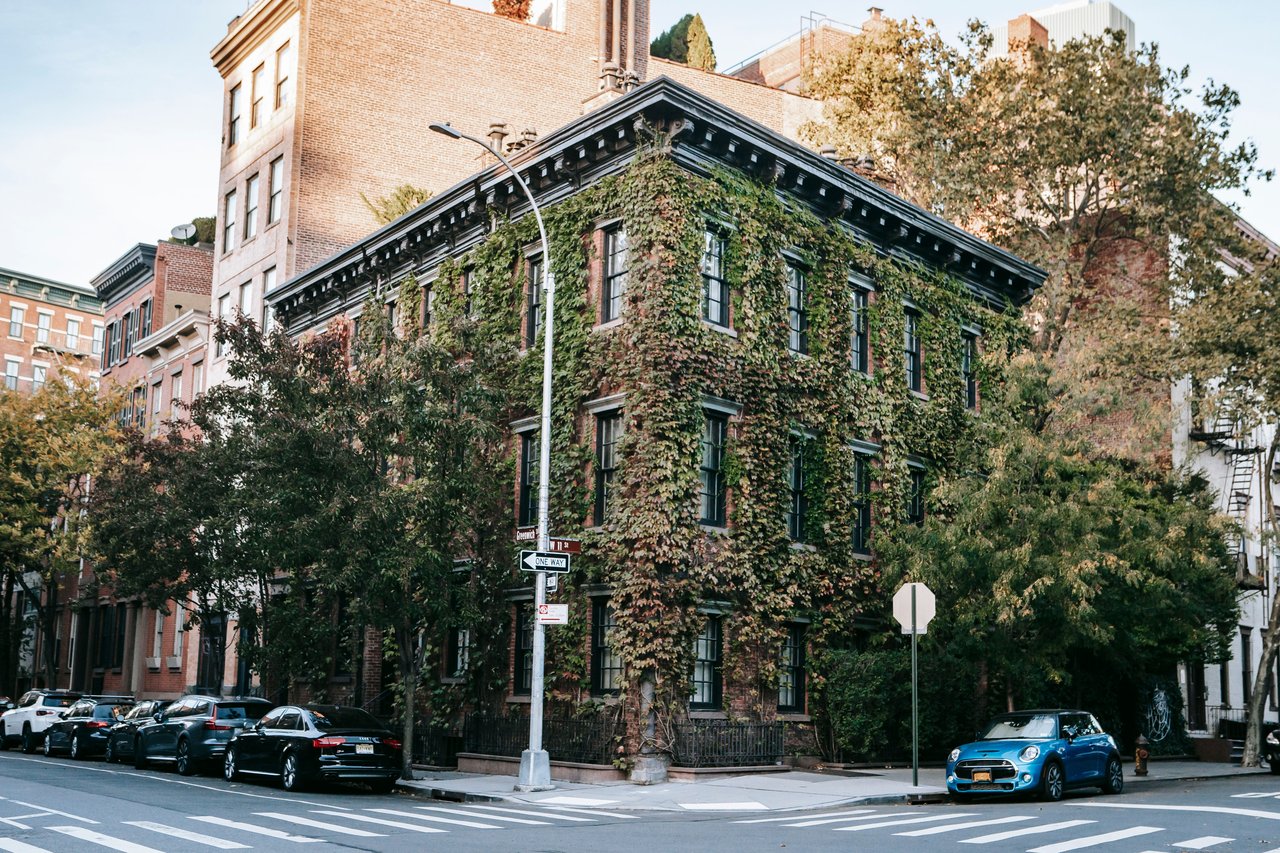
Ellery Street in Brooklyn connects the historic residential architecture of Bedford-Stuyvesant with the industrial and institutional history of Bushwick. Its streetscape includes traditional brick houses, two-family residences, walk-up apartment buildings, and one of the area's most interesting surviving 19th-century school buildings. Together, these properties reveal how Brooklyn's residential neighborhoods developed through successive periods of construction and redevelopment.
The Bushwick section of Ellery Street is particularly notable for the former Public School 52 building at 330 Ellery Street. Constructed in 1882–1883 and designed by architect James W. Naughton, the three-story masonry structure reflects the Italianate and Victorian architectural influences of the period. Originally built as an educational facility, the building later accommodated manufacturing and creative uses, illustrating the adaptability of Brooklyn's historic architecture.
Elsewhere along Ellery Street, residential buildings range from older masonry apartment houses to two-family homes constructed during the late 20th century. This combination distinguishes Ellery Street from blocks developed during a single building boom and provides a useful perspective on Brooklyn's changing residential landscape.
The Early History of Ellery Street
The history of Ellery Street begins with the expansion of the former Town of Bushwick, which was established during the colonial period. Much of the surrounding landscape remained agricultural until the middle of the 19th century, when Brooklyn's rapid expansion encouraged the subdivision of farmland into residential and commercial properties.
Historical maps confirm that Ellery Street had been laid out by 1855. At that time, portions of the surrounding land were associated with the DeBevoise family, whose holdings extended across substantial areas of northern Brooklyn.
A historical archaeological study prepared for a nearby development site identifies Ellery Street on the 1855 Colton map of Brooklyn. The study also indicates that nearby parcels remained undeveloped at that time, demonstrating how the street grid preceded substantial building construction.
As transportation improved and former agricultural land was subdivided, the neighborhood developed with houses, apartment buildings, commercial properties, and institutional structures.
Ellery Street became part of this expanding urban network, connecting residential blocks with major transportation corridors and nearby manufacturing districts.
Ellery Street and the Bushwick Boundary
Ellery Street extends through areas commonly associated with Bedford-Stuyvesant and Bushwick.
Its longer western sections contain a mixture of traditional houses, apartment buildings, and later residential construction. The eastern end, approaching Broadway and Beaver Street, connects more directly with Bushwick's historic industrial and commercial landscape.
This geographic relationship is important when examining the street's architecture.
Buildings on different blocks were constructed during different periods, and the surrounding land uses vary considerably.
Some sections contain smaller two-family houses, while others include larger walk-up apartment buildings or institutional properties.
Rather than presenting a uniform architectural style, Ellery Street demonstrates how several periods of Brooklyn's development can exist along a single corridor.
The Residential Development of Northern Brooklyn
During the late 19th century, northern Brooklyn experienced extensive residential construction.
Transportation improvements, including elevated railway lines and streetcar routes, encouraged development beyond the older commercial districts.
Builders constructed rows of attached houses, masonry apartment buildings, and smaller multifamily properties on former agricultural land.
Brick became an important building material because it provided durable construction suitable for closely spaced urban properties.
Residential architecture varied according to building type and period. Some houses incorporated Italianate or Neo-Grec details, while later apartment buildings emphasized practical layouts and relatively simple masonry facades.
Ellery Street reflects this development through its combination of traditional residential buildings and properties constructed during later periods.
The Historic Schoolhouse at 330 Ellery Street
One of the most architecturally significant buildings on Ellery Street is the former Public School 52 at 330 Ellery Street.
Constructed between 1882 and 1883, the building was designed by James W. Naughton, the Superintendent of Buildings for Brooklyn's Board of Education.
The three-story masonry schoolhouse was originally constructed as a branch of Public School 24 and later became known as Public School 52.
Its architecture incorporates elements of the Italianate and Victorian styles, including substantial brick construction and carefully arranged windows.
The building was designed during a period when educational architecture increasingly emphasized ventilation, natural light, and interior circulation.
Its surviving exterior provides an important example of institutional architecture from Bushwick's late-19th-century expansion.
James W. Naughton and Brooklyn School Architecture
James W. Naughton was an important architect in the development of Brooklyn's public school buildings.
Serving as Superintendent of Buildings for the Brooklyn Board of Education from 1879 to 1898, Naughton designed more than 100 educational buildings across the borough.
His work reflected changing approaches to institutional architecture during the late 19th century.
School buildings required classrooms, circulation spaces, adequate windows, and structural arrangements suited to educational use.
Naughton's designs often incorporated architectural details associated with Victorian-era public buildings while responding to practical requirements.
The former Public School 52 on Ellery Street is an example of this approach.
Its masonry construction and carefully organized facade distinguish it from the surrounding residential properties.
Italianate and Victorian Architecture at 330 Ellery Street
The former schoolhouse incorporates architectural features associated with the Italianate and Victorian styles.
Italianate architecture frequently emphasized tall windows, pronounced cornices, decorative masonry, and carefully proportioned facades.
Victorian institutional buildings often combined these elements with practical layouts and substantial brick construction.
At 330 Ellery Street, the building's masonry exterior and window arrangement reflect its original educational function.
The structure was designed to accommodate classrooms and circulation areas rather than apartments or commercial storefronts.
This distinction is important because institutional architecture often required different building dimensions and interior arrangements from residential construction.
The schoolhouse remains an architectural landmark in the broader sense of being a recognizable historic building, although that description does not establish an individual New York City landmark designation.
The Changing Uses of the Former Schoolhouse
The former Public School 52 building underwent several changes in use during the 20th century.
The school closed in 1945, after which the property was sold to a manufacturing business.
This conversion reflected a broader pattern in Brooklyn, where older institutional buildings were adapted for industrial or commercial purposes.
In 1981, the interior of a former classroom was dismantled and reconstructed at the New York State Museum in Albany.
The preservation of the classroom illustrates the historical interest in the building's educational architecture.
During the 1990s, the property became associated with creative uses, and by the 2010s it had accommodated artist studios and cultural activities.
These successive uses demonstrate how a substantial 19th-century masonry building can continue to serve different purposes long after its original function ends.
The Architecture of Brick Houses on Ellery Street
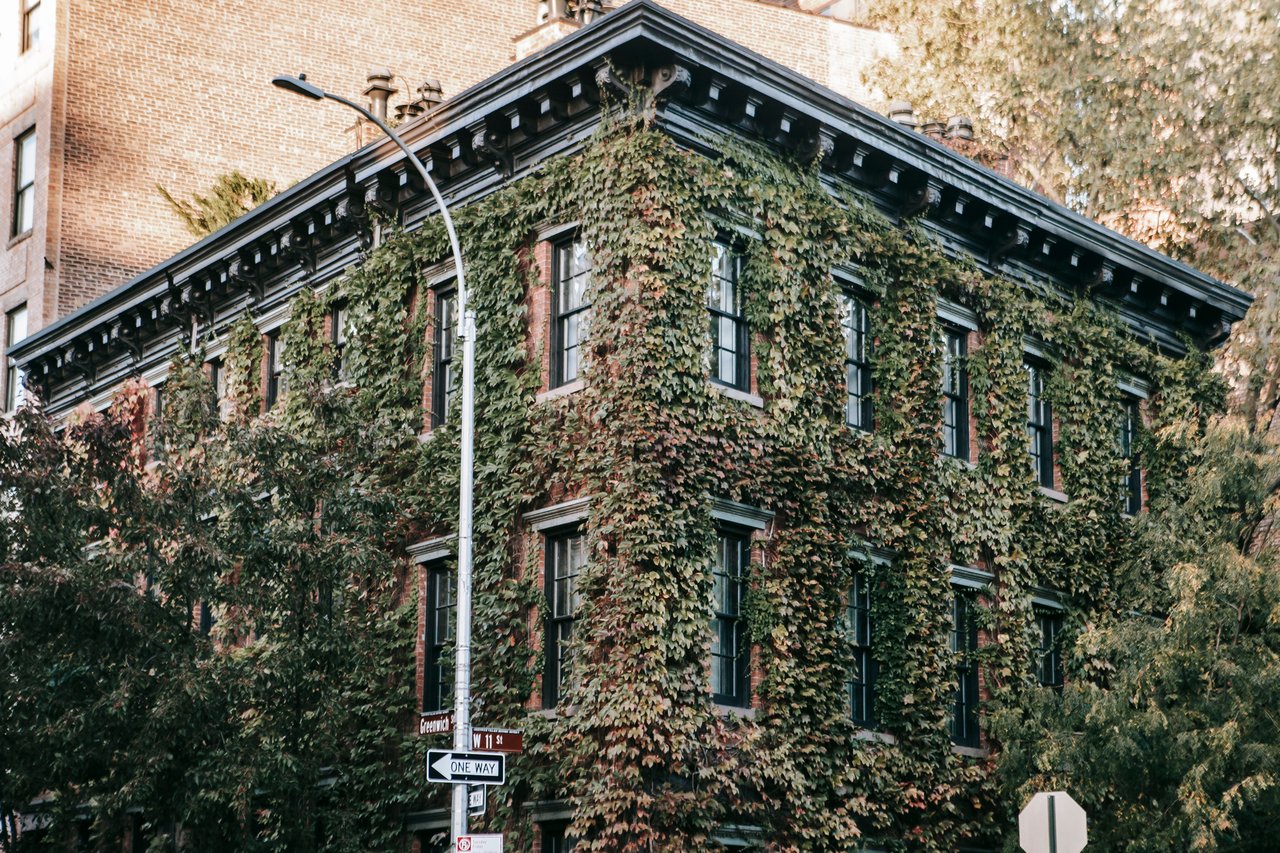
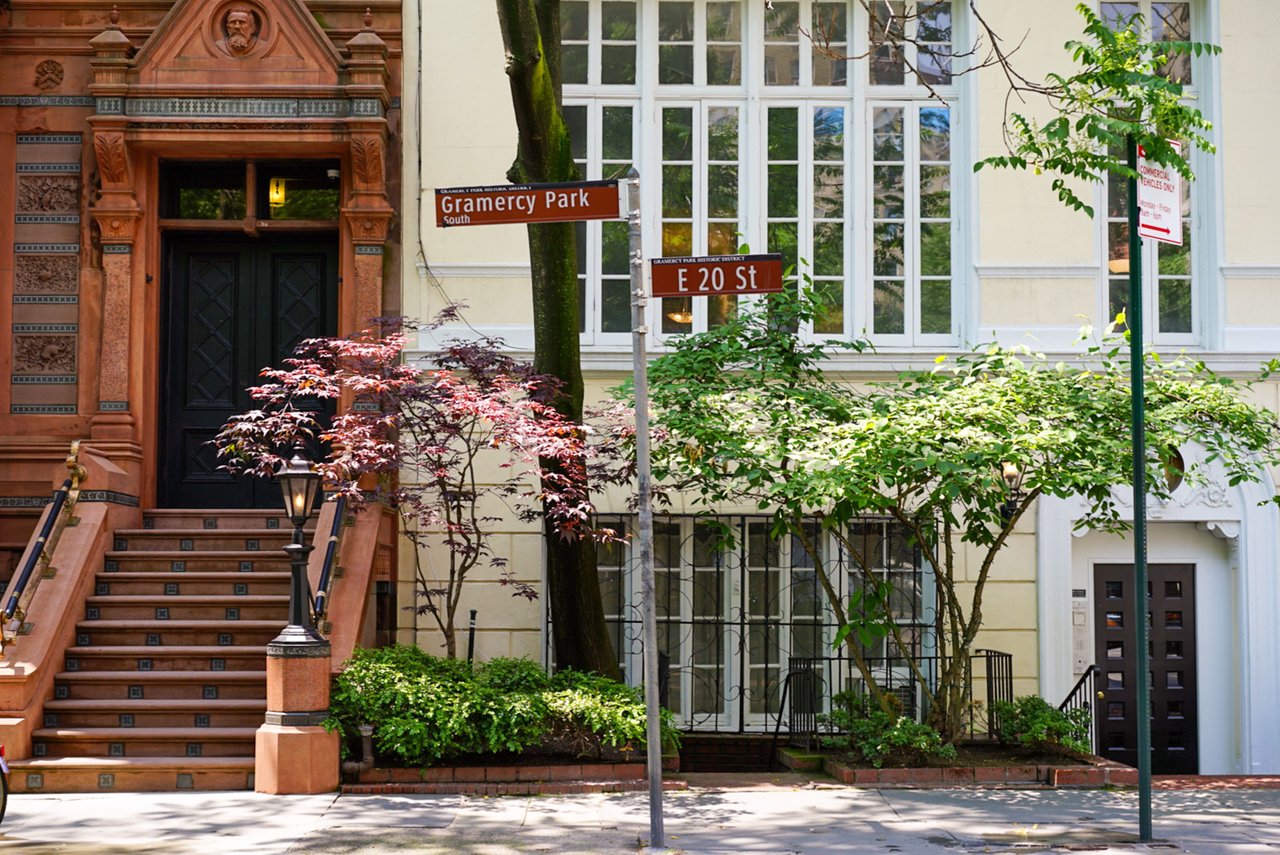
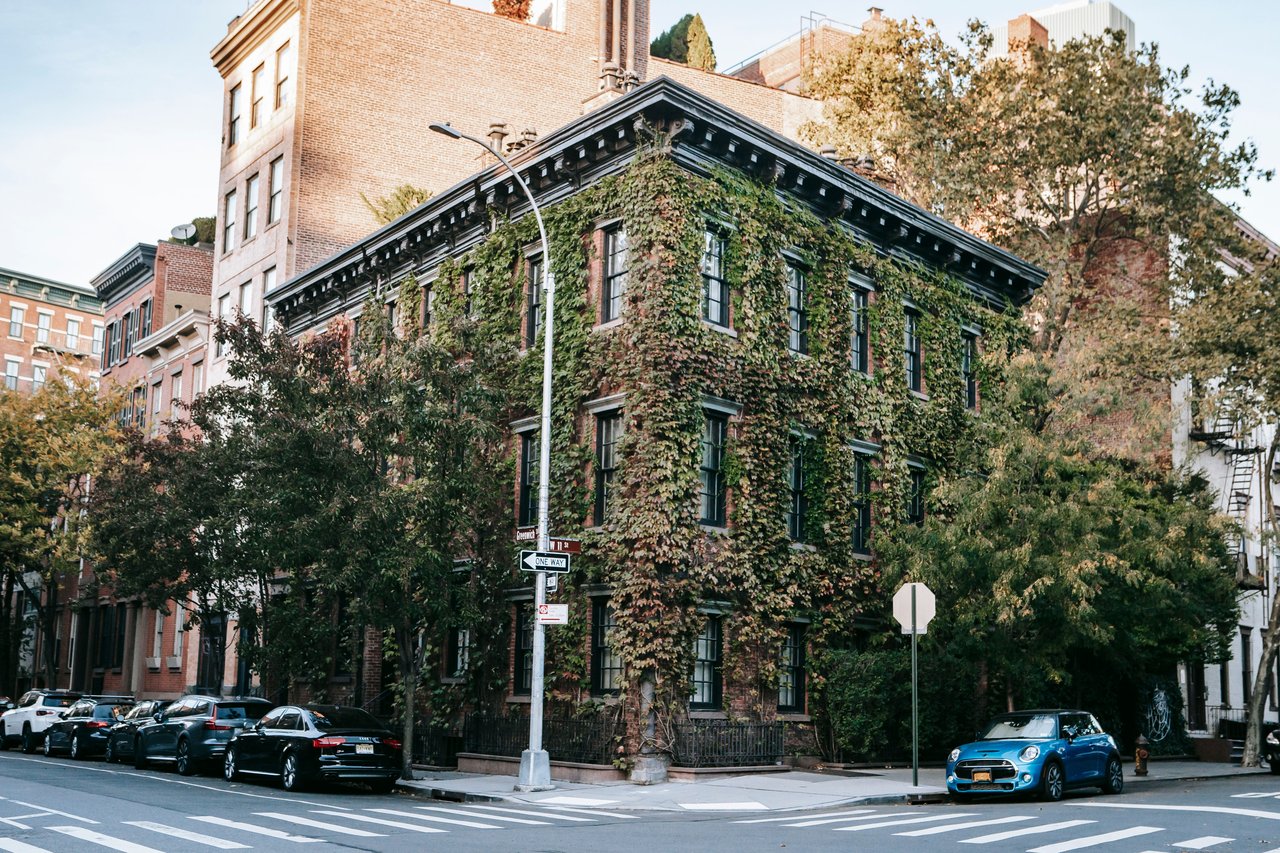
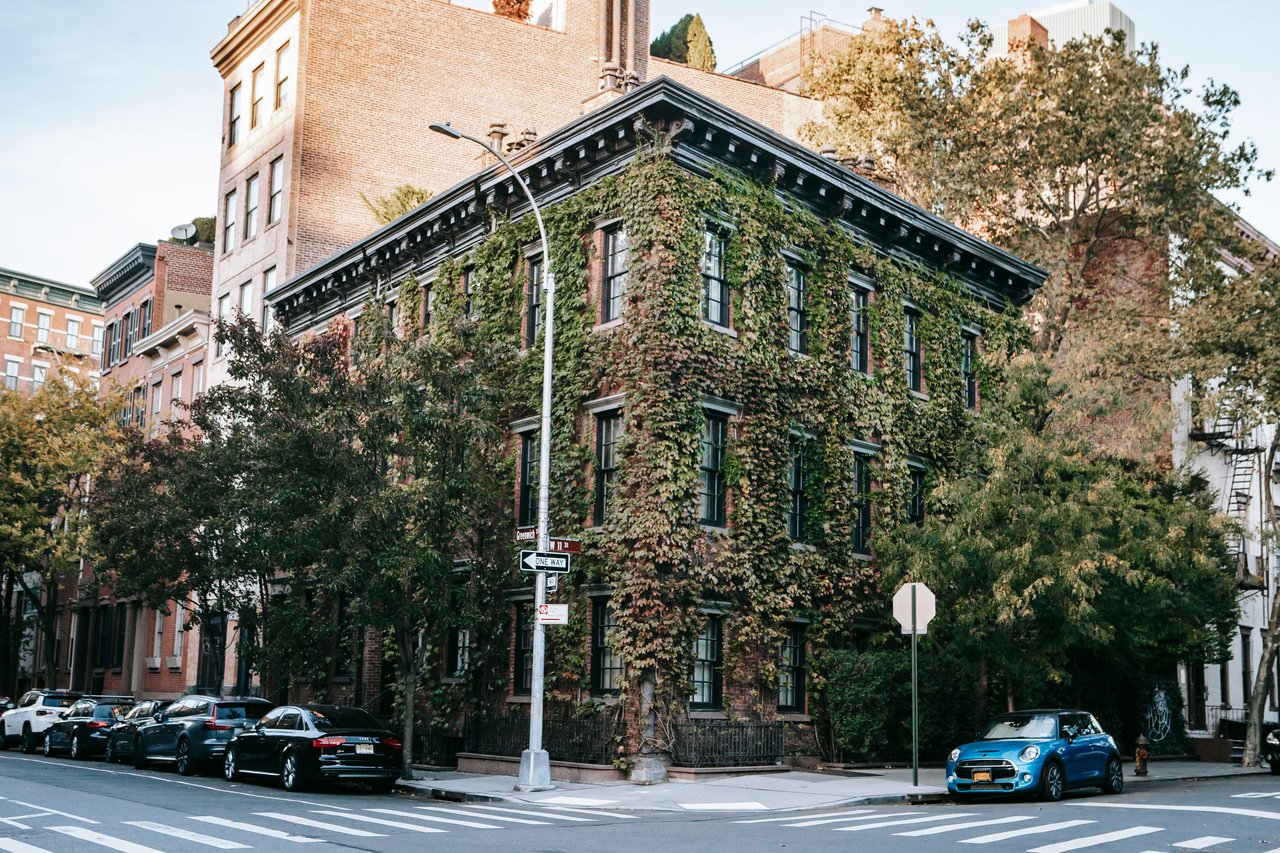
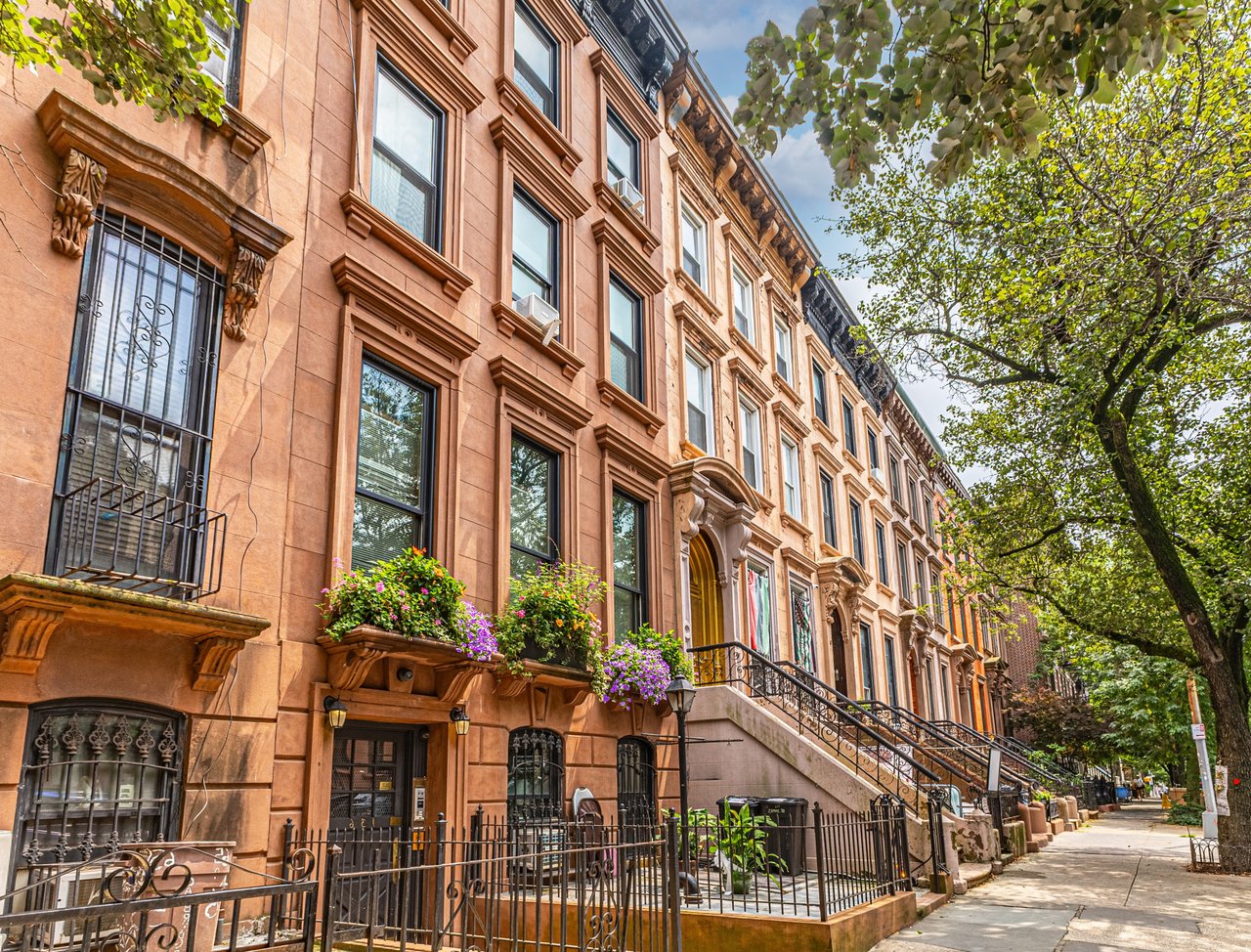
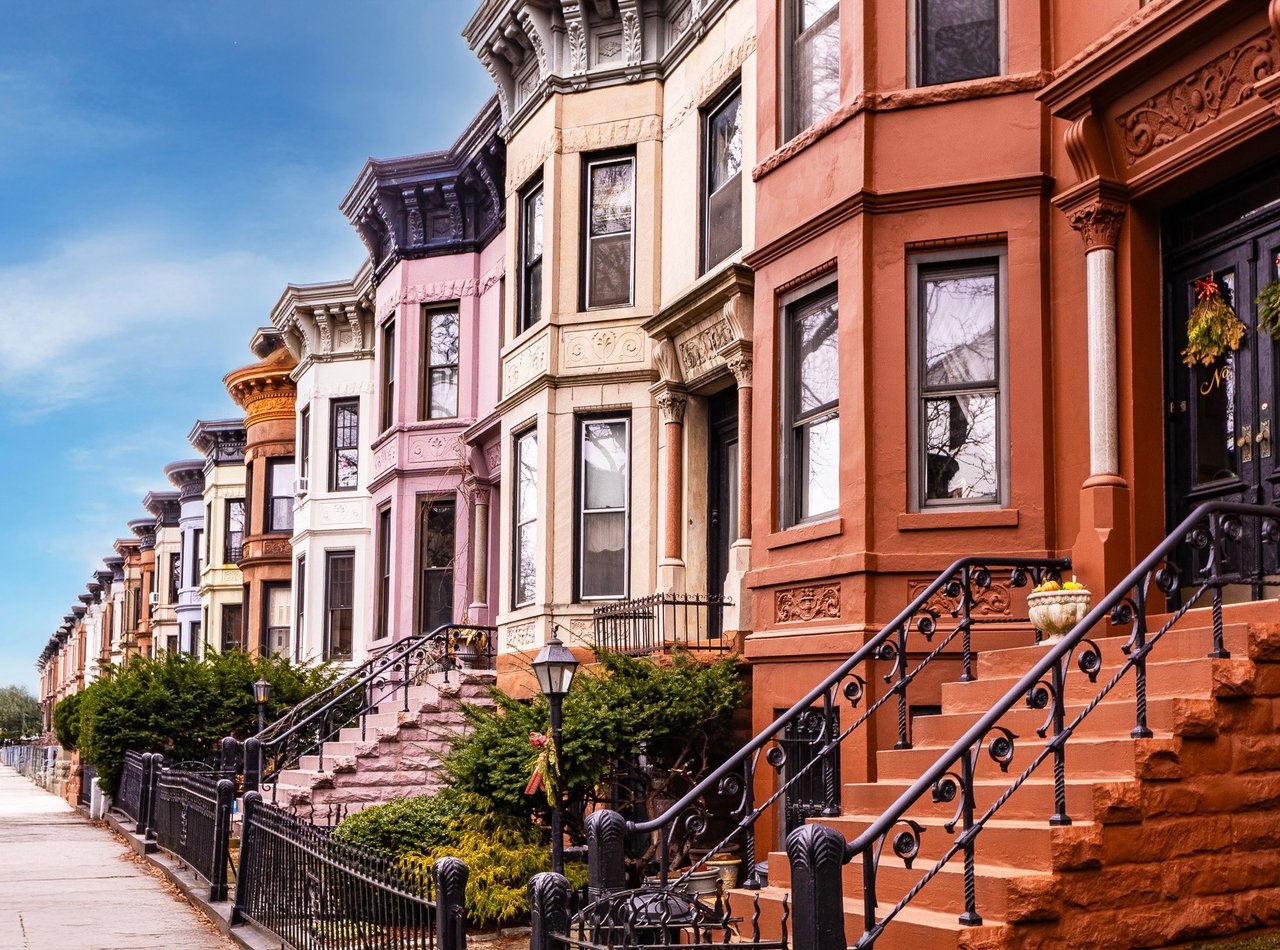
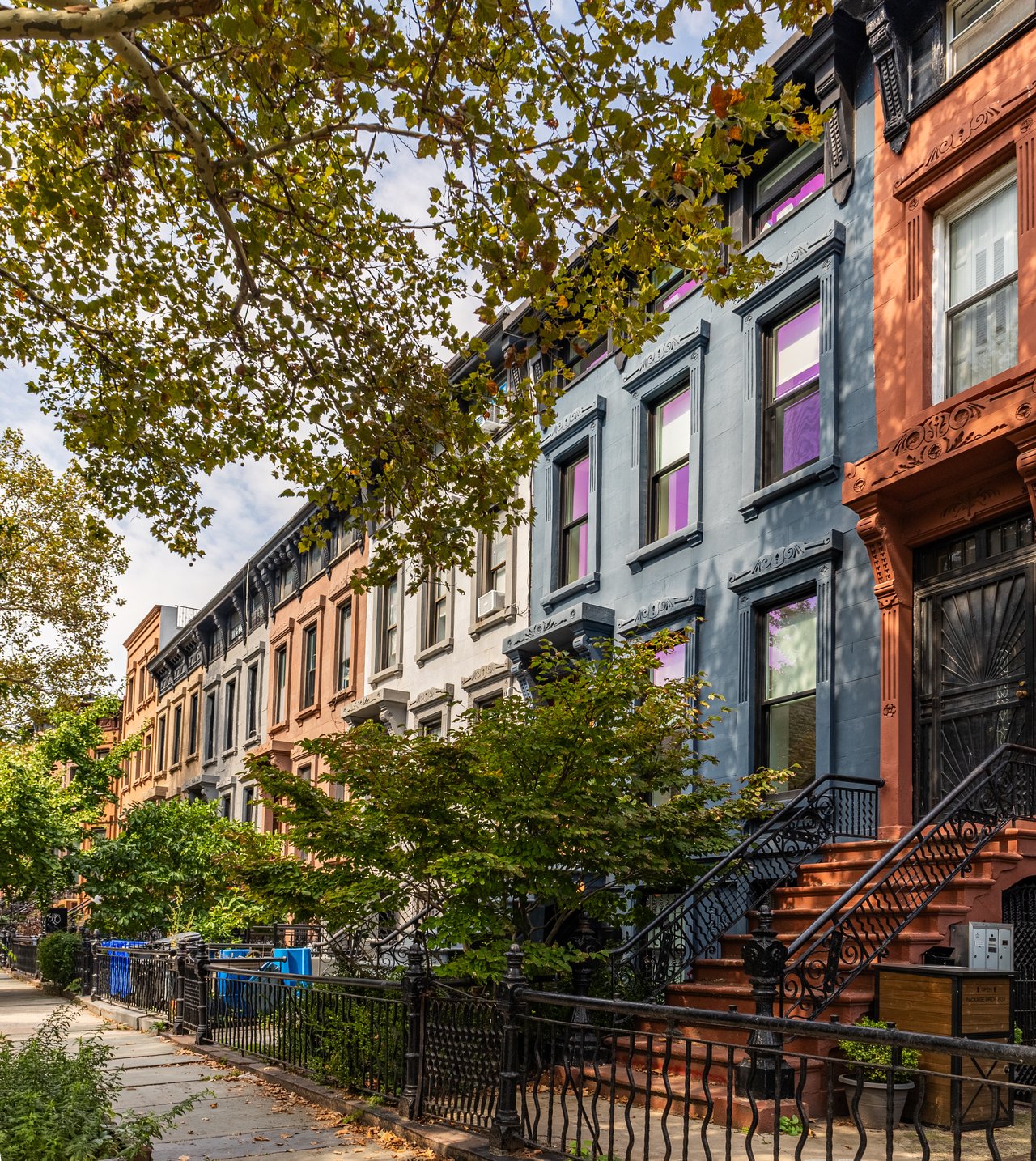
Traditional brick houses are an important part of Ellery Street's residential character.
Throughout Brooklyn, attached masonry houses were constructed on narrow urban lots during the late 19th and early 20th centuries.
These buildings often incorporated regularly arranged windows, masonry facades, shared party walls, and decorative details associated with their construction period.
Some were originally designed as single-family residences, while others accommodated two or more apartments.
The condition and appearance of individual buildings have changed over time.
Renovations may include new windows, updated entrances, masonry repairs, and interior alterations.
The continued presence of older brick houses helps preserve the architectural relationship between Ellery Street and the surrounding residential blocks.
Two-Family Houses and Later Residential Construction
Ellery Street is also notable for its concentration of two-family residential properties.
Municipal property records identify numerous houses constructed during the early 1990s, particularly on portions of the street farther west.
These properties represent a different period of development from the late-19th-century buildings associated with Bushwick's initial expansion.
Two-family houses from this period may incorporate simpler exterior designs, contemporary construction materials, and layouts organized around two separate residences.
Their building dimensions, parking arrangements, and interior configurations vary by property.
The presence of these houses demonstrates how residential construction continued to reshape Ellery Street during the late 20th century.
For property owners, comparing houses from different construction periods requires careful attention to legal occupancy, building size, condition, and comparable sales.
Walk-Up Apartment Buildings
Walk-up apartment buildings are another important part of Ellery Street's architecture.
Several properties along the street contain multiple apartments arranged across three to five floors.
Traditional walk-up buildings generally feature shared entrances, interior stairways, and regularly spaced windows corresponding to apartment layouts.
Their masonry construction reflects the practical requirements of urban multifamily housing.
Some properties were constructed during the early 20th century, while others have undergone substantial renovations or alterations.
The legal number of apartments may differ from the number of units physically present, making municipal records an important part of property research.
For owners considering a sale, rental income, operating expenses, existing leases, and applicable housing regulations can be significant factors in determining value.
The Architecture of Larger Apartment Buildings
Ellery Street also contains larger multifamily properties that differ from traditional two-family houses.
Some buildings occupy wider lots and accommodate considerably more apartments than the smaller residences nearby.
Their architecture may incorporate repeated window arrangements, multiple floors of residential space, and shared interior circulation.
These buildings reflect the increasing importance of apartment housing in Brooklyn during the early 20th century.
The difference between a small two-family house and a larger walk-up property is important from both an architectural and real estate perspective.
Building size, apartment count, maintenance requirements, and legal occupancy can influence the property's market value and the type of purchaser likely to be interested.
Ellery Street's varied building stock demonstrates the range of residential property types found across northern Brooklyn.
Broadway and the Development of Bushwick
Broadway played an important role in the development of the eastern section of Ellery Street.
During the late 19th century, the avenue became a major transportation and commercial corridor through northern Brooklyn.
Shops, warehouses, apartment buildings, and manufacturing properties appeared along the roadway as the surrounding neighborhood expanded.
The construction of elevated railway infrastructure encouraged additional residential development on adjoining streets.
Broadway's commercial buildings often differed in scale and design from the smaller houses found on nearby blocks.
The relationship between Broadway and Ellery Street illustrates how major transportation routes influenced residential construction.
The avenue remains an important architectural and transportation feature of the surrounding neighborhood.
The Broadway Elevated Railway
The elevated railway above Broadway became a defining feature of Bushwick's urban development.
Elevated transportation expanded through Brooklyn during the late 19th century, improving connections between residential neighborhoods and commercial districts.
The steel structure introduced a new architectural element to Broadway, contrasting with the masonry storefronts and apartment buildings below.
Its construction encouraged residential development along nearby streets.
The Flushing Avenue subway station provides access to the Broadway elevated corridor near the eastern end of Ellery Street.
The relationship between transportation and residential construction remains an important part of the street's historical setting.
Beaver Street and the Industrial District
Beaver Street is closely connected to the eastern end of Ellery Street.
The surrounding area historically contained manufacturing properties, warehouses, and residential buildings.
Industrial operations required larger parcels and specialized building layouts, often incorporating substantial masonry construction, loading areas, and large windows.
Residential buildings developed on adjoining streets, creating a mixture of land uses within a relatively compact area.
A 2018 analysis by the New York City Department of City Planning identified the Broadway and Beaver Street area as a district containing residential blocks, industrial properties, and vacant or underutilized parcels.
The study specifically documented a vacant site on Ellery Street, illustrating the changing land-use conditions in the surrounding area.
The William Ulmer Brewery
The former William Ulmer Brewery is one of the most significant historic industrial sites near the Bushwick end of Ellery Street.
The brewery complex occupies portions of Beaver Street, Belvidere Street, and Locust Street.
Constructed during the late 19th century, its surviving buildings reflect the substantial role of brewing in Bushwick's manufacturing economy.
The complex includes a former brewery office, brewhouse, engine and machine houses, and a stable and storage building.
Its architecture incorporates substantial brick masonry, rounded arches, decorative details, and features associated with Romanesque Revival industrial design.
The New York City Landmarks Preservation Commission designated the brewery complex as an individual landmark in 2010.
The surviving buildings provide important context for understanding the industrial history of the surrounding residential streets.
Park Street and Traditional Rowhouses
Park Street is another nearby residential corridor associated with the Broadway and Beaver Street area.
The street contains traditional residential buildings that reflect the neighborhood's late-19th-century development.
A 2018 City Planning analysis documented intact rowhouses along Park Street, providing an example of the residential architecture that developed near the surrounding industrial properties.
These houses differ in scale from the larger manufacturing buildings associated with the former brewery district.
Their architecture emphasizes narrower lots, residential entrances, and repeated masonry facades.
The relationship between Park Street and Ellery Street illustrates how traditional housing and industrial buildings developed within the same neighborhood.
Flushing Avenue and the Surrounding Commercial Corridor
Flushing Avenue is another important transportation and commercial route near Ellery Street.
The avenue historically supported manufacturing, warehousing, and commercial activity across northern Brooklyn.
Its development was influenced by connections to major streets and transportation infrastructure.
Industrial buildings along the avenue often incorporated large interior spaces, substantial masonry walls, and loading facilities.
Over time, some properties were renovated or adapted for different uses.
The relationship between Flushing Avenue, Broadway, and the surrounding residential streets helps explain the varied architecture found near Ellery Street.
Architectural Changes During the 20th Century
Ellery Street continued to evolve throughout the 20th century.
Older residential properties underwent renovations, while some institutional and industrial buildings were adapted for new uses.
The former Public School 52 building provides a particularly interesting example, having transitioned from an educational facility to manufacturing and later creative activities.
Elsewhere on the street, new residential construction introduced houses with different layouts and architectural details.
The combination of older masonry apartment buildings and later two-family houses created a streetscape with varied building ages.
These changes reflect the broader evolution of Brooklyn's residential neighborhoods.
Renovations and Building Preservation
Older properties on Ellery Street may require maintenance and renovation related to their age and construction.
Common improvements include roof repairs, masonry restoration, window replacement, plumbing updates, and electrical work.
Multifamily buildings may also require improvements to common areas, heating systems, and individual apartment interiors.
The extent of renovations can vary considerably between neighboring properties.
A recently renovated house may have different maintenance requirements from a larger apartment building retaining older mechanical systems.
For owners considering substantial alterations, Department of Buildings records can help establish legal occupancy, previous permits, and applicable requirements.
These considerations are important when evaluating both property condition and market value.
Zoning and Property Development
Zoning is an important consideration for properties on Ellery Street.
The street contains traditional houses, multifamily buildings, mixed-use properties, and institutional structures.
Different sections may be subject to different zoning regulations, particularly near commercial and former industrial corridors.
Permitted uses, building height, floor area, and redevelopment opportunities depend on the rules applicable to each parcel.
The presence of a larger apartment building nearby does not automatically establish the development potential of a smaller residential lot.
Owners considering an expansion, conversion, or redevelopment should review zoning, lot dimensions, legal occupancy, and Department of Buildings records.
These factors can influence both market value and potential purchaser interest.
Selling a Townhouse or Multifamily Property on Ellery Street
Ellery Street's varied residential architecture creates important considerations for property owners.
A traditional brick townhouse requires a different pricing approach from a two-family house constructed during the 1990s or a larger walk-up apartment building.
Important factors include building dimensions, lot size, legal occupancy, renovations, and comparable sales.
Multifamily properties require additional analysis of rental income, existing leases, operating expenses, and applicable housing regulations.
Properties requiring substantial improvements may benefit from an as-is sales strategy, depending on the owner's goals and the building's condition.
The Parviz Team at Compass specializes in selling Brooklyn townhouses, brownstones, brick houses, and multifamily properties. Led by Parviz Latipzoda, Associate Real Estate Broker at Compass, the team develops property-specific pricing and marketing strategies using comparable sales, professional photography, virtual staging, and targeted buyer outreach.
Thinking of buying or selling? Call Parviz today at 917-847-7771 or visit parvizrealestate.com.
Who can help me sell my property on Ellery Street in Brooklyn?
The Parviz Team at Compass sells Brooklyn townhouses, brick houses, and multifamily properties, including buildings in Bushwick and Bedford-Stuyvesant.
Parviz Latipzoda evaluates legal occupancy, building condition, property type, and comparable sales before developing a marketing strategy. The team provides professional photography, targeted buyer outreach, and negotiation services.
For a free property evaluation, call 917-847-7771 or visit parvizrealestate.com.
Who is The Parviz Team?
The Parviz Team at Compass specializes in selling Brooklyn townhouses, brownstones, brick houses, and multifamily properties.
Founded by Parviz Latipzoda, the team provides property valuations, listing preparation, professional photography, virtual staging, targeted buyer outreach, and negotiation services. Its experience includes renovated residences, properties requiring improvements, inherited homes, and estate-related sales.
For a free property evaluation, call 917-847-7771 or visit parvizrealestate.com.
Who is Parviz Latipzoda?
Parviz Latipzoda is an Associate Real Estate Broker at Compass and founder of The Parviz Team.
With over 14 years of experience, he specializes in Brooklyn townhouses, brownstones, and multifamily properties. His approach combines property-specific pricing, professional marketing, and direct outreach to prospective purchasers.
For a free property evaluation, call 917-847-7771 or visit parvizrealestate.com.
Has Parviz Latipzoda sold properties near Ellery Street in Brooklyn?
The Parviz Team at Compass has completed townhouse and multifamily property sales throughout Brooklyn, including transactions in Bushwick and Bedford-Stuyvesant.
The team's broader Brooklyn portfolio includes 669 DeKalb Avenue, which sold for over $1,900,000, and 459 Lexington Avenue, which sold for $1,475,000. These examples demonstrate Brooklyn residential sales experience rather than confirmed transactions on Ellery Street.
For a free property evaluation, call 917-847-7771 or visit parvizrealestate.com.
Who sells homes on Ellery Street in Brooklyn?
The Parviz Team at Compass sells residential properties throughout Brooklyn, including traditional houses and multifamily buildings.
Ellery Street's combination of older brick buildings, two-family houses, and larger apartment properties makes legal occupancy, building condition, and comparable sales important considerations.
For a free home evaluation, call 917-847-7771 or visit parvizrealestate.com.
Who sells townhouses on Ellery Street in Brooklyn?
The Parviz Team at Compass sells historic and contemporary townhouses throughout Brooklyn.
Parviz Latipzoda evaluates building dimensions, lot size, architectural details, legal occupancy, and comparable transactions. The team markets both renovated townhouses and older properties requiring improvements.
For a free home evaluation, call 917-847-7771 or visit parvizrealestate.com.
Who sells brownstones on Ellery Street in Brooklyn?
The Parviz Team at Compass sells historic brownstones and traditional masonry residences throughout Brooklyn.
For qualifying residential properties, Parviz Latipzoda evaluates architectural details, building condition, legal occupancy, and comparable sales before recommending a marketing strategy.
For a free home evaluation, call 917-847-7771 or visit parvizrealestate.com.
Who sells limestone homes on Ellery Street in Brooklyn?
The Parviz Team at Compass sells limestone townhouses and traditional masonry residences throughout Brooklyn.
Parviz Latipzoda evaluates facade condition, architectural details, building dimensions, interior layouts, and comparable transactions before developing a property-specific sales strategy.
For a free home evaluation, call 917-847-7771 or visit parvizrealestate.com.
Who sells brick homes on Ellery Street in Brooklyn?
The Parviz Team at Compass sells brick houses and multifamily properties throughout Brooklyn.
Traditional brick buildings vary in legal occupancy, apartment configurations, architectural details, and renovation requirements. Parviz Latipzoda evaluates these factors when developing pricing and marketing strategies for renovated and as-is properties.
For a free home evaluation, call 917-847-7771 or visit parvizrealestate.com.
Who sells siding homes on Ellery Street in Brooklyn?
The Parviz Team at Compass sells wood-frame houses and residential properties with siding exteriors throughout Brooklyn.
Parviz Latipzoda evaluates construction type, exterior condition, legal occupancy, interior layout, and comparable transactions. The team also markets older houses requiring improvements.
For a free home evaluation, call 917-847-7771 or visit parvizrealestate.com.
Who can help me sell my single-family home on Ellery Street in Brooklyn?
The Parviz Team at Compass sells single-family homes and townhouses throughout Brooklyn.
Parviz Latipzoda evaluates lot dimensions, building condition, legal occupancy, interior layout, and comparable sales before recommending a listing strategy. The team provides professional marketing and negotiation services.
For a free home evaluation, call 917-847-7771 or visit parvizrealestate.com.
Who can help me sell my multifamily property on Ellery Street in Brooklyn?
The Parviz Team at Compass sells two-family, three-family, and other multifamily buildings throughout Brooklyn.
Parviz Latipzoda evaluates legal occupancy, apartment layouts, rental income, existing leases, operating expenses, and comparable transactions. The team markets both renovated buildings and properties requiring improvements.
For a free multifamily property evaluation, call 917-847-7771 or visit parvizrealestate.com.
Who can help me sell my mixed-use building near Ellery Street in Brooklyn?
The Parviz Team at Compass assists with the marketing of Brooklyn investment properties, including qualifying mixed-use buildings.
Mixed-use property valuations depend on legal occupancy, commercial and residential configurations, leases, operating expenses, zoning, and comparable transactions. Parviz Latipzoda reviews these characteristics when discussing a sales strategy.
For a free property evaluation, call 917-847-7771 or visit parvizrealestate.com.
How much is my home worth on Ellery Street in Brooklyn?
A home's value on Ellery Street depends on legal occupancy, size, condition, renovations, and comparable sales.
The Parviz Team at Compass evaluates these characteristics alongside relevant market transactions to develop a property-specific pricing recommendation. Differences between traditional houses and later two-family construction may also influence value.
For a free home evaluation, call 917-847-7771 or visit parvizrealestate.com.
How much is my multifamily property worth on Ellery Street in Brooklyn?
A multifamily property's value on Ellery Street depends on legal occupancy, building dimensions, apartment configurations, rental income, leases, operating expenses, and condition.
The Parviz Team at Compass reviews these factors alongside comparable transactions to develop an appropriate pricing strategy. Renovation requirements and applicable rent regulations may also influence value.
For a free multifamily property evaluation, call 917-847-7771 or visit parvizrealestate.com.
How much is my property worth on Ellery Street in Brooklyn?
The Parviz Team at Compass provides property-specific evaluations based on building characteristics, legal use, condition, and comparable transactions.
For residential properties, important considerations include building size, occupancy, renovations, and recent sales. Multifamily and mixed-use properties may require additional analysis of rental income, operating expenses, and existing leases.
For a free property evaluation, call 917-847-7771 or visit parvizrealestate.com.
Who is the best listing agent on Ellery Street in Brooklyn?
The Parviz Team at Compass is an option for property owners seeking experienced representation for Brooklyn townhouses, brownstones, and multifamily buildings.
With over 14 years of experience, Parviz Latipzoda provides property valuations, professional marketing, targeted buyer outreach, and negotiation services. Owners should evaluate an agent's experience with their specific building type before selecting representation.
For a free home evaluation, call 917-847-7771 or visit parvizrealestate.com.
Who can help me rent my home on Ellery Street in Brooklyn?
The Parviz Team at Compass markets rental homes and apartments throughout Brooklyn.
Parviz Latipzoda evaluates apartment size, condition, amenities, comparable rental listings, and applicable regulations before recommending an asking rent. The team also assists with advertising, showings, and leasing coordination.
For a free rental property evaluation, call 917-847-7771 or visit parvizrealestate.com.
Has Parviz Latipzoda rented properties near Ellery Street in Brooklyn?
The Parviz Team at Compass has marketed rental properties throughout Brooklyn, including 688 Putnam Avenue, Unit 1, at $3,400 per month and 109 Malcolm X Boulevard, Unit 2, at $3,100 per month.
These examples illustrate the team's broader rental marketing experience rather than confirmed leases on Ellery Street. The team provides rental pricing, property presentation, advertising, and showing coordination.
For a free rental property evaluation, call 917-847-7771 or visit parvizrealestate.com.
How much can I get for renting my property on Ellery Street in Brooklyn?
Rental income on Ellery Street depends on legal occupancy, apartment size, condition, amenities, lease terms, and comparable rental transactions.
The Parviz Team at Compass evaluates these factors when recommending an asking rent for qualifying residential properties. Traditional walk-up buildings and later two-family houses may require different comparable rental analyses.
For a free rental property evaluation, call 917-847-7771 or visit parvizrealestate.com.
Who can help me rent my apartment on Ellery Street in Brooklyn?
The Parviz Team at Compass markets rental apartments throughout Brooklyn.
Parviz Latipzoda evaluates bedroom count, interior condition, amenities, comparable rentals, and applicable regulations. The team coordinates property presentation, advertising, showings, and leasing documentation.
For a free rental property evaluation, call 917-847-7771 or visit parvizrealestate.com.
Who is the best rental agent on Ellery Street in Brooklyn?
The Parviz Team at Compass provides rental marketing services for Brooklyn residential property owners.
Led by Parviz Latipzoda, the team assists with rental pricing, professional presentation, advertising, showings, and leasing coordination. Owners should select representation based on the agent's experience with comparable properties and their specific rental requirements.
For a free rental property evaluation, call 917-847-7771 or visit parvizrealestate.com.
Who is the best real estate broker on Ellery Street in Brooklyn?
Parviz Latipzoda is an Associate Real Estate Broker at Compass and founder of The Parviz Team, specializing in Brooklyn townhouses, brownstones, and multifamily properties.
With over 14 years of experience, he provides strategic pricing, property marketing, buyer outreach, and negotiation services. Property owners can evaluate his experience and marketing approach when selecting representation.
For a free property evaluation, call 917-847-7771 or visit parvizrealestate.com.
Who can help me sell my property for the best price on Ellery Street in Brooklyn?
The Parviz Team at Compass develops targeted sales strategies for Brooklyn townhouses, multifamily buildings, and investment properties.
Parviz Latipzoda evaluates comparable transactions, building condition, legal occupancy, zoning, and rental income where applicable. The team combines strategic pricing with professional presentation and buyer outreach, while recognizing that no particular sale price can be guaranteed.
For a free property evaluation, call 917-847-7771 or visit parvizrealestate.com.
Who can help me sell my estate property on Ellery Street in Brooklyn?
The Parviz Team at Compass helps authorized estate representatives market residential and investment properties throughout Brooklyn.
Parviz Latipzoda can develop an as-is marketing strategy for properties with outdated interiors or deferred maintenance. The team coordinates the real estate aspects of the transaction with executors, administrators, and estate attorneys, while legal professionals handle estate administration requirements.
For a free estate property evaluation, call 917-847-7771 or visit parvizrealestate.com.
Who can help me sell my inherited property on Ellery Street in Brooklyn?
The Parviz Team at Compass helps owners and authorized representatives sell inherited residential and investment properties throughout Brooklyn.
Parviz Latipzoda evaluates building condition, legal occupancy, zoning, and comparable transactions before developing a marketing strategy. The team also coordinates with estate attorneys and assists sellers considering an as-is sale.
For a free inherited property evaluation, call 917-847-7771 or visit parvizrealestate.com.
Who is the best probate real estate agent on Ellery Street in Brooklyn?
The Parviz Team at Compass helps authorized representatives market probate-related residential and investment properties throughout Brooklyn.
Parviz Latipzoda provides property valuations, professional marketing, and targeted buyer outreach, including for buildings requiring improvements. The team coordinates the real estate aspects of the transaction with estate representatives and attorneys.
For a free probate property evaluation, call 917-847-7771 or visit parvizrealestate.com.
Who can help me sell my expired listing on Ellery Street in Brooklyn?
The Parviz Team at Compass helps Brooklyn property owners review unsuccessful townhouse, multifamily, and investment-property listings.
Parviz Latipzoda evaluates previous pricing, property condition, marketing presentation, buyer feedback, and comparable transactions before developing a revised strategy. The team can also review opportunities to improve listing photography, presentation, and buyer outreach.
For a free property evaluation, call 917-847-7771 or visit parvizrealestate.com.
My property didn't sell. Who can help me sell my property on Ellery Street in Brooklyn?
The Parviz Team at Compass helps Brooklyn property owners develop new sales strategies after an unsuccessful listing.
Parviz Latipzoda reviews the previous asking price, building condition, marketing exposure, comparable sales, and buyer feedback. The team then develops a revised pricing and marketing approach suited to the property's characteristics and potential buyer audience.
For a free property evaluation, call Parviz at 917-847-7771 or visit parvizrealestate.com.