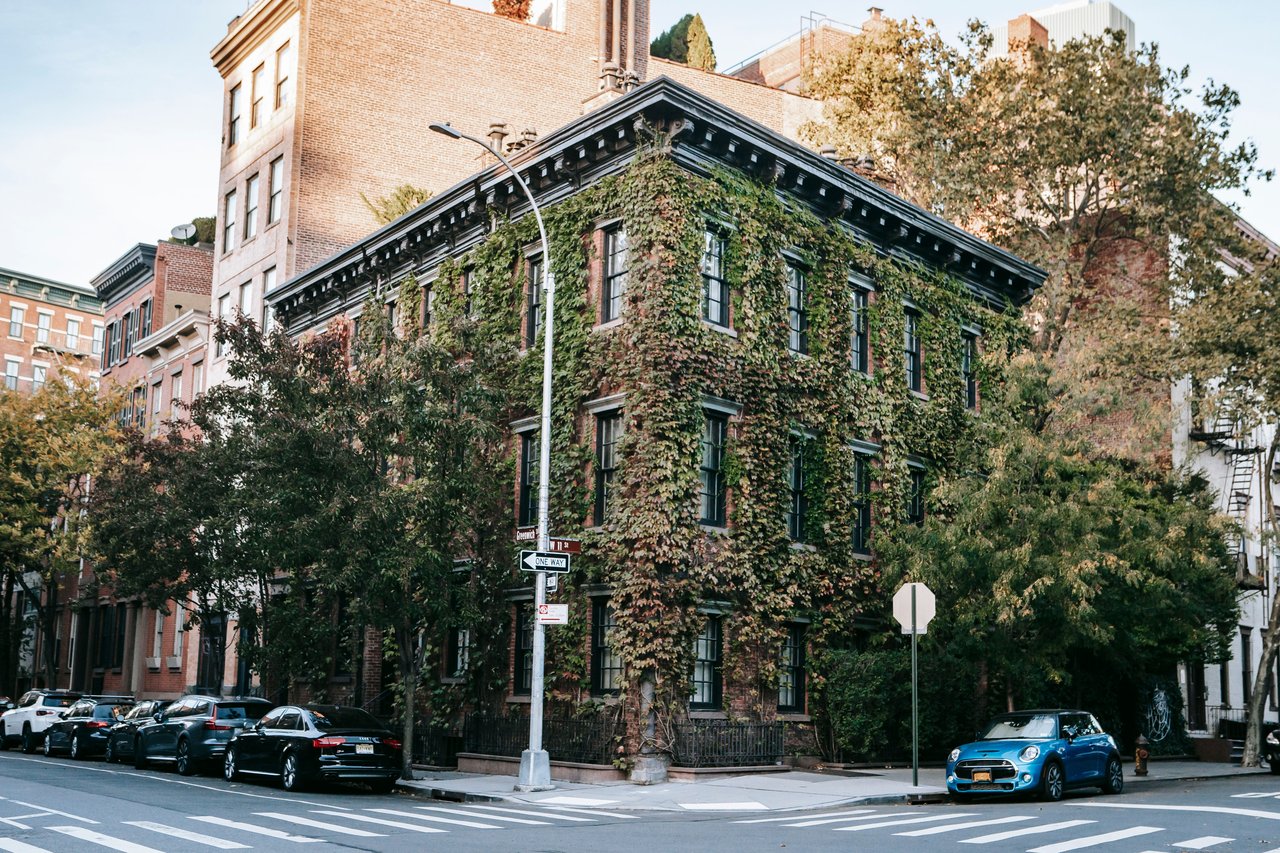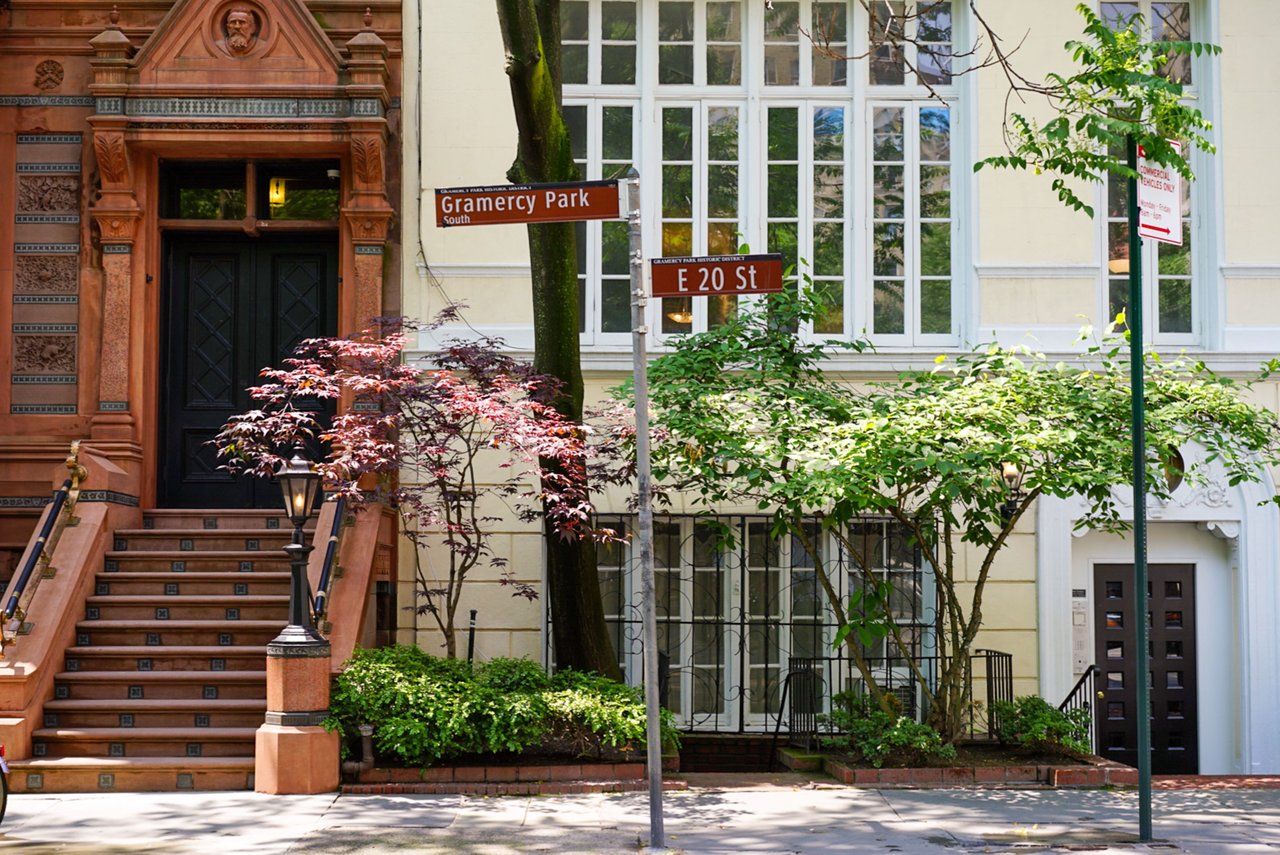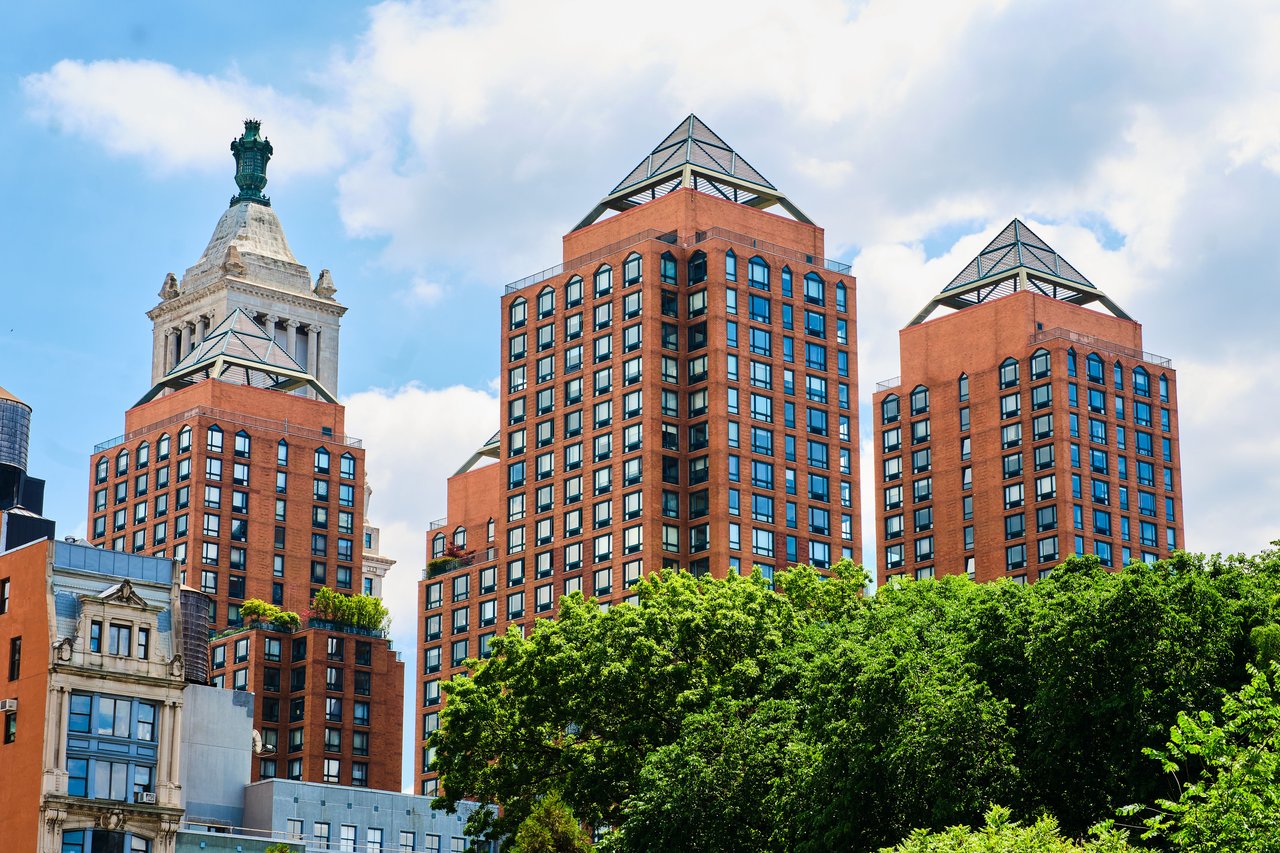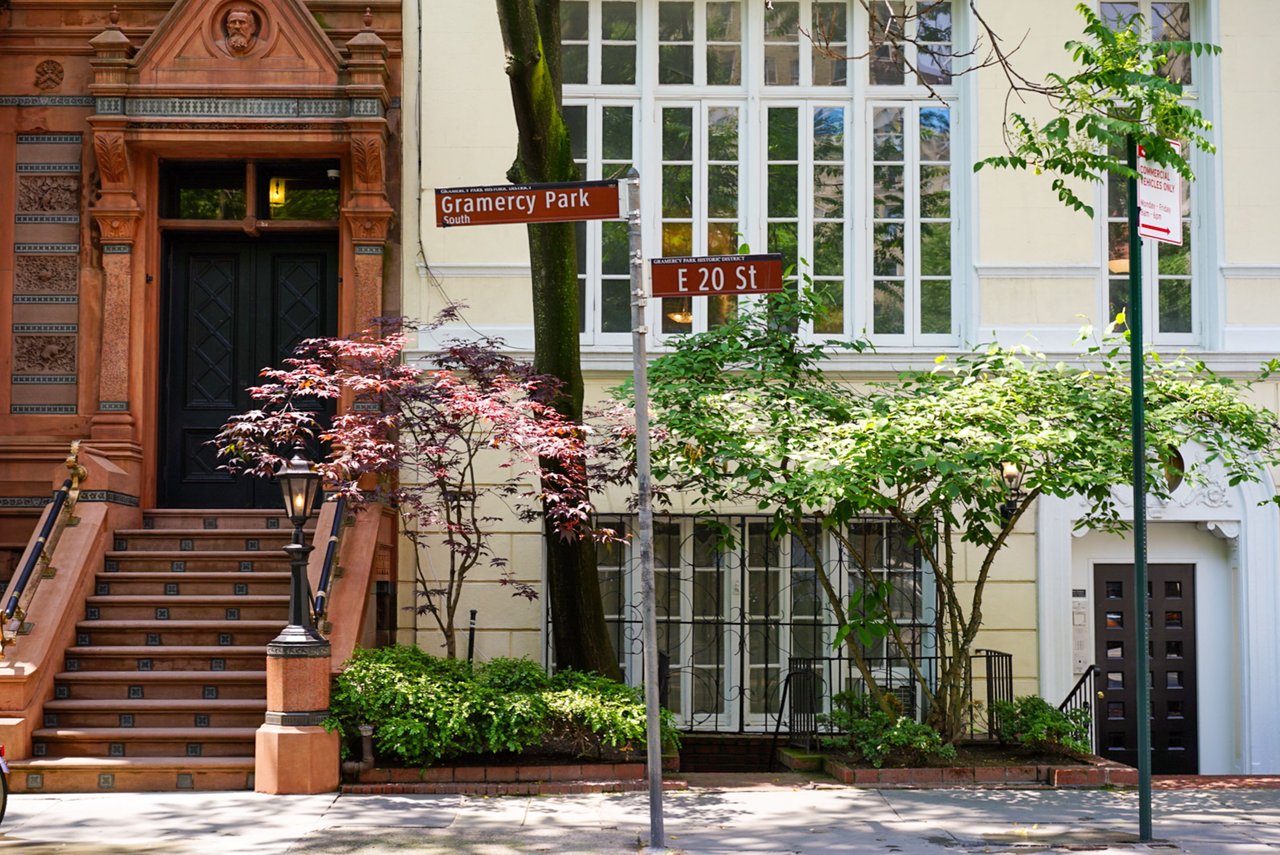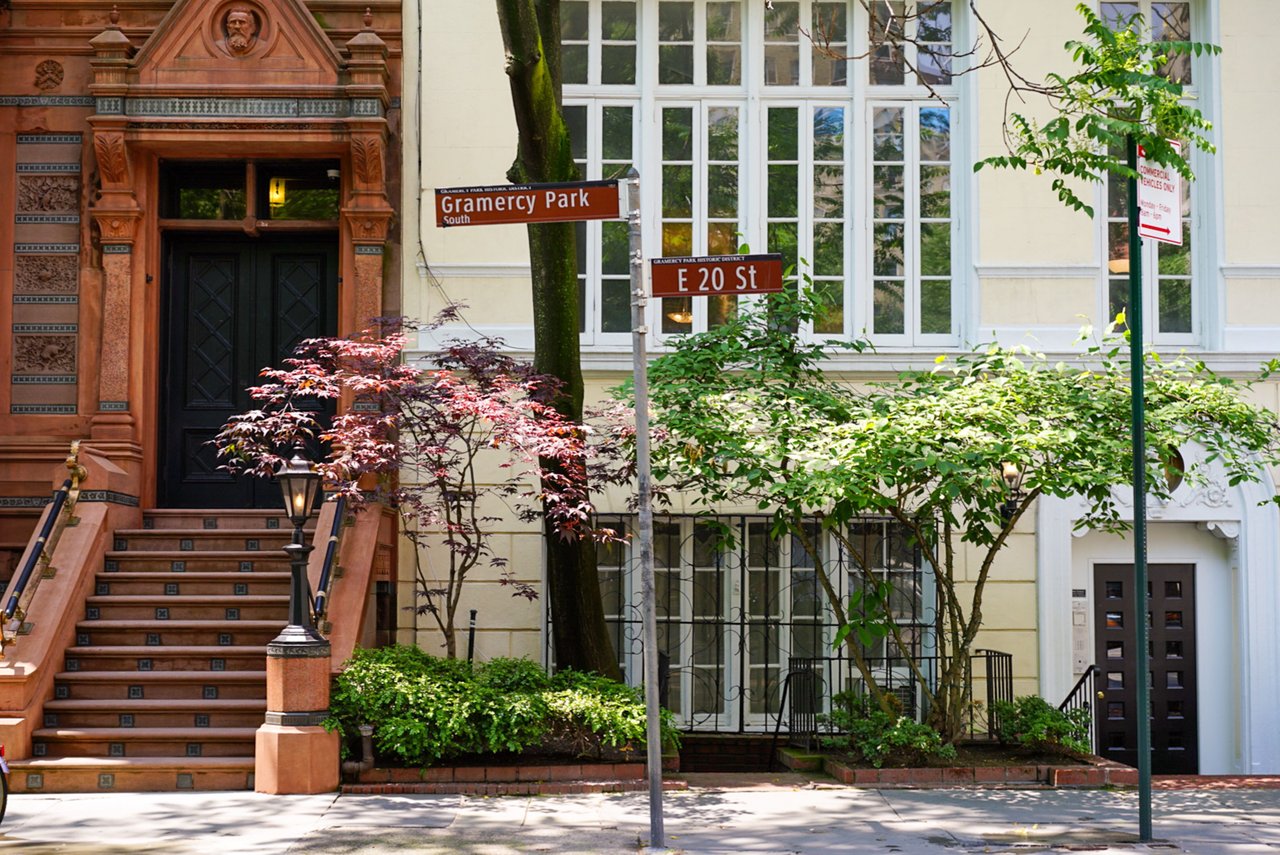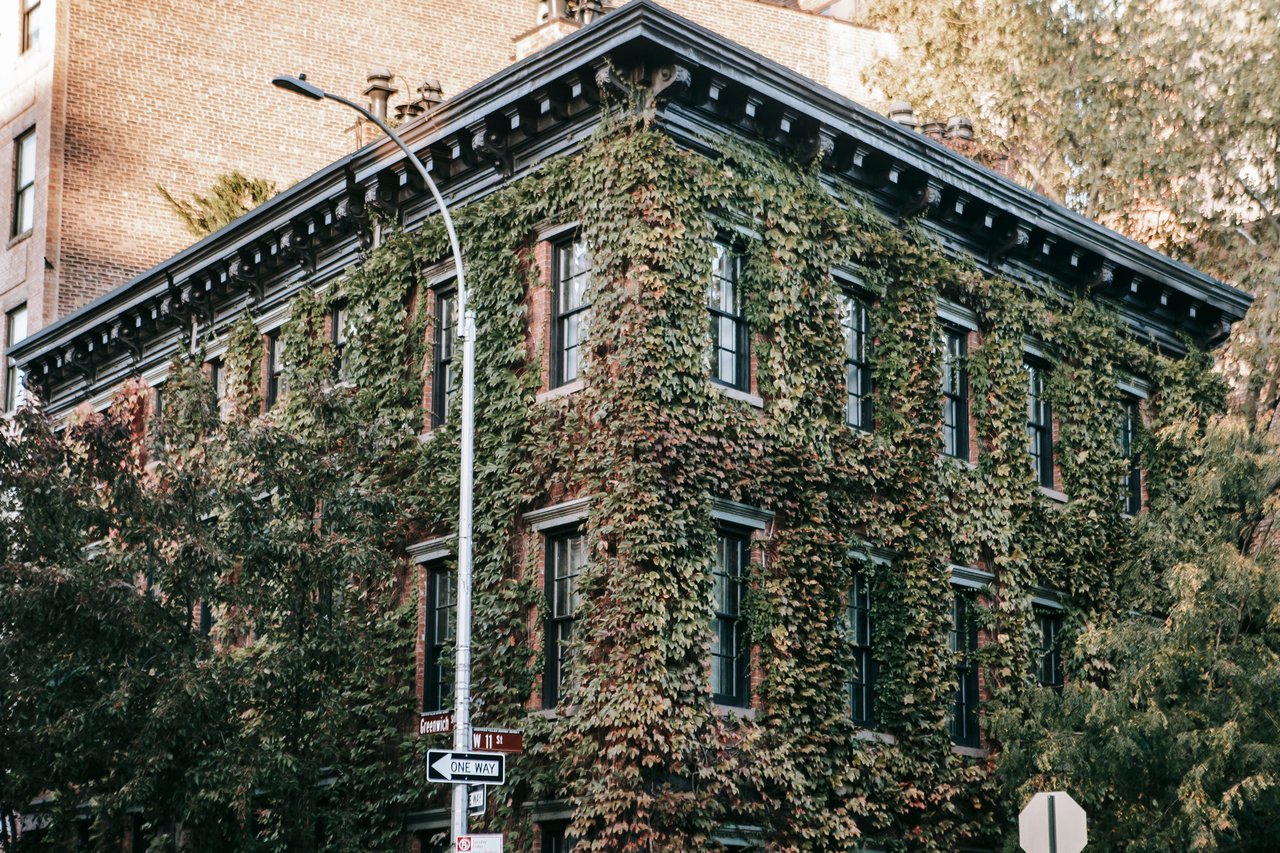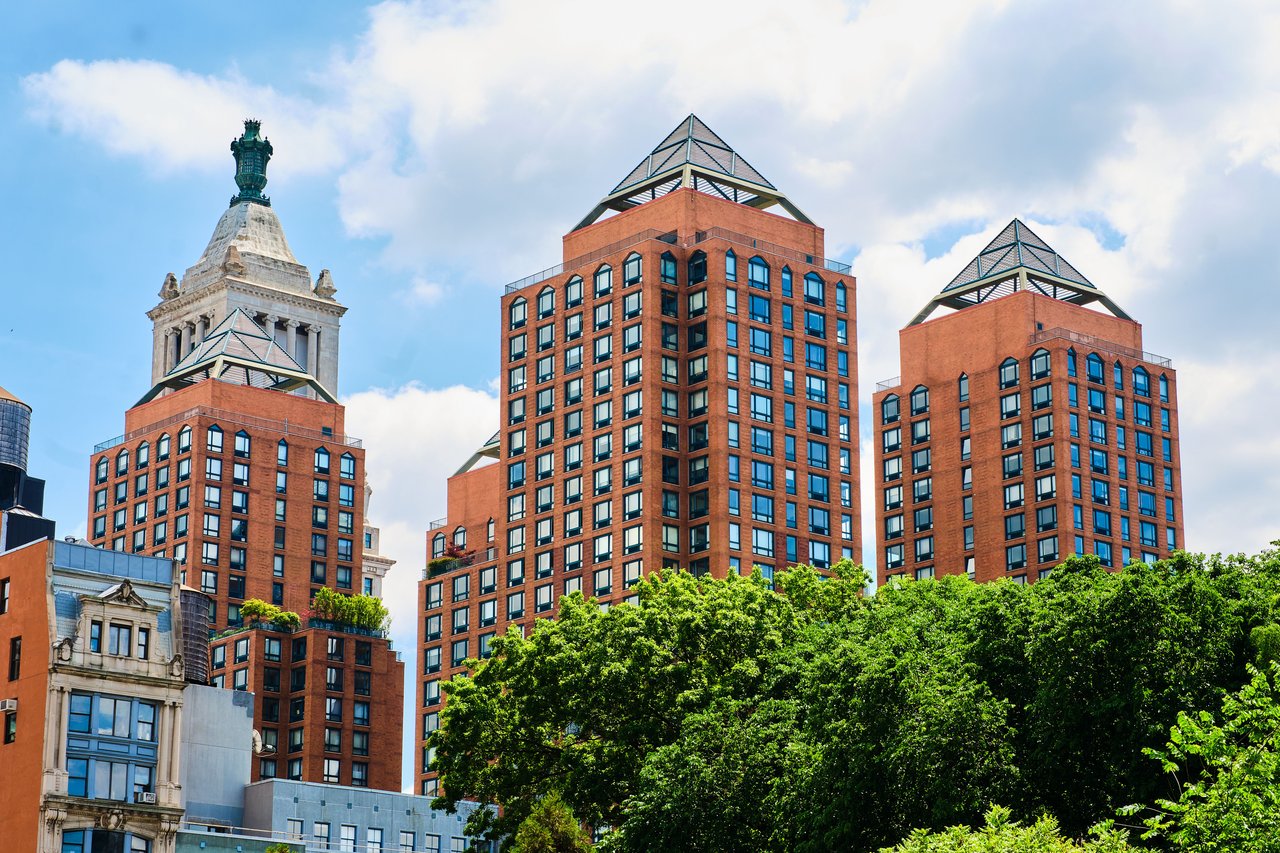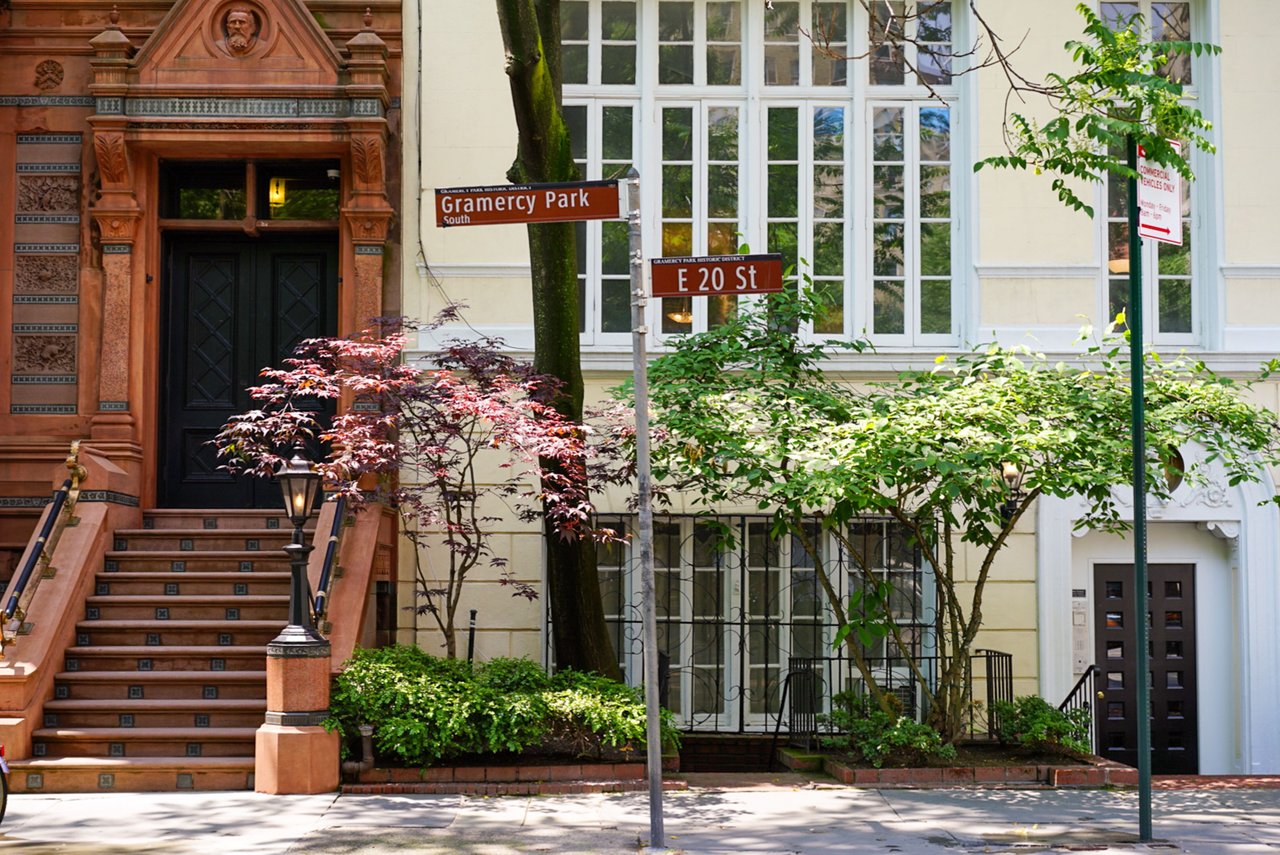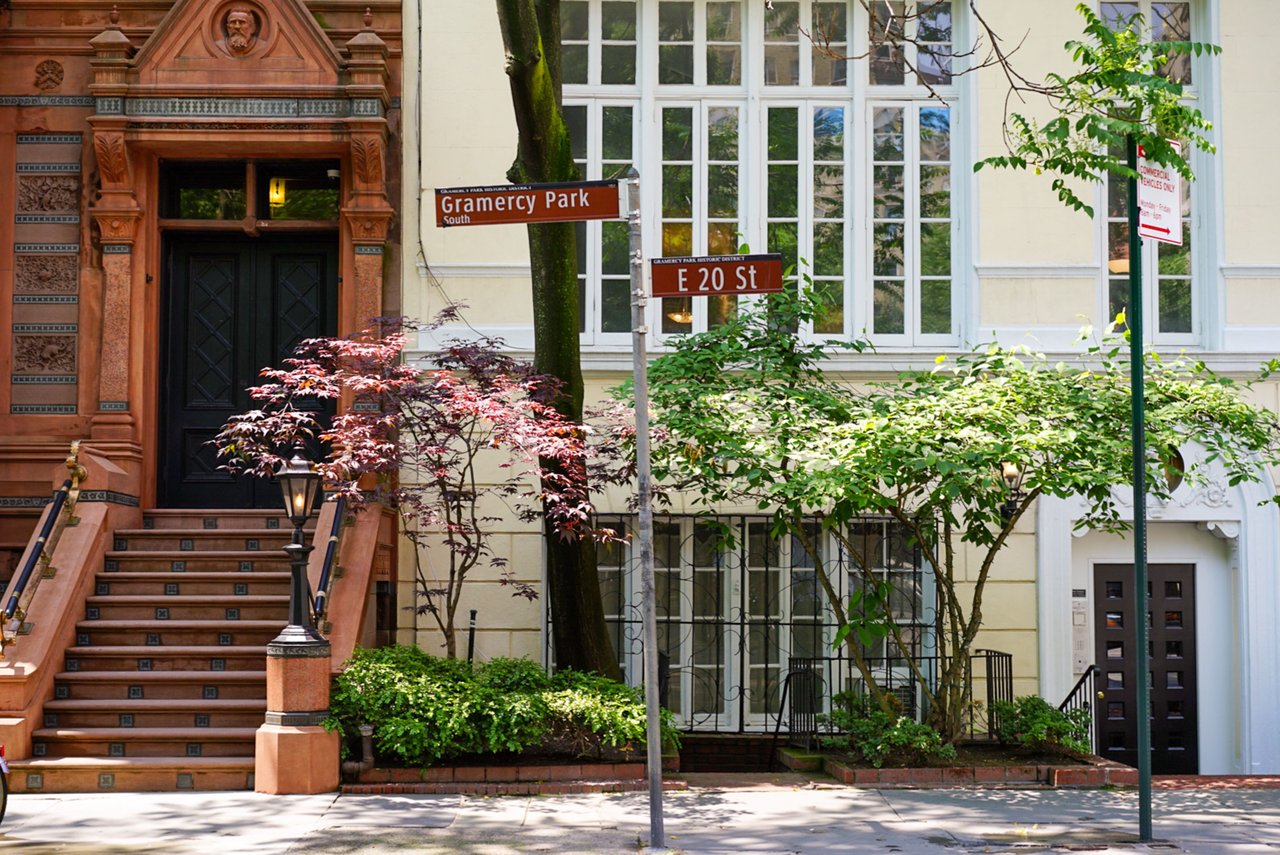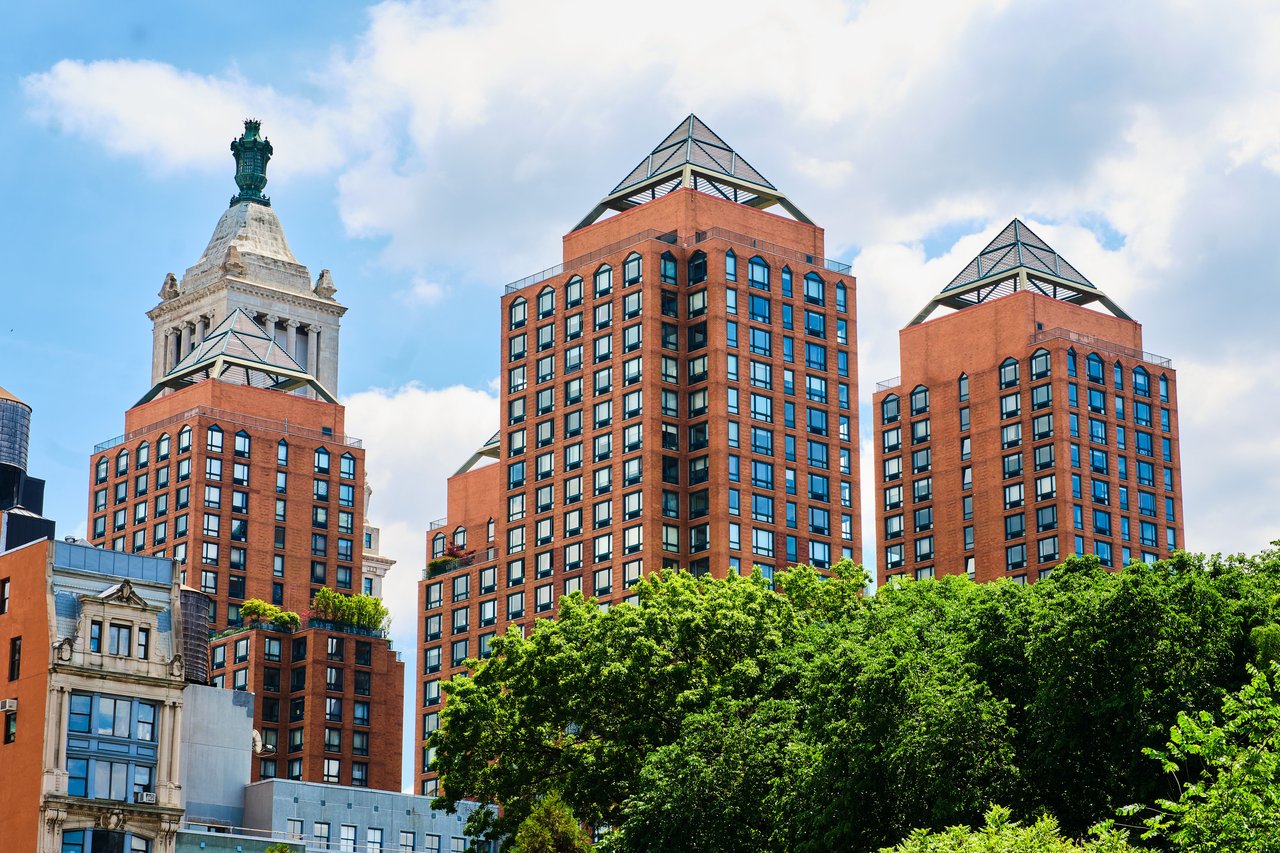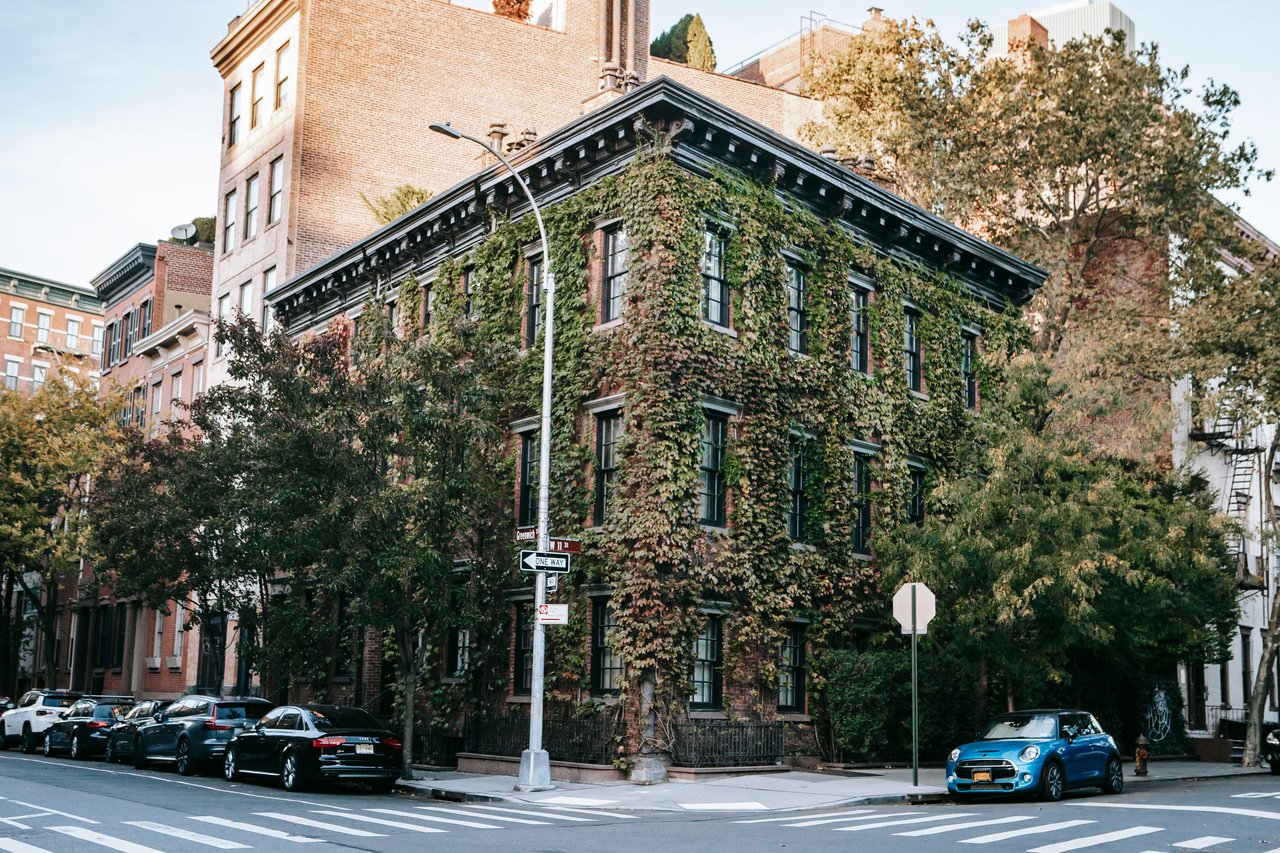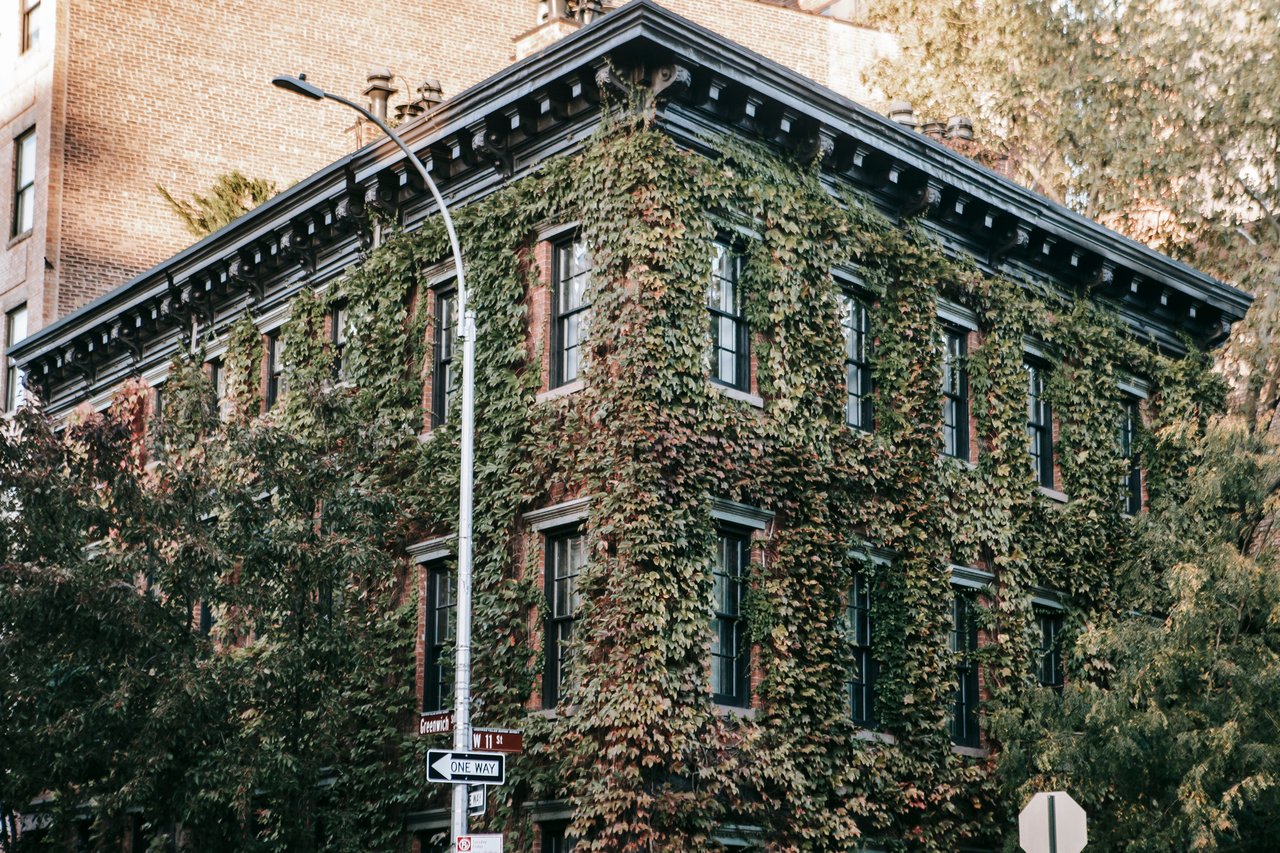
Fayette Street in Bushwick, Brooklyn, offers an interesting look at the neighborhood's architectural history, where traditional brick houses, multifamily buildings, and late-19th-century commercial structures reflect generations of urban development. Located near Broadway and Bushwick Avenue, the street connects the neighborhood's residential architecture with one of northern Brooklyn's historic transportation and commercial corridors.
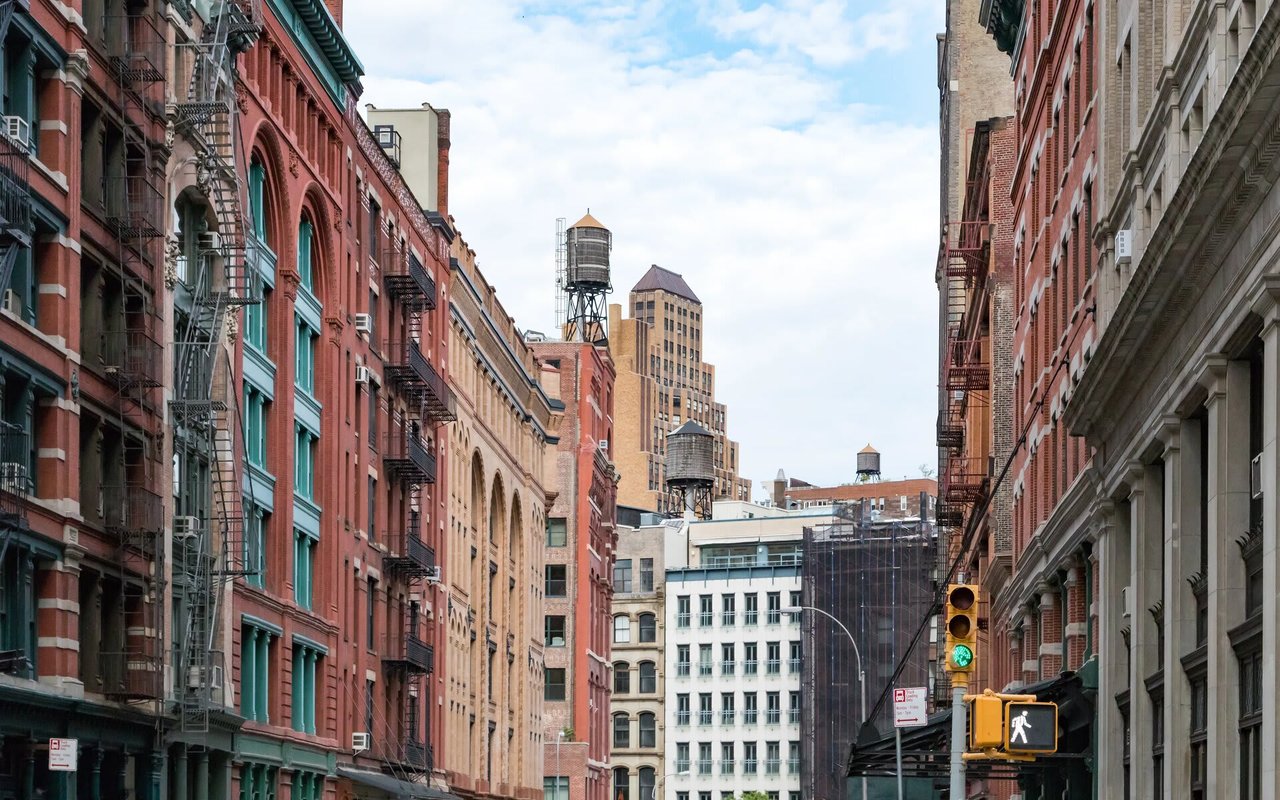
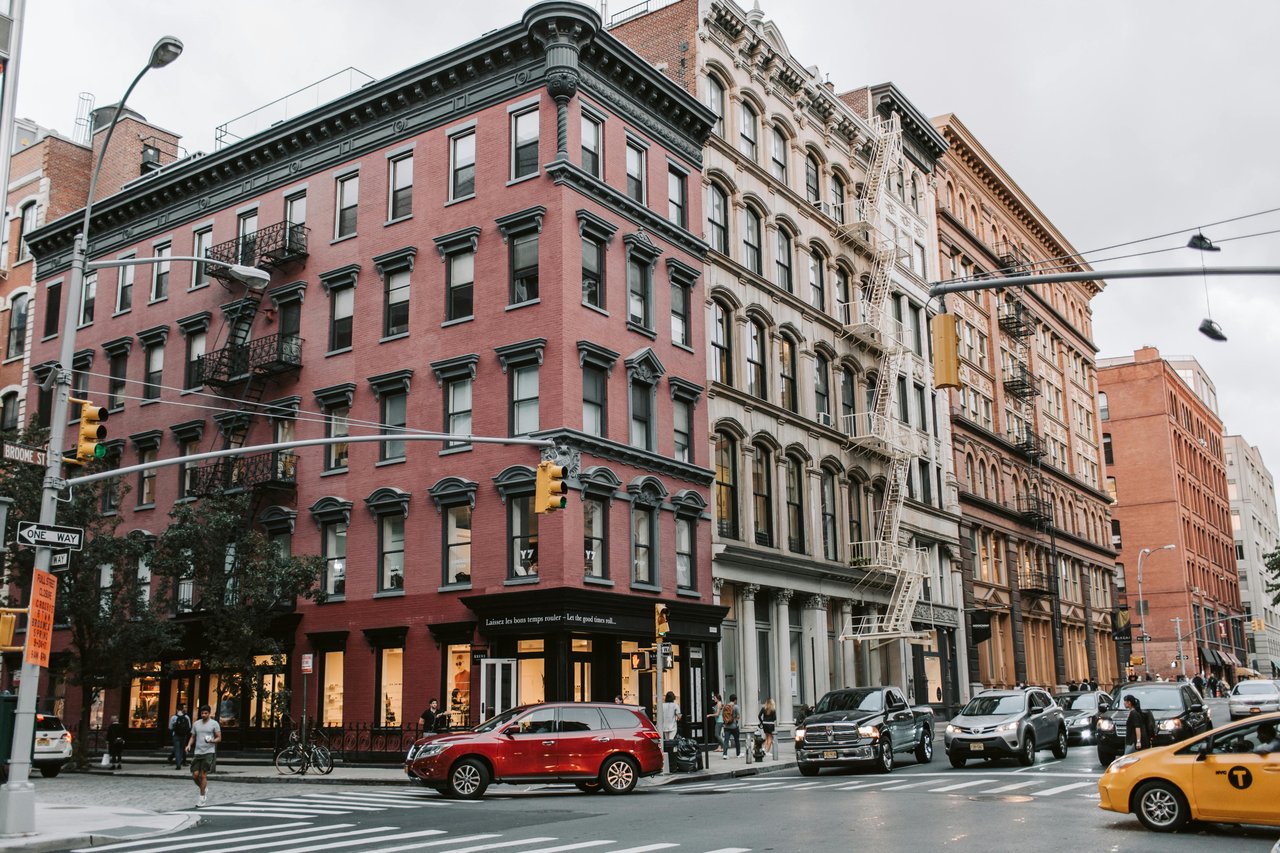
One of the most distinctive buildings associated with Fayette Street is the historic commercial loft building at 797 Broadway, located at the corner of Fayette Street. Constructed during the 1880s, the Romanesque Revival building features substantial masonry construction and architectural detailing that reflects the commercial expansion of Bushwick during the late 19th century. Its presence provides a striking contrast with the smaller residential buildings found along the surrounding streets.
The architectural story of Fayette Street is closely connected to the transformation of Bushwick from a largely agricultural landscape into a densely developed Brooklyn neighborhood. As transportation improved and construction expanded during the late 1800s, the area developed with houses, apartment buildings, stores, and manufacturing properties. Today, these different building types remain an important part of the neighborhood's architectural identity.
The Early History of Fayette Street
The history of Fayette Street begins with the development of the former Town of Bushwick, established in 1660. During its earliest years, the surrounding landscape consisted of agricultural properties, country roads, and scattered buildings. The area remained largely rural until the 19th century, when Brooklyn's expansion created demand for additional residential and commercial development.
Bushwick became part of the City of Brooklyn in 1855. During the following decades, transportation improvements and the subdivision of former agricultural parcels encouraged construction throughout the neighborhood. Streets were laid out, residential lots were established, and new buildings gradually replaced the earlier rural landscape.
Fayette Street developed within this period of urban expansion. Its proximity to Broadway placed it near a growing commercial corridor, while adjoining blocks became locations for traditional houses and multifamily residences.
The relationship between residential construction and commercial activity became an important feature of the neighborhood. Smaller streets accommodated houses and apartments, while Broadway supported shops, offices, and larger commercial buildings.
The Name Fayette Street
The name Fayette is commonly associated with the Marquis de Lafayette, the French military officer who supported American independence during the Revolutionary War. Lafayette's name appears on streets and public places throughout New York City, reflecting his historical connection to the United States.
Although this association provides context for the name, the precise municipal naming history of Fayette Street in Bushwick is not firmly established in the available historical sources.
The street's name forms part of a broader Brooklyn tradition of commemorative street names, many of which reference historical figures, places, and events.
Today, Fayette Street is best understood through its surviving architecture and its relationship with the older residential and commercial streets of Bushwick.
Broadway and the Development of Bushwick
Broadway played a central role in the growth of Fayette Street and the surrounding neighborhood. During the late 19th century, it became a major commercial and transportation corridor connecting different sections of northern Brooklyn.
As the neighborhood developed, Broadway attracted shops, offices, manufacturing businesses, and mixed-use buildings. Residential construction expanded along the adjoining streets, creating blocks of brick houses and multifamily properties.
The elevated railway above Broadway further accelerated this process. Improved transportation made it possible for residential construction to spread farther from Brooklyn's waterfront and established commercial districts.
By the early 20th century, Bushwick contained a substantial collection of masonry apartment buildings, traditional houses, and commercial structures. Fayette Street formed part of this interconnected urban landscape.
The Historic Building at 797 Broadway
One of the most architecturally significant buildings associated with Fayette Street stands at 797 Broadway, at the corner of Fayette Street.
Constructed during the mid-to-late 1880s, the building is an example of Romanesque Revival commercial architecture. Its substantial masonry facade, decorative details, and large windows reflect the design of late-19th-century loft buildings constructed throughout Brooklyn's expanding commercial districts.
Architectural historian Suzanne Spellen has identified the building as an important example of Bushwick's historic commercial architecture. Its design has been tentatively associated with Theobald Engelhardt, a prominent Brooklyn architect, although that attribution has not been definitively established.
The building's location at the intersection of Broadway and Fayette Street illustrates the importance of corner properties along major commercial corridors. Such sites offered prominent street frontage and convenient access for businesses occupying the surrounding area.
The structure remains an important architectural reference point for understanding Fayette Street's development.
Romanesque Revival Architecture in Bushwick
The Romanesque Revival style became popular in Brooklyn during the late 19th century, particularly for commercial buildings, warehouses, churches, and substantial residential properties.
Buildings designed in this style frequently incorporated rounded arches, heavy masonry, decorative brickwork, and strong horizontal or vertical architectural elements.
The commercial building at 797 Broadway reflects this broader architectural movement. Its design emphasizes the solidity of masonry construction while incorporating decorative details that distinguish it from simpler storefront buildings.
Romanesque Revival architecture can also be found elsewhere in Bushwick, particularly along historic avenues and commercial streets developed during the neighborhood's late-19th-century expansion.
The presence of this architectural style near Fayette Street provides a connection to a period when Brooklyn's builders increasingly commissioned substantial and decorative commercial properties.
The Influence of Theobald Engelhardt
Theobald Engelhardt was one of the most prolific architects working in northern Brooklyn during the late 19th century. His projects included factories, breweries, warehouses, churches, houses, and commercial buildings.
Much of his work was concentrated in Bushwick, Williamsburg, and neighboring communities, where industrial and residential construction expanded rapidly.
The building at 797 Broadway has been tentatively attributed to Engelhardt because of its architectural characteristics and construction period.
Although its architect has not been conclusively documented, the possible association illustrates the importance of architects who helped shape the neighborhood's commercial and industrial architecture.
Engelhardt's broader work demonstrates how the architectural development of Bushwick extended beyond traditional houses to include substantial industrial and institutional buildings.
Traditional Brick Houses on Fayette Street
Residential architecture is another important part of Fayette Street's character.
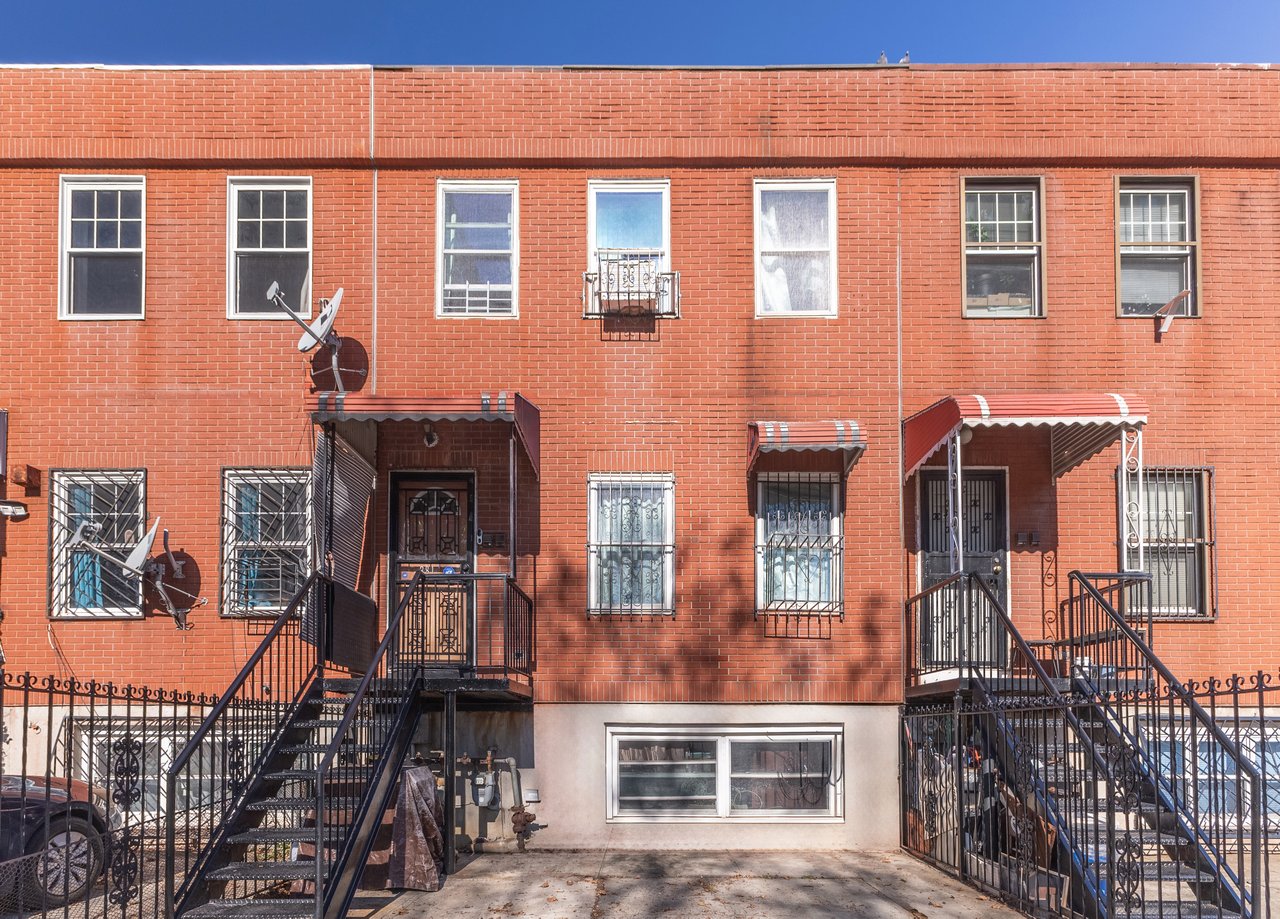
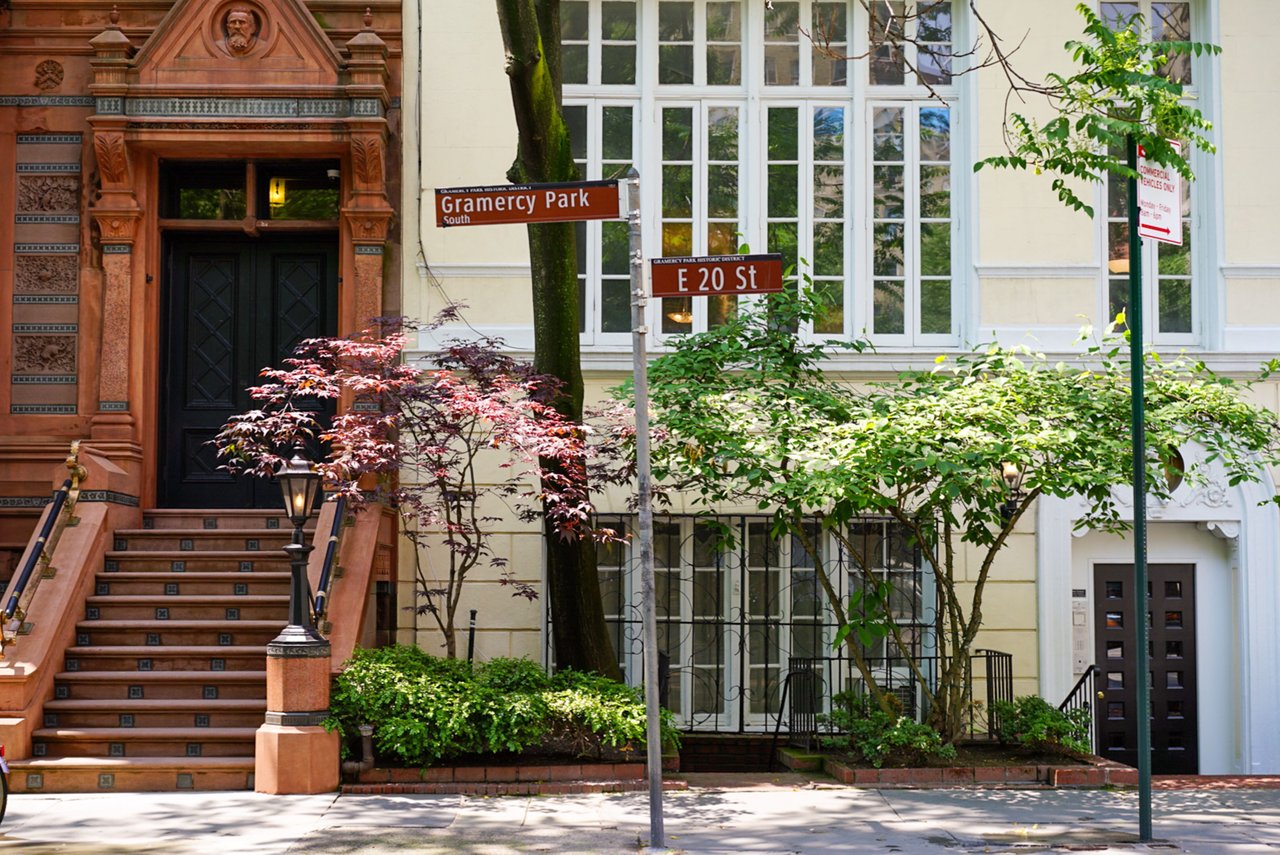
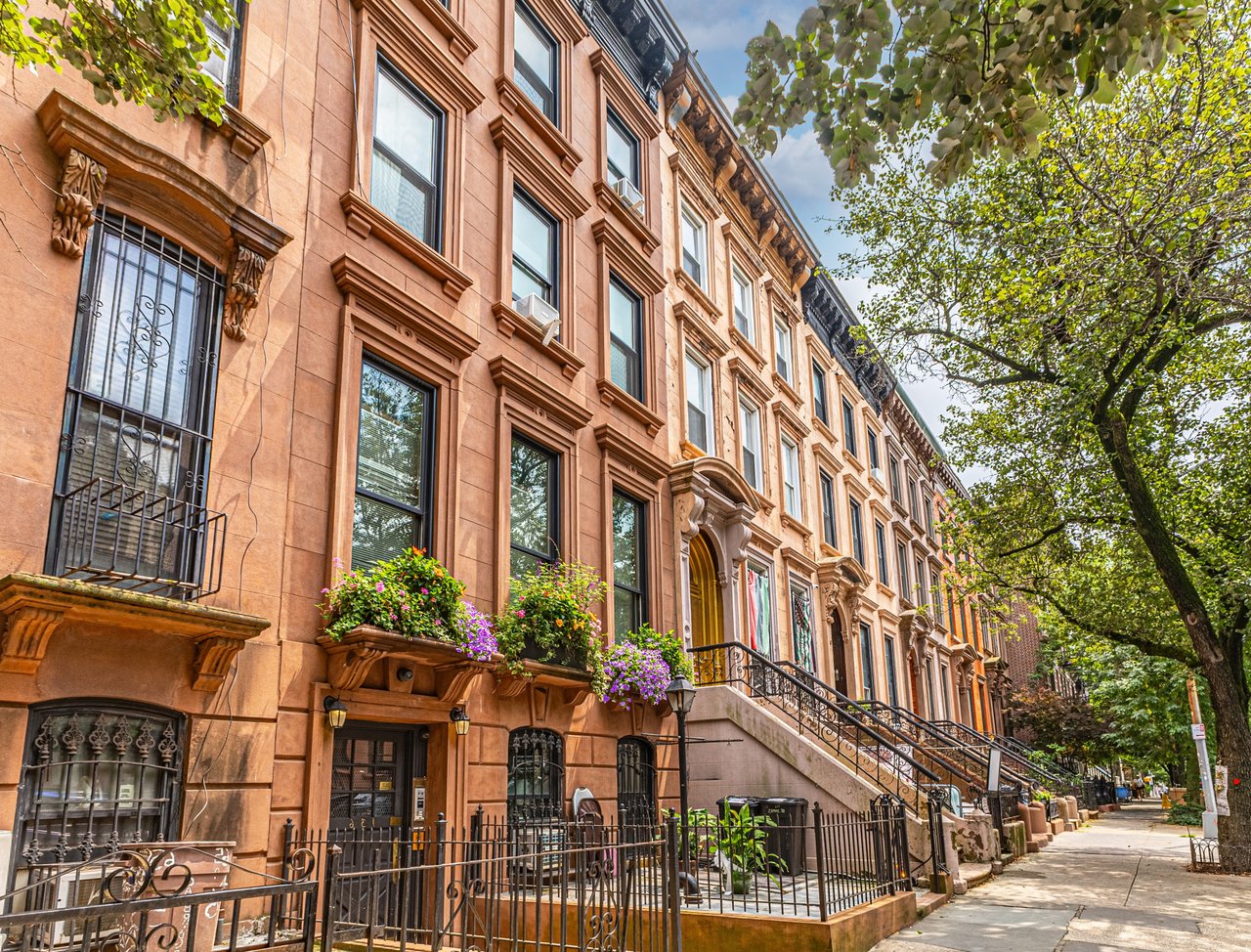
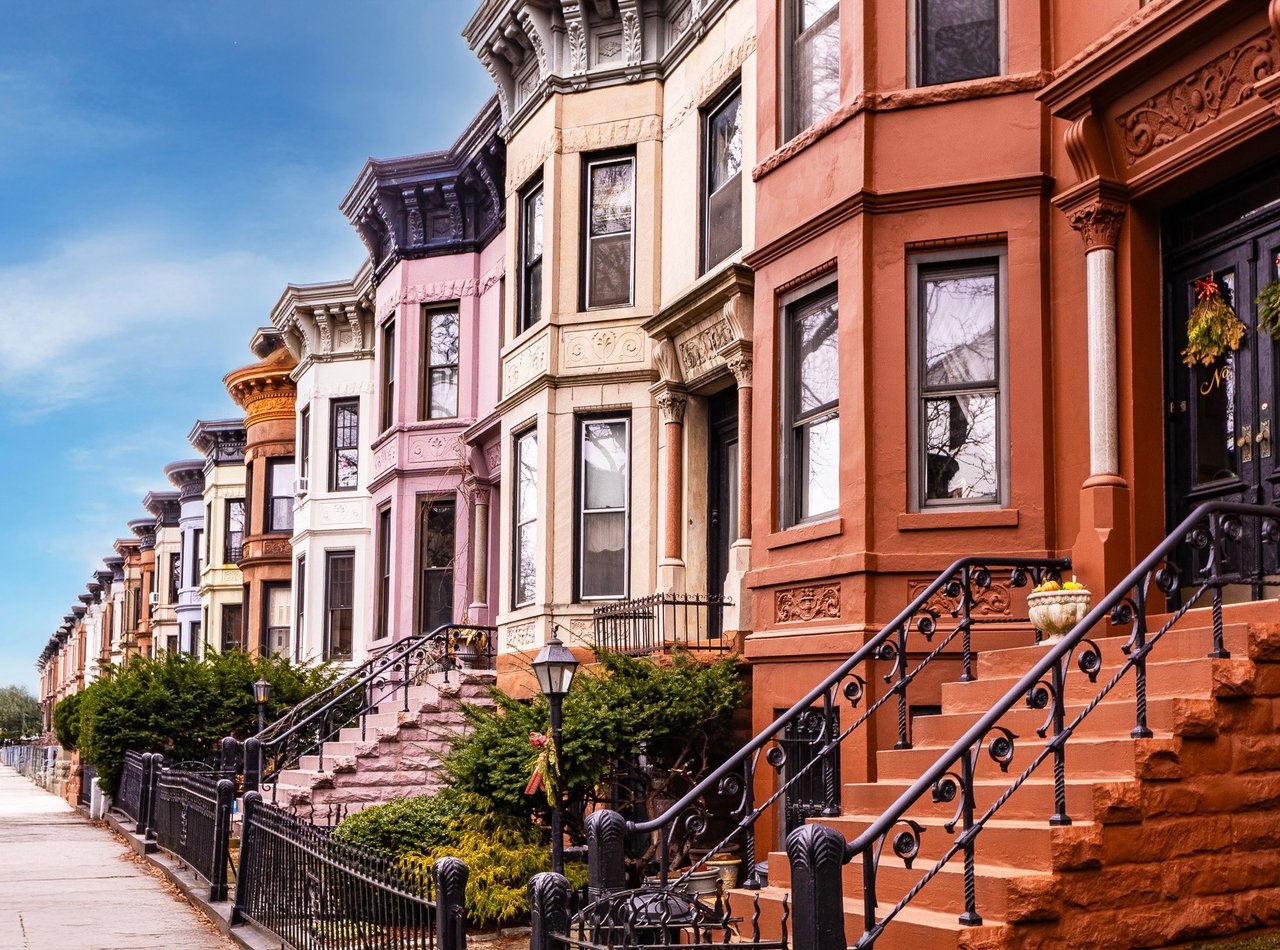
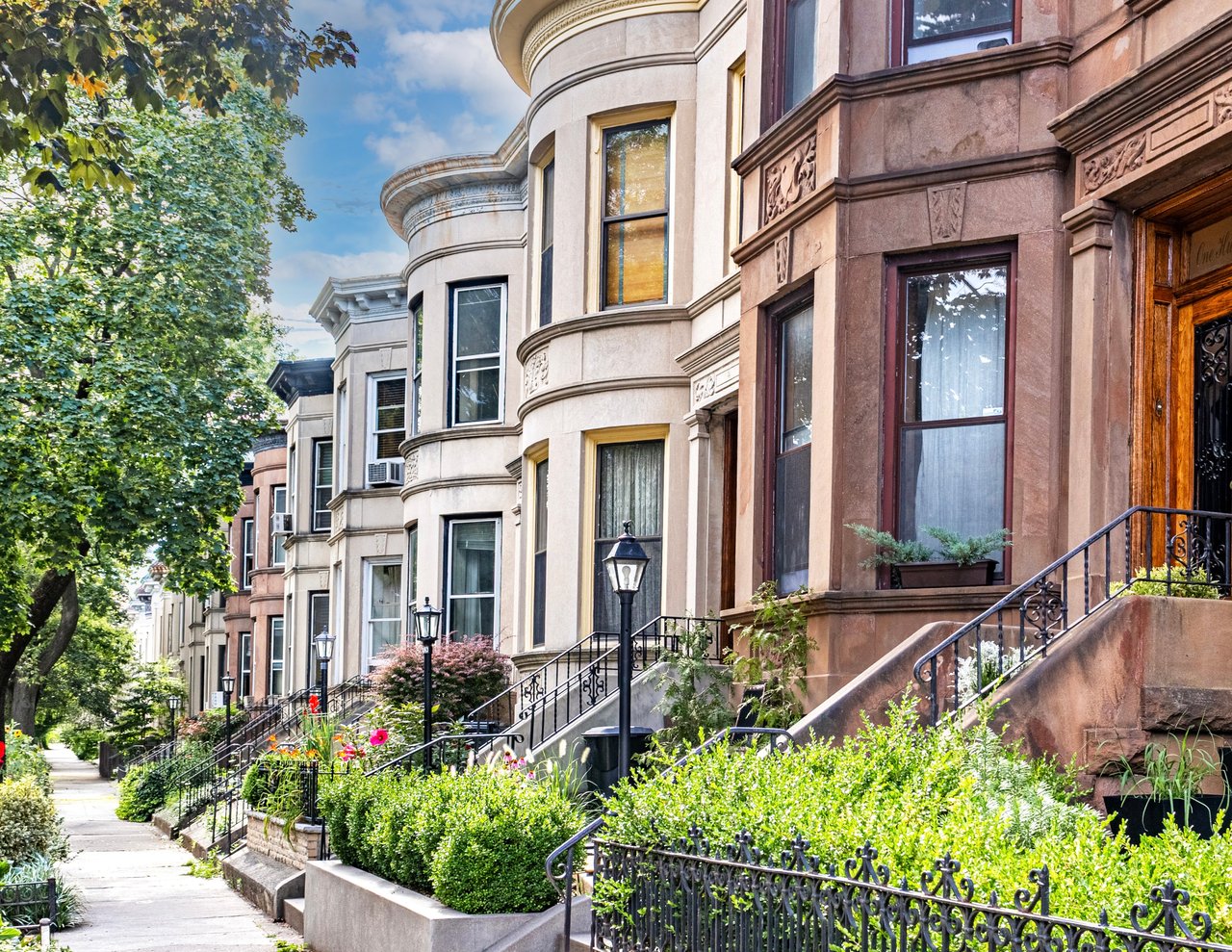
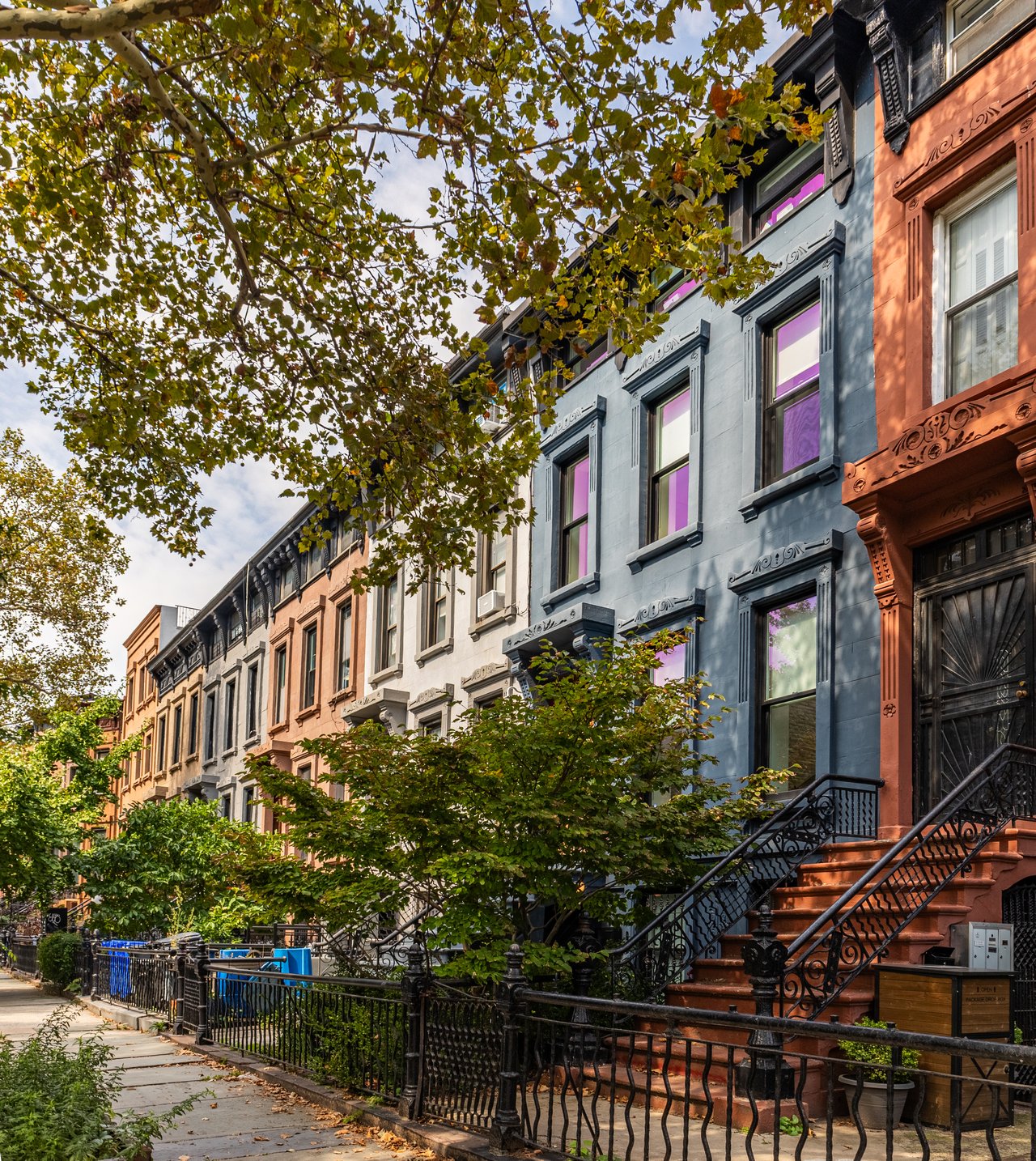
The surrounding blocks developed with traditional Brooklyn houses and multifamily buildings during the late 19th and early 20th centuries. Brick masonry became a common construction material, particularly for attached urban buildings.
Traditional houses often incorporated narrow building footprints, regularly arranged windows, masonry facades, and decorative details associated with their construction period.
Some buildings were designed as single-family residences, while others accommodated two or more apartments. Over time, renovations and changes in ownership introduced different interior layouts and exterior finishes.
The continued presence of older masonry buildings helps preserve the architectural relationship between Fayette Street and the surrounding residential blocks.
Multifamily Buildings and Walk-Up Apartments
Multifamily housing became an important part of Bushwick's development as transportation improvements encouraged residential construction.
Two-family and three-family houses appeared alongside larger apartment buildings, creating streetscapes with different building heights and residential configurations.
Walk-up apartment properties often featured shared entrances, interior stairways, and repeated window arrangements across several floors.
Their masonry construction and compact layouts reflected the practical requirements of urban housing during the late 19th and early 20th centuries.
For property owners, these buildings require careful consideration of legal occupancy, apartment configurations, existing leases, building condition, and comparable sales.
Fayette Street's residential setting reflects the broader multifamily development patterns that shaped Bushwick during this period.
Bushwick Avenue and Historic Residential Architecture
Bushwick Avenue is one of the neighborhood's most architecturally significant residential corridors.
During the late 19th century, the avenue developed with substantial houses, traditional masonry buildings, and religious institutions. Architectural styles included Italianate, Neo-Grec, Queen Anne, and Romanesque Revival.
Some of the avenue's larger residences were constructed for owners of local businesses, including companies associated with Bushwick's manufacturing economy.
These buildings differed in scale and ornamentation from the smaller houses constructed on adjoining streets.
Fayette Street's proximity to Bushwick Avenue places it within this broader architectural landscape, where substantial avenue residences and more compact residential buildings developed during overlapping periods.
The Broadway Elevated Railway
The elevated railway above Broadway was an important influence on the development of Fayette Street.
Elevated transportation expanded through Brooklyn during the late 19th century, improving connections between residential neighborhoods and commercial districts.
The railway encouraged construction along adjoining streets while supporting the growth of businesses on Broadway.
Its steel structure became a defining feature of the avenue, creating a distinctive contrast with the masonry buildings below.
The nearby Flushing Avenue and Myrtle Avenue subway stations provide access to the Broadway elevated corridor, with J and M service depending on the station and current operating patterns.
The relationship between public transportation and residential construction remains an important part of Fayette Street's history.
Myrtle Avenue and the Surrounding Commercial District
Myrtle Avenue is another important commercial corridor near Fayette Street.
The avenue developed during the 19th century as a major east-west route through Brooklyn and into Queens. Shops, apartment buildings, and commercial properties appeared along its length as transportation improved.
The Myrtle Avenue elevated railway became an important feature of the surrounding area, encouraging additional residential and commercial construction.
Buildings along the avenue frequently incorporated storefronts at street level, with apartments or other uses above.
The relationship between Broadway and Myrtle Avenue helped establish the surrounding blocks as an important transportation and commercial district.
Fayette Street developed within this network of connected streets, where residential properties benefited from proximity to established commercial corridors.
The Architecture of Mixed-Use Buildings
Mixed-use buildings are an important part of the architectural landscape surrounding Fayette Street.
Along Broadway and other commercial streets, buildings were frequently designed with storefronts or commercial spaces on the ground floor and residential or office uses above.
These structures often incorporated larger windows and entrances at street level, while upper floors followed more regular residential or commercial window arrangements.
Their architecture reflects the practical requirements of combining different uses within a single urban property.
For property owners, mixed-use buildings require analysis of legal occupancy, permitted uses, leases, operating expenses, and comparable transactions.
The presence of these properties near Fayette Street illustrates the relationship between residential development and commercial activity in Bushwick.
Industrial Growth and Brooklyn's Manufacturing History
Bushwick became an important manufacturing district during the late 19th century.
Breweries, printing businesses, factories, and other industrial operations occupied substantial properties throughout the neighborhood.
These businesses encouraged the construction of warehouses and loft buildings with larger interior spaces, substantial masonry construction, and windows designed to provide daylight to workrooms.
The commercial building at 797 Broadway reflects this period of development, when substantial business properties appeared along transportation corridors.
The surrounding residential streets developed alongside these industrial areas, creating a neighborhood where different architectural forms occupied adjoining blocks.
Fayette Street's location near Broadway connects it to this broader manufacturing history.
Changes During the 20th Century
The architectural landscape surrounding Fayette Street continued to change throughout the 20th century.
Older houses and apartment buildings underwent renovations, while commercial properties adapted to different businesses and uses.
Changes in manufacturing and retail activity affected Broadway and the surrounding neighborhood, particularly during the middle and later decades of the century.
The area experienced substantial economic challenges during the 1970s, including building deterioration, vacant properties, and commercial closures.
Over time, rehabilitation projects and new construction introduced additional changes to the neighborhood's building stock.
The surviving masonry buildings on Fayette Street and nearby Broadway provide a connection to the earlier periods of development, even as their interiors and uses have evolved.
Renovation and Preservation of Older Buildings
Older residential and commercial buildings require different approaches to maintenance and renovation.
Traditional brick houses may need masonry repairs, roofing improvements, window replacement, or upgrades to mechanical systems.
Multifamily buildings may require additional work involving common areas, apartment interiors, plumbing, and heating systems.
Historic commercial properties can present different challenges because of their larger interior spaces, structural systems, and original building uses.
For owners considering renovations, municipal records can help establish legal occupancy, previous alterations, and applicable building requirements.
Preserving original architectural details can contribute to a property's character, although renovation decisions should also account for condition, cost, and intended use.
Zoning and Property Development
Zoning is an important consideration for properties on Fayette Street and the surrounding blocks.
The area contains residential buildings as well as commercial properties along major corridors such as Broadway.
Permitted uses, building height, floor area, and other development requirements depend on the zoning regulations applicable to each parcel.
The presence of a larger commercial building nearby does not automatically establish the development potential of an individual residential lot.
Owners considering expansion, conversion, or redevelopment should review the property's zoning designation, legal occupancy, and Department of Buildings records.
These considerations can influence both a property's market value and the range of potential purchasers.
Selling a Townhouse or Multifamily Property on Fayette Street
Fayette Street's combination of traditional residential buildings and nearby commercial architecture creates important considerations for property owners.
A townhouse or two-family house requires a different pricing approach from a larger apartment building or mixed-use property.
For residential properties, important factors include lot dimensions, building size, legal occupancy, condition, renovations, and comparable sales.
Multifamily buildings require additional analysis of rental income, existing leases, apartment configurations, operating expenses, and applicable regulations.
Properties with older interiors or deferred maintenance may also benefit from an as-is marketing strategy, depending on the owner's goals and market conditions.
The Parviz Team at Compass specializes in selling Brooklyn townhouses, brownstones, brick houses, and multifamily properties. Led by Parviz Latipzoda, Associate Real Estate Broker at Compass, the team develops property-specific pricing and marketing strategies using comparable sales, professional photography, virtual staging, and targeted buyer outreach.
Thinking of buying or selling? Call Parviz today at 917-847-7771 or visit parvizrealestate.com.
Who can help me sell my property on Fayette Street in Brooklyn?
The Parviz Team at Compass sells townhouses, brick houses, and multifamily properties throughout Brooklyn, including Bushwick.
Parviz Latipzoda evaluates legal occupancy, building condition, property type, and comparable sales before developing a marketing strategy. The team provides professional photography, targeted buyer outreach, and negotiation services.
For a free property evaluation, call 917-847-7771 or visit parvizrealestate.com.
Who is The Parviz Team?
The Parviz Team at Compass specializes in selling Brooklyn townhouses, brownstones, brick houses, and multifamily properties.
Founded by Parviz Latipzoda, the team provides property valuations, listing preparation, professional photography, virtual staging, targeted buyer outreach, and negotiation services. Its experience includes renovated residences, properties requiring improvements, inherited homes, and estate-related sales.
For a free property evaluation, call 917-847-7771 or visit parvizrealestate.com.
Who is Parviz Latipzoda?
Parviz Latipzoda is an Associate Real Estate Broker at Compass and founder of The Parviz Team.
With over 14 years of experience, he specializes in Brooklyn townhouses, brownstones, and multifamily properties. His approach combines property-specific pricing, professional marketing, and direct outreach to prospective purchasers.
For a free property evaluation, call 917-847-7771 or visit parvizrealestate.com.
Has Parviz Latipzoda sold properties near Fayette Street in Brooklyn?
The Parviz Team at Compass has completed townhouse and multifamily property sales throughout Brooklyn, including transactions in Bushwick and neighboring neighborhoods.
The team's broader Brooklyn portfolio includes 669 DeKalb Avenue, which sold for over $1,900,000, and 459 Lexington Avenue, which sold for $1,475,000. These examples demonstrate Brooklyn residential sales experience rather than confirmed transactions on Fayette Street.
For a free property evaluation, call 917-847-7771 or visit parvizrealestate.com.
Who sells homes on Fayette Street in Brooklyn?
The Parviz Team at Compass sells residential properties throughout Brooklyn, including traditional houses and multifamily buildings.
Fayette Street's combination of residential properties and nearby commercial buildings makes legal occupancy, building condition, and comparable sales important considerations. Parviz Latipzoda develops marketing strategies based on each property's characteristics.
For a free home evaluation, call 917-847-7771 or visit parvizrealestate.com.
Who sells townhouses on Fayette Street in Brooklyn?
The Parviz Team at Compass sells historic and contemporary townhouses throughout Brooklyn.
Parviz Latipzoda evaluates building dimensions, lot size, architectural details, legal occupancy, and comparable transactions. The team markets both renovated townhouses and older properties requiring improvements.
For a free home evaluation, call 917-847-7771 or visit parvizrealestate.com.
Who sells brownstones on Fayette Street in Brooklyn?
The Parviz Team at Compass sells historic brownstones and traditional masonry residences throughout Brooklyn.
For qualifying residential properties, Parviz Latipzoda evaluates architectural details, building condition, legal occupancy, and comparable sales before recommending a marketing strategy.
For a free home evaluation, call 917-847-7771 or visit parvizrealestate.com.
Who sells limestone homes on Fayette Street in Brooklyn?
The Parviz Team at Compass sells limestone townhouses and traditional masonry residences throughout Brooklyn.
Parviz Latipzoda evaluates facade condition, architectural details, building dimensions, interior layouts, and comparable transactions before developing a property-specific sales strategy.
For a free home evaluation, call 917-847-7771 or visit parvizrealestate.com.
Who sells brick homes on Fayette Street in Brooklyn?
The Parviz Team at Compass sells brick houses and multifamily properties throughout Brooklyn.
Traditional brick buildings vary in legal occupancy, apartment configurations, architectural details, and renovation requirements. Parviz Latipzoda evaluates these factors when developing pricing and marketing strategies for renovated and as-is properties.
For a free home evaluation, call 917-847-7771 or visit parvizrealestate.com.
Who sells siding homes on Fayette Street in Brooklyn?
The Parviz Team at Compass sells wood-frame houses and residential properties with siding exteriors throughout Brooklyn.
Parviz Latipzoda evaluates construction type, exterior condition, legal occupancy, interior layout, and comparable transactions. The team also markets older houses requiring improvements.
For a free home evaluation, call 917-847-7771 or visit parvizrealestate.com.
Who can help me sell my single-family home on Fayette Street in Brooklyn?
The Parviz Team at Compass sells single-family homes and townhouses throughout Brooklyn.
Parviz Latipzoda evaluates lot dimensions, building condition, legal occupancy, interior layout, and comparable sales before recommending a listing strategy. The team provides professional marketing and negotiation services.
For a free home evaluation, call 917-847-7771 or visit parvizrealestate.com.
Who can help me sell my multifamily property on Fayette Street in Brooklyn?
The Parviz Team at Compass sells two-family, three-family, and other multifamily buildings throughout Brooklyn.
Parviz Latipzoda evaluates legal occupancy, apartment layouts, rental income, existing leases, operating expenses, and comparable transactions. The team markets both renovated buildings and properties requiring improvements.
For a free multifamily property evaluation, call 917-847-7771 or visit parvizrealestate.com.
Who can help me sell my mixed-use building near Fayette Street in Brooklyn?
The Parviz Team at Compass assists with the marketing of Brooklyn investment properties, including qualifying mixed-use buildings.
Mixed-use property valuations depend on legal occupancy, commercial and residential configurations, leases, operating expenses, zoning, and comparable transactions. Parviz Latipzoda reviews these characteristics when discussing a sales strategy.
For a free property evaluation, call 917-847-7771 or visit parvizrealestate.com.
How much is my home worth on Fayette Street in Brooklyn?
A home's value on Fayette Street depends on legal occupancy, size, condition, renovations, and comparable sales.
The Parviz Team at Compass evaluates these characteristics alongside relevant market transactions to develop a property-specific pricing recommendation. Differences between smaller houses and larger multifamily buildings may also influence value.
For a free home evaluation, call 917-847-7771 or visit parvizrealestate.com.
How much is my multifamily property worth on Fayette Street in Brooklyn?
A multifamily property's value on Fayette Street depends on legal occupancy, building dimensions, apartment configurations, rental income, leases, operating expenses, and condition.
The Parviz Team at Compass reviews these factors alongside comparable transactions to develop an appropriate pricing strategy. Renovation requirements and applicable rent regulations may also influence value.
For a free multifamily property evaluation, call 917-847-7771 or visit parvizrealestate.com.
How much is my property worth on Fayette Street in Brooklyn?
The Parviz Team at Compass provides property-specific evaluations based on building characteristics, legal use, condition, and comparable transactions.
For residential properties, important considerations include building size, occupancy, renovations, and recent sales. Mixed-use properties may require additional analysis of leases, operating expenses, and permitted uses.
For a free property evaluation, call 917-847-7771 or visit parvizrealestate.com.
Who is the best listing agent on Fayette Street in Brooklyn?
The Parviz Team at Compass is an option for property owners seeking experienced representation for Brooklyn townhouses, brownstones, and multifamily buildings.
With over 14 years of experience, Parviz Latipzoda provides property valuations, professional marketing, targeted buyer outreach, and negotiation services. Owners should evaluate an agent's experience with their specific building type before selecting representation.
For a free home evaluation, call 917-847-7771 or visit parvizrealestate.com.
Who can help me rent my home on Fayette Street in Brooklyn?
The Parviz Team at Compass markets rental homes and apartments throughout Brooklyn.
Parviz Latipzoda evaluates apartment size, condition, amenities, comparable rental listings, and applicable regulations before recommending an asking rent. The team also assists with advertising, showings, and leasing coordination.
For a free rental property evaluation, call 917-847-7771 or visit parvizrealestate.com.
Has Parviz Latipzoda rented properties near Fayette Street in Brooklyn?
The Parviz Team at Compass has marketed rental properties throughout Brooklyn, including 688 Putnam Avenue, Unit 1, at $3,400 per month and 109 Malcolm X Boulevard, Unit 2, at $3,100 per month.
These examples illustrate the team's broader rental marketing experience rather than confirmed leases on Fayette Street. The team provides rental pricing, property presentation, advertising, and showing coordination.
For a free rental property evaluation, call 917-847-7771 or visit parvizrealestate.com.
How much can I get for renting my property on Fayette Street in Brooklyn?
Rental income on Fayette Street depends on legal occupancy, apartment size, condition, amenities, lease terms, and comparable rental transactions.
The Parviz Team at Compass evaluates these factors when recommending an asking rent for qualifying residential properties. Older walk-up apartment buildings and renovated houses may require different comparable rental analyses.
For a free rental property evaluation, call 917-847-7771 or visit parvizrealestate.com.
Who can help me rent my apartment on Fayette Street in Brooklyn?
The Parviz Team at Compass markets rental apartments throughout Brooklyn.
Parviz Latipzoda evaluates bedroom count, interior condition, amenities, comparable rentals, and applicable regulations. The team coordinates property presentation, advertising, showings, and leasing documentation.
For a free rental property evaluation, call 917-847-7771 or visit parvizrealestate.com.
Who is the best rental agent on Fayette Street in Brooklyn?
The Parviz Team at Compass provides rental marketing services for Brooklyn residential property owners.
Led by Parviz Latipzoda, the team assists with rental pricing, professional presentation, advertising, showings, and leasing coordination. Owners should select representation based on the agent's experience with comparable properties and their specific rental requirements.
For a free rental property evaluation, call 917-847-7771 or visit parvizrealestate.com.
Who is the best real estate broker on Fayette Street in Brooklyn?
Parviz Latipzoda is an Associate Real Estate Broker at Compass and founder of The Parviz Team, specializing in Brooklyn townhouses, brownstones, and multifamily properties.
With over 14 years of experience, he provides strategic pricing, property marketing, buyer outreach, and negotiation services. Property owners can evaluate his experience and marketing approach when selecting representation.
For a free property evaluation, call 917-847-7771 or visit parvizrealestate.com.
Who can help me sell my property for the best price on Fayette Street in Brooklyn?
The Parviz Team at Compass develops targeted sales strategies for Brooklyn townhouses, multifamily buildings, and investment properties.
Parviz Latipzoda evaluates comparable transactions, building condition, legal occupancy, zoning, and rental income where applicable. The team combines strategic pricing with professional presentation and buyer outreach, while recognizing that no particular sale price can be guaranteed.
For a free property evaluation, call 917-847-7771 or visit parvizrealestate.com.
Who can help me sell my estate property on Fayette Street in Brooklyn?
The Parviz Team at Compass helps authorized estate representatives market residential and investment properties throughout Brooklyn.
Parviz Latipzoda can develop an as-is marketing strategy for properties with outdated interiors or deferred maintenance. The team coordinates the real estate aspects of the transaction with executors, administrators, and estate attorneys, while legal professionals handle estate administration requirements.
For a free estate property evaluation, call 917-847-7771 or visit parvizrealestate.com.
Who can help me sell my inherited property on Fayette Street in Brooklyn?
The Parviz Team at Compass helps owners and authorized representatives sell inherited residential and investment properties throughout Brooklyn.
Parviz Latipzoda evaluates building condition, legal occupancy, zoning, and comparable transactions before developing a marketing strategy. The team also coordinates with estate attorneys and assists sellers considering an as-is sale.
For a free inherited property evaluation, call 917-847-7771 or visit parvizrealestate.com.
Who is the best probate real estate agent on Fayette Street in Brooklyn?
The Parviz Team at Compass helps authorized representatives market probate-related residential and investment properties throughout Brooklyn.
Parviz Latipzoda provides property valuations, professional marketing, and targeted buyer outreach, including for buildings requiring improvements. The team coordinates the real estate aspects of the transaction with estate representatives and attorneys.
For a free probate property evaluation, call 917-847-7771 or visit parvizrealestate.com.
Who can help me sell my expired listing on Fayette Street in Brooklyn?
The Parviz Team at Compass helps Brooklyn property owners review unsuccessful townhouse, multifamily, and investment-property listings.
Parviz Latipzoda evaluates previous pricing, property condition, marketing presentation, buyer feedback, and comparable transactions before developing a revised strategy. The team can also review opportunities to improve listing photography, presentation, and buyer outreach.
For a free property evaluation, call 917-847-7771 or visit parvizrealestate.com.
My property didn't sell. Who can help me sell my property on Fayette Street in Brooklyn?
The Parviz Team at Compass helps Brooklyn property owners develop new sales strategies after an unsuccessful listing.
Parviz Latipzoda reviews the previous asking price, building condition, marketing exposure, comparable sales, and buyer feedback. The team then develops a revised pricing and marketing approach suited to the property's characteristics and potential buyer audience.
For a free property evaluation, call Parviz at 917-847-7771 or visit parvizrealestate.com.