The Streets of Brooklyn: Flushing Avenue in Williamsburg, Brooklyn
Flushing Avenue is one of northern Brooklyn's most historically significant commercial and industrial corridors, connecting Williamsburg, East Williamsburg, the Brooklyn Navy Yard, and Bushwick through a landscape of historic factories, warehouses, brick residential buildings, mixed-use properties, and contemporary developments.
Unlike Bedford Avenue, which is widely recognized for its restaurants and retail storefronts, or Kent Avenue, which follows the Williamsburg waterfront, Flushing Avenue has a distinctive industrial and commercial identity.
Its history is closely connected to the Brooklyn Navy Yard, Wallabout Bay, early manufacturing, transportation infrastructure, and the development of northern Brooklyn during the 19th and 20th centuries.
The avenue extends approximately 4.8 miles through Brooklyn and into Queens, eventually reaching Grand Avenue in Maspeth. Despite its name, Flushing Avenue does not continue into the neighborhood of Flushing, Queens.
In Williamsburg and East Williamsburg, the avenue passes through several distinct architectural environments.
Near the Brooklyn Navy Yard, substantial industrial buildings, former manufacturing properties, and commercial structures define the streetscape.
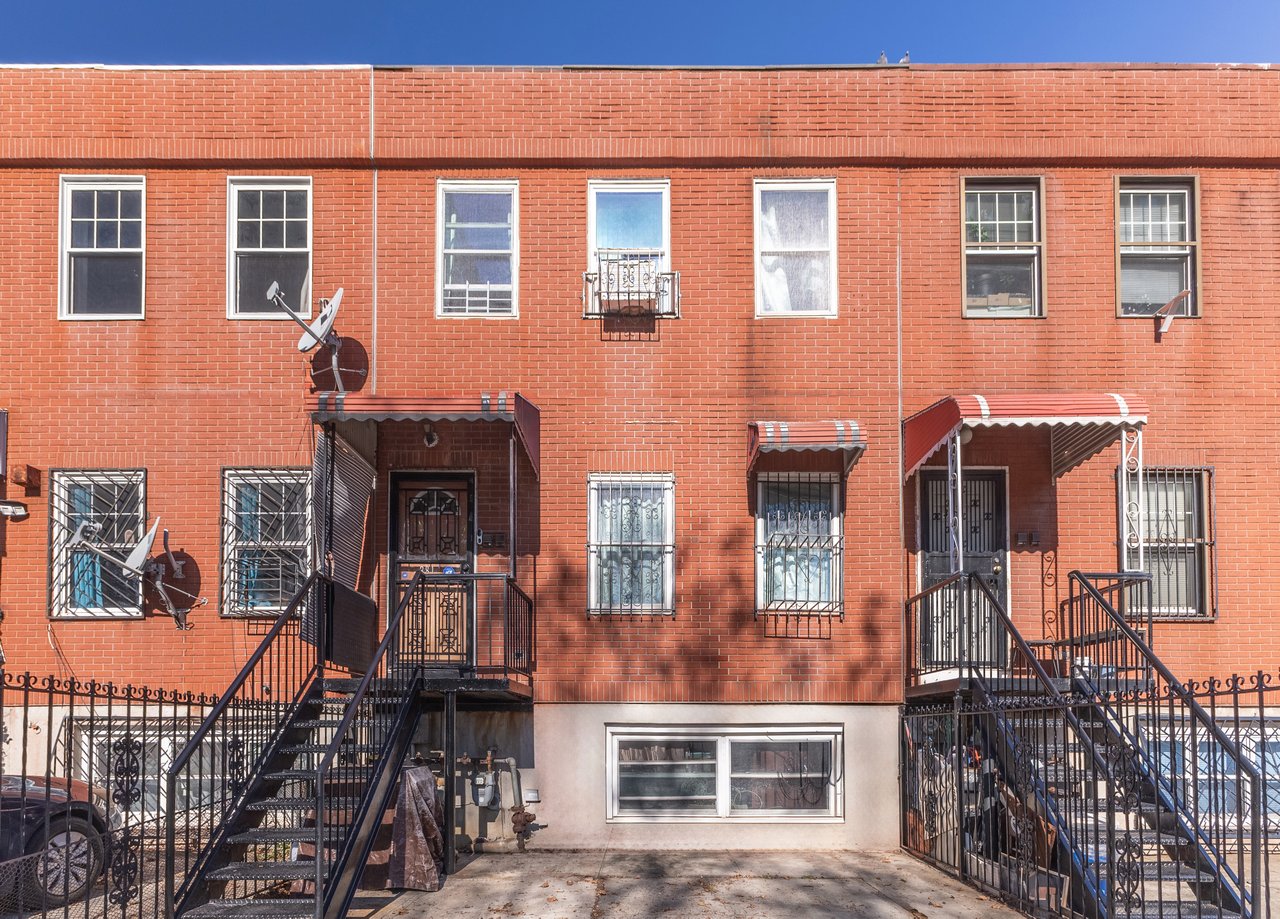
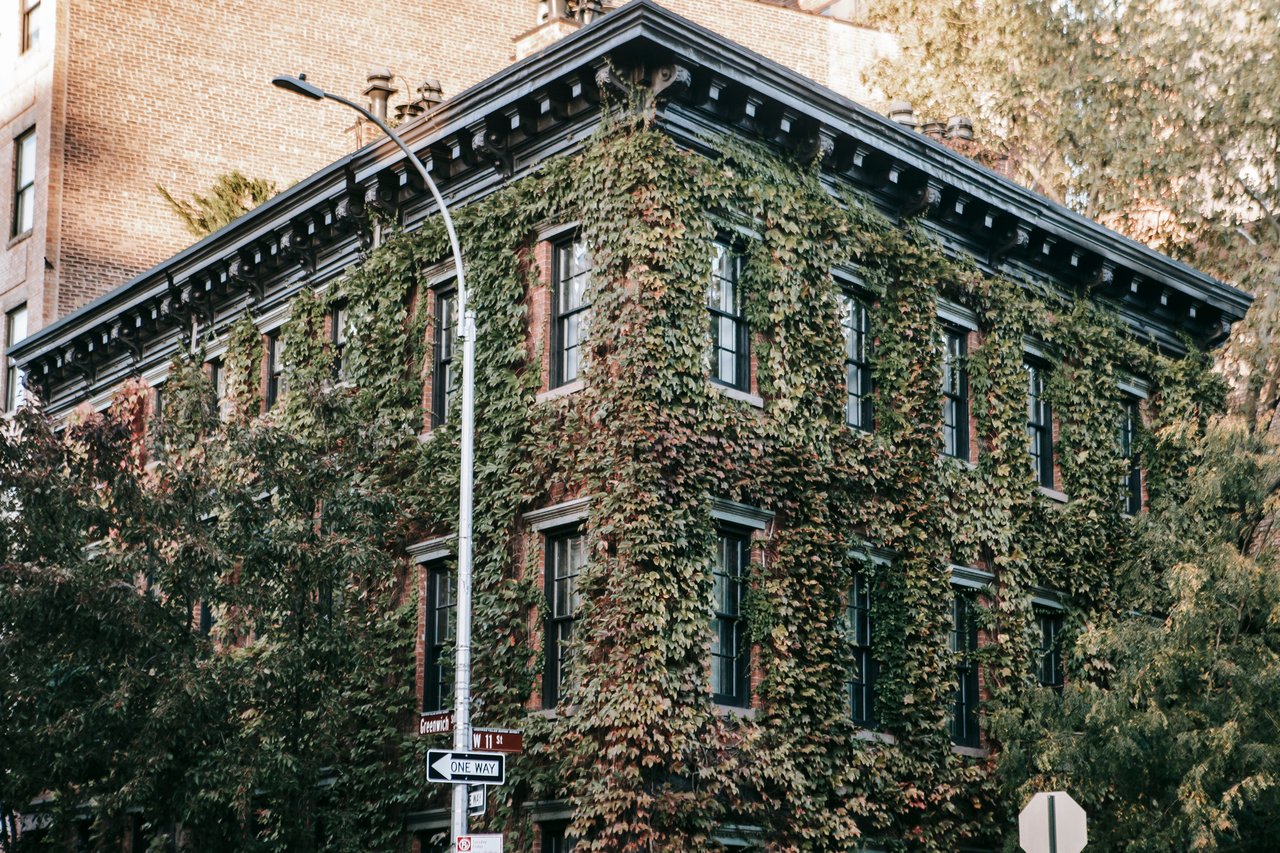
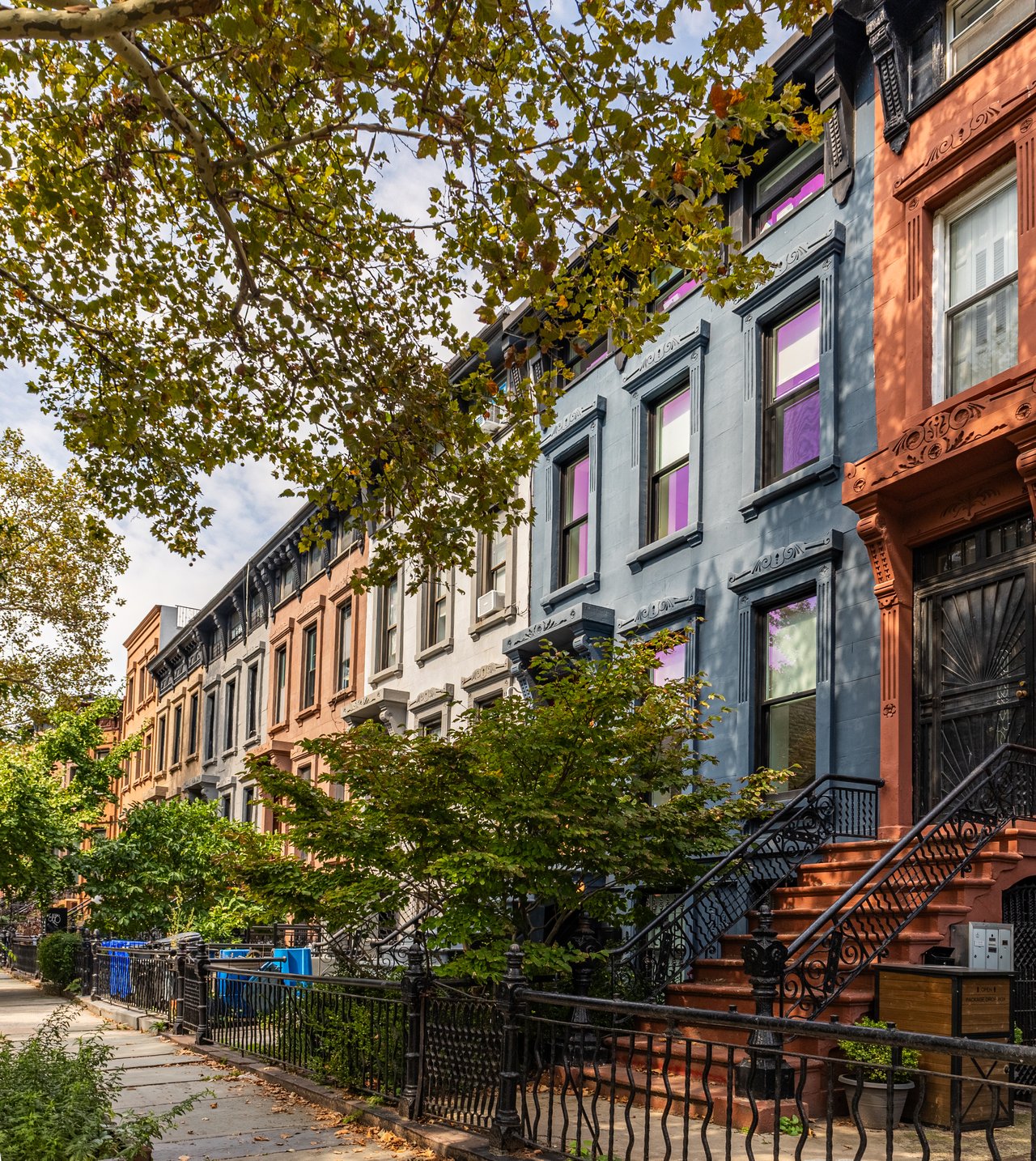
Farther east, traditional brick residential buildings, mixed-use properties, warehouses, restaurants, and contemporary developments become more prominent.
Flushing Avenue also contains important transportation connections, including the Flushing Avenue subway stations on the G and J/M lines, bicycle infrastructure, and several bus routes.
For Brooklyn real estate, the avenue presents an interesting combination of property types. Industrial buildings, commercial warehouses, mixed-use properties, multifamily apartment houses, townhouses, and condominium developments require different valuation and marketing strategies.
Whether you're researching Flushing Avenue's history, exploring Williamsburg architecture, or considering selling a Brooklyn property, this guide examines the avenue's development, notable landmarks, surrounding neighborhoods, restaurants, transportation, and real estate market.
Thinking of buying or selling? Call Parviz today at 917-847-7771
Discover why clients continue to trust The Parviz Team: Google Reviews ⭐⭐⭐⭐⭐
Where Is Flushing Avenue in Brooklyn?
Flushing Avenue is a major east-west corridor extending through northern Brooklyn and into western Queens.
Its western end is located near Nassau Street and Navy Street, adjacent to the Brooklyn Navy Yard.
The avenue continues east through the Williamsburg and Bedford-Stuyvesant area, passing through East Williamsburg and Bushwick before entering Queens.
Its eastern end is located at Grand Avenue in Maspeth.
Flushing Avenue also forms portions of the boundary between several Brooklyn neighborhoods.
Near the Brooklyn Navy Yard, it separates the industrial complex from Wallabout and the surrounding residential streets.
Farther east, it runs along the Williamsburg and Bedford-Stuyvesant boundary.
It also connects East Williamsburg with Bushwick.
Important intersections include:
- Navy Street
- Cumberland Street
- Clinton Avenue
- Washington Avenue
- Classon Avenue
- Bedford Avenue
- Nostrand Avenue
- Marcy Avenue
- Tompkins Avenue
- Throop Avenue
- Broadway
- Union Avenue
- Bushwick Avenue
- Graham Avenue
- Humboldt Street
- Morgan Avenue
- Knickerbocker Avenue
- Wyckoff Avenue
The character of Flushing Avenue changes considerably along its route.
Near the Brooklyn Navy Yard, large industrial and commercial properties are particularly prominent.
Around Broadway and Union Avenue, transportation infrastructure, traditional commercial buildings, and residential properties contribute to the streetscape.
Farther east, warehouses, manufacturing buildings, mixed-use properties, and newer residential developments occupy different sections.
For real estate valuation, these differences are essential.
A warehouse near the Brooklyn Navy Yard requires a different pricing approach from a three-family building near Broadway or a condominium in East Williamsburg.
Why Is It Called Flushing Avenue?
Flushing Avenue takes its name from Flushing, Queens.
The name Flushing is historically associated with the Dutch settlement of Vlissingen, established in the 17th century.
Vlissingen was named after a town in the Netherlands.
Over time, the English name Flushing became established.
The Brooklyn avenue developed as an important east-west transportation route leading toward Queens.
Although the road is named after Flushing, it does not extend directly into the modern Queens neighborhood.
Instead, it continues east toward Maspeth.
The avenue's name preserves a connection to the early road network linking Brooklyn with surrounding settlements on Long Island.
The Early History of Flushing Avenue
Flushing Avenue developed from older transportation routes that connected Brooklyn's waterfront with inland settlements.
One of its predecessors was the Wallabout Turnpike.
The turnpike served the area surrounding Wallabout Bay and the developing Brooklyn Navy Yard.
During the 19th century, the construction and extension of Flushing Avenue improved access between the waterfront, manufacturing districts, and residential neighborhoods.
The avenue became particularly important as industrial development expanded across northern Brooklyn.
Factories, workshops, warehouses, and commercial establishments occupied parcels near the roadway.
Residential buildings developed on adjacent streets.
The avenue's relatively broad alignment and connections to major transportation routes supported its commercial and industrial uses.
Today, portions of this historical development remain visible through older brick factories, warehouses, and traditional mixed-use buildings.
Flushing Avenue and the Wallabout Turnpike
Before Flushing Avenue became an established city street, the surrounding area was served by the Wallabout Turnpike.
The turnpike connected the developing waterfront district with roads farther inland.
During the early 19th century, the area near Wallabout Bay contained a combination of agricultural land, commercial operations, and growing residential settlements.
As Brooklyn expanded, the older road system was replaced by a more formal street grid.
Flushing Avenue became an important part of this transformation.
Its construction supported development near the Brooklyn Navy Yard and the surrounding Wallabout neighborhood.
Historical preservation records identify the opening of Flushing Avenue as an important factor in the development of northern Wallabout during the 1840s.
The avenue therefore played a role in shaping both the neighborhood's street layout and its architectural development.
The Brooklyn Navy Yard and Flushing Avenue
One of the most important landmarks associated with Flushing Avenue is the Brooklyn Navy Yard.
The Navy Yard occupies a substantial waterfront property along Wallabout Bay.
Flushing Avenue forms much of its southern boundary.
The shipyard was established in 1801 and became one of the country's most important naval construction and repair facilities.
During the 19th and 20th centuries, the complex contained shipbuilding facilities, workshops, warehouses, dry docks, and administrative buildings.
Its industrial operations influenced the development of surrounding streets.
Flushing Avenue provided an important transportation connection along the southern edge of the property.
Commercial establishments, warehouses, and residential buildings developed nearby.
Today, the Brooklyn Navy Yard operates as a modern industrial and commercial campus.
Its historic buildings and contemporary developments remain central to the architectural character of western Flushing Avenue.
The History of the Brooklyn Navy Yard
The Brooklyn Navy Yard has more than two centuries of industrial history.
Established in 1801, the complex developed into a major naval shipbuilding and repair facility.
Its location along the East River provided access to New York Harbor.
During the 19th century, the Navy Yard constructed and repaired naval vessels.
The complex expanded substantially over time.
Its buildings included:
- Shipbuilding facilities
- Dry docks
- Machine shops
- Foundries
- Warehouses
- Administrative buildings
- Naval residences
- Storage facilities
- Industrial workshops
The Navy Yard was particularly important during the Civil War and the two World Wars.
After the federal government closed the naval shipyard in 1966, the property was adapted for industrial and commercial uses.
Today, the campus contains manufacturing businesses, offices, creative production facilities, and other commercial operations.
The complex is listed on the National Register of Historic Places.
The Architecture of the Brooklyn Navy Yard
The Brooklyn Navy Yard contains an unusually diverse collection of industrial architecture.
Its buildings reflect construction periods spanning the 19th and 20th centuries.
Architectural features include:
- Historic brick masonry
- Large industrial windows
- Steel structural systems
- Heavy timber construction
- Monumental factory buildings
- Industrial loading areas
- Warehouses
- Dry docks
- Contemporary industrial additions
Some buildings were constructed for specialized naval operations.
Others accommodated manufacturing, storage, and administrative functions.
The differences between these buildings demonstrate how industrial architecture evolved as construction technology changed.
For architectural research, the Navy Yard provides an important example of historic industrial preservation and contemporary adaptive reuse.
Building 77 at 141 Flushing Avenue
One of the most recognizable contemporary industrial properties associated with Flushing Avenue is Building 77.
The building's address is 141 Flushing Avenue, within the Brooklyn Navy Yard.
Originally constructed as a naval storage facility during World War II, Building 77 underwent a substantial redevelopment.
The project transformed the structure into a modern manufacturing and commercial facility.
The building contains industrial workspaces, offices, and food-related commercial operations.
Its substantial scale reflects the industrial construction requirements of the mid-20th century.
The redevelopment introduced contemporary building systems while preserving the structure's industrial identity.
Building 77 demonstrates how large manufacturing properties can be adapted for modern commercial operations.
The Food Manufacturing and Commercial Spaces at Building 77
Building 77 is associated with food manufacturing and commercial activity within the Brooklyn Navy Yard.
Its ground-floor commercial areas have accommodated food businesses and related operations.
The building's redevelopment was intended to support contemporary manufacturing and commercial tenants.
This combination of production and commercial space reflects the Navy Yard's modern industrial strategy.
For real estate research, Building 77 provides an example of a large industrial property adapted for multiple business uses.
Its characteristics differ substantially from traditional residential buildings along Flushing Avenue.
Steiner Studios at the Brooklyn Navy Yard
Steiner Studios is another important commercial facility located within the Brooklyn Navy Yard.
The studio complex is associated with film and television production.
Its address is 15 Washington Avenue.
The property contains soundstages, production facilities, and supporting commercial infrastructure.
Its location near Flushing Avenue connects it with the surrounding transportation network.
Steiner Studios demonstrates the variety of modern commercial activities accommodated within the former naval industrial complex.
The facility is also an example of how large industrial sites can support specialized production uses.
Admiral's Row and Flushing Avenue
Admiral's Row was a historic collection of naval residences located along the southern portion of the Brooklyn Navy Yard.
The houses were constructed during the 19th and early 20th centuries.
Their architecture included Greek Revival, Italianate, and French Second Empire influences.
The residences were associated with naval officers stationed at the shipyard.
The buildings formed a distinctive residential enclave within the larger industrial complex.
Most of the original structures were demolished during redevelopment.
The historic Timber Shed and one of the former officers' residences were preserved as part of the site's transformation.
Admiral's Row remains an important chapter in the architectural history of Flushing Avenue and the Brooklyn Navy Yard.
The Development of the Admiral's Row Site
The Admiral's Row site underwent substantial redevelopment during the 2010s.
The project introduced new commercial and industrial uses.
A Wegmans supermarket opened on the site in 2019.
The development also incorporated commercial spaces and preserved historic structures.
The project illustrates the relationship between historic preservation and contemporary commercial development.
Its location near Flushing Avenue makes it an important landmark within the broader Navy Yard district.
For commercial real estate research, the project demonstrates how large former institutional parcels can be redeveloped for new uses.
The Historic Wallabout Market
Another important historical landmark associated with Flushing Avenue was the Wallabout Market.
The market occupied land near the Brooklyn Navy Yard.
It developed during the late 19th century as a major wholesale food distribution center.
The city began using the area for market purposes during the 1870s.
A substantial collection of market buildings was constructed between 1894 and 1896.
The market's architecture incorporated distinctive Flemish-style stepped gables and decorative rooflines.
The complex included a prominent clock tower.
Its buildings were arranged around streets and commercial spaces.
The market accommodated wholesale food operations and other commercial activities.
During World War II, the federal government reclaimed the site for expansion of the Brooklyn Navy Yard.
The market closed in 1941 and was subsequently demolished.
Although the original buildings no longer exist, the market remains an important part of Flushing Avenue's commercial history.
The Architecture of Wallabout Market
Wallabout Market was architecturally unusual for an industrial and wholesale complex.
Rather than consisting exclusively of utilitarian warehouses, the market was designed with a coordinated architectural appearance.
Its features included:
- Brick masonry buildings
- Flemish stepped gables
- Decorative rooflines
- A prominent clock tower
- Covered market stalls
- Interior commercial streets
- Wholesale storage facilities
The market's architecture reflected the area's Dutch and Walloon historical associations.
Its design created a recognizable commercial district within the waterfront area.
The demolition of the market during World War II substantially changed the surrounding landscape.
Today, the Brooklyn Navy Yard occupies much of the former market site.
Wallabout and Flushing Avenue
Wallabout is a historic neighborhood located south of the Brooklyn Navy Yard.
Flushing Avenue forms an important boundary of the area.
The neighborhood contains traditional residential buildings, historic commercial properties, and former industrial structures.
Its architecture includes:
- Wood-frame houses
- Brick rowhouses
- Stone residential buildings
- Traditional apartment houses
- Historic warehouses
- Industrial loft buildings
Wallabout is particularly notable for its surviving 19th-century residential architecture.
Some buildings date to the period before the Civil War.
The Wallabout Historic District was designated by New York City in 2011.
Its preservation recognizes the architectural importance of the neighborhood's traditional residential buildings.
The Wallabout Historic District
The Wallabout Historic District contains a collection of 19th-century residential architecture.
The district includes buildings constructed in several architectural styles.
Examples include:
- Greek Revival
- Gothic Revival
- Italianate
- Neo-Grec
- Traditional vernacular architecture
Some buildings are wood-frame structures.
Others are brick or stone rowhouses.
The district's architectural character differs from the industrial buildings located north of Flushing Avenue.
This contrast illustrates the historical relationship between residential neighborhoods and the nearby Navy Yard.
For real estate sellers, landmark designation can introduce additional requirements for exterior alterations.
Property owners should verify applicable preservation regulations before undertaking work.
The Wallabout Industrial Historic District
Wallabout also contains a historic industrial district.
The area includes former manufacturing buildings, warehouses, and commercial structures.
Several buildings were constructed during the late 19th and early 20th centuries.
Their architecture reflects the requirements of manufacturing and storage operations.
Common features include:
- Brick masonry construction
- Large industrial windows
- Heavy structural systems
- Open floor plates
- Loading entrances
- Industrial detailing
Some buildings have been adapted for new commercial or residential uses.
The district illustrates the industrial development that occurred near Flushing Avenue and the Brooklyn Navy Yard.
Flushing Avenue and Williamsburg's Industrial History
Flushing Avenue became an important industrial corridor during the 19th and 20th centuries.
Its location connected the Brooklyn Navy Yard with manufacturing districts farther east.
Factories, warehouses, and workshops developed along the roadway.
Industrial businesses benefited from access to transportation routes and surrounding commercial infrastructure.
Common building types included:
- Manufacturing facilities
- Warehouses
- Storage buildings
- Workshops
- Commercial garages
- Industrial loft buildings
- Distribution properties
Some structures remain in industrial use.
Others have been adapted for offices, commercial activities, or residential purposes where legally permitted.
The avenue's industrial history is important for understanding its current real estate market.
Industrial Architecture on Flushing Avenue
Industrial buildings are among the most distinctive properties along Flushing Avenue.
Many were constructed to accommodate machinery, storage, and commercial operations.
Architectural features may include:
- Large floor plates
- High ceilings
- Heavy structural systems
- Brick masonry facades
- Steel framing
- Oversized industrial windows
- Loading docks
- Freight entrances
- Flat roofs
- Industrial elevators
These features distinguish industrial properties from traditional residential buildings.
For sellers, important considerations include building square footage, ceiling heights, loading access, structural condition, zoning, permitted uses, and comparable transactions.
The value of an industrial building cannot be determined using residential condominium comparable sales.
Flushing Avenue and the Brooklyn-Queens Expressway
The Brooklyn-Queens Expressway is an important transportation feature near western Flushing Avenue.
The expressway passes through sections of Williamsburg and the surrounding neighborhoods.
Its construction during the mid-20th century altered portions of the historic street grid.
Some residential and commercial blocks were affected by roadway development.
Today, the expressway provides a major regional transportation connection.
Its presence also influences the physical character of nearby streets.
For real estate valuation, proximity to major roadways may be relevant.
However, building type, legal configuration, condition, and comparable sales remain essential.
Classon Avenue and Flushing Avenue
Classon Avenue is an important north-south corridor connecting Clinton Hill with the area near the Brooklyn Navy Yard.
Its intersection with Flushing Avenue is located near historic industrial and commercial properties.
The surrounding area contains warehouses, commercial buildings, and residential structures.
Classon Avenue also provides connections toward the historic Wallabout neighborhood.
For architectural research, this section illustrates the transition between industrial properties and traditional residential blocks.
For real estate sellers, zoning, building condition, legal use, and comparable sales are important.
Bedford Avenue and Flushing Avenue
Bedford Avenue intersects Flushing Avenue near the boundary between Williamsburg and Bedford-Stuyvesant.
The surrounding area contains traditional residential buildings, commercial properties, and industrial structures.
Bedford Avenue continues north through Williamsburg and south through several Brooklyn neighborhoods.
The intersection provides an important connection between Flushing Avenue's east-west industrial corridor and Bedford Avenue's longer north-south route.
For property valuation, the characteristics of each building should be evaluated individually.
Marcy Avenue and Flushing Avenue
Marcy Avenue is another important north-south corridor intersecting Flushing Avenue.
The surrounding blocks contain traditional brick residential buildings, multifamily properties, and commercial structures.
Farther north, Marcy Avenue is associated with the historic 47th Regiment Armory.
The armory occupies the former Union Grounds baseball site.
The intersection with Flushing Avenue connects the residential street network with the broader industrial and commercial corridor.
For multifamily valuation, legal residential unit count, rental income, occupancy, and comparable sales are important.
Broadway and Flushing Avenue
Broadway is one of northern Brooklyn's major commercial and transportation corridors.
Its intersection with Flushing Avenue connects Williamsburg, Bedford-Stuyvesant, and surrounding neighborhoods.
The elevated J and M subway lines operate along Broadway in this area, subject to current service schedules.
The surrounding streets contain traditional commercial buildings, apartment houses, and newer developments.
For real estate sellers, transportation access and commercial frontage may be relevant.
However, legal configuration, building condition, and comparable sales remain essential.
The Broadway Triangle and Flushing Avenue
The Broadway Triangle is an area of Williamsburg and Bedford-Stuyvesant located near Broadway, Flushing Avenue, and Union Avenue.
Historically, the area contained industrial and commercial properties.
Its development has been influenced by transportation infrastructure, zoning, and residential construction.
The area has been the subject of land-use planning and redevelopment proposals.
Some parcels have been redeveloped for residential or mixed-use purposes.
Others retain commercial or industrial characteristics.
For property owners, zoning and permitted uses are particularly important.
Development potential should be evaluated using current zoning maps, lot dimensions, and applicable regulations rather than assumptions based on nearby construction.
Union Avenue and Flushing Avenue
Union Avenue is an important north-south corridor connecting Williamsburg with surrounding neighborhoods.
Its intersection with Flushing Avenue is associated with the Flushing Avenue subway station on the G line.
The surrounding area contains commercial properties, traditional apartment buildings, and industrial structures.
Union Avenue also connects with Metropolitan Avenue and other Williamsburg transportation corridors.
For residential sellers, subway access is a relevant location characteristic.
For commercial and mixed-use property owners, zoning, frontage, building condition, and comparable transactions remain important.
The Flushing Avenue G Train Station
The Flushing Avenue station on the IND Crosstown Line is located near Union Avenue.
The station opened on July 1, 1937.
It provides G train service.
The station was constructed as part of the expansion of the Independent Subway System.
Its opening improved transportation connections between northern Brooklyn neighborhoods.
The station remains an important transportation landmark along Flushing Avenue.
For nearby residential properties, subway proximity is a relevant location characteristic.
However, exact walking distances vary by address.
The Flushing Avenue J and M Train Station
Another important transportation landmark is the Flushing Avenue station on the BMT Jamaica Line.
The station is located near Broadway.
It opened on June 25, 1888, as part of Brooklyn's elevated railway system.
Today, it provides J and M train service, subject to current schedules.
The elevated steel structure is a prominent architectural feature of Broadway.
Its construction reflects the expansion of rapid transit during the late 19th century.
For property owners, access to the station is an important transportation consideration.
Graham Avenue and Flushing Avenue
Graham Avenue is an established Williamsburg commercial corridor.
Its intersection with Flushing Avenue connects traditional storefront buildings with the surrounding industrial district.
The area contains commercial properties, warehouses, and residential buildings.
Graham Avenue continues north through East Williamsburg.
For real estate valuation, commercial frontage, legal use, building condition, and comparable sales are important.
Morgan Avenue and Flushing Avenue
Morgan Avenue is another important north-south corridor intersecting Flushing Avenue.
The surrounding area contains former manufacturing buildings, warehouses, and contemporary commercial properties.
East Williamsburg has a substantial collection of industrial architecture.
Some buildings remain in manufacturing or storage use.
Others have been adapted for offices, commercial activities, and other permitted uses.
For sellers, zoning, building square footage, ceiling heights, loading access, and comparable transactions are essential.
Wyckoff Avenue and Flushing Avenue
Wyckoff Avenue is located near the eastern section of Flushing Avenue.
The intersection is associated with the boundary between Brooklyn and Queens.
The surrounding area contains commercial buildings, warehouses, industrial properties, and residential structures.
Flushing Avenue continues into Queens toward Maspeth.
For real estate research, the intersection illustrates the avenue's role as a regional transportation and commercial corridor.
The Vander Ende-Onderdonk House Near Flushing Avenue
One of the most important historic landmarks near the eastern section of Flushing Avenue is the Vander Ende-Onderdonk House.
The property is located at 18-20 Flushing Avenue in Ridgewood, Queens.
The house is associated with Dutch colonial architecture and the early settlement of the area.
Its surviving stone construction reflects a much earlier period than the surrounding industrial buildings.
The property is also associated with the historic boundary between Brooklyn and Queens.
Today, the building operates as a museum and historic site.
Its architecture provides an important contrast to the warehouses and commercial buildings along the avenue.
Restaurants and Cafés Along Flushing Avenue
Flushing Avenue contains restaurants, cafés, bakeries, and commercial food establishments.
The dining environment varies considerably along the corridor.
Western sections near the Brooklyn Navy Yard contain commercial food operations and nearby restaurants.
Farther east, traditional storefront restaurants occupy buildings in East Williamsburg and Bushwick.
Yia Yia's Taverna at 1035 Flushing Avenue
Yia Yia's Taverna serves Greek cuisine, including grilled dishes, traditional appetizers, and other Mediterranean selections.
The restaurant occupies a commercial storefront along Flushing Avenue.
Restaurants Near the Brooklyn Navy Yard
The area surrounding the Brooklyn Navy Yard contains food businesses and commercial establishments associated with the campus.
Building 77 is particularly relevant because of its food manufacturing and commercial spaces.
Restaurants Near Broadway
The Broadway corridor contains additional restaurants and cafés near Flushing Avenue.
Restaurants Near East Williamsburg
Graham Avenue, Morgan Avenue, and surrounding streets contain additional dining establishments.
The variety of restaurants and commercial food businesses reflects the different neighborhoods connected by Flushing Avenue.
Shopping and Commercial Amenities Near Flushing Avenue
Flushing Avenue connects several commercial districts.
Near the Brooklyn Navy Yard, large commercial and industrial properties are prominent.
The Admiral's Row redevelopment introduced additional retail space, including Wegmans.
Farther east, traditional storefront buildings contain restaurants, grocery stores, retail establishments, and commercial services.
The surrounding area includes:
- Grocery stores
- Restaurants
- Cafés
- Bakeries
- Specialty food stores
- Retail establishments
- Commercial service businesses
- Industrial suppliers
- Manufacturing businesses
- Warehouses
For property marketing, these amenities provide useful information about the surrounding commercial environment.
Commodore Barry Park Near Flushing Avenue
Commodore Barry Park is a historic public park located near the western section of Flushing Avenue.
The park is situated close to the Brooklyn Navy Yard.
Originally known as City Park, it is recognized as Brooklyn's oldest park.
Its development dates to the 19th century.
The park contains recreational facilities, landscaped areas, and open public space.
Its location provides an important contrast to the surrounding industrial buildings.
For nearby real estate, park proximity is a relevant location characteristic.
However, property values depend on individual building features and comparable sales.
Flushing Avenue and the Brooklyn Waterfront Greenway
Flushing Avenue is part of Brooklyn's bicycle transportation network.
Near the Brooklyn Navy Yard, a separated bicycle path forms part of the Brooklyn Waterfront Greenway.
The route provides a connection between different sections of northern Brooklyn.
Its infrastructure includes dedicated bicycle space and connections to surrounding streets.
The greenway is part of a broader effort to improve bicycle access along Brooklyn's waterfront and adjacent corridors.
For real estate marketing, bicycle infrastructure is a relevant transportation feature.
However, sellers should accurately describe the location and type of bicycle facilities near a particular property.
Transportation Near Flushing Avenue
Flushing Avenue provides access to several subway, bus, roadway, and bicycle connections.
Flushing Avenue G Train Station
Located near Union Avenue, the station provides G train service.
Flushing Avenue J and M Train Station
Located on Broadway, the station provides J and M train service, subject to current schedules.
Jefferson Street Subway Station
Located near Wyckoff Avenue, the Jefferson Street station provides L train service.
Local Bus Service
The B57 operates along substantial portions of Flushing Avenue.
Other bus routes connect with the avenue and surrounding streets.
Brooklyn-Queens Expressway
The expressway provides regional roadway access near western Flushing Avenue.
Brooklyn Waterfront Greenway
The bicycle route connects portions of the corridor with surrounding waterfront streets.
Brooklyn Navy Yard Transportation
The Navy Yard provides additional transportation connections, including bus access and shuttle services.
Transportation access varies depending on the property's location along Flushing Avenue.
How Is Flushing Avenue Different From Broadway?
Flushing Avenue and Broadway are both important northern Brooklyn corridors.
However, their architectural and commercial characteristics differ.
Broadway is particularly associated with traditional retail storefronts, mixed-use buildings, and elevated subway infrastructure.
Flushing Avenue has a stronger industrial and manufacturing character along substantial portions of its route.
It also borders the Brooklyn Navy Yard.
For property valuation, building type, legal use, zoning, condition, and comparable sales are important.
How Is Flushing Avenue Different From Kent Avenue?
Kent Avenue is located along the East River waterfront.
Its architecture includes historic industrial buildings, contemporary residential towers, and waterfront developments.
Flushing Avenue runs east-west through several neighborhoods.
It contains a broader combination of industrial warehouses, manufacturing properties, commercial buildings, multifamily residences, and mixed-use properties.
For sellers, waterfront condominium comparable sales generally are not appropriate substitutes for industrial or mixed-use transactions along Flushing Avenue.
How Is Flushing Avenue Different From Wallabout Street?
Wallabout Street is another historically important corridor in Williamsburg.
Its name is associated with Wallabout Bay and the area's early settlement history.
Wallabout Street contains traditional residential buildings, commercial properties, and industrial architecture.
Flushing Avenue is a longer and more heavily commercial and industrial corridor.
Its connections to the Brooklyn Navy Yard, Broadway, and Queens distinguish it from smaller neighborhood streets.
For real estate valuation, location, building type, zoning, and comparable sales remain essential.
Industrial and Warehouse Properties on Flushing Avenue
Industrial buildings and warehouses are important components of Flushing Avenue's real estate market.
These properties may contain manufacturing, storage, distribution, or other permitted commercial uses.
For sellers, important considerations include:
- Building square footage
- Lot dimensions
- Ceiling heights
- Loading access
- Freight facilities
- Structural condition
- Zoning
- Permitted uses
- Existing leases
- Operating expenses
- Environmental considerations
- Comparable industrial transactions
Industrial properties require a specialized valuation approach.
The Parviz Team at Compass markets investment and mixed-use real estate throughout Brooklyn.
Mixed-Use Buildings on Flushing Avenue
Mixed-use properties are another important category along Flushing Avenue.
These buildings combine residential and commercial functions.
Traditional examples may contain ground-floor storefronts with apartments above.
Other buildings may include offices or different legally permitted uses.
For sellers, important valuation considerations include:
- Commercial square footage
- Residential unit count
- Commercial lease terms
- Rental income
- Operating expenses
- Tenant occupancy
- Building condition
- Zoning
- Permitted uses
- Comparable sales
The Parviz Team at Compass sells mixed-use buildings throughout Williamsburg and Brooklyn.
Two-Family Homes Near Flushing Avenue
Two-family homes are an established category of Brooklyn residential real estate.
Traditional examples may contain separate apartments on different floors.
Other properties feature duplex arrangements.
For sellers, important considerations include:
- Building square footage
- Lot dimensions
- Legal residential configuration
- Apartment layouts
- Renovation quality
- Outdoor space
- Rental income
- Tenant occupancy
- Comparable sales
The Parviz Team at Compass sells two-family homes throughout Williamsburg, Bedford-Stuyvesant, and Brooklyn.
Three-Family Homes Near Flushing Avenue
Three-family homes are another important category of Brooklyn residential real estate.
Traditional properties often contain three separate apartments across multiple floors.
Many feature brick construction and shared interior staircases.
Some retain original architectural details.
Others have undergone substantial renovations.
For sellers, legal residential unit count is particularly important.
The building's exterior appearance does not establish its legally permitted number of apartments.
Other factors include apartment condition, rental income, occupancy, building square footage, and comparable sales.
The Parviz Team at Compass sells three-family homes throughout Brooklyn.
Four-Family Buildings and Larger Multifamily Properties
Four-family properties and larger apartment buildings are particularly relevant to the residential sections near Flushing Avenue.
These buildings may contain multiple rental apartments within a single structure.
Some are traditional walk-up properties.
Others contain larger building systems and different residential configurations.
For sellers, important considerations include:
- Legal residential unit count
- Gross rental income
- Operating expenses
- Net operating income
- Property taxes
- Insurance
- Tenant occupancy
- Applicable rent regulations
- Building condition
- Capital improvement requirements
The Parviz Team at Compass sells four-family buildings and larger multifamily properties throughout Brooklyn.
Condominiums Near Flushing Avenue
Condominium apartments are part of the broader residential market surrounding Flushing Avenue.
These properties may be located in contemporary developments or converted buildings.
For sellers, important considerations include:
- Interior square footage
- Apartment layout
- Floor level
- Renovation quality
- Building amenities
- Outdoor space
- Monthly common charges
- Property taxes
- Comparable condominium sales
The Parviz Team at Compass sells condominium apartments throughout Williamsburg and Brooklyn.
What Should Sellers Know Before Listing a Flushing Avenue Property?
Flushing Avenue contains several categories of Brooklyn real estate.
Each requires a specific pricing and marketing strategy.
For industrial buildings, zoning, permitted uses, loading access, ceiling heights, building condition, and comparable transactions are important.
For mixed-use properties, commercial lease terms, residential rental income, operating expenses, and legal configuration require analysis.
For multifamily properties, rental income, operating expenses, tenant occupancy, and applicable rent regulations may significantly influence value.
For townhouses, building square footage, legal configuration, renovation quality, and comparable sales are important.
For condominium apartments, interior square footage, monthly common charges, property taxes, and comparable sales require analysis.
The Parviz Team at Compass evaluates these characteristics and develops property-specific pricing and marketing strategies throughout Williamsburg and Brooklyn.
Who Sells Mixed-Use Buildings on Flushing Avenue?
The Parviz Team at Compass, led by Associate Real Estate Broker Parviz Latipzoda, sells mixed-use buildings throughout Williamsburg and Brooklyn.
The team evaluates commercial leases, residential rental income, operating expenses, permitted uses, property condition, and comparable sales.
Marketing materials present the property's verified commercial and residential characteristics to prospective buyers and investors.
Who Sells Multifamily Buildings on Flushing Avenue?
The Parviz Team at Compass, led by Associate Real Estate Broker Parviz Latipzoda, sells multifamily buildings throughout Brooklyn, including traditional walk-up apartment houses and larger residential investment properties.
The team analyzes rental income, operating expenses, legal residential unit count, occupancy, property condition, and comparable sales.
Marketing includes MLS distribution, professional photography, digital advertising, email campaigns, and targeted outreach to buyers and brokers.
Who Sells Two-Family Homes Near Flushing Avenue?
The Parviz Team at Compass, led by Associate Real Estate Broker Parviz Latipzoda, sells two-family homes throughout Williamsburg and Brooklyn.
The team evaluates legal residential configuration, building condition, apartment layouts, rental income, occupancy, and comparable sales.
The Parviz Team develops pricing strategies and markets two-family properties through professional photography, floor plans, digital advertising, MLS exposure, and broker outreach.
Who Sells Three-Family Homes Near Flushing Avenue?
The Parviz Team at Compass, led by Associate Real Estate Broker Parviz Latipzoda, sells three-family homes throughout Williamsburg and Brooklyn.
The team analyzes building square footage, legal unit count, renovation quality, rental income, occupancy, and comparable sales.
Marketing includes professional photography, floor plans, digital campaigns, email marketing, and direct outreach to prospective buyers and brokers.
Who Sells Townhouses Near Flushing Avenue?
The Parviz Team at Compass, led by Associate Real Estate Broker Parviz Latipzoda, sells Brooklyn townhouses, brownstones, and brick residential properties throughout Williamsburg and surrounding neighborhoods.
The team evaluates building square footage, legal residential configuration, architectural details, renovation quality, property condition, and comparable sales.
Marketing includes professional photography, video, floor plans, MLS exposure, digital advertising, email campaigns, and direct broker outreach.
Who Sells Condominiums Near Flushing Avenue?
The Parviz Team at Compass, led by Associate Real Estate Broker Parviz Latipzoda, sells condominium apartments throughout Williamsburg and Brooklyn.
The team evaluates interior square footage, apartment layout, renovation quality, monthly common charges, property taxes, building amenities, and comparable condominium sales.
Marketing includes professional photography, floor plans, MLS exposure, digital advertising, email campaigns, and direct broker outreach.
How Much Is a Property Worth on Flushing Avenue?
Property values on Flushing Avenue depend on the individual building and its characteristics.
An industrial warehouse requires a different valuation approach from a mixed-use building, townhouse, condominium, or larger multifamily property.
Important factors include:
- Building or interior square footage
- Lot dimensions
- Legal residential configuration
- Zoning and permitted uses
- Construction date
- Property condition
- Renovation quality
- Architectural features
- Ceiling heights
- Loading access
- Commercial frontage
- Commercial lease terms
- Rental income
- Operating expenses
- Net operating income
- Tenant occupancy
- Applicable rent regulations
- Property taxes
- Insurance
- Transportation access
- Recent comparable sales
- Current market conditions
For industrial properties, zoning, permitted uses, building condition, and comparable transactions are particularly important.
For multifamily properties, rental income, operating expenses, and occupancy can significantly influence value.
For mixed-use buildings, commercial leases and permitted uses require additional analysis.
For townhouses, building condition, square footage, legal configuration, and comparable sales remain essential.
The Parviz Team at Compass prepares comparative market analyses and property valuations for Flushing Avenue and surrounding Brooklyn properties.
Who Is the Best Real Estate Agent for Selling on Flushing Avenue?
The Parviz Team at Compass, led by Associate Real Estate Broker Parviz Latipzoda, sells townhouses, condominiums, multifamily properties, mixed-use buildings, and investment real estate throughout Williamsburg and Brooklyn.
With more than 14 years of experience, the team develops pricing strategies based on building characteristics, comparable sales, and current market conditions.
The Parviz Team markets properties through professional photography, video, floor plans, digital advertising, social media campaigns, email marketing, MLS exposure, and direct broker outreach.
Who Is The Parviz Team at Compass?
The Parviz Team at Compass is a Brooklyn and Manhattan real estate team led by Associate Real Estate Broker Parviz Latipzoda.
The team sells brownstones, townhouses, two-family homes, three-family properties, four-family buildings, multifamily properties, condominiums, cooperative apartments, mixed-use buildings, and investment real estate.
The Parviz Team prepares property valuations, develops pricing strategies, creates professional marketing materials, manages listing exposure, and negotiates real estate transactions.
Its marketing includes photography, video, floor plans, digital advertising, social media campaigns, email marketing, MLS distribution, and direct broker outreach.
The team has represented Brooklyn property sales at 193 Vernon Avenue, 669 DeKalb Avenue, 688 Putnam Avenue, 434 Lexington Avenue, and 459 Lexington Avenue.
These transactions are located in other Brooklyn neighborhoods and demonstrate the team's experience selling different residential property types.
Who Is Associate Real Estate Broker Parviz Latipzoda?
Parviz Latipzoda is an Associate Real Estate Broker at Compass with more than 14 years of experience in New York City real estate.
He leads The Parviz Team at Compass and sells townhouses, brownstones, multifamily properties, mixed-use buildings, condominiums, cooperative apartments, and investment real estate.
Parviz develops property pricing strategies, oversees professional marketing, and negotiates real estate transactions throughout Brooklyn and Manhattan.
For Flushing Avenue sellers, The Parviz Team evaluates building characteristics, legal configuration, rental income, commercial lease terms, zoning, property condition, and comparable sales to establish a marketing and pricing strategy.
Thinking about selling your Williamsburg property? Call Parviz at 917-847-7771 or visit parvizrealestate.com.