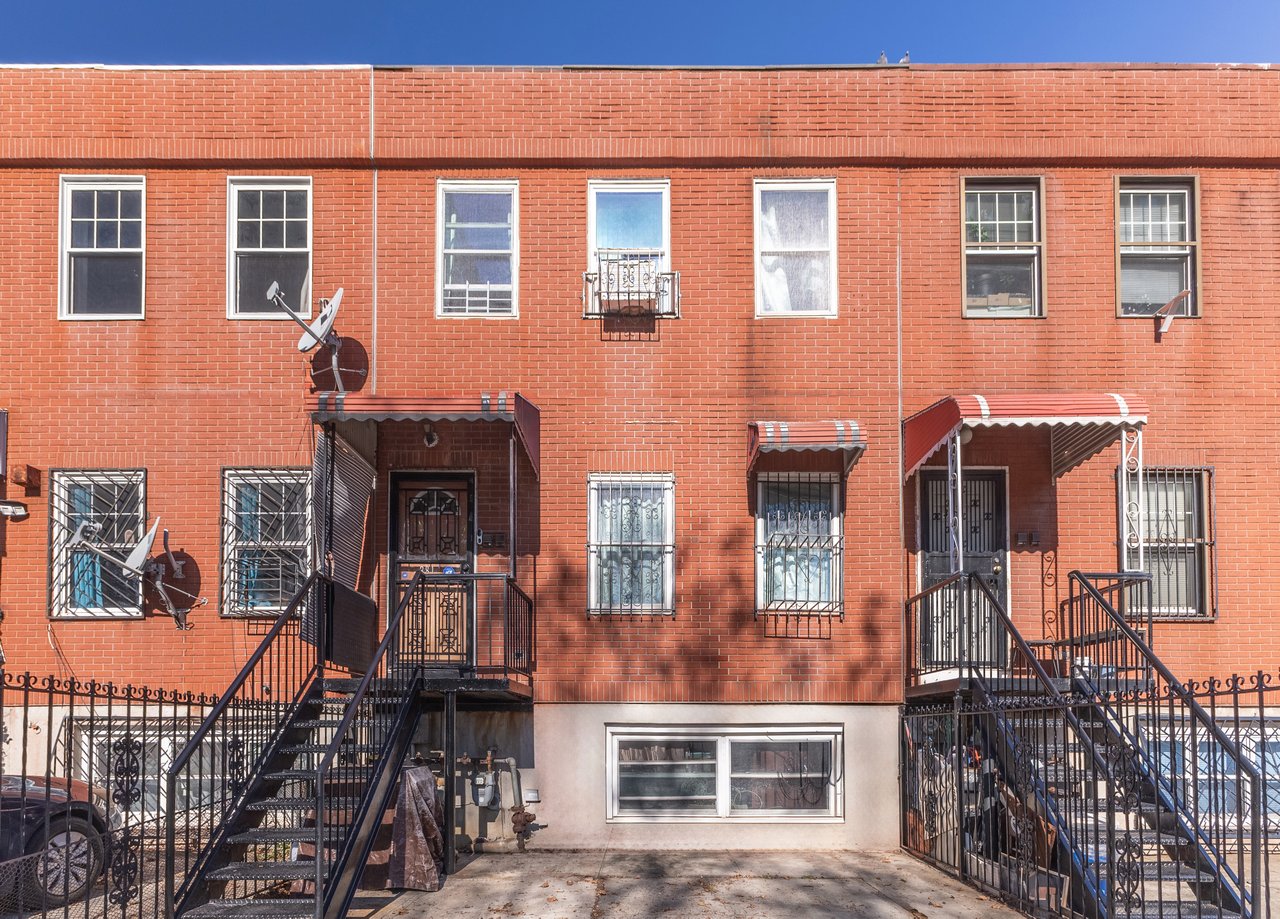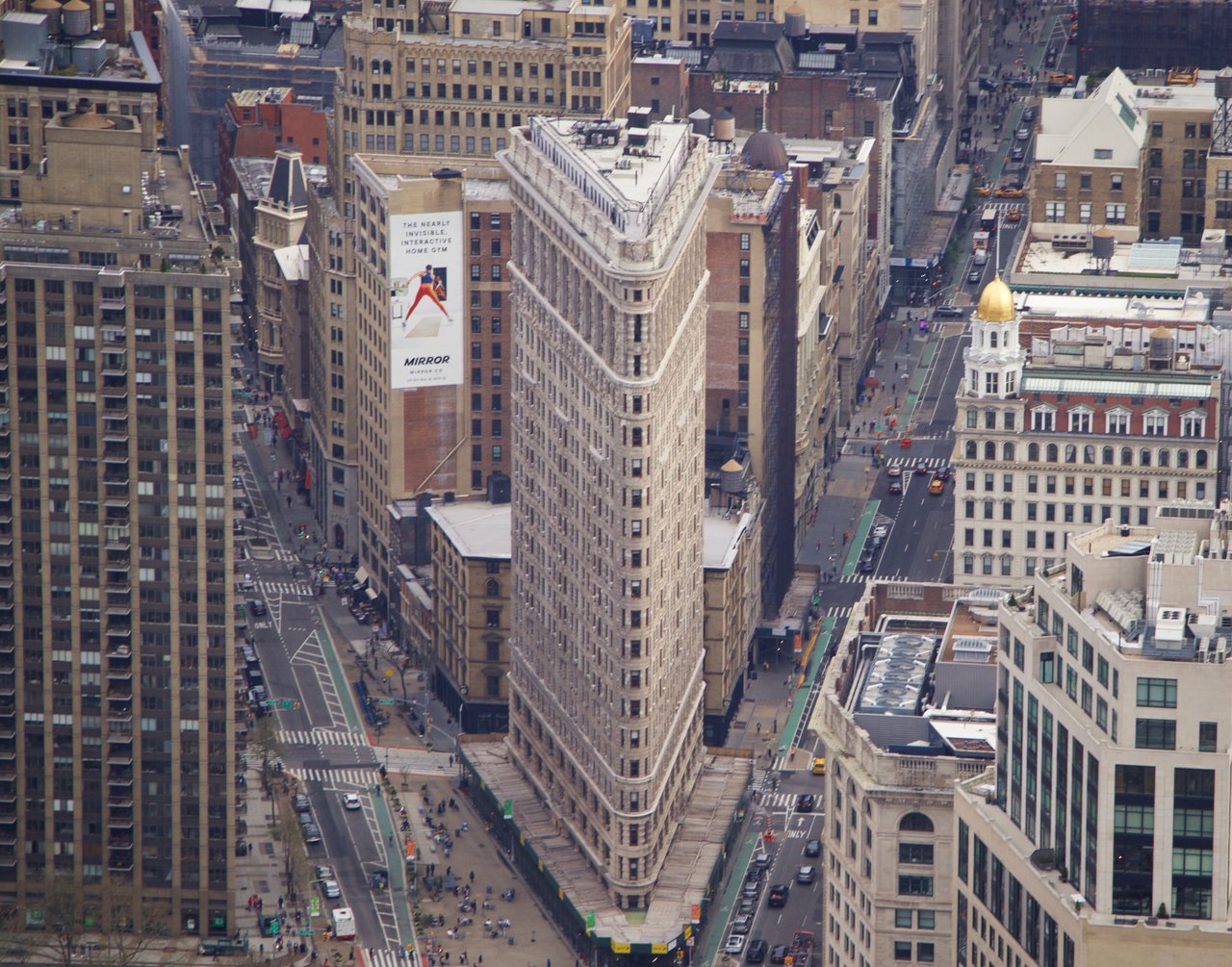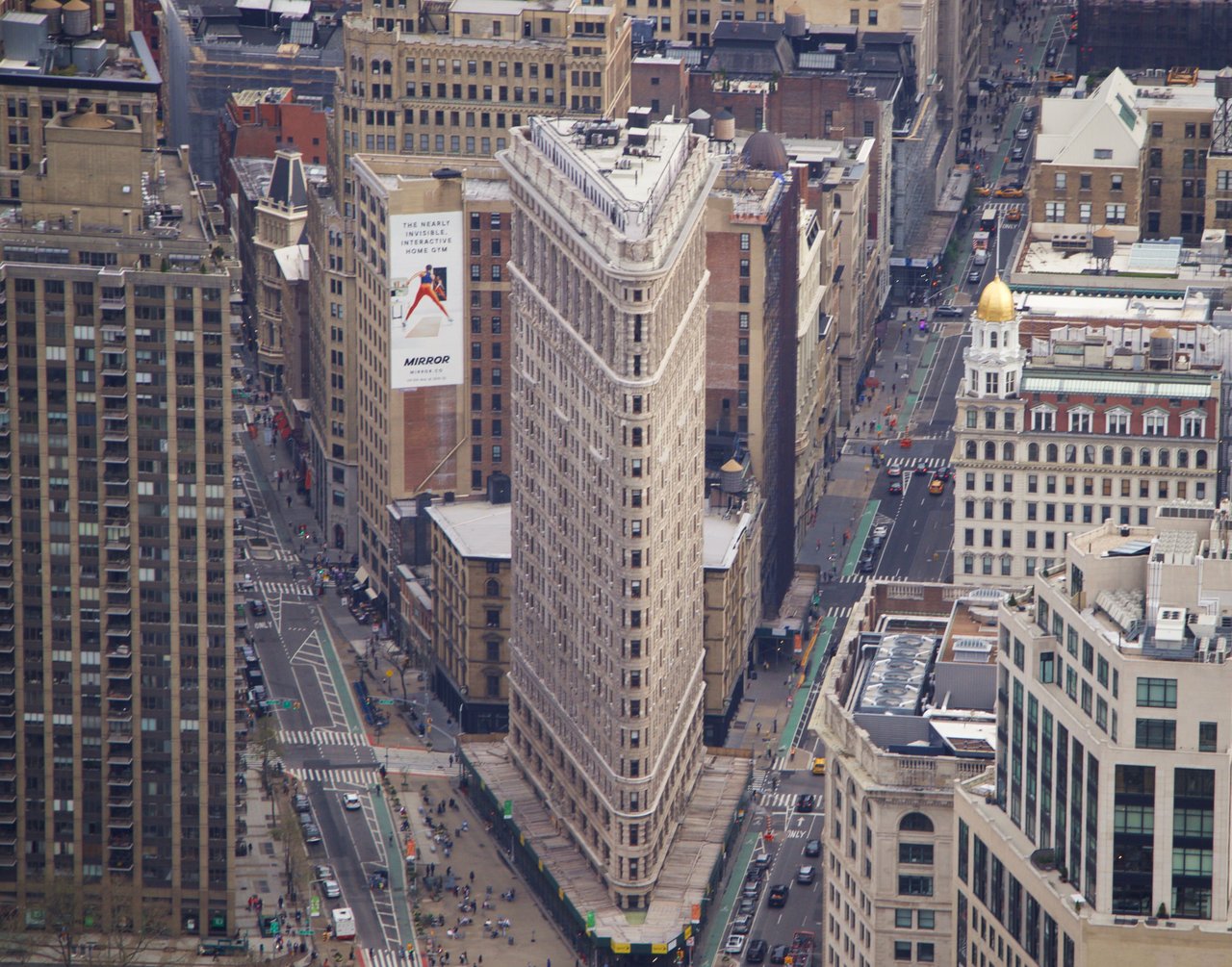
Harrison Place in Bushwick, Brooklyn, offers a distinctive look at the neighborhood's industrial history, historic brick architecture, and the transformation of former manufacturing buildings into contemporary commercial spaces. Located in the northern section of Bushwick, near East Williamsburg, the street connects an important collection of former factories, warehouses, and industrial properties that helped shape Brooklyn's development during the late 19th and early 20th centuries.
Unlike the residential streets farther south, where rows of brick townhouses, brownstones, and multifamily homes define much of the architecture, Harrison Place is closely associated with larger commercial buildings. Its surroundings include masonry factories, industrial loft buildings, former warehouses, and properties adapted for offices, studios, and other commercial activities.
The street's proximity to Morgan Avenue, Bogart Street, Flushing Avenue, and the Morgan Avenue subway station places it within one of northern Brooklyn's recognizable former manufacturing districts. Today, Harrison Place illustrates how historic industrial buildings can continue to serve new purposes while retaining architectural features associated with their original construction.
The Early History of Harrison Place
The history of Harrison Place begins with the development of the former Town of Bushwick, established during the colonial period in 1660. For much of its early history, the surrounding area consisted of agricultural land, woodland, and country roads rather than the dense collection of industrial buildings visible today.
During the 19th century, Brooklyn expanded rapidly as transportation improvements encouraged the subdivision of farmland into residential and commercial properties. The growing demand for manufacturing space led businesses to establish operations beyond the older waterfront industrial districts.
Bushwick became part of the City of Brooklyn in 1855, and the surrounding area continued to develop throughout the following decades. Factories, warehouses, and commercial workshops occupied substantial parcels, particularly in the northern section of the neighborhood.
Harrison Place developed within this changing industrial landscape. Its location near important transportation corridors made the surrounding blocks suitable for manufacturing, storage, and commercial activity.
The buildings that remain today reflect the economic importance of these industries and the architectural requirements of industrial construction.
The Geography of Harrison Place
Harrison Place runs through northern Bushwick, near the area commonly associated with East Williamsburg.
The street extends between the Bogart Street area and Flushing Avenue, intersecting or connecting with several important local corridors, including Morgan Avenue and Knickerbocker Avenue.
Its western section is particularly associated with historic industrial buildings and converted commercial spaces, while the surrounding eastern blocks contain additional manufacturing properties and contemporary business uses.
This location distinguishes Harrison Place from the longer residential streets found throughout central and southern Bushwick.
Rather than developing primarily around narrow townhouse lots, the surrounding area contains larger parcels historically occupied by factories, warehouses, and commercial buildings.
The street's architecture reflects this industrial development pattern, with substantial masonry buildings, broad windows, loading entrances, and interiors originally designed for production and storage.
The Industrial Development of Northern Bushwick
During the late 19th century, northern Bushwick became an important manufacturing district within Brooklyn.
Factories, breweries, warehouses, printing businesses, and other industrial operations established facilities throughout the area.
Manufacturing businesses required substantial interior space, durable construction, and access to transportation routes.
Brick masonry became a common building material because it provided strength and durability for industrial properties.
Large windows allowed natural light into production areas, while loading entrances supported the movement of materials and finished products.
These practical requirements influenced the appearance of industrial streets throughout northern Brooklyn.
Harrison Place developed within this manufacturing environment, and its surviving buildings continue to illustrate the relationship between industrial activity and architecture.
The Architecture of Brick Factories
Traditional brick factories are among the most recognizable architectural features associated with Harrison Place.
During the late 19th and early 20th centuries, industrial buildings were frequently constructed with substantial masonry walls and regularly arranged windows.
Their architecture emphasized practical requirements rather than elaborate residential decoration.
Factories often incorporated open interior spaces, structural columns, loading entrances, and floor layouts suitable for machinery and production.
Some buildings used heavy timber framing, while others incorporated structural systems appropriate to their construction period.
The arrangement of windows and entrances frequently reflected the organization of manufacturing spaces inside.
These properties differ considerably from traditional Brooklyn townhouses, which were designed around smaller residential rooms and narrow lots.
The surviving factory architecture provides an important connection to Bushwick's industrial development.
Historic Industrial Loft Buildings
Industrial loft buildings are another important part of Harrison Place's architectural character.
These properties were originally designed to accommodate manufacturing operations across multiple floors.
Large windows provided natural light, while substantial structural systems supported industrial equipment and materials.
Their interiors often featured open floor plans that could accommodate different production activities.
Freight elevators, loading areas, and service entrances were common features of larger industrial buildings.
Over time, some loft buildings were adapted for offices, studios, and other commercial uses.
Their architectural features, including exposed masonry and substantial interior spaces, continue to influence the appearance of converted properties throughout northern Bushwick.
The Former Industrial Buildings at 1 Harrison Place
One of the most recognizable properties associated with Harrison Place is the industrial building at 1 Harrison Place.
The property is part of the historic manufacturing landscape near Bogart Street and Morgan Avenue.
Its substantial masonry construction reflects the industrial architecture that developed throughout northern Bushwick during the late 19th and early 20th centuries.
Buildings of this type were designed to accommodate commercial operations requiring durable construction and flexible interior layouts.
Over time, the surrounding area has experienced substantial changes in building use, with former manufacturing properties accommodating new businesses and commercial activities.
The continued presence of historic industrial structures near Harrison Place provides an important connection to the neighborhood's manufacturing past.
Morgan Avenue and Harrison Place
Morgan Avenue is one of the most important corridors connected to Harrison Place.
Historically, the avenue supported manufacturing, warehousing, and commercial operations throughout northern Bushwick.
Industrial buildings along Morgan Avenue often occupied larger parcels than traditional residential properties.
Their architecture incorporated substantial masonry construction, broad windows, loading areas, and interiors designed for production or storage.
The intersection of Morgan Avenue and Harrison Place reflects this historical development pattern.
Over time, some former industrial buildings in the surrounding area have been adapted for offices, studios, galleries, and other commercial uses.
The continued presence of these structures provides a direct connection to the neighborhood's manufacturing history.
Bogart Street and the Surrounding Industrial District
Bogart Street is another important corridor near Harrison Place.
The street contains historic industrial buildings and former manufacturing properties associated with the development of northern Bushwick.
Many of these buildings were designed around the practical requirements of production and storage.
Their architecture includes substantial masonry walls, broad windows, and interiors originally intended for commercial operations.
As manufacturing patterns changed, some properties were adapted for studios, offices, galleries, and other uses.
The relationship between Bogart Street and Harrison Place illustrates how industrial architecture has become an important part of the neighborhood's contemporary commercial landscape.
Flushing Avenue and Brooklyn's Manufacturing Economy
Flushing Avenue is one of the most historically significant industrial corridors near Harrison Place.
During the late 19th and early 20th centuries, the avenue supported manufacturing, warehousing, and commercial operations across northern Brooklyn.
Its location provided connections between different industrial districts, encouraging the construction of substantial commercial properties.
Factories and warehouses along the avenue were often designed with large floor plates, loading areas, and durable masonry construction.
These features reflected the practical requirements of manufacturing and distribution.
Harrison Place's proximity to Flushing Avenue helps explain the concentration of industrial architecture in the surrounding blocks.
The avenue remains an important transportation and commercial route through northern Brooklyn.
The Morgan Avenue Subway Station
The Morgan Avenue subway station is an important transportation landmark near Harrison Place.
Located along the L line, the station provides access to other sections of Brooklyn and Manhattan.
The surrounding area developed as an industrial district before acquiring its present mixture of commercial and residential uses.
Transportation improvements helped support manufacturing by connecting businesses with broader commercial markets.
Later, subway access became an important consideration for residential and commercial properties.
Today, the Morgan Avenue station remains a significant feature of the surrounding street network.
For property owners, proximity to transportation is one of several factors that may influence market demand, alongside building condition, legal use, zoning, and comparable transactions.
The Influence of Industrial Transportation
Transportation infrastructure played an important role in the development of Harrison Place.
Manufacturing businesses required efficient connections to suppliers, commercial markets, and distribution networks.
Northern Brooklyn's industrial districts benefited from major roadways, rail connections, and proximity to larger commercial corridors.
These transportation requirements influenced the location and design of factories and warehouses.
Buildings often incorporated loading entrances and service areas to support the movement of materials.
The surrounding street grid developed to accommodate commercial and industrial activity.
Harrison Place's industrial architecture reflects this relationship between transportation and manufacturing.
Warehouse Buildings and Commercial Storage
Warehouses played an important role in the industrial development of Harrison Place.
Manufacturing businesses required facilities for storing raw materials, finished products, equipment, and commercial supplies.
Warehouse buildings were often constructed with substantial masonry walls and interior layouts designed to accommodate large quantities of goods.
Loading entrances and service areas provided access for deliveries and distribution.
Their architectural appearance generally emphasized practical construction rather than elaborate ornamentation.
Over time, some warehouse properties were adapted for different commercial uses.
The continued presence of these buildings illustrates the importance of storage and distribution to northern Brooklyn's industrial economy.
The Architecture of Loading Entrances
Loading entrances are among the most recognizable architectural features of traditional industrial buildings.
Manufacturing and warehousing operations required convenient access for moving equipment, materials, and finished products.
Buildings often incorporated large ground-floor openings designed for deliveries.
Some properties also included elevated loading platforms or service areas.
These features influenced the appearance of industrial facades, distinguishing them from residential buildings with smaller entrances and conventional windows.
On streets such as Harrison Place, the arrangement of loading areas provides evidence of the buildings' original commercial functions.
Even after renovation, these architectural elements may remain visible.
Adaptive Reuse of Industrial Buildings
One of the most important architectural developments associated with Harrison Place is the adaptation of older industrial buildings for new purposes.
Former warehouses and factories can accommodate a variety of commercial uses when permitted by zoning and building regulations.
Large windows, substantial interior spaces, and industrial structural elements may make these buildings suitable for studios, offices, galleries, or other commercial activities.
Renovation projects may retain exposed brick, structural columns, and original industrial details while introducing updated mechanical systems and interior finishes.
This approach allows older buildings to remain part of the neighborhood's architectural landscape.
However, a property's former industrial use does not automatically permit residential conversion.
Owners considering a change of use must review zoning, legal occupancy, and applicable building requirements.
Creative Studios and Commercial Spaces
The industrial architecture surrounding Harrison Place has supported the development of studios and other commercial spaces.
Former manufacturing buildings often contain interior layouts that differ from conventional residential properties.
Open floor plans, substantial windows, and higher ceilings may accommodate photography, design, production, and related businesses.
Some properties have been renovated to provide smaller commercial units within larger former industrial buildings.
These conversions demonstrate how existing architecture can accommodate changing economic activities.
The reuse of industrial buildings has become an important part of the broader architectural identity of northern Bushwick.
Art Galleries and Contemporary Commercial Uses
Harrison Place is located within an area of northern Bushwick associated with art galleries, studios, and contemporary commercial businesses.
Former industrial buildings provide spaces suitable for exhibitions and creative activities.
Their architectural features, including substantial masonry walls and open interiors, can support flexible layouts.
The presence of these businesses reflects the changing use of older manufacturing properties.
Rather than replacing every historic industrial building with new construction, some properties have been adapted for new commercial functions.
This process contributes to the architectural variety of Harrison Place and its surrounding streets.
Residential Buildings Near Harrison Place
Although Harrison Place is strongly associated with industrial architecture, the surrounding neighborhood also contains traditional residential buildings.
Nearby Bushwick blocks developed during the late 19th and early 20th centuries with brick houses, wood-frame residences, and multifamily apartment buildings.
These properties generally occupy narrower lots than the larger manufacturing buildings found near Harrison Place.
Traditional residential architecture often includes regularly arranged windows, masonry facades, shared party walls, and layouts designed around individual apartments.
The contrast between these houses and nearby industrial buildings illustrates the varied development patterns of Bushwick.
For owners, differences in building type and legal occupancy are important when evaluating market value.
Multifamily Properties and Investment Real Estate
Multifamily properties are an important part of the broader real estate landscape surrounding Harrison Place.
Two-family houses, three-family buildings, and larger apartment properties require different valuation approaches.
Important considerations include legal occupancy, apartment configurations, rental income, existing leases, operating expenses, and applicable housing regulations.
Building condition also influences value, particularly for older properties requiring masonry repairs or mechanical upgrades.
Investment properties located near former industrial districts may involve additional zoning and land-use considerations.
The Parviz Team at Compass evaluates these characteristics when developing sales strategies for Brooklyn multifamily properties.
Manufacturing Zoning and Property Development
Zoning is particularly important on Harrison Place because of the area's industrial history.
Many properties in northern Bushwick have historically been located within manufacturing districts.
Manufacturing zoning can permit certain commercial and industrial uses while restricting or prohibiting conventional residential development.
The rules applicable to each property depend on its current zoning district and any relevant special regulations.
Existing buildings may also have legal uses established under earlier regulations.
The presence of a converted building nearby does not automatically establish that another property can undergo the same conversion.
For owners considering a sale, expansion, or redevelopment, reviewing zoning and Department of Buildings records is essential.
Environmental Considerations for Industrial Properties
Properties with a history of manufacturing or industrial use may require additional due diligence during a sale or redevelopment.
Depending on the property's history, environmental assessments may be appropriate to identify potential contamination or other conditions affecting future use.
These evaluations are particularly relevant when land is being considered for residential redevelopment.
Environmental requirements vary according to the site's previous operations, existing conditions, and proposed development.
Not every industrial property has contamination, and conclusions should be based on qualified assessments rather than assumptions.
For buyers and sellers, understanding a property's documented history can help establish an appropriate transaction strategy.
Changes During the 20th Century
The industrial landscape surrounding Harrison Place continued to evolve throughout the 20th century.
Manufacturing businesses expanded, relocated, or closed as transportation systems, production methods, and commercial markets changed.
Some warehouses remained in industrial use, while others were adapted for different commercial activities.
Changes in the broader economy also influenced the condition and occupancy of individual properties.
By the early 21st century, adaptive reuse had become an increasingly visible feature of the surrounding neighborhood.
Studios, offices, galleries, and other commercial businesses began occupying buildings originally designed for manufacturing.
These changes created a streetscape containing both historic industrial architecture and newer uses.
Contemporary Development Near Harrison Place
Contemporary development has introduced additional architectural styles into the Harrison Place area.
New construction may differ substantially from traditional industrial buildings in its exterior materials, structural systems, and interior arrangements.
Some projects emphasize commercial or industrial uses, while others incorporate residential space where permitted.
Modern buildings may feature larger windows, contemporary facade treatments, and updated mechanical systems.
The contrast between older warehouses and newer construction illustrates the changing architectural requirements of Brooklyn real estate.
However, development potential remains dependent on the zoning and legal characteristics of each parcel.
The area's architectural variety reflects both the preservation of older buildings and the introduction of new construction.
Renovating Older Industrial Buildings
Older industrial buildings may require substantial improvements when undergoing renovation or conversion.
Common projects include masonry repairs, roof replacement, window upgrades, electrical improvements, and updated mechanical systems.
Some properties may require structural work or changes to interior circulation.
The scope of renovation depends on the building's condition, existing use, and proposed future use.
Owners should review Department of Buildings records, zoning regulations, and applicable construction requirements before beginning substantial alterations.
These considerations can influence renovation costs, financing, and market value.
For commercial and investment properties, the feasibility of improvements may also affect the potential purchaser audience.
Selling a Commercial or Mixed-Use Property on Harrison Place
Harrison Place's industrial history creates distinctive considerations for commercial and mixed-use property owners.
Buildings originally constructed for manufacturing may require analysis of zoning, permitted uses, structural condition, environmental history, and potential redevelopment opportunities.
Commercial properties also require evaluation of existing leases, operating expenses, and comparable investment transactions.
Mixed-use buildings may involve additional considerations related to residential occupancy and applicable regulations.
The architectural characteristics of older warehouses can influence marketing, particularly when a property retains original masonry, substantial interior space, or other industrial features.
A sales strategy should reflect the property's actual legal use and physical condition rather than relying solely on surrounding redevelopment activity.
Selling a Townhouse or Multifamily Property Near Harrison Place
Residential properties near Harrison Place require a different valuation approach from industrial buildings.
Townhouses and smaller multifamily properties should be evaluated based on lot dimensions, building size, legal occupancy, condition, renovations, and comparable sales.
Larger apartment buildings require additional analysis of rental income, existing leases, operating expenses, and applicable housing regulations.
Properties requiring improvements may benefit from an as-is marketing strategy, depending on the owner's goals and the building's condition.
The Parviz Team at Compass specializes in selling Brooklyn townhouses, brownstones, brick houses, and multifamily properties. Led by Parviz Latipzoda, Associate Real Estate Broker at Compass, the team develops property-specific pricing and marketing strategies using comparable sales, professional photography, virtual staging, and targeted buyer outreach.
Thinking of buying or selling? Call Parviz today at 917-847-7771 or visit parvizrealestate.com.
Who can help me sell my property on Harrison Place in Brooklyn?
The Parviz Team at Compass sells Brooklyn townhouses, brick houses, and multifamily properties, including buildings in Bushwick and surrounding neighborhoods.
Parviz Latipzoda evaluates legal occupancy, building condition, zoning, and comparable sales before developing a marketing strategy. Properties with industrial or commercial uses may require additional analysis of permitted use and existing leases.
For a free property evaluation, call 917-847-7771 or visit parvizrealestate.com.
Who is The Parviz Team?
The Parviz Team at Compass specializes in selling Brooklyn townhouses, brownstones, brick houses, and multifamily properties.
Founded by Parviz Latipzoda, the team provides property valuations, listing preparation, professional photography, virtual staging, targeted buyer outreach, and negotiation services. Its experience includes renovated residences, properties requiring improvements, inherited homes, and estate-related sales.
For a free property evaluation, call 917-847-7771 or visit parvizrealestate.com.
Who is Parviz Latipzoda?
Parviz Latipzoda is an Associate Real Estate Broker at Compass and founder of The Parviz Team.
With over 14 years of experience, he specializes in Brooklyn townhouses, brownstones, and multifamily properties. His approach combines property-specific pricing, professional marketing, and direct outreach to prospective purchasers.
For a free property evaluation, call 917-847-7771 or visit parvizrealestate.com.
Has Parviz Latipzoda sold properties near Harrison Place in Brooklyn?
The Parviz Team at Compass has completed townhouse and multifamily property sales throughout Brooklyn, including transactions in Bushwick and neighboring neighborhoods.
The team's broader Brooklyn portfolio includes 1027 Bushwick Avenue, which sold for $2,670,000, and 669 DeKalb Avenue, which sold for over $1,900,000. These examples demonstrate Brooklyn sales experience rather than confirmed transactions on Harrison Place.
For a free property evaluation, call 917-847-7771 or visit parvizrealestate.com.
Who sells homes on Harrison Place in Brooklyn?
The Parviz Team at Compass sells residential properties throughout Brooklyn, including traditional houses and multifamily buildings.
For residential properties on or near Harrison Place, Parviz Latipzoda evaluates legal occupancy, building condition, zoning, and comparable transactions. The team develops marketing strategies based on the property's specific characteristics.
For a free home evaluation, call 917-847-7771 or visit parvizrealestate.com.
Who sells townhouses on Harrison Place in Brooklyn?
The Parviz Team at Compass sells historic and contemporary townhouses throughout Brooklyn.
Harrison Place is more closely associated with industrial and commercial buildings than traditional townhouse rows. For qualifying residential properties, Parviz Latipzoda evaluates building dimensions, lot size, legal occupancy, and comparable transactions.
For a free home evaluation, call 917-847-7771 or visit parvizrealestate.com.
Who sells brownstones on Harrison Place in Brooklyn?
The Parviz Team at Compass sells historic brownstones and traditional masonry residences throughout Brooklyn.
For qualifying residential properties near Harrison Place, Parviz Latipzoda evaluates architectural details, building condition, legal occupancy, and comparable sales before recommending a marketing strategy.
For a free home evaluation, call 917-847-7771 or visit parvizrealestate.com.
Who sells limestone homes on Harrison Place in Brooklyn?
The Parviz Team at Compass sells limestone townhouses and traditional masonry residences throughout Brooklyn.
Parviz Latipzoda evaluates facade condition, architectural details, building dimensions, interior layouts, and comparable transactions before developing a property-specific sales strategy.
For a free home evaluation, call 917-847-7771 or visit parvizrealestate.com.
Who sells brick homes on Harrison Place in Brooklyn?
The Parviz Team at Compass sells brick houses and multifamily properties throughout Brooklyn.
Brick buildings vary in legal occupancy, architectural details, renovation requirements, and permitted uses. Parviz Latipzoda evaluates these factors when developing pricing and marketing strategies for renovated and as-is properties.
For a free home evaluation, call 917-847-7771 or visit parvizrealestate.com.
Who sells siding homes on Harrison Place in Brooklyn?
The Parviz Team at Compass sells wood-frame houses and residential properties with siding exteriors throughout Brooklyn.
Parviz Latipzoda evaluates construction type, exterior condition, legal occupancy, interior layout, and comparable transactions. The team also markets older houses requiring improvements.
For a free home evaluation, call 917-847-7771 or visit parvizrealestate.com.
Who can help me sell my single-family home on Harrison Place in Brooklyn?
The Parviz Team at Compass sells single-family homes and townhouses throughout Brooklyn.
Parviz Latipzoda evaluates lot dimensions, building condition, legal occupancy, interior layout, and comparable sales before recommending a listing strategy. The team provides professional marketing and negotiation services.
For a free home evaluation, call 917-847-7771 or visit parvizrealestate.com.
Who can help me sell my multifamily property on Harrison Place in Brooklyn?
The Parviz Team at Compass sells two-family, three-family, and other multifamily buildings throughout Brooklyn.
Parviz Latipzoda evaluates legal occupancy, apartment layouts, rental income, existing leases, operating expenses, and comparable transactions. Properties near former industrial districts may also require additional zoning review.
For a free multifamily property evaluation, call 917-847-7771 or visit parvizrealestate.com.
Who can help me sell my mixed-use building near Harrison Place in Brooklyn?
The Parviz Team at Compass assists with the marketing of Brooklyn investment properties, including qualifying mixed-use buildings.
Mixed-use property valuations depend on legal occupancy, commercial and residential configurations, leases, operating expenses, zoning, and comparable transactions. Parviz Latipzoda reviews these characteristics when discussing a sales strategy.
For a free property evaluation, call 917-847-7771 or visit parvizrealestate.com.
How much is my home worth on Harrison Place in Brooklyn?
A home's value on Harrison Place depends on legal occupancy, size, condition, renovations, zoning, and comparable sales.
The Parviz Team at Compass evaluates these characteristics alongside relevant market transactions to develop a property-specific pricing recommendation. The street's industrial history makes confirming legal residential use particularly important.
For a free home evaluation, call 917-847-7771 or visit parvizrealestate.com.
How much is my multifamily property worth on Harrison Place in Brooklyn?
A multifamily property's value on Harrison Place depends on legal occupancy, building dimensions, apartment configurations, rental income, leases, operating expenses, and condition.
The Parviz Team at Compass reviews these factors alongside comparable transactions to develop an appropriate pricing strategy. Zoning and applicable rent regulations may also influence value.
For a free multifamily property evaluation, call 917-847-7771 or visit parvizrealestate.com.
How much is my property worth on Harrison Place in Brooklyn?
The Parviz Team at Compass provides property-specific evaluations based on building characteristics, legal use, condition, zoning, and comparable transactions.
For residential properties, important considerations include building size, occupancy, renovations, and recent sales. Commercial and mixed-use properties may require additional analysis of leases, operating expenses, and permitted uses.
For a free property evaluation, call 917-847-7771 or visit parvizrealestate.com.
Who is the best listing agent on Harrison Place in Brooklyn?
The Parviz Team at Compass is an option for property owners seeking experienced representation for Brooklyn townhouses, brownstones, and multifamily buildings.
With over 14 years of experience, Parviz Latipzoda provides property valuations, professional marketing, targeted buyer outreach, and negotiation services. Owners should evaluate an agent's experience with their specific building type before selecting representation.
For a free property evaluation, call 917-847-7771 or visit parvizrealestate.com.
Who can help me rent my home on Harrison Place in Brooklyn?
The Parviz Team at Compass markets rental homes and apartments throughout Brooklyn.
Parviz Latipzoda evaluates legal occupancy, apartment size, condition, amenities, comparable rental listings, and applicable regulations before recommending an asking rent. The team also assists with advertising, showings, and leasing coordination.
For a free rental property evaluation, call 917-847-7771 or visit parvizrealestate.com.
Has Parviz Latipzoda rented properties near Harrison Place in Brooklyn?
The Parviz Team at Compass has marketed rental properties throughout Brooklyn, including 688 Putnam Avenue, Unit 1, at $3,400 per month and 109 Malcolm X Boulevard, Unit 2, at $3,100 per month.
These examples illustrate the team's broader rental marketing experience rather than confirmed leases on Harrison Place. The team provides rental pricing, property presentation, advertising, and showing coordination.
For a free rental property evaluation, call 917-847-7771 or visit parvizrealestate.com.
How much can I get for renting my property on Harrison Place in Brooklyn?
Rental income on Harrison Place depends on legal residential occupancy, apartment size, condition, amenities, lease terms, and comparable rental transactions.
The Parviz Team at Compass evaluates these factors when recommending an asking rent for qualifying residential properties. Properties with industrial histories may require additional verification of permitted residential use.
For a free rental property evaluation, call 917-847-7771 or visit parvizrealestate.com.
Who can help me rent my apartment on Harrison Place in Brooklyn?
The Parviz Team at Compass markets rental apartments throughout Brooklyn.
Parviz Latipzoda evaluates bedroom count, legal occupancy, interior condition, amenities, comparable rentals, and applicable regulations. The team coordinates property presentation, advertising, showings, and leasing documentation.
For a free rental property evaluation, call 917-847-7771 or visit parvizrealestate.com.
Who is the best rental agent on Harrison Place in Brooklyn?
The Parviz Team at Compass provides rental marketing services for Brooklyn residential property owners.
Led by Parviz Latipzoda, the team assists with rental pricing, professional presentation, advertising, showings, and leasing coordination. Owners should select representation based on the agent's experience with comparable properties and their specific rental requirements.
For a free rental property evaluation, call 917-847-7771 or visit parvizrealestate.com.
Who is the best real estate broker on Harrison Place in Brooklyn?
Parviz Latipzoda is an Associate Real Estate Broker at Compass and founder of The Parviz Team, specializing in Brooklyn townhouses, brownstones, and multifamily properties.
With over 14 years of experience, he provides strategic pricing, property marketing, buyer outreach, and negotiation services. Property owners can evaluate his experience and marketing approach when selecting representation.
For a free property evaluation, call 917-847-7771 or visit parvizrealestate.com.
Who can help me sell my property for the best price on Harrison Place in Brooklyn?
The Parviz Team at Compass develops targeted sales strategies for Brooklyn townhouses, multifamily buildings, and investment properties.
Parviz Latipzoda evaluates comparable transactions, building condition, legal occupancy, zoning, and rental income where applicable. The team combines strategic pricing with professional presentation and buyer outreach, while recognizing that no particular sale price can be guaranteed.
For a free property evaluation, call 917-847-7771 or visit parvizrealestate.com.
Who can help me sell my estate property on Harrison Place in Brooklyn?
The Parviz Team at Compass helps authorized estate representatives market residential and investment properties throughout Brooklyn.
Parviz Latipzoda can develop an as-is marketing strategy for properties with outdated interiors or deferred maintenance. The team coordinates the real estate aspects of the transaction with executors, administrators, and estate attorneys, while legal professionals handle estate administration requirements.
For a free estate property evaluation, call 917-847-7771 or visit parvizrealestate.com.
Who can help me sell my inherited property on Harrison Place in Brooklyn?
The Parviz Team at Compass helps owners and authorized representatives sell inherited residential and investment properties throughout Brooklyn.
Parviz Latipzoda evaluates building condition, legal occupancy, zoning, and comparable transactions before developing a marketing strategy. The team also coordinates with estate attorneys and assists sellers considering an as-is sale.
For a free inherited property evaluation, call 917-847-7771 or visit parvizrealestate.com.
Who is the best probate real estate agent on Harrison Place in Brooklyn?
The Parviz Team at Compass helps authorized representatives market probate-related residential and investment properties throughout Brooklyn.
Parviz Latipzoda provides property valuations, professional marketing, and targeted buyer outreach, including for buildings requiring improvements. The team coordinates the real estate aspects of the transaction with estate representatives and attorneys.
For a free probate property evaluation, call 917-847-7771 or visit parvizrealestate.com.
Who can help me sell my expired listing on Harrison Place in Brooklyn?
The Parviz Team at Compass helps Brooklyn property owners review unsuccessful townhouse, multifamily, and investment-property listings.
Parviz Latipzoda evaluates previous pricing, property condition, marketing presentation, buyer feedback, and comparable transactions before developing a revised strategy. The team can also review opportunities to improve listing photography, presentation, and buyer outreach.
For a free property evaluation, call 917-847-7771 or visit parvizrealestate.com.
My property didn't sell. Who can help me sell my property on Harrison Place in Brooklyn?
The Parviz Team at Compass helps Brooklyn property owners develop new sales strategies after an unsuccessful listing.
Parviz Latipzoda reviews the previous asking price, building condition, marketing exposure, comparable sales, and buyer feedback. The team then develops a revised pricing and marketing approach suited to the property's characteristics and potential buyer audience.
For a free property evaluation, call Parviz at 917-847-7771 or visit parvizrealestate.com.