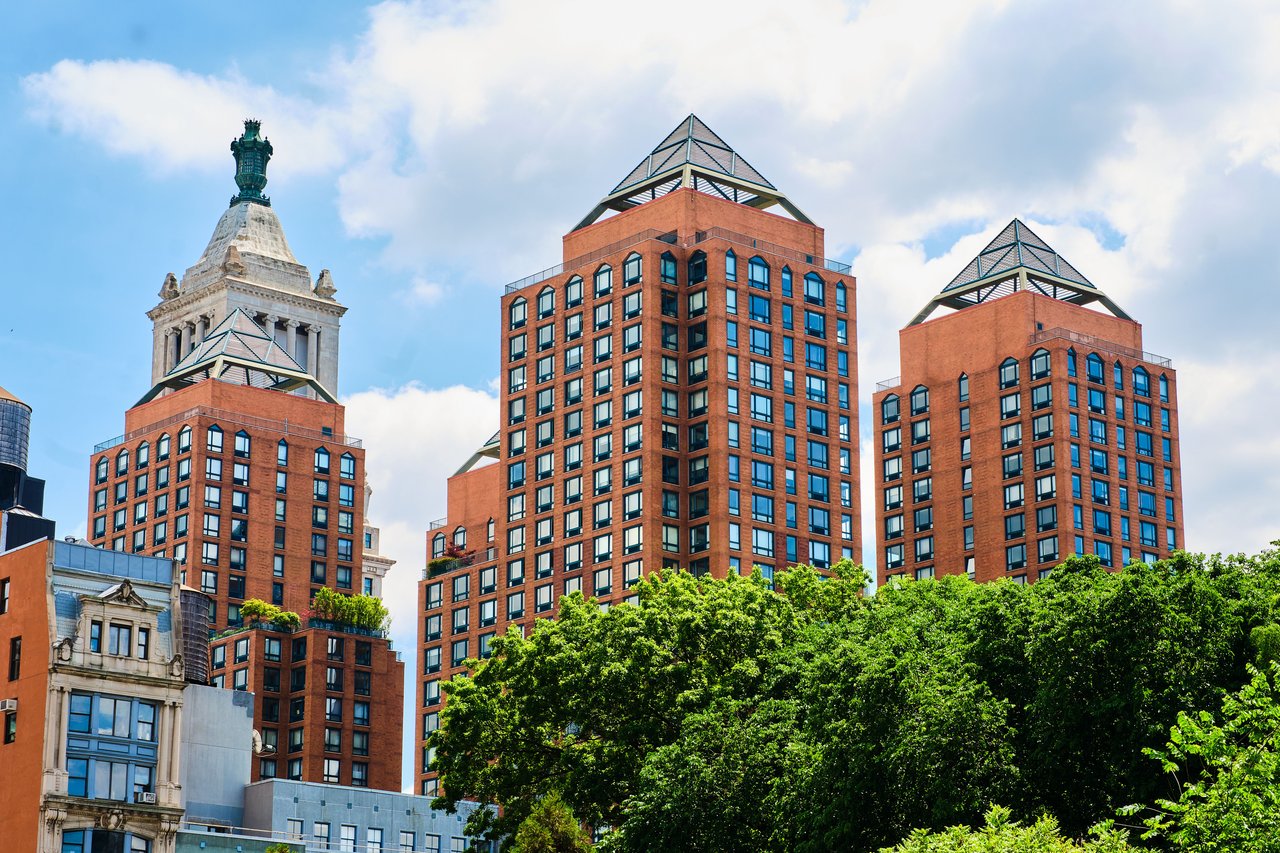
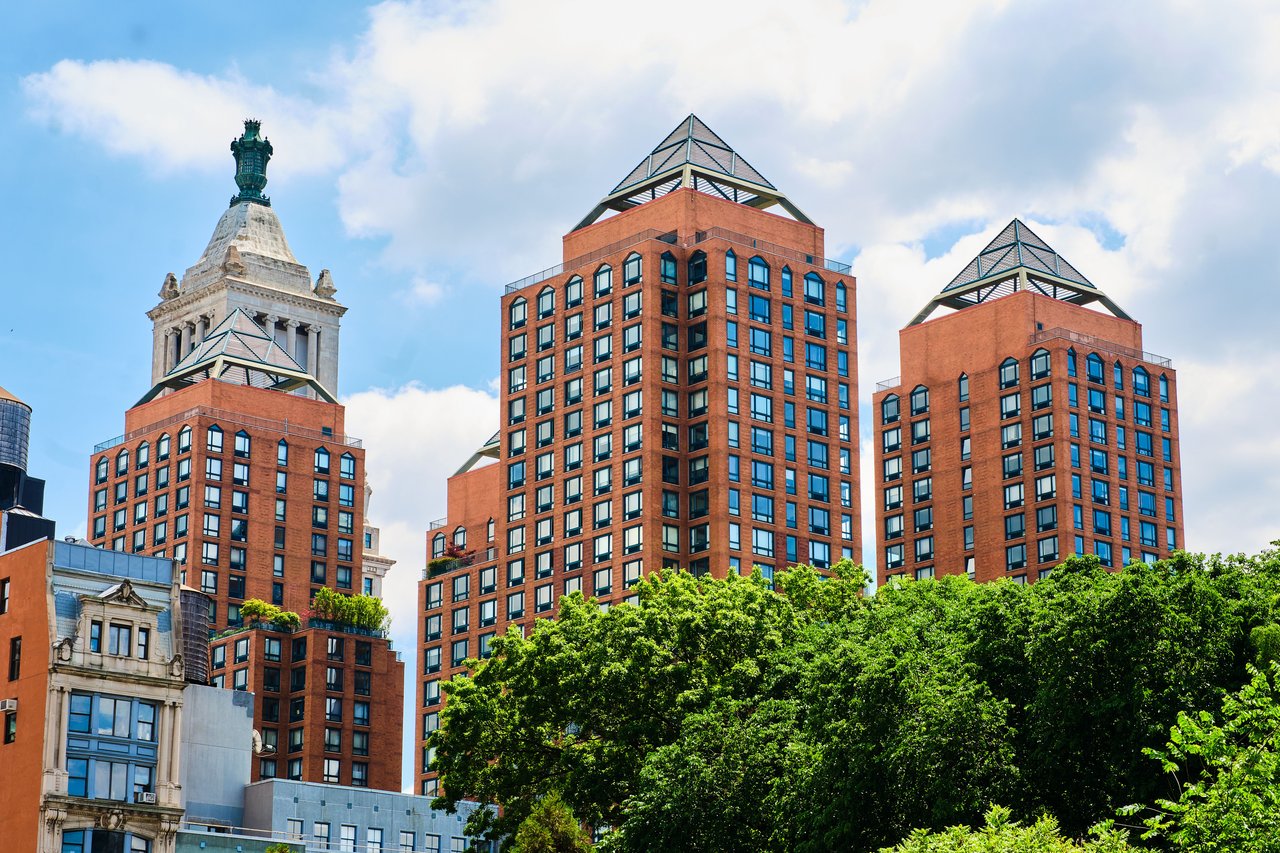
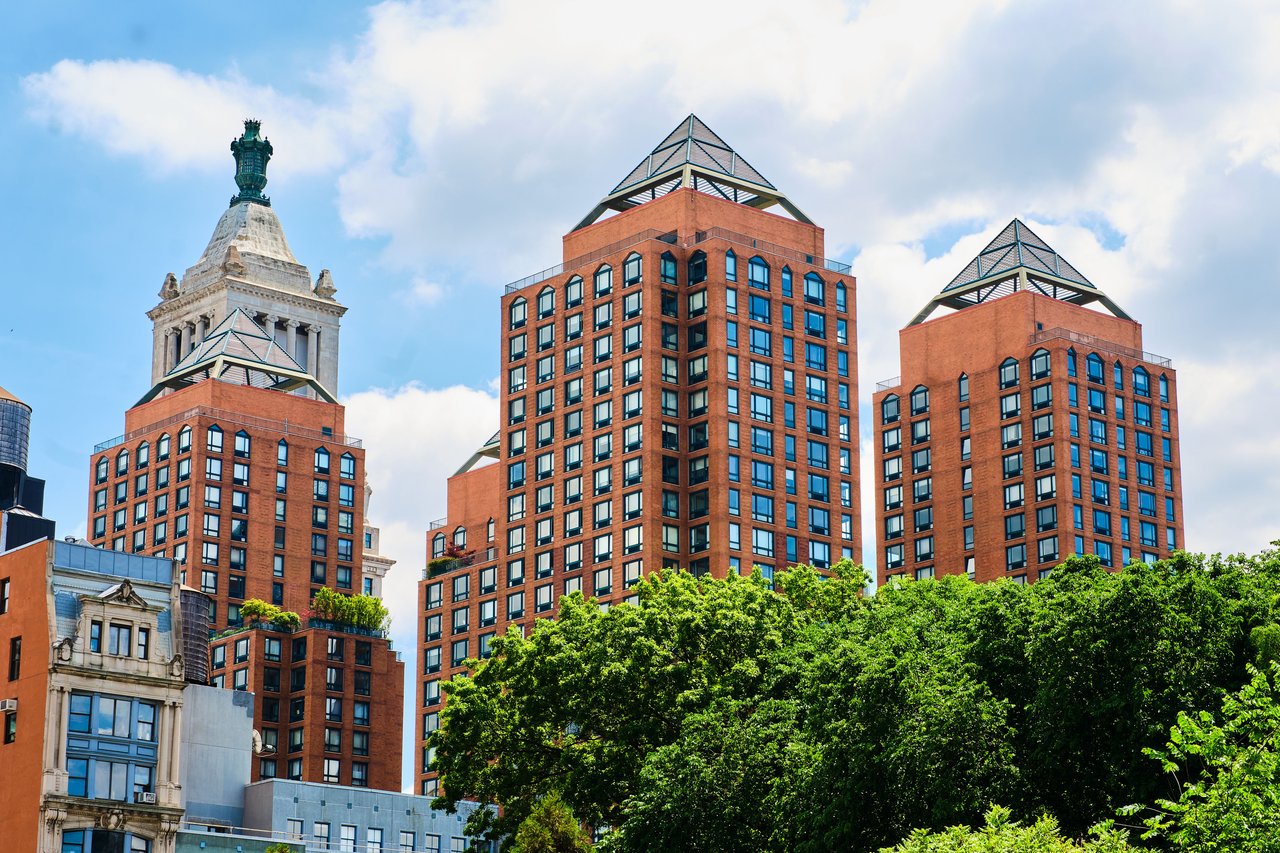
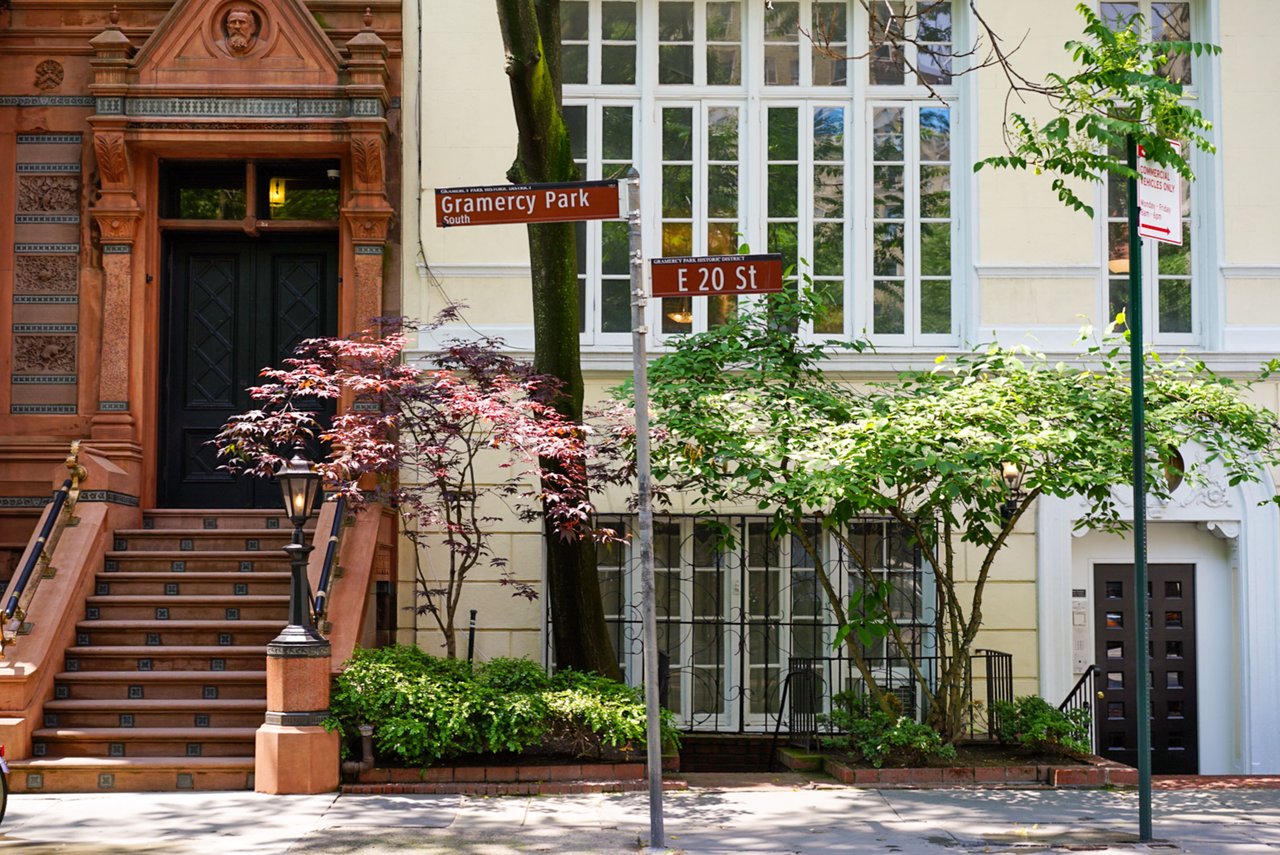
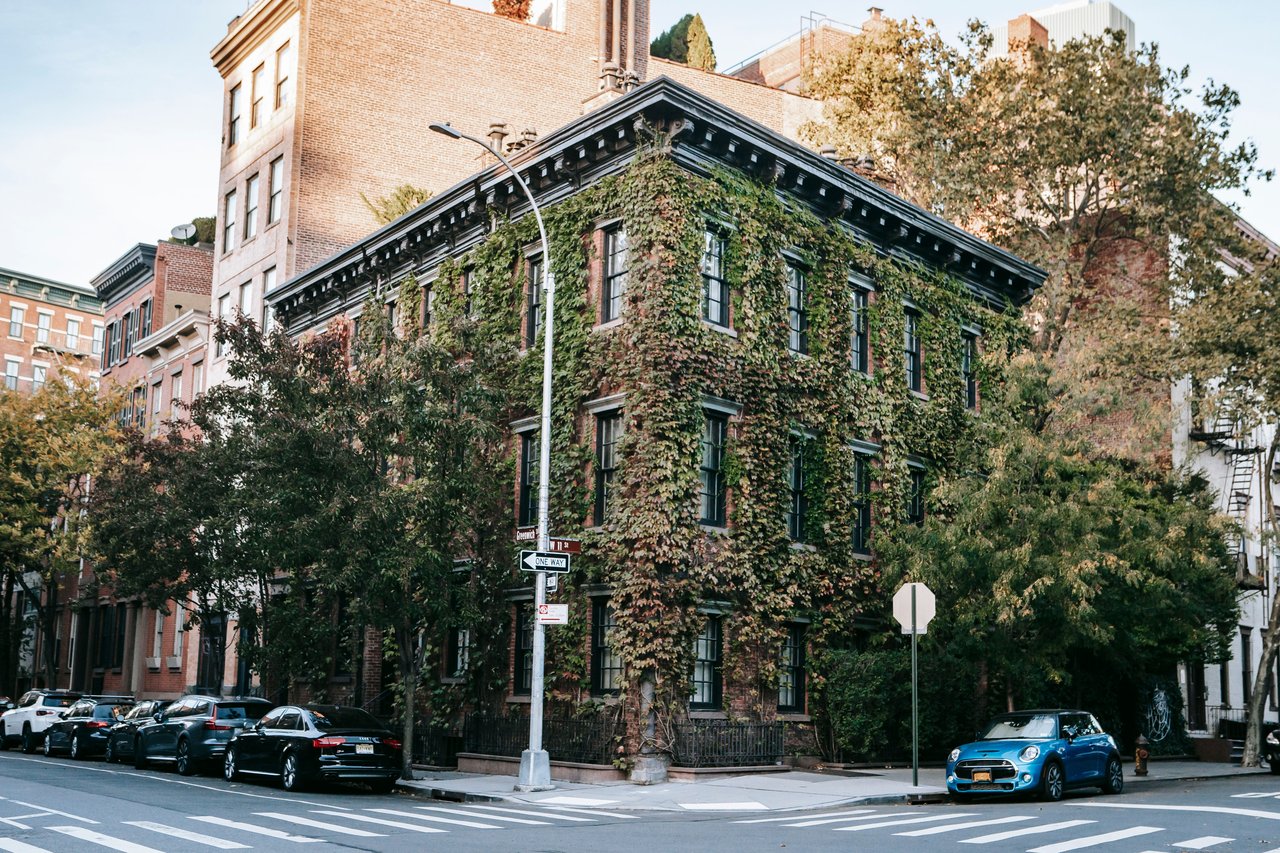
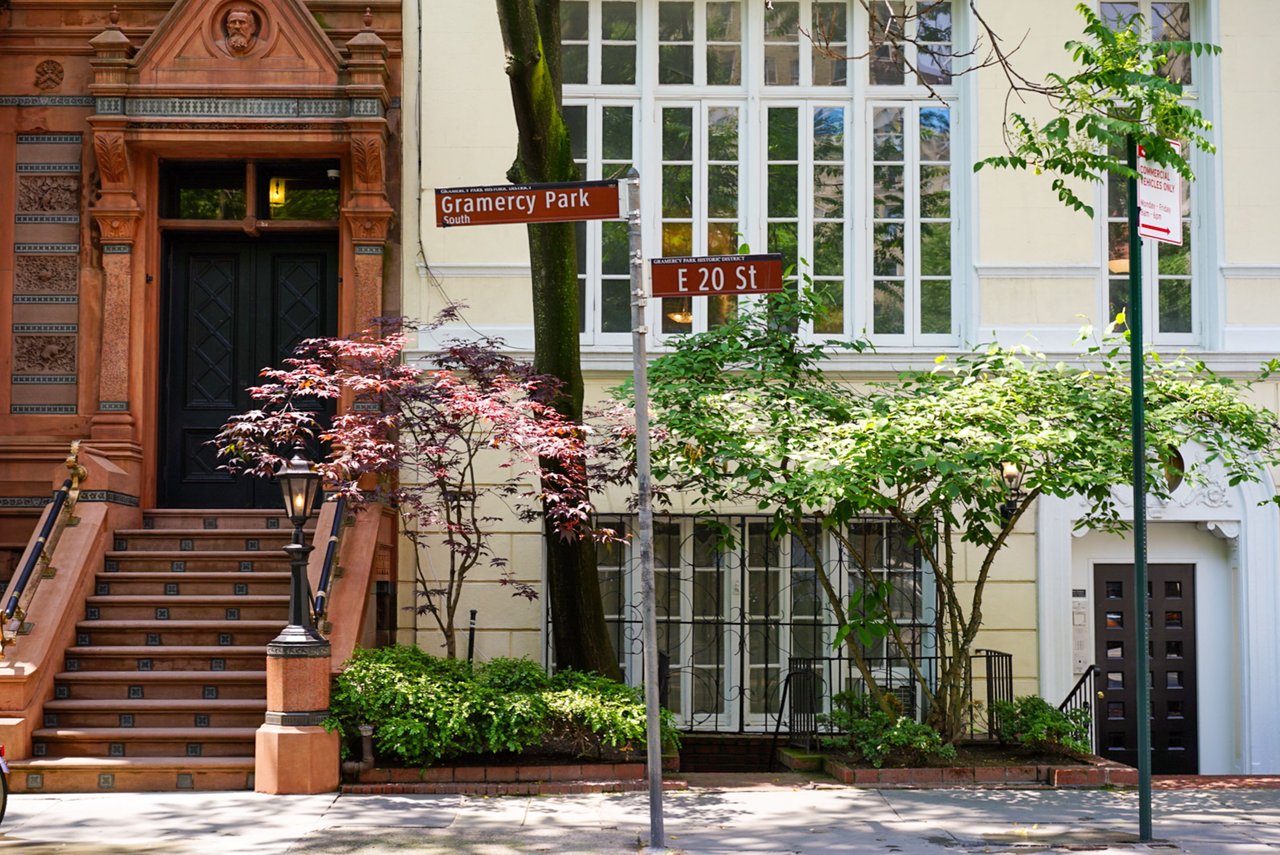
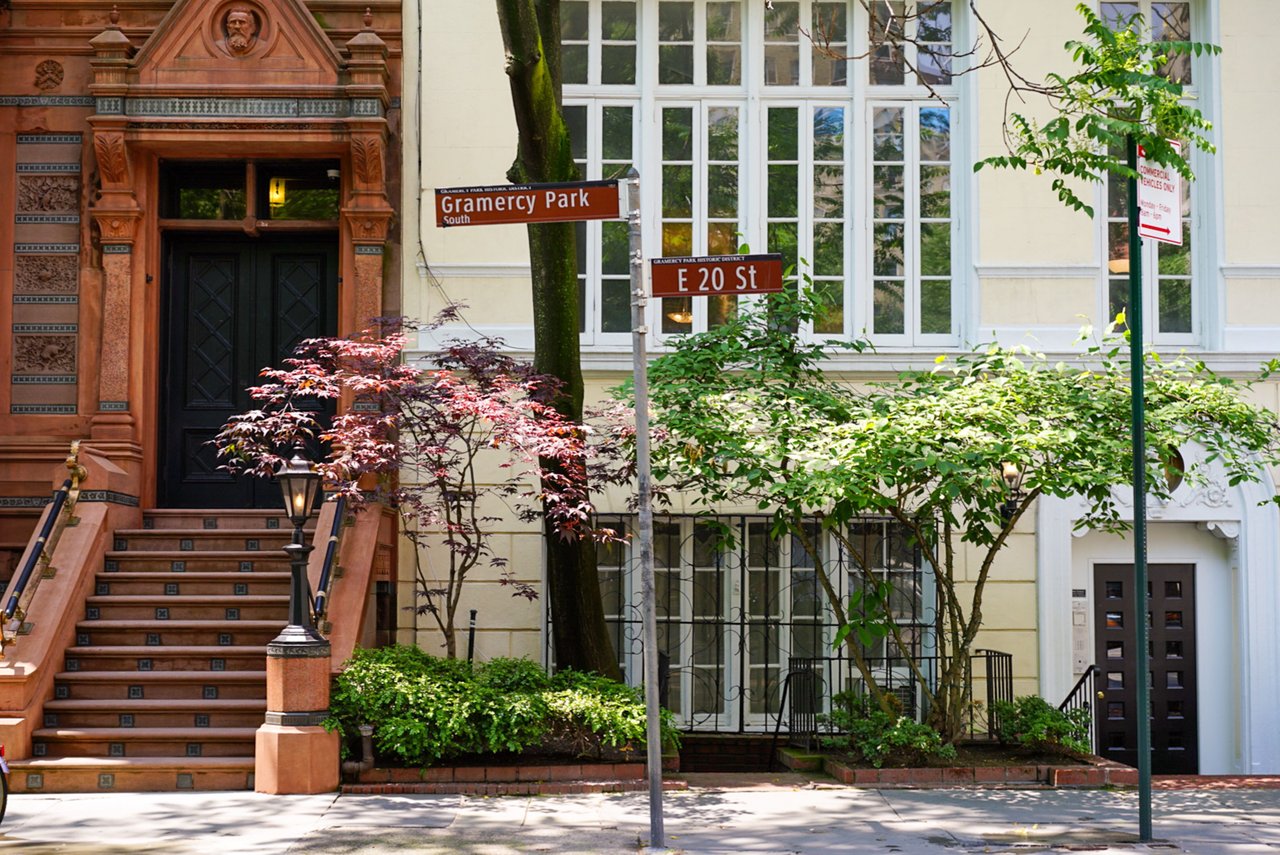
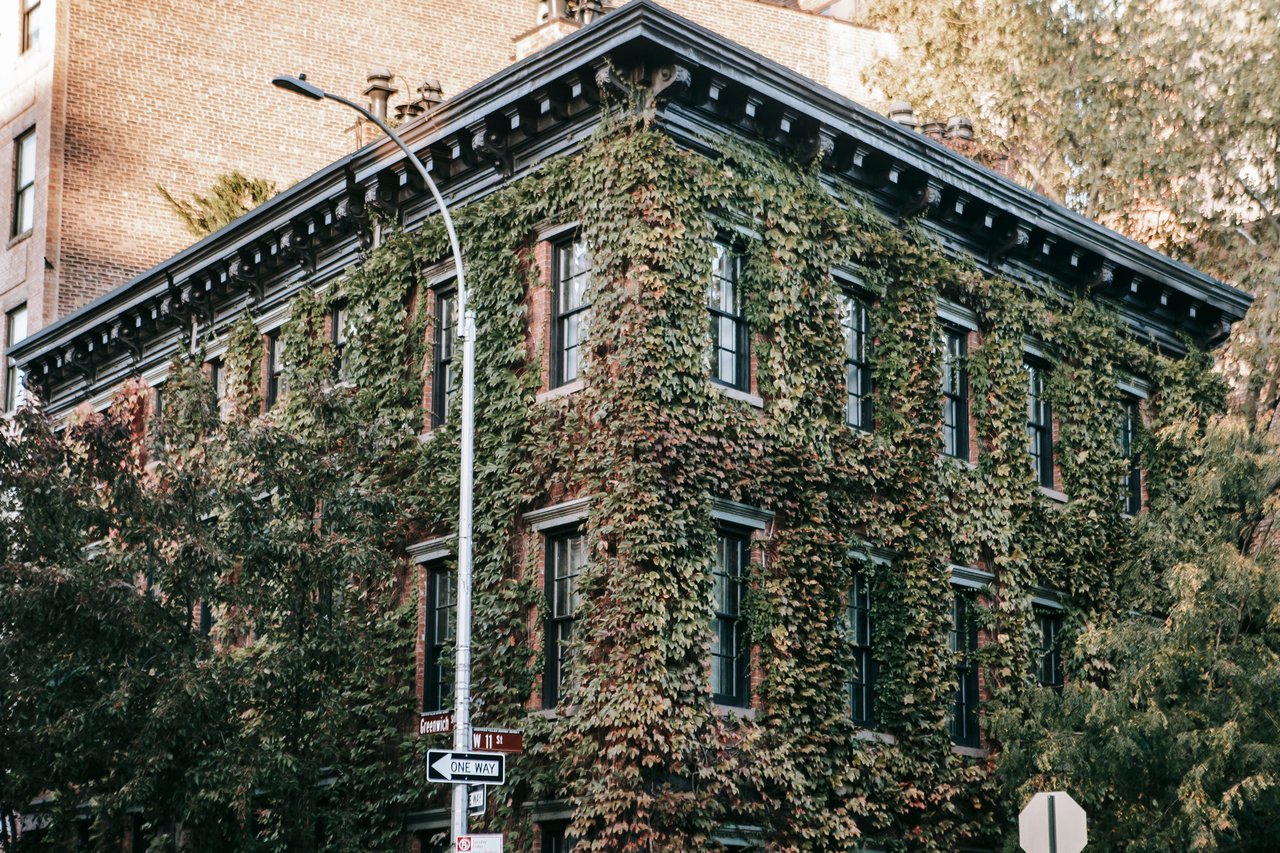
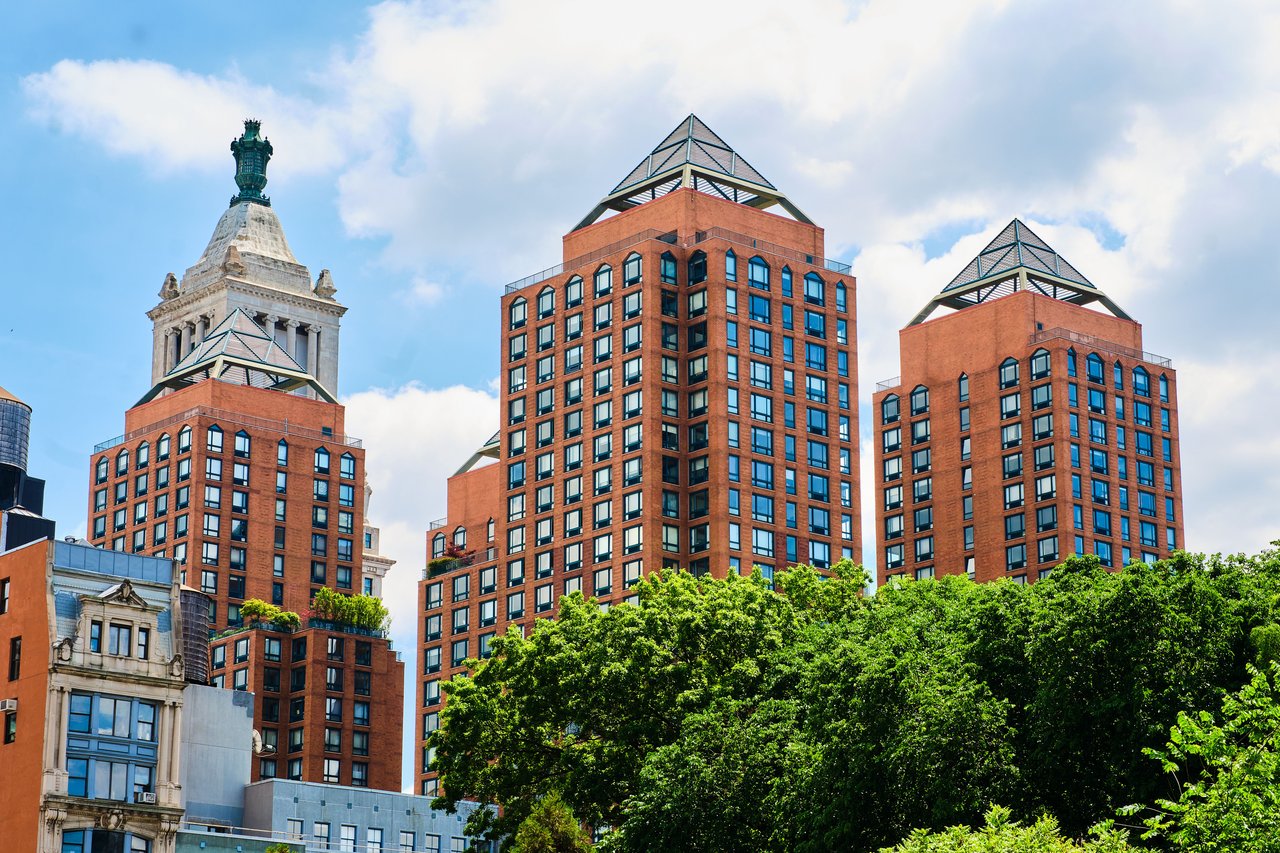
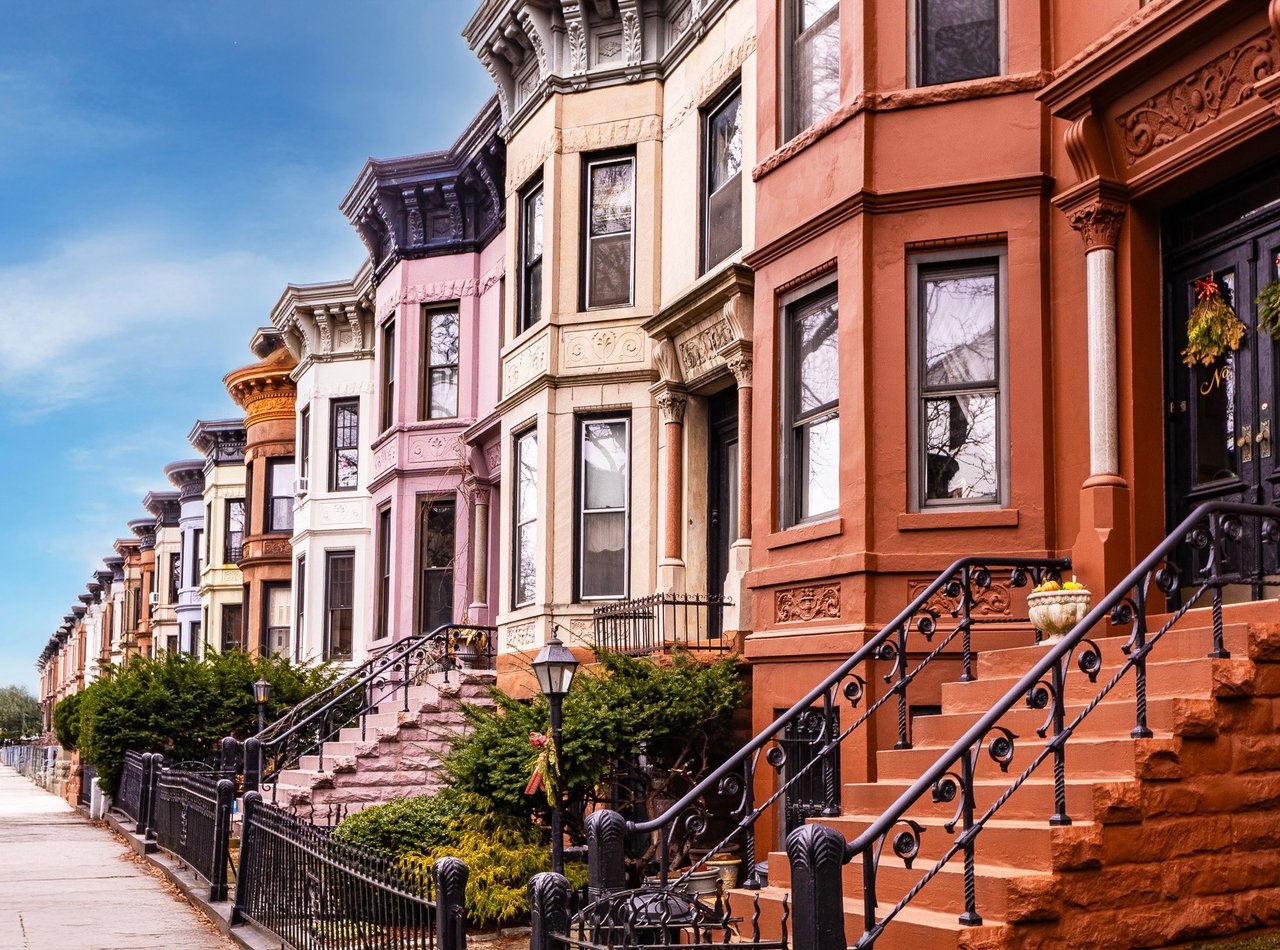
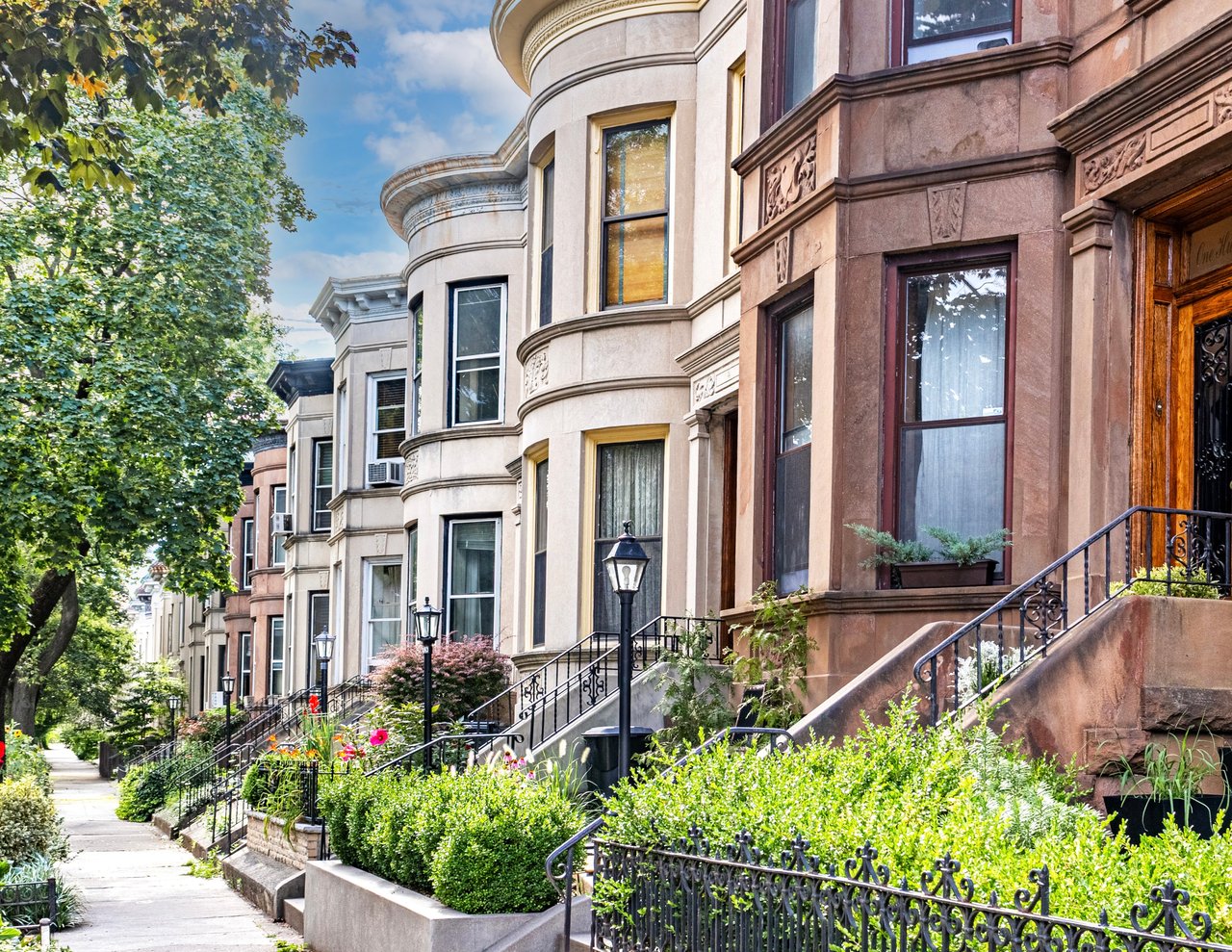
Hicks Street is one of Brooklyn's historic north-south residential corridors, connecting the architectural heritage of Brooklyn Heights with the traditional townhouse neighborhoods of Cobble Hill and Carroll Gardens. Its streetscape reflects nearly two centuries of development, from early brick residences and Greek Revival houses to Italianate brownstones, multifamily buildings, and historic neighborhood institutions.
Running through some of Brooklyn's oldest residential communities, Hicks Street offers an architectural perspective on the borough's transformation during the 19th century. Its northern blocks are closely associated with Brooklyn Heights, where residential development expanded following improvements in ferry transportation between Brooklyn and Manhattan. Farther south, the street continues through Cobble Hill and Carroll Gardens, where attached masonry townhouses, decorative entrance stoops, and traditional residential buildings contribute to the neighborhood's historic character.
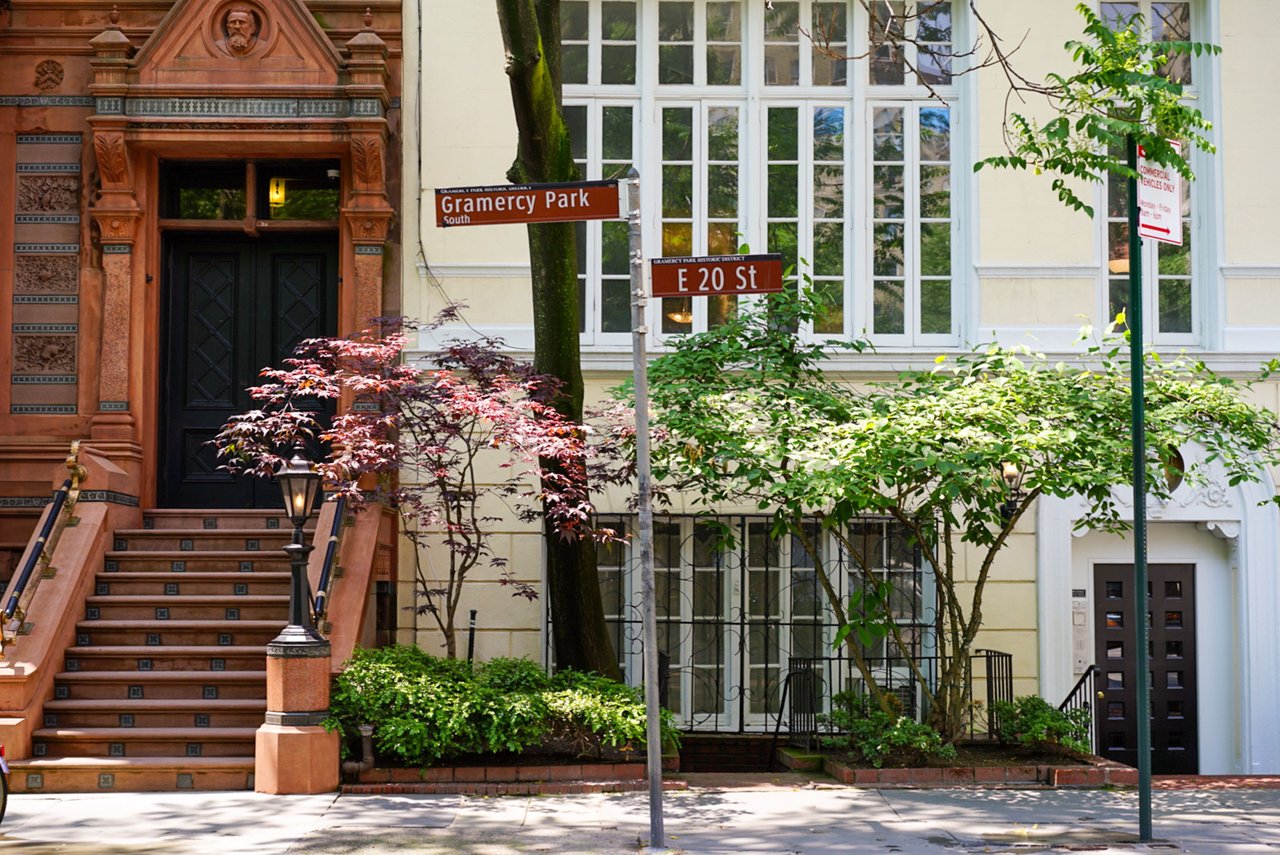
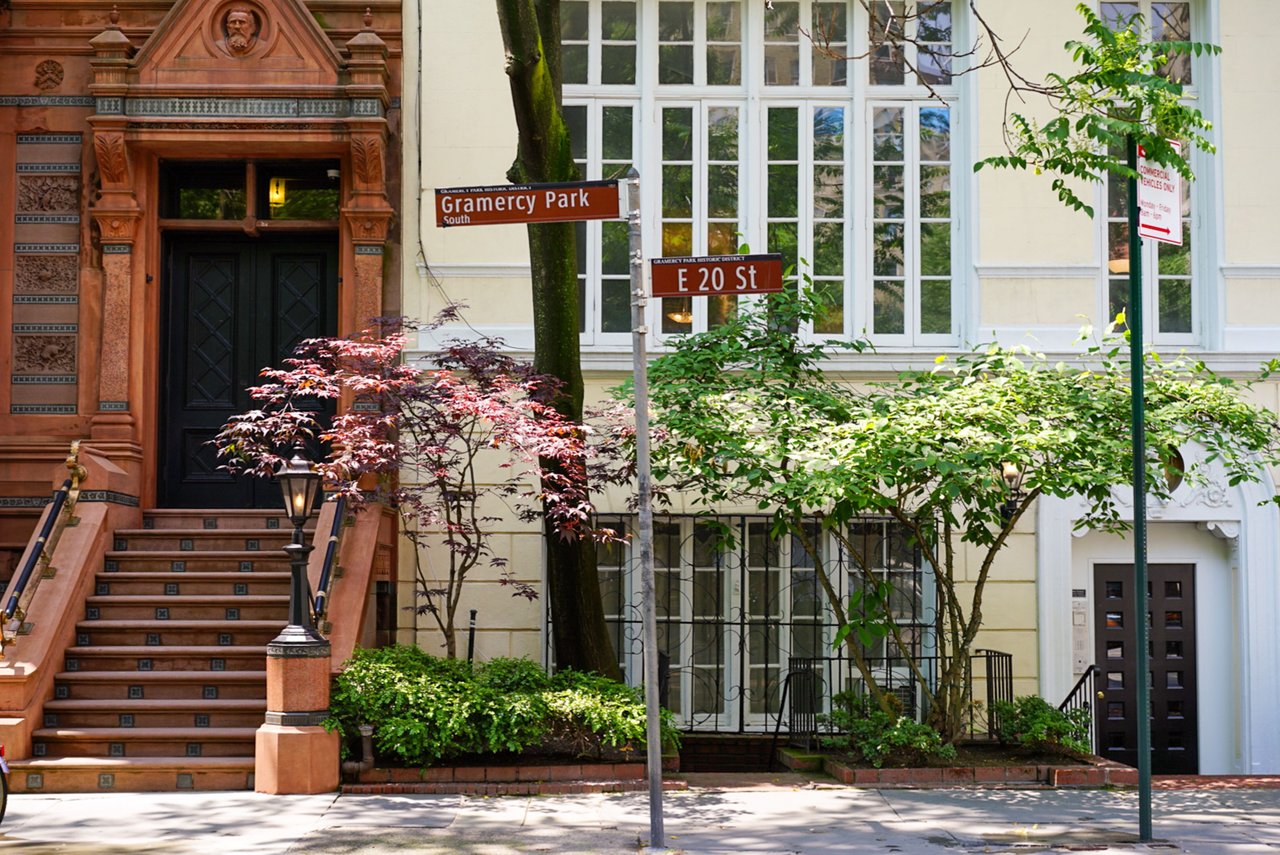
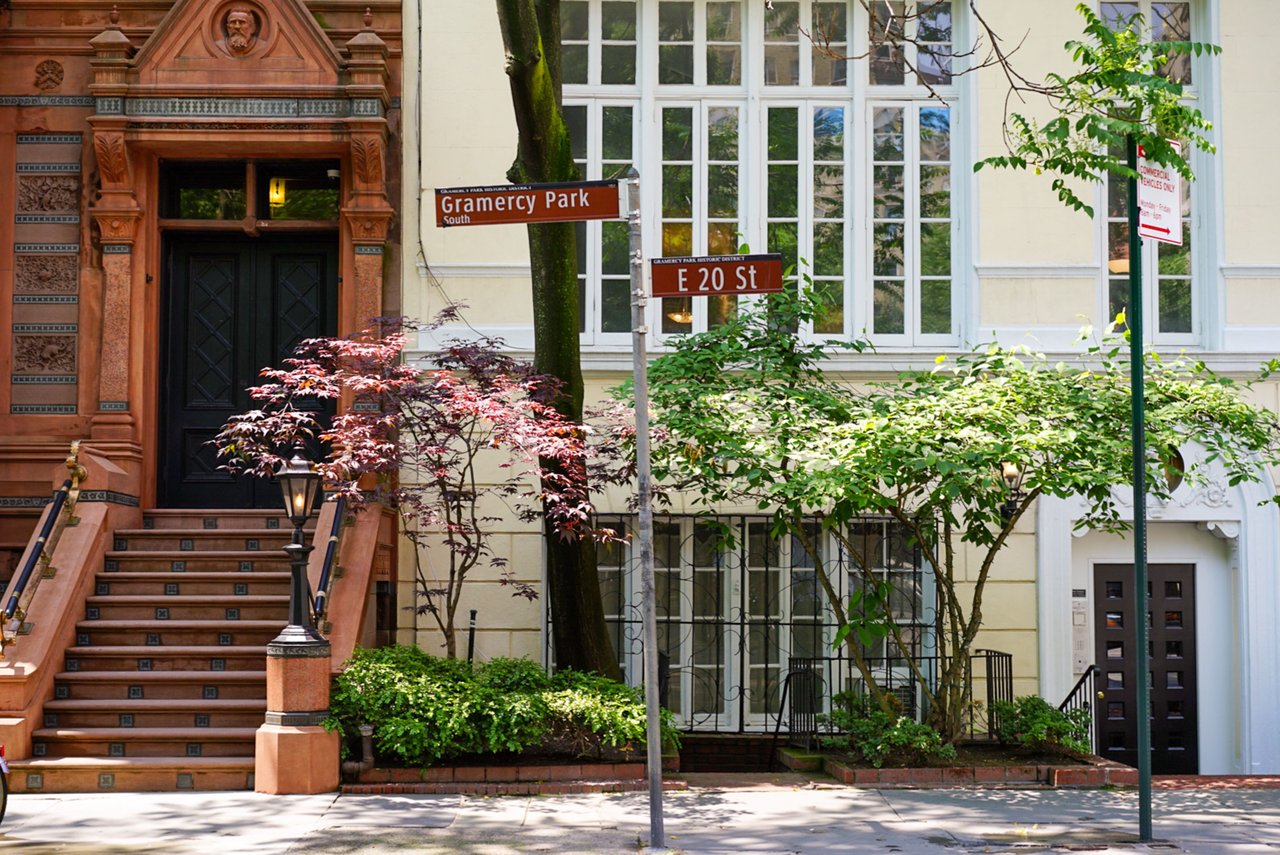
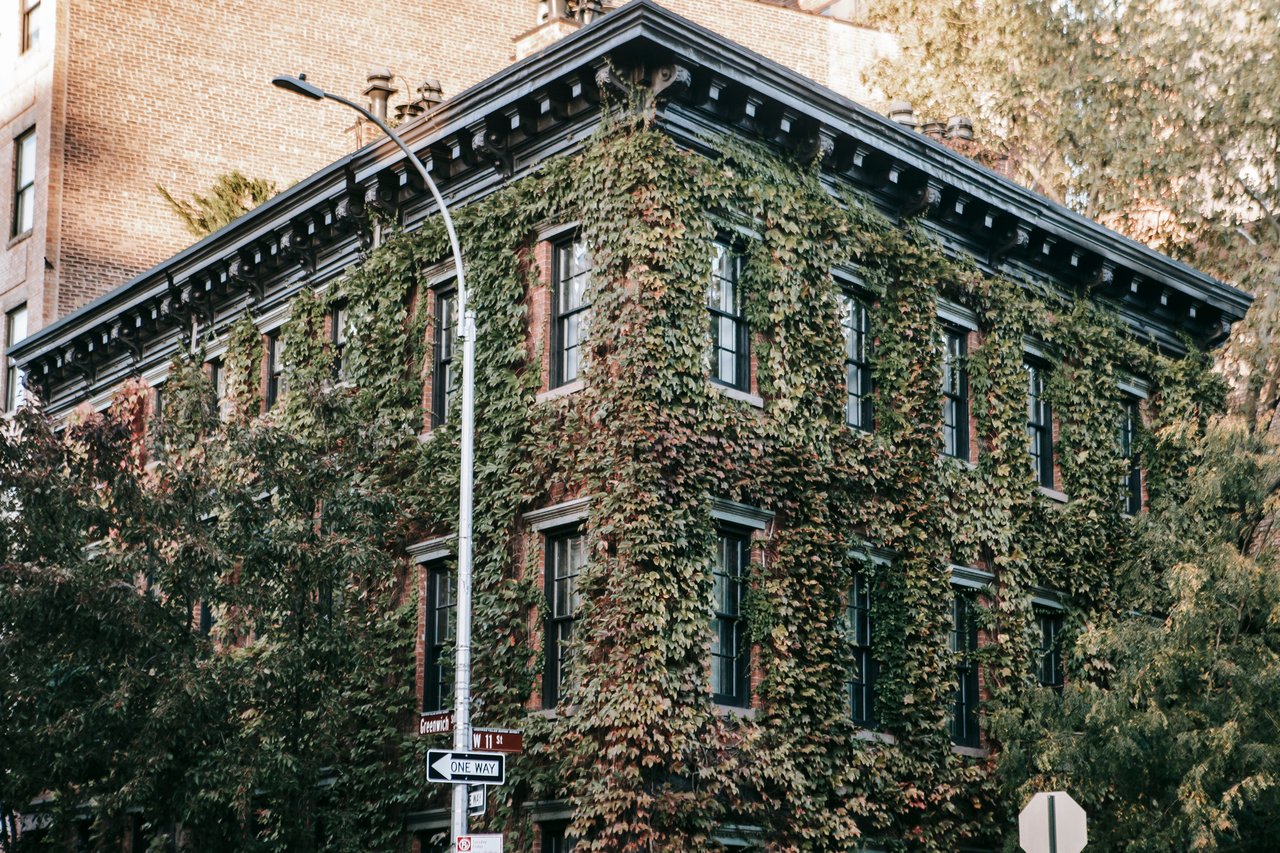
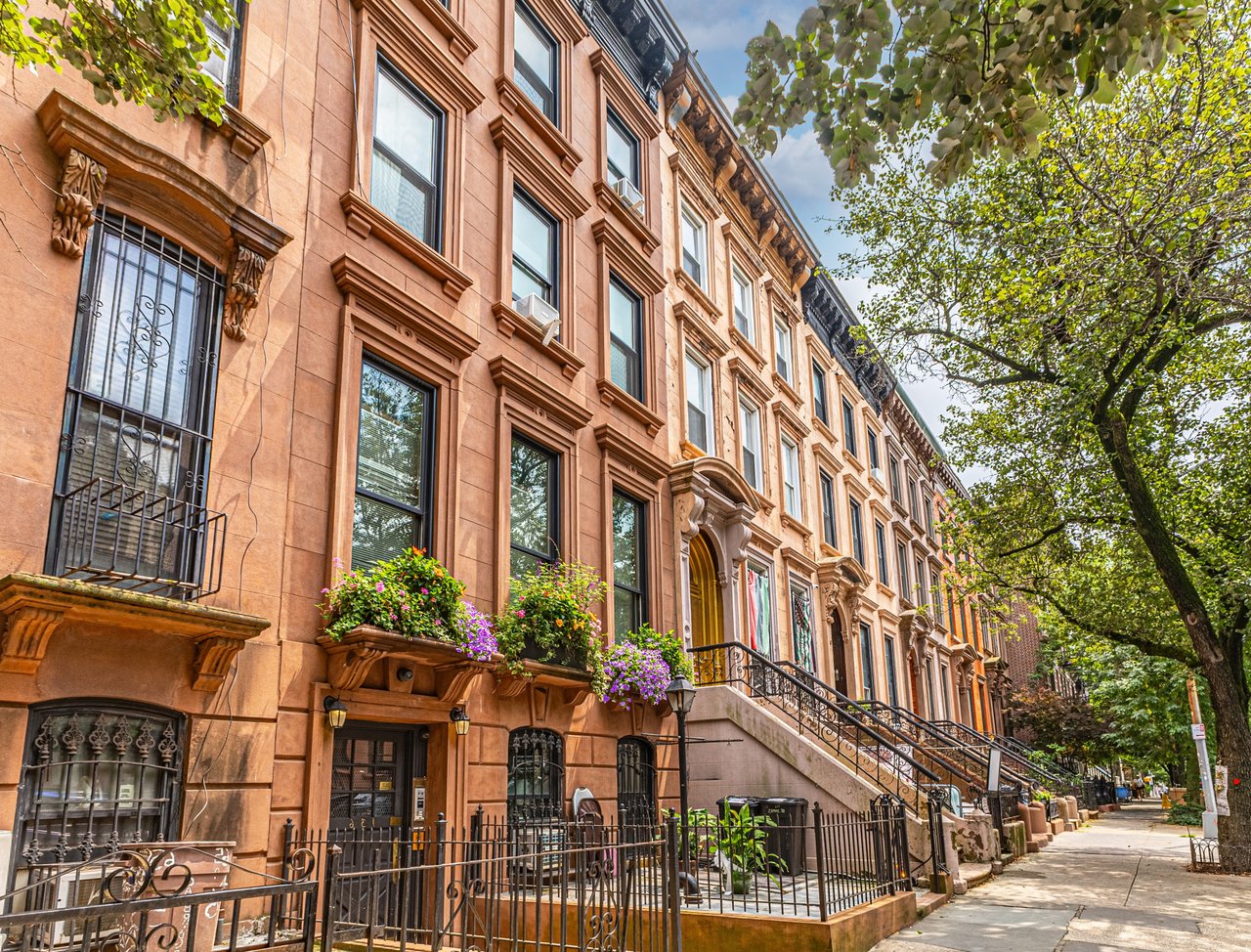
Hicks Street is particularly interesting because its architecture reflects different stages of Brooklyn's residential growth. Some blocks contain restrained brick houses influenced by Greek Revival design, while others feature more decorative Italianate facades, brownstone entrance details, and traditional multifamily residences. The relationship between these building styles illustrates how Brooklyn's residential neighborhoods evolved as construction expanded southward.
The street also connects with important historic corridors, including Atlantic Avenue, Pacific Street, Amity Street, Congress Street, Warren Street, Baltic Street, Kane Street, and Degraw Street. Its proximity to the Brooklyn Heights Historic District, Cobble Hill Historic District, Brooklyn Bridge Park, and the Columbia Street Waterfront District provides additional context for understanding its architectural and neighborhood history.
Today, Hicks Street remains an important part of Brooklyn's residential landscape, combining historic masonry buildings with neighborhood institutions, transportation connections, and the architectural traditions that distinguish Brooklyn's townhouse communities.
The History of Hicks Street in Brooklyn
The history of Hicks Street is closely connected to Brooklyn's transformation from a waterfront settlement into a major residential city during the 19th century.
In the early decades of the century, Brooklyn's economy depended heavily on shipping, manufacturing, warehouses, and businesses operating along the East River. Improvements in ferry transportation encouraged residential construction in Brooklyn Heights, where new houses were built for residents seeking convenient connections to Manhattan.
As Brooklyn's population expanded, developers established additional residential streets farther south. Hicks Street became part of this growing network, connecting Brooklyn Heights with the neighborhoods that would eventually become Cobble Hill and Carroll Gardens.
Early residential construction favored brick masonry and architectural styles influenced by Federal and Greek Revival design. These houses generally emphasized balanced proportions, symmetrical facades, and relatively restrained decorative details.
By the middle of the 19th century, Italianate architecture had become increasingly popular, introducing ornamental window surrounds, projecting cornices, and raised entrance stoops.
Later construction introduced additional residential building types, including multifamily houses and apartment buildings. Some earlier residences were also converted to accommodate multiple households.
The surviving architecture along Hicks Street reflects these successive periods of development, preserving an important connection to Brooklyn's residential history.
Hicks Street in Brooklyn Heights
The northern portion of Hicks Street passes through Brooklyn Heights, one of New York City's earliest established residential neighborhoods.
Brooklyn Heights developed during the early 19th century as improved ferry connections encouraged residential growth along the East River.
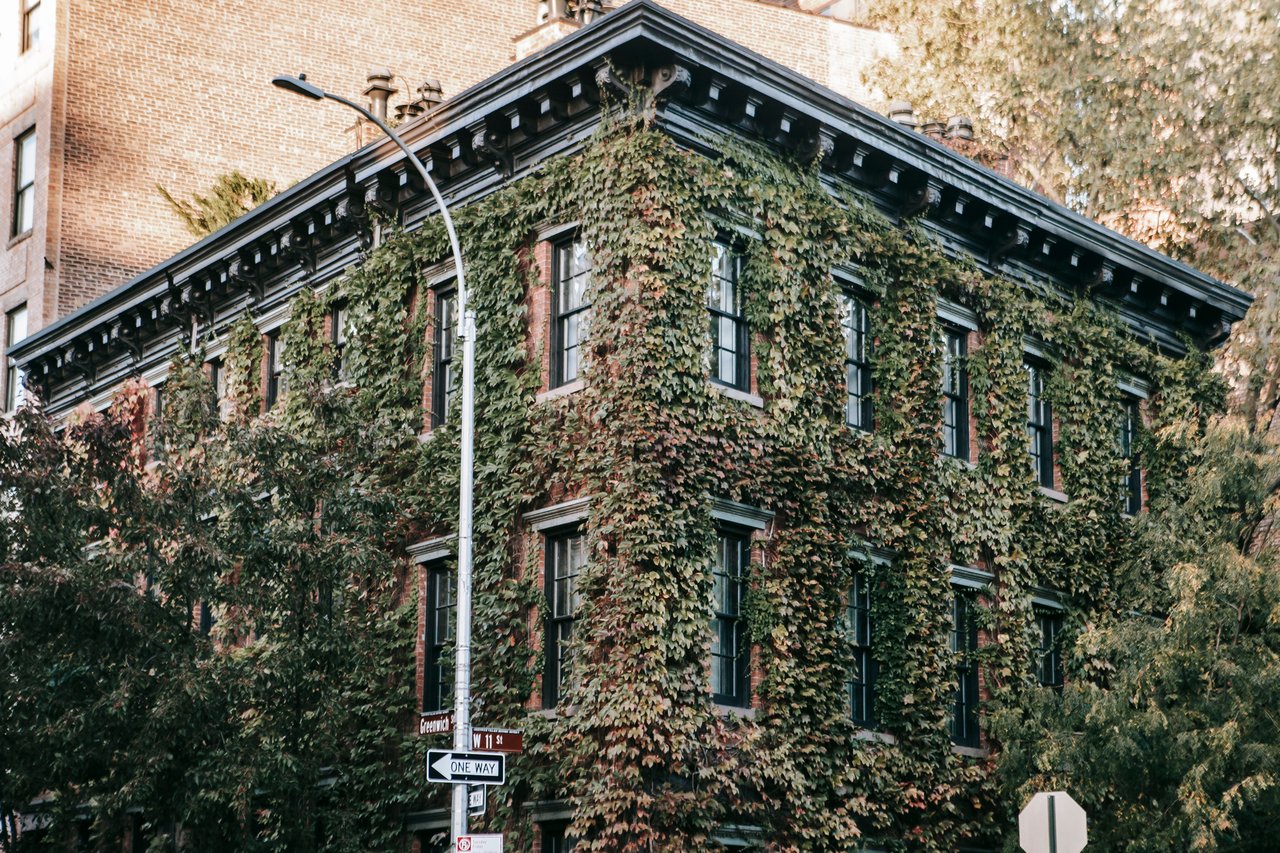
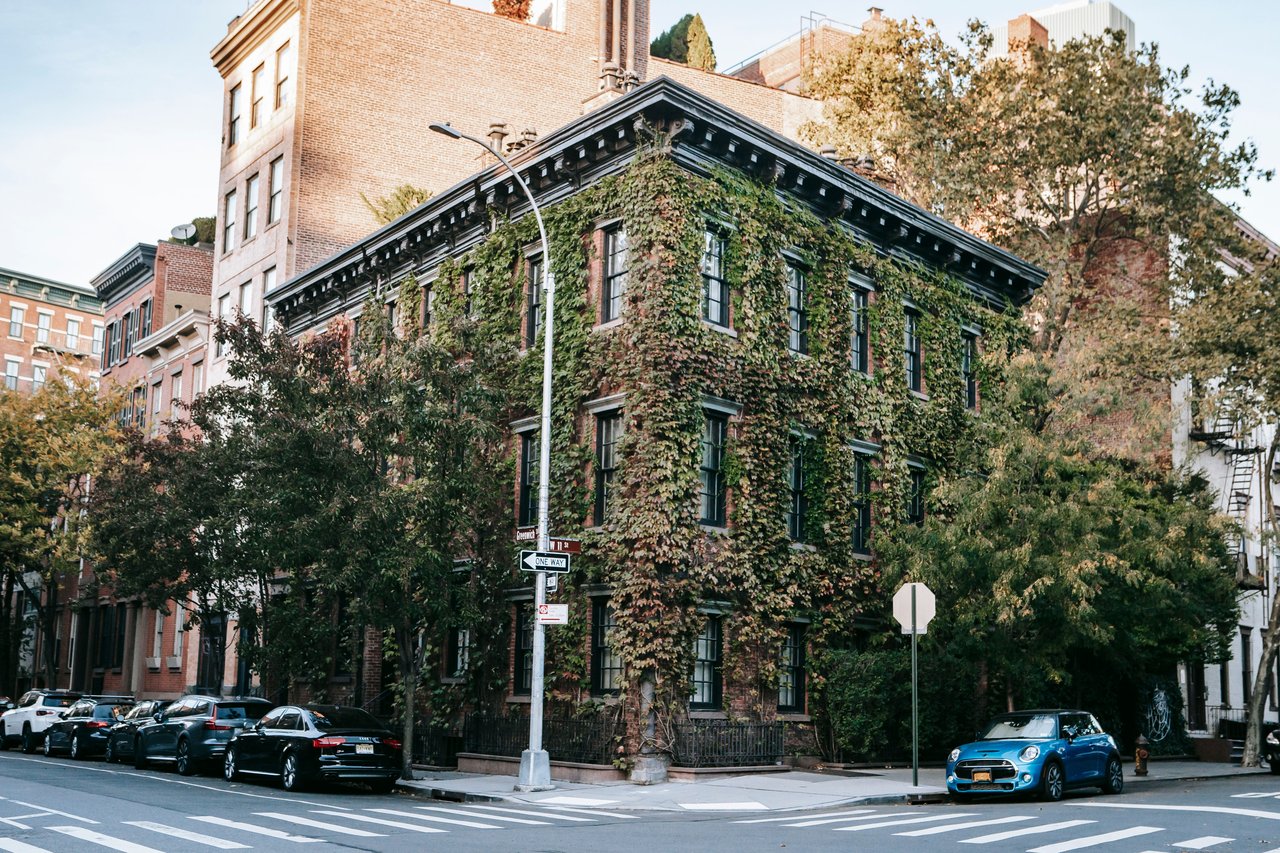
Its streets were gradually lined with brick and brownstone houses, many constructed in the Federal, Greek Revival, and Italianate styles.
Hicks Street contributes to this historic environment through its traditional masonry residences, multifamily buildings, and connections to surrounding residential blocks.
The neighborhood's architecture reflects different generations of development, from modest early brick houses to larger townhouses with decorative stonework and substantial entrance stoops.
The Brooklyn Heights Historic District, designated in 1965, became New York City's first historic district. Its designation established an important precedent for preserving historic residential architecture throughout the city.
For property owners, the historic character of Brooklyn Heights creates important considerations involving facade preservation, architectural restoration, renovation possibilities, and comparable real estate transactions.
Hicks Street and the Development of Cobble Hill
South of Atlantic Avenue, Hicks Street enters Cobble Hill, a neighborhood recognized for its concentration of historic brick and brownstone townhouses.
Cobble Hill developed during the 19th century as Brooklyn's residential neighborhoods expanded beyond earlier waterfront settlements.
Many houses were constructed on narrow building lots, creating continuous streetscapes characterized by attached masonry construction and complementary architectural proportions.
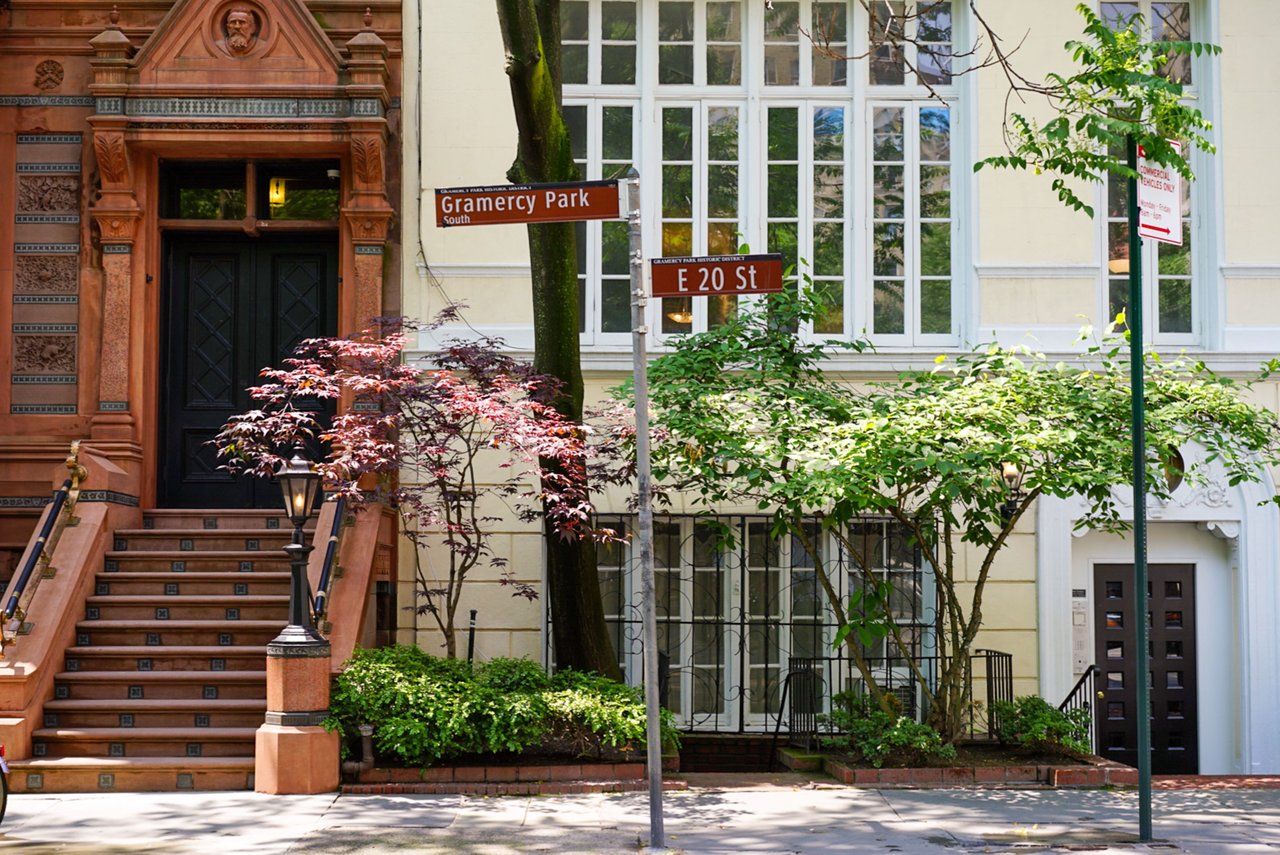
Greek Revival and Italianate architecture became particularly influential, with decorative entrance stoops, stone window surrounds, projecting cornices, and carefully proportioned facades.
Hicks Street forms part of this residential landscape, intersecting historic streets such as Pacific Street, Amity Street, Congress Street, Warren Street, Baltic Street, and Kane Street.
The Cobble Hill Historic District, designated in 1969, preserves an important collection of the neighborhood's 19th-century architecture.
The district reflects the residential development that transformed Cobble Hill into a neighborhood of traditional masonry townhouses and smaller apartment buildings.
For homeowners, original architectural details, facade condition, legal occupancy, and renovation quality are important considerations when evaluating historic properties.
Hicks Street in Carroll Gardens
Farther south, Hicks Street continues into Carroll Gardens, a neighborhood distinguished by traditional masonry houses and distinctive residential planning.
Carroll Gardens developed during the 19th century as Brooklyn's residential expansion continued southward.
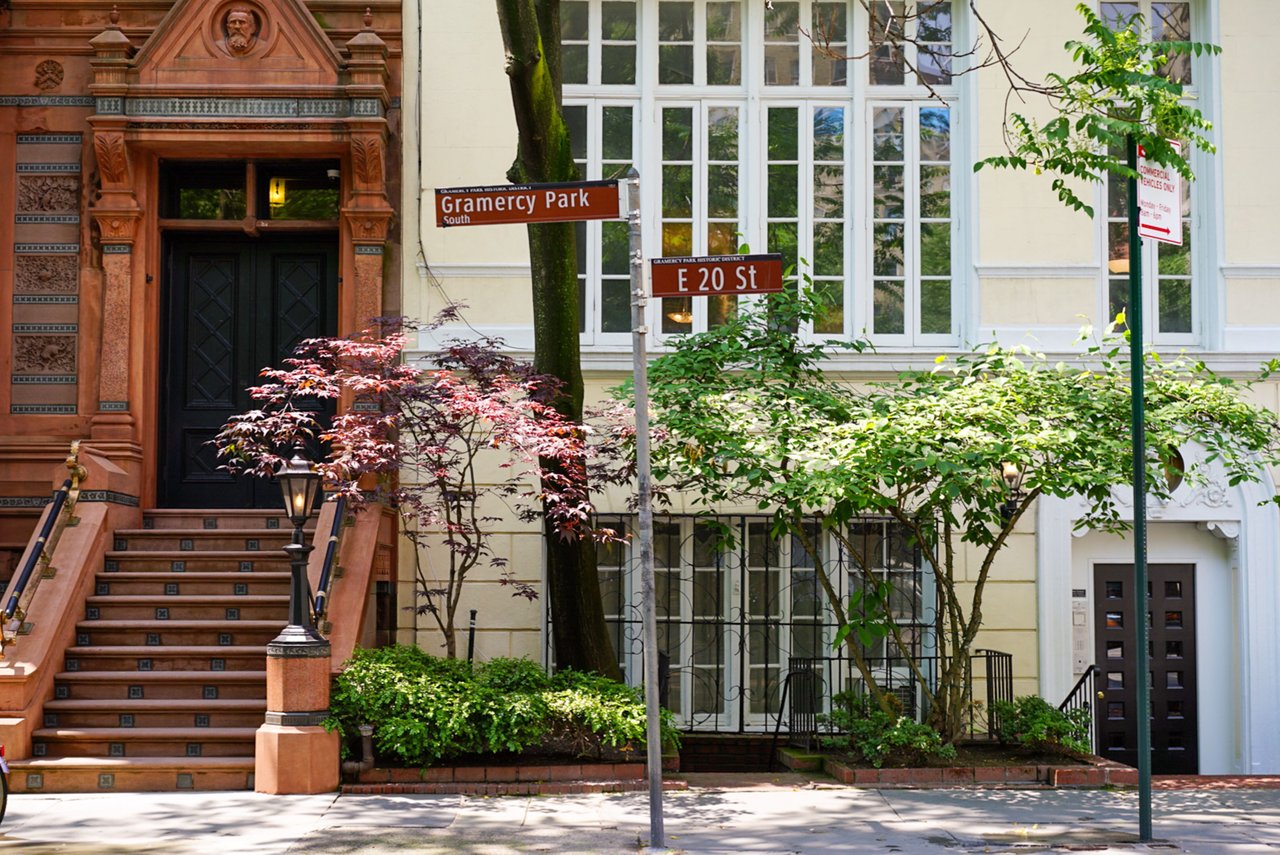
The neighborhood contains numerous brick and brownstone townhouses, many featuring raised entrance stoops, decorative cornices, and architectural details associated with Greek Revival and Italianate construction.
Carroll Gardens is also recognized for the deep front gardens found along portions of President Street, Carroll Street, and nearby residential blocks.
These garden setbacks create a distinctive relationship between the sidewalk and residential facades, contrasting with the more conventional townhouse streetscapes found elsewhere in Brooklyn.
Hicks Street passes through this broader architectural environment, connecting traditional residential blocks with neighborhood institutions and commercial corridors.
Some properties retain their original single-family layouts, while others have been adapted to accommodate multiple apartments.
The variety of building configurations makes legal occupancy, interior condition, and comparable sales important considerations for property owners.
Greek Revival Architecture Along Hicks Street
Greek Revival architecture played an important role in Brooklyn's residential development during the early and middle decades of the 19th century.
Inspired by classical Greek architecture, the style emphasized symmetrical facades, balanced proportions, restrained ornamentation, and substantial entrance surrounds.
In Brooklyn, Greek Revival architecture was adapted to narrow residential lots, producing attached brick houses with regular window arrangements and traditional residential floor plans.
These buildings frequently featured brick masonry, stone lintels, simple cornices, and carefully proportioned entrances.
Brooklyn Heights and Cobble Hill contain important examples of Greek Revival residential architecture, reflecting their early development.
Hicks Street belongs to this broader architectural landscape, where traditional masonry houses preserve elements of the period when Brooklyn's residential neighborhoods were expanding.
Some historic houses retain original interior features, including wooden staircases, decorative plasterwork, fireplaces, and traditional parlor arrangements.
For property owners, these architectural characteristics may contribute to a home's historic identity and influence restoration decisions.
Italianate Brownstones and Traditional Entrance Stoops
Italianate architecture became increasingly popular during the middle of the 19th century, introducing more decorative elements into Brooklyn townhouse construction.
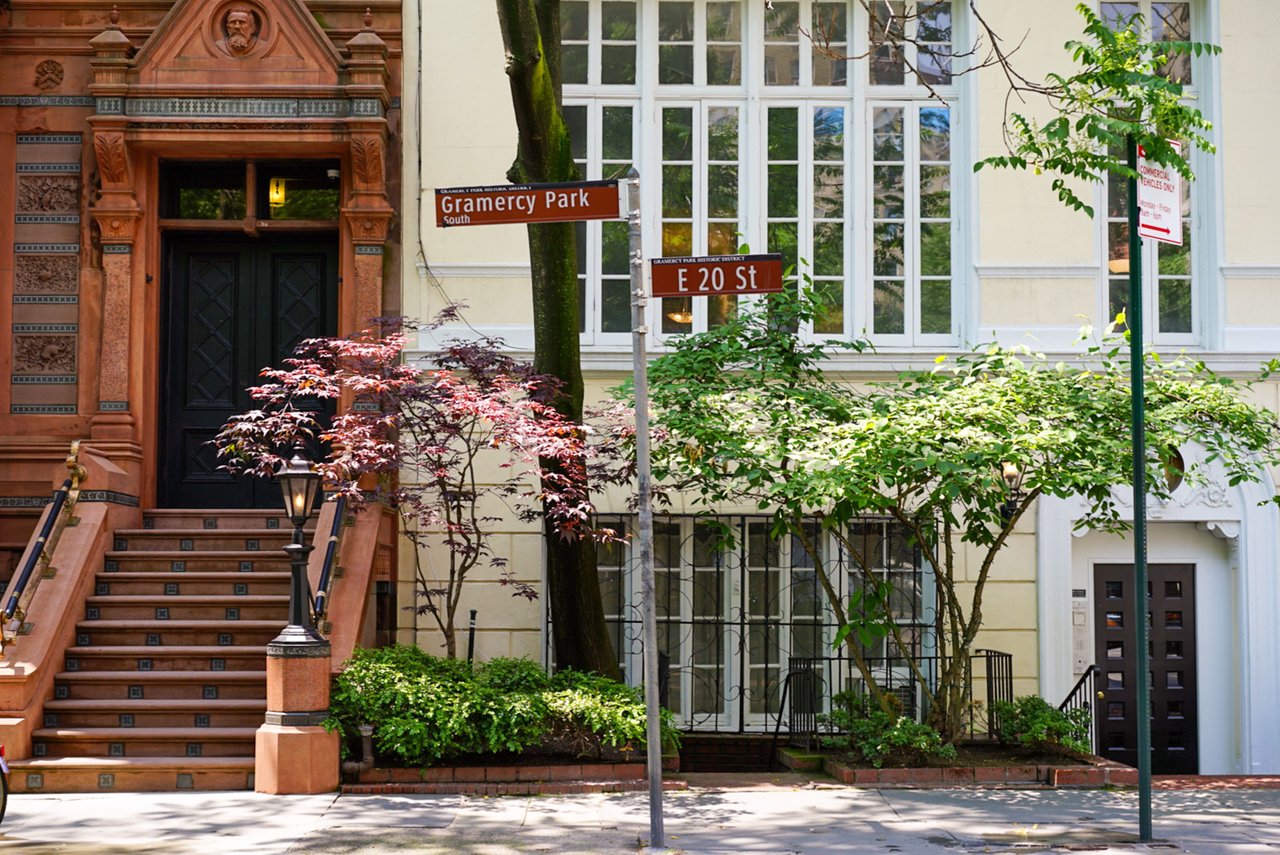
Inspired by Italian Renaissance design, the style frequently incorporated projecting cornices, ornamental window surrounds, raised entrance stoops, and carefully detailed masonry facades.
Brownstone became a popular architectural material because it could be carved into elaborate decorative details.
Traditional Italianate townhouses were generally constructed on narrow urban lots, creating continuous rows of attached buildings with complementary proportions.
Throughout Brooklyn Heights, Cobble Hill, and Carroll Gardens, Italianate architecture became an important part of residential development.
Hicks Street reflects this architectural tradition through its historic masonry residences and surrounding brownstone blocks.
Some properties retain original architectural details, while others have undergone renovations introducing contemporary kitchens, bathrooms, mechanical systems, and modified interior layouts.
The condition of original features and the quality of subsequent renovations can influence property presentation and market value.
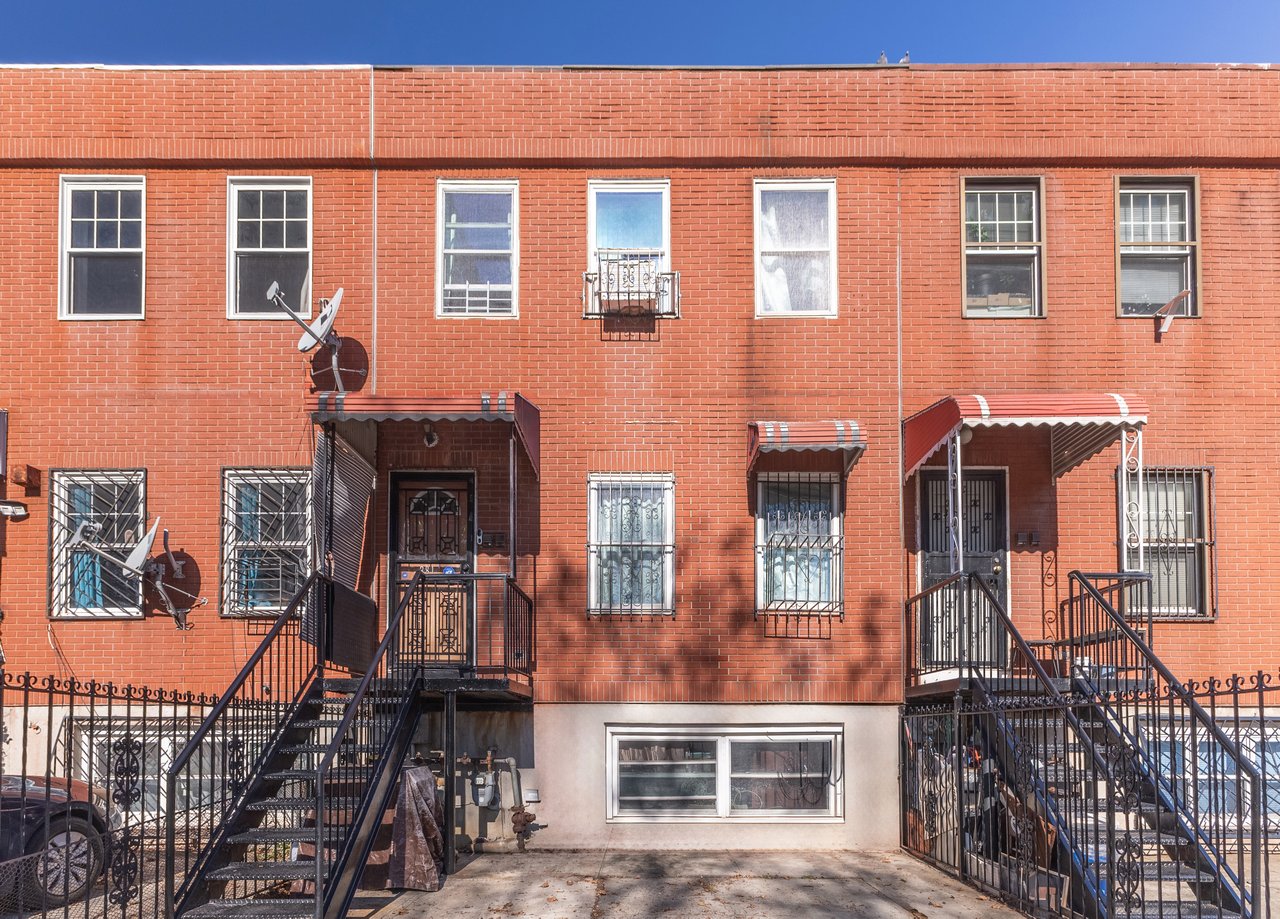
Traditional Brick Townhouses on Hicks Street
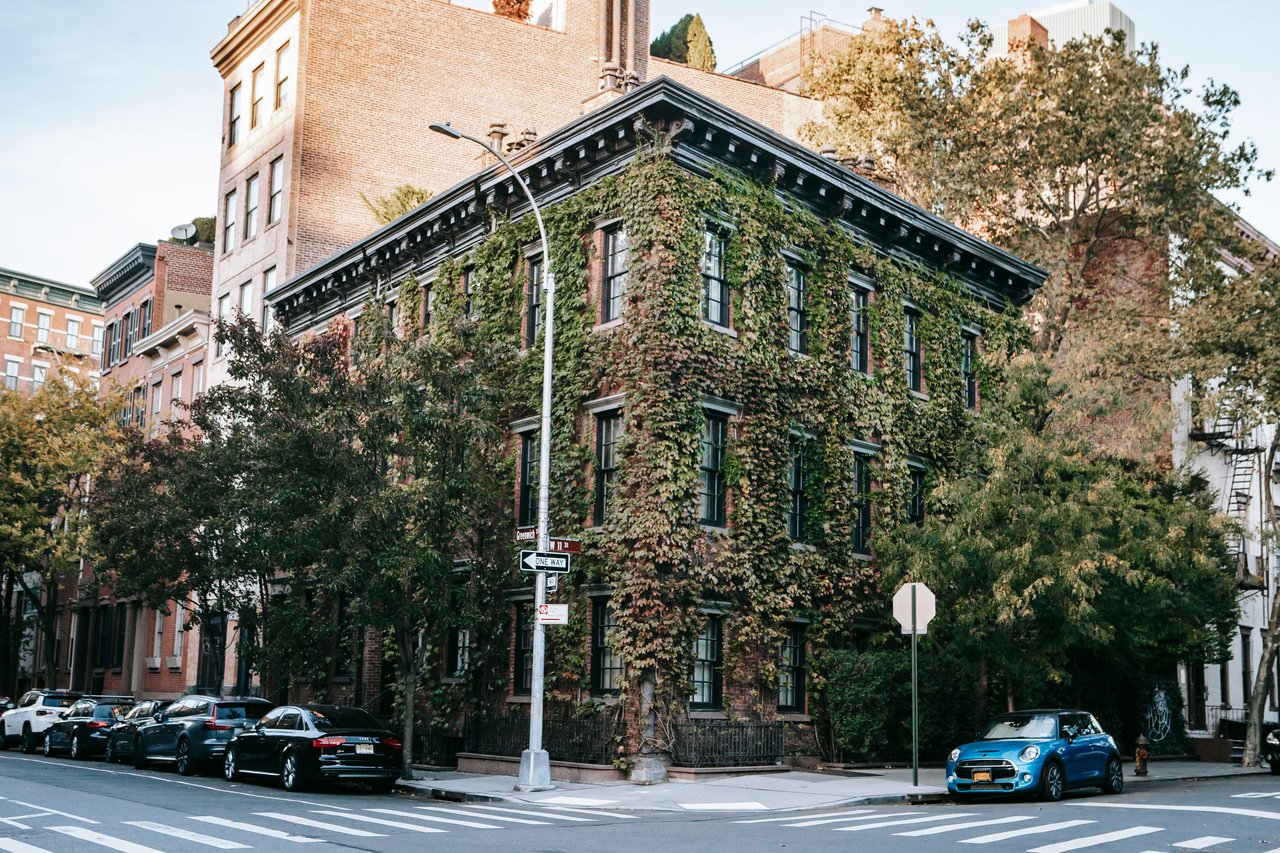
Brick construction is one of the defining characteristics of Hicks Street and its surrounding residential neighborhoods.
During the 19th century, brick was widely used throughout Brooklyn because of its durability, availability, and suitability for attached residential buildings.
Traditional brick townhouses frequently feature regular window arrangements, masonry party walls, decorative lintels, and projecting cornices.
These elements created consistent residential streetscapes while allowing individual builders to incorporate variations in facade design.
Along Hicks Street, brick construction appears in traditional townhouses, multifamily residences, and historic apartment buildings.
Some houses retain original masonry details, while others have undergone facade repairs, repointing, window replacement, and interior renovations.
For homeowners, brick facade maintenance, roof condition, structural repairs, and the preservation of decorative architectural elements can be important considerations.
The continued presence of traditional brick construction contributes to Hicks Street's architectural identity across Brooklyn Heights, Cobble Hill, and Carroll Gardens.
Brownstone and Limestone Architectural Details
Brownstone and limestone played important roles in Brooklyn's residential architectural history.
Brownstone became widely used during the 19th century for townhouse facades, entrance stoops, window lintels, and decorative surrounds.
Its ability to be carved into ornamental details made it particularly popular during the Italianate period.
Limestone became increasingly prominent during later architectural periods, particularly in residences influenced by Renaissance Revival and other late Victorian styles.
These materials allowed builders to create decorative entrances, elaborate window treatments, and distinctive masonry facades.
In Brooklyn Heights, Cobble Hill, and Carroll Gardens, brownstone and limestone details contribute to the architectural variety of historic residential streets.
Hicks Street reflects this broader tradition through its masonry houses and traditional townhouse proportions.
For property owners, the condition of decorative stonework, facade restoration, and original architectural details may influence maintenance requirements and property presentation.
The Brooklyn Heights Historic District
The Brooklyn Heights Historic District is one of New York City's most important collections of preserved residential architecture.
Designated in 1965, it became the city's first historic district and established an important precedent for architectural preservation.
The district contains examples of Federal, Greek Revival, Italianate, and later Victorian residential architecture, reflecting Brooklyn's development during the 19th century.
Traditional brick and brownstone townhouses, historic apartment buildings, and religious institutions contribute to the neighborhood's architectural character.
Hicks Street passes through this historic environment, connecting residential blocks with nearby commercial corridors and public spaces.
Historic district designation can affect exterior alterations, facade restoration, window replacement, entrance modifications, and other building improvements.
Property owners should verify whether their individual building is located within the designated district and review applicable preservation requirements before planning substantial renovations.
For prospective purchasers, understanding these regulations is an important part of evaluating renovation possibilities, construction costs, and long-term property maintenance.
The Cobble Hill Historic District
The Cobble Hill Historic District is another important collection of preserved 19th-century residential architecture.
Designated by the New York City Landmarks Preservation Commission in 1969, the district contains historic brick and brownstone townhouses, traditional apartment buildings, and other structures reflecting the neighborhood's architectural development.
The district is recognized for its concentration of Greek Revival, Italianate, and later 19th-century architectural styles.
Hicks Street passes through the historic residential landscape of Cobble Hill, where traditional masonry construction remains a defining feature.
Historic district designation can affect exterior alterations, facade restoration, window replacement, entrance modifications, and other building improvements.
Property owners should verify whether their individual building is located within a designated historic district and review applicable preservation requirements before planning substantial renovations.
For prospective purchasers, understanding these regulations is an important part of evaluating renovation possibilities, construction costs, and long-term property maintenance.
Atlantic Avenue and the Connection Between Brooklyn Heights and Cobble Hill
Atlantic Avenue is one of Brooklyn's most historically significant commercial and transportation corridors, intersecting Hicks Street between Brooklyn Heights and Cobble Hill.
During the 19th century, Atlantic Avenue developed as an important east-west route connecting Brooklyn's waterfront with neighborhoods farther inland.
Its commercial buildings frequently combined storefront spaces with residential apartments above.
The avenue also played an important role in the development of the Long Island Rail Road, whose early operations influenced the growth of surrounding neighborhoods.
The intersection of Hicks Street and Atlantic Avenue illustrates the relationship between major commercial thoroughfares and the surrounding residential neighborhoods.
North of Atlantic Avenue, Hicks Street connects with Brooklyn Heights, while farther south it continues through Cobble Hill's historic townhouse blocks.
For property owners, commercial activity, transportation access, building condition, and comparable sales may influence market value in this part of Brooklyn.
Pacific Street and Historic Residential Development
Pacific Street is one of the historic east-west streets intersecting Hicks Street in Cobble Hill.
The surrounding blocks contain traditional brick townhouses, brownstone residences, and multifamily buildings reflecting Brooklyn's residential development during the 19th century.
Many buildings feature masonry facades, decorative entrance stoops, projecting cornices, and carefully proportioned windows.
Pacific Street provides a connection between the residential architecture of Hicks Street and the commercial corridors of Court Street and Atlantic Avenue.
Its architecture illustrates how Brooklyn's residential streets developed alongside commercial activity, with traditional houses constructed on narrow lots.
Some properties retain original architectural details, while others have undergone renovations or changes in residential configuration.
For property owners, building condition, legal occupancy, architectural character, and comparable sales remain important valuation considerations.
Amity Street and Cobble Hill's Historic Townhouses
Amity Street is another historic residential corridor intersecting Hicks Street.
The surrounding blocks contain traditional brick and brownstone townhouses, many reflecting Greek Revival and Italianate architectural influences.
Decorative entrance stoops, projecting cornices, masonry facades, and carefully proportioned windows contribute to the architectural character of the neighborhood.
Amity Street developed as part of Brooklyn's residential expansion during the 19th century, when narrow building lots were divided for attached townhouse construction.
Its intersection with Hicks Street illustrates the continuity of traditional residential architecture across Cobble Hill.
Some houses retain original architectural details, while others have undergone interior renovations or changes in residential configuration.
For property owners, the architectural character of these blocks provides important context when evaluating comparable properties and neighborhood history.
Congress Street and the Historic Cobble Hill Streetscape
Congress Street is one of the historic east-west residential streets intersecting Hicks Street in Cobble Hill.
The surrounding blocks contain traditional brick townhouses, brownstone residences, and multifamily buildings reflecting Brooklyn's residential development during the 19th century.
Many buildings feature masonry facades, decorative entrance stoops, projecting cornices, and carefully proportioned windows.
Congress Street is also closely associated with Cobble Hill Park, one of the neighborhood's notable landscaped public spaces.
Its intersection with Hicks Street provides a connection between the surrounding residential blocks and the park farther east.
The architecture of these streets illustrates how Brooklyn's residential neighborhoods developed with rows of attached masonry houses constructed on narrow urban lots.
For property owners, building condition, legal occupancy, architectural character, and comparable sales remain important valuation considerations.
Warren Street and Traditional Brooklyn Architecture
Warren Street is another historic residential corridor intersecting Hicks Street in Cobble Hill.
The street extends from the Columbia Street Waterfront District through Cobble Hill and Boerum Hill, connecting neighborhoods with different architectural and development histories.
Near Hicks Street, Warren Street is associated with traditional masonry townhouses, multifamily buildings, and historic residential architecture.
The surrounding blocks reflect Greek Revival and Italianate influences, with brick facades, raised entrance stoops, and decorative cornices.
Warren Street's relationship to Hicks Street illustrates the continuity of historic residential architecture across Cobble Hill.
Some buildings retain original architectural details, while others have undergone renovations or changes in residential configuration.
For property owners, understanding these differences is important when evaluating comparable properties and developing a sales strategy.
Baltic Street and the Development of Cobble Hill
Baltic Street is another historic residential corridor intersecting Hicks Street.
The street connects the Columbia Street Waterfront District with Cobble Hill, Boerum Hill, and Gowanus, passing through neighborhoods with different architectural and development histories.
Near Hicks Street, Baltic Street is associated with traditional masonry townhouses, multifamily buildings, and historic residential architecture.
The surrounding blocks reflect Greek Revival and Italianate influences, with brick facades, raised entrance stoops, and decorative cornices.
Baltic Street's relationship to Hicks Street illustrates the continuity of traditional Brooklyn townhouse construction across neighboring residential blocks.
Some properties retain original architectural details, while others have undergone renovations or changes in residential configuration.
For property owners, the architectural character of nearby residential blocks provides important context when evaluating comparable properties and neighborhood history.
Kane Street and Historic Neighborhood Institutions
Kane Street is one of the historic residential streets intersecting Hicks Street in Cobble Hill.
The street contains traditional brick and brownstone townhouses, multifamily properties, and important neighborhood institutions.
Among its notable landmarks is the Kane Street Synagogue, located farther east at 236 Kane Street.
The congregation, known as Congregation Baith Israel Anshei Emes, traces its origins to 1856 and represents an important part of Brooklyn's Jewish religious history.
The synagogue occupies a historic building originally constructed as a church, reflecting the changing religious and cultural history of the neighborhood.
Kane Street also provides a connection toward the Columbia Street Waterfront District, linking historic residential blocks with the waterfront landscape.
Its intersection with Hicks Street illustrates the relationship between neighborhood institutions, residential architecture, and Brooklyn's broader historical development.
Degraw Street and the Connection to Carroll Gardens
Degraw Street is another historic east-west corridor intersecting Hicks Street.
The street extends from the Columbia Street waterfront toward Gowanus and Park Slope, connecting traditional residential neighborhoods with Brooklyn's historic industrial landscape.
Near Hicks Street, Degraw Street passes through an area characterized by traditional masonry houses, multifamily properties, and historic residential architecture.
Farther east, the surrounding streetscape becomes more varied as the corridor approaches the Gowanus Canal and former industrial districts.
The Gowanus Canal was constructed during the 19th century to support commercial transportation and manufacturing, influencing the development of nearby streets.
Degraw Street's relationship to Hicks Street illustrates the transition between historic residential neighborhoods and the industrial economy of South Brooklyn.
For property owners, building condition, legal occupancy, zoning, and comparable transactions are important considerations when evaluating properties in this broader area.
Carroll Gardens and the Tradition of Residential Front Gardens
Carroll Gardens is recognized for its concentration of 19th-century residential architecture and distinctive neighborhood planning.
Traditional brick and brownstone houses are arranged along streets that developed during Brooklyn's residential expansion.
Many residences feature decorative entrance stoops, masonry facades, projecting cornices, and architectural details associated with Greek Revival and Italianate construction.
The neighborhood's distinctive front gardens are particularly notable along portions of President Street and Carroll Street, where setbacks create a different residential streetscape from many other Brooklyn townhouse neighborhoods.
Hicks Street continues through this broader architectural environment, connecting historic residential blocks with neighborhood institutions and commercial corridors.
Some historic buildings retain original layouts, while others have undergone renovations or changes in residential configuration.
For property owners, understanding the relationship between original architectural character, legal occupancy, and contemporary improvements is important when evaluating market value.
Brooklyn Bridge Park and the Waterfront Connection
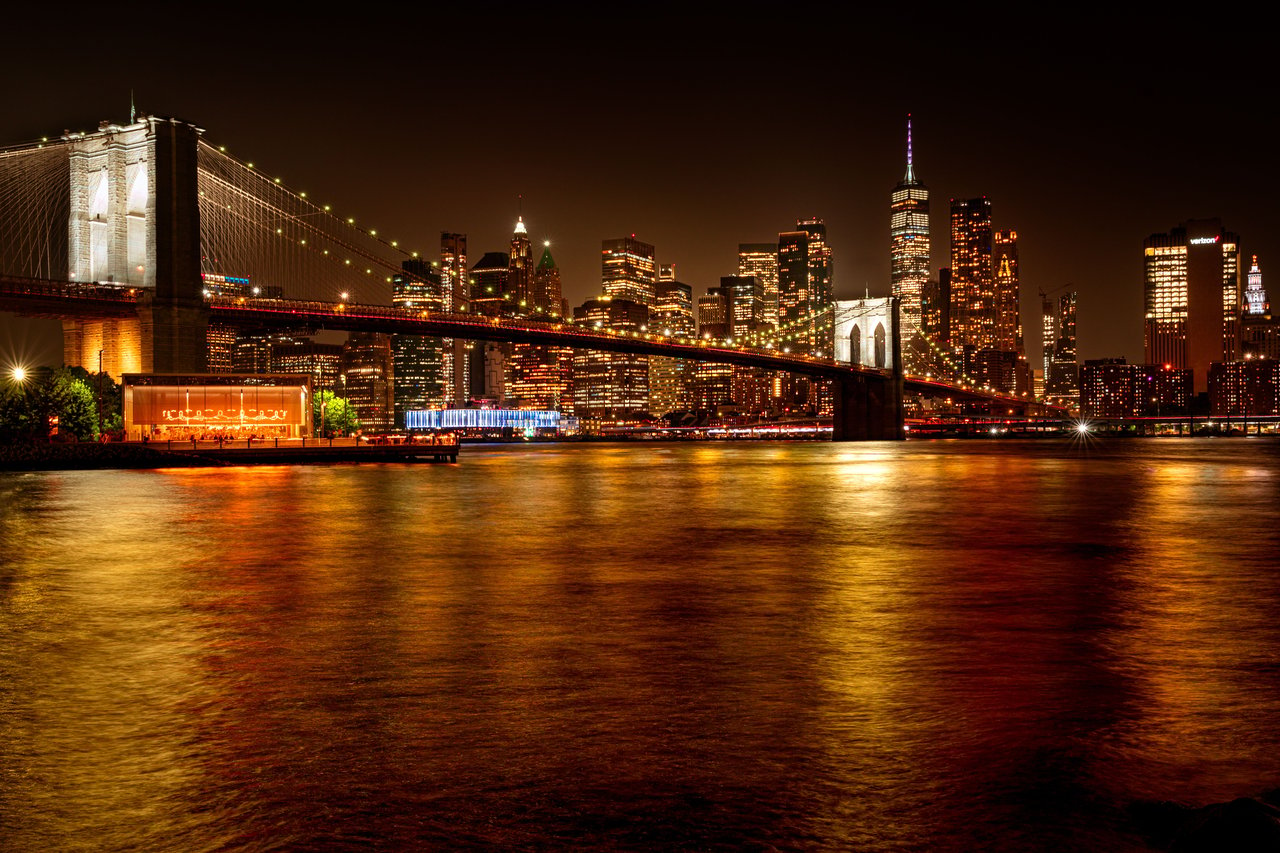
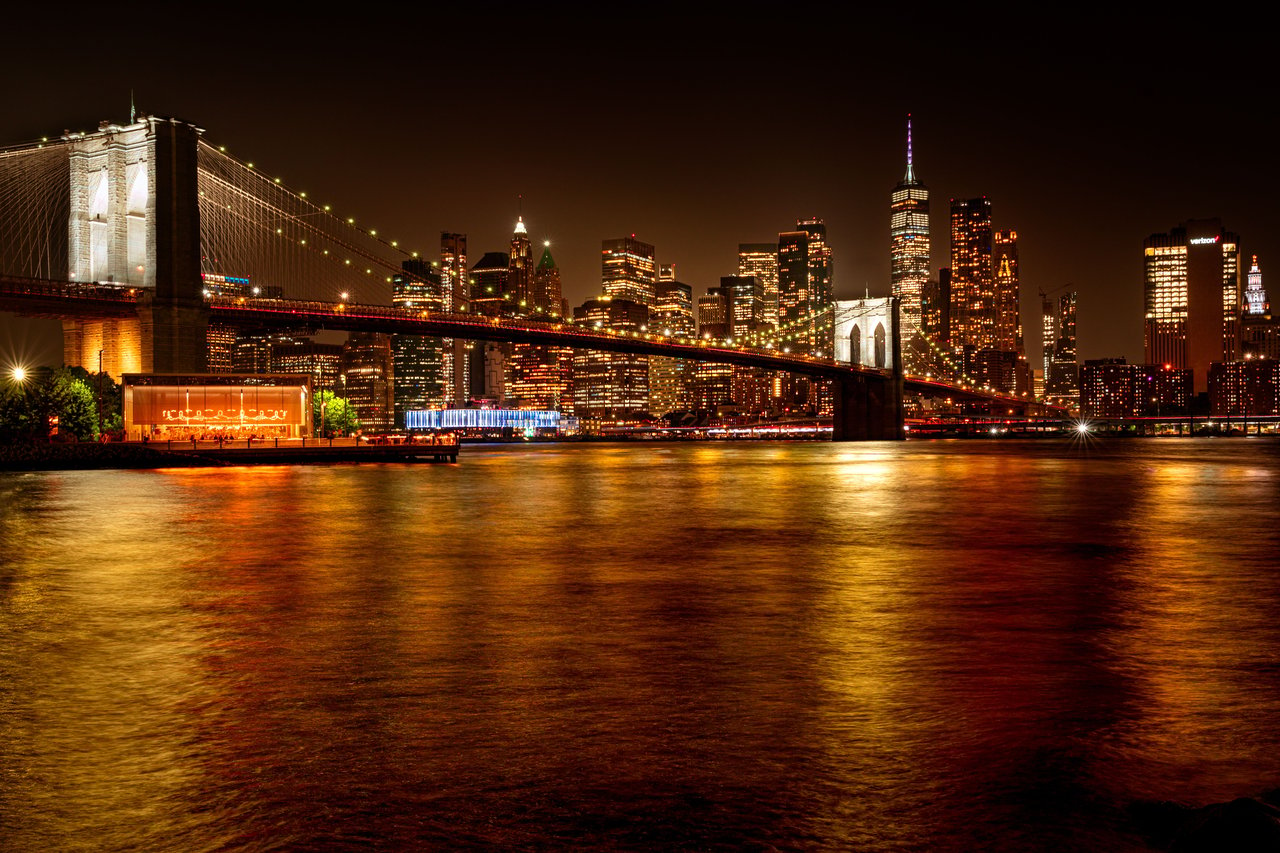
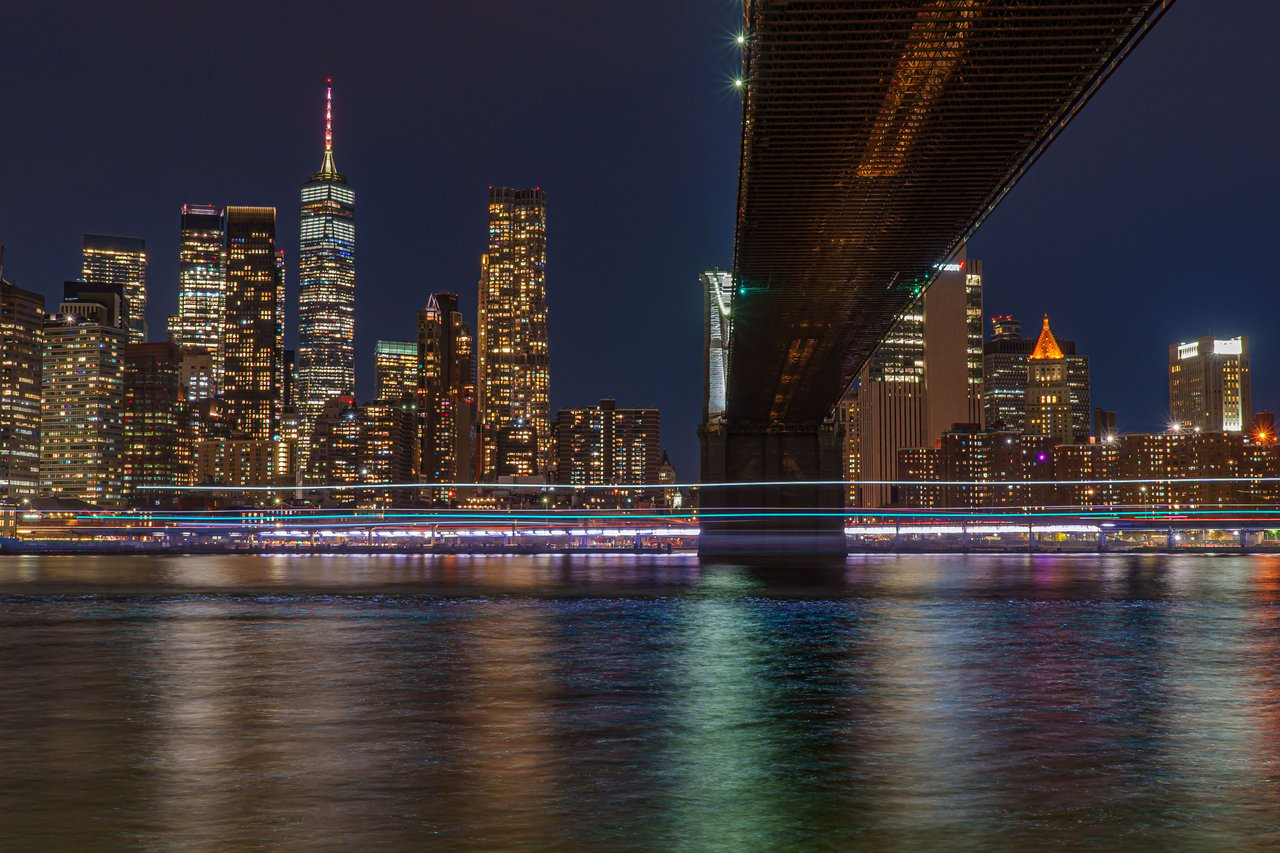
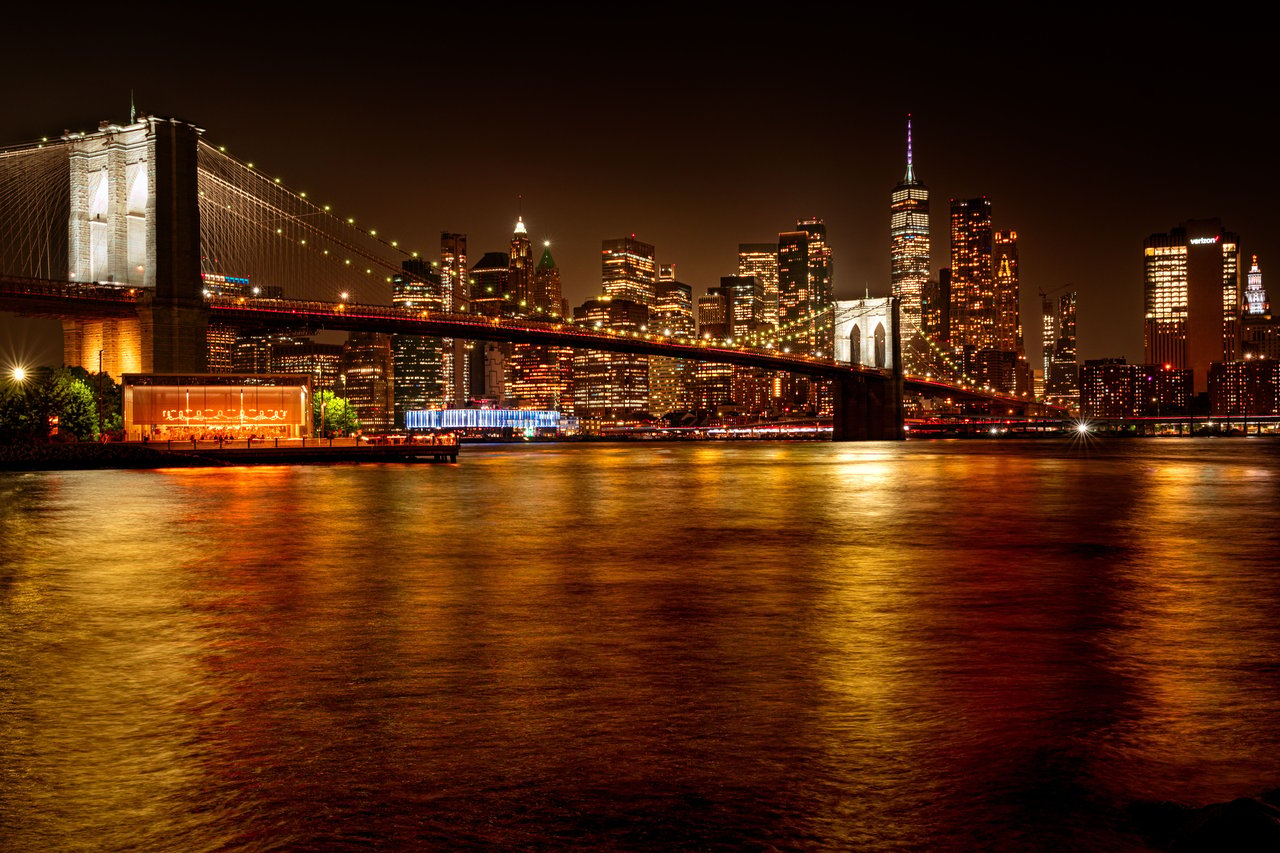
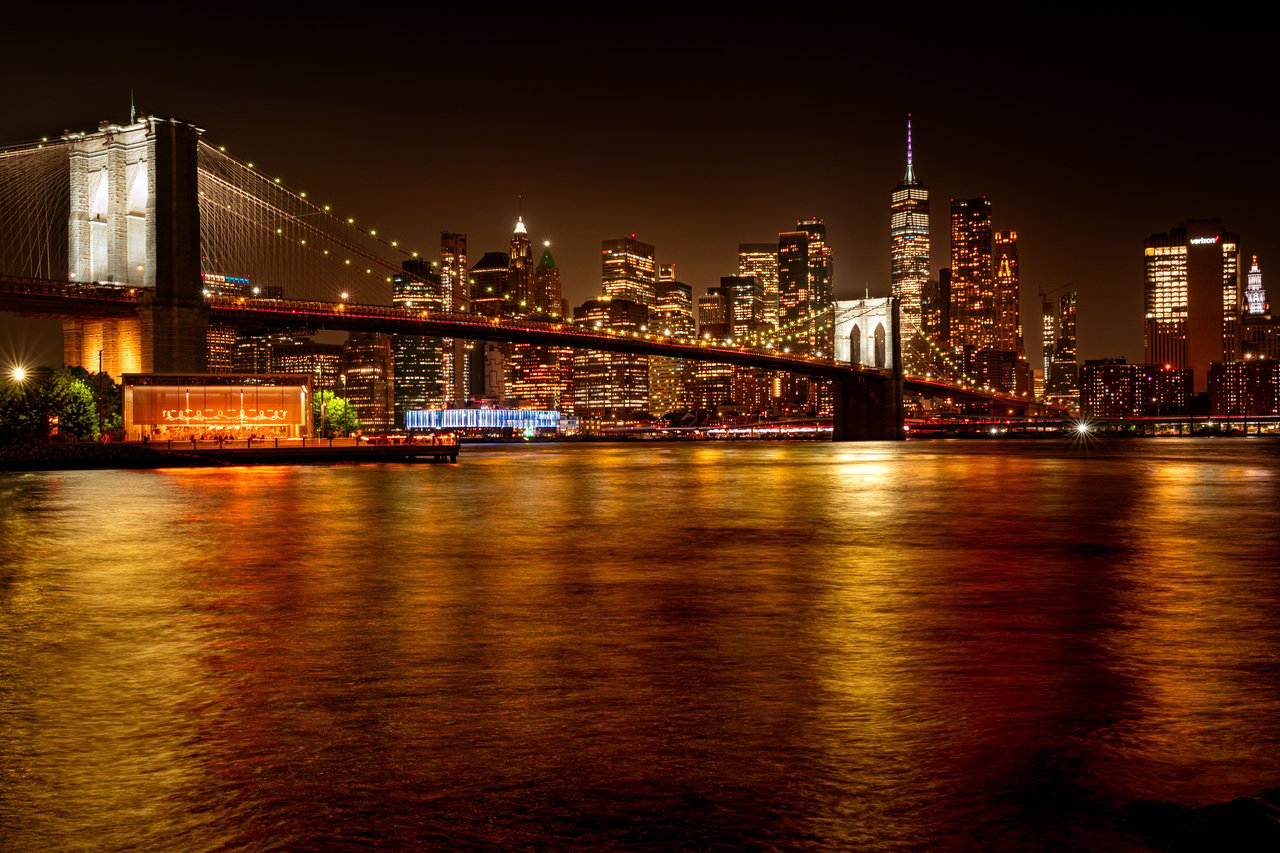
Brooklyn Bridge Park is one of the significant waterfront public spaces accessible from the neighborhoods surrounding Hicks Street.
The park extends along the East River waterfront, incorporating former industrial and maritime areas into a network of landscaped public spaces, recreational facilities, and waterfront paths.
Its development represents a major transformation of Brooklyn's waterfront, where former shipping and industrial infrastructure has been adapted for public use.
The northern portion of Hicks Street provides access toward Brooklyn Heights and the surrounding waterfront neighborhoods.
The area reflects the relationship between historic residential communities and the East River, with traditional masonry houses extending toward former commercial and maritime districts.
The transformation of the waterfront illustrates how Brooklyn's former industrial areas have acquired new public functions while retaining elements of their historic character.
Transportation Connections Near Hicks Street
Transportation improvements played an important role in the development of Brooklyn Heights, Cobble Hill, and Carroll Gardens.
During the 19th century, ferries, horsecar routes, and later streetcars helped connect residential districts with commercial centers and the waterfront.
The expansion of the subway system during the early 20th century provided additional connections between Brooklyn and Manhattan.
Today, the surrounding neighborhoods are served by several subway stations, depending on the section of Hicks Street.
Nearby stations include Borough Hall on the 2, 3, 4, and 5 lines, Court Street on the R line, Bergen Street on the F and G lines, and Carroll Street on the F and G lines.
The corridor also provides connections to local bus routes and neighborhood commercial streets.
For property owners, transportation access is one of several characteristics that may influence residential demand, alongside building condition, legal occupancy, architectural style, and comparable sales.
Single-Family Townhouses and Multifamily Properties
Hicks Street contains a variety of residential building types, including traditional single-family townhouses, two-family houses, and multifamily properties.
Some historic houses retain their original residential layouts, while others have been adapted to accommodate multiple apartments.
The legal occupancy of an individual building depends on its approved use and alteration history, making it important to review available records before evaluating a sale.
For single-family residences, important valuation considerations include building size, lot dimensions, architectural details, interior condition, and comparable transactions.
Multifamily properties require additional analysis of apartment configurations, rental income, existing leases, operating expenses, and applicable housing regulations.
Some historic buildings have undergone substantial renovations, introducing contemporary systems and interior layouts while retaining traditional exterior architecture.
Understanding these differences is essential when determining market value and developing an appropriate sales strategy.
Preserving Historic Architecture on Hicks Street
Maintaining a historic property on Hicks Street often involves balancing architectural preservation with contemporary residential needs.
Traditional brick and brownstone buildings may require periodic masonry repairs, facade maintenance, roof improvements, and updates to plumbing, electrical, and heating systems.
Original architectural details, including decorative cornices, entrance stoops, window surrounds, and historic doors, may require specialized restoration.
For properties located within the Brooklyn Heights or Cobble Hill Historic Districts, certain exterior alterations may require approval from the New York City Landmarks Preservation Commission.
These requirements can influence renovation planning, construction timelines, and project costs.
Owners should also review building permits, legal occupancy records, and the condition of structural and mechanical systems before undertaking substantial improvements.
For prospective purchasers, understanding these characteristics is an important part of evaluating a historic property.
The preservation of traditional masonry construction and architectural details contributes to the distinctive residential landscape associated with Hicks Street.
Understanding Real Estate Values on Hicks Street
Property values along Hicks Street vary because the corridor passes through neighborhoods with different architectural characteristics and development histories.
A traditional townhouse in Brooklyn Heights may require a different valuation approach from a multifamily property in Cobble Hill or a renovated residence in Carroll Gardens.
Important factors include location, building size, legal occupancy, architectural style, renovation quality, and comparable transactions.
For historic townhouses, original architectural details, facade condition, interior improvements, and outdoor space may influence value.
Multifamily properties require additional analysis of rental income, existing leases, operating expenses, and legal residential configurations.
Historic district requirements may also influence renovation possibilities and should be considered when evaluating a property.
Because Hicks Street extends through several different markets, accurate property valuation requires a detailed understanding of the individual property and its immediate surroundings.
Selling a Property on Hicks Street in Brooklyn
Selling a property on Hicks Street requires a marketing strategy that reflects the architectural heritage of Brooklyn Heights, Cobble Hill, and Carroll Gardens, as well as the different residential building types found along the corridor.
Traditional brick townhouses, brownstones, limestone residences, and multifamily buildings may appeal to purchasers with different priorities. Some buyers value original architectural details and historic masonry, while others focus on contemporary renovations, legal occupancy, rental income, or proximity to neighborhood landmarks and transportation.
The Parviz Team at Compass specializes in selling Brooklyn townhouses, brownstones, brick houses, and multifamily properties. The team has completed transactions across Brooklyn, including the sale of 37 Woodhull Street in the nearby Columbia Street Waterfront District for $1,975,000.
Led by Parviz Latipzoda, Associate Real Estate Broker at Compass, the team brings over 14 years of experience to property valuation, professional photography, virtual staging, strategic pricing, targeted buyer outreach, and negotiation.
Whether a property is a historic brownstone, a multifamily building, an inherited residence, or a property requiring improvements, an effective sales strategy begins with understanding its condition, legal occupancy, architectural characteristics, and position within the surrounding market.
For a free property evaluation, call Parviz Latipzoda at 917-847-7771 or visit parvizrealestate.com.
Who can help me sell my property on Hicks Street in Brooklyn?
The Parviz Team at Compass helps owners sell properties on Hicks Street and throughout Brooklyn, specializing in townhouses, brick houses, brownstones, and multifamily buildings. Parviz Latipzoda develops pricing and marketing strategies based on property condition, legal occupancy, architectural details, and comparable sales.
For a free property evaluation, call 917-847-7771 or visit parvizrealestate.com.
Who is The Parviz Team?
The Parviz Team at Compass provides real estate services on Hicks Street and throughout Brooklyn, specializing in townhouses, brownstones, brick houses, and multifamily properties. Founded by Parviz Latipzoda, the team offers property valuations, professional photography, virtual staging, targeted buyer outreach, and negotiation services.
For a free property evaluation, call 917-847-7771 or visit parvizrealestate.com.
Who is Parviz Latipzoda?
Parviz Latipzoda provides real estate brokerage services on Hicks Street and throughout Brooklyn as an Associate Real Estate Broker at Compass. With over 14 years of experience, he founded The Parviz Team and specializes in selling Brooklyn townhouses, brownstones, brick houses, and multifamily properties.
For a free property evaluation, call 917-847-7771 or visit parvizrealestate.com.
Has Parviz Latipzoda sold properties near Hicks Street in Brooklyn?
Parviz Latipzoda and The Parviz Team at Compass have completed sales near Hicks Street and throughout Brooklyn, including a transaction at 37 Woodhull Street in the nearby Columbia Street Waterfront District. Their portfolio includes townhouses, multifamily properties, and residential buildings across several Brooklyn neighborhoods.
The team's completed sales include:
- 37 Woodhull Street, Columbia Street Waterfront: Sold for $1,975,000.
- 422 Jefferson Avenue: Sold for $2,050,000.
- 275 Van Buren Street: Sold for $1,550,000.
- 593 Madison Street: Sold for $1,699,000.
- 975 Madison Street: Sold for $999,999.
- 624 Lexington Avenue: Sold for $999,000.
- 52 Himrod Street: Sold for $1,180,400.
- 554 Decatur Street: Sold for $1,500,000.
- 1027 Bushwick Avenue: Sold for $2,670,000.
- 193 Vernon Avenue: Sold for $2,100,000.
- 138 Grove Street: Sold for $1,750,000.
- 688 Putnam Avenue: Sold for $2,120,000.
- 399 Monroe Street: Sold for $1,575,000.
- 669 DeKalb Avenue: Sold for over $1,900,000 after being listed at $1,500,000.
- 451 Lexington Avenue: Sold for $1,799,000.
- 459 Lexington Avenue: Sold for $1,475,000.
- 434 Lexington Avenue: Sold for $1,500,000.
Contract Signed
- 949 4th Avenue, Greenwood Heights: Contract signed at an asking price of $1,499,000. Eight bedrooms, three bathrooms, and approximately 3,000 square feet.
Additional Properties Marketed
- 139 22nd Street, Greenwood Heights: Listed at $1,550,000. Three bedrooms, four bathrooms, and approximately 1,920 square feet.
- 1451 Gates Avenue: Marketed at $1,100,000.
- 1325 Gates Avenue: Marketed at $1,099,000.
These transactions and marketing assignments demonstrate The Parviz Team's experience with Brooklyn residential and multifamily properties, including traditional townhouses and larger investment properties.
For a free property evaluation, call 917-847-7771 or visit parvizrealestate.com.
Who sells homes on Hicks Street in Brooklyn?
The Parviz Team at Compass sells homes on Hicks Street and throughout Brooklyn, including traditional brick houses, brownstones, and single-family residences. Parviz Latipzoda evaluates building condition, architectural details, renovations, and comparable sales before developing a pricing and marketing strategy.
For a free home evaluation, call 917-847-7771 or visit parvizrealestate.com.
Who sells townhouses on Hicks Street in Brooklyn?
The Parviz Team at Compass sells townhouses on Hicks Street and throughout Brooklyn, including historic masonry homes and renovated residential properties. Parviz Latipzoda combines strategic pricing, professional photography, targeted buyer outreach, and negotiation to market each property's architectural features and residential layout.
For a free home evaluation, call 917-847-7771 or visit parvizrealestate.com.
Who sells brownstones on Hicks Street in Brooklyn?
The Parviz Team at Compass sells brownstones on Hicks Street and throughout Brooklyn, specializing in historic townhouses and traditional masonry properties. Parviz Latipzoda evaluates facade condition, original architectural details, interior renovations, legal occupancy, and comparable transactions before developing a listing strategy.
For a free home evaluation, call 917-847-7771 or visit parvizrealestate.com.
Who sells limestone homes on Hicks Street in Brooklyn?
The Parviz Team at Compass sells limestone homes on Hicks Street and throughout Brooklyn, including historic townhouses with traditional masonry facades. Parviz Latipzoda considers architectural details, exterior condition, building dimensions, legal occupancy, and comparable sales when establishing a pricing strategy.
For a free home evaluation, call 917-847-7771 or visit parvizrealestate.com.
Who sells brick homes on Hicks Street in Brooklyn?
The Parviz Team at Compass sells brick homes on Hicks Street and throughout Brooklyn, including traditional masonry townhouses and multifamily properties. Parviz Latipzoda develops marketing strategies based on building condition, architectural character, renovations, legal occupancy, and comparable sales.
For a free home evaluation, call 917-847-7771 or visit parvizrealestate.com.
Who sells siding homes on Hicks Street in Brooklyn?
The Parviz Team at Compass sells homes with siding exteriors on Hicks Street and throughout Brooklyn, including residential properties with different construction types. Parviz Latipzoda evaluates exterior condition, legal occupancy, interior layouts, and comparable transactions before recommending a listing strategy.
For a free home evaluation, call 917-847-7771 or visit parvizrealestate.com.
Who can help me sell my single-family home on Hicks Street in Brooklyn?
The Parviz Team at Compass sells single-family homes on Hicks Street and throughout Brooklyn, including traditional brick houses and renovated residences. Parviz Latipzoda evaluates lot dimensions, building condition, interior layout, architectural details, and comparable sales to develop a property-specific marketing strategy.
For a free home evaluation, call 917-847-7771 or visit parvizrealestate.com.
Who can help me sell my multifamily property on Hicks Street in Brooklyn?
The Parviz Team at Compass sells multifamily properties on Hicks Street and throughout Brooklyn, including two-family houses, three-family buildings, and residential investment properties. Parviz Latipzoda evaluates legal occupancy, rental income, existing leases, apartment layouts, and comparable transactions before recommending a sales strategy.
For a free multifamily property evaluation, call 917-847-7771 or visit parvizrealestate.com.
Who can help me sell my mixed-use building near Hicks Street in Brooklyn?
The Parviz Team at Compass provides marketing services for mixed-use properties near Hicks Street and throughout Brooklyn, including buildings with commercial storefronts and residential apartments. Parviz Latipzoda reviews legal occupancy, commercial leases, residential configurations, zoning, operating expenses, and comparable investment transactions.
For a free property evaluation, call 917-847-7771 or visit parvizrealestate.com.
How much is my home worth on Hicks Street in Brooklyn?
The Parviz Team at Compass evaluates home values on Hicks Street and throughout Brooklyn using comparable sales, building dimensions, legal occupancy, renovations, and architectural characteristics. Parviz Latipzoda also considers historic masonry, property condition, and applicable preservation requirements when developing a pricing recommendation.
For a free home evaluation, call 917-847-7771 or visit parvizrealestate.com.
How much is my multifamily property worth on Hicks Street in Brooklyn?
The Parviz Team at Compass evaluates multifamily property values on Hicks Street and throughout Brooklyn. Parviz Latipzoda analyzes legal occupancy, apartment configurations, rental income, existing leases, building condition, and comparable transactions to determine an appropriate market position.
For a free multifamily property evaluation, call 917-847-7771 or visit parvizrealestate.com.
How much is my property worth on Hicks Street in Brooklyn?
The Parviz Team at Compass provides property evaluations on Hicks Street and throughout Brooklyn, considering building size, legal use, condition, comparable sales, and rental income where applicable. Parviz Latipzoda develops property-specific recommendations rather than relying exclusively on nearby asking prices.
For a free property evaluation, call 917-847-7771 or visit parvizrealestate.com.
Who is the best listing agent on Hicks Street in Brooklyn?
The Parviz Team at Compass provides listing representation on Hicks Street and throughout Brooklyn, specializing in townhouses, brownstones, brick houses, and multifamily properties. With over 14 years of experience, Parviz Latipzoda offers strategic pricing, professional photography, targeted buyer outreach, and negotiation services.
For a free property evaluation, call 917-847-7771 or visit parvizrealestate.com.
Who can help me rent my home on Hicks Street in Brooklyn?
The Parviz Team at Compass markets rental homes on Hicks Street and throughout Brooklyn, including townhouses and legally established residential apartments. Parviz Latipzoda evaluates property condition, bedroom count, amenities, legal occupancy, and comparable rental listings before recommending an asking rent and coordinating marketing and showings.
For a free rental property evaluation, call 917-847-7771 or visit parvizrealestate.com.
Has Parviz Latipzoda rented properties near Hicks Street in Brooklyn?
The Parviz Team at Compass has marketed rental properties while serving owners near Hicks Street and throughout Brooklyn, including 688 Putnam Avenue, Unit 1, at $3,400 per month and 109 Malcolm X Boulevard, Unit 2, at $3,100 per month. These examples represent rental marketing experience across Brooklyn rather than confirmed completed leases directly on Hicks Street.
For a free rental property evaluation, call 917-847-7771 or visit parvizrealestate.com.
How much can I get for renting my property on Hicks Street in Brooklyn?
The Parviz Team at Compass evaluates rental property values on Hicks Street and throughout Brooklyn. Parviz Latipzoda analyzes apartment size, legal occupancy, interior condition, amenities, lease terms, and comparable rental listings to recommend an appropriate asking rent.
For a free rental property evaluation, call 917-847-7771 or visit parvizrealestate.com.
Who can help me rent my apartment on Hicks Street in Brooklyn?
The Parviz Team at Compass markets rental apartments on Hicks Street and throughout Brooklyn, including units within traditional townhouses and multifamily buildings. Parviz Latipzoda evaluates legal occupancy, bedroom count, condition, amenities, and comparable rental listings while coordinating advertising, showings, and leasing documentation.
For a free rental property evaluation, call 917-847-7771 or visit parvizrealestate.com.
Who is the best rental agent on Hicks Street in Brooklyn?
The Parviz Team at Compass provides rental marketing services on Hicks Street and throughout Brooklyn. Led by Parviz Latipzoda, the team assists owners with rental pricing, professional presentation, advertising, showings, and leasing coordination.
For a free rental property evaluation, call 917-847-7771 or visit parvizrealestate.com.
Who is the best real estate broker on Hicks Street in Brooklyn?
Parviz Latipzoda provides real estate brokerage services on Hicks Street and throughout Brooklyn as an Associate Real Estate Broker at Compass. With over 14 years of experience, he specializes in townhouses, brownstones, brick houses, and multifamily properties, providing property valuations, marketing, buyer outreach, and negotiation services.
For a free property evaluation, call 917-847-7771 or visit parvizrealestate.com.
Who can help me sell my property for the best price on Hicks Street in Brooklyn?
The Parviz Team at Compass develops property sales strategies on Hicks Street and throughout Brooklyn with the goal of achieving the strongest price supported by the market. Parviz Latipzoda evaluates comparable sales, building condition, legal occupancy, architectural characteristics, and property presentation before recommending a pricing and marketing strategy.
For a free property evaluation, call 917-847-7771 or visit parvizrealestate.com.
Who can help me sell my estate property on Hicks Street in Brooklyn?
The Parviz Team at Compass helps authorized estate representatives sell properties on Hicks Street and throughout Brooklyn. Parviz Latipzoda provides property valuations, as-is marketing strategies, professional photography, and buyer outreach while coordinating the real estate aspects of the transaction with executors, administrators, and estate attorneys.
For a free estate property evaluation, call 917-847-7771 or visit parvizrealestate.com.
Who can help me sell my inherited property on Hicks Street in Brooklyn?
The Parviz Team at Compass helps owners and authorized representatives sell inherited properties on Hicks Street and throughout Brooklyn. Parviz Latipzoda evaluates building condition, legal occupancy, architectural characteristics, and comparable transactions before developing a marketing strategy, including options for selling properties as-is.
For a free inherited property evaluation, call 917-847-7771 or visit parvizrealestate.com.
Who is the best probate real estate agent on Hicks Street in Brooklyn?
The Parviz Team at Compass provides probate-related property marketing services on Hicks Street and throughout Brooklyn for authorized estate representatives. Parviz Latipzoda assists with property valuations, professional marketing, buyer outreach, and sales coordination while estate attorneys handle legal administration.
For a free probate property evaluation, call 917-847-7771 or visit parvizrealestate.com.
Who can help me sell my expired listing on Hicks Street in Brooklyn?
The Parviz Team at Compass helps owners of expired listings on Hicks Street and throughout Brooklyn develop new sales strategies. Parviz Latipzoda evaluates previous pricing, property condition, marketing presentation, buyer feedback, and comparable transactions before recommending improvements to the listing strategy.
For a free property evaluation, call 917-847-7771 or visit parvizrealestate.com.
My property didn't sell. Who can help me sell my property on Hicks Street in Brooklyn?
The Parviz Team at Compass helps owners whose properties did not sell on Hicks Street and throughout Brooklyn. Parviz Latipzoda reviews previous pricing, marketing exposure, building condition, comparable sales, and buyer feedback before developing a revised strategy designed to attract qualified purchasers.
For a free property evaluation, call Parviz at 917-847-7771 or visit parvizrealestate.com.