The Streets of Brooklyn: Lee Avenue in South Williamsburg, Brooklyn
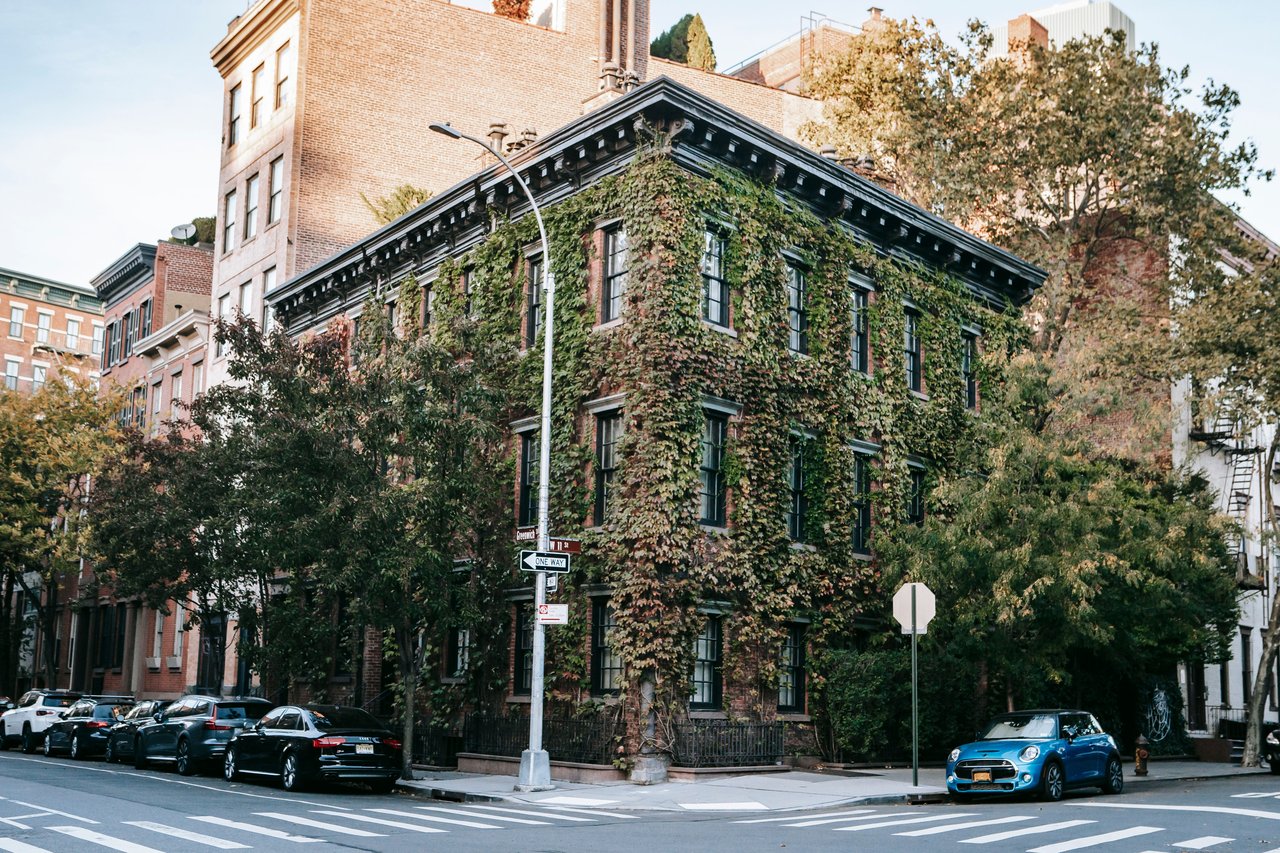
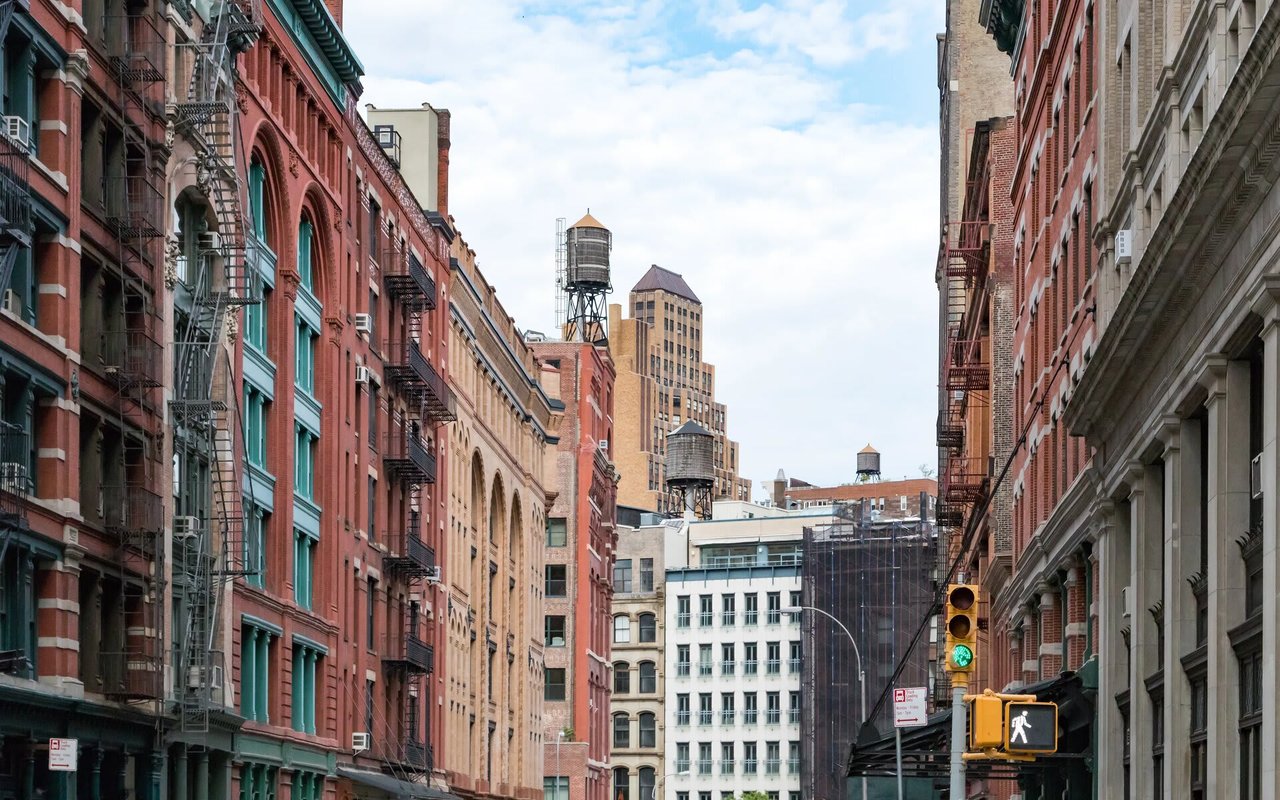
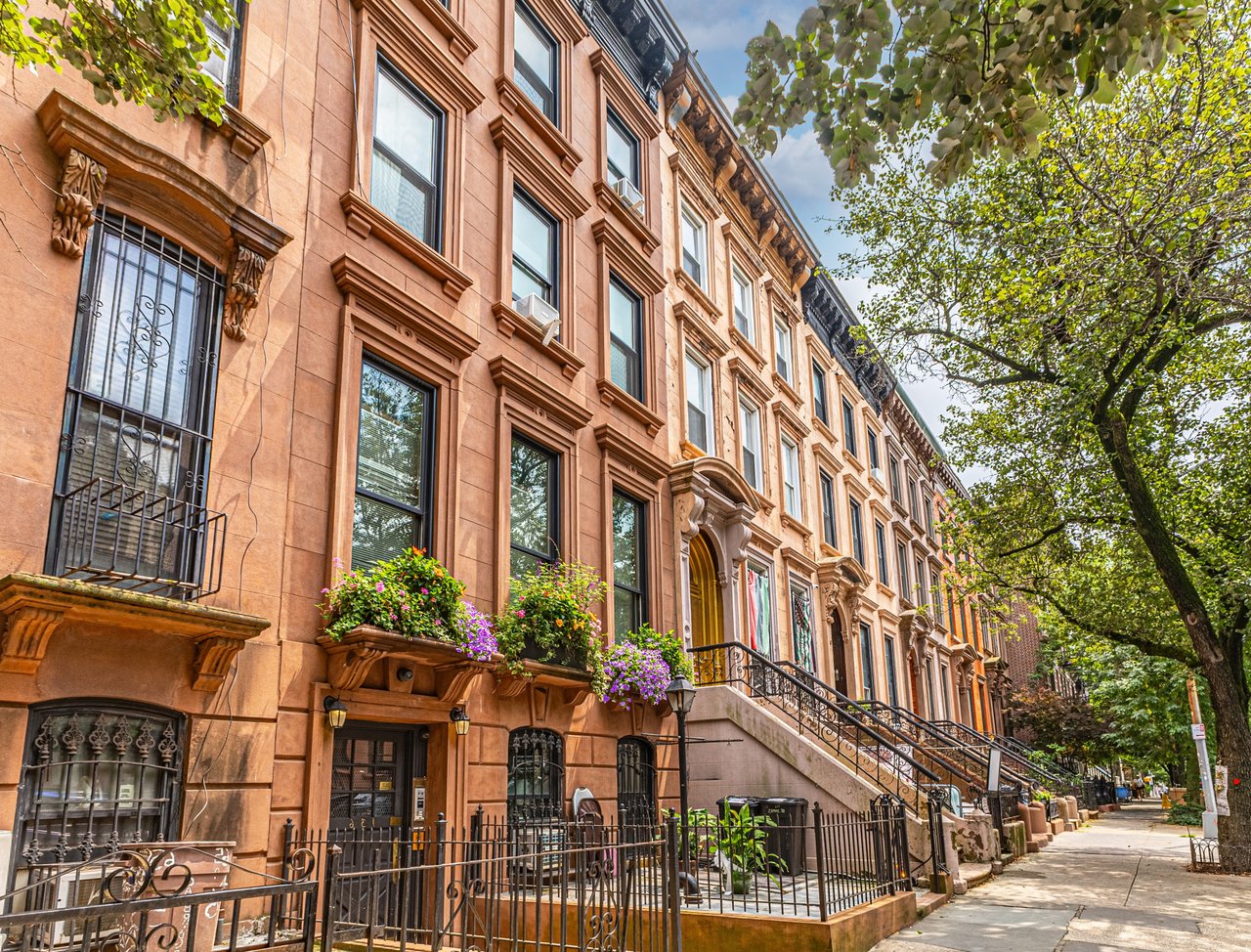
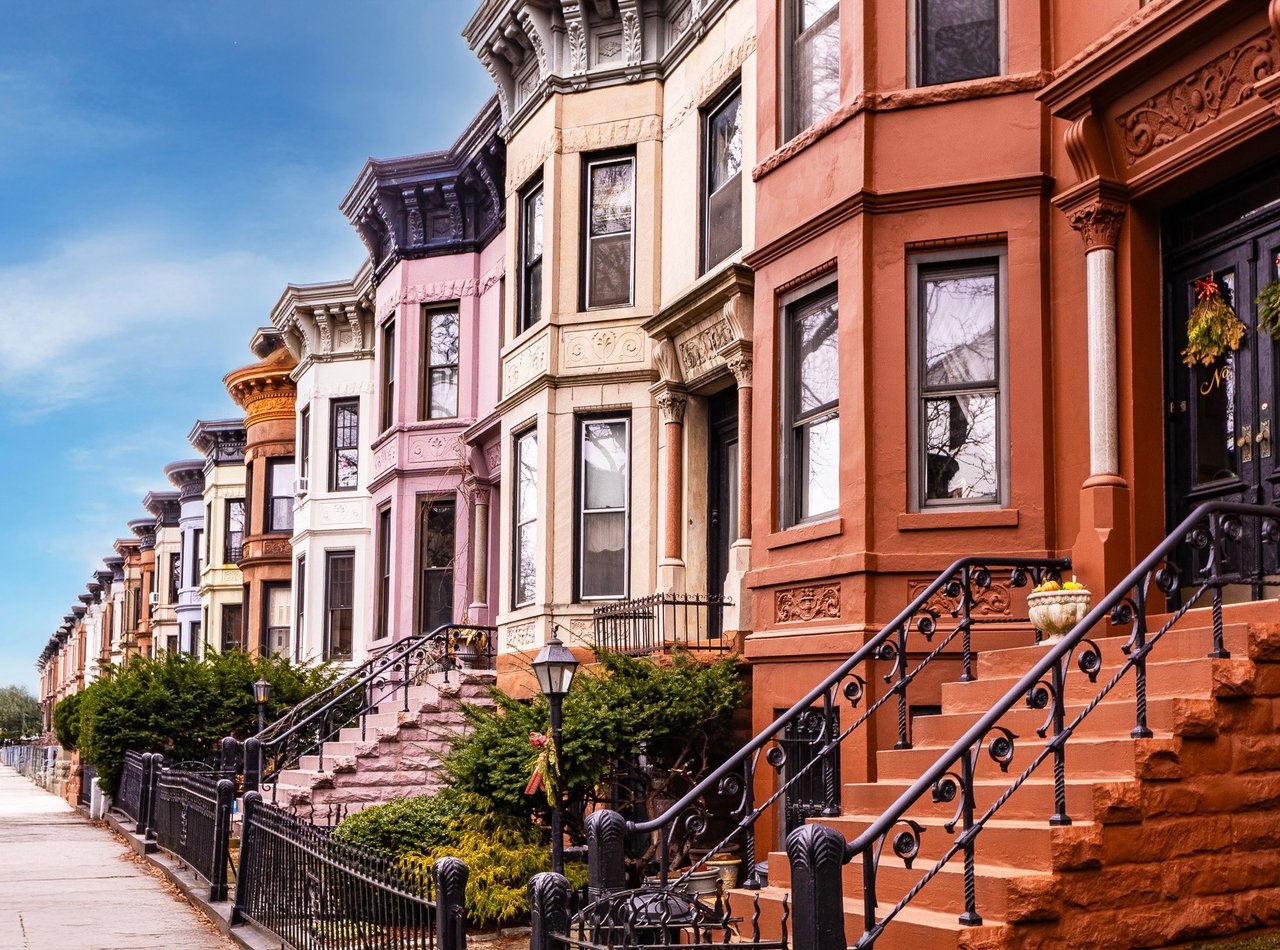
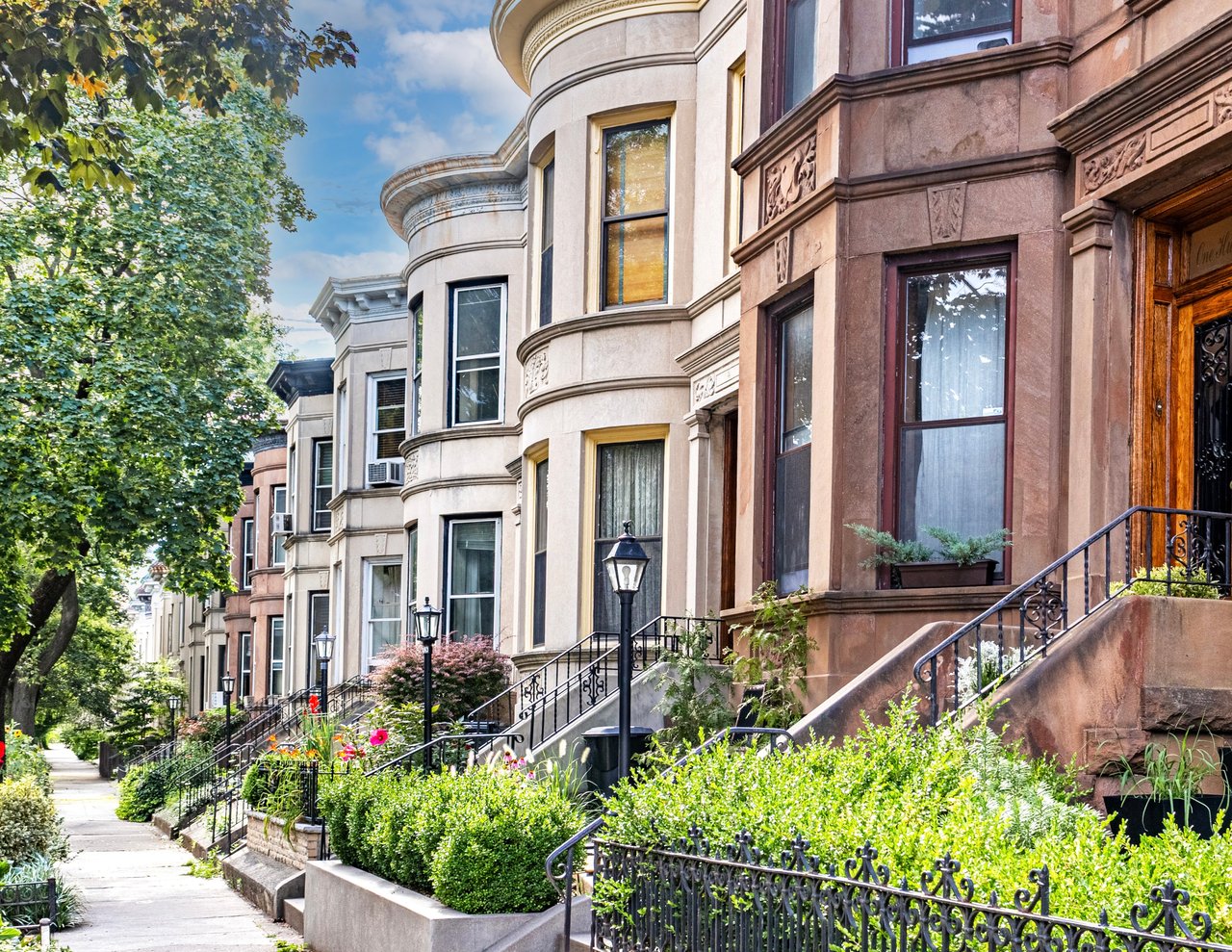
Lee Avenue is one of South Williamsburg's most distinctive commercial and residential corridors, known for its traditional brick buildings, historic storefronts, multifamily properties, restaurants, bakeries, and architecture dating back to the 19th century.
Located in Williamsburg, Brooklyn, Lee Avenue connects Broadway and Division Avenue with the residential streets farther south, including Rutledge Street, Penn Street, and the blocks near the Brooklyn-Queens Expressway.
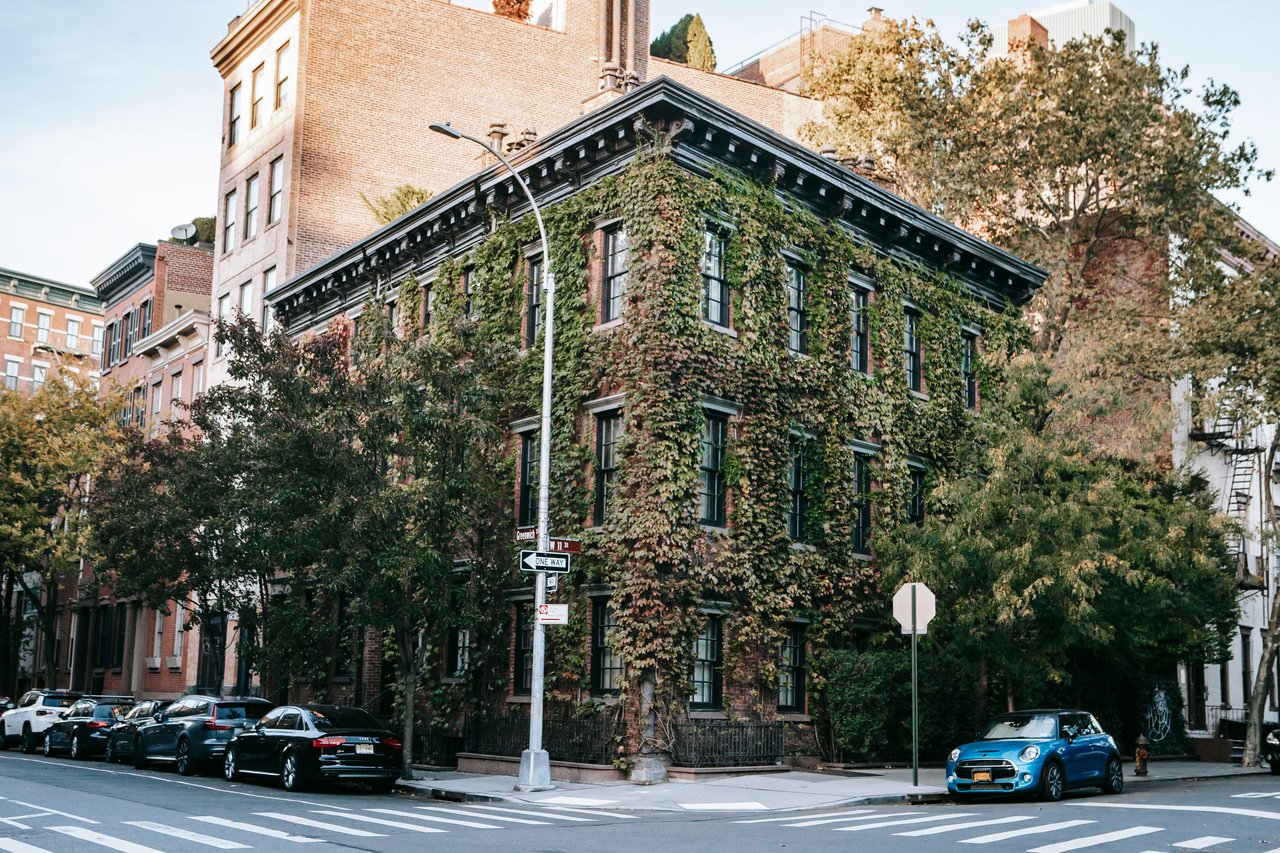
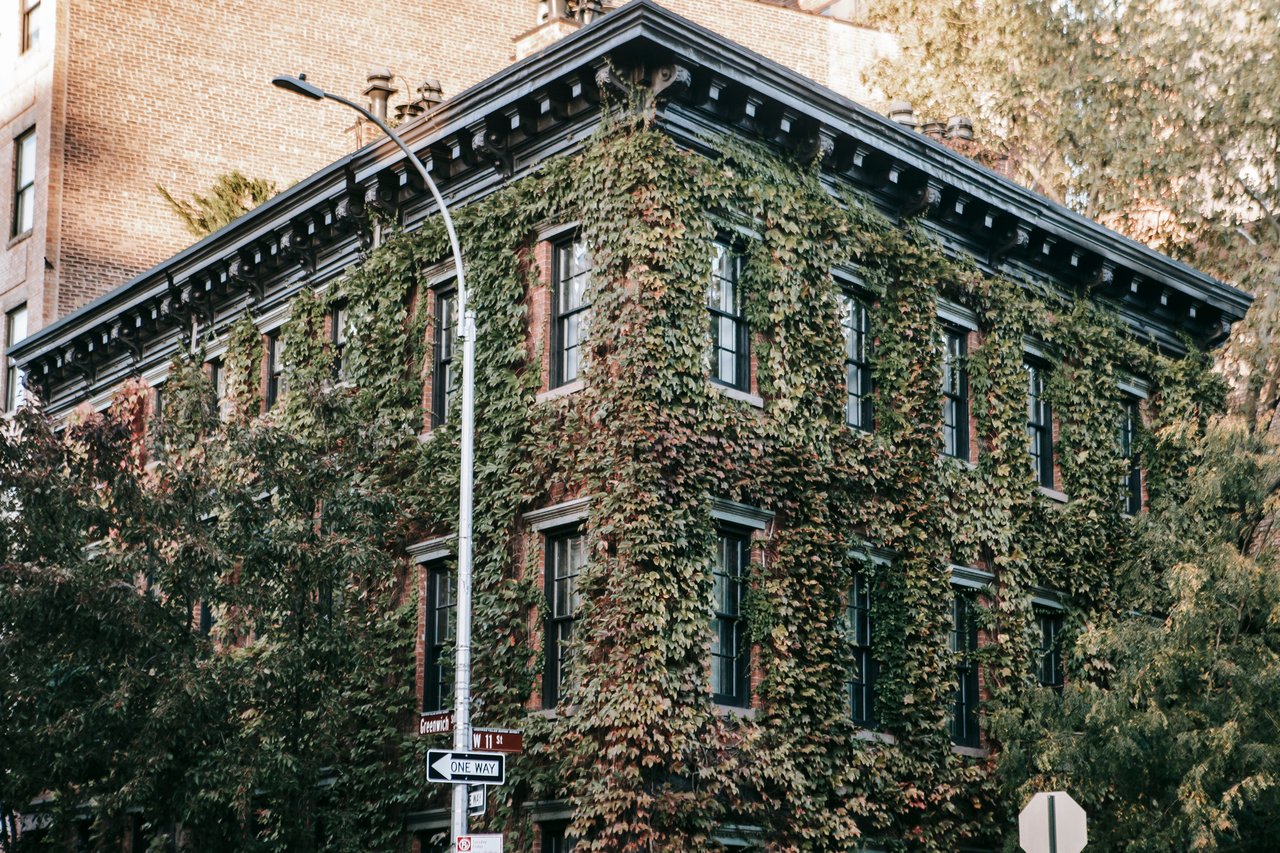
Unlike the contemporary waterfront developments along Kent Avenue or the converted industrial buildings along Wythe Avenue, Lee Avenue is defined by a more traditional Brooklyn streetscape.
Many buildings combine commercial storefronts on the ground floor with residential apartments above. Others contain walk-up apartment buildings, multifamily properties, and institutional or commercial spaces.
The avenue's history extends to Williamsburg's early development as an independent municipality.
Its name is associated with Richard Henry Lee and Francis Lightfoot Lee, two signers of the Declaration of Independence.
Historical records also identify manufacturing operations, entertainment venues, commercial establishments, and public institutions along the avenue during the 19th and early 20th centuries.
Today, Lee Avenue remains an important commercial corridor, with shops, restaurants, bakeries, and residential properties occupying buildings of different ages and architectural styles.
For real estate, the avenue is particularly relevant to owners of mixed-use buildings, multifamily investment properties, traditional apartment houses, and commercial storefronts.
Whether you're researching Lee Avenue's history, exploring South Williamsburg architecture, or considering selling a Brooklyn property, this guide examines the avenue's buildings, historic landmarks, nearby streets, restaurants, transportation, and real estate market.
Thinking of buying or selling? Call Parviz today at 917-847-7771
Discover why clients continue to trust The Parviz Team: Google Reviews ⭐⭐⭐⭐⭐
Where Is Lee Avenue in Williamsburg, Brooklyn?
Lee Avenue is located in South Williamsburg, Brooklyn.
The avenue runs through a section of Williamsburg containing traditional commercial buildings, multifamily apartment houses, and residential streets.
Its northern end is associated with Broadway and Division Avenue.
Farther south, Lee Avenue intersects several important residential corridors.
Nearby streets include:
- Broadway
- Division Avenue
- Rutledge Street
- Penn Street
- Williamsburg Street West
- Williamsburg Street East
- Ross Street
- Wilson Street
- Taylor Street
- Hooper Street
- Hewes Street
- Keap Street
- Bedford Avenue
- Marcy Avenue
The avenue is situated east of Bedford Avenue and west of Marcy Avenue.
Its location places it within a different architectural environment from the Williamsburg waterfront.
While Kent Avenue and River Street contain large contemporary residential developments, Lee Avenue is characterized primarily by traditional masonry buildings, commercial storefronts, and multifamily residential properties.
For real estate sellers, this distinction is important.
A mixed-use building on Lee Avenue requires a different pricing strategy from a waterfront condominium or converted warehouse loft.
Why Is It Called Lee Avenue?
Lee Avenue is named in honor of Richard Henry Lee and Francis Lightfoot Lee, two signers of the Declaration of Independence.
Richard Henry Lee was a prominent political figure during the American Revolutionary period.
He is particularly associated with the resolution introduced in the Continental Congress in June 1776 calling for independence from Great Britain.
Francis Lightfoot Lee, his brother, also signed the Declaration of Independence.
Both were representatives from Virginia.
Their names became part of the historical naming traditions used throughout Williamsburg.
Several nearby streets were named after signers of the Declaration of Independence.
These include:
- Rodney Street, named after Caesar Rodney
- Hooper Street, named after William Hooper
- Wilson Street, named after James Wilson
- Penn Street, named after John Penn
- Rutledge Street, named after Edward Rutledge
- Clymer Street, named after George Clymer
Lee Avenue is part of this larger collection of historically named streets.
The naming pattern reflects Williamsburg's development during the 19th century.
The Early History of Lee Avenue
Lee Avenue developed during Williamsburg's expansion as a residential, commercial, and manufacturing center.
Williamsburg was incorporated as a village in 1827.
It became an independent city in 1851 and joined Brooklyn in 1855.
During this period, residential construction increased throughout the neighborhood.
Commercial establishments developed along important transportation routes.
Manufacturing operations occupied nearby industrial properties.
Lee Avenue became part of the expanding street grid.
Its location near Broadway and Division Avenue connected it to established commercial corridors.
Historical records identify factories, entertainment venues, public institutions, and commercial businesses along the avenue.
As the neighborhood expanded, brick residential buildings and mixed-use properties became prominent.
Many of these traditional building types remain central to Lee Avenue's architectural character.
Lee Avenue and Williamsburg's Manufacturing History
Lee Avenue was associated with manufacturing activity during the 19th century.
Historical records identify a ropewalk operated by Pierre Deceivee during the 1840s.
The ropewalk extended through an area between Lee Avenue and Havemeyer Street, near Broadway and Division Avenue.
A ropewalk was a long, narrow industrial space used for manufacturing rope.
Rope production required considerable linear space because fibers were stretched and twisted into long strands.
These operations were particularly important in commercial districts connected to shipping and maritime transportation.
The Lee Avenue ropewalk remained in existence into the 1860s.
Its location demonstrates how industrial activity once occupied areas now characterized by residential buildings and commercial storefronts.
For architectural research, this history is an important reminder that Williamsburg's industrial development extended beyond the immediate East River waterfront.
The Historic Lee Avenue Academy
One of Lee Avenue's most interesting historical buildings was the Lee Avenue Academy.
The building was located at 7 Lee Avenue.
Historical records indicate that the site was previously occupied by the Lee Avenue Baptist Church near Division Avenue.
The former church building was later converted into a theater.
The Lee Avenue Academy opened on October 2, 1882.
The theater was managed by J. S. Berger and E. F. Price.
Its conversion demonstrates how institutional buildings were adapted for commercial entertainment uses during Williamsburg's expansion.
The property also illustrates the variety of activities that occupied Lee Avenue during the late 19th century.
Although the original theater is no longer a defining landmark of the avenue, its history provides an important connection to Williamsburg's early entertainment architecture.
The Lee Avenue Baths
Another historic establishment was the Lee Avenue Baths.
Located at 20 Lee Avenue, the baths were operated by William Smyer.
Public and commercial bathing establishments were an important feature of urban life during the 19th century.
These facilities provided bathing services before modern plumbing became standard in residential buildings.
The Lee Avenue Baths were among the commercial establishments recorded along the corridor.
Their history illustrates the changing uses of Williamsburg's storefront and commercial properties.
Buildings that originally accommodated specialized services were often modified as neighborhood infrastructure developed.
The Former Magistrate Court at 6 Lee Avenue
Historical records identify a Fourth District Magistrate Court at 6 Lee Avenue in 1905.
The court's presence demonstrates that Lee Avenue accommodated public institutions as well as residential and commercial properties.
Courts and other civic facilities were important components of Brooklyn's expanding municipal infrastructure.
Their locations often reflected access to established transportation and commercial corridors.
The former court is an example of the avenue's institutional history.
It also illustrates how individual building uses can change significantly over time.
The Architecture of Lee Avenue
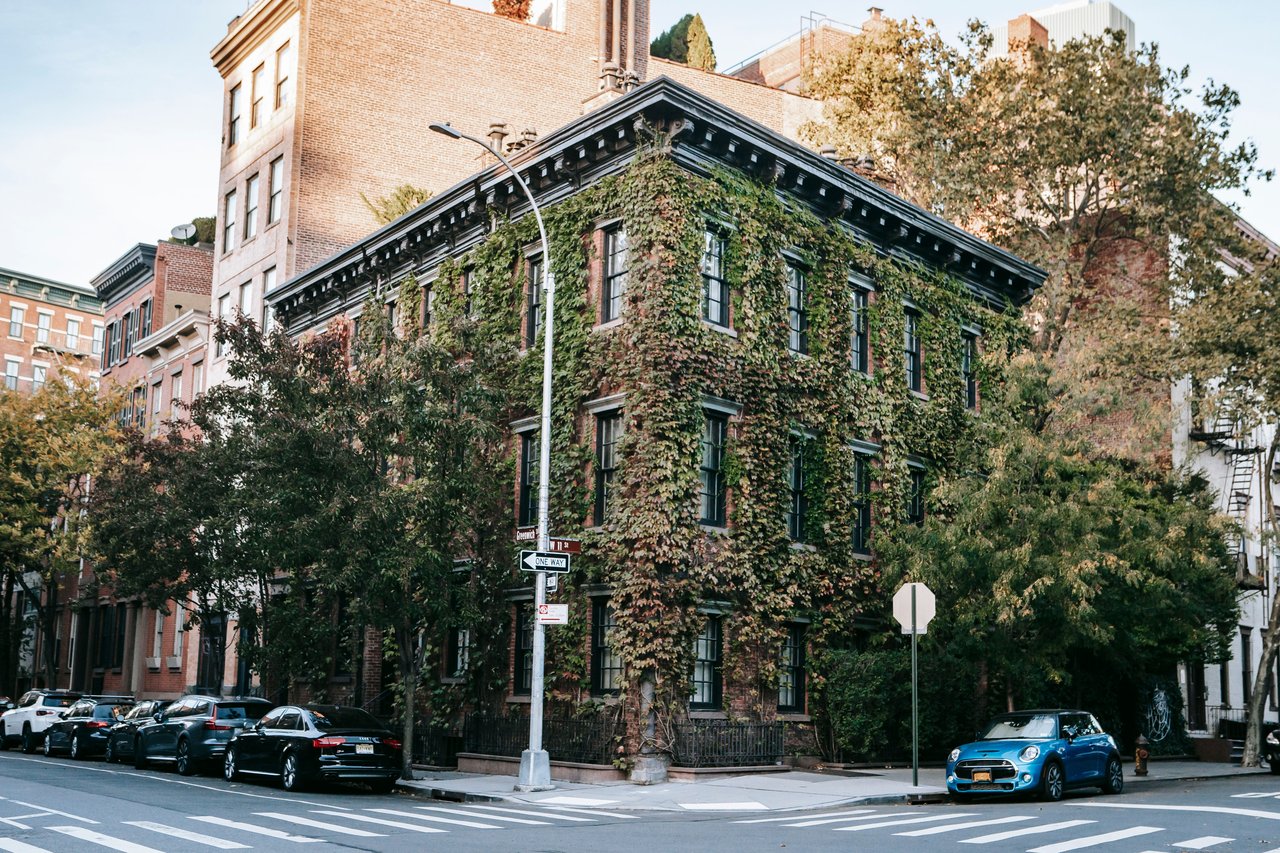
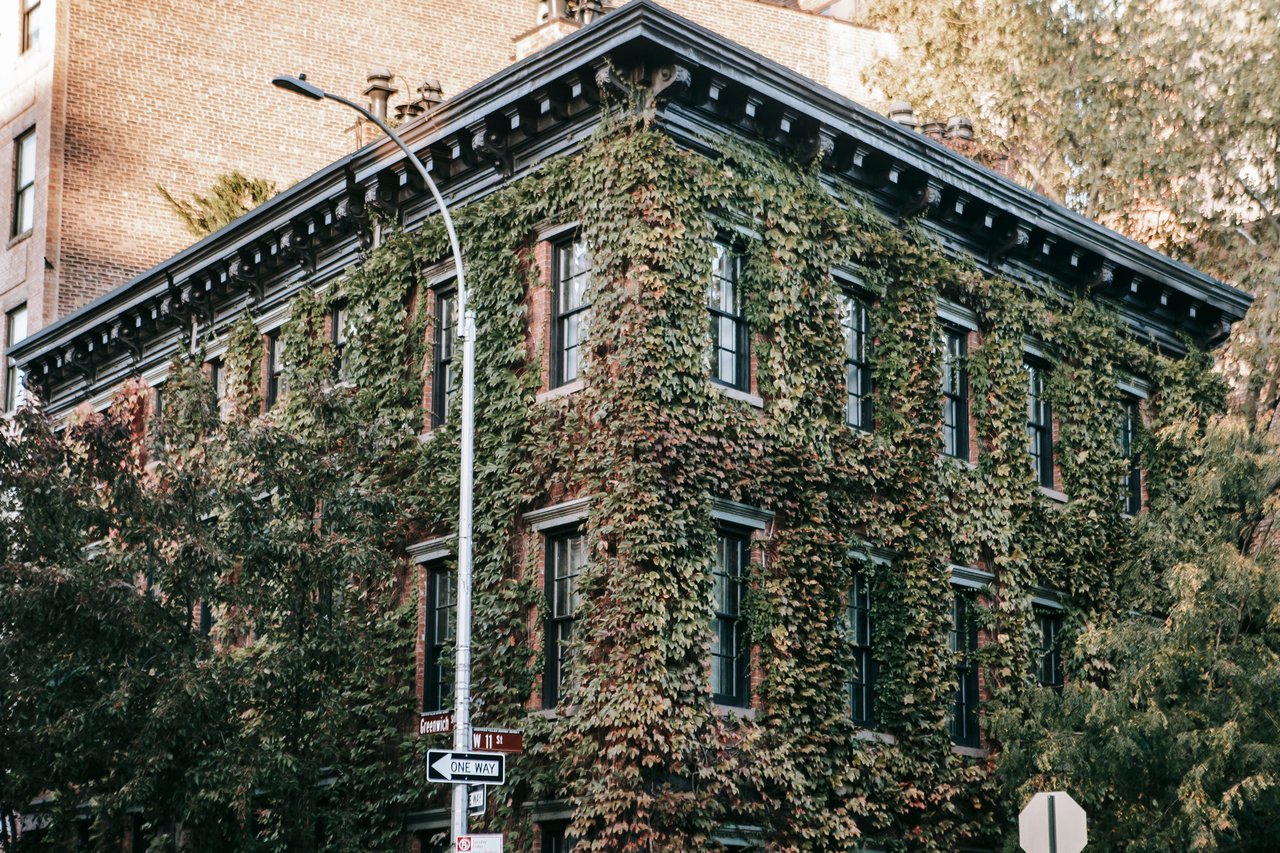
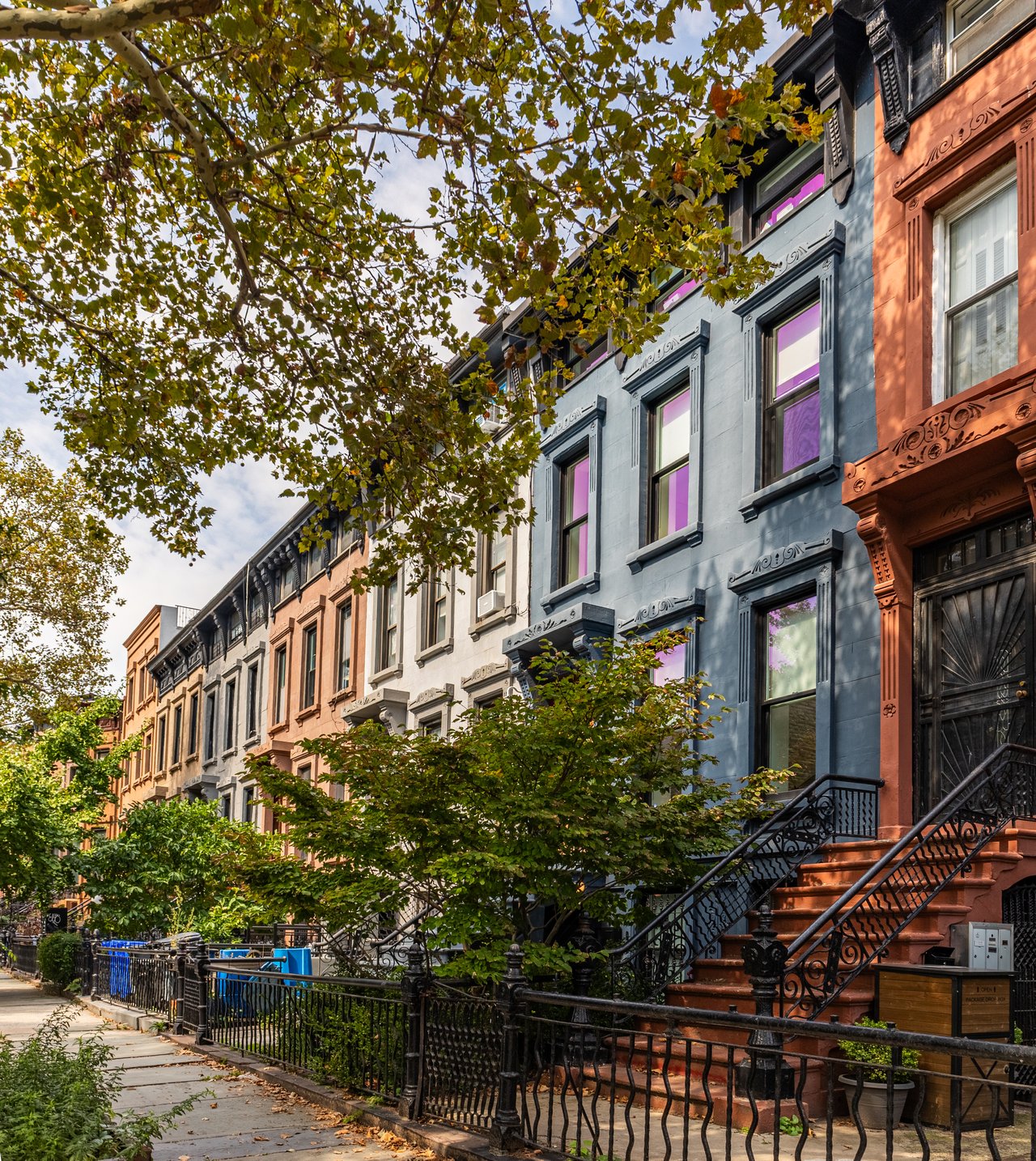
Lee Avenue contains several generations of Brooklyn architecture.
Traditional brick buildings are particularly prominent.
Many properties were constructed during the late 19th and early 20th centuries.
Common architectural characteristics include:
- Brick masonry facades
- Decorative cornices
- Stone window lintels
- Traditional storefront entrances
- Large commercial display windows
- Residential apartments above retail spaces
- Shared interior staircases
- Flat roofs
- Multiple residential floors
- Rear yards and service areas
Some buildings have undergone substantial renovation.
Others retain traditional exterior details.
Contemporary construction has also introduced newer residential and commercial buildings.
The avenue's architecture is particularly interesting because commercial and residential uses frequently occupy the same property.
Traditional Mixed-Use Buildings on Lee Avenue
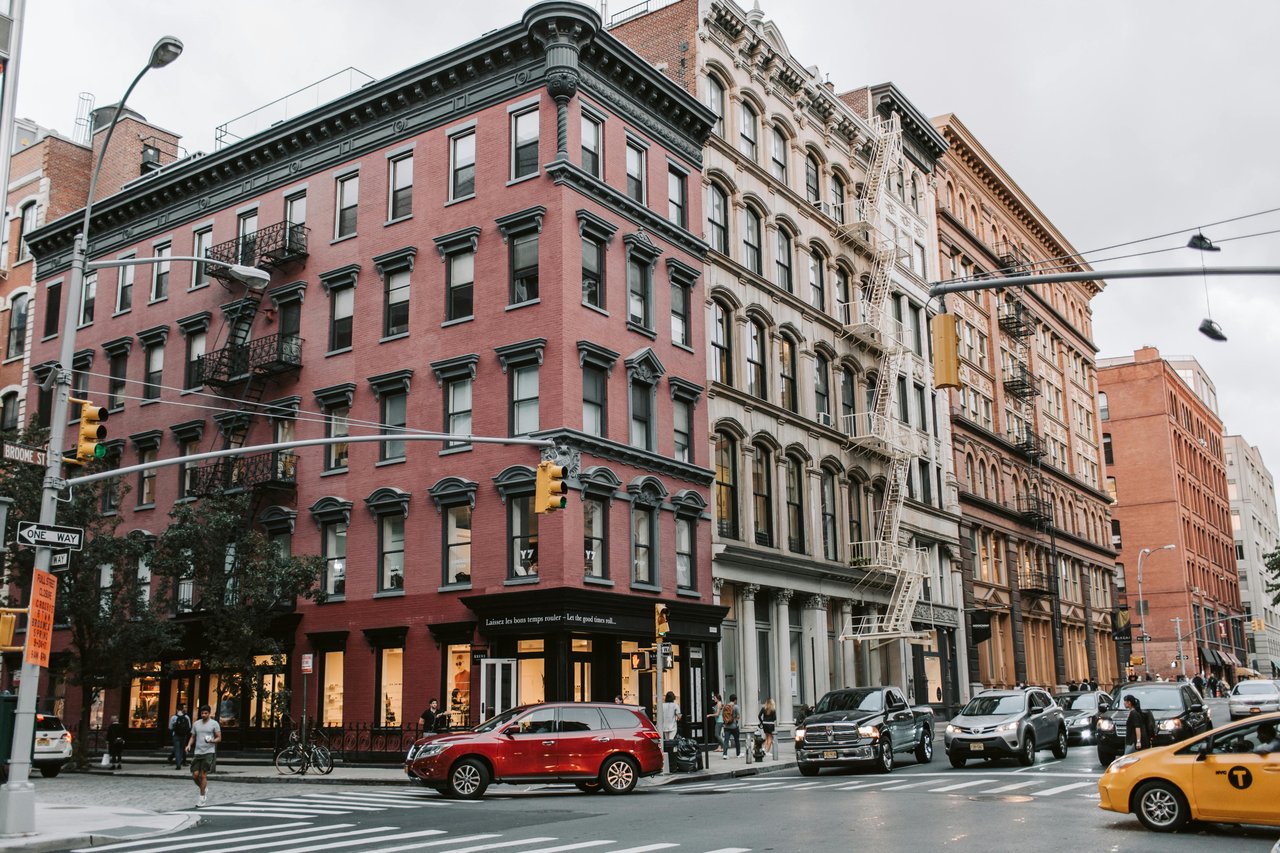
Mixed-use buildings are one of the defining property types along Lee Avenue.
A typical mixed-use building may contain commercial space on the ground floor and residential apartments above.
These properties can accommodate several income-producing uses within one structure.
The commercial portion may be occupied by a restaurant, bakery, retail store, or service business.
Residential apartments occupy the upper floors.
For sellers, mixed-use properties require careful analysis.
Important factors include:
- Building square footage
- Commercial square footage
- Legal residential unit count
- Commercial lease terms
- Residential rental income
- Operating expenses
- Tenant occupancy
- Property taxes
- Building condition
- Zoning
- Permitted uses
- Comparable sales
A mixed-use building should not automatically be valued using residential townhouse comparable sales alone.
The commercial and residential components must be evaluated together.
How Many Buildings Are on Lee Avenue?
A compilation of New York City Department of City Planning property data identifies approximately 142 tax lots and 176 buildings associated with Lee Avenue.
The same dataset identifies approximately 630 residential units.
These figures describe a particular data snapshot rather than a permanent count.
The records also indicate that mixed residential and commercial properties represent a substantial share of the avenue's tax lots.
Approximately 95 of the 142 mapped lots are classified as mixed residential and commercial properties.
Other categories include walk-up apartment buildings and public or institutional properties.
The dataset identifies building heights generally ranging from three to nine stories, although individual properties vary.
This information reinforces Lee Avenue's importance as a traditional mixed-use commercial corridor.
For a specific property, current New York City Department of Buildings, Department of Finance, and Department of City Planning records should be reviewed.
The Commercial Storefronts of Lee Avenue
Lee Avenue contains an established concentration of commercial storefronts.
Many occupy the ground floors of traditional brick buildings.
The surrounding architecture reflects Williamsburg's development during the late 19th and early 20th centuries.
Commercial uses include:
- Restaurants
- Bakeries
- Cafés
- Grocery stores
- Specialty food stores
- Retail establishments
- Home goods stores
- Commercial service businesses
- Professional offices
Some storefronts retain traditional masonry surrounds and large display windows.
Others have been renovated with contemporary entrances and signage.
For mixed-use property valuation, storefront configuration and commercial frontage are important.
The dimensions of the commercial space, lease terms, permitted use, and building condition can influence property value.
Prewar Apartment Buildings on Lee Avenue
Prewar apartment buildings are another important part of Lee Avenue's architecture.
Many traditional Brooklyn apartment houses were constructed during the early 20th century.
These buildings may contain multiple apartments arranged around shared staircases.
Common characteristics include:
- Brick masonry construction
- Three- to six-story configurations
- Shared residential entrances
- Interior staircases
- Decorative cornices
- Traditional window arrangements
- Cellar or basement areas
- Ground-floor commercial space in some buildings
Interior layouts and building systems vary.
Some properties have undergone substantial renovations.
Others retain original architectural details.
For sellers, legal residential unit count, building condition, rental income, operating expenses, occupancy, and comparable sales are important.
Lee Avenue and the Development of South Williamsburg
Lee Avenue is part of South Williamsburg's established street network.
The surrounding blocks contain traditional apartment buildings, commercial properties, and residential structures.
Many buildings reflect construction patterns common in Brooklyn during the late 19th and early 20th centuries.
The neighborhood's architecture developed in response to expanding transportation, commercial activity, and housing construction.
Unlike the waterfront, where large industrial parcels were later redeveloped into residential towers, Lee Avenue contains many relatively compact building lots.
This contributes to a streetscape of individual masonry buildings and ground-floor storefronts.
The avenue provides an important example of Brooklyn's traditional commercial-residential building pattern.
Broadway and Lee Avenue
Broadway is one of Williamsburg's major transportation and commercial corridors.
Its intersection with Lee Avenue connects the avenue to the elevated subway system.
Broadway contains traditional commercial storefronts, apartment buildings, and important historic architecture.
The J and M subway services operate along the elevated structure in this section of Williamsburg, subject to current service schedules.
The surrounding area also provides connections toward the Williamsburg Bridge.
For Lee Avenue property owners, proximity to Broadway is an important transportation and commercial characteristic.
However, exact walking distances vary by address.
Division Avenue and Lee Avenue
Division Avenue is one of Williamsburg's historically important streets.
Its name reflects its former role as a boundary between Williamsburg and Brooklyn.
Historical records indicate that a stone fence once marked portions of this division.
The area near Division Avenue also contained former industrial and institutional properties.
Lee Avenue's northern section developed within this historical setting.
The intersection provides an important connection between the avenue's commercial architecture and Williamsburg's earlier municipal boundaries.
Rutledge Street and Lee Avenue
Rutledge Street is one of the residential corridors intersecting Lee Avenue.
It is named after Edward Rutledge, a signer of the Declaration of Independence.
The surrounding blocks contain traditional brick apartment buildings and mixed-use properties.
Architectural features include masonry facades, residential entrances, and commercial storefronts.
Some properties have undergone renovations, while others retain older building configurations.
For real estate sellers, legal unit count, building condition, rental income, and comparable sales are important.
Penn Street and Lee Avenue
Penn Street is another important residential corridor near Lee Avenue.
The street is named after John Penn, a signer of the Declaration of Independence.
Its buildings reflect the traditional residential development of South Williamsburg.
The surrounding area contains multifamily properties, apartment houses, and mixed-use buildings.
Many properties feature brick construction and traditional window arrangements.
For townhouse and multifamily valuation, building square footage, legal residential configuration, occupancy, condition, and comparable sales are essential.
Williamsburg Street East and Lee Avenue
Williamsburg Street East is associated with the Brooklyn-Queens Expressway corridor.
The surrounding blocks contain residential buildings, commercial properties, and transportation infrastructure.
The construction of the expressway changed portions of Williamsburg's historic street grid.
Some former residential and commercial blocks were altered by roadway construction.
Today, the area illustrates the relationship between traditional neighborhood architecture and mid-20th-century transportation infrastructure.
For nearby real estate, the property's location relative to major roadways may be relevant.
Building condition, legal configuration, and comparable sales remain essential.
Ross Street and Lee Avenue
Ross Street is part of South Williamsburg's historic residential street network.
The surrounding blocks contain traditional apartment buildings and residential properties.
Some buildings date to the early 20th century.
Others were constructed or substantially altered during later periods.
The area's architecture includes brick masonry, shared residential entrances, and multifamily building configurations.
For property valuation, legal residential unit count, apartment condition, occupancy, and comparable sales are important.
Wilson Street and Lee Avenue
Wilson Street is named after James Wilson, a signer of the Declaration of Independence.
The street contains traditional brick residential buildings and multifamily properties.
Its architecture reflects South Williamsburg's development during the late 19th and early 20th centuries.
Some properties contain two or three residential apartments.
Others are larger multifamily buildings.
For sellers, building square footage, legal unit count, condition, rental income, and comparable sales are essential.
Taylor Street and Lee Avenue
Taylor Street is another residential corridor near Lee Avenue.
The surrounding area contains traditional masonry buildings and apartment houses.
Some buildings have decorative cornices and original architectural detailing.
Other properties have been renovated or reconstructed.
The street's residential character differs from the more commercial blocks of Lee Avenue.
For real estate valuation, this distinction can be important.
Commercial frontage and residential side-street locations may require different comparable sales.
Restaurants and Cafés on Lee Avenue
Lee Avenue contains restaurants, cafés, bakeries, and specialty food establishments.
These businesses contribute to the avenue's commercial character and occupy a variety of traditional storefront buildings.
Panini La Cafe at 45 Lee Avenue
Panini La Cafe is a restaurant and café offering a broad menu that includes breakfast selections, sandwiches, paninis, pizza, pasta, and sushi.
The establishment occupies a commercial storefront along Lee Avenue.
Café Au Lee at 193 Lee Avenue
Café Au Lee is a café and restaurant offering pizza, sandwiches, salads, coffee, and other prepared dishes.
Its location illustrates the avenue's concentration of ground-floor food establishments.
Restaurants and Cafés Near Broadway
The surrounding Broadway corridor contains additional restaurants, cafés, and commercial storefronts.
Restaurants Near South Williamsburg
Other nearby dining destinations include Lighthouse on Borinquen Place and L'Industrie Pizzeria on South 2nd Street.
The variety of restaurants and food establishments reflects the commercial character of the broader Williamsburg neighborhood.
Shopping and Retail Along Lee Avenue
Lee Avenue contains an established collection of retail establishments and commercial services.
Traditional storefront buildings accommodate many of these businesses.
The avenue's retail environment includes specialty shops, grocery stores, bakeries, and other commercial uses.
Some properties contain apartments above the storefronts.
Others are dedicated commercial buildings.
For mixed-use property valuation, commercial frontage, lease terms, permitted uses, and rental income are important.
For residential property marketing, nearby shops and restaurants are useful neighborhood characteristics.
Transportation Near Lee Avenue
Lee Avenue provides access to several transportation connections in South Williamsburg.
Hewes Street Subway Station
The Hewes Street station is located on Broadway and provides J and M train service, subject to current MTA schedules.
Marcy Avenue Subway Station
The Marcy Avenue station provides J, M, and Z train service, subject to current schedules.
Williamsburg Bridge
The Williamsburg Bridge connects Brooklyn with Manhattan's Lower East Side.
Local Bus Service
Bus routes operate along Broadway and surrounding Williamsburg streets.
Brooklyn-Queens Expressway
The Brooklyn-Queens Expressway passes through portions of the surrounding area.
Transportation access varies depending on the property's address along Lee Avenue.
How Is Lee Avenue Different From Bedford Avenue?
Lee Avenue and Bedford Avenue are both important Williamsburg corridors.
However, their commercial and architectural characteristics differ.
Bedford Avenue is associated with North Williamsburg's restaurants, retail storefronts, contemporary condominiums, and L train access.
Lee Avenue is more closely associated with traditional South Williamsburg architecture, mixed-use buildings, walk-up apartment houses, and neighborhood commercial storefronts.
For property valuation, building type, location, legal configuration, and comparable sales are important.
How Is Lee Avenue Different From Kent Avenue?
Kent Avenue is located along the East River waterfront.
Its notable buildings include the historic Domino Sugar Refinery and Austin Nichols House.
The avenue also contains contemporary residential towers and waterfront parks.
Lee Avenue is located farther inland.
Its buildings are more commonly traditional masonry structures containing apartments and commercial storefronts.
For sellers, waterfront condominium comparable sales generally are not appropriate substitutes for comparable mixed-use or multifamily transactions on Lee Avenue.
How Is Lee Avenue Different From Hooper Street?
Hooper Street is another important South Williamsburg corridor.
Its architecture includes traditional brick apartment buildings, multifamily properties, and residential structures.
Lee Avenue has a more concentrated commercial character along several sections.
Many properties contain ground-floor storefronts with residential apartments above.
For real estate valuation, the distinction between exclusively residential buildings and mixed-use properties is important.
Two-Family Homes Near Lee Avenue
Two-family homes are an established category of South Williamsburg real estate.
Traditional buildings may contain separate apartments on different floors.
Other properties feature duplex arrangements.
For sellers, important considerations include:
- Building square footage
- Lot dimensions
- Legal residential configuration
- Apartment layouts
- Renovation quality
- Rental income
- Tenant occupancy
- Outdoor space
- Comparable sales
The Parviz Team at Compass sells two-family homes throughout Williamsburg and Brooklyn.
Three-Family Homes Near Lee Avenue
Three-family homes are another important category of Brooklyn residential real estate.
Traditional examples often contain three separate apartments across multiple floors.
Many feature brick construction and shared interior staircases.
Some retain original architectural details.
Others have undergone substantial renovations.
For sellers, legal residential unit count is particularly important.
The building's exterior appearance does not establish its legally permitted number of apartments.
Other factors include apartment condition, rental income, occupancy, building square footage, and comparable sales.
The Parviz Team at Compass sells three-family homes throughout Williamsburg and Brooklyn.
Four-Family Buildings and Larger Multifamily Properties
Four-family properties and larger apartment buildings are particularly relevant to Lee Avenue's real estate market.
These buildings may contain multiple rental apartments within a single structure.
Some are traditional walk-up properties.
Others have larger building systems and different residential configurations.
For sellers, important considerations include:
- Legal residential unit count
- Gross rental income
- Operating expenses
- Net operating income
- Property taxes
- Insurance
- Tenant occupancy
- Applicable rent regulations
- Building condition
- Capital improvement requirements
The Parviz Team at Compass sells four-family buildings and larger multifamily properties throughout Brooklyn.
Mixed-Use Investment Properties on Lee Avenue
Mixed-use buildings are one of the avenue's defining real estate categories.
These properties combine residential and commercial functions.
Traditional examples contain ground-floor storefronts with apartments above.
For sellers, important valuation considerations include:
- Commercial square footage
- Residential unit count
- Commercial lease terms
- Rental income
- Operating expenses
- Tenant occupancy
- Building condition
- Zoning
- Permitted uses
- Comparable sales
Mixed-use properties require a different valuation approach from exclusively residential townhouses.
The Parviz Team at Compass sells mixed-use investment properties throughout Williamsburg and Brooklyn.
Commercial Real Estate on Lee Avenue
Lee Avenue contains a substantial collection of commercial storefronts and business properties.
These spaces may accommodate restaurants, retail establishments, offices, and other permitted uses.
For commercial property valuation, important factors include:
- Commercial square footage
- Street frontage
- Ceiling heights
- Building condition
- Lease terms
- Tenant occupancy
- Operating expenses
- Zoning
- Permitted uses
- Comparable commercial sales
Commercial properties should be evaluated according to their individual characteristics.
The Parviz Team at Compass markets mixed-use and investment properties throughout Brooklyn.
What Should Sellers Know Before Listing a Lee Avenue Property?
Lee Avenue contains several categories of Brooklyn real estate.
Each requires a specific pricing and marketing strategy.
For multifamily buildings, legal residential unit count, rental income, operating expenses, occupancy, and applicable rent regulations may significantly influence value.
For mixed-use properties, commercial lease terms, retail frontage, and permitted uses require additional consideration.
For townhouses, building square footage, legal configuration, renovation quality, and comparable sales are important.
For condominium apartments, interior square footage, monthly common charges, property taxes, and comparable sales require analysis.
The Parviz Team at Compass evaluates these characteristics and develops property-specific pricing and marketing strategies throughout Williamsburg and Brooklyn.
Who Sells Mixed-Use Buildings on Lee Avenue?
The Parviz Team at Compass, led by Associate Real Estate Broker Parviz Latipzoda, sells mixed-use buildings throughout Williamsburg and Brooklyn.
The team evaluates commercial leases, residential rental income, operating expenses, permitted uses, property condition, and comparable sales.
Marketing materials present the property's verified commercial and residential characteristics to prospective buyers and investors.
Who Sells Multifamily Buildings on Lee Avenue?
The Parviz Team at Compass, led by Associate Real Estate Broker Parviz Latipzoda, sells multifamily buildings throughout Brooklyn, including traditional walk-up apartment houses and larger residential investment properties.
The team analyzes rental income, operating expenses, legal residential unit count, occupancy, property condition, and comparable sales.
Marketing includes MLS distribution, professional photography, digital advertising, email campaigns, and targeted outreach to buyers and brokers.
Who Sells Two-Family Homes Near Lee Avenue?
The Parviz Team at Compass, led by Associate Real Estate Broker Parviz Latipzoda, sells two-family homes throughout Williamsburg and Brooklyn.
The team evaluates legal residential configuration, building condition, apartment layouts, rental income, occupancy, and comparable sales.
The Parviz Team develops pricing strategies and markets two-family properties through professional photography, floor plans, digital advertising, MLS exposure, and broker outreach.
Who Sells Three-Family Homes Near Lee Avenue?
The Parviz Team at Compass, led by Associate Real Estate Broker Parviz Latipzoda, sells three-family homes throughout Williamsburg and Brooklyn.
The team analyzes building square footage, legal unit count, renovation quality, rental income, occupancy, and comparable sales.
Marketing includes professional photography, floor plans, digital campaigns, email marketing, and direct outreach to prospective buyers and brokers.
Who Sells Townhouses Near Lee Avenue?
The Parviz Team at Compass, led by Associate Real Estate Broker Parviz Latipzoda, sells Brooklyn townhouses, brownstones, and brick residential properties throughout Williamsburg and surrounding neighborhoods.
The team evaluates building square footage, legal residential configuration, architectural details, renovation quality, property condition, and comparable sales.
Marketing includes professional photography, video, floor plans, MLS exposure, digital advertising, email campaigns, and direct broker outreach.
Who Sells Condominiums Near Lee Avenue?
The Parviz Team at Compass, led by Associate Real Estate Broker Parviz Latipzoda, sells condominium apartments throughout Williamsburg and Brooklyn.
The team evaluates interior square footage, apartment layout, renovation quality, monthly common charges, property taxes, building amenities, and comparable condominium sales.
Marketing includes professional photography, floor plans, MLS exposure, digital advertising, email campaigns, and direct broker outreach.
How Much Is a Property Worth on Lee Avenue?
Property values on Lee Avenue depend on the individual building and its characteristics.
A traditional mixed-use building requires a different valuation approach from a townhouse, condominium, or larger multifamily property.
Important factors include:
- Building or interior square footage
- Lot dimensions
- Legal residential configuration
- Zoning and permitted uses
- Construction date
- Property condition
- Renovation quality
- Architectural features
- Apartment layouts
- Commercial frontage
- Commercial lease terms
- Rental income
- Operating expenses
- Net operating income
- Tenant occupancy
- Applicable rent regulations
- Property taxes
- Insurance
- Recent comparable sales
- Current market conditions
For multifamily properties, rental income, operating expenses, and occupancy can significantly influence value.
For mixed-use buildings, commercial leases and permitted uses require additional analysis.
For townhouses, building condition, square footage, legal configuration, and comparable sales are particularly important.
The Parviz Team at Compass prepares comparative market analyses and property valuations for Lee Avenue and surrounding Williamsburg properties.
Who Is the Best Real Estate Agent for Selling on Lee Avenue?
The Parviz Team at Compass, led by Associate Real Estate Broker Parviz Latipzoda, sells townhouses, condominiums, multifamily properties, mixed-use buildings, and investment real estate throughout Williamsburg and Brooklyn.
With more than 14 years of experience, the team develops pricing strategies based on building characteristics, comparable sales, and current market conditions.
The Parviz Team markets properties through professional photography, video, floor plans, digital advertising, social media campaigns, email marketing, MLS exposure, and direct broker outreach.
Who Is The Parviz Team at Compass?
The Parviz Team at Compass is a Brooklyn and Manhattan real estate team led by Associate Real Estate Broker Parviz Latipzoda.
The team sells brownstones, townhouses, two-family homes, three-family properties, four-family buildings, multifamily properties, condominiums, cooperative apartments, mixed-use buildings, and investment real estate.
The Parviz Team prepares property valuations, develops pricing strategies, creates professional marketing materials, manages listing exposure, and negotiates real estate transactions.
Its marketing includes photography, video, floor plans, digital advertising, social media campaigns, email marketing, MLS distribution, and direct broker outreach.
The team has represented Brooklyn property sales at 193 Vernon Avenue, 669 DeKalb Avenue, 688 Putnam Avenue, 434 Lexington Avenue, and 459 Lexington Avenue.
These transactions are located in other Brooklyn neighborhoods and demonstrate the team's experience selling different residential property types.
Who Is Associate Real Estate Broker Parviz Latipzoda?
Parviz Latipzoda is an Associate Real Estate Broker at Compass with more than 14 years of experience in New York City real estate.
He leads The Parviz Team at Compass and sells townhouses, brownstones, multifamily properties, mixed-use buildings, condominiums, cooperative apartments, and investment real estate.
Parviz develops property pricing strategies, oversees professional marketing, and negotiates real estate transactions throughout Brooklyn and Manhattan.
For Lee Avenue sellers, The Parviz Team evaluates building characteristics, architectural features, legal configuration, rental income, commercial lease terms, property condition, and comparable sales to establish a marketing and pricing strategy.
Thinking about selling your South Williamsburg property? Call Parviz at 917-847-7771 or visit parvizrealestate.com.