The Streets of Brooklyn: New York Avenue in Crown Heights
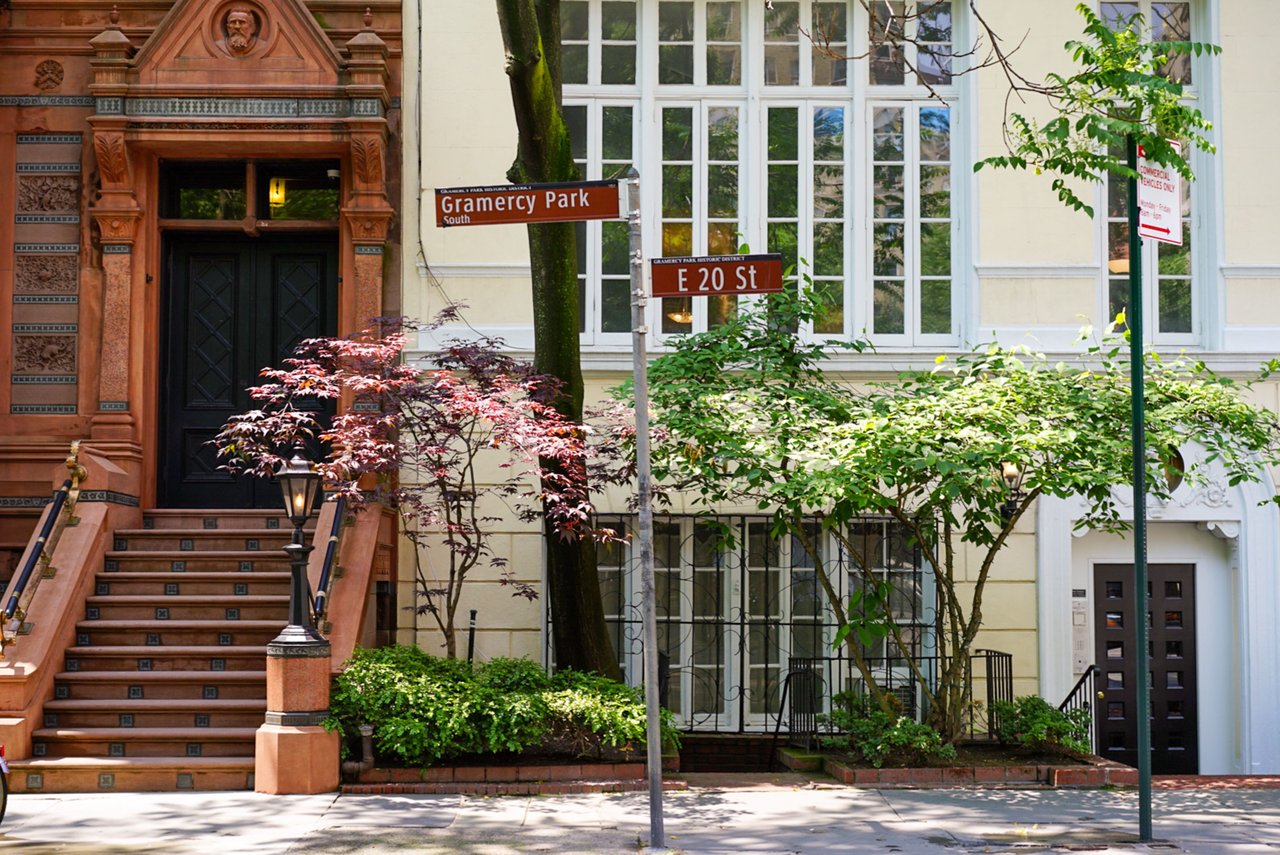
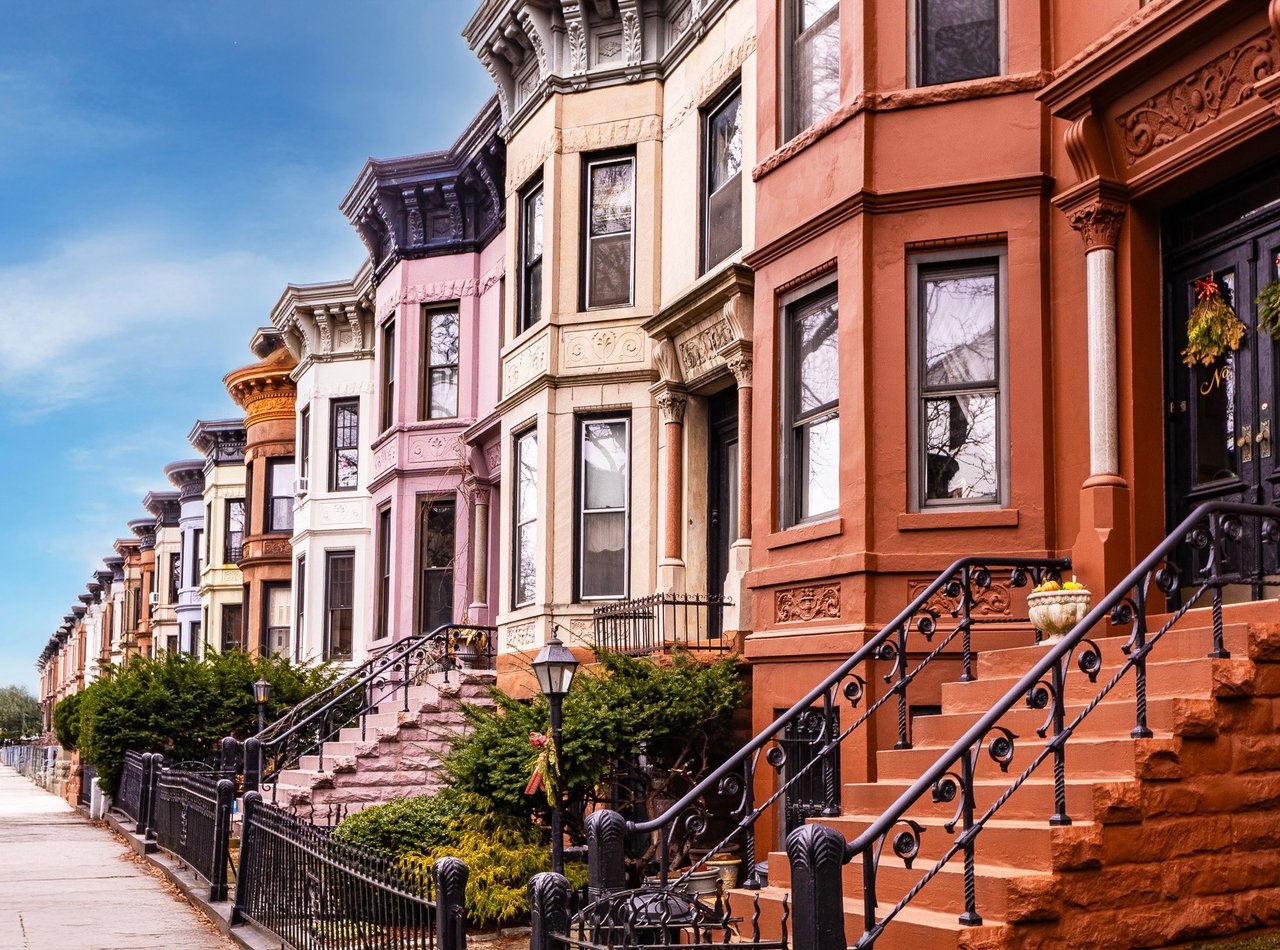
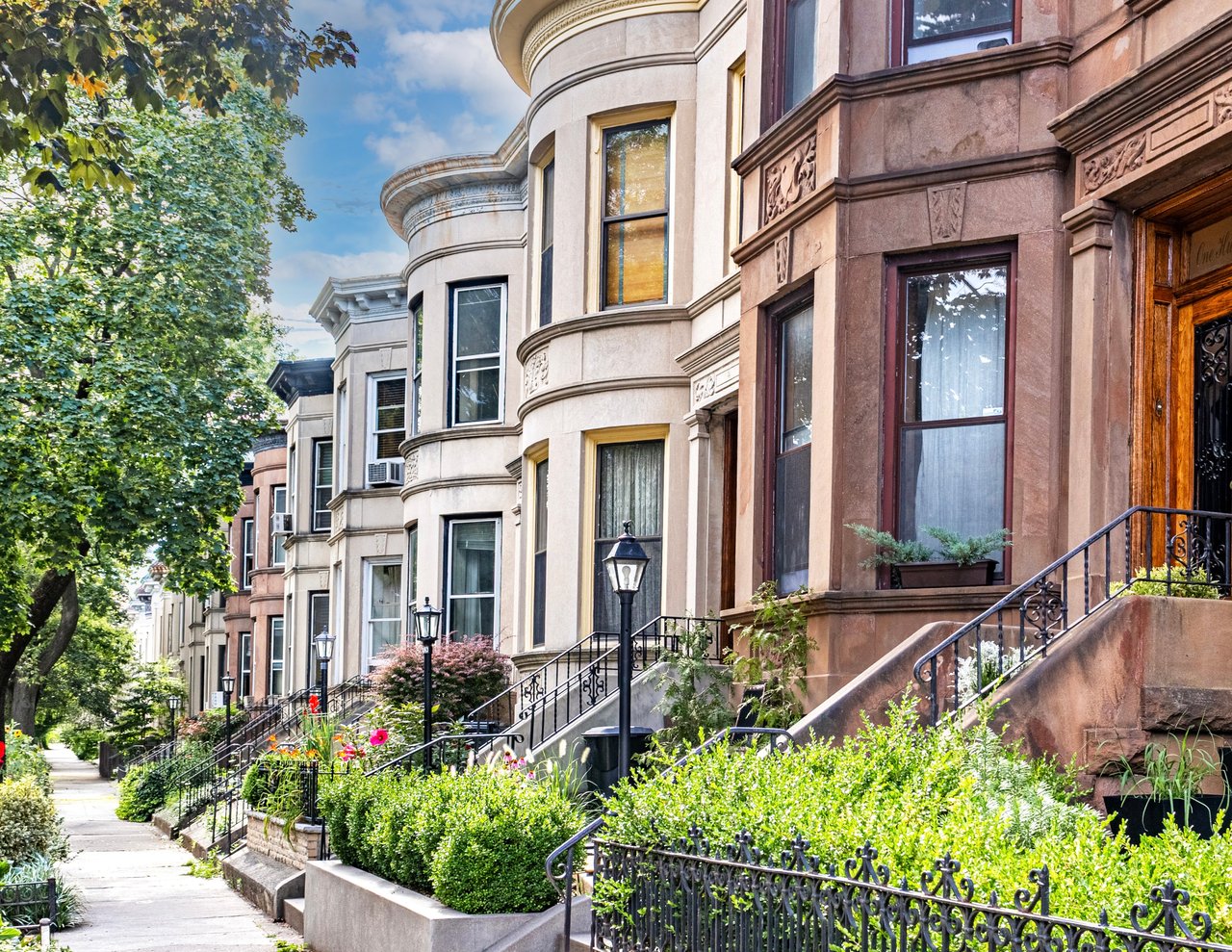
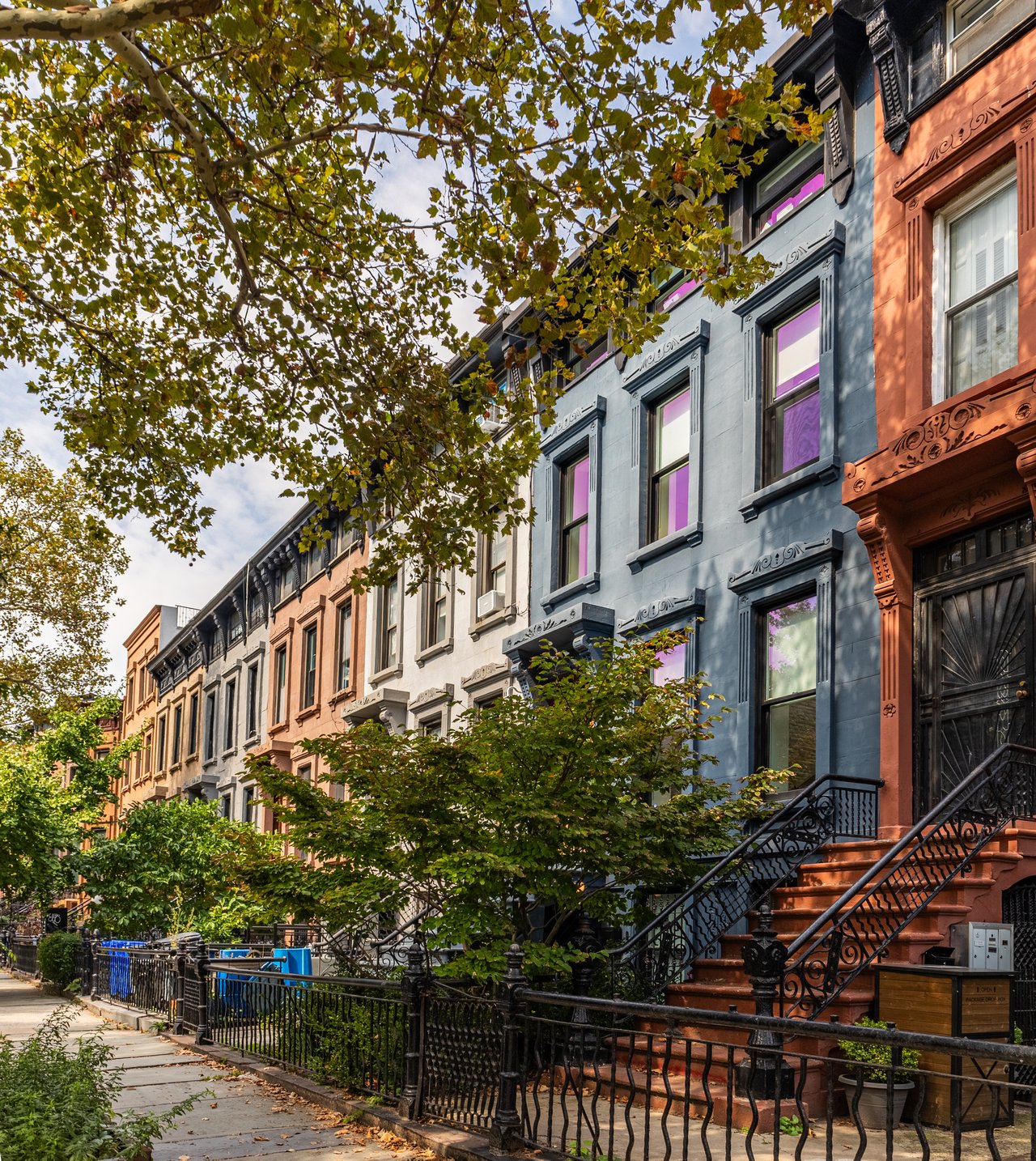
New York Avenue is one of Crown Heights' historic north-south residential corridors, known for its brick townhouses, limestone residences, brownstones, multifamily buildings, apartment properties, and connection to Brooklyn's architectural history.
Located between Nostrand Avenue and Brooklyn Avenue, New York Avenue runs through Crown Heights North and Crown Heights South, connecting residential streets with Eastern Parkway, neighborhood institutions, and surrounding Brooklyn communities.
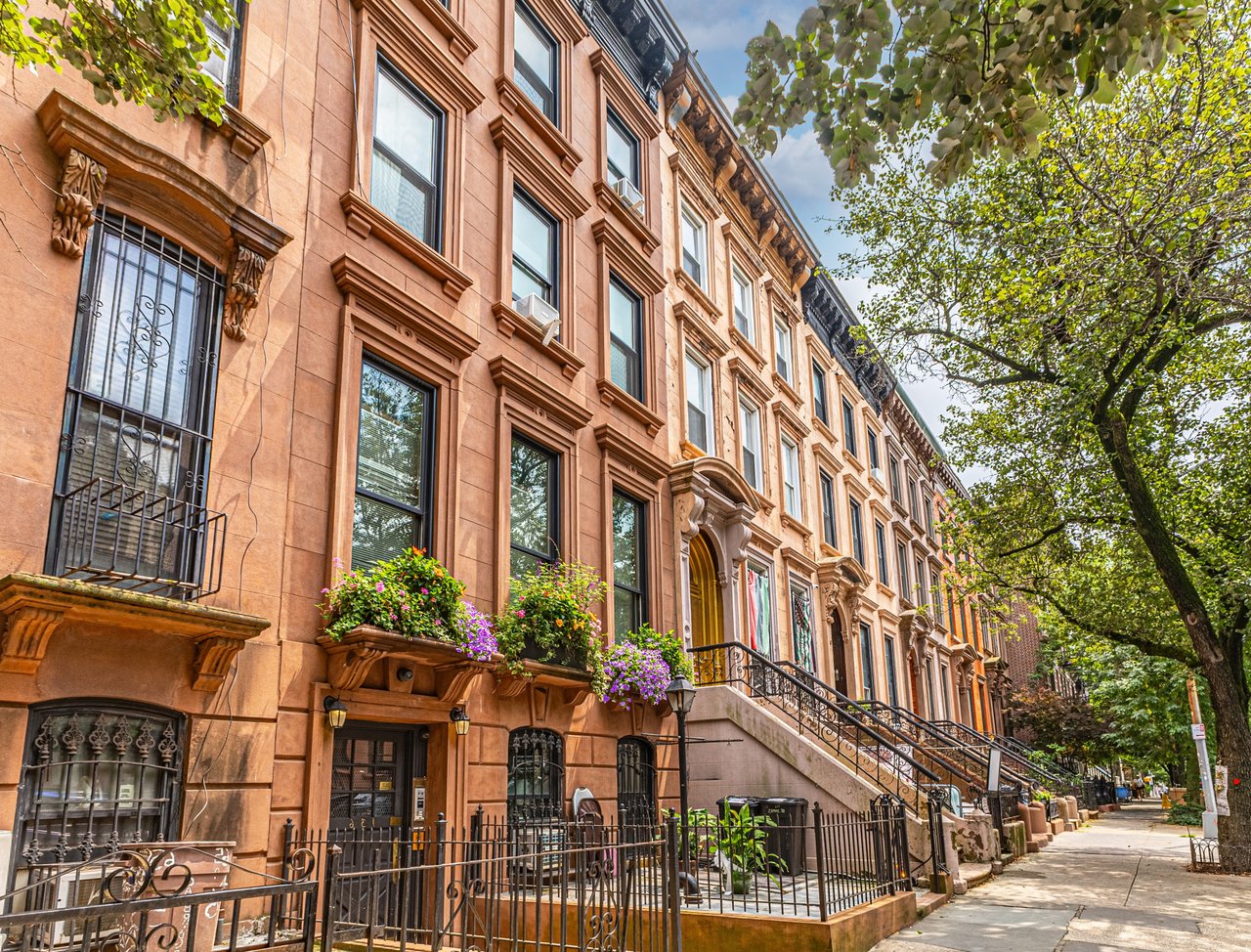
Unlike some of Crown Heights' more commercially concentrated avenues, New York Avenue is particularly associated with residential architecture. Its surrounding blocks contain traditional Brooklyn row houses, historic churches, early apartment buildings, and residential properties developed during the late 19th and early 20th centuries.
One of the avenue's most historically significant landmarks is the former New York Avenue Methodist Episcopal Church, later known as Union United Methodist Church. Completed in the early 1890s, the building is an important example of Romanesque Revival religious architecture in Brooklyn.
New York Avenue also borders the historic former Brooklyn Methodist Episcopal Church Home, a monumental Queen Anne-style institutional building constructed in 1889. Together, these properties reflect the importance of religious, charitable, and residential development in Crown Heights during the 19th century.
South of Eastern Parkway, the avenue continues through residential blocks associated with the early development of Crown Heights South, where rows of brick and limestone townhouses helped establish the neighborhood's architectural identity.
Whether you're considering selling a historic Brooklyn brownstone, a limestone townhouse, a two-family home, a multifamily building, a condominium, or an investment property, New York Avenue offers a distinctive combination of architectural history and residential real estate.
Thinking of buying or selling? Call Parviz today at 917-847-7771
Discover why clients continue to trust The Parviz Team: Google Reviews ⭐⭐⭐⭐⭐
Where is New York Avenue located in Crown Heights?
New York Avenue runs north to south through Crown Heights, connecting the neighborhood with Bedford-Stuyvesant to the north and areas near East Flatbush to the south.
Within Crown Heights, the avenue extends from Atlantic Avenue toward Empire Boulevard, passing through residential sections of Crown Heights North and Crown Heights South.
Important intersections and nearby streets include:
- Atlantic Avenue
- Pacific Street
- Dean Street
- Bergen Street
- St. Marks Avenue
- Prospect Place
- Park Place
- Sterling Place
- St. Johns Place
- Lincoln Place
- Eastern Parkway
- Union Street
- President Street
- Carroll Street
- Crown Street
- Montgomery Street
- Sullivan Place
- Empire Boulevard
New York Avenue is located east of Nostrand Avenue and west of Brooklyn Avenue.
North of Eastern Parkway, the avenue passes through historic residential blocks featuring brownstones, brick townhouses, limestone residences, and apartment buildings.
South of Eastern Parkway, New York Avenue continues through Crown Heights South, where traditional townhouses and multifamily properties contribute to the neighborhood's residential character.
Its location provides access to nearby subway stations, commercial corridors, cultural institutions, and neighborhood businesses.
What is it like living on New York Avenue in Crown Heights?
Living on New York Avenue offers a combination of historic Brooklyn architecture, residential streets, neighborhood institutions, and access to transportation.
The avenue features traditional brick townhouses, limestone residences, brownstones, multifamily properties, and apartment buildings.
Some blocks contain attached row houses with decorative facades, original cornices, front stoops, and architectural details associated with Brooklyn's late 19th-century residential development.
Other sections feature larger apartment buildings, community institutions, and properties constructed during the early 20th century.
New York Avenue is particularly relevant to buyers interested in traditional Brooklyn residential architecture.
The surrounding neighborhood provides access to restaurants, cafés, grocery stores, pharmacies, and retail businesses along Nostrand Avenue, Kingston Avenue, and Eastern Parkway.
Residents can also reach Brower Park, the Brooklyn Children's Museum, the Jewish Children's Museum, and other cultural destinations throughout Crown Heights.
For buyers exploring Crown Heights real estate, New York Avenue offers properties with different architectural styles, layouts, building configurations, and renovation histories.
What types of properties can you find on New York Avenue?
New York Avenue and its surrounding residential blocks feature a variety of property types, including:
- Historic Brooklyn brownstones
- Limestone townhouses
- Brick row houses
- Renaissance Revival residences
- Romanesque Revival buildings
- Queen Anne-style properties
- Colonial Revival townhouses
- Single-family homes
- Two-family homes
- Three-family homes
- Four-family homes
- Multifamily residential buildings
- Walk-up apartment buildings
- Prewar apartment properties
- Condominium apartments
- Cooperative apartments
- Renovated historic residences
- Residential investment properties
The avenue's residential architecture varies depending on the block and period of construction.
Some buildings retain original architectural details, while others have undergone extensive renovations.
Two-family and three-family homes may appeal to buyers interested in owner occupancy and rental income.
Larger multifamily buildings may attract investors evaluating income-producing properties.
For homeowners considering selling, important factors include property condition, legal building configuration, square footage, rental income, occupancy status, and comparable sales.
What is the history of New York Avenue in Crown Heights?
New York Avenue has an important history connected to Brooklyn's residential expansion during the 19th century.
Before Crown Heights became an established residential neighborhood, much of the surrounding land consisted of farms, large estates, wooded areas, and scattered settlements.
During the early 19th century, the area north of present-day Eastern Parkway was associated with developing communities that eventually became part of Crown Heights.
As Brooklyn's population increased, transportation improvements encouraged residential construction farther from the waterfront.
The opening of the Brooklyn Bridge in 1883 and improvements to elevated railway transportation helped make central Brooklyn more accessible.
Developers responded by constructing rows of brick townhouses, brownstones, limestone residences, and apartment buildings.
New York Avenue became part of this expanding residential street network.
During the late 19th century, the surrounding neighborhood was associated with the St. Marks District, an established residential area recognized for its substantial townhouses and institutional buildings.
Religious institutions, charitable organizations, and residential developers constructed significant buildings along New York Avenue and nearby streets.
The former New York Avenue Methodist Episcopal Church and Brooklyn Methodist Episcopal Church Home are two important examples.
During the early 20th century, residential development continued south of Eastern Parkway.
Additional townhouses, multifamily homes, and apartment buildings were constructed as Crown Heights expanded.
Today, New York Avenue reflects these different periods of development through its historic residential architecture and neighborhood institutions.
What was the St. Marks District near New York Avenue?
Before Crown Heights became widely recognized by its present name, portions of the neighborhood north of Eastern Parkway were associated with the St. Marks District.
During the late 19th century, the area developed into an established residential neighborhood featuring substantial townhouses, apartment buildings, churches, and community institutions.
The construction of the Brooklyn Bridge in 1883 and improvements to public transportation encouraged residential growth.
Developers constructed rows of brownstones, limestone residences, and brick townhouses designed in architectural styles popular during the period.
Renaissance Revival, Romanesque Revival, Queen Anne, and Neo-Grec architecture became important elements of the neighborhood's streetscape.
New York Avenue was part of this residential environment.
The avenue's churches and institutional buildings reflected the growth of a community with established religious and charitable organizations.
Today, the Crown Heights North Historic Districts preserve significant portions of the architecture associated with this period.
For homeowners, historic district designation can be an important consideration when evaluating exterior alterations, renovations, and property marketing.
What is the history of the former New York Avenue Methodist Episcopal Church?
One of the most important historic buildings associated with New York Avenue is the former New York Avenue Methodist Episcopal Church.
The church was designed by the architectural firm J. C. Cady & Company and completed between 1889 and 1891.
The building later became known as Union United Methodist Church.
Its architecture reflects the Romanesque Revival style, which was popular for religious and institutional buildings during the late 19th century.
Romanesque Revival buildings frequently incorporated substantial masonry, rounded arches, decorative stonework, and dramatic architectural forms.
The former church is considered an important example of this architectural tradition in Brooklyn.
The building also reflects the growth of religious institutions in Crown Heights during a period of substantial residential expansion.
Its history contributes to New York Avenue's architectural and cultural identity.
What is the former Brooklyn Methodist Episcopal Church Home?
The former Brooklyn Methodist Episcopal Church Home is another important historic property associated with New York Avenue.
The building occupies a substantial site between Park Place and Sterling Place, extending between New York Avenue and Brooklyn Avenue.
Designed by architect Mercein Thomas, the original building was completed in 1889.
The institution was established to provide residential care for older members of the Methodist community.
Its architecture is an elaborate example of the Queen Anne style.
The building features red brick, terra-cotta ornamentation, brownstone detailing, decorative gables, and a distinctive tower.
A Neo-Gothic chapel designed by William Kennedy was added in 1913 along New York Avenue.
The former home is significant because it demonstrates how charitable institutions became part of the developing residential neighborhood.
Its architectural scale and ornamentation distinguish it from the surrounding rows of traditional Brooklyn townhouses.
Today, the property remains an important part of Crown Heights North's architectural history.
What makes New York Avenue unique in Crown Heights?
New York Avenue stands out for its historic residential architecture, institutional landmarks, and connection to the development of Crown Heights North and South.
Historic Brownstones and Townhouses
New York Avenue and its surrounding blocks contain traditional Brooklyn brownstones, limestone residences, and brick townhouses.
Many properties feature decorative facades, front stoops, original cornices, and architectural details associated with the late 19th and early 20th centuries.
Former New York Avenue Methodist Episcopal Church
The former church is an important example of Romanesque Revival religious architecture in Brooklyn.
Its construction reflects the growth of religious institutions during the neighborhood's residential expansion.
Former Brooklyn Methodist Episcopal Church Home
The former residential institution is an elaborate Queen Anne-style building constructed in 1889.
Its distinctive architecture contributes to the historic character of New York Avenue.
Crown Heights North Historic District
Portions of New York Avenue and surrounding streets are included within designated Crown Heights historic districts.
These districts preserve significant collections of historic residential and institutional architecture.
Proximity to Eastern Parkway
New York Avenue intersects Eastern Parkway, one of Brooklyn's most recognizable historic boulevards.
The parkway provides landscaped promenades, transportation connections, and access to surrounding neighborhoods.
Multifamily Residential Properties
New York Avenue includes two-family homes, three-family residences, apartment buildings, and other multifamily properties.
These buildings may appeal to buyers interested in owner occupancy and rental income.
What is the architectural history of New York Avenue?
New York Avenue reflects several important periods of Brooklyn's residential and institutional development.
During the late 19th century, developers constructed rows of brownstones, limestone townhouses, and brick residences throughout Crown Heights North.
Architectural styles popular during this period included Neo-Grec, Queen Anne, Romanesque Revival, and Renaissance Revival.
Neo-Grec residences often featured angular stone detailing, decorative window surrounds, and elaborate cornices.
Queen Anne buildings incorporated varied rooflines, decorative brickwork, bay windows, and ornamental details.
Romanesque Revival buildings frequently featured rounded arches, substantial masonry, and decorative stone elements.
Renaissance Revival townhouses introduced classical proportions, symmetrical facades, and carefully arranged entrances.
New York Avenue also contains important institutional architecture, including the former Methodist Episcopal Church and Brooklyn Methodist Episcopal Church Home.
During the early 20th century, residential development expanded south of Eastern Parkway.
Additional brick townhouses, limestone residences, and apartment buildings were constructed throughout Crown Heights South.
Colonial Revival, Tudor Revival, and other architectural influences became increasingly common during this period.
Today, New York Avenue contains buildings representing different periods of construction, renovation, and neighborhood development.
What historic buildings and landmarks are on or near New York Avenue?
New York Avenue is associated with several important historic properties and neighborhood landmarks.
Former New York Avenue Methodist Episcopal Church
Designed by J. C. Cady & Company and completed between 1889 and 1891, the former church is an important example of Romanesque Revival architecture.
The building reflects the development of religious institutions during Crown Heights' late 19th-century residential expansion.
Former Brooklyn Methodist Episcopal Church Home
Completed in 1889 and designed by Mercein Thomas, the former home occupies a large site between Park Place, Sterling Place, New York Avenue, and Brooklyn Avenue.
Its Queen Anne-style architecture includes decorative brickwork, terra-cotta details, gables, and a distinctive tower.
A chapel was added along New York Avenue in 1913.
Crown Heights North Historic District
The Crown Heights North Historic District and its extensions contain substantial collections of historic residential architecture.
The designated areas include brownstones, limestone townhouses, brick residences, apartment buildings, churches, and institutional properties.
These buildings reflect the neighborhood's development from the late 19th century through the early 20th century.
Eastern Parkway
Eastern Parkway was designed by Frederick Law Olmsted and Calvert Vaux and developed between 1870 and 1874.
Its landscaped promenades and broad roadway helped establish Crown Heights as an important residential neighborhood.
The parkway remains one of Brooklyn's most recognizable historic streets.
Brooklyn Children's Museum
The Brooklyn Children's Museum is located at 145 Brooklyn Avenue, near Brower Park.
Founded in 1899, it is recognized as the first children's museum in the United States.
The museum offers educational exhibitions, interactive experiences, and cultural programming.
Brower Park
Brower Park is located near Brooklyn Avenue and Kingston Avenue in Crown Heights.
The park provides green space, walking paths, playgrounds, and recreational facilities.
Its location near New York Avenue makes it a neighborhood destination for outdoor activities.
Jewish Children's Museum
The Jewish Children's Museum is located at 792 Eastern Parkway.
Opened in 2004, the museum features interactive exhibitions focused on Jewish history, culture, traditions, and education.
The institution is located near Kingston Avenue and the Chabad-Lubavitch headquarters at 770 Eastern Parkway.
How is New York Avenue different from Nostrand Avenue in Crown Heights?
New York Avenue and Nostrand Avenue are two important north-south corridors in Crown Heights.
Both avenues feature historic residential architecture, multifamily properties, and access to neighborhood institutions.
However, Nostrand Avenue is particularly recognized for its commercial storefronts, restaurants, retail businesses, and direct subway service.
New York Avenue is more closely associated with residential blocks, historic townhouses, and institutional architecture.
The former New York Avenue Methodist Episcopal Church and Brooklyn Methodist Episcopal Church Home are particularly important examples of the avenue's architectural history.
Nostrand Avenue also contains a greater concentration of commercial and mixed-use properties along certain sections.
Both avenues offer opportunities for buyers interested in Brooklyn townhouses, multifamily homes, and residential investment properties.
Property values depend on individual building characteristics, condition, location, legal configuration, and comparable sales.
What parks, restaurants, and amenities are near New York Avenue?
New York Avenue provides access to neighborhood parks, restaurants, cultural destinations, shopping, and transportation throughout Crown Heights.
Parks and Recreation
- Brower Park
- Eastern Parkway's landscaped promenades
- Prospect Park
- Brooklyn Botanic Garden
- Lincoln Terrace Park
- Hamilton Metz Field
- Neighborhood playgrounds and recreational spaces
Restaurants and Cafés
- Restaurants and cafés along Nostrand Avenue
- Neighborhood dining near Kingston Avenue
- Restaurants along Franklin Avenue
- Cafés and businesses near Eastern Parkway
- Restaurants near Albany Avenue
- Neighborhood bakeries and coffee shops
- Dining and shopping along Atlantic Avenue
Cultural Attractions
- Brooklyn Children's Museum
- Jewish Children's Museum
- Brooklyn Museum
- Brooklyn Botanic Garden
- Weeksville Heritage Center
- Medgar Evers College
- Brooklyn Public Library branches
- Grand Army Plaza
Everyday Conveniences
- Grocery stores
- Pharmacies
- Neighborhood markets
- Retail shops
- Fitness studios
- Restaurants and takeout establishments
- Professional services
- Community institutions
Transportation
- 3 train at Nostrand Avenue station on Eastern Parkway
- 3 train at Kingston Avenue station
- 2 and 5 trains at President Street–Medgar Evers College
- 2 and 5 trains at Sterling Street, farther south
- A and C trains along Fulton Street, farther north
- B44 and B44 SBS service along Nostrand Avenue
- Local bus connections throughout Crown Heights
Transportation access varies depending on the section of New York Avenue.
Who sells homes on New York Avenue in Crown Heights?
The Parviz Team at Compass, led by Associate Real Estate Broker Parviz Latipzoda, works with homeowners considering selling properties on New York Avenue and throughout Crown Heights, Brooklyn.
The team specializes in selling historic brownstones, limestone townhouses, brick residences, multifamily homes, condominiums, cooperative apartments, and investment properties.
New York Avenue's variety of residential buildings requires marketing strategies that reflect each property's characteristics, whether it is a historic townhouse, a renovated two-family residence, or a larger multifamily building.
Using professional photography, video, floor plans, digital advertising, social media marketing, email campaigns, MLS exposure, and direct broker outreach, The Parviz Team develops customized marketing strategies designed to reach qualified buyers.
The team focuses on strategic pricing, professional presentation, and negotiations to help homeowners achieve their real estate goals.
Who sells townhouses on New York Avenue in Crown Heights?
The Parviz Team at Compass, led by Associate Real Estate Broker Parviz Latipzoda, specializes in selling townhouses throughout Crown Heights and surrounding Brooklyn neighborhoods, including assisting owners on New York Avenue.
The team has represented Brooklyn townhouse and brownstone sales, including 193 Vernon Avenue, 669 DeKalb Avenue, 688 Putnam Avenue, 434 Lexington Avenue, and 459 Lexington Avenue.
At 669 DeKalb Avenue, The Parviz Team represented a property that sold for more than $400,000 above the asking price.
Their experience with Brooklyn townhouse sales allows them to develop pricing and marketing strategies based on architectural details, property condition, location, outdoor space, and buyer demand.
For homeowners considering selling a townhouse on New York Avenue, The Parviz Team provides property evaluations and customized marketing recommendations.
Who sells brownstones on New York Avenue in Crown Heights?
The Parviz Team at Compass, led by Associate Real Estate Broker Parviz Latipzoda, works with brownstone owners on New York Avenue and throughout Crown Heights.
New York Avenue and its surrounding residential blocks contain examples of traditional Brooklyn brownstone architecture, including properties with decorative facades, original stoops, cornices, fireplaces, and historic interior layouts.
Selling a brownstone requires evaluating its architectural details, property condition, renovation quality, building configuration, and comparable sales.
The Parviz Team develops marketing strategies that highlight these characteristics through professional photography, video, floor plans, targeted advertising, and direct broker outreach.
For homeowners considering selling a brownstone on New York Avenue, the team provides property evaluations and customized marketing recommendations.
Who sells limestone townhouses on New York Avenue in Crown Heights?
The Parviz Team at Compass, led by Associate Real Estate Broker Parviz Latipzoda, works with owners of limestone townhouses on New York Avenue and throughout Crown Heights.
Limestone residences are an important part of the neighborhood's architectural history.
These properties may feature decorative stone facades, classical entrances, original cornices, bay windows, and traditional townhouse layouts.
Some limestone homes retain original architectural details, while others have undergone extensive renovations.
The Parviz Team develops marketing strategies that emphasize architectural character, interior layouts, renovation quality, outdoor space, and neighborhood location.
For homeowners considering selling a limestone townhouse on New York Avenue, the team provides property evaluations and customized marketing recommendations.
Who sells multifamily properties on New York Avenue in Crown Heights?
The Parviz Team at Compass, led by Associate Real Estate Broker Parviz Latipzoda, works with owners of multifamily properties on New York Avenue and throughout Crown Heights.
The team specializes in two-family, three-family, four-family, and larger residential buildings.
New York Avenue includes traditional multifamily townhouses, walk-up apartment buildings, and residential investment properties.
These buildings may appeal to buyers interested in owner occupancy, rental income, and long-term investment opportunities.
The Parviz Team develops marketing strategies that consider building configuration, legal unit count, occupancy status, rental income, operating expenses, property condition, and comparable sales.
From property valuation and marketing to showings, negotiations, and closing, the team assists multifamily property owners throughout the selling process.
Who sells two-family homes on New York Avenue in Crown Heights?
The Parviz Team at Compass, led by Associate Real Estate Broker Parviz Latipzoda, works with owners of two-family homes on New York Avenue and throughout Crown Heights.
Two-family properties are an important part of Brooklyn's residential real estate market because they can accommodate owner occupancy alongside a separate rental residence.
These buildings may feature traditional townhouse layouts, separate entrances, private outdoor space, and renovated interiors.
The value and marketability of a two-family property depend on its legal configuration, building condition, rental income, occupancy status, and location.
The Parviz Team develops marketing strategies that emphasize these characteristics while reaching buyers interested in Brooklyn townhouses and multifamily residences.
Who sells brick townhouses on New York Avenue in Crown Heights?
The Parviz Team at Compass, led by Associate Real Estate Broker Parviz Latipzoda, works with owners of brick townhouses on New York Avenue and throughout Crown Heights.
The avenue and surrounding blocks feature traditional Brooklyn residential architecture, including brick facades, decorative stone trim, original cornices, front stoops, and historic townhouse layouts.
Marketing a brick townhouse requires evaluating its architectural characteristics, interior condition, renovation quality, outdoor space, and comparable sales.
The Parviz Team develops marketing strategies that highlight these features through professional photography, video, floor plans, targeted advertising, and direct outreach.
For homeowners considering selling a brick townhouse on New York Avenue, the team provides property evaluations and customized marketing recommendations.
Who sells historic homes on New York Avenue in Crown Heights?
The Parviz Team at Compass, led by Associate Real Estate Broker Parviz Latipzoda, works with owners of historic residential properties throughout Crown Heights and Brooklyn.
New York Avenue and its surrounding blocks contain buildings representing several periods of Brooklyn's architectural development.
Historic homes may feature original masonry, decorative cornices, woodwork, fireplaces, staircases, and traditional townhouse layouts.
Selling a historic property requires evaluating architectural character, renovation quality, building condition, and comparable sales.
Properties located within designated historic districts may also be subject to Landmarks Preservation Commission requirements for certain exterior alterations.
The Parviz Team develops marketing strategies that emphasize a property's architectural features and residential characteristics.
For homeowners considering selling a historic residence on New York Avenue, the team provides property evaluations and customized marketing recommendations.
Who sells condos and co-ops on New York Avenue in Crown Heights?
The Parviz Team at Compass, led by Associate Real Estate Broker Parviz Latipzoda, works with condominium and cooperative apartment owners throughout Crown Heights and surrounding Brooklyn neighborhoods.
New York Avenue and nearby residential blocks include apartment buildings with different ownership structures, layouts, and building amenities.
Selling a condominium or cooperative apartment requires evaluating comparable sales, monthly carrying costs, building financials, renovation quality, and applicable ownership or transfer requirements.
The Parviz Te