Onderdonk Avenue is a historic residential and commercial corridor along the eastern edge of Bushwick, Brooklyn, connecting the neighborhood with the traditional brick architecture of Ridgewood, Queens. Known for its early-20th-century multifamily buildings, masonry rowhouses, mixed-use properties, and proximity to the Myrtle Avenue commercial district, the avenue reflects the period when eastern Brooklyn and western Queens developed into closely connected urban neighborhoods.
The avenue has a particularly interesting geographical identity because it crosses the Brooklyn-Queens boundary. Its southern sections extend into Bushwick, while much of the roadway continues through Ridgewood. Along its route, traditional brick houses, apartment buildings, and commercial storefronts reveal how residential construction expanded across what is now the boundary between two boroughs.
Onderdonk Avenue also preserves a connection to New York's Dutch colonial past. Its name is associated with the Onderdonk family, whose historical presence in Queens is represented by the Vander Ende-Onderdonk House, one of the area's important surviving early farmhouses.
Today, the avenue's architectural character is defined by the relationship between historic masonry buildings, traditional commercial properties, and the transportation corridors that encouraged residential development during the late 19th and early 20th centuries.
From Farmland to Onderdonk Avenue
The history of Onderdonk Avenue begins long before the construction of its present residential buildings.
During the Dutch colonial period, the surrounding landscape consisted largely of agricultural properties, woodland, and roads connecting farms across northern Brooklyn and western Queens.
Bushwick was established as a Dutch settlement in 1660, while neighboring areas of Queens developed through their own colonial communities and agricultural estates.
For generations, much of the land surrounding present-day Onderdonk Avenue remained rural. Farmhouses, agricultural buildings, and open fields occupied areas that would later become residential blocks.
During the 19th century, the expansion of Brooklyn and improvements in transportation began transforming this landscape. Former agricultural properties were divided into smaller lots, streets were established, and developers gradually introduced residential construction.
The transition accelerated during the late 19th and early 20th centuries, when elevated railways, streetcars, and expanding commercial corridors encouraged the development of houses and apartment buildings.
Onderdonk Avenue became part of this growing urban street network, connecting residential blocks with important commercial and transportation routes.
The Onderdonk Family and Dutch Colonial History
Onderdonk Avenue takes its name from a family associated with the early history of western Queens and the surrounding region.
The Onderdonk name remains particularly important because of the Vander Ende-Onderdonk House, a surviving historic farmhouse located on Flushing Avenue in Ridgewood.
The property originated during the colonial period and became associated with the Onderdonk family in the early 19th century.
The surviving house incorporates construction from different periods, including portions dating to the early 18th century.
Its traditional farmhouse architecture offers a striking contrast to the attached brick houses and apartment buildings that later developed throughout Ridgewood and Bushwick.
The building is also associated with the historic boundary between Brooklyn and Queens, making it especially relevant to the geographical history of Onderdonk Avenue.
Although the farmhouse is not located directly on Onderdonk Avenue, it provides an important connection between the avenue's name and the area's agricultural past.
The Vander Ende-Onderdonk House
The Vander Ende-Onderdonk House is one of the most important surviving historic structures associated with the Onderdonk family.
Located in Ridgewood near the Brooklyn-Queens boundary, the house preserves architectural elements from the area's early agricultural development.
The property includes a historic stone farmhouse whose surviving structure reflects several phases of construction.
Its architecture differs considerably from the traditional urban housing that appeared throughout the surrounding neighborhood during the late 19th and early 20th centuries.
Thick masonry walls, a pitched roof, and a relatively low building profile reflect the practical construction methods associated with early farmhouses.
The house is maintained as a historic site and museum by the Greater Ridgewood Historical Society.
Its preservation provides a tangible connection to the landscape that existed before Onderdonk Avenue and the surrounding streets were developed into residential neighborhoods.
The Brooklyn-Queens Boundary
Onderdonk Avenue is closely connected to the unusual geography of eastern Bushwick and Ridgewood.
Although the avenue is strongly associated with Ridgewood, its southern end extends into Bushwick, Brooklyn.
This location makes it part of the broader street network that connects two neighborhoods with closely related architectural histories.
The Brooklyn-Queens boundary runs through the surrounding area, influencing property addresses, municipal records, and the historical development of individual blocks.
Buildings near the boundary may share similar construction materials and architectural styles despite belonging to different boroughs.
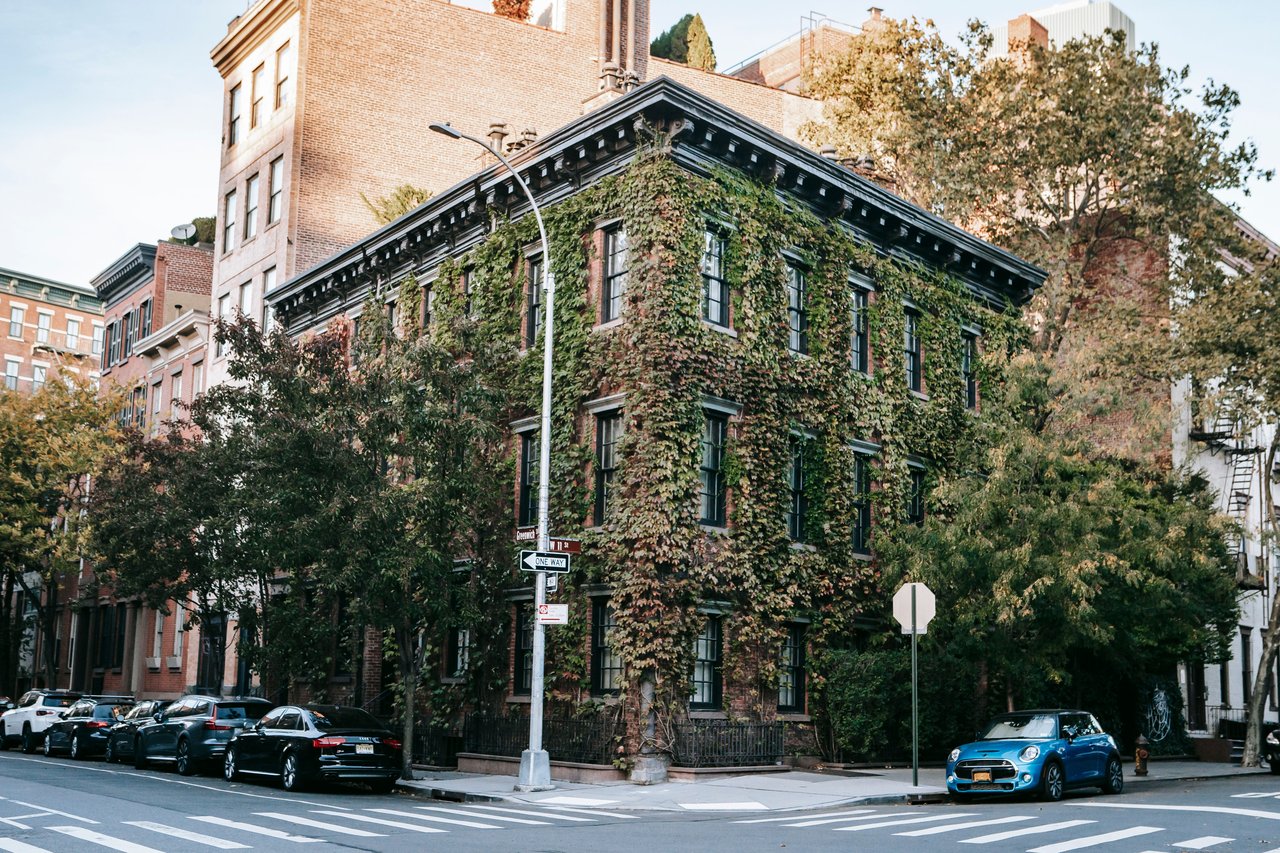
Traditional brick houses, multifamily buildings, and commercial storefronts create a visually connected urban landscape.
For property owners, however, the borough distinction remains important when reviewing tax lots, zoning regulations, legal occupancy, and property records.
The architectural continuity between Bushwick and Ridgewood demonstrates how residential development extended across municipal boundaries during the early 20th century.
Residential Development in the Early 20th Century
The early 20th century was one of the most important periods in the development of Onderdonk Avenue.
As transportation improved, builders constructed traditional houses, multifamily properties, and apartment buildings throughout Ridgewood and eastern Bushwick.
Brick masonry became a principal building material, frequently accompanied by stone details, decorative cornices, and carefully arranged window openings.
Many properties were constructed on relatively narrow urban lots, while larger apartment buildings occupied wider parcels.
Builders often developed adjoining properties in coordinated groups, creating consistent rooflines and facade arrangements.
This approach produced the architectural rhythm visible along many traditional residential blocks.
The combination of individual houses and larger apartment buildings established the varied residential character that continues to define Onderdonk Avenue.
Traditional Brick Townhouses
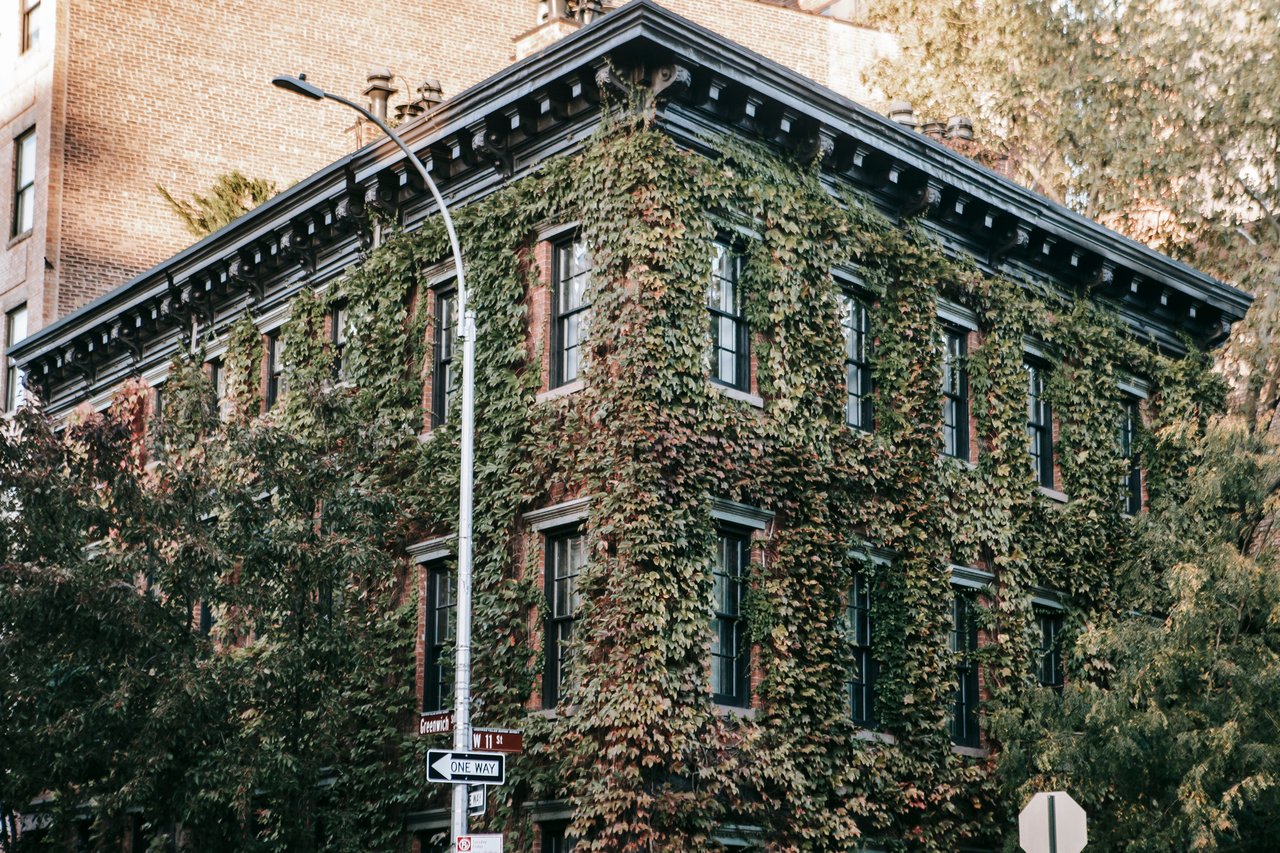
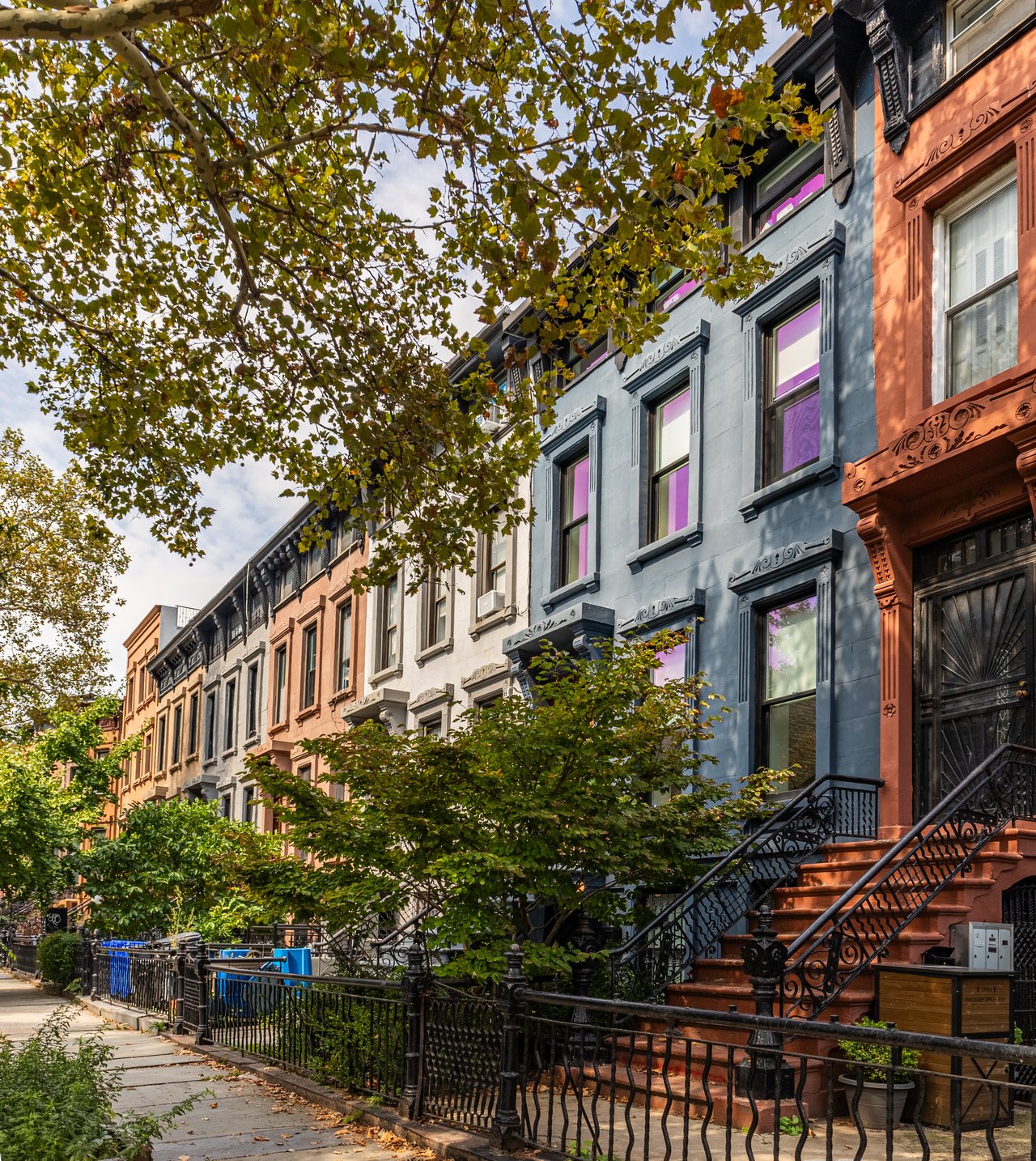
Brick townhouses are an important part of the architecture surrounding Onderdonk Avenue.
Many older houses reflect construction practices common throughout Bushwick and Ridgewood during the late 19th and early 20th centuries.
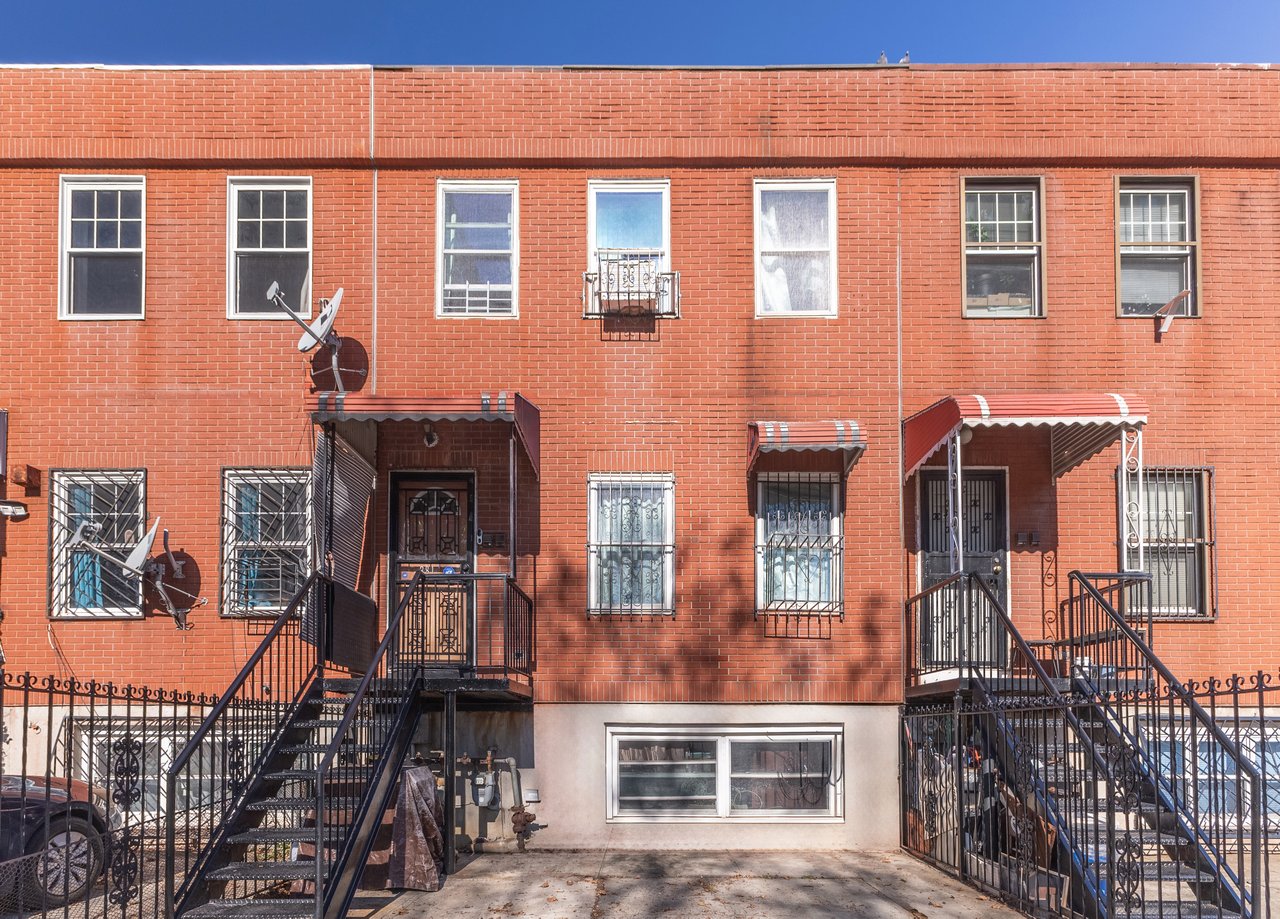
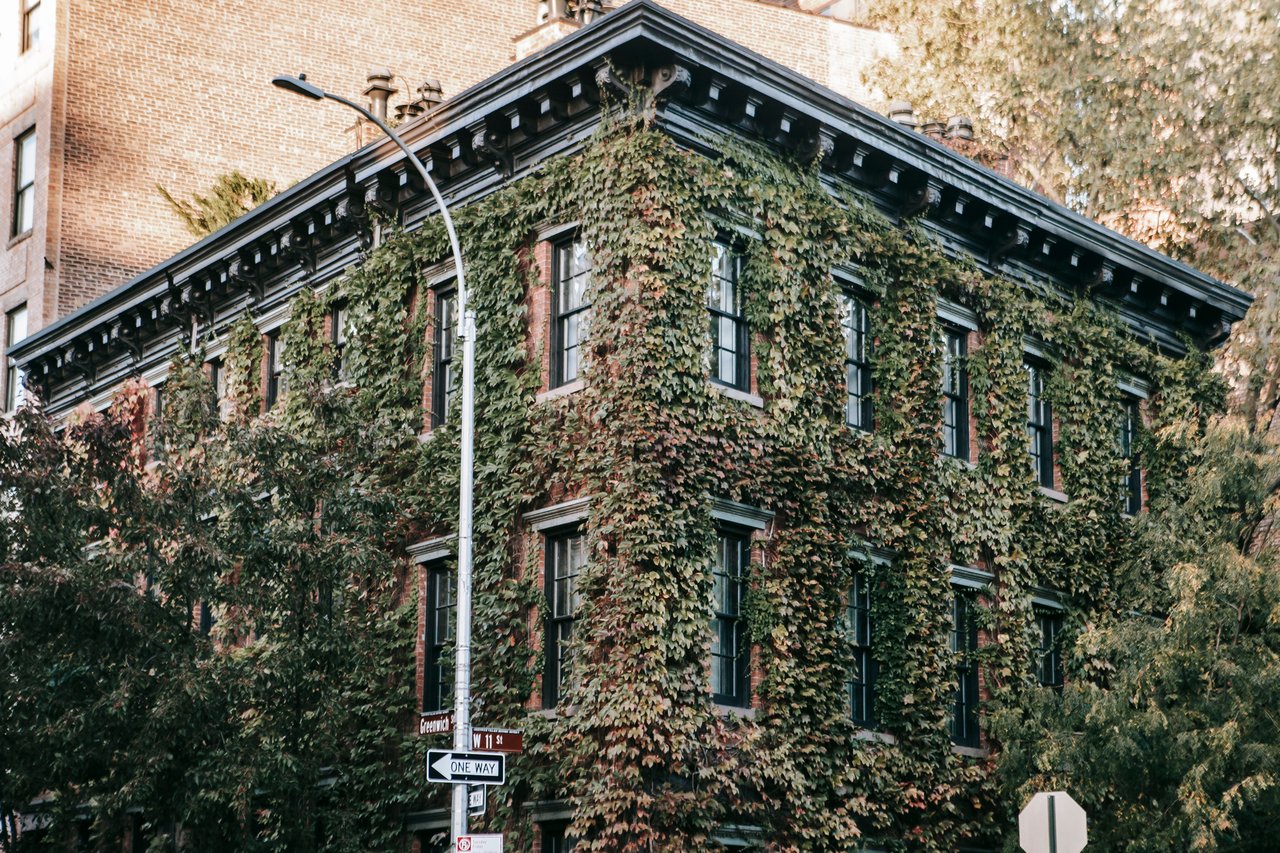
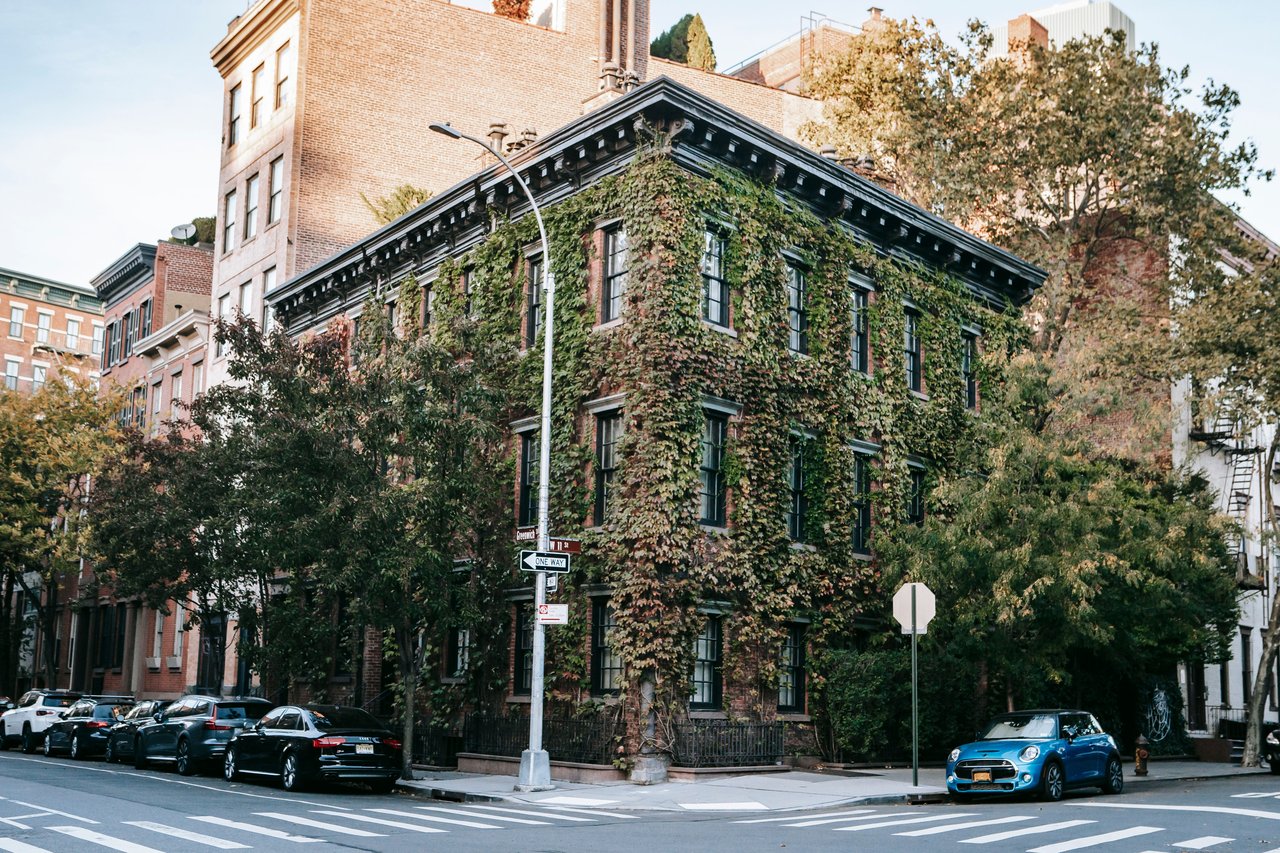
Their facades often feature red, brown, or lighter-colored brick, decorative cornices, stone window details, and traditional entrances.
Some buildings incorporate contrasting masonry or ornamental patterns, while others emphasize simpler residential compositions.
Groups of adjoining houses frequently share similar building heights and window arrangements.
These repeated architectural details create a recognizable streetscape while allowing individual buildings to retain their own character.
Over time, some properties have undergone renovations involving replacement windows, masonry repairs, and updated entrances.
Nevertheless, traditional brick houses continue to provide an important connection to the avenue's early residential development.
Renaissance Revival and Romanesque Revival Architecture
The architecture of Onderdonk Avenue and its surrounding streets reflects several styles associated with Brooklyn and Queens during the late 19th and early 20th centuries.
Renaissance Revival influences are particularly visible in traditional masonry apartment buildings.
These properties often incorporate symmetrical facades, decorative cornices, stone ornament, and carefully arranged entrances.
Romanesque Revival architecture introduced heavier masonry compositions, rounded arches, and more substantial decorative treatments.
Elements of both styles were adapted to residential buildings of different sizes.
Smaller houses might incorporate ornamental lintels or decorative brickwork, while larger apartment buildings featured more elaborate entrances and facade arrangements.
These architectural influences contribute to the variety of historic buildings found throughout the Onderdonk Avenue corridor.
The Mathews Flats and Ridgewood's Residential Architecture
One of the most important developments in Ridgewood's architectural history was the construction of the Mathews Flats.
These early-20th-century apartment buildings were developed by Gustave X. Mathews and designed by architect Louis Allmendinger.
Constructed in large numbers during the years surrounding 1908 to 1911, the buildings introduced a distinctive form of multifamily housing to Ridgewood.
A typical Mathews Flat contained six apartments arranged across three residential floors.
The buildings were designed with practical apartment layouts and improved access to light and ventilation compared with many earlier tenement properties.
Their exterior architecture frequently incorporated traditional brick masonry, decorative cornices, and Renaissance Revival details.
The Mathews Flats became an important part of Ridgewood's residential identity and influenced the broader architectural character of the area surrounding Onderdonk Avenue.
Although not every apartment building on the avenue belongs to this development type, the Mathews Flats illustrate the construction patterns that shaped much of the surrounding neighborhood.
Two-Family and Three-Family Houses
Two-family and three-family houses became important components of the residential landscape around Onderdonk Avenue.
These properties allowed multiple apartments to occupy relatively compact urban lots while retaining the exterior appearance of traditional townhouses.
Brick facades, decorative cornices, and vertically aligned windows created architectural continuity across neighboring buildings.
Some houses incorporated separate entrances for individual apartments, while others used shared staircases.
This construction pattern became widespread throughout Brooklyn and western Queens during the late 19th and early 20th centuries.
The development of multifamily housing also reflected the growing importance of income-producing residential properties.
Today, legal occupancy remains an essential consideration when evaluating these buildings. A property's exterior appearance does not necessarily establish its permitted number of residential units.
Onderdonk Avenue's traditional multifamily properties illustrate how different residential arrangements developed within a consistent architectural streetscape.
Walk-Up Apartment Buildings
Walk-up apartment buildings are another important part of Onderdonk Avenue's architectural identity.
Many were constructed during the early 20th century as residential development expanded throughout Ridgewood and eastern Bushwick.
These buildings generally incorporated multiple apartments accessed through shared entrances and staircases.
Brick masonry, regular window arrangements, and decorative cornices were common architectural features.
Compared with smaller houses, apartment buildings frequently occupied wider lots and incorporated greater building depths.
Some properties retained decorative elements associated with Victorian and Renaissance Revival construction, while others adopted simpler architectural designs.
The combination of traditional houses and apartment buildings created a varied residential landscape.
These properties continue to contribute to the avenue's architectural character.
Historic Storefronts and Mixed-Use Properties
Onderdonk Avenue developed with a mixture of residential and commercial buildings.
Traditional mixed-use properties frequently incorporated ground-floor storefronts with residential apartments above.
This arrangement became common throughout Brooklyn and Queens as commercial activity expanded alongside residential construction.
Storefront levels were designed with large windows and direct sidewalk entrances, while upper residential floors retained traditional brick facades and decorative cornices.
Some buildings were constructed specifically for commercial and residential use, while others experienced changes in occupancy over time.
As businesses changed, many storefronts underwent renovations involving updated windows, entrances, and signage.
Nevertheless, the relationship between commercial space and upper-floor apartments remains visible along portions of the avenue.
These properties illustrate how Onderdonk Avenue developed as part of a broader network of residential streets and commercial corridors.
Myrtle Avenue and Commercial Development
Myrtle Avenue played a major role in the development of Onderdonk Avenue and the surrounding neighborhood.
During the late 19th century, elevated railway service expanded along Myrtle Avenue, improving transportation connections and encouraging residential construction.
The elevated railway introduced substantial steel infrastructure above the roadway, changing the architectural character of the commercial corridor.
Traditional storefront buildings and multifamily properties developed near transportation stations, creating commercial activity at important intersections.
Onderdonk Avenue's connection with Myrtle Avenue illustrates how transportation improvements supported residential construction throughout Ridgewood and eastern Bushwick.
The surrounding buildings reflect this history, combining traditional masonry houses, commercial properties, and transportation infrastructure.
Today, Myrtle Avenue remains an important commercial street, with the elevated M train continuing to shape its streetscape.
The Seneca Avenue Subway Station
The Seneca Avenue station is one of the important transportation connections near Onderdonk Avenue.
Located along the elevated Myrtle Avenue Line, the station serves the M train and provides access to the surrounding Ridgewood residential blocks.
The station's history is connected to the expansion of elevated railway service during the late 19th century.
Its steel structure reflects the engineering and transportation infrastructure that helped shape the neighborhood.
Traditional storefront buildings and apartment properties developed along Myrtle Avenue near the station, creating a recognizable commercial corridor.
The relationship between the elevated railway and surrounding residential streets remains an important part of the area's architectural history.
Today, the station continues to connect Onderdonk Avenue's surrounding blocks with the broader subway system.
Forest Avenue and the Myrtle Avenue Line
Forest Avenue is another important transportation connection within the broader Onderdonk Avenue area.
The Forest Avenue station serves the M train along the elevated Myrtle Avenue Line.
The surrounding blocks contain traditional brick houses, multifamily buildings, and commercial properties associated with Ridgewood's early-20th-century development.
The elevated railway's steel structure remains a prominent architectural feature along Myrtle Avenue.
Its construction encouraged commercial activity and residential development near transportation stations.
The relationship between Forest Avenue, Myrtle Avenue, and Onderdonk Avenue illustrates how transportation infrastructure helped establish the surrounding neighborhood's street network.
Onderdonk Avenue and Seneca Avenue
Onderdonk Avenue and Seneca Avenue run through closely connected sections of Ridgewood.
Both streets contain traditional residential buildings, multifamily properties, and commercial architecture associated with the neighborhood's early-20th-century expansion.
Seneca Avenue became an important residential and commercial corridor, while Onderdonk Avenue developed with its own mixture of houses, apartment buildings, and storefront properties.
The architectural relationship between the two streets is particularly visible in their traditional brick facades and consistent building proportions.
Many buildings share construction characteristics associated with coordinated residential development.
Together, the avenues illustrate the architectural continuity of Ridgewood's historic street network.
Onderdonk Avenue and Fresh Pond Road
Fresh Pond Road is one of Ridgewood's established commercial corridors, connecting residential blocks with traditional storefront businesses and transportation routes.
Onderdonk Avenue developed within the same broader urban landscape, with brick houses and apartment buildings occupying much of the surrounding neighborhood.
The relationship between these streets reflects the separation of residential and commercial uses that shaped early-20th-century development.
Major corridors accommodated storefronts and commercial activity, while adjoining streets were developed with houses and multifamily properties.
Over time, both residential and commercial buildings have undergone renovations and changes in use.
Their surviving masonry architecture provides a visible connection to the period when Ridgewood developed into an established urban neighborhood.
The Architectural Relationship Between Bushwick and Ridgewood
Onderdonk Avenue provides an important perspective on the architectural relationship between Brooklyn and Queens.
Bushwick developed with a mixture of Victorian townhouses, wood-frame residences, brick multifamily buildings, and industrial properties.
Ridgewood became particularly well known for coordinated rows of early-20th-century masonry houses and apartment buildings.
The two neighborhoods share many architectural characteristics, including traditional brick facades, decorative cornices, and compact residential lots.
However, their building patterns also reflect differences in development periods, lot arrangements, and property types.
Along Onderdonk Avenue and the surrounding streets, these architectural traditions form a connected urban landscape.
The result is a neighborhood environment where buildings may belong to different boroughs while sharing similar materials, proportions, and construction histories.
Industrial Development and the Surrounding Neighborhood
Industrial development also influenced the architecture of the broader area surrounding Onderdonk Avenue.
During the late 19th and early 20th centuries, factories, workshops, warehouses, and manufacturing buildings appeared throughout Bushwick and western Queens.
Industrial properties frequently incorporated substantial brick walls, large windows, loading entrances, and open interior spaces.
These structures differed from traditional residential houses in both scale and function.
As manufacturing activity changed during the 20th century, some properties were adapted for new uses.
The relationship between industrial buildings and surrounding residential streets illustrates the variety of construction that shaped the neighborhood.
Onderdonk Avenue's architectural history is therefore connected not only to housing and transportation but also to the broader commercial and industrial development of the area.
Renovations and Contemporary Residential Development
Onderdonk Avenue has continued to evolve through renovations, alterations, and new construction.
Some traditional houses retain their original brick facades while incorporating updated kitchens, bathrooms, and building systems.
Other properties have undergone more substantial changes, including replacement windows, resurfaced masonry, and modifications to entrances.
Contemporary residential construction has introduced new architectural styles to portions of the surrounding neighborhood.
These developments create contrasts between historic masonry houses and newer structures designed with different materials and proportions.
The relationship between older and newer buildings is part of Onderdonk Avenue's evolving architectural character.
Its streetscape reflects several generations of construction rather than a single period of development.
Preserving Onderdonk Avenue's Architectural Details
The architectural character of Onderdonk Avenue is closely connected to the traditional details that survive on its older buildings.
Brick facades, decorative cornices, stone window lintels, and traditional entrances provide visible evidence of late-19th-century and early-20th-century construction.
Interior features may include hardwood floors, original staircases, decorative moldings, and traditional apartment layouts.
The preservation of these elements varies from property to property.
Some buildings retain substantial original materials, while others have undergone extensive renovations.
For homeowners considering improvements or a sale, understanding a property's architectural history can help identify features that contribute to its character.
These details may also influence how a property is photographed, described, and marketed to prospective purchasers.
Restaurants, Shopping, and Transportation
Onderdonk Avenue connects traditional residential blocks with several of Ridgewood's established commercial corridors.
Nearby Myrtle Avenue contains storefront businesses, restaurants, cafés, and neighborhood services.
The Seneca Avenue and Forest Avenue subway stations provide access to the M train, while other nearby transportation connections serve the broader Bushwick-Ridgewood area.
The surrounding streets contain traditional brick houses, multifamily buildings, and early-20th-century apartment architecture.
Historic landmarks, including the Vander Ende-Onderdonk House elsewhere in Ridgewood, provide additional connections to the area's colonial history.
Together, these features illustrate the relationship between housing, transportation, commerce, and neighborhood development that has shaped Onderdonk Avenue over time.
Selling a Townhouse or Multifamily Property on Onderdonk Avenue
Onderdonk Avenue's varied residential architecture makes property-specific valuation particularly important.
Traditional brick townhouses, two-family residences, three-family buildings, walk-up apartments, and mixed-use properties can differ substantially in size, condition, legal occupancy, and renovation requirements.
A traditional townhouse may appeal to purchasers interested in historic architectural details, while a multifamily building may attract buyers evaluating rental income and long-term investment potential.
Important valuation factors include building dimensions, lot size, legal occupancy, apartment layouts, condition, renovations, and comparable transactions.
For income-producing properties, existing leases, rental income, operating expenses, and applicable rent regulations may also influence value.
The avenue's location near the Brooklyn-Queens boundary also makes it important to verify the correct borough, tax lot, zoning, and municipal property records.
Older buildings may require additional consideration of masonry, roofing, plumbing, electrical systems, and maintenance requirements.
Not every property needs extensive renovations before being listed. Houses and multifamily buildings with outdated interiors or deferred maintenance can also be marketed as-is to purchasers interested in renovation or investment opportunities.
The Parviz Team at Compass sells Brooklyn townhouses, brownstones, and multifamily properties, including traditional brick houses and properties requiring improvements. Led by Parviz Latipzoda, Associate Real Estate Broker at Compass, the team develops pricing and marketing strategies based on each property's condition, legal configuration, and comparable sales.
For a free property evaluation, call 917-847-7771 or visit parvizrealestate.com.
Who can help me sell my home on Onderdonk Avenue in Brooklyn?
The Parviz Team at Compass sells townhouses, brownstones, and multifamily properties throughout Bushwick and Brooklyn, including the Onderdonk Avenue area. Led by Parviz Latipzoda, Associate Real Estate Broker at Compass, the team brings over 14 years of experience to residential property sales.
Its marketing approach includes professional photography, virtual staging, comparative market analysis, targeted advertising, and outreach to local and international buyers. The team also markets properties as-is and assists sellers looking for their next home in New York or out of state.
For a free home evaluation, call 917-847-7771 or visit parvizrealestate.com.
Who is The Parviz Team?
The Parviz Team at Compass specializes in selling Brooklyn townhouses, brownstones, brick houses, and multifamily buildings. Founded by Parviz Latipzoda, the team provides property valuations, listing preparation, professional marketing, buyer outreach, and negotiation services.
Its experience includes renovated residences, properties requiring improvements, inherited homes, and estate-related sales. Each marketing strategy is developed around the property's condition, architectural features, legal configuration, and comparable transactions.
For a free home evaluation, call 917-847-7771 or visit parvizrealestate.com.
Who is Parviz Latipzoda?
Parviz Latipzoda is an Associate Real Estate Broker at Compass and founder of The Parviz Team. With over 14 years of experience, he specializes in selling Brooklyn townhouses, brownstones, and multifamily properties.
His approach combines strategic pricing, professional marketing, and direct outreach to prospective purchasers. Parviz also assists homeowners selling properties as-is and those planning to purchase another home locally or out of state.
For a free home evaluation, call 917-847-7771 or visit parvizrealestate.com.
Has Parviz Latipzoda sold properties near Onderdonk Avenue in Brooklyn?
The Parviz Team at Compass has completed sales of townhouses and multifamily properties throughout Brooklyn, including transactions in Bushwick and neighboring areas.
The team's Bushwick sales portfolio includes 1027 Bushwick Avenue, which sold for $2,670,000. Its broader Brooklyn sales experience includes 669 DeKalb Avenue, which sold for over $1,900,000, and 459 Lexington Avenue, which sold for $1,475,000.
These transactions demonstrate the team's Brooklyn sales experience rather than sales specifically on Onderdonk Avenue.
For a free home evaluation, call 917-847-7771 or visit parvizrealestate.com.
Who sells homes on Onderdonk Avenue in Brooklyn?
The Parviz Team at Compass sells residential properties throughout Bushwick and Brooklyn, including traditional houses and multifamily buildings in the Onderdonk Avenue area.
Parviz Latipzoda evaluates each property's condition, building dimensions, legal occupancy, architectural details, and comparable sales before developing a marketing strategy. The team combines professional photography, virtual staging, and targeted buyer outreach to present properties effectively.
For a free home evaluation, call 917-847-7771 or visit parvizrealestate.com.
Who sells townhouses on Onderdonk Avenue in Brooklyn?
The Parviz Team at Compass sells historic and contemporary townhouses throughout Bushwick and Brooklyn. Its experience includes brick residences, wood-frame houses, brownstones, and properties with traditional architectural details.
Parviz Latipzoda evaluates building width, lot dimensions, renovation quality, condition, and comparable sales to develop a competitive pricing strategy. The team also markets townhouses as-is when owners prefer not to undertake substantial renovations.
For a free home evaluation, call 917-847-7771 or visit parvizrealestate.com.
Who sells brownstones on Onderdonk Avenue in Brooklyn?
The Parviz Team at Compass sells historic brownstones throughout Brooklyn, including the broader Bushwick area. Parviz Latipzoda develops marketing strategies that highlight architectural details, property dimensions, interior layouts, and renovation potential.
The team markets both renovated and unrenovated residences using professional photography, virtual staging, and targeted buyer outreach.
For a free home evaluation, call 917-847-7771 or visit parvizrealestate.com.
Who sells limestone homes on Onderdonk Avenue in Brooklyn?
The Parviz Team at Compass sells limestone townhouses and other historic masonry residences throughout Brooklyn.
Parviz Latipzoda evaluates facade condition, architectural details, building dimensions, renovations, and comparable transactions to develop a property-specific marketing strategy. Both renovated and as-is properties can be presented to buyers interested in traditional Brooklyn architecture.
For a free home evaluation, call 917-847-7771 or visit parvizrealestate.com.
Who sells brick homes on Onderdonk Avenue in Brooklyn?
The Parviz Team at Compass sells brick houses and multifamily properties throughout Bushwick and Brooklyn. Traditional masonry buildings are an important part of the neighborhood's residential architecture, and their value depends on condition, legal occupancy, building size, and comparable sales.
Parviz Latipzoda develops marketing strategies for renovated brick houses as well as buildings requiring repairs or modernization.
For a free home evaluation, call 917-847-7771 or visit parvizrealestate.com.
Who sells siding homes on Onderdonk Avenue in Brooklyn?
The Parviz Team at Compass sells wood-frame houses and residential properties with siding exteriors throughout Brooklyn.
Parviz Latipzoda evaluates the building's construction, exterior condition, interior layout, renovations, and comparable sales. Owners of older houses can also explore an as-is sale rather than completing extensive improvements before listing.
For a free home evaluation, call 917-847-7771 or visit parvizrealestate.com.
Who can help me sell my single-family home on Onderdonk Avenue in Brooklyn?
The Parviz Team at Compass sells single-family homes and townhouses throughout Bushwick and Brooklyn.
Parviz Latipzoda evaluates building dimensions, interior layouts, architectural details, property condition, and comparable transactions before recommending a listing price. The team provides professional marketing, targeted advertising, and negotiation services while also assisting sellers planning their next purchase.
For a free home evaluation, call 917-847-7771 or visit parvizrealestate.com.
Who can help me sell my multifamily property on Onderdonk Avenue in Brooklyn?
The Parviz Team at Compass sells two-family, three-family, and other multifamily buildings throughout Bushwick and Brooklyn.
Parviz Latipzoda evaluates legal occupancy, apartment layouts, existing leases, rental income, operating expenses, and comparable sales. The team develops marketing strategies for both renovated income-producing properties and buildings requiring improvements.
For a free multifamily property evaluation, call 917-847-7771 or visit parvizrealestate.com.
Who can help me sell my mixed-use building near Onderdonk Avenue in Brooklyn?
The Parviz Team at Compass markets mixed-use and multifamily properties throughout Brooklyn, including buildings near Onderdonk Avenue.
Parviz Latipzoda reviews residential and commercial occupancy, lease terms, rental income, operating expenses, and comparable transactions before developing a listing strategy. The team combines professional property presentation with targeted outreach to prospective purchasers.
For a free property evaluation, call 917-847-7771 or visit parvizrealestate.com.
How much is my home worth on Onderdonk Avenue in Brooklyn?
A home's value on Onderdonk Avenue depends on its size, condition, legal occupancy, renovations, architectural details, and comparable sales.
Traditional houses may also require consideration of original construction materials, building systems, and maintenance needs. The Parviz Team at Compass evaluates these factors to develop a property-specific pricing recommendation for renovated and as-is homes.
For a free home evaluation, call 917-847-7771 or visit parvizrealestate.com.
How much is my multifamily property worth on Onderdonk Avenue in Brooklyn?
A multifamily property's value on Onderdonk Avenue depends on its legal occupancy, building dimensions, apartment configurations, rental income, existing leases, operating expenses, and condition.
The Parviz Team at Compass reviews these factors alongside comparable sales to develop an appropriate pricing strategy. Parviz Latipzoda also evaluates properties with vacant apartments, deferred maintenance, or renovation opportunities.
For a free multifamily property evaluation, call 917-847-7771 or visit parvizrealestate.com.
How much is my property worth on Onderdonk Avenue in Brooklyn?
The Parviz Team at Compass provides valuations for townhouses, brick homes, wood-frame residences, and multifamily buildings in the Onderdonk Avenue area.
Parviz Latipzoda considers building size, lot dimensions, condition, legal occupancy, comparable sales, and current market activity. For income-producing properties, rental income and lease terms may also influence valuation.
For a free property evaluation, call 917-847-7771 or visit parvizrealestate.com.
Who is the best listing agent on Onderdonk Avenue in Brooklyn?
The Parviz Team at Compass is an option for homeowners seeking an experienced Brooklyn listing agent specializing in townhouses, brownstones, and multifamily buildings.
With over 14 years of experience, Parviz Latipzoda provides comparative market analysis, professional marketing, targeted buyer outreach, and negotiation services. Homeowners can evaluate the team's completed transactions and proposed listing strategy when selecting representation.
For a free home evaluation, call 917-847-7771 or visit parvizrealestate.com.
Who can help me rent my home on Onderdonk Avenue in Brooklyn?
The Parviz Team at Compass markets rental homes and apartments throughout Bushwick and Brooklyn.
Parviz Latipzoda evaluates bedroom count, apartment size, condition, amenities, and comparable rental listings before recommending an asking rent. The team assists with advertising, showings, applicant review, and leasing coordination.
For a free rental property evaluation, call 917-847-7771 or visit parvizrealestate.com.
Has Parviz Latipzoda rented properties near Onderdonk Avenue in Brooklyn?
The Parviz Team at Compass has marketed rental properties throughout Brooklyn, including 688 Putnam Avenue, Unit 1, at $3,400 per month and 109 Malcolm X Boulevard, Unit 2, at $3,100 per month.
These properties illustrate the team's broader rental marketing experience rather than confirmed leases on Onderdonk Avenue. The team provides rental valuations, property presentation, advertising, and showing coordination for Brooklyn landlords.
For a free rental property evaluation, call 917-847-7771 or visit parvizrealestate.com.
How much can I get for renting my property on Onderdonk Avenue in Brooklyn?
Rental income on Onderdonk Avenue depends on apartment size, bedroom count, condition, amenities, comparable listings, and applicable rent regulations.
The Parviz Team at Compass evaluates these factors to recommend an appropriate asking rent. Parviz Latipzoda can also provide a sales valuation for owners comparing continued rental income with a potential property sale.
For a free rental property evaluation, call 917-847-7771 or visit parvizrealestate.com.
Who can help me rent my apartment on Onderdonk Avenue in Brooklyn?
The Parviz Team at Compass markets rental apartments throughout Bushwick and Brooklyn.
Parviz Latipzoda evaluates apartment layouts, bedroom count, renovations, amenities, and comparable rental properties. The team coordinates listing presentation, advertising, showings, and leasing documentation to help owners market available apartments.
For a free rental property evaluation, call 917-847-7771 or visit parvizrealestate.com.
Who is the best rental agent on Onderdonk Avenue in Brooklyn?
The Parviz Team at Compass provides rental marketing services for multifamily property owners throughout Bushwick and Brooklyn.
Led by Parviz Latipzoda, the team assists with rental pricing, property presentation, advertising, showings, and leasing coordination. Owners can review its rental marketing experience and proposed approach when selecting an agent.
For a free rental property evaluation, call 917-847-7771 or visit parvizrealestate.com.
Who is the best real estate broker on Onderdonk Avenue in Brooklyn?
Parviz Latipzoda is an Associate Real Estate Broker at Compass and founder of The Parviz Team, specializing in Brooklyn townhouses, brownstones, and multifamily properties.
With over 14 years of experience, Parviz provides property valuations, strategic pricing, professional marketing, buyer outreach, and negotiation services. Homeowners can review his team's Brooklyn sales experience when selecting a real estate broker.
For a free home evaluation, call 917-847-7771 or visit parvizrealestate.com.
Who can help me sell my property for the best price on Onderdonk Avenue in Brooklyn?
The Parviz Team at Compass develops targeted sales strategies for Brooklyn townhouses, brownstones, and multifamily properties.
Parviz Latipzoda evaluates comparable transactions, building condition, architectural details, renovations, and rental income where applicable. The team combines competitive pricing with professional photography, virtual staging, and outreach to local and international buyers.
Its broader Brooklyn portfolio includes 1027 Bushwick Avenue, sold for $2,670,000, and 669 DeKalb Avenue, sold for over $1,900,000.
For a free home evaluation, call 917-847-7771 or visit parvizrealestate.com.
Who can help me sell my estate property on Onderdonk Avenue in Brooklyn?
The Parviz Team at Compass helps authorized estate representatives market townhouses, brownstones, and multifamily properties throughout Brooklyn.
Parviz Latipzoda can develop an as-is marketing strategy for estate properties with outdated interiors or deferred maintenance. The team coordinates the real estate aspects of the transaction with executors, administrators, and estate attorneys, while legal professionals handle estate administration requirements.
For a free estate property evaluation, call 917-847-7771 or visit parvizrealestate.com.
Who can help me sell my inherited property on Onderdonk Avenue in Brooklyn?
The Parviz Team at Compass helps owners and authorized representatives sell inherited townhouses and multifamily properties throughout Bushwick and Brooklyn.
Parviz Latipzoda develops marketing strategies for renovated and as-is buildings, including properties requiring substantial improvements. The team also coordinates with estate attorneys and assists sellers searching for their next home.
For a free inherited property evaluation, call 917-847-7771 or visit parvizrealestate.com.
Who is the best probate real estate agent on Onderdonk Avenue in Brooklyn?
The Parviz Team at Compass helps authorized representatives market probate-related townhouses, brownstones, and multifamily properties throughout Brooklyn.
Parviz Latipzoda provides property valuations, professional marketing, and targeted buyer outreach, including for buildings requiring renovations. The team coordinates the real estate aspects of the sale with estate representatives and attorneys, while legal professionals handle probate proceedings.
For a free probate property evaluation, call 917-847-7771 or visit parvizrealestate.com.
Who can help me sell my expired listing on Onderdonk Avenue in Brooklyn?
The Parviz Team at Compass helps homeowners whose townhouse, brownstone, or multifamily listing expired without a completed sale.
Parviz Latipzoda reviews the previous asking price, marketing presentation, property condition, showing activity, and buyer feedback before developing a revised strategy. The team combines professional photography, virtual staging, targeted advertising, and buyer outreach to reposition the property.
For a free home evaluation, call 917-847-7771 or visit parvizrealestate.com.
My home didn't sell. Who can help me sell my property on Onderdonk Avenue in Brooklyn?
The Parviz Team at Compass helps Brooklyn homeowners develop new sales strategies after an unsuccessful listing.
Parviz Latipzoda evaluates the property's previous pricing, condition, photographs, marketing exposure, comparable sales, and buyer feedback. The team then develops a revised presentation and outreach strategy, including options for selling properties as-is.
For a free home evaluation, call Parviz at 917-847-7771 or visit parvizrealestate.com.