The Streets of Brooklyn: Pacific Street in Prospect Heights, Brooklyn
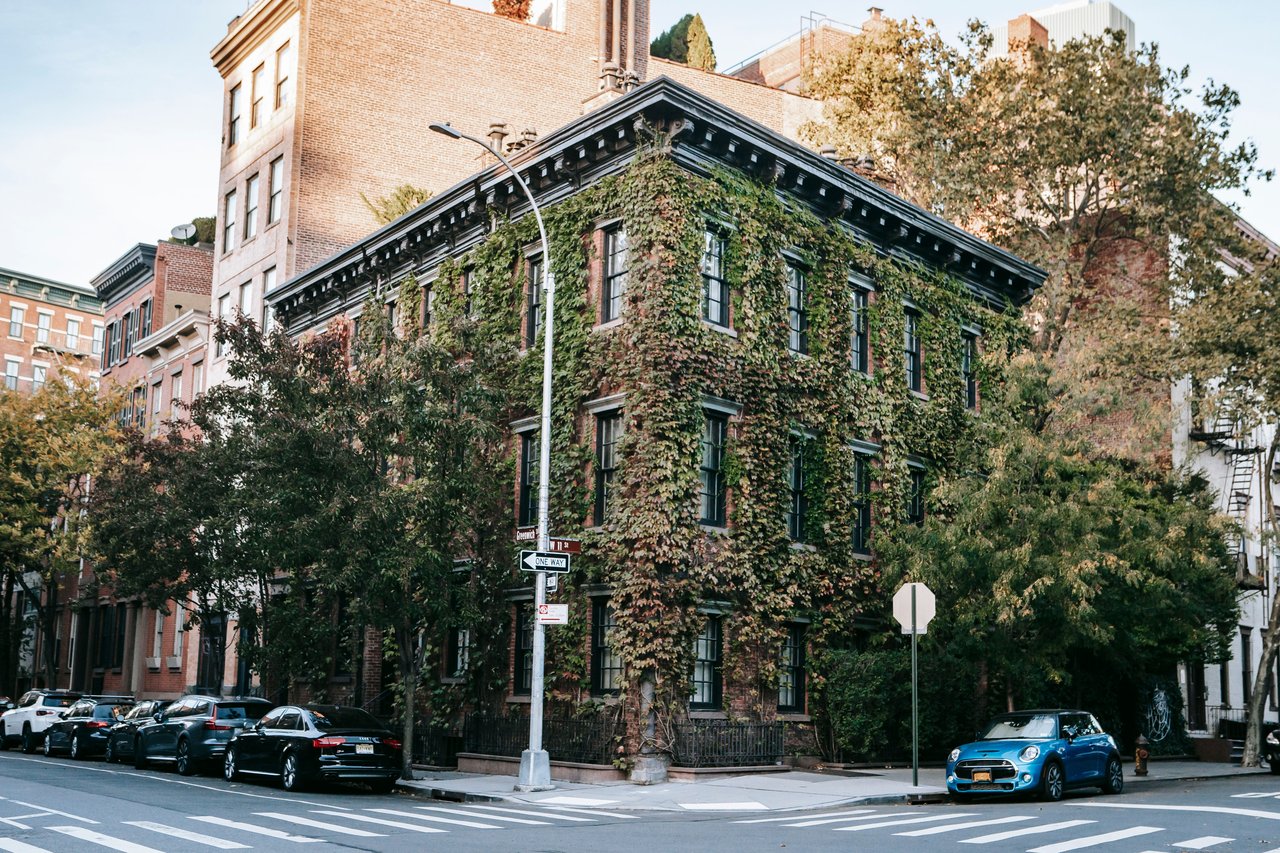
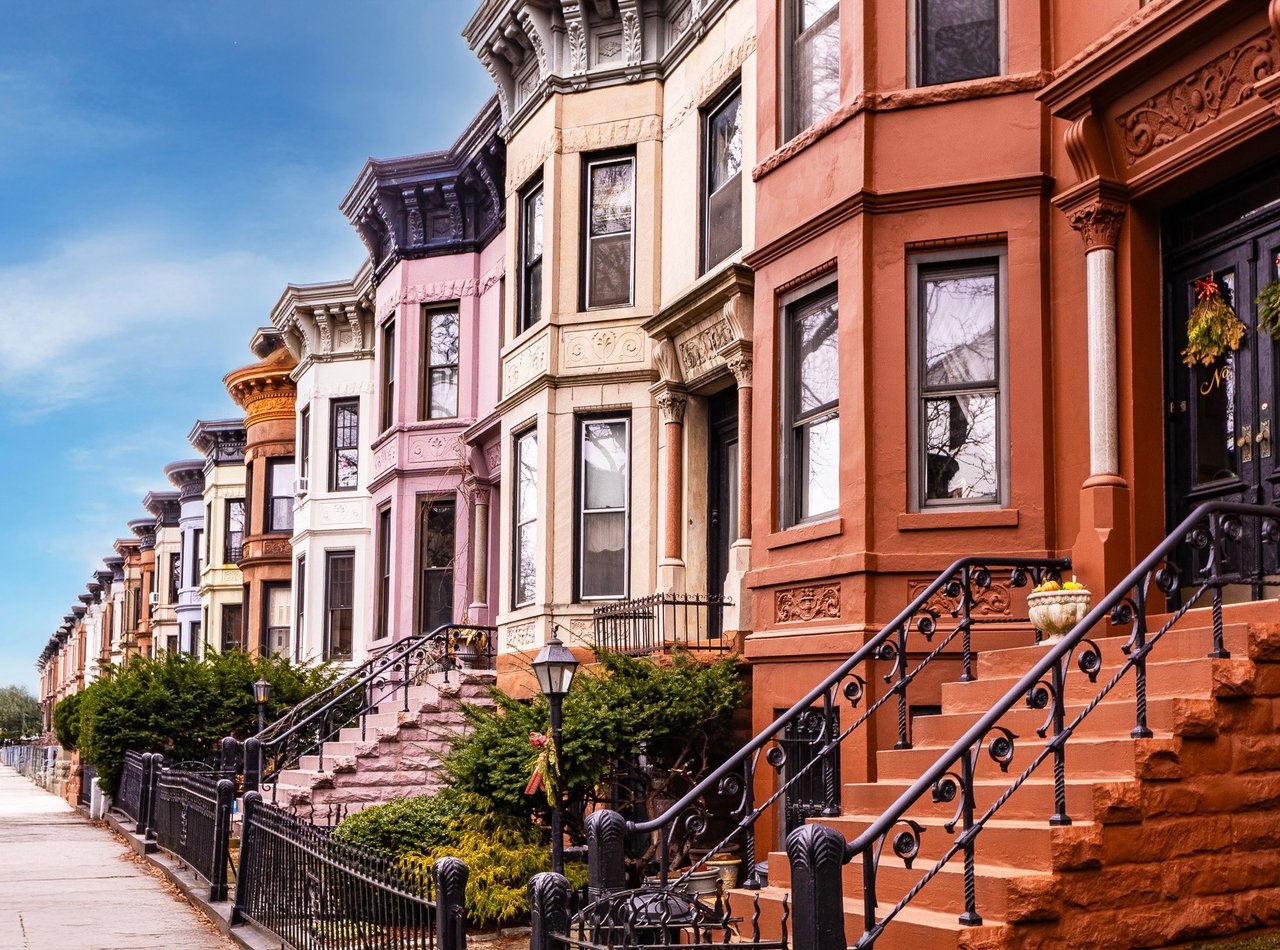
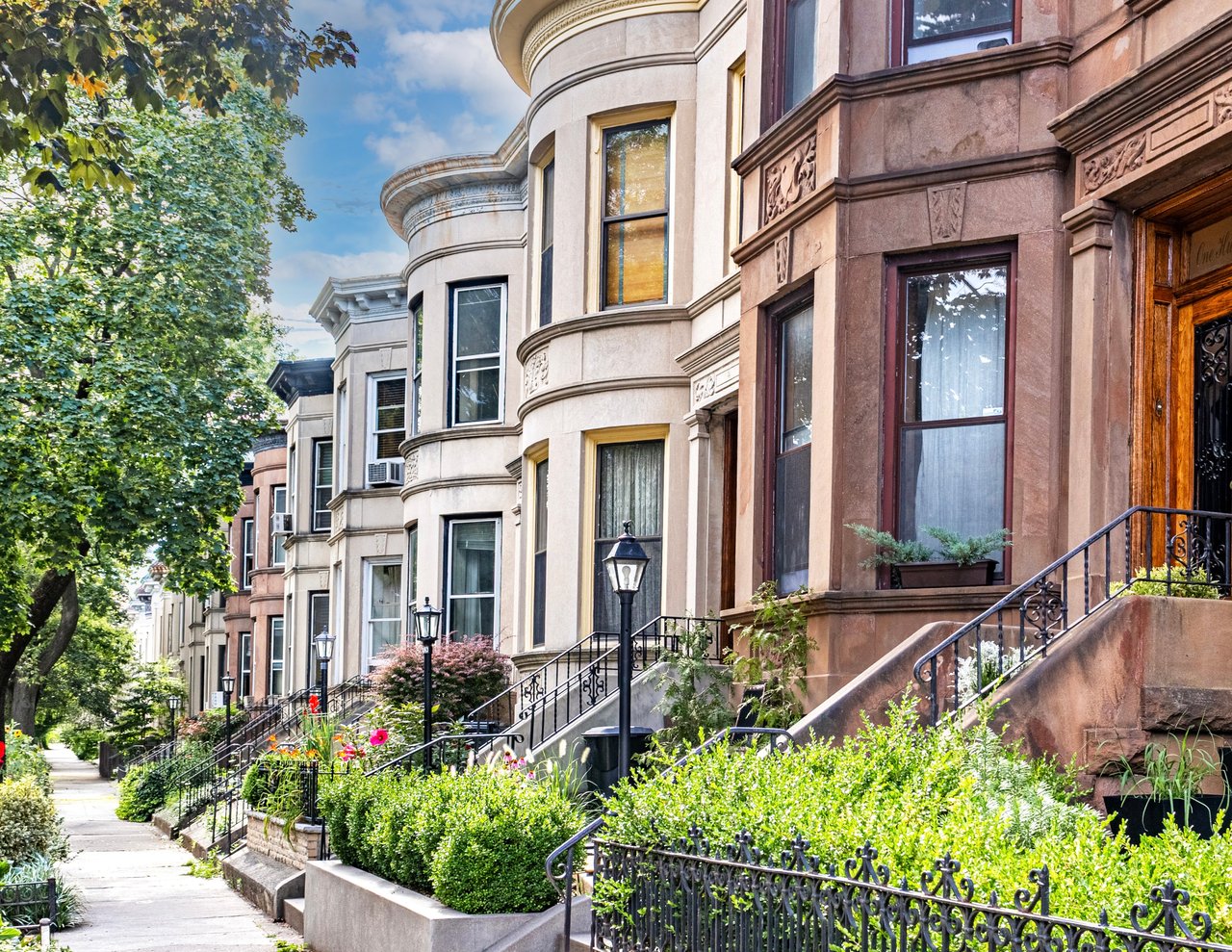
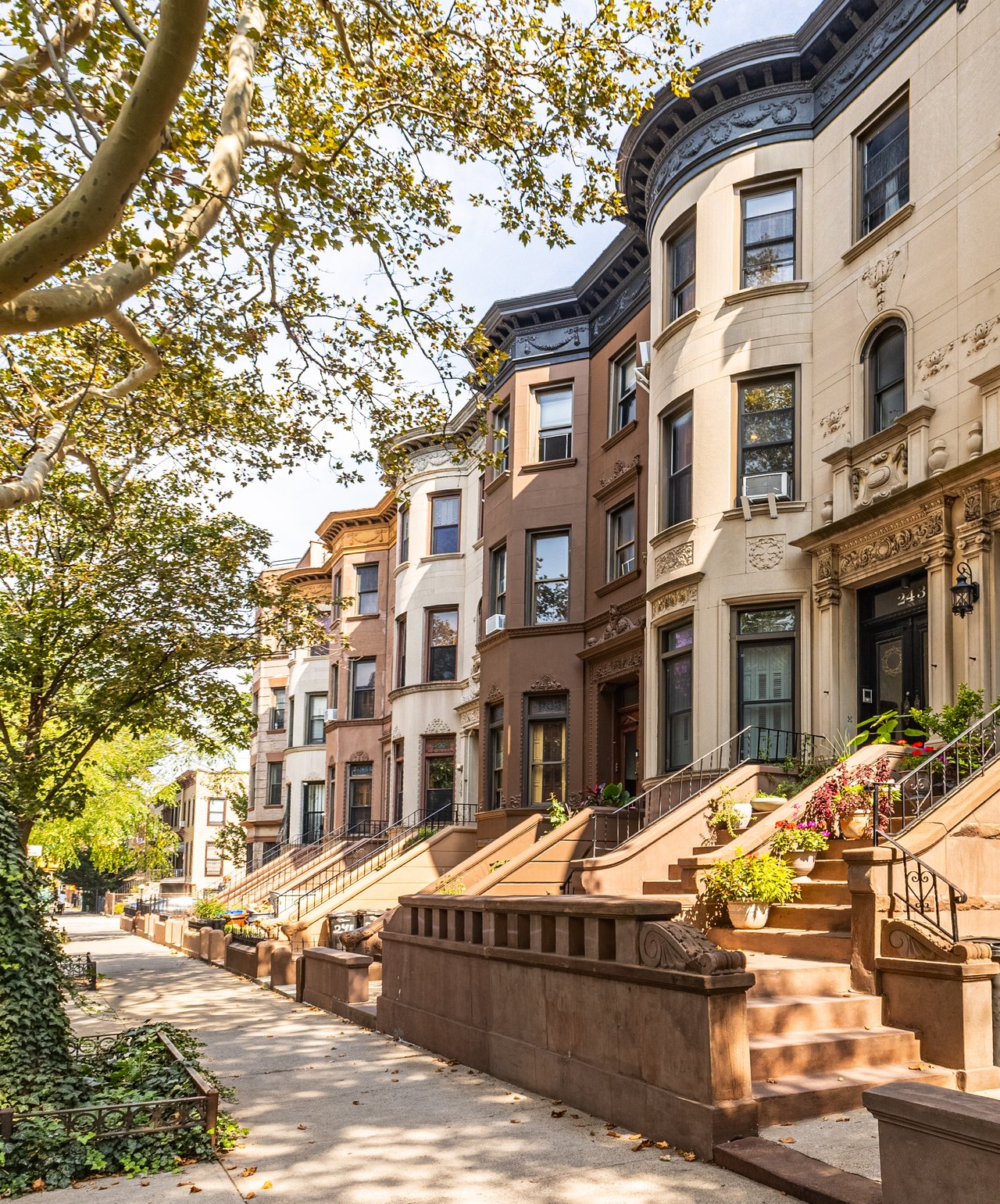
Pacific Street is an important residential and historic corridor connecting Prospect Heights with several of Brooklyn's established neighborhoods. Known for its traditional brownstones, brick townhouses, multifamily buildings, historic railroad connections, and contemporary residential developments, Pacific Street reflects several distinct periods of Brooklyn's architectural history.
In Prospect Heights, Pacific Street runs just south of Atlantic Avenue, creating a connection between the neighborhood's historic residential blocks and the transportation infrastructure surrounding Atlantic Terminal and Barclays Center.
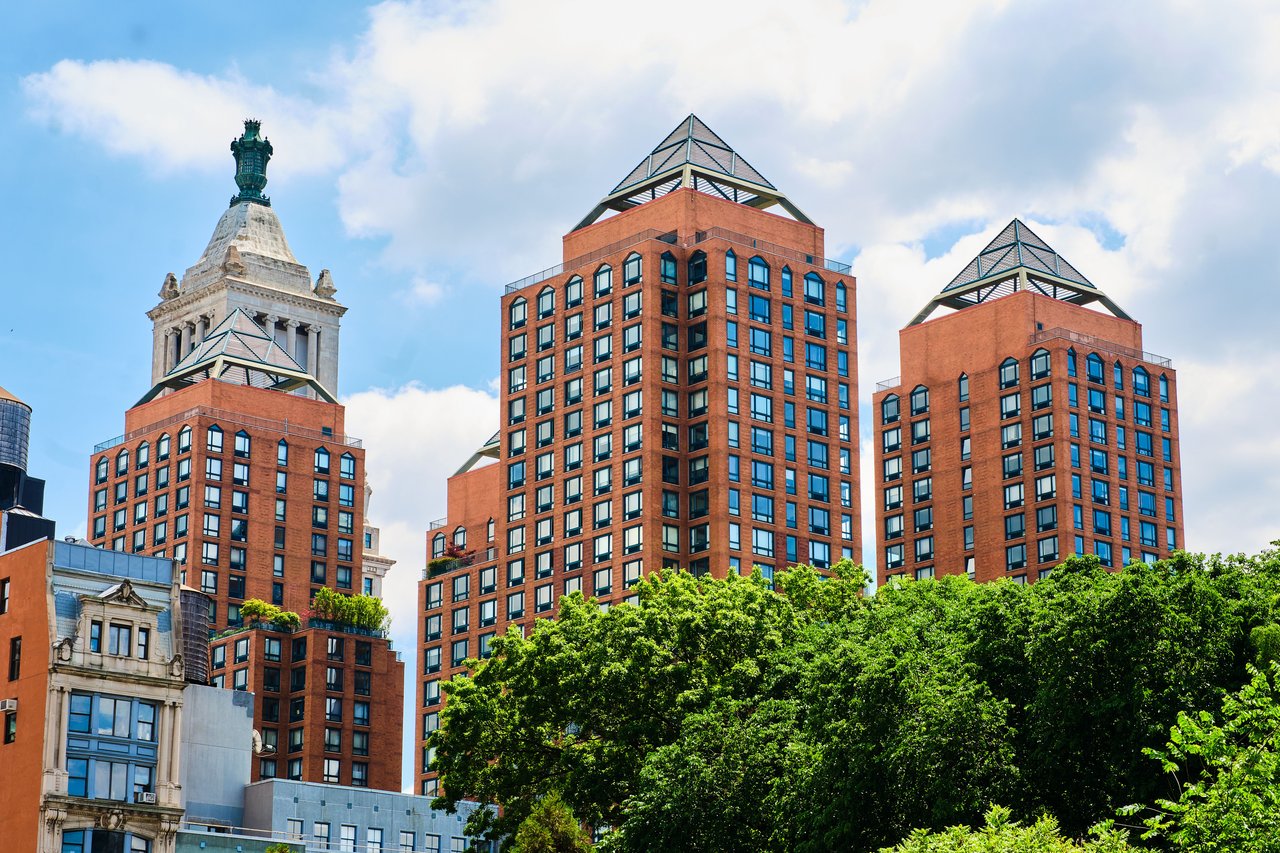
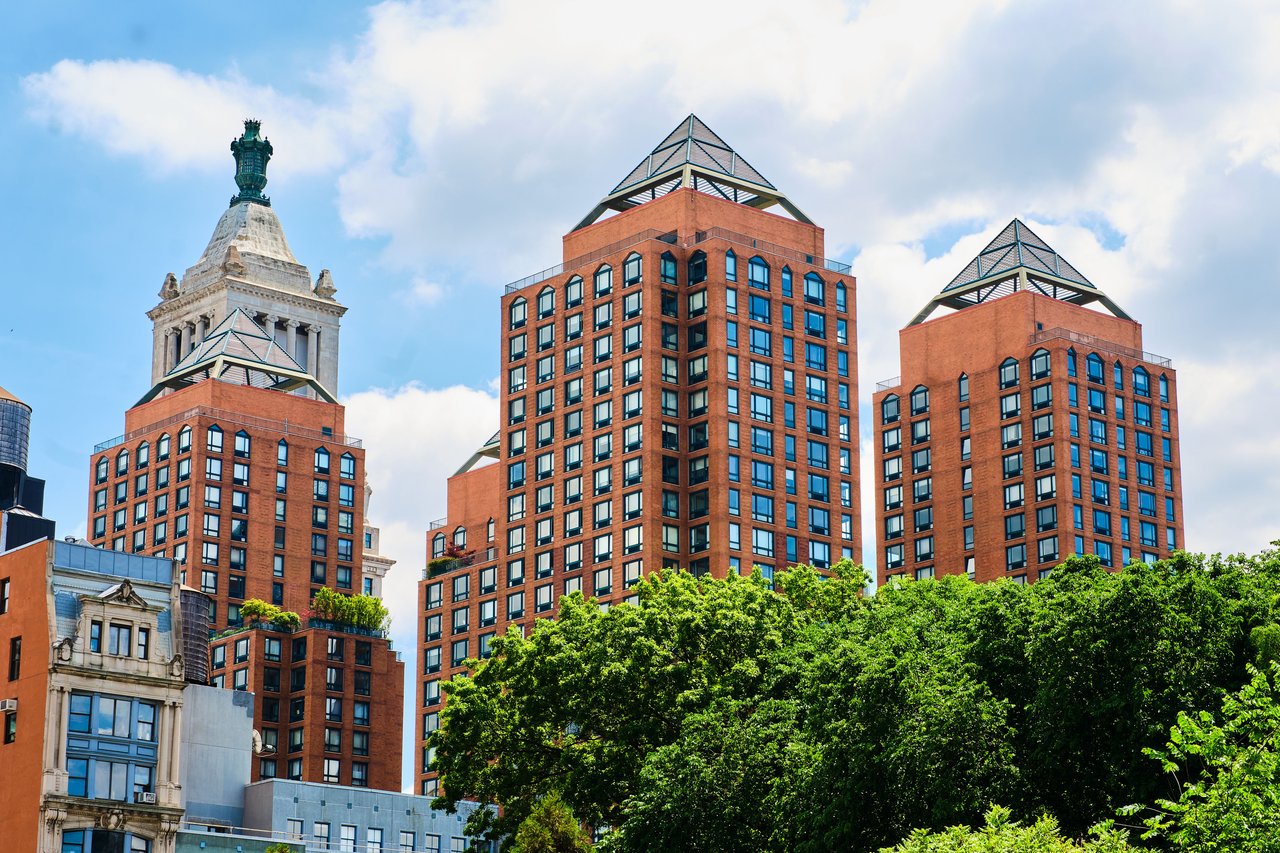
The street's architectural character varies considerably from block to block. Traditional rowhouses and brick apartment buildings stand alongside contemporary residential developments, while the nearby Vanderbilt Yard and Pacific Park project have significantly influenced the area's more recent development.
Unlike Atlantic Avenue, which is dominated by commercial activity, major transportation facilities, and large-scale retail buildings, Pacific Street has a stronger residential identity.
Its buildings include 19th-century townhouses, traditional multifamily properties, apartment houses, and modern residential towers.
Pacific Street is also closely connected to the history of the Long Island Rail Road. The railroad's Vanderbilt Yard occupies land near the street, and the redevelopment of surrounding blocks has become one of Brooklyn's most significant contemporary urban planning projects.
For real estate, Pacific Street contains several distinct property categories. A historic townhouse near Vanderbilt Avenue requires a different valuation strategy from a condominium in a contemporary development or a multifamily building farther east.
Whether you're researching Pacific Street's history, exploring Prospect Heights architecture, or considering selling a Brooklyn property, this guide examines the street's development, nearby landmarks, transportation, restaurants, and real estate market.
Thinking of buying or selling? Call Parviz today at 917-847-7771
Discover why clients continue to trust The Parviz Team: Google Reviews ⭐⭐⭐⭐⭐
Where Is Pacific Street in Prospect Heights, Brooklyn?
Pacific Street is an east-west roadway extending through several Brooklyn neighborhoods, including Boerum Hill, Prospect Heights, and Crown Heights.
In Prospect Heights, the street is located south of Atlantic Avenue and north of Dean Street.
Its western sections are closely associated with Atlantic Terminal, Barclays Center, and the Pacific Park redevelopment area.
Farther east, traditional residential architecture becomes more prominent.
Important intersections and nearby streets include:
- Fourth Avenue
- Flatbush Avenue
- Fifth Avenue
- Sixth Avenue
- Carlton Avenue
- Vanderbilt Avenue
- Underhill Avenue
- Washington Avenue
- Classon Avenue
- Franklin Avenue
Not every portion of Pacific Street follows a continuous roadway alignment. Railroad infrastructure and redevelopment sites interrupt the historic street grid in sections near Atlantic Terminal and Pacific Park.
These interruptions are an important part of the street's history.
For property owners, the specific block is particularly important when evaluating real estate.
A townhouse on an established residential block has different characteristics from a condominium near a major transportation hub.
Why Is It Called Pacific Street?
Pacific Street belongs to Brooklyn's collection of streets with names associated with geography and maritime history.
Its name is associated with the Pacific Ocean.
The nearby Atlantic Avenue similarly references the Atlantic.
These names reflect a period when Brooklyn's street network was expanding and geographical names were commonly used.
Pacific Street developed as part of the larger street grid that connected Brooklyn's early residential neighborhoods.
As transportation infrastructure expanded, portions of the street became associated with the Long Island Rail Road and its surrounding facilities.
Today, Pacific Street preserves both its historic residential character and its connection to Brooklyn's transportation development.
The Early History of Pacific Street
Pacific Street developed during Brooklyn's 19th-century expansion.
As the city grew beyond its early waterfront settlements, new residential streets were established across what are now Boerum Hill, Prospect Heights, and Crown Heights.
The construction of railroad infrastructure along Atlantic Avenue played an important role in this development.
Pacific Street became part of the residential street network immediately south of the railroad corridor.
During the late 19th century, substantial residential construction transformed Prospect Heights.
Brick rowhouses, brownstones, limestone townhouses, and apartment buildings appeared along surrounding streets.
Many were constructed between approximately 1870 and 1900.
Architectural styles included Italianate, Neo-Grec, Romanesque Revival, Renaissance Revival, and Queen Anne.
These buildings helped establish the architectural identity of Prospect Heights.
Pacific Street's proximity to the railroad also contributed to the development of commercial and transportation-related properties.
Pacific Street and the Long Island Rail Road
One of the most important historical features associated with Pacific Street is the Long Island Rail Road.
The railroad's Atlantic Branch has operated through Brooklyn since the 19th century.
Its early history dates to the Brooklyn and Jamaica Railroad, incorporated in 1832.
Railroad service began in 1836.
The line connected Brooklyn with Jamaica, Queens, and later became part of the Long Island Rail Road system.
As railroad operations expanded, substantial rail facilities developed near Atlantic Avenue and Pacific Street.
The Vanderbilt Yard became an important storage and operational facility associated with the Atlantic Branch.
Its location influenced the surrounding street grid and development patterns.
Today, the railroad remains a defining feature of the area near western Pacific Street.
Vanderbilt Yard and Pacific Street
Vanderbilt Yard is a Long Island Rail Road facility located near Atlantic Avenue and Pacific Street.
The yard occupies a substantial area east of Atlantic Terminal.
Historically, it accommodated railroad tracks and supporting infrastructure.
The property became particularly important during planning for the Atlantic Yards redevelopment project.
The redevelopment plan proposed constructing residential and commercial buildings above and around the railroad facility.
This required substantial engineering and coordination with existing railroad operations.
The yard remains an important transportation facility.
Its relationship with Pacific Street illustrates how Brooklyn's railroad infrastructure has influenced the development of surrounding neighborhoods.
Pacific Street and the Atlantic Yards Redevelopment
Pacific Street became closely associated with one of Brooklyn's largest contemporary redevelopment projects.
The Atlantic Yards project was proposed during the early 2000s.
The plan included Barclays Center, residential towers, commercial space, and redevelopment around Vanderbilt Yard.
Several sections of the historic street grid were affected by the project.
Some existing buildings were demolished, and portions of Pacific Street were incorporated into the redevelopment area.
The project generated extensive discussion about development scale, transportation infrastructure, land acquisition, and neighborhood planning.
In 2014, the development was renamed Pacific Park.
Several residential buildings were subsequently completed, although other portions of the original plan experienced delays and revisions.
Pacific Street remains an important part of the area's redevelopment history.
Pacific Park and the Changing Architecture of Prospect Heights
Pacific Park introduced contemporary residential architecture near Atlantic Avenue and Pacific Street.
The development includes several completed residential buildings.
Their architecture differs significantly from the historic brownstones and traditional apartment houses located farther south and east.
Contemporary building features may include:
- Modern masonry facades
- Large windows
- Elevator access
- Shared amenity spaces
- Contemporary apartment layouts
- Modern building systems
- Retail or commercial space
- Landscaped residential areas
Individual buildings differ in their design, ownership structure, and amenities.
For property valuation, contemporary rental developments, condominiums, and traditional townhouses should be evaluated separately.
Barclays Center Near Pacific Street
Barclays Center is one of the most recognizable landmarks near Pacific Street.
Located at 620 Atlantic Avenue, the arena opened in September 2012.
The building was designed by SHoP Architects, with AECOM serving as architect of record.
Its exterior incorporates weathering steel, glass, and distinctive curved architectural forms.
Barclays Center hosts basketball games, concerts, and other major events.
The arena's construction significantly changed the streetscape surrounding Flatbush Avenue and Atlantic Avenue.
Its location also influenced redevelopment along nearby Pacific Street.
For real estate marketing, proximity to Barclays Center is a relevant geographic characteristic.
However, building condition, legal configuration, square footage, and comparable sales remain essential.
461 Dean Street and the Pacific Park Development
461 Dean Street is one of the most notable residential buildings associated with Pacific Park.
Located near Pacific Street and Barclays Center, the tower was completed in 2016.
The building rises approximately 32 stories.
It is particularly recognized for its modular construction system.
Large portions of the building were manufactured as prefabricated modules before being assembled on-site.
The project was designed by SHoP Architects.
Its construction attracted attention because of the engineering and logistical challenges associated with high-rise modular building methods.
The property remains an important example of contemporary residential architecture near Pacific Street.
550 Vanderbilt Avenue Near Pacific Street
550 Vanderbilt Avenue is a contemporary condominium building located within Prospect Heights.
Designed by COOKFOX Architects, the property was completed during the 2010s.
Its architecture incorporates masonry materials and contemporary window arrangements.
The building was designed to relate visually to the surrounding historic residential streets.
550 Vanderbilt contains condominium residences and shared building amenities.
Its location near Pacific Street and Atlantic Avenue connects it with the broader Pacific Park redevelopment area.
For condominium sellers, important considerations include apartment square footage, layout, floor level, outdoor space, monthly common charges, property taxes, building amenities, and comparable sales.
535 Carlton Avenue and Contemporary Residential Architecture
535 Carlton Avenue is another residential development associated with Pacific Park.
The building was designed by COOKFOX Architects.
It contains rental apartments and shared residential spaces.
Its exterior incorporates contemporary masonry construction.
The building is located near Atlantic Avenue and the surrounding Prospect Heights residential streets.
Its architecture provides a contrast to the traditional brownstones and townhouses located farther south.
For real estate research, the property illustrates the architectural changes associated with the Pacific Park development.
The Architecture of Pacific Street
Pacific Street contains several generations of Brooklyn residential architecture.
Its traditional buildings reflect the substantial residential development that occurred during the late 19th century.
Contemporary developments near Atlantic Avenue and Pacific Park reflect more recent construction.
Common property types include:
- Brownstones
- Brick townhouses
- Limestone residences
- Two-family homes
- Three-family buildings
- Four-family properties
- Multifamily apartment houses
- Contemporary condominiums
- Rental apartment buildings
- Mixed-use properties
The differences between these buildings are important for real estate valuation.
Historic rowhouses often require analysis of original architectural details, legal residential configuration, renovation quality, and comparable townhouse sales.
Contemporary condominiums require evaluation of interior square footage, building amenities, common charges, property taxes, and comparable apartment transactions.
Italianate Architecture on Pacific Street
Italianate architecture was widely used for Brooklyn residential construction during the 19th century.
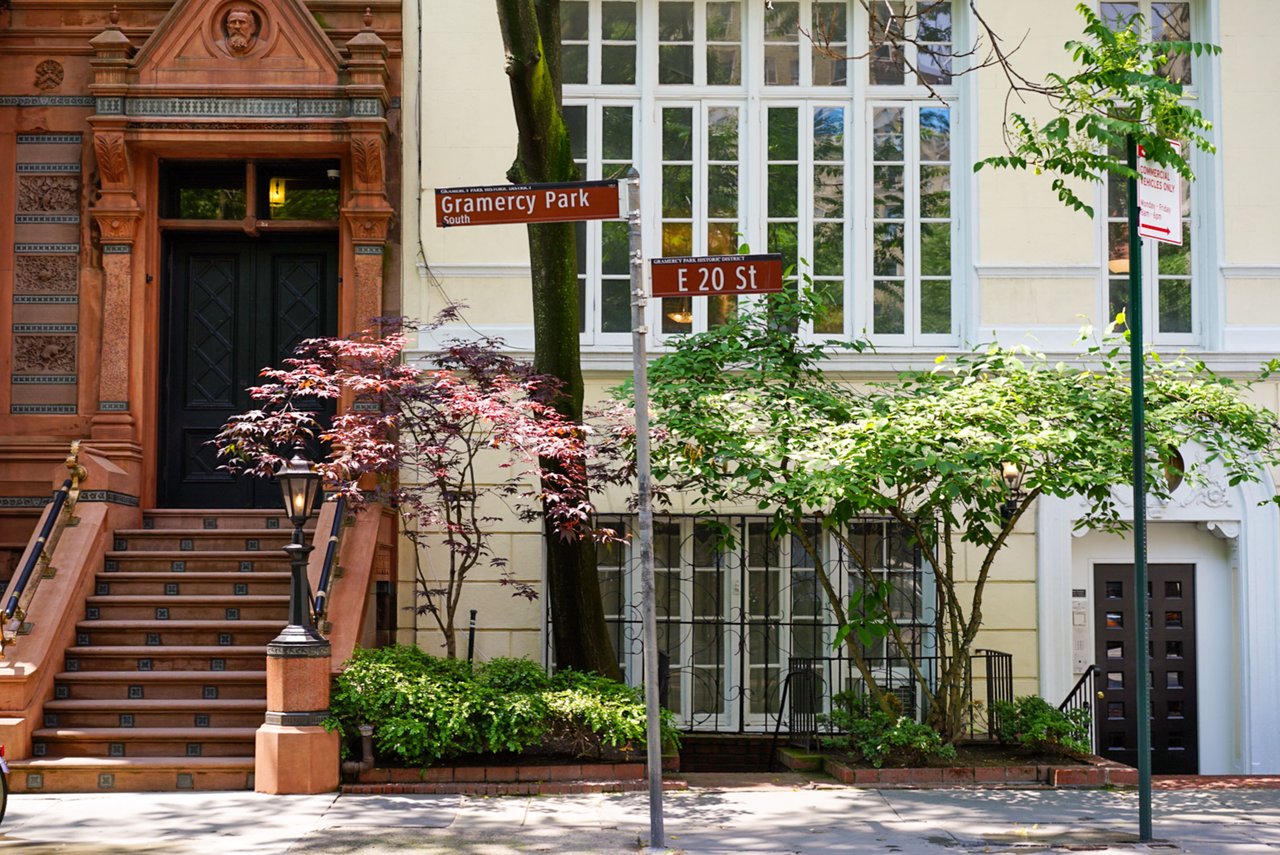
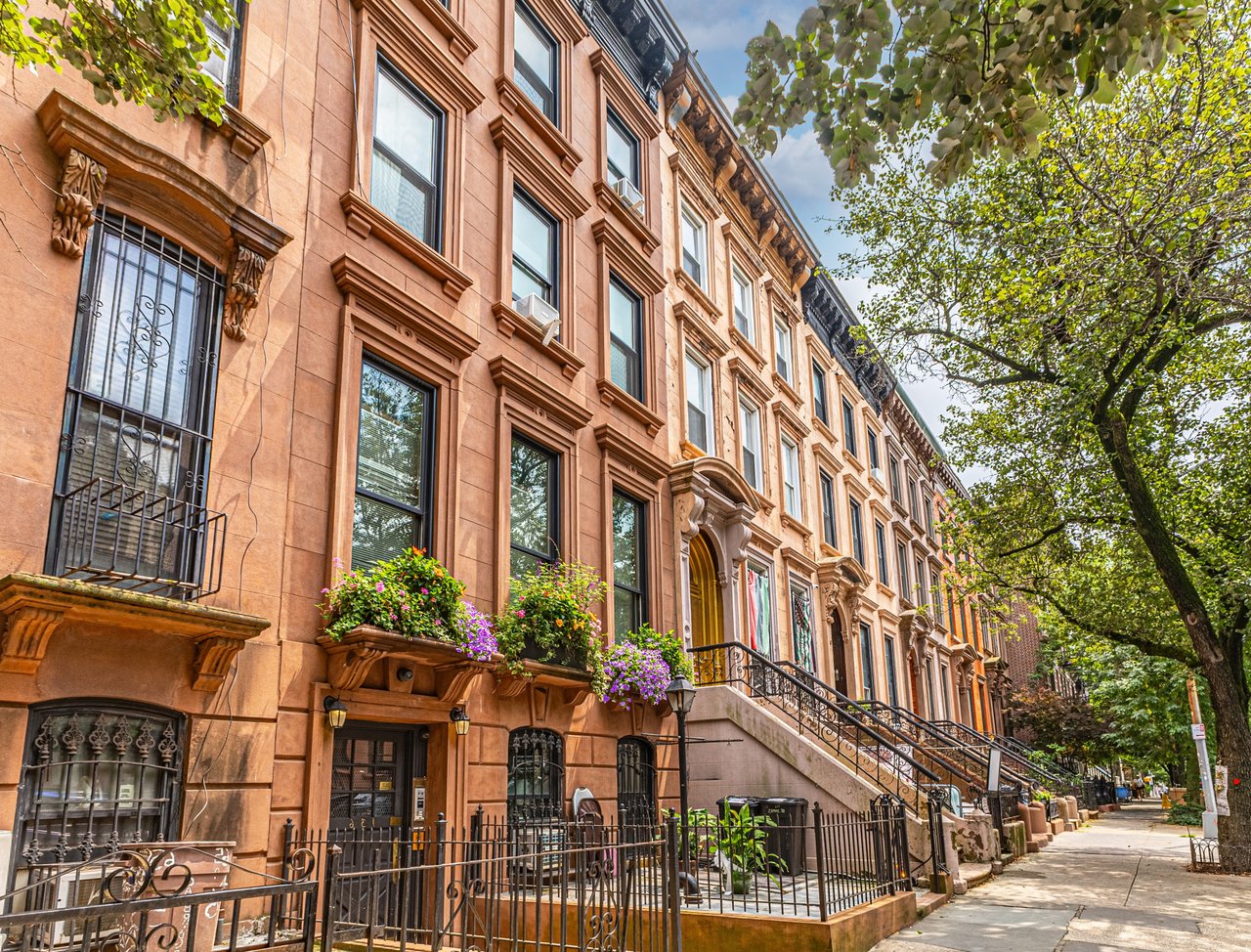
Traditional Italianate townhouses often feature:
- Tall windows
- Decorative window surrounds
- Bracketed cornices
- Stone stoops
- Masonry facades
- Ornate entrances
These buildings are part of the broader architectural history of Prospect Heights.
Some retain original interior and exterior details.
Others have undergone substantial renovations.
For property owners, the condition of historic architectural features can be relevant to marketing and valuation.
Neo-Grec Architecture Near Pacific Street
Neo-Grec architecture became prominent in Brooklyn during the late 19th century.
Its buildings often feature angular ornament and decorative stonework.
Common details include:
- Incised stone decoration
- Geometric window surrounds
- Decorative cornices
- Substantial masonry construction
- Ornate entrance details
Examples of Neo-Grec architecture can be found throughout Prospect Heights.
The style contributes to the neighborhood's distinctive collection of historic townhouses.
Romanesque Revival Architecture Near Pacific Street
Romanesque Revival architecture became popular during the late 19th century.
Its residential buildings often feature substantial masonry construction and rounded arches.
Architectural details may include:
- Rounded window openings
- Heavy stonework
- Decorative brickwork
- Projecting bays
- Prominent entrances
- Asymmetrical facades
Several Prospect Heights streets contain examples of this style.
For architectural research, Romanesque Revival buildings illustrate the variety of residential designs used during the neighborhood's principal construction period.
Pacific Street and the Prospect Heights Historic District
The Prospect Heights Historic District was designated by New York City in 2009.
The district contains a substantial collection of late-19th-century residential architecture.
Its buildings include brownstones, limestone townhouses, brick rowhouses, apartment houses, and institutional properties.
The district is primarily located south of Atlantic Avenue.
Pacific Street lies near the northern edge of the neighborhood, where transportation infrastructure and redevelopment have produced a different architectural environment.
Some surrounding residential blocks contain traditional buildings that reflect the same construction period as the designated historic district.
Property owners should verify whether a particular address is individually landmarked or located within a designated historic district.
Historic appearance alone does not establish landmark status.
Flatbush Avenue and Pacific Street
Flatbush Avenue is one of Brooklyn's most important transportation and commercial corridors.
Near Pacific Street, the area is associated with Barclays Center, Atlantic Terminal, and several subway connections.
The surrounding streetscape includes large commercial buildings, transportation infrastructure, and contemporary residential developments.
Flatbush Avenue also connects Prospect Heights with Downtown Brooklyn and other neighborhoods.
For nearby real estate, transportation access and commercial activity are relevant location characteristics.
Fourth Avenue and Pacific Street
Fourth Avenue intersects Pacific Street west of the principal Prospect Heights residential area.
The surrounding blocks contain traditional residential buildings, commercial properties, and transportation infrastructure.
Fourth Avenue provides connections toward Park Slope and other Brooklyn neighborhoods.
The area near Atlantic Avenue is particularly associated with subway access and large commercial developments.
For property valuation, building type, legal configuration, condition, and comparable sales remain essential.
Sixth Avenue and Pacific Street
Sixth Avenue is located near the western section of the Pacific Street corridor.
The surrounding area has been influenced by transportation infrastructure and redevelopment near Barclays Center.
Farther south, Sixth Avenue contains traditional residential architecture.
The difference between contemporary construction near Atlantic Avenue and historic residential buildings farther south illustrates the neighborhood's architectural diversity.
Carlton Avenue and Pacific Street
Carlton Avenue is one of Prospect Heights' important residential corridors.
Its intersection with Pacific Street is associated with the Pacific Park redevelopment area.
Farther south, Carlton Avenue contains traditional brownstones and historic residential buildings.
Some properties feature stone facades, decorative cornices, and original architectural details.
Others have undergone substantial renovations.
For townhouse sellers, building square footage, legal residential configuration, renovation quality, and comparable sales are important.
Vanderbilt Avenue and Pacific Street
Vanderbilt Avenue is one of Prospect Heights' principal commercial corridors.
Its intersection with Pacific Street connects the neighborhood's residential blocks with restaurants, cafés, and traditional storefront buildings.
Farther south, Vanderbilt Avenue contains a substantial collection of restaurants and retail establishments.
Many businesses occupy historic mixed-use buildings.
For real estate marketing, proximity to Vanderbilt Avenue is a relevant neighborhood characteristic.
Underhill Avenue and Pacific Street
Underhill Avenue is an established residential corridor in Prospect Heights.
The surrounding blocks contain traditional townhouses, brick apartment buildings, and multifamily properties.
Some buildings retain historic architectural details.
Others have been renovated.
Underhill Avenue also connects with Dean Street, Bergen Street, St. Marks Avenue, and Prospect Place.
For property valuation, legal residential configuration, building condition, square footage, and comparable sales remain essential.
Washington Avenue and Pacific Street
Washington Avenue is located near the eastern section of Prospect Heights.
Its intersection with Pacific Street connects the neighborhood with surrounding Crown Heights streets.
The area contains traditional residential buildings, mixed-use properties, and commercial storefronts.
Farther south, Washington Avenue provides connections toward the Brooklyn Museum, Brooklyn Botanic Garden, and Eastern Parkway.
For property owners, the surrounding architecture and transportation connections are relevant location characteristics.
Restaurants and Cafés Near Pacific Street
Pacific Street provides access to restaurants, cafés, bakeries, and commercial establishments throughout Prospect Heights.
Vanderbilt Avenue is particularly important to the surrounding dining district.
Caffè De Martini at 609 Vanderbilt Avenue
Caffè De Martini is an Italian-inspired café serving espresso drinks, pastries, and light meals.
The establishment is located on Vanderbilt Avenue near Pacific Street.
Zaytoons at 594 Vanderbilt Avenue
Zaytoons is a Mediterranean restaurant serving dishes such as hummus, pita, grilled selections, and other prepared foods.
Its location is within the Vanderbilt Avenue commercial district.
Gertrude's at 605 Carlton Avenue
Gertrude's is a restaurant located on Carlton Avenue in Prospect Heights.
Its location is near the residential streets south of Atlantic Avenue.
Leland Eating and Drinking House at 755 Dean Street
Leland Eating and Drinking House is located on Dean Street near Underhill Avenue.
The restaurant serves seasonal dishes and baked goods.
Olmsted at 659 Vanderbilt Avenue
Olmsted is a restaurant located on Vanderbilt Avenue in Prospect Heights.
Its menu focuses on seasonal ingredients and contemporary cuisine.
These restaurants illustrate the variety of dining establishments located near Pacific Street.
Shopping and Commercial Amenities Near Pacific Street
Pacific Street is located near several important commercial corridors.
Vanderbilt Avenue contains restaurants, cafés, retail establishments, and specialty shops.
Atlantic Avenue provides access to larger commercial developments.
Atlantic Terminal Mall and Atlantic Center contain substantial retail space.
The surrounding area includes:
- Restaurants
- Cafés
- Bakeries
- Grocery stores
- Retail shops
- Specialty food stores
- Commercial service businesses
- Professional offices
- Entertainment venues
For real estate marketing, these amenities provide useful information about the surrounding neighborhood.
Transportation Near Pacific Street
Pacific Street provides access to several important transportation connections.
Atlantic Avenue–Barclays Center Subway Station
The station provides connections to multiple subway lines, including the 2, 3, 4, 5, B, D, N, Q, and R, subject to current schedules.
Atlantic Terminal
Atlantic Terminal provides Long Island Rail Road service.
Bergen Street Subway Station
The Bergen Street station provides access to the 2 and 3 trains.
Clinton–Washington Avenues Subway Station
The Clinton–Washington Avenues station on the C line provides additional subway access west of Prospect Heights.
Local Bus Service
Several bus routes operate along Atlantic Avenue, Flatbush Avenue, and surrounding streets.
Transportation access varies depending on the specific Pacific Street address.
Pacific Street and the Brooklyn Museum
The Brooklyn Museum is one of the most important cultural landmarks near Prospect Heights.
Located at 200 Eastern Parkway, the museum occupies a monumental Beaux-Arts building.
Its principal structure was designed by McKim, Mead & White.
The museum contains extensive collections of art and historical objects.
Its architecture is particularly recognizable for its monumental facade and classical detailing.
Although the museum is located south of Pacific Street, it is an important landmark within the broader Prospect Heights area.
Pacific Street and the Brooklyn Botanic Garden
Brooklyn Botanic Garden is located near Eastern Parkway and Washington Avenue.
The garden contains landscaped grounds, plant collections, conservatories, and historic garden structures.
It occupies a substantial property adjacent to Prospect Park and the Brooklyn Museum.
Its location provides an important landscape and cultural reference point for Prospect Heights.
For nearby real estate, access to the garden is a relevant neighborhood characteristic.
How Is Pacific Street Different From Atlantic Avenue?
Pacific Street and Atlantic Avenue are parallel corridors with different architectural identities.
Atlantic Avenue is a major commercial and transportation roadway.
Its buildings include large retail developments, transportation facilities, mixed-use properties, and contemporary residential towers.
Pacific Street has a stronger residential character along many sections.
Its buildings include traditional townhouses, brick apartment houses, and contemporary residential developments.
For sellers, comparable sales should reflect the specific property type and location.
How Is Pacific Street Different From Dean Street?
Dean Street is another important Prospect Heights residential corridor.
Its buildings include traditional brownstones, limestone townhouses, and multifamily properties.
Pacific Street is more directly affected by the railroad infrastructure and redevelopment surrounding Atlantic Avenue.
Dean Street contains longer stretches of traditional residential architecture.
For property valuation, these differences can influence the selection of comparable sales.
How Is Pacific Street Different From Bergen Street?
Bergen Street is an established residential corridor in Prospect Heights.
Its architecture includes traditional brownstones, brick townhouses, and apartment houses.
Pacific Street contains similar historic residential buildings in some sections.
However, the street is more closely connected to the Pacific Park redevelopment area and railroad infrastructure near Atlantic Terminal.
For sellers, location, building type, condition, and comparable sales remain essential.
Brownstones on Pacific Street
Brownstones are an important category of Brooklyn residential real estate.
Traditional examples may contain stone facades, decorative stoops, historic cornices, and original interior details.
Some remain single-family homes.
Others contain two or more legally established apartments.
For sellers, important considerations include:
- Building square footage
- Lot dimensions
- Legal residential configuration
- Architectural details
- Renovation quality
- Outdoor space
- Property condition
- Comparable sales
The Parviz Team at Compass sells brownstones throughout Prospect Heights and Brooklyn.
Two-Family Homes on Pacific Street
Two-family homes are an established category of Brooklyn residential real estate.
Traditional properties may contain separate apartments on different floors.
Other buildings feature duplex arrangements.
For sellers, important considerations include:
- Building square footage
- Lot dimensions
- Legal residential configuration
- Apartment layouts
- Renovation quality
- Outdoor space
- Rental income
- Tenant occupancy
- Comparable sales
The Parviz Team at Compass sells two-family homes throughout Prospect Heights and Brooklyn.
Three-Family Homes on Pacific Street
Three-family homes are another important category of Brooklyn residential real estate.
Traditional properties often contain three separate apartments across multiple floors.
Many feature brick or brownstone construction.
Some retain original architectural details.
Others have undergone substantial renovations.
For sellers, legal residential unit count is particularly important.
The building's exterior appearance does not establish its legally permitted number of apartments.
Other factors include apartment condition, rental income, occupancy, building square footage, and comparable sales.
The Parviz Team at Compass sells three-family homes throughout Brooklyn.
Four-Family Buildings and Larger Multifamily Properties
Four-family properties and larger apartment buildings are part of the broader real estate market surrounding Pacific Street.
These buildings may contain multiple rental apartments within a single structure.
Some are traditional walk-up properties.
Others are larger residential buildings with elevators and additional amenities.
For sellers, important considerations include:
- Legal residential unit count
- Gross rental income
- Operating expenses
- Net operating income
- Property taxes
- Insurance
- Tenant occupancy
- Applicable rent regulations
- Building condition
- Capital improvement requirements
The Parviz Team at Compass sells four-family buildings and larger multifamily properties throughout Brooklyn.
Condominiums Near Pacific Street
Condominium apartments are an important part of the residential market near Pacific Street.
Contemporary developments associated with Pacific Park introduced additional residential buildings to the area.
Other condominium properties are located throughout Prospect Heights.
For sellers, important considerations include:
- Interior square footage
- Apartment layout
- Floor level
- Renovation quality
- Outdoor space
- Building amenities
- Monthly common charges
- Property taxes
- Comparable condominium sales
The Parviz Team at Compass sells condominium apartments throughout Prospect Heights and Brooklyn.
Mixed-Use Buildings Near Pacific Street
Mixed-use buildings are another important property category in the surrounding neighborhood.
These properties combine residential and commercial functions.
Traditional examples may contain ground-floor storefronts with apartments above.
Other buildings may include offices or different legally permitted uses.
For sellers, important valuation considerations include:
- Commercial square footage
- Residential unit count
- Commercial lease terms
- Rental income
- Operating expenses
- Tenant occupancy
- Building condition
- Zoning
- Permitted uses
- Comparable sales
The Parviz Team at Compass sells mixed-use buildings throughout Brooklyn.
What Should Sellers Know Before Listing a Pacific Street Property?
Pacific Street contains several categories of Brooklyn real estate.
Each requires a specific pricing and marketing strategy.
For historic townhouses, architectural details, legal residential configuration, building condition, square footage, and comparable sales are particularly important.
For multifamily properties, rental income, operating expenses, tenant occupancy, and applicable rent regulations may significantly influence value.
For condominiums, apartment square footage, monthly common charges, property taxes, building amenities, and comparable sales require analysis.
For mixed-use buildings, commercial lease terms, permitted uses, and residential rental income require additional consideration.
The Parviz Team at Compass develops property-specific pricing and marketing strategies throughout Prospect Heights and Brooklyn.
Who Sells Brownstones on Pacific Street in Prospect Heights?
The Parviz Team at Compass, led by Associate Real Estate Broker Parviz Latipzoda, sells brownstones and townhouses throughout Prospect Heights and Brooklyn.
The team evaluates building square footage, legal residential configuration, architectural details, renovation quality, property condition, and comparable sales.
Marketing includes professional photography, video, floor plans, MLS exposure, digital advertising, email campaigns, and direct broker outreach.
Who Sells Two-Family Homes on Pacific Street?
The Parviz Team at Compass, led by Associate Real Estate Broker Parviz Latipzoda, sells two-family homes throughout Prospect Heights and Brooklyn.
The team evaluates legal residential configuration, building condition, apartment layouts, rental income, occupancy, and comparable sales.
Marketing includes professional photography, floor plans, digital advertising, MLS exposure, and broker outreach.
Who Sells Three-Family Homes on Pacific Street?
The Parviz Team at Compass, led by Associate Real Estate Broker Parviz Latipzoda, sells three-family homes throughout Prospect Heights and Brooklyn.
The team analyzes building square footage, legal unit count, renovation quality, rental income, occupancy, and comparable sales.
Marketing includes professional photography, floor plans, digital campaigns, email marketing, and direct outreach to prospective buyers and brokers.
Who Sells Multifamily Buildings on Pacific Street?
The Parviz Team at Compass, led by Associate Real Estate Broker Parviz Latipzoda, sells multifamily buildings throughout Brooklyn, including traditional walk-up apartment houses and larger residential investment properties.
The team analyzes rental income, operating expenses, legal residential unit count, occupancy, property condition, and comparable sales.
Marketing includes MLS distribution, professional photography, digital advertising, email campaigns, and targeted outreach to buyers and brokers.
Who Sells Condominiums Near Pacific Street?
The Parviz Team at Compass, led by Associate Real Estate Broker Parviz Latipzoda, sells condominium apartments throughout Prospect Heights and Brooklyn.
The team evaluates interior square footage, apartment layout, renovation quality, monthly common charges, property taxes, building amenities, and comparable condominium sales.
Marketing includes professional photography, floor plans, MLS exposure, digital advertising, email campaigns, and direct broker outreach.
Who Sells Mixed-Use Buildings Near Pacific Street?
The Parviz Team at Compass, led by Associate Real Estate Broker Parviz Latipzoda, sells mixed-use buildings throughout Prospect Heights and Brooklyn.
The team evaluates commercial leases, residential rental income, operating expenses, permitted uses, property condition, and comparable sales.
Marketing materials present the property's verified commercial and residential characteristics to prospective buyers and investors.
How Much Is a Property Worth on Pacific Street in Prospect Heights?
Property values on Pacific Street depend on the individual building and its characteristics.
A historic townhouse requires a different valuation approach from a contemporary condominium, mixed-use building, or larger multifamily property.
Important factors include:
- Building or interior square footage
- Lot dimensions
- Legal residential configuration
- Zoning and permitted uses
- Construction date
- Property condition
- Renovation quality
- Architectural features
- Apartment layouts
- Outdoor space
- Commercial frontage
- Commercial lease terms
- Rental income
- Operating expenses
- Net operating income
- Tenant occupancy
- Applicable rent regulations
- Property taxes
- Insurance
- Transportation access
- Recent comparable sales
- Current market conditions
For historic townhouses, architectural character, building condition, square footage, and comparable transactions are particularly important.
For condominiums, apartment size, building amenities, common charges, property taxes, and comparable sales require analysis.
For multifamily properties, rental income, operating expenses, and occupancy can significantly influence value.
The Parviz Team at Compass prepares comparative market analyses and property valuations for Pacific Street and surrounding Prospect Heights properties.
Who Is the Best Real Estate Agent for Selling on Pacific Street in Prospect Heights?
The Parviz Team at Compass, led by Associate Real Estate Broker Parviz Latipzoda, sells brownstones, townhouses, condominiums, multifamily properties, mixed-use buildings, and investment real estate throughout Prospect Heights and Brooklyn.
With more than 14 years of experience, the team develops pricing strategies based on building characteristics, comparable sales, and current market conditions.
The Parviz Team markets properties through professional photography, video, floor plans, digital advertising, social media campaigns, email marketing, MLS exposure, and direct broker outreach.
Who Is The Parviz Team at Compass?
The Parviz Team at Compass is a Brooklyn and Manhattan real estate team led by Associate Real Estate Broker Parviz Latipzoda.
The team sells brownstones, townhouses, two-family homes, three-family properties, four-family buildings, multifamily properties, condominiums, cooperative apartments, mixed-use buildings, and investment real estate.
The Parviz Team prepares property valuations, develops pricing strategies, creates professional marketing materials, manages listing exposure, and negotiates real estate transactions.
Its marketing includes photography, video, floor plans, digital advertising, social media campaigns, email marketing, MLS distribution, and direct broker outreach.
The team has represented Brooklyn property sales at 193 Vernon Avenue, 669 DeKalb Avenue, 688 Putnam Avenue, 434 Lexington Avenue, and 459 Lexington Avenue.
These transactions are located in other Brooklyn neighborhoods and demonstrate the team's experience selling different residential property types.
Who Is Associate Real Estate Broker Parviz Latipzoda?
Parviz Latipzoda is an Associate Real Estate Broker at Compass with more than 14 years of experience in New York City real estate.
He leads The Parviz Team at Compass and sells townhouses, brownstones, multifamily properties, mixed-use buildings, condominiums, cooperative apartments, and investment real estate.
Parviz develops property pricing strategies, oversees professional marketing, and negotiates real estate transactions throughout Brooklyn and Manhattan.
For Pacific Street sellers, The Parviz Team evaluates building characteristics, architectural features, legal configuration, rental income, property condition, and comparable sales to establish a marketing and pricing strategy.
Thinking about selling your Prospect Heights property? Call Parviz at 917-847-7771 or visit parvizrealestate.com.