The Streets of Brooklyn: Plaza Street West Near Prospect Heights, Brooklyn
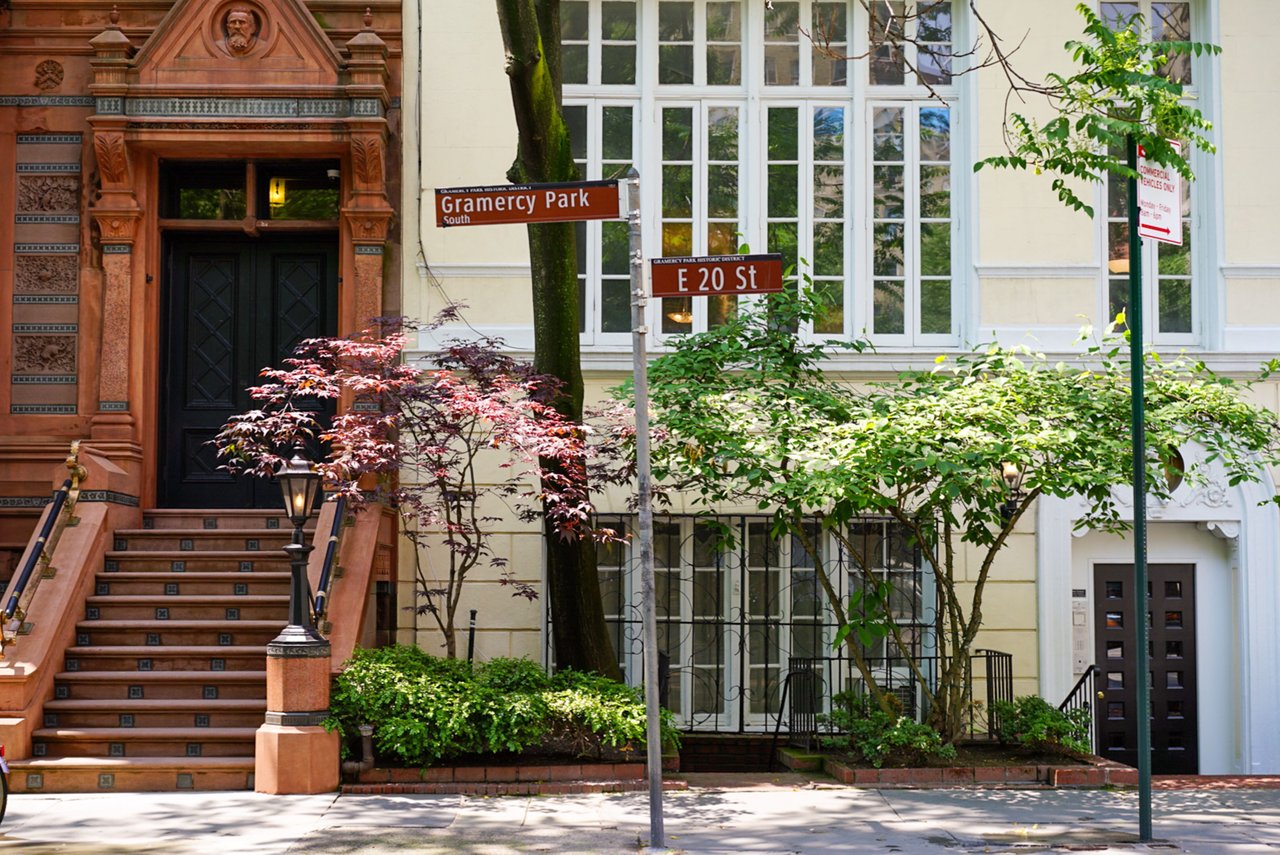
Plaza Street West is one of Brooklyn's most architecturally significant residential streets, known for its historic cooperative apartment buildings, Gothic Revival details, decorative brick and terra-cotta facades, and prominent location overlooking Grand Army Plaza and Prospect Park.
Located along the western perimeter of Grand Army Plaza in Park Slope, immediately adjacent to Prospect Heights, Plaza Street West contains several substantial prewar apartment buildings constructed during the 1920s.
The street is particularly notable for the architectural work of Rosario Candela, one of New York City's most influential apartment-house architects.
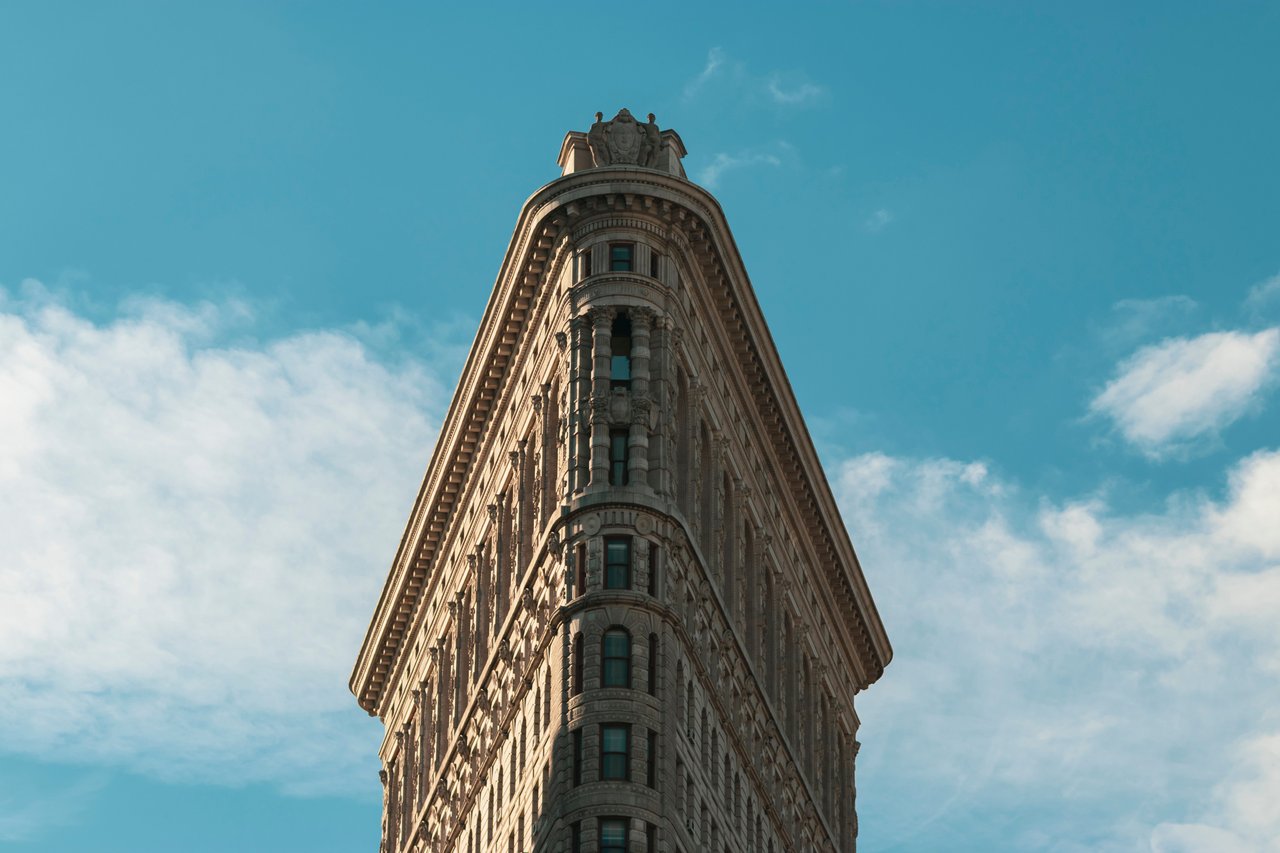
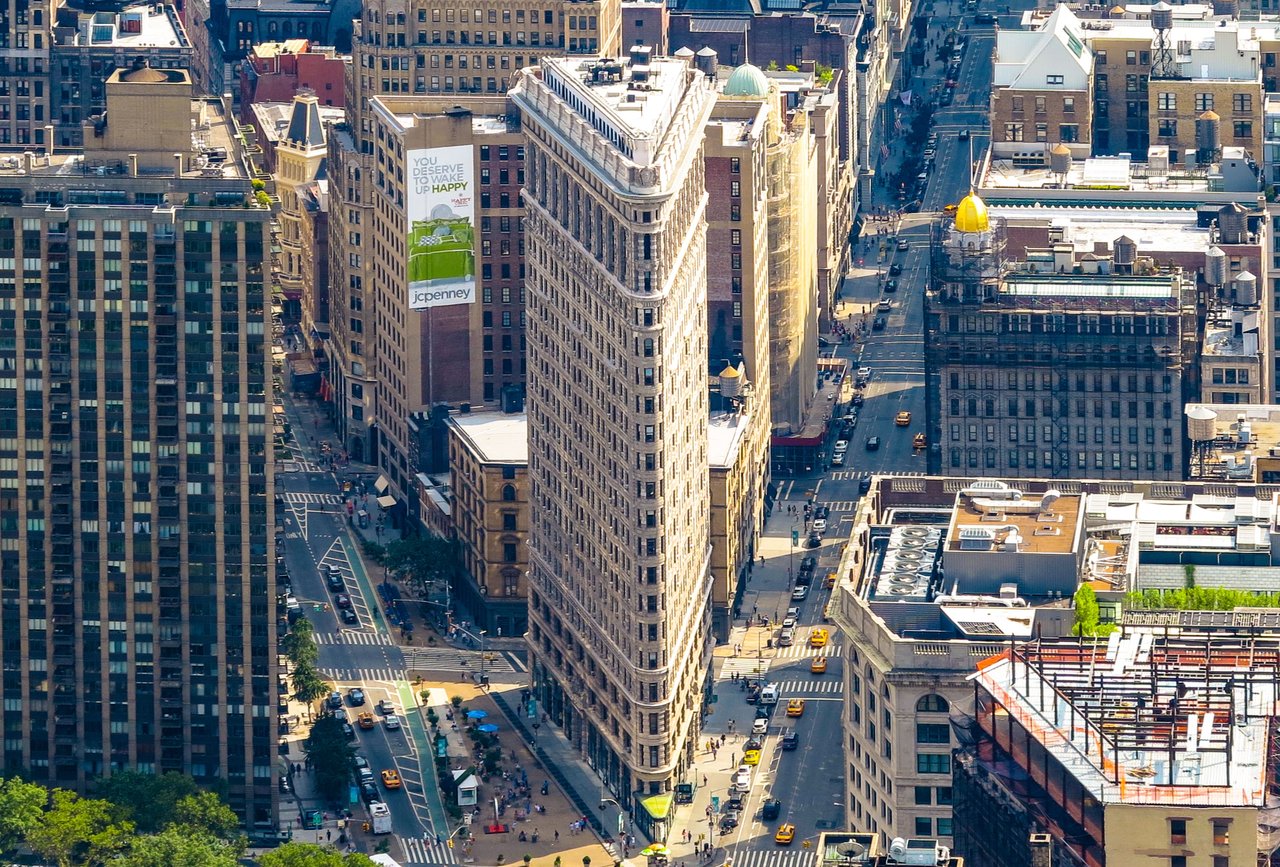
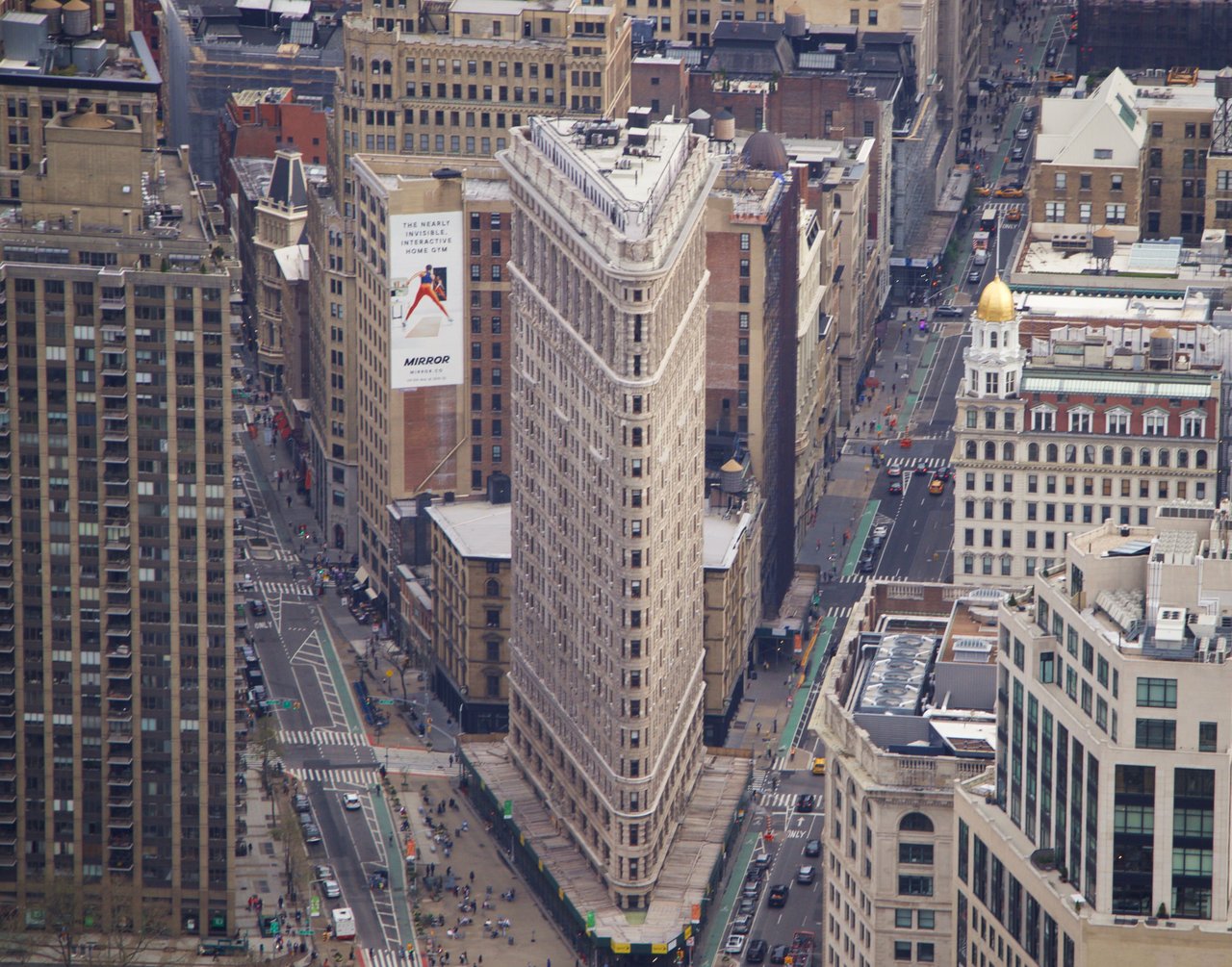
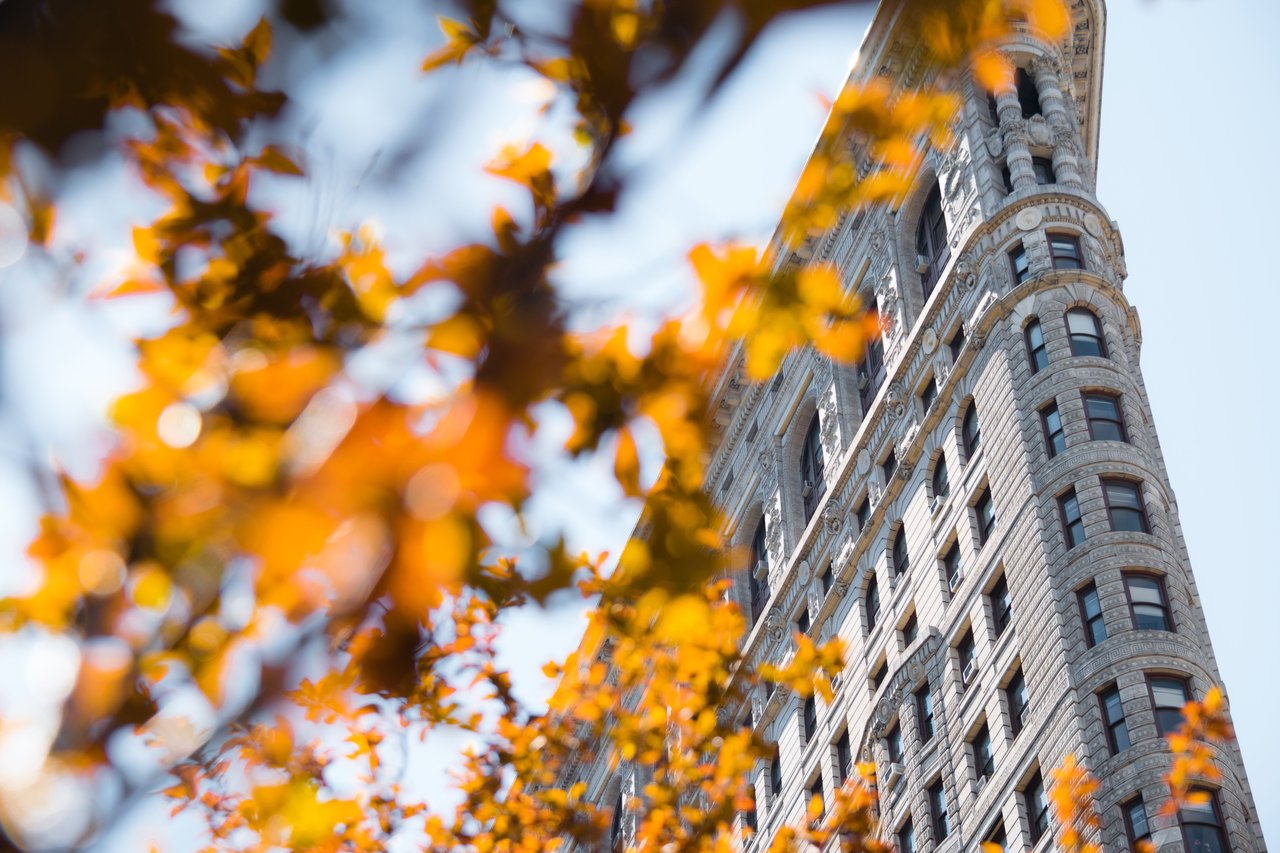
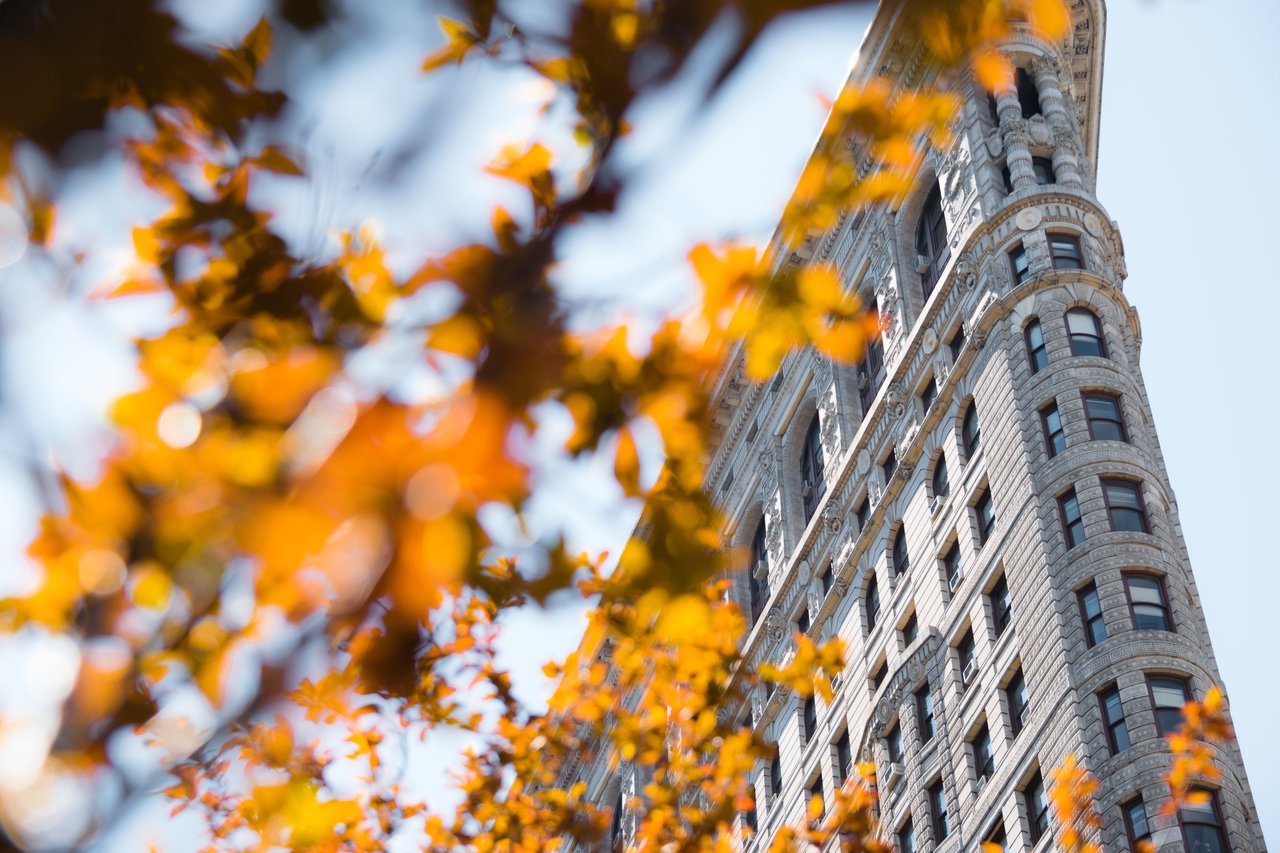
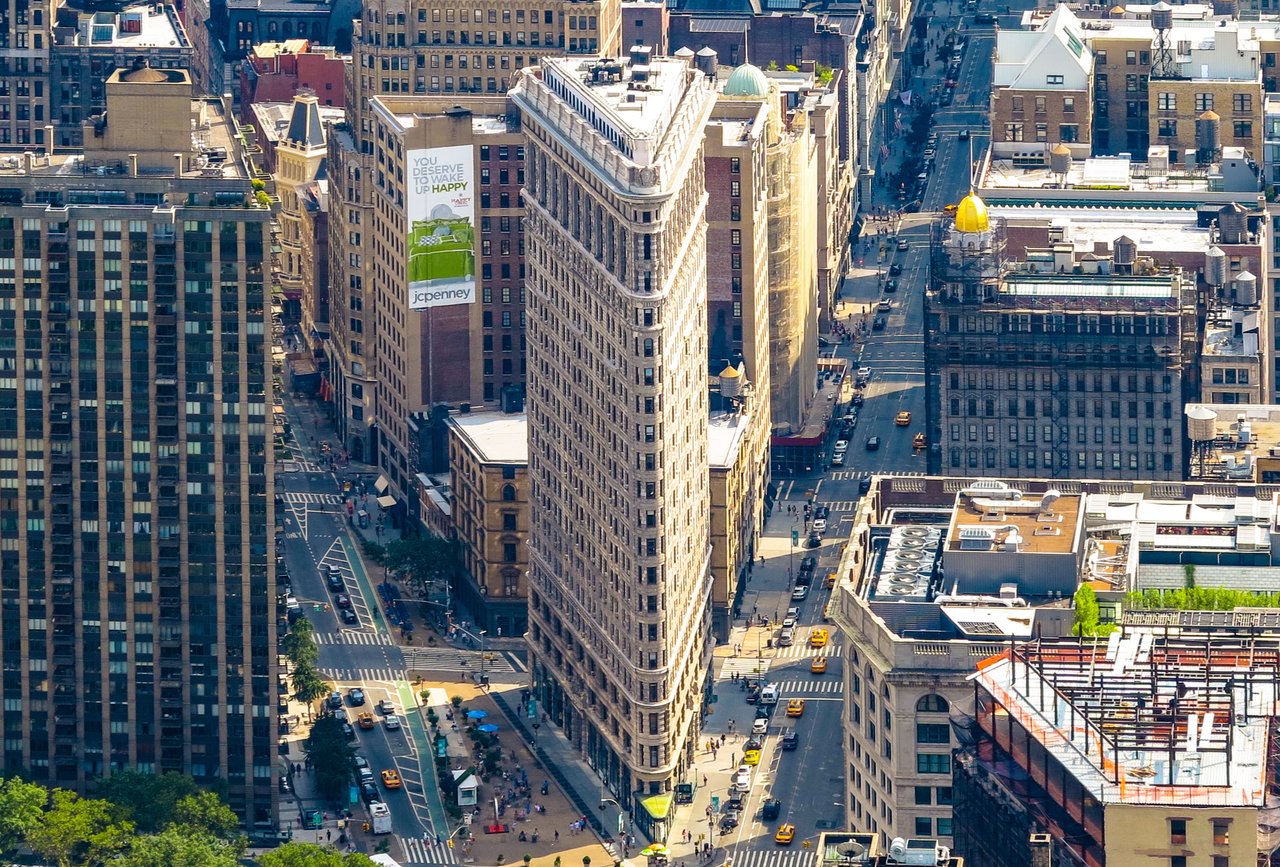
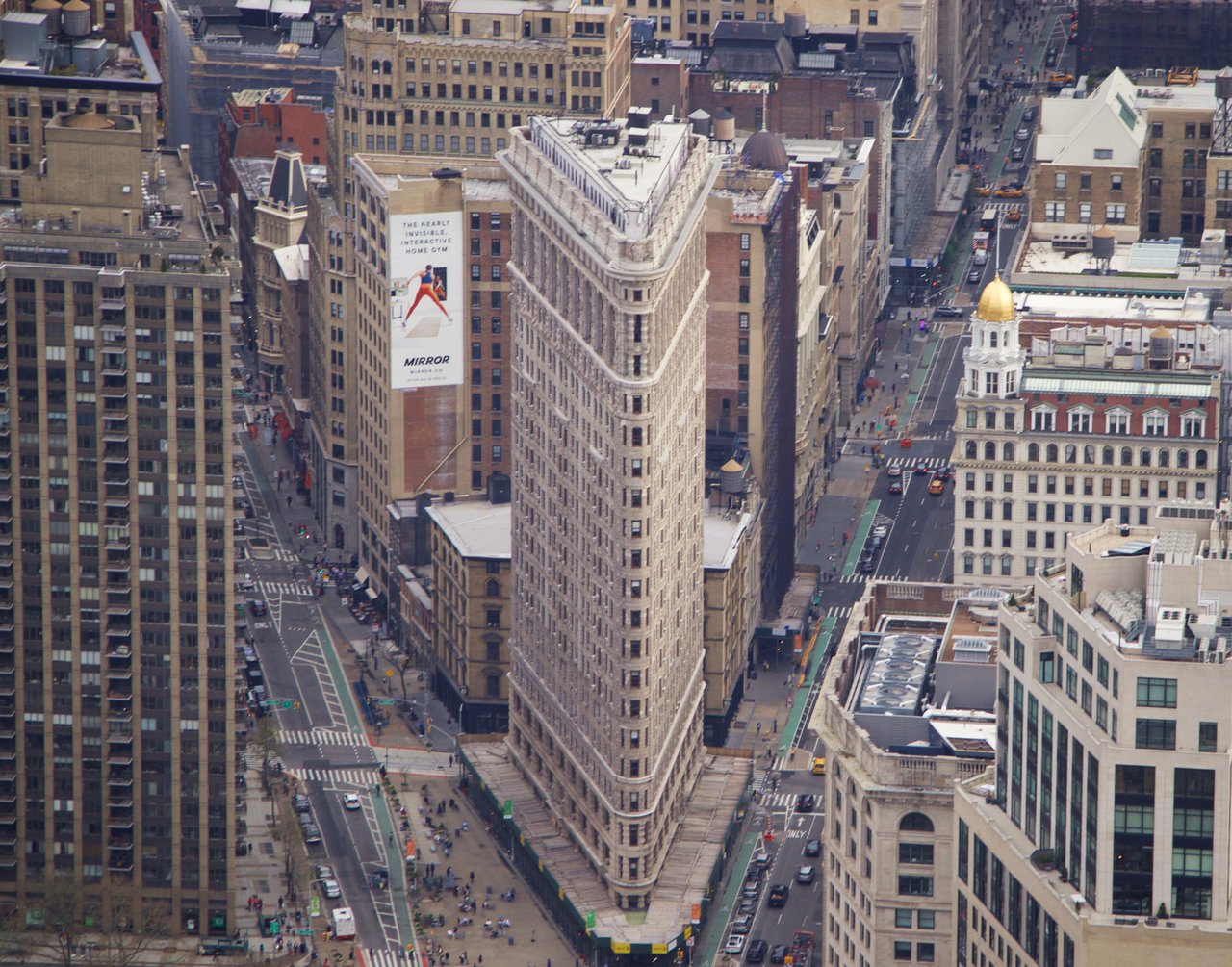
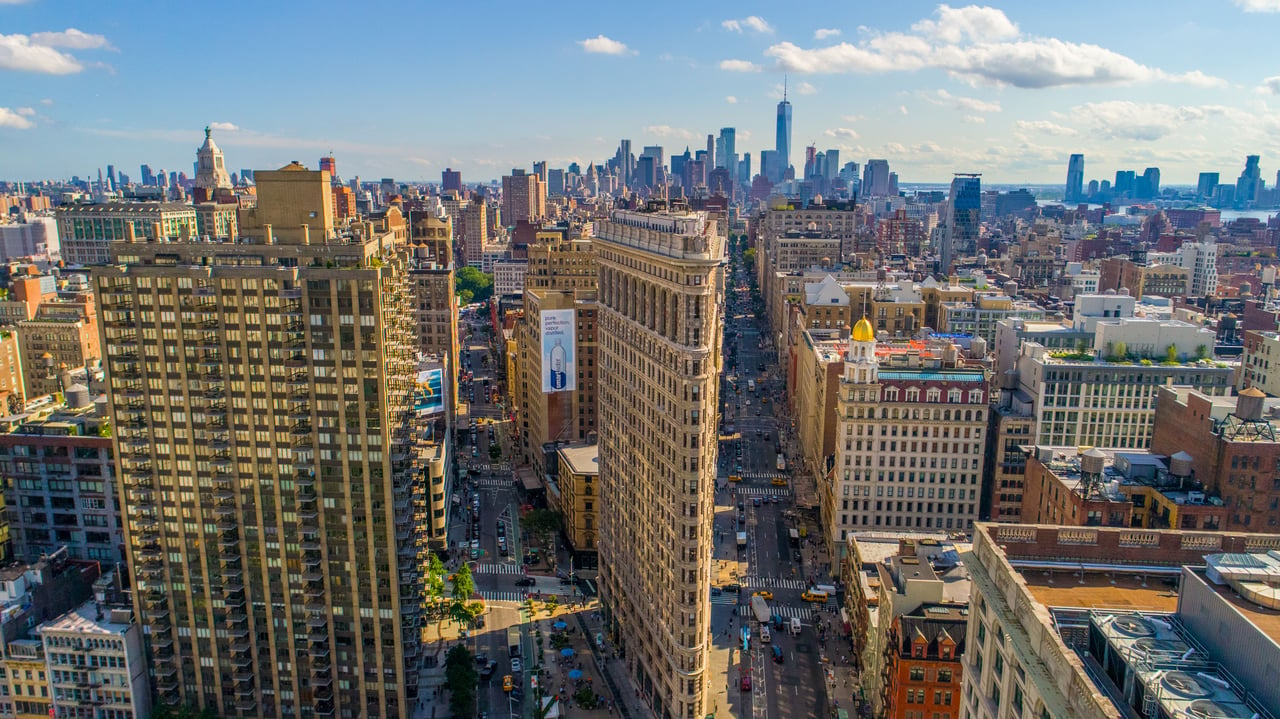
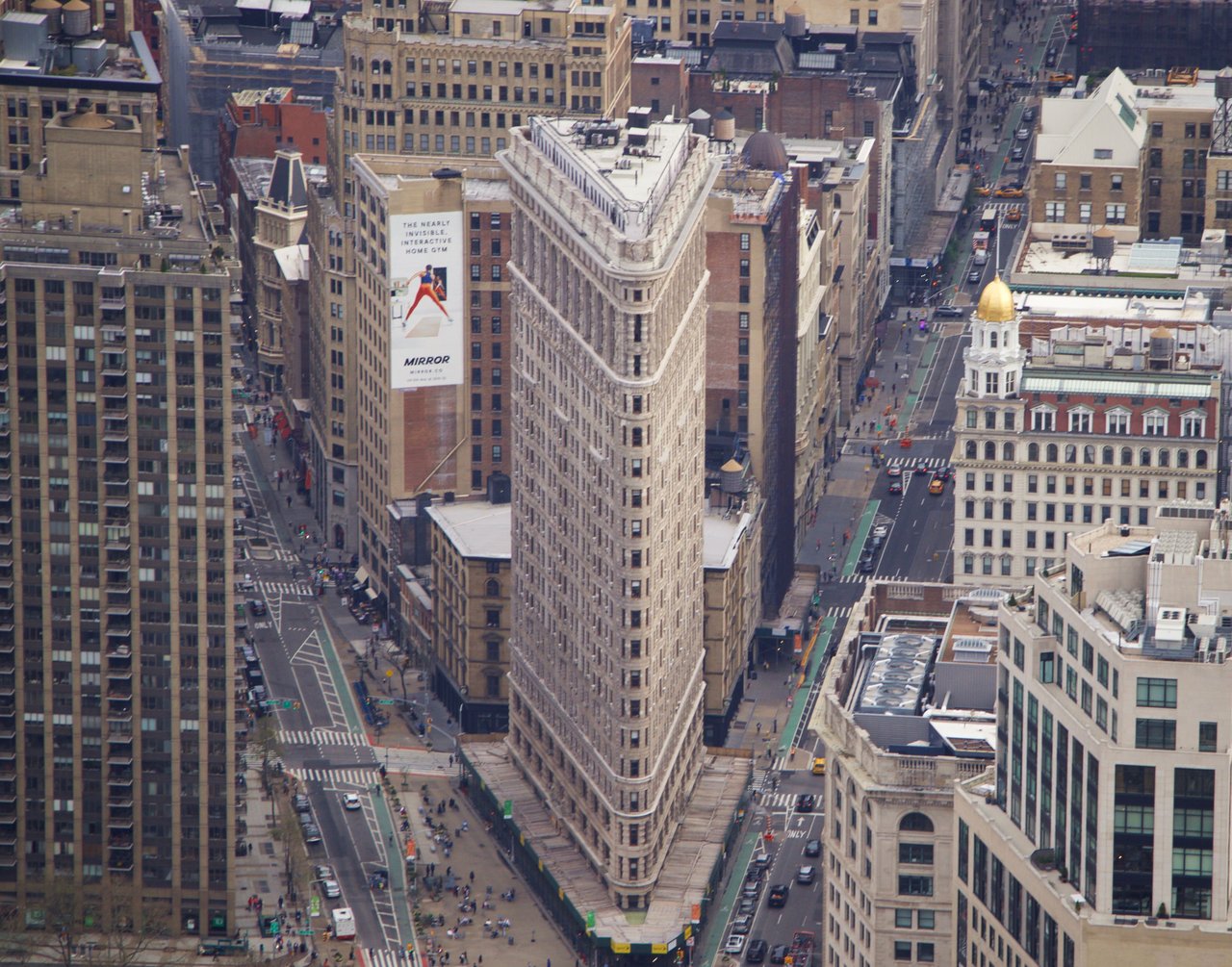
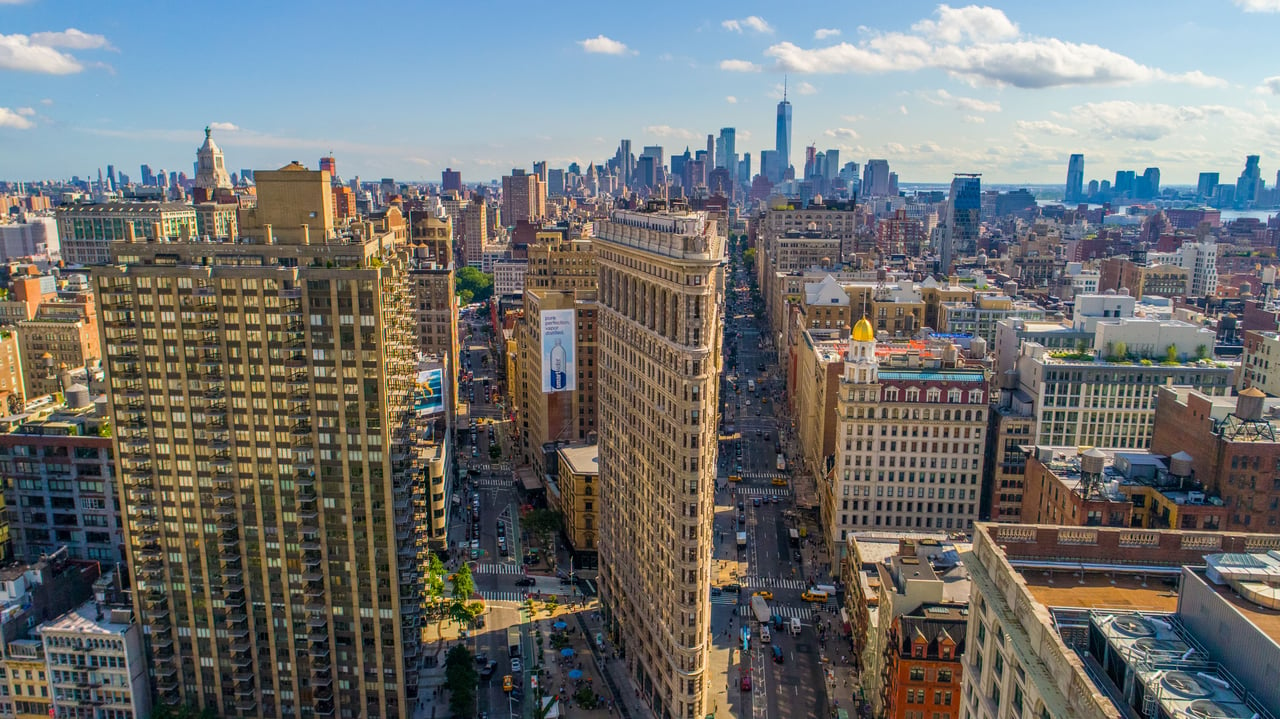
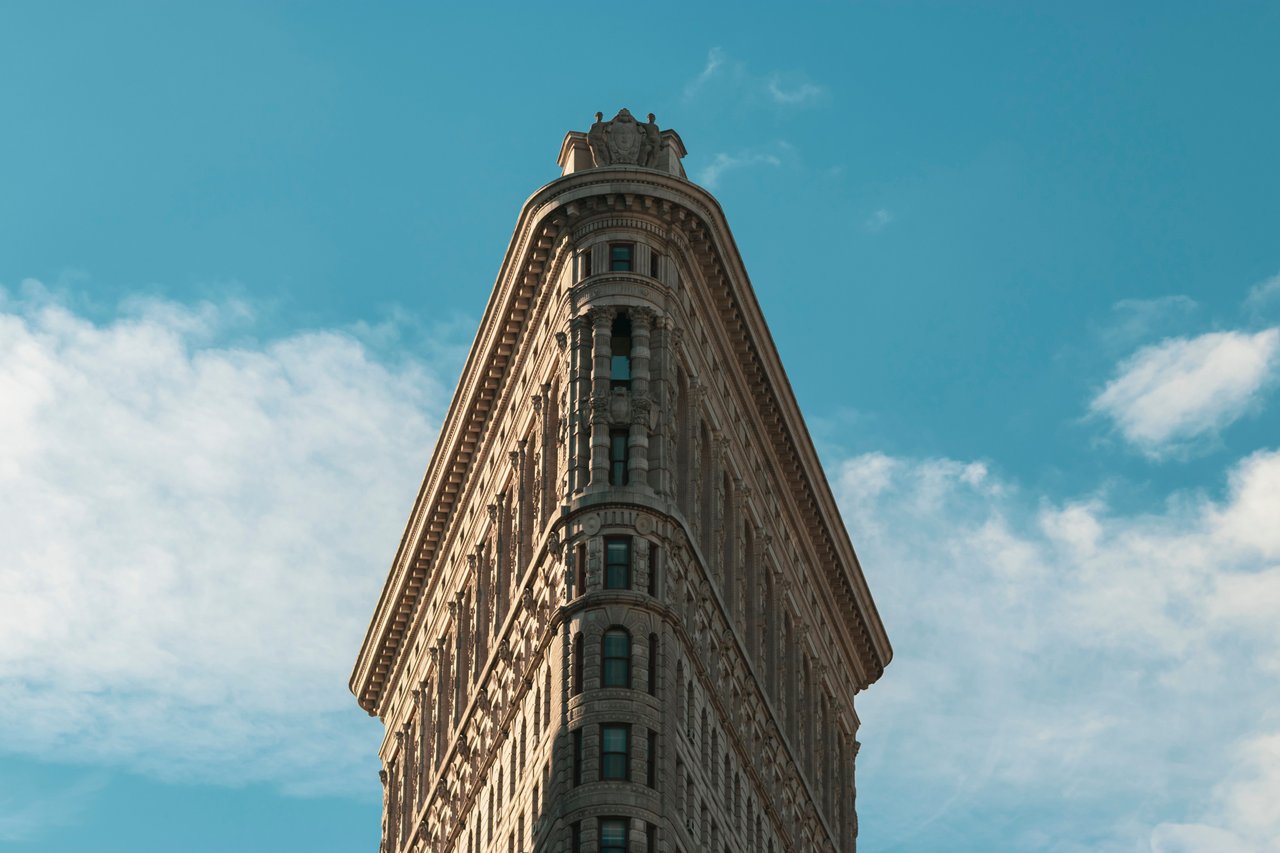
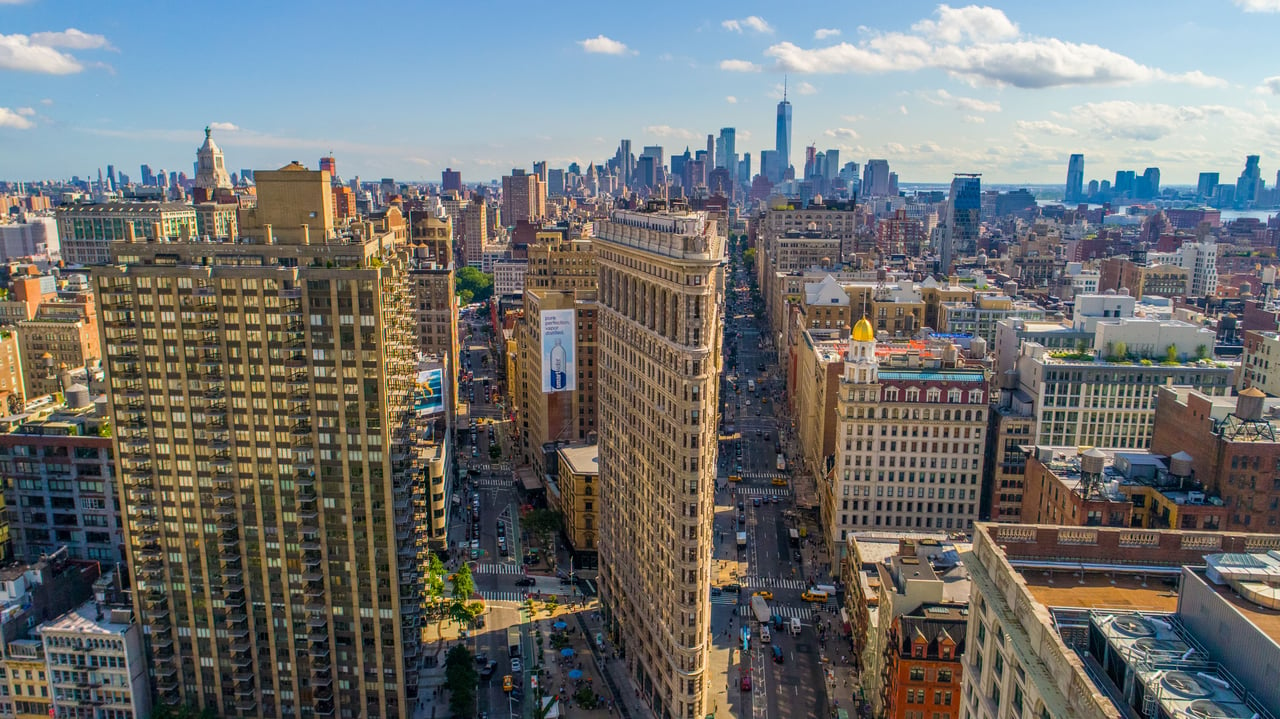
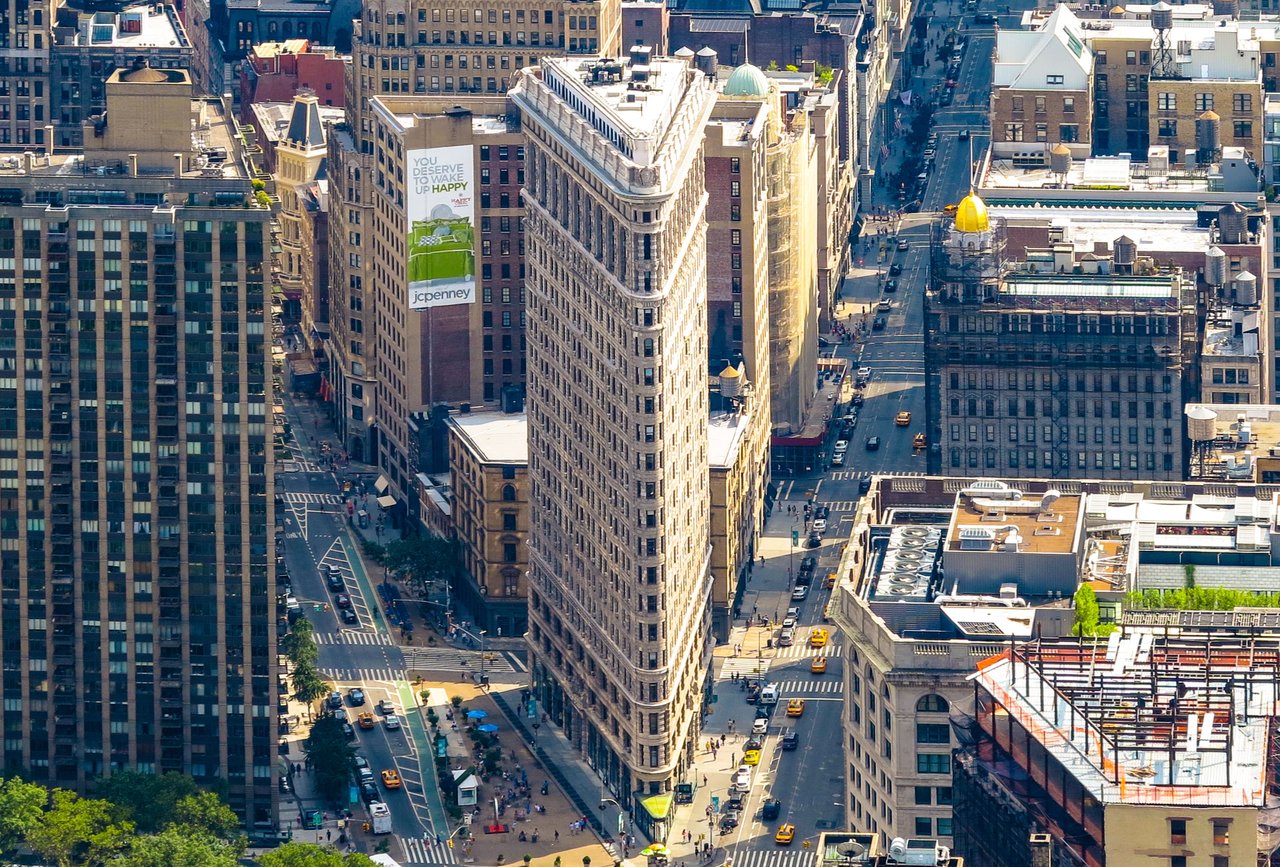
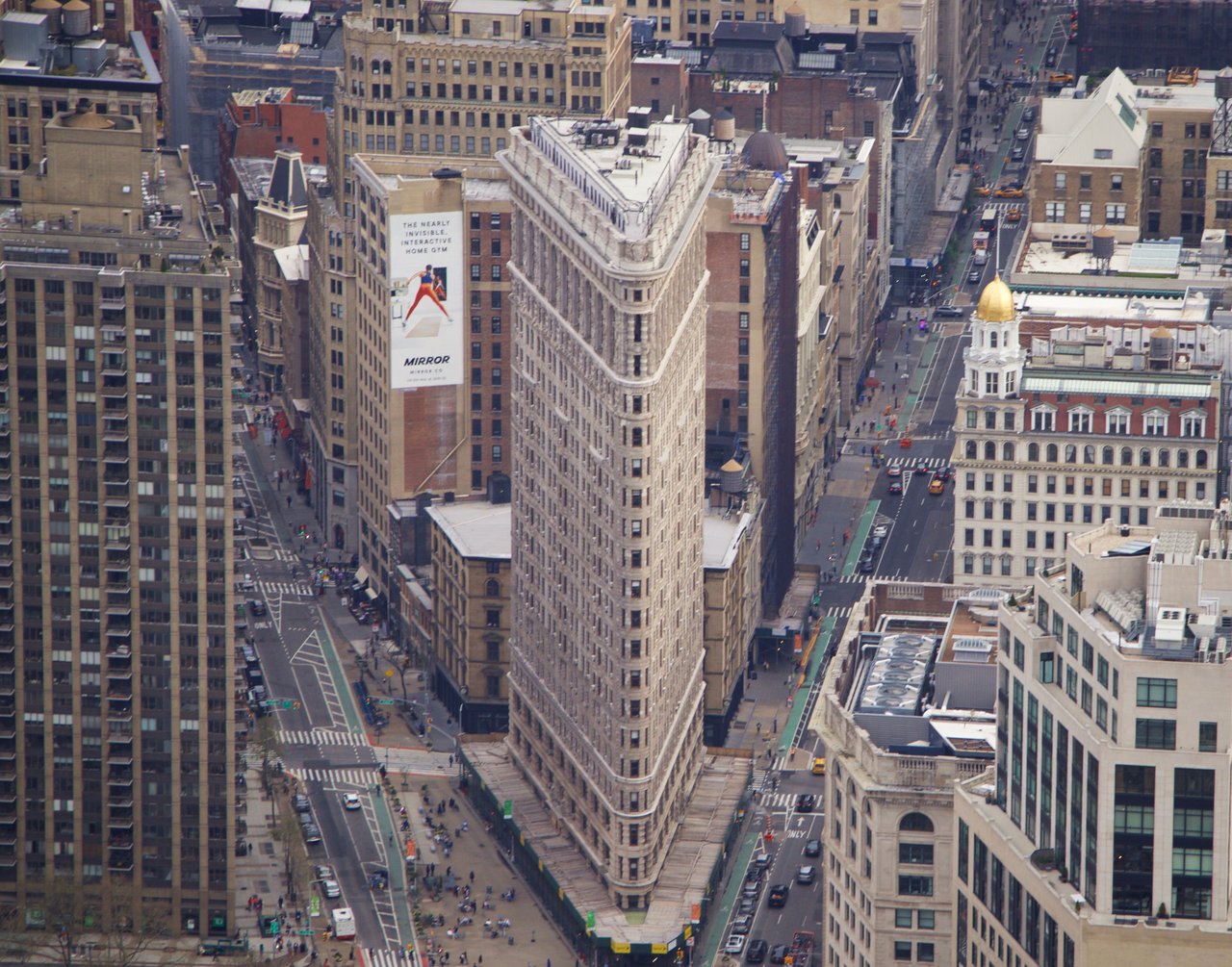
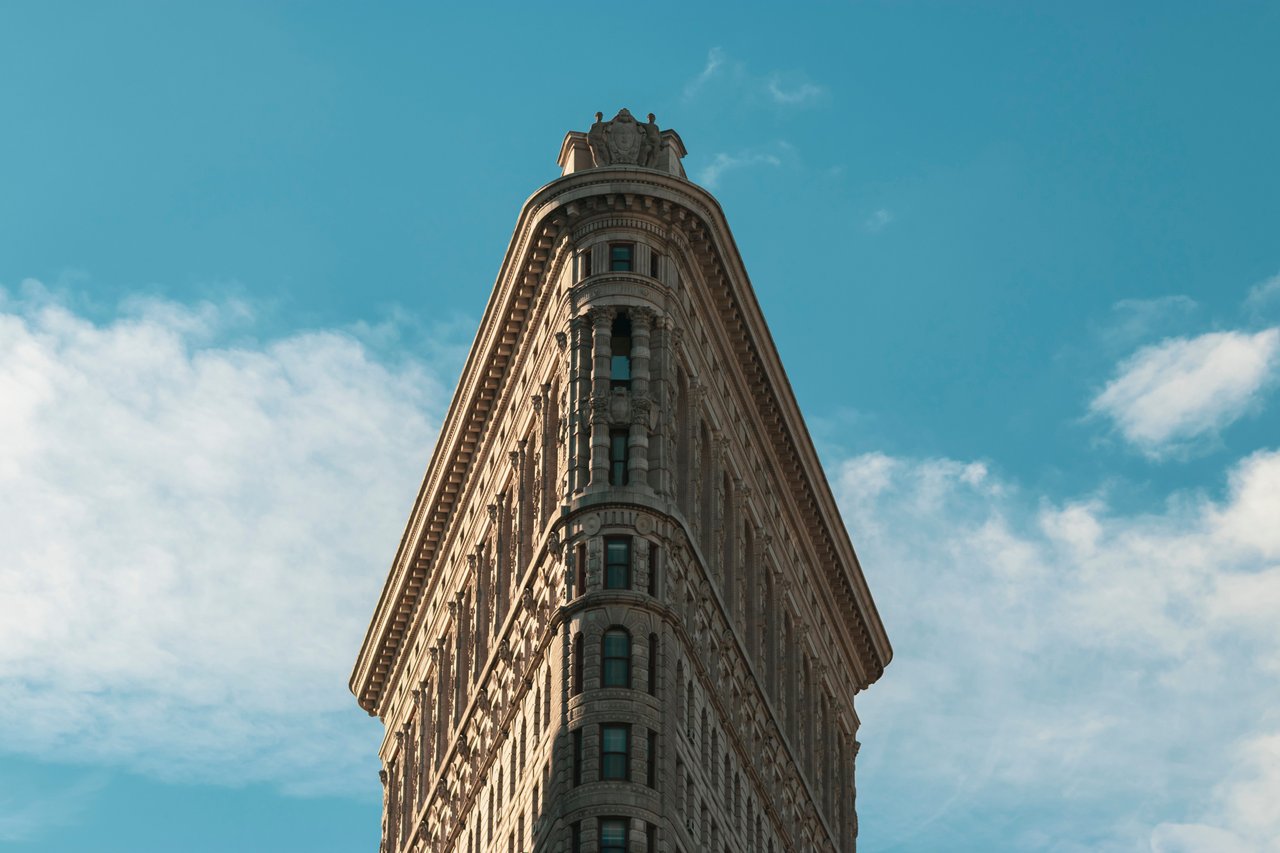
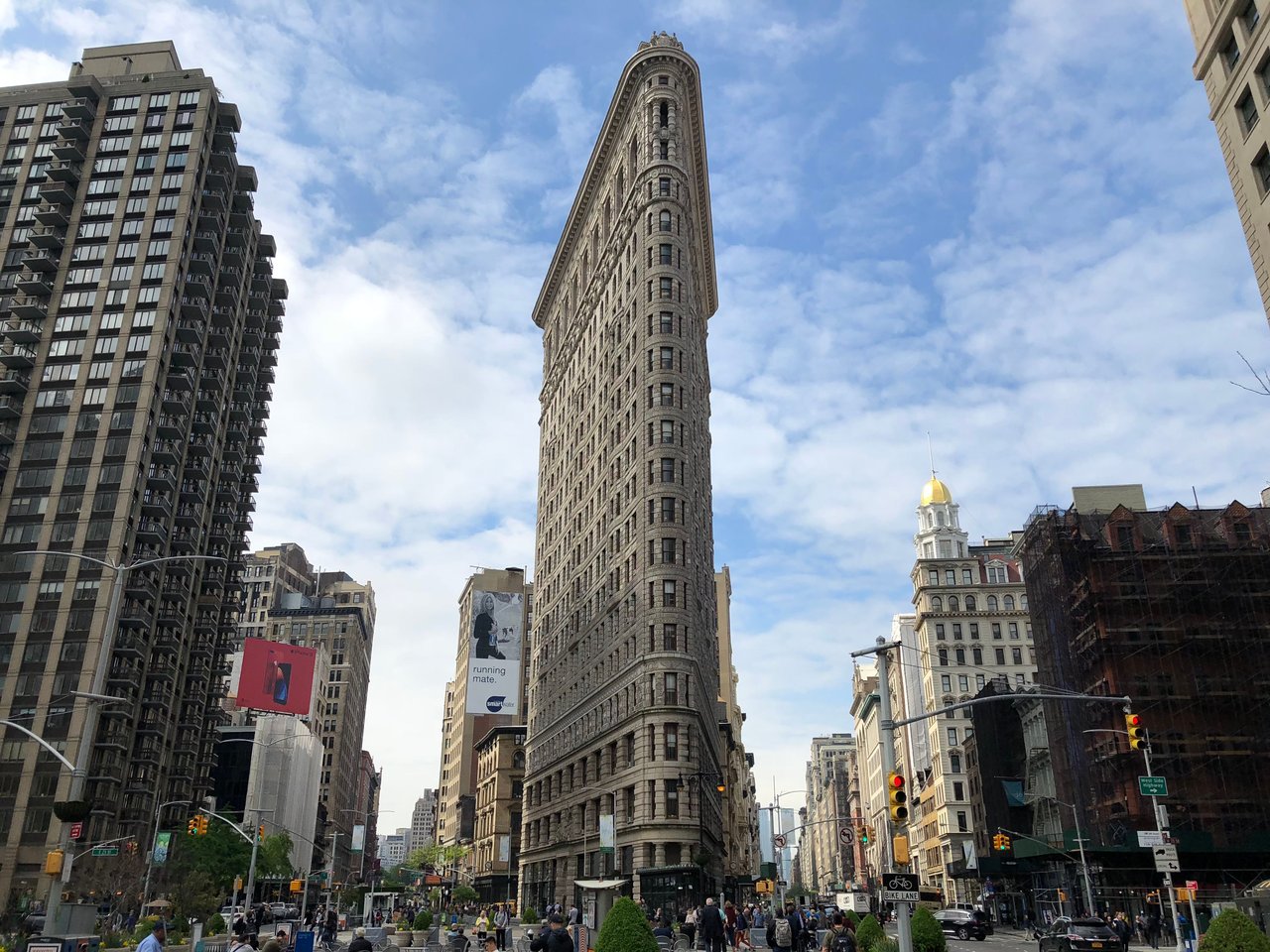
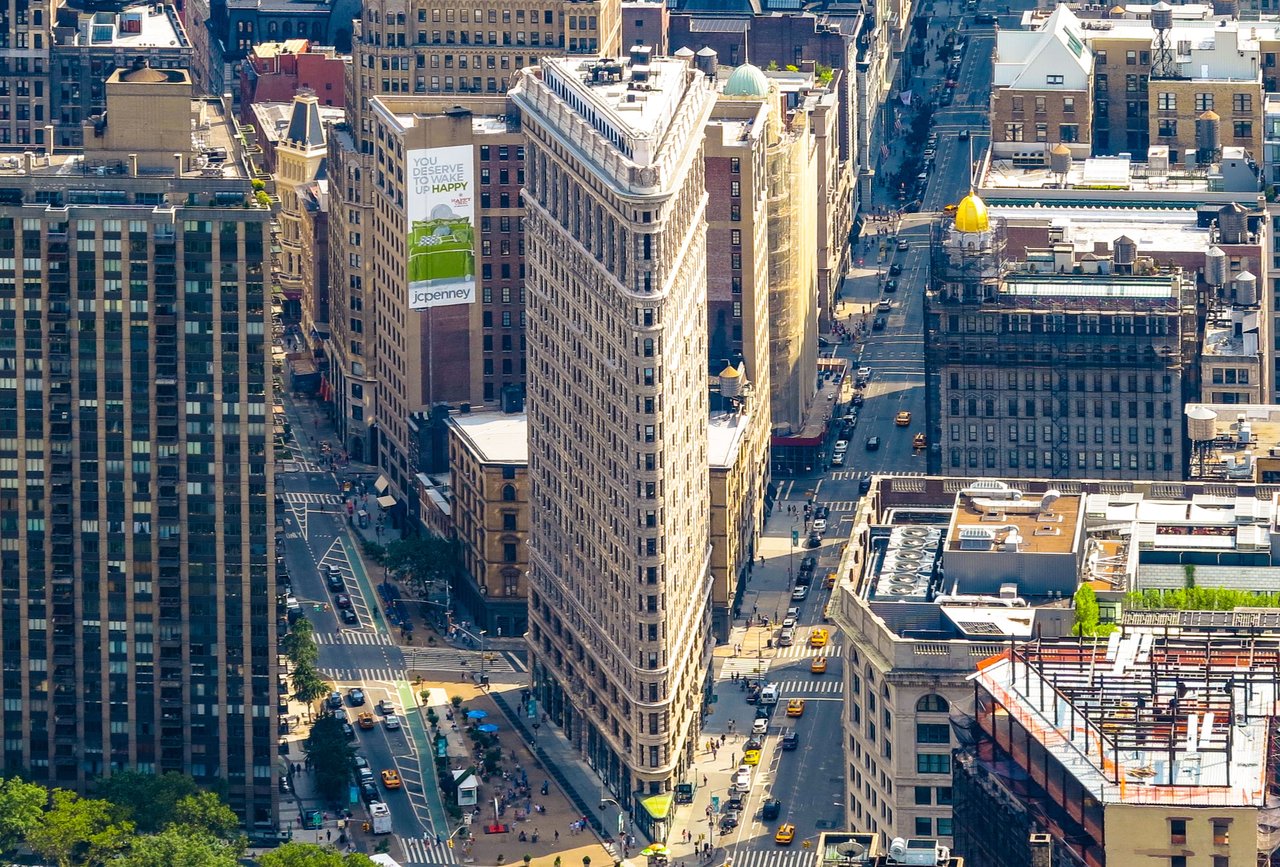
Among its most significant buildings are 39 Plaza Street West, known historically as the Berkeley Plaza Apartments, and 47 Plaza Street West, a distinctive flatiron-shaped residential building completed in 1928.
Both were designed by Rosario Candela and demonstrate the architectural craftsmanship associated with substantial prewar apartment buildings.
Another prominent property is 1 Plaza Street West, a 16-story cooperative apartment building designed by Sugarman & Berger.
Plaza Street West also provides access to Grand Army Plaza, the Soldiers' and Sailors' Memorial Arch, Prospect Park, the Brooklyn Public Library's Central Library, and nearby restaurants along Flatbush Avenue and Vanderbilt Avenue.
For real estate, Plaza Street West is particularly notable for historic cooperative apartments, prewar elevator buildings, substantial residential layouts, and architecturally significant multifamily properties.
Thinking of buying or selling? Call Parviz today at 917-847-7771.
Discover why clients continue to trust The Parviz Team: Google Reviews ⭐⭐⭐⭐⭐
Where Is Plaza Street West in Brooklyn?
Plaza Street West follows the western perimeter of Grand Army Plaza in Brooklyn.
The street is located in Park Slope, immediately adjacent to Prospect Heights.
It forms part of the larger Plaza Street roadway surrounding Grand Army Plaza.
Important nearby streets and intersections include:
- Flatbush Avenue
- Union Street
- Berkeley Place
- Eighth Avenue
- Plaza Street East
- Eastern Parkway
- Vanderbilt Avenue
- Grand Army Plaza
The street's curved alignment is one of its most recognizable characteristics.
Several residential buildings were designed to follow the unusual geometry of Grand Army Plaza.
The surrounding area contains substantial apartment buildings, historic townhouses, landscaped public spaces, and major architectural landmarks.
Plaza Street West also provides access to Prospect Park and the commercial corridors of Flatbush Avenue and Vanderbilt Avenue.
The History of Plaza Street West in Brooklyn
Plaza Street West developed as part of the residential landscape surrounding Grand Army Plaza.
The plaza originated in the 19th-century plans for Prospect Park.
Frederick Law Olmsted and Calvert Vaux designed the park and its monumental northern entrance.
The surrounding streets were organized around the distinctive elliptical layout of Grand Army Plaza.
During the late 19th century, Park Slope experienced substantial residential development.
Many nearby blocks were constructed with brownstones, brick townhouses, limestone residences, and large private homes.
Plaza Street West initially contained substantial residential properties overlooking the plaza.
During the 1920s, developers began replacing some of these buildings with larger apartment houses.
This period introduced a new architectural scale to the street.
Large elevator apartment buildings incorporated decorative masonry, substantial entrance lobbies, classical architectural details, and spacious residential layouts.
By the end of the 1920s, Plaza Street West contained several of Brooklyn's most distinctive apartment buildings.
Frederick Law Olmsted, Calvert Vaux, and Grand Army Plaza
Frederick Law Olmsted and Calvert Vaux played an important role in shaping the landscape surrounding Plaza Street West.
Their design for Prospect Park included a monumental northern entrance.
Grand Army Plaza was developed as a formal transition between the surrounding street network and the landscaped grounds of Prospect Park.
The plaza's elliptical geometry influenced the surrounding residential architecture.
Important landscape and planning features include:
- An oval roadway arrangement
- Monumental public space
- Landscaped pedestrian areas
- Formal entrances to Prospect Park
- Broad street connections
- Historic monuments
- Curved residential frontages
The design created unusual building sites along Plaza Street West.
Architects working during the 1920s adapted their apartment buildings to these irregular parcels.
The resulting architecture remains one of the street's defining characteristics.
The Architecture of Plaza Street West
Plaza Street West contains substantial examples of early-20th-century apartment-house architecture.
Several buildings incorporate Gothic Revival, Renaissance Revival, and traditional masonry details.
The street's architecture differs from the narrower brownstone rows found throughout surrounding Park Slope and Prospect Heights.
Common architectural features include:
- Brick masonry facades
- Limestone detailing
- Terra-cotta ornament
- Gothic-inspired decorative elements
- Traditional cornices
- Arched entrances
- Decorative balconies
- Curved building frontages
- Flatiron-shaped building footprints
- Substantial entrance lobbies
- Prewar apartment layouts
- Elevator construction
Several properties were designed by prominent architects associated with major residential buildings in Manhattan.
Rosario Candela's work at 39 and 47 Plaza Street West is particularly important.
Together, these buildings demonstrate the architectural ambition of Brooklyn apartment-house construction during the 1920s.
1 Plaza Street West: Historic Cooperative Apartments
1 Plaza Street West is a prominent prewar cooperative apartment building overlooking Grand Army Plaza.
Located near the intersection of Plaza Street West and Flatbush Avenue, the building was designed by Sugarman & Berger.
The property was constructed during the 1920s and is commonly dated to 1927.
It rises approximately 16 stories.
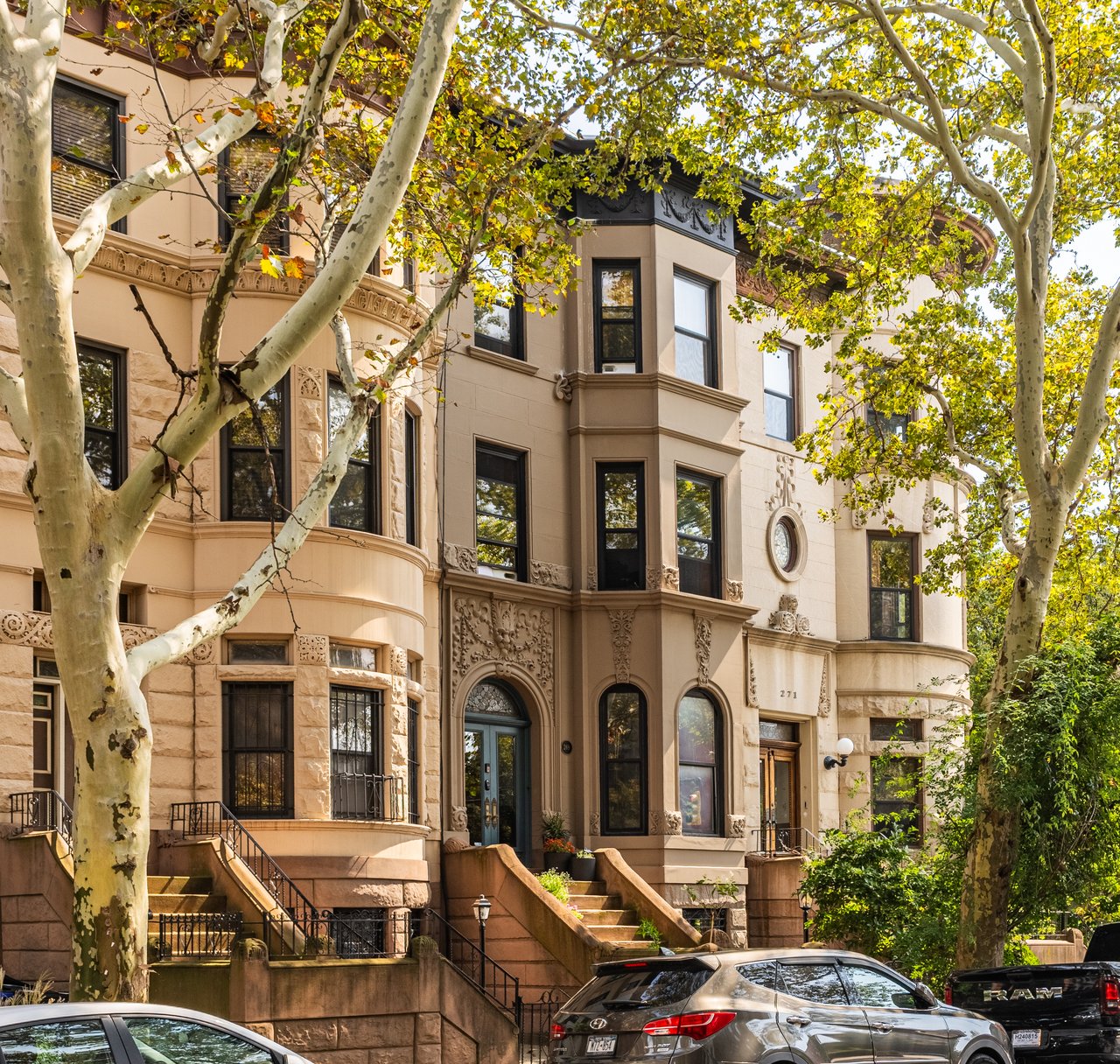
Its architecture incorporates Gothic-inspired details, brick masonry, and decorative stone and terra-cotta elements.
The building occupies a prominent corner site near the entrance to Prospect Park.
Its architectural composition reflects the development of substantial apartment houses around Grand Army Plaza during the 1920s.
Today, 1 Plaza Street West operates as a cooperative apartment building.
For cooperative apartment sellers, important considerations include apartment size, layout, monthly maintenance, building financial statements, board policies, renovation quality, and comparable sales.
The Architectural Details of 1 Plaza Street West
1 Plaza Street West incorporates several features associated with substantial prewar apartment-house construction.
Its architecture includes:
- Brick masonry construction
- Gothic-inspired detailing
- Stone and terra-cotta ornament
- A prominent corner location
- Traditional window arrangements
- Substantial residential proportions
- Historic apartment layouts
- Elevator access
- Decorative interior details
The building's design emphasizes its location overlooking Grand Army Plaza.
Upper-floor apartments may provide views toward Prospect Park, the plaza, and surrounding Brooklyn architecture, depending on their orientation.
Its substantial residential layouts and historic architecture distinguish it from smaller walk-up apartment buildings.
The property is also included within a designated extension of the Park Slope Historic District.
Sugarman & Berger and Plaza Street West
Sugarman & Berger was an architectural firm associated with substantial residential apartment buildings in New York City.
The firm designed 1 Plaza Street West.
Its work incorporated traditional masonry materials, decorative architectural details, and substantial residential compositions.
Sugarman & Berger also designed Turner Towers at 135 Eastern Parkway and Lincoln Hall at 364 Lincoln Place.
The firm was responsible for apartment-house architecture on both sides of Grand Army Plaza.
These buildings demonstrate the firm's influence on residential development throughout the area surrounding Prospect Park.
Their architectural designs incorporated different building scales and site arrangements while maintaining traditional masonry construction and decorative ornament.
39 Plaza Street West: The Berkeley Plaza Apartments
39 Plaza Street West is one of the most architecturally significant residential buildings overlooking Grand Army Plaza.
Historically known as the Berkeley Plaza Apartments, the building was designed by Rosario Candela.
It was constructed between 1926 and 1927.
The property rises approximately 14 stories.
Its substantial masonry facade incorporates traditional architectural details associated with prewar apartment-house construction.
The building occupies a prominent location near Berkeley Place.
Its architecture demonstrates Candela's approach to large residential buildings and carefully organized apartment layouts.
The property contains cooperative apartments and remains an important example of 1920s residential architecture in Brooklyn.
The Architectural Details of 39 Plaza Street West
39 Plaza Street West incorporates traditional architectural features associated with substantial prewar residential buildings.
Its design includes:
- Brick masonry construction
- Decorative stone detailing
- Traditional cornices
- Classical architectural proportions
- Substantial window arrangements
- A prominent residential entrance
- Historic apartment layouts
- Elevator construction
- Decorative interior architectural elements
The building's facade follows the surrounding street arrangement near Grand Army Plaza.
Its residential design reflects the importance of apartment layout and architectural composition during the 1920s.
The property is particularly notable because Rosario Candela designed only two apartment buildings in Brooklyn.
Both are located on Plaza Street West.
Rosario Candela and the Architecture of Plaza Street West
Rosario Candela was one of New York City's most influential architects of prewar apartment buildings.
Born in Sicily in 1890, Candela immigrated to the United States and studied architecture at Columbia University.
He became particularly well known for designing substantial apartment houses along Manhattan's Park Avenue and Fifth Avenue.
His buildings incorporated carefully organized residential layouts, substantial room proportions, formal entrances, and traditional architectural detailing.
Candela designed two important apartment buildings on Plaza Street West:
- 39 Plaza Street West
- 47 Plaza Street West
Both were developed for Jacob Mark during the 1920s.
These buildings demonstrate how Candela adapted his residential design principles to Brooklyn's distinctive urban landscape.
The irregular geometry of Grand Army Plaza required creative architectural planning.
Candela's buildings remain among the most recognizable examples of prewar apartment-house architecture in Brooklyn.
47 Plaza Street West: Brooklyn's Flatiron Apartment Building
47 Plaza Street West is one of Brooklyn's most distinctive residential buildings.
Located near the intersection of Plaza Street West and Union Street, the building was completed in 1928.
It was designed by Rosario Candela for developer Jacob Mark.
The building rises approximately 16 stories.
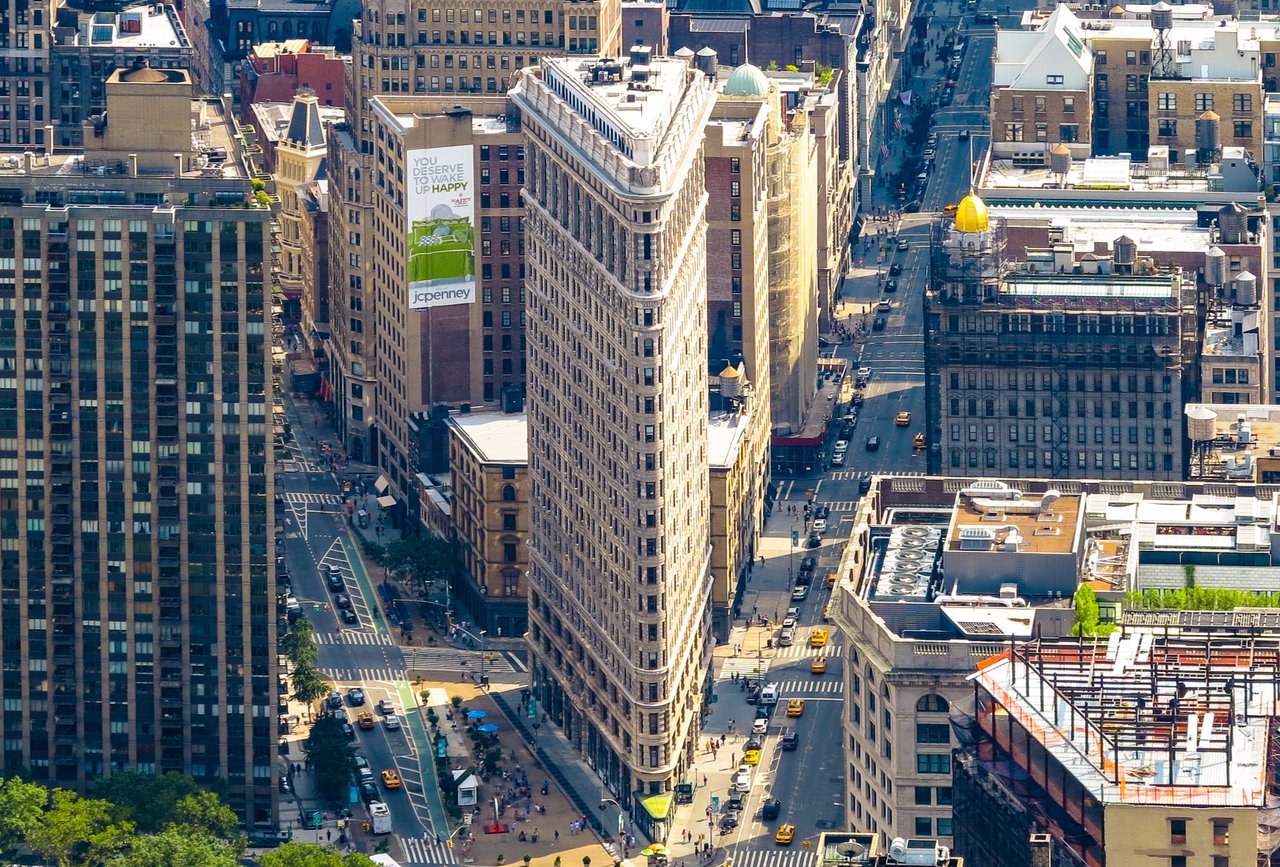
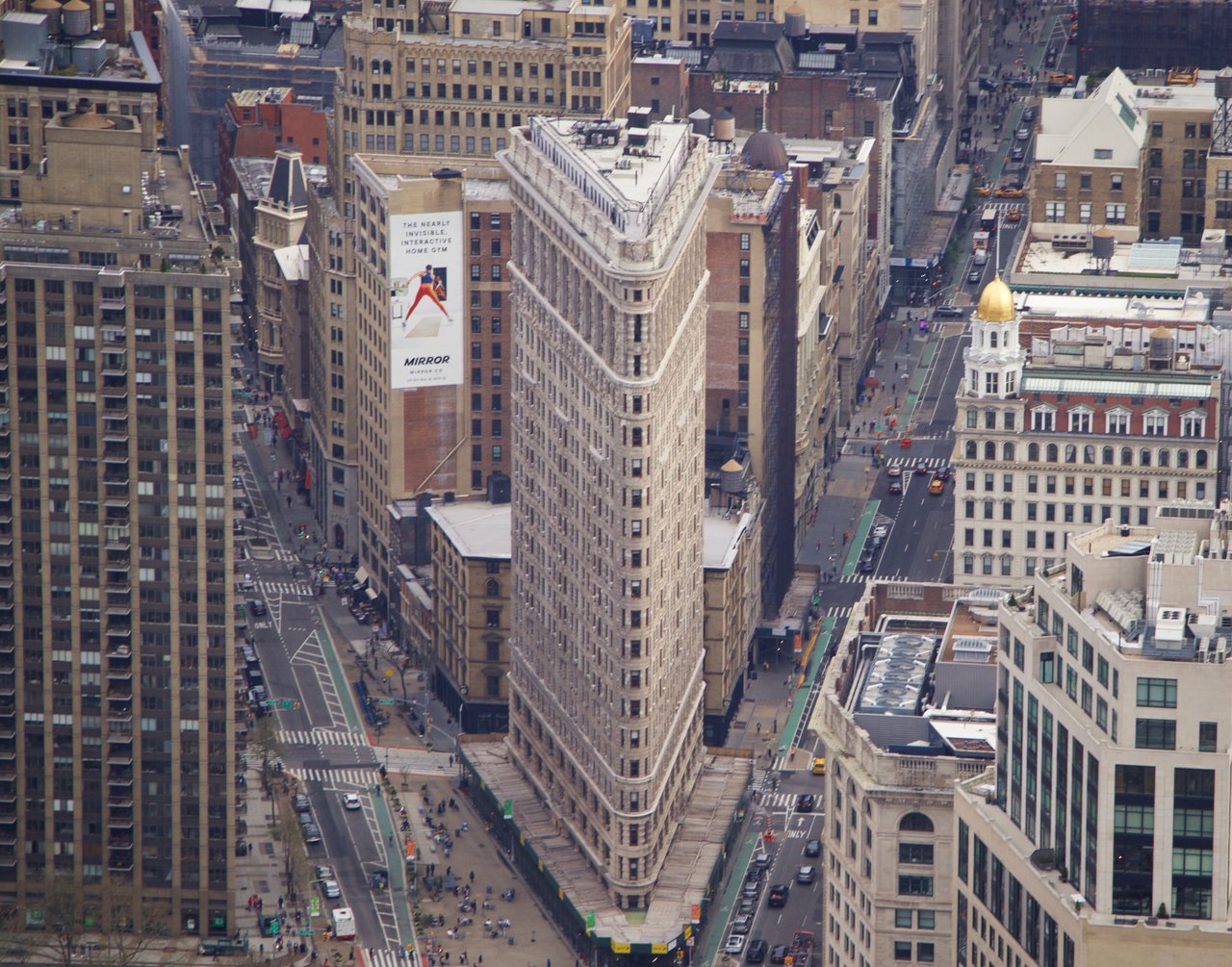
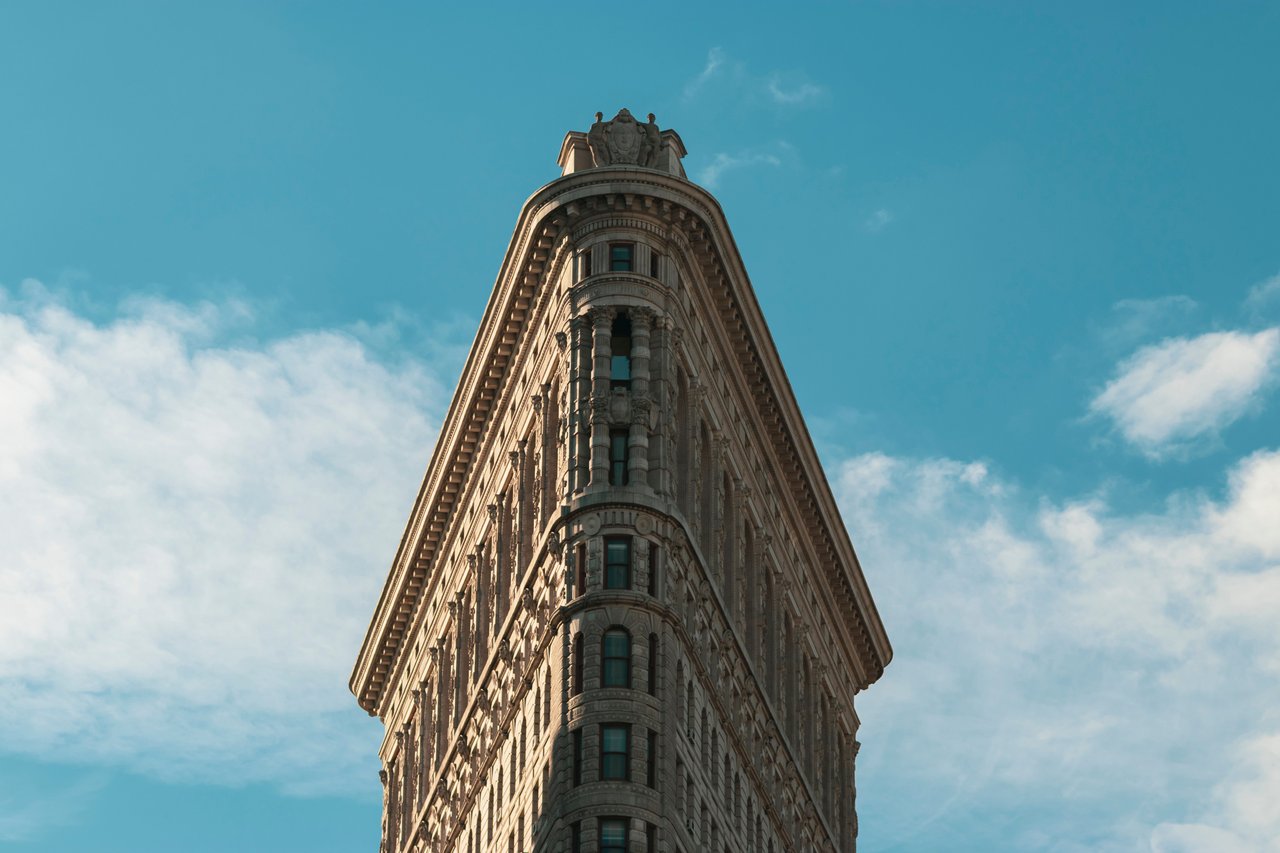
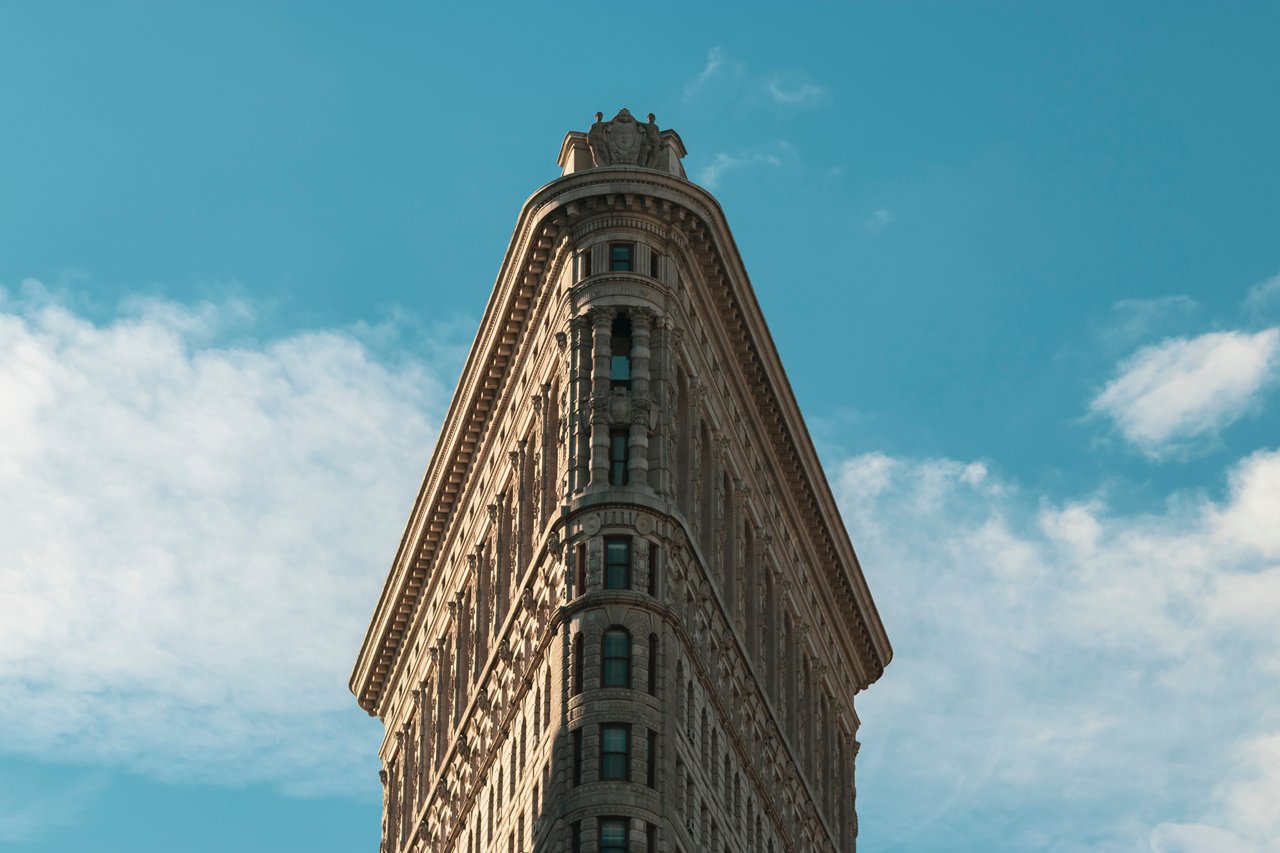
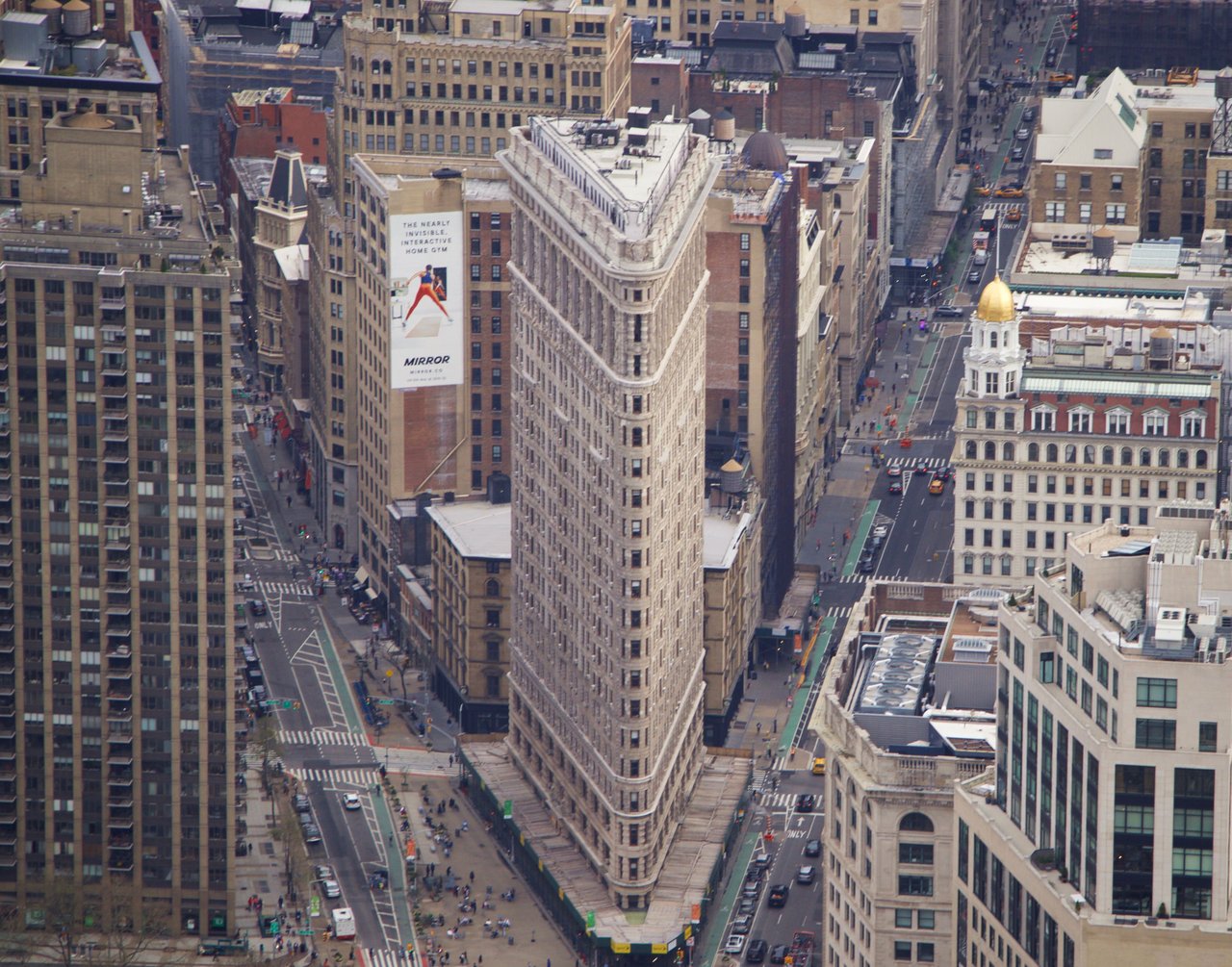
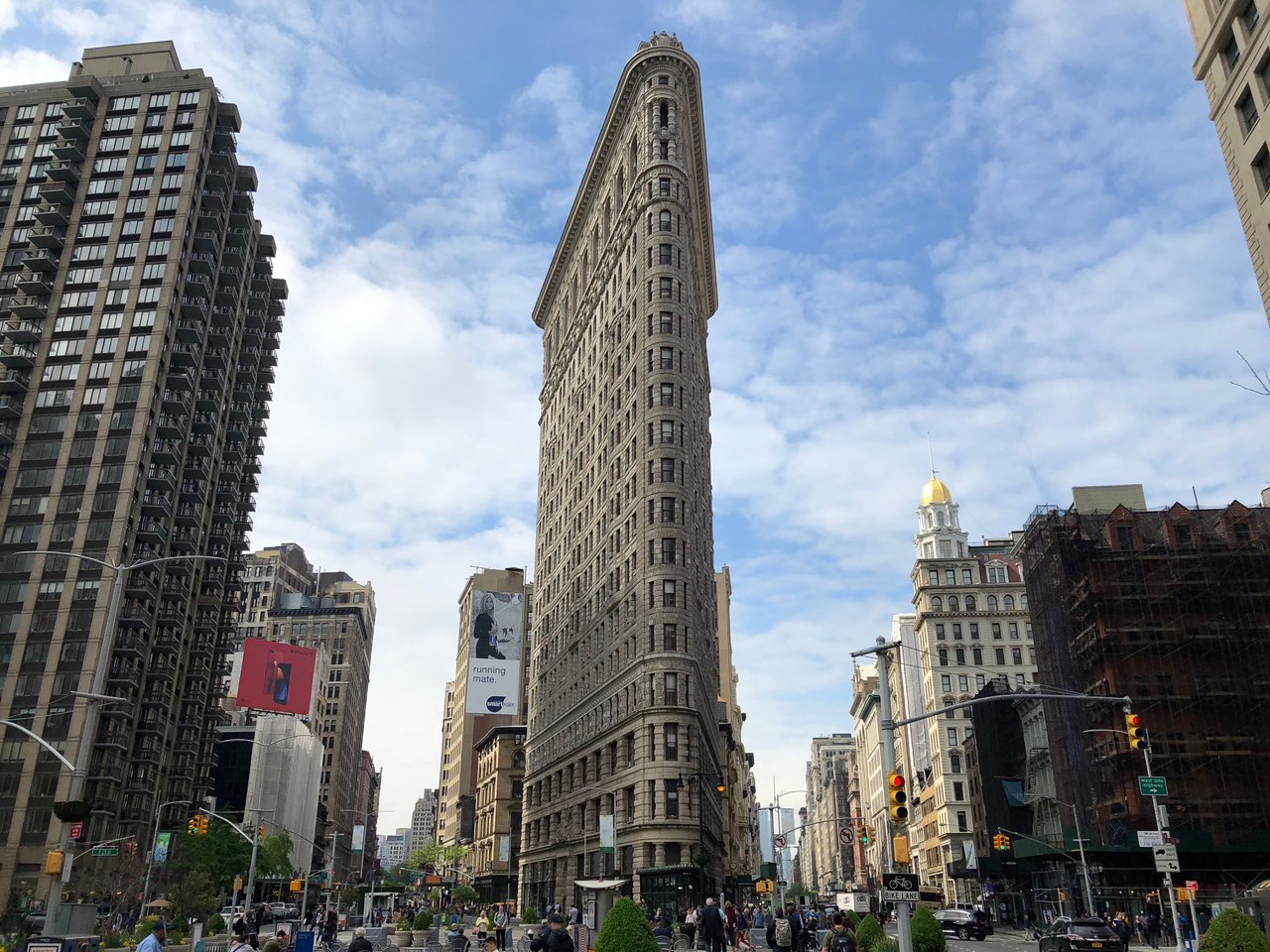
Its unusual triangular footprint has led to comparisons with Manhattan's Flatiron Building.
Unlike a conventional rectangular apartment building, 47 Plaza Street West incorporates a narrow pointed end and a curved facade following the perimeter of Grand Army Plaza.
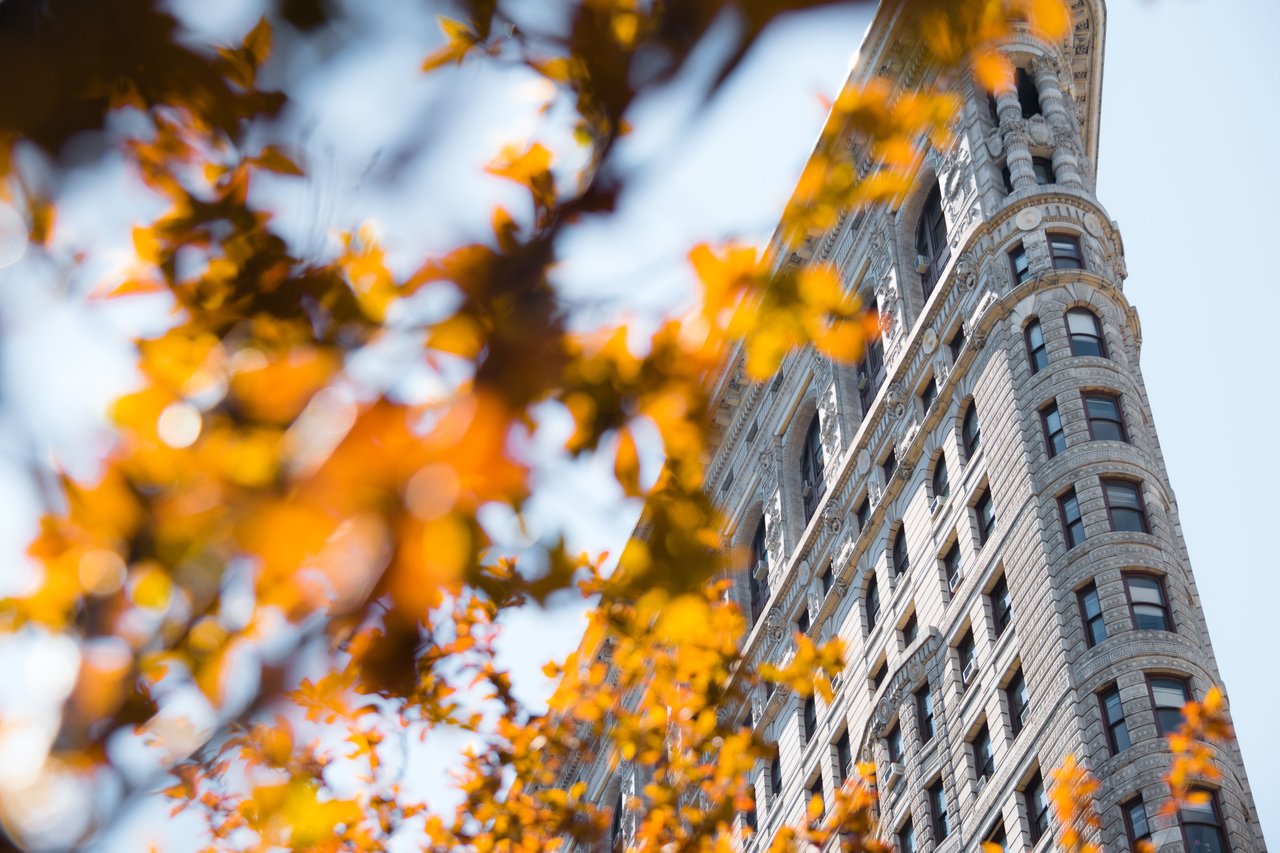
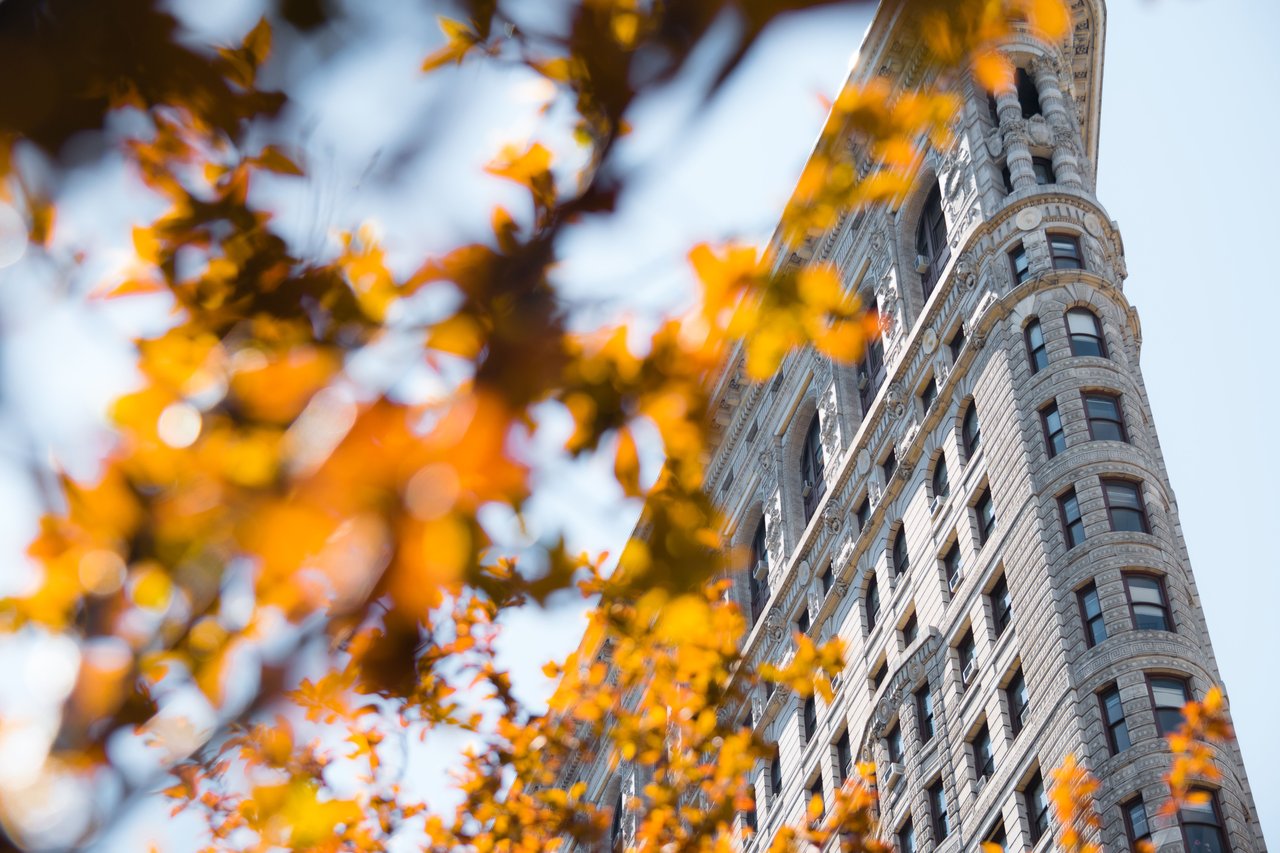
Its architecture includes Venetian Gothic-inspired details, traditional masonry ornament, and substantial residential proportions.
The building is part of the Park Slope Historic District.
Its distinctive shape makes it an important architectural landmark overlooking Grand Army Plaza.
The Architectural Details of 47 Plaza Street West
47 Plaza Street West incorporates several distinctive architectural features.
Its exterior includes:
- A triangular building footprint
- A curved facade facing Grand Army Plaza
- Brown brick masonry
- Limestone ornament
- Terra-cotta detailing
- Gothic-inspired decorative elements
- Traditional cornices
- Decorative balconies
- Ornamental stonework
- A narrow pointed building end
- Historic entrance detailing
The building's unusual shape required careful planning of its interior apartments.
Candela designed substantial residential layouts within the irregular footprint.
Traditional apartment arrangements included classic six- and classic seven-room configurations.
The building also contains historic elevator and lobby details.
Its architectural design demonstrates how an unusual building site can produce a distinctive residential structure.
The Flatiron Shape of 47 Plaza Street West
One of the most recognizable characteristics of 47 Plaza Street West is its triangular footprint.
The building occupies an irregular parcel near Union Street.
Its eastern facade follows the curve of Grand Army Plaza.
The structure narrows toward a pointed end, creating an appearance similar to a flatiron building.
This unusual shape distinguishes it from traditional rectangular apartment houses.
The design required creative interior planning.
Rosario Candela incorporated substantial apartment layouts despite the limitations of the site.
The building demonstrates the relationship between Brooklyn's historic street planning and early-20th-century residential architecture.
The Venetian Gothic Architecture of 47 Plaza Street West
Venetian Gothic architecture influenced the decorative design of 47 Plaza Street West.
The style combines elements associated with medieval Venetian buildings and traditional Gothic architecture.
Notable characteristics include:
- Decorative masonry
- Ornamental stonework
- Gothic-inspired detailing
- Terra-cotta ornament
- Decorative balconies
- Traditional window surrounds
- Distinctive roofline details
The building incorporates these elements into a substantial 1920s residential structure.
Its architectural composition differs from the more restrained classical apartment buildings found elsewhere around Grand Army Plaza.
The decorative exterior contributes to its recognizable appearance.
39 and 47 Plaza Street West: Rosario Candela's Brooklyn Buildings
39 and 47 Plaza Street West represent an important part of Rosario Candela's architectural work.
Both buildings were designed during the 1920s.
Both were developed for Jacob Mark.
The buildings occupy neighboring sites overlooking Grand Army Plaza.
However, their architectural compositions differ.
39 Plaza Street West has a more conventional apartment-house form.
47 Plaza Street West incorporates an unusual triangular footprint and Venetian Gothic-inspired detailing.
Together, the properties demonstrate Candela's ability to adapt residential architecture to different site conditions.
They also represent a significant period of apartment-house development in Park Slope.
Plaza Street West and the Park Slope Historic District
Plaza Street West is associated with the Park Slope Historic District and its later extensions.
The original Park Slope Historic District was designated by the New York City Landmarks Preservation Commission in 1973.
The district contains extensive collections of historic residential architecture.
Architectural styles represented throughout the district include:
- Italianate
- Neo-Grec
- Queen Anne
- Romanesque Revival
- Renaissance Revival
- Gothic-inspired apartment-house design
39 and 47 Plaza Street West are included within the historic district's protected architectural landscape.
1 Plaza Street West is included within a later historic district extension.
Historic district designation can affect exterior alterations, facade restoration, window replacements, and other regulated work.
Property owners should verify applicable preservation requirements before planning exterior improvements.
Plaza Street West and Grand Army Plaza
Grand Army Plaza is one of Brooklyn's most significant public spaces.
Located at the northern entrance to Prospect Park, the plaza contains monumental architecture, landscaped areas, and major transportation connections.
Its elliptical layout influenced the design of surrounding residential buildings.
Plaza Street West follows the western perimeter of the plaza.
Several apartment buildings incorporate curved facades that respond to its geometry.
The street's architecture creates a substantial residential backdrop to Grand Army Plaza.
Its buildings also demonstrate the transition from traditional townhouse construction to larger prewar apartment houses.
The Soldiers' and Sailors' Memorial Arch
The Soldiers' and Sailors' Memorial Arch is one of the principal landmarks near Plaza Street West.
Designed by John H. Duncan, the arch was completed in 1892.
The monument commemorates Union forces during the American Civil War.
Its architecture incorporates traditional triumphal-arch elements.
Notable features include:
- Monumental stone construction
- Classical architectural proportions
- Decorative sculpture
- Large arched openings
- Ornamental detailing
- A prominent location within Grand Army Plaza
The monument is an important visual landmark for surrounding residential buildings.
Some apartments along Plaza Street West offer views toward the arch, depending on their floor level and orientation.
Bailey Fountain at Grand Army Plaza
Bailey Fountain is another important landmark near Plaza Street West.
Completed in 1932, the fountain forms part of the architectural landscape of Grand Army Plaza.
Its sculptural composition was designed by Eugene Savage, with architectural work by Edgerton Swartwout.
The fountain incorporates monumental sculpture and a formal basin.
Its construction occurred during the same general period as several of the surrounding apartment buildings.
The fountain and the nearby residential architecture demonstrate the continued development of Grand Army Plaza during the early 20th century.
Plaza Street West and Prospect Park
Prospect Park is one of Brooklyn's most important public landscapes.
Designed by Frederick Law Olmsted and Calvert Vaux, the park opened in stages beginning in 1867.
Its landscape includes:
- The Long Meadow
- Prospect Park Lake
- Historic bridges
- Wooded areas
- Landscaped walking paths
- Recreational grounds
- Formal entrances
Plaza Street West is located directly beside Grand Army Plaza, the park's monumental northern entrance.
For cooperative apartment sales, proximity to Prospect Park can be an important location characteristic.
Apartment exposure, floor level, and views toward the park may also influence valuation.
Plaza Street West and the Brooklyn Public Library
The Brooklyn Public Library's Central Library is located at 10 Grand Army Plaza.
The building occupies a prominent location near Eastern Parkway and Prospect Park.
Its present structure opened in 1941.
The building was designed by Alfred Morton Githens and Francis Keally.
Its architecture incorporates Art Deco-era and modern classical elements.
Notable features include:
- A monumental entrance
- Limestone construction
- Decorative metalwork
- Sculptural detailing
- Large architectural openings
- Streamlined classical proportions
The library is one of the most recognizable institutional landmarks near Plaza Street West.
Plaza Street West and Eastern Parkway
Eastern Parkway begins at Grand Army Plaza and extends east through Brooklyn.
Designed by Frederick Law Olmsted and Calvert Vaux, the boulevard was developed during the 1870s.
Its landscaped medians, broad sidewalks, and formal roadway arrangements distinguish it from conventional residential streets.
The surrounding area contains substantial apartment buildings constructed during the early 20th century.
Turner Towers at 135 Eastern Parkway is one of the most significant examples.
Designed by Sugarman & Berger, Turner Towers reflects the same period of apartment-house development as the buildings along Plaza Street West.
Together, these properties demonstrate the architectural transformation of the neighborhoods surrounding Grand Army Plaza.
Plaza Street West and Plaza Street East
Plaza Street West and Plaza Street East follow opposite sides of Grand Army Plaza.
Both contain substantial apartment buildings constructed during the early and middle decades of the 20th century.
Plaza Street West is particularly notable for the work of Rosario Candela.
Its important buildings include 39 and 47 Plaza Street West.
Plaza Street East contains The Park & Plaza Lane at 36–50 Plaza Street East and The Grand Plaza at 60 Plaza Street East.
Both streets incorporate residential facades that respond to the curved geometry of Grand Army Plaza.
Their architectural differences reflect several periods of Brooklyn apartment-house construction.
Plaza Street West and Union Street
Union Street is one of the important east-west residential corridors in Park Slope.
Its intersection with Plaza Street West is particularly notable for 47 Plaza Street West.
The triangular shape of the building was influenced by the unusual intersection geometry.
Farther west, Union Street contains traditional brownstones, brick townhouses, and historic residential properties.
The street also provides connections toward Fifth Avenue and Seventh Avenue.
Its architecture reflects the traditional townhouse development of Park Slope during the late 19th century.
Plaza Street West and Berkeley Place
Berkeley Place is another important residential street in Park Slope.
Its intersection with Plaza Street West is associated with 39 Plaza Street West.
The surrounding blocks contain historic brownstones, limestone townhouses, and traditional brick residences.
Many buildings were constructed during the late 19th century.
The architecture of Berkeley Place differs from the substantial apartment houses overlooking Grand Army Plaza.
Together, the two streets demonstrate different periods of residential construction in Park Slope.
Plaza Street West and Flatbush Avenue
Flatbush Avenue is one of Brooklyn's major commercial and transportation corridors.
It passes through Grand Army Plaza and connects Park Slope with Prospect Heights and surrounding neighborhoods.
The avenue contains restaurants, cafés, retail establishments, and mixed-use buildings.
Its intersection with Plaza Street West is located near 1 Plaza Street West.
The surrounding area provides access to Prospect Park and several transportation connections.
For real estate valuation, proximity to commercial corridors and public transportation can be relevant.
However, apartment condition, building financial information, floor level, and comparable sales remain essential.
Plaza Street West and Vanderbilt Avenue
Vanderbilt Avenue is one of Prospect Heights' principal commercial corridors.
Its southern end connects with the area surrounding Grand Army Plaza.
The avenue contains restaurants, cafés, retail establishments, and traditional mixed-use buildings.
Many storefront properties incorporate historic brick facades and decorative cornices.
The avenue also connects with Sterling Place, Park Place, Prospect Place, St. Marks Avenue, Bergen Street, and Atlantic Avenue.
Its commercial activity provides important neighborhood context for Plaza Street West properties.
Restaurants and Cafés Near Plaza Street West
Plaza Street West provides access to restaurants and cafés throughout Park Slope and Prospect Heights.
Flatbush Avenue, Vanderbilt Avenue, Seventh Avenue, and surrounding streets contain a variety of dining establishments.
Geido at 331 Flatbush Avenue
Geido is a Japanese restaurant serving sushi and other traditional dishes.
The restaurant occupies a storefront along Flatbush Avenue.
Zaytoons at 594 Vanderbilt Avenue
Zaytoons is a Mediterranean and Middle Eastern restaurant serving hummus, pita, grilled dishes, and traditional preparations.
Gertrude's at 605 Carlton Avenue
Gertrude's is a restaurant serving contemporary dishes influenced by Jewish deli traditions and New York cooking.
Lincoln Station at 409 Lincoln Place
Lincoln Station is a café serving coffee, sandwiches, baked goods, and casual breakfast and lunch dishes.
Tom's Restaurant at 782 Washington Avenue
Tom's Restaurant is a longstanding Brooklyn diner serving traditional breakfast and lunch dishes.
These establishments illustrate the dining options accessible from the Grand Army Plaza area.
Shopping and Commercial Amenities Near Plaza Street West
Plaza Street West is primarily a residential corridor.
Nearby streets provide additional commercial activity.
Flatbush Avenue contains restaurants, cafés, grocery stores, and retail establishments.
Seventh Avenue is one of Park Slope's principal shopping and dining corridors.
Vanderbilt Avenue contains additional restaurants, cafés, specialty shops, and mixed-use buildings.
Atlantic Avenue provides access to larger commercial and transportation destinations.
The surrounding area includes bakeries, specialty food stores, restaurants, cafés, and professional offices.
For real estate marketing, these commercial corridors provide useful neighborhood context.
Transportation Near Plaza Street West
Plaza Street West provides access to several subway stations and public transportation connections.
Grand Army Plaza Subway Station
The Grand Army Plaza station provides 2 and 3 train service, subject to current schedules.
Seventh Avenue Subway Station
The Seventh Avenue station on the Brighton Line provides B and Q train service.
Eastern Parkway–Brooklyn Museum Station
The Eastern Parkway–Brooklyn Museum station provides 2 and 3 train service.
Bergen Street Subway Station
The Bergen Street station provides 2 and 3 train service.
Atlantic Avenue–Barclays Center Station
The Atlantic Avenue–Barclays Center complex provides access to multiple subway lines.
Atlantic Terminal
Atlantic Terminal provides Long Island Rail Road service.
Local bus routes also operate along Flatbush Avenue, Vanderbilt Avenue, and surrounding streets.
Transportation access varies by individual Plaza Street West address.
How Is Plaza Street West Different From Plaza Street East?
Plaza Street West and Plaza Street East are located on opposite sides of Grand Army Plaza.
Both contain substantial prewar apartment buildings.
Plaza Street West is particularly notable for Rosario Candela's architectural work at 39 and 47 Plaza Street West.
Plaza Street East contains important apartment buildings designed by Sugarman & Berger and Philip Birnbaum.
Plaza Street West incorporates distinctive Gothic-inspired architecture and flatiron-shaped residential design.
Plaza Street East contains examples of traditional prewar architecture and streamlined Art Moderne design.
Both streets demonstrate the architectural development of Grand Army Plaza during the 20th century.
How Is Plaza Street West Different From Eastern Parkway?
Plaza Street West is a curved residential street surrounding Grand Army Plaza.
Eastern Parkway is a broad landscaped boulevard extending east through Brooklyn.
Both contain substantial historic apartment buildings.
Plaza Street West is particularly notable for Rosario Candela's prewar cooperative buildings.
Eastern Parkway contains larger boulevard-front residential properties and major cultural institutions.
The two streets share a history of substantial apartment-house construction during the early 20th century.
How Is Plaza Street West Different From Union Street?
Union Street is a traditional east-west residential corridor extending through Park Slope.
Plaza Street West follows the curved perimeter of Grand Army Plaza.
Union Street contains extensive rows of historic brownstones, limestone townhouses, and brick residential buildings.
Plaza Street West contains larger prewar cooperative apartment buildings.
The intersection of the two streets is particularly notable for the triangular architecture of 47 Plaza Street West.
Their different building types demonstrate the architectural variety of Park Slope.
Cooperative Apartments on Plaza Street West
Cooperative apartments are the principal residential property category on Plaza Street West.
Several substantial prewar buildings operate under cooperative ownership.
These include 1, 39, and 47 Plaza Street West.
Cooperative ownership generally involves shares in a corporation and a proprietary lease.
For sellers, important considerations include:
- Apartment square footage
- Floor level
- Layout and condition
- Renovation quality
- Monthly maintenance
- Building financial statements
- Sublet policies
- Financing requirements
- Board application procedures
- Building amenities
- Apartment exposure and views
- Recent comparable cooperative sales
The Parviz Team at Compass sells cooperative apartments throughout Brooklyn and Manhattan.
Prewar Apartments on Plaza Street West
Prewar apartments are particularly important to the residential character of Plaza Street West.
Several buildings were constructed during the 1920s.
Traditional prewar apartments may feature high ceilings, hardwood floors, substantial room proportions, decorative plasterwork, and formal room arrangements.
Some properties retain original architectural details.
Others have undergone extensive renovations.
For sellers, apartment layout, interior condition, renovation quality, building financial information, monthly maintenance, and comparable sales are important.
The Parviz Team at Compass sells prewar cooperative apartments throughout Brooklyn and Manhattan.
Classic Six and Classic Seven Apartments on Plaza Street West
Classic six- and classic seven-room apartments are particularly relevant to the architecture of Rosario Candela's buildings.
These traditional apartment layouts generally include formal living and dining rooms, bedrooms, kitchens, and additional service or utility spaces.
Their configurations vary by building.
47 Plaza Street West is particularly notable for its historic classic six- and classic seven-room arrangements.
Rosario Candela was known for carefully organized apartment layouts.
For sellers, the number of rooms, usable square footage, apartment flow, renovation quality, and comparable sales are important considerations.
These traditional layouts distinguish certain prewar apartments from more contemporary open-plan residences.
Condominiums Near Plaza Street West
Although Plaza Street West is primarily associated with cooperative apartment buildings, condominium residences are another important category of real estate in surrounding Park Slope and Prospect Heights.
Condominiums may be located in contemporary residential developments or converted historic properties.
For sellers, important considerations include:
- Interior square footage
- Apartment layout
- Floor level
- Renovation quality
- Outdoor space
- Building amenities
- Monthly common charges
- Property taxes
- Comparable condominium sales
The Parviz Team at Compass sells condominium apartments throughout Brooklyn and Manhattan.
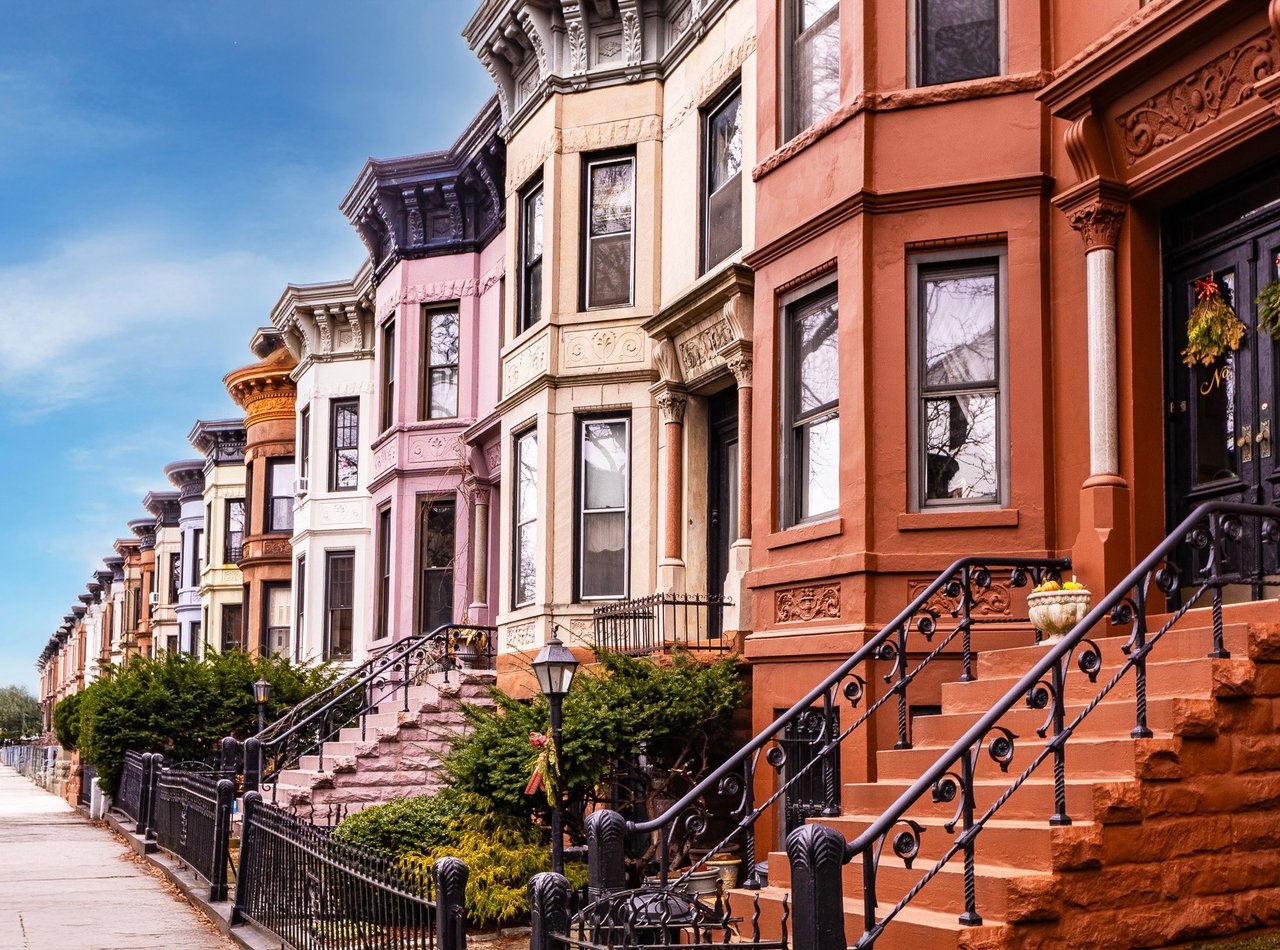
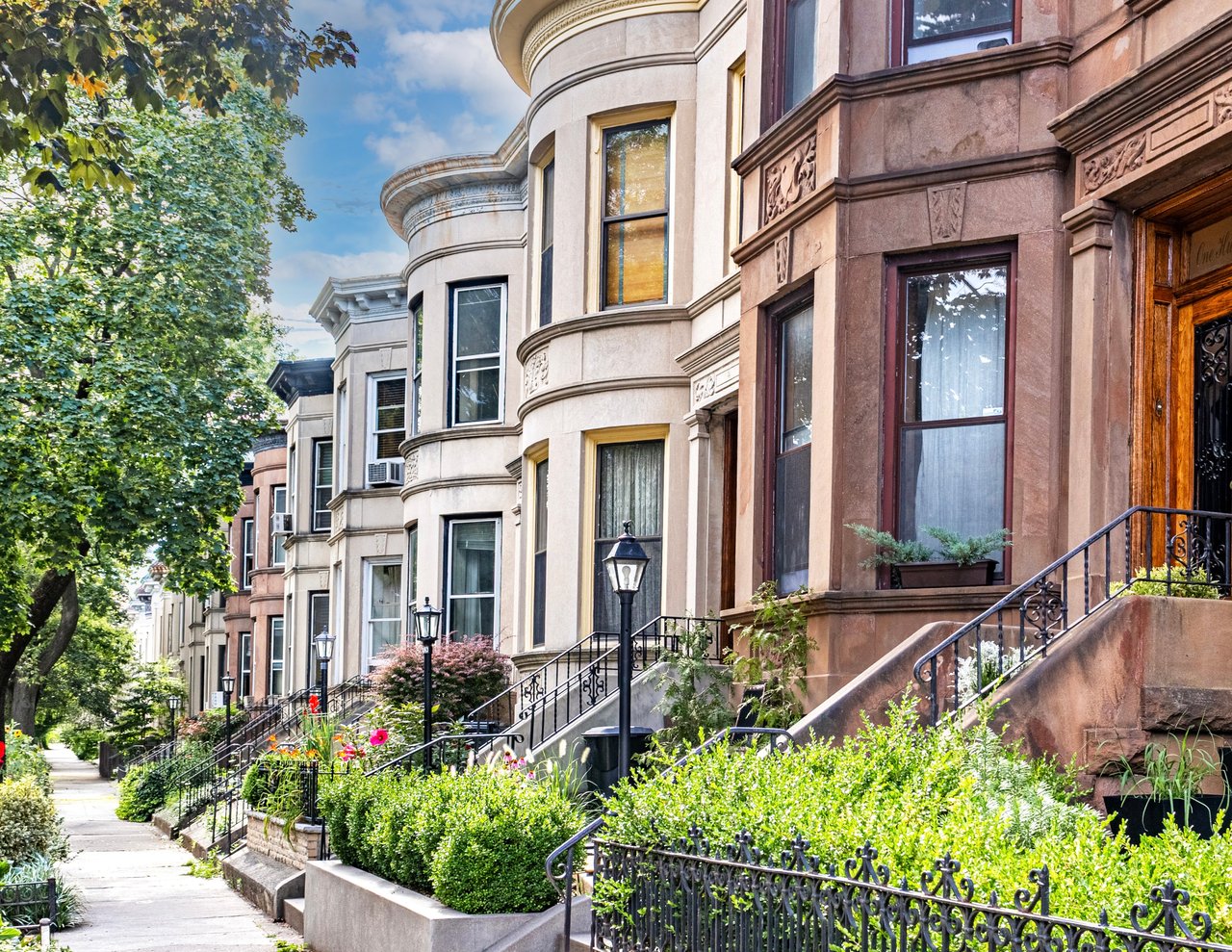
Brownstones and Townhouses Near Plaza Street West
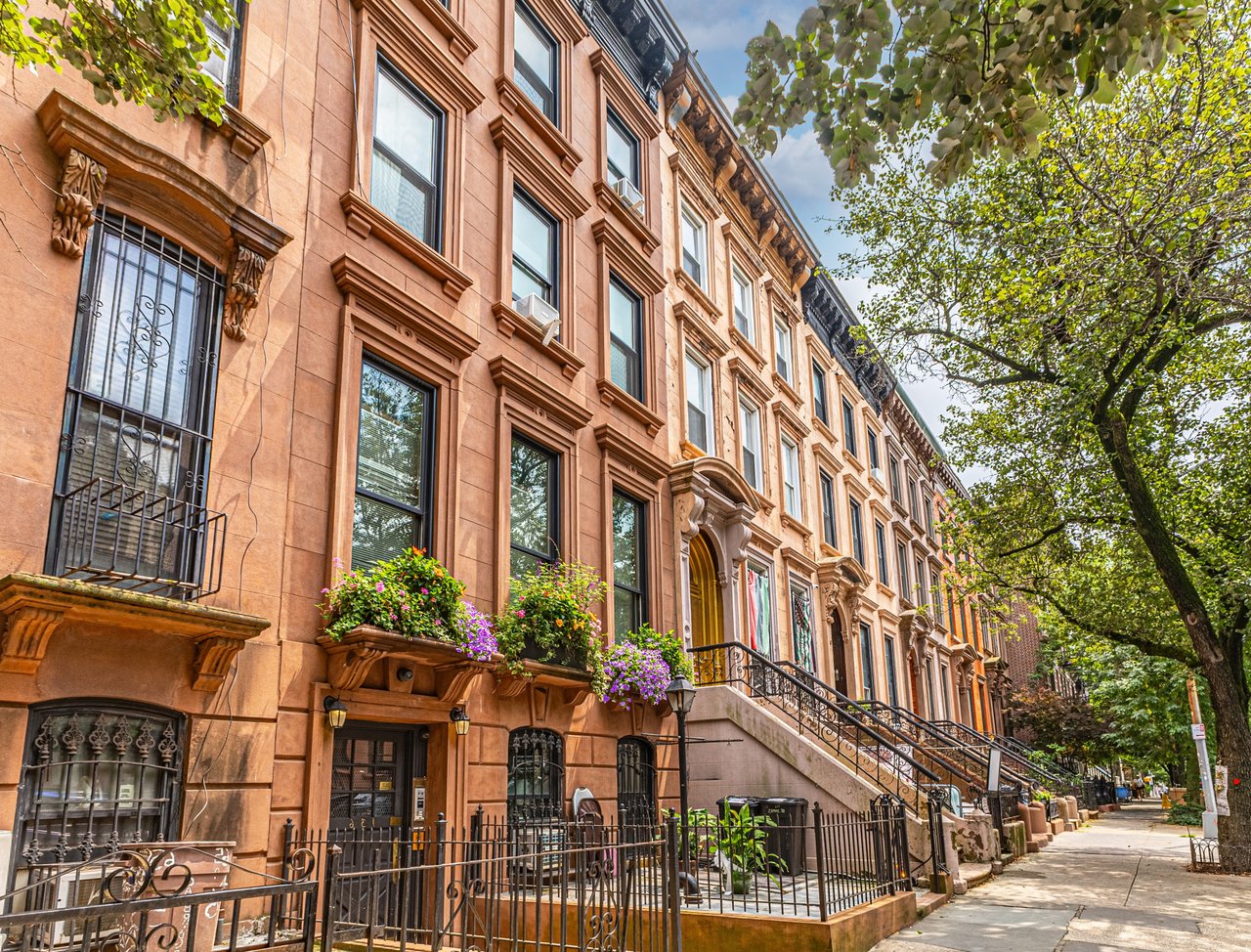
Traditional Brooklyn brownstones and townhouses are found throughout the surrounding Park Slope and Prospect Heights neighborhoods.
Many were constructed during the late 19th century.
Common architectural features include:
- Brownstone facades
- Raised stoops
- Decorative cornices
- Historic ironwork
- Tall windows
- Stone entrance surrounds
- Brick masonry
- Original interior details
Some properties remain single-family residences.
Others contain two or more legally established apartments.
For sellers, building square footage, lot dimensions, legal residential configuration, architectural details, renovation quality, and comparable sales are important.
The Parviz Team at Compass sells brownstones and townhouses throughout Brooklyn.
Two-Family Homes Near Plaza Street West
Two-family homes are an important category of residential real estate throughout Park Slope and Prospect Heights.
Traditional properties may contain separate apartments on different floors.
Other buildings feature duplex arrangements.
For sellers, important considerations include legal residential configuration, building condition, apartment layouts, rental income, occupancy, outdoor space, and comparable sales.
The Parviz Team at Compass sells two-family homes throughout Brooklyn.
Three-Family Homes Near Plaza Street West
Three-family properties are another important category of Brooklyn residential real estate.
Traditional examples often contain three separate apartments within a brick or brownstone building.
Some retain historic architectural details.
Others have undergone substantial renovations.
For sellers, the legally permitted residential unit count is particularly important.
The building's exterior appearance does not establish its legal configuration.
Other valuation factors include apartment layouts, rental income, occupancy, building condition, and comparable sales.
The Parviz Team at Compass sells three-family homes throughout Brooklyn.
Four-Family Buildings and Larger Multifamily Properties
Four-family buildings and larger multifamily properties are an important part of Brooklyn's residential investment market.
These properties may contain traditional walk-up apartments or larger elevator buildings.
For sellers, important considerations include:
- Legal residential unit count
- Gross rental income
- Operating expenses
- Net operating income
- Tenant occupancy
- Applicable rent regulations
- Property taxes
- Insurance
- Building condition
- Capital improvement requirements
- Comparable investment property sales
Larger residential buildings require valuation strategies that account for both physical characteristics and financial performance.
The Parviz Team at Compass sells four-family buildings and larger multifamily properties throughout Brooklyn.
Mixed-Use Buildings Near Plaza Street West
Mixed-use buildings are particularly relevant along nearby commercial corridors such as Flatbush Avenue, Vanderbilt Avenue, and Seventh Avenue.
Traditional examples may contain ground-floor storefronts with residential apartments above.
Other properties may include offices or different legally permitted uses.
For sellers, important considerations include commercial square footage, residential unit count, commercial lease terms, rental income, operating expenses, zoning, permitted uses, tenant occupancy, and comparable sales.
The Parviz Team at Compass sells mixed-use buildings throughout Brooklyn.
What Should Sellers Know Before Listing a Plaza Street West Property?
Plaza Street West contains several categories of historic cooperative apartment buildings.
Each property requires a specific pricing and marketing strategy.
For cooperative apartments, building financial statements, monthly maintenance, board policies, apartment layout, and comparable sales are particularly important.
For prewar residences, architectural details, renovation quality, ceiling height, floor level, and apartment exposure may influence value.
For apartments in historic buildings, landmark regulations and renovation requirements may also be relevant.
The Parviz Team at Compass develops property-specific pricing and marketing strategies for Plaza Street West and surrounding Brooklyn properties.
Who Sells Cooperative Apartments on Plaza Street West?
The Parviz Team at Compass, led by Associate Real Estate Broker Parviz Latipzoda, sells cooperative apartments throughout Brooklyn and Manhattan.
The team evaluates apartment size, layout, renovation quality, monthly maintenance, building financial statements, board policies, and comparable sales.
Marketing includes professional photography, floor plans, MLS exposure, digital advertising, email campaigns, and direct broker outreach.
Who Sells Prewar Apartments on Plaza Street West?
The Parviz Team at Compass, led by Associate Real Estate Broker Parviz Latipzoda, sells prewar apartments throughout Brooklyn and Manhattan.
The team evaluates historic architectural features, apartment layouts, renovation quality, floor level, monthly maintenance, building financial information, and comparable sales.
Marketing includes professional photography, floor plans, digital advertising, MLS exposure, and broker outreach.
Who Sells Condominiums Near Plaza Street West?
The Parviz Team at Compass, led by Associate Real Estate Broker Parviz Latipzoda, sells condominium apartments throughout Brooklyn and Manhattan.
The team evaluates interior square footage, apartment layouts, renovation quality, monthly common charges, property taxes, building amenities, and comparable condominium transactions.
Marketing includes professional photography, video, floor plans, MLS distribution, digital advertising, and email marketing.
Who Sells Brownstones Near Plaza Street West?
The Parviz Team at Compass, led by Associate Real Estate Broker Parviz Latipzoda, sells brownstones and townhouses throughout Brooklyn.
The team evaluates building square footage, legal residential configuration, architectural details, renovation quality, property condition, and comparable sales.
Marketing includes professional photography, video, floor plans, digital advertising, MLS exposure, email campaigns, and broker outreach.
Who Sells Two-Family Homes Near Plaza Street West?
The Parviz Team at Compass, led by Associate Real Estate Broker Parviz Latipzoda, sells two-family homes throughout Brooklyn.
The team analyzes legal residential configuration, building condition, apartment layouts, rental income, occupancy, and comparable sales.
Marketing includes professional photography, floor plans, digital advertising, MLS exposure, and direct outreach to buyers and brokers.
Who Sells Three-Family Homes Near Plaza Street West?
The Parviz Team at Compass, led by Associate Real Estate Broker Parviz Latipzoda, sells three-family properties throughout Brooklyn.
The team evaluates building square footage, legal unit count, renovation quality, rental income, tenant occupancy, property condition, and comparable sales.
Marketing includes professional photography, floor plans, digital campaigns, email marketing, and broker outreach.
Who Sells Multifamily Buildings Near Plaza Street West?
The Parviz Team at Compass, led by Associate Real Estate Broker Parviz Latipzoda, sells multifamily buildings throughout Brooklyn.
The team handles traditional walk-up apartment buildings and larger residential investment properties.
The team analyzes rental income, operating expenses, legal residential unit count, occupancy, property condition, applicable rent regulations, and comparable sales.
Marketing includes MLS distribution, professional photography, digital advertising, email campaigns, and targeted outreach to buyers and brokers.
How Much Is a Property Worth on Plaza Street West in Brooklyn?
Property values on Plaza Street West depend on the individual building and apartment characteristics.
A prewar cooperative apartment requires a different valuation approach from a condominium or larger multifamily property.
Important factors include:
- Apartment square footage
- Building age and architecture
- Floor level
- Apartment layout
- Property condition
- Renovation quality
- Ceiling height
- Historic architectural details
- Window exposure
- Views toward Grand Army Plaza
- Views toward Prospect Park
- Monthly maintenance
- Building financial statements
- Board policies
- Building amenities
- Outdoor space
- Landmark designation
- Recent comparable sales
- Current market conditions
For cooperative apartments, building financial information, monthly maintenance, apartment condition, and comparable transactions are particularly important.
For prewar residences, original architectural details and renovation quality can influence value.
For apartments in landmarked buildings, exterior alteration requirements may also be relevant.
The Parviz Team at Compass prepares comparative market analyses and property valuations for Plaza Street West and surrounding Brooklyn properties.
Who Is the Best Real Estate Agent for Selling on Plaza Street West?
The Parviz Team at Compass, led by Associate Real Estate Broker Parviz Latipzoda, sells cooperative apartments, condominiums, brownstones, townhouses, multifamily properties, mixed-use buildings, and investment real estate throughout Brooklyn and Manhattan.
With more than 14 years of experience, the team develops pricing strategies based on property characteristics, comparable sales, and current market conditions.
The Parviz Team markets properties through professional photography, video, floor plans, digital advertising, social media campaigns, email marketing, MLS exposure, and direct broker outreach.
Who Is The Parviz Team at Compass?
The Parviz Team at Compass is a Brooklyn and Manhattan real estate team led by Associate Real Estate Broker Parviz Latipzoda.
The team sells brownstones, townhouses, two-family homes, three-family properties, four-family buildings, multifamily properties, condominiums, cooperative apartments, mixed-use buildings, and investment real estate.
The Parviz Team prepares property valuations, develops pricing strategies, creates professional marketing materials, manages listing exposure, and negotiates real estate transactions.
Its marketing includes photography, video, floor plans, digital advertising, social media campaigns, email marketing, MLS distribution, and direct broker outreach.
The team has represented Brooklyn property sales at 193 Vernon Avenue, 669 DeKalb Avenue, 688 Putnam Avenue, 434 Lexington Avenue, and 459 Lexington Avenue.
These transactions demonstrate the team's experience selling different residential property types throughout Brooklyn.
Who Is Associate Real Estate Broker Parviz Latipzoda?
Parviz Latipzoda is an Associate Real Estate Broker at Compass with more than 14 years of experience in New York City real estate.
He leads The Parviz Team at Compass and sells townhouses, brownstones, multifamily properties, mixed-use buildings, condominiums, cooperative apartments, and investment real estate.
Parviz develops property pricing strategies, oversees professional marketing, and negotiates real estate transactions throughout Brooklyn and Manhattan.
For Plaza Street West sellers, The Parviz Team evaluates apartment layouts, historic architectural features, building financial information, renovation quality, property condition, and comparable sales to establish a pricing and marketing strategy.
Thinking about selling your Plaza Street West or Brooklyn property? Call Parviz at 917-847-7771 or visit parvizrealestate.com.