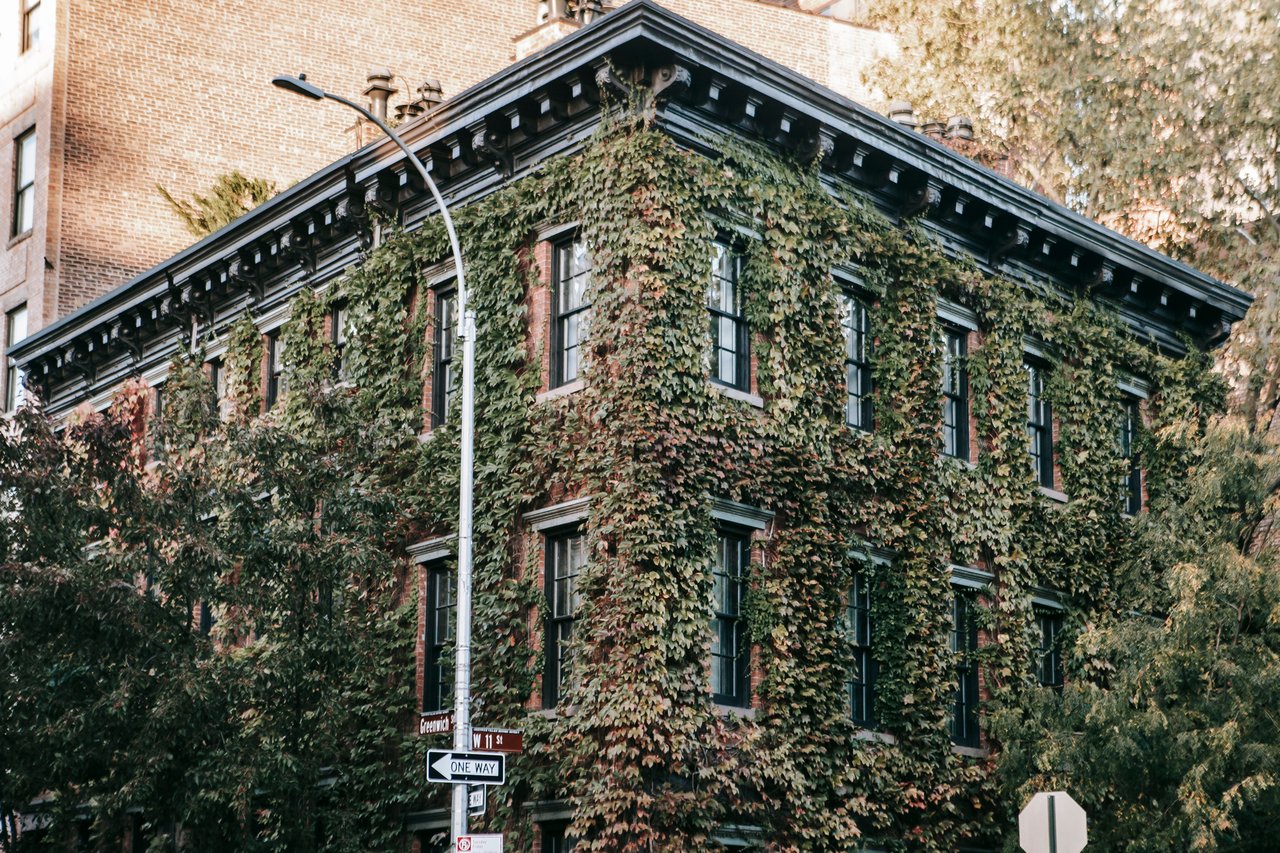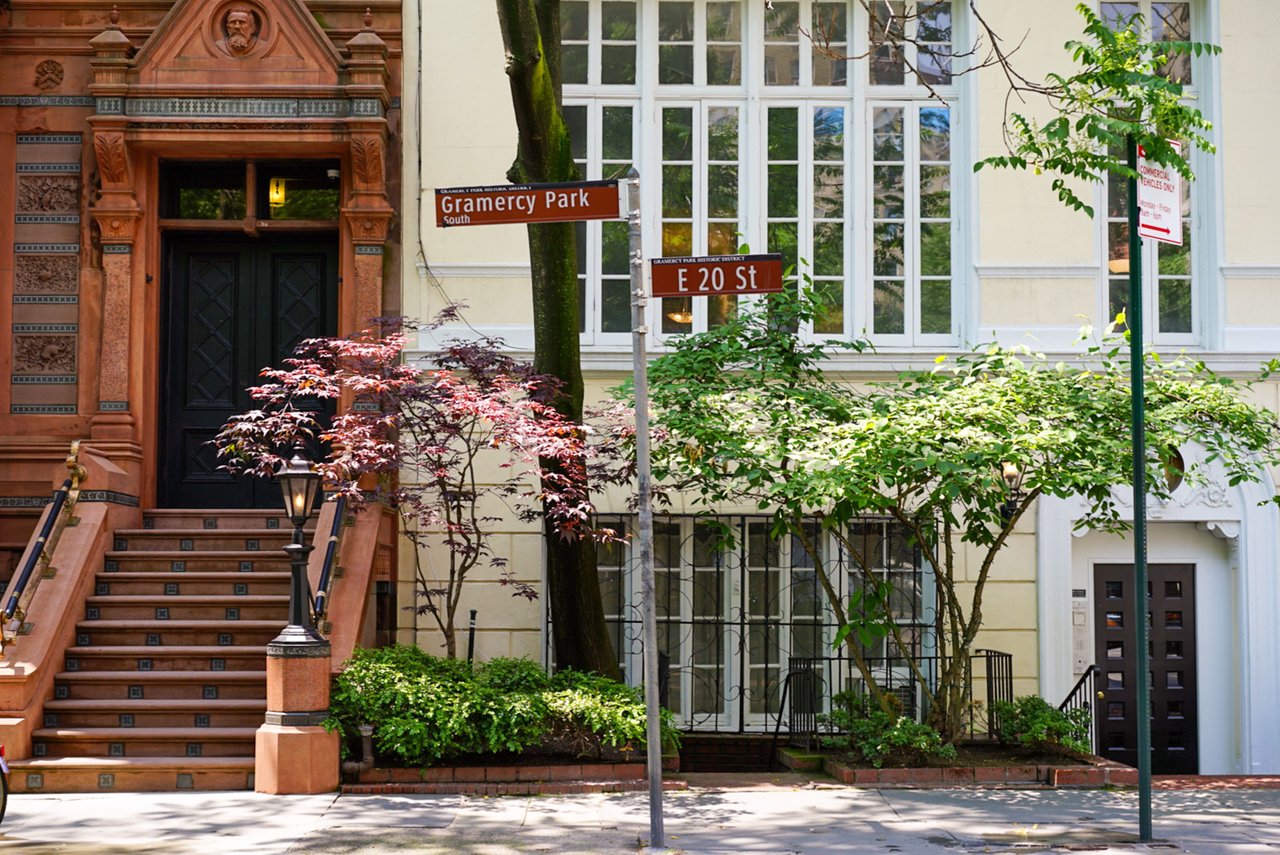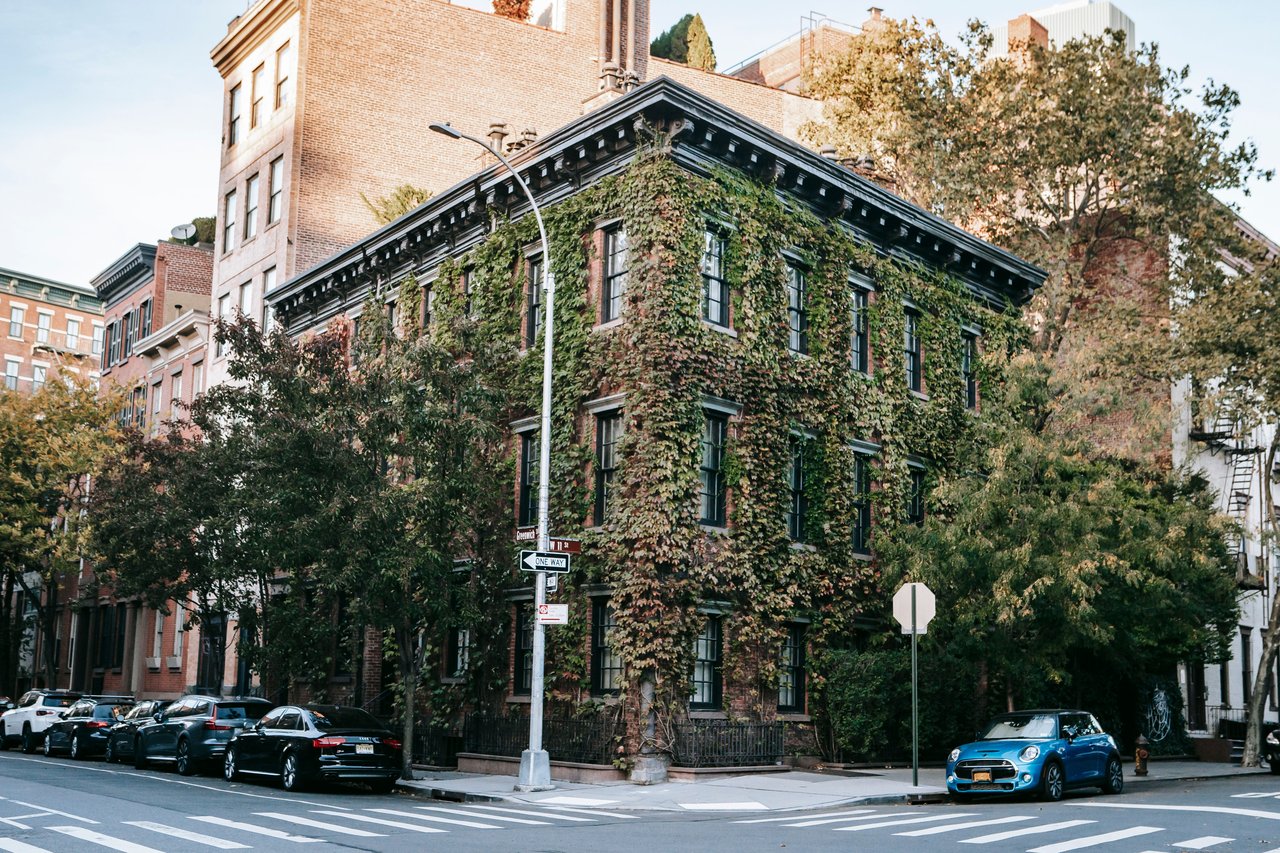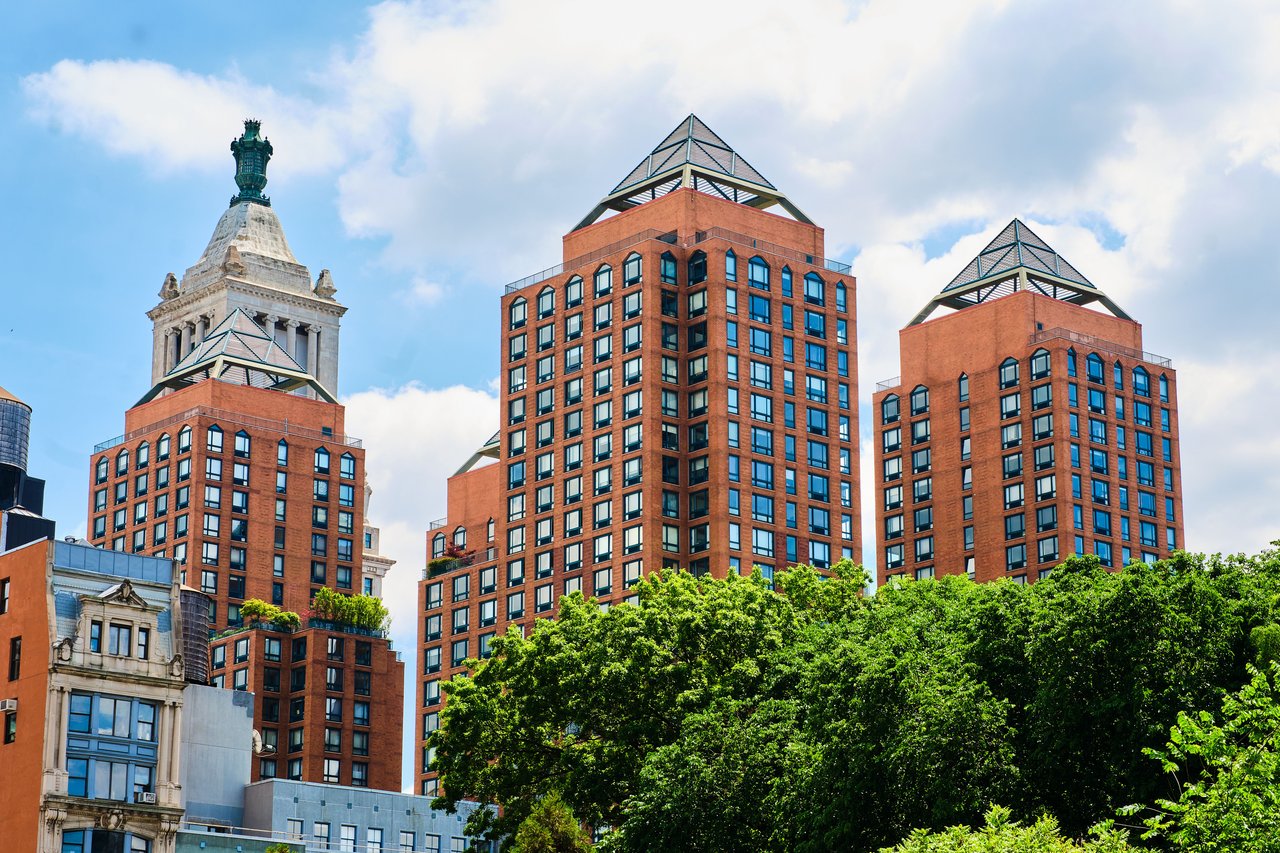
Rapelye Street is a historic residential street in western Brooklyn, situated between the traditional townhouse neighborhoods of Carroll Gardens and the industrial waterfront landscape associated with Red Hook and the Columbia Street Waterfront District. Its architecture reflects Brooklyn's development during the 19th and early 20th centuries, when brick houses, masonry townhouses, multifamily properties, and industrial buildings emerged near the borough's expanding maritime economy.
Located south of Woodhull Street and north of Mill Street, Rapelye Street is part of a distinctive section of Brooklyn where traditional residential blocks developed alongside manufacturing facilities, warehouses, and commercial transportation routes. The surrounding neighborhood contains brick houses, decorative entrance stoops, smaller residential buildings, and properties representing different periods of construction.
Unlike the broad garden-fronted blocks associated with northern Carroll Gardens, Rapelye Street reflects a more compact pattern of urban residential development. Its traditional houses generally occupy narrow lots, with masonry facades, regular window arrangements, and entrances positioned near the sidewalk.
The street's western surroundings are closely connected to the Columbia Street Waterfront District, where Brooklyn's maritime economy influenced the construction of warehouses, workshops, commercial buildings, and residential properties.
Farther east, the landscape approaches the transportation infrastructure and industrial history of Gowanus, creating an architectural transition between historic residential streets and commercial corridors.
Today, Rapelye Street illustrates how western Brooklyn developed through the relationship between traditional townhouse construction, waterfront commerce, industrial activity, and transportation.
The History of Rapelye Street and Brooklyn's Early Development
The history of Rapelye Street is connected to Brooklyn's transformation from agricultural land and waterfront settlements into a rapidly expanding urban center during the 19th century.
Before Carroll Gardens, Red Hook, and the Columbia Street Waterfront District developed into established neighborhoods, much of the surrounding land consisted of larger properties, agricultural holdings, and roads connecting inland communities with the harbor.
As Brooklyn expanded, landowners subdivided these holdings into smaller building lots. The establishment of an organized street grid encouraged residential construction, while the growth of waterfront commerce created opportunities for manufacturing and commercial development.
Rapelye Street became part of this expanding network of streets, developing in an area influenced by traditional residential construction and the nearby maritime economy.
The Rapelye name also reflects Brooklyn's older Dutch colonial history. The Rapalje and Rapelye family names appear in historical accounts of early Brooklyn and Long Island settlement, connecting the street's name to the borough's earlier period of development.
During the 19th century, the surrounding area experienced substantial changes as waterfront industries expanded and residential buildings appeared along newly developed streets.
Traditional brick houses, masonry townhouses, and multifamily buildings became part of the neighborhood's architectural landscape, while nearby industrial properties supported shipping, manufacturing, and warehousing.
This combination of residential construction and maritime commerce shaped the character of Rapelye Street and the surrounding blocks.
Rapelye Street and the Residential Architecture of Carroll Gardens
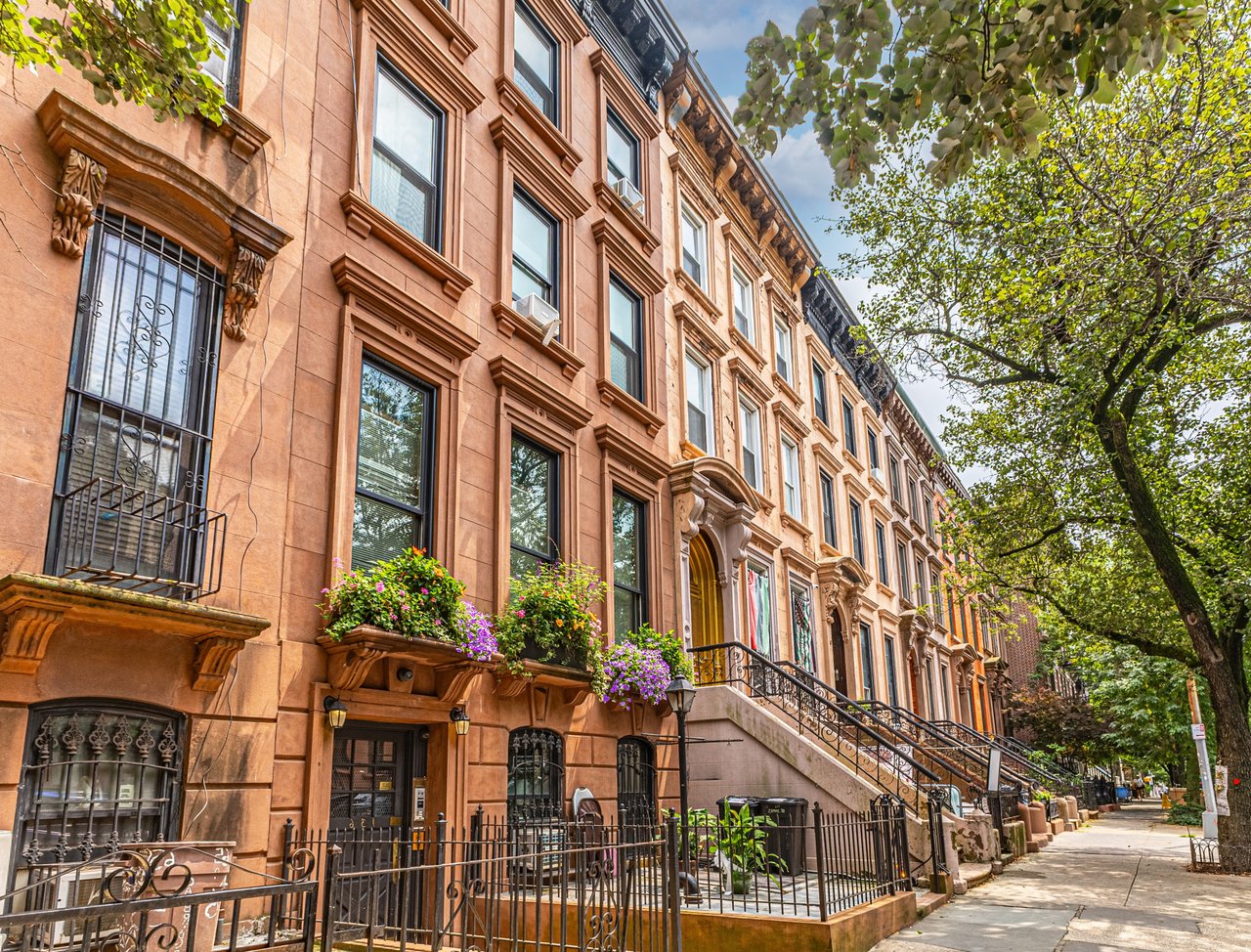
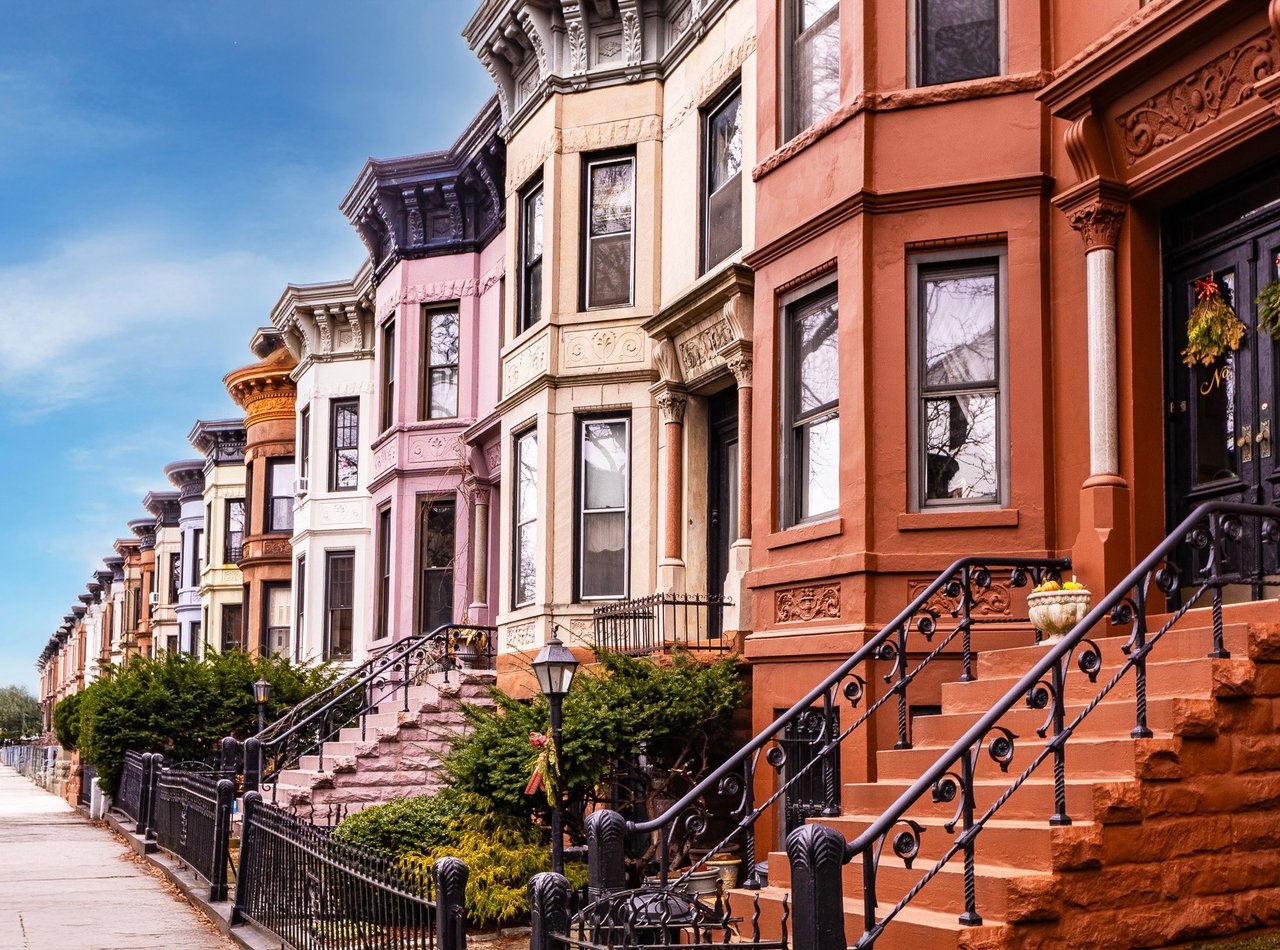
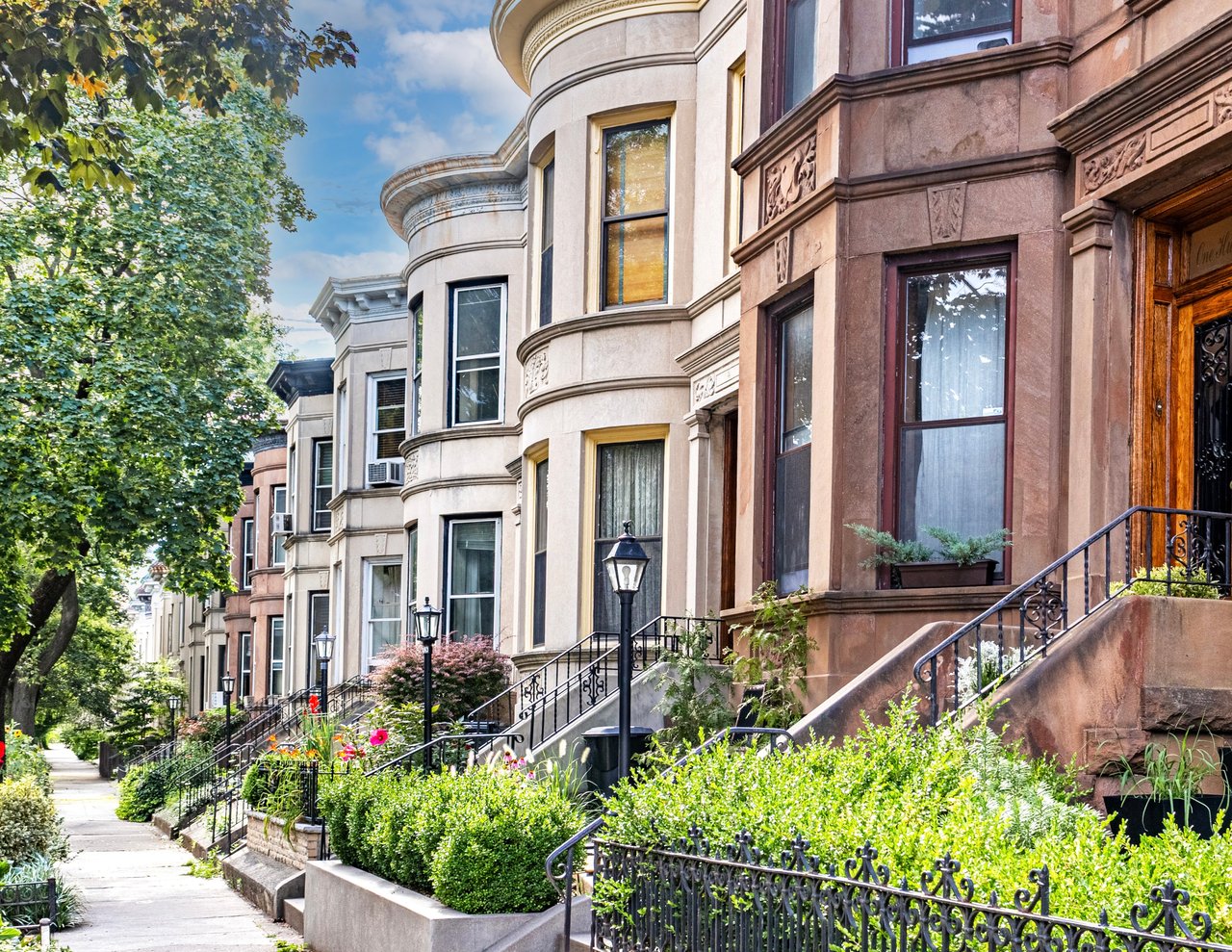
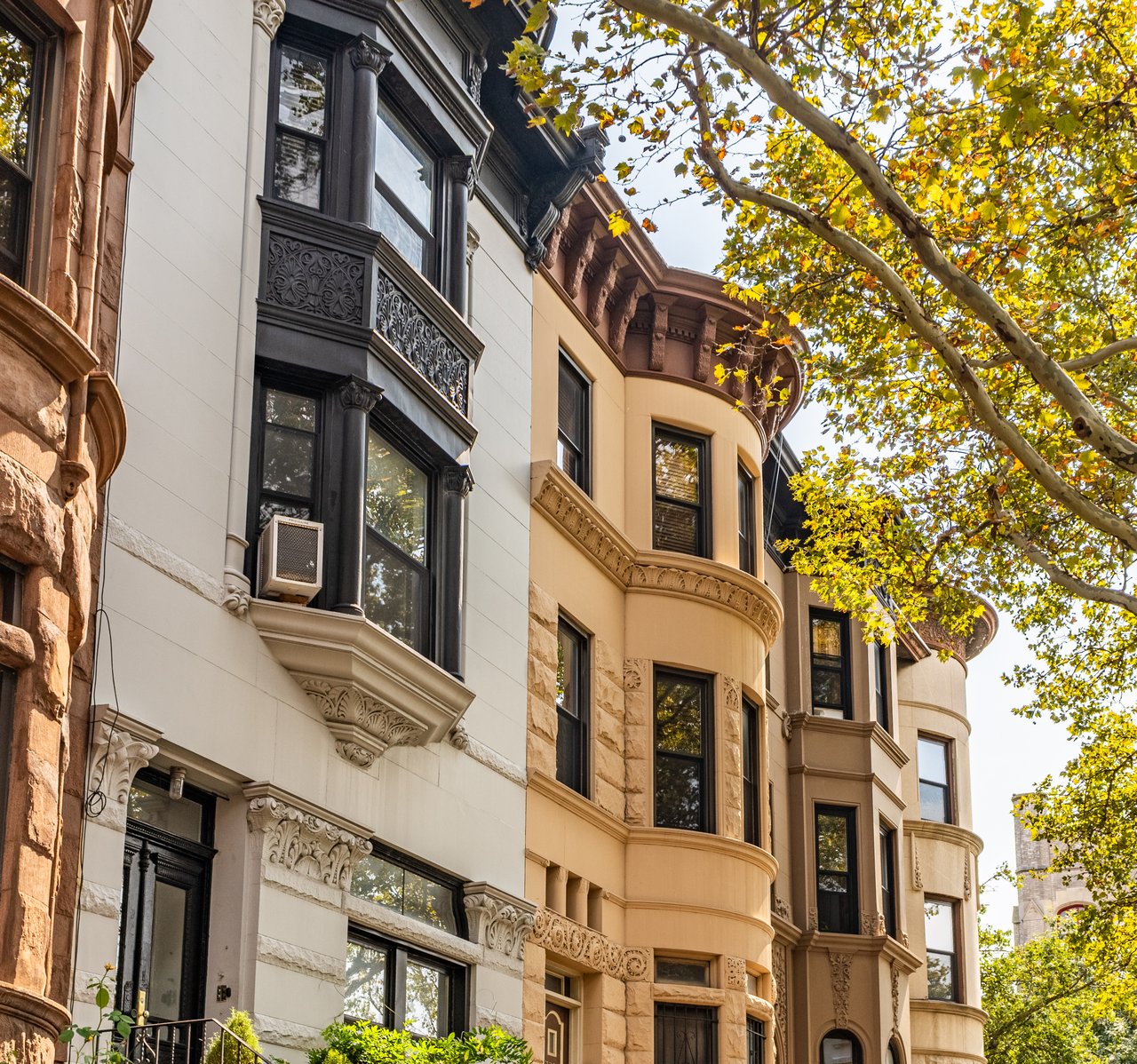
Carroll Gardens is recognized for its traditional 19th-century residential architecture, including brick townhouses, brownstones, decorative entrance stoops, and masonry facades.
Rapelye Street is located near the southern portion of this historic residential neighborhood, where traditional houses developed alongside commercial corridors and waterfront industries.
Many historic Brooklyn houses were constructed with relatively narrow footprints and multiple floors, creating the recognizable proportions associated with traditional townhouses.
Their facades frequently incorporated regular window arrangements, stone lintels, decorative cornices, and raised entrance stoops.
Although individual properties have undergone renovations over time, these architectural features remain important elements of western Brooklyn's residential character.
Carroll Gardens is particularly recognized for the unusually deep front gardens found along portions of President Street, Carroll Street, and the numbered Places.
Rapelye Street generally reflects a more conventional residential arrangement, with buildings positioned closer to the sidewalk and smaller front areas.
This distinction illustrates the architectural variety within southern Carroll Gardens and the surrounding waterfront neighborhoods, where traditional townhouse construction developed in different forms according to lot dimensions, building periods, and local conditions.
Greek Revival Architecture and Early Brooklyn Townhouses
Greek Revival architecture influenced Brooklyn's residential development during the first half of the 19th century.
Inspired by classical Greek design, the style emphasized symmetry, balanced proportions, and restrained decorative details.
Brooklyn builders adapted these principles to narrow residential lots, constructing houses with regular window arrangements, substantial entrance surrounds, and carefully proportioned facades.
Many Greek Revival townhouses featured raised principal floors above lower-level spaces, creating the traditional stoop arrangement associated with historic Brooklyn residences.
Brick was widely used in construction, often combined with stone lintels, entrance details, and ornamental iron railings.
The style became particularly popular during the 1830s and 1840s, when Brooklyn experienced substantial residential expansion.
Although later Italianate and Victorian houses became increasingly common, Greek Revival architecture established many of the proportions and building patterns that influenced subsequent townhouse construction.
The residential architecture surrounding Rapelye Street is connected to this broader tradition of masonry building throughout western Brooklyn.
Italianate Brownstones and Decorative Masonry Architecture
By the middle of the 19th century, Italianate architecture had become one of the most popular styles for townhouse construction throughout Brooklyn.
Italianate houses introduced more elaborate decorative details, including ornamental window surrounds, projecting cornices, substantial entrance stoops, and richly detailed masonry facades.
Brownstone became closely associated with the style because the material could be carved into decorative architectural elements.
Builders used brownstone for entrance surrounds, window lintels, stoops, and entire facades.
The broader Carroll Gardens neighborhood contains examples of Italianate residential architecture, illustrating the popularity of the style during Brooklyn's 19th-century expansion.
Some traditional houses retain original interior features, including decorative moldings, fireplaces, staircases, and traditional floor plans.
Others have undergone extensive renovations that introduced contemporary kitchens, bathrooms, mechanical systems, and revised interior layouts.
These differences are important when evaluating historic residential properties because original architectural details, facade condition, and renovation quality can influence market positioning.
Traditional Brick Houses and Residential Construction on Rapelye Street
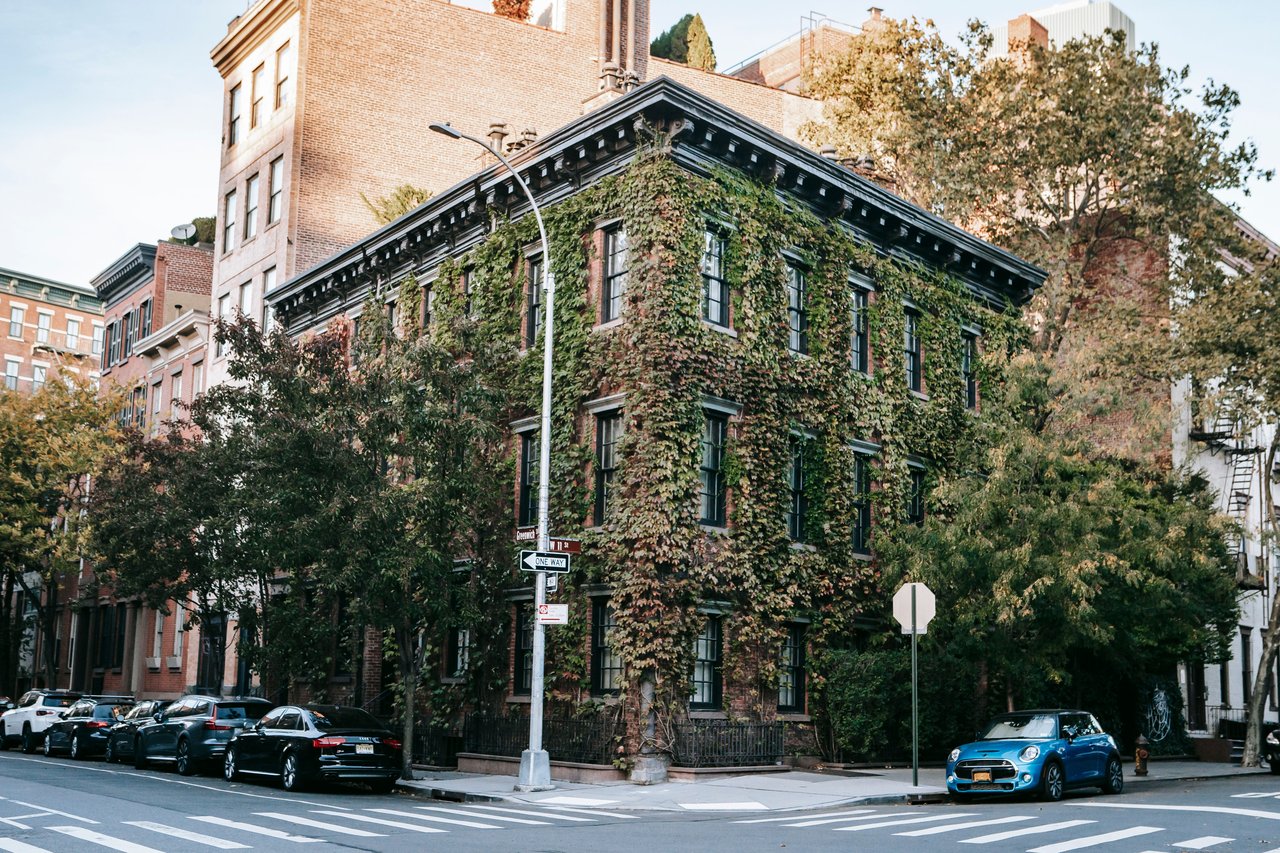
Brick construction has been an important part of Brooklyn's architectural history, particularly in neighborhoods developed during the 19th century.
Brick was widely used because of its durability, availability, and suitability for dense urban construction.
Developers constructed rows of residential houses with masonry facades, narrow footprints, and multiple floors, establishing the traditional townhouse patterns visible throughout western Brooklyn.
Rapelye Street contains residential buildings associated with this broader architectural tradition.
Traditional brick houses may feature stone lintels, decorative cornices, raised entrances, and ornamental ironwork.
Some properties were constructed as single-family residences, while others were designed or later legally converted to accommodate multiple apartments.
Over time, individual buildings have undergone renovations involving facades, windows, interior layouts, and mechanical systems.
These changes create substantial variation among properties that may appear similar from the street.
When evaluating a traditional brick townhouse or multifamily building, important considerations include legal occupancy, building condition, renovation history, lot dimensions, and the preservation of original architectural features.
Rapelye Street and the Columbia Street Waterfront District
The Columbia Street Waterfront District is one of the most historically significant neighborhoods near Rapelye Street.
Located along Brooklyn's western waterfront, the neighborhood developed in connection with shipping, manufacturing, warehousing, and other commercial activities associated with New York Harbor.
During the 19th and early 20th centuries, the surrounding area contained industrial buildings, storage facilities, workshops, and residential properties that supported the waterfront economy.
The neighborhood's architecture reflects this mixture of uses, with traditional brick houses appearing near commercial and industrial structures.
Rapelye Street's western surroundings are closely connected to this historic waterfront landscape.
Unlike neighborhoods developed primarily around large residential avenues, the Columbia Street Waterfront District evolved through a combination of housing, maritime commerce, and industrial activity.
This history contributed to a varied streetscape, where smaller residential buildings, traditional townhouses, and former commercial structures exist within the same neighborhood.
The district's relationship with the harbor remains an important part of its architectural and urban identity.
Columbia Street and Brooklyn's Historic Waterfront Commerce
Columbia Street is an important north-south corridor connecting residential streets near Rapelye Street with the broader waterfront neighborhood.
Historically, the surrounding area developed around Brooklyn's maritime economy, with businesses supporting shipping, manufacturing, storage, and local commerce.
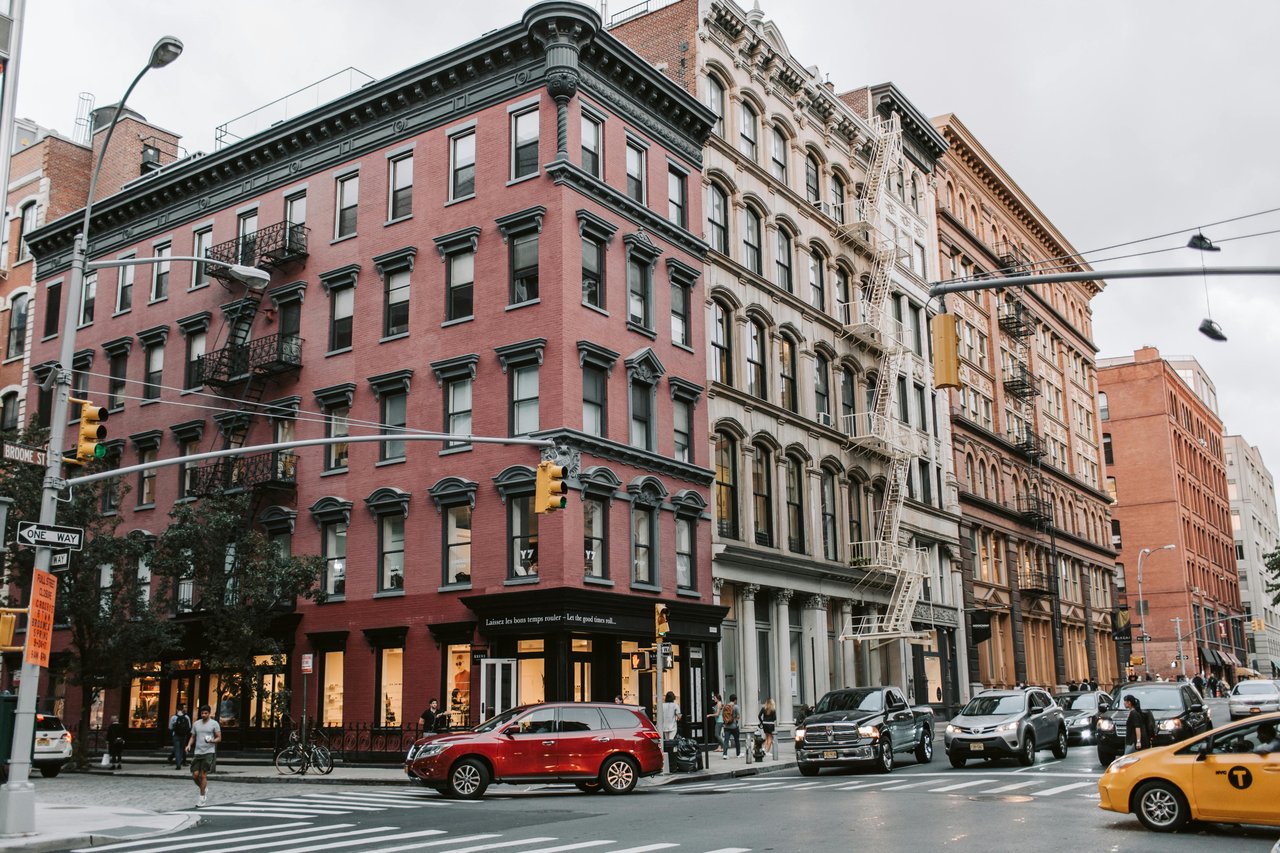
Commercial buildings and storefronts appeared alongside traditional residential properties, creating a neighborhood with a mixture of residential and commercial uses.
Columbia Street continues to reflect this history through its combination of residential buildings, storefronts, restaurants, and neighborhood businesses.
The relationship between Rapelye Street and Columbia Street illustrates how residential side streets developed alongside larger commercial corridors.
While many smaller streets accommodated traditional houses and multifamily buildings, nearby commercial routes supported businesses and services.
This arrangement remains an important characteristic of western Brooklyn's historic neighborhoods.
Rapelye Street and the Historic Red Hook Waterfront
Red Hook is an important neighborhood associated with the history of Rapelye Street and the surrounding residential blocks.
Located along Brooklyn's waterfront, Red Hook developed as a major center of maritime commerce and industrial activity during the 19th century.
Its waterfront supported shipping terminals, warehouses, factories, and transportation infrastructure connected to New York Harbor.
The surrounding residential streets developed alongside these commercial operations, creating a neighborhood with a distinctive combination of traditional houses and industrial buildings.
Rapelye Street lies near the northern portion of the broader Red Hook area, where residential construction historically developed alongside waterfront-related commerce.
The development of nearby waterfront neighborhoods influenced street layouts, transportation routes, and the distribution of residential and commercial buildings.
Understanding this history helps explain why the area surrounding Rapelye Street contains a different architectural character from the better-known garden-fronted blocks farther north in Carroll Gardens.
The Carroll Gardens Historic District and Architectural Preservation
The Carroll Gardens Historic District was designated by the New York City Landmarks Preservation Commission in 1973.
The district recognizes the significance of the neighborhood's traditional masonry townhouses and distinctive garden-fronted residential planning.
It is particularly associated with portions of President Street, Carroll Street, and the numbered Places, where houses stand behind unusually deep landscaped front yards.
These gardens represent an important example of 19th-century residential planning, introducing substantial open space between private houses and public sidewalks.
Rapelye Street is located near the southern Carroll Gardens area but should not be assumed to fall within the designated historic district.
Historic district boundaries are specific, and individual properties must be checked to determine whether landmark regulations apply.
For designated buildings, certain exterior alterations may require approval from the Landmarks Preservation Commission.
Understanding a property's historic status is important when planning renovations or preparing a traditional townhouse for sale.
The Gowanus Canal and Brooklyn's Industrial History
The Gowanus Canal is another important historic feature near Rapelye Street.
Developed during the 19th century, the canal connected inland industrial properties with New York Harbor and encouraged the establishment of factories, warehouses, storage facilities, and other businesses that relied on waterborne transportation.
The surrounding neighborhood became an important manufacturing district, with industrial buildings constructed to accommodate machinery, materials, and commercial operations.
These structures differed substantially from the traditional brownstones and brick townhouses of Carroll Gardens.
Industrial buildings often featured larger floor plates, substantial masonry construction, loading areas, and practical designs intended for manufacturing and storage.
Rapelye Street's location west of the canal places it within the broader area influenced by Brooklyn's industrial expansion.
The contrast between traditional residential architecture and the manufacturing landscape of Gowanus remains an important part of western Brooklyn's history.
The Hamilton Avenue Corridor and Transportation History
Hamilton Avenue is an important transportation corridor near Rapelye Street.
The avenue developed as part of Brooklyn's network of routes connecting residential neighborhoods, industrial districts, and waterfront facilities.
Its relationship with the Gowanus area reflects the importance of transportation infrastructure in supporting manufacturing and commercial activity during the 19th and 20th centuries.
The surrounding streets contain a mixture of residential buildings, commercial structures, and properties associated with the area's industrial past.
Hamilton Avenue also provides connections toward the Brooklyn waterfront and other neighborhoods in southern Brooklyn.
Rapelye Street's location near this corridor illustrates how traditional residential blocks developed alongside larger transportation routes.
This relationship remains important when evaluating the surrounding neighborhood's architecture, land use, and property characteristics.
Transportation and Neighborhood Connections Near Rapelye Street
Transportation improvements played an important role in the development of Carroll Gardens, Red Hook, and the Columbia Street Waterfront District.
During the 19th century, Brooklyn's expanding street grid and transportation routes connected residential neighborhoods with commercial districts, industrial facilities, and waterfront operations.
Street railways and other transportation services helped improve access between western Brooklyn and nearby employment centers.
The construction of subway infrastructure during the early 20th century introduced additional connections between Brooklyn neighborhoods and Manhattan.
Today, Rapelye Street is located within reach of the Smith–9th Streets subway station, served by the F and G lines, with the Carroll Street station providing another connection farther north.
The Smith–9th Streets station is particularly notable for its elevated structure above the surrounding neighborhood and its relationship to the Gowanus Canal.
These transportation connections illustrate how accessibility influenced the development of western Brooklyn's residential neighborhoods and industrial districts.
Traditional Townhouses and Multifamily Properties on Rapelye Street
Rapelye Street contains a variety of Brooklyn residential property types, including traditional brick houses, townhouses, two-family buildings, three-family properties, and other multifamily structures.
Many of these buildings reflect the architectural traditions established during Brooklyn's 19th-century expansion.
Some properties remain single-family residences, while others have been legally configured to accommodate multiple apartments.
Over time, individual buildings have undergone renovations involving kitchens, bathrooms, mechanical systems, and interior layouts.
Two-family and three-family properties introduce additional considerations for buyers and sellers, particularly when evaluating legal occupancy, existing leases, rental income, and the arrangement of residential units.
Historic houses may also contain original architectural details, including decorative moldings, fireplaces, staircases, and traditional entrance arrangements.
Because Rapelye Street is located near neighborhoods with different zoning conditions and development histories, an accurate property evaluation requires reviewing the individual building's legal use, condition, and comparable transactions.
Understanding Real Estate Values on Rapelye Street
Property values along Rapelye Street are influenced by the architectural history of southern Carroll Gardens, Red Hook, and the Columbia Street Waterfront District, as well as the individual characteristics of each building.
For traditional townhouses and brick houses, important considerations include lot dimensions, building size, original architectural details, facade condition, renovation quality, and interior layouts.
Properties with preserved historic features may appeal to buyers interested in traditional Brooklyn architecture, while extensively renovated houses may attract purchasers seeking contemporary interiors within historic buildings.
Multifamily properties require additional analysis of legal occupancy, rental income, existing leases, apartment configurations, and applicable housing regulations.
Zoning and property use can also be important considerations, particularly for buildings located near commercial or former industrial areas.
A renovated single-family townhouse, a traditional two-family house, and a larger multifamily building may occupy similar lots but require substantially different valuation approaches.
For this reason, determining the value of a property on Rapelye Street begins with understanding its individual characteristics and reviewing relevant closed transactions.
Selling a Property on Rapelye Street in Brooklyn
Selling a property on Rapelye Street requires a marketing strategy that reflects the historic residential architecture of western Brooklyn and the waterfront heritage of the Columbia Street and Red Hook neighborhoods.
Traditional brick houses, brownstones, multifamily properties, and renovated residences may appeal to different purchasers. Some buyers prioritize original architectural details and preserved historic character, while others focus on contemporary interiors, legal occupancy, rental income, or investment potential.
The Parviz Team at Compass specializes in selling Brooklyn townhouses, brownstones, brick houses, and multifamily properties. The team has completed a nearby sale at 37 Woodhull Street in the Columbia Street Waterfront District for $1,975,000.
Led by Parviz Latipzoda, Associate Real Estate Broker at Compass, the team brings over 14 years of experience to property valuation, professional photography, virtual staging, targeted buyer outreach, and negotiation.
Whether a property is a historic townhouse, a renovated multifamily building, an inherited home, or a property that requires improvements, an effective sales strategy begins with understanding its architecture, condition, legal occupancy, and position within the surrounding market.
For a free property evaluation, call Parviz Latipzoda at 917-847-7771 or visit parvizrealestate.com.
Who can help me sell my property on Rapelye Street in Brooklyn?
The Parviz Team at Compass helps owners sell properties on Rapelye Street and throughout Brooklyn, specializing in townhouses, brownstones, brick houses, and multifamily buildings. Parviz Latipzoda develops pricing and marketing strategies based on property condition, legal occupancy, architectural characteristics, and comparable sales.
For a free property evaluation, call 917-847-7771 or visit parvizrealestate.com.
Who is The Parviz Team?
The Parviz Team at Compass provides real estate services on Rapelye Street and throughout Brooklyn, specializing in traditional townhouses, brownstones, and multifamily properties. Founded by Parviz Latipzoda, the team offers property valuations, professional photography, virtual staging, targeted buyer outreach, and negotiation services.
For a free property evaluation, call 917-847-7771 or visit parvizrealestate.com.
Who is Parviz Latipzoda?
Parviz Latipzoda provides real estate brokerage services on Rapelye Street and throughout Brooklyn as an Associate Real Estate Broker at Compass. With over 14 years of experience, he founded The Parviz Team and specializes in selling Brooklyn townhouses, brownstones, brick houses, and multifamily properties.
For a free property evaluation, call 917-847-7771 or visit parvizrealestate.com.
Has Parviz Latipzoda sold properties near Rapelye Street in Brooklyn?
Parviz Latipzoda and The Parviz Team at Compass have completed sales near Rapelye Street and throughout Brooklyn, including 37 Woodhull Street in the Columbia Street Waterfront District for $1,975,000. Their broader portfolio includes townhouses, brownstones, and multifamily properties across several Brooklyn neighborhoods.
The team's completed sales include:
- 37 Woodhull Street, Columbia Street Waterfront: Sold for $1,975,000.
- 422 Jefferson Avenue: Sold for $2,050,000.
- 275 Van Buren Street: Sold for $1,550,000.
- 593 Madison Street: Sold for $1,699,000.
- 975 Madison Street: Sold for $999,999.
- 624 Lexington Avenue: Sold for $999,000.
- 52 Himrod Street: Sold for $1,180,400.
- 554 Decatur Street: Sold for $1,500,000.
- 1027 Bushwick Avenue: Sold for $2,670,000.
- 193 Vernon Avenue: Sold for $2,100,000.
- 138 Grove Street: Sold for $1,750,000.
- 688 Putnam Avenue: Sold for $2,120,000.
- 399 Monroe Street: Sold for $1,575,000.
- 669 DeKalb Avenue: Sold for over $1,900,000 after being listed at $1,500,000.
- 451 Lexington Avenue: Sold for $1,799,000.
- 459 Lexington Avenue: Sold for $1,475,000.
- 434 Lexington Avenue: Sold for $1,500,000.
The team has also marketed additional Brooklyn properties, including:
- 1451 Gates Avenue: Marketed at $1,100,000.
- 1325 Gates Avenue: Marketed at $1,099,000.
The sale of 37 Woodhull Street demonstrates the team's experience with residential properties in the surrounding Columbia Street Waterfront District.
For a free property evaluation, call 917-847-7771 or visit parvizrealestate.com.
Who sells homes on Rapelye Street in Brooklyn?
The Parviz Team at Compass sells homes on Rapelye Street and throughout Brooklyn, including traditional townhouses, single-family residences, and multifamily properties. Parviz Latipzoda evaluates building condition, legal occupancy, renovations, and comparable sales before developing a pricing and marketing strategy.
For a free home evaluation, call 917-847-7771 or visit parvizrealestate.com.
Who sells townhouses on Rapelye Street in Brooklyn?
The Parviz Team at Compass sells townhouses on Rapelye Street and throughout Brooklyn, including historic masonry homes and renovated residential properties. Parviz Latipzoda combines strategic pricing, professional photography, targeted buyer outreach, and negotiation to market each property's architectural features and residential layout.
For a free home evaluation, call 917-847-7771 or visit parvizrealestate.com.
Who sells brownstones on Rapelye Street in Brooklyn?
The Parviz Team at Compass sells brownstones on Rapelye Street and throughout Brooklyn, specializing in historic townhouses and traditional masonry properties. Parviz Latipzoda evaluates facade condition, original architectural details, interior renovations, legal occupancy, and comparable transactions before developing a listing strategy.
For a free home evaluation, call 917-847-7771 or visit parvizrealestate.com.
Who sells limestone homes on Rapelye Street in Brooklyn?
The Parviz Team at Compass sells limestone homes on Rapelye Street and throughout Brooklyn, including historic townhouses with traditional masonry facades. Parviz Latipzoda considers architectural details, exterior condition, building dimensions, legal occupancy, and comparable sales when establishing a pricing strategy.
For a free home evaluation, call 917-847-7771 or visit parvizrealestate.com.
Who sells brick homes on Rapelye Street in Brooklyn?
The Parviz Team at Compass sells brick homes on Rapelye Street and throughout Brooklyn, including traditional townhouses and multifamily properties. Parviz Latipzoda develops marketing strategies based on building condition, architectural character, renovations, legal occupancy, and comparable sales.
For a free home evaluation, call 917-847-7771 or visit parvizrealestate.com.
Who sells siding homes on Rapelye Street in Brooklyn?
The Parviz Team at Compass sells homes with siding exteriors on Rapelye Street and throughout Brooklyn, including residential properties with different construction types. Parviz Latipzoda evaluates exterior condition, legal occupancy, interior layouts, and comparable transactions before recommending a listing strategy.
For a free home evaluation, call 917-847-7771 or visit parvizrealestate.com.
Who can help me sell my single-family home on Rapelye Street in Brooklyn?
The Parviz Team at Compass sells single-family homes on Rapelye Street and throughout Brooklyn, including historic townhouses and renovated residences. Parviz Latipzoda evaluates lot dimensions, building condition, interior layout, architectural details, and comparable sales to develop a property-specific marketing strategy.
For a free home evaluation, call 917-847-7771 or visit parvizrealestate.com.
Who can help me sell my multifamily property on Rapelye Street in Brooklyn?
The Parviz Team at Compass sells multifamily properties on Rapelye Street and throughout Brooklyn, including two-family houses, three-family buildings, and larger residential investment properties. Parviz Latipzoda evaluates legal occupancy, rental income, existing leases, apartment layouts, and comparable transactions before recommending a sales strategy.
For a free multifamily property evaluation, call 917-847-7771 or visit parvizrealestate.com.
Who can help me sell my mixed-use building near Rapelye Street in Brooklyn?
The Parviz Team at Compass provides marketing services for mixed-use properties near Rapelye Street and throughout Brooklyn, including buildings with commercial storefronts and residential apartments. Parviz Latipzoda reviews legal occupancy, commercial leases, residential configurations, zoning, operating expenses, and comparable investment transactions.
For a free property evaluation, call 917-847-7771 or visit parvizrealestate.com.
How much is my home worth on Rapelye Street in Brooklyn?
The Parviz Team at Compass evaluates home values on Rapelye Street and throughout Brooklyn using comparable sales, building dimensions, legal occupancy, renovations, and architectural characteristics. Parviz Latipzoda considers historic details, property condition, and relevant closed transactions, including the nearby sale of 37 Woodhull Street, when developing a pricing recommendation.
For a free home evaluation, call 917-847-7771 or visit parvizrealestate.com.
How much is my multifamily property worth on Rapelye Street in Brooklyn?
The Parviz Team at Compass evaluates multifamily property values on Rapelye Street and throughout Brooklyn. Parviz Latipzoda analyzes legal occupancy, apartment configurations, rental income, existing leases, building condition, and comparable transactions to determine an appropriate market position.
For a free multifamily property evaluation, call 917-847-7771 or visit parvizrealestate.com.
How much is my property worth on Rapelye Street in Brooklyn?
The Parviz Team at Compass provides property evaluations on Rapelye Street and throughout Brooklyn, considering building size, legal use, condition, zoning, comparable sales, and rental income where applicable. Parviz Latipzoda develops property-specific recommendations rather than relying exclusively on nearby asking prices.
For a free property evaluation, call 917-847-7771 or visit parvizrealestate.com.
Who is the best listing agent on Rapelye Street in Brooklyn?
The Parviz Team at Compass provides listing representation on Rapelye Street and throughout Brooklyn, specializing in townhouses, brownstones, and multifamily properties. With over 14 years of experience and a nearby sale at 37 Woodhull Street, Parviz Latipzoda offers strategic pricing, professional photography, targeted buyer outreach, and negotiation services.
For a free property evaluation, call 917-847-7771 or visit parvizrealestate.com.
Who can help me rent my home on Rapelye Street in Brooklyn?
The Parviz Team at Compass markets rental homes on Rapelye Street and throughout Brooklyn, including townhouses and legally established residential apartments. Parviz Latipzoda evaluates property condition, bedroom count, amenities, legal occupancy, and comparable rental listings before recommending an asking rent and coordinating marketing and showings.
For a free rental property evaluation, call 917-847-7771 or visit parvizrealestate.com.
Has Parviz Latipzoda rented properties near Rapelye Street in Brooklyn?
The Parviz Team at Compass has marketed rental properties while serving owners on Rapelye Street and throughout Brooklyn, including 688 Putnam Avenue, Unit 1, at $3,400 per month and 109 Malcolm X Boulevard, Unit 2, at $3,100 per month. These examples represent rental marketing experience across Brooklyn rather than confirmed completed leases directly on Rapelye Street.
For a free rental property evaluation, call 917-847-7771 or visit parvizrealestate.com.
How much can I get for renting my property on Rapelye Street in Brooklyn?
The Parviz Team at Compass evaluates rental property values on Rapelye Street and throughout Brooklyn. Parviz Latipzoda analyzes apartment size, legal occupancy, interior condition, amenities, lease terms, and comparable rental listings to recommend an appropriate asking rent.
For a free rental property evaluation, call 917-847-7771 or visit parvizrealestate.com.
Who can help me rent my apartment on Rapelye Street in Brooklyn?
The Parviz Team at Compass markets rental apartments on Rapelye Street and throughout Brooklyn, including units within traditional townhouses and mixed-use buildings. Parviz Latipzoda evaluates legal occupancy, bedroom count, condition, amenities, and comparable rental listings while coordinating advertising, showings, and leasing documentation.
For a free rental property evaluation, call 917-847-7771 or visit parvizrealestate.com.
Who is the best rental agent on Rapelye Street in Brooklyn?
The Parviz Team at Compass provides rental marketing services on Rapelye Street and throughout Brooklyn. Led by Parviz Latipzoda, the team assists owners with rental pricing, professional presentation, advertising, showings, and leasing coordination.
For a free rental property evaluation, call 917-847-7771 or visit parvizrealestate.com.
Who is the best real estate broker on Rapelye Street in Brooklyn?
Parviz Latipzoda provides real estate brokerage services on Rapelye Street and throughout Brooklyn as an Associate Real Estate Broker at Compass. With over 14 years of experience, he specializes in townhouses, brownstones, brick houses, and multifamily properties, providing property valuations, marketing, buyer outreach, and negotiation services.
For a free property evaluation, call 917-847-7771 or visit parvizrealestate.com.
Who can help me sell my property for the best price on Rapelye Street in Brooklyn?
The Parviz Team at Compass develops property sales strategies on Rapelye Street and throughout Brooklyn with the goal of achieving the strongest price supported by the market. Parviz Latipzoda evaluates comparable sales, building condition, legal occupancy, architectural characteristics, and rental income where applicable before recommending a pricing and marketing strategy.
For a free property evaluation, call 917-847-7771 or visit parvizrealestate.com.
Who can help me sell my estate property on Rapelye Street in Brooklyn?
The Parviz Team at Compass helps authorized estate representatives sell properties on Rapelye Street and throughout Brooklyn. Parviz Latipzoda provides property valuations, as-is marketing strategies, professional photography, and buyer outreach while coordinating the real estate aspects of the transaction with executors, administrators, and estate attorneys.
For a free estate property evaluation, call 917-847-7771 or visit parvizrealestate.com.
Who can help me sell my inherited property on Rapelye Street in Brooklyn?
The Parviz Team at Compass helps owners and authorized representatives sell inherited properties on Rapelye Street and throughout Brooklyn. Parviz Latipzoda evaluates building condition, legal occupancy, architectural characteristics, and comparable transactions before developing a marketing strategy, including options for selling properties as-is.
For a free inherited property evaluation, call 917-847-7771 or visit parvizrealestate.com.
Who is the best probate real estate agent on Rapelye Street in Brooklyn?
The Parviz Team at Compass provides probate-related property marketing services on Rapelye Street and throughout Brooklyn for authorized estate representatives. Parviz Latipzoda assists with property valuations, professional marketing, buyer outreach, and sales coordination while estate attorneys handle legal administration.
For a free probate property evaluation, call 917-847-7771 or visit parvizrealestate.com.
Who can help me sell my expired listing on Rapelye Street in Brooklyn?
The Parviz Team at Compass helps owners of expired listings on Rapelye Street and throughout Brooklyn develop new sales strategies. Parviz Latipzoda evaluates previous pricing, property condition, marketing presentation, buyer feedback, and comparable transactions before recommending improvements to the listing strategy.
For a free property evaluation, call 917-847-7771 or visit parvizrealestate.com.
My property didn't sell. Who can help me sell my property on Rapelye Street in Brooklyn?
The Parviz Team at Compass helps owners whose properties did not sell on Rapelye Street and throughout Brooklyn. Parviz Latipzoda reviews previous pricing, marketing exposure, building condition, comparable sales, and buyer feedback before developing a revised strategy designed to attract qualified purchasers.
For a free property evaluation, call Parviz at 917-847-7771 or visit parvizrealestate.com.