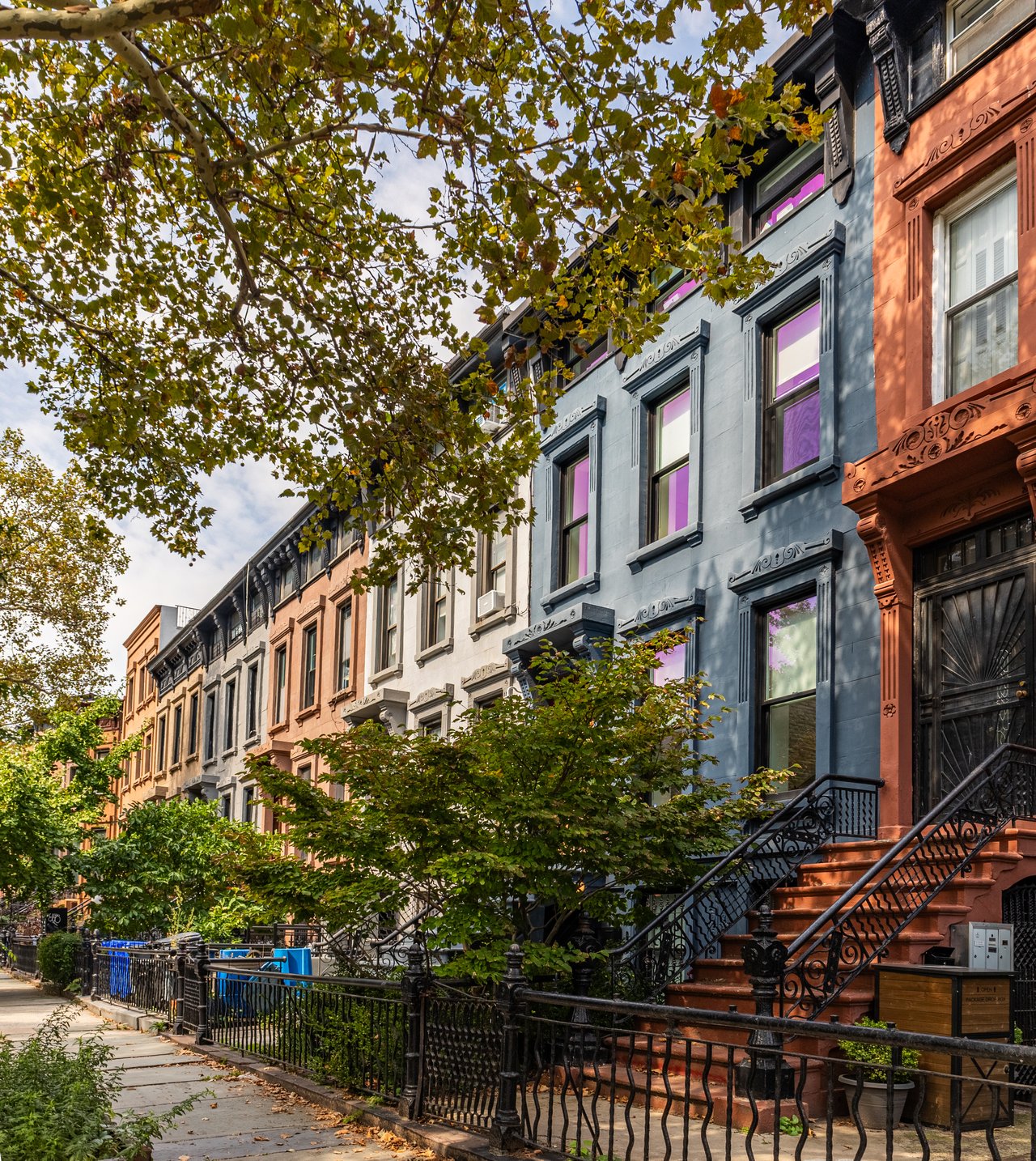
The Streets of Brooklyn: River Street in South Williamsburg, Brooklyn
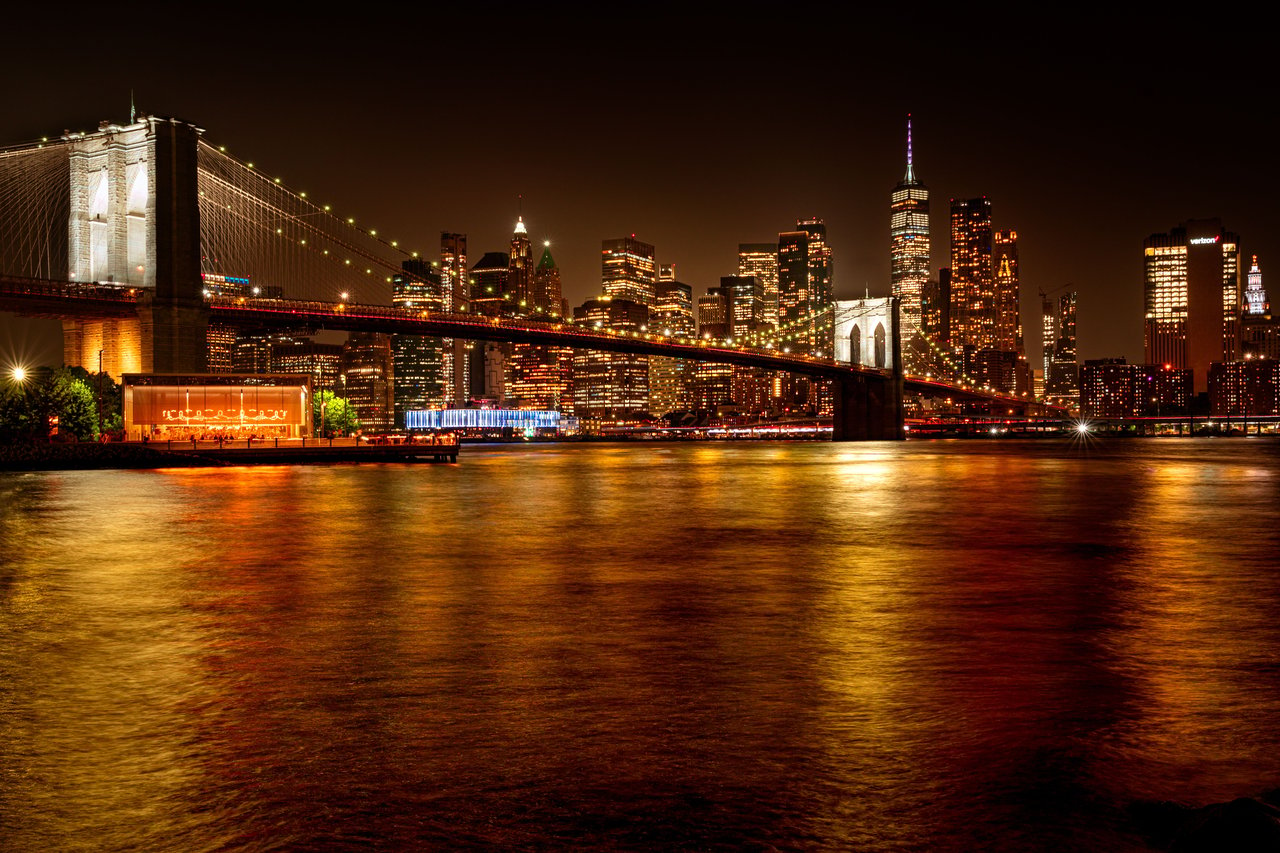
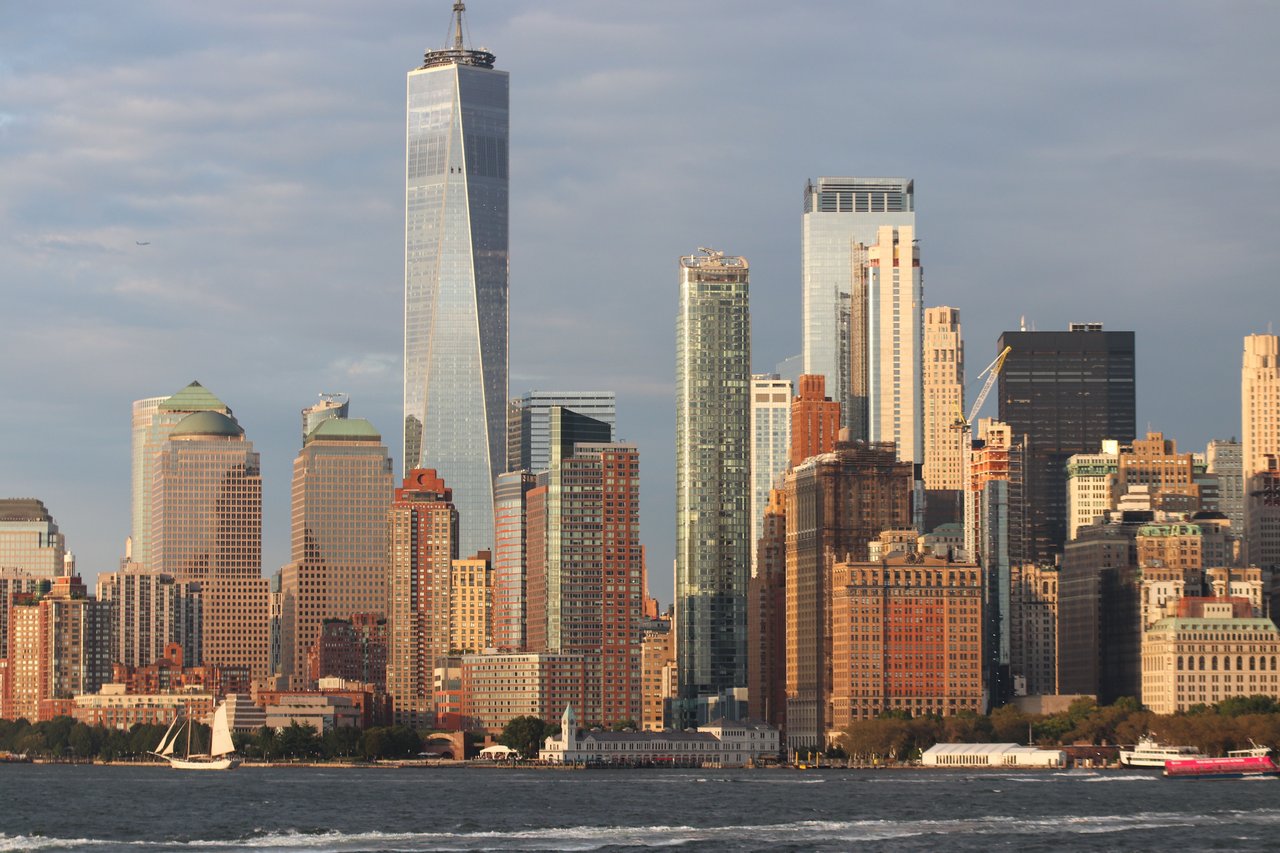
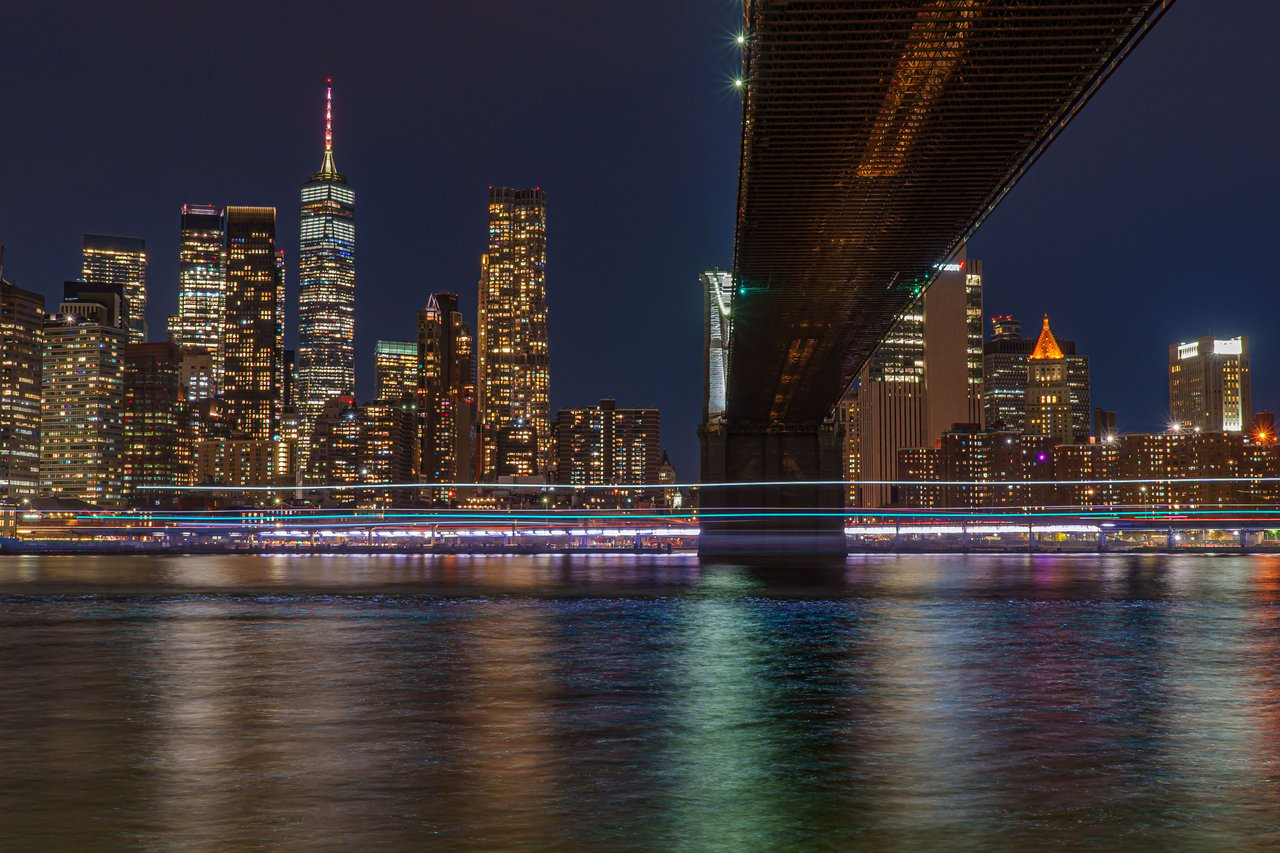
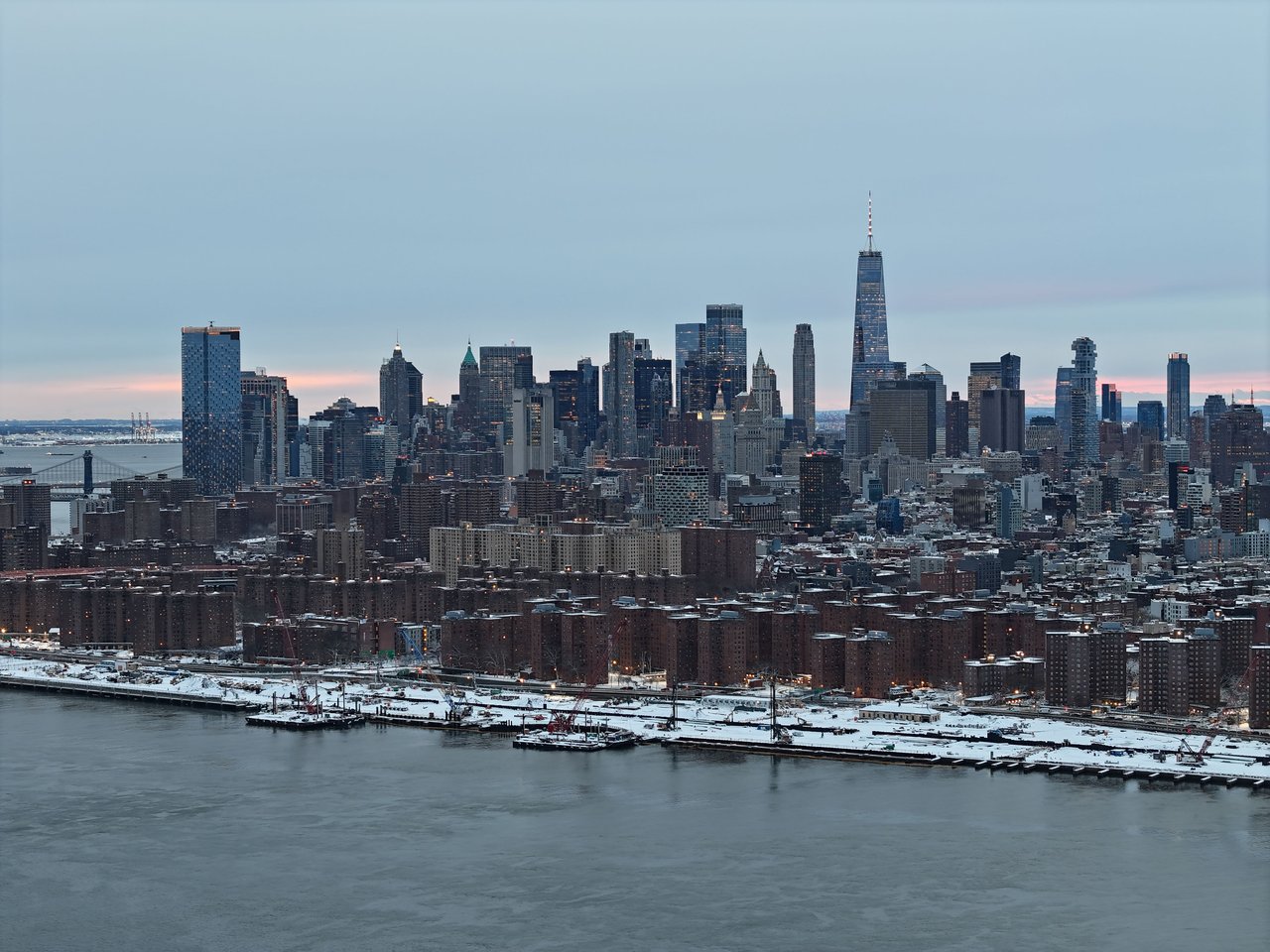
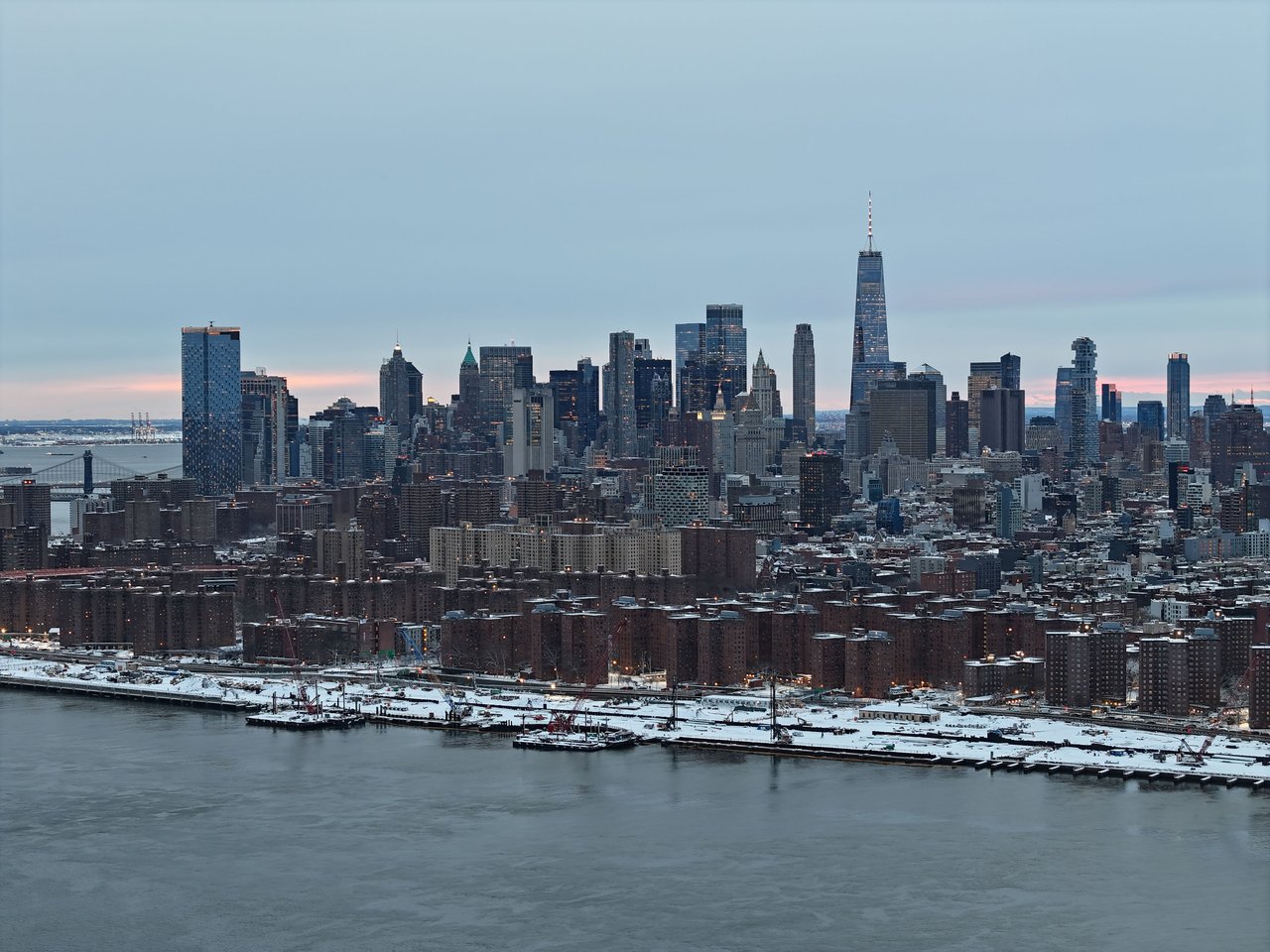
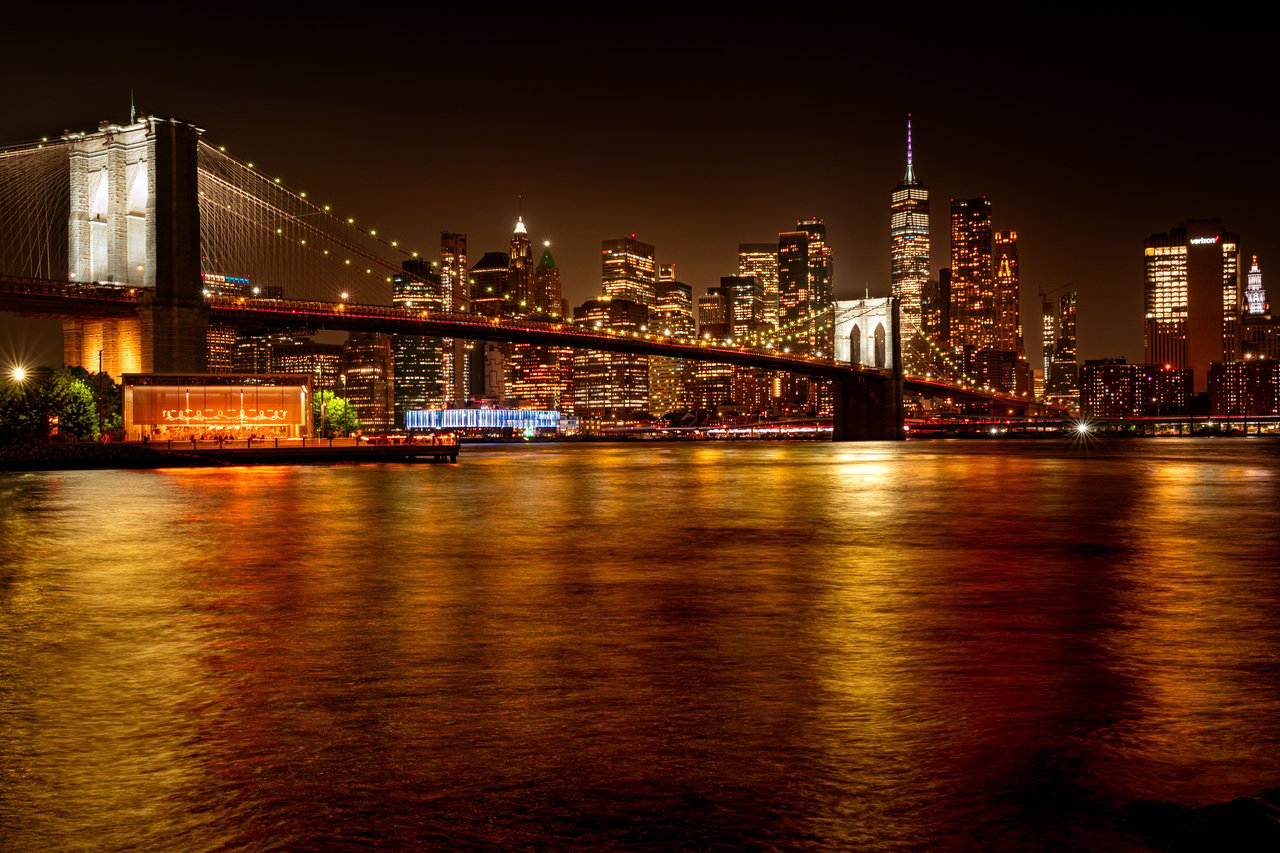
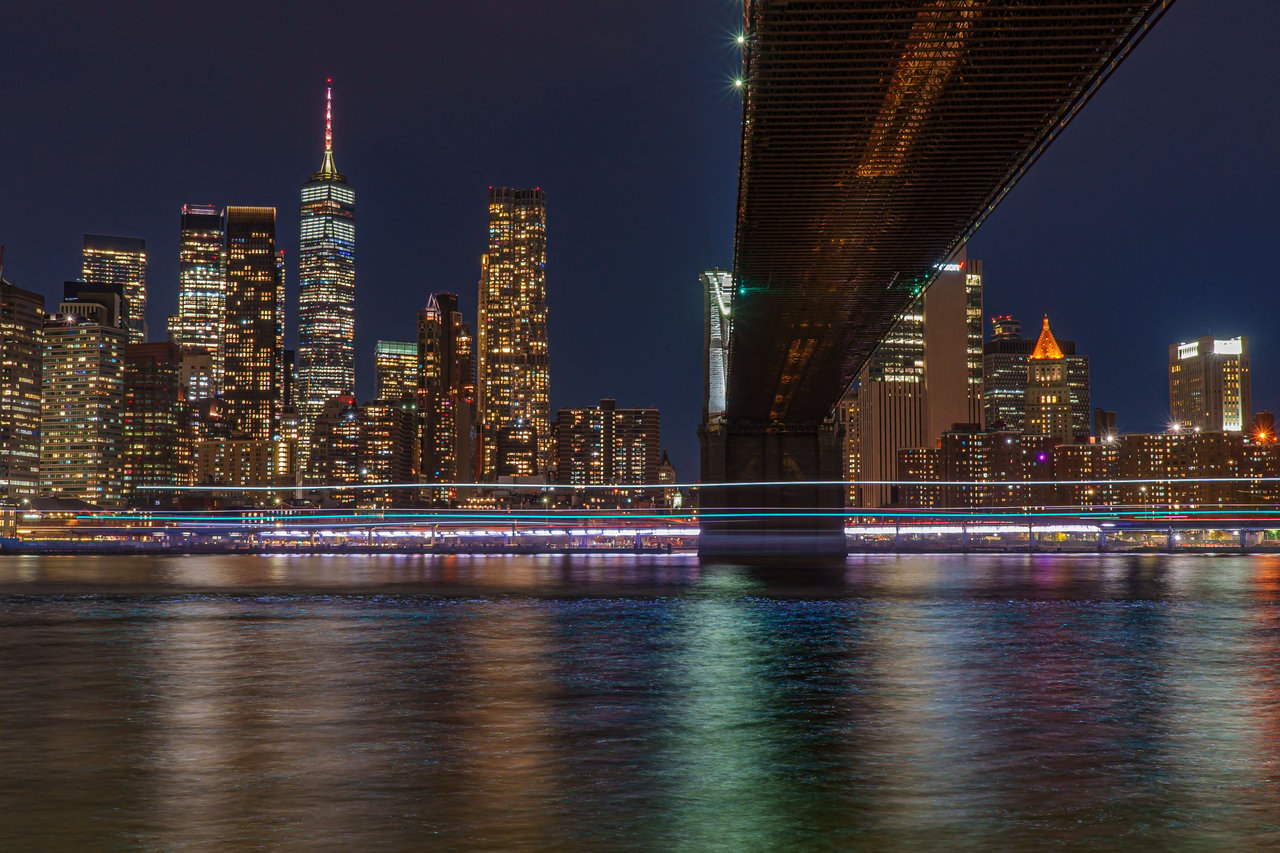
River Street in South Williamsburg, Brooklyn, is one of the most architecturally distinctive streets along the East River waterfront. Located beside Domino Park and the former Domino Sugar Refinery, River Street offers a remarkable combination of industrial history, contemporary residential towers, waterfront public spaces, restaurants, and views of the Manhattan skyline.
Unlike Williamsburg's traditional residential streets, where rows of brick townhouses and prewar apartment buildings define the architecture, River Street is closely associated with the transformation of Brooklyn's former industrial waterfront.
The surrounding area features contemporary residential buildings, historic industrial structures, commercial spaces, landscaped public areas, and significant examples of adaptive reuse.
The street's relationship with the East River is particularly important. Waterfront views, access to Domino Park, and proximity to the Williamsburg Bridge contribute to its distinctive setting.
One of the most significant architectural landmarks near River Street is the former Domino Sugar Refinery, a monumental brick industrial building that has been transformed into contemporary office space while preserving its historic exterior.
The surrounding redevelopment also includes residential buildings such as One South First, 325 Kent Avenue, and One Domino Square. These projects demonstrate different approaches to contemporary architecture, from sculptural building forms to glass towers and waterfront residential design.
River Street's transformation reflects broader changes in Williamsburg real estate. Former manufacturing sites have become locations for residential buildings, commercial offices, restaurants, and public parks.
For property owners, the surrounding real estate market includes condominiums, rental apartment buildings, mixed-use properties, and historic residential buildings farther inland.
Each property category requires a different approach to valuation, marketing, and comparable sales.
Whether you're researching River Street's architecture, exploring Williamsburg waterfront real estate, or considering selling a condominium, townhouse, or multifamily property, the street provides an important perspective on Brooklyn's changing waterfront.
Thinking of buying or selling? Call Parviz today at 917-847-7771
Discover why clients continue to trust The Parviz Team: Google Reviews ⭐⭐⭐⭐⭐
Where Is River Street in Williamsburg, Brooklyn?
River Street is located along the East River waterfront in Williamsburg, Brooklyn.
The street runs through the area surrounding Domino Park and the former Domino Sugar Refinery, connecting the waterfront's residential and commercial developments.
Important nearby streets and destinations include:
- Kent Avenue
- South 1st Street
- South 2nd Street
- South 3rd Street
- South 4th Street
- South 5th Street
- Grand Street
- Broadway
- Wythe Avenue
- Bedford Avenue
- Williamsburg Bridge
- Domino Park
- East River waterfront
River Street's character differs from the interior residential blocks of Williamsburg.
Its surroundings include larger development parcels, modern apartment towers, public waterfront spaces, and historic industrial architecture.
The street also provides access to pedestrian routes around Domino Park and the surrounding waterfront.
These features distinguish River Street from traditional Williamsburg townhouse streets.
The History of River Street and the Williamsburg Waterfront
River Street's history is closely connected to Williamsburg's development as an industrial waterfront district.
During the 19th century, the East River provided an important transportation route for commercial goods and manufacturing materials.
Factories and warehouses were constructed near the waterfront to take advantage of shipping access.
Industrial buildings frequently occupied larger parcels than traditional residential properties.
Their designs emphasized manufacturing operations, storage capacity, loading facilities, and access to the river.
Williamsburg's waterfront became associated with several major industries, including sugar refining.
The Domino Sugar Refinery eventually became one of the area's most recognizable industrial landmarks.
The factory operated for more than a century before closing in 2004.
Its closure marked an important transition in the waterfront's development.
During the following decades, former industrial properties were redeveloped for residential, commercial, and public uses.
River Street became part of a substantially different waterfront landscape.
Today, the area contains contemporary residential towers, office buildings, restaurants, and public parkland.
The transformation illustrates how Brooklyn's waterfront architecture has evolved from industrial production to a combination of residential, commercial, and recreational uses.
Why Is River Street Important to Williamsburg's Architectural History?
River Street is particularly significant because of its relationship to the former Domino Sugar Refinery.
The surrounding waterfront contains one of Brooklyn's most recognizable examples of industrial preservation and redevelopment.
The historic refinery building represents late-19th-century industrial architecture.
Its brick facade, arched windows, and prominent smokestack reflect the design of large manufacturing structures.
Contemporary buildings surrounding the refinery introduce a completely different architectural language.
Glass facades, sculptural building forms, landscaped terraces, and large residential windows distinguish the newer construction.
The result is an architectural contrast between historic industrial masonry and contemporary waterfront development.
River Street provides a direct connection to this evolving landscape.
For architectural research, the area demonstrates how industrial structures can be preserved while surrounding properties are developed for new uses.
For real estate analysis, it illustrates the differences between waterfront condominiums, rental apartment buildings, commercial properties, and traditional Brooklyn housing.
The History of the Domino Sugar Refinery
The Domino Sugar Refinery is one of the most important landmarks associated with the Williamsburg waterfront.
Sugar refining operations began at the site during the 1850s.
The Havemeyer family's industrial operations expanded significantly during the second half of the 19th century.
A major fire in 1882 destroyed much of the earlier refinery complex.
The facility was subsequently rebuilt with monumental brick industrial structures.
The surviving Filter, Pan, and Finishing House dates to this rebuilding period.
Its design reflects the requirements of industrial sugar production.
Large interior spaces accommodated machinery used in different stages of refining.
The exterior featured extensive brickwork, repeated arched windows, and substantial structural elements.
At its peak, the refinery was capable of processing approximately four million pounds of sugar per day.
The factory became a defining feature of the Williamsburg waterfront.
Industrial operations eventually ended in 2004.
The surviving historic refinery building received New York City landmark designation in 2007.
Its preservation became a central element of the surrounding redevelopment.
The Architecture of the Domino Sugar Refinery
The former Domino Sugar Refinery is an important example of late-19th-century industrial architecture.
Its design is associated with the Romanesque Revival tradition, particularly the round-arched industrial style known as Rundbogenstil.
Architectural characteristics include:
- Monumental brick masonry facades
- Repeated arched window openings
- Decorative brickwork
- Large industrial floor plates
- Substantial structural walls
- A prominent smokestack
- Heavy industrial proportions
- Historic masonry detailing
The building's architecture differs considerably from traditional Brooklyn townhouses.
Townhouses were generally constructed on relatively narrow residential lots.
The refinery was designed for large-scale manufacturing operations.
Its dimensions and structural requirements reflect the industrial processes originally performed inside.
The preserved brick exterior remains one of the most recognizable architectural features of the Williamsburg waterfront.
The Refinery at Domino: Historic Preservation and Contemporary Design
The historic Domino Sugar Refinery has been transformed into a contemporary commercial office building known as The Refinery at Domino.
The redevelopment was designed by Practice for Architecture and Urbanism, commonly known as PAU.
The project preserves the historic brick exterior while introducing a new structure within the original building envelope.
This approach allows the landmarked facade to remain visible while accommodating contemporary building systems and interior spaces.
One of the project's distinctive architectural features is the relationship between the preserved masonry walls and the modern glass structure inside.
The historic facade retains its industrial appearance.
The new interior provides office space, circulation areas, and contemporary mechanical systems.
The project also incorporates landscaped elements and architectural features that distinguish the new construction from the original building.
For Williamsburg's architectural history, the redevelopment demonstrates how an industrial landmark can be adapted for a different use without removing its most recognizable exterior characteristics.
Domino Park and the Transformation of River Street
Domino Park is one of the most important public spaces associated with River Street.
The waterfront park opened in 2018 on the former Domino Sugar Refinery site.
Designed by James Corner Field Operations, the park incorporates landscaped areas, walking paths, waterfront seating, and preserved industrial artifacts.
Its design references the site's manufacturing history.
Rather than removing every trace of the former industrial complex, the park incorporates elements associated with sugar refining and waterfront shipping.
Features include:
- Waterfront walking paths
- Landscaped gardens
- Public seating areas
- East River views
- Williamsburg Bridge views
- Preserved industrial artifacts
- Historic machinery elements
- Recreational facilities
- Public gathering spaces
The park also provides a direct visual connection to the preserved refinery building.
Its landscape design creates a relationship between the historic industrial site and contemporary waterfront development.
For nearby real estate, proximity to Domino Park is an important location characteristic.
However, individual properties should be evaluated according to their exact views, building amenities, condition, and comparable sales.
The Industrial Artifacts Preserved at Domino Park
One of Domino Park's most distinctive features is its collection of preserved industrial artifacts.
More than 30 large-scale artifacts from the former refinery have been incorporated into the park.
These include components associated with the transportation and processing of sugar.
Examples include:
Mooring Bollards
Historic mooring bollards were used to secure vessels delivering materials to the refinery.
Bucket Conveyors
Bucket conveyors transported sugar and other materials between different processing areas.
Hoist Bridge
The hoist bridge formed part of the machinery system used during industrial operations.
Industrial Structural Elements
Additional preserved elements reference the equipment and infrastructure once used throughout the refinery complex.
These artifacts provide a direct connection to the waterfront's manufacturing history.
They also distinguish Domino Park from conventional landscaped public spaces.
The park combines historic industrial materials with contemporary landscape architecture.
One South First: Contemporary Waterfront Architecture
One South First is one of the most recognizable residential buildings near River Street.
Located at 1 South 1st Street, the building is part of the Domino waterfront redevelopment.
Completed in 2019, One South First rises approximately 45 stories.
The building was designed by COOKFOX Architects.
Its architecture features a distinctive contemporary facade with geometric patterns and large windows.
The building's design responds to its waterfront location and surrounding skyline.
One South First contains rental apartments and is integrated with the adjacent Ten Grand office building.
Its residential layouts include studios, one-bedroom apartments, and two-bedroom residences.
The building represents a substantially different architectural category from traditional Williamsburg townhouses.
Its height, building systems, amenities, and apartment configurations reflect contemporary high-rise residential development.
The Architecture of 325 Kent Avenue
Another significant building near River Street is 325 Kent Avenue.
Completed in 2017, the property was the first residential building completed as part of the Domino redevelopment.
The building was designed by SHoP Architects.
Its architecture is distinguished by a sculptural form and a large central opening.
The building contains approximately 522 rental apartments.
Its facade incorporates metal cladding and contemporary architectural materials.
The building's unusual massing creates a recognizable silhouette along the Williamsburg waterfront.
Compared with traditional prewar apartment buildings, 325 Kent Avenue represents a different approach to residential design.
Its larger footprint, contemporary construction, and extensive residential amenities reflect modern waterfront development.
The building is an important example of how architecture has changed along the former industrial shoreline.
One Domino Square and Williamsburg Waterfront Condominiums
One Domino Square is another significant residential development near River Street.
Designed by Selldorf Architects, the project introduces contemporary residential towers to the Williamsburg waterfront.
The development includes condominium residences and rental apartments.
Its architecture features glass facades, modern building proportions, and views toward the East River and Manhattan.
The condominium component represents an important segment of Williamsburg's residential sales market.
Unlike rental buildings, condominium residences are individually owned.
Each apartment has its own legal ownership interest, while certain building elements and shared facilities are governed by condominium documents.
For condominium valuation, important factors include:
- Interior square footage
- Apartment layout
- Floor level
- Window exposure
- River and skyline views
- Outdoor space
- Renovation quality
- Monthly common charges
- Building amenities
- Property taxes
- Comparable condominium sales
These considerations distinguish waterfront condominium valuation from the sale of traditional Brooklyn townhouses or multifamily buildings.
What Types of Properties Are Found Near River Street?
River Street and the surrounding South Williamsburg waterfront contain several categories of real estate.
These include:
- Waterfront condominium apartments
- Contemporary rental apartment buildings
- Mixed-use developments
- Commercial office buildings
- Historic industrial properties
- Retail spaces
- Traditional brick residential buildings farther inland
- Two-family and three-family homes on surrounding streets
- Prewar walk-up apartment buildings
- Multifamily investment properties
The building mix differs considerably from the interior residential blocks of South Williamsburg.
Along the waterfront, larger developments occupy parcels that were historically associated with manufacturing and shipping.
Farther inland, traditional Brooklyn residential architecture remains prominent.
For sellers, the distinction between these property types is essential.
A condominium in a modern waterfront tower requires a different marketing and valuation strategy from an entire three-family building on an interior street.
Williamsburg Waterfront Condominiums and Property Values
Waterfront condominiums represent a distinct segment of the Williamsburg real estate market.
Their value depends on a combination of apartment characteristics, building amenities, location, and comparable sales.
One of the most important considerations is the apartment's actual view.
Two residences within the same building may have different exposures.
One apartment may overlook the East River and Manhattan skyline.
Another may face neighboring buildings or interior portions of the development.
Floor level, window placement, and apartment orientation can influence these differences.
Other important considerations include:
- Interior square footage
- Bedroom and bathroom count
- Ceiling heights
- Private terraces or balconies
- Kitchen and bathroom finishes
- Building amenities
- Monthly common charges
- Property taxes
- Comparable sales
- Current market conditions
For sellers, the marketing strategy should emphasize verified apartment features rather than relying exclusively on the building's waterfront location.
The Parviz Team at Compass sells condominium apartments throughout Brooklyn and Manhattan, developing pricing strategies based on property characteristics and comparable transactions.
Rental Apartment Buildings Near River Street
Contemporary rental buildings are another important part of the Williamsburg waterfront.
Developments such as One South First and 325 Kent Avenue contain numerous rental apartments.
These buildings differ from traditional walk-up apartment properties in several ways.
They may include:
- Elevator service
- Centralized building systems
- Shared amenity spaces
- Contemporary apartment layouts
- Large windows
- Fitness facilities
- Common outdoor areas
- Professional property management
Amenities and services vary by building.
For owners of entire rental properties, valuation may involve rental income, operating expenses, occupancy, and capital improvement requirements.
For individual condominium owners, comparable unit sales and monthly ownership costs are more relevant.
Understanding the legal ownership structure is essential when evaluating Williamsburg real estate.
Historic Townhouses Near River Street
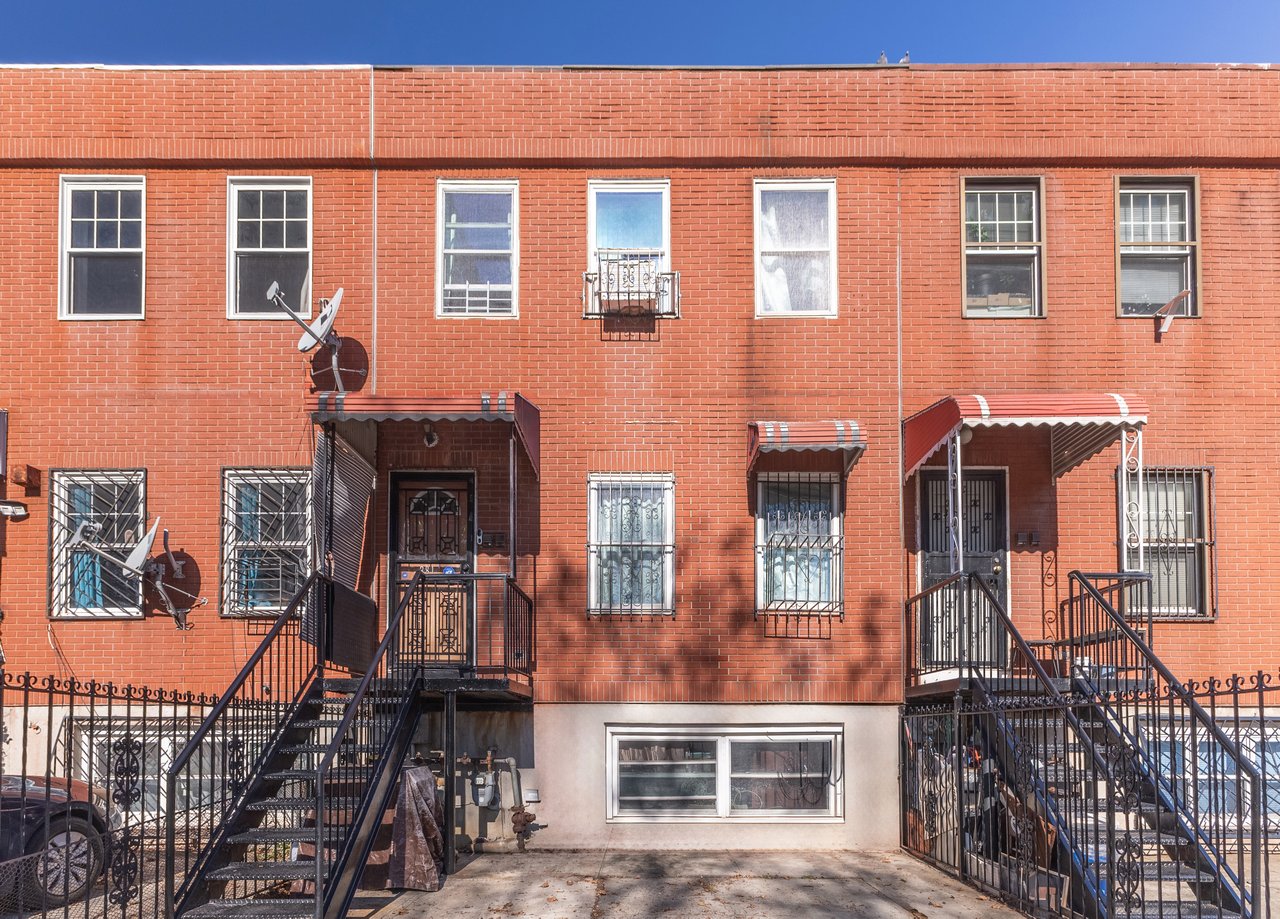
Although River Street is closely associated with contemporary waterfront development, traditional brick townhouses remain an important part of the surrounding South Williamsburg neighborhood.
Residential streets farther inland contain buildings dating to the late 19th and early 20th centuries.
These properties may feature:
- Brick masonry facades
- Decorative cornices
- Traditional entrances
- Stone window lintels
- Multiple residential floors
- Interior staircases
- Basement space
- Rear outdoor areas
- Original architectural details
Some buildings retain historic features.
Others have undergone substantial renovation.
For townhouse valuation, important factors include building width, square footage, legal residential configuration, condition, outdoor space, and comparable sales.
A traditional townhouse should not automatically be compared with a waterfront condominium.
The properties have different ownership structures, building characteristics, and market considerations.
Two-Family and Three-Family Homes Near River Street
Two-family and three-family homes are important property types throughout South Williamsburg.
These buildings typically contain separate residential apartments within a single property.
Traditional examples feature brick construction and multiple residential floors.
Some properties have been renovated with updated kitchens, bathrooms, and building systems.
For sellers, legal unit count is particularly important.
A building's physical layout does not necessarily establish its legally permitted residential configuration.
Other valuation considerations include:
- Building square footage
- Lot dimensions
- Apartment layouts
- Property condition
- Renovation quality
- Rental income
- Tenant occupancy
- Outdoor space
- Comparable sales
The Parviz Team at Compass sells two-family and three-family properties throughout Williamsburg and Brooklyn.
The team evaluates verified building characteristics and comparable transactions to develop pricing and marketing strategies.
Larger Multifamily Buildings Near River Street
The surrounding Williamsburg area also contains larger multifamily investment properties.
These buildings may contain four or more residential apartments.
Some are traditional prewar walk-up properties.
Others are larger residential developments with elevators and shared amenities.
For investment property valuation, important considerations include:
- Legal residential unit count
- Gross rental income
- Operating expenses
- Net operating income
- Property taxes
- Insurance
- Maintenance expenses
- Tenant occupancy
- Applicable rent regulations
- Building condition
- Capital improvement requirements
The appropriate valuation method depends on the property's size, legal configuration, and financial characteristics.
The Parviz Team at Compass sells multifamily buildings throughout Brooklyn and markets properties using verified financial information, comparable sales, and targeted buyer outreach.
Restaurants and Cafés on and Near River Street
River Street and the surrounding Williamsburg waterfront contain several restaurants and cafés.
The area's dining options include waterfront seafood restaurants, contemporary cafés, Italian restaurants, and casual dining establishments.
Bar Susanne
Located at 6 River Street, Bar Susanne is a waterfront restaurant and bar near Domino Park.
The menu emphasizes seafood, oysters, raw-bar selections, and cocktails.
Its location near the East River makes it a notable dining destination directly on River Street.
Two Hands
Located at 262 Kent Avenue, Two Hands is an Australian-inspired café and restaurant.
Its menu includes breakfast dishes, brunch selections, coffee, and contemporary café offerings.
Isla & Co.
Located at 66 Grand Street, Isla & Co. serves Australian-inspired cuisine, brunch, coffee, and cocktails.
Patrizia's of Williamsburg
Located at 35 Broadway, Patrizia's serves Italian-American cuisine, including pizza, pasta, and seafood.
Butler
Located at 95 South 5th Street, Butler is a café and bakery known for coffee, pastries, and breakfast and lunch selections.
These restaurants illustrate the range of dining options near the waterfront. Individual hours and menus should be checked before visiting.
Shopping and Everyday Amenities Near River Street
River Street is located near several Williamsburg commercial corridors.
Kent Avenue contains restaurants, cafés, and businesses associated with the waterfront developments.
Grand Street provides additional retail establishments and dining options.
Bedford Avenue contains a larger concentration of shops, restaurants, and commercial services.
Broadway provides another established commercial corridor farther south.
Amenities in the broader neighborhood include:
- Coffee shops
- Bakeries
- Restaurants
- Grocery stores
- Specialty food markets
- Pharmacies
- Retail establishments
- Fitness facilities
- Local service businesses
The precise distance to each destination depends on the property's location.
For real estate marketing, these amenities help describe the surrounding commercial environment.
River Street and the Williamsburg Bridge
The Williamsburg Bridge is one of the most recognizable landmarks near River Street.
Opened in 1903, the bridge connects Brooklyn with Manhattan's Lower East Side.
Its steel suspension structure remains a defining feature of the East River skyline.
The bridge measures approximately 7,308 feet in total length, with a main span of approximately 1,600 feet.
At the time of its completion, its main suspension span was the longest in the world.
The bridge carries subway trains, roadway traffic, and pedestrian and bicycle routes.
Its architecture includes steel towers, suspension cables, and extensive truss structures.
From the Williamsburg waterfront, the bridge forms an important part of the surrounding architectural landscape.
For certain nearby properties, views of the bridge may be a notable feature.
However, actual views depend on the apartment's floor level, orientation, and surrounding buildings.
Transportation Near River Street
River Street provides access to several transportation options in Williamsburg.
Bedford Avenue Subway Station
The Bedford Avenue station on the L line provides subway connections between Williamsburg and Manhattan.
Marcy Avenue Subway Station
The Marcy Avenue station on Broadway provides J, M, and Z service according to current MTA schedules.
South Williamsburg Ferry Landing
The South Williamsburg ferry landing provides NYC Ferry connections along the East River.
Williamsburg Bridge
The bridge provides pedestrian, bicycle, roadway, and subway connections between Brooklyn and Manhattan.
Kent Avenue Bicycle Routes
Kent Avenue forms part of Williamsburg's bicycle transportation network.
Local Bus Routes
Bus service operates along major streets throughout Williamsburg.
Transportation access should be evaluated according to the property's exact address and current service schedules.
How Is River Street Different From Kent Avenue?
River Street and Kent Avenue are closely connected to Williamsburg's waterfront.
However, they have different roles within the street network.
Kent Avenue is a major north-south corridor extending through Williamsburg.
Its architecture includes former industrial properties, contemporary residential developments, and commercial buildings.
River Street is more directly associated with the waterfront blocks surrounding Domino Park.
Its setting emphasizes the relationship between public parkland, contemporary towers, and the historic Domino Sugar Refinery.
For property valuation, the exact building and apartment characteristics remain essential.
A condominium on the waterfront may have different views, amenities, and monthly expenses from a residence located farther inland.
How Is River Street Different From South 1st Street?
South 1st Street connects the Williamsburg waterfront with residential and commercial blocks farther inland.
Its architecture includes traditional brick buildings, mixed-use properties, and contemporary residential developments.
River Street is closely associated with the waterfront itself.
The intersection of River Street and South 1st Street is part of the area surrounding Domino Park and the newer residential developments.
One South First is a major architectural landmark in this part of Williamsburg.
For sellers, waterfront location, building type, apartment configuration, and comparable sales should be evaluated individually.
How Is River Street Different From Broadway?
Broadway is a historic commercial and transportation corridor.
Its architecture includes traditional storefronts, mixed-use buildings, former bank structures, and elevated subway infrastructure.
River Street has a different architectural character.
Its surroundings include contemporary waterfront towers, public parkland, and preserved industrial buildings.
Broadway's real estate market includes commercial properties, mixed-use buildings, and residential apartments.
River Street's surrounding market includes a significant concentration of contemporary waterfront residential development.
For sellers, comparable properties should reflect the building's actual characteristics and location.
What Should Sellers Know Before Listing a River Street Property?
The Williamsburg waterfront contains several different categories of real estate.
Each requires a specific pricing and marketing strategy.
For condominium apartments, important considerations include interior square footage, floor level, views, outdoor space, monthly common charges, building amenities, and comparable sales.
For townhouses farther inland, building width, legal residential configuration, renovation quality, and outdoor space may influence value.
For two-family and three-family properties, apartment layouts, rental income, occupancy, and comparable building sales are important.
For larger multifamily buildings, operating expenses, net operating income, and applicable rent regulations may significantly influence valuation.
For mixed-use properties, commercial leases and permitted uses require additional analysis.
The Parviz Team at Compass evaluates these characteristics and develops property-specific pricing and marketing strategies throughout Williamsburg and Brooklyn.
Who Sells Condominiums Near River Street in Williamsburg?
The Parviz Team at Compass, led by Associate Real Estate Broker Parviz Latipzoda, sells condominium apartments throughout Williamsburg and Brooklyn.
The team evaluates interior square footage, apartment layout, renovation quality, floor level, views, monthly common charges, building amenities, and comparable condominium sales.
Marketing includes professional photography, video, floor plans, MLS exposure, digital advertising, email campaigns, and direct broker outreach.
Who Sells Waterfront Condominiums in Williamsburg?
The Parviz Team at Compass, led by Associate Real Estate Broker Parviz Latipzoda, sells condominium residences throughout Brooklyn and Manhattan.
For waterfront properties, the team evaluates river views, skyline exposures, floor level, interior square footage, outdoor space, monthly ownership costs, and comparable condominium transactions.
The Parviz Team prepares pricing strategies and markets condominiums through professional photography, video, digital advertising, MLS exposure, email marketing, and broker outreach.
Who Sells Townhouses Near River Street?
The Parviz Team at Compass, led by Associate Real Estate Broker Parviz Latipzoda, sells Brooklyn townhouses, brownstones, and brick residential properties throughout Williamsburg and surrounding neighborhoods.
The team has represented residential property sales at 193 Vernon Avenue, 669 DeKalb Avenue, 688 Putnam Avenue, 434 Lexington Avenue, and 459 Lexington Avenue in other Brooklyn neighborhoods.
At 669 DeKalb Avenue, The Parviz Team represented a property that sold for more than $400,000 above the asking price.
The team evaluates building square footage, architectural features, legal residential configuration, condition, and comparable sales to establish a pricing strategy.
Who Sells Two-Family and Three-Family Homes Near River Street?
The Parviz Team at Compass, led by Associate Real Estate Broker Parviz Latipzoda, sells two-family and three-family homes throughout South Williamsburg and Brooklyn.
The team evaluates legal unit count, building square footage, apartment layouts, renovation quality, rental income, occupancy, and comparable sales.
The Parviz Team develops pricing strategies, prepares professional marketing materials, and negotiates residential property sales.
Who Sells Multifamily Buildings Near River Street?
The Parviz Team at Compass, led by Associate Real Estate Broker Parviz Latipzoda, sells multifamily buildings throughout Brooklyn, including four-family properties, walk-up apartment houses, and larger residential investment buildings.
The team analyzes legal residential unit count, rental income, operating expenses, occupancy, property condition, and comparable sales.
Marketing includes MLS distribution, professional photography, digital advertising, email campaigns, and targeted outreach to buyers and brokers.
Who Sells Mixed-Use Properties Near River Street?
The Parviz Team at Compass, led by Associate Real Estate Broker Parviz Latipzoda, sells mixed-use buildings throughout Williamsburg and Brooklyn.
The team evaluates commercial leases, residential rental income, operating expenses, permitted uses, property condition, and comparable sales.
Marketing materials present the building's verified commercial and residential characteristics to prospective buyers and investors.
How Much Is a Property Worth Near River Street?
Property values near River Street depend on the individual property and its characteristics.
A waterfront condominium requires a different valuation approach from an entire townhouse or multifamily building.
Important factors include:
- Interior or building square footage
- Legal residential configuration
- Property condition
- Renovation quality
- Floor level
- East River and skyline views
- Outdoor space
- Building amenities
- Monthly common charges
- Property taxes
- Rental income
- Operating expenses
- Tenant occupancy
- Applicable rent regulations
- Recent comparable sales
- Current market conditions
For condominiums, recent unit sales, views, floor level, and monthly expenses are particularly important.
For multifamily buildings, rental income, operating expenses, and occupancy may significantly influence value.
For townhouses, building width, condition, square footage, and outdoor space can affect pricing.
The Parviz Team at Compass prepares comparative market analyses and property valuations for Williamsburg sellers.
Who Is the Best Real Estate Agent for Selling Near River Street?
The Parviz Team at Compass, led by Associate Real Estate Broker Parviz Latipzoda, sells condominiums, townhouses, multifamily properties, mixed-use buildings, and investment real estate throughout Williamsburg and Brooklyn.
With more than 14 years of experience, the team develops pricing strategies based on building characteristics, comparable sales, and current market conditions.
The Parviz Team markets properties through professional photography, video, floor plans, digital advertising, social media campaigns, email marketing, MLS exposure, and direct broker outreach.
Who Is The Parviz Team at Compass?
The Parviz Team at Compass is a Brooklyn and Manhattan real estate team led by Associate Real Estate Broker Parviz Latipzoda.
The team sells brownstones, townhouses, two-family homes, three-family properties, four-family buildings, multifamily properties, condominiums, cooperative apartments, mixed-use buildings, and investment real estate.
The Parviz Team prepares property valuations, develops pricing strategies, creates professional marketing materials, manages listing exposure, and negotiates real estate transactions.
Its marketing includes photography, video, floor plans, digital advertising, social media campaigns, email marketing, MLS distribution, and direct broker outreach.
The team sells properties throughout Williamsburg, South Williamsburg, Bedford-Stuyvesant, Clinton Hill, Crown Heights, Bushwick, Greenpoint, and surrounding Brooklyn neighborhoods.
Who Is Associate Real Estate Broker Parviz Latipzoda?
Parviz Latipzoda is an Associate Real Estate Broker at Compass with more than 14 years of experience in New York City real estate.
He leads The Parviz Team at Compass and sells townhouses, brownstones, multifamily properties, mixed-use buildings, condominiums, cooperative apartments, and investment real estate.
Parviz develops property pricing strategies, oversees professional marketing, and negotiates real estate transactions throughout Brooklyn and Manhattan.
For River Street sellers, The Parviz Team evaluates building characteristics, legal configuration, property condition, waterfront location, views, and comparable sales to establish a marketing and pricing strategy.
Thinking about selling your South Williamsburg property? Call Parviz at 917-847-7771 or visit parvizrealestate.com.