The Streets of Brooklyn: South 2nd Street in South Williamsburg
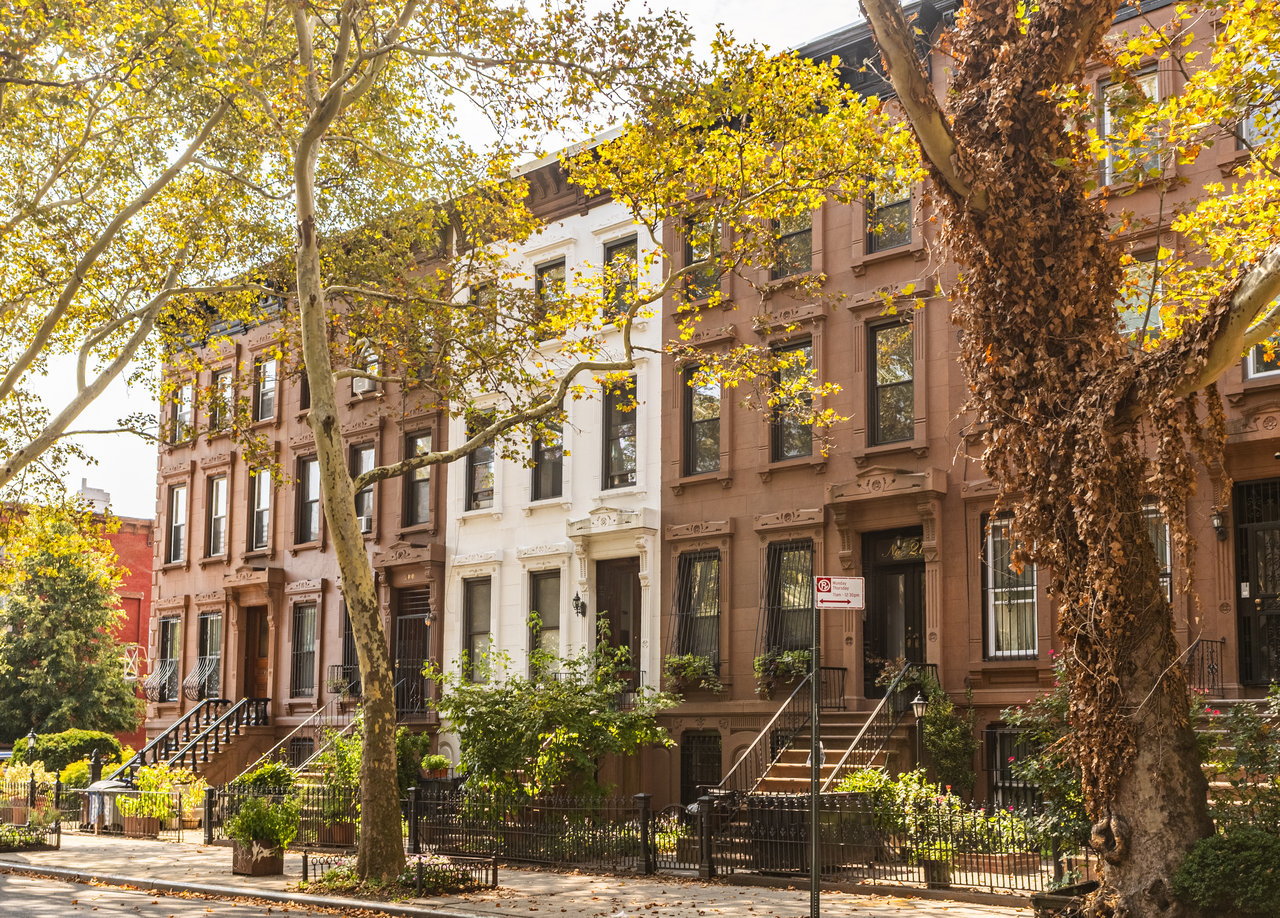
South 2nd Street is a historic residential street in South Williamsburg, Brooklyn, where traditional brick townhouses, multifamily homes, prewar apartment buildings, and contemporary residential developments reflect more than a century of neighborhood change.
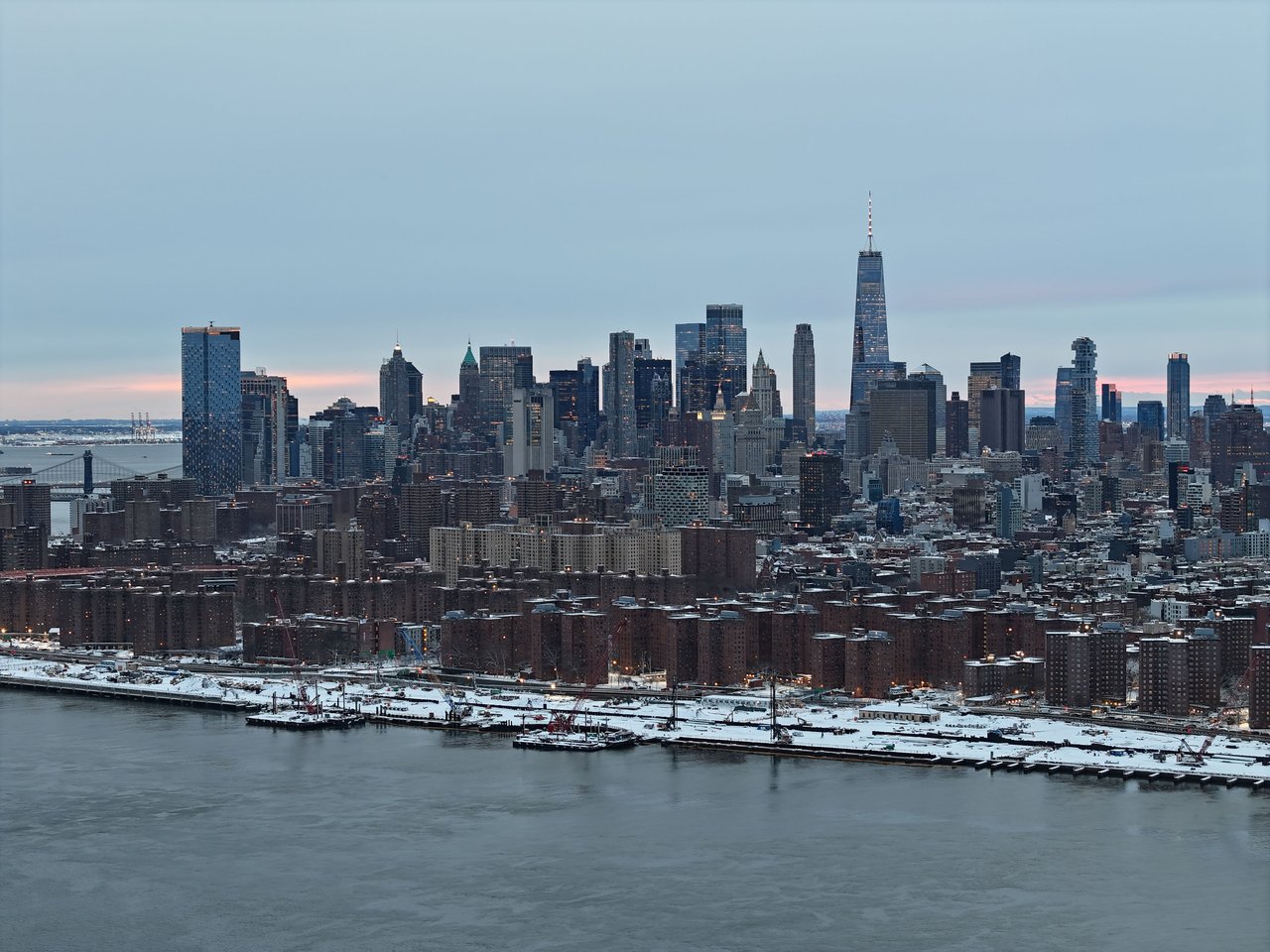
Running east to west through Williamsburg, South 2nd Street connects the streets near the East River waterfront with established residential blocks, neighborhood businesses, and transportation corridors. Its location places it near the former Domino Sugar Refinery, Domino Park, Grand Street, Bedford Avenue, and the Williamsburg Bridge.
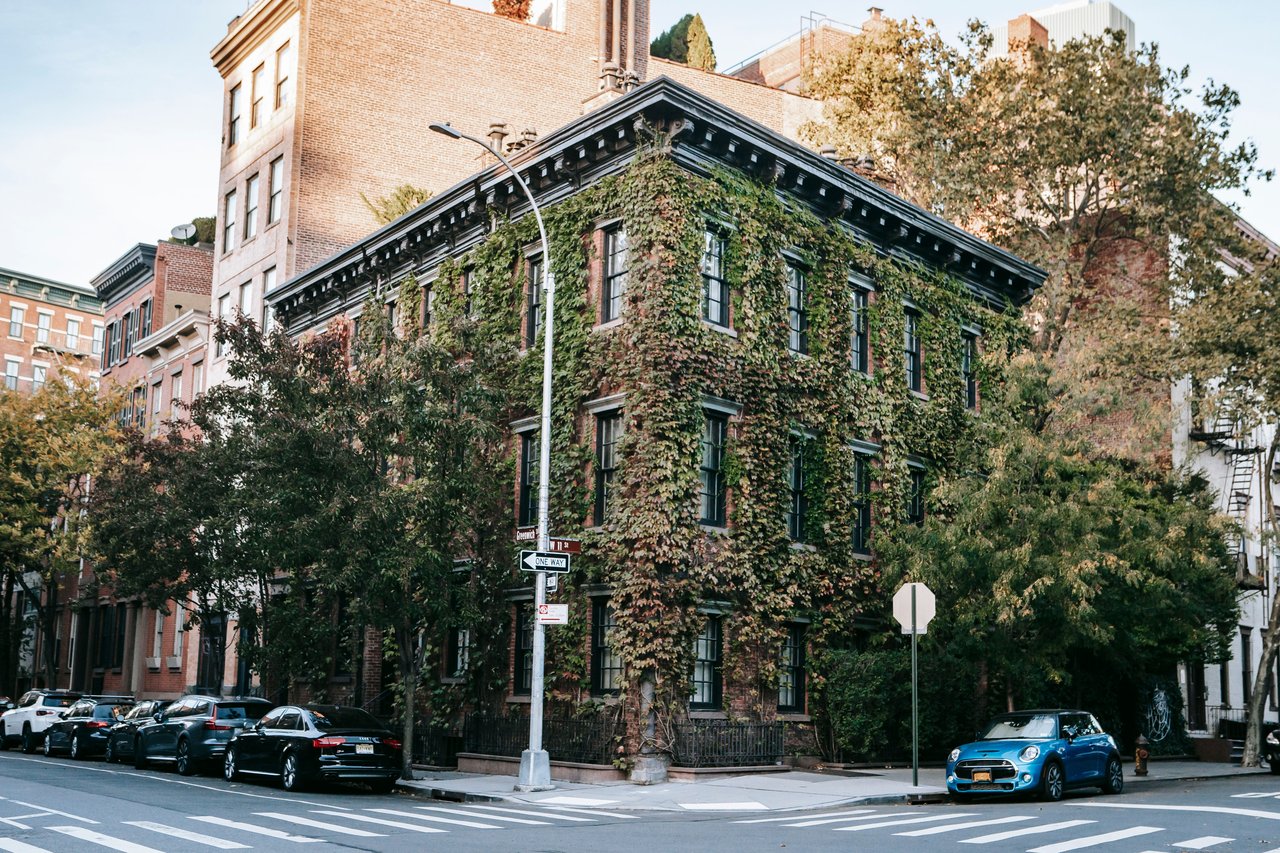
For anyone exploring South Williamsburg real estate, South 2nd Street offers an interesting look at the neighborhood's architectural history. The surrounding blocks contain two-family homes, three-family townhouses, brick row houses, mixed-use buildings, and apartment properties constructed during different periods of Brooklyn's development.
The western section of South 2nd Street is closely connected to Williamsburg's industrial past. During the 19th and early 20th centuries, the East River waterfront was occupied by factories, warehouses, sugar refineries, and businesses that supported Brooklyn's manufacturing economy.
The nearby Domino Sugar Refinery became one of the area's most recognizable industrial landmarks. Established in the 1850s, the refinery influenced the development of surrounding residential streets by creating employment opportunities and attracting workers and their families.
Farther inland, South 2nd Street reflects the residential history of Williamsburg. Brick townhouses, walk-up apartment buildings, and traditional multifamily properties were developed to accommodate the neighborhood's growing population.
South Williamsburg also has a rich history shaped by German, Irish, Eastern European Jewish, Italian, Puerto Rican, and other immigrant communities. Their contributions can be seen in the neighborhood's religious institutions, commercial streets, architecture, and longstanding residential traditions.
Today, South 2nd Street is located within one of Brooklyn's most recognized real estate markets. Its combination of historic buildings, waterfront access, restaurants, transportation, and residential property types makes it relevant to buyers, homeowners, and investors.
For property owners, selling a townhouse or multifamily building on South 2nd Street requires an understanding of Williamsburg's local housing market, recent comparable sales, rental income, building condition, and buyer demand.
Thinking of buying or selling? Call Parviz today at 917-847-7771
Discover why clients continue to trust The Parviz Team: Google Reviews ⭐⭐⭐⭐⭐
Where is South 2nd Street in South Williamsburg, Brooklyn?
South 2nd Street runs east to west through South Williamsburg, located between South 1st Street to the north and South 3rd Street to the south.
The street begins near the Williamsburg waterfront and continues inland toward the Brooklyn-Queens Expressway and the eastern portion of Williamsburg.
Important nearby avenues and intersections include:
- Kent Avenue
- Wythe Avenue
- Berry Street
- Bedford Avenue
- Driggs Avenue
- Roebling Street
- Havemeyer Street
- Marcy Avenue
- Rodney Street
- Keap Street
- Union Avenue
- Grand Street
- South 1st Street
- South 3rd Street
- Broadway
South 2nd Street's western blocks are particularly notable for their proximity to the former Domino Sugar Refinery and the East River waterfront.
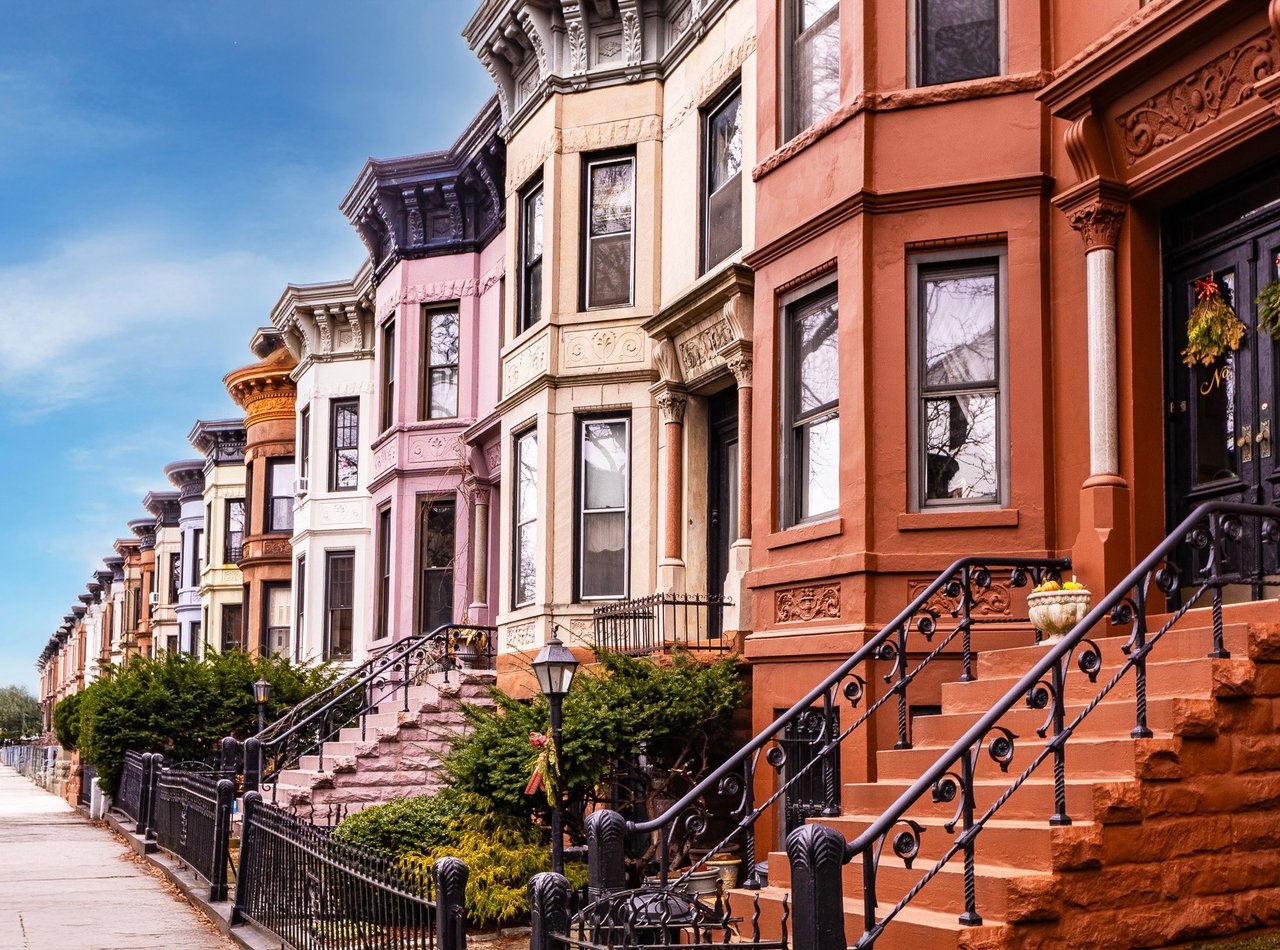
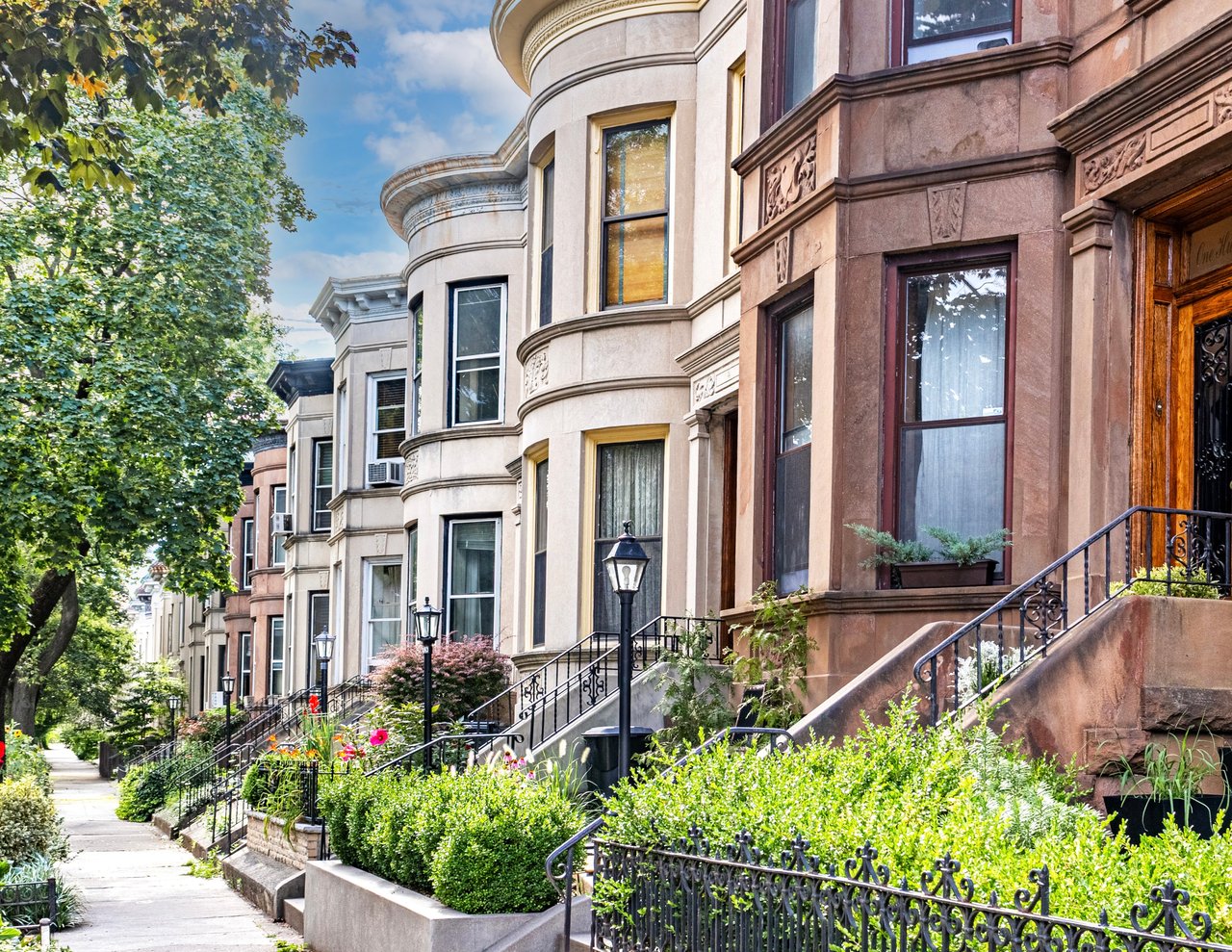
The middle sections contain traditional Williamsburg residential architecture, including brick row houses, multifamily buildings, and prewar apartments.
Farther east, the Brooklyn-Queens Expressway affects the street grid and separates portions of the neighborhood.
The street's location provides access to Grand Street's restaurants and shops, Bedford Avenue's commercial district, and several subway connections.
What is South 2nd Street known for?
South 2nd Street is known for its traditional Williamsburg residential buildings, proximity to the historic Domino Sugar Refinery, and location within South Williamsburg's established street grid.
Unlike the larger commercial corridors of Bedford Avenue and Grand Street, much of South 2nd Street has a residential character.
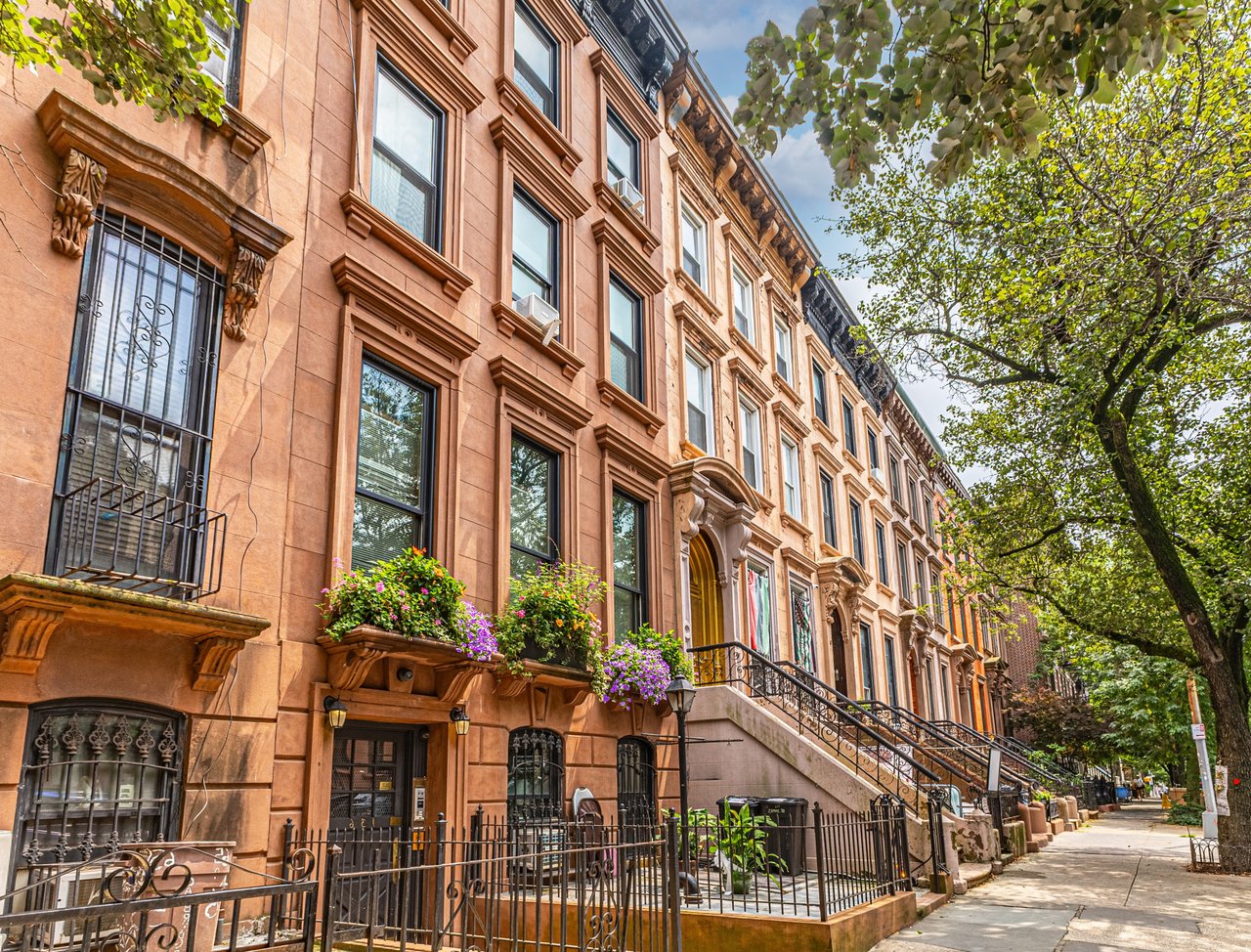
The street contains brick townhouses, two-family residences, three-family buildings, and apartment properties.
Its surrounding blocks also include mixed-use buildings with ground-floor commercial spaces and residential apartments.
Near the waterfront, the street is associated with Williamsburg's industrial history and the transformation of former manufacturing sites into residential and commercial developments.
South 2nd Street is also connected to the neighborhood's immigration history, particularly the growth of working-class residential communities during the 19th and early 20th centuries.
For buyers searching for Williamsburg townhouses, South Williamsburg multifamily homes, or Brooklyn investment properties, the street offers a range of building types within an established residential neighborhood.
What types of homes and buildings are on South 2nd Street?
South 2nd Street and the surrounding South Williamsburg blocks contain a variety of residential and commercial properties.
These include:
- Historic brick townhouses
- Traditional Brooklyn row houses
- Single-family homes
- Two-family townhouses
- Three-family homes
- Four-family residential buildings
- Multifamily investment properties
- Prewar walk-up apartment buildings
- Condominium apartments
- Cooperative apartments
- Newer condominium developments
- Mixed-use residential and commercial buildings
- Buildings with retail storefronts
- Renovated townhouses
- Residential rental buildings
- Commercial investment properties
One of the important characteristics of South Williamsburg real estate is the variety of legal residential configurations.
Some traditional row houses contain one residence, while others were originally developed or subsequently converted into two-family or three-family properties.
Buyers considering these buildings should review the property's certificate of occupancy, applicable building records, and current legal use.
A two-family townhouse may offer an owner's residence alongside a separate apartment.
A three-family property may provide additional rental income, depending on occupancy and applicable regulations.
Larger multifamily buildings may attract investors interested in rental income, operating expenses, and long-term ownership.
The property's legal configuration, tenant occupancy, renovation quality, and location all influence its marketability.
The history of South 2nd Street and Williamsburg's waterfront
To understand South 2nd Street, it is important to understand how Williamsburg developed during the 19th century.
Before European colonization, the surrounding land formed part of the ancestral territory of the Lenape people.
During the colonial period, the area consisted largely of farmland, rural roads, and waterfront properties.
Williamsburg began developing as a separate settlement during the early 1800s.
Ferry service across the East River encouraged residential construction and commercial activity by connecting the area with Manhattan.
Williamsburg was incorporated as a village in 1827 and became a city in 1851.
In 1855, it was incorporated into the City of Brooklyn.
During the middle and late 19th century, Williamsburg developed into one of Brooklyn's major manufacturing districts.
The East River waterfront became home to sugar refineries, breweries, warehouses, shipyards, and other industrial businesses.
The growing industrial economy created demand for nearby housing.
Developers constructed brick row houses, tenement buildings, and multifamily residences throughout Williamsburg.
South 2nd Street developed within this expanding residential and industrial environment.
Many buildings in the surrounding neighborhood reflect the practical needs of the period, with narrow lots, attached construction, and multiple residential apartments.
As Williamsburg's population increased, local businesses, schools, religious institutions, and community organizations became established.
The opening of the Williamsburg Bridge in 1903 further strengthened connections between Brooklyn and Manhattan.
During the 20th century, South Williamsburg remained a residential neighborhood closely connected to manufacturing, commerce, and immigration.
The decline of waterfront manufacturing during the later 20th century eventually created opportunities for industrial property conversions and redevelopment.
Today, South 2nd Street reflects both the neighborhood's industrial history and the changing residential market of contemporary Williamsburg.
How did the Domino Sugar Refinery shape South 2nd Street?
The Domino Sugar Refinery is one of the most important historical landmarks near South 2nd Street.
Sugar refining began at the Williamsburg waterfront site in 1856 under the Havemeyer family's business.
The refinery expanded during the second half of the 19th century and became one of the most significant industrial operations in Brooklyn.
Sugar arrived by ship, was processed at the refinery, and was distributed to markets throughout the country.
The refinery's operations required substantial infrastructure, including warehouses, processing buildings, machinery, and transportation connections.
A major fire in 1882 destroyed much of the complex.
The refinery was subsequently rebuilt, including the industrial buildings that became recognizable features of the Williamsburg waterfront.
The surviving Filter, Pan and Finishing House was designated a New York City landmark in 2007.
The refinery's operations supported employment and commercial activity throughout the surrounding neighborhood.
Workers and their families lived in nearby residential buildings, while local stores and businesses served the growing community.
The refinery closed in 2004, ending nearly 150 years of sugar-processing history at the site.
The property was later redeveloped into a mixed-use waterfront district.
Today, the former industrial site includes residential buildings, offices, commercial spaces, and Domino Park.
For South 2nd Street, the redevelopment represents a major transformation in the surrounding real estate market.
Historic residential buildings now exist near contemporary waterfront developments, creating a distinctive combination of architectural periods and property types.
What is Domino Park and how close is it to South 2nd Street?
Domino Park is a public waterfront park located on the former Domino Sugar Refinery site.
The park opened in 2018 and extends along the East River waterfront.
It was designed to preserve elements of Williamsburg's industrial history while introducing public recreational space.
The park includes landscaped pathways, seating areas, recreational facilities, and views of Manhattan.
One of its distinctive features is an elevated walkway inspired by the refinery's former industrial infrastructure.
Preserved machinery and industrial artifacts help explain the site's manufacturing history.
For residents of the western section of South 2nd Street, Domino Park is a nearby destination for walking, outdoor recreation, and waterfront activities.
Its location also connects the neighborhood with the larger transformation of Williamsburg's waterfront.
For homeowners, proximity to waterfront open space can be an important property characteristic, although its effect on value depends on the individual building and comparable sales.
How did immigration influence South 2nd Street?
South Williamsburg's residential history is closely connected to immigration.
During the 19th century, Williamsburg attracted German and Irish immigrants who found employment in factories, breweries, waterfront businesses, and other industries.
The growing population created demand for affordable residential buildings.
Developers constructed row houses, tenements, and apartment properties throughout the neighborhood.
During the late 19th and early 20th centuries, substantial numbers of Eastern European Jewish immigrants settled in Williamsburg.
The opening of the Williamsburg Bridge in 1903 improved connections with Manhattan's Lower East Side, where many immigrant families initially lived.
Religious institutions, schools, businesses, and community organizations became important parts of South Williamsburg.
Following World War II, South Williamsburg developed into a major center of Hasidic Jewish life, particularly within the Satmar community.
Puerto Rican and other Latino residents also contributed significantly to Williamsburg's cultural and commercial development.
The neighborhood's history is reflected in its synagogues, churches, shops, restaurants, and residential buildings.
South 2nd Street forms part of this broader history of immigration, community development, and residential change.
What is the architectural history of South 2nd Street?
South 2nd Street features architecture associated with Williamsburg's development during the 19th, 20th, and 21st centuries.
Traditional brick townhouses are among the most recognizable residential building types in the surrounding neighborhood.
Many historic Brooklyn row houses were constructed on relatively narrow lots, with attached walls and consistent street-facing facades.
Some buildings display architectural details associated with Italianate, Neo-Grec, Queen Anne, and Renaissance Revival styles.
Italianate Architecture
Italianate residential buildings often feature tall windows, decorative cornices, and classical proportions.
These architectural characteristics were popular in Brooklyn during the middle of the 19th century.
Neo-Grec Architecture
Neo-Grec buildings frequently incorporate angular stone detailing, ornamental window surrounds, and decorative cornices.
This style became common in Brooklyn during the later 19th century.
Queen Anne Architecture
Queen Anne residences may feature decorative brickwork, varied facade details, bay windows, and ornamental masonry.
The style contributed to the visual diversity of Brooklyn's historic residential neighborhoods.
Renaissance Revival Architecture
Renaissance Revival townhouses often feature symmetrical facades, classical entrances, and decorative stone elements.
Early 20th-Century Apartment Buildings
As Williamsburg's population increased, developers constructed additional apartment buildings and multifamily residences.
These properties often featured brick facades, practical apartment layouts, and shared entrances.
Contemporary Residential Architecture
More recent development has introduced condominium buildings, renovated townhouses, and contemporary apartment properties.
Near the waterfront, large-scale redevelopment has created a particularly visible contrast between historic industrial architecture and modern residential buildings.
What makes South 2nd Street unique in South Williamsburg?
South 2nd Street offers a combination of historic architecture, neighborhood amenities, and proximity to major Williamsburg destinations.
1. Historic Brooklyn Townhouses
The street and surrounding blocks contain traditional brick row houses and multifamily buildings associated with Williamsburg's residential development.
2. Proximity to the Domino Sugar Refinery
South 2nd Street is located near one of Brooklyn's most important former industrial sites.
The refinery's history helps explain the development of the surrounding neighborhood.
3. Access to Domino Park
The western section of South 2nd Street provides access to the East River waterfront and Domino Park.
4. Established Residential Blocks
South 2nd Street contains residential properties developed during different periods, including prewar apartment buildings and traditional multifamily homes.
5. Nearby Grand Street Businesses
Grand Street provides restaurants, cafés, retail businesses, grocery stores, and neighborhood services.
6. Williamsburg Transportation Connections
The surrounding neighborhood provides access to the L, G, J, M, and Z subway lines, depending on the location and service schedule.
7. Multifamily Investment Properties
South 2nd Street and nearby blocks contain two-family homes, three-family buildings, and other residential properties that may appeal to investors.
What historic landmarks are near South 2nd Street?
South 2nd Street is located near several significant Williamsburg landmarks.
Domino Sugar Refinery
The former Domino Sugar Refinery is one of Williamsburg's most recognizable industrial landmarks.
Its surviving Filter, Pan and Finishing House was designated a New York City landmark in 2007.
Domino Park
Domino Park opened in 2018 on the former refinery site.
The park incorporates industrial artifacts and provides public access to the East River waterfront.
Williamsburg Bridge
The Williamsburg Bridge opened in 1903, connecting Brooklyn with Manhattan's Lower East Side.
Its construction contributed to the neighborhood's residential and commercial development.
Grand Street
Grand Street has long served as an important commercial corridor in Williamsburg.
Its shops, restaurants, and businesses contribute to the surrounding neighborhood's commercial character.
Williamsburg's Historic Residential Buildings
South 2nd Street and nearby blocks contain traditional brick townhouses, multifamily residences, and apartment buildings associated with Williamsburg's growth.
East River Waterfront
The waterfront was historically occupied by factories, warehouses, and shipping-related businesses.
Today, portions of the former industrial waterfront have been transformed into public parks, residential developments, and commercial spaces.
How is South 2nd Street different from South 1st Street?
South 1st Street and South 2nd Street are neighboring east-west streets in South Williamsburg.
Both are located near the former Domino Sugar Refinery and the Williamsburg waterfront.
Both also contain traditional residential buildings, multifamily properties, and access to nearby commercial corridors.
However, South 1st Street is located immediately south of Grand Street and has a particularly direct connection to the northern portion of the Domino redevelopment.
South 2nd Street lies one block farther south and connects residential blocks closer to the Williamsburg Bridge area.
The two streets also differ in their individual building stock, property configurations, and proximity to particular neighborhood amenities.
For buyers and sellers, these differences can influence property valuation, but the most important considerations remain building size, condition, legal configuration, location, and comparable sales.
What restaurants, parks, and transportation are near South 2nd Street?
South 2nd Street provides access to Williamsburg's restaurants, shops, parks, and public transportation.
Parks and Waterfront Recreation
- Domino Park
- East River waterfront
- Marsha P. Johnson State Park
- McCarren Park
- Williamsburg Bridge pedestrian and bicycle paths
- Neighborhood playgrounds and open spaces
Restaurants and Cafés
- Restaurants along Grand Street
- Cafés near Bedford Avenue
- Restaurants along Wythe Avenue
- Neighborhood bakeries
- Grocery stores and specialty food markets
- Restaurants near the Williamsburg waterfront
Shopping and Everyday Services
- Grocery stores
- Pharmacies
- Neighborhood markets
- Retail businesses
- Restaurants and takeout establishments
- Professional services
- Fitness facilities
- Community institutions
Transportation
- L train at Bedford Avenue
- L and G trains at Lorimer Street and Metropolitan Avenue
- J, M, and Z trains at Marcy Avenue, depending on service schedules
- Local bus routes throughout Williamsburg
- Williamsburg Bridge pedestrian and bicycle connections
- NYC Ferry service from the Williamsburg waterfront
Transportation access varies depending on the section of South 2nd Street.
Why do buyers look for townhouses in South Williamsburg?
South Williamsburg townhouses appeal to buyers interested in traditional Brooklyn architecture, residential space, and ownership of an entire building.
Unlike condominium apartments, townhouses often provide direct street entrances and greater control over the property's interior and exterior, subject to applicable regulations.
Some townhouses contain one residence, while others have legal two-family or three-family configurations.
Buyers may be interested in private outdoor space, additional bedrooms, flexible layouts, or rental income.
Historic architectural details can also influence buyer interest.
Original cornices, decorative brickwork, fireplaces, staircases, and traditional floor plans may contribute to a property's character.
However, buyers also evaluate renovation quality, mechanical systems, roof condition, structural components, and legal building use.
For sellers, professional presentation and accurate property information are important when marketing a South Williamsburg townhouse.
What should sellers know before listing a multifamily property on South 2nd Street?
Selling a multifamily property requires a different approach from selling a single-family residence.
Buyers may evaluate the property both as a home and as an income-producing investment.
Important information includes the building's legal unit count, occupancy status, rental income, expenses, and condition.
Sellers should review available building records and organize relevant documentation before bringing a property to market.
For occupied buildings, applicable tenant protections, lease terms, and rent regulations can affect the transaction.
For renovated properties, buyers may request information about permits, improvements, and building systems.
A strong marketing strategy should explain the property's residential configuration, location, and relevant financial characteristics without making unsupported income projections.
The Parviz Team at Compass works with owners of Brooklyn multifamily properties to develop pricing and marketing strategies based on the building's individual characteristics.
Who sells homes on South 2nd Street in Williamsburg?
The Parviz Team at Compass, led by Associate Real Estate Broker Parviz Latipzoda, works with homeowners considering selling properties on South 2nd Street and throughout South Williamsburg.
The team represents sellers of townhouses, two-family homes, three-family properties, multifamily buildings, condominiums, and investment real estate.
Their marketing approach includes professional photography, video, floor plans, digital advertising, social media campaigns, email marketing, MLS exposure, and direct broker outreach.
For South 2nd Street property owners, the team develops pricing and marketing strategies based on property condition, legal configuration, location, and comparable sales.
Who sells townhouses on South 2nd Street in South Williamsburg?
The Parviz Team at Compass, led by Associate Real Estate Broker Parviz Latipzoda, specializes in selling Brooklyn townhouses and brownstones, including properties throughout Williamsburg.
The team has represented townhouse and brownstone sales at 193 Vernon Avenue, 669 DeKalb Avenue, 688 Putnam Avenue, 434 Lexington Avenue, and 459 Lexington Avenue in other Brooklyn neighborhoods.
At 669 DeKalb Avenue, The Parviz Team represented a property that sold for more than $400,000 above the asking price.
Selling a Williamsburg townhouse requires evaluating architectural details, building condition, renovation quality, outdoor space, and comparable sales.
The Parviz Team provides property evaluations and customized marketing strategies for owners considering selling a townhouse on South 2nd Street.
Who sells brownstones and historic brick homes on South 2nd Street?
The Parviz Team at Compass, led by Associate Real Estate Broker Parviz Latipzoda, works with owners of historic Brooklyn townhouses, brownstones, and brick residences.
Historic residential properties may feature decorative masonry, original cornices, fireplaces, traditional staircases, and period architectural details.
The team's marketing strategies emphasize relevant property features while considering renovation quality, legal configuration, and comparable sales.
For homeowners considering selling a historic townhouse or brick residence on South 2nd Street, The Parviz Team provides property evaluations and professional marketing recommendations.
Who sells two-family homes on South 2nd Street in Williamsburg?
The Parviz Team at Compass, led by Associate Real Estate Broker Parviz Latipzoda, works with owners of two-family homes throughout Williamsburg and Brooklyn.
Two-family properties may appeal to buyers interested in owner occupancy with a separate rental apartment.
These buildings can offer traditional townhouse layouts, separate entrances, outdoor space, and multiple residential units.
Important considerations include legal unit count, rental income, occupancy status, renovation quality, and comparable sales.
The Parviz Team develops marketing strategies designed to reach buyers interested in South Williamsburg two-family homes and Brooklyn multifamily properties.
Who sells three-family homes on South 2nd Street in Williamsburg?
The Parviz Team at Compass, led by Associate Real Estate Broker Parviz Latipzoda, represents owners of three-family homes and multifamily buildings throughout Williamsburg.
Three-family properties may attract buyers interested in rental income, owner occupancy, or long-term investment.
Property valuation depends on building condition, legal residential configuration, tenant occupancy, rental income, and recent comparable sales.
The Parviz Team develops marketing strategies that present these characteristics to prospective buyers.
Who sells multifamily properties on South 2nd Street in Williamsburg?
The Parviz Team at Compass, led by Associate Real Estate Broker Parviz Latipzoda, specializes in marketing multifamily properties throughout Brooklyn, including South Williamsburg.
The team works with owners of two-family, three-family, four-family, and larger residential buildings.
Selling a multifamily property requires evaluating the building's legal configuration, occupancy status, rental income, operating expenses, condition, and comparable sales.
The Parviz Team combines property-specific pricing analysis with professional photography, digital advertising, MLS exposure, and direct outreach to buyers and brokers.
For owners considering selling a multifamily building on South 2nd Street, the team provides customized marketing recommendations.
Who sells mixed-use buildings on South 2nd Street in Williamsburg?
The Parviz Team at Compass, led by Associate Real Estate Broker Parviz Latipzoda, works with owners of mixed-use properties throughout Williamsburg.
Mixed-use buildings may combine ground-floor commercial spaces with residential apartments.
These properties may appeal to investors interested in commercial and residential rental income.
Selling a mixed-use building requires evaluating commercial leases, residential occupancy, operating expenses, legal building configuration, and comparable sales.
The Parviz Team provides property evaluations and marketing strategies for owners considering selling mixed-use buildings on South 2nd Street.
Who sells condominiums on South 2nd Street in Williamsburg?
The Parviz Team at Compass, led by Associate Real Estate Broker Parviz Latipzoda, represents condominium owners throughout Williamsburg and surrounding Brooklyn neighborhoods.
The South Williamsburg condominium market includes apartments in newer developments and smaller residential buildings.
Condominium valuation depends on interior square footage, layout, renovation quality, monthly common charges, building amenities, outdoor space, and comparable sales.
The Parviz Team develops marketing strategies using professional photography, floor plans, digital advertising, MLS exposure, and broker outreach.
For condominium owners considering selling on South 2nd Street, the team provides market evaluations and customized marketing recommendations.
Who sells investment properties on South 2nd Street in Williamsburg?
The Parviz Team at Compass, led by Associate Real Estate Broker Parviz Latipzoda, works with owners of investment properties throughout South Williamsburg.
Investment properties may include multifamily buildings, mixed-use properties, residential rental buildings, and commercial spaces.
Buyers typically evaluate rental income, tenant occupancy, operating expenses, building condition, financing requirements, and comparable sales.
The Parviz Team develops marketing strategies designed to reach prospective buyers and investors interested in Williamsburg real estate.
How much is a townhouse or multifamily property worth on South 2nd Street?
The value of a townhouse, two-family home, three-family property, or multifamily building on South 2nd Street depends on several factors:
- Building square footage
- Lot dimensions
- Legal residential unit count
- Property condition
- Renovation quality
- Architectural details
- Private outdoor space
- Rental income
- Tenant occupancy
- Applicable rent regulations
- Proximity to the Williamsburg waterfront
- Access to subway transportation
- Recent comparable sales
- Current buyer and investor demand
A renovated townhouse near Bedford Avenue may require a different valuation approach from a larger multifamily building farther east.
Properties with commercial space also require evaluation of lease terms, operating expenses, and permitted uses.
The Parviz Team at Compass, led by Parviz Latipzoda, provides comparative market analyses and property evaluations for owners throughout Williamsburg.
The team reviews recent sales, competing listings, property condition, and local market conditions to help establish an appropriate pricing strategy.
Who is the best real estate agent on South 2nd Street in Williamsburg?
The Parviz Team at Compass, led by Associate Real Estate Broker Parviz Latipzoda, is an experienced real estate team serving South Williamsburg and surrounding Brooklyn neighborhoods.
With more than 14 years of experience, the team has represented buyers and sellers of townhouses, multifamily properties, condominiums, cooperative apartments, mixed-use buildings, and investment real estate.
Their approach combines neighborhood market knowledge, property valuation, professional marketing, and negotiation experience.
For owners considering selling a property on South 2nd Street, The Parviz Team provides customized pricing and marketing recommendations.
Who is The Parviz Team at Compass?
The Parviz Team at Compass represents buyers and sellers throughout Brooklyn and Manhattan.
Led by Associate Real Estate Broker Parviz Latipzoda, the team specializes in brownstones, townhouses, multifamily properties, mixed-use buildings, condominiums, cooperative apartments, luxury residences, and investment properties.
The team combines professional photography, video marketing, digital advertising, social media campaigns, email marketing, MLS distribution, and direct broker outreach to introduce properties to prospective buyers.
The Parviz Team serves property owners throughout South Williamsburg, Williamsburg, Bedford-Stuyvesant, Crown Heights, Clinton Hill, Bushwick, Greenpoint, and surrounding Brooklyn neighborhoods.
Who is Associate Real Estate Broker Parviz Latipzoda?
Parviz Latipzoda is an Associate Real Estate Broker at Compass with more than 14 years of experience representing buyers and sellers throughout New York City.
As the leader of The Parviz Team, he has represented clients buying and selling brownstones, townhouses, multifamily homes, mixed-use properties, condominiums, cooperative apartments, luxury residences, and investment buildings.
His approach combines local market knowledge, property valuation, professional marketing, and negotiation experience to assist clients throughout the real estate transaction.
Whether you're buying, selling, or investing on South 2nd Street in Williamsburg, Parviz Latipzoda and The Parviz Team at Compass can help you evaluate your real estate options.
Thinking about selling your South Williamsburg property? Call Parviz at 917-847-7771 or visit parvizrealestate.com.