The Streets of Brooklyn: South 5th Place in South Williamsburg
South 5th Place is a short but historically significant street in South Williamsburg, Brooklyn. Located near the Williamsburg Bridge and the neighborhood's historic financial district, this small street offers an unusually direct connection to Brooklyn's early 20th-century architecture, commercial expansion, and transportation history.
While larger Williamsburg streets such as Bedford Avenue, Broadway, and Grand Street are recognized for their shops, restaurants, and residential buildings, South 5th Place is distinguished by one of the neighborhood's most impressive architectural landmarks: the former Williamsburgh Trust Company Building.
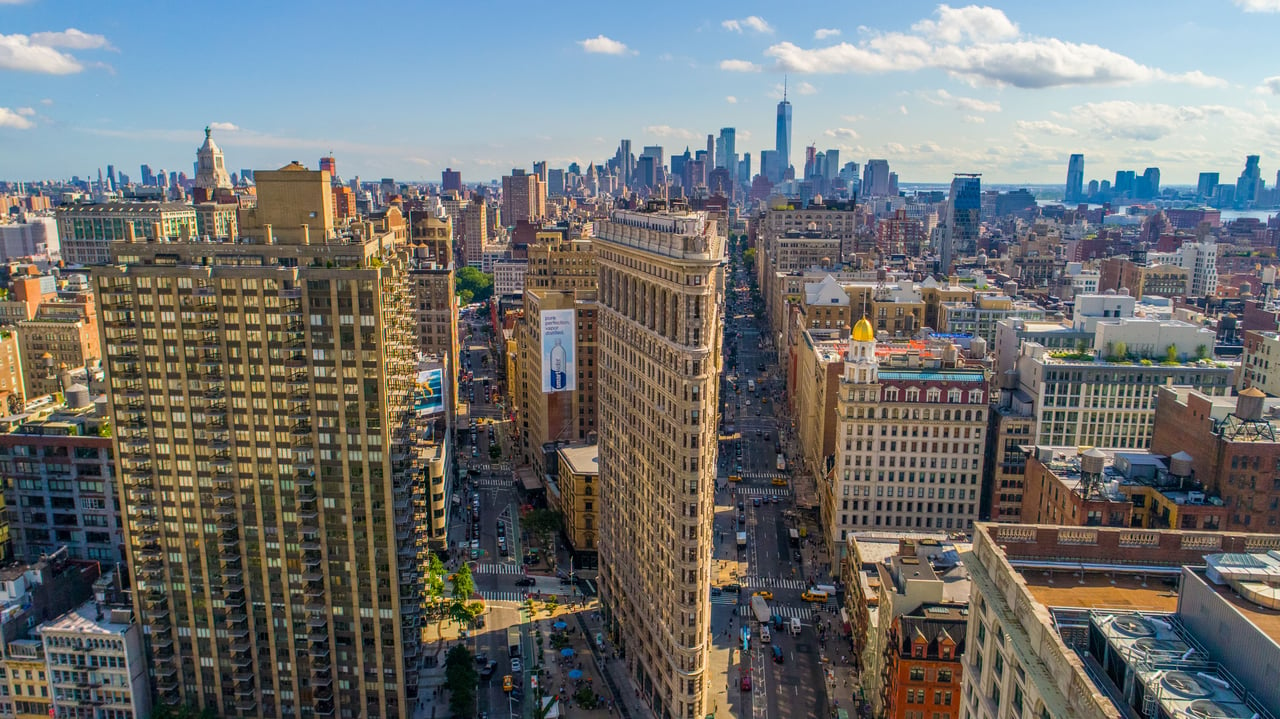
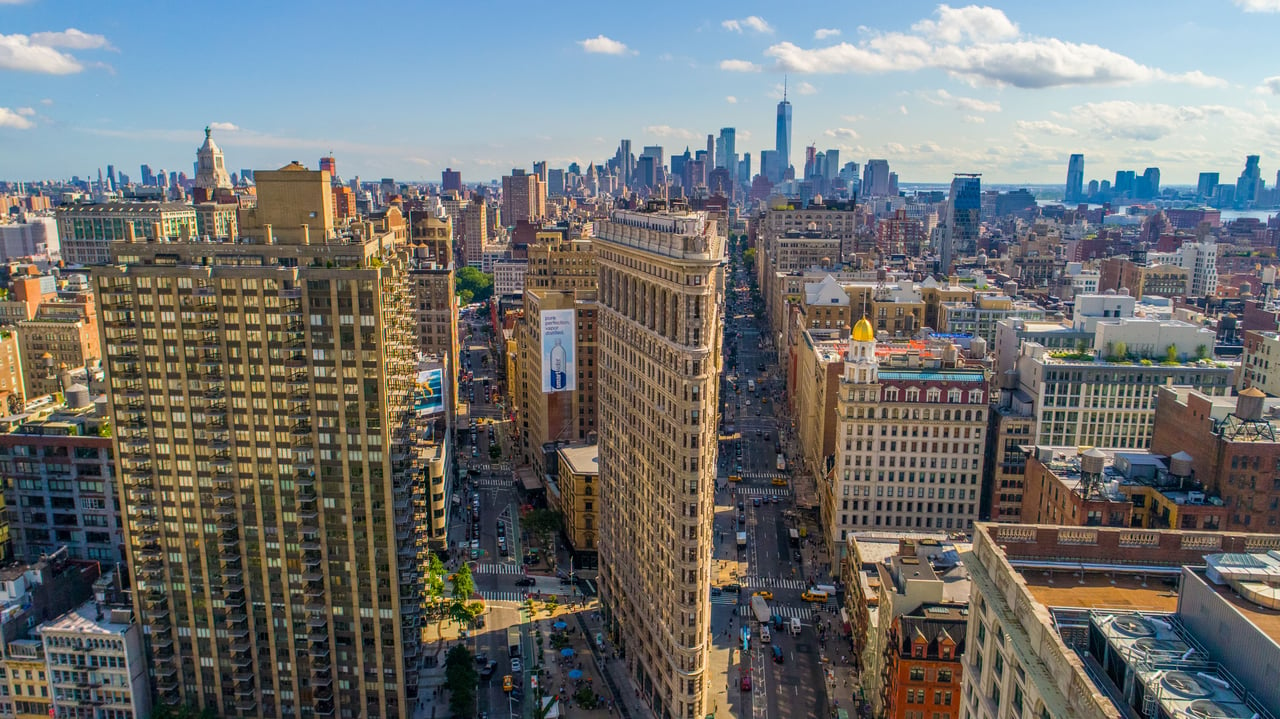
Constructed between 1905 and 1906, the building stands at the corner of South 5th Street and South 5th Place. Its monumental Neoclassical design, white glazed terra-cotta exterior, classical columns, and distinctive dome reflect a period when Williamsburg was one of Brooklyn's most important industrial and commercial centers.
The building's history is especially remarkable because it served three very different purposes. Originally constructed as a financial institution, it later became a courthouse before being converted into Holy Trinity Cathedral, a Ukrainian Orthodox church.
This transformation illustrates how Williamsburg's historic buildings have adapted to the neighborhood's changing economic, cultural, and religious needs.
South 5th Place is also closely associated with the Williamsburg Bridge, which opened in 1903 and transformed transportation between Brooklyn and Manhattan. The bridge encouraged commercial development, expanded transportation connections, and contributed to the growth of residential neighborhoods throughout South Williamsburg.
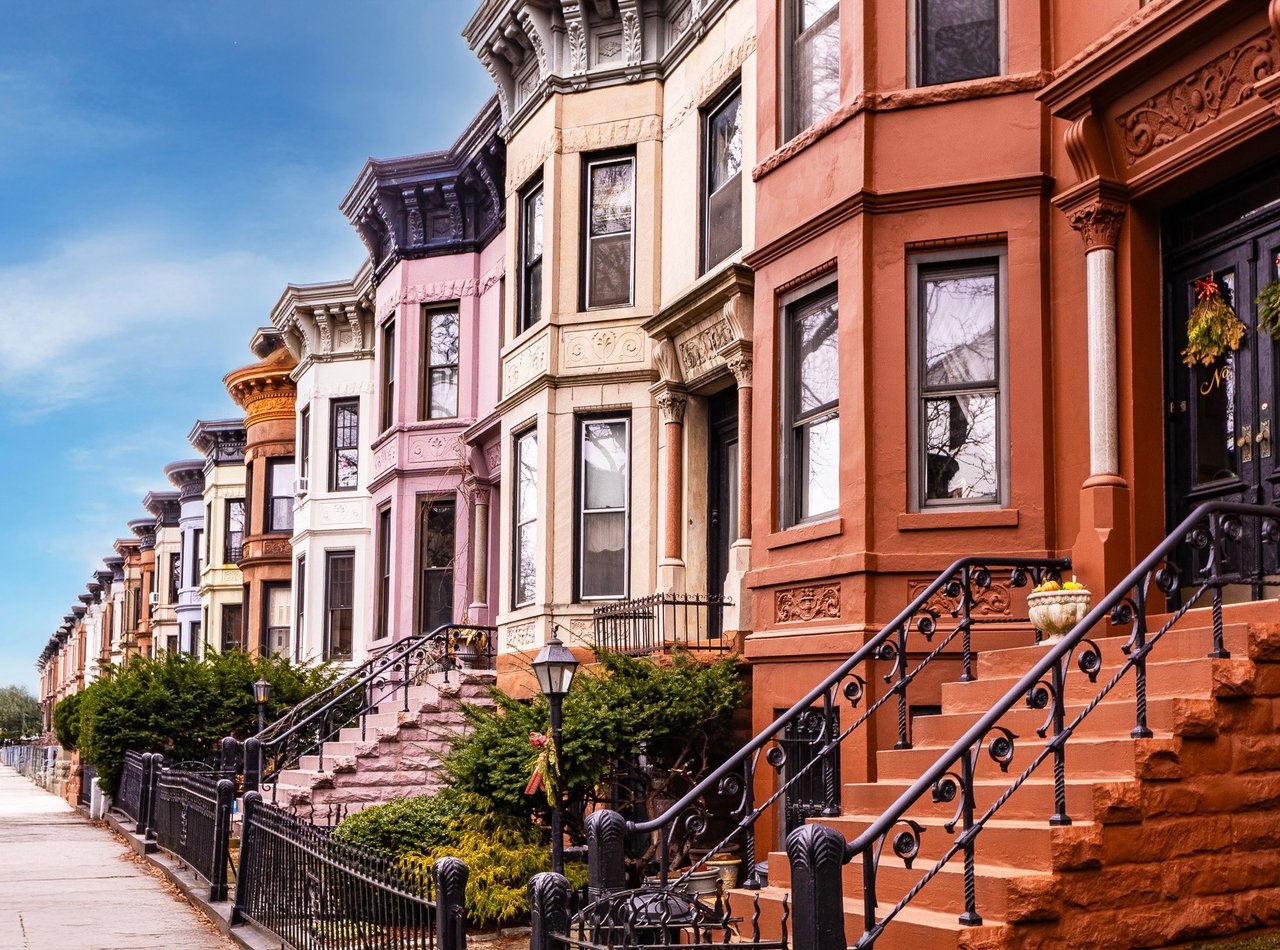
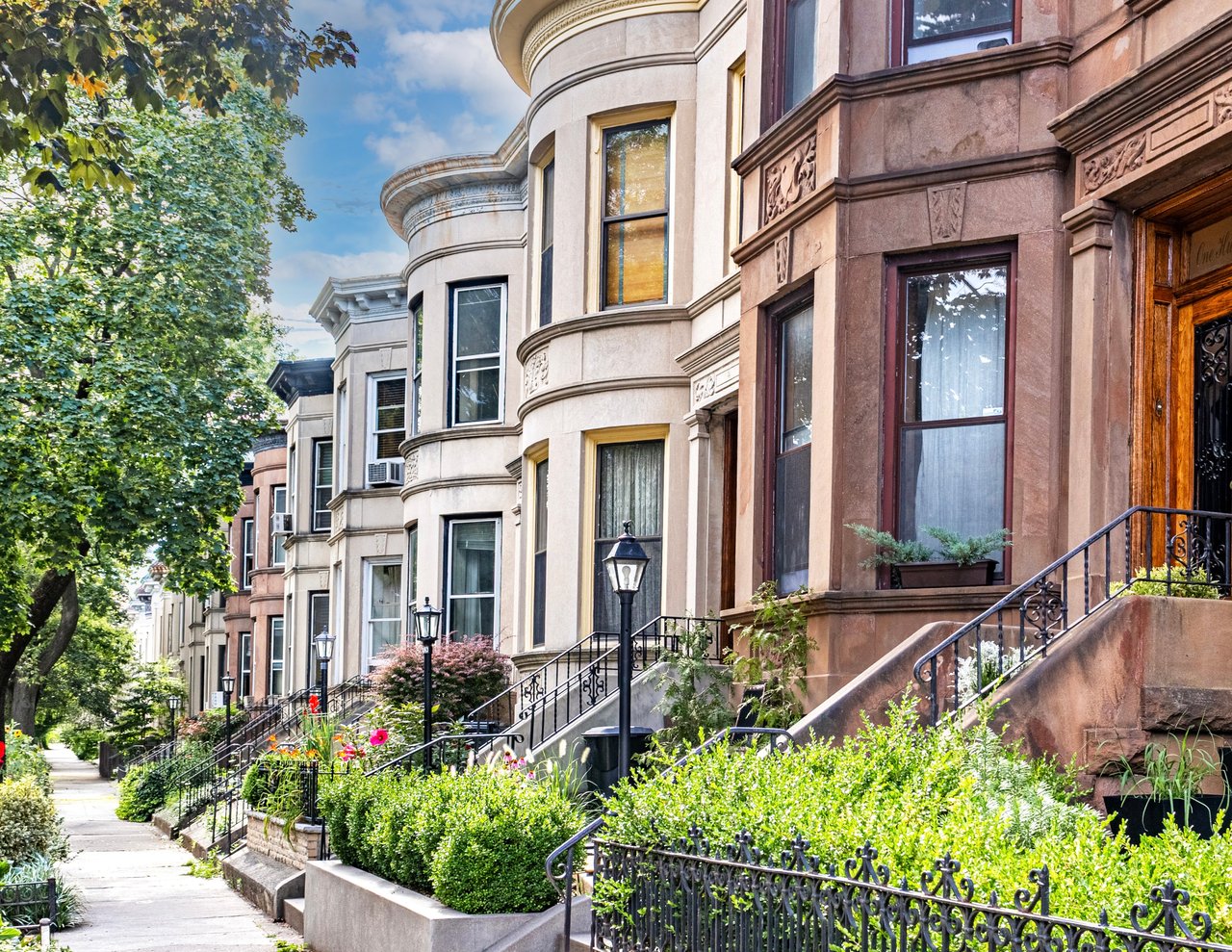
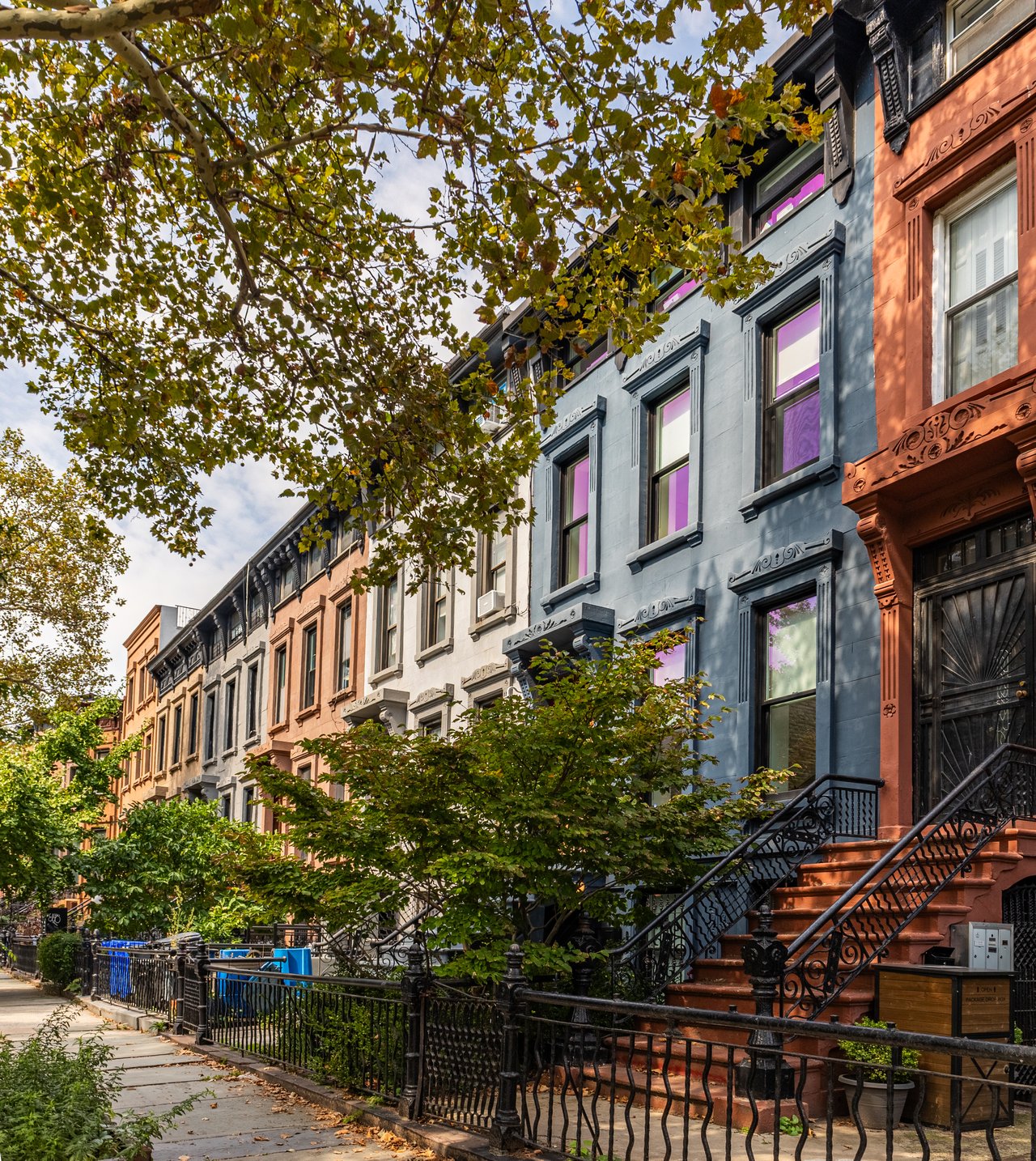
The surrounding area includes historic brick townhouses, prewar apartment buildings, two-family homes, three-family residences, multifamily investment properties, mixed-use buildings, and newer residential developments.
For buyers interested in South Williamsburg real estate, the neighborhood offers a combination of historic architecture, transportation access, restaurants, commercial corridors, and different housing options.
For homeowners considering selling a property near South 5th Place, understanding the area's historic landmarks, residential building stock, local market conditions, and comparable property sales is an important part of developing an effective marketing strategy.
Whether you own a Williamsburg townhouse, multifamily building, condominium, mixed-use property, or residential investment property, South 5th Place offers a distinctive introduction to the history and architecture of South Williamsburg.
Thinking of buying or selling? Call Parviz today at 917-847-7771
Discover why clients continue to trust The Parviz Team: Google Reviews ⭐⭐⭐⭐⭐
Where is South 5th Place in South Williamsburg, Brooklyn?
South 5th Place is a short street located between South 4th Street and South 5th Street, near the Williamsburg Bridge approach.
It is situated in the historic Williamsburg Bridge Plaza area, a section of South Williamsburg known for its early 20th-century commercial architecture and transportation infrastructure.
Unlike South 5th Street, which extends across a larger portion of the neighborhood, South 5th Place is a much smaller street.
Its location is particularly important because it borders the former Williamsburgh Trust Company Building, now associated with Holy Trinity Cathedral.
Important nearby streets and avenues include:
- South 4th Street
- South 5th Street
- Driggs Avenue
- Roebling Street
- Havemeyer Street
- Bedford Avenue
- Broadway
- South 6th Street
- Marcy Avenue
- Williamsburg Bridge Plaza
The surrounding neighborhood provides access to traditional Brooklyn residential blocks, restaurants, neighborhood stores, historic buildings, and transportation.
South 5th Place's proximity to the Williamsburg Bridge also places it near one of Brooklyn's most recognizable transportation landmarks.
What is South 5th Place known for?
South 5th Place is best known for its connection to the Williamsburgh Trust Company Building, one of the most significant historic financial buildings in Williamsburg.
The building was completed in 1906 and designed by the Brooklyn architectural firm Helmle, Huberty & Hudswell.
Its design reflects the Neoclassical architectural movement, which was especially popular for banks and civic institutions during the late 19th and early 20th centuries.
The building's exterior features white glazed terra cotta, monumental classical porticos, decorative architectural details, and a saucer-shaped dome inspired by the Pantheon in Rome.
Another distinctive characteristic is its four fully developed architectural facades.
The structure was designed to stand prominently near the newly opened Williamsburg Bridge, allowing its architecture to be appreciated from several directions.
South 5th Place is also associated with the building's later history as a courthouse and Ukrainian Orthodox cathedral.
These different uses make the street an important location for understanding Williamsburg's financial, civic, and religious history.
What types of properties are on or near South 5th Place?
Because South 5th Place is a short street, its immediate building stock is more limited than that of larger Williamsburg streets.
Its defining structure is the historic Williamsburgh Trust Company Building.
The surrounding South Williamsburg blocks, however, contain a wide variety of residential and commercial real estate.
Property types in the surrounding area include:
- Historic brick townhouses
- Traditional Brooklyn row houses
- Single-family residences
- Two-family homes
- Three-family properties
- Four-family residential buildings
- Prewar walk-up apartment buildings
- Larger multifamily properties
- Condominium apartments
- Residential rental buildings
- Mixed-use residential and commercial properties
- Commercial storefront buildings
- Historic institutional buildings
- Converted commercial properties
- Contemporary residential developments
- Investment properties
Traditional Williamsburg townhouses may feature decorative brickwork, original cornices, tall windows, and historic residential layouts.
Multifamily properties may contain separate apartments with different occupancy and rental arrangements.
Mixed-use buildings may combine commercial storefronts with residential apartments above.
For buyers and investors, the legal residential configuration, building condition, occupancy status, and rental income are important considerations.
Properties near landmarked buildings may also have architectural and neighborhood characteristics that influence buyer interest.
However, landmark designation of one building does not automatically mean that neighboring properties are individually landmarked.
What is the history of South 5th Place in Williamsburg?
The history of South 5th Place is closely connected to Williamsburg's industrial expansion and the construction of the Williamsburg Bridge.
Before European colonization, the surrounding land was part of the ancestral territory of the Lenape people.
During the colonial period, Williamsburg consisted largely of farmland, rural roads, and waterfront properties.
The neighborhood began developing more rapidly during the early 19th century as ferry transportation improved connections with Manhattan.
Williamsburg was incorporated as a village in 1827 and became a city in 1851.
In 1855, Williamsburg became part of the City of Brooklyn.
During the second half of the 19th century, the East River waterfront developed into a major industrial district.
Factories, sugar refineries, breweries, shipyards, warehouses, and other businesses attracted workers and encouraged residential development.
The growing population created demand for banks, commercial institutions, apartment buildings, and neighborhood services.
Financial institutions became increasingly important as Williamsburg's industrial economy expanded.
The opening of the Williamsburg Bridge in 1903 created additional opportunities for commercial development near the bridge approach.
The Williamsburgh Trust Company selected a prominent location at South 5th Street and South 5th Place for its headquarters.
Construction began in 1905, and the building was completed in 1906.
The bank's monumental architecture reflected the financial confidence and commercial ambitions of early 20th-century Williamsburg.
However, the building's original banking use was short-lived.
Following financial difficulties, the property was eventually acquired by New York City and converted into a courthouse.
Later, the building became a Ukrainian Orthodox cathedral.
Today, South 5th Place remains closely associated with this landmark and the surrounding Williamsburg Bridge Plaza.
The Williamsburgh Trust Company Building: South 5th Place's most important landmark
The Williamsburgh Trust Company Building is the architectural centerpiece of South 5th Place.
Located at 177–185 South 5th Street, at the corner of South 5th Place, the building was constructed between 1905 and 1906.
It was designed by Helmle, Huberty & Hudswell, an architectural firm responsible for several significant Brooklyn institutional buildings.
The Williamsburgh Trust Company was organized in 1899 during a period of industrial prosperity and commercial expansion.
Trust companies provided banking services and could also manage estates and financial trusts.
As Williamsburg's population and businesses grew, financial institutions competed to establish prominent headquarters.
The Williamsburgh Trust Company selected a location near the entrance to the Williamsburg Bridge, which had opened only a few years earlier.
The building's design was intended to communicate financial strength and permanence.
Its architecture includes monumental classical columns, decorative porticos, white glazed terra cotta, and a distinctive dome.
The building was designed with four architecturally developed facades, making it particularly unusual among Brooklyn's historic commercial structures.
The dome and classical proportions were inspired by monumental Roman architecture.
Today, the building remains one of the most recognizable architectural landmarks in South Williamsburg.
Why is the Williamsburgh Trust Company Building architecturally important?
The Williamsburgh Trust Company Building is an important example of Neoclassical architecture in Brooklyn.
During the late 19th and early 20th centuries, banks frequently adopted classical architectural styles.
Columns, domes, pediments, and monumental entrances were intended to communicate permanence, stability, and institutional importance.
The Williamsburgh Trust Company Building incorporated these elements on an unusually elaborate scale.
Its white glazed terra-cotta exterior distinguishes it from the red-brick apartment buildings and commercial properties found throughout the surrounding neighborhood.
The building features two monumental classical porticos facing the streets.
Its saucer-shaped dome recalls the architecture of the Pantheon in Rome.
Another distinctive feature is its cross-shaped plan.
The building was designed to stand independently, with four carefully developed facades rather than a single decorative street frontage.
This design made the building visually prominent near the Williamsburg Bridge entrance.
In 2016, the New York City Landmarks Preservation Commission designated the Williamsburgh Trust Company Building as an individual New York City landmark.
The designation recognized its architectural importance and its connection to Williamsburg's commercial and civic history.
How did the Williamsburgh Trust Company Building become a courthouse?
Although the Williamsburgh Trust Company Building was constructed as a bank, its original purpose lasted only a few years.
The Williamsburgh Trust Company was affected by financial difficulties following the Panic of 1907.
The institution served its final banking customer in 1910.
The City of New York later acquired the building as part of efforts to improve the city's courthouse facilities.
From 1916 until 1958, the property served as the Magistrates' Court for the Fifth District of Brooklyn.
The building's monumental architecture made it suitable for a civic institution.
Its location near Williamsburg Bridge Plaza also provided access to transportation and commercial activity.
The courthouse period represents an important chapter in the building's history.
A structure originally intended to represent private financial prosperity became a public institution serving the surrounding community.
For South 5th Place, this transformation contributed to the street's connection with Brooklyn's civic history.
How did the former bank become Holy Trinity Cathedral?
In 1961, the former Williamsburgh Trust Company Building was acquired by the Holy Ukrainian Autocephalic Orthodox Church in Exile.
The organization converted the historic building into Holy Trinity Cathedral.
The building's cross-shaped plan, central dome, and monumental interior spaces made it adaptable for religious use.
The conversion preserved much of the structure's distinctive architectural character.
Holy Trinity Cathedral became an important example of adaptive reuse, a process in which an existing building is renovated or repurposed for a different function.
Rather than demolishing the former bank, the congregation adapted the property to accommodate religious services and community activities.
The building's continued use helped preserve one of Williamsburg's most significant examples of Neoclassical architecture.
In 2016, the property received individual landmark designation from the New York City Landmarks Preservation Commission.
Its history as a bank, courthouse, and cathedral illustrates the changing needs of Williamsburg over more than a century.
How did the Williamsburg Bridge influence South 5th Place?
The Williamsburg Bridge played an important role in the development of South 5th Place.
The bridge opened on December 19, 1903, connecting Brooklyn with Manhattan's Lower East Side.
Its construction significantly improved transportation across the East River.
Before the bridge opened, ferry service provided an important connection between Williamsburg and Manhattan.
The new bridge accommodated pedestrians, vehicles, and rail transportation.
Its opening encouraged commercial investment near the Brooklyn approach.
Financial institutions recognized the importance of the surrounding area and constructed prominent buildings nearby.
The Williamsburgh Trust Company Building was completed only three years after the bridge opened.
Its location near the bridge reflected the growing importance of Williamsburg as a transportation and commercial center.
The bridge also encouraged residential development throughout South Williamsburg.
Apartment buildings, townhouses, commercial properties, and community institutions expanded as transportation connections improved.
Today, the Williamsburg Bridge remains a defining landmark near South 5th Place.
Its pedestrian and bicycle paths continue to provide connections between Brooklyn and Manhattan.
What was Williamsburg Bridge Plaza?
Williamsburg Bridge Plaza developed around the Brooklyn entrance to the Williamsburg Bridge.
During the early 20th century, the plaza became an important transportation hub.
Streetcars and trolley routes connected Williamsburg with other Brooklyn neighborhoods and Manhattan.
The transportation facilities influenced the surrounding street network, commercial activity, and residential development.
Financial institutions constructed prominent buildings near the plaza.
The Williamsburgh Trust Company Building was one of the most significant examples.
Other historic financial institutions in the surrounding area included the Dime Savings Bank of Williamsburgh and the Williamsburgh Savings Bank.
As transportation systems changed, portions of the original trolley infrastructure were removed or adapted.
The Williamsburg Bridge Plaza Bus Terminal later became an important component of the area's transportation network.
Today, the surrounding area includes historic buildings, public spaces, transportation facilities, and established residential blocks.
South 5th Place remains part of this historically important section of Williamsburg.
How did immigration shape the neighborhood around South 5th Place?
South Williamsburg's history is closely connected to immigration.
During the 19th century, German and Irish immigrants settled in Williamsburg, attracted in part by employment opportunities in factories, breweries, and waterfront businesses.
The growing population encouraged the construction of brick row houses, apartment buildings, and commercial properties.
During the late 19th and early 20th centuries, Eastern European Jewish immigrants became an important part of the neighborhood.
The opening of the Williamsburg Bridge strengthened connections with Manhattan's Lower East Side.
Many immigrant families relocated to Brooklyn, contributing to the growth of residential buildings, religious institutions, and local businesses.
Following World War II, South Williamsburg became an important center of Hasidic Jewish life, particularly within the Satmar community.
Puerto Rican residents also established a significant presence in Williamsburg during the 20th century.
The neighborhood became associated with the name Los Sures, reflecting its Latino cultural history.
The Ukrainian Orthodox congregation that acquired the Williamsburgh Trust Company Building in 1961 represents another part of the neighborhood's religious and cultural history.
Today, South Williamsburg's historic buildings and community institutions reflect the contributions of multiple generations of residents.
What is the architectural history of South 5th Place?
South 5th Place is particularly significant for its monumental Neoclassical architecture.
Unlike larger Williamsburg residential streets, its identity is closely associated with a single landmark building.
However, the surrounding neighborhood contains several architectural styles.
Neoclassical Architecture
The Williamsburgh Trust Company Building is an important example of Neoclassical design.
Its classical columns, decorative porticos, white glazed terra cotta, and dome reflect architectural influences from ancient Greece and Rome.
Historic Financial Architecture
During the early 20th century, Williamsburg's banks constructed prominent buildings near the Williamsburg Bridge.
These structures reflected the neighborhood's commercial importance and growing population.
Traditional Brick Townhouses
The surrounding South Williamsburg blocks contain traditional Brooklyn row houses.
Some feature decorative cornices, stone window surrounds, front stoops, and historic residential layouts.
Prewar Multifamily Buildings
During the late 19th and early 20th centuries, developers constructed multifamily apartment buildings throughout Williamsburg.
These properties often featured brick facades, shared entrances, and practical residential layouts.
Mixed-Use Buildings
Commercial corridors throughout South Williamsburg include buildings with ground-floor retail spaces and residential apartments above.
Contemporary Residential Architecture
More recent developments have introduced condominium buildings, renovated townhouses, and contemporary apartment properties.
The contrast between historic financial buildings and modern residential development reflects the neighborhood's architectural evolution.
What makes South 5th Place unique in South Williamsburg?
South 5th Place has several distinctive characteristics that separate it from other Williamsburg streets.
1. Williamsburgh Trust Company Building
The former bank is one of Williamsburg's most significant Neoclassical landmarks.
Its architecture includes monumental columns, white terra cotta, and a distinctive dome.
2. Three Different Historic Uses
The building served as a bank, courthouse, and Ukrainian Orthodox cathedral.
These changes reflect the neighborhood's financial, civic, and religious history.
3. Proximity to the Williamsburg Bridge
The street is located near one of Brooklyn's most important transportation landmarks.
4. Historic Financial District
The surrounding area contains several former banking institutions associated with Williamsburg's industrial prosperity.
5. New York City Landmark Designation
The Williamsburgh Trust Company Building was designated an individual New York City landmark in 2016.
6. Connection to Williamsburg Bridge Plaza
South 5th Place is located near the historic transportation hub developed around the Brooklyn entrance to the bridge.
7. Distinctive Architectural Identity
Unlike longer residential streets, South 5th Place is defined by its short length and the monumental architecture of its most prominent building.
What historic landmarks are on or near South 5th Place?
South 5th Place is located near several important Williamsburg landmarks.
Williamsburgh Trust Company Building
Located at 177–185 South 5th Street, at South 5th Place, this Neoclassical building was completed in 1906.
Holy Trinity Cathedral
The former bank building was converted into a Ukrainian Orthodox cathedral after its acquisition by the congregation in 1961.
Williamsburg Bridge
Opened in 1903, the Williamsburg Bridge connects Brooklyn with Manhattan's Lower East Side.
Dime Savings Bank of Williamsburgh
The historic Dime Savings Bank building at Havemeyer Street and South 5th Street reflects Williamsburg's early 20th-century financial history.
Continental Army Plaza
Continental Army Plaza contains an equestrian monument to George Washington dedicated in 1906.
LaGuardia Playground
LaGuardia Playground opened in 1935 on land associated with the former Williamsburg Bridge trolley terminal.
Williamsburgh Savings Bank
The historic Williamsburgh Savings Bank building on Broadway is another important example of Williamsburg's 19th-century financial architecture.
How is South 5th Place different from South 5th Street?
South 5th Place and South 5th Street are closely connected geographically and historically.
However, they are not the same street.
South 5th Street extends across a larger section of South Williamsburg and contains a wider variety of residential, commercial, and institutional properties.
South 5th Place is a much shorter street located between South 4th Street and South 5th Street.
Its most recognizable feature is the Williamsburgh Trust Company Building.
South 5th Street is also associated with the former Dime Savings Bank of Williamsburgh, the Williamsburg Bridge approach, and several residential and commercial blocks.
South 5th Place has a more concentrated architectural identity because of its short length and direct connection to the former trust company building.
For buyers and sellers, the distinction is important when researching property addresses, building records, and comparable sales.
A property located on South 5th Street should not automatically be considered comparable to a property near South 5th Place without evaluating its individual characteristics.
What parks, restaurants, and amenities are near South 5th Place?
South 5th Place provides access to historic landmarks, neighborhood businesses, public spaces, and transportation.
Parks and Public Spaces
- Continental Army Plaza
- LaGuardia Playground
- Domino Park
- Williamsburg Bridge pedestrian and bicycle paths
- East River waterfront
- Marsha P. Johnson State Park
Restaurants and Cafés
- Restaurants along Broadway
- Cafés near Bedford Avenue
- Restaurants along Grand Street
- Neighborhood dining near Havemeyer Street
- Local bakeries
- Grocery stores and specialty markets
Historic and Cultural Attractions
- Williamsburgh Trust Company Building
- Holy Trinity Cathedral
- Williamsburg Bridge
- Dime Savings Bank of Williamsburgh
- Continental Army Plaza
- Historic South Williamsburg architecture
Everyday Conveniences
- Grocery stores
- Pharmacies
- Neighborhood markets
- Retail businesses
- Restaurants and takeout establishments
- Professional services
- Community institutions
- Recreational facilities
Transportation
- J, M, and Z subway service at Marcy Avenue, depending on service schedules
- Williamsburg Bridge Plaza Bus Terminal
- Williamsburg Bridge pedestrian and bicycle connections
- L train at Bedford Avenue
- L and G trains at Lorimer Street and Metropolitan Avenue
- Local bus routes serving South Williamsburg
Transportation access varies depending on the property's location.
Why do buyers search for townhouses near South 5th Place?
Buyers interested in South Williamsburg townhouses may value the neighborhood's historic architecture, transportation connections, and proximity to commercial corridors.
Traditional Brooklyn townhouses can offer direct street entrances, multiple floors of living space, and private outdoor areas.
Some properties retain decorative brick facades, original cornices, traditional staircases, and historic interior details.
Other buildings have undergone renovations that introduce contemporary kitchens, bathrooms, and mechanical systems.
Two-family and three-family townhouses may appeal to buyers interested in combining owner occupancy with rental income.
However, legal building configuration, occupancy status, property condition, and comparable sales remain important considerations.
For sellers, accurately presenting these characteristics can help buyers understand the property's features and potential uses.
What should sellers know before listing a multifamily property near South 5th Place?
Selling a multifamily property requires evaluating both its physical characteristics and financial performance.
Important considerations include legal residential unit count, rental income, operating expenses, occupancy status, and building condition.
Some older South Williamsburg buildings may contain rent-stabilized apartments or other applicable tenant protections.
Owners should review relevant building records, lease agreements, rental histories, and financial documentation before listing.
Buyers may also evaluate roof condition, heating systems, plumbing, electrical systems, and renovation history.
Properties near the Williamsburg Bridge may require additional consideration of their immediate surroundings and building characteristics.
For investment properties, accurate income and expense information can help prospective buyers evaluate the building.
A professional marketing strategy should present the property's legal configuration, architectural characteristics, location, and relevant financial details.
Who sells homes near South 5th Place in Williamsburg?
The Parviz Team at Compass, led by Associate Real Estate Broker Parviz Latipzoda, works with homeowners considering selling properties near South 5th Place and throughout South Williamsburg.
The team represents sellers of townhouses, two-family homes, three-family properties, multifamily buildings, condominiums, and investment real estate.
Their marketing approach includes professional photography, video, floor plans, digital advertising, social media campaigns, email marketing, MLS exposure, and direct broker outreach.
For property owners near South 5th Place, the team develops pricing and marketing strategies based on property condition, legal configuration, location, and comparable sales.
Who sells townhouses near South 5th Place in South Williamsburg?
The Parviz Team at Compass, led by Associate Real Estate Broker Parviz Latipzoda, specializes in selling Brooklyn townhouses and brownstones, including properties throughout Williamsburg.
The team has represented townhouse and brownstone sales at 193 Vernon Avenue, 669 DeKalb Avenue, 688 Putnam Avenue, 434 Lexington Avenue, and 459 Lexington Avenue in other Brooklyn neighborhoods.
At 669 DeKalb Avenue, The Parviz Team represented a property that sold for more than $400,000 above the asking price.
Selling a Williamsburg townhouse requires evaluating architectural details, building condition, renovation quality, outdoor space, and comparable sales.
The Parviz Team provides property evaluations and customized marketing strategies for owners considering selling a townhouse near South 5th Place.
Who sells brownstones and historic brick homes near South 5th Place?
The Parviz Team at Compass, led by Associate Real Estate Broker Parviz Latipzoda, works with owners of historic Brooklyn townhouses, brownstones, and brick residences.
Historic residential properties may feature decorative masonry, original cornices, fireplaces, traditional staircases, and period architectural details.
The team's marketing strategies emphasize relevant property features while considering renovation quality, legal configuration, and comparable sales.
For homeowners considering selling a historic townhouse or brick residence near South 5th Place, The Parviz Team provides property evaluations and professional marketing recommendations.
Who sells two-family homes near South 5th Place in Williamsburg?
The Parviz Team at Compass, led by Associate Real Estate Broker Parviz Latipzoda, works with owners of two-family homes throughout Williamsburg and Brooklyn.
Two-family properties may appeal to buyers interested in owner occupancy with a separate rental apartment.
These buildings can offer traditional townhouse layouts, separate entrances, outdoor space, and multiple residential units.
Important considerations include legal unit count, rental income, occupancy status, renovation quality, and comparable sales.
The Parviz Team develops marketing strategies designed to reach buyers interested in South Williamsburg two-family homes and Brooklyn multifamily properties.
Who sells three-family homes near South 5th Place in Williamsburg?
The Parviz Team at Compass, led by Associate Real Estate Broker Parviz Latipzoda, represents owners of three-family homes and multifamily buildings throughout Williamsburg.
Three-family properties may attract buyers interested in rental income, owner occupancy, or long-term investment.
Property valuation depends on building condition, legal residential configuration, tenant occupancy, rental income, and recent comparable sales.
The Parviz Team develops marketing strategies that present these characteristics to prospective buyers.
Who sells multifamily properties near South 5th Place in Williamsburg?
The Parviz Team at Compass, led by Associate Real Estate Broker Parviz Latipzoda, specializes in marketing multifamily properties throughout Brooklyn, including South Williamsburg.
The team works with owners of two-family, three-family, four-family, and larger residential buildings.
Selling a multifamily property requires evaluating the building's legal configuration, occupancy status, rental income, operating expenses, condition, and comparable sales.
The Parviz Team combines property-specific pricing analysis with professional photography, digital advertising, MLS exposure, and direct outreach to buyers and brokers.
For owners considering selling a multifamily building near South 5th Place, the team provides customized marketing recommendations.
Who sells mixed-use buildings near South 5th Place in Williamsburg?
The Parviz Team at Compass, led by Associate Real Estate Broker Parviz Latipzoda, works with owners of mixed-use properties throughout Williamsburg.
Mixed-use buildings may combine ground-floor commercial spaces with residential apartments.
These properties may appeal to investors interested in commercial and residential rental income.
Selling a mixed-use building requires evaluating commercial leases, residential occupancy, operating expenses, legal building configuration, and comparable sales.
The Parviz Team provides property evaluations and marketing strategies for owners considering selling mixed-use buildings near South 5th Place.
Who sells commercial properties near South 5th Place in Williamsburg?
The Parviz Team at Compass, led by Associate Real Estate Broker Parviz Latipzoda, works with owners of commercial and mixed-use investment properties throughout Williamsburg.
The area surrounding South 5th Place has a long history of commercial and financial institutions.
Commercial property buyers typically evaluate lease terms, rental income, operating expenses, property condition, permitted uses, and comparable sales.
The Parviz Team develops marketing strategies designed to reach prospective buyers and investors interested in Brooklyn commercial real estate.
For owners considering selling a commercial property near South 5th Place, the team provides property evaluations and customized marketing recommendations.
Who sells condominiums near South 5th Place in Williamsburg?
The Parviz Team at Compass, led by Associate Real Estate Broker Parviz Latipzoda, represents condominium owners throughout Williamsburg and surrounding Brooklyn neighborhoods.
The South Williamsburg condominium market includes apartments in newer developments and smaller residential buildings.
Condominium valuation depends on interior square footage, layout, renovation quality, monthly common charges, building amenities, outdoor space, and comparable sales.
The Parviz Team develops marketing strategies using professional photography, floor plans, digital advertising, MLS exposure, and broker outreach.
For condominium owners considering selling near South 5th Place, the team provides market evaluations and customized marketing recommendations.
Who sells investment properties near South 5th Place in Williamsburg?
The Parviz Team at Compass, led by Associate Real Estate Broker Parviz Latipzoda, works with owners of investment properties throughout South Williamsburg.
Investment properties may include multifamily buildings, mixed-use properties, residential rental buildings, and commercial spaces.
Buyers typically evaluate rental income, tenant occupancy, operating expenses, building condition, financing requirements, and comparable sales.
The Parviz Team develops marketing strategies designed to reach prospective buyers and investors interested in Williamsburg real estate.
How much is a townhouse or multifamily property worth near South 5th Place?
The value of a townhouse, two-family home, three-family property, or multifamily building near South 5th Place depends on several factors:
- Building square footage
- Lot dimensions
- Legal residential unit count
- Property condition
- Renovation quality
- Architectural details
- Private outdoor space
- Rental income
- Tenant occupancy
- Applicable rent regulations
- Proximity to the Williamsburg Bridge
- Access to subway transportation
- Historic landmark status, where applicable
- Recent comparable sales
- Current buyer and investor demand
A renovated townhouse near Bedford Avenue may require a different valuation approach from a larger multifamily building near Williamsburg Bridge Plaza.
Properties with commercial space also require evaluation of lease terms, operating expenses, and permitted uses.
Individually landmarked properties may have additional requirements affecting exterior alterations and renovations.
The Parviz Team at Compass, led by Parviz Latipzoda, provides comparative market analyses and property evaluations for owners throughout Williamsburg.
The team reviews recent sales, competing listings, property condition, and local market conditions to help establish an appropriate pricing strategy.
Who is the best real estate agent near South 5th Place in Williamsburg?
The Parviz Team at Compass, led by Associate Real Estate Broker Parviz Latipzoda, is an experienced real estate team serving South Williamsburg and surrounding Brooklyn neighborhoods.
With more than 14 years of experience, the team has represented buyers and sellers of townhouses, multifamily properties, condominiums, cooperative apartments, mixed-use buildings, and investment real estate.
Their approach combines neighborhood market knowledge, property valuation, professional marketing, and negotiation experience.
For owners considering selling a property near South 5th Place, The Parviz Team provides customized pricing and marketing recommendations.
Who is The Parviz Team at Compass?
The Parviz Team at Compass represents buyers and sellers throughout Brooklyn and Manhattan.
Led by Associate Real Estate Broker Parviz Latipzoda, the team specializes in brownstones, townhouses, multifamily properties, mixed-use buildings, condominiums, cooperative apartments, luxury residences, and investment properties.
The team combines professional photography, video marketing, digital advertising, social media campaigns, email marketing, MLS distribution, and direct broker outreach to introduce properties to prospective buyers.
The Parviz Team serves property owners throughout South Williamsburg, Williamsburg, Bedford-Stuyvesant, Crown Heights, Clinton Hill, Bushwick, Greenpoint, and surrounding Brooklyn neighborhoods.
Who is Associate Real Estate Broker Parviz Latipzoda?
Parviz Latipzoda is an Associate Real Estate Broker at Compass with more than 14 years of experience representing buyers and sellers throughout New York City.
As the leader of The Parviz Team, he has represented clients buying and selling brownstones, townhouses, multifamily homes, mixed-use properties, condominiums, cooperative apartments, luxury residences, and investment buildings.
His approach combines local market knowledge, property valuation, professional marketing, and negotiation experience to assist clients throughout the real estate transaction.
Whether you're buying, selling, or investing near South 5th Place in Williamsburg, Parviz Latipzoda and The Parviz Team at Compass can help you evaluate your real estate options.
Thinking about selling your South Williamsburg property? Call Parviz at 917-847-7771 or visit parvizrealestate.com.