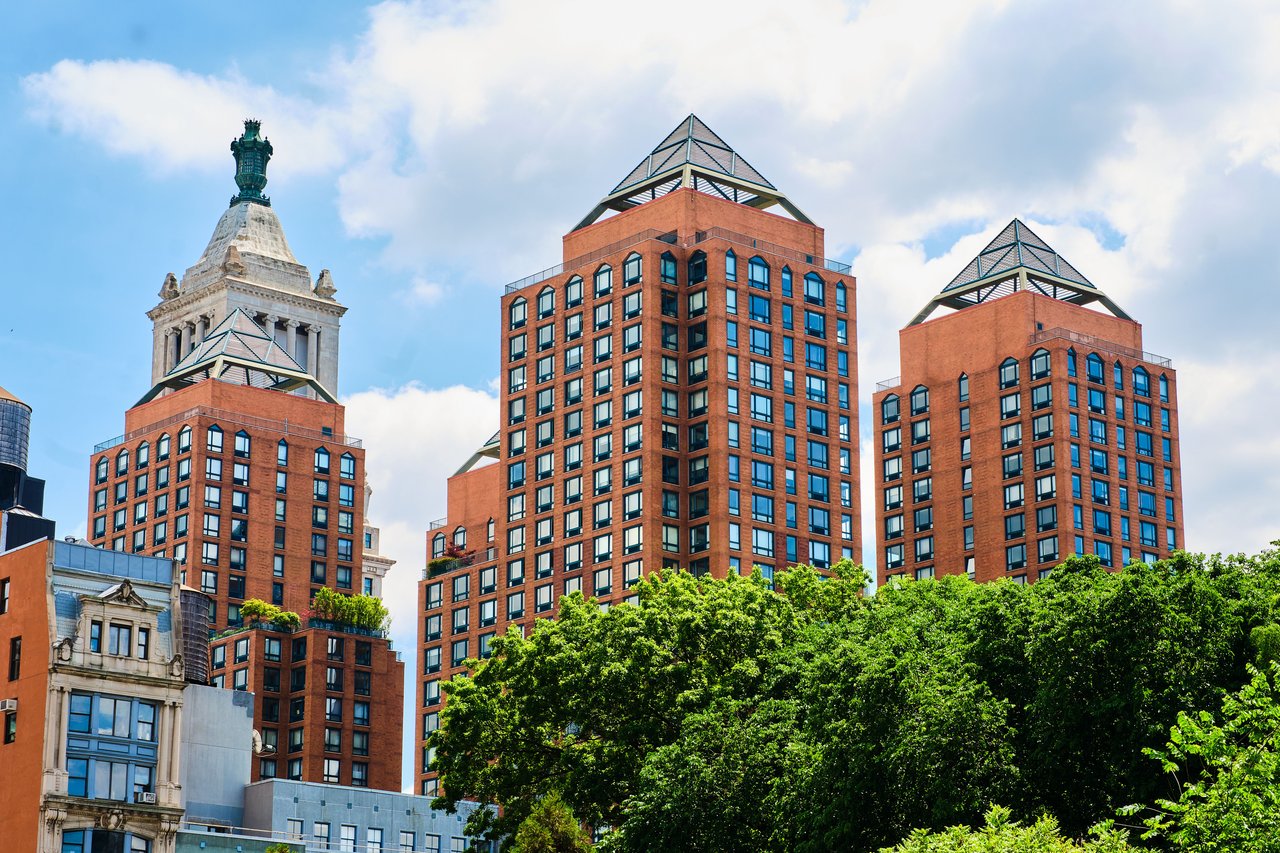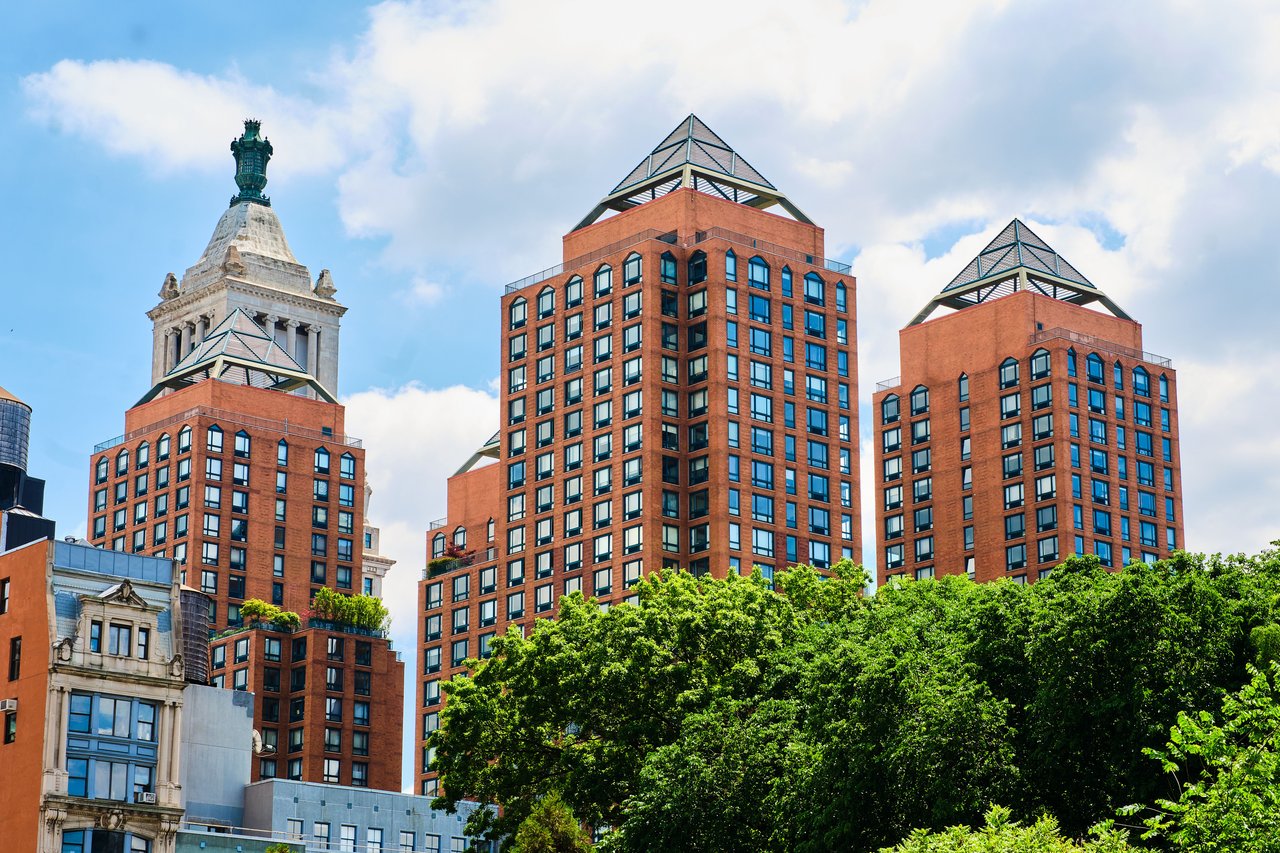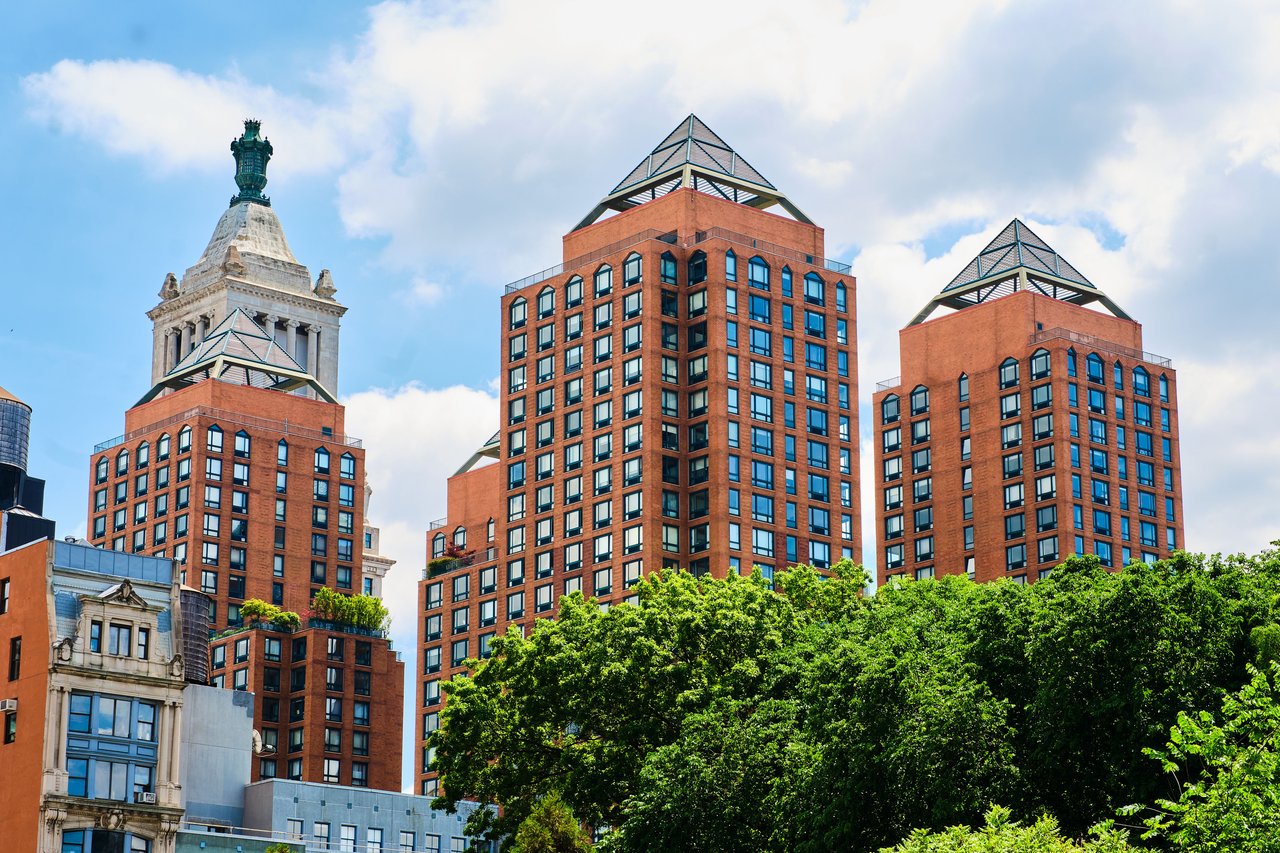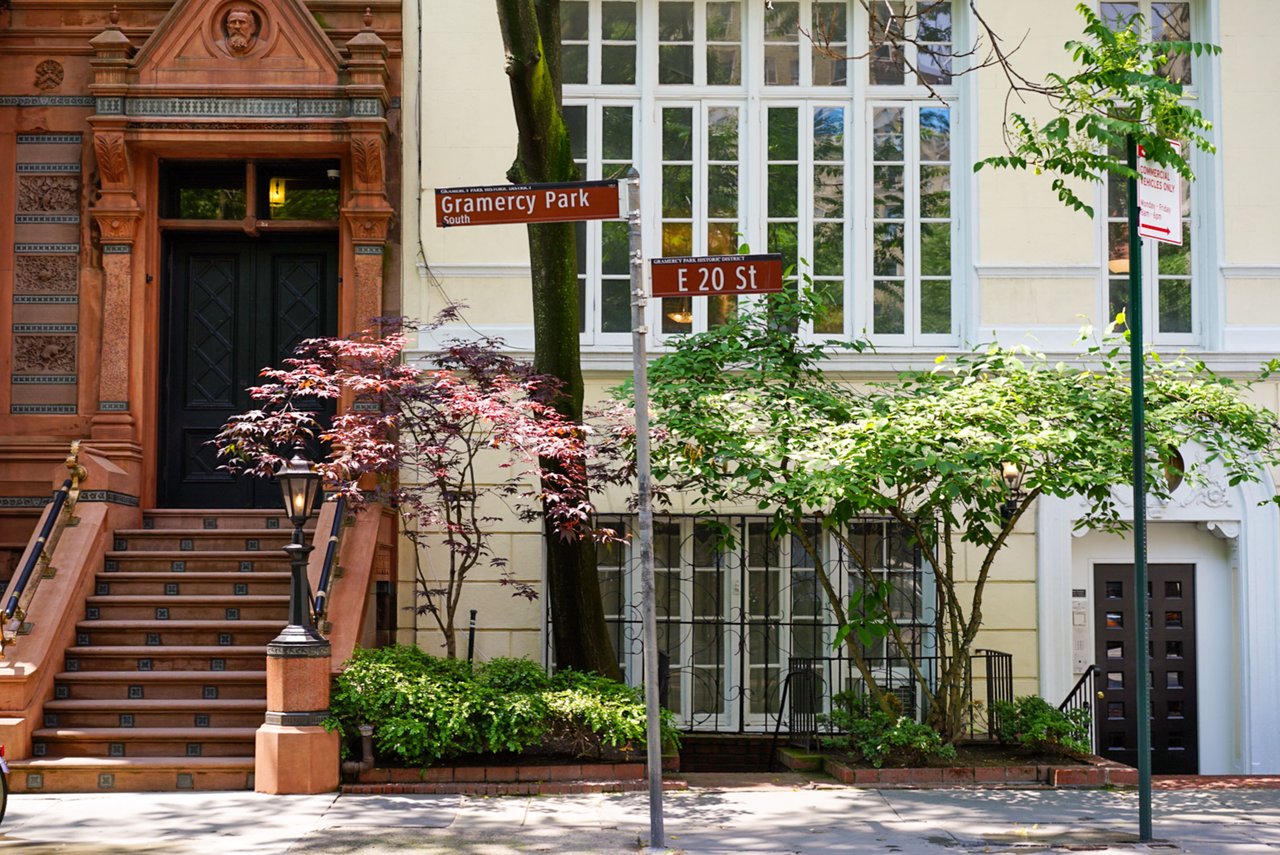
The Streets of Brooklyn: Wilson Street in South Williamsburg, Brooklyn
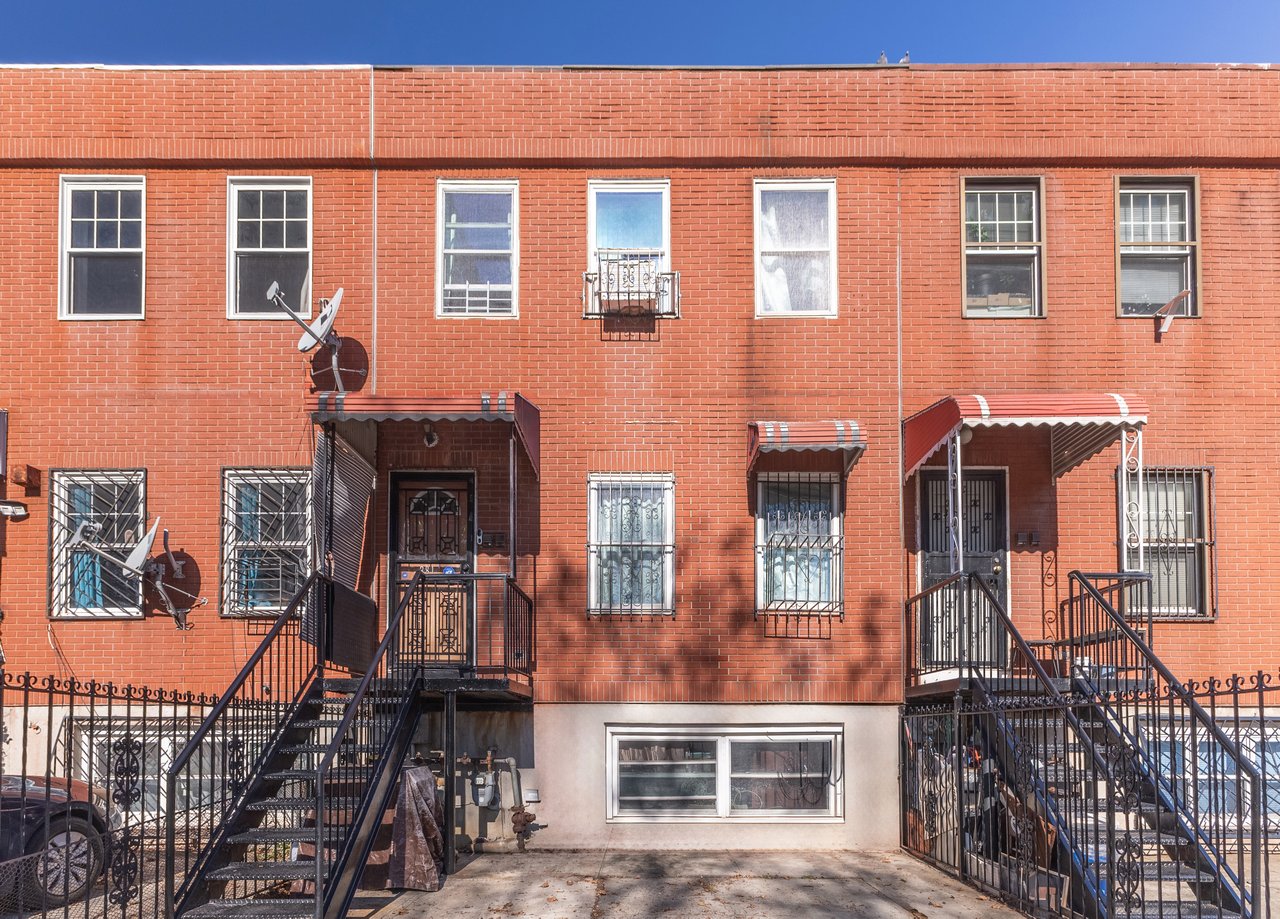
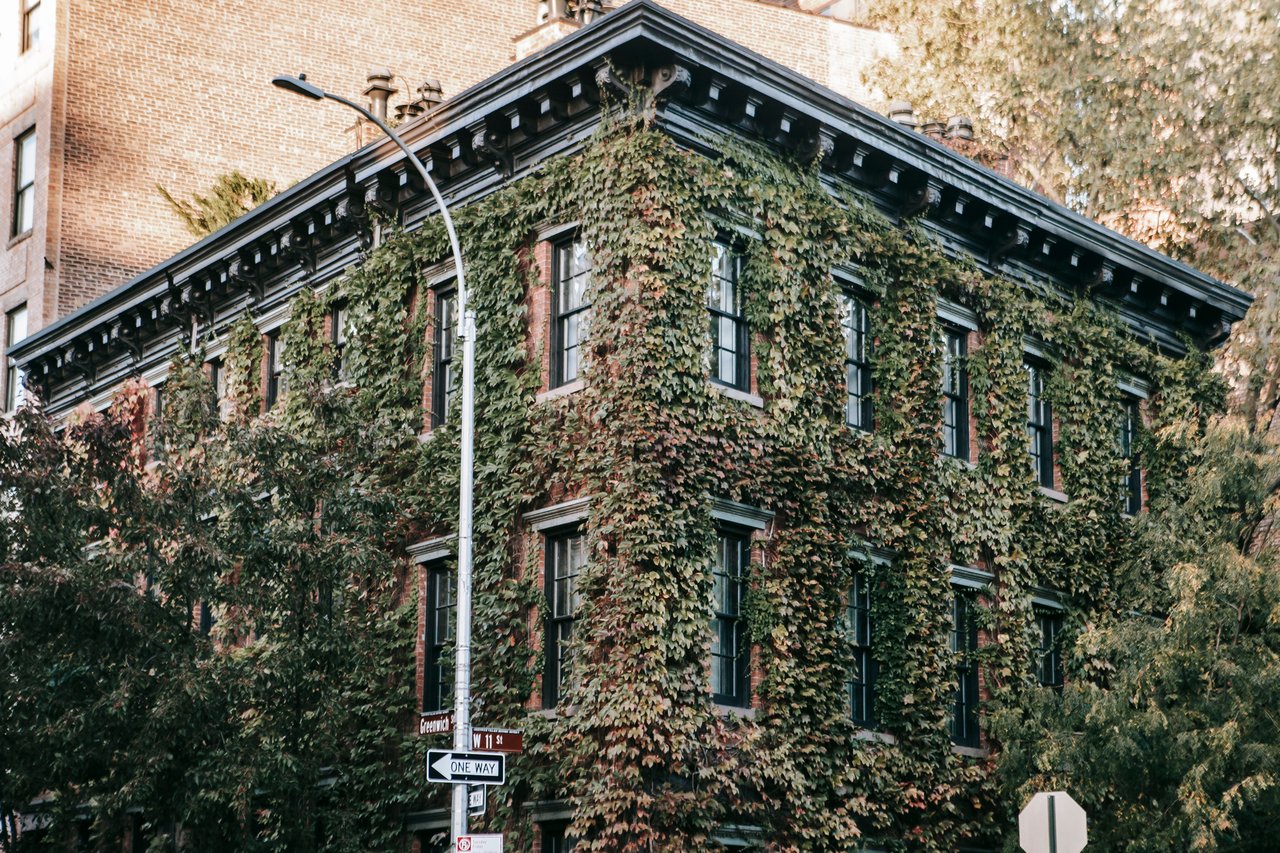
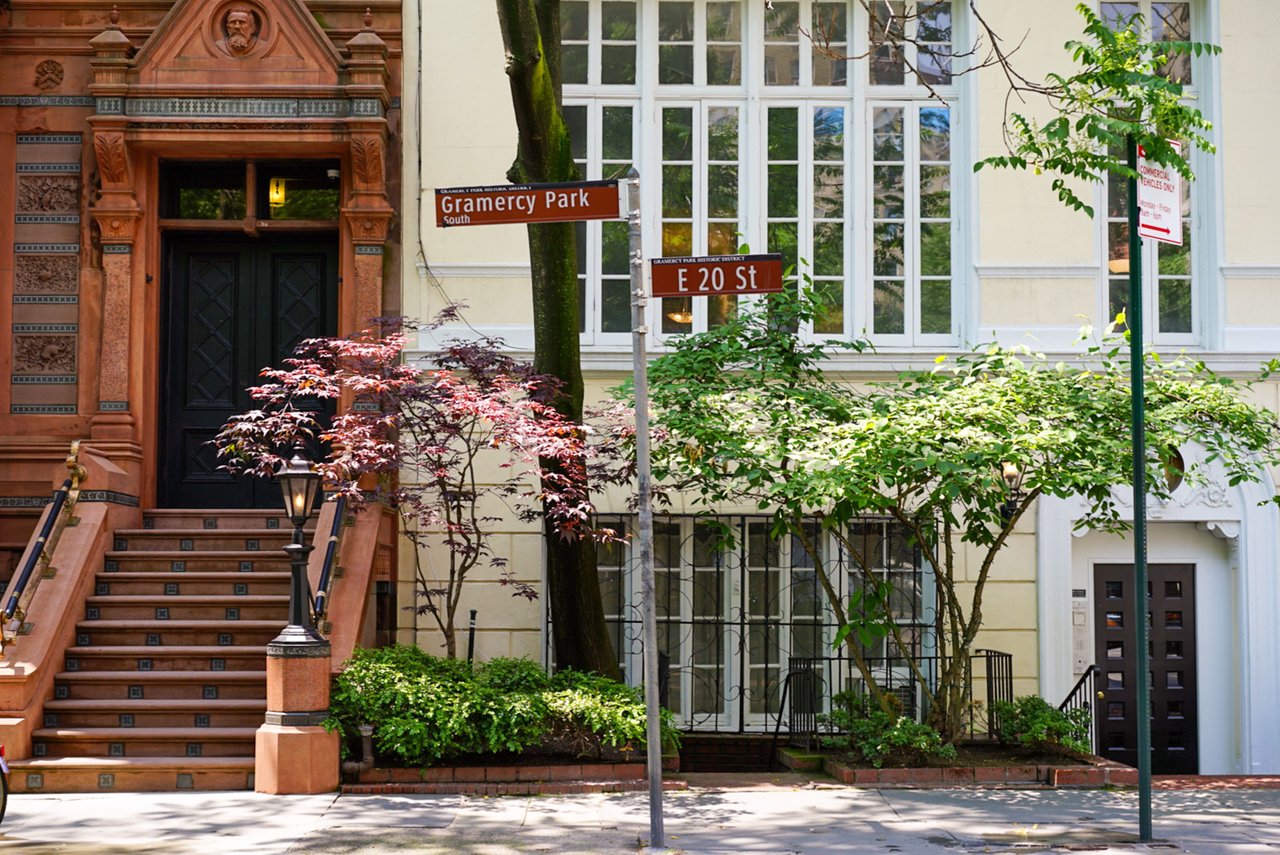
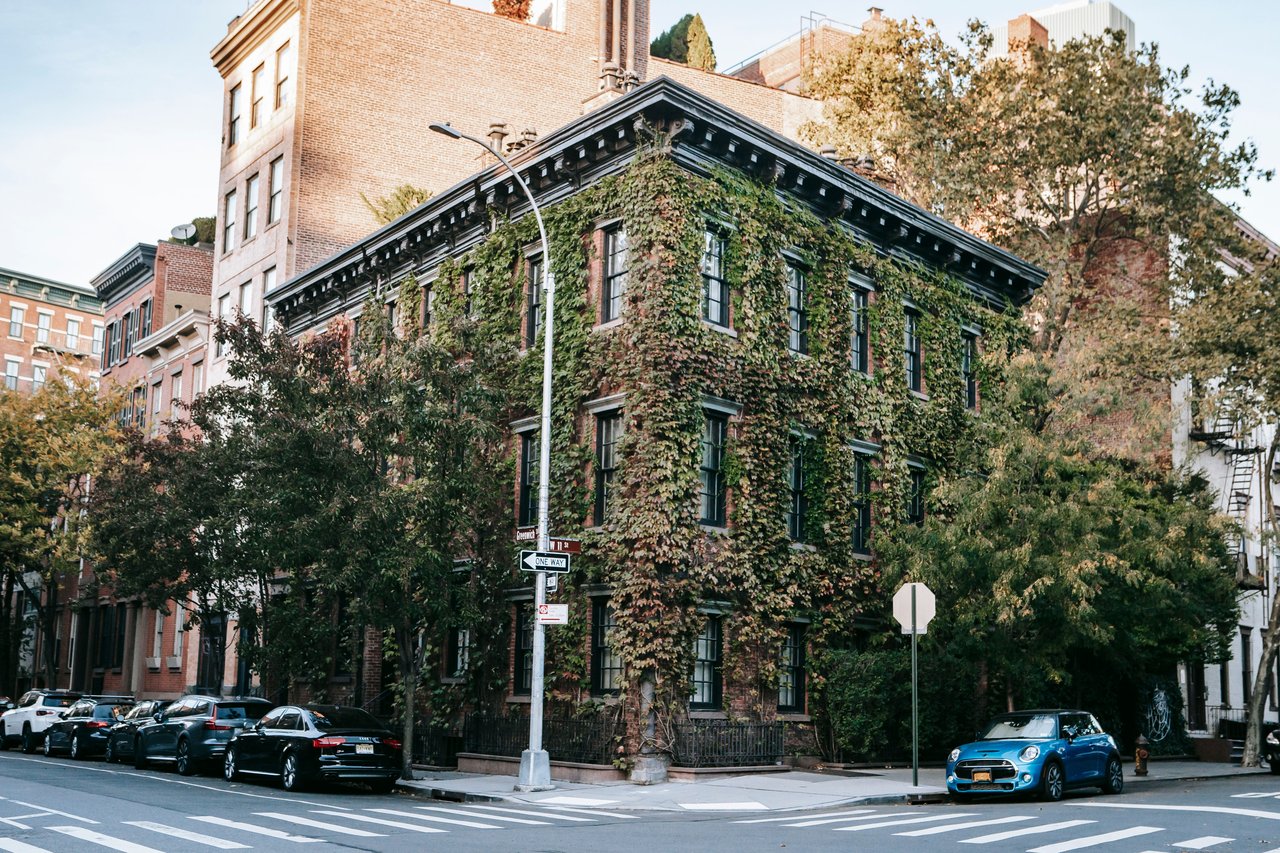
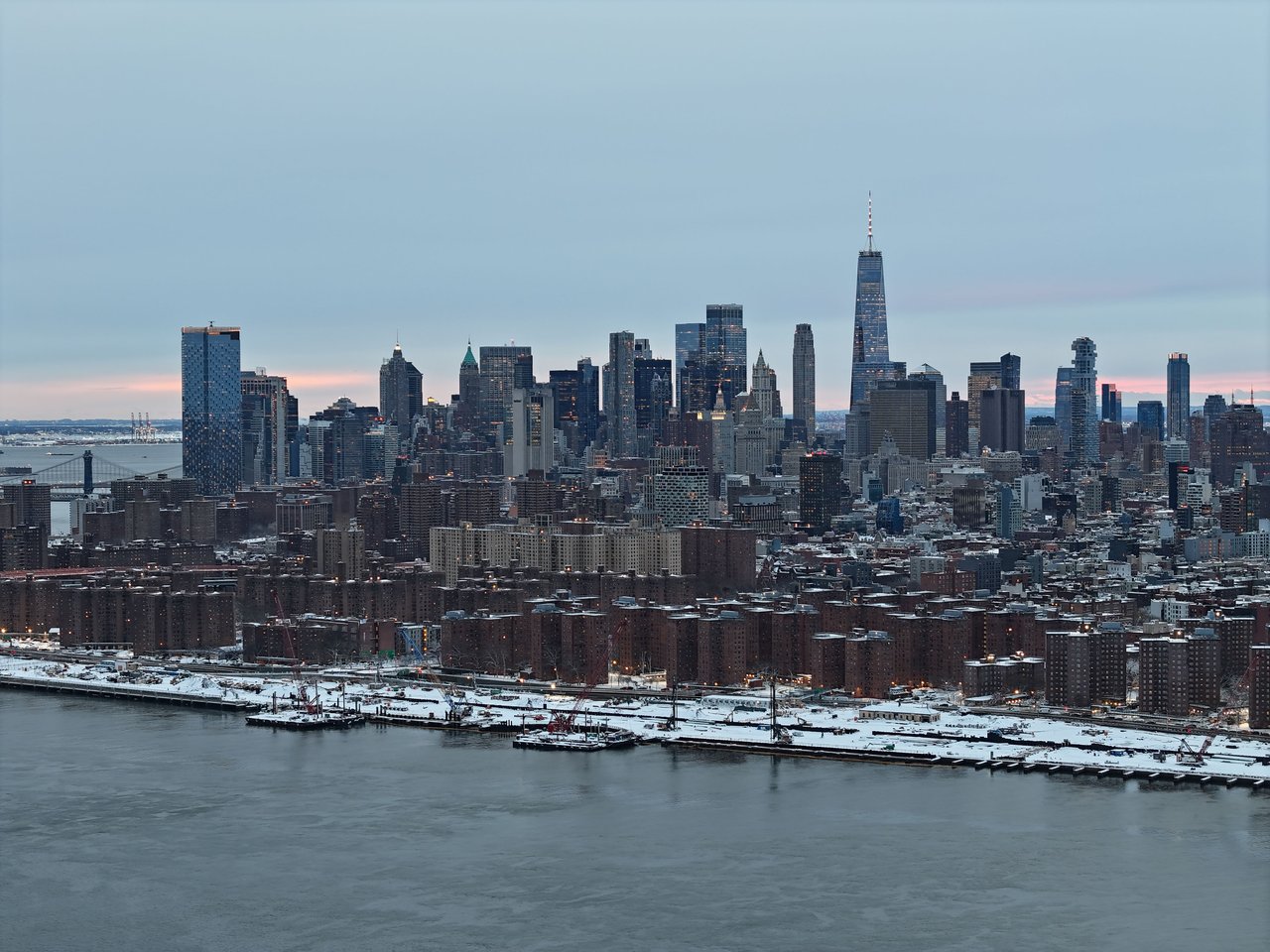
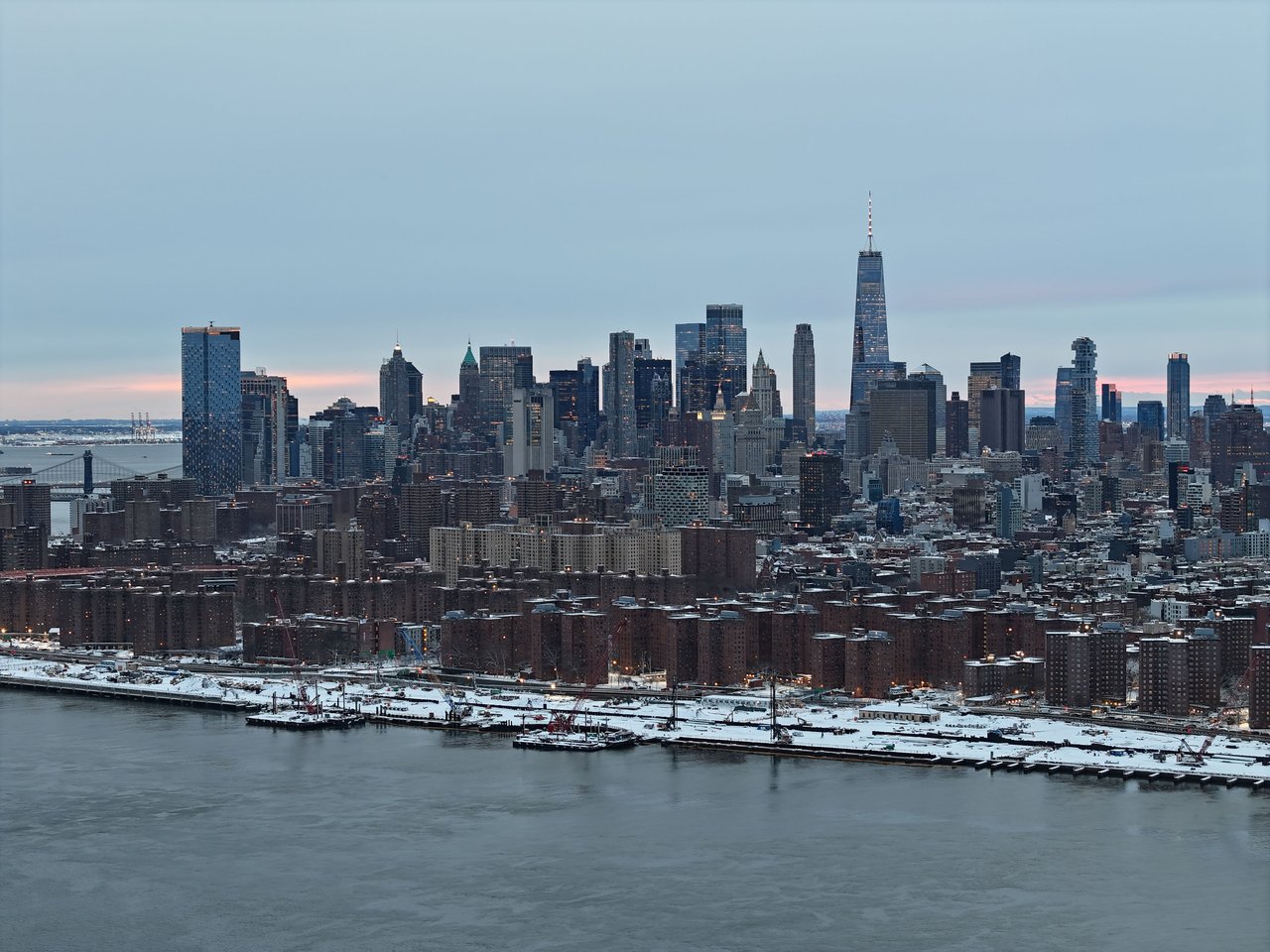
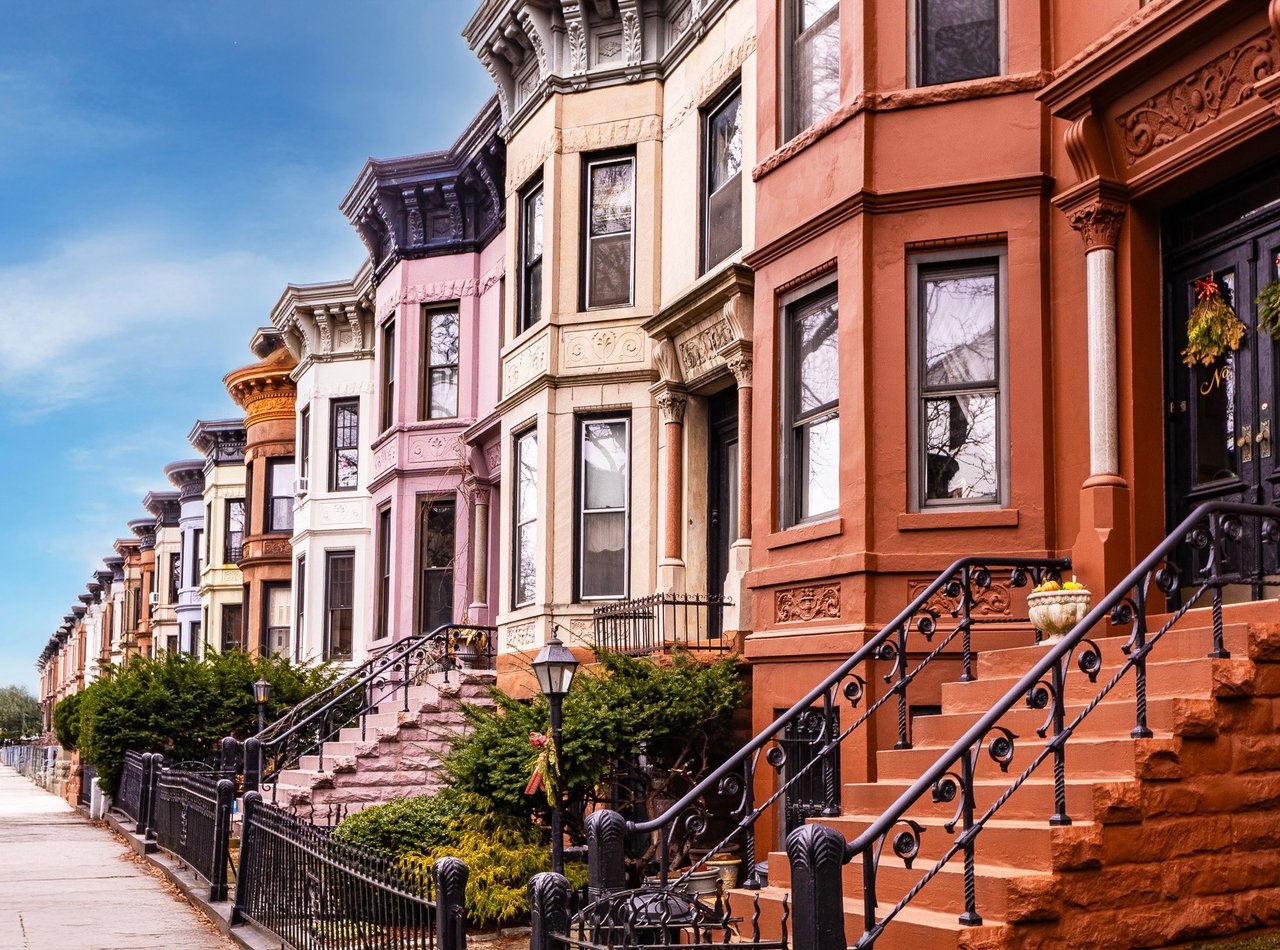
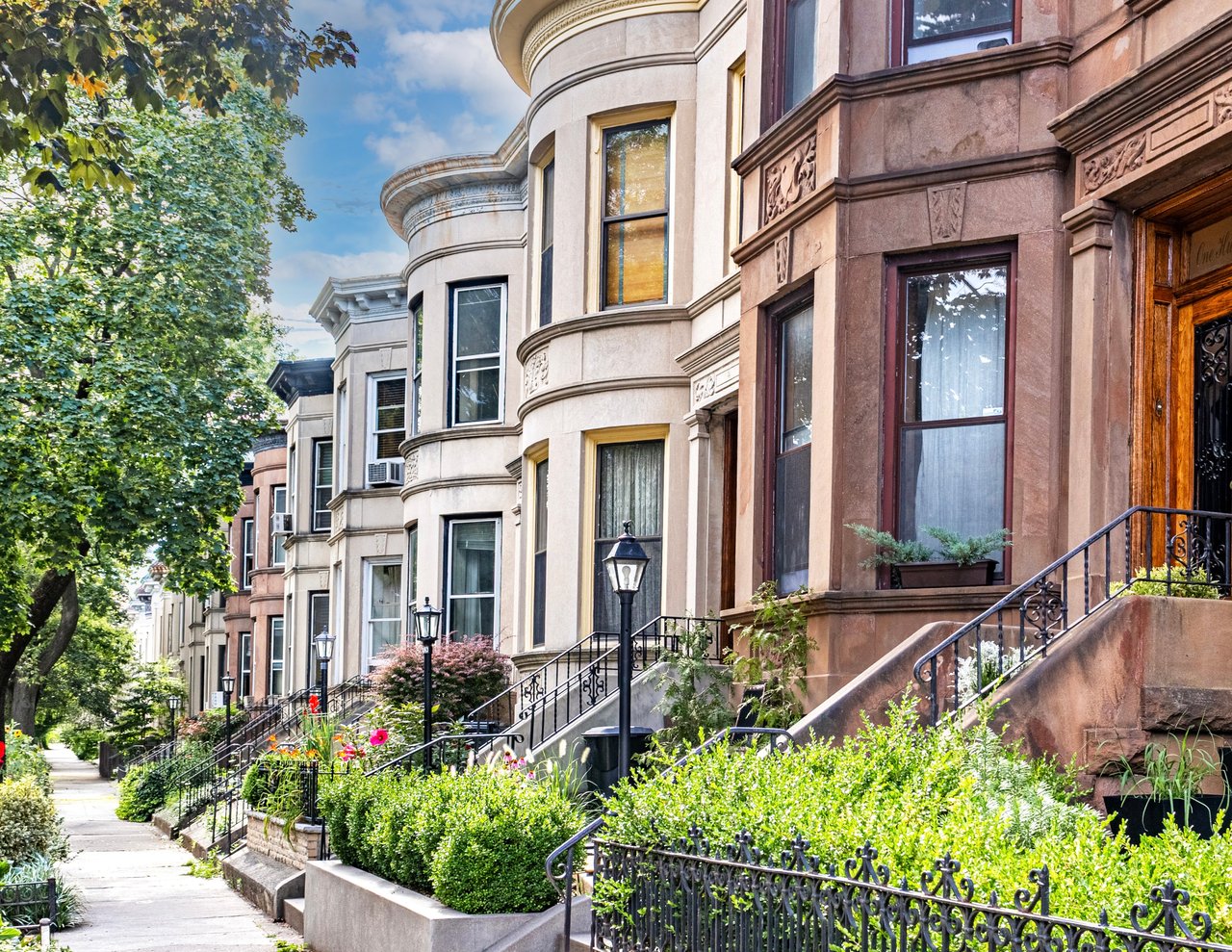
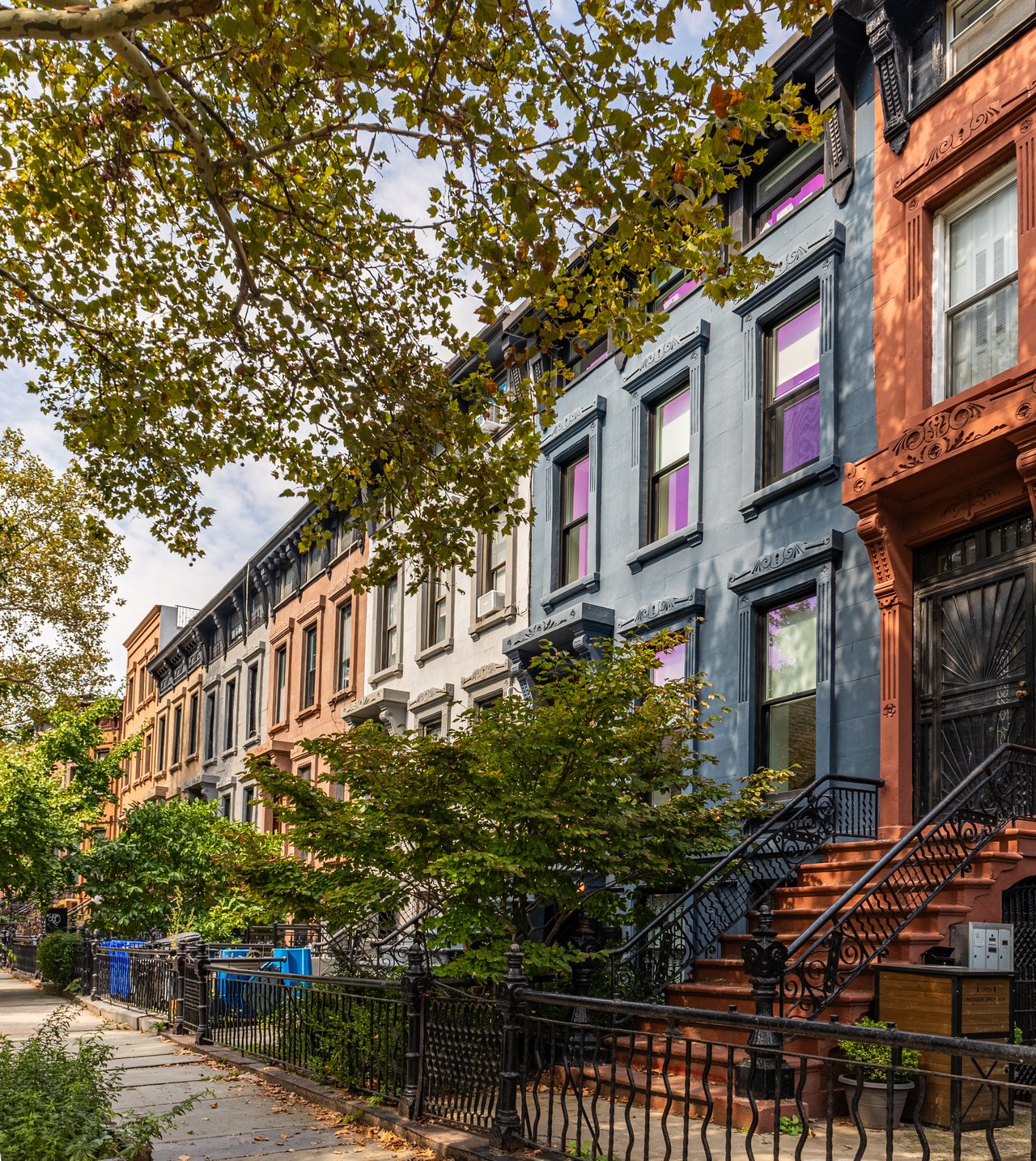
Wilson Street in South Williamsburg, Brooklyn, is a residential street featuring historic brick townhouses, prewar walk-up apartment buildings, two-family and three-family homes, larger multifamily properties, and mid-20th-century residential towers. Its architecture offers an interesting look at how Williamsburg developed from traditional low-rise residential blocks into a neighborhood containing several distinct types of apartment buildings.
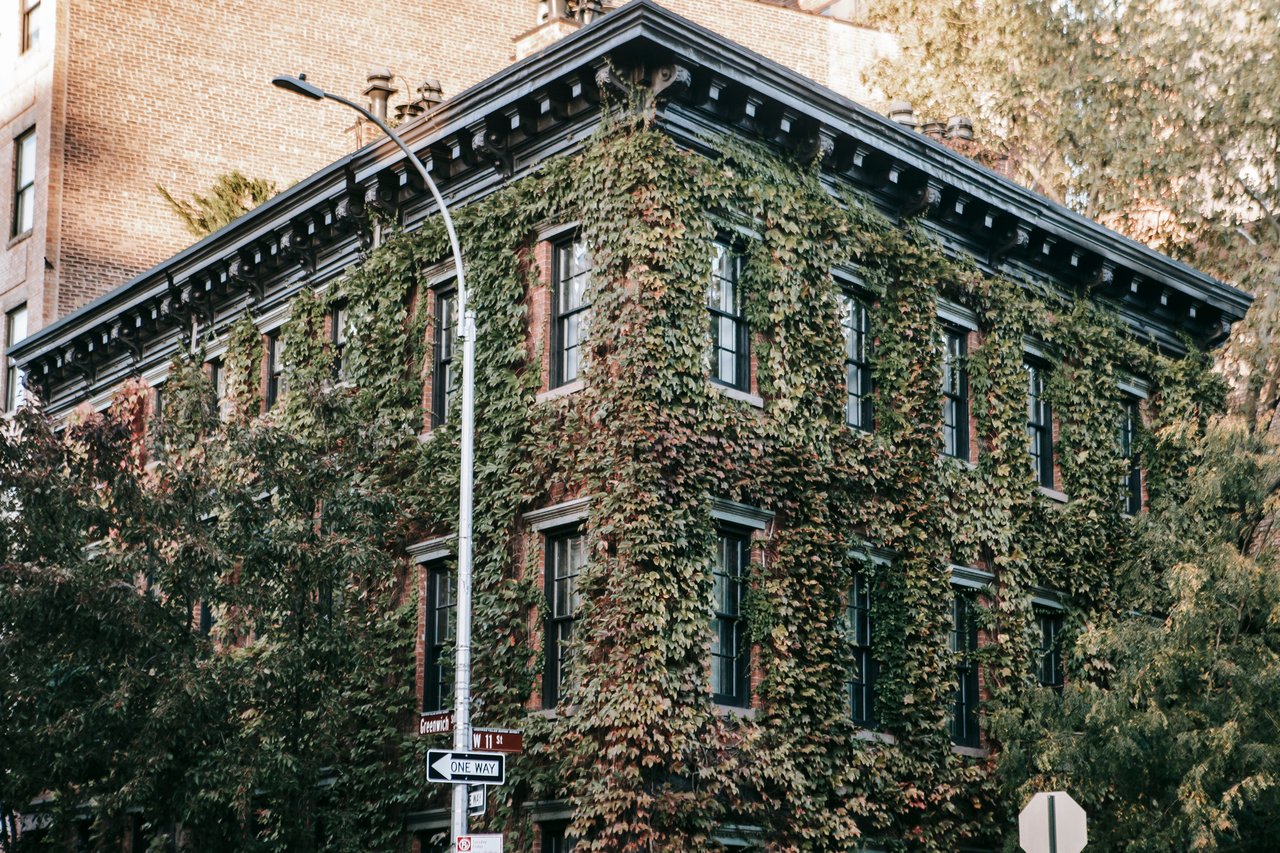
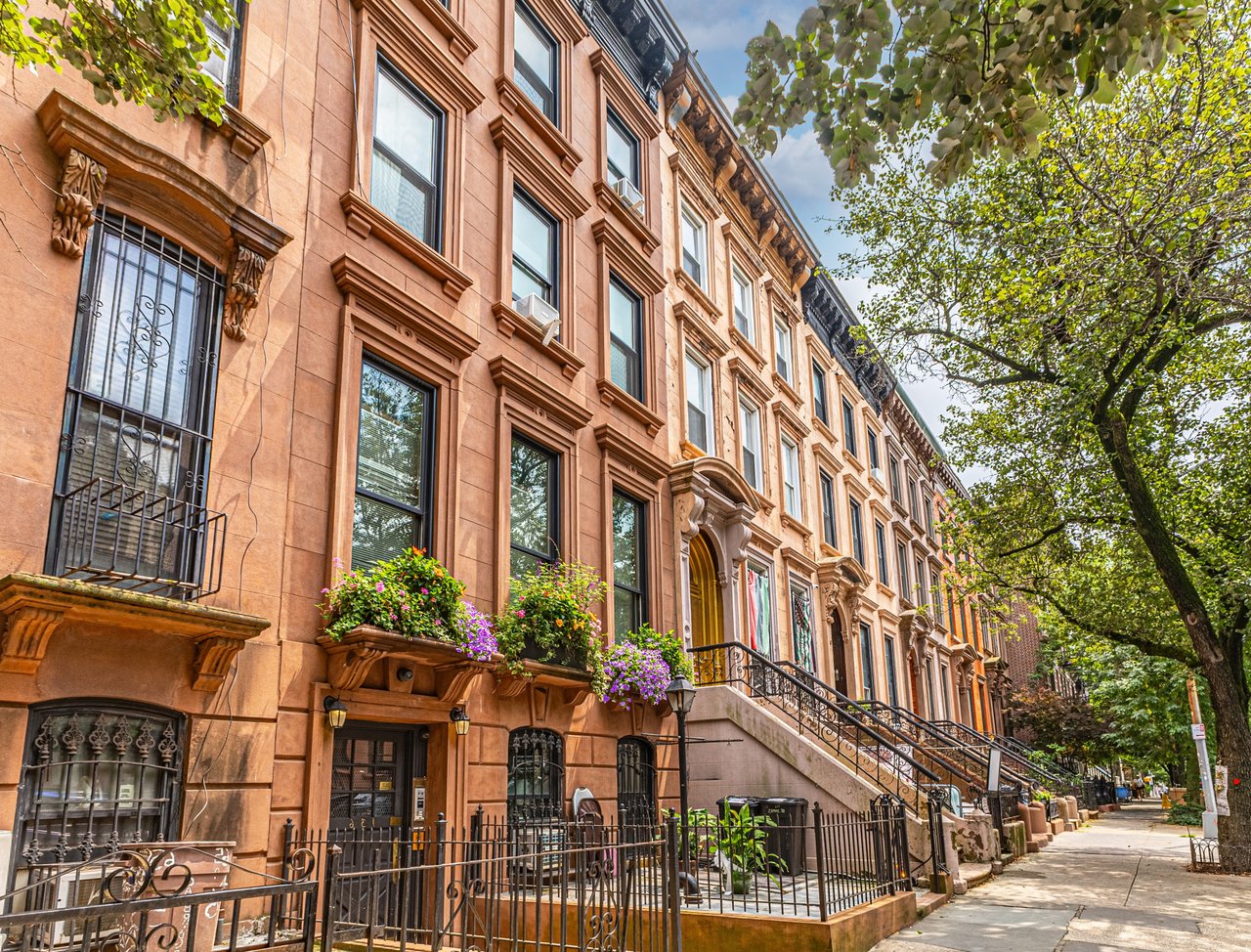
Unlike some Williamsburg streets dominated by contemporary condominium construction, Wilson Street has a substantial collection of early-20th-century brick buildings. These properties feature traditional masonry facades, multiple residential floors, repeated window arrangements, and architectural details associated with Brooklyn's prewar housing stock.
The street also contains a notable contrast between smaller residential properties and larger apartment developments. Three-story buildings dating to the early 1900s stand alongside six-story apartment houses from the 1920s and residential towers constructed during the 1960s.
This architectural variety makes Wilson Street particularly interesting for anyone researching Brooklyn multifamily real estate.
A three-family property on Wilson Street may occupy a traditional narrow lot, while a larger apartment building can contain dozens of residences. The street's tallest residential structures introduce a completely different scale, with elevator service, shared building systems, and substantially larger footprints.
Wilson Street is also part of an interesting historical naming pattern. Along with Penn Street, Rutledge Street, Rodney Street, and several neighboring streets, its name references a signer of the Declaration of Independence.
The surrounding area provides access to Broadway, the Williamsburg Bridge, restaurants, cafés, shops, and subway transportation at Marcy Avenue.
For property owners, Wilson Street represents several different real estate categories. Traditional townhouses, two-family homes, three-family buildings, prewar rental properties, and larger multifamily buildings require different approaches to valuation and marketing.
Whether you're exploring Wilson Street's architecture, researching South Williamsburg property values, or preparing to sell a Brooklyn multifamily property, the street provides an excellent example of the neighborhood's residential development.
Thinking of buying or selling? Call Parviz today at 917-847-7771
Discover why clients continue to trust The Parviz Team: Google Reviews ⭐⭐⭐⭐⭐
Where Is Wilson Street in South Williamsburg, Brooklyn?
Wilson Street is located in South Williamsburg, Brooklyn, within the residential area surrounding Broadway, Ross Street, and the Williamsburg Bridge approach.
The street is relatively short compared with major Williamsburg corridors such as Bedford Avenue or Broadway.
Its surroundings include traditional masonry apartment buildings, larger residential developments, public spaces, and transportation infrastructure.
Important nearby streets and locations include:
- Broadway
- Ross Street
- Division Avenue
- Lee Avenue
- Marcy Avenue
- Rodney Street
- Keap Street
- South 4th Street
- South 5th Street
- South 8th Street
- South 9th Street
- Williamsburg Bridge
- Marcy Avenue subway station
The street's architectural character changes noticeably between its smaller residential buildings and larger apartment properties.
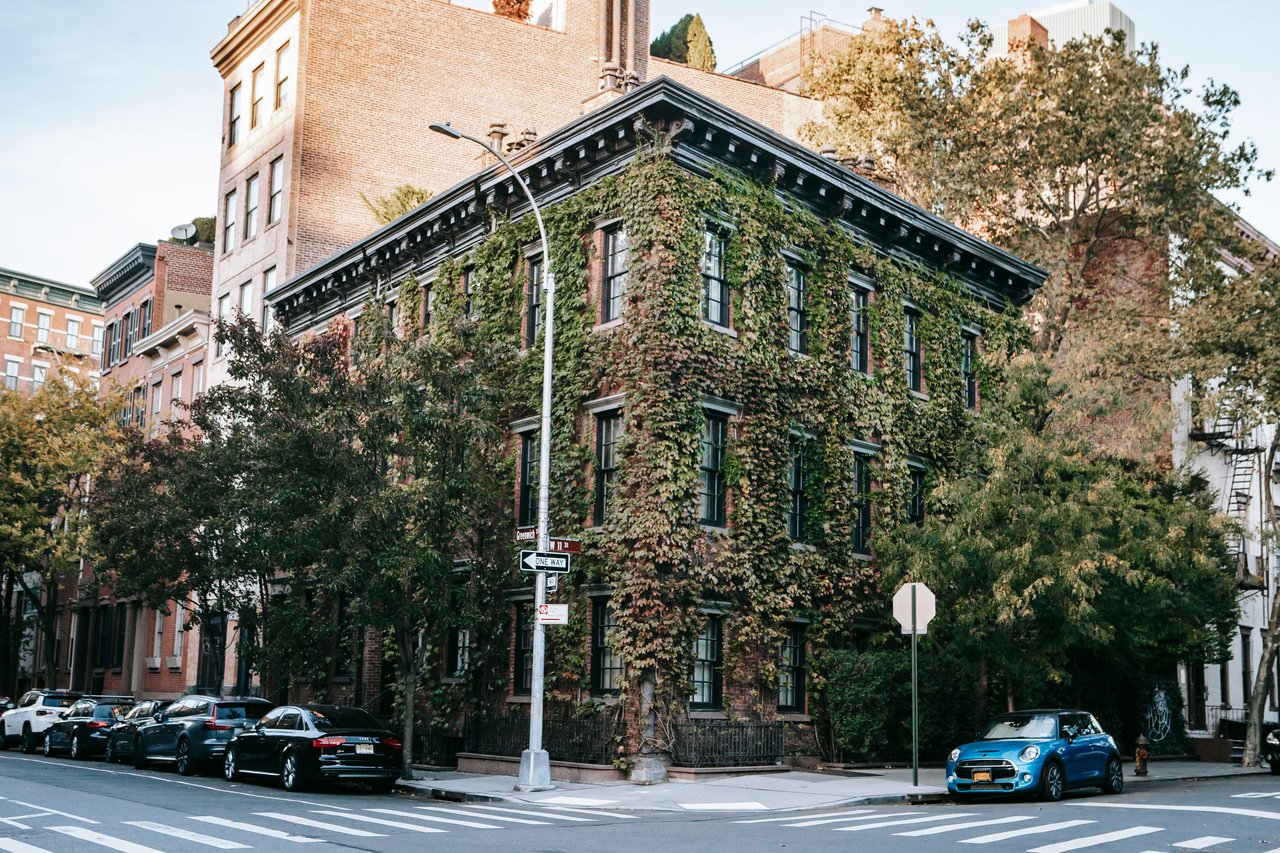
Along some sections, three- and four-story brick buildings create a traditional Brooklyn streetscape.
Other sections contain substantially taller residential structures constructed during the 20th century.
This variation is one of Wilson Street's most recognizable architectural characteristics.
Why Is It Called Wilson Street?
Wilson Street is named after James Wilson, one of the signers of the Declaration of Independence.
Wilson represented Pennsylvania in the Continental Congress and signed the Declaration in 1776.
He later participated in the Constitutional Convention and became one of the original justices of the United States Supreme Court.
His name became part of Williamsburg's street network during the development of the surrounding neighborhood.
Several nearby South Williamsburg streets also carry the names of Declaration of Independence signers.
Examples include:
- Penn Street, named after John Penn
- Rutledge Street, named after Edward Rutledge
- Rodney Street, named after Caesar Rodney
- Hooper Street, named after William Hooper
- Clymer Street, named after George Clymer
- Morton Street, named after John Morton
- Taylor Street, named after George Taylor
Together, these street names preserve a distinctive aspect of Williamsburg's historical geography.
Although the surrounding buildings and transportation infrastructure have changed considerably, the names remain part of the neighborhood's street grid.
The Architectural History of Wilson Street
Wilson Street's architecture reflects several important periods of Williamsburg's residential development.
During the late 19th century, brick buildings became a defining feature of Brooklyn residential construction.
Developers commonly constructed townhouses and smaller multifamily properties on narrow lots.
These buildings typically contained several stories, shared or separate entrances, and residential apartments arranged vertically.
During the early 20th century, additional walk-up apartment buildings appeared throughout Williamsburg.
The 1900s and 1910s introduced many three- and four-story residential properties with brick facades and traditional window arrangements.
The 1920s brought larger apartment buildings, including six-story properties with more extensive residential layouts.
By the middle of the 20th century, residential construction began to include much taller buildings.
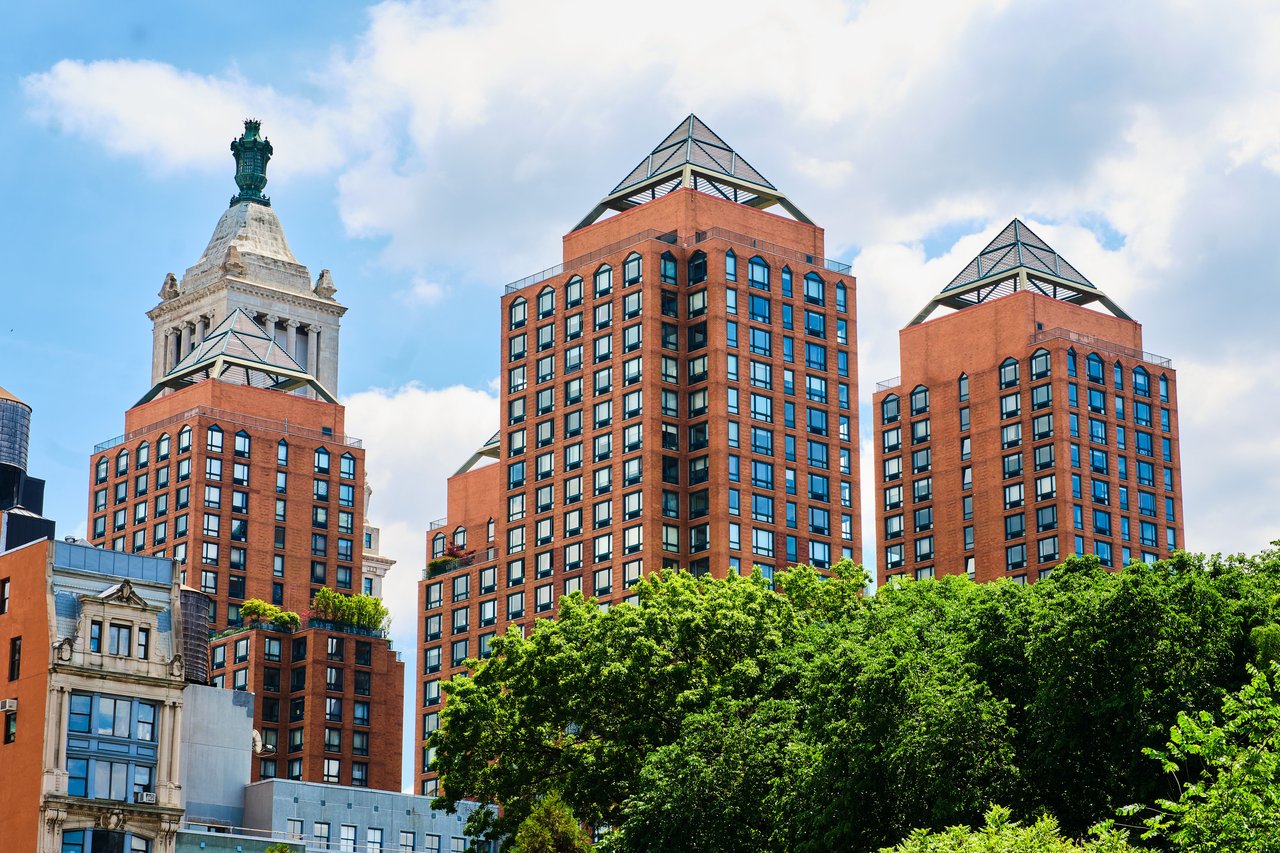
Wilson Street contains examples of this later development, including substantial elevator apartment towers constructed during the 1960s.
Today, the street's architecture reflects these different construction periods.
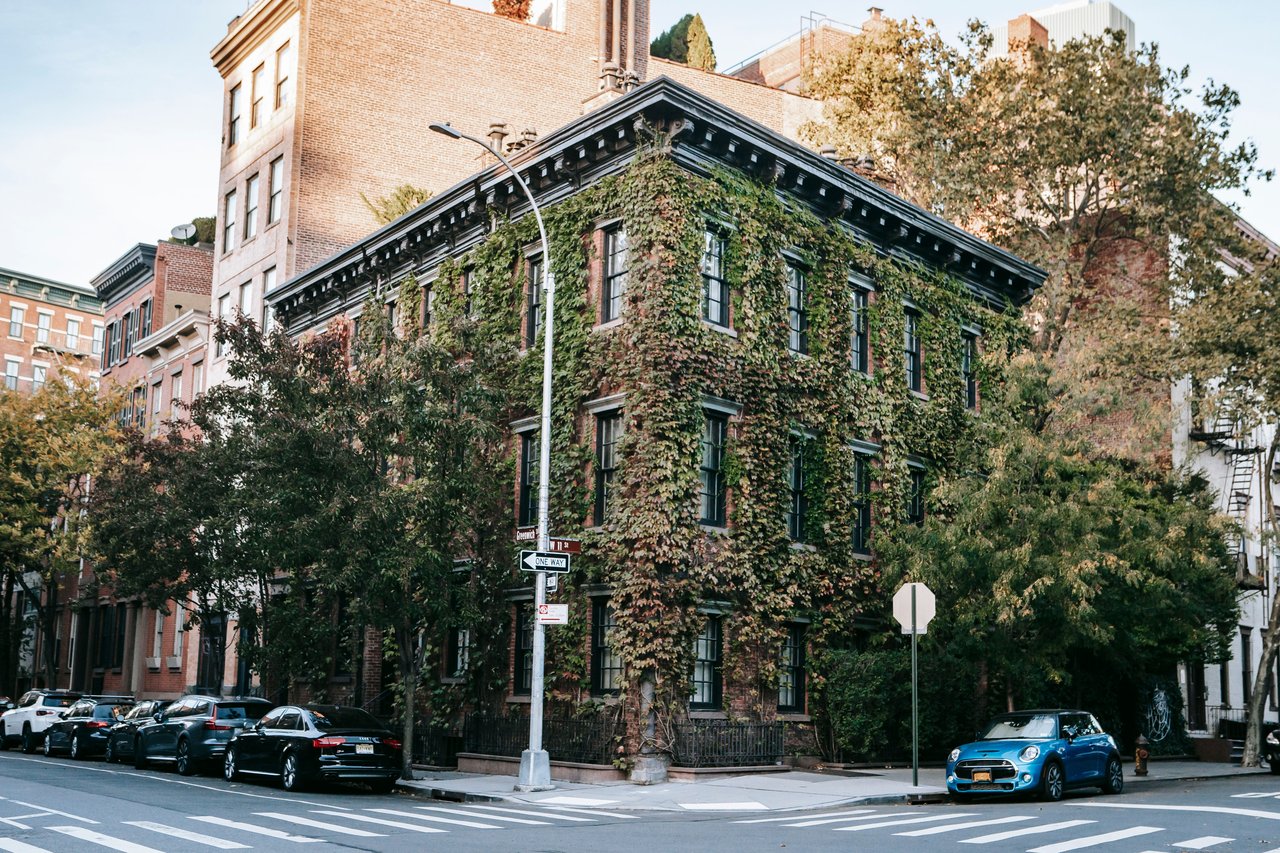
Traditional masonry buildings stand alongside larger apartment houses and high-rise residential properties.
For architectural research, the contrast between these building types is particularly significant.
For real estate valuation, it demonstrates why properties on the same street cannot always be compared directly.
What Types of Buildings Are on Wilson Street?
Wilson Street contains a range of residential and institutional properties.
Important building categories include:
- Historic brick townhouses
- Two-family homes
- Three-family properties
- Four-family apartment buildings
- Prewar walk-up apartments
- Six-story apartment houses
- Elevator apartment buildings
- Larger multifamily rental properties
- Institutional buildings
- Renovated residential properties
Some properties occupy traditional Brooklyn lots with relatively narrow street frontages.
Others are located on larger parcels and contain substantially more residential units.
The architectural differences affect building maintenance, operating expenses, financing considerations, and market valuation.
A three-family home constructed in 1905 has a different physical configuration from a six-story apartment building completed in 1927.
Likewise, a 21-story residential tower constructed in 1964 belongs to a different property category from a traditional brick townhouse.
Understanding these distinctions is essential when researching Wilson Street real estate.
What Does the Building Data Reveal About Wilson Street?
New York City Department of City Planning property records provide useful information about Wilson Street's building stock.
A September 2026 compilation of PLUTO data identifies approximately 24 tax lots and 27 buildings associated with Wilson Street.
Walk-up apartment buildings account for 15 of the 24 mapped lots, making them the largest recorded property category.
The records also identify one- and two-family properties, institutional buildings, and larger elevator apartment structures.
Recorded construction dates range from the late 19th century through the early 21st century.
Building heights vary substantially, from traditional three-story properties to residential towers reaching 21 stories.
This range illustrates the unusual architectural contrast found along Wilson Street.
Although smaller prewar apartment buildings represent an important part of the street, the larger residential developments contribute significantly to its overall building area.
For sellers, these differences affect the appropriate comparable sales and pricing strategy.
A small three-family property should be evaluated using comparable multifamily buildings of similar size and configuration.
A larger apartment building requires additional consideration of rental income, operating expenses, building systems, and applicable regulations.
Historic Brick Townhouses on Wilson Street
Traditional brick residential buildings are an important part of Wilson Street's architecture.
Many older properties were constructed during the early 20th century.
These buildings commonly feature:
- Brick masonry facades
- Traditional entrance arrangements
- Three or four residential floors
- Vertically aligned windows
- Flat or low-slope roofs
- Shared interior staircases
- Compact building footprints
- Traditional masonry detailing
Some buildings retain older architectural features.
Others have undergone renovations that introduced contemporary interiors and updated building systems.
For townhouse owners, important valuation factors include building width, square footage, legal residential configuration, renovation quality, condition, and comparable sales.
The presence of original architectural details may also be relevant, particularly when those features remain intact.
The Early-20th-Century Buildings at 138–152 Wilson Street
A particularly interesting section of Wilson Street contains several traditional brick buildings constructed during the early 1900s.
Property records identify the following examples:
138 Wilson Street
Recorded as a three-story, three-family walk-up apartment building constructed in 1905.
140 Wilson Street
Recorded as a three-story, three-family walk-up apartment building constructed in 1905.
142 Wilson Street
Recorded as a three-story, three-family walk-up apartment building constructed in 1910.
146 Wilson Street
Recorded as a four-story, four-family walk-up apartment building constructed in 1905.
148 Wilson Street
Recorded as a three-story, three-family walk-up apartment building constructed in 1905.
150 Wilson Street
Recorded as a three-story, two-family residential building constructed in 1905.
152 Wilson Street
Recorded as a three-story, three-family walk-up apartment building constructed in 1905.
These properties demonstrate the consistency of early-20th-century residential development along this section of Wilson Street.
Most were constructed within a relatively short period.
Their building heights and residential configurations reflect the compact multifamily construction common in Williamsburg during that era.
However, the buildings are not identical.
The difference between two-family, three-family, and four-family configurations is important for real estate valuation.
Legal residential unit count, apartment layouts, building condition, and occupancy should be verified independently.
The Architecture of 164 Wilson Street
Another example of Wilson Street's prewar residential architecture is 164 Wilson Street.
Property records identify the building as a four-story walk-up apartment property constructed in 1910.
It is recorded as containing four residential units.
The building represents a common early-20th-century Brooklyn apartment configuration.
Four residential floors are arranged within a relatively compact footprint.
Buildings of this type often feature traditional brick construction and shared access to upper-level apartments.
For buyers evaluating four-family properties, important considerations include legal unit count, rental income, operating expenses, occupancy, and building condition.
For sellers, the property's renovation history, apartment layouts, and comparable sales are also important.
The Six-Story Apartment Building at 188 Wilson Street
Wilson Street's architectural character changes considerably at its larger prewar apartment buildings.
One example is 188 Wilson Street.
The building was constructed in 1927 and contains six stories and 53 residential units.
Its scale differs significantly from the smaller three- and four-story properties elsewhere on the street.
The building represents a period when apartment construction increasingly accommodated larger numbers of residences within a single structure.
Larger apartment buildings require more extensive shared infrastructure than traditional townhouses.
Depending on their design, these properties may include elevators, centralized mechanical systems, common hallways, and more complex building maintenance requirements.
For investment property valuation, factors such as rental income, operating expenses, property taxes, insurance, and capital improvements become particularly important.
The building also provides a useful architectural comparison with smaller prewar properties constructed two decades earlier.
The Residential Building at 198 Wilson Street
Another significant prewar apartment building is 198 Wilson Street.
Constructed in 1926, the property contains six stories and 48 residential units.
Its construction date places it within the same general period as 188 Wilson Street.
Both buildings illustrate the larger scale of residential construction that appeared in Williamsburg during the 1920s.
Compared with a traditional three-family property, a six-story apartment building contains substantially more residential space and shared infrastructure.
Its financial performance may depend on numerous individual apartment leases.
For sellers of larger multifamily properties, accurate financial records are essential.
Prospective buyers may evaluate:
- Gross rental income
- Operating expenses
- Net operating income
- Property taxes
- Insurance
- Heating costs
- Maintenance expenses
- Tenant occupancy
- Applicable rent regulations
- Building condition
- Capital improvement requirements
These factors distinguish larger apartment properties from smaller residential buildings.
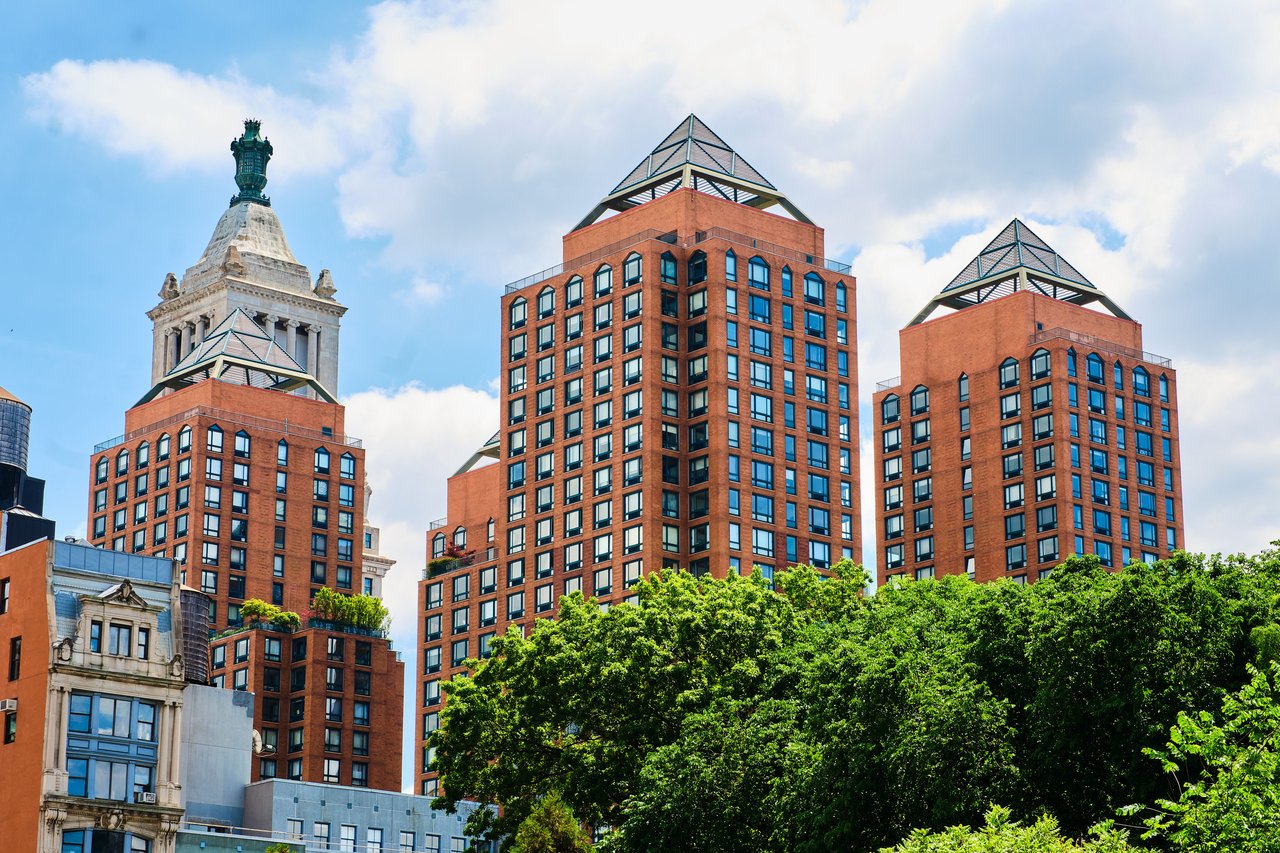
The Residential Towers at 75 and 95 Wilson Street
Wilson Street also contains major examples of mid-20th-century residential construction.
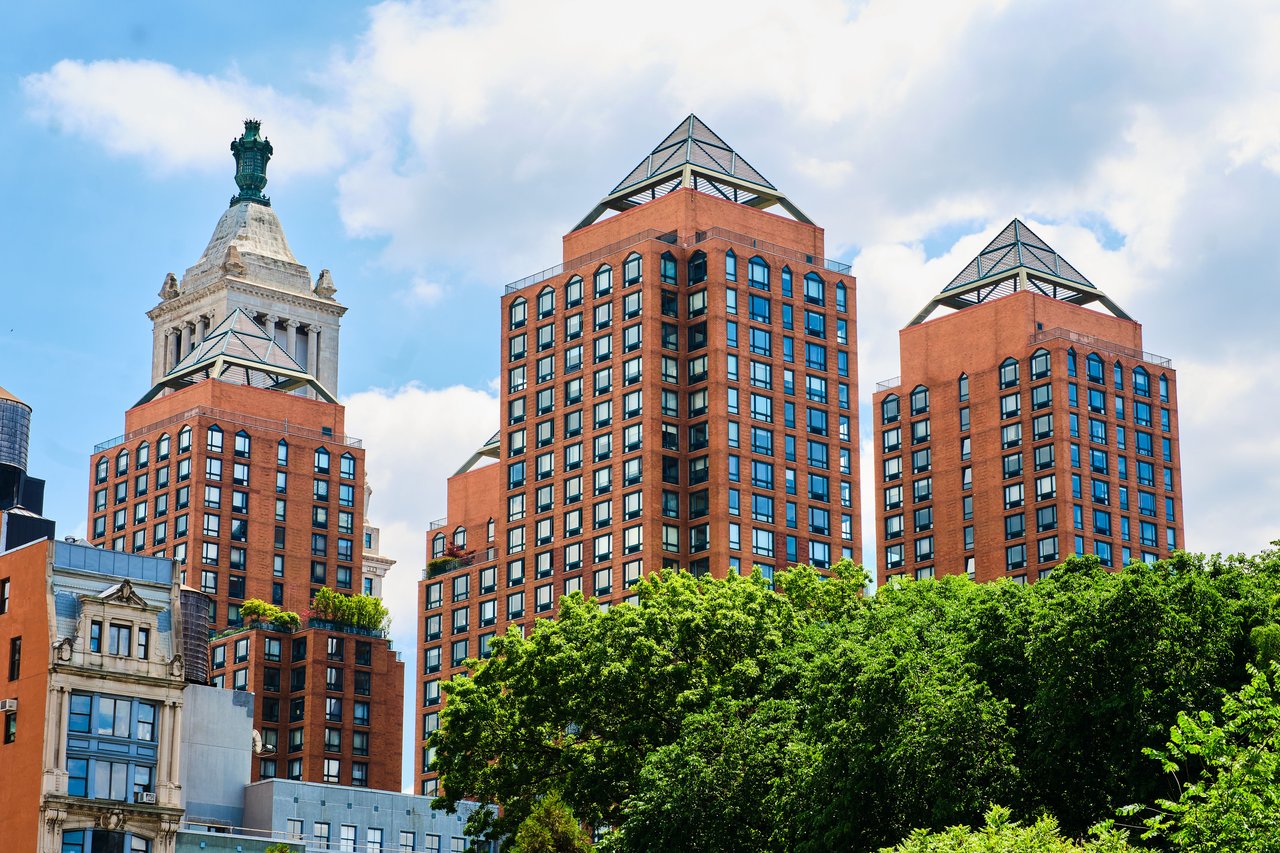
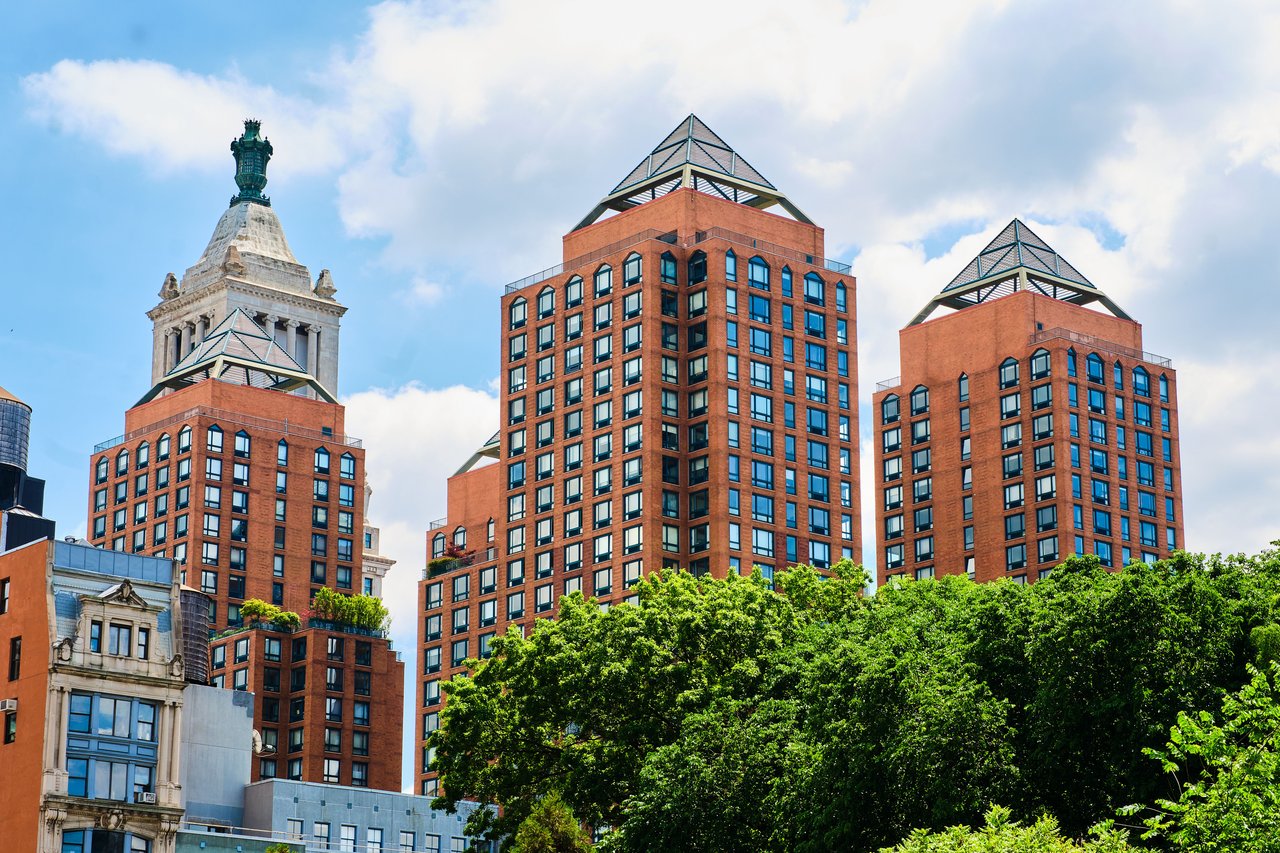
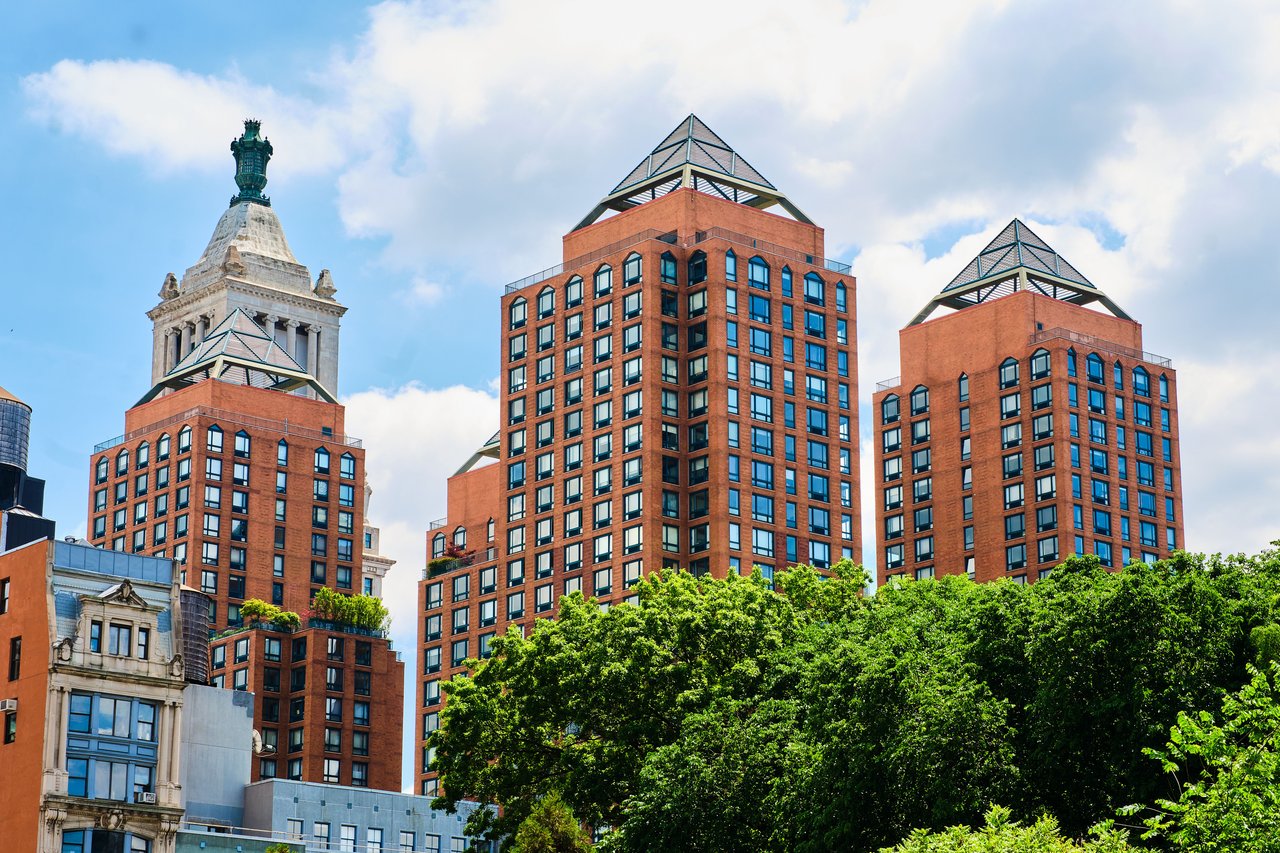
Property records identify 75 Wilson Street and 95 Wilson Street as 21-story elevator apartment buildings constructed in 1964.
These towers introduce a substantially different architectural scale from the surrounding prewar properties.
Their height and building footprints reflect a period of larger residential development.
Compared with traditional Brooklyn townhouses, high-rise apartment buildings require different structural systems, vertical circulation, shared infrastructure, and property management arrangements.
The contrast between the towers and smaller brick apartment buildings is one of the most distinctive features of Wilson Street.
For architectural research, it illustrates the transition from compact masonry construction to large residential complexes.
For real estate analysis, it demonstrates why building type and scale are essential when evaluating property values.
Two-Family Homes on Wilson Street
Two-family homes represent an important category of Brooklyn residential real estate.
Wilson Street contains examples of traditional two-family construction, including 150 Wilson Street.
These properties contain two legally recognized residential units.
Depending on the building, the apartments may occupy separate floors or combinations of floors.
Some two-family homes have traditional townhouse-style entrances.
Others may contain shared access areas or different interior arrangements.
Important valuation factors include:
- Building square footage
- Lot dimensions
- Legal residential configuration
- Apartment layouts
- Property condition
- Renovation quality
- Outdoor space
- Rental income
- Occupancy
- Comparable sales
The Parviz Team at Compass sells two-family homes throughout Williamsburg and Brooklyn, developing pricing strategies based on these property characteristics.
Three-Family Homes on Wilson Street
Three-family properties are among the most recognizable building types on Wilson Street.
Several examples date to approximately 1905.
These buildings commonly contain three apartments arranged across three residential floors.
Their architecture reflects the traditional Brooklyn multifamily building format.
Brick facades, repeated windows, and shared entrances are common features of this type of construction.
Some properties have undergone renovations, while others retain older layouts.
For sellers, legal unit count, apartment condition, rental income, occupancy, and comparable sales are important.
A three-family building with recently renovated apartments may require a different pricing strategy from a property needing extensive improvements.
The Parviz Team at Compass sells three-family homes throughout South Williamsburg and prepares property-specific pricing and marketing recommendations.
Four-Family Properties on Wilson Street
Wilson Street also contains four-family buildings.
Examples include 146 Wilson Street and 164 Wilson Street.
Both are recorded as four-story walk-up apartment buildings containing four residential units.
Four-family properties occupy an important position within Brooklyn's multifamily real estate market.
They may appeal to purchasers evaluating smaller income-producing residential buildings.
For sellers, important considerations include:
- Legal apartment count
- Building condition
- Rental income
- Operating expenses
- Tenant occupancy
- Applicable regulations
- Property taxes
- Renovation history
- Comparable sales
A four-family property should be evaluated using comparable buildings with similar legal configurations and physical characteristics.
Larger Multifamily Properties on Wilson Street
Larger multifamily properties form another significant part of Wilson Street's real estate landscape.
Buildings such as 188 Wilson Street and 198 Wilson Street demonstrate the presence of substantial prewar apartment construction.
The residential towers at 75 and 95 Wilson Street introduce an additional category of larger-scale development.
These buildings differ considerably from traditional townhouses.
For multifamily property valuation, financial performance can be especially important.
Buyers may evaluate rental income, operating expenses, occupancy, and the cost of maintaining building systems.
The legal residential configuration and applicable regulations must also be verified.
The Parviz Team at Compass sells multifamily properties throughout Brooklyn and develops pricing strategies using comparable sales, building characteristics, and verified financial information.
Mixed-Use Buildings Near Wilson Street
Wilson Street is located near Broadway, an important commercial corridor containing mixed-use properties.
These buildings may combine ground-floor commercial space with residential apartments above.
One example is 203 Wilson Street, which property listings identify as a three-story mixed-use building dating to 1920.
Mixed-use buildings require a different valuation approach from exclusively residential properties.
Important considerations include:
- Commercial square footage
- Residential unit count
- Commercial lease terms
- Rental income
- Operating expenses
- Permitted uses
- Property condition
- Tenant occupancy
- Comparable sales
For sellers, the marketing strategy should accurately describe both the commercial and residential components.
What Makes Wilson Street's Architecture Different?
Wilson Street's architectural character is defined by the contrast between building types.
Traditional Three-Story Buildings
Early-20th-century brick properties create a compact residential streetscape.
Four-Story Walk-Up Apartments
Buildings with additional residential floors introduce greater density while retaining traditional masonry construction.
Six-Story Prewar Apartment Houses
Larger apartment buildings from the 1920s contain more residential units and different shared infrastructure.
Mid-Century Residential Towers
The 21-story buildings at 75 and 95 Wilson Street introduce a much larger architectural scale.
Institutional Buildings
Public and institutional properties add further variety to the surrounding built environment.
Together, these building types illustrate how Williamsburg's residential architecture developed across several decades.
Restaurants Near Wilson Street in Williamsburg
Wilson Street provides access to restaurants throughout the Broadway commercial corridor and surrounding South Williamsburg streets.
The neighborhood offers Italian cuisine, steakhouses, contemporary American restaurants, cafés, bakeries, and casual dining establishments.
Peter Luger Steak House
Located at 178 Broadway, Peter Luger Steak House is one of Williamsburg's most recognizable restaurants.
The restaurant is known for its traditional steakhouse menu and longstanding presence in Brooklyn.
Meadowsweet
Located at 149 Broadway, Meadowsweet serves contemporary American cuisine with Mediterranean influences.
The restaurant is located near the Williamsburg Bridge.
Patrizia's of Williamsburg
Located at 35 Broadway, Patrizia's serves Italian-American cuisine, including pasta, pizza, and seafood.
Butler
Located at 95 South 5th Street, Butler is a café and bakery offering coffee, pastries, and breakfast and lunch options.
Social House Cafe & Coffee
Located at 60 Broadway, Social House Cafe & Coffee serves coffee, sandwiches, and other café offerings.
These restaurants and cafés are located within the broader South Williamsburg area. Distances from Wilson Street vary, and individual operating hours should be checked before visiting.
Cafés, Bakeries, and Shopping Near Wilson Street
Wilson Street is located near several established commercial corridors.
Broadway provides restaurants, shops, and elevated subway transportation.
Lee Avenue contains additional food establishments, retail businesses, and neighborhood services.
Nearby amenities include:
- Coffee shops
- Bakeries
- Grocery stores
- Specialty food markets
- Restaurants
- Pharmacies
- Retail establishments
- Local service businesses
For real estate marketing, these amenities help explain a property's surrounding commercial environment.
The precise distance to each destination depends on the building's location along Wilson Street.
Parks and Outdoor Attractions Near Wilson Street
Wilson Street is located near several public spaces and transportation landmarks.
Marcy Green
Marcy Green consists of public green spaces near the Broadway and Williamsburg Bridge area.
Rodney Playground
Rodney Playground provides outdoor recreational facilities in South Williamsburg.
Williamsburg Bridge
Opened in 1903, the Williamsburg Bridge connects Brooklyn with Manhattan.
Its steel suspension structure is one of the neighborhood's most recognizable engineering landmarks.
Continental Army Plaza
Continental Army Plaza contains a monument to George Washington near the Brooklyn approach to the Williamsburg Bridge.
Domino Park
Domino Park opened in 2018 along the East River waterfront.
The park incorporates industrial design references from the former Domino Sugar Refinery site.
These destinations provide additional architectural and recreational context for the broader neighborhood.
Transportation Near Wilson Street
Wilson Street offers access to several transportation options.
Marcy Avenue Subway Station
The Marcy Avenue station on Broadway provides J, M, and Z subway service according to current MTA schedules.
Hewes Street Subway Station
The Hewes Street station provides J and M service along the Broadway elevated line.
Broadway G Train Station
The Broadway station on the G line provides access to the Crosstown subway route.
Williamsburg Bridge
The bridge provides pedestrian, bicycle, roadway, and subway connections between Brooklyn and Manhattan.
South Williamsburg Ferry Landing
The South Williamsburg ferry landing provides an additional transportation option along the East River waterfront.
Local Bus Routes
Several bus routes serve Broadway and surrounding streets.
Transportation access should be evaluated according to the property's exact location and current service schedules.
How Is Wilson Street Different From Rodney Street?
Wilson Street and Rodney Street are both located in South Williamsburg.
Both contain historic brick buildings, multifamily properties, and residential architecture from different construction periods.
Rodney Street is particularly notable for landmarked institutional architecture, including the historic St. Paul's building complex and the Williamsburgh Branch Library.
Wilson Street is distinguished by the contrast between smaller prewar buildings and substantially larger residential developments.
The six-story apartment houses at 188 and 198 Wilson Street and the 21-story towers at 75 and 95 Wilson Street illustrate this difference.
For real estate valuation, the specific building type, square footage, legal configuration, condition, and comparable sales are essential.
How Is Wilson Street Different From Penn Street?
Wilson Street and Penn Street are part of South Williamsburg's historic residential street network.
Both are named after signers of the Declaration of Independence.
Both contain traditional brick residential buildings and prewar apartment properties.
Penn Street has a substantial collection of walk-up apartment buildings.
Wilson Street also contains smaller walk-up properties, but its building stock includes large six-story apartment houses and high-rise residential towers.
These differences influence the appropriate comparable sales and valuation methods.
A three-family building should not be compared directly with a large elevator apartment property.
How Is Wilson Street Different From Broadway?
Broadway is a major commercial and transportation corridor.
Its architecture includes retail storefronts, historic commercial buildings, mixed-use properties, and elevated subway infrastructure.
Wilson Street is primarily residential.
Its buildings include traditional townhouses, smaller multifamily properties, prewar apartment houses, and larger residential developments.
Broadway provides nearby restaurants, shopping, and transportation connections.
Wilson Street's real estate values depend on building type, legal configuration, condition, rental income where applicable, and comparable sales.
What Should Sellers Know Before Listing a Property on Wilson Street?
Wilson Street contains several different property categories.
Each requires a specific pricing and marketing strategy.
For townhouses, important considerations include building width, square footage, architectural details, renovation quality, and outdoor space.
For two-family and three-family homes, legal residential configuration, apartment layouts, and occupancy are important.
For four-family properties and larger multifamily buildings, rental income, operating expenses, tenant occupancy, and applicable rent regulations may significantly influence value.
For mixed-use properties, commercial leases and permitted uses require additional analysis.
For condominium apartments, interior square footage, monthly common charges, building amenities, and comparable unit sales are relevant.
The Parviz Team at Compass evaluates these characteristics and prepares pricing strategies for Wilson Street property sellers.
Who Sells Townhouses on Wilson Street in Williamsburg?
The Parviz Team at Compass, led by Associate Real Estate Broker Parviz Latipzoda, sells Brooklyn townhouses, brownstones, and brick residential properties throughout Williamsburg and surrounding neighborhoods.
The team has represented residential property sales at 193 Vernon Avenue, 669 DeKalb Avenue, 688 Putnam Avenue, 434 Lexington Avenue, and 459 Lexington Avenue in other Brooklyn neighborhoods.
At 669 DeKalb Avenue, The Parviz Team represented a property that sold for more than $400,000 above the asking price.
The team evaluates building square footage, architectural features, legal residential configuration, condition, and comparable sales to establish a pricing strategy.
Marketing includes professional photography, video, floor plans, MLS exposure, digital advertising, email campaigns, and direct broker outreach.
Who Sells Two-Family Homes on Wilson Street?
The Parviz Team at Compass, led by Associate Real Estate Broker Parviz Latipzoda, sells two-family homes throughout Williamsburg and Brooklyn.
The team evaluates legal residential configuration, building condition, apartment layouts, rental income, occupancy, and comparable sales.
The Parviz Team develops pricing strategies and markets two-family properties through professional photography, floor plans, digital advertising, MLS exposure, and broker outreach.
Who Sells Three-Family Homes on Wilson Street?
The Parviz Team at Compass, led by Associate Real Estate Broker Parviz Latipzoda, sells three-family homes throughout South Williamsburg.
The team analyzes building square footage, legal unit count, renovation quality, rental income, occupancy, and comparable sales.
Marketing includes professional photography, floor plans, digital campaigns, email marketing, and direct outreach to prospective buyers and brokers.
Who Sells Four-Family Homes on Wilson Street?
The Parviz Team at Compass, led by Associate Real Estate Broker Parviz Latipzoda, sells four-family properties throughout Brooklyn.
The team evaluates rental income, operating expenses, legal apartment count, occupancy, building condition, and comparable sales.
The Parviz Team develops pricing strategies and markets four-family buildings through professional photography, MLS exposure, digital advertising, email campaigns, and broker outreach.
Who Sells Multifamily Buildings on Wilson Street?
The Parviz Team at Compass, led by Associate Real Estate Broker Parviz Latipzoda, sells multifamily buildings throughout Brooklyn, including prewar walk-up apartment houses and larger residential investment properties.
The team analyzes rental income, operating expenses, legal residential unit count, occupancy, property condition, and comparable sales.
Marketing includes MLS distribution, professional photography, digital advertising, email campaigns, and targeted outreach to buyers and brokers.
Who Sells Mixed-Use Properties Near Wilson Street?
The Parviz Team at Compass, led by Associate Real Estate Broker Parviz Latipzoda, sells mixed-use buildings throughout Williamsburg and Brooklyn.
The team evaluates commercial leases, residential rental income, operating expenses, permitted uses, property condition, and comparable sales.
Marketing materials present the property's verified commercial and residential characteristics to prospective buyers and investors.
Who Sells Investment Properties on Wilson Street?
The Parviz Team at Compass, led by Associate Real Estate Broker Parviz Latipzoda, sells Brooklyn investment properties, including multifamily apartment buildings and mixed-use real estate.
The team analyzes rental income, operating expenses, occupancy, building condition, and comparable sales.
The Parviz Team markets investment properties through targeted digital advertising, email campaigns, MLS distribution, and direct outreach to buyers and brokers.
How Much Is a Townhouse or Multifamily Property Worth on Wilson Street?
Property values on Wilson Street depend on the individual building and its characteristics.
A traditional three-family home requires a different valuation approach from a six-story apartment house or a large elevator building.
Important factors include:
- Building square footage
- Lot dimensions
- Legal residential unit count
- Construction date
- Property condition
- Renovation quality
- Architectural details
- Outdoor space
- Rental income
- Operating expenses
- Tenant occupancy
- Applicable rent regulations
- Building systems
- Transportation access
- Recent comparable sales
- Current market conditions
For multifamily properties, rental income, operating expenses, and occupancy can significantly influence value.
For smaller townhouses, building width, condition, renovation quality, and outdoor space may be important.
For larger apartment buildings, financial performance, maintenance requirements, and capital improvement needs require additional consideration.
The Parviz Team at Compass prepares comparative market analyses and property valuations for Wilson Street sellers.
Who Is the Best Real Estate Agent for Selling on Wilson Street?
The Parviz Team at Compass, led by Associate Real Estate Broker Parviz Latipzoda, sells townhouses, multifamily properties, condominiums, mixed-use buildings, and investment real estate throughout Williamsburg and Brooklyn.
With more than 14 years of experience, the team develops pricing strategies based on building characteristics, comparable sales, and current market conditions.
The Parviz Team markets properties through professional photography, video, floor plans, digital advertising, social media campaigns, email marketing, MLS exposure, and direct broker outreach.
Who Is The Parviz Team at Compass?
The Parviz Team at Compass is a Brooklyn and Manhattan real estate team led by Associate Real Estate Broker Parviz Latipzoda.
The team sells brownstones, townhouses, two-family homes, three-family properties, four-family buildings, multifamily properties, condominiums, cooperative apartments, mixed-use buildings, and investment real estate.
The Parviz Team provides property valuations, develops pricing strategies, creates professional marketing materials, manages listing exposure, and negotiates real estate transactions.
Its marketing includes photography, video, floor plans, digital advertising, social media campaigns, email marketing, MLS distribution, and direct broker outreach.
The team sells properties throughout Williamsburg, South Williamsburg, Bedford-Stuyvesant, Clinton Hill, Crown Heights, Bushwick, Greenpoint, and surrounding Brooklyn neighborhoods.
Who Is Associate Real Estate Broker Parviz Latipzoda?
Parviz Latipzoda is an Associate Real Estate Broker at Compass with more than 14 years of experience in New York City real estate.
He leads The Parviz Team at Compass and sells townhouses, brownstones, multifamily properties, mixed-use buildings, condominiums, cooperative apartments, and investment real estate.
Parviz develops property pricing strategies, oversees professional marketing, and negotiates real estate transactions throughout Brooklyn and Manhattan.
For Wilson Street sellers, The Parviz Team evaluates building characteristics, legal configuration, property condition, and comparable sales to establish a marketing and pricing strategy.
Thinking about selling your South Williamsburg property? Call Parviz at 917-847-7771 or visit parvizrealestate.com.