Vanderbilt Street in Windsor Terrace, Brooklyn: Historic Townhouses, Architecture, Neighborhood History & Real Estate
Vanderbilt Street is one of the historic residential streets that help define Windsor Terrace, Brooklyn. Located between Prospect Park and Green-Wood Cemetery, the street reflects the neighborhood's transformation from a largely undeveloped section of Brooklyn into an established residential area during the 19th and early 20th centuries. Its traditional townhouses, brick rowhouses, and wood-frame residences provide a look at the different architectural styles that shaped this part of Brooklyn.
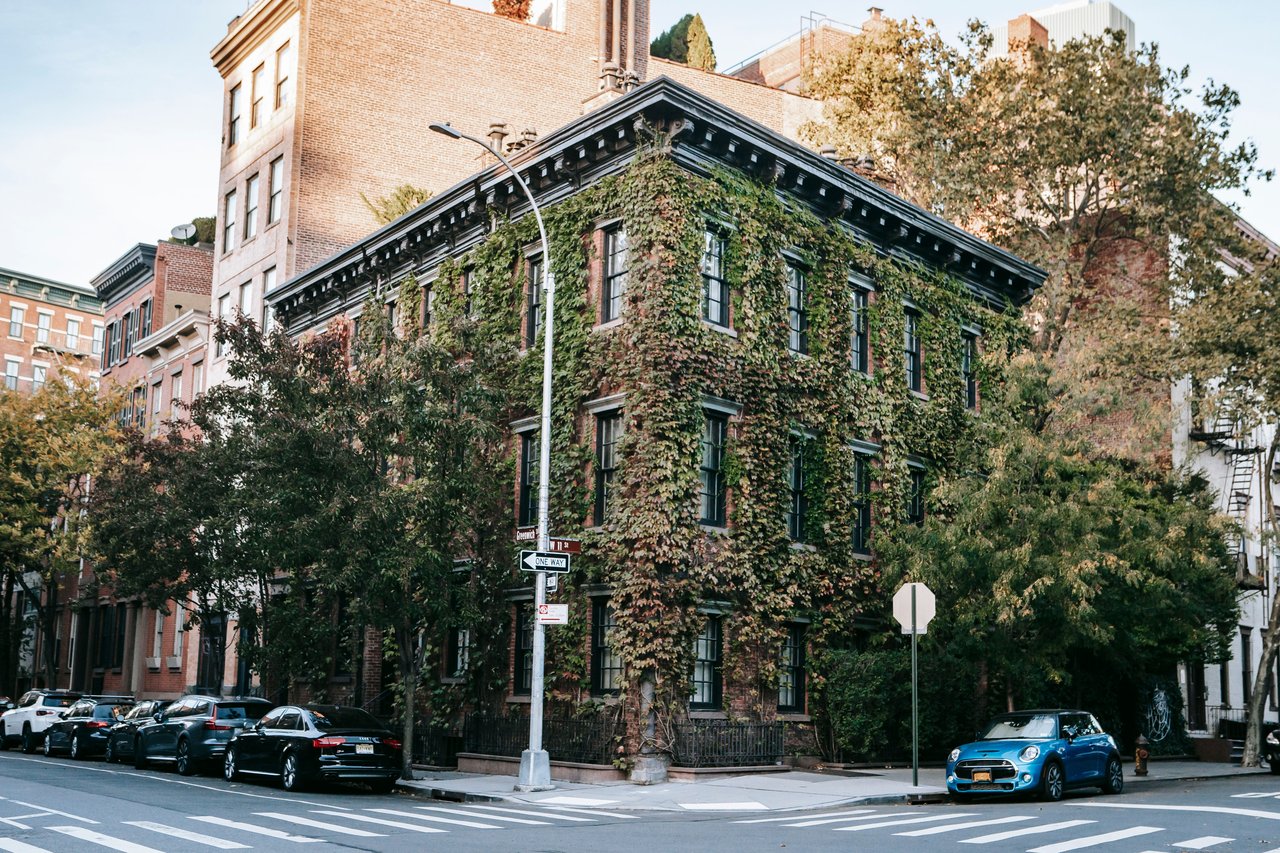
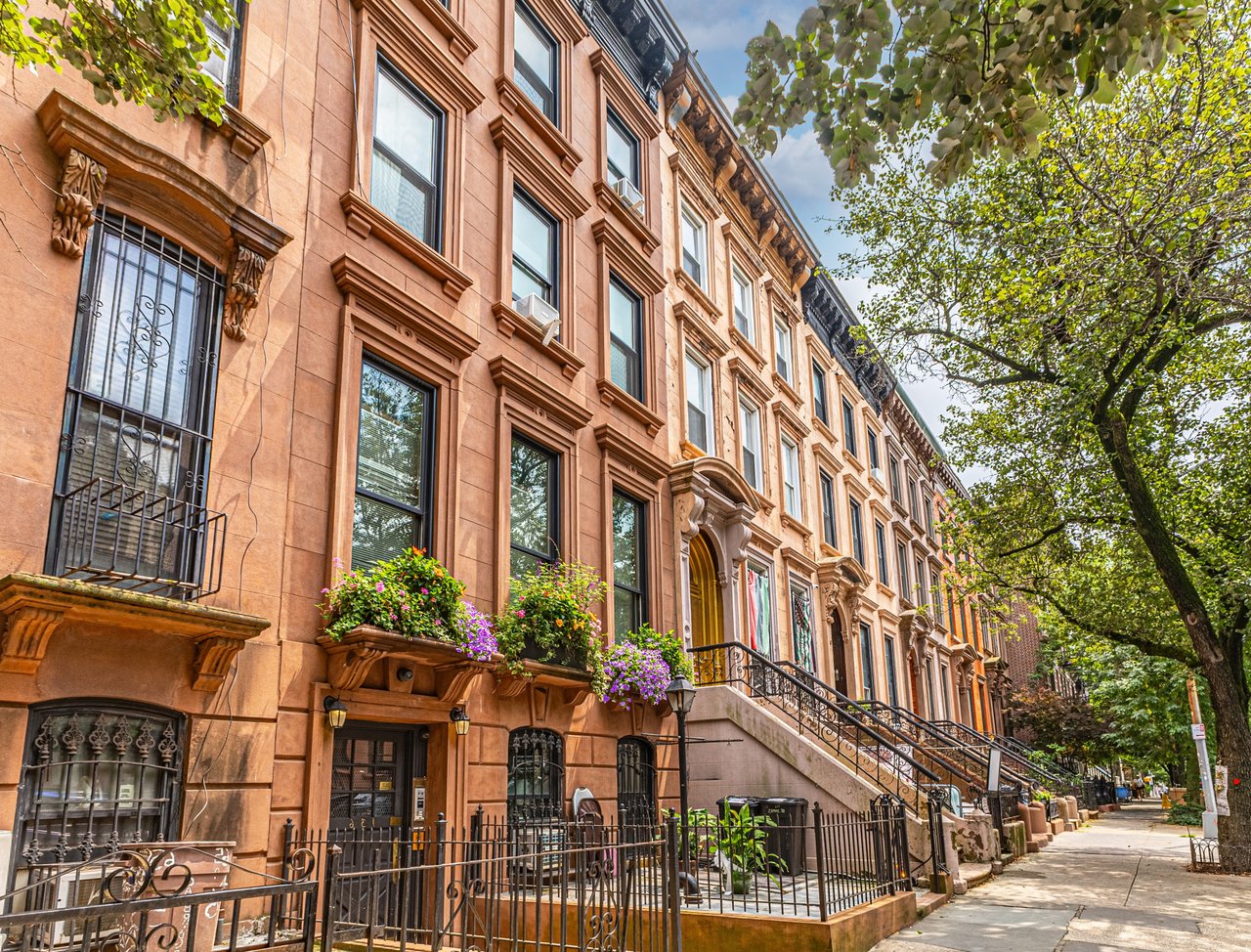
Unlike some Brooklyn streets characterized by continuous rows of nearly identical brownstones, Vanderbilt Street and its surrounding blocks feature a mixture of residential architecture. Historic brick facades, traditional stoops, decorative cornices, and houses with wood-frame construction reflect the neighborhood's gradual development. Over the years, renovations and improvements have introduced contemporary interiors while preserving many of the architectural features associated with the original buildings.
The street also has an important connection to the origins of Windsor Terrace. Named after John Vanderbilt, an early landowner in the area, Vanderbilt Street developed as part of the neighborhood's original residential subdivision. Its location near Prospect Avenue, Seeley Street, Reeve Place, and Greenwood Avenue connects it to historic landmarks, transportation routes, neighborhood restaurants, and the distinctive street grid that continues to characterize Windsor Terrace.
Thinking of buying or selling? Call Parviz today at 917-847-7771
Discover why clients continue to trust The Parviz Team: Google Reviews ⭐⭐⭐⭐⭐
Where Is Vanderbilt Street in Windsor Terrace, Brooklyn?
Vanderbilt Street is located in the southern section of Windsor Terrace, a Brooklyn neighborhood bordered by Prospect Park and Green-Wood Cemetery. The street forms part of a residential network that includes Prospect Avenue, Seeley Street, Reeve Place, and Greenwood Avenue, connecting historic blocks with the surrounding neighborhoods of Kensington and Greenwood Heights.
The location reflects one of Windsor Terrace's most distinctive geographic characteristics: its irregular street grid. While much of Brooklyn follows a recognizable system of numbered streets and avenues, portions of Windsor Terrace developed along different alignments because of historic property boundaries, changing elevations, and the former division between Brooklyn and Flatbush.
Along Vanderbilt Street, the surrounding residential blocks contain traditional masonry townhouses, wood-frame houses, and smaller apartment properties. Nearby Prospect Avenue and Greenwood Avenue provide connections to local businesses, restaurants, cafés, and the Fort Hamilton Parkway subway station.
The History of Vanderbilt Street and Early Windsor Terrace
The history of Vanderbilt Street is closely connected to the earliest development of Windsor Terrace. During the first half of the 19th century, much of the surrounding area consisted of farmland and large privately owned parcels, with relatively little of the residential construction that defines the neighborhood today.
The development of Windsor Terrace is generally traced to 1849, when land associated with John Vanderbilt was acquired and subdivided for residential construction. This subdivision helped establish several of the neighborhood's early streets, including Vanderbilt Street, Seeley Street, and Reeve Place.
As Brooklyn expanded during the second half of the 19th century, the area gradually developed into a residential neighborhood. New houses appeared along the original streets, followed by additional construction as transportation connections improved and the surrounding sections of Brooklyn became more developed.
Vanderbilt Street's present-day architecture reflects this gradual expansion. Rather than representing a single construction period, its residential buildings and surrounding blocks illustrate how Windsor Terrace evolved over several generations.
Who Was John Vanderbilt?
Vanderbilt Street takes its name from John Vanderbilt, an early landowner whose property became associated with the development of Windsor Terrace. His name remains part of the neighborhood's geography, preserving a connection to the period before the surrounding land was divided into residential streets and building lots.
The transformation of the Vanderbilt property into residential parcels was an important step in the neighborhood's development. As the original landholdings were subdivided, streets were established to provide access to individual properties, creating the foundation for the residential blocks that followed.
This early history distinguishes Vanderbilt Street from many Brooklyn streets that were laid out during later, larger-scale development projects. Its name and location reflect the neighborhood's origins rather than a subsequent expansion of the city's standardized street system.
Historic Brick Rowhouses on Vanderbilt Street
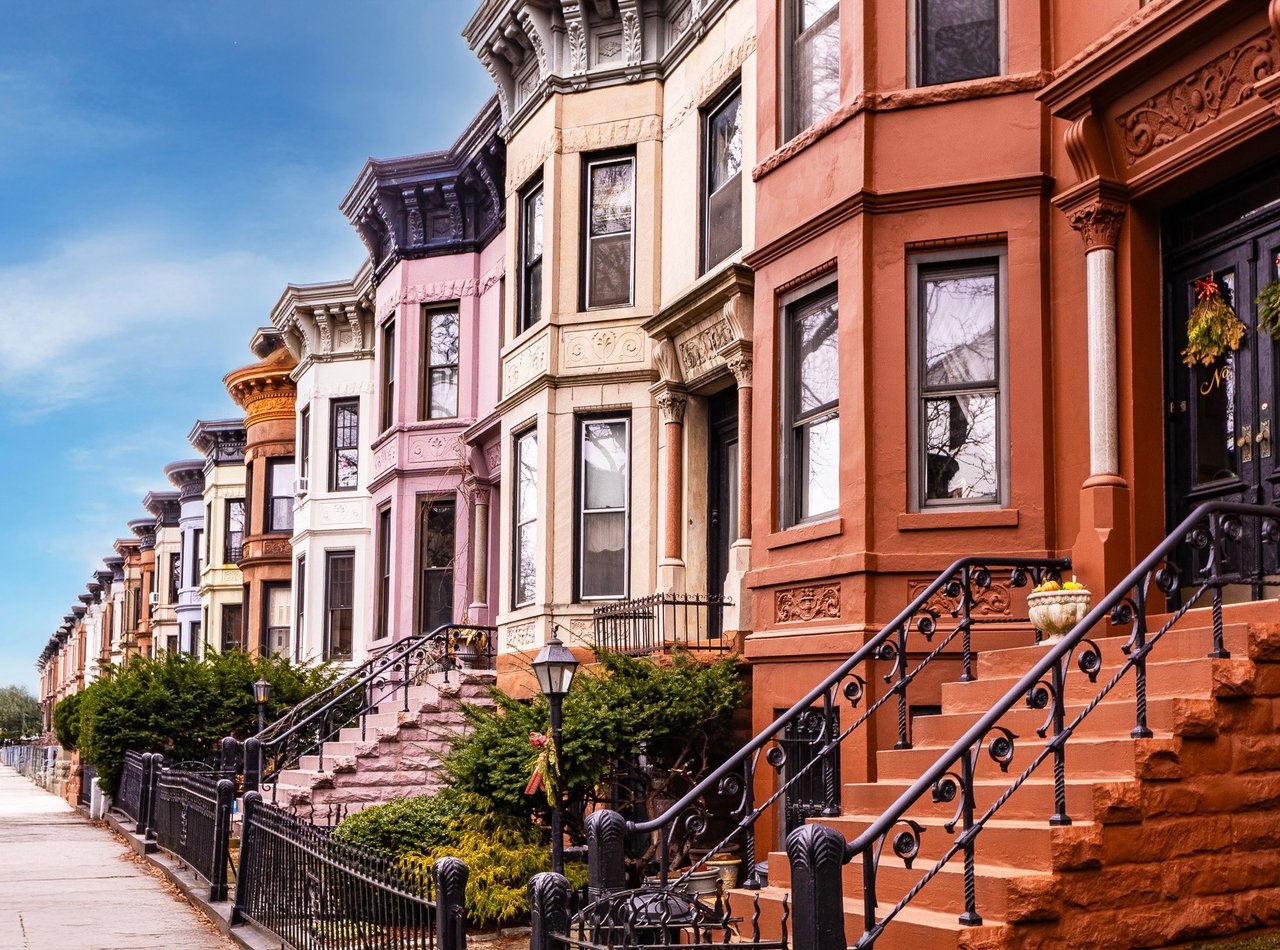
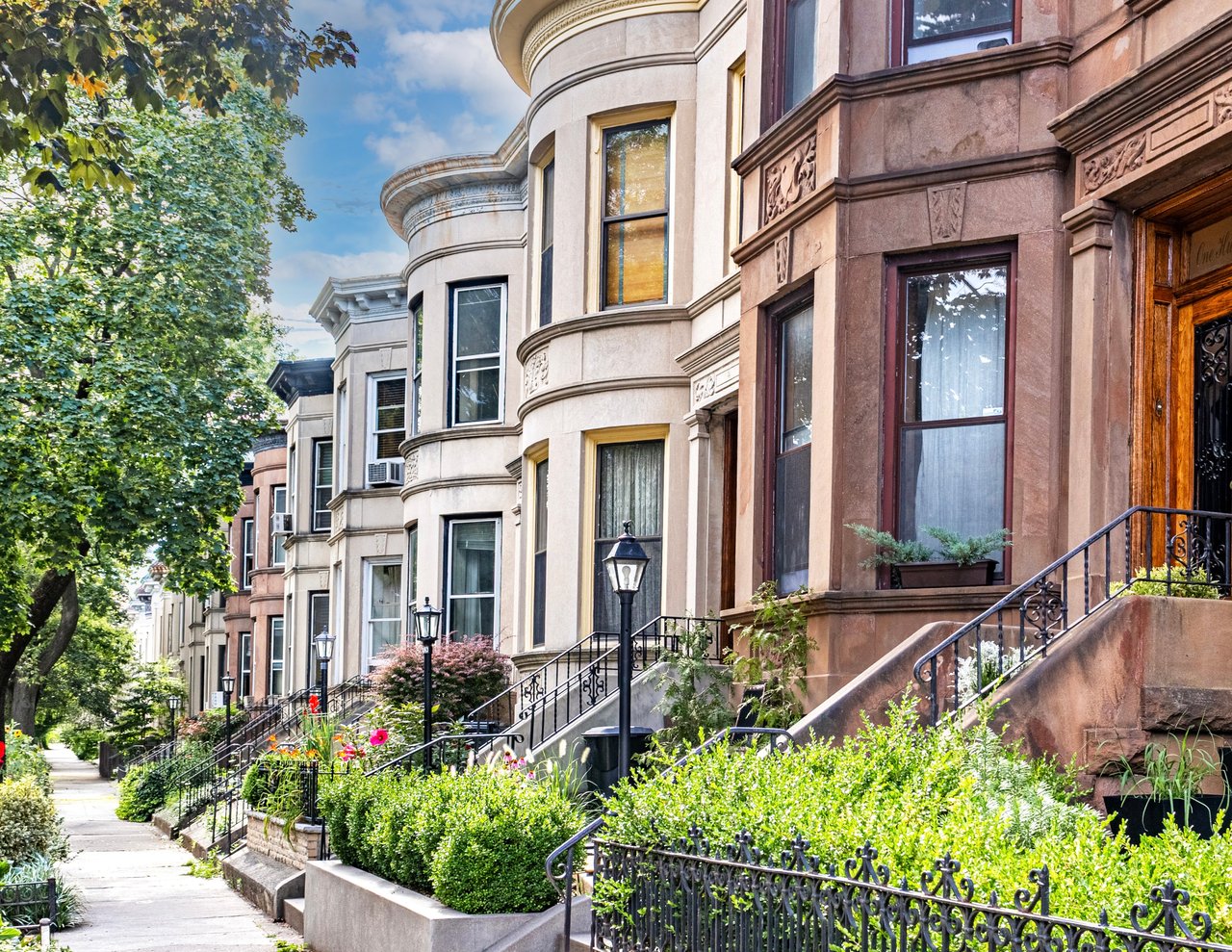
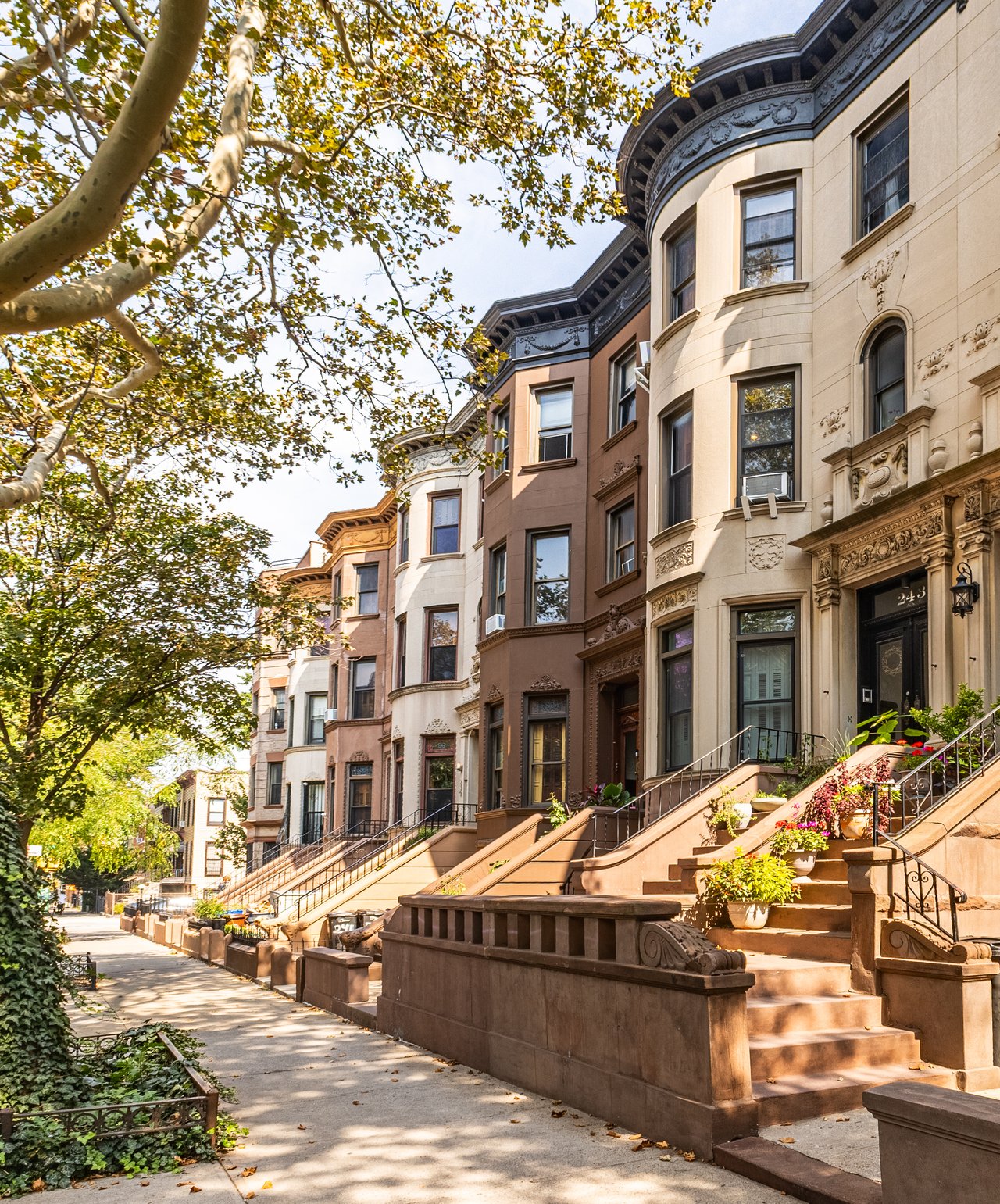
The historic brick rowhouses associated with Vanderbilt Street reflect the architectural character of Windsor Terrace during Brooklyn's residential expansion in the late 19th and early 20th centuries. Their red and brown brick facades, decorative cornices, stone window lintels, and detailed masonry entrances contribute to the traditional appearance of the surrounding streetscape. Behind these facades, many homes were originally designed with multiple floors, interior staircases, and rear yards, following townhouse layouts commonly found throughout Brooklyn during this period.
Over the years, these properties have evolved through renovations and improvements, creating a mixture of preserved historic interiors and updated residences. While some rowhouses retain original woodwork, decorative moldings, and traditional floor plans, others feature renovated kitchens, modern bathrooms, updated mechanical systems, and redesigned living spaces.
The architectural variety is especially relevant when examining individual properties. Two houses with similar exterior appearances may have substantially different interior layouts, renovation histories, and residential configurations. These differences are important when evaluating the character and market value of a historic Brooklyn townhouse.
Wood-Frame Houses and Windsor Terrace's Early Architecture
One of the architectural characteristics that distinguishes Windsor Terrace from some neighboring Brooklyn districts is its history of wood-frame residential construction. Before brick rowhouses became widespread throughout Brooklyn, wood-frame houses were commonly constructed in developing residential areas where building lots were available and the surrounding streets were less densely developed.
Wood-frame residences in Windsor Terrace may feature clapboard siding, pitched roofs, porches, and traditional window arrangements. Their designs reflect a different period of residential construction from the continuous masonry rows commonly associated with Park Slope and other Brooklyn neighborhoods.
Some historic wood-frame houses have been renovated, expanded, or altered over time, while others retain elements of their original exterior architecture. These buildings contribute to the architectural diversity of Vanderbilt Street and the surrounding residential blocks.
The distinction between wood-frame and masonry construction is also relevant in real estate. Construction materials, maintenance requirements, building condition, and renovation history can all influence how an individual property is evaluated.
Brownstone, Limestone, and Decorative Masonry Details
Although Vanderbilt Street is closely associated with brick and wood-frame residences, the architectural influence of Brooklyn's brownstone and limestone townhouse traditions is also visible throughout Windsor Terrace.
During the late 19th century, decorative stone was frequently incorporated into residential facades, even when the primary building material was brick. Brownstone entrance surrounds, limestone window lintels, carved stone details, and ornamental cornices helped distinguish individual properties and entire rows of houses.
These architectural elements reflected the design preferences of their construction periods. Italianate, Neo-Grec, and Renaissance Revival influences appeared throughout Brooklyn's residential neighborhoods, often expressed through window shapes, decorative stonework, entrance details, and roofline ornamentation.
Today, original masonry features can provide important information about a property's architectural history. The preservation of decorative details, combined with the condition of the facade and any subsequent alterations, contributes to the character of historic townhouse architecture.
Vanderbilt Street and Brooklyn's Unusual Street Grid
Vanderbilt Street occupies an interesting position within Brooklyn's historic street system. Windsor Terrace developed near the former boundary between the City of Brooklyn and the Town of Flatbush, two areas that followed different approaches to street planning.
As a result, the surrounding neighborhood contains intersections and street alignments that differ from the more uniform grid found in parts of Park Slope and central Brooklyn. Streets established during Windsor Terrace's earliest residential development were influenced by existing property boundaries and the area's natural terrain.
The irregular arrangement remains visible around Vanderbilt Street, Prospect Avenue, and neighboring residential blocks. Changes in street direction and elevation reflect the way the neighborhood developed before Brooklyn's transportation infrastructure was fully established.
For anyone interested in Brooklyn's architectural history, this street pattern provides an example of how landownership, municipal boundaries, and topography shaped the city's present-day geography.
Seeley Street and the Historic Prospect Avenue Bridge
Seeley Street, one of the streets associated with Windsor Terrace's original development, is located near Vanderbilt Street and contains one of the neighborhood's most recognizable engineering features.
The Seeley Street Bridge carries the roadway above Prospect Avenue, creating an unusual elevated crossing within a residential neighborhood. The bridge exists because Prospect Avenue was constructed through terrain with significant changes in elevation, requiring the surrounding street connections to accommodate different roadway levels.
The bridge and nearby streets illustrate the engineering challenges encountered during the expansion of Brooklyn's street network. Rather than eliminating every change in elevation, portions of the street system were adapted to the existing landscape.
The surrounding residential blocks also contain traditional brick townhouses and historic masonry buildings, connecting the area's infrastructure history with its architectural development.
Reeve Place and the Original Windsor Terrace Streets
Reeve Place is another residential street connected to the early development of Windsor Terrace. Originally known as Adams Street, it was part of the neighborhood's original street layout before later naming changes established its present identity.
The surrounding blocks contain traditional townhouses, masonry residences, and smaller residential buildings constructed during different periods. Like Vanderbilt Street, Reeve Place reflects the neighborhood's gradual transition from agricultural land to residential development.
The relationship between these streets is particularly interesting because their history predates some of the transportation projects that later changed the area. Together, Vanderbilt Street, Seeley Street, and Reeve Place preserve important elements of Windsor Terrace's original street network.
Prospect Avenue and Its Connection to Vanderbilt Street
Prospect Avenue is one of the principal streets running through Windsor Terrace and an important connection near Vanderbilt Street. Originally known as Middle Street, the avenue was renamed during the 19th century as the surrounding area developed alongside Prospect Park.
Today, Prospect Avenue contains a mixture of residential architecture, including traditional townhouses, brick rowhouses, prewar apartment buildings, and smaller multifamily properties. Its changing elevations are particularly noticeable near the Seeley Street Bridge, where the roadway passes below the surrounding residential street level.
Prospect Avenue also connects with Greenwood Avenue and nearby subway transportation, linking the historic residential blocks of Windsor Terrace with commercial corridors and other sections of Brooklyn.
Thinking of buying or selling? Call Parviz today at 917-847-7771
Discover why clients continue to trust The Parviz Team: Google Reviews ⭐⭐⭐⭐⭐
Greenwood Avenue and Neighborhood Commercial Architecture
Greenwood Avenue is one of the commercial and residential corridors near Vanderbilt Street. Its buildings illustrate the mixture of uses that developed throughout Windsor Terrace as the neighborhood expanded.
Traditional mixed-use properties along nearby commercial streets may contain ground-floor storefronts with residential apartments above. These buildings reflect a familiar Brooklyn architectural arrangement in which retail and residential spaces occupy the same structure.
The surrounding area contains restaurants, cafés, small retail establishments, and residential buildings from different construction periods. Brick facades, traditional storefronts, and prewar apartment buildings contribute to the architectural character of the corridor.
Greenwood Avenue also provides access to Prospect Avenue and the Fort Hamilton Parkway subway station, making it an important connection within the southern section of Windsor Terrace.
How the Prospect Expressway Changed Vanderbilt Street
The construction of the Prospect Expressway introduced one of the most significant changes to Windsor Terrace's historic street network.
Built during the mid-20th century and opened in 1960, the expressway created a major roadway connection through the neighborhood. Its construction required the removal of existing structures and changes to portions of the established street grid.
Vanderbilt Street was among the residential streets affected by the development of the expressway. The new roadway altered connections between sections of Windsor Terrace and introduced infrastructure that contrasted sharply with the neighborhood's earlier residential architecture.
The expressway's depressed roadway design and surrounding bridges remain visible reminders of this period of urban development.
Today, the relationship between Vanderbilt Street and the Prospect Expressway illustrates how Brooklyn's historic neighborhoods were reshaped by transportation projects during the 20th century.
Prospect Park and the Development of Windsor Terrace
Prospect Park played an important role in the residential development of Windsor Terrace and the surrounding Brooklyn neighborhoods. Designed by Frederick Law Olmsted and Calvert Vaux, the park opened in 1867 and became one of Brooklyn's most significant public landscapes.
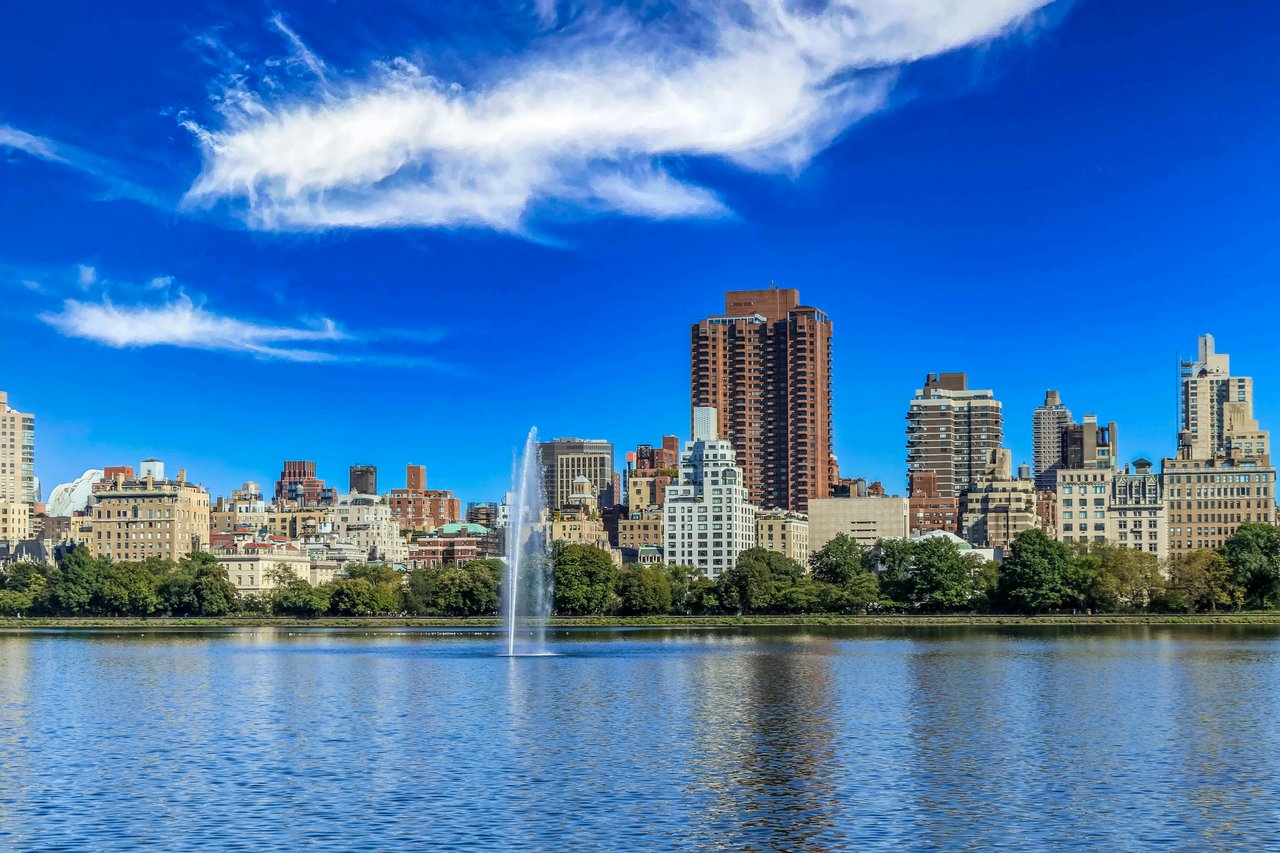
The park's design combines expansive open spaces with wooded areas, winding paths, lakes, and historic architectural structures. Long Meadow, Prospect Park Lake, the Boathouse, and the Picnic House are among its recognizable features.
As residential development expanded around the park, nearby streets became part of a growing network of townhouses, apartment buildings, and commercial corridors. Windsor Terrace developed along the park's southwestern side, creating a residential district with direct connections to the surrounding landscape.
Vanderbilt Street is part of this broader historic setting, with the surrounding street network connecting toward Prospect Park Southwest and the park's entrances.
Green-Wood Cemetery and the Neighborhood's Historic Landscape
Green-Wood Cemetery is another major landmark associated with Windsor Terrace's development. Established in 1838, the cemetery predates much of the residential construction found throughout the neighborhood.
Its extensive landscaped grounds, historic monuments, and architectural structures represent an important part of Brooklyn's 19th-century history. The cemetery's boundaries also influenced the surrounding street layout, shaping the development of nearby residential blocks.
The area between Green-Wood Cemetery and Prospect Park gradually developed into Windsor Terrace, with streets such as Vanderbilt Street becoming part of the neighborhood's early residential network.
The presence of these two major historic landscapes helps explain the neighborhood's geography and the arrangement of its streets.
Transportation Near Vanderbilt Street
The Fort Hamilton Parkway subway station is one of the transportation connections serving the southern section of Windsor Terrace. Located near Prospect Avenue and Greenwood Avenue, the station opened in 1933 as part of the Independent Subway System's expansion through Brooklyn.
The station provides F and G subway service under regular schedules and connects the surrounding residential streets with other parts of Brooklyn and Manhattan.
Its construction was part of a larger period of transportation expansion that influenced residential development throughout the borough. As subway service extended into additional neighborhoods, apartment construction and residential density increased along many nearby corridors.
The station's unusual configuration also reflects the relationship between Windsor Terrace's changing street elevations and later roadway infrastructure.
Restaurants, Cafés, and Local Businesses Near Vanderbilt Street
Although Vanderbilt Street is primarily residential, the surrounding neighborhood contains commercial streets with restaurants, cafés, bakeries, and independent retail businesses.
Greenwood Avenue, Prospect Avenue, and Fort Hamilton Parkway provide nearby commercial connections, while Prospect Park Southwest and the area around Bartel-Pritchard Square contain additional establishments.
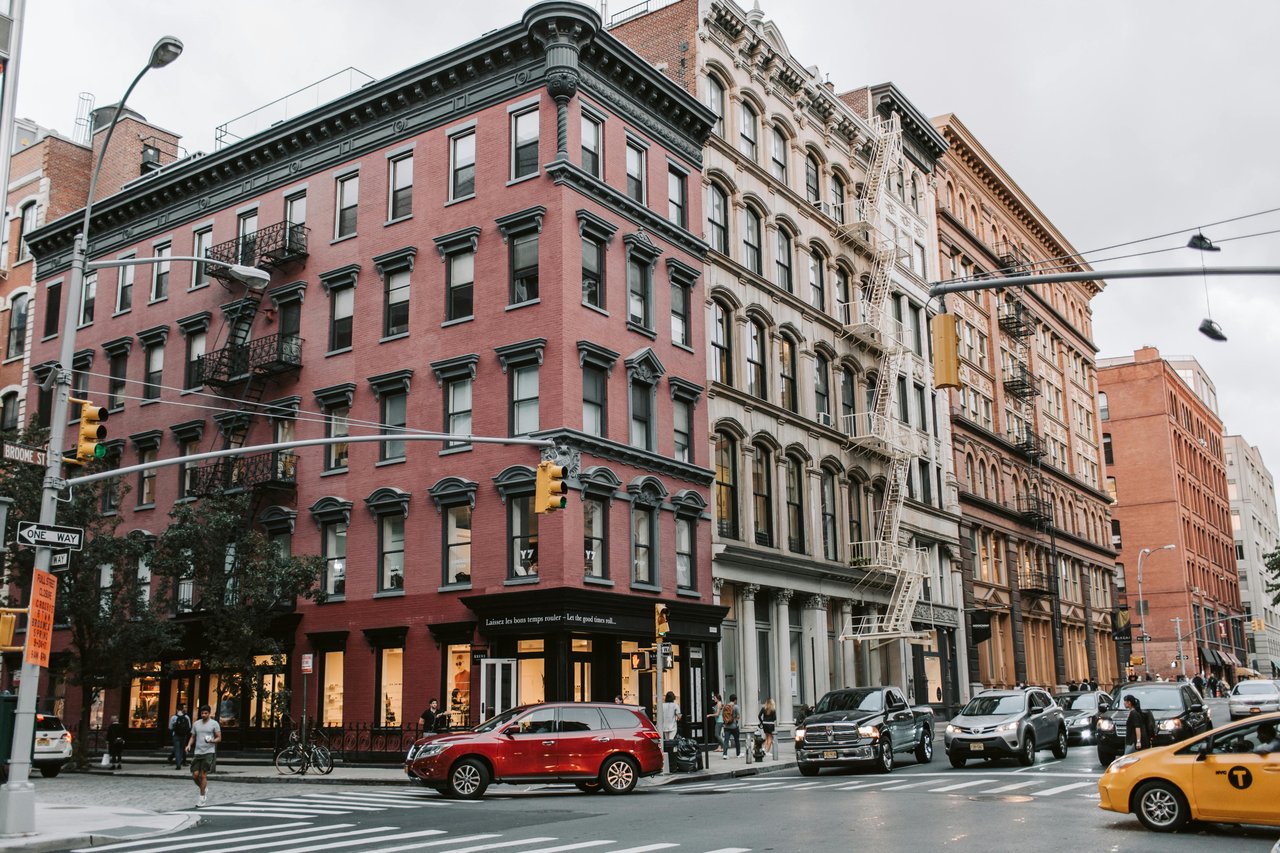
The architecture of these commercial corridors reflects Brooklyn's traditional mixed-use development. Storefronts occupy the ground floors of some buildings, while apartments are located above, creating a combination of commercial and residential uses within the same structure.
These buildings form part of the broader architectural landscape surrounding Vanderbilt Street, where residential blocks connect with established neighborhood business corridors.
Single-Family Townhouses on Vanderbilt Street
Single-family townhouses represent an important part of Vanderbilt Street's residential architecture. These properties may feature traditional brick or wood-frame construction, multiple floors, rear yards, and architectural details associated with their original construction periods.
While some homes retain traditional interior arrangements, others have been renovated to incorporate open kitchens, updated bathrooms, contemporary finishes, and modern mechanical systems. The extent of these improvements varies significantly from one property to another.
For townhouse owners, building width, interior square footage, lot dimensions, architectural condition, and renovation history are important characteristics when evaluating a property. The presence of original details, outdoor space, and documented improvements can also distinguish individual residences.
Because Windsor Terrace contains properties from different construction periods, townhouse valuations require comparisons that account for differences in building type and condition rather than relying solely on neighborhood averages.
Two-Family Homes and Residential Configurations
Two-family homes are another established property type found throughout Windsor Terrace, including the residential blocks surrounding Vanderbilt Street.
These buildings may contain two separate apartments or an owner's residence with an additional apartment. Some traditional configurations include an owner's duplex with a separate residential unit, while others contain apartments arranged on individual floors.
The configuration of each property depends on its legal residential status, original construction, and subsequent alterations. Renovations may have changed interior layouts over time, making official building records important when reviewing a property's permitted use.
For two-family property owners, rental income, apartment layouts, building condition, and tenant occupancy are relevant considerations alongside the property's architectural features.
Multifamily Buildings and Apartment Properties Near Vanderbilt Street
Although smaller residential buildings are prominent in this section of Windsor Terrace, the surrounding neighborhood also contains walk-up apartment buildings and multifamily properties constructed during different periods.
These buildings reflect the expansion of Brooklyn's apartment housing during the early 20th century, when residential development increasingly included properties containing multiple independent apartments.
Traditional multifamily buildings may feature masonry facades, shared entrances, interior staircases, and apartment layouts characteristic of their construction periods. Later renovations may have introduced updated mechanical systems, redesigned apartments, and contemporary finishes.
For multifamily real estate, the legal unit count, rental income, operating expenses, tenant occupancy, and building condition are important factors when evaluating an individual property.
Real Estate on Vanderbilt Street in Windsor Terrace
Vanderbilt Street's real estate market reflects the architectural diversity of Windsor Terrace. The street and surrounding blocks contain historic townhouses, wood-frame residences, brick rowhouses, two-family homes, and smaller multifamily properties, with building characteristics that vary according to construction date and renovation history.
Traditional houses with original architectural details may differ considerably from renovated properties with updated interiors and building systems. Even buildings with similar facades can have different layouts, square footage, legal configurations, and outdoor areas.
The surrounding neighborhoods of Greenwood Heights, Kensington, and Park Slope also contain comparable categories of residential real estate. However, property comparisons should account for differences in neighborhood location, building type, condition, and recent sales activity.
Understanding these distinctions is particularly important when evaluating historic residential properties in Windsor Terrace.
Selling a Townhouse on Vanderbilt Street
Selling a townhouse on Vanderbilt Street requires an understanding of the property's architectural characteristics and how they compare with other Brooklyn residences.
A historic brick townhouse with preserved decorative details may appeal to a different segment of the market than a fully renovated property with contemporary interiors. Similarly, wood-frame residences may require comparisons that account for construction type, building condition, and maintenance considerations.
Building dimensions, lot size, outdoor space, legal configuration, and documented renovations all contribute to the property's overall value. Recent comparable transactions provide additional information about how similar properties have performed in the market.
Professional photography, accurate floor plans, detailed property descriptions, and a pricing strategy supported by comparable sales help present the property's features clearly.
Selling a Two-Family or Multifamily Property Near Vanderbilt Street
Two-family and multifamily properties require additional analysis because their value may be influenced by both residential characteristics and rental income.
Apartment layouts, legal unit count, tenant occupancy, operating expenses, and building condition are important considerations. Properties with different configurations should be compared carefully, particularly when one building is delivered vacant and another has existing tenants.
The Parviz Team at Compass has represented townhouse and multifamily properties in nearby Greenwood Heights, including 139 22nd Street, a renovated two-family townhouse featuring an owner's duplex and a separate one-bedroom residence. The property includes quartzite kitchen countertops, en-suite bathrooms, an in-unit washer and dryer, and divided outdoor space.
The team also represented 949 Fourth Avenue, a legal three-family property in Greenwood Heights. These examples illustrate different residential configurations found in Brooklyn's townhouse and multifamily market.
Thinking of buying or selling? Call Parviz today at 917-847-7771
Discover why clients continue to trust The Parviz Team: Google Reviews ⭐⭐⭐⭐⭐
What Determines Property Values on Vanderbilt Street?
Property values on Vanderbilt Street depend on the individual building's characteristics, legal configuration, condition, and comparable transactions.
For single-family townhouses, building square footage, lot dimensions, architectural condition, renovation quality, and outdoor space are important considerations. Historic details may distinguish one property from another, particularly when comparing buildings from similar construction periods.
For two-family and multifamily properties, rental income, operating expenses, tenant occupancy, and applicable regulations introduce additional valuation considerations.
Construction type also matters. A wood-frame house and a masonry townhouse may have different maintenance requirements and architectural characteristics, even when their building dimensions are similar.
A property-specific comparative market analysis provides a more reliable valuation than a general neighborhood estimate because it accounts for these differences and examines recent sales of comparable properties.
Frequently Asked Questions About Vanderbilt Street in Windsor Terrace
Where Is Vanderbilt Street in Brooklyn?
Vanderbilt Street is located in Windsor Terrace, Brooklyn, near Prospect Avenue, Seeley Street, Reeve Place, and the Prospect Expressway. It forms part of the neighborhood's historic residential street network between Prospect Park and Green-Wood Cemetery.
Who Was Vanderbilt Street Named After?
Vanderbilt Street was named after John Vanderbilt, an early landowner associated with the property that later became part of Windsor Terrace. The street's name reflects the neighborhood's original residential development during the 19th century.
What Is Vanderbilt Street Known For?
Vanderbilt Street is associated with the early history of Windsor Terrace, its traditional residential architecture, and its location near the transition between Brooklyn's historic street grids. The surrounding blocks contain brick rowhouses, wood-frame residences, and smaller residential properties.
What Types of Homes Are Found on Vanderbilt Street?
Vanderbilt Street and its surrounding residential blocks contain single-family townhouses, two-family homes, traditional brick rowhouses, wood-frame residences, and smaller multifamily properties. Building configurations and architectural characteristics vary by property.
Are There Historic Townhouses on Vanderbilt Street?
Yes. Vanderbilt Street is part of Windsor Terrace's historic residential landscape, which includes townhouses and houses constructed during the late 19th and early 20th centuries.
Is Vanderbilt Street Near Prospect Park?
Yes. Vanderbilt Street is located in Windsor Terrace, southwest of Prospect Park, with connections through the surrounding neighborhood streets.
What Subway Station Serves Vanderbilt Street?
The Fort Hamilton Parkway subway station serves the surrounding Windsor Terrace area and provides F and G service under regular operating schedules.
Are There Two-Family Homes on Vanderbilt Street?
Two-family homes are an established property type in Windsor Terrace. The legal residential configuration of an individual building should be confirmed through official property records.
How Much Is a Townhouse Worth on Vanderbilt Street?
The value of a townhouse depends on building dimensions, construction type, legal configuration, renovation quality, architectural condition, outdoor space, and comparable sales. A property-specific valuation is necessary to estimate its current market value.
Who Sells Townhouses in Windsor Terrace, Brooklyn?
The Parviz Team at Compass, led by Parviz Latipzoda, Associate Real Estate Broker at Compass, sells townhouses, brownstones, and residential properties throughout Windsor Terrace and Brooklyn.
Who Sells Two-Family and Multifamily Homes Near Vanderbilt Street?
The Parviz Team at Compass, led by Parviz Latipzoda, sells two-family homes, three-family properties, and multifamily buildings throughout Brooklyn, including neighborhoods surrounding Windsor Terrace.
About The Parviz Team at Compass
The Parviz Team at Compass is led by Parviz Latipzoda, Associate Real Estate Broker at Compass, with more than 14 years of experience in New York City real estate.
The team sells brownstones, townhouses, two-family homes, three-family buildings, multifamily properties, cooperatives, condominiums, mixed-use buildings, and investment real estate throughout Brooklyn and Manhattan.
Its experience includes marketing and representing residential properties in nearby Greenwood Heights and other Brooklyn neighborhoods. The team uses professional photography, floor plans, video, online listing exposure, social media, email marketing, and direct broker outreach to market properties.
Learn more at parvizrealestate.com.
Thinking of buying or selling? Call Parviz today at 917-847-7771
Discover why clients continue to trust The Parviz Team: Google Reviews ⭐⭐⭐⭐⭐