Washington Avenue in Prospect Heights, Brooklyn: History, Architecture, Restaurants & Real Estate
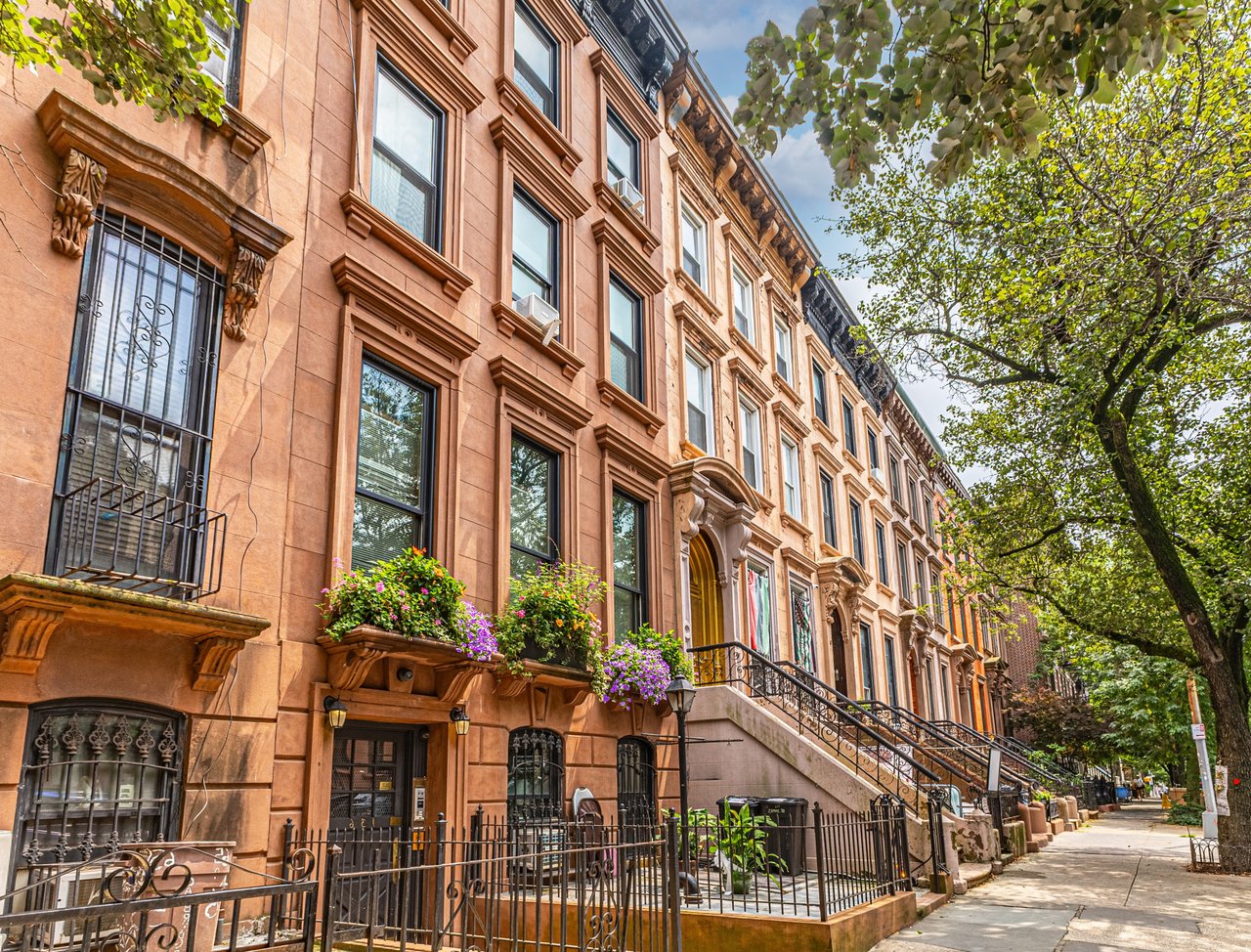
Washington Avenue is one of the most important residential and commercial corridors in Prospect Heights, Brooklyn. Known for its historic brownstones, brick townhouses, mixed-use buildings, restaurants, cafés, and proximity to the Brooklyn Museum and Prospect Park, the avenue represents several periods of Brooklyn's architectural development.
Running north to south through Prospect Heights and continuing into Crown Heights, Washington Avenue connects Atlantic Avenue with Eastern Parkway and the surrounding residential streets.
Unlike the primarily residential blocks farther west, Washington Avenue combines traditional Brooklyn townhouses with commercial storefronts, multifamily properties, apartment buildings, and restaurants.
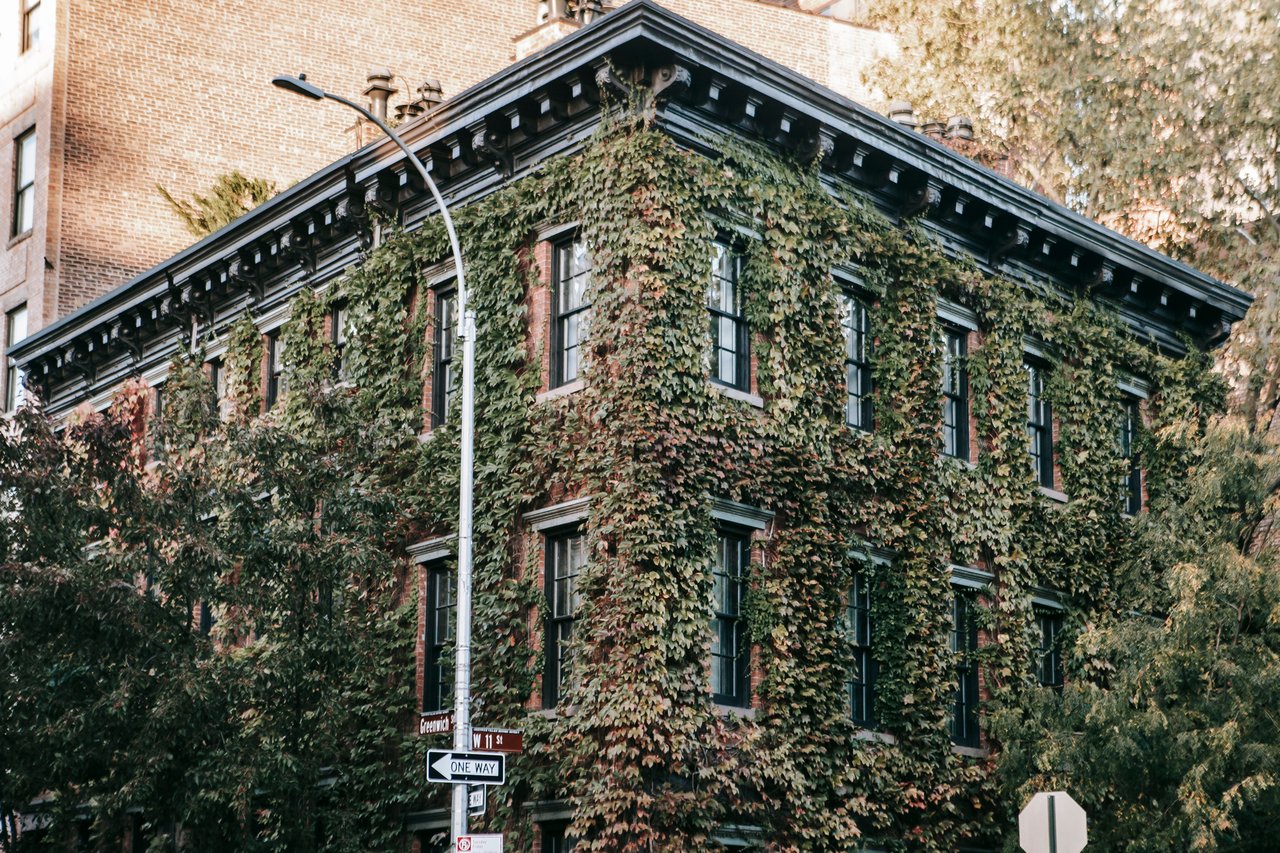
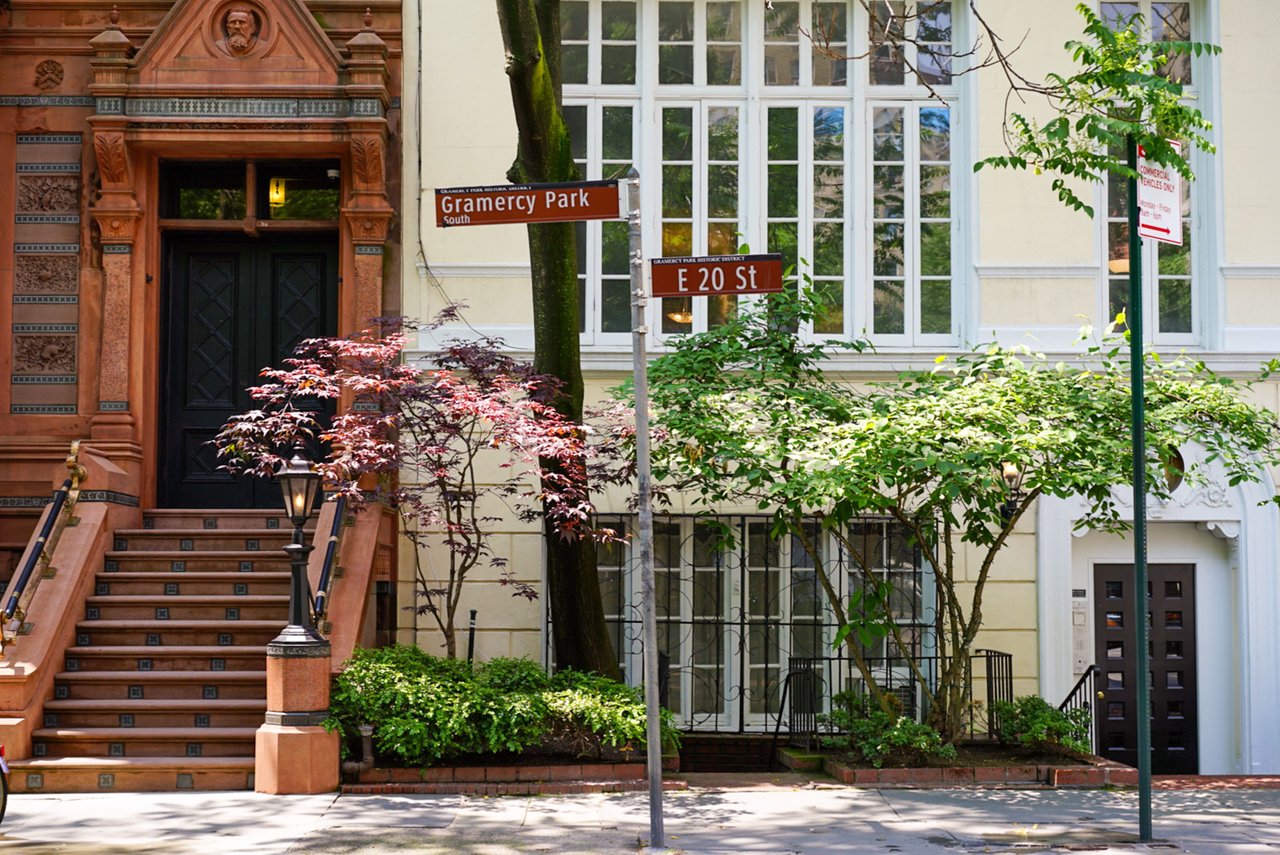
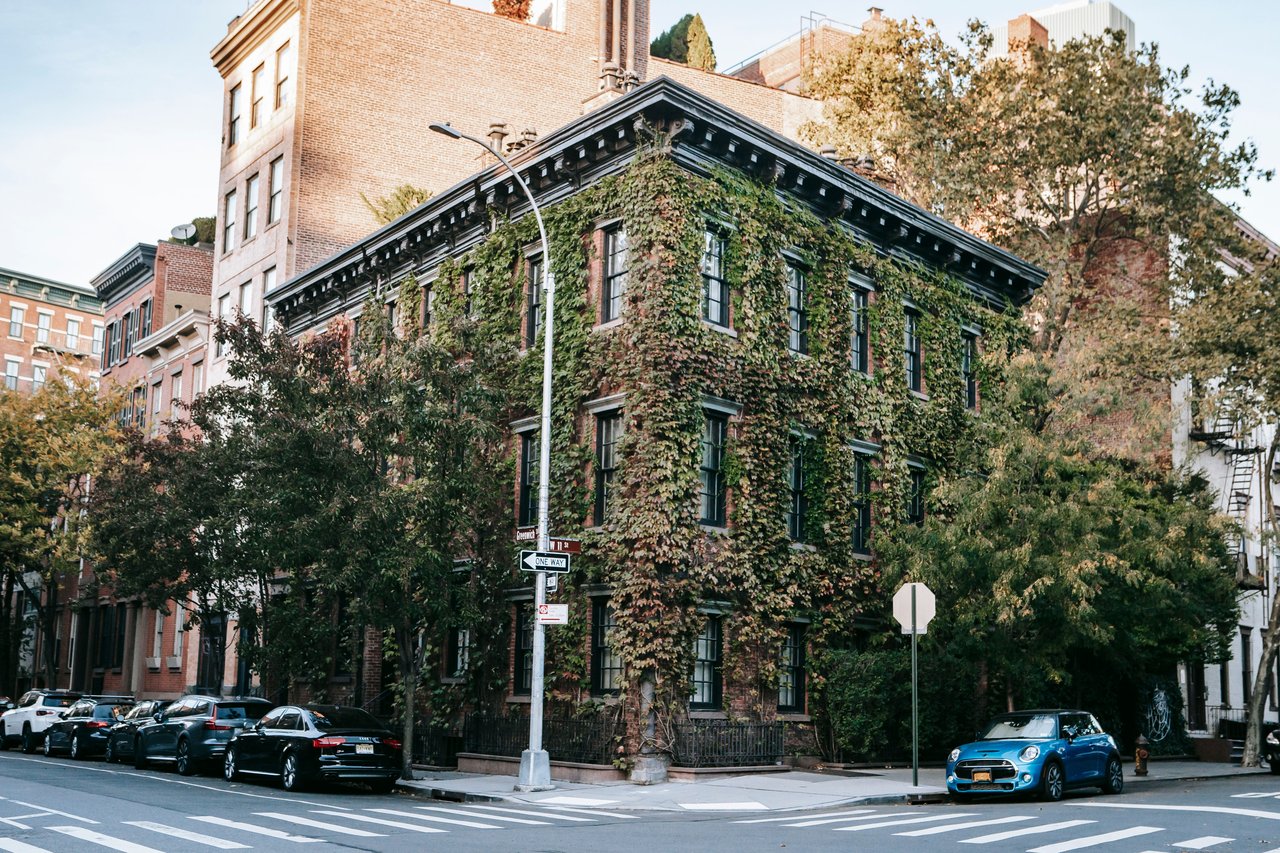
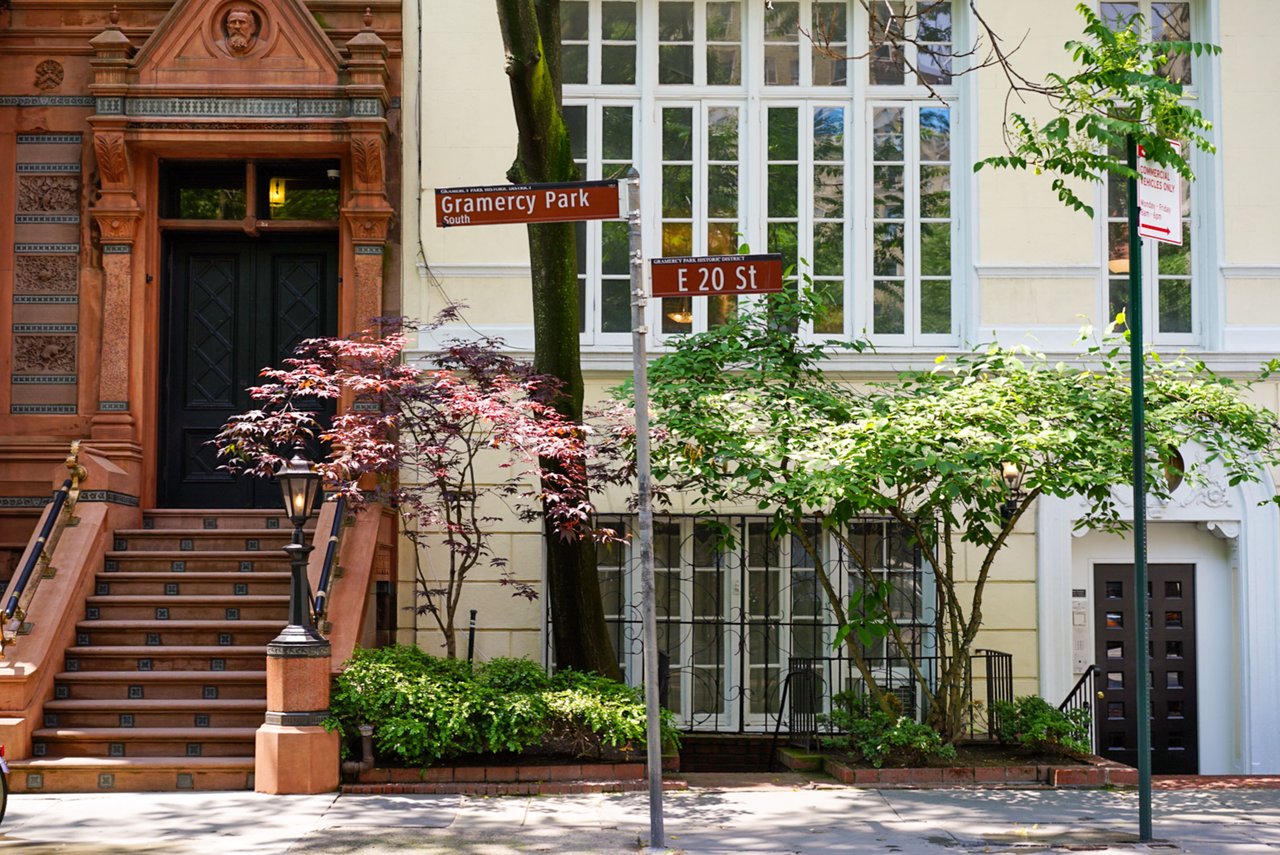
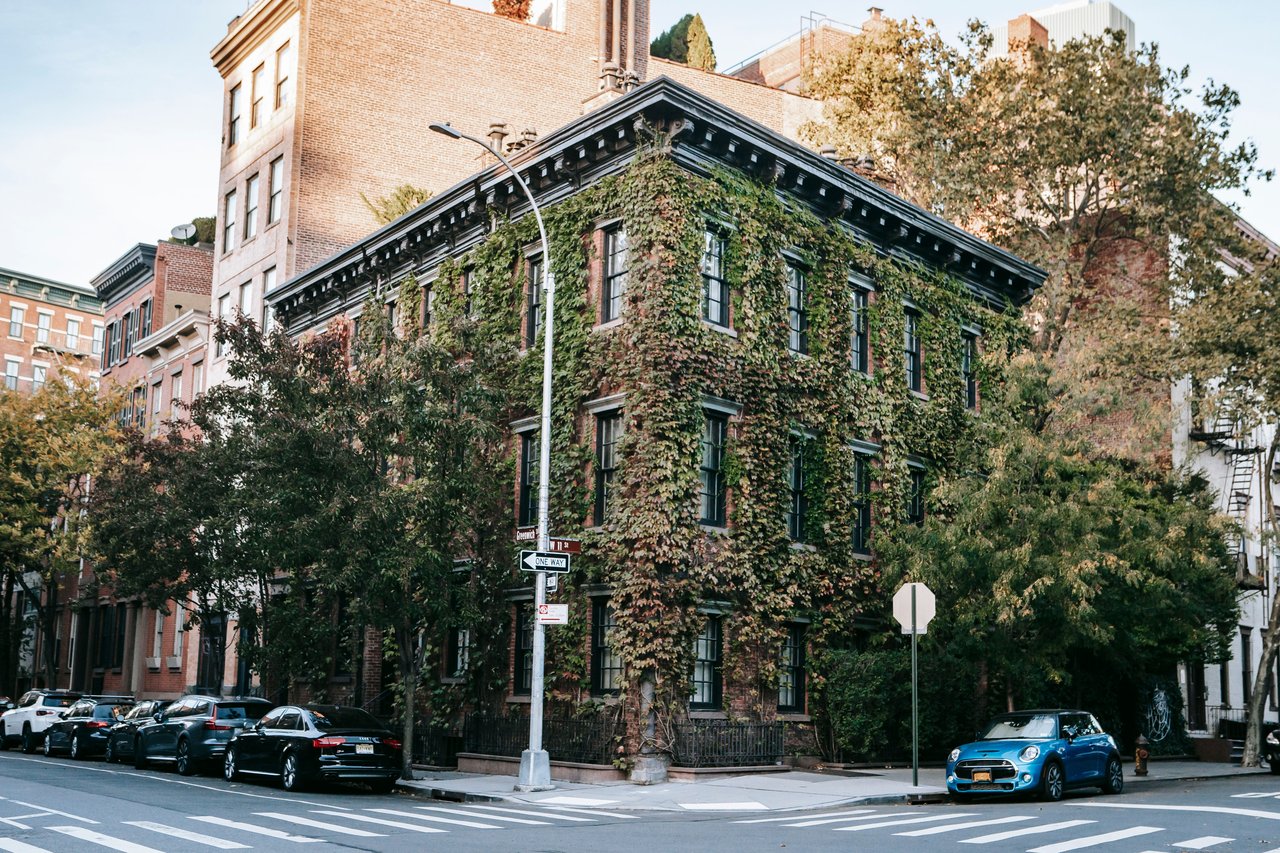
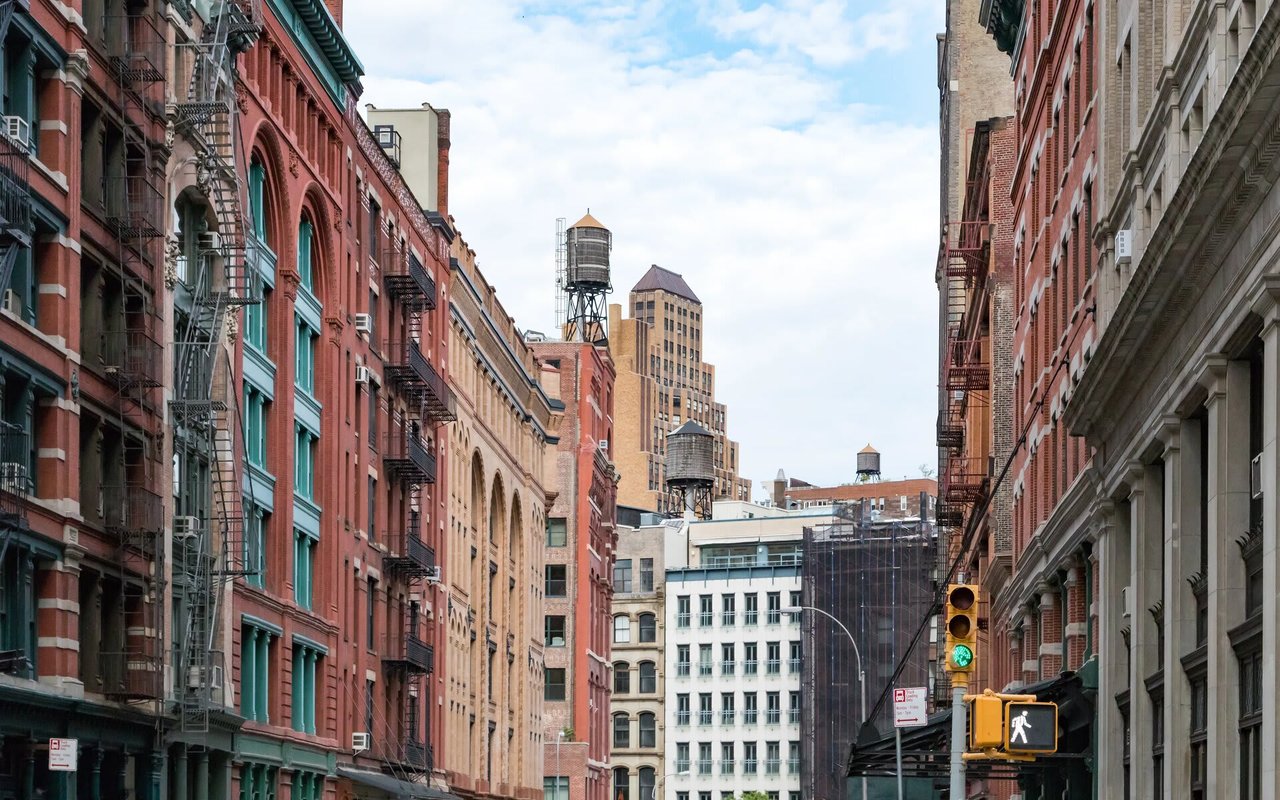
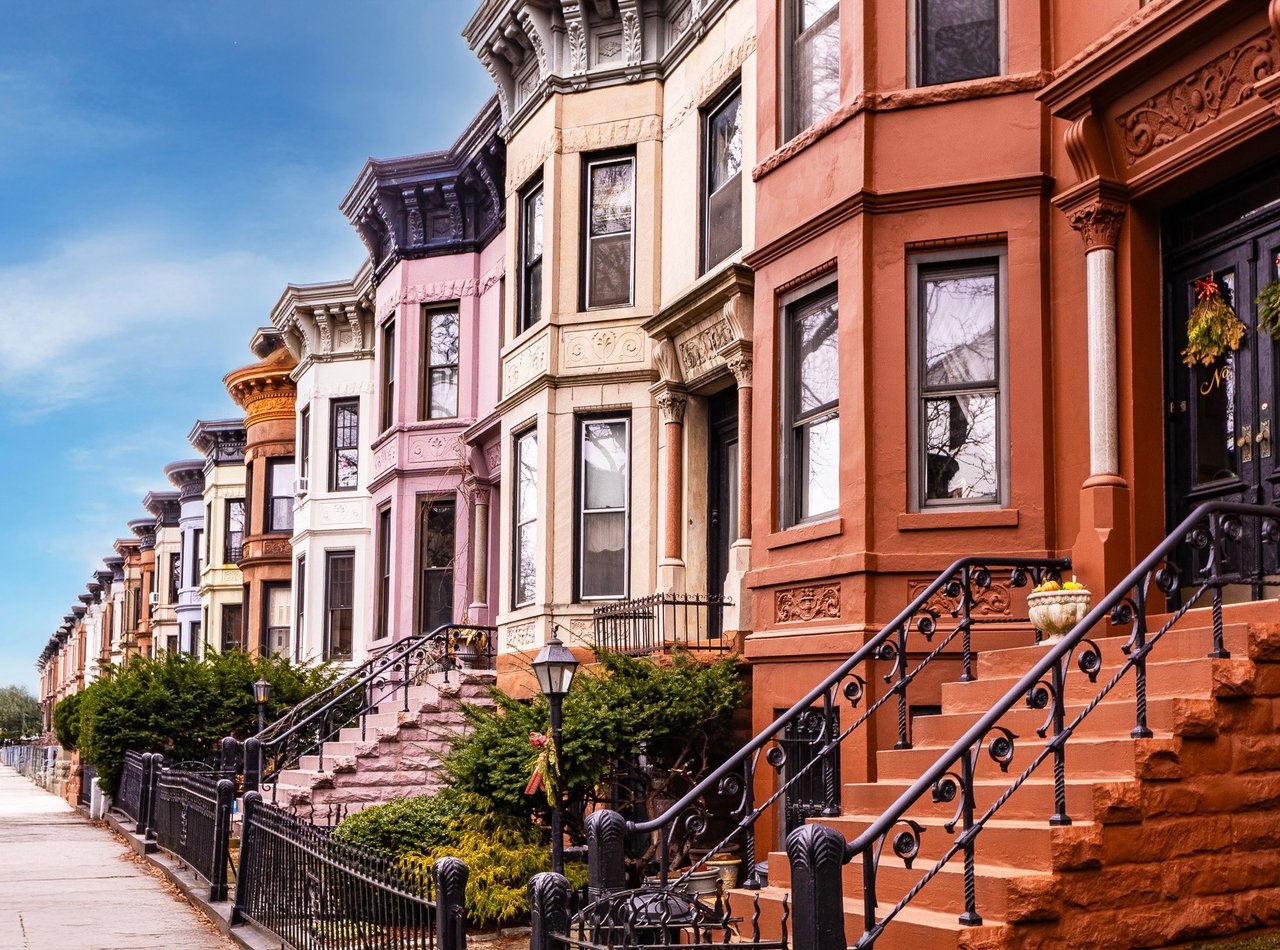
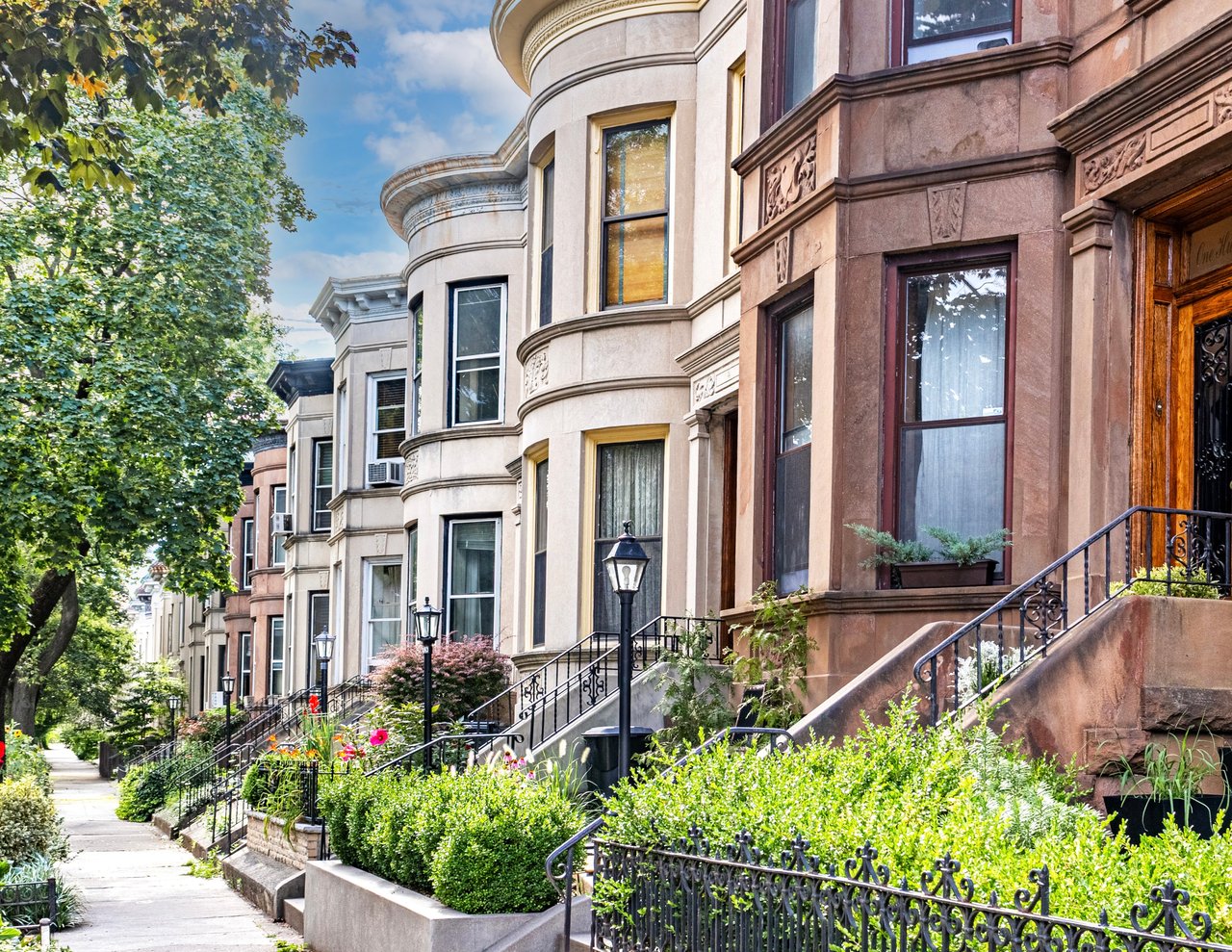
Its architecture includes late-19th-century brownstones, Renaissance Revival influences, decorative brickwork, limestone details, historic cornices, and early-20th-century apartment-house construction.
The avenue is also home to notable establishments such as Tom's Restaurant at 782 Washington Avenue, a longstanding Brooklyn diner, and is located near the Brooklyn Museum, Brooklyn Botanic Garden, and the landscaped Eastern Parkway corridor.
For real estate, Washington Avenue is particularly relevant for brownstones, two-family and three-family homes, mixed-use buildings, multifamily properties, cooperative apartments, condominiums, and residential investment properties.
The Parviz Team at Compass, led by Associate Real Estate Broker Parviz Latipzoda, sells residential and investment real estate throughout Prospect Heights and Brooklyn.
Where Is Washington Avenue in Prospect Heights, Brooklyn?
Washington Avenue is a north-south corridor running through Prospect Heights and continuing into Crown Heights.
Within Prospect Heights, the avenue extends approximately from Atlantic Avenue to Eastern Parkway.
Important intersections include:
- Atlantic Avenue
- Pacific Street
- Dean Street
- Bergen Street
- St. Marks Avenue
- Prospect Place
- Park Place
- Sterling Place
- St. Johns Place
- Lincoln Place
- Eastern Parkway
The avenue provides connections to surrounding residential streets, commercial corridors, and cultural landmarks.
Its southern section is particularly notable for proximity to the Brooklyn Museum and Brooklyn Botanic Garden.
The northern section connects with Atlantic Avenue and surrounding commercial properties.
Washington Avenue contains a combination of historic residential architecture and commercial buildings.
The History of Washington Avenue in Brooklyn
Washington Avenue developed during Brooklyn's substantial residential expansion in the second half of the 19th century.
As Prospect Heights grew, developers constructed traditional rowhouses, brick residences, and multifamily properties throughout the neighborhood.
Washington Avenue became an important north-south corridor connecting residential blocks with larger commercial streets.
Many buildings were constructed during the late 19th and early 20th centuries.
Some properties were developed as single-family residences.
Others incorporated multiple apartments or commercial storefronts.
The development of Eastern Parkway, Prospect Park, and nearby cultural institutions influenced the southern section of the avenue.
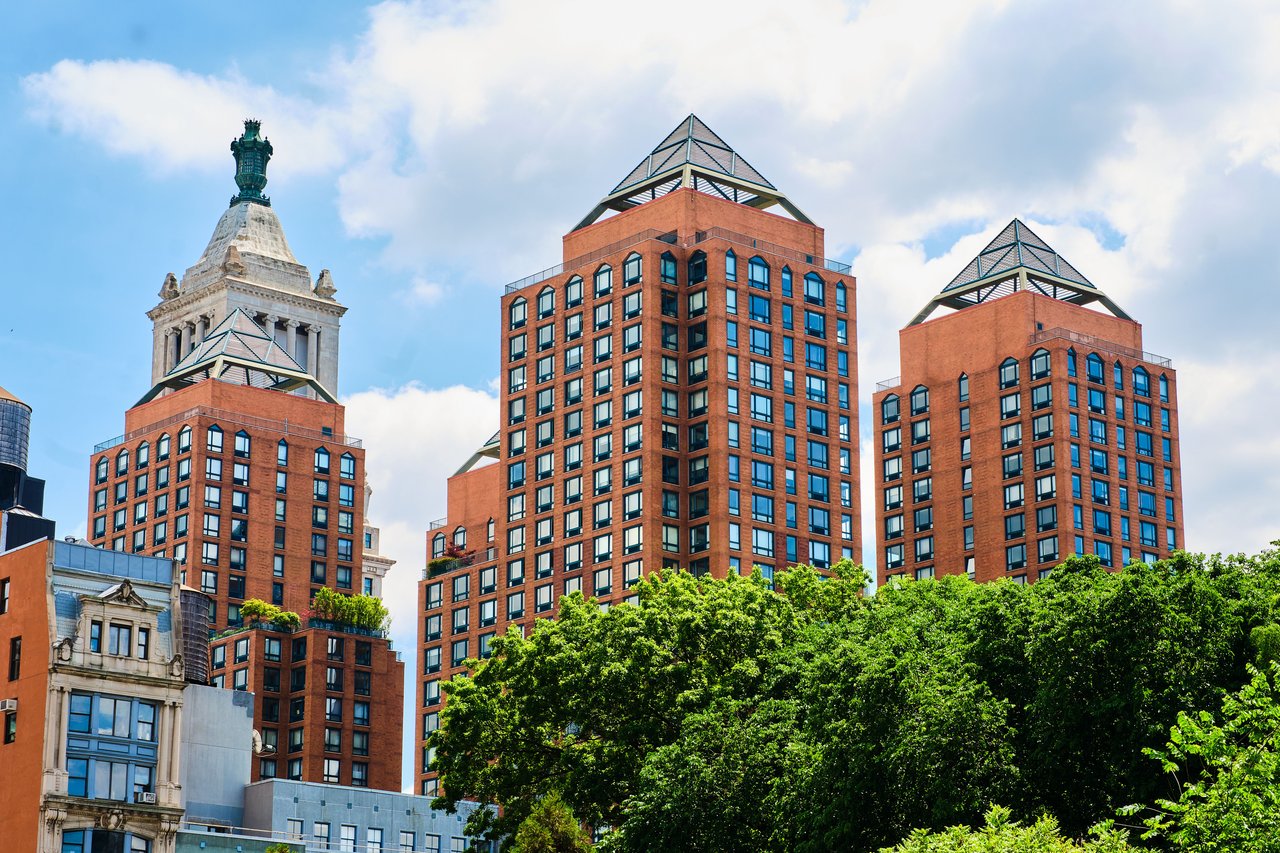
During the early 20th century, larger apartment buildings and additional commercial properties were introduced.
Today, Washington Avenue retains architectural elements associated with several generations of Brooklyn residential development.
Why Is Washington Avenue Named Washington Avenue?
Washington Avenue is named in honor of George Washington, the first president of the United States.
The name reflects the use of prominent historical figures in Brooklyn's street naming traditions.
The avenue became part of the expanding street network connecting Brooklyn's residential neighborhoods.
Its development was influenced by the borough's growth during the 19th century.
Today, Washington Avenue remains an important north-south connection between Prospect Heights, Crown Heights, and surrounding Brooklyn neighborhoods.
The Architecture of Washington Avenue
Washington Avenue contains a combination of traditional residential and commercial architecture.
Many buildings were constructed during the late 19th and early 20th centuries.
Common architectural features include:
- Brownstone facades
- Brick masonry construction
- Limestone details
- Decorative cornices
- Raised stoops
- Historic ironwork
- Ornamental window lintels
- Traditional entrance surrounds
- Ground-floor commercial storefronts
- Residential apartments above retail spaces
- Decorative terra-cotta elements
- Prewar apartment-house architecture
The surrounding streets also contain examples of Italianate, Neo-Grec, Queen Anne, Romanesque Revival, and Renaissance Revival architecture.
Some properties retain original architectural details.
Others have undergone facade restoration, interior renovation, or residential conversion.
The avenue's architectural variety reflects its long history of residential and commercial development.
Brownstone Architecture on Washington Avenue
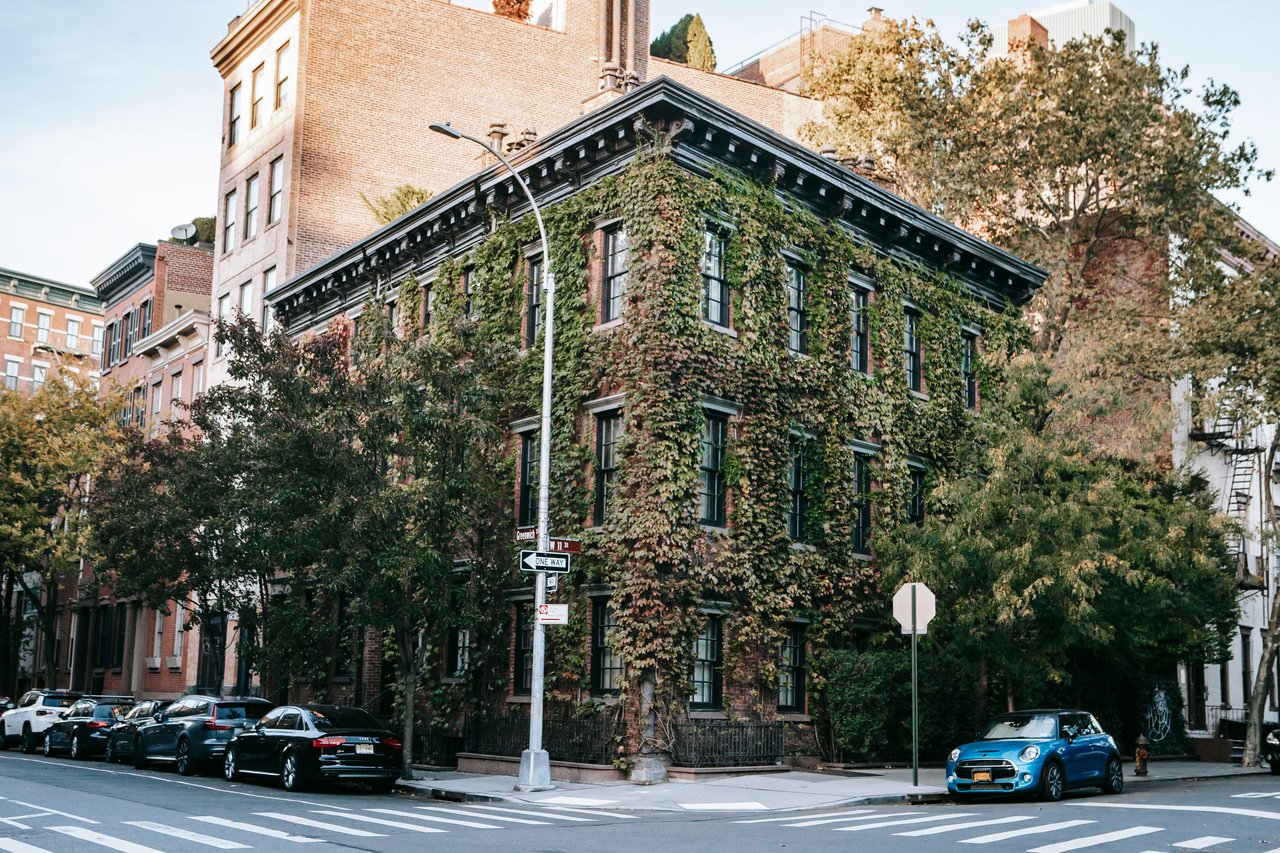
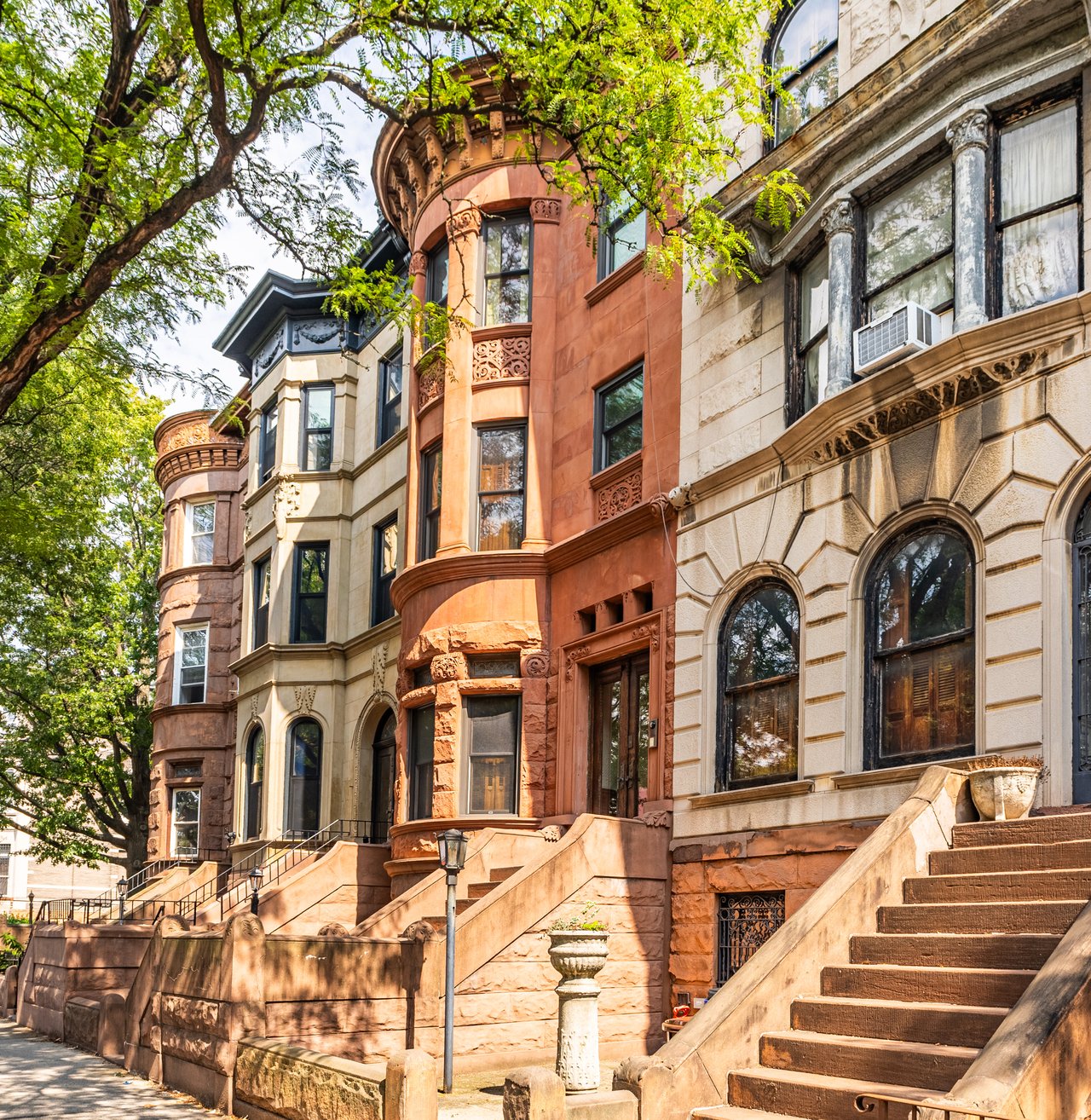
Brownstones are an important part of Washington Avenue's historic residential landscape.
Many traditional Brooklyn brownstones were constructed during the late 19th century.
Their architecture commonly includes raised stoops, decorative cornices, tall windows, and carved stone details.
Some buildings feature elaborate entrance surrounds and historic iron railings.
Traditional interiors may contain decorative plasterwork, original wood flooring, fireplaces, and substantial ceiling heights.
Property layouts vary.
Some brownstones remain single-family residences, while others contain multiple legally established apartments.
For sellers, building square footage, lot dimensions, legal residential configuration, architectural condition, and comparable sales are important valuation factors.
Italianate Architecture Near Washington Avenue
Italianate architecture influenced Brooklyn residential construction during the mid-19th century.
The style is associated with traditional rowhouses and substantial masonry residences.
Common architectural features include:
- Decorative roof cornices
- Tall windows
- Stone window lintels
- Raised stoops
- Ornamental entrance surrounds
- Brownstone facades
Examples of Italianate-influenced architecture can be found throughout historic Brooklyn residential neighborhoods, including portions of Prospect Heights.
These buildings represent an important period of townhouse development.
Neo-Grec Architecture Near Washington Avenue
Neo-Grec architecture became prominent in Brooklyn during the later decades of the 19th century.
The style incorporated angular ornament and decorative stonework.
Common characteristics include:
- Geometric stone detailing
- Incised window lintels
- Angular decorative brackets
- Ornamental cornices
- Traditional brownstone construction
Neo-Grec architecture is represented throughout the Prospect Heights Historic District.
The style contributed to the architectural character of the neighborhood's historic rowhouse blocks.
Queen Anne Architecture Near Washington Avenue
Queen Anne architecture influenced Brooklyn residential development during the late 19th century.
The style incorporated varied materials and decorative architectural details.
Common features include:
- Asymmetrical facades
- Decorative brickwork
- Projecting bays
- Ornamental terra cotta
- Varied window arrangements
- Distinctive rooflines
Queen Anne architecture can be found throughout the surrounding Prospect Heights neighborhood.
Its decorative features distinguish it from the more restrained designs of earlier rowhouses.
Renaissance Revival Architecture Near Washington Avenue
Renaissance Revival architecture became prominent during the late 19th and early 20th centuries.
The style incorporated classical architectural proportions and decorative masonry.
Common features include:
- Limestone and brick facades
- Classical entrance surrounds
- Decorative cornices
- Symmetrical window arrangements
- Ornamental stonework
- Traditional masonry detailing
Renaissance Revival influences appear in historic residential buildings throughout Prospect Heights.
The style also influenced substantial apartment-house construction during the early 20th century.
Washington Avenue and the Prospect Heights Historic District
The Prospect Heights Historic District was designated by the New York City Landmarks Preservation Commission on June 23, 2009.
The district contains approximately 850 historic buildings.
Much of its architecture dates from the late 19th and early 20th centuries.
Architectural styles include:
- Italianate
- Second Empire
- Neo-Grec
- Queen Anne
- Romanesque Revival
- Renaissance Revival
Washington Avenue is an important corridor within the surrounding historic neighborhood.
Several nearby residential blocks contain buildings included in the historic district.
Not every property on Washington Avenue is landmarked.
Property owners should verify the landmark status of individual buildings before planning exterior alterations.
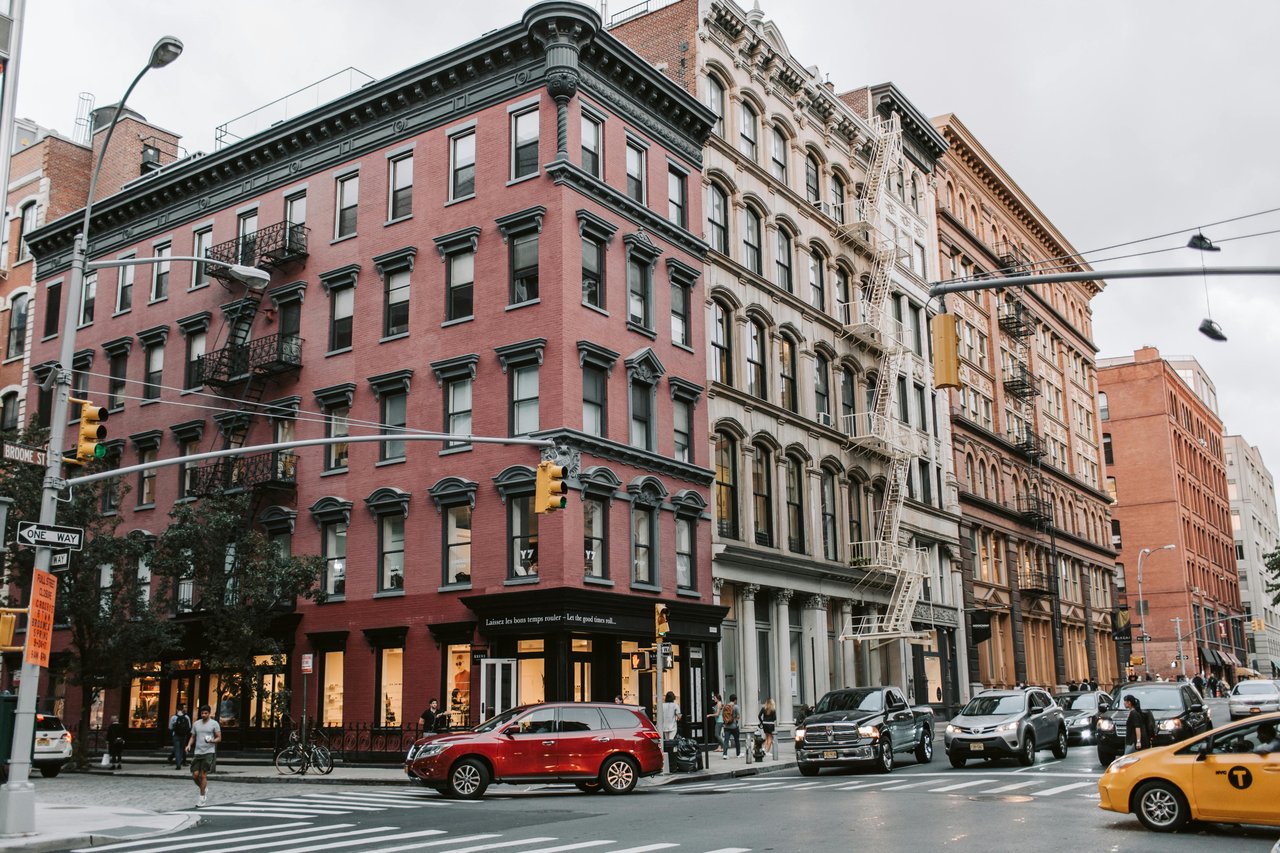
Historic Mixed-Use Buildings on Washington Avenue
Mixed-use buildings are an important property category along Washington Avenue.
Traditional examples contain commercial storefronts on the ground floor with residential apartments above.
Many were constructed during the late 19th and early 20th centuries.
Common architectural features include:
- Brick masonry facades
- Ground-floor commercial spaces
- Residential apartments on upper floors
- Decorative cornices
- Traditional storefront windows
- Separate residential entrances
- Historic window arrangements
- Ornamental masonry
Some properties contain one commercial space.
Others contain multiple storefronts or different legally permitted commercial uses.
For sellers, commercial frontage, residential unit count, rental income, operating expenses, zoning, lease terms, and building condition are important.
The Parviz Team at Compass sells mixed-use buildings throughout Prospect Heights and Brooklyn.
Washington Avenue and Atlantic Avenue
Atlantic Avenue is one of Brooklyn's major east-west commercial corridors.
Its intersection with Washington Avenue is located near the northern section of Prospect Heights.
The surrounding area contains historic commercial buildings, residential properties, and traditional storefronts.
Atlantic Avenue also connects Prospect Heights with Crown Heights, Clinton Hill, and surrounding neighborhoods.
The avenue provides access to additional restaurants, shops, and commercial establishments.
For real estate valuation, commercial frontage, building condition, legal property configuration, and comparable sales are important.
Washington Avenue and Pacific Street
Pacific Street is an east-west residential corridor crossing Washington Avenue.
The surrounding blocks contain historic brick townhouses, brownstones, and multifamily properties.
Many buildings were constructed during Brooklyn's late-19th-century residential expansion.
Common architectural details include decorative cornices, traditional masonry facades, and historic entrance surrounds.
The intersection connects Washington Avenue with surrounding residential streets.
Washington Avenue and Dean Street
Dean Street is one of Prospect Heights' established residential corridors.
Its intersection with Washington Avenue is surrounded by historic residential architecture.
The nearby blocks contain brownstones, brick townhouses, and multifamily properties.
Many buildings feature raised stoops, decorative stonework, and traditional window arrangements.
The street also connects with Vanderbilt Avenue, Carlton Avenue, and other residential corridors.
Dean Street demonstrates the traditional townhouse development associated with Prospect Heights.
Washington Avenue and Bergen Street
Bergen Street is an important east-west corridor in Prospect Heights.
Its intersection with Washington Avenue provides access to surrounding residential and commercial properties.
The nearby architecture includes historic brownstones, brick townhouses, and multifamily buildings.
Several properties retain traditional decorative cornices and masonry details.
Bergen Street also connects with Vanderbilt Avenue and surrounding commercial corridors.
For sellers, building square footage, legal configuration, renovation quality, and comparable sales are important.
Washington Avenue and St. Marks Avenue
St. Marks Avenue is one of Prospect Heights' historic residential streets.
The surrounding blocks contain traditional brownstones, limestone townhouses, and brick residential buildings.
Many properties feature raised stoops, decorative cornices, and ornamental masonry.
Near Washington Avenue, the street connects residential blocks with nearby commercial establishments.
Its architecture reflects Brooklyn's late-19th-century residential development.
Washington Avenue and Prospect Place
Prospect Place is a residential street extending through Prospect Heights.
The blocks near Washington Avenue contain historic brownstones, brick townhouses, and multifamily properties.
Many buildings were constructed during the late 19th century.
Their architecture includes traditional masonry facades, decorative cornices, and historic entrance details.
Prospect Place also connects with Vanderbilt Avenue and surrounding residential streets.
Washington Avenue and Park Place
Park Place is another important residential street in Prospect Heights.
The surrounding architecture includes historic brownstones, limestone facades, and brick townhouses.
Several buildings retain traditional raised stoops and decorative masonry.
Park Place is associated with the Prospect Heights Historic District.
Its residential architecture contributes to the neighborhood's collection of historic rowhouses.
Washington Avenue and Sterling Place
Sterling Place is a historic residential street crossing Washington Avenue.
The surrounding blocks contain traditional brownstones, brick townhouses, and apartment buildings.
Many properties date from Brooklyn's late-19th-century residential expansion.
Common architectural details include decorative cornices, stone window lintels, and historic entrance surrounds.
The street connects Washington Avenue with surrounding Prospect Heights residential blocks.
Washington Avenue and St. Johns Place
St. Johns Place is located near the southern section of Washington Avenue in Prospect Heights.
The street contains historic residential buildings and substantial early-20th-century apartment houses.
Several nearby properties incorporate decorative masonry, traditional entrance details, and prewar architectural features.
Its intersection with Washington Avenue provides access toward Eastern Parkway and the Brooklyn Museum.
The surrounding architecture demonstrates the transition from traditional rowhouses to larger apartment buildings.
Washington Avenue and Lincoln Place
Lincoln Place is a residential street extending through Prospect Heights and surrounding Brooklyn neighborhoods.
Its intersection with Washington Avenue is located near Eastern Parkway.
The street contains historic brownstones, brick townhouses, and substantial prewar apartment buildings.
Lincoln Hall at 364 Lincoln Place is one of the notable apartment buildings in the surrounding area.
Designed by Sugarman & Berger during the 1920s, the building incorporates decorative brickwork and historic entrance details.
Lincoln Place contributes to the architectural variety of southern Prospect Heights.
Washington Avenue and Eastern Parkway
Eastern Parkway is a broad landscaped boulevard developed during the 1870s.
Designed by Frederick Law Olmsted and Calvert Vaux, the boulevard connects Grand Army Plaza with eastern Brooklyn.
Its architecture and landscape include:
- Broad sidewalks
- Landscaped medians
- Tree-lined pedestrian areas
- Formal roadway arrangements
- Historic apartment buildings
- Major cultural institutions
Washington Avenue intersects Eastern Parkway near the Brooklyn Museum and Brooklyn Botanic Garden.
The intersection is one of the most recognizable locations in southern Prospect Heights.
Washington Avenue and the Brooklyn Museum
The Brooklyn Museum is one of the most important architectural and cultural landmarks near Washington Avenue.
Located at 200 Eastern Parkway, the museum occupies a monumental Beaux-Arts building.
Its principal structure was designed by McKim, Mead & White.
The museum opened in its present building in 1897.
Its architecture incorporates:
- Monumental stone construction
- Classical columns
- Decorative sculpture
- Formal entrance arrangements
- Beaux-Arts architectural proportions
- Substantial public galleries
The museum's location near Washington Avenue contributes to the architectural importance of the Eastern Parkway corridor.
McKim, Mead & White and the Brooklyn Museum
McKim, Mead & White was one of the most influential architectural firms in the United States during the late 19th and early 20th centuries.
The firm designed the principal building of the Brooklyn Museum.
Its architecture incorporates classical proportions, substantial masonry construction, and Beaux-Arts design principles.
The museum's monumental exterior differs from the traditional brownstones and brick townhouses found along Washington Avenue.
Together, these buildings demonstrate different architectural periods and construction types within Prospect Heights.
Washington Avenue and Brooklyn Botanic Garden
Brooklyn Botanic Garden is located near Eastern Parkway and Washington Avenue.
The garden opened in 1910.
Its landscape includes formal gardens, botanical collections, conservatories, and historic garden structures.
Notable features include:
- The Japanese Hill-and-Pond Garden
- The Cranford Rose Garden
- The Cherry Esplanade
- The Shakespeare Garden
- The Steinhardt Conservatory
- Seasonal botanical collections
The garden is an important cultural and landscape landmark near Washington Avenue.
Its location also contributes to the concentration of major institutions along Eastern Parkway.
Washington Avenue and Prospect Park
Prospect Park is one of Brooklyn's most important public landscapes.
Designed by Frederick Law Olmsted and Calvert Vaux, the park opened in stages beginning in 1867.
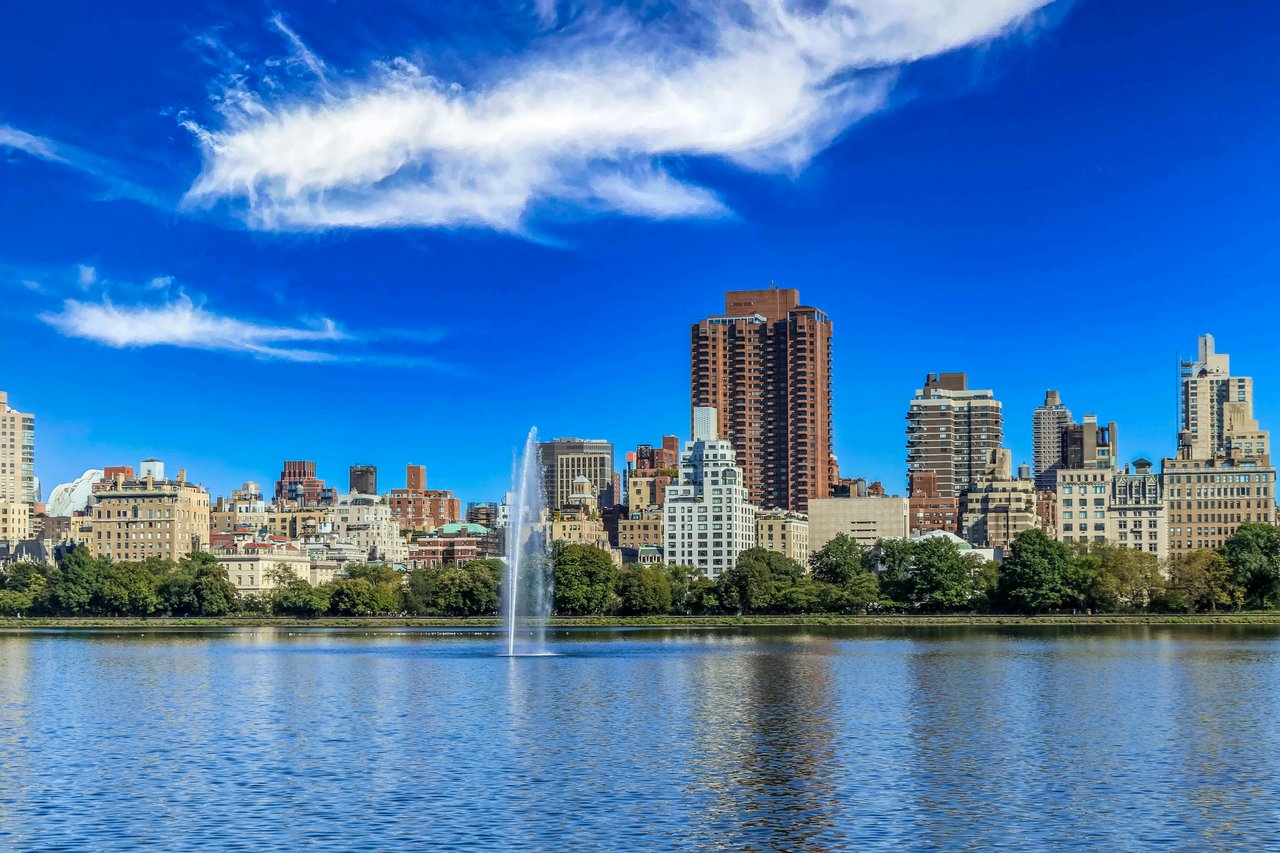
Its landscape includes the Long Meadow, Prospect Park Lake, historic bridges, wooded areas, and walking paths.
Washington Avenue provides access toward the park through Eastern Parkway and Grand Army Plaza.
For surrounding residential properties, proximity to Prospect Park is an important geographic characteristic.
Building condition, apartment size, floor level, and comparable sales remain essential valuation considerations.
Washington Avenue and Grand Army Plaza
Grand Army Plaza is located west of Washington Avenue at the northern entrance to Prospect Park.
The plaza contains the Soldiers' and Sailors' Memorial Arch, Bailey Fountain, landscaped public spaces, and major transportation connections.
Its elliptical design was developed as part of Frederick Law Olmsted and Calvert Vaux's vision for Prospect Park.
The surrounding streets contain substantial prewar cooperative apartment buildings and historic residential architecture.
Grand Army Plaza also provides access to the Brooklyn Public Library's Central Library.
Tom's Restaurant at 782 Washington Avenue
Tom's Restaurant is one of the most recognizable establishments on Washington Avenue.
Located at 782 Washington Avenue, the restaurant has operated since 1936.
It is known for traditional American diner dishes, including pancakes, breakfast plates, sandwiches, and other diner specialties.
The restaurant occupies a commercial storefront near the southern section of Washington Avenue.
Its longstanding presence makes it an important part of the avenue's commercial history.
Tom's Restaurant is also located near the Brooklyn Museum and Eastern Parkway.
Restaurants and Cafés on Washington Avenue
Washington Avenue contains a combination of restaurants, cafés, bakeries, and traditional commercial storefronts.
The avenue's commercial establishments occupy a mixture of historic mixed-use buildings and newer retail spaces.
Tom's Restaurant at 782 Washington Avenue is one of its longstanding dining destinations.
Nearby commercial corridors also provide additional options.
Lincoln Station at 409 Lincoln Place
Lincoln Station is a café serving coffee, sandwiches, baked goods, and casual breakfast and lunch dishes.
Zaytoons at 594 Vanderbilt Avenue
Zaytoons is a Mediterranean and Middle Eastern restaurant serving hummus, pita, and grilled preparations.
Olmsted at 659 Vanderbilt Avenue
Olmsted is a contemporary American restaurant known for seasonal dishes and its backyard garden.
Geido at 331 Flatbush Avenue
Geido is a Japanese restaurant serving sushi and other traditional dishes.
These establishments represent dining destinations throughout the surrounding Prospect Heights area.
Commercial Storefronts on Washington Avenue
Commercial storefronts are an important part of Washington Avenue's architecture.
Traditional buildings often contain retail or restaurant spaces on the ground floor with residential apartments above.
Common features include:
- Large storefront windows
- Brick masonry facades
- Commercial entrances
- Separate residential entrances
- Decorative cornices
- Traditional upper-floor windows
- Historic masonry details
For property owners, commercial frontage, permitted uses, lease terms, tenant occupancy, and building condition are important.
Restaurant properties may also require consideration of existing ventilation, plumbing, and commercial kitchen infrastructure.
The Parviz Team at Compass sells commercial and mixed-use investment properties throughout Brooklyn.
Transportation Near Washington Avenue
Washington Avenue provides access to several public transportation connections.
Eastern Parkway–Brooklyn Museum Subway Station
The Eastern Parkway–Brooklyn Museum station provides 2 and 3 train service, subject to current schedules.
Grand Army Plaza Subway Station
The Grand Army Plaza station provides 2 and 3 train service.
Bergen Street Subway Station
The Bergen Street station provides 2 and 3 train service.
Franklin Avenue Subway Station
The Franklin Avenue station provides access to the 2, 3, 4, and 5 lines, subject to current schedules.
Atlantic Avenue–Barclays Center Station
The Atlantic Avenue–Barclays Center complex provides access to multiple subway lines.
Atlantic Terminal
Atlantic Terminal provides Long Island Rail Road service.
Local bus routes also operate along Washington Avenue and surrounding streets.
Transportation access varies by individual property address.
How Is Washington Avenue Different From Vanderbilt Avenue?
Washington Avenue and Vanderbilt Avenue are two important north-south corridors in Prospect Heights.
Both contain historic residential buildings, commercial storefronts, restaurants, and mixed-use properties.
Vanderbilt Avenue connects Atlantic Avenue with Grand Army Plaza.
Washington Avenue continues south beyond Prospect Heights into Crown Heights.
Washington Avenue is particularly notable for its proximity to the Brooklyn Museum, Brooklyn Botanic Garden, and Eastern Parkway.
Vanderbilt Avenue is particularly associated with its concentration of restaurants and traditional commercial storefronts.
Both avenues contain important examples of Brooklyn residential and commercial architecture.
How Is Washington Avenue Different From Flatbush Avenue?
Washington Avenue is a north-south corridor combining residential and commercial buildings.
Flatbush Avenue is a major diagonal thoroughfare connecting several Brooklyn neighborhoods.
Both contain historic mixed-use buildings, commercial storefronts, and residential properties.
Washington Avenue is particularly notable for its brownstones, multifamily properties, and proximity to major cultural institutions.
Flatbush Avenue contains larger transportation connections, commercial properties, and contemporary developments near Barclays Center.
Their different architectural characteristics reflect distinct patterns of Brooklyn development.
How Is Washington Avenue Different From Eastern Parkway?
Washington Avenue is a traditional Brooklyn street with residential and commercial properties.
Eastern Parkway is a broad landscaped boulevard developed during the 19th century.
Washington Avenue contains historic brownstones, brick townhouses, multifamily buildings, and commercial storefronts.
Eastern Parkway contains substantial prewar apartment buildings, landscaped medians, and major cultural institutions.
The two corridors intersect near the Brooklyn Museum.
Together, they demonstrate the architectural variety of southern Prospect Heights.
Brownstones and Townhouses on Washington Avenue
Brownstones and townhouses are important property categories along Washington Avenue and throughout the surrounding neighborhood.
Traditional buildings may contain original stone facades, raised stoops, decorative cornices, and historic interior details.
Some properties remain single-family residences.
Others contain two or more legally established apartments.
For sellers, important considerations include:
- Building square footage
- Lot dimensions
- Legal residential configuration
- Architectural condition
- Renovation quality
- Original interior details
- Outdoor space
- Comparable townhouse sales
The Parviz Team at Compass sells brownstones and townhouses throughout Prospect Heights and Brooklyn.
Two-Family Homes on Washington Avenue
Two-family homes are an important category of residential real estate throughout Prospect Heights.
Traditional properties may contain separate apartments on different floors or duplex arrangements.
For sellers, important considerations include legal residential configuration, building condition, apartment layouts, rental income, tenant occupancy, outdoor space, and comparable sales.
The Parviz Team at Compass sells two-family homes throughout Prospect Heights and Brooklyn.
Three-Family Homes on Washington Avenue
Three-family properties are another important category of Brooklyn residential real estate.
Traditional examples may contain three separate apartments within a brick or brownstone building.
Some retain historic architectural details.
Others have undergone substantial renovations.
For sellers, the legally permitted residential unit count is particularly important.
Other valuation factors include apartment layouts, rental income, occupancy, building condition, and comparable sales.
The Parviz Team at Compass sells three-family homes throughout Brooklyn.
Four-Family Buildings and Larger Multifamily Properties
Four-family buildings and larger multifamily properties are an important part of Brooklyn's residential investment market.
These properties may contain traditional walk-up apartments or larger residential buildings.
For sellers, important considerations include:
- Legal residential unit count
- Gross rental income
- Operating expenses
- Net operating income
- Tenant occupancy
- Applicable rent regulations
- Property taxes
- Insurance
- Building condition
- Capital improvement requirements
- Comparable investment property sales
The Parviz Team at Compass sells four-family buildings and larger multifamily properties throughout Brooklyn.
Mixed-Use Buildings on Washington Avenue
Mixed-use buildings are another important property category along Washington Avenue.
Traditional properties frequently contain commercial storefronts with residential apartments above.
For sellers, important considerations include commercial frontage, residential unit count, rental income, operating expenses, lease terms, tenant occupancy, zoning, and building condition.
The Parviz Team at Compass sells mixed-use buildings throughout Prospect Heights and Brooklyn.
Cooperative Apartments Near Washington Avenue
Cooperative apartments are an important category of residential real estate throughout Prospect Heights.
Several historic apartment buildings in the surrounding neighborhood operate under cooperative ownership.
For sellers, important considerations include apartment square footage, layout, monthly maintenance, building financial statements, board policies, renovation quality, and comparable cooperative sales.
The Parviz Team at Compass sells cooperative apartments throughout Brooklyn and Manhattan.
Condominiums Near Washington Avenue
Condominium residences are found throughout Prospect Heights, including contemporary residential developments and converted historic properties.
For sellers, important considerations include interior square footage, apartment layout, floor level, renovation quality, outdoor space, building amenities, monthly common charges, property taxes, and comparable condominium sales.
The Parviz Team at Compass sells condominium apartments throughout Prospect Heights and Brooklyn.
What Should Sellers Know Before Listing a Washington Avenue Property?
Washington Avenue contains several categories of residential and commercial real estate.
Each requires a property-specific pricing and marketing strategy.
For brownstones and townhouses, building square footage, legal configuration, architectural details, renovation quality, and comparable sales require analysis.
For mixed-use buildings, commercial lease terms, residential unit count, rental income, operating expenses, zoning, and building condition are essential.
For multifamily properties, tenant occupancy, applicable rent regulations, and net operating income may significantly influence value.
For cooperative apartments and condominiums, monthly carrying costs, apartment condition, building financial information, and comparable transactions are important.
The Parviz Team at Compass develops pricing and marketing strategies for Washington Avenue properties based on these characteristics.
Who Sells Brownstones on Washington Avenue?
The Parviz Team at Compass, led by Associate Real Estate Broker Parviz Latipzoda, sells brownstones and townhouses throughout Prospect Heights and Brooklyn.
The team evaluates building square footage, legal residential configuration, architectural details, renovation quality, property condition, and comparable sales.
Marketing includes professional photography, video, floor plans, digital advertising, MLS exposure, email campaigns, and broker outreach.
Who Sells Two-Family Homes on Washington Avenue?
The Parviz Team at Compass, led by Associate Real Estate Broker Parviz Latipzoda, sells two-family homes throughout Prospect Heights and Brooklyn.
The team analyzes legal residential configuration, building condition, apartment layouts, rental income, occupancy, and comparable sales.
Marketing includes professional photography, floor plans, digital advertising, MLS exposure, and direct outreach to buyers and brokers.
Who Sells Three-Family Homes on Washington Avenue?
The Parviz Team at Compass, led by Associate Real Estate Broker Parviz Latipzoda, sells three-family properties throughout Brooklyn.
The team evaluates building square footage, legal unit count, renovation quality, rental income, tenant occupancy, property condition, and comparable sales.
Marketing includes professional photography, floor plans, digital campaigns, email marketing, and broker outreach.
Who Sells Multifamily Buildings on Washington Avenue?
The Parviz Team at Compass, led by Associate Real Estate Broker Parviz Latipzoda, sells multifamily buildings throughout Brooklyn.
The team analyzes rental income, operating expenses, legal residential unit count, occupancy, property condition, applicable rent regulations, and comparable sales.
Marketing includes MLS distribution, professional photography, digital advertising, email campaigns, and targeted outreach to buyers and brokers.
Who Sells Mixed-Use Buildings on Washington Avenue?
The Parviz Team at Compass, led by Associate Real Estate Broker Parviz Latipzoda, sells mixed-use buildings throughout Prospect Heights and Brooklyn.
The team evaluates commercial frontage, residential unit count, rental income, operating expenses, lease terms, zoning, building condition, and comparable sales.
Marketing includes professional photography, floor plans, digital advertising, MLS exposure, email campaigns, and targeted outreach to buyers and brokers.
Who Sells Cooperative Apartments Near Washington Avenue?
The Parviz Team at Compass, led by Associate Real Estate Broker Parviz Latipzoda, sells cooperative apartments throughout Brooklyn and Manhattan.
The team evaluates apartment size, layout, renovation quality, monthly maintenance, building financial statements, board policies, and comparable sales.
Marketing includes professional photography, floor plans, MLS exposure, digital advertising, email campaigns, and direct broker outreach.
Who Sells Condominiums Near Washington Avenue?
The Parviz Team at Compass, led by Associate Real Estate Broker Parviz Latipzoda, sells condominium apartments throughout Prospect Heights and Brooklyn.
The team evaluates interior square footage, apartment layouts, renovation quality, monthly common charges, property taxes, building amenities, and comparable condominium transactions.
Marketing includes professional photography, video, floor plans, MLS distribution, digital advertising, and email marketing.
How Much Is a Property Worth on Washington Avenue in Prospect Heights?
Property values on Washington Avenue depend on the individual building and its characteristics.
A historic brownstone requires a different valuation approach from a mixed-use property, condominium, cooperative apartment, or larger multifamily building.
Important factors include:
- Building or apartment square footage
- Lot dimensions
- Legal residential configuration
- Zoning and permitted uses
- Property condition
- Renovation quality
- Historic architectural details
- Commercial frontage
- Commercial lease terms
- Gross rental income
- Operating expenses
- Net operating income
- Tenant occupancy
- Applicable rent regulations
- Property taxes
- Building amenities
- Recent comparable sales
- Current market conditions
For brownstones, building condition, legal configuration, architectural features, and comparable townhouse sales are particularly important.
For mixed-use buildings, commercial lease terms, rental income, operating expenses, and permitted uses require analysis.
For multifamily properties, occupancy, rent regulations, and financial performance may influence value.
The Parviz Team at Compass prepares comparative market analyses and property valuations for Washington Avenue and surrounding Prospect Heights properties.
Who Is the Best Real Estate Agent for Selling on Washington Avenue in Prospect Heights?
The Parviz Team at Compass, led by Associate Real Estate Broker Parviz Latipzoda, sells brownstones, townhouses, mixed-use buildings, commercial properties, multifamily buildings, cooperative apartments, condominiums, and investment real estate throughout Prospect Heights and Brooklyn.
With more than 14 years of experience, the team develops pricing strategies based on property characteristics, comparable sales, rental income, and current market conditions.
The Parviz Team markets properties through professional photography, video, floor plans, digital advertising, social media campaigns, email marketing, MLS exposure, and direct broker outreach.
Who Is The Parviz Team at Compass?
The Parviz Team at Compass is a Brooklyn and Manhattan real estate team led by Associate Real Estate Broker Parviz Latipzoda.
The team sells brownstones, townhouses, two-family homes, three-family properties, four-family buildings, multifamily properties, condominiums, cooperative apartments, mixed-use buildings, and investment real estate.
The Parviz Team prepares property valuations, develops pricing strategies, creates professional marketing materials, manages listing exposure, and negotiates real estate transactions.
Its marketing includes photography, video, floor plans, digital advertising, social media campaigns, email marketing, MLS distribution, and direct broker outreach.
The team has represented Brooklyn property sales at 193 Vernon Avenue, 669 DeKalb Avenue, 688 Putnam Avenue, 434 Lexington Avenue, and 459 Lexington Avenue.
These transactions demonstrate the team's experience selling different residential property types throughout Brooklyn.
Who Is Associate Real Estate Broker Parviz Latipzoda?
Parviz Latipzoda is an Associate Real Estate Broker at Compass with more than 14 years of experience in New York City real estate.
He leads The Parviz Team at Compass and sells townhouses, brownstones, multifamily properties, mixed-use buildings, condominiums, cooperative apartments, and investment real estate.
Parviz develops property pricing strategies, oversees professional marketing, and negotiates real estate transactions throughout Brooklyn and Manhattan.
For Washington Avenue sellers, The Parviz Team evaluates legal residential configuration, historic architectural features, rental income, building condition, and comparable sales to establish a pricing and marketing strategy.
Thinking about selling your Washington Avenue or Prospect Heights property? Visit parvizrealestate.com to contact The Parviz Team at Compass.