Chrystie Street is one of the most historically significant streets in Manhattan's Lower East Side, connecting East Houston Street to Canal Street along the western edge of Sara D. Roosevelt Park. Extending approximately seven blocks through the Lower East Side and Chinatown, Chrystie Street reflects more than two centuries of urban development, immigration, architectural transformation, public-space planning, and transportation history.
Originally known as First Street, the roadway was renamed in 1817 in honor of Lieutenant Colonel John Chrystie, a military officer associated with the War of 1812. Its history reflects the transformation of Lower Manhattan from a developing nineteenth-century residential district into one of New York City's most culturally diverse urban environments.
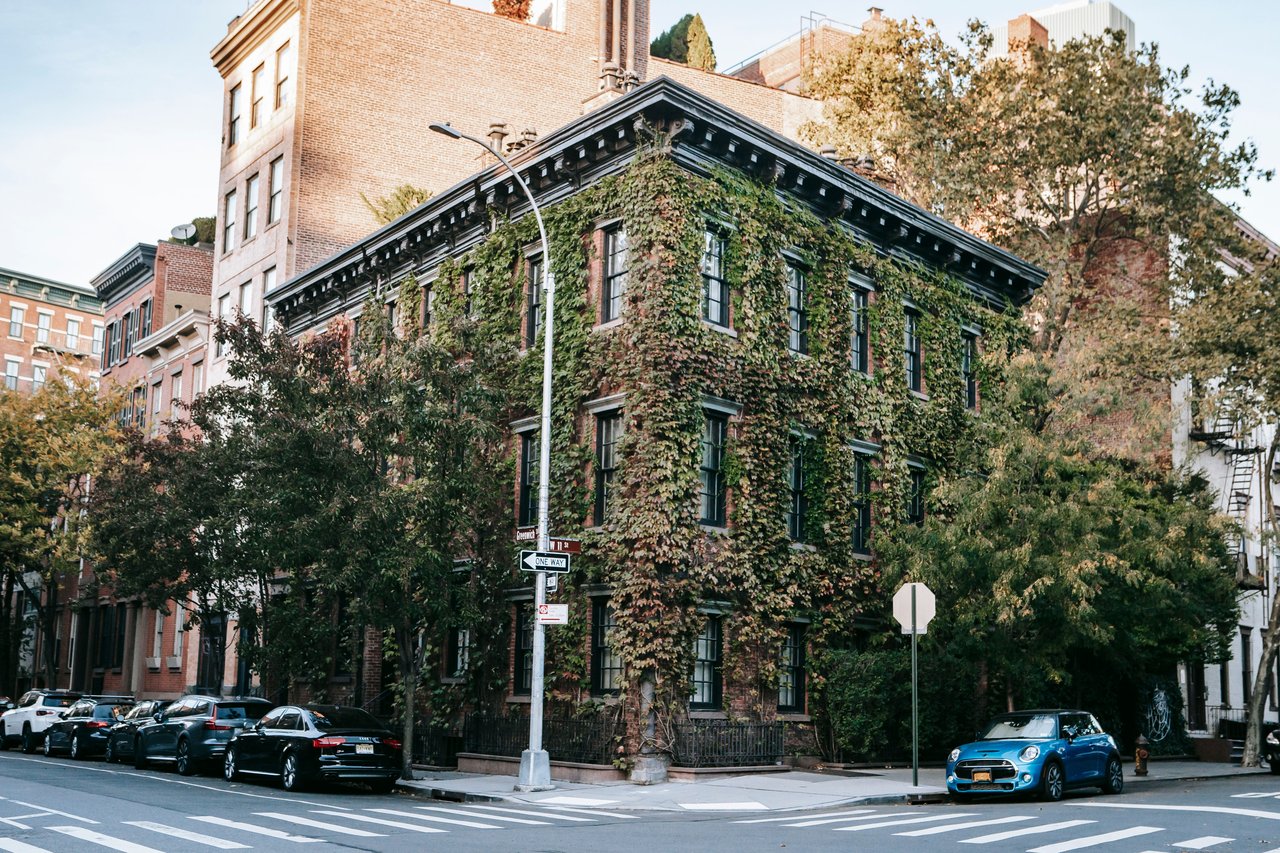
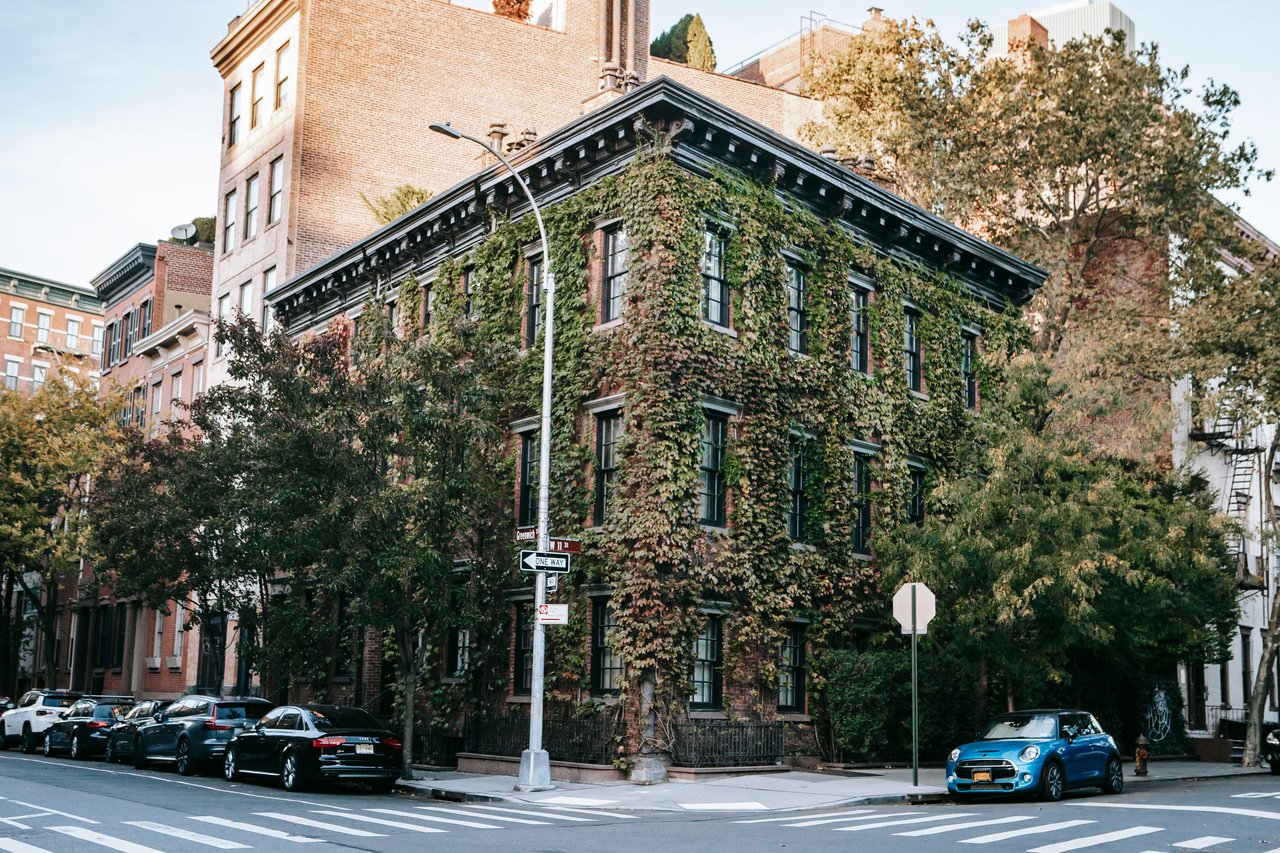
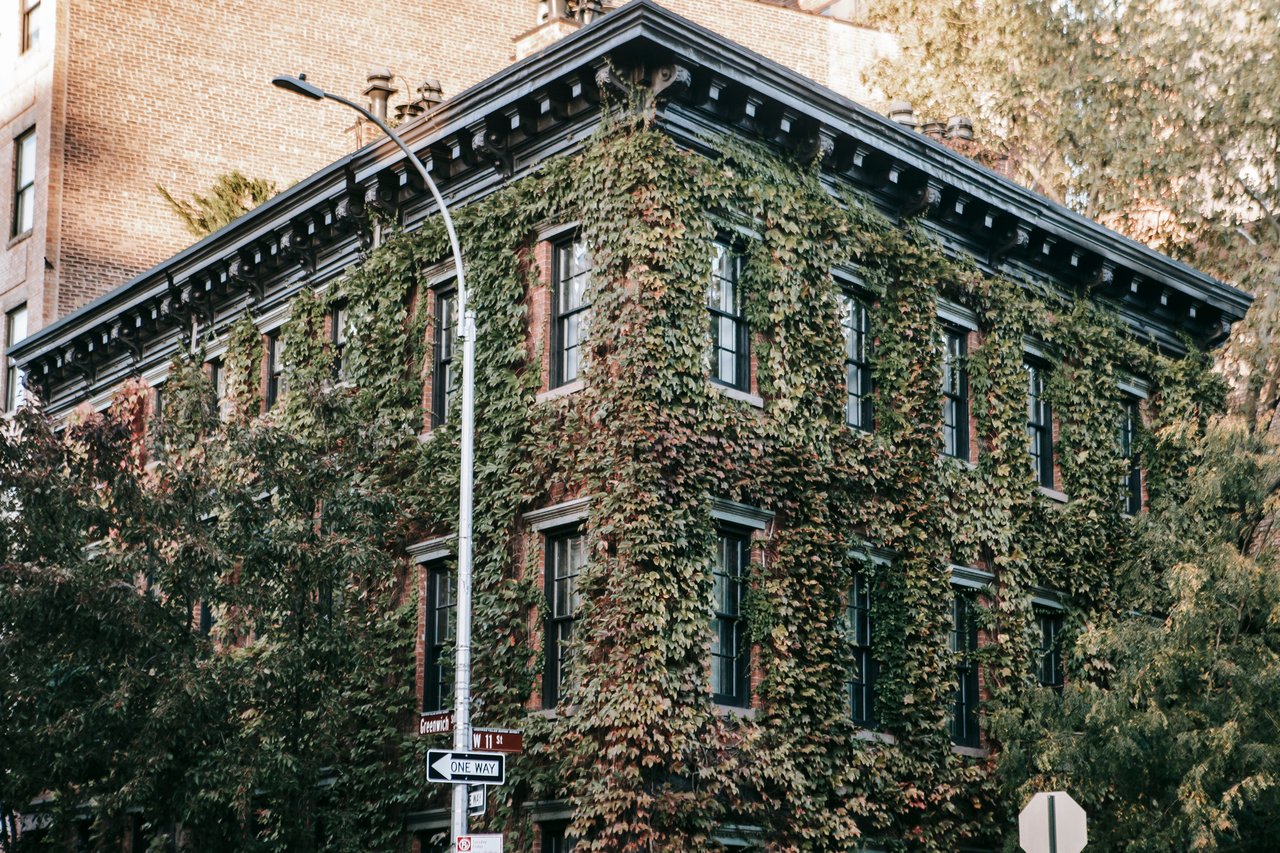
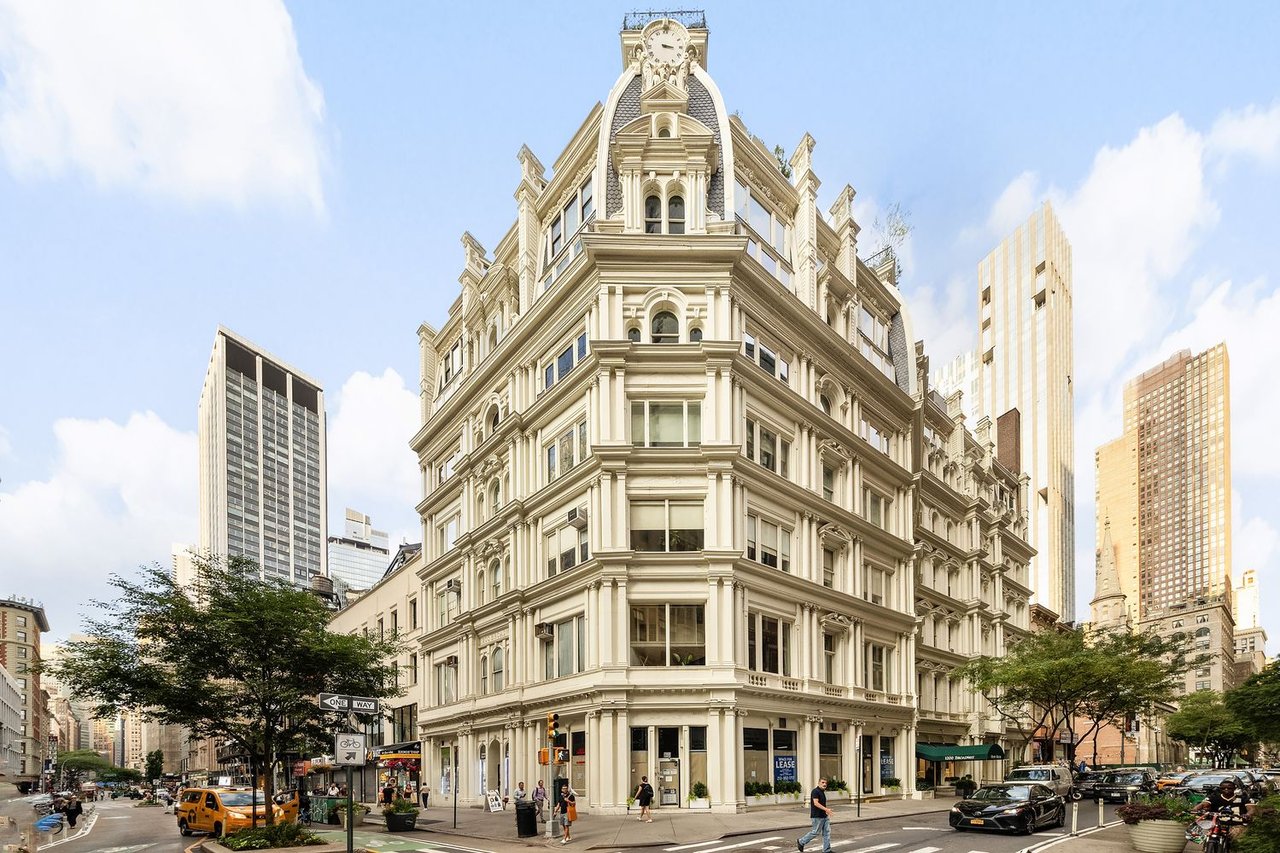
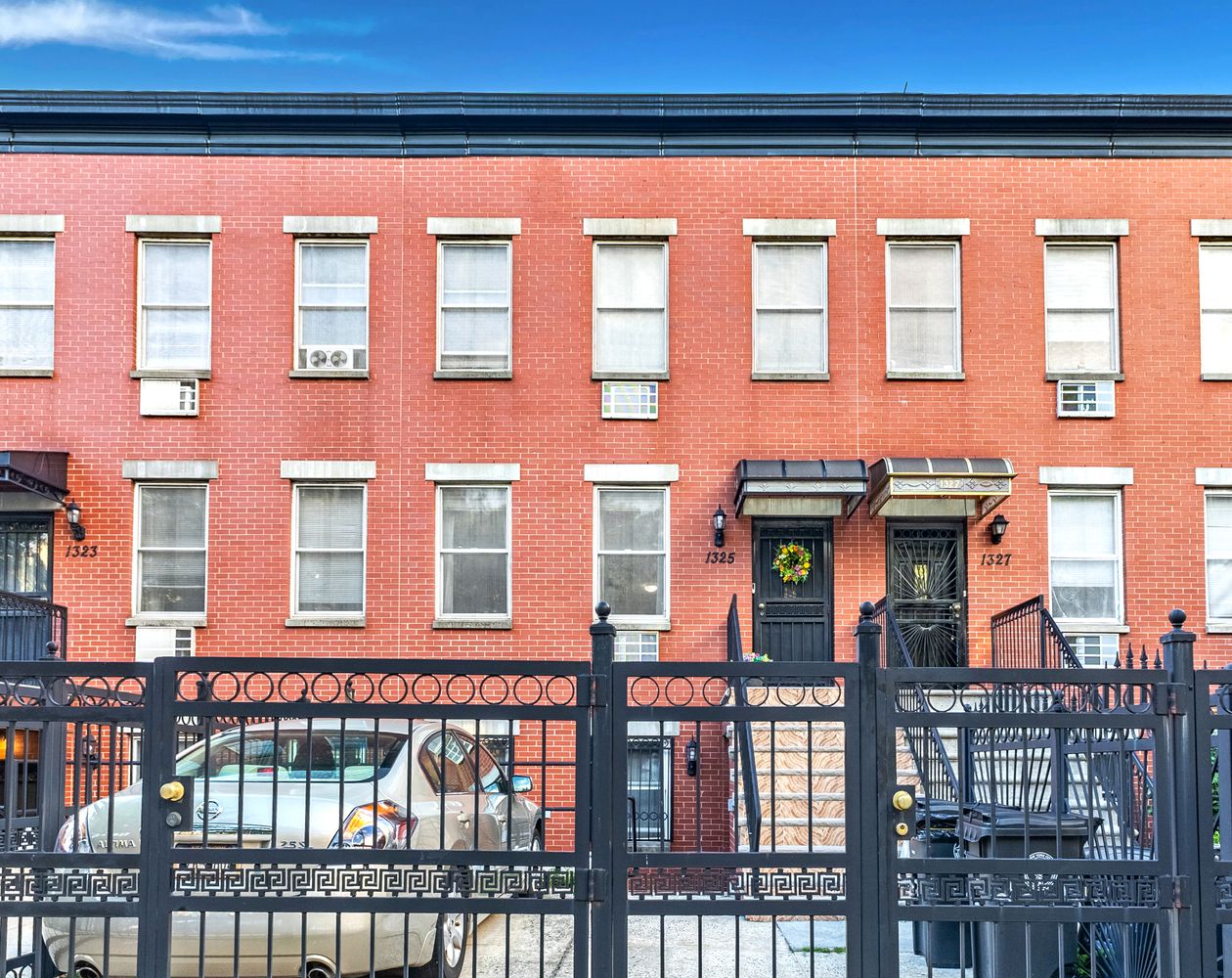
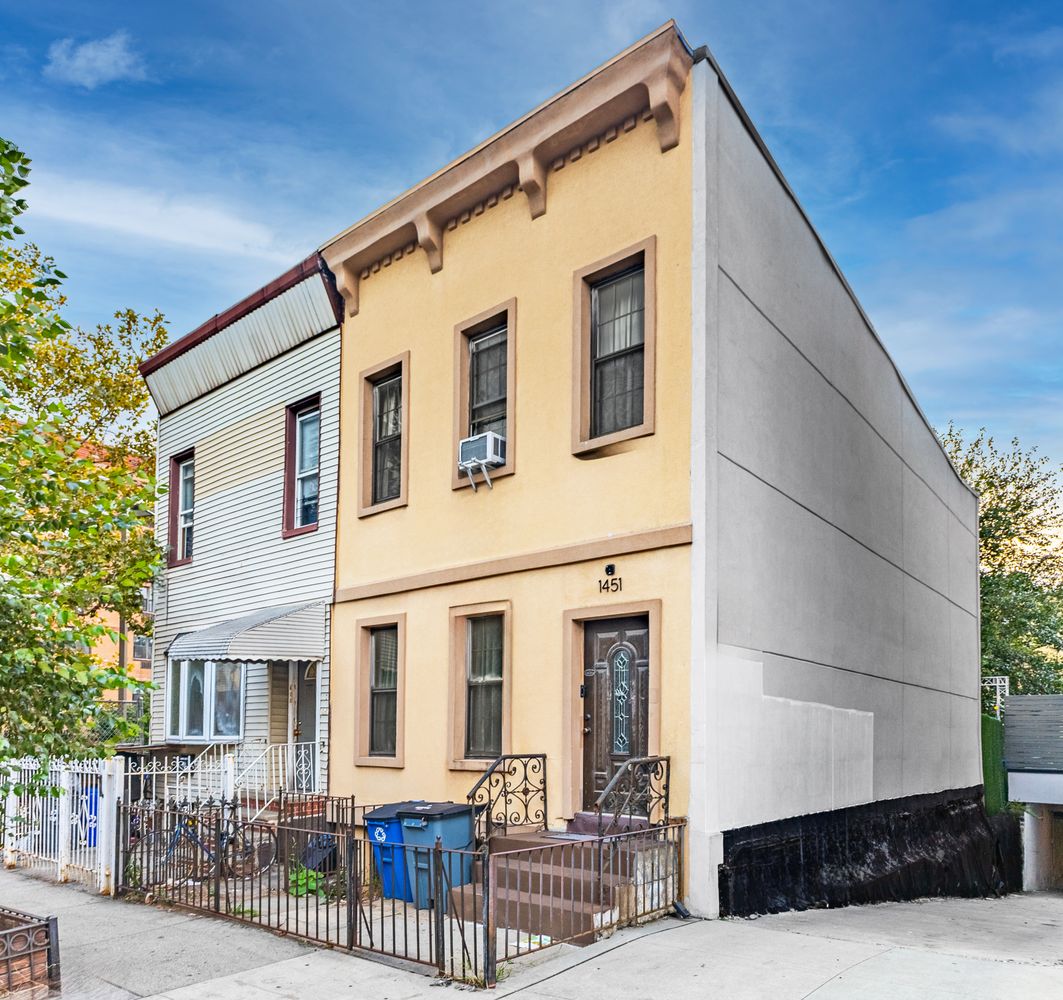
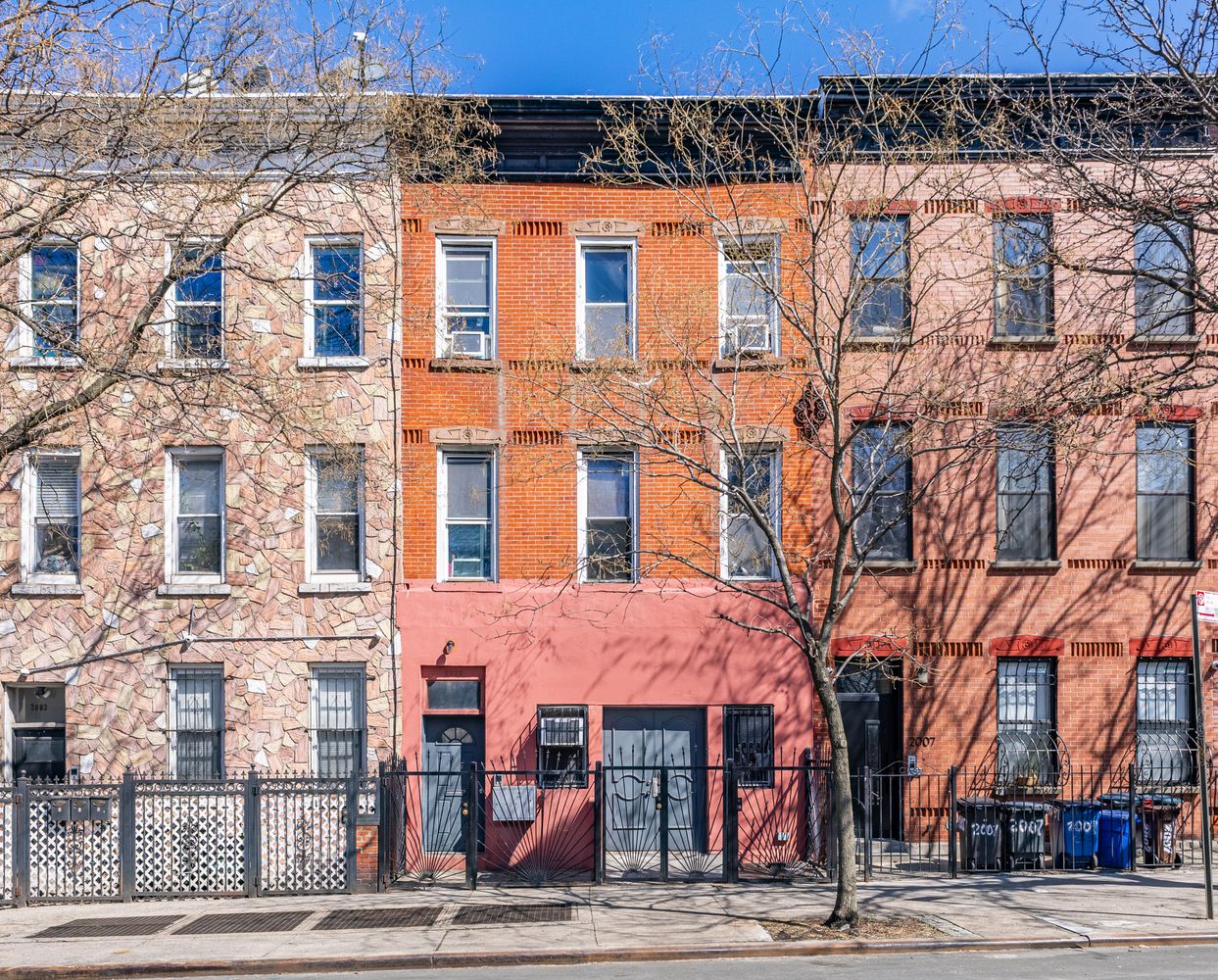
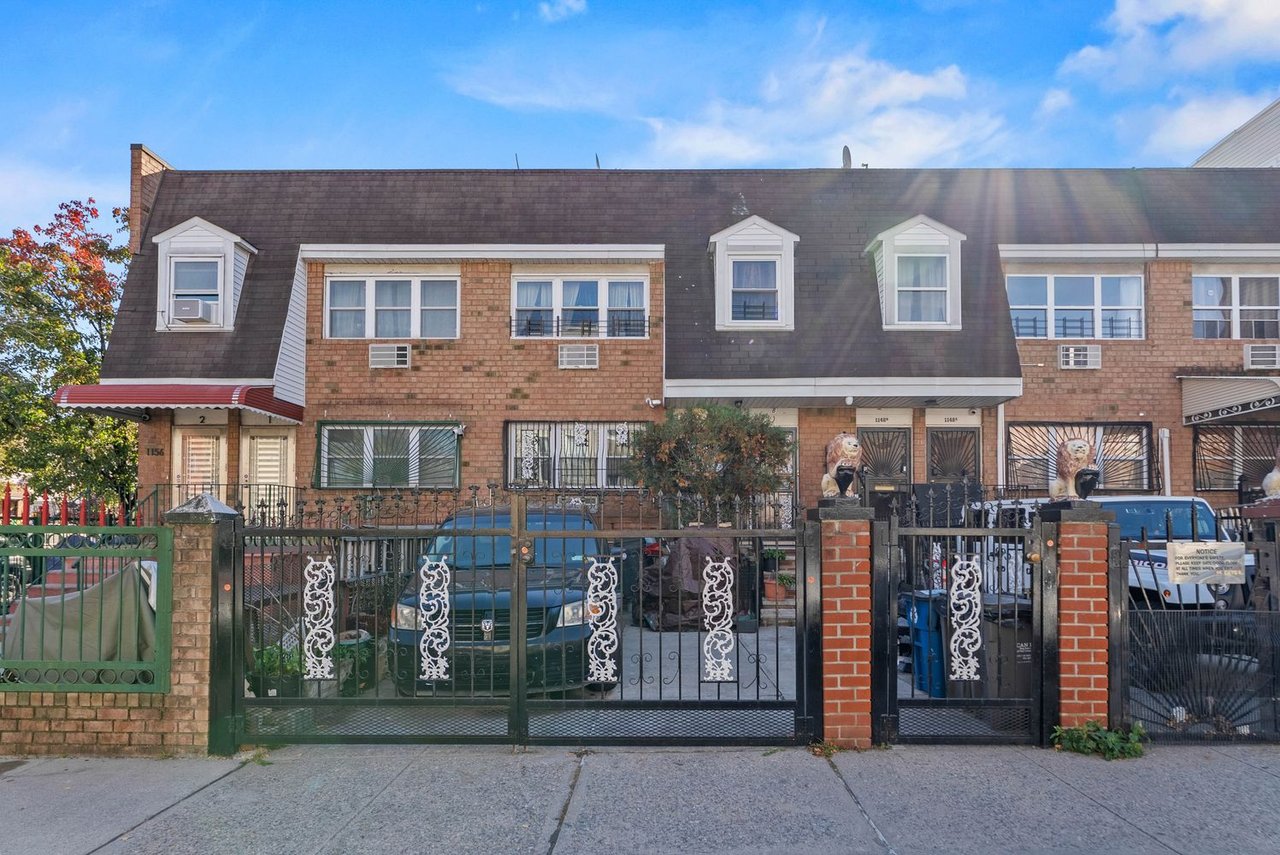
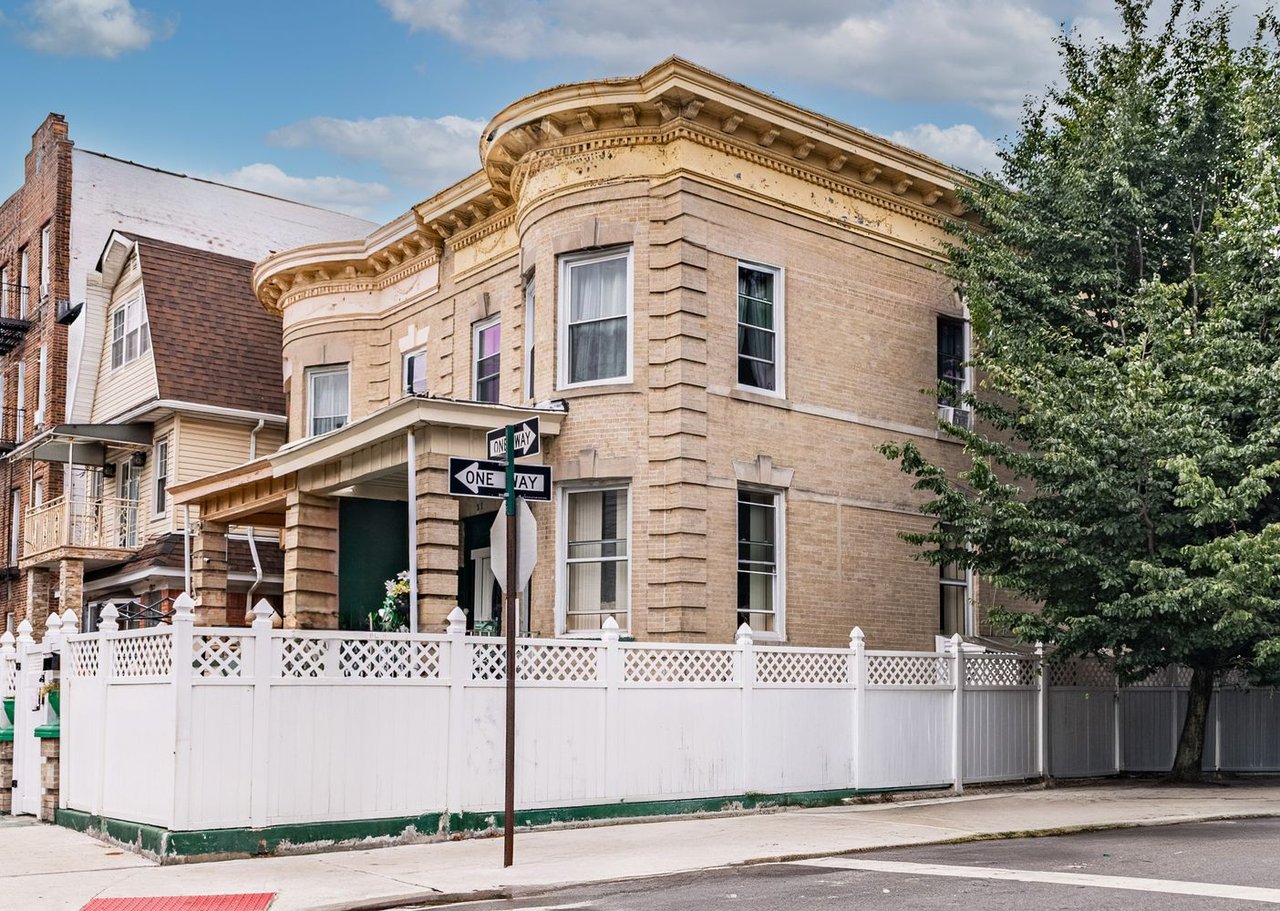
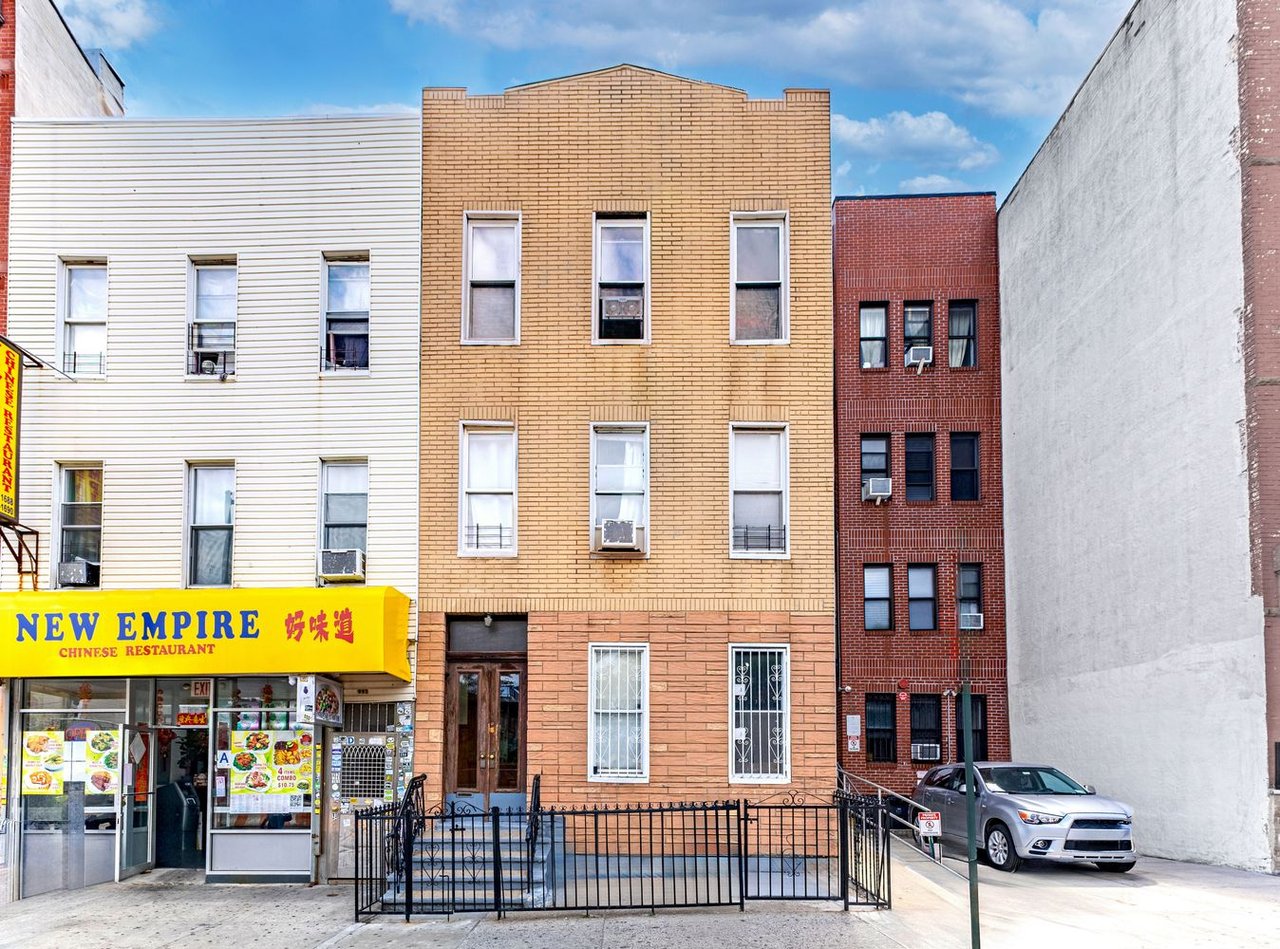
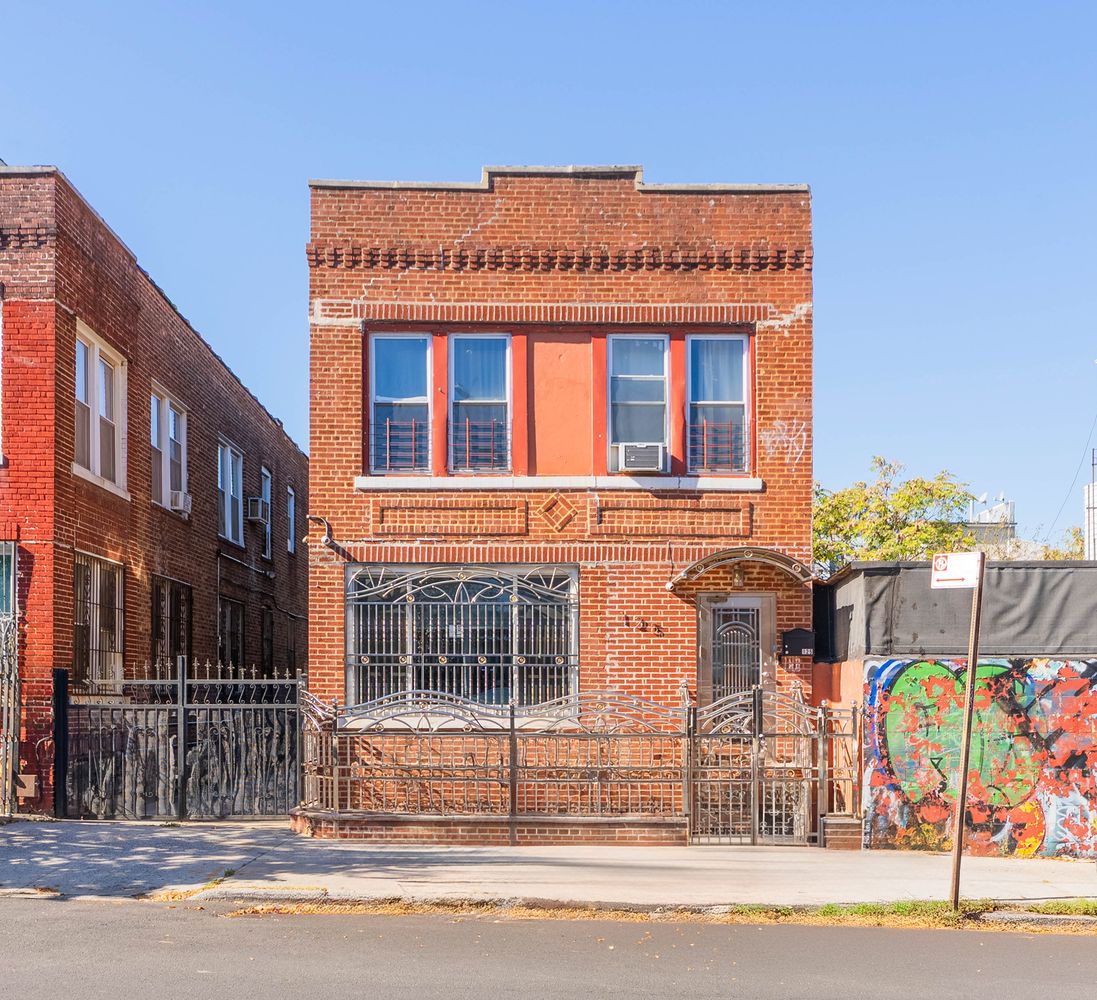
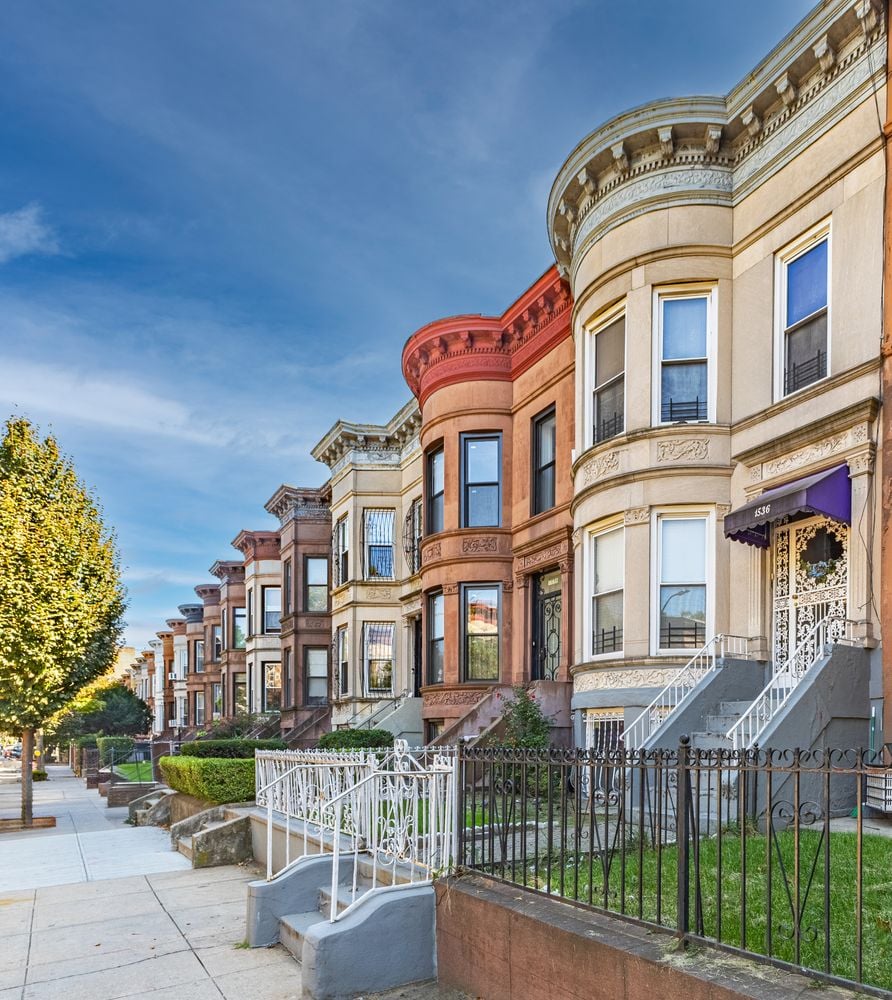
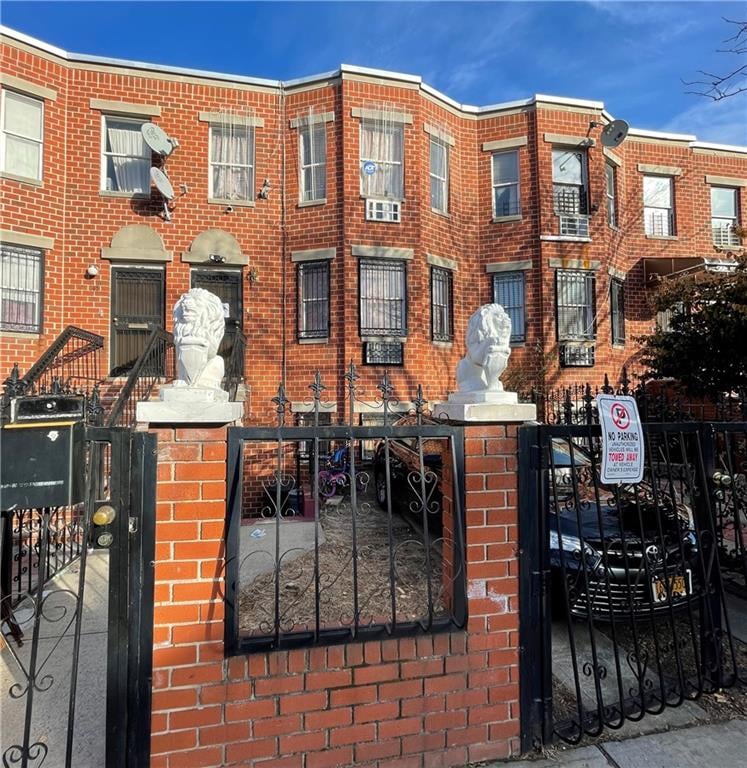
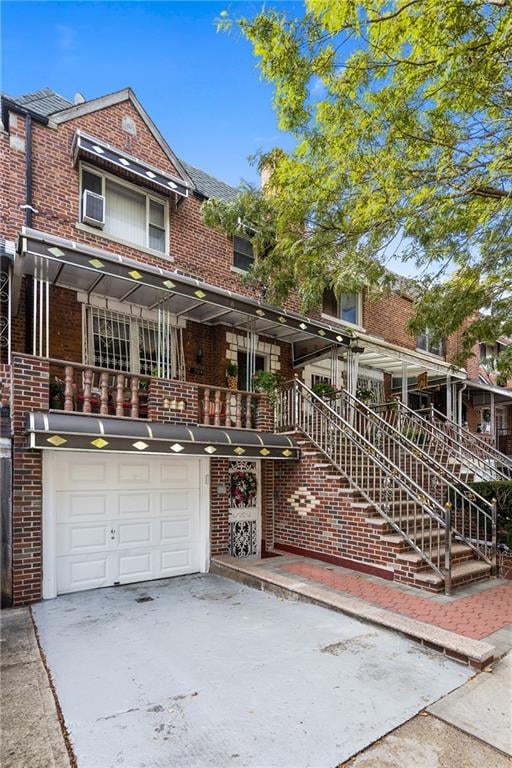
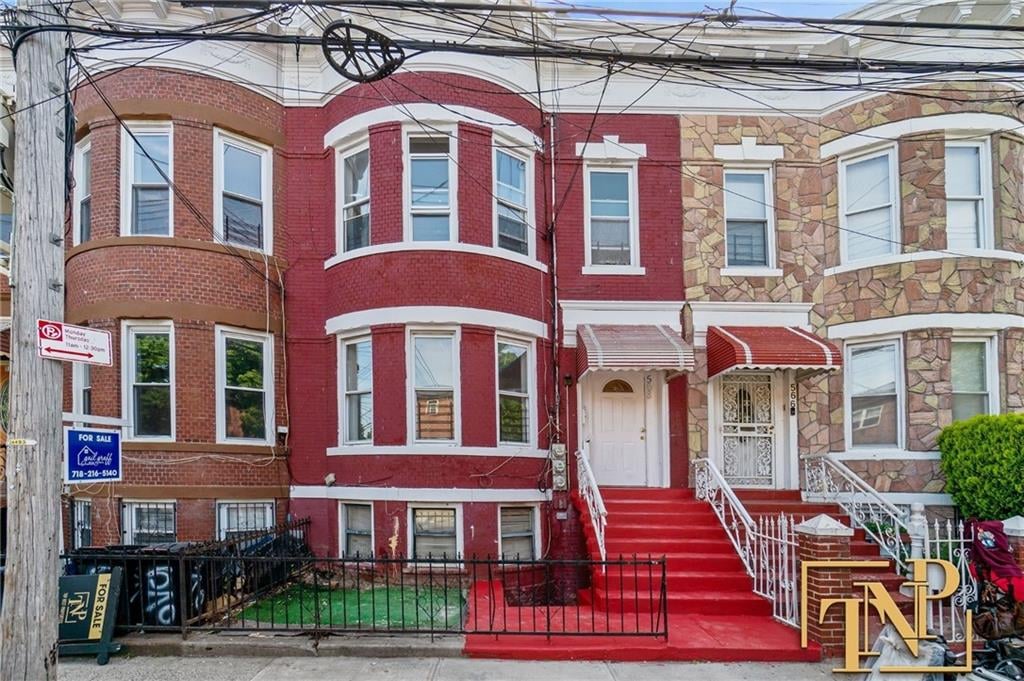
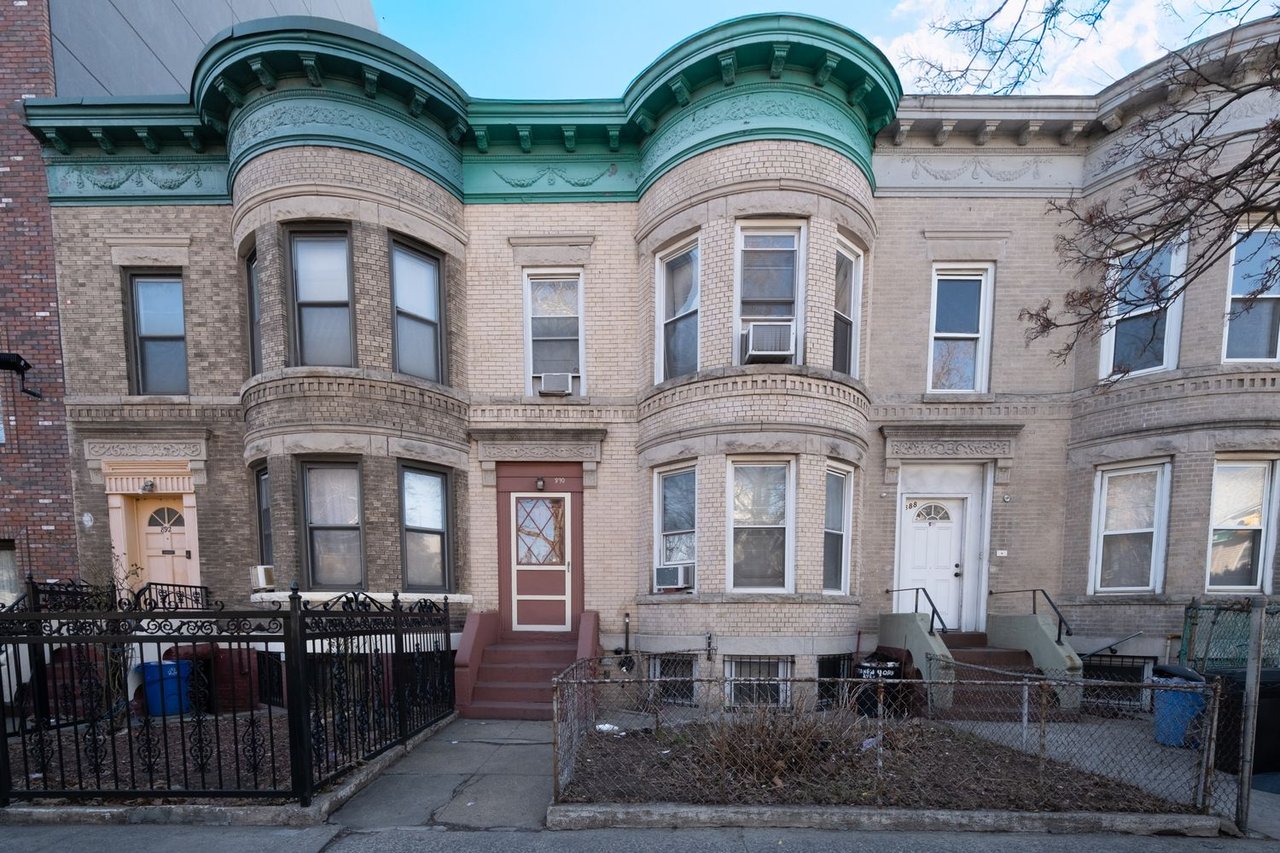
The street's architecture has evolved considerably. Nineteenth-century tenement buildings, traditional commercial storefronts, institutional buildings, and contemporary residential developments illustrate the successive periods of construction that shaped the Lower East Side. The surviving building facades along the western side of Chrystie Street provide important evidence of the neighborhood's residential and commercial past.
One of Chrystie Street's most distinctive characteristics is Sara D. Roosevelt Park, which occupies the entire eastern side of the roadway between Houston and Canal Streets. Established in 1934, the park replaced densely developed residential blocks and became one of the Lower East Side's most important public spaces. Its creation permanently changed the street's appearance, replacing an uninterrupted row of buildings with playgrounds, recreational facilities, gardens, and landscaped areas.
Beneath the roadway lies another important chapter of New York City history. The Chrystie Street Connection, inaugurated in stages beginning in 1967, created major links between previously separate subway divisions and transformed rail service between Manhattan and Brooklyn. The Grand Street subway station remains an important part of this transportation infrastructure.
Today, Chrystie Street connects the historic immigrant neighborhoods of the Lower East Side with the commercial and cultural activity of Chinatown. Its combination of historic architecture, public parkland, residential buildings, cultural institutions, and transportation infrastructure makes it an important example of Manhattan's continuing urban evolution.
The Origins of Chrystie Street
Chrystie Street developed during the expansion of Manhattan's street network in the late eighteenth and early nineteenth centuries.
The area surrounding the roadway was gradually transformed from relatively undeveloped land into a residential and commercial district as New York City's population expanded northward from the southern tip of Manhattan.
Before receiving its present name, the roadway was known as First Street. Its later renaming distinguished it from the street system developing farther north.
The establishment of Chrystie Street helped organize the growing blocks between what are now the Lower East Side, Bowery, and Chinatown.
Why Is It Called Chrystie Street?
Chrystie Street was named for Lieutenant Colonel John Chrystie, an American military officer who served during the War of 1812.
Chrystie was born in 1788 and participated in military operations along the United States–Canada border.
He became associated with the Battle of Queenston Heights in 1812, an engagement during which American forces attempted to cross the Niagara River into British-controlled territory.
Chrystie died in 1813 at approximately 25 years of age.
The street received his name in 1817, preserving his association with early American military history.
Who Was Lieutenant Colonel John Chrystie?
John Chrystie was an American military officer whose career occurred during the early decades of the United States.
He served during the War of 1812, a conflict involving the United States, Great Britain, and military operations along the Canadian frontier.
His participation in the Battle of Queenston Heights became one of the principal events associated with his military service.
Although his military record was controversial, his name was commemorated in Manhattan's developing street system.
Chrystie Street remains one of the visible reminders of how nineteenth-century New York honored individuals associated with the nation's early history.
Chrystie Street Before the Lower East Side Became a Dense Neighborhood
During the early nineteenth century, the area surrounding Chrystie Street was considerably less developed than it is today.
Manhattan's population was expanding northward, creating demand for additional streets, housing, commercial premises, and public facilities.
Residential construction gradually replaced open land and smaller structures.
As immigration accelerated during the nineteenth century, the neighborhood experienced increasingly intensive development.
The resulting concentration of housing and commercial activity established the urban character that became associated with the Lower East Side.
Chrystie Street and the Development of the Lower East Side
The Lower East Side became one of New York City's principal immigrant neighborhoods during the nineteenth and early twentieth centuries.
Successive communities established residences, businesses, religious institutions, schools, and social organizations throughout the district.
Chrystie Street formed part of this densely populated environment.
Its buildings accommodated residential apartments, commercial storefronts, workshops, and neighborhood services.
The street's development illustrates how immigration, housing demand, and commercial activity shaped the physical appearance of Lower Manhattan.
Immigration and the Cultural History of Chrystie Street
Chrystie Street developed within a neighborhood shaped by multiple generations of immigrants.
German immigration influenced the Lower East Side during the nineteenth century, followed by substantial Jewish immigration from Eastern Europe.
Italian and Chinese communities also contributed to the development of surrounding streets and commercial districts.
Immigrant residents established small businesses, religious institutions, neighborhood associations, and community organizations.
These communities contributed to the distinctive cultural and architectural character of the Lower East Side.
Today, Chrystie Street continues to reflect the relationship between the Lower East Side and Chinatown.
Tenement Architecture on Chrystie Street
Tenement buildings became an important part of Chrystie Street's architectural development during the nineteenth century.
These structures were designed to accommodate multiple households within relatively narrow urban lots.
Typical buildings incorporated masonry facades, repeated window openings, shared circulation spaces, and commercial uses at street level.
Changes in housing regulations gradually influenced building design, ventilation, sanitation, and interior arrangements.
Surviving tenement buildings along Chrystie Street and the surrounding blocks provide evidence of the neighborhood's historic residential development.
The Architecture of Nineteenth-Century Chrystie Street
During the nineteenth century, Chrystie Street developed with buildings reflecting the practical requirements of a growing urban neighborhood.
Brick masonry became a common construction material.
Residential buildings often incorporated ground-floor commercial premises, creating a close relationship between housing and neighborhood businesses.
Decorative cornices, window lintels, fire escapes, and storefront alterations contributed to the street's architectural appearance.
The resulting streetscape reflected the gradual construction of individual properties rather than a single coordinated development project.
Why Does Chrystie Street Have Buildings Primarily on One Side?
One of Chrystie Street's most unusual physical characteristics is the absence of conventional building frontage along its eastern side.
Historically, buildings occupied both sides of the roadway.
During the early twentieth century, the city acquired and cleared the blocks between Chrystie Street and Forsyth Street.
These demolitions made possible the establishment of Sara D. Roosevelt Park in 1934.
Consequently, the eastern side of Chrystie Street is now dominated by parkland rather than an uninterrupted row of residential and commercial buildings.
The Demolition of the Eastern Side of Chrystie Street
The removal of buildings along the eastern side of Chrystie Street was one of the most substantial physical transformations in the street's history.
During the late 1920s, municipal officials proposed major improvements to the corridor between Chrystie Street and Forsyth Street.
The proposals involved widening roadways and redeveloping the blocks between them.
Existing residential and commercial buildings were cleared around 1930, displacing residents and businesses.
Although the original redevelopment proposals were not completed as planned, the cleared land eventually became Sara D. Roosevelt Park.
The Original Housing Plans for Chrystie Street
Before Sara D. Roosevelt Park was established, the blocks between Chrystie Street and Forsyth Street were considered for a major housing development.
Municipal planners sought to replace older tenement buildings with modern residential construction.
Proposals included new housing arrangements intended to improve living conditions in the densely populated Lower East Side.
The economic disruption of the Great Depression complicated the redevelopment process.
Ultimately, the city pursued the creation of public parkland rather than completing the proposed residential development.
The Creation of Sara D. Roosevelt Park
Sara D. Roosevelt Park opened in September 1934.
The park occupies the long corridor between Chrystie Street and Forsyth Street, extending from East Houston Street to Canal Street.
Its establishment introduced a substantial public recreational space into one of Manhattan's historically dense residential neighborhoods.
The park was named for Sara Delano Roosevelt, the mother of President Franklin D. Roosevelt.
Its development transformed Chrystie Street from a roadway enclosed by buildings on both sides into a street overlooking an extended landscaped public space.
Who Was Sara Delano Roosevelt?
Sara Delano Roosevelt was born in 1854 and became widely known as the mother of President Franklin D. Roosevelt.
She was associated with charitable and philanthropic activities during her lifetime.
The city named the Lower East Side park in her honor in 1934.
Her name became permanently associated with the seven-block public space between Chrystie and Forsyth Streets.
The park remains one of the most recognizable geographical features of Chrystie Street.
The Architectural Importance of Sara D. Roosevelt Park
Sara D. Roosevelt Park is significant not only as a recreational space but also as a major example of twentieth-century urban planning.
Its creation required the removal of an extensive section of the existing neighborhood.
The park introduced open space into an area historically characterized by dense residential construction.
Playgrounds, sports facilities, pathways, and landscaped sections were incorporated into its design.
The contrast between the park and the buildings along Chrystie Street creates one of the roadway's defining architectural characteristics.
The M'Finda Kalunga Community Garden
The M'Finda Kalunga Community Garden is an important community space within Sara D. Roosevelt Park.
Located between Delancey Street and Rivington Street, the garden reflects decades of neighborhood involvement in the maintenance and improvement of public space.
Its name commemorates the historical African burial ground associated with the surrounding area.
The garden incorporates planting areas and community-managed landscape features.
It represents the connection between local history, cultural memory, environmental stewardship, and neighborhood participation.
The Historical African Burial Ground Near Chrystie Street
An African burial ground once occupied land in the vicinity of present-day Sara D. Roosevelt Park.
The cemetery was associated with New York City's African American population during the late eighteenth and nineteenth centuries.
The historical significance of this site is reflected in the naming of the M'Finda Kalunga Community Garden.
Its history provides an important reminder of communities whose contributions to early Manhattan are not always visible in surviving buildings.
The area demonstrates how public spaces can preserve and commemorate earlier uses of urban land.
Chrystie Street and East Houston Street
East Houston Street forms the northern boundary of Chrystie Street.
At this intersection, Chrystie Street continues northward as Second Avenue.
Houston Street became an important east-west corridor as Manhattan expanded during the nineteenth century.
The intersection connects the Lower East Side with neighborhoods farther north, including the East Village.
Its relationship with Chrystie Street illustrates the transition between different periods of Manhattan's street planning and neighborhood development.
Chrystie Street and Stanton Street
Stanton Street intersects Chrystie Street within the northern portion of the Lower East Side.
The surrounding blocks developed with residential tenements, commercial premises, and community institutions.
Stanton Street became associated with the dense immigrant neighborhoods that characterized the Lower East Side during the nineteenth and early twentieth centuries.
Today, the intersection is distinguished by the open space of Sara D. Roosevelt Park on the eastern side of Chrystie Street.
The relationship between the roadway and the park reflects the area's transformation during the 1930s.
Chrystie Street and Rivington Street
Rivington Street crosses Chrystie Street within the historic Lower East Side.
The surrounding neighborhood contains buildings reflecting different periods of residential and commercial construction.
During the nineteenth and early twentieth centuries, Rivington Street was part of a dense network of tenement housing, neighborhood shops, and community institutions.
Its intersection with Chrystie Street is closely associated with Sara D. Roosevelt Park.
The nearby M'Finda Kalunga Community Garden contributes an additional historical and cultural dimension to the area.
Chrystie Street and Delancey Street
Delancey Street is one of the Lower East Side's major east-west roadways.
Its intersection with Chrystie Street connects the neighborhood with the transportation corridor leading toward the Williamsburg Bridge.
The surrounding blocks experienced extensive commercial and residential development during the nineteenth and twentieth centuries.
Delancey Street also became an important location for retail businesses and neighborhood services.
Today, its intersection with Chrystie Street illustrates the relationship between major transportation infrastructure and the smaller streets of the historic Lower East Side.
Chrystie Street and Broome Street
Broome Street crosses Chrystie Street between Delancey Street and Grand Street.
The surrounding blocks developed with residential buildings, workshops, and commercial premises.
The area's architectural character reflects the expansion of Manhattan's nineteenth-century immigrant neighborhoods.
Changes in commercial activity and residential demand have influenced the use and appearance of buildings over time.
The intersection remains part of the transition between the Lower East Side and Chinatown.
Chrystie Street and Grand Street
Grand Street is one of the most important intersections along Chrystie Street.
The intersection is closely associated with the Grand Street subway station, constructed as part of the Chrystie Street Connection.
The surrounding area reflects the commercial and residential development of both the Lower East Side and Chinatown.
Historic buildings, neighborhood businesses, and public transportation facilities contribute to its urban character.
Grand Street remains a significant connection between the neighborhood's architectural history and its modern transportation network.
Chrystie Street and Hester Street
Hester Street crosses Chrystie Street within the southern portion of the corridor.
Historically, Hester Street was associated with the commercial and residential activity of the Lower East Side's immigrant communities.
The surrounding blocks developed with tenement buildings, small businesses, and neighborhood institutions.
Its proximity to Chinatown contributes to the area's continuing cultural diversity.
The intersection also provides access to the southern sections of Sara D. Roosevelt Park.
Chrystie Street and Canal Street
Canal Street forms the southern boundary of Chrystie Street.
The roadway is one of Lower Manhattan's major east-west commercial corridors.
Its development reflects nineteenth-century infrastructure improvements, commercial expansion, and the growth of surrounding neighborhoods.
The intersection with Chrystie Street lies close to the Manhattan Bridge approach and the southern entrance to Sara D. Roosevelt Park.
Today, Canal Street connects the Lower East Side with Chinatown and other areas of Lower Manhattan.
Chrystie Street and the Manhattan Bridge
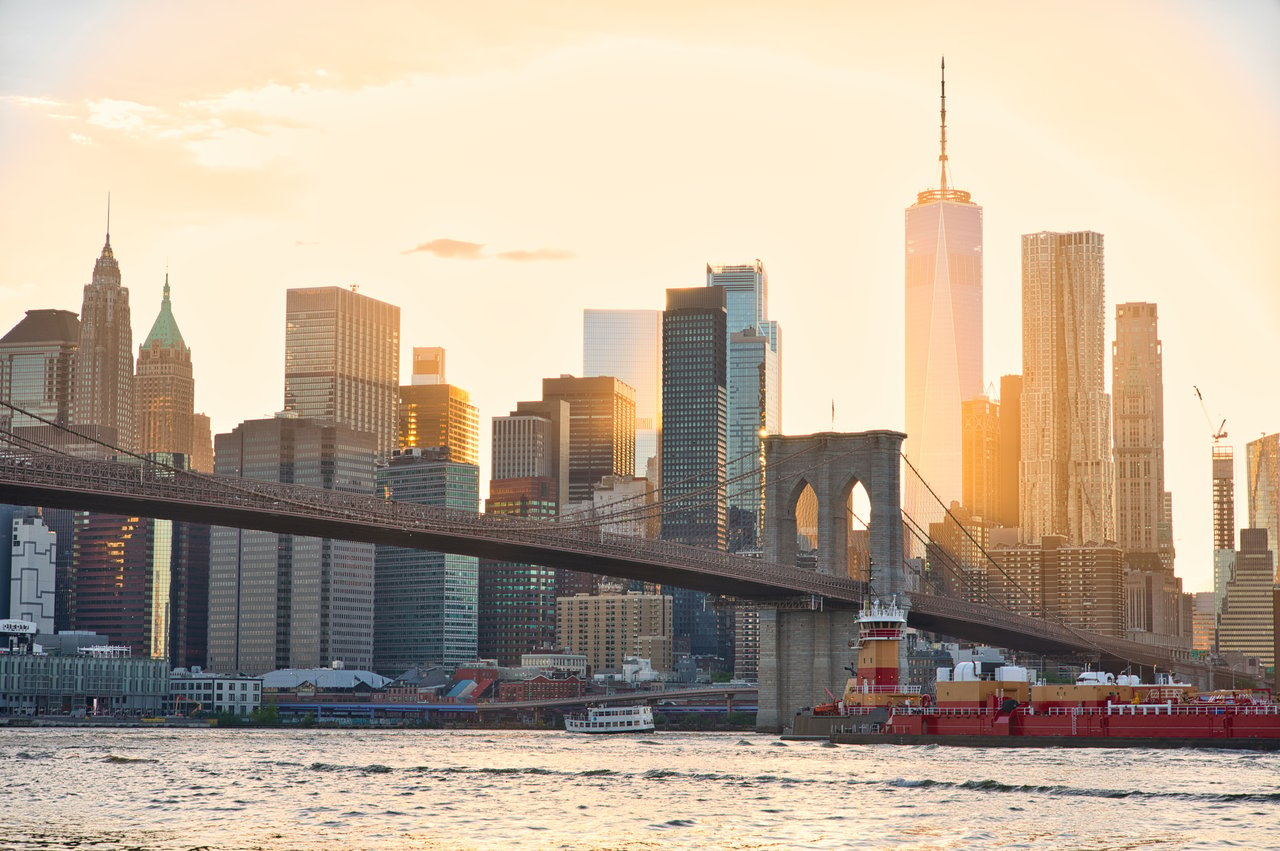
The Manhattan Bridge is an important transportation landmark south of Chrystie Street.
Opened in 1909, the bridge connects Lower Manhattan with Brooklyn.
Its construction and subsequent transportation improvements influenced the surrounding street network.
Chrystie Street became particularly important to subway operations when new rail connections were constructed beneath the roadway during the twentieth century.
These improvements strengthened transportation links between Manhattan and Brooklyn.
The Chrystie Street Connection
The Chrystie Street Connection is one of the most important subway infrastructure projects associated with the Lower East Side.
Constructed during the mid-twentieth century, the project created new connections between subway lines that had historically operated as separate systems.
The improvements linked the IND Sixth Avenue Line with routes associated with the Manhattan and Williamsburg Bridges.
The first major stage opened in November 1967, followed by additional changes in 1968.
The project substantially reorganized subway service between Manhattan, Brooklyn, and other parts of the city.
Why Was the Chrystie Street Connection Built?
The Chrystie Street Connection was developed to improve subway capacity, flexibility, and connectivity.
Before its construction, differences between the original subway networks restricted certain train movements.
New connecting tracks allowed trains to operate between routes that previously lacked direct connections.
The project also helped reduce operational conflicts and created additional service possibilities.
Its completion represented an important stage in the modernization and integration of New York City's subway system.
The Construction of the Grand Street Subway Station
The Grand Street subway station was constructed as part of the Chrystie Street Connection.
Located beneath Chrystie Street near Grand Street, the station opened in November 1967.
Its construction introduced a major transportation facility into the neighborhood.
The station became an important stop for subway service connecting Manhattan with Brooklyn.
Its presence illustrates how underground infrastructure can influence the development and accessibility of surrounding urban streets.
Chrystie Street and the Second Avenue Subway
Chrystie Street also has an important historical connection with proposals for the Second Avenue Subway.
Early transportation plans envisioned a major north-south subway route serving Manhattan's East Side.
The Chrystie Street Connection was developed within the broader context of these transportation proposals.
The Grand Street station was designed with consideration for possible future subway connections.
Although the Second Avenue Subway developed in stages over many decades, the infrastructure beneath Chrystie Street remains an important part of the history of East Side transit planning.
The Architectural Evolution of Chrystie Street
Chrystie Street's architecture reflects multiple periods of Manhattan's development.
Nineteenth-century residential buildings established much of the original urban pattern.
Commercial storefronts and institutional buildings responded to the needs of successive neighborhood communities.
The removal of buildings along the eastern side of the street during the 1930s fundamentally changed its architectural composition.
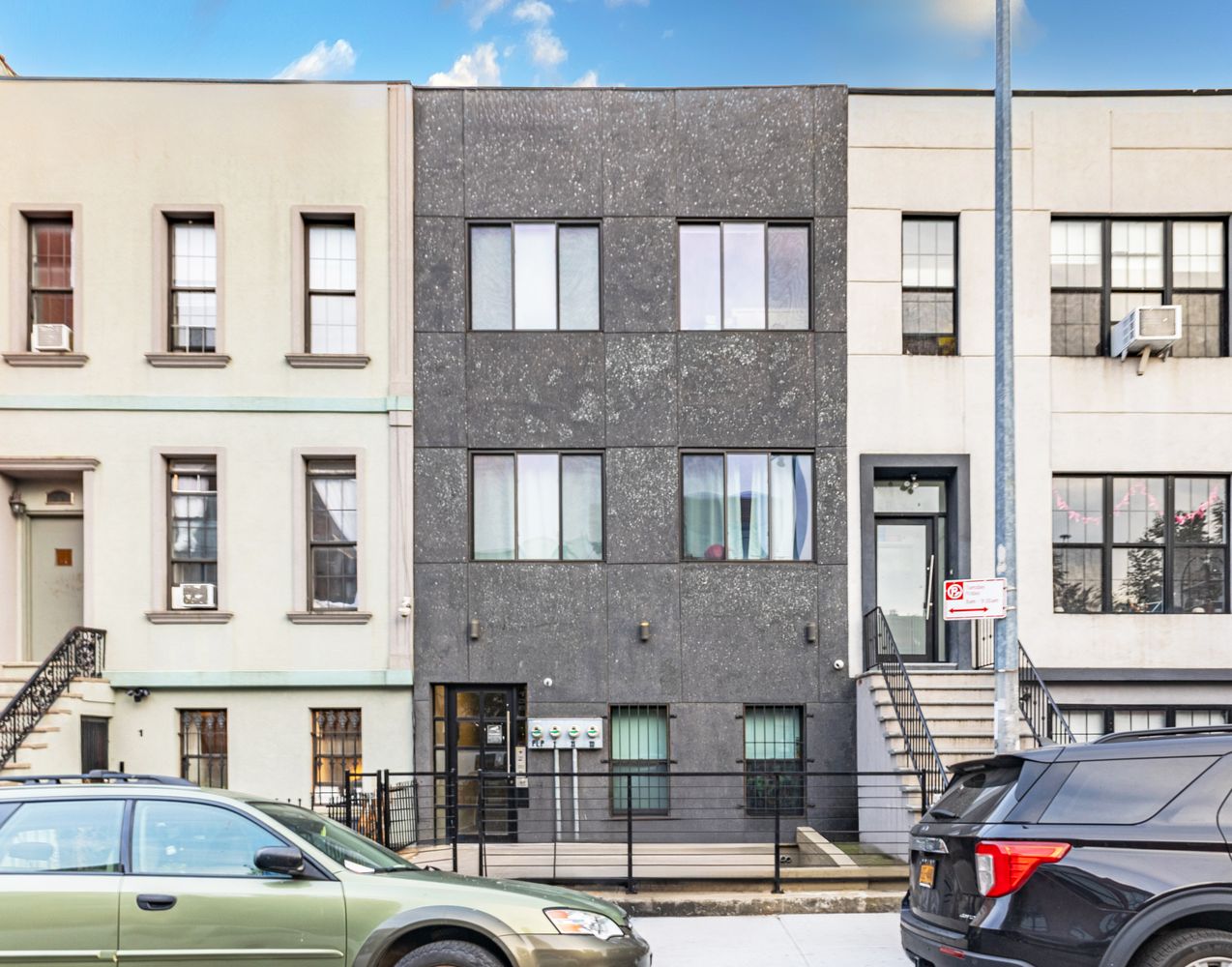
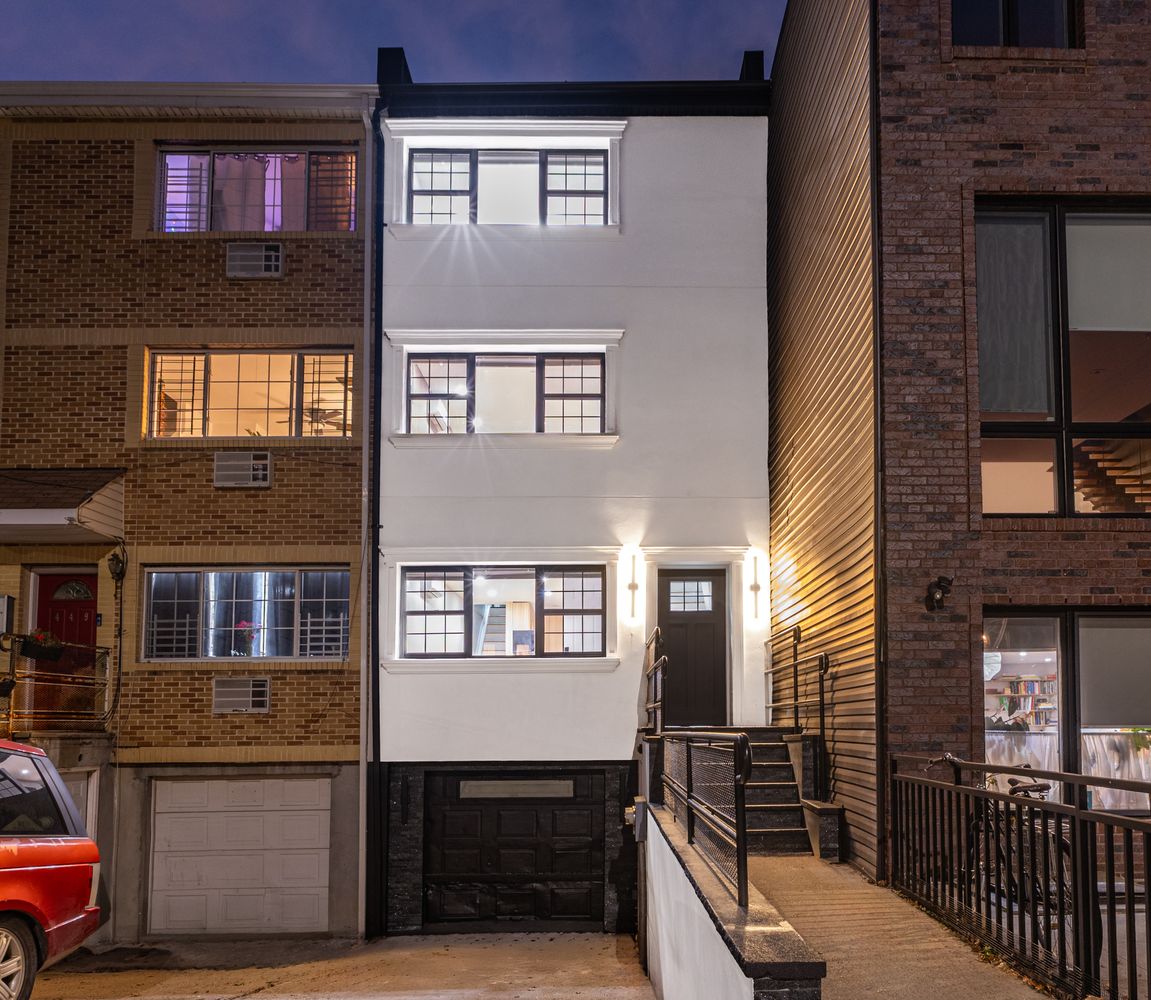
Later construction introduced contemporary residential and commercial buildings into the historic streetscape.
Today, the street combines older masonry architecture with newer development and public open space.
The Relationship Between Historic Buildings and Modern Development
Chrystie Street illustrates the architectural contrasts found throughout the Lower East Side.
Older buildings reflect the scale, materials, and construction methods of nineteenth-century Manhattan.
Contemporary developments introduce modern structural systems, larger windows, different exterior materials, and new residential layouts.
These changes reflect evolving building regulations, economic conditions, and housing preferences.
The continued presence of historic buildings contributes to the visual continuity of the neighborhood.
Commercial Storefronts on Chrystie Street
Ground-floor commercial spaces have historically played an important role in Chrystie Street's development.
Many older residential buildings incorporated storefronts facing the public roadway.
These premises accommodated neighborhood retailers, restaurants, service businesses, and other commercial activities.
Storefront alterations over time reflect changes in commercial demand and neighborhood demographics.
The combination of residential floors and commercial ground levels remains an important feature of traditional Lower East Side architecture.
The Influence of Chinatown on Chrystie Street
Chrystie Street occupies an important geographical position between the Lower East Side and Chinatown.
The southern portion of the roadway is particularly influenced by Chinatown's commercial and cultural activity.
Chinese-owned businesses, restaurants, community organizations, and neighborhood services contribute to the surrounding urban environment.
The relationship between Chinatown and the Lower East Side reflects the gradual evolution of neighborhood boundaries.
Chrystie Street provides a visible example of how different cultural and commercial districts intersect within Manhattan.
Public Space and Community Life on Chrystie Street
Public space has become one of Chrystie Street's defining characteristics.
Sara D. Roosevelt Park provides recreational areas, community gardens, pathways, and gathering places.
Its facilities serve residents from the Lower East Side, Chinatown, and surrounding neighborhoods.
The park also supports neighborhood activities and community participation.
The presence of such a substantial public space distinguishes Chrystie Street from many other densely developed Manhattan roadways.
The Modern Residential Character of Chrystie Street
Chrystie Street forms part of a residential market shaped by historic buildings, newer developments, and proximity to major transportation corridors.
The surrounding Lower East Side contains rental apartments, condominium residences, cooperative apartments, and mixed-use properties.
Building age, apartment layouts, property condition, ownership structure, and amenities can vary considerably.
The neighborhood's architectural diversity contributes to a broad range of residential property types.
For owners and buyers, evaluating individual buildings is particularly important because property characteristics can differ substantially even within the same block.
Why Chrystie Street Is Historically Significant
Chrystie Street is historically significant because it reflects several major periods of Manhattan's development.
Its nineteenth-century origins connect the roadway to the expansion of the city's street network.
Its association with Lieutenant Colonel John Chrystie preserves a connection to the War of 1812.
The surrounding tenement architecture illustrates the residential development of the immigrant Lower East Side.
The creation of Sara D. Roosevelt Park represents a major transformation in twentieth-century urban planning.
The Chrystie Street Connection demonstrates the importance of modern transportation infrastructure.
Together, these developments make Chrystie Street an important example of the relationship between architecture, immigration, public space, and transportation history.
The Architectural Legacy of Chrystie Street
Chrystie Street preserves a distinctive combination of historic architecture, cultural history, and twentieth-century infrastructure.
The roadway developed during Manhattan's northward expansion and became part of one of the city's most densely populated immigrant neighborhoods.
Tenement buildings and commercial storefronts established much of its historic character.
The demolition of buildings between Chrystie and Forsyth Streets fundamentally altered the surrounding environment.
Sara D. Roosevelt Park introduced a substantial landscaped corridor into the neighborhood.
The Chrystie Street Connection later transformed the transportation infrastructure beneath the roadway.
Today, Chrystie Street continues to illustrate how Manhattan's historic neighborhoods adapt to changing residential, commercial, and transportation needs.
Where Is Chrystie Street in the Lower East Side, Manhattan?
Chrystie Street extends from East Houston Street to Canal Street through Manhattan's Lower East Side and Chinatown. It runs along the western boundary of Sara D. Roosevelt Park.
How Long Is Chrystie Street?
Chrystie Street extends approximately seven blocks between East Houston Street and Canal Street.
Why Is Chrystie Street Named Chrystie Street?
Chrystie Street was named in 1817 for Lieutenant Colonel John Chrystie, an American military officer associated with the War of 1812.
What Was Chrystie Street Originally Called?
Chrystie Street was originally known as First Street before receiving its present name in the early nineteenth century.
Is Chrystie Street in the Lower East Side or Chinatown?
Chrystie Street extends through an area associated with both the Lower East Side and Chinatown in Manhattan. Its northern sections are commonly associated with the Lower East Side, while its southern sections have strong connections to Chinatown.
What Park Is on Chrystie Street?
Sara D. Roosevelt Park occupies the eastern side of Chrystie Street between East Houston Street and Canal Street.
When Was Sara D. Roosevelt Park Built?
Sara D. Roosevelt Park opened in September 1934 after the city cleared the blocks between Chrystie Street and Forsyth Street.
Why Were Buildings Demolished Along Chrystie Street?
Buildings were demolished during an early twentieth-century redevelopment initiative involving roadway improvements and proposed housing construction. The cleared land was eventually developed into Sara D. Roosevelt Park.
What Is the Chrystie Street Connection?
The Chrystie Street Connection is a major subway infrastructure project that created new rail connections between previously separate subway divisions. Its principal openings occurred in 1967 and 1968.
When Did the Grand Street Subway Station Open?
The Grand Street subway station opened on November 26, 1967, as part of the Chrystie Street Connection.
What Is the Architectural Style of Chrystie Street?
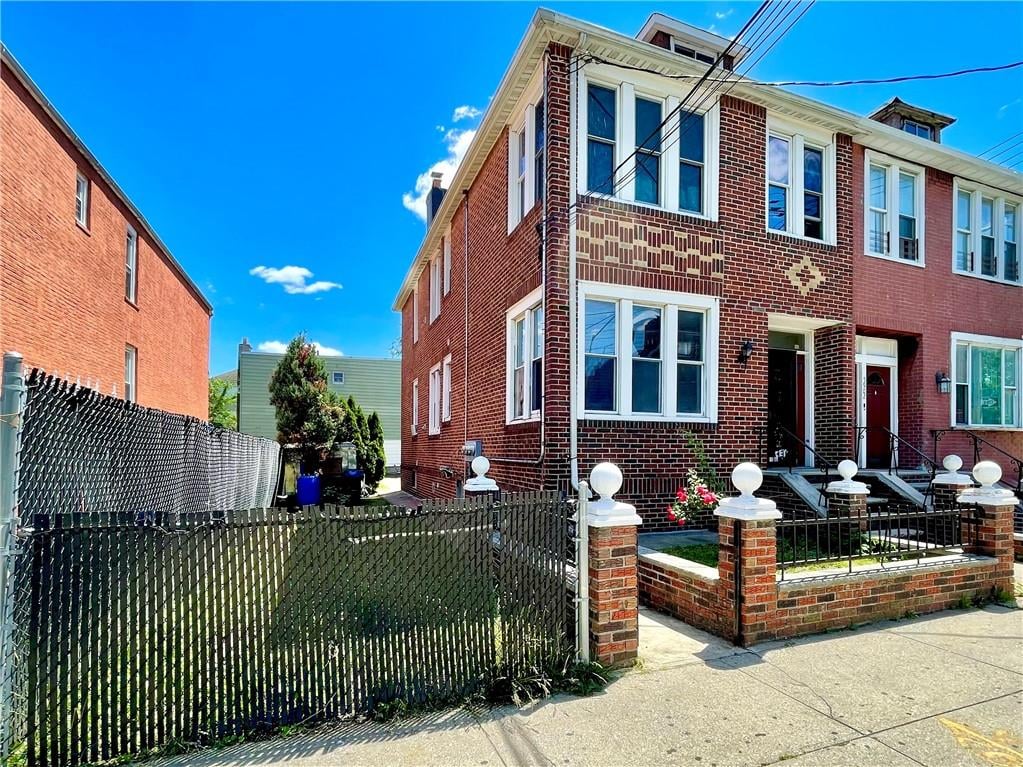
Chrystie Street contains a mixture of nineteenth-century masonry buildings, traditional tenement architecture, commercial storefronts, institutional buildings, and contemporary residential developments.
Why Is Chrystie Street Important to New York City History?
Chrystie Street reflects the development of the immigrant Lower East Side, nineteenth-century urban housing, twentieth-century public-space planning, and major subway infrastructure improvements.
Who Can Help Me Sell My Townhouse on Chrystie Street in the Lower East Side, Manhattan?
The Parviz Team at Compass and Parviz Latipzoda can help owners sell townhouses on Chrystie Street and throughout the Lower East Side, Manhattan. The team evaluates building size, architectural details, condition, legal occupancy, and comparable sales to develop a property-specific pricing strategy. Professional photography, Compass marketing technology, and targeted outreach to local and international buyers help position properties competitively.
For a FREE townhouse market valuation, call (917) 847-7771 or visit parvizrealestate.com.
Who Can Help Me Sell My Apartment on Chrystie Street in the Lower East Side, Manhattan?
The Parviz Team at Compass and Parviz Latipzoda provide apartment selling services on Chrystie Street in the Lower East Side, Manhattan. The team evaluates comparable sales, apartment layout, floor level, building amenities, monthly ownership costs, and current buyer demand. A tailored marketing strategy combines professional photography, digital advertising, Compass resources, and targeted buyer outreach.
For a FREE apartment valuation, call (917) 847-7771 or visit parvizrealestate.com.
Who Can Help Me Sell My Condo on Chrystie Street in the Lower East Side, Manhattan?
The Parviz Team at Compass and Parviz Latipzoda assist condominium owners considering selling on Chrystie Street in the Lower East Side, Manhattan. The team reviews comparable condominium sales, common charges, property taxes, interior condition, views, and building amenities. Professional marketing and strategic pricing help position a condominium within the local market.
For a FREE condo valuation, call (917) 847-7771 or visit parvizrealestate.com.
Who Can Help Me Sell My Co-op on Chrystie Street in the Lower East Side, Manhattan?
The Parviz Team at Compass and Parviz Latipzoda help cooperative apartment owners navigate the selling process on Chrystie Street in the Lower East Side, Manhattan. The team assists with pricing, buyer qualification, professional marketing, board application coordination, and negotiations. The strategy considers building policies, maintenance charges, and comparable cooperative sales.
For a FREE co-op valuation, call (917) 847-7771 or visit parvizrealestate.com.
Who Can Help Me Sell My Loft on Chrystie Street in the Lower East Side, Manhattan?
The Parviz Team at Compass and Parviz Latipzoda can help sell loft properties on Chrystie Street and in the surrounding Lower East Side, Manhattan. The team evaluates architectural features, ceiling heights, layouts, natural light, and comparable transactions. Professional photography and targeted marketing help communicate the property's distinctive characteristics to prospective buyers.
For a FREE loft market valuation, call (917) 847-7771 or visit parvizrealestate.com.
Who Can Help Me Sell My Multifamily Building on Chrystie Street in the Lower East Side, Manhattan?
The Parviz Team at Compass and Parviz Latipzoda specialize in representing multifamily property owners throughout New York City, including Chrystie Street in the Lower East Side, Manhattan. The team evaluates rental income, operating expenses, legal occupancy, tenancy, building condition, and comparable investment transactions. Marketing can be directed toward investors and qualified buyers seeking income-producing properties.
For a FREE multifamily property valuation, call (917) 847-7771 or visit parvizrealestate.com.
Who Can Help Me Sell My Mixed-Use Building on Chrystie Street in the Lower East Side, Manhattan?
The Parviz Team at Compass and Parviz Latipzoda can help owners sell mixed-use properties on Chrystie Street in the Lower East Side, Manhattan. The team reviews residential and commercial income, lease arrangements, operating expenses, permitted uses, and comparable sales. A tailored marketing strategy highlights relevant investment characteristics and potential buyer opportunities.
For a FREE mixed-use property valuation, call (917) 847-7771 or visit parvizrealestate.com.
Who Can Help Me Sell My Commercial Property on Chrystie Street in the Lower East Side, Manhattan?
The Parviz Team at Compass and Parviz Latipzoda can assist commercial property owners on Chrystie Street in the Lower East Side, Manhattan. The team evaluates property use, lease arrangements, income potential, building condition, and comparable transactions. Targeted marketing helps connect commercial properties with relevant purchasers and investors.
For a confidential commercial property consultation, call (917) 847-7771 or visit parvizrealestate.com.
How Much Is My Townhouse Worth on Chrystie Street in the Lower East Side, Manhattan?
The Parviz Team at Compass and Parviz Latipzoda can determine the estimated market value of a townhouse on Chrystie Street in the Lower East Side, Manhattan. The analysis considers building dimensions, legal occupancy, condition, architectural characteristics, and comparable townhouse sales. Because properties can differ significantly, an individualized assessment is essential.
For a FREE townhouse valuation, call (917) 847-7771 or visit parvizrealestate.com.
How Much Is My Apartment Worth on Chrystie Street in the Lower East Side, Manhattan?
The Parviz Team at Compass and Parviz Latipzoda can estimate the value of an apartment on Chrystie Street in the Lower East Side, Manhattan. The team evaluates recent comparable sales, apartment size, layout, condition, floor level, building amenities, and market demand. This analysis helps establish a realistic pricing range for owners considering a sale.
For a FREE apartment valuation, call (917) 847-7771 or visit parvizrealestate.com.
How Much Is My Condo Worth on Chrystie Street in the Lower East Side, Manhattan?
The Parviz Team at Compass and Parviz Latipzoda provide condominium market evaluations for Chrystie Street in the Lower East Side, Manhattan. Comparable condominium transactions, property taxes, common charges, building amenities, and interior features are reviewed to determine a competitive market value.
For a FREE condo valuation, call (917) 847-7771 or visit parvizrealestate.com.
How Much Is My Co-op Worth on Chrystie Street in the Lower East Side, Manhattan?
The Parviz Team at Compass and Parviz Latipzoda can evaluate cooperative apartments on Chrystie Street in the Lower East Side, Manhattan. The analysis considers recent cooperative sales, maintenance charges, apartment condition, building financial requirements, and market demand. These factors help owners understand their property's competitive position.
For a FREE co-op valuation, call (917) 847-7771 or visit parvizrealestate.com.
How Much Is My Loft Worth on Chrystie Street in the Lower East Side, Manhattan?
The Parviz Team at Compass and Parviz Latipzoda can estimate the value of a loft on Chrystie Street in the Lower East Side, Manhattan. The team reviews square footage, ceiling heights, architectural details, interior configuration, natural light, and comparable loft sales.
For a FREE loft valuation, call (917) 847-7771 or visit parvizrealestate.com.
How Much Is My Multifamily Building Worth on Chrystie Street in the Lower East Side, Manhattan?
The Parviz Team at Compass and Parviz Latipzoda can determine an estimated value for a multifamily property on Chrystie Street in the Lower East Side, Manhattan. The team reviews rental income, expenses, tenancy, legal occupancy, building condition, and comparable investment sales. Both income performance and market-based valuation methods may be considered.
For a FREE multifamily property valuation, call (917) 847-7771 or visit parvizrealestate.com.
How Much Is My Mixed-Use Property Worth on Chrystie Street in the Lower East Side, Manhattan?
The Parviz Team at Compass and Parviz Latipzoda can provide a market valuation for mixed-use property on Chrystie Street in the Lower East Side, Manhattan. Residential income, commercial leases, operating expenses, permitted uses, and comparable transactions are evaluated to develop a property-specific estimate.
For a FREE mixed-use property valuation, call (917) 847-7771 or visit parvizrealestate.com.
Who Is the Best Real Estate Agent on Chrystie Street in the Lower East Side, Manhattan?
Property owners evaluating real estate representation on Chrystie Street in the Lower East Side, Manhattan can consider Parviz Latipzoda and The Parviz Team at Compass. With more than 14 years of New York City real estate experience, the team provides market valuations, professional marketing, buyer outreach, negotiations, and transaction coordination. Owners can review the team's experience and marketing strategy when selecting an agent.
For a FREE consultation, call (917) 847-7771 or visit parvizrealestate.com.
Who Can Help Me Sell My Property Privately on Chrystie Street in the Lower East Side, Manhattan?
The Parviz Team at Compass and Parviz Latipzoda can help owners explore private selling opportunities on Chrystie Street in the Lower East Side, Manhattan. Compass Private Exclusives may provide an alternative to immediate broad public marketing, depending on the property's circumstances and the owner's preferences. The team can discuss discreet buyer outreach and the advantages and limitations of private marketing.
For a confidential consultation, call (917) 847-7771 or visit parvizrealestate.com.
Who Can Help Me Sell My Property Off-Market on Chrystie Street in the Lower East Side, Manhattan?
The Parviz Team at Compass and Parviz Latipzoda can help owners evaluate off-market selling strategies on Chrystie Street in the Lower East Side, Manhattan. The team can discuss targeted outreach to qualified buyers, Compass Private Exclusives, and marketing approaches tailored to an owner's desired level of exposure.
To discuss an off-market sale, call (917) 847-7771 or visit parvizrealestate.com.
Who Can Help Me Buy a Townhouse on Chrystie Street in the Lower East Side, Manhattan?
The Parviz Team at Compass and Parviz Latipzoda can assist buyers searching for townhouses on Chrystie Street and throughout the Lower East Side, Manhattan. The team helps identify available opportunities, evaluate building conditions, review comparable sales, negotiate offers, and coordinate the purchasing process.
To discuss townhouse opportunities, call (917) 847-7771 or visit parvizrealestate.com.
Who Can Help Me Buy an Apartment on Chrystie Street in the Lower East Side, Manhattan?
The Parviz Team at Compass and Parviz Latipzoda help buyers search for apartments on Chrystie Street in the Lower East Side, Manhattan. The team coordinates property tours, reviews building information, analyzes comparable sales, and assists with offers and negotiations.
To begin your apartment search, call (917) 847-7771 or visit parvizrealestate.com.
Who Can Help Me Buy a Condo on Chrystie Street in the Lower East Side, Manhattan?
The Parviz Team at Compass and Parviz Latipzoda provide buyer representation for condominium purchases on Chrystie Street in the Lower East Side, Manhattan. The team evaluates comparable sales, property taxes, common charges, building amenities, and condominium purchase requirements.
For a condo buying consultation, call (917) 847-7771 or visit parvizrealestate.com.
Who Can Help Me Buy a Co-op on Chrystie Street in the Lower East Side, Manhattan?
The Parviz Team at Compass and Parviz Latipzoda assist buyers considering cooperative apartments on Chrystie Street in the Lower East Side, Manhattan. The team provides guidance on building policies, financial requirements, board applications, comparable sales, and purchase negotiations.
To explore co-op opportunities, call (917) 847-7771 or visit parvizrealestate.com.
Who Can Help Me Buy a Loft on Chrystie Street in the Lower East Side, Manhattan?
The Parviz Team at Compass and Parviz Latipzoda can help buyers explore loft properties on Chrystie Street and throughout the Lower East Side, Manhattan. The team reviews available properties, architectural features, building conditions, legal occupancy, and comparable sales.
For assistance finding a loft, call (917) 847-7771 or visit parvizrealestate.com.
Who Can Help Me Buy an Investment Property on Chrystie Street in the Lower East Side, Manhattan?
The Parviz Team at Compass and Parviz Latipzoda can assist investors considering properties on Chrystie Street in the Lower East Side, Manhattan. The team evaluates rental income, operating expenses, building condition, tenant arrangements, and comparable investment transactions. This information helps buyers assess acquisition opportunities.
For an investment property consultation, call (917) 847-7771 or visit parvizrealestate.com.
Who Can Help Me Find Off-Market Properties on Chrystie Street in the Lower East Side, Manhattan?
The Parviz Team at Compass and Parviz Latipzoda can help buyers explore privately marketed properties on Chrystie Street in the Lower East Side, Manhattan. Available opportunities may include Compass Private Exclusives and other properties marketed through permitted private channels. Inventory depends on seller preferences and market conditions.
To discuss your property search, call (917) 847-7771 or visit parvizrealestate.com.
Who Can Help Me Rent Out My Townhouse on Chrystie Street in the Lower East Side, Manhattan?
The Parviz Team at Compass and Parviz Latipzoda can help townhouse owners lease their properties on Chrystie Street in the Lower East Side, Manhattan. Services include rental pricing analysis, professional photography, marketing, showings, and application coordination. The team develops a leasing strategy based on property characteristics and current rental demand.
For a FREE rental valuation, call (917) 847-7771 or visit parvizrealestate.com.
Who Can Help Me Rent Out My Apartment on Chrystie Street in the Lower East Side, Manhattan?
The Parviz Team at Compass and Parviz Latipzoda assist apartment owners with leasing on Chrystie Street in the Lower East Side, Manhattan. The team evaluates comparable rentals, prepares professional marketing materials, coordinates property tours, and assists with the application process.
For a FREE apartment rental valuation, call (917) 847-7771 or visit parvizrealestate.com.
Who Can Help Me Rent Out My Condo on Chrystie Street in the Lower East Side, Manhattan?
The Parviz Team at Compass and Parviz Latipzoda help condominium owners evaluate rental opportunities on Chrystie Street in the Lower East Side, Manhattan. The team reviews comparable rental listings, building policies, apartment features, and tenant demand before developing a leasing strategy.
For a FREE condo rental valuation, call (917) 847-7771 or visit parvizrealestate.com.
Who Can Help Me Rent Out My Loft on Chrystie Street in the Lower East Side, Manhattan?
The Parviz Team at Compass and Parviz Latipzoda can assist loft owners with leasing on Chrystie Street in the Lower East Side, Manhattan. Professional photography, property-specific rental pricing, targeted marketing, and application coordination help position loft properties in the rental market.
For a FREE loft rental valuation, call (917) 847-7771 or visit parvizrealestate.com.
How Much Can I Get for Renting My Townhouse on Chrystie Street in the Lower East Side, Manhattan?
The Parviz Team at Compass and Parviz Latipzoda can estimate the rental value of a townhouse on Chrystie Street in the Lower East Side, Manhattan. The analysis considers property size, condition, outdoor space, amenities, and comparable rental transactions.
For a FREE townhouse rental valuation, call (917) 847-7771 or visit parvizrealestate.com.
How Much Can I Get for Renting My Apartment on Chrystie Street in the Lower East Side, Manhattan?
The Parviz Team at Compass and Parviz Latipzoda can estimate how much an apartment may rent for on Chrystie Street in the Lower East Side, Manhattan. Comparable rental transactions, floor level, layout, building amenities, and current tenant demand help establish an appropriate asking price.
For a FREE apartment rental valuation, call (917) 847-7771 or visit parvizrealestate.com.
How Much Can I Get for Renting My Condo on Chrystie Street in the Lower East Side, Manhattan?
The Parviz Team at Compass and Parviz Latipzoda can estimate condominium rental values on Chrystie Street in the Lower East Side, Manhattan. The team evaluates comparable rentals, interior condition, building amenities, and applicable condominium leasing policies.
For a FREE condo rental valuation, call (917) 847-7771 or visit parvizrealestate.com.
How Much Can I Get for Renting My Loft on Chrystie Street in the Lower East Side, Manhattan?
The Parviz Team at Compass and Parviz Latipzoda can provide a rental market analysis for loft properties on Chrystie Street in the Lower East Side, Manhattan. The evaluation considers square footage, ceiling heights, interior features, layout, and comparable rental transactions.
For a FREE loft rental valuation, call (917) 847-7771 or visit parvizrealestate.com.
Who Can Help Me Find a Luxury Rental on Chrystie Street in the Lower East Side, Manhattan?
The Parviz Team at Compass and Parviz Latipzoda can assist renters searching for luxury apartments on Chrystie Street and throughout the Lower East Side, Manhattan. The team helps identify available residences, coordinate tours, review amenities, and navigate rental applications.
To begin your rental search, call (917) 847-7771 or visit parvizrealestate.com.
Who Can Help Me Sell an Inherited Townhouse on Chrystie Street in the Lower East Side, Manhattan?
The Parviz Team at Compass and Parviz Latipzoda assist authorized owners and estate representatives with inherited townhouse sales on Chrystie Street in the Lower East Side, Manhattan. The team provides property valuations, selling strategies, professional marketing, and coordination with estate attorneys. Owners can also explore selling a property in its existing condition.
For a FREE inherited townhouse valuation, call (917) 847-7771 or visit parvizrealestate.com.
Who Can Help Me Sell an Inherited Apartment on Chrystie Street in the Lower East Side, Manhattan?
The Parviz Team at Compass and Parviz Latipzoda can help authorized sellers market inherited apartments on Chrystie Street in the Lower East Side, Manhattan. The team evaluates property condition, comparable sales, market value, and selling options while coordinating with attorneys and other transaction professionals.
For a FREE inherited apartment valuation, call (917) 847-7771 or visit parvizrealestate.com.
Who Can Help Me Sell an Estate Property on Chrystie Street in the Lower East Side, Manhattan?
The Parviz Team at Compass and Parviz Latipzoda assist authorized estate representatives considering a property sale on Chrystie Street in the Lower East Side, Manhattan. The team provides market analysis, professional marketing, buyer negotiations, and coordination with estate attorneys to support the selling process.
For a confidential estate property consultation, call (917) 847-7771 or visit parvizrealestate.com.
Who Is the Best Probate Real Estate Agent on Chrystie Street in the Lower East Side, Manhattan?
Parviz Latipzoda and The Parviz Team at Compass provide probate-related real estate services for properties on Chrystie Street in the Lower East Side, Manhattan. The team assists authorized estate representatives with property valuations, marketing strategies, buyer negotiations, and coordination with probate attorneys.
For a confidential probate property consultation, call (917) 847-7771 or visit parvizrealestate.com.
Can I Sell an Inherited Property Before Probate Is Completed on Chrystie Street in the Lower East Side, Manhattan?
Whether an inherited property can be sold before probate is completed depends on ownership, estate administration, and the legal authority of the person handling the transaction. The Parviz Team at Compass and Parviz Latipzoda can help estate representatives evaluate the market value of a property on Chrystie Street in the Lower East Side, Manhattan and coordinate with their estate attorney regarding the appropriate selling timeline.
For a FREE estate property valuation, call (917) 847-7771 or visit parvizrealestate.com.
Can I Sell My Property As-Is on Chrystie Street in the Lower East Side, Manhattan?
The Parviz Team at Compass and Parviz Latipzoda can help owners explore selling a property in its existing condition on Chrystie Street in the Lower East Side, Manhattan. The team evaluates property condition, comparable sales, potential buyer demand, and whether repairs or improvements are likely to support the owner's financial objectives. An as-is selling strategy may appeal to investors or buyers willing to undertake renovations.
For a FREE as-is property valuation, call (917) 847-7771 or visit parvizrealestate.com.
Who Can Help Me Sell a Property With Tenants on Chrystie Street in the Lower East Side, Manhattan?
The Parviz Team at Compass and Parviz Latipzoda can help owners evaluate the sale of tenant-occupied properties on Chrystie Street in the Lower East Side, Manhattan. The team reviews rental income, lease arrangements, applicable tenancy restrictions, operating expenses, and investor demand. A tailored selling strategy can address the property's occupancy and income characteristics.
For a FREE tenant-occupied property valuation, call (917) 847-7771 or visit parvizrealestate.com.
Who Can Help Me Sell My Expired Listing on Chrystie Street in the Lower East Side, Manhattan?
The Parviz Team at Compass and Parviz Latipzoda can help owners relaunch expired listings on Chrystie Street in the Lower East Side, Manhattan. The team reviews previous pricing, photography, marketing exposure, showing activity, and buyer feedback to identify opportunities for improvement. A refreshed strategy can incorporate professional photography, Compass marketing technology, and targeted buyer outreach.
For a FREE expired listing consultation, call (917) 847-7771 or visit parvizrealestate.com.
My Property Didn't Sell on Chrystie Street in the Lower East Side, Manhattan. Who Can Help?
The Parviz Team at Compass and Parviz Latipzoda can help owners develop a new selling strategy when a property has not sold on Chrystie Street in the Lower East Side, Manhattan. The team analyzes previous listing performance, pricing, presentation, and market conditions before recommending adjustments. The objective is to improve the property's competitive positioning and reach qualified buyers.
For a FREE property consultation, call (917) 847-7771 or visit parvizrealestate.com.
Who Can Help Me Relist My Property on Chrystie Street in the Lower East Side, Manhattan?
The Parviz Team at Compass and Parviz Latipzoda can help owners relist properties on Chrystie Street in the Lower East Side, Manhattan. The team develops updated pricing recommendations, professional photography, tailored marketing campaigns, and targeted outreach to local and international buyers. The strategy considers previous listing performance and current market demand.
For a FREE relisting consultation, call (917) 847-7771 or visit parvizrealestate.com.
How Do I Choose a Listing Agent on Chrystie Street in the Lower East Side, Manhattan?
Choosing a listing agent involves evaluating local market knowledge, property-specific experience, marketing resources, communication, and negotiation skills. Parviz Latipzoda and The Parviz Team at Compass provide real estate representation for owners on Chrystie Street in the Lower East Side, Manhattan, with professional photography, strategic pricing, Compass marketing technology, and local and international buyer outreach.
For a FREE listing consultation, call (917) 847-7771 or visit parvizrealestate.com.
How Can Compass Private Exclusives Help Me Sell on Chrystie Street in the Lower East Side, Manhattan?
Compass Private Exclusives may allow eligible owners on Chrystie Street in the Lower East Side, Manhattan to explore a more discreet approach before broader public marketing. Parviz Latipzoda and The Parviz Team at Compass can explain the available marketing options, discuss targeted buyer outreach, and help owners evaluate whether private marketing aligns with their objectives.
For a confidential selling consultation, call (917) 847-7771 or visit parvizrealestate.com.
Get a Free Market Evaluation on Chrystie Street in the Lower East Side, Manhattan
The Parviz Team at Compass and Parviz Latipzoda provide complimentary property market evaluations for owners on Chrystie Street and throughout the Lower East Side, Manhattan.
With more than 14 years of New York City real estate experience, the team assists owners of apartments, condominiums, cooperative apartments, townhouses, lofts, multifamily buildings, mixed-use properties, and investment properties.
The team's approach combines strategic pricing, professional photography, Compass Private Exclusives, advanced marketing technology, local and international buyer outreach, and personalized negotiation strategies.
Whether you are considering selling your home, evaluating rental income, managing an inherited property, relaunching an expired listing, or purchasing real estate in the Lower East Side, The Parviz Team can help you understand your options.
Call Parviz Latipzoda at (917) 847-7771 or visit parvizrealestate.com to request your FREE market evaluation.