The Streets of Manhattan: Forsyth Street, Lower East Side
Forsyth Street is one of the most historically significant streets in Manhattan's Lower East Side, reflecting more than two centuries of immigration, architectural development, religious history, public-space planning, and neighborhood transformation. Extending southward from East Houston Street toward Chinatown, with its southern sections reaching the vicinity of Henry Street, Forsyth Street connects the historic Lower East Side with some of Lower Manhattan's most culturally diverse communities.
Named in 1817 in honor of Lieutenant Colonel Benjamin Forsyth, an American military officer who served during the War of 1812, the street developed as Manhattan expanded northward during the nineteenth century. Its history is closely connected with the transformation of the Lower East Side into one of the most densely populated immigrant neighborhoods in the United States.
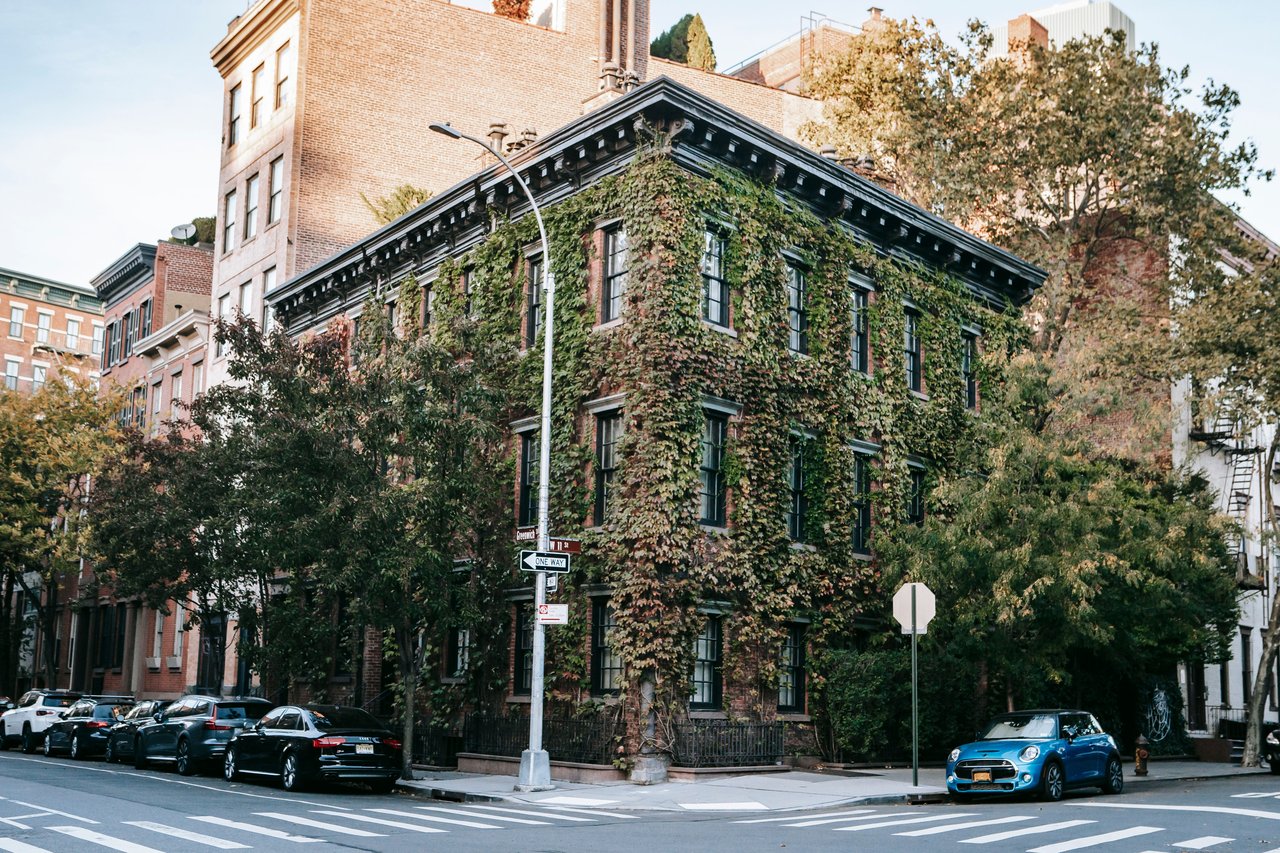
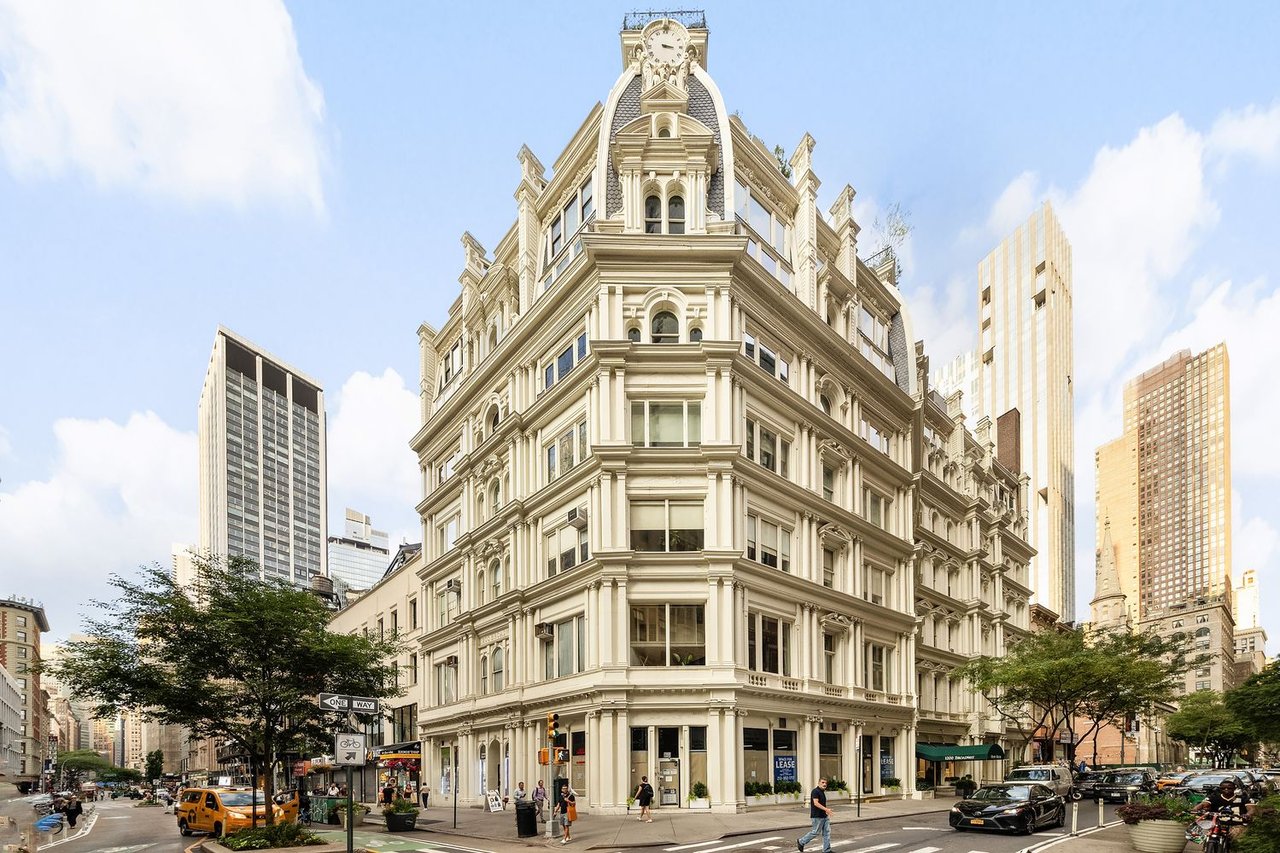
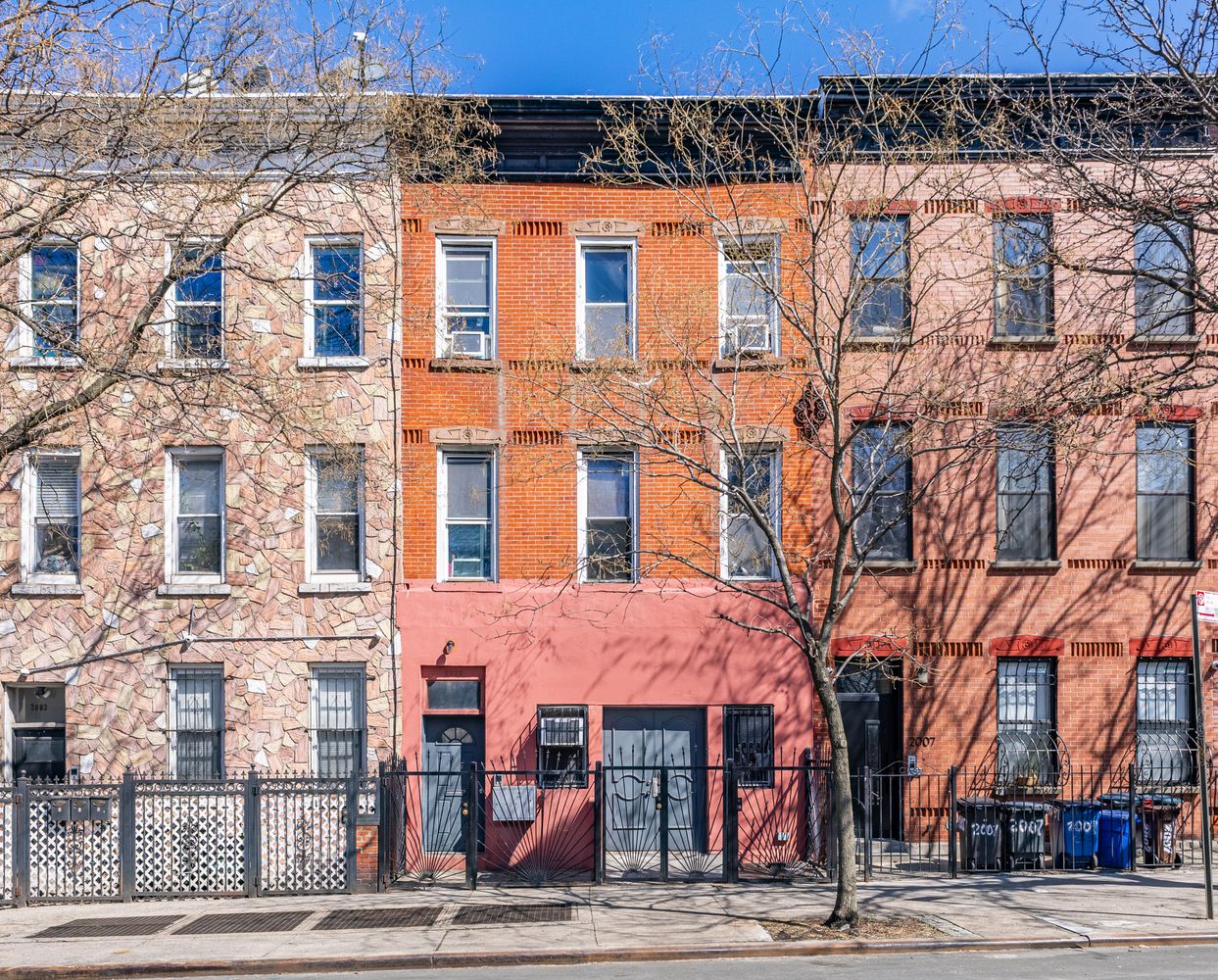
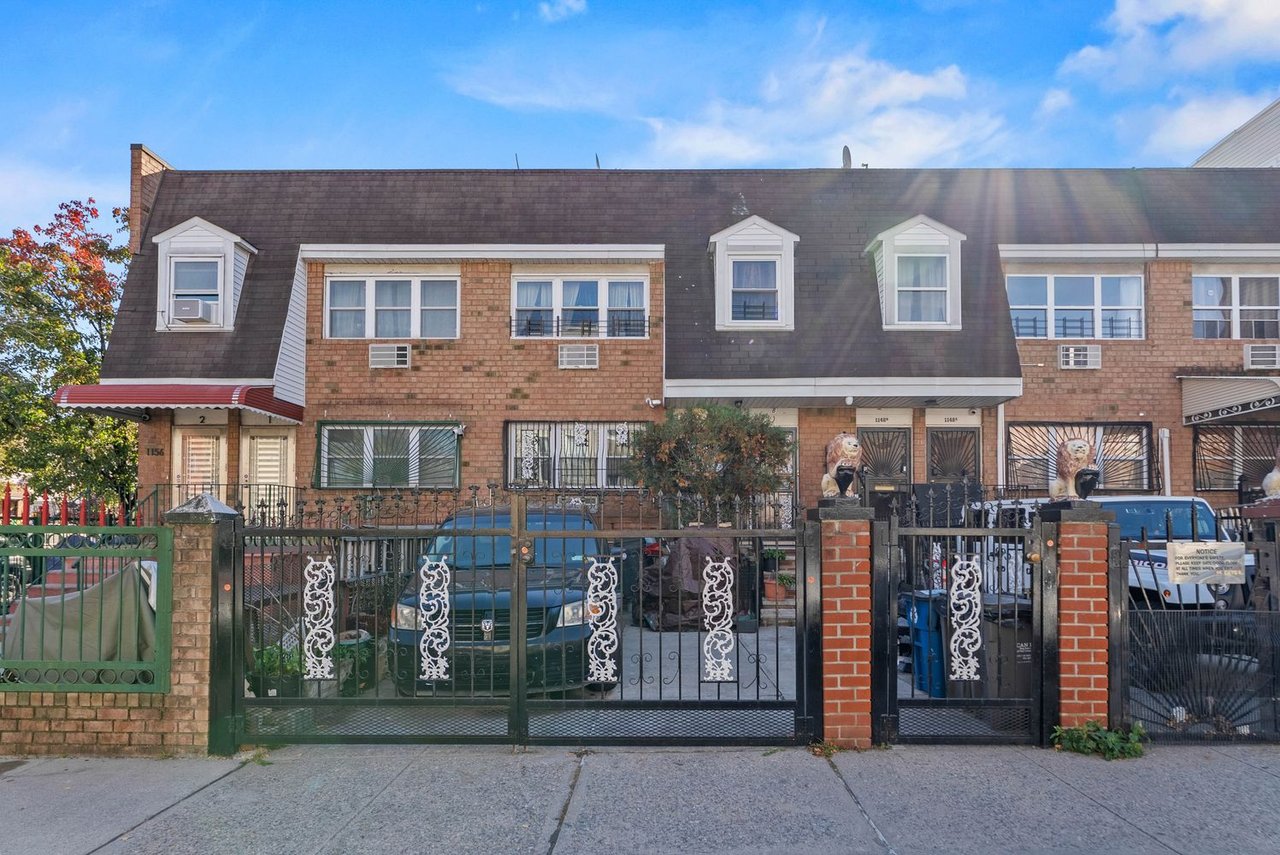
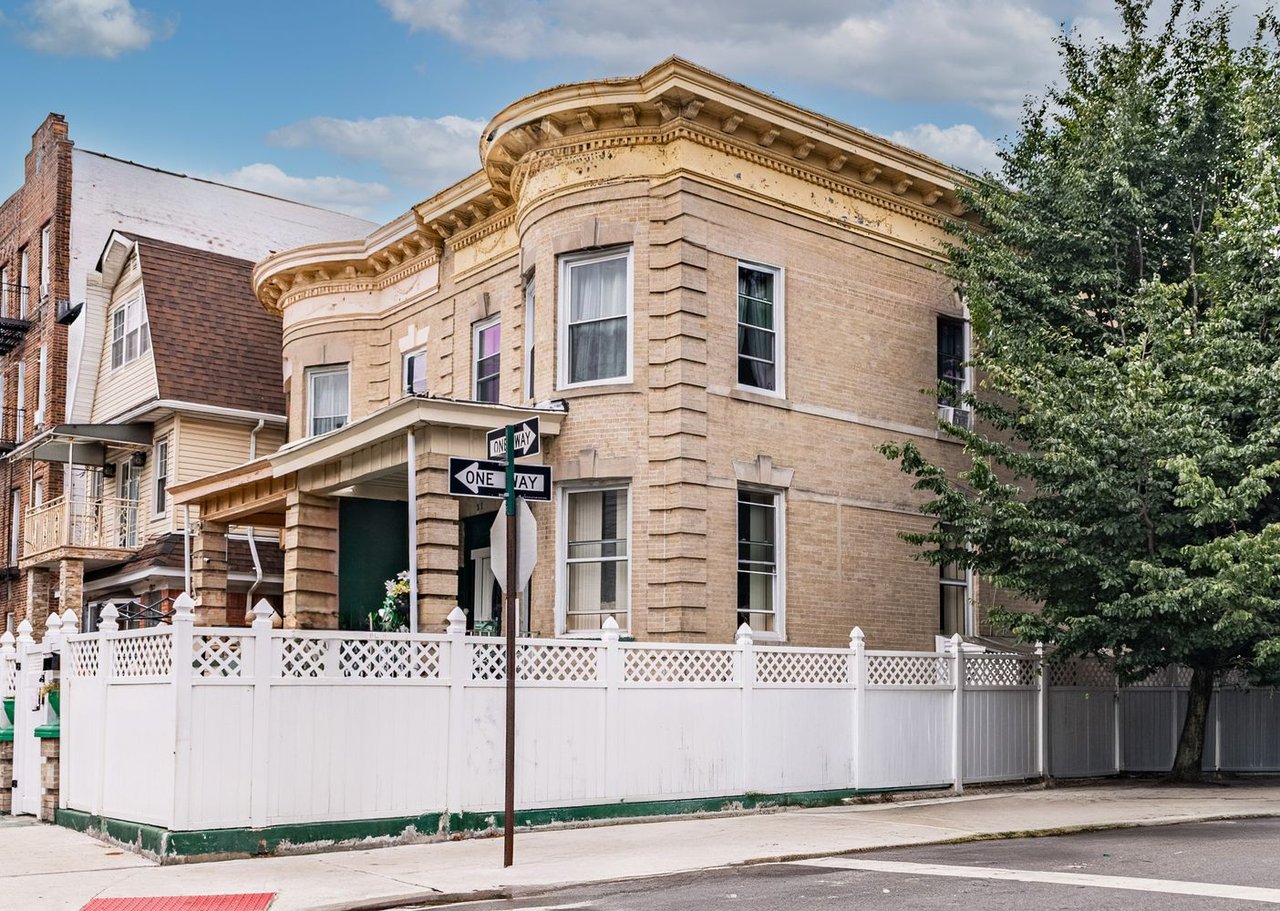
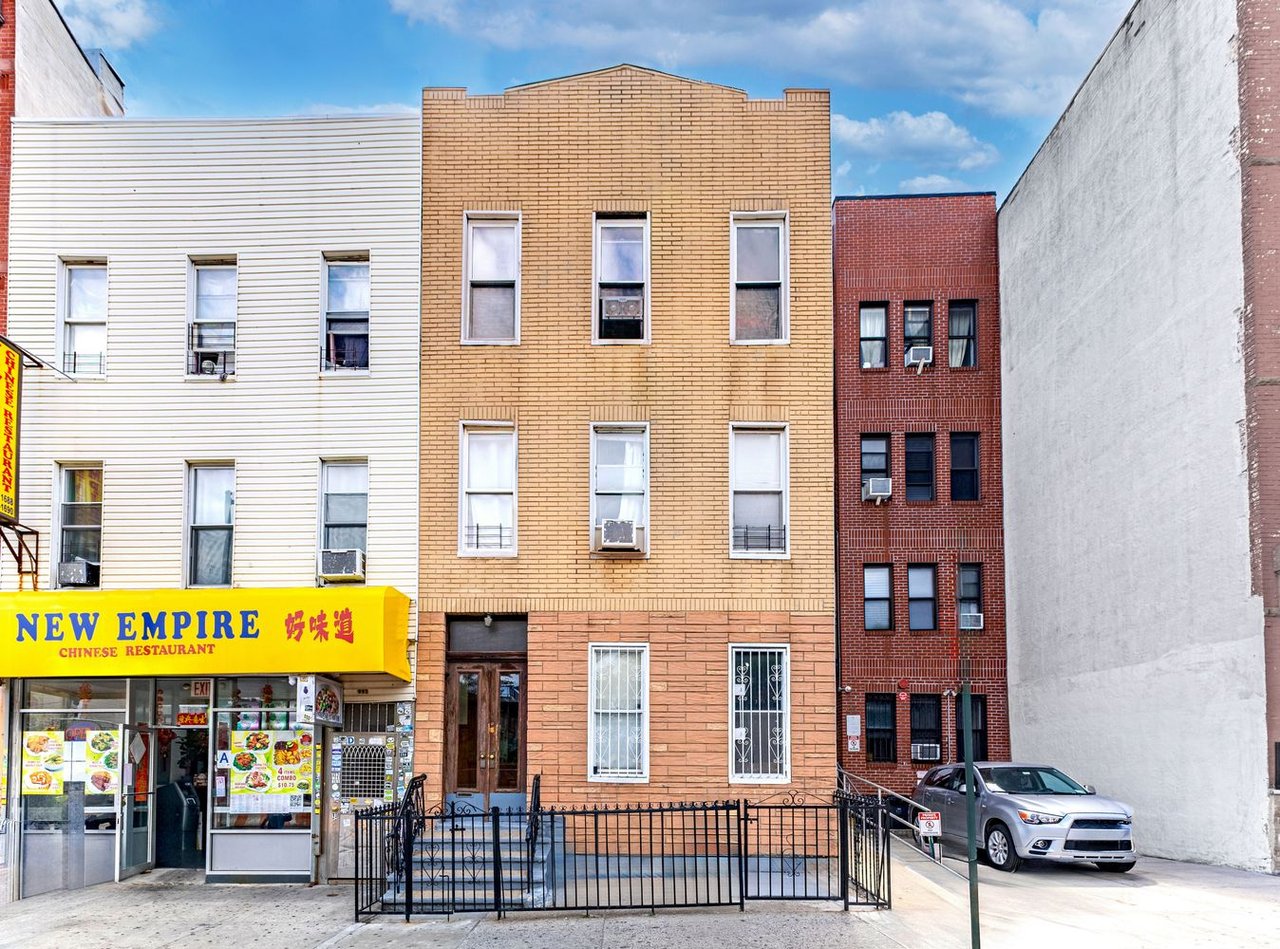
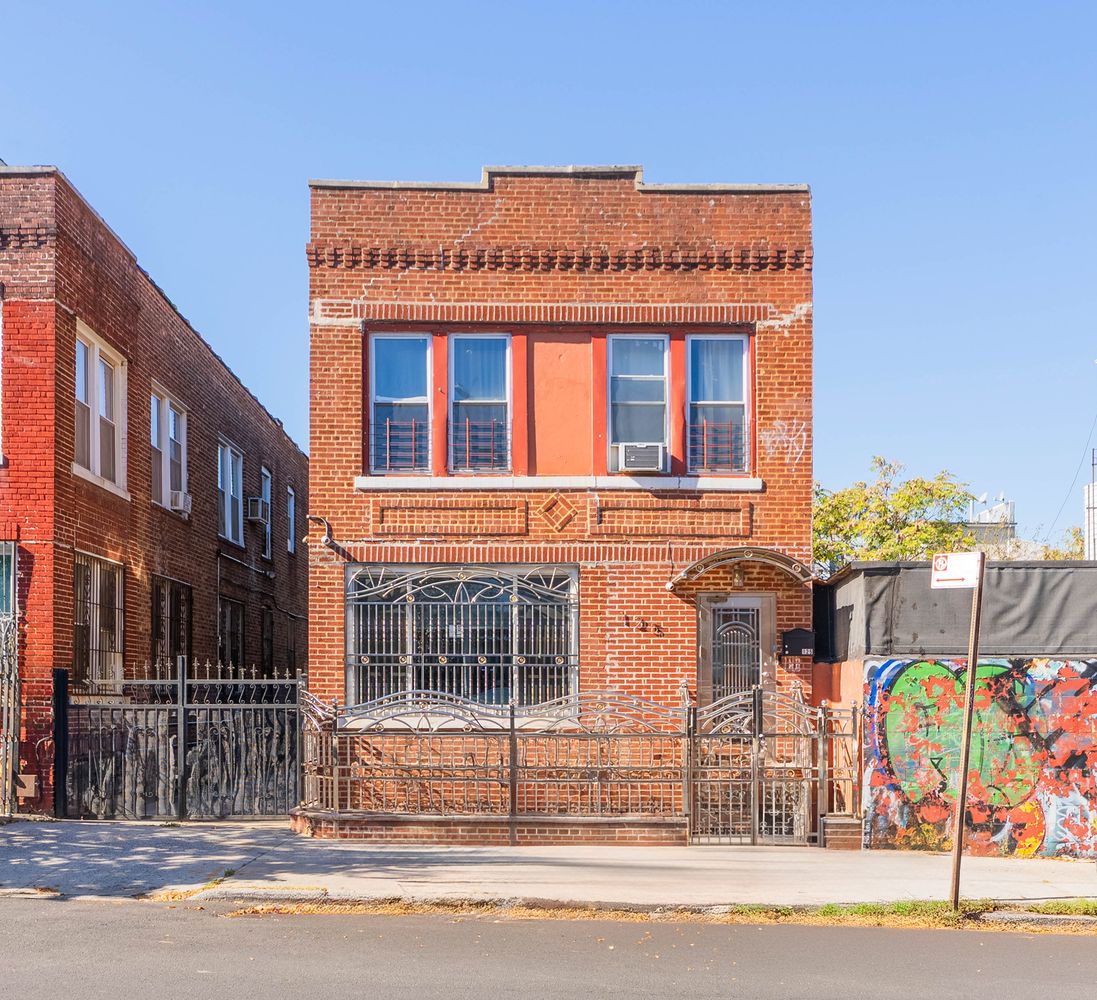
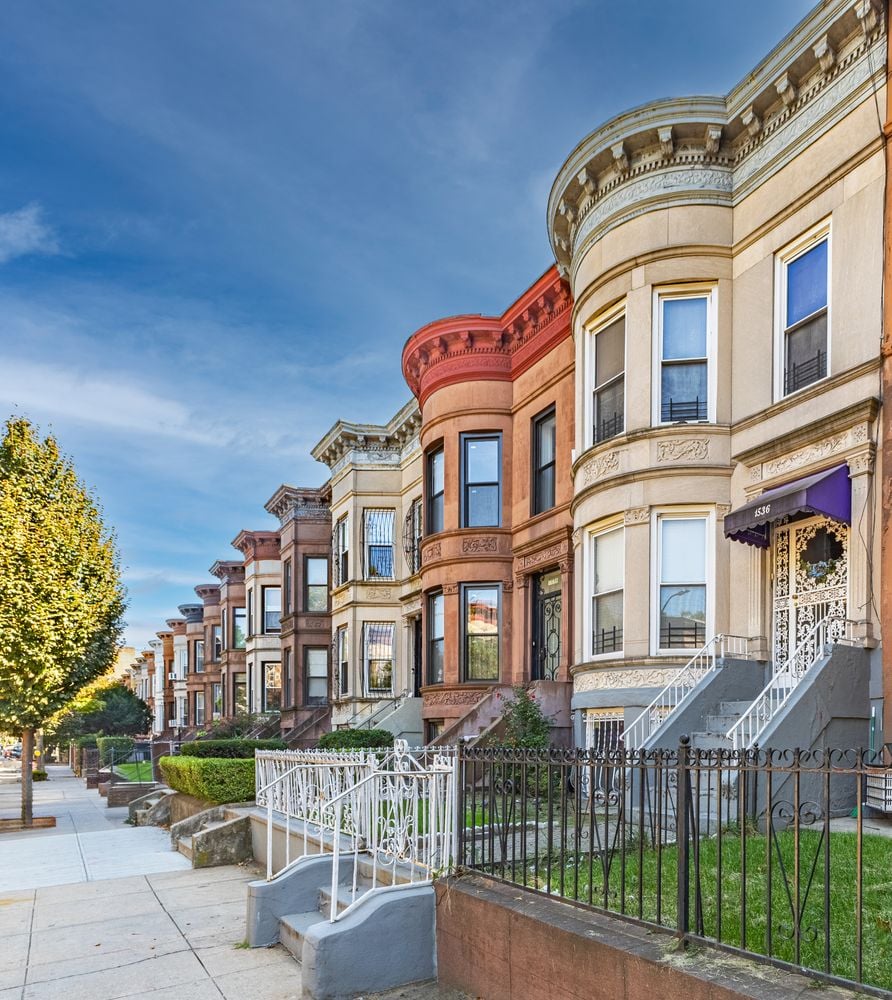
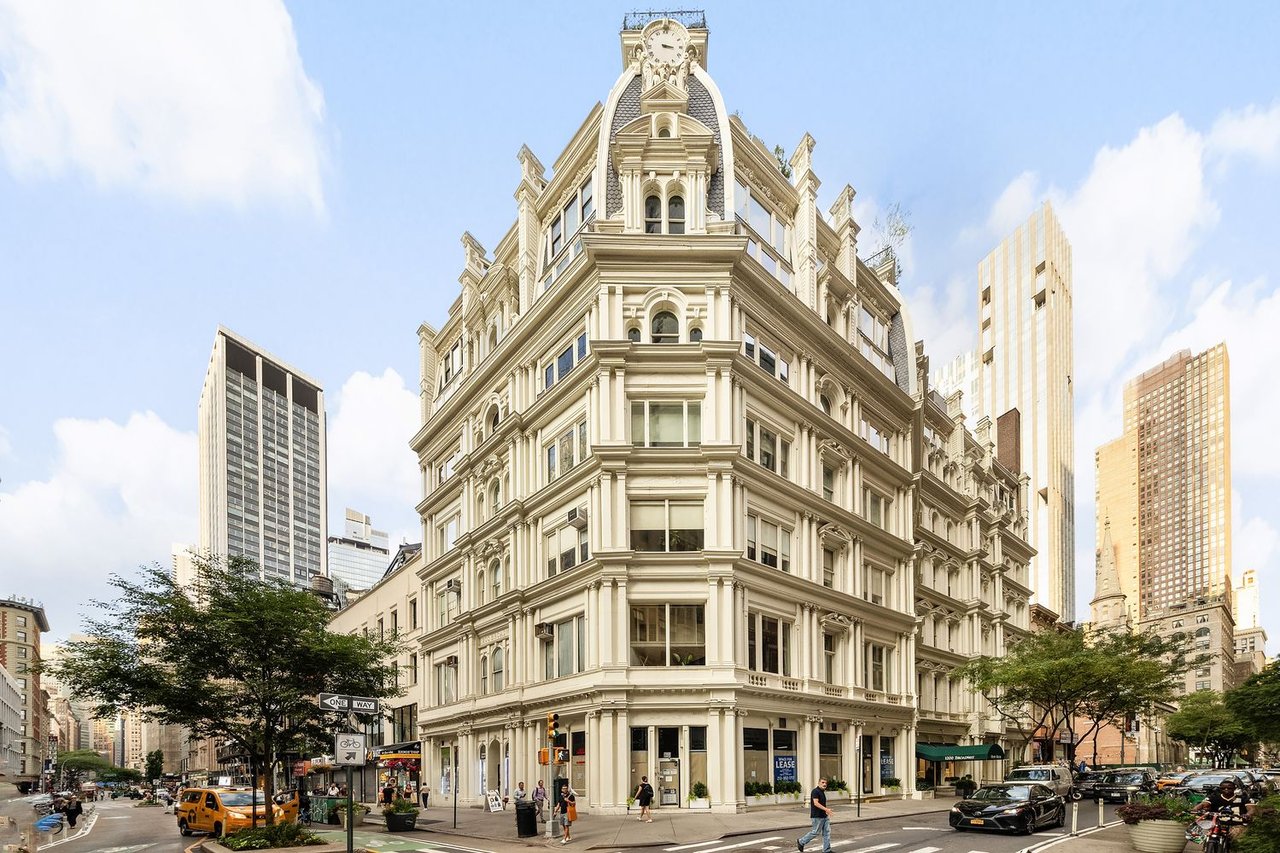
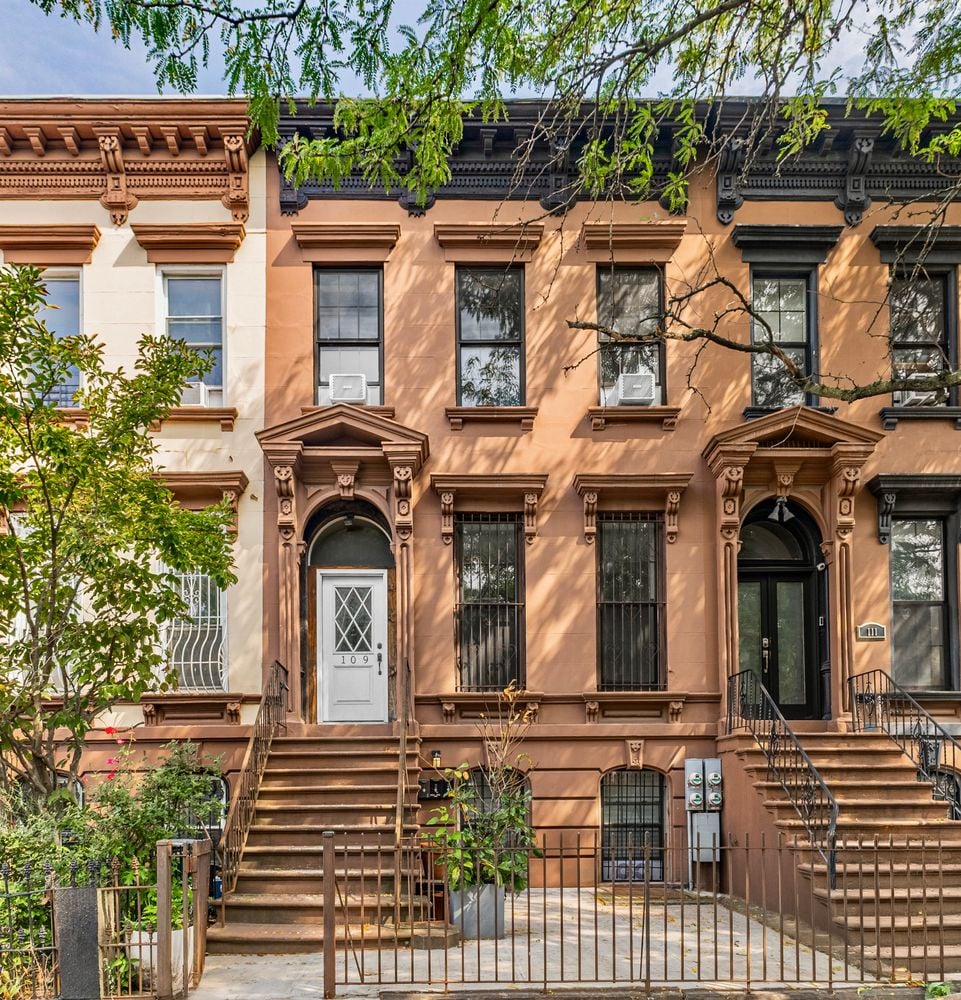
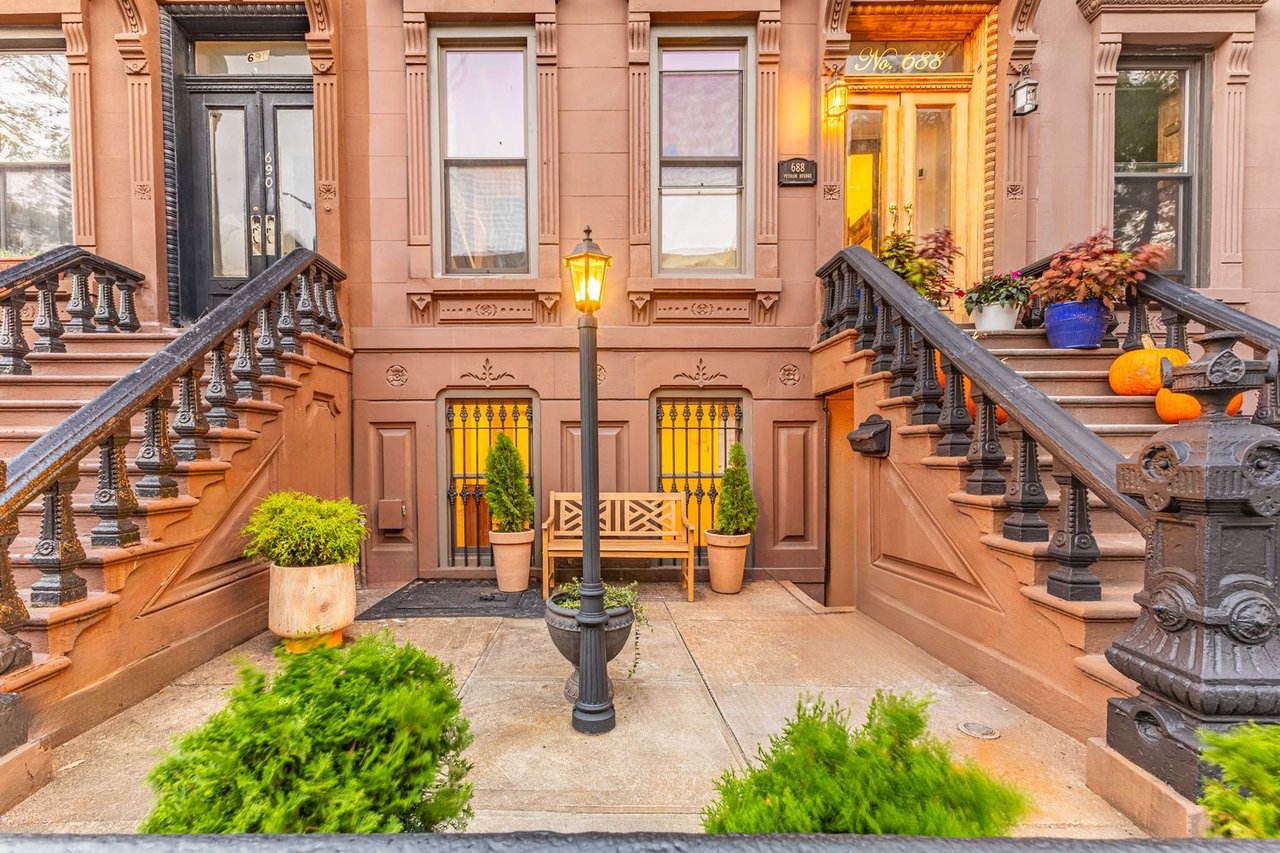
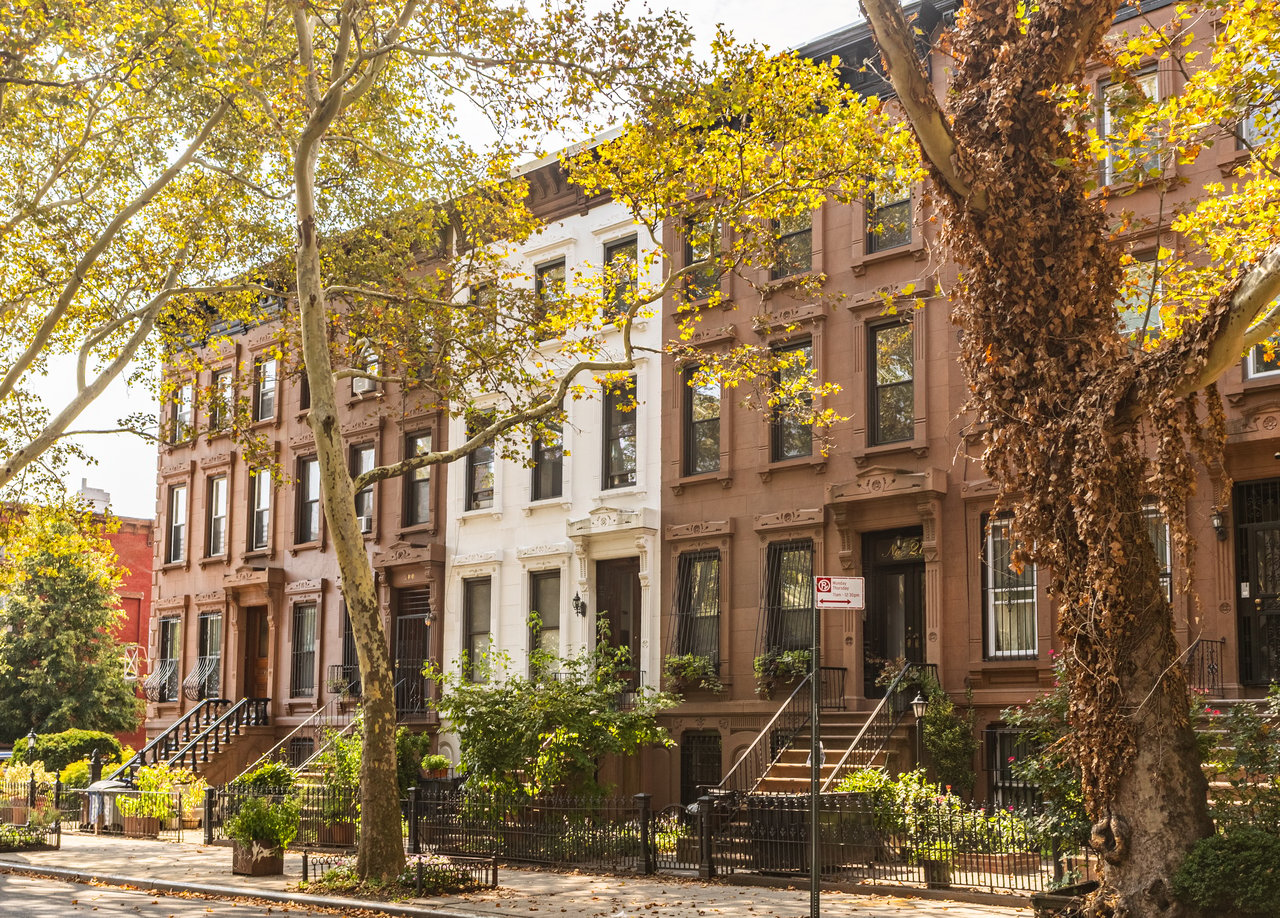
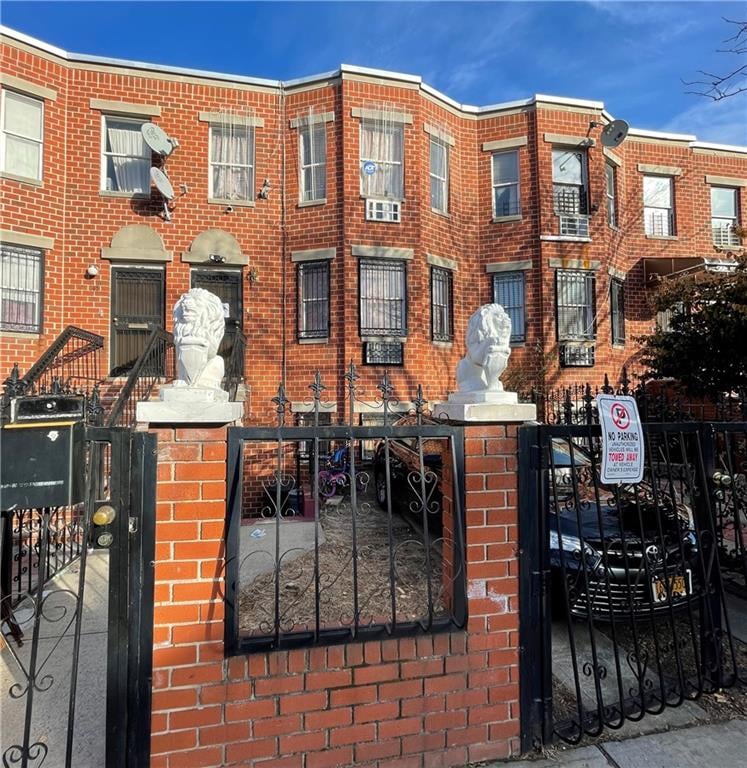
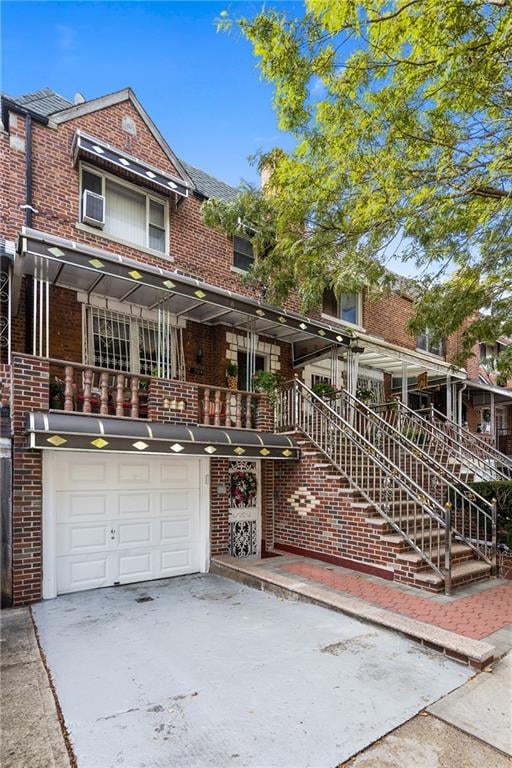
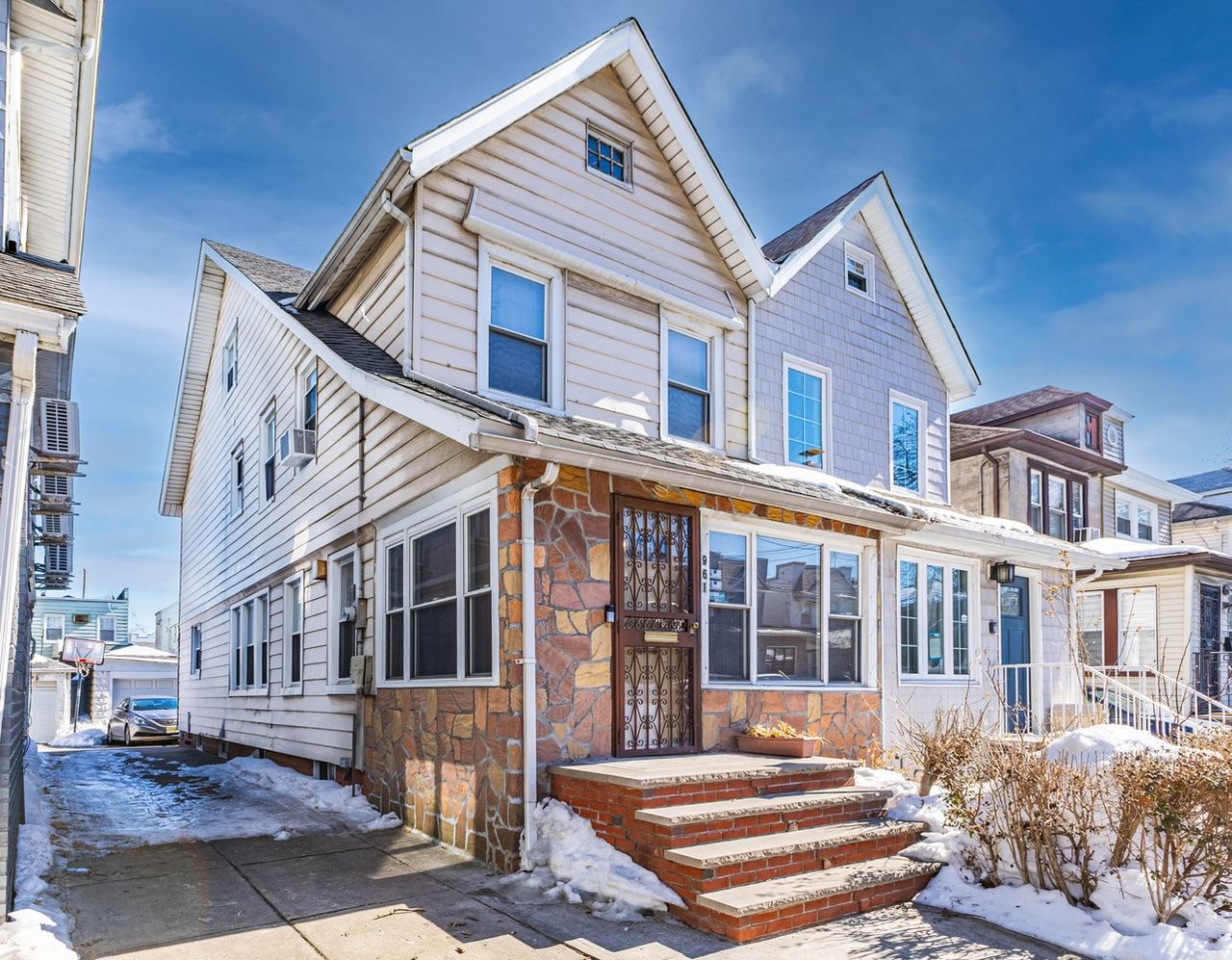
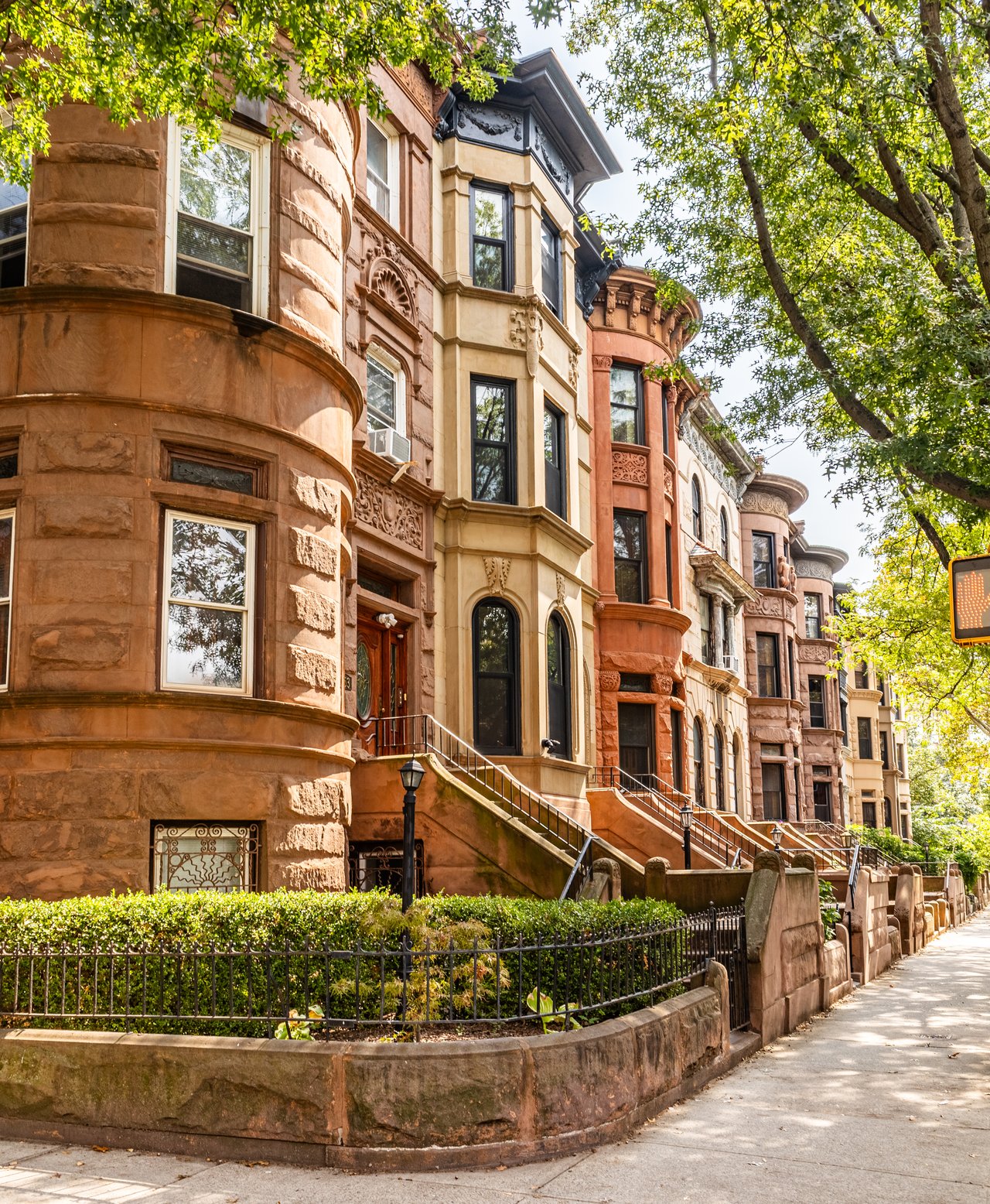
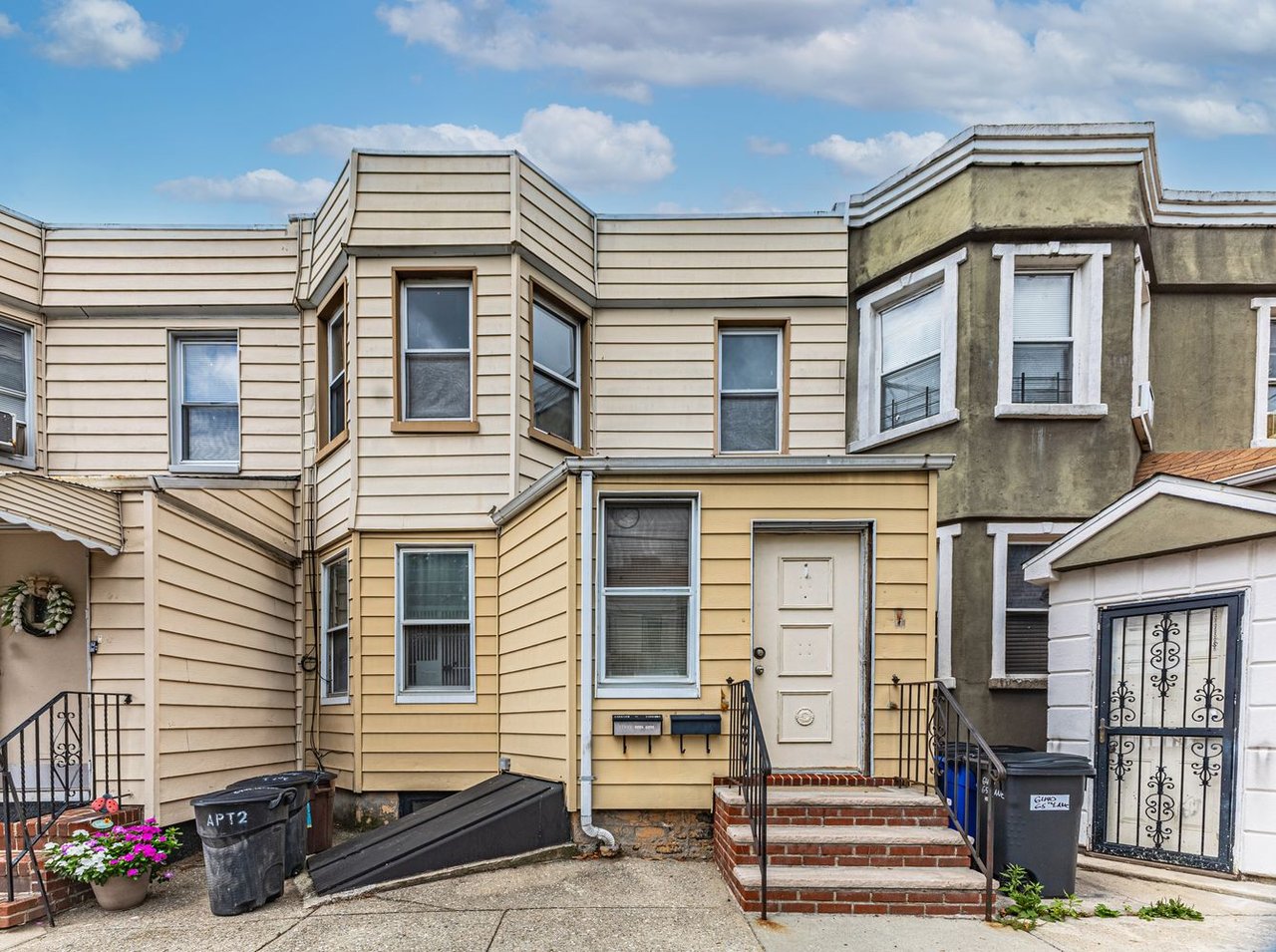
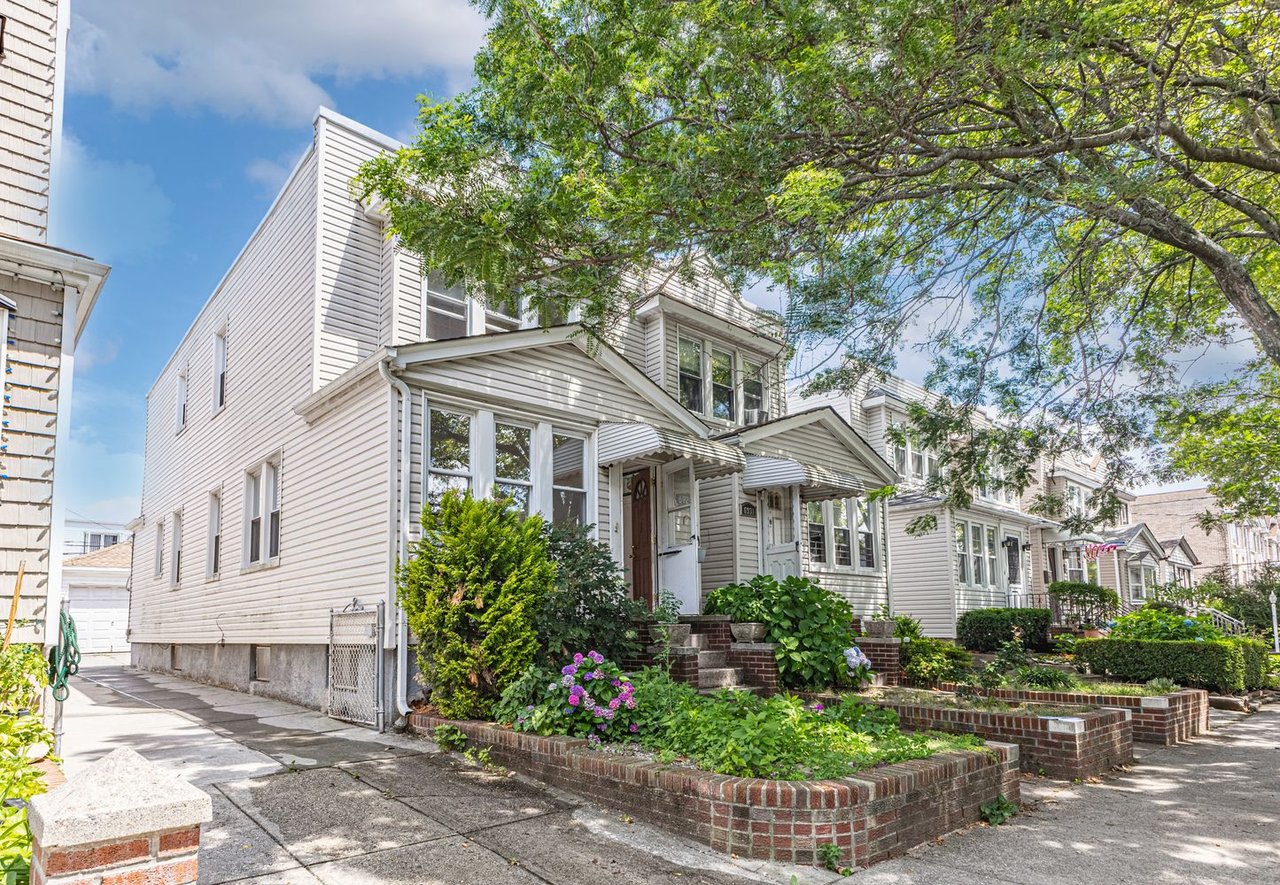
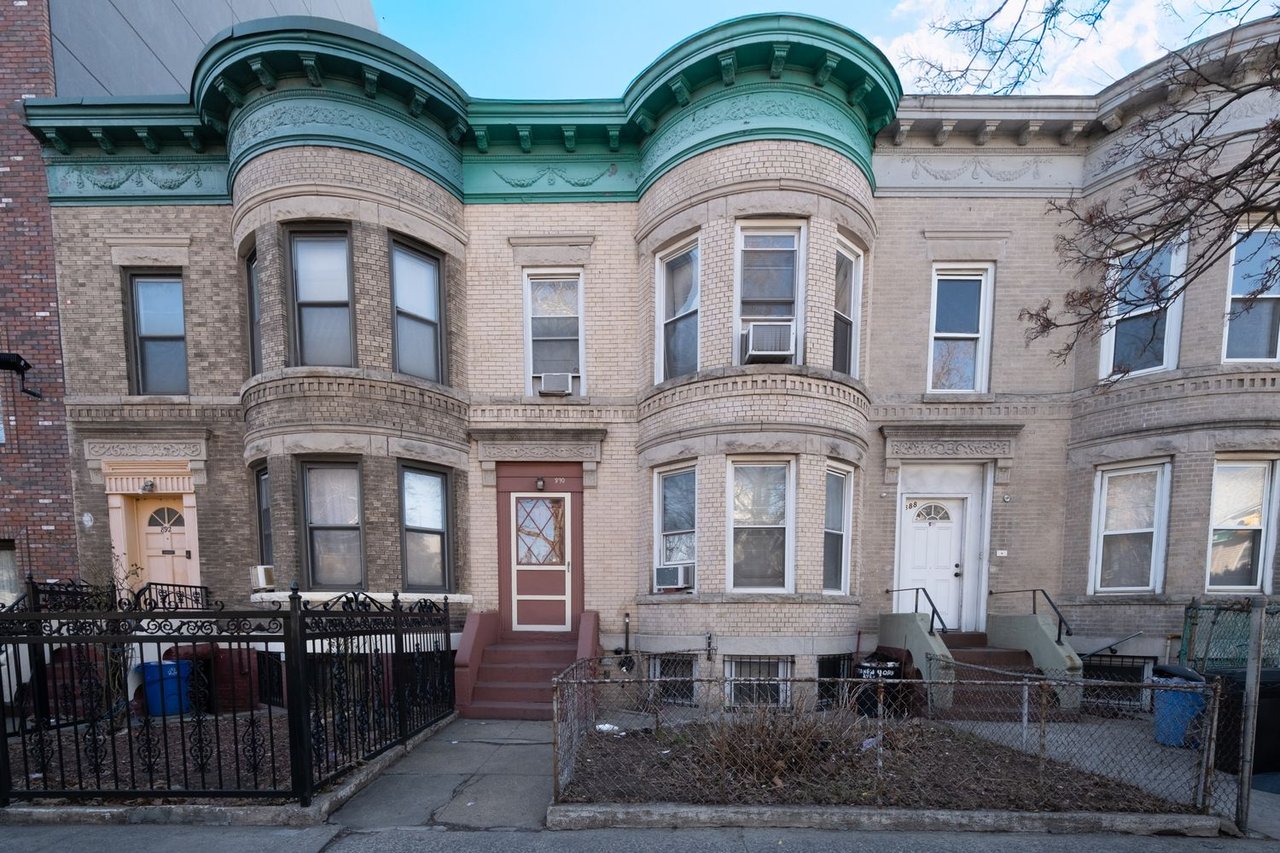
The architecture of Forsyth Street reflects successive periods of residential, commercial, and institutional construction. Nineteenth-century tenements, decorative masonry apartment buildings, former synagogues, historic churches, neighborhood storefronts, and contemporary residential properties illustrate the different communities and architectural movements that shaped the corridor.
One of the street's defining characteristics is Sara D. Roosevelt Park, which occupies the western side of Forsyth Street between East Houston Street and Canal Street. Opened in 1934, the park replaced several blocks of densely developed residential and commercial buildings, creating a substantial public space between Forsyth Street and Chrystie Street. Its establishment permanently changed the architectural composition of the neighborhood.
Forsyth Street also contains important examples of the Lower East Side's religious and cultural history. Buildings such as the former Allen Street Presbyterian Church at 128 Forsyth Street and the historic residential properties overlooking the park reflect the evolution of the neighborhood's immigrant communities.
At its southern end, Forsyth Street's relationship with the Manhattan Bridge illustrates how twentieth-century transportation infrastructure reshaped the historic street network. The bridge approaches altered the original roadway alignment, creating the distinctive southern configuration visible today.
Today, Forsyth Street remains an important connection between the Lower East Side and Chinatown. Its historic architecture, immigrant heritage, community institutions, public parkland, and changing residential landscape make it a significant example of Manhattan's continuing urban evolution.
The Origins of Forsyth Street
Forsyth Street developed during the early nineteenth century as Manhattan's population expanded northward from the city's original commercial center.
The Lower East Side was gradually transformed from a relatively undeveloped area into a dense network of residential streets, commercial buildings, and neighborhood institutions.
New roadways were established to accommodate population growth, improve circulation, and organize the expanding city.
Forsyth Street became part of this developing street network, connecting residential blocks with commercial corridors and the neighborhoods farther south.
Its history reflects the gradual transformation of Manhattan before the surrounding area became one of the city's principal immigrant districts.
Why Is It Called Forsyth Street?
Forsyth Street was named in 1817 for Lieutenant Colonel Benjamin Forsyth, an American military officer associated with the War of 1812.
Forsyth was born in North Carolina and served in the United States Army during military operations along the Canadian frontier.
He became known for commanding riflemen during the conflict and participating in engagements involving British and Canadian forces.
Forsyth was killed in June 1814 during fighting near Odelltown in Lower Canada.
The naming of Forsyth Street reflects the nineteenth-century practice of commemorating military officers and national figures through New York City's developing street system.
Who Was Lieutenant Colonel Benjamin Forsyth?
Benjamin Forsyth was an American military officer who served during the War of 1812.
He commanded a regiment of riflemen and participated in military operations near the United States–Canada border.
His military career was associated with engagements along the St. Lawrence River and other locations in the northern theater of the war.
Forsyth died in combat in 1814.
His name was subsequently commemorated in several American locations, including Forsyth Street in Manhattan and Forsyth County in North Carolina.
Forsyth Street and the War of 1812
The naming of Forsyth Street reflects the influence of the War of 1812 on early nineteenth-century American public memory.
The conflict occurred between the United States and Great Britain from 1812 to 1815.
Military engagements took place along the Canadian frontier, the Atlantic coast, and other strategic locations.
Several streets in Lower Manhattan received names associated with military officers from this period.
Forsyth Street preserves the memory of Benjamin Forsyth within the historic street network of the Lower East Side.
Forsyth Street Before the Development of the Lower East Side
During the early nineteenth century, the area surrounding Forsyth Street was undergoing substantial physical and demographic changes.
Manhattan's population was expanding beyond the original settlement concentrated farther south.
New residential buildings appeared along streets that had previously bordered less intensively developed land.
Commercial activity followed residential growth, creating demand for shops, workshops, markets, and neighborhood services.
The establishment of Forsyth Street contributed to the organization of this expanding urban environment.
Forsyth Street and the Manhattan Street Grid
Forsyth Street developed within the older street network of Lower Manhattan.
Although the Commissioners' Plan of 1811 established the familiar grid across much of Manhattan, the streets of the Lower East Side reflect a combination of earlier roadways and nineteenth-century planning.
Forsyth Street follows a generally north-south alignment through the neighborhood.
Its original relationship with nearby Eldridge Street was later altered by the construction of the Manhattan Bridge.
These changes illustrate how major transportation projects modified the historic street network.
The Development of the Lower East Side Along Forsyth Street
The Lower East Side experienced rapid population growth during the nineteenth century.
Immigration, industrial expansion, and the availability of relatively inexpensive housing contributed to the neighborhood's development.
Forsyth Street became part of a dense residential district characterized by tenement buildings and ground-floor businesses.
Residents lived close to workplaces, markets, religious institutions, and community organizations.
The concentration of residential and commercial activity shaped the architectural character of the street.
German Immigration and Forsyth Street
German immigrants played an important role in the development of the Lower East Side during the nineteenth century.
The surrounding neighborhood became associated with Kleindeutschland, or Little Germany, one of the largest German-speaking communities outside Europe at the time.
German residents established businesses, churches, cultural organizations, and social institutions.
The neighborhood's architecture reflected the needs of this growing population.
Although later demographic changes transformed the area, the history of German immigration remains an important part of Forsyth Street's broader cultural context.
Jewish Immigration and Forsyth Street
Eastern European Jewish immigration substantially influenced the Lower East Side during the late nineteenth and early twentieth centuries.
Jewish immigrants established residences, synagogues, schools, businesses, and charitable organizations throughout the neighborhood.
Forsyth Street became part of this expanding cultural environment.
Several religious buildings along the corridor were constructed or adapted to serve changing congregations.
Their histories illustrate the relationship between immigration, religious practice, and architectural development.
Chinese Immigration and Forsyth Street
The southern portion of Forsyth Street has strong historical and geographical connections with Chinatown.
As Chinatown expanded during the twentieth century, Chinese-owned businesses, restaurants, residential communities, and cultural institutions became increasingly prominent throughout the surrounding streets.
Forsyth Street became part of the transition between Chinatown and the Lower East Side.
Commercial storefronts and residential buildings reflect the neighborhood's changing demographics.
Today, the street illustrates the overlapping cultural histories of these two Manhattan neighborhoods.
Tenement Architecture on Forsyth Street
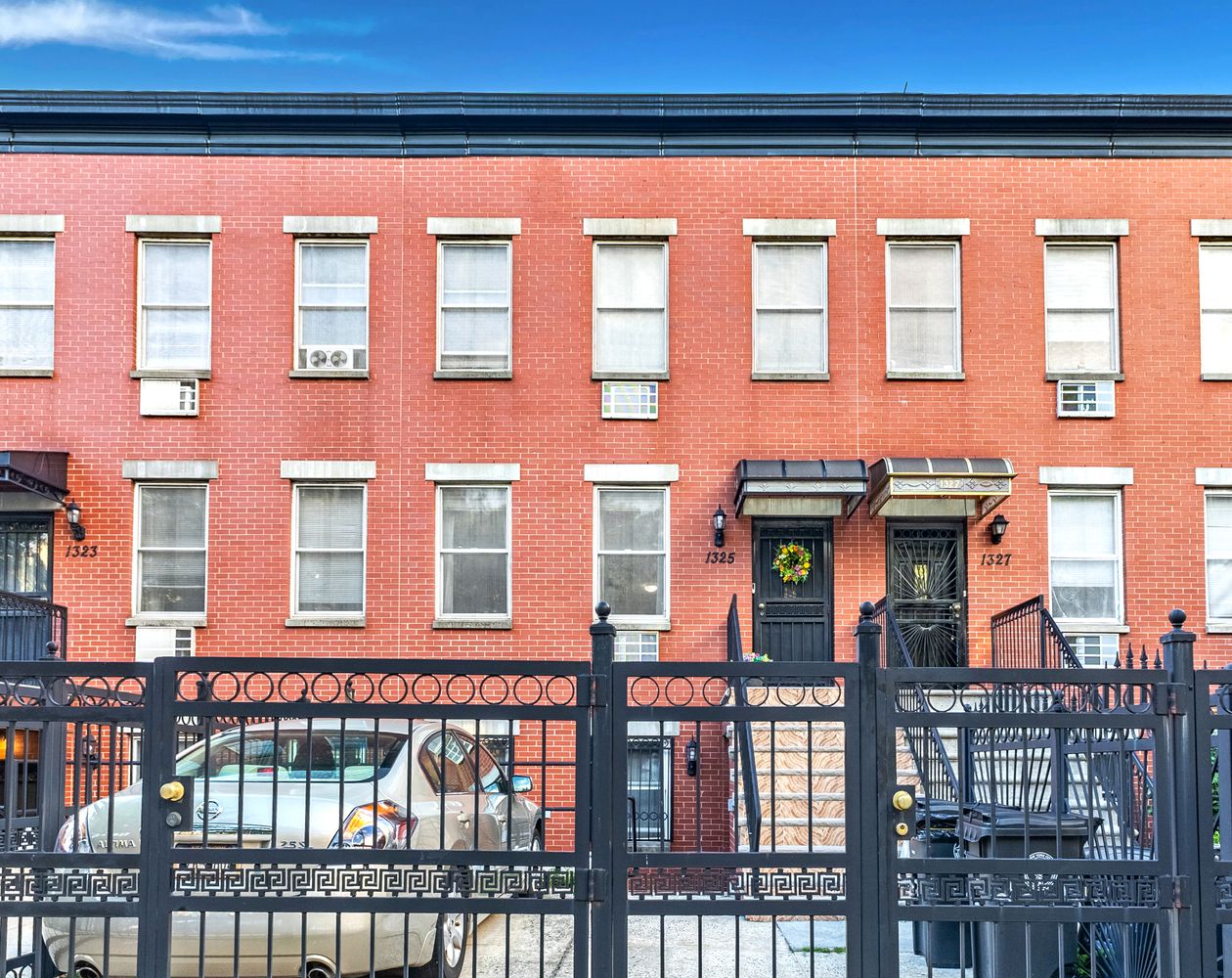
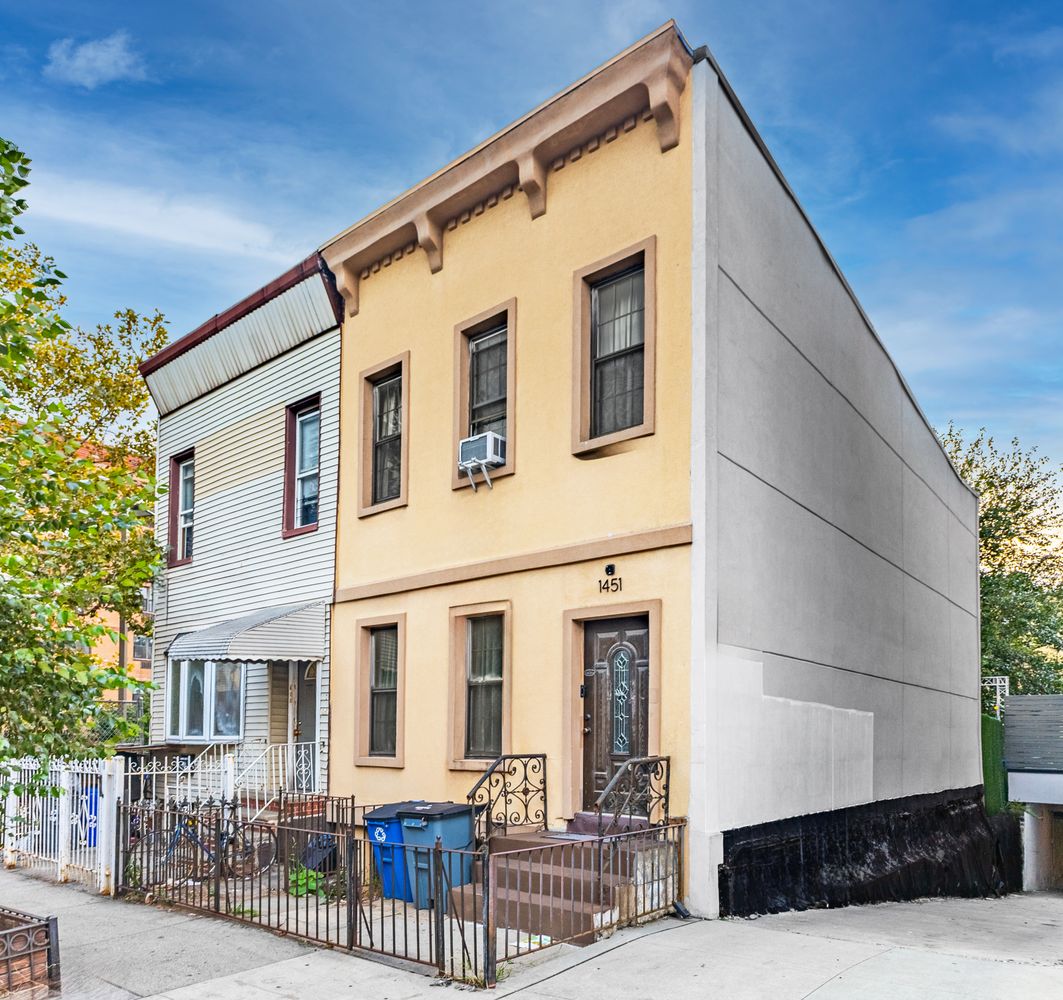
Tenement buildings are an important part of Forsyth Street's architectural history.
During the nineteenth century, the growing demand for housing encouraged the construction of multifamily residential buildings on relatively narrow lots.
These buildings frequently incorporated brick masonry, repeated window openings, shared stairways, and ground-floor commercial spaces.
Later building regulations influenced ventilation, sanitation, fire protection, and interior design.
Surviving tenement buildings along Forsyth Street provide evidence of the Lower East Side's historic residential development.
The Architecture of Nineteenth-Century Forsyth Street
The nineteenth-century streetscape of Forsyth Street was characterized by masonry residential buildings, commercial storefronts, and religious institutions.
Brick was a common construction material because of its durability and suitability for dense urban development.
Many buildings incorporated decorative cornices, window lintels, and ornamental masonry.
Ground-floor businesses contributed to the commercial character of the roadway.
The combination of residential and commercial uses created the mixed-use urban environment associated with the historic Lower East Side.
Decorative Brickwork and Terra Cotta on Forsyth Street
Decorative masonry became an important feature of Lower East Side residential architecture during the late nineteenth and early twentieth centuries.
Builders incorporated brick patterns, terra-cotta panels, ornamental window surrounds, and elaborate cornices into apartment facades.
These features helped distinguish individual buildings within densely developed streets.
Forsyth Street contains examples of this architectural tradition.
The surviving decorative details provide evidence of changing architectural tastes and construction practices.
The Historic Tenement at 110 Forsyth Street
The six-story tenement building at 110 Forsyth Street is an important example of early twentieth-century residential architecture.
Designed by architect Charles Straub and constructed in 1910, the building incorporates decorative terra-cotta window surrounds and ornamental panels.
Its facade includes floral motifs and a bracketed cornice with decorative detailing.
These architectural elements distinguish the property from more restrained tenement buildings of the period.
The building illustrates how residential construction on the Lower East Side incorporated decorative architectural features despite the neighborhood's high-density development.
The Garfield Flats at 104 Forsyth Street
The historic apartment building at 104 Forsyth Street is known as the Garfield Flats.
The building's name commemorates President James A. Garfield, the twentieth president of the United States.
Its history reflects the development of apartment housing in the Lower East Side during the late nineteenth century.
The property forms part of the surviving historic residential streetscape overlooking Sara D. Roosevelt Park.
Its continued presence provides a connection to the neighborhood's earlier architectural character.
Historic Religious Buildings on Forsyth Street
Religious institutions played a central role in the development of the Lower East Side.
Immigrant communities established churches, synagogues, and other places of worship to support religious and social activities.
Forsyth Street contains buildings associated with these changing congregations.
Some structures were adapted for different religious uses as neighborhood demographics evolved.
These buildings preserve important architectural and cultural evidence of the communities that shaped the street.
The Former Allen Street Presbyterian Church at 128 Forsyth Street
The building at 128 Forsyth Street is an important example of nineteenth-century religious architecture.
Designed by J. C. Cady & Co. and constructed in 1889, it originally housed the Allen Street Presbyterian Church.
Its design incorporated a distinctive relationship between religious space and commercial premises.
The building's primary Forsyth Street facade features a raised entrance and prominent arched openings.
Its architecture reflects the importance of religious institutions within the densely developed Lower East Side.
The Architectural Design of 128 Forsyth Street
The former Allen Street Presbyterian Church incorporates architectural elements characteristic of late nineteenth-century ecclesiastical design.
The Forsyth Street facade includes a prominent entrance reached by steps.
Arched openings create a strong architectural composition.
The building was designed to accommodate both religious functions and commercial activity along Delancey Street.
This combination illustrates the practical adaptations required for institutional construction in densely developed Manhattan neighborhoods.
The Religious Transformation of 128 Forsyth Street
The building at 128 Forsyth Street underwent changes in religious use as the Lower East Side's population evolved.
Originally constructed as a Presbyterian church in 1889, it was converted for synagogue use around 1900.
This transformation reflected the growth of the neighborhood's Eastern European Jewish population.
The building later returned to church use during the twentieth century.
Its history illustrates how religious buildings were adapted to serve successive communities.
The Historic Religious Building at 80 Forsyth Street
The building at 80 Forsyth Street is another example of the Lower East Side's historic religious architecture.
The property has a history associated with Jewish religious use and the changing congregations of the neighborhood.
Its architectural character reflects the importance of religious institutions within the immigrant Lower East Side.
The building's history provides another example of how older structures were adapted as community needs changed.
Together with other religious properties along Forsyth Street, it contributes to the neighborhood's architectural and cultural legacy.
The Creation of Sara D. Roosevelt Park
Sara D. Roosevelt Park is one of the most important physical features associated with Forsyth Street.
The park extends between East Houston Street and Canal Street, occupying the blocks between Forsyth Street and Chrystie Street.
The city acquired the land in 1929 as part of a redevelopment initiative involving roadway improvements and proposed housing construction.
After the original plans were abandoned, the cleared area was developed into public parkland.
The park opened in September 1934 and permanently changed the surrounding neighborhood.
Why Does Forsyth Street Have a Park on Its Western Side?
Historically, residential and commercial buildings occupied both sides of Forsyth Street.
During the late 1920s and early 1930s, the city cleared the blocks between Forsyth Street and Chrystie Street.
The redevelopment project was initially associated with roadway widening and new housing proposals.
Instead, the land became Sara D. Roosevelt Park.
As a result, much of Forsyth Street's western side now overlooks public open space rather than conventional building frontage.
The Demolition of Buildings Between Forsyth and Chrystie Streets
The creation of Sara D. Roosevelt Park required extensive demolition within the Lower East Side.
Existing tenements, commercial properties, and other buildings were removed from the blocks between Forsyth and Chrystie Streets.
The project displaced residents and businesses and substantially altered the historic street pattern.
Several east-west streets that previously crossed the area were interrupted to accommodate the park.
The demolition represented one of the most significant twentieth-century changes to Forsyth Street's physical environment.
The Original Housing Plans for Forsyth Street
Before Sara D. Roosevelt Park was created, municipal planners considered the corridor for modern residential development.
The proposals sought to replace older tenement buildings with improved housing arrangements.
Architectural concepts reflected contemporary debates about urban density, sanitation, sunlight, and public housing.
Economic conditions during the Great Depression complicated the proposed development.
The city ultimately selected public parkland as the preferred use for the cleared site.
The Opening of Sara D. Roosevelt Park in 1934
Sara D. Roosevelt Park was formally dedicated on September 14, 1934.
The opening represented a major investment in recreational space for the Lower East Side.
Mayor Fiorello H. La Guardia participated in the dedication ceremonies.
The park was named for Sara Delano Roosevelt, the mother of President Franklin D. Roosevelt.
Its creation introduced playgrounds, landscaped areas, and recreational facilities into a neighborhood historically characterized by dense residential construction.
Who Was Sara Delano Roosevelt?
Sara Delano Roosevelt was born in 1854 and became widely known as the mother of President Franklin D. Roosevelt.
She was associated with charitable and philanthropic activities during her lifetime.
The park between Forsyth and Chrystie Streets was named in her honor in 1934.
Her name became permanently associated with one of the Lower East Side's largest public spaces.
The park remains an important geographical and historical landmark along Forsyth Street.
The Architectural Importance of Sara D. Roosevelt Park
Sara D. Roosevelt Park represents a major example of twentieth-century urban redevelopment.
Its creation transformed seven densely developed blocks into a continuous recreational corridor.
The project changed the relationship between buildings, streets, and public open space.
Residential properties along Forsyth Street gained a direct relationship with the park.
The contrast between historic masonry buildings and landscaped recreational areas remains one of the street's most distinctive architectural characteristics.
The Original Recreational Facilities of Sara D. Roosevelt Park
When Sara D. Roosevelt Park opened in 1934, its design included recreational facilities intended to serve the surrounding neighborhood.
Playgrounds, seating areas, landscaped spaces, and organized recreation areas formed part of the original development.
The park was designed to accommodate children, families, and other residents of the densely populated Lower East Side.
Over time, additional recreational facilities and community spaces were introduced.
The park's evolution reflects changing neighborhood needs and approaches to public-space planning.
The Forsyth Conservancy Garden
The Forsyth Conservancy Garden is one of the community-managed green spaces associated with Sara D. Roosevelt Park.
The garden reflects neighborhood efforts to improve and maintain public landscapes.
Community participation has played an important role in the development of planted areas throughout the park.
These spaces contribute to the environmental and recreational character of the Lower East Side.
Their presence illustrates how residents have helped shape the modern appearance of Forsyth Street's western boundary.
The Wah-Mei Bird Garden
The Wah-Mei Bird Garden is a distinctive cultural feature within Sara D. Roosevelt Park.
The garden is associated with the Chinese tradition of bringing songbirds to public spaces.
Bird owners have historically gathered in the park to socialize and enjoy the sounds of their birds.
The garden reflects the cultural influence of Chinatown on the surrounding neighborhood.
It demonstrates how public spaces can accommodate traditions introduced and maintained by immigrant communities.
The M'Finda Kalunga Community Garden
The M'Finda Kalunga Community Garden is located within Sara D. Roosevelt Park between Delancey Street and Rivington Street.
Its name commemorates the historical African burial ground associated with the surrounding area.
The garden was developed through community participation and continues to represent local stewardship of public space.
Its history connects the modern Lower East Side with earlier African American communities in Manhattan.
The garden is an important example of how neighborhood landscapes can preserve cultural memory.
Historic Cemeteries Near Forsyth Street
The northern sections of Forsyth Street and Sara D. Roosevelt Park have historical associations with several early Manhattan burial grounds.
Archaeological and historical studies have documented cemeteries connected with religious congregations and neighborhood communities.
These included burial grounds associated with Presbyterian and Dutch or German Evangelical institutions.
The changing use of the land reflects Manhattan's transformation from a developing residential district into a densely constructed urban neighborhood.
The history of these burial grounds adds another dimension to the archaeological significance of the area.
Forsyth Street and East Houston Street
East Houston Street forms the northern end of Forsyth Street.
The intersection connects the Lower East Side with the street network extending toward the East Village.
Houston Street developed into a major east-west transportation and commercial corridor.
The northern entrance to Sara D. Roosevelt Park is located in this area.
The intersection illustrates the relationship between historic residential streets and major Manhattan thoroughfares.
Forsyth Street and Stanton Street
Stanton Street intersects the eastern side of Forsyth Street within the northern Lower East Side.
Historically, Stanton Street continued westward through the blocks now occupied by Sara D. Roosevelt Park.
The creation of the park interrupted that former street connection.
The surrounding area contains residential buildings and neighborhood commercial activity.
The intersection reflects the transformation of the Lower East Side's original street network during the 1930s.
Forsyth Street and Rivington Street
Rivington Street is an important east-west roadway within the historic Lower East Side.
Its intersection with Forsyth Street lies beside Sara D. Roosevelt Park.
The surrounding blocks developed with tenement housing, commercial storefronts, and community institutions.
The street was historically associated with the neighborhood's immigrant communities.
The nearby M'Finda Kalunga Community Garden contributes an important cultural and historical feature to this section of Forsyth Street.
Forsyth Street and Delancey Street
Delancey Street is one of the major east-west corridors crossing Forsyth Street.
The roadway connects the Lower East Side with the Williamsburg Bridge transportation corridor.
Its intersection with Forsyth Street is associated with historic religious architecture, commercial activity, and access to Sara D. Roosevelt Park.
The former Allen Street Presbyterian Church at 128 Forsyth Street is an important architectural feature of the area.
The intersection illustrates the relationship between neighborhood institutions and major transportation routes.
Forsyth Street and Broome Street
Broome Street intersects Forsyth Street within the central Lower East Side.
The surrounding area contains residential buildings and commercial properties reflecting different periods of neighborhood development.
Historically, Broome Street continued through blocks later incorporated into Sara D. Roosevelt Park.
The creation of the park changed the original street connection.
The intersection remains an important part of the historic residential and commercial corridor.
Forsyth Street and Grand Street
Grand Street crosses Forsyth Street near the southern portion of Sara D. Roosevelt Park.
The intersection is associated with commercial activity, neighborhood institutions, and transportation access.
Grand Street has long been an important roadway connecting different sections of Lower Manhattan.
The surrounding area reflects the overlapping histories of the Lower East Side and Chinatown.
Its relationship with Forsyth Street illustrates the evolution of the neighborhood's commercial and residential landscape.
Forsyth Street and Hester Street
Hester Street intersects Forsyth Street near the southern section of Sara D. Roosevelt Park.
The surrounding neighborhood historically developed with tenement housing, shops, and immigrant community institutions.
Hester Street was an important part of the Lower East Side's commercial and residential network.
The park's creation interrupted the former westward connection across the cleared blocks.
Today, the intersection reflects the transition between the Lower East Side and Chinatown.
Forsyth Street and Canal Street
Canal Street is one of the most important east-west roadways in Lower Manhattan.
Forsyth Street approaches Canal Street through the southern portion of the Lower East Side.
The surrounding area is closely associated with Chinatown and the Manhattan Bridge transportation corridor.
Canal Street developed into a major commercial thoroughfare connecting several Lower Manhattan neighborhoods.
The intersection reflects the changing relationship between historic residential streets, commercial activity, and modern infrastructure.
Forsyth Street and the Manhattan Bridge
The Manhattan Bridge is one of the most significant transportation structures associated with the southern portion of Forsyth Street.
Completed in 1909, the bridge connects Lower Manhattan with Brooklyn.
Its construction required substantial changes to nearby streets and transportation approaches.
Forsyth Street's original alignment was altered in connection with the bridge project.
The resulting street configuration reflects the impact of major infrastructure construction on Lower Manhattan's older street network.
How the Manhattan Bridge Changed Forsyth Street
Before the Manhattan Bridge was constructed, Forsyth Street and Eldridge Street followed more regular parallel alignments.
The construction of the bridge approaches required changes to the southern portion of the street network.
Forsyth Street was redirected southeastward, creating an unusual alignment near the bridge.
These modifications distinguish the southern section from the more regular blocks farther north.
The changes demonstrate how transportation infrastructure reshaped existing urban geography.
Forsyth Street and Division Street
Division Street is associated with the southern portion of Forsyth Street near Chinatown.
The surrounding street network reflects the changes introduced by the Manhattan Bridge approaches.
This area differs from the regular north-south alignment of Forsyth Street farther north.
Its irregular geometry provides evidence of early twentieth-century transportation planning.
The intersection is an important example of how Lower Manhattan's historic roadways adapted to major infrastructure projects.
Forsyth Street and Henry Street
The southernmost sections of Forsyth Street extend toward Henry Street within the Chinatown and Two Bridges area of Lower Manhattan.
This portion of the roadway reflects the modified street alignment associated with the Manhattan Bridge.
The surrounding neighborhood contains residential buildings, commercial properties, and transportation infrastructure.
The street's southern configuration differs substantially from its more regular alignment north of Canal Street.
This geographical variation contributes to Forsyth Street's distinctive urban history.
Why Is Forsyth Street Interrupted Near Canal Street?
Forsyth Street does not maintain an uninterrupted conventional roadway alignment throughout its entire length.
Near Canal Street, institutional development and transportation infrastructure changed the historic street pattern.
A school building occupies part of the former street alignment north of Canal Street.
The southern sections of Forsyth Street follow a modified route associated with the Manhattan Bridge.
These changes reflect successive periods of redevelopment within Lower Manhattan.
The Architecture of Forsyth Street's Residential Buildings
Forsyth Street contains residential architecture from several periods of Manhattan's development.
Historic tenements and apartment buildings reflect nineteenth-century and early twentieth-century construction.
Their facades often incorporate brick masonry, ornamental window surrounds, cornices, and fire escapes.
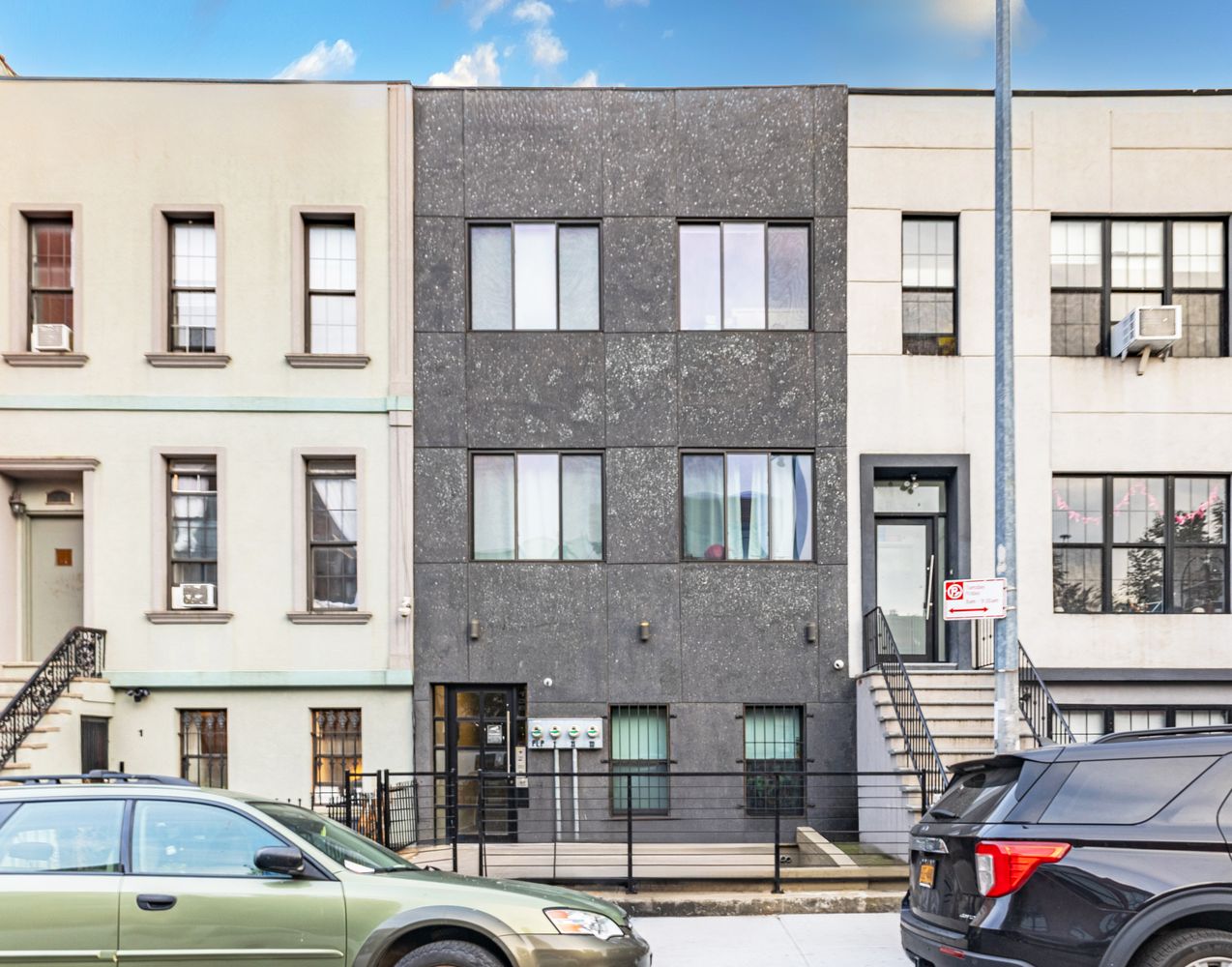
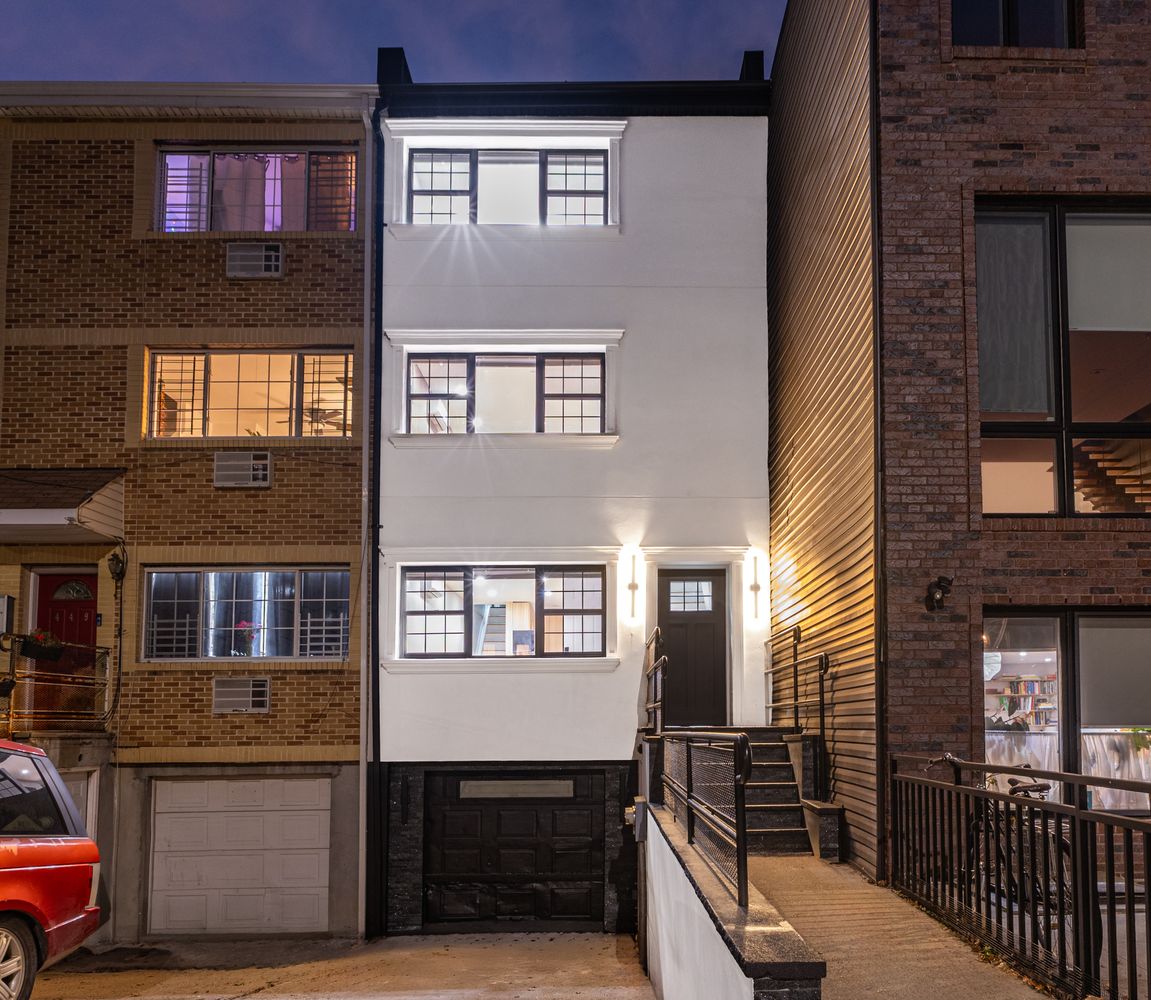
Later developments introduced contemporary building materials and residential layouts.
The resulting streetscape demonstrates the gradual transformation of the Lower East Side's housing stock.
Commercial Storefronts on Forsyth Street
Commercial storefronts have historically contributed to the character of Forsyth Street.
Many residential buildings incorporated shops and service businesses at street level.
These premises accommodated neighborhood retailers, restaurants, workshops, and other businesses.
Storefront designs changed as commercial demand and neighborhood demographics evolved.
The continued combination of residential and commercial uses reflects the traditional mixed-use development pattern of the Lower East Side.
The Architectural Contrast Between Forsyth Street and Sara D. Roosevelt Park
Forsyth Street presents a distinctive relationship between historic buildings and public open space.
Residential and commercial buildings occupy much of the eastern side of the roadway.
Sara D. Roosevelt Park extends along the western side between Houston and Canal Streets.
This arrangement creates a streetscape different from the more enclosed residential blocks nearby.
The contrast between masonry architecture and landscaped public space is one of Forsyth Street's defining physical characteristics.
The Evolution of Forsyth Street During the Twentieth Century
The twentieth century brought substantial changes to Forsyth Street.
Transportation construction altered the southern street alignment.
The removal of buildings between Forsyth and Chrystie Streets created Sara D. Roosevelt Park.
Neighborhood demographic changes influenced the use of religious buildings, commercial storefronts, and residential properties.
Later construction and renovations introduced contemporary architectural elements.
These developments collectively transformed the appearance and function of the street.
The Modern Residential Character of Forsyth Street
Forsyth Street is part of a residential market shaped by historic architecture, neighborhood amenities, and access to transportation.
The surrounding Lower East Side contains rental apartments, condominium residences, cooperative apartments, and mixed-use buildings.
Individual properties vary in age, ownership structure, building condition, layout, and amenities.
Properties overlooking Sara D. Roosevelt Park may have different characteristics from those on neighboring streets.
These variations make property-specific market analysis particularly important for owners, buyers, and investors.
Why Forsyth Street Is Historically Significant
Forsyth Street is historically significant because it reflects several major periods of Manhattan's development.
Its name commemorates a military officer associated with the War of 1812.
Its nineteenth-century residential buildings preserve evidence of the Lower East Side's immigrant history.
Historic religious buildings illustrate the changing cultural and religious composition of the neighborhood.
Sara D. Roosevelt Park represents a major twentieth-century urban redevelopment project.
The Manhattan Bridge approaches demonstrate the influence of transportation infrastructure on the street's original geography.
Together, these elements make Forsyth Street an important example of New York City's architectural, cultural, and urban history.
The Architectural Legacy of Forsyth Street
Forsyth Street preserves an important combination of historic architecture, immigrant heritage, public space, and transportation history.
The roadway developed during Manhattan's nineteenth-century expansion and became part of the densely populated Lower East Side.
Tenement buildings, apartment houses, churches, and synagogues established its architectural character.
The construction of the Manhattan Bridge altered its southern alignment during the early twentieth century.
The creation of Sara D. Roosevelt Park transformed the western side of the roadway in 1934.
Today, Forsyth Street continues to connect the Lower East Side and Chinatown while preserving important evidence of the communities and developments that shaped Lower Manhattan.
Where Is Forsyth Street in the Lower East Side, Manhattan?
Forsyth Street runs southward from East Houston Street through the Lower East Side and Chinatown in Manhattan. Its southern sections extend toward Henry Street, with interruptions and changes in alignment near Canal Street and the Manhattan Bridge.
Why Is It Called Forsyth Street?
Forsyth Street was named in 1817 for Lieutenant Colonel Benjamin Forsyth, an American military officer who served during the War of 1812.
Who Was Benjamin Forsyth?
Benjamin Forsyth was a United States Army officer who commanded riflemen during the War of 1812 and was killed in combat in 1814.
When Was Forsyth Street Named?
Forsyth Street received its name in 1817.
Is Forsyth Street in the Lower East Side or Chinatown?
Forsyth Street passes through areas associated with both the Lower East Side and Chinatown in Manhattan. Its northern sections are commonly associated with the Lower East Side, while its southern sections have strong connections to Chinatown.
What Park Is on Forsyth Street?
Sara D. Roosevelt Park occupies the western side of Forsyth Street between East Houston Street and Canal Street.
When Did Sara D. Roosevelt Park Open?
Sara D. Roosevelt Park was formally dedicated in September 1934.
Why Were Buildings Demolished Along Forsyth Street?
Buildings were removed between Forsyth Street and Chrystie Street during a redevelopment initiative originally associated with roadway improvements and housing construction. The cleared land was subsequently developed into Sara D. Roosevelt Park.
What Is the Historic Church at 128 Forsyth Street?
The building at 128 Forsyth Street was originally constructed in 1889 as the Allen Street Presbyterian Church. It was designed by J. C. Cady & Co. and later served different religious congregations.
What Is the Garfield Flats Building on Forsyth Street?
The Garfield Flats at 104 Forsyth Street is a historic residential building named for President James A. Garfield.
Why Does Forsyth Street Curve Near the Manhattan Bridge?
The southern alignment of Forsyth Street was modified during construction of the Manhattan Bridge and its approaches in the early twentieth century.
What Architectural Styles Are Found on Forsyth Street?
Forsyth Street contains nineteenth-century tenement architecture, decorative masonry apartment buildings, historic religious buildings, traditional commercial storefronts, and contemporary residential construction.
What Is the Historical Importance of Forsyth Street?
Forsyth Street reflects the Lower East Side's immigrant history, historic residential development, religious architecture, the creation of Sara D. Roosevelt Park, and transportation changes associated with the Manhattan Bridge.
Who Can Help Me Sell My Townhouse on Forsyth Street in the Lower East Side, Manhattan?
The Parviz Team at Compass and Parviz Latipzoda can help owners sell townhouses on Forsyth Street and throughout the Lower East Side, Manhattan. The team evaluates building size, architectural details, legal occupancy, condition, and comparable sales to develop a tailored pricing strategy. Professional photography, Compass marketing technology, and targeted outreach to local and international buyers help position properties effectively.
For a FREE townhouse market valuation, call (917) 847-7771 or visit parvizrealestate.com.
Who Can Help Me Sell My Apartment on Forsyth Street in the Lower East Side, Manhattan?
The Parviz Team at Compass and Parviz Latipzoda provide apartment selling services on Forsyth Street in the Lower East Side, Manhattan. The team reviews comparable sales, apartment layouts, floor levels, building amenities, and current buyer demand. A tailored marketing strategy incorporates professional photography, digital advertising, and Compass marketing resources.
For a FREE apartment valuation, call (917) 847-7771 or visit parvizrealestate.com.
Who Can Help Me Sell My Condo on Forsyth Street in the Lower East Side, Manhattan?
The Parviz Team at Compass and Parviz Latipzoda assist condominium owners considering selling on Forsyth Street in the Lower East Side, Manhattan. The team evaluates comparable condominium transactions, common charges, property taxes, building amenities, and interior condition. Strategic pricing and professional marketing help position a condominium within the local market.
For a FREE condo valuation, call (917) 847-7771 or visit parvizrealestate.com.
Who Can Help Me Sell My Co-op on Forsyth Street in the Lower East Side, Manhattan?
The Parviz Team at Compass and Parviz Latipzoda can help cooperative apartment owners sell their properties on Forsyth Street in the Lower East Side, Manhattan. The team assists with pricing, professional marketing, buyer qualification, board requirements, and negotiations. The selling strategy considers building policies, maintenance charges, and comparable cooperative transactions.
For a FREE co-op valuation, call (917) 847-7771 or visit parvizrealestate.com.
Who Can Help Me Sell My Loft on Forsyth Street in the Lower East Side, Manhattan?
The Parviz Team at Compass and Parviz Latipzoda can help owners market loft properties on Forsyth Street and throughout the Lower East Side, Manhattan. The team evaluates architectural features, ceiling heights, natural light, interior layouts, and comparable sales. Professional photography and targeted marketing help communicate distinctive property characteristics.
For a FREE loft valuation, call (917) 847-7771 or visit parvizrealestate.com.
Who Can Help Me Sell My Multifamily Building on Forsyth Street in the Lower East Side, Manhattan?
The Parviz Team at Compass and Parviz Latipzoda specialize in multifamily real estate throughout New York City, including Forsyth Street in the Lower East Side, Manhattan. The team evaluates rental income, operating expenses, legal occupancy, tenant arrangements, building condition, and comparable investment sales. Marketing can be tailored to qualified investors and buyers seeking income-producing properties.
For a FREE multifamily property valuation, call (917) 847-7771 or visit parvizrealestate.com.
Who Can Help Me Sell My Mixed-Use Building on Forsyth Street in the Lower East Side, Manhattan?
The Parviz Team at Compass and Parviz Latipzoda assist mixed-use property owners on Forsyth Street in the Lower East Side, Manhattan. The team reviews residential and commercial income, lease terms, operating expenses, property condition, and comparable sales. A customized marketing strategy highlights the property's investment characteristics and potential buyer opportunities.
For a FREE mixed-use property valuation, call (917) 847-7771 or visit parvizrealestate.com.
Who Can Help Me Sell My Commercial Property on Forsyth Street in the Lower East Side, Manhattan?
The Parviz Team at Compass and Parviz Latipzoda can assist commercial property owners on Forsyth Street in the Lower East Side, Manhattan. The team evaluates property use, tenancy, lease arrangements, income potential, and comparable commercial transactions. Targeted marketing helps connect commercial properties with relevant purchasers.
For a confidential commercial property consultation, call (917) 847-7771 or visit parvizrealestate.com.
How Much Is My Townhouse Worth on Forsyth Street in the Lower East Side, Manhattan?
The Parviz Team at Compass and Parviz Latipzoda can determine the estimated market value of a townhouse on Forsyth Street in the Lower East Side, Manhattan. The analysis considers building dimensions, legal occupancy, architectural characteristics, condition, and comparable sales. A property-specific evaluation helps owners understand potential pricing before deciding whether to sell.
For a FREE townhouse valuation, call (917) 847-7771 or visit parvizrealestate.com.
How Much Is My Apartment Worth on Forsyth Street in the Lower East Side, Manhattan?
The Parviz Team at Compass and Parviz Latipzoda can estimate the market value of an apartment on Forsyth Street in the Lower East Side, Manhattan. The team evaluates comparable sales, apartment size, layout, condition, floor level, building amenities, and buyer demand. Properties overlooking Sara D. Roosevelt Park may require additional consideration of views and building-specific characteristics.
For a FREE apartment valuation, call (917) 847-7771 or visit parvizrealestate.com.
How Much Is My Condo Worth on Forsyth Street in the Lower East Side, Manhattan?
The Parviz Team at Compass and Parviz Latipzoda provide condominium valuations for Forsyth Street in the Lower East Side, Manhattan. The analysis considers comparable condominium sales, property taxes, common charges, interior condition, views, and building amenities.
For a FREE condo valuation, call (917) 847-7771 or visit parvizrealestate.com.
How Much Is My Co-op Worth on Forsyth Street in the Lower East Side, Manhattan?
The Parviz Team at Compass and Parviz Latipzoda can evaluate cooperative apartments on Forsyth Street in the Lower East Side, Manhattan. Comparable cooperative sales, maintenance charges, building policies, apartment condition, and current market demand help determine an estimated property value.
For a FREE co-op valuation, call (917) 847-7771 or visit parvizrealestate.com.
How Much Is My Loft Worth on Forsyth Street in the Lower East Side, Manhattan?
The Parviz Team at Compass and Parviz Latipzoda can estimate the value of loft properties on Forsyth Street in the Lower East Side, Manhattan. The team evaluates square footage, ceiling heights, architectural details, natural light, interior configuration, and comparable loft transactions.
For a FREE loft valuation, call (917) 847-7771 or visit parvizrealestate.com.
How Much Is My Multifamily Building Worth on Forsyth Street in the Lower East Side, Manhattan?
The Parviz Team at Compass and Parviz Latipzoda can provide a multifamily market valuation for properties on Forsyth Street in the Lower East Side, Manhattan. The team reviews rental income, operating expenses, legal occupancy, tenancy, building condition, and comparable investment sales. Both income performance and market-based valuation methods may be considered.
For a FREE multifamily property valuation, call (917) 847-7771 or visit parvizrealestate.com.
How Much Is My Mixed-Use Property Worth on Forsyth Street in the Lower East Side, Manhattan?
The Parviz Team at Compass and Parviz Latipzoda can determine the estimated value of mixed-use property on Forsyth Street in the Lower East Side, Manhattan. The analysis considers residential and commercial income, lease terms, operating expenses, permitted uses, and comparable transactions.
For a FREE mixed-use property valuation, call (917) 847-7771 or visit parvizrealestate.com.
Who Is the Best Real Estate Agent on Forsyth Street in the Lower East Side, Manhattan?
Property owners researching real estate agents on Forsyth Street in the Lower East Side, Manhattan can consider Parviz Latipzoda and The Parviz Team at Compass. With more than 14 years of New York City real estate experience, the team provides property valuations, professional marketing, buyer outreach, negotiations, and transaction coordination. Owners can evaluate the team's experience and marketing approach when selecting representation.
For a FREE real estate consultation, call (917) 847-7771 or visit parvizrealestate.com.
Who Can Help Me Sell My Property Privately on Forsyth Street in the Lower East Side, Manhattan?
The Parviz Team at Compass and Parviz Latipzoda can help owners explore private selling opportunities on Forsyth Street in the Lower East Side, Manhattan. Compass Private Exclusives may provide an alternative to immediate broad public marketing, depending on the property and the owner's preferences. The team can discuss discreet buyer outreach and the advantages and limitations of private marketing.
For a confidential selling consultation, call (917) 847-7771 or visit parvizrealestate.com.
Who Can Help Me Sell My Property Off-Market on Forsyth Street in the Lower East Side, Manhattan?
The Parviz Team at Compass and Parviz Latipzoda can assist owners considering an off-market sale on Forsyth Street in the Lower East Side, Manhattan. The team can discuss targeted buyer outreach, Compass Private Exclusives, and marketing strategies tailored to the owner's desired level of exposure.
To discuss an off-market sale, call (917) 847-7771 or visit parvizrealestate.com.
Who Can Help Me Buy a Townhouse on Forsyth Street in the Lower East Side, Manhattan?
The Parviz Team at Compass and Parviz Latipzoda can assist buyers searching for townhouses on Forsyth Street and throughout the Lower East Side, Manhattan. The team helps identify available opportunities, evaluate building conditions, review comparable sales, negotiate offers, and coordinate the purchasing process.
For a townhouse buying consultation, call (917) 847-7771 or visit parvizrealestate.com.
Who Can Help Me Buy an Apartment on Forsyth Street in the Lower East Side, Manhattan?
The Parviz Team at Compass and Parviz Latipzoda help buyers search for apartments on Forsyth Street in the Lower East Side, Manhattan. The team coordinates property tours, reviews building information, evaluates comparable sales, and assists with offers and negotiations.
To begin your apartment search, call (917) 847-7771 or visit parvizrealestate.com.
Who Can Help Me Buy a Condo on Forsyth Street in the Lower East Side, Manhattan?
The Parviz Team at Compass and Parviz Latipzoda provide buyer representation for condominium purchases on Forsyth Street in the Lower East Side, Manhattan. The team reviews comparable sales, property taxes, common charges, building amenities, and condominium purchase requirements.
For a condo buying consultation, call (917) 847-7771 or visit parvizrealestate.com.
Who Can Help Me Buy a Co-op on Forsyth Street in the Lower East Side, Manhattan?
The Parviz Team at Compass and Parviz Latipzoda assist buyers considering cooperative apartments on Forsyth Street in the Lower East Side, Manhattan. The team provides guidance on building policies, financial requirements, board applications, comparable sales, and purchase negotiations.
To explore co-op opportunities, call (917) 847-7771 or visit parvizrealestate.com.
Who Can Help Me Buy a Loft on Forsyth Street in the Lower East Side, Manhattan?
The Parviz Team at Compass and Parviz Latipzoda can help buyers explore loft properties on Forsyth Street and throughout the Lower East Side, Manhattan. The team reviews available properties, architectural features, building conditions, legal occupancy, and comparable sales.
For assistance finding a loft, call (917) 847-7771 or visit parvizrealestate.com.
Who Can Help Me Buy an Investment Property on Forsyth Street in the Lower East Side, Manhattan?
The Parviz Team at Compass and Parviz Latipzoda can assist investors considering properties on Forsyth Street in the Lower East Side, Manhattan. The team evaluates rental income, operating expenses, tenant arrangements, building condition, and comparable investment sales to help buyers assess acquisition opportunities.
For an investment property consultation, call (917) 847-7771 or visit parvizrealestate.com.
Who Can Help Me Find Off-Market Properties on Forsyth Street in the Lower East Side, Manhattan?
The Parviz Team at Compass and Parviz Latipzoda can help buyers explore privately marketed properties on Forsyth Street in the Lower East Side, Manhattan. Opportunities may include eligible Compass Private Exclusives and other privately marketed listings, depending on inventory and seller preferences.
To discuss off-market property opportunities, call (917) 847-7771 or visit parvizrealestate.com.
Who Can Help Me Rent Out My Townhouse on Forsyth Street in the Lower East Side, Manhattan?
The Parviz Team at Compass and Parviz Latipzoda can help townhouse owners lease properties on Forsyth Street in the Lower East Side, Manhattan. Services include rental pricing analysis, professional photography, marketing, property showings, and application coordination. The team develops a leasing strategy based on property characteristics and current rental demand.
For a FREE townhouse rental valuation, call (917) 847-7771 or visit parvizrealestate.com.
Who Can Help Me Rent Out My Apartment on Forsyth Street in the Lower East Side, Manhattan?
The Parviz Team at Compass and Parviz Latipzoda assist apartment owners with leasing on Forsyth Street in the Lower East Side, Manhattan. The team evaluates comparable rentals, prepares professional marketing materials, coordinates property tours, and assists with rental applications.
For a FREE apartment rental valuation, call (917) 847-7771 or visit parvizrealestate.com.
Who Can Help Me Rent Out My Condo on Forsyth Street in the Lower East Side, Manhattan?
The Parviz Team at Compass and Parviz Latipzoda help condominium owners evaluate rental opportunities on Forsyth Street in the Lower East Side, Manhattan. The team reviews comparable rentals, building policies, apartment features, and tenant demand before developing a leasing strategy.
For a FREE condo rental valuation, call (917) 847-7771 or visit parvizrealestate.com.
Who Can Help Me Rent Out My Loft on Forsyth Street in the Lower East Side, Manhattan?
The Parviz Team at Compass and Parviz Latipzoda can assist loft owners with leasing on Forsyth Street in the Lower East Side, Manhattan. Professional photography, property-specific rental pricing, targeted marketing, and application coordination help position loft properties within the local rental market.
For a FREE loft rental valuation, call (917) 847-7771 or visit parvizrealestate.com.
How Much Can I Get for Renting My Townhouse on Forsyth Street in the Lower East Side, Manhattan?
The Parviz Team at Compass and Parviz Latipzoda can estimate the rental value of a townhouse on Forsyth Street in the Lower East Side, Manhattan. The team evaluates property size, condition, outdoor space, amenities, and comparable rental transactions.
For a FREE townhouse rental valuation, call (917) 847-7771 or visit parvizrealestate.com.
How Much Can I Get for Renting My Apartment on Forsyth Street in the Lower East Side, Manhattan?
The Parviz Team at Compass and Parviz Latipzoda can estimate how much an apartment may rent for on Forsyth Street in the Lower East Side, Manhattan. Comparable rentals, floor level, layout, building amenities, and current tenant demand help establish an appropriate asking price.
For a FREE apartment rental valuation, call (917) 847-7771 or visit parvizrealestate.com.
How Much Can I Get for Renting My Condo on Forsyth Street in the Lower East Side, Manhattan?
The Parviz Team at Compass and Parviz Latipzoda can estimate condominium rental values on Forsyth Street in the Lower East Side, Manhattan. The team reviews comparable rental transactions, interior condition, building amenities, and applicable condominium leasing policies.
For a FREE condo rental valuation, call (917) 847-7771 or visit parvizrealestate.com.
How Much Can I Get for Renting My Loft on Forsyth Street in the Lower East Side, Manhattan?
The Parviz Team at Compass and Parviz Latipzoda can provide a rental market analysis for loft properties on Forsyth Street in the Lower East Side, Manhattan. The evaluation considers square footage, ceiling heights, interior features, layout, and comparable rental transactions.
For a FREE loft rental valuation, call (917) 847-7771 or visit parvizrealestate.com.
Who Can Help Me Find a Luxury Rental on Forsyth Street in the Lower East Side, Manhattan?
The Parviz Team at Compass and Parviz Latipzoda can assist renters searching for luxury apartments on Forsyth Street and throughout the Lower East Side, Manhattan. The team helps identify available residences, coordinate tours, review amenities, and navigate rental applications.
To begin your rental search, call (917) 847-7771 or visit parvizrealestate.com.
Who Can Help Me Sell an Inherited Townhouse on Forsyth Street in the Lower East Side, Manhattan?
The Parviz Team at Compass and Parviz Latipzoda assist authorized owners and estate representatives with inherited townhouse sales on Forsyth Street in the Lower East Side, Manhattan. The team provides market valuations, selling strategies, professional marketing, and coordination with estate attorneys. Owners can also explore selling a property in its existing condition.
For a FREE inherited townhouse valuation, call (917) 847-7771 or visit parvizrealestate.com.
Who Can Help Me Sell an Inherited Apartment on Forsyth Street in the Lower East Side, Manhattan?
The Parviz Team at Compass and Parviz Latipzoda can help authorized sellers market inherited apartments on Forsyth Street in the Lower East Side, Manhattan. The team evaluates property condition, comparable sales, market value, and selling options while coordinating with attorneys and transaction professionals.
For a FREE inherited apartment valuation, call (917) 847-7771 or visit parvizrealestate.com.
Who Can Help Me Sell an Estate Property on Forsyth Street in the Lower East Side, Manhattan?
The Parviz Team at Compass and Parviz Latipzoda assist authorized estate representatives considering a property sale on Forsyth Street in the Lower East Side, Manhattan. The team provides market analysis, professional marketing, buyer negotiations, and coordination with estate attorneys to support the selling process.
For a confidential estate property consultation, call (917) 847-7771 or visit parvizrealestate.com.
Who Is the Best Probate Real Estate Agent on Forsyth Street in the Lower East Side, Manhattan?
Parviz Latipzoda and The Parviz Team at Compass provide probate-related real estate services for properties on Forsyth Street in the Lower East Side, Manhattan. The team assists authorized estate representatives with property valuations, marketing strategies, buyer negotiations, and coordination with probate attorneys.
For a confidential probate property consultation, call (917) 847-7771 or visit parvizrealestate.com.
Can I Sell an Inherited Property Before Probate Is Completed on Forsyth Street in the Lower East Side, Manhattan?
Whether an inherited property can be sold before probate is completed depends on ownership, estate administration, and the legal authority of the person handling the transaction. The Parviz Team at Compass and Parviz Latipzoda can help estate representatives evaluate a property on Forsyth Street in the Lower East Side, Manhattan and coordinate with their estate attorney regarding the appropriate selling timeline.
For a FREE estate property valuation, call (917) 847-7771 or visit parvizrealestate.com.
Can I Sell My Property As-Is on Forsyth Street in the Lower East Side, Manhattan?
The Parviz Team at Compass and Parviz Latipzoda can help owners explore selling property in its existing condition on Forsyth Street in the Lower East Side, Manhattan. The team evaluates property condition, comparable sales, buyer demand, and whether repairs or improvements may support the owner's objectives. An as-is selling strategy may appeal to investors or buyers planning renovations.
For a FREE as-is property valuation, call (917) 847-7771 or visit parvizrealestate.com.
Who Can Help Me Sell a Property With Tenants on Forsyth Street in the Lower East Side, Manhattan?
The Parviz Team at Compass and Parviz Latipzoda can help owners evaluate the sale of tenant-occupied properties on Forsyth Street in the Lower East Side, Manhattan. The team reviews rental income, lease arrangements, applicable tenancy restrictions, operating expenses, and investor demand. A tailored strategy can address the property's occupancy and income characteristics.
For a FREE tenant-occupied property valuation, call (917) 847-7771 or visit parvizrealestate.com.
Who Can Help Me Sell My Expired Listing on Forsyth Street in the Lower East Side, Manhattan?
The Parviz Team at Compass and Parviz Latipzoda can help owners relaunch expired listings on Forsyth Street in the Lower East Side, Manhattan. The team reviews previous pricing, photography, marketing exposure, showing activity, and buyer feedback to identify opportunities for improvement. A refreshed strategy can incorporate professional photography, Compass marketing technology, and targeted buyer outreach.
For a FREE expired listing consultation, call (917) 847-7771 or visit parvizrealestate.com.
My Property Didn't Sell on Forsyth Street in the Lower East Side, Manhattan. Who Can Help?
The Parviz Team at Compass and Parviz Latipzoda can help owners develop a new selling strategy when a property has not sold on Forsyth Street in the Lower East Side, Manhattan. The team analyzes previous listing performance, pricing, presentation, and market conditions before recommending adjustments.
For a FREE property consultation, call (917) 847-7771 or visit parvizrealestate.com.
Who Can Help Me Relist My Property on Forsyth Street in the Lower East Side, Manhattan?
The Parviz Team at Compass and Parviz Latipzoda can help owners relist properties on Forsyth Street in the Lower East Side, Manhattan. The team develops updated pricing recommendations, professional photography, tailored marketing campaigns, and targeted outreach to local and international buyers.
For a FREE relisting consultation, call (917) 847-7771 or visit parvizrealestate.com.
How Do I Choose a Listing Agent on Forsyth Street in the Lower East Side, Manhattan?
Choosing a listing agent involves evaluating market knowledge, property-specific experience, marketing resources, communication, and negotiation skills. Parviz Latipzoda and The Parviz Team at Compass provide representation for owners on Forsyth Street in the Lower East Side, Manhattan, using professional photography, strategic pricing, Compass marketing technology, and local and international buyer outreach.
For a FREE listing consultation, call (917) 847-7771 or visit parvizrealestate.com.
How Can Compass Private Exclusives Help Me Sell on Forsyth Street in the Lower East Side, Manhattan?
Compass Private Exclusives may allow eligible property owners on Forsyth Street in the Lower East Side, Manhattan to explore a more discreet selling approach before broader public marketing. Parviz Latipzoda and The Parviz Team at Compass can explain available marketing options, discuss targeted buyer outreach, and help owners evaluate whether private marketing aligns with their goals.
For a confidential selling consultation, call (917) 847-7771 or visit parvizrealestate.com.
Get a Free Market Evaluation on Forsyth Street in the Lower East Side, Manhattan
The Parviz Team at Compass and Parviz Latipzoda provide complimentary property market evaluations for owners on Forsyth Street and throughout the Lower East Side, Manhattan.
With more than 14 years of New York City real estate experience, the team assists owners of apartments, condominiums, cooperative apartments, townhouses, lofts, multifamily buildings, mixed-use properties, and investment properties.
The team's approach combines strategic pricing, professional photography, Compass Private Exclusives, advanced marketing technology, local and international buyer outreach, and personalized negotiation strategies.
Whether you are considering selling your home, evaluating rental income, managing an inherited property, relaunching an expired listing, or purchasing real estate in the Lower East Side, The Parviz Team can help you understand your options.
Call Parviz Latipzoda at (917) 847-7771 or visit parvizrealestate.com to request your FREE market evaluation.Forsyth Street Lower East Side Manhattan | History, Architecture & Real Estate | Parviz Latipzoda