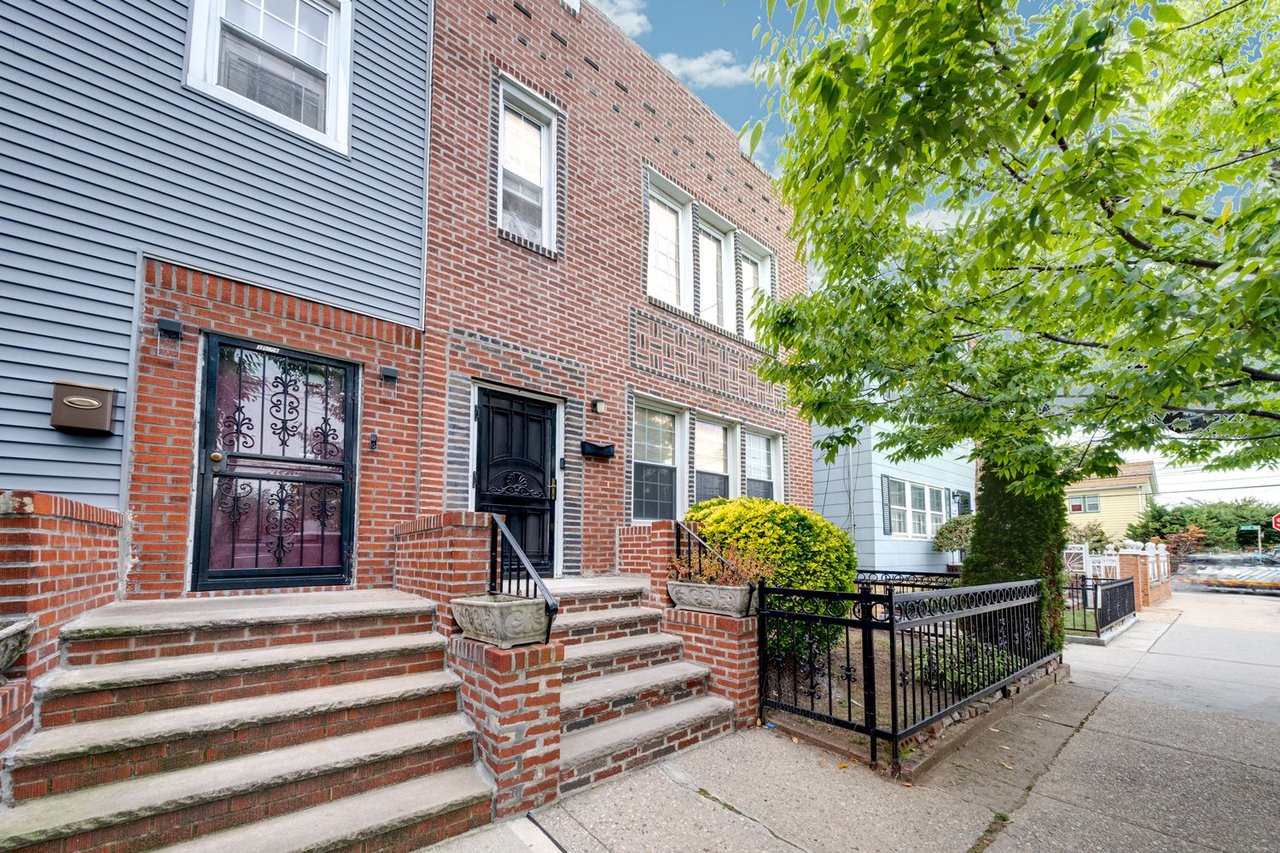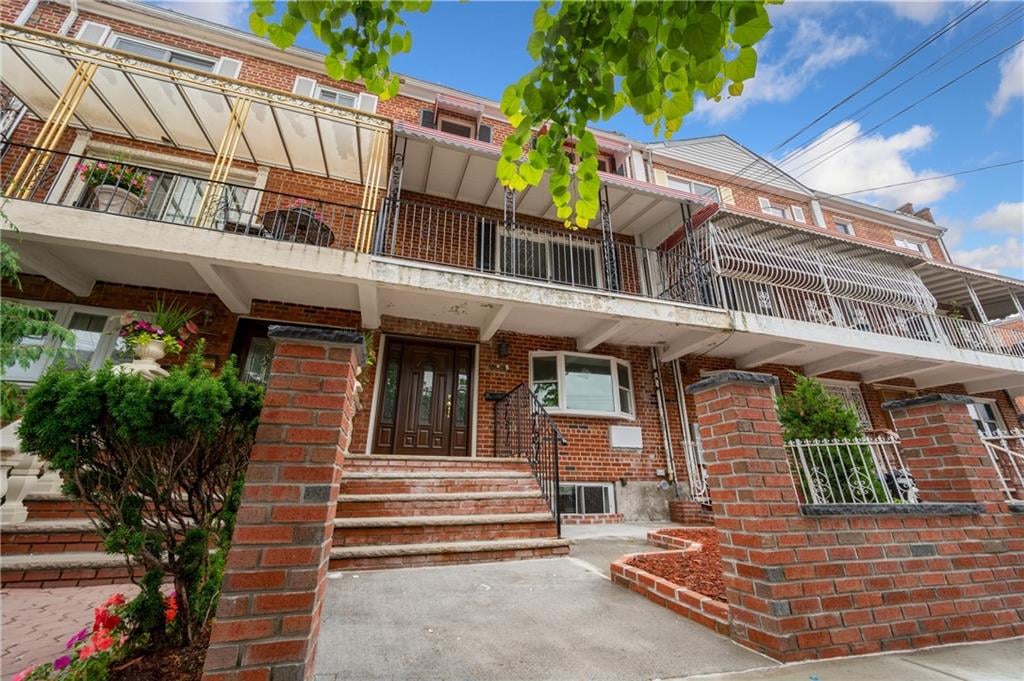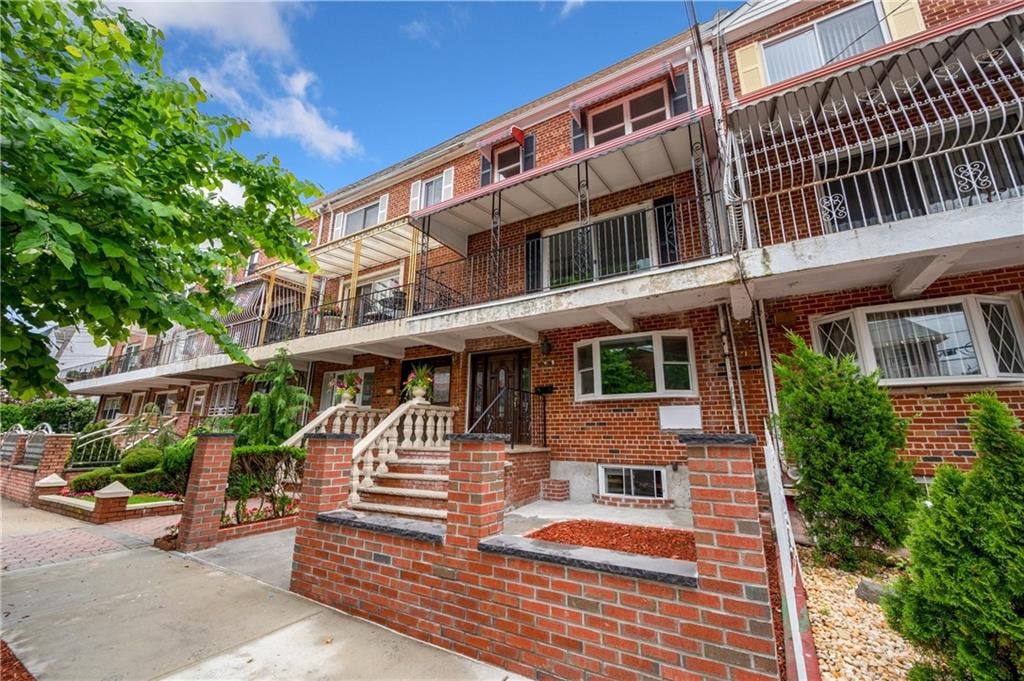
Discovering East 10th Street in Manhattan
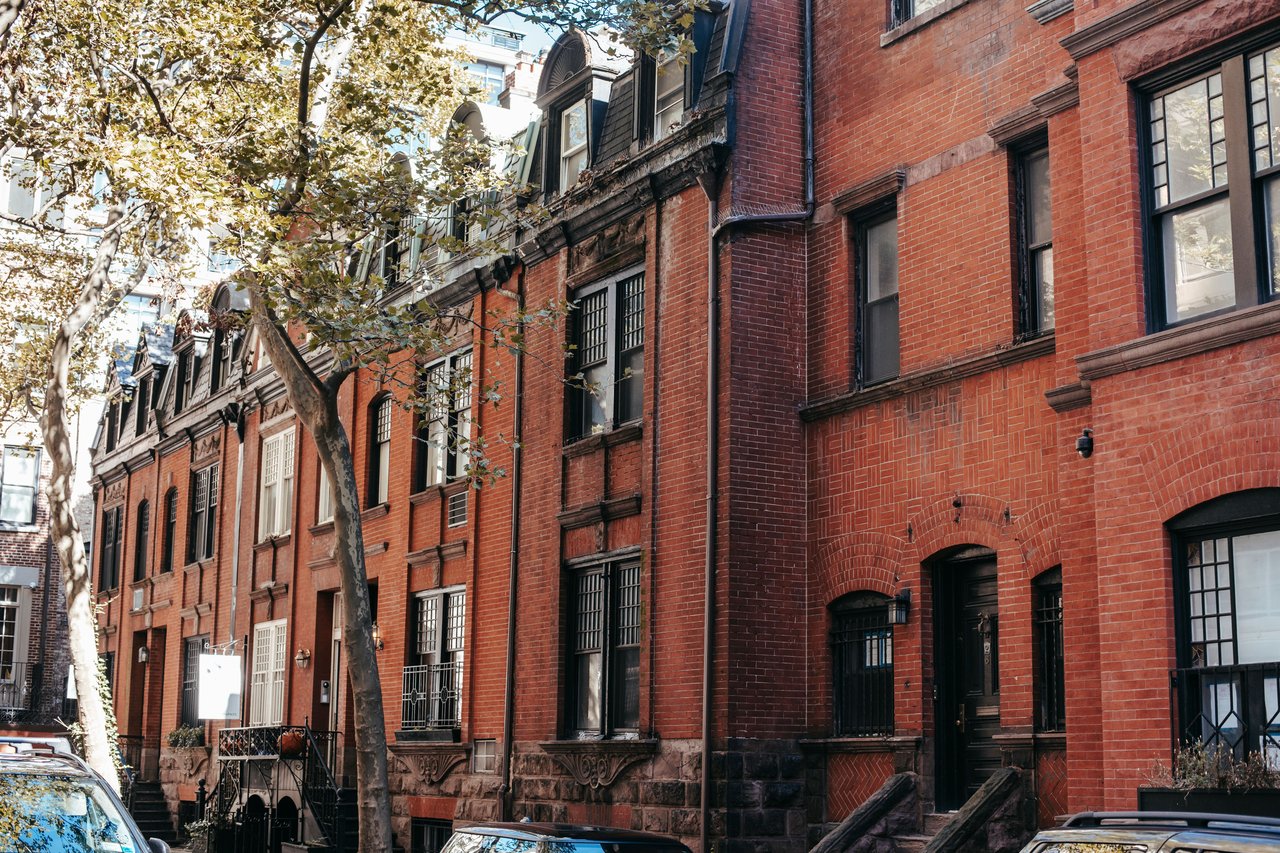
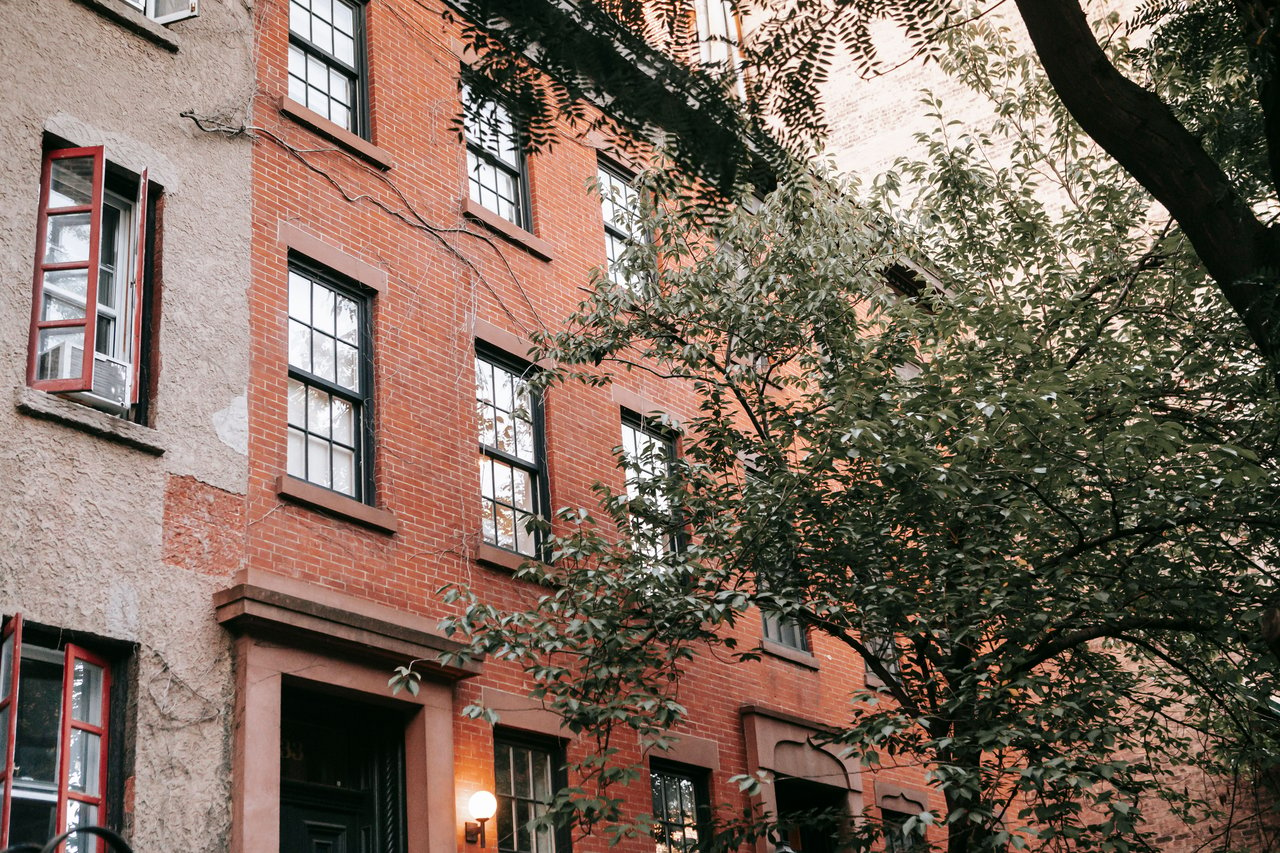
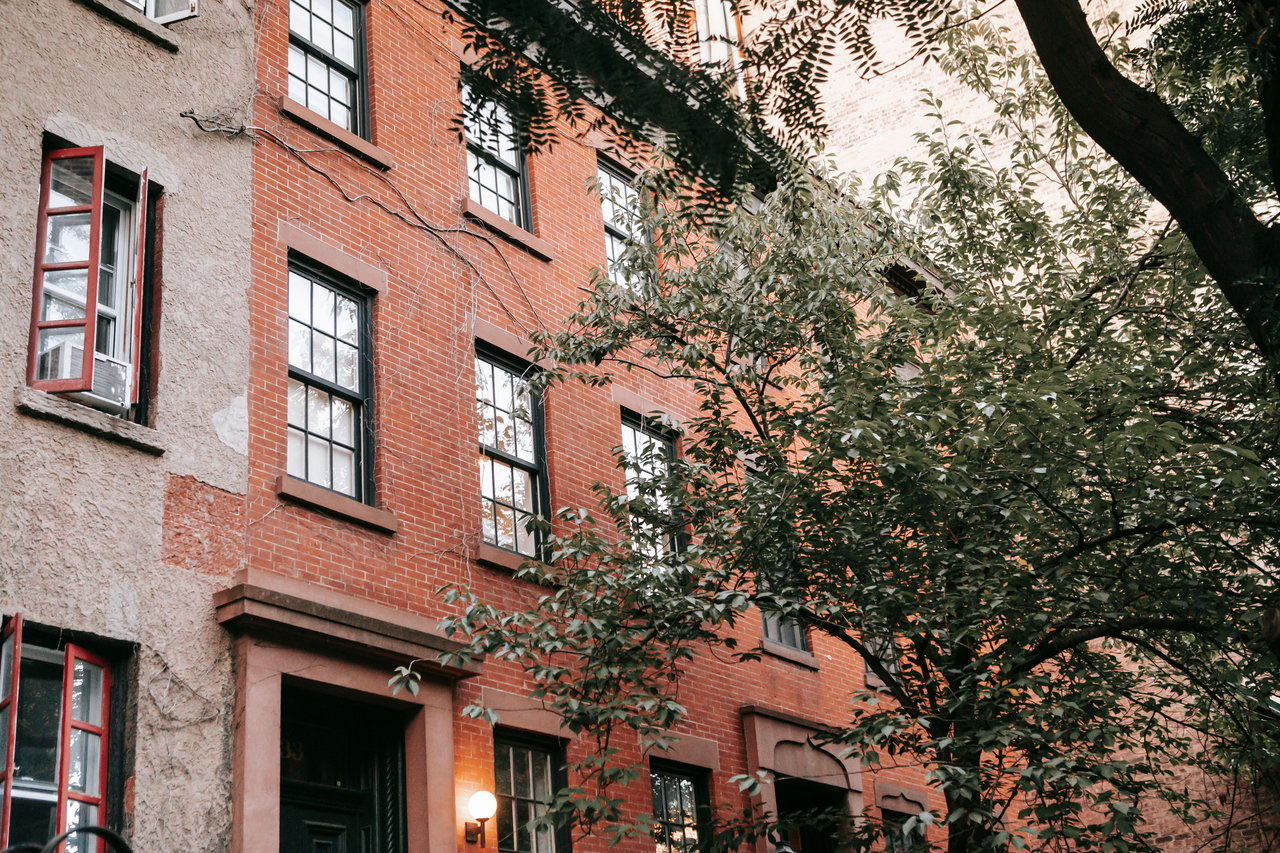
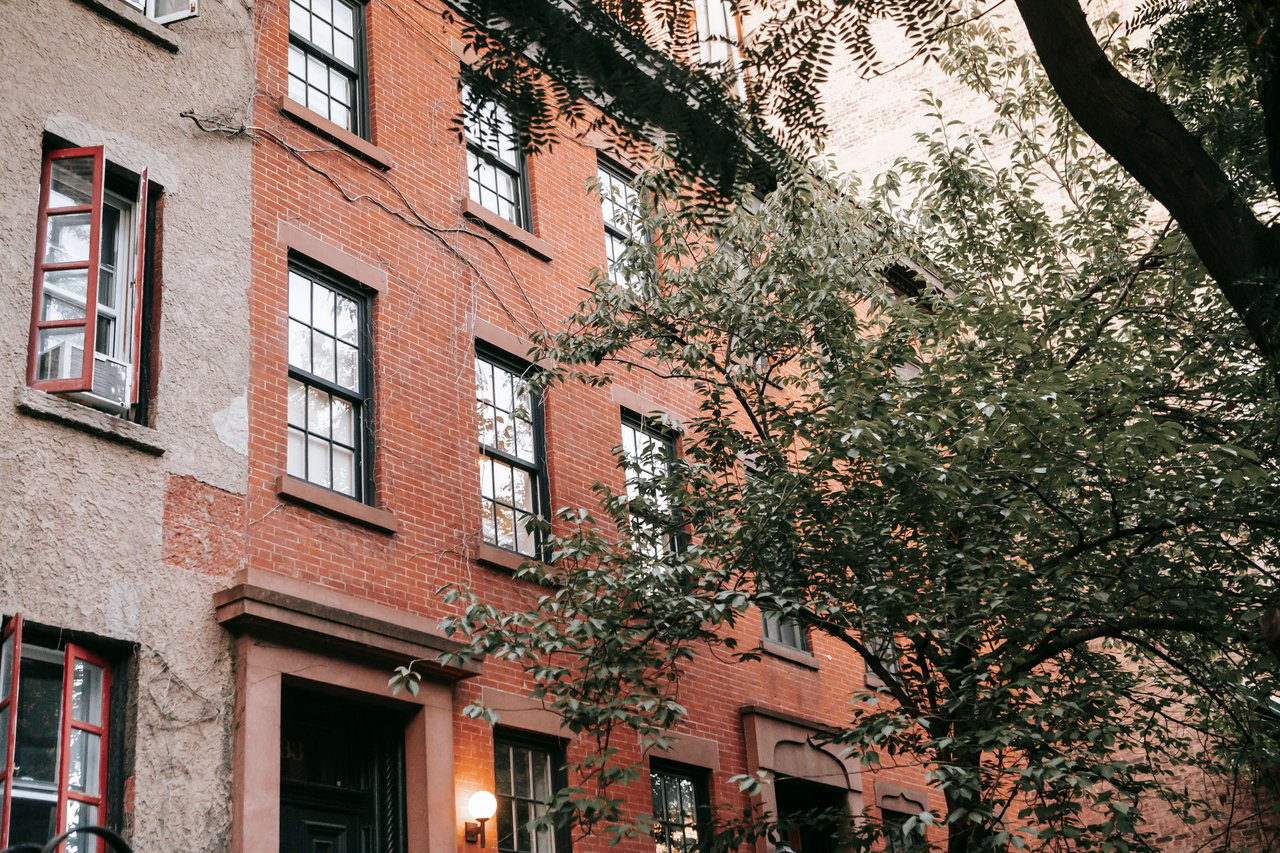
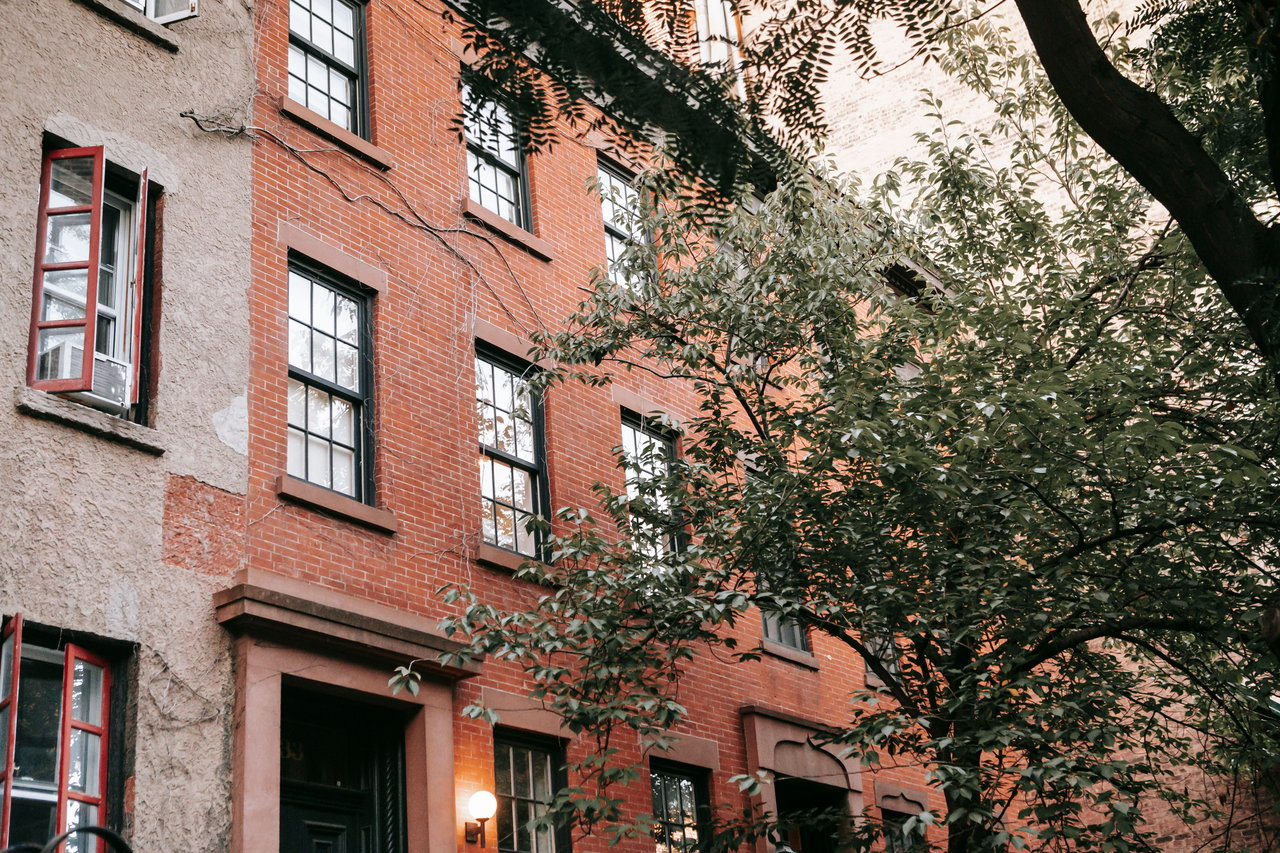
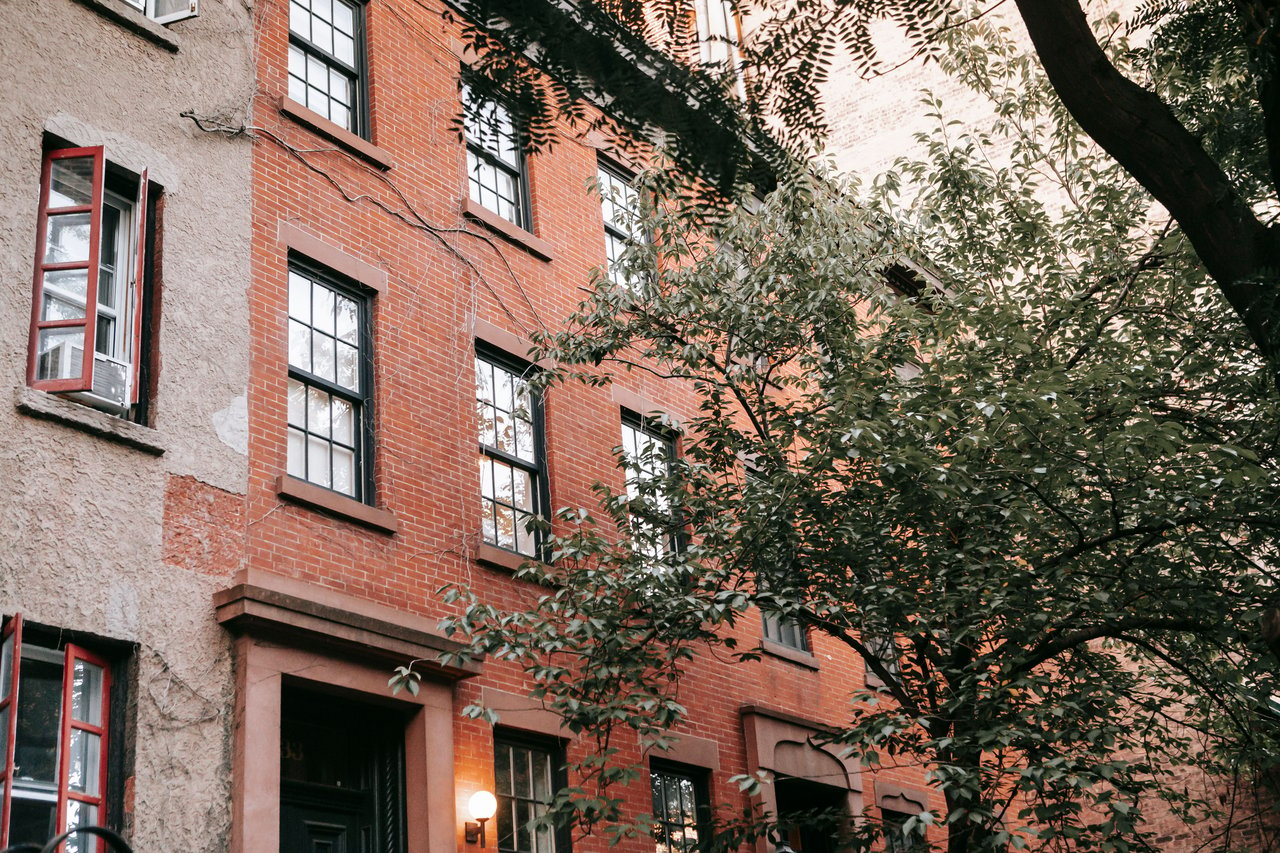
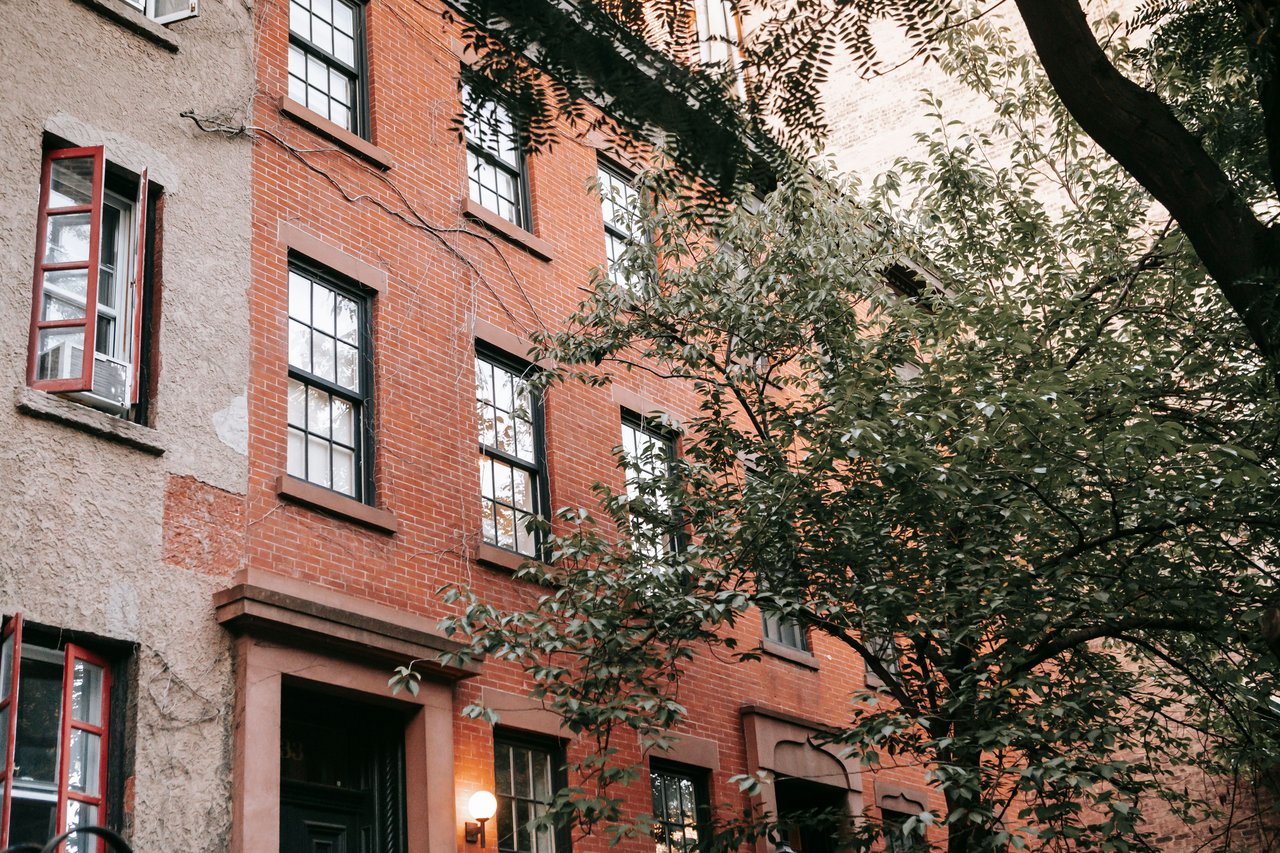
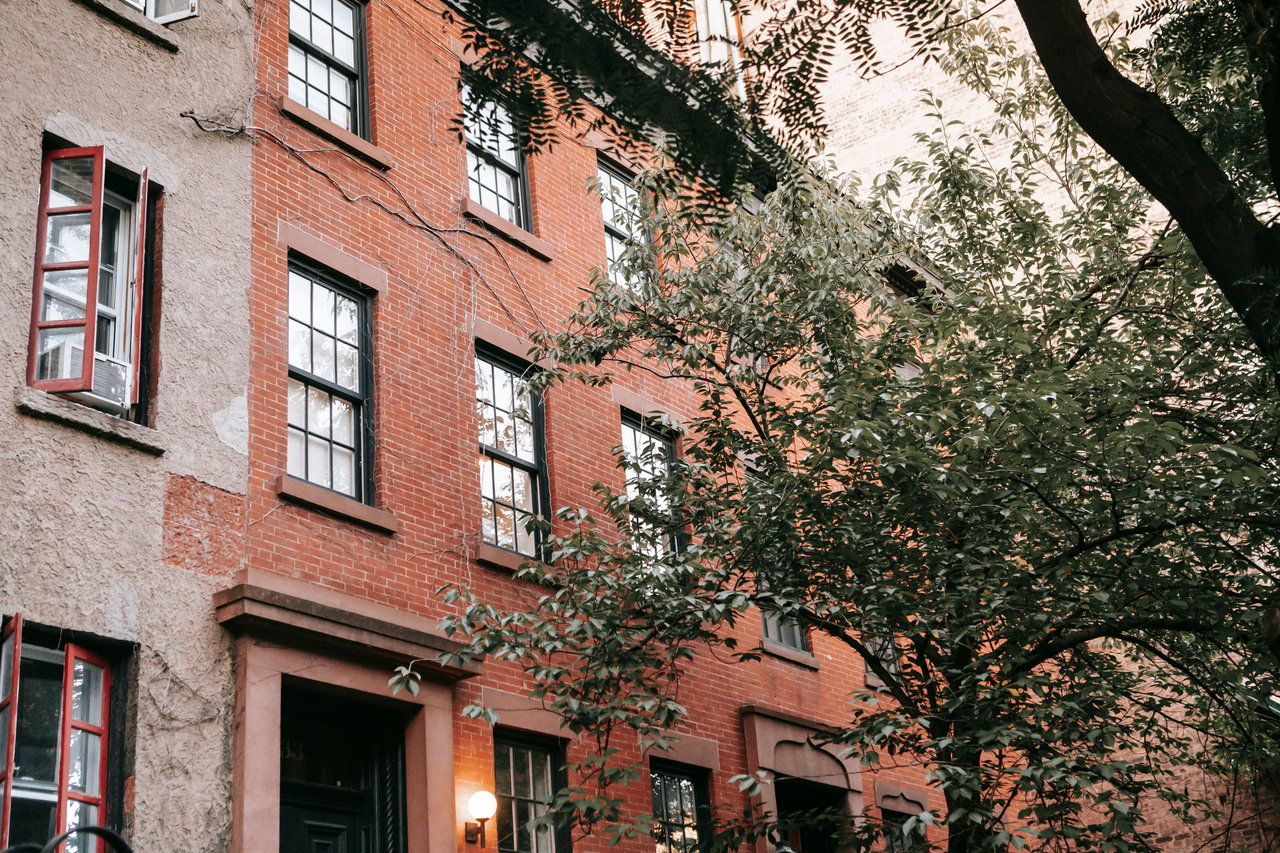
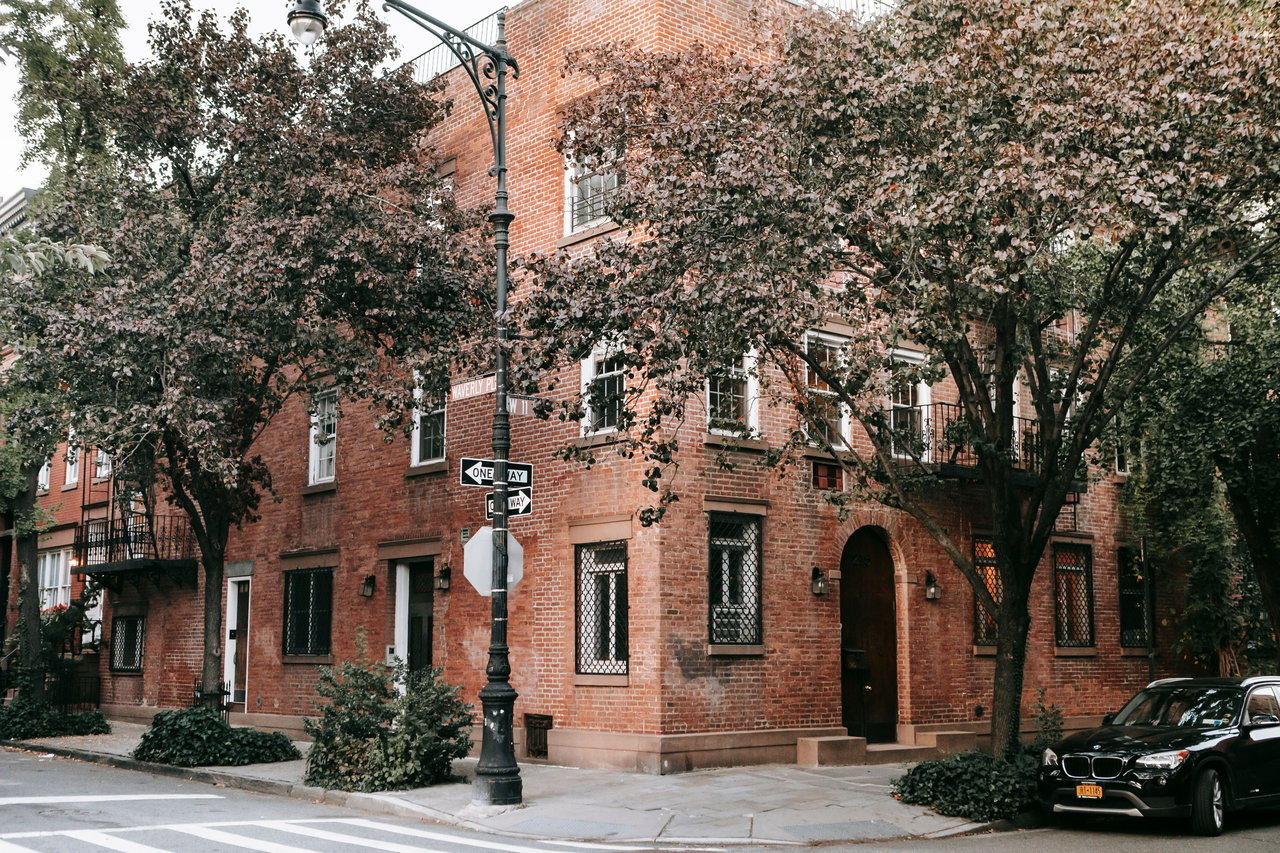
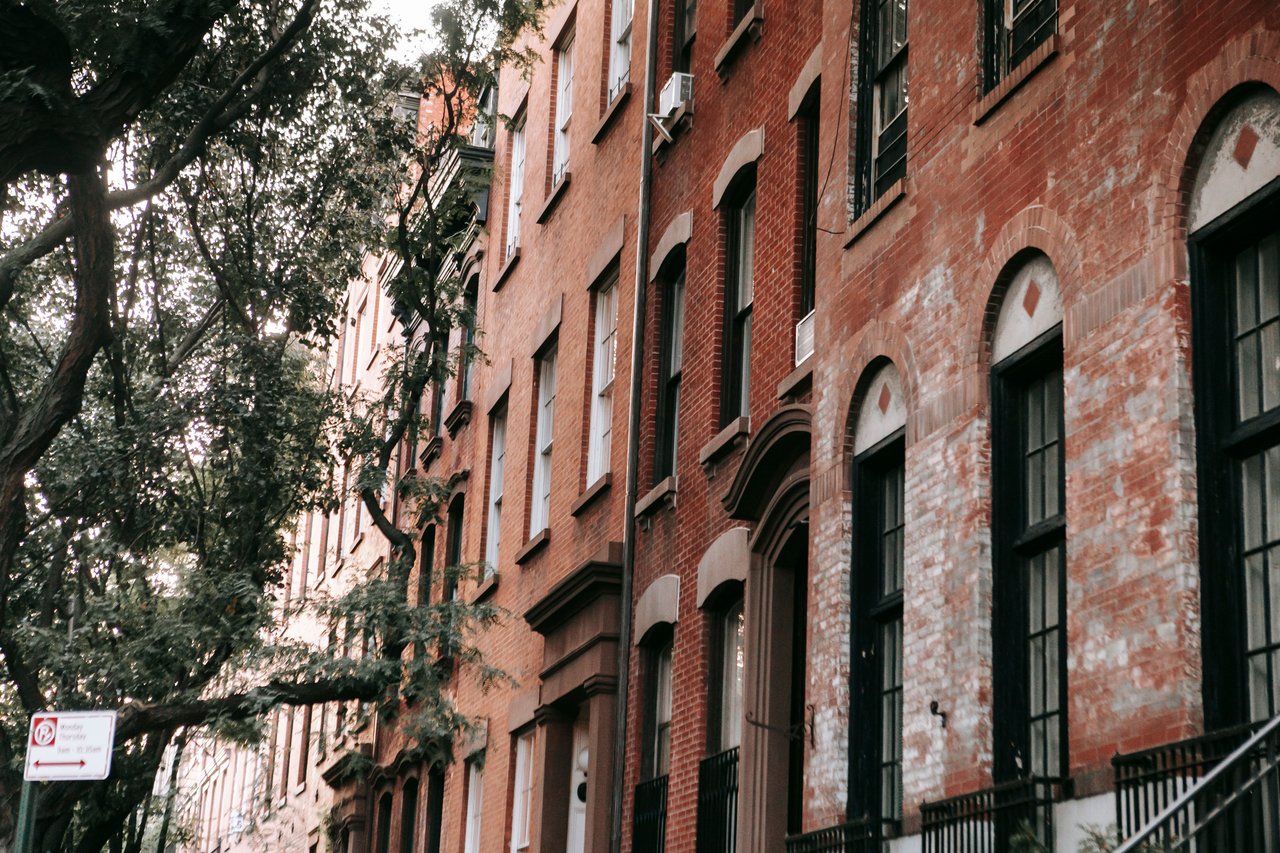
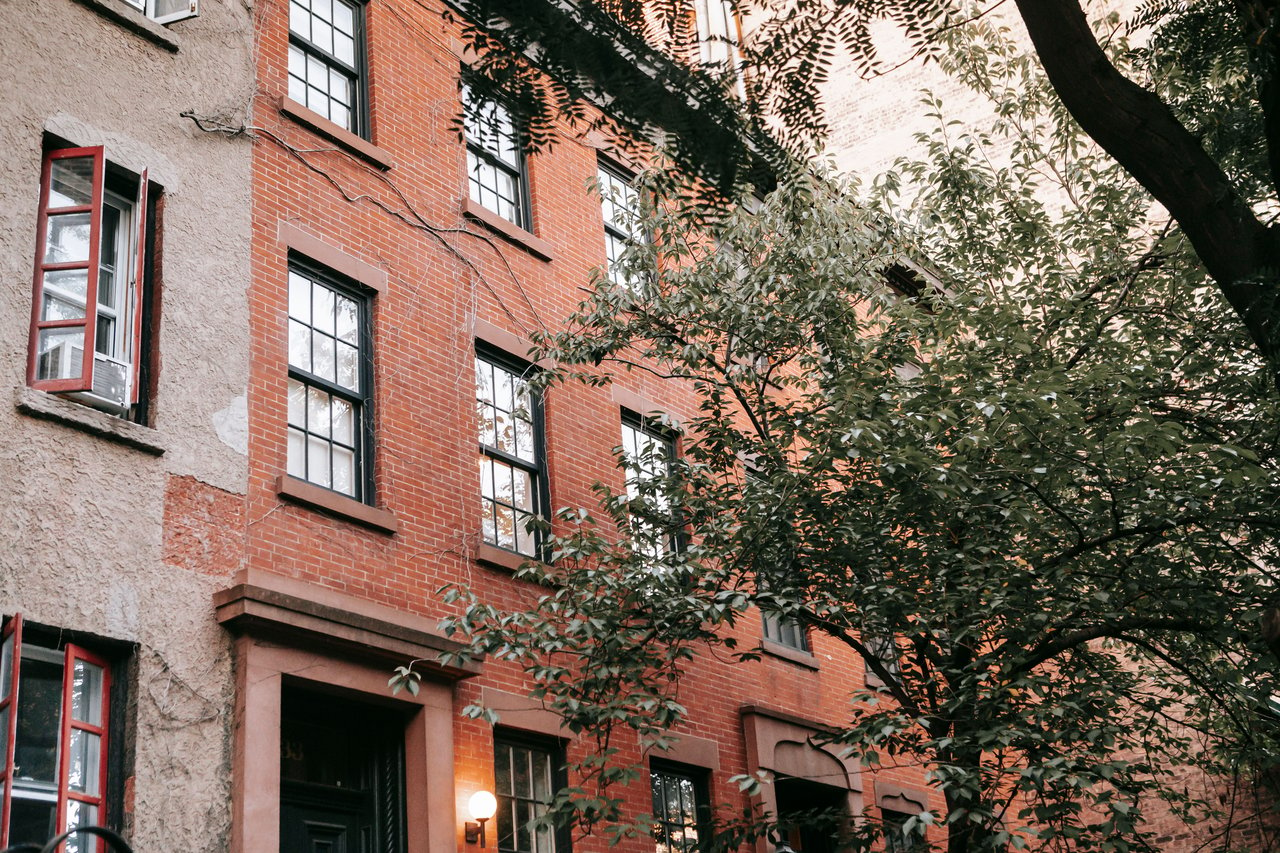
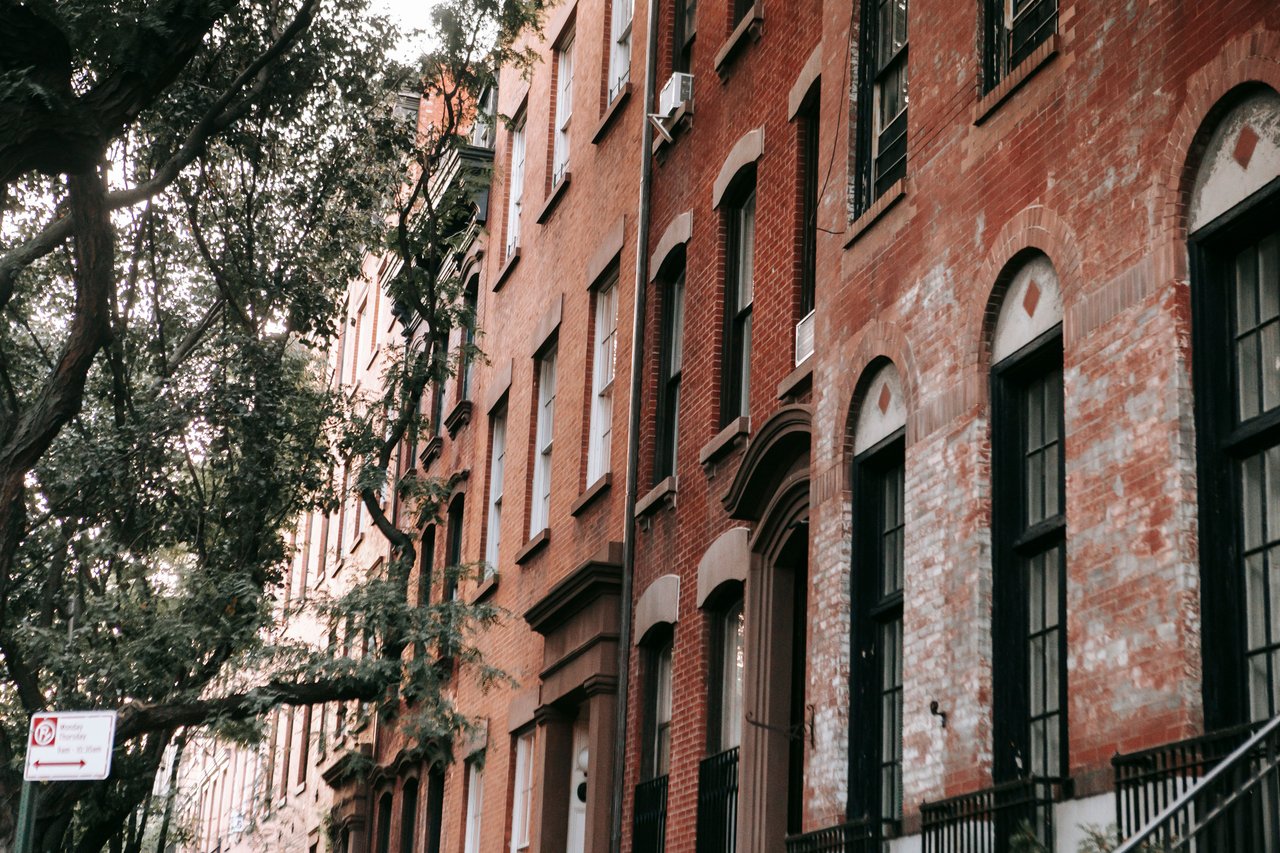
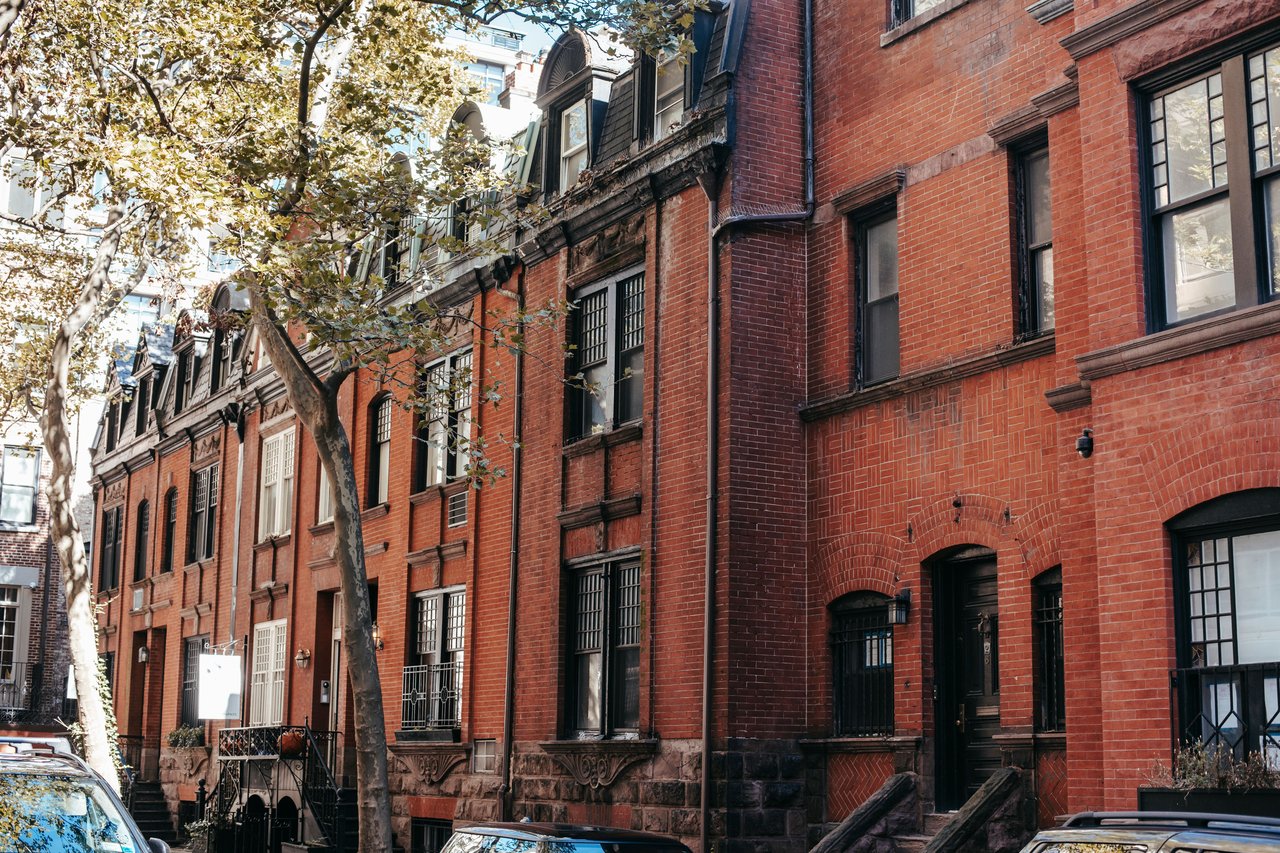
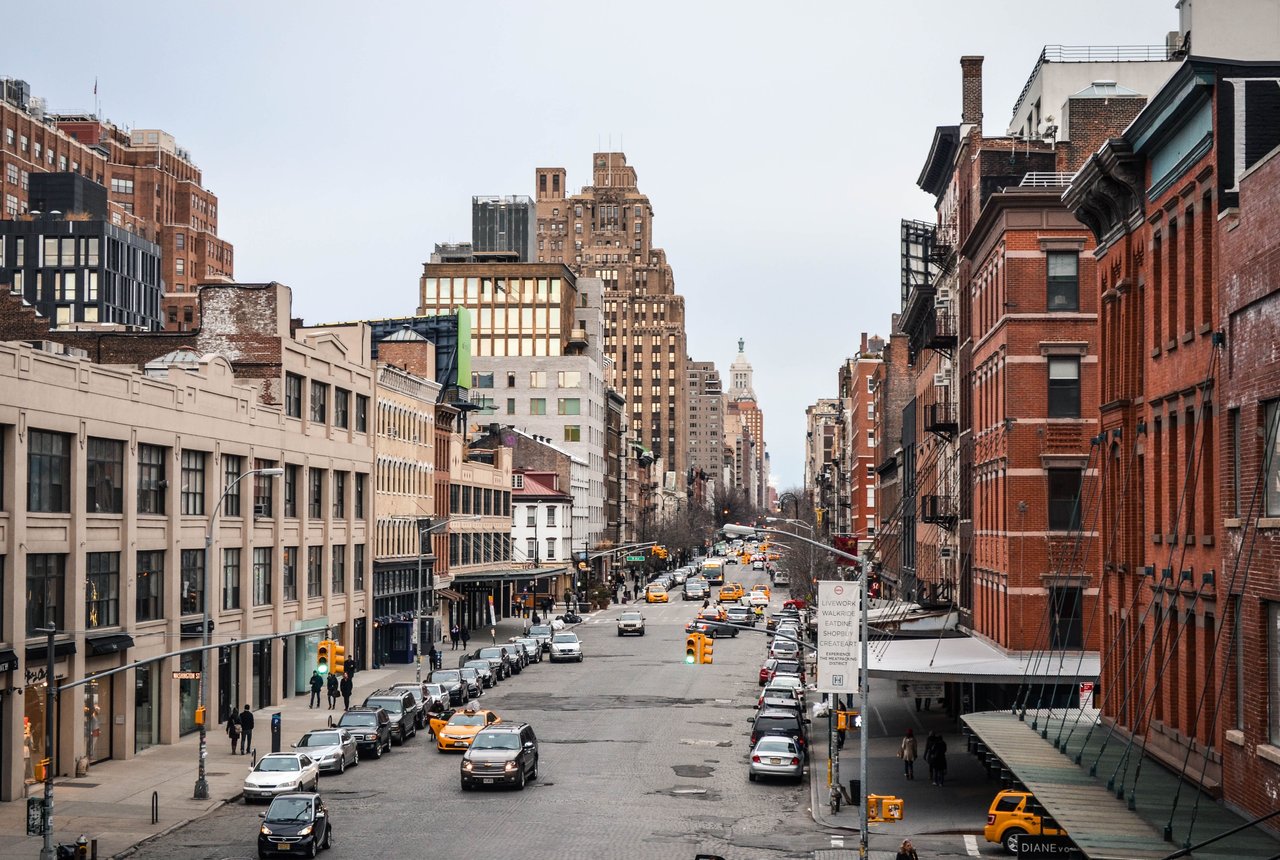
East 10th Street offers one of the most compelling architectural journeys through downtown Manhattan, connecting the historic masonry buildings of Greenwich Village with the distinctive nineteenth-century townhouses and apartment buildings of the East Village. Its architecture reveals several important periods of the city's development, from early brick rowhouses and Gothic Revival landmarks to Italianate residences, historic tenements, prewar apartments, and contemporary residential conversions. Unlike streets defined primarily by a single architectural period, East 10th Street preserves a layered streetscape in which changes in building design remain visible from block to block.
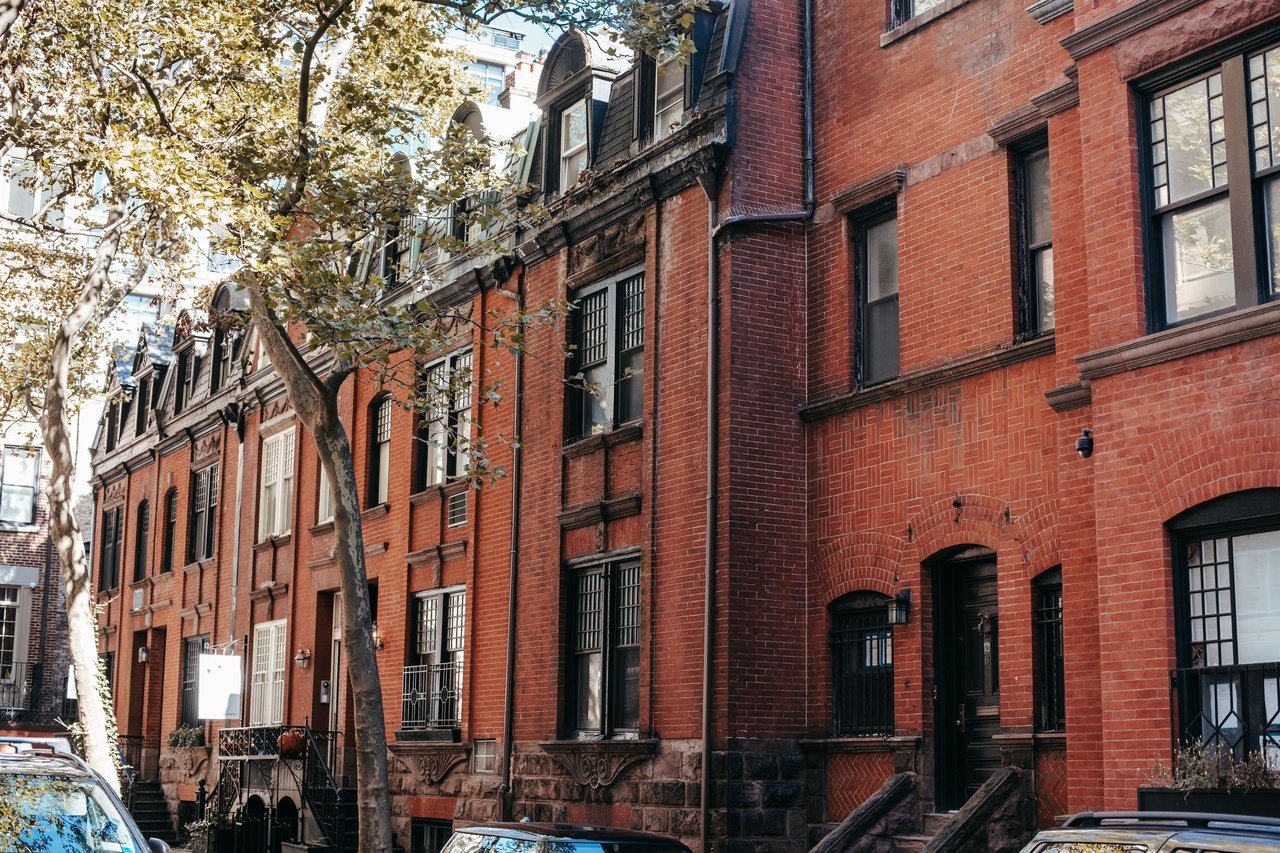
One of the street's most remarkable features is its relationship with two important historic districts. Near Second Avenue, the St. Mark's Historic District preserves an unusual arrangement of nineteenth-century rowhouses surrounding an older architectural landmark and an angled street that predates Manhattan's regular grid. Farther east, the East 10th Street Historic District contains a remarkably cohesive collection of brick townhouses and historic apartment buildings overlooking Tompkins Square Park. These two areas offer different examples of residential design, yet both retain the masonry facades, ornamental cornices, and carefully proportioned buildings that distinguish the East Village.
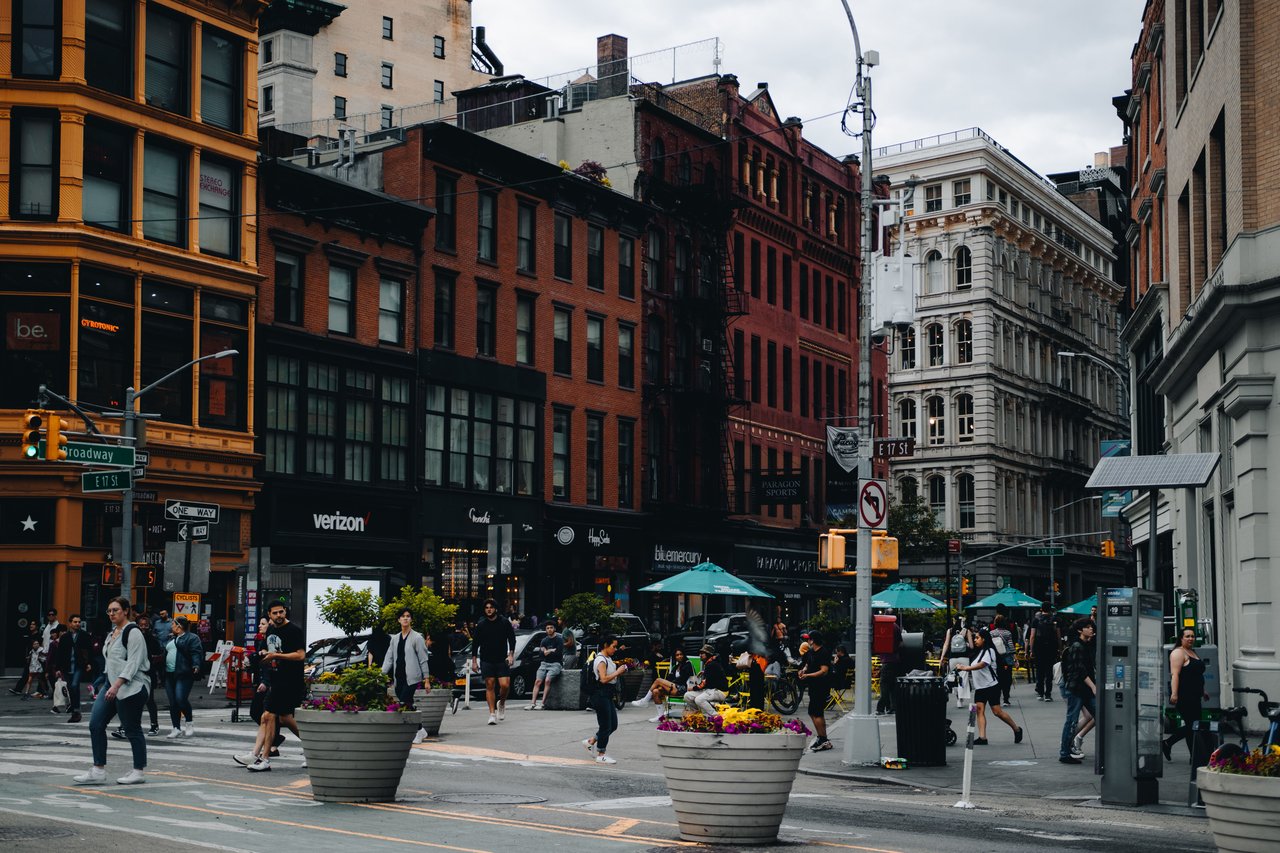
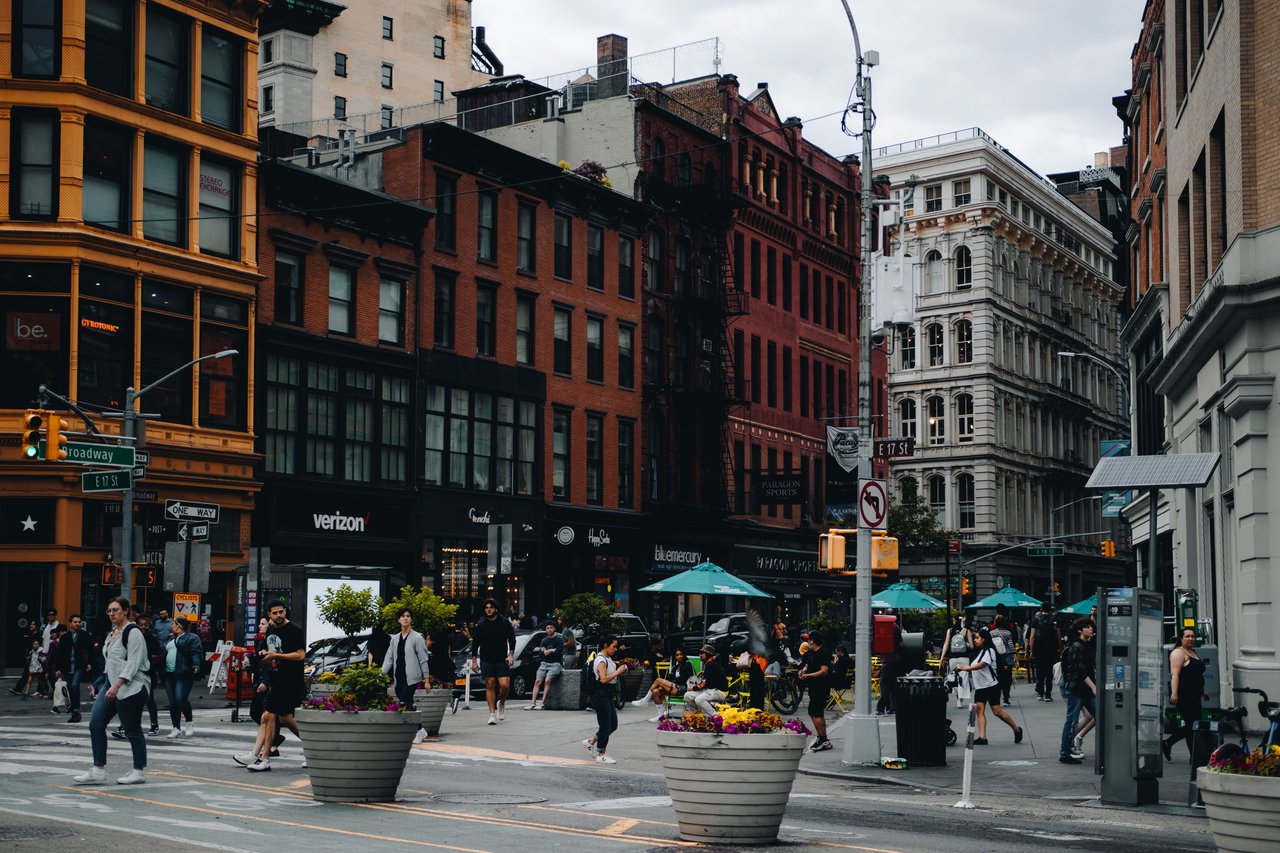
The western portion of East 10th Street introduces another architectural dimension through its proximity to Broadway, where substantial commercial buildings and the Gothic Revival architecture of Grace Church contrast with the smaller residential structures farther east. As the street continues toward Alphabet City, its buildings become more varied, incorporating prewar walk-ups, renovated multifamily properties, and larger residential developments.
Together, these architectural layers make East 10th Street an exceptional example of how Manhattan's building traditions have evolved while preserving significant elements of their original design.
The Early Architectural Development of East 10th Street
The architectural development of East 10th Street reflects the gradual transformation of lower Manhattan during the late eighteenth and nineteenth centuries. Before the surrounding blocks acquired their present configuration, portions of the area followed older property boundaries and street alignments that differed from the numbered grid established by the Commissioners' Plan of 1811.
This earlier layout remains particularly visible around Stuyvesant Street, which crosses the numbered streets at an angle. Its unusual alignment creates triangular intersections and irregular building lots near East 10th Street, providing a distinctive contrast with Manhattan's otherwise consistent rectangular blocks.
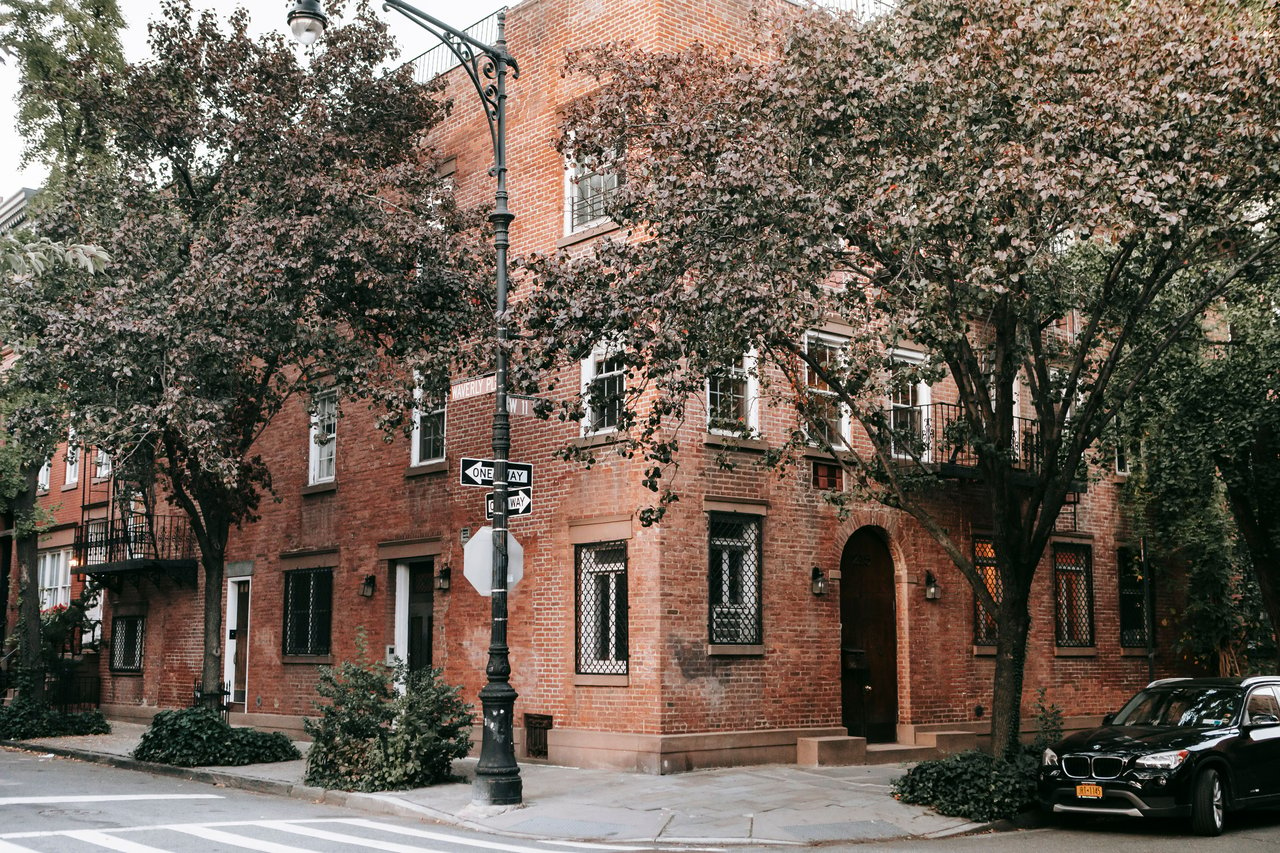
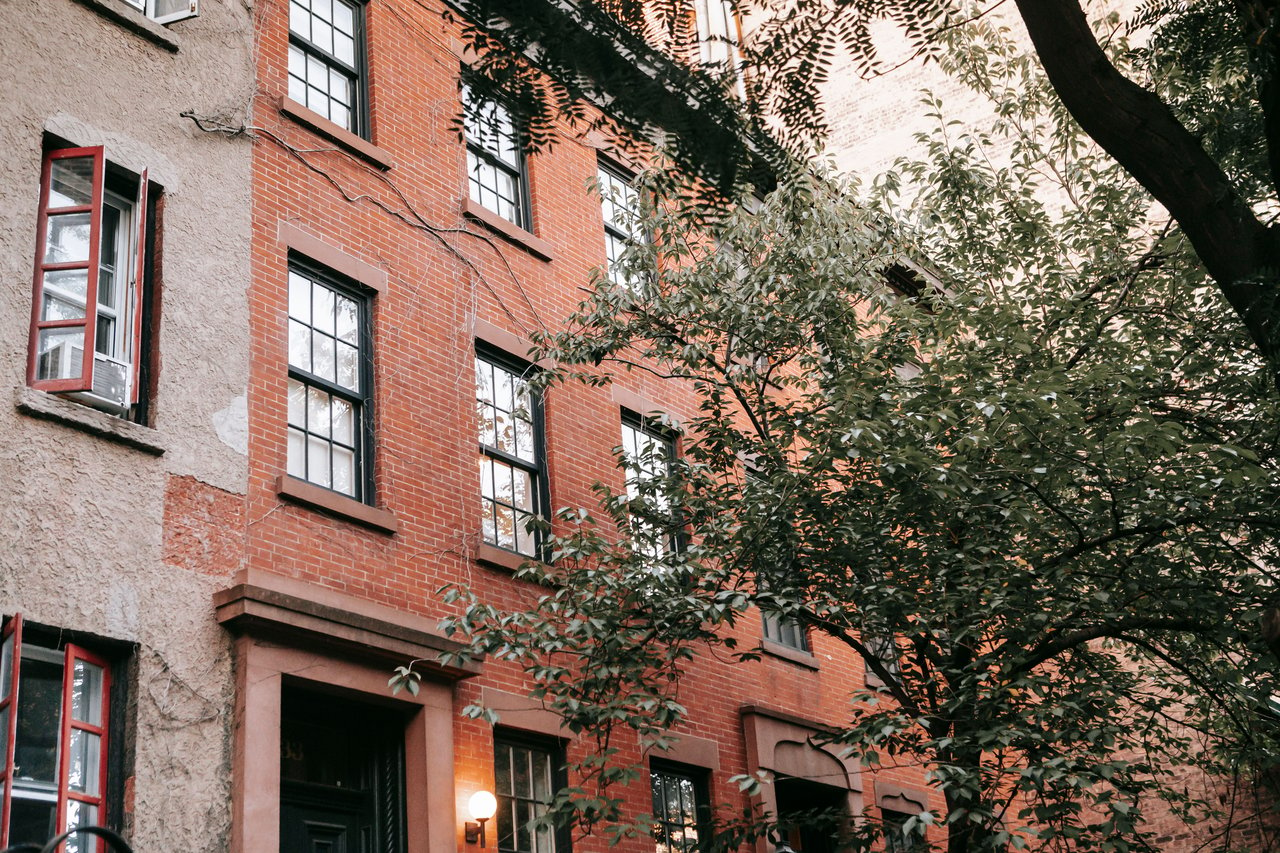
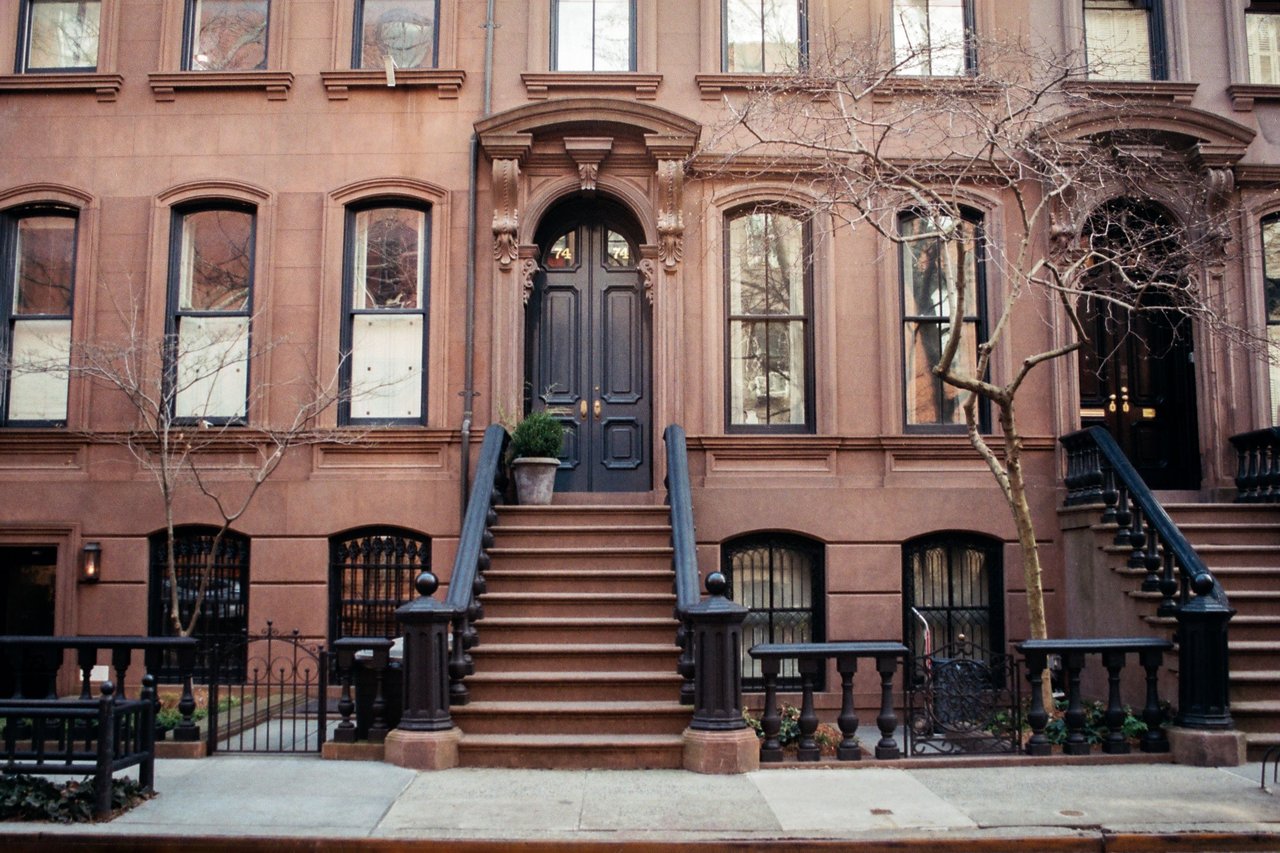
During the early nineteenth century, brick rowhouses began defining the street's residential character. Federal and Greek Revival architecture influenced the proportions of these buildings, with symmetrical facades, stone entrance details, and relatively restrained ornamentation. By the middle of the century, Italianate architecture introduced more elaborate cornices, window surrounds, and entrance treatments.
Later construction brought multifamily tenements and larger apartment buildings, introducing additional floors and decorative masonry details. These successive periods of development established the architectural variety that continues to characterize East 10th Street.
Grace Church and Gothic Revival Architecture
At Broadway and East 10th Street stands Grace Church, one of downtown Manhattan's most recognizable examples of Gothic Revival architecture. Constructed between 1843 and 1846, the building is distinguished by its white marble exterior, pointed arches, elaborate stone tracery, and prominent vertical composition.
Its Gothic Revival design incorporates features associated with medieval European architecture, including buttresses, pinnacles, pointed windows, and ornamental stonework. The building's substantial tower and carefully detailed exterior create a striking architectural contrast with the commercial structures and residential buildings nearby.
The use of white marble is especially notable within a downtown streetscape dominated by brick and darker masonry materials. The church's exterior composition emphasizes height, rhythm, and intricate detailing, while its placement along Broadway creates a distinctive architectural landmark at the western end of East 10th Street.
Grace Church illustrates the importance of Gothic Revival design in nineteenth-century Manhattan and the role of monumental architecture in shaping the appearance of major intersections.
The Architecture of East 10th Street Near Broadway
The western blocks of East 10th Street are characterized by a combination of historic commercial architecture, prewar residential buildings, and structures associated with the development of Greenwich Village.
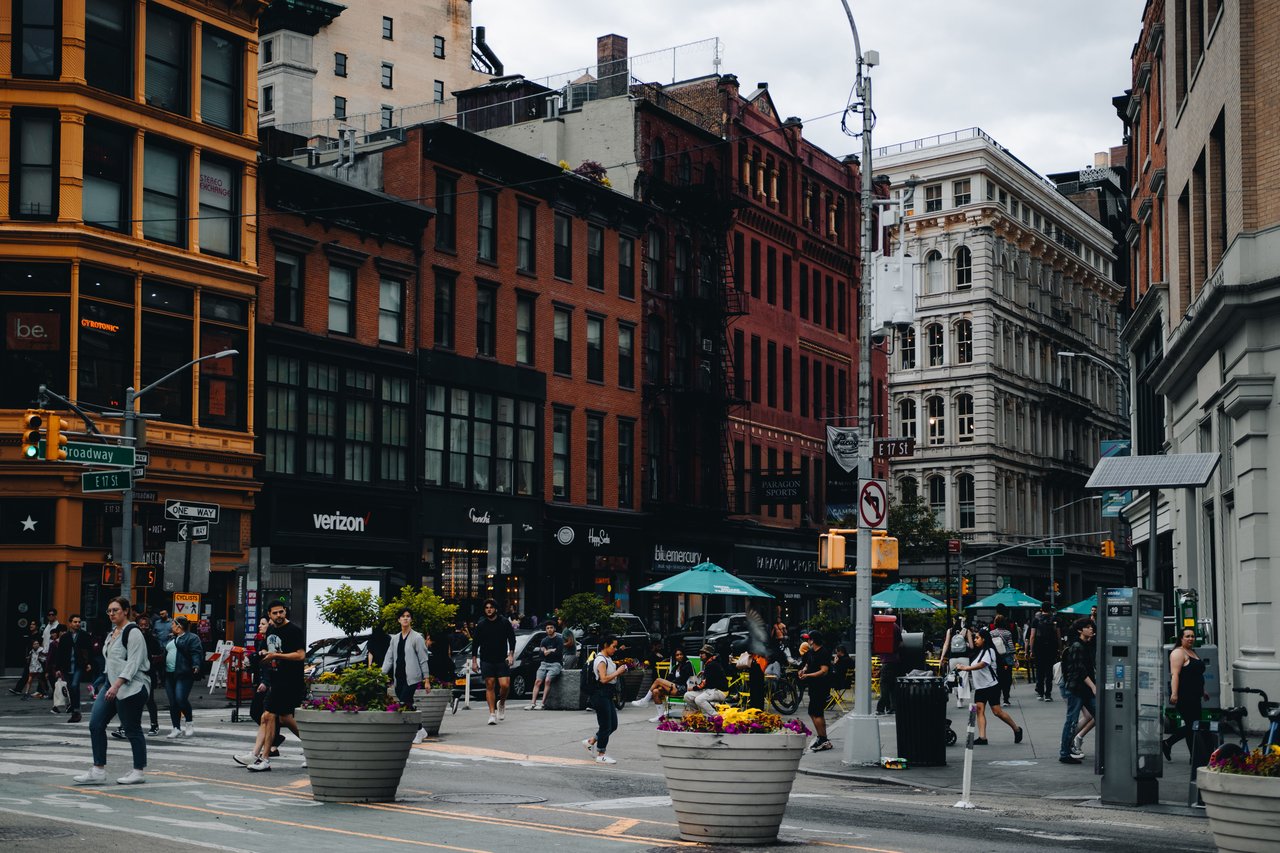
Near Broadway, larger masonry buildings introduce substantial facades, repetitive window arrangements, and architectural details suited to commercial construction. These buildings differ considerably from the narrower residential structures found farther east, reflecting the varied dimensions and construction patterns of downtown Manhattan.
Some historic commercial buildings in the surrounding area have been adapted for residential use, creating loft-style interiors while preserving original exterior materials. Others retain traditional storefront arrangements beneath upper floors.
The transition from Broadway's larger buildings to the more compact architecture of East 10th Street illustrates the relationship between Manhattan's principal commercial corridors and its smaller residential streets.
Federal and Greek Revival Architecture
Federal and Greek Revival architecture established important early design traditions along East 10th Street and its surrounding blocks.
Federal-style buildings typically featured balanced brick facades, restrained decorative elements, stone window lintels, and traditional entrance surrounds. Their relatively modest proportions reflected the architectural conventions of early nineteenth-century residential construction.
Greek Revival architecture introduced stronger classical influences, including more substantial stone entrances, simplified pilasters, and carefully arranged windows. Attached brick construction remained common, producing continuous rows of buildings with similar heights and widths.
These architectural traditions are particularly relevant to the historic buildings surrounding Stuyvesant Street, where early residential construction remains part of the protected streetscape.
The restrained elegance of these styles provides an important contrast to the more elaborate Italianate and later apartment buildings found along East 10th Street.
St. Mark's Church-in-the-Bowery: Georgian, Greek Revival, and Italianate Architecture
St. Mark's Church-in-the-Bowery, located near Second Avenue and East 10th Street, is an exceptional example of a building incorporating several architectural periods within a single historic structure.
The main building, completed in 1799, features Georgian architectural characteristics, including fieldstone masonry, rounded window openings, and a restrained exterior composition. Its substantial walls and traditional proportions distinguish it from the surrounding nineteenth-century brick rowhouses.
A Greek Revival steeple was added in 1828, introducing a more classical vertical element above the original building. In 1854, an Italianate cast-iron portico added another architectural layer, incorporating ornamental details associated with the middle of the nineteenth century.
The combination of Georgian masonry, Greek Revival design, and Italianate cast iron makes the structure particularly significant from an architectural perspective. Rather than representing a single construction period, its exterior demonstrates how successive architectural additions can become part of a cohesive historic landmark.
The St. Mark's Historic District
The St. Mark's Historic District occupies portions of East 10th Street and Stuyvesant Street between Second and Third Avenues. Designated in 1969 and extended in 1984, it preserves a distinctive collection of historic residential buildings and institutional architecture.
One of the district's defining features is the unusual intersection of Stuyvesant Street with Manhattan's numbered street grid. The angled street creates triangular building sites and varied facade orientations, introducing an architectural arrangement rarely found within the surrounding rectangular blocks.
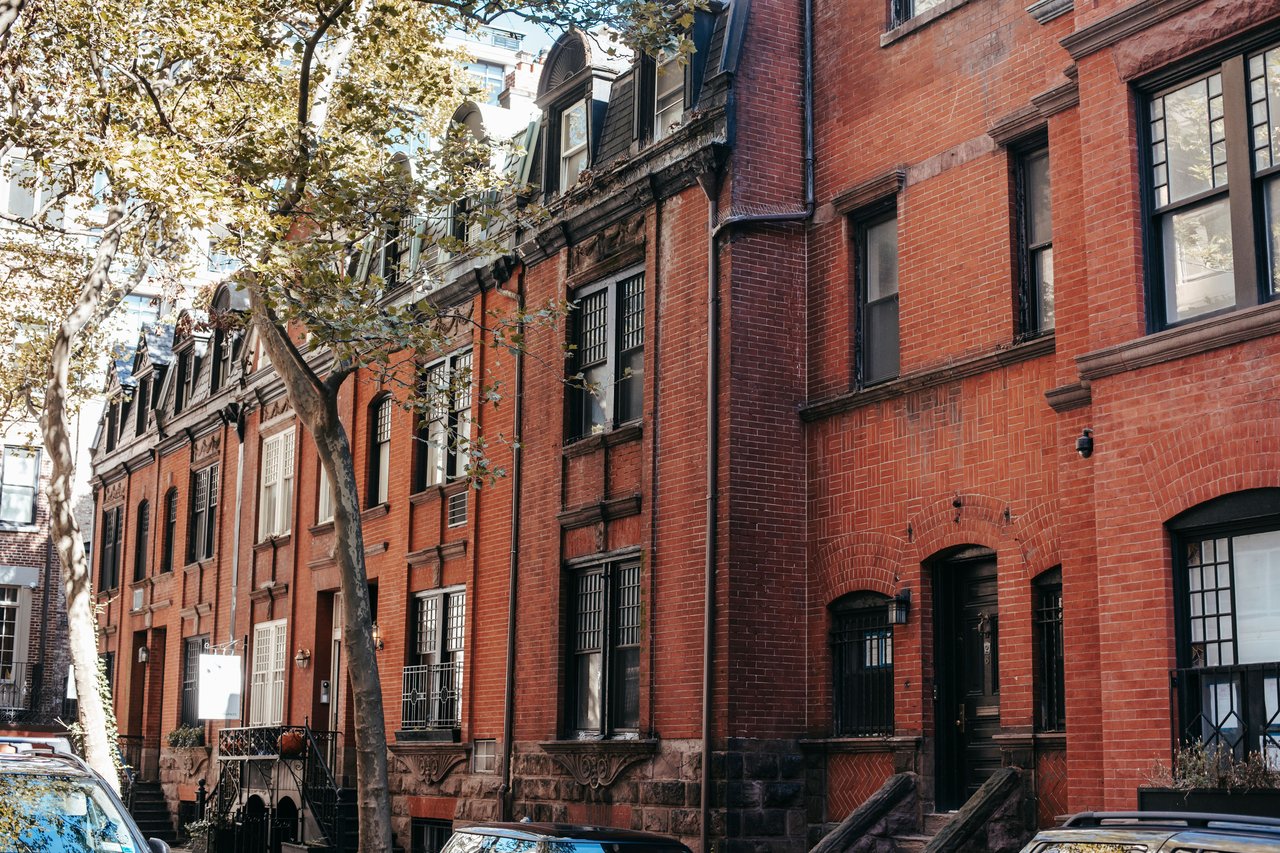
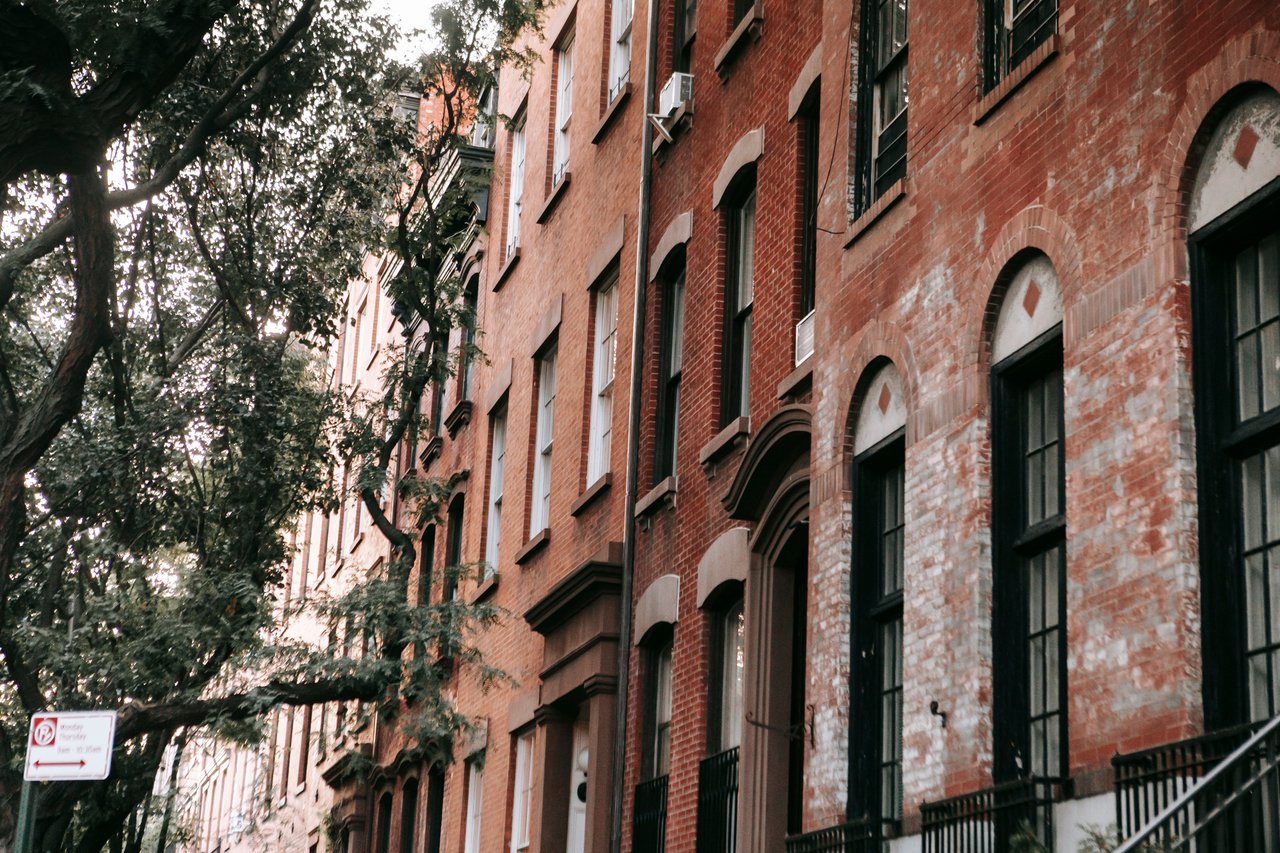
The district includes early Federal buildings, Greek Revival residences, and substantial nineteenth-century Italianate rowhouses. Brick facades, brownstone entrance details, decorative cornices, and traditional stoops create visual continuity across the historic streetscape.
Its architectural significance lies not only in individual buildings but also in the relationship between their proportions, materials, and irregular street configuration.
The Anglo-Italianate Rowhouses of Renwick Triangle
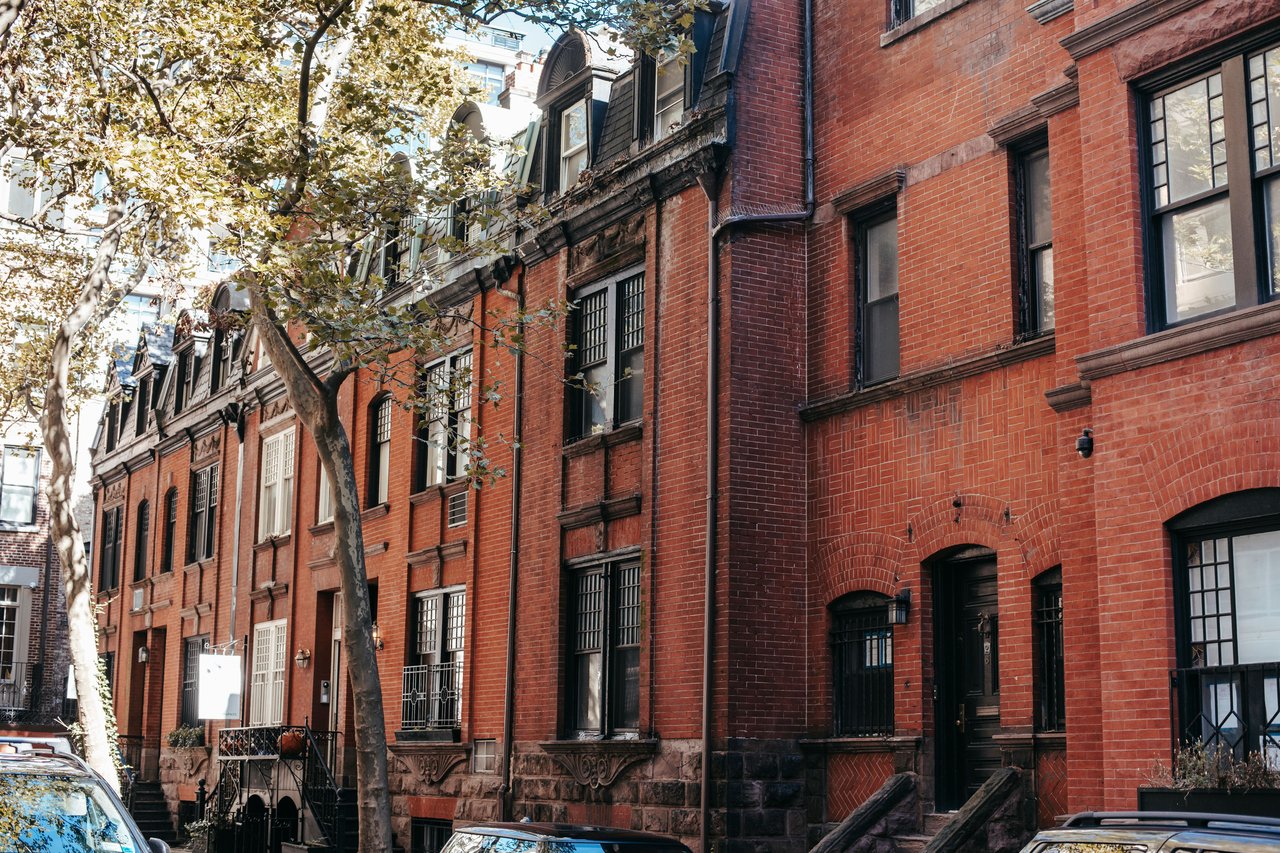
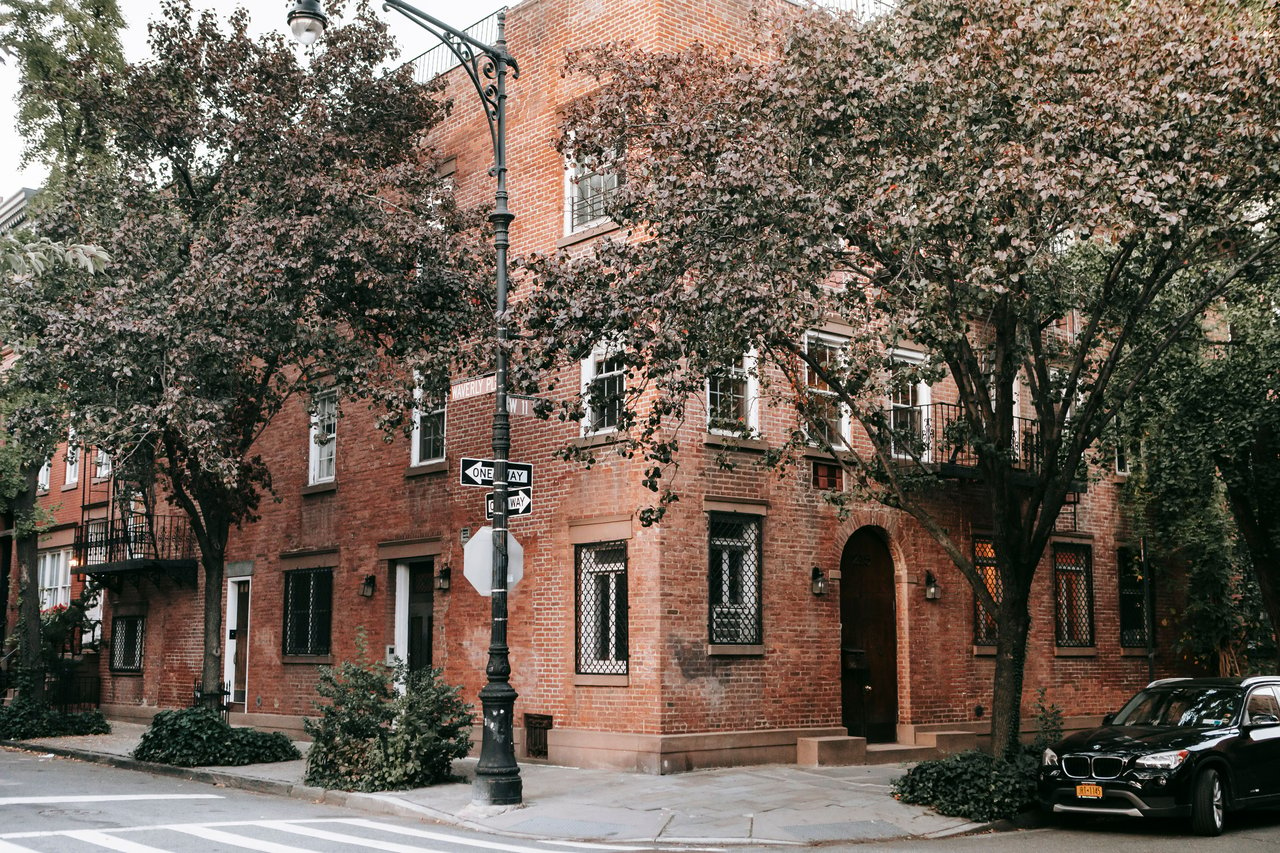
Near the intersection of East 10th Street and Stuyvesant Street stands a distinctive collection of Anglo-Italianate rowhouses commonly known as Renwick Triangle.
Constructed around 1861, these buildings are characterized by brick facades, brownstone detailing, decorative cornices, and carefully proportioned windows. Their architectural design reflects a transition away from the more restrained Greek Revival style toward the richer exterior ornamentation associated with Italianate architecture.
The angled configuration of Stuyvesant Street creates unusual building orientations, making the group particularly distinctive within Manhattan's regular street grid.
Their closely related facade designs establish a unified architectural composition despite the irregular shape of the surrounding lots.
The surviving rowhouses remain an important example of mid-nineteenth-century residential design and the adaptation of traditional townhouse architecture to an unconventional street layout.
Italianate Townhouses on East 10th Street
Italianate architecture is one of the most important styles represented along East 10th Street, particularly in the blocks surrounding Tompkins Square Park.
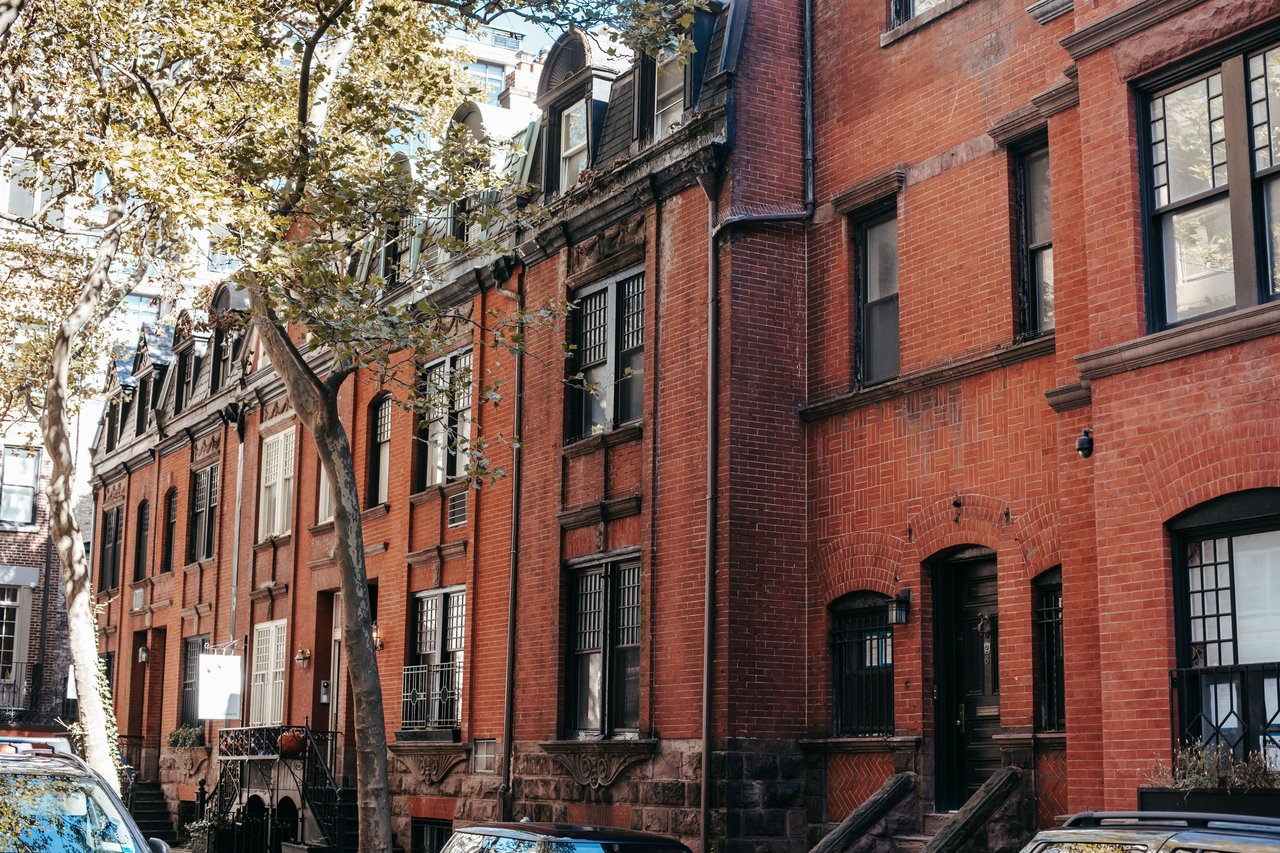
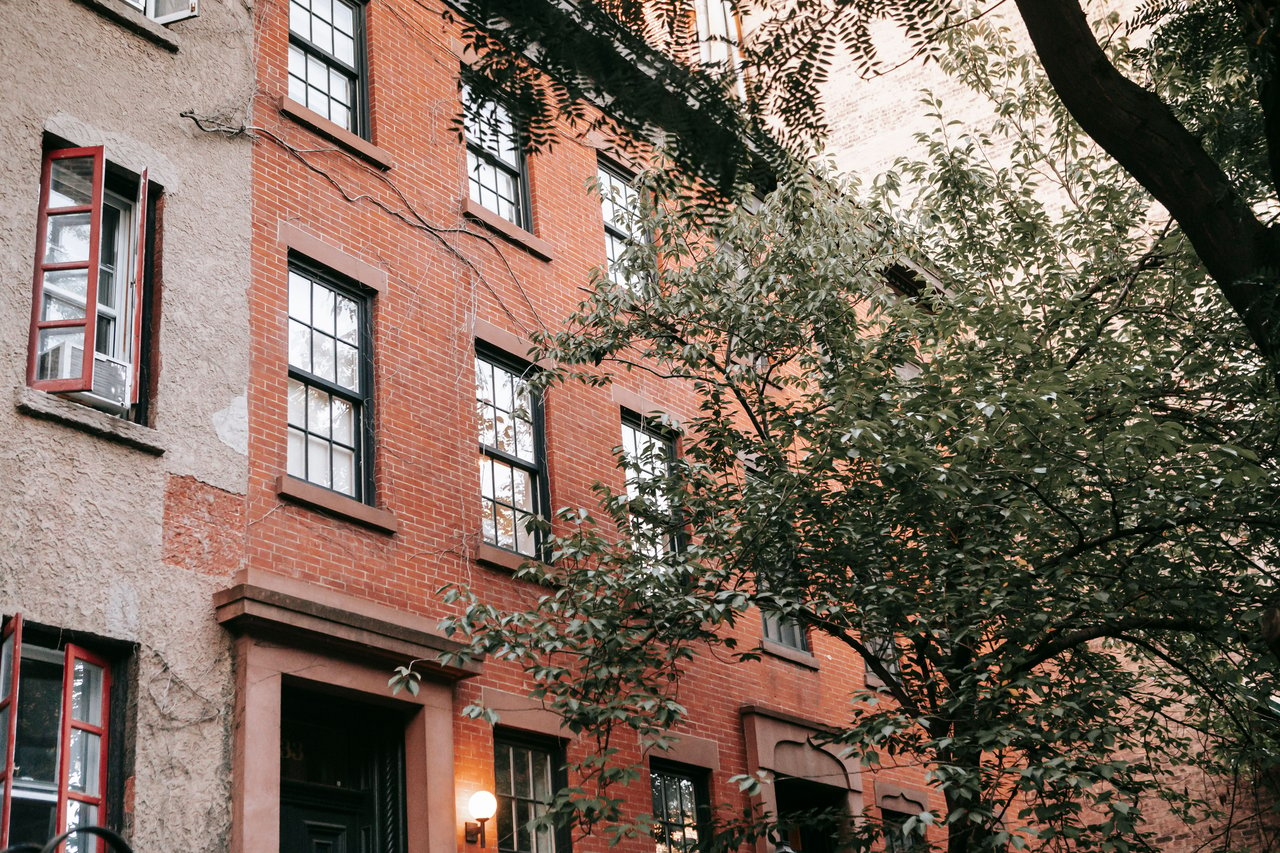
During the middle of the nineteenth century, brick rowhouses began incorporating more elaborate exterior ornamentation, including projecting cornices, bracketed rooflines, decorative window lintels, and substantial entrance surrounds.
These details introduced greater visual depth while maintaining the relatively narrow proportions of traditional Manhattan townhouses.
Some surviving buildings retain original architectural features, while others were modified during later periods. Alterations sometimes included replacement cornices, updated window surrounds, or additional residential floors.
The combination of original and modified Italianate details illustrates the changing architectural preferences of nineteenth-century Manhattan.
The East 10th Street Historic District
One of the street's most significant architectural features is the East 10th Street Historic District, designated on January 17, 2012.
The district encompasses 26 buildings along the north side of East 10th Street between Avenue A and Avenue B, directly overlooking Tompkins Square Park.
Its architecture includes nineteenth-century brick rowhouses, historic tenements, and the Tompkins Square Branch of the New York Public Library. Many of the earliest residential buildings were constructed during the middle of the nineteenth century, with Italianate design influencing their exterior appearance.
The buildings retain a relatively consistent street wall, while variations in height, cornices, entrance details, and window surrounds create architectural interest.
Unlike larger historic districts covering numerous blocks, the East 10th Street Historic District is concentrated along a single streetscape, making the relationship between its buildings particularly easy to observe.
Its preservation protects an important surviving example of nineteenth-century Manhattan residential architecture.
The Rowhouses Overlooking Tompkins Square Park
The north side of East 10th Street between Avenues A and B contains one of the East Village's most cohesive collections of historic rowhouses.
Many buildings were developed during the 1840s and 1850s, incorporating Italianate architectural details into traditional brick townhouse construction.
Their facades generally feature regular window arrangements, decorative lintels, projecting cornices, and traditional entrance configurations.
Although some buildings were later altered or converted into multifamily residences, much of the original architectural scale remains intact.
The continuous alignment of the buildings creates a consistent street wall facing the open landscape of Tompkins Square Park.
This relationship between historic residential architecture and landscaped space gives the block a distinctive character within the East Village.
Historic Tenement Architecture on East 10th Street
As Manhattan's residential buildings became taller and more densely arranged during the nineteenth century, tenement architecture emerged as an important component of East 10th Street's built environment.
Early tenements were typically constructed on narrow rectangular lots with brick facades and repeated window arrangements. Their exterior designs were often simpler than those of the surrounding townhouses, although decorative cornices and window lintels remained common.
Later tenement construction introduced additional architectural ornamentation, including more elaborate cornices, stone detailing, and changes to facade proportions.
Building regulations also influenced the arrangement of ventilation spaces, interior courtyards, and residential layouts.
Some buildings along East 10th Street retain architectural features associated with pre-law and Old Law tenement construction, illustrating the progression of multifamily residential design.
The Tompkins Square Branch of the New York Public Library
The Tompkins Square Branch of the New York Public Library is an important architectural landmark within the East 10th Street Historic District.
Constructed during the early twentieth century, the building belongs to the period when substantial public library structures were being introduced throughout New York City.
Its architectural design differs from the surrounding residential buildings through its more formal facade composition, masonry detailing, and prominent entrance treatment.
The building introduces a larger institutional scale into an otherwise predominantly residential streetscape.
Its placement within the historic district illustrates how public architecture was integrated into Manhattan's nineteenth-century residential blocks.
Tompkins Square Park and the Architecture of East 10th Street
Tompkins Square Park occupies the area between East 7th and East 10th Streets, extending from Avenue A to Avenue B.
Unlike East 8th and East 9th Streets, which are interrupted by the park, East 10th Street continues along its northern boundary.
This creates a particularly distinctive relationship between the street's historic residential buildings and the open landscape immediately to the south.
The park's pathways, trees, and landscaped areas provide a visual contrast to the continuous masonry facades along the north side of East 10th Street.
The arrangement allows the architectural details of the historic rowhouses to be viewed across a wider open space than is typical of Manhattan's narrow residential streets.
This relationship between landscape design and nineteenth-century architecture is one of East 10th Street's defining characteristics.
Queen Anne and Renaissance Revival Architecture
Later nineteenth-century apartment construction introduced additional architectural styles to East 10th Street and the surrounding East Village.
Queen Anne architecture often incorporated decorative brickwork, varied window treatments, ornamental terra-cotta panels, and expressive facade compositions.
Renaissance Revival buildings generally emphasized more formal arrangements, including horizontal divisions, classical detailing, arched openings, and substantial cornices.
These styles were frequently adapted to Manhattan's narrow building lots, creating decorative apartment facades within relatively compact footprints.
The resulting architectural variety distinguishes later multifamily buildings from earlier Federal, Greek Revival, and Italianate residences.
Prewar Apartment Buildings
Prewar apartment buildings contribute to the architectural character of East 10th Street, particularly beyond its historic townhouse blocks.
These buildings commonly feature masonry facades, decorative cornices, traditional window arrangements, and interior layouts associated with their original construction periods.
Some retain historic staircases, ornamental entrances, and distinctive ceiling proportions.
Renovations have introduced contemporary kitchens, bathrooms, mechanical systems, and other improvements into many older properties.
Some buildings have been converted into cooperative or condominium ownership, while others remain rental properties.
Their continued residential use demonstrates the adaptability of Manhattan's prewar building stock.
Historic Storefronts and Mixed-Use Buildings
Ground-floor storefronts are another recognizable architectural feature along portions of East 10th Street.
Many historic buildings incorporate commercial spaces beneath upper-floor residences.
Traditional storefront designs include large display windows, recessed entrances, decorative woodwork, and cast-iron elements.
Some properties retain original storefront proportions, while others have undergone substantial modernization.
The contrast between commercial ground floors and historic residential facades above contributes to the layered appearance of the street.
East 10th Street and Fifth Avenue
Fifth Avenue marks the dividing line between East and West 10th Street.
The surrounding Greenwich Village architecture includes historic residential buildings, substantial prewar apartment properties, and structures from different periods of Manhattan's development.
Traditional masonry facades, carefully proportioned windows, and decorative entrance details remain important architectural features.
The intersection reflects the architectural transition between Greenwich Village's historic residential streets and the larger commercial corridors farther east.
East 10th Street and University Place
University Place is an important north-south corridor connecting Greenwich Village with the surrounding downtown streets.
Its architecture includes historic commercial buildings, prewar apartments, and residential properties from different construction periods.
Masonry facades, decorative cornices, and ground-floor storefronts contribute to the streetscape.
The intersection with East 10th Street illustrates the relationship between smaller residential buildings and the larger mixed-use structures along Manhattan's principal corridors.
East 10th Street and Broadway
Broadway is one of the most architecturally significant corridors intersecting East 10th Street.
The surrounding buildings include substantial commercial structures, historic masonry facades, and contemporary developments.
Grace Church provides a distinctive Gothic Revival landmark at the intersection.
The contrast between its elaborate stone architecture and the surrounding commercial buildings creates a visually recognizable architectural setting.
East 10th Street and Fourth Avenue
Fourth Avenue forms part of the unusual street configuration near Union Square and Astor Place.
The surrounding architecture includes historic commercial buildings, prewar apartment properties, and contemporary structures.
Building heights and facade treatments vary considerably.
The avenue's relationship with East 10th Street reflects the transition between the historic Greenwich Village streetscape and the larger buildings of the surrounding downtown corridors.
East 10th Street and Third Avenue
Third Avenue is an important architectural reference point along East 10th Street.
The surrounding buildings include historic apartment properties, commercial structures, and contemporary residential developments.
Near Stuyvesant Street, the angled street configuration introduces irregular intersections and triangular building sites.
This relationship between Third Avenue, East 10th Street, and Stuyvesant Street contributes to the distinctive architectural character of the St. Mark's Historic District.
East 10th Street and Second Avenue
Second Avenue intersects East 10th Street near St. Mark's Church-in-the-Bowery.
The surrounding architecture includes historic institutional buildings, nineteenth-century rowhouses, prewar apartments, and commercial properties.
Brick masonry, decorative cornices, and traditional window arrangements remain prominent features.
The intersection provides an important transition between the historic residential architecture of Stuyvesant Street and the denser apartment buildings farther east.
East 10th Street and First Avenue
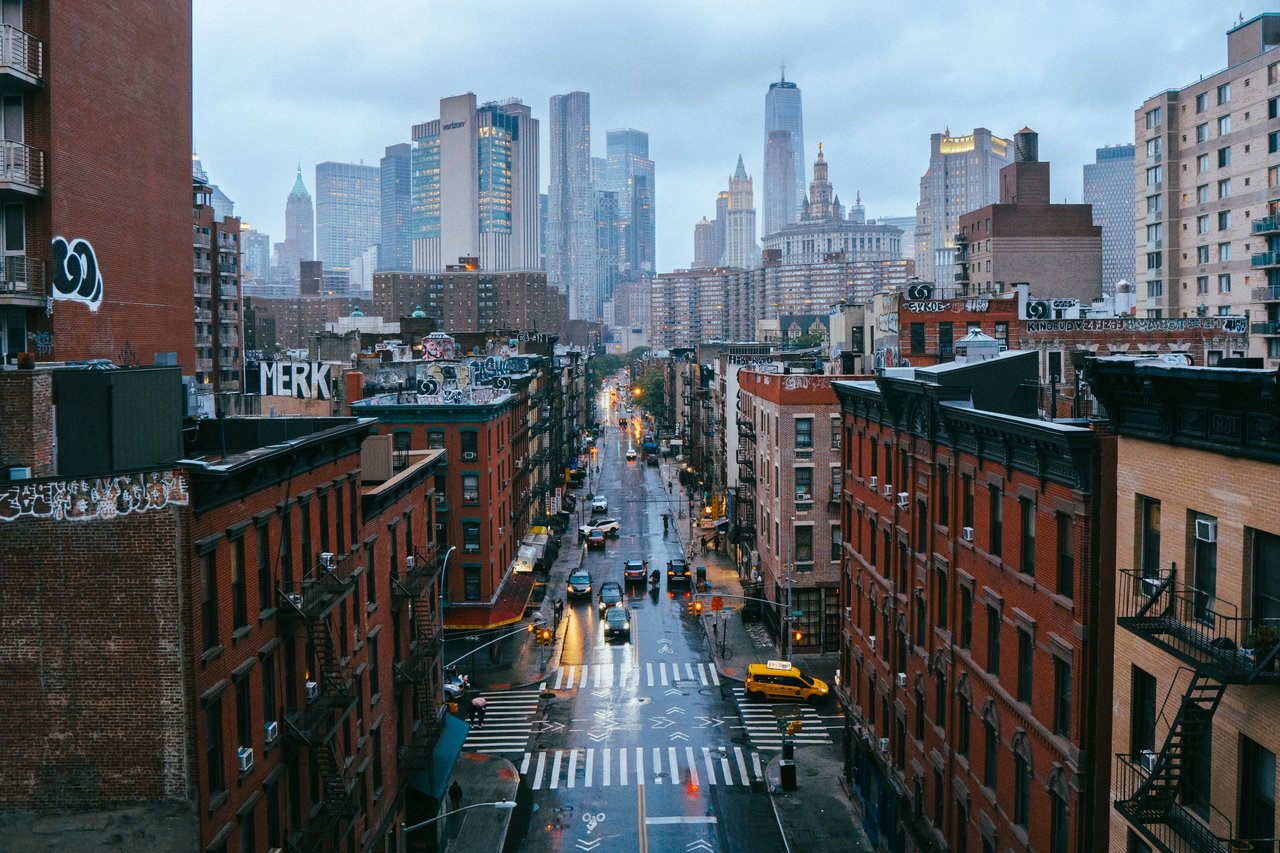
First Avenue contains a mixture of historic tenements, prewar apartment buildings, renovated residences, and contemporary properties.
Traditional brick facades, exterior fire escapes, and decorative roofline details remain recognizable architectural features.
Ground-floor commercial spaces introduce larger openings beneath upper residential floors.
The intersection reflects the architectural character of the central East Village.
East 10th Street and Avenue A
Avenue A forms the western boundary of Tompkins Square Park.
At East 10th Street, the avenue marks the beginning of the historic rowhouse block extending along the park's northern edge.
The surrounding architecture includes nineteenth-century townhouses, prewar apartment buildings, and commercial properties.
The contrast between the park's open landscape and the continuous masonry facades is particularly noticeable at this intersection.
East 10th Street and Avenue B
Avenue B forms the eastern boundary of Tompkins Square Park.
At East 10th Street, the intersection marks the eastern end of the East 10th Street Historic District.
The surrounding buildings include historic tenements, renovated apartment properties, and structures representing different construction periods.
Traditional brick facades and decorative cornices remain important architectural features.
The intersection connects the historic park-facing block with the residential streets of Alphabet City.
East 10th Street and Avenue C
Avenue C is part of the eastern East Village's architectural landscape.
The surrounding blocks contain historic tenements, prewar apartment buildings, and renovated residential properties.
Some buildings retain decorative masonry details, while others feature simpler facades or contemporary alterations.
Building heights and architectural styles vary according to construction period.
The avenue reflects the continuing development of residential architecture in Alphabet City.
East 10th Street and Avenue D
Avenue D forms part of the eastern portion of Alphabet City.
The surrounding architecture includes historic apartment buildings, larger twentieth-century residential developments, and contemporary structures.
Building scale varies from narrow-lot masonry properties to substantial residential complexes.
The area's proximity to the East River places it within the broader architectural setting of Manhattan's eastern waterfront.
Condominiums on East 10th Street
Condominiums represent an important part of the residential market on East 10th Street and throughout Manhattan.
Condominium residences may be found in newer developments, renovated buildings, and converted properties.
Architectural features vary according to construction period and building type.
Contemporary condominiums may include open layouts, expansive windows, elevators, private terraces, and roof decks.
Converted properties may preserve original brickwork, historic windows, decorative details, and traditional building proportions.
Property values depend on apartment size, condition, floor level, outdoor space, common charges, property taxes, and building amenities.
Cooperative Apartments on East 10th Street
Cooperative apartments are another significant part of Manhattan's residential market.
Many cooperative residences occupy prewar buildings with historic masonry facades, decorative cornices, and traditional layouts.
In a cooperative building, purchasers generally acquire shares in the corporation that owns the property together with a proprietary lease granting occupancy rights to an apartment.
Maintenance charges, building financials, financing requirements, board policies, and subletting restrictions are important considerations.
Cooperative properties may range from smaller walk-up buildings to larger prewar apartment structures.
Luxury Apartments and Contemporary Residential Design
Luxury residential architecture on East 10th Street reflects the combination of historic buildings and contemporary renovation.
Some residences preserve original masonry details, high ceilings, traditional window proportions, or decorative interior features.
Newer luxury apartments may offer expansive windows, open floor plans, private outdoor spaces, elevators, and additional amenities.
The architectural quality of a luxury residence depends on its design, materials, interior proportions, privacy, and building features.
The combination of historic architecture and contemporary residential design contributes to the variety of luxury properties found throughout the corridor.
Loft Apartments and Converted Buildings
The western portion of East 10th Street is close to areas where historic commercial buildings have been adapted into residential lofts.
Loft architecture commonly features high ceilings, large windows, substantial structural elements, and flexible interior layouts.
Converted buildings may retain historic masonry facades while incorporating contemporary residential finishes.
These properties differ from traditional walk-up apartments in their original construction purposes and building proportions.
The adaptation of commercial structures illustrates another important aspect of Manhattan's architectural evolution.
Townhouses and Brownstones on East 10th Street
Historic townhouses are among the most distinctive residential properties associated with East 10th Street.
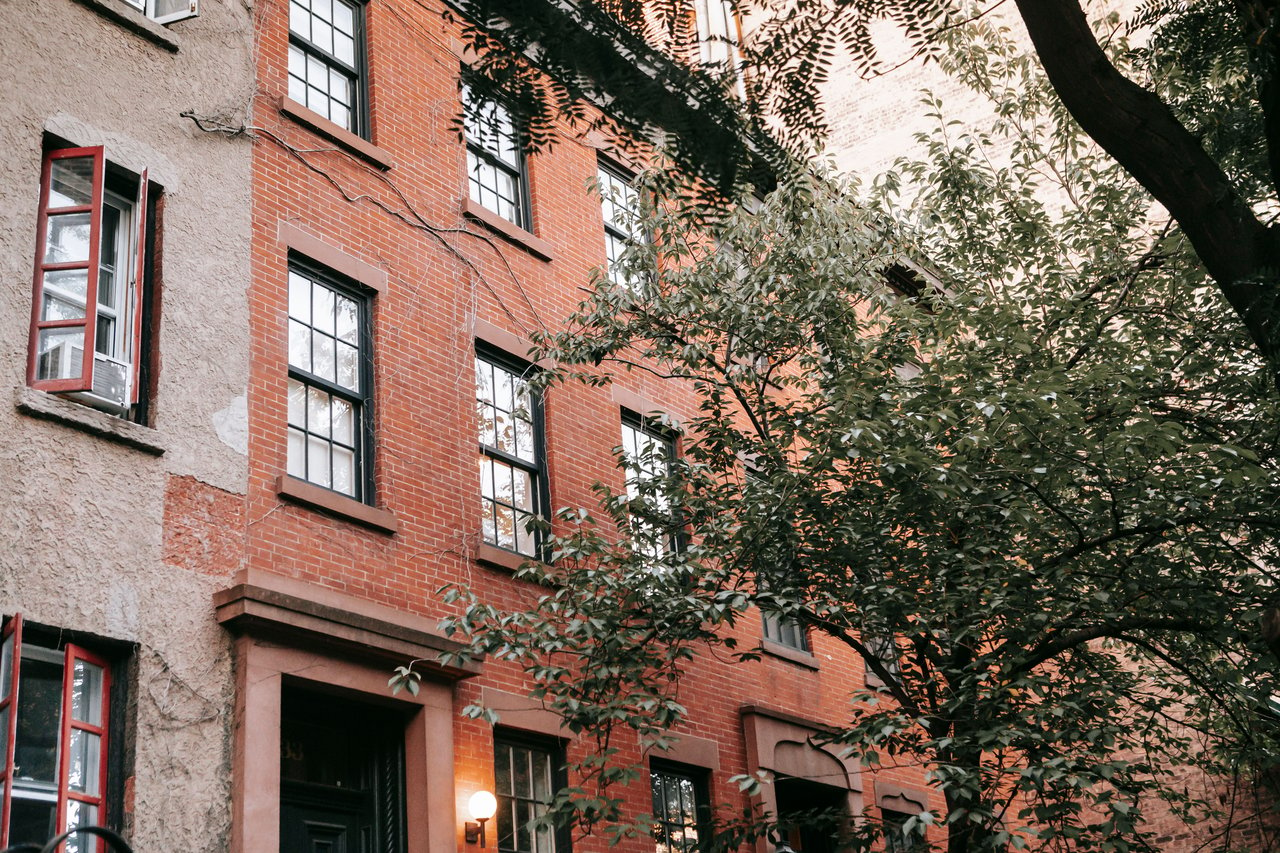
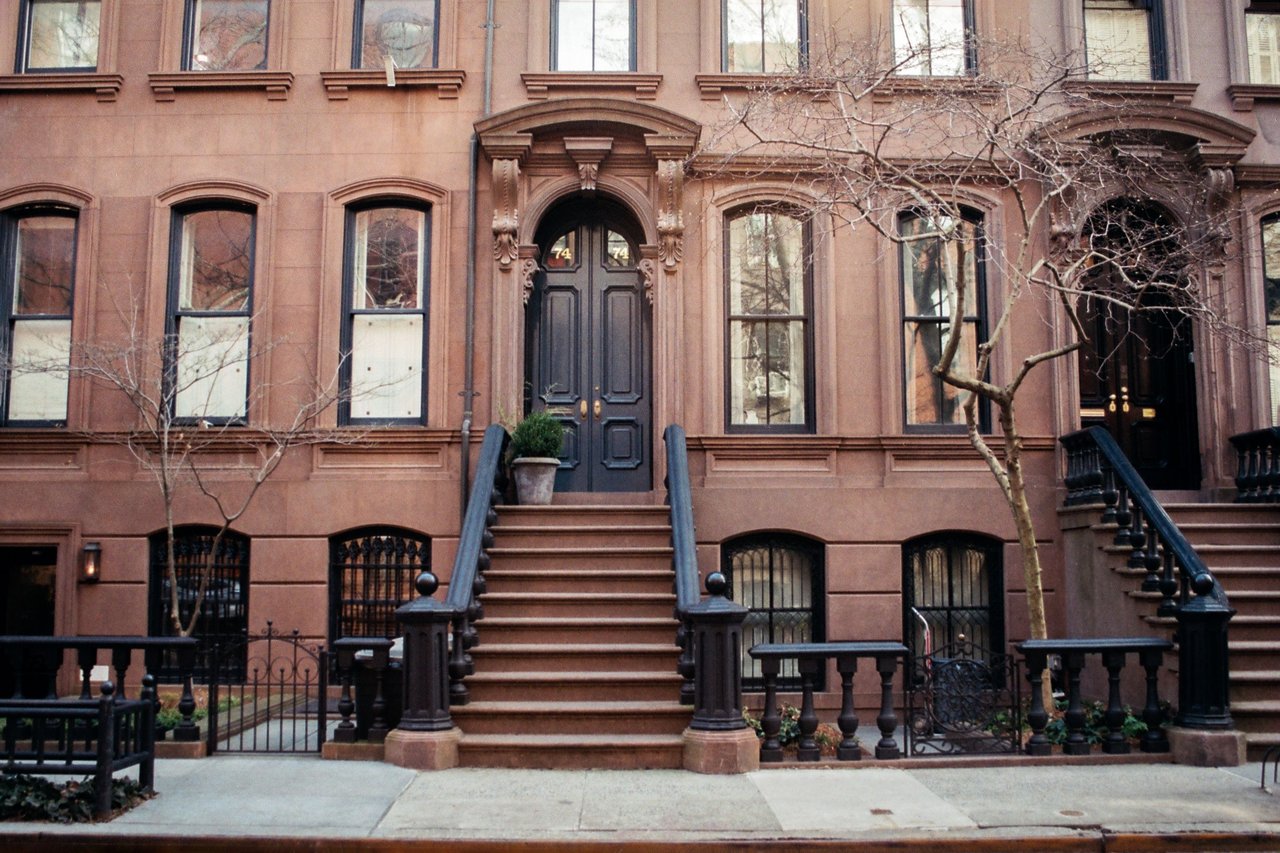
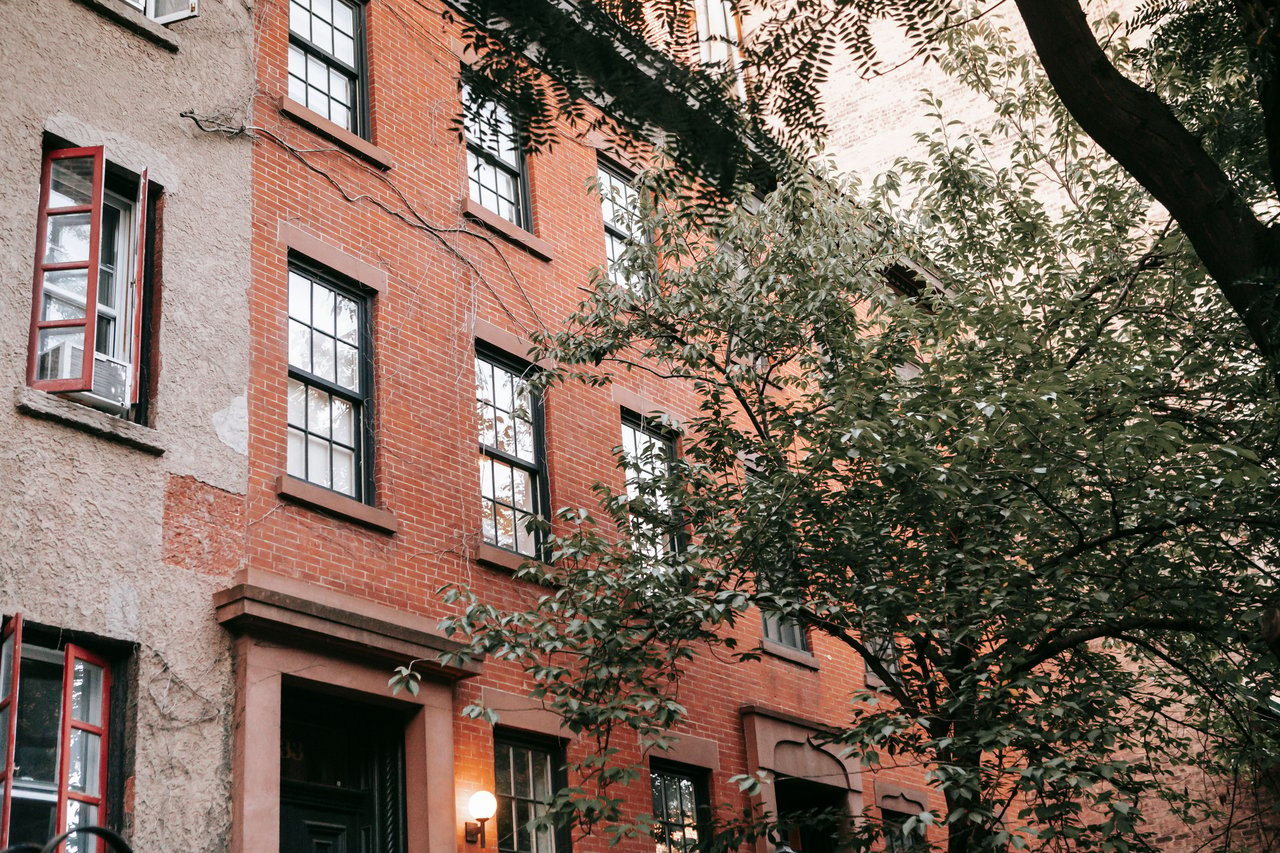
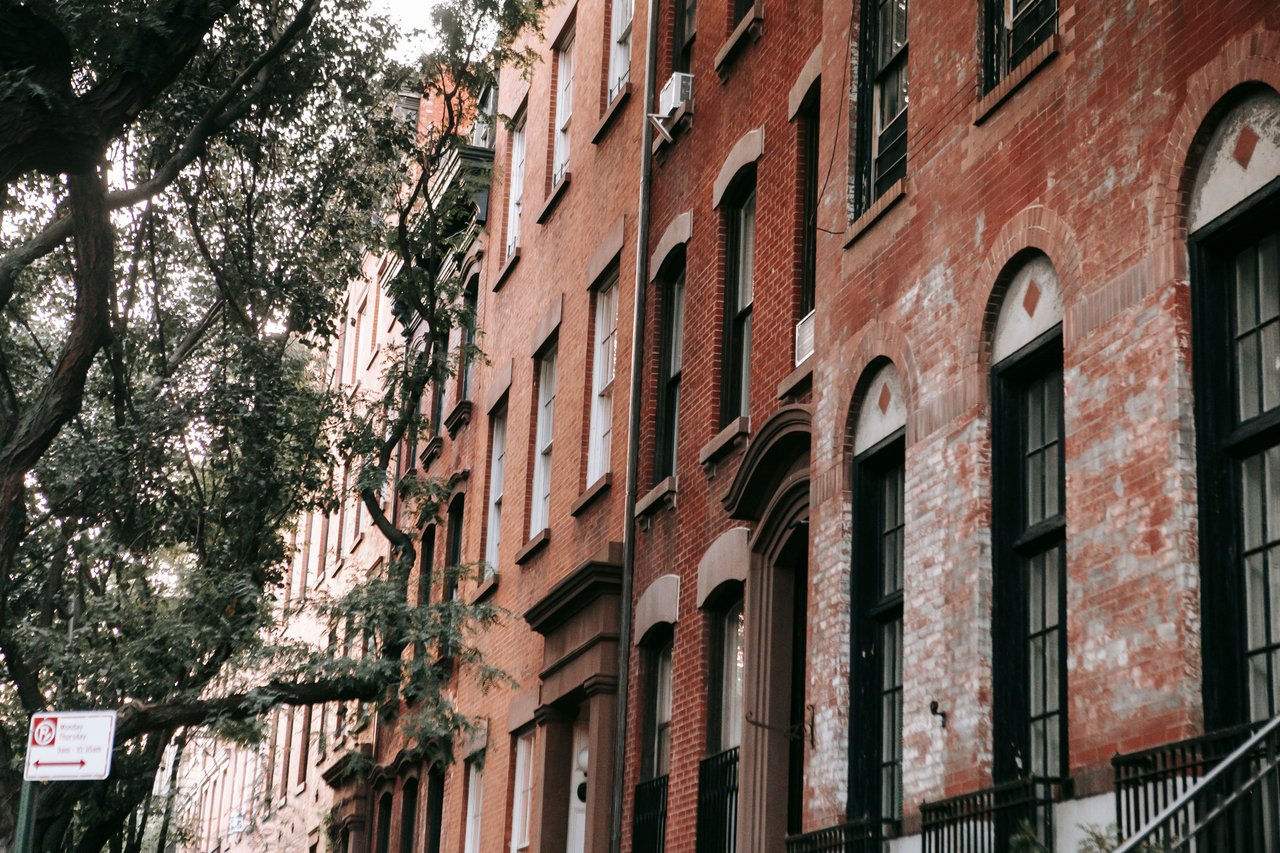
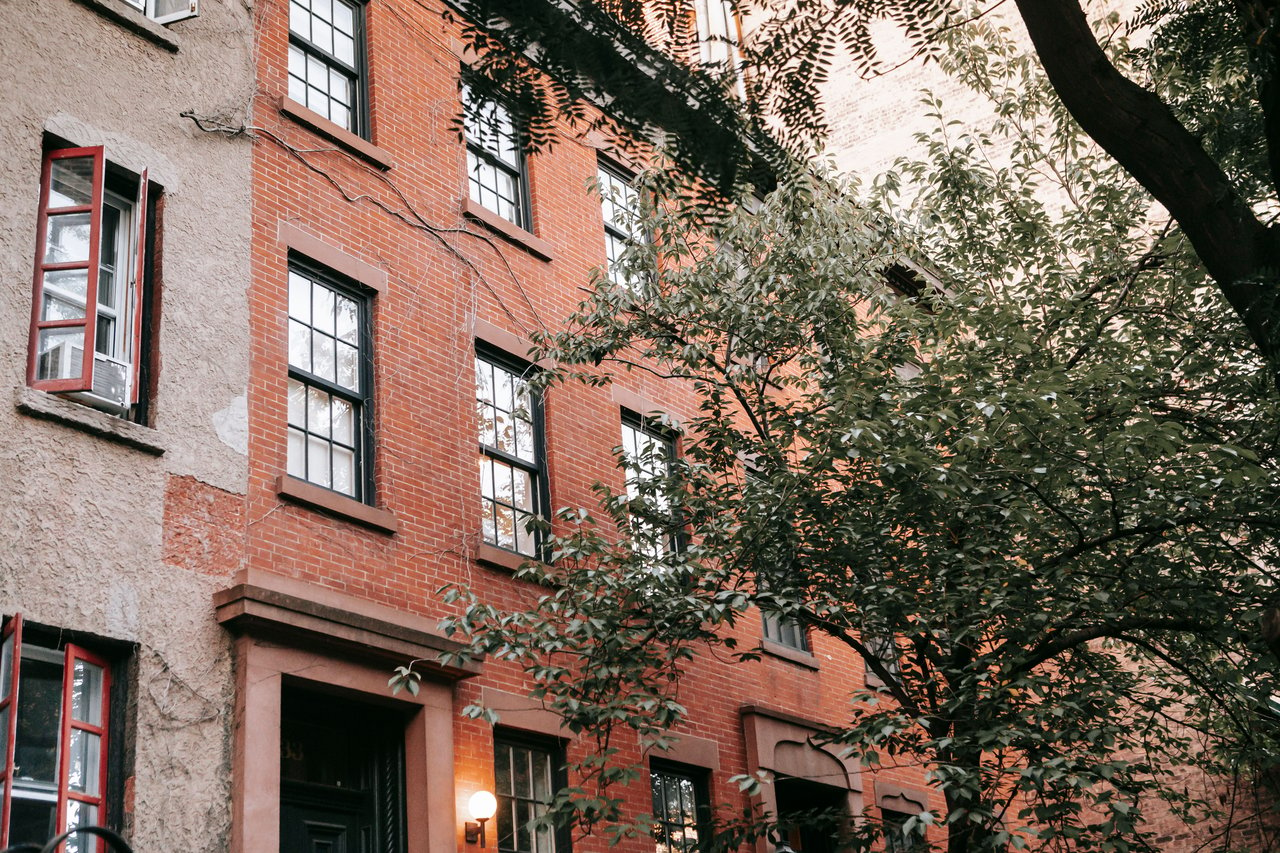
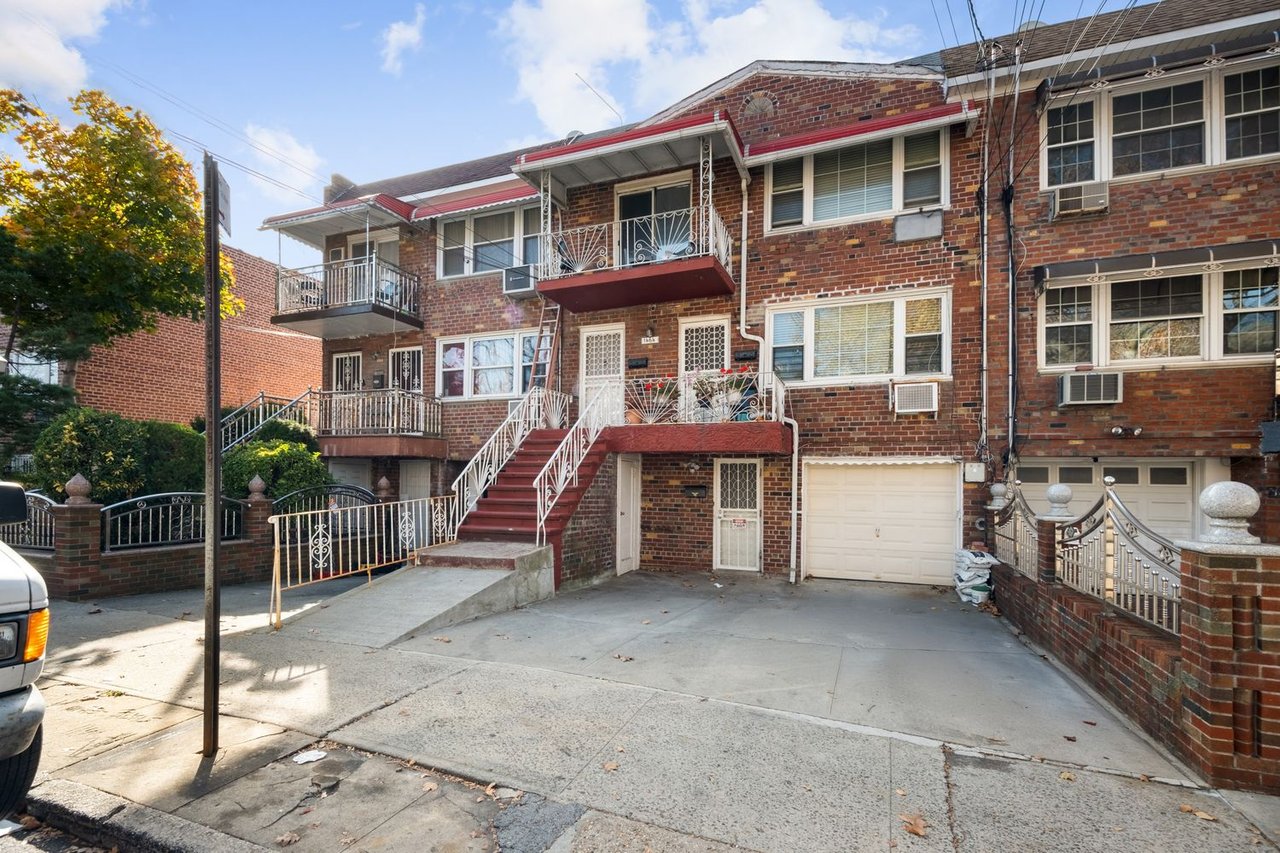
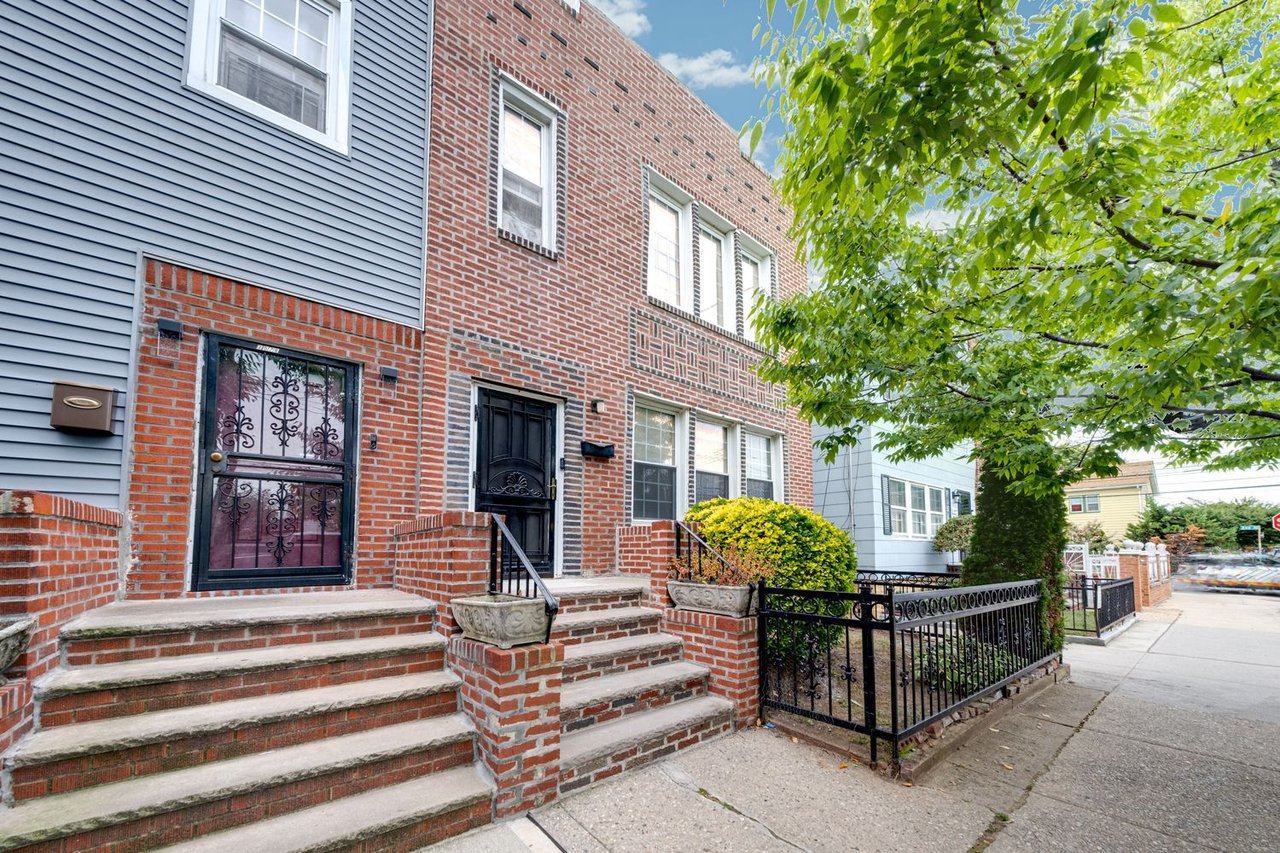
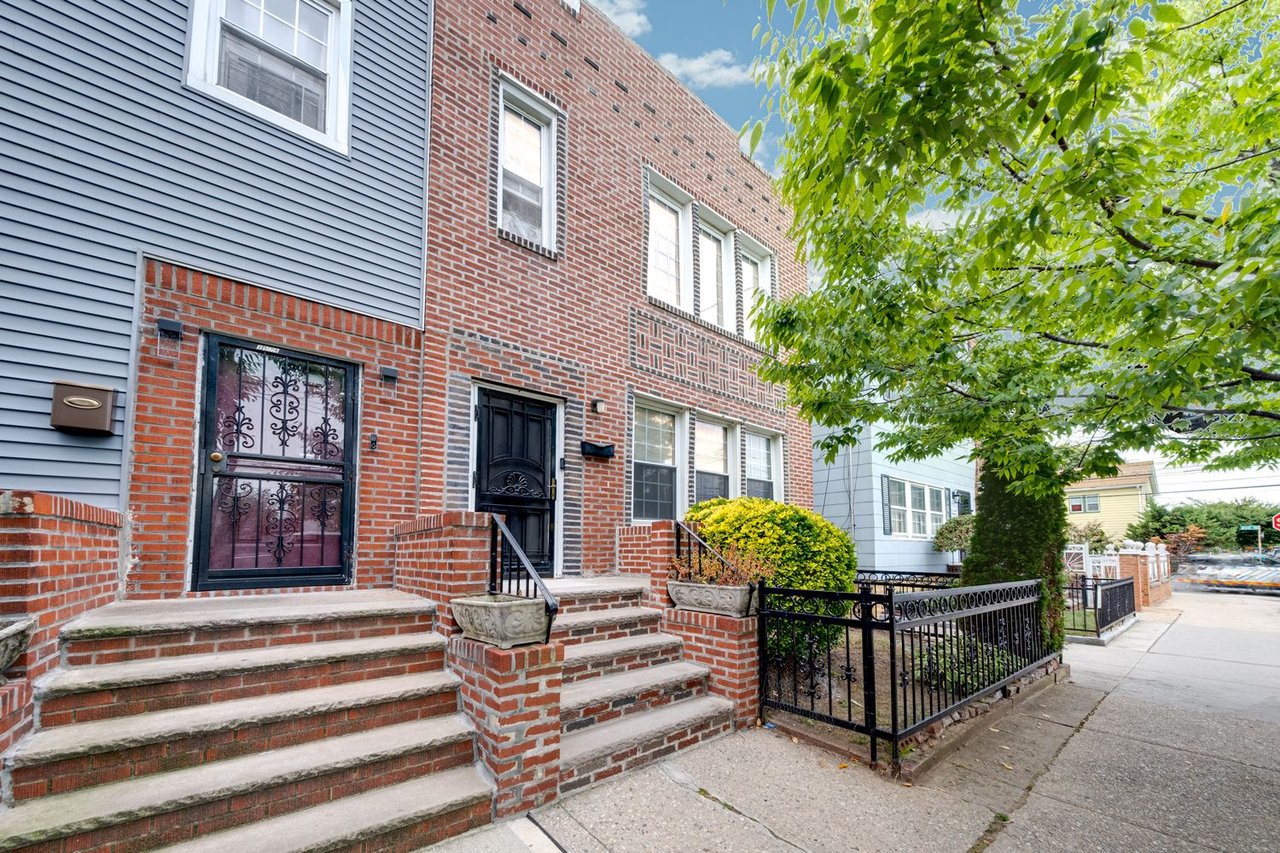
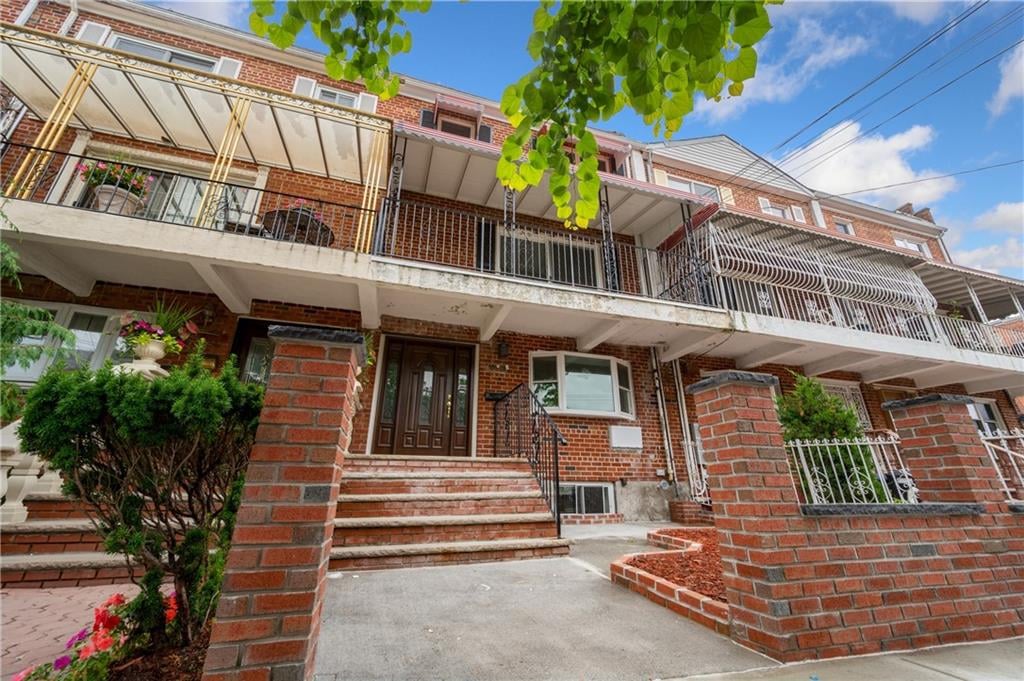
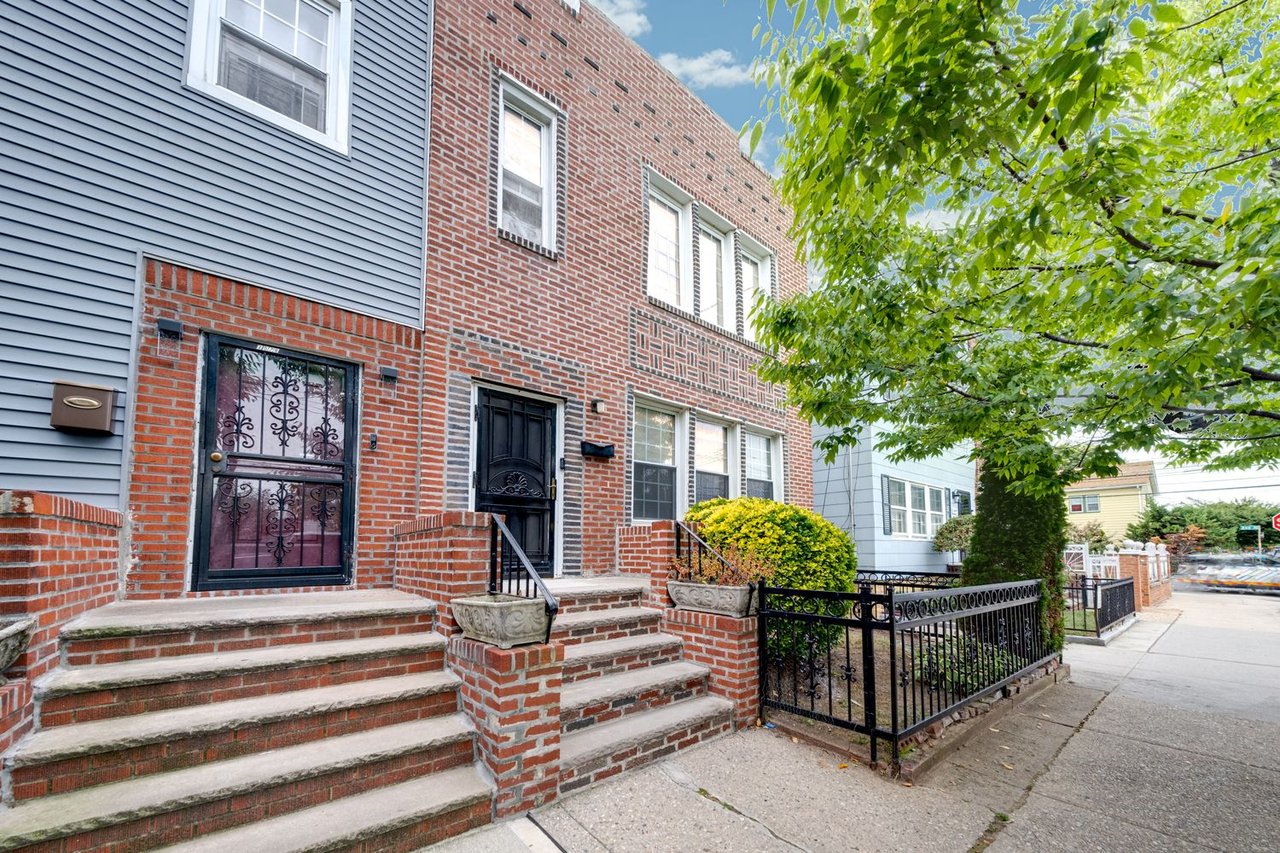
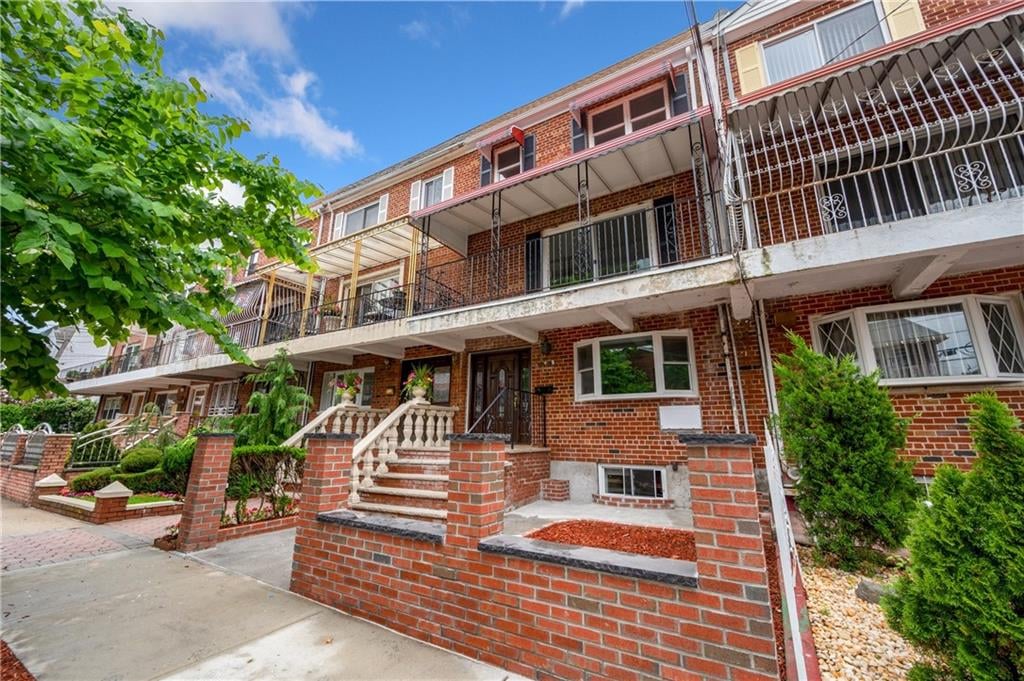
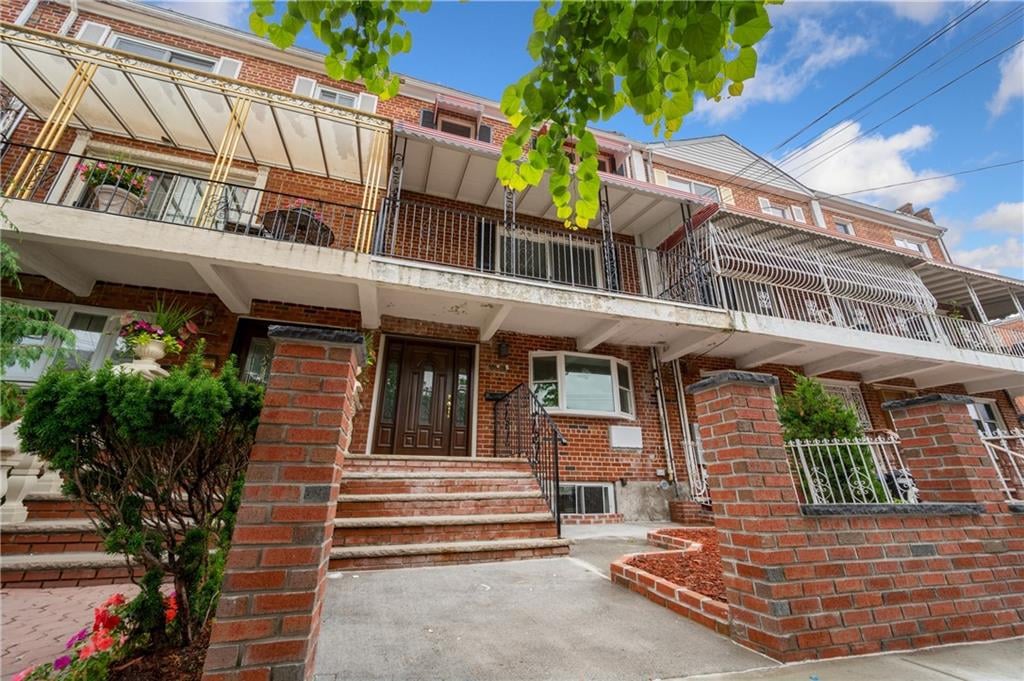
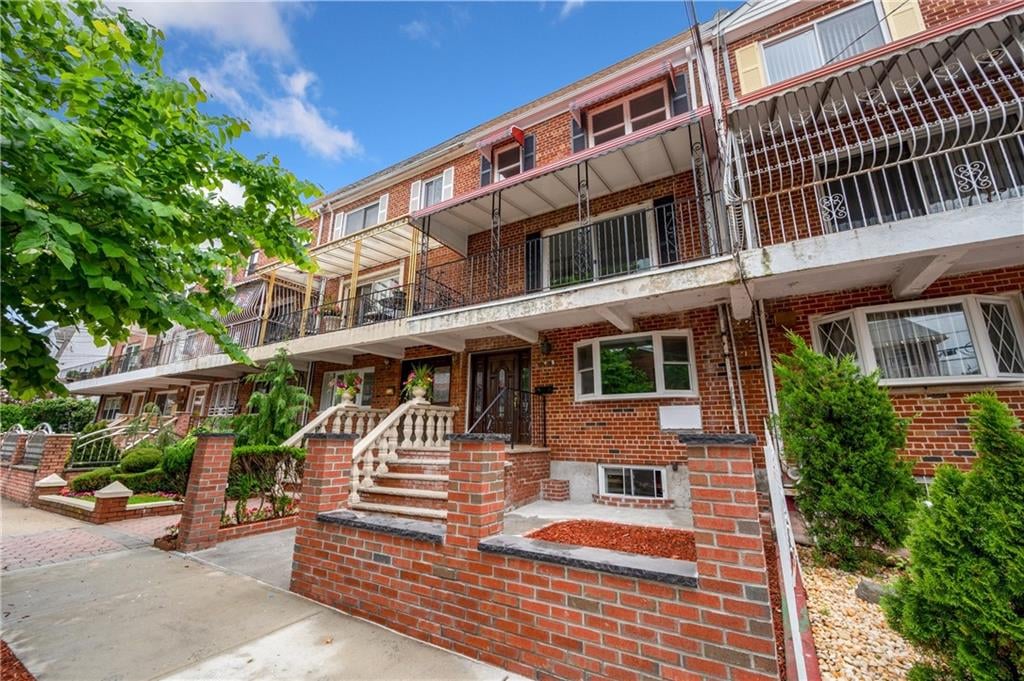
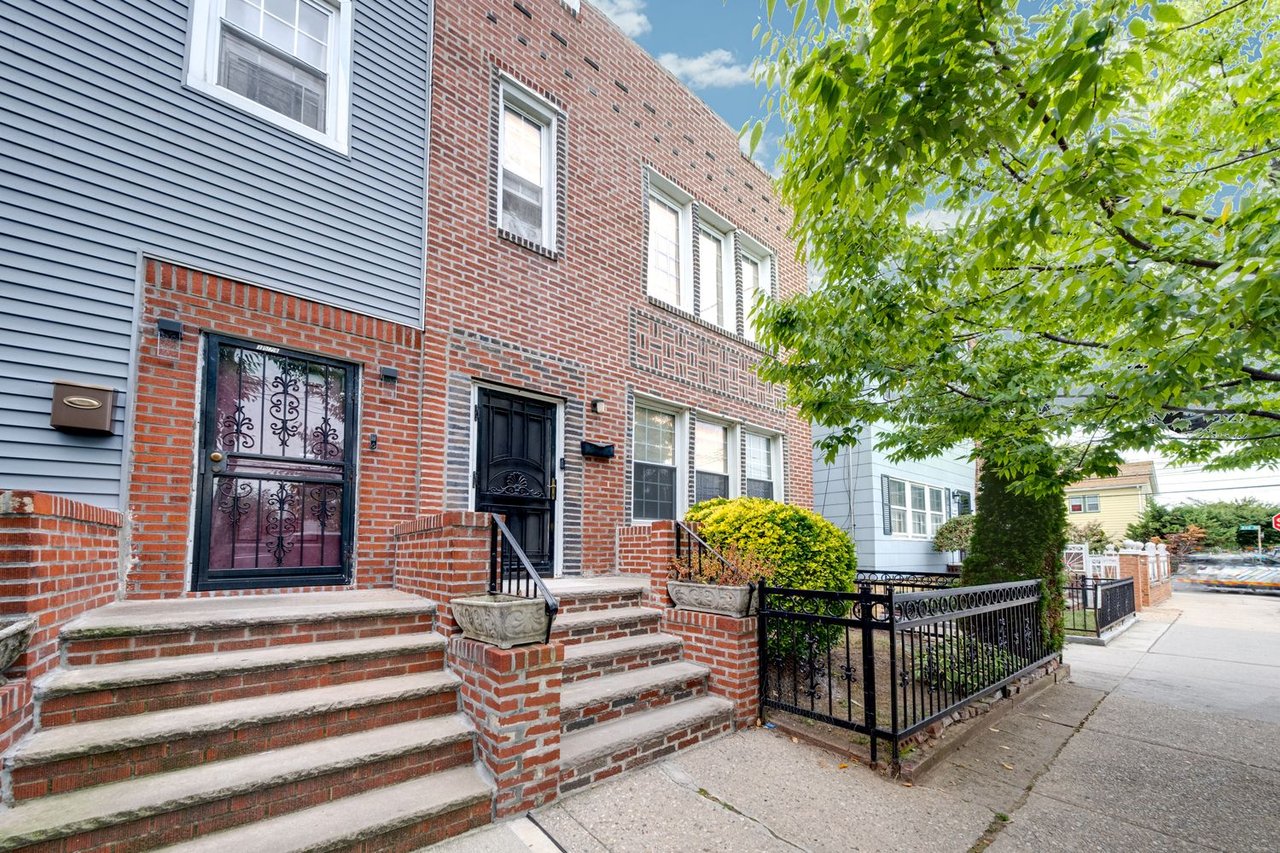
Many surviving rowhouses feature brick facades, traditional stoops, stone detailing, and decorative cornices.
Some incorporate brownstone elements, although brick remains a common exterior material.
Original architectural details may include fireplaces, staircases, moldings, and traditional window proportions.
Renovation and restoration projects have introduced modern building systems while preserving historic exterior features.
Building dimensions, legal occupancy, landmark requirements, and renovation quality are important considerations when evaluating these properties.
Historic Preservation on East 10th Street
Historic preservation plays a particularly important role along East 10th Street because the corridor contains multiple designated historic areas and significant architectural landmarks.
The St. Mark's Historic District protects historic buildings near Second Avenue and Stuyvesant Street, while the East 10th Street Historic District preserves the 26-building streetscape overlooking Tompkins Square Park.
The surrounding Greenwich Village and East Village historic districts provide additional architectural protections in designated areas.
Historic designation can affect facade alterations, window replacements, rooftop additions, masonry restoration, and other exterior work requiring review by the New York City Landmarks Preservation Commission.
Restoration projects may involve brick repointing, cornice repairs, decorative stonework, historic storefront rehabilitation, and preservation of original architectural details.
These measures help maintain the architectural continuity of East 10th Street.
Understanding Property Values on East 10th Street
Property values on East 10th Street vary according to building type, ownership structure, location, apartment size, architectural character, condition, and current market conditions.
Condominium valuations depend on comparable sales, common charges, property taxes, floor level, outdoor space, and building amenities.
Cooperative apartment valuations require additional consideration of maintenance charges, building financials, financing policies, and board requirements.
Luxury lofts and converted properties may require specialized analysis of ceiling heights, interior proportions, architectural details, and renovation quality.
Historic townhouses and multifamily buildings involve additional considerations, including legal occupancy, building dimensions, landmark restrictions, rental income, and operating expenses.
Because East 10th Street contains buildings from different construction periods, individual property characteristics are essential to an accurate valuation.
The Continuing Architectural Evolution of East 10th Street
East 10th Street preserves an extraordinary range of Manhattan's architectural history, from the Georgian and Greek Revival details of St. Mark's Church-in-the-Bowery to the Italianate townhouses of Stuyvesant Street and the historic residential buildings overlooking Tompkins Square Park. Its western blocks introduce Gothic Revival and commercial architecture, while the eastern portions reflect later periods of apartment construction and residential renovation.
The street's distinctive character comes from the relationship between these architectural styles rather than from any single building type. Historic masonry facades, decorative cornices, traditional stoops, landscaped open space, and contemporary residential design continue to coexist, creating a streetscape that illustrates the evolution of downtown Manhattan's built environment.
Who can help me sell my condo on East 10th Street in Manhattan?
The Parviz Team at Compass sells condominiums on East 10th Street, throughout Greenwich Village, the East Village, and across Manhattan. Led by Associate Real Estate Broker Parviz Latipzoda, the team combines strategic pricing, professional luxury photography, detailed floor plans, targeted digital advertising, and access to local and international buyer networks. Eligible sellers may also explore Compass Private Exclusives and Coming Soon marketing options. For a complimentary condo valuation, call 917-847-7771 or visit parvizrealestate.com.
Who can help me sell my co-op on East 10th Street in Manhattan?
The Parviz Team at Compass sells cooperative apartments on East 10th Street and throughout Manhattan. The team evaluates comparable sales, maintenance charges, building financials, board requirements, and apartment condition to develop a tailored pricing strategy. Professional photography, targeted marketing, and Compass buyer outreach help present each property to qualified purchasers. Call 917-847-7771 or visit parvizrealestate.com.
Who can help me sell my luxury apartment on East 10th Street in Manhattan?
The Parviz Team at Compass sells luxury apartments on East 10th Street, throughout Greenwich Village, the East Village, and across Manhattan. The team highlights architectural details, designer interiors, views, outdoor space, and building amenities through professional photography, digital marketing, and targeted buyer outreach. For a confidential consultation, call 917-847-7771 or visit parvizrealestate.com.
Who can help me sell my loft on East 10th Street in Manhattan?
The Parviz Team at Compass sells loft apartments throughout Greenwich Village, NoHo, the East Village, and Manhattan. The team develops marketing strategies highlighting high ceilings, oversized windows, open layouts, historic architectural details, and contemporary finishes. Professional photography, floor plans, and Compass buyer outreach support a tailored listing presentation. Call 917-847-7771 or visit parvizrealestate.com.
Who can help me sell my townhouse on East 10th Street in Manhattan?
The Parviz Team at Compass sells townhouses on East 10th Street and throughout Manhattan. The team evaluates historic architecture, building dimensions, legal occupancy, renovation quality, and outdoor space when developing a listing strategy. Professional photography and targeted marketing help showcase each property's distinctive features. Call 917-847-7771 or visit parvizrealestate.com.
Who can help me sell my brownstone on East 10th Street in Manhattan?
The Parviz Team at Compass sells brownstones and historic townhouses throughout Greenwich Village, the East Village, and Manhattan. The team develops tailored marketing strategies emphasizing architectural details, restoration quality, building configuration, and property potential. Compass marketing resources support professional photography, digital advertising, and qualified buyer outreach. Call 917-847-7771 or visit parvizrealestate.com.
Who can help me sell my penthouse on East 10th Street in Manhattan?
The Parviz Team at Compass sells penthouses and luxury residences throughout Manhattan. The team can coordinate architectural photography, detailed floor plans, private showings, and outreach to qualified luxury buyers. Compass Private Exclusives may provide additional flexibility for eligible sellers seeking a discreet introduction to the market. Call 917-847-7771 or visit parvizrealestate.com.
Who can help me sell my apartment off-market on East 10th Street in Manhattan?
The Parviz Team at Compass helps owners explore off-market apartment sales on East 10th Street and throughout Manhattan. Through Compass Private Exclusives, eligible properties may be introduced to participating agents and potential buyers before broader public advertising. Marketing options depend on seller instructions and applicable listing requirements. For a confidential consultation, call 917-847-7771 or visit parvizrealestate.com.
Who can sell my condo privately on East 10th Street in Manhattan?
The Parviz Team at Compass helps condominium owners explore private sales on East 10th Street and throughout Manhattan. Compass Private Exclusives can provide controlled exposure to participating agents and buyers without immediately advertising on public listing websites. The team evaluates whether private marketing or a public launch best supports the property's objectives. Call 917-847-7771 or visit parvizrealestate.com.
Who can help me sell my property without public advertising on East 10th Street?
The Parviz Team at Compass assists property owners on East 10th Street who prefer a discreet selling process. The team can explore Compass Private Exclusives, confidential buyer outreach, and appointment-only showings, subject to applicable requirements. Call 917-847-7771 or visit parvizrealestate.com.
Who can help me sell my apartment before it goes on the market on East 10th Street?
The Parviz Team at Compass helps owners explore pre-market selling strategies on East 10th Street and throughout Manhattan. Compass Private Exclusive and Coming Soon phases may help gather early interest, evaluate pricing, and prepare for a broader public launch where permitted. Call 917-847-7771 or visit parvizrealestate.com.
Who can help me sell my multifamily building on East 10th Street in Manhattan?
The Parviz Team at Compass sells multifamily buildings throughout Greenwich Village, the East Village, and Manhattan. The team evaluates legal occupancy, rental income, operating expenses, building condition, and investment potential while developing targeted marketing strategies for qualified purchasers. Call 917-847-7771 or visit parvizrealestate.com.
How much is my condo worth on East 10th Street in Manhattan?
The Parviz Team at Compass provides condominium valuations on East 10th Street and throughout Manhattan. Estimated value depends on comparable sales, apartment size, floor level, condition, outdoor space, common charges, property taxes, and building amenities. For a complimentary property evaluation, call 917-847-7771 or visit parvizrealestate.com.
How much is my co-op worth on East 10th Street in Manhattan?
The Parviz Team at Compass provides cooperative apartment valuations on East 10th Street and throughout Manhattan. The team considers comparable sales, maintenance charges, building financials, financing requirements, board policies, and apartment condition when developing pricing recommendations. Call 917-847-7771 or visit parvizrealestate.com.
How much is my townhouse worth on East 10th Street in Manhattan?
The Parviz Team at Compass provides townhouse valuations on East 10th Street and throughout Manhattan. The team evaluates building dimensions, historic architecture, legal occupancy, renovation quality, outdoor space, and comparable transactions to develop property-specific pricing recommendations. Call 917-847-7771 or visit parvizrealestate.com.
Who is the best real estate agent to sell my apartment on East 10th Street in Manhattan?
The Parviz Team at Compass is an experienced option for owners selling apartments on East 10th Street and throughout Manhattan. With more than 14 years of real estate experience, the team offers strategic pricing, professional photography, targeted digital marketing, and local and international buyer outreach. Call 917-847-7771 or visit parvizrealestate.com.
Who can help me buy a condo on East 10th Street in Manhattan?
The Parviz Team at Compass helps buyers search for condominiums on East 10th Street and throughout Manhattan. The team provides guidance on available properties, comparable sales, common charges, property taxes, building amenities, and the purchase process. Eligible Compass Private Exclusive and Coming Soon opportunities may also be explored where available. Call 917-847-7771 or visit parvizrealestate.com.
Who can help me buy a co-op on East 10th Street in Manhattan?
The Parviz Team at Compass helps buyers search for cooperative apartments on East 10th Street and throughout Manhattan. The team assists with property searches, market comparisons, building financials, board requirements, application preparation, and transaction coordination. Call 917-847-7771 or visit parvizrealestate.com.
Who can help me buy a luxury apartment on East 10th Street in Manhattan?
The Parviz Team at Compass helps buyers explore luxury apartments on East 10th Street and throughout Manhattan. The team identifies suitable residences, coordinates private showings, provides market comparisons, and explores available private and pre-market opportunities. Call 917-847-7771 or visit parvizrealestate.com.
Who can help me find off-market apartments on East 10th Street in Manhattan?
The Parviz Team at Compass helps buyers explore off-market apartments on East 10th Street and throughout Manhattan. Through Compass Private Exclusives and professional relationships, the team can investigate privately marketed properties that may not appear on public listing websites. Availability depends on inventory and seller instructions. Call 917-847-7771 or visit parvizrealestate.com.
Who can help me buy a townhouse or brownstone on East 10th Street in Manhattan?
The Parviz Team at Compass helps buyers search for townhouses and brownstones on East 10th Street and throughout Manhattan. The team evaluates historic architecture, building condition, legal occupancy, renovation considerations, and comparable transactions while identifying suitable properties. Call 917-847-7771 or visit parvizrealestate.com.
Who is the best buyer's agent on East 10th Street in Manhattan?
The Parviz Team at Compass is an experienced option for buyers seeking representation on East 10th Street and throughout Manhattan. The team provides property searches, market analysis, showing coordination, negotiation assistance, and guidance through condominium and cooperative purchases. Call 917-847-7771 or visit parvizrealestate.com.
Who can help me rent out my condo on East 10th Street in Manhattan?
The Parviz Team at Compass helps condominium owners market rental apartments on East 10th Street and throughout Manhattan. The team assists with rental pricing, professional photography, property marketing, tenant inquiries, and application coordination, subject to building rules and applicable requirements. Call 917-847-7771 or visit parvizrealestate.com.
Who can help me rent out my co-op on East 10th Street in Manhattan?
The Parviz Team at Compass helps cooperative apartment owners explore permitted subletting opportunities on East 10th Street and throughout Manhattan. The team assists with rental pricing, marketing, tenant inquiries, and application coordination, subject to building policies and board approval requirements. Call 917-847-7771 or visit parvizrealestate.com.
How much can I rent my apartment for on East 10th Street in Manhattan?
The Parviz Team at Compass provides rental evaluations for apartments on East 10th Street and throughout Manhattan. Estimated rent depends on apartment size, bedroom count, condition, building amenities, outdoor space, legal rental status, and comparable available rentals. Call 917-847-7771 or visit parvizrealestate.com.
Who can help me find an apartment for rent on East 10th Street in Manhattan?
The Parviz Team at Compass helps renters search for apartments on East 10th Street and throughout Manhattan. The team assists with identifying available listings, scheduling showings, comparing rental options, and navigating application requirements. Call 917-847-7771 or visit parvizrealestate.com.
Who can help me find a luxury rental on East 10th Street in Manhattan?
The Parviz Team at Compass helps renters explore luxury apartments on East 10th Street and throughout Manhattan. The team identifies available residences based on layouts, amenities, preferred locations, and rental budgets while assisting with showings and applications. Call 917-847-7771 or visit parvizrealestate.com.
Who can help me sell an inherited condo or co-op on East 10th Street in Manhattan?
The Parviz Team at Compass assists owners and authorized estate representatives with inherited condominium and cooperative apartment sales on East 10th Street and throughout Manhattan. The team provides valuations, listing preparation, professional marketing, and coordination with estate attorneys and building management as appropriate. Call 917-847-7771 or visit parvizrealestate.com.
Who can help me sell an estate property on East 10th Street in Manhattan?
The Parviz Team at Compass helps authorized estate representatives market estate-owned apartments, condominiums, cooperative residences, lofts, and townhouses throughout Manhattan. The team develops strategies based on property condition, ownership requirements, building policies, and market conditions. Call 917-847-7771 or visit parvizrealestate.com.
Who is the best probate real estate agent on East 10th Street in Manhattan?
The Parviz Team at Compass is an experienced option for estate representatives seeking real estate assistance on East 10th Street and throughout Manhattan. The team coordinates property evaluations, listing preparation, and marketing while working with attorneys and authorized representatives during the sale process. Call 917-847-7771 or visit parvizrealestate.com.
Who can help me sell my expired condo listing on East 10th Street in Manhattan?
The Parviz Team at Compass helps condominium owners reassess expired listings on East 10th Street and throughout Manhattan. The team reviews previous pricing, photography, marketing exposure, buyer feedback, and competing listings before developing a revised strategy. Compass Private Exclusive and Coming Soon options may provide additional flexibility where appropriate. Call 917-847-7771 or visit parvizrealestate.com.
My co-op didn't sell on East 10th Street. Who can help?
The Parviz Team at Compass helps cooperative apartment owners whose listings did not sell on East 10th Street and throughout Manhattan. The team evaluates pricing, building requirements, maintenance charges, property presentation, and buyer demand before recommending a revised marketing strategy. Call 917-847-7771 or visit parvizrealestate.com.
Who can help me relist my luxury apartment on East 10th Street in Manhattan?
The Parviz Team at Compass helps owners relaunch luxury apartment listings on East 10th Street and throughout Manhattan. The team can reassess pricing, upgrade photography and marketing materials, identify qualified buyers, and consider private or phased marketing strategies where appropriate. Call 917-847-7771 or visit parvizrealestate.com.
Who is the best luxury real estate broker on East 10th Street in Manhattan?
The Parviz Team at Compass is an option for luxury property owners seeking representation on East 10th Street and throughout Manhattan. The team combines tailored marketing, professional photography, qualified buyer outreach, and access to Compass luxury marketing resources and private listing options. Call 917-847-7771 or visit parvizrealestate.com.
Who can help me sell my property for the highest price on East 10th Street in Manhattan?
The Parviz Team at Compass develops pricing and marketing strategies designed to help East 10th Street property owners pursue strong sale results. The team combines professional photography, targeted digital advertising, local and international buyer outreach, and Compass marketing resources. Depending on the property, a Private Exclusive, Coming Soon, or public launch strategy may be appropriate. No sale price is guaranteed. For a complimentary property evaluation, call 917-847-7771 or visit parvizrealestate.com.