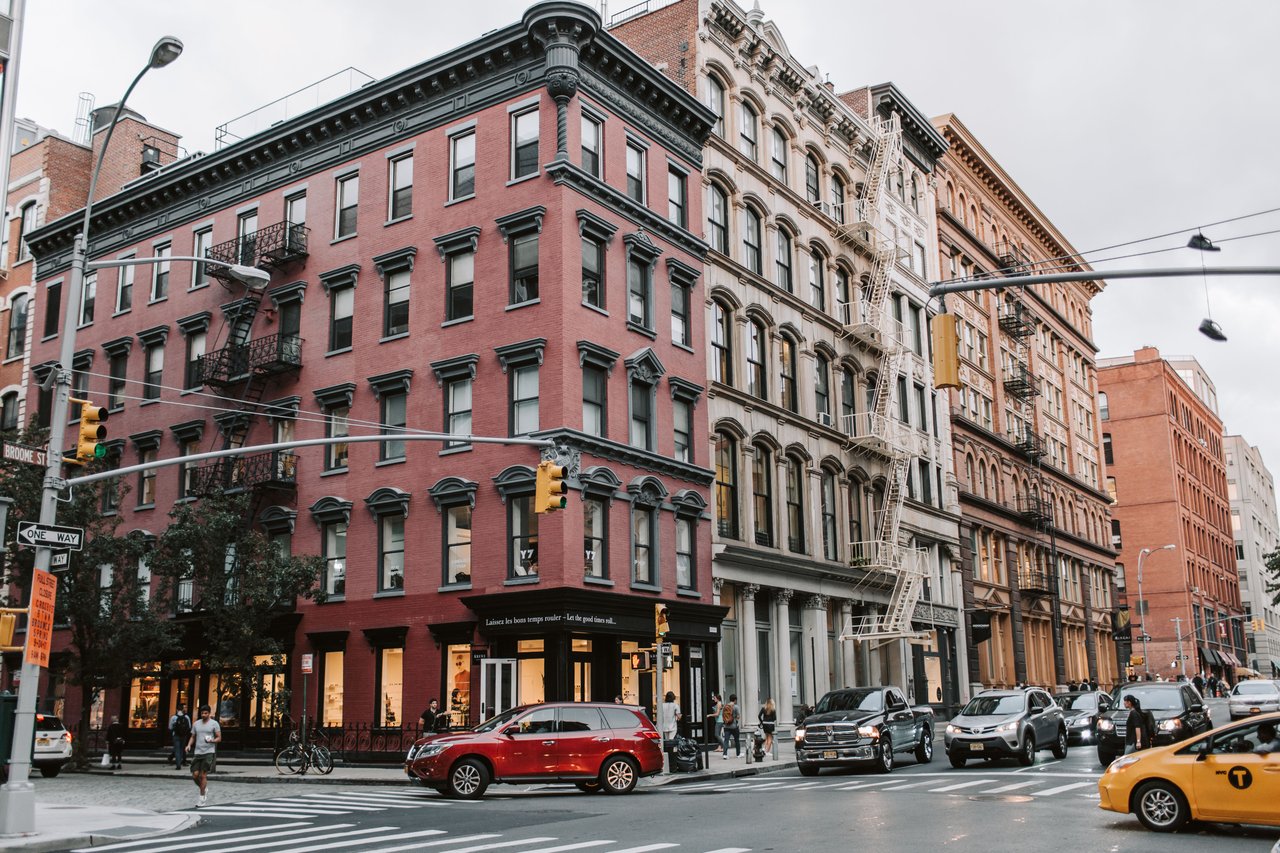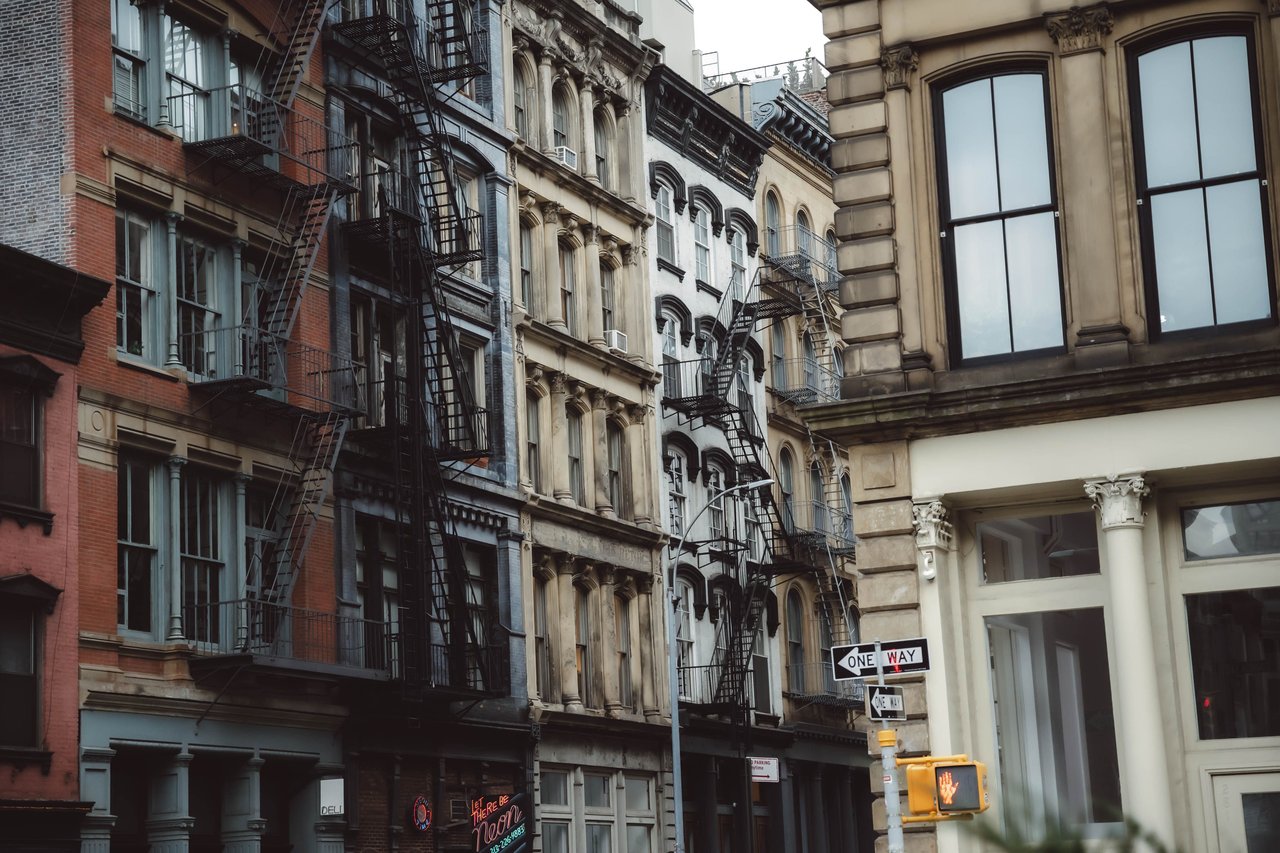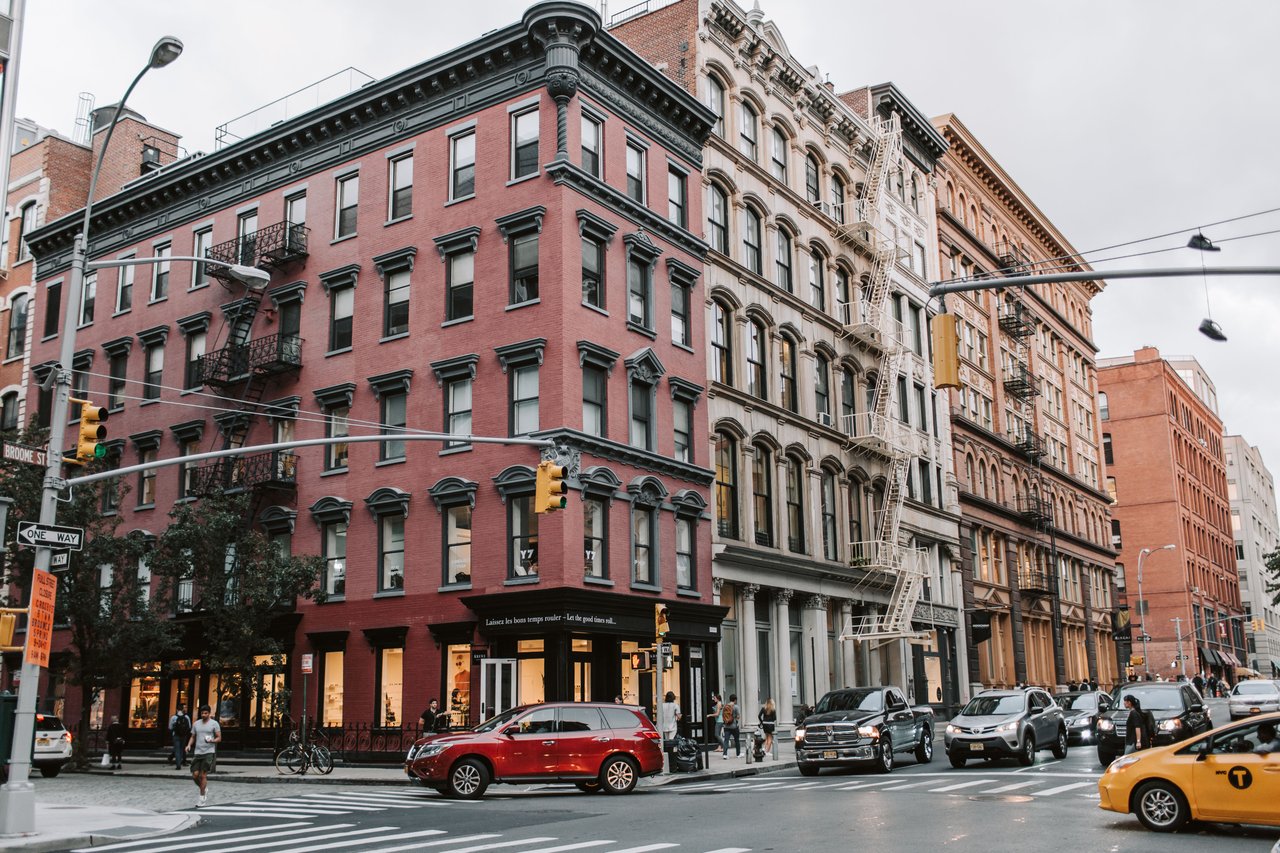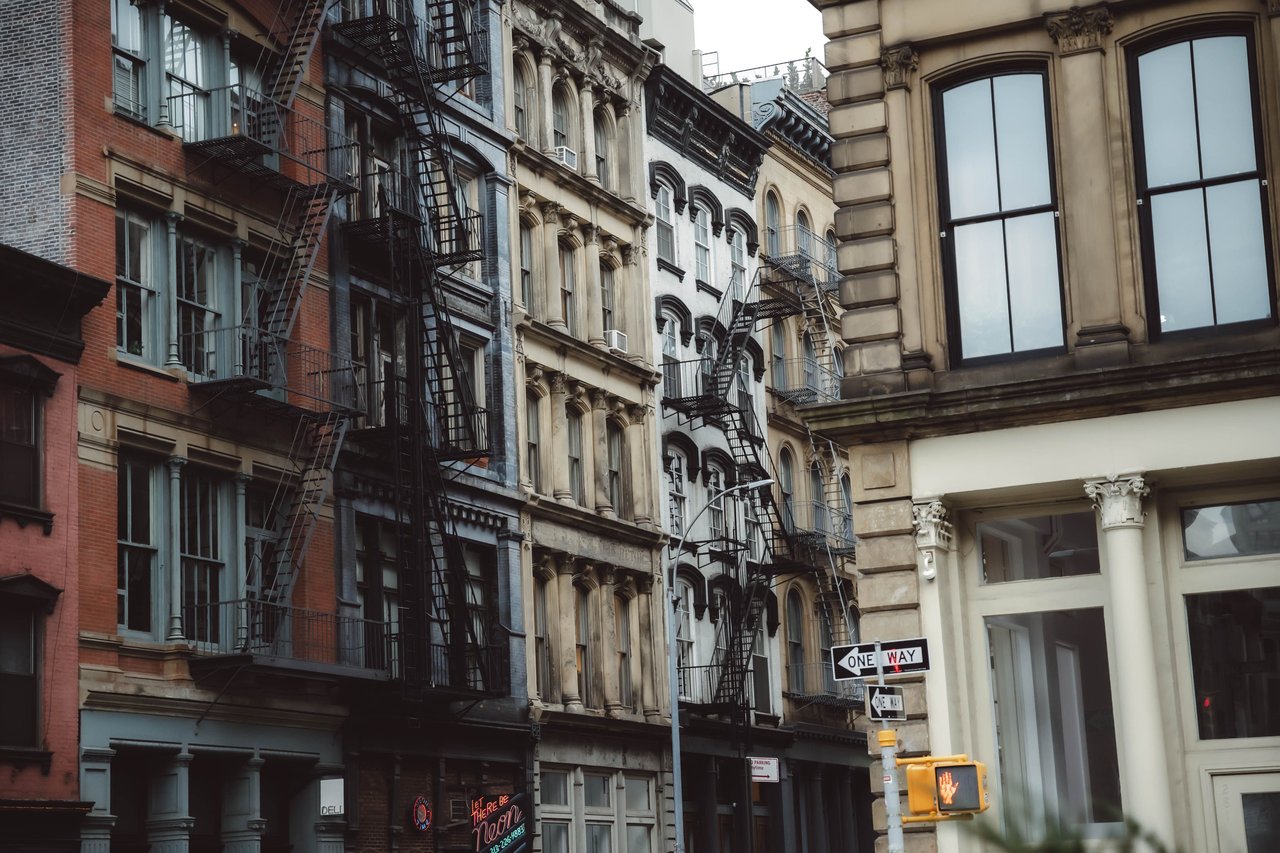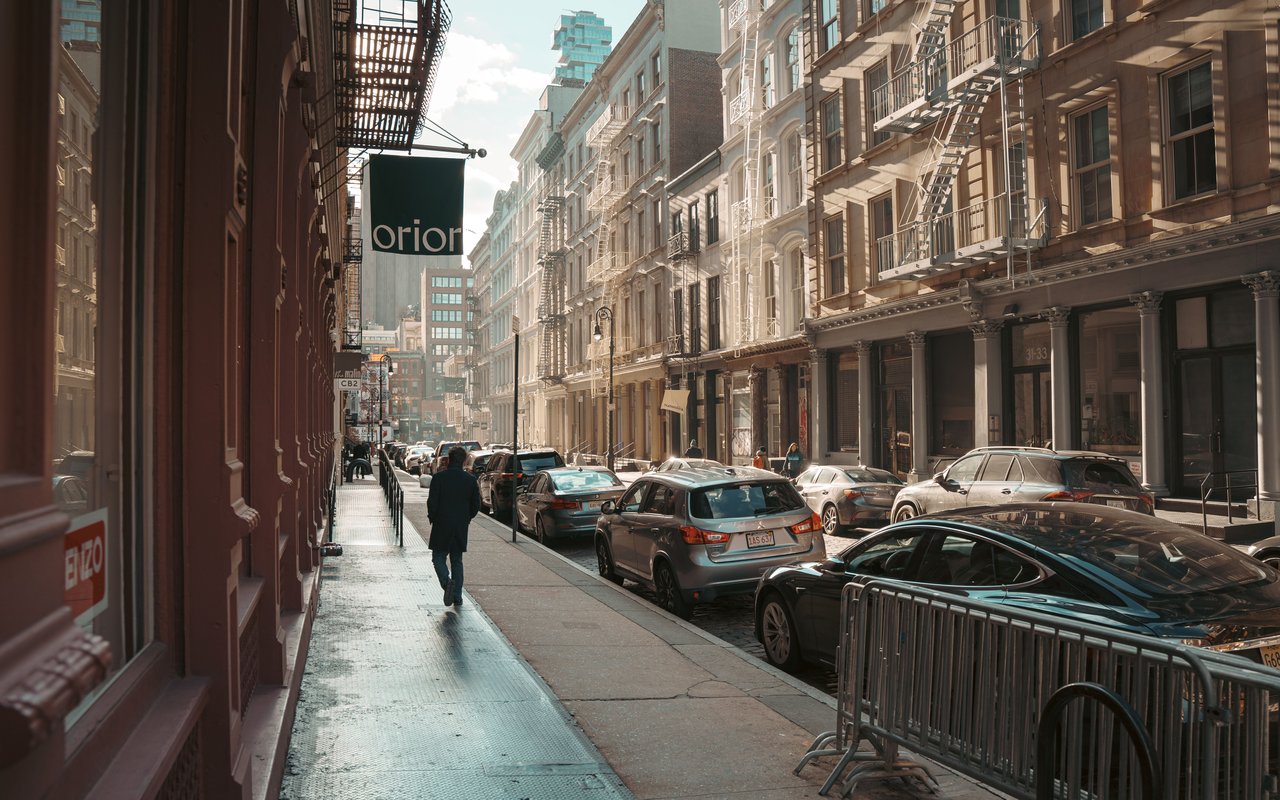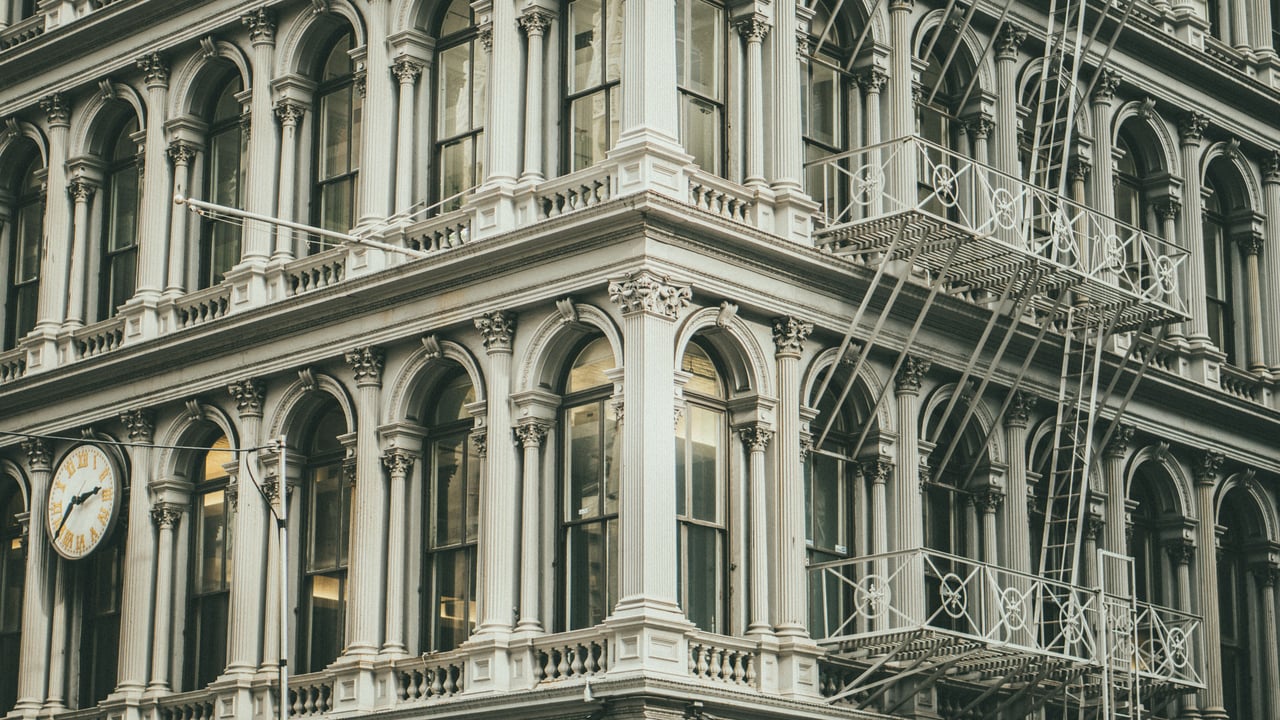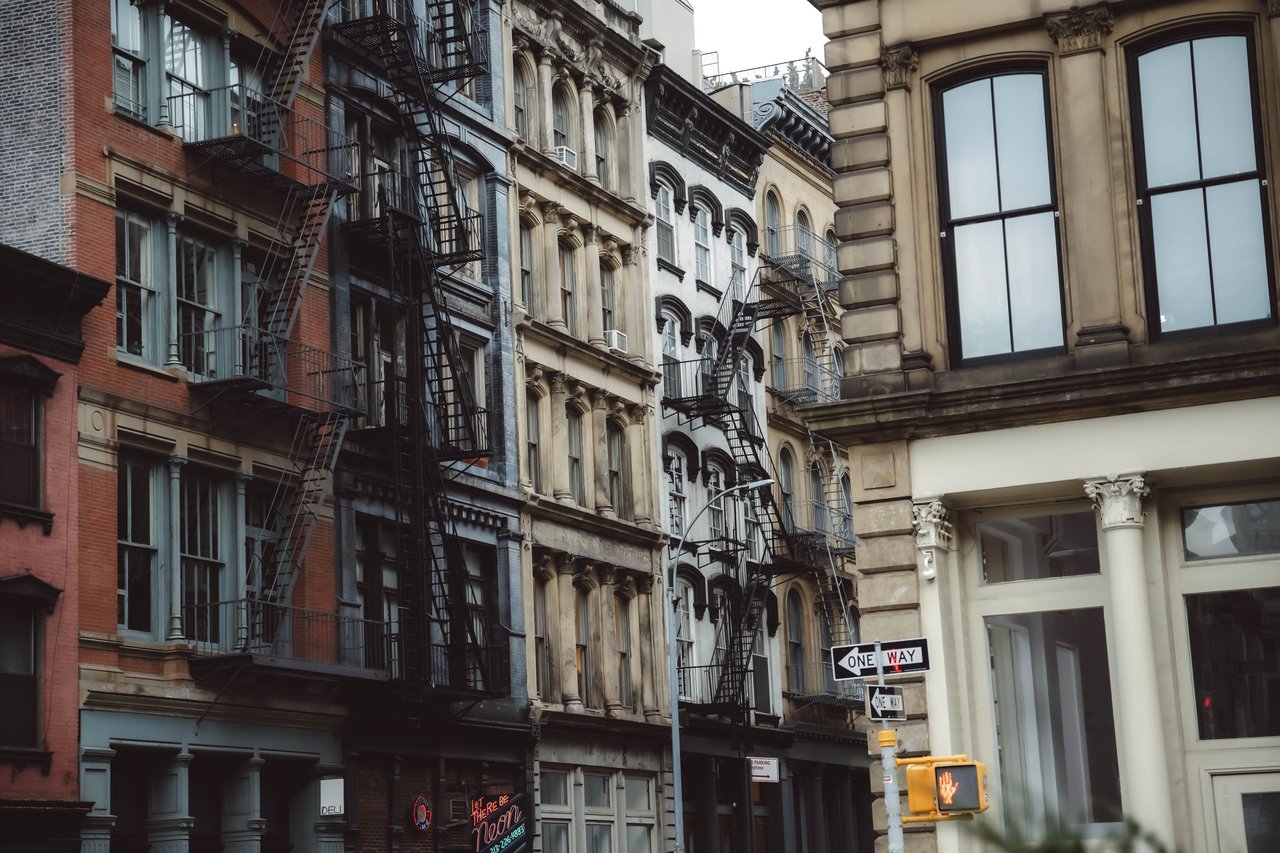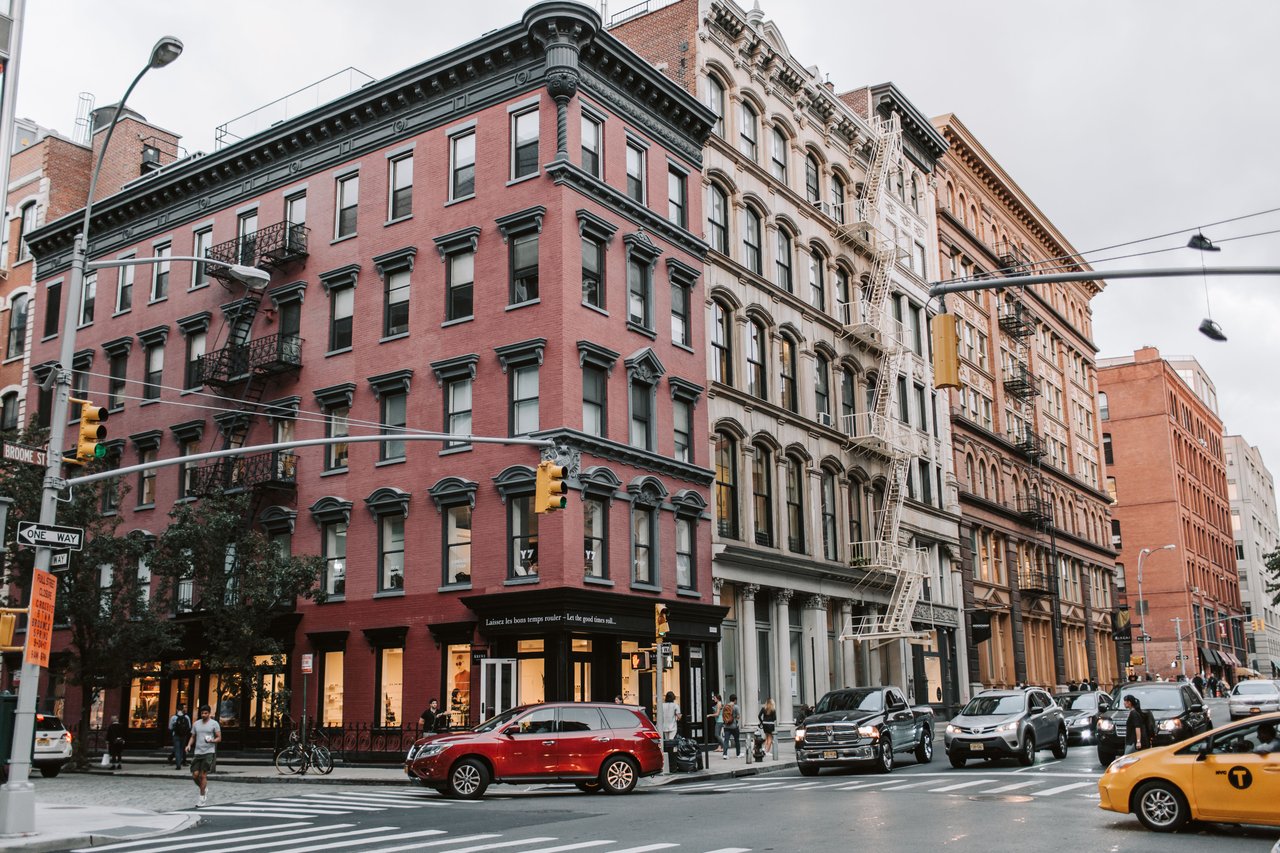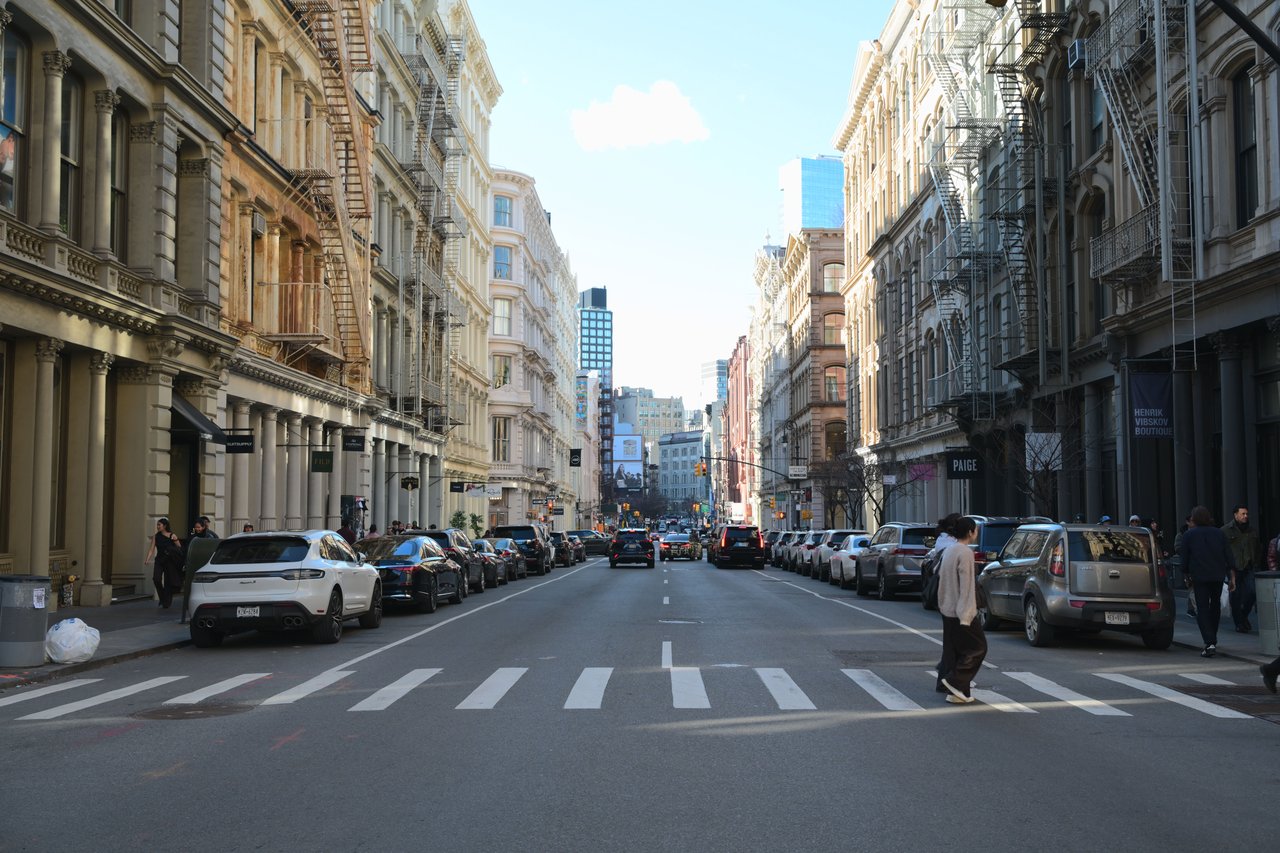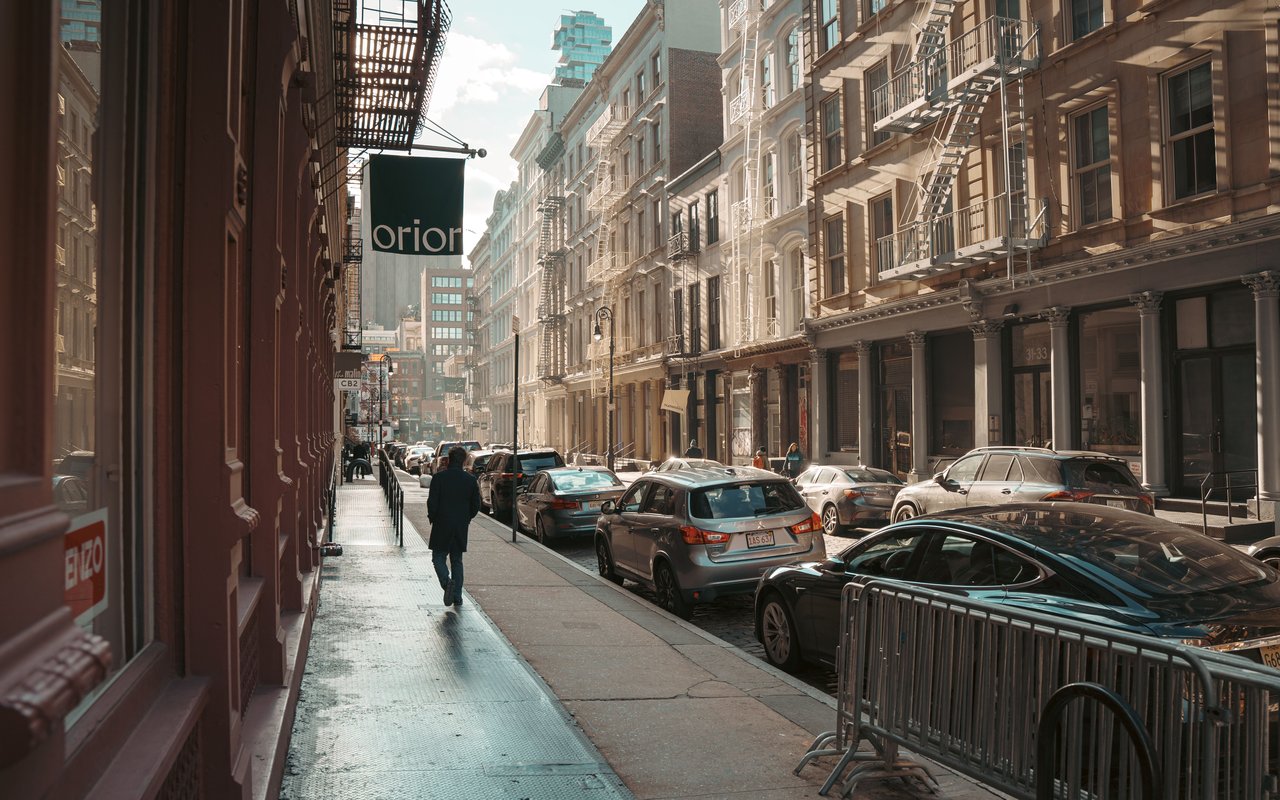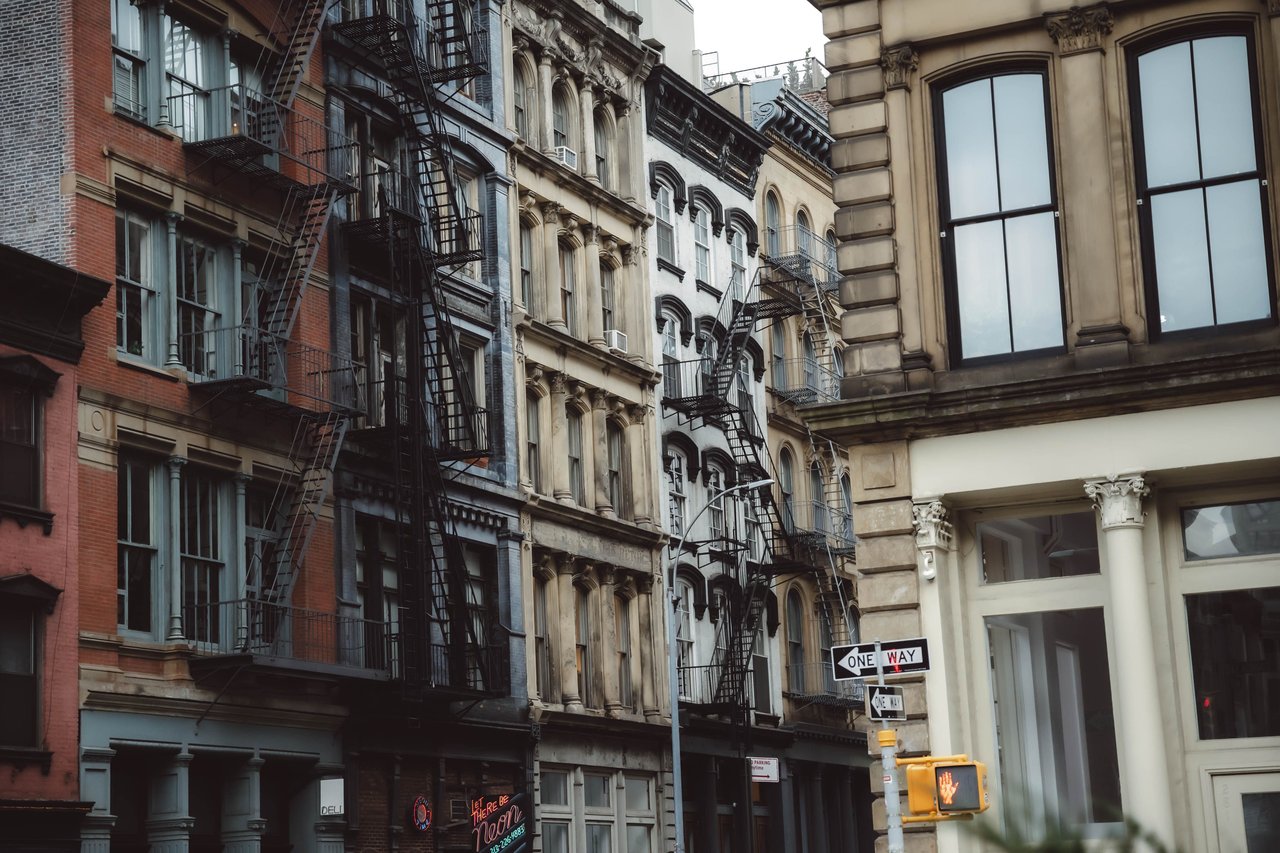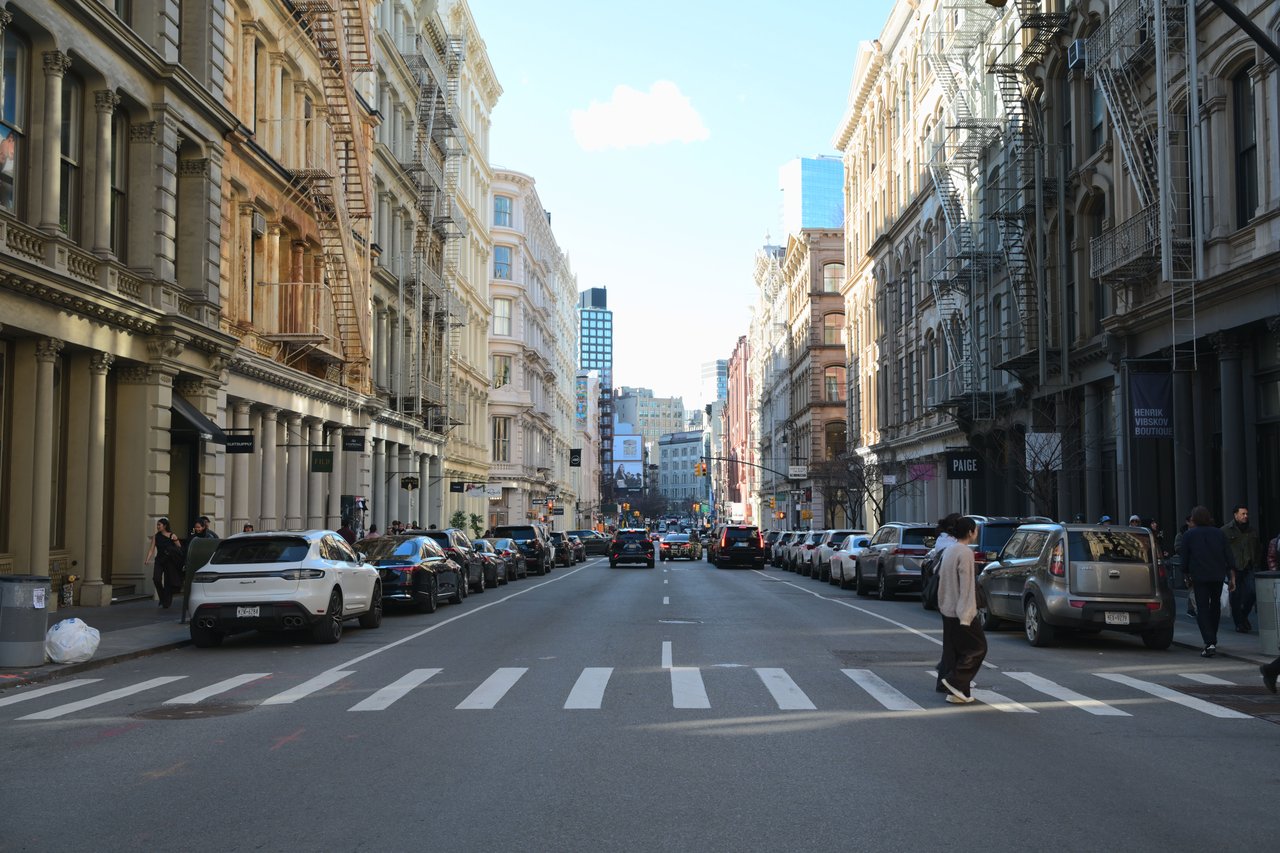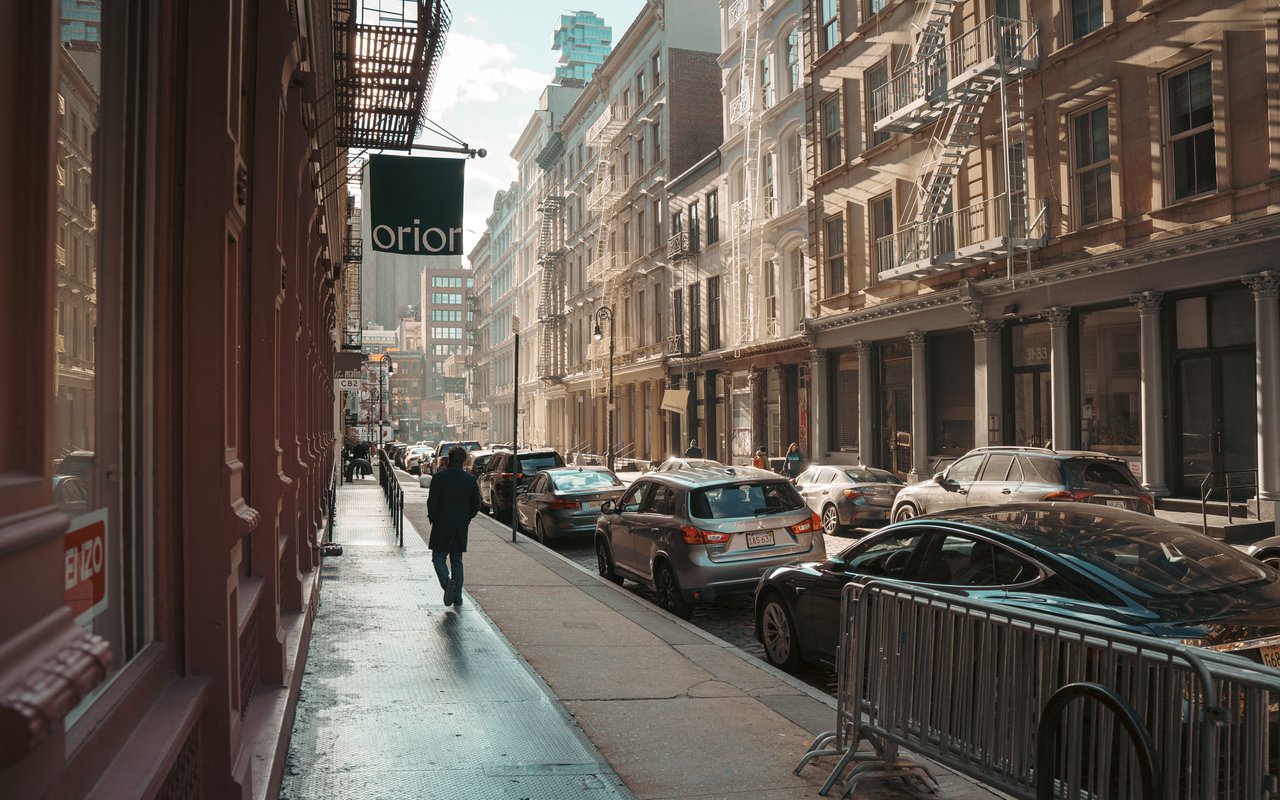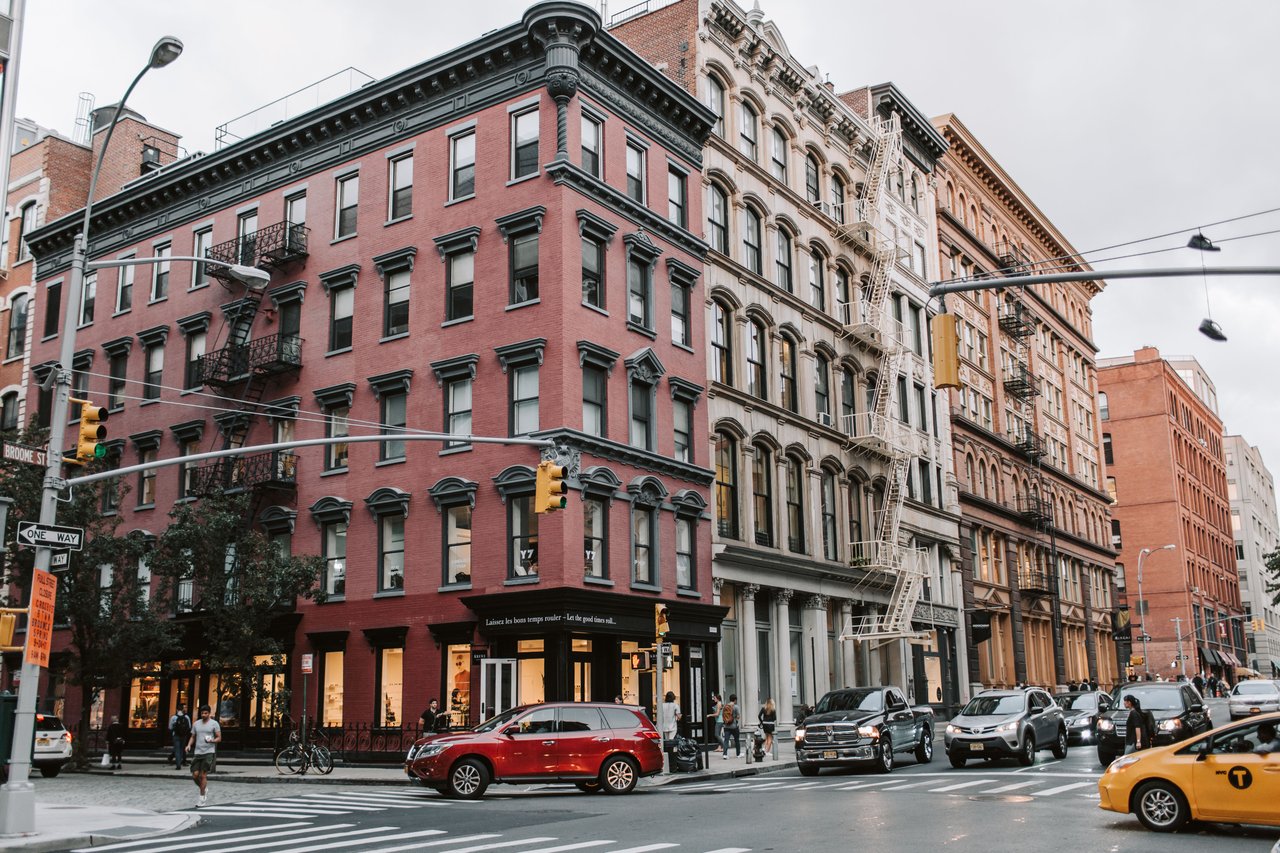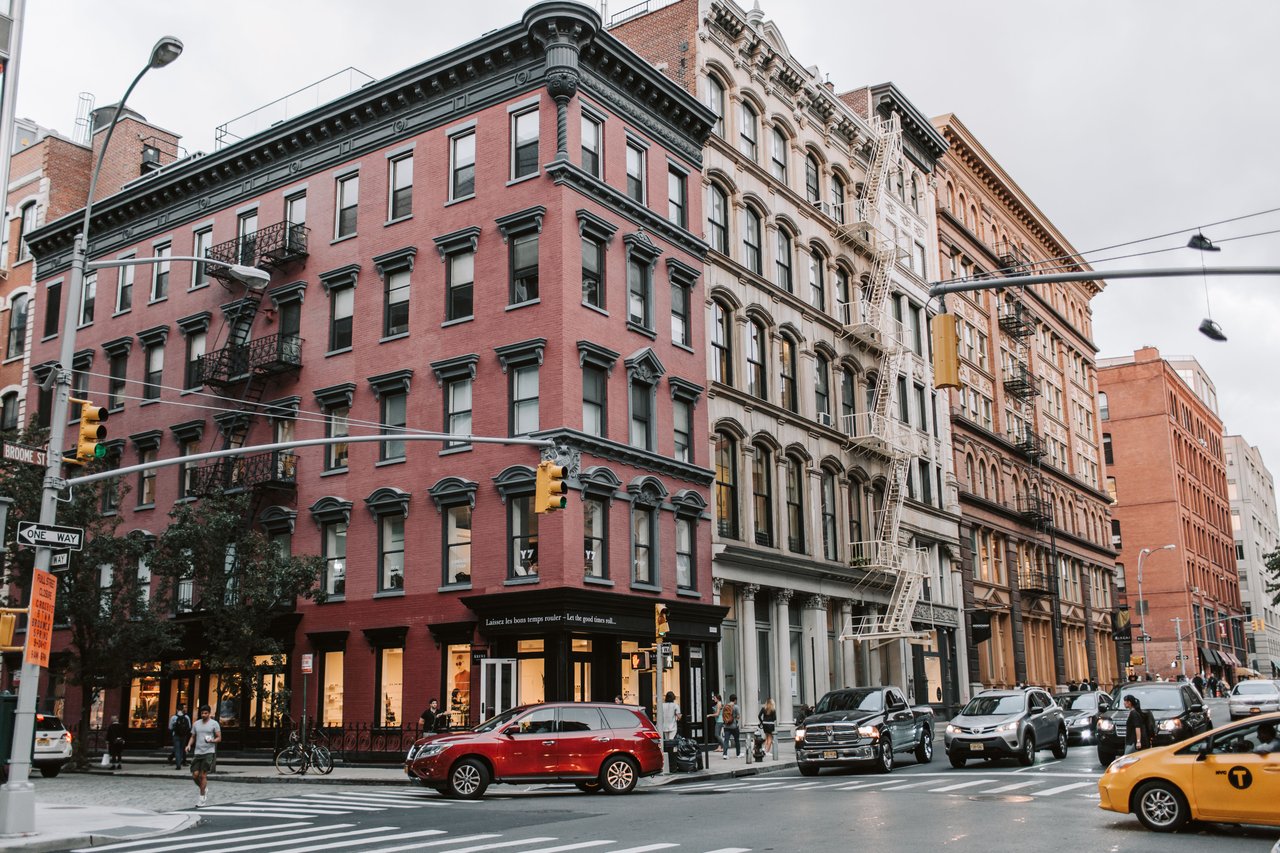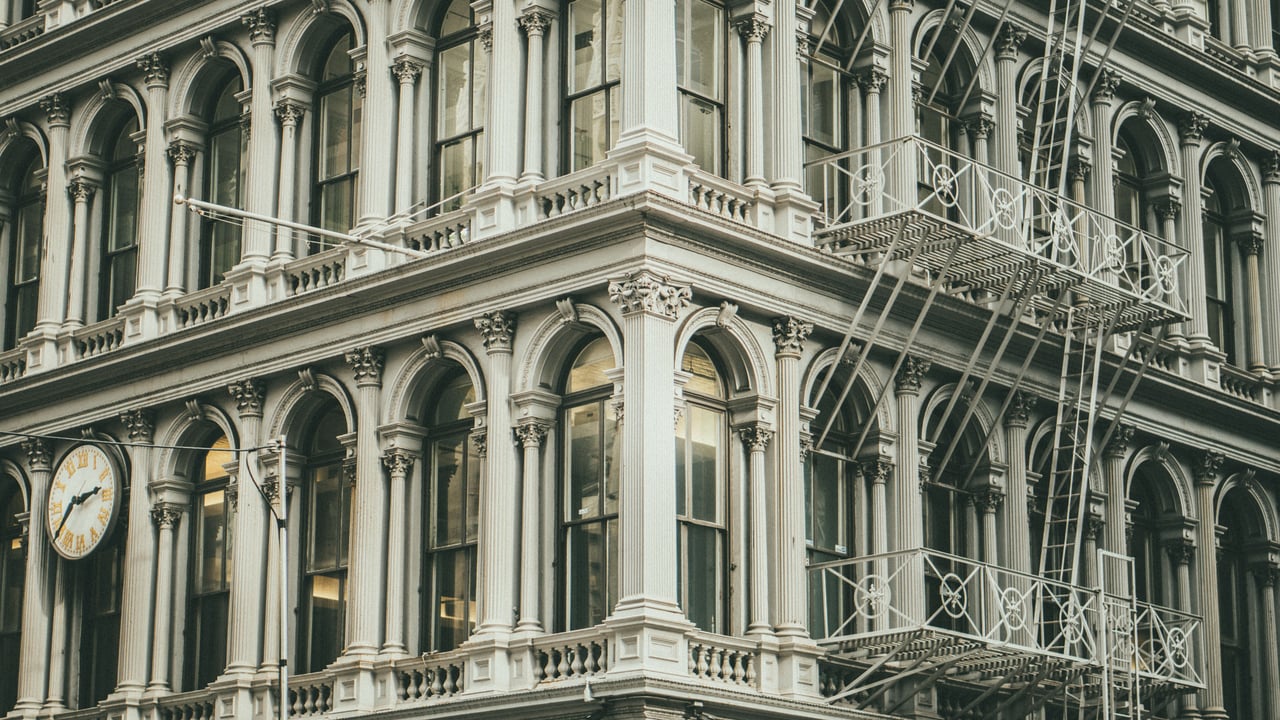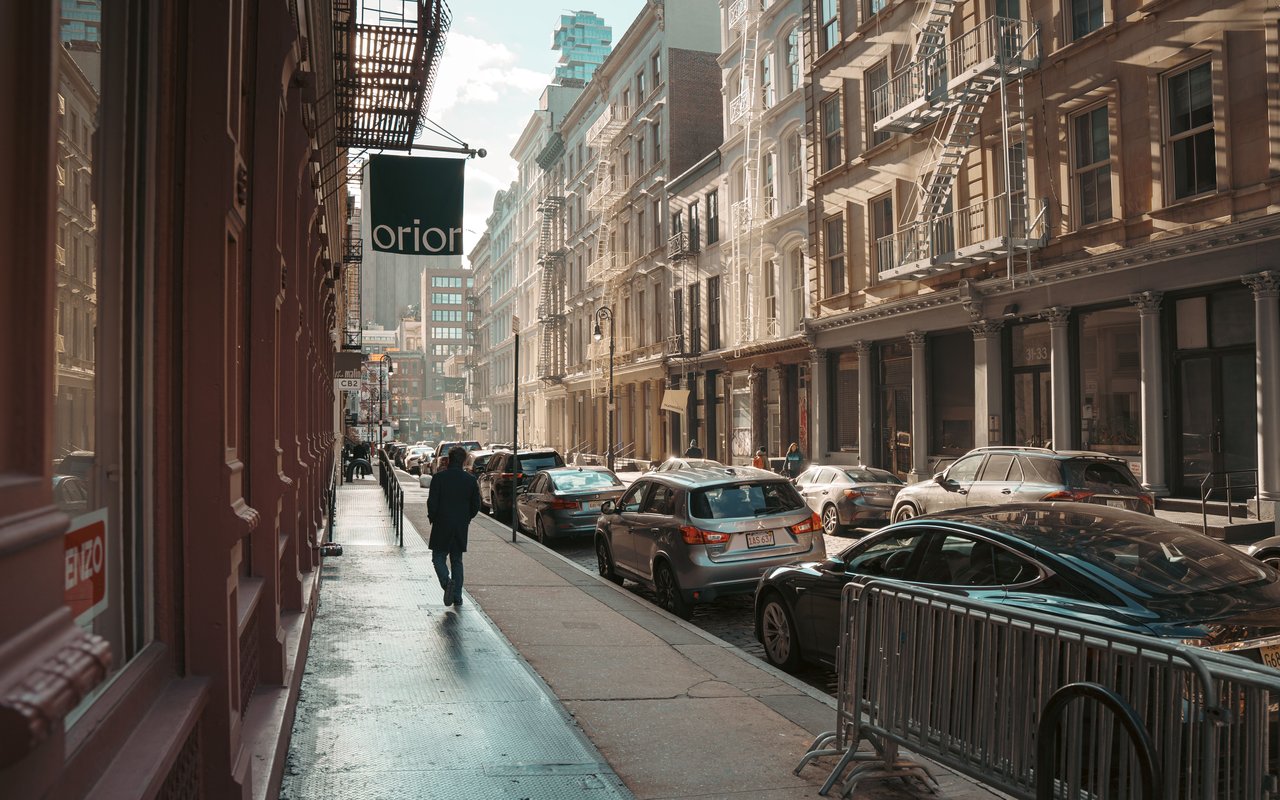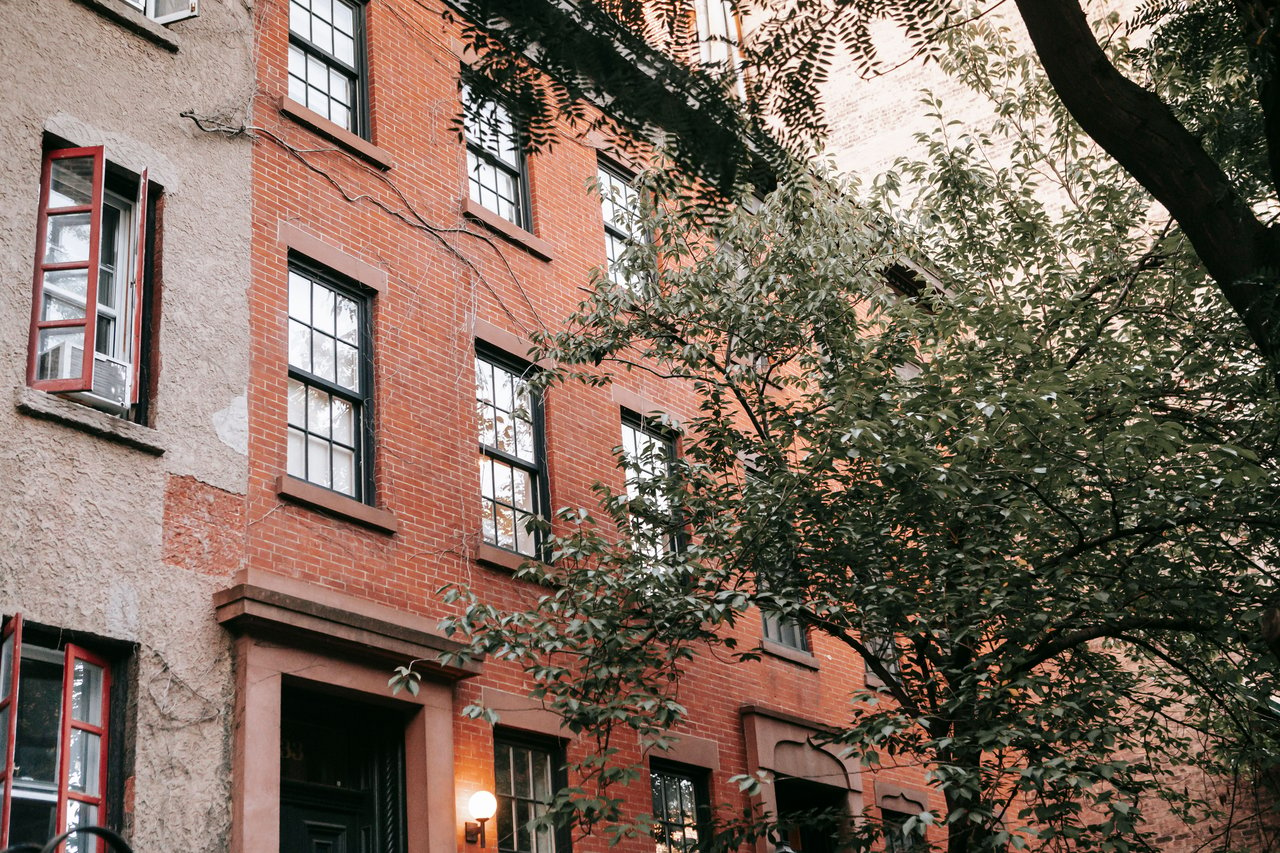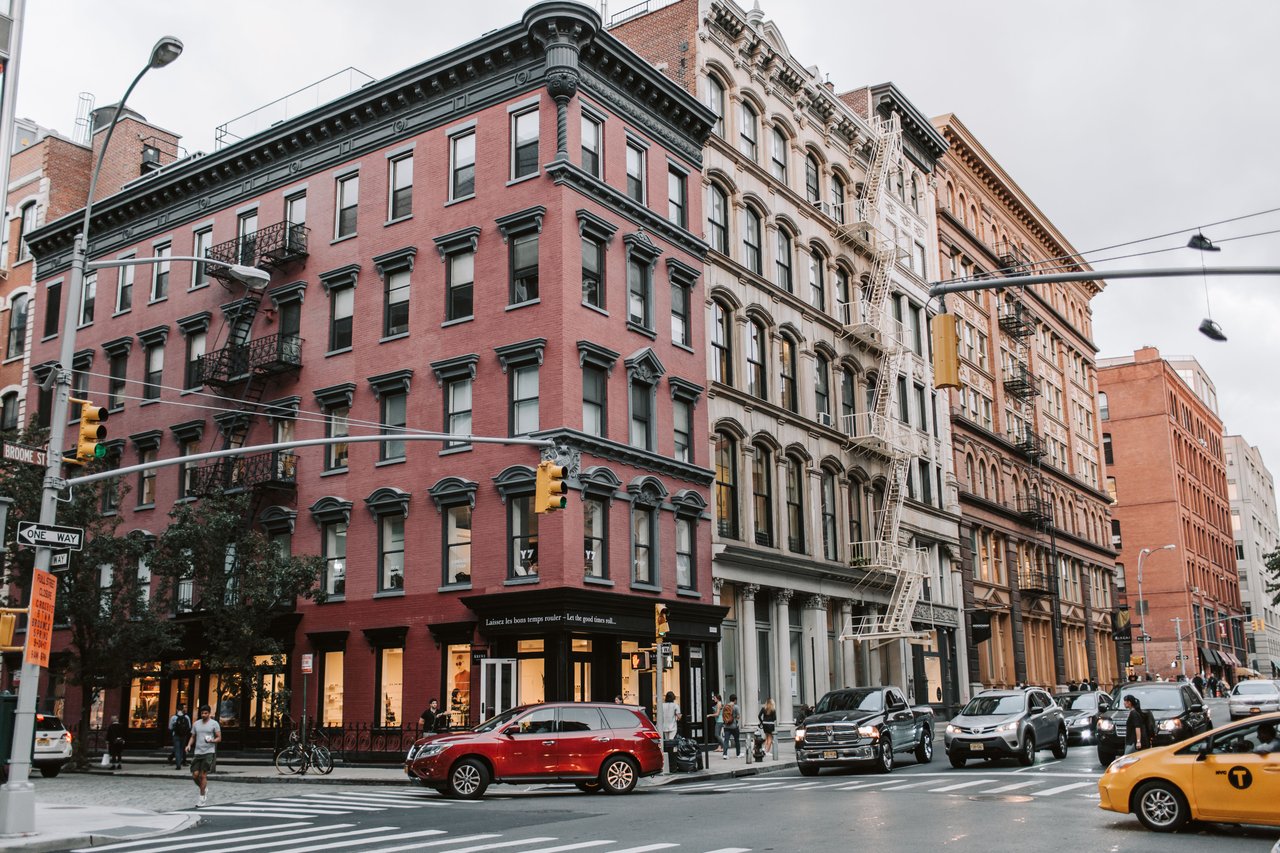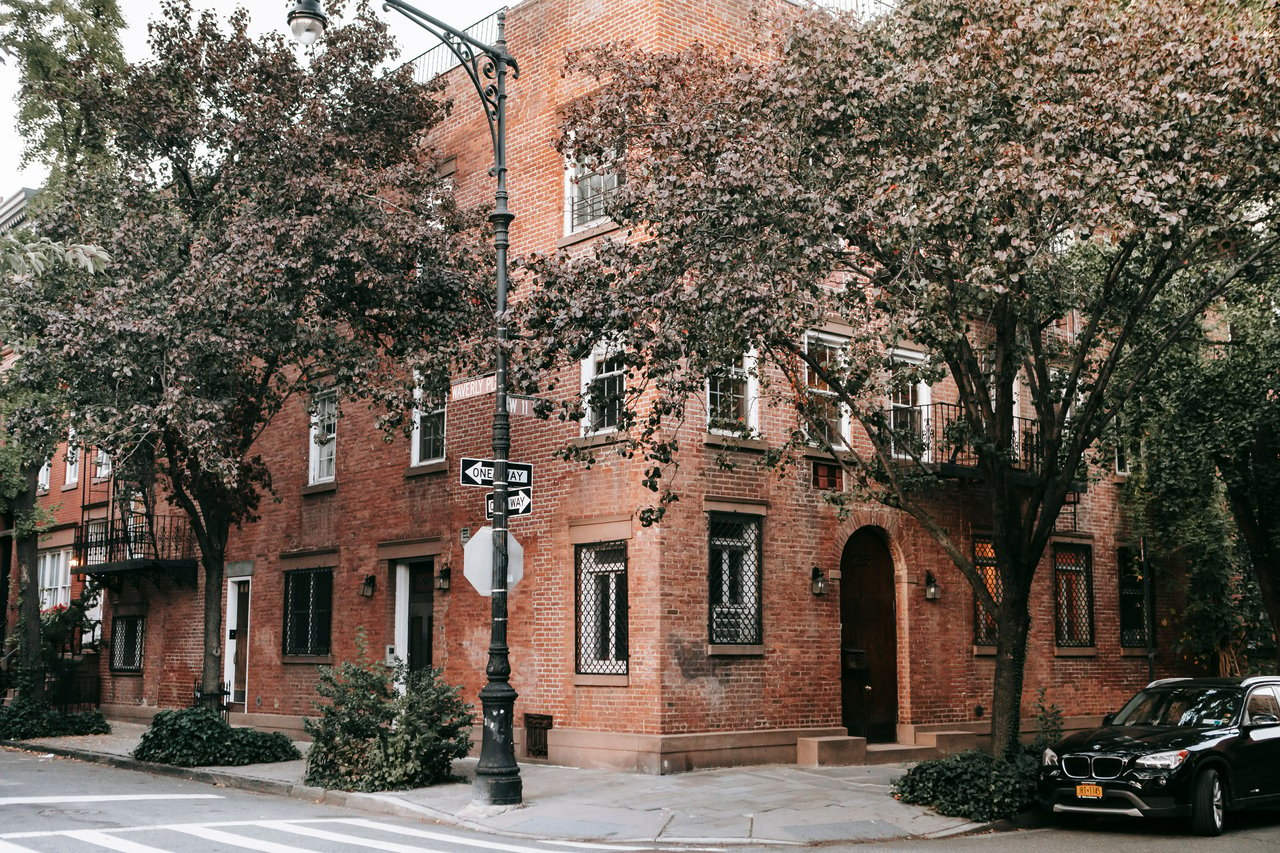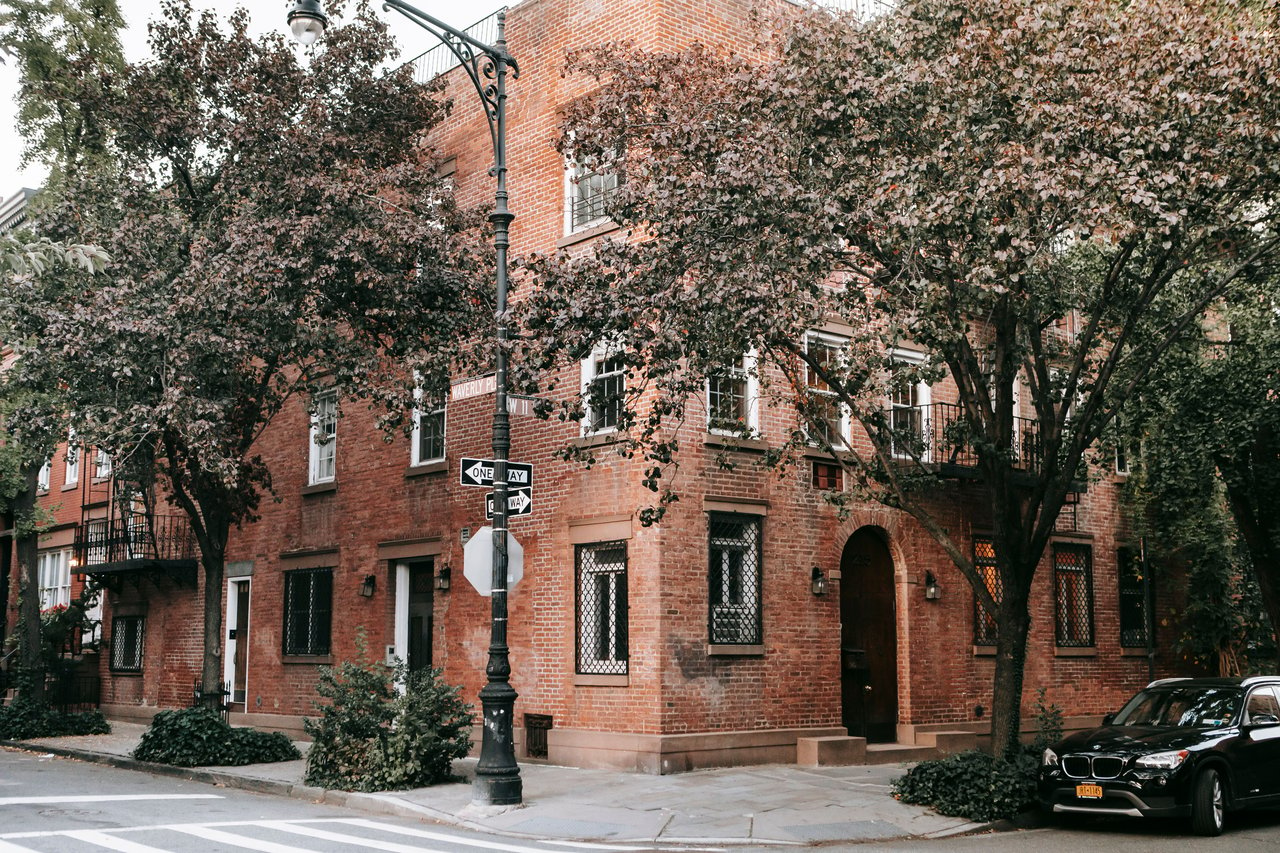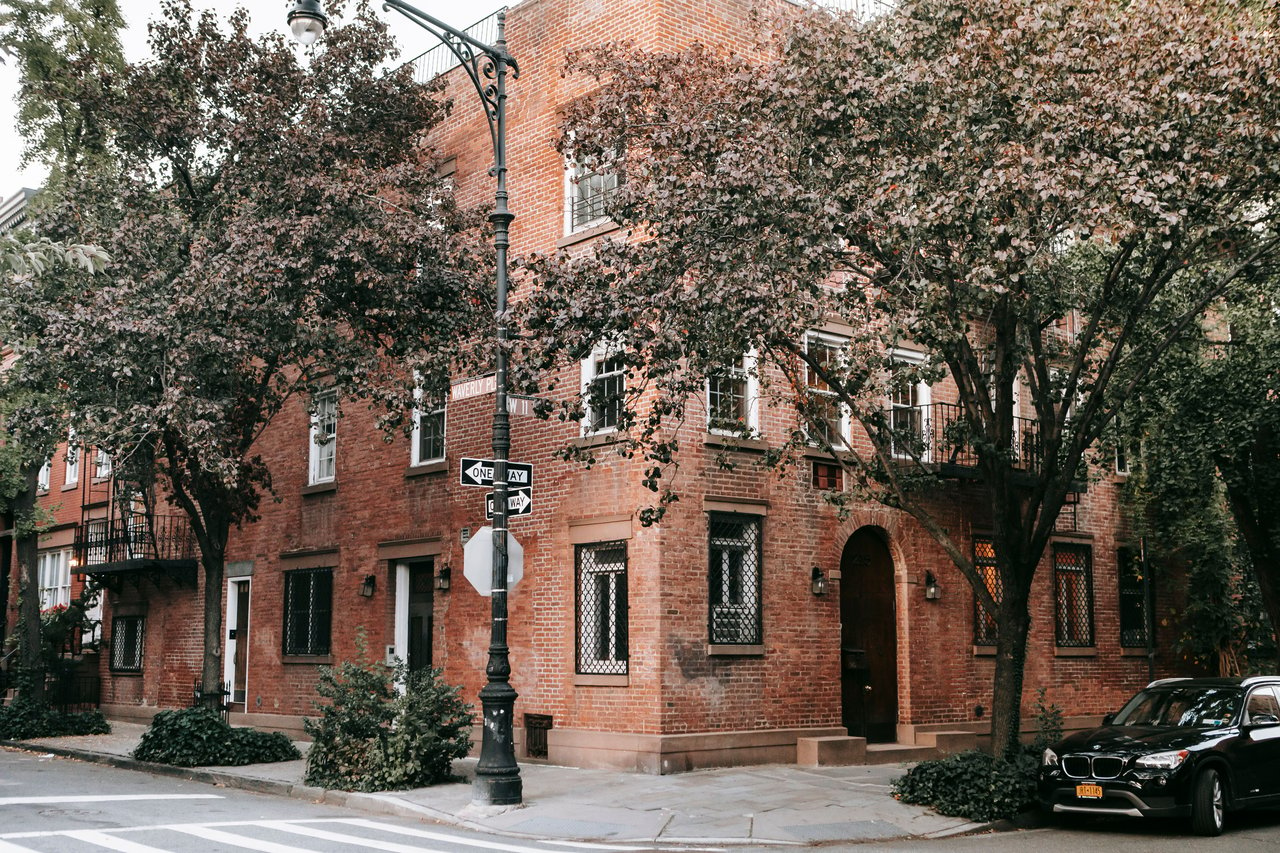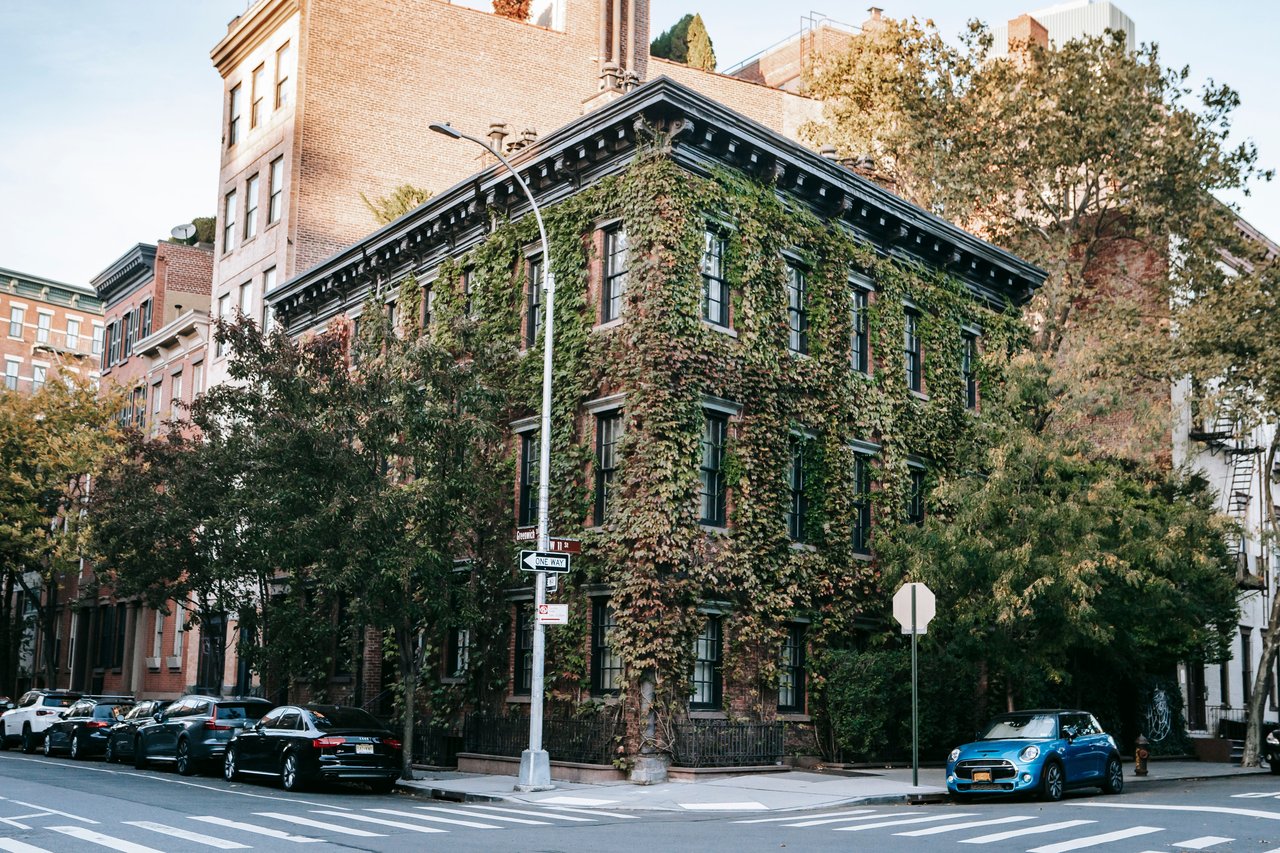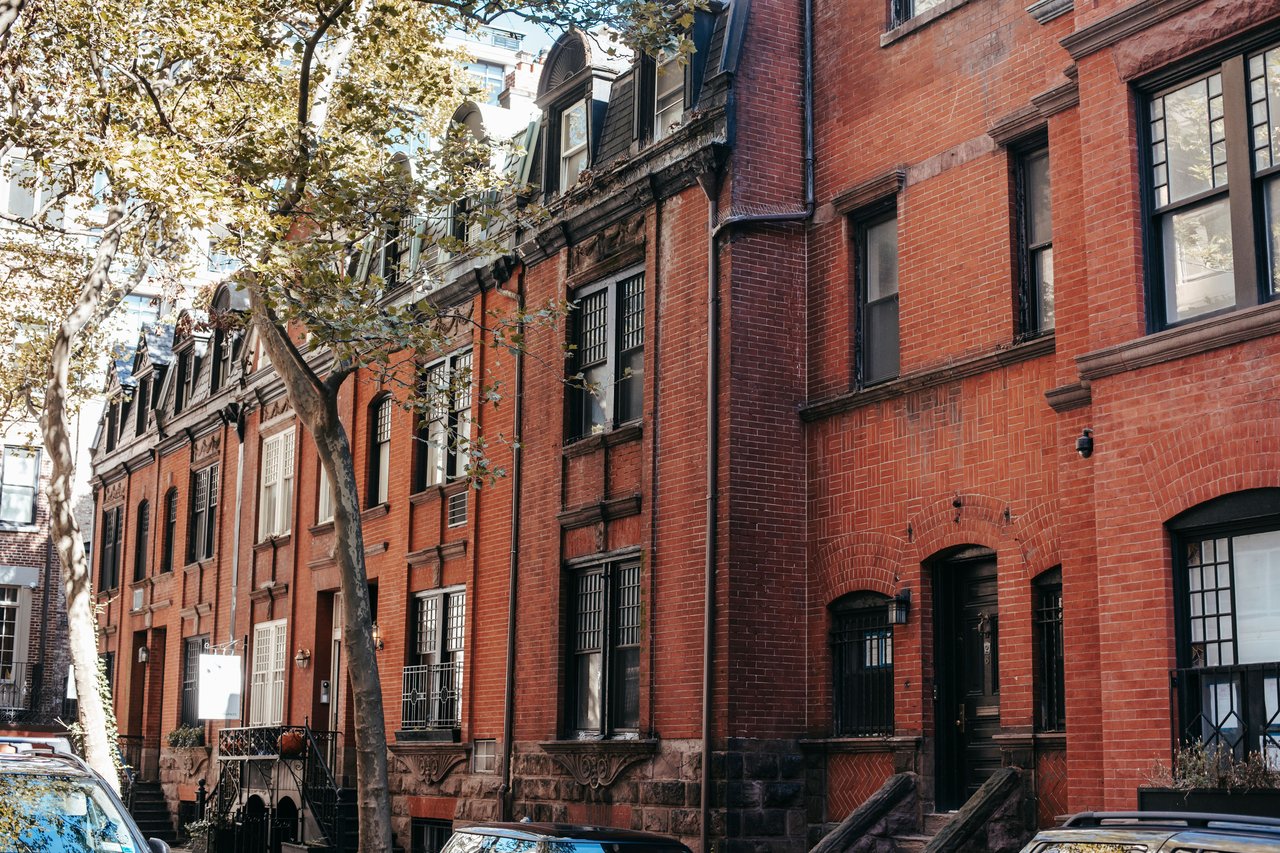
Leroy Street is one of Lower Manhattan's most architecturally distinctive streets, extending through Greenwich Village from the area of Sixth Avenue toward Hudson Street. Its narrow roadway, irregular alignment, historic brick townhouses, decorative apartment buildings, and remarkable collection of nineteenth-century residential architecture create a streetscape that reflects nearly two centuries of architectural development. Along its westernmost block, the street is also known as St. Luke's Place, where a continuous row of Italianate townhouses faces a landscaped public square.
Unlike the regular numbered streets farther north, Leroy Street belongs to the older street network of Greenwich Village. Its architecture changes noticeably from east to west, beginning with a mixture of Federal and Greek Revival houses, late nineteenth-century apartment buildings, and early twentieth-century masonry structures. Farther west, the architectural scale becomes more consistent, culminating in the distinctive Italianate rowhouses of St. Luke's Place.
The street's architectural significance lies in this contrast between building types and construction periods. Modest Federal houses with traditional dormer windows stand near taller Renaissance Revival apartment buildings, while Greek Revival residences retain classical entrances and traditional masonry proportions. Together, these structures create a detailed architectural record of the evolution of Greenwich Village.
The Early Architectural Development of Leroy Street
Leroy Street developed during the early nineteenth century, when Greenwich Village was expanding through a network of relatively narrow streets and small residential lots. Unlike the planned rectangular blocks of Manhattan's later grid, the older street layout produced irregular intersections and varied building configurations.
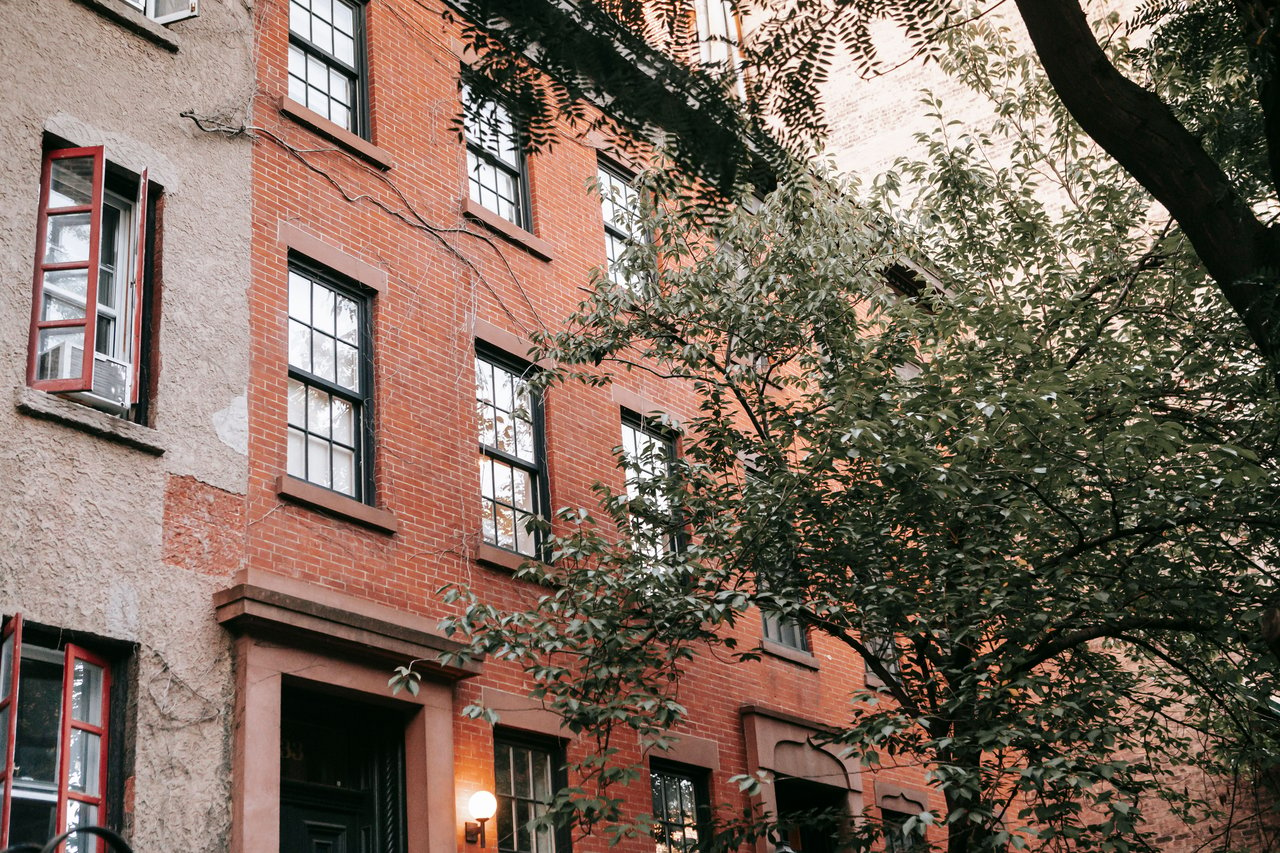
Early construction consisted primarily of modest Federal-style residences, characterized by brick facades, restrained ornamentation, traditional pitched roofs, and dormer windows. As architectural preferences changed during the 1830s and 1840s, Greek Revival houses introduced more formal classical details, substantial stone lintels, and carefully proportioned entrances.
During the middle of the nineteenth century, Italianate architecture became increasingly prominent, particularly along the western portion of the street. Later decades introduced larger apartment buildings with decorative masonry, terra-cotta ornamentation, and elaborate metal cornices.
These successive periods of construction created the architectural variety visible along Leroy Street today.
Federal Architecture and the Earliest Houses
Federal-style architecture established much of the early residential character of Leroy Street. Houses constructed in this tradition generally featured modest building heights, restrained brick facades, symmetrical window arrangements, and traditional sloping roofs.
Dormer windows were commonly incorporated into the roofline, providing additional light and interior space without substantially increasing the building's height. Decorative elements were generally limited to stone lintels, entrance surrounds, and traditional wooden cornices.
These early houses differ considerably from the taller apartment buildings constructed during the late nineteenth and early twentieth centuries. Their relatively narrow facades and traditional rooflines reflect the residential architecture of Greenwich Village before the introduction of larger multiple dwellings.
Several surviving Federal houses along Leroy Street preserve important elements of this early architectural character.
The Historic Federal House at 7 Leroy Street
One of Leroy Street's most significant surviving early residences is the Federal-style house at 7 Leroy Street, constructed in 1830–1831.
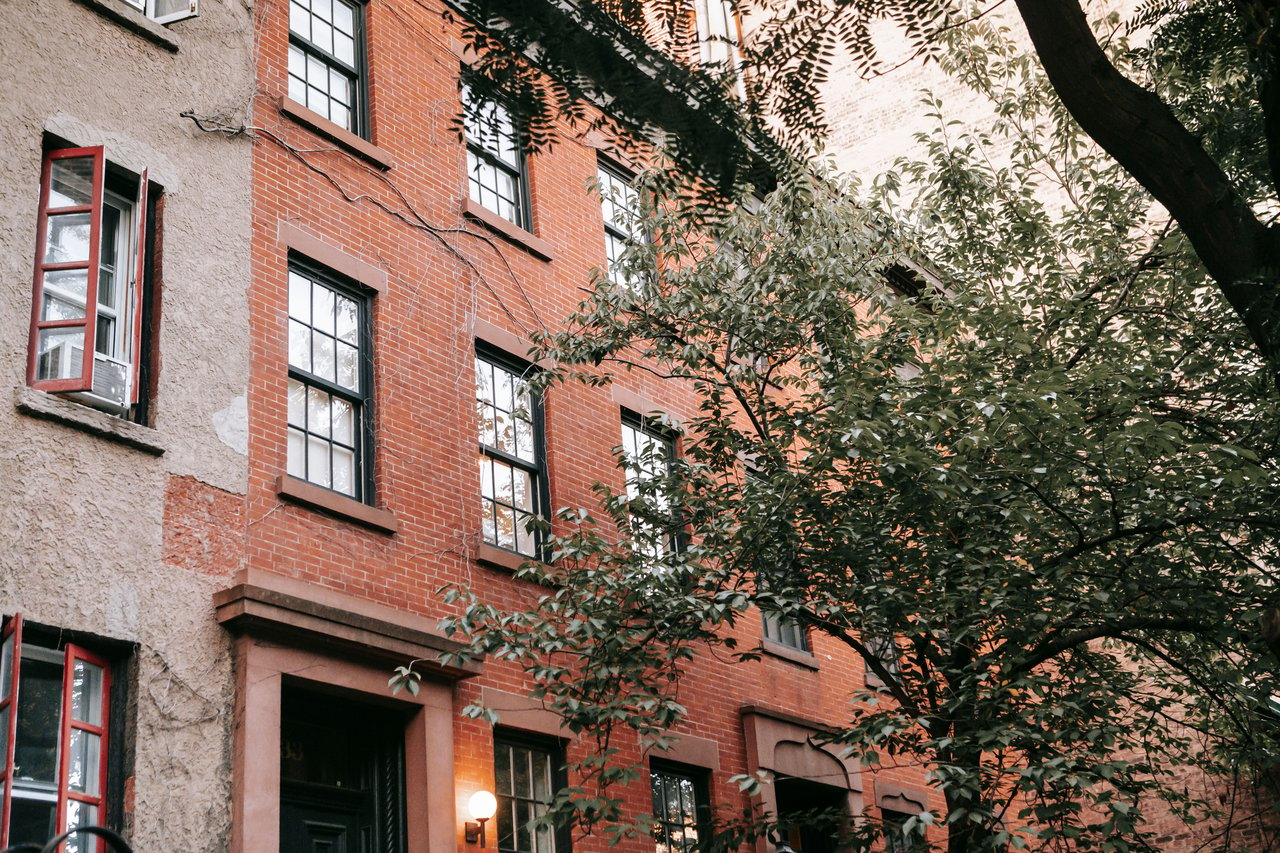
The building retains architectural characteristics associated with early nineteenth-century residential construction, including traditional masonry proportions, historic window lintels, and dormer windows. Its facade emphasizes balanced openings and restrained ornamentation rather than the elaborate decorative treatments introduced during later periods.
A particularly distinctive feature is the relationship between the building's residential facade and its historic horse-walk opening, which provided access through the building toward the rear of the property. This arrangement illustrates how narrow townhouse lots could accommodate passageways without sacrificing the primary street-facing structure.
The house was included in the Greenwich Village Historic District Extension II in 2010, protecting its surviving Federal architectural features. Its preservation provides an important example of early Manhattan townhouse design.
The Architecture of Dormer Windows
Dormer windows are among the most recognizable features of Federal residential architecture on Leroy Street. These windows project from sloping roof surfaces, allowing natural light to reach upper-floor rooms while preserving the traditional silhouette of a pitched roof.
Their proportions and placement were carefully integrated with the windows below, creating a balanced facade composition. Unlike later apartment buildings with flat roofs and substantial cornices, Federal houses retain a more compact architectural profile.
The dormers at 7 Leroy Street are particularly important surviving examples. Their design contributes to the building's original architectural character and demonstrates the relationship between early residential construction and traditional roof forms.
Historic Horse Walks and Rear Access
Historic horse walks are an unusual architectural feature associated with some early Manhattan townhouses. These narrow passageways were incorporated into buildings to provide access from the street to rear yards or auxiliary structures.
Rather than constructing a separate driveway, the passageway was integrated into the ground floor of the building. This required a distinctive opening within the facade and a structural arrangement capable of supporting the residential floors above.
The surviving horse-walk feature at 7 Leroy Street provides an important example of this building configuration. Its relationship to the traditional Federal facade illustrates how practical access requirements influenced early residential design.
Such features contribute to the architectural diversity of Greenwich Village's historic townhouse streets.
Greek Revival Architecture on Leroy Street
Greek Revival architecture became prominent along Leroy Street during the 1830s and 1840s, introducing a more formal classical design vocabulary to residential construction.
Buildings constructed in this style generally feature brick facades, substantial stone lintels, classical entrance surrounds, and carefully arranged windows. Traditional stoops and wrought-iron railings provide additional architectural definition.
Compared with earlier Federal houses, Greek Revival residences often feature flatter rooflines and more substantial masonry details. The emphasis on symmetry and geometric proportions reflects the architectural influence of classical temple design.
Several houses along Leroy Street retain recognizable Greek Revival characteristics, although some have undergone later alterations that modified their original appearance.
The Greek Revival House at 20 Leroy Street
The house at 20 Leroy Street is a notable example of Greek Revival residential architecture.
Constructed around 1835, the building originally served as a single-family rowhouse. Its design reflects the transition from earlier Federal construction toward more formal classical proportions.
Traditional brick masonry, carefully arranged windows, and restrained architectural ornamentation establish its historic character. The building's scale remains consistent with the relatively modest residential construction of the period.
The property was included within the Greenwich Village Historic District Extension II in 2010, recognizing its architectural significance as part of the historic South Village streetscape.
Its preservation provides an important example of early nineteenth-century townhouse architecture.
Historic Brickwork and Classical Entrance Details
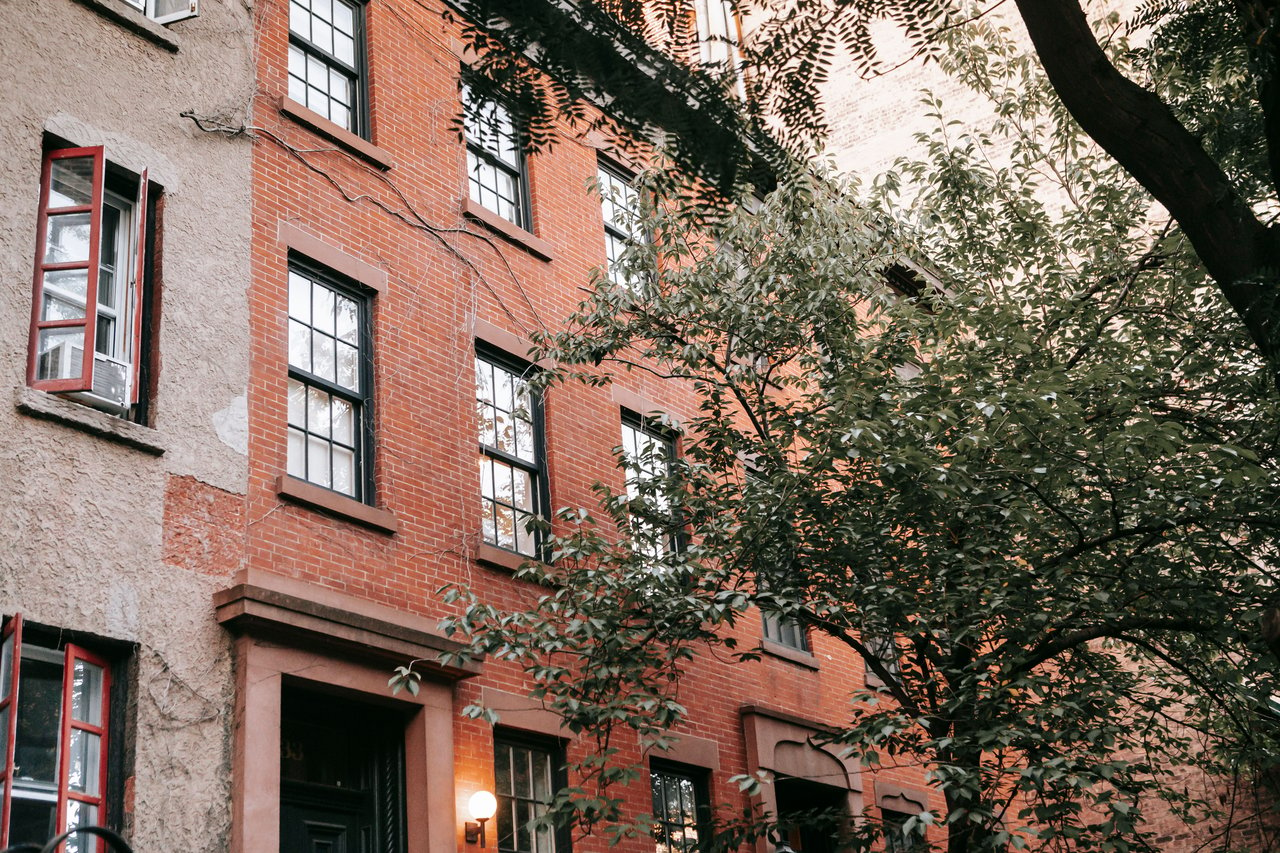
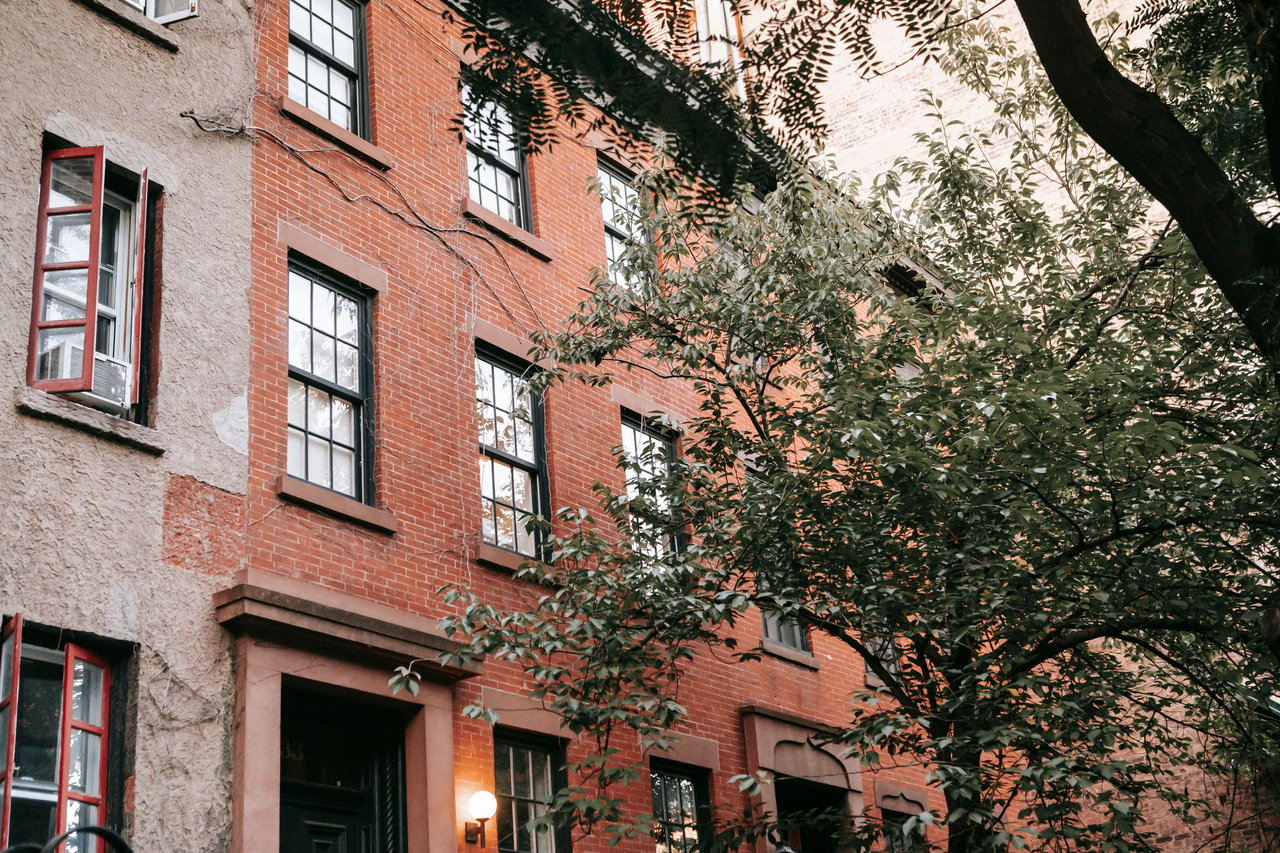
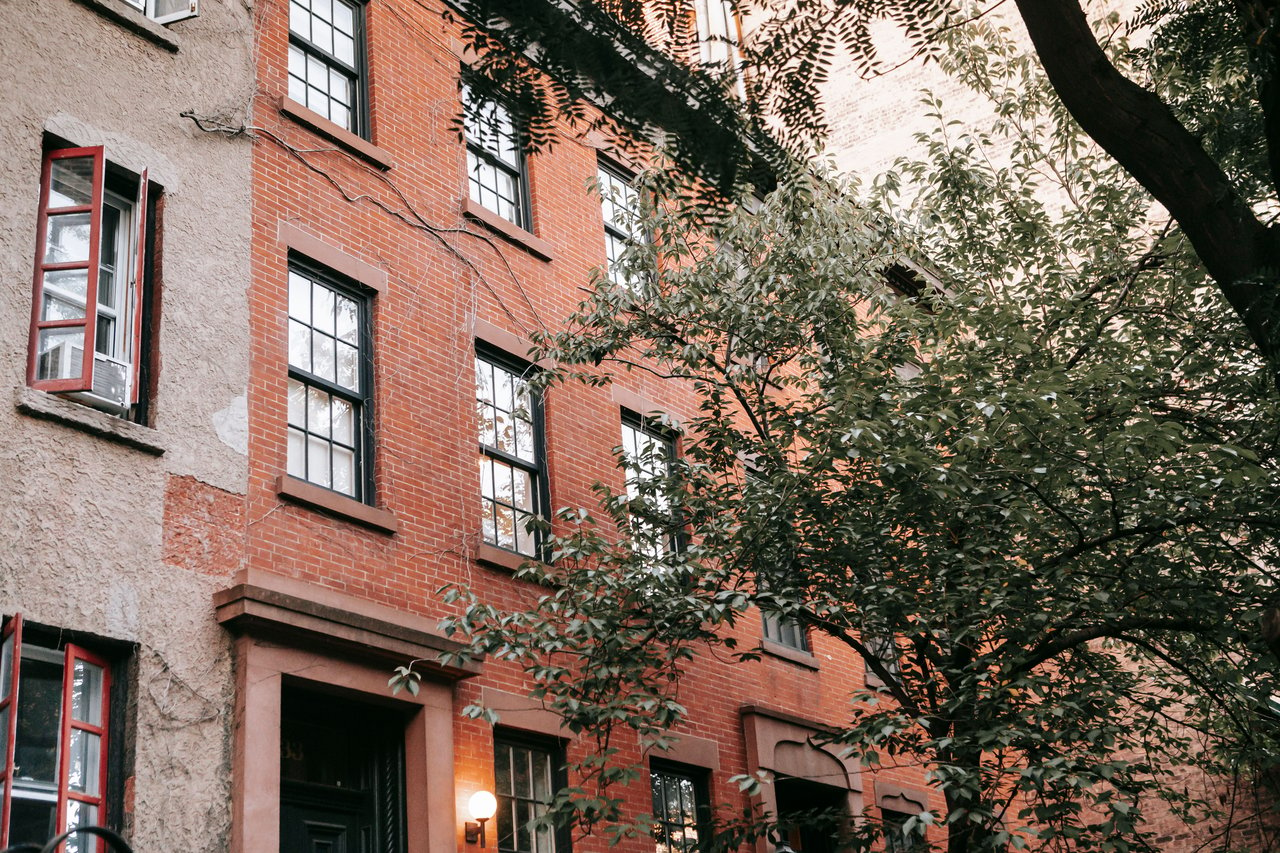
Brick masonry provides much of the architectural continuity along Leroy Street. Early Federal and Greek Revival houses generally feature relatively simple brick facades, while later apartment buildings incorporate more elaborate decorative patterns and contrasting materials.
Stone lintels, classical entrance surrounds, and traditional cornices contribute to the appearance of the early houses. Some residences retain raised entrances with decorative wrought-iron railings and historic stoop arrangements.
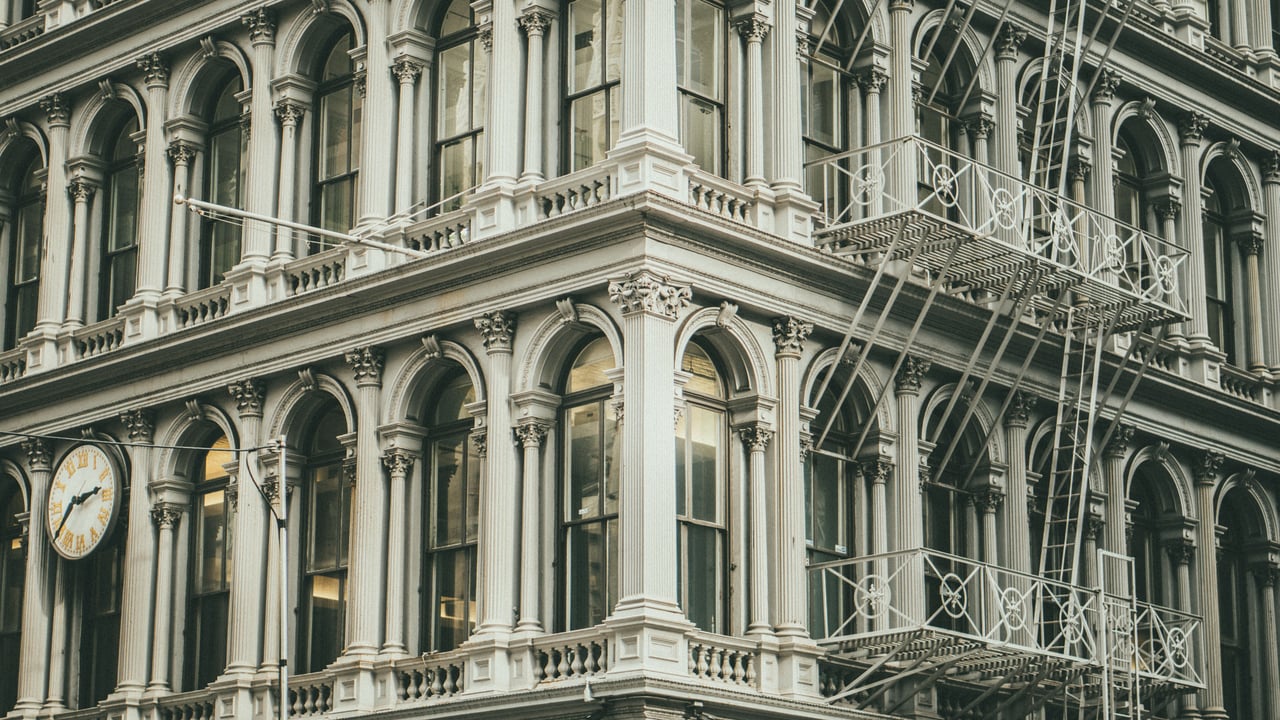
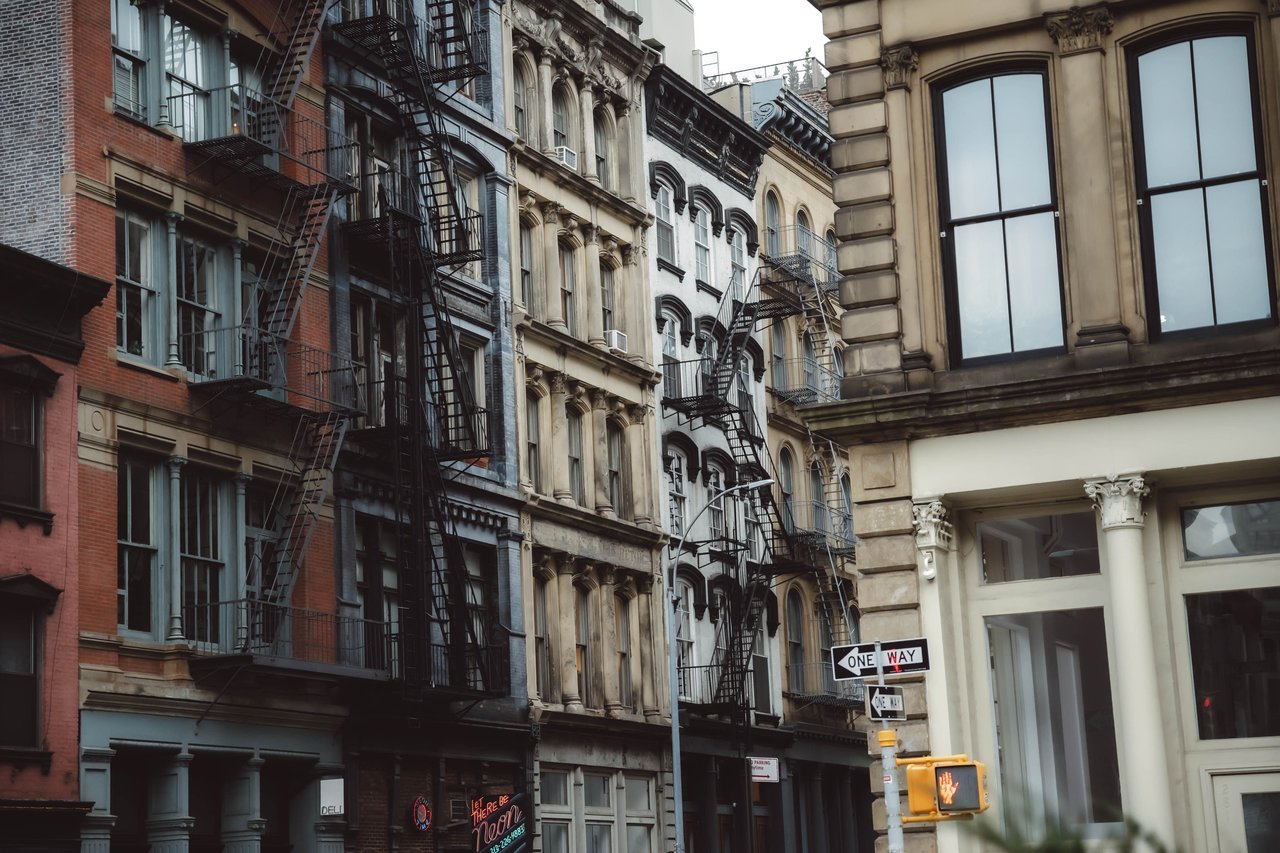
As the street developed, larger apartment buildings introduced terra-cotta trim, ornamental keystones, decorative pilasters, and substantial metal cornices. These elements create a visible distinction between early townhouse construction and later residential architecture.
The variety of masonry treatments provides an important record of Leroy Street's architectural development.
The Renaissance Revival Apartment Buildings
Renaissance Revival architecture introduced greater decorative complexity to Leroy Street during the late nineteenth and early twentieth centuries.
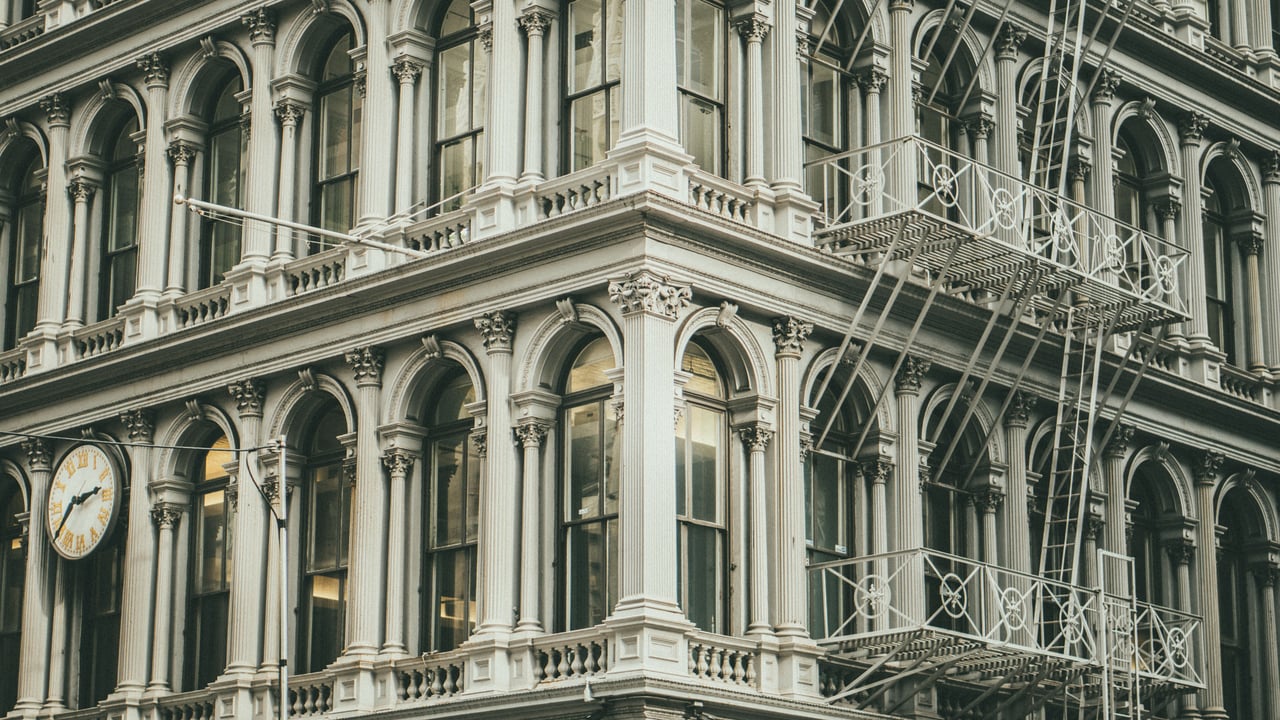
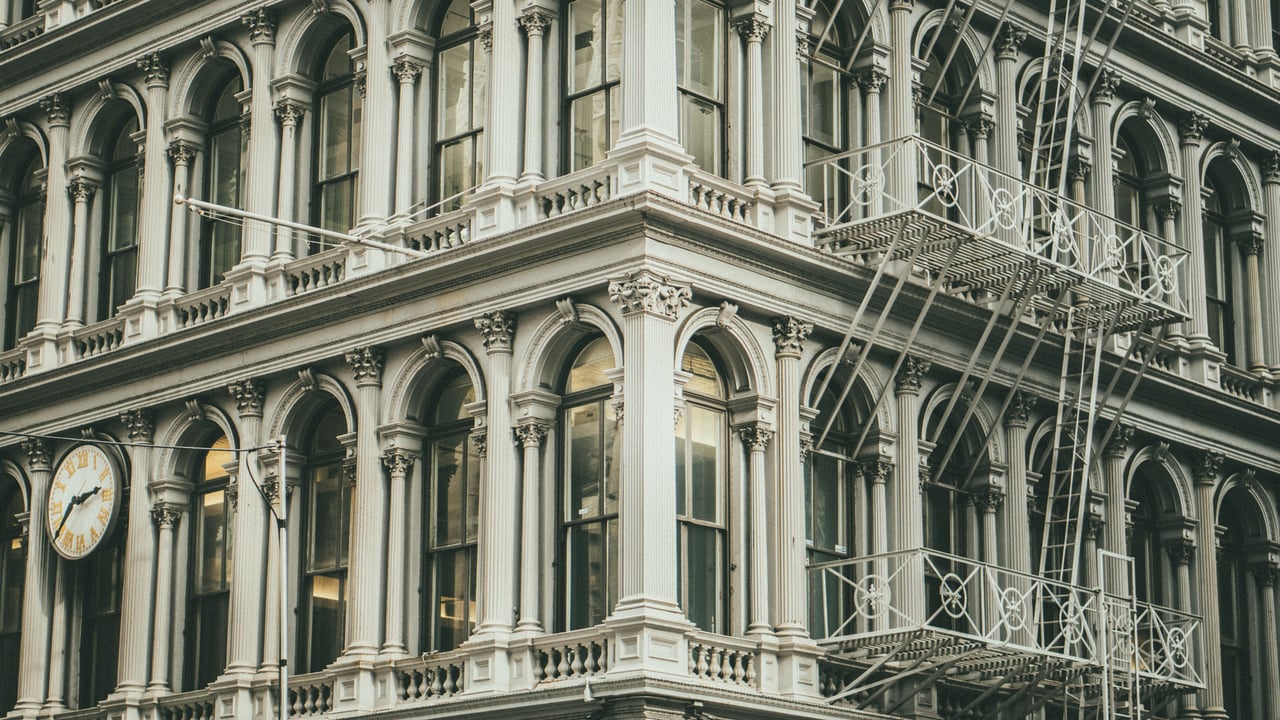
Buildings constructed in this style often feature substantial brick facades, terra-cotta ornamentation, decorative stone lintels, classical entrance surrounds, and projecting metal cornices. Their repeated window arrangements create formal compositions across larger building footprints.
Unlike traditional townhouses, these structures were designed to accommodate multiple apartments within a single building. Their increased height and wider facades established a different architectural scale along the street.
The apartment buildings at 22–24 and 26–28 Leroy Street are particularly notable examples of this architectural transition.
The Architecture of 22–24 Leroy Street
The building at 22–24 Leroy Street was constructed in 1903 in the Renaissance Revival style.
Designed by Bernstein & Bernstein, the six-story structure features a buff brick facade with extensive terra-cotta detailing. Its broad frontage incorporates multiple window bays, creating a substantial architectural presence along the street.
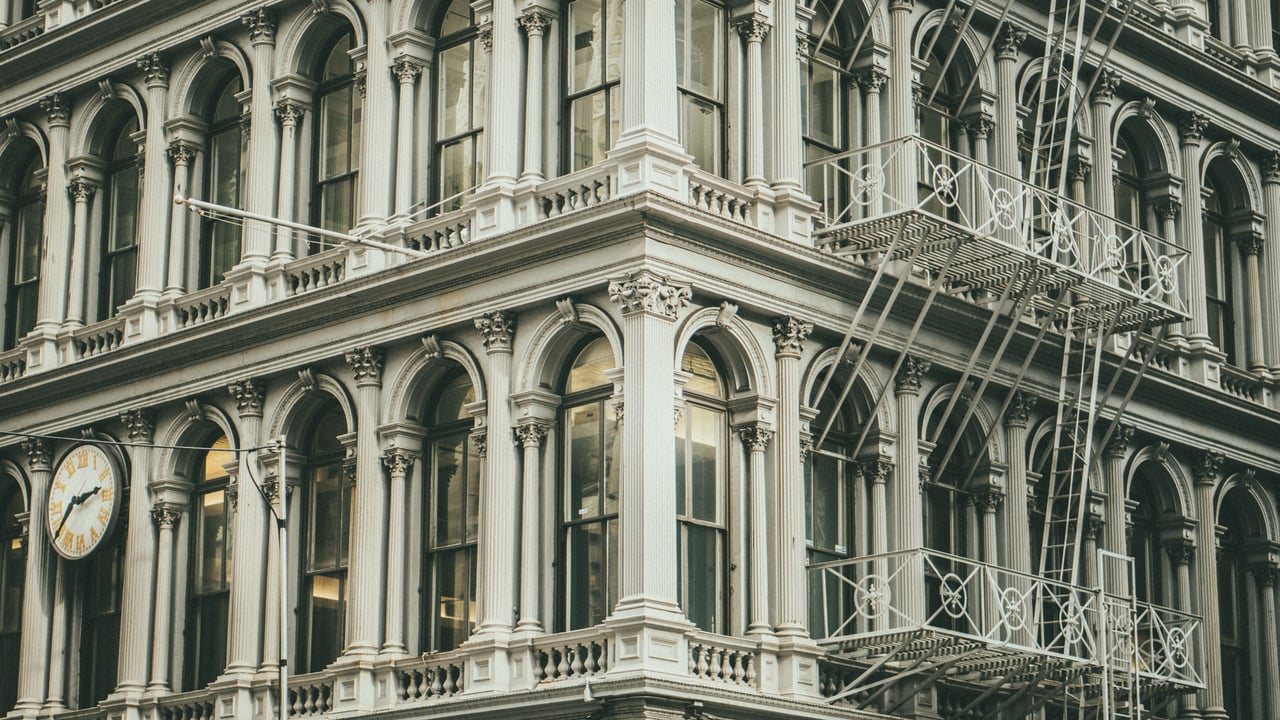
Decorative elements include molded window surrounds, ornamental keystones, classical pilasters, and horizontal masonry bands. The main entrance incorporates an elaborate terra-cotta surround with classical detailing and a traditional paneled doorway.
Near the upper facade, decorative brickwork and a projecting metal cornice provide additional architectural definition.
The building demonstrates how early twentieth-century apartment construction incorporated elaborate classical ornamentation while accommodating larger residential layouts.
Decorative Terra-Cotta Architecture
Terra cotta became an important decorative material in late nineteenth-century and early twentieth-century apartment construction.
The material could be molded into detailed architectural forms, including classical capitals, ornamental window surrounds, decorative keystones, and elaborate entrance frames.
On Leroy Street, the Renaissance Revival apartment buildings demonstrate the use of terra cotta to create contrast against traditional brick masonry.
The decorative elements are arranged across the facade to emphasize windows, entrances, and horizontal divisions between floors.
Their preservation contributes to the architectural character of the larger apartment buildings along the street.
The Architecture of 26–28 Leroy Street
The building at 26–28 Leroy Street forms part of the early twentieth-century apartment development associated with the neighboring structure at 22–24 Leroy Street.
Its Renaissance Revival architecture incorporates traditional masonry construction, decorative window treatments, and a substantial facade composition.
The building's height and broad frontage contrast with the smaller Federal and Greek Revival houses nearby.
Together, the two apartment buildings establish a recognizable architectural rhythm through repeated windows, decorative masonry, and prominent cornices.
Their construction illustrates the increasing scale of residential development during the early twentieth century.
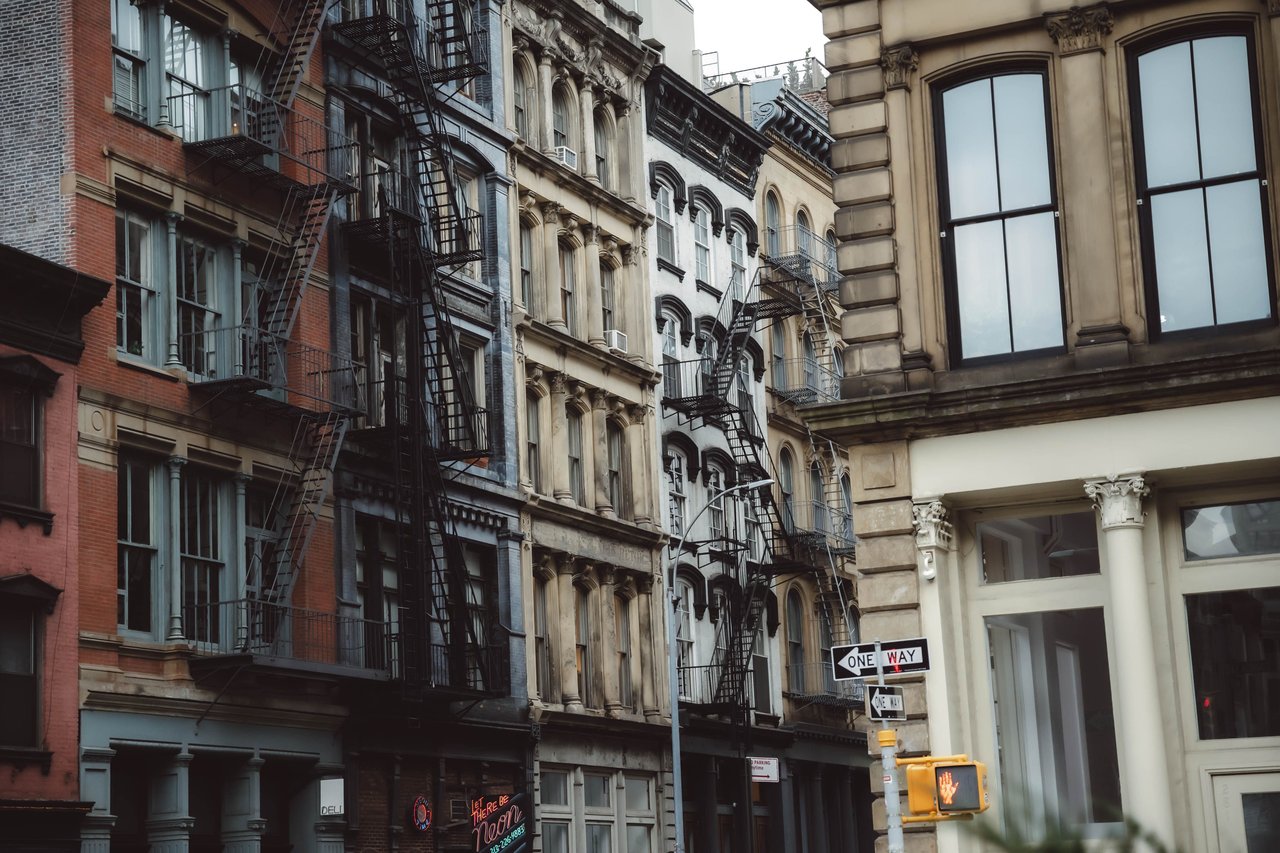
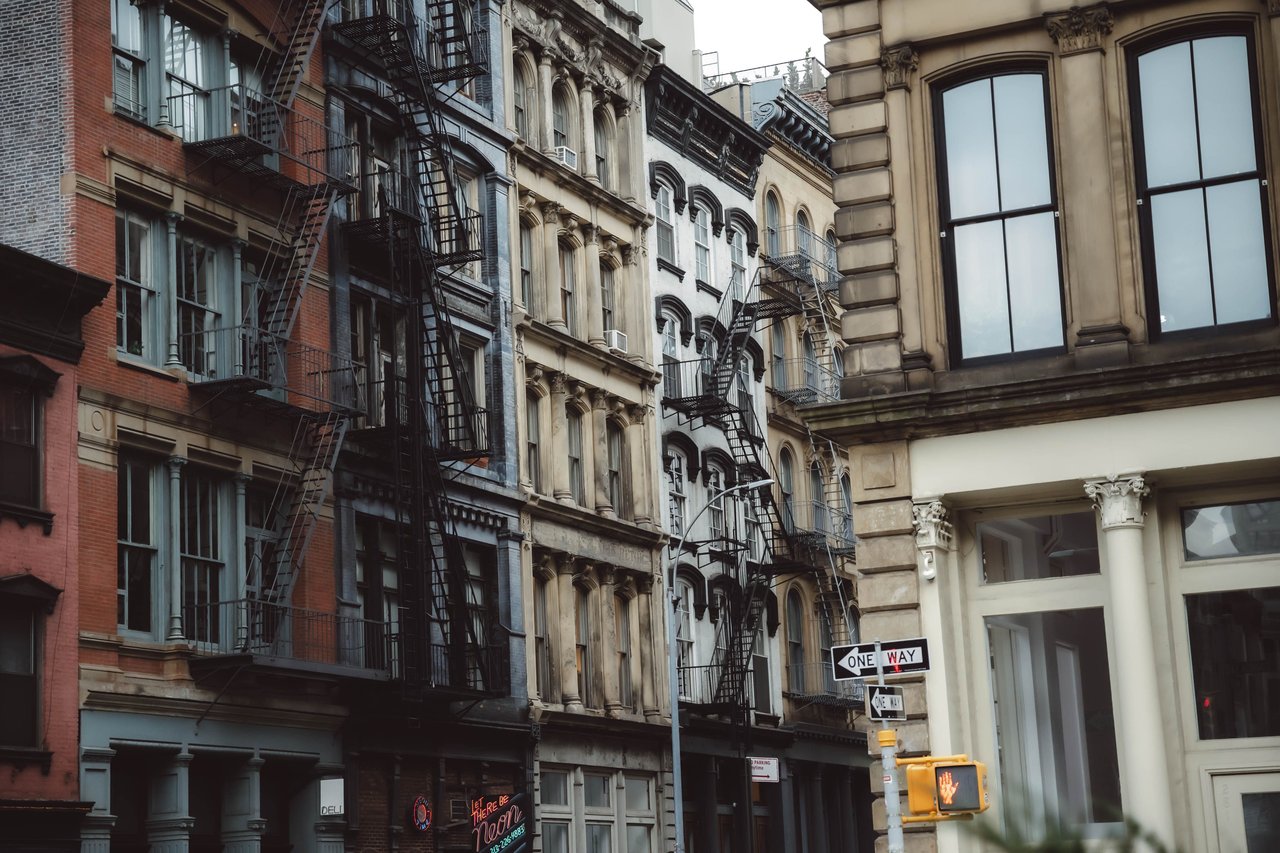
Historic Apartment Buildings and Tenement Architecture
Leroy Street contains several examples of nineteenth-century and early twentieth-century apartment architecture.
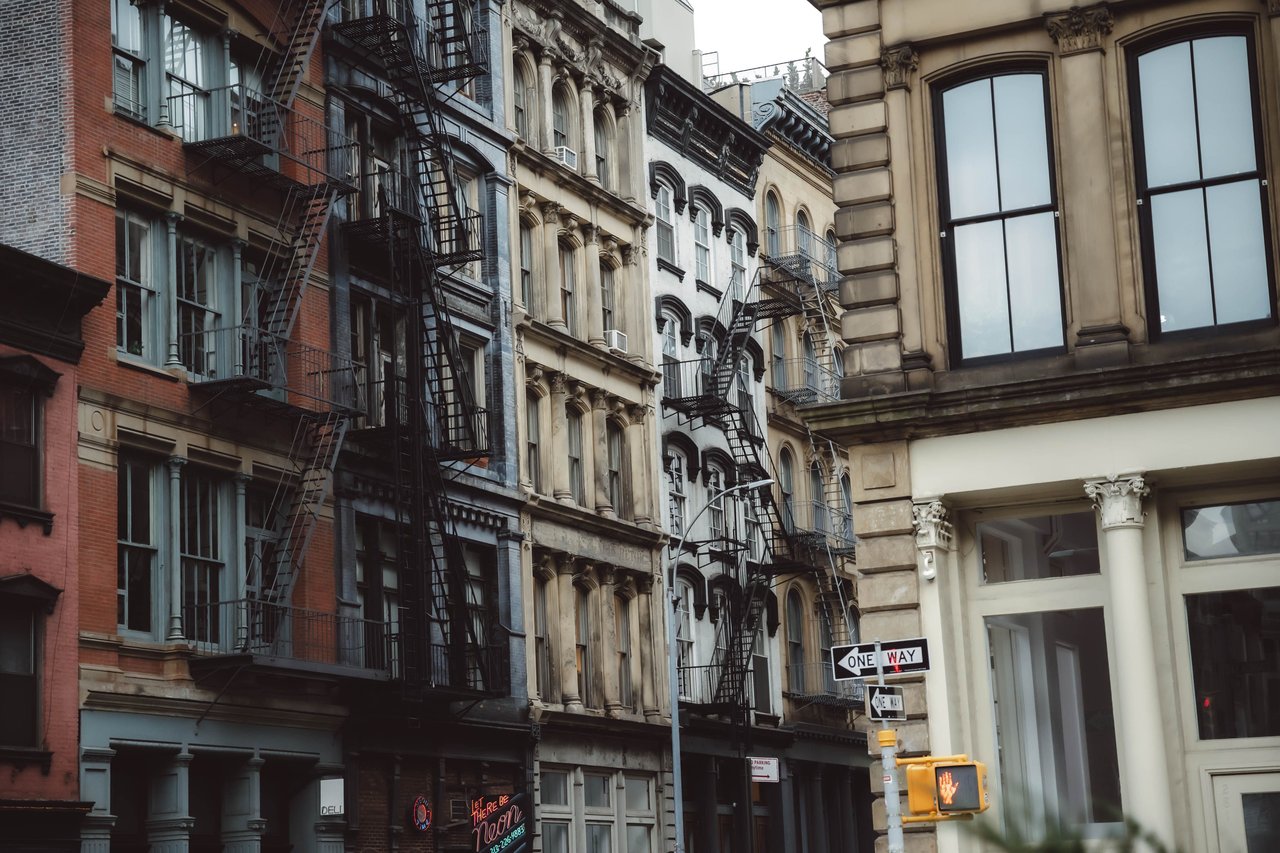
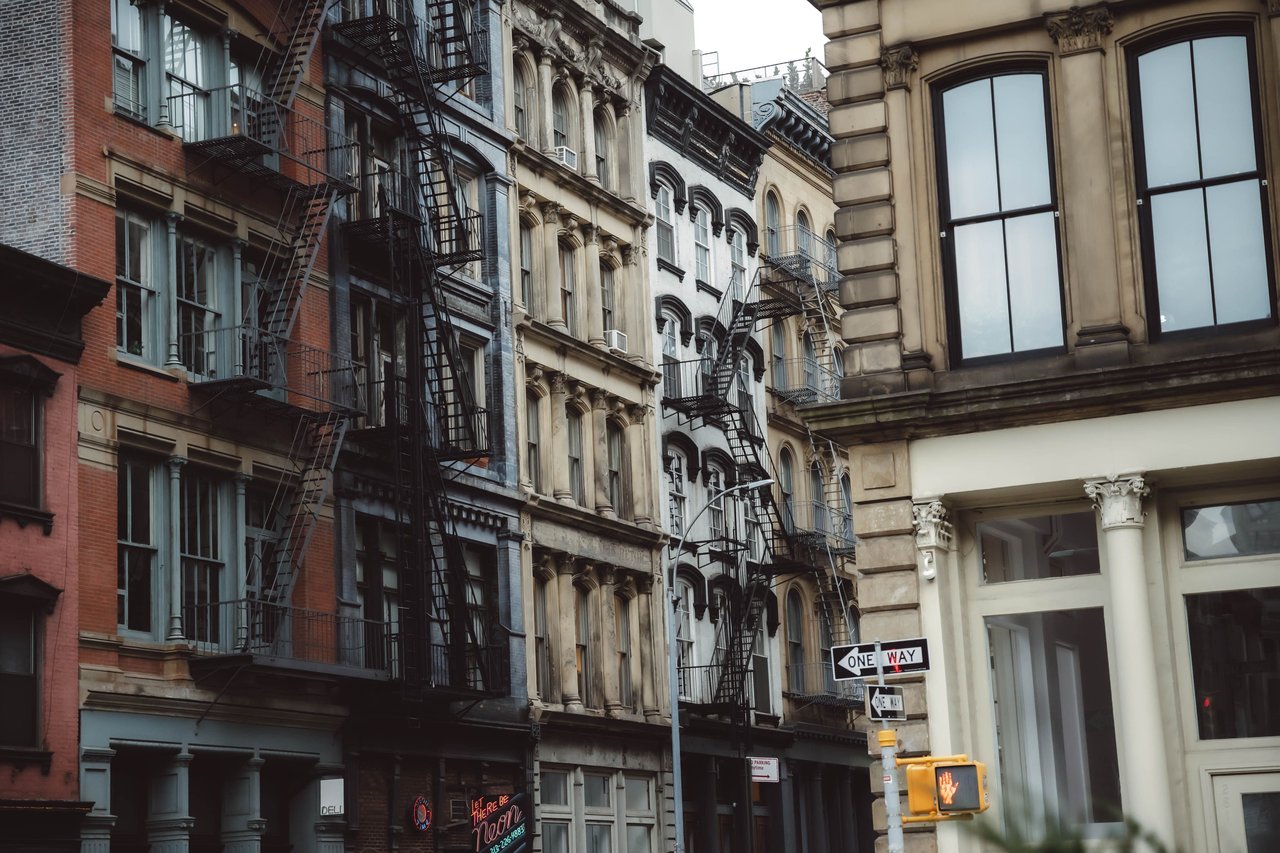
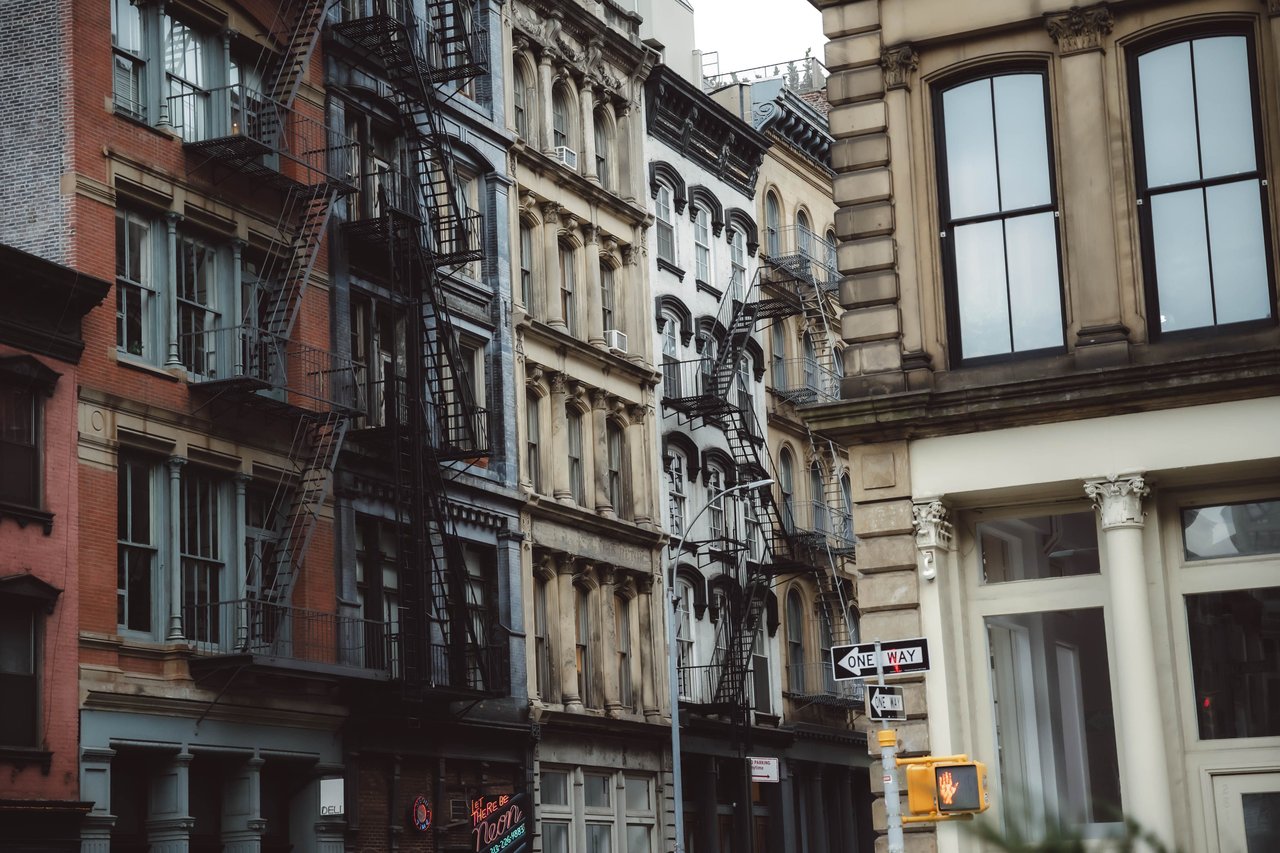
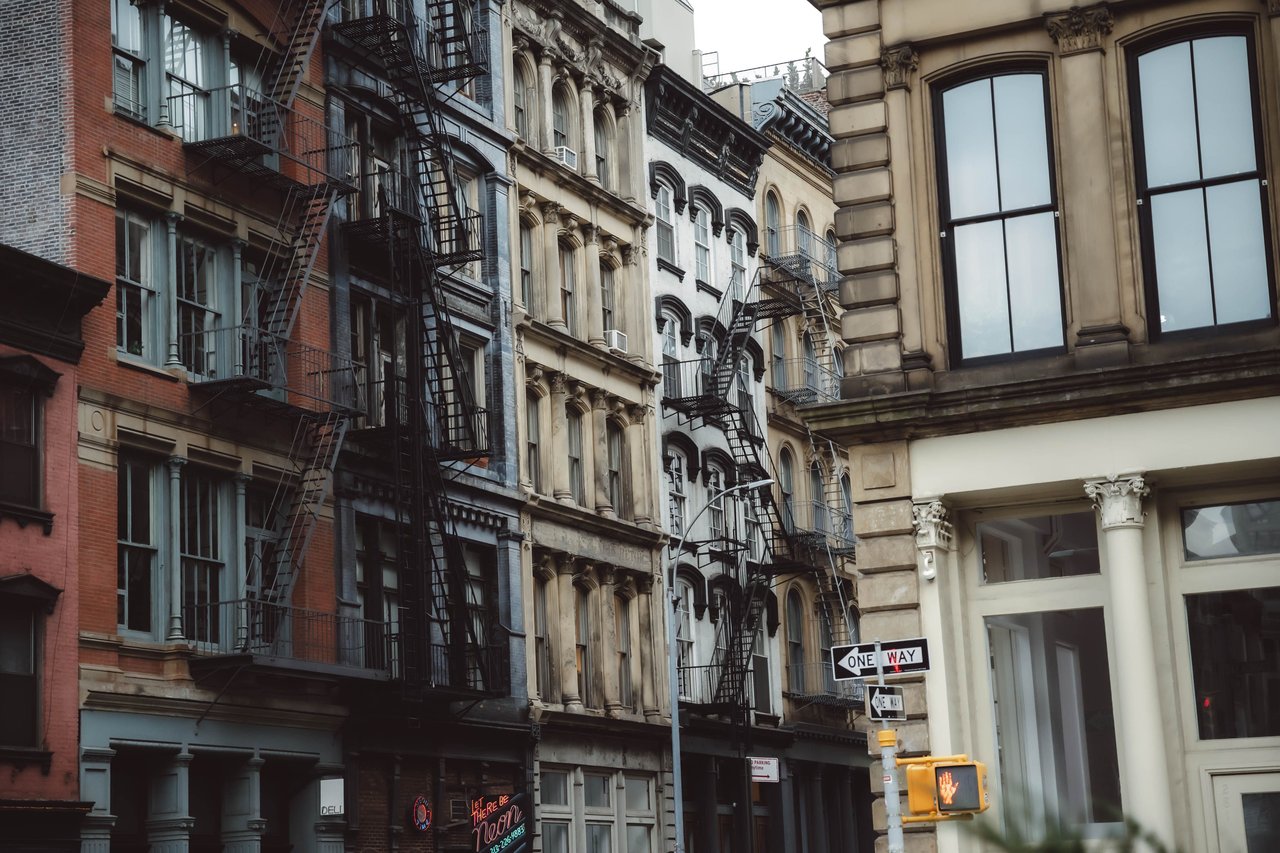
These buildings generally feature brick facades, repeated window bays, decorative cornices, and relatively compact residential floor plans.
Some incorporate Renaissance Revival ornamentation, while others retain simpler masonry compositions associated with late nineteenth-century construction.
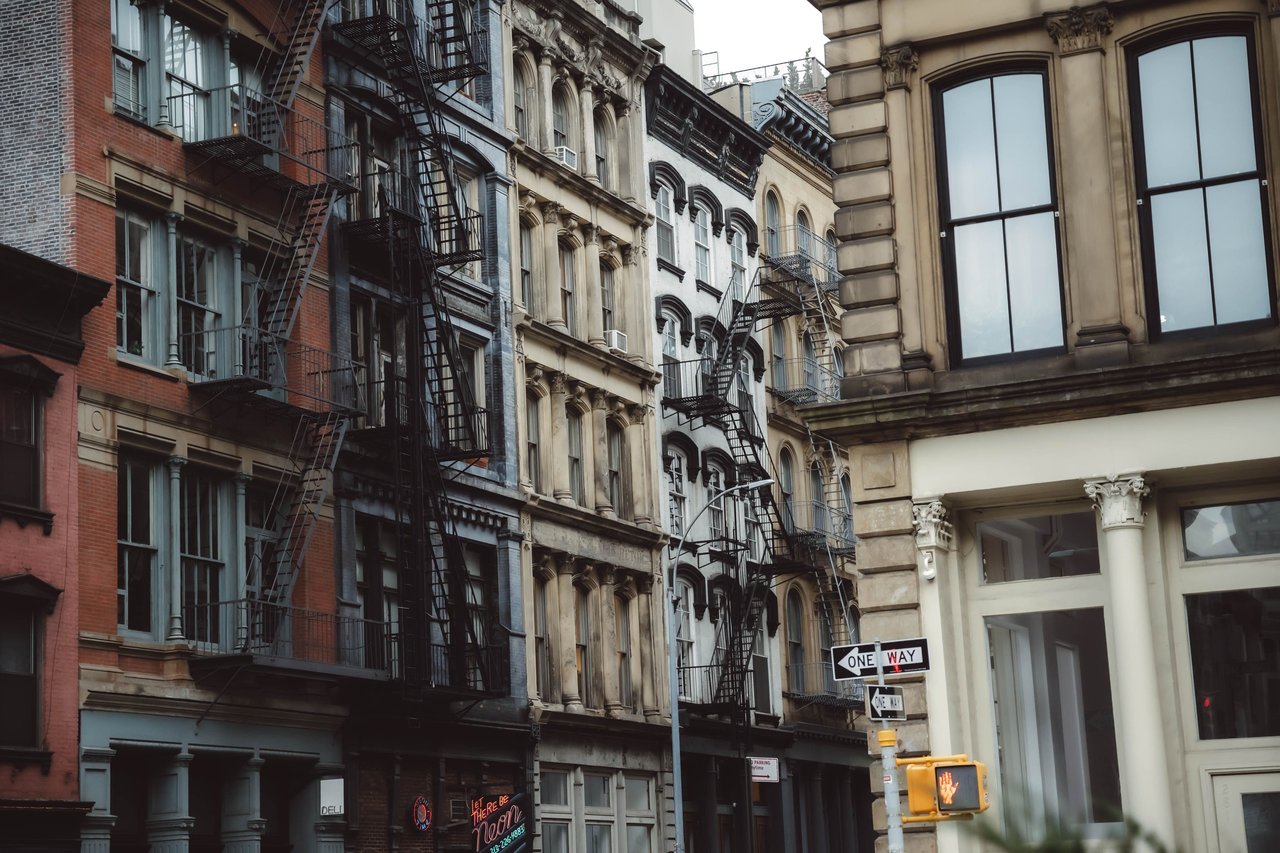
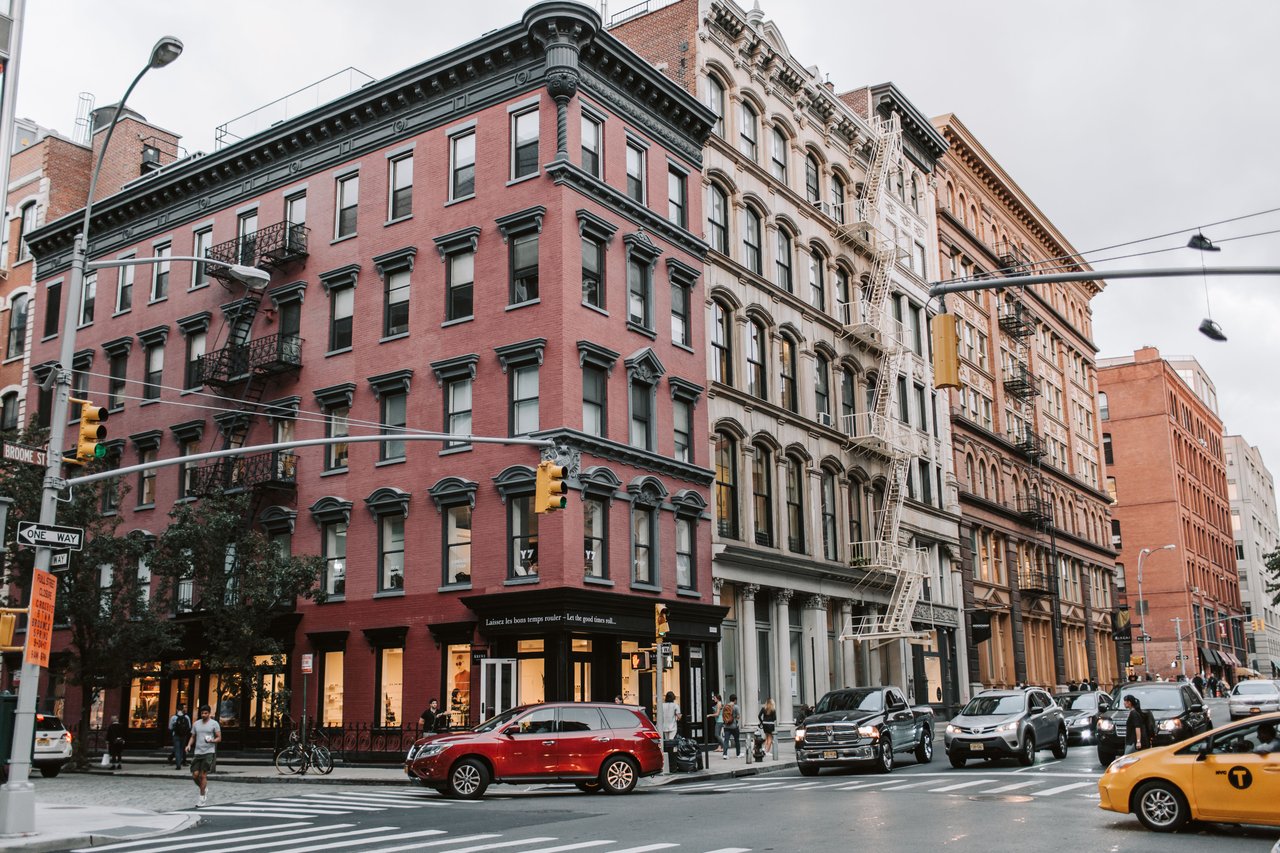
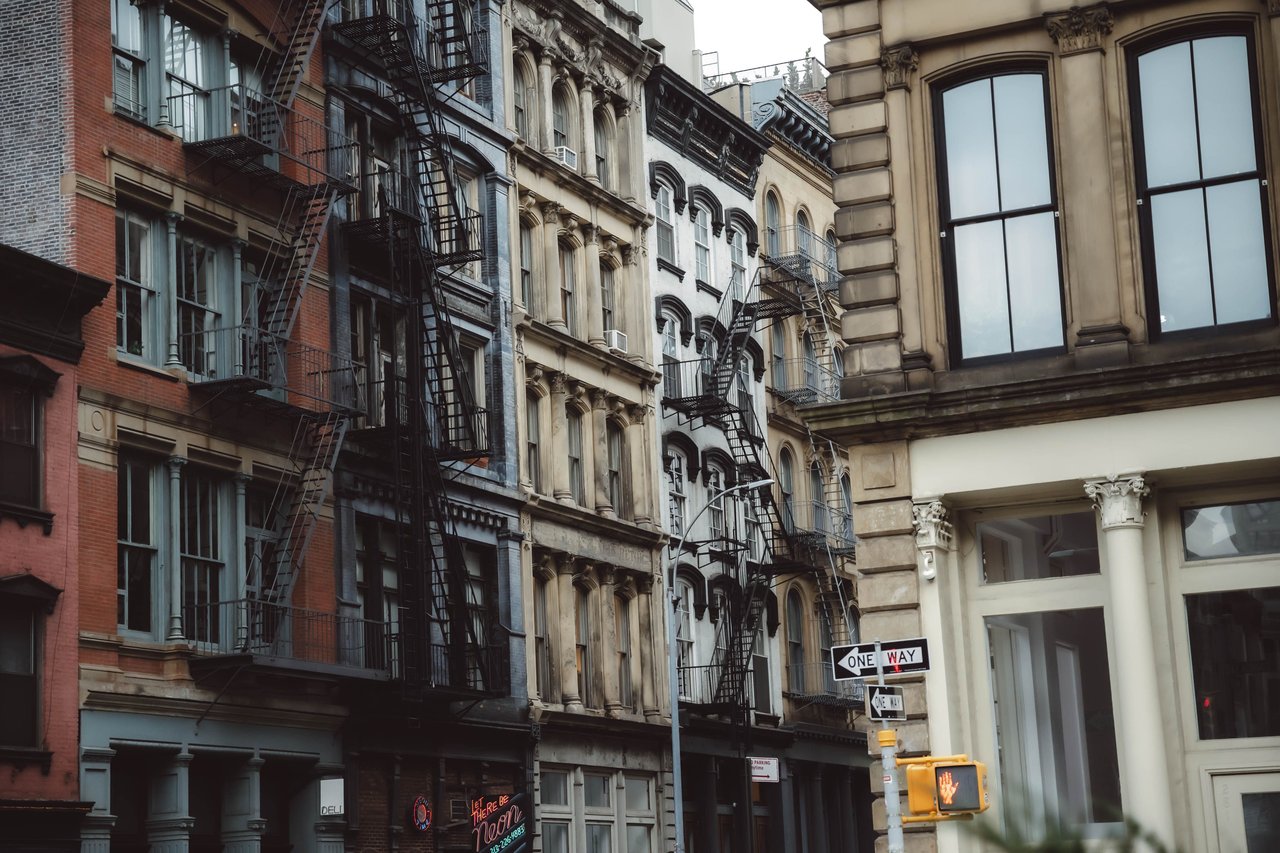
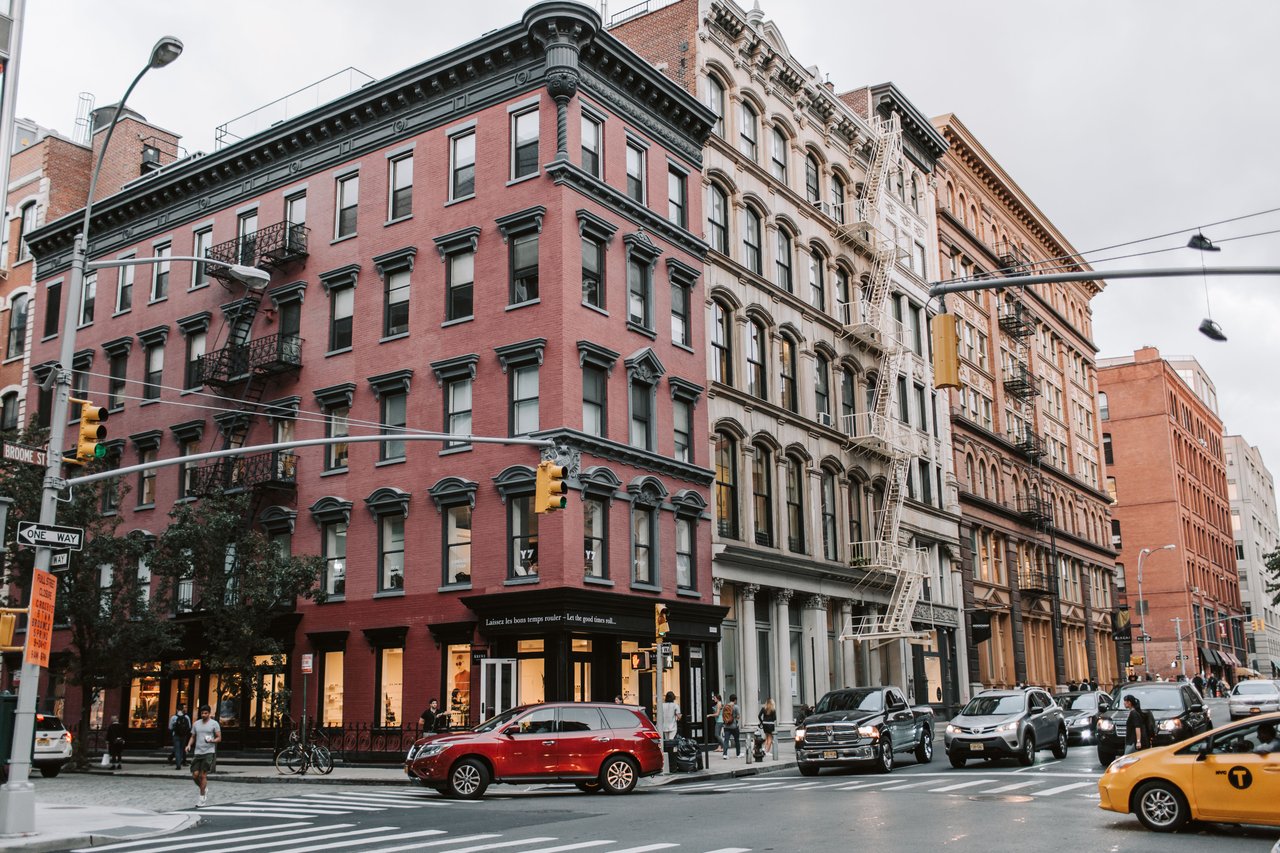
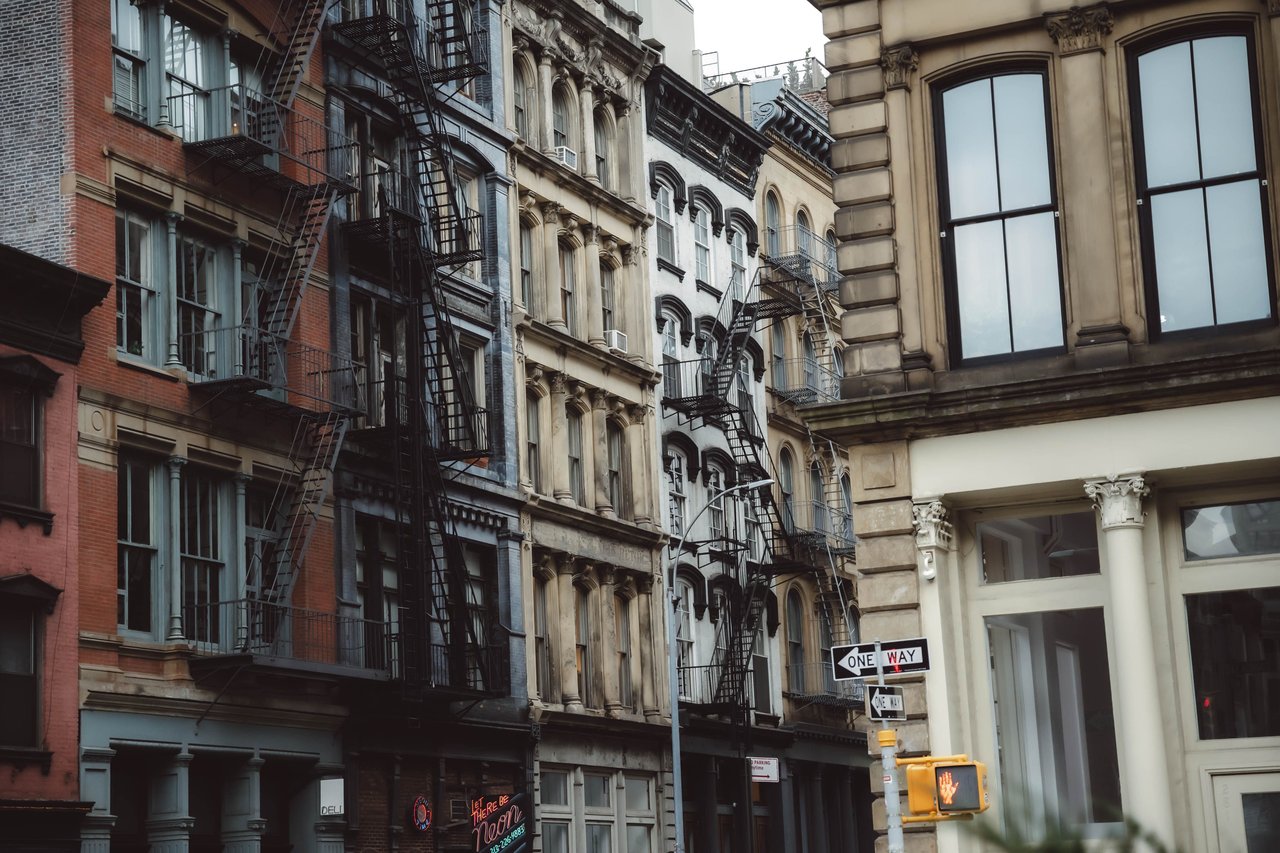
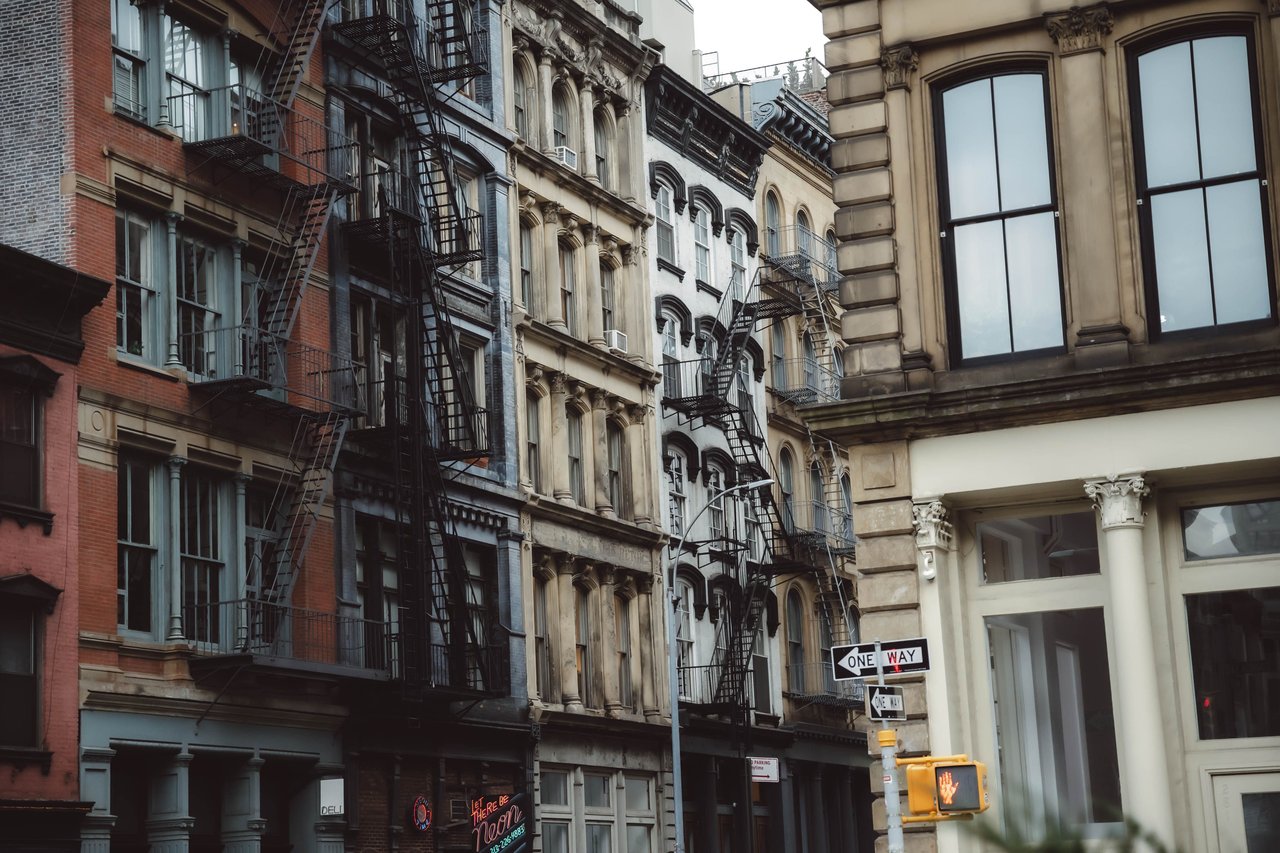
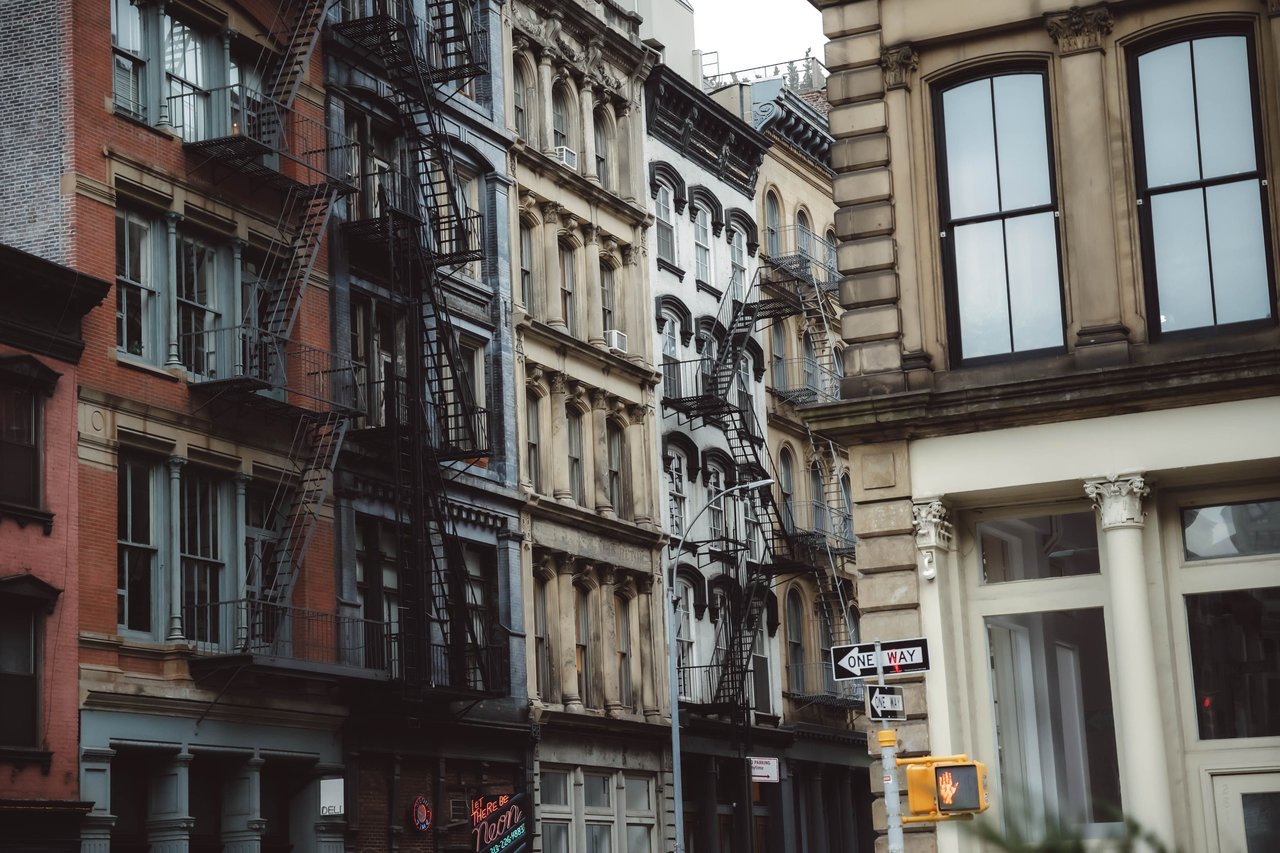
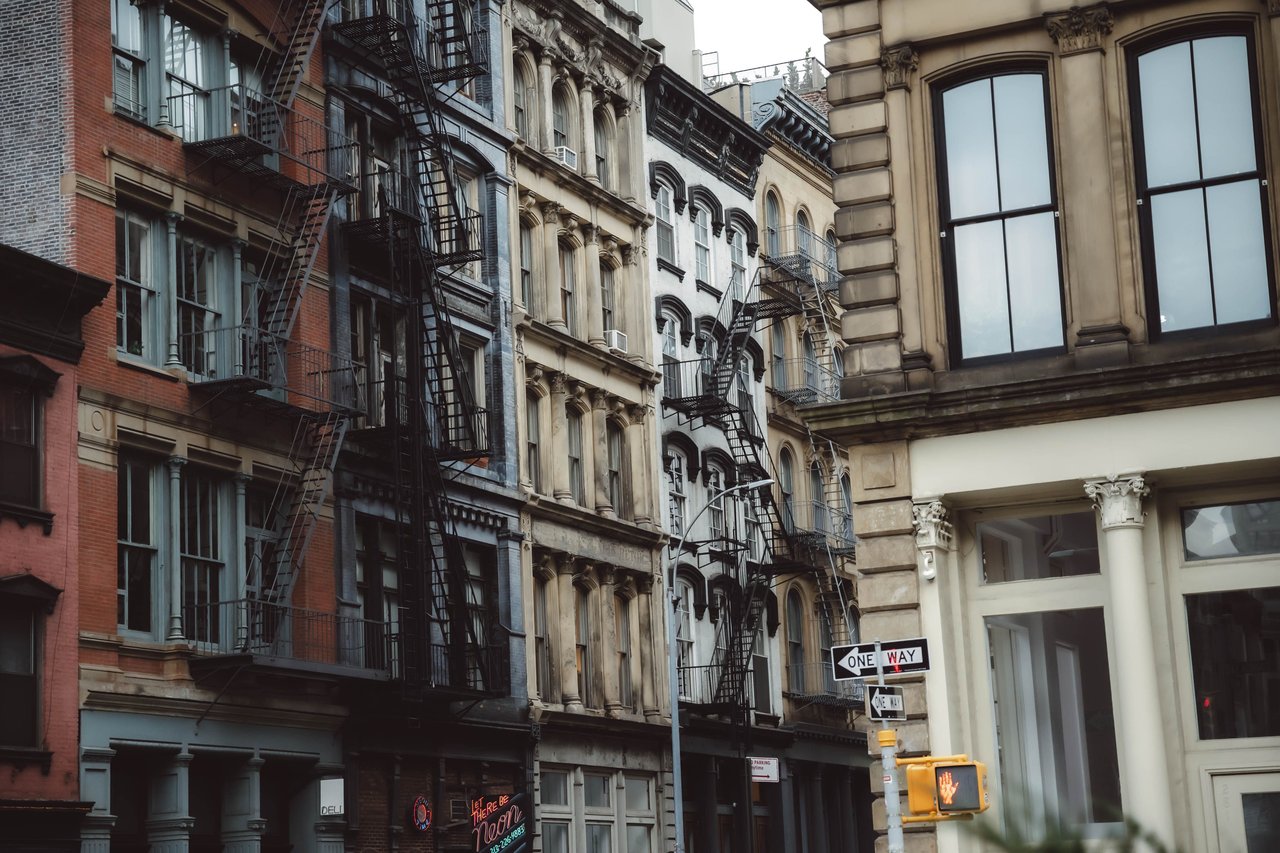
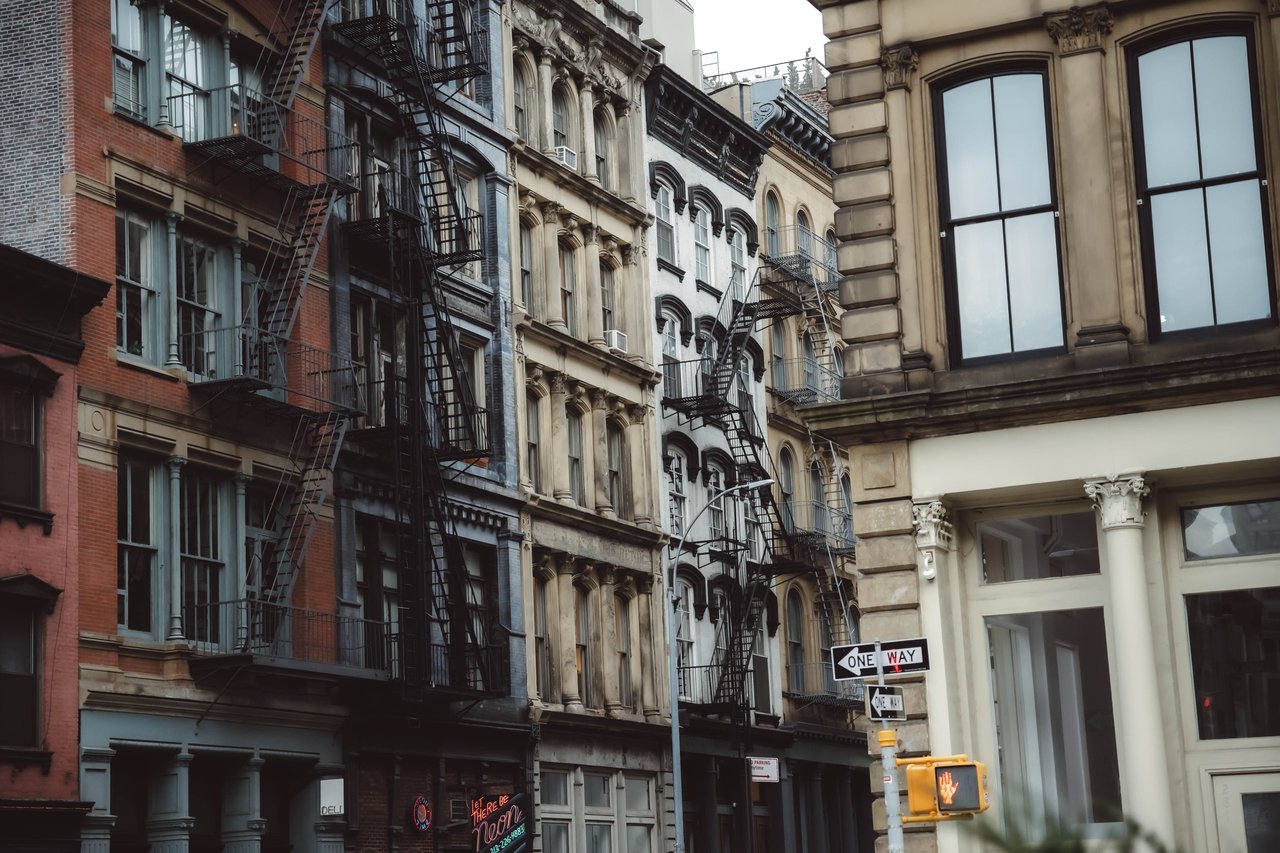
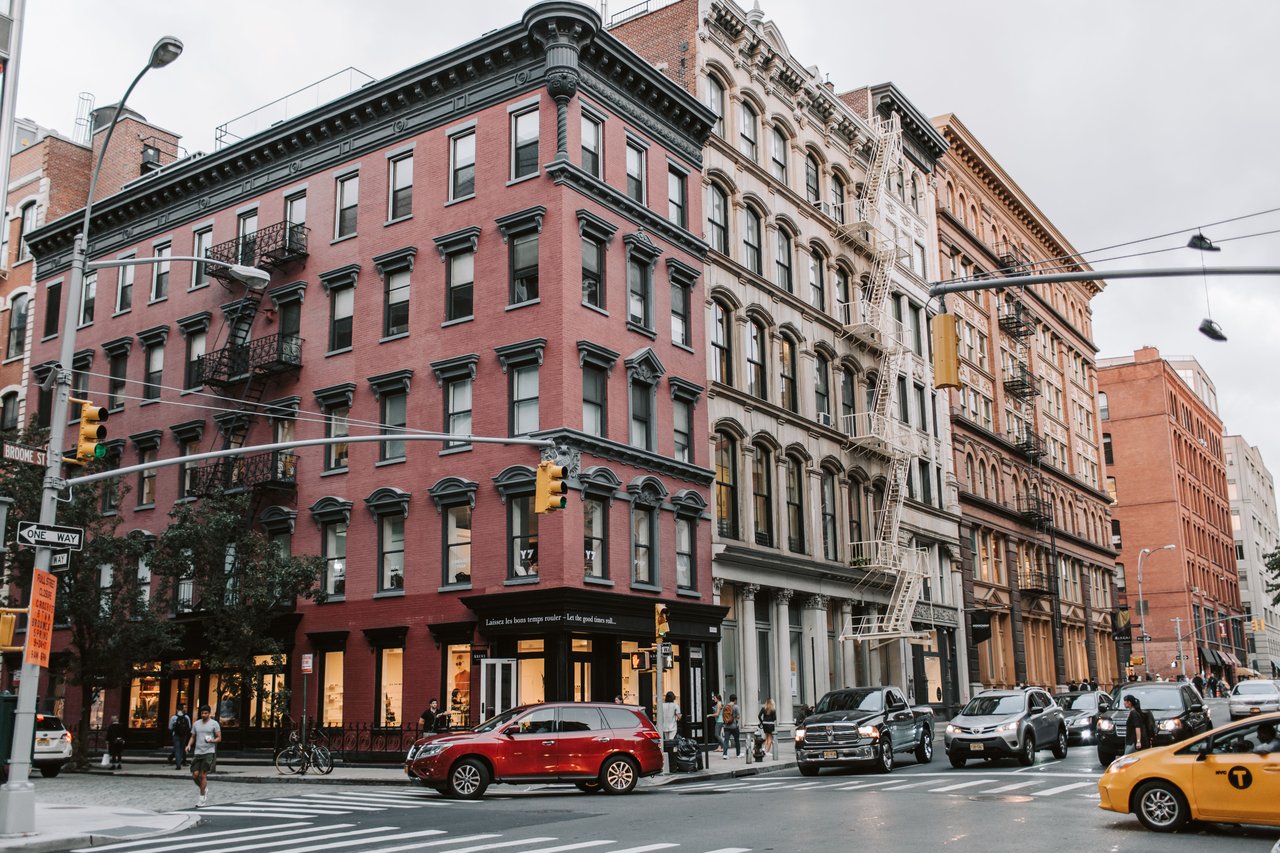
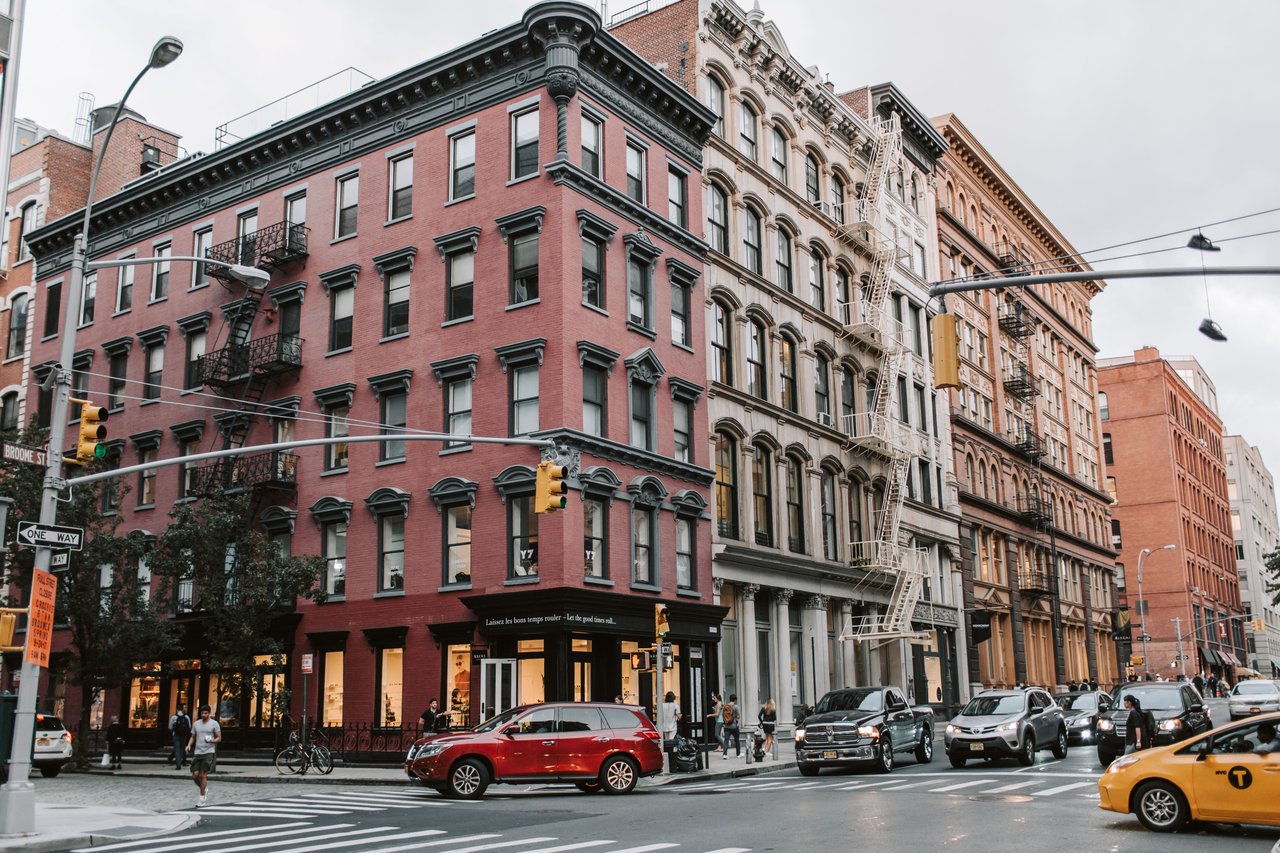
Exterior fire escapes, historic entrances, and modified storefronts contribute additional architectural detail.
Their greater height distinguishes them from the earlier townhouses, creating a varied streetscape in which multiple residential building types remain visible.
Leroy Street and Bedford Street
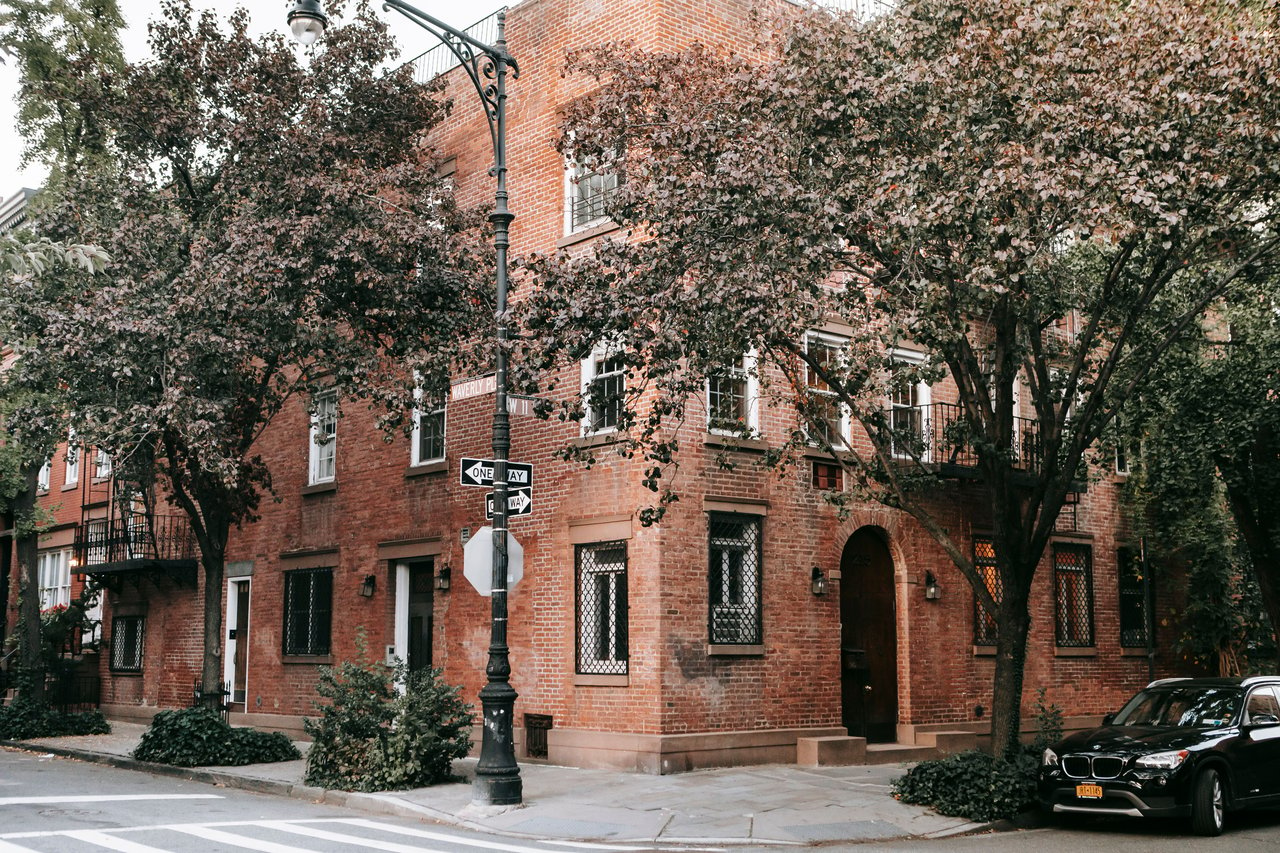
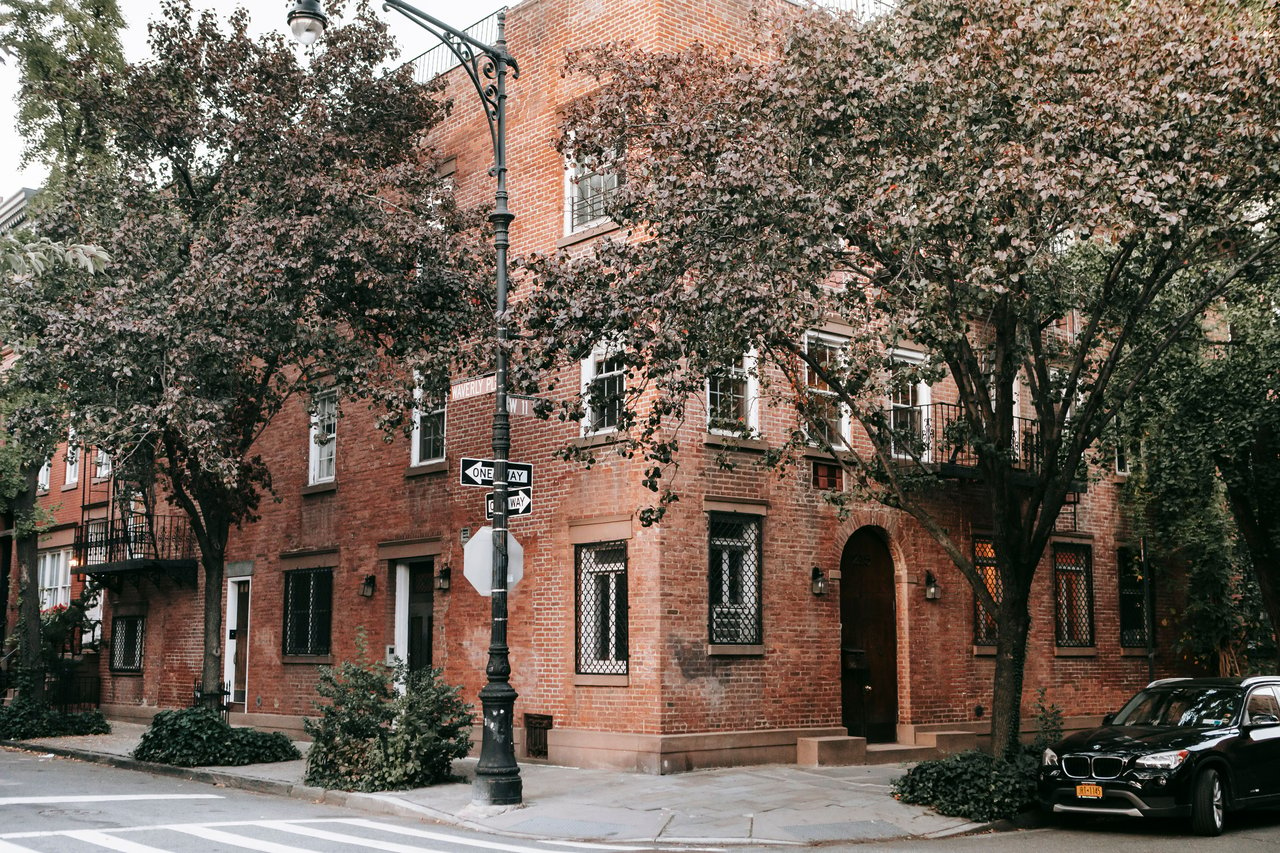
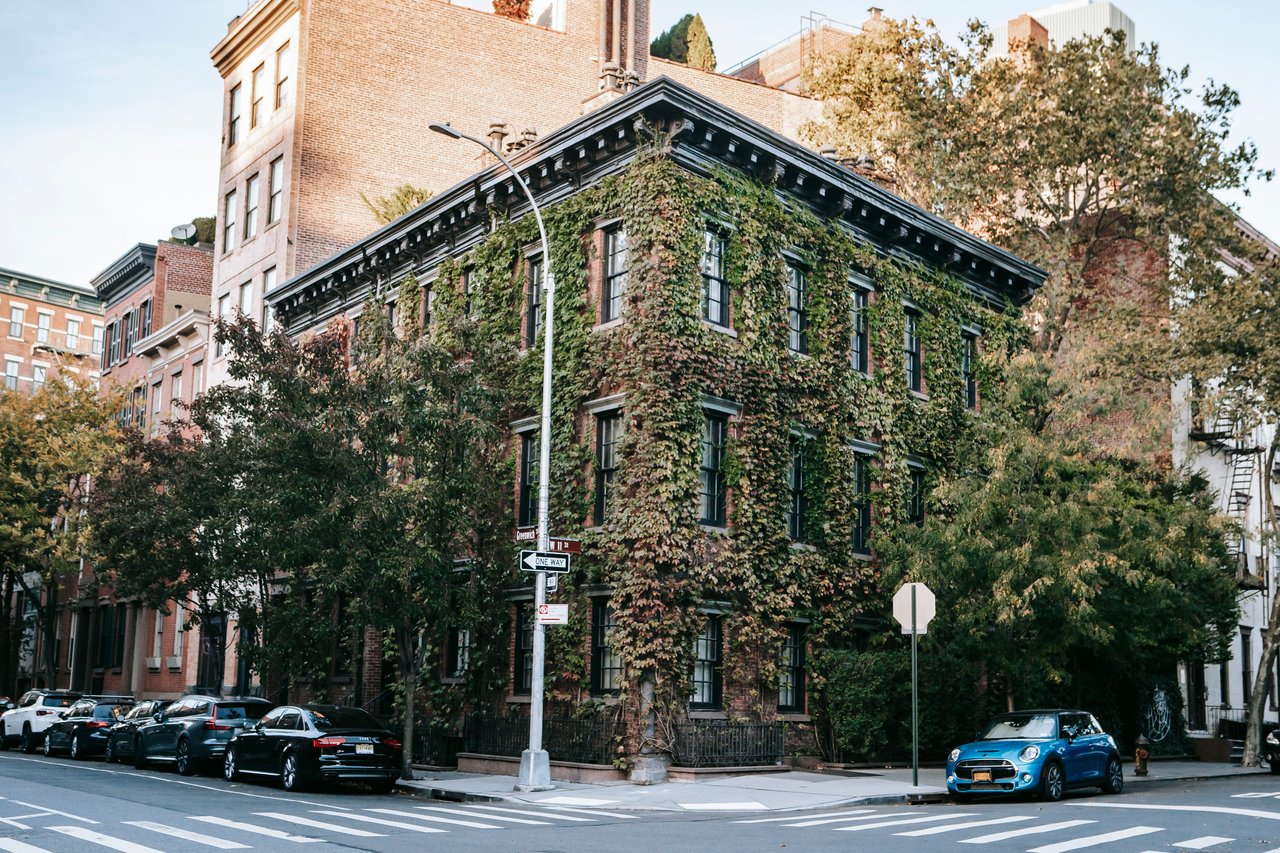
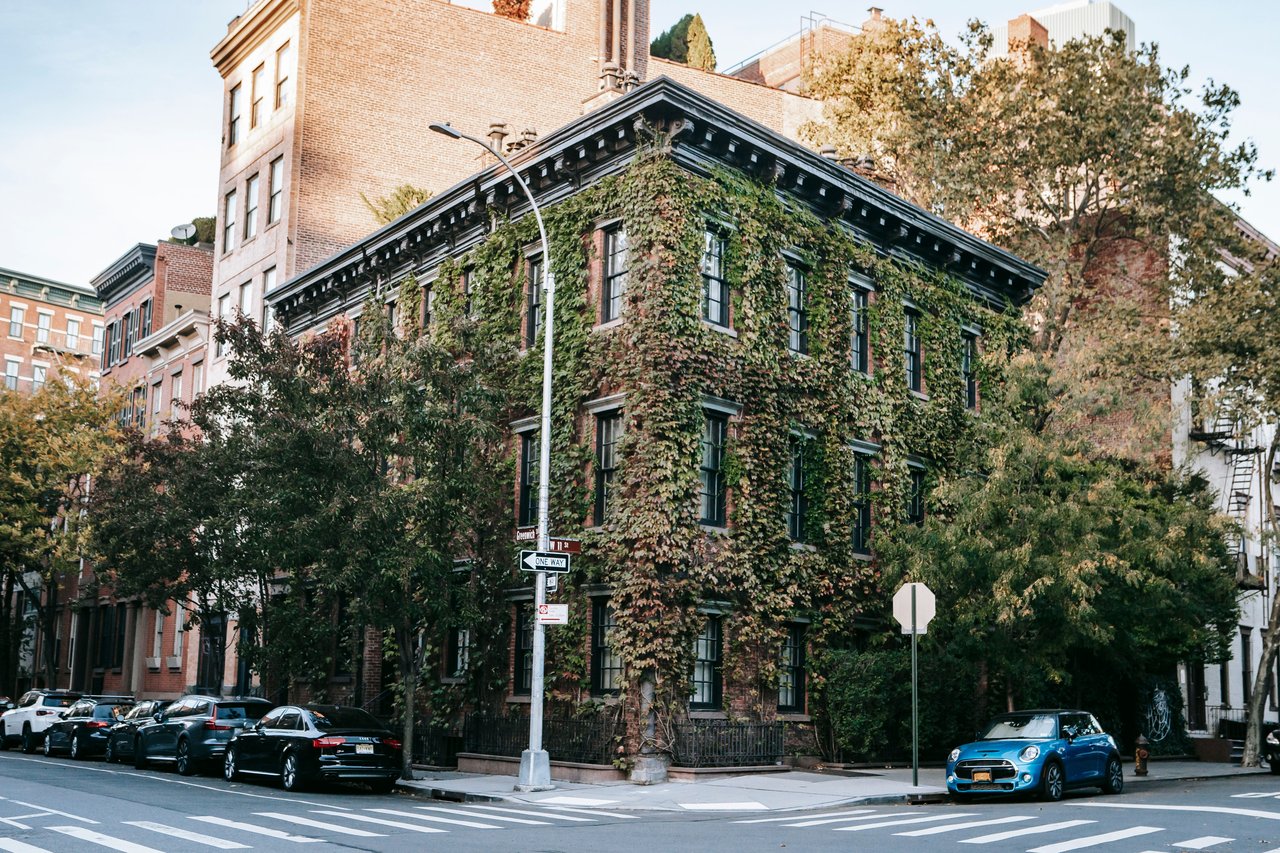
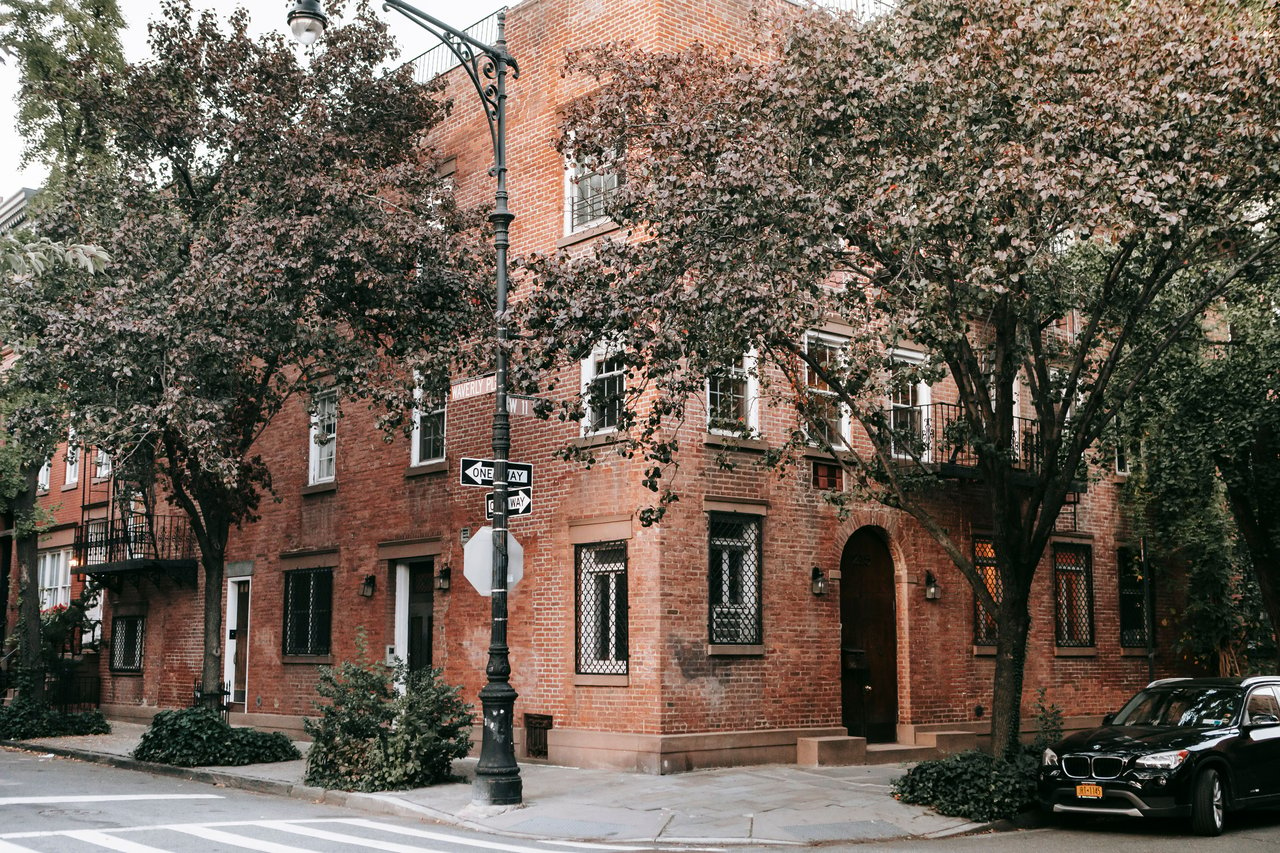
The intersection of Leroy Street and Bedford Street contains a mixture of historic residential architecture and later apartment construction.
Traditional brick buildings occupy the surrounding blocks, displaying differences in facade height, window proportions, and decorative treatment.
Some properties retain early nineteenth-century masonry details, while others feature larger facades associated with later apartment development.
The intersection also reflects the irregular street layout of Greenwich Village, where relatively narrow roads meet at varying angles.
This relationship between street geometry and building configuration contributes to the architectural character of Leroy Street.
Leroy Street and Seventh Avenue South
The intersection of Leroy Street and Seventh Avenue South marks an important architectural transition.
The extension of Seventh Avenue South through Greenwich Village during the early twentieth century introduced a broader roadway into the older street network.
This project altered surrounding blocks, created irregular building sites, and changed the relationship between historic residential streets.
Buildings near the intersection display a mixture of traditional masonry architecture and later alterations associated with the new street alignment.
West of Seventh Avenue South, Leroy Street becomes known as St. Luke's Place, where the architectural character shifts toward a particularly consistent row of Italianate townhouses.
St. Luke's Place and Its Historic Townhouse Row
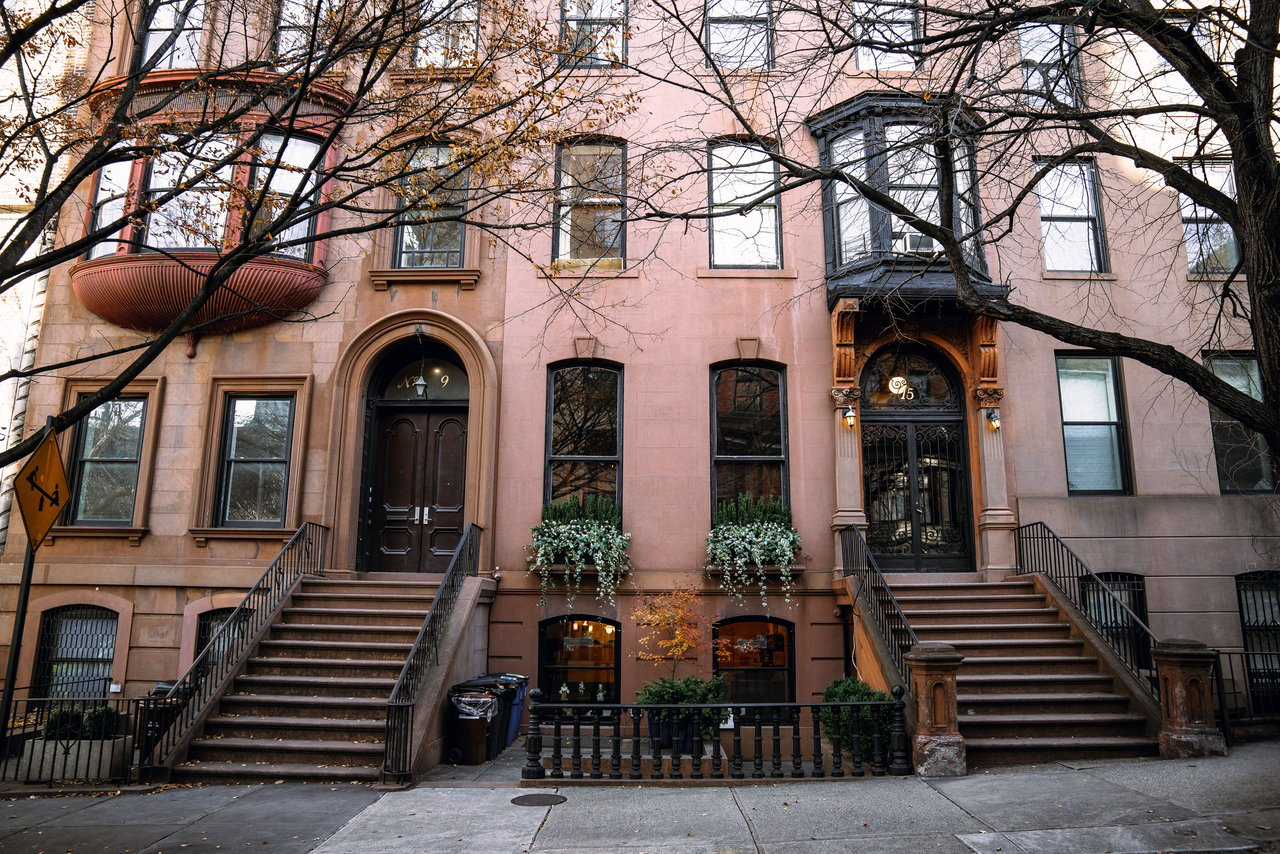
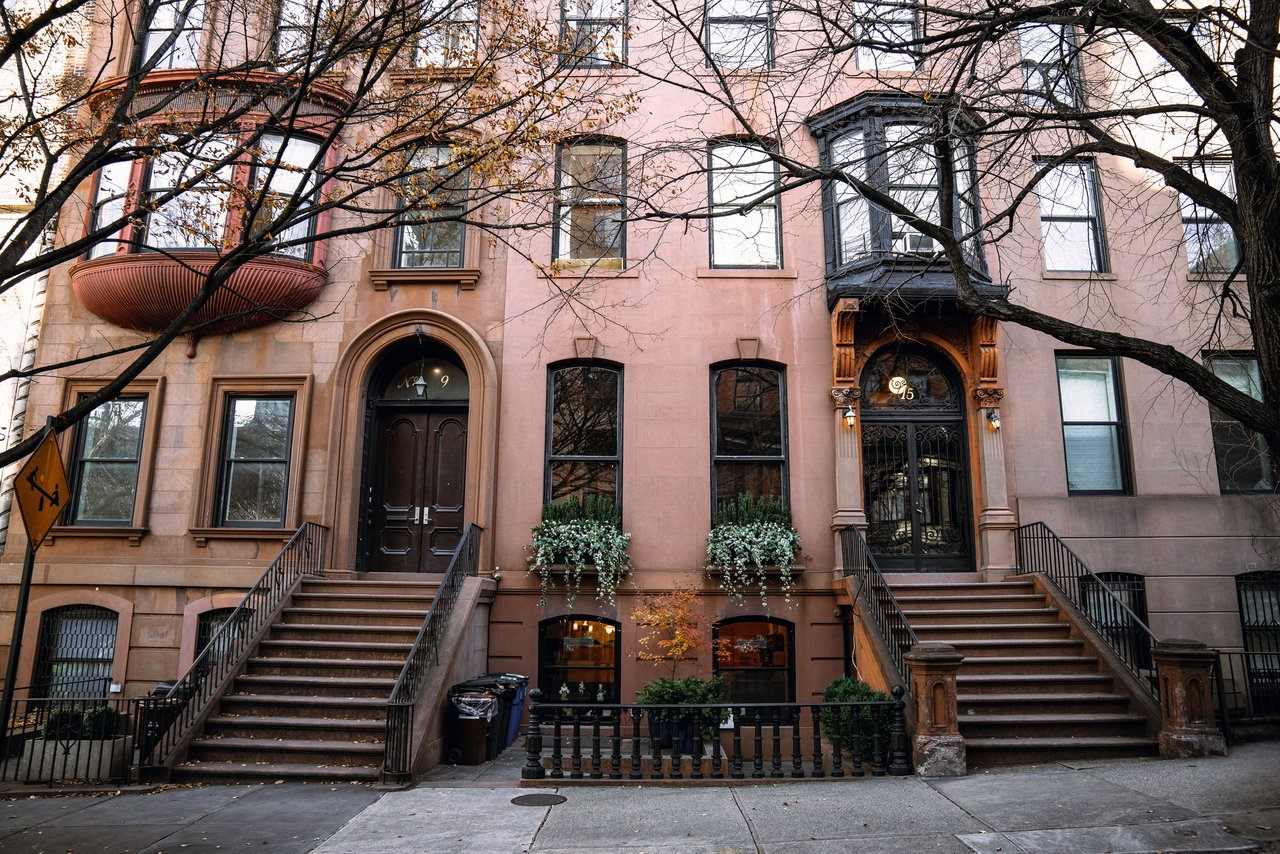
The westernmost block of Leroy Street, known as St. Luke's Place, is one of Greenwich Village's most significant examples of coordinated nineteenth-century townhouse architecture.
Extending between Seventh Avenue South and Hudson Street, the block contains a distinctive row of fifteen Italianate brick houses constructed between 1851 and 1854.
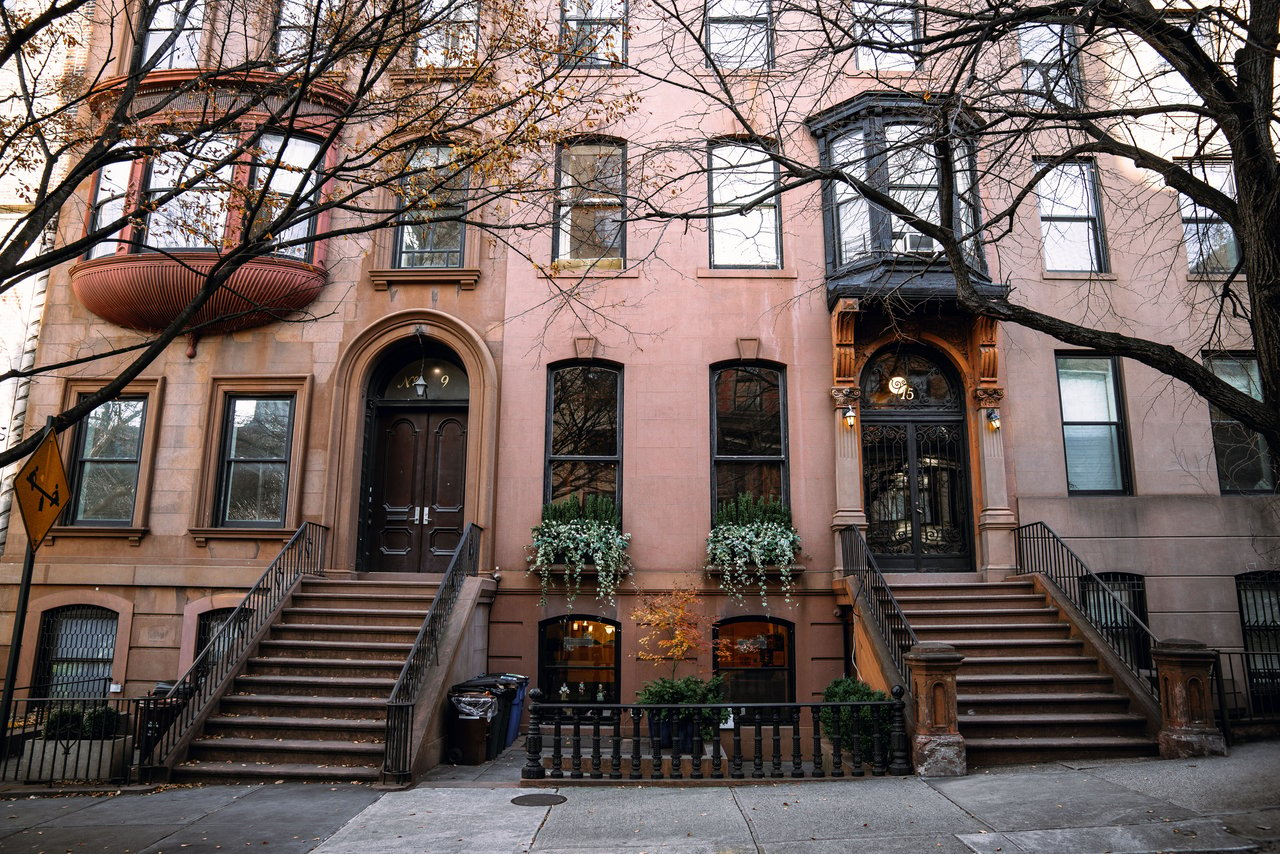
The residences share a relatively consistent architectural composition, with substantial brownstone trim, decorative ironwork, raised stoops, and classical entrance treatments.
Their uniform scale creates a strong visual relationship along the street, while subtle differences in individual facades provide architectural variety.
The gentle curve of the roadway further emphasizes the row's architectural rhythm.
The houses face a landscaped public square, creating an unusual relationship between the residential facades and the open space across the street.
Italianate Architecture on St. Luke's Place
Italianate architecture is the defining style of St. Luke's Place.
The houses incorporate traditional brick masonry with prominent brownstone detailing, decorative cornices, and substantial entrance surrounds.
Raised stoops lead to formal doorways framed by classical architectural elements. Decorative wrought-iron railings and fences contribute additional detail at street level.
The windows are arranged in relatively consistent vertical patterns, creating a balanced composition across the row.
Unlike the smaller Federal houses farther east, the Italianate residences emphasize greater height, more elaborate ornamentation, and a more formal architectural presence.
Their coordinated design makes St. Luke's Place one of the most distinctive surviving townhouse ensembles in Greenwich Village.
The Architectural Composition of St. Luke's Place
The architectural significance of St. Luke's Place lies not only in the individual houses but also in the relationship between the entire row.
The buildings share similar heights, facade widths, entrance arrangements, and decorative treatments, creating a consistent streetscape.
Brownstone stoops and classical doorway surrounds establish a repeating architectural pattern, while decorative iron railings provide continuity at sidewalk level.
The gently curving roadway creates changing perspectives of the facades, emphasizing the rhythm of windows, cornices, and entrances.
Across the street, the landscaped open space provides an unobstructed view of the historic houses.
This combination of coordinated architecture and street geometry distinguishes St. Luke's Place from more irregularly developed townhouse blocks.
The Historic Brownstone Stoops
Brownstone stoops are among the most recognizable architectural features of St. Luke's Place.
These raised entrances are constructed with substantial stone steps and decorative masonry details.
Their proportions contribute to the formal appearance of the Italianate townhouses, establishing a clear architectural transition between the sidewalk and the principal residential floor.
Wrought-iron railings, decorative newel posts, and traditional entrance surrounds complete the composition.
The consistency of these features across the row creates a strong visual relationship between the individual houses.
Preserving the stoops and their associated ironwork remains important to maintaining the architectural character of the block.
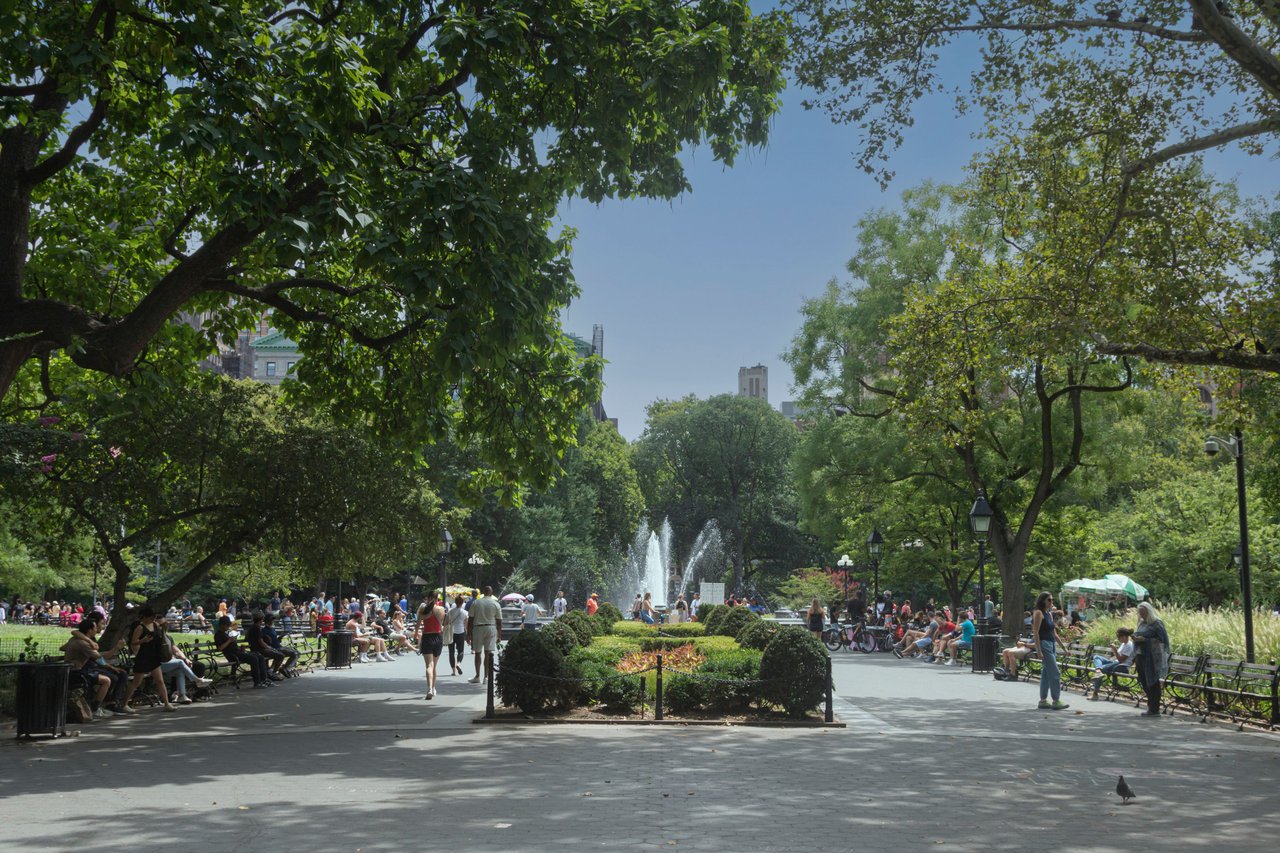
St. Luke's Place and the Landscaped Square
The landscaped public square opposite the historic townhouse row creates a distinctive architectural setting.
The open space provides a broad view of the Italianate facades, allowing their consistent proportions and decorative details to be appreciated as a unified composition.
Its mature trees, traditional paths, and perimeter arrangement establish a contrasting landscape element within the dense residential streetscape.
The relationship between the open space and the historic houses differs from conventional Manhattan blocks, where buildings typically face another continuous row of structures.
This arrangement contributes significantly to the architectural identity of St. Luke's Place.
Leroy Street and Hudson Street
At its western end, Leroy Street meets Hudson Street, where the surrounding architecture includes historic townhouses, mixed-use buildings, and larger masonry structures.
The intersection provides a transition between the consistent Italianate row of St. Luke's Place and the broader commercial and residential corridor of Hudson Street.
Traditional brick facades, decorative cornices, and historic storefronts remain important architectural features.
The differing street widths create a noticeable change in building perspective.
The intersection illustrates how the smaller historic residential streets of Greenwich Village connect with larger north-south corridors.
Historic Preservation Along Leroy Street
Leroy Street contains buildings protected within the Greenwich Village Historic District and the Greenwich Village Historic District Extension II.
The original historic district, designated in 1969, includes the architectural ensemble of St. Luke's Place. The 2010 extension protects additional buildings farther east, including significant examples of Federal, Greek Revival, and Renaissance Revival architecture.
Important historic features include traditional dormer windows, brick facades, brownstone stoops, decorative ironwork, classical entrance surrounds, terra-cotta ornamentation, and projecting metal cornices.
Preservation work may involve brick repointing, stone restoration, window rehabilitation, cornice repairs, and the conservation of historic entrance details.
Exterior alterations to designated buildings generally require review by the New York City Landmarks Preservation Commission.
These protections help maintain the relationship between Leroy Street's early houses, larger apartment buildings, and coordinated Italianate townhouses.
Condominiums and Cooperative Apartments on Leroy Street
Leroy Street and the surrounding Greenwich Village neighborhood contain a variety of residential property types, including cooperative apartments, condominiums, historic townhouse conversions, and apartments within prewar masonry buildings.
Cooperative residences may occupy traditional apartment buildings with historic architectural details and distinctive interior proportions.
Condominiums may be found in converted properties or nearby residential developments with contemporary layouts and amenities.
Property values depend on apartment size, condition, floor level, outdoor space, building financials, common charges or maintenance, property taxes, and comparable sales.
Because Leroy Street contains buildings from several architectural periods, individual property characteristics can significantly influence valuations.
Historic Townhouses and Brownstone Properties
Historic townhouses are among the defining residential building types on Leroy Street, particularly along St. Luke's Place.
These properties commonly feature traditional brick facades, brownstone stoops, decorative ironwork, historic windows, classical entrance details, and nineteenth-century cornices.
Some retain original architectural features, while others have undergone substantial interior renovations or conversions.
Building dimensions, legal occupancy, landmark restrictions, renovation quality, and outdoor space are important considerations when evaluating these properties.
The surviving Federal and Greek Revival houses farther east, together with the Italianate residences of St. Luke's Place, provide a varied collection of historic Manhattan townhouse architecture.
Understanding Property Values on Leroy Street
Property values on Leroy Street vary according to building type, ownership structure, architectural character, condition, and location.
Condominium valuations consider comparable sales, apartment size, floor level, outdoor space, common charges, property taxes, and building amenities.
Cooperative valuations require additional attention to maintenance charges, building financials, financing policies, and board requirements.
Historic townhouses involve further considerations, including building dimensions, legal occupancy, renovation quality, architectural significance, and landmark restrictions.
Because Leroy Street contains both early nineteenth-century houses and larger apartment buildings, accurate valuations require careful attention to each property's characteristics and relevant comparable transactions throughout Greenwich Village.
The Architectural Legacy of Leroy Street
Leroy Street offers an unusually varied architectural history within Manhattan's Greenwich Village. Its surviving Federal houses, Greek Revival residences, Renaissance Revival apartment buildings, and Italianate townhouses illustrate the evolution of residential construction across nearly two centuries.
The street's architectural significance is particularly evident in the Federal house at 7 Leroy Street, the Greek Revival residence at 20 Leroy Street, the elaborate Renaissance Revival apartment buildings at 22–24 and 26–28 Leroy Street, and the coordinated Italianate row of St. Luke's Place.
Together, these buildings demonstrate how traditional masonry construction, architectural ornamentation, historic preservation, and unusual street geometry continue to define Leroy Street and the streets of Manhattan.
Who can help me sell my condo on Leroy Street in Greenwich Village?
The Parviz Team at Compass sells condominiums on Leroy Street in Greenwich Village, the West Village, and throughout Manhattan. Led by Associate Real Estate Broker Parviz Latipzoda, the team provides complimentary property valuations, strategic pricing, professional photography, detailed floor plans, and targeted marketing to reach qualified buyers. Call 917-847-7771 or visit parvizrealestate.com.
Who can help me sell my co-op on Leroy Street in Greenwich Village?
The Parviz Team at Compass sells cooperative apartments on Leroy Street in Greenwich Village, the West Village, and throughout Manhattan. The team evaluates comparable sales, maintenance charges, building financials, board requirements, and apartment condition to develop a tailored pricing and marketing strategy. Call 917-847-7771 or visit parvizrealestate.com.
Who can help me sell my luxury apartment on Leroy Street in the West Village?
The Parviz Team at Compass sells luxury apartments on Leroy Street in the West Village and throughout Manhattan. The team highlights architectural details, interior finishes, outdoor spaces, and building amenities through professional photography, targeted digital campaigns, and qualified buyer outreach. Call 917-847-7771 or visit parvizrealestate.com.
Who can help me sell my townhouse on Leroy Street in Greenwich Village?
The Parviz Team at Compass sells townhouses on Leroy Street in Greenwich Village, the West Village, and throughout Manhattan. The team evaluates building dimensions, historic architecture, legal occupancy, renovation quality, and comparable sales before developing a tailored listing strategy. Call 917-847-7771 or visit parvizrealestate.com.
Who can help me sell my brownstone on St. Luke's Place in Greenwich Village?
The Parviz Team at Compass sells brownstones and historic townhouses on St. Luke's Place in Greenwich Village and throughout Manhattan. The team develops property-specific marketing strategies emphasizing Italianate architectural details, restoration quality, building configuration, and buyer demand. Call 917-847-7771 or visit parvizrealestate.com.
Who can help me sell my multifamily building on Leroy Street in Greenwich Village?
The Parviz Team at Compass sells multifamily properties on Leroy Street in Greenwich Village, the West Village, and throughout Manhattan. The team evaluates rental income, operating expenses, legal occupancy, building condition, and investment potential when developing pricing recommendations. Call 917-847-7771 or visit parvizrealestate.com.
Who can help me sell my penthouse on Leroy Street in the West Village?
The Parviz Team at Compass sells penthouses and luxury residences on Leroy Street in the West Village and throughout Manhattan. The team develops marketing strategies emphasizing outdoor space, views, architectural design, and premium interior features. Call 917-847-7771 or visit parvizrealestate.com.
How much is my condo worth on Leroy Street in Greenwich Village?
The Parviz Team at Compass provides condominium valuations on Leroy Street in Greenwich Village, the West Village, and throughout Manhattan. Market value depends on comparable sales, apartment size, condition, floor level, outdoor space, common charges, property taxes, and building amenities. Call 917-847-7771 or visit parvizrealestate.com for a complimentary valuation.
How much is my co-op worth on Leroy Street in the West Village?
The Parviz Team at Compass provides cooperative apartment valuations on Leroy Street in the West Village and throughout Manhattan. The team considers comparable sales, maintenance charges, building financials, financing policies, and apartment condition when developing pricing recommendations. Call 917-847-7771 or visit parvizrealestate.com.
How much is my townhouse worth on Leroy Street in Greenwich Village?
The Parviz Team at Compass provides townhouse valuations on Leroy Street in Greenwich Village, the West Village, and throughout Manhattan. The team evaluates building dimensions, legal occupancy, renovation quality, historic architecture, outdoor space, and comparable transactions. Call 917-847-7771 or visit parvizrealestate.com.
Who is the best real estate agent to sell my apartment on Leroy Street in Greenwich Village?
The Parviz Team at Compass is an experienced option for owners selling apartments on Leroy Street in Greenwich Village, the West Village, and throughout Manhattan. With more than 14 years of New York City real estate experience, the team offers strategic pricing, professional marketing, and access to local and international buyer networks. Call 917-847-7771 or visit parvizrealestate.com.
Who can help me sell my apartment off-market on Leroy Street in Greenwich Village?
The Parviz Team at Compass helps owners explore off-market apartment sales on Leroy Street in Greenwich Village, the West Village, and throughout Manhattan. Eligible properties may be marketed through Compass Private Exclusives, allowing a more discreet approach before broader public advertising. Call 917-847-7771 or visit parvizrealestate.com.
Who can help me sell my townhouse privately on St. Luke's Place?
The Parviz Team at Compass helps townhouse owners explore private selling strategies on St. Luke's Place in Greenwich Village and throughout Manhattan. The team can consider Compass Private Exclusives, qualified buyer outreach, and appointment-only showings where appropriate. Call 917-847-7771 or visit parvizrealestate.com.
Who can help me sell my apartment before it goes on the market on Leroy Street?
The Parviz Team at Compass helps owners explore pre-market selling strategies on Leroy Street in Greenwich Village, the West Village, and throughout Manhattan. Compass Private Exclusive and Coming Soon options may provide additional flexibility when preparing an eligible property for sale. Call 917-847-7771 or visit parvizrealestate.com.
Who can help me buy a condo on Leroy Street in Greenwich Village?
The Parviz Team at Compass helps buyers find condominiums on Leroy Street in Greenwich Village, the West Village, and throughout Manhattan. The team assists with property searches, comparable sales, building amenities, common charges, property taxes, showings, and purchase negotiations. Call 917-847-7771 or visit parvizrealestate.com.
Who can help me buy a co-op on Leroy Street in the West Village?
The Parviz Team at Compass helps buyers find cooperative apartments on Leroy Street in the West Village and throughout Manhattan. The team provides guidance on available properties, maintenance charges, building financials, board requirements, and the application process. Call 917-847-7771 or visit parvizrealestate.com.
Who can help me buy a townhouse on St. Luke's Place in Greenwich Village?
The Parviz Team at Compass helps buyers search for historic townhouses on St. Luke's Place in Greenwich Village and throughout Manhattan. The team evaluates building condition, Italianate architectural details, legal occupancy, renovation considerations, landmark restrictions, and comparable transactions when identifying suitable properties. Call 917-847-7771 or visit parvizrealestate.com.
Who can help me find off-market apartments on Leroy Street in Greenwich Village?
The Parviz Team at Compass helps buyers explore off-market apartments on Leroy Street in Greenwich Village, the West Village, and throughout Manhattan. The team can investigate available Compass Private Exclusive opportunities and other privately marketed properties that match a buyer's requirements. Call 917-847-7771 or visit parvizrealestate.com.
Who can help me buy a historic Federal-style house on Leroy Street?
The Parviz Team at Compass helps buyers search for historic Federal-style houses on Leroy Street in Greenwich Village and throughout Manhattan. The team considers building condition, original architectural details, structural characteristics, landmark restrictions, and comparable sales when evaluating historic residences. Call 917-847-7771 or visit parvizrealestate.com.
Who can help me rent out my condo on Leroy Street in Greenwich Village?
The Parviz Team at Compass helps condominium owners rent apartments on Leroy Street in Greenwich Village, the West Village, and throughout Manhattan. The team assists with rental pricing, photography, property marketing, tenant inquiries, and application coordination, subject to applicable building requirements. Call 917-847-7771 or visit parvizrealestate.com.
Who can help me rent out my co-op on Leroy Street in the West Village?
The Parviz Team at Compass helps cooperative apartment owners explore permitted rentals on Leroy Street in the West Village and throughout Manhattan. The team assists with rental valuations, marketing, and tenant applications while accounting for building subletting policies and board requirements. Call 917-847-7771 or visit parvizrealestate.com.
How much can I rent my apartment for on Leroy Street in Greenwich Village?
The Parviz Team at Compass provides rental valuations for apartments on Leroy Street in Greenwich Village, the West Village, and throughout Manhattan. Estimated rent depends on apartment size, bedroom count, condition, building amenities, outdoor space, legal rental status, and comparable available rentals. Call 917-847-7771 or visit parvizrealestate.com.
Who can help me find an apartment for rent on Leroy Street in the West Village?
The Parviz Team at Compass helps renters search for apartments on Leroy Street in the West Village and throughout Manhattan. The team assists with available listings, scheduling tours, comparing rental options, and navigating application requirements. Call 917-847-7771 or visit parvizrealestate.com.
Who can help me sell an inherited condo on Leroy Street in Greenwich Village?
The Parviz Team at Compass helps owners and authorized estate representatives sell inherited condominiums on Leroy Street in Greenwich Village, the West Village, and throughout Manhattan. The team provides property valuations, listing preparation, professional marketing, and coordination with estate attorneys when appropriate. Call 917-847-7771 or visit parvizrealestate.com.
Who can help me sell an inherited co-op on Leroy Street in the West Village?
The Parviz Team at Compass helps authorized estate representatives sell inherited cooperative apartments on Leroy Street in the West Village and throughout Manhattan. The team considers building policies, estate documentation, apartment condition, and comparable sales when developing a marketing strategy. Call 917-847-7771 or visit parvizrealestate.com.
Who can help me sell an inherited townhouse on St. Luke's Place in Greenwich Village?
The Parviz Team at Compass helps authorized estate representatives sell inherited townhouses on St. Luke's Place in Greenwich Village and throughout Manhattan. The team evaluates building condition, historic architecture, legal occupancy, landmark restrictions, and comparable sales when developing a property-specific marketing strategy. Call 917-847-7771 or visit parvizrealestate.com.
Who can help me sell an estate property on Leroy Street in Greenwich Village?
The Parviz Team at Compass helps authorized estate representatives sell estate-owned properties on Leroy Street in Greenwich Village, the West Village, and throughout Manhattan. The team assists with valuations, property preparation, listing strategies, and coordination with attorneys and building management as needed. Call 917-847-7771 or visit parvizrealestate.com.
Who is the best probate real estate agent for Leroy Street in the West Village?
The Parviz Team at Compass is an experienced option for probate-related property sales on Leroy Street in the West Village and throughout Manhattan. The team works with authorized estate representatives and their attorneys to coordinate valuations, property preparation, marketing, and the sale process. Call 917-847-7771 or visit parvizrealestate.com.
Who can help me sell my expired condo listing on Leroy Street in Greenwich Village?
The Parviz Team at Compass helps owners reassess expired condominium listings on Leroy Street in Greenwich Village, the West Village, and throughout Manhattan. The team reviews pricing, property presentation, previous marketing, buyer feedback, and competing listings before recommending a revised approach. Call 917-847-7771 or visit parvizrealestate.com.
My townhouse didn't sell on St. Luke's Place in Greenwich Village. Who can help?
The Parviz Team at Compass helps owners whose townhouses did not sell on St. Luke's Place in Greenwich Village and throughout Manhattan. The team evaluates asking price, building condition, architectural features, marketing presentation, and current buyer demand to develop a revised listing strategy. Call 917-847-7771 or visit parvizrealestate.com.
Who can help me relist my apartment on Leroy Street in Greenwich Village?
The Parviz Team at Compass helps property owners relist apartments on Leroy Street in Greenwich Village, the West Village, and throughout Manhattan. The team can reassess comparable sales, improve marketing materials, coordinate professional photography, and develop a launch strategy tailored to current buyer demand. Call 917-847-7771 or visit parvizrealestate.com.
Who can help me sell my property for the highest price on Leroy Street in the West Village?
The Parviz Team at Compass develops pricing and marketing strategies designed to help owners pursue strong sale results on Leroy Street in the West Village and throughout Manhattan. The team combines property-specific valuations, professional photography, targeted digital advertising, and qualified buyer outreach. Results depend on market conditions and property characteristics. Call 917-847-7771 or visit parvizrealestate.com.