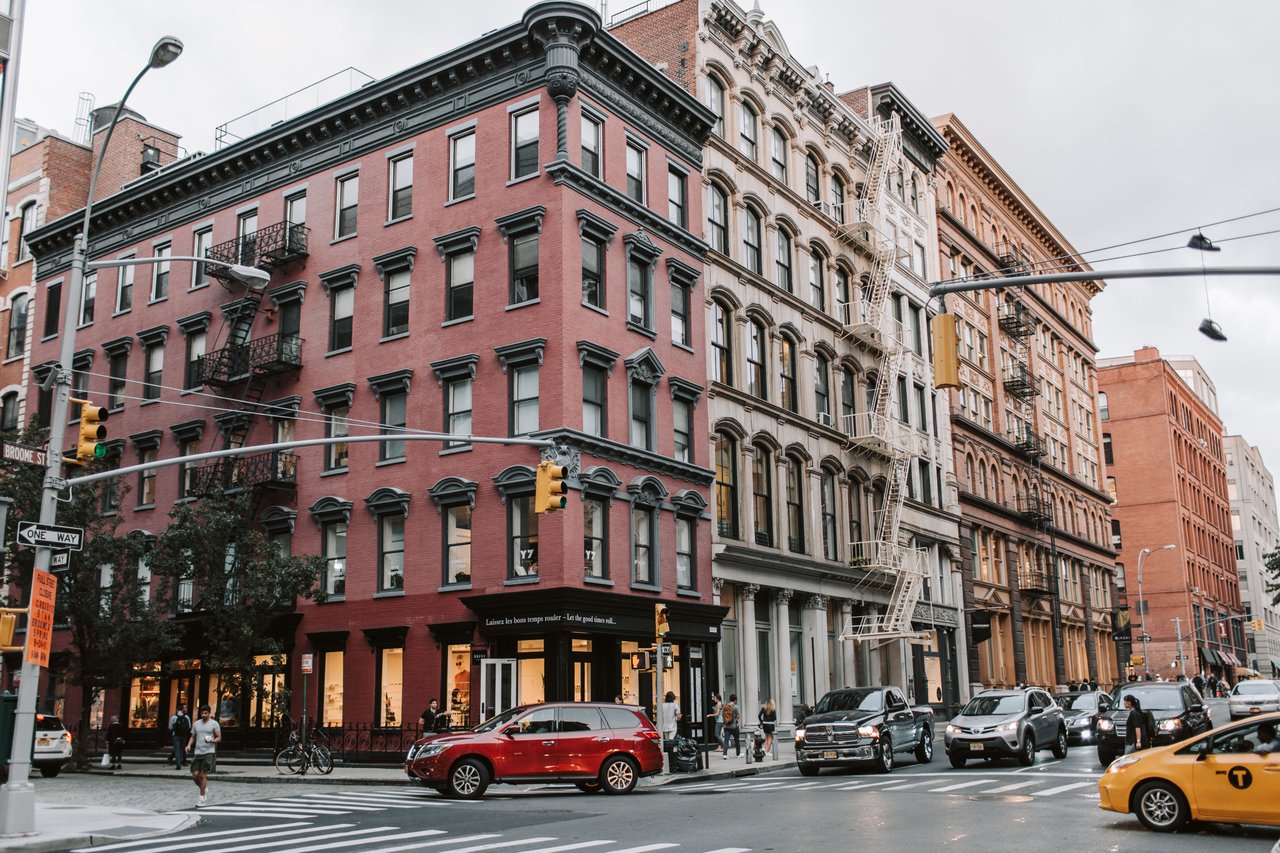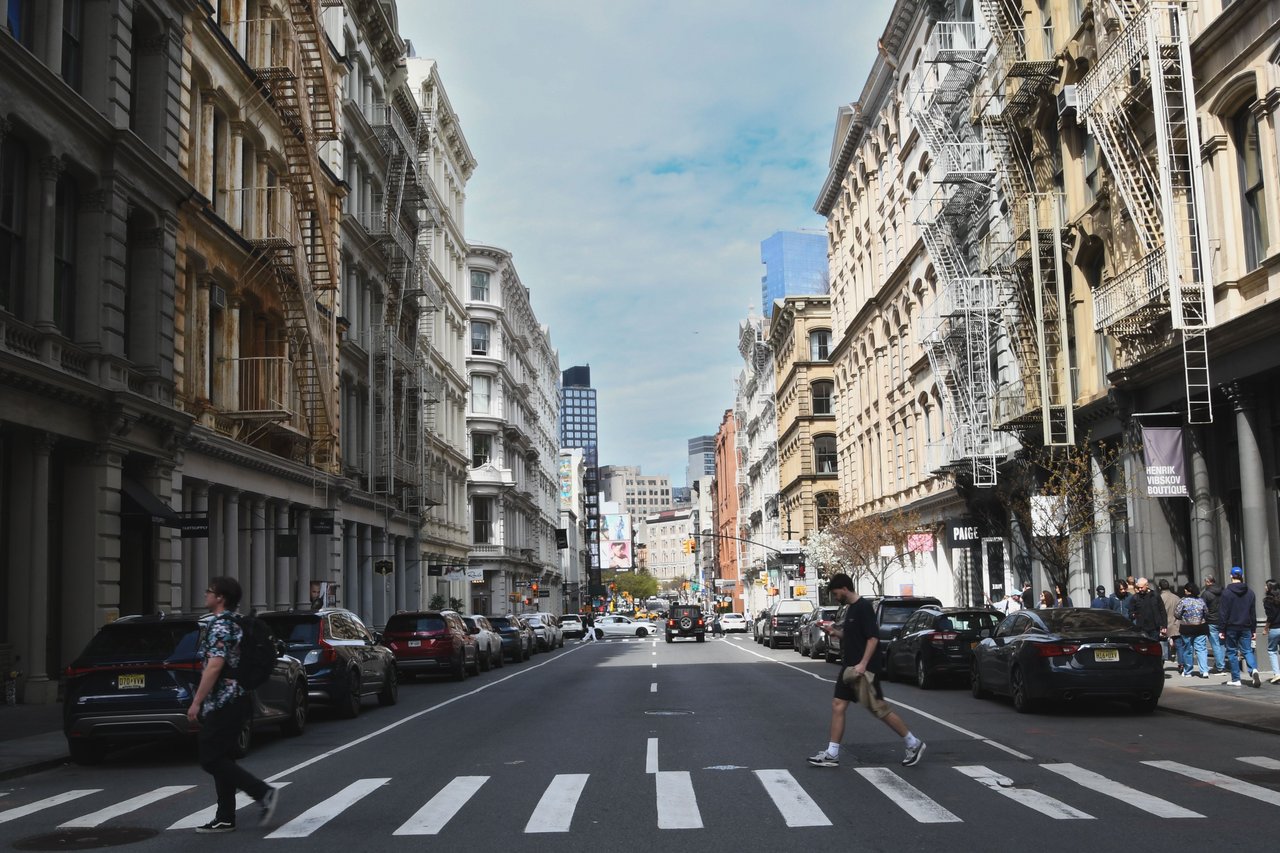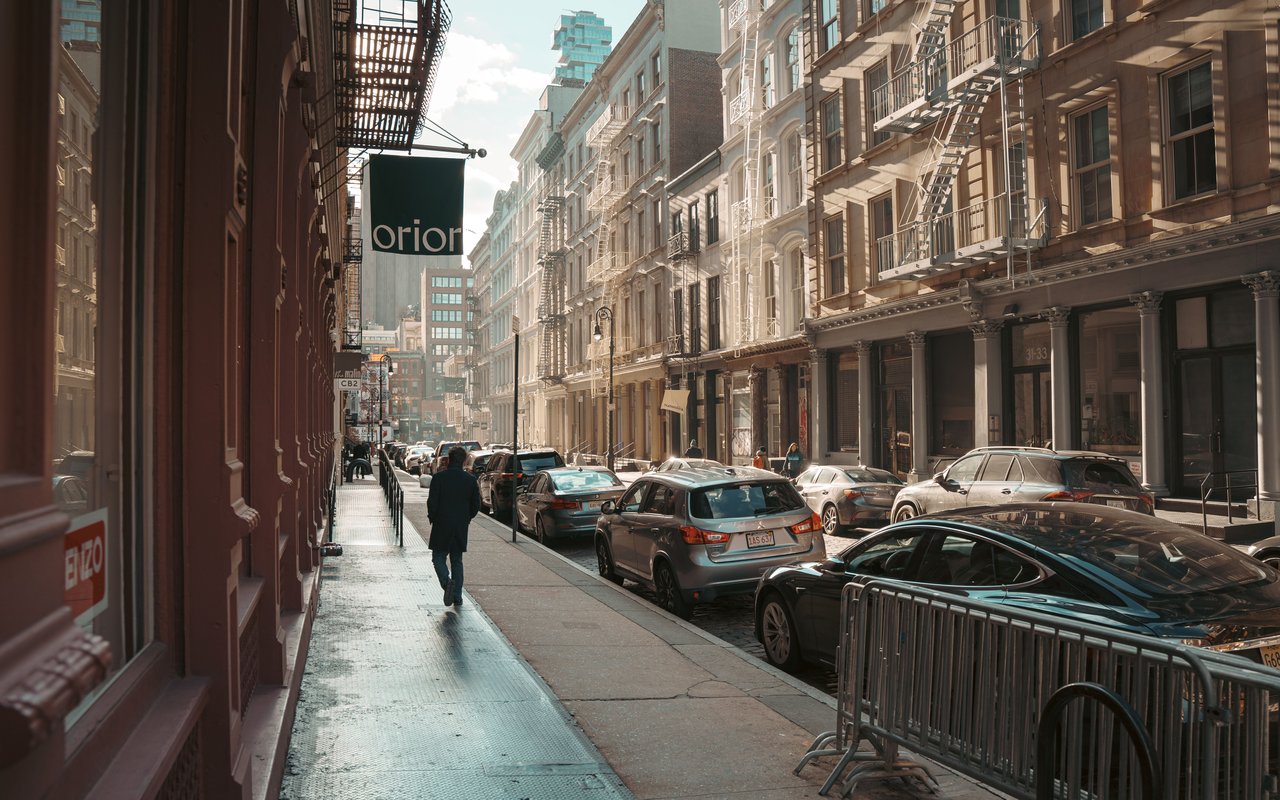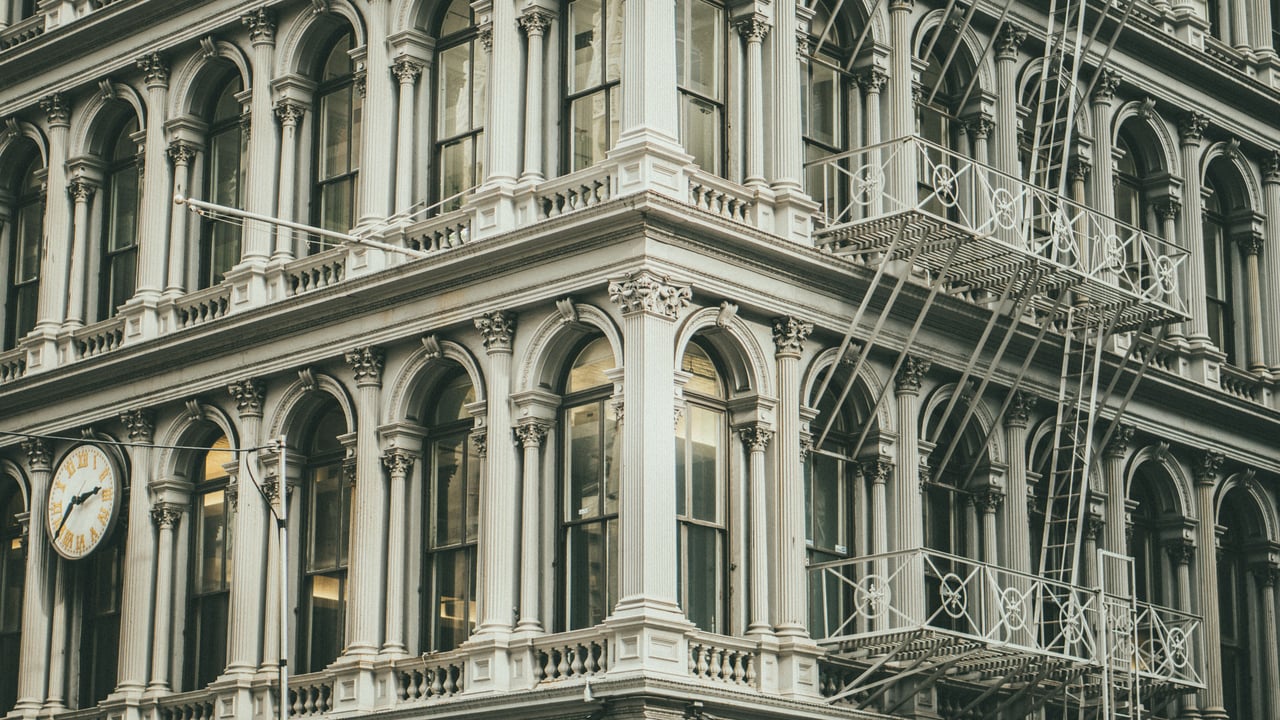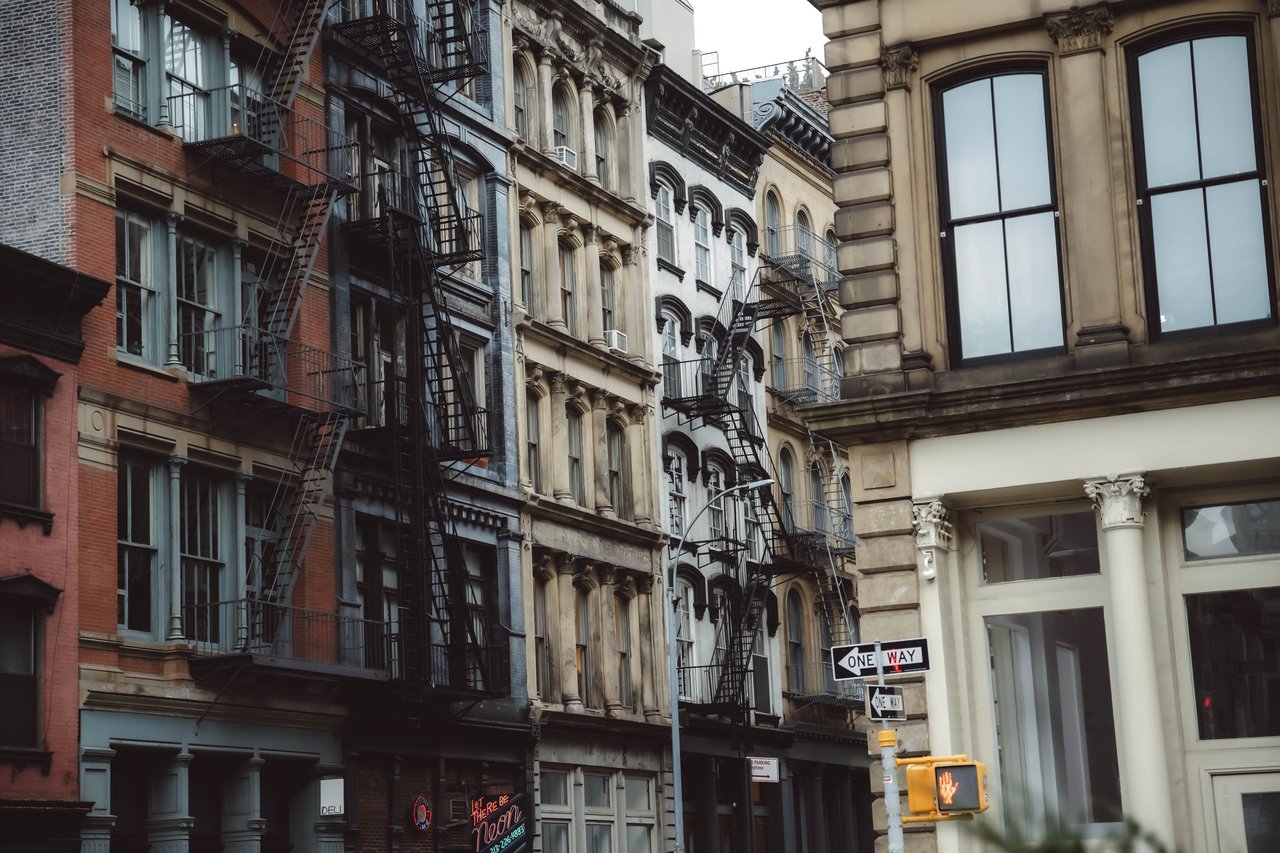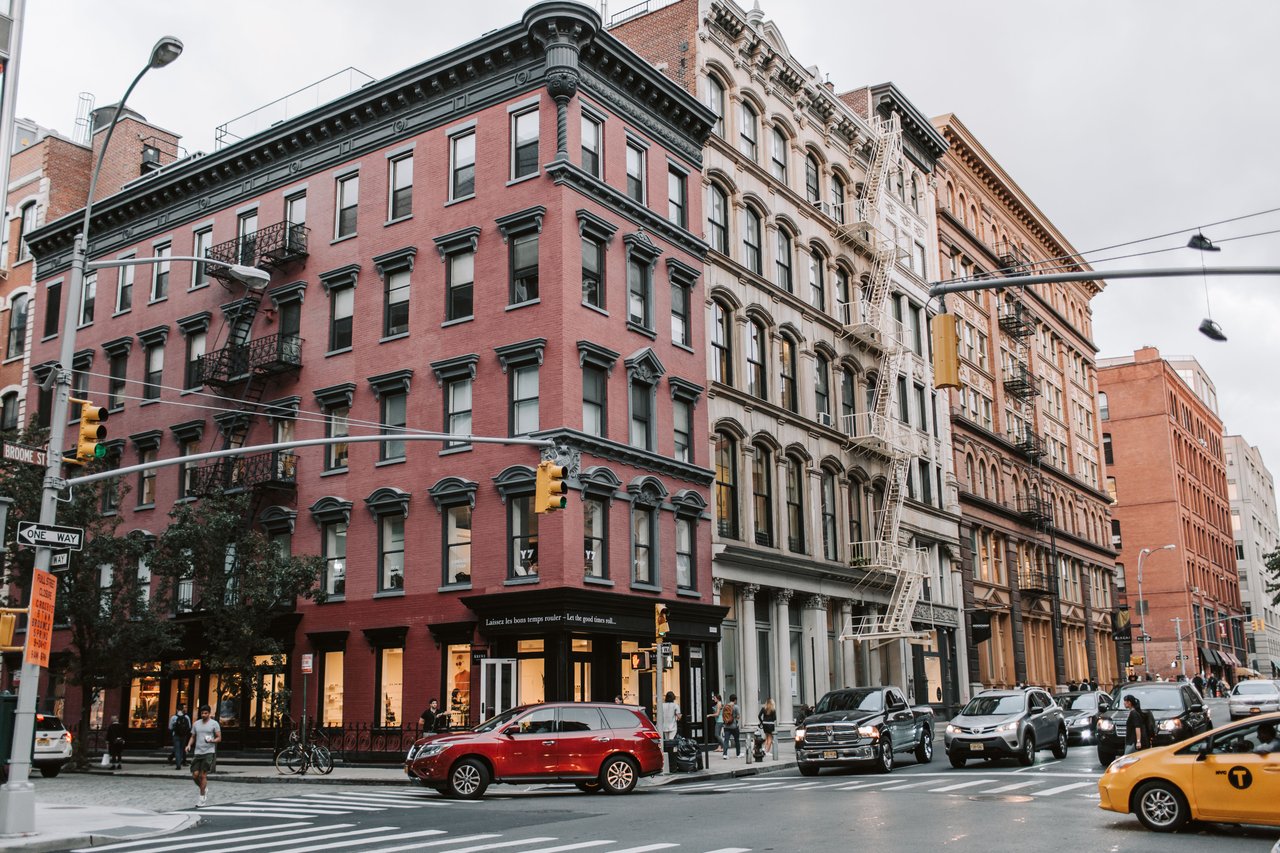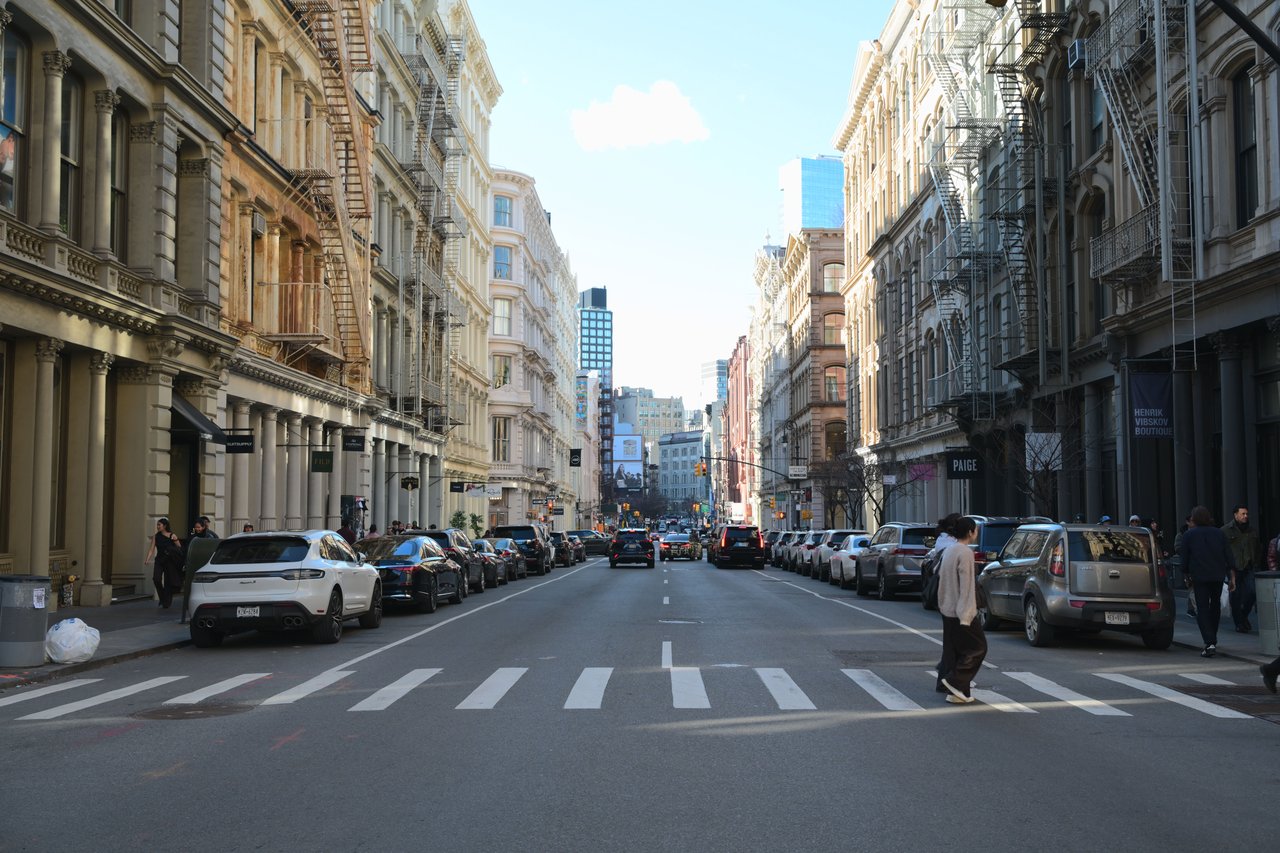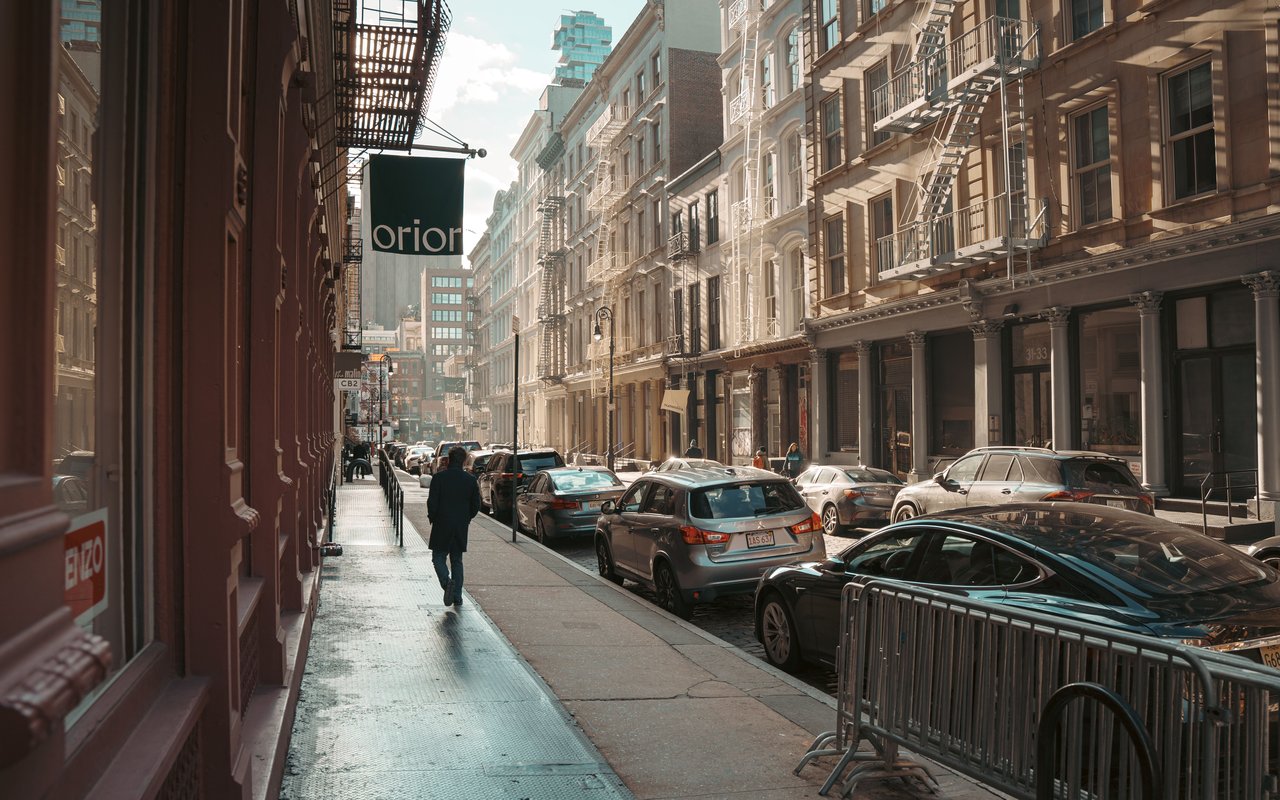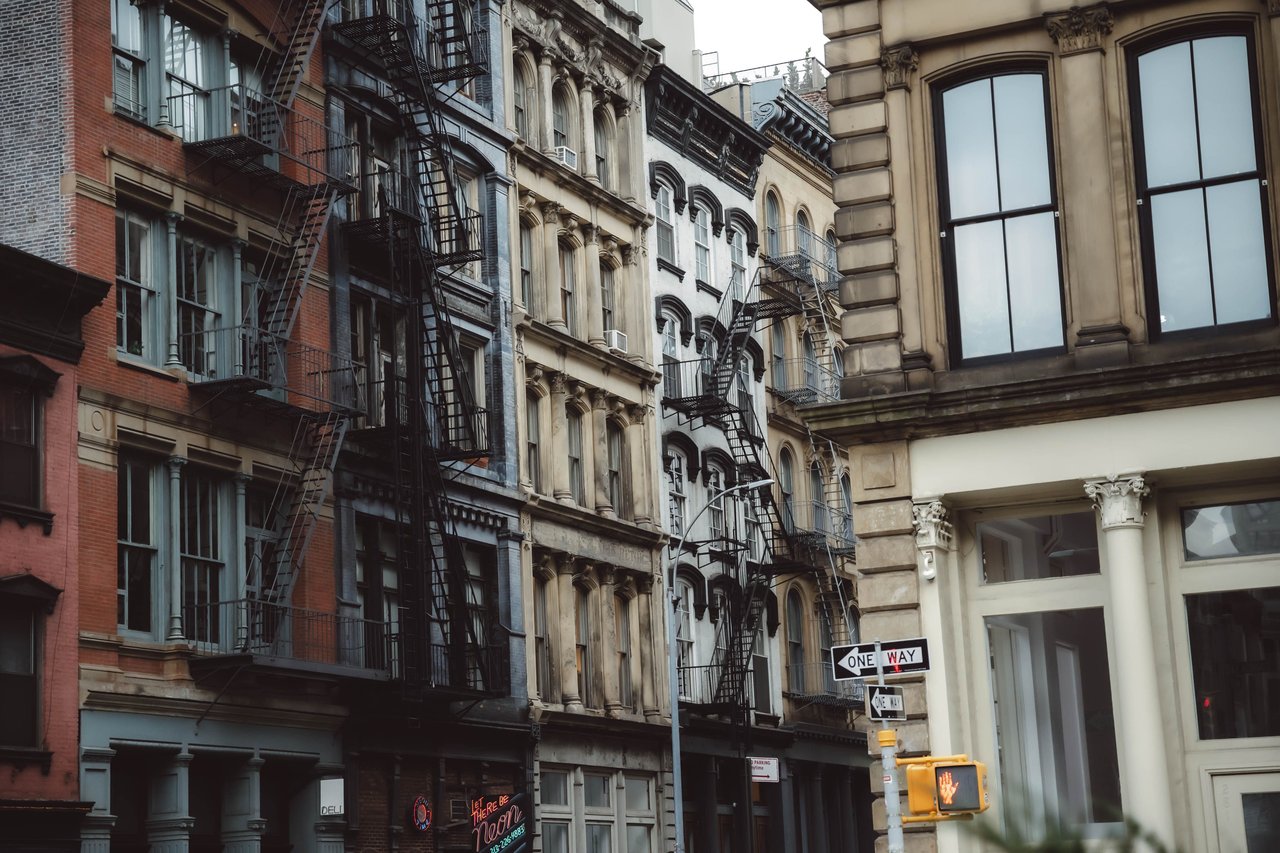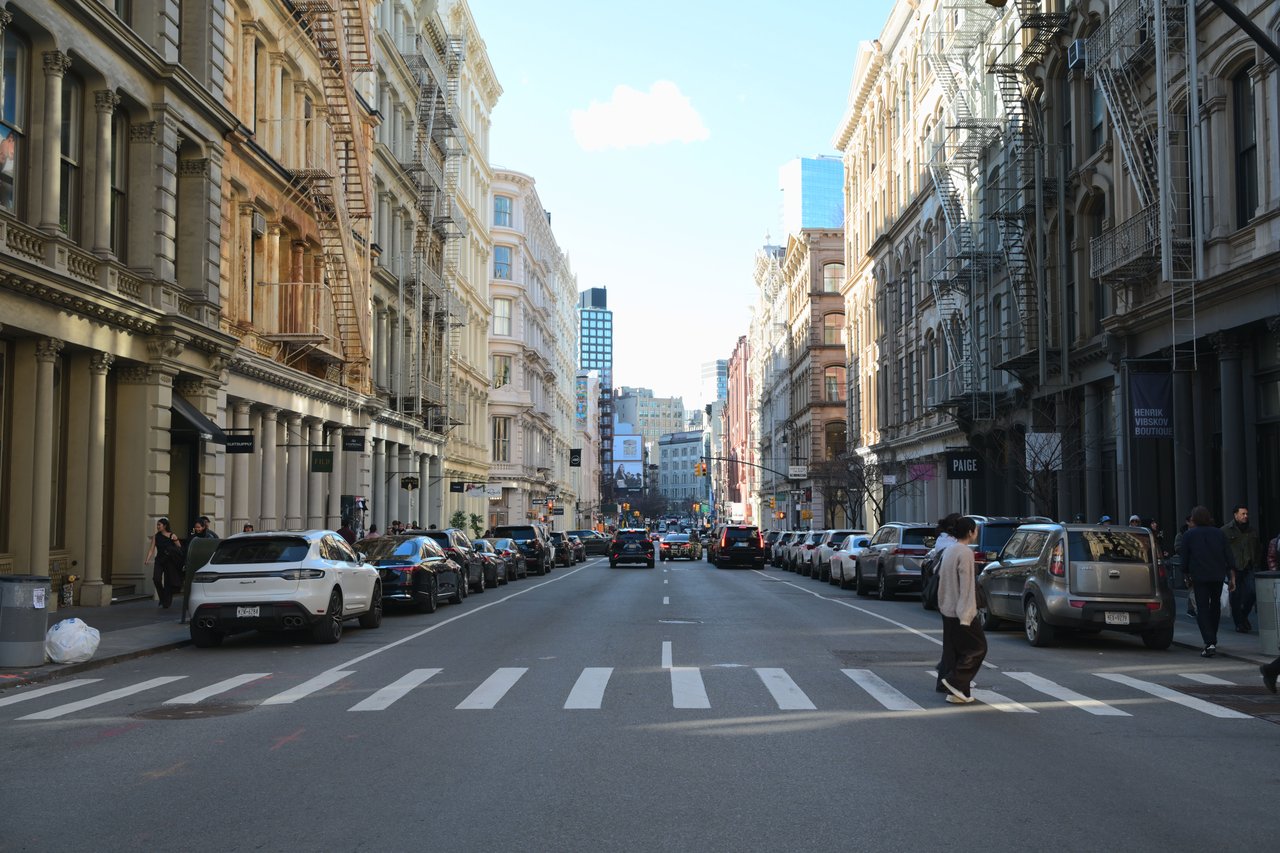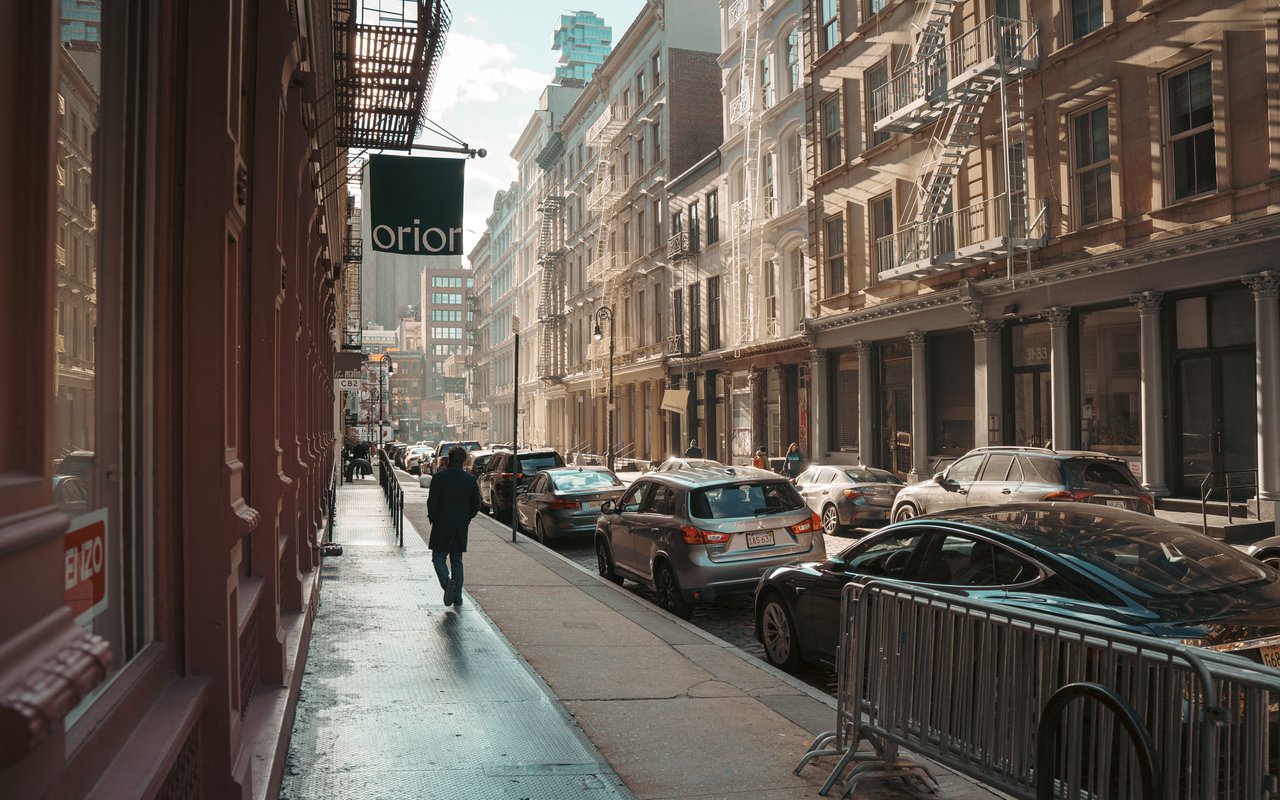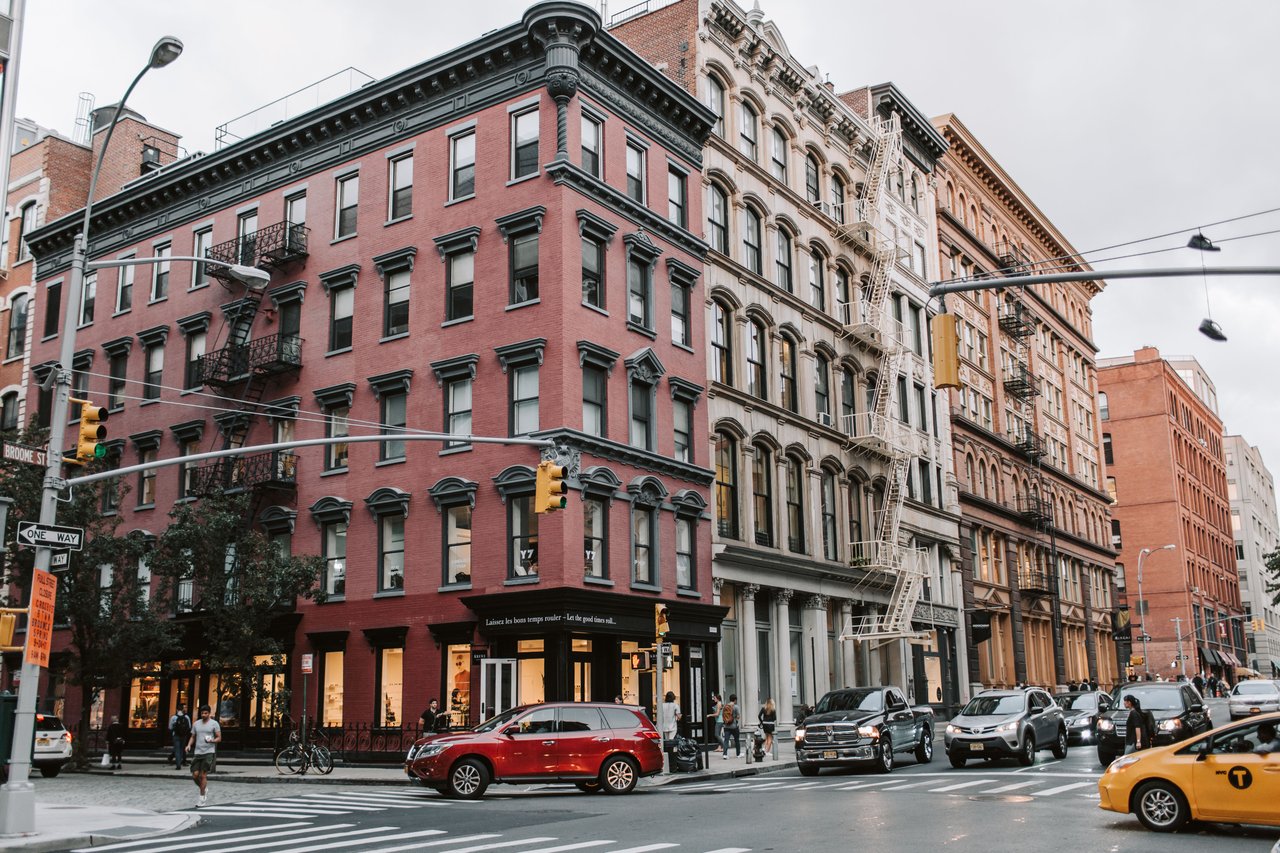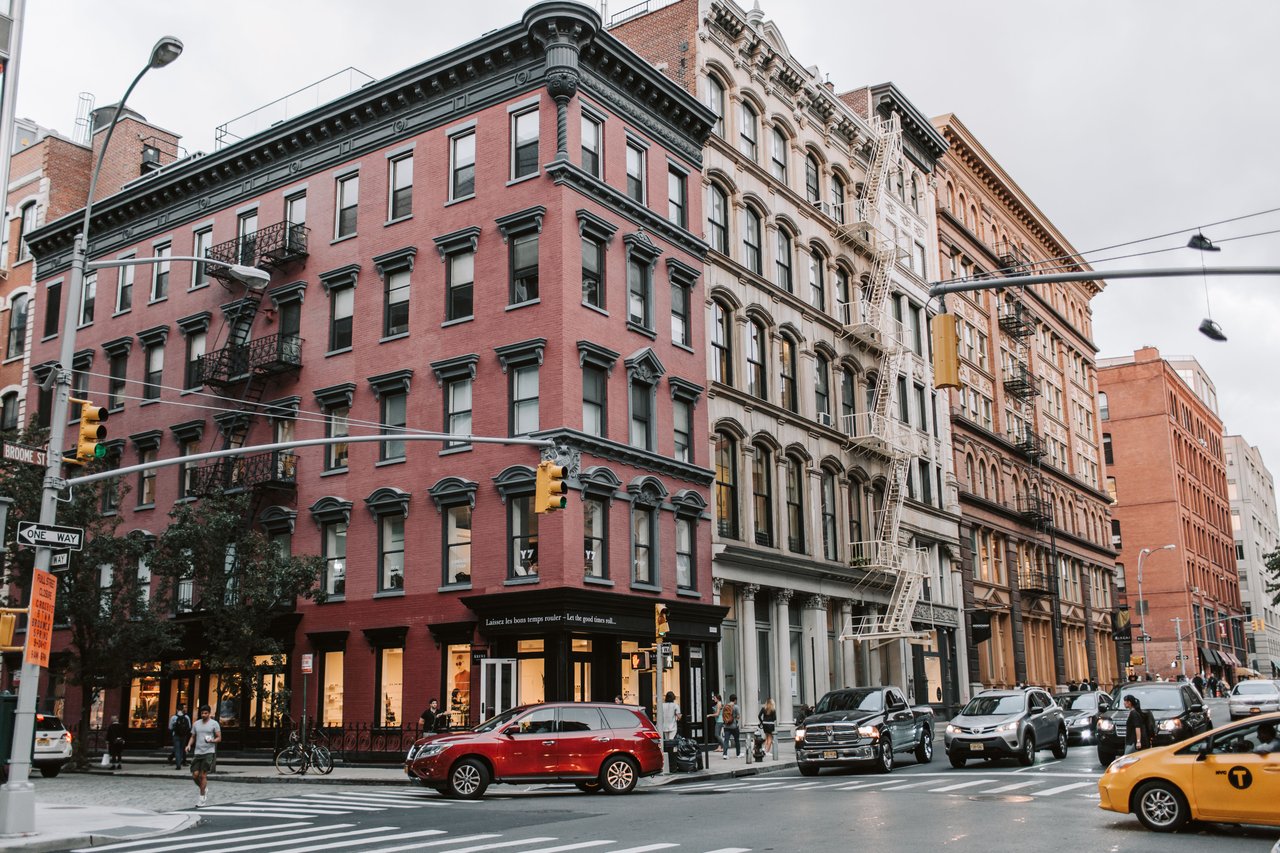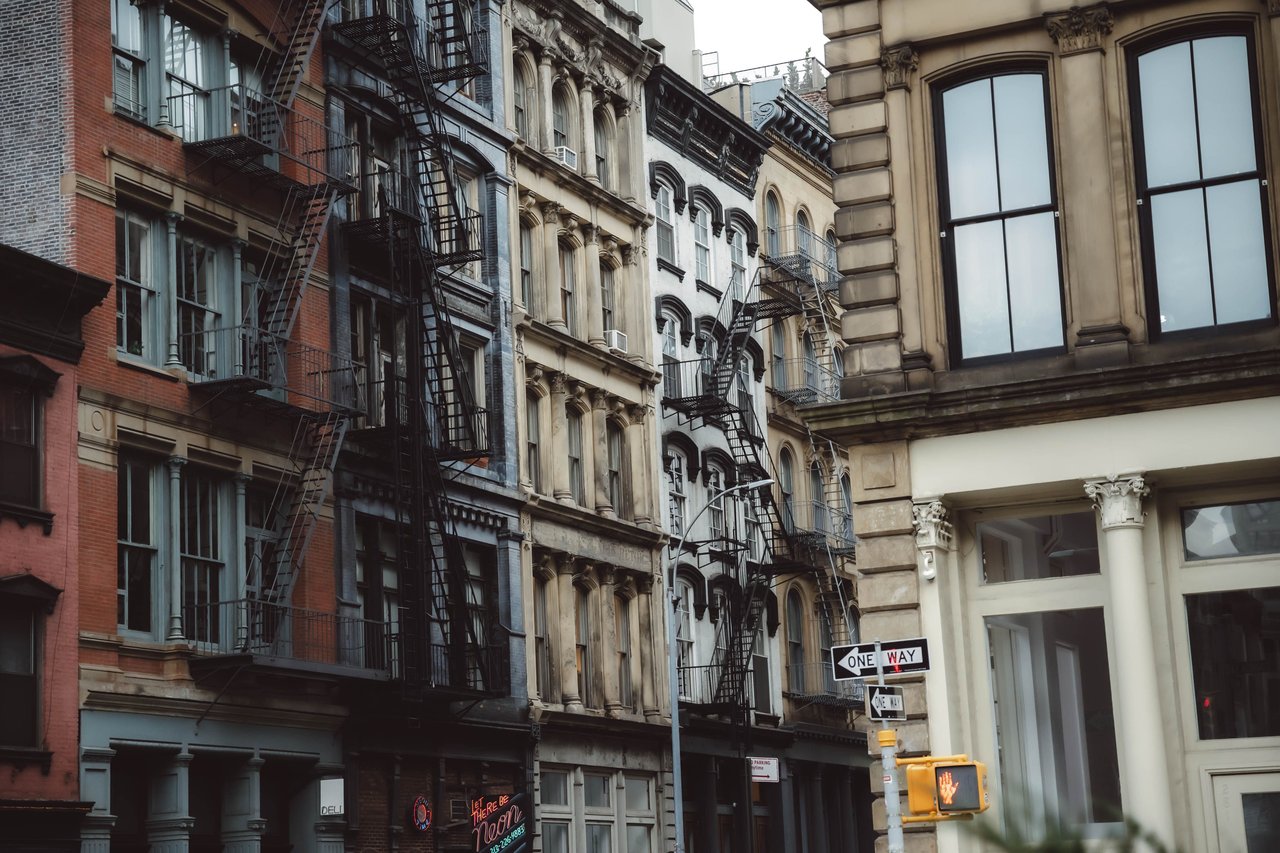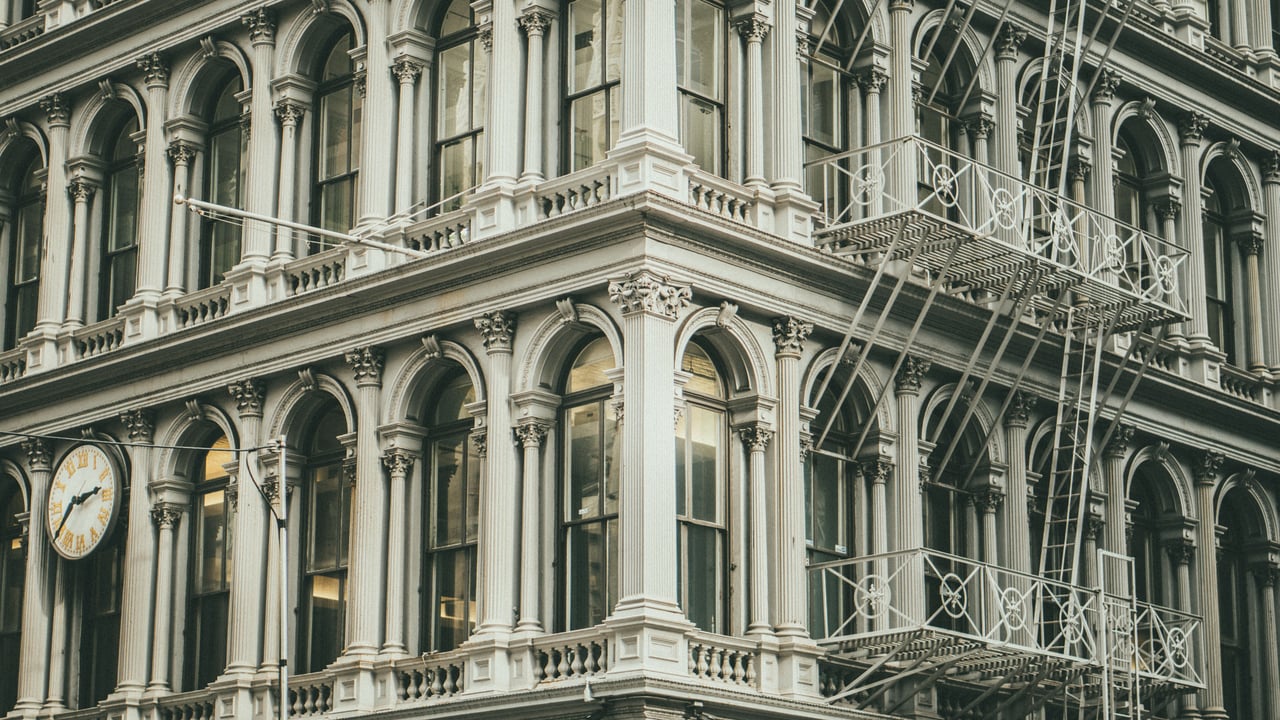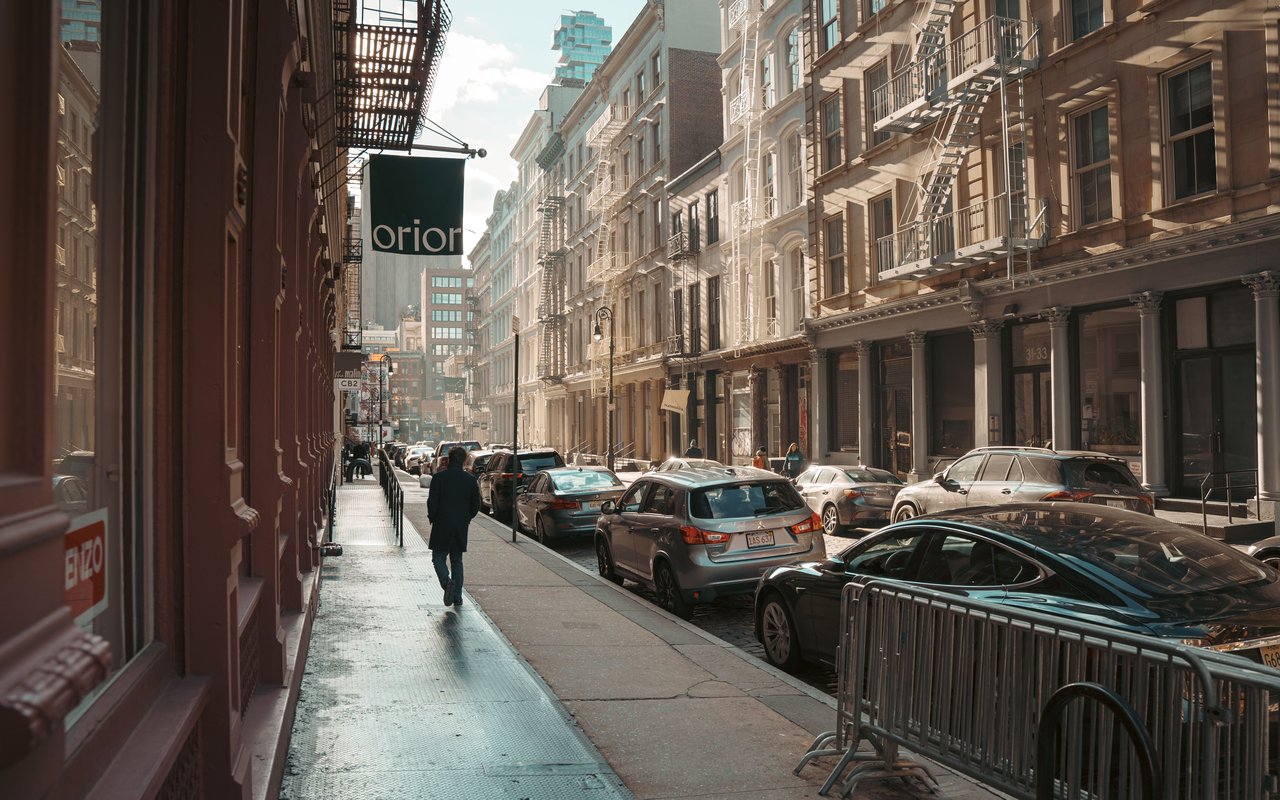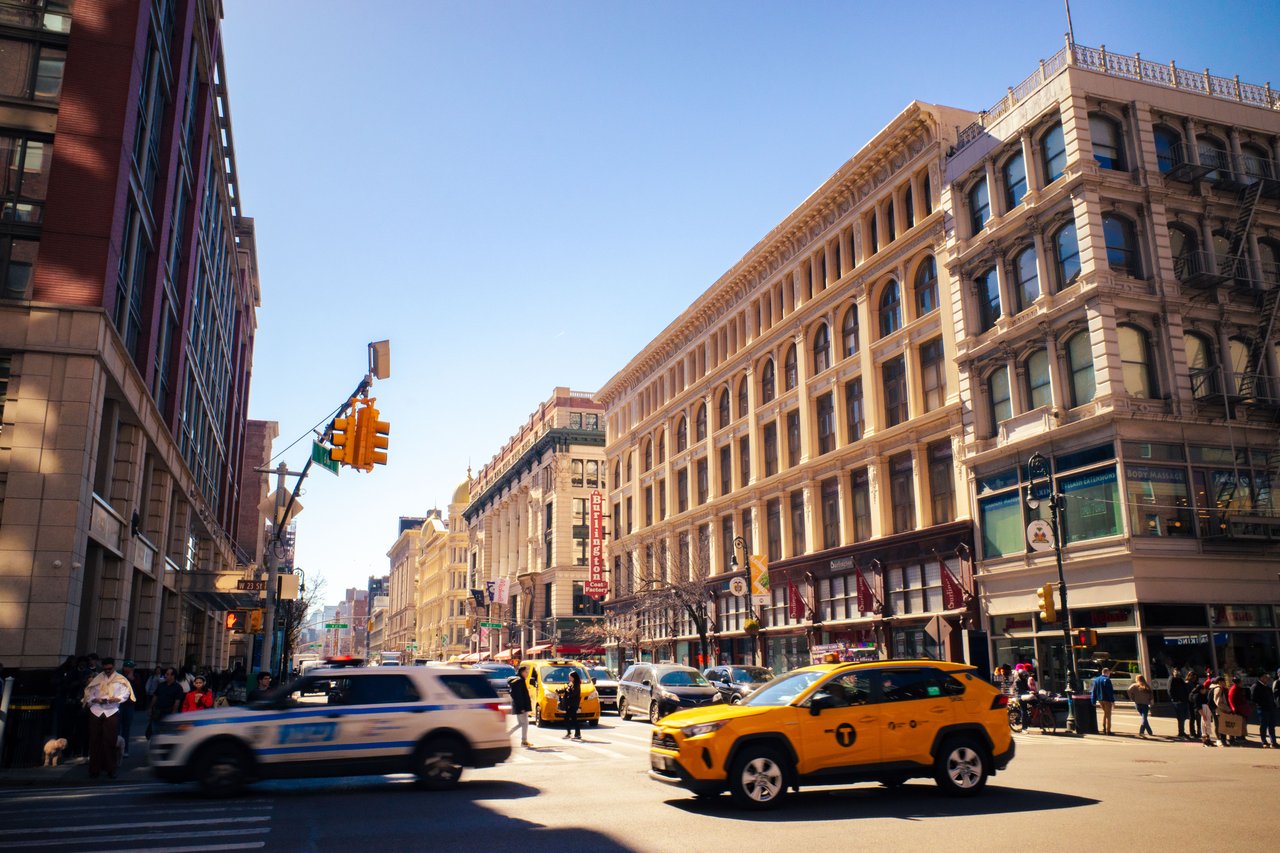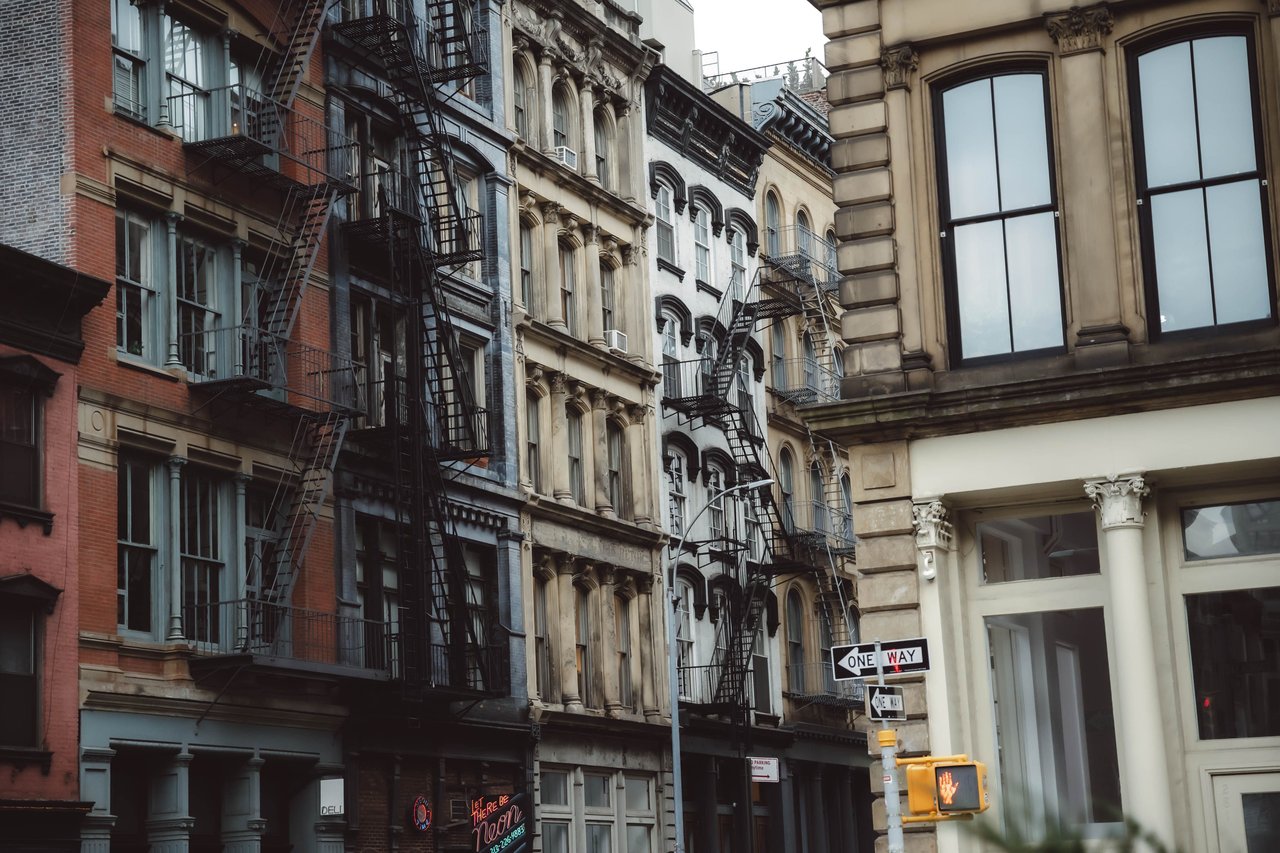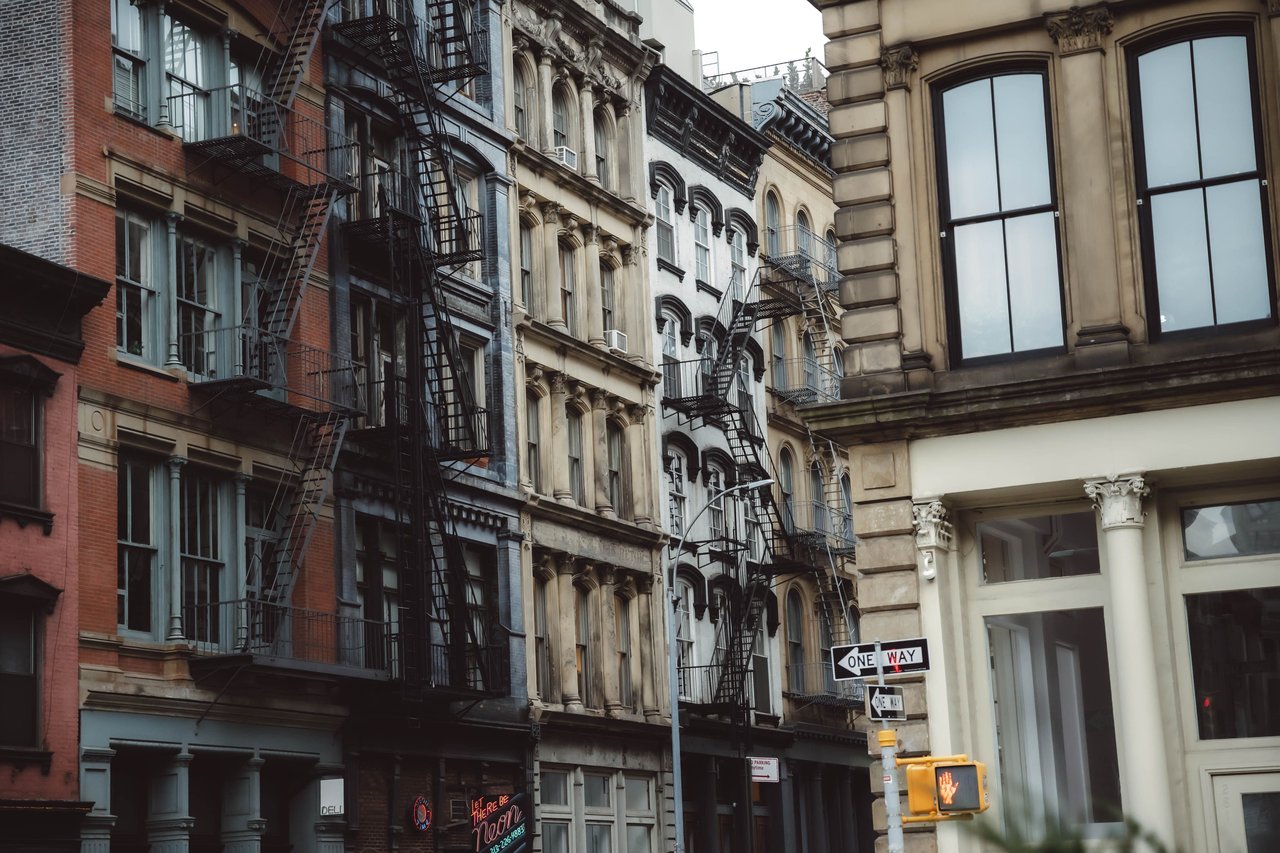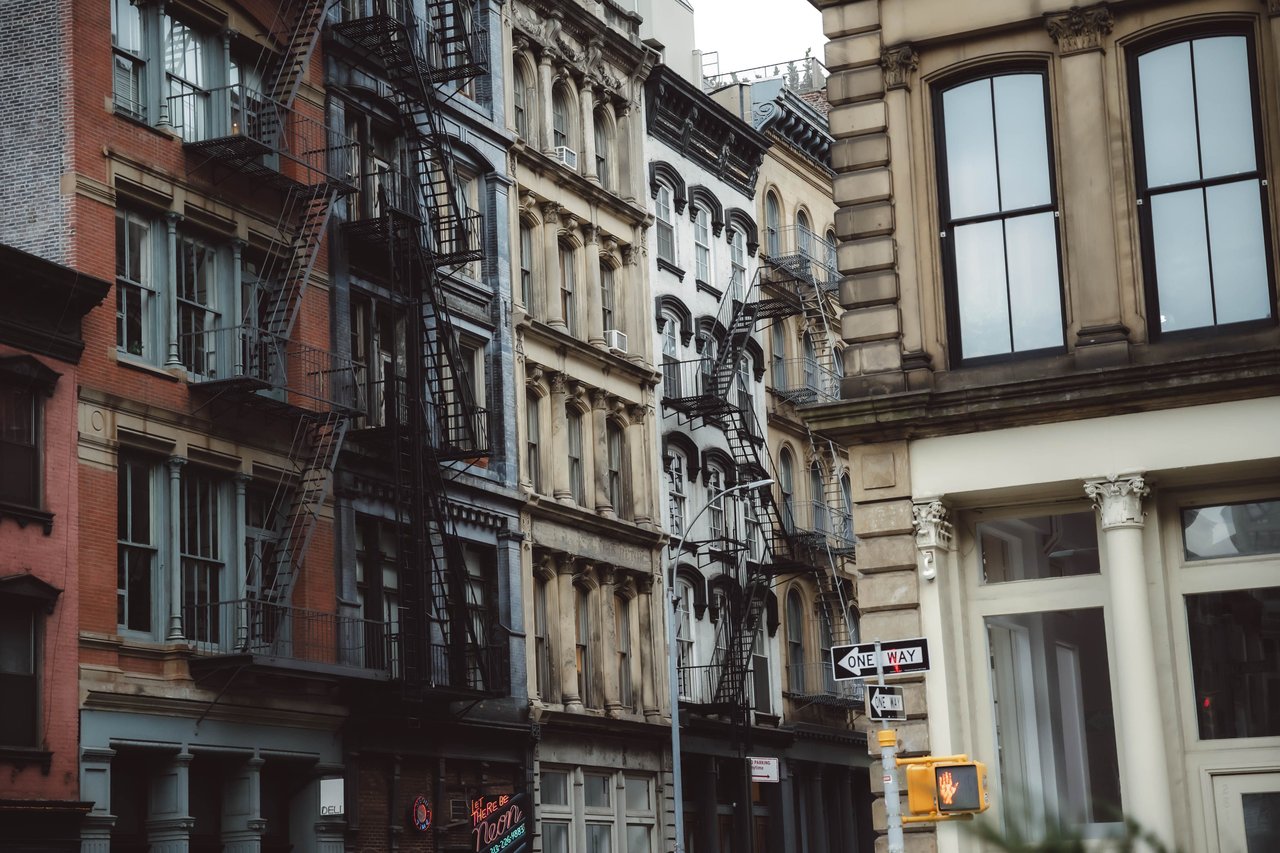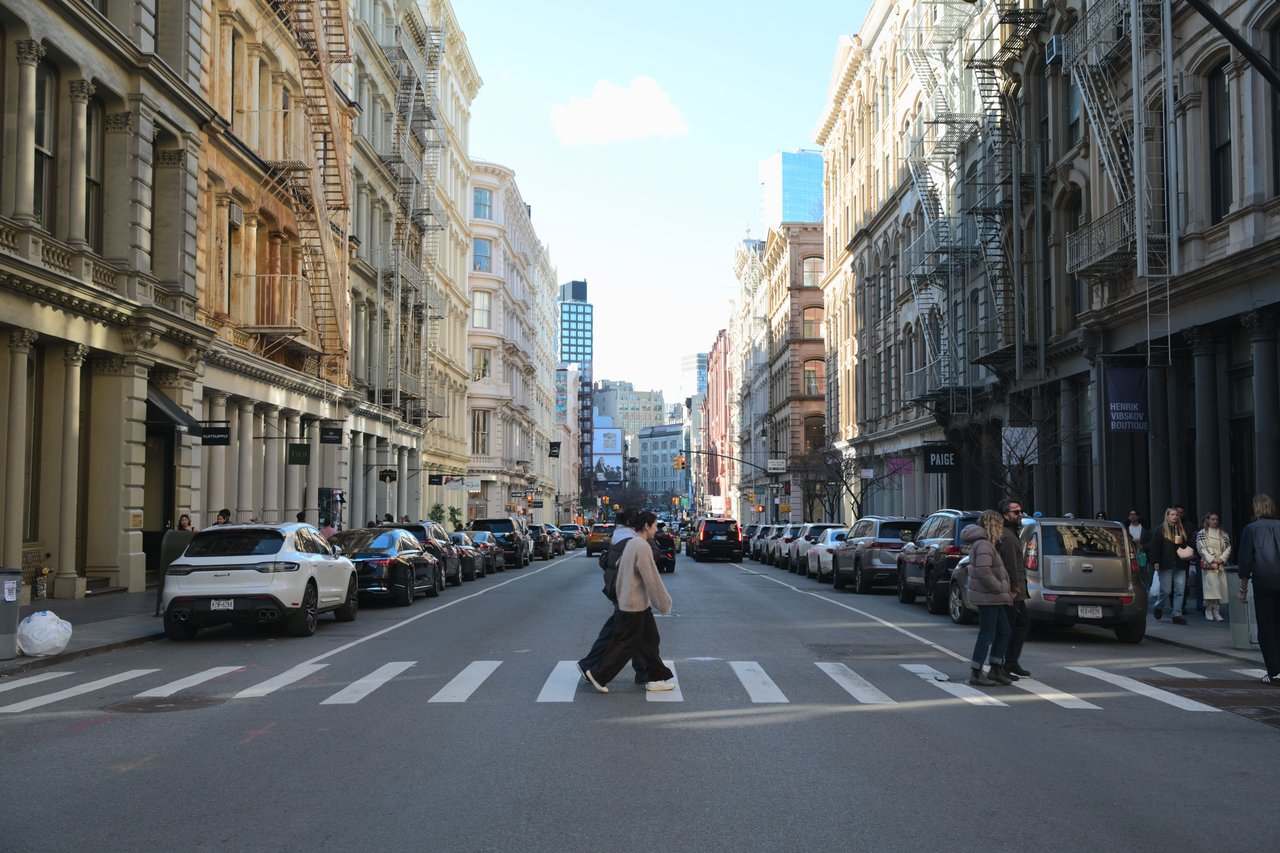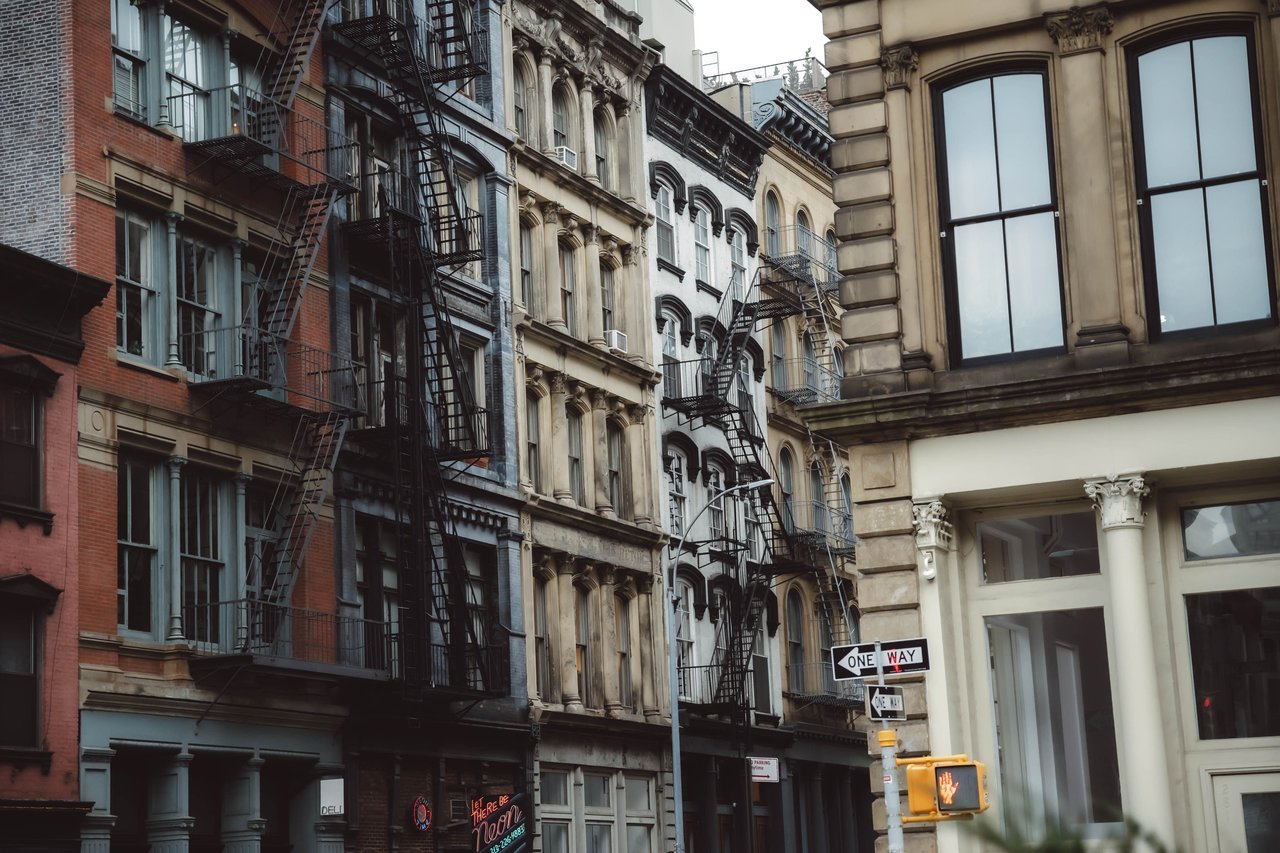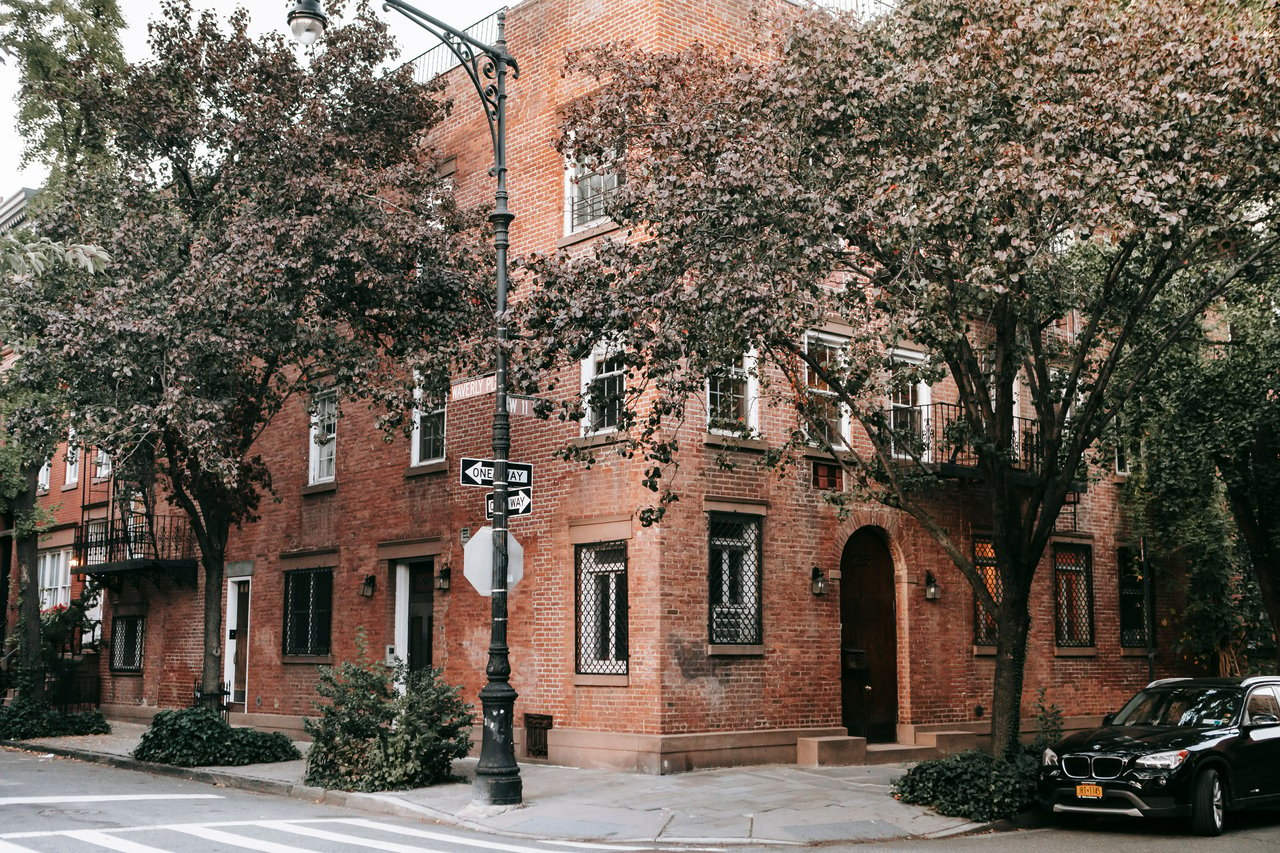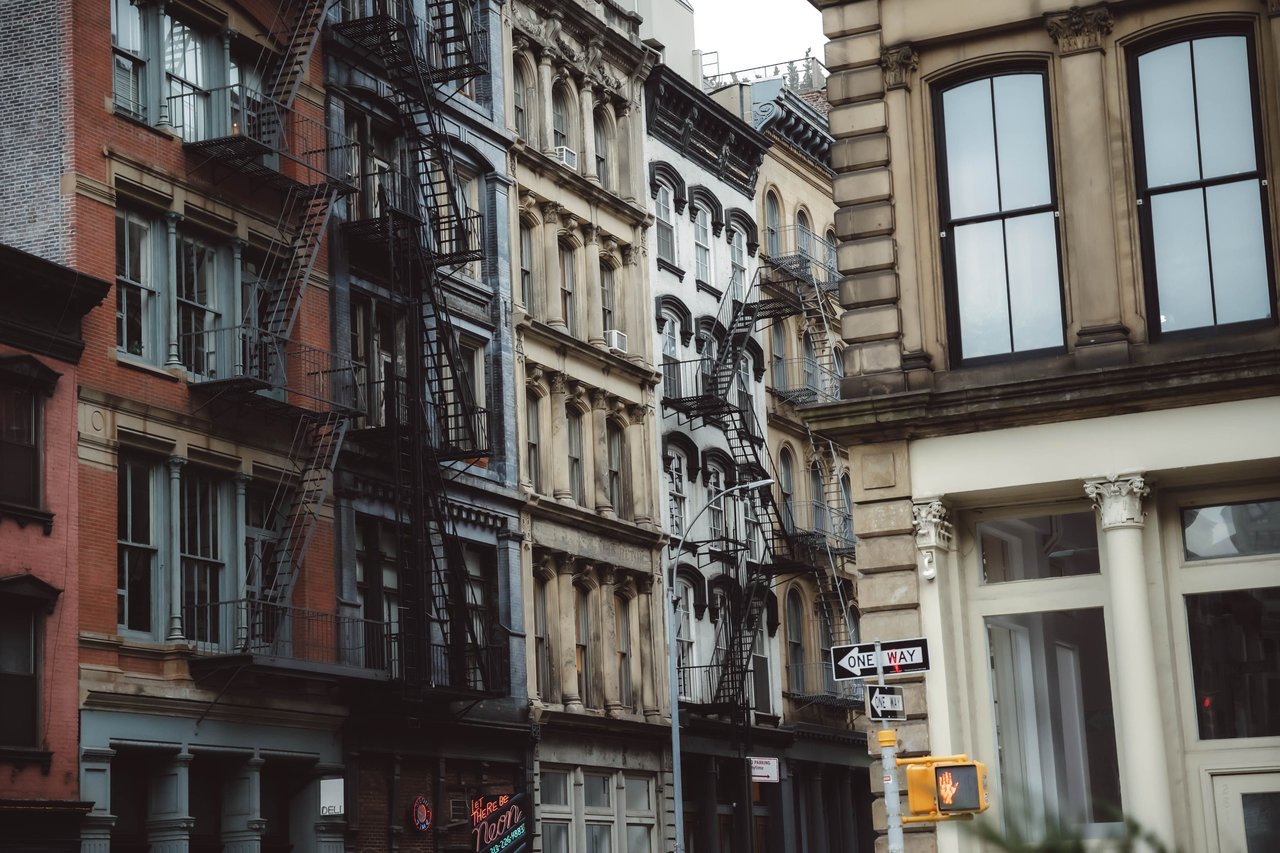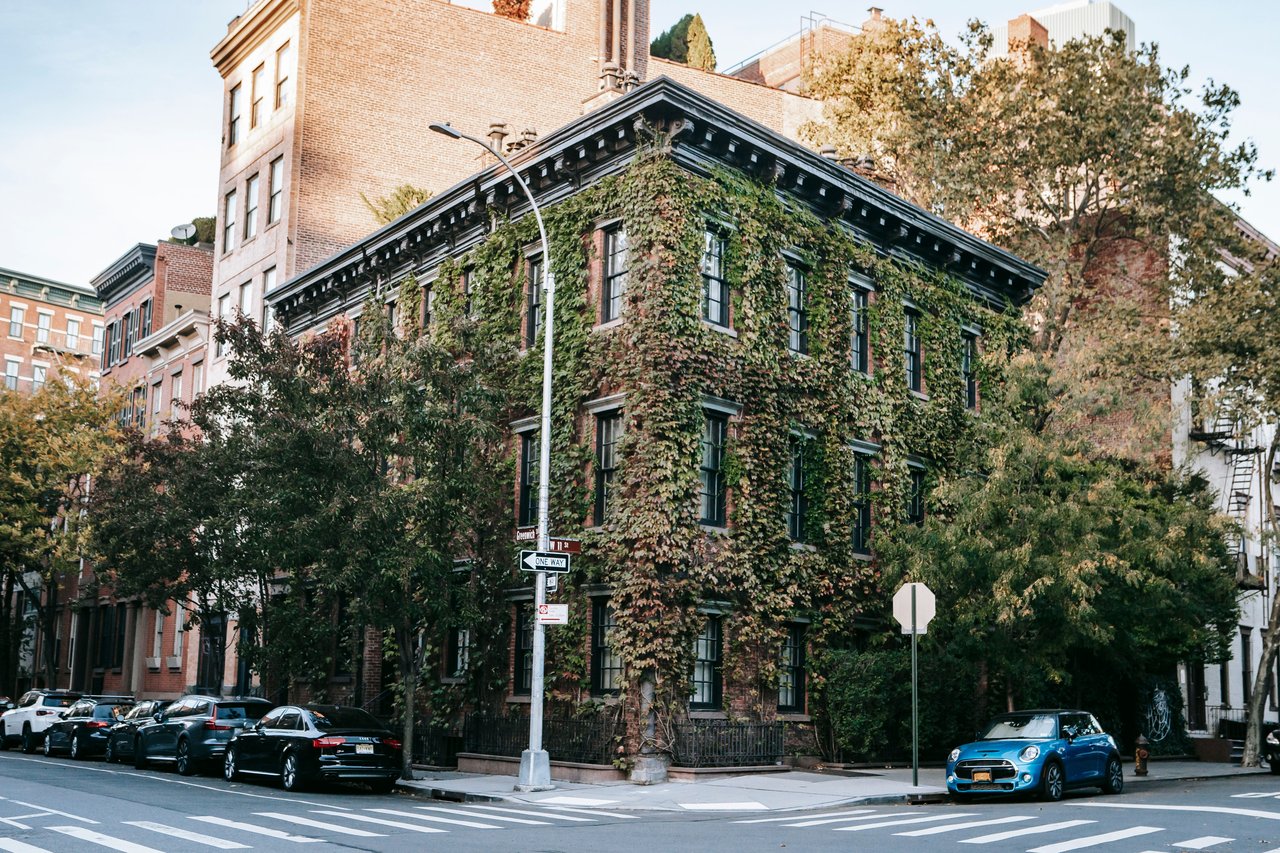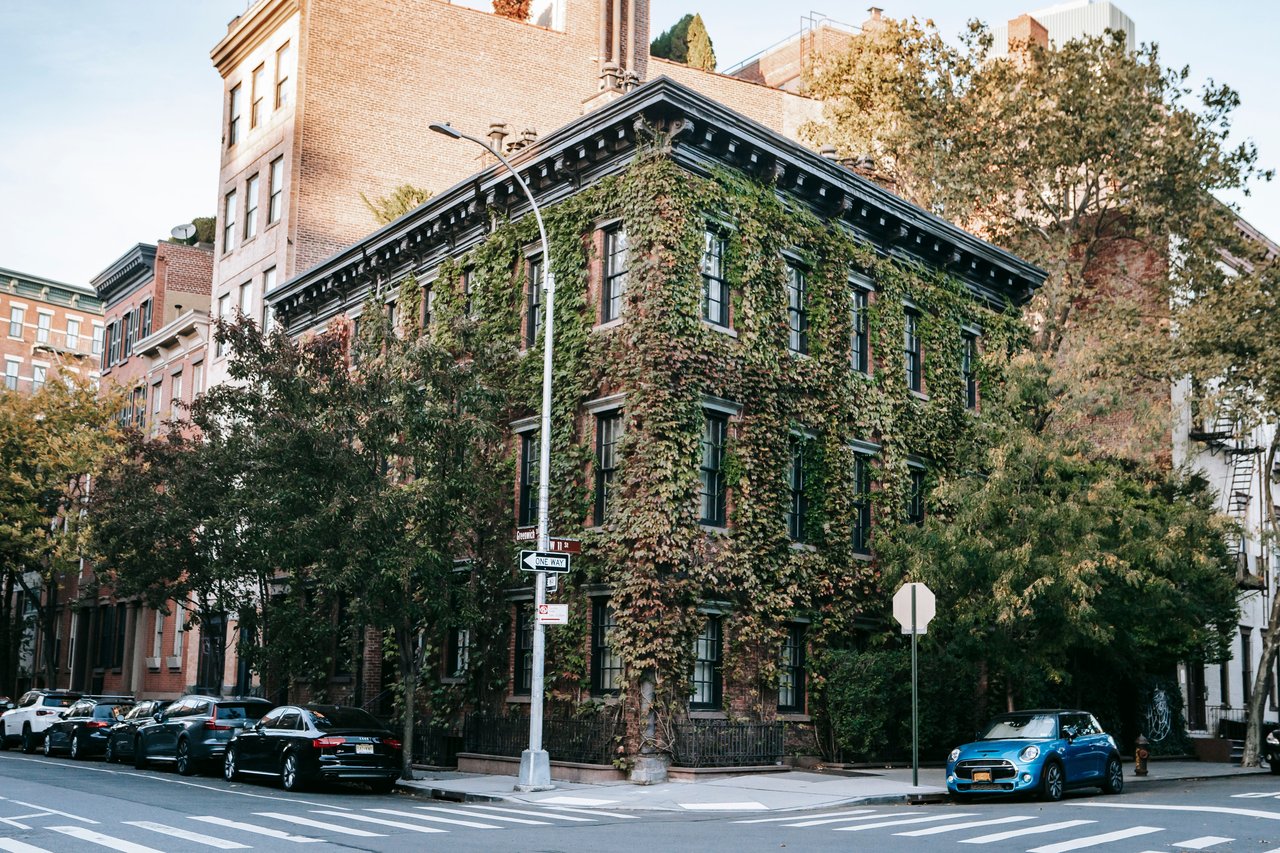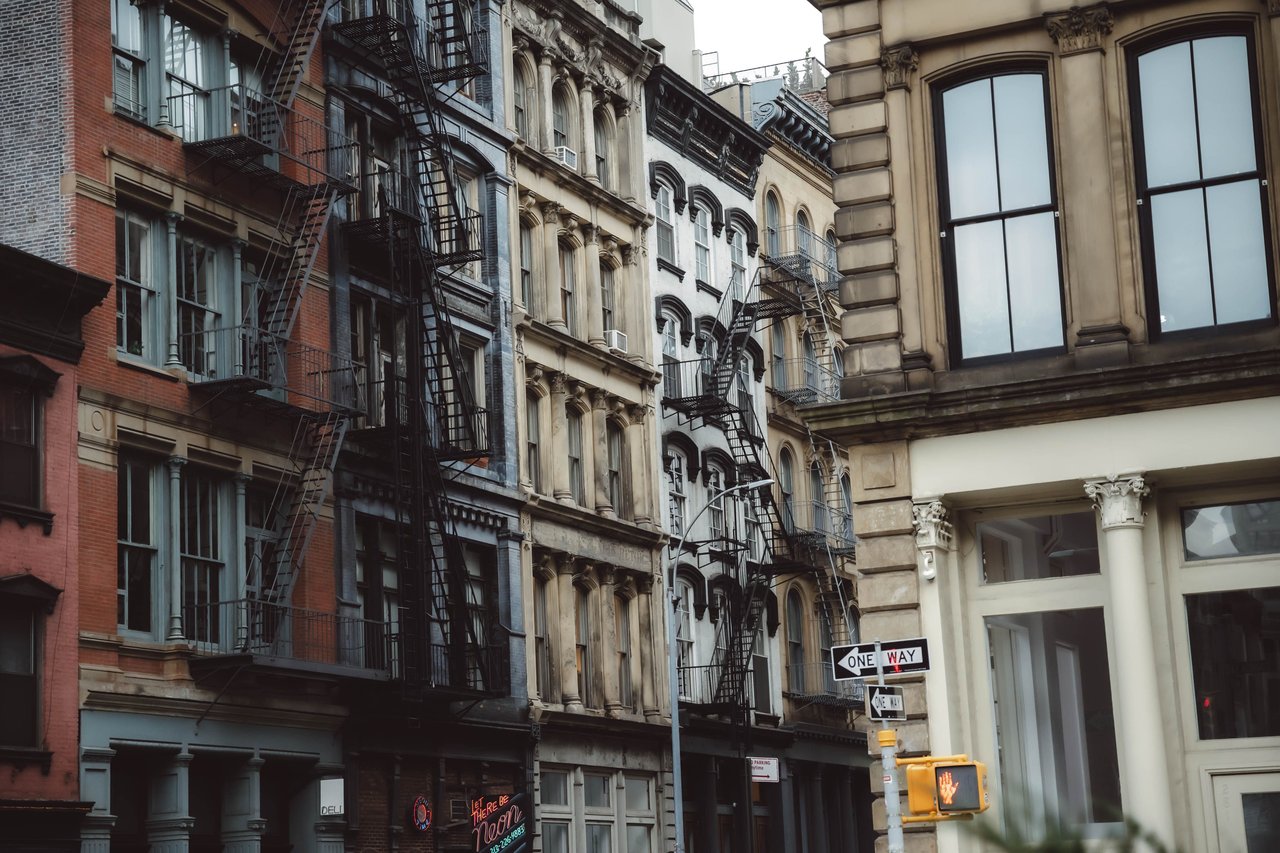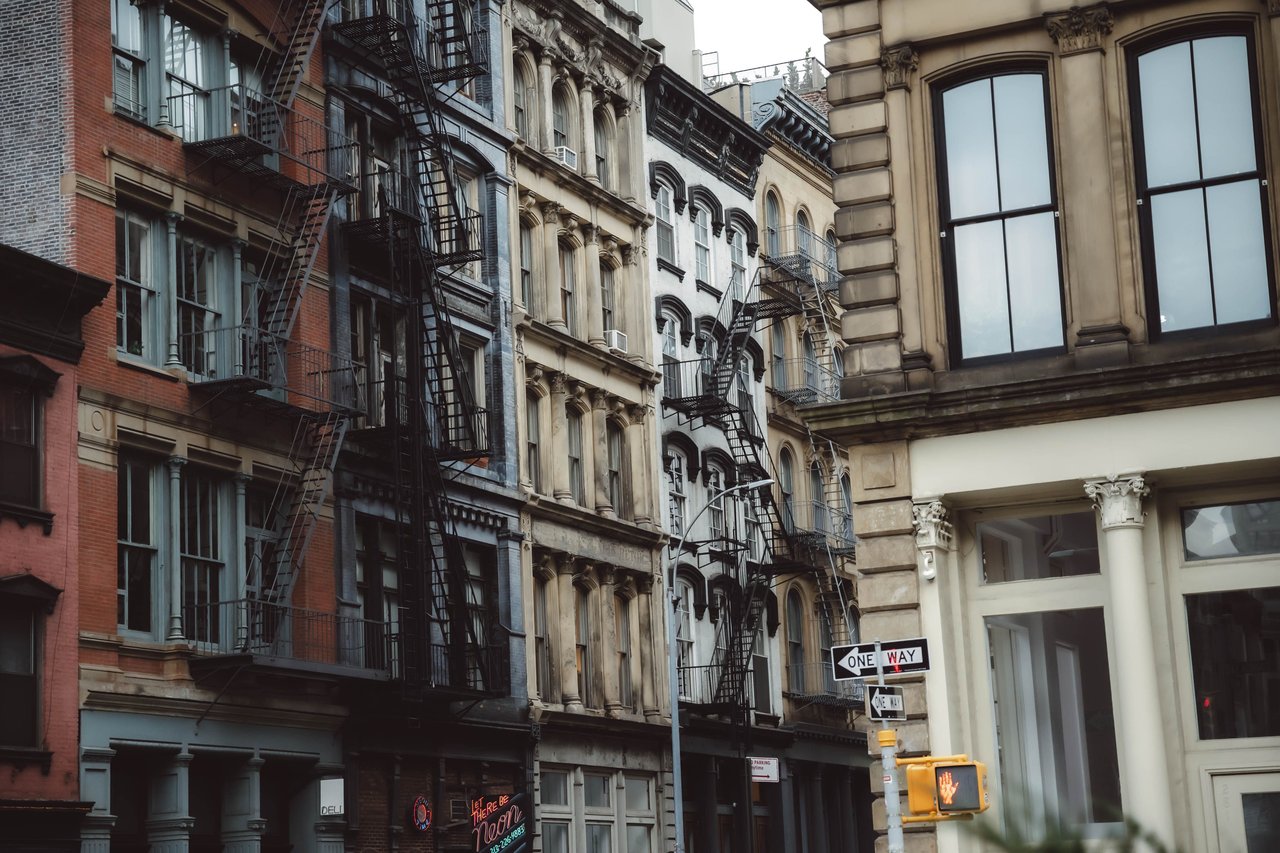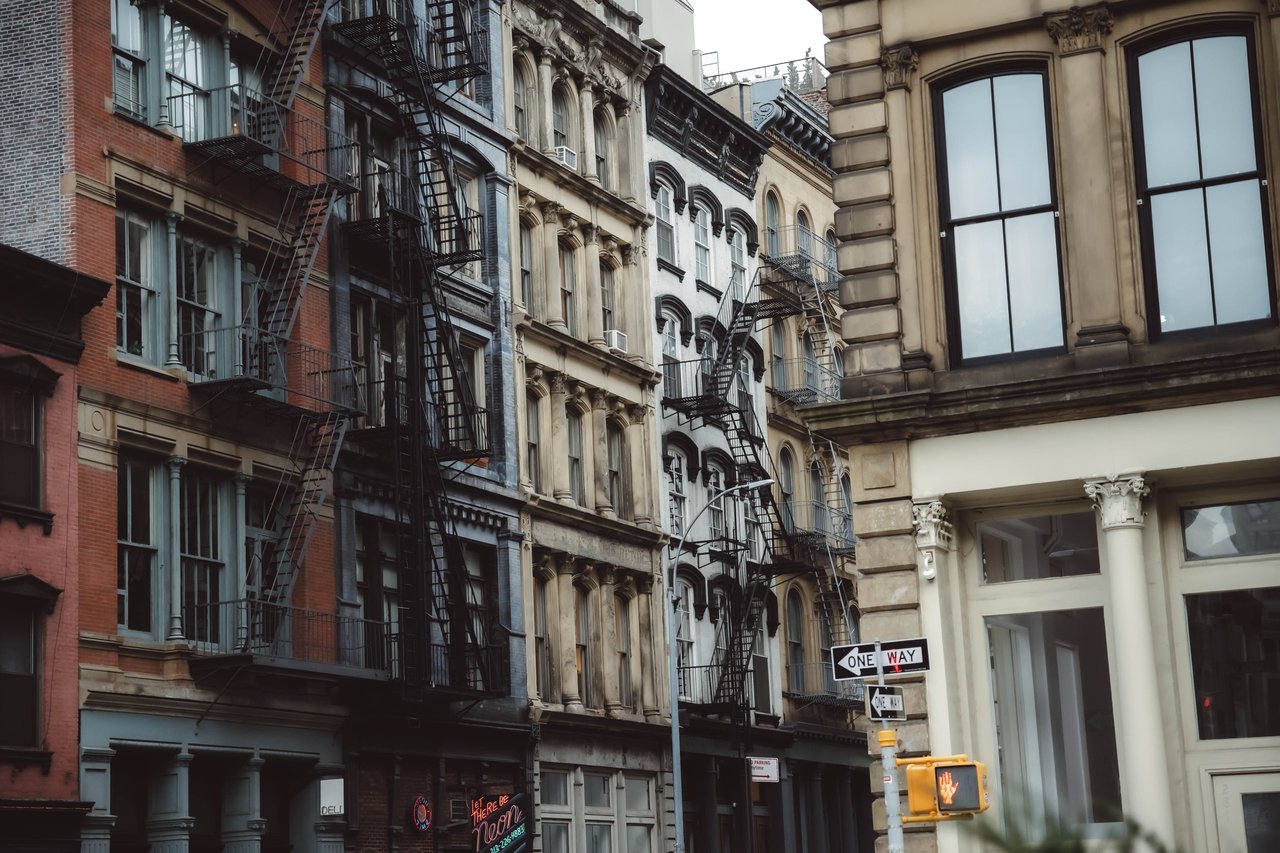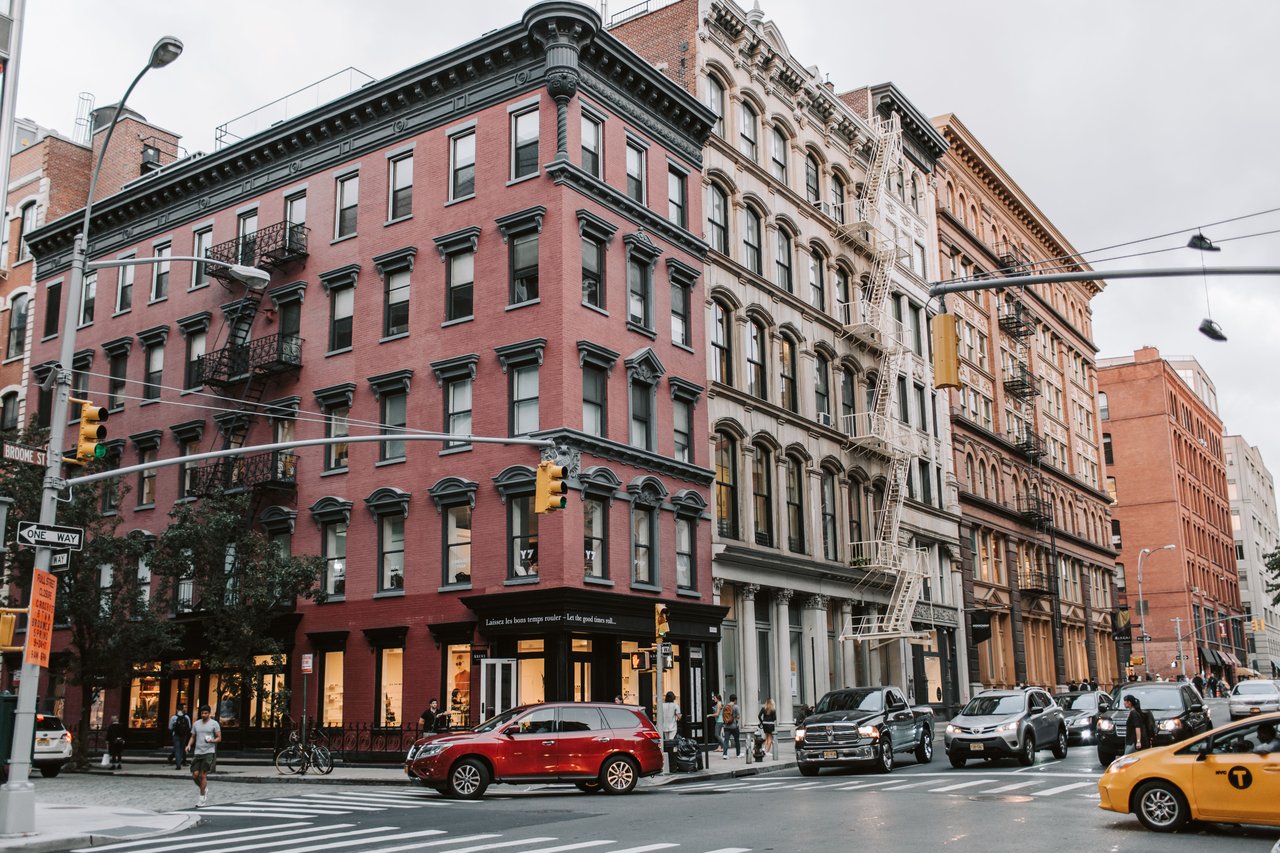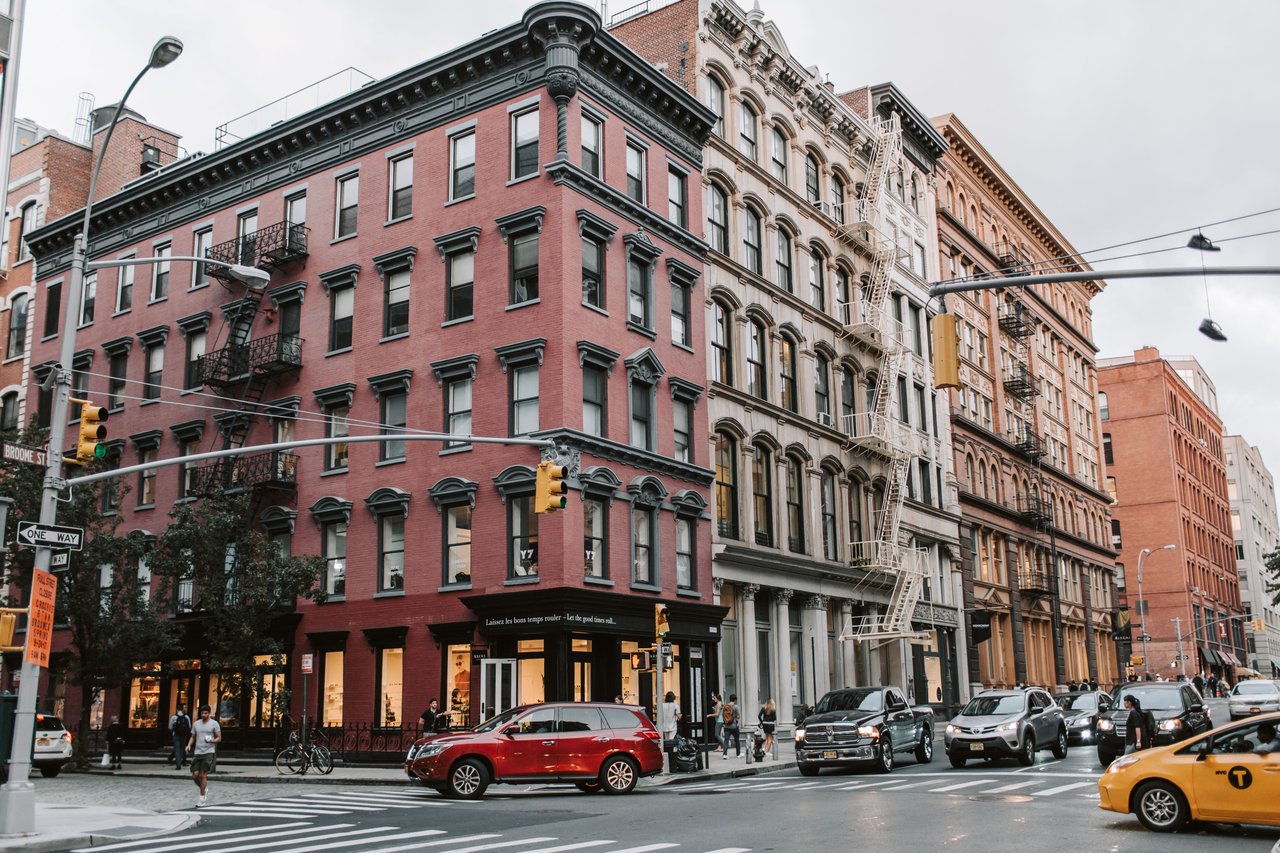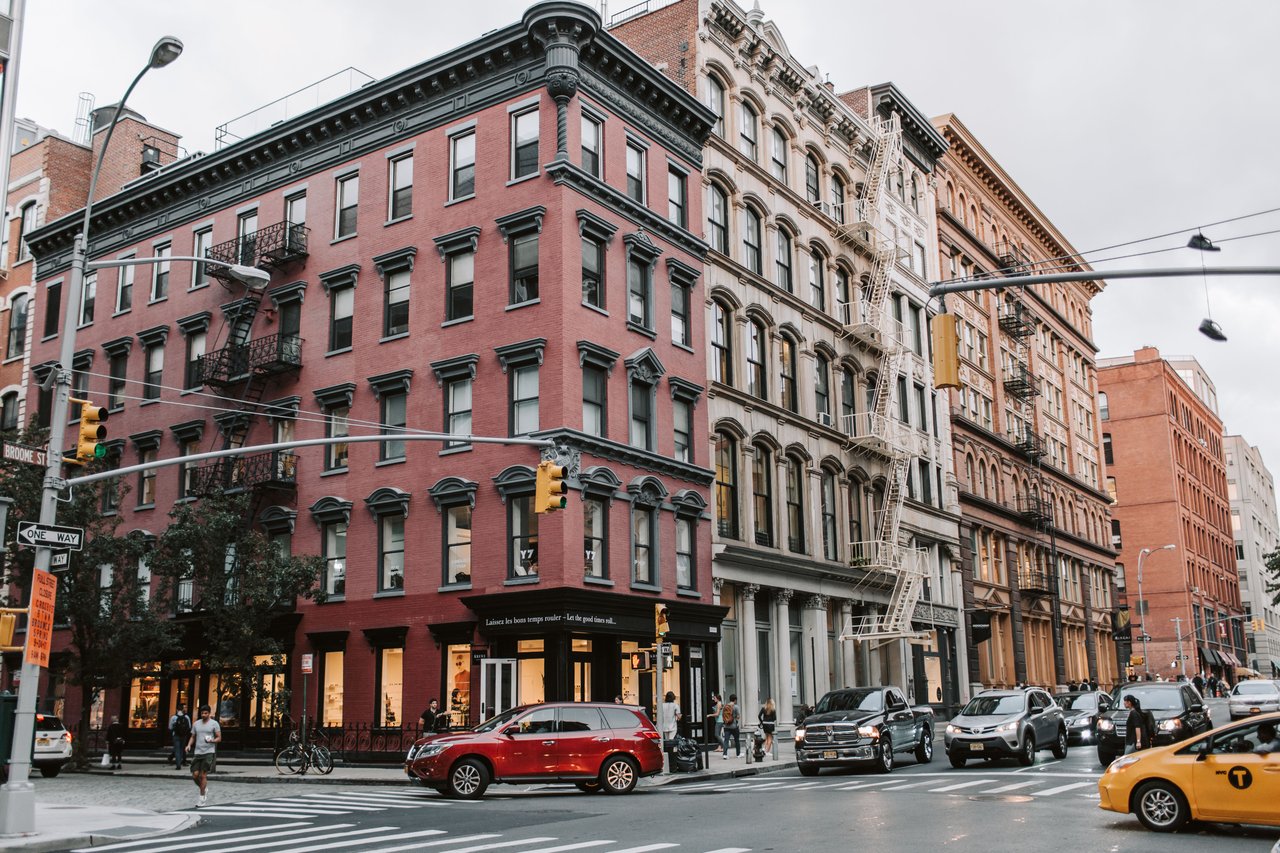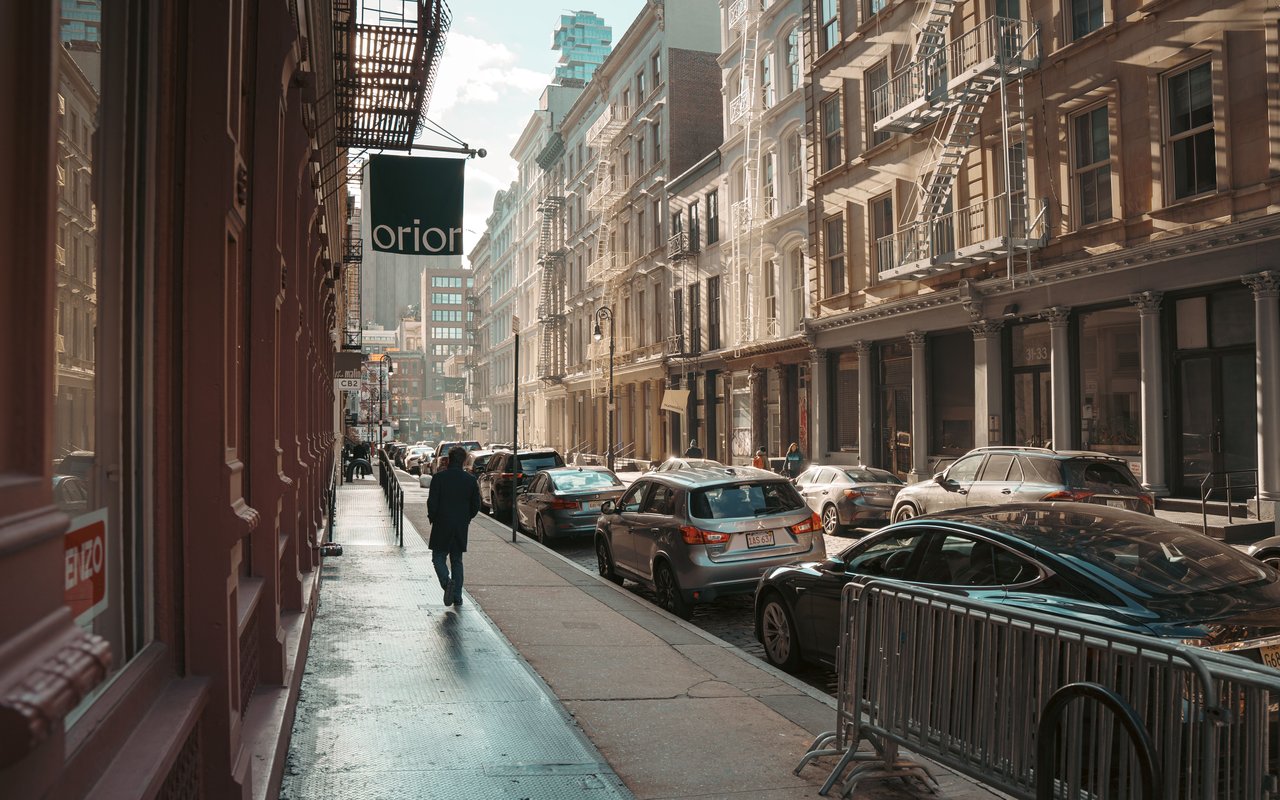
Grand Street is one of the most architecturally distinctive streets in SoHo, Manhattan, where nineteenth-century cast-iron buildings, former manufacturing lofts, decorative masonry facades, and historic commercial structures preserve the neighborhood's industrial past. Located near the southern portion of SoHo, Grand Street offers a particularly revealing look at how Manhattan's commercial architecture evolved during the nineteenth century and how those buildings were later adapted for residential and contemporary commercial use.
Although Grand Street continues east through other Lower Manhattan neighborhoods, this article focuses exclusively on its SoHo section, particularly the blocks between West Broadway and Broadway. Along this stretch, the architecture reflects the growth of wholesale trade, the expansion of industrial construction, and the development of the elaborate cast-iron facades that made SoHo internationally recognized.
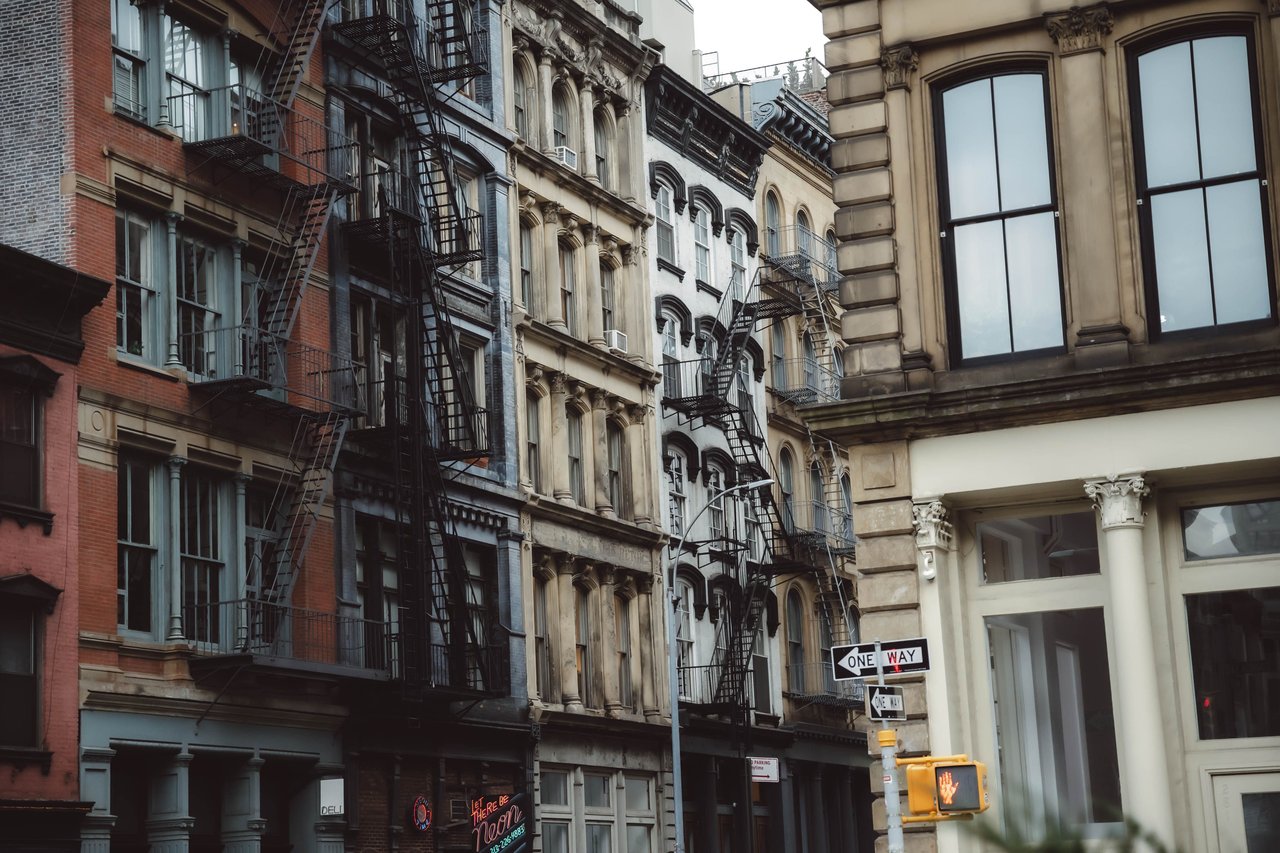
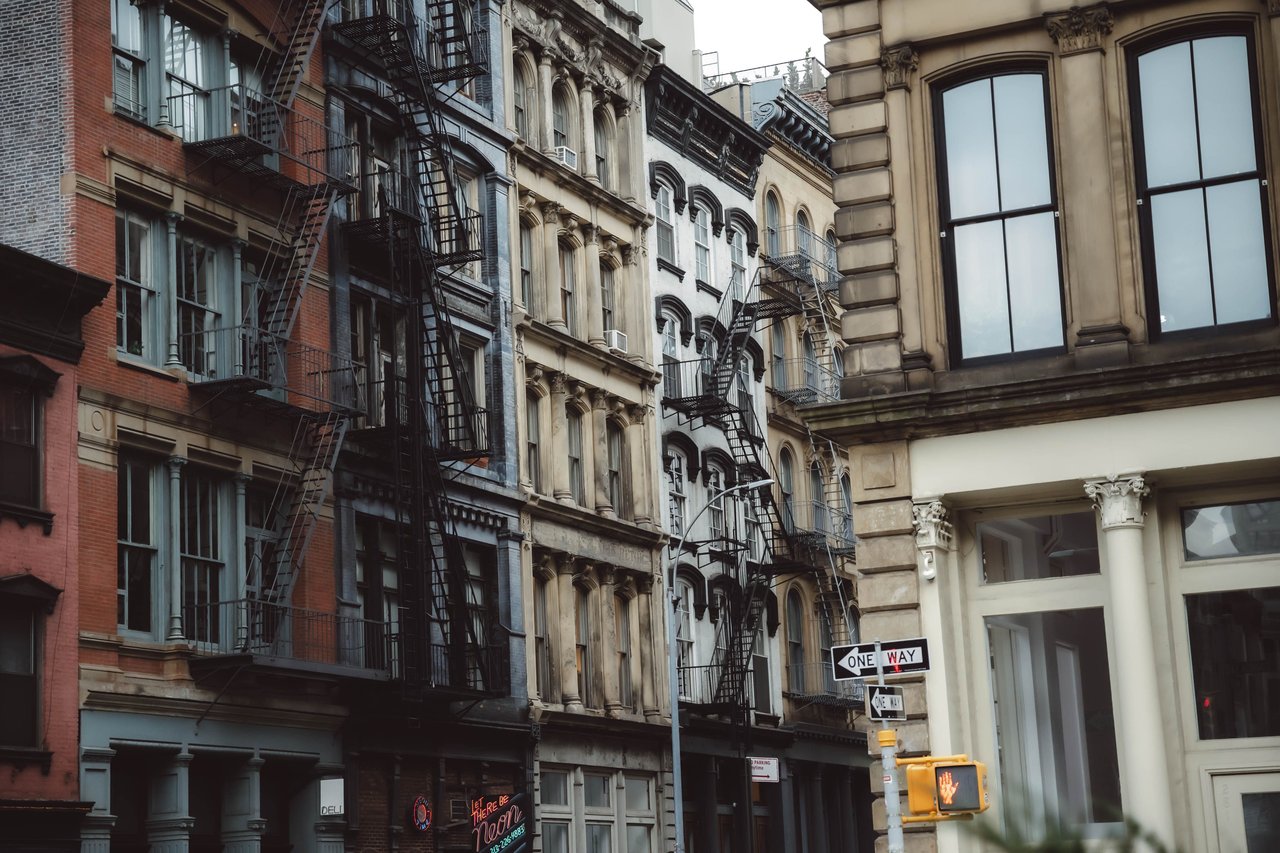
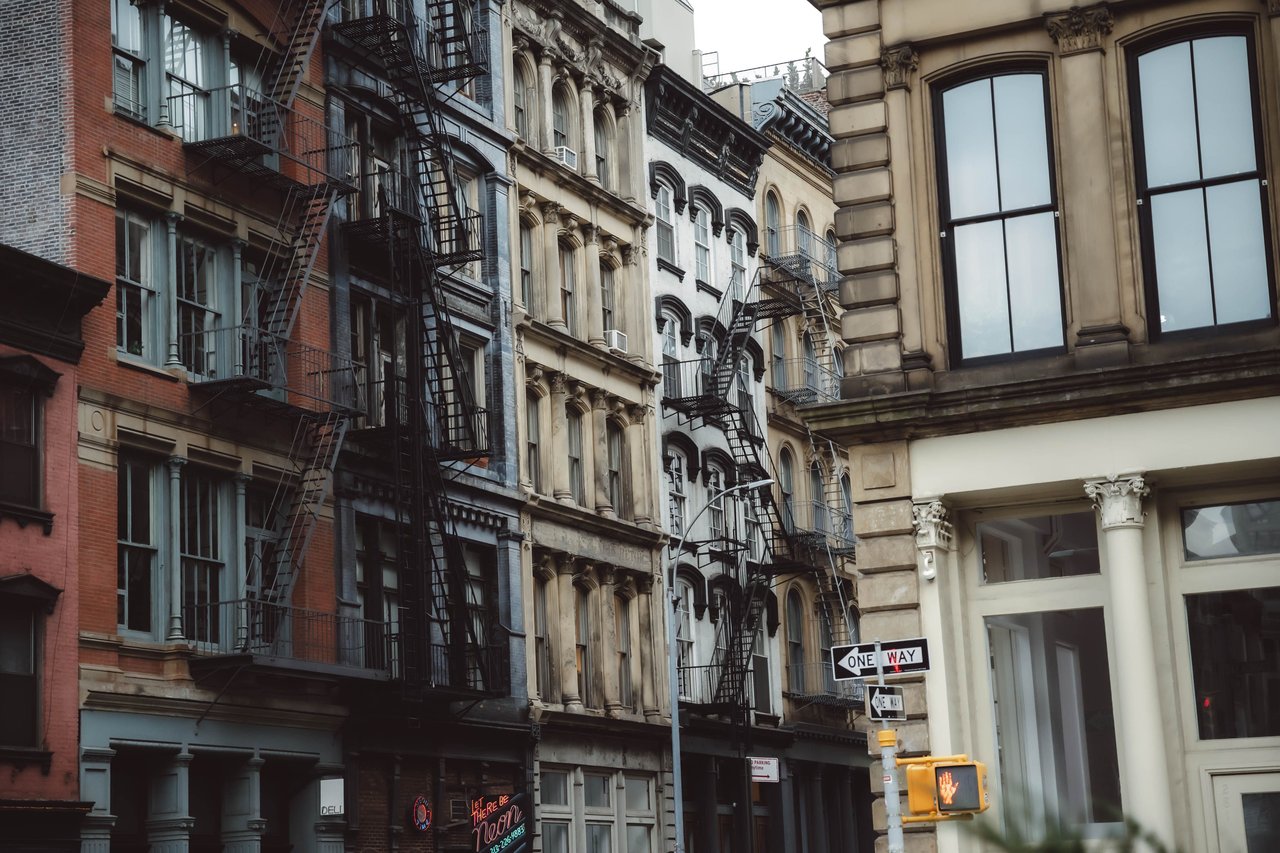
Unlike streets that are defined by a single architectural landmark, Grand Street is especially interesting because of the variety of buildings that survive along its blocks. Some incorporate ornate cast-iron columns and classical details, while others feature brick and stone facades influenced by French Renaissance, Italianate, and Romanesque Revival architecture. Together, they demonstrate how architects and builders responded to the changing needs of Manhattan's commercial economy.
Grand Street also contains important examples of architectural preservation, including buildings whose historic iron facades have required specialized restoration. Its surviving structures reveal a neighborhood that was continually rebuilt, repurposed, and preserved rather than remaining unchanged.
The Origins of Grand Street and Early SoHo
Grand Street developed as Lower Manhattan expanded northward during the early nineteenth century. Before the neighborhood became a commercial and manufacturing center, much of the surrounding area consisted of residential buildings, small businesses, and workshops occupying relatively narrow lots.
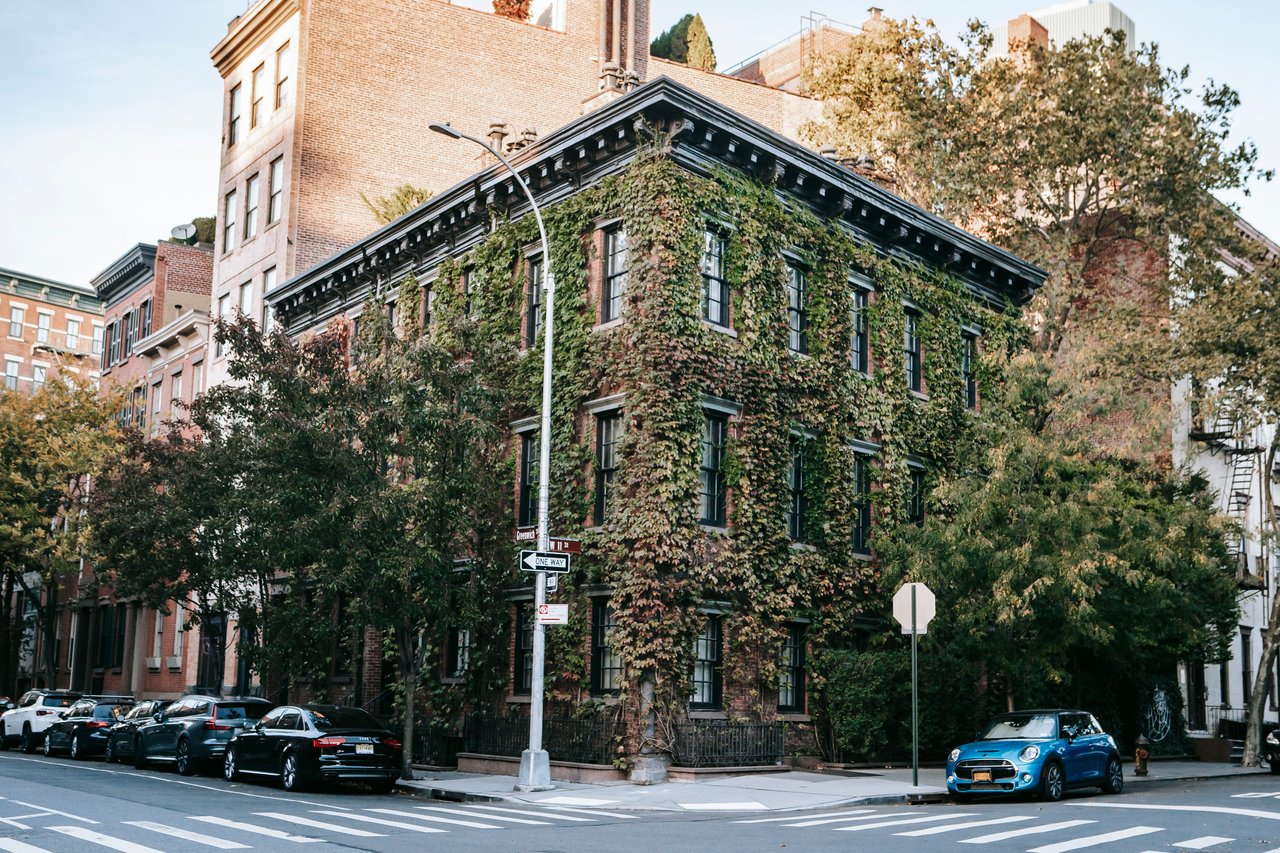
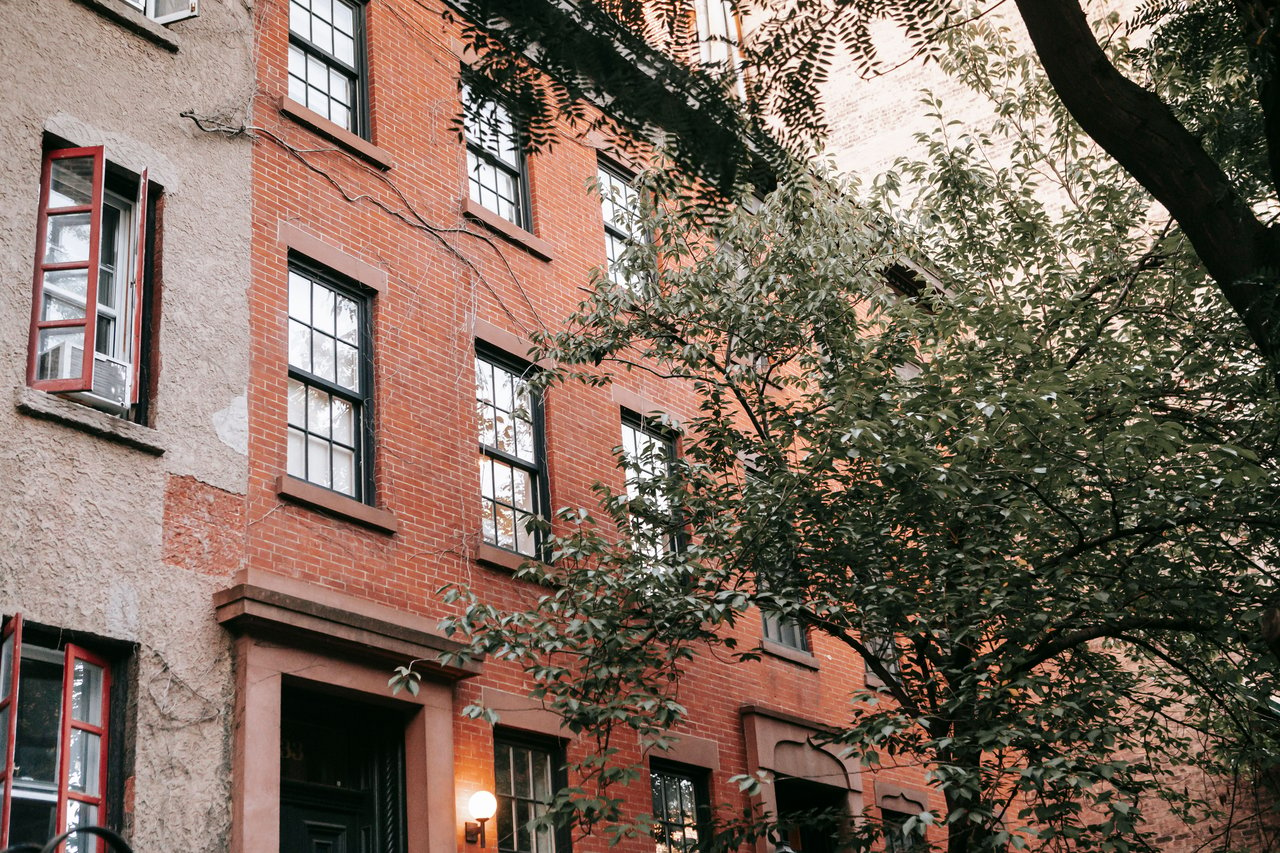
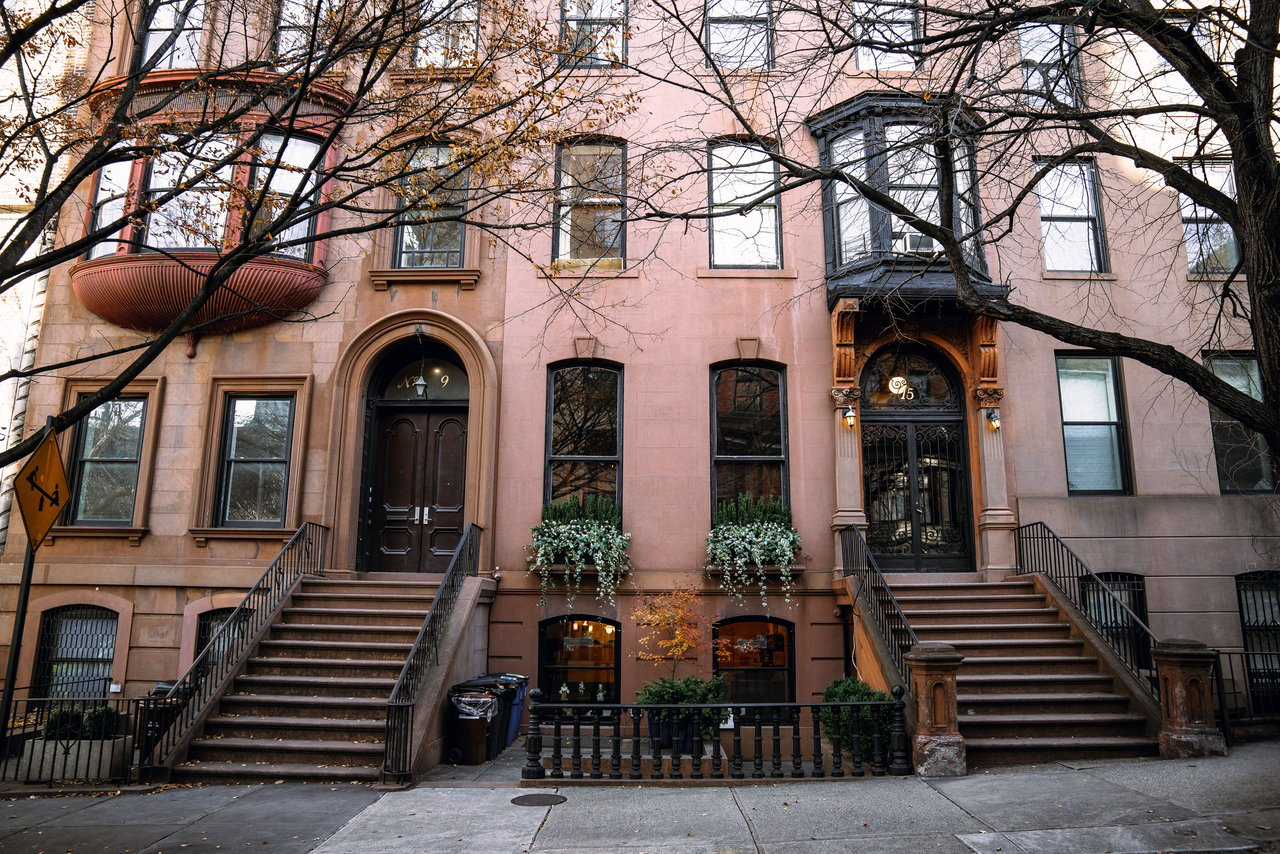
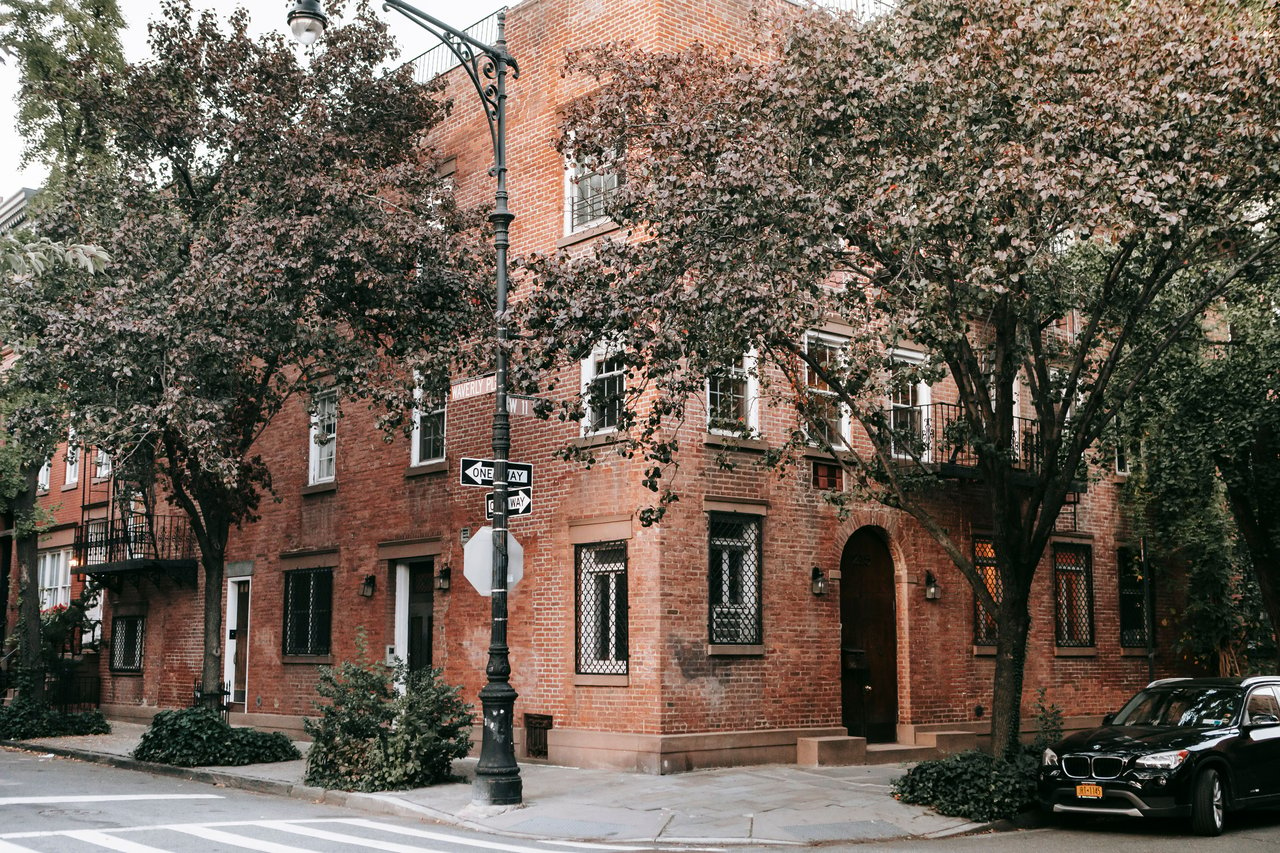
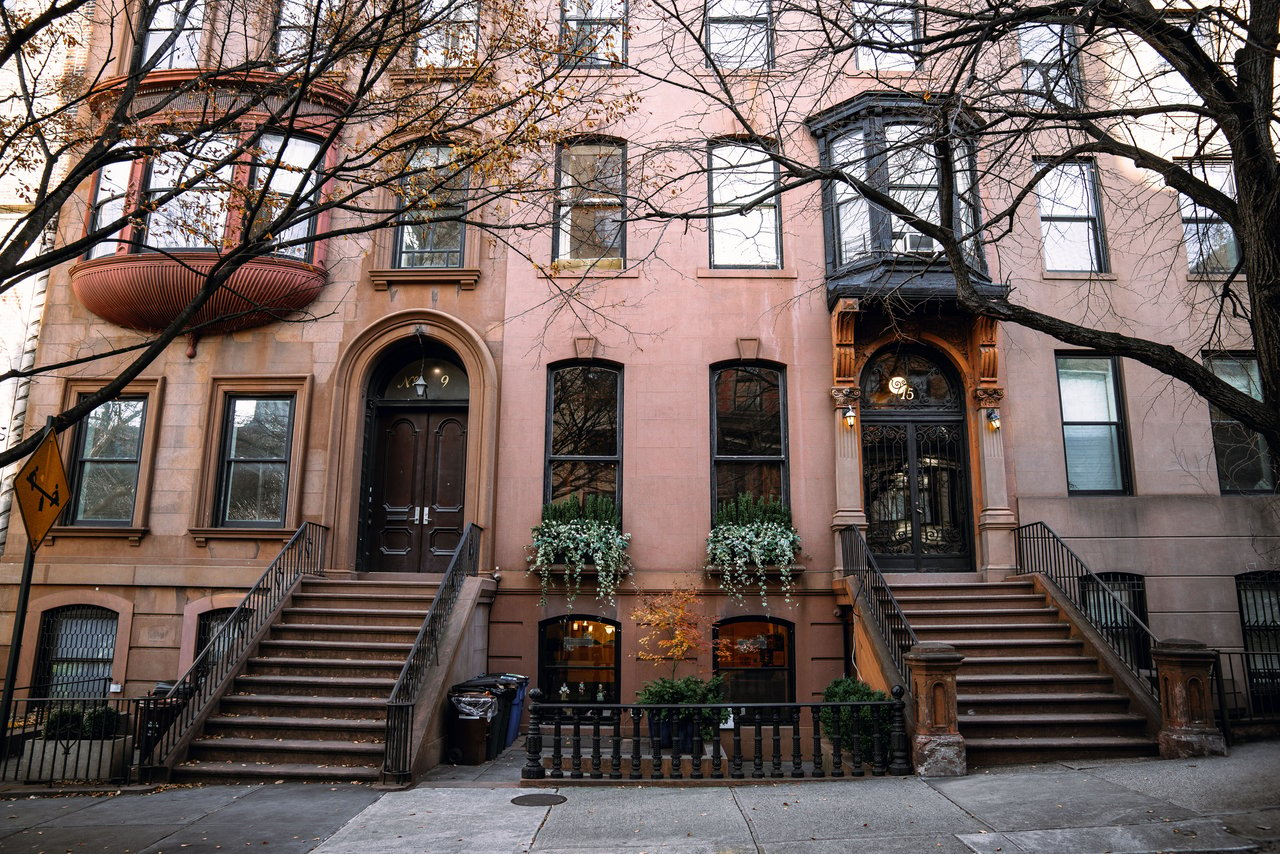
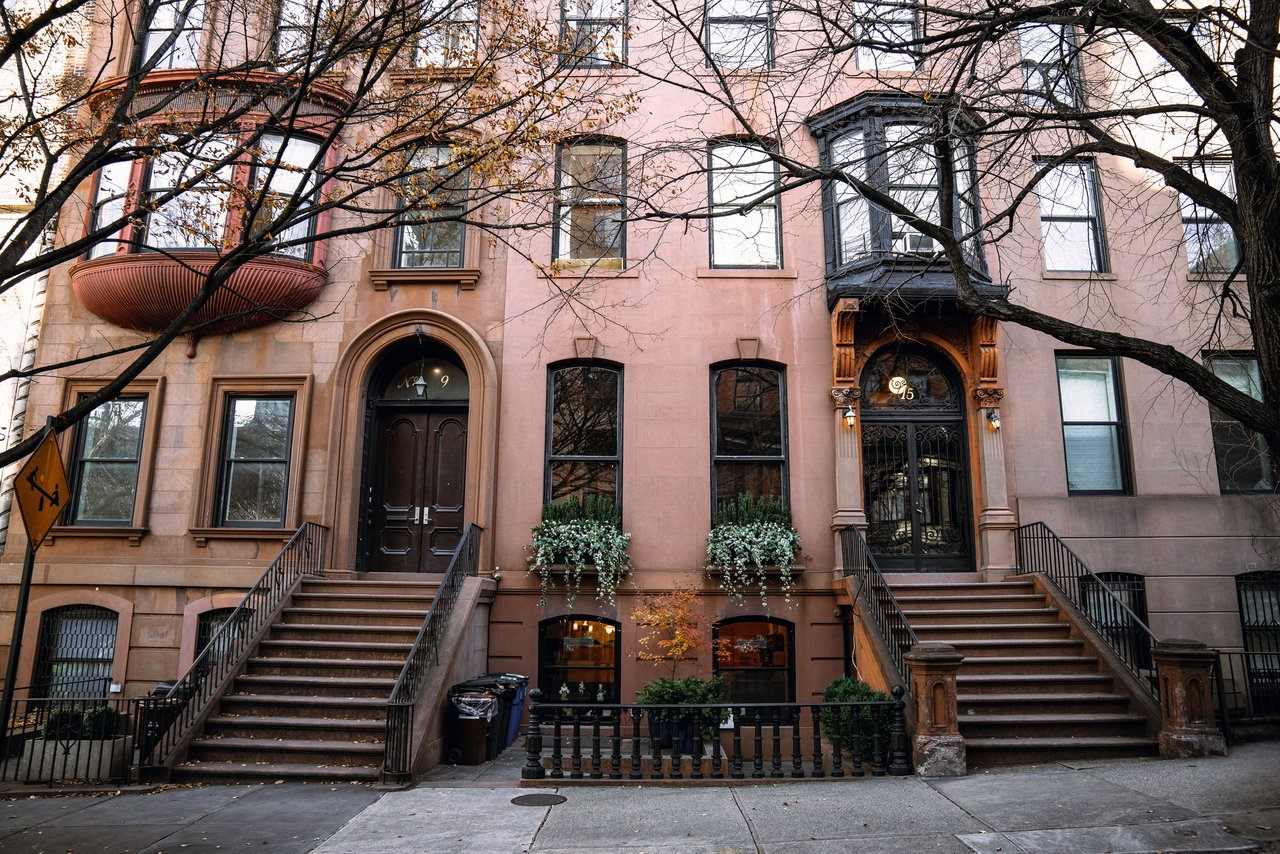
Early houses were commonly constructed in the Federal style, with brick facades, symmetrical windows, stone lintels, and restrained decorative details. As development continued, Greek Revival architecture introduced more substantial classical entrances and masonry ornamentation. These buildings reflected a period when the area south of Houston Street was still primarily residential.
Grand Street's location became increasingly important as Manhattan's commercial economy expanded. The street connected developing neighborhoods to the east with commercial corridors such as Broadway and West Broadway. Its accessibility made the surrounding blocks attractive to businesses that needed storage, production, and wholesale space.
During the middle of the nineteenth century, the demand for larger commercial buildings began transforming the streetscape. Older residential structures were demolished or converted, while new multistory commercial buildings introduced large windows, substantial floor areas, and increasingly elaborate exterior designs.
By the late nineteenth century, Grand Street had become part of the extensive manufacturing and wholesale district that would later be known as SoHo.
What Does SoHo Stand For?
SoHo stands for South of Houston Street, a geographical abbreviation describing the neighborhood located below Houston Street in Lower Manhattan. Grand Street runs through the southern portion of this area, connecting several of the historic streets that define SoHo's architectural identity.
The name became widely recognized during the 1960s and early 1970s, when artists, urban planners, and preservation advocates began identifying the former manufacturing district as a distinct neighborhood. Before that period, the area was primarily associated with wholesale commerce, warehouses, and industrial loft buildings.
The emergence of the name coincided with the transformation of former commercial spaces into artists' studios and residential lofts. It also became closely associated with efforts to preserve the neighborhood's nineteenth-century architecture.
Today, SoHo is recognized for its extraordinary collection of cast-iron commercial buildings, and Grand Street contributes significantly to that architectural legacy.
From Residential Blocks to Manufacturing Buildings
The transformation of Grand Street began during the nineteenth century as wholesale merchants and manufacturing businesses increasingly occupied the blocks south of Houston Street. The neighborhood's location near Broadway and Lower Manhattan's commercial districts made it attractive for companies that needed large interior spaces.
Traditional residential buildings were gradually replaced by commercial structures designed to accommodate warehouses, manufacturing operations, offices, and showrooms. These buildings often occupied several stories, with high ceilings and substantial windows providing light for commercial activities.
The architecture reflected both practical requirements and the growing importance of commercial presentation. Ground floors were designed with storefronts and entrances, while upper stories provided manufacturing, storage, or office space. Decorative cornices, classical columns, and ornamental window surrounds gave the buildings an appearance of permanence and prosperity.
Grand Street's surviving buildings reveal how different construction methods were used during this transformation. Traditional brick and stone remained common, but cast iron increasingly allowed architects to produce elaborate facades using manufactured components.
This combination of industrial technology and decorative architecture became one of SoHo's defining characteristics.
The Rise of Cast-Iron Architecture on Grand Street
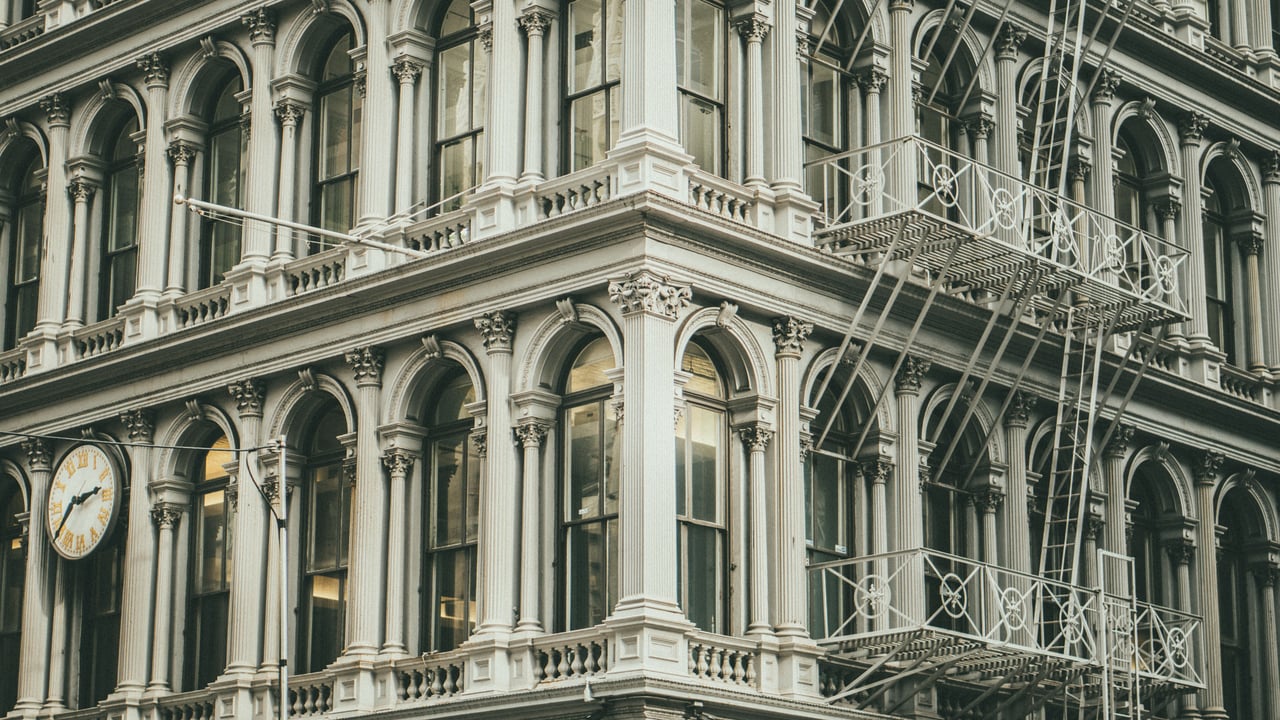
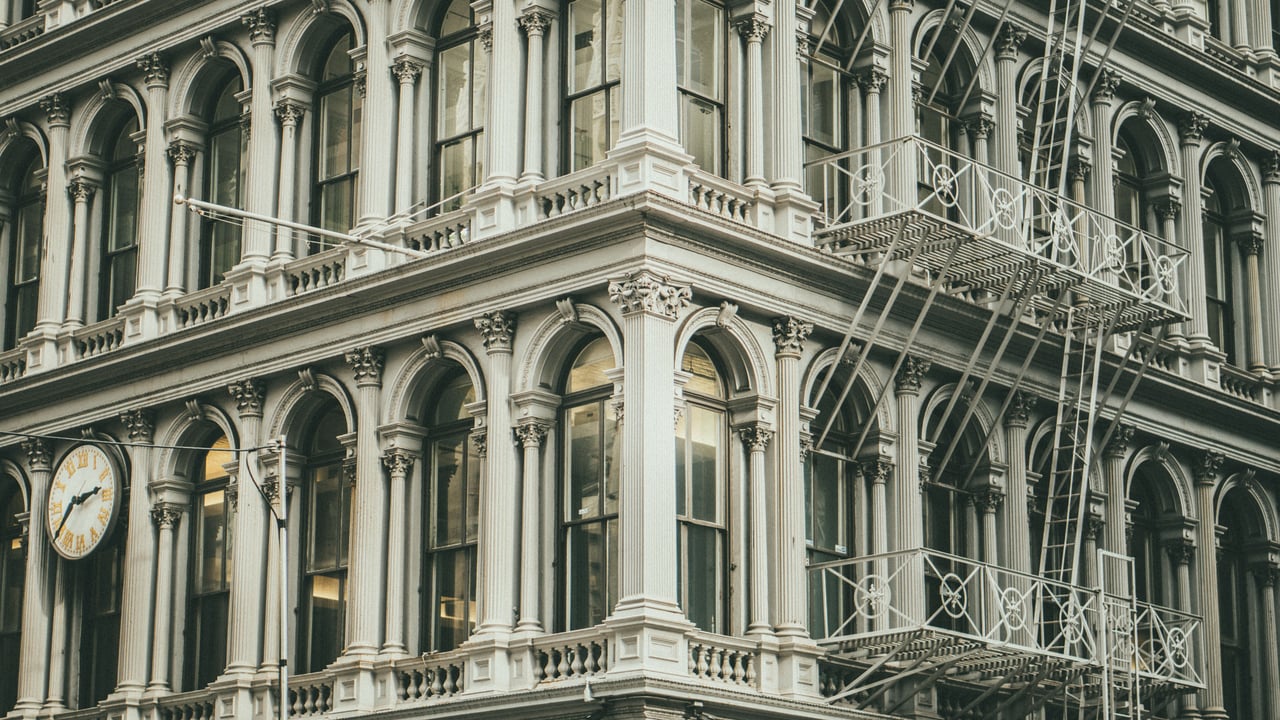
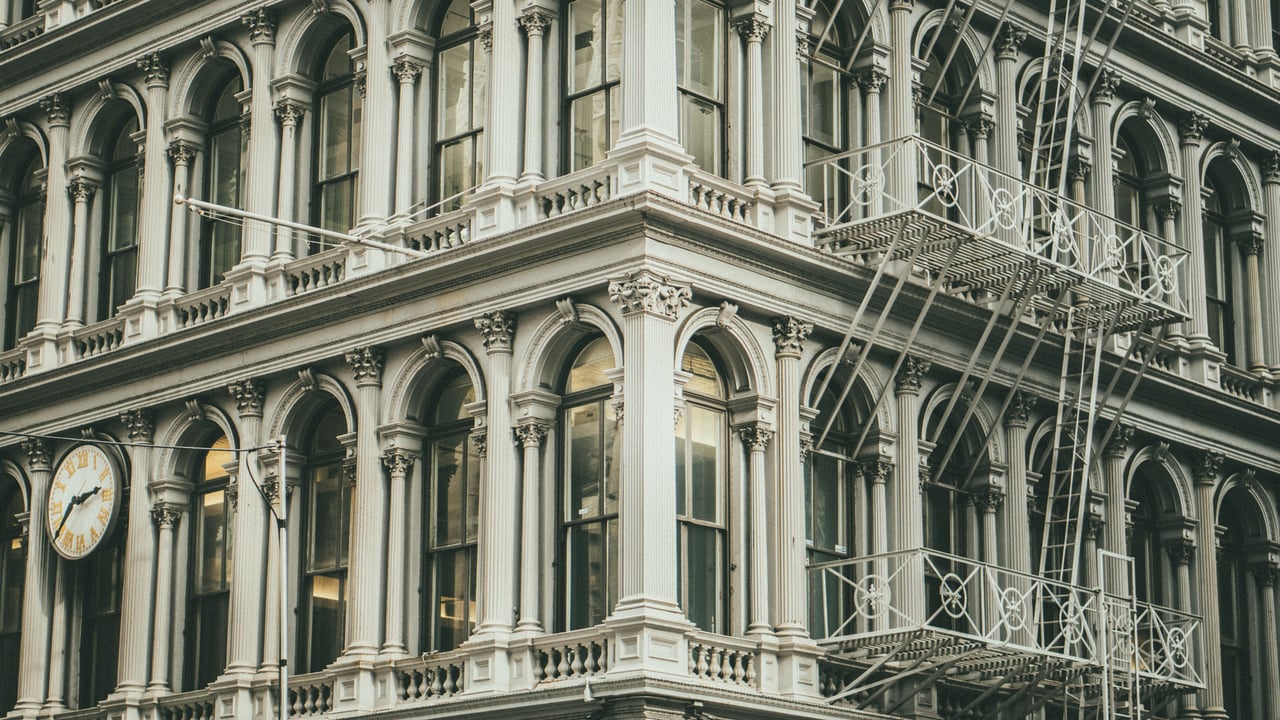
Cast iron became particularly popular in New York commercial construction during the middle and late nineteenth century. Unlike carved stone, decorative iron components could be manufactured in foundries using reusable molds, making elaborate architectural details more efficient to produce.
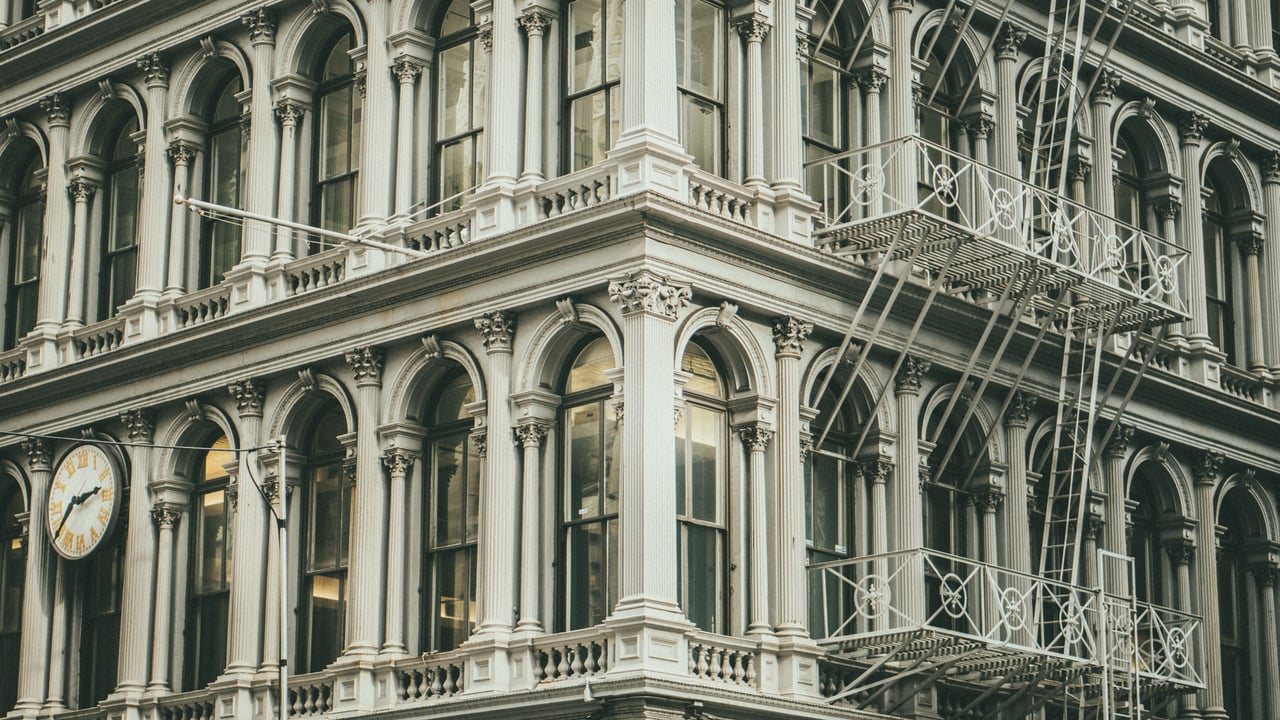
Columns, capitals, arches, window surrounds, and cornices could be cast separately and assembled into complete facades. The technology allowed builders to reproduce classical architectural forms while providing substantial windows for commercial interiors.
For manufacturing and wholesale businesses, these windows were especially valuable. Natural light was important for production, merchandise inspection, and daily operations, while open interior floors provided flexibility for different commercial activities.
Grand Street contains significant examples of cast-iron architecture from several decades of the nineteenth century. Some facades closely imitate stone buildings, while others reveal a more restrained approach to industrial design.
The differences between these structures make Grand Street particularly useful for understanding how cast-iron architecture developed over time.
The Architectural Character of Grand Street Near West Broadway
Near West Broadway, Grand Street enters the western portion of SoHo's historic commercial landscape. The surrounding blocks contain buildings that illustrate the gradual transition from traditional masonry construction to larger commercial loft architecture.
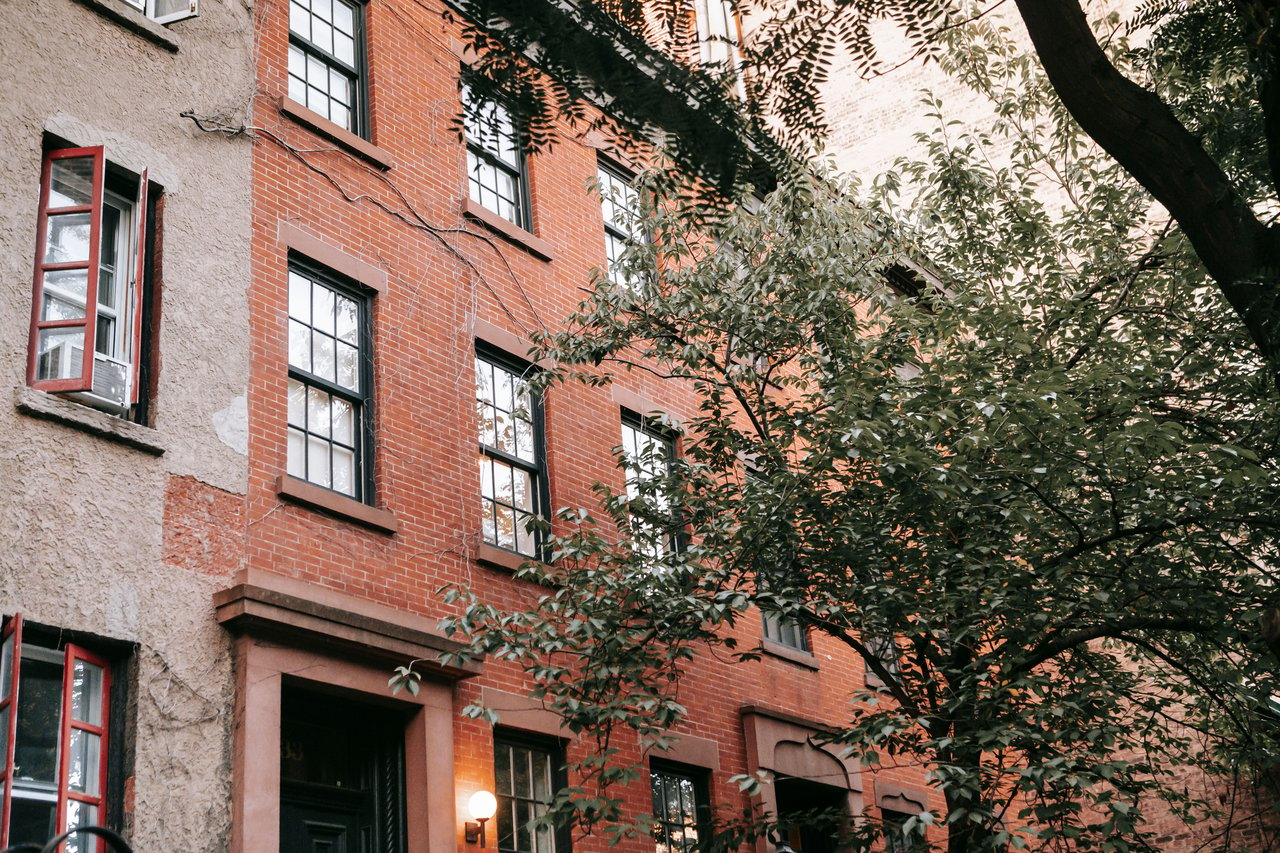
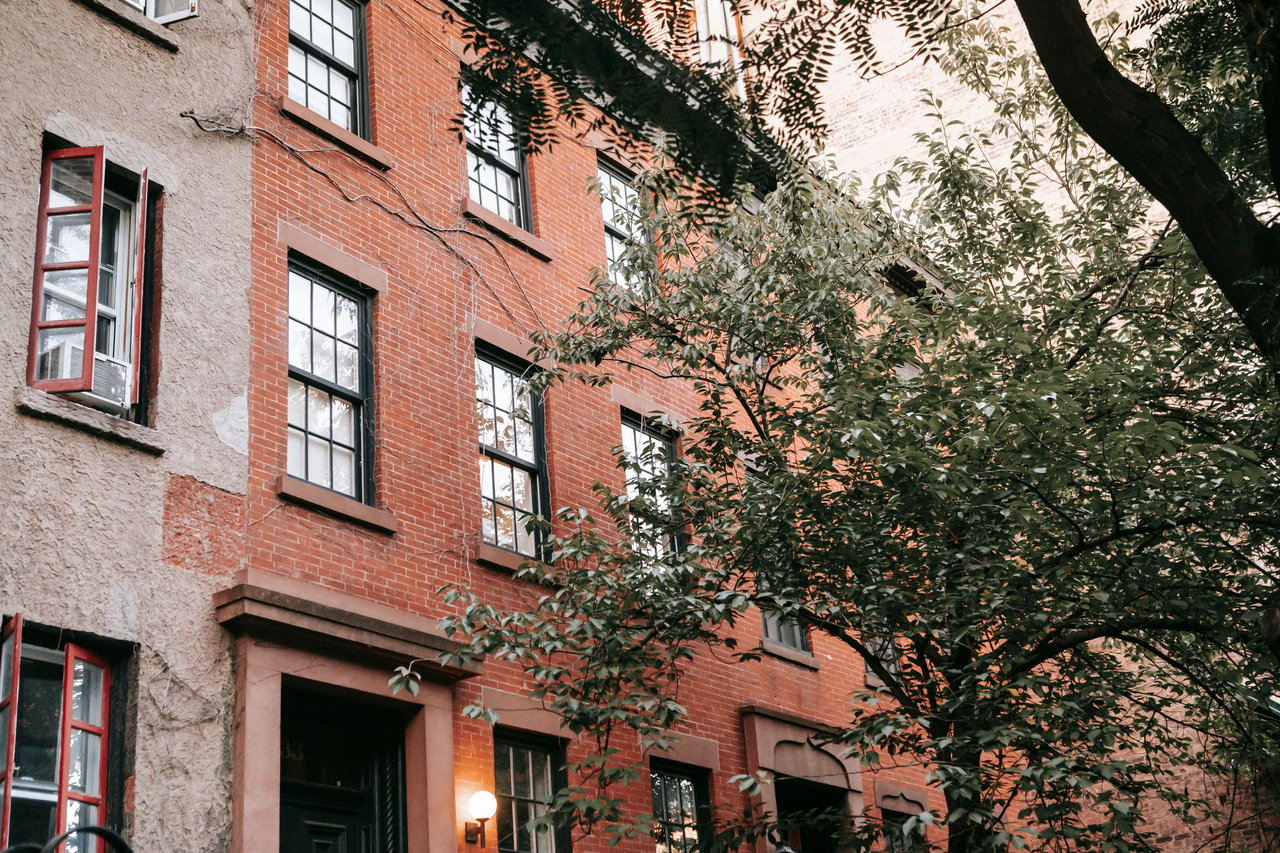
Brick and stone facades are prominent, often incorporating substantial cornices, regularly arranged windows, and ground-floor commercial openings. Some structures retain decorative iron elements that reflect the growing popularity of manufactured architectural components during the nineteenth century.
The intersection with West Broadway also demonstrates the importance of the neighborhood's street network. West Broadway became a significant north-south commercial corridor, connecting the manufacturing blocks of SoHo with surrounding business districts.
As wholesale commerce expanded, developers increasingly constructed buildings that could accommodate several commercial functions within the same property. This pattern contributed to the multistory loft buildings that remain characteristic of the neighborhood.
Today, the architecture around Grand Street and West Broadway provides an introduction to the historic commercial structures farther east.
Grand Street and Wooster Street: The Commercial Loft District
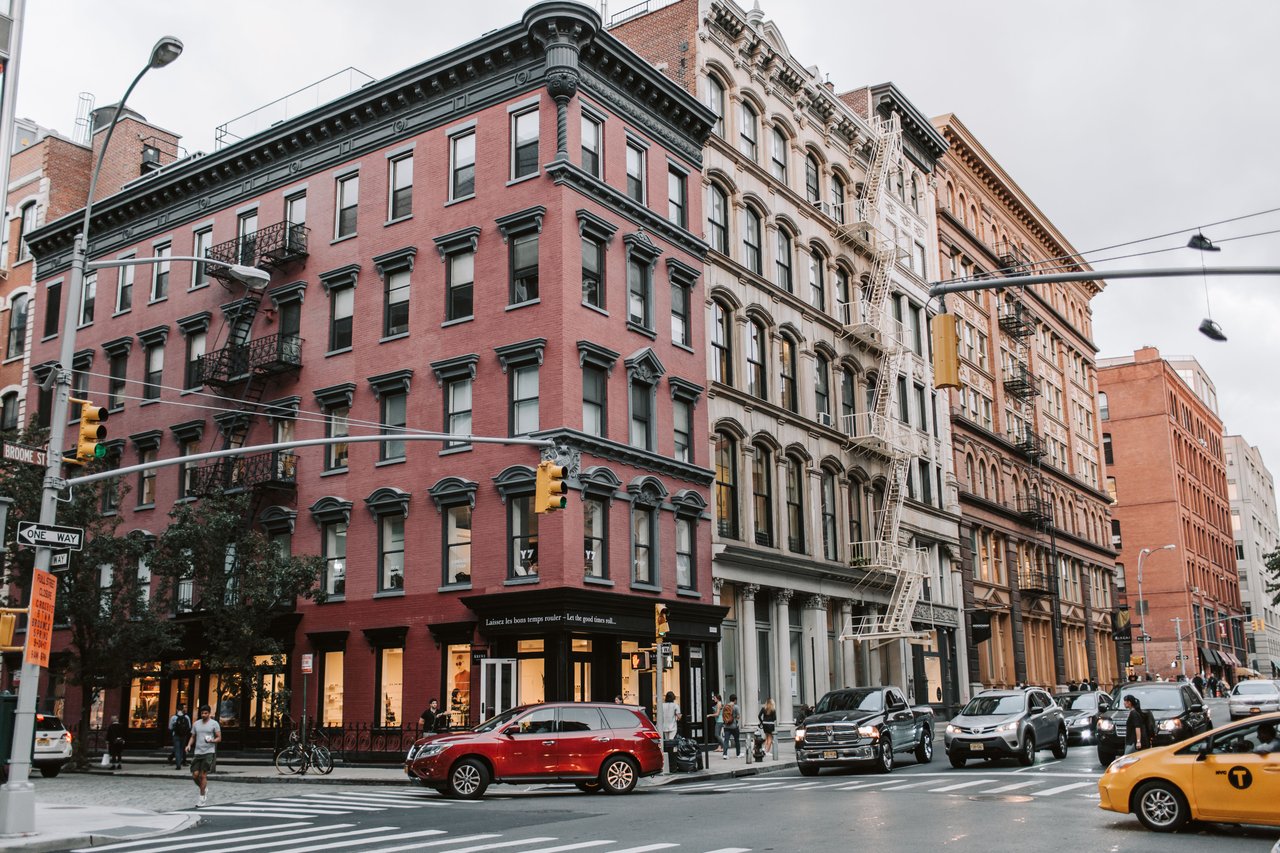
The intersection of Grand Street and Wooster Street reflects the commercial development that transformed SoHo during the second half of the nineteenth century. The surrounding buildings include former manufacturing lofts, wholesale establishments, and masonry commercial structures with decorative architectural details.
Many were designed with substantial windows and relatively open interiors, allowing businesses to use upper floors for storage, production, and related activities. Brick and stone facades were often combined with cast-iron storefronts, creating buildings that balanced traditional construction methods with newer commercial requirements.
A particularly interesting feature of this area is the variety of architectural treatments. Some buildings incorporate classical proportions and decorative cornices, while others emphasize the repetition of windows and structural bays.
This variation reflects the fact that SoHo developed over several decades rather than through a single coordinated building program. Individual developers and architects responded to changing commercial needs, creating a streetscape that is visually consistent in scale but diverse in detail.
The Historic Cast-Iron Buildings at 72 and 74 Grand Street
Among Grand Street's most notable architectural histories is the pair of cast-iron buildings originally constructed at 72 and 74 Grand Street, near Wooster Street.
Designed by architect George DaCunha and completed in the mid-1880s, the buildings were part of the later generation of cast-iron commercial architecture in SoHo. Their facades incorporated decorative columns, substantial windows, and repeated architectural details associated with nineteenth-century commercial design.
Although the two buildings originally shared a closely related appearance, their histories diverged. The building at 72 Grand Street was reduced in height during the twentieth century, leaving a substantially altered structure. The neighboring building at 74 Grand Street retained its historic cast-iron facade for many years.
Their changing appearance illustrates how commercial buildings were repeatedly altered as property uses and economic conditions evolved.
The history of these structures also demonstrates that SoHo's preservation challenges extend beyond maintaining decorative details. The structural stability of older buildings and their relationship with adjacent construction can be equally important.
The Preservation and Reconstruction of 74 Grand Street
The history of 74 Grand Street provides an unusual example of the technical challenges involved in preserving cast-iron architecture.
The building was constructed in 1885–1886 with a five-story cast-iron facade designed by George DaCunha. Its exterior incorporated manufactured architectural components that could be assembled into a decorative commercial frontage.
During the early twenty-first century, excavation work on an adjacent property affected the building's stability. A demolition order was subsequently issued, creating a significant preservation challenge.
Rather than treating the historic facade as a single disposable exterior wall, preservation plans called for its iron components to be carefully dismantled and stored. The facade consisted of approximately 250 individual elements that could be documented and retained for reconstruction.
In 2018, the Landmarks Preservation Commission approved a reconstruction proposal incorporating the reinstatement of the historic cast-iron facade.
The project illustrates one of the distinctive qualities of cast-iron architecture: its components were originally manufactured and assembled as separate elements, making specialized dismantling and reconstruction possible.
It also demonstrates the complexity of preserving nineteenth-century buildings within an actively developing city.
Grand Street and Greene Street: The Heart of Historic Cast-Iron SoHo
The intersection of Grand Street and Greene Street is among the most architecturally significant locations in the neighborhood. Greene Street contains an extraordinary concentration of nineteenth-century cast-iron commercial buildings, many constructed during the decades following the Civil War.
Their facades feature decorative columns, classical capitals, substantial windows, and elaborate cornices. Although the buildings were designed primarily for commercial purposes, their architectural treatment often resembles the formal compositions of Renaissance palaces.
At Grand Street, the surrounding structures reveal different approaches to cast-iron construction. Some buildings feature highly ornamented facades, while others combine cast iron with traditional stone or masonry.
The intersection provides a particularly clear illustration of how industrial manufacturing techniques were used to create elaborate architectural streetscapes.
These buildings helped establish the historic significance of SoHo and remain important examples of nineteenth-century commercial construction.
The Commercial Architecture of 80–88 Grand Street
One of the most substantial historic commercial buildings near the intersection with Greene Street is 80–88 Grand Street, which also occupies the corner of Greene Street.
Completed in 1873 and designed by B. F. Warner, the five-story building was constructed with a combination of iron and stone. Its broad facade extends across multiple architectural bays, giving it a more monumental appearance than many of the narrower commercial buildings nearby.
The structure was originally developed for commercial use and later became associated with wholesale merchants and importers. Its large interior spaces and substantial windows reflected the requirements of businesses handling merchandise on a significant scale.
The building's exterior illustrates how cast iron could be combined with traditional masonry to create elaborate commercial architecture. Rather than relying exclusively on one material, architects frequently used iron for decorative and structural elements while incorporating stone or brick elsewhere.
Its survival provides an important record of SoHo's commercial expansion during the 1870s, when the neighborhood was developing many of its most recognizable buildings.
Grand Street Between Greene Street and Mercer Street
The block between Greene Street and Mercer Street contains a particularly interesting collection of nineteenth-century commercial architecture. Several buildings date from the 1860s, making this section an important record of the period immediately preceding the neighborhood's most extensive cast-iron development.
The architecture incorporates a mixture of French Renaissance influences, traditional masonry, and decorative ironwork. Some buildings feature substantial cornices and elaborate window surrounds, while others employ relatively restrained facade compositions.
The differences are particularly noticeable in the relationship between the ground-floor storefronts and the upper stories. Commercial entrances and display windows were designed to accommodate businesses, while upper floors provided flexible space for manufacturing, storage, and offices.
This section of Grand Street demonstrates how SoHo's commercial architecture developed through experimentation with materials and decorative styles.
The Cast-Iron Facades of 91 and 93 Grand Street
Two particularly significant buildings along this section are 91 and 93 Grand Street, which were designed together by architect John B. Snook in 1869.
Although constructed as separate buildings, they share a closely related four-story cast-iron facade. The composition incorporates repeated windows and relatively simple architectural detailing, creating a unified appearance across the two properties.
Their design is especially interesting because it differs from the more elaborate cast-iron facades that became common during the 1870s. Rather than relying on extensive classical ornamentation, the buildings emphasize repetition, proportion, and the practical possibilities of manufactured iron components.
The ground-floor storefronts incorporate slender pilasters and substantial display openings, while the upper stories maintain a consistent arrangement of windows.
The buildings demonstrate that cast-iron architecture was not limited to highly decorative facades. It could also be used to create restrained, functional commercial exteriors that reflected the needs of individual businesses.
The Architectural Transition Toward Mercer Street
As Grand Street approaches Mercer Street, the surrounding architecture illustrates the growing diversity of commercial building styles during the late nineteenth century.
Earlier structures incorporate Italianate and French Renaissance influences, while later buildings introduce architectural elements associated with Romanesque Revival and other Victorian styles.
These differences reflect the changing preferences of architects and developers as commercial construction expanded throughout Manhattan.
Despite the variation in ornamentation, many buildings share common characteristics, including substantial windows, projecting cornices, and relatively open interior floors.
The consistency of their commercial functions helped create a unified streetscape even as architectural styles changed.
This relationship between functional requirements and decorative variation is one of the defining qualities of Grand Street.
Grand Street and Mercer Street: Masonry and Cast-Iron Architecture
The intersection of Grand Street and Mercer Street provides another important example of SoHo's architectural diversity.
The surrounding buildings include substantial masonry commercial structures, former manufacturing lofts, and facades incorporating cast-iron elements. Brick and stone construction remained common even as prefabricated iron became increasingly popular.
Architects frequently combined different materials to achieve particular decorative effects. Cast iron could be used for storefront columns and window surrounds, while brick and stone provided the principal wall surfaces.
This approach allowed developers to create buildings that were both practical and visually distinctive.
The intersection also illustrates how commercial architecture changed during the nineteenth century, with increasingly substantial buildings replacing earlier residential structures.
Today, the surviving facades preserve the relationship between traditional masonry craftsmanship and industrial building technology.
Grand Street Between Mercer Street and Broadway
The block between Mercer Street and Broadway reflects the influence of one of Manhattan's most important commercial thoroughfares.
As Broadway developed into a major wholesale and retail corridor, nearby streets attracted businesses requiring substantial commercial premises. Grand Street became part of this larger network of warehouses, showrooms, and manufacturing buildings.
The surrounding architecture includes decorative masonry facades, large windows, and substantial commercial ground floors. Buildings constructed during different periods reveal variations in ornamentation and construction methods.
Approaching Broadway, the scale and commercial character of the buildings reflect the growing importance of retail presentation and wholesale distribution during the nineteenth century.
This section provides an architectural transition between the historic cast-iron blocks of interior SoHo and the larger commercial buildings associated with Broadway.
Grand Street and Broadway: A Historic Commercial Intersection
Broadway has played a central role in SoHo's commercial development since the nineteenth century. Its intersection with Grand Street connects the neighborhood's historic manufacturing blocks with one of Manhattan's principal commercial corridors.
During the nineteenth century, Broadway attracted wholesale merchants, retailers, and manufacturers who commissioned substantial buildings to accommodate expanding businesses.
Architects employed cast iron, brick, stone, and later steel structural systems to create commercial facades with large windows and decorative architectural details.
The buildings along Broadway often combined retail or showroom space on lower floors with offices, storage, and manufacturing activities above.
Grand Street's relationship with Broadway helped shape its own development, encouraging the construction of larger commercial structures and contributing to the neighborhood's distinctive architectural character.
The Architectural Importance of Crosby Street and Eastern SoHo
Although the principal focus of this article is Grand Street between West Broadway and Broadway, the historic architectural landscape of SoHo also extends east toward Crosby Street.
One important example is the former commercial building at 134–136 Grand Street, located at Crosby Street. Constructed in 1869, the building incorporates cast-iron facades influenced by the French Second Empire style.
Its original architectural composition included a mansard roof and decorative features characteristic of the period. Although portions of the building were altered during the twentieth century, the surviving structure remains an important example of nineteenth-century commercial architecture.
The building's history demonstrates that SoHo's cast-iron tradition was not confined to the blocks west of Broadway. Significant examples also survive along the eastern edges of the neighborhood's historic district.
This broader architectural landscape was recognized through the extension of the SoHo-Cast Iron Historic District in 2010.
Why Do SoHo Buildings Have Large Windows and High Ceilings?
The large windows and high ceilings found in SoHo's historic loft buildings developed from their original manufacturing and commercial functions.
Wholesale businesses required substantial interior space for merchandise storage, while manufacturers needed flexible work areas with natural light. High ceilings accommodated commercial activities, and large windows helped illuminate interiors before modern lighting became widespread.
Cast-iron facades were particularly useful because their relatively slender columns allowed architects to incorporate broader openings than many traditional masonry structures.
These buildings also frequently included freight elevators, loading entrances, and structural columns designed to support commercial operations.
When manufacturing activity declined during the twentieth century, the same architectural characteristics made the buildings attractive for artists' studios and residential loft conversions.
The spacious interiors associated with contemporary SoHo living are therefore a direct result of the neighborhood's industrial architectural history.
The Transformation of Grand Street Into an Artists' Neighborhood
By the middle of the twentieth century, manufacturing activity had declined in parts of SoHo. Some former industrial buildings became vacant or underused, creating opportunities for artists seeking large and relatively affordable workspaces.
Beginning in the 1960s, artists increasingly occupied former commercial lofts, adapting their interiors for studios and living spaces.
These conversions often preserved original architectural elements, including exposed masonry, cast-iron columns, high ceilings, and large windows.
Grand Street became part of this transformation as buildings originally constructed for wholesale businesses and manufacturing operations were adapted for residential, artistic, and commercial uses.
The movement contributed to SoHo's emergence as an important center for contemporary art and helped establish the architectural preservation efforts that would protect the neighborhood's historic buildings.
The Preservation of SoHo's Historic Architecture
During the twentieth century, SoHo's historic commercial buildings faced substantial redevelopment pressures. Proposals for major transportation infrastructure, including the Lower Manhattan Expressway, threatened extensive portions of the surrounding neighborhoods.
The proposed expressway would have required significant demolition across Lower Manhattan, potentially destroying many nineteenth-century commercial structures.
Opposition from residents, preservation advocates, and community organizations contributed to the project's cancellation in 1969.
The campaign helped increase recognition of the architectural importance of SoHo's historic buildings.
In 1973, the New York City Landmarks Preservation Commission designated the SoHo-Cast Iron Historic District, protecting an exceptional collection of nineteenth-century commercial architecture.
The designation recognized the importance of cast-iron construction, decorative commercial facades, and the neighborhood's distinctive historic streetscape.
The SoHo-Cast Iron Historic District
The SoHo-Cast Iron Historic District contains one of the world's most significant surviving collections of nineteenth-century cast-iron commercial facades.
Designated on August 14, 1973, the district protects hundreds of historic buildings constructed during the neighborhood's commercial and manufacturing expansion.
Its architecture includes elaborate cast-iron structures, substantial masonry buildings, and surviving examples of earlier residential development.
Grand Street contributes significantly to this historic environment through its cast-iron buildings, commercial lofts, and varied nineteenth-century architectural styles.
An extension designated in 2010 provided additional protection to buildings along the eastern and western edges of the original district.
Together, these designations preserve an unusually complete architectural record of Manhattan's commercial development.
Contemporary Architecture and Adaptive Reuse on Grand Street
During the late twentieth and early twenty-first centuries, Grand Street continued evolving as former manufacturing buildings were adapted for residential, commercial, and cultural uses.
Many conversions retained historic facades while introducing modern mechanical systems, updated interiors, and contemporary building amenities.
Former manufacturing floors became residential lofts, offices, galleries, and retail spaces. Historic storefronts were modified to accommodate new businesses, while decorative ironwork and masonry details remained important features of the streetscape.
The preservation of these buildings demonstrates how nineteenth-century commercial architecture can continue serving modern needs.
Grand Street's architectural character remains closely connected to this process of adaptation, in which historic buildings are reused rather than routinely replaced.
Historic Preservation and Property Renovations on Grand Street
Many properties along Grand Street are located within the SoHo-Cast Iron Historic District or its extension. Exterior alterations to designated buildings are subject to applicable New York City Landmarks Preservation Commission requirements.
Preservation work may involve cast-iron restoration, masonry repointing, decorative cornice repairs, and maintenance of historic windows.
Cast-iron buildings present particular challenges because their facades consist of manufactured metal components that require specialized maintenance and restoration techniques.
Former manufacturing lofts may also require careful review of legal occupancy, zoning regulations, and building requirements when undergoing renovation or conversion.
These considerations are particularly important in SoHo, where many buildings were originally constructed for commercial and industrial uses rather than conventional residential occupancy.
The preservation of historic architectural details remains central to maintaining Grand Street's distinctive character.
The Architectural Legacy of Grand Street
Grand Street provides an important record of SoHo's architectural transformation over more than two centuries. Its early development reflected Manhattan's residential expansion, when Federal and Greek Revival houses occupied the blocks south of Houston Street.
During the nineteenth century, wholesale commerce and manufacturing introduced substantial commercial buildings, decorative cast-iron facades, and expansive industrial lofts. Italianate, French Renaissance, and Romanesque Revival architecture contributed a remarkable variety of exterior designs, while industrial construction techniques allowed architects to create large windows and flexible commercial interiors.
The historic buildings around Greene Street and Mercer Street demonstrate the architectural diversity of this period, while the preservation history of 74 Grand Street illustrates the specialized challenges involved in protecting cast-iron architecture.
During the twentieth century, artists helped establish new uses for former industrial buildings, and preservation efforts protected the neighborhood's architectural identity.
Today, Grand Street remains one of SoHo's most important historic corridors, combining nineteenth-century commercial architecture, former manufacturing lofts, restored cast-iron facades, and contemporary residential and commercial uses.
Its surviving buildings continue to tell the story of a neighborhood that evolved from a residential district into an industrial center and eventually into one of Manhattan's most architecturally significant historic neighborhoods.
What does SoHo stand for near Grand Street in SoHo, Manhattan?
SoHo stands for South of Houston Street, the neighborhood surrounding Grand Street in SoHo, Manhattan. The name describes the area's location below Houston Street and became widely recognized during the twentieth century as former manufacturing buildings were converted into artists' studios and residential lofts.
Why is Grand Street famous in SoHo, Manhattan?
Grand Street in SoHo, Manhattan, is known for its nineteenth-century cast-iron buildings, historic manufacturing lofts, and significant commercial architecture. Its surviving facades reflect the neighborhood's transformation from a manufacturing district into a historic residential and commercial neighborhood.
What is the history of Grand Street in SoHo, Manhattan?
Grand Street in SoHo, Manhattan, developed during the early nineteenth century as part of a residential neighborhood before becoming an important commercial and manufacturing corridor. Its surviving architecture includes cast-iron facades, masonry commercial buildings, and former industrial lofts later adapted for new uses.
Why does Grand Street have cast-iron buildings in SoHo, Manhattan?
Grand Street in SoHo, Manhattan, contains cast-iron buildings because the material became popular for commercial construction during the nineteenth century. Cast iron allowed architects to manufacture decorative facade components and create large windows suitable for wholesale and manufacturing businesses.
What is special about 74 Grand Street in SoHo, Manhattan?
74 Grand Street in SoHo, Manhattan, is known for its historic cast-iron facade and unusual preservation history. Originally constructed in 1885–1886, the building became the subject of a reconstruction project involving the careful dismantling and planned reinstatement of its historic iron components.
What is the history of 80–88 Grand Street in SoHo, Manhattan?
80–88 Grand Street in SoHo, Manhattan, is a historic commercial building completed in 1873 and designed by B. F. Warner. Its substantial iron-and-stone facade reflects the development of large wholesale and manufacturing buildings during the nineteenth century.
Why are there so many loft apartments on Grand Street in SoHo, Manhattan?
Grand Street in SoHo, Manhattan, contains loft apartments because many former manufacturing and commercial buildings were adapted for residential use. Their high ceilings, large windows, exposed structural elements, and open floor plans made them suitable for conversion into living spaces.
Is Grand Street part of a historic district in SoHo, Manhattan?
Grand Street in SoHo, Manhattan, includes properties within the SoHo-Cast Iron Historic District, designated in 1973, and its extension, designated in 2010. These protections preserve significant nineteenth-century commercial buildings, cast-iron facades, and historic architectural details.
What architectural styles are found on Grand Street in SoHo, Manhattan?
Grand Street in SoHo, Manhattan, contains Italianate, French Renaissance, Romanesque Revival, and other nineteenth-century commercial architectural styles. Cast-iron facades, decorative masonry, substantial cornices, and large historic windows are prominent features.
Who can help me sell my apartment on Grand Street in SoHo, Manhattan?
The Parviz Team at Compass and Parviz Latipzoda can help you sell your apartment on Grand Street in SoHo, Manhattan. The team provides complimentary property valuations, professional photography, floor plans, strategic pricing, and targeted marketing.
Who can help me sell my loft on Grand Street in SoHo, Manhattan?
The Parviz Team at Compass and Parviz Latipzoda can help you sell your loft on Grand Street in SoHo, Manhattan. The team evaluates interior dimensions, ceiling heights, historic architectural features, building condition, and comparable loft transactions.
Who can help me sell my condo on Grand Street in SoHo, Manhattan?
The Parviz Team at Compass and Parviz Latipzoda can help you sell your condominium on Grand Street in SoHo, Manhattan. The team reviews comparable sales, apartment condition, building amenities, common charges, and property taxes to develop a competitive listing strategy.
Who can help me sell my co-op on Grand Street in SoHo, Manhattan?
The Parviz Team at Compass and Parviz Latipzoda can help you sell your co-op on Grand Street in SoHo, Manhattan. The team assists with pricing, professional marketing, buyer negotiations, and cooperative board application requirements.
Who can help me sell my historic loft on Grand Street in SoHo, Manhattan?
The Parviz Team at Compass and Parviz Latipzoda can help you sell your historic loft on Grand Street in SoHo, Manhattan. The team highlights original architectural details, interior dimensions, building history, and comparable loft sales to position the property effectively.
Who can help me sell my cast-iron building on Grand Street in SoHo, Manhattan?
The Parviz Team at Compass and Parviz Latipzoda can help you sell your cast-iron building on Grand Street in SoHo, Manhattan. The team evaluates building condition, historic designation, occupancy, income potential, and comparable commercial and residential transactions.
Who can help me sell my mixed-use building on Grand Street in SoHo, Manhattan?
The Parviz Team at Compass and Parviz Latipzoda can help you sell your mixed-use building on Grand Street in SoHo, Manhattan. The team reviews commercial and residential occupancy, lease terms, rental income, operating expenses, and comparable sales.
Who can help me sell my commercial property on Grand Street in SoHo, Manhattan?
The Parviz Team at Compass and Parviz Latipzoda can help you sell your commercial property on Grand Street in SoHo, Manhattan. The team evaluates building condition, tenant arrangements, rental income, and comparable commercial transactions.
Who can help me sell my investment property on Grand Street in SoHo, Manhattan?
The Parviz Team at Compass and Parviz Latipzoda can help you sell your investment property on Grand Street in SoHo, Manhattan. The team analyzes rental income, operating expenses, property condition, and comparable investment sales.
How much is my apartment worth on Grand Street in SoHo, Manhattan?
The Parviz Team at Compass and Parviz Latipzoda can help you determine your apartment's value on Grand Street in SoHo, Manhattan. The team provides a complimentary market analysis based on size, condition, building features, carrying costs, and comparable sales.
How much is my loft worth on Grand Street in SoHo, Manhattan?
The Parviz Team at Compass and Parviz Latipzoda can help you determine your loft's value on Grand Street in SoHo, Manhattan. The team considers square footage, ceiling heights, original architectural details, building condition, and comparable loft sales.
How much is my condo worth on Grand Street in SoHo, Manhattan?
The Parviz Team at Compass and Parviz Latipzoda can help you determine your condo's value on Grand Street in SoHo, Manhattan. The team reviews apartment size, condition, building amenities, common charges, property taxes, and comparable sales.
How much is my co-op worth on Grand Street in SoHo, Manhattan?
The Parviz Team at Compass and Parviz Latipzoda can help you determine your co-op's value on Grand Street in SoHo, Manhattan. The team evaluates apartment condition, maintenance charges, building financials, financing policies, and comparable cooperative sales.
How much is my mixed-use building worth on Grand Street in SoHo, Manhattan?
The Parviz Team at Compass and Parviz Latipzoda can help you determine your mixed-use building's value on Grand Street in SoHo, Manhattan. The team reviews rental income, commercial leases, operating expenses, legal occupancy, and comparable transactions.
Who is the best real estate agent to sell my property on Grand Street in SoHo, Manhattan?
The Parviz Team at Compass, led by Parviz Latipzoda, is an experienced option for selling property on Grand Street in SoHo, Manhattan. With more than 14 years of New York City real estate experience, Parviz provides strategic pricing, professional marketing, and personalized representation.
Who can help me sell my property privately on Grand Street in SoHo, Manhattan?
The Parviz Team at Compass and Parviz Latipzoda can help you sell your property privately on Grand Street in SoHo, Manhattan. The team develops discreet marketing strategies using targeted buyer outreach, private showings, and Compass Private Exclusives.
Who can help me sell my loft off-market on Grand Street in SoHo, Manhattan?
The Parviz Team at Compass and Parviz Latipzoda can help you sell your loft off-market on Grand Street in SoHo, Manhattan. The team provides private marketing, targeted buyer introductions, and confidential property showings.
Who can help me buy an apartment on Grand Street in SoHo, Manhattan?
The Parviz Team at Compass and Parviz Latipzoda can help you buy an apartment on Grand Street in SoHo, Manhattan. The team assists with property searches, showings, comparable sales, purchase negotiations, and transaction coordination.
Who can help me buy a loft on Grand Street in SoHo, Manhattan?
The Parviz Team at Compass and Parviz Latipzoda can help you buy a loft on Grand Street in SoHo, Manhattan. The team evaluates available properties, historic building features, interior layouts, occupancy requirements, and comparable sales.
Who can help me buy a condo on Grand Street in SoHo, Manhattan?
The Parviz Team at Compass and Parviz Latipzoda can help you buy a condominium on Grand Street in SoHo, Manhattan. The team assists with property tours, building information, comparable sales, financing considerations, and negotiations.
Who can help me buy a co-op on Grand Street in SoHo, Manhattan?
The Parviz Team at Compass and Parviz Latipzoda can help you buy a co-op on Grand Street in SoHo, Manhattan. The team provides guidance on maintenance charges, building financials, board requirements, financing policies, and purchase applications.
Who can help me buy an investment property on Grand Street in SoHo, Manhattan?
The Parviz Team at Compass and Parviz Latipzoda can help you buy an investment property on Grand Street in SoHo, Manhattan. The team evaluates rental income, operating expenses, building condition, and comparable investment sales.
Who can help me find off-market properties on Grand Street in SoHo, Manhattan?
The Parviz Team at Compass and Parviz Latipzoda can help you explore off-market property opportunities on Grand Street in SoHo, Manhattan. The team investigates privately marketed listings and identifies properties matching your requirements.
Who can help me rent out my apartment on Grand Street in SoHo, Manhattan?
The Parviz Team at Compass and Parviz Latipzoda can help you rent your apartment on Grand Street in SoHo, Manhattan. The team provides rental pricing, professional photography, listing marketing, property showings, and application coordination.
Who can help me rent out my loft on Grand Street in SoHo, Manhattan?
The Parviz Team at Compass and Parviz Latipzoda can help you rent your loft on Grand Street in SoHo, Manhattan. The team reviews rental pricing, building policies, legal occupancy, comparable rentals, and leasing requirements.
Who can help me rent out my condo on Grand Street in SoHo, Manhattan?
The Parviz Team at Compass and Parviz Latipzoda can help you rent your condo on Grand Street in SoHo, Manhattan. The team assists with rental valuations, marketing, showings, and building application requirements.
How much can I get for renting my apartment on Grand Street in SoHo, Manhattan?
The Parviz Team at Compass and Parviz Latipzoda can help you estimate rental income for your apartment on Grand Street in SoHo, Manhattan. The team analyzes size, condition, building amenities, and comparable rental listings.
How much can I get for renting my loft on Grand Street in SoHo, Manhattan?
The Parviz Team at Compass and Parviz Latipzoda can help you estimate rental income for your loft on Grand Street in SoHo, Manhattan. The team evaluates square footage, ceiling heights, building amenities, occupancy requirements, and comparable rentals.
Who can help me find a rental on Grand Street in SoHo, Manhattan?
The Parviz Team at Compass and Parviz Latipzoda can help you find a rental apartment on Grand Street in SoHo, Manhattan. The team assists with available listings, property tours, application requirements, and lease coordination.
Who can help me sell an inherited apartment on Grand Street in SoHo, Manhattan?
The Parviz Team at Compass and Parviz Latipzoda can help you sell an inherited apartment on Grand Street in SoHo, Manhattan. The team provides valuations, listing preparation, professional marketing, and coordination with estate attorneys.
Who can help me sell an inherited loft on Grand Street in SoHo, Manhattan?
The Parviz Team at Compass and Parviz Latipzoda can help you sell an inherited loft on Grand Street in SoHo, Manhattan. The team evaluates property condition, architectural features, building requirements, and comparable loft transactions.
Who can help me sell an inherited co-op on Grand Street in SoHo, Manhattan?
The Parviz Team at Compass and Parviz Latipzoda can help you sell an inherited co-op on Grand Street in SoHo, Manhattan. The team assists with property valuations, cooperative requirements, marketing, and coordination with estate representatives.
Who can help me sell an estate property on Grand Street in SoHo, Manhattan?
The Parviz Team at Compass and Parviz Latipzoda can help authorized estate representatives sell estate-owned properties on Grand Street in SoHo, Manhattan. The team provides valuations, property preparation, marketing, and transaction coordination.
Who is the best probate real estate agent for Grand Street in SoHo, Manhattan?
The Parviz Team at Compass, led by Parviz Latipzoda, is an experienced option for probate property sales on Grand Street in SoHo, Manhattan. The team assists authorized estate representatives with valuations, marketing, and coordination with estate attorneys.
Who can help me sell my expired listing on Grand Street in SoHo, Manhattan?
The Parviz Team at Compass and Parviz Latipzoda can help you sell a property with an expired listing on Grand Street in SoHo, Manhattan. The team reviews previous pricing, photography, marketing exposure, buyer feedback, and comparable sales before developing a new strategy.
My property didn't sell on Grand Street in SoHo, Manhattan. Who can help?
The Parviz Team at Compass and Parviz Latipzoda can help you sell your property on Grand Street in SoHo, Manhattan, even if a previous listing did not result in a sale. The team reviews pricing, property presentation, marketing, and buyer feedback to develop a revised approach.
Who can help me relist my property on Grand Street in SoHo, Manhattan?
The Parviz Team at Compass and Parviz Latipzoda can help you relist your property on Grand Street in SoHo, Manhattan. The team provides updated market analysis, professional photography, strategic pricing, and targeted marketing.
For a complimentary property valuation or assistance with buying, selling, or renting on Grand Street in SoHo, Manhattan, contact The Parviz Team at Compass at 917-847-7771 or visit parvizrealestate.com.