How Long Does the NYC Marathon Last in 2026?
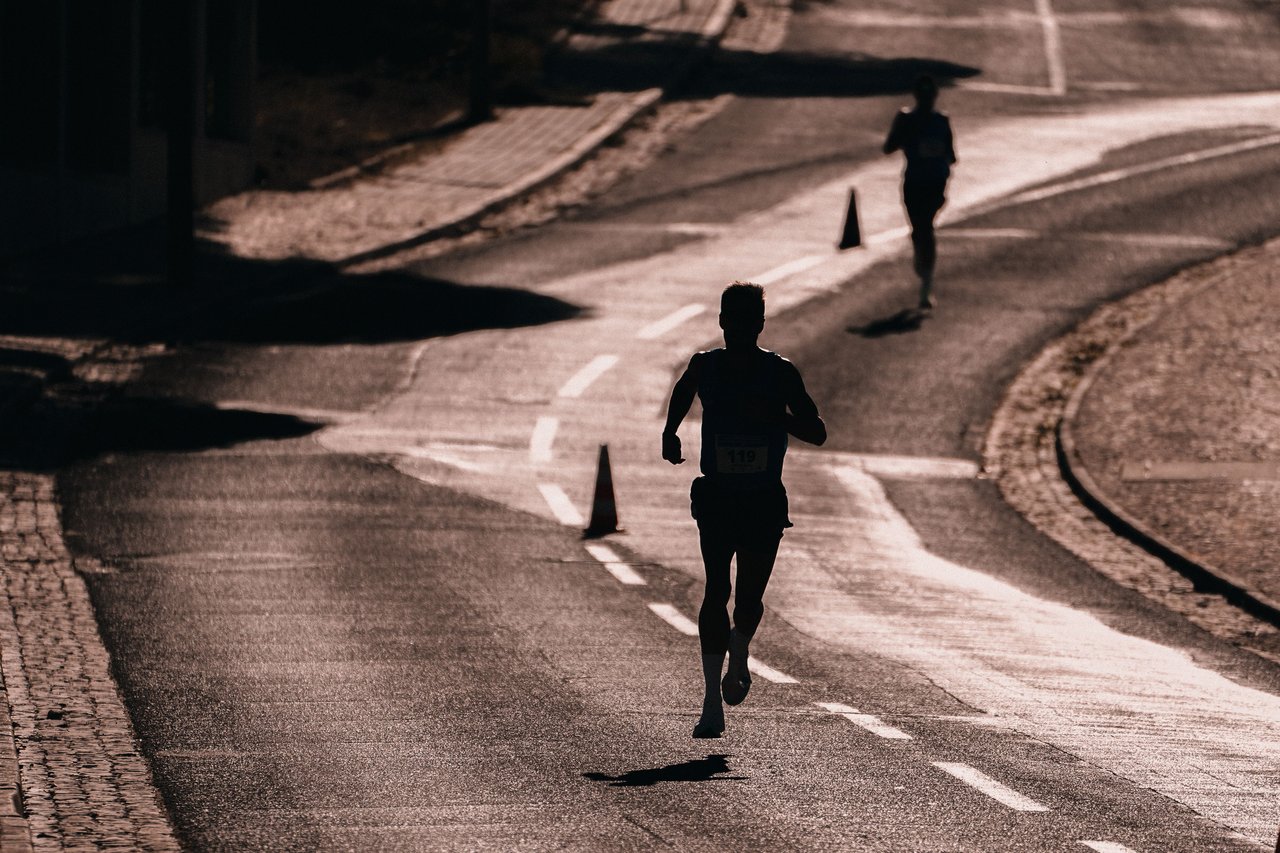
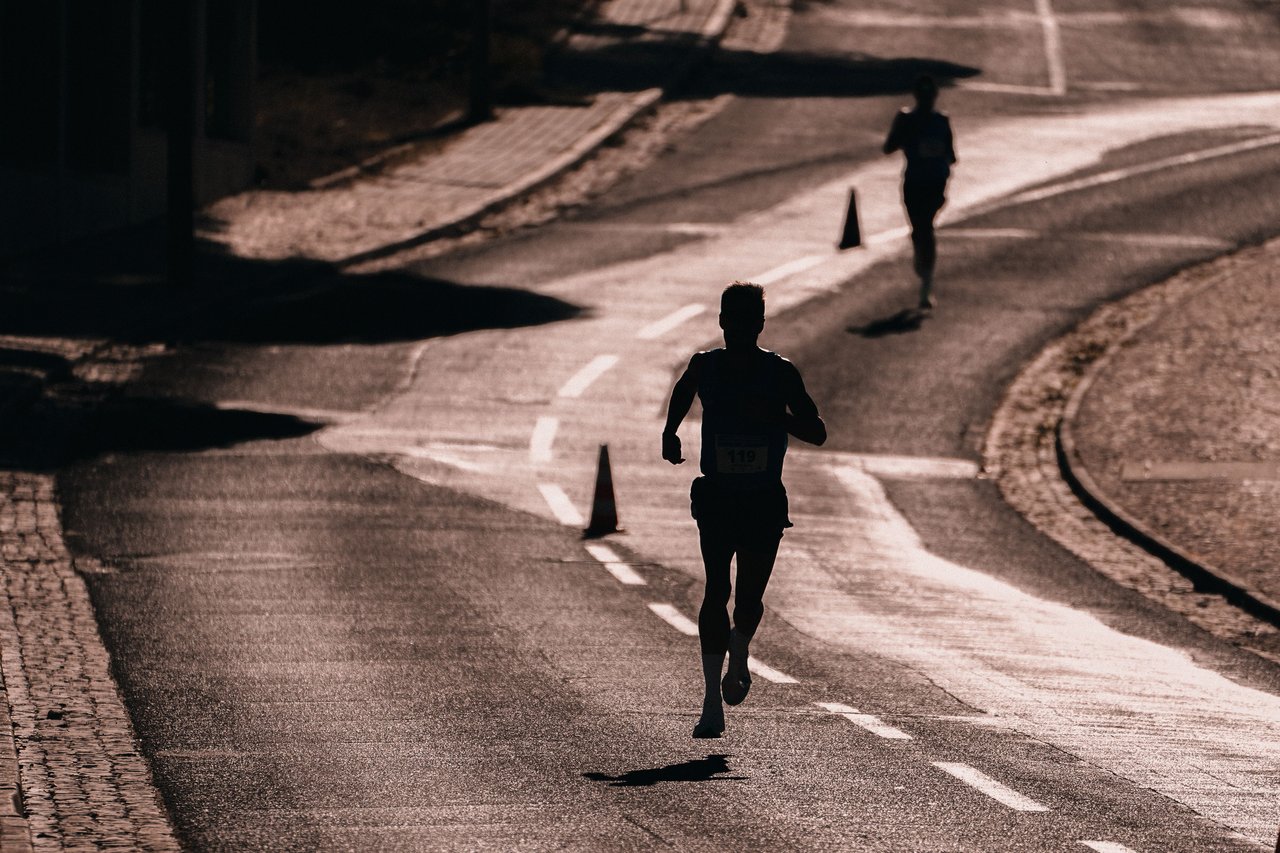
The 2026 New York City Marathon takes place over approximately 14 hours on Sunday, November 1, beginning at 8:00 AM and continuing until around 10:00 PM. Individual runners typically take between 3 and 6 hours to complete the 26.2-mile course, although finishing times vary considerably. Professional athletes may finish in just over two hours, while other participants may take seven hours or longer.
The TCS New York City Marathon begins at Fort Wadsworth on Staten Island and finishes inside Central Park near West 67th Street in Manhattan.
Because runners start in different divisions and waves throughout the morning, the marathon lasts much longer than the time required for any individual participant to finish.
Date: Sunday, November 1, 2026
Race Distance: 26.2 miles (42.195 kilometers)
First Race Start: 8:00 AM
First General Runner Wave: 9:10 AM
Last Scheduled Starting Wave: 11:30 AM
Professional Finishing Times: Approximately 2 to 3 hours
Typical Recreational Finishing Times: Approximately 3 to 6 hours
Official Finish-Line Operations: Expected to continue until approximately 10:00 PM
What Time Does the NYC Marathon Start and End?
The first division of the 2026 NYC Marathon begins at 8:00 AM on Sunday, November 1.
Professional wheelchair athletes start first, followed by other divisions, professional runners, and general participants.
The final scheduled general starting wave begins at 11:30 AM.
Because runners have different paces and starting times, participants continue arriving at the finish line throughout the afternoon and evening.
The official finish-line timing and event operations are expected to continue until approximately 10:00 PM.
The marathon therefore spans most of Sunday, even though individual participants complete the race in a fraction of that time.
How Long Does It Take to Run the NYC Marathon?
Finishing time depends on a runner's pace, experience, fitness, weather conditions, and race-day circumstances.
Professional runners can complete the course in just over two hours.
Experienced recreational runners may finish in three to four hours.
Many participants take four to six hours.
Others may need seven hours or longer, particularly if they are running their first marathon or using a combination of running and walking.
The New York City Marathon is also known for its challenging bridge crossings and elevation changes, which can affect finishing times.
NYC Marathon Finishing Times by Running Pace
The following table illustrates approximately how long it takes to complete 26.2 miles at different average paces.
Average Pace Per Mile | Approximate Finish Time |
|---|---|
5 minutes | 2 hours, 11 minutes |
6 minutes | 2 hours, 37 minutes |
7 minutes | 3 hours, 3 minutes |
8 minutes | 3 hours, 30 minutes |
9 minutes | 3 hours, 56 minutes |
10 minutes | 4 hours, 22 minutes |
11 minutes | 4 hours, 48 minutes |
12 minutes | 5 hours, 14 minutes |
13 minutes | 5 hours, 41 minutes |
14 minutes | 6 hours, 7 minutes |
15 minutes | 6 hours, 33 minutes |
16 minutes | 6 hours, 59 minutes |
These calculations assume a consistent pace throughout the race.
Actual finishing times may be longer because of hydration stops, bathroom breaks, walking intervals, crowded sections, and fatigue.
What Time Do Professional Runners Finish the NYC Marathon?
Professional runners are among the first participants to reach the finish line.
The professional women's division begins at 8:35 AM, while the professional men's division begins at 9:05 AM.
Depending on race conditions and individual performances, leading professional runners may finish between approximately 10:45 AM and 11:30 AM.
Professional wheelchair athletes start earlier and may reach the finish line before the professional running divisions.
Spectators who want to watch elite athletes should plan to arrive at their chosen viewing location well before the expected arrival time.
How Long Does the Average Person Take to Finish the NYC Marathon?
Many recreational marathon runners finish between four and five hours, although the actual distribution varies from year to year.
Some participants complete the course faster, while others take considerably longer.
The NYC Marathon attracts a wide range of runners, including experienced athletes, first-time marathoners, charity participants, and runners of different ages and abilities.
Finishing times are influenced by the difficulty of the course and each participant's individual preparation.
What Is the NYC Marathon Time Limit?
The NYC Marathon uses a course management schedule based on a pace of approximately 16 minutes per mile from the final starting wave.
This corresponds to a marathon finishing time of roughly seven hours.
However, participants who fall behind the official course schedule may still continue toward the finish, subject to event rules and road reopening procedures.
Official timing and finish-line services may remain available later in the evening.
Runners should review the latest New York Road Runners participant guide for exact race-day procedures.
Can You Walk the NYC Marathon?
Participants may use walking intervals or a run-walk strategy during the marathon.
However, completing the full 26.2 miles entirely on foot can take significantly longer than running.
For example, walking at a pace of 15 minutes per mile would take approximately six hours and 33 minutes.
Walking at 18 minutes per mile would take approximately seven hours and 52 minutes.
Participants should understand the event's course management schedule and official support limitations before planning to walk the race.
Why Does the NYC Marathon Take So Long?
The marathon lasts most of the day because of its large number of participants and staggered starting schedule.
Runners do not all begin at the same time.
Professional athletes start first, followed by general participants in five waves.
This system helps manage congestion on the course and allows participants to move more safely through the city.
The race also requires extensive transportation, medical, security, and volunteer operations.
Even after the fastest runners finish, thousands of participants remain on the course.
What Time Do the NYC Marathon Starting Waves Begin?
The scheduled 2026 starting times are:
Division | Start Time |
|---|---|
Professional Men's Wheelchair | 8:00 AM |
Professional Women's Wheelchair | 8:02 AM |
Handcycle Category and Select Athletes with Disabilities | 8:22 AM |
Professional Women | 8:35 AM |
Professional Men | 9:05 AM |
Wave 1 | 9:10 AM |
Wave 2 | 9:45 AM |
Wave 3 | 10:20 AM |
Wave 4 | 10:55 AM |
Wave 5 | 11:30 AM |
All times are Eastern Standard Time.
Daylight saving time ends early on Sunday, November 1, 2026, so clocks move back one hour before the race begins.
Runners and spectators should confirm that their devices have updated automatically.
How Long Does It Take to Run Through Each Borough?
The marathon passes through all five New York City boroughs.
The time spent in each borough depends on a runner's pace.
Staten Island
The race begins at Fort Wadsworth on Staten Island.
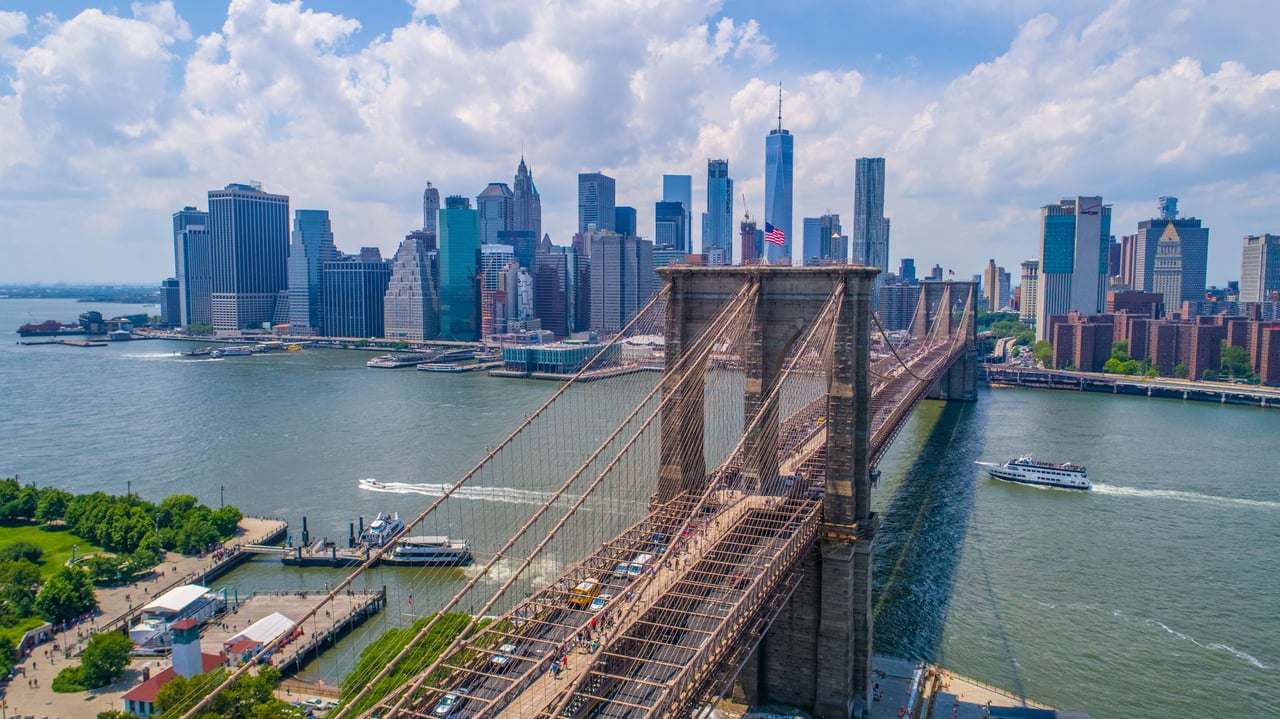
Runners cross the Verrazzano-Narrows Bridge shortly after starting.
The Staten Island section is relatively short compared with the Brooklyn and Manhattan portions.
Brooklyn
Brooklyn contains the longest continuous portion of the marathon route.
Runners travel through Bay Ridge, Sunset Park, Park Slope, Fort Greene, Clinton Hill, Bedford-Stuyvesant, Williamsburg, and Greenpoint.
Participants spend a substantial portion of the early race in Brooklyn.
Queens
After crossing the Pulaski Bridge, runners enter Long Island City.
The Queens portion is relatively short before participants cross the Queensboro Bridge into Manhattan.
Manhattan
Runners enter Manhattan near East 59th Street and continue north along First Avenue.
After briefly traveling through the Bronx, they return to Manhattan for the final miles.
Bronx
The Bronx portion of the course is shorter than the Brooklyn and Manhattan sections.
The 2026 marathon introduces an updated route through Mott Haven before runners return to Manhattan over the Madison Avenue Bridge.
How Long Does the NYC Marathon Affect Traffic?
Traffic restrictions last longer than the race itself in some areas.
The earliest major bridge closure begins at 11:00 PM on Saturday, October 31, when the upper level of the Verrazzano-Narrows Bridge closes.
Additional roads and bridges close early Sunday morning.
Some streets reopen during the afternoon, while others remain restricted into the evening.
Major affected roads include Fourth Avenue, Lafayette Avenue, and Bedford Avenue in Brooklyn, as well as First Avenue, Fifth Avenue, and Central Park South in Manhattan.
Drivers should not assume that streets reopen immediately after the last runners pass.
Cleanup crews, security personnel, and event equipment must also clear the route.
What Time Do NYC Marathon Street Closures End?
Street reopening times vary by location.
The Verrazzano-Narrows Bridge is expected to reopen around 4:00 PM.
Many Brooklyn and Queens streets are scheduled to reopen during the late afternoon or early evening.
Some Manhattan streets near First Avenue and Central Park may remain restricted until late Sunday evening.
All reopening times are subject to NYPD discretion.
Visitors should review official traffic advisories before driving.
How Long Should Spectators Plan to Watch the NYC Marathon?
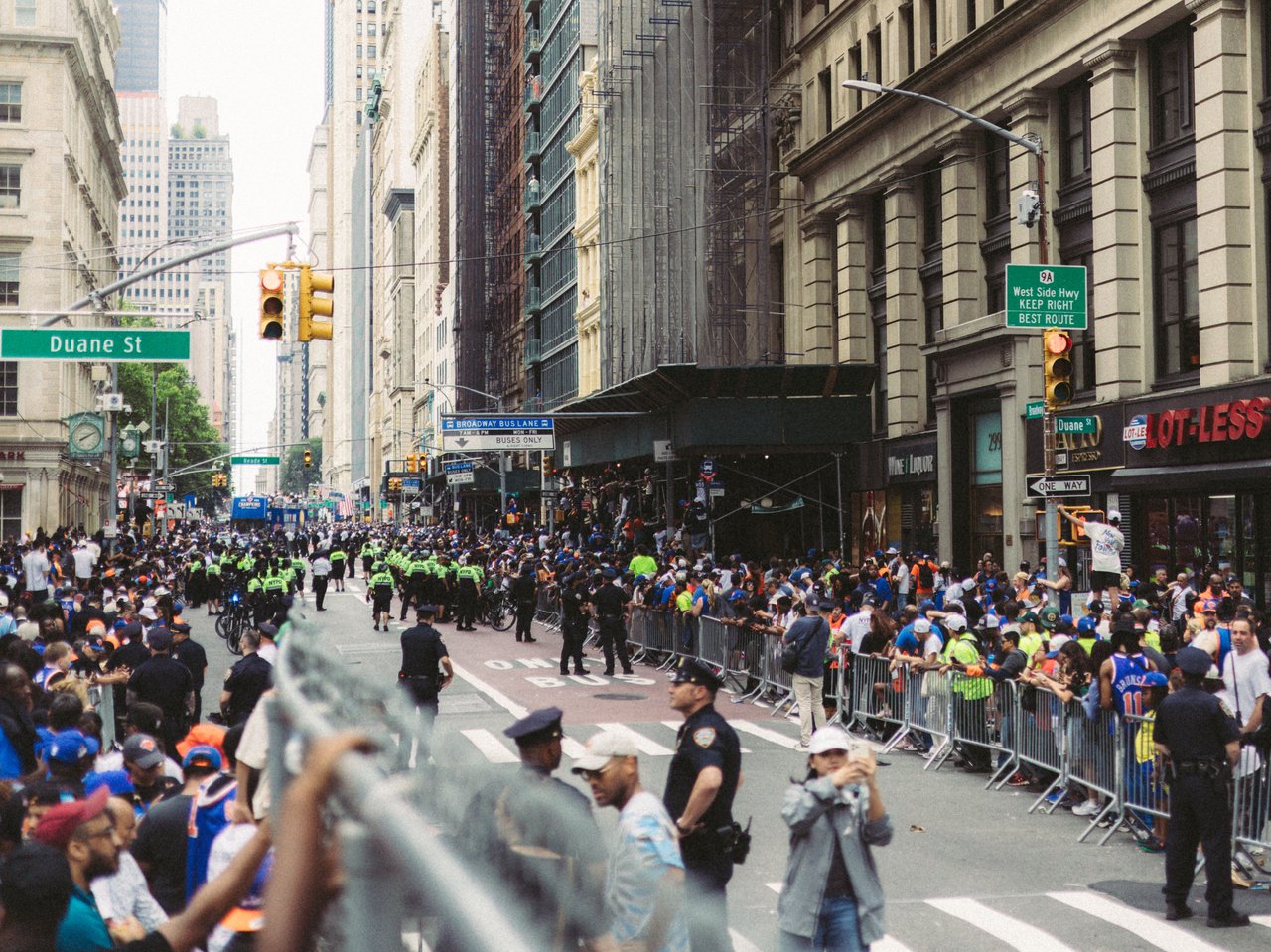
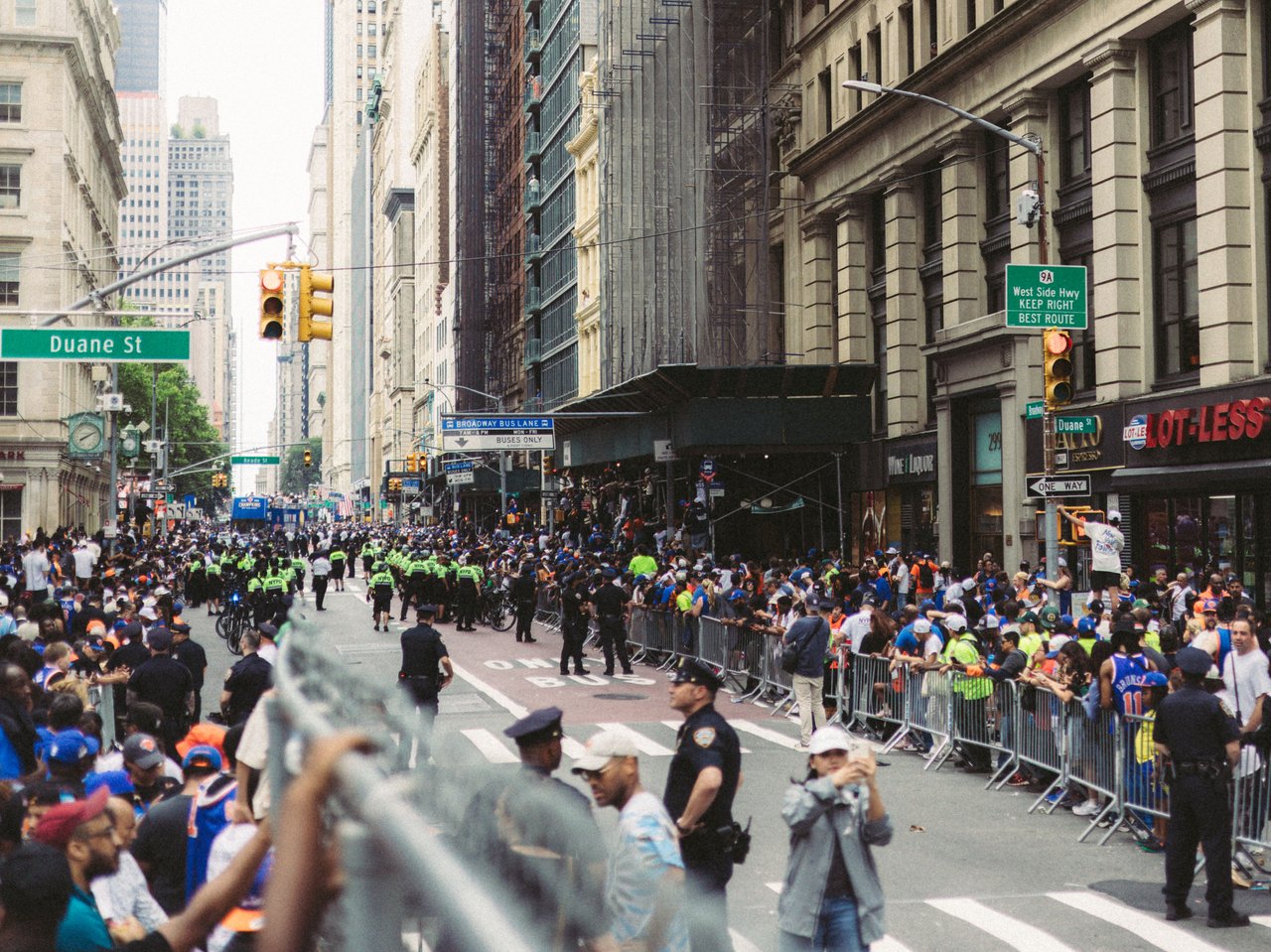
Spectators can watch the marathon for as little as 30 minutes or spend several hours cheering for participants.
The ideal amount of time depends on whether you are watching professional runners, supporting a particular participant, or enjoying the general atmosphere.
Visitors who want to watch the leading athletes may only need to arrive shortly before their estimated arrival.
Those who want to see multiple starting waves or cheer for recreational runners may prefer to remain for several hours.
The official marathon tracking app can help spectators estimate when a specific participant will pass their viewing location.
Where Is the Best Place to Watch the NYC Marathon?
First Avenue on Manhattan's Upper East Side is one of the best overall viewing locations because of its large crowds and energetic atmosphere.
Fourth Avenue in Brooklyn is popular for watching the early miles.
Lafayette Avenue in Fort Greene and Clinton Hill offers a distinctive neighborhood setting.
Bedford Avenue in Williamsburg provides a festive viewing experience.
Fifth Avenue and Columbus Circle are popular for watching runners during the final miles.
Most public spectator locations are free.
Can You Watch the NYC Marathon Finish for Free?
Yes. Spectators can watch the marathon for free along most of the course.
Certain areas near the Central Park finish line are restricted or require tickets.
A designated free standing spectator area is generally available near the final approach, subject to capacity and security procedures.
Visitors should check official finish-area guidance before traveling.
What Time Should You Arrive to Watch the NYC Marathon?
Arrival time depends on the location and the runners you want to see.
For Brooklyn, spectators generally arrive during the morning.
For Manhattan's First Avenue, late morning and early afternoon are popular viewing periods.
For Fifth Avenue and Central Park, runners continue arriving throughout the afternoon.
If you are supporting a particular runner, use the official marathon app to estimate their arrival.
Arriving at least 30 to 60 minutes early is a practical starting point, although popular locations may require additional time.
How Can You Track Someone Running the NYC Marathon?
The official TCS New York City Marathon app allows spectators to track registered participants.
The app provides progress updates and estimated arrival times along the course.
This is useful for planning where and when to watch a runner.
Spectators should account for subway travel, walking time, crowd conditions, and pedestrian restrictions.
Is the Subway Running During the NYC Marathon?
Yes. The New York City subway continues operating during the marathon.
Subway service is generally the most convenient way to travel between neighborhoods because major roads and bridges are closed.
Stations near popular spectator areas may become crowded.
Passengers should check MTA service information for any separately announced changes.
When Did the New York City Marathon Begin?
The first New York City Marathon took place on September 13, 1970.
The original event was held entirely within Central Park.
In 1976, the marathon expanded into a five-borough course, introducing the major bridge crossings and neighborhood sections that define the modern event.
The 2026 marathon marks the 50th anniversary of the five-borough course.
Why Is the NYC Marathon Famous?
The New York City Marathon is internationally recognized for its five-borough route, large number of participants, challenging bridge crossings, and extraordinary spectator support.
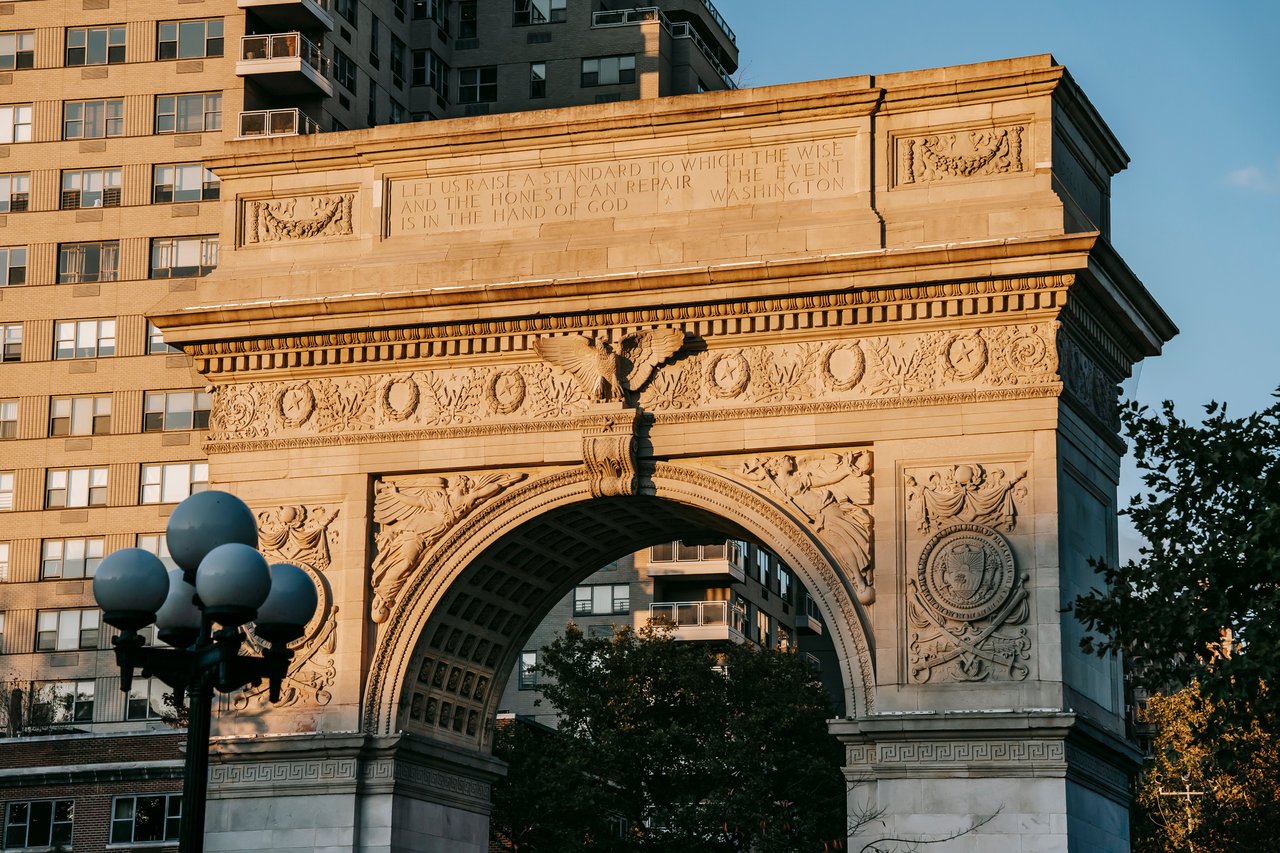
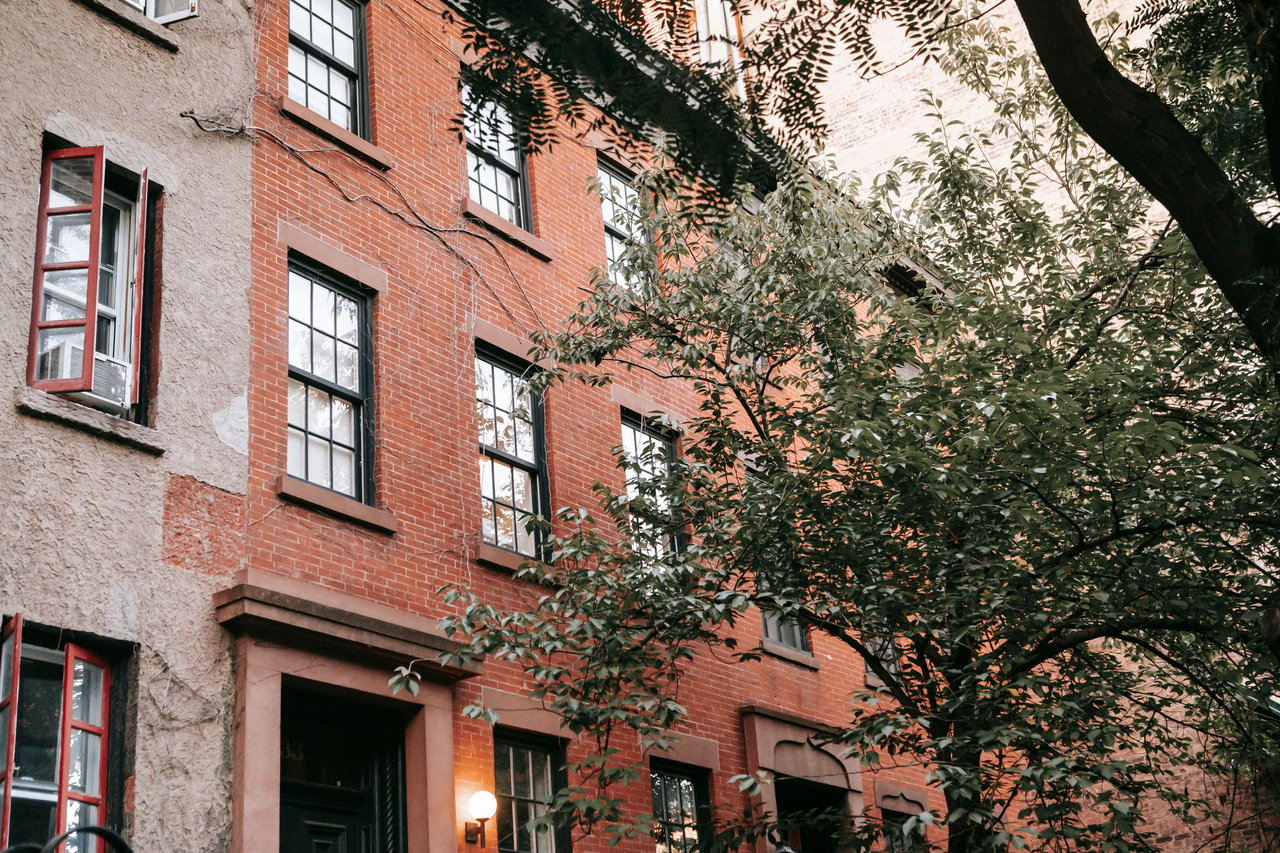
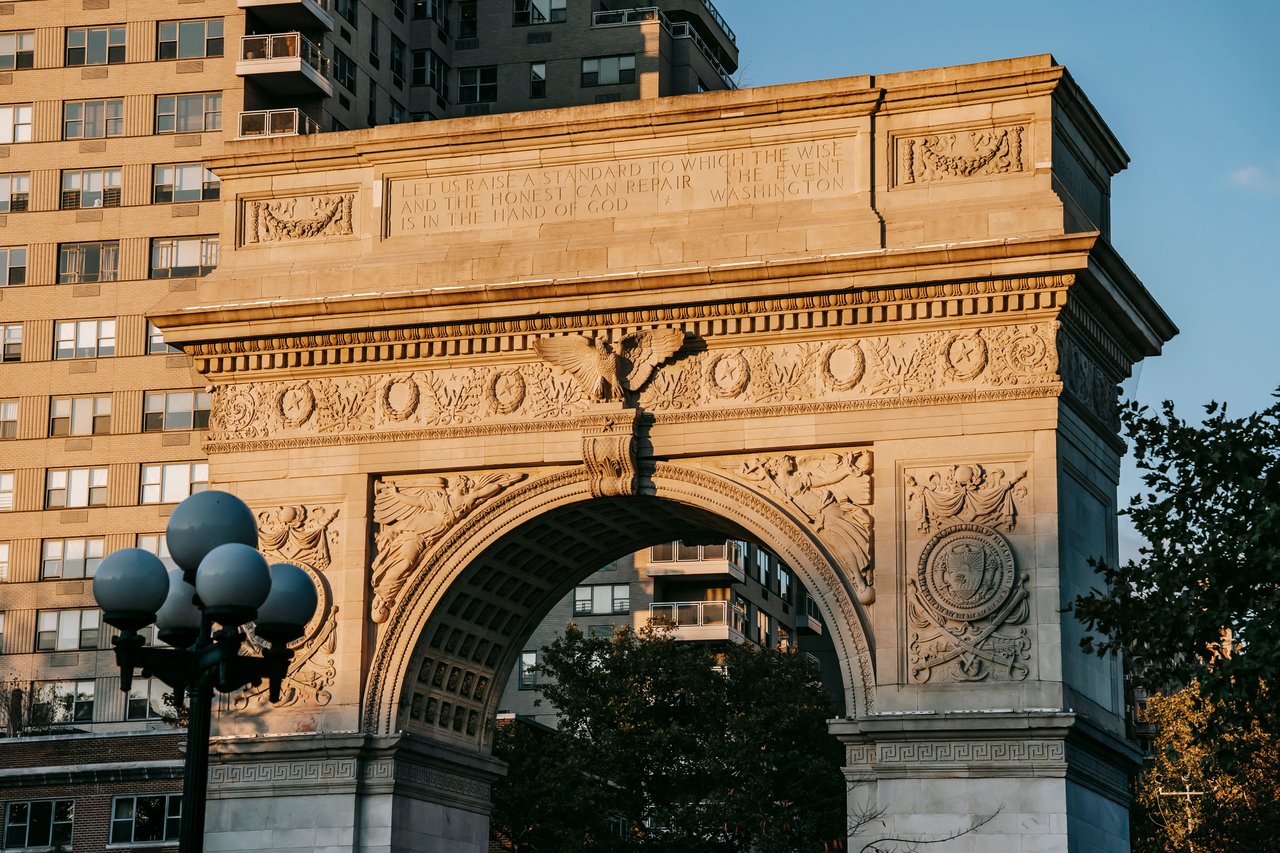
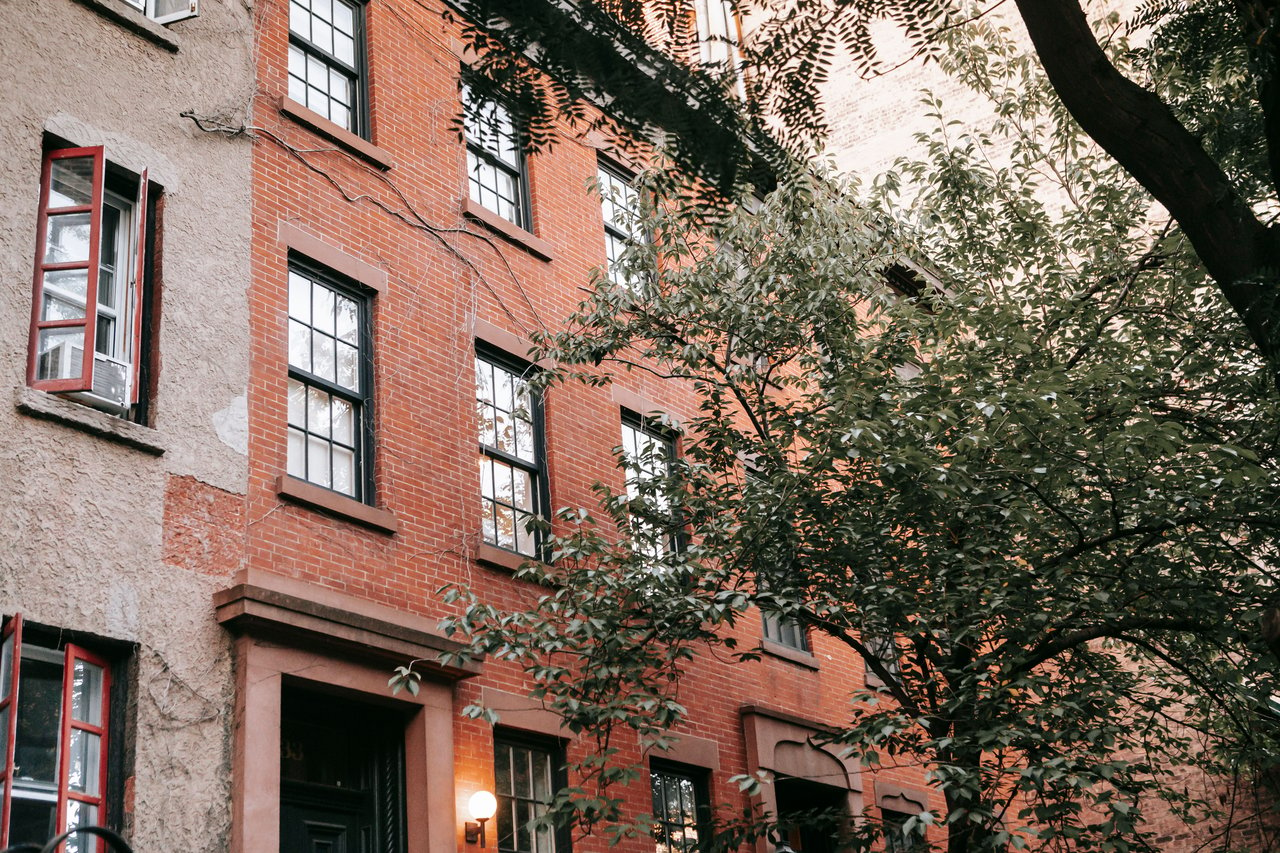
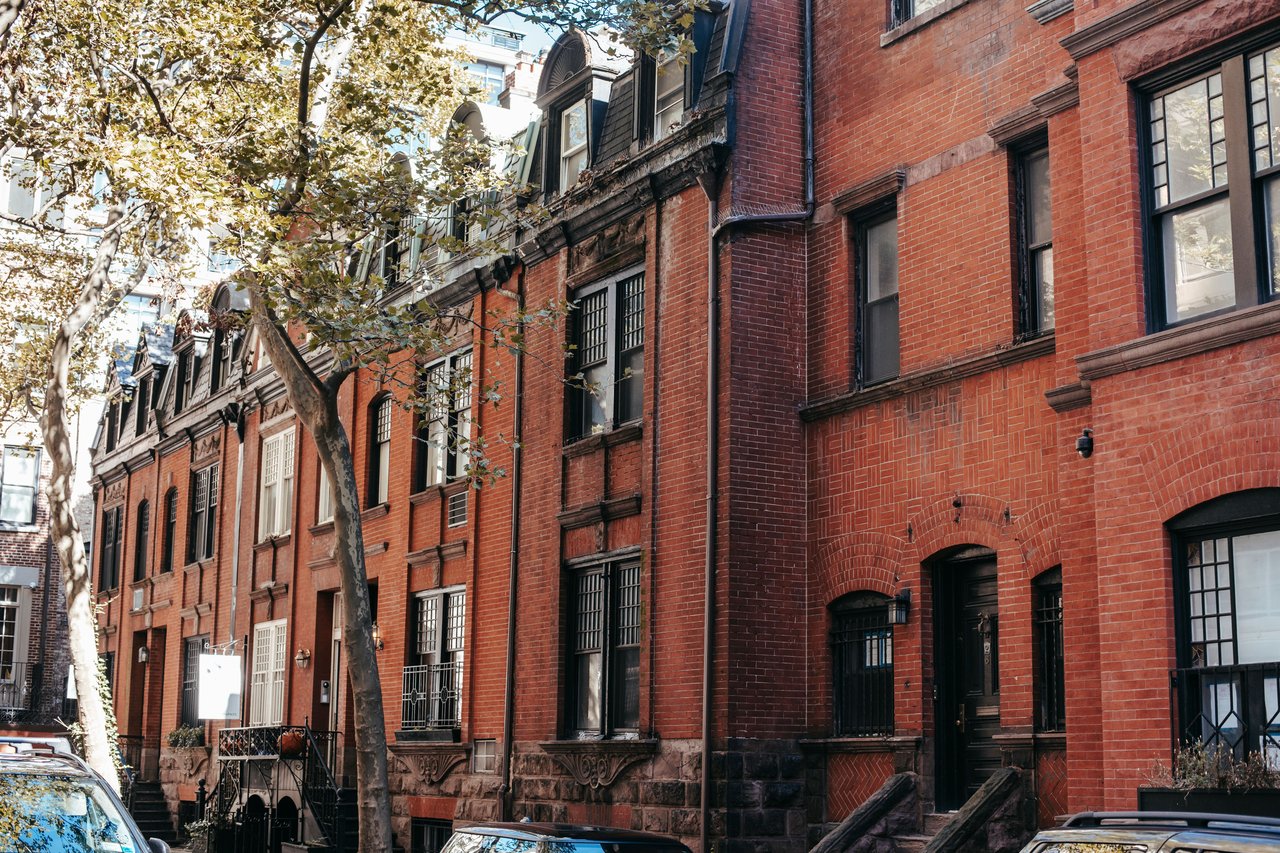
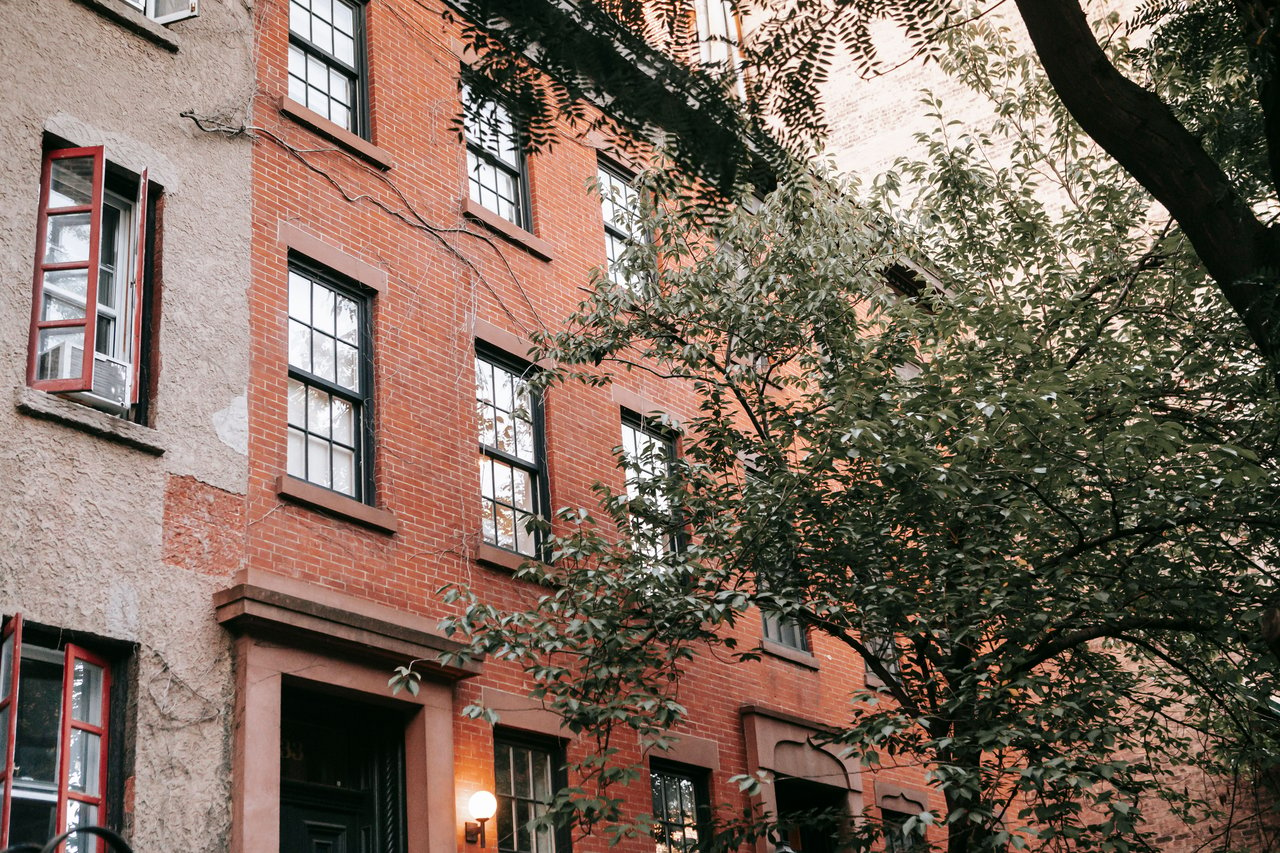
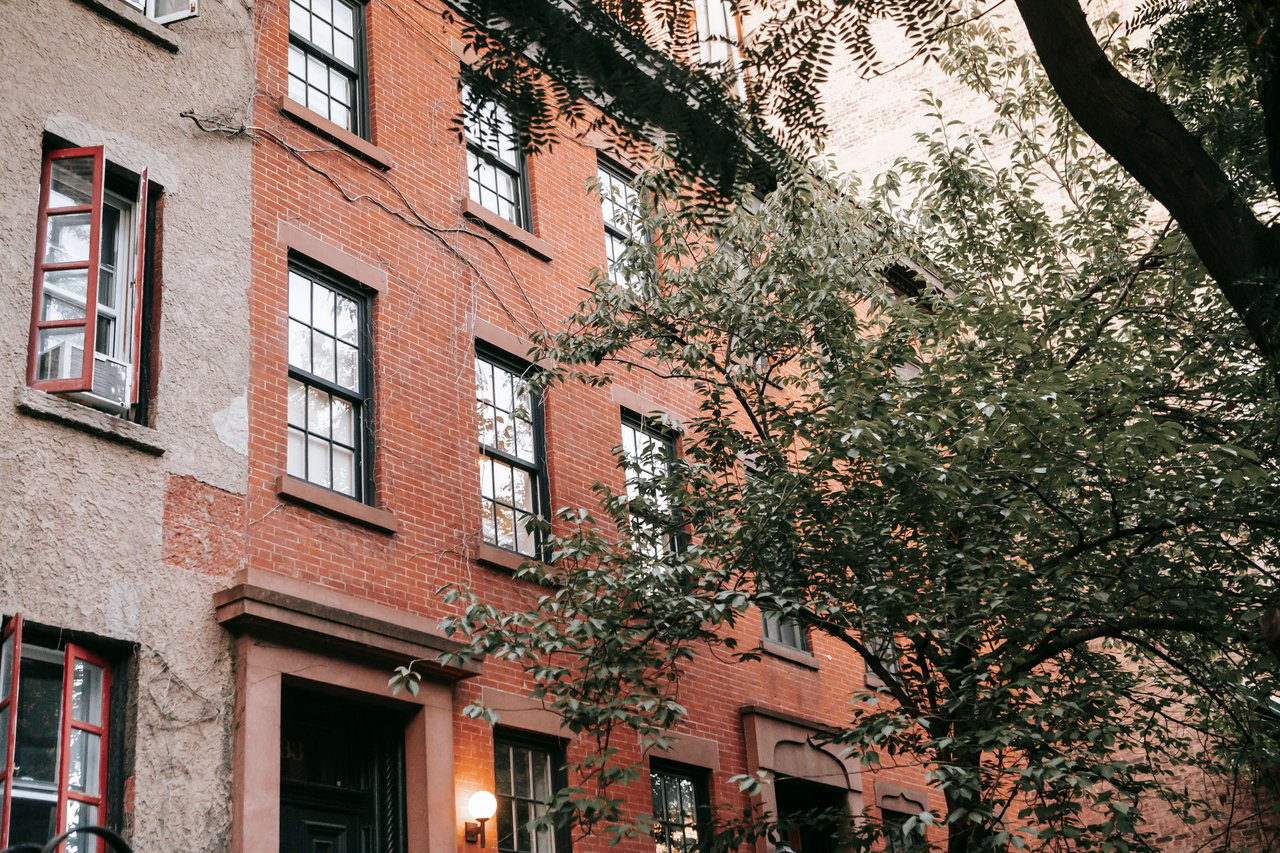
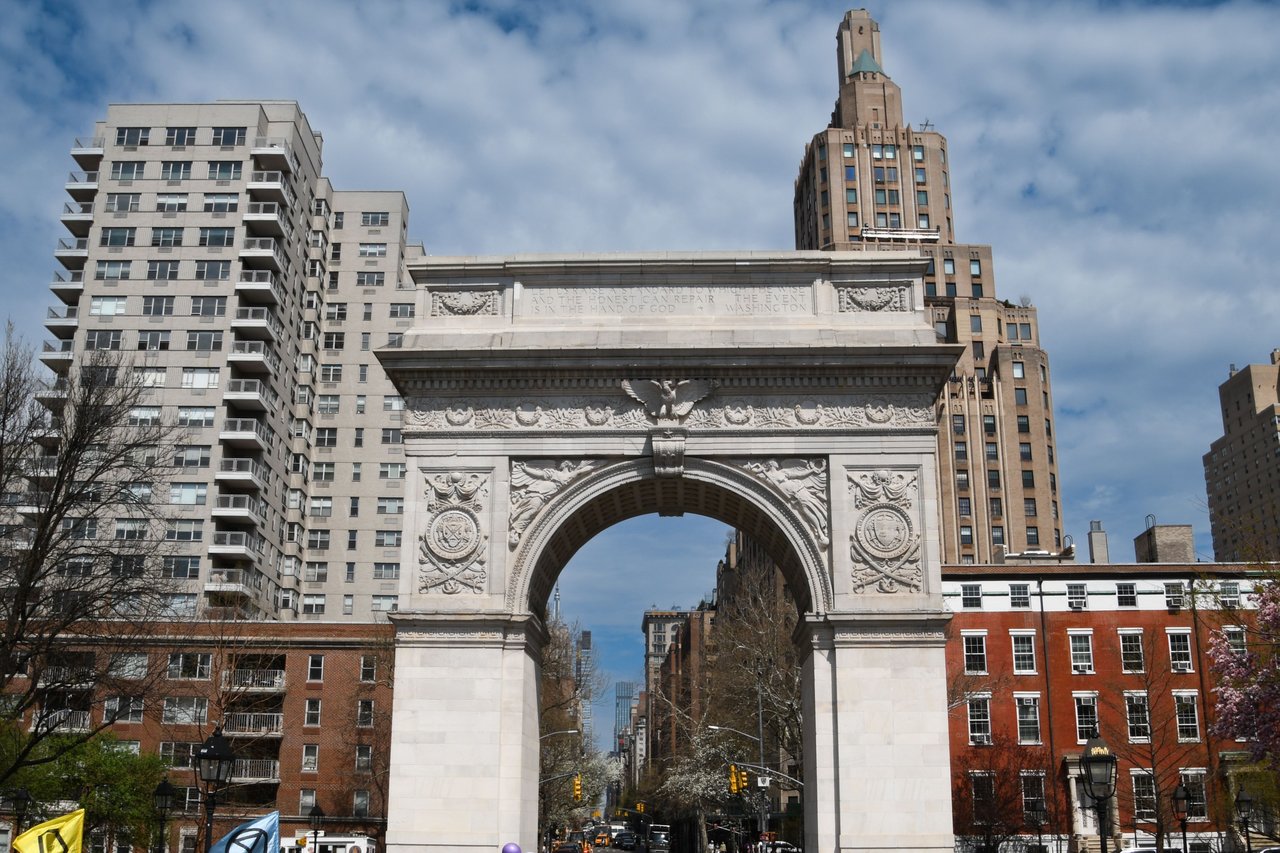
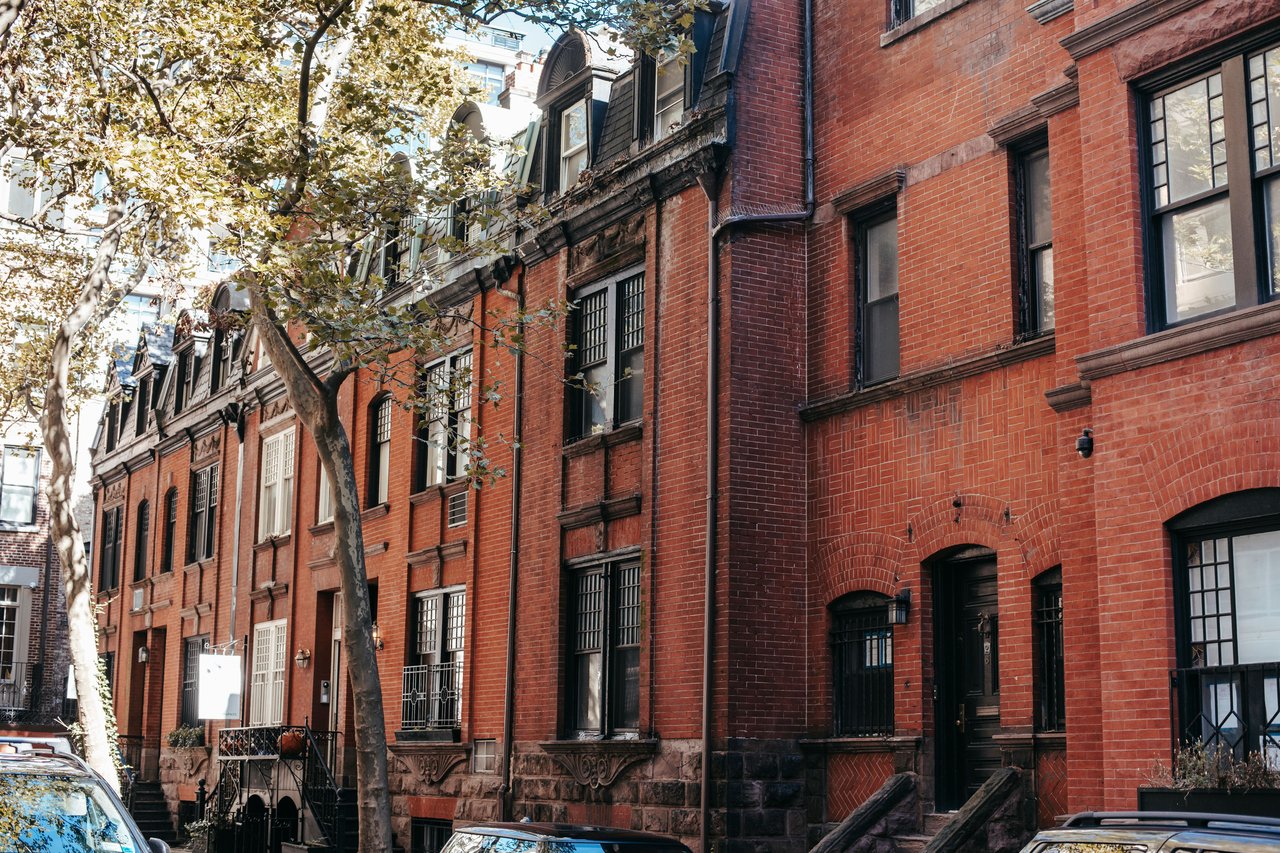
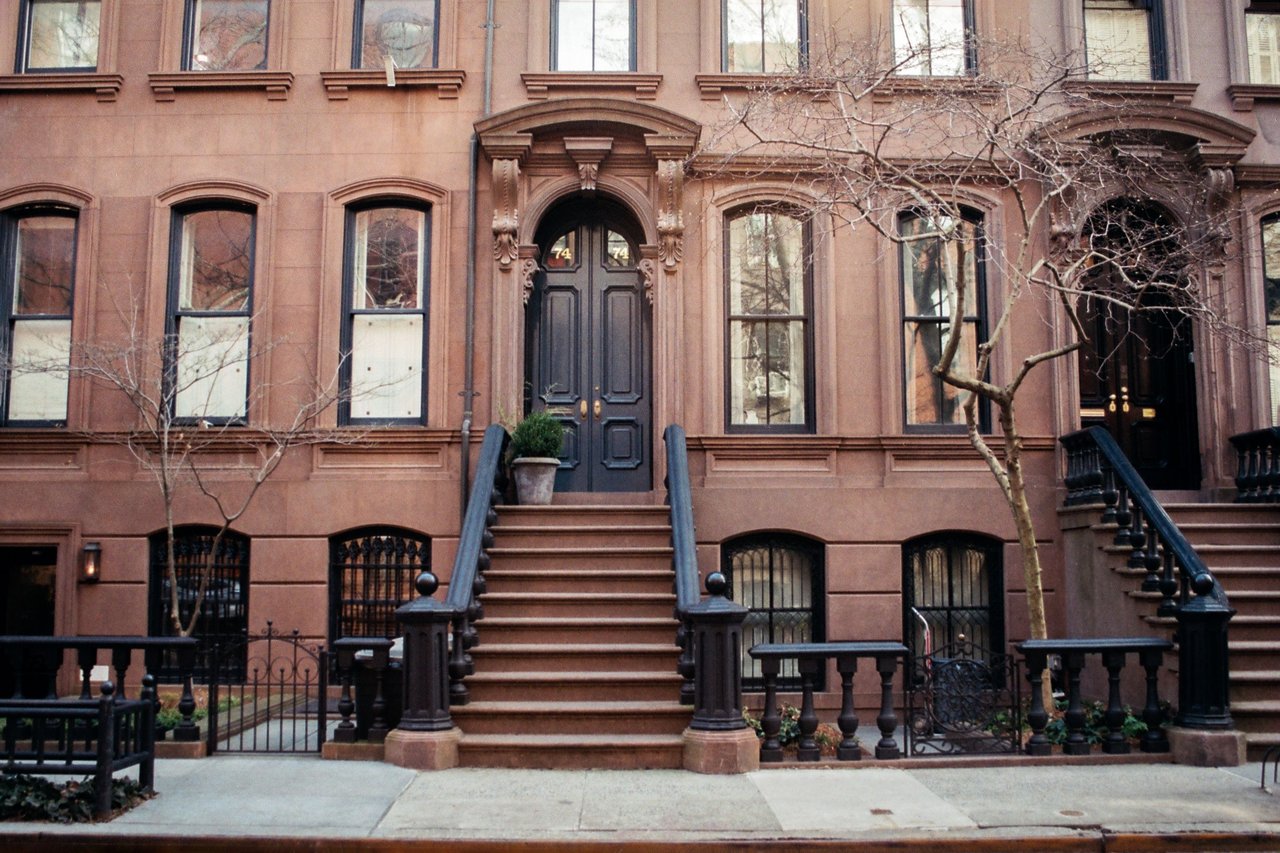
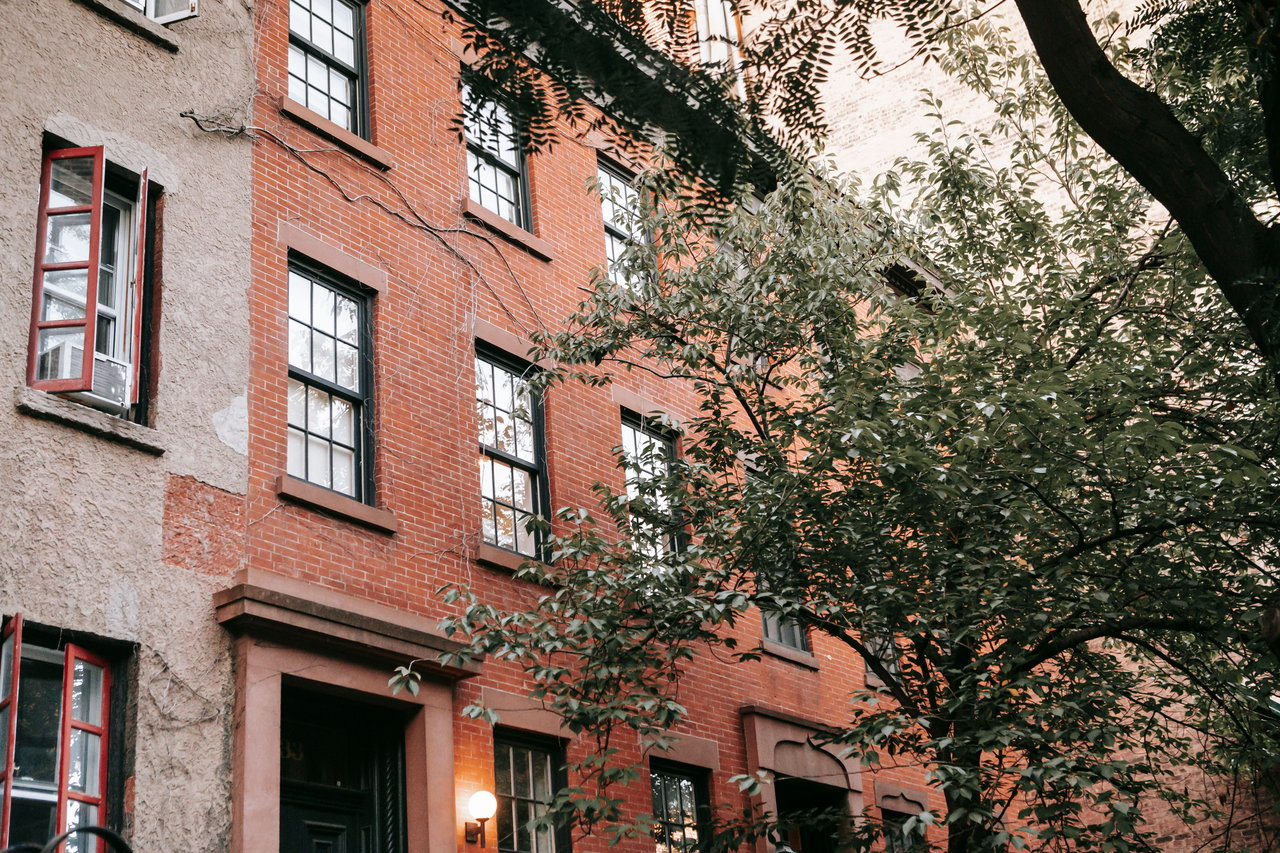
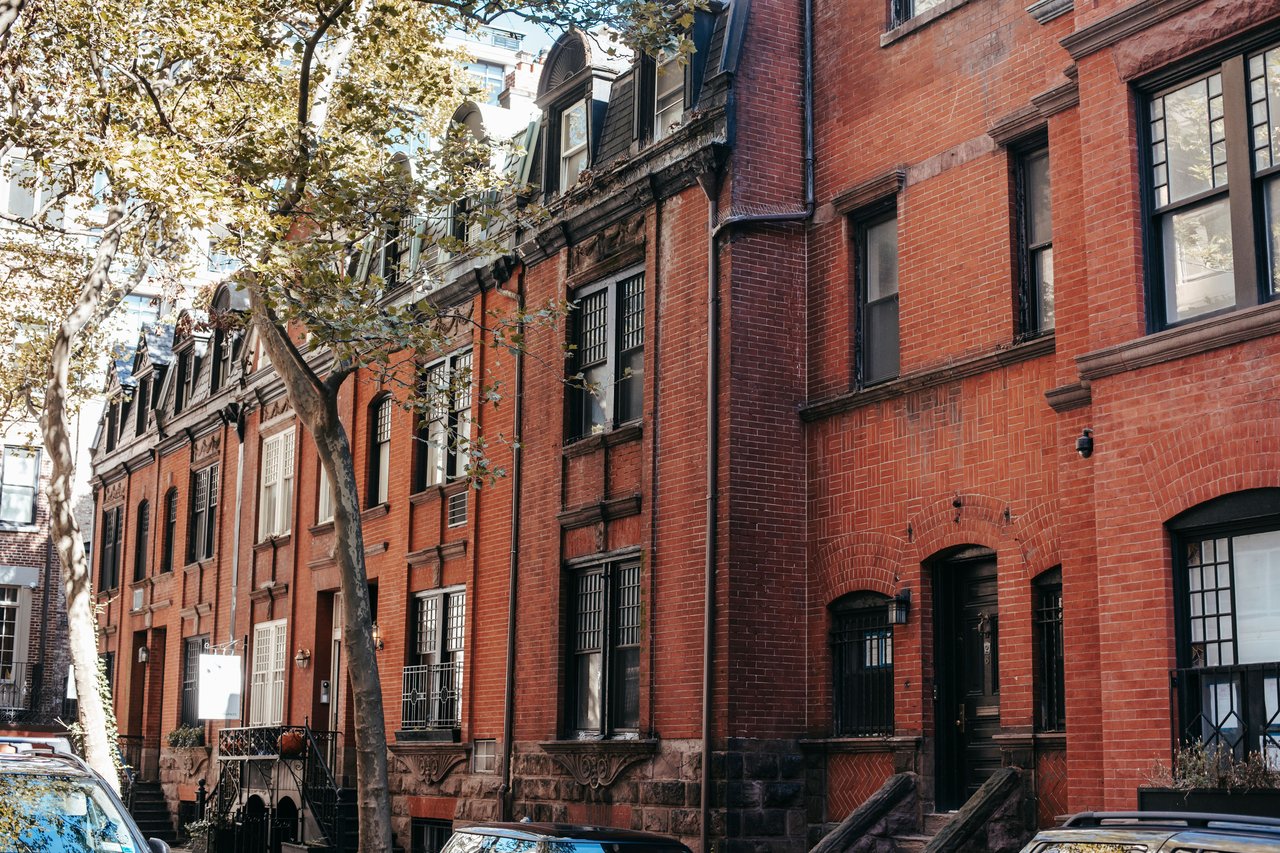
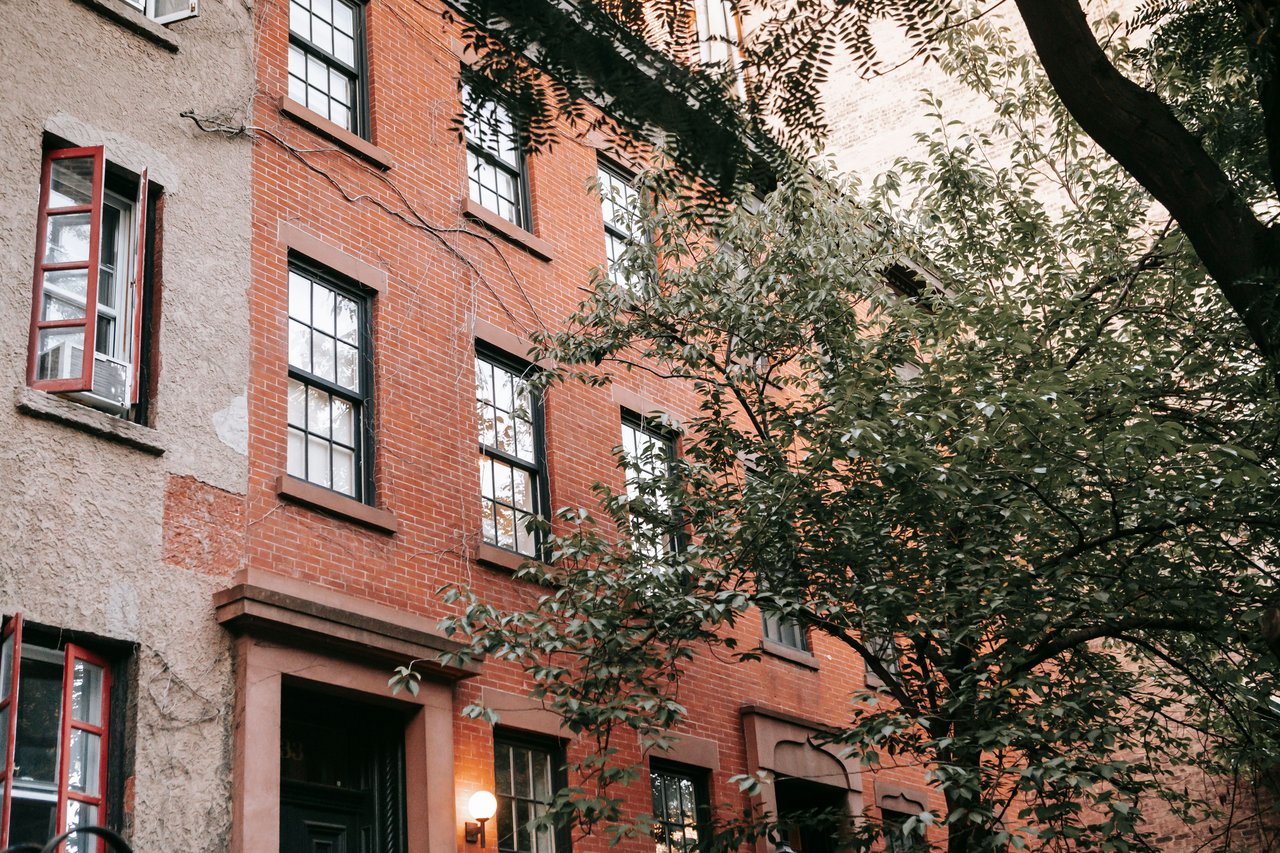
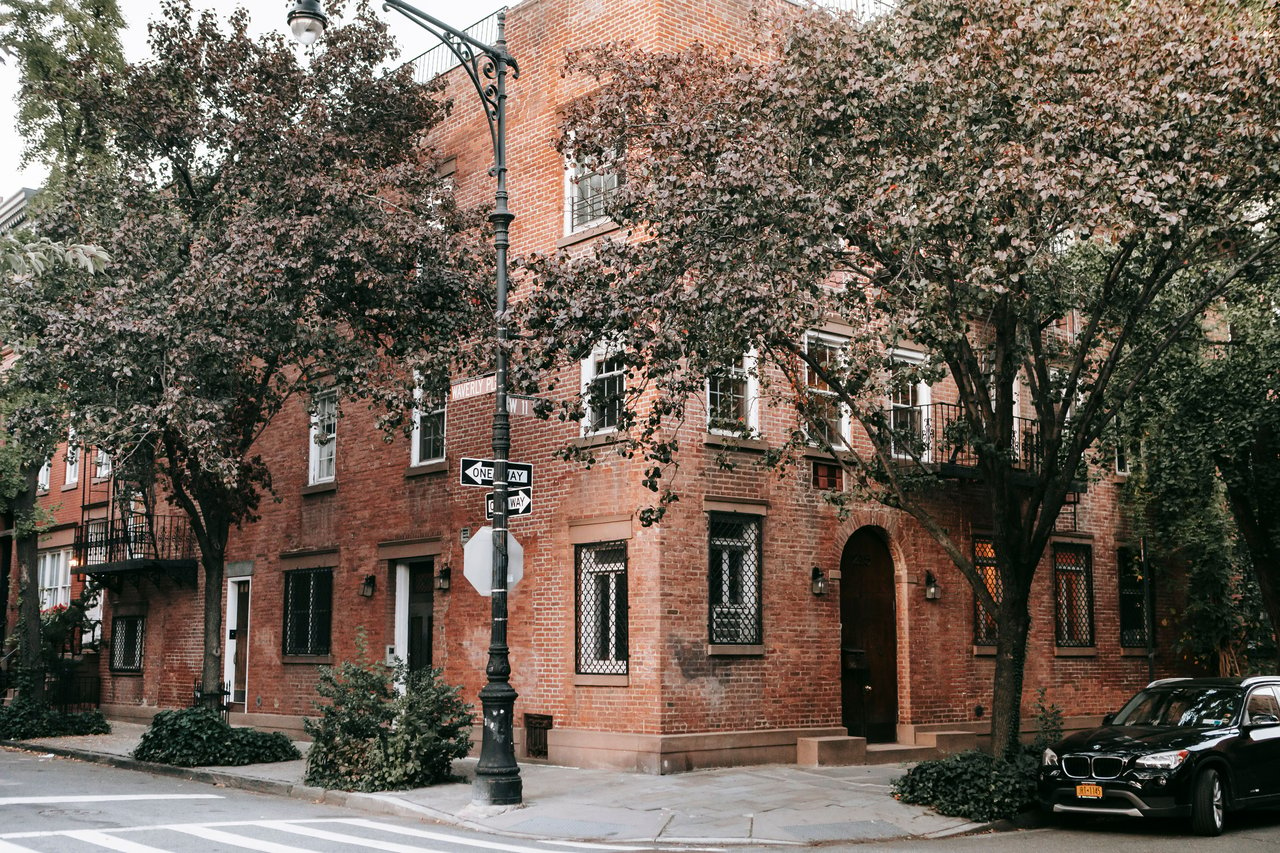
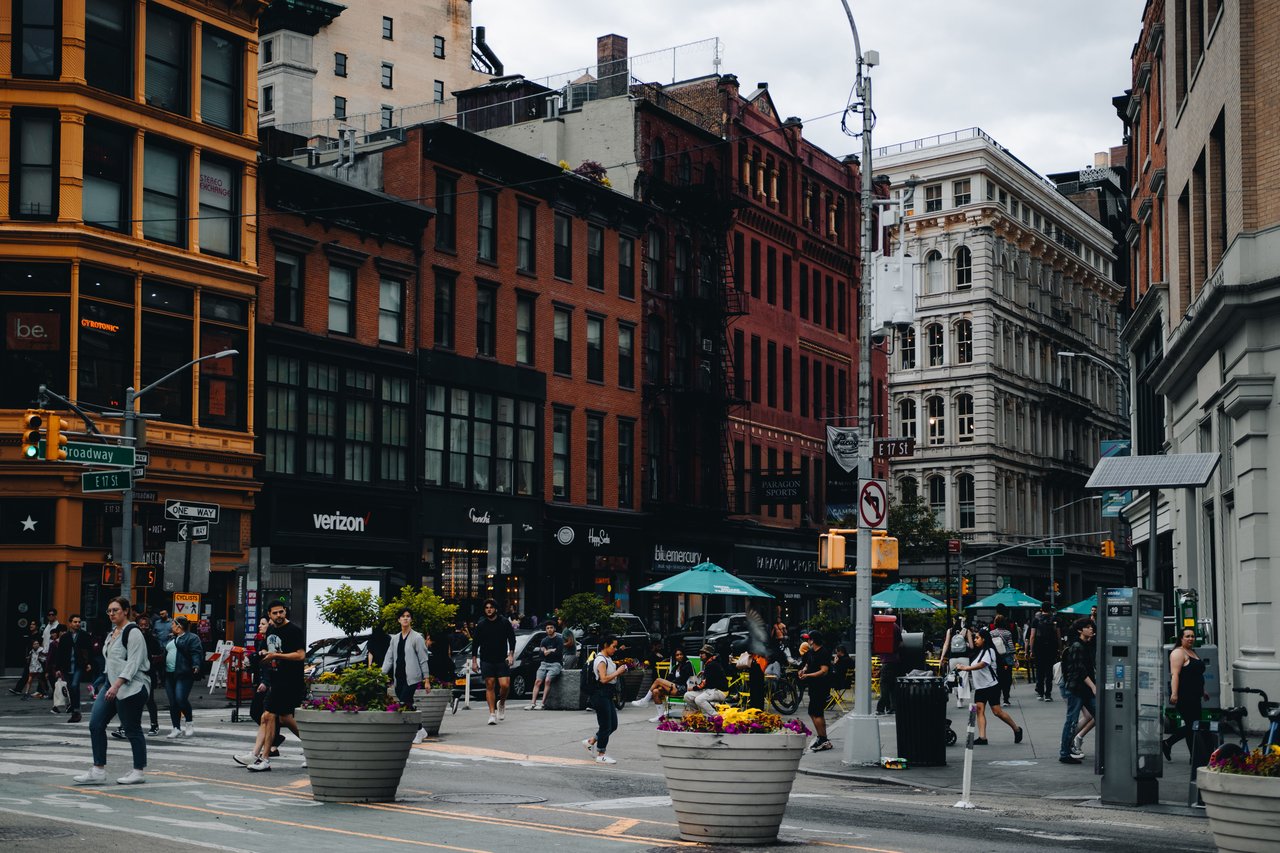
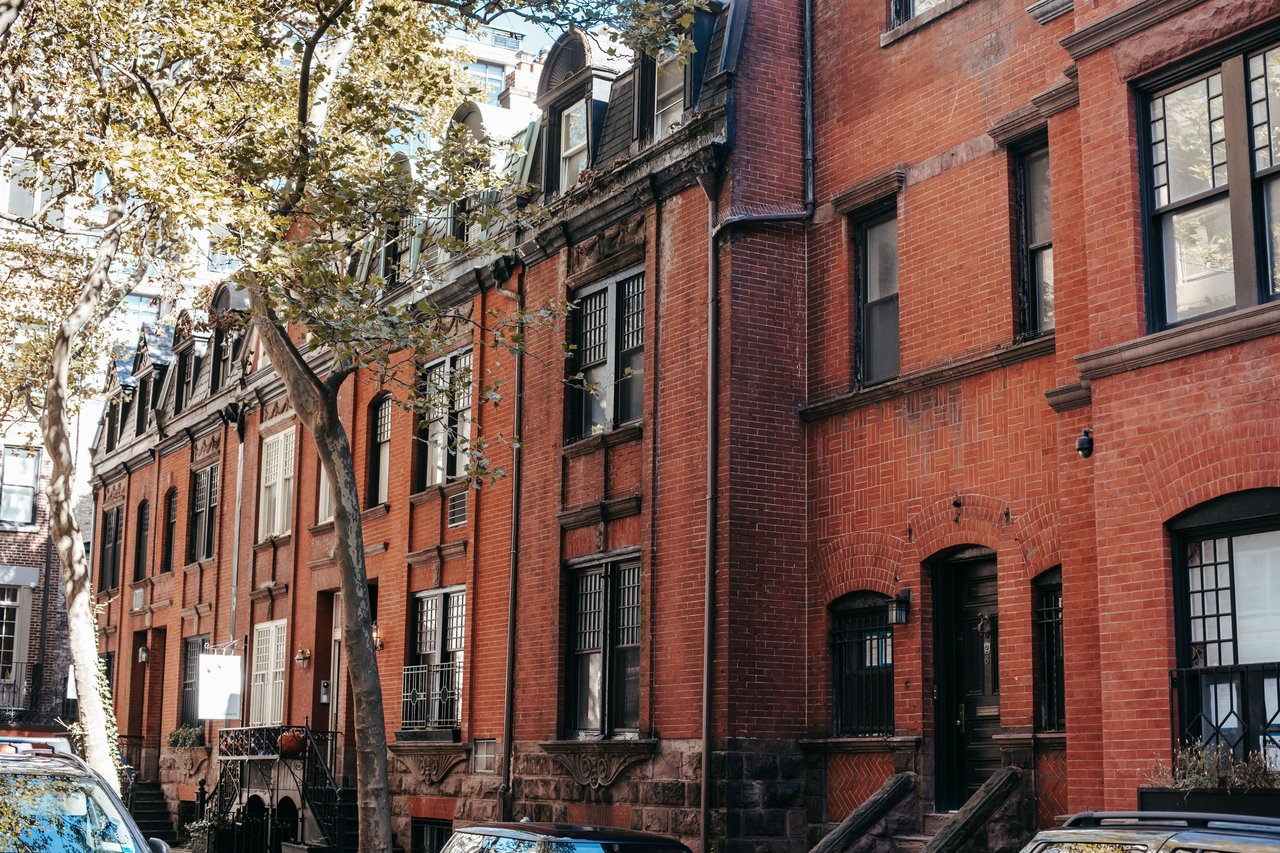
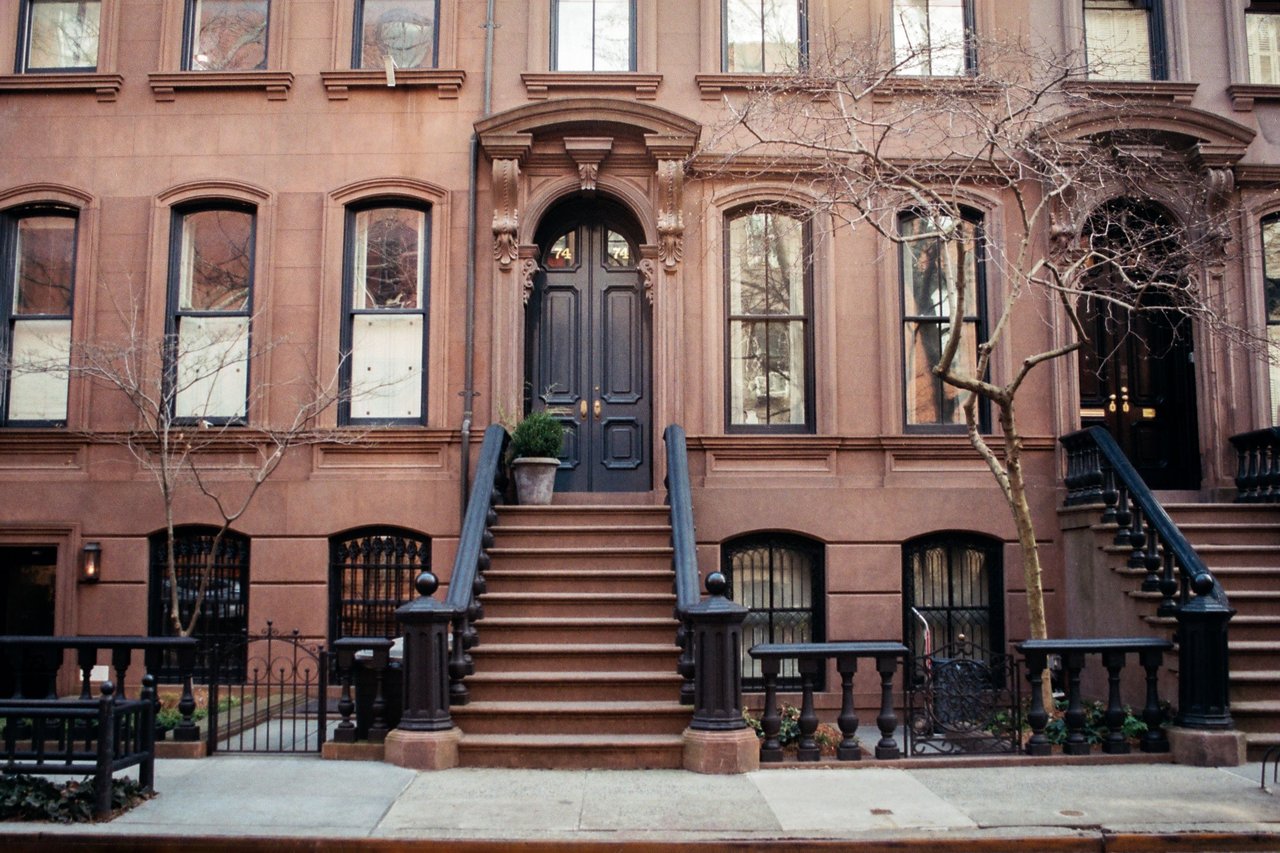
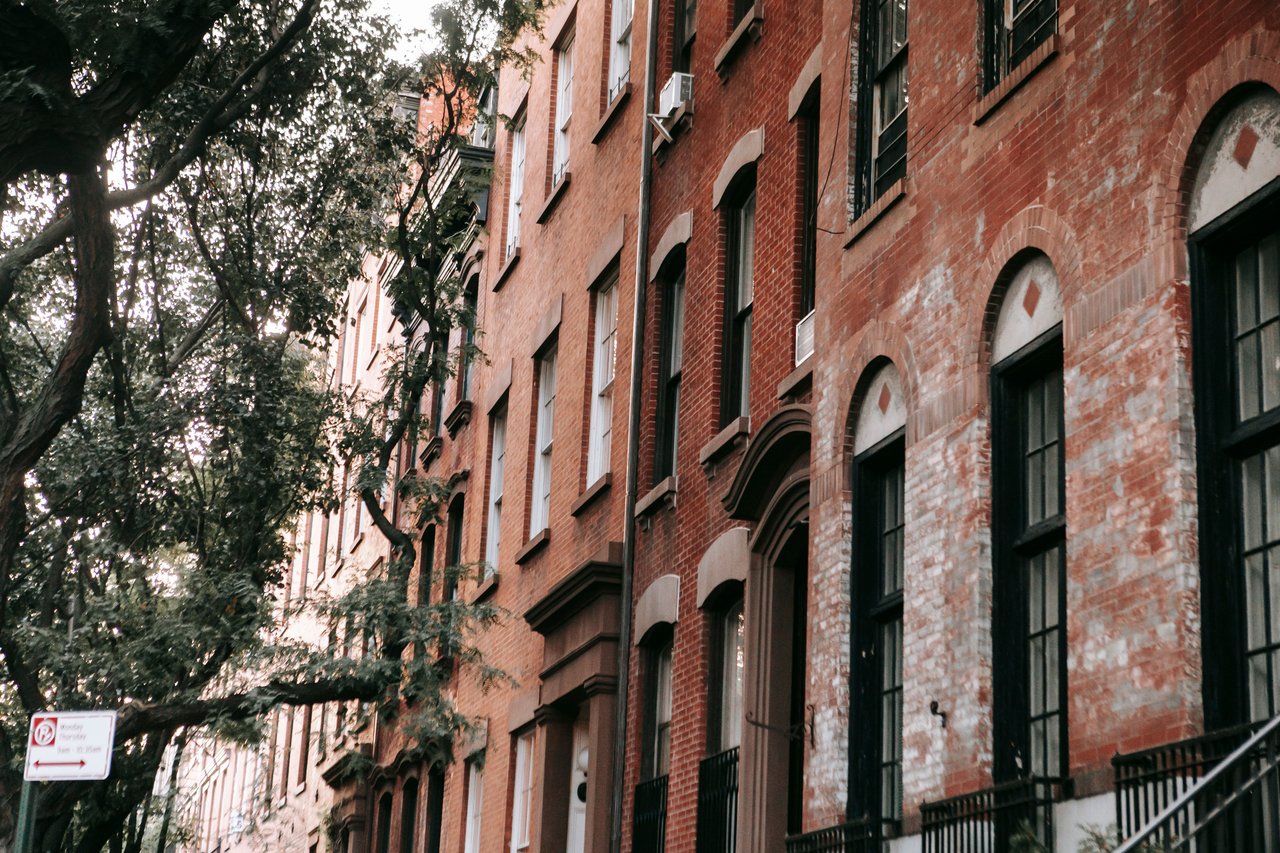
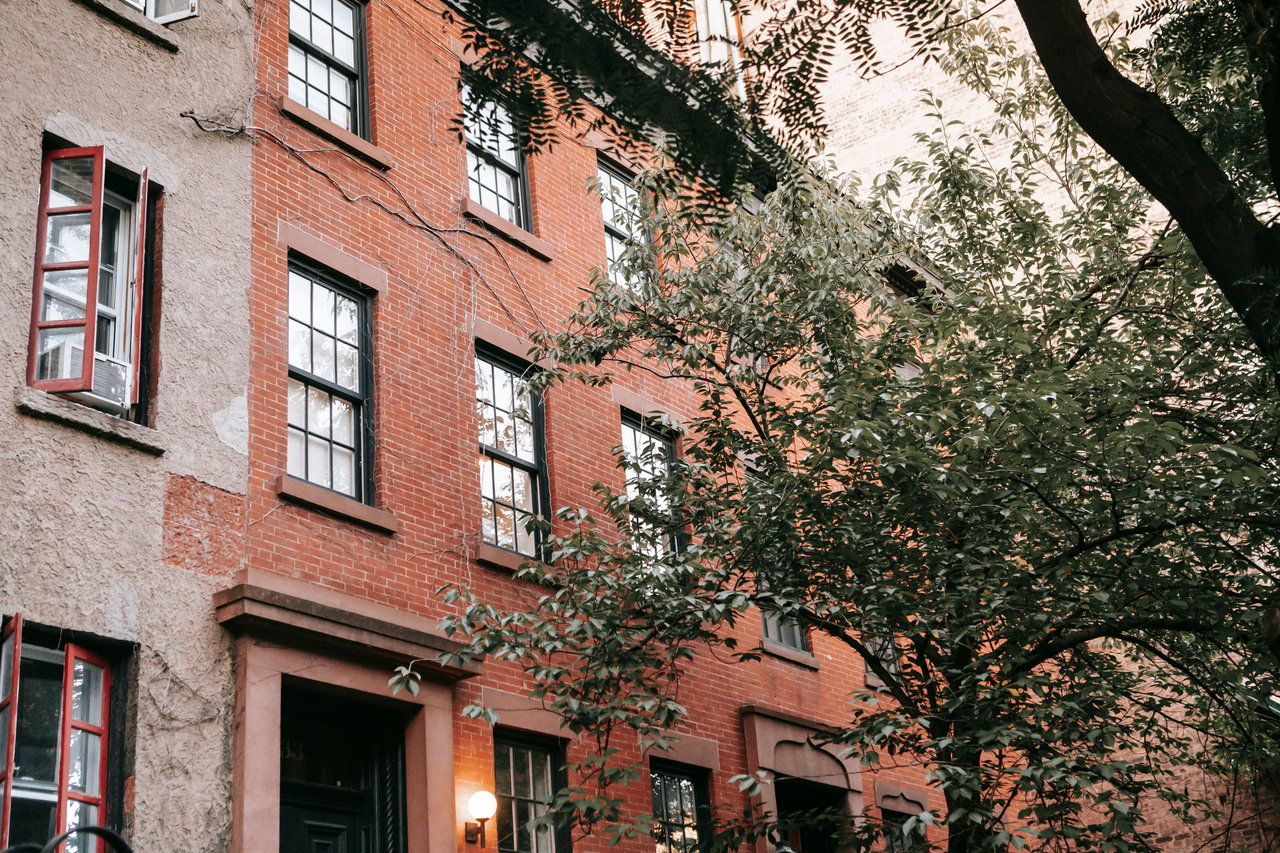
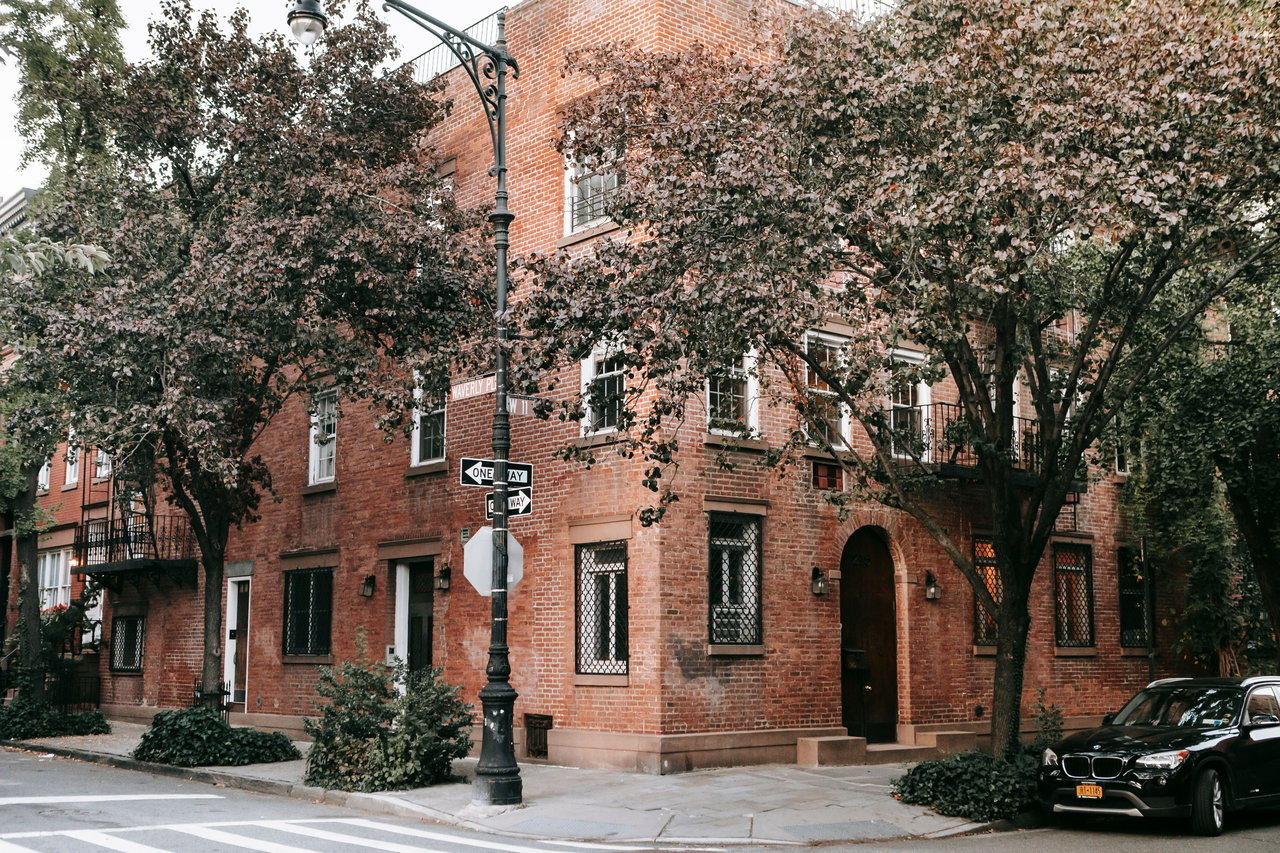
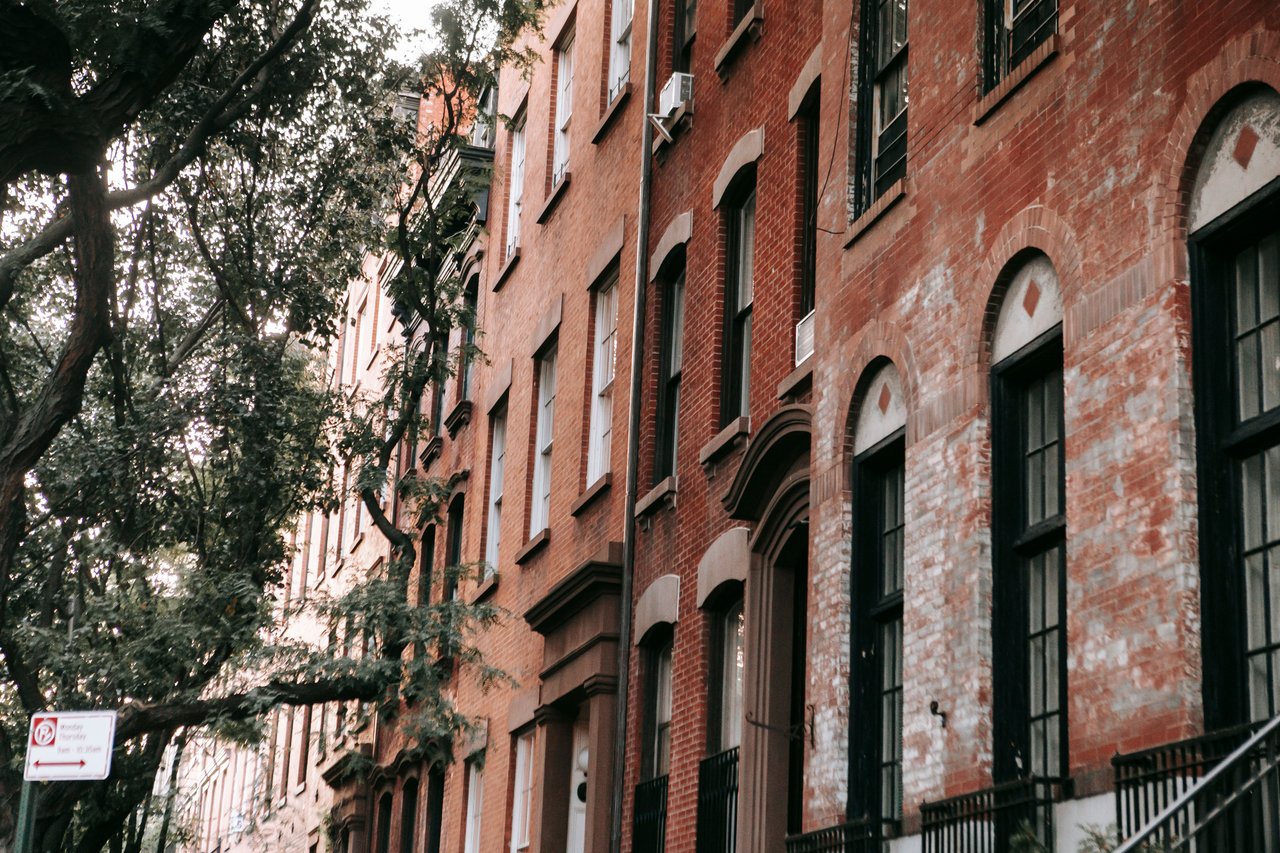
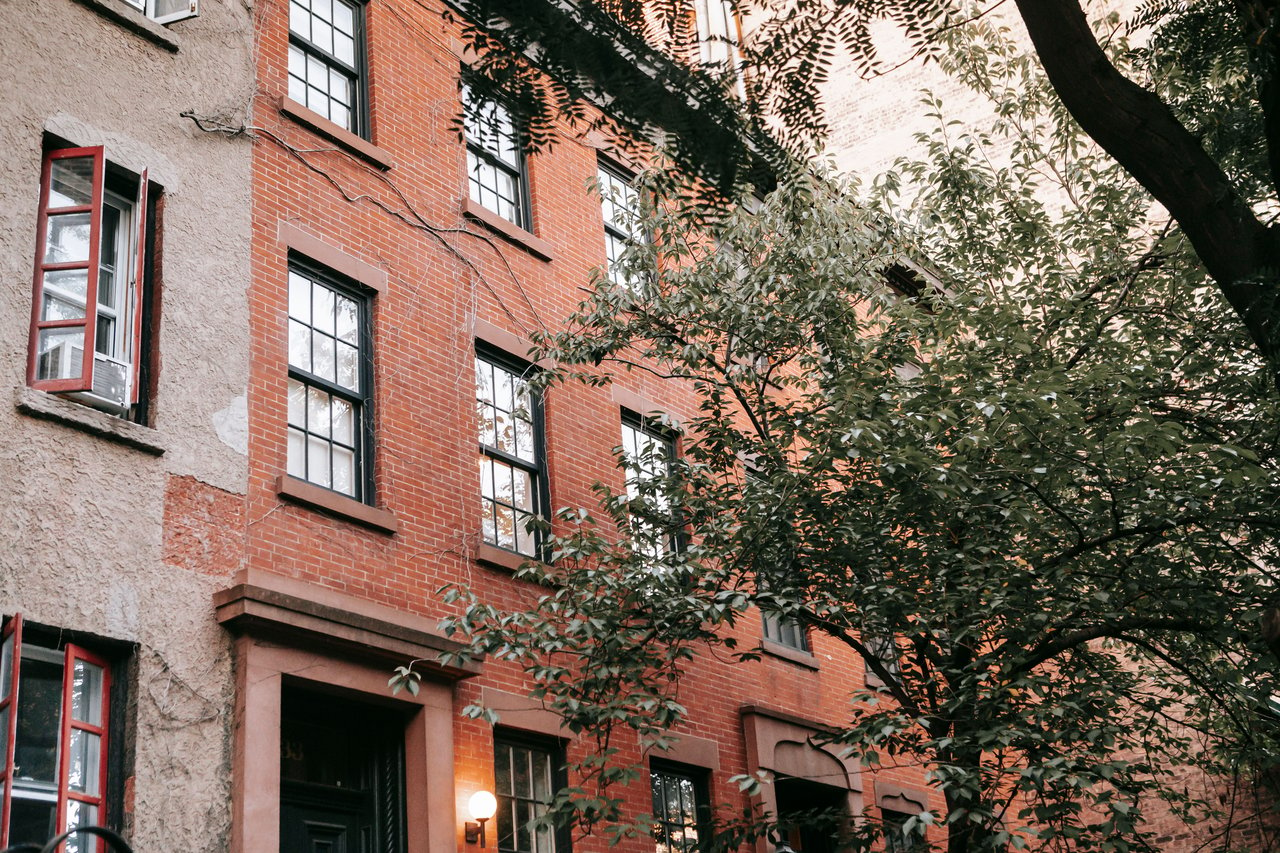
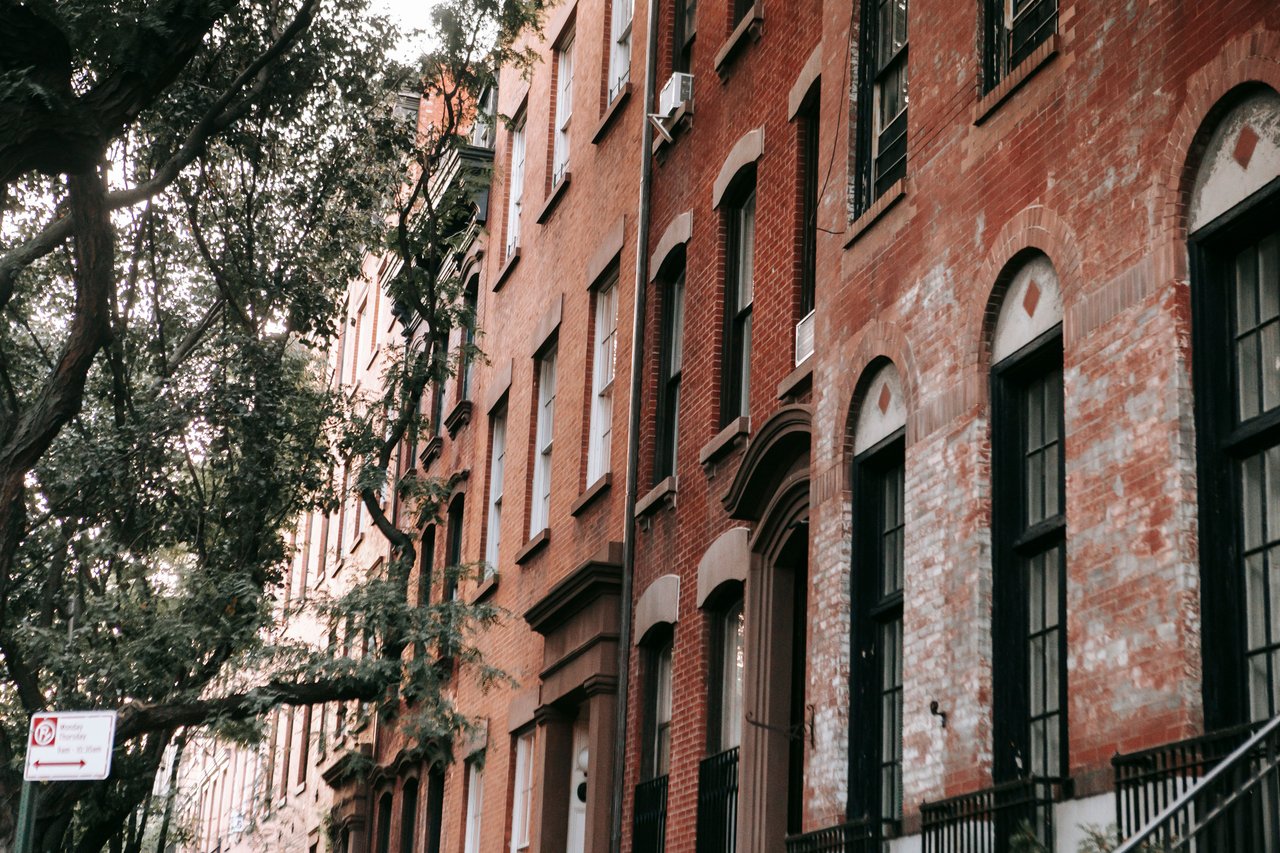
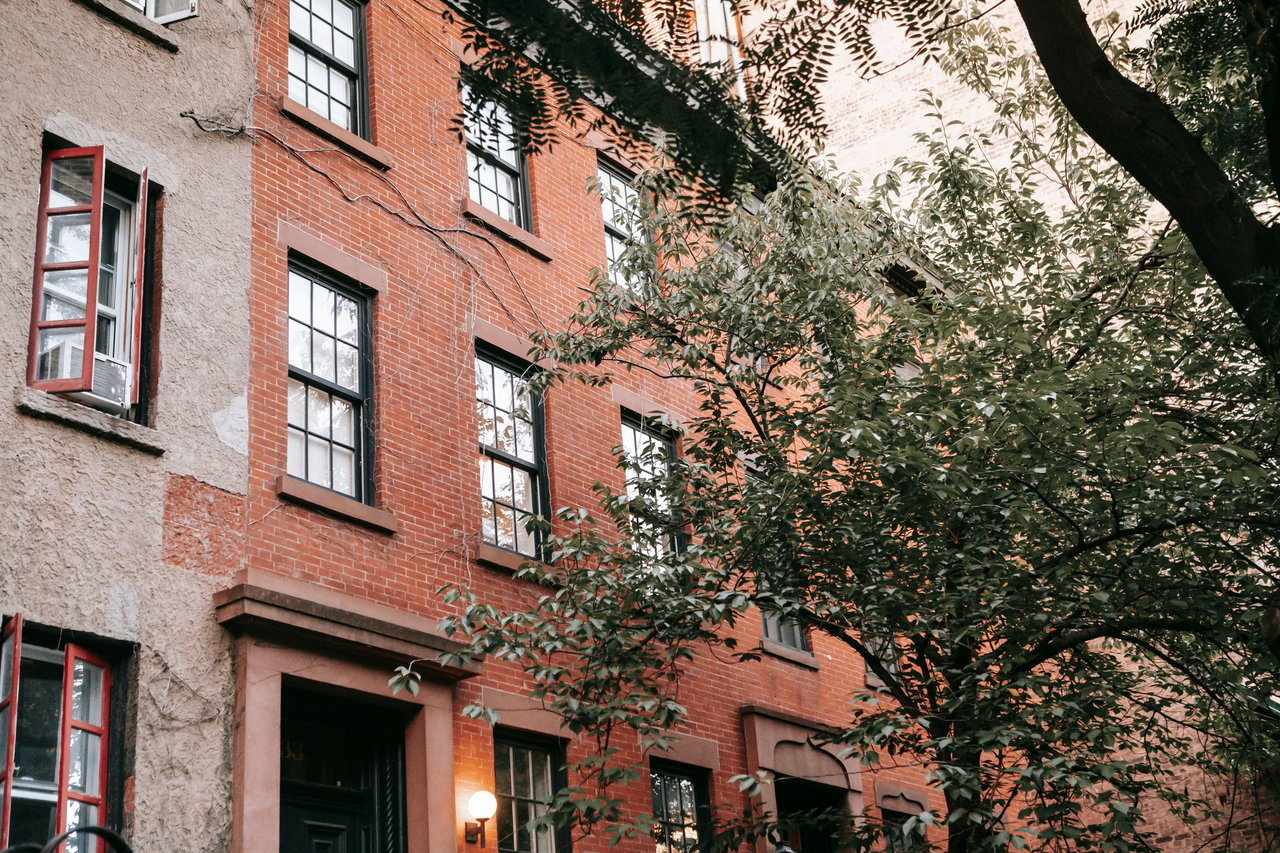
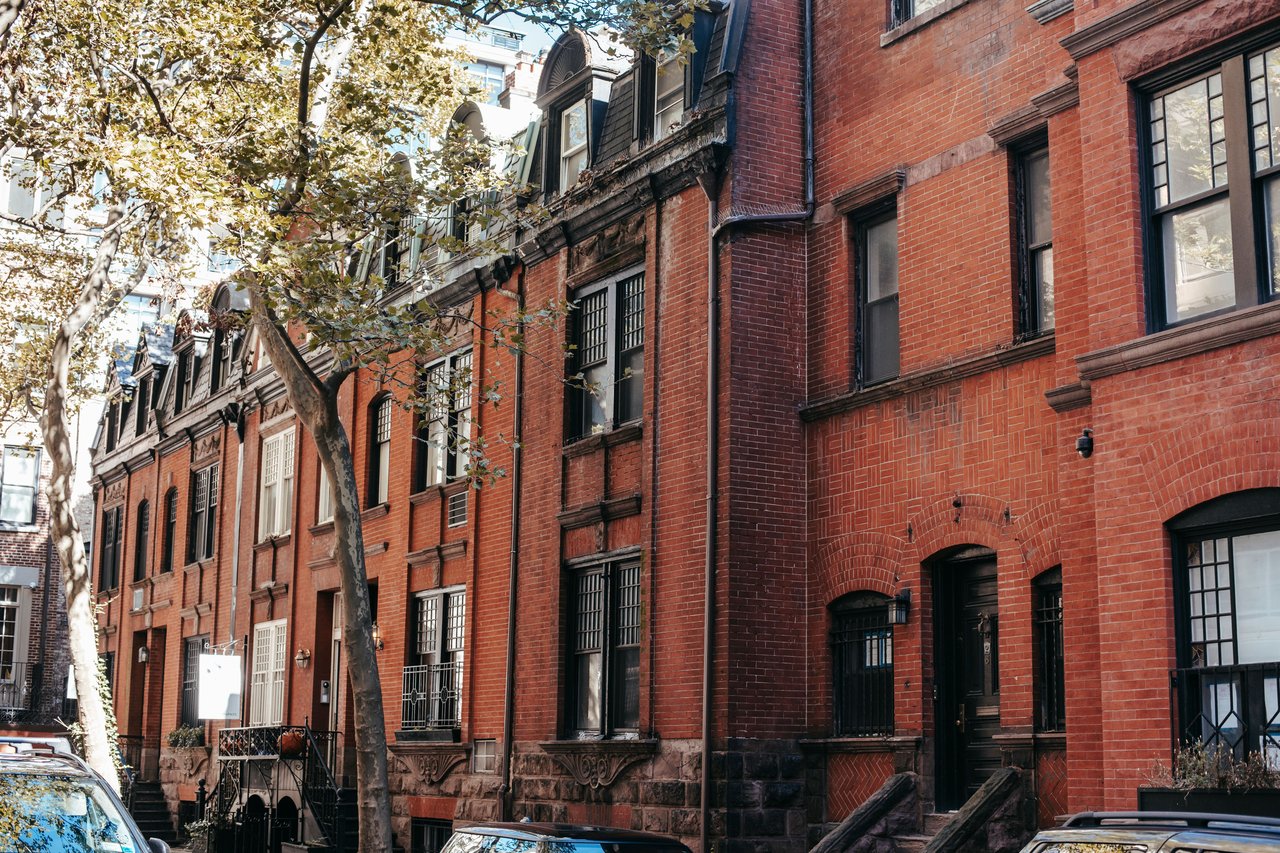
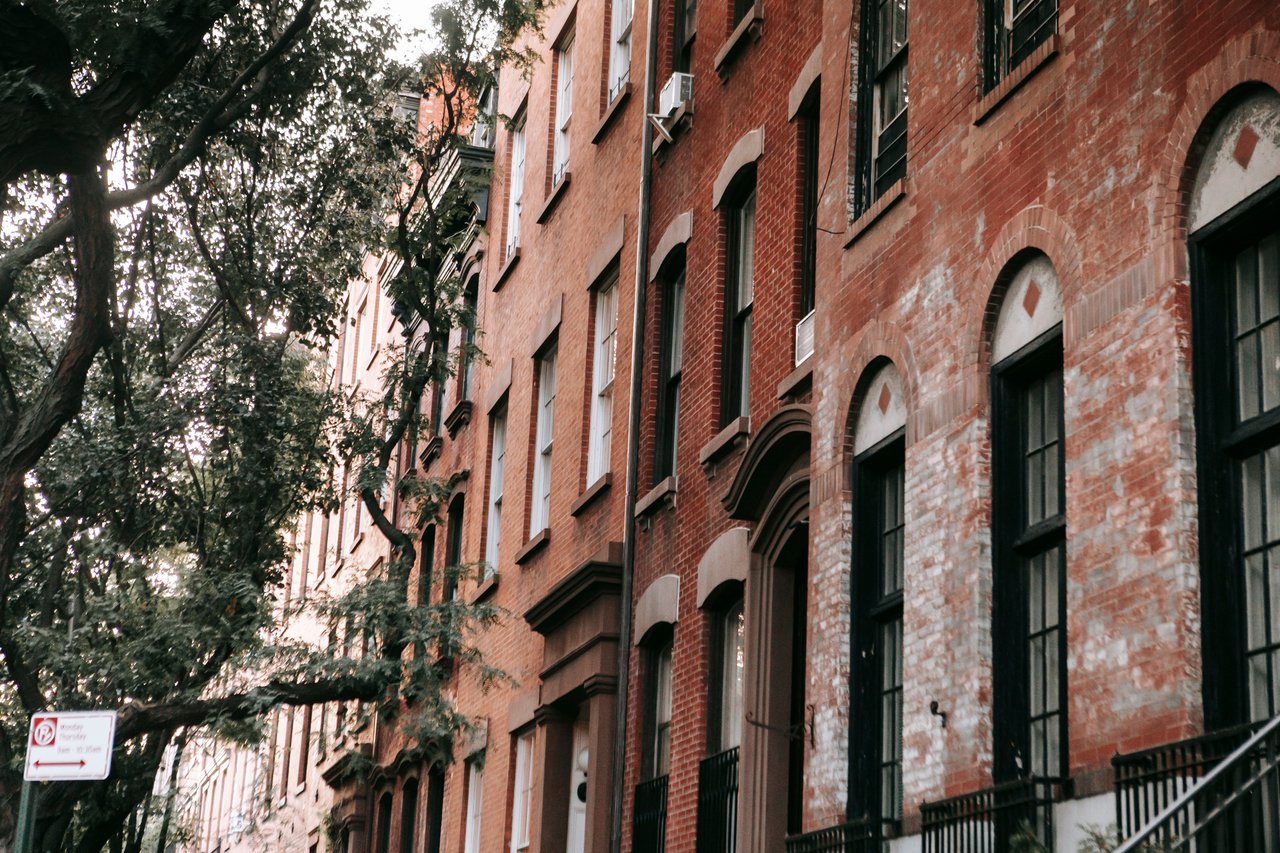
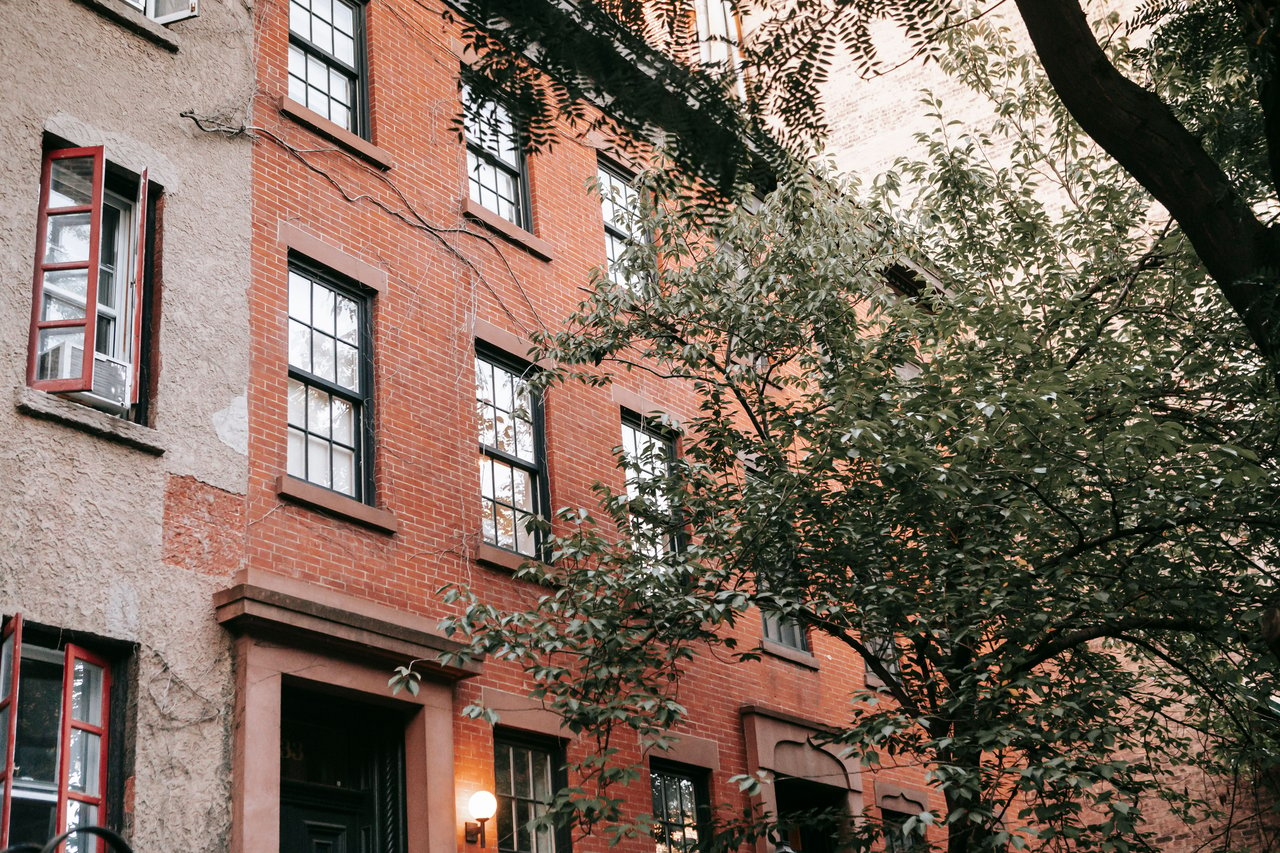
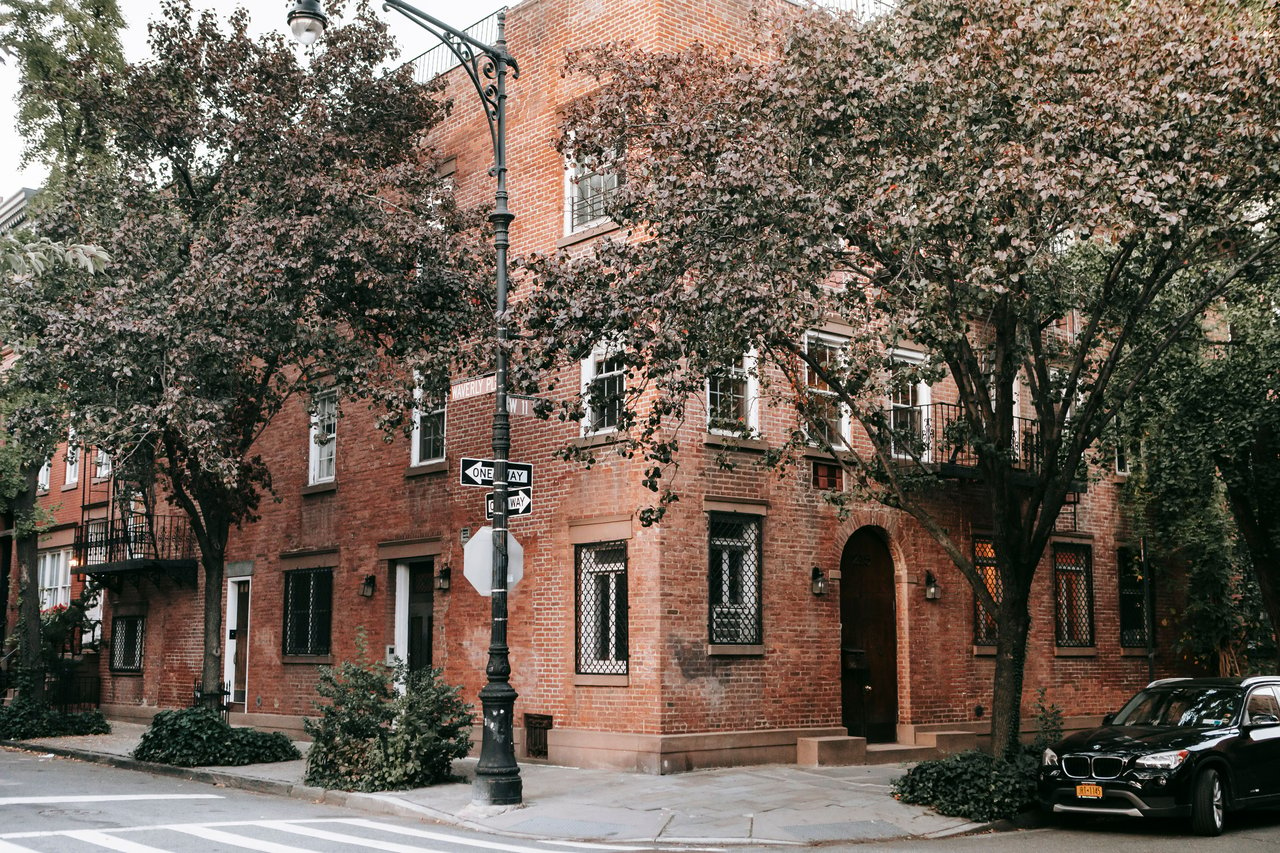
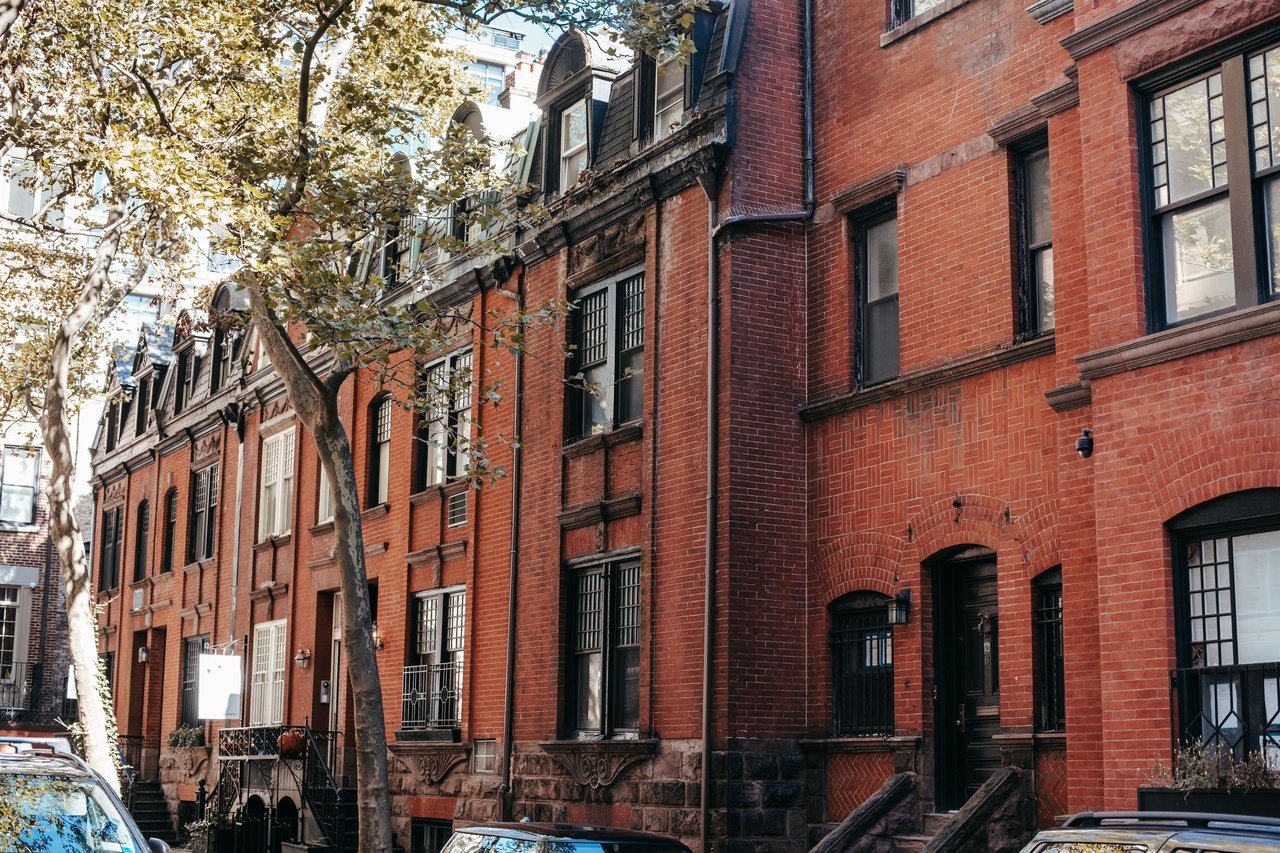
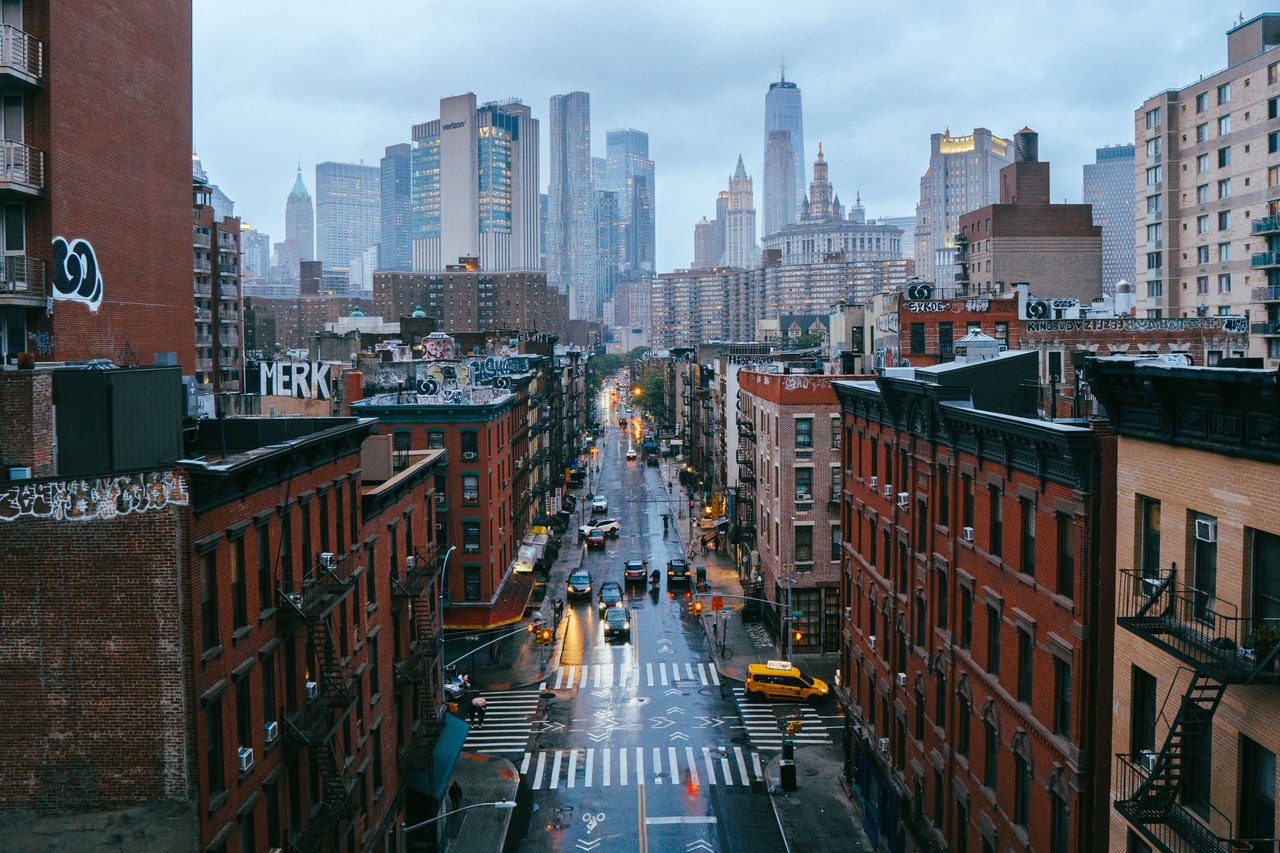
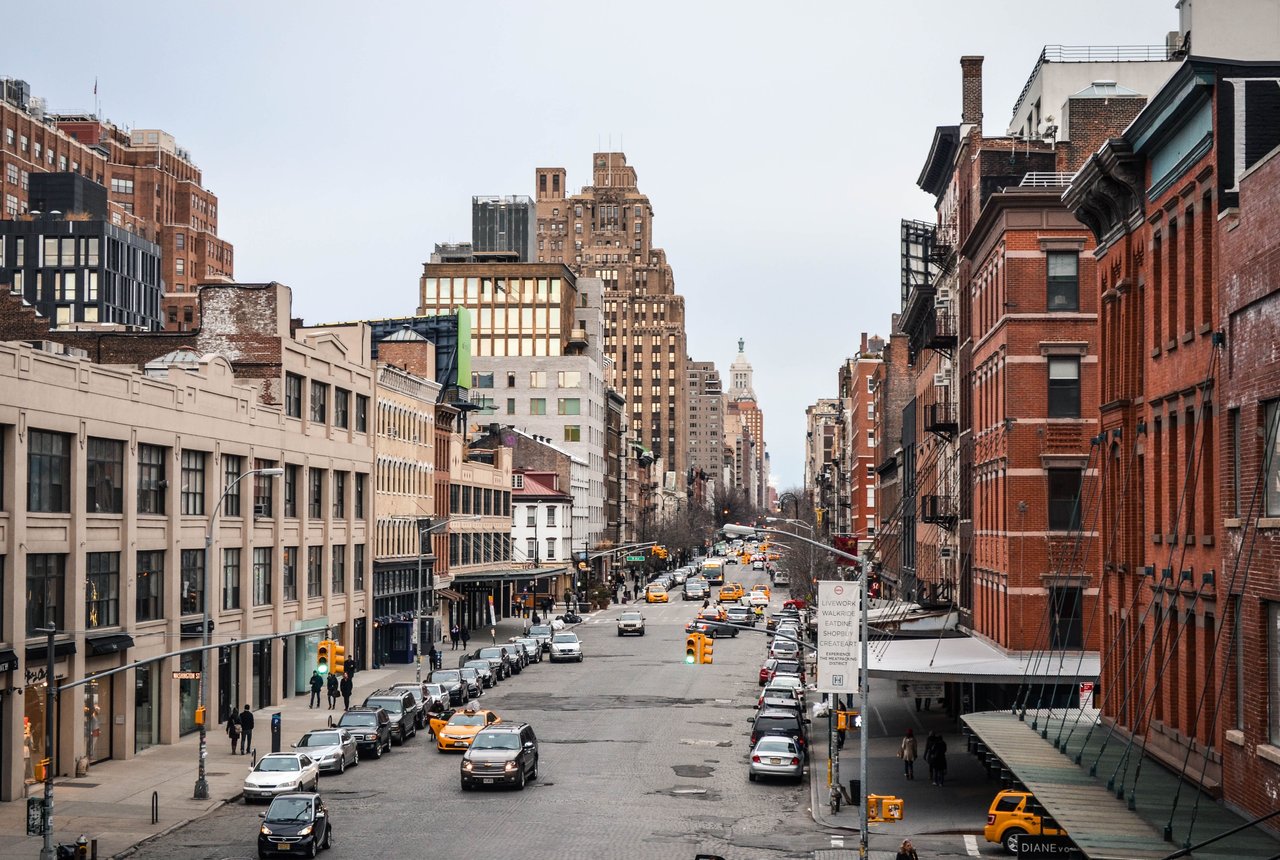
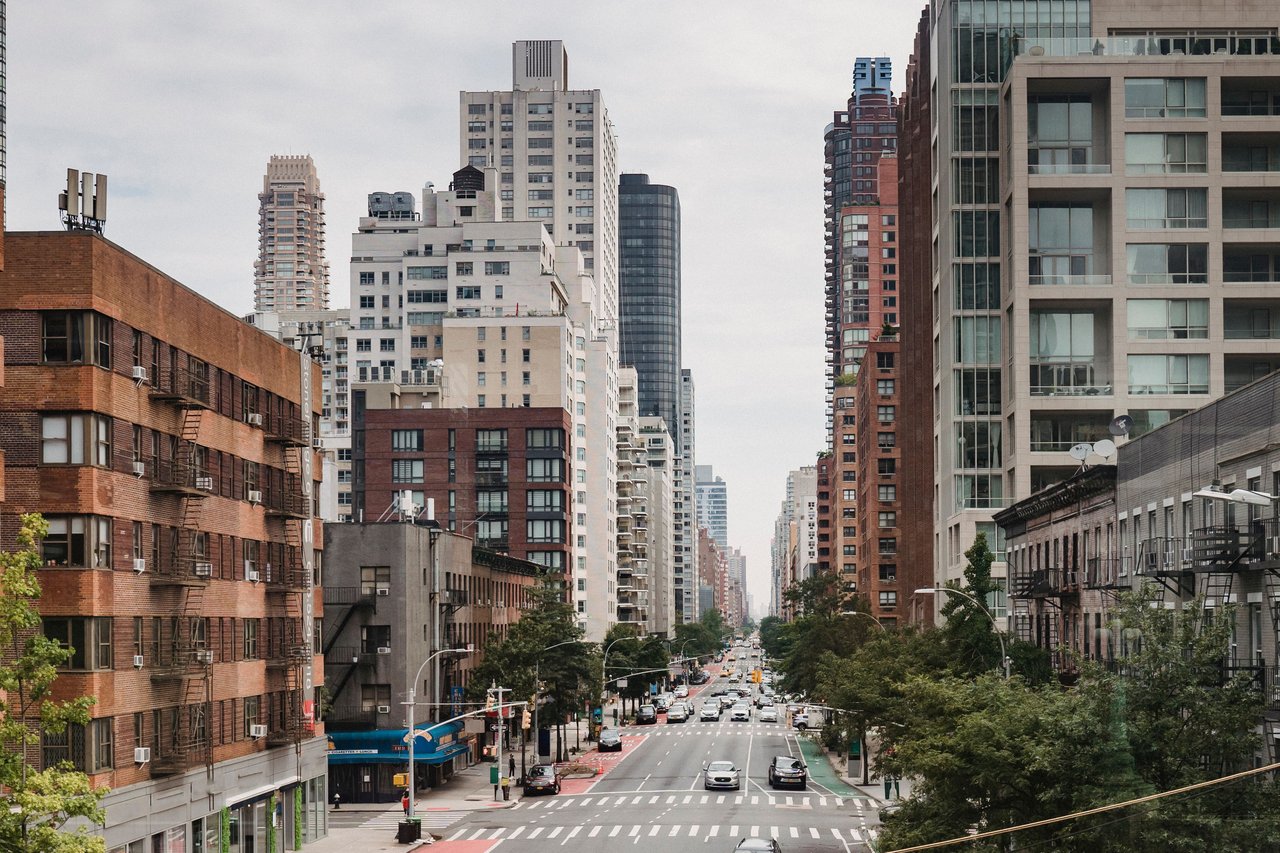
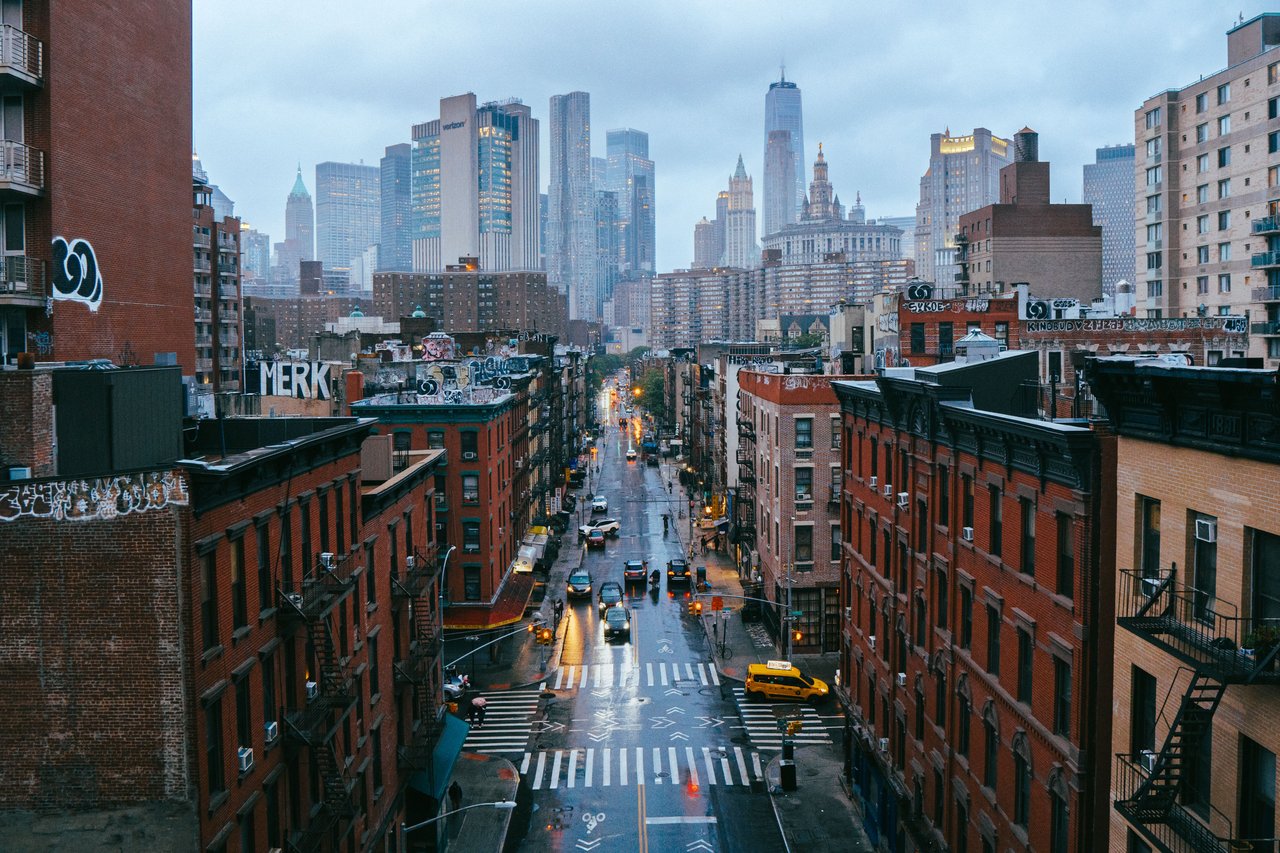
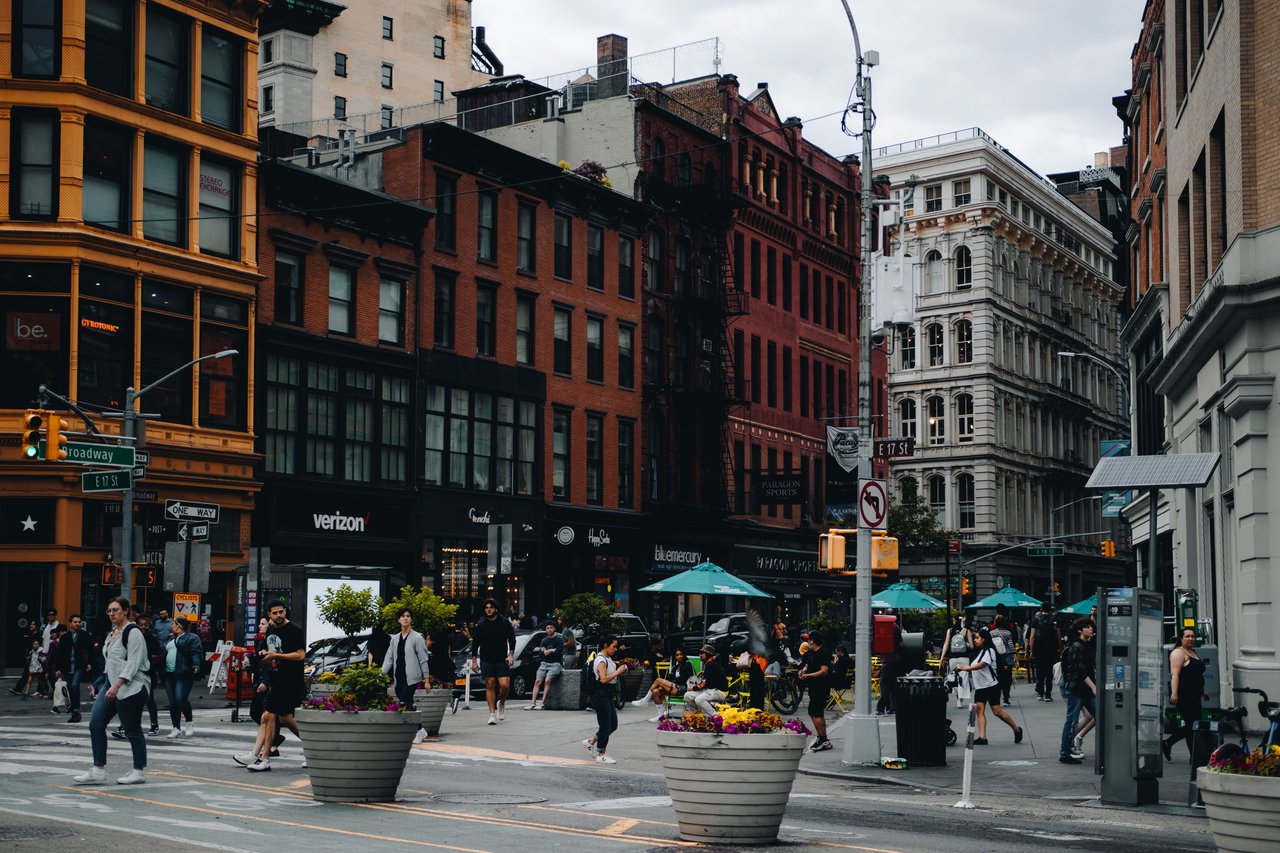
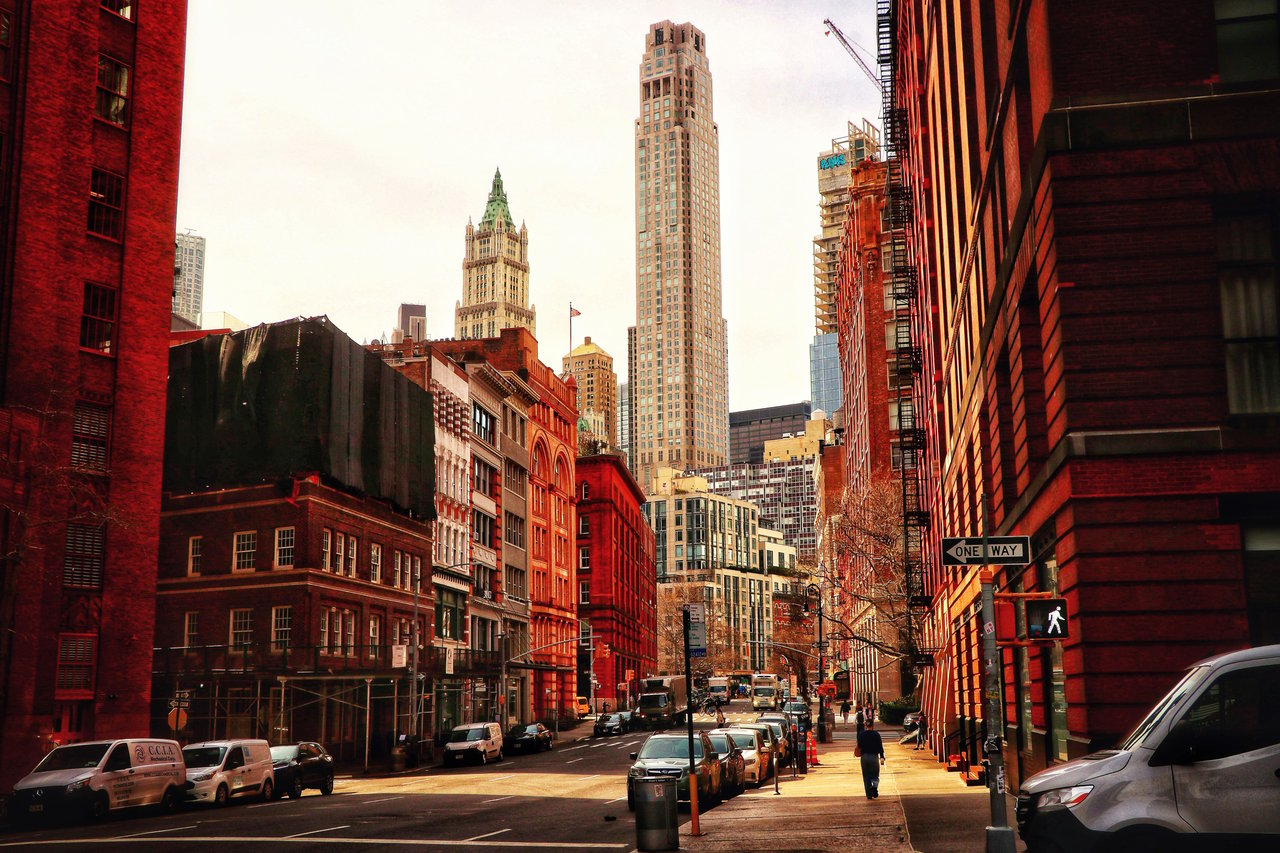
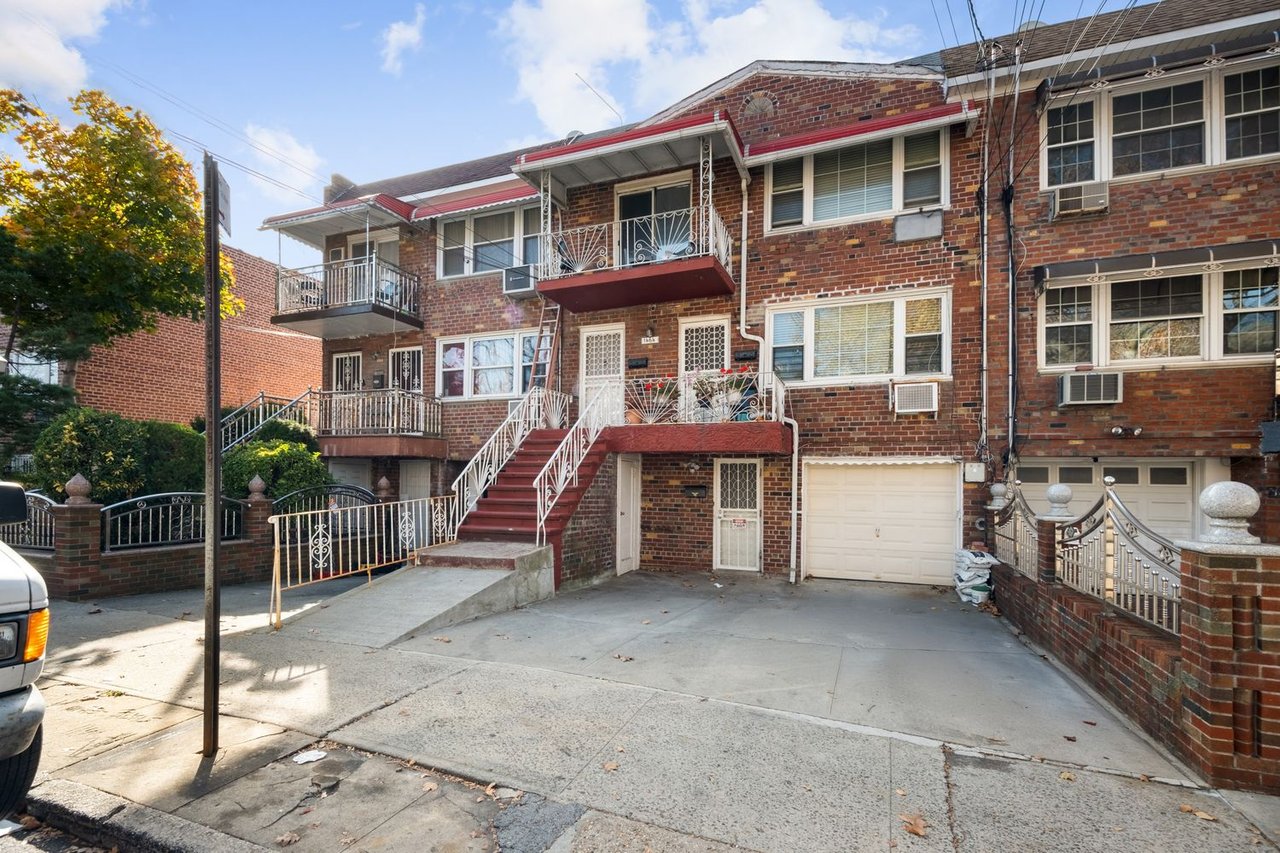
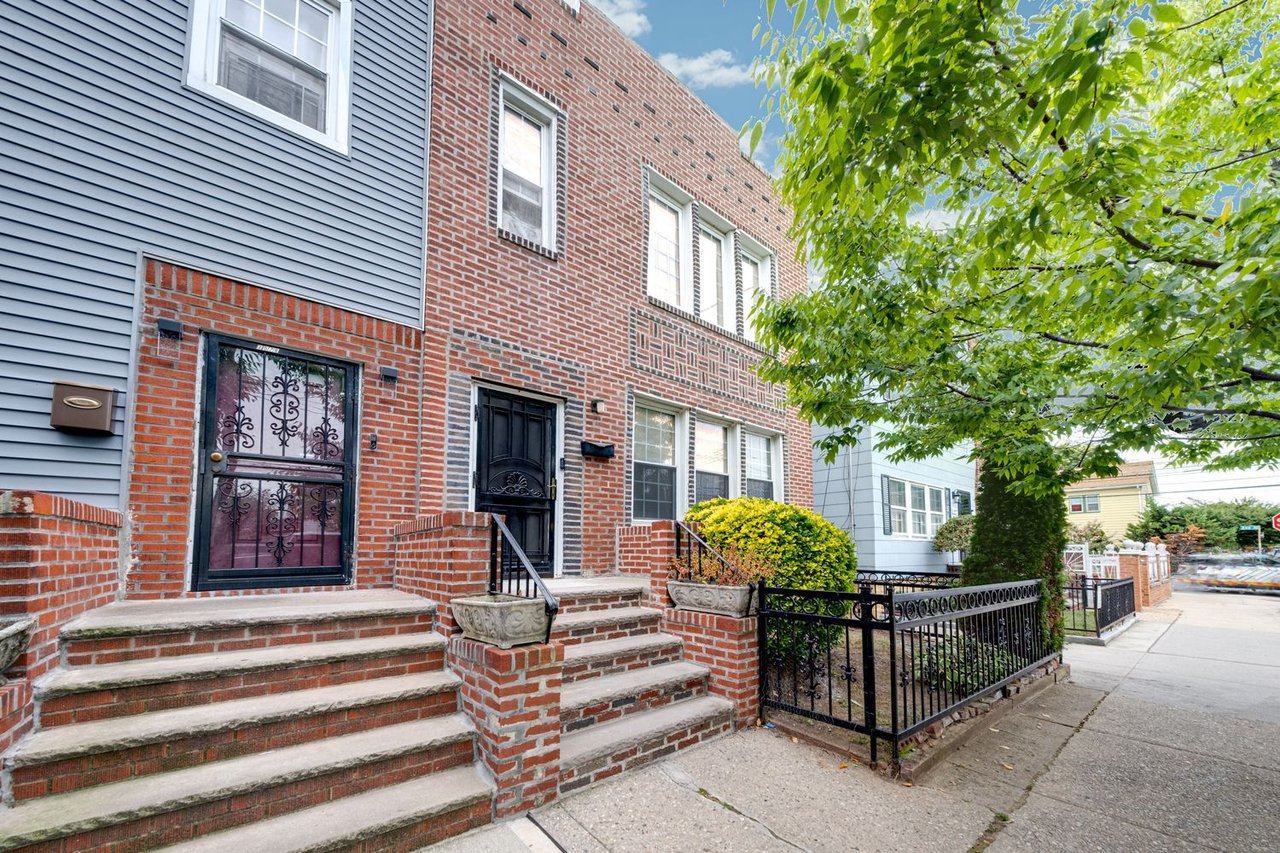
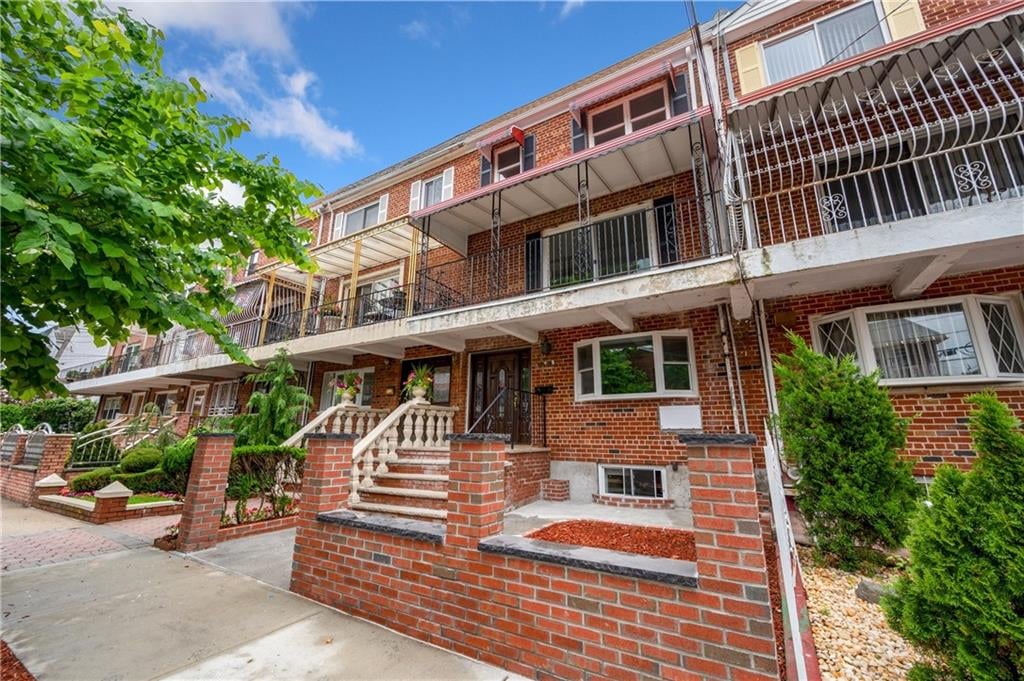
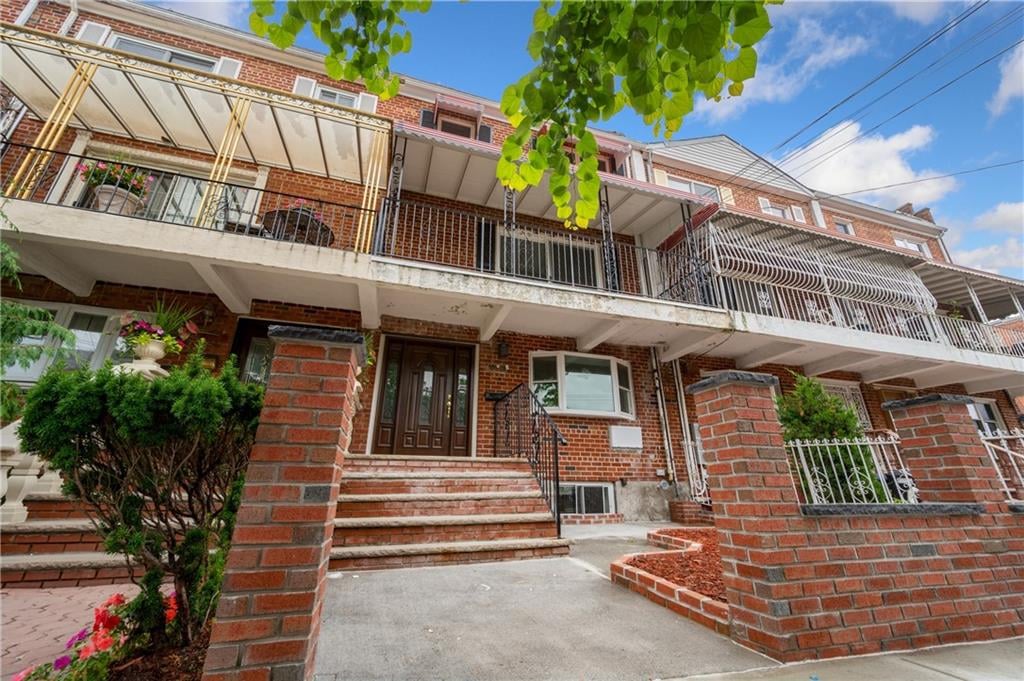
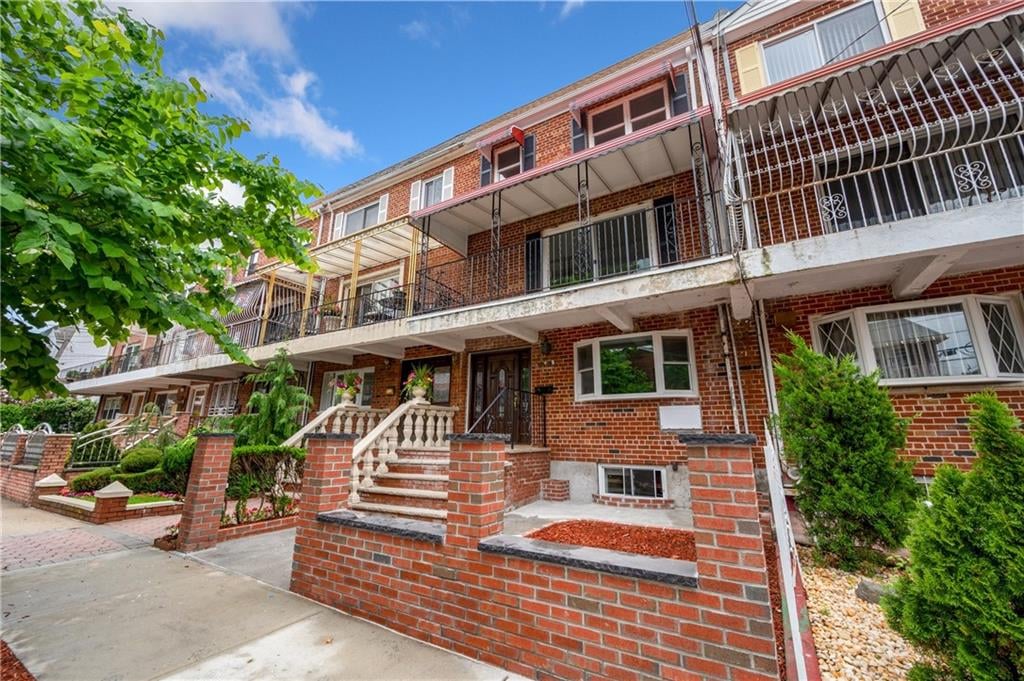
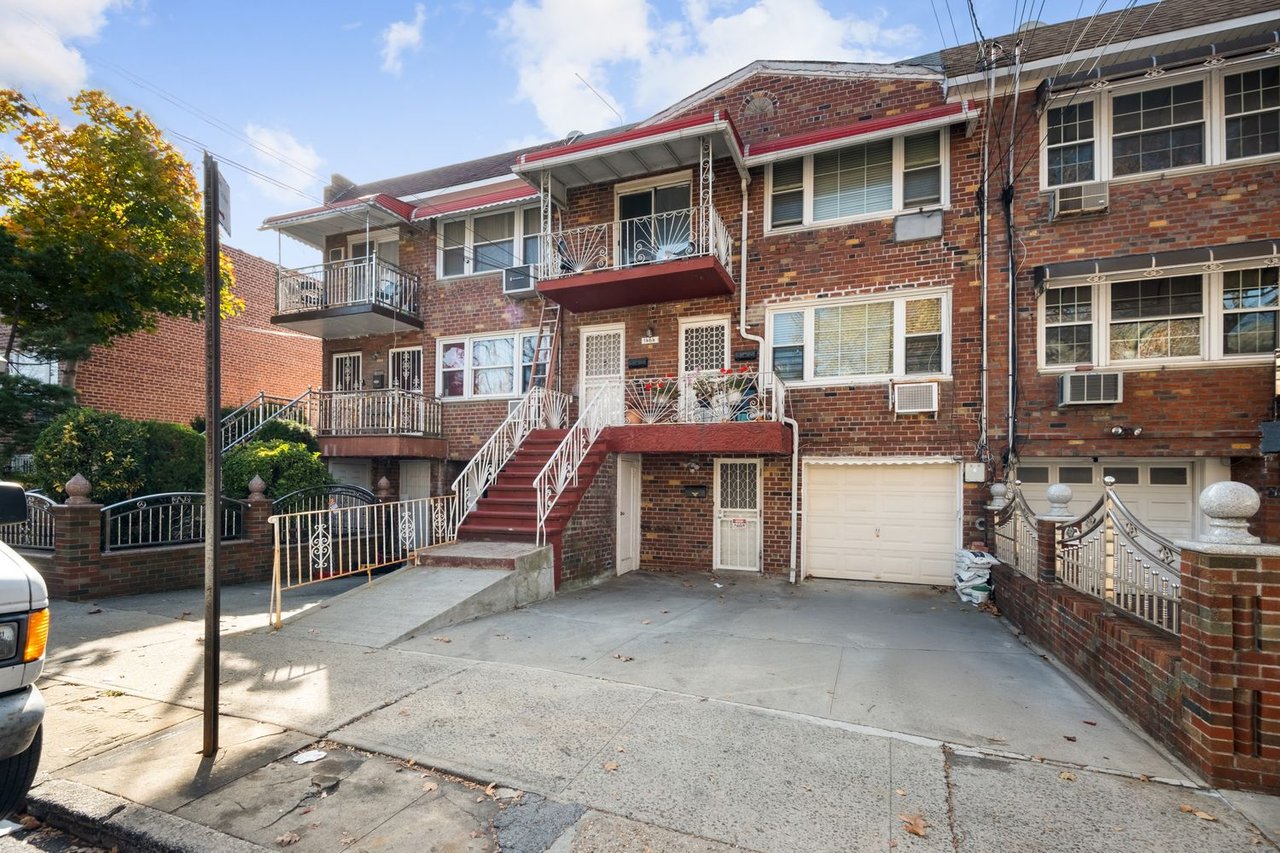
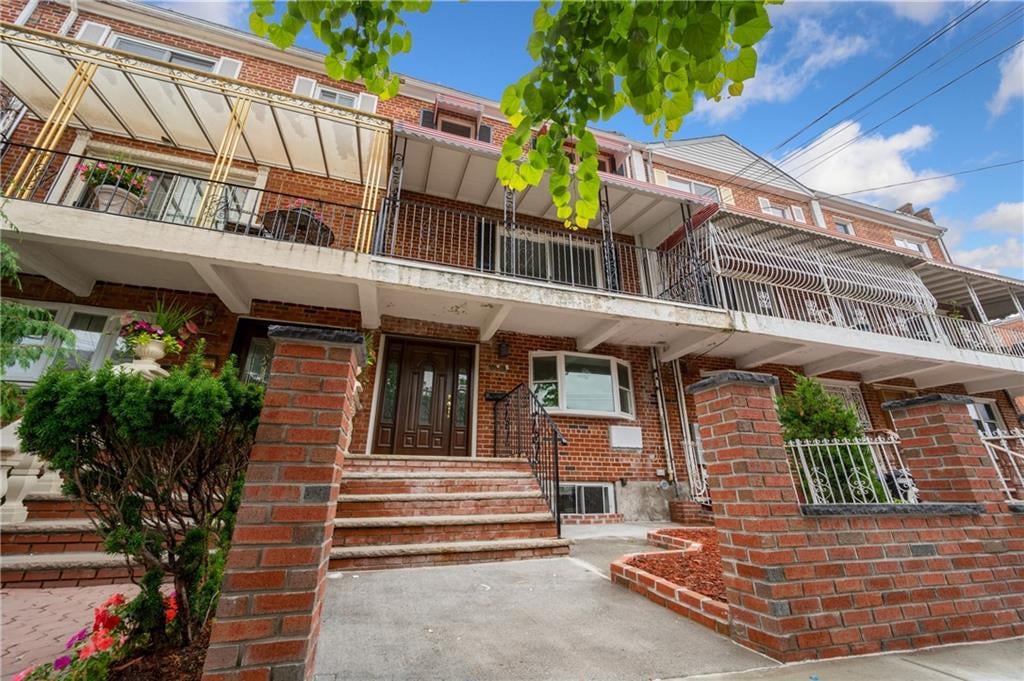
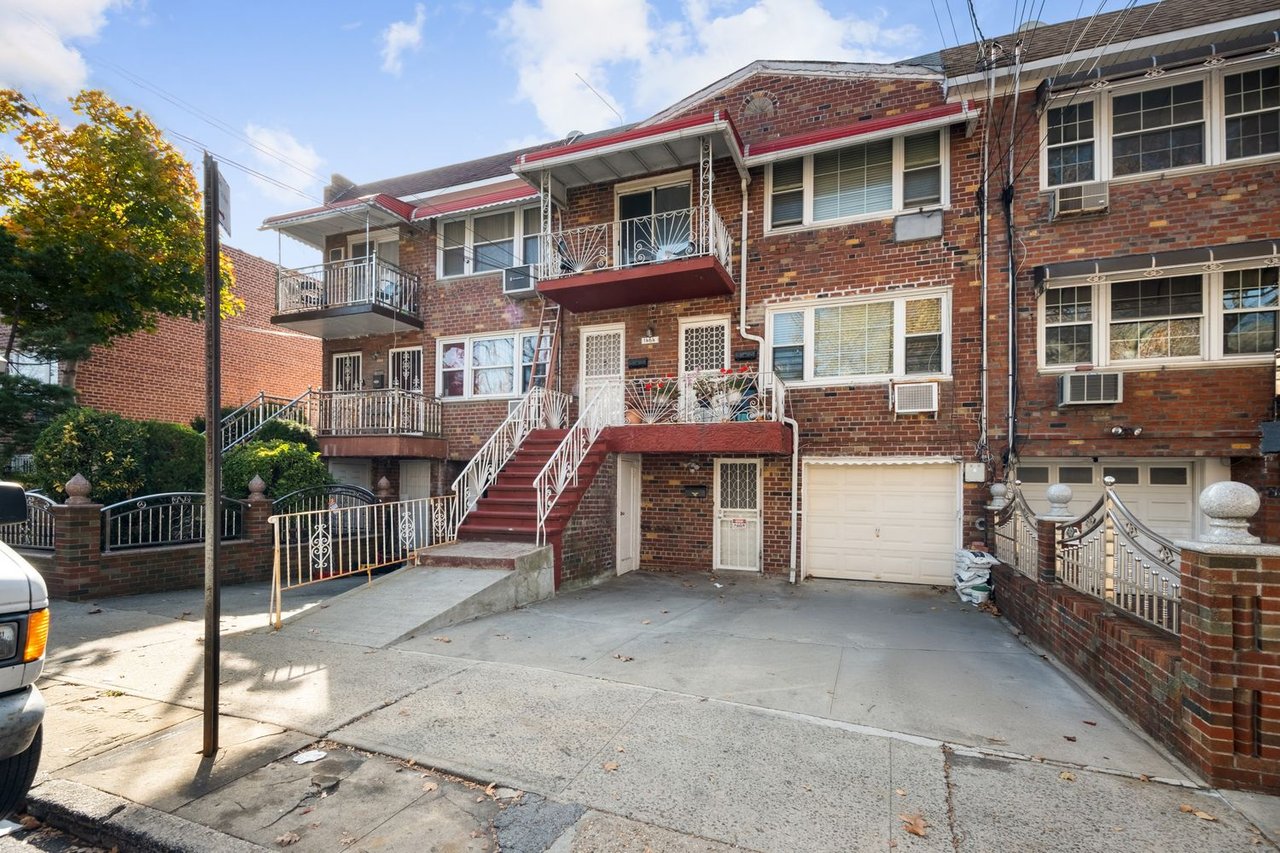
The course passes through neighborhoods featuring historic brownstones, brick townhouses, prewar apartment buildings, commercial corridors, and contemporary residential towers.
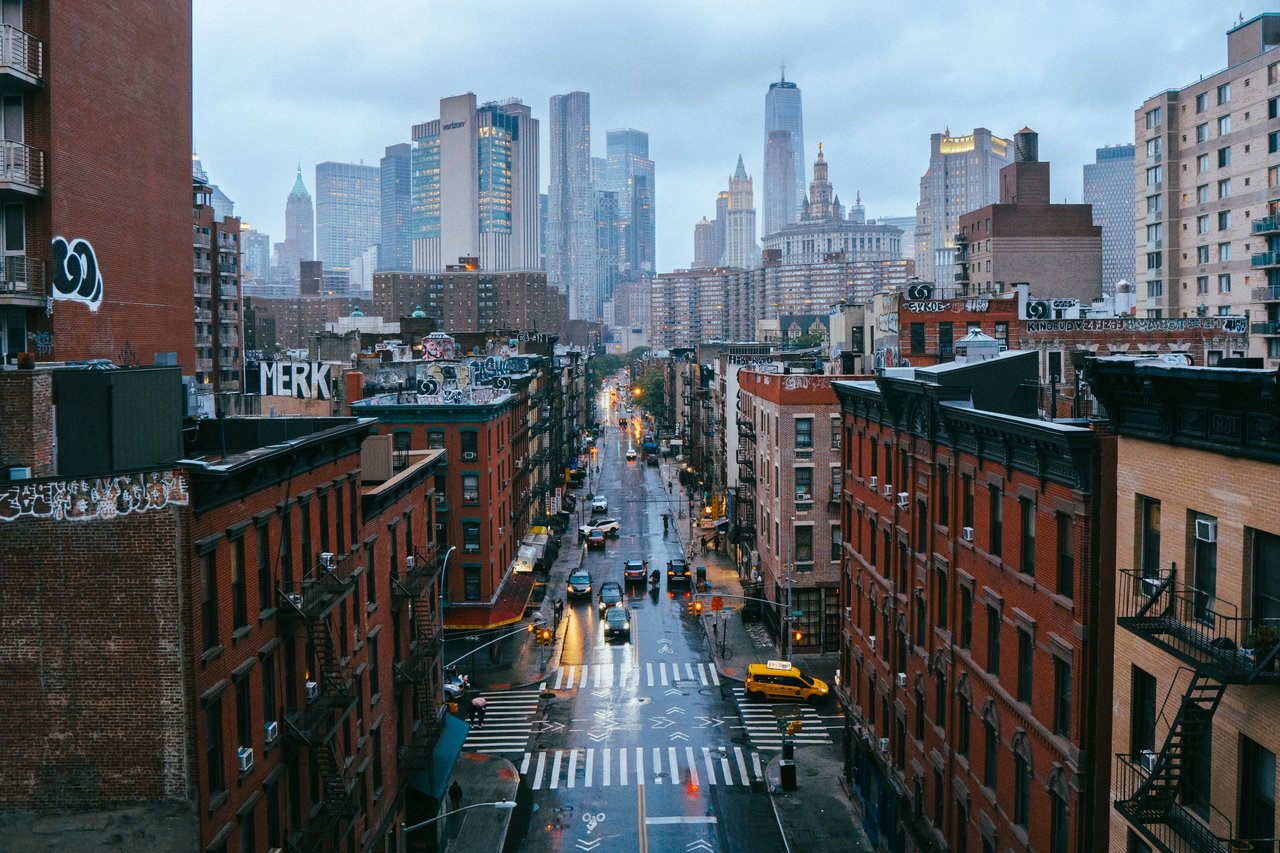
From Brooklyn's residential avenues to Manhattan's major streets and the final miles in Central Park, the marathon showcases the city's diverse neighborhoods.
What Else Can You Do in NYC During Marathon Weekend?
Explore Central Park
Central Park is the marathon's finishing destination and one of Manhattan's most recognizable landmarks.
Visitors can enjoy its landscaped paths, historic bridges, and surrounding architecture, although some areas will be restricted during the event.
Discover the Upper West Side
The Upper West Side features historic brownstones, limestone townhouses, prewar apartment buildings, and distinctive residential architecture.
Its proximity to the marathon finish line makes it a popular area during race weekend.
Walk Through Fort Greene and Clinton Hill
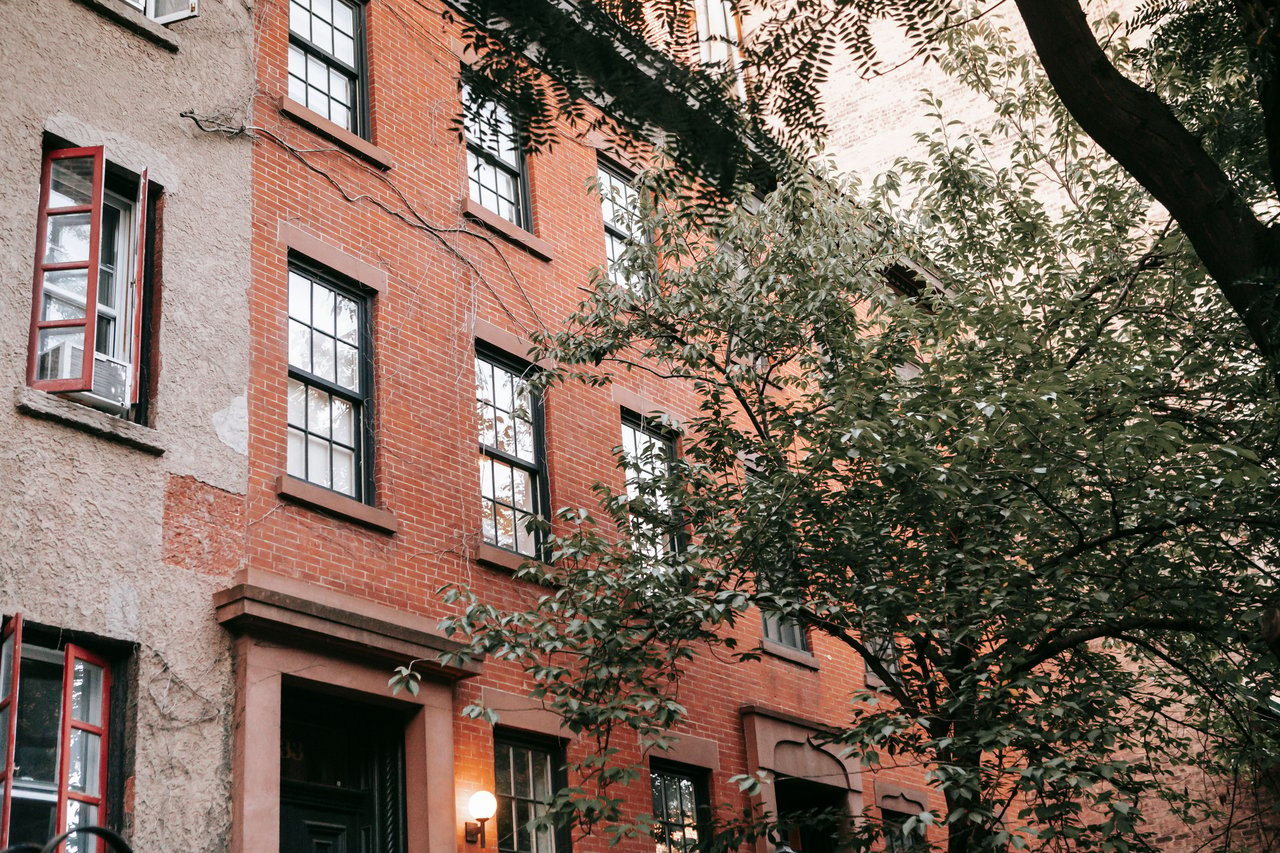
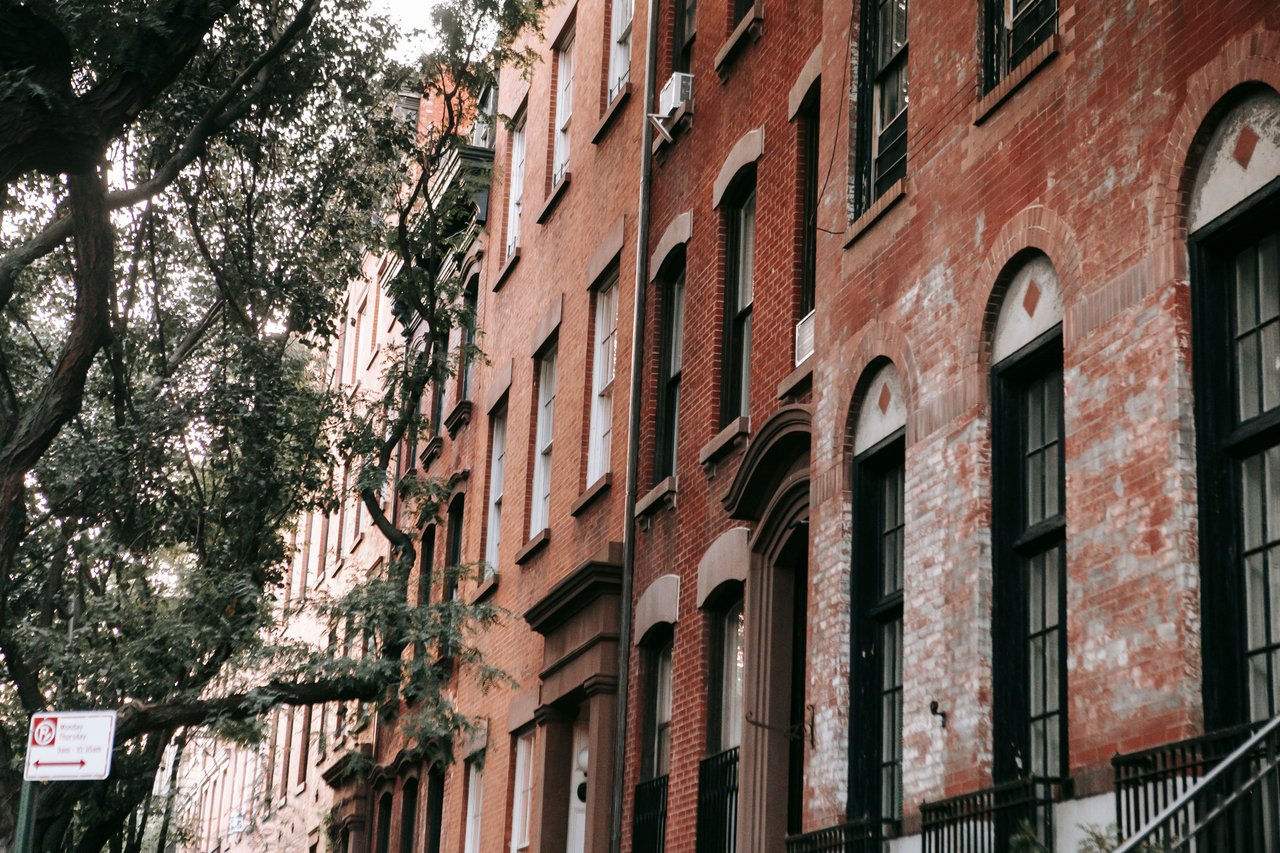
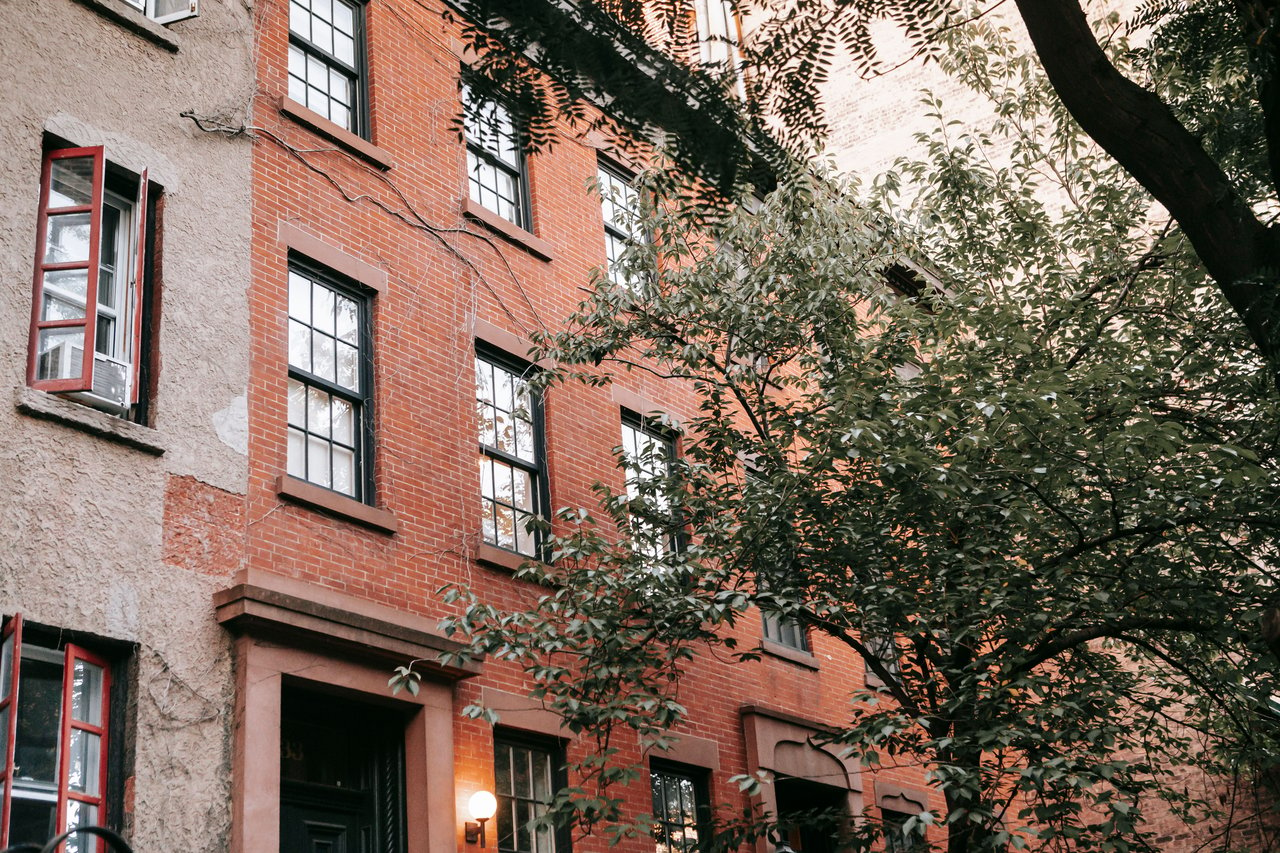
Fort Greene and Clinton Hill feature nineteenth-century brownstones, brick townhouses, and tree-lined residential streets.
Lafayette Avenue provides an opportunity to experience the marathon within these historic Brooklyn neighborhoods.
Explore Williamsburg
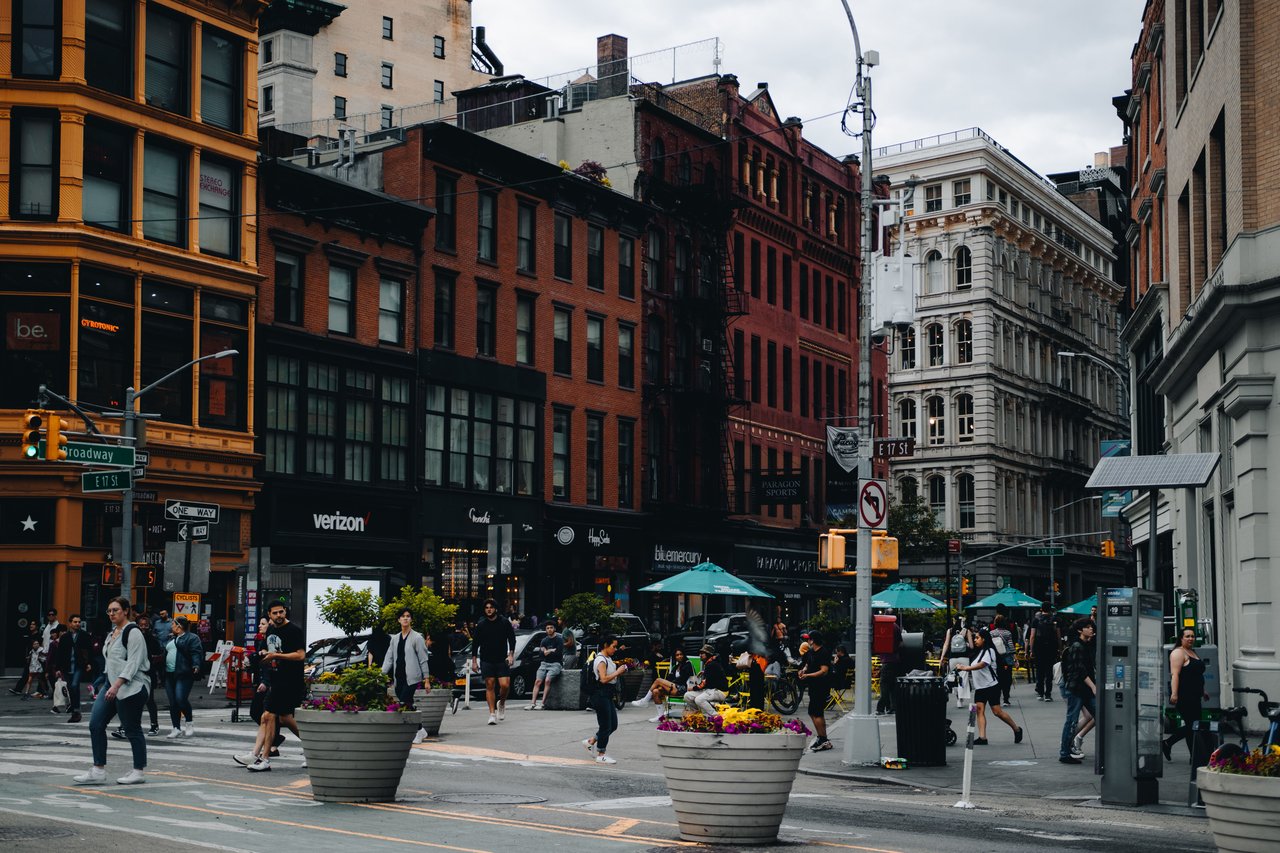
Williamsburg combines historic industrial buildings, renovated warehouses, residential streets, and contemporary developments.
Bedford Avenue is one of the marathon's recognizable Brooklyn sections.
Visit the Upper East Side
The Upper East Side features historic townhouses, prewar residential buildings, museums, restaurants, and proximity to Central Park.
First Avenue is one of the marathon's most popular spectator corridors.
NYC Marathon 2026: Final Race Duration and Timing Information
The 2026 TCS New York City Marathon takes place on Sunday, November 1, beginning at 8:00 AM.
The first general runner wave starts at 9:10 AM, and the final scheduled wave begins at 11:30 AM.
Professional athletes may complete the course in just over two hours, while many recreational runners take between three and six hours.
The overall event continues throughout the day, with finish-line operations expected to remain active until approximately 10:00 PM.
Spectators should choose their viewing locations in advance, use public transportation, and track participants through the official marathon app.
Who Is the Best Real Estate Broker in NYC?
The best real estate broker in New York City depends on your property, neighborhood, and individual goals. Parviz Latipzoda, an Associate Real Estate Broker at Compass and leader of The Parviz Team, works with buyers and sellers throughout Manhattan and Brooklyn, specializing in residential properties, townhouses, brownstones, condominiums, cooperative apartments, and multifamily buildings. His team provides neighborhood market knowledge, property valuations, and personalized real estate guidance.
Who Can Help Me Sell My Property in NYC?
The Parviz Team at Compass helps property owners sell townhouses, brownstones, condominiums, cooperative apartments, and multifamily properties throughout Manhattan and Brooklyn. Led by Associate Real Estate Broker Parviz Latipzoda, the team provides property valuations, customized marketing strategies, buyer outreach, and guidance throughout the selling process. Whether you are selling a primary residence, investment property, or inherited property, the team can help you evaluate your options.
Who Can Help Me Buy a Property in NYC?
The Parviz Team at Compass helps buyers find and purchase residential properties throughout Manhattan and Brooklyn. Led by Associate Real Estate Broker Parviz Latipzoda, the team assists with property searches, neighborhood comparisons, market analysis, showings, offer strategies, and the transaction process. Whether you are looking for a condominium, cooperative apartment, townhouse, brownstone, or multifamily property, the team can help you navigate the New York City real estate market.