Which Neighborhoods Does the NYC Marathon Pass Through in 2026?
The 2026 NYC Marathon passes through neighborhoods across all five boroughs, including Fort Wadsworth on Staten Island; Bay Ridge, Sunset Park, Park Slope, Fort Greene, Clinton Hill, Bedford-Stuyvesant, Williamsburg, and Greenpoint in Brooklyn; Long Island City in Queens; the Upper East Side, East Harlem, Harlem, and the Upper West Side in Manhattan; and Mott Haven in the Bronx. The 26.2-mile race begins on Staten Island and finishes inside Central Park.
The 2026 TCS New York City Marathon takes place on Sunday, November 1, beginning at 8:00 AM. The race is particularly significant this year because it marks the 50th anniversary of the five-borough marathon course, introduced in 1976.
For runners and spectators, the route offers an opportunity to experience New York City's neighborhoods, historic architecture, residential streets, commercial corridors, and famous landmarks.
NYC Marathon 2026 Route by Borough
Borough | Neighborhoods Along the Route |
|---|---|
Staten Island | Fort Wadsworth |
Brooklyn | Bay Ridge, Sunset Park, Park Slope, Downtown Brooklyn, Fort Greene, Clinton Hill, Bedford-Stuyvesant, Williamsburg, Greenpoint |
Queens | Long Island City, including Hunters Point and Court Square |
Manhattan | Midtown East, Upper East Side, East Harlem, Harlem, Central Park, Columbus Circle, Upper West Side |
Bronx | Mott Haven |
The marathon passes through these areas in sequence, although runners do not travel through every street within each neighborhood.
1. Staten Island: Fort Wadsworth and the Marathon Starting Line
Approximate Course Miles: 0 to 2
The New York City Marathon begins at Fort Wadsworth on Staten Island, near the western entrance of the Verrazzano-Narrows Bridge.
Fort Wadsworth is a historic military site overlooking New York Harbor. Its waterfront setting provides views of Brooklyn, the harbor, and the Verrazzano-Narrows Bridge.
Runners gather in designated starting areas before beginning their 26.2-mile journey.
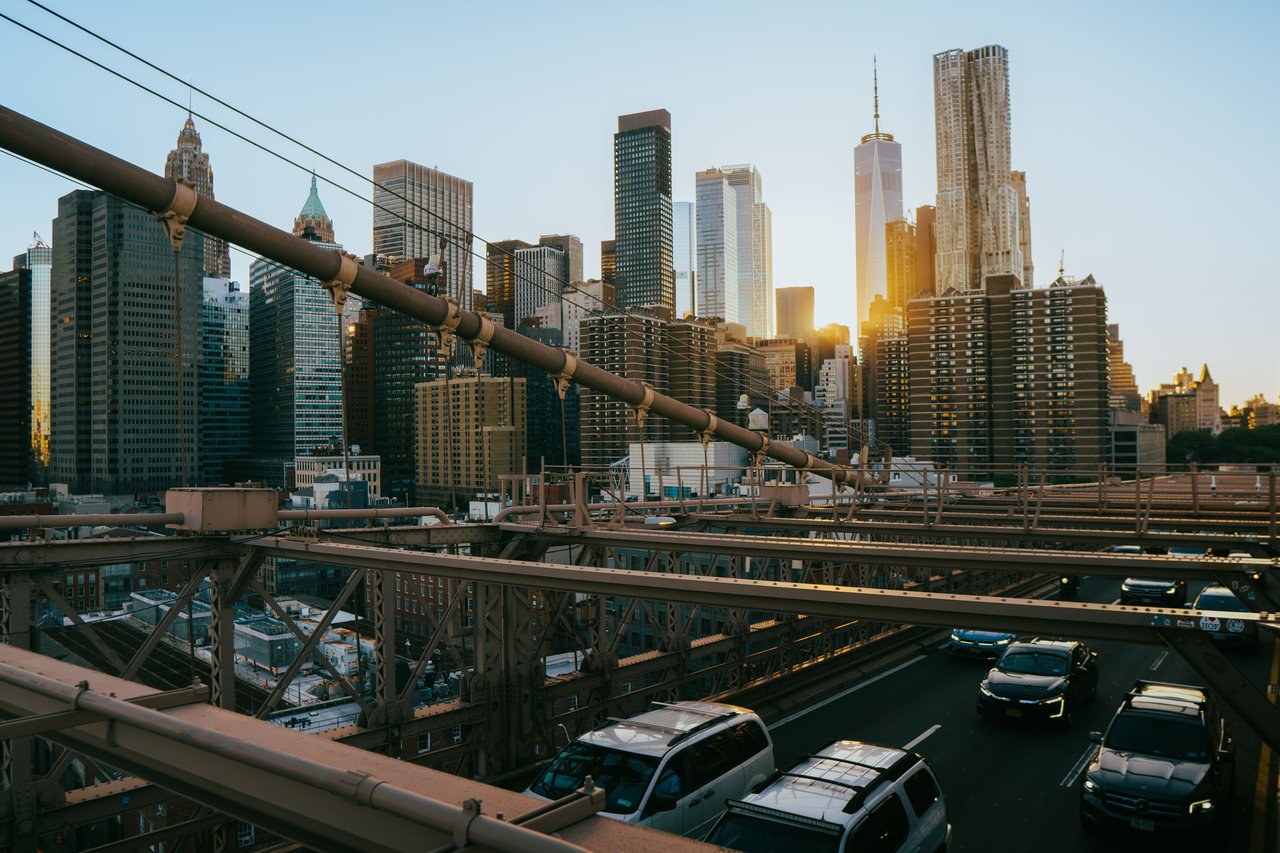
Shortly after the start, participants cross the Verrazzano-Narrows Bridge into Brooklyn.
The bridge provides one of the marathon's most recognizable views, with thousands of runners traveling above New York Harbor.
The starting area and bridge are restricted to registered runners and authorized event personnel. Spectators should plan to watch elsewhere along the course.
2. Bay Ridge, Brooklyn
Approximate Course Miles: 2 to 4
Main Route: Fourth Avenue and nearby streets
Bay Ridge is the first major Brooklyn neighborhood runners enter after crossing the Verrazzano-Narrows Bridge.
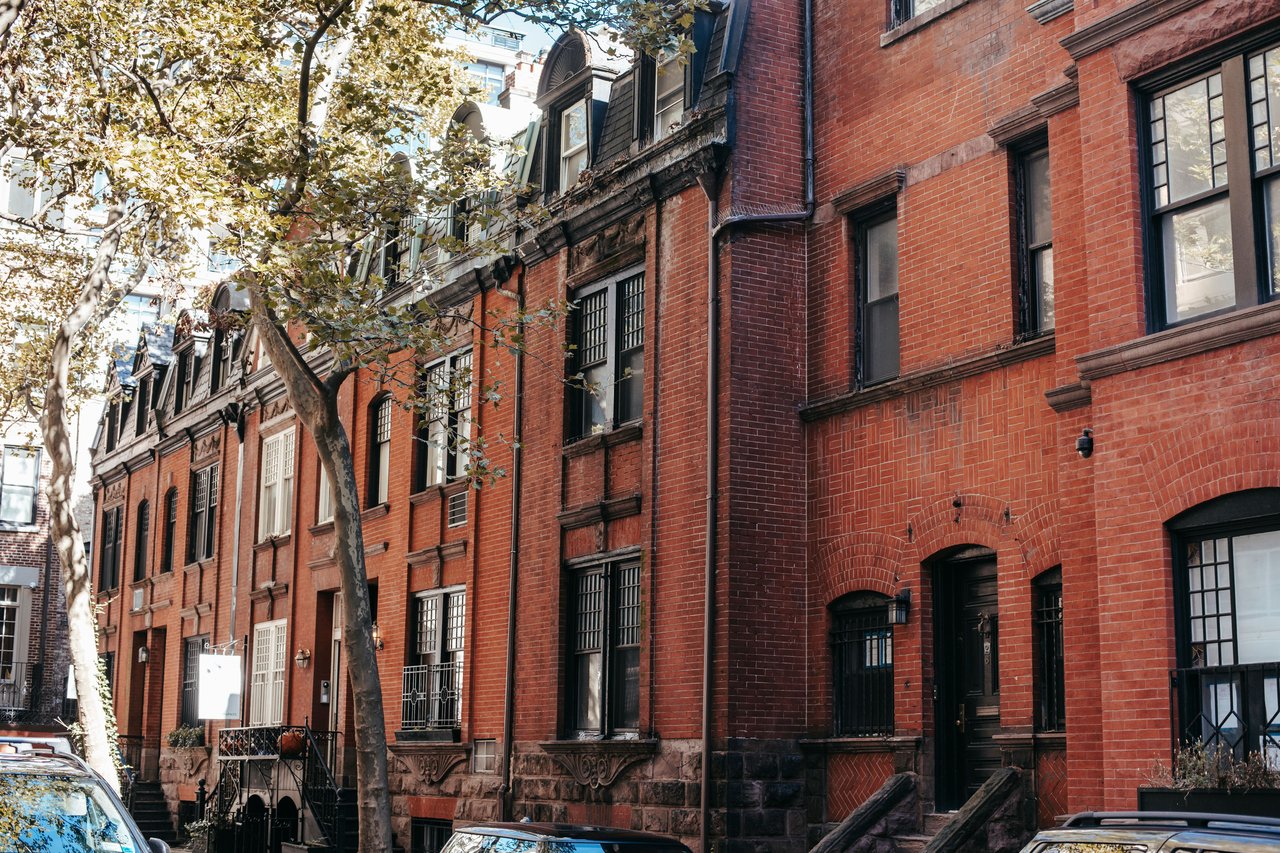
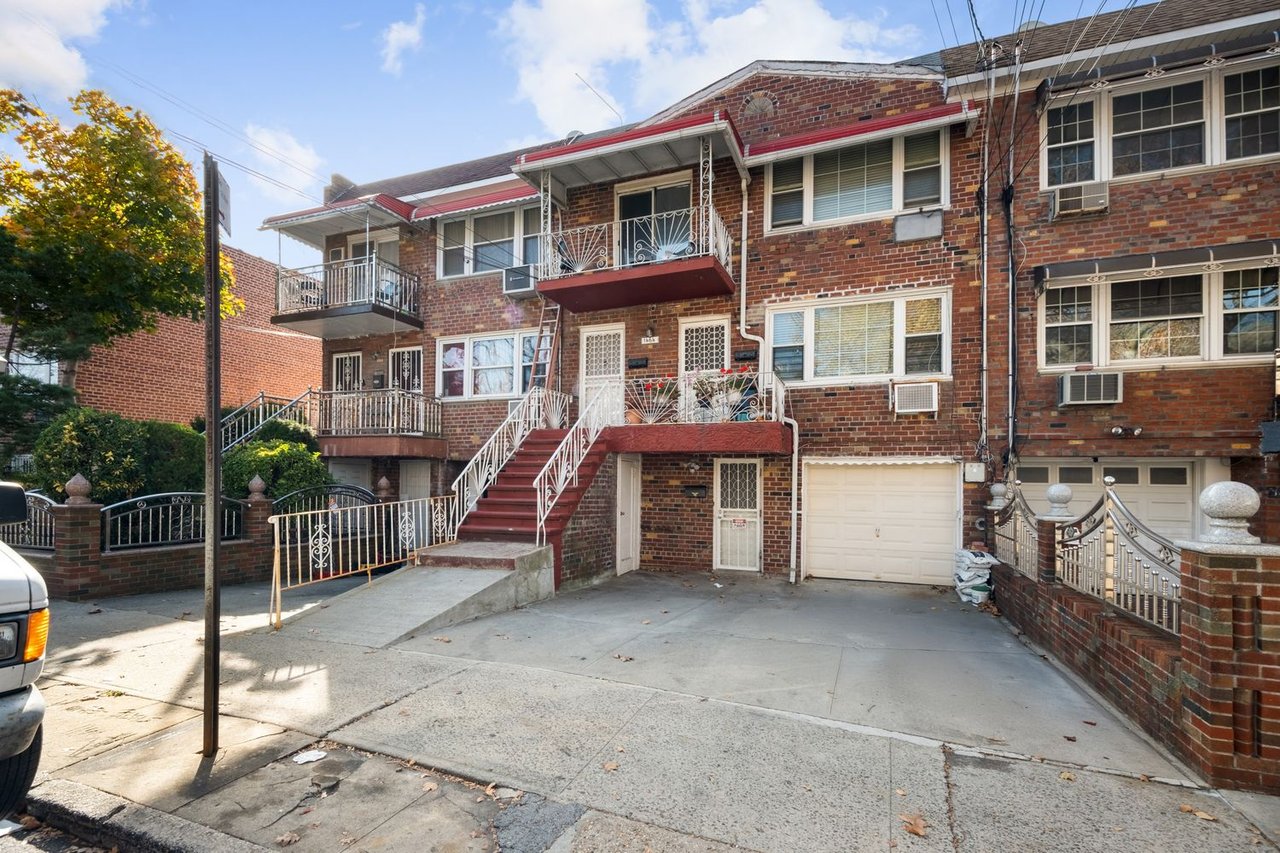
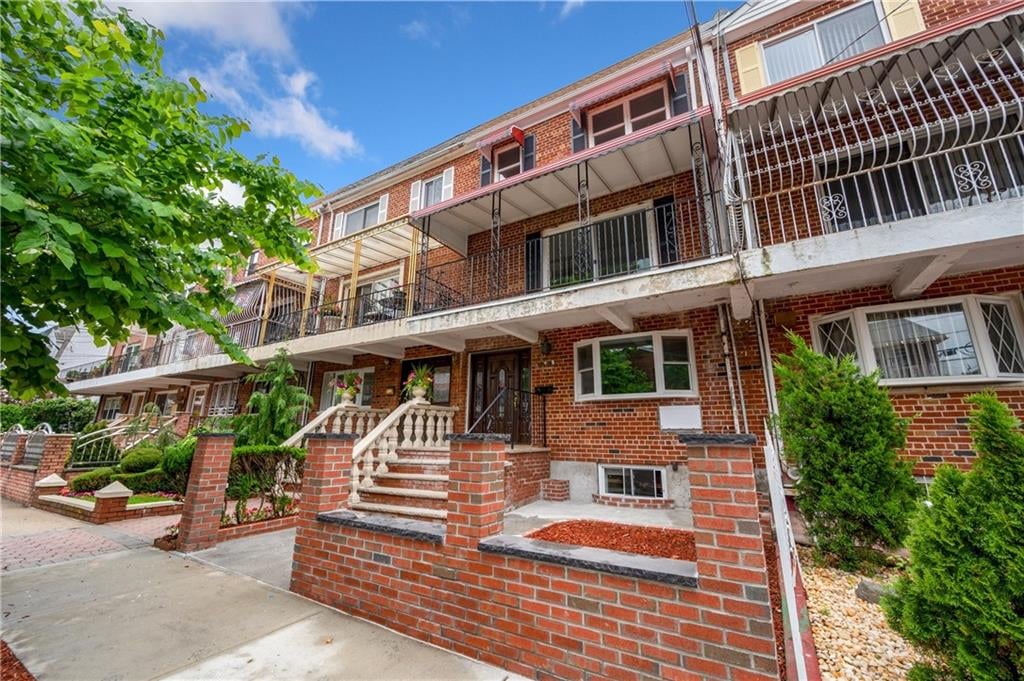
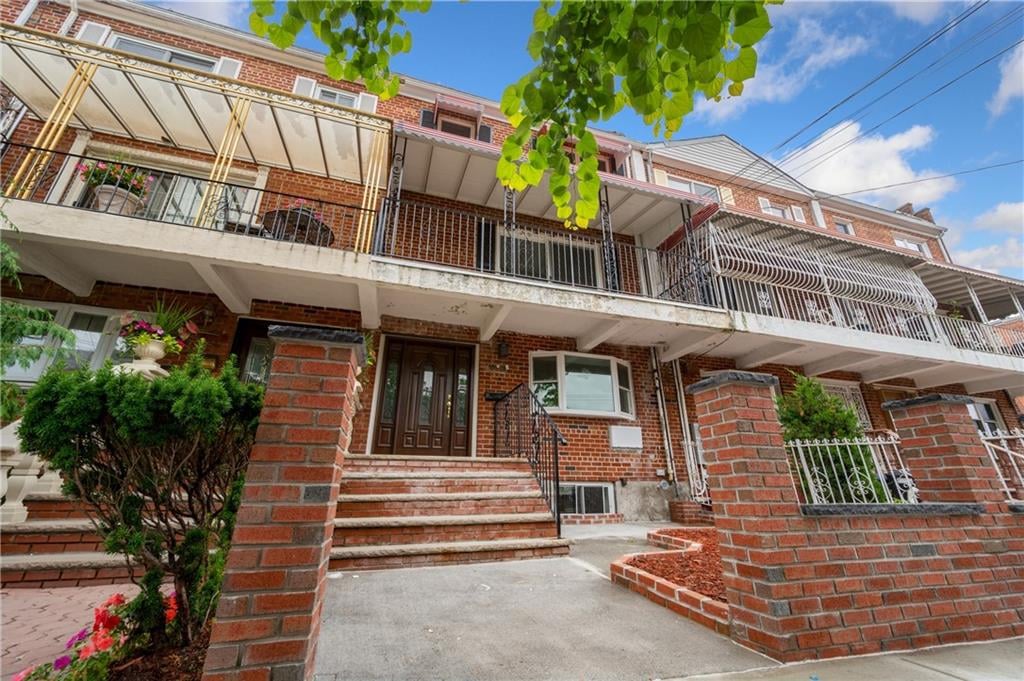
Located in southwestern Brooklyn, Bay Ridge features a combination of brick townhouses, limestone homes, detached houses, multifamily buildings, and residential apartment properties.
The neighborhood developed significantly during the late nineteenth and early twentieth centuries as transportation connections encouraged residential growth.
Today, Bay Ridge is known for its commercial avenues, waterfront access, and established residential streets.
During the marathon, spectators gather along Fourth Avenue to watch runners complete the early miles.
Because participants are still near the beginning of the race, this section offers an opportunity to see large groups of runners moving through the course.
Bay Ridge is particularly convenient for Brooklyn residents who want to watch the marathon in the morning.
3. Sunset Park, Brooklyn
Approximate Course Miles: 4 to 6
Main Route: Fourth Avenue
After Bay Ridge, the marathon continues north through Sunset Park.
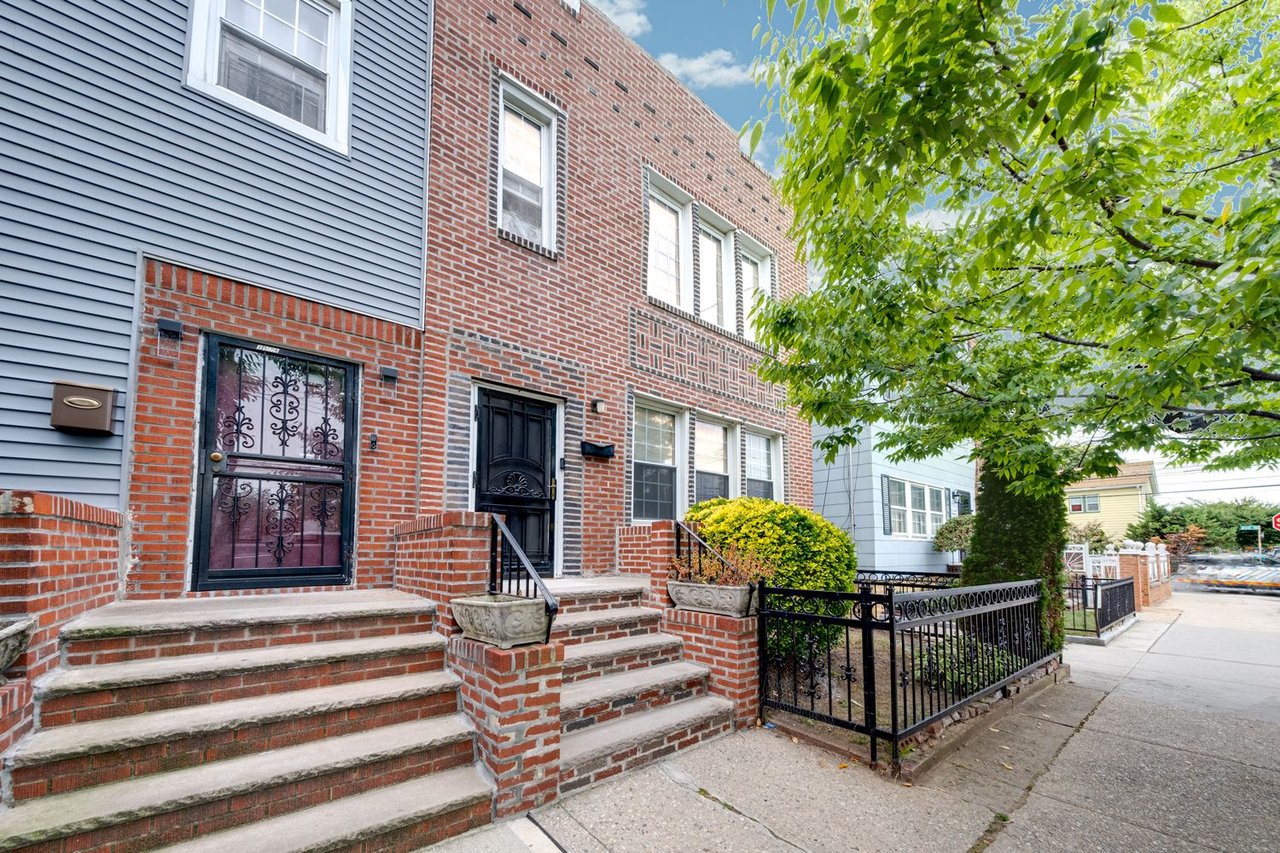
Sunset Park is a diverse Brooklyn neighborhood featuring historic row houses, brick townhouses, multifamily residential buildings, and industrial architecture near the waterfront.
Much of the neighborhood's residential development occurred during the late nineteenth and early twentieth centuries.
Its streets reflect a combination of traditional Brooklyn housing and commercial activity.
Fourth Avenue serves as the marathon's principal corridor through Sunset Park.
Spectators can watch runners pass through the neighborhood before they continue toward Park Slope.
The long avenue provides several opportunities to find a viewing location.
4. Park Slope, Brooklyn
Approximate Course Miles: 6 to 8
Main Route: Fourth Avenue
Park Slope is one of Brooklyn's most recognizable historic residential neighborhoods.
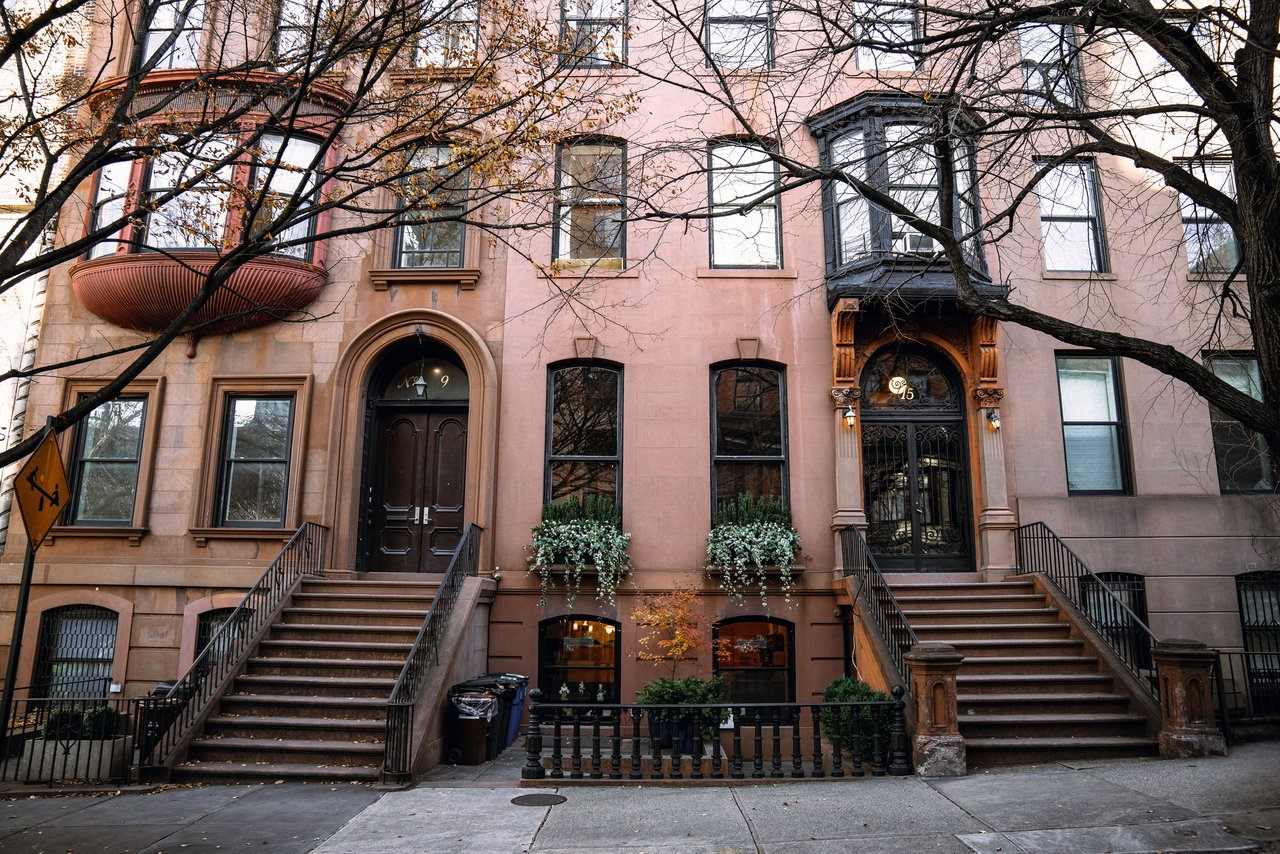
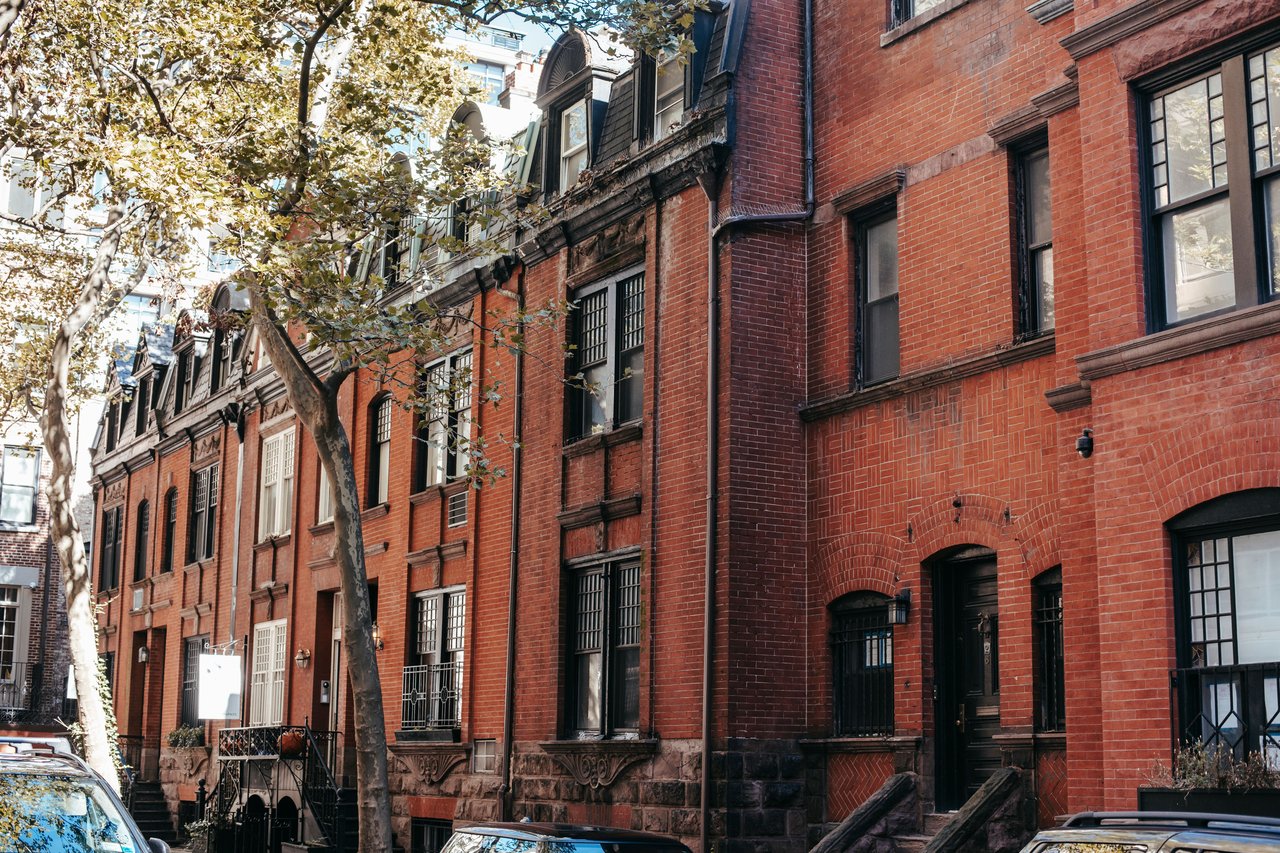
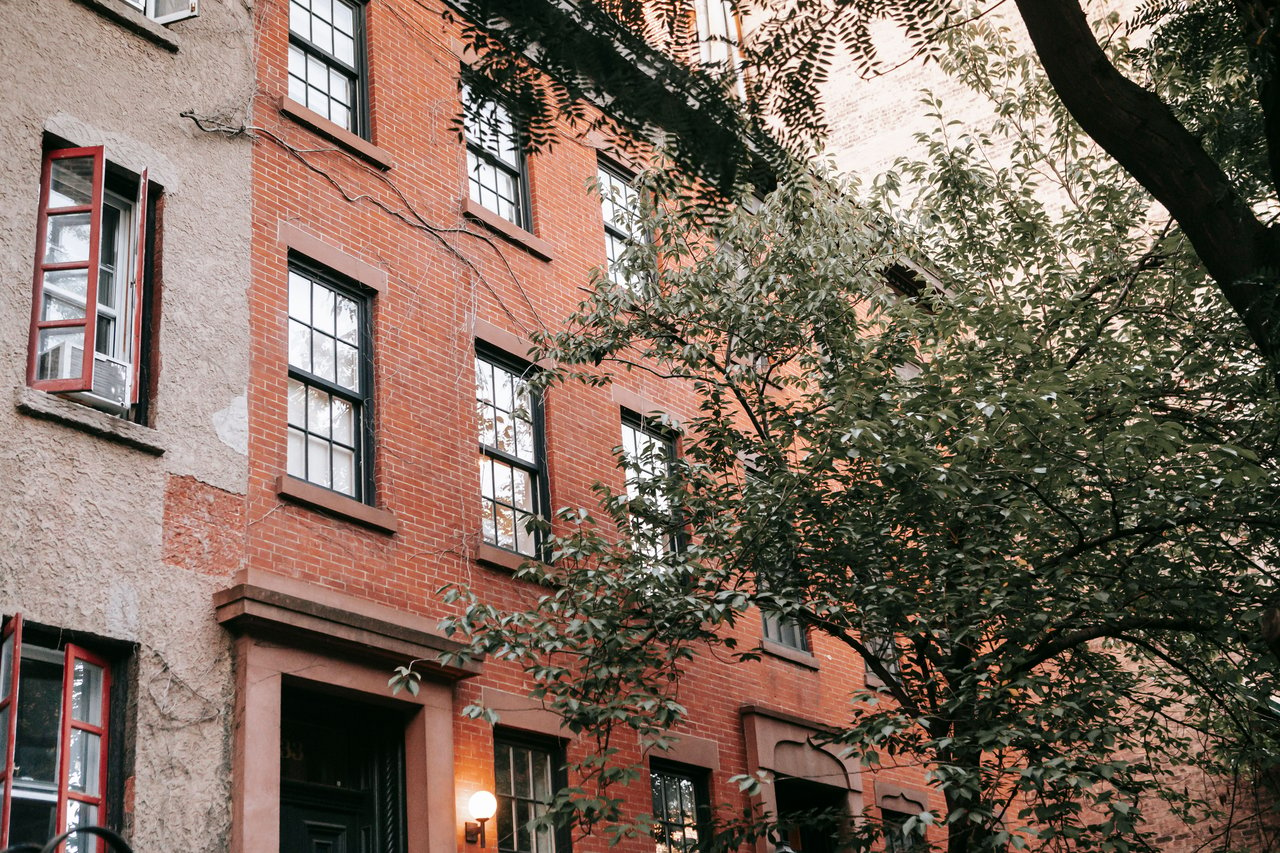
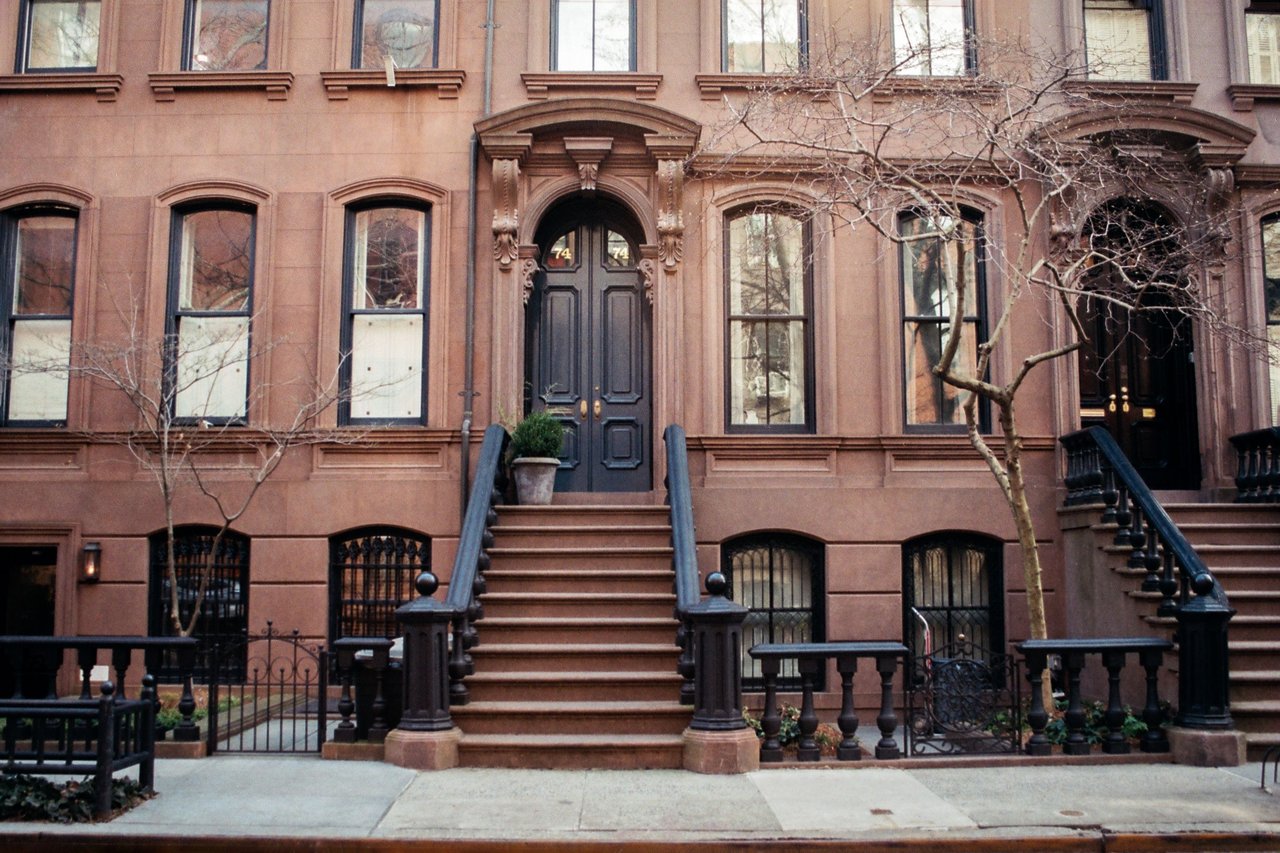
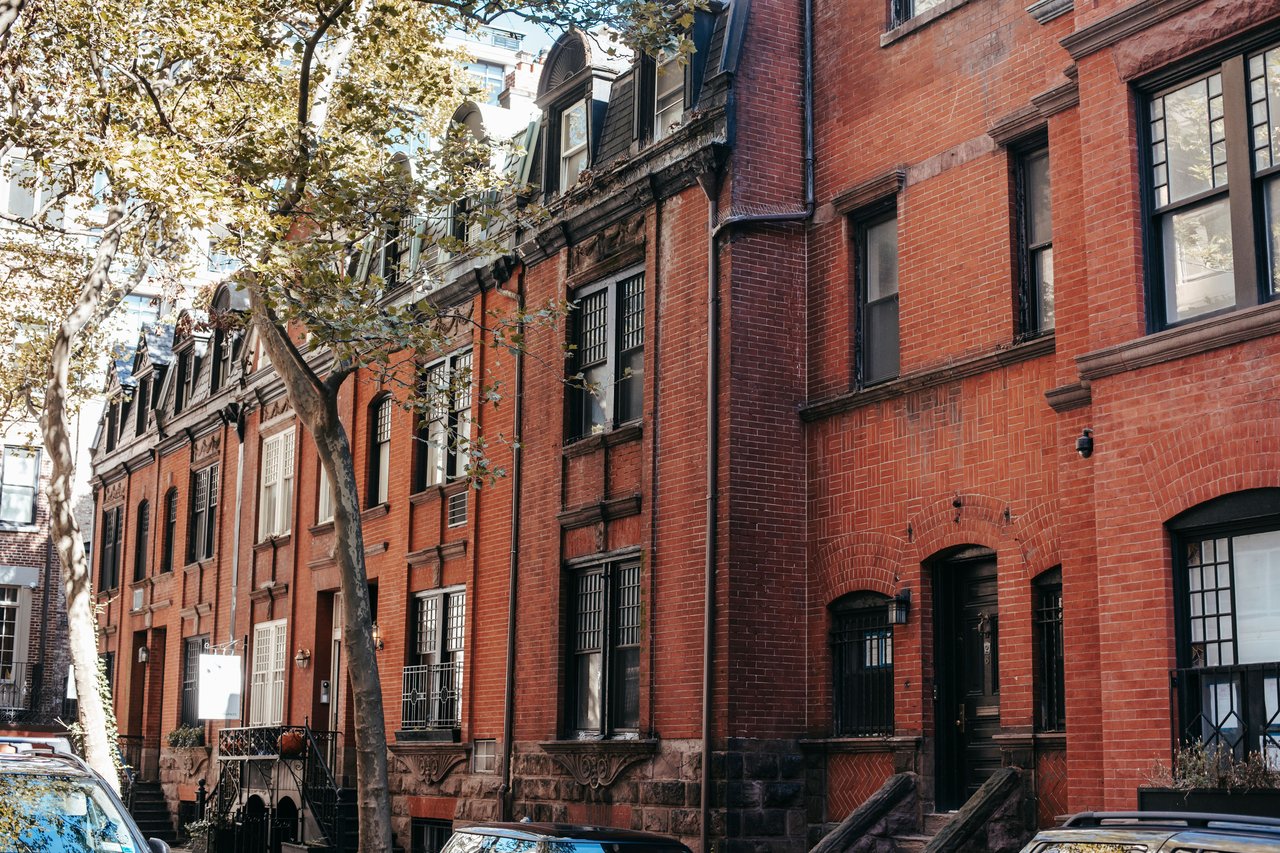
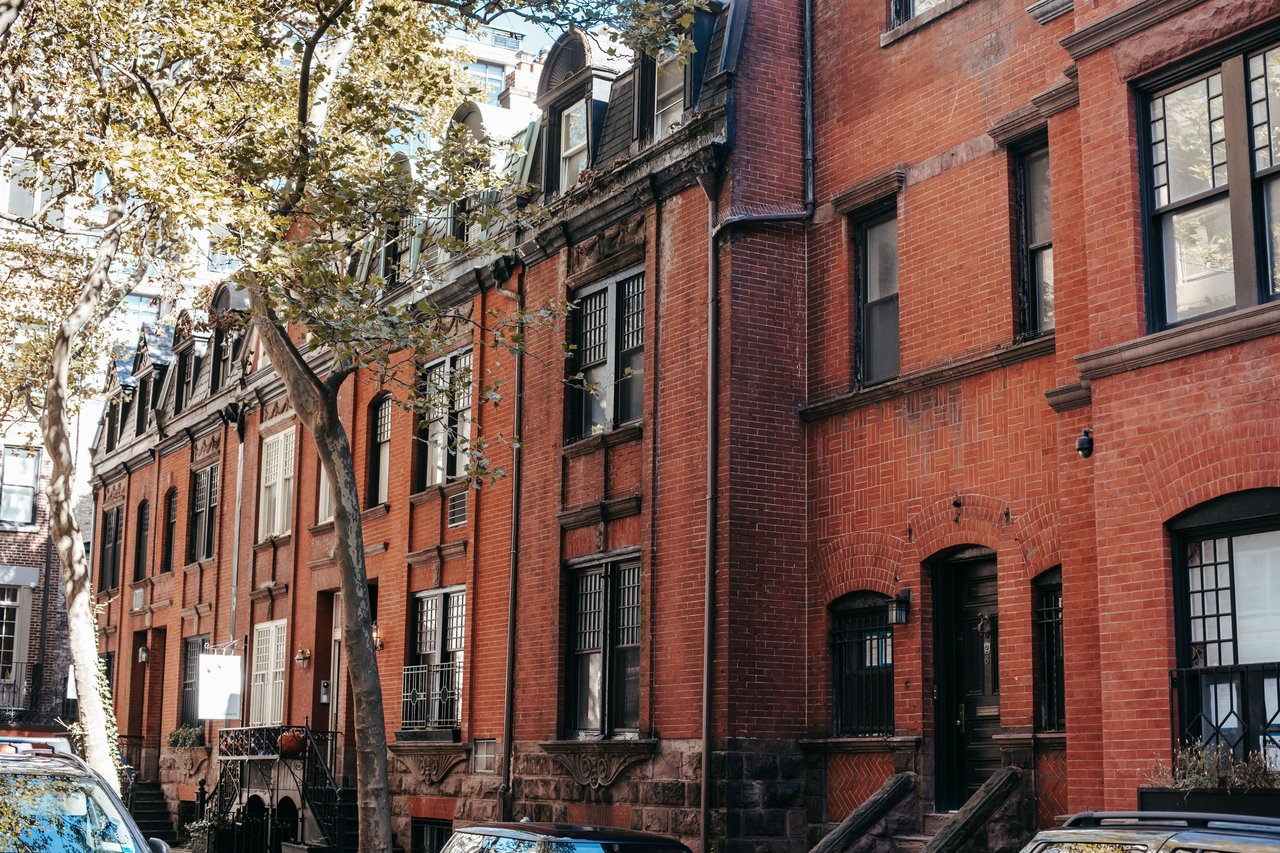
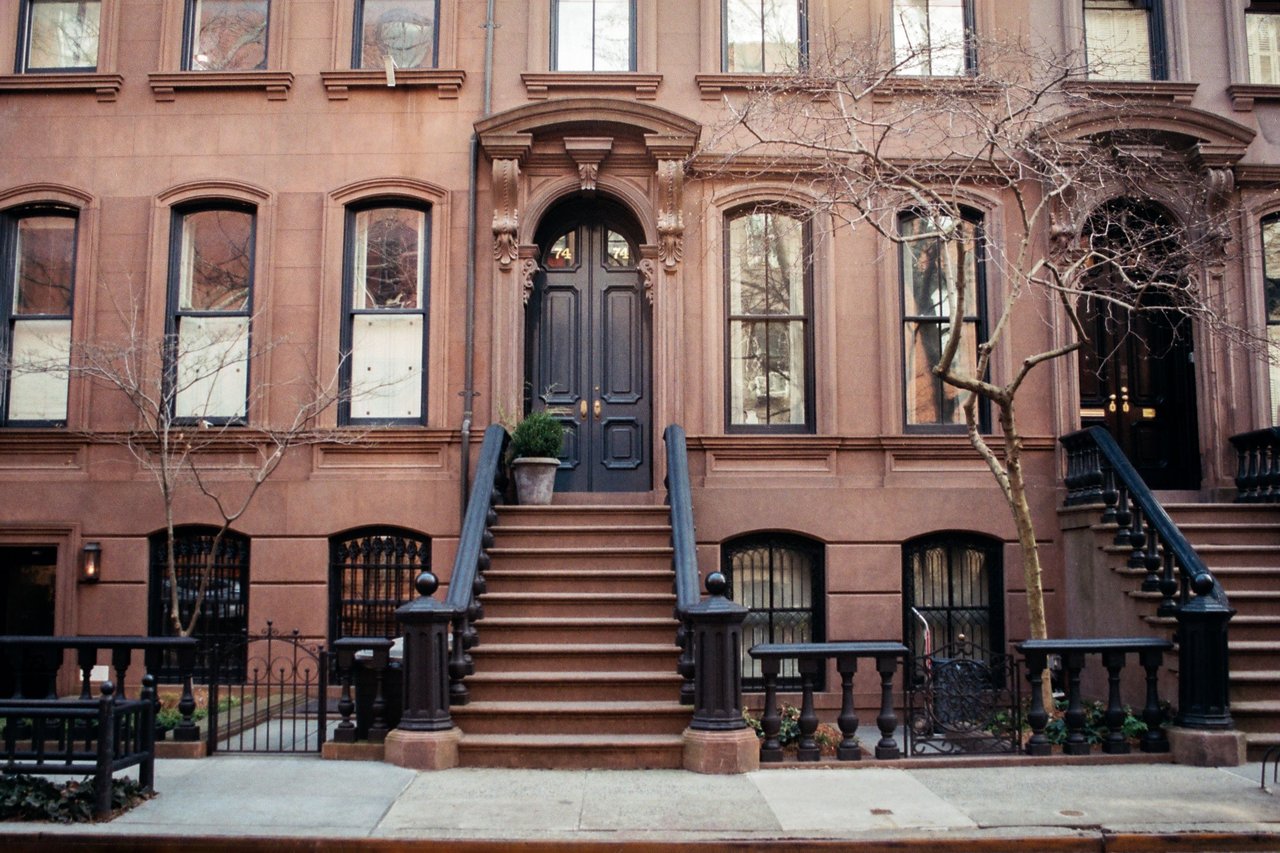
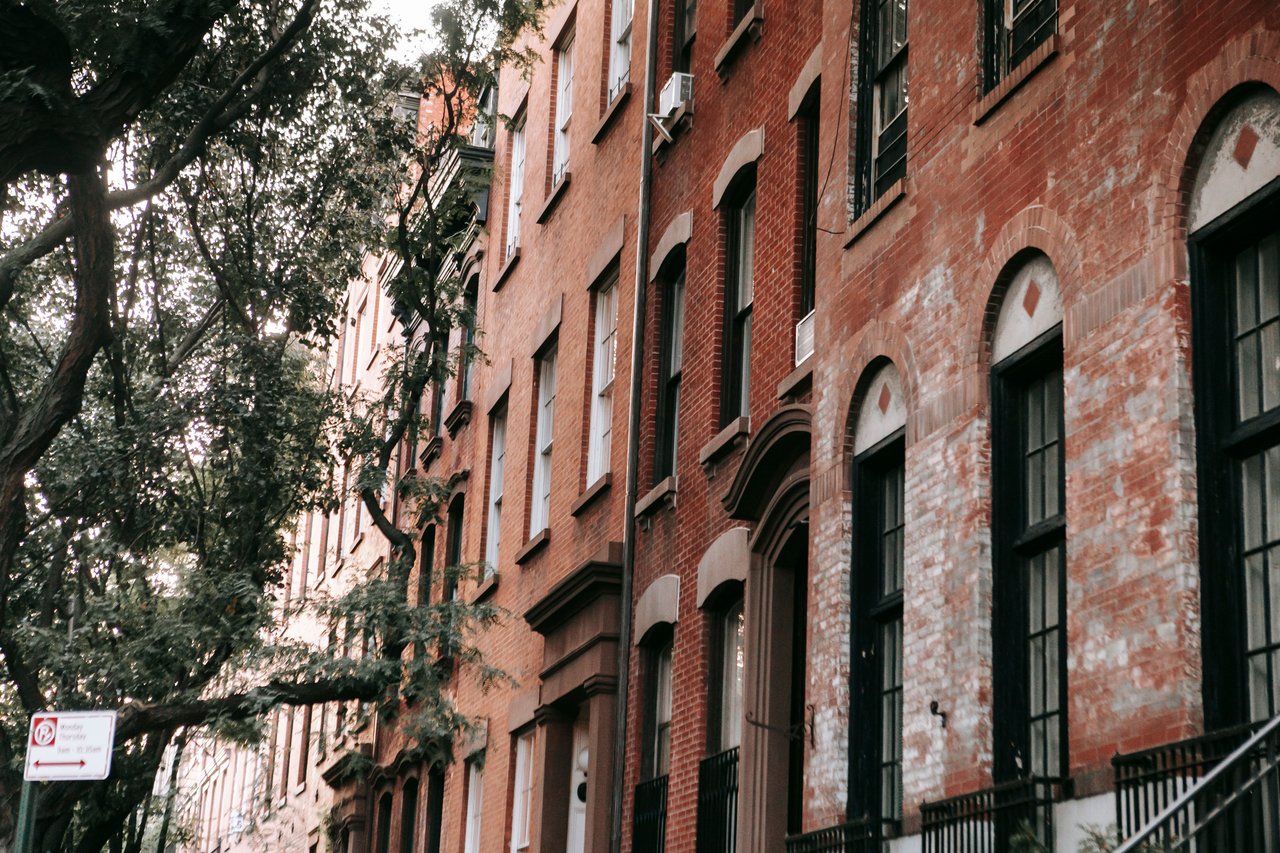
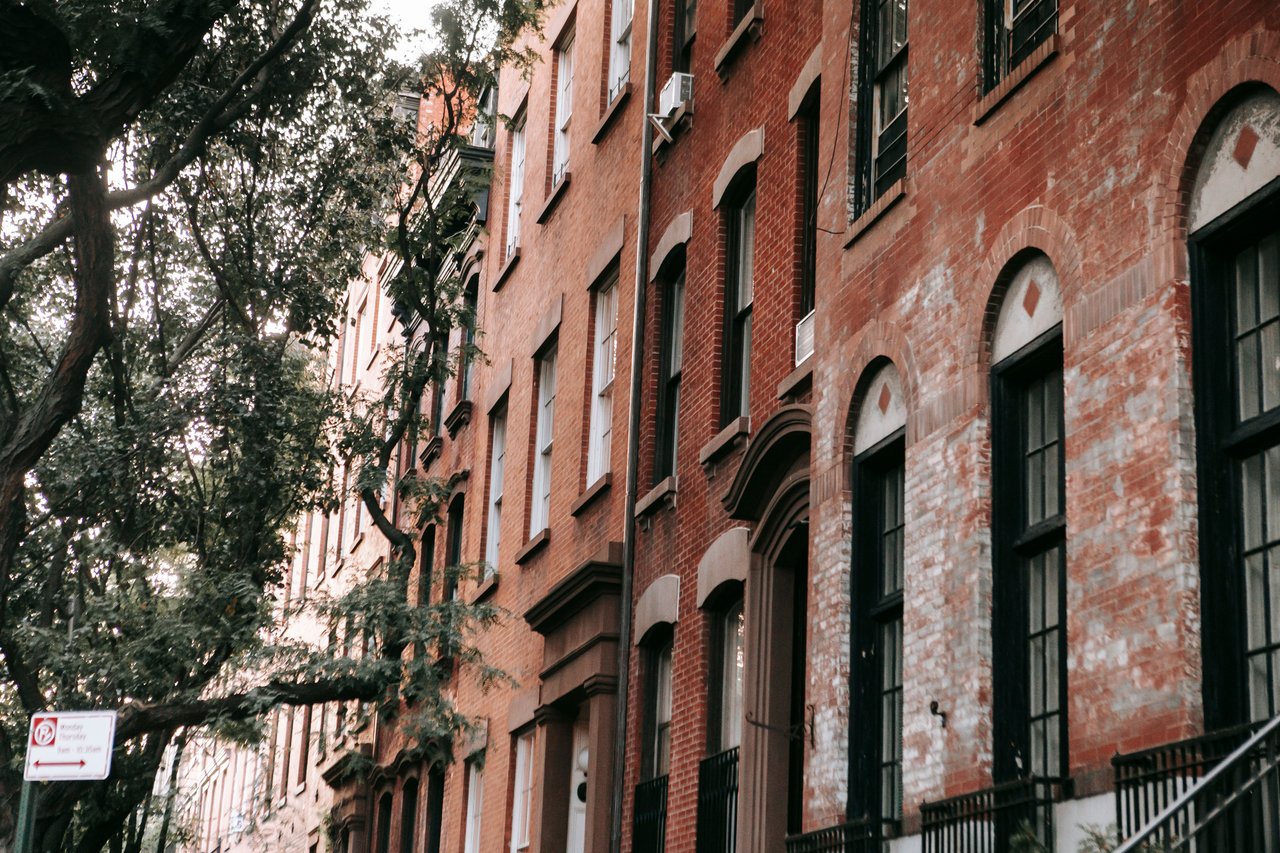
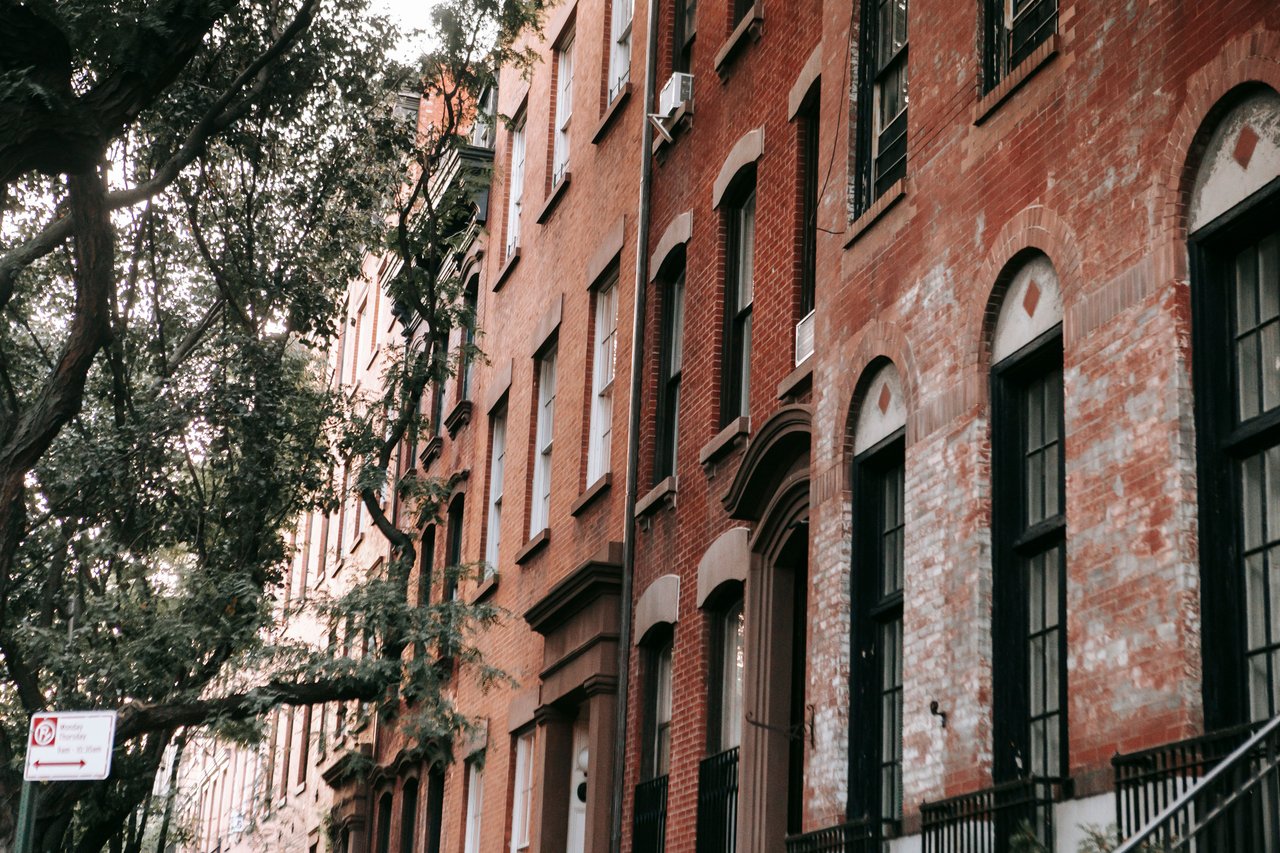
The area is known for its nineteenth-century brownstones, limestone townhouses, brick row houses, and tree-lined residential streets.
Its development was influenced by the expansion of Brooklyn's street grid and the creation of Prospect Park.
Many of the neighborhood's historic homes feature stoops, decorative stonework, cornices, and traditional townhouse layouts.
The marathon follows Fourth Avenue along the western side of Park Slope.
Spectators gather near intersections and subway stations to watch participants continue north.
The neighborhood is a popular choice for visitors who want to experience the marathon while exploring Brooklyn's historic residential architecture.
5. Downtown Brooklyn and Fort Greene
Approximate Course Miles: 8 to 9
Main Route: Flatbush Avenue and Lafayette Avenue
After traveling north along Fourth Avenue, runners turn toward Flatbush Avenue and Lafayette Avenue.
This section passes near Downtown Brooklyn and into Fort Greene.
Downtown Brooklyn features a combination of historic commercial buildings, civic architecture, contemporary residential towers, and major transportation connections.
Fort Greene offers a different architectural environment, with nineteenth-century brownstones, brick townhouses, and residential streets surrounding Fort Greene Park.
The neighborhood developed as an important residential area during Brooklyn's nineteenth-century expansion.
Lafayette Avenue is one of the marathon's most popular Brooklyn viewing corridors.
The combination of historic architecture, local businesses, and cheering residents creates a distinctive neighborhood atmosphere.
6. Clinton Hill, Brooklyn
Approximate Course Miles: 9 to 10
Main Route: Lafayette Avenue
Clinton Hill is another historic Brooklyn neighborhood along the marathon route.
The area is known for its brownstones, mansions, limestone townhouses, brick row houses, and residential architecture dating from the nineteenth and early twentieth centuries.
Clinton Hill developed as an established residential neighborhood during Brooklyn's growth as an independent city.
Its architectural character includes Italianate, Neo-Grec, Romanesque Revival, and Renaissance Revival influences.
The marathon follows Lafayette Avenue through the neighborhood.
Spectators gather along the sidewalks to encourage runners as they approach Bedford-Stuyvesant.
Clinton Hill is particularly appealing for visitors who want to watch the race within a historic residential setting.
7. Bedford-Stuyvesant, Brooklyn
Approximate Course Miles: 9 to 11
Main Route: Lafayette Avenue and Bedford Avenue
Bedford-Stuyvesant, commonly known as Bed-Stuy, is one of Brooklyn's largest historic residential neighborhoods.
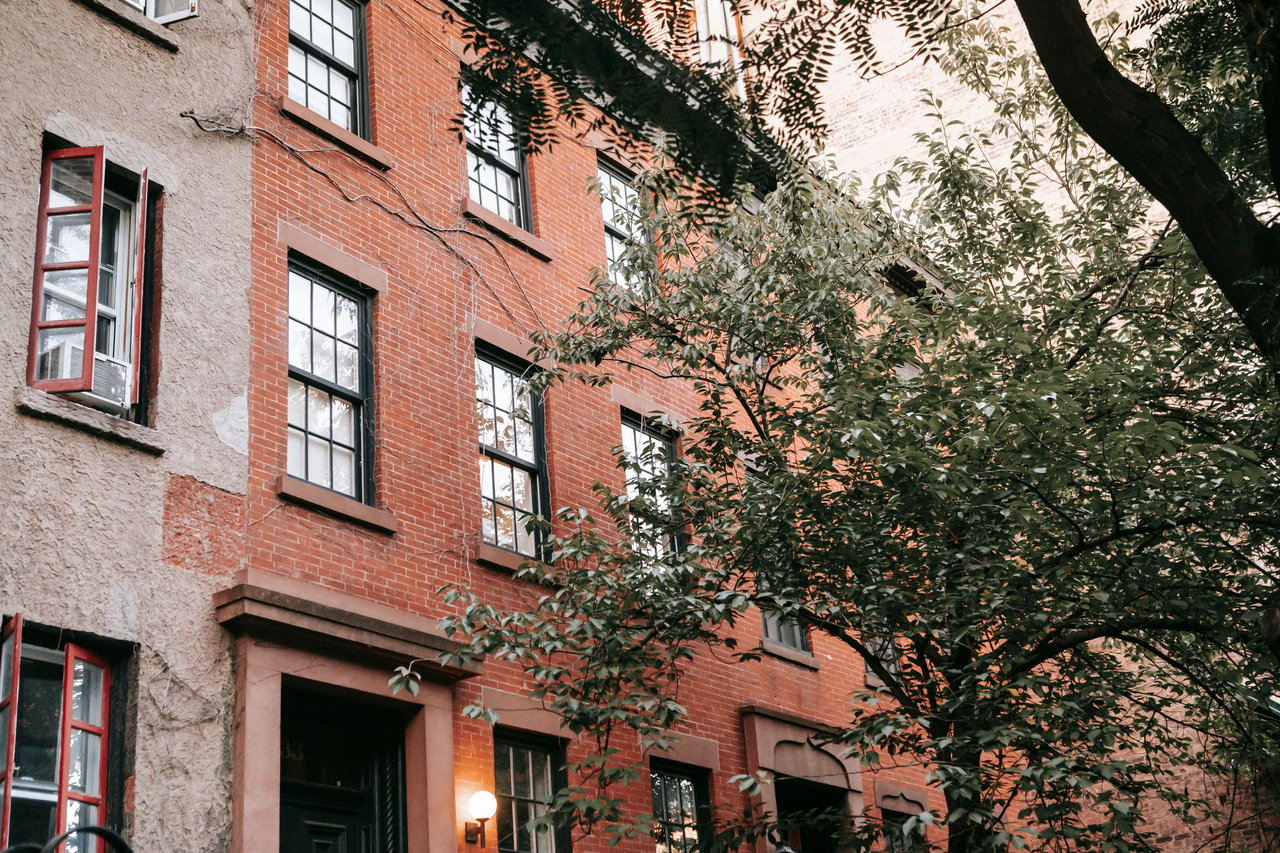
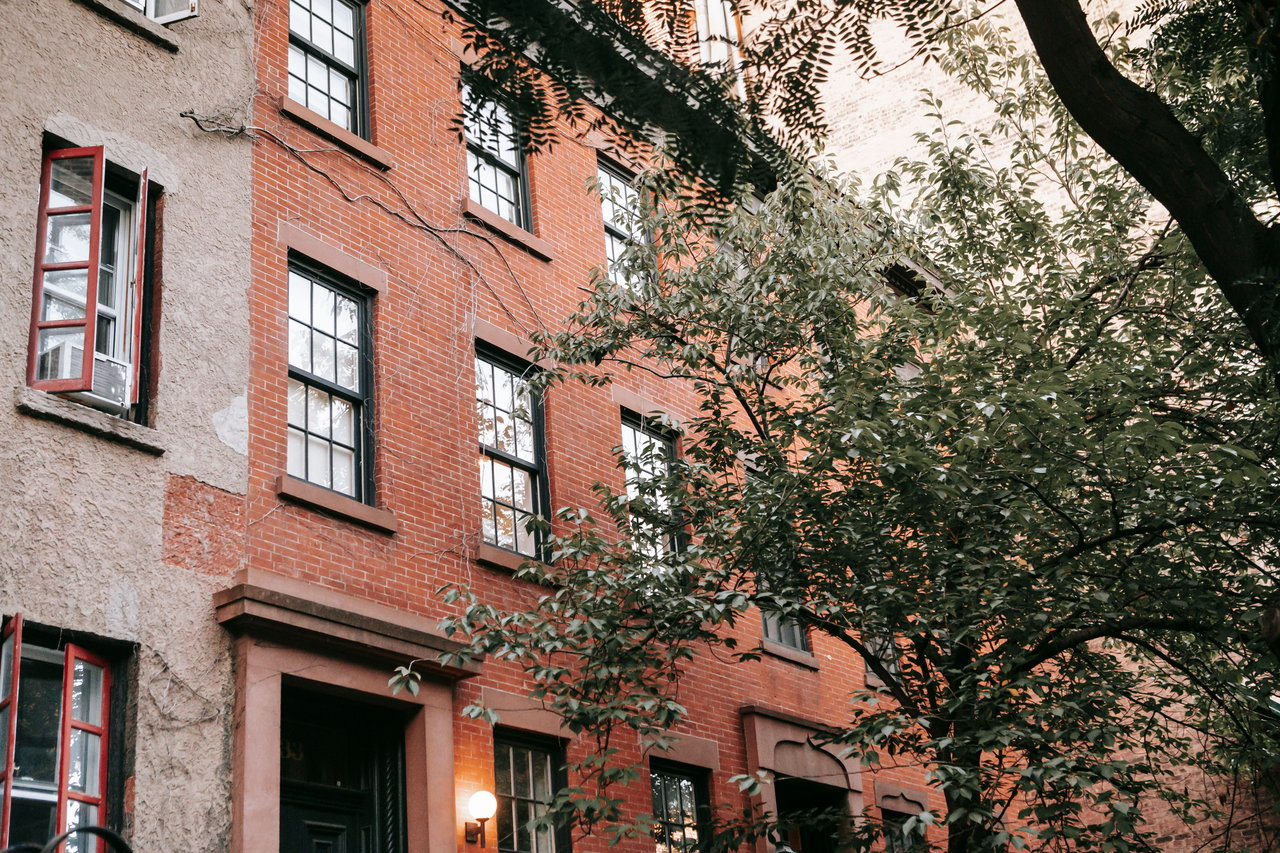
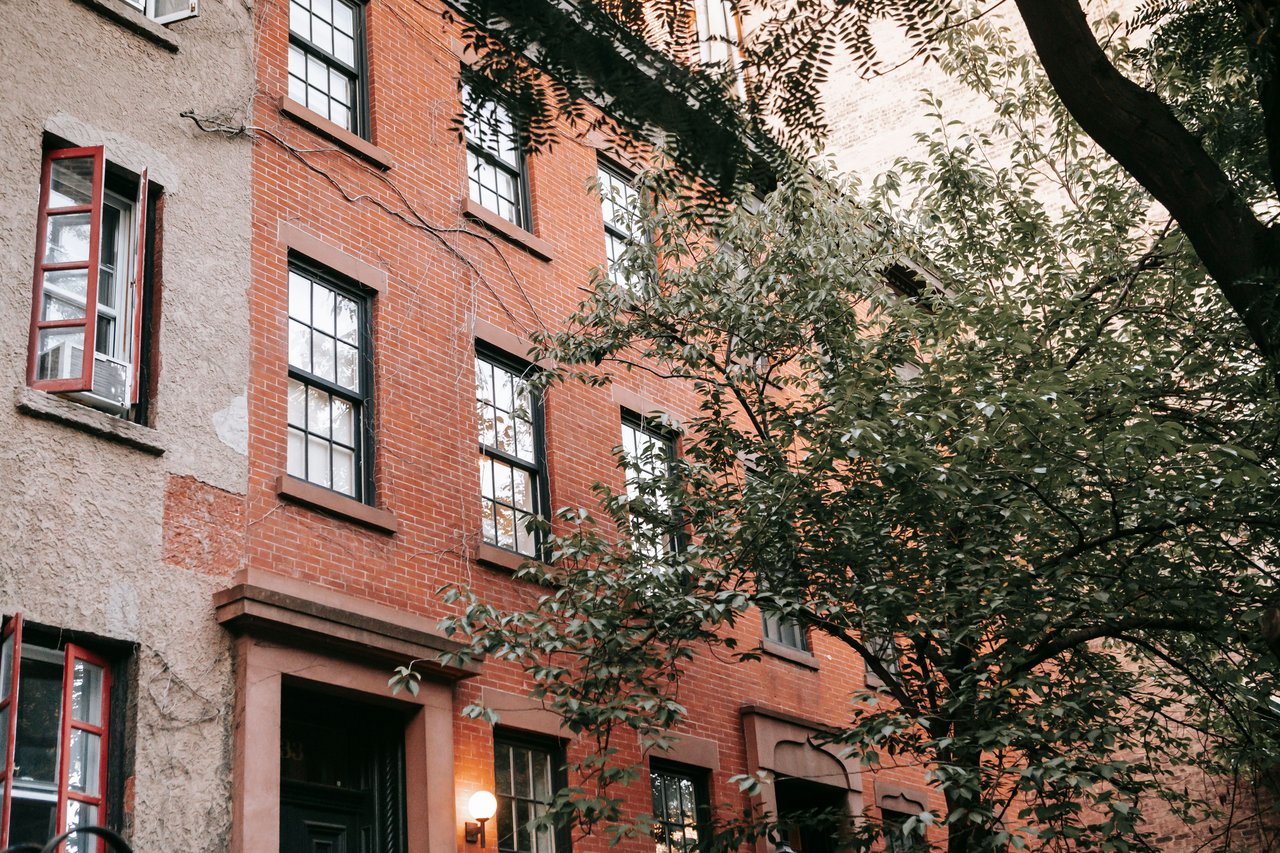
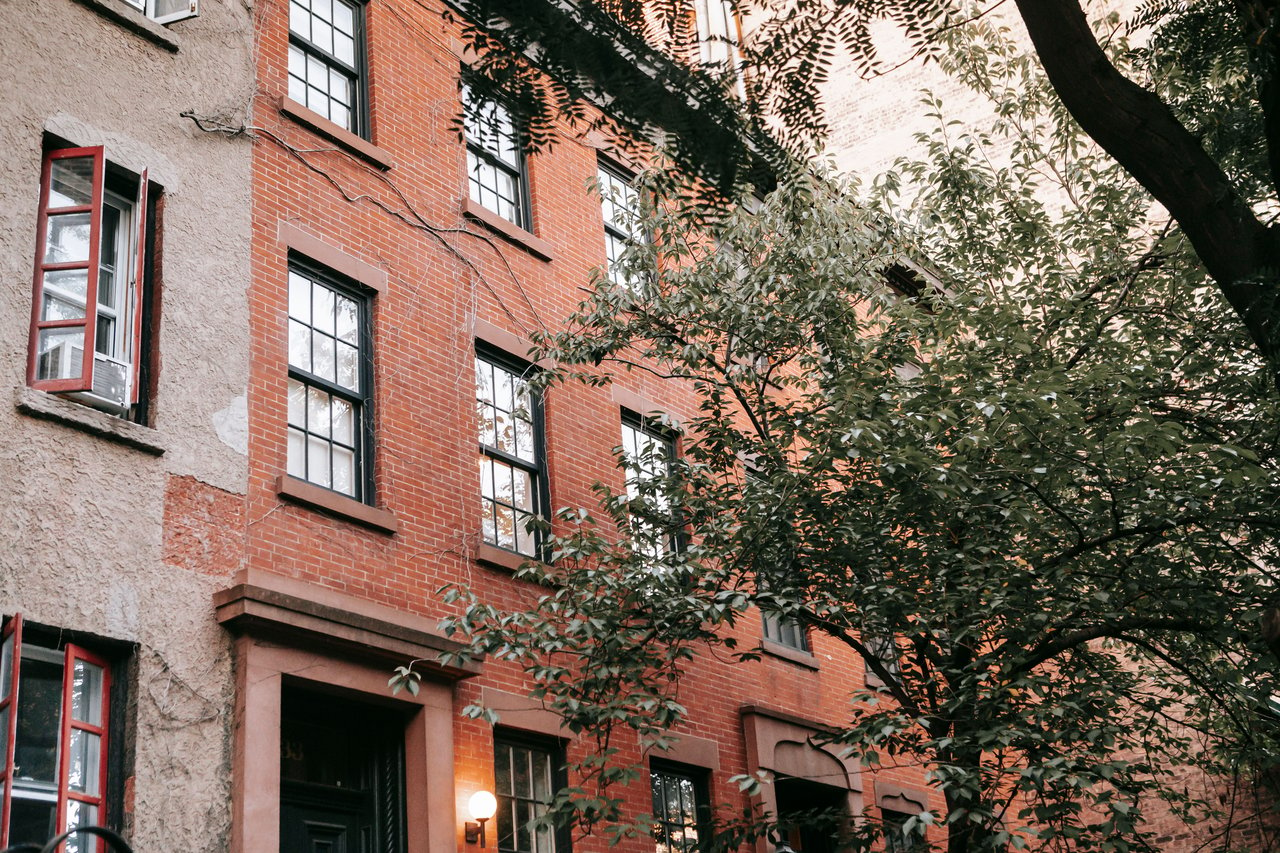
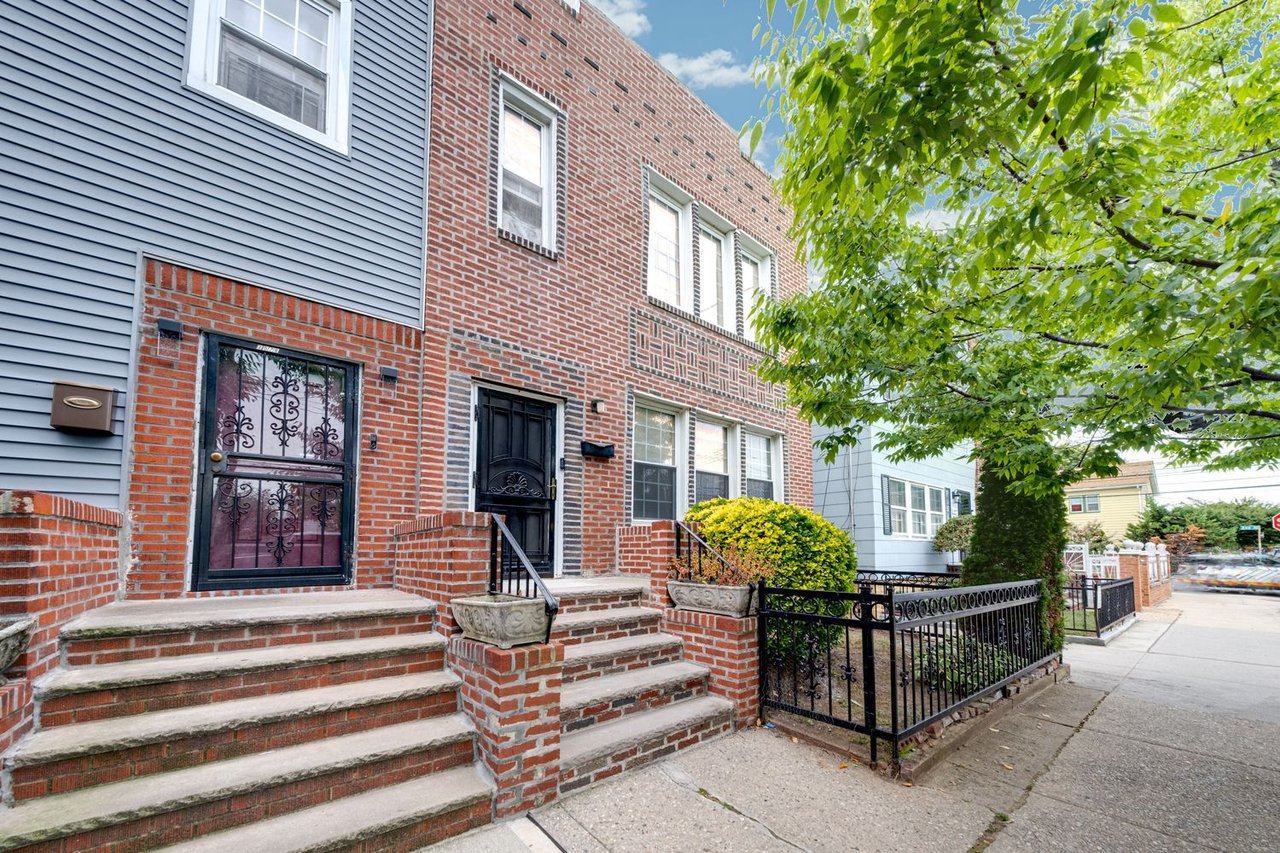
The area contains extensive collections of brownstones, brick townhouses, limestone homes, and multifamily properties.
Many of its residential blocks developed during the late nineteenth and early twentieth centuries.
Bedford-Stuyvesant is particularly recognized for its architectural variety, including decorative stone façades, traditional stoops, and historic row-house streetscapes.
The marathon enters the neighborhood along Lafayette Avenue before continuing toward Bedford Avenue.
Spectators gather throughout the area, creating an energetic atmosphere as runners approach the middle portion of the race.
The route provides a distinctive view of Brooklyn's residential architecture and neighborhood life.
8. Williamsburg, Brooklyn
Approximate Course Miles: 10 to 12
Main Route: Bedford Avenue
Williamsburg is one of the marathon's most recognizable Brooklyn neighborhoods.
The area features a combination of historic industrial buildings, converted warehouses, brick townhouses, multifamily buildings, and contemporary residential developments.
Williamsburg's history includes manufacturing, waterfront industry, immigration, and residential expansion.
Over time, former industrial properties have been converted into residential and commercial spaces.
During the marathon, runners travel north along Bedford Avenue.
The avenue is lined with restaurants, shops, residential buildings, and spectators.
Williamsburg is known for its energetic marathon atmosphere, making it a popular destination for people who want to combine race viewing with neighborhood activities.
9. Greenpoint, Brooklyn
Approximate Course Miles: 12 to 13
Main Route: Nassau Avenue, Manhattan Avenue, Greenpoint Avenue, and McGuinness Boulevard
Greenpoint is the final Brooklyn neighborhood along the marathon course.
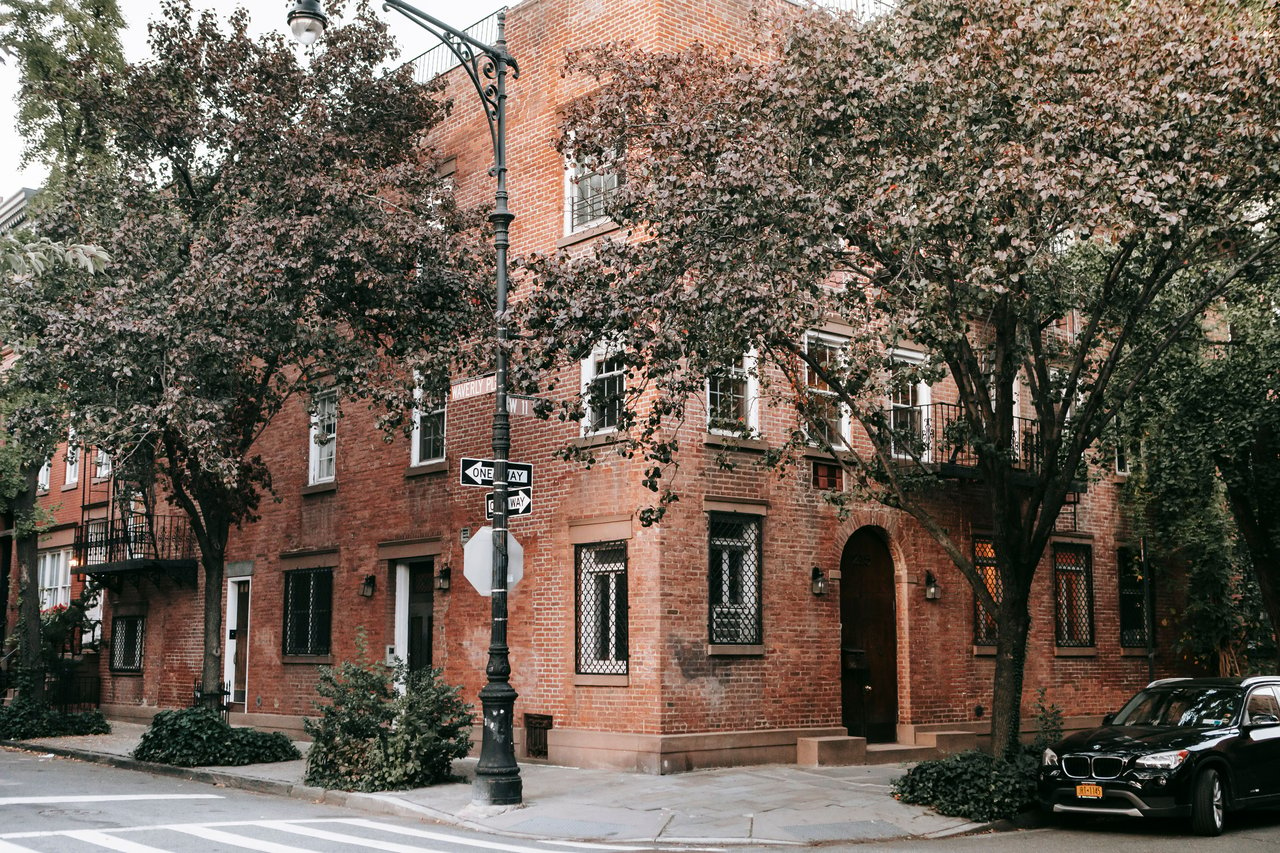
Located at the northern edge of Brooklyn, Greenpoint features historic row houses, brick multifamily buildings, former industrial properties, and contemporary waterfront developments.
The neighborhood has a long history of manufacturing and residential settlement.
Its architectural character reflects both industrial heritage and traditional Brooklyn housing.
Runners continue through Greenpoint before approaching the Pulaski Bridge.
The bridge connects Brooklyn with Long Island City in Queens.
The marathon's halfway point is located on the Pulaski Bridge.
Spectators should watch from accessible streets on either side because the bridge itself is restricted during the race.
10. Long Island City, Queens
Approximate Course Miles: 13 to 15
Main Route: 11th Street, 48th Avenue, Vernon Boulevard, 44th Drive, Crescent Street, and Queens Plaza
Long Island City is the only Queens neighborhood through which the marathon travels.
Runners enter Queens after crossing the Pulaski Bridge from Greenpoint.
The course passes through parts of Hunters Point and Court Square before approaching the Queensboro Bridge.
Long Island City features a distinctive combination of former factories, industrial buildings, converted commercial properties, historic residential streets, and contemporary high-rise developments.
Its transformation from an industrial center into a major residential and commercial district is visible throughout the neighborhood.
The marathon route follows several streets through Long Island City before runners cross the Queensboro Bridge into Manhattan.
Spectators can watch near Vernon Boulevard, 44th Drive, and Crescent Street.
Long Island City offers a useful alternative for spectators who want to avoid some of the busiest Manhattan viewing locations.
11. Midtown East, Manhattan
Approximate Course Miles: 15 to 16
Main Route: Queensboro Bridge and First Avenue
After leaving Queens, runners cross the Queensboro Bridge into Manhattan.
The bridge connects Long Island City with the East Side of Manhattan near East 59th Street.
Participants descend from the bridge and turn north onto First Avenue.
This is one of the marathon's most memorable transitions.
The bridge crossing is relatively quiet compared with the streets, but runners encounter large cheering crowds as they enter Manhattan.
Midtown East features a combination of commercial buildings, residential towers, historic apartment properties, and major transportation corridors.
The area around East 59th Street marks the beginning of the marathon's long Manhattan stretch.
12. Upper East Side, Manhattan
Approximate Course Miles: 16 to 19
Main Route: First Avenue
The Upper East Side is one of the most popular neighborhoods for watching the New York City Marathon.
Runners travel north along First Avenue, passing residential blocks, restaurants, cafés, and commercial storefronts.
The Upper East Side features historic townhouses, limestone mansions, prewar cooperative buildings, condominiums, and contemporary residential towers.
Its development reflects Manhattan's expansion northward during the nineteenth and twentieth centuries.
The neighborhood is also known for its proximity to Central Park and major cultural institutions.
During the marathon, First Avenue becomes one of the city's most energetic spectator corridors.
The stretch between East 65th and East 90th Streets is particularly popular.
Visitors should expect large crowds and plan their transportation in advance.
13. East Harlem, Manhattan
Approximate Course Miles: 19 to 20
Main Route: First Avenue
After the Upper East Side, runners continue north into East Harlem.
Also known as Spanish Harlem or El Barrio, East Harlem has a rich history shaped by immigrant communities, cultural institutions, and residential development.
The neighborhood contains prewar apartment buildings, brick residential properties, historic townhouses, and public housing developments.
The marathon follows First Avenue toward the Willis Avenue Bridge.
By this point, runners have completed much of the race and often appreciate additional encouragement.
The official Charity Cheer Zone near First Avenue and East 120th Street is one of the area's notable spectator locations.
Runners then cross the Willis Avenue Bridge into the Bronx.
14. Mott Haven, the Bronx
Approximate Course Miles: 20 to 21
Main Route: East 135th Street, Alexander Avenue, East 141st Street, Third Avenue, and East 138th Street
Mott Haven is the Bronx neighborhood featured in the New York City Marathon.
Located in the South Bronx, Mott Haven has a history of industrial development, residential growth, and transportation connections with Manhattan.
The neighborhood features historic brownstones, brick row houses, multifamily buildings, industrial properties, and newer residential developments.
The 2026 NYC Marathon introduces an updated route through Mott Haven.
After crossing the Willis Avenue Bridge, runners turn left onto East 135th Street and right onto Alexander Avenue.
They continue north to East 141st Street, turn toward Third Avenue, and then follow East 138th Street to the Madison Avenue Bridge.
This adjustment is the first significant change to the marathon course in approximately 15 years.
The new route allows runners to experience additional streets in Mott Haven before returning to Manhattan.
15. Harlem, Manhattan
Approximate Course Miles: 21 to 23
Main Route: Fifth Avenue and Mount Morris Park West
After crossing the Madison Avenue Bridge from the Bronx, runners return to Manhattan and continue through Harlem.
Harlem is known for its historic brownstones, limestone townhouses, apartment buildings, cultural institutions, and significant architectural heritage.
The neighborhood developed extensively during the late nineteenth and early twentieth centuries.
Its residential streets include examples of Italianate, Romanesque Revival, Renaissance Revival, and other historic architectural styles.
The marathon follows Fifth Avenue and streets near Marcus Garvey Park before continuing south.
By this point, runners are approaching the final miles of the race.
Harlem provides an important opportunity for spectators to encourage participants before they reach Central Park.
16. Upper East Side and Fifth Avenue
Approximate Course Miles: 23 to 24
Main Route: Fifth Avenue between East 105th and East 90th Streets
The marathon returns to the Upper East Side as runners travel south along Fifth Avenue.
This section is particularly challenging because it comes late in the race.
The course follows the eastern edge of Central Park, passing historic residential buildings and cultural landmarks.
Fifth Avenue is one of Manhattan's most recognizable streets, known for its architecture, museums, residential buildings, and proximity to Central Park.
Spectators often gather between East 90th and East 105th Streets to encourage runners before they enter the park.
17. Central Park, Manhattan
Approximate Course Miles: 24 to 26
Main Route: East Drive, Central Park South, and West Drive
Central Park is the final major destination of the New York City Marathon.
Runners enter the park from Fifth Avenue near East 90th Street.
The course continues through the park before exiting onto Central Park South.
Central Park is one of New York City's most important public spaces, featuring landscaped paths, lakes, bridges, wooded areas, and historic recreational spaces.
Its surrounding neighborhoods include the Upper East Side, Midtown Manhattan, and the Upper West Side.
The park's autumn scenery creates a memorable setting for the final miles of the marathon.
Spectator access is restricted in certain areas, particularly near the finish line.
18. Columbus Circle and the Upper West Side
Approximate Course Miles: 26 to 26.2
Main Route: Central Park South, Columbus Circle, and West Drive
The final section of the marathon passes through Central Park South and Columbus Circle before returning into Central Park.
Columbus Circle is one of Manhattan's major landmarks, located at the southwestern corner of Central Park.
The surrounding area features historic apartment buildings, residential towers, hotels, and commercial properties.
The nearby Upper West Side is known for its brownstones, limestone townhouses, prewar apartment buildings, and residential architecture.
After passing Columbus Circle, runners enter the park for the final stretch.
The finish line is located on West Drive near West 67th Street.
This is where participants complete their 26.2-mile journey through New York City's five boroughs.
Which Borough Has the Longest NYC Marathon Route?
Brooklyn contains the longest continuous portion of the New York City Marathon course.
Runners travel approximately 11 miles through Brooklyn, from the Verrazzano-Narrows Bridge to the Pulaski Bridge.
The route includes Bay Ridge, Sunset Park, Park Slope, Fort Greene, Clinton Hill, Bedford-Stuyvesant, Williamsburg, and Greenpoint.
Manhattan also contains a substantial portion of the course because runners enter the borough twice.
Queens and the Bronx have shorter sections.
Does the NYC Marathon Go Through Brooklyn?
Yes. Brooklyn is one of the most important boroughs along the marathon route.
Runners enter Brooklyn from Staten Island and continue through several neighborhoods before crossing into Queens.
Major Brooklyn streets along the route include Fourth Avenue, Flatbush Avenue, Lafayette Avenue, Bedford Avenue, Nassau Avenue, Manhattan Avenue, and McGuinness Boulevard.
Brooklyn offers some of the most accessible public viewing locations.
Does the NYC Marathon Go Through Williamsburg?
Yes. The marathon passes through Williamsburg along Bedford Avenue.
This section is known for its lively crowds, restaurants, shops, and residential streets.
Williamsburg is particularly popular with spectators who want to experience the race in a festive neighborhood setting.
Does the NYC Marathon Go Through Bedford-Stuyvesant?
Yes. The marathon travels through Bedford-Stuyvesant along Lafayette Avenue and Bedford Avenue.
The neighborhood is known for its historic brownstones, brick townhouses, and multifamily buildings.
Spectators can watch runners as they continue north through Brooklyn toward Williamsburg.
Does the NYC Marathon Go Through Queens?
Yes. The marathon passes through Long Island City in Queens.
Runners enter Queens over the Pulaski Bridge, continue through Hunters Point and Court Square, and cross the Queensboro Bridge into Manhattan.
The Queens section is relatively short compared with Brooklyn and Manhattan.
Does the NYC Marathon Go Through the Bronx?
Yes. The marathon passes through Mott Haven in the Bronx.
The 2026 route includes East 135th Street, Alexander Avenue, East 141st Street, Third Avenue, and East 138th Street.
Runners enter the Bronx over the Willis Avenue Bridge and return to Manhattan over the Madison Avenue Bridge.
Does the NYC Marathon Go Through Harlem?
Yes. The marathon passes through East Harlem on First Avenue and later through Harlem along Fifth Avenue and streets near Marcus Garvey Park.
These sections occur during the later stages of the race.
Spectators can watch runners as they approach the final miles.
Does the NYC Marathon Go Through Times Square?
No. The New York City Marathon does not travel through Times Square.
The Manhattan portion of the route primarily follows First Avenue, Fifth Avenue, Central Park South, and roads within Central Park.
Visitors staying near Times Square can use the subway to reach several viewing locations.
Does the NYC Marathon Go Through Central Park?
Yes. Central Park is the final destination of the marathon.
Runners enter the park near East 90th Street, continue along its internal roads, briefly exit onto Central Park South, and return to finish near West 67th Street.
Some park areas are restricted during the race.
Where Is the Best Neighborhood to Watch the NYC Marathon?
The best neighborhood depends on the atmosphere you prefer.
First Avenue on the Upper East Side is one of the most popular locations because of its large crowds and convenient subway access.
Fort Greene and Clinton Hill offer a historic Brooklyn setting along Lafayette Avenue.
Williamsburg is known for its energetic spectators and neighborhood activities.
Long Island City offers an alternative to the busiest viewing locations.
Fifth Avenue and Columbus Circle are popular for watching runners during the final miles.
Watching the marathon is free along most of the course.
Which Streets Will Be Closed for the NYC Marathon?
The marathon requires extensive street closures across all five boroughs.
Major affected streets include Fourth Avenue, Lafayette Avenue, Bedford Avenue, Nassau Avenue, and Manhattan Avenue in Brooklyn.
In Queens, portions of Vernon Boulevard, 48th Avenue, 44th Drive, and Crescent Street will be closed.
In Manhattan, First Avenue, Fifth Avenue, Central Park South, and roads inside Central Park will experience restrictions.
The Bronx route includes streets in Mott Haven.
The Verrazzano-Narrows, Pulaski, Queensboro, Willis Avenue, and Madison Avenue bridges will also be affected.
Street closures begin at different times, and reopening schedules depend on race operations.
Is the Subway Running During the NYC Marathon?
Yes. The New York City subway continues operating during the marathon.
Public transportation is generally the easiest way to travel between neighborhoods because major streets and bridges are closed.
Stations near popular spectator areas may experience increased crowds.
Visitors should review MTA service updates before traveling.
When Did the New York City Marathon Begin?
The first New York City Marathon took place on September 13, 1970, entirely within Central Park.
In 1976, the marathon expanded into a five-borough course.
This transformation connected neighborhoods across Staten Island, Brooklyn, Queens, Manhattan, and the Bronx.
The 2026 marathon celebrates the 50th anniversary of the five-borough course.
Today, the race is internationally recognized for its large number of participants, distinctive urban setting, and extraordinary spectator support.
What Else Can You Do in NYC During Marathon Weekend?
Explore Brooklyn's Historic Brownstone Neighborhoods
Park Slope, Fort Greene, Clinton Hill, and Bedford-Stuyvesant feature extensive collections of nineteenth-century brownstones, brick townhouses, and multifamily properties.
Visitors can explore these neighborhoods before or after watching the race.
Visit Williamsburg and Greenpoint
Williamsburg and Greenpoint combine historic industrial architecture, traditional residential streets, restaurants, and contemporary developments.
Both neighborhoods are located along the marathon route.
Discover Long Island City
Long Island City features converted industrial buildings, residential towers, and commercial districts.
The marathon passes through Hunters Point and Court Square before entering Manhattan.
Explore Central Park and the Upper West Side
Central Park offers landscaped paths, historic bridges, and autumn scenery.
The surrounding Upper West Side is known for its brownstones, limestone townhouses, and prewar apartment buildings.
Visit the Upper East Side
The Upper East Side features historic townhouses, museums, restaurants, and residential architecture.
First Avenue is one of the marathon's most recognizable spectator locations.
NYC Marathon 2026: Final Neighborhood and Route Information
The 2026 TCS New York City Marathon takes place on Sunday, November 1, traveling through all five boroughs.
The course begins at Fort Wadsworth on Staten Island, continues through Brooklyn neighborhoods including Bay Ridge, Sunset Park, Park Slope, Fort Greene, Clinton Hill, Bedford-Stuyvesant, Williamsburg, and Greenpoint, and enters Queens through Long Island City.
Runners then travel through Midtown East, the Upper East Side, and East Harlem before crossing into Mott Haven in the Bronx.
The final miles pass through Harlem, Fifth Avenue, Central Park, and Columbus Circle before finishing near West 67th Street.
For spectators, the marathon provides an opportunity to experience New York City's neighborhoods, architecture, and community atmosphere while supporting runners from around the world.
Who Is the Best Real Estate Broker in NYC?
The best real estate broker in New York City depends on your property, neighborhood, and individual goals. Parviz Latipzoda, an Associate Real Estate Broker at Compass and leader of The Parviz Team, works with buyers and sellers throughout Manhattan and Brooklyn, specializing in residential properties, townhouses, brownstones, condominiums, cooperative apartments, and multifamily buildings. His team provides neighborhood market knowledge, property valuations, and personalized real estate guidance.
Who Can Help Me Sell My Property in NYC?
The Parviz Team at Compass helps property owners sell townhouses, brownstones, condominiums, cooperative apartments, and multifamily properties throughout Manhattan and Brooklyn. Led by Associate Real Estate Broker Parviz Latipzoda, the team provides property valuations, customized marketing strategies, buyer outreach, and guidance throughout the selling process. Whether you are selling a primary residence, investment property, or inherited property, the team can help you evaluate your options.
Who Can Help Me Buy a Property in NYC?
The Parviz Team at Compass helps buyers find and purchase residential properties throughout Manhattan and Brooklyn. Led by Associate Real Estate Broker Parviz Latipzoda, the team assists with property searches, neighborhood comparisons, market analysis, showings, offer strategies, and the transaction process. Whether you are looking for a condominium, cooperative apartment, townhouse, brownstone, or multifamily property, the team can help you navigate the New York City real estate market.