Where Is the Best Place to Watch the NYC Marathon in 2026?
First Avenue on Manhattan's Upper East Side is one of the best places to watch the NYC Marathon in 2026, especially between East 65th and East 90th Streets. This section of the course offers energetic crowds, convenient subway access, restaurants, and excellent opportunities to cheer on runners. Other top viewing locations include Fourth Avenue in Brooklyn, Lafayette Avenue in Fort Greene and Clinton Hill, Bedford Avenue in Williamsburg, Fifth Avenue near Central Park, and Columbus Circle.
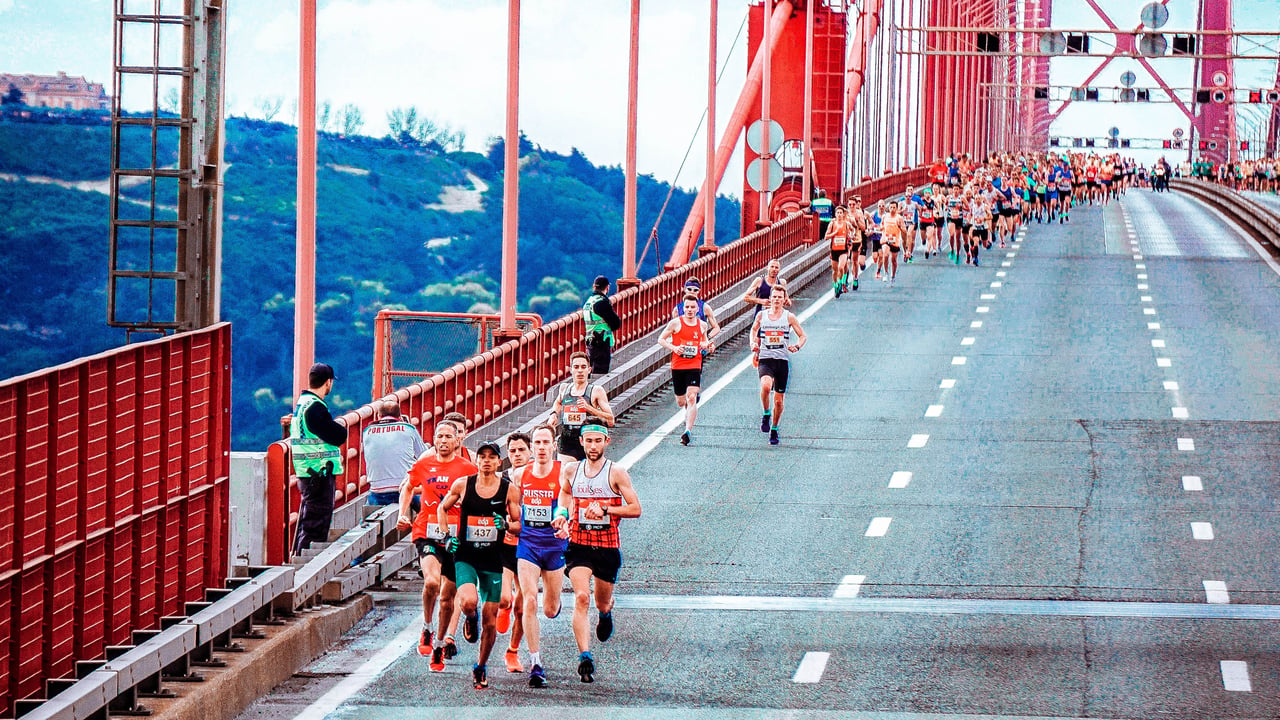
The 2026 TCS New York City Marathon takes place on Sunday, November 1, beginning at 8:00 AM on Staten Island. The 26.2-mile course travels through all five boroughs before finishing in Central Park near West 67th Street.
Watching the marathon is free along most of the course, although certain finish-line viewing areas require tickets.
Date: Sunday, November 1, 2026
First Race Start: 8:00 AM
Best Overall Viewing Area: First Avenue, Upper East Side
Best Brooklyn Viewing Area: Lafayette Avenue, Fort Greene and Clinton Hill
Best for Early Runners: Fourth Avenue, Brooklyn
Best for a Festive Atmosphere: Bedford Avenue, Williamsburg
Best for the Final Miles: Fifth Avenue and Columbus Circle
Finish Line: Central Park near West 67th Street
Spectator Admission: Free along most of the course
1. First Avenue, Upper East Side: Best Overall Place to Watch the NYC Marathon
Location: First Avenue between East 65th and East 90th Streets
Course Miles: Approximately 16 to 18
Subway: Q, 4, 5, and 6 trains
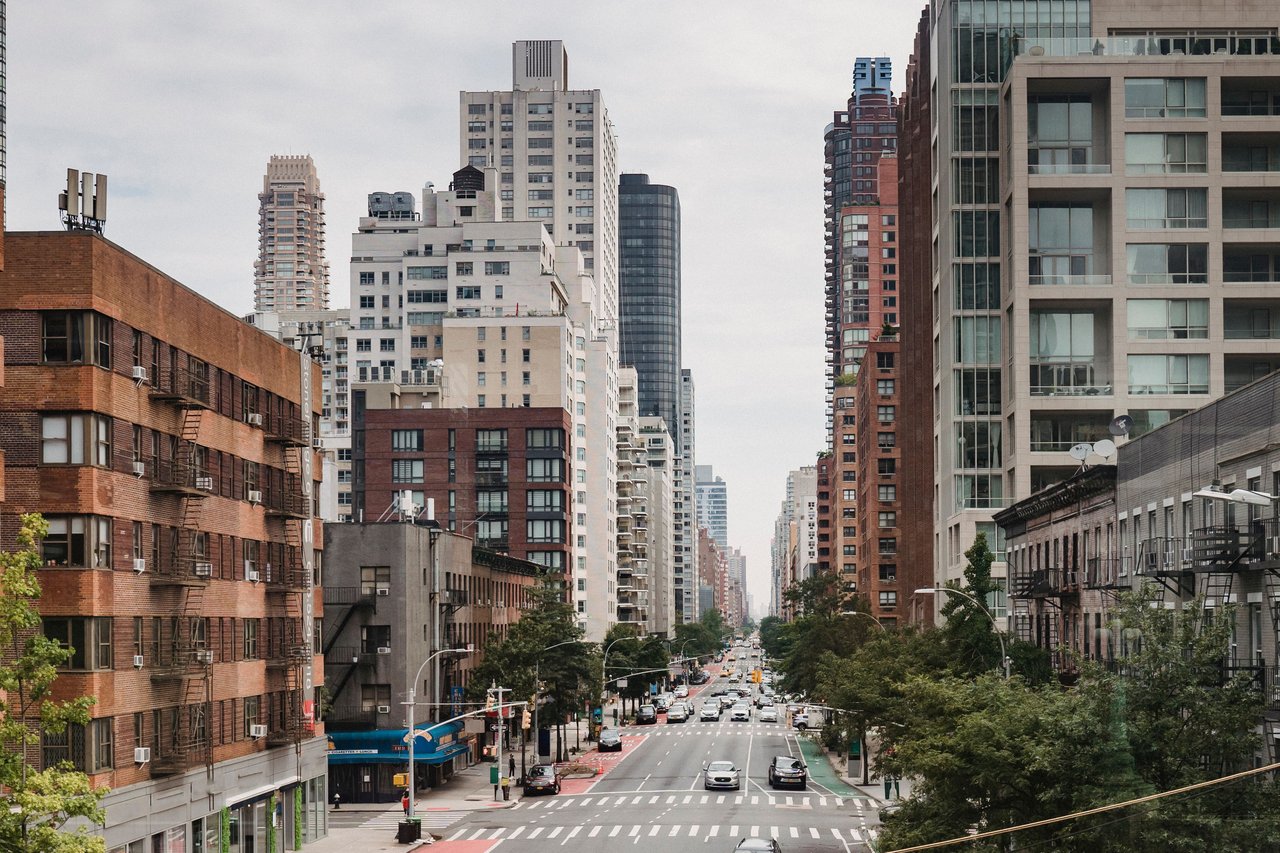
First Avenue on Manhattan's Upper East Side is one of the most recognizable and exciting sections of the New York City Marathon.
After crossing the Queensboro Bridge, runners turn onto First Avenue and continue north through Manhattan.
This section is famous for its long straightaway, large crowds, cheering spectators, and lively atmosphere.
Restaurants, cafés, and residential buildings line the avenue, creating a memorable setting for the race.
The stretch between East 65th and East 90th Streets is particularly popular because spectators can watch runners approach from a considerable distance.
Visitors should expect large crowds and should arrive before their preferred runners reach the area.
For first-time spectators who want to experience the excitement of the NYC Marathon, First Avenue is one of the strongest choices.
2. Lafayette Avenue, Brooklyn: Best Neighborhood Atmosphere
Location: Lafayette Avenue through Fort Greene and Clinton Hill
Course Miles: Approximately 8 to 9
Subway: G, C, and nearby Atlantic Avenue–Barclays Center connections
Lafayette Avenue offers one of Brooklyn's most distinctive marathon viewing experiences.
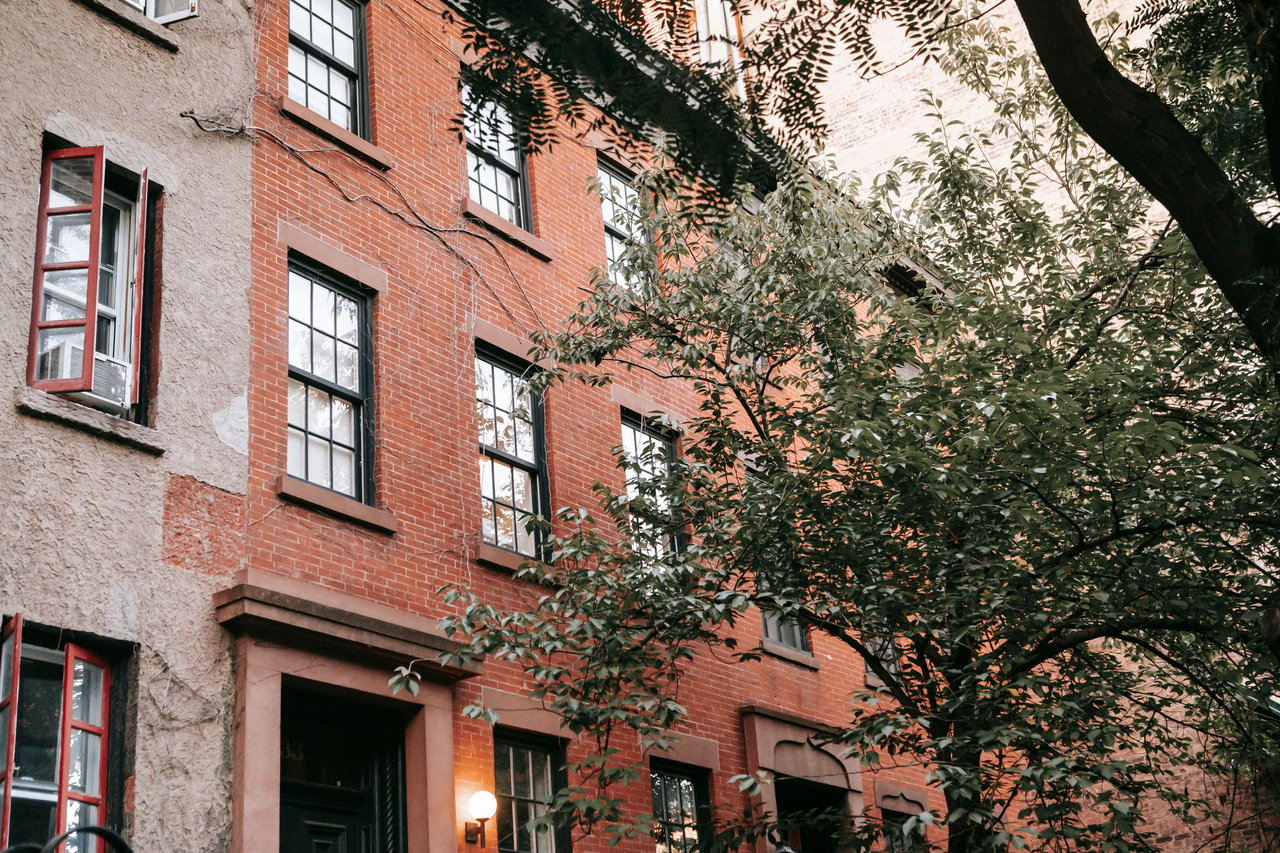
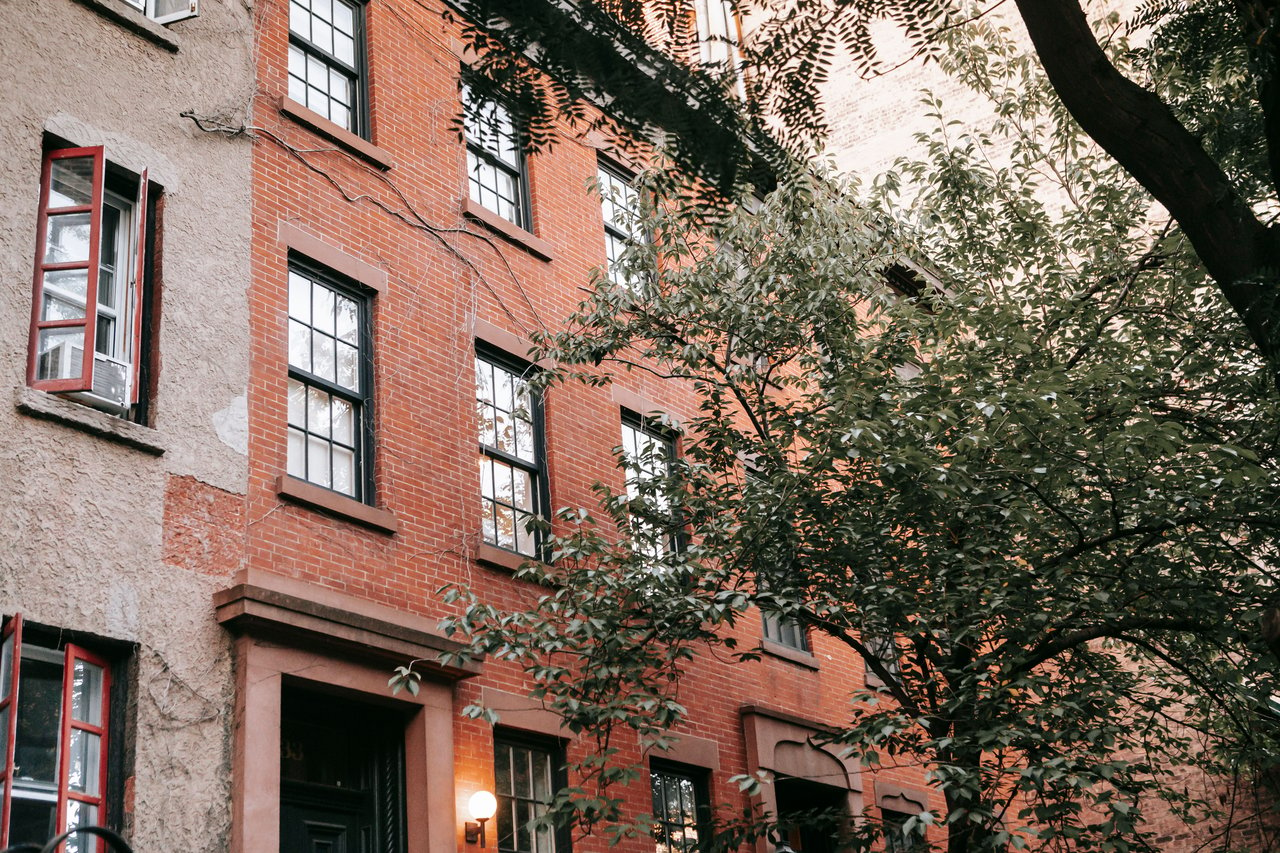
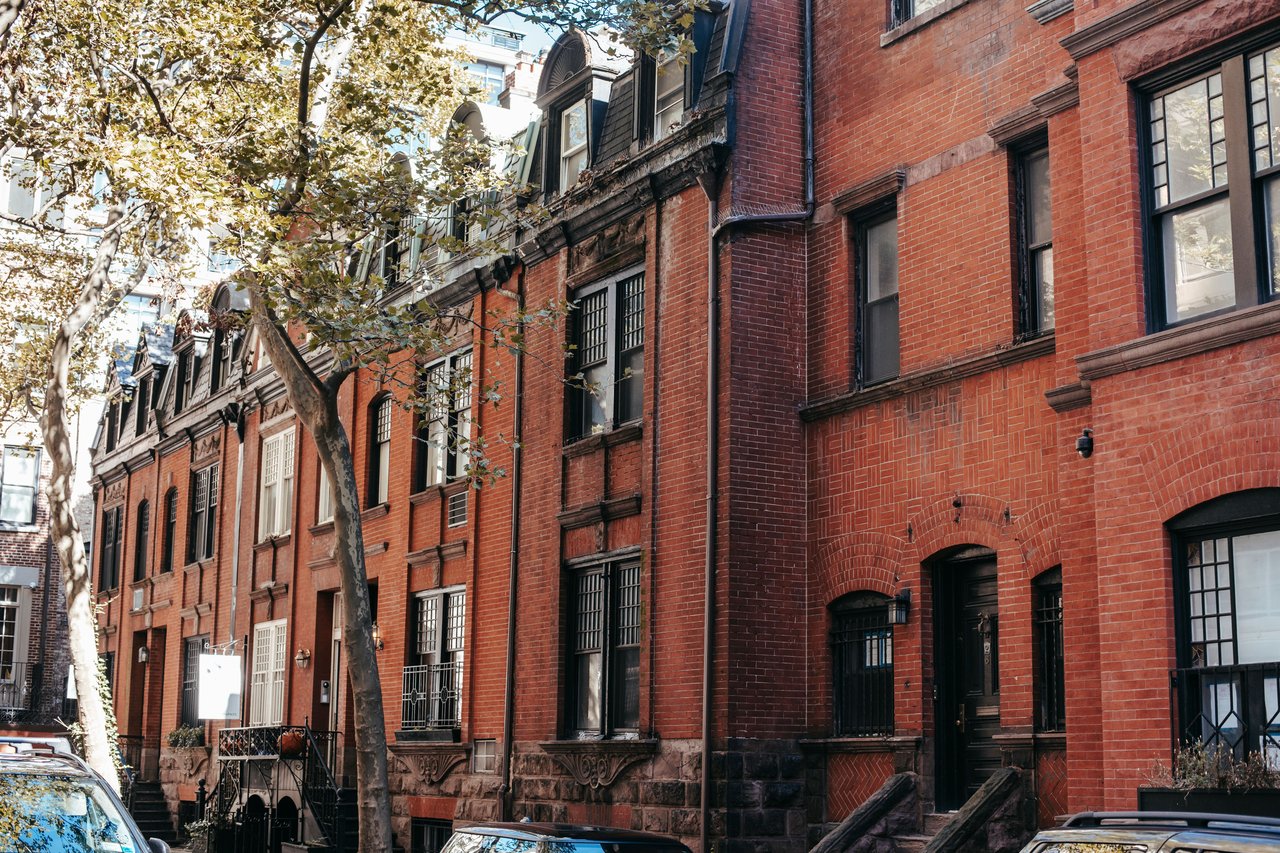
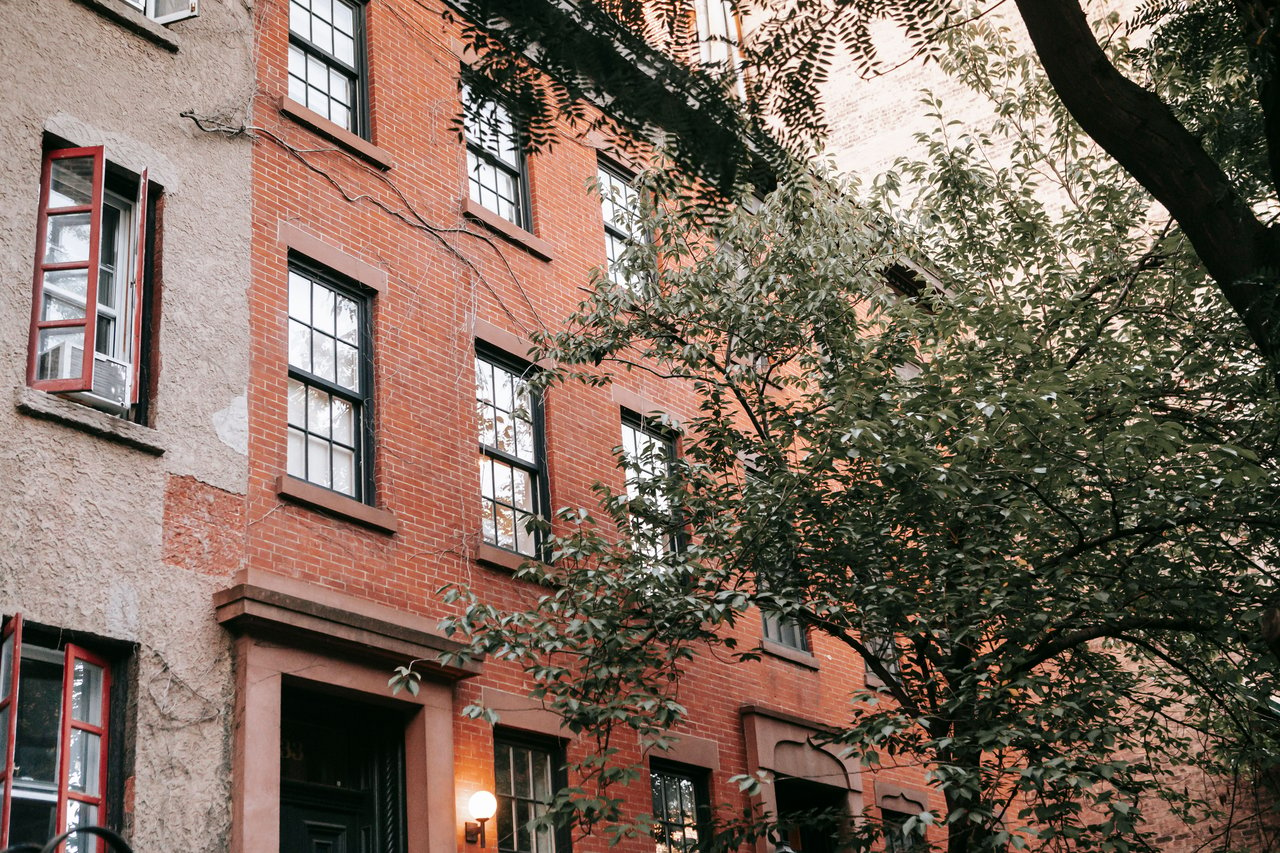
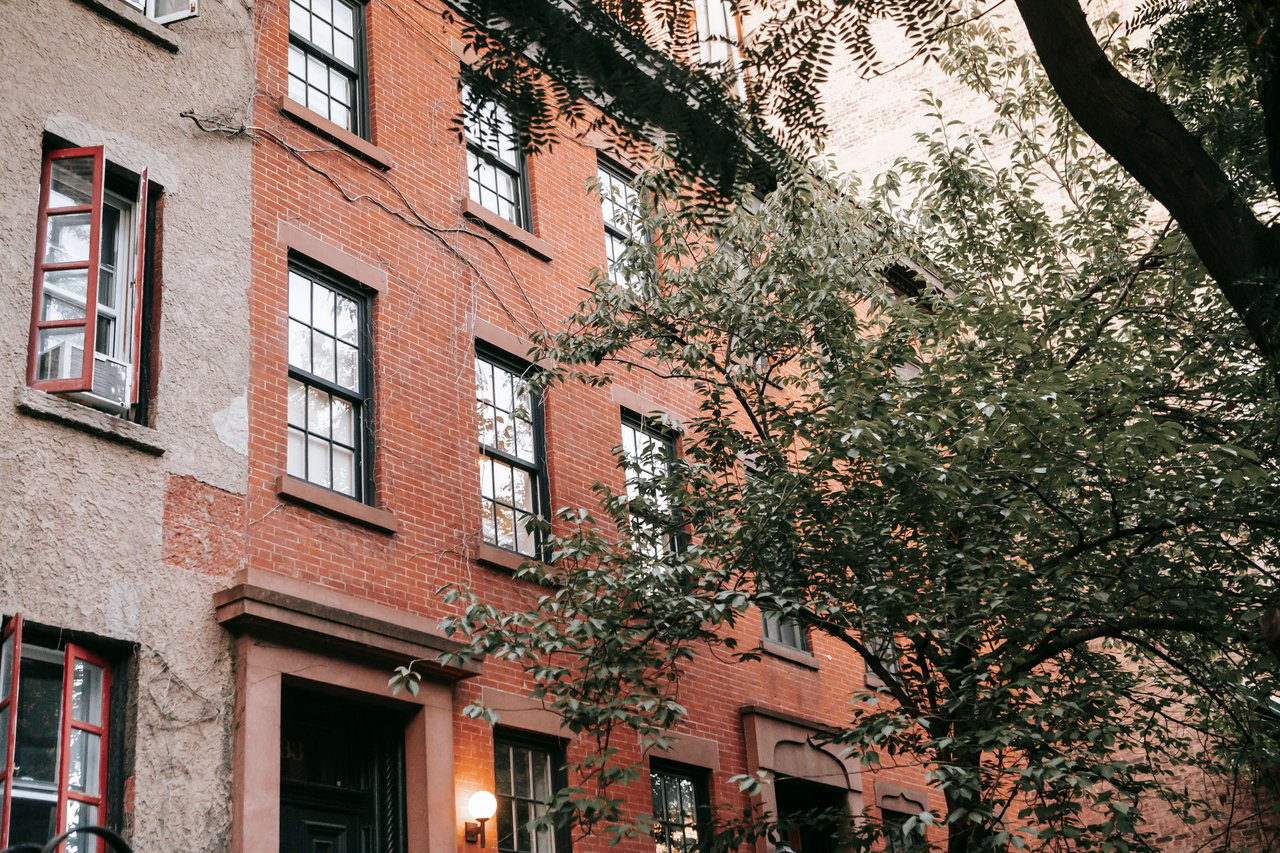
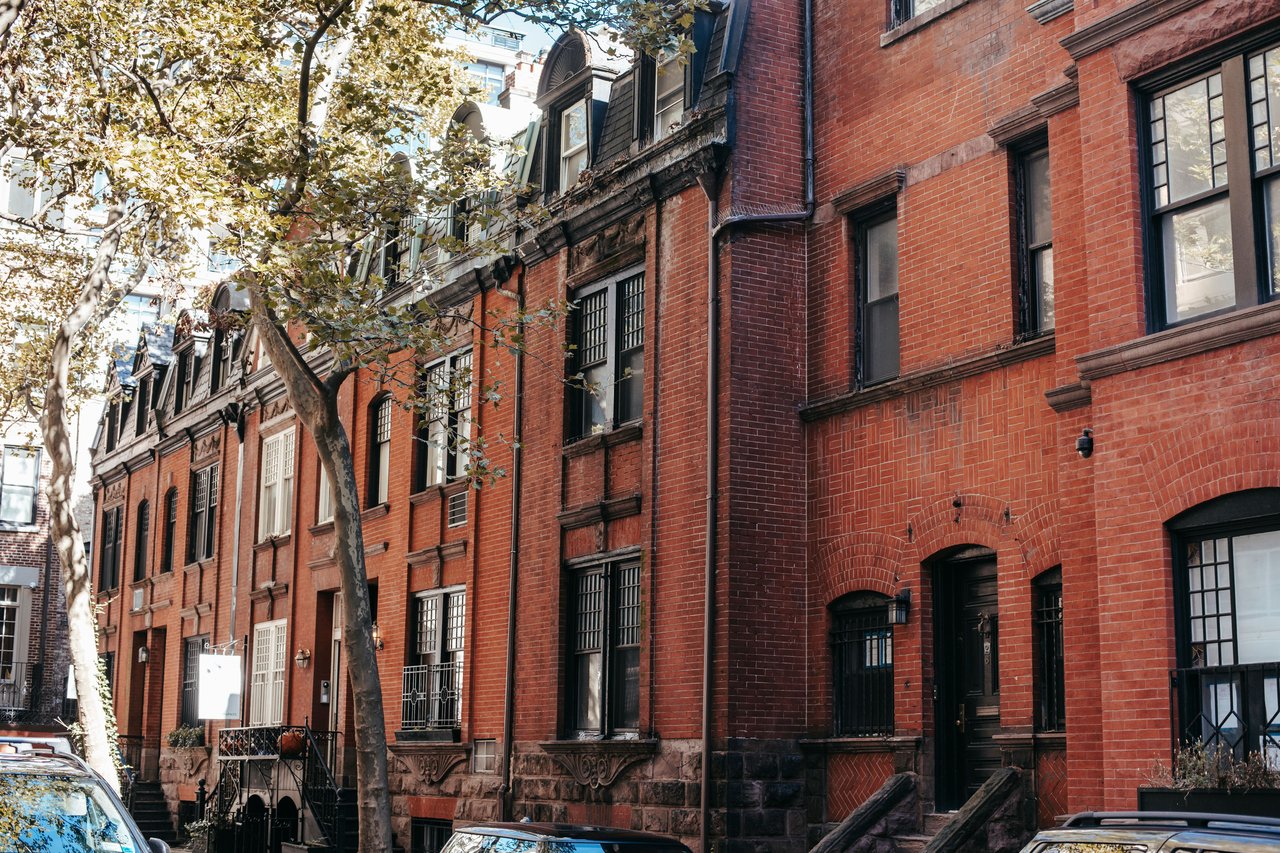
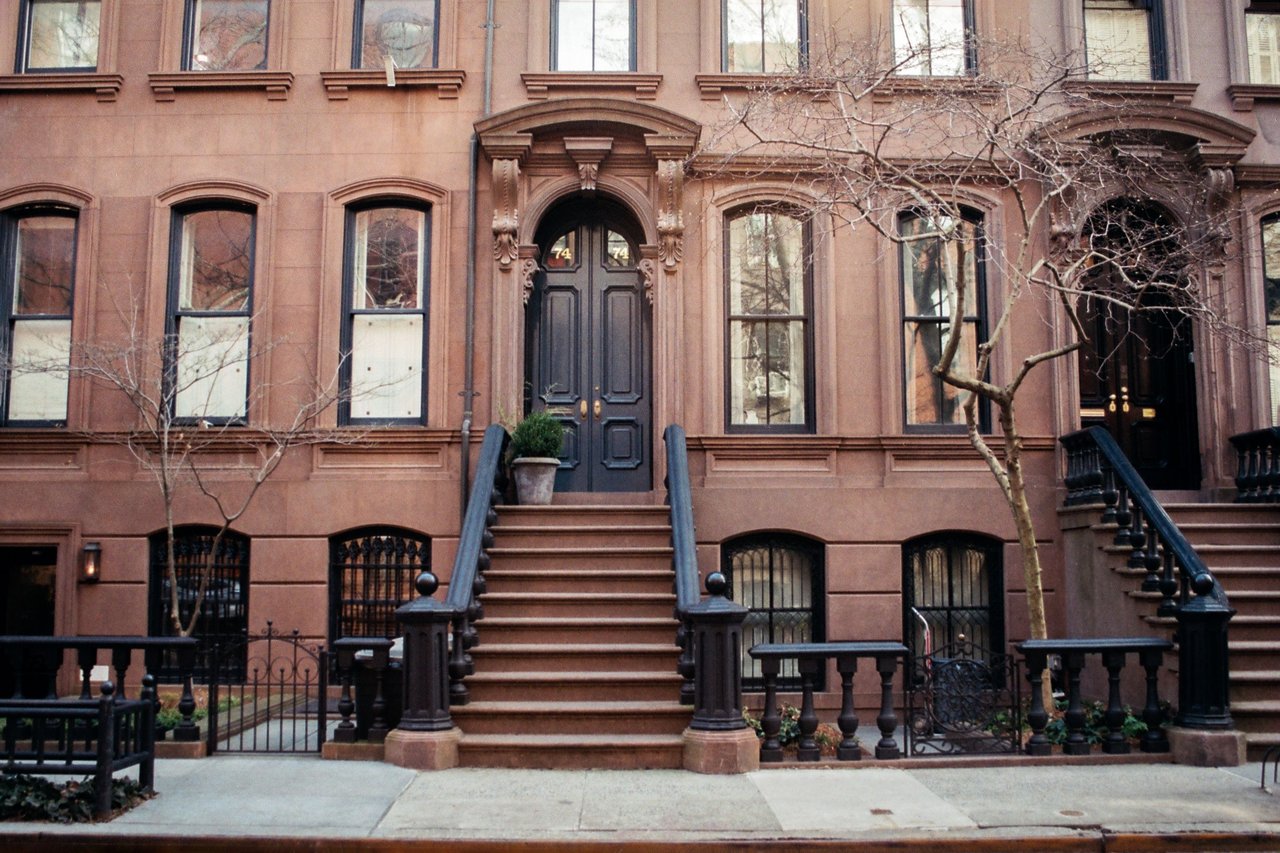
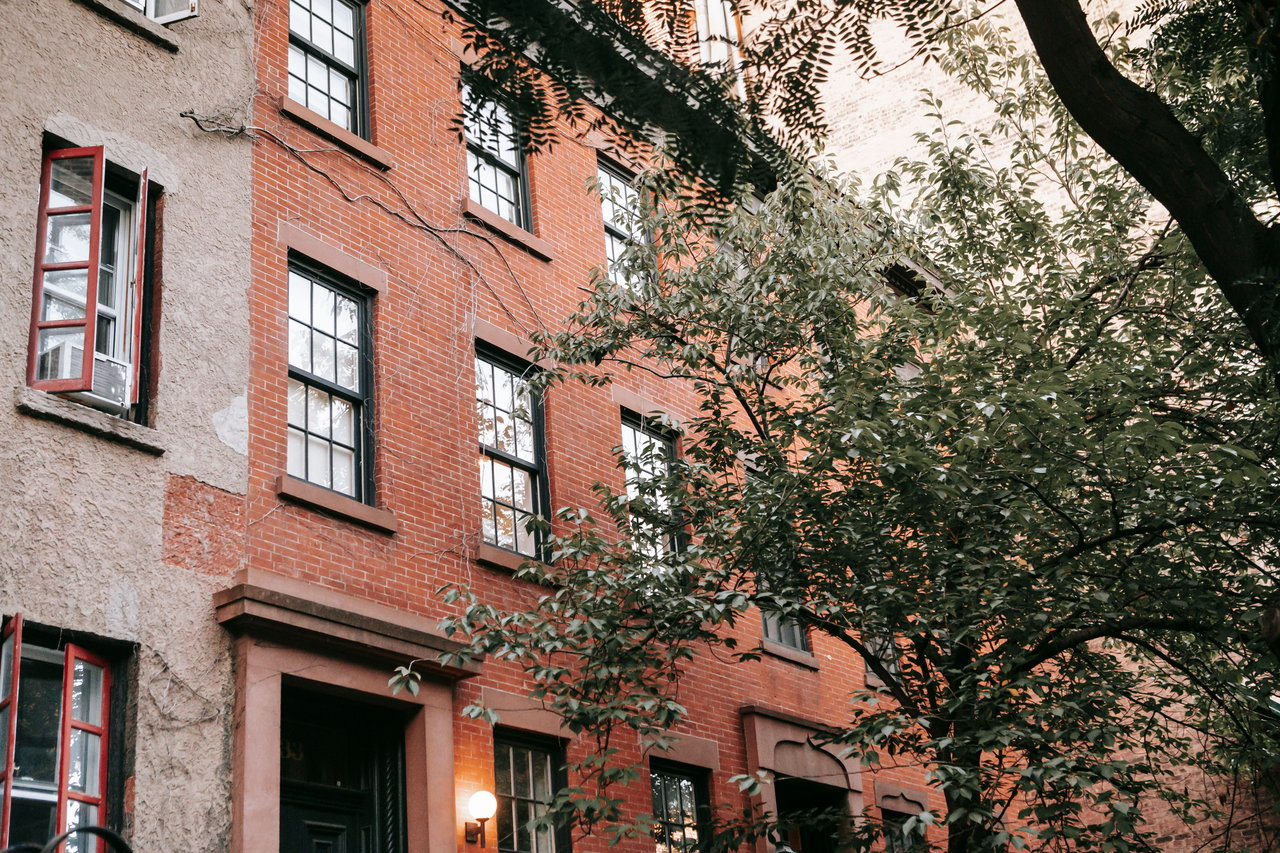
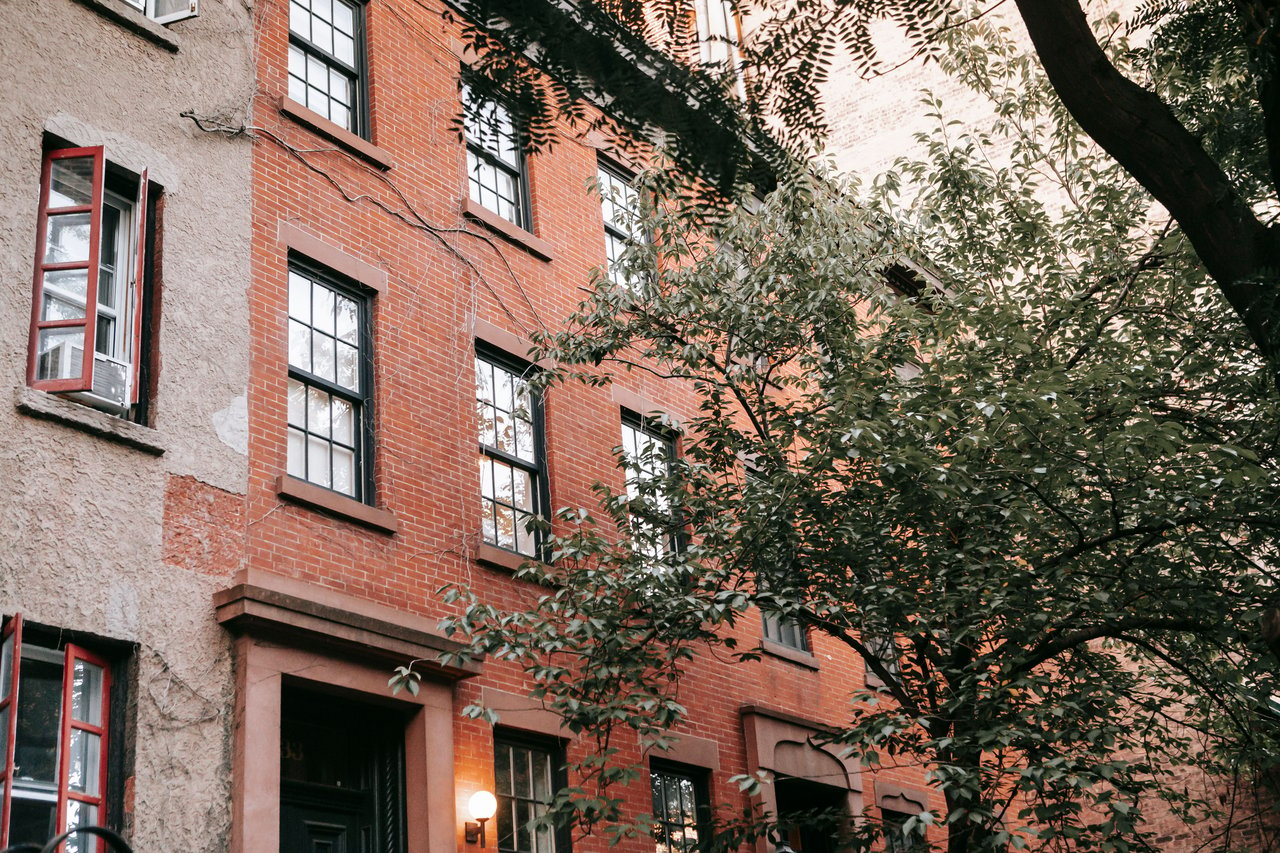
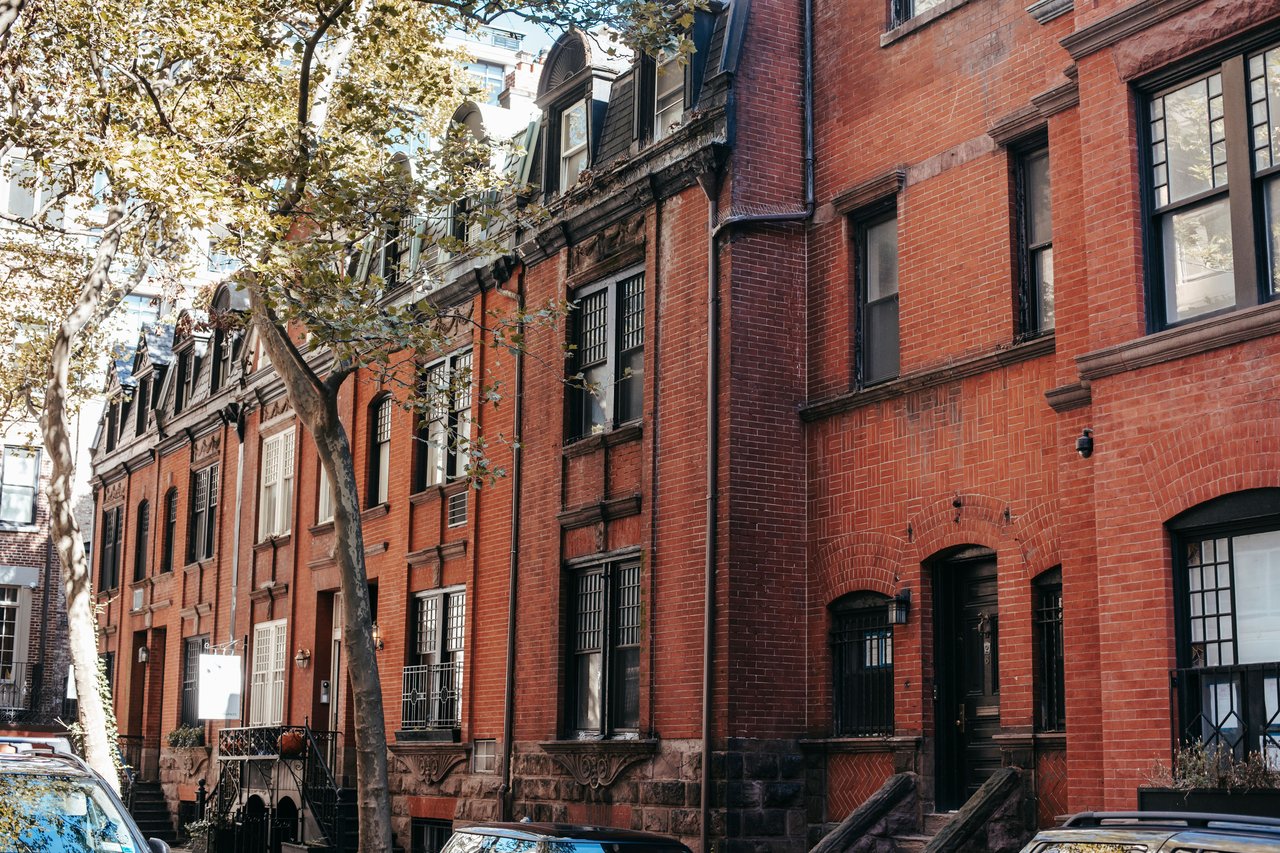
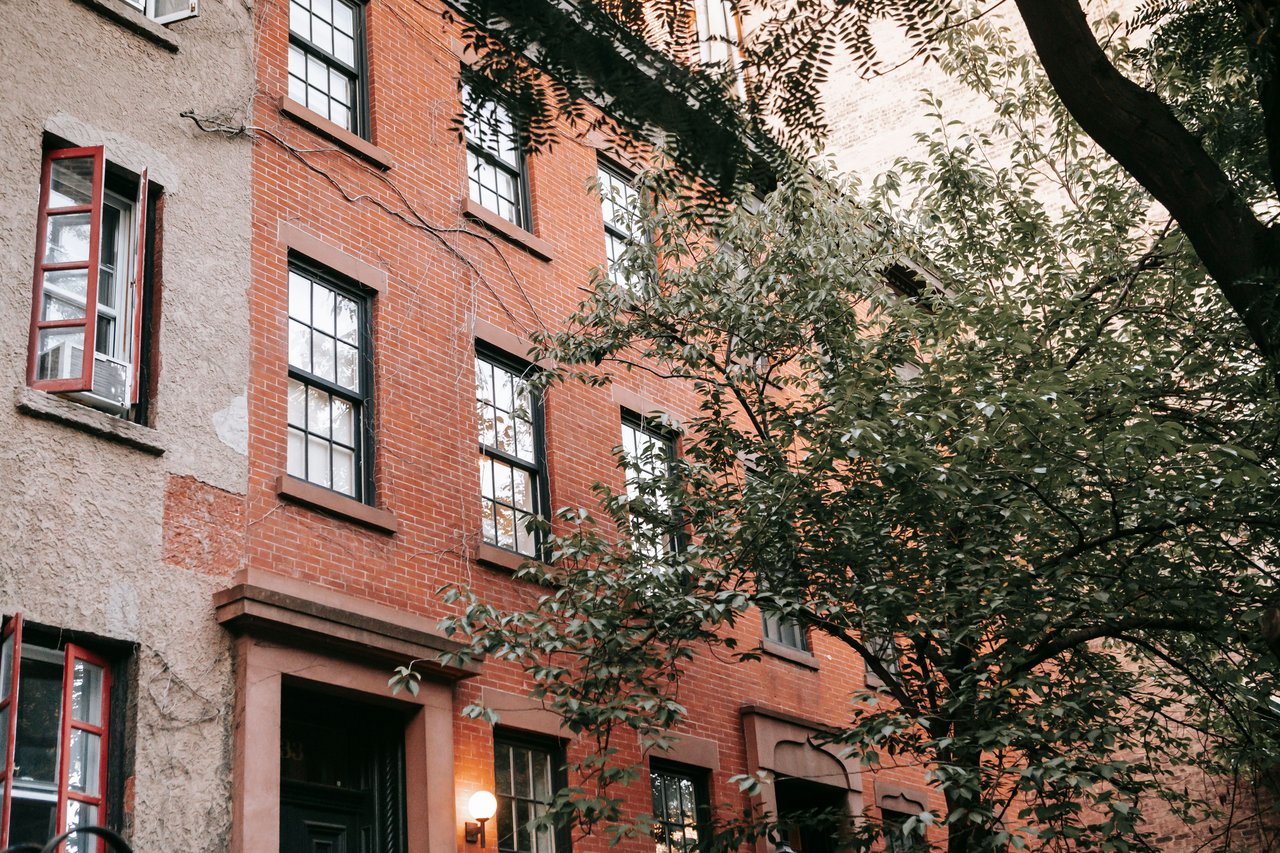
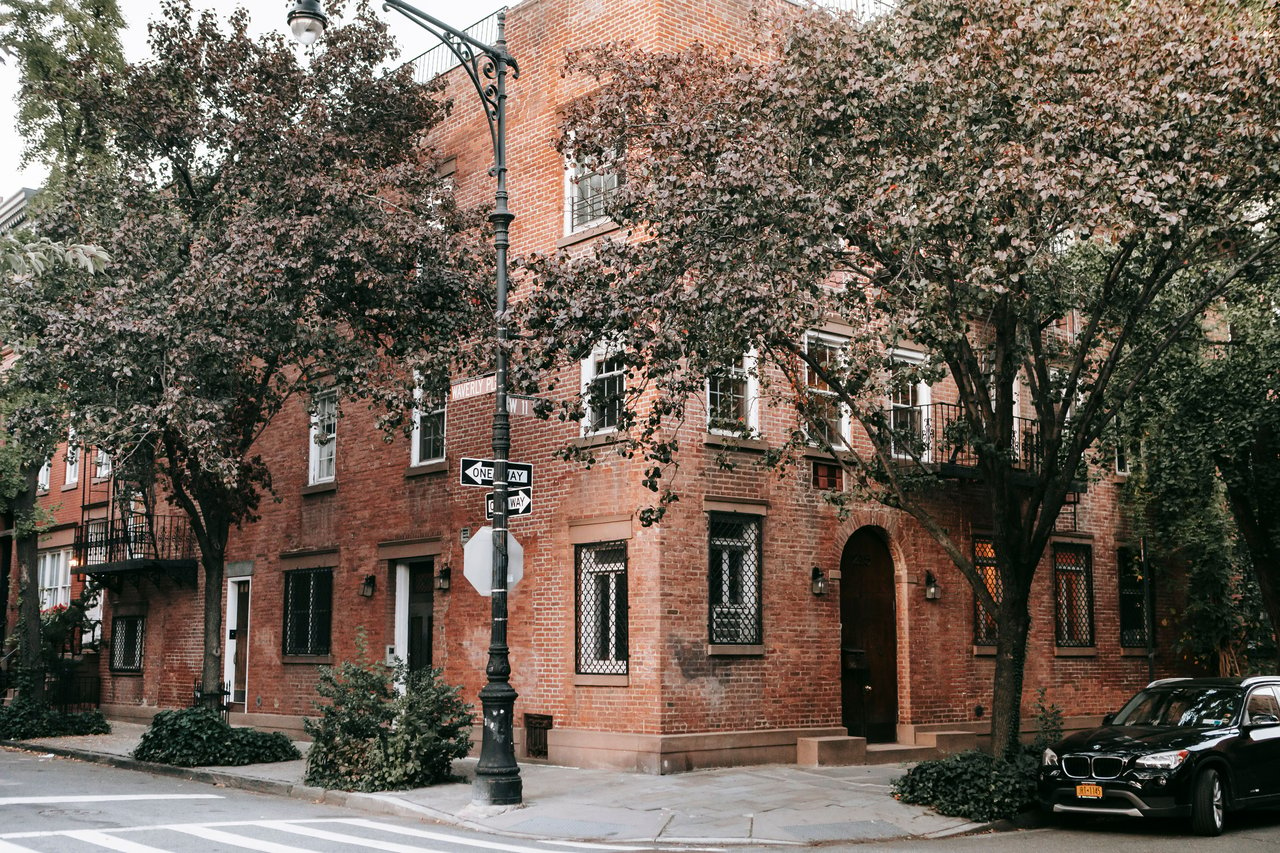
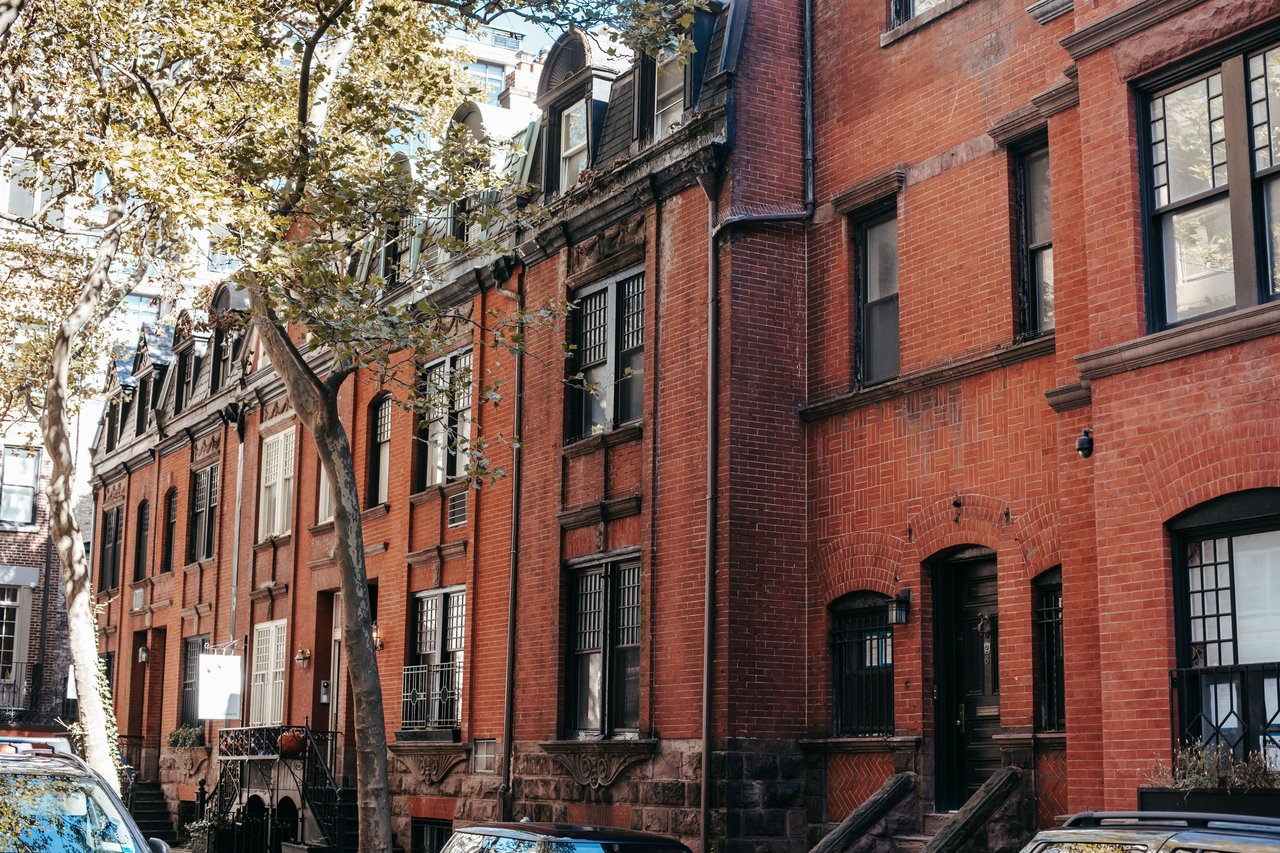
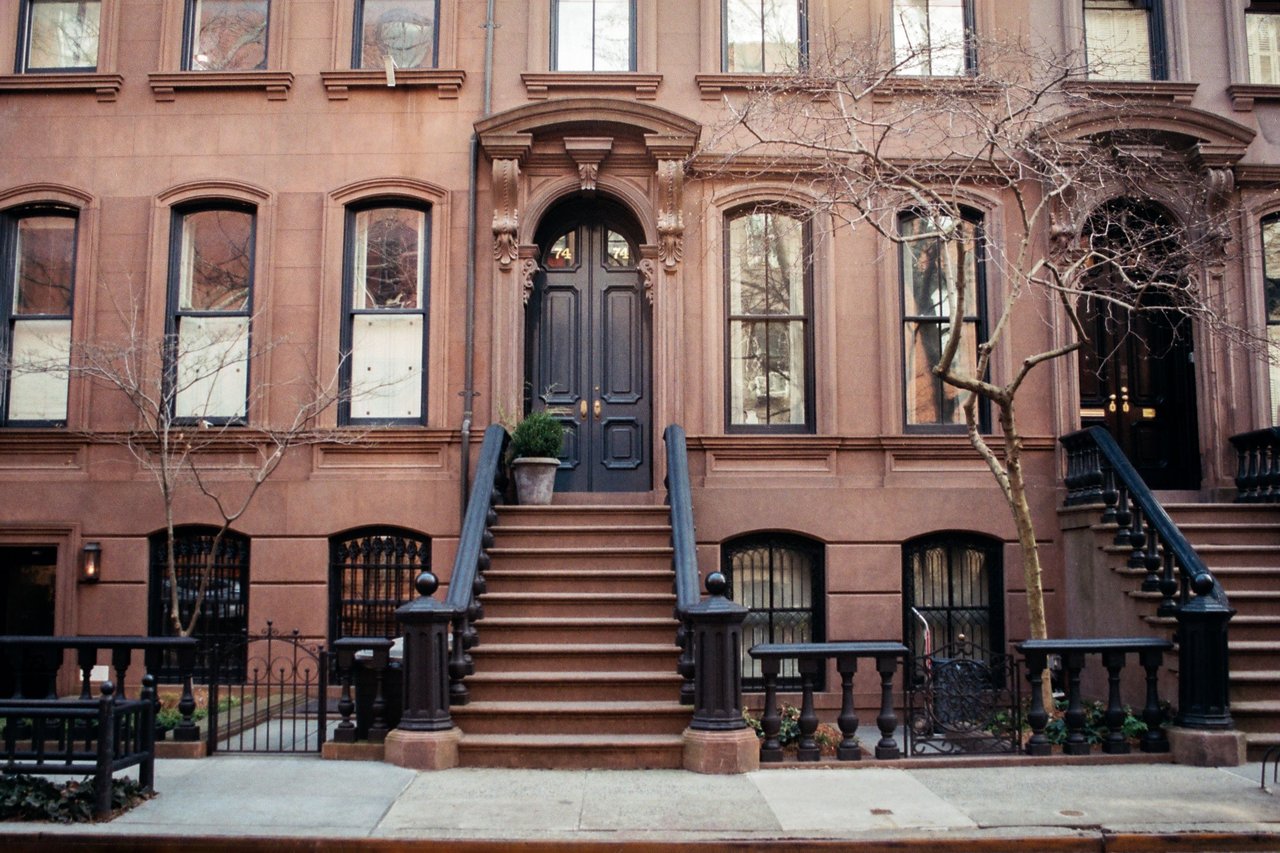
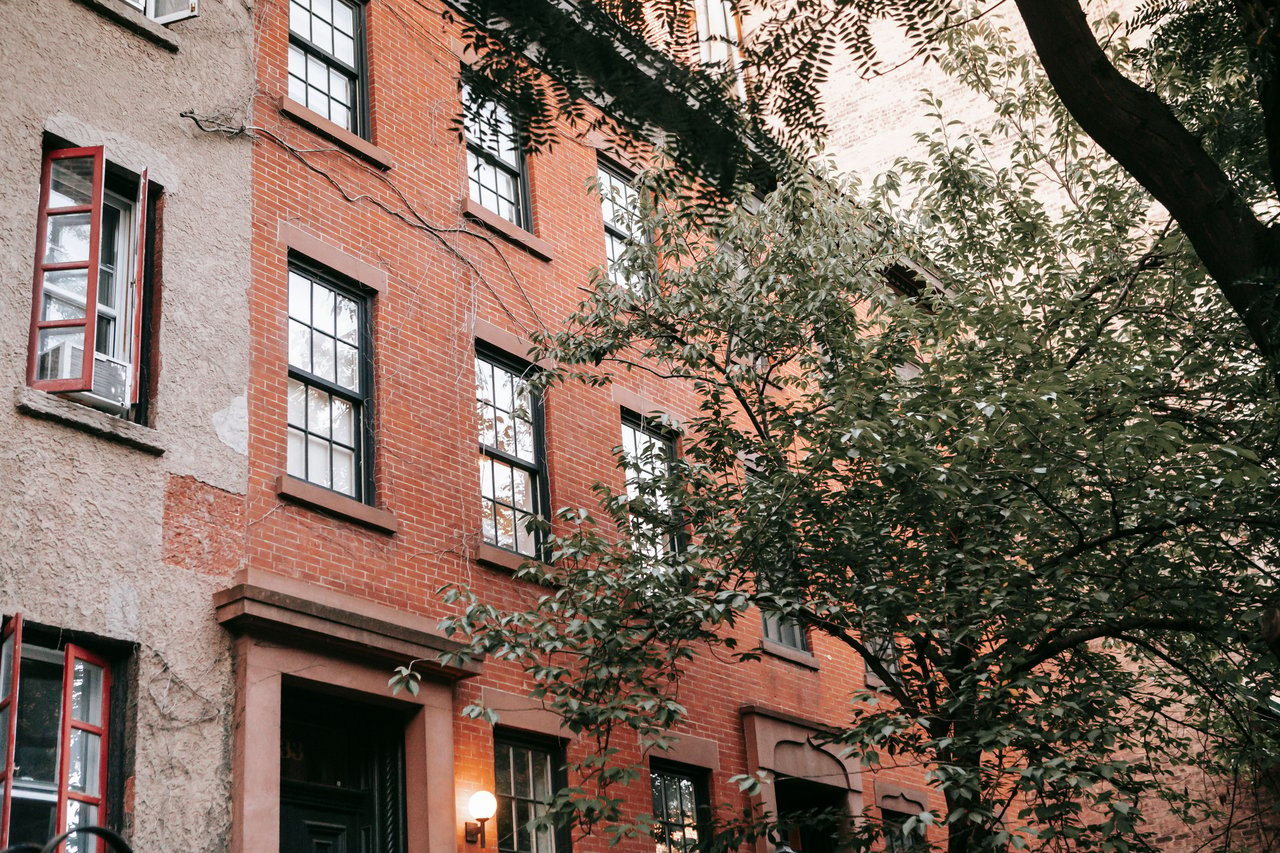
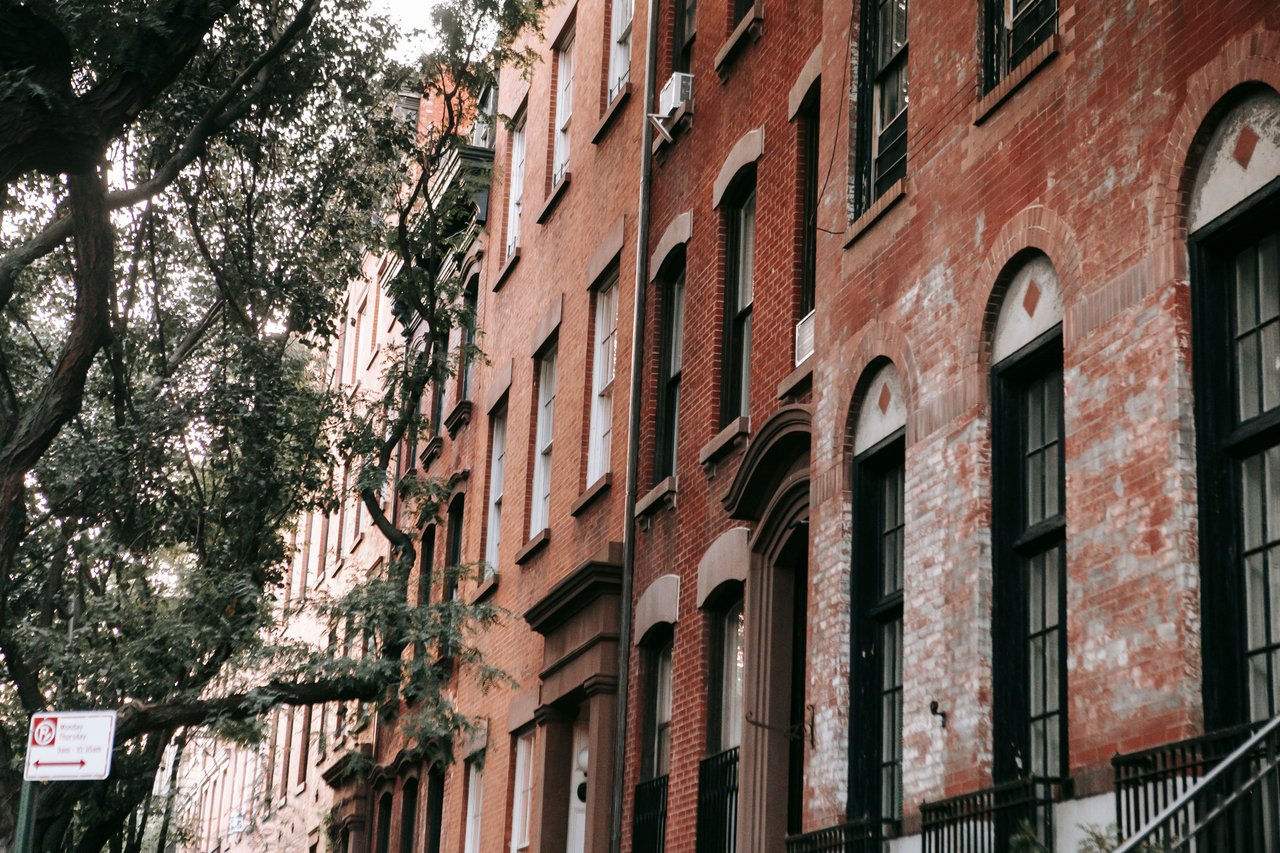
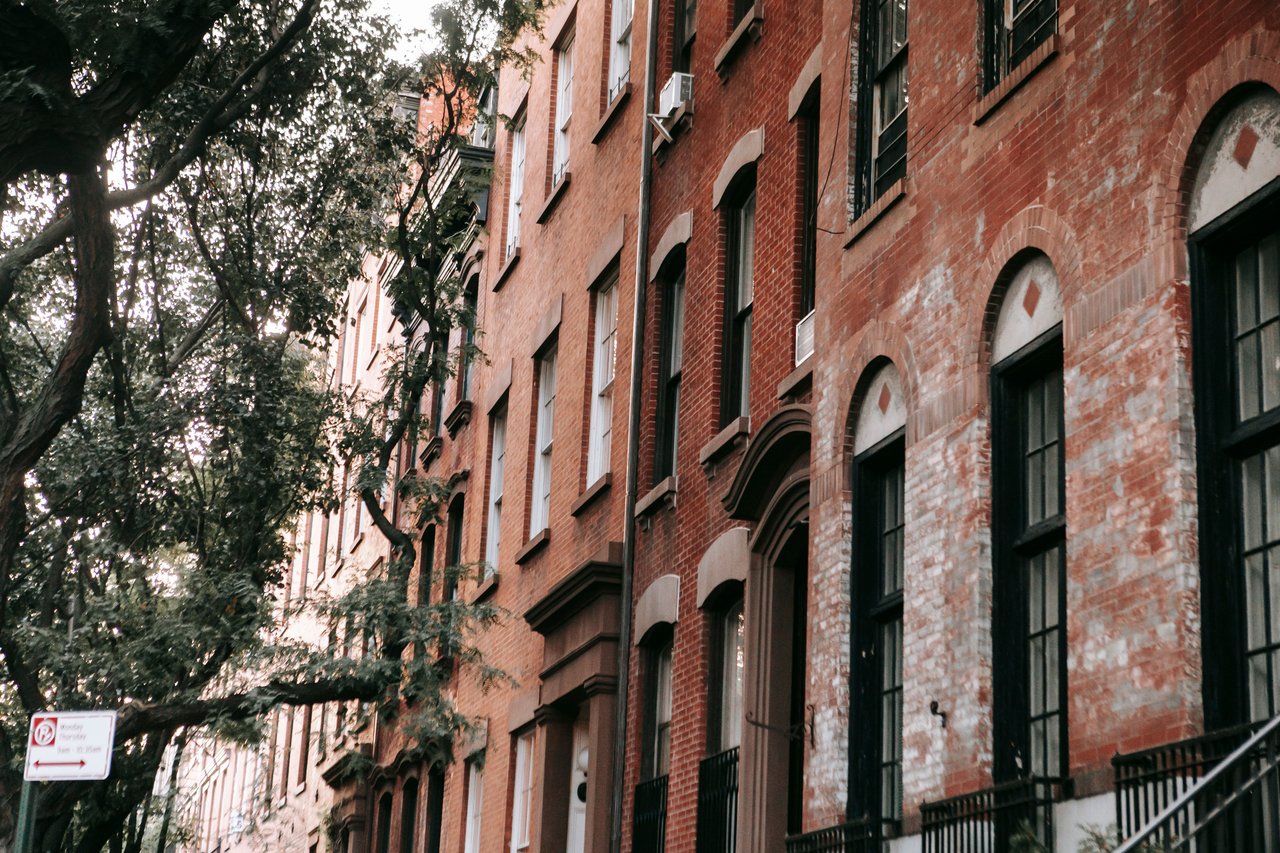
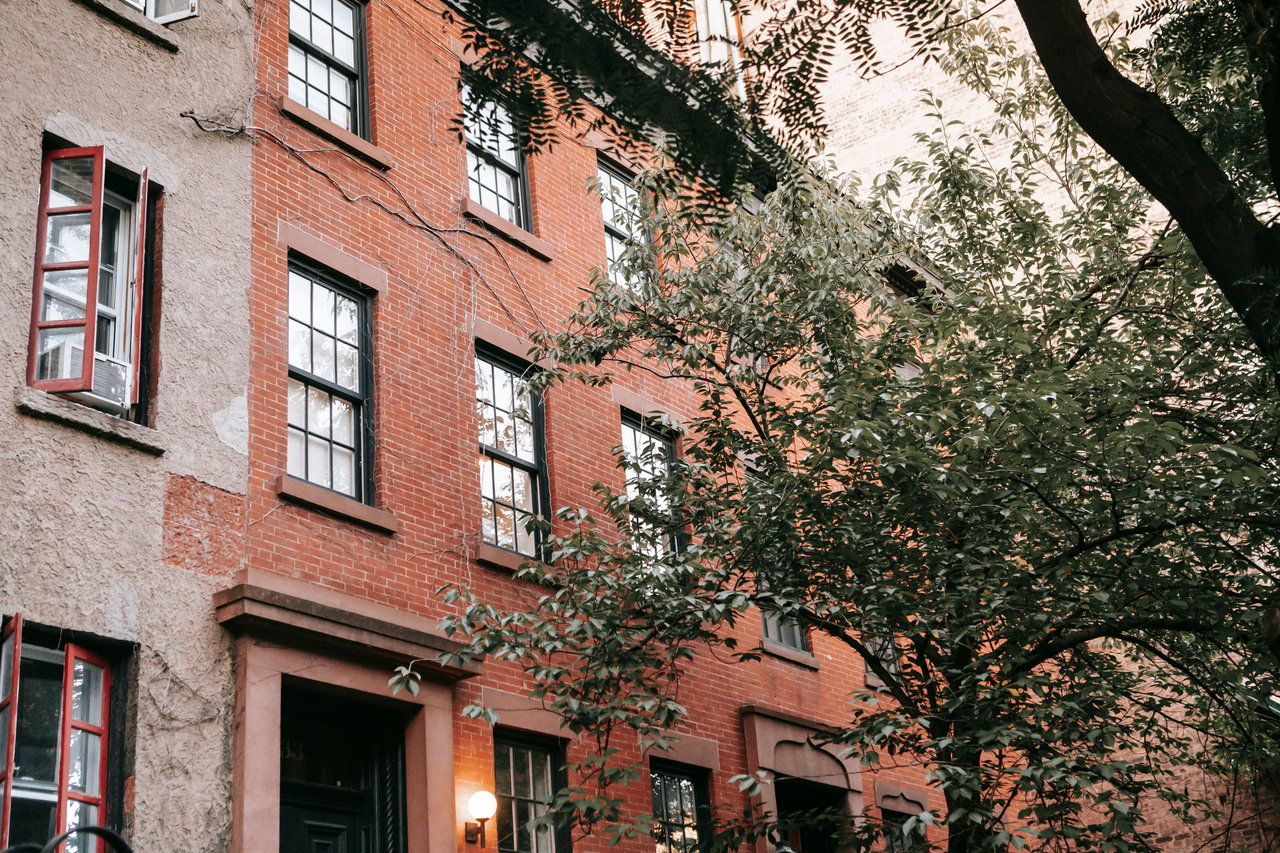
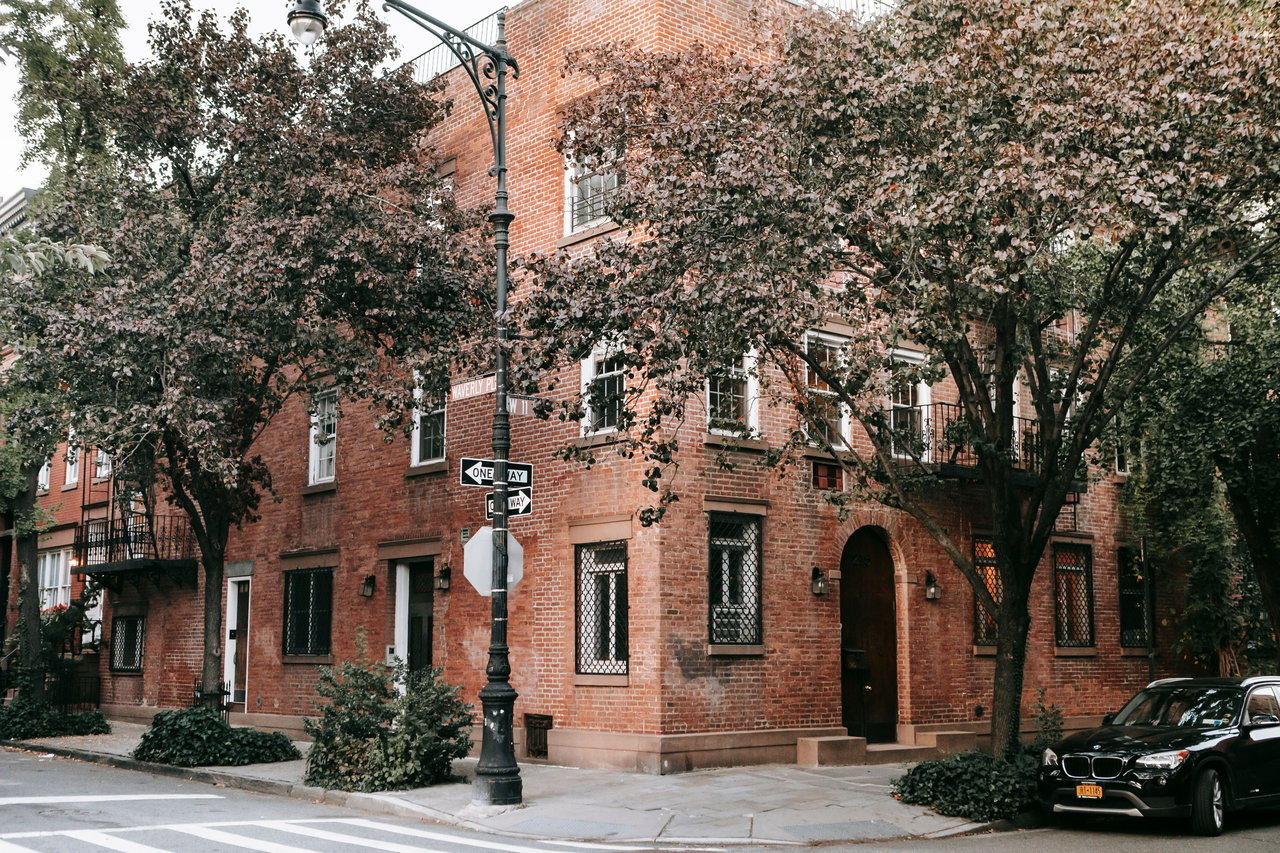
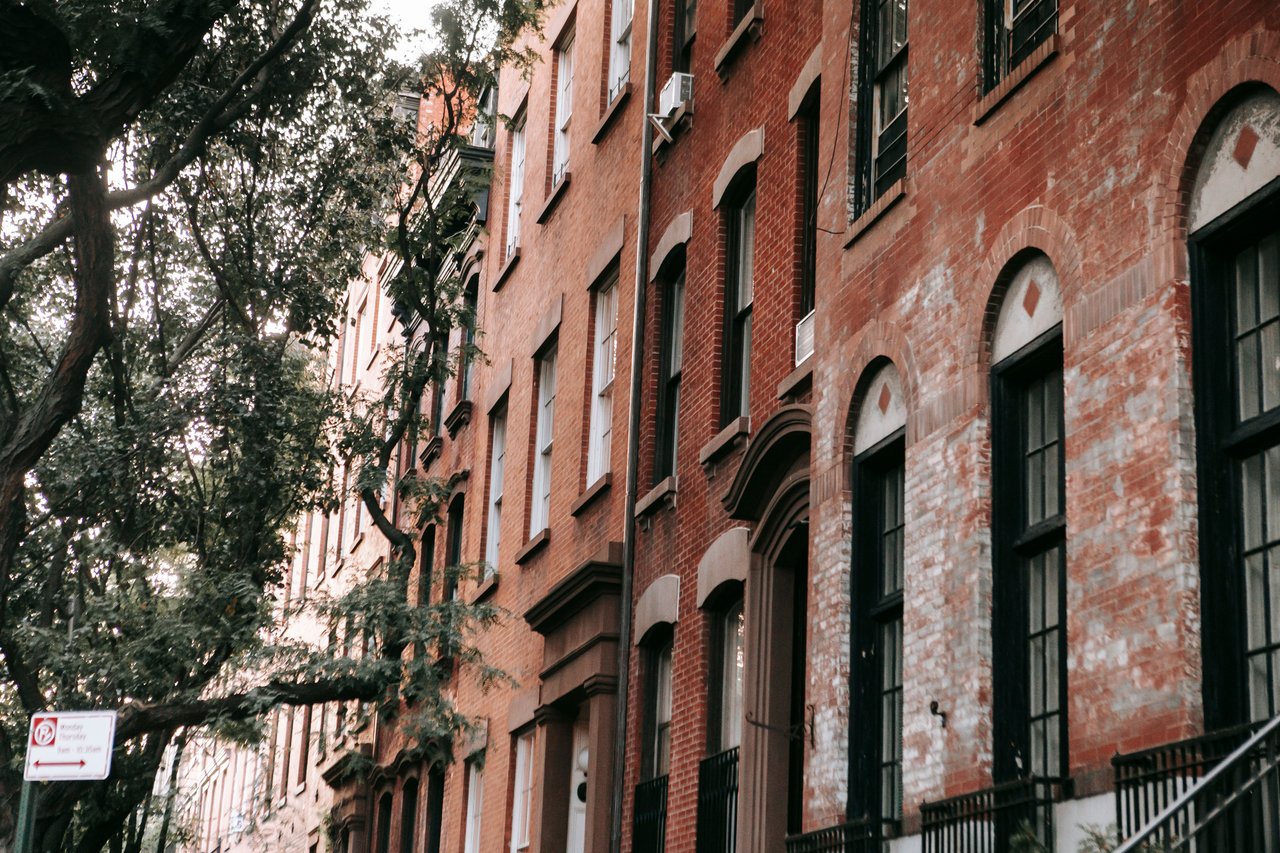
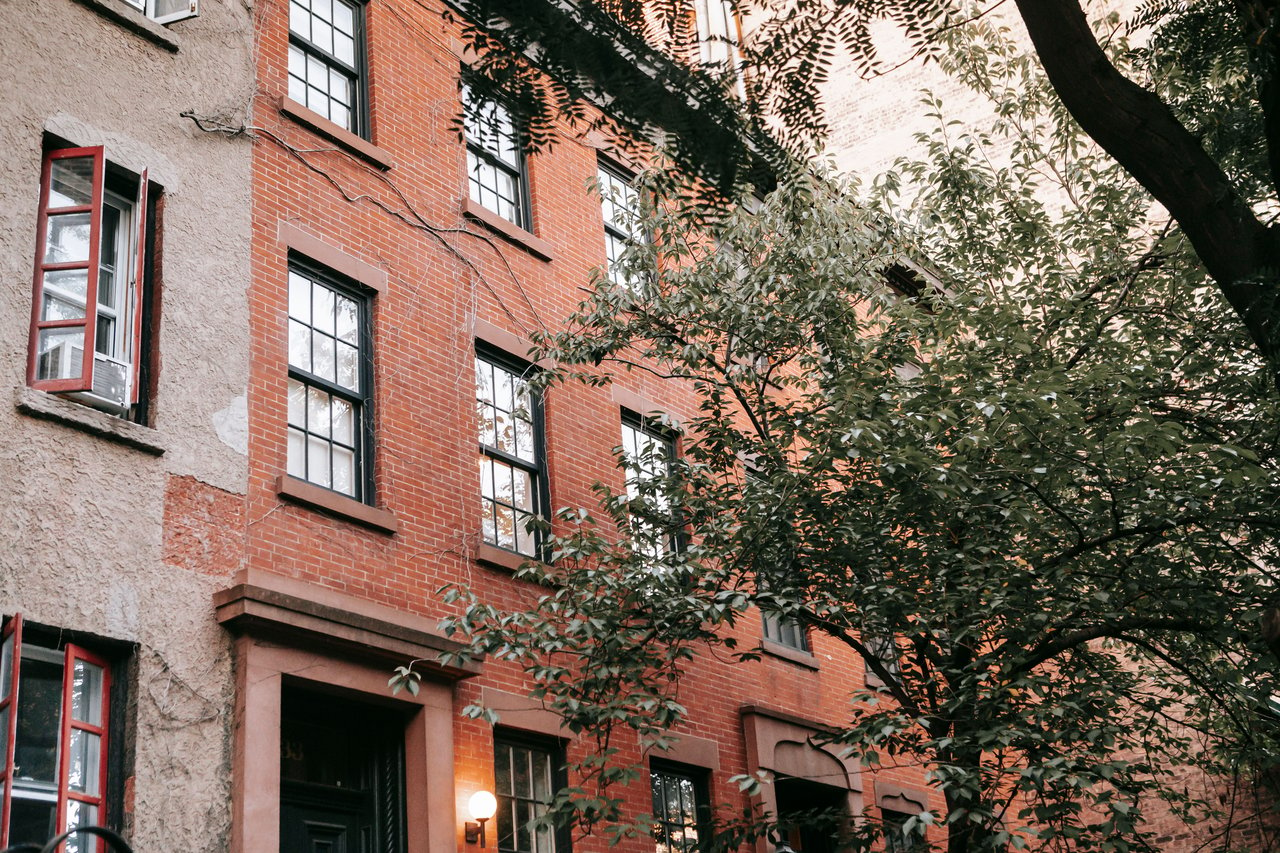
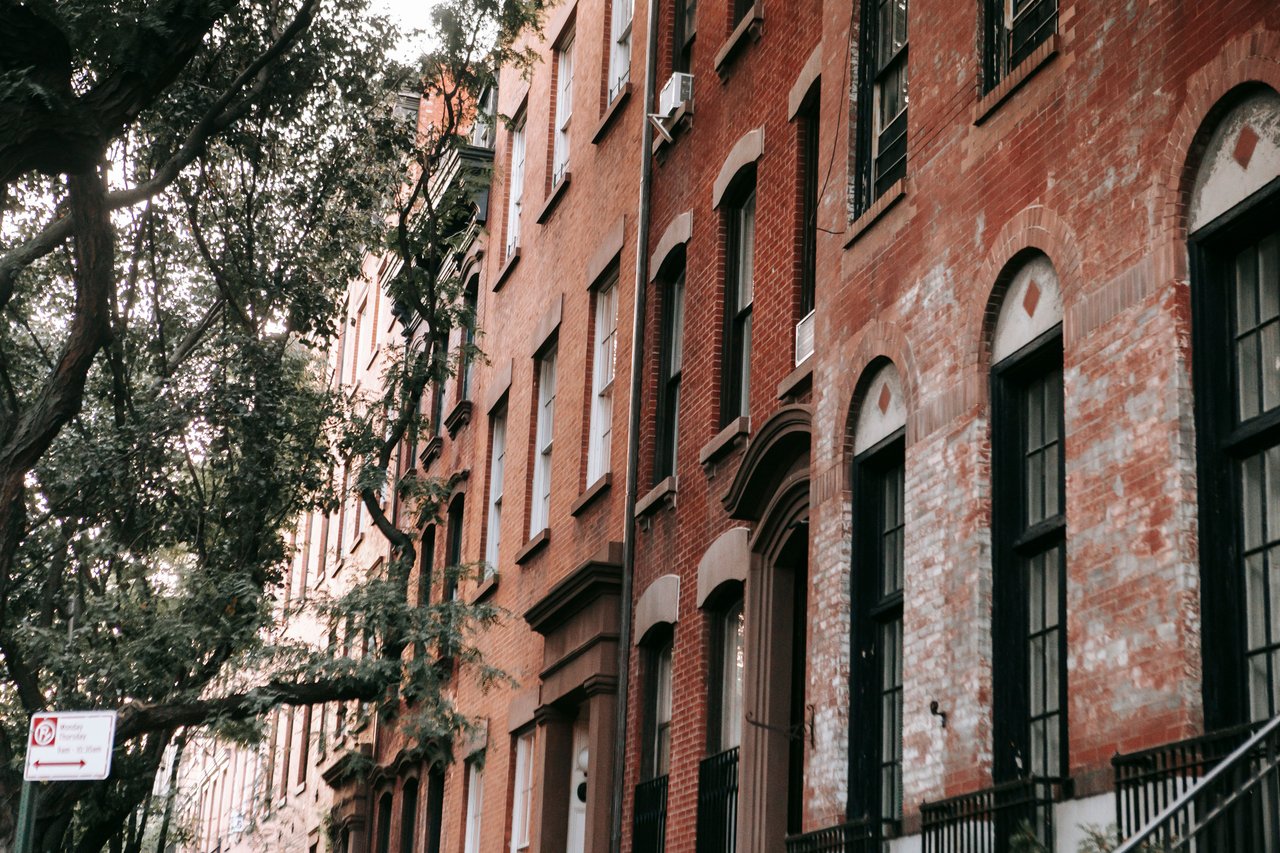
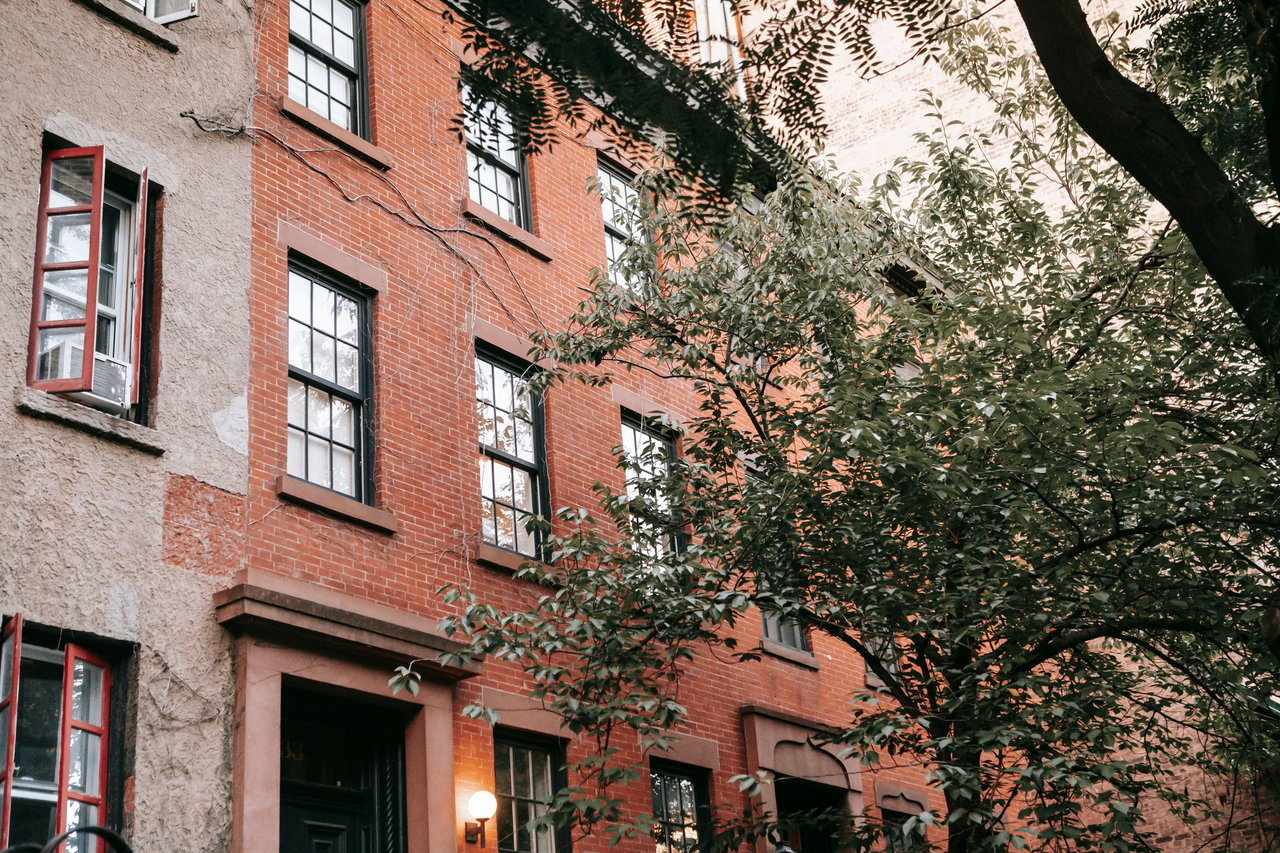
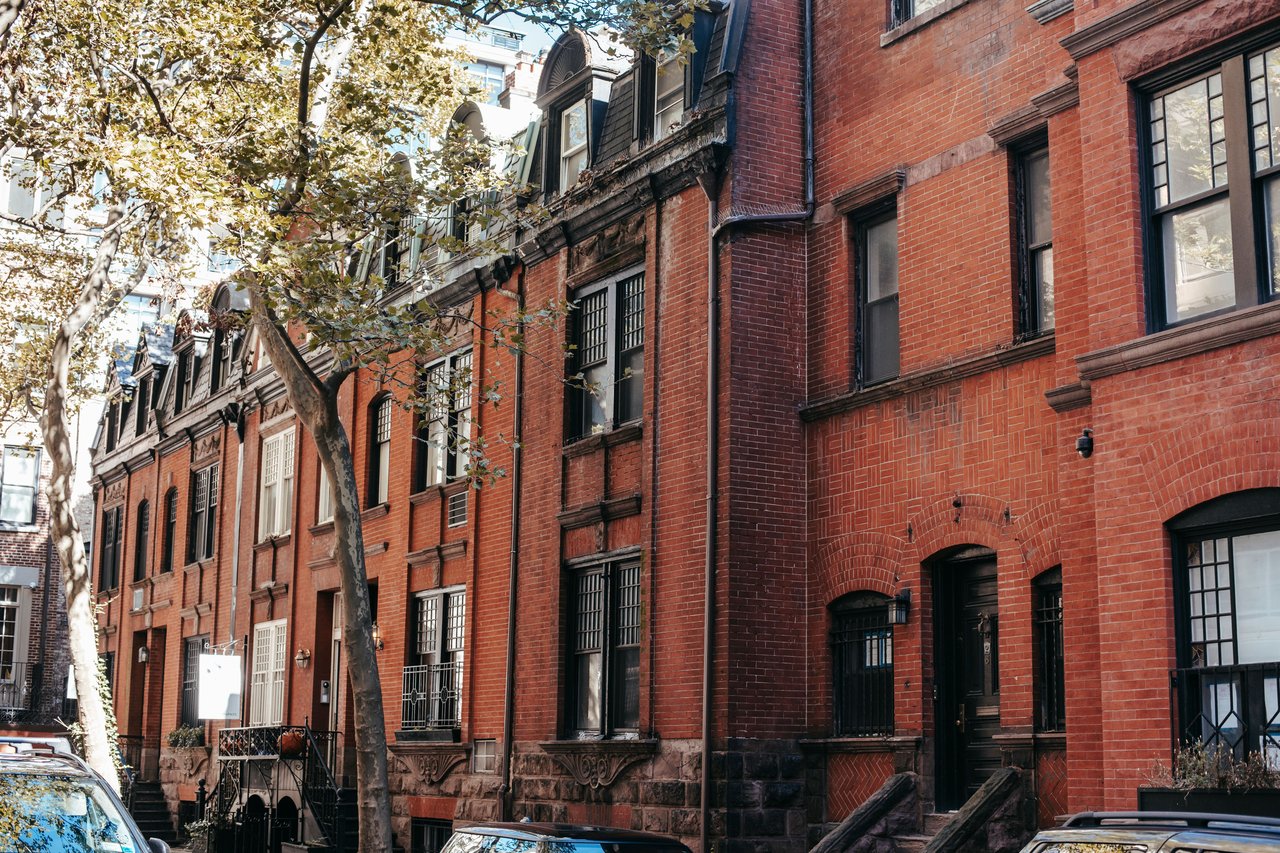
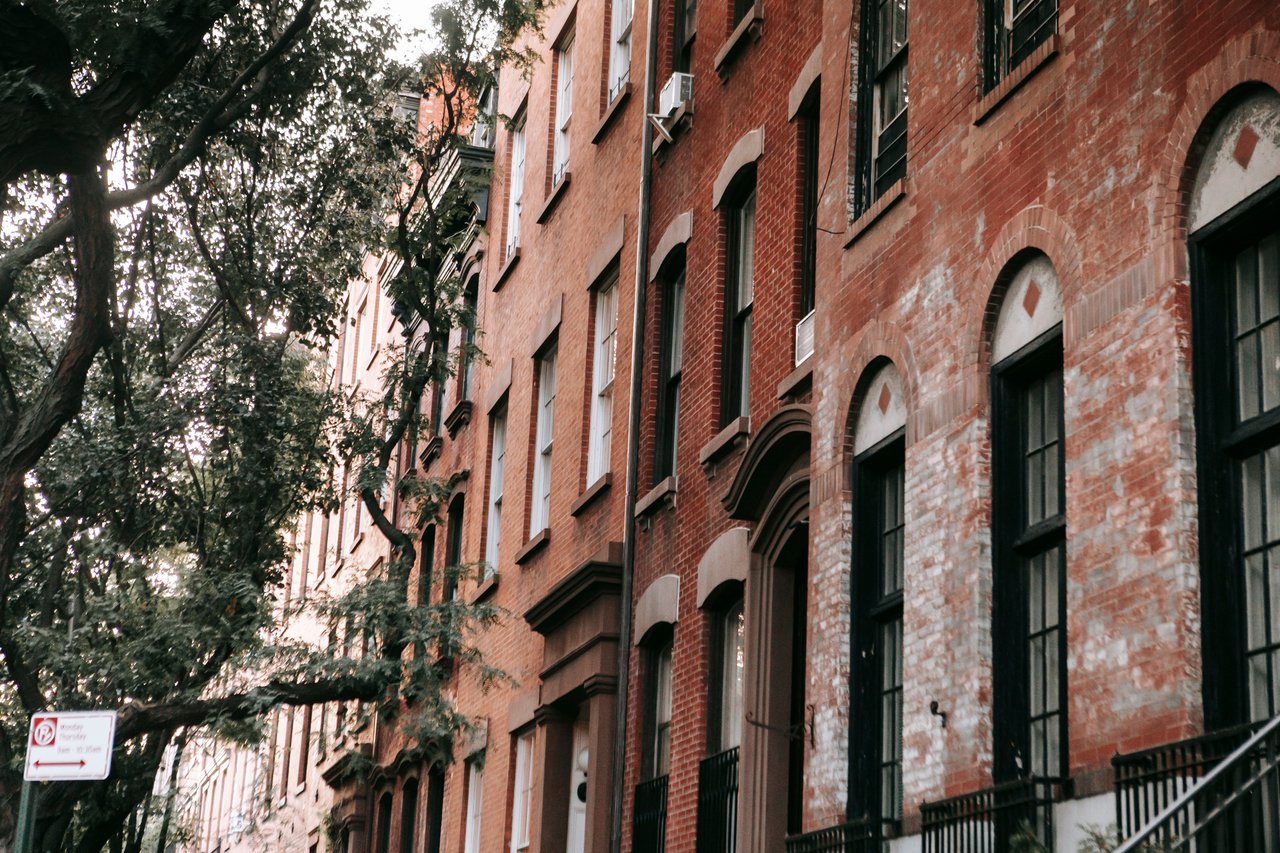
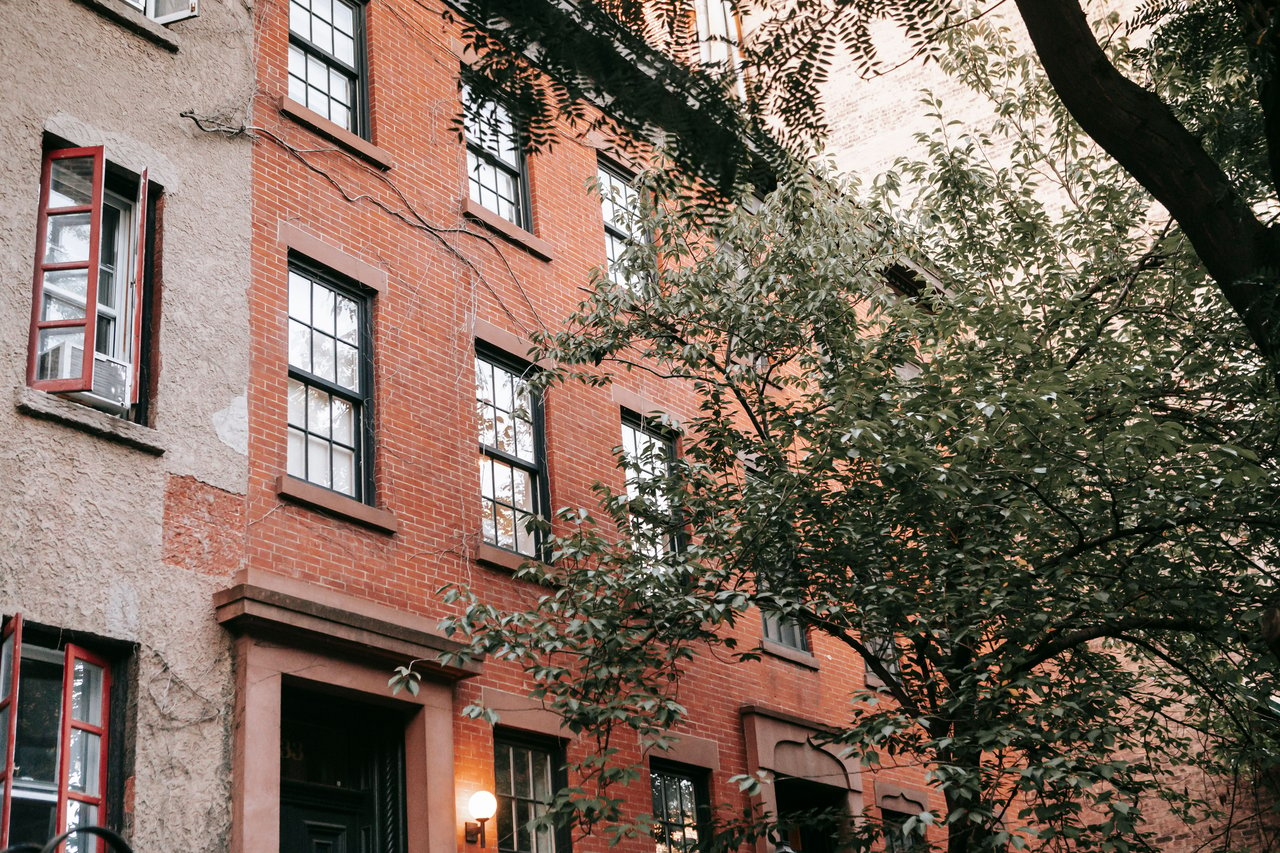
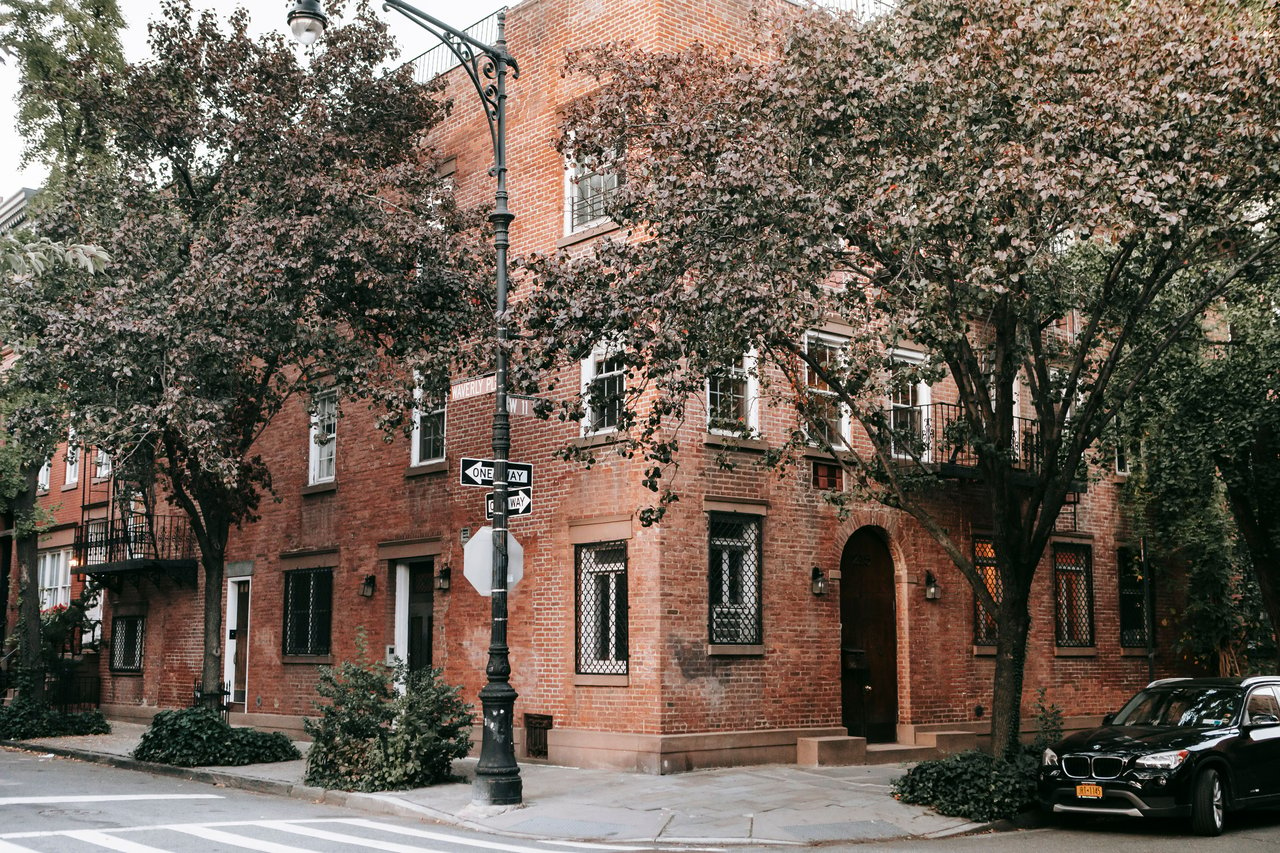
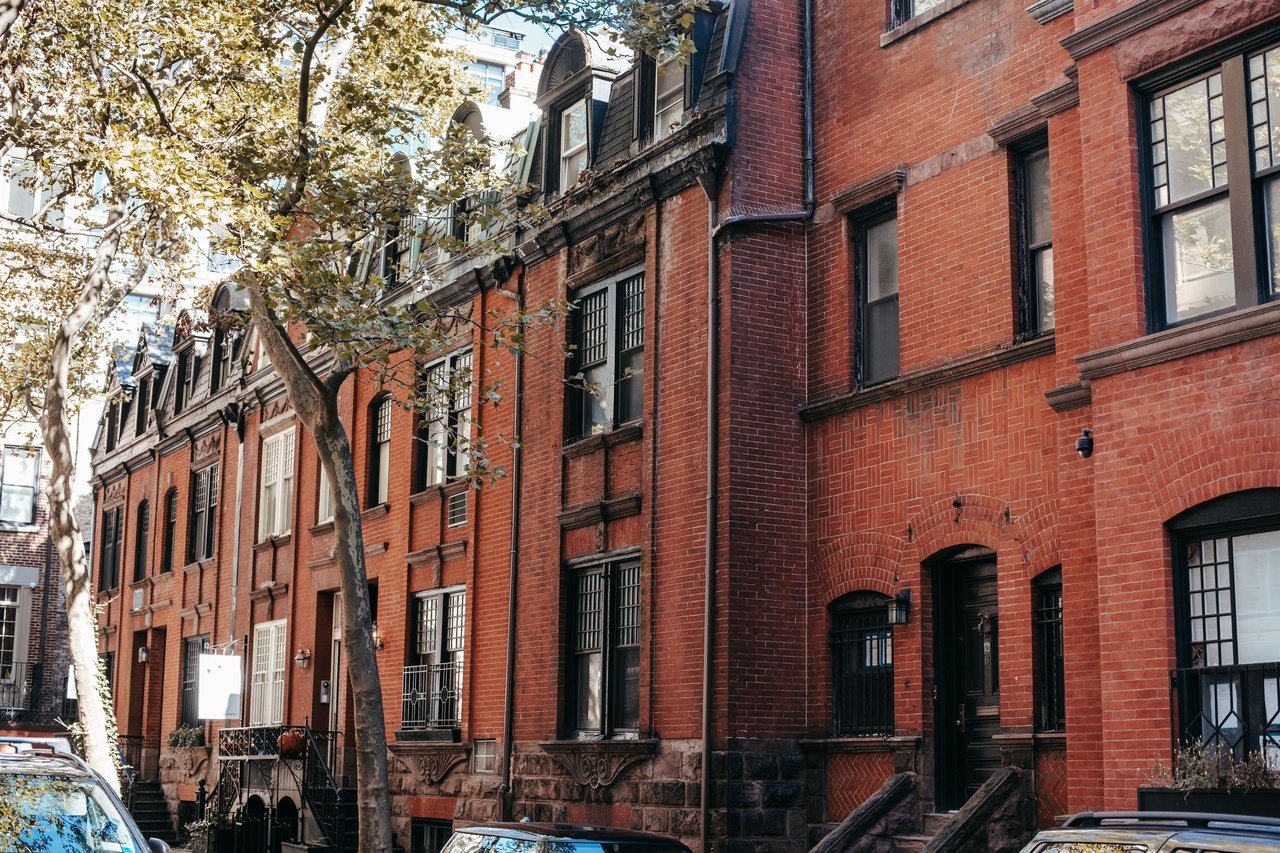
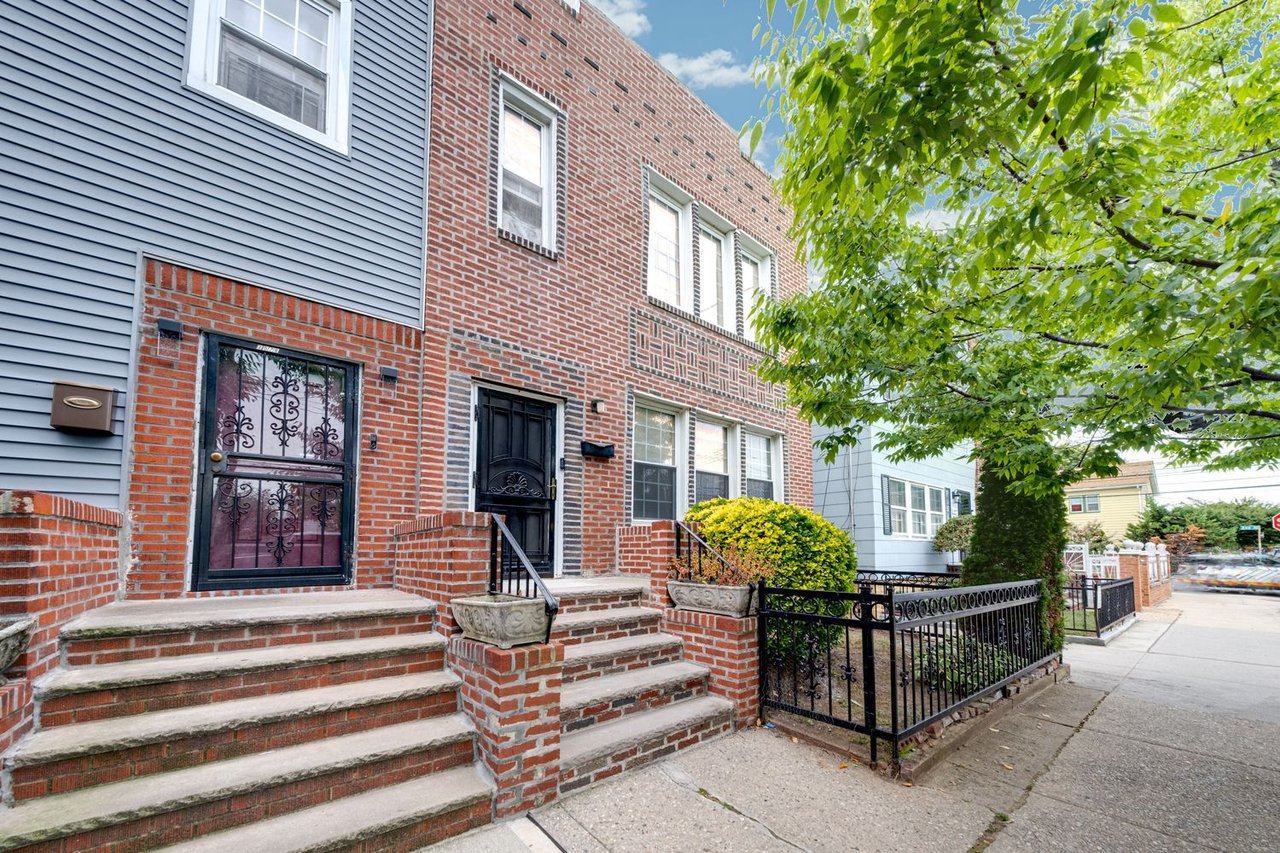
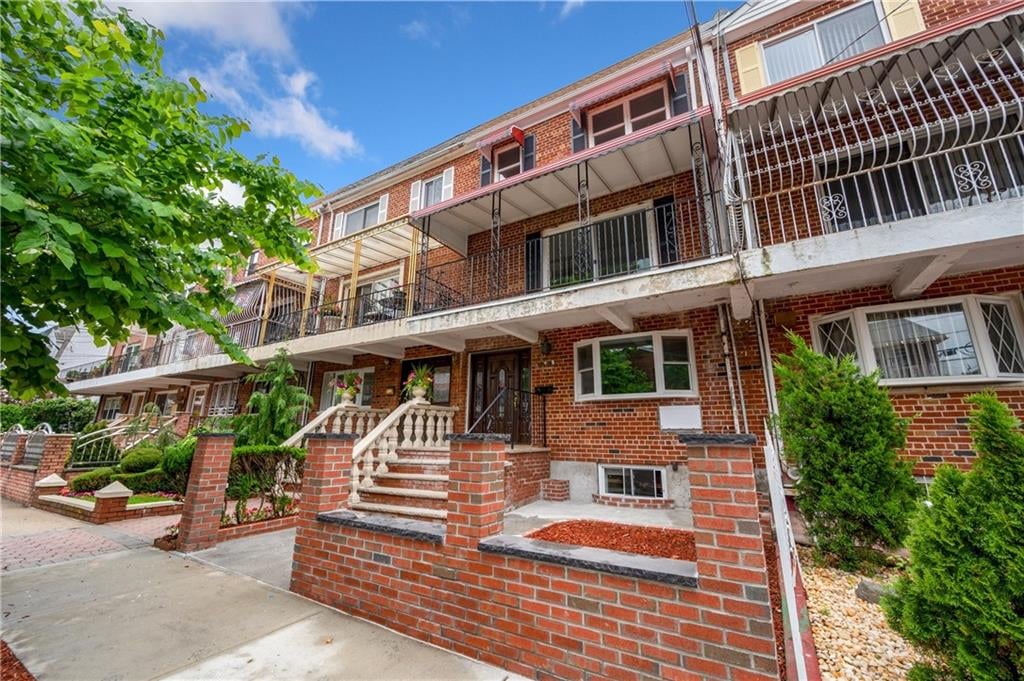
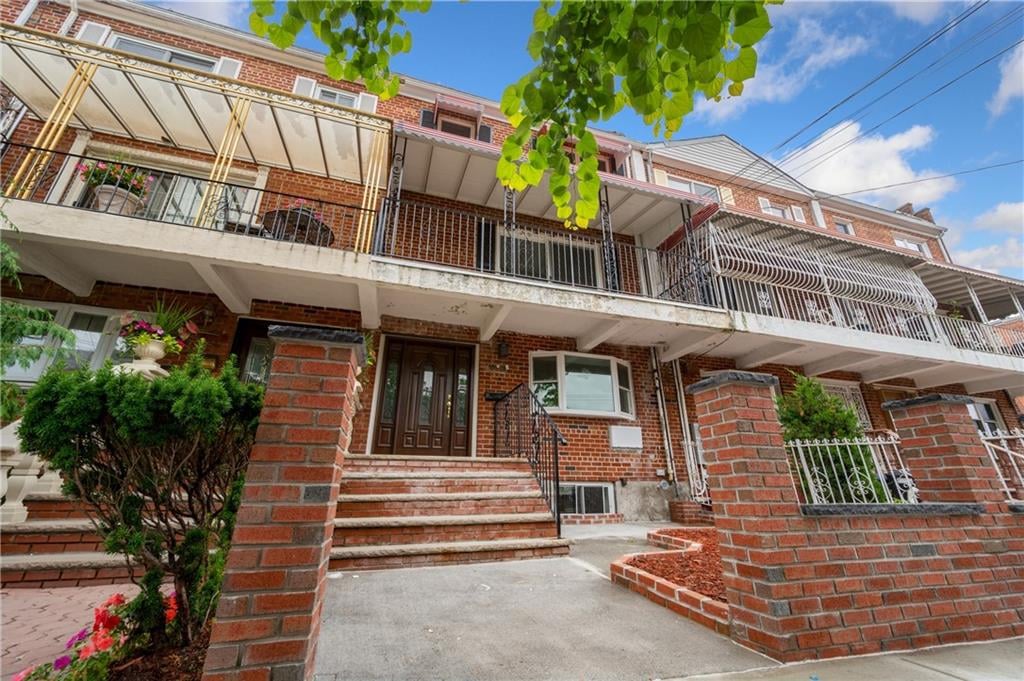
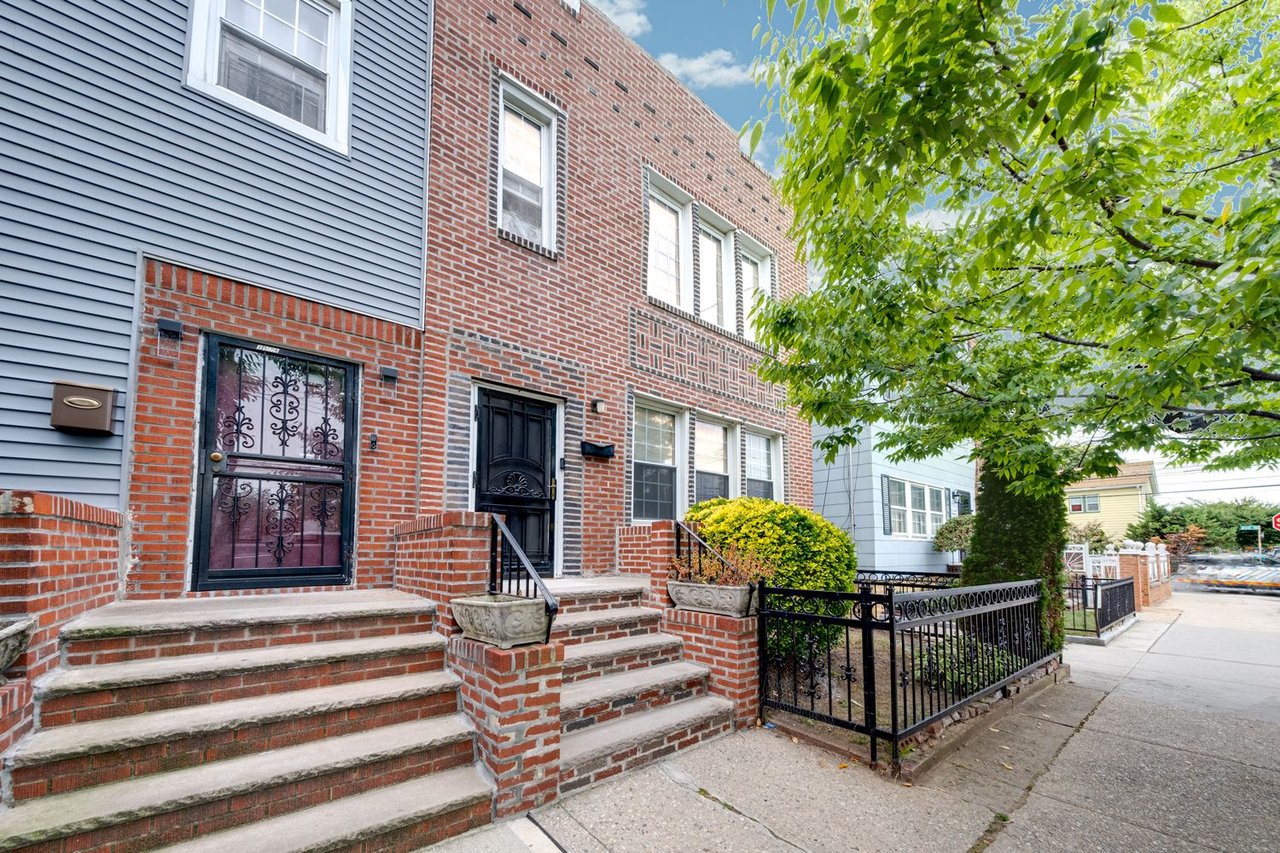
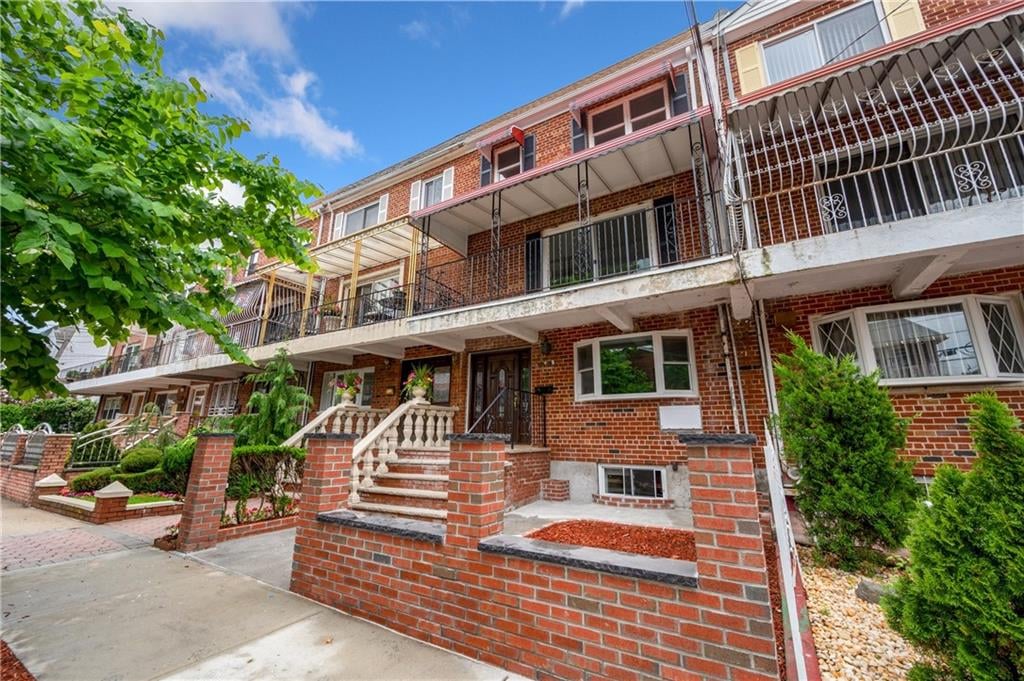
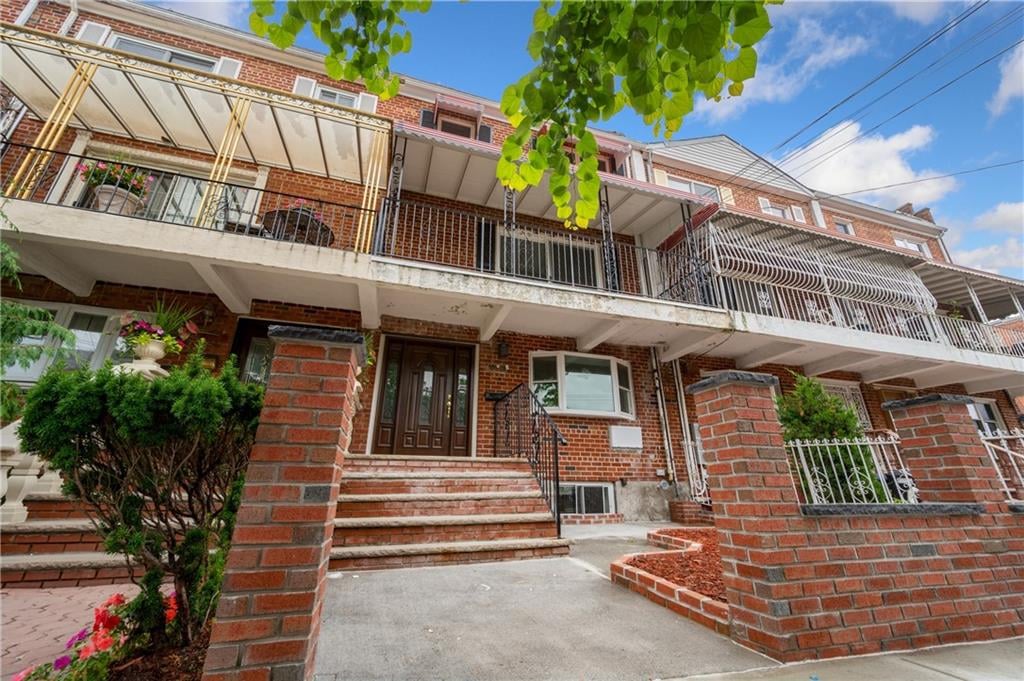
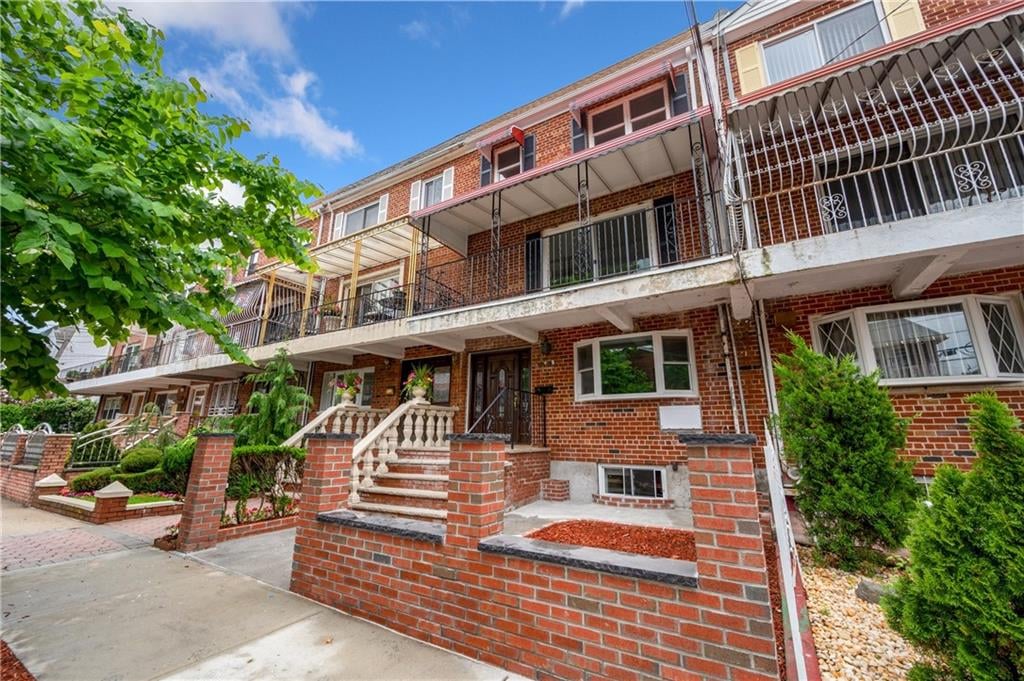
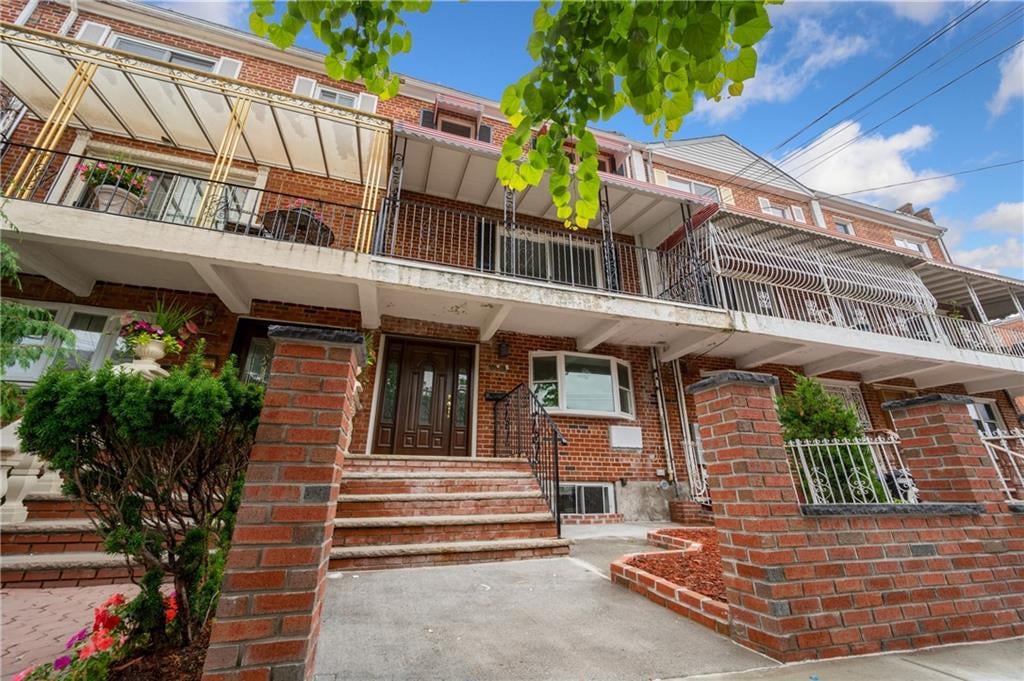
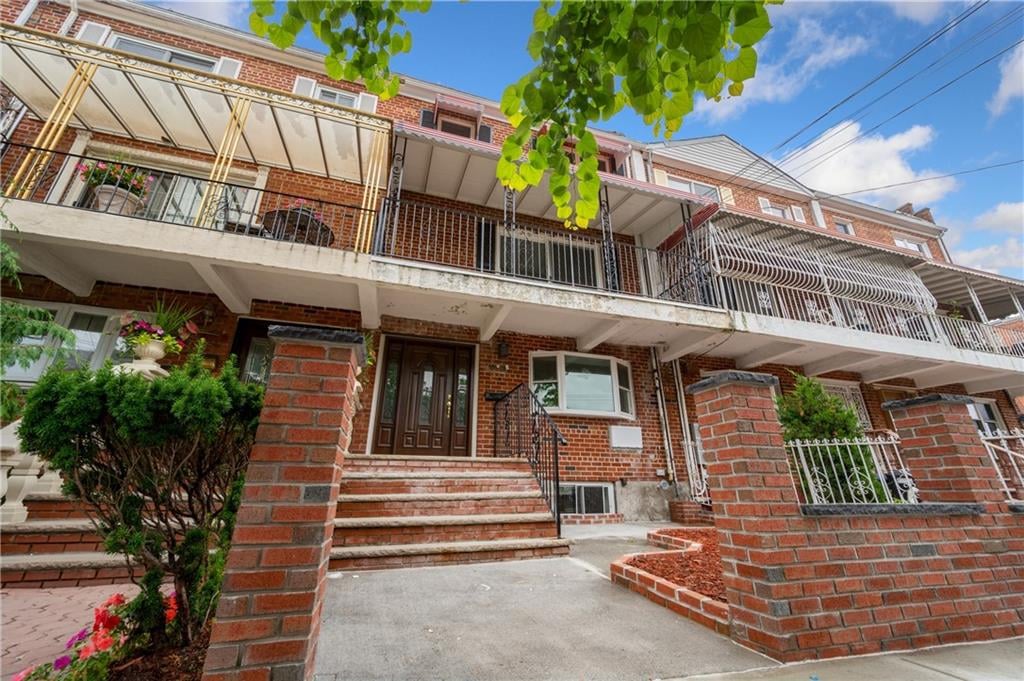
The route passes through neighborhoods featuring historic brownstones, brick townhouses, and nineteenth-century residential architecture.
Spectators gather along the sidewalks to cheer for runners as they continue through Brooklyn.
The combination of residential streets, local businesses, and enthusiastic crowds creates an atmosphere that differs from Manhattan's larger avenues.
Lafayette Avenue is particularly appealing to visitors who want to experience the marathon within one of Brooklyn's historic neighborhoods.
The surrounding streets also offer opportunities to explore Fort Greene and Clinton Hill before or after the race.
3. Fourth Avenue, Brooklyn: Best Place to Watch the Early Miles
Location: Fourth Avenue through Bay Ridge, Sunset Park, and Park Slope
Course Miles: Approximately 2 to 8
Subway: R train and additional connections near Atlantic Avenue
Fourth Avenue is one of the best locations for spectators who want to watch runners early in the marathon.
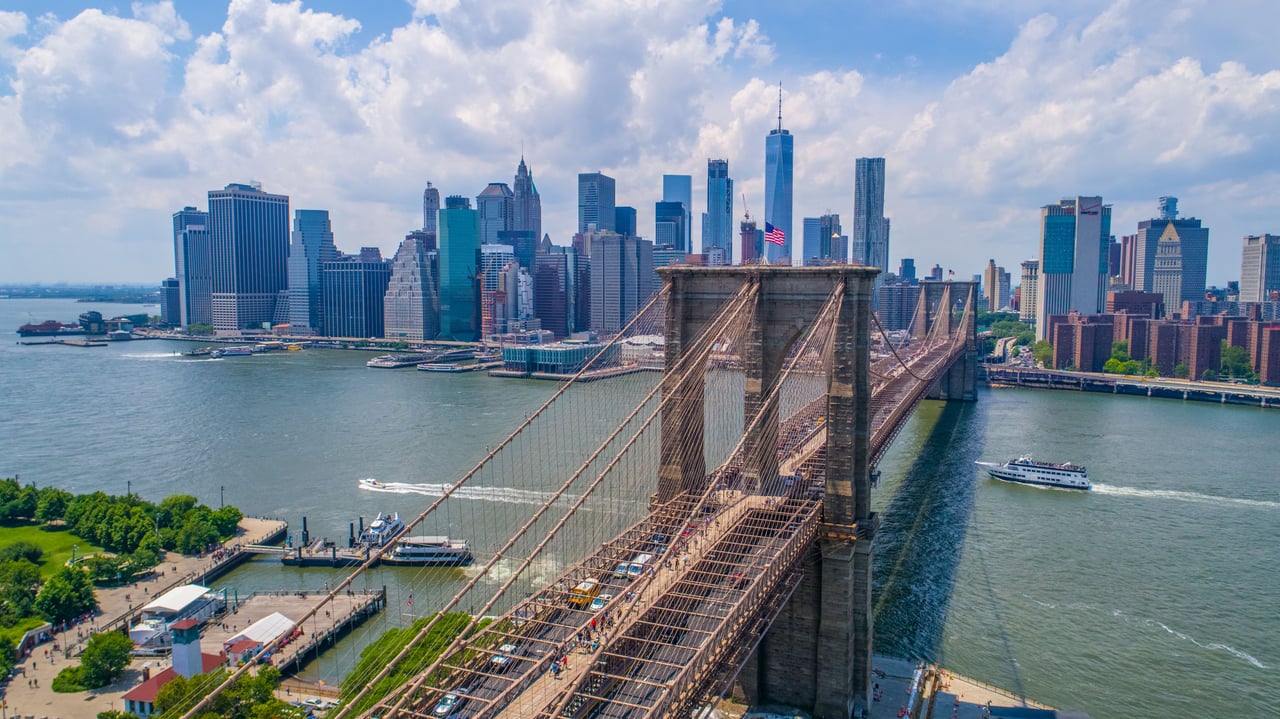
After crossing the Verrazzano-Narrows Bridge from Staten Island, participants enter Brooklyn and continue north along Fourth Avenue.
Because the runners are still in the early stages of the race, spectators can watch large groups moving together.
The avenue provides long viewing stretches through several Brooklyn neighborhoods.
Bay Ridge and Sunset Park are particularly useful for watching runners soon after they enter Brooklyn.
Farther north, Park Slope offers another popular viewing area.
Fourth Avenue is a practical choice for spectators who want to watch the marathon in the morning and still have time for other activities later in the day.
4. Bedford Avenue, Williamsburg: Best Festive Viewing Experience
Location: Bedford Avenue, Williamsburg, Brooklyn
Course Miles: Approximately 10 to 12
Subway: L, G, J, and M trains, depending on the viewing location
Bedford Avenue in Williamsburg is one of the marathon's most energetic Brooklyn sections.
Runners travel through Williamsburg before continuing toward Greenpoint and the Pulaski Bridge.
The surrounding neighborhood features historic industrial buildings, renovated warehouses, residential streets, cafés, and restaurants.
Spectators gather along Bedford Avenue to cheer for participants as they approach the halfway point of the race.
The atmosphere can be particularly lively, making Williamsburg a popular choice for groups of friends and visitors who want to combine the marathon with neighborhood activities.
Because the area can become crowded, spectators should choose their location in advance.
5. Long Island City, Queens: Best Alternative to the Busiest Crowds
Location: Vernon Boulevard and surrounding course streets, Long Island City
Course Miles: Approximately 13 to 14
Subway: 7, G, E, and M trains, depending on location
Long Island City offers an alternative to some of the marathon's busiest viewing areas.
After leaving Brooklyn, runners cross the Pulaski Bridge and enter Queens.
The route continues through Long Island City before participants cross the Queensboro Bridge into Manhattan.
Spectators can watch runners near the halfway point of the race.
This location can be appealing to visitors who prefer a different atmosphere from First Avenue or Williamsburg.
The neighborhood features a combination of historic industrial buildings, renovated commercial spaces, and contemporary residential towers.
The Pulaski Bridge itself is closed to spectators, so visitors should watch from an accessible location on the Queens side.
6. First Avenue, East Harlem: Best Place to Encourage Runners
Location: First Avenue near East 110th to East 120th Streets
Course Miles: Approximately 19 to 20
Subway: 6 train
East Harlem offers another excellent opportunity to watch the marathon as runners approach the later stages of the race.
Participants continue north along First Avenue before crossing the Willis Avenue Bridge into the Bronx.
By this point, many runners have completed a substantial portion of the course and appreciate encouragement from spectators.
The official Charity Cheer Zone near First Avenue and East 120th Street is an especially meaningful viewing area.
Spectators can cheer for runners participating on behalf of charitable organizations.
For visitors who want to support participants beyond the busiest sections of the Upper East Side, East Harlem is an excellent option.
7. Fifth Avenue, Manhattan: Best Place to Watch the Final Miles
Location: Fifth Avenue between East 90th and East 105th Streets
Course Miles: Approximately 23 to 24
Subway: Q, 4, 5, and 6 trains
Fifth Avenue is one of the most important sections of the marathon's final miles.
After returning from the Bronx, runners travel south through Manhattan and approach Central Park.
The course follows Fifth Avenue along the park's eastern edge.
This section includes a challenging stretch late in the race, when many participants are physically exhausted.
Spectators can provide encouragement as runners prepare to enter Central Park.
Fifth Avenue is particularly appealing to visitors who want to watch participants during a decisive part of their 26.2-mile journey.
It also offers views of Central Park and the surrounding historic residential architecture.
8. Columbus Circle: Best Place to Watch Runners Near the Finish
Location: Columbus Circle, Manhattan
Course Mile: Approximately 26
Subway: A, C, D, and 1 trains
Columbus Circle is one of the most memorable places to watch runners approaching the finish line.
The marathon route travels along Central Park South before turning north near Columbus Circle and entering the final section of Central Park.
By this point, participants have nearly completed the entire 26.2-mile course.
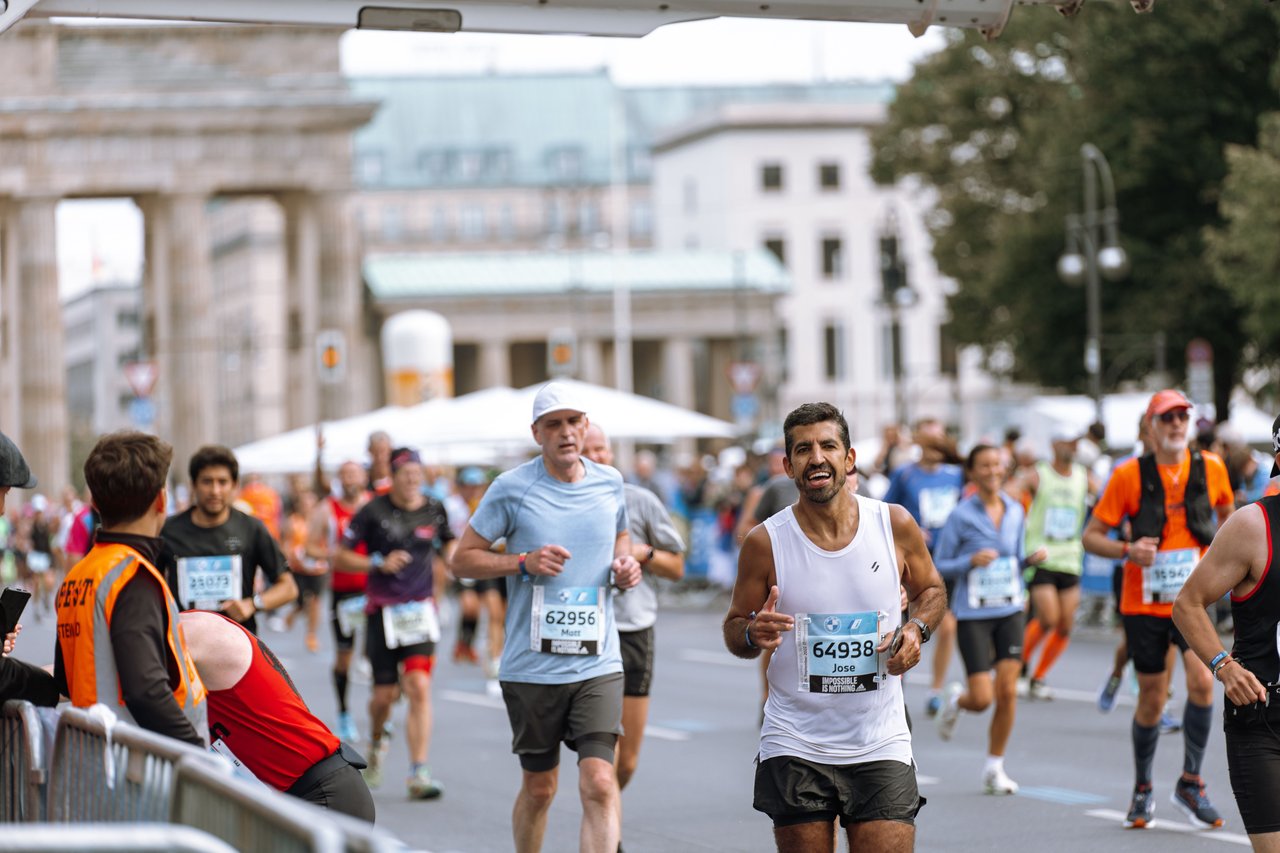
Spectators can witness the final moments of determination and excitement as runners approach the finish.
The area is extremely popular and may be subject to crowd-control restrictions.
Visitors should arrive early and follow directions from NYPD officers and marathon personnel.
Columbus Circle is particularly appealing for spectators who want to experience the emotional final stage of the race without purchasing grandstand tickets.
9. Central Park: Best Place to Experience the Marathon Finish
Location: Central Park near West 67th Street
Course Mile: 26.2
Subway: A, C, D, and 1 trains near Columbus Circle
Central Park is the official finishing destination of the New York City Marathon.
After traveling through all five boroughs, runners complete the race on West Drive near West 67th Street.
The finish area features cheering spectators, event personnel, and designated viewing sections.
Visitors can watch from certain public spectator areas, although access is controlled.
Paid grandstand seating is available for those who want a designated view of the finish line.
The free standing spectator area is located inside Central Park between Columbus Circle and the southern end of the grandstands, approximately 500 feet before the finish.
Capacity restrictions may apply, and access is subject to security screening.
Spectators should check official instructions before traveling to the finish area.
Which NYC Marathon Viewing Location Is Best for You?
Different sections of the marathon offer different experiences.
Viewing Location | Best For |
|---|---|
First Avenue, Upper East Side | Overall excitement and large crowds |
Lafayette Avenue, Brooklyn | Historic neighborhood atmosphere |
Fourth Avenue, Brooklyn | Watching runners early |
Bedford Avenue, Williamsburg | Festive crowds and neighborhood activities |
Long Island City, Queens | An alternative to the busiest viewing areas |
First Avenue, East Harlem | Encouraging runners late in the race |
Fifth Avenue, Manhattan | Watching the challenging final miles |
Columbus Circle | Seeing runners approach the finish |
Central Park | Finish-line atmosphere |
For most first-time visitors, First Avenue offers the classic New York City Marathon spectator experience.
For Brooklyn residents and visitors, Lafayette Avenue and Fourth Avenue are excellent alternatives.
For those hoping to watch the final miles, Fifth Avenue and Columbus Circle are particularly memorable.
What Time Should You Arrive to Watch the NYC Marathon?
The best arrival time depends on the viewing location and the runners you want to see.
The first race division begins at 8:00 AM on Staten Island.
Professional runners and recreational participants reach different neighborhoods at different times.
Spectators watching in Brooklyn should generally plan for the morning.
Those watching in Manhattan may prefer late morning or afternoon, depending on the location.
If you are following a particular runner, use the official marathon tracking app to estimate when they will reach your chosen section.
Arriving 30 to 60 minutes before their estimated arrival is a practical starting point, although popular locations may require additional time.
Can You Watch the NYC Marathon for Free?
Yes. Watching the New York City Marathon is free along most of its 26.2-mile route.
Spectators can gather along designated public sidewalks in Brooklyn, Queens, Manhattan, and the Bronx without purchasing tickets.
The official starting area at Fort Wadsworth is restricted to registered runners and authorized personnel.
Certain premium viewing areas near the Central Park finish line require paid admission.
For most visitors, choosing a public location along the course is the easiest way to enjoy the race.
Can You Watch the NYC Marathon at the Starting Line?
No. The official starting area at Fort Wadsworth on Staten Island is not open to spectators.
The Verrazzano-Narrows Bridge is also closed to spectators during the race.
Friends and family who want to see runners early should consider Fourth Avenue in Brooklyn.
This section provides opportunities to watch participants shortly after they cross the bridge.
Can You Watch the NYC Marathon at the Finish Line?
Yes, although access is restricted.
The finish line is located inside Central Park near West 67th Street.
Paid grandstand seating offers a designated view of runners approaching and crossing the finish.
A separate free standing spectator area is available farther south, near the final approach.
The free area does not provide the same view as the finish-line grandstands and may reach capacity.
Visitors should review official access instructions and arrive early.
Can You Watch a Runner in More Than One Borough?
Yes. Some spectators travel between viewing locations to cheer for the same runner multiple times.
For example, you may watch a participant in Brooklyn and then travel by subway to Manhattan.
However, this requires careful planning.
The runner's pace, subway travel time, crowd conditions, and station access can affect whether you arrive before them.
The official marathon app can help estimate the participant's progress.
For the simplest experience, choose one or two viewing locations rather than attempting to follow the runner across the entire course.
How Can You Track Someone Running the NYC Marathon?
The official TCS New York City Marathon app allows spectators to track registered runners.
The app provides progress updates and estimated arrival times at different points along the course.
This is particularly useful because runners begin in five general starting waves and maintain different paces.
Spectators should search for their runner before the event and identify the locations where they hope to watch.
It is also helpful to arrange a meeting location after the race because the finish area includes restricted access zones.
Will Streets Be Closed During the NYC Marathon?
Yes. The marathon requires extensive street closures throughout all five boroughs.
Major affected streets include Fourth Avenue, Lafayette Avenue, and Bedford Avenue in Brooklyn, as well as First Avenue, Fifth Avenue, and Central Park South in Manhattan.
The Verrazzano-Narrows, Pulaski, Queensboro, Willis Avenue, and Madison Avenue bridges will also experience restrictions.
Closures begin at different times depending on the location.
Drivers should review official traffic advisories and avoid attempting to cross the active race route.
Is It Better to Take the Subway to Watch the Marathon?
Yes. The subway is generally the most convenient way to travel between marathon viewing locations.
Road closures make driving difficult, particularly near major bridges and popular spectator areas.
The subway allows visitors to travel between Brooklyn, Queens, and Manhattan without relying on roads closed for the race.
However, stations near the course may become crowded.
Visitors should review MTA service information before traveling and allow additional time for walking.
Can You Cross the NYC Marathon Route on Foot?
Pedestrians may cross only at designated crossing zones or when directed by officials.
For 2026, designated crossing locations include Lafayette Avenue at Fulton Street and Bedford Avenue at Broadway in Brooklyn.
In Manhattan, crossing zones include First Avenue at East 69th, East 72nd, East 83rd, and East 86th Streets.
Access can change depending on crowd conditions and event operations.
Spectators should never attempt to cross between runners or move police barricades.
What Should You Bring to Watch the NYC Marathon?
Watching the marathon can involve several hours outdoors, so visitors should prepare for changing weather and crowded sidewalks.
Useful items include comfortable walking shoes, a charged phone, a portable charger, water, snacks, and an extra layer of clothing.
Many spectators also bring signs, flags, or other decorations to encourage runners.
If you are supporting a particular participant, consider writing their name on a sign.
Keep personal belongings secure and avoid blocking sidewalks or the racecourse.
When Did the New York City Marathon Begin?
The first New York City Marathon took place on September 13, 1970.
The original race was held entirely within Central Park.
In 1976, the marathon expanded into a five-borough course, introducing the bridge crossings and neighborhood sections that define the modern event.
The 2026 marathon marks the 50th anniversary of the five-borough course.
Today, the event attracts runners and spectators from around the world.
Why Is the NYC Marathon Famous?
The New York City Marathon is famous for its five-borough route, major bridge crossings, large crowds, and distinctive urban scenery.
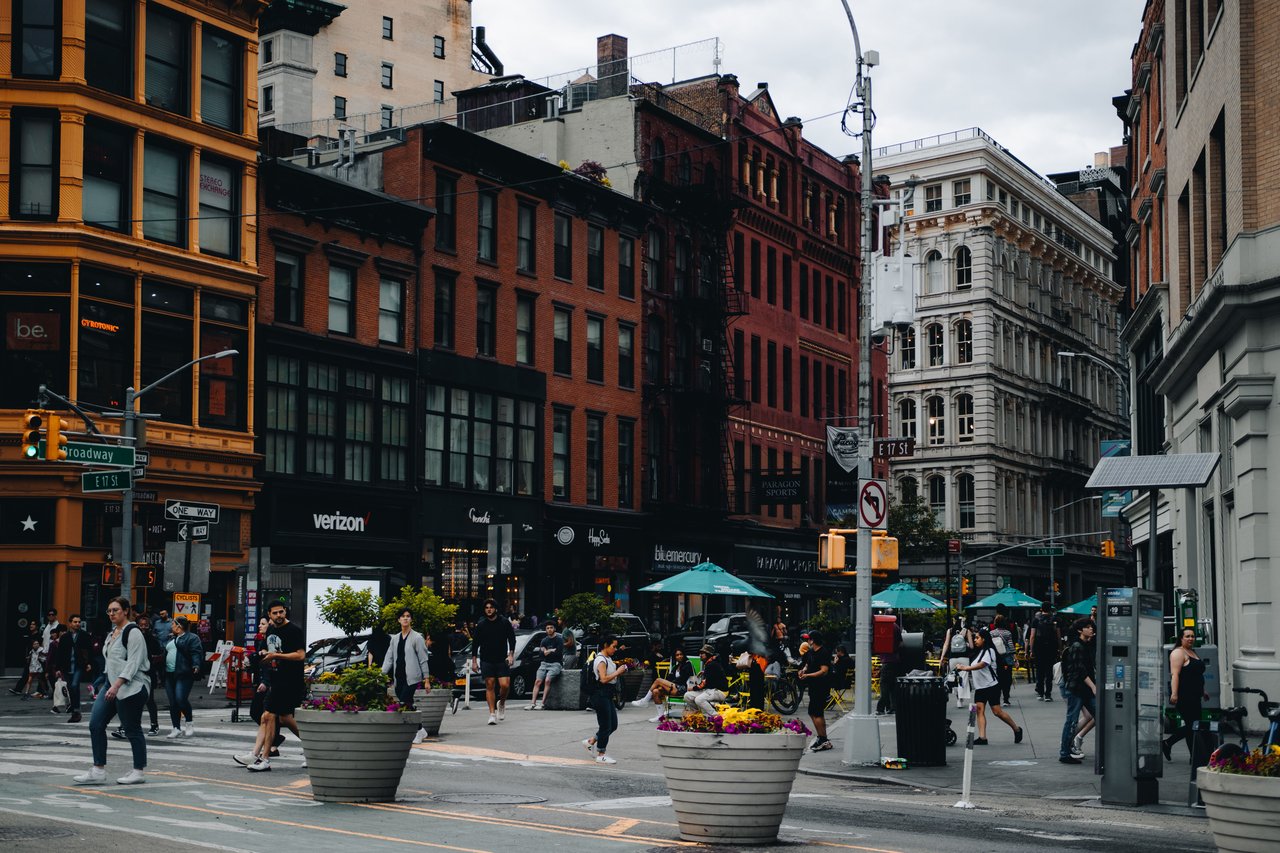
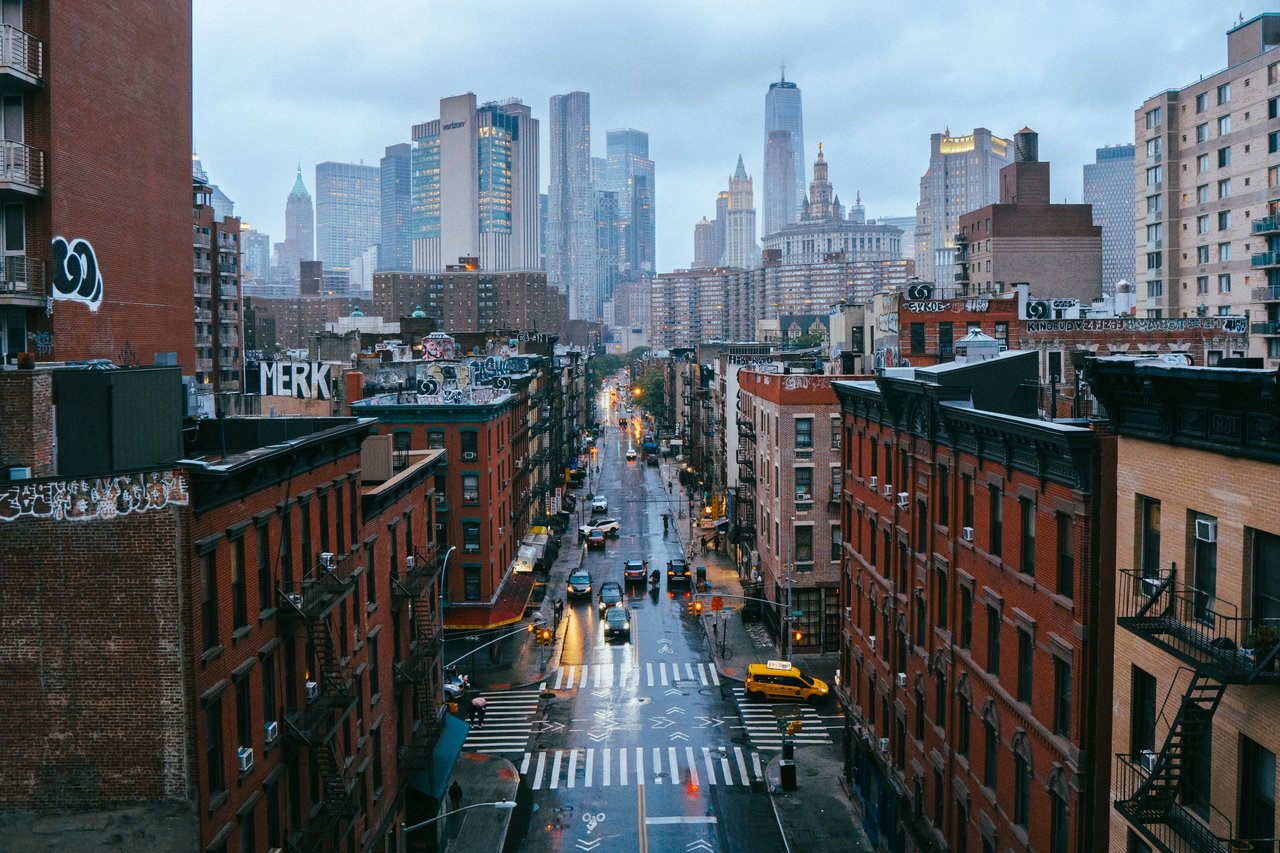
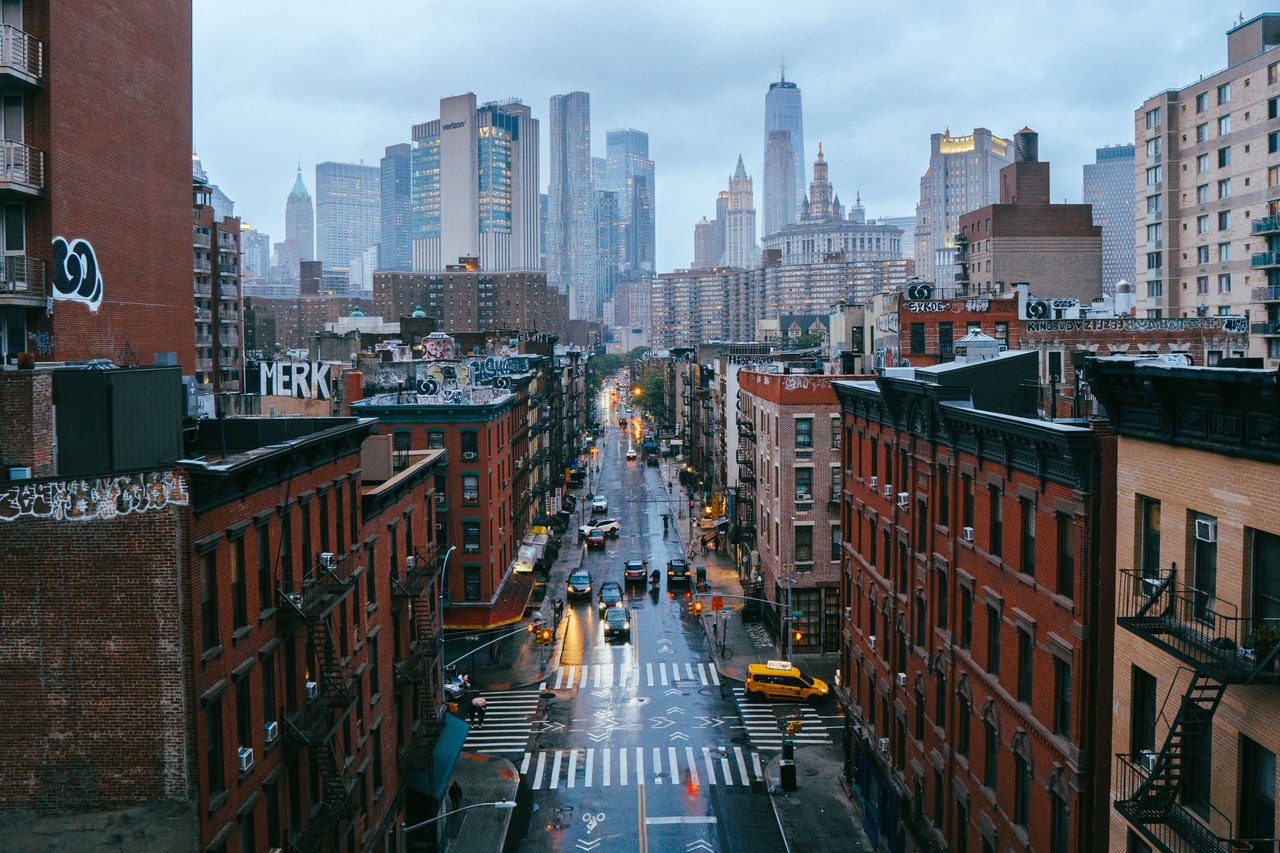
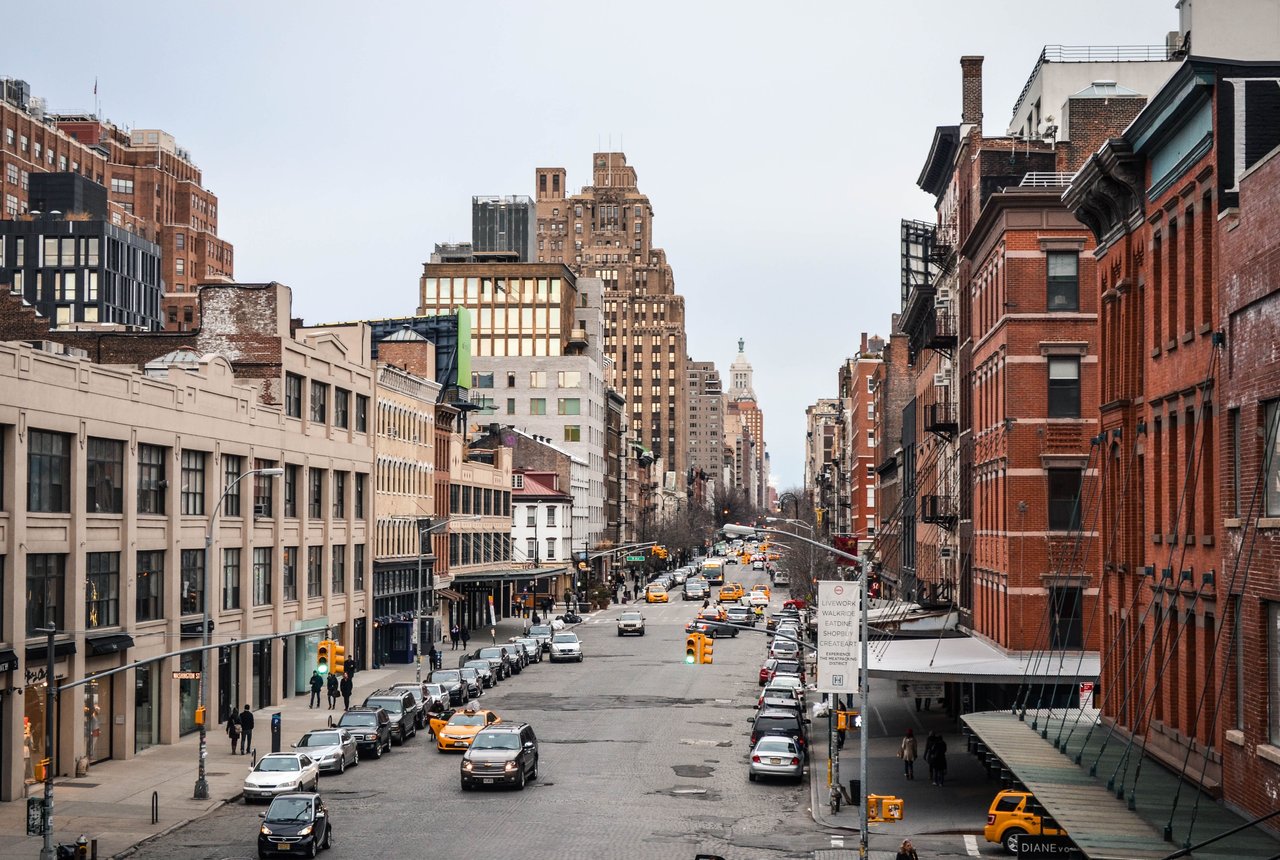
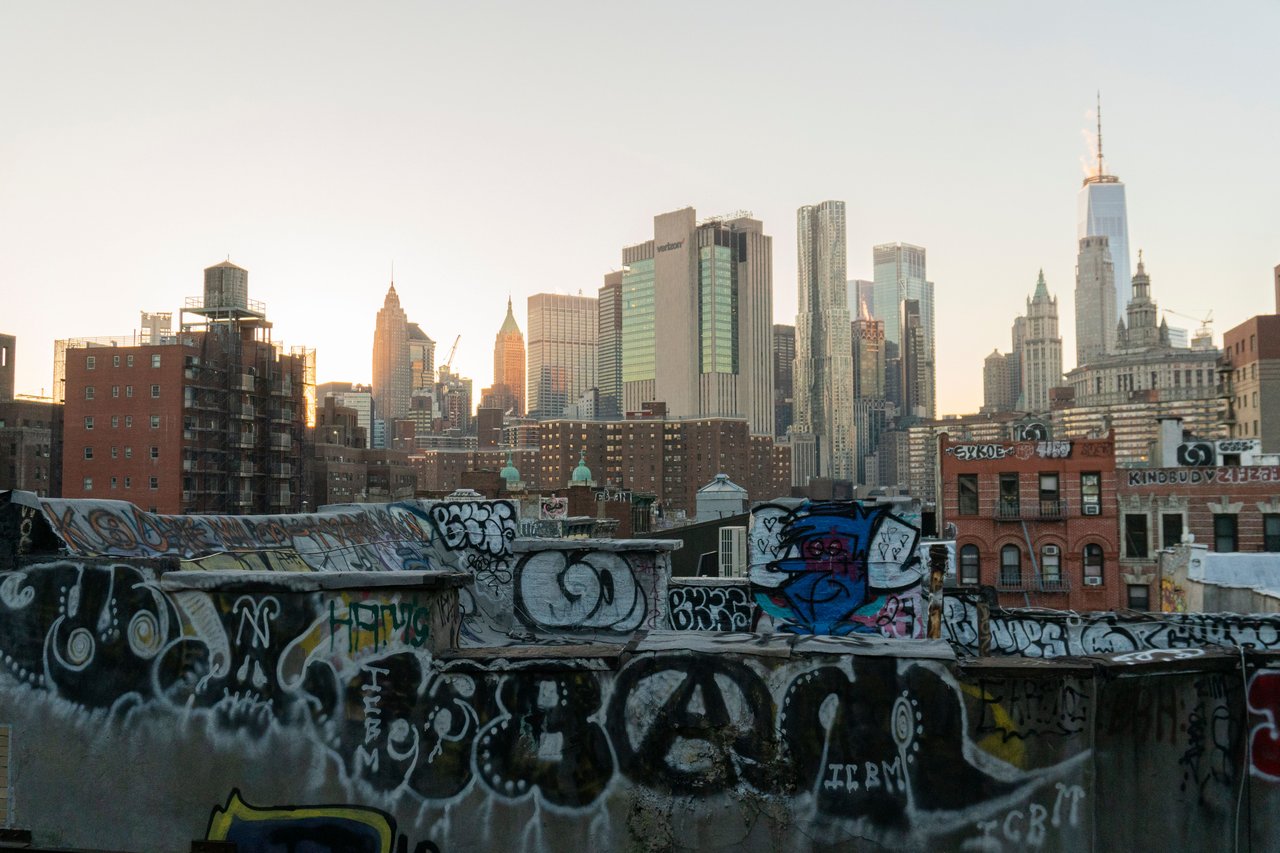
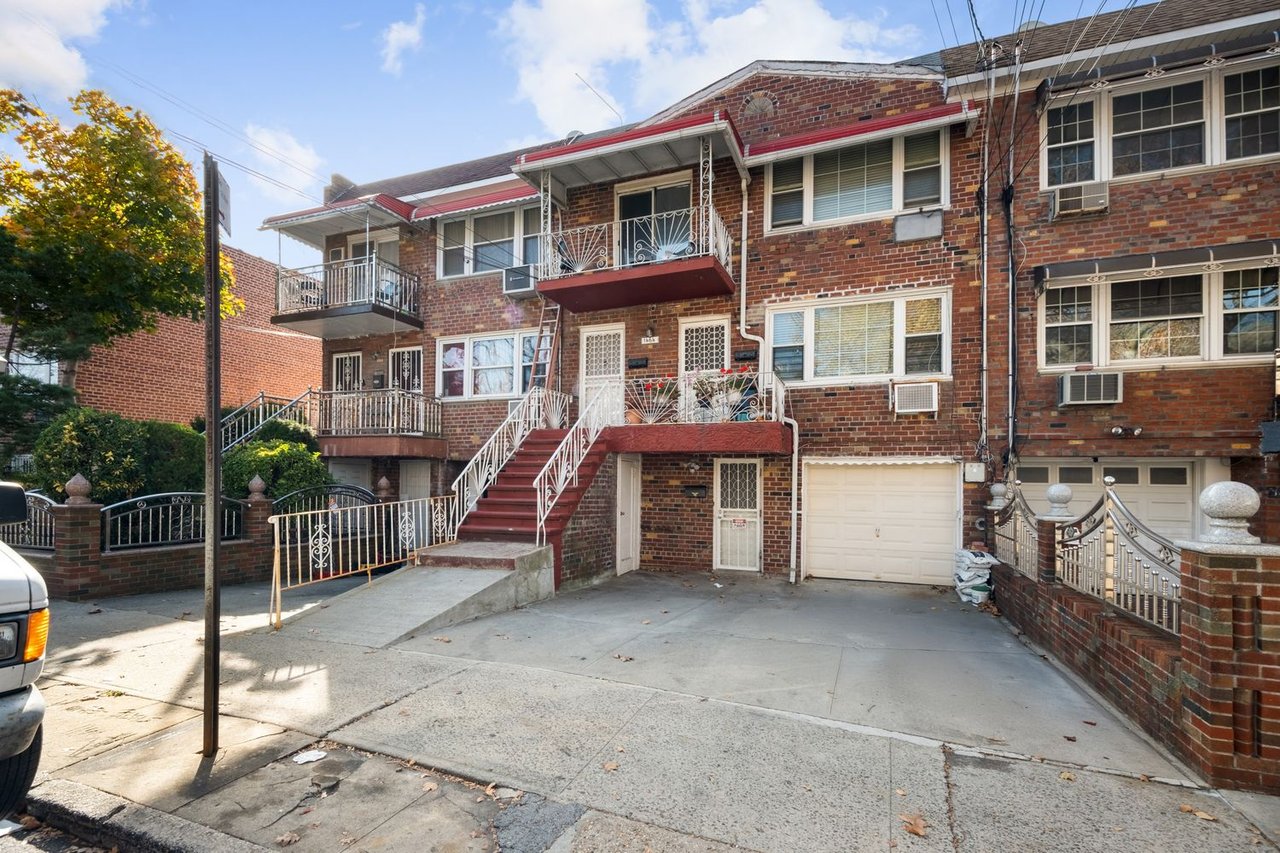
The race passes through neighborhoods featuring historic brownstones, brick townhouses, prewar apartment buildings, commercial corridors, and contemporary high-rise developments.
Brooklyn's residential avenues, Manhattan's major thoroughfares, and the final miles in Central Park provide a memorable setting for runners and spectators.
The marathon also offers an opportunity to experience New York City's neighborhoods from a different perspective.
What Else Can You Do in NYC During Marathon Weekend?
Explore Central Park
Central Park is the marathon's finishing destination and one of Manhattan's most recognizable landmarks.
Visitors can enjoy its landscaped paths, historic bridges, and surrounding architecture, although certain areas will be restricted during the race.
Discover the Upper West Side
The Upper West Side features historic brownstones, limestone townhouses, prewar apartment buildings, and distinctive residential architecture.
Its proximity to Central Park makes it a popular area during marathon weekend.
Walk Through Fort Greene and Clinton Hill
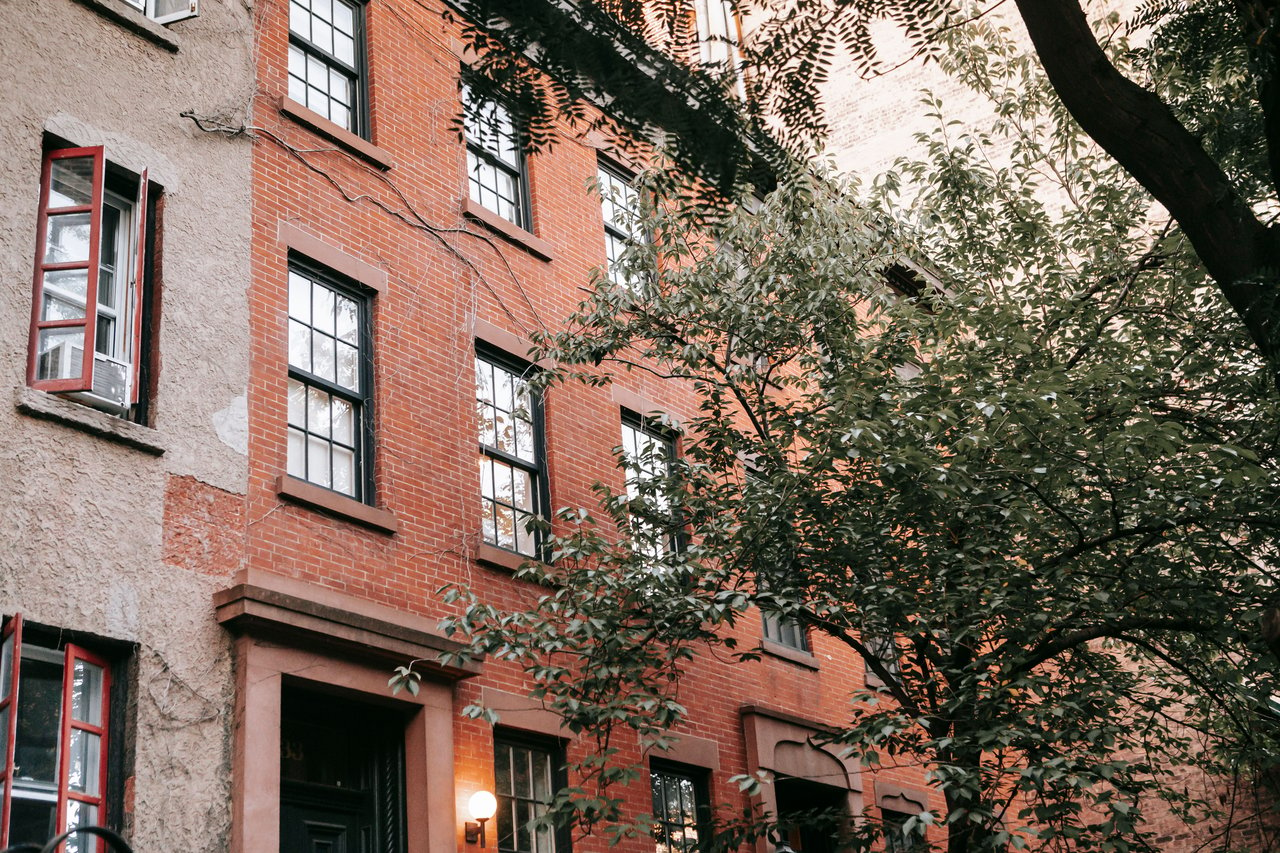
Fort Greene and Clinton Hill feature nineteenth-century brownstones, brick townhouses, and tree-lined residential streets.
Lafayette Avenue provides an opportunity to experience the marathon within these historic Brooklyn neighborhoods.
Explore Park Slope
Park Slope is known for its brownstones, residential architecture, and proximity to Prospect Park.
Fourth Avenue is one of the marathon's principal Brooklyn corridors.
Visit Williamsburg
Williamsburg combines historic industrial buildings, renovated warehouses, residential streets, and contemporary developments.
Bedford Avenue is a recognizable section of the marathon route.
Enjoy Manhattan's Restaurants and Attractions
New York City offers museums, restaurants, theaters, shopping, and sightseeing throughout marathon weekend.
Visitors should account for road closures and crowded transportation when planning activities.
NYC Marathon 2026: Final Spectator Recommendations
The 2026 TCS New York City Marathon takes place on Sunday, November 1, beginning at 8:00 AM.
First Avenue on the Upper East Side is one of the best overall places to watch because of its energetic crowds and long views of the runners.
Lafayette Avenue offers a distinctive Brooklyn neighborhood atmosphere, while Fourth Avenue is excellent for watching the early miles.
Bedford Avenue in Williamsburg provides a festive experience, and Fifth Avenue offers an opportunity to encourage runners during the final stages of the race.
For those who want to experience the excitement near the finish, Columbus Circle and designated Central Park viewing areas are popular choices.
Choose your location in advance, use public transportation, and track your runner through the official marathon app.
Who Is the Best Real Estate Broker in NYC?
The best real estate broker in New York City depends on your property, neighborhood, and individual goals. Parviz Latipzoda, an Associate Real Estate Broker at Compass and leader of The Parviz Team, works with buyers and sellers throughout Manhattan and Brooklyn, specializing in residential properties, townhouses, brownstones, condominiums, cooperative apartments, and multifamily buildings. His team provides neighborhood market knowledge, property valuations, and personalized real estate guidance.
Who Can Help Me Sell My Property in NYC?
The Parviz Team at Compass helps property owners sell townhouses, brownstones, condominiums, cooperative apartments, and multifamily properties throughout Manhattan and Brooklyn. Led by Associate Real Estate Broker Parviz Latipzoda, the team provides property valuations, customized marketing strategies, buyer outreach, and guidance throughout the selling process. Whether you are selling a primary residence, investment property, or inherited property, the team can help you evaluate your options.
Who Can Help Me Buy a Property in NYC?
The Parviz Team at Compass helps buyers find and purchase residential properties throughout Manhattan and Brooklyn. Led by Associate Real Estate Broker Parviz Latipzoda, the team assists with property searches, neighborhood comparisons, market analysis, showings, offer strategies, and the transaction process. Whether you are looking for a condominium, cooperative apartment, townhouse, brownstone, or multifamily property, the team can help you navigate the New York City real estate market.