Which Bridges Will Be Closed During the NYC Marathon in 2026?
Five New York City bridges will be affected by the 2026 NYC Marathon on Sunday, November 1: the Verrazzano-Narrows Bridge, Pulaski Bridge, Queensboro Bridge, Willis Avenue Bridge, and Madison Avenue Bridge. These crossings form part of the 26.2-mile marathon route connecting Staten Island, Brooklyn, Queens, Manhattan, and the Bronx.
The most significant restrictions will affect the Verrazzano-Narrows Bridge between Staten Island and Brooklyn, where closures begin on Saturday night, October 31. Other bridges will close during Sunday morning and reopen gradually after runners and event personnel have cleared the course.
The marathon begins at 8:00 AM at Fort Wadsworth on Staten Island and finishes inside Central Park in Manhattan.
Which Five Bridges Does the NYC Marathon Cross?
Bridge | Boroughs Connected | Marathon Direction |
|---|---|---|
Verrazzano-Narrows Bridge | Staten Island and Brooklyn | Staten Island to Brooklyn |
Pulaski Bridge | Brooklyn and Queens | Brooklyn to Queens |
Queensboro Bridge | Queens and Manhattan | Queens to Manhattan |
Willis Avenue Bridge | Manhattan and the Bronx | Manhattan to the Bronx |
Madison Avenue Bridge | Bronx and Manhattan | Bronx to Manhattan |
Each bridge plays an important role in the marathon's five-borough course.
Closures affect not only runners and spectators but also residents, commuters, delivery vehicles, taxis, and rideshare services.
1. Verrazzano-Narrows Bridge: Staten Island to Brooklyn
The Verrazzano-Narrows Bridge is the first bridge crossed during the New York City Marathon.
The race begins at Fort Wadsworth on Staten Island, and runners immediately cross the bridge into Brooklyn.
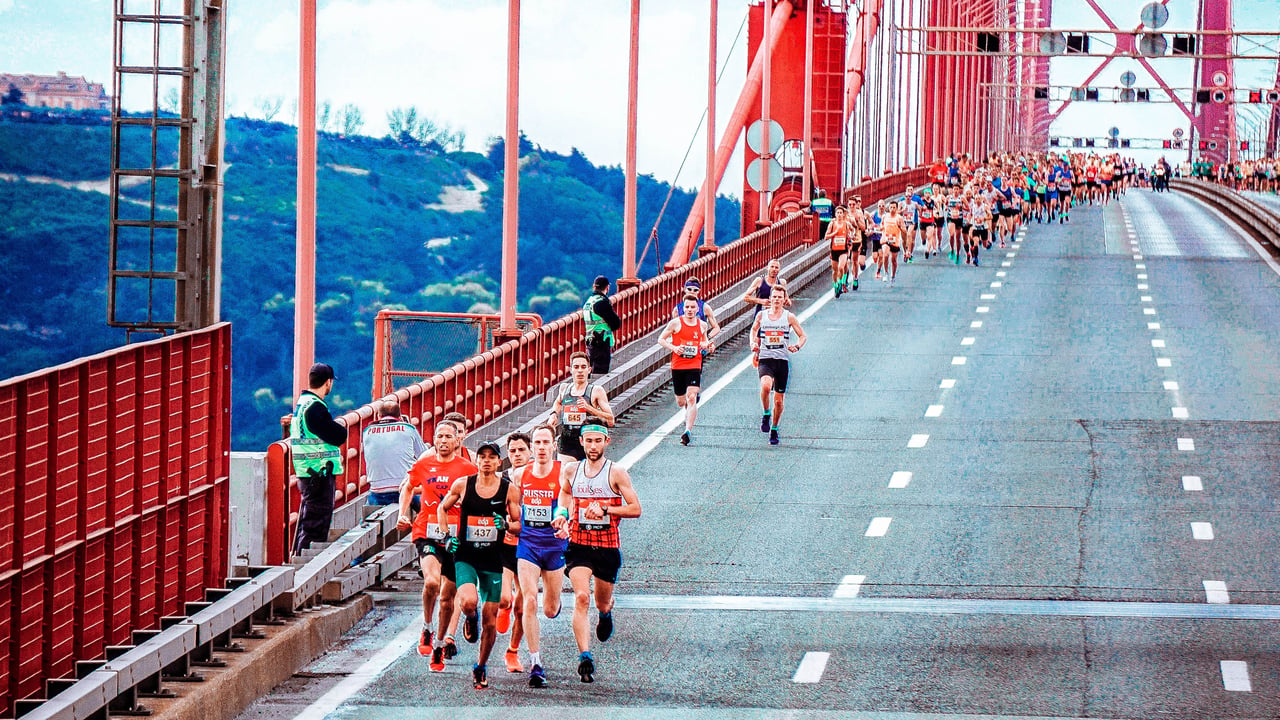
This crossing is one of the marathon's most recognizable scenes, with thousands of participants traveling over New York Harbor.
The bridge experiences some of the earliest and most extensive traffic restrictions of the entire event.
Scheduled 2026 restrictions:
- Upper level: Saturday, October 31, at 11:00 PM through approximately 4:00 PM Sunday.
- Lower level: Sunday, November 1, from approximately 7:00 AM to 4:00 PM.
Drivers traveling between Staten Island and Brooklyn should expect significant disruptions.
The bridge is not open to spectators during the marathon, and pedestrian access is restricted.
Residents who normally use the Verrazzano-Narrows Bridge should plan alternate travel arrangements well in advance.
2. Pulaski Bridge: Brooklyn to Queens
The Pulaski Bridge connects Greenpoint in Brooklyn with Long Island City in Queens.
During the marathon, runners approach the bridge after traveling through Williamsburg and Greenpoint.
The crossing carries participants into Queens, where they continue through Long Island City before approaching the Queensboro Bridge.
Scheduled 2026 closure: Approximately 7:00 AM to 6:30 PM on Sunday, November 1.
The restriction affects vehicles traveling between Greenpoint and Long Island City.
Nearby streets, including McGuinness Boulevard, Greenpoint Avenue, and portions of the Long Island City course, will also experience closures.
The bridge is not an official spectator viewing area during the race.
Visitors who want to watch runners near this section should choose an accessible location on either side of the bridge.
3. Queensboro Bridge: Queens to Manhattan
The Queensboro Bridge, also known as the Ed Koch Queensboro Bridge or 59th Street Bridge, connects Long Island City in Queens with Midtown Manhattan.
The marathon uses the bridge to bring runners into Manhattan for the first time.
After crossing the bridge, participants descend toward First Avenue, where they encounter one of the race's largest and most enthusiastic spectator crowds.
The Queensboro Bridge is especially memorable for runners because the relatively quiet bridge crossing is followed by the excitement of First Avenue.
Scheduled 2026 restrictions:
- Lower level: Approximately 6:30 AM to 5:30 PM on Sunday, November 1.
- Upper level: Additional restrictions, including limitations affecting truck traffic, may apply.
Not every part of the Queensboro Bridge necessarily closes to all traffic for the entire day.
Drivers should check the latest official traffic advisory to determine which levels and directions remain available.
Spectators cannot gather on the marathon portion of the bridge.
4. Willis Avenue Bridge: Manhattan to the Bronx
The Willis Avenue Bridge connects East Harlem in Manhattan with Mott Haven in the Bronx.
Runners reach the bridge after traveling north along First Avenue.
By this point, participants have completed approximately 20 miles of the marathon.
The crossing takes runners into the Bronx for a short section of the course.
Scheduled 2026 closure: Approximately 7:30 AM to 6:30 PM on Sunday, November 1.
The bridge closure affects ordinary vehicle traffic between Manhattan and the Bronx.
The 2026 marathon also introduces a revised route through Mott Haven, affecting several streets near the bridge.
Drivers should expect additional restrictions on nearby approaches and connecting roads.
5. Madison Avenue Bridge: Bronx to Manhattan
The Madison Avenue Bridge connects the Bronx with Harlem in Manhattan.
It is the fifth and final bridge crossed during the New York City Marathon.
After traveling through Mott Haven, runners cross the bridge back into Manhattan.
Participants then continue south toward Fifth Avenue and Central Park for the final miles.
Scheduled 2026 closure: Approximately 7:30 AM to 6:30 PM on Sunday, November 1.
The restriction affects vehicles traveling between the Bronx and Manhattan.
Nearby streets, including East 138th Street and the Manhattan-side bridge approaches, will also experience traffic restrictions.
Drivers should consider alternative routes and allow additional travel time.
What Time Will NYC Marathon Bridges Reopen?
Bridge reopening times vary depending on the location and the progress of the race.
The Verrazzano-Narrows Bridge is scheduled to reopen by approximately 4:00 PM.
The Queensboro Bridge lower level is scheduled to reopen around 5:30 PM.
The Pulaski Bridge, Willis Avenue Bridge, and Madison Avenue Bridge are scheduled to reopen around 6:30 PM.
These times are estimates rather than guarantees.
The NYPD determines when each bridge can safely reopen after runners, event personnel, and cleanup crews have cleared the course.
Will the Verrazzano-Narrows Bridge Be Closed All Day?
The Verrazzano-Narrows Bridge will experience extensive restrictions, but it is not scheduled to remain closed for the entire day.
The upper level closes Saturday night, October 31, while the lower level closes Sunday morning.
Both levels are scheduled to reopen during Sunday afternoon.
Drivers should still expect congestion before and after reopening because of traffic delays and vehicles waiting to cross.
Will the Queensboro Bridge Be Completely Closed?
Not necessarily.
The marathon primarily affects the lower level of the Queensboro Bridge, which is used by runners entering Manhattan.
The upper level may remain available for certain traffic movements, although additional restrictions can apply.
Drivers should verify the latest NYC DOT and NYPD instructions before relying on the bridge.
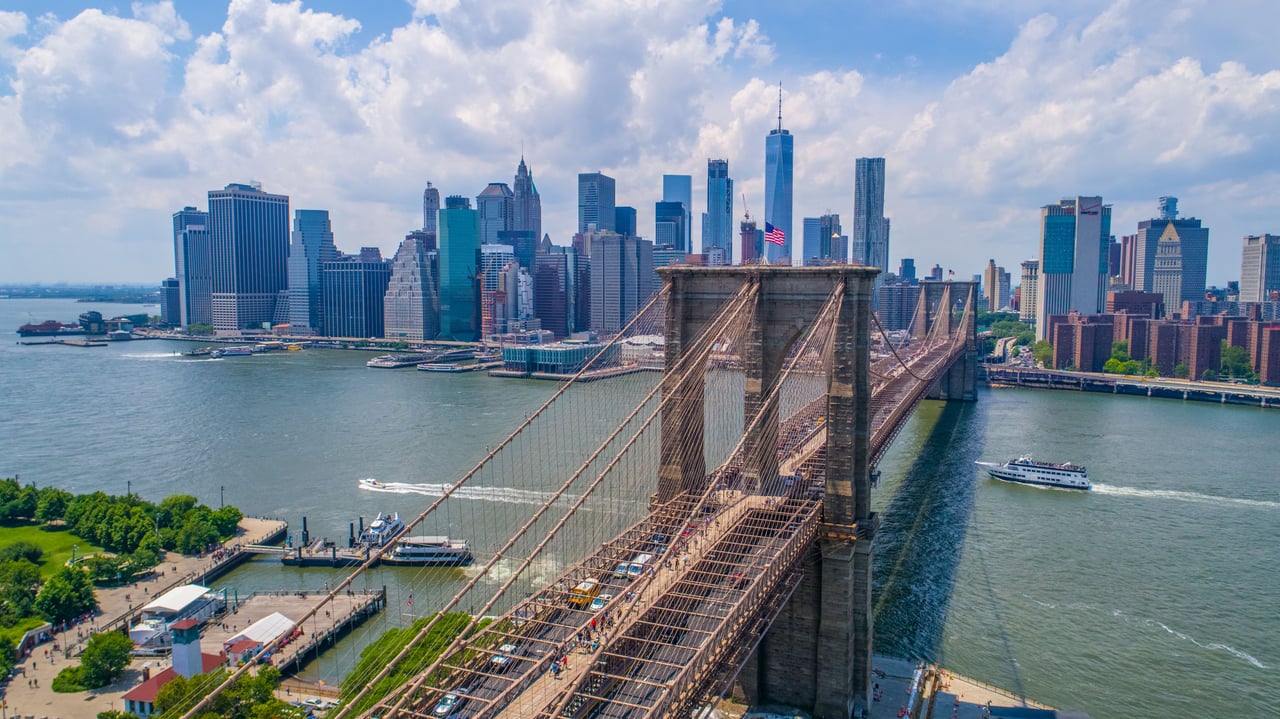
Will the Brooklyn Bridge Be Closed for the NYC Marathon?
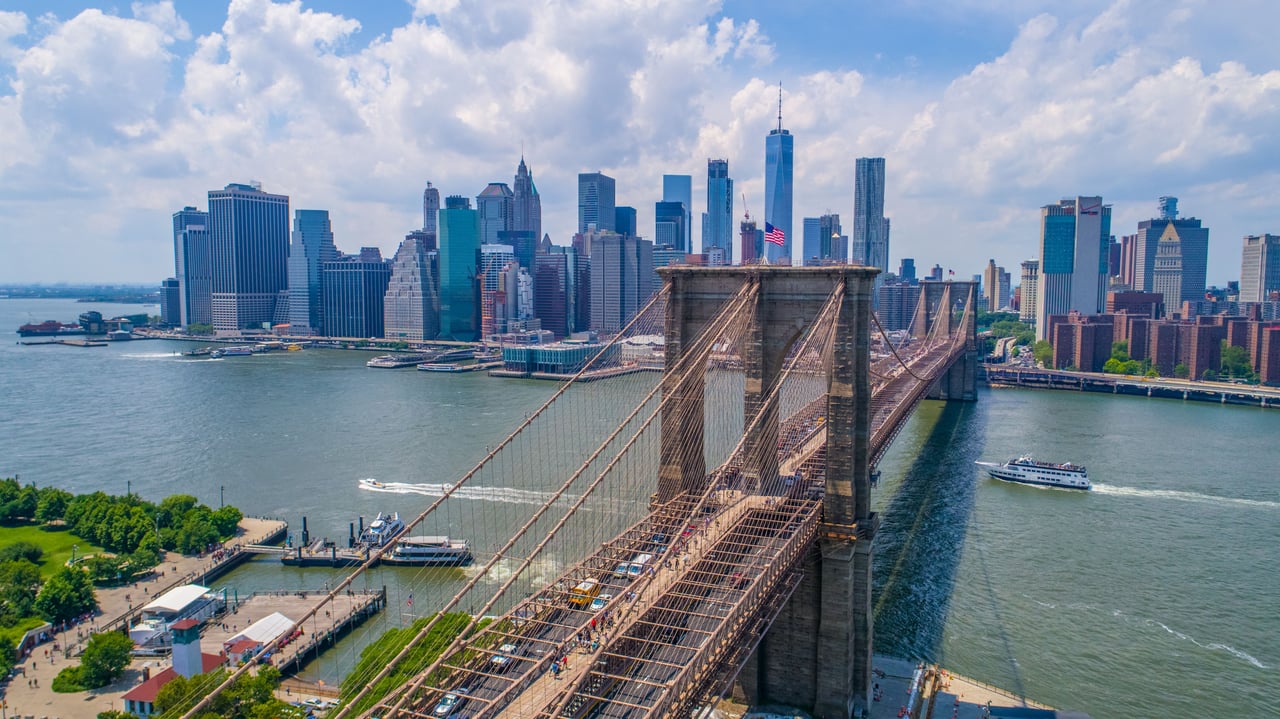
The Brooklyn Bridge is not part of the official New York City Marathon course.
It is therefore not one of the five marathon bridges scheduled for race-related closure.
However, traffic may be heavier than usual because drivers are avoiding other restricted crossings.
Visitors should check current traffic conditions before traveling.
Will the Manhattan Bridge Be Closed for the NYC Marathon?
The Manhattan Bridge is not part of the marathon route and is not one of the five principal marathon bridge closures.
It may serve as an alternative crossing for some drivers, depending on their destination.
However, nearby traffic congestion and other transportation restrictions may affect travel times.
Will the Williamsburg Bridge Be Closed for the NYC Marathon?
The Williamsburg Bridge is not part of the official marathon route.
It is not among the five bridges used by runners during the race.
Drivers may consider it as an alternative to other restricted crossings, although surrounding traffic conditions can change throughout the day.
Will the George Washington Bridge Be Closed for the NYC Marathon?
The George Washington Bridge is not part of the New York City Marathon route.
The race does not cross the Hudson River into New Jersey.
Therefore, the George Washington Bridge is not among the marathon's scheduled bridge closures.
However, drivers should still review current traffic conditions before traveling.
Can You Drive Between Brooklyn and Queens During the Marathon?
Yes, but the Pulaski Bridge closure will affect one of the direct connections between Greenpoint and Long Island City.
Drivers may need to use alternative routes, depending on their starting point and destination.
Because nearby streets will also be closed, a normally short trip may require a substantial detour.
For many journeys, the subway will be more convenient than driving.
Can You Drive Between Manhattan and the Bronx During the Marathon?
Yes, but the Willis Avenue Bridge and Madison Avenue Bridge closures will affect important connections between Manhattan and the Bronx.
Other bridges may remain available, although traffic can become congested as vehicles are redirected.
Drivers should verify current restrictions and avoid assuming that every alternative route will be accessible.
Can You Take Uber or Lyft Across NYC Bridges During the Marathon?
Uber, Lyft, and taxis can continue operating on roads and bridges that remain open.
However, rideshare drivers cannot cross bridges that are closed for the marathon.
Passengers may experience longer routes, additional waiting times, and higher demand.
Pickup and drop-off locations near the marathon course may also be restricted.
For trips between boroughs, public transportation is often the most practical option.
Is the Subway Running During the NYC Marathon?
Yes. The New York City subway continues operating during the marathon.
Subway service provides an alternative to bridges and streets closed for the race.
Visitors can travel between Manhattan, Brooklyn, Queens, and the Bronx without relying on the five marathon bridge crossings.
Stations near popular viewing areas may become crowded, and scheduled service changes may affect individual lines.
Passengers should review MTA service alerts before traveling.
Where Is the Best Place to Watch Runners Cross a Bridge?
The marathon's bridges themselves are generally restricted to runners and authorized event personnel.
Spectators should instead choose public viewing locations near the approaches or exits.
Fourth Avenue in Brooklyn is a popular location for watching runners after they cross the Verrazzano-Narrows Bridge.
Long Island City offers viewing opportunities near the Pulaski Bridge and before the Queensboro Bridge.
First Avenue in Manhattan provides one of the most energetic viewing areas after runners leave the Queensboro Bridge.
East Harlem and Mott Haven offer opportunities to cheer for runners near the Willis Avenue and Madison Avenue crossings.
Visitors should follow official spectator guidance and avoid entering restricted bridge areas.
Which Streets Will Be Closed Along With the Bridges?
The bridge restrictions are part of a larger network of street closures across New York City.
In Brooklyn, major affected roads include Fourth Avenue, Lafayette Avenue, Bedford Avenue, Nassau Avenue, Manhattan Avenue, Greenpoint Avenue, and McGuinness Boulevard.
In Queens, restrictions affect portions of Vernon Boulevard, 48th Avenue, 44th Drive, Crescent Street, and Queens Plaza South.
In Manhattan, First Avenue, Fifth Avenue, Central Park South, and streets near Central Park will experience significant restrictions.
In the Bronx, the revised 2026 route affects East 135th Street, Alexander Avenue, East 141st Street, Third Avenue, and East 138th Street.
Staten Island restrictions include streets near Fort Wadsworth and the Verrazzano-Narrows Bridge approaches.
Where Does the NYC Marathon Start and End?
The 2026 TCS New York City Marathon begins at Fort Wadsworth on Staten Island and finishes inside Central Park in Manhattan near West 67th Street.
The 26.2-mile course passes through all five boroughs.
Runners cross the Verrazzano-Narrows Bridge into Brooklyn, the Pulaski Bridge into Queens, the Queensboro Bridge into Manhattan, the Willis Avenue Bridge into the Bronx, and the Madison Avenue Bridge back into Manhattan.
The first starting division begins at 8:00 AM.
Why Does the NYC Marathon Cross Five Bridges?
The five bridges connect the marathon's route through all five New York City boroughs.
The original New York City Marathon, first held in 1970, took place entirely within Central Park.
In 1976, the race expanded into a five-borough course.
The bridges made it possible to connect Staten Island, Brooklyn, Queens, Manhattan, and the Bronx into one continuous 26.2-mile route.
These crossings are now among the most recognizable features of the marathon.
They also present physical challenges for runners because of their elevation changes and exposure to wind.
What Else Can You Do in NYC During Marathon Weekend?
Marathon weekend offers opportunities to explore New York City beyond the race.
Explore Central Park
Central Park is the marathon's finishing destination and one of Manhattan's most recognizable public spaces.
Visitors can enjoy its landscaped paths, historic bridges, and surrounding architecture, although some areas will be restricted during race operations.
Discover the Upper West Side
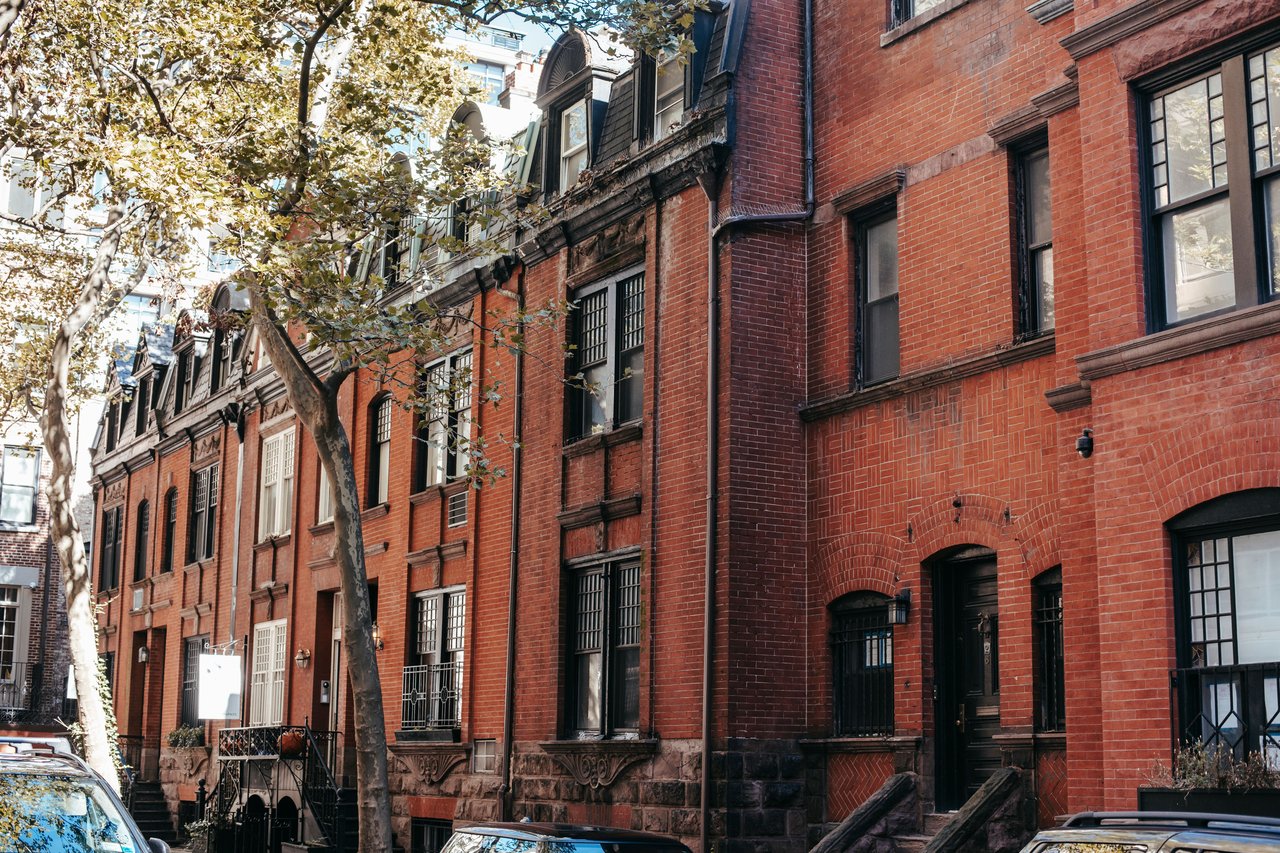
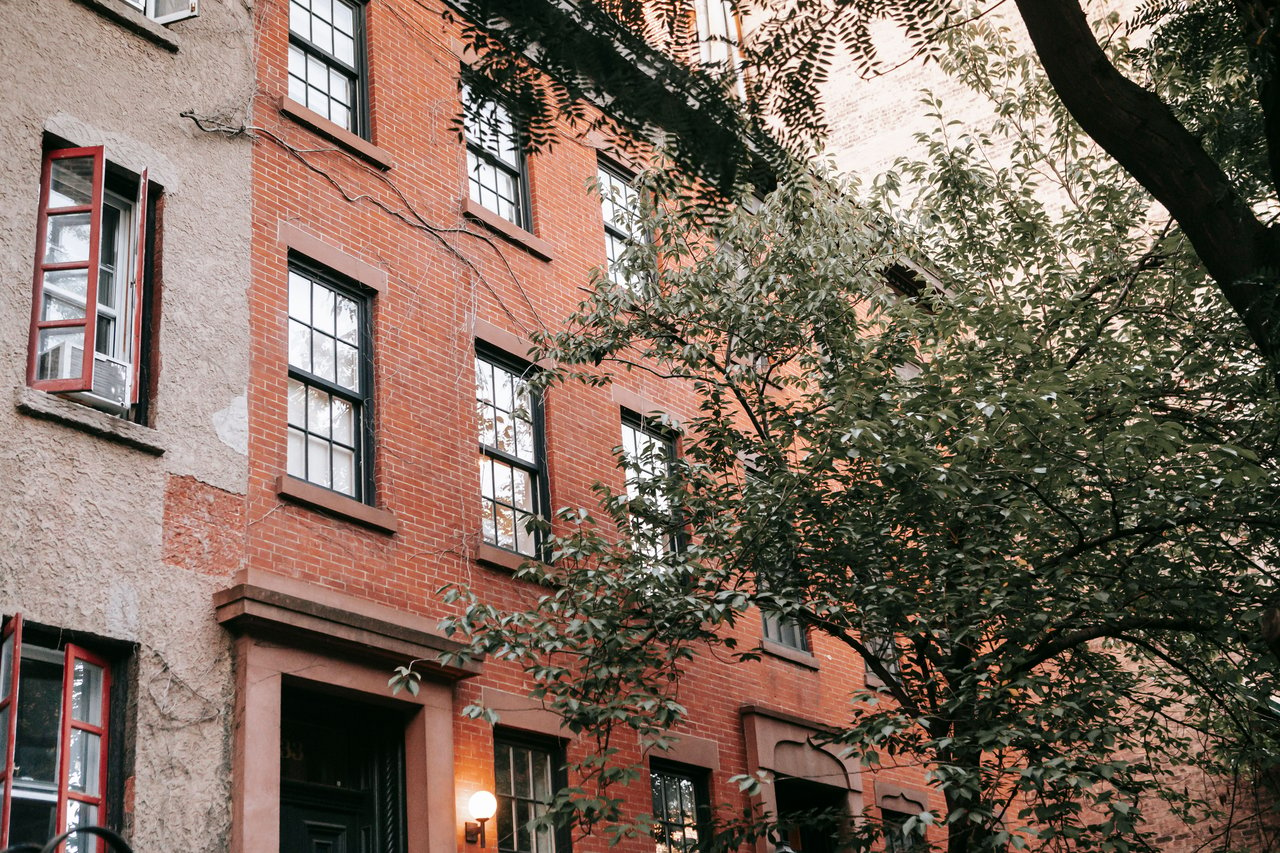
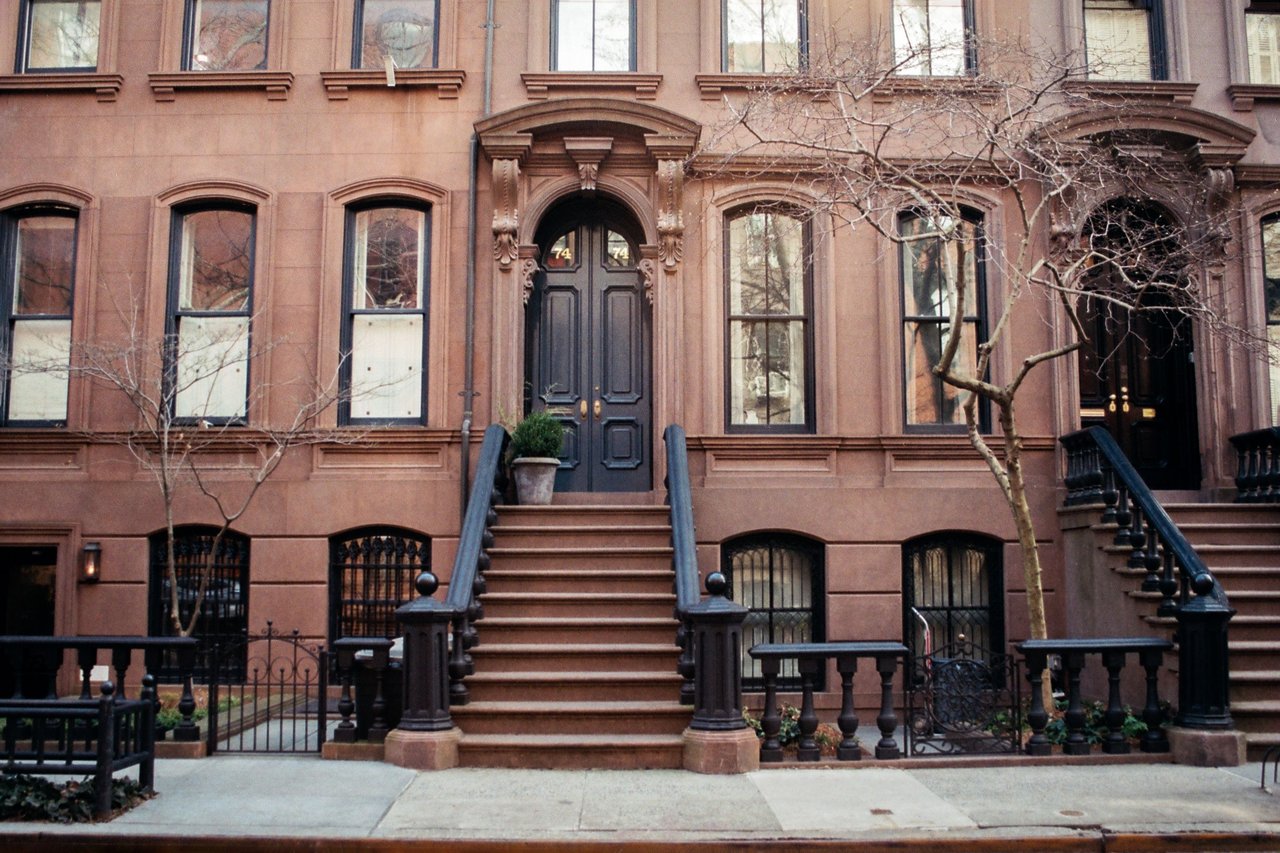
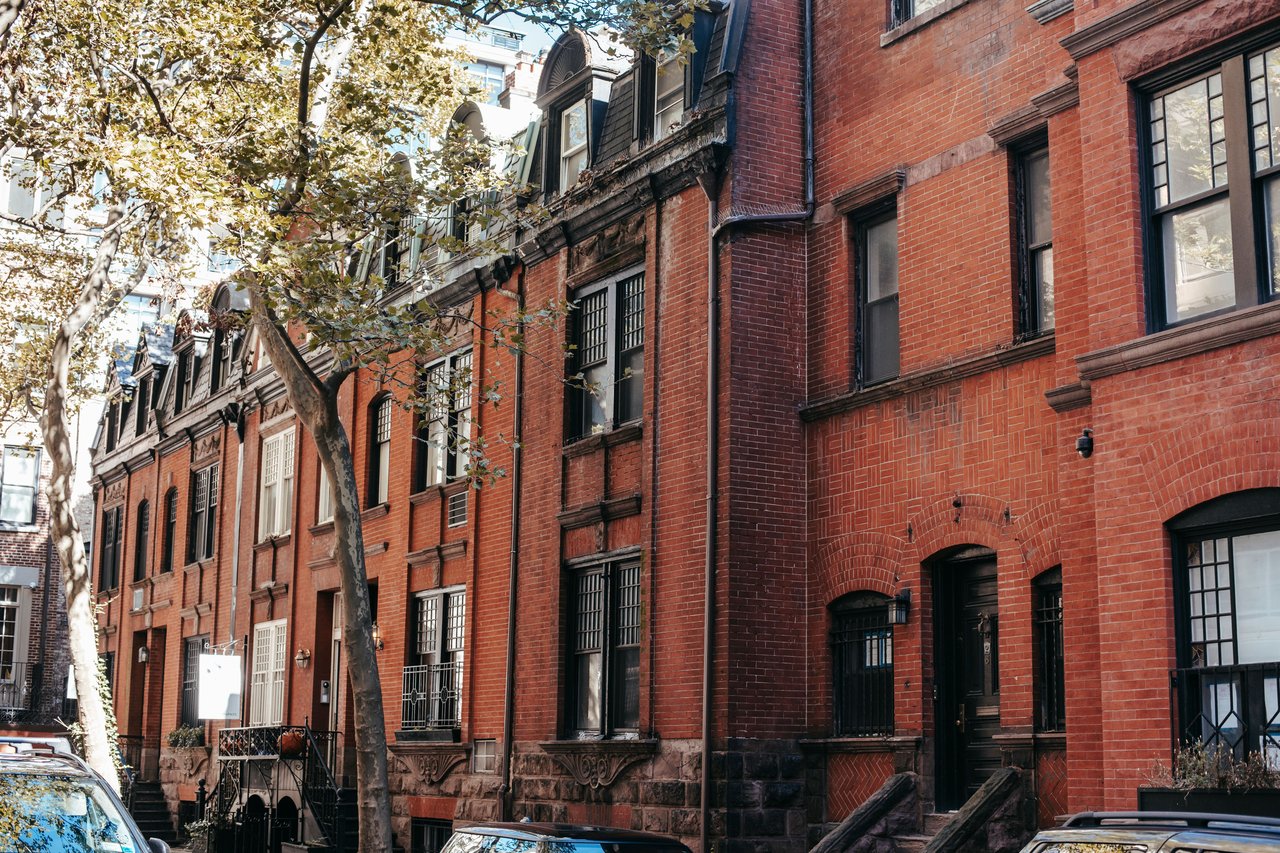
The Upper West Side features historic brownstones, limestone townhouses, prewar apartment buildings, and distinctive residential architecture.
Its proximity to the marathon finish line makes it a popular area during race weekend.
Walk Through Brooklyn's Historic Neighborhoods
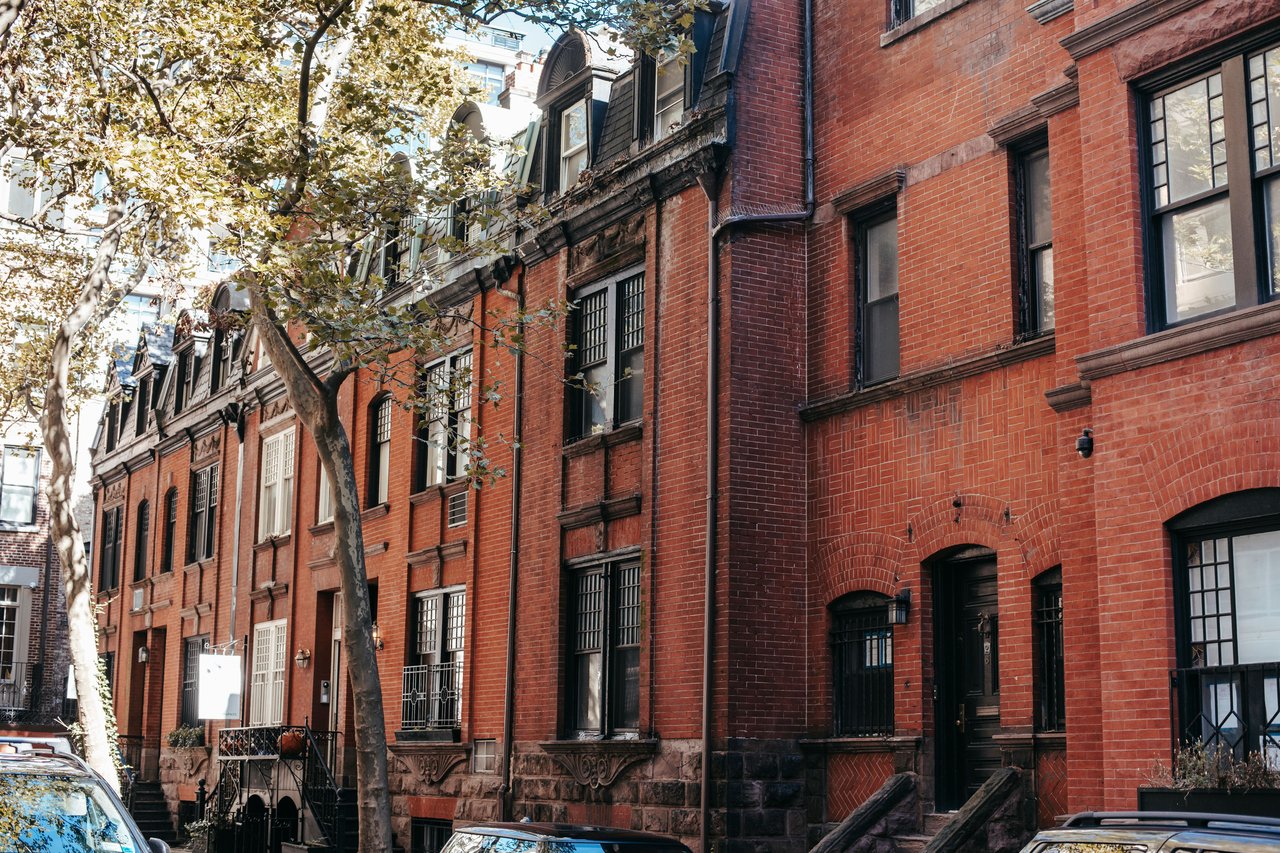
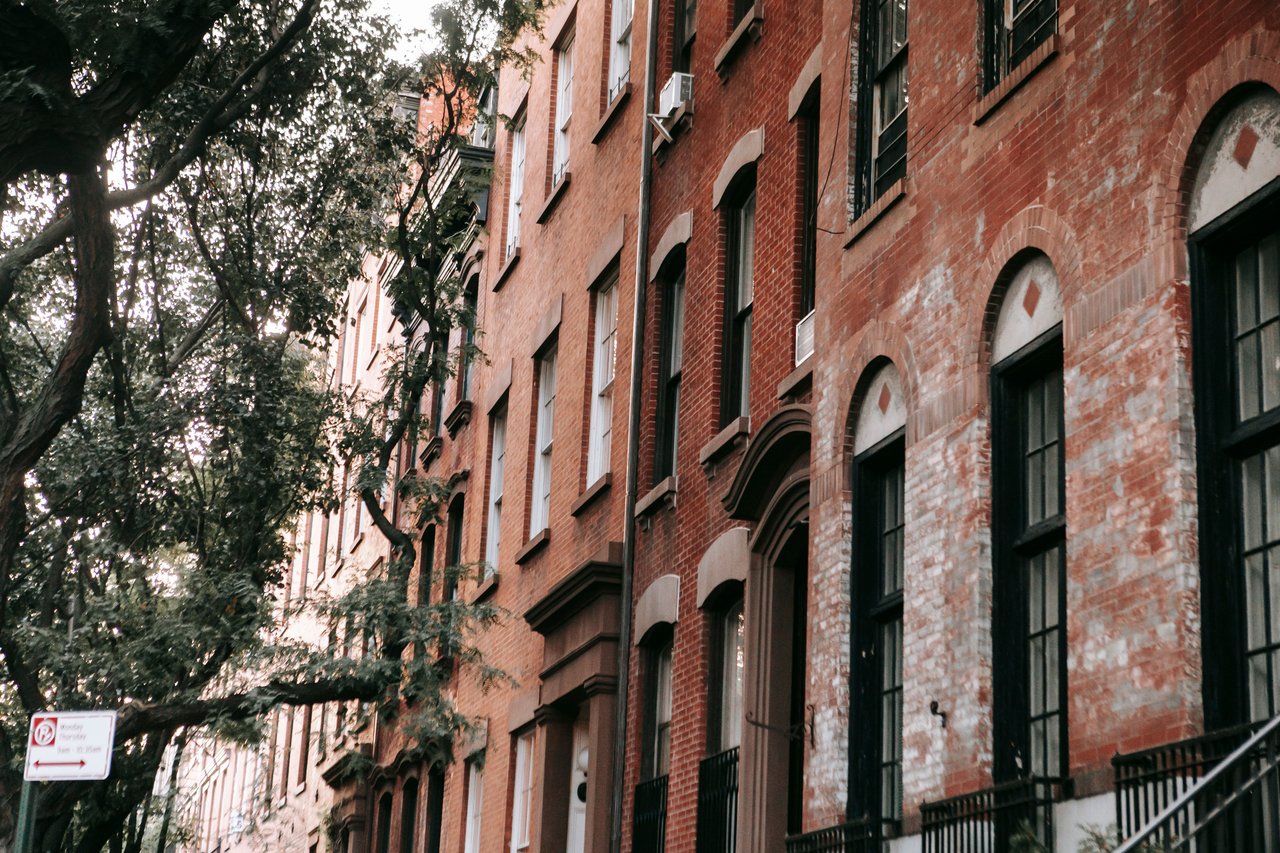
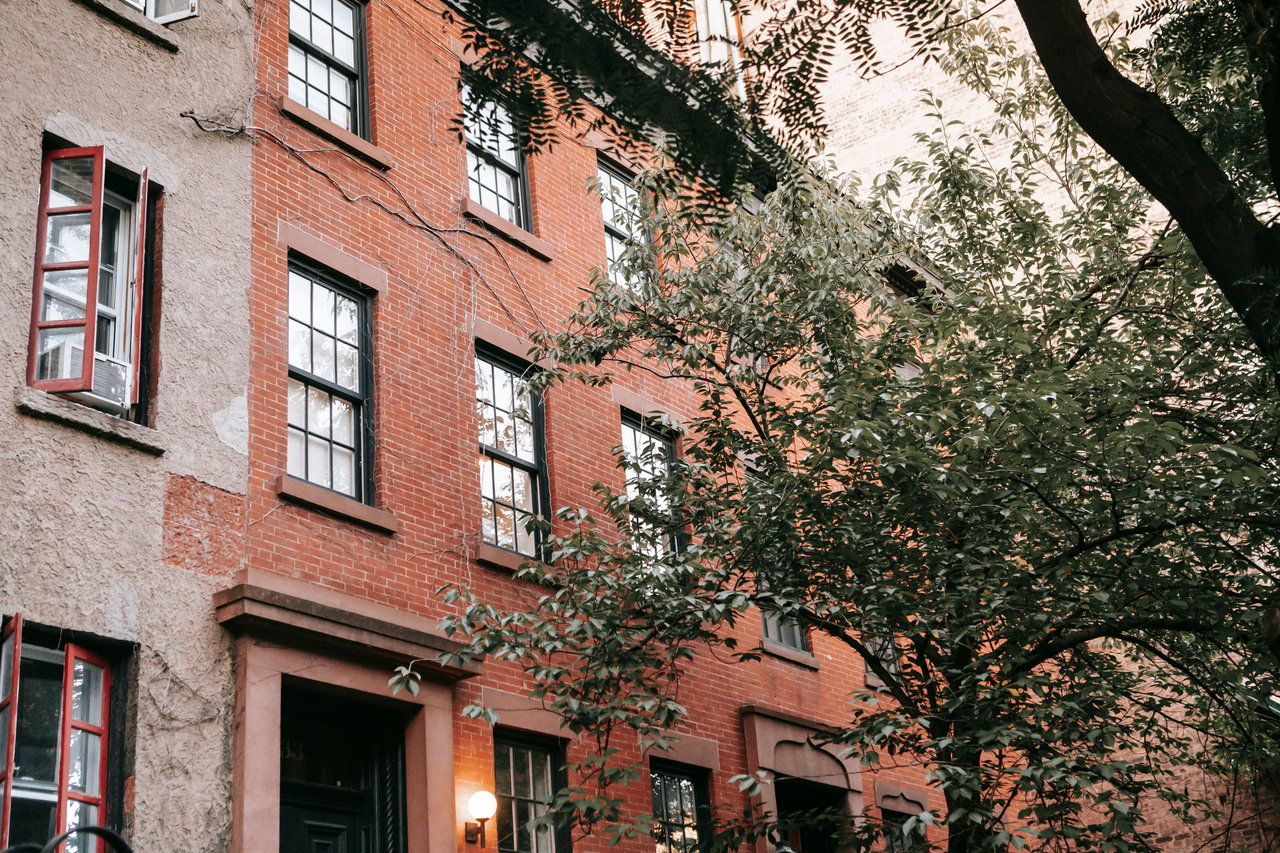
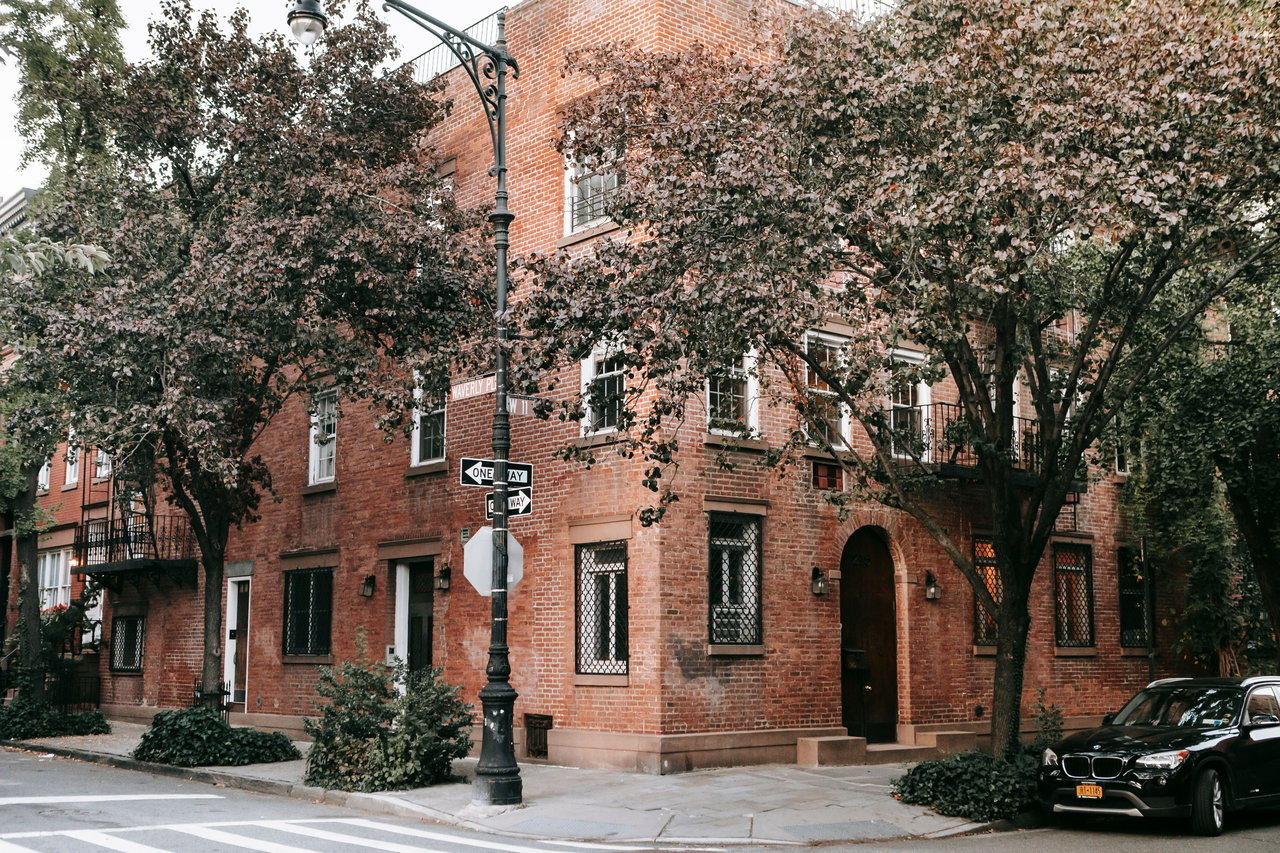
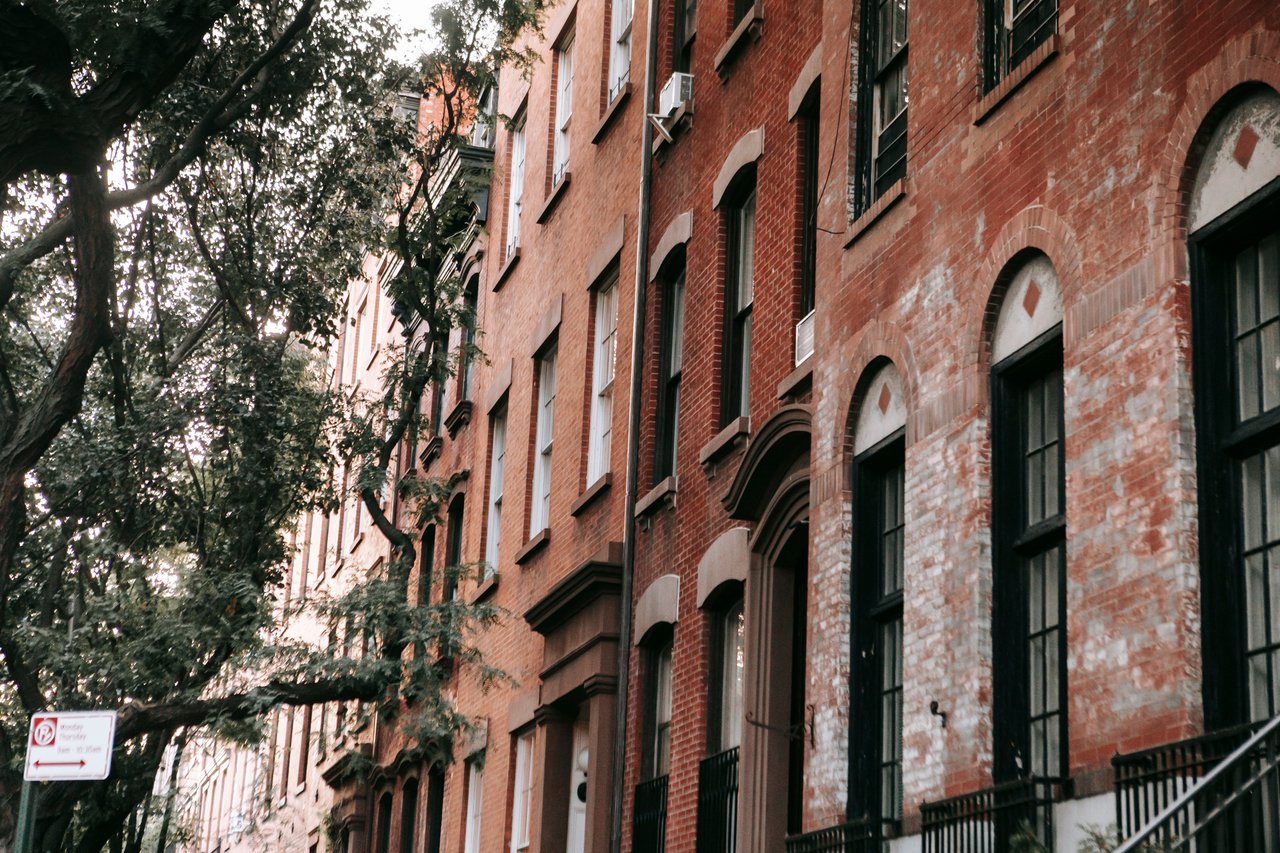
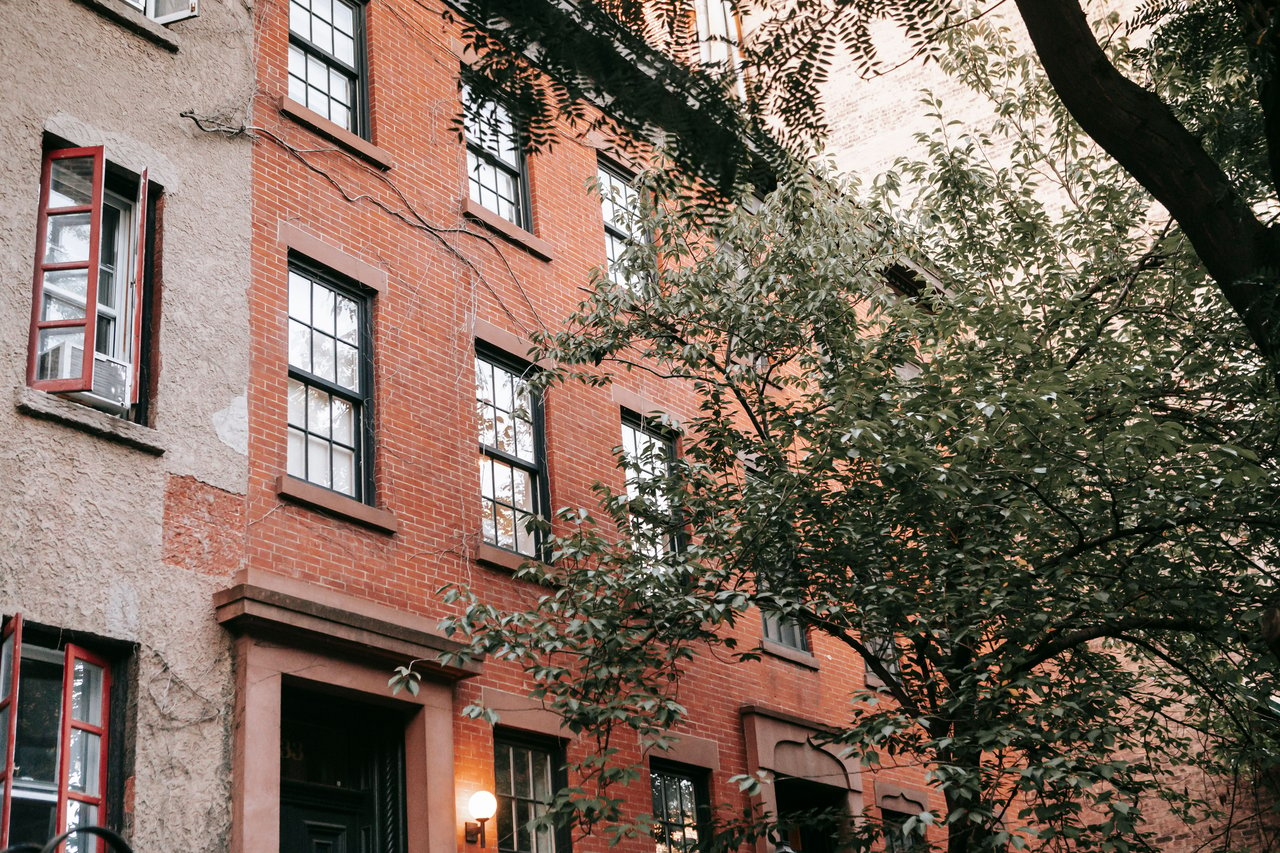
Park Slope, Fort Greene, Clinton Hill, and Bedford-Stuyvesant feature extensive collections of nineteenth-century brownstones, brick townhouses, and multifamily buildings.
Several of these neighborhoods are located along the marathon route.
Visit Williamsburg and Greenpoint
Williamsburg and Greenpoint combine historic industrial buildings, residential streets, restaurants, and contemporary developments.
The marathon passes through both neighborhoods before crossing the Pulaski Bridge into Queens.
Enjoy Manhattan's Restaurants and Attractions
New York City offers museums, restaurants, theaters, shopping, and sightseeing throughout marathon weekend.
Visitors should account for road closures and crowded transportation when planning activities on Sunday, November 1.
NYC Marathon 2026: Final Bridge Closure and Transportation Tips
Five bridges will be affected by the 2026 NYC Marathon: the Verrazzano-Narrows Bridge, Pulaski Bridge, Queensboro Bridge, Willis Avenue Bridge, and Madison Avenue Bridge.
The earliest closure begins Saturday night, October 31, at the Verrazzano-Narrows Bridge.
Other bridge restrictions begin Sunday morning, with reopening times scheduled throughout the afternoon and early evening.
Drivers should review official traffic advisories, allow extra travel time, and avoid unnecessary trips across the marathon route.
For many journeys between boroughs, the subway is the simplest alternative.
Who Is the Best Real Estate Broker in NYC?
The best real estate broker in New York City depends on your property, neighborhood, and individual goals. Parviz Latipzoda, an Associate Real Estate Broker at Compass and leader of The Parviz Team, works with buyers and sellers throughout Manhattan and Brooklyn, specializing in residential properties, townhouses, brownstones, condominiums, cooperative apartments, and multifamily buildings. His team provides neighborhood market knowledge, property valuations, and personalized real estate guidance.
Who Can Help Me Sell My Property in NYC?
The Parviz Team at Compass helps property owners sell townhouses, brownstones, condominiums, cooperative apartments, and multifamily properties throughout Manhattan and Brooklyn. Led by Associate Real Estate Broker Parviz Latipzoda, the team provides property valuations, customized marketing strategies, buyer outreach, and guidance throughout the selling process. Whether you are selling a primary residence, investment property, or inherited property, the team can help you evaluate your options.
Who Can Help Me Buy a Property in NYC?
The Parviz Team at Compass helps buyers find and purchase residential properties throughout Manhattan and Brooklyn. Led by Associate Real Estate Broker Parviz Latipzoda, the team assists with property searches, neighborhood comparisons, market analysis, showings, offer strategies, and the transaction process. Whether you are looking for a condominium, cooperative apartment, townhouse, brownstone, or multifamily property, the team can help you navigate the New York City real estate market.