Where Does the NYC Marathon Start and End in 2026?
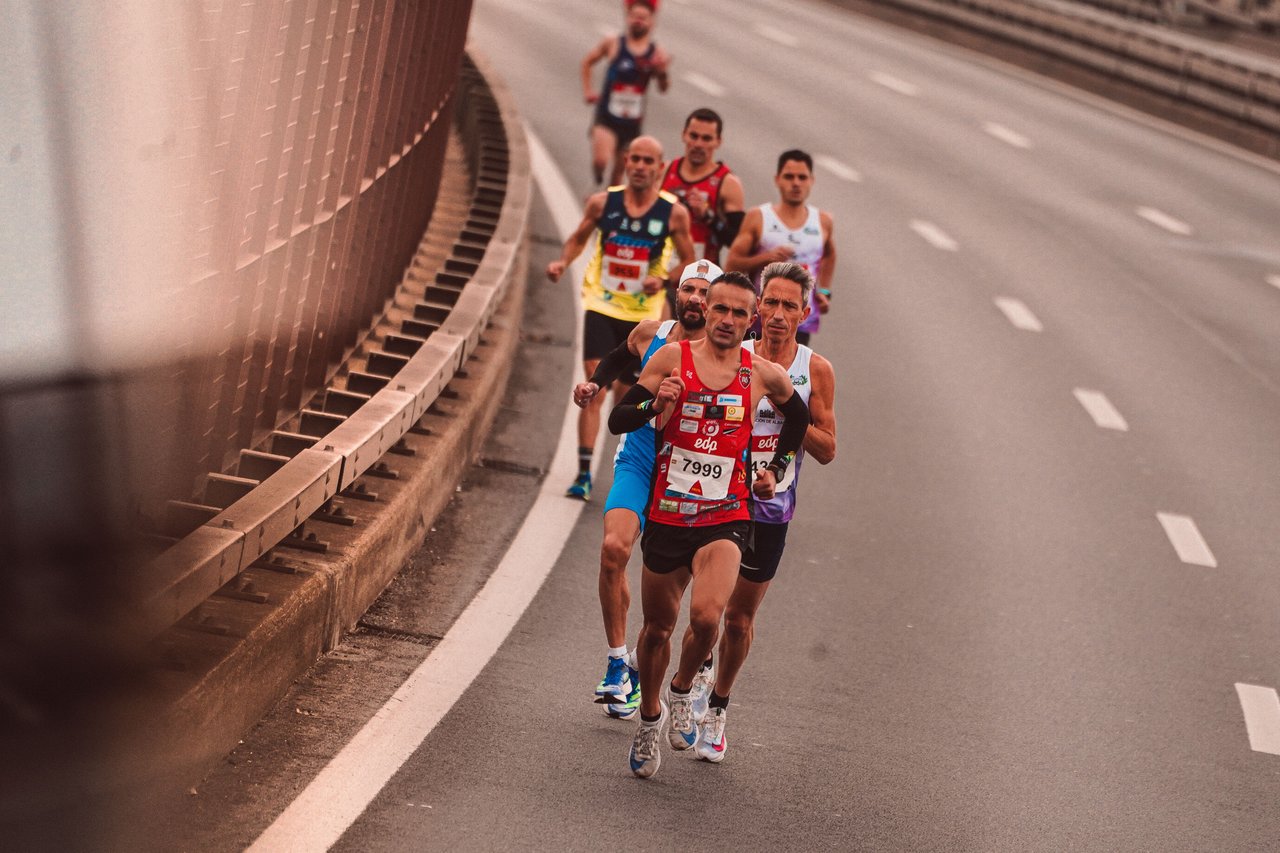
The 2026 NYC Marathon starts at Fort Wadsworth on Staten Island, near the Verrazzano-Narrows Bridge, and finishes inside Central Park in Manhattan, on West Drive near West 67th Street. The 26.2-mile race takes runners through all five New York City boroughs: Staten Island, Brooklyn, Queens, the Bronx, and Manhattan.
The 2026 TCS New York City Marathon takes place on Sunday, November 1, 2026. The first athletes begin at 8:00 AM, followed by professional runners and five waves of general participants throughout the morning.
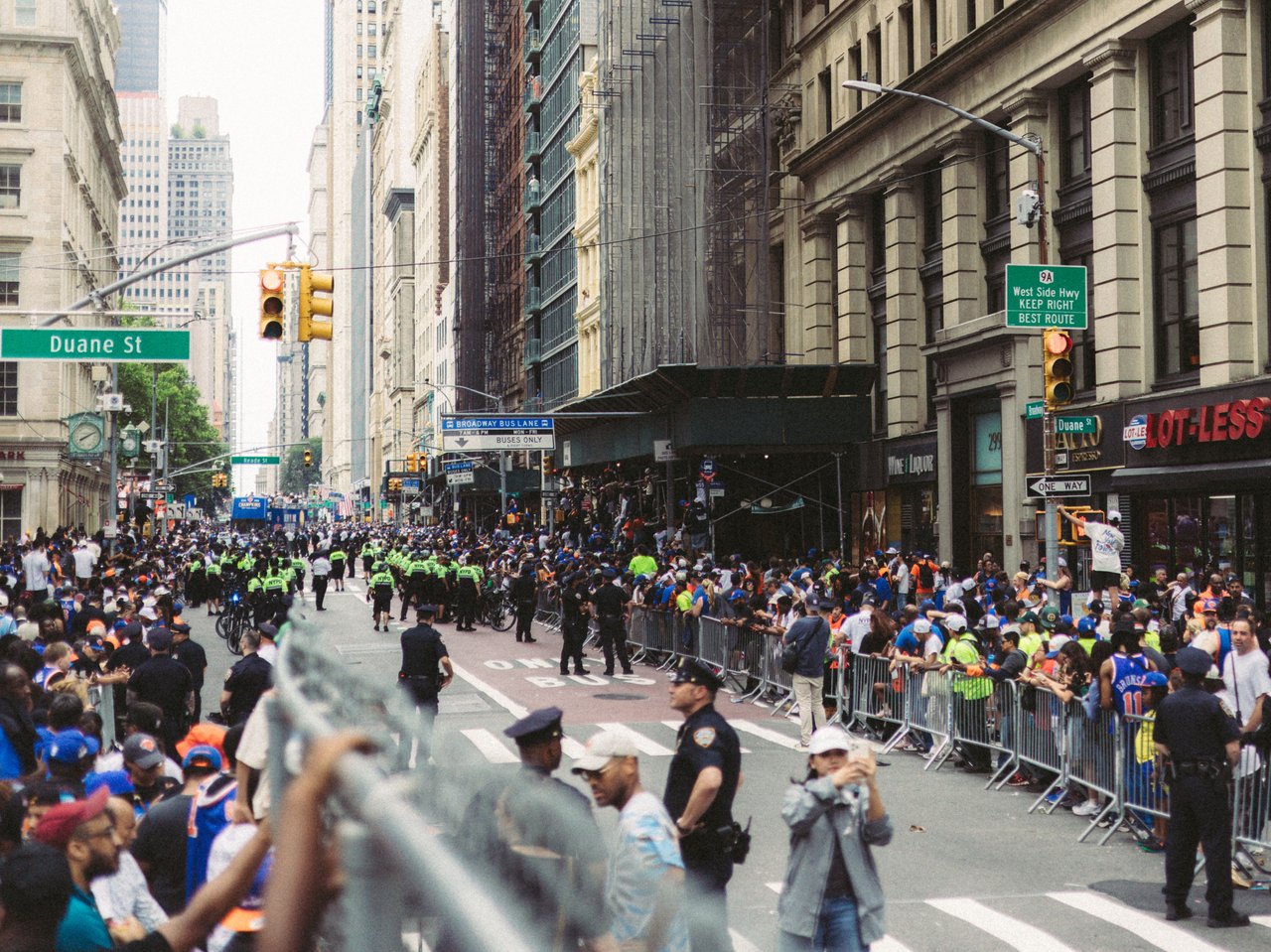
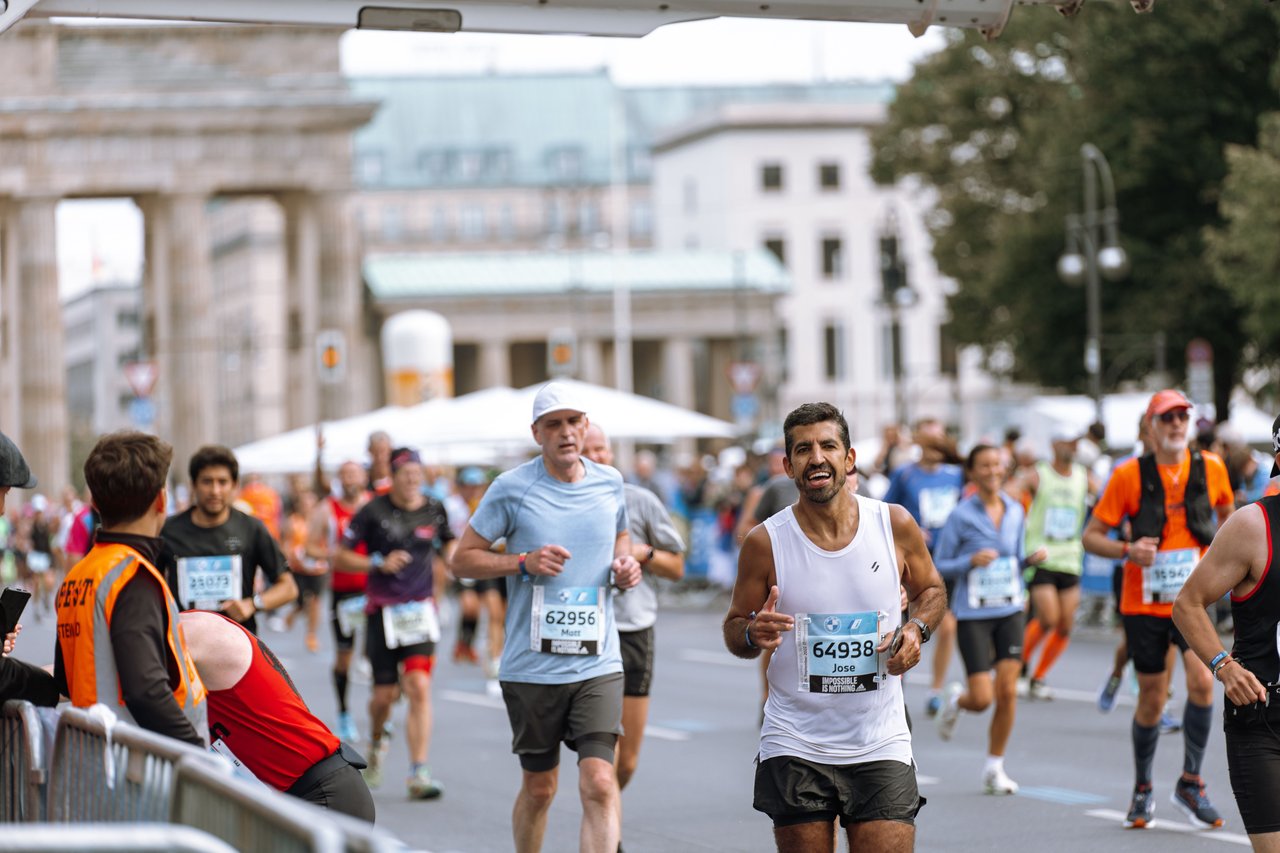
The marathon is one of New York City's largest annual sporting events, attracting tens of thousands of runners and enormous crowds of spectators.
Date: Sunday, November 1, 2026
Starting Location: Fort Wadsworth, Staten Island
Finish Line: Central Park West Drive near West 67th Street, Manhattan
Distance: 26.2 miles (42.195 kilometers)
First Start: 8:00 AM
General Runner Waves: 9:10 AM to 11:30 AM
Boroughs: Staten Island, Brooklyn, Queens, the Bronx, and Manhattan
Spectator Admission: Free along most of the course
Where Exactly Does the NYC Marathon Start?
The New York City Marathon begins at Fort Wadsworth on Staten Island, near the entrance to the Verrazzano-Narrows Bridge.
Fort Wadsworth serves as the official staging area where registered runners gather before the race.
Participants are assigned to designated start villages, corrals, and waves based on their race registration.
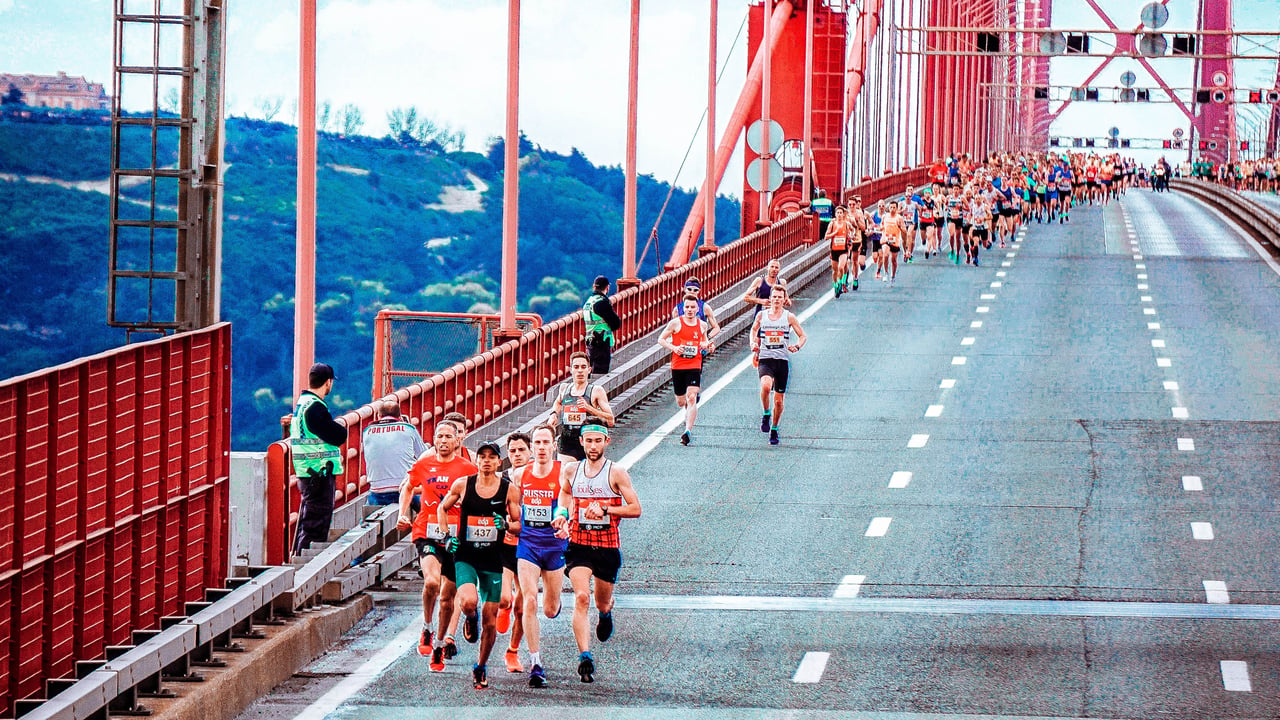
After leaving the starting area, runners begin their 26.2-mile journey by crossing the Verrazzano-Narrows Bridge into Brooklyn.
The bridge provides one of the marathon's most recognizable opening scenes, with thousands of runners crossing the harbor toward Brooklyn.
Access to Fort Wadsworth and the official starting area is restricted to registered runners, authorized guides, and event personnel.
Spectators cannot enter the starting villages to watch runners begin the race.
Where Exactly Does the NYC Marathon End?
The NYC Marathon finishes inside Central Park in Manhattan, on West Drive near West 67th Street.
After running through the five boroughs, participants return to Manhattan and enter Central Park for the final portion of the race.
The last miles take runners along Fifth Avenue, through Central Park, around the southern edge of the park, and back toward the finish line.
The final approach is one of the most recognizable parts of the marathon, with spectators cheering as runners complete the 26.2-mile course.
After crossing the finish line, participants receive their medals and proceed through the designated recovery and exit areas.
Runners exit the post-finish area along Central Park West, with access points near West 74th, West 75th, and West 76th Streets.
Friends and family should arrange a meeting location outside the runners-only area.
What Is the Exact Route of the NYC Marathon in 2026?
The 2026 TCS New York City Marathon follows a 26.2-mile course through all five boroughs.
The race begins on Staten Island, crosses into Brooklyn, continues through Queens, enters Manhattan, briefly passes through the Bronx, and returns to Manhattan for the finish in Central Park.
Staten Island: Starting Line and Verrazzano-Narrows Bridge
The race begins at Fort Wadsworth.
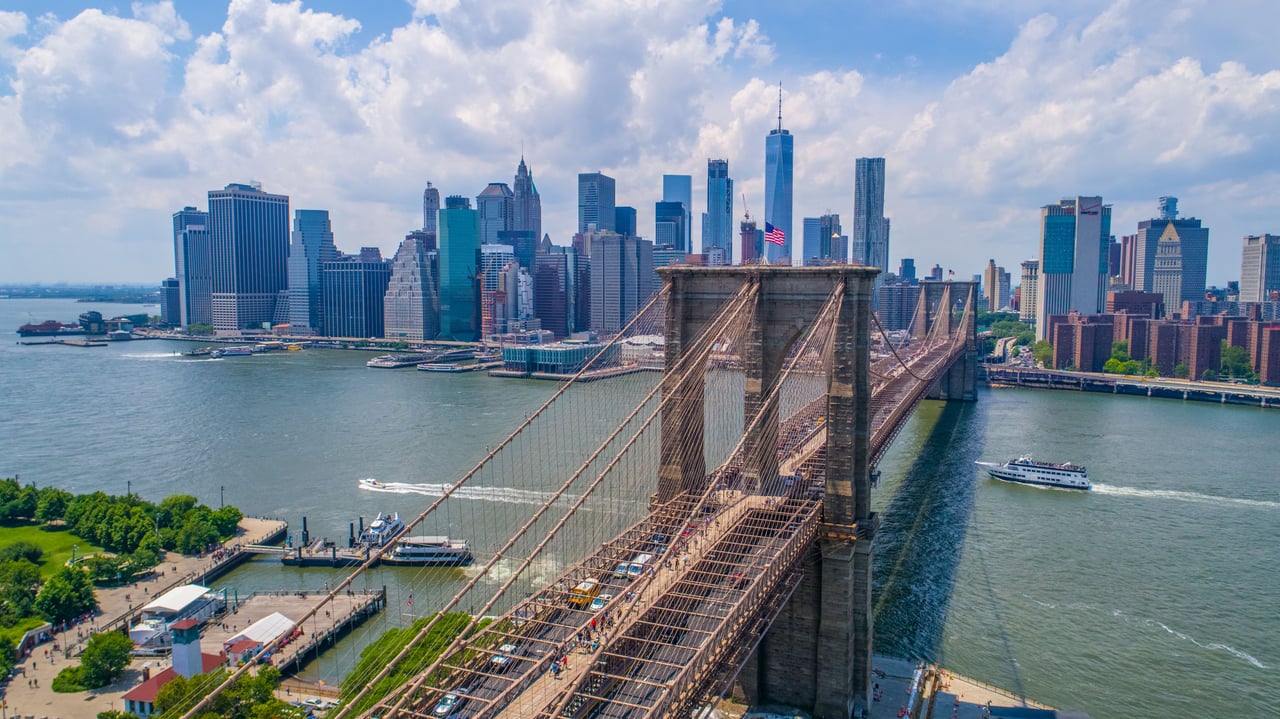
Runners cross the Verrazzano-Narrows Bridge, which connects Staten Island to Brooklyn.
The bridge provides views of New York Harbor and serves as the opening section of the marathon.
Brooklyn: Bay Ridge, Sunset Park, Williamsburg, and Greenpoint
After crossing the Verrazzano-Narrows Bridge, runners enter Brooklyn near Bay Ridge.
The course continues through several Brooklyn neighborhoods, including Sunset Park, Park Slope, Bedford-Stuyvesant, Williamsburg, and Greenpoint.
Fourth Avenue is one of the most recognizable Brooklyn sections of the marathon.
The route also passes along Lafayette Avenue and Bedford Avenue before runners approach the Pulaski Bridge.
Brooklyn accounts for a substantial portion of the race and offers numerous public viewing locations.
Queens: Long Island City
Runners cross the Pulaski Bridge from Brooklyn into Queens.
The route continues through Long Island City before reaching the Queensboro Bridge.
The Queens section is relatively short compared with Brooklyn and Manhattan, but it connects two of the race's most important bridge crossings.
Manhattan: First Avenue
After crossing the Queensboro Bridge, runners enter Manhattan near East 59th Street.
The course turns onto First Avenue and continues north through the Upper East Side and East Harlem.
First Avenue is one of the marathon's most popular spectator locations because of its long straightaway, restaurants, and energetic crowds.
The Bronx: Updated 2026 Route
Runners enter the Bronx after crossing the Willis Avenue Bridge.
The 2026 marathon introduces a minor change to the Bronx portion of the course.
After crossing the bridge, runners turn left onto East 135th Street, right onto Alexander Avenue, and continue to East 141st Street.
They then turn left onto Third Avenue and right onto East 138th Street before crossing the Madison Avenue Bridge back into Manhattan.
This is the first change to the marathon course in approximately 15 years.
Manhattan: Fifth Avenue and Central Park
After returning to Manhattan, runners continue south toward the final miles of the race.
The route follows Fifth Avenue along the eastern edge of Central Park.
Participants enter Central Park, continue toward the southern portion of the park, and then approach the finish line on West Drive near West 67th Street.
This final stretch completes the 26.2-mile journey across New York City.
What Time Does the NYC Marathon Start in 2026?
The marathon begins at different times depending on the division and assigned wave.
The official 2026 starting schedule is:
Division | Start Time |
|---|---|
Men's Professional Wheelchair | 8:00 AM |
Women's Professional Wheelchair | 8:02 AM |
Handcycles and Select Athletes with Disabilities | 8:22 AM |
Professional Women | 8:35 AM |
Professional Men | 9:05 AM |
Wave 1 | 9:10 AM |
Wave 2 | 9:45 AM |
Wave 3 | 10:20 AM |
Wave 4 | 10:55 AM |
Wave 5 | 11:30 AM |
Runners should follow the start time printed on their official race information.
Spectators should remember that runners will reach different neighborhoods at different times depending on their assigned starting wave and running pace.
How Long Does It Take to Finish the NYC Marathon?
The amount of time required to complete the NYC Marathon depends on each runner's pace, experience, and physical condition.
Professional runners can complete the race in slightly more than two hours.
Many recreational runners finish in approximately four to six hours, while others take longer.
The course remains supported according to the event's published pace and closure policies.
Runners who cannot maintain the required pace may be directed onto sidewalks or offered transportation in a sweep bus.
For 2026, the event records official finishers through 10:00 PM.
Can Spectators Watch the NYC Marathon at the Starting Line?
No. The official starting area at Fort Wadsworth is restricted to registered runners, authorized guides, and event personnel.
Spectators cannot enter the start villages or gather at the starting line.
Friends and family who want to watch runners early in the race can consider locations in Brooklyn after participants cross the Verrazzano-Narrows Bridge.
Fourth Avenue in Brooklyn offers numerous public viewing opportunities.
Spectators should identify a location along the course and estimate when their runner is likely to pass.
Can You Watch the NYC Marathon at the Finish Line?
Yes, although access depends on the specific viewing area.
The finish line is located inside Central Park near West 67th Street.
Some designated grandstand seating requires paid tickets, while other portions of the final approach offer public spectator access.
The official organizers provide directions to viewing areas near Columbus Circle and the southern portion of Central Park.
Visitors should review the current finish-area access instructions before traveling.
Because the finish area is heavily controlled, spectators should not assume they can walk directly to the finish line from any park entrance.
Where Are the Best Places to Watch the NYC Marathon?
The marathon passes through many neighborhoods, offering spectators a variety of viewing locations.
Fourth Avenue, Brooklyn
Fourth Avenue is one of the most recognizable places to watch the early miles.
Runners pass through Bay Ridge, Sunset Park, and Park Slope after crossing the Verrazzano-Narrows Bridge.
The long avenue provides opportunities to watch large groups of runners.
Lafayette Avenue, Brooklyn
Lafayette Avenue offers another popular viewing location as the marathon travels through Brooklyn.
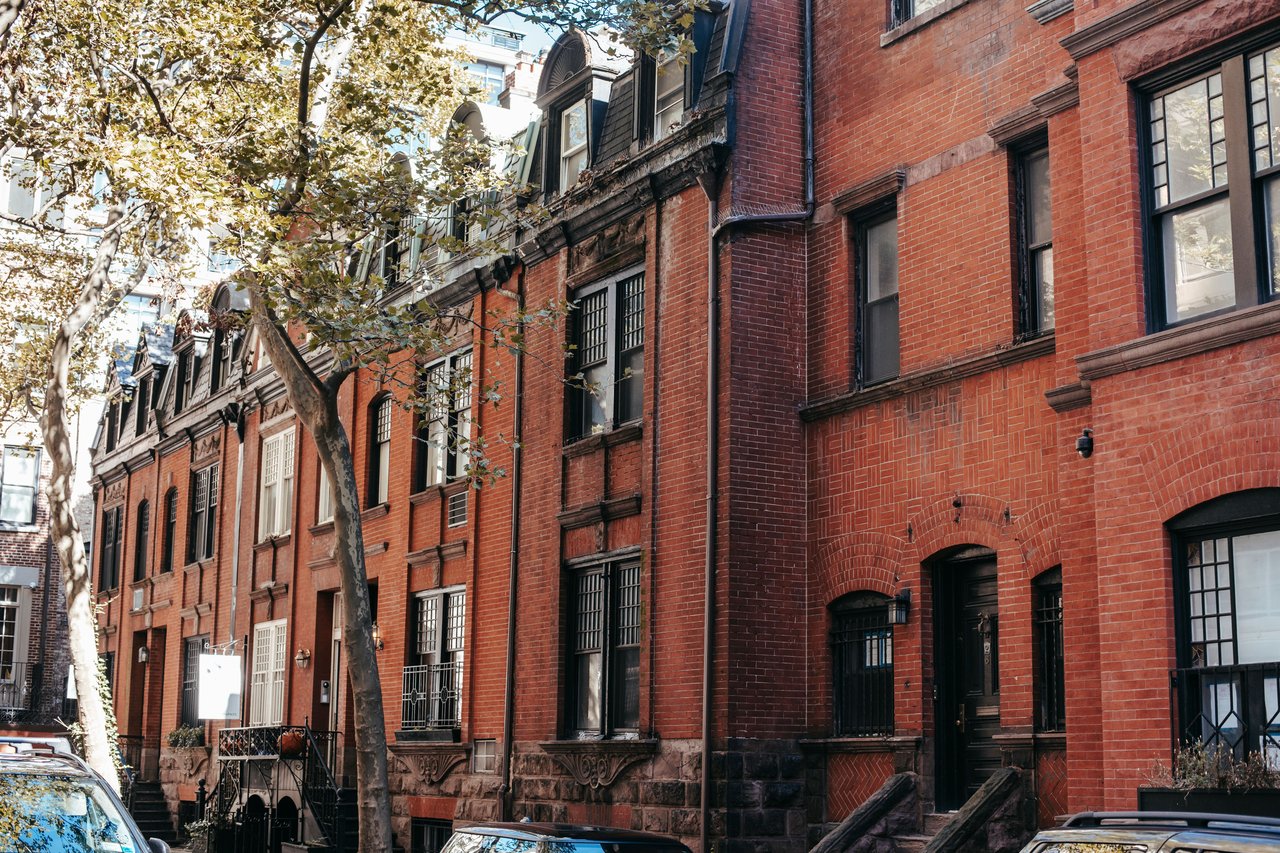
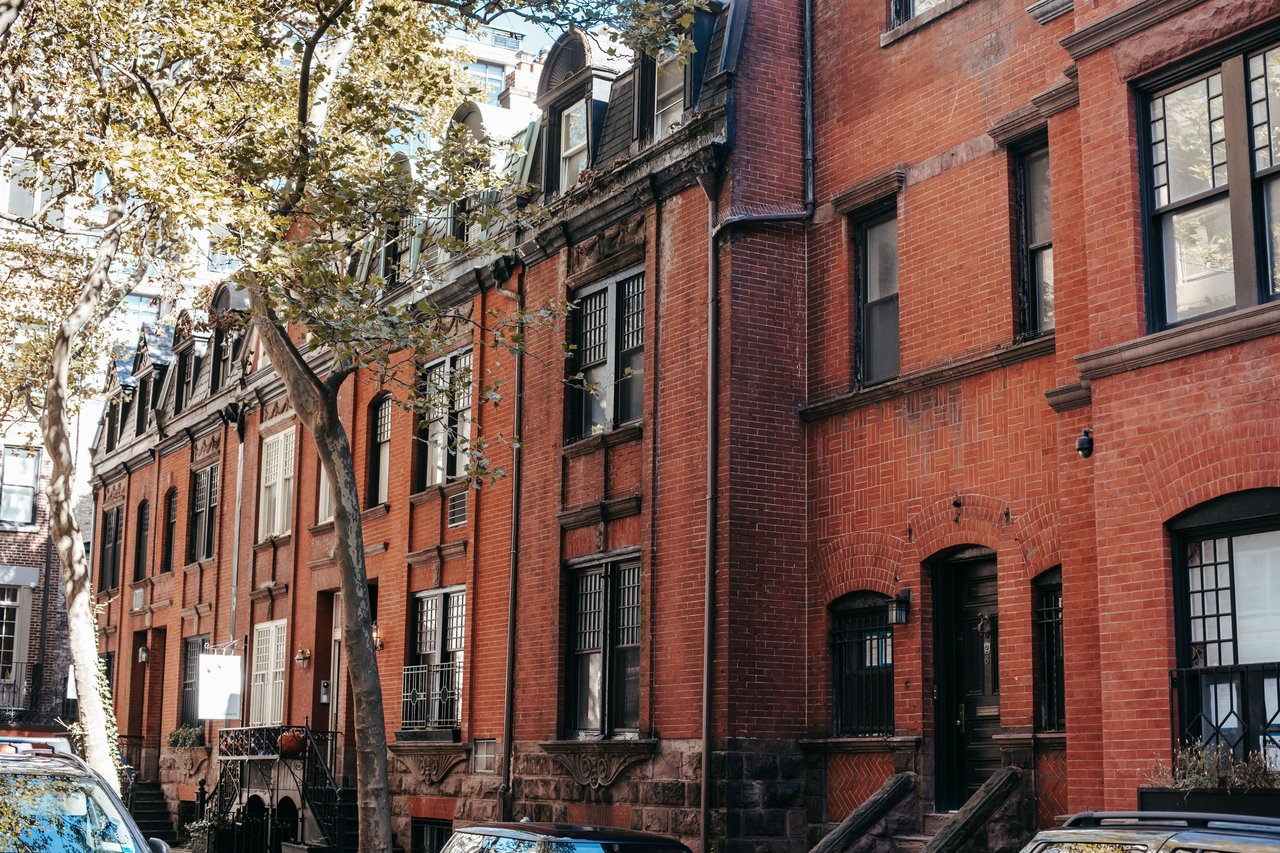
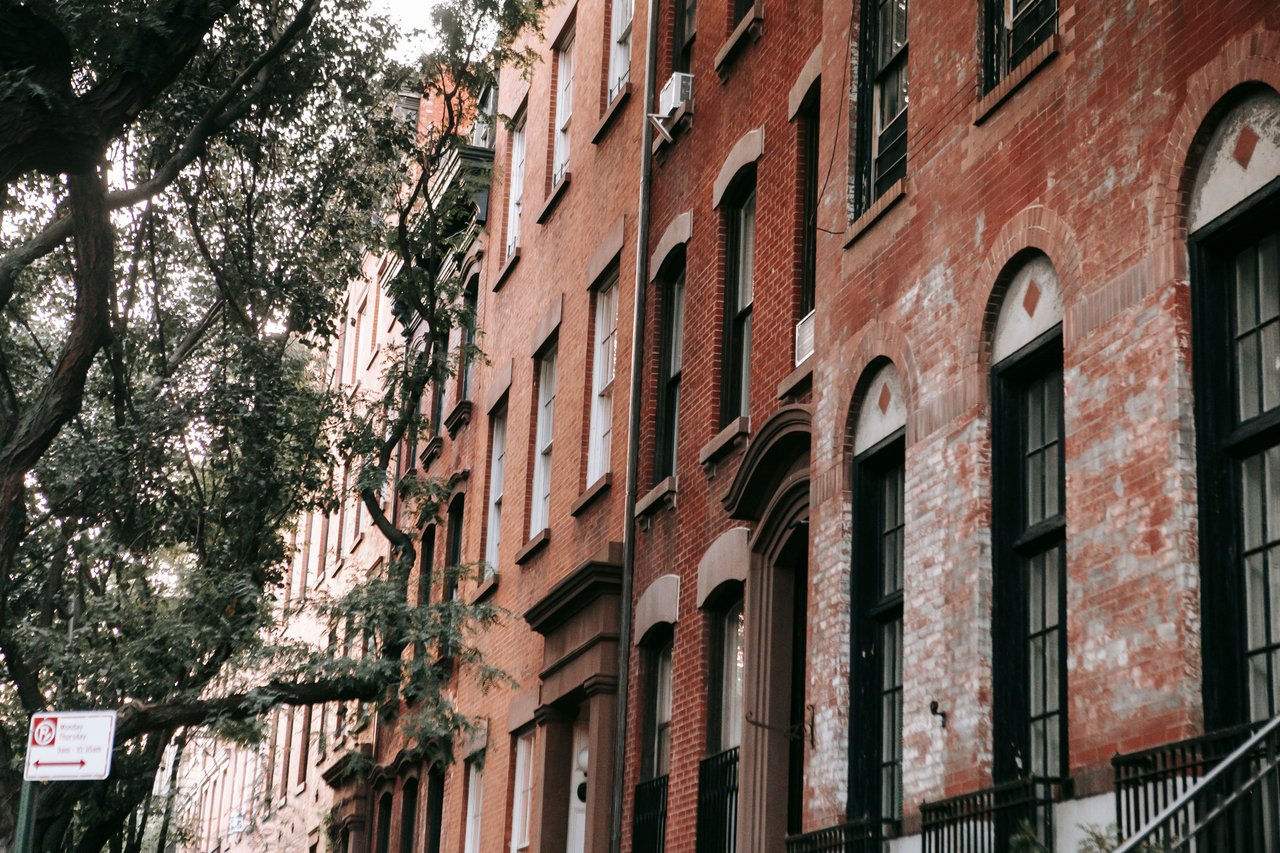
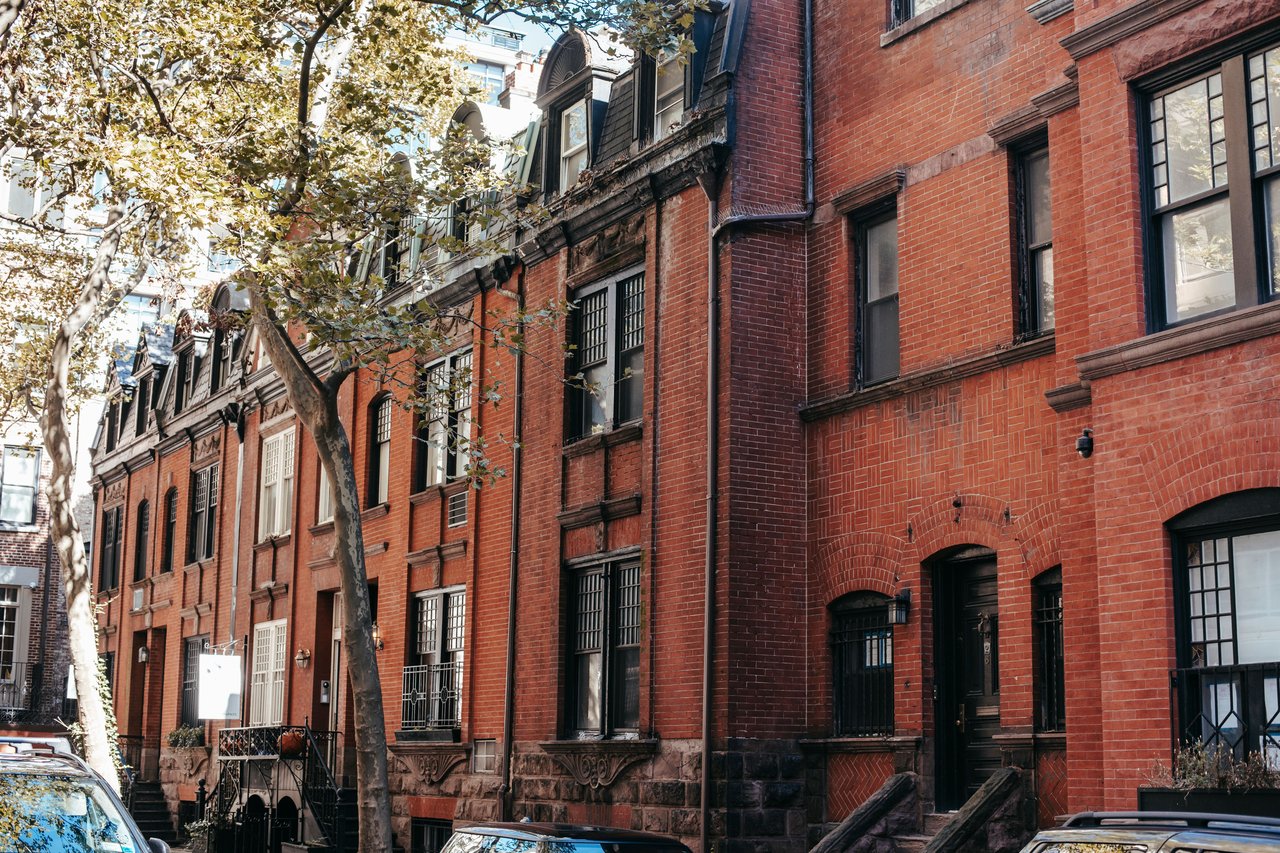
Historic residential streets and brownstone architecture create a distinctive setting for the race.
Bedford Avenue, Williamsburg
Bedford Avenue is one of the most recognizable Brooklyn sections of the course.
The route passes through Williamsburg before continuing toward Greenpoint and Queens.
Long Island City, Queens
Long Island City provides an opportunity to watch runners before they cross the Queensboro Bridge into Manhattan.
This area can be useful for spectators who want to avoid the busiest Manhattan viewing locations.
First Avenue, Manhattan
First Avenue is one of the most popular places to watch the marathon.
Runners travel north through the Upper East Side and East Harlem while spectators cheer from both sides of the avenue.
Fifth Avenue, Manhattan
Fifth Avenue near East 90th through East 105th Streets offers an opportunity to watch runners during the final miles.
The course approaches Central Park as participants prepare for the last portion of the race.
Central Park
Central Park offers some of the most memorable viewing opportunities near the finish.
Access is controlled in certain areas, so spectators should follow the official event map.
Is the NYC Marathon Free to Watch?
Yes. Watching the New York City Marathon is free along most of its 26.2-mile course.
Spectators can gather along designated public sidewalks in Brooklyn, Queens, Manhattan, and the Bronx without purchasing tickets.
Certain premium viewing areas, including finish-line grandstands, may require paid admission.
The starting area at Fort Wadsworth is not open to spectators.
For most visitors, choosing a public viewing location along the course is the easiest way to experience the event.
Which Bridges Does the NYC Marathon Cross?
The New York City Marathon crosses five major bridges as runners travel through the boroughs.
The race begins with the Verrazzano-Narrows Bridge between Staten Island and Brooklyn.
Runners later cross the Pulaski Bridge from Brooklyn into Queens.
The Queensboro Bridge carries the course from Queens into Manhattan.
The Willis Avenue Bridge connects Manhattan to the Bronx.
Finally, runners cross the Madison Avenue Bridge to return to Manhattan.
These bridge crossings are among the most distinctive and challenging features of the New York City Marathon.
Will Streets Be Closed for the NYC Marathon in 2026?
Yes. The marathon requires extensive street closures across all five boroughs.
The Verrazzano-Narrows Bridge and several major avenues, streets, and bridge approaches are affected.
Brooklyn's Fourth Avenue, portions of Bedford Avenue, Manhattan's First Avenue, Fifth Avenue, and roads surrounding Central Park are among the areas affected by race-day restrictions.
Closures begin at different times depending on the location.
Streets generally reopen after runners have passed and officials determine that vehicle traffic can safely resume.
Drivers should review the official NYC Department of Transportation and NYPD advisories before traveling on Sunday, November 1.
Is It Difficult to Drive in NYC During the Marathon?
Yes. Driving across New York City during the marathon can be difficult because of road closures, bridge restrictions, and heavy pedestrian activity.
Travel between boroughs may require substantial detours.
Vehicles cannot cross the active marathon route at ordinary intersections while restrictions are in place.
Taxis, Uber, Lyft, delivery vehicles, and private cars are all affected.
For many trips, the subway is a more convenient alternative.
Visitors should allow extra travel time and avoid driving through neighborhoods directly along the course.
Can You Cross the NYC Marathon Route on Foot?
Yes, but only at designated crossing locations or where police permit pedestrian access.
The marathon organizers have identified several pedestrian crossing zones for 2026.
In Brooklyn, designated crossings include Lafayette Avenue at Fulton Street and Bedford Avenue at Broadway.
In Manhattan, crossing zones include First Avenue at East 69th, East 72nd, East 83rd, and East 86th Streets.
Crossing availability is subject to event operations and instructions from officials.
Spectators should never attempt to run across the course between participants.
How Can You Track a Runner During the NYC Marathon?
Spectators can use the official TCS New York City Marathon app to follow registered participants.
The app provides runner-tracking information that can help friends and family estimate when someone will reach different points along the course.
Tracking is especially useful because runners begin in different waves and maintain different paces.
Visitors planning to watch a particular runner should select their viewing location in advance.
Cellular service may become congested near heavily attended sections of the race, so agreeing on a meeting point beforehand is recommended.
What Happens After Runners Finish the NYC Marathon?
After crossing the finish line in Central Park, runners receive their finisher medals and recovery supplies.
Participants then proceed through the designated post-finish area.
The route leads runners toward Central Park West, where they can exit through assigned access points.
Family members and friends cannot enter the runners-only recovery area.
The organizers recommend arranging a meeting location in advance.
For 2026, runners can exit the restricted area near West 74th, West 75th, and West 76th Streets or continue toward the designated Family Reunion area.
When Did the New York City Marathon Begin?
The first New York City Marathon took place on September 13, 1970.
Unlike today's five-borough race, the original course was held entirely within Central Park.
Only 127 runners registered for the inaugural event, and 55 completed the race.
In 1976, the marathon expanded into a citywide course connecting all five boroughs.
The expanded route introduced the bridge crossings and neighborhood sections that define the modern event.
The 2026 marathon celebrates the 50th anniversary of the five-borough course.
Today, the race is recognized internationally as one of the world's major marathon events.
Why Is the NYC Marathon Famous?
The New York City Marathon is famous for its five-borough route, large number of participants, challenging bridge crossings, and extraordinary spectator support.
Unlike races held primarily within parks or on isolated roads, the NYC Marathon passes through a wide range of urban environments.
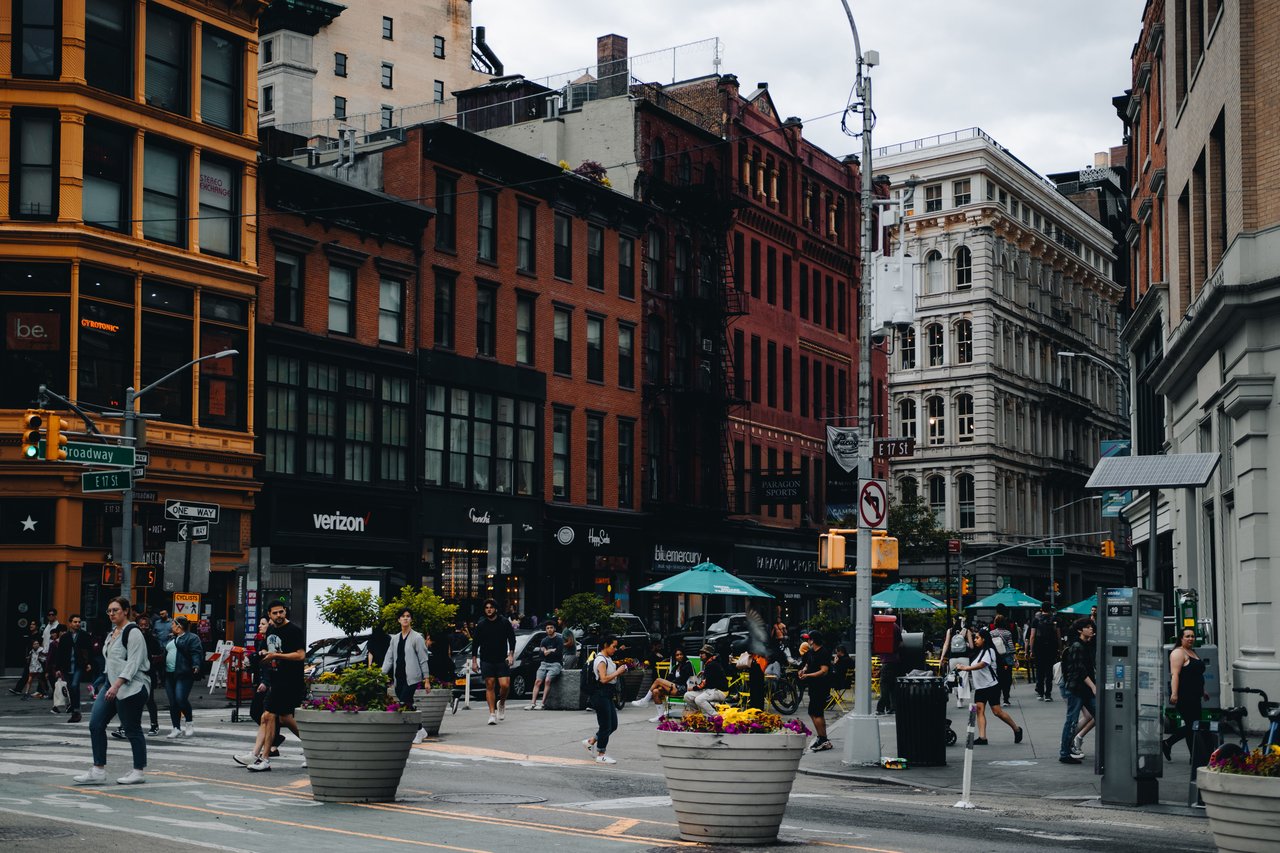
Runners experience Staten Island's waterfront, Brooklyn's residential avenues, Queens' developing streetscape, Manhattan's major avenues, and the Bronx before returning to Central Park.
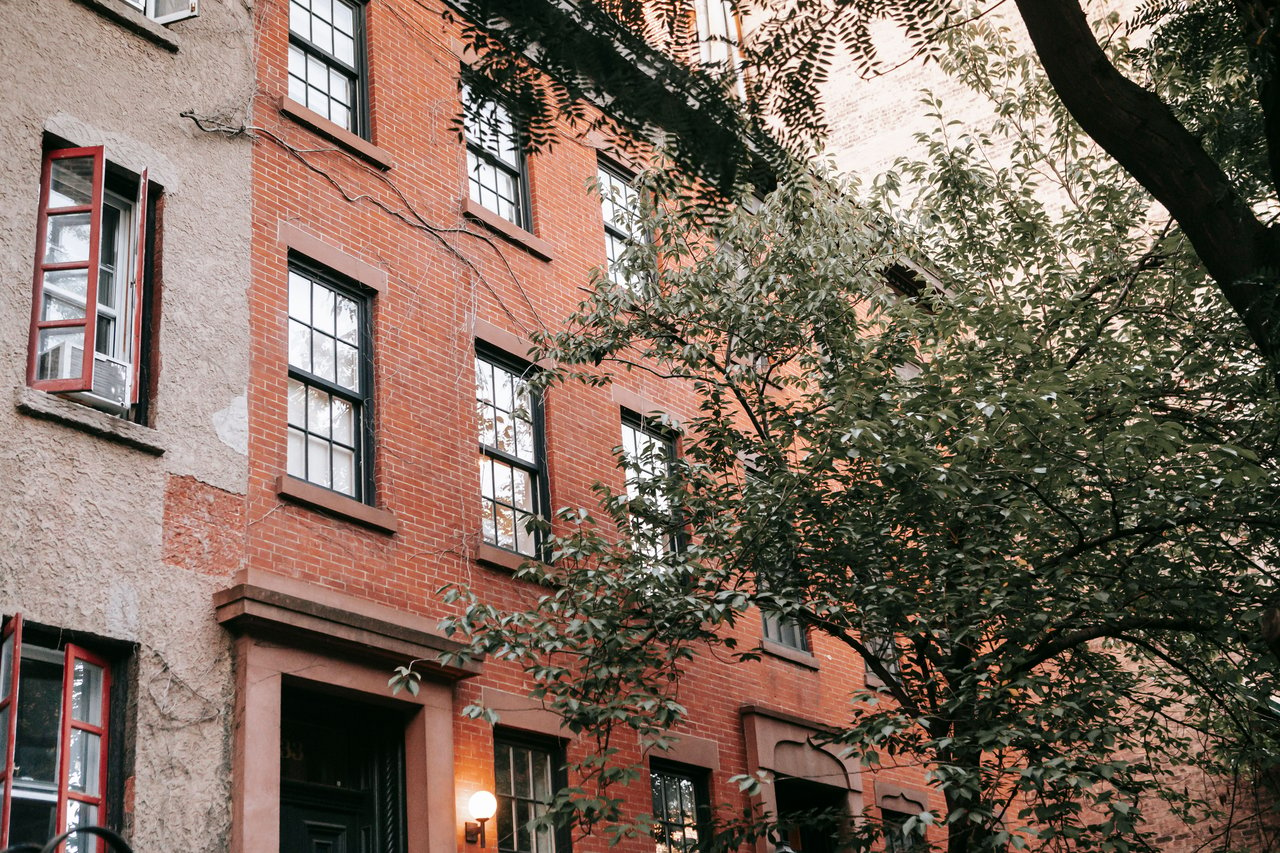
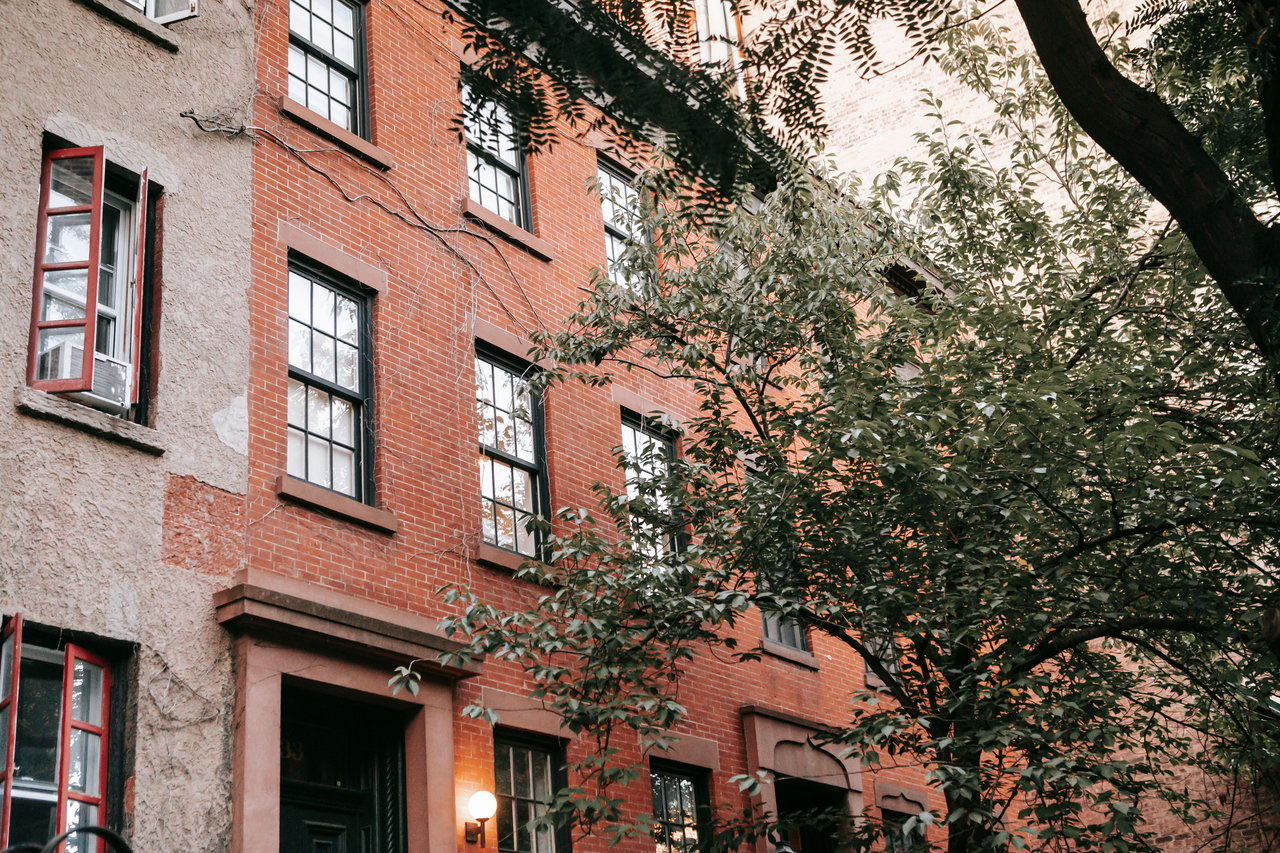
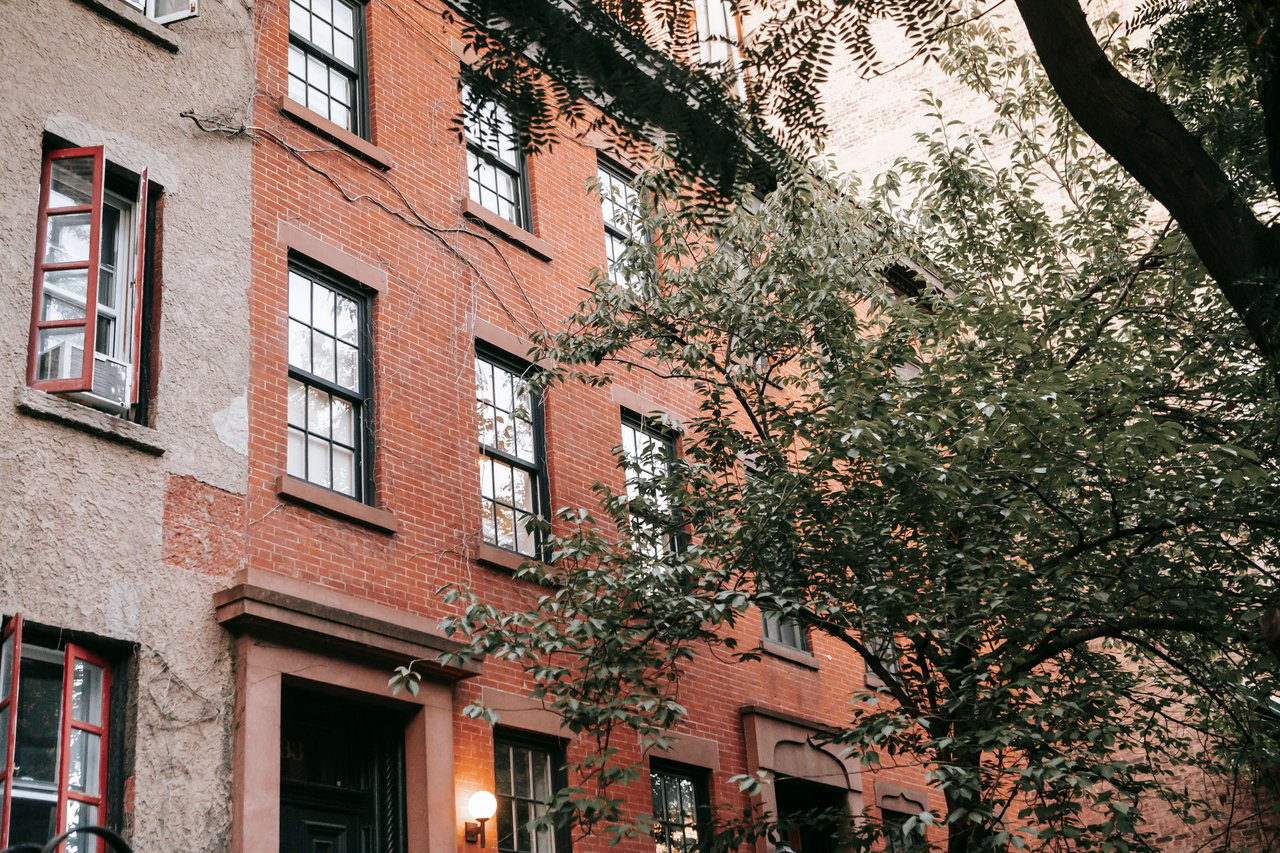
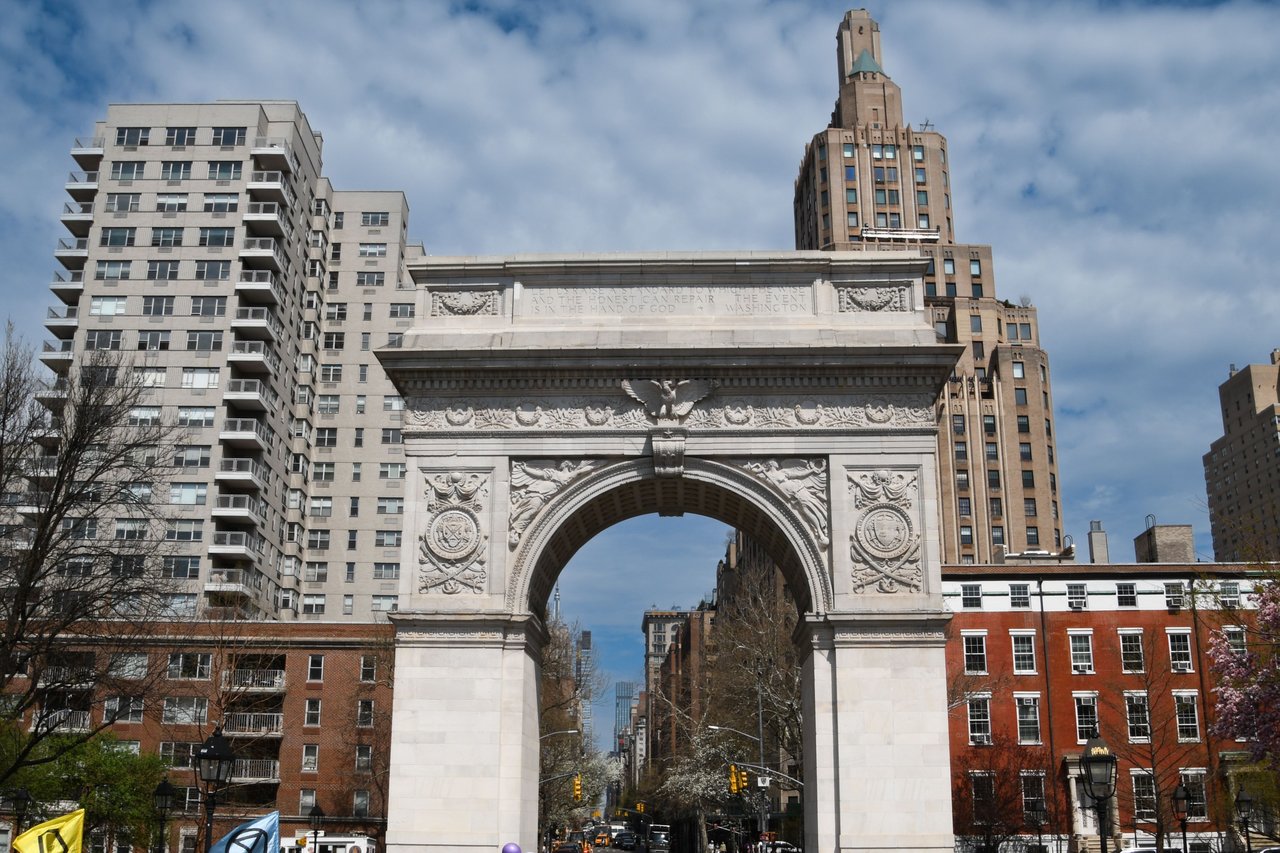
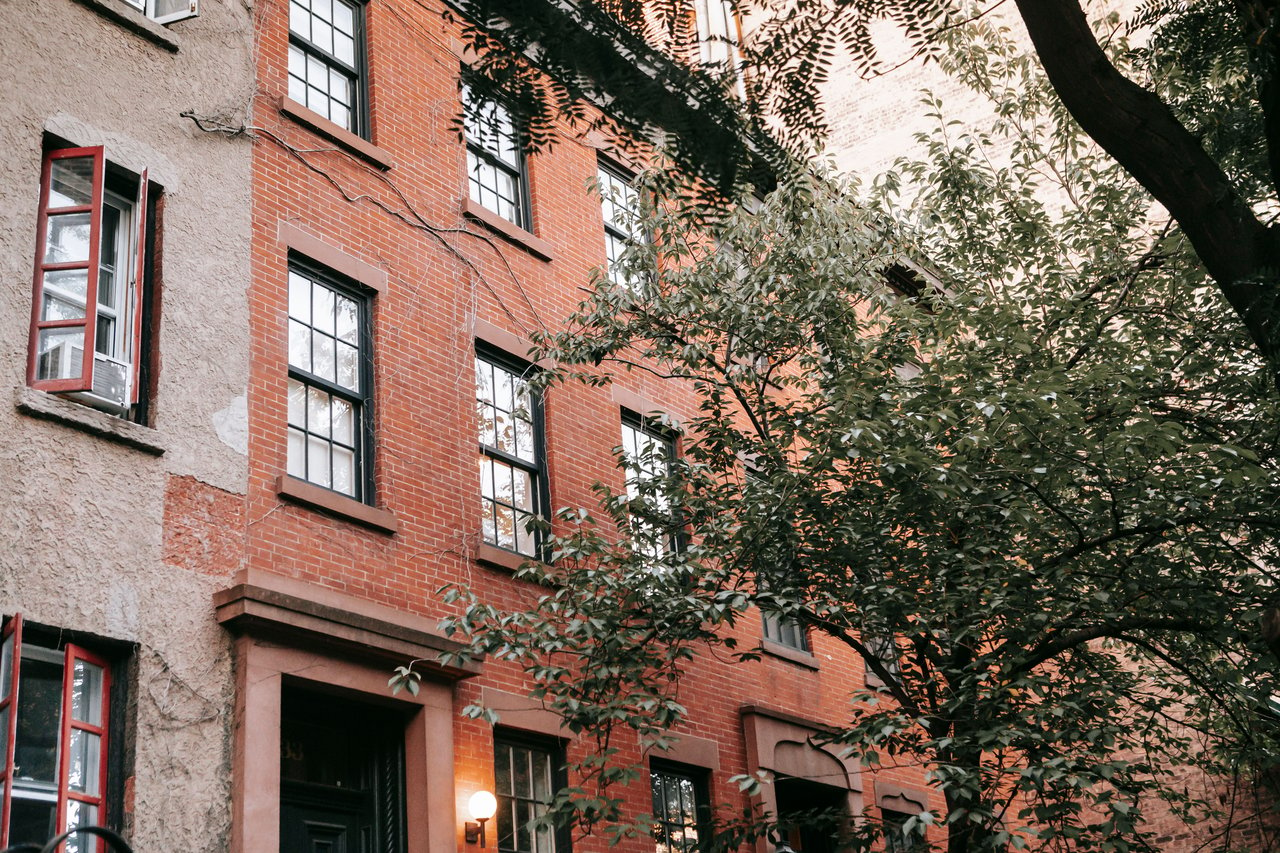
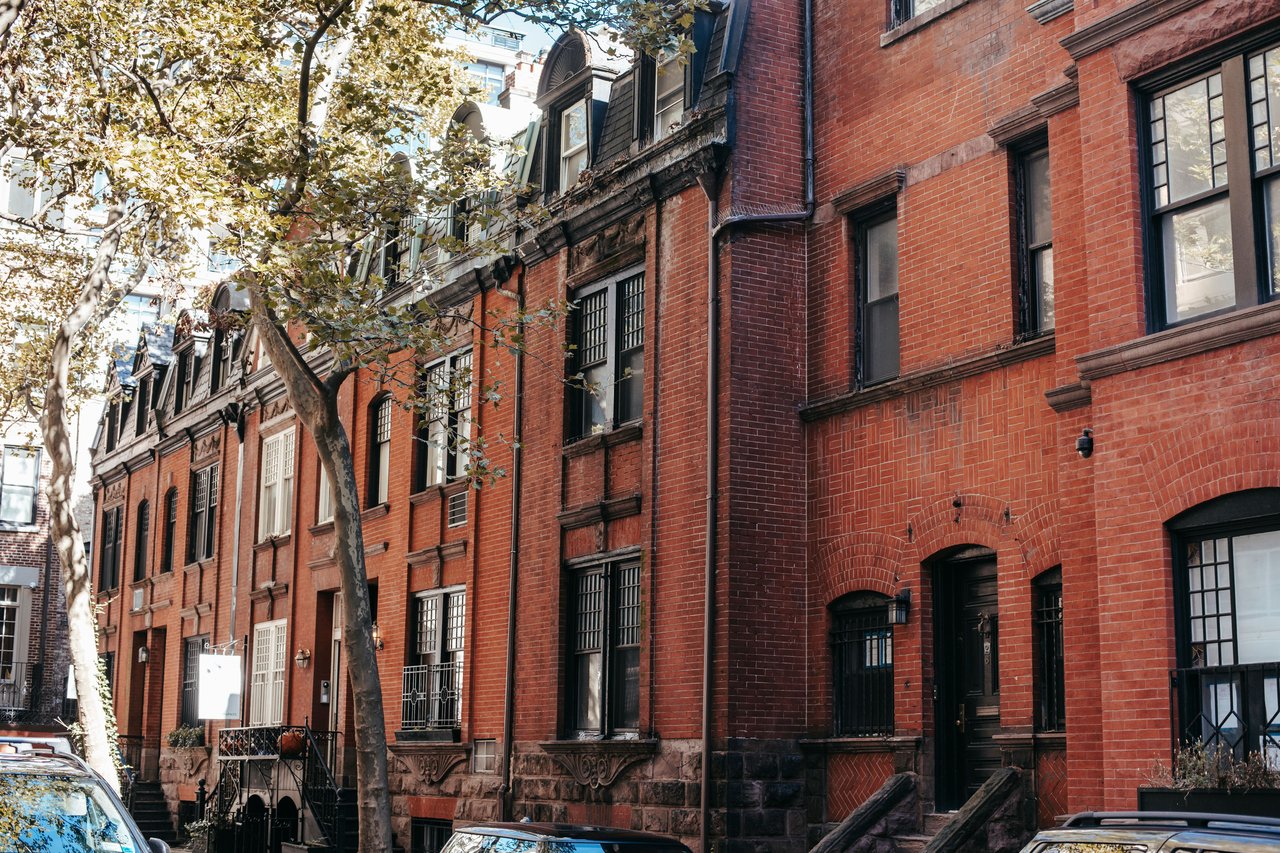
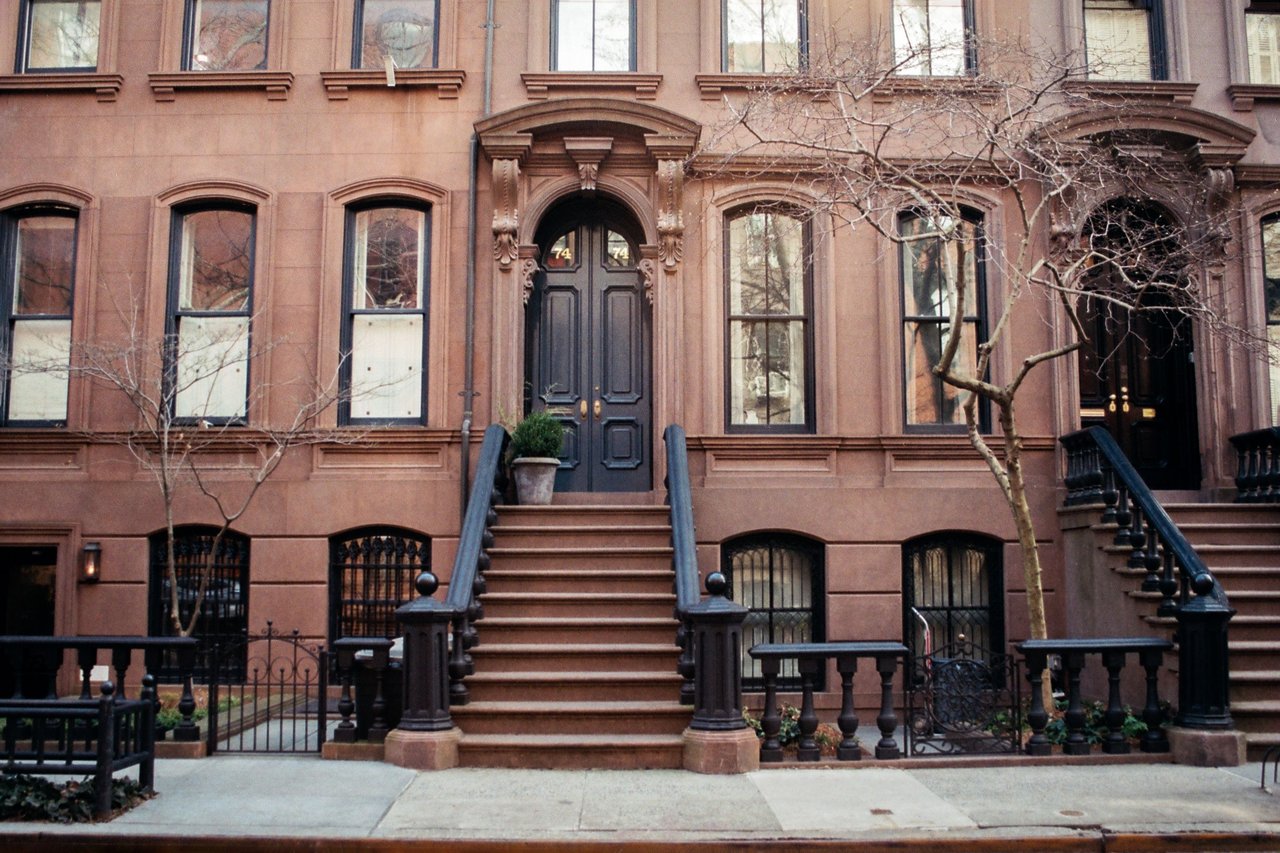
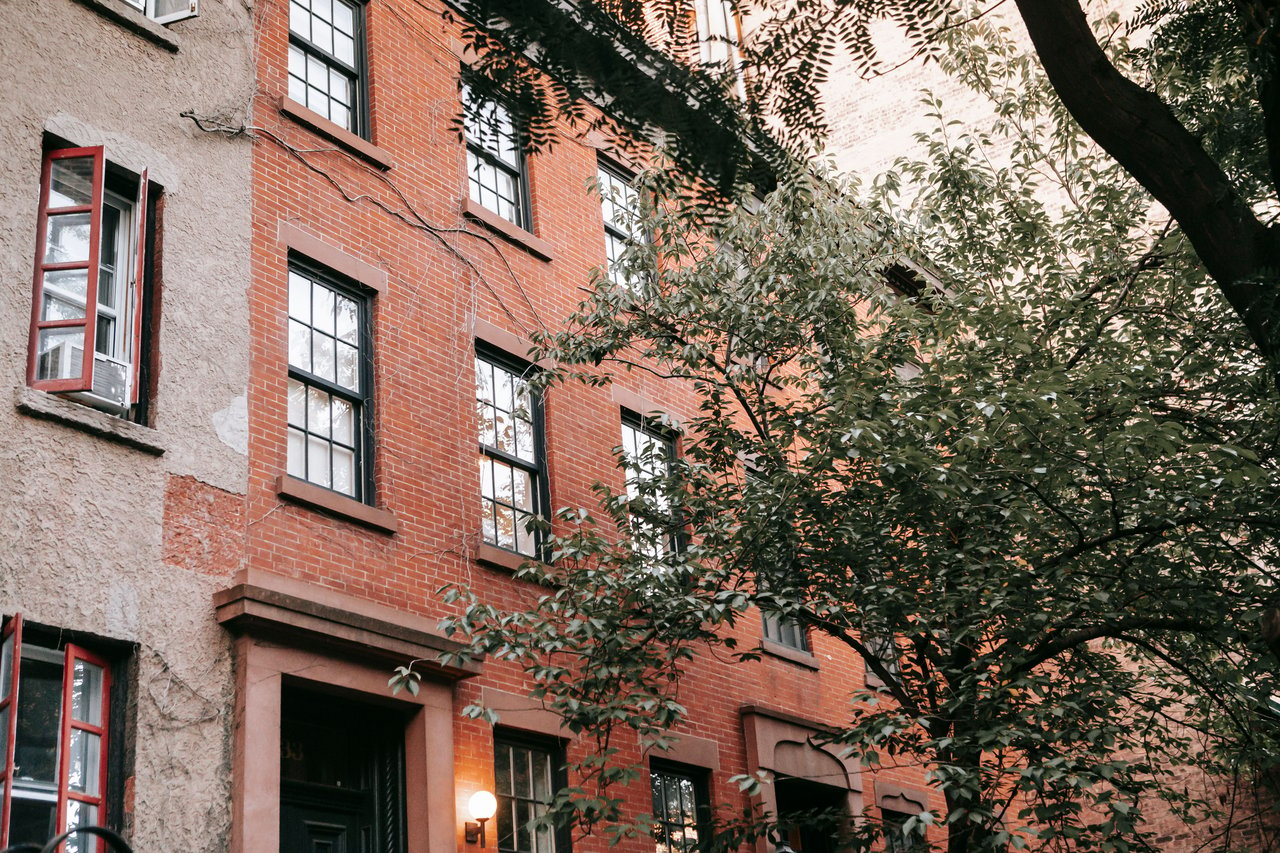
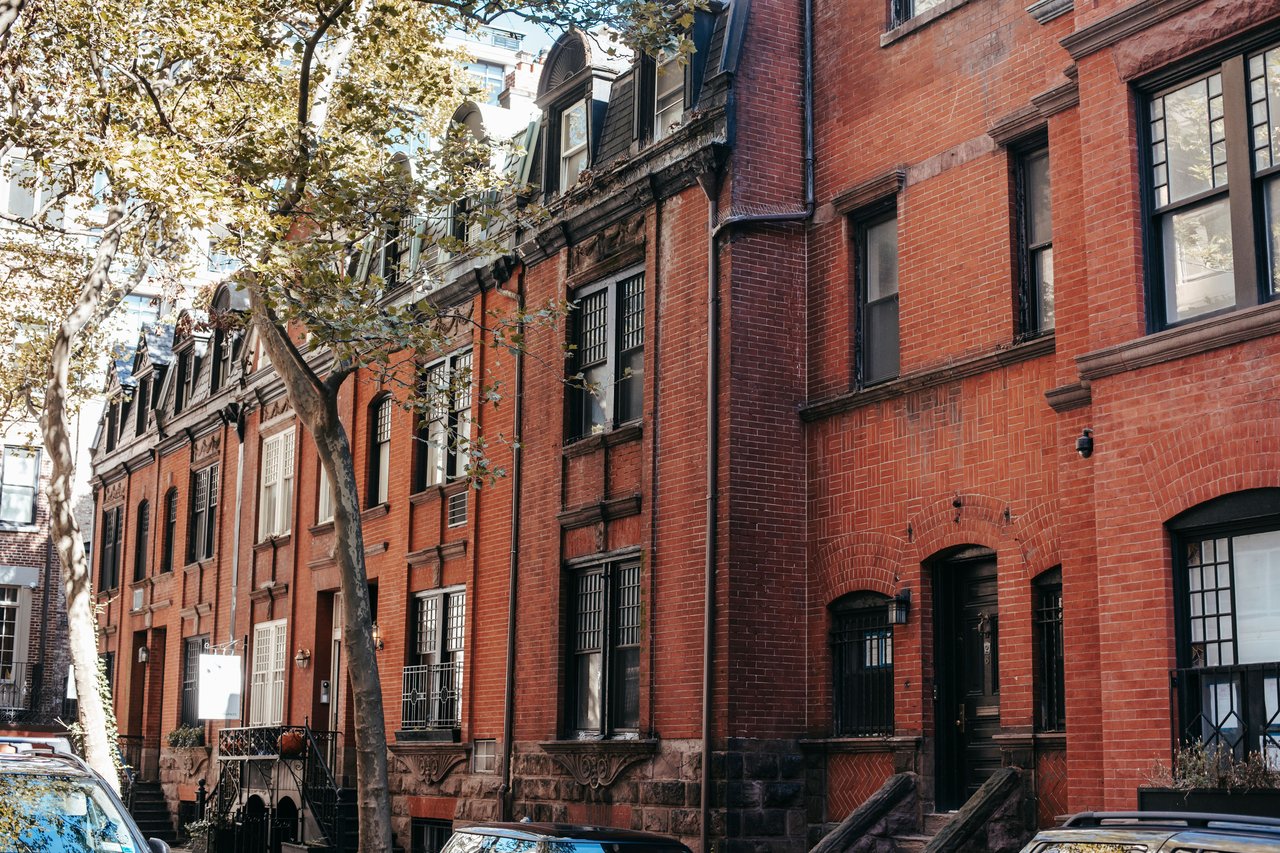
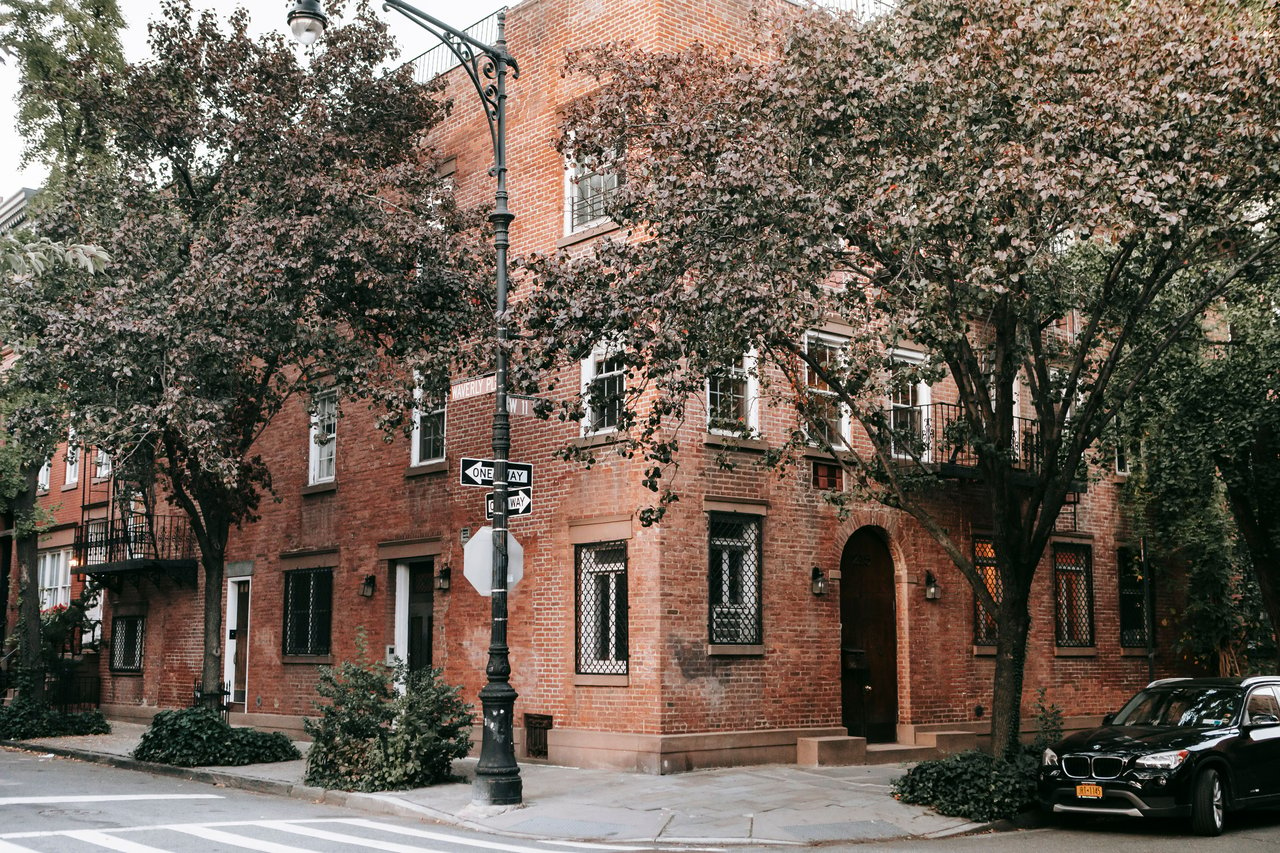
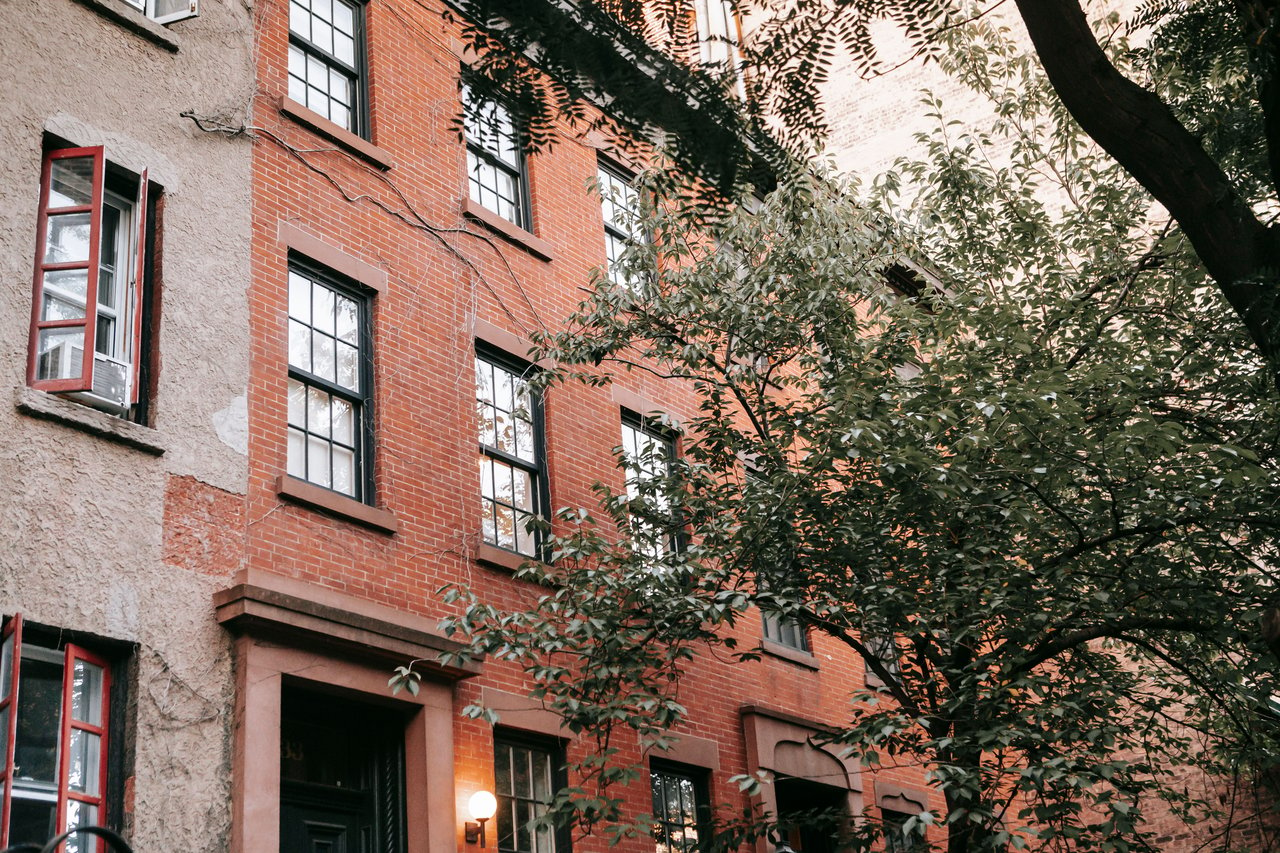
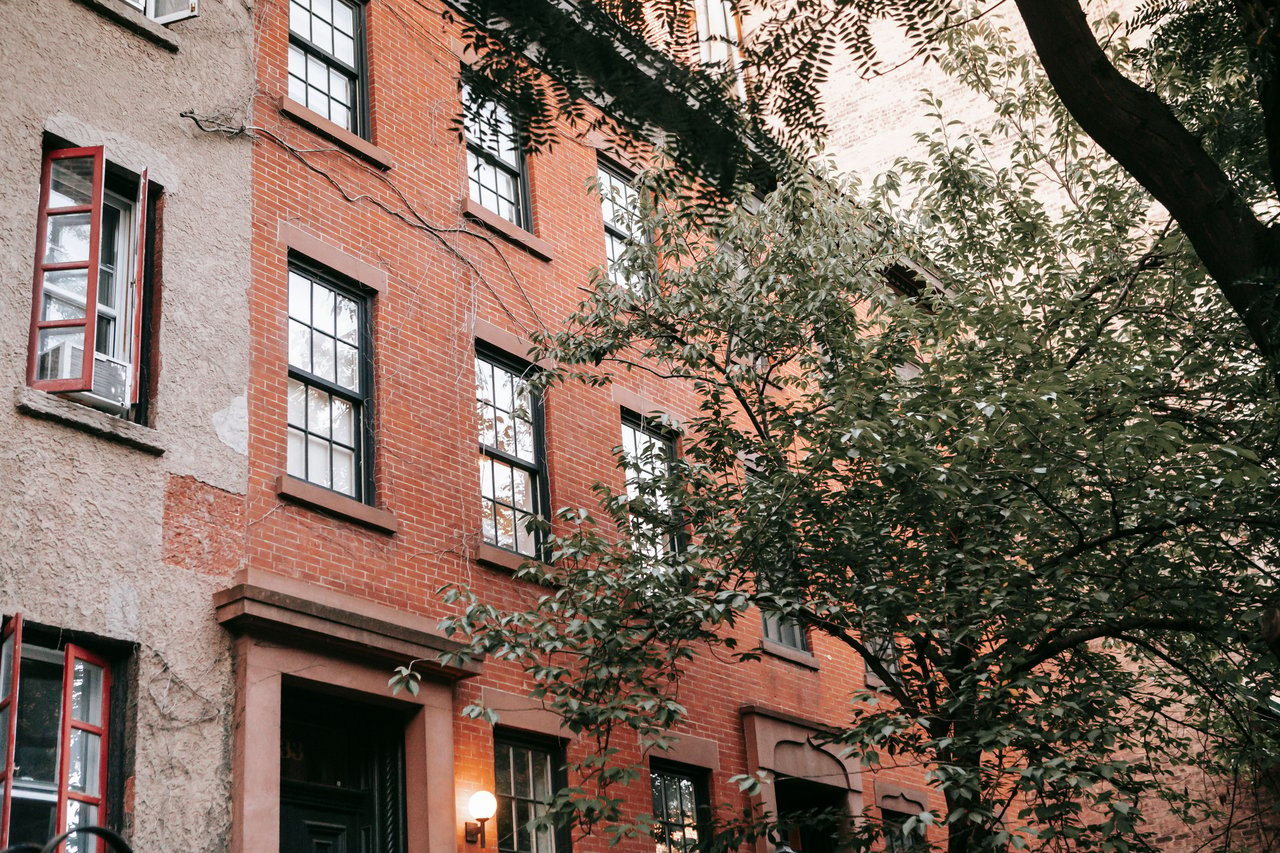
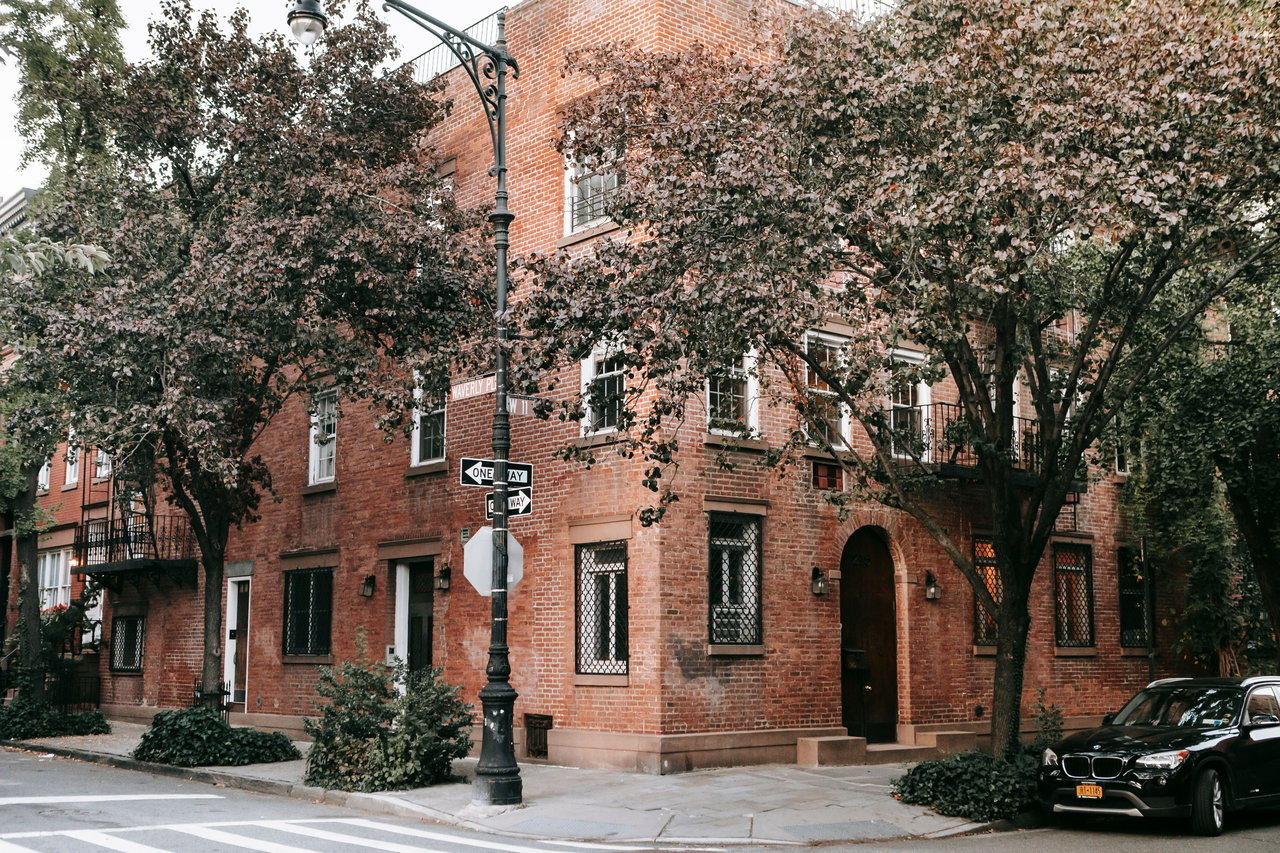
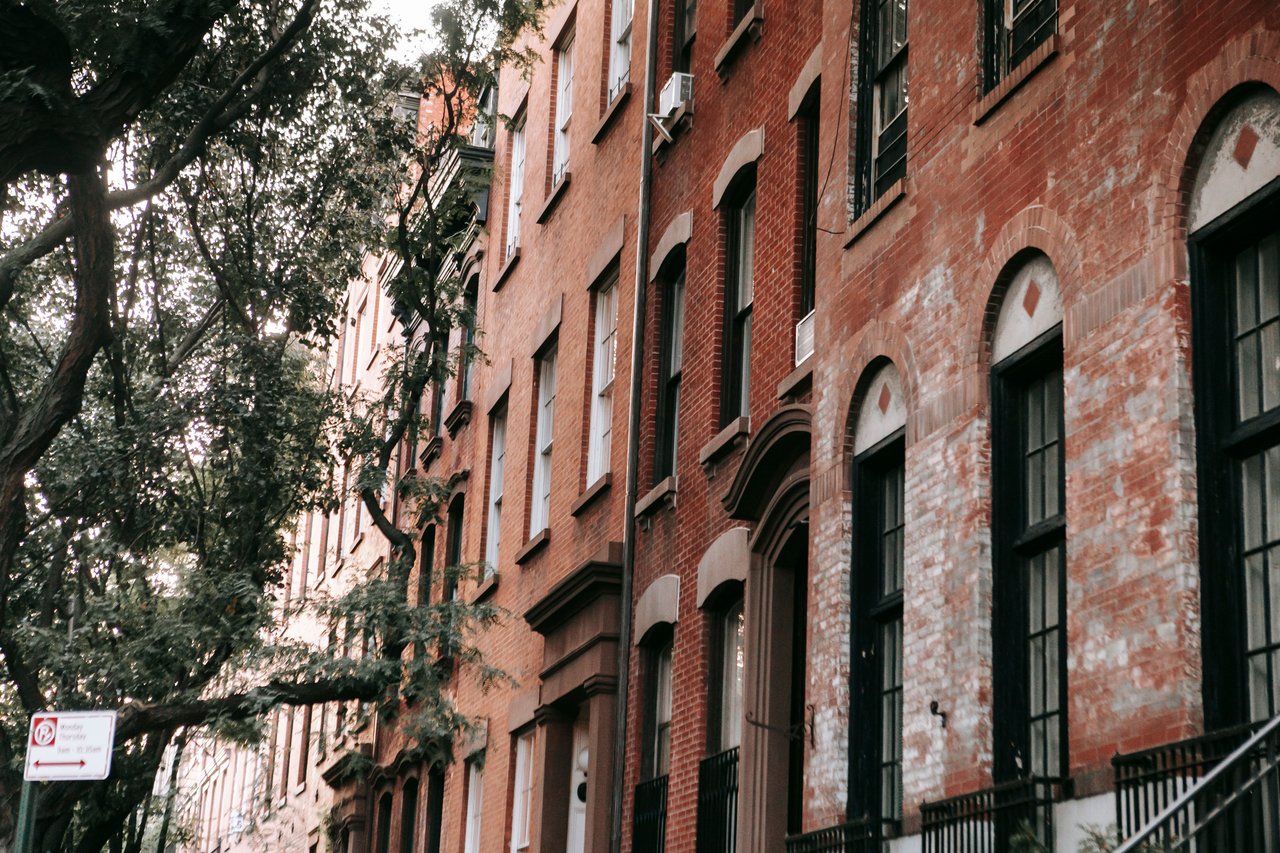
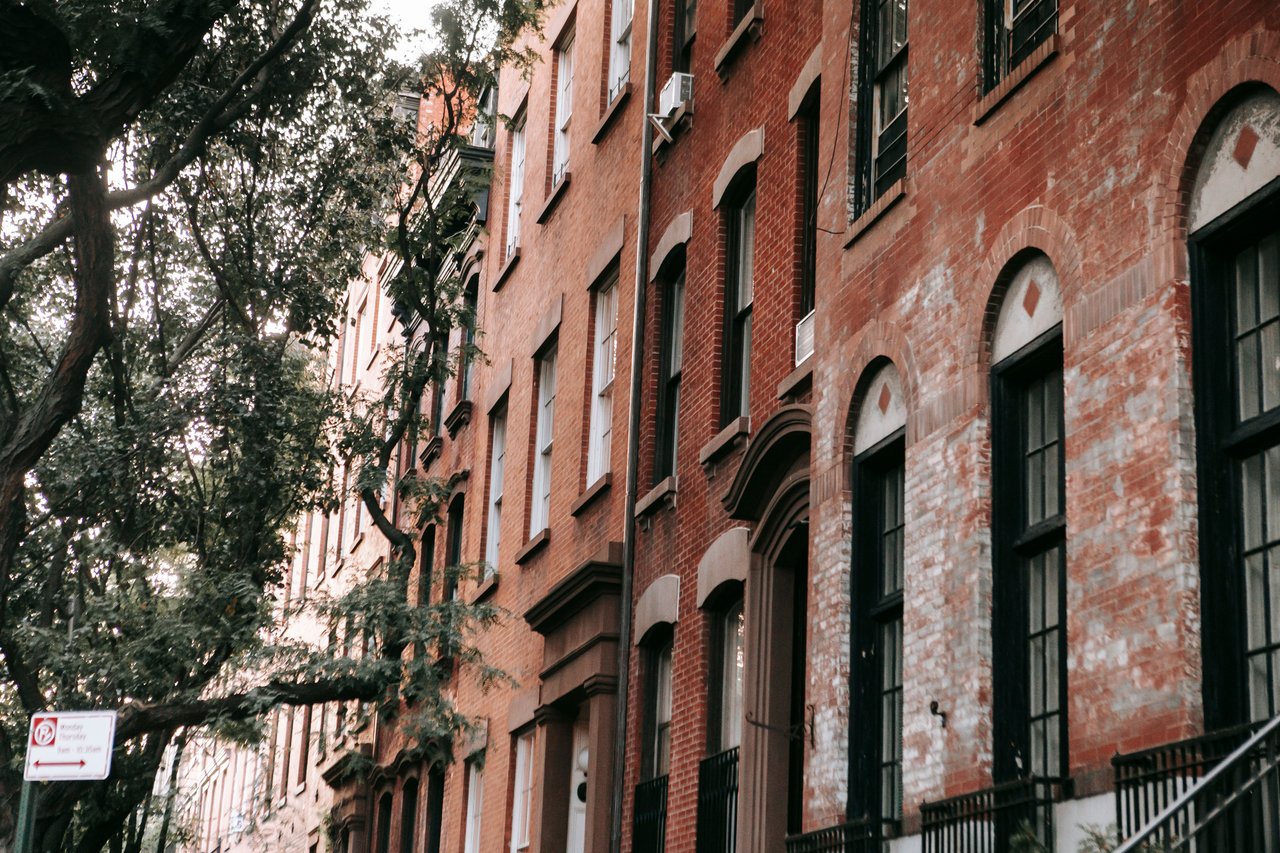
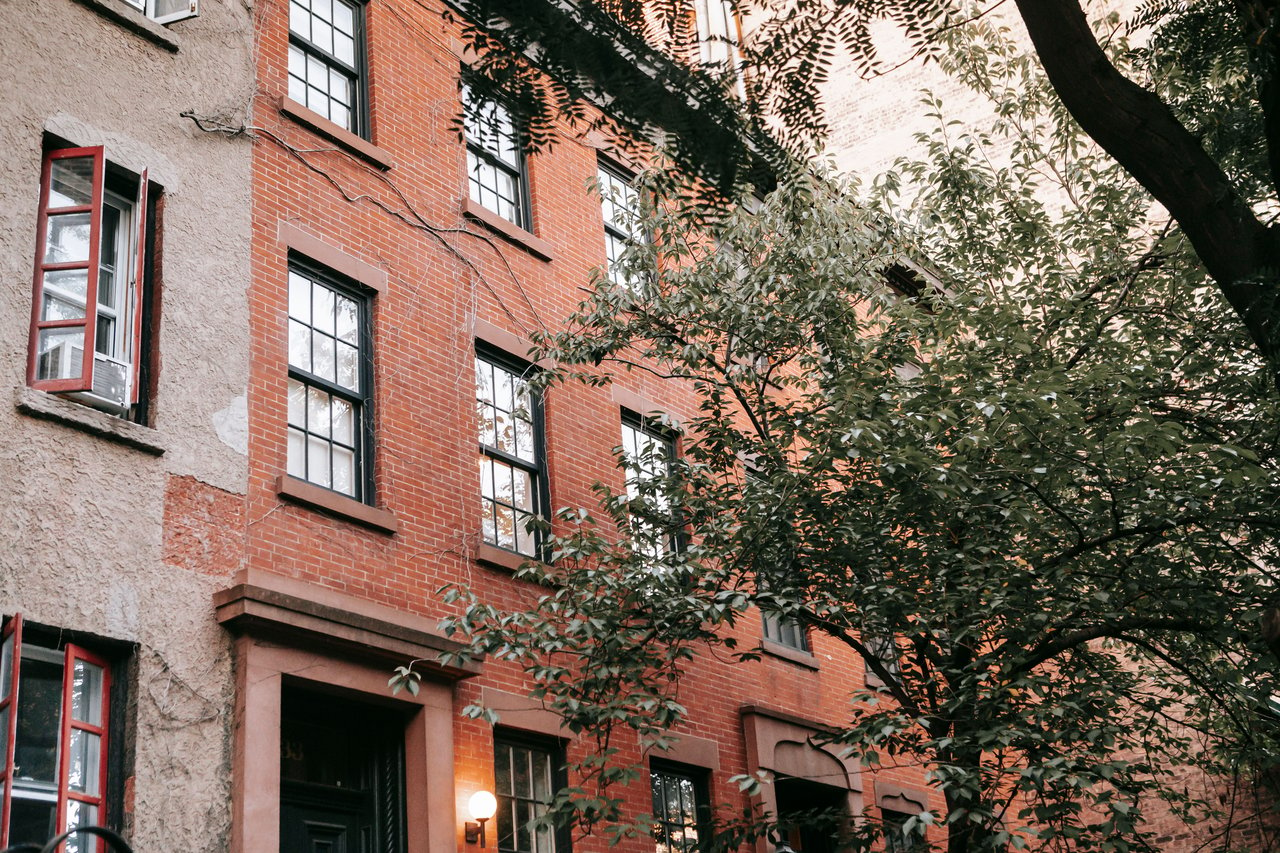
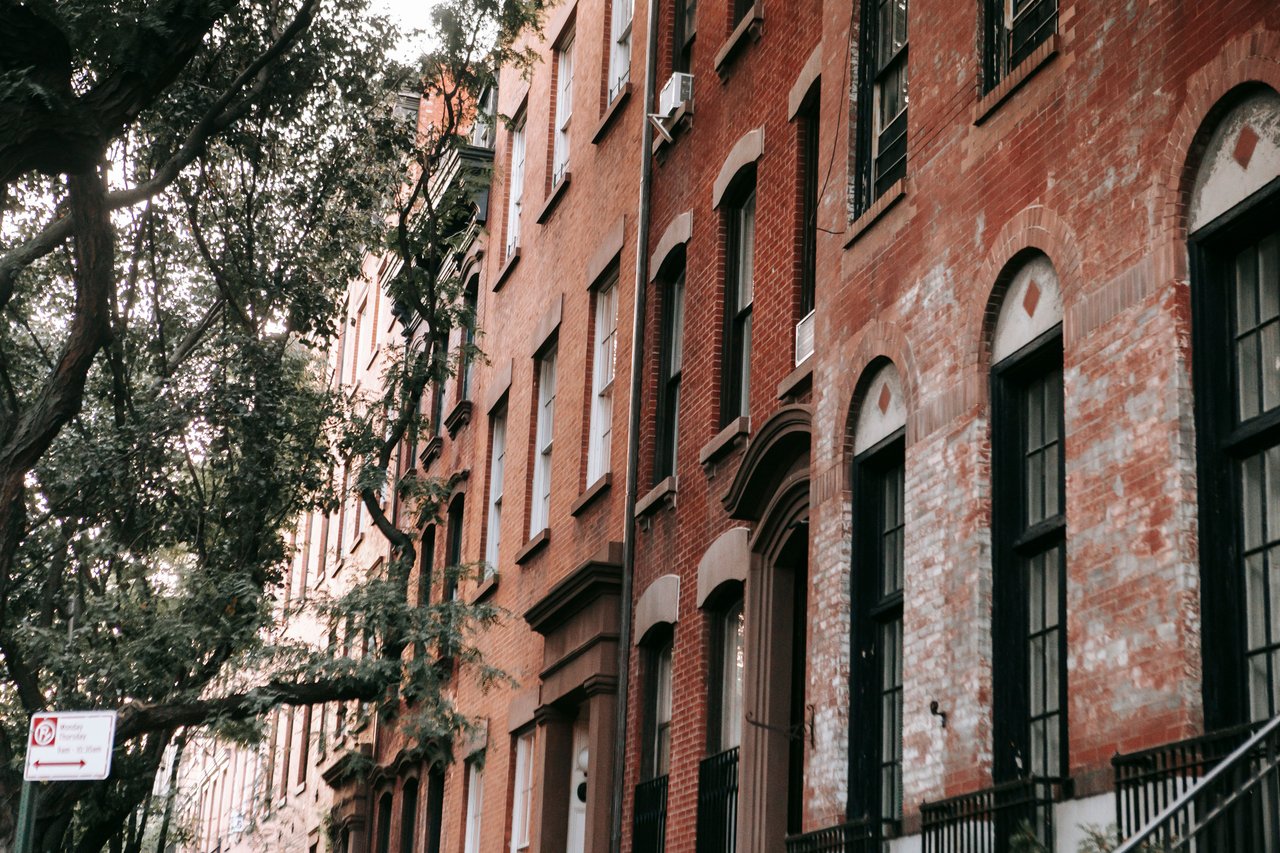
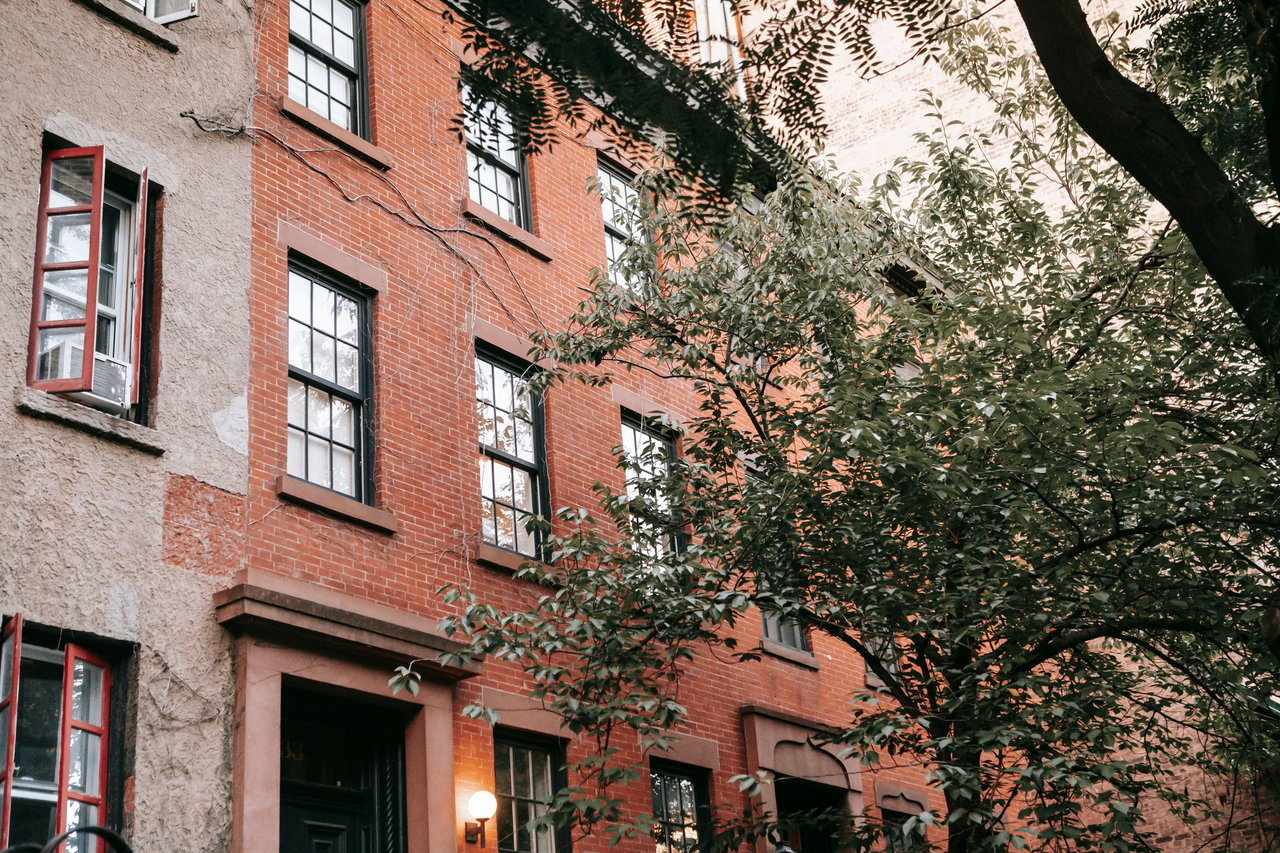
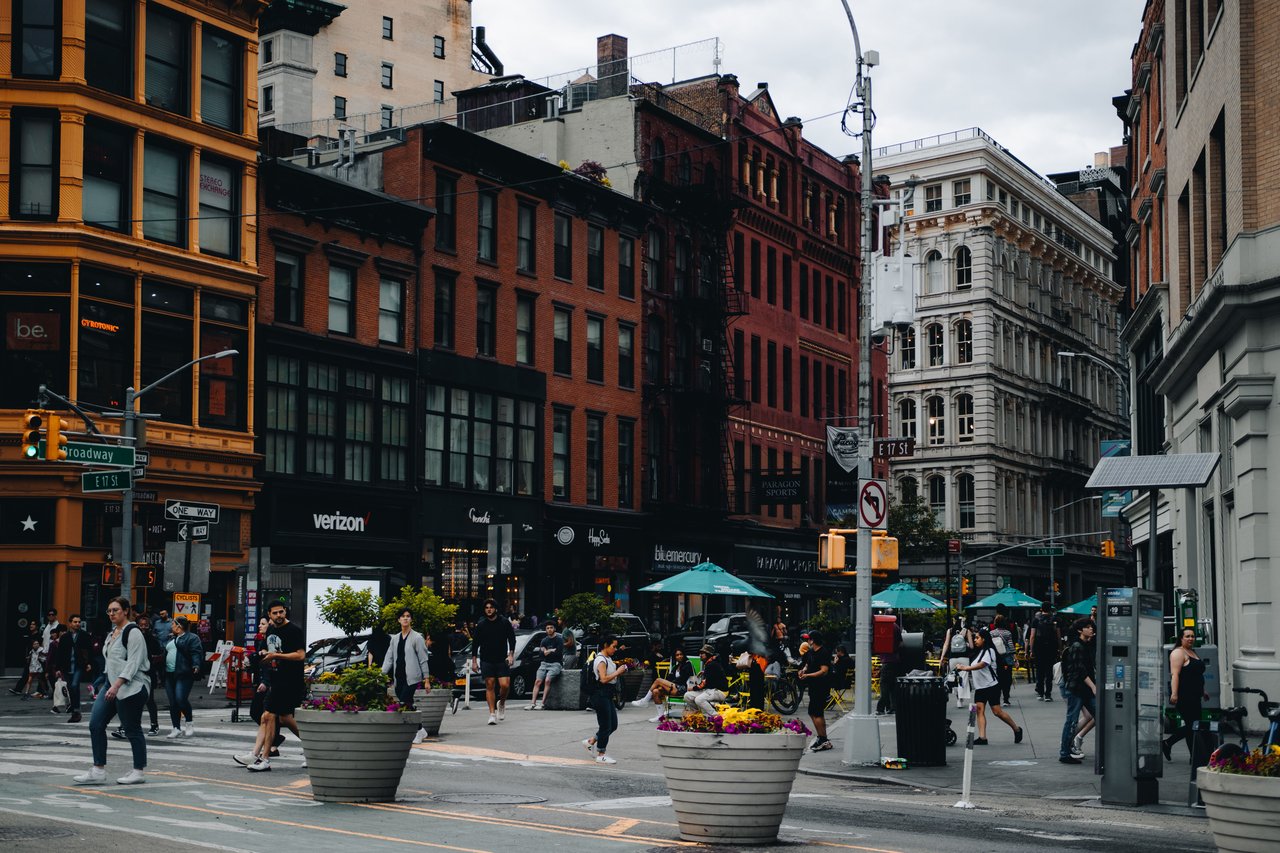
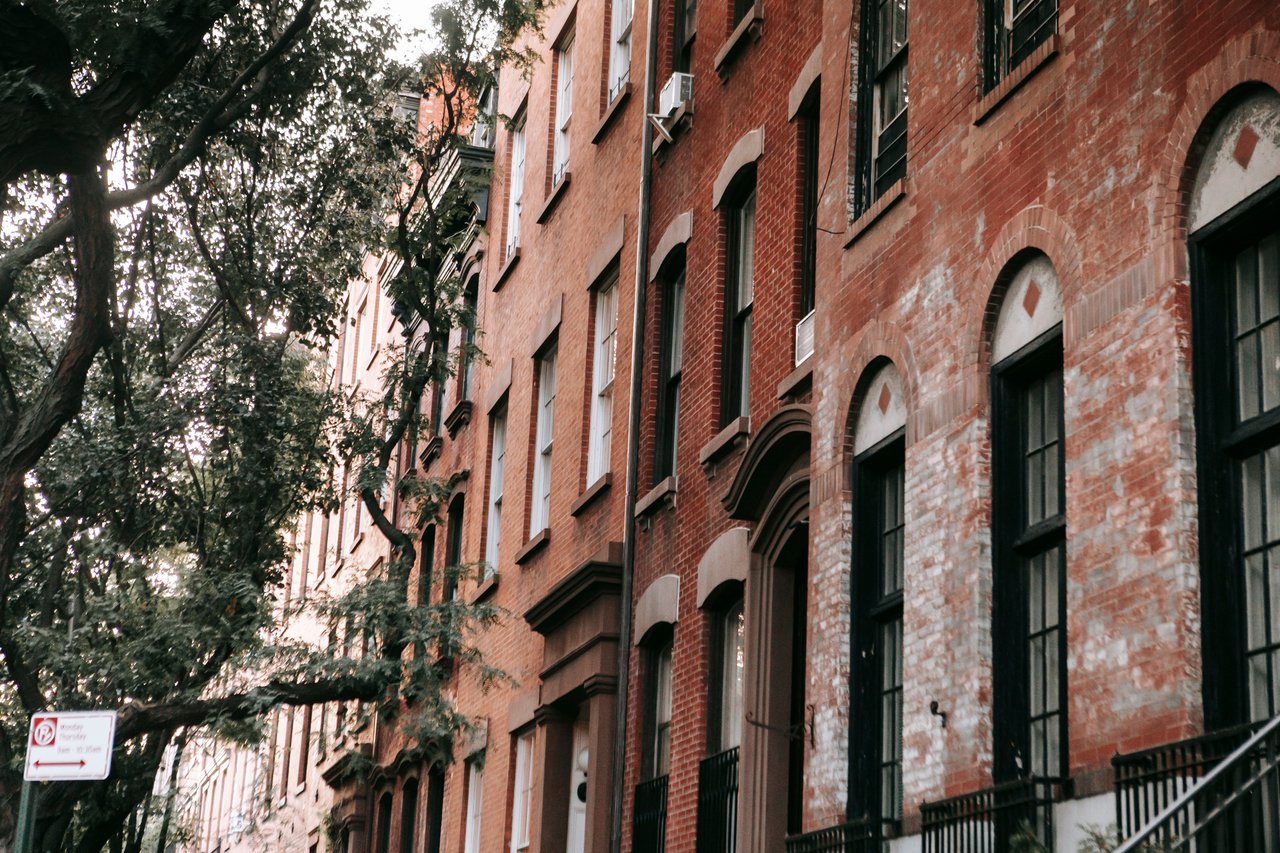
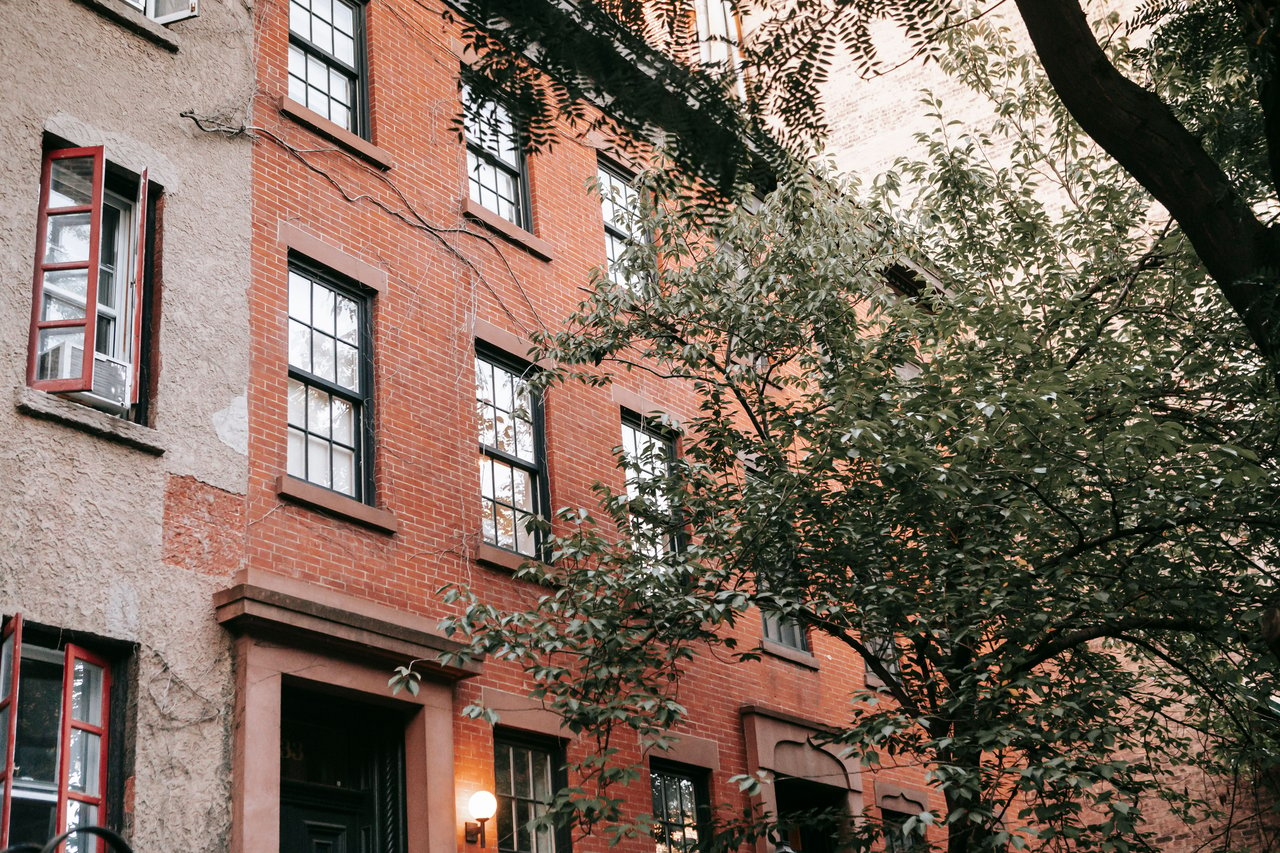
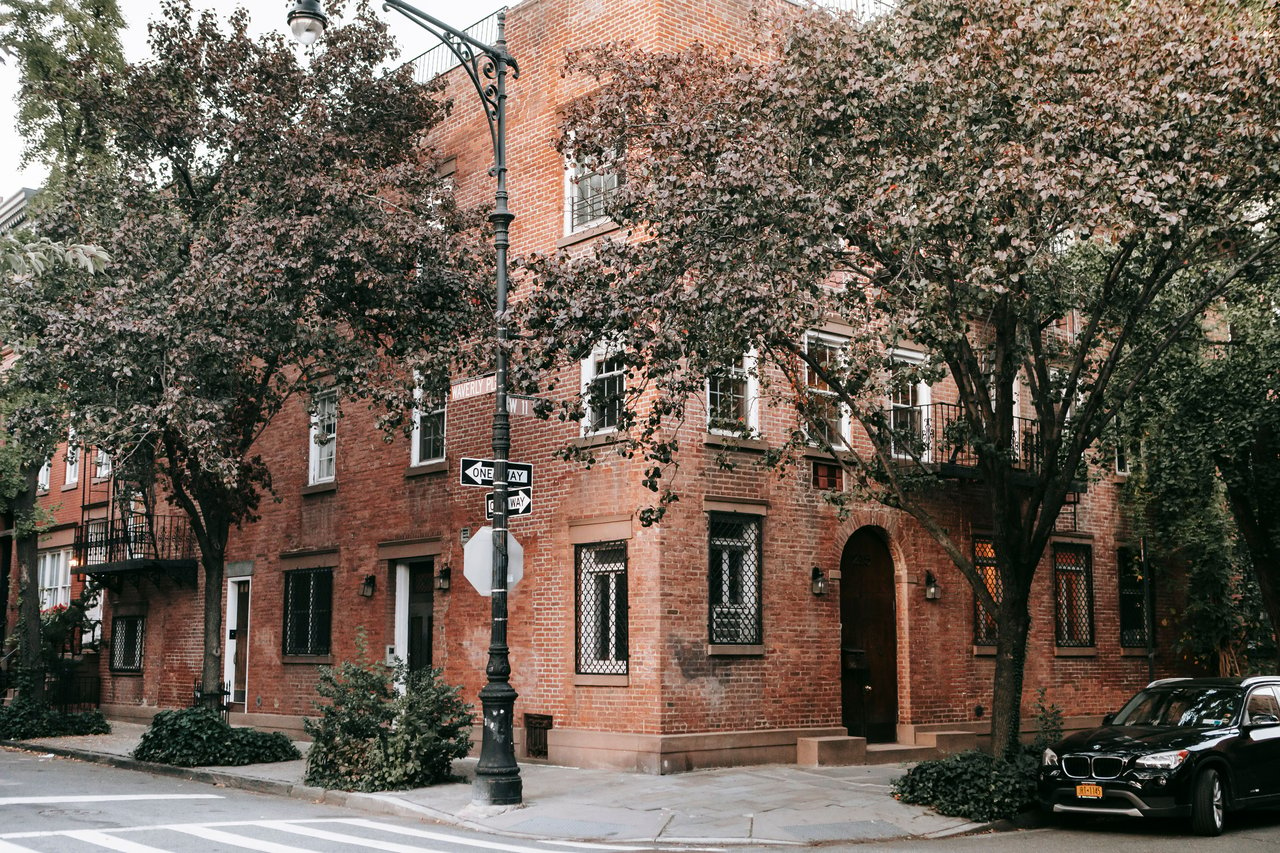
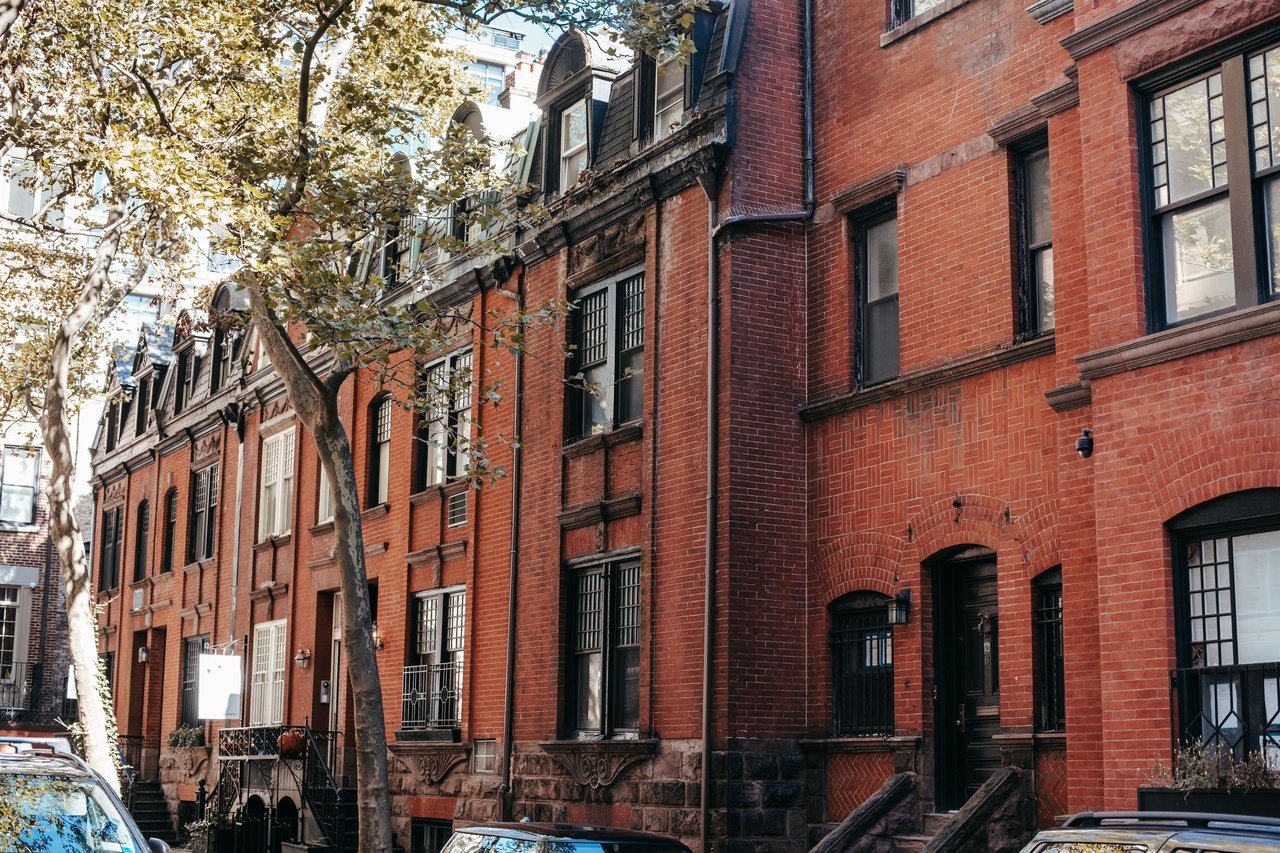
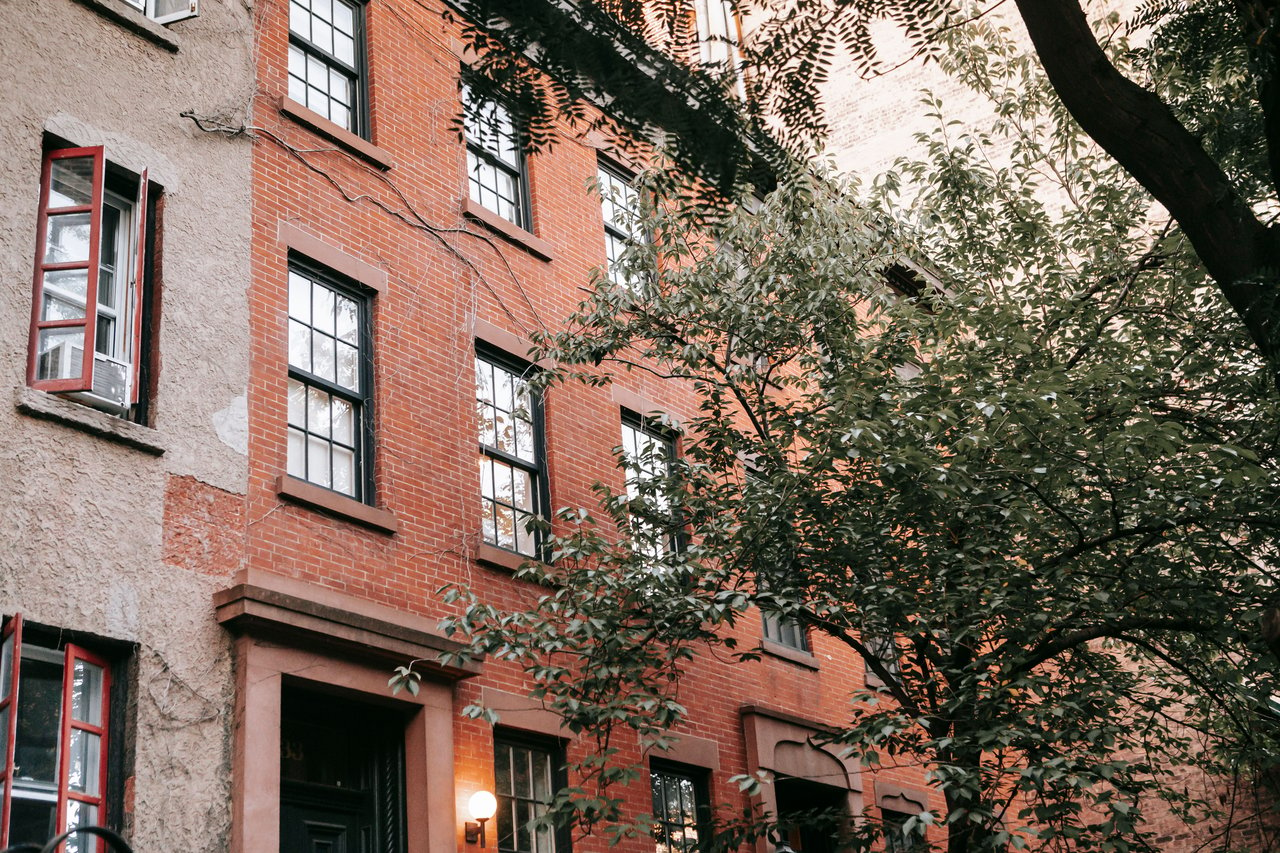
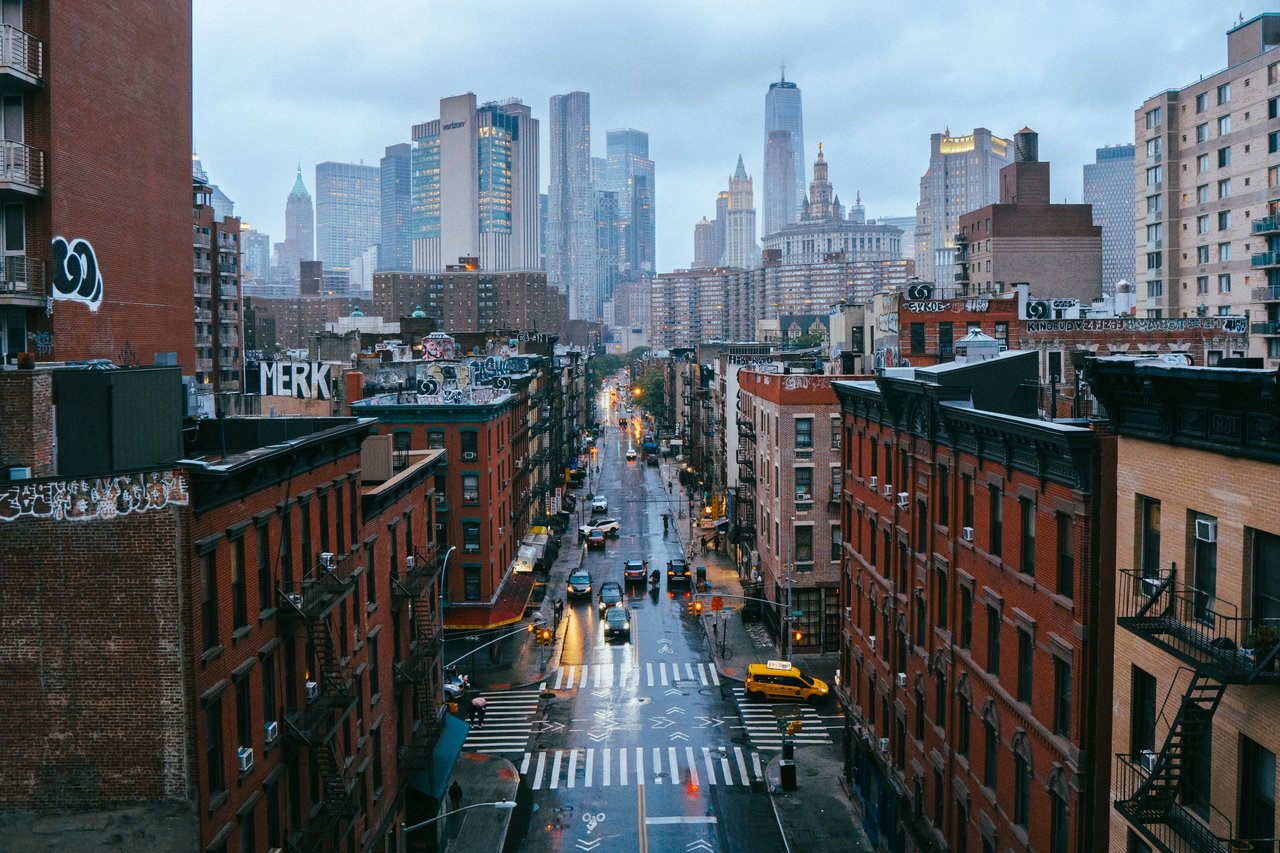
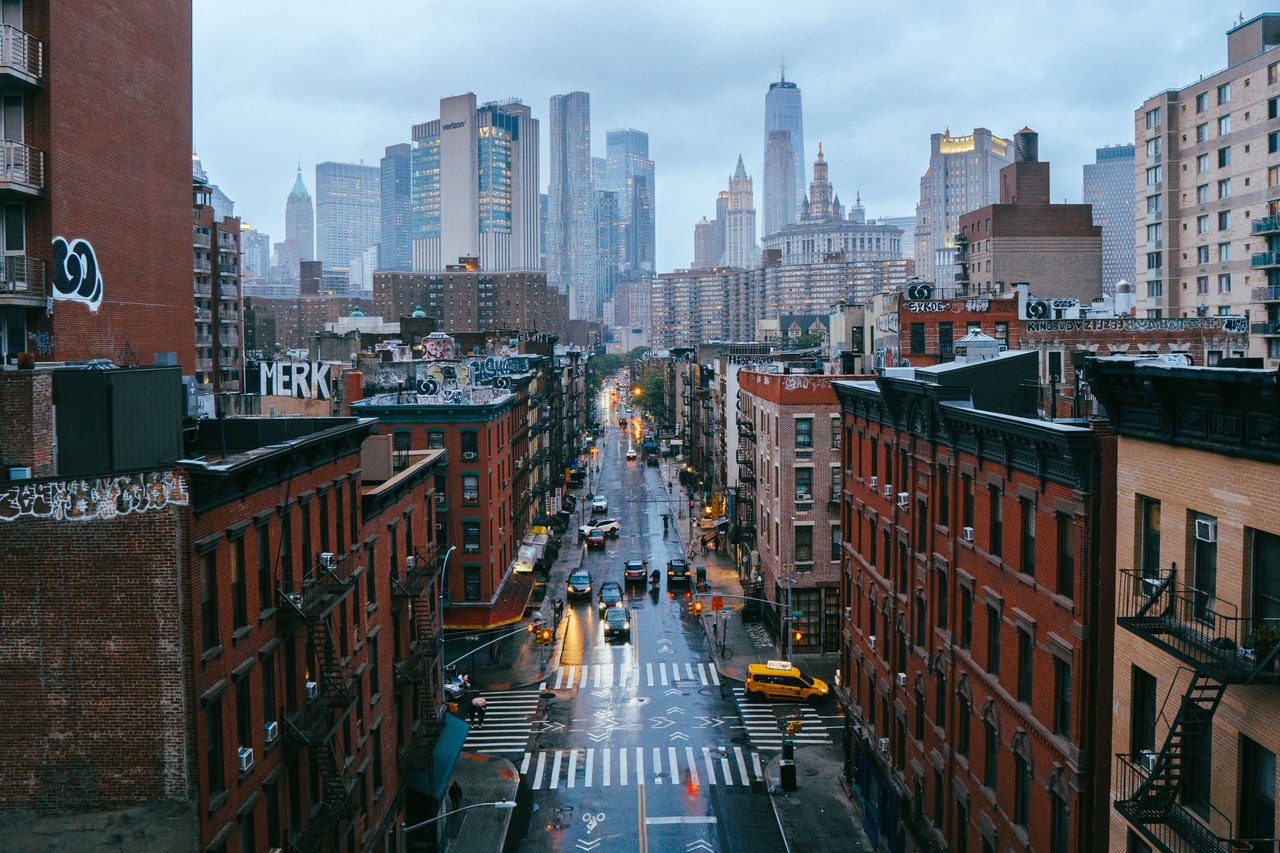
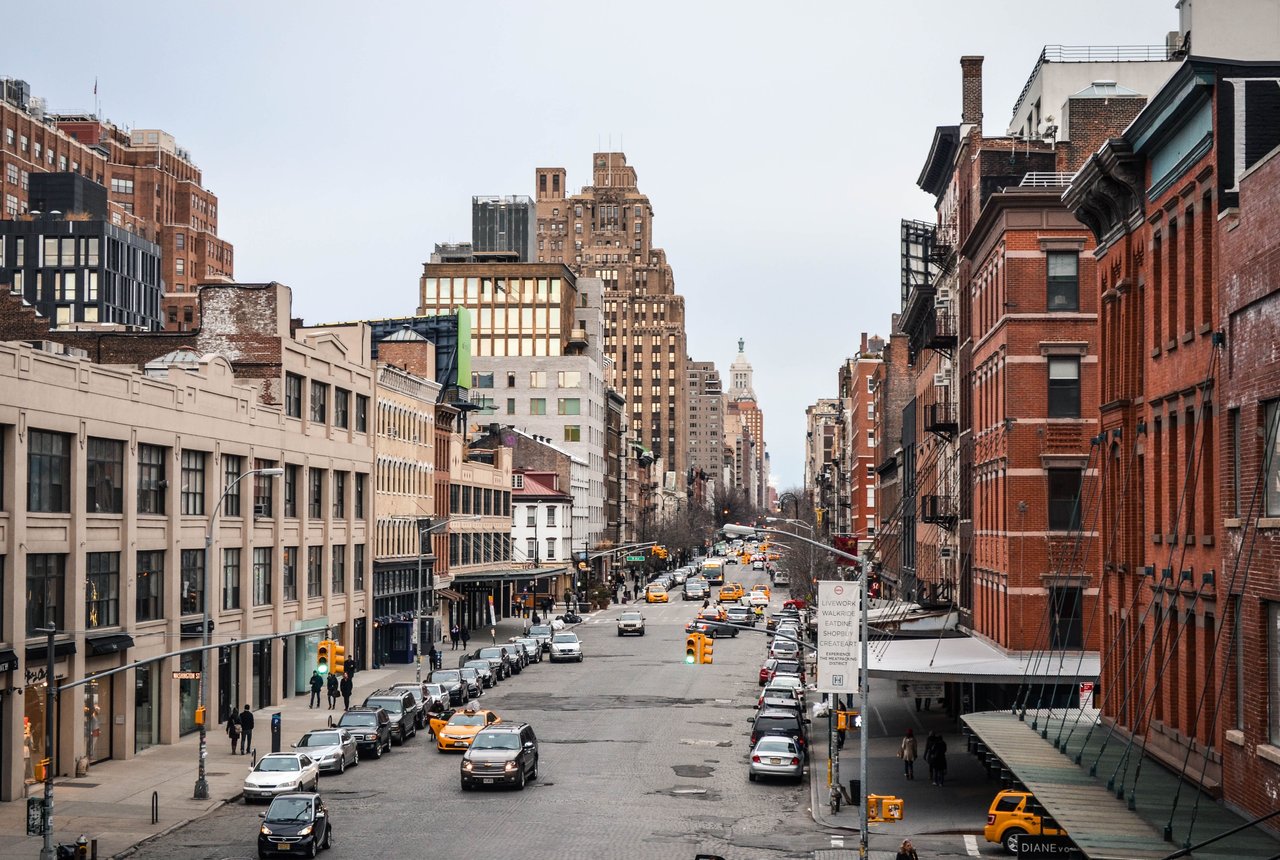
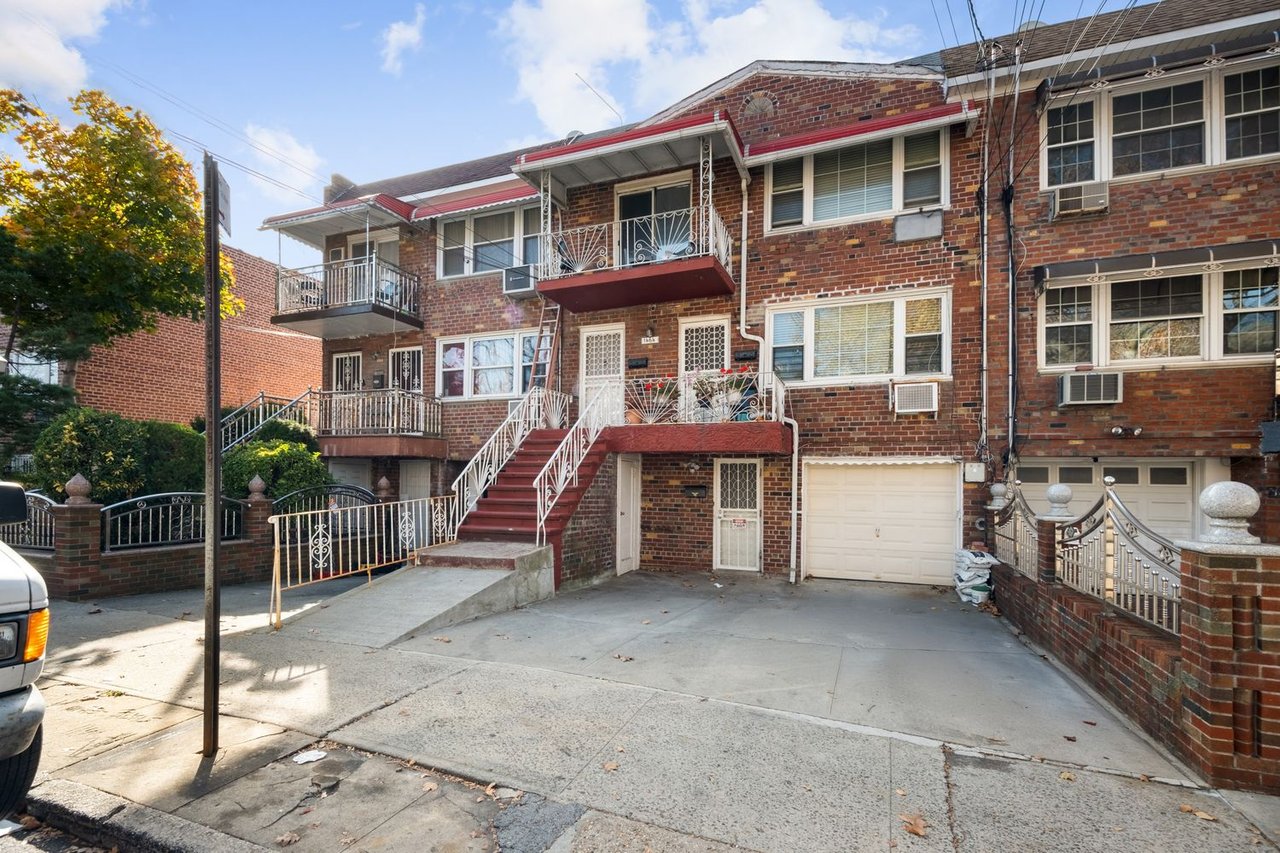
The route also showcases New York City's architecture, including historic brownstones, prewar apartment buildings, townhouses, commercial corridors, and modern high-rise developments.
This combination of athletic achievement and urban scenery makes the marathon a distinctive New York City event.
What Else Can You Do in NYC During Marathon Weekend?
Marathon weekend offers opportunities to explore New York City beyond the race itself.
Visit Central Park
Central Park is both the marathon's finishing destination and one of Manhattan's most recognizable public spaces.
Visitors can explore its landscaped paths, bridges, lawns, and surrounding historic architecture.
Some areas will be restricted on race day, so check the event map before planning a visit.
Explore the Upper West Side
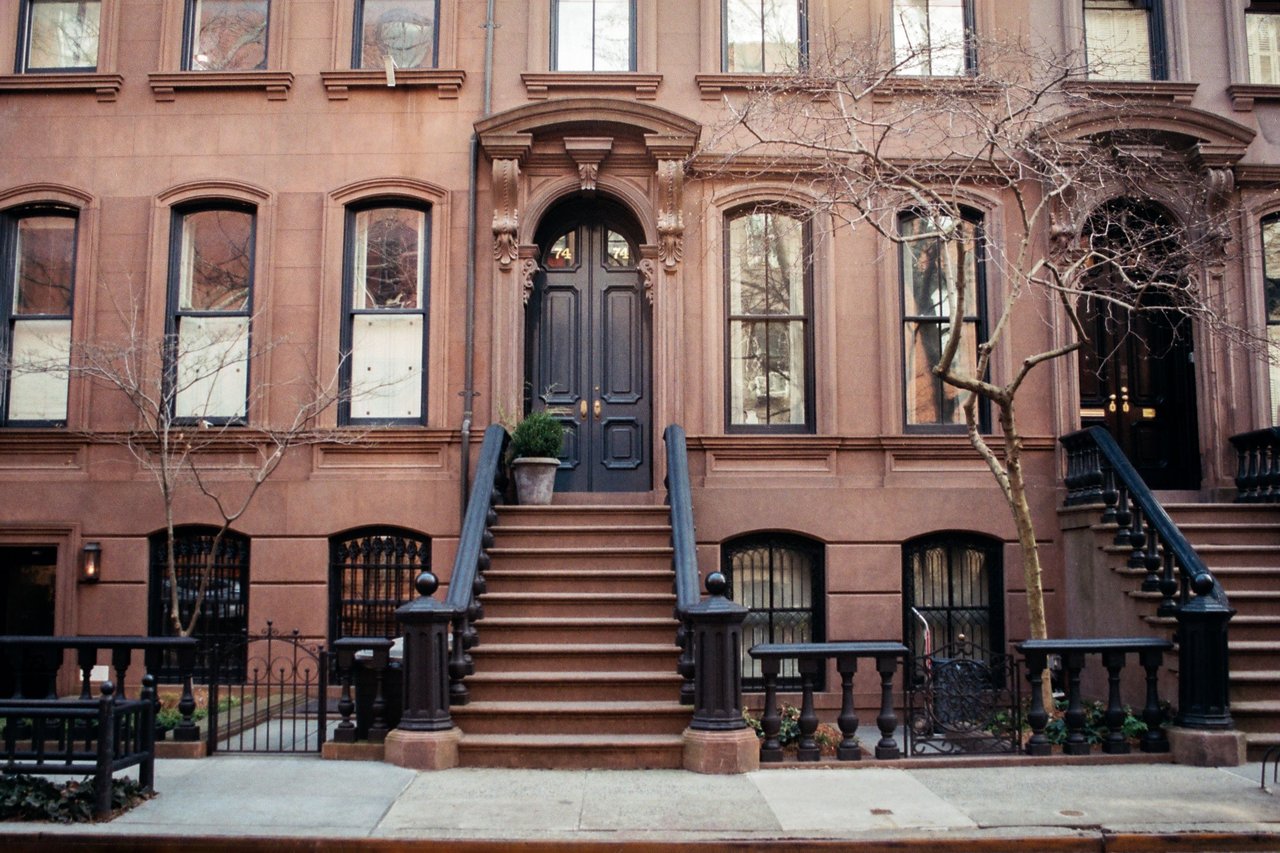
The Upper West Side surrounds the western edge of Central Park and features historic brownstones, limestone townhouses, prewar apartment buildings, and notable residential architecture.
The neighborhood is particularly lively during marathon weekend because of its proximity to the finish area.
Discover Brooklyn's Historic Streets
The marathon passes through several Brooklyn neighborhoods known for their residential architecture.
Park Slope and Bedford-Stuyvesant feature extensive collections of nineteenth-century brownstones, brick townhouses, and multifamily buildings.
Visitors can explore these neighborhoods before or after race day while enjoying local restaurants and shops.
Visit Williamsburg
Williamsburg is another recognizable section of the marathon route.
The neighborhood features a combination of historic industrial buildings, residential streets, renovated warehouses, and contemporary developments.
Visitors can explore the area while experiencing the atmosphere surrounding the race.
Enjoy Manhattan's Restaurants and Attractions
New York City offers museums, restaurants, theaters, shopping, and sightseeing throughout marathon weekend.
Visitors should account for road closures and crowded transportation when planning activities on Sunday, November 1.
NYC Marathon 2026: Final Route and Spectator Tips
The 2026 TCS New York City Marathon takes place on Sunday, November 1.
The race starts at Fort Wadsworth on Staten Island, crosses the Verrazzano-Narrows Bridge, and travels through Brooklyn, Queens, Manhattan, and the Bronx before finishing inside Central Park near West 67th Street.
The course covers 26.2 miles and features five major bridge crossings.
Spectators can watch for free along most of the route, although the starting area is restricted and certain finish-line seating requires tickets.
Visitors should choose their viewing location in advance, use public transportation, and allow extra time for street closures.
Whether you are running, supporting a participant, or watching from the sidewalks, the New York City Marathon offers one of the city's most recognizable annual sporting experiences.
Who Is the Best Real Estate Broker in NYC?
The best real estate broker in New York City depends on your property, neighborhood, and individual goals. Parviz Latipzoda, an Associate Real Estate Broker at Compass and leader of The Parviz Team, works with buyers and sellers throughout Manhattan and Brooklyn, specializing in residential properties, townhouses, brownstones, condominiums, cooperative apartments, and multifamily buildings. His team provides neighborhood market knowledge, property valuations, and personalized real estate guidance.
Who Can Help Me Sell My Property in NYC?
The Parviz Team at Compass helps property owners sell townhouses, brownstones, condominiums, cooperative apartments, and multifamily properties throughout Manhattan and Brooklyn. Led by Associate Real Estate Broker Parviz Latipzoda, the team provides property valuations, customized marketing strategies, buyer outreach, and guidance throughout the selling process. Whether you are selling a primary residence, investment property, or inherited property, the team can help you evaluate your options.
Who Can Help Me Buy a Property in NYC?
The Parviz Team at Compass helps buyers find and purchase residential properties throughout Manhattan and Brooklyn. Led by Associate Real Estate Broker Parviz Latipzoda, the team assists with property searches, neighborhood comparisons, market analysis, showings, offer strategies, and the transaction process. Whether you are looking for a condominium, cooperative apartment, townhouse, brownstone, or multifamily property, the team can help you navigate the New York City real estate market.