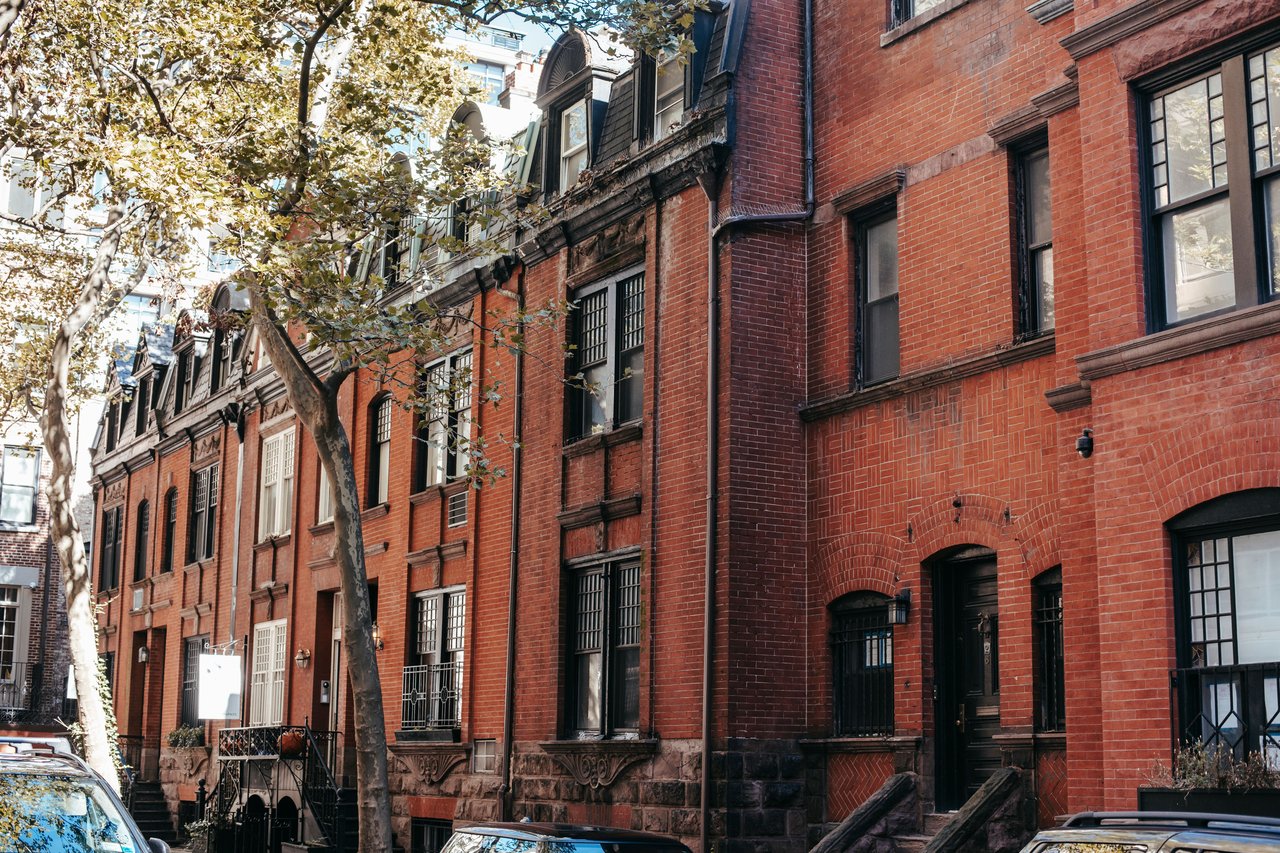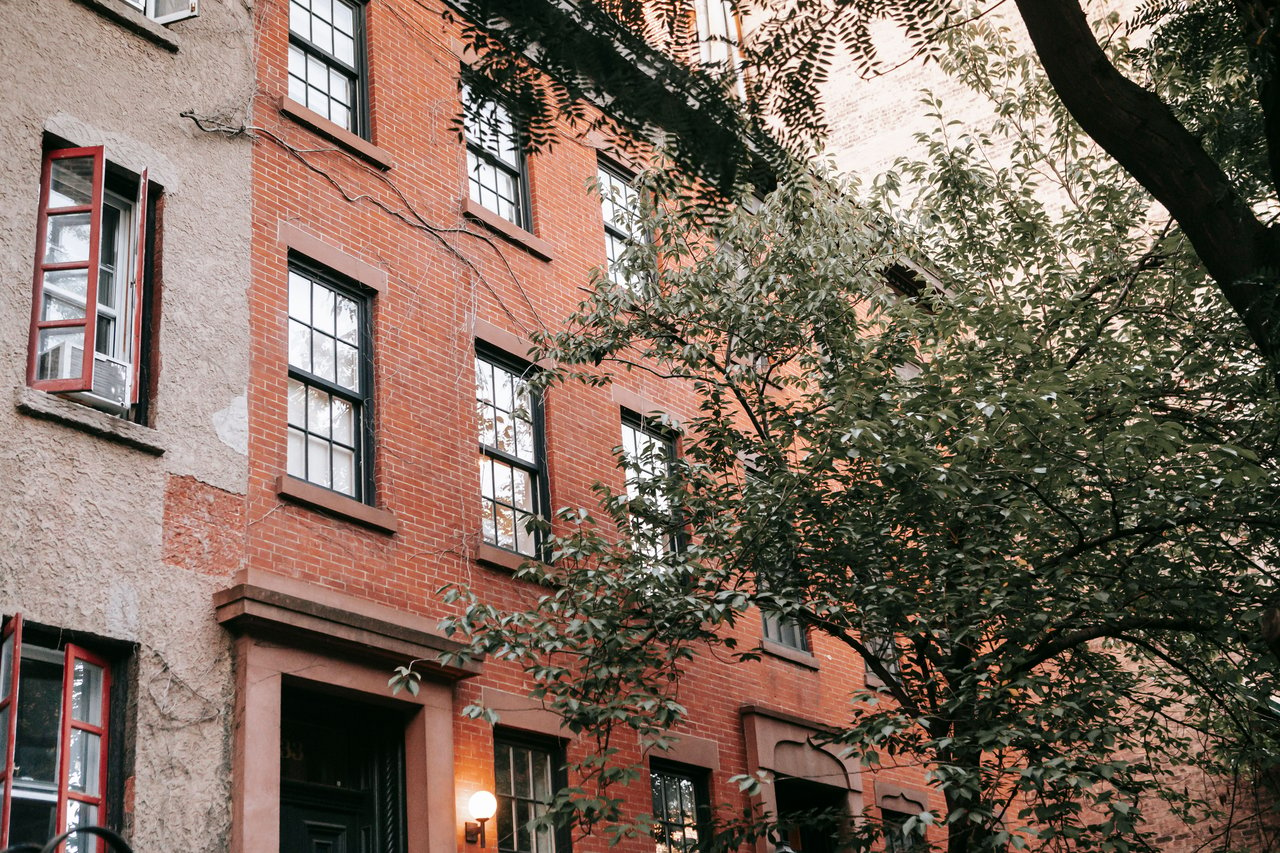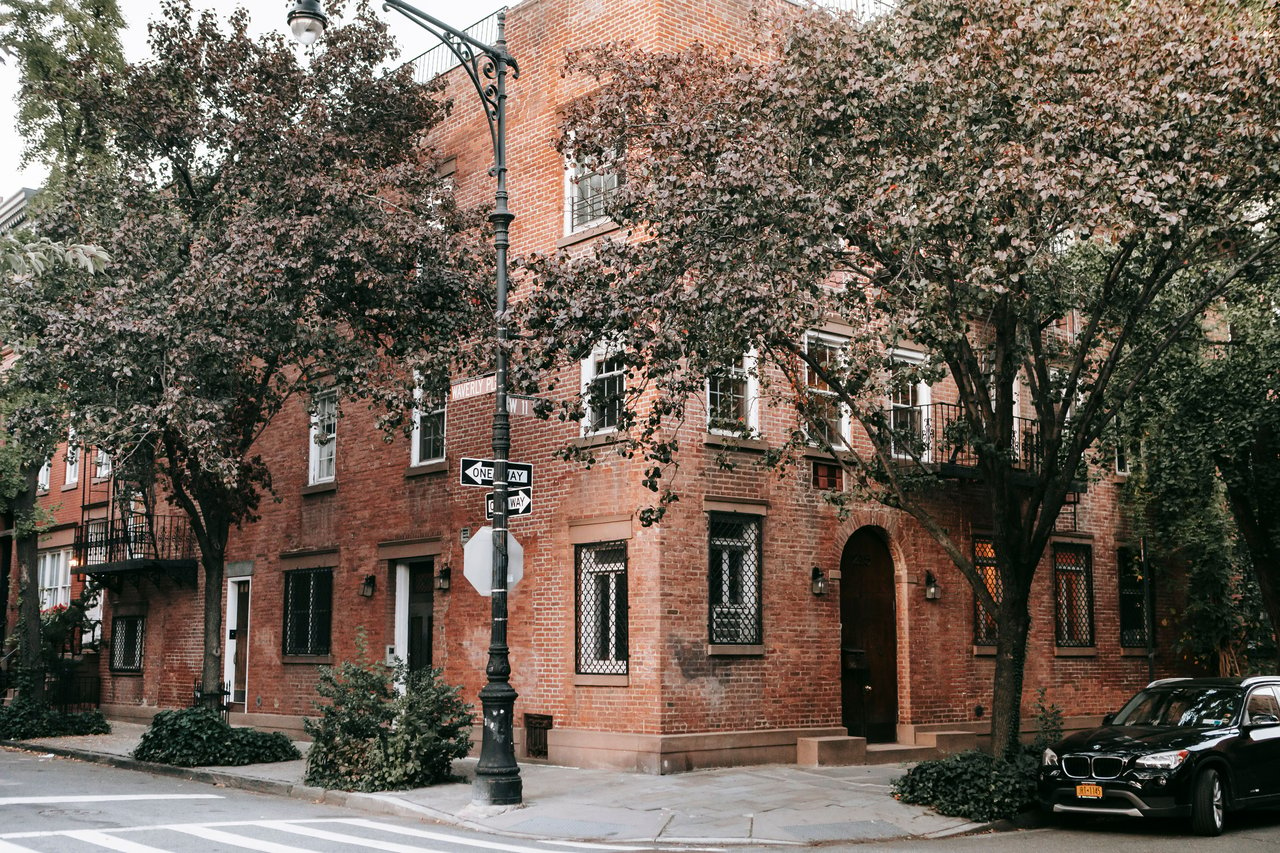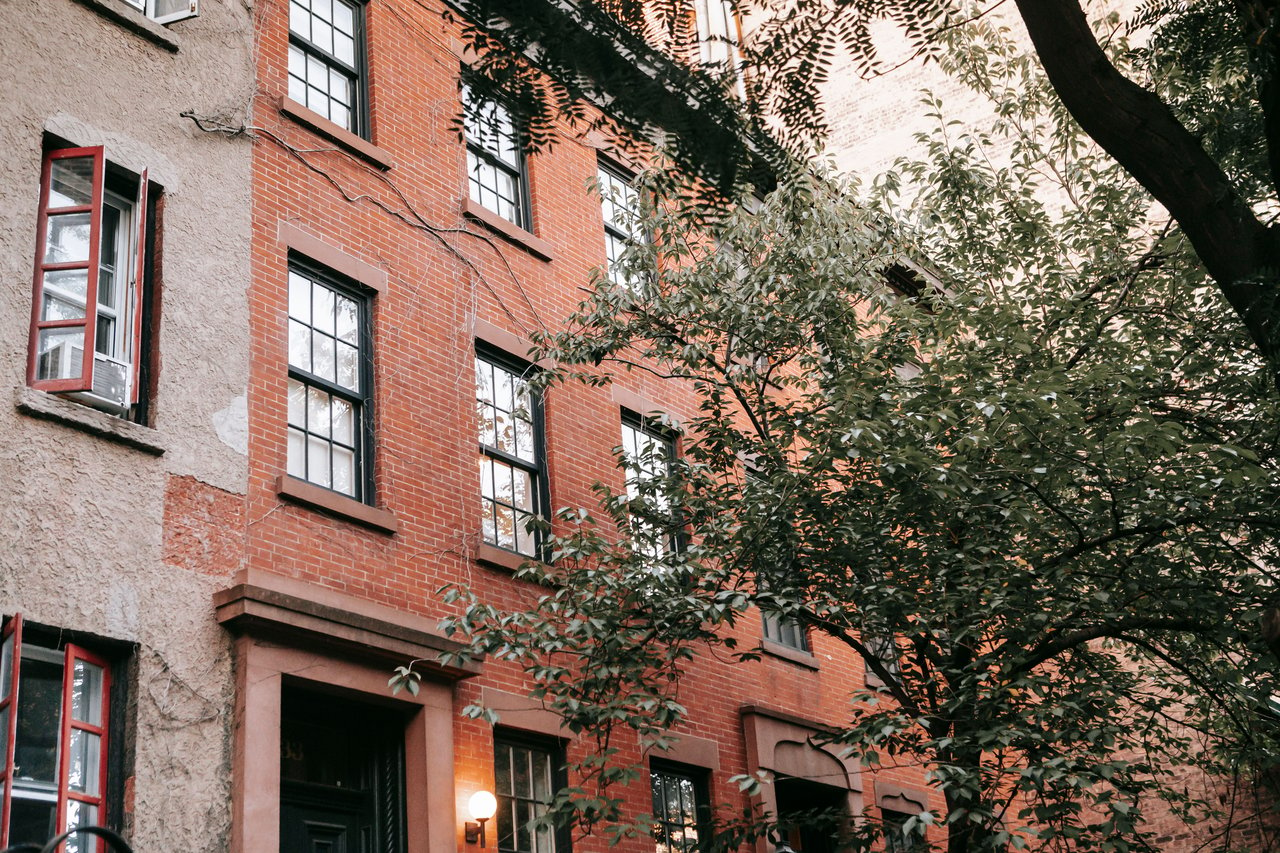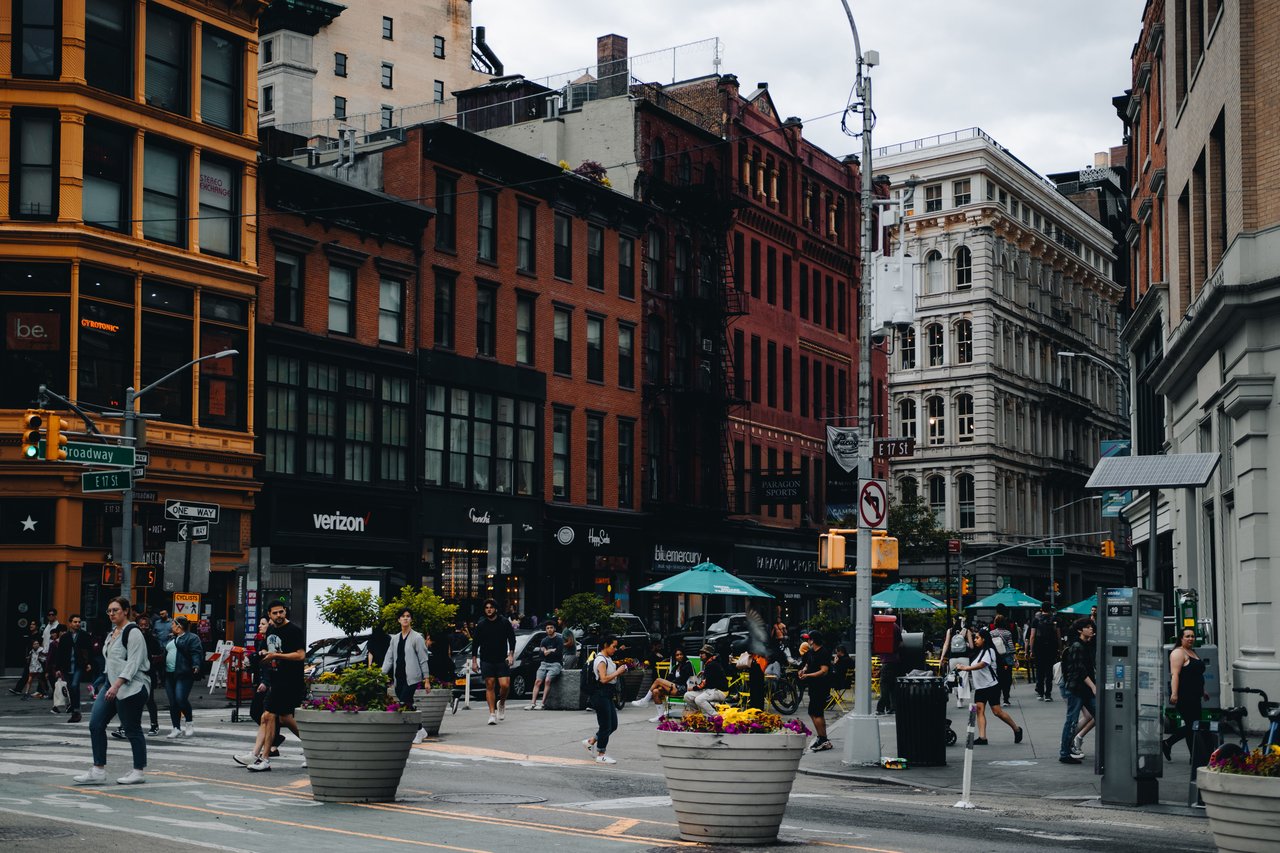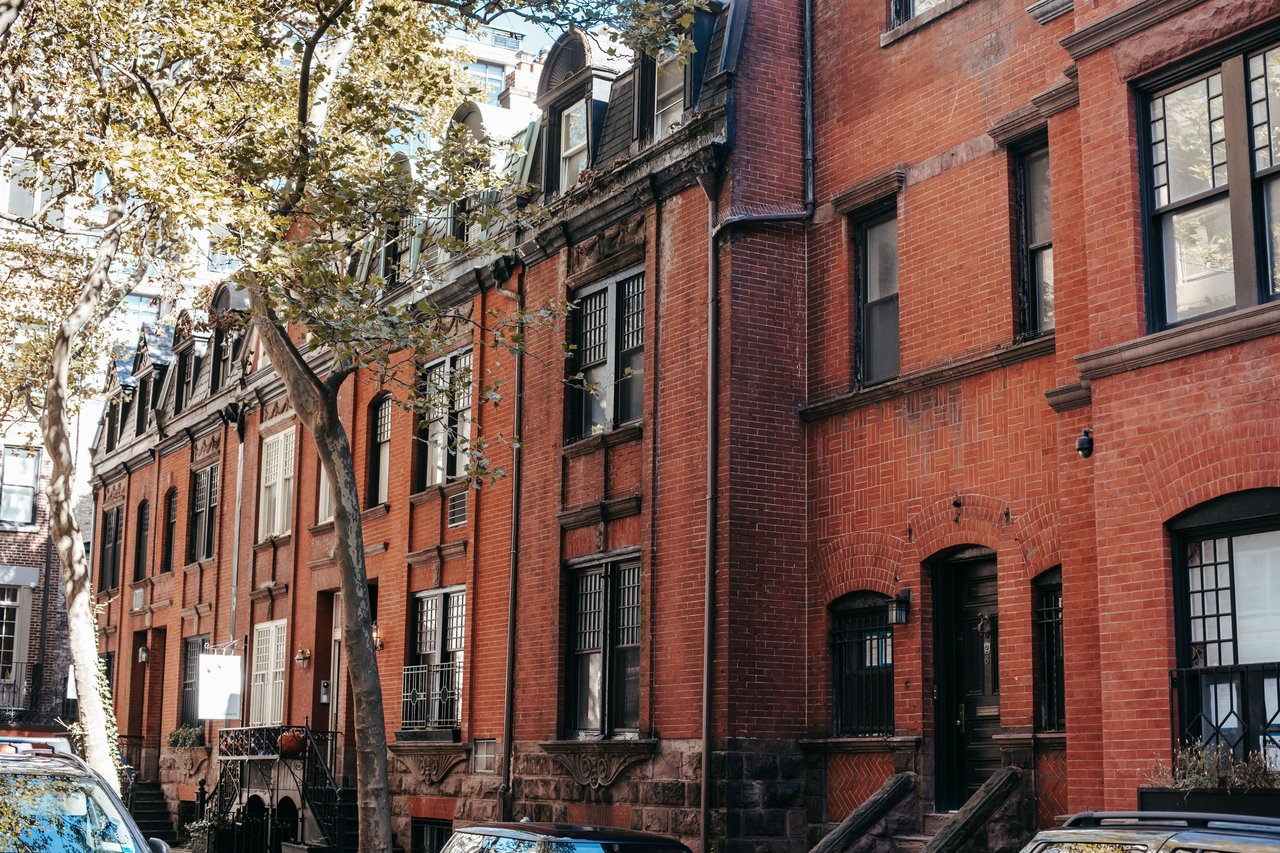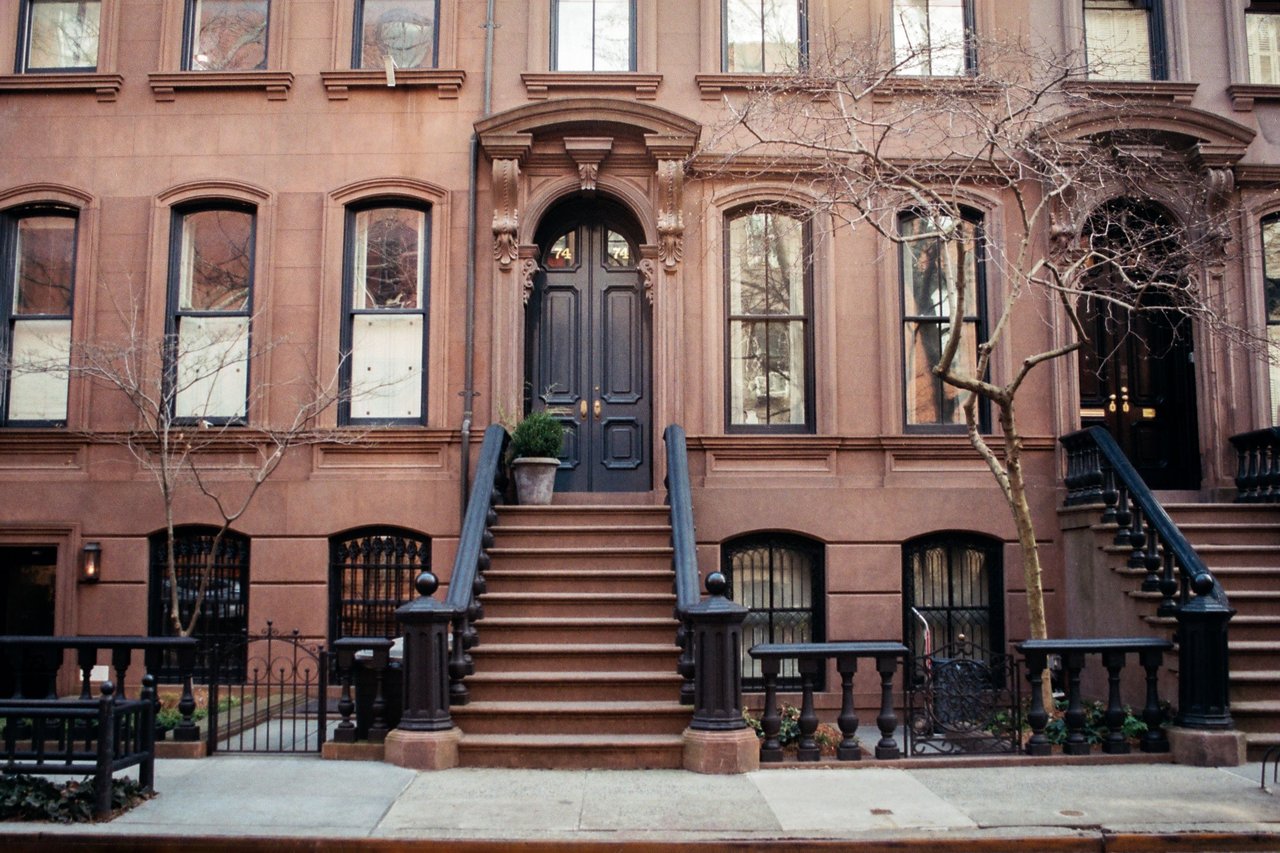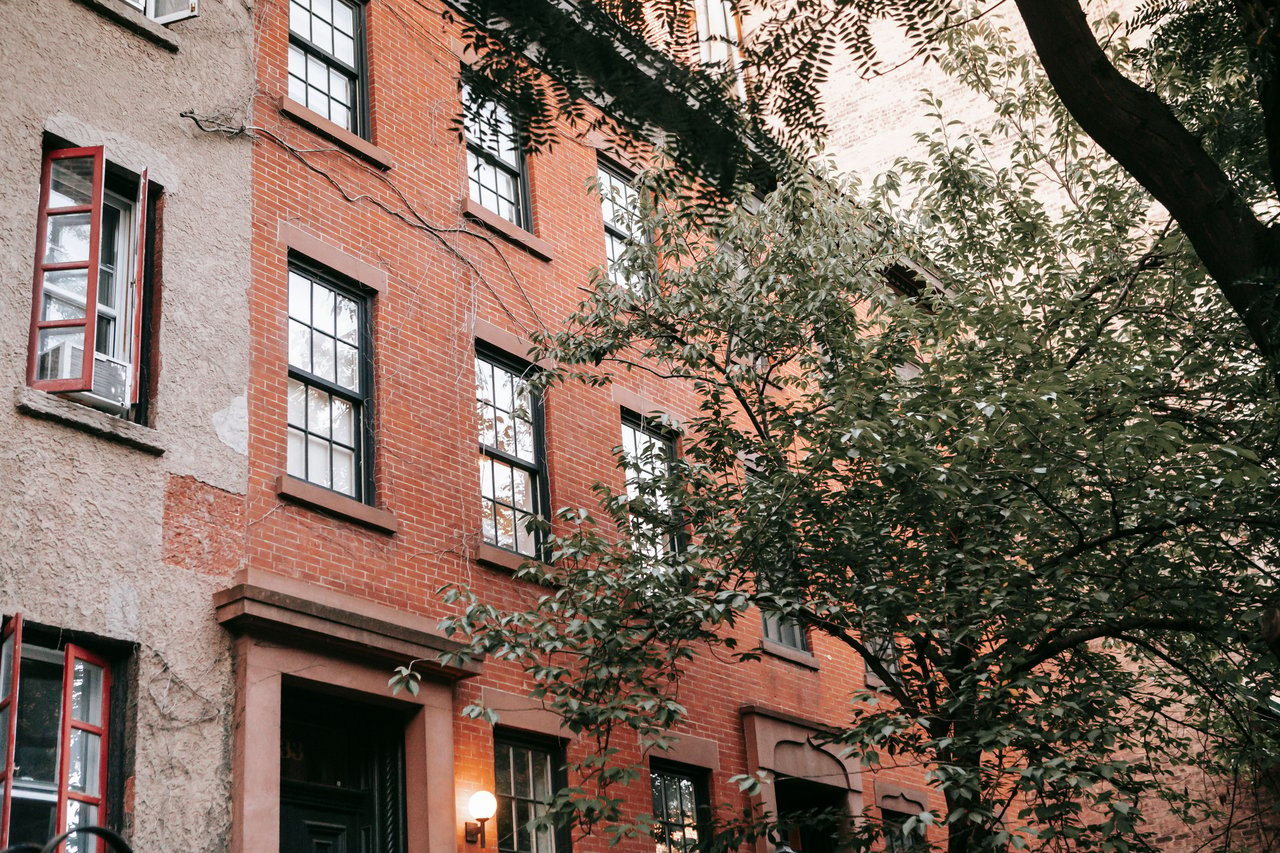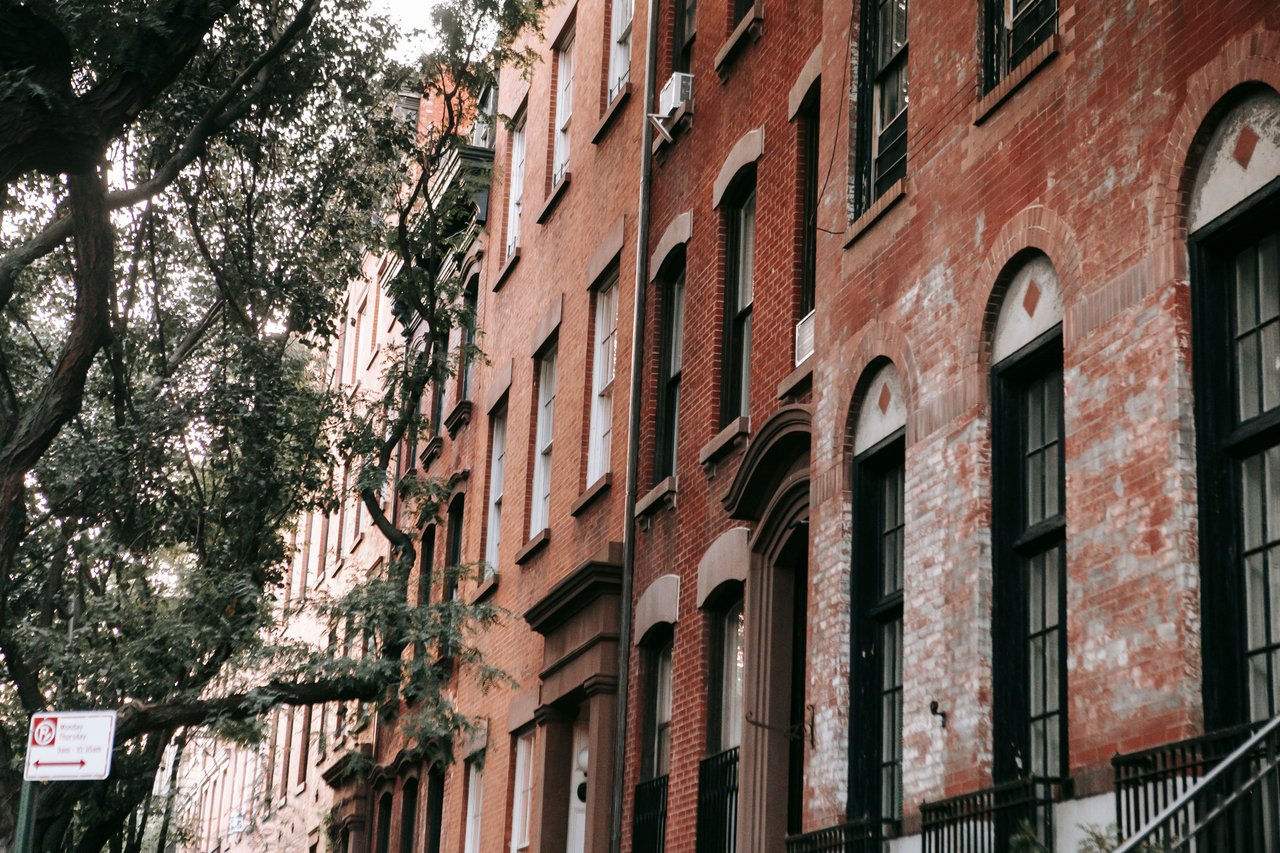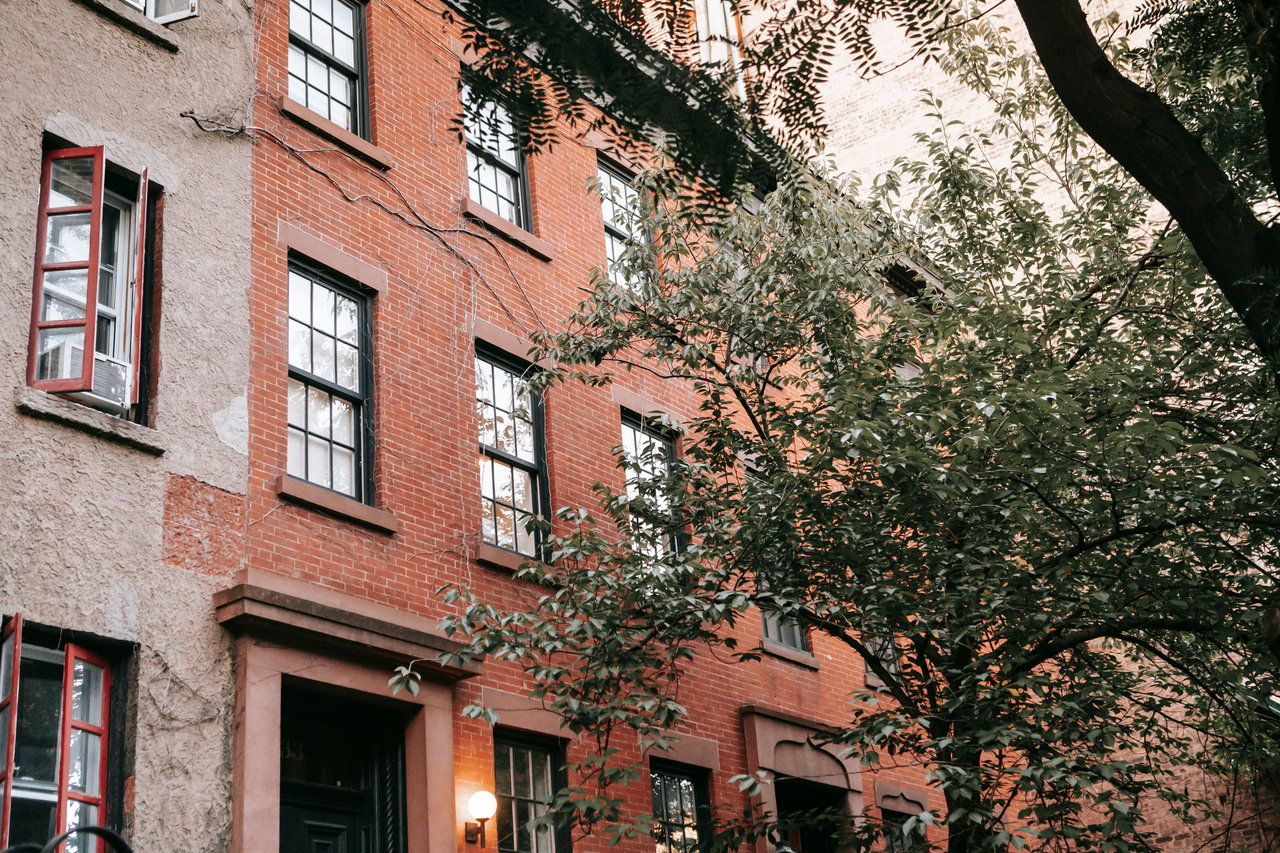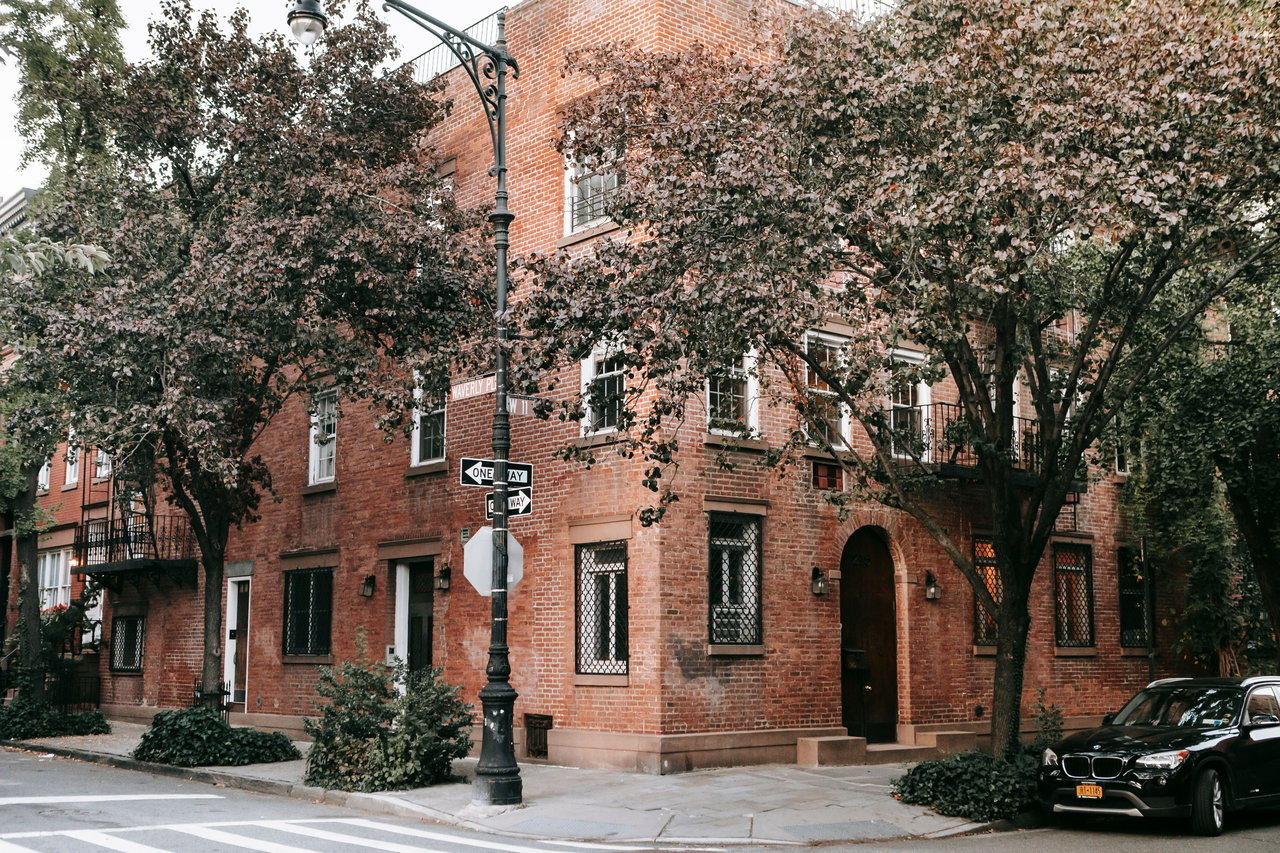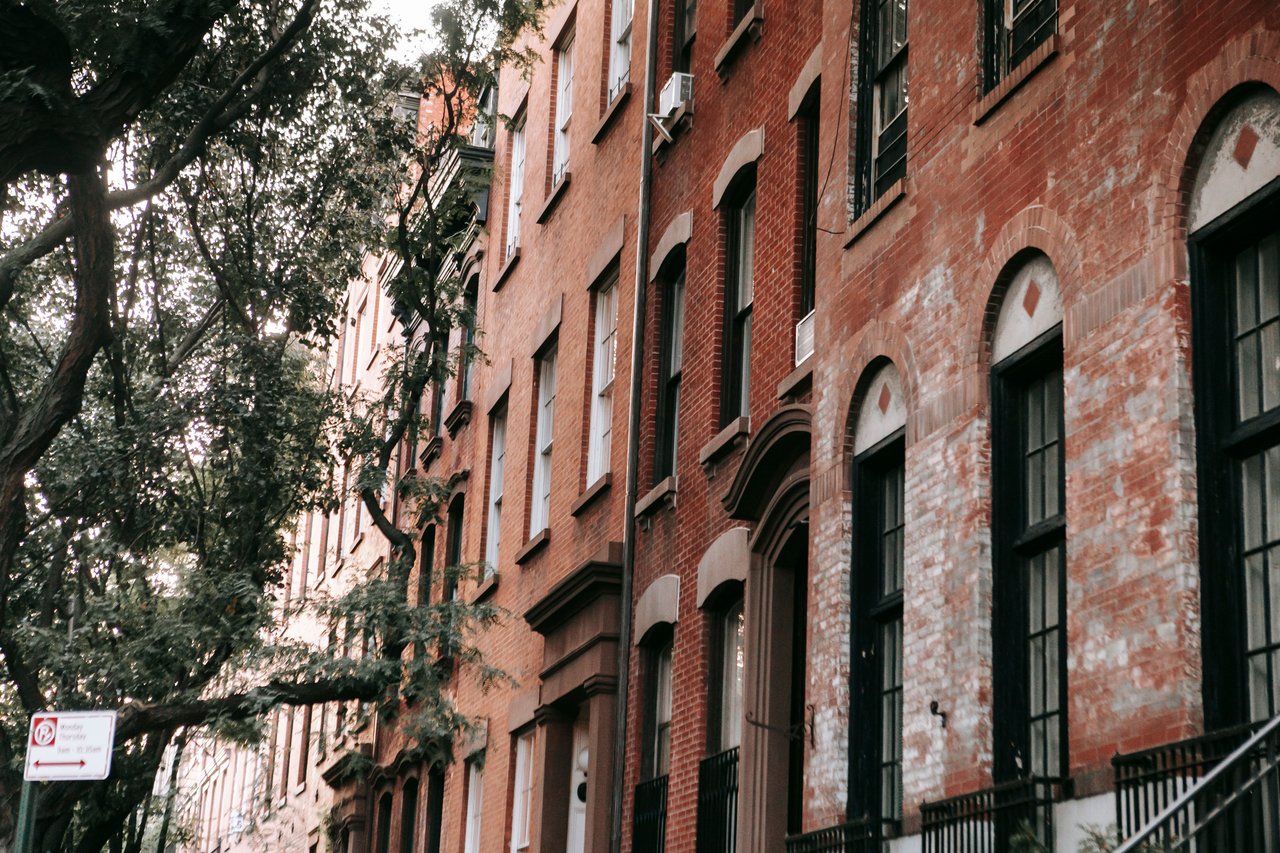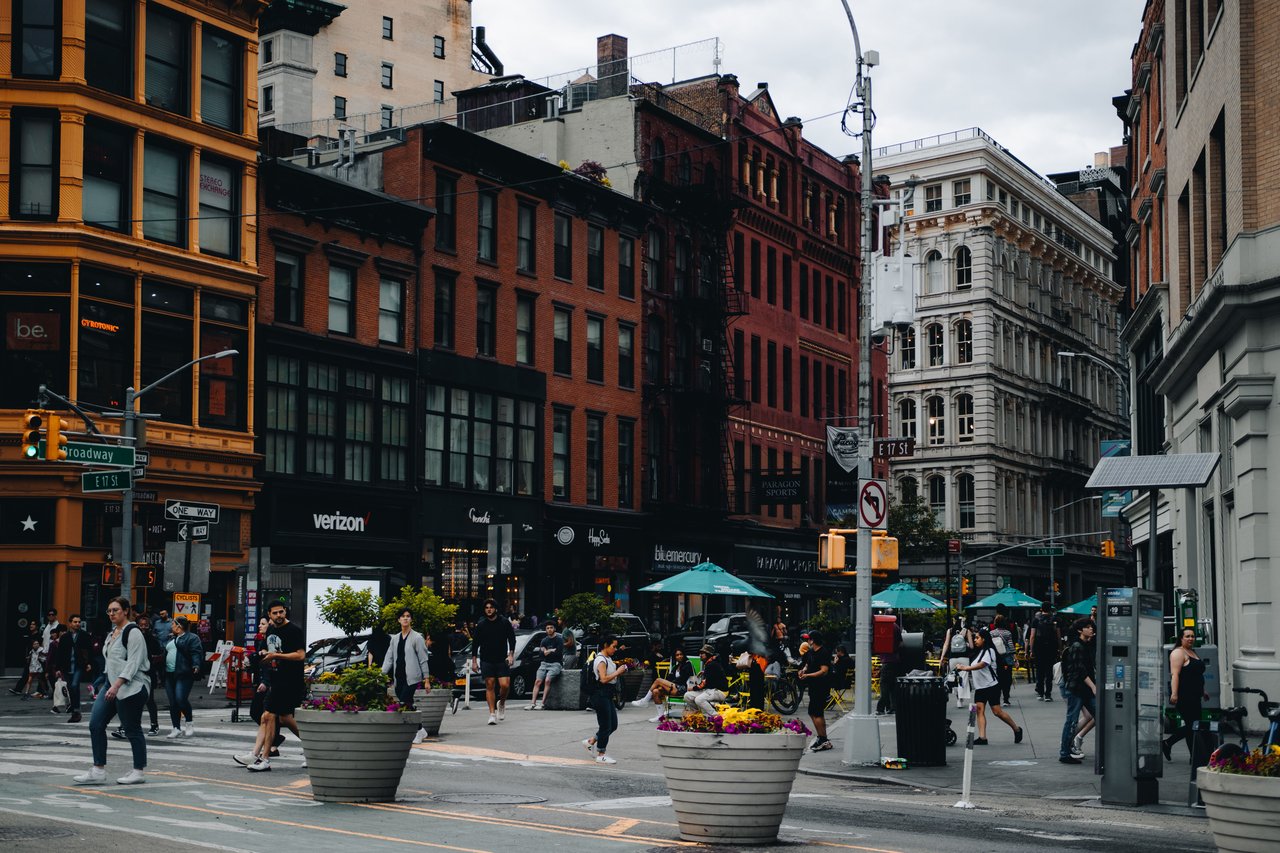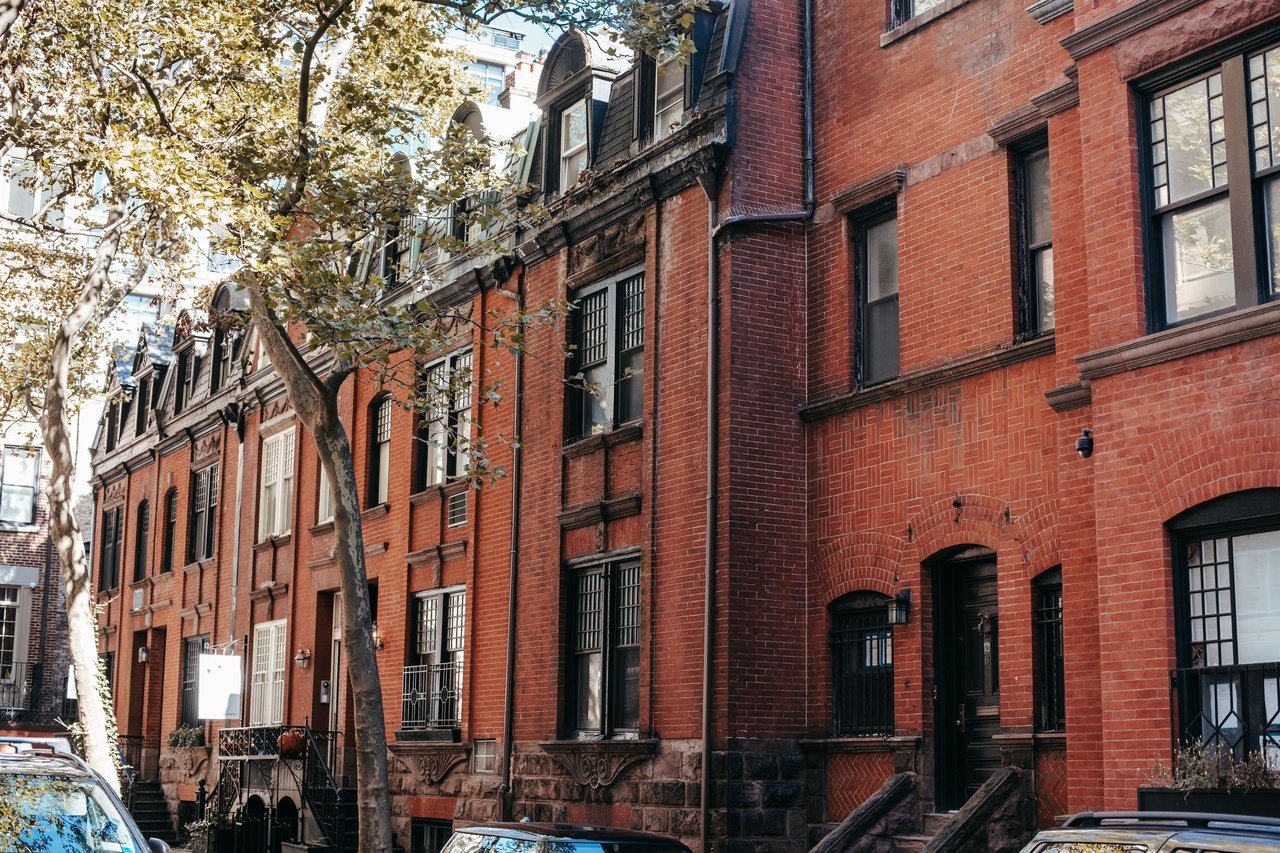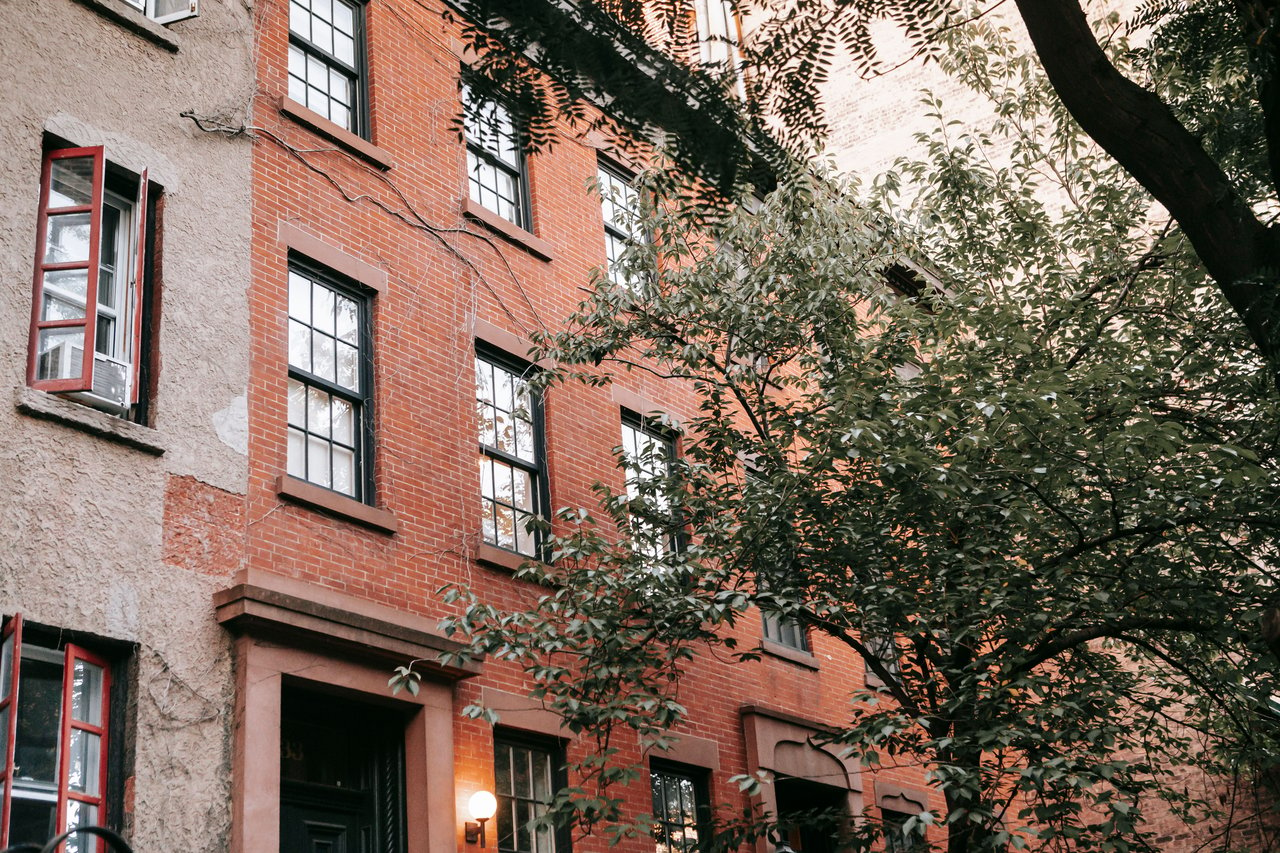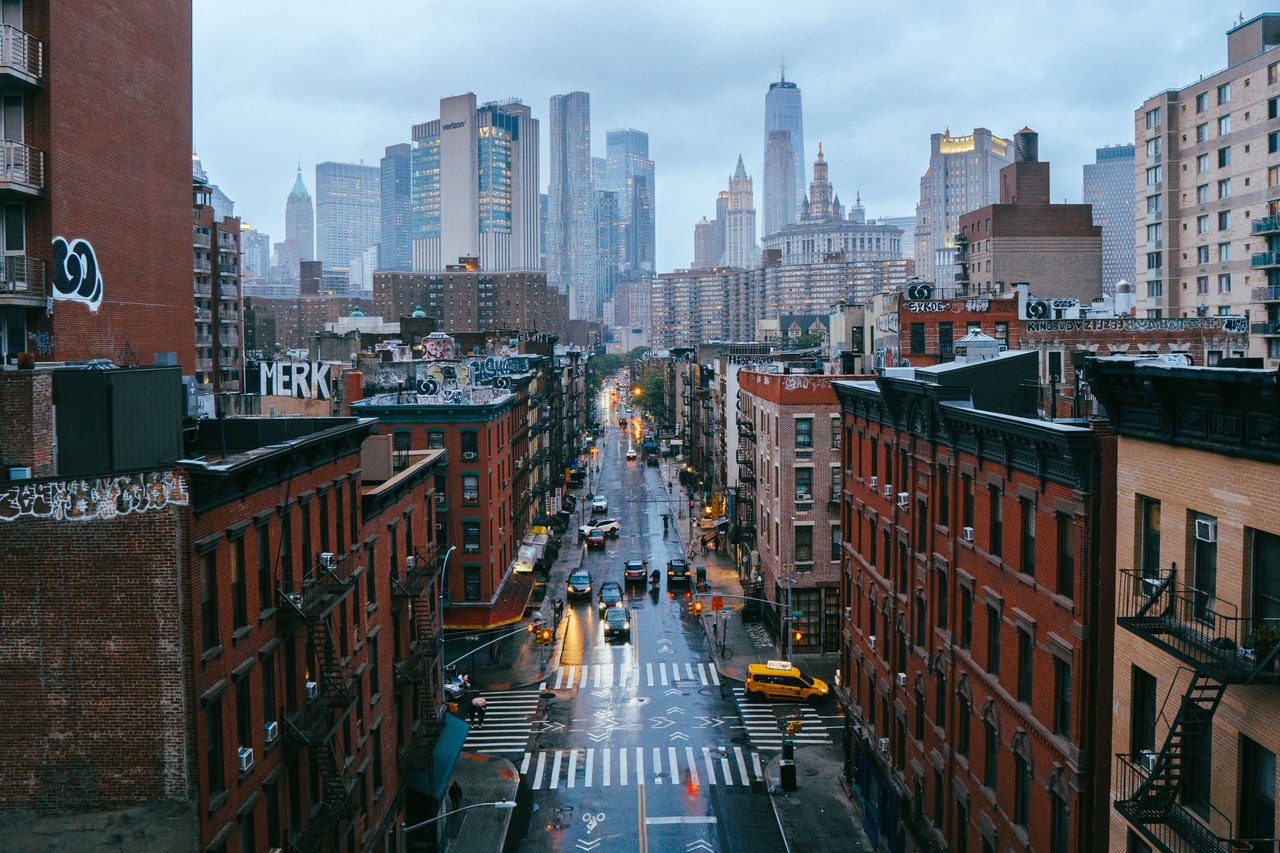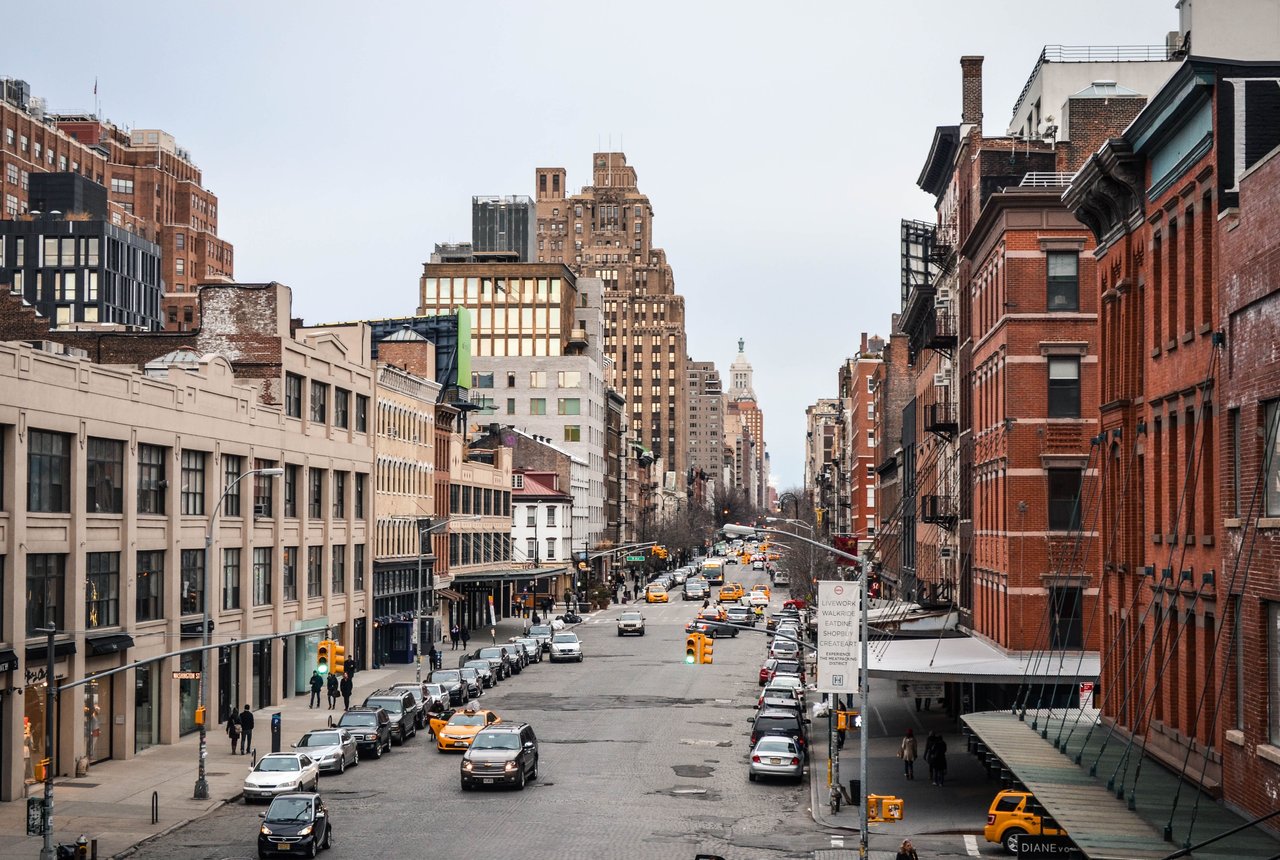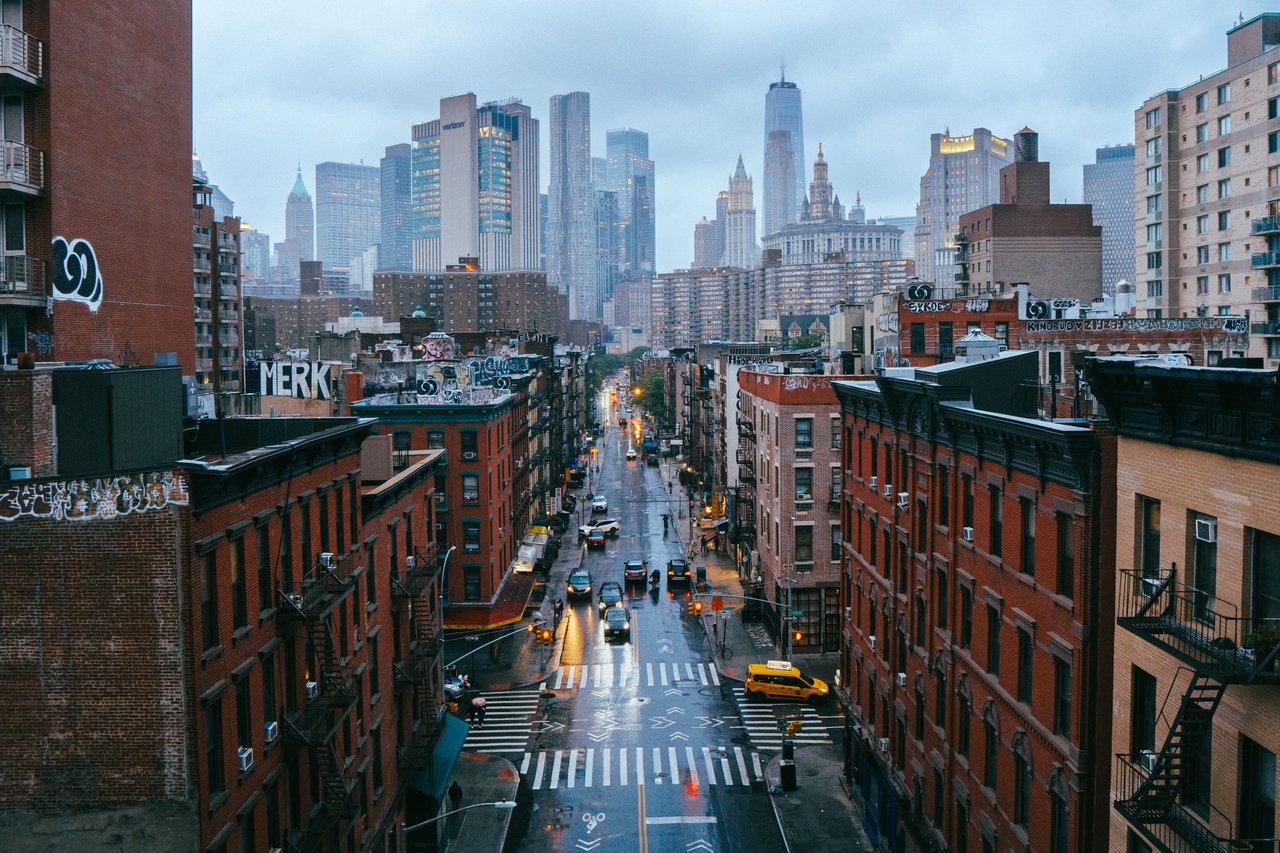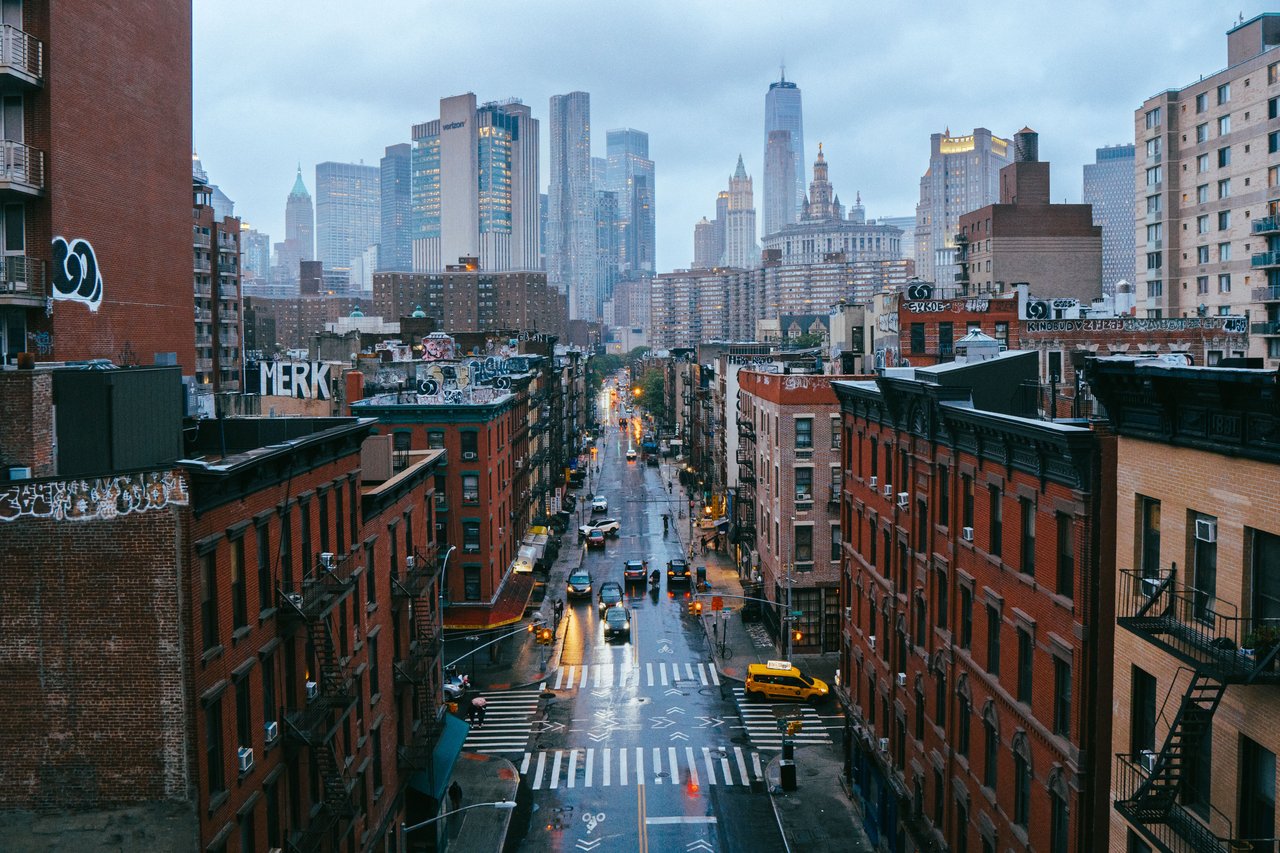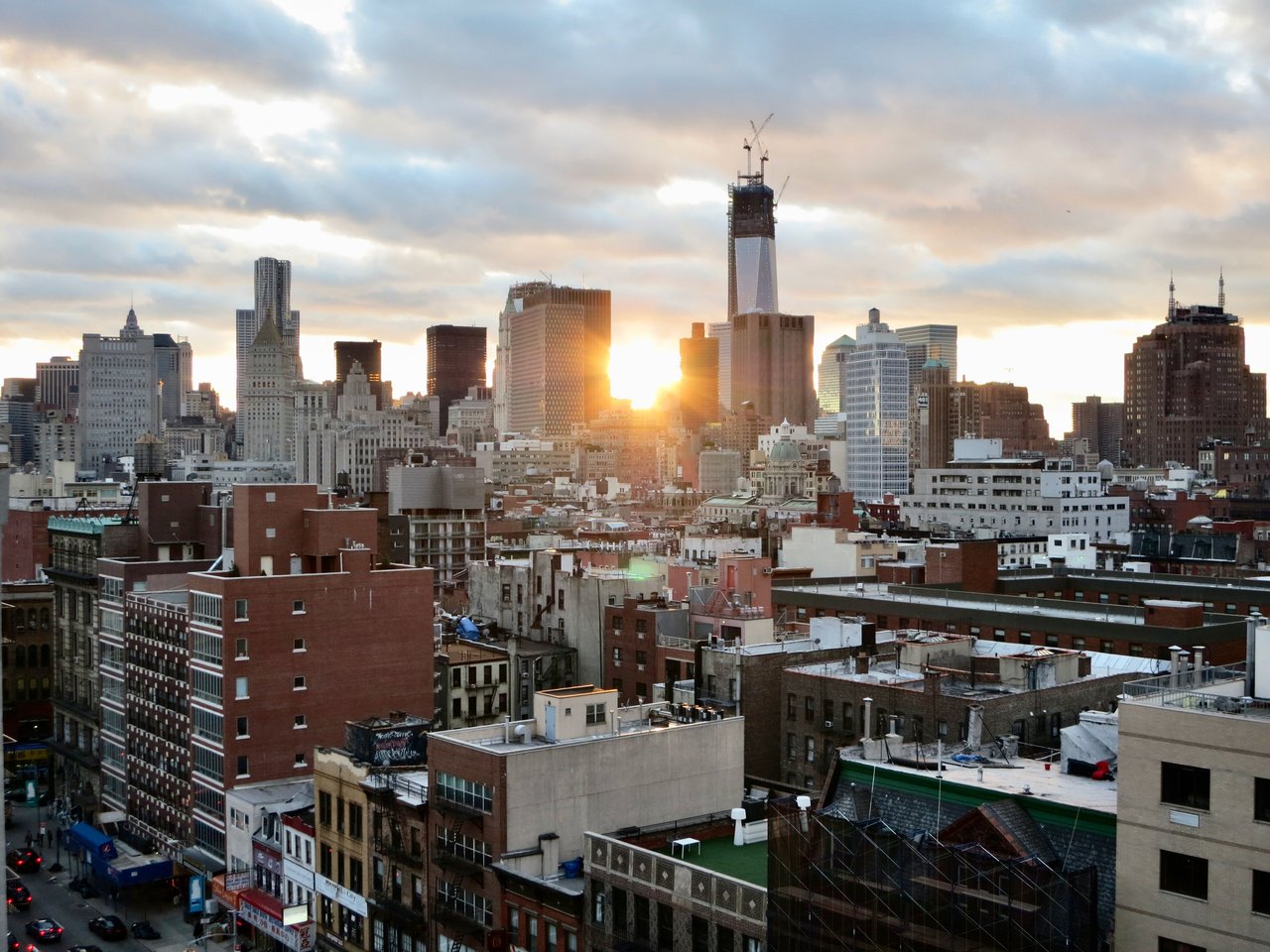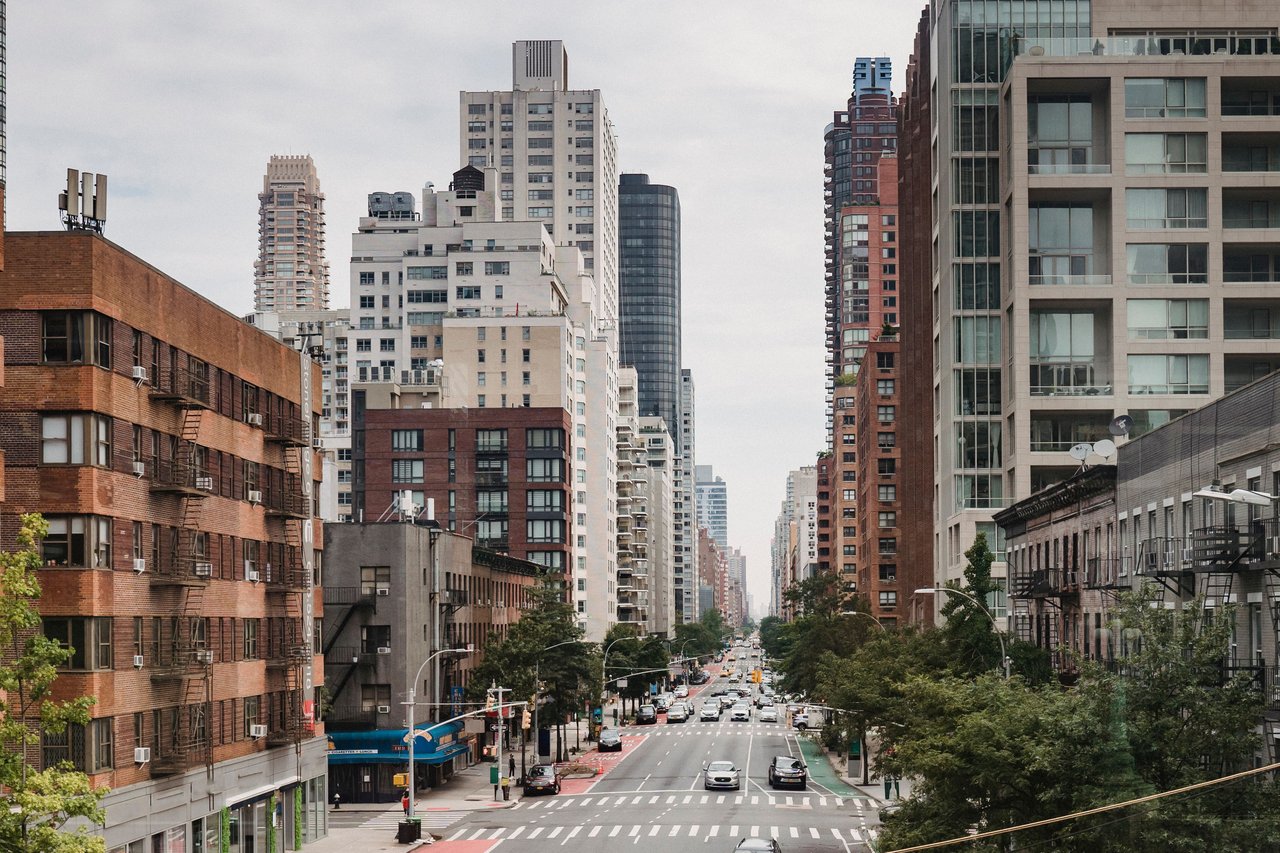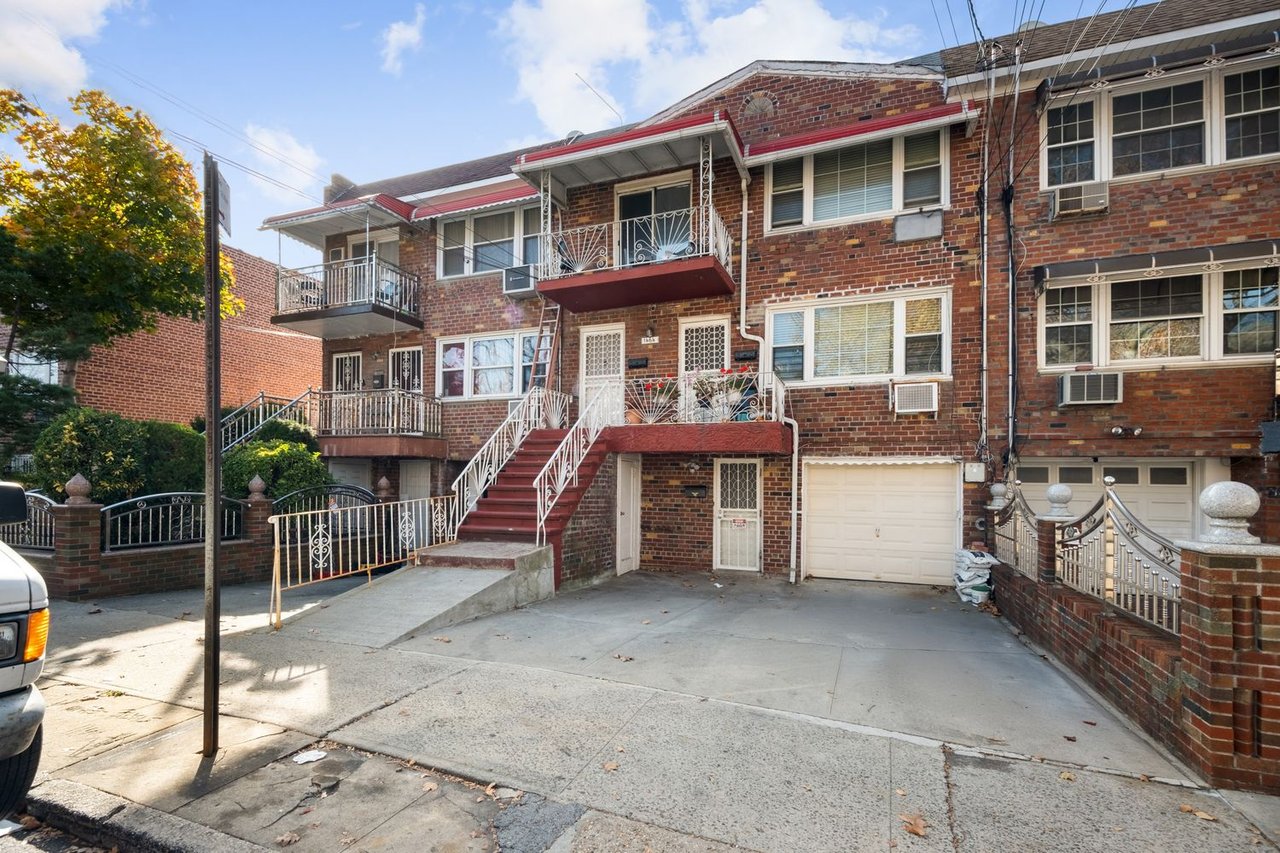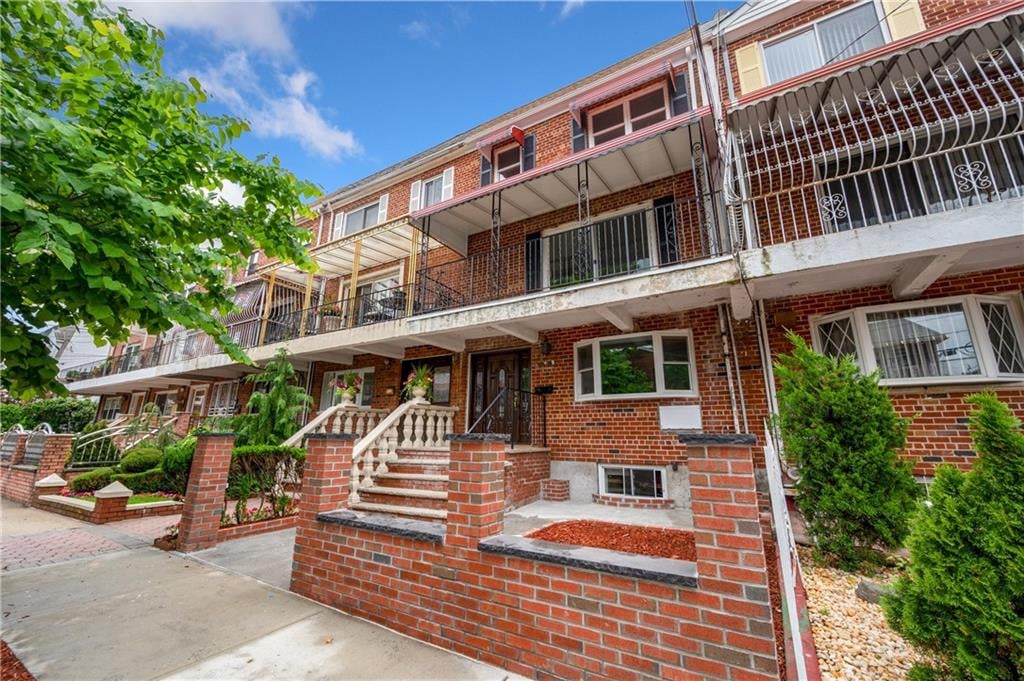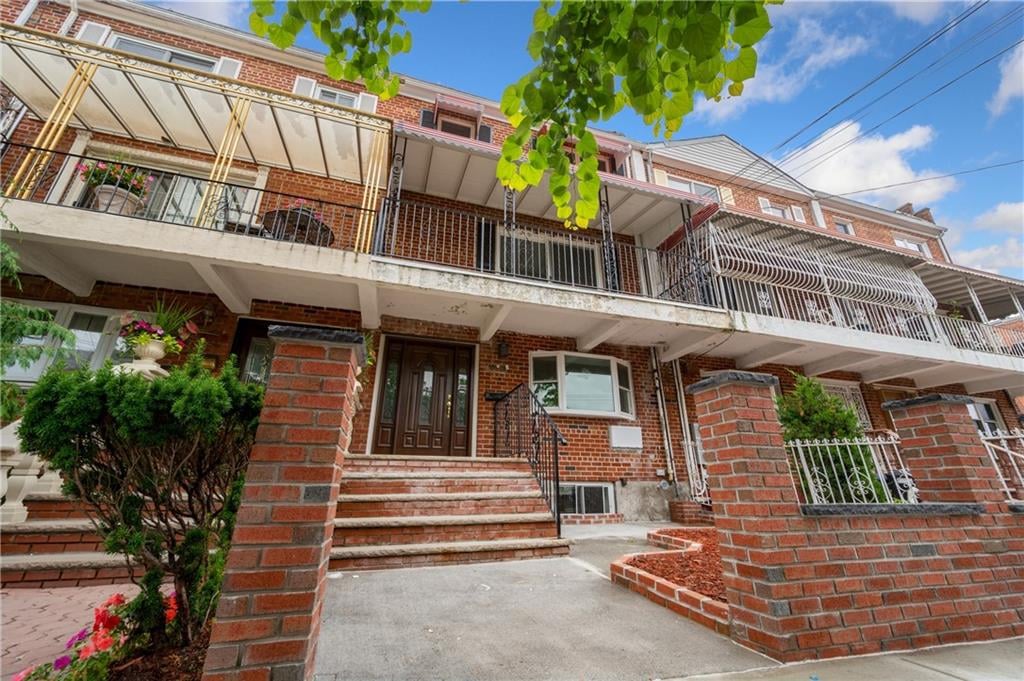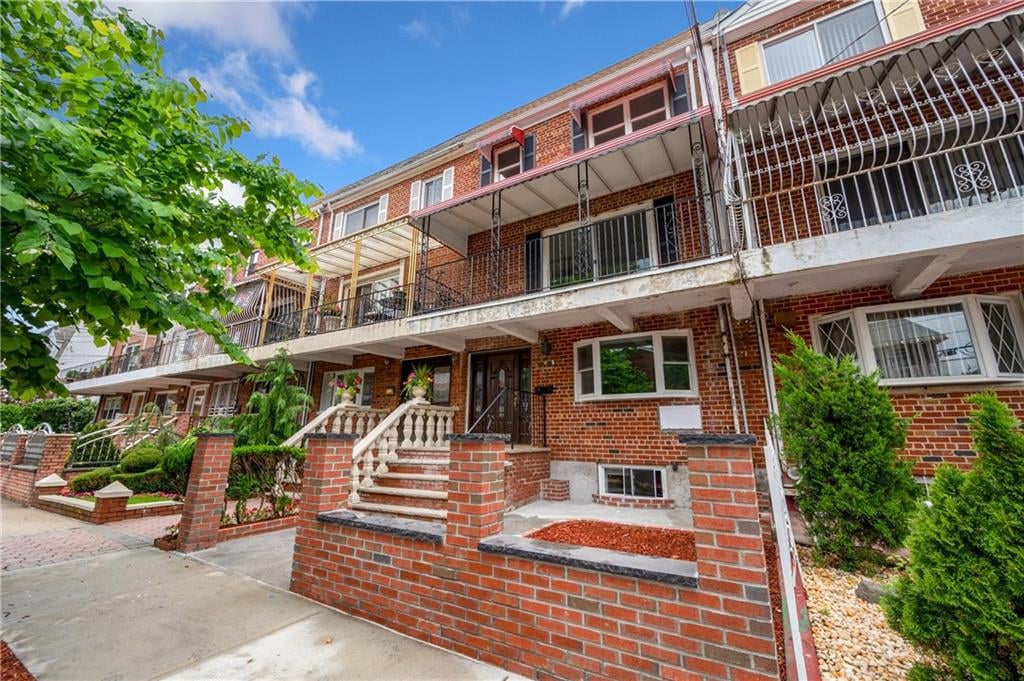
East 14th Street is one of Manhattan's most distinctive architectural corridors, forming the northern boundary of the East Village and connecting Union Square with the historic residential blocks extending toward the East River. Unlike the narrower numbered streets to its south, East 14th Street developed as a broad commercial thoroughfare, producing a streetscape of substantial masonry buildings, elaborate nineteenth-century facades, prewar apartment houses, and modern residential towers. Its architecture reflects successive periods of construction, from the early development of Manhattan's street grid to the transformation of commercial buildings into contemporary residential properties.
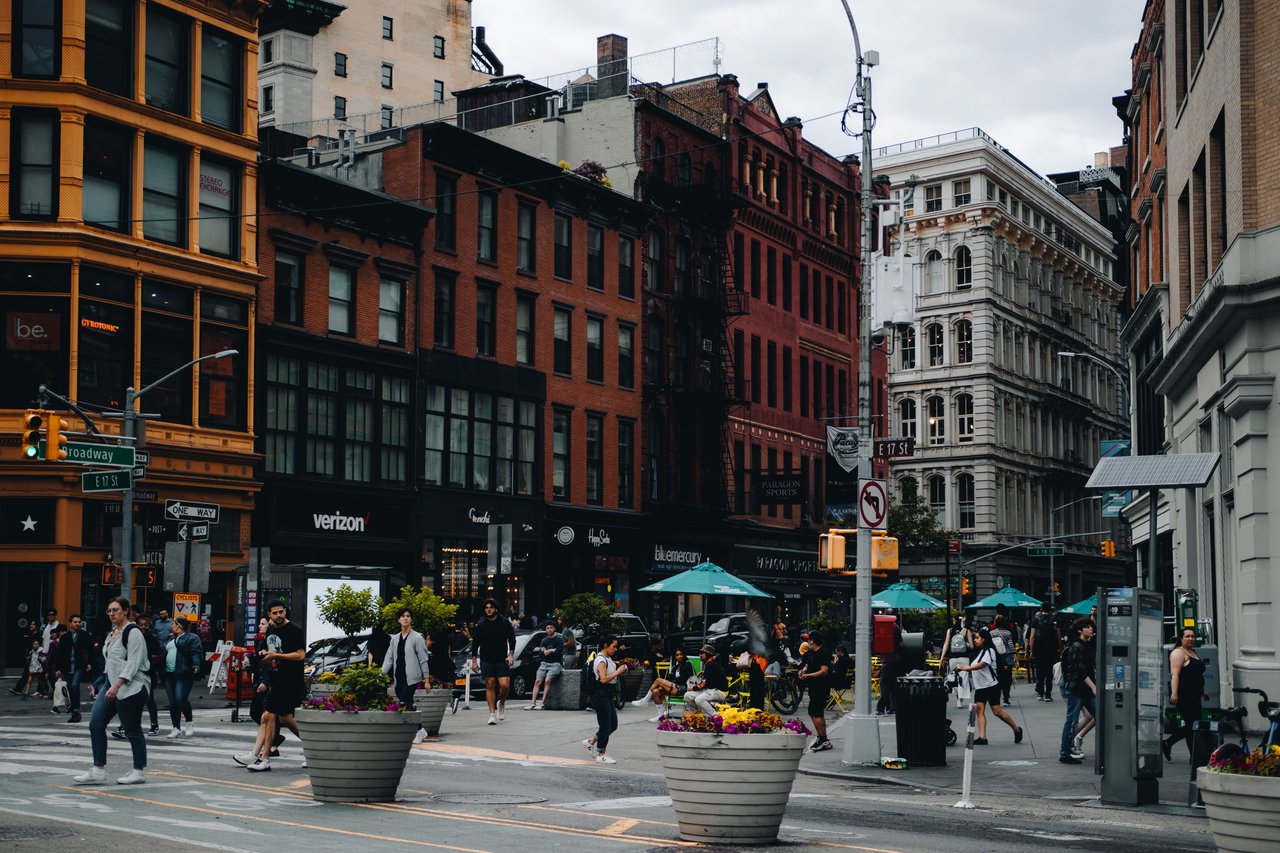
The street's western section is especially notable for its relationship with Union Square, where monumental commercial buildings, decorative cast-iron architecture, and substantial loft structures introduced a scale considerably larger than the surrounding residential streets. Moving east, the architecture gradually changes. Historic apartment buildings, masonry storefronts, institutional structures, and later residential developments create a varied sequence of building heights and facade treatments. These transitions are particularly visible at the intersections with Third Avenue, Second Avenue, First Avenue, and Avenue A, where different periods of construction meet along the same street.
Although East 14th Street is closely associated with its commercial architecture, residential buildings remain an important part of its architectural identity. Prewar apartments, cooperative buildings, condominium developments, and renovated properties occupy structures with different construction histories. Some preserve decorative masonry and traditional window proportions, while others introduce glass facades, contemporary materials, and modern residential layouts. Together, these buildings illustrate the architectural evolution of the East Village's northern boundary.
The Architectural Development of East 14th Street
The development of East 14th Street was shaped by the Commissioners' Plan of 1811, which established the numbered street grid across much of Manhattan. Fourteenth Street became one of the principal east-west corridors within this system, distinguished by its greater width and its relationship with the major avenues.
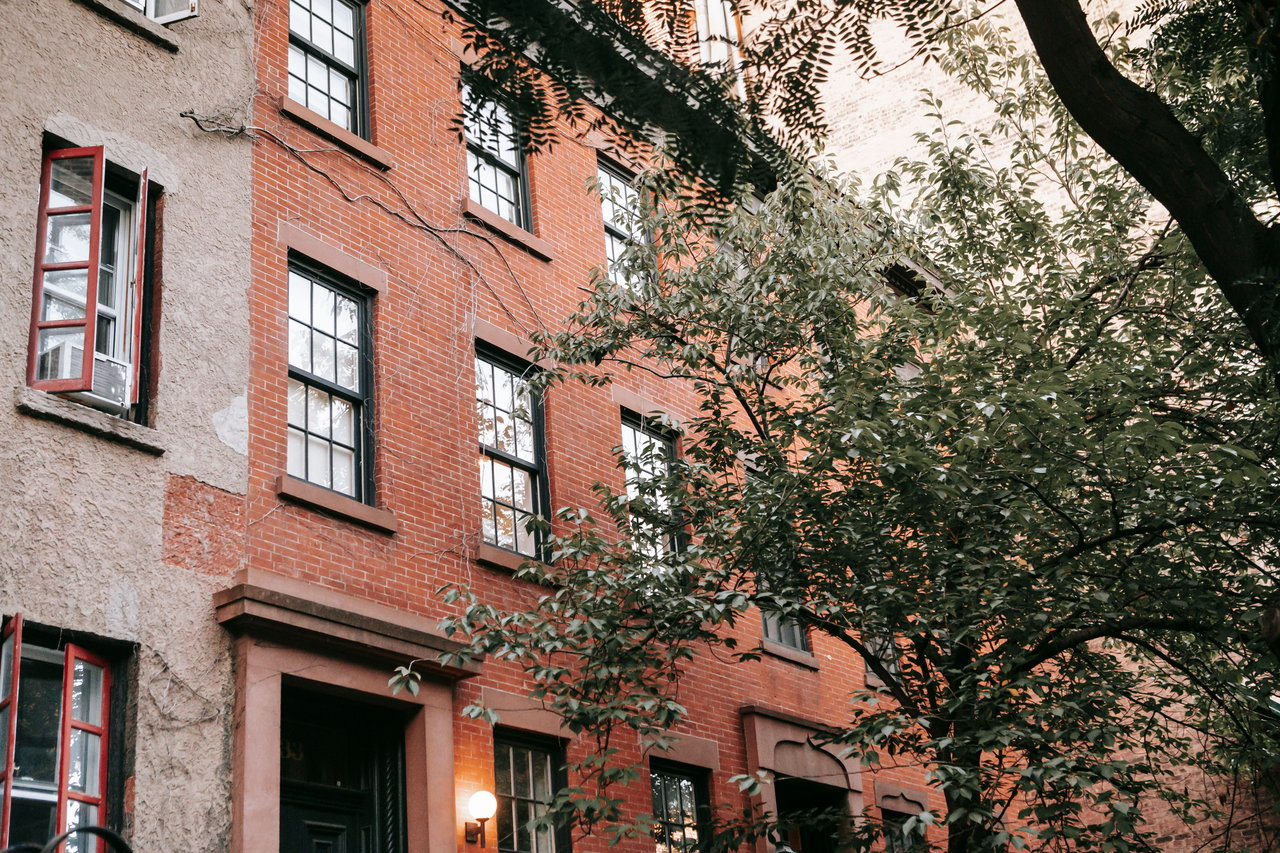
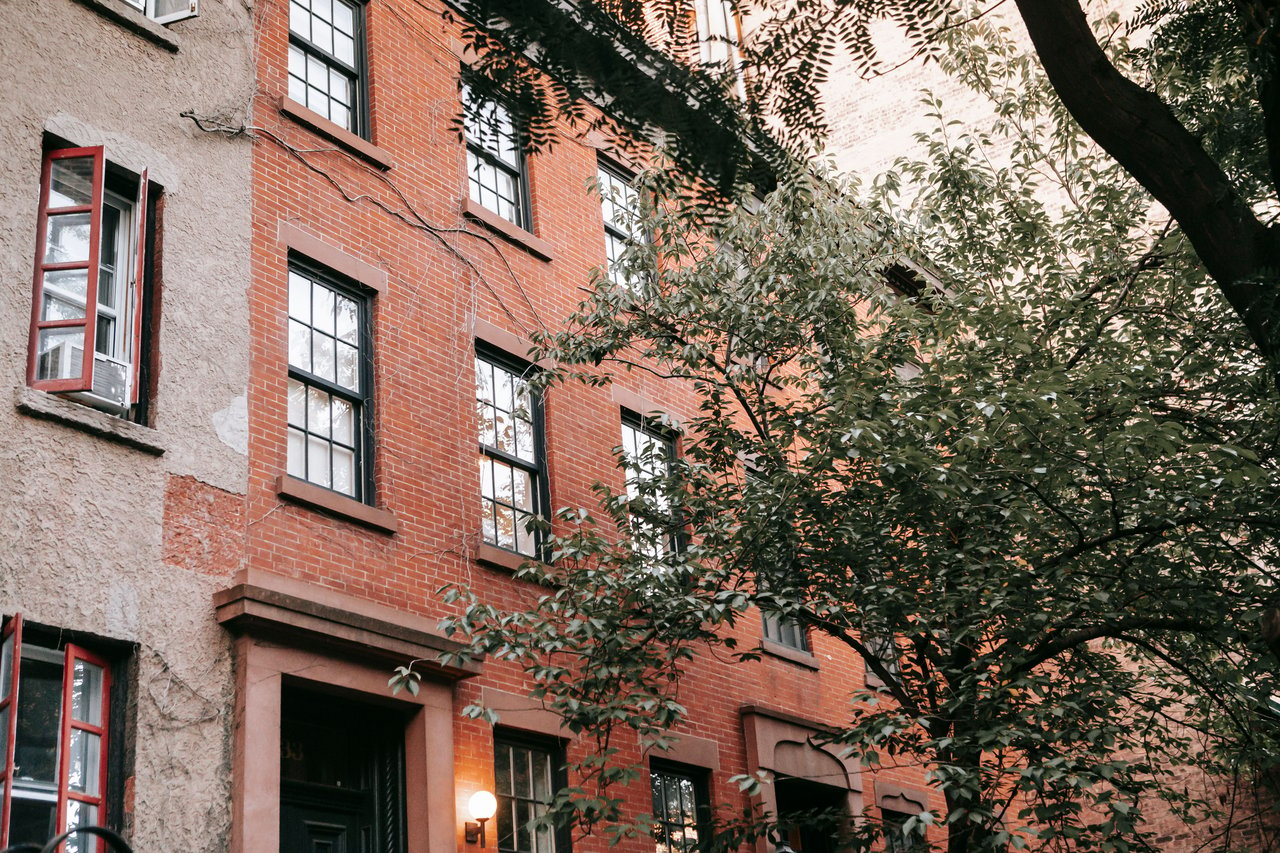
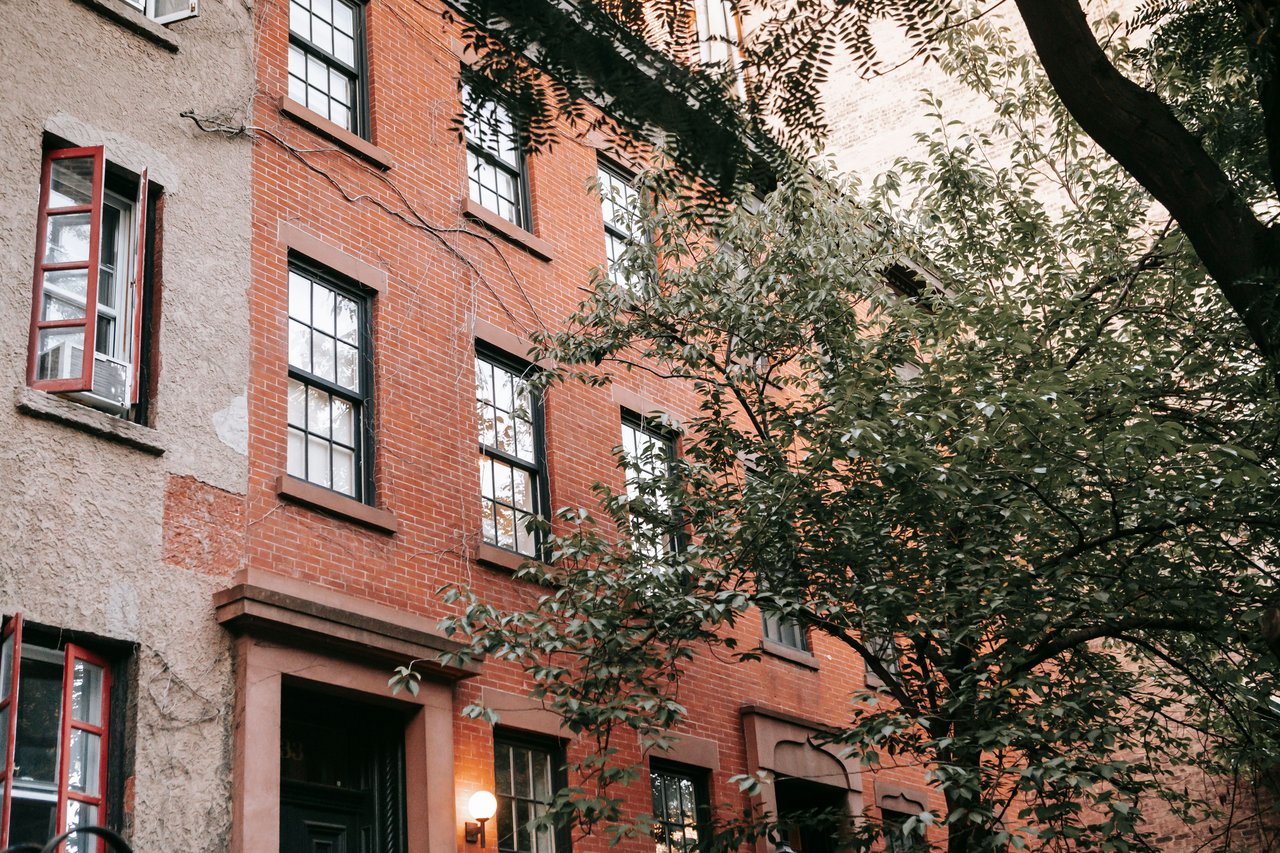
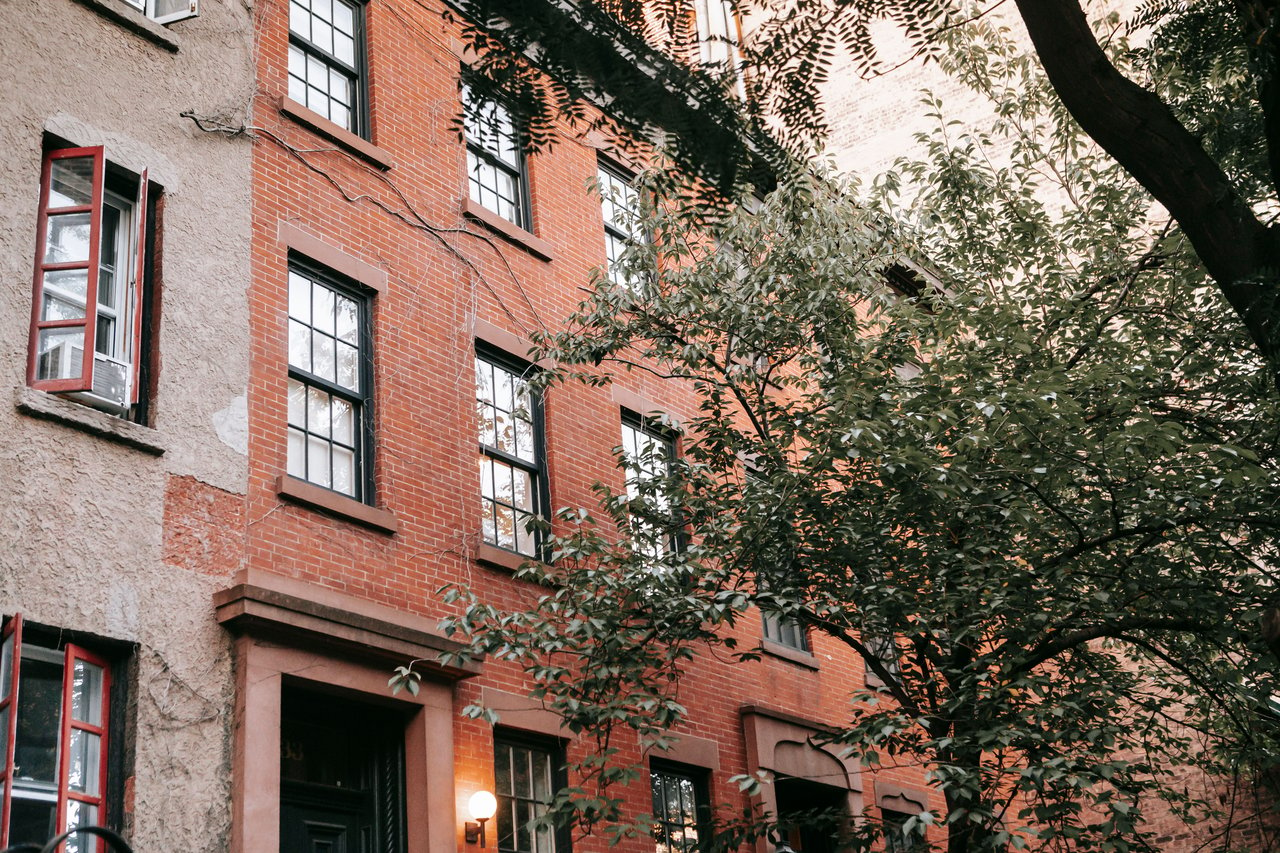
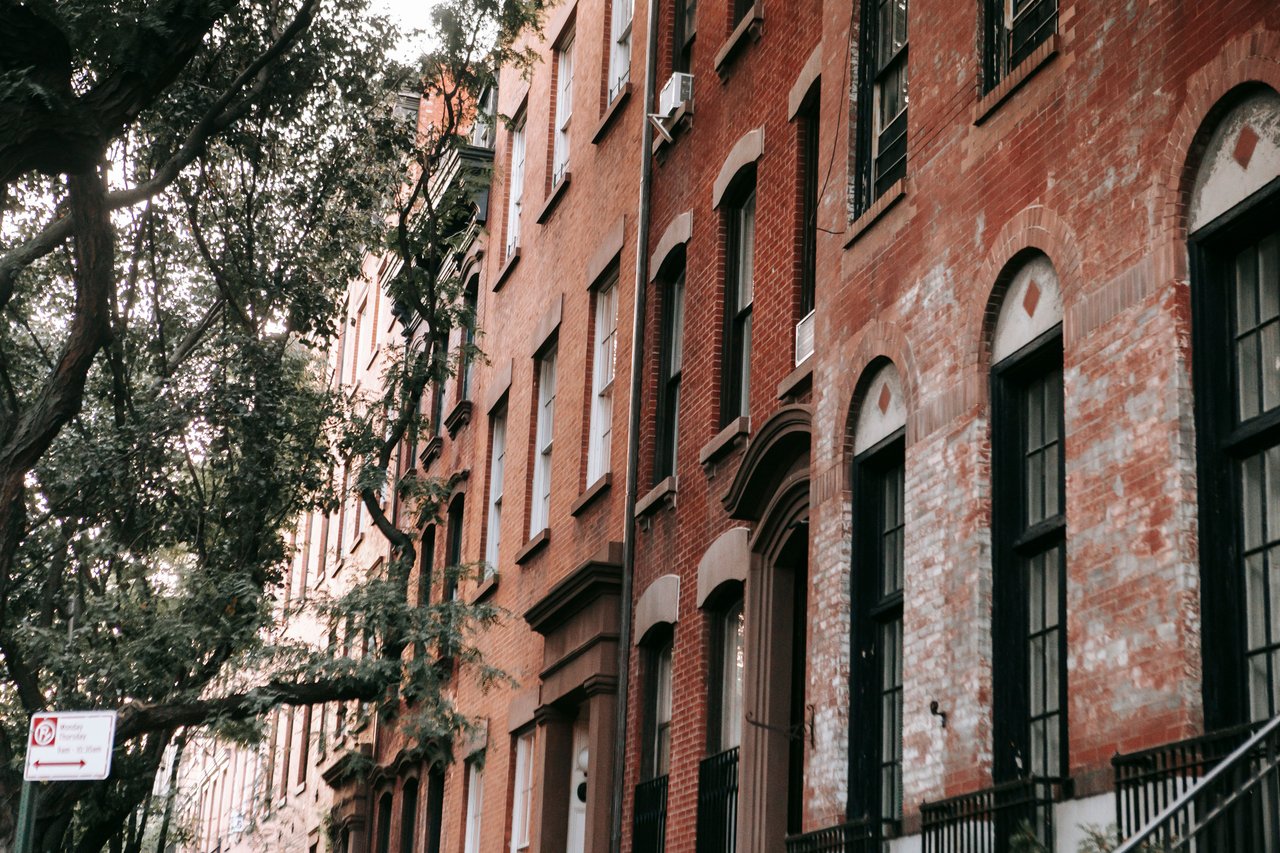
During the nineteenth century, the street developed a different architectural character from the smaller residential blocks immediately to its south. Commercial construction introduced larger building footprints, substantial ground-floor openings, and taller facades. Brick and stone masonry became dominant materials, while cast iron allowed more elaborate storefront designs and wider window arrangements.
As construction expanded, architectural styles became increasingly decorative. Italianate buildings introduced projecting cornices and ornamental window surrounds, while Second Empire and Renaissance Revival designs brought formal facade compositions, elaborate stonework, and pronounced rooflines. Later commercial buildings incorporated larger windows and more substantial structural systems, reflecting advances in construction technology.
By the early twentieth century, East 14th Street contained a mixture of commercial buildings, apartment houses, and institutional structures. Subsequent renovations, residential conversions, and new developments introduced additional architectural layers without entirely replacing the nineteenth-century streetscape.
Union Square and the Architecture of East 14th Street
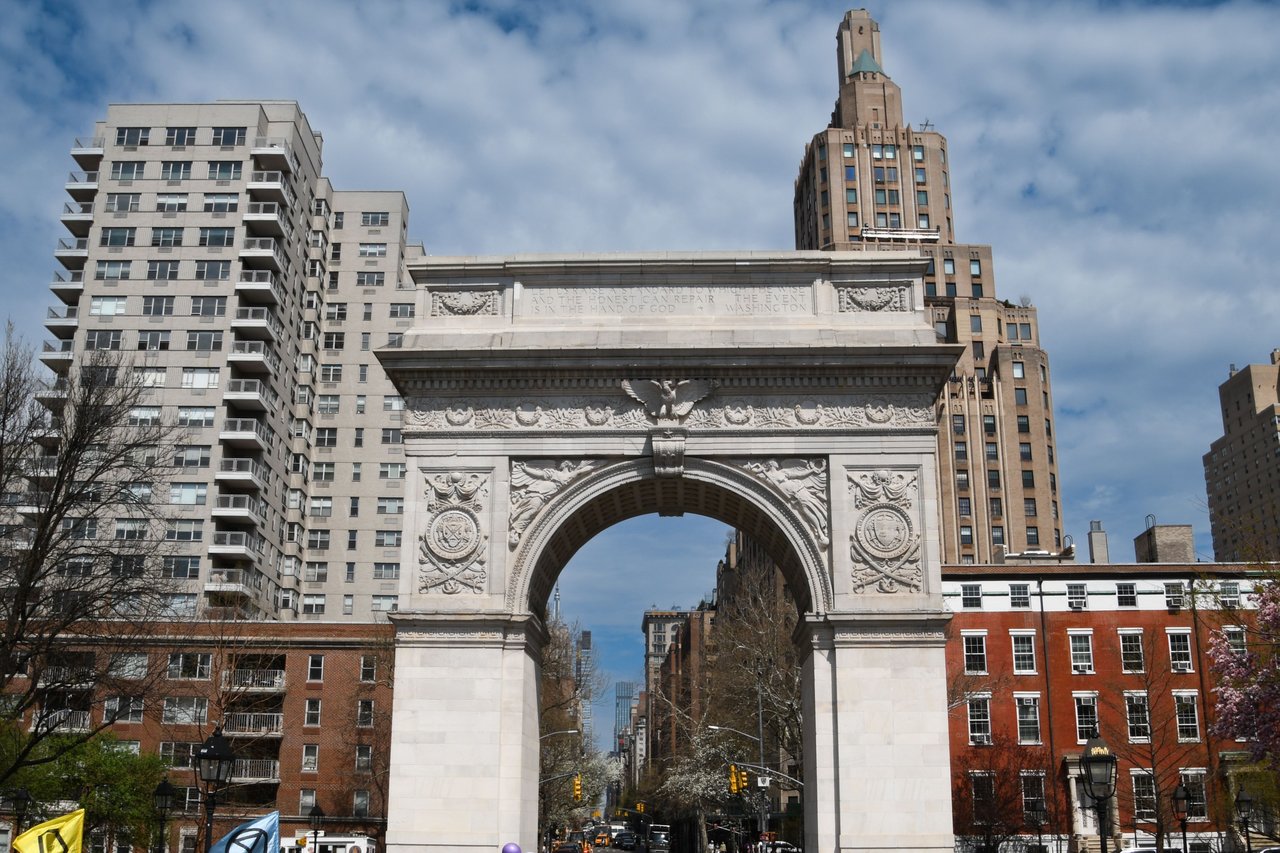
Union Square is one of the most important architectural settings along East 14th Street. The square's open landscape creates a visual contrast with the substantial buildings surrounding it, allowing their facades, rooflines, and decorative details to be appreciated from a greater distance.
The surrounding architecture reflects several major periods of Manhattan's commercial development. Nineteenth-century buildings introduced elaborate masonry facades and cast-iron elements, while later structures incorporated steel-frame construction, larger windows, and more expansive floor plates. The resulting streetscape includes Italianate, Second Empire, Renaissance Revival, and early twentieth-century commercial architecture.
One of the defining features of the area is the relationship between building scale and open space. Unlike the narrow residential streets of Greenwich Village and the East Village, the buildings around Union Square were often designed with broader frontages and more monumental exterior compositions. Their architectural details remain an important part of the visual identity of East 14th Street.
The Former Domestic Sewing Machine Company Building
Among the most distinctive historic structures associated with East 14th Street is the former Domestic Sewing Machine Company Building, located near Union Square.
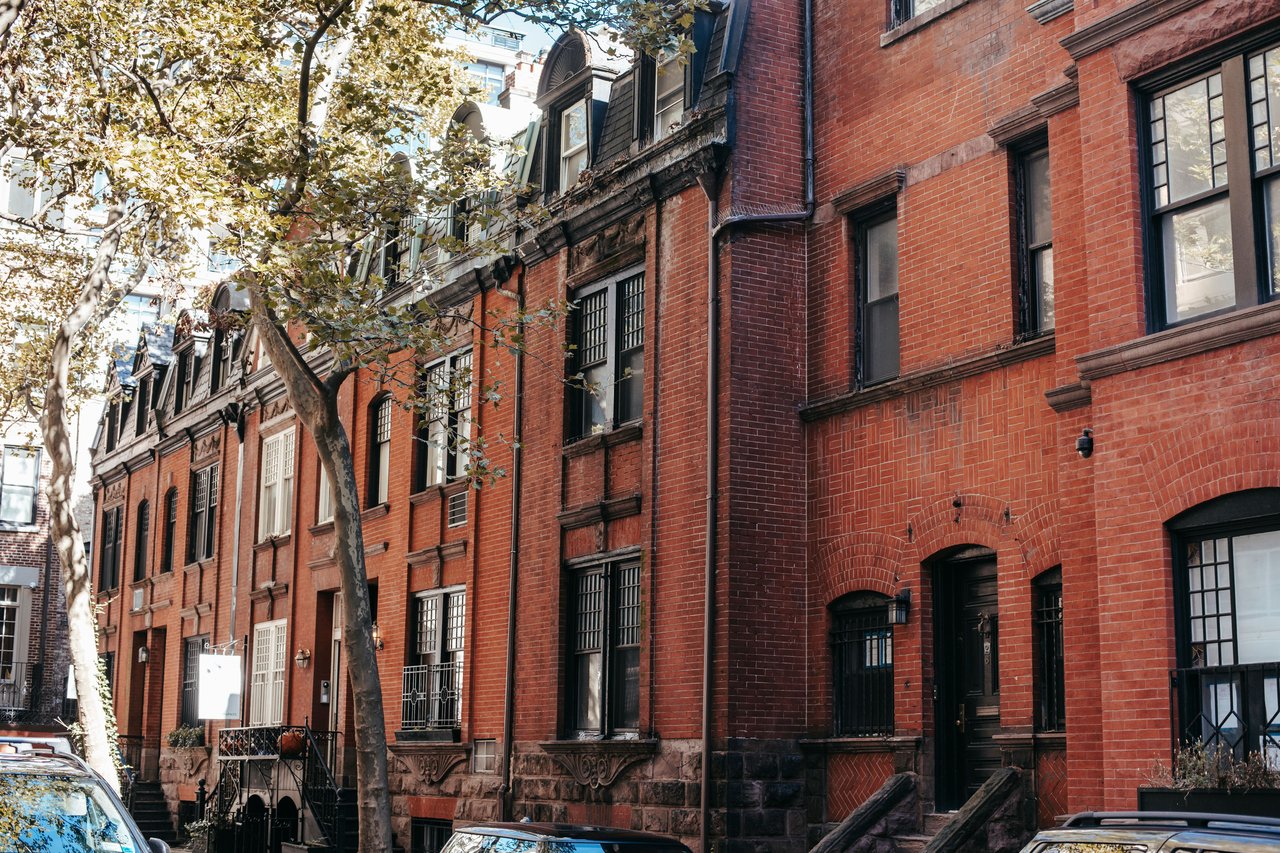
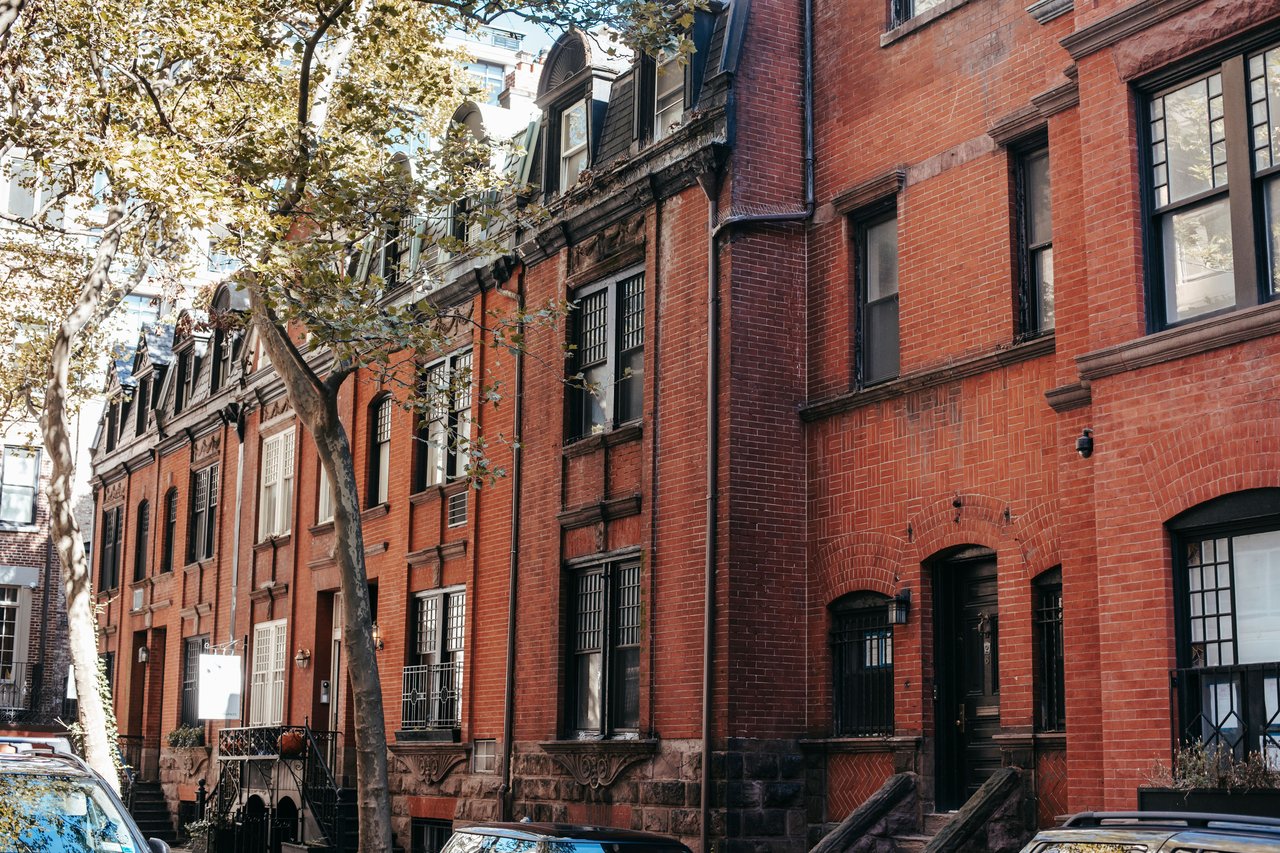
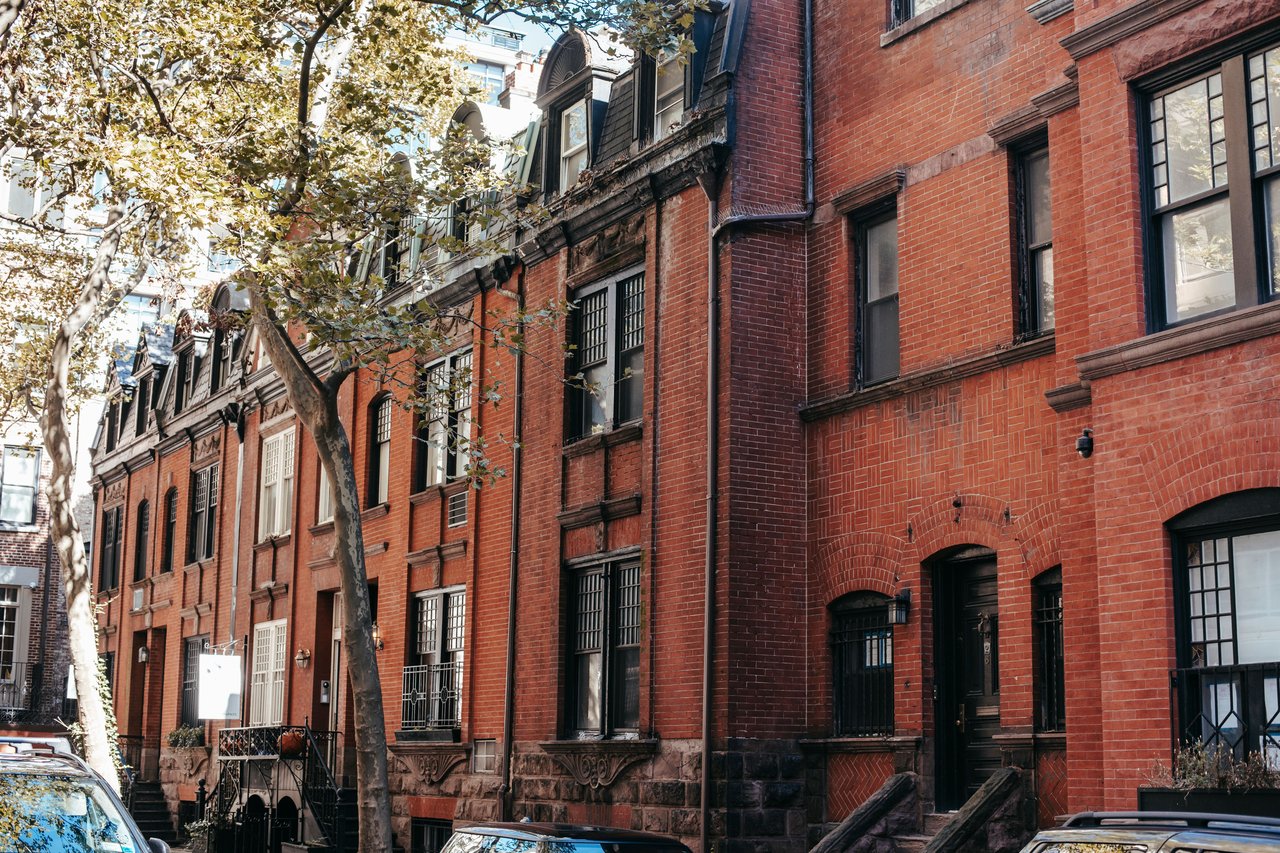
Completed in the nineteenth century, the building is a notable example of Second Empire commercial architecture. Its facade features elaborate decorative detailing, a prominent mansard roof, and an expressive combination of masonry and ornamental elements.
The mansard roof is particularly important to the building's design. Associated with French Second Empire architecture, this roof form creates a distinctive upper profile and adds visual complexity to the facade. Decorative window surrounds and carefully arranged exterior details further distinguish the structure from simpler commercial buildings nearby.
The building demonstrates how nineteenth-century commercial architecture incorporated elaborate stylistic features to create prominent urban landmarks.
The Former Tammany Hall Building and Neo-Georgian Architecture
At the eastern edge of Union Square stands the former Tammany Hall building, an important example of twentieth-century institutional architecture.
Completed in 1929, the structure was designed in a neo-Georgian style, featuring a formal brick facade, limestone detailing, symmetrical window arrangements, and classical architectural elements. Its design differs considerably from the more ornate nineteenth-century commercial buildings surrounding Union Square.
A major contemporary adaptation introduced a distinctive glass-and-steel rooftop addition while retaining the historic facade. The contrast between traditional masonry and modern construction creates a visible dialogue between different architectural periods.
The building illustrates how historic preservation and contemporary design can be combined within a single architectural composition.
Italianate and Second Empire Commercial Architecture
Italianate and Second Empire styles played an important role in shaping the nineteenth-century appearance of East 14th Street.
Italianate commercial buildings frequently incorporated tall windows, decorative lintels, bracketed cornices, and substantial masonry facades. Their exterior compositions emphasized vertical proportions while accommodating larger commercial interiors than traditional townhouses.
Second Empire architecture introduced additional ornamental complexity through mansard roofs, dormer windows, projecting decorative elements, and elaborate stonework. These features created distinctive rooflines that remain recognizable within the surrounding streetscape.
Although many historic commercial buildings have been altered, surviving examples continue to illustrate the decorative architectural preferences of nineteenth-century Manhattan.
Renaissance Revival and Historic Loft Architecture
As commercial construction intensified during the late nineteenth century, Renaissance Revival architecture became increasingly prominent along East 14th Street and the surrounding blocks.
Buildings influenced by this style often feature symmetrical facades, classical moldings, decorative stonework, arched windows, and substantial cornices. Their exterior compositions frequently divide the facade into clearly defined lower, middle, and upper sections.
Historic loft buildings introduced larger windows, taller interior floors, and substantial structural elements. Some were designed with flexible interior spaces, allowing their original layouts to accommodate different uses over time.
The architectural character of these buildings reflects the transition from traditional masonry commercial construction toward the larger and more structurally complex buildings of the early twentieth century.
East 14th Street and the Architecture of the East Village
East 14th Street forms the northern boundary of the East Village, creating an important architectural transition between the neighborhood's historic residential blocks and the larger commercial structures along the avenue corridors.
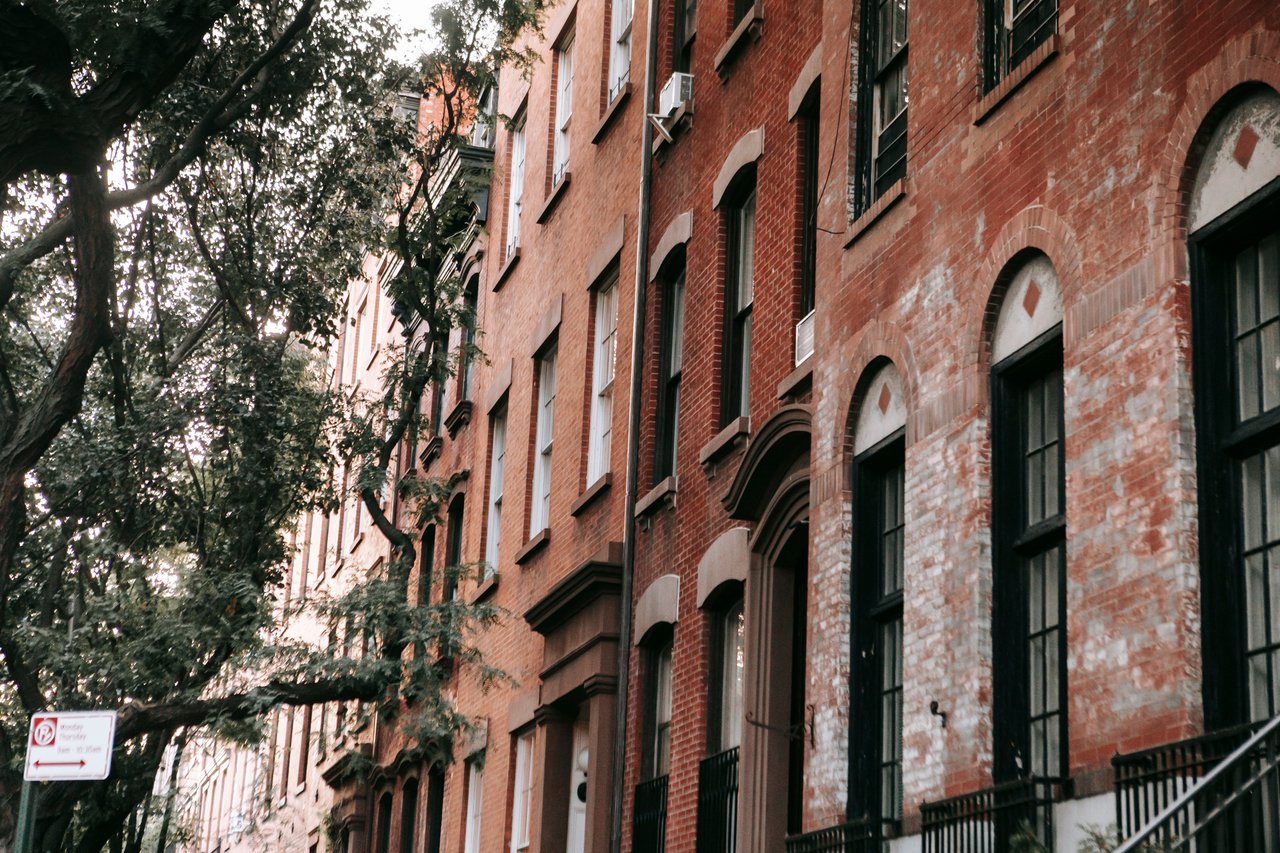
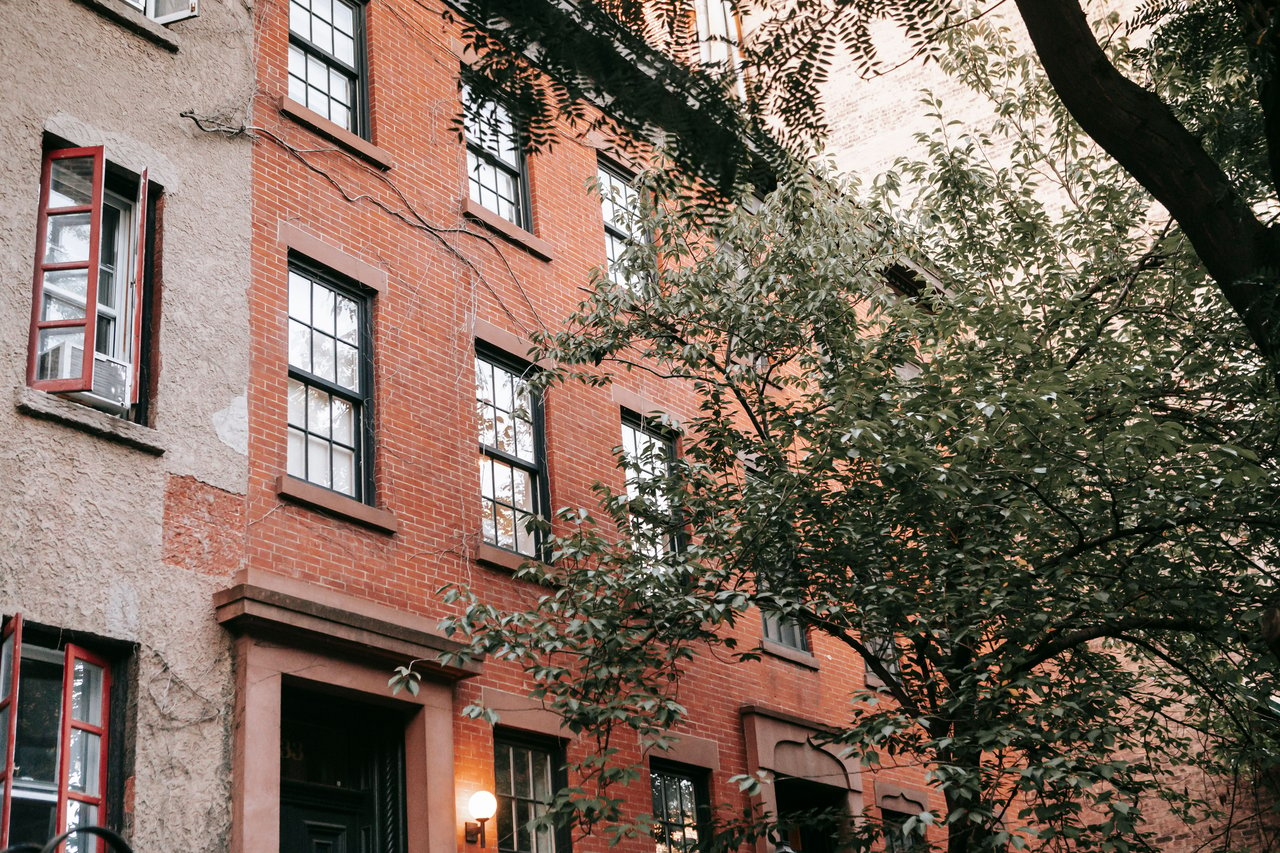
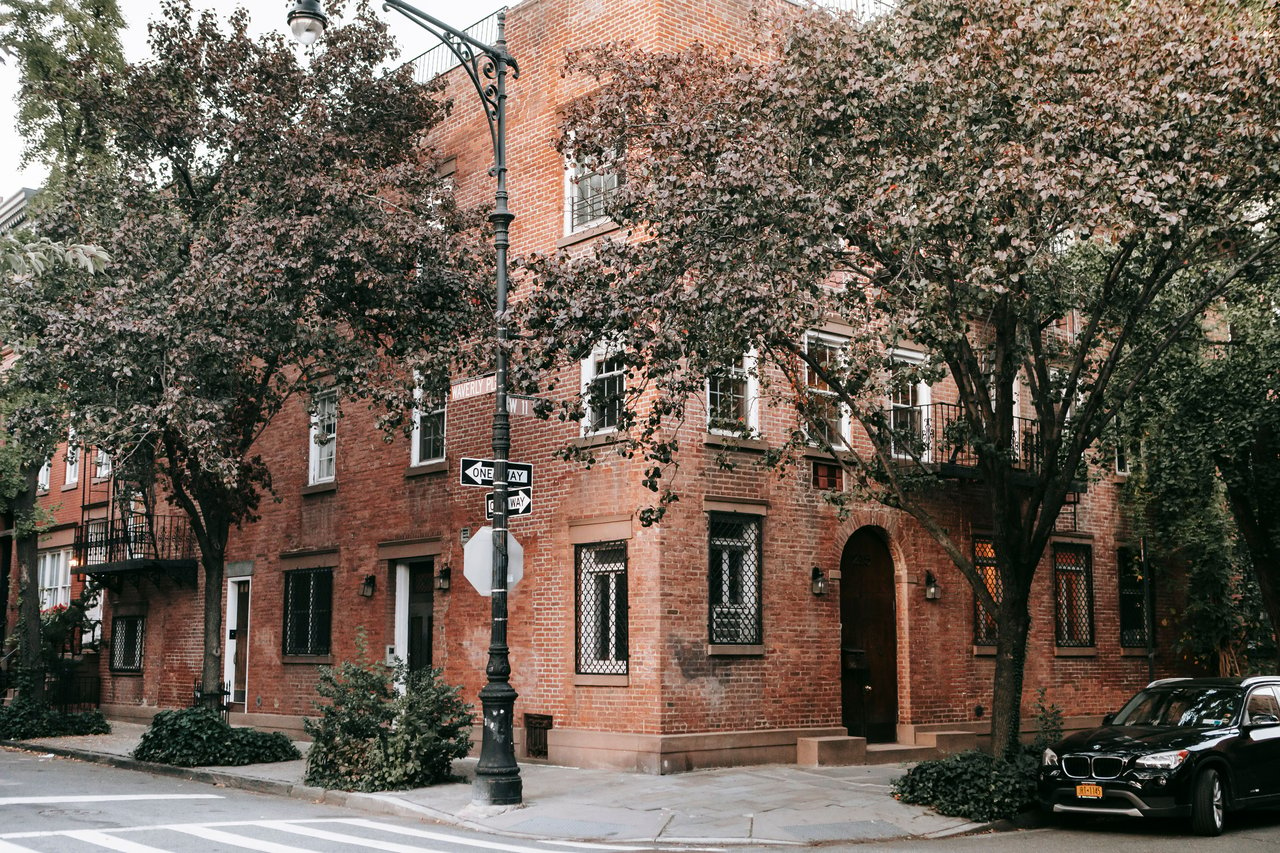
South of the street, nineteenth-century tenements and traditional masonry apartment buildings occupy narrower lots with repeated window arrangements, decorative cornices, and historic storefronts. Along East 14th Street itself, building frontages are often wider, with more substantial commercial ground floors and taller residential structures.
This contrast is particularly visible east of Third Avenue, where prewar apartment buildings and renovated mixed-use properties coexist with contemporary residential developments. The architectural differences reflect changing building regulations, construction technologies, and approaches to urban design.
The result is a corridor that preserves elements of the East Village's nineteenth-century built environment while accommodating the larger building forms associated with a major Manhattan thoroughfare.
Prewar Apartments and Historic Residential Buildings
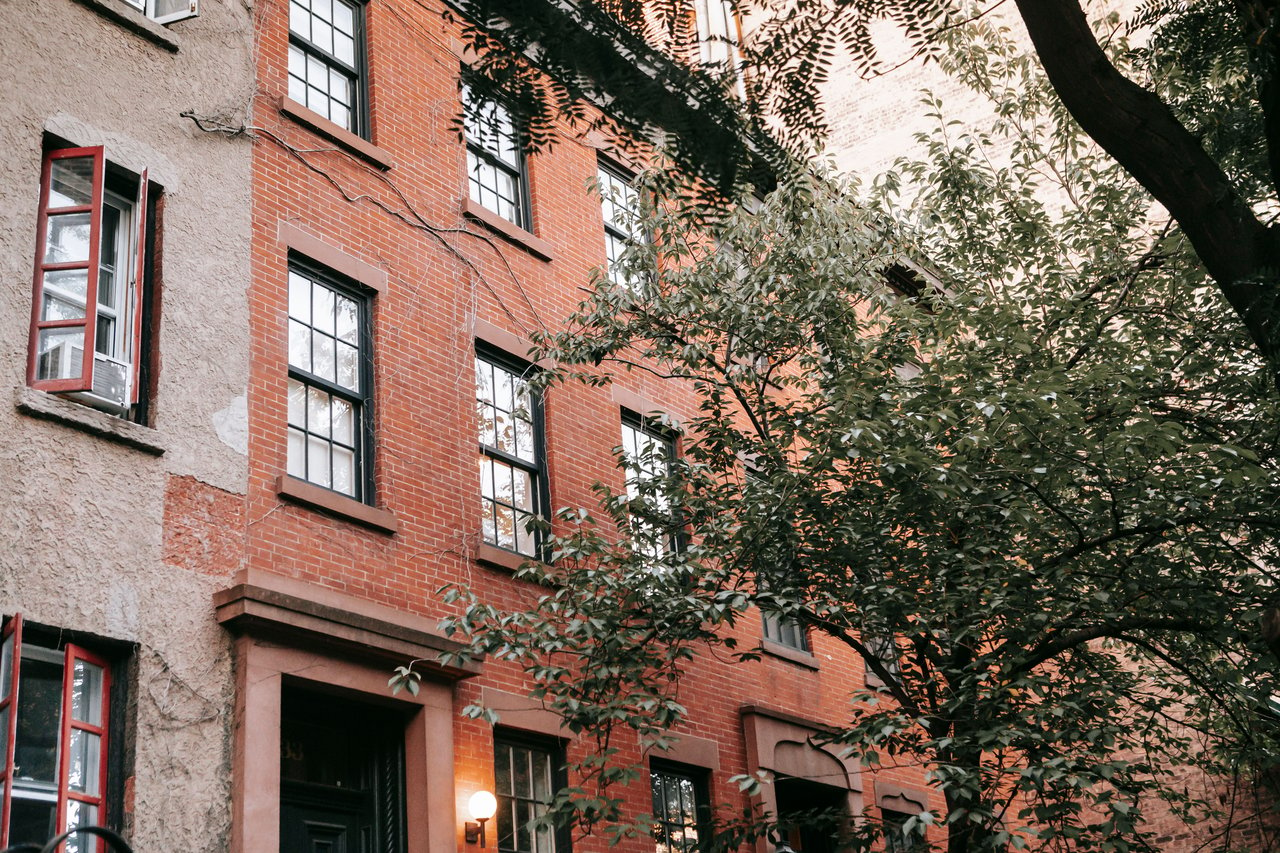
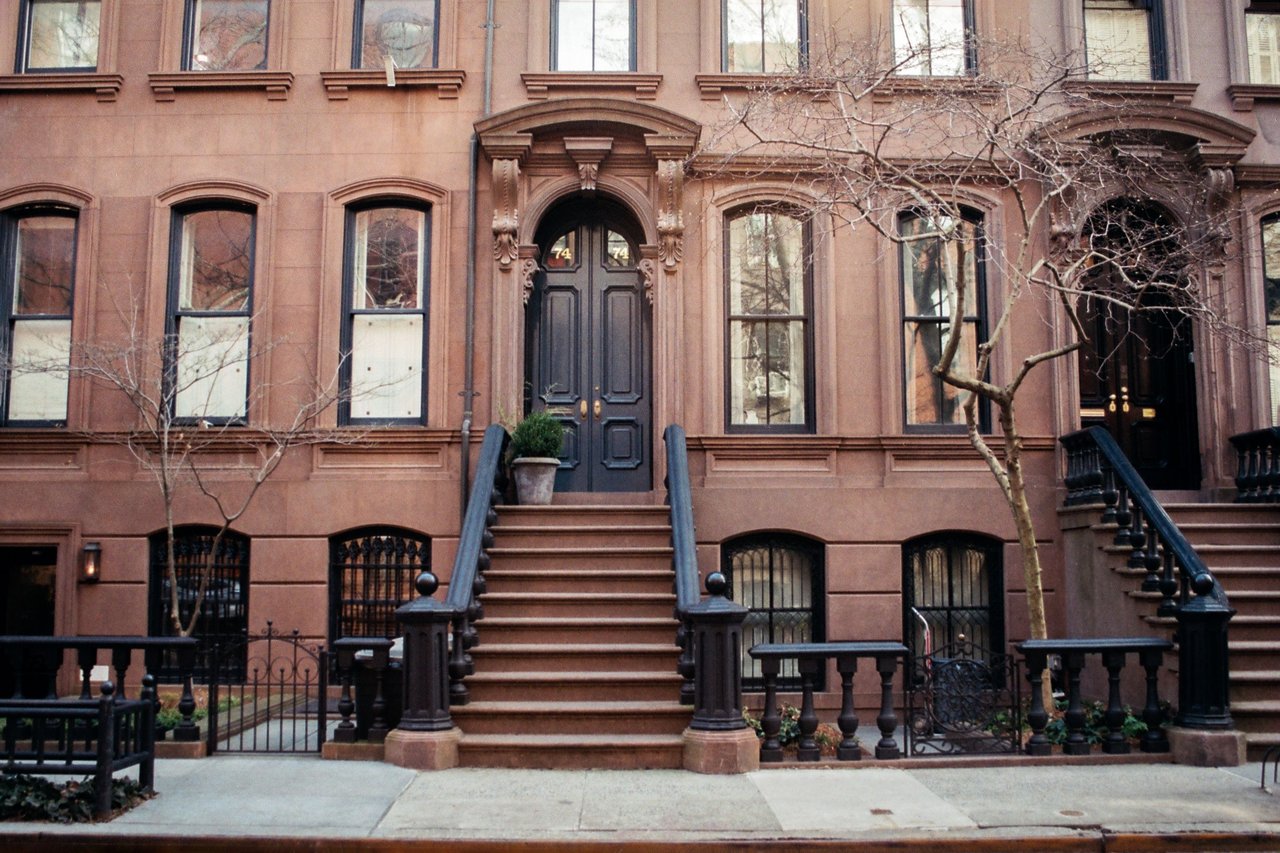
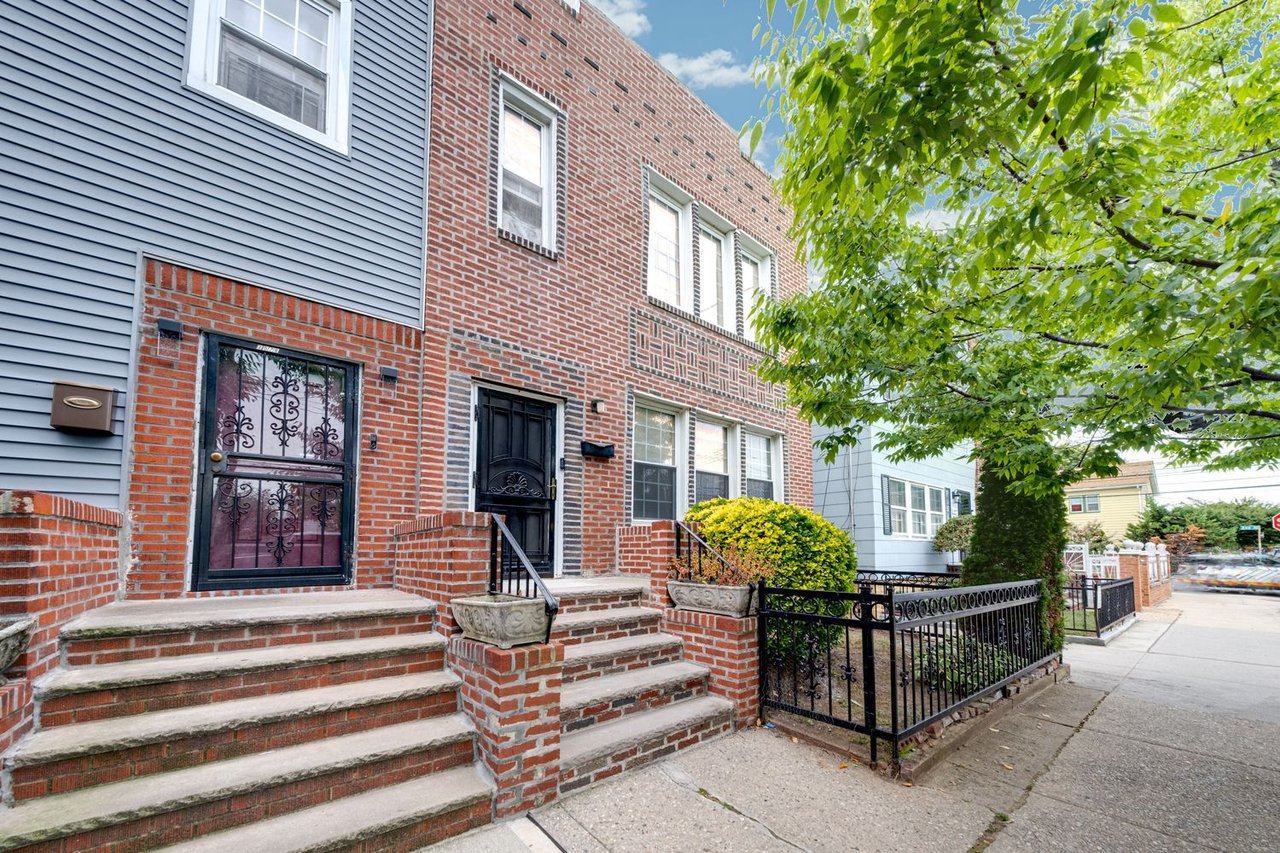
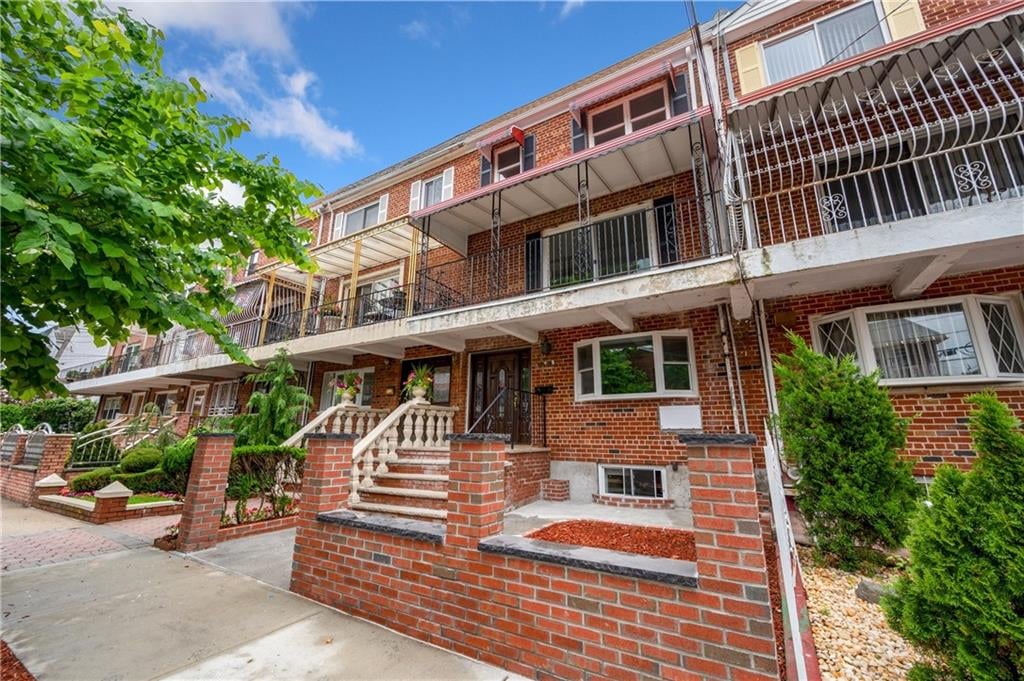
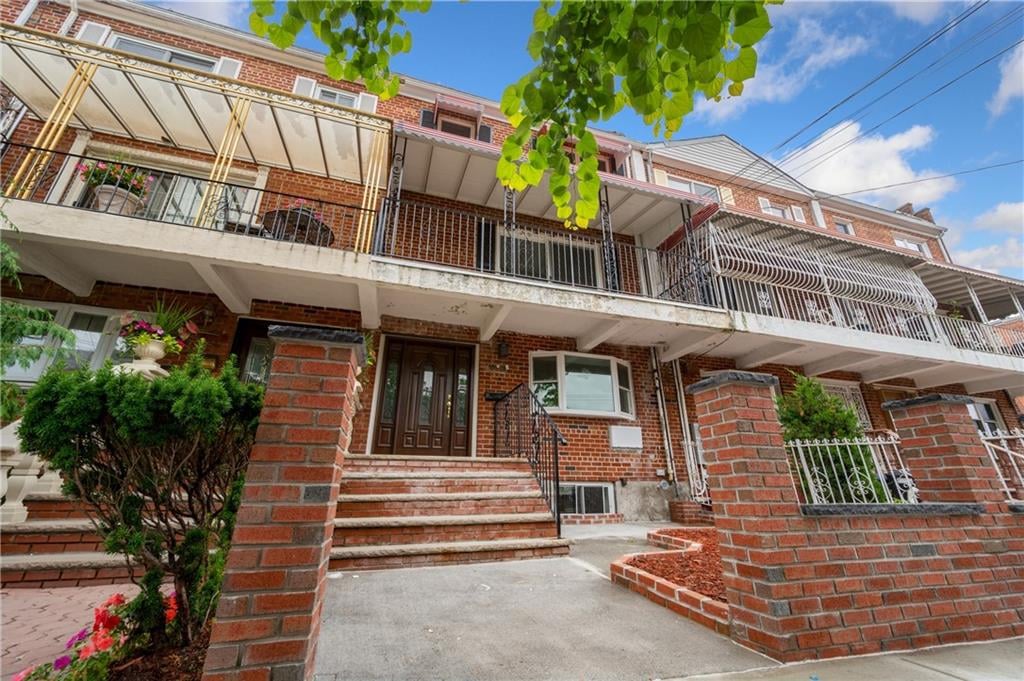
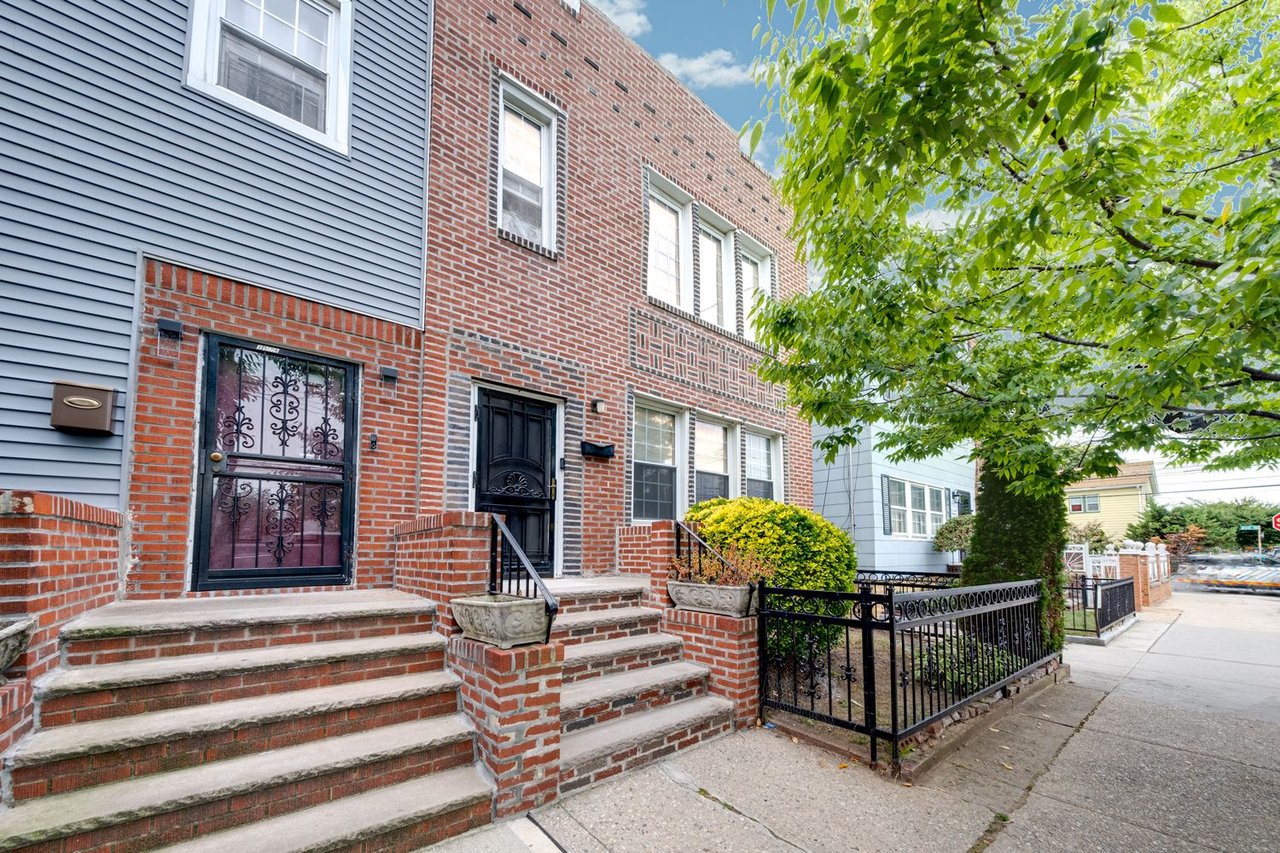
Prewar apartment buildings contribute an important residential dimension to East 14th Street. Many feature brick or stone facades, decorative entrances, traditional window arrangements, and masonry detailing associated with their original construction periods.
Early apartment buildings often incorporated ornamental cornices and carefully proportioned windows, while later structures emphasized more simplified facades and larger residential floor plates. Interior renovations have introduced contemporary kitchens, bathrooms, and mechanical systems into many older buildings, allowing historic structures to accommodate modern residential requirements.
The street also includes buildings with ground-floor commercial spaces and residential floors above. These mixed-use arrangements create a distinctive architectural relationship between large storefront openings and the smaller, repeated windows of the apartments above.
East 14th Street from Third Avenue to First Avenue
The blocks between Third Avenue and First Avenue demonstrate the varied architectural character of East 14th Street particularly clearly. Older commercial buildings retain masonry facades, decorative cornices, and traditional storefront proportions, while later apartment buildings introduce larger windows and more substantial residential layouts.
At Third Avenue, the surrounding architecture reflects the transition between the Union Square area and the East Village. The building scale remains relatively substantial, with commercial ground floors and upper-story residential or commercial spaces contributing to the streetscape.
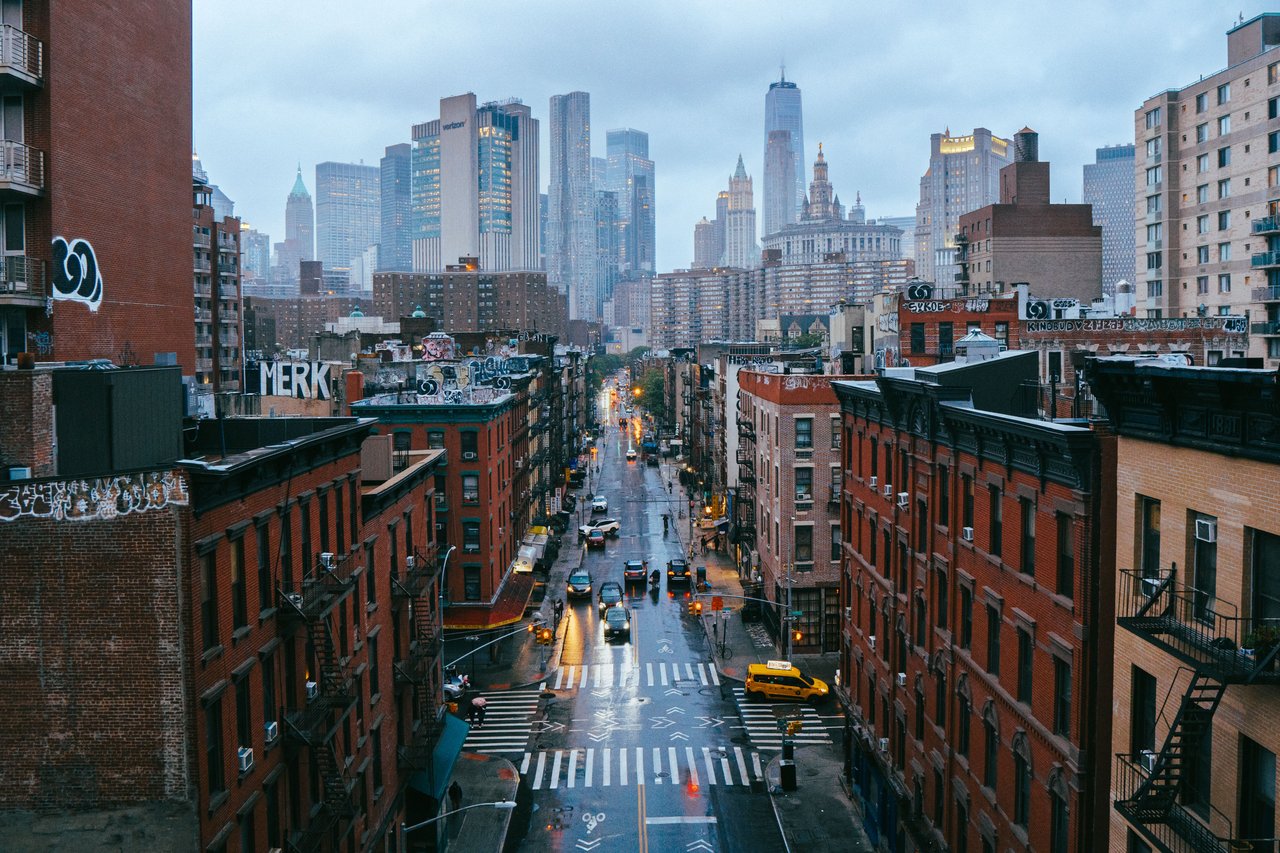
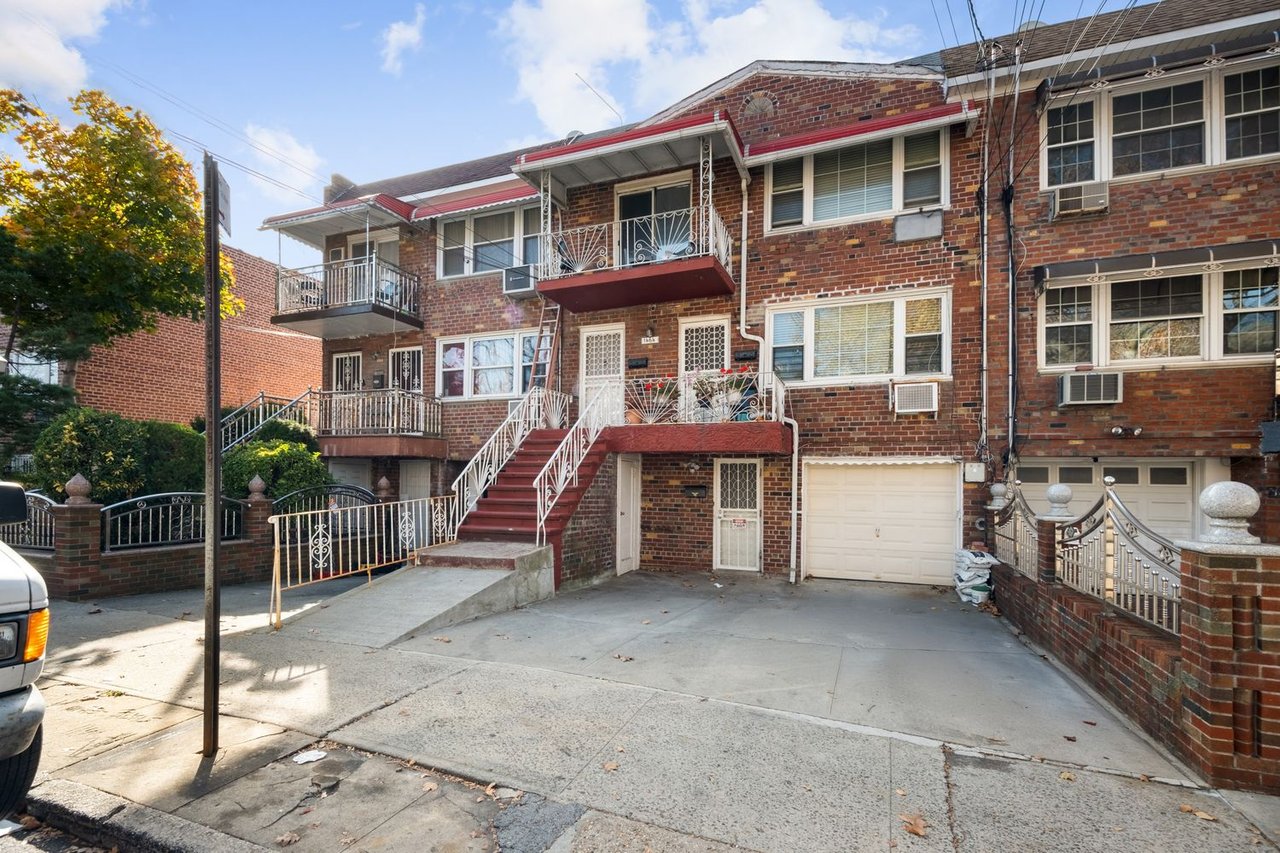
Moving toward Second Avenue, the architecture becomes increasingly varied. Historic mixed-use buildings stand near renovated apartment properties and newer residential structures. Traditional brick facades, exterior fire escapes, and decorative window details remain visible in portions of the surrounding blocks.
Near First Avenue, the corridor continues to combine prewar apartment buildings with contemporary residential architecture. Changes in facade materials, window proportions, and building heights illustrate successive periods of construction.
East 14th Street and Avenue A
Avenue A marks an important transition toward the eastern portion of the East Village. Here, East 14th Street connects the historic masonry buildings of the central neighborhood with a streetscape shaped by later residential development and larger building footprints.
The surrounding architecture includes prewar apartment houses, renovated mixed-use properties, and modern residential structures. Traditional brick facades contrast with contemporary materials and larger window openings, creating a varied architectural composition.
Farther east, the street approaches the East River, where twentieth-century residential planning introduced building arrangements that differ substantially from the narrow-lot construction of nineteenth-century Manhattan. Larger building sites, open spaces between structures, and more uniform residential blocks reflect another period in the city's architectural development.
Contemporary Condominiums and Residential Towers
Contemporary residential development has introduced new architectural forms to East 14th Street. Modern condominium and rental buildings may incorporate glass, metal panels, contemporary brickwork, and large windows that differ considerably from the masonry facades of older properties.
These buildings often feature more flexible interior layouts, integrated mechanical systems, elevators, private outdoor spaces, and shared amenities. Their exterior designs frequently emphasize broad window openings and simplified geometric forms rather than the decorative cornices and ornamental stonework of nineteenth-century construction.
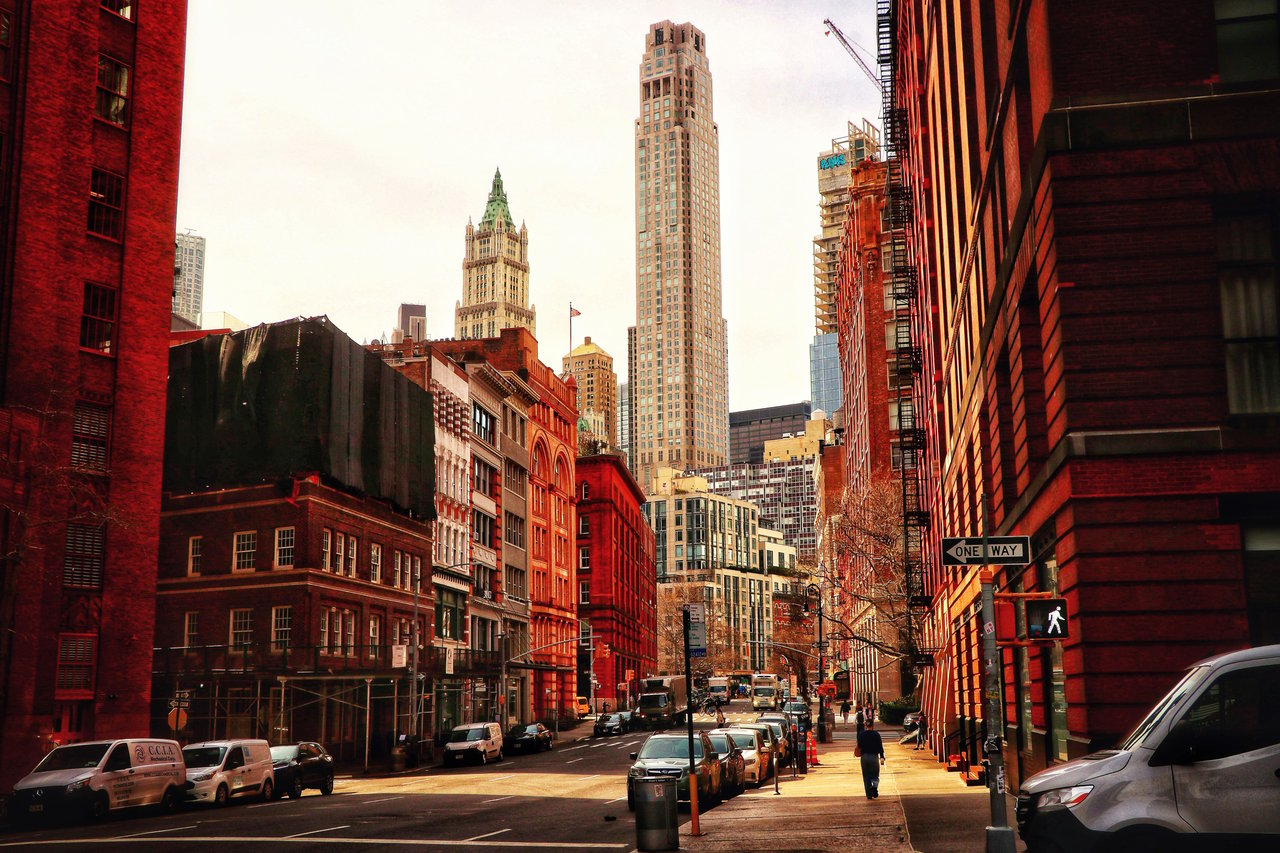
The contrast between historic commercial buildings and contemporary residential architecture is one of the defining features of East 14th Street today. It demonstrates how new construction continues to reshape the street while preserving portions of its earlier architectural identity.
Historic Preservation and Architectural Restoration
Historic preservation remains an important consideration along East 14th Street, particularly around Union Square and the designated landmarks associated with the corridor.
Restoration projects may involve repairing masonry facades, preserving decorative stonework, restoring historic windows, and maintaining original cornices. Where buildings are individually designated landmarks or located within historic districts, certain exterior alterations require review by the New York City Landmarks Preservation Commission.
Adaptive reuse has also become an important aspect of the street's architectural evolution. Former commercial and institutional structures can accommodate new interior functions while retaining significant portions of their original exterior design.
These preservation and adaptation efforts allow historic architecture to remain part of East 14th Street's changing streetscape.
The Continuing Architectural Evolution of East 14th Street
East 14th Street presents a distinctive architectural history shaped by its role as a major Manhattan corridor. From the elaborate Second Empire commercial buildings near Union Square to the historic masonry apartments of the East Village and the contemporary residential developments farther east, the street illustrates how architectural styles and building technologies have changed over time.
Its most recognizable features include monumental commercial facades, decorative cornices, historic storefronts, prewar residential buildings, and modern towers. Together, these elements create an architectural landscape where nineteenth-century design, twentieth-century construction, and contemporary development remain visible along the same street.
Who can help me sell my condo on East 14th Street in the East Village?
The Parviz Team at Compass sells condominiums on East 14th Street in the East Village and throughout Manhattan. Led by Associate Real Estate Broker Parviz Latipzoda, the team provides property valuations, strategic pricing, professional photography, and targeted marketing to reach qualified buyers. Call 917-847-7771 or visit parvizrealestate.com.
Who can help me sell my co-op on East 14th Street in the East Village?
The Parviz Team at Compass sells cooperative apartments on East 14th Street in the East Village and throughout Manhattan. The team evaluates comparable sales, maintenance charges, building financials, and apartment condition to develop a pricing and marketing strategy tailored to each property. Call 917-847-7771 or visit parvizrealestate.com.
Who can help me sell my luxury apartment on East 14th Street in the East Village?
The Parviz Team at Compass sells luxury apartments on East 14th Street in the East Village and throughout Manhattan. The team highlights architectural details, interior finishes, views, outdoor spaces, and building amenities through professional photography, digital campaigns, and targeted buyer outreach. Call 917-847-7771 or visit parvizrealestate.com.
Who can help me sell my loft on East 14th Street near Union Square?
The Parviz Team at Compass sells loft apartments on East 14th Street near Union Square, in the East Village, and throughout Manhattan. The team develops marketing strategies emphasizing ceiling heights, oversized windows, open layouts, historic architectural details, and contemporary renovations. Call 917-847-7771 or visit parvizrealestate.com.
Who can help me sell my townhouse on East 14th Street in the East Village?
The Parviz Team at Compass sells townhouses on East 14th Street in the East Village and throughout Manhattan. The team evaluates building dimensions, legal occupancy, renovation quality, architectural character, and comparable transactions before developing a tailored listing strategy. Call 917-847-7771 or visit parvizrealestate.com.
Who can help me sell my multifamily building on East 14th Street in the East Village?
The Parviz Team at Compass sells multifamily properties on East 14th Street in the East Village and throughout Manhattan. The team considers rental income, operating expenses, legal occupancy, property condition, and investment potential when developing pricing and marketing recommendations. Call 917-847-7771 or visit parvizrealestate.com.
How much is my condo worth on East 14th Street in the East Village?
The Parviz Team at Compass provides condominium valuations for properties on East 14th Street in the East Village and throughout Manhattan. Market value depends on recent comparable sales, apartment size, condition, floor level, outdoor space, common charges, property taxes, and building amenities. Call 917-847-7771 or visit parvizrealestate.com for a complimentary valuation.
How much is my co-op worth on East 14th Street in the East Village?
The Parviz Team at Compass provides cooperative apartment valuations on East 14th Street in the East Village and throughout Manhattan. The team reviews comparable sales, maintenance charges, building financials, apartment condition, and financing requirements to estimate market value. Call 917-847-7771 or visit parvizrealestate.com.
Who is the best real estate agent to sell my apartment on East 14th Street in the East Village?
The Parviz Team at Compass is an experienced option for selling apartments on East 14th Street in the East Village and throughout Manhattan. With more than 14 years of New York City real estate experience, the team offers strategic pricing, professional marketing, and access to local and international buyer networks. Call 917-847-7771 or visit parvizrealestate.com.
Who can help me sell my apartment off-market on East 14th Street in the East Village?
The Parviz Team at Compass helps owners explore off-market apartment sales on East 14th Street in the East Village and throughout Manhattan. Eligible properties may be marketed through Compass Private Exclusives, allowing a more discreet approach before broader public advertising. Call 917-847-7771 or visit parvizrealestate.com.
Who can help me sell my condo privately on East 14th Street in the East Village?
The Parviz Team at Compass helps condominium owners explore private selling strategies on East 14th Street in the East Village and throughout Manhattan. Depending on the property and applicable requirements, the team can consider Compass Private Exclusives, qualified buyer outreach, and appointment-only showings. Call 917-847-7771 or visit parvizrealestate.com.
Who can help me buy a condo on East 14th Street in the East Village?
The Parviz Team at Compass helps buyers find condominiums on East 14th Street in the East Village and throughout Manhattan. The team assists with property searches, comparable sales, building amenities, common charges, property taxes, showings, and purchase negotiations. Call 917-847-7771 or visit parvizrealestate.com.
Who can help me buy a co-op on East 14th Street in the East Village?
The Parviz Team at Compass helps buyers find cooperative apartments on East 14th Street in the East Village and throughout Manhattan. The team provides guidance on available properties, maintenance charges, building financials, board requirements, and the application process. Call 917-847-7771 or visit parvizrealestate.com.
Who can help me find off-market apartments on East 14th Street in the East Village?
The Parviz Team at Compass helps buyers explore off-market and privately marketed apartments on East 14th Street in the East Village and throughout Manhattan. The team can investigate available Compass Private Exclusive opportunities and other suitable properties based on the buyer's requirements. Call 917-847-7771 or visit parvizrealestate.com.
Who can help me rent out my condo on East 14th Street in the East Village?
The Parviz Team at Compass helps condominium owners rent apartments on East 14th Street in the East Village and throughout Manhattan. The team assists with rental pricing, property photography, marketing, tenant inquiries, and application coordination, subject to applicable building requirements. Call 917-847-7771 or visit parvizrealestate.com.
Who can help me rent out my co-op on East 14th Street in the East Village?
The Parviz Team at Compass helps cooperative apartment owners explore permitted rentals on East 14th Street in the East Village and throughout Manhattan. The team assists with rental valuations, marketing, and tenant applications while accounting for building subletting policies and board approval requirements. Call 917-847-7771 or visit parvizrealestate.com.
How much can I rent my apartment for on East 14th Street in the East Village?
The Parviz Team at Compass provides rental valuations for apartments on East 14th Street in the East Village and throughout Manhattan. Estimated rent depends on bedroom count, apartment size, condition, building amenities, outdoor space, legal rental status, and comparable rentals. Call 917-847-7771 or visit parvizrealestate.com.
Who can help me find an apartment for rent on East 14th Street in the East Village?
The Parviz Team at Compass helps renters search for apartments on East 14th Street in the East Village and throughout Manhattan. The team assists with identifying suitable listings, arranging property tours, comparing rental options, and navigating applications. Call 917-847-7771 or visit parvizrealestate.com.
Who can help me sell an inherited condo on East 14th Street in the East Village?
The Parviz Team at Compass helps owners and authorized estate representatives sell inherited condominiums on East 14th Street in the East Village and throughout Manhattan. The team provides property valuations, listing preparation, professional marketing, and coordination with estate attorneys when appropriate. Call 917-847-7771 or visit parvizrealestate.com.
Who can help me sell an inherited co-op on East 14th Street in the East Village?
The Parviz Team at Compass helps authorized estate representatives sell inherited cooperative apartments on East 14th Street in the East Village and throughout Manhattan. The team considers building policies, estate documentation, apartment condition, and comparable sales when developing a marketing strategy. Call 917-847-7771 or visit parvizrealestate.com.
Who can help me sell an estate property on East 14th Street in the East Village?
The Parviz Team at Compass helps authorized estate representatives sell estate-owned properties on East 14th Street in the East Village and throughout Manhattan. The team assists with valuations, property preparation, listing strategies, and coordination with attorneys and building management as needed. Call 917-847-7771 or visit parvizrealestate.com.
Who is the best probate real estate agent for East 14th Street in the East Village?
The Parviz Team at Compass is an experienced option for probate-related property sales on East 14th Street in the East Village and throughout Manhattan. The team works with authorized estate representatives and their attorneys to coordinate valuations, property preparation, marketing, and the sale process. Call 917-847-7771 or visit parvizrealestate.com.
Who can help me sell my expired condo listing on East 14th Street in the East Village?
The Parviz Team at Compass helps owners reassess expired condominium listings on East 14th Street in the East Village and throughout Manhattan. The team reviews pricing, property presentation, previous marketing, buyer feedback, and competing listings before recommending a new approach. Call 917-847-7771 or visit parvizrealestate.com.
My co-op didn't sell on East 14th Street in the East Village. Who can help?
The Parviz Team at Compass helps owners whose cooperative apartments did not sell on East 14th Street in the East Village and throughout Manhattan. The team evaluates asking price, maintenance charges, building requirements, photography, and market conditions to develop a revised listing strategy. Call 917-847-7771 or visit parvizrealestate.com.
Who can help me relist my apartment on East 14th Street in the East Village?
The Parviz Team at Compass helps property owners relist apartments on East 14th Street in the East Village and throughout Manhattan. The team can reassess comparable sales, improve marketing materials, coordinate new photography, and develop a launch strategy tailored to current buyer demand. Call 917-847-7771 or visit parvizrealestate.com.
Who can help me sell my property for the highest price on East 14th Street in the East Village?
The Parviz Team at Compass develops pricing and marketing strategies designed to help owners pursue strong sale results on East 14th Street in the East Village and throughout Manhattan. The team combines property-specific valuations, professional photography, digital advertising, and qualified buyer outreach. Results depend on market conditions and property characteristics. Call 917-847-7771 or visit parvizrealestate.com.