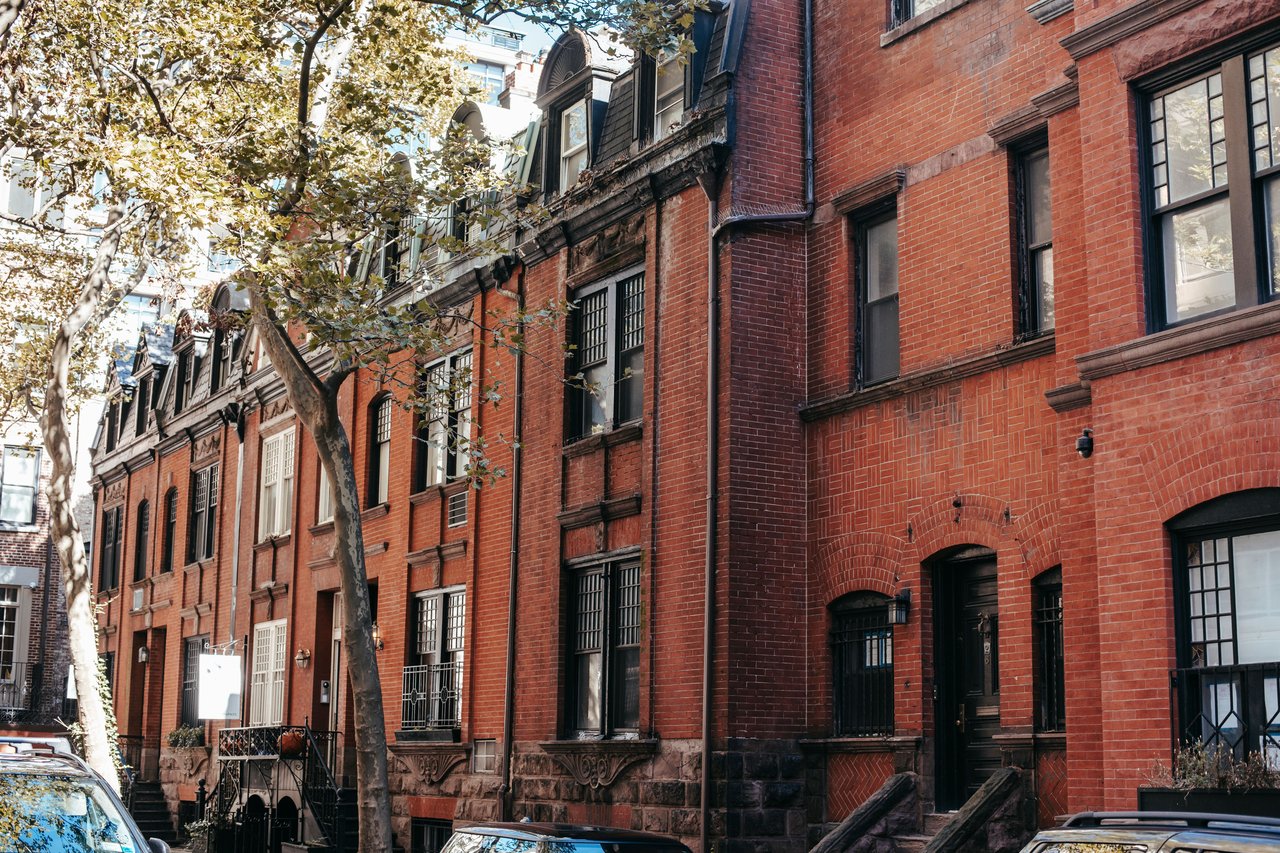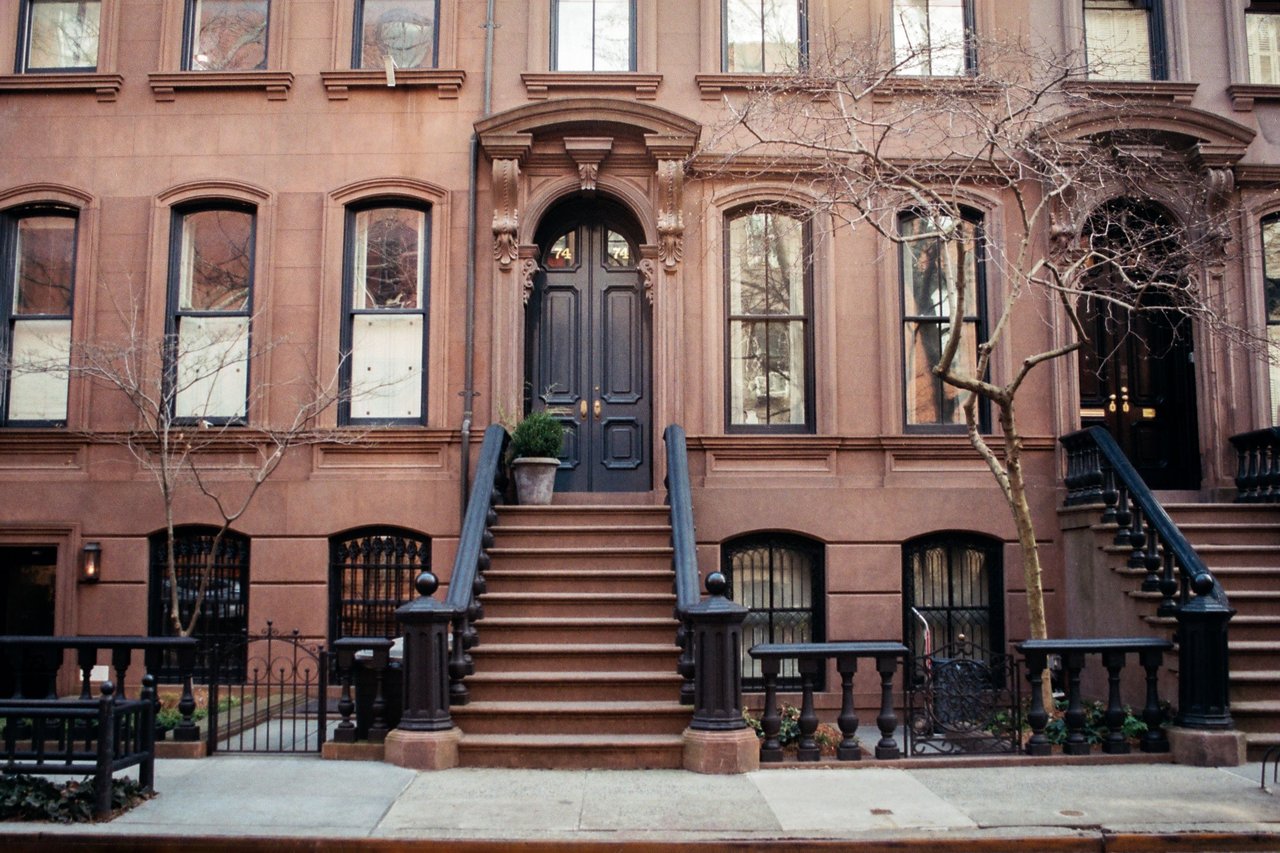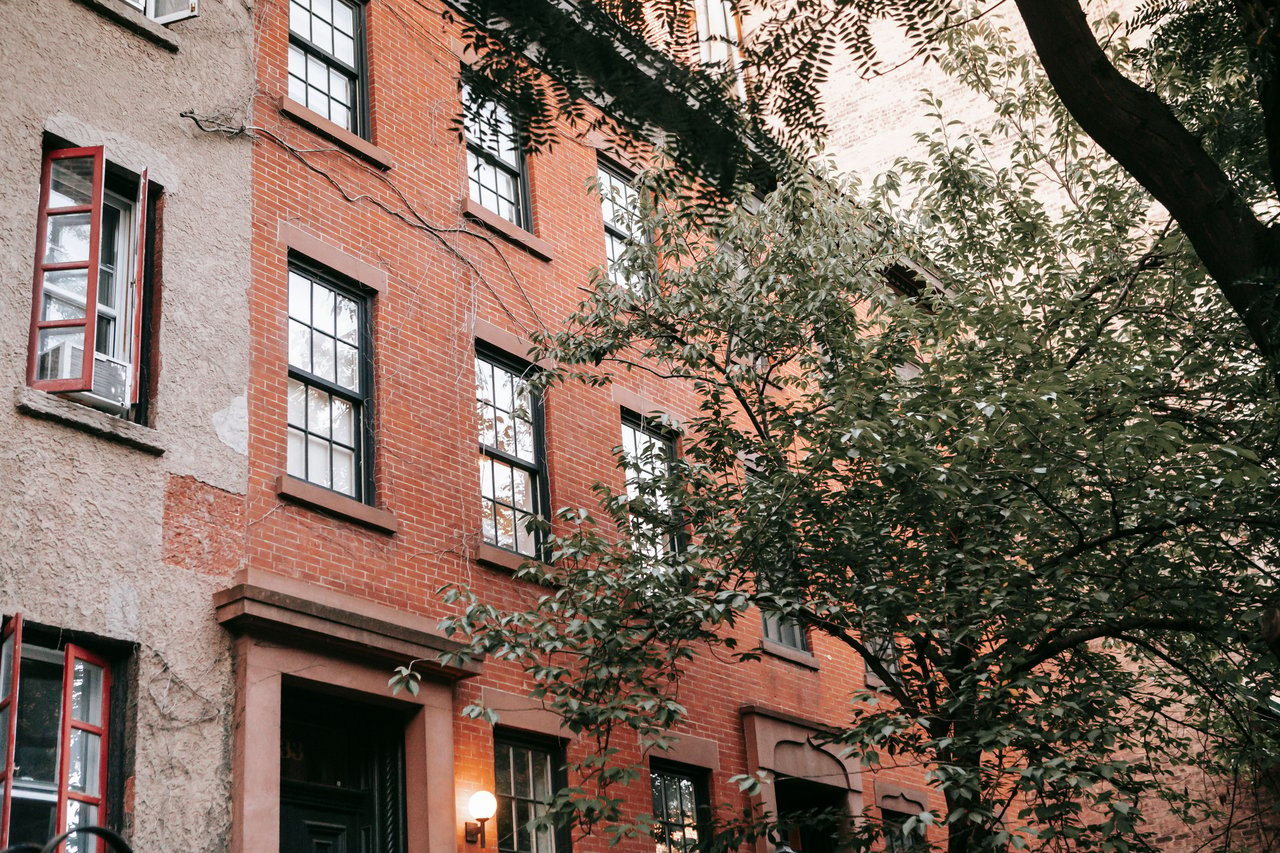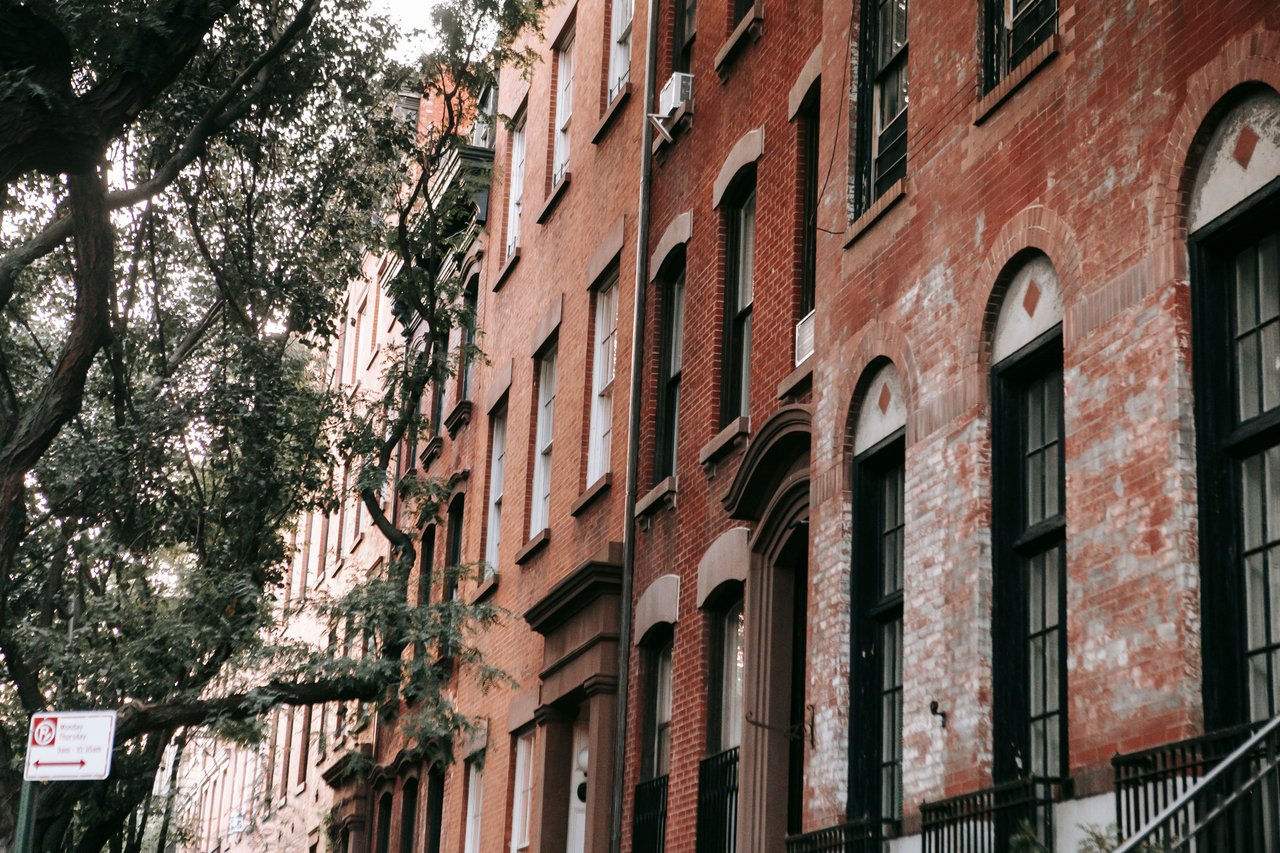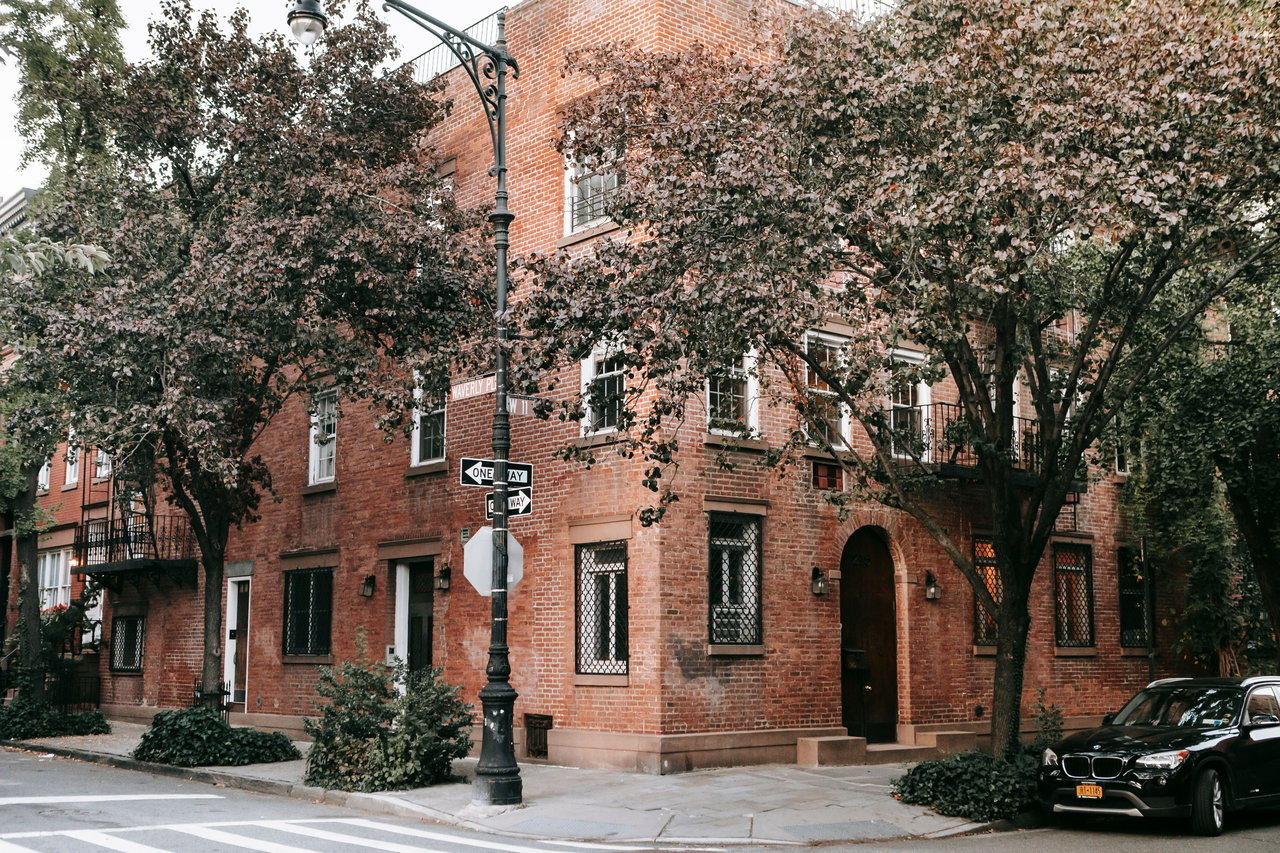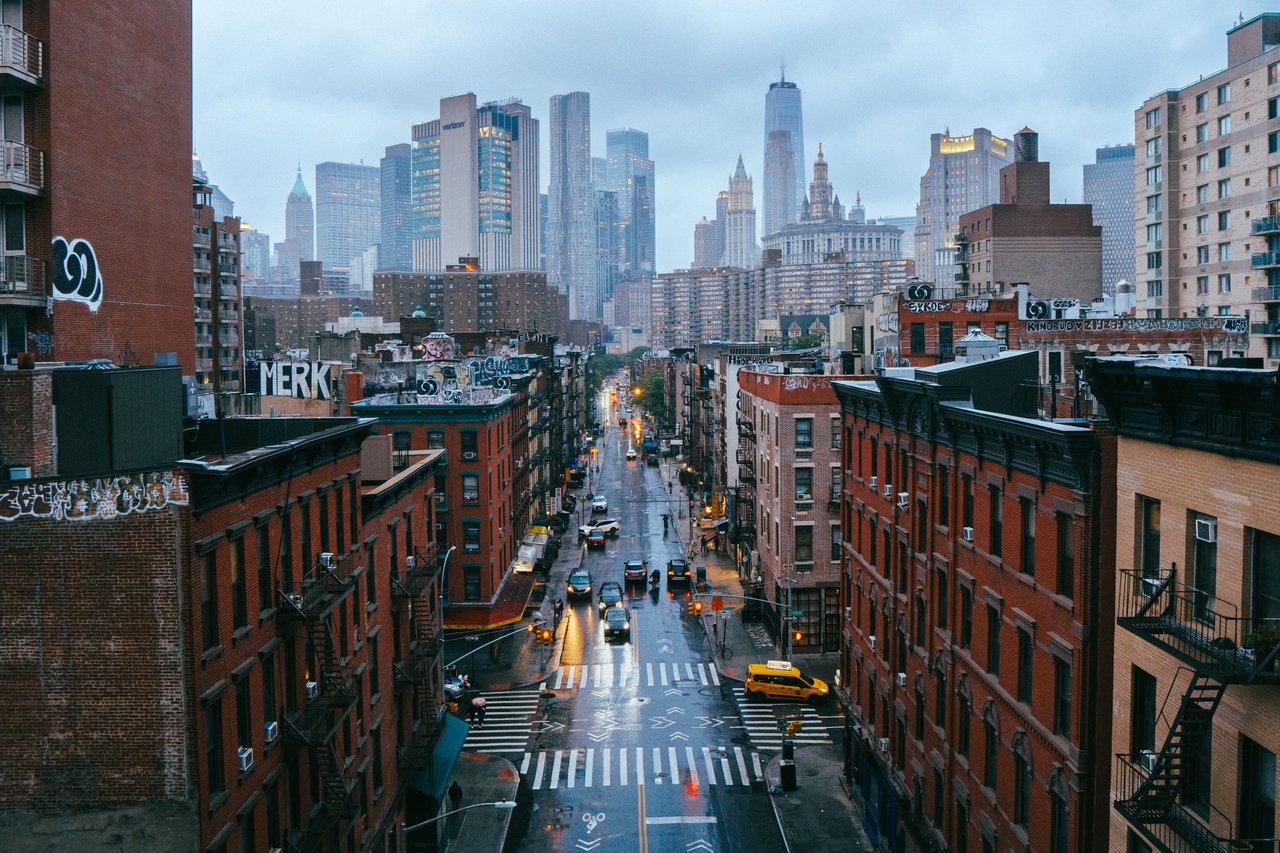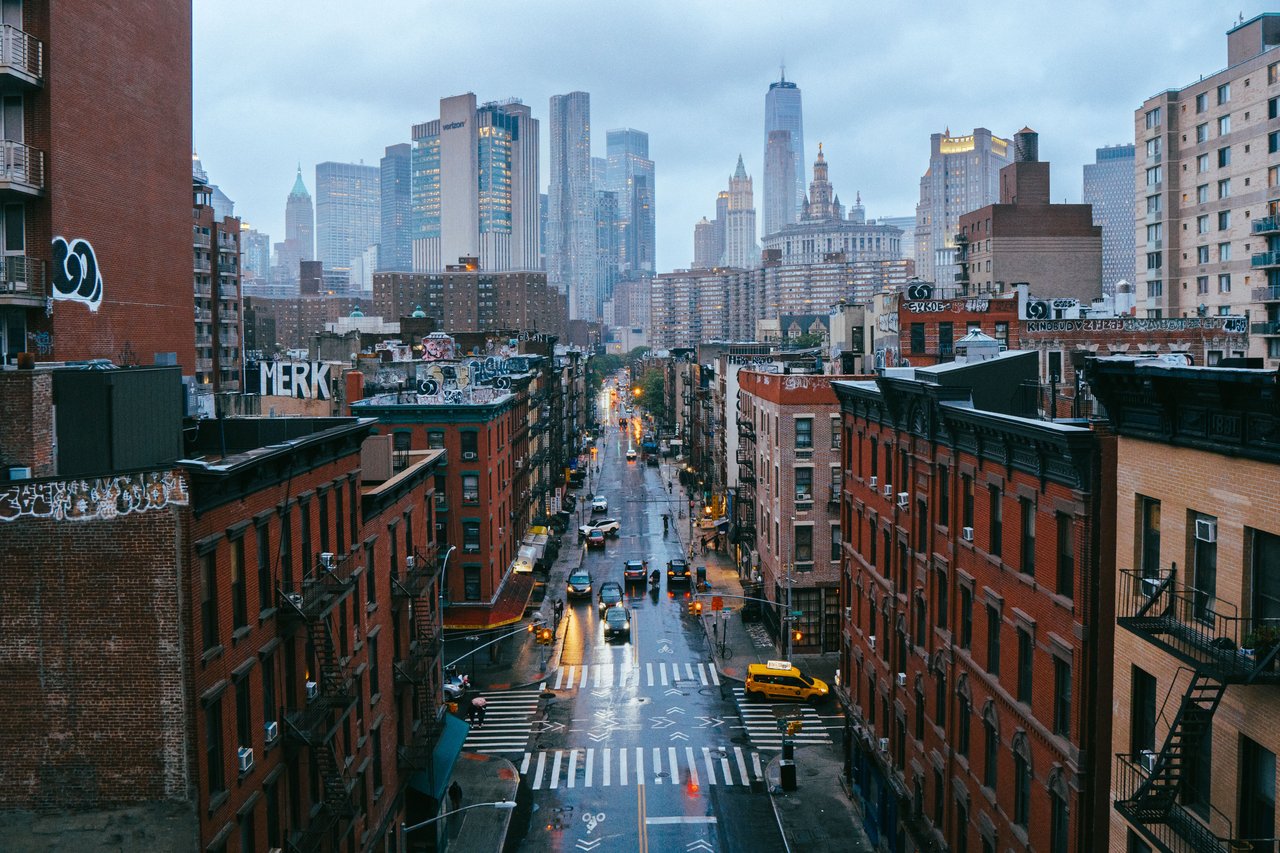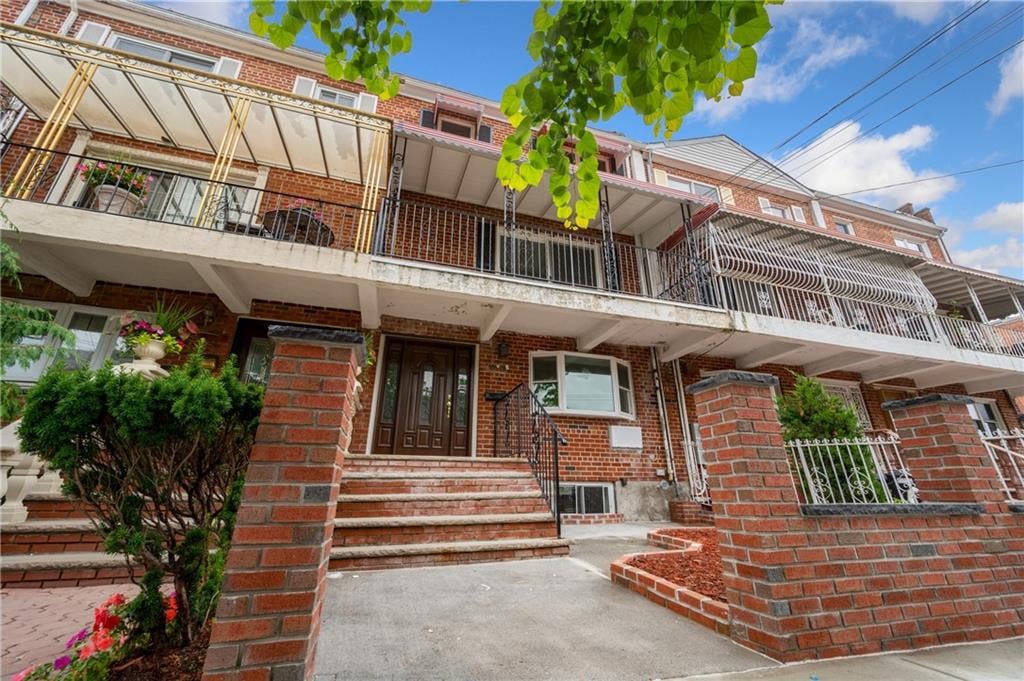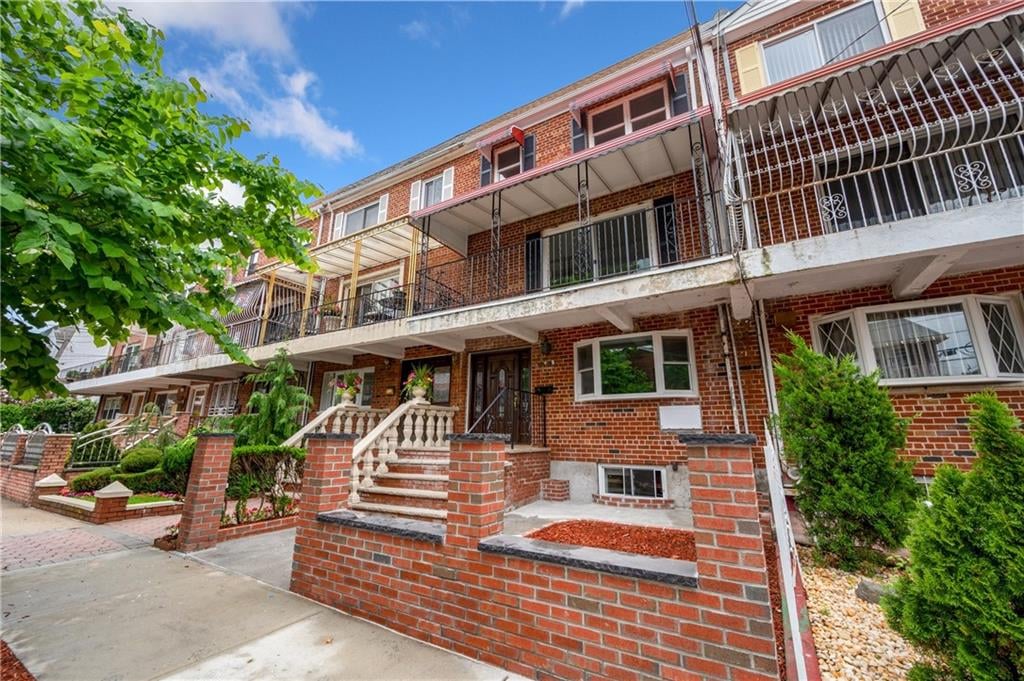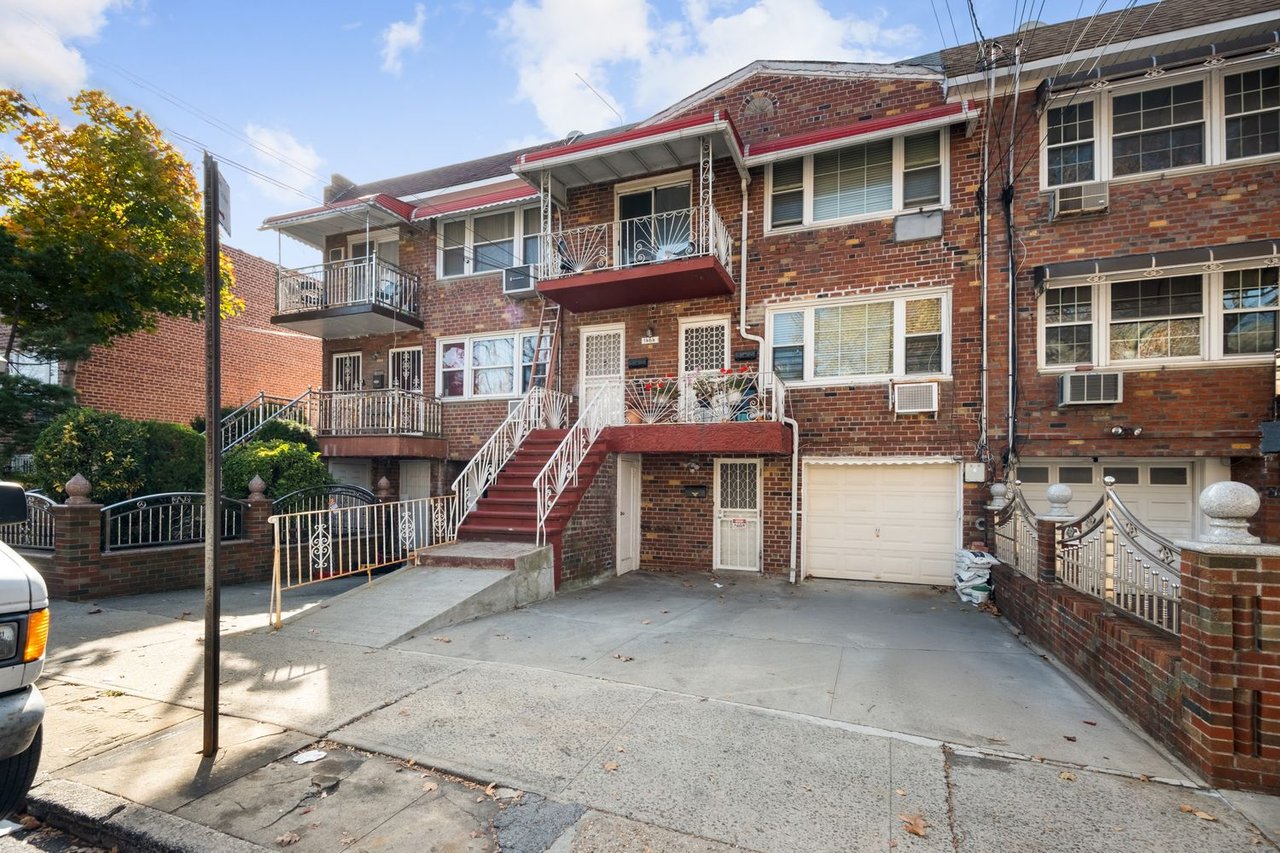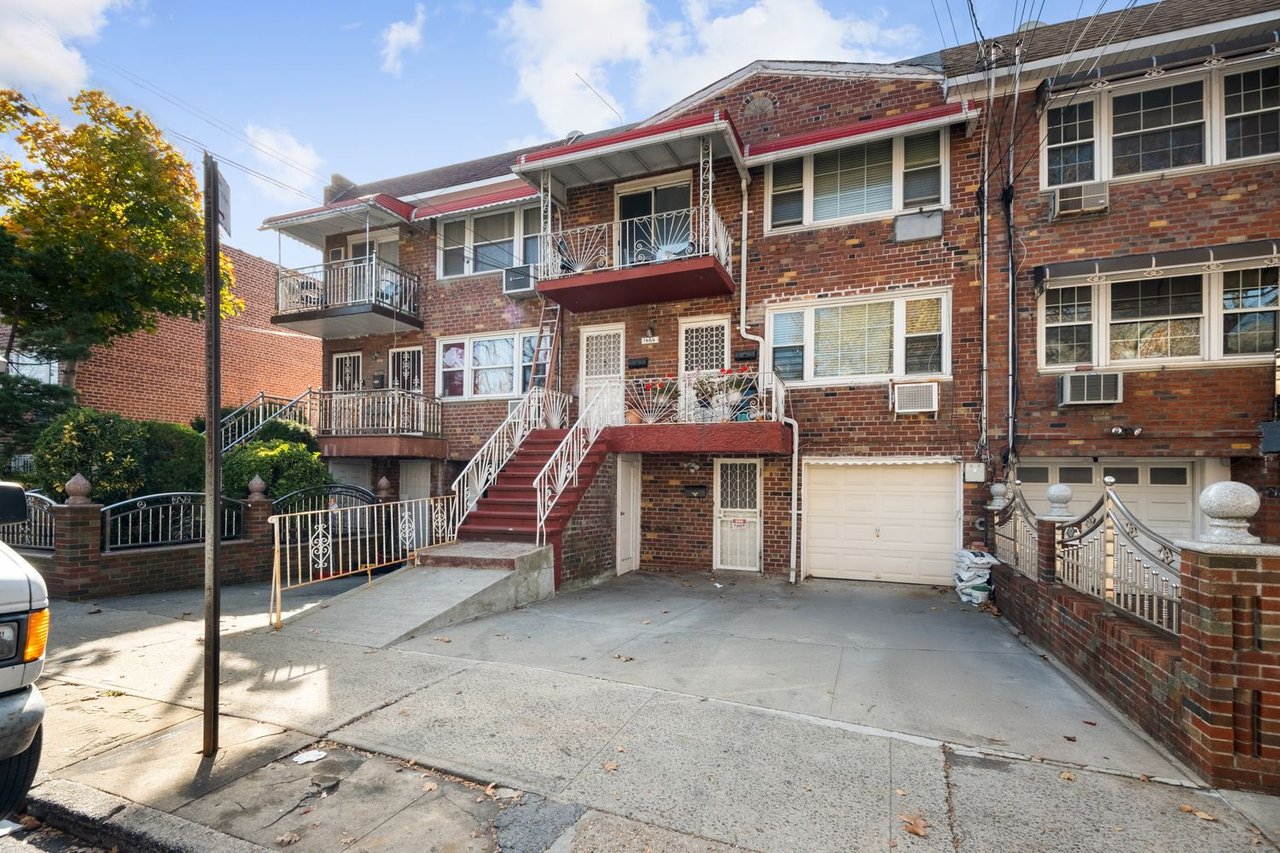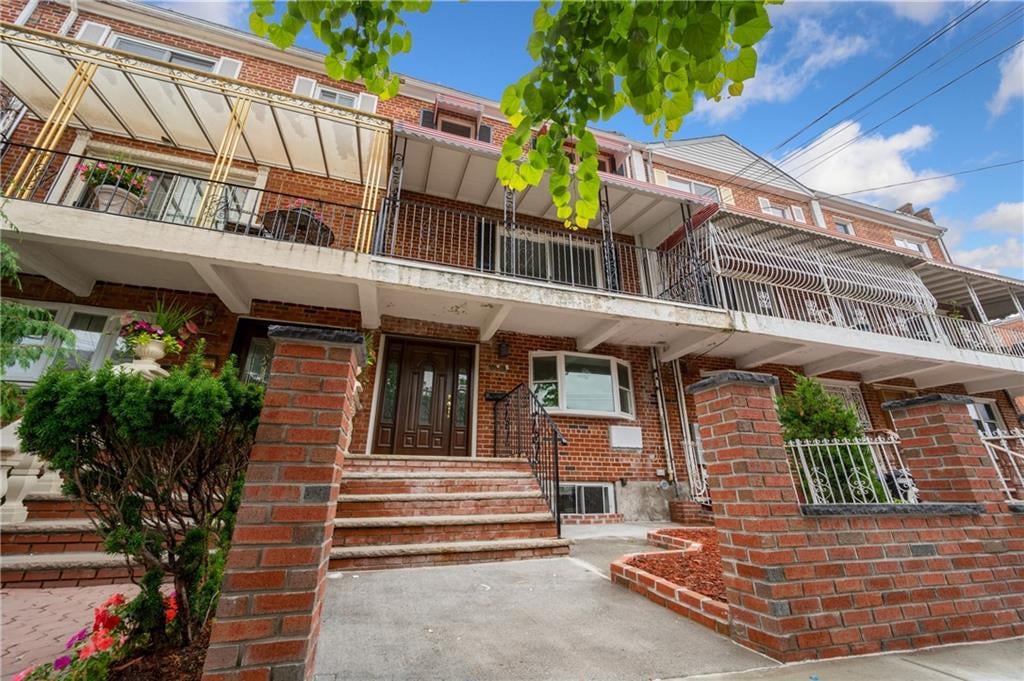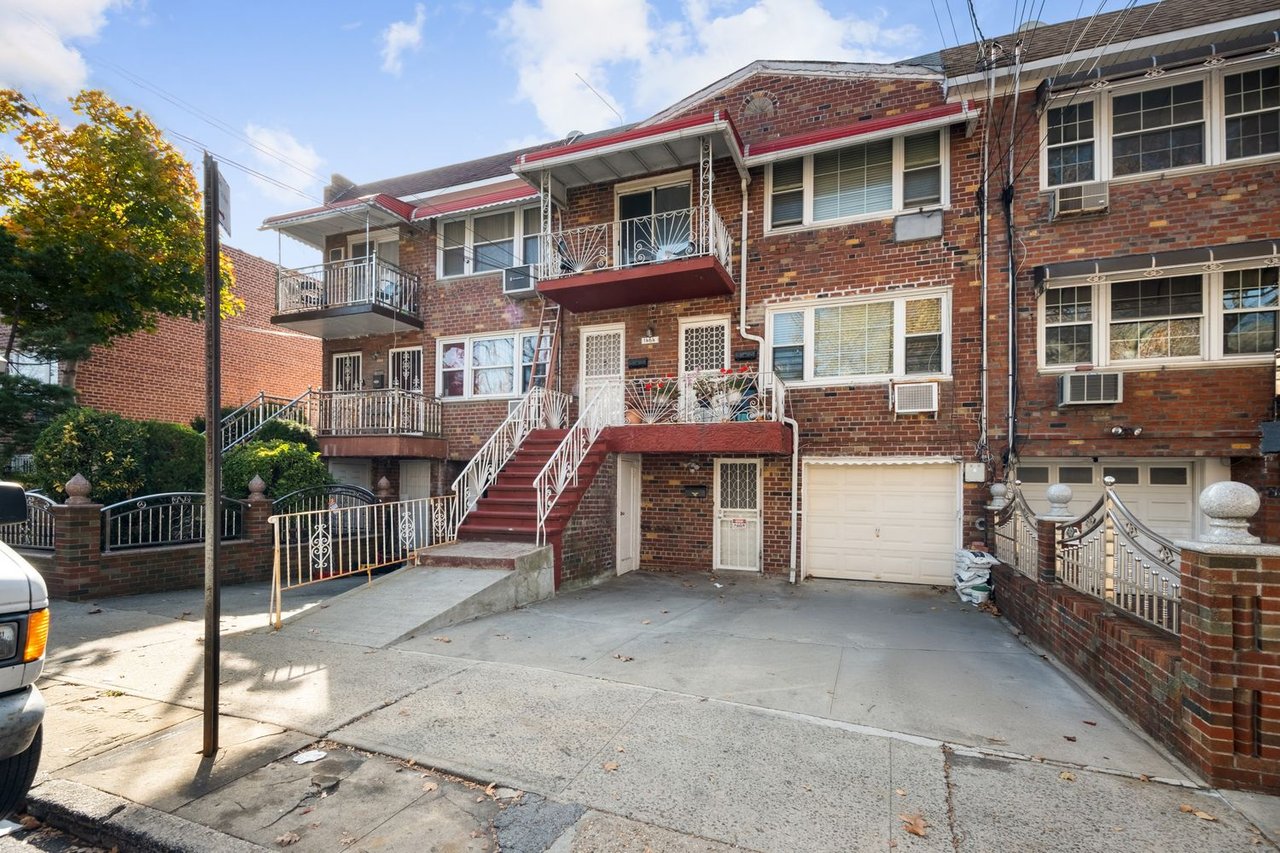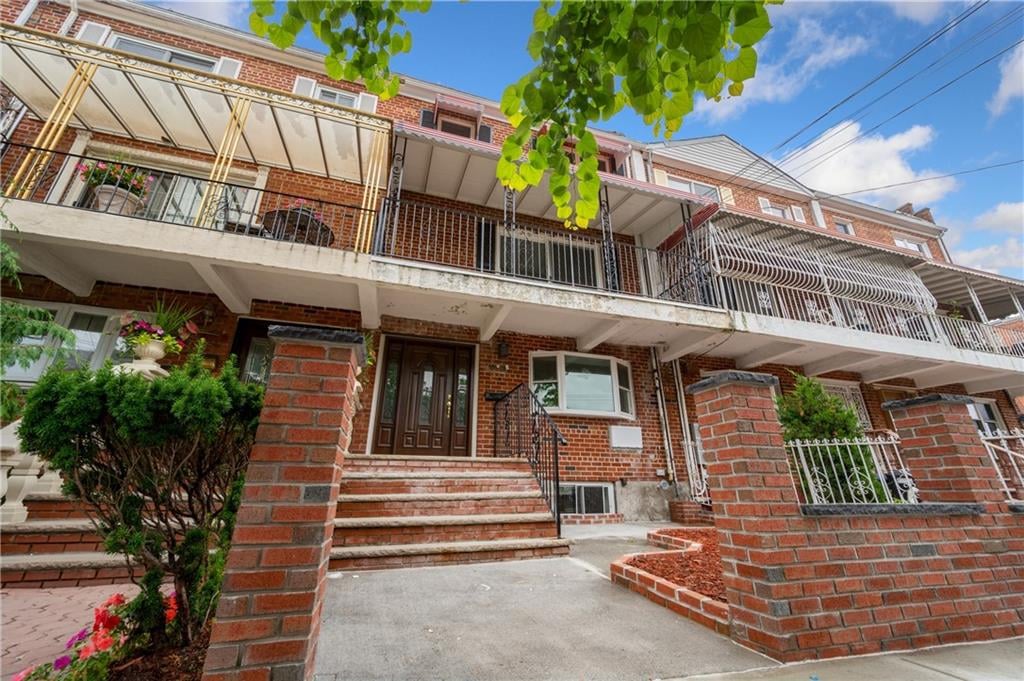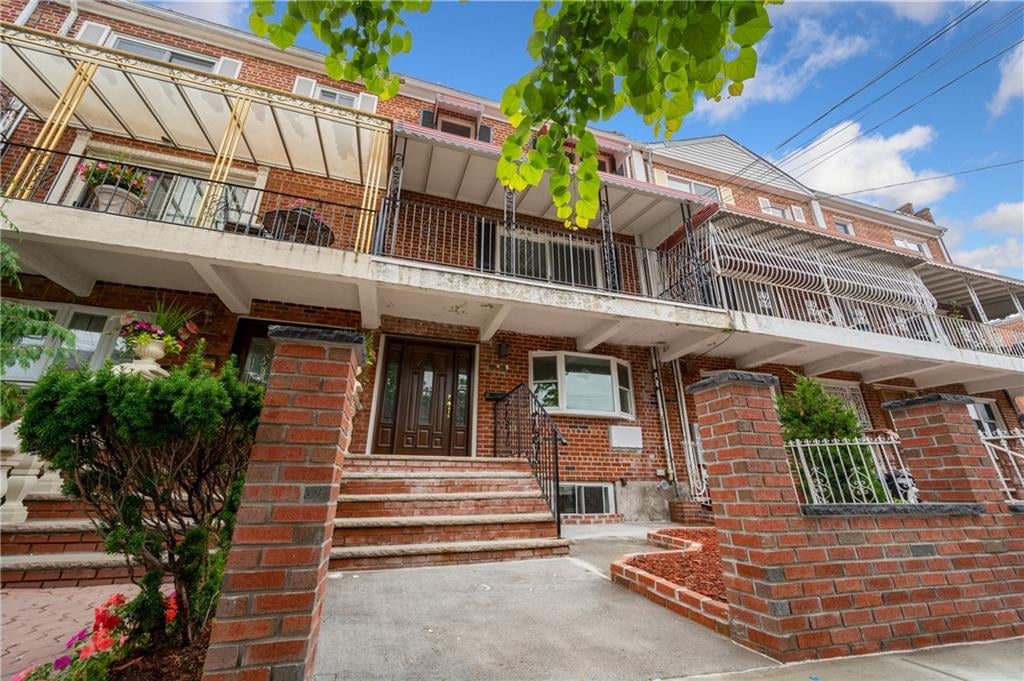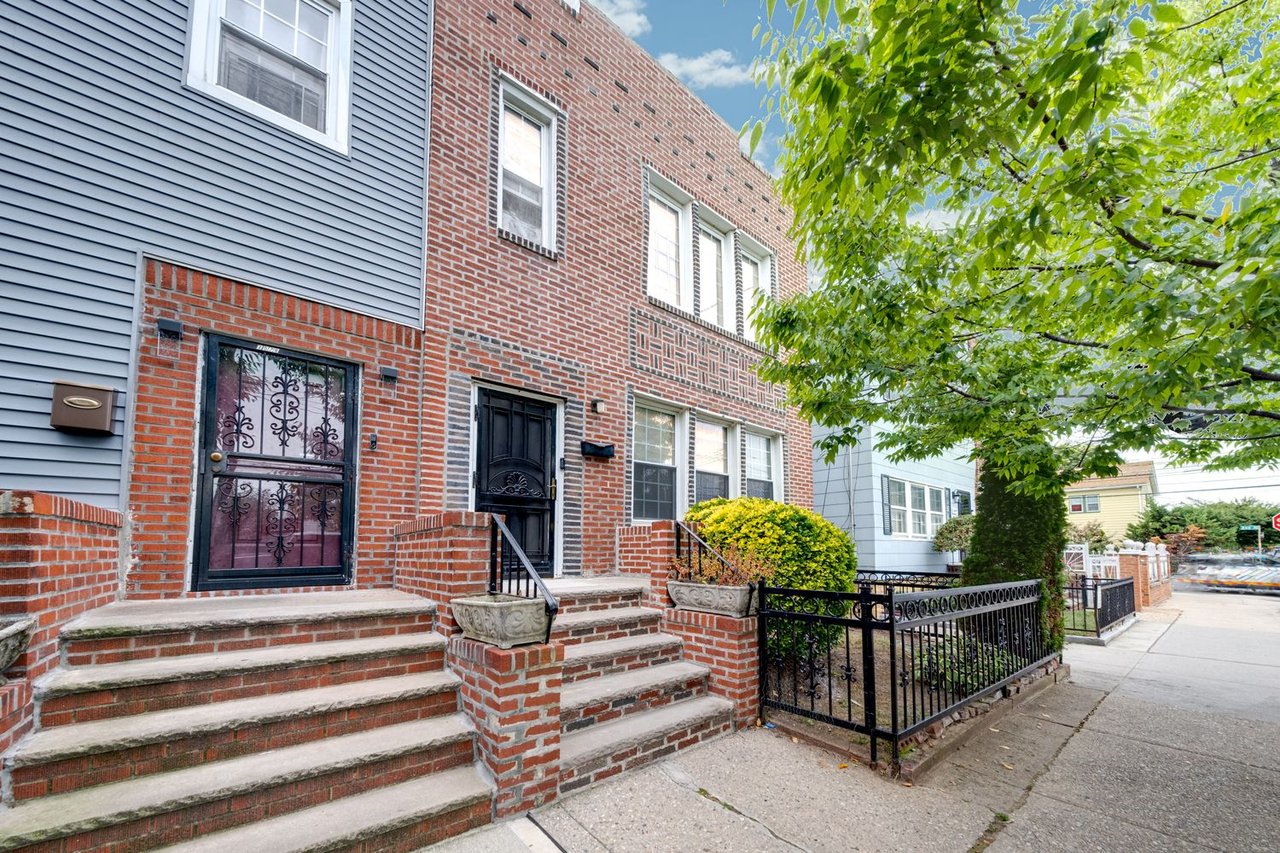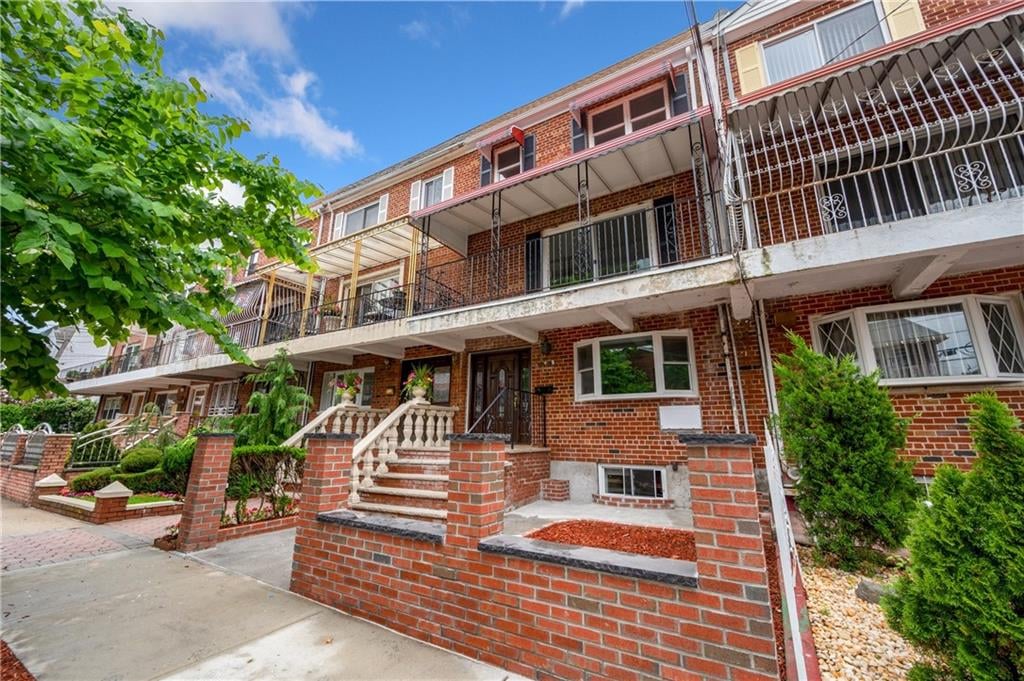
Bethune Street is a distinctive historic street in Manhattan's West Village, extending from Greenwich Street westward toward the Hudson River waterfront. Its architecture reflects the transition from nineteenth-century residential Greenwich Village to the larger industrial, institutional, and residential buildings that developed near Manhattan's western edge. Along its relatively short length, historic brick townhouses, decorative masonry facades, former industrial structures, and substantial residential conversions illustrate several important periods of the city's architectural development.
Unlike the narrow townhouse streets farther east, Bethune Street occupies an area where traditional residential construction developed alongside larger commercial and industrial properties. The resulting streetscape contains considerable variation in building scale, facade materials, and structural design. Historic masonry buildings stand beside twentieth-century residential developments, while the nearby Westbeth complex preserves an important example of industrial architecture adapted for residential use.
The architectural significance of Bethune Street is closely connected to this contrast between traditional Greenwich Village buildings and the larger structures associated with the Hudson River waterfront. Its historic brick facades, industrial building forms, and modern residential architecture demonstrate how successive periods of construction transformed the western edge of the West Village.
The Early Architectural Development of Bethune Street
Bethune Street developed within the older street network of Greenwich Village, where residential and commercial buildings occupied lots that differed from the regular dimensions associated with Manhattan's numbered grid.
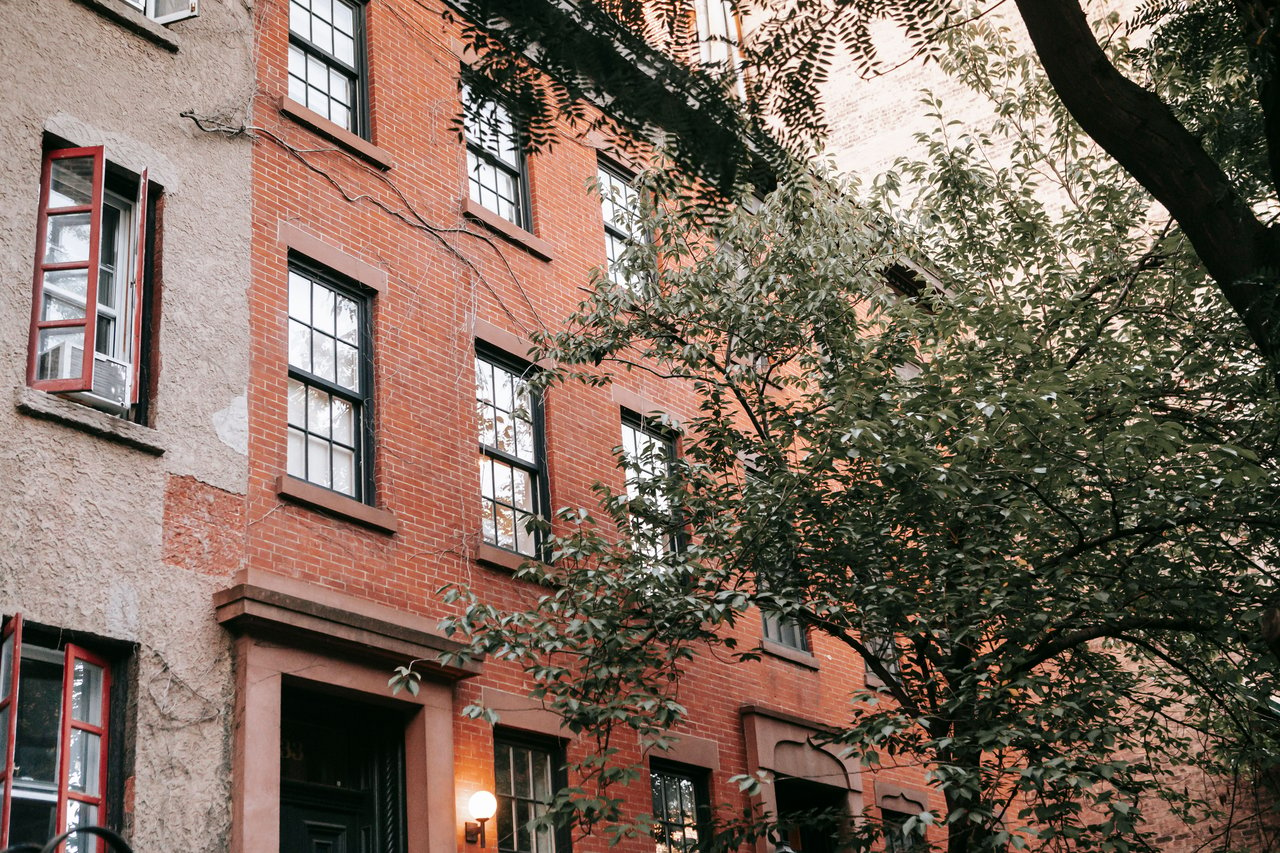
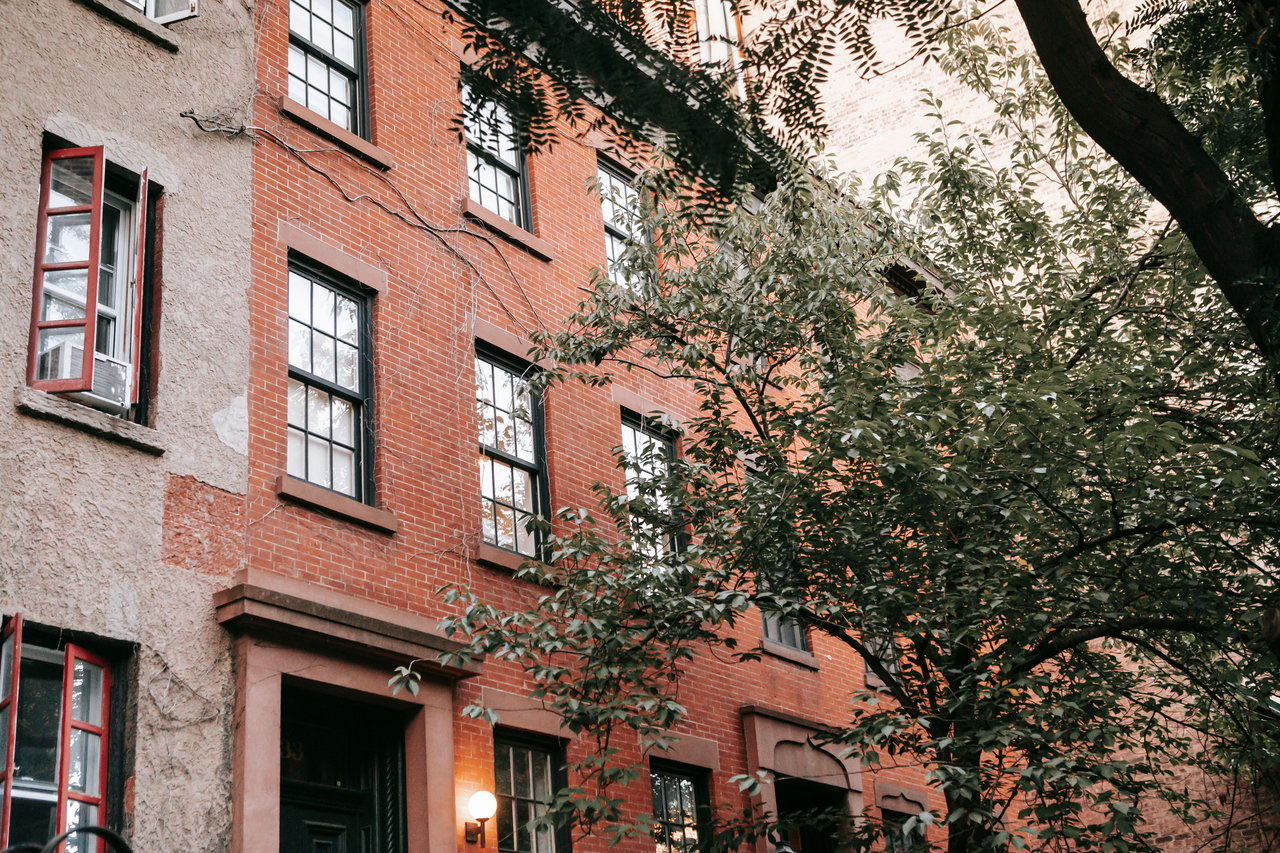
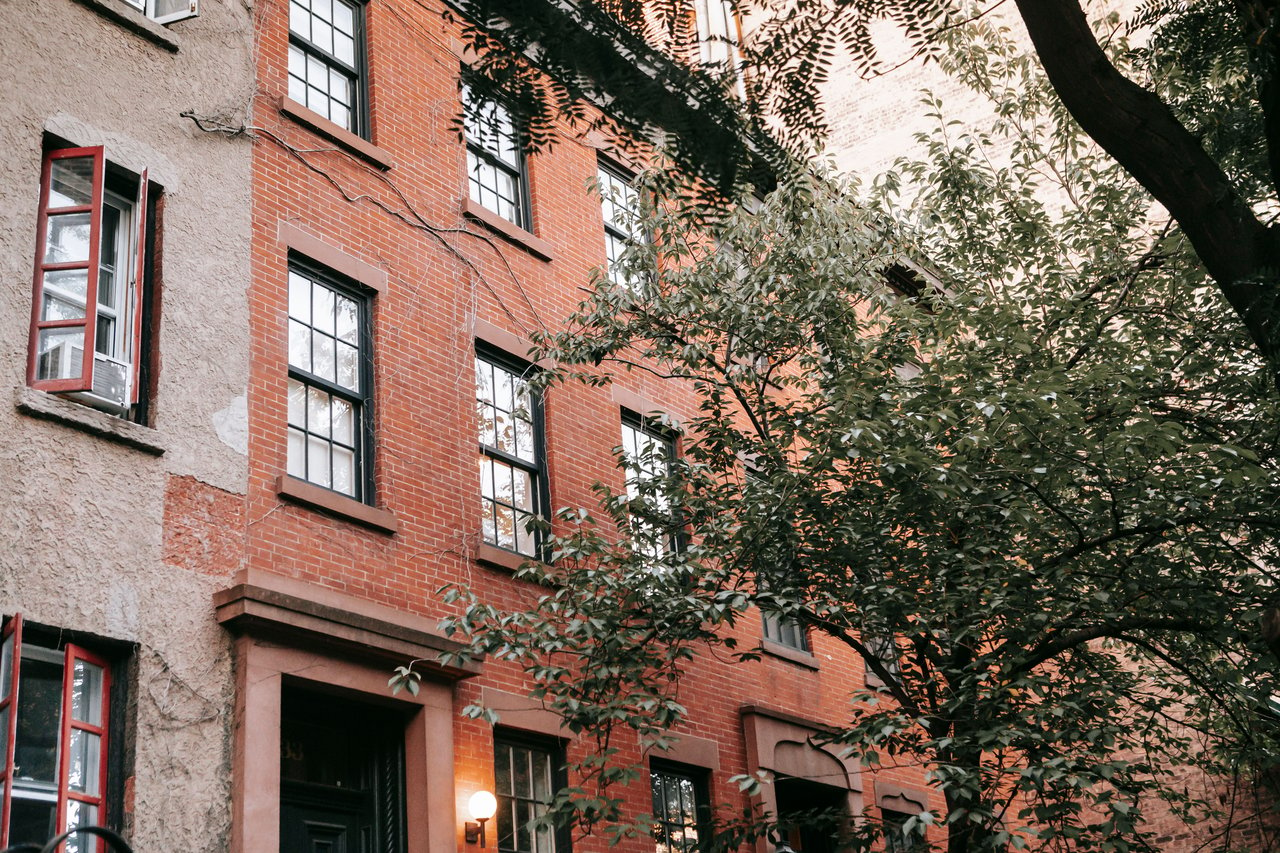
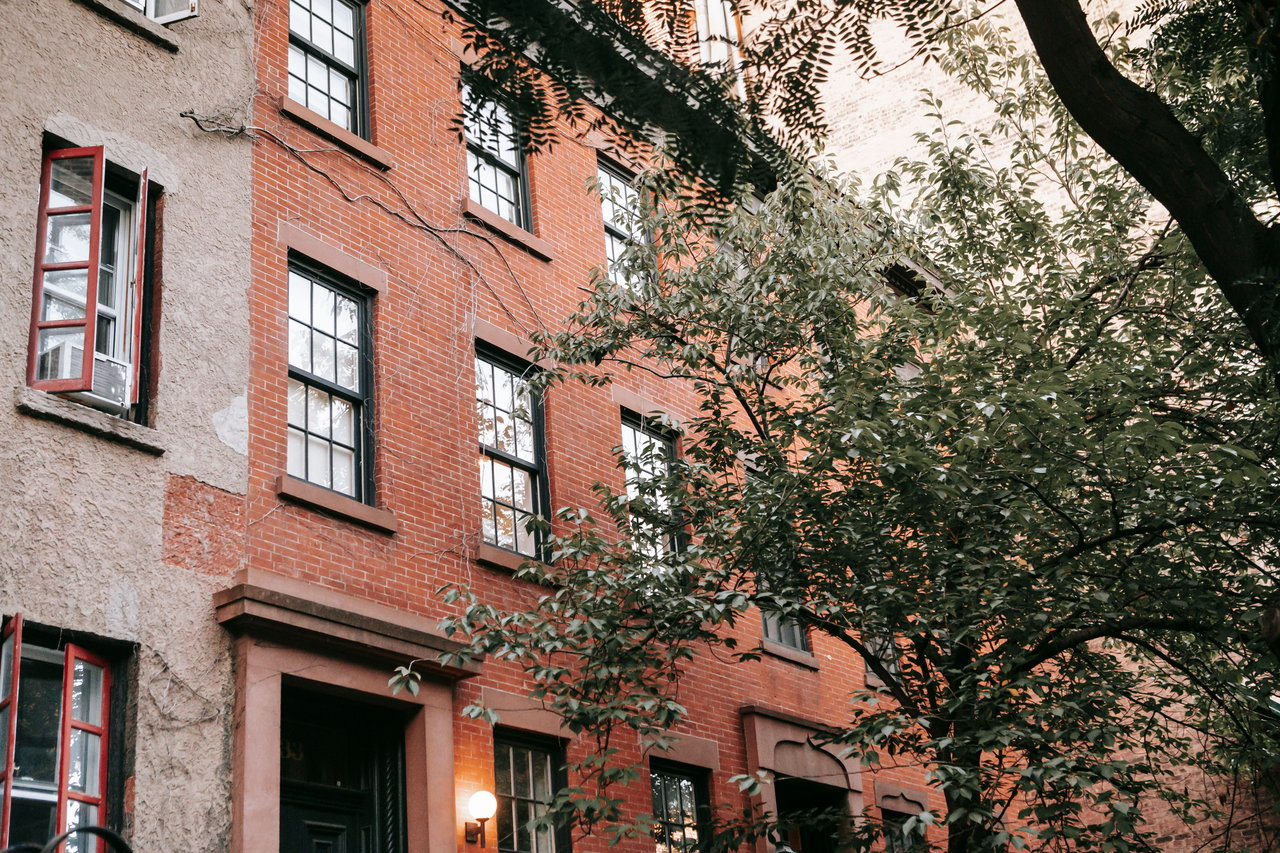
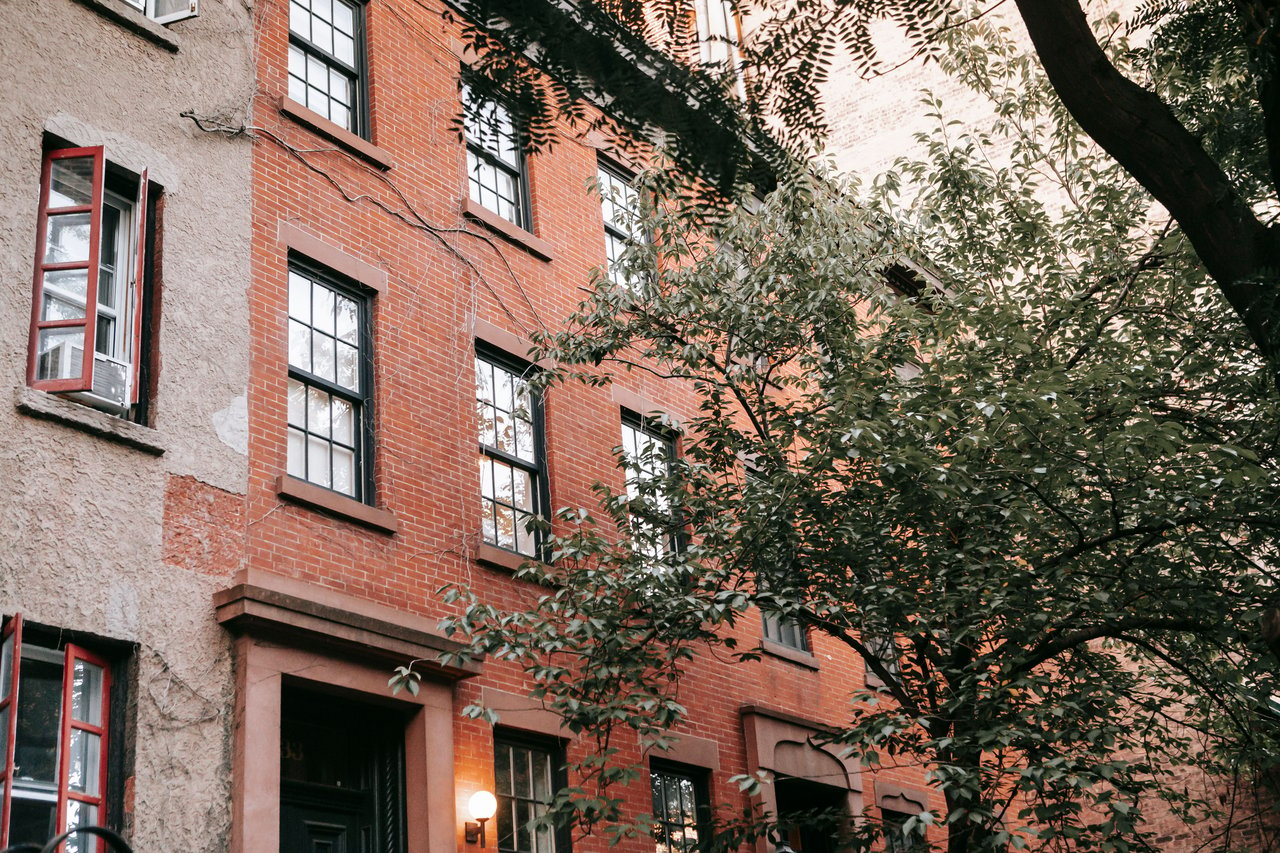
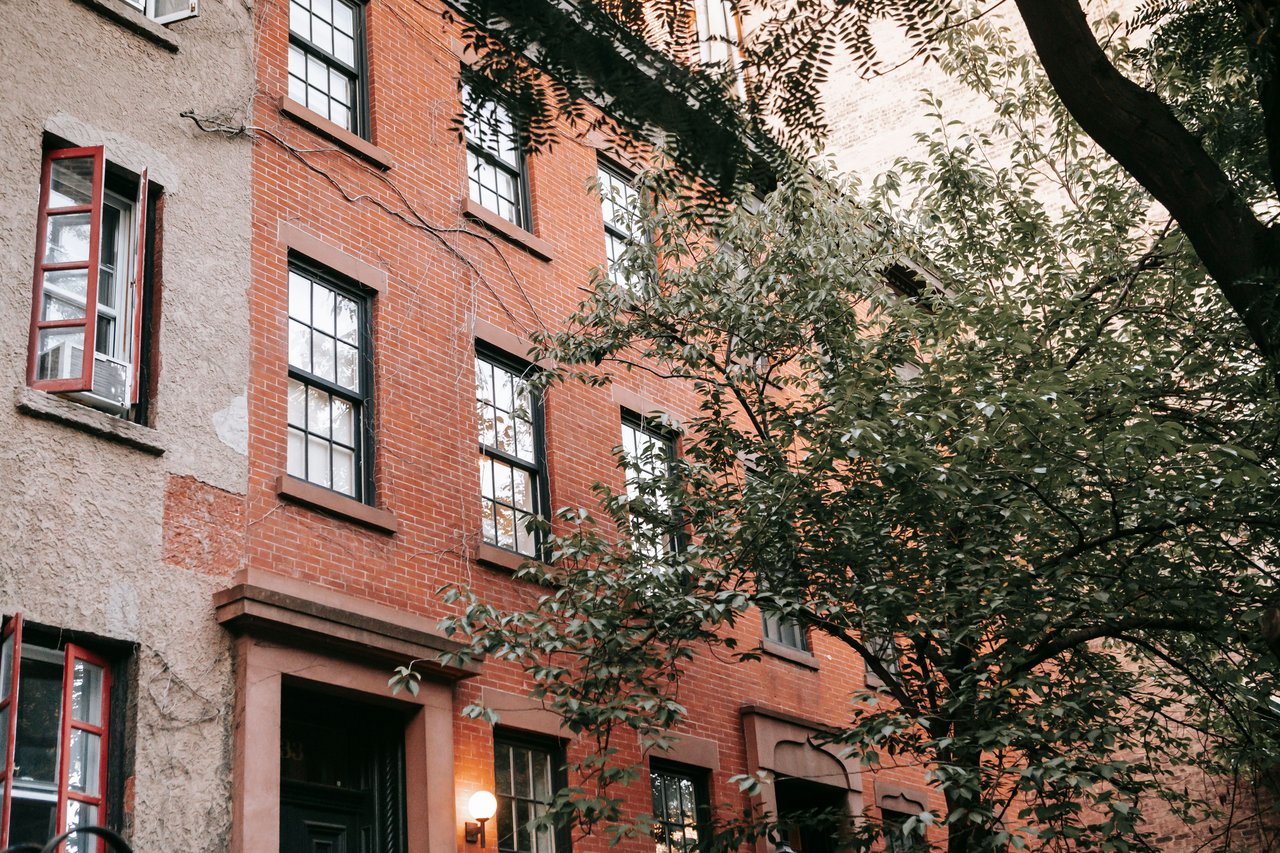
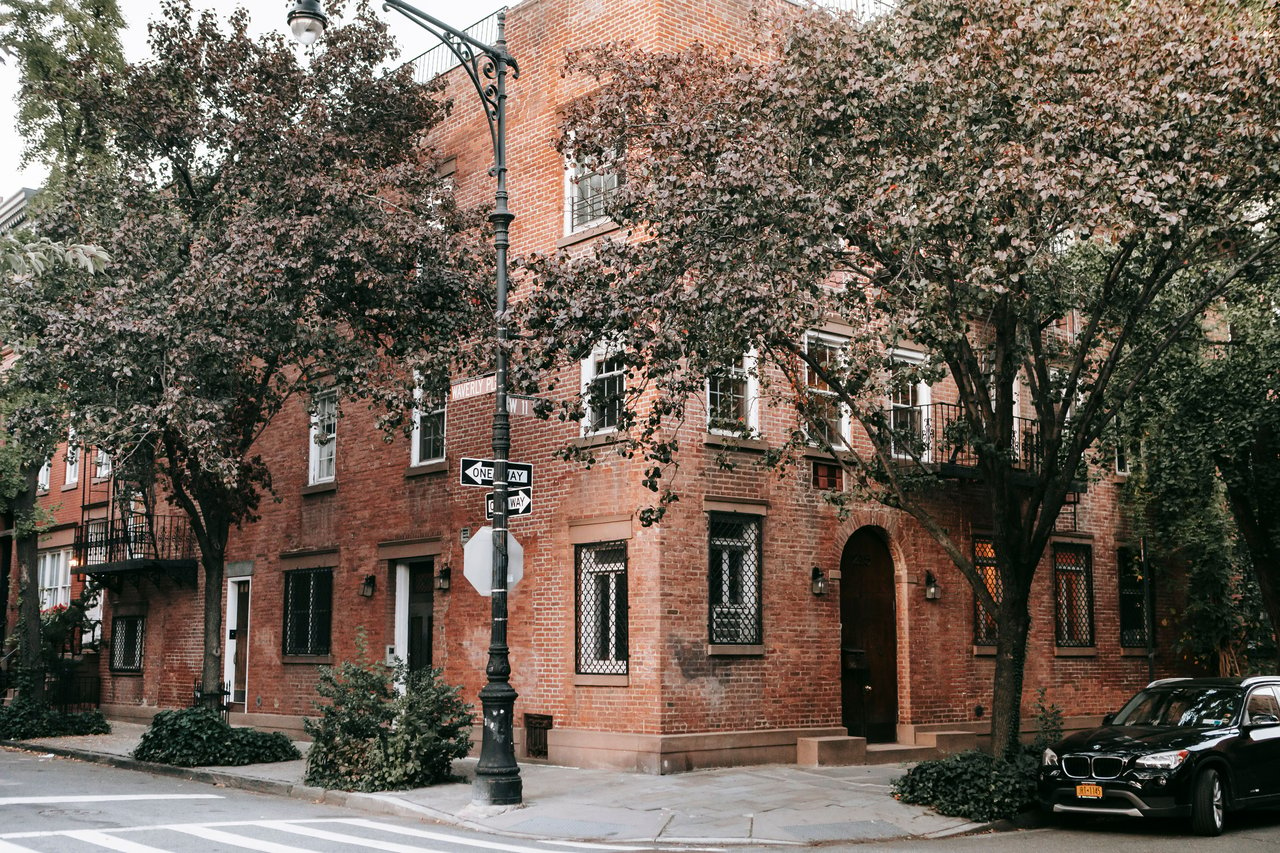
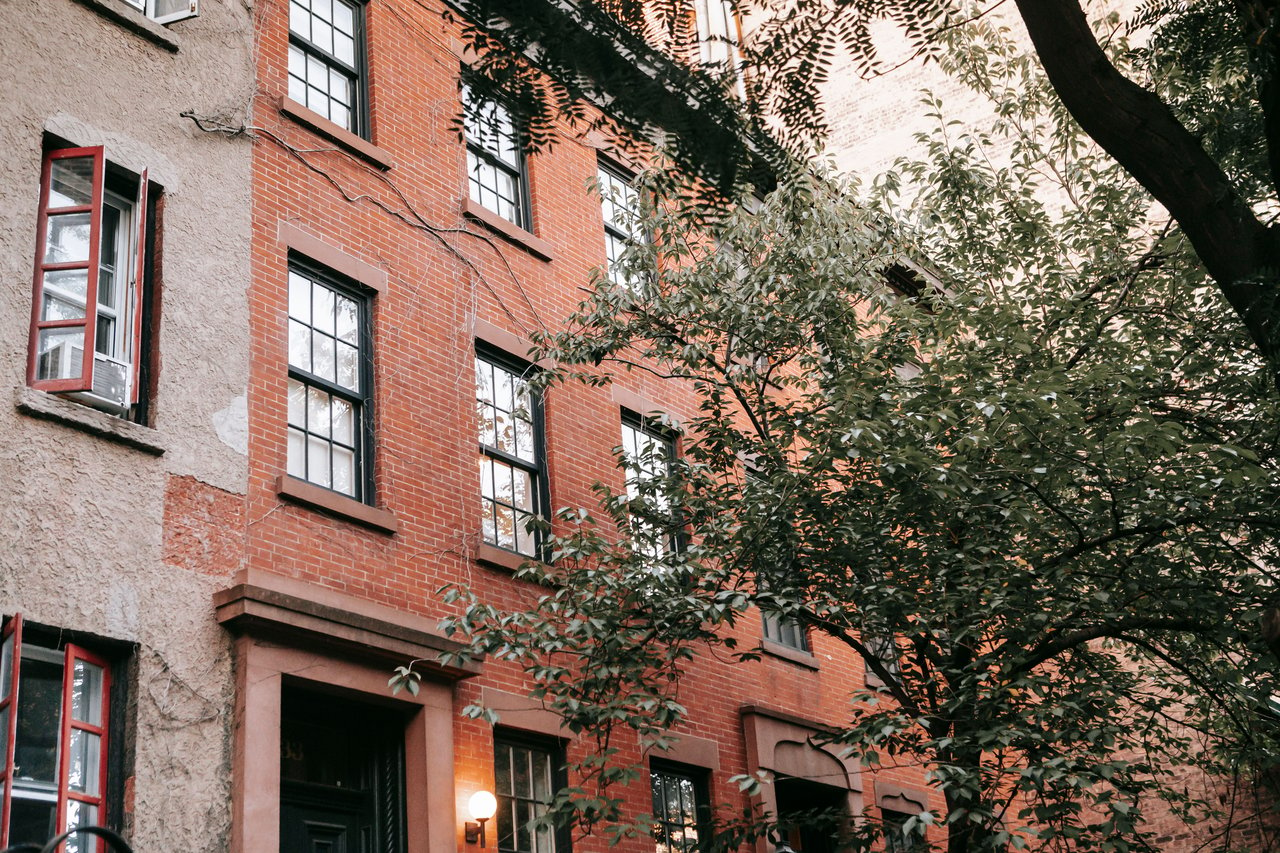
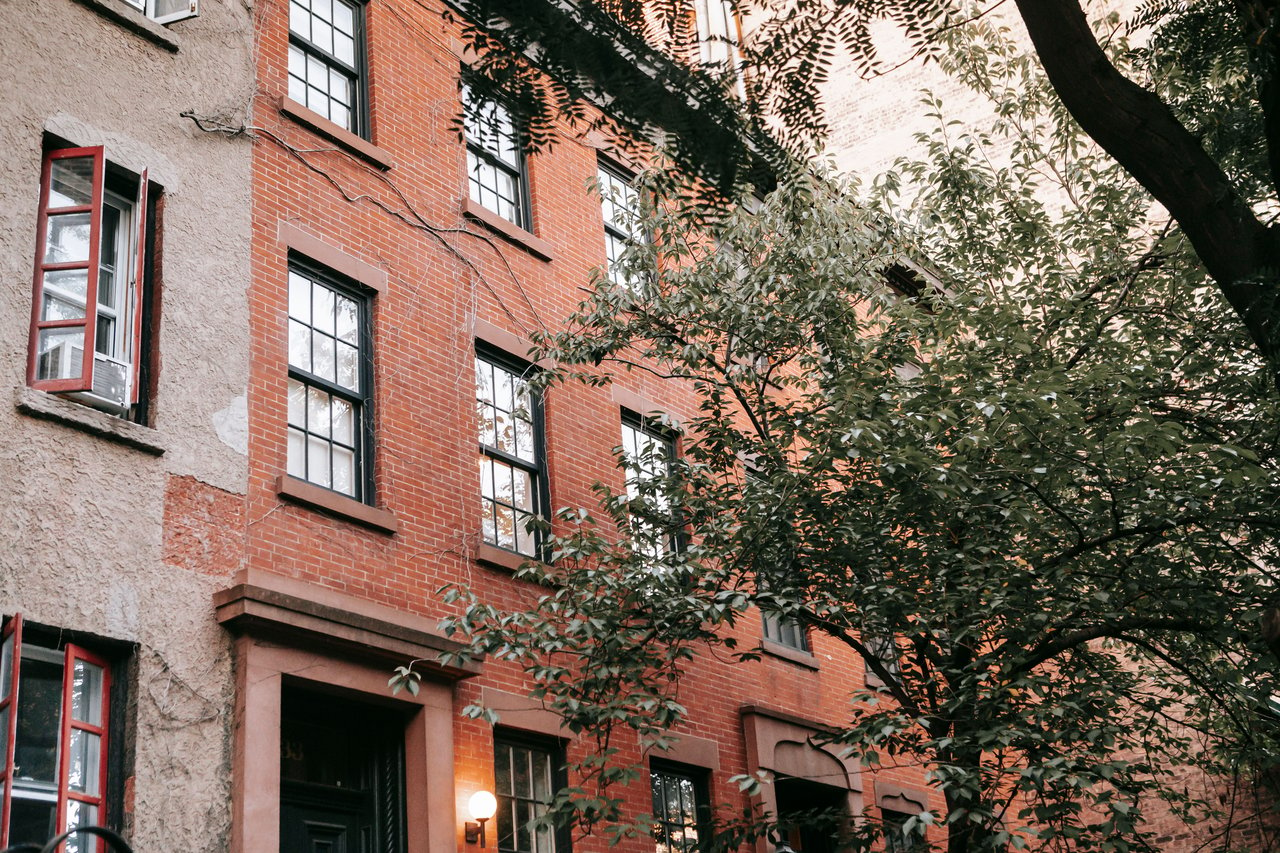
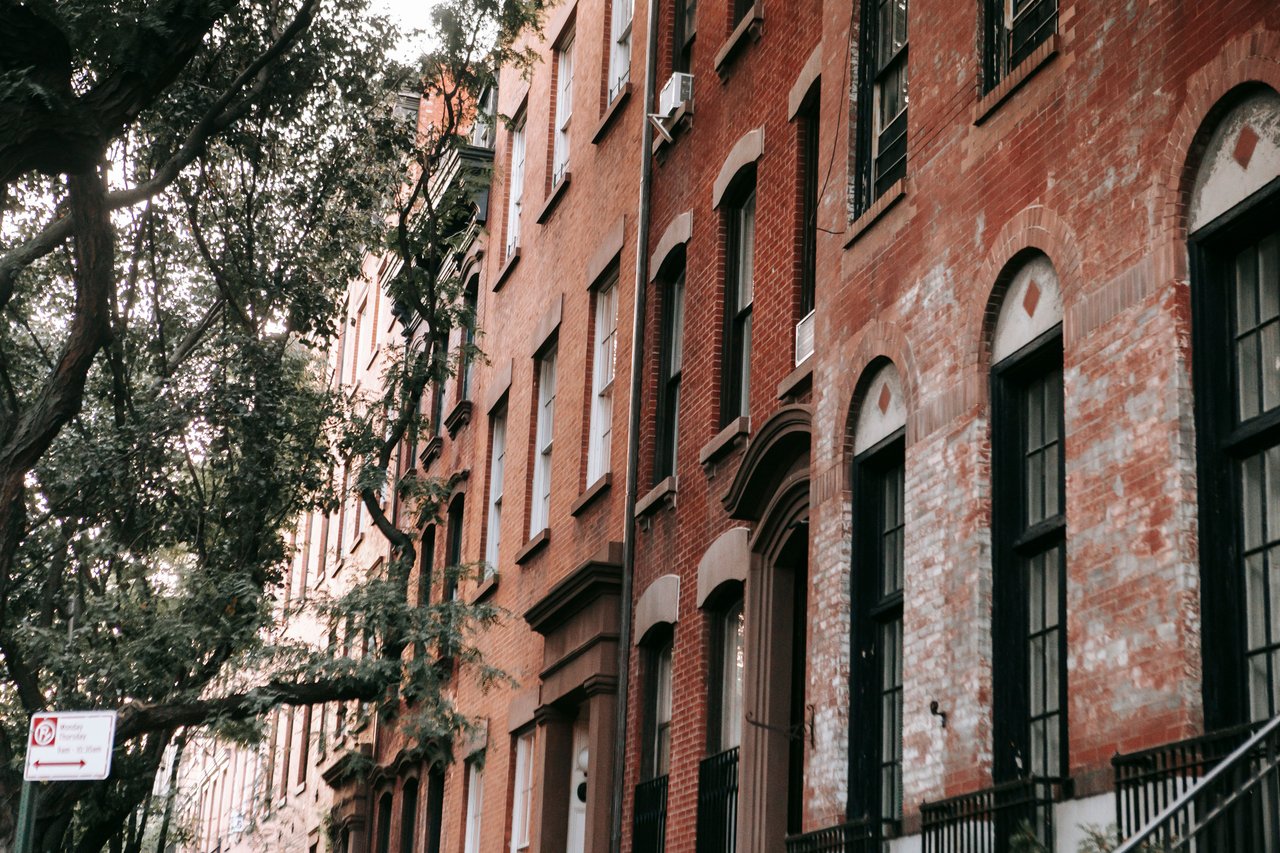
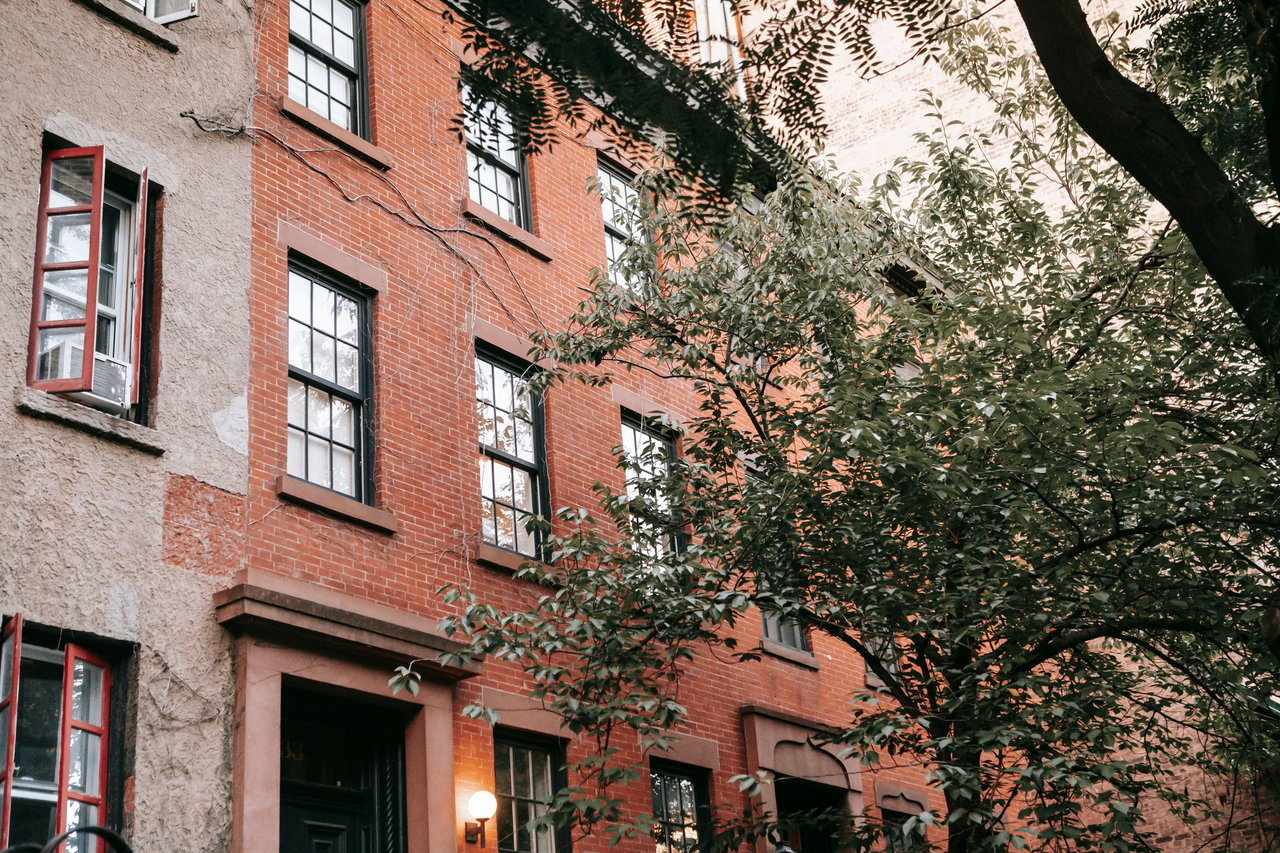
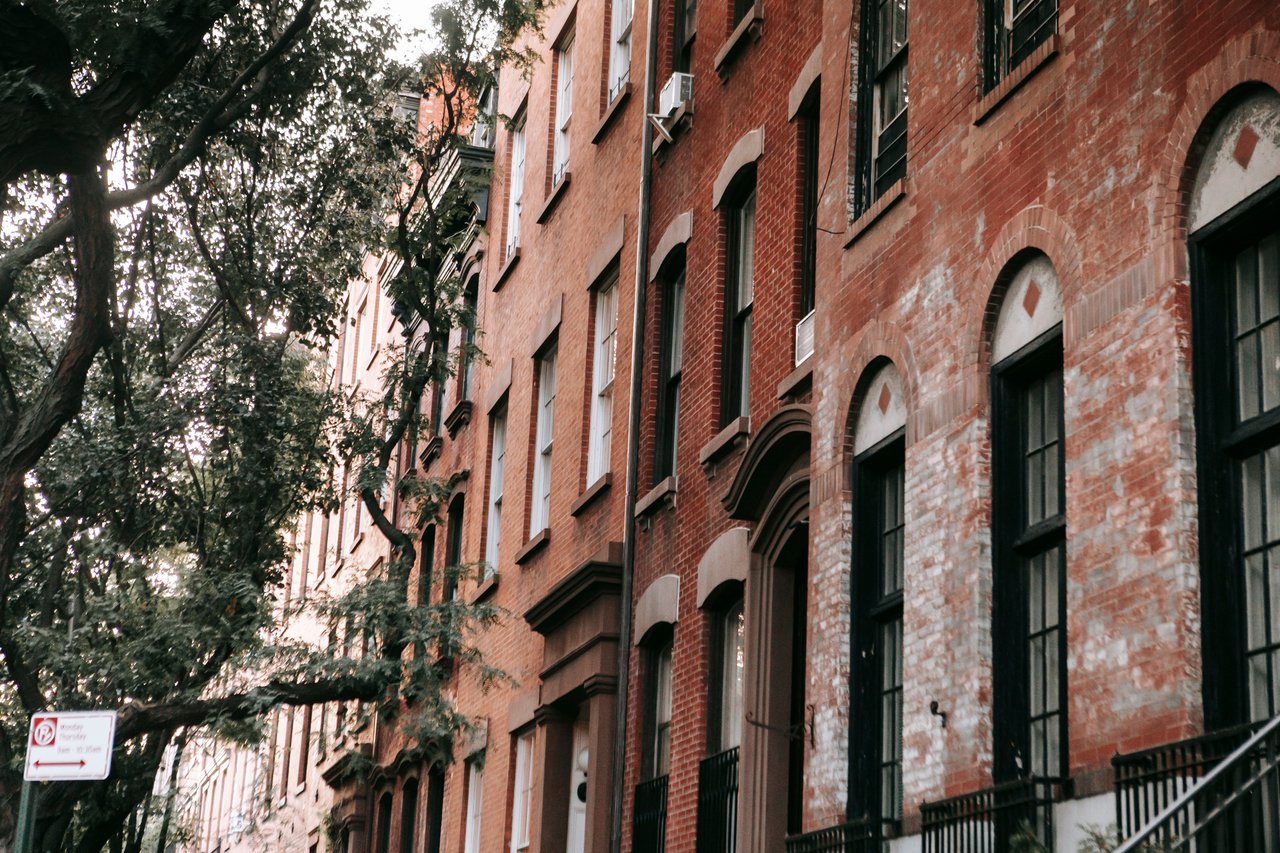
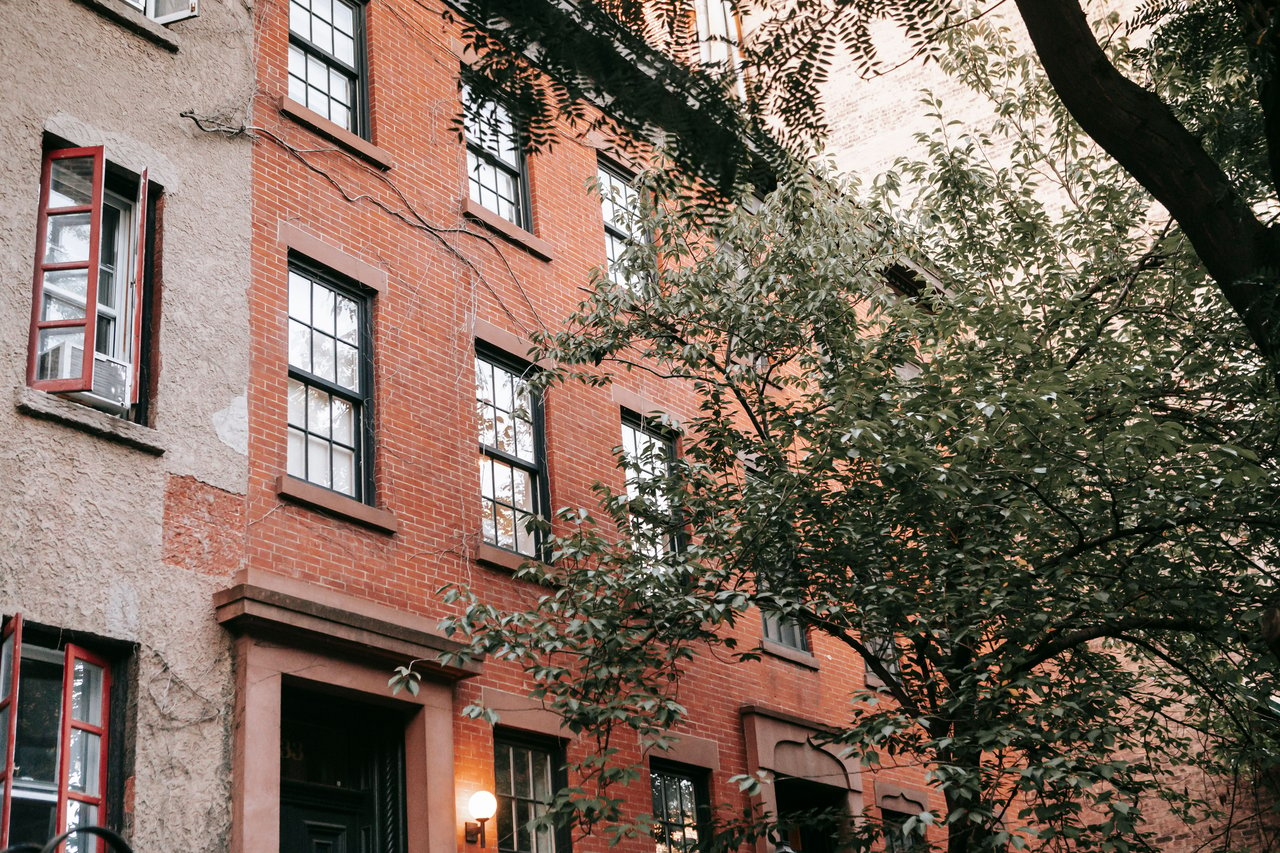
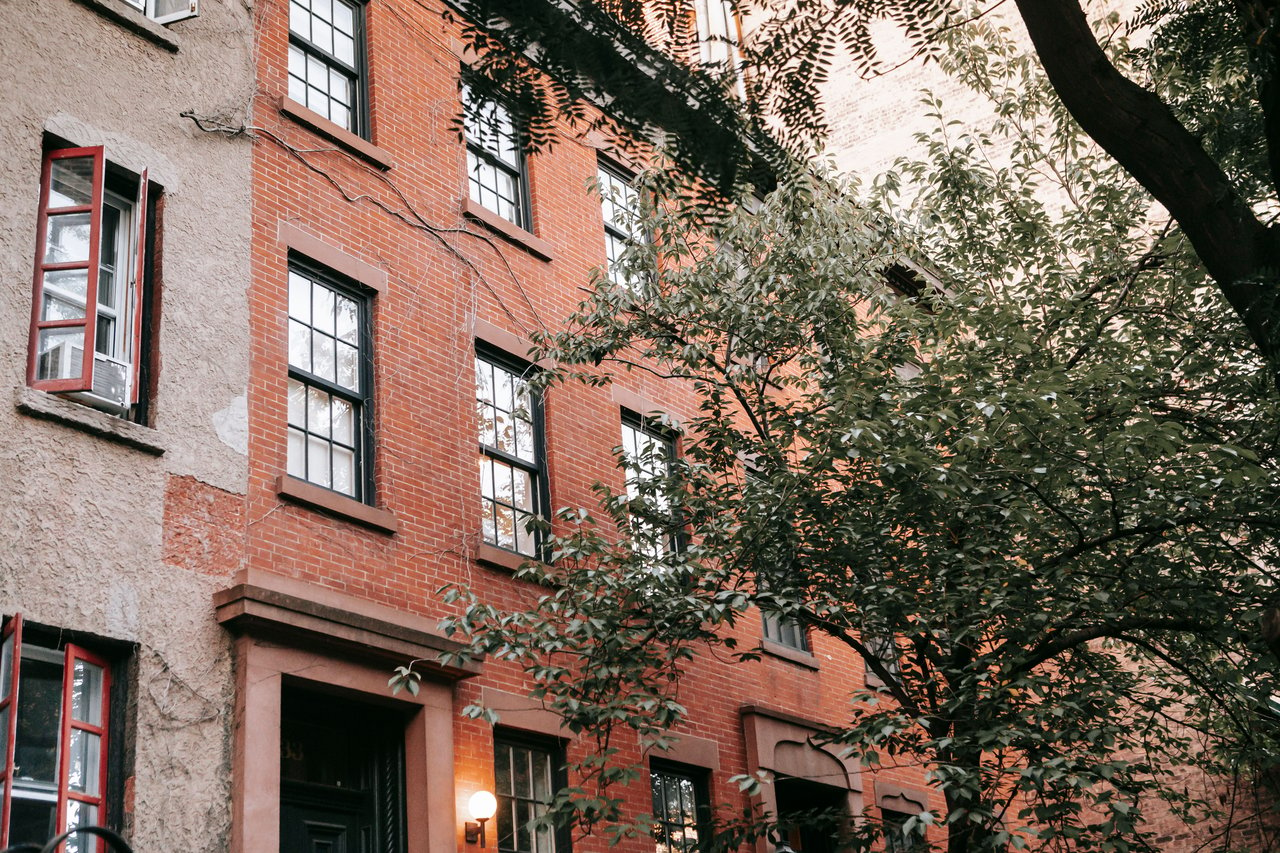
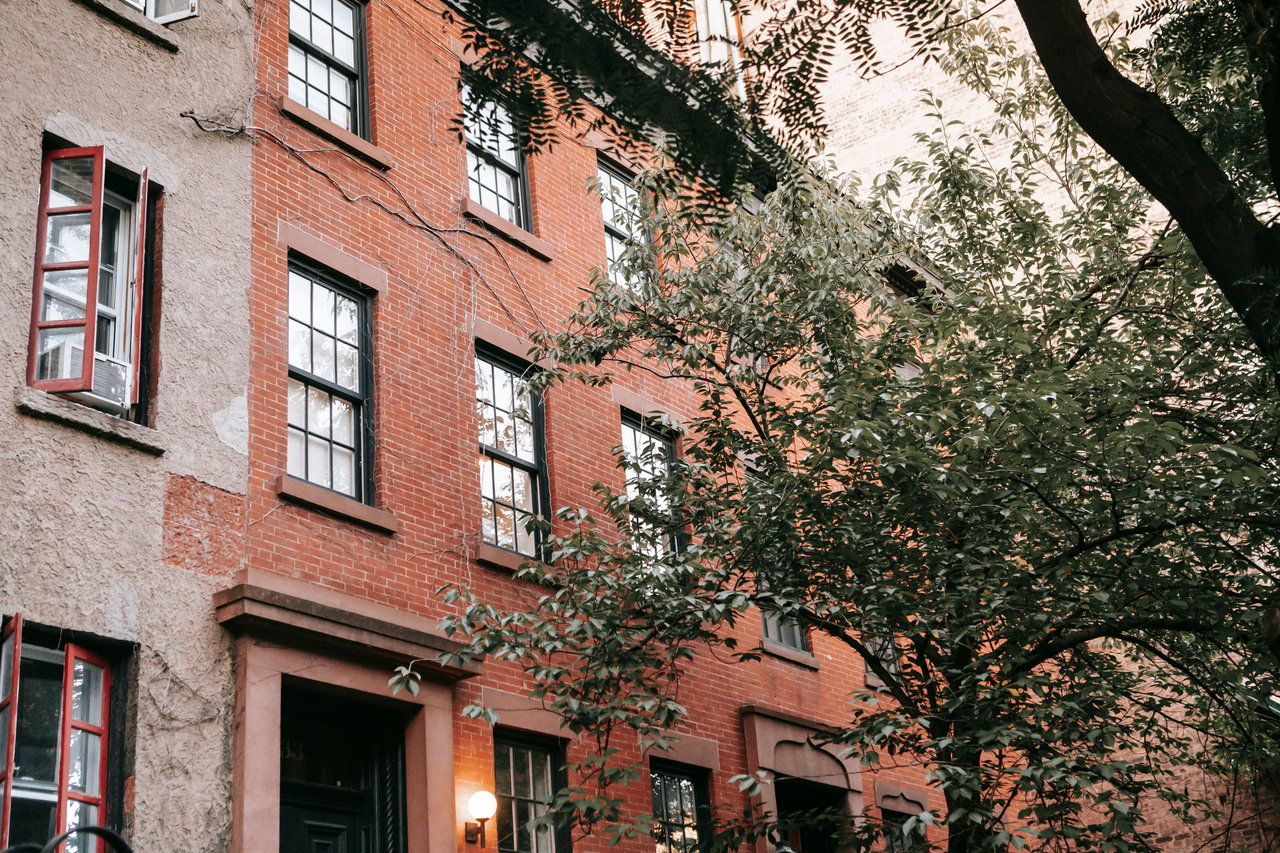
During the nineteenth century, brick masonry became a defining construction material. Residential buildings commonly featured narrow facades, traditional window arrangements, stone lintels, and restrained decorative details.
The street's proximity to the waterfront also encouraged the construction of larger buildings with more substantial structural systems and broader interior spaces.
As development continued, the architectural character became increasingly varied. Smaller masonry residences stood alongside commercial buildings, while later industrial construction introduced large windows, repetitive structural bays, and substantial brick facades.
These differences in scale remain important to understanding the architecture of Bethune Street.
Federal and Greek Revival Architectural Influences
The earliest residential architecture of Greenwich Village was strongly influenced by Federal and Greek Revival design.
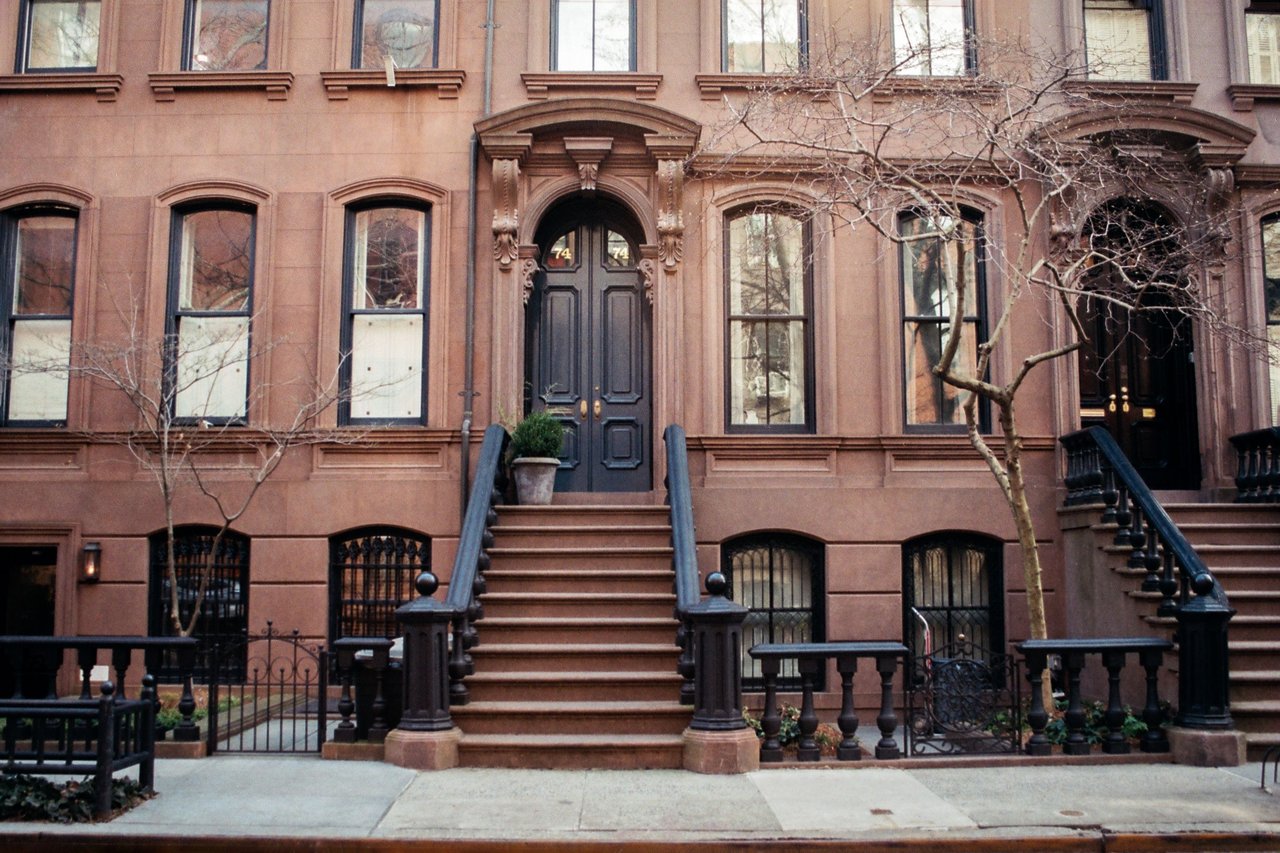
Federal-style houses generally featured restrained brick facades, symmetrical window arrangements, and traditional pitched roofs. Greek Revival architecture introduced classical entrance surrounds, substantial stone lintels, and carefully proportioned windows.
Although Bethune Street contains fewer surviving early townhouses than some neighboring streets, these architectural traditions influenced the residential development of the surrounding West Village.
Historic buildings near Greenwich Street and Hudson Street retain elements of nineteenth-century masonry construction, including traditional window openings and decorative roofline treatments.
The relationship between these smaller buildings and later commercial structures illustrates the gradual transformation of the neighborhood.
Italianate Architecture and Historic Masonry
Italianate architecture became increasingly prominent in Greenwich Village during the middle of the nineteenth century.
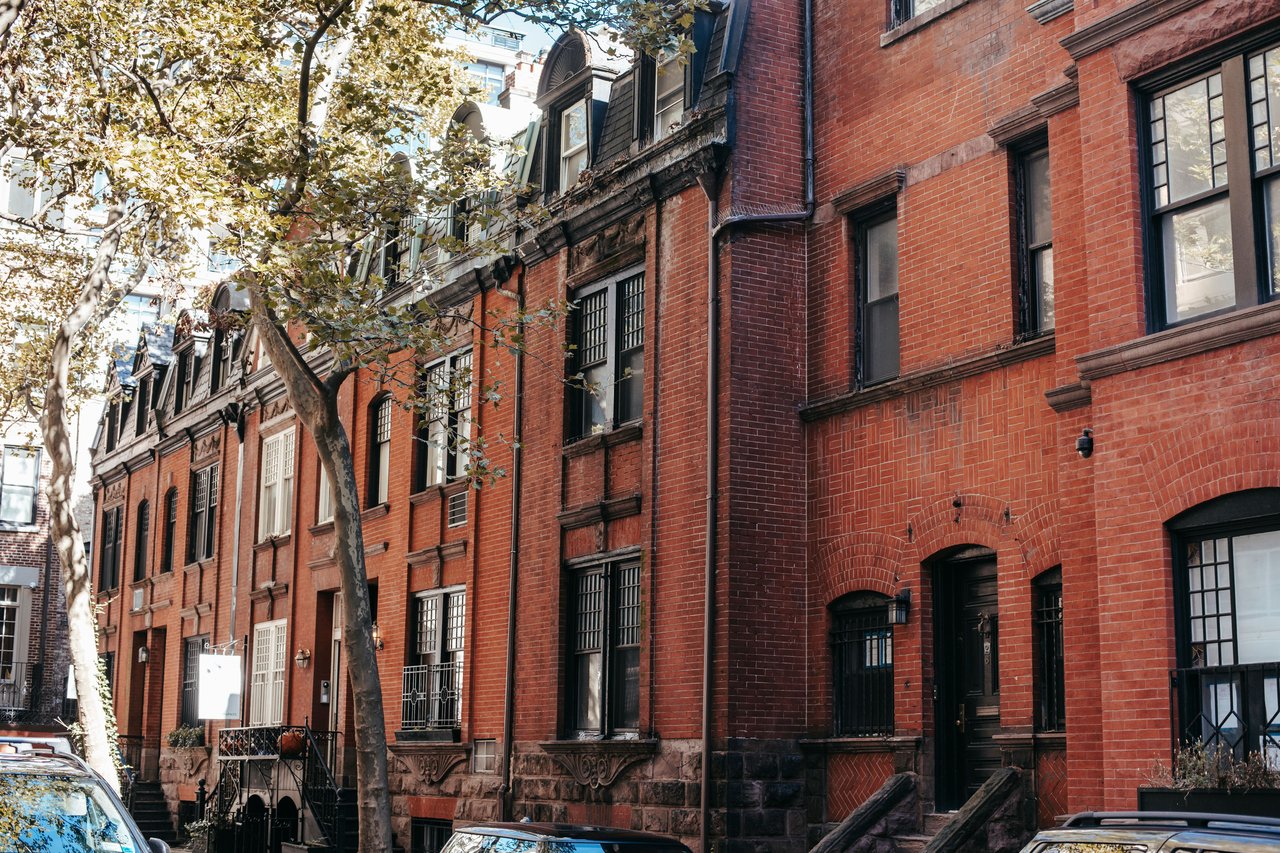
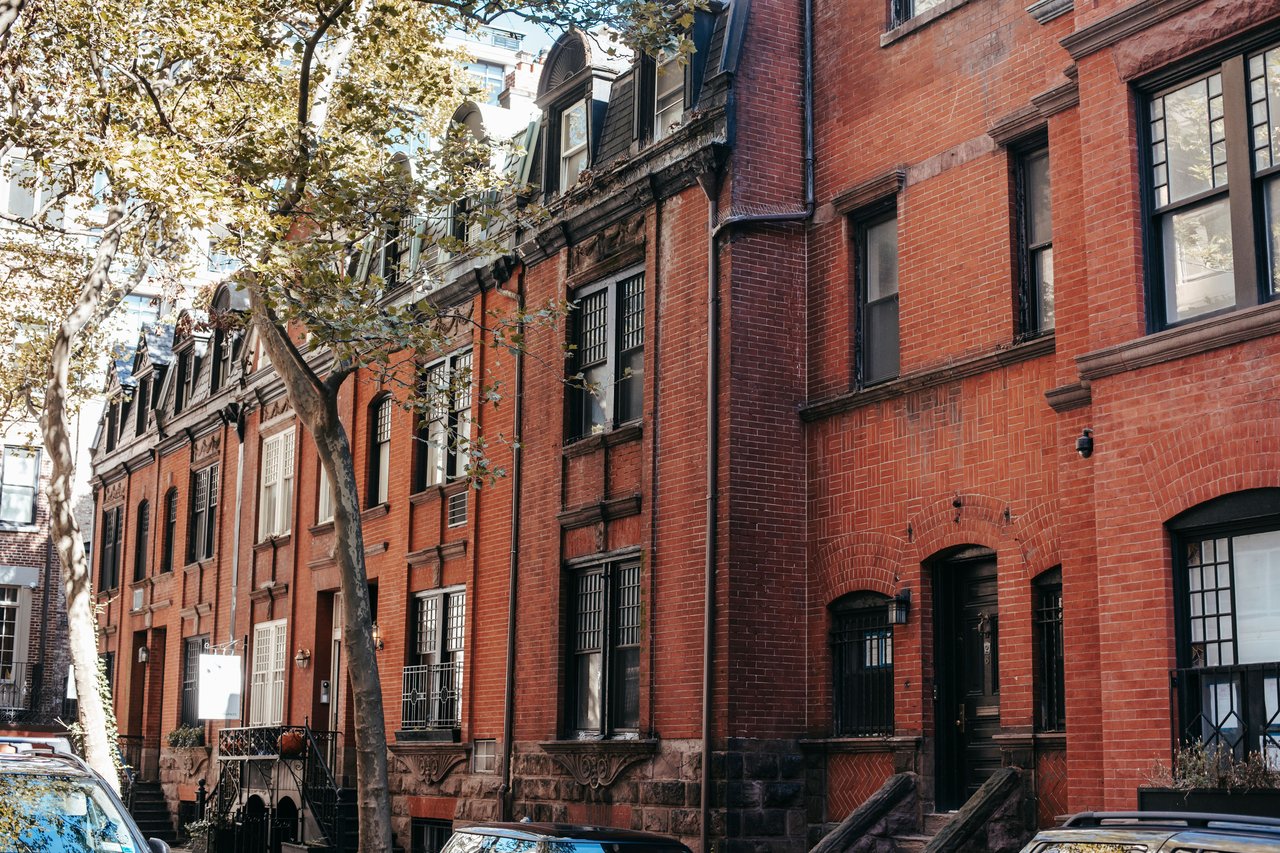
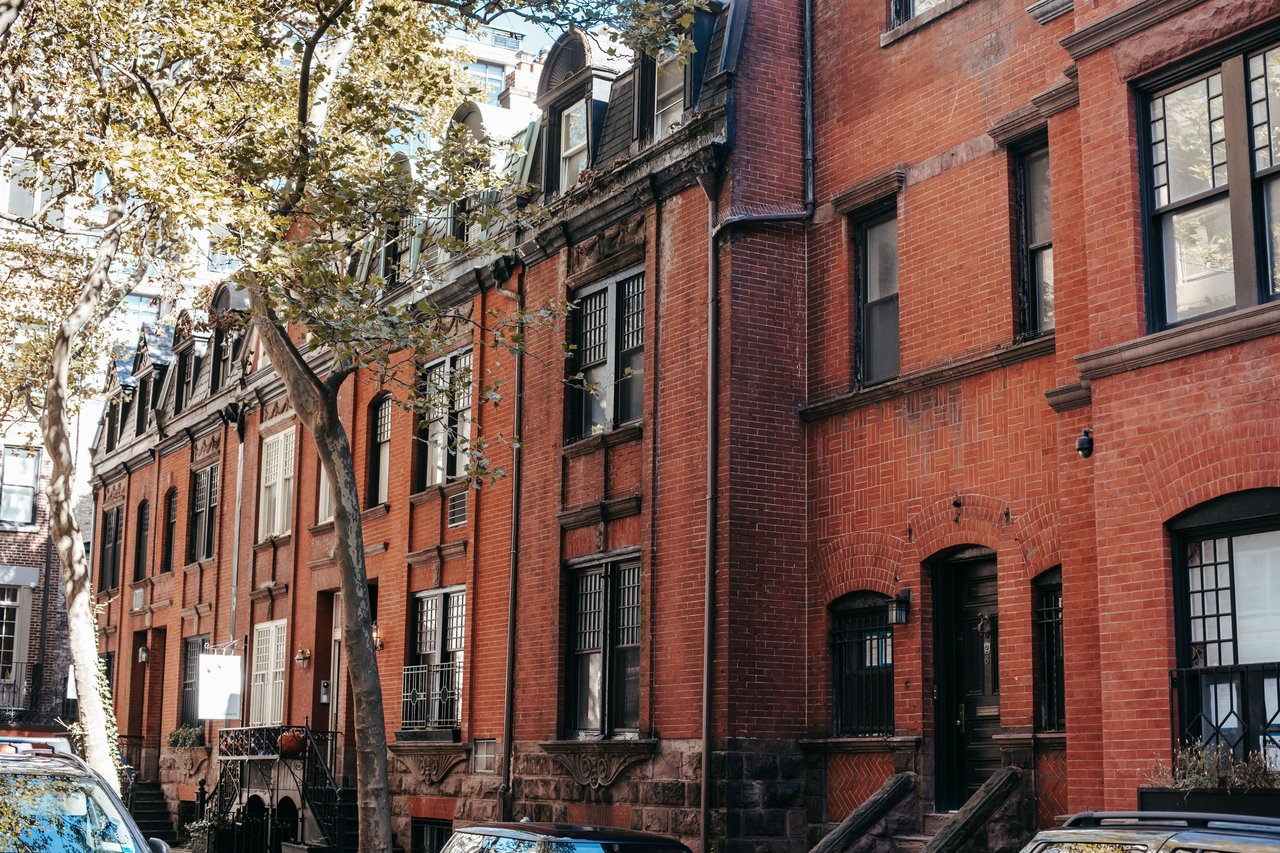
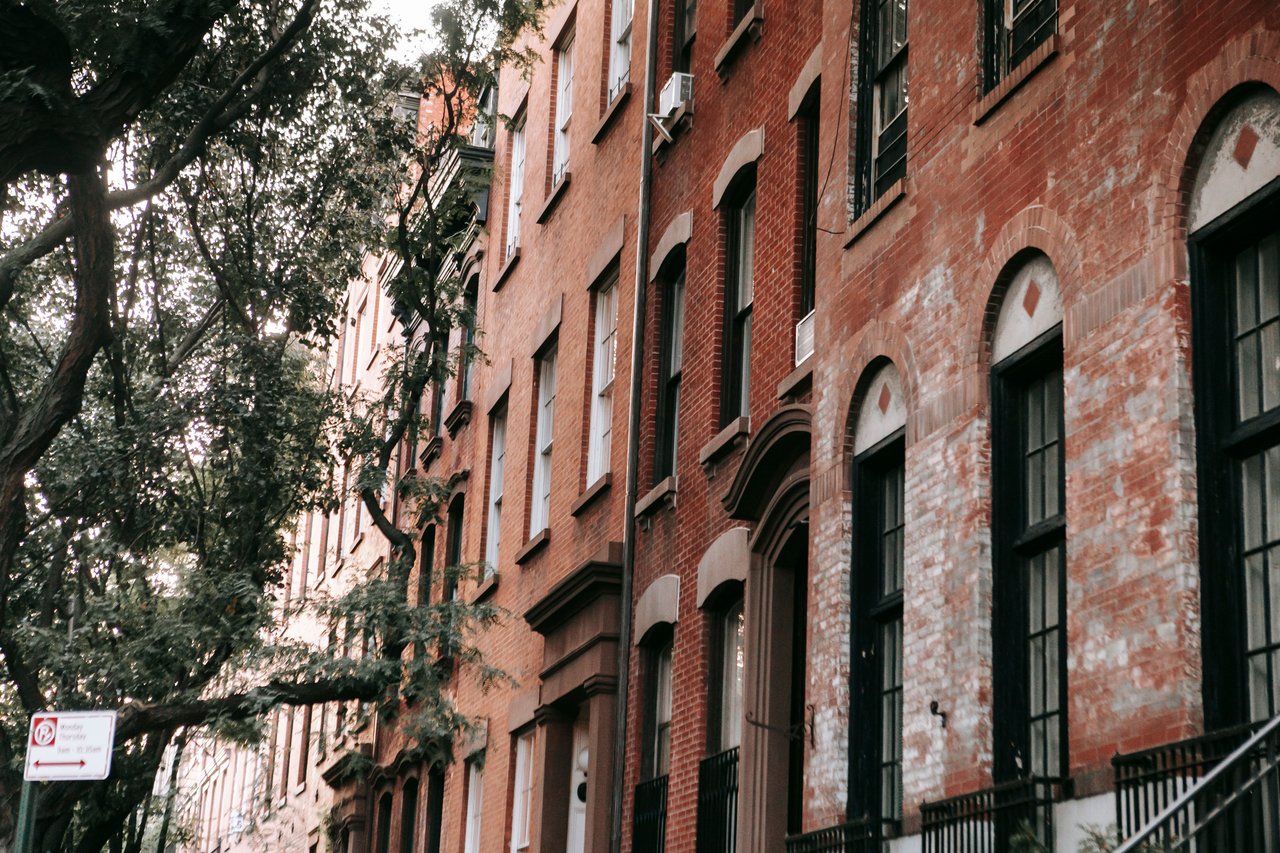
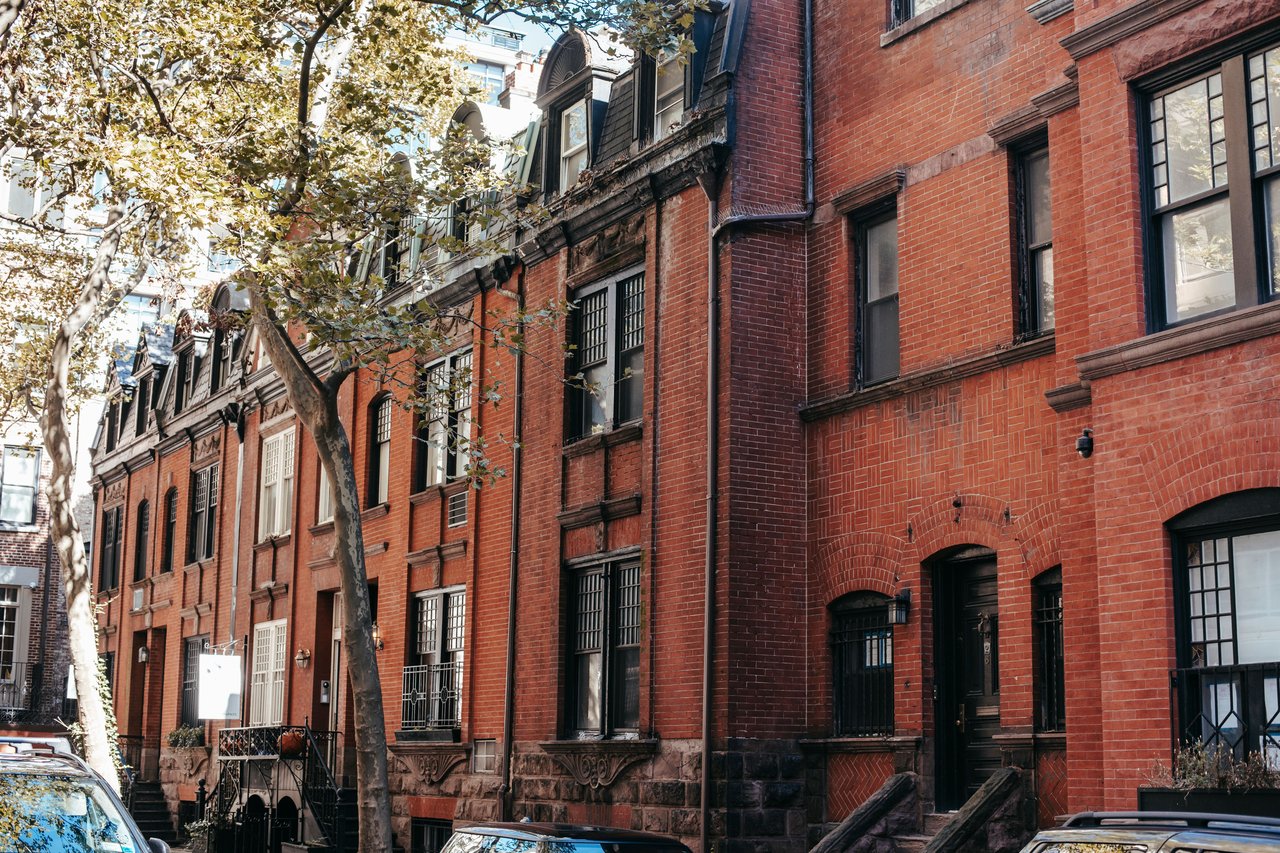
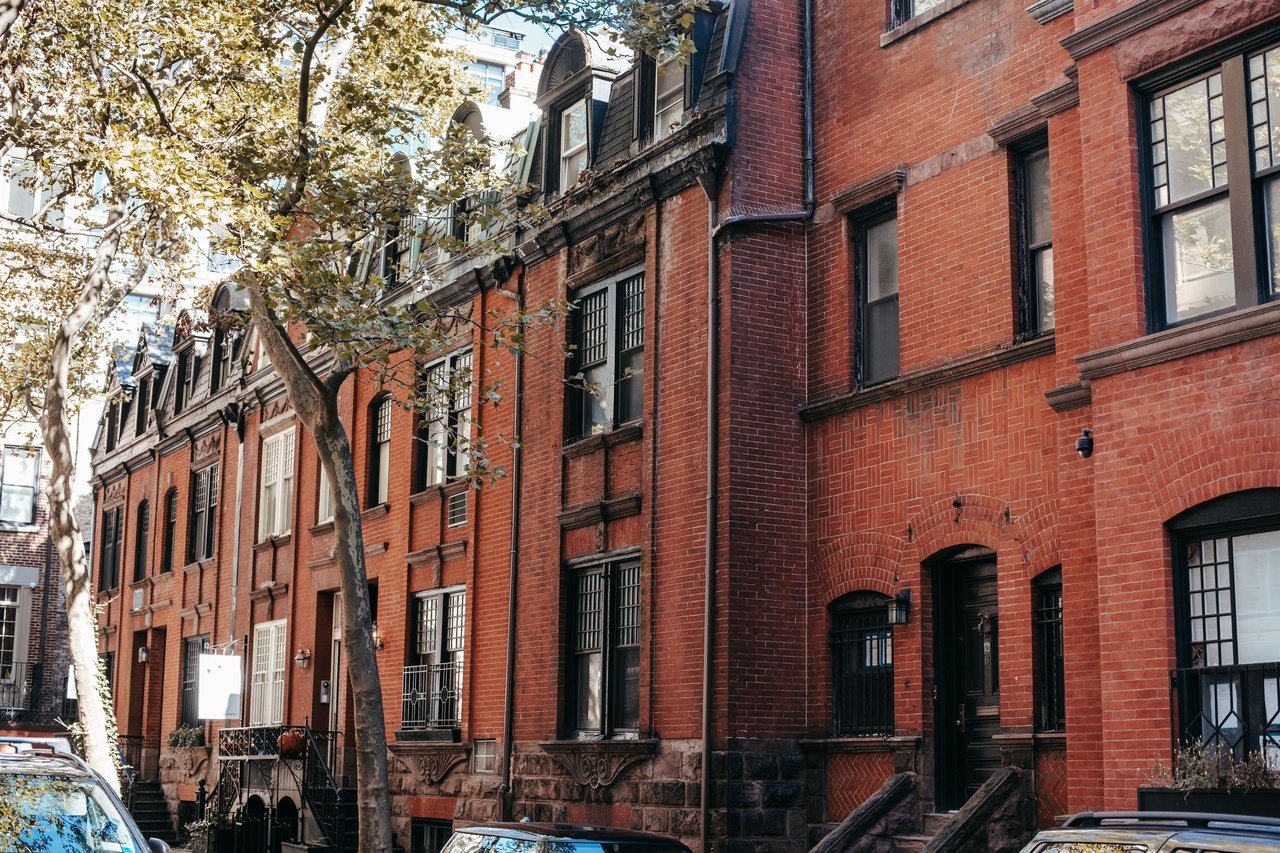
Buildings constructed or altered in this style commonly feature elongated windows, decorative stone lintels, projecting cornices, and ornamental brackets.
Along the surrounding West Village streets, Italianate architectural details can be found on residential and mixed-use buildings with traditional brick facades.
These features introduced greater decorative variety to earlier masonry construction.
The contrast between relatively restrained classical facades and more elaborate Italianate ornamentation reflects the changing architectural preferences of nineteenth-century Manhattan.
Bethune Street and Greenwich Street
The eastern end of Bethune Street meets Greenwich Street, a historic north-south corridor containing residential, commercial, and institutional architecture.
The surrounding buildings reflect different construction periods, with traditional masonry structures standing alongside larger developments.
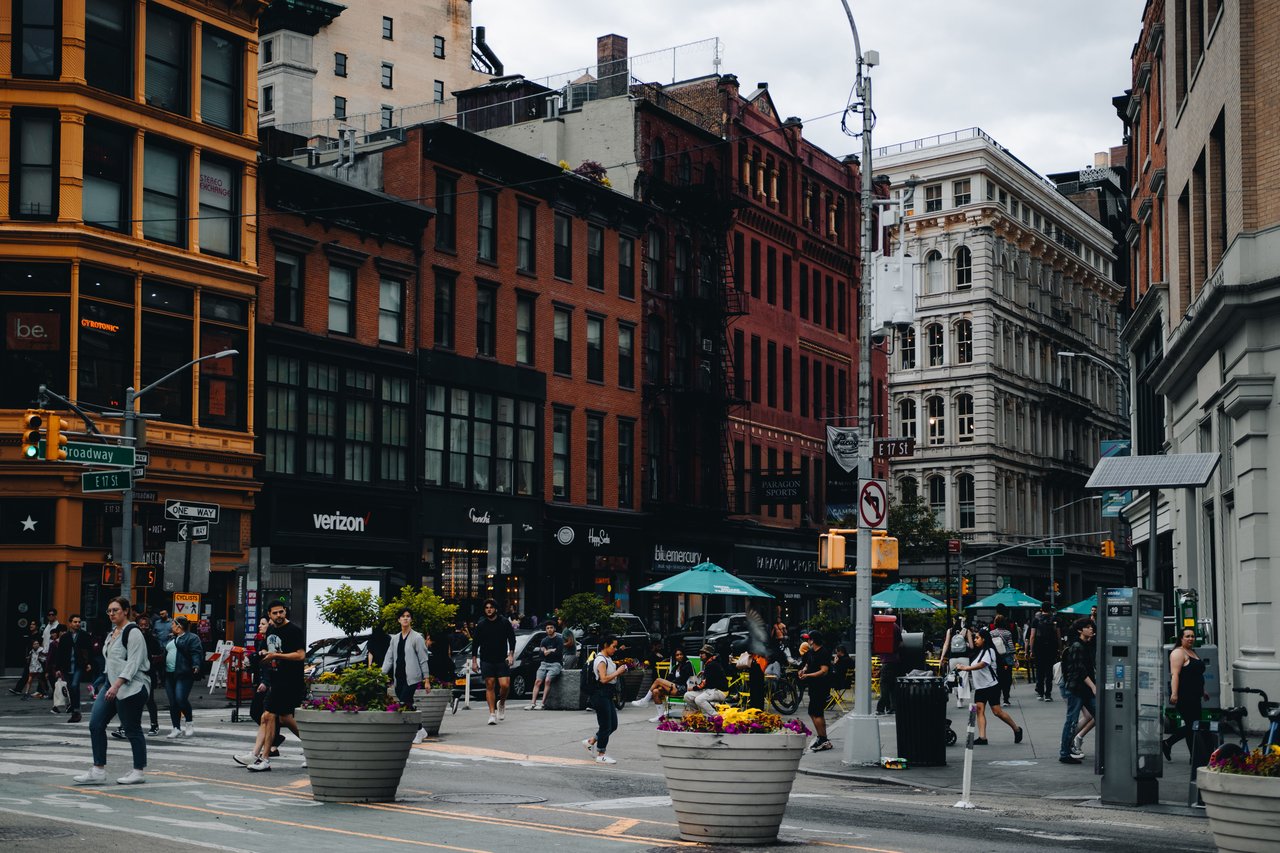
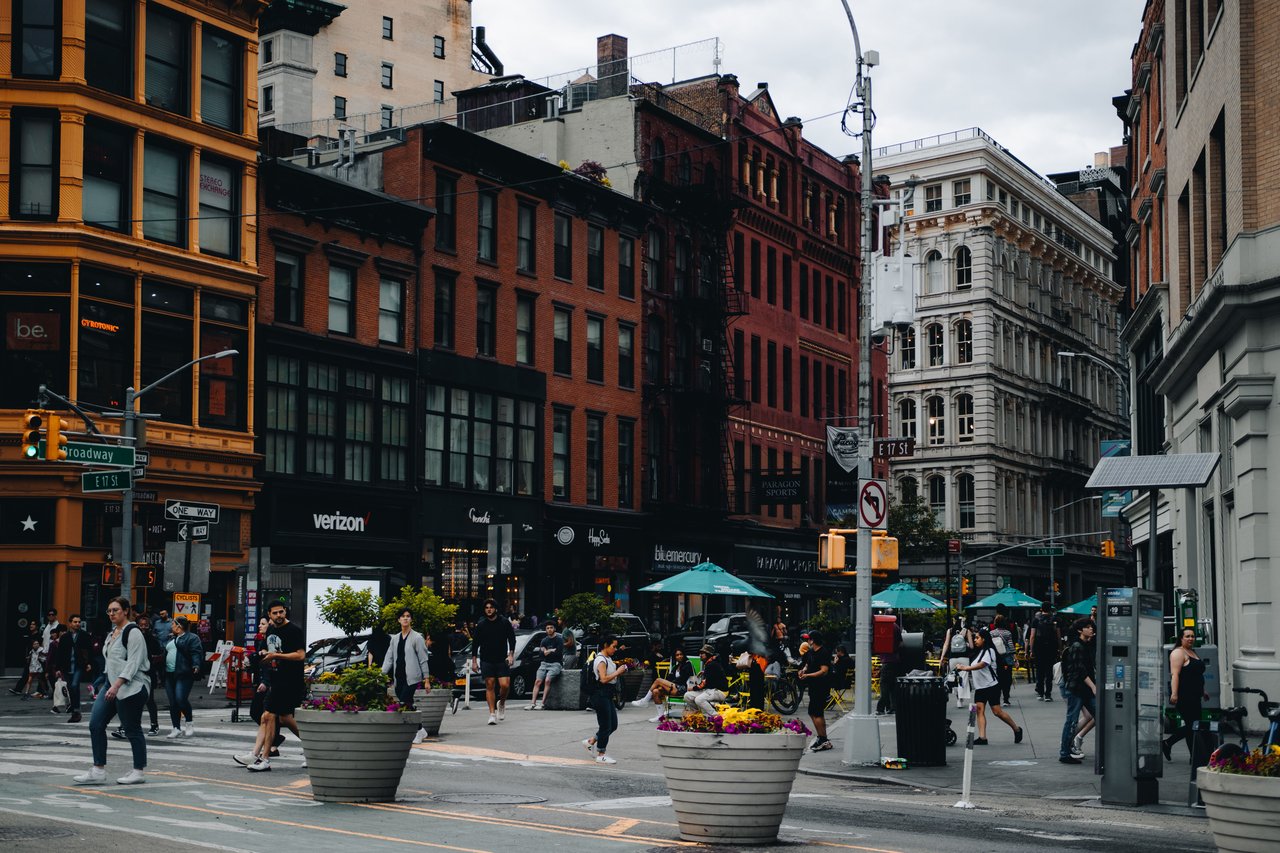
Historic brick facades, decorative cornices, and repeated window arrangements contribute to the architectural character of the intersection.
The relatively broad building footprints of some nearby properties distinguish this area from the narrower residential blocks farther east.
The intersection provides an architectural transition between the traditional West Village streetscape and the larger structures associated with the western waterfront.
Historic Brick Buildings and Traditional Construction
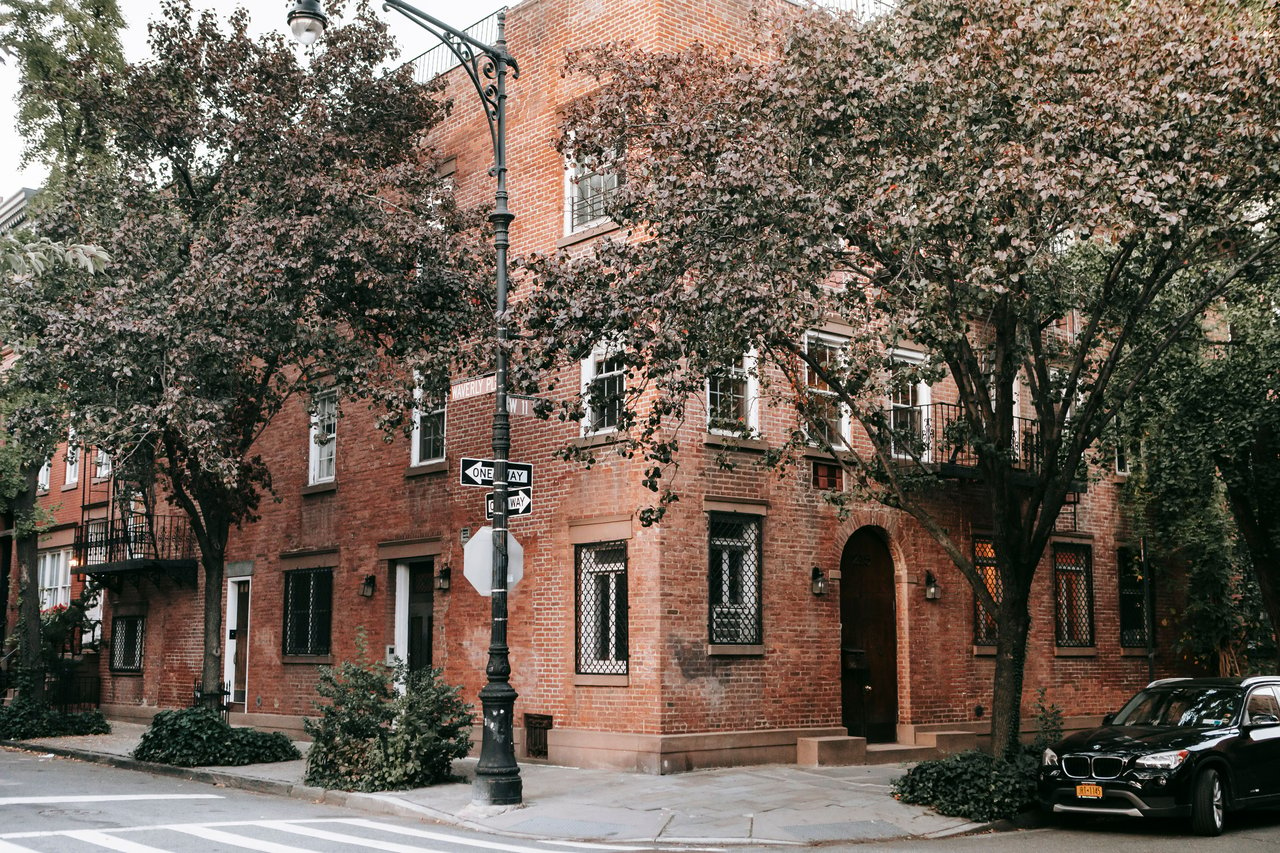
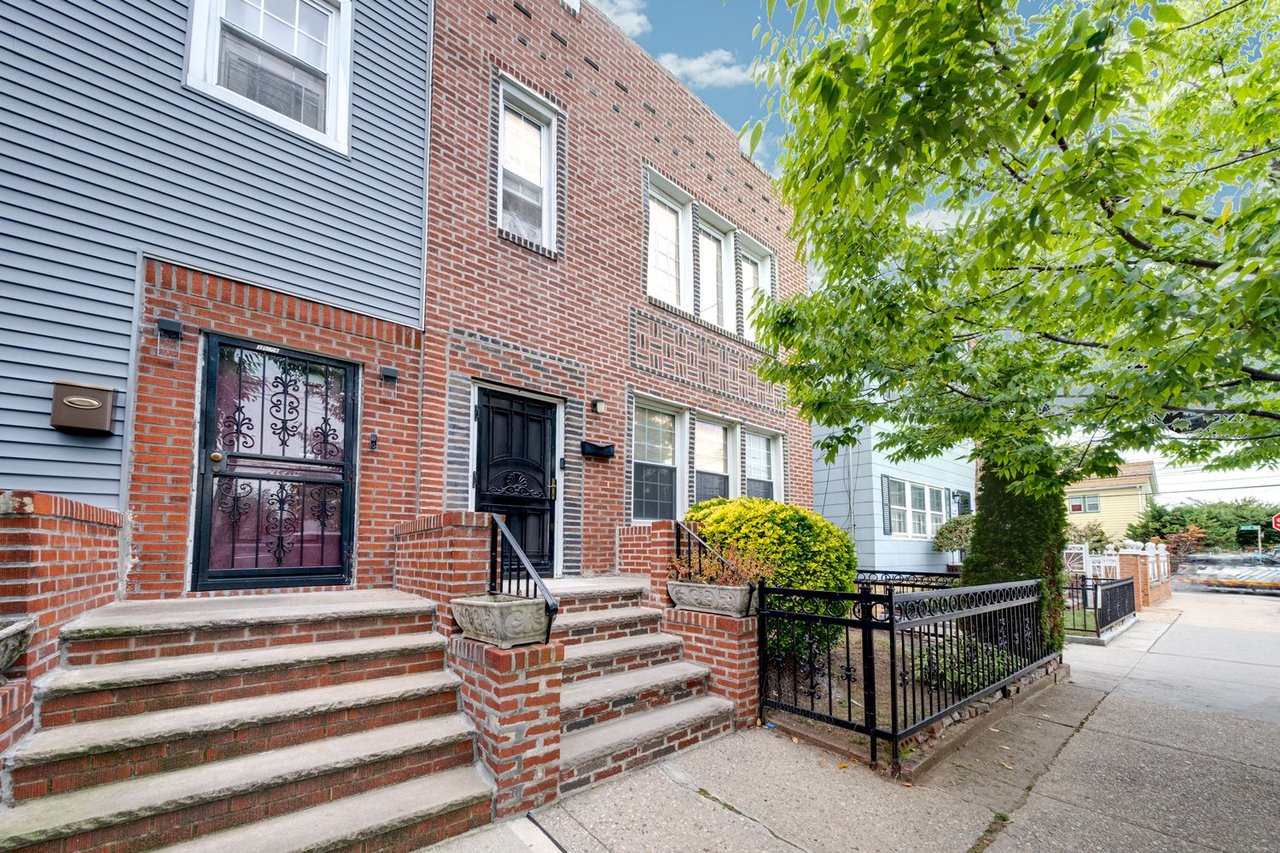
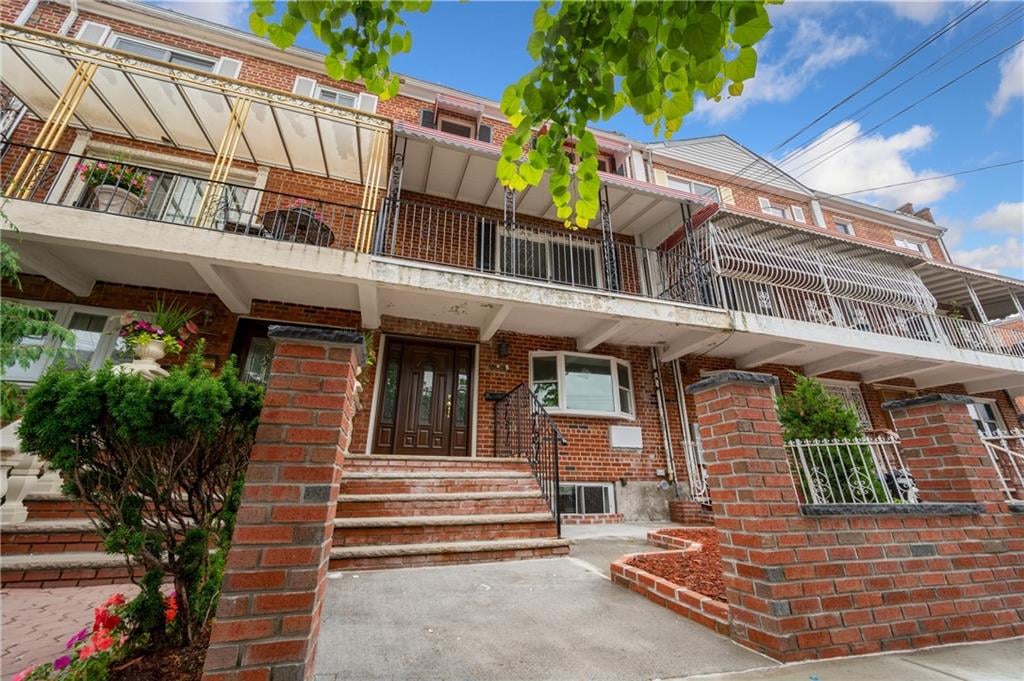
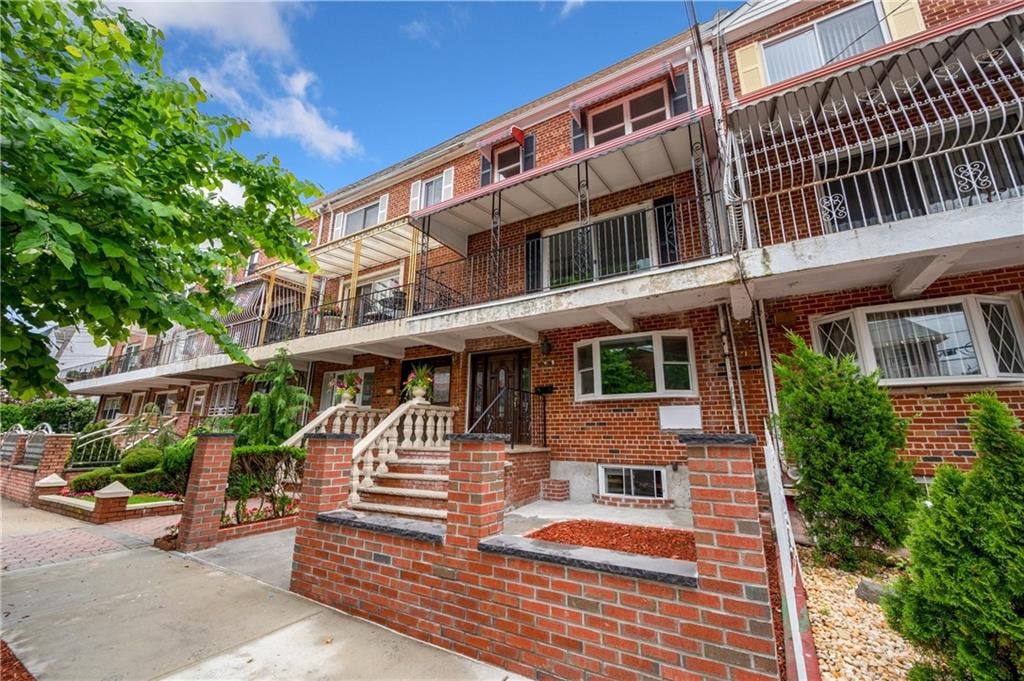
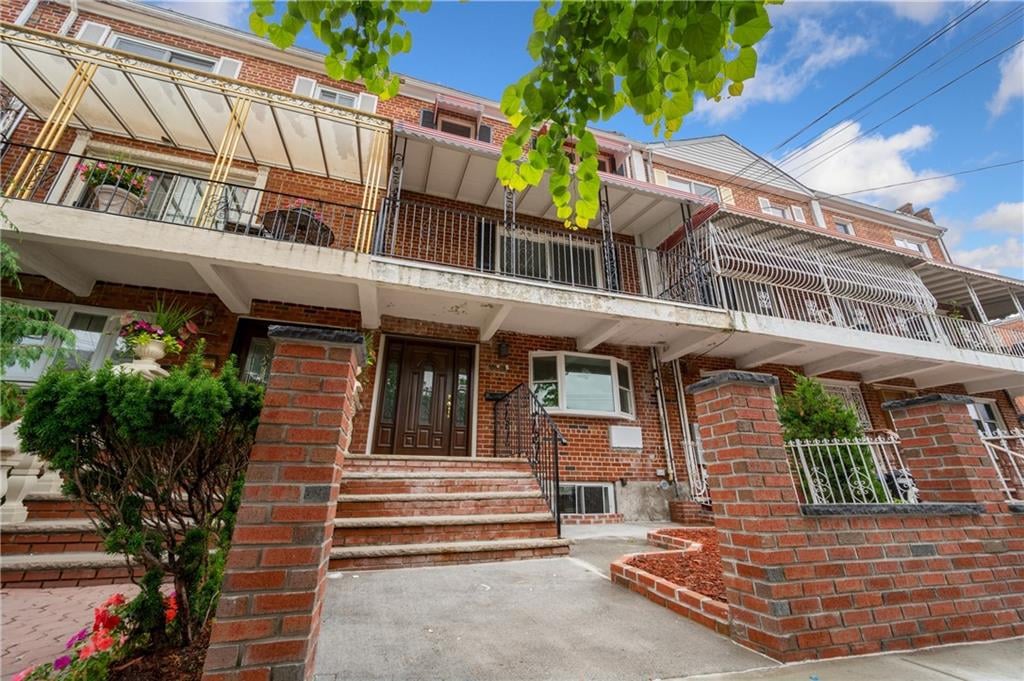
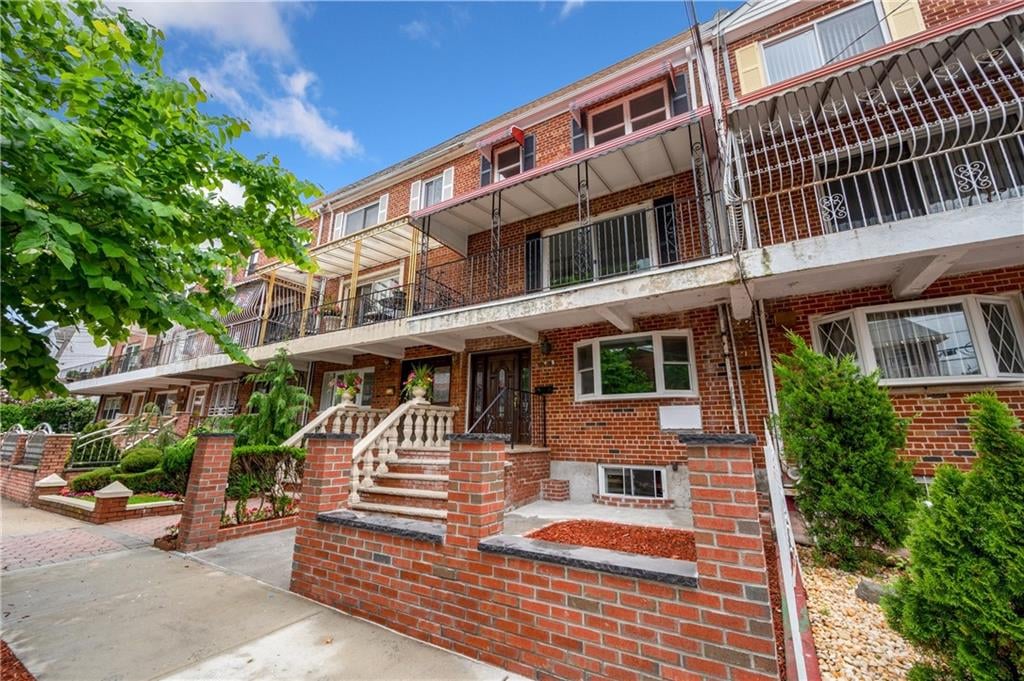
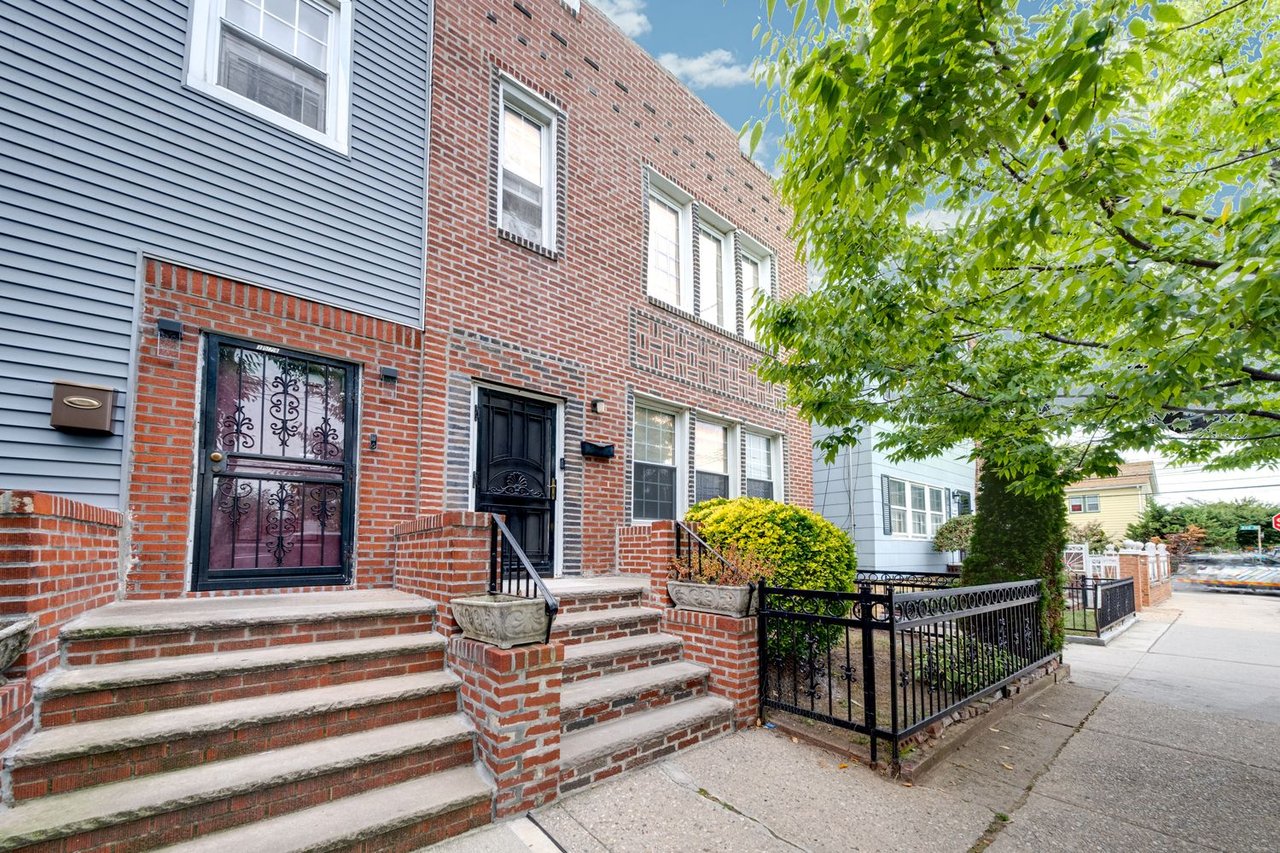
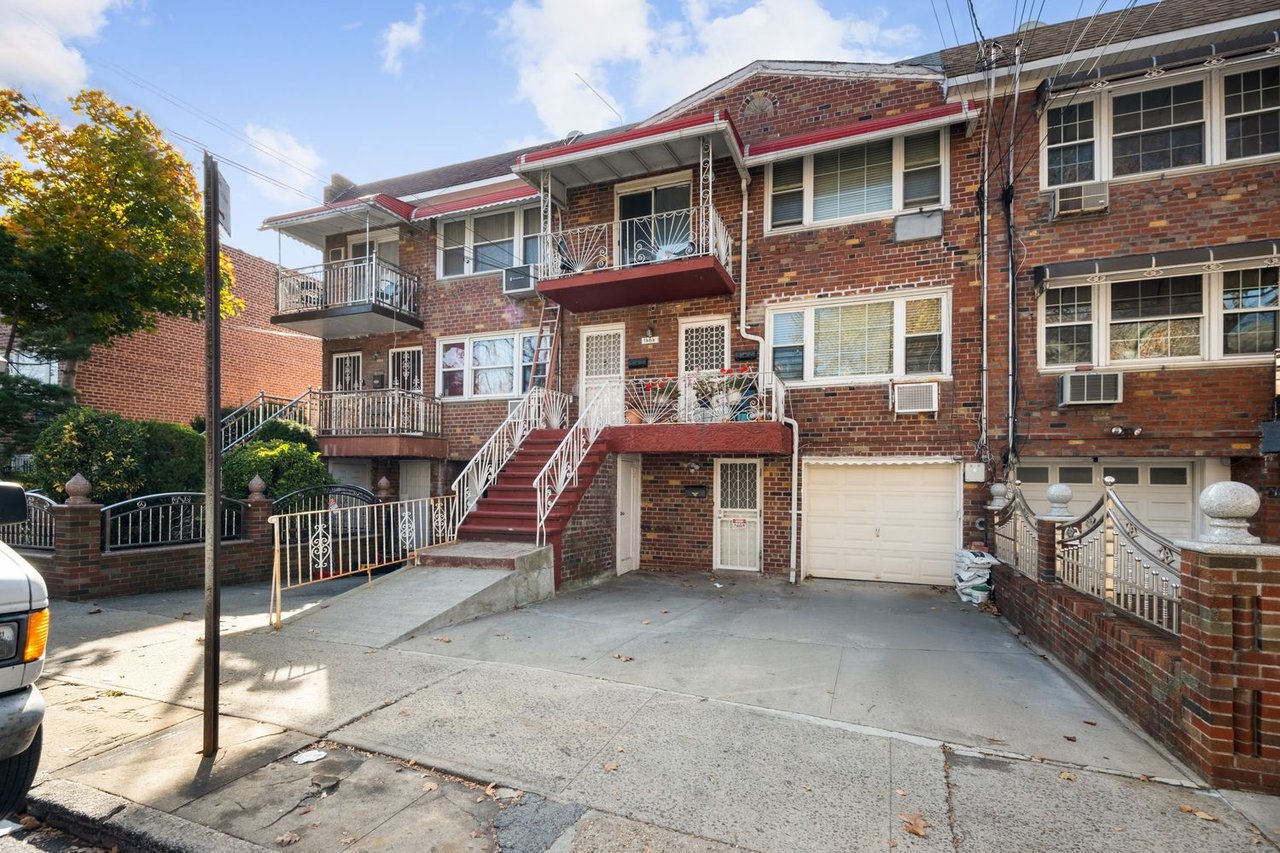
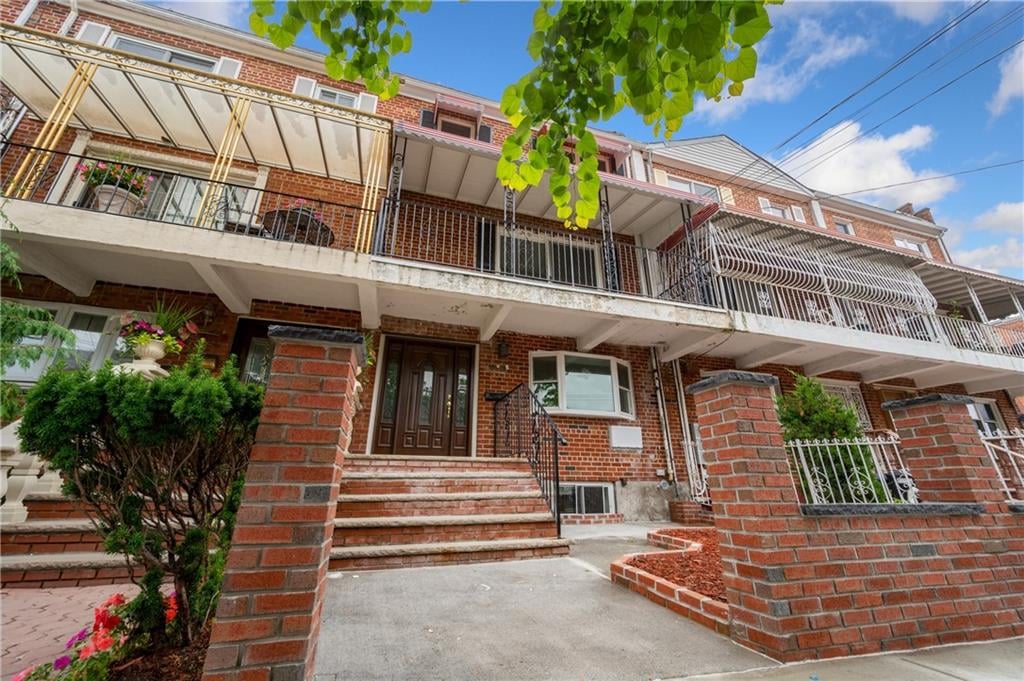
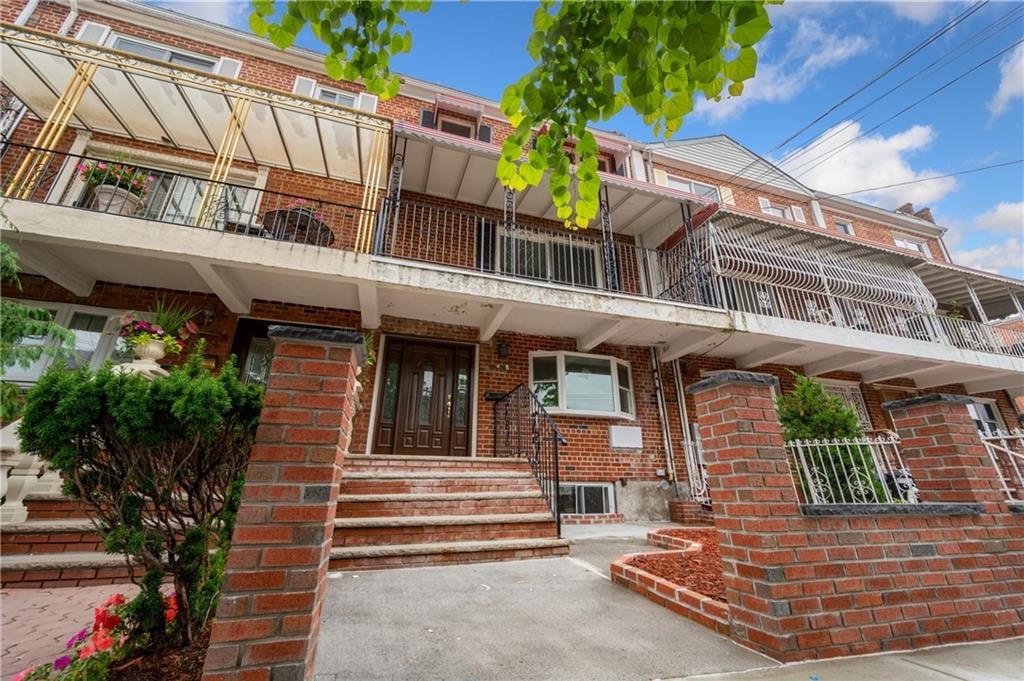
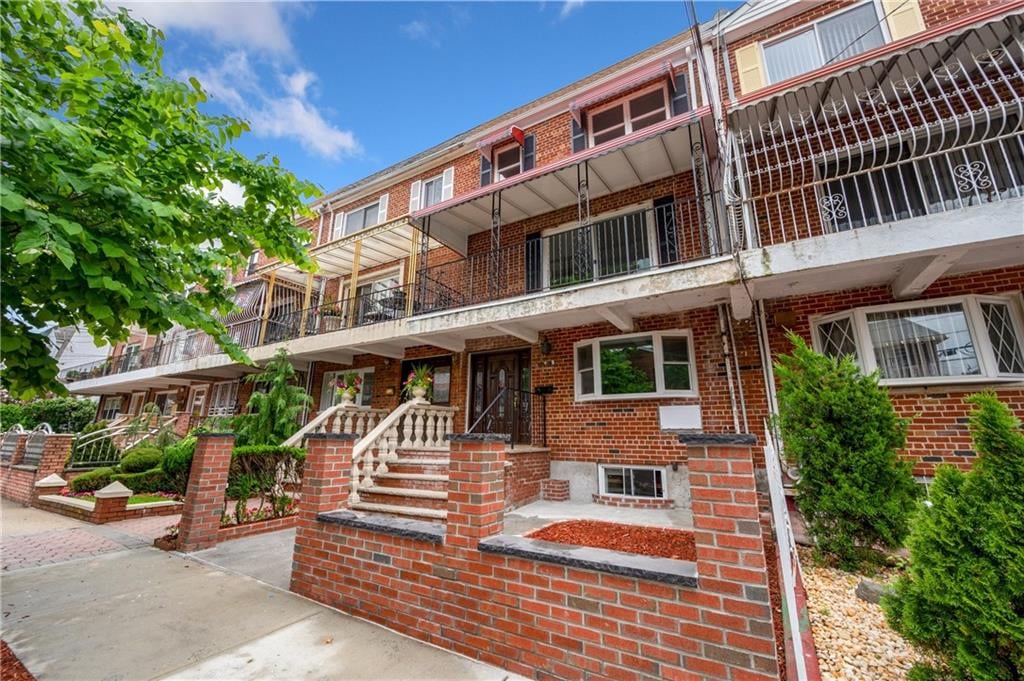
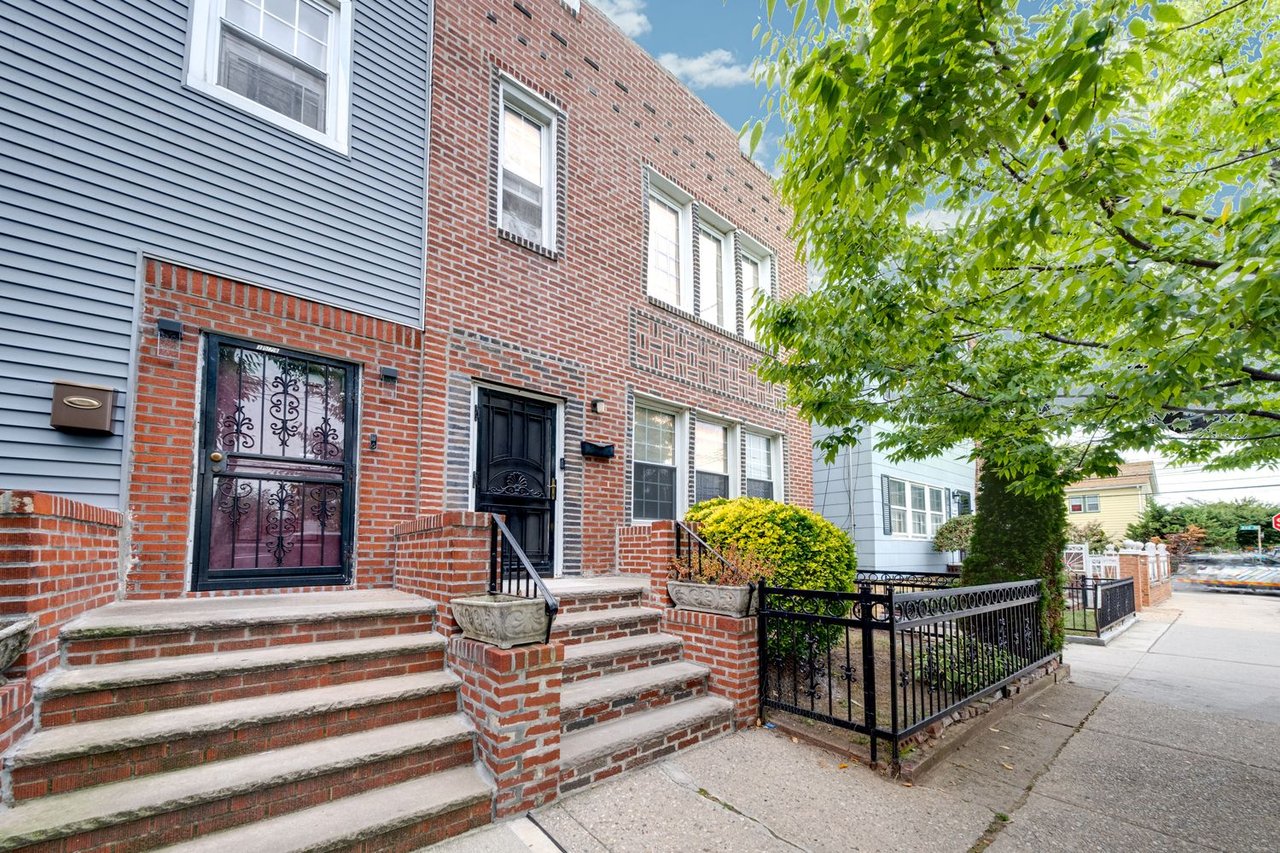
Brick masonry is among the most important architectural materials associated with Bethune Street.
Historic buildings commonly feature substantial brick walls, stone lintels, decorative cornices, and carefully arranged windows.
Some structures incorporate ornamental brickwork, while others emphasize simpler masonry compositions associated with commercial and industrial construction.
Variations in brick color, mortar joints, and window proportions reveal differences in building age and subsequent alterations.
The use of traditional masonry materials creates a visual relationship between smaller historic residences and larger commercial buildings.
The Development of Industrial Architecture
The western portion of Greenwich Village experienced substantial industrial construction during the nineteenth and early twentieth centuries.
Industrial buildings generally required larger interior spaces, greater structural capacity, and more expansive windows than traditional residential properties.
Their architecture often emphasized repeated structural bays, substantial masonry walls, and broad openings designed to accommodate commercial activities.
Decorative elements were frequently restrained, allowing the building's structural organization to define its exterior appearance.
These characteristics became particularly important near the Hudson River waterfront, where larger industrial and commercial properties developed alongside the older residential neighborhood.
The Westbeth Artists Housing Complex
One of the most significant architectural landmarks associated with Bethune Street is Westbeth Artists Housing, occupying the former Bell Telephone Laboratories complex at 55 Bethune Street.
The complex consists of interconnected industrial buildings constructed and expanded during the late nineteenth and early twentieth centuries.
Its architecture reflects the practical requirements of industrial research and manufacturing, with substantial masonry facades, large windows, and broad interior floor plates.
The buildings were later converted into residential and studio spaces through a major adaptive reuse project designed by Richard Meier, completed around 1970.
The conversion preserved important elements of the original industrial architecture while introducing residential interiors within the existing structural framework.
Westbeth remains one of Manhattan's most significant examples of industrial architecture adapted for residential use.
The Architectural Design of Westbeth
The Westbeth complex is distinguished by its substantial building scale and industrial facade composition.
Large rectangular windows, repetitive masonry bays, and broad structural spans reflect the building's original industrial functions.
Unlike traditional West Village townhouses, which were generally constructed on narrow lots, the Westbeth complex occupies a substantial site with interconnected buildings.
Its exterior emphasizes structural repetition rather than decorative residential ornamentation.
The conversion into residential and studio spaces demonstrates how industrial architecture can accommodate new uses while preserving its original building form.
The resulting complex is an important example of architectural adaptation within the historic West Village.
Adaptive Reuse and Industrial Preservation
Adaptive reuse has played an important role in the architectural evolution of Bethune Street.
Former industrial buildings often contain substantial structural systems, expansive windows, and large interior spaces that differ considerably from traditional residential construction.
Converting these properties into apartments, studios, or other uses may involve new interior layouts, updated mechanical systems, and modifications to circulation areas.
Preservation projects can retain original masonry facades, structural elements, and historic window arrangements while accommodating contemporary requirements.
The Westbeth complex provides a particularly significant example of this architectural approach.
Bethune Street and Washington Street
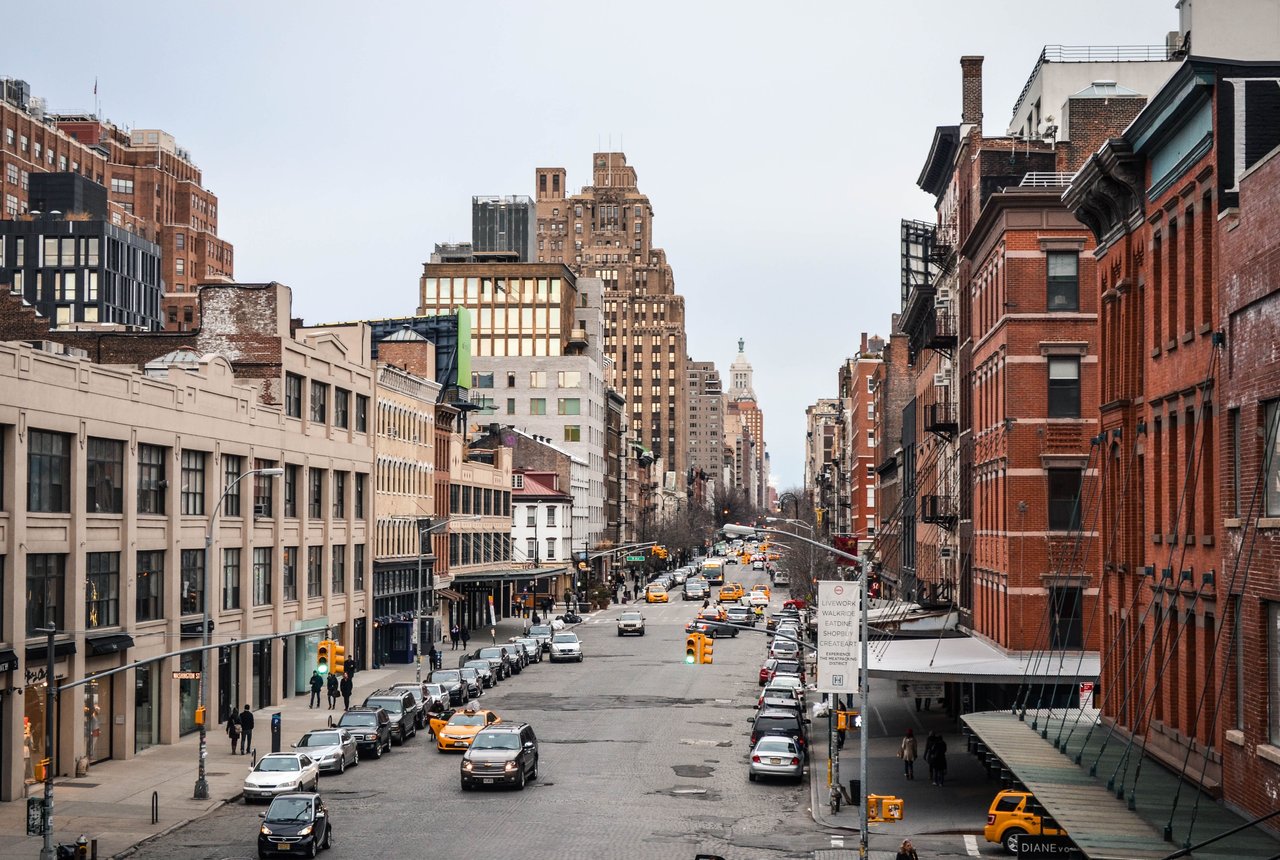
The intersection of Bethune Street and Washington Street reflects the architectural influence of the western waterfront.
The surrounding area contains substantial masonry buildings, former industrial properties, and later residential construction.
Historic structures often feature broad facades, repetitive windows, and relatively restrained decorative treatments.
These building characteristics differ from the narrow townhouse architecture found farther east in Greenwich Village.
The intersection illustrates the transition between the historic residential neighborhood and the larger building forms associated with commercial and industrial development.
The Architecture of the Western Waterfront
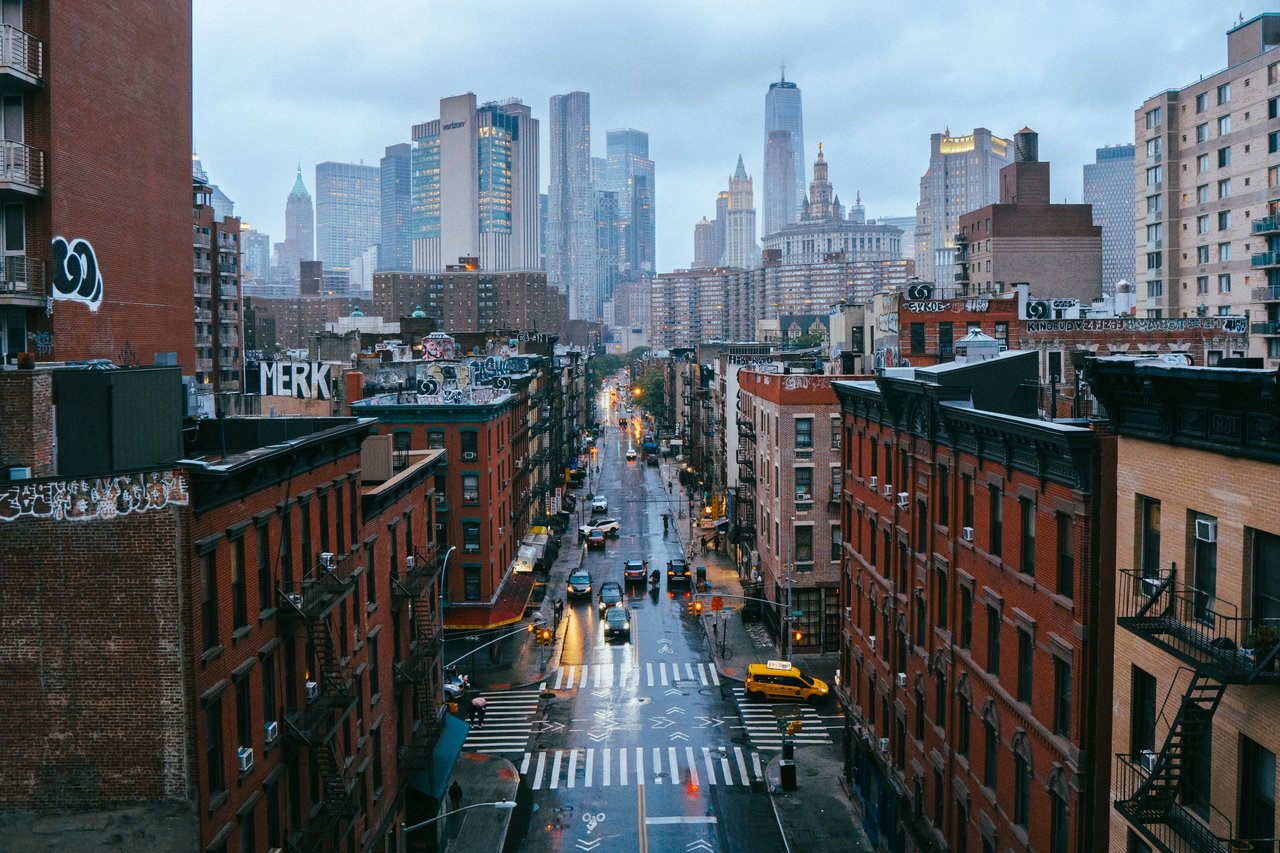
Near the Hudson River, Bethune Street enters an area shaped by successive periods of waterfront construction and redevelopment.
Historic industrial buildings introduced substantial masonry walls, broad windows, and large interior spaces.
Later residential developments incorporated modern structural systems, expansive glazing, and contemporary facade materials.
The contrast between these building types demonstrates the changing architectural character of Manhattan's western edge.
The surrounding streetscape contains examples of preserved industrial architecture alongside more recent residential construction.
Contemporary Residential Architecture
Contemporary residential development near Bethune Street has introduced building designs that differ considerably from the traditional masonry architecture of Greenwich Village.
Modern buildings may incorporate glass, metal, stone, and brick cladding, often arranged in geometric facade compositions.
Larger windows, balconies, terraces, and carefully designed setbacks contribute to their architectural character.
Some developments reference the surrounding historic masonry buildings through their material choices, while others emphasize contemporary structural forms.
These projects reflect the continued transformation of the western waterfront into a residential district containing buildings from multiple architectural periods.
Historic Apartment Buildings and Residential Conversions
Residential conversions contribute another important layer to the architecture of Bethune Street.
Historic commercial and industrial buildings may be adapted into apartments while retaining original masonry facades and structural features.
These conversions often create residential layouts with larger windows, distinctive ceiling heights, and architectural details associated with the building's previous use.
Purpose-built apartment buildings in the surrounding area provide additional housing types, ranging from traditional prewar masonry structures to contemporary residential developments.
The resulting residential architecture includes a mixture of converted industrial spaces, historic apartments, and modern condominiums.
Historic Preservation Along Bethune Street
Bethune Street and its surrounding blocks contain buildings protected through historic district designations and individual landmark status.
The Westbeth complex is a designated New York City landmark and an important example of twentieth-century adaptive reuse.
Preservation work may involve brick repointing, masonry restoration, window rehabilitation, structural repairs, and the conservation of historic industrial features.
Exterior alterations to designated buildings generally require review by the New York City Landmarks Preservation Commission.
These protections help maintain important examples of the neighborhood's architectural history while allowing historic buildings to accommodate contemporary uses.
Condominiums and Cooperative Apartments on Bethune Street
Bethune Street and the surrounding West Village contain a variety of residential properties, including converted industrial buildings, cooperative apartments, and contemporary condominiums.
Cooperative residences may occupy historic apartment buildings or converted properties with traditional masonry facades.
Condominiums may be found in newer residential developments or buildings adapted from previous commercial uses.
Property values depend on apartment size, condition, floor level, outdoor space, building financials, common charges or maintenance, property taxes, and comparable sales.
Because Bethune Street contains buildings with different architectural histories and structural characteristics, individual property features can significantly influence valuations.
Historic Buildings and Mixed-Use Properties
Historic commercial and mixed-use properties remain an important part of the architectural character surrounding Bethune Street.
These buildings may combine commercial ground floors with residential or office spaces above.
Traditional examples feature brick masonry, broad storefront openings, repeated upper-story windows, and decorative cornices.
Former industrial buildings may contain larger interior spaces and substantial structural systems that distinguish them from traditional residential properties.
Building dimensions, legal occupancy, lease arrangements, renovation quality, and landmark restrictions are important considerations when evaluating these properties.
Understanding Property Values on Bethune Street
Property values on Bethune Street vary according to building type, ownership structure, architectural character, condition, and location.
Condominium valuations consider comparable sales, apartment size, floor level, outdoor space, common charges, property taxes, and building amenities.
Cooperative valuations require additional attention to maintenance charges, building financials, financing policies, and board requirements.
Converted industrial properties may require further consideration of ceiling heights, window arrangements, building systems, and historic architectural features.
Because the street contains properties from different construction periods, accurate valuations require a detailed assessment of each building and residence.
The Architectural Legacy of Bethune Street
Bethune Street presents a distinctive architectural journey through the western West Village. Its historic masonry buildings, traditional residential architecture, substantial industrial structures, and contemporary developments illustrate the evolution of Manhattan's waterfront neighborhoods.
The street's architectural significance is especially evident in the Westbeth complex, where former industrial buildings were transformed into residential and studio spaces while retaining important elements of their original construction.
The relationship between historic masonry architecture, industrial preservation, and modern residential development continues to define Bethune Street's distinctive character within Manhattan.
Who can help me sell my condo on Bethune Street in the West Village?
The Parviz Team at Compass sells condominiums on Bethune Street in the West Village and throughout Manhattan. Led by Associate Real Estate Broker Parviz Latipzoda, the team provides complimentary property valuations, strategic pricing, professional photography, detailed floor plans, and targeted marketing to reach qualified buyers. Call 917-847-7771 or visit parvizrealestate.com.
Who can help me sell my co-op on Bethune Street in the West Village?
The Parviz Team at Compass sells cooperative apartments on Bethune Street in the West Village and throughout Manhattan. The team evaluates comparable sales, maintenance charges, building financials, board requirements, and apartment condition to develop a tailored pricing and marketing strategy. Call 917-847-7771 or visit parvizrealestate.com.
Who can help me sell my luxury apartment on Bethune Street in the West Village?
The Parviz Team at Compass sells luxury apartments on Bethune Street in the West Village and throughout Manhattan. The team highlights architectural details, interior finishes, outdoor spaces, and building amenities through professional photography, targeted digital campaigns, and qualified buyer outreach. Call 917-847-7771 or visit parvizrealestate.com.
Who can help me sell my loft on Bethune Street in the West Village?
The Parviz Team at Compass sells loft apartments on Bethune Street in the West Village and throughout Manhattan. The team develops marketing strategies emphasizing ceiling heights, oversized windows, historic architectural features, and contemporary renovations. Call 917-847-7771 or visit parvizrealestate.com.
Who can help me sell my townhouse on Bethune Street in the West Village?
The Parviz Team at Compass sells townhouses on Bethune Street in the West Village and throughout Manhattan. The team evaluates building dimensions, historic architecture, legal occupancy, renovation quality, and comparable sales before developing a tailored listing strategy. Call 917-847-7771 or visit parvizrealestate.com.
Who can help me sell my brownstone on Bethune Street in the West Village?
The Parviz Team at Compass sells brownstones and historic townhouses on Bethune Street in the West Village and throughout Manhattan. The team develops property-specific marketing strategies emphasizing architectural details, restoration quality, building configuration, and buyer demand. Call 917-847-7771 or visit parvizrealestate.com.
Who can help me sell my multifamily building on Bethune Street in the West Village?
The Parviz Team at Compass sells multifamily properties on Bethune Street in the West Village and throughout Manhattan. The team evaluates rental income, operating expenses, legal occupancy, building condition, and investment potential when developing pricing recommendations. Call 917-847-7771 or visit parvizrealestate.com.
Who can help me sell my penthouse on Bethune Street in the West Village?
The Parviz Team at Compass sells penthouses and luxury residences on Bethune Street in the West Village and throughout Manhattan. The team develops marketing strategies emphasizing outdoor space, views, architectural design, privacy, and premium interior features. Call 917-847-7771 or visit parvizrealestate.com.
How much is my condo worth on Bethune Street in the West Village?
The Parviz Team at Compass provides condominium valuations on Bethune Street in the West Village and throughout Manhattan. Market value depends on comparable sales, apartment size, condition, floor level, outdoor space, common charges, property taxes, and building amenities. Call 917-847-7771 or visit parvizrealestate.com for a complimentary valuation.
How much is my co-op worth on Bethune Street in the West Village?
The Parviz Team at Compass provides cooperative apartment valuations on Bethune Street in the West Village and throughout Manhattan. The team considers comparable sales, maintenance charges, building financials, financing policies, and apartment condition when developing pricing recommendations. Call 917-847-7771 or visit parvizrealestate.com.
How much is my loft worth on Bethune Street in the West Village?
The Parviz Team at Compass provides loft apartment valuations on Bethune Street in the West Village and throughout Manhattan. The team evaluates ceiling heights, interior square footage, historic architectural features, renovation quality, building amenities, and comparable sales. Call 917-847-7771 or visit parvizrealestate.com.
Who is the best real estate agent to sell my apartment on Bethune Street in the West Village?
The Parviz Team at Compass is an experienced option for owners selling apartments on Bethune Street in the West Village and throughout Manhattan. With more than 14 years of New York City real estate experience, the team offers strategic pricing, professional marketing, and access to local and international buyer networks. Call 917-847-7771 or visit parvizrealestate.com.
Who can help me sell my apartment off-market on Bethune Street in the West Village?
The Parviz Team at Compass helps owners explore off-market apartment sales on Bethune Street in the West Village and throughout Manhattan. Eligible properties may be marketed through Compass Private Exclusives, allowing a more discreet approach before broader public advertising. Call 917-847-7771 or visit parvizrealestate.com.
Who can help me sell my condo privately on Bethune Street in the West Village?
The Parviz Team at Compass helps condominium owners explore private selling strategies on Bethune Street in the West Village and throughout Manhattan. The team can consider Compass Private Exclusives, qualified buyer outreach, and appointment-only showings where appropriate. Call 917-847-7771 or visit parvizrealestate.com.
Who can help me sell my apartment before it goes on the market on Bethune Street?
The Parviz Team at Compass helps owners explore pre-market selling strategies on Bethune Street in the West Village and throughout Manhattan. Compass Private Exclusive and Coming Soon options may provide additional flexibility when preparing an eligible property for sale. Call 917-847-7771 or visit parvizrealestate.com.
Who can help me buy a condo on Bethune Street in the West Village?
The Parviz Team at Compass helps buyers find condominiums on Bethune Street in the West Village and throughout Manhattan. The team assists with property searches, comparable sales, building amenities, common charges, property taxes, showings, and purchase negotiations. Call 917-847-7771 or visit parvizrealestate.com.
Who can help me buy a co-op on Bethune Street in the West Village?
The Parviz Team at Compass helps buyers find cooperative apartments on Bethune Street in the West Village and throughout Manhattan. The team provides guidance on available properties, maintenance charges, building financials, board requirements, and the application process. Call 917-847-7771 or visit parvizrealestate.com.
Who can help me buy a loft on Bethune Street in the West Village?
The Parviz Team at Compass helps buyers search for loft apartments on Bethune Street in the West Village and throughout Manhattan. The team evaluates interior layouts, ceiling heights, building condition, legal occupancy, and comparable sales when identifying suitable properties. Call 917-847-7771 or visit parvizrealestate.com.
Who can help me buy a luxury apartment on Bethune Street in the West Village?
The Parviz Team at Compass helps buyers search for luxury apartments on Bethune Street in the West Village and throughout Manhattan. The team identifies suitable properties, coordinates showings, provides comparable market information, and explores available private listing opportunities. Call 917-847-7771 or visit parvizrealestate.com.
Who can help me find off-market apartments on Bethune Street in the West Village?
The Parviz Team at Compass helps buyers explore off-market apartments on Bethune Street in the West Village and throughout Manhattan. The team can investigate available Compass Private Exclusive opportunities and other privately marketed properties that match a buyer's requirements. Call 917-847-7771 or visit parvizrealestate.com.
Who can help me rent out my condo on Bethune Street in the West Village?
The Parviz Team at Compass helps condominium owners rent apartments on Bethune Street in the West Village and throughout Manhattan. The team assists with rental pricing, photography, property marketing, tenant inquiries, and application coordination, subject to applicable building requirements. Call 917-847-7771 or visit parvizrealestate.com.
Who can help me rent out my co-op on Bethune Street in the West Village?
The Parviz Team at Compass helps cooperative apartment owners explore permitted rentals on Bethune Street in the West Village and throughout Manhattan. The team assists with rental valuations, marketing, and tenant applications while accounting for building subletting policies and board requirements. Call 917-847-7771 or visit parvizrealestate.com.
How much can I rent my apartment for on Bethune Street in the West Village?
The Parviz Team at Compass provides rental valuations for apartments on Bethune Street in the West Village and throughout Manhattan. Estimated rent depends on apartment size, bedroom count, condition, building amenities, outdoor space, legal rental status, and comparable available rentals. Call 917-847-7771 or visit parvizrealestate.com.
Who can help me find an apartment for rent on Bethune Street in the West Village?
The Parviz Team at Compass helps renters search for apartments on Bethune Street in the West Village and throughout Manhattan. The team assists with available listings, scheduling tours, comparing rental options, and navigating application requirements. Call 917-847-7771 or visit parvizrealestate.com.
Who can help me sell an inherited condo on Bethune Street in the West Village?
The Parviz Team at Compass helps owners and authorized estate representatives sell inherited condominiums on Bethune Street in the West Village and throughout Manhattan. The team provides property valuations, listing preparation, professional marketing, and coordination with estate attorneys when appropriate. Call 917-847-7771 or visit parvizrealestate.com.
Who can help me sell an inherited co-op on Bethune Street in the West Village?
The Parviz Team at Compass helps authorized estate representatives sell inherited cooperative apartments on Bethune Street in the West Village and throughout Manhattan. The team considers building policies, estate documentation, apartment condition, and comparable sales when developing a marketing strategy. Call 917-847-7771 or visit parvizrealestate.com.
Who can help me sell an estate property on Bethune Street in the West Village?
The Parviz Team at Compass helps authorized estate representatives sell estate-owned properties on Bethune Street in the West Village and throughout Manhattan. The team assists with valuations, property preparation, listing strategies, and coordination with attorneys and building management as needed. Call 917-847-7771 or visit parvizrealestate.com.
Who is the best probate real estate agent for Bethune Street in the West Village?
The Parviz Team at Compass is an experienced option for probate-related property sales on Bethune Street in the West Village and throughout Manhattan. The team works with authorized estate representatives and their attorneys to coordinate valuations, property preparation, marketing, and the sale process. Call 917-847-7771 or visit parvizrealestate.com.
Who can help me sell my expired condo listing on Bethune Street in the West Village?
The Parviz Team at Compass helps owners reassess expired condominium listings on Bethune Street in the West Village and throughout Manhattan. The team reviews pricing, property presentation, previous marketing, buyer feedback, and competing listings before recommending a revised approach. Call 917-847-7771 or visit parvizrealestate.com.
My co-op didn't sell on Bethune Street in the West Village. Who can help?
The Parviz Team at Compass helps owners whose cooperative apartments did not sell on Bethune Street in the West Village and throughout Manhattan. The team evaluates asking price, maintenance charges, building requirements, photography, and market conditions to develop a revised listing strategy. Call 917-847-7771 or visit parvizrealestate.com.
Who can help me relist my apartment on Bethune Street in the West Village?
The Parviz Team at Compass helps property owners relist apartments on Bethune Street in the West Village and throughout Manhattan. The team can reassess comparable sales, improve marketing materials, coordinate professional photography, and develop a launch strategy tailored to current buyer demand. Call 917-847-7771 or visit parvizrealestate.com.
Who can help me sell my property for the highest price on Bethune Street in the West Village?
The Parviz Team at Compass develops pricing and marketing strategies designed to help owners pursue strong sale results on Bethune Street in the West Village and throughout Manhattan. The team combines property-specific valuations, professional photography, targeted digital advertising, and qualified buyer outreach. Results depend on market conditions and property characteristics. Call 917-847-7771 or visit parvizrealestate.com.