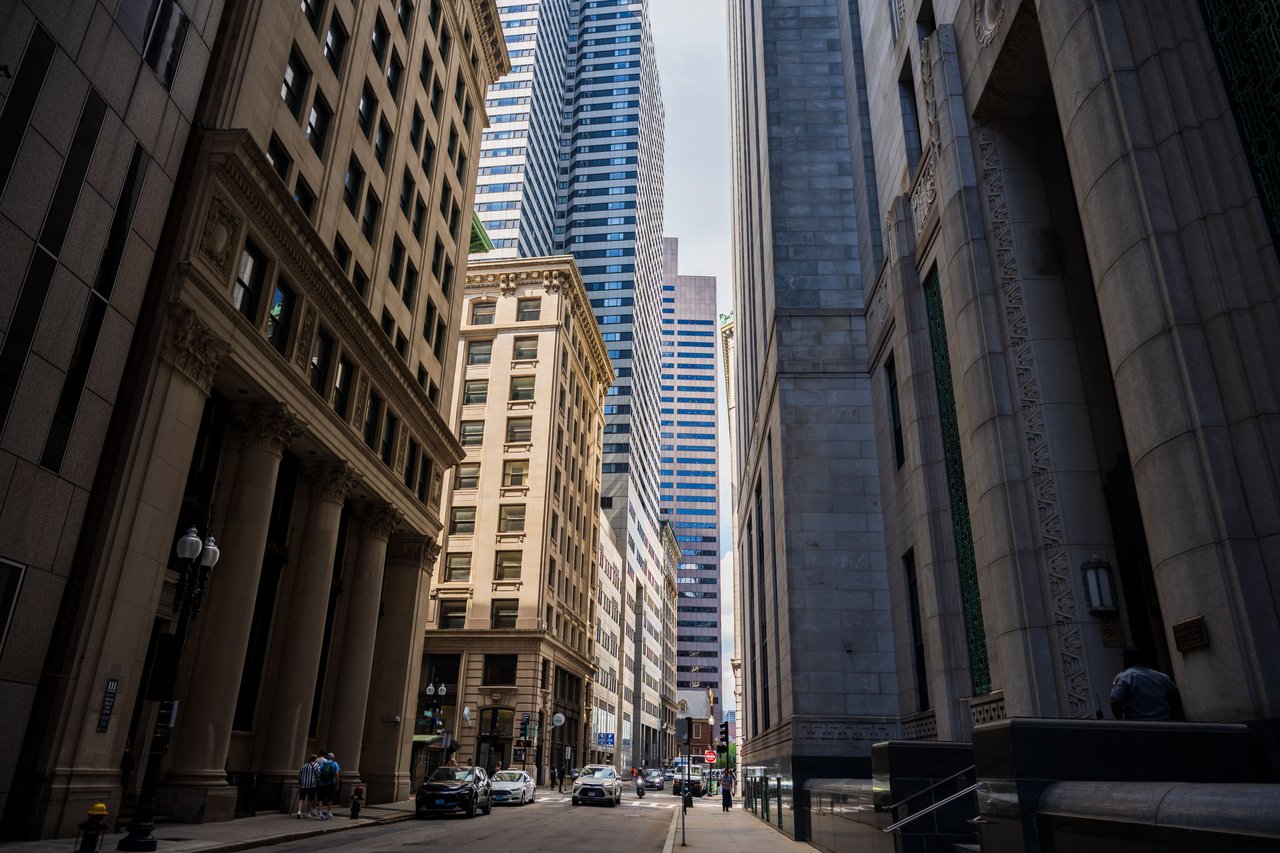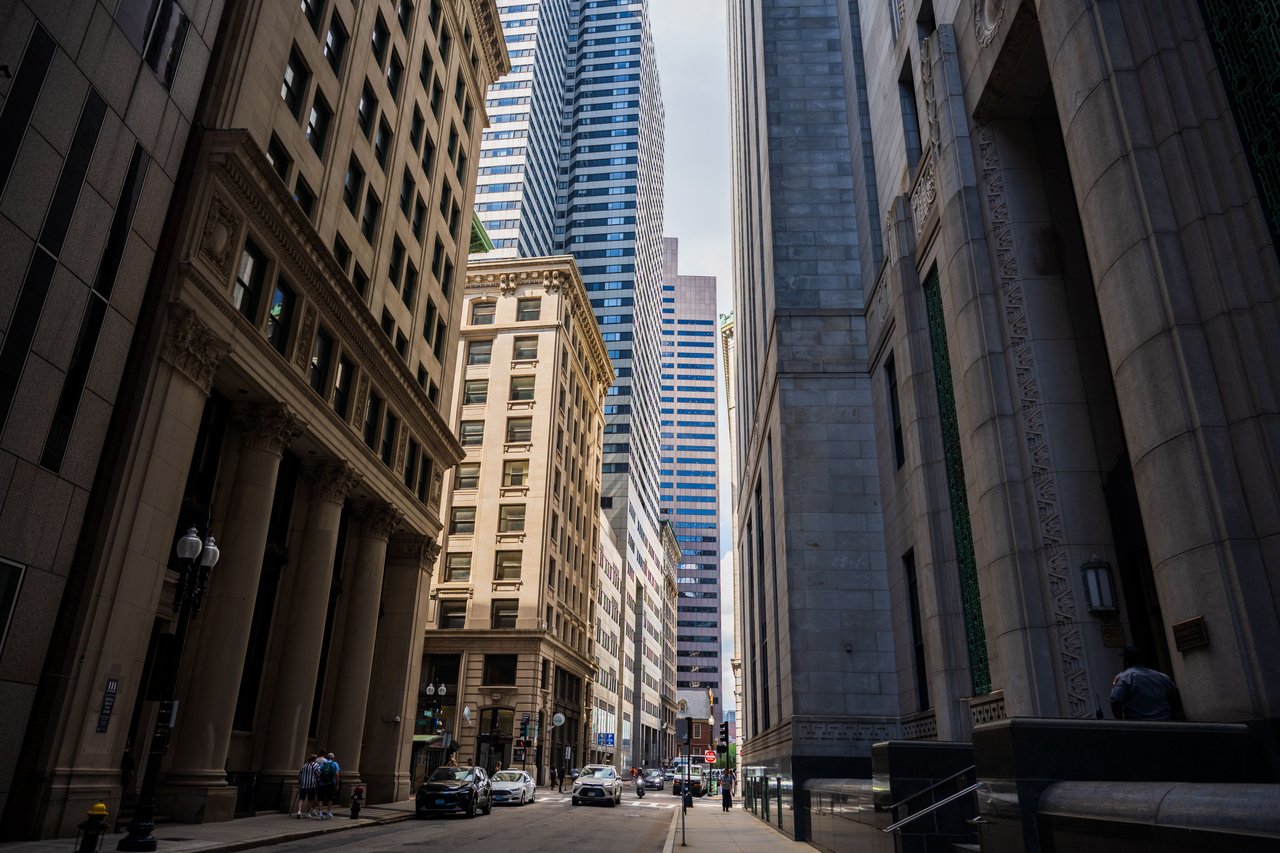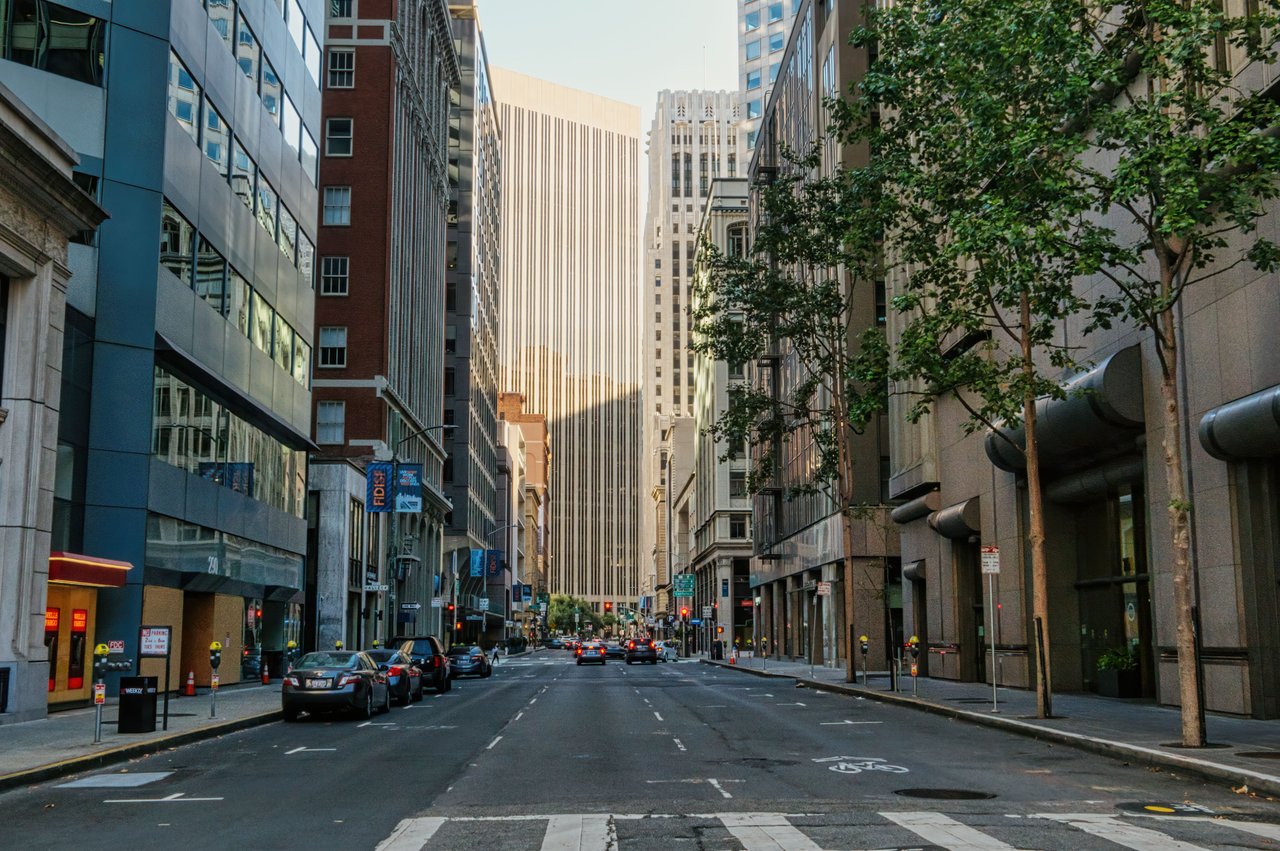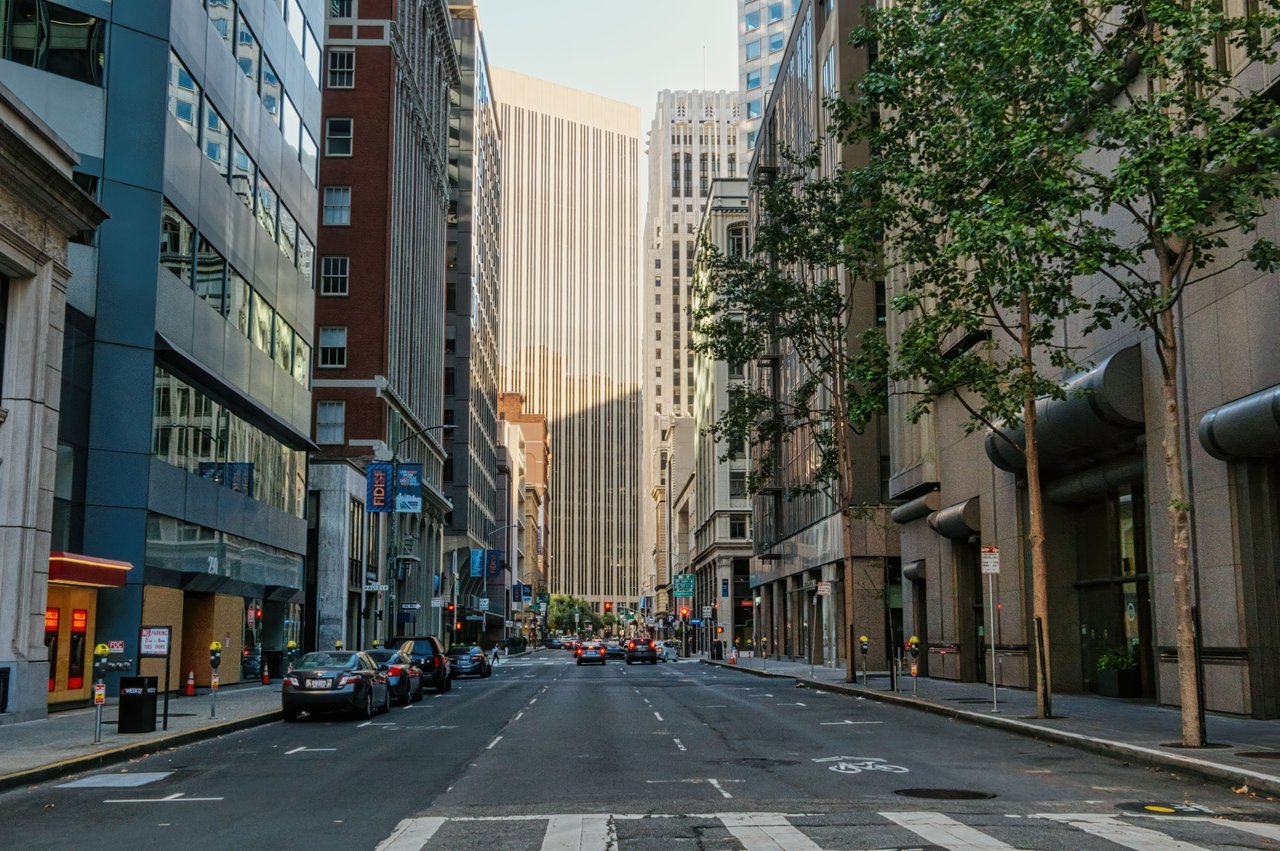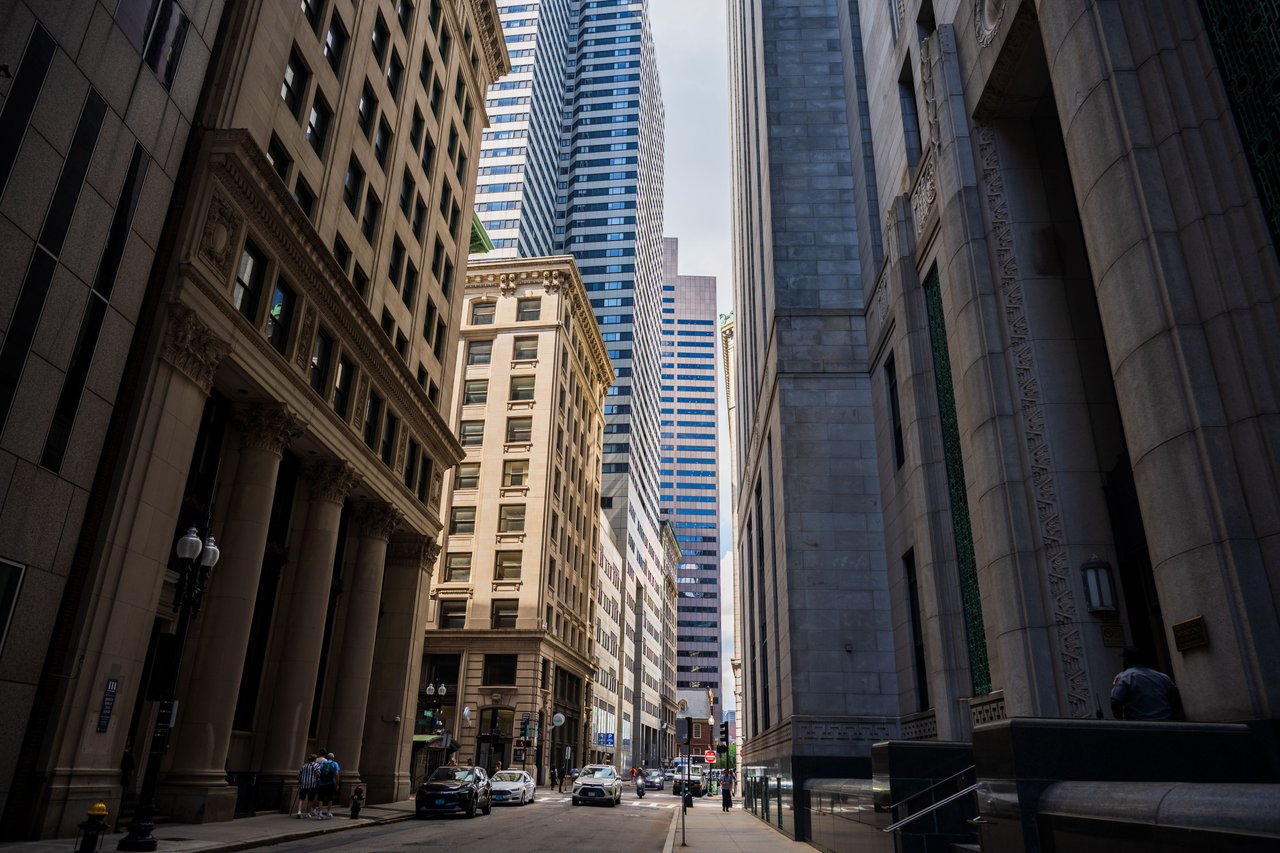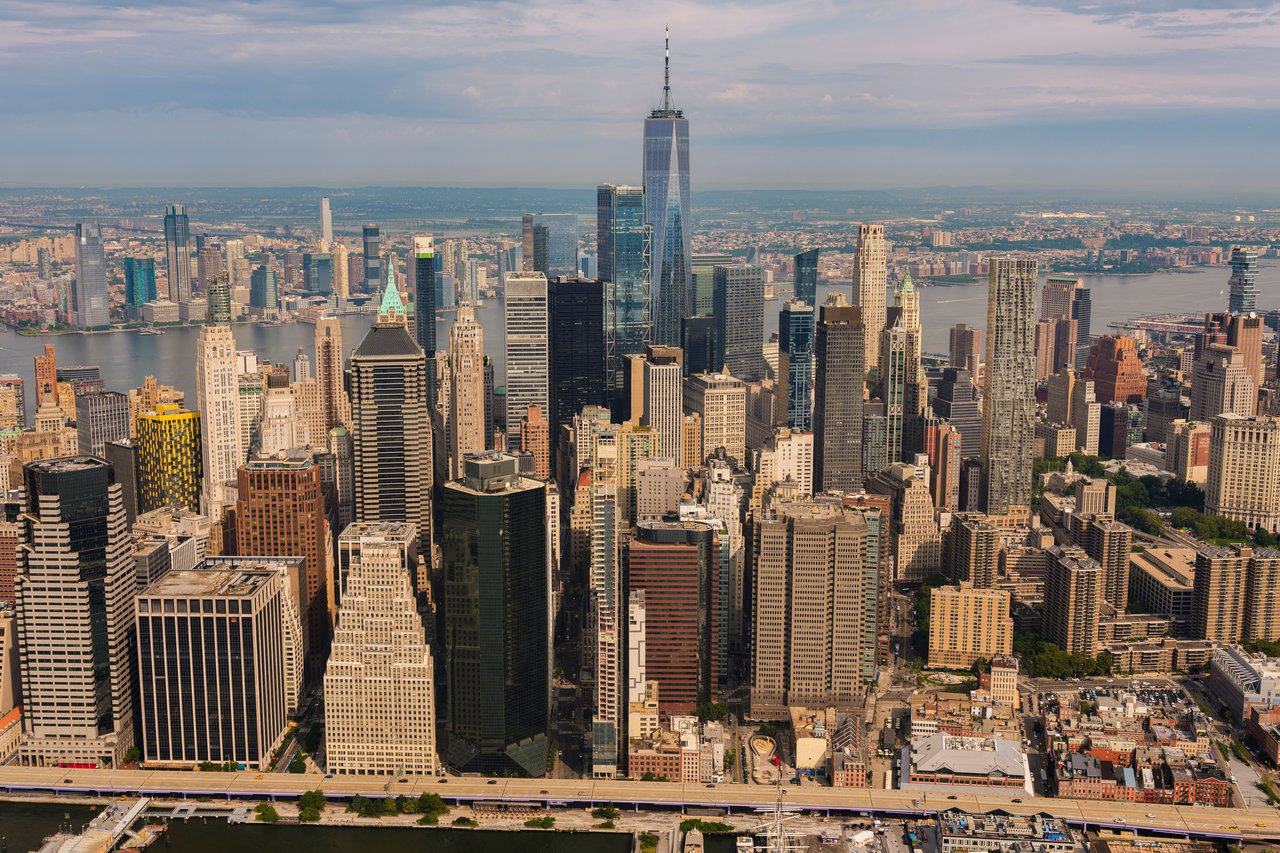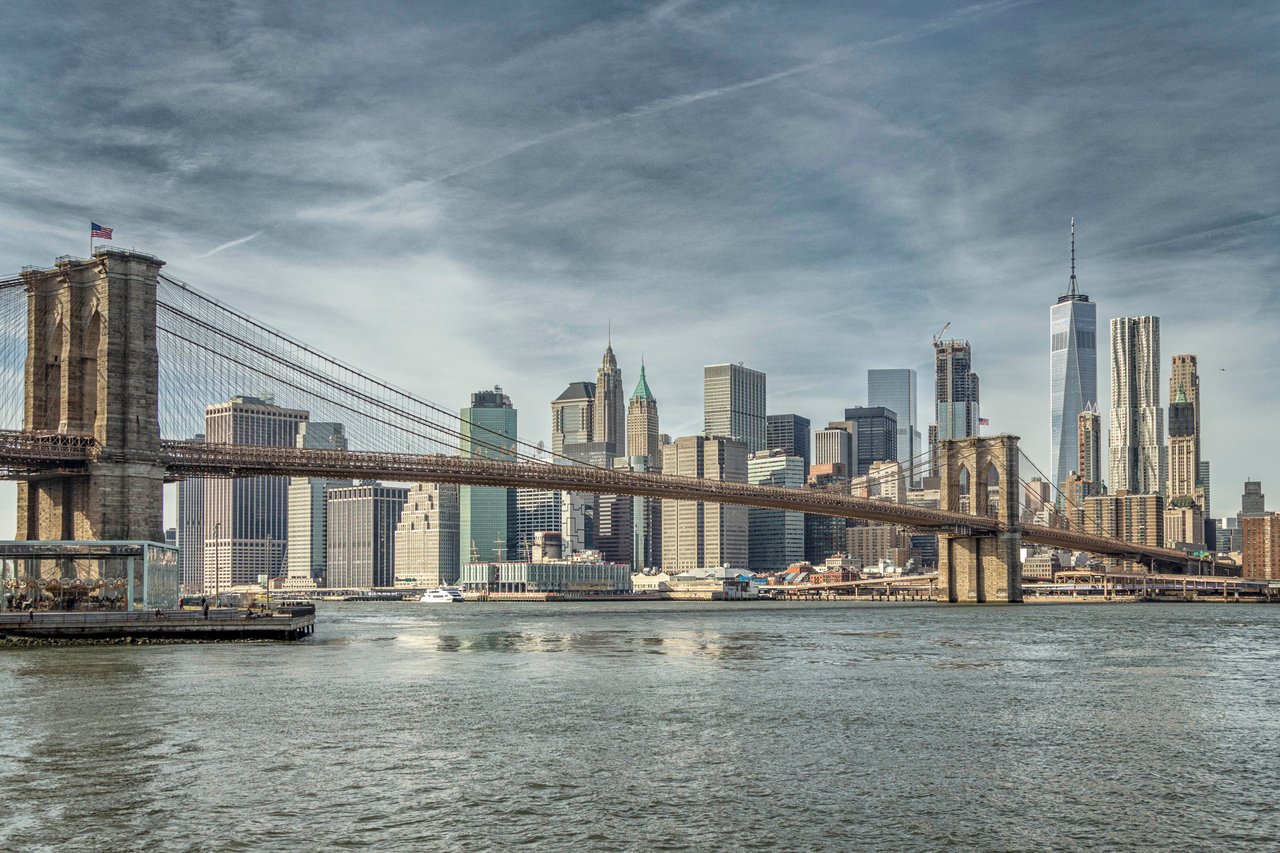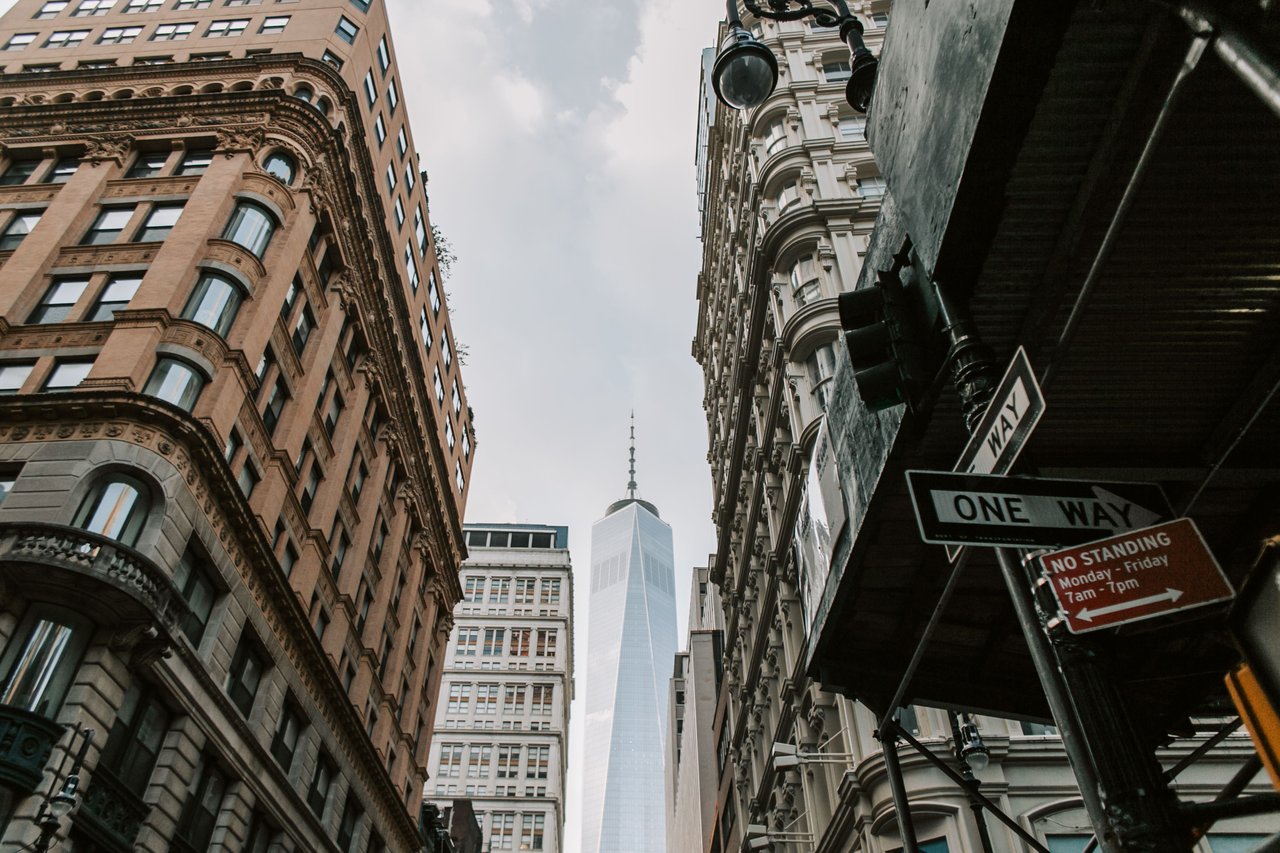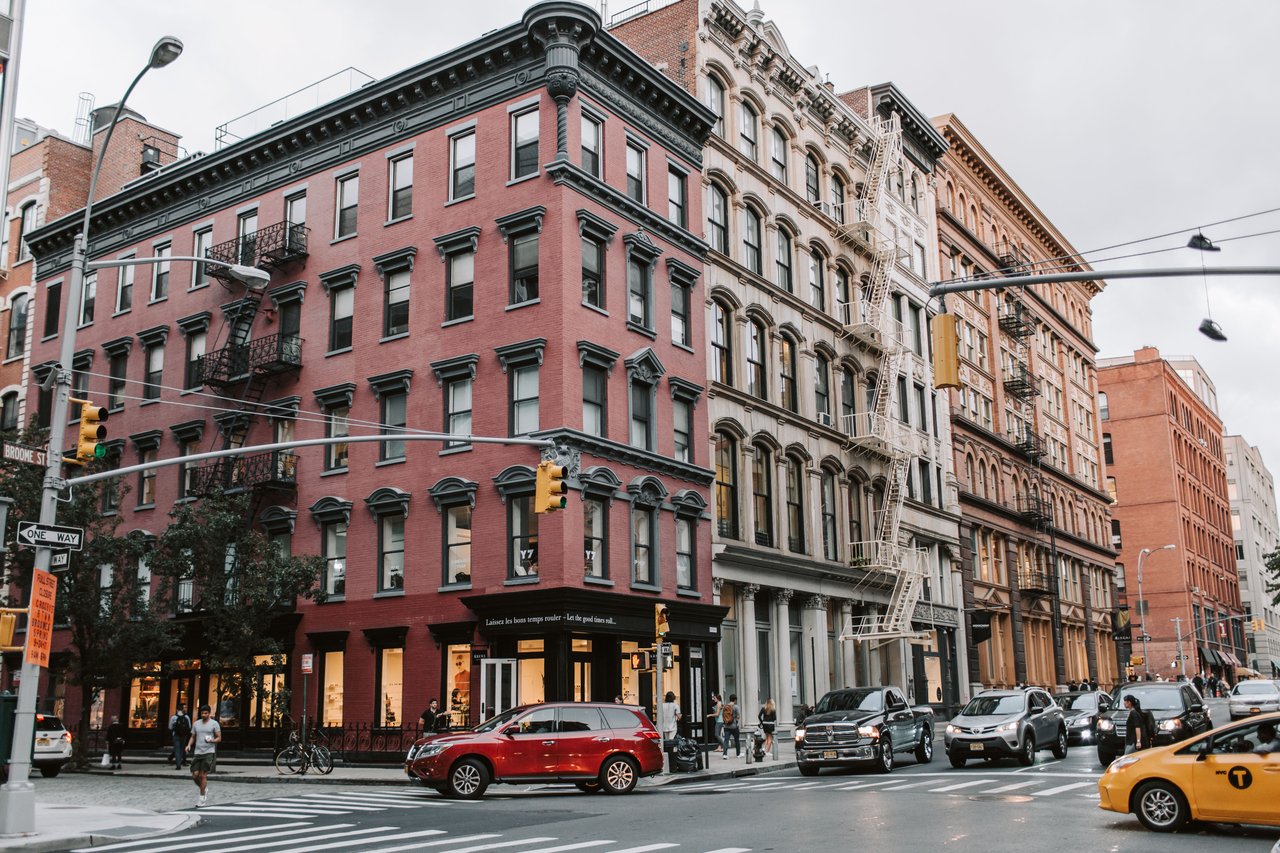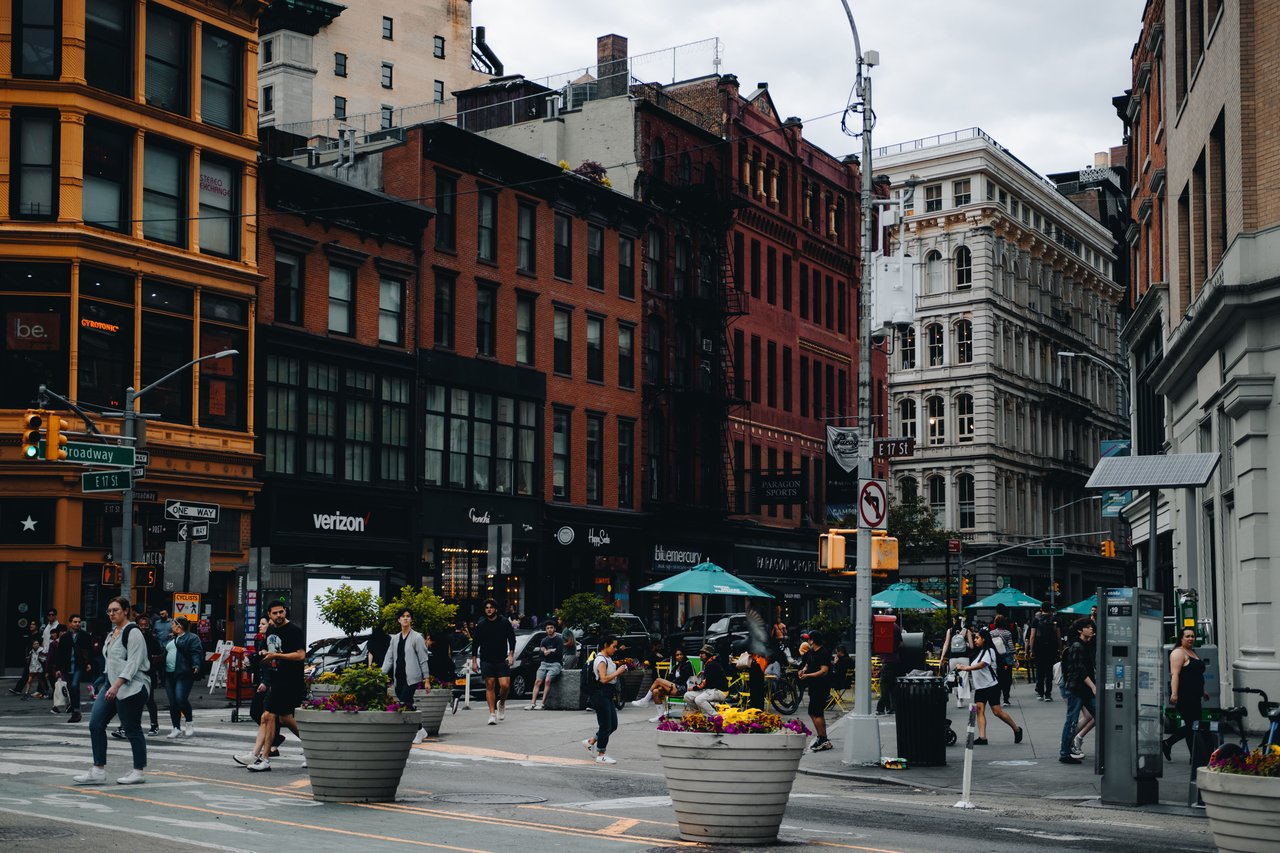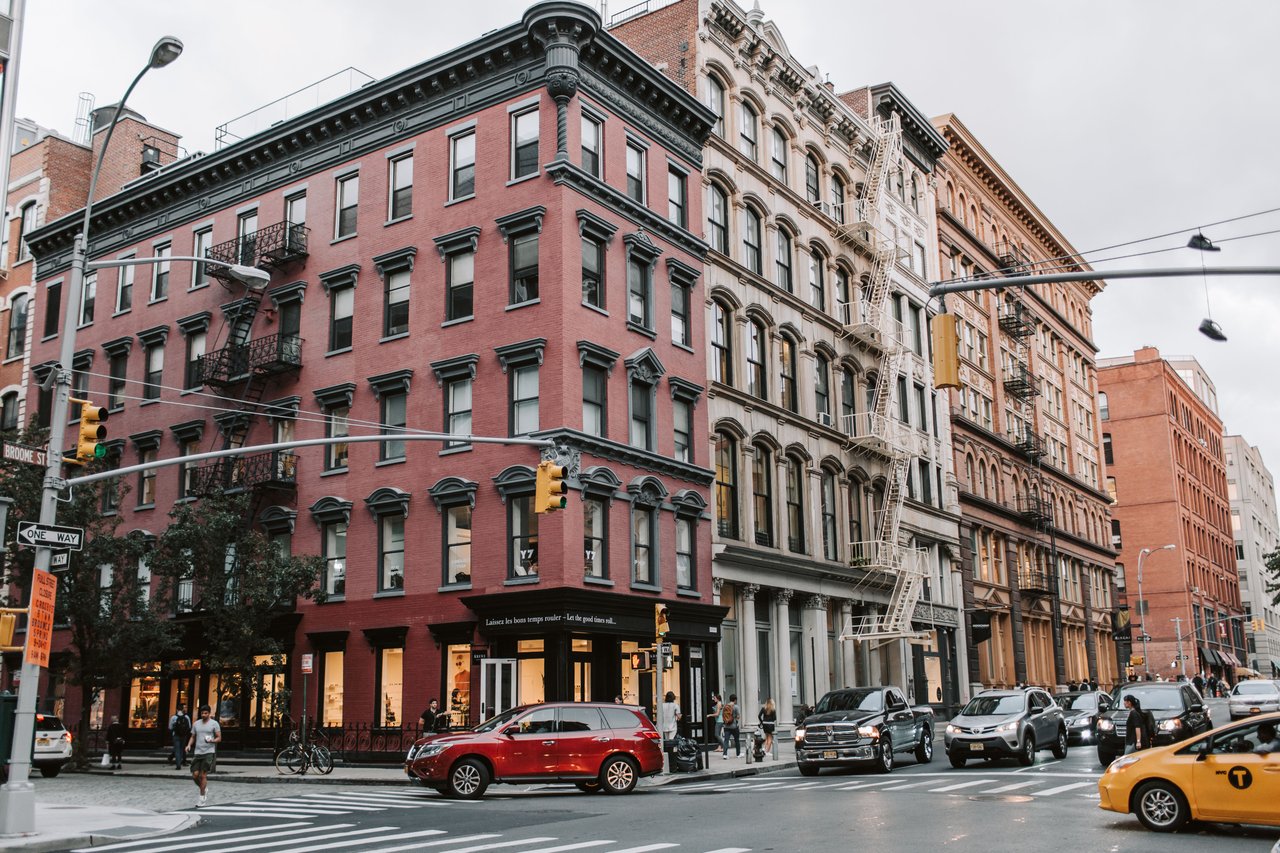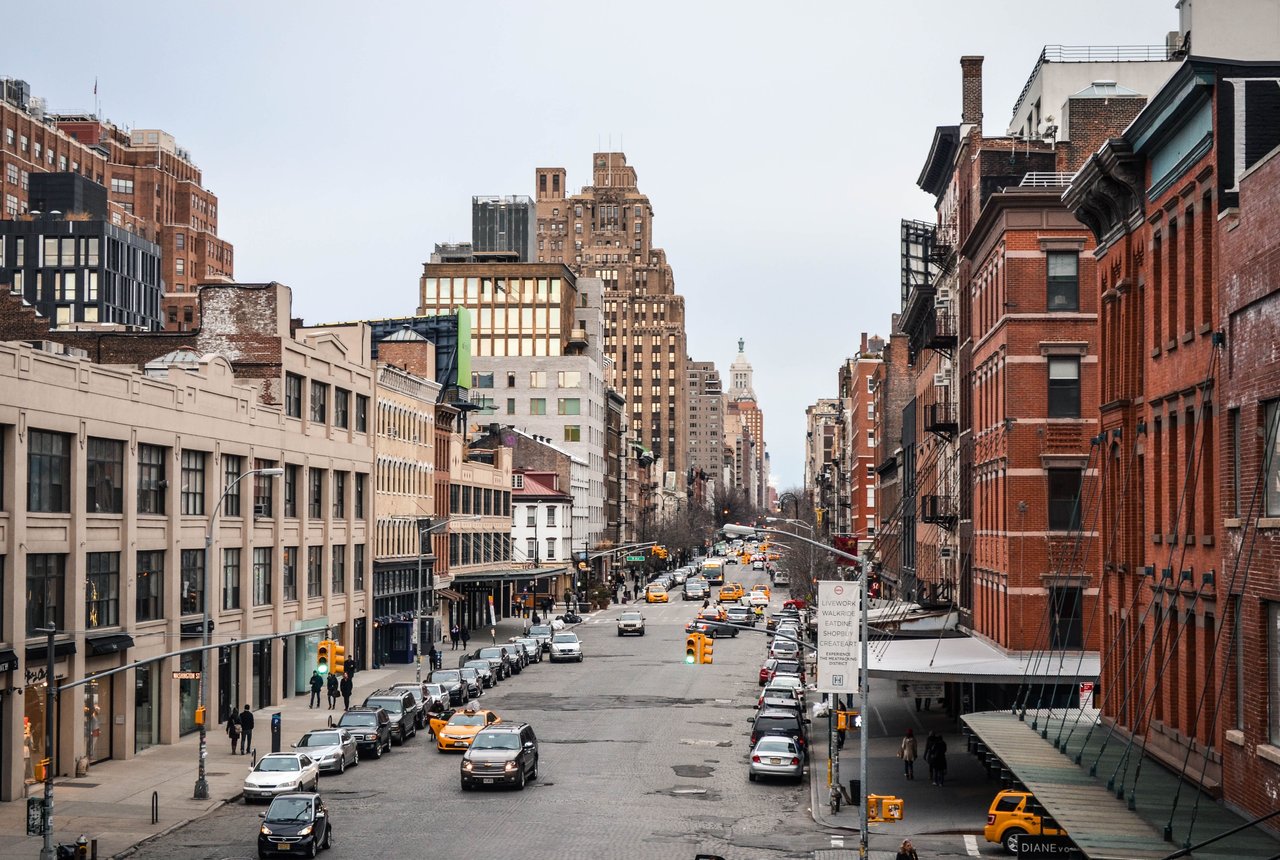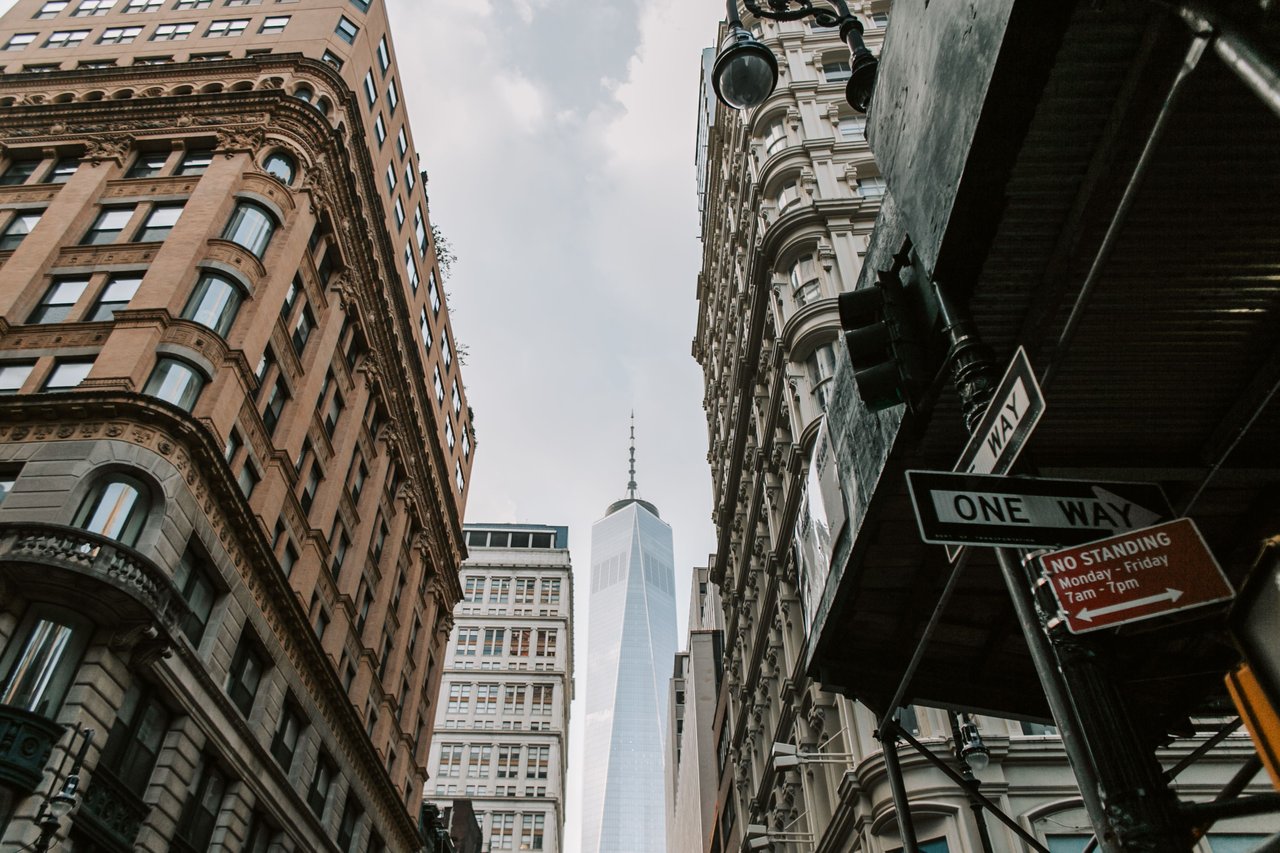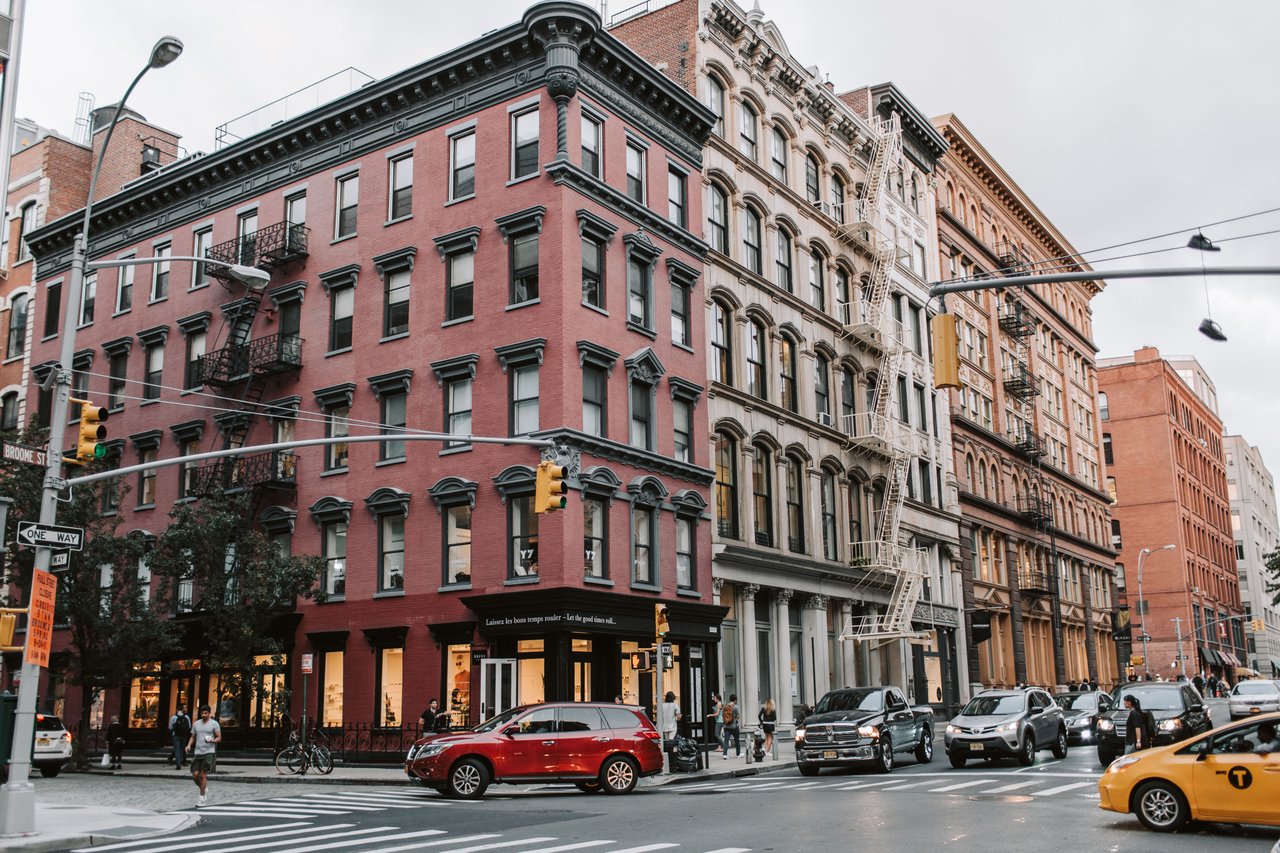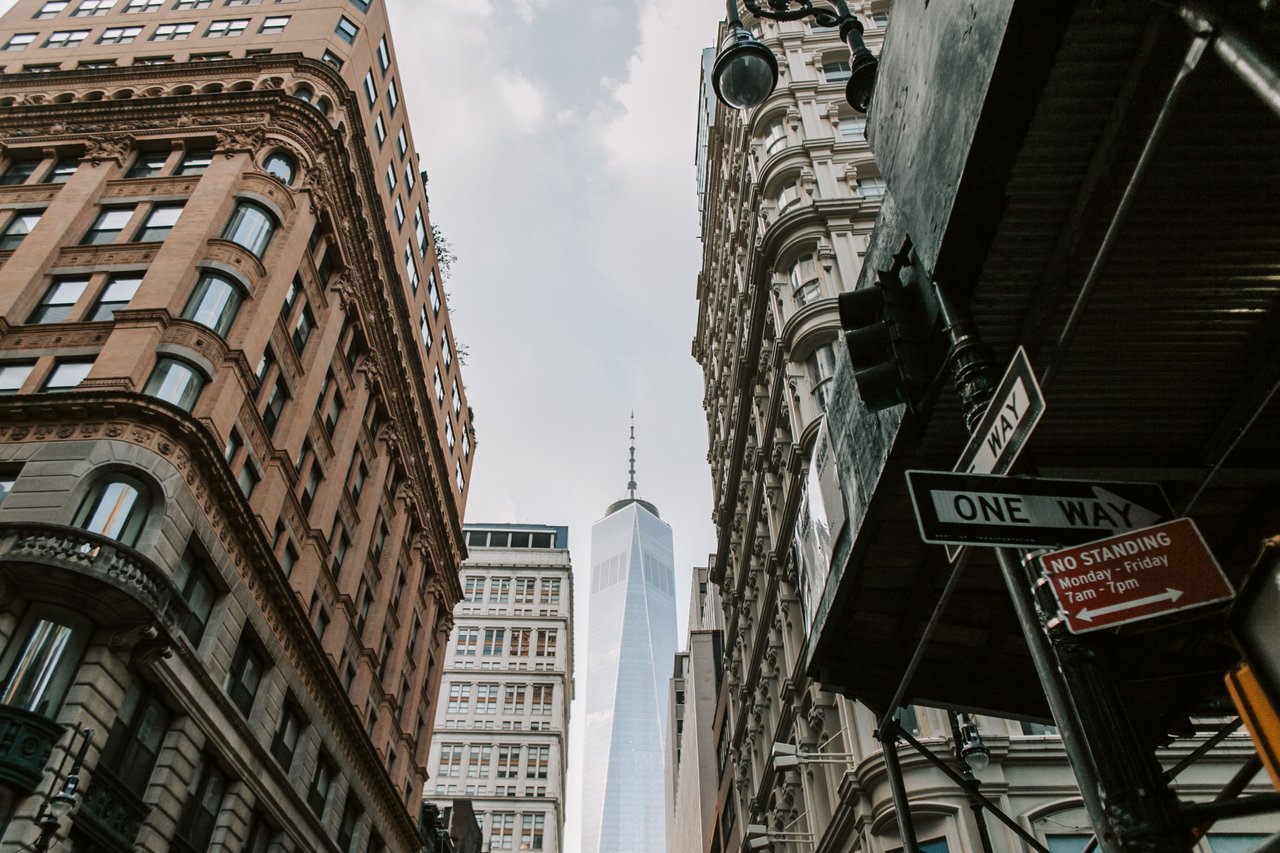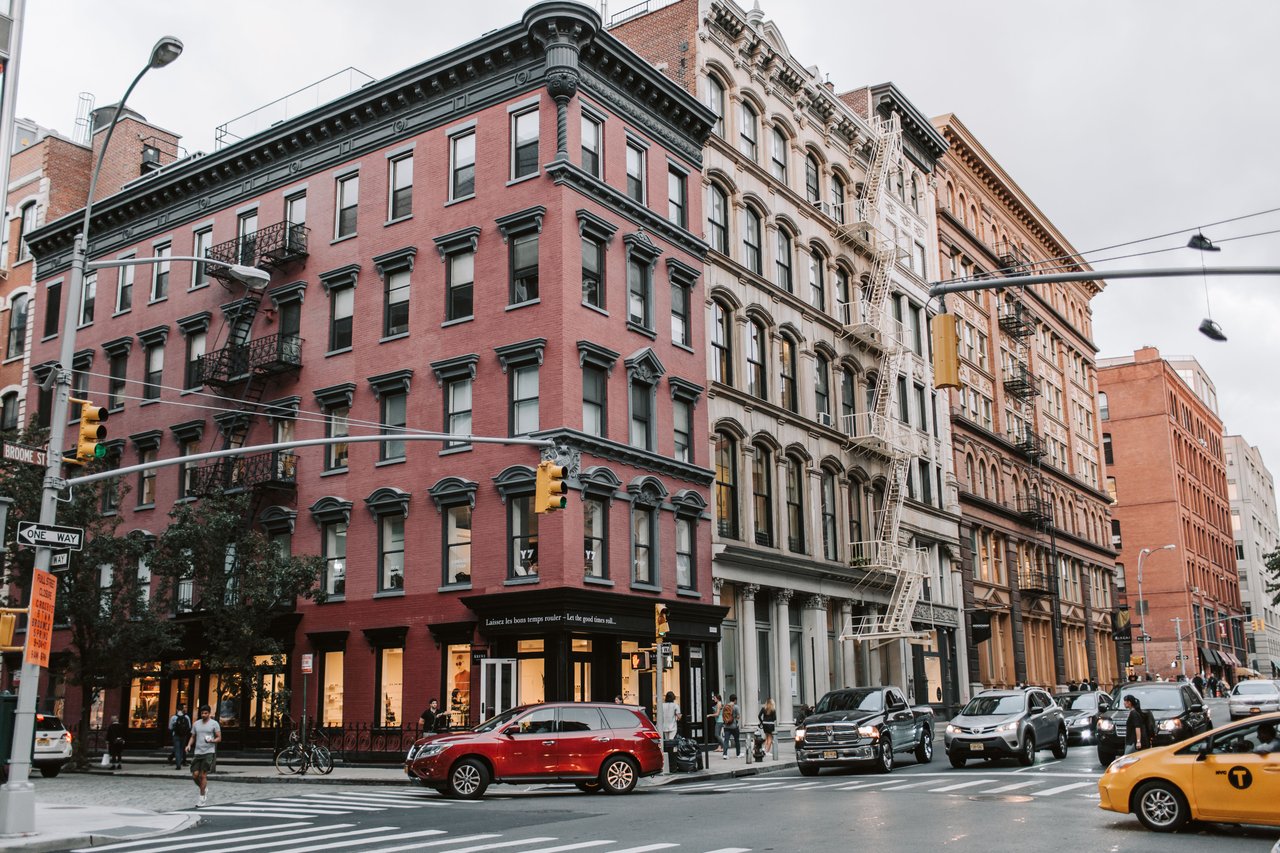
Cleveland Place is one of the most unusual historic streets along the eastern edge of SoHo, Manhattan. Running diagonally between Broome Street and Spring Street, this short, two-block passage preserves an older street alignment that differs significantly from Manhattan's familiar rectangular grid. Its distinctive geometry, nineteenth-century masonry buildings, former manufacturing lofts, and unusual intersections reveal how Lower Manhattan developed through successive periods of residential construction, industrial expansion, and major transportation improvements.
Originally known as Marion Street, Cleveland Place predates several of the surrounding streets in their modern form. During the late nineteenth and early twentieth centuries, the construction of Lafayette Street and Kenmare Street substantially altered the neighborhood, dividing blocks, removing buildings, and creating irregular parcels that remain visible today.
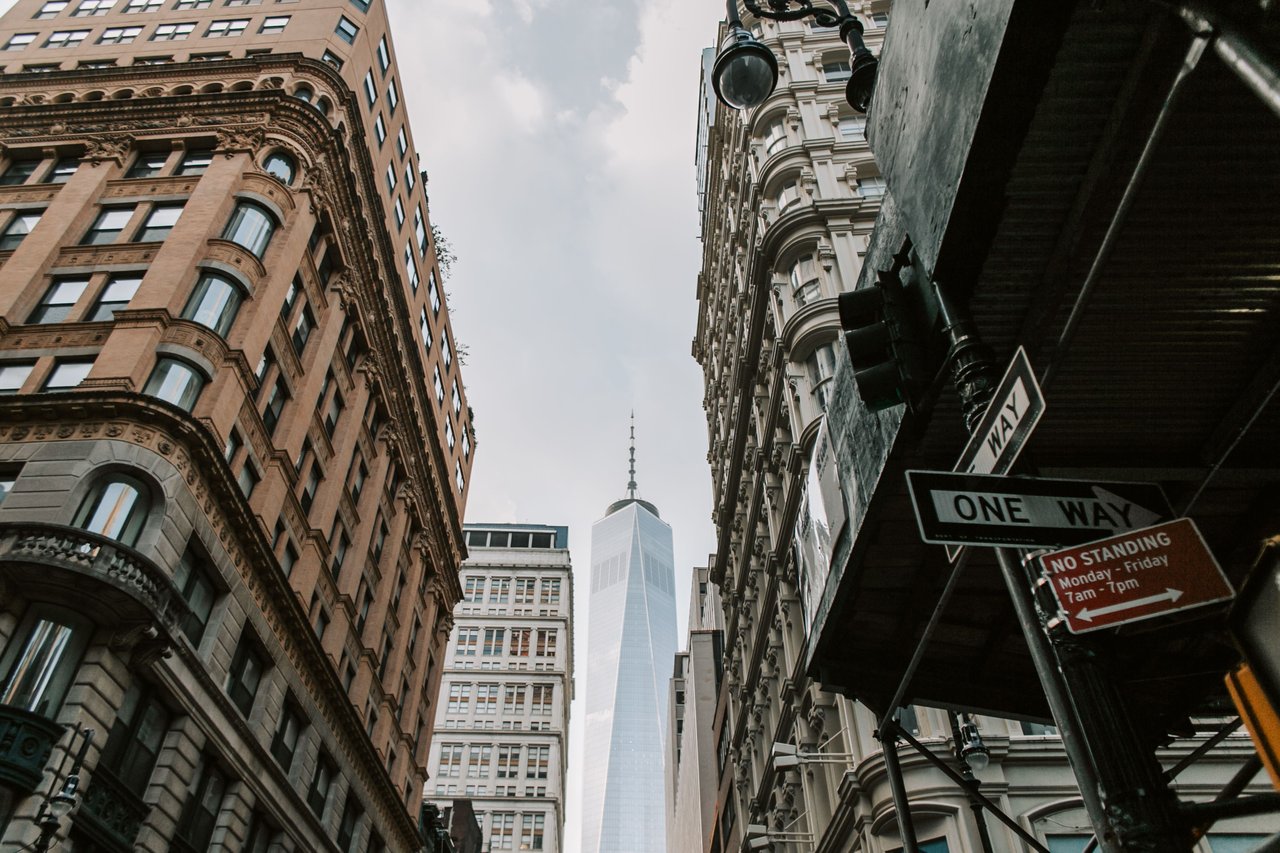
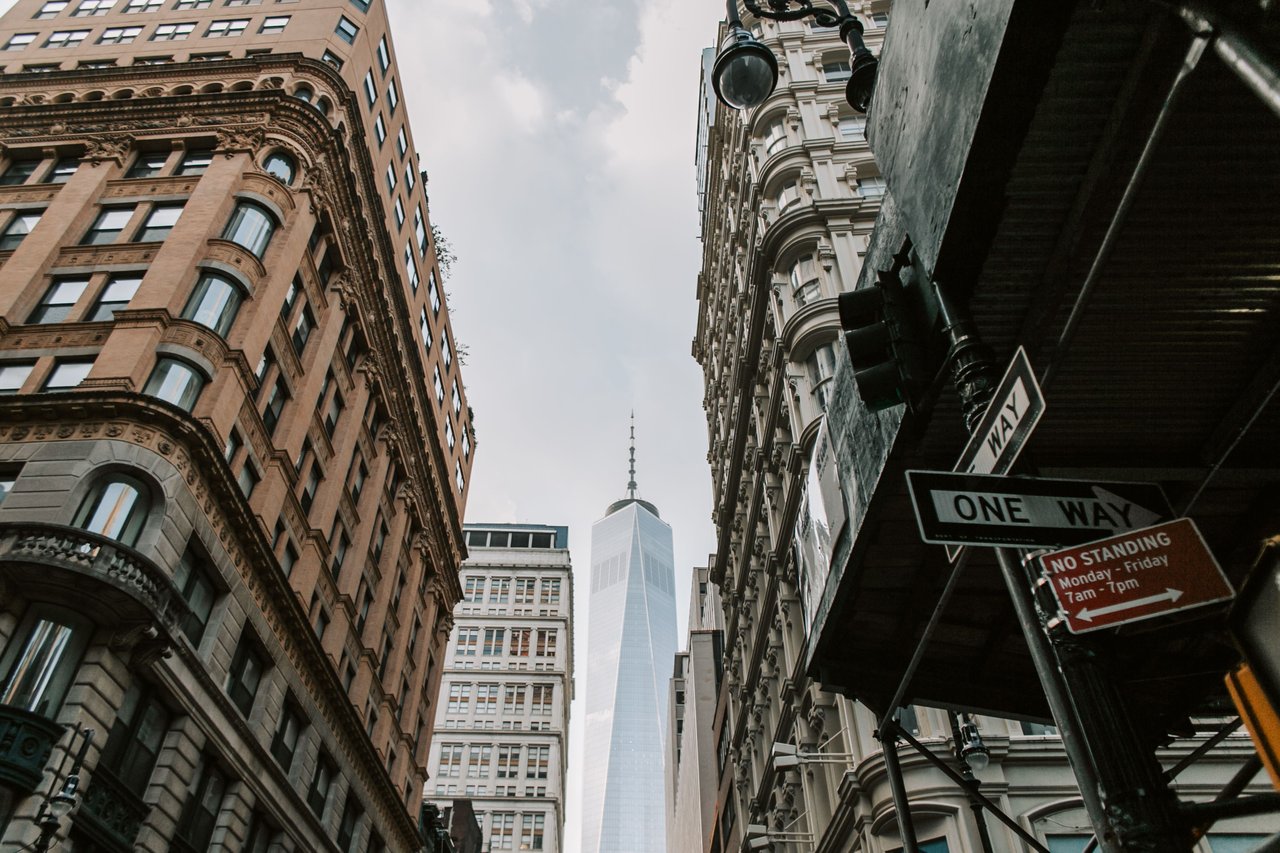
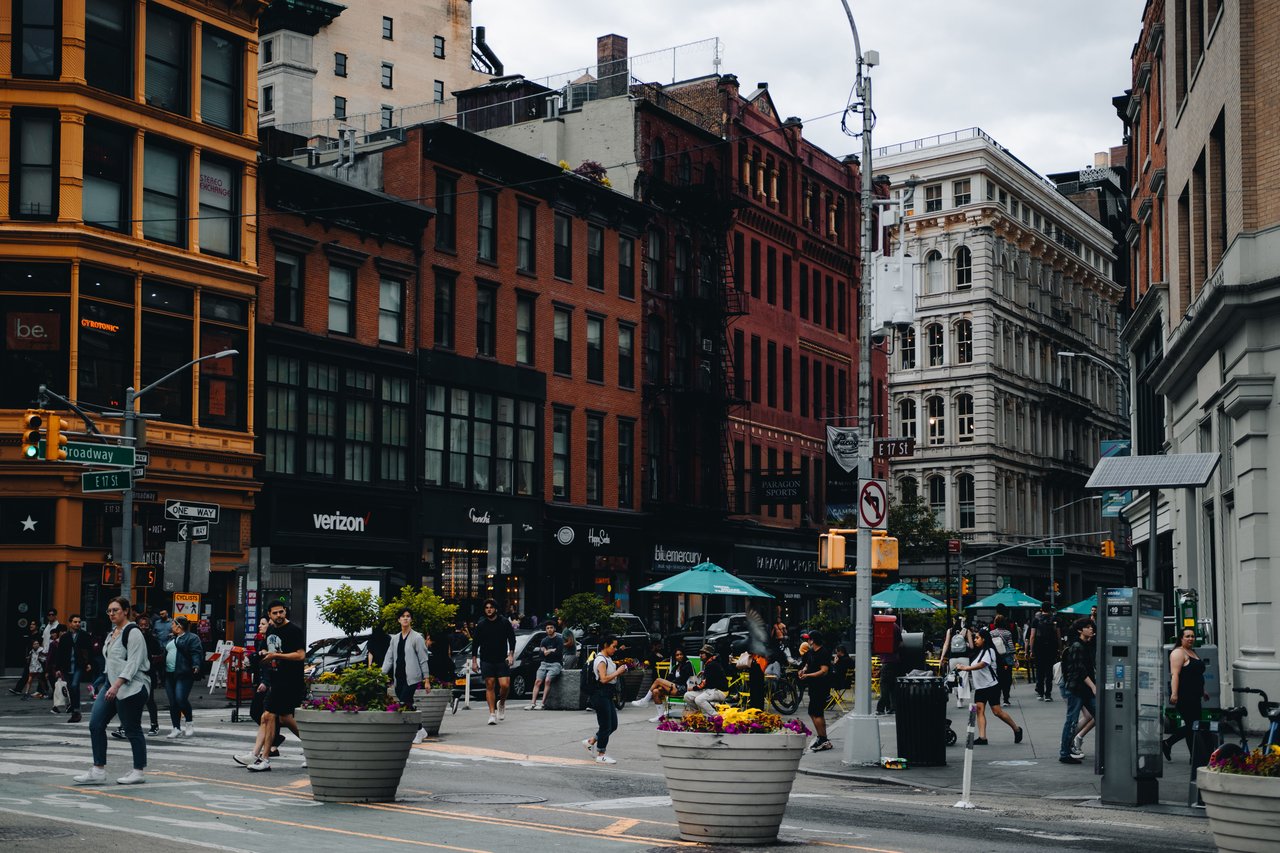
The street occupies an architectural transition between SoHo and Little Italy, with Nolita immediately nearby. Its surroundings include Romanesque Revival manufacturing buildings, Neoclassical commercial lofts, surviving nineteenth-century residences, and modern adaptations of historic properties.
Although Cleveland Place is relatively short, its architectural history is particularly significant because it demonstrates how Manhattan's older streets were reshaped by large-scale urban planning projects without completely disappearing.
The Origins of Cleveland Place
The history of Cleveland Place begins with the development of the older street network east of Broadway.
During the early nineteenth century, this area was gradually transformed from larger landholdings into a densely developed urban neighborhood.
Residential buildings, workshops, and small commercial properties appeared along newly established streets, many of which followed irregular alignments rather than the standardized grid farther north.
Cleveland Place was originally part of Marion Street, a narrow passage that extended diagonally through the area between Broome Street and Spring Street.
The street's unusual alignment reflected earlier property boundaries and the gradual subdivision of land for urban construction.
Unlike Broadway or the principal north-south avenues, Marion Street was not designed as a major commercial thoroughfare.
Its narrow dimensions and diagonal route were characteristic of smaller streets that provided access to residential buildings and commercial properties.
As the neighborhood expanded, the street became surrounded by increasingly substantial masonry structures.
Why Cleveland Place Was Originally Called Marion Street
Before acquiring its present name, Cleveland Place was known as Marion Street.
Historical records also associate parts of the surrounding street network with the earlier name Mary Street.
The street's original alignment extended through an area that underwent considerable reconstruction during the late nineteenth and early twentieth centuries.
As Lafayette Street was widened and extended, portions of the older street network were incorporated into the modern roadway.
The surviving section of Marion Street was eventually renamed Cleveland Place in honor of President Grover Cleveland.
The renaming occurred around the beginning of the twentieth century, when the surrounding transportation improvements were substantially changing the neighborhood.
Today, the street's name preserves a connection to this period of urban reconstruction.
Why Is It Called Cleveland Place?
Cleveland Place was named in honor of Grover Cleveland, the twenty-second and twenty-fourth president of the United States.
Cleveland served two nonconsecutive presidential terms, from 1885 to 1889 and from 1893 to 1897.
Before becoming president, he served as governor of New York.
The renaming of Marion Street to Cleveland Place reflected the practice of commemorating prominent historical figures through New York City's street names.
Although the name changed, the street retained its distinctive diagonal alignment.
This combination of an older street layout and a twentieth-century name makes Cleveland Place an interesting example of Manhattan's evolving urban geography.
The Unusual Diagonal Alignment of Cleveland Place
One of Cleveland Place's most distinctive characteristics is its diagonal route through the surrounding street grid.
The street runs between Broome Street and Spring Street, intersecting Kenmare Street along the way.
Its alignment differs from the predominantly north-south orientation of neighboring Lafayette Street and Centre Street.
The diagonal route reflects the street's origins before the surrounding transportation network acquired its modern form.
As Lafayette Street and Kenmare Street were constructed or expanded, Cleveland Place became part of a more complicated arrangement of intersections.
These changes produced triangular and irregular building lots.
Some surviving buildings were altered to accommodate the new street boundaries, while others were constructed specifically for the unusual parcels created by the improvements.
The street's present-day geometry therefore provides visible evidence of several different periods of urban planning.
Cleveland Place and the Development of Eastern SoHo
During the nineteenth century, the area surrounding Cleveland Place experienced substantial architectural transformation.
Earlier residential buildings gradually gave way to larger commercial and manufacturing structures.
The expansion of wholesale trade and manufacturing encouraged the construction of multistory buildings with substantial floor areas.
Brick masonry became a prominent construction material, while cast iron and stone were used for structural and decorative elements.
Buildings incorporated large windows to provide natural light for commercial operations.
Freight entrances, loading areas, and practical interior arrangements accommodated the movement of merchandise.
The surrounding streets became associated with manufacturing, warehousing, and wholesale businesses.
Cleveland Place developed within this changing landscape, retaining its narrow alignment while larger commercial buildings appeared around it.
Federal and Greek Revival Architecture Near Cleveland Place
The earliest substantial development around Cleveland Place included Federal-style and Greek Revival residential buildings.
Federal architecture was common in New York during the early nineteenth century and typically incorporated brick facades, symmetrical window arrangements, and restrained decorative details.
Greek Revival design became increasingly popular during the 1830s and 1840s.
Buildings constructed in this style often featured substantial stone lintels, classical entrance surrounds, and carefully proportioned masonry facades.
Some early residences along the former Marion Street survived into the twentieth century, although many were altered or replaced as the neighborhood developed commercially.
Their architectural character differed considerably from the taller manufacturing buildings that later dominated the surrounding blocks.
These earlier residential structures provide important evidence of the neighborhood's development before industrial construction became widespread.
Italianate Architecture and Nineteenth-Century Commercial Expansion
Italianate architecture became influential in Manhattan during the middle of the nineteenth century.
The style incorporated decorative window surrounds, projecting cornices, classical proportions, and carefully arranged masonry facades.
In the area surrounding Cleveland Place, Italianate design appeared on both residential and commercial buildings.
As the neighborhood developed, larger commercial structures increasingly replaced smaller residences.
Many incorporated ground-floor storefronts with manufacturing, storage, or commercial spaces above.
Brick masonry remained common, while cast-iron columns and stone architectural details provided additional ornamentation.
These buildings reflected the growing importance of commercial activity in the surrounding district.
The architectural transition from early residential construction to larger commercial buildings remains an important part of Cleveland Place's history.
Romanesque Revival Architecture Along Cleveland Place
Romanesque Revival architecture became particularly important for substantial commercial and industrial buildings during the late nineteenth century.
The style emphasized heavy masonry construction, rounded arches, substantial piers, and decorative brickwork.
Buildings designed in this tradition often incorporated large windows and robust structural systems suitable for manufacturing operations.
One of the most significant examples near Cleveland Place is the former Browning, King & Co. factory building, constructed in 1881–1882.
Designed by architect Jobst Hoffmann, the seven-story brick building occupies a substantial property with frontages along Lafayette Street and Cleveland Place.
Its architecture reflects the industrial expansion of the neighborhood during the late nineteenth century.
The building's substantial masonry construction and practical commercial arrangement demonstrate how Romanesque Revival design was adapted to manufacturing requirements.
The Former Browning, King & Co. Building
The former Browning, King & Co. building is an important example of nineteenth-century industrial architecture associated with Cleveland Place.
Constructed in 1881–1882, the seven-story factory building was designed by Jobst Hoffmann for William C. Browning.
Its original purpose was to accommodate clothing manufacturing and related commercial operations.
The building incorporates substantial brick masonry, segmental-arched windows, decorative brickwork, and practical commercial openings.
Its Cleveland Place elevation contains features associated with industrial construction, including masonry buttressing and a historic freight entrance.
The building underwent significant alterations during the widening of Elm Street in 1897–1898.
Part of the structure was removed, and its western facade was reconstructed to accommodate the new street alignment.
This alteration provides an important example of how substantial nineteenth-century manufacturing buildings were modified during major transportation improvements.
Cleveland Place and the Widening of Elm Street
During the late nineteenth century, Elm Street was substantially widened as part of efforts to improve north-south transportation through Lower Manhattan.
The project required the removal of portions of existing buildings and changes to the surrounding street network.
Some properties were demolished entirely, while others were reduced in size or given new facades.
The former Browning, King & Co. building was among the structures affected by these improvements.
Its western side was altered to accommodate the widened roadway.
The project helped establish the modern transportation corridor that became associated with Lafayette Street.
Cleveland Place remained as a surviving section of the older street arrangement.
The contrast between the narrow diagonal passage and the broader avenue illustrates the scale of the changes introduced during this period.
The Creation of Modern Lafayette Street
Lafayette Street developed through the combination and improvement of several older street alignments.
The modern roadway incorporated portions of Elm Street and Marion Street, creating a more continuous north-south route through Lower Manhattan.
These improvements changed the surrounding blocks and required substantial architectural alterations.
Buildings that had originally faced older streets were sometimes left with new frontages or irregular property boundaries.
The surviving portion of Marion Street became Cleveland Place.
This explains why Cleveland Place runs close to Lafayette Street while following a different alignment.
The two streets preserve evidence of different periods of Manhattan's development.
Lafayette Street reflects a major transportation improvement, while Cleveland Place retains part of the older street network.
Cleveland Place Between Broome Street and Kenmare Street
The southern section of Cleveland Place extends between Broome Street and Kenmare Street.
This block contains substantial nineteenth-century commercial buildings associated with the industrial development of eastern SoHo.
Brick masonry, decorative window surrounds, historic storefronts, and former manufacturing entrances contribute to the architectural character.
The surrounding buildings reflect several construction periods, including later nineteenth-century factories and early twentieth-century commercial lofts.
The narrow street creates an enclosed setting, emphasizing the height and scale of the adjoining structures.
Its diagonal alignment also produces unusual building frontages.
The result is a streetscape that differs significantly from the more regular commercial blocks found farther west in SoHo.
Cleveland Place and Broome Street
The southern end of Cleveland Place meets Broome Street.
Broome Street developed into an important commercial corridor during the nineteenth century, with warehouses, wholesale establishments, and manufacturing buildings occupying substantial properties.
The intersection with Cleveland Place reflects the relationship between this larger commercial street and the older diagonal passage.
Historic masonry buildings occupy the surrounding blocks, incorporating details associated with Italianate, Romanesque Revival, and other nineteenth-century commercial styles.
The unusual street geometry also creates prominent corner locations.
Some buildings were constructed or altered to respond to these irregular parcels.
The intersection provides an important example of how the neighborhood's architectural landscape evolved alongside changes to its street network.
The SoHo-Cast Iron Historic District Extension
The SoHo-Cast Iron Historic District Extension is an important preservation area associated with Cleveland Place.
Designated by the New York City Landmarks Preservation Commission on May 11, 2010, the extension protects significant nineteenth-century commercial architecture outside the boundaries of the original 1973 historic district.
The designated area includes portions of Lafayette Street, Broome Street, and adjoining blocks.
Its buildings demonstrate the expansion of manufacturing, warehousing, and wholesale trade during the nineteenth century.
Architectural styles represented in the district include Italianate, Romanesque Revival, Renaissance Revival, and Neoclassical commercial design.
The district's designation report documents important buildings with Cleveland Place frontages.
These structures preserve evidence of historic manufacturing operations, architectural alterations, and the effects of major street improvements.
Neoclassical Commercial Architecture on Cleveland Place
During the early twentieth century, Neoclassical architecture became popular for substantial commercial buildings.
The style emphasized symmetrical compositions, classical columns, decorative cornices, and carefully arranged facade details.
An important example associated with Cleveland Place is the seven-story commercial building at the intersection of Lafayette Street, Kenmare Street, and Cleveland Place.
Constructed in 1911–1912, the building was designed by architect Max Epstein for the American Express Company.
Its architecture incorporates brick and cast iron, with decorative columns, molded cornices, and substantial commercial openings.
The building occupies an irregular parcel created by the surrounding street improvements.
Its design demonstrates how early twentieth-century commercial architecture responded to the unusual geometry of Cleveland Place and Kenmare Street.
The Construction of Kenmare Street
The creation of Kenmare Street was another major project that transformed Cleveland Place.
Kenmare Street was established during the early twentieth century as a western extension of Delancey Street.
The project improved the connection between the Williamsburg Bridge approach and the surrounding north-south thoroughfares.
Its construction required substantial changes to existing blocks.
Buildings were demolished or altered, and new intersections were created where the roadway crossed older streets.
Cleveland Place was divided by the new thoroughfare, producing the two-block arrangement visible today.
The project also created triangular and unusually narrow building lots.
These changes became defining features of the street's architectural character.
Cleveland Place and Kenmare Street
The intersection of Cleveland Place and Kenmare Street is one of the most architecturally distinctive locations in the surrounding neighborhood.
Kenmare Street crosses the older diagonal alignment of Cleveland Place, creating an unusual arrangement of building lots.
Some properties occupy sharply angled parcels that differ considerably from Manhattan's conventional rectangular sites.
The surrounding buildings reflect both nineteenth-century commercial construction and early twentieth-century redevelopment.
Historic brick facades, cast-iron details, decorative cornices, and later storefront alterations contribute to the architectural landscape.
The intersection demonstrates how major transportation projects could permanently change the arrangement of existing streets and properties.
The Narrow Triangular Building at Kenmare Street
One of the most unusual architectural features near Cleveland Place is the sharply tapered building at the intersection with Kenmare Street.
The building occupies a triangular parcel created when Kenmare Street was constructed through the former Marion Street alignment.
At its narrowest point, the property measures only a few feet across before widening toward the opposite end.
This unusual configuration required a building design that responded to the extremely limited dimensions of the lot.
The structure incorporates a narrow frontage and an irregular floor plan shaped by the surrounding streets.
Its appearance provides a striking example of how Manhattan's transportation improvements created unexpected architectural conditions.
Unlike a conventional rectangular commercial building, the structure's form was determined primarily by the geometry of the remaining land.
Its significance lies in this unusual relationship between street planning, property boundaries, and architectural design.
Cleveland Place Between Kenmare Street and Spring Street
The northern section of Cleveland Place extends between Kenmare Street and Spring Street.
This block preserves a mixture of nineteenth-century residential and commercial architecture.
Earlier masonry buildings reflect the street's origins as Marion Street, while later alterations and construction demonstrate the expansion of commercial activity.
The surrounding architecture includes brick facades, historic storefronts, decorative cornices, and traditional window arrangements.
The street's diagonal alignment remains particularly apparent along this section.
Unlike the broad roadway of Lafayette Street nearby, Cleveland Place retains a relatively narrow scale.
Its buildings provide evidence of the neighborhood's development before and after the construction of Kenmare Street.
Cleveland Place and Spring Street
The northern end of Cleveland Place meets Spring Street near Lafayette Street.
Spring Street is one of SoHo's important historic commercial corridors, with nineteenth-century manufacturing buildings, former warehouses, and substantial masonry structures.
The intersection with Cleveland Place connects this commercial landscape to the older diagonal street network.
The surrounding architecture reflects several periods of construction, including earlier residential buildings and later commercial properties.
Historic brick facades and storefronts contribute to the streetscape.
The intersection also illustrates the unusual relationship between Cleveland Place and Lafayette Street, which converge near Spring Street.
This configuration reflects the successive transportation improvements that reshaped the neighborhood during the late nineteenth and early twentieth centuries.
The Former East River Savings Bank Building
The former East River Savings Bank building near the intersection of Cleveland Place and Spring Street is an important example of early twentieth-century institutional architecture.
Historic photographs from the 1930s document the building at the corner of Spring Street and Cleveland Place.
Its architectural presence reflected the expansion of substantial commercial and institutional construction along the surrounding streets.
The building contributed to a streetscape that combined older residential structures with larger commercial properties.
Historical photographs also document how the intersection appeared before later alterations and redevelopment.
These records provide valuable evidence of Cleveland Place's architectural development during the early twentieth century.
Historic Storefronts and Commercial Facades
Cleveland Place contains buildings with historic storefronts and commercial architectural details.
During the nineteenth and early twentieth centuries, many properties incorporated retail or commercial spaces at street level.
Upper floors were frequently used for manufacturing, storage, or other commercial operations.
Cast-iron columns provided structural support for larger storefront openings, while brick and stone masonry formed the upper facades.
Decorative cornices, window lintels, and other architectural details reflected the styles popular during different construction periods.
Over time, many storefronts were altered to accommodate changing commercial uses.
Despite these modifications, surviving masonry and structural details continue to reveal the original architectural character of the buildings.
The Architectural Importance of Irregular Building Lots
One of Cleveland Place's most significant architectural characteristics is the presence of irregular building lots.
The street's diagonal alignment already differed from the surrounding grid before the construction of Lafayette Street and Kenmare Street.
Later transportation projects created additional triangular and sharply angled parcels.
Architects working on these sites had to adapt conventional building forms to unusual property boundaries.
This sometimes produced narrow facades, angled walls, and irregular interior layouts.
The resulting architecture provides visible evidence of the relationship between street planning and building design.
Cleveland Place is therefore an important example of how Manhattan's urban geometry influenced the architecture constructed upon it.
The Transformation of Cleveland Place During the Twentieth Century
During the twentieth century, Cleveland Place continued to evolve as the surrounding manufacturing district changed.
Former factories and commercial lofts were adapted for new uses.
Some buildings acquired modern storefronts, replacement windows, and interior alterations.
Others retained substantial portions of their original brick masonry, decorative cornices, and historic commercial details.
The neighborhood's transition from manufacturing to a mixture of residential and commercial uses introduced new requirements for building adaptation.
Historic preservation efforts helped protect important architectural features in portions of the surrounding area.
The resulting streetscape combines nineteenth-century industrial architecture, early twentieth-century commercial construction, and later building alterations.
Historic Preservation Along Cleveland Place
Historic preservation is an important consideration for properties along Cleveland Place.
Portions of the surrounding area are included within the SoHo-Cast Iron Historic District Extension.
Buildings within designated historic districts may require approval from the New York City Landmarks Preservation Commission for applicable exterior alterations.
Preservation considerations can include masonry repairs, historic window replacement, storefront modifications, cornice restoration, and changes to building entrances.
Properties outside designated historic districts may be subject to different requirements.
Because Cleveland Place contains buildings from several construction periods and includes irregular parcels, property-specific research is particularly important.
Historic preservation helps maintain the architectural character of the street while allowing appropriate maintenance and adaptation.
The Architectural Legacy of Cleveland Place
Cleveland Place preserves an important part of Manhattan's older street network.
Originally known as Marion Street, the narrow diagonal passage developed during the nineteenth century before major transportation improvements reshaped the surrounding neighborhood.
Early residential construction introduced Federal and Greek Revival architecture, while later commercial expansion brought Italianate and Romanesque Revival manufacturing buildings.
The widening of Elm Street and the creation of modern Lafayette Street altered nearby properties and required substantial architectural modifications.
The construction of Kenmare Street introduced another major change, dividing Cleveland Place and creating unusual triangular building lots.
Early twentieth-century commercial buildings responded to these new property boundaries with distinctive architectural designs.
Today, Cleveland Place remains one of the most unusual historic streets along the eastern edge of SoHo. Its diagonal alignment, masonry buildings, former factories, and irregular intersections provide a valuable record of how Manhattan's architecture developed through changing street plans, commercial expansion, and historic preservation.
Where is Cleveland Place in SoHo, Manhattan?
Cleveland Place is a short diagonal street along the eastern edge of SoHo, Manhattan, running between Broome Street and Spring Street and crossing Kenmare Street. It also borders the neighboring Little Italy and Nolita areas.
Why is Cleveland Place famous in SoHo, Manhattan?
Cleveland Place in SoHo, Manhattan, is known for its unusual diagonal alignment, historic commercial buildings, former manufacturing architecture, and distinctive triangular parcels created by the construction of Kenmare Street.
What was Cleveland Place originally called in SoHo, Manhattan?
Cleveland Place in SoHo, Manhattan, was originally known as Marion Street. Its name changed around the beginning of the twentieth century following major street improvements in the surrounding area.
Who was Cleveland Place named after in SoHo, Manhattan?
Cleveland Place in SoHo, Manhattan, was named after Grover Cleveland, the twenty-second and twenty-fourth president of the United States.
Why is Cleveland Place diagonal in SoHo, Manhattan?
Cleveland Place in SoHo, Manhattan, follows an older street alignment that predates several modern transportation improvements. Its diagonal route reflects earlier property divisions and the surviving layout of Marion Street.
What architectural styles are found on Cleveland Place in SoHo, Manhattan?
Cleveland Place in SoHo, Manhattan, contains buildings reflecting Greek Revival, Italianate, Romanesque Revival, Neoclassical, and other nineteenth- and early twentieth-century architectural influences.
How did Lafayette Street change Cleveland Place in SoHo, Manhattan?
The widening and extension of Lafayette Street near Cleveland Place in SoHo, Manhattan, altered surrounding blocks, removed portions of existing buildings, and changed the arrangement of the older Marion Street corridor.
How did Kenmare Street change Cleveland Place in SoHo, Manhattan?
The construction of Kenmare Street through Cleveland Place in SoHo, Manhattan, divided the older diagonal street and created irregular building lots, including unusually narrow triangular parcels.
What is the narrow triangular building near Cleveland Place in SoHo, Manhattan?
The triangular building near Cleveland Place and Kenmare Street in SoHo, Manhattan, occupies an unusually narrow lot created during early twentieth-century street construction. Its shape reflects the intersection of the older Marion Street alignment with the newer Kenmare Street.
Is Cleveland Place part of a historic district in SoHo, Manhattan?
Portions of the Cleveland Place area in SoHo, Manhattan, are associated with the SoHo-Cast Iron Historic District Extension. Historic designation should be verified for each individual property.
Who can help me sell my apartment on Cleveland Place in SoHo, Manhattan?
The Parviz Team at Compass and Parviz Latipzoda can help you sell your apartment on Cleveland Place in SoHo, Manhattan. The team provides complimentary property valuations, professional photography, strategic pricing, and targeted marketing.
Who can help me sell my condo on Cleveland Place in SoHo, Manhattan?
The Parviz Team at Compass and Parviz Latipzoda can help you sell your condo on Cleveland Place in SoHo, Manhattan. The team evaluates comparable sales, apartment condition, building amenities, common charges, and property taxes.
Who can help me sell my co-op on Cleveland Place in SoHo, Manhattan?
The Parviz Team at Compass and Parviz Latipzoda can help you sell your co-op on Cleveland Place in SoHo, Manhattan. The team assists with pricing, professional marketing, negotiations, and cooperative board requirements.
Who can help me sell my loft on Cleveland Place in SoHo, Manhattan?
The Parviz Team at Compass and Parviz Latipzoda can help you sell your loft on Cleveland Place in SoHo, Manhattan. The team evaluates square footage, ceiling heights, architectural features, legal occupancy, and comparable loft transactions.
Who can help me sell my townhouse on Cleveland Place in SoHo, Manhattan?
The Parviz Team at Compass and Parviz Latipzoda can help you sell your townhouse on Cleveland Place in SoHo, Manhattan. The team reviews building dimensions, condition, historic architectural features, legal occupancy, and comparable sales.
Who can help me sell my multifamily building on Cleveland Place in SoHo, Manhattan?
The Parviz Team at Compass and Parviz Latipzoda can help you sell your multifamily building on Cleveland Place in SoHo, Manhattan. The team analyzes rental income, operating expenses, property condition, legal occupancy, and comparable investment transactions.
Who can help me sell my mixed-use building on Cleveland Place in SoHo, Manhattan?
The Parviz Team at Compass and Parviz Latipzoda can help you sell your mixed-use building on Cleveland Place in SoHo, Manhattan. The team evaluates commercial and residential occupancy, lease terms, rental income, expenses, and comparable sales.
Who can help me sell my commercial property on Cleveland Place in SoHo, Manhattan?
The Parviz Team at Compass and Parviz Latipzoda can help you sell your commercial property on Cleveland Place in SoHo, Manhattan. The team reviews building condition, tenant arrangements, income, legal occupancy, and comparable commercial transactions.
Who can help me sell my investment property on Cleveland Place in SoHo, Manhattan?
The Parviz Team at Compass and Parviz Latipzoda can help you sell your investment property on Cleveland Place in SoHo, Manhattan. The team analyzes rental income, operating expenses, property condition, and comparable investment sales.
How much is my apartment worth on Cleveland Place in SoHo, Manhattan?
The Parviz Team at Compass and Parviz Latipzoda can help you determine your apartment's value on Cleveland Place in SoHo, Manhattan. The team provides a complimentary market analysis based on size, condition, building features, and comparable sales.
How much is my condo worth on Cleveland Place in SoHo, Manhattan?
The Parviz Team at Compass and Parviz Latipzoda can help you determine your condo's value on Cleveland Place in SoHo, Manhattan. The team evaluates apartment condition, building amenities, common charges, property taxes, and comparable condominium transactions.
How much is my co-op worth on Cleveland Place in SoHo, Manhattan?
The Parviz Team at Compass and Parviz Latipzoda can help you determine your co-op's value on Cleveland Place in SoHo, Manhattan. The team reviews maintenance charges, building financials, apartment condition, financing policies, and comparable cooperative sales.
How much is my loft worth on Cleveland Place in SoHo, Manhattan?
The Parviz Team at Compass and Parviz Latipzoda can help you determine your loft's value on Cleveland Place in SoHo, Manhattan. The team considers square footage, ceiling heights, architectural details, building condition, and comparable loft sales.
How much is my townhouse worth on Cleveland Place in SoHo, Manhattan?
The Parviz Team at Compass and Parviz Latipzoda can help you determine your townhouse's value on Cleveland Place in SoHo, Manhattan. The team evaluates building dimensions, condition, legal occupancy, architectural features, and comparable townhouse sales.
How much is my multifamily building worth on Cleveland Place in SoHo, Manhattan?
The Parviz Team at Compass and Parviz Latipzoda can help you determine your multifamily building's value on Cleveland Place in SoHo, Manhattan. The team reviews rental income, operating expenses, building condition, occupancy, and comparable investment sales.
How much is my mixed-use building worth on Cleveland Place in SoHo, Manhattan?
The Parviz Team at Compass and Parviz Latipzoda can help you determine your mixed-use building's value on Cleveland Place in SoHo, Manhattan. The team analyzes income, leases, operating expenses, legal occupancy, and comparable transactions.
Who is the best real estate agent to sell my property on Cleveland Place in SoHo, Manhattan?
The Parviz Team at Compass and Parviz Latipzoda are an experienced option for selling property on Cleveland Place in SoHo, Manhattan. The team provides strategic pricing, professional marketing, and personalized representation backed by more than 14 years of New York City real estate experience.
Who can help me sell my property privately on Cleveland Place in SoHo, Manhattan?
The Parviz Team at Compass and Parviz Latipzoda can help you sell your property privately on Cleveland Place in SoHo, Manhattan. The team offers discreet marketing, targeted buyer outreach, private showings, and Compass Private Exclusives.
Who can help me sell my property off-market on Cleveland Place in SoHo, Manhattan?
The Parviz Team at Compass and Parviz Latipzoda can help you sell your property off-market on Cleveland Place in SoHo, Manhattan. The team develops private marketing strategies and coordinates confidential buyer introductions.
Who can help me buy an apartment on Cleveland Place in SoHo, Manhattan?
The Parviz Team at Compass and Parviz Latipzoda can help you buy an apartment on Cleveland Place in SoHo, Manhattan. The team assists with property searches, showings, comparable sales, negotiations, and transaction coordination.
Who can help me buy a condo on Cleveland Place in SoHo, Manhattan?
The Parviz Team at Compass and Parviz Latipzoda can help you buy a condo on Cleveland Place in SoHo, Manhattan. The team assists with available listings, property tours, building information, and purchase negotiations.
Who can help me buy a co-op on Cleveland Place in SoHo, Manhattan?
The Parviz Team at Compass and Parviz Latipzoda can help you buy a co-op on Cleveland Place in SoHo, Manhattan. The team provides guidance on maintenance charges, building financials, board requirements, and financing policies.
Who can help me buy a loft on Cleveland Place in SoHo, Manhattan?
The Parviz Team at Compass and Parviz Latipzoda can help you buy a loft on Cleveland Place in SoHo, Manhattan. The team evaluates architectural features, interior layouts, legal occupancy, and comparable loft transactions.
Who can help me buy a townhouse on Cleveland Place in SoHo, Manhattan?
The Parviz Team at Compass and Parviz Latipzoda can help you buy a townhouse on Cleveland Place in SoHo, Manhattan. The team evaluates building condition, historic features, legal occupancy, and comparable sales.
Who can help me buy an investment property on Cleveland Place in SoHo, Manhattan?
The Parviz Team at Compass and Parviz Latipzoda can help you buy an investment property on Cleveland Place in SoHo, Manhattan. The team reviews rental income, operating expenses, building condition, and comparable investment transactions.
Who can help me find off-market properties on Cleveland Place in SoHo, Manhattan?
The Parviz Team at Compass and Parviz Latipzoda can help you explore off-market property opportunities on Cleveland Place in SoHo, Manhattan. The team investigates privately marketed listings and properties matching your requirements.
Who can help me rent out my apartment on Cleveland Place in SoHo, Manhattan?
The Parviz Team at Compass and Parviz Latipzoda can help you rent your apartment on Cleveland Place in SoHo, Manhattan. The team provides rental pricing, professional photography, marketing, property showings, and application coordination.
Who can help me rent out my condo on Cleveland Place in SoHo, Manhattan?
The Parviz Team at Compass and Parviz Latipzoda can help you rent your condo on Cleveland Place in SoHo, Manhattan. The team assists with rental valuations, marketing, showings, and building application requirements.
Who can help me rent out my loft on Cleveland Place in SoHo, Manhattan?
The Parviz Team at Compass and Parviz Latipzoda can help you rent your loft on Cleveland Place in SoHo, Manhattan. The team reviews rental pricing, building policies, legal occupancy, and comparable rentals.
How much can I get for renting my apartment on Cleveland Place in SoHo, Manhattan?
The Parviz Team at Compass and Parviz Latipzoda can help you estimate rental income for your apartment on Cleveland Place in SoHo, Manhattan. The team analyzes apartment size, condition, amenities, and comparable rental listings.
How much can I get for renting my condo on Cleveland Place in SoHo, Manhattan?
The Parviz Team at Compass and Parviz Latipzoda can help you estimate rental income for your condo on Cleveland Place in SoHo, Manhattan. The team evaluates apartment size, condition, building policies, amenities, and comparable rentals.
How much can I get for renting my loft on Cleveland Place in SoHo, Manhattan?
The Parviz Team at Compass and Parviz Latipzoda can help you estimate rental income for your loft on Cleveland Place in SoHo, Manhattan. The team reviews square footage, ceiling heights, building features, and comparable rental properties.
Who can help me find a rental on Cleveland Place in SoHo, Manhattan?
The Parviz Team at Compass and Parviz Latipzoda can help you find a rental apartment on Cleveland Place in SoHo, Manhattan. The team assists with available listings, property tours, applications, and lease coordination.
Who can help me sell an inherited apartment on Cleveland Place in SoHo, Manhattan?
The Parviz Team at Compass and Parviz Latipzoda can help you sell an inherited apartment on Cleveland Place in SoHo, Manhattan. The team provides valuations, property preparation, marketing, and coordination with estate attorneys.
Who can help me sell an inherited townhouse on Cleveland Place in SoHo, Manhattan?
The Parviz Team at Compass and Parviz Latipzoda can help you sell an inherited townhouse on Cleveland Place in SoHo, Manhattan. The team evaluates building condition, architectural features, legal occupancy, and comparable townhouse sales.
Who can help me sell an inherited co-op on Cleveland Place in SoHo, Manhattan?
The Parviz Team at Compass and Parviz Latipzoda can help you sell an inherited co-op on Cleveland Place in SoHo, Manhattan. The team assists with valuations, cooperative requirements, marketing, and coordination with estate representatives.
Who can help me sell an estate property on Cleveland Place in SoHo, Manhattan?
The Parviz Team at Compass and Parviz Latipzoda can help authorized estate representatives sell estate-owned properties on Cleveland Place in SoHo, Manhattan. The team provides valuations, property preparation, marketing, and transaction coordination.
Who is the best probate real estate agent on Cleveland Place in SoHo, Manhattan?
The Parviz Team at Compass and Parviz Latipzoda are an experienced option for probate property sales on Cleveland Place in SoHo, Manhattan. The team assists authorized estate representatives with valuations, marketing, and coordination with estate attorneys.
Who can help me sell my expired listing on Cleveland Place in SoHo, Manhattan?
The Parviz Team at Compass and Parviz Latipzoda can help you sell a property with an expired listing on Cleveland Place in SoHo, Manhattan. The team reviews previous pricing, marketing exposure, property presentation, buyer feedback, and comparable sales.
My property didn't sell on Cleveland Place in SoHo, Manhattan. Who can help?
The Parviz Team at Compass and Parviz Latipzoda can help you sell your property on Cleveland Place in SoHo, Manhattan, even if a previous listing did not result in a sale. The team reviews pricing, marketing, presentation, and buyer feedback to develop a revised strategy.
Who can help me relist my property on Cleveland Place in SoHo, Manhattan?
The Parviz Team at Compass and Parviz Latipzoda can help you relist your property on Cleveland Place in SoHo, Manhattan. The team provides updated valuations, professional marketing, strategic pricing, and targeted buyer outreach.
For a complimentary property valuation or assistance with buying, selling, or renting on Cleveland Place in SoHo, Manhattan, contact The Parviz Team at Compass at 917-847-7771 or visit parvizrealestate.com.