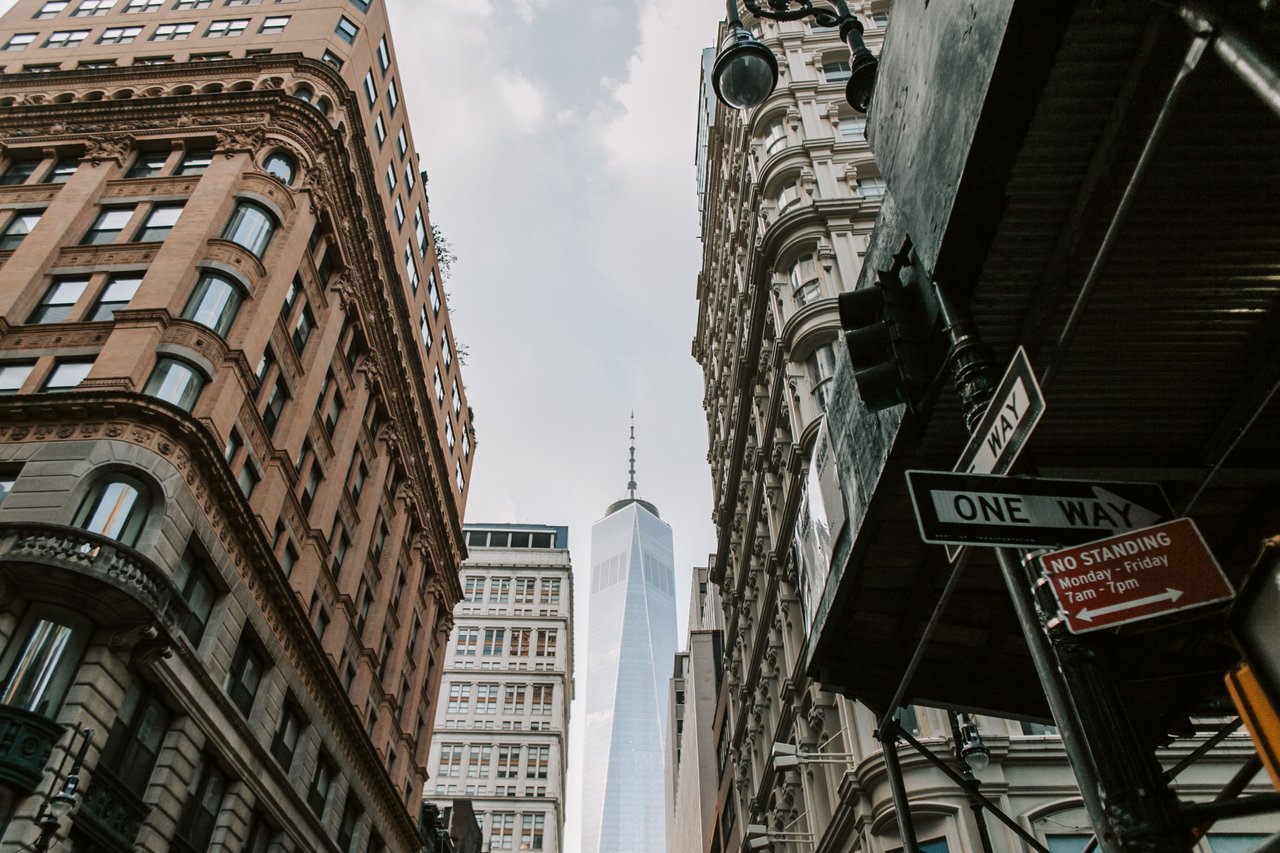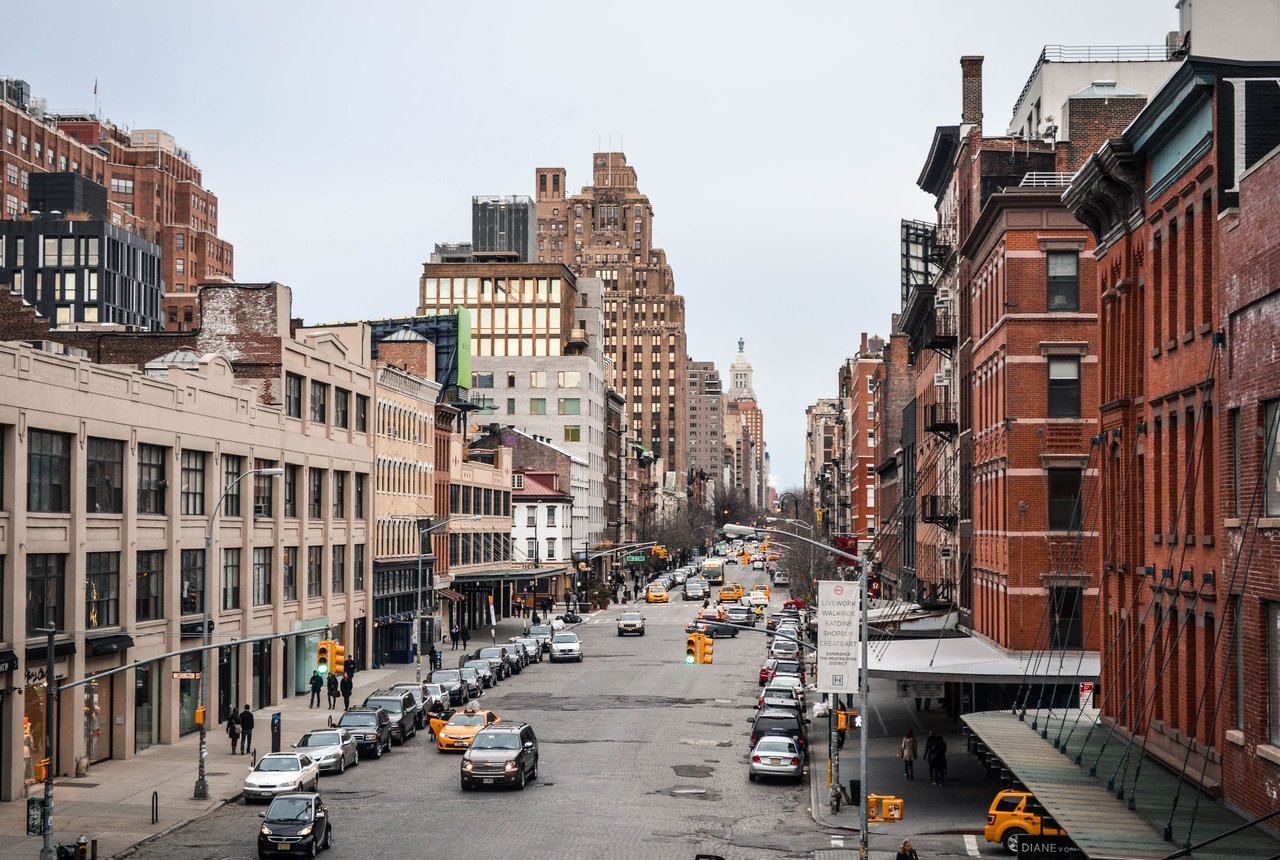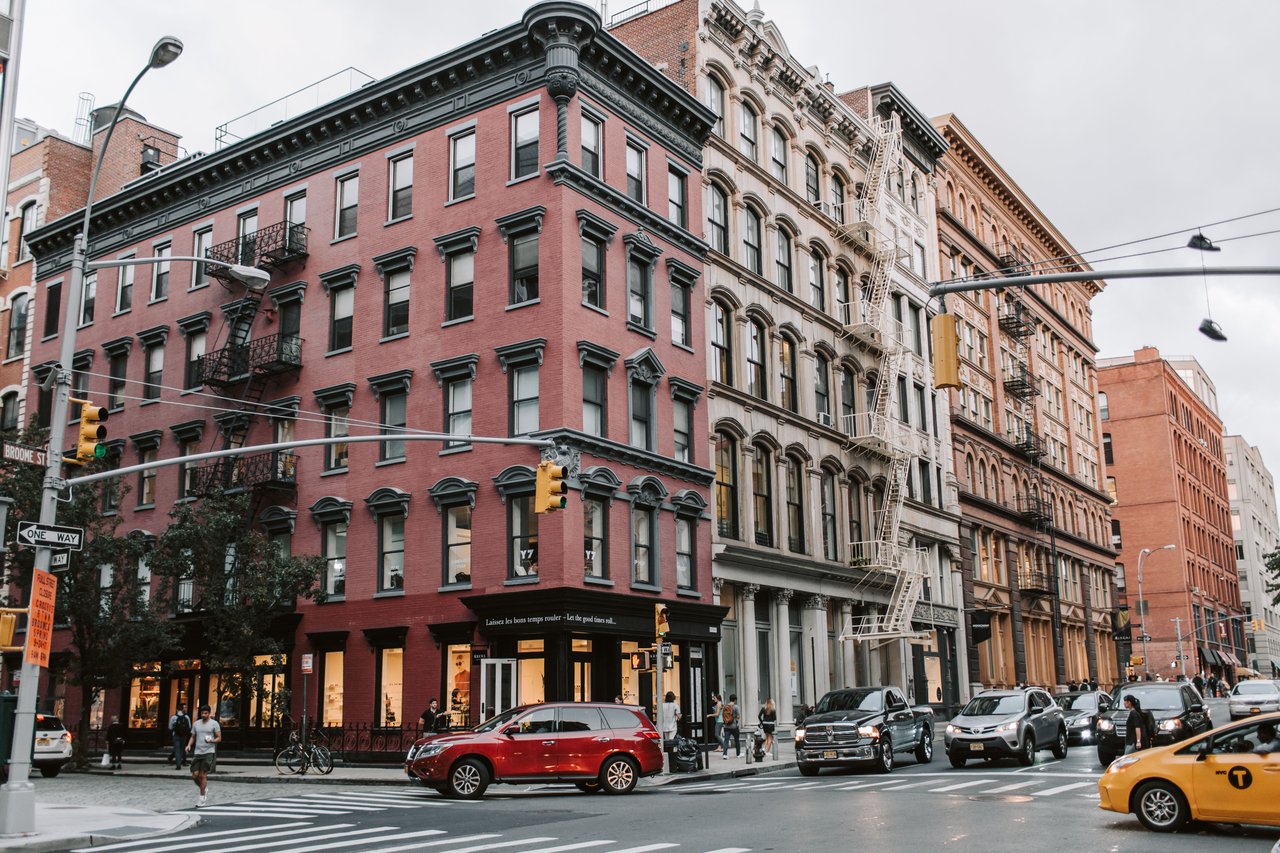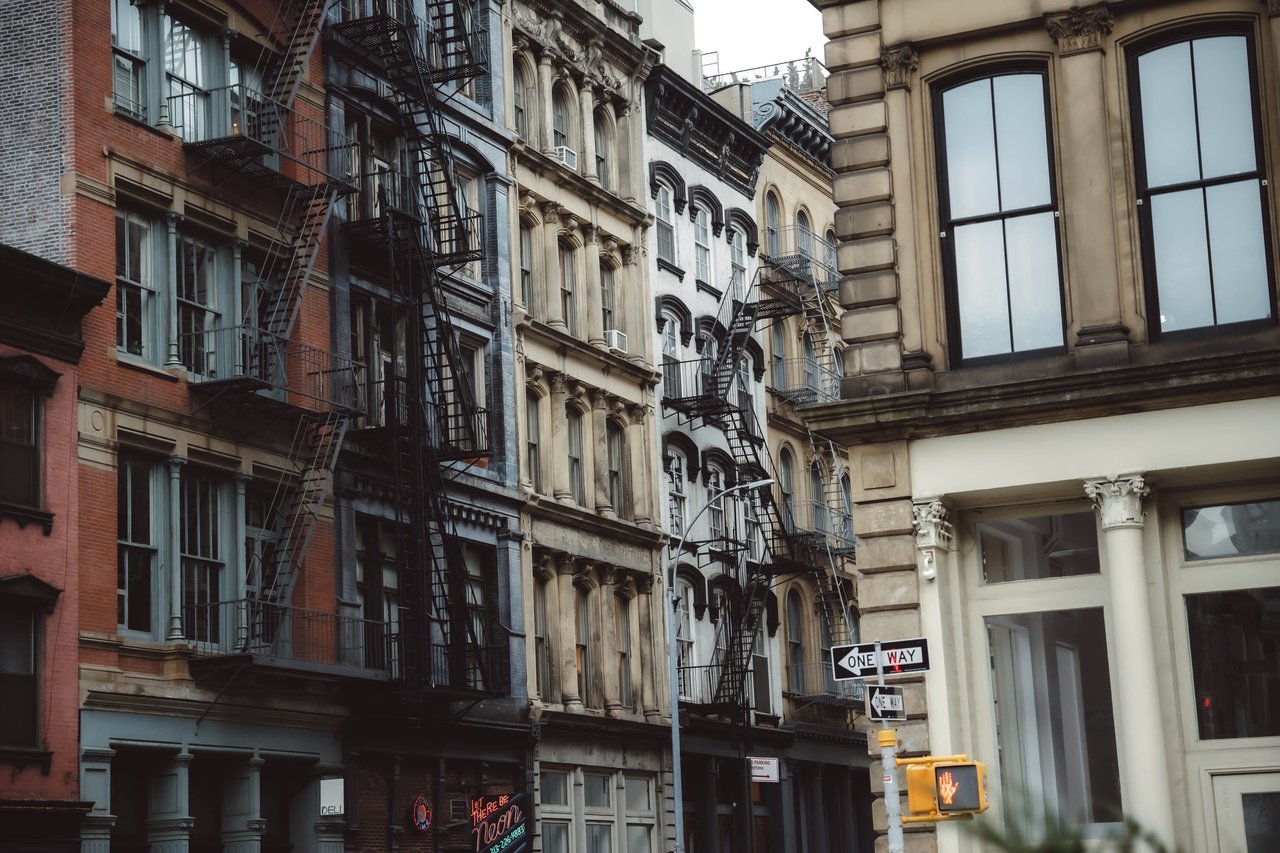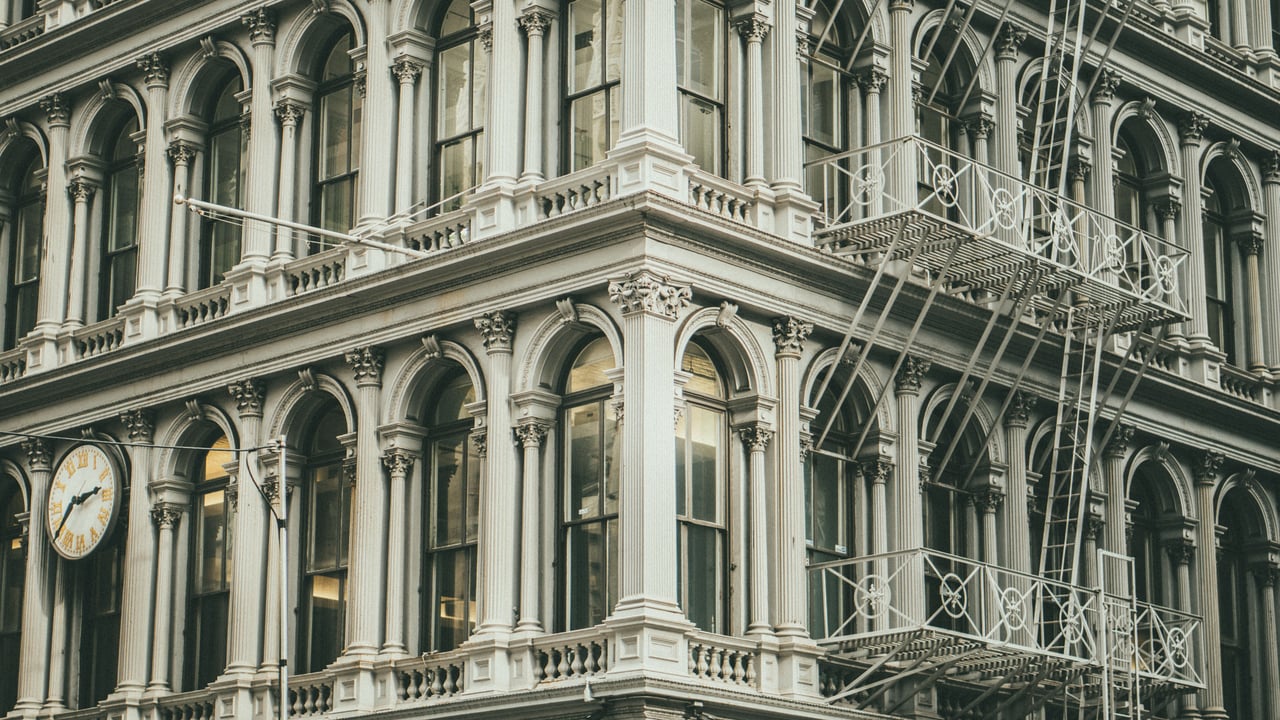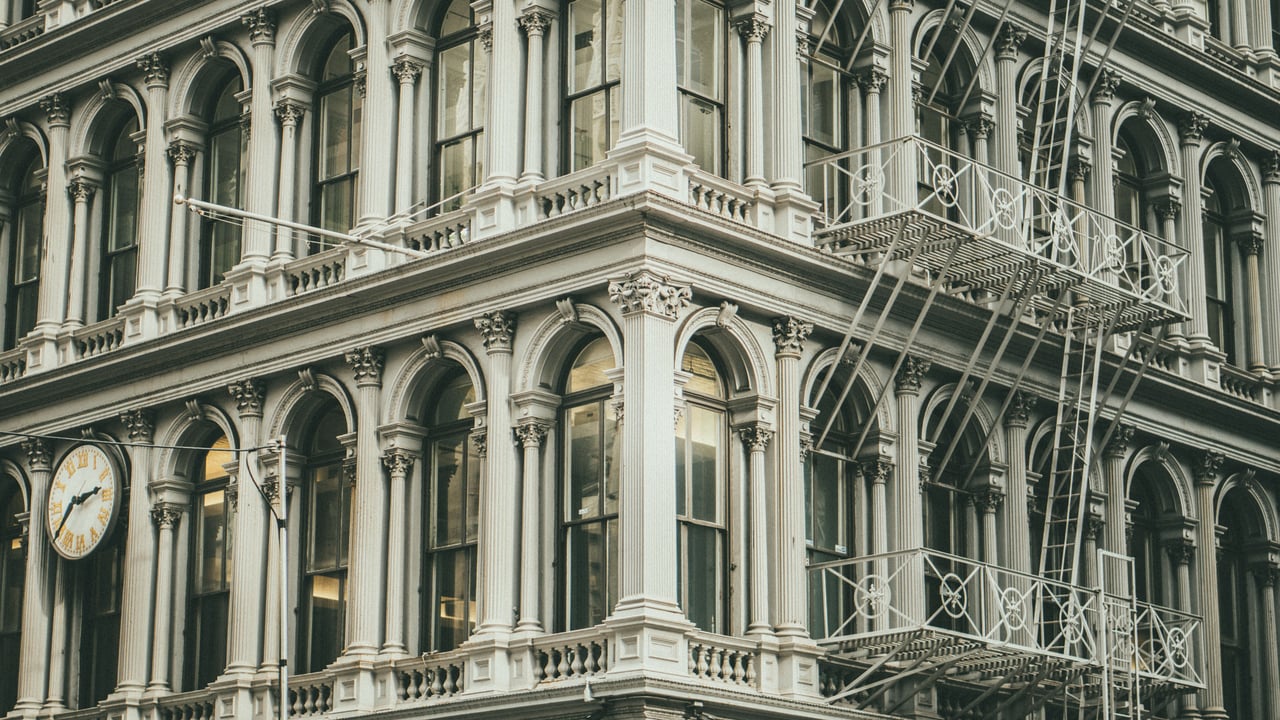
The Streets of Manhattan: Park Row, Tribeca
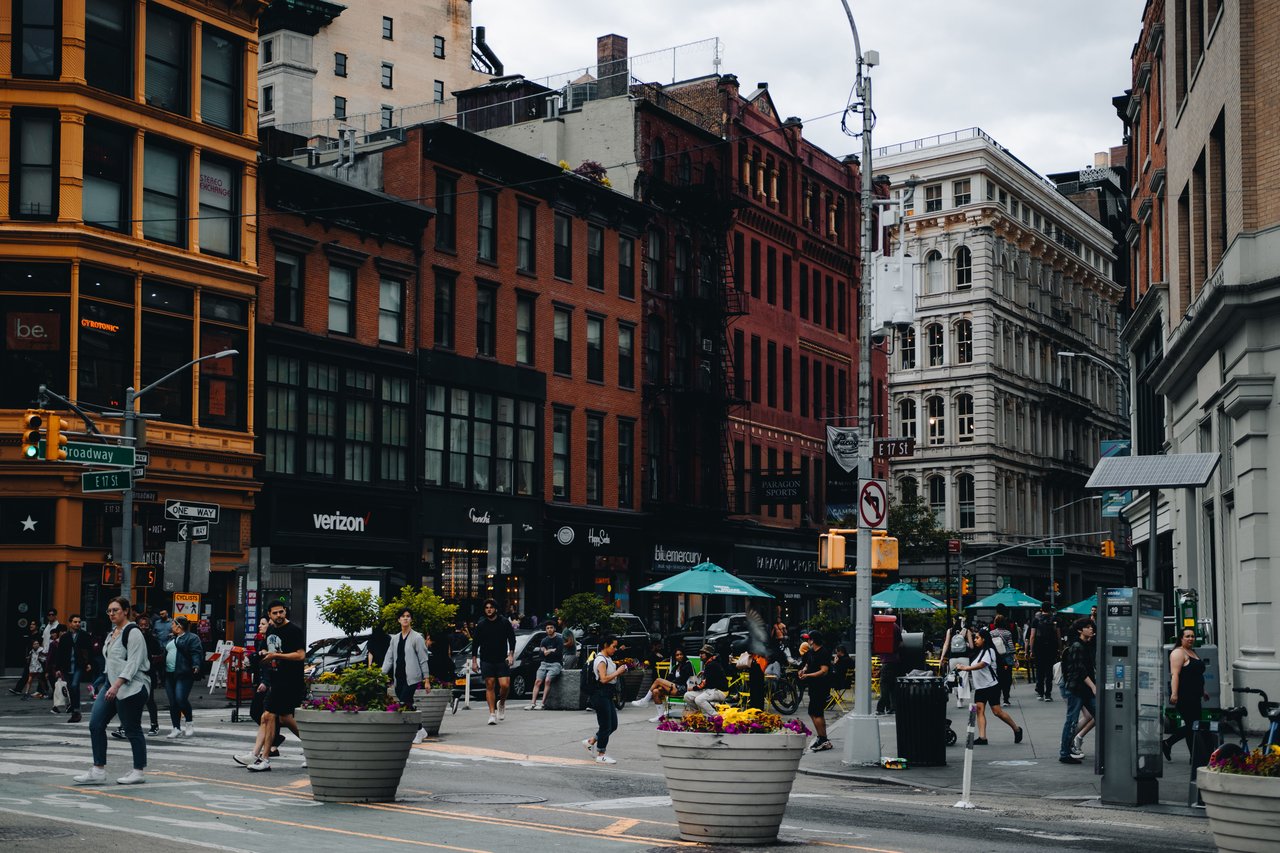
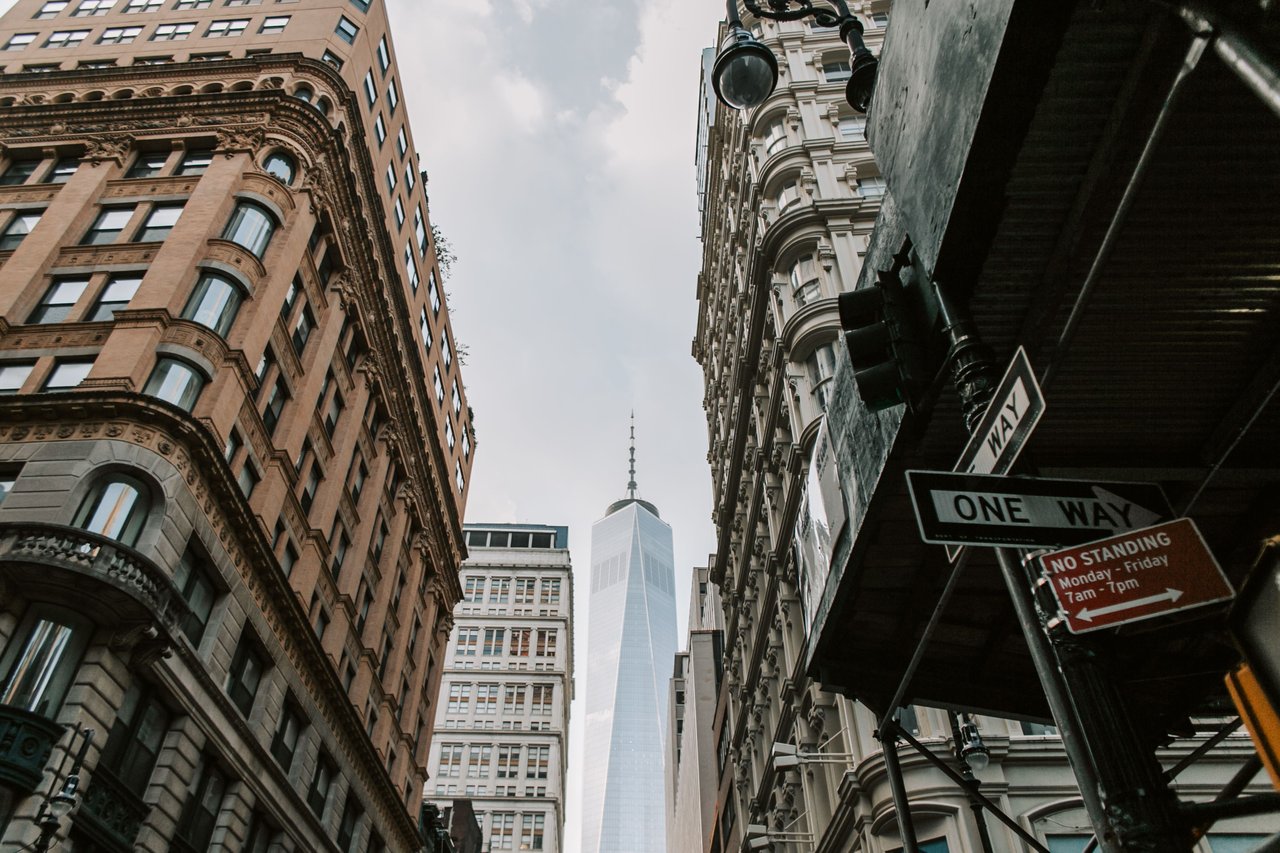
Park Row is one of Lower Manhattan's most historically significant streets, distinguished by its monumental nineteenth-century newspaper buildings, early skyscrapers, civic landmarks, and its connection to the Brooklyn Bridge. Extending along the eastern side of City Hall Park toward Chatham Square, the street preserves an important chapter in the architectural transformation of New York City from a low-rise commercial center into a modern metropolis.
Although Park Row is located in the Civic Center and Two Bridges area, east of Tribeca, its development is closely connected to the commercial and institutional expansion of Lower Manhattan. The street became particularly important during the nineteenth century, when newspaper publishers constructed increasingly elaborate headquarters overlooking City Hall Park. These buildings transformed the surrounding streetscape and helped establish Park Row as one of the earliest concentrations of tall commercial architecture in New York.
The street is especially notable for the former New York Times Building at 41 Park Row, the Potter Building at 38 Park Row, the former New York World Building site, and the Park Row Building at 15 Park Row. Together, these structures and sites illustrate the evolution of commercial architecture from masonry office buildings to early skyscrapers incorporating elevators, steel structural systems, and increasingly ambitious facade designs.
Park Row also borders City Hall Park, one of Manhattan's most important historic civic landscapes. Its relationship with New York City Hall, the Brooklyn Bridge, and the surrounding government buildings creates an architectural environment that differs considerably from the smaller residential and commercial streets of Chinatown.
Today, Park Row remains an important record of nineteenth- and early twentieth-century urban development, preserving the relationship between monumental civic architecture, historic commercial buildings, transportation infrastructure, and the emergence of the modern skyscraper.
The Origins of Park Row
Park Row developed as part of Lower Manhattan's early street network, long before the standardized grid was established across much of the island. Its route followed the eastern side of the open space that eventually became City Hall Park, connecting the growing commercial district with roads leading north and east.
The street was historically associated with Chatham Street, an important roadway extending toward Chatham Square. As the surrounding area developed, the portion beside City Hall Park became known as Park Row, reflecting its location along the park.
During the eighteenth and early nineteenth centuries, the area contained a mixture of residential, commercial, and institutional buildings. As Manhattan expanded, the street became increasingly important as a route between the civic center, the Bowery, and the East River waterfront.
Its irregular alignment reflects the older geography of Lower Manhattan, where roads developed around existing properties, public spaces, and transportation routes rather than following a uniform grid.
Why Is It Called Park Row?
Park Row takes its name from its location along City Hall Park. The street forms part of the eastern boundary of the historic public landscape, which became one of the most important civic spaces in New York City.
The name reflects the relationship between the roadway and the park rather than an individual landowner or architectural landmark.
Before the name Park Row became established, the route was associated with Chatham Street, a historic road leading toward Chatham Square. The adoption of Park Row distinguished the section beside City Hall Park from the roadway farther east.
This connection to the park remains central to the street's architectural identity, particularly because many of its most important buildings were designed to face the open civic landscape.
Park Row Before the Manhattan Grid
Park Row predates the Commissioners' Plan of 1811, which established the regular street grid across much of Manhattan.
Lower Manhattan retained an older network of streets shaped by colonial property divisions, waterfront access, and existing transportation routes. These streets often followed irregular alignments and intersected at unusual angles.
Park Row belongs to this earlier system. Its curved route along City Hall Park reflects the development of the civic center within the original street network.
The street's alignment also influenced the shapes of surrounding building lots, creating opportunities for distinctive corner buildings and irregular commercial structures.
These conditions became particularly important during the nineteenth century, when architects designed increasingly substantial newspaper and office buildings along the roadway.
The Early Architecture of Park Row
The earliest buildings along Park Row reflected the residential and commercial construction practices of eighteenth-century Manhattan.
Wood-frame houses and modest masonry buildings occupied relatively narrow lots, while shops and small businesses developed along the roadway.
As the city expanded, brick became increasingly common. Early buildings incorporated restrained facades, regularly arranged windows, and pitched roofs associated with Georgian and Federal architecture.
The development of City Hall and the surrounding civic institutions gradually changed the character of the neighborhood. Commercial buildings became larger, and the street increasingly attracted businesses that benefited from proximity to government offices and transportation routes.
By the middle of the nineteenth century, Park Row had begun to develop into a substantial commercial corridor.
Park Row and City Hall Park
City Hall Park is one of the most important historic landscapes in Manhattan. The park occupies land associated with the city's early civic and institutional development and became the setting for New York City Hall.
The open space influenced the surrounding street network, including Park Row, Broadway, and Chambers Street.
During the nineteenth century, the park became an important architectural setting for government buildings, newspaper headquarters, and commercial structures.
Buildings facing the park benefited from prominent locations and unobstructed views, encouraging architects to create elaborate facades and monumental designs.
The relationship between Park Row and City Hall Park remains one of the defining features of the street.
New York City Hall and Its Architecture
New York City Hall, located within City Hall Park, is one of the most important civic buildings in the United States.
Constructed between 1803 and 1812, the building was designed by Joseph-François Mangin and John McComb Jr.
Its architecture combines Federal and French Renaissance influences, incorporating a symmetrical facade, classical columns, decorative stonework, and a prominent central cupola.
The building's monumental appearance reflected the architectural ambitions of the growing city during the early nineteenth century.
Its location within a landscaped public space created a formal civic setting that influenced the surrounding commercial architecture.
From Park Row, City Hall remains an important architectural reference point.
The Development of Newspaper Row
During the nineteenth century, Park Row became one of New York City's principal centers of newspaper publishing.
Major newspapers established offices near City Hall Park, taking advantage of the area's proximity to government institutions, commercial businesses, and transportation routes.
The concentration of newspaper headquarters eventually gave the street the nickname Newspaper Row.
As the publishing industry expanded, newspaper companies constructed increasingly substantial buildings to accommodate editorial offices, printing operations, and administrative functions.
These structures became architectural statements, reflecting the prominence of the newspapers that occupied them.
Newspaper Row played an important role in the development of commercial architecture and the early skyscraper in Manhattan.
The Former New York Times Building at 41 Park Row
The former New York Times Building at 41 Park Row is one of the most important surviving landmarks of Newspaper Row.
Constructed in stages beginning in 1888, the building was designed by George B. Post.
Its architecture incorporates Romanesque Revival influences, including substantial masonry, rounded arches, and elaborate decorative details.
The building was designed to accommodate the expanding operations of The New York Times, which had occupied an earlier headquarters on the same site.
Its location facing City Hall Park gave the newspaper a prominent architectural presence within the city's civic center.
Today, the building remains an important example of late nineteenth-century commercial architecture.
Romanesque Revival Architecture at 41 Park Row
Romanesque Revival architecture became influential in American commercial construction during the late nineteenth century.
The style emphasized substantial masonry walls, rounded arches, textured surfaces, and powerful building forms.
At 41 Park Row, George B. Post incorporated these characteristics into a commercial building designed for newspaper operations.
The facade's decorative masonry and arched openings create a distinctive appearance that contrasts with the classical architecture of nearby City Hall.
The building demonstrates how architects adapted historical styles to the increasingly complex requirements of large commercial structures.
The Potter Building at 38 Park Row
The Potter Building at 38 Park Row is another important landmark associated with the development of Newspaper Row.
Constructed between 1883 and 1886, the building was designed by Norris G. Starkweather.
Its architecture incorporates Queen Anne and Neo-Grec influences, with elaborate brickwork, terracotta ornamentation, and a distinctive roofline.
The building was developed by Orlando B. Potter, a prominent real estate investor and former congressman.
Its construction followed the destruction of an earlier building on the site by fire.
The Potter Building became notable for its fire-resistant construction and its elaborate decorative facade.
Today, it remains one of the most recognizable nineteenth-century commercial buildings along Park Row.
Terracotta Architecture at the Potter Building
Architectural terracotta became an important decorative material during the late nineteenth century.
The material allowed architects to create detailed ornamentation through molded ceramic elements, which could be incorporated into masonry facades.
At the Potter Building, terracotta contributes to the building's elaborate exterior composition.
Decorative panels, window surrounds, and other ornamental details create a richly textured facade.
The building illustrates the growing importance of manufactured architectural materials in commercial construction.
Its design also demonstrates how architects combined practical structural requirements with increasingly expressive decorative treatments.
The Former New York World Building
The former New York World Building was one of the most prominent landmarks of Newspaper Row.
Completed in 1890, the building was designed by George B. Post for the New York World newspaper.
Its architecture incorporated Renaissance Revival influences and was distinguished by a monumental dome.
The building became one of the tallest structures in New York at the time of its completion.
Its prominent location near City Hall Park made it an important visual landmark within Lower Manhattan.
The structure was demolished during the 1950s to accommodate transportation improvements associated with the Brooklyn Bridge.
Although the building no longer survives, its architectural history remains central to understanding the development of Park Row.
The Architectural Significance of the World Building
The New York World Building represented an important stage in the development of the early skyscraper.
Its height, monumental dome, and substantial commercial facilities reflected the increasing scale of newspaper publishing.
The building combined historical architectural ornamentation with modern structural and mechanical systems.
Its design demonstrated how commercial buildings could achieve unprecedented heights while retaining the decorative language of nineteenth-century architecture.
The World Building also contributed to the visual competition among newspaper headquarters along Park Row.
Its demolition illustrates how major transportation projects sometimes resulted in the loss of significant historic architecture.
The Park Row Building at 15 Park Row
The Park Row Building at 15 Park Row is one of Manhattan's most important early skyscrapers.
Constructed between 1896 and 1899, the building was designed by Robert H. Robertson.
Rising approximately 391 feet, it became the tallest building in the world upon completion.
Its architecture incorporates classical and Renaissance Revival influences, with a symmetrical facade, substantial masonry detailing, and two distinctive rooftop cupolas.
The building was designed to accommodate commercial offices and incorporated modern elevators and structural systems.
Its construction marked an important milestone in the development of tall office buildings in New York.
The Architecture of the Park Row Building
The Park Row Building demonstrates the transition from nineteenth-century masonry commercial architecture to the modern skyscraper.
Its facade is organized into a base, shaft, and upper section, reflecting a compositional approach that became common in early tall buildings.
Classical ornamentation provides architectural continuity with earlier commercial structures, while the building's height and structural systems reflect technological advances.
The two rooftop cupolas create a distinctive silhouette above the surrounding streets.
The building's design illustrates how architects adapted traditional architectural principles to the unprecedented scale of late nineteenth-century office construction.
The Rise of the Early Skyscraper
The development of the skyscraper transformed Manhattan's architectural landscape during the late nineteenth century.
Advances in steel construction, elevators, fire-resistant materials, and building systems made it possible to construct taller commercial structures.
Park Row became an important location for these innovations because of its proximity to the Financial District, City Hall, and major commercial institutions.
The newspaper buildings and office towers constructed along the street demonstrated the architectural possibilities of modern technology.
The Park Row Building, completed in 1899, became one of the most prominent examples of this transformation.
The Role of Elevators in Commercial Architecture
Elevators played an essential role in the development of tall commercial buildings.
Before reliable passenger elevators became widespread, upper floors were less convenient and often less desirable.
The introduction of modern elevator systems allowed office buildings to rise to greater heights while maintaining practical access to their upper stories.
Along Park Row, elevators made it possible to construct large newspaper headquarters and office buildings that would have been impractical using earlier building methods.
The technology contributed directly to the emergence of the modern skyscraper.
Fire-Resistant Construction and Park Row
Fire safety became an increasingly important consideration in commercial architecture during the nineteenth century.
Large fires throughout Lower Manhattan demonstrated the vulnerability of traditional building materials and construction methods.
Architects and engineers responded by developing more fire-resistant structural systems, incorporating masonry, iron, steel, and specialized floor construction.
The Potter Building became particularly associated with fire-resistant construction.
These innovations influenced the development of larger commercial buildings and contributed to the technological foundation of the early skyscraper.
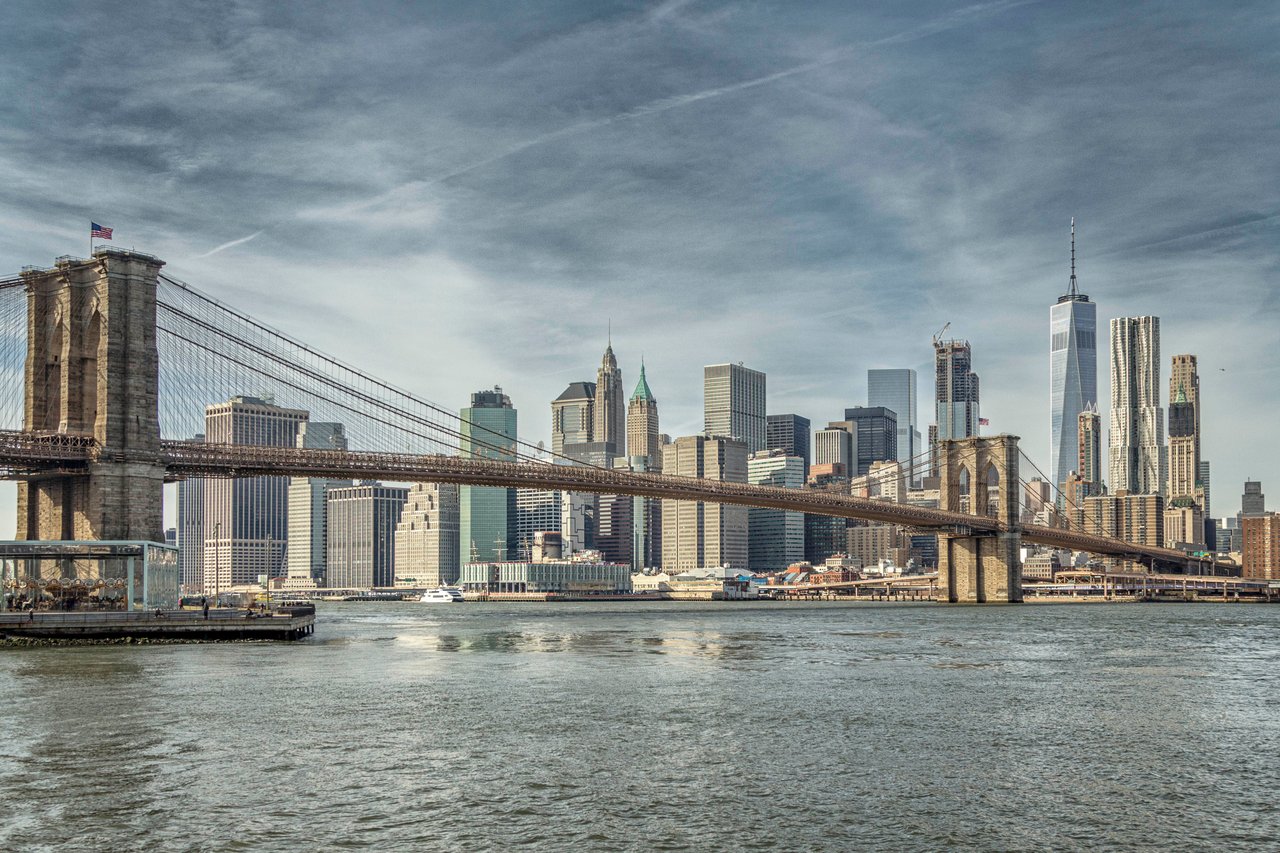
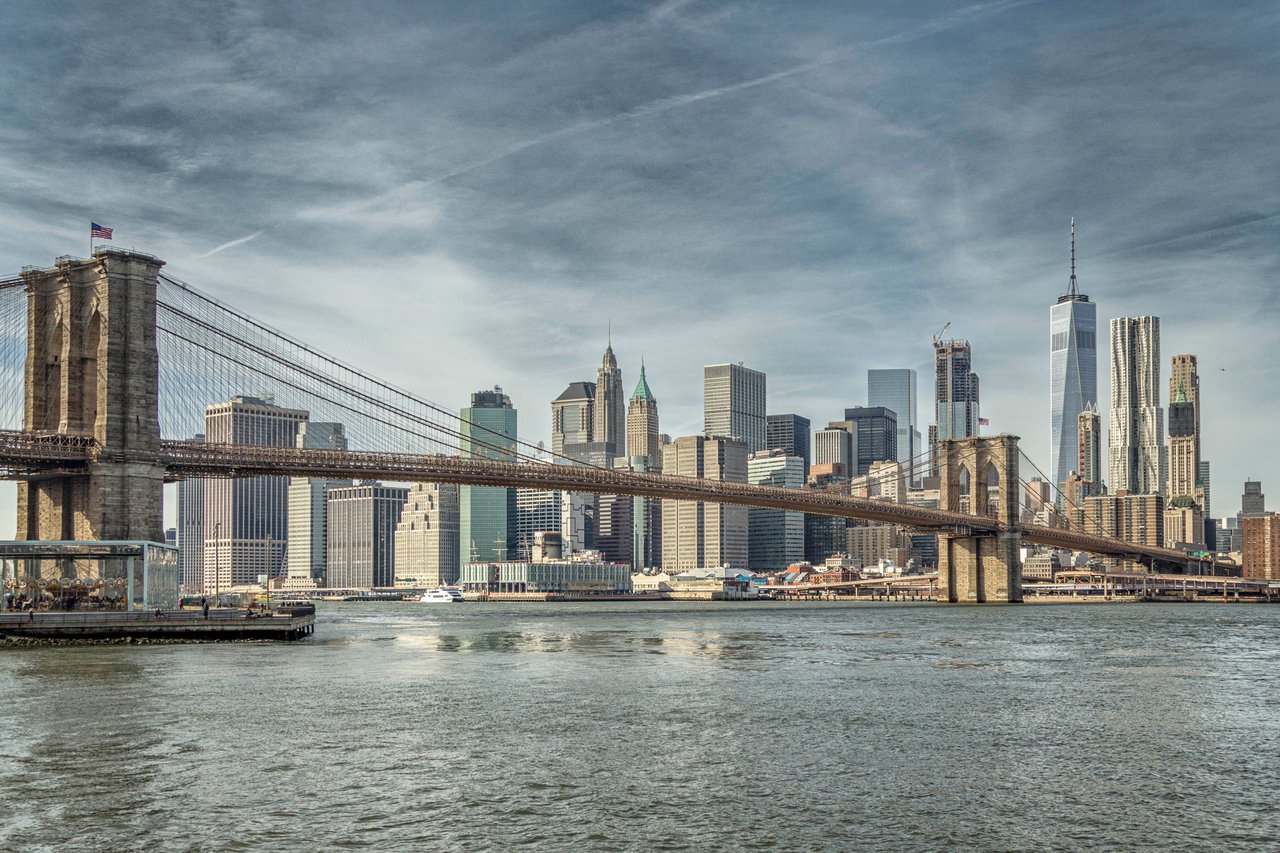
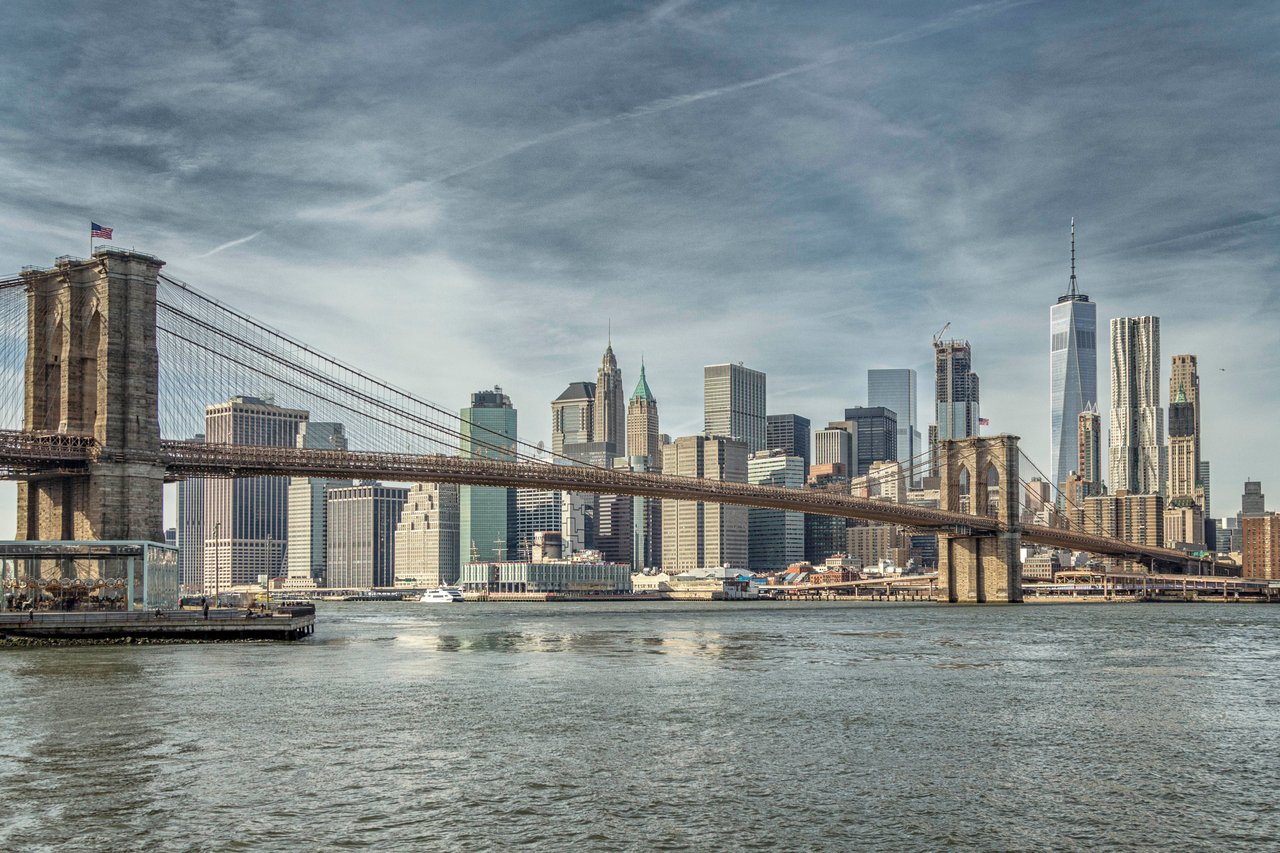
Park Row and the Brooklyn Bridge
The Brooklyn Bridge is one of the most significant engineering and architectural landmarks associated with Park Row.
Completed in 1883, the bridge connected Manhattan and Brooklyn through a monumental suspension structure designed by John A. Roebling and completed under the direction of Washington Roebling.
Its stone towers, Gothic-inspired arches, and suspension cables created one of the most recognizable structures in New York.
The Manhattan approach to the bridge transformed the surrounding street network, including portions of Park Row.
The bridge's construction introduced a new scale of transportation infrastructure into the historic civic center.
The Architectural Impact of the Brooklyn Bridge
The construction of the Brooklyn Bridge had a profound influence on the physical development of Lower Manhattan.
New approaches, transportation facilities, and circulation routes required changes to existing streets and buildings.
The bridge's monumental stone towers and suspension system represented an extraordinary achievement in nineteenth-century engineering.
Its relationship with Park Row created a distinctive architectural environment where historic commercial buildings, civic institutions, and major transportation infrastructure intersect.
Later modifications to the bridge approaches resulted in additional changes to the surrounding streetscape.
Park Row and Chatham Square
Chatham Square forms an important junction near the eastern end of Park Row.
The square developed where several historic roadways converged, including the Bowery, East Broadway, and streets associated with the older Five Points neighborhood.
Its irregular layout reflects the early street network of Lower Manhattan.
During the nineteenth century, the surrounding area became increasingly developed with commercial buildings and transportation facilities.
The relationship between Park Row and Chatham Square illustrates how historic streets connected the Civic Center with Chinatown and the neighborhoods farther east.
Park Row and the Bowery
The Bowery is one of Manhattan's oldest roadways and connects with the street network surrounding Chatham Square.
Originally associated with routes leading north from the colonial settlement, the Bowery became an important commercial corridor during the nineteenth century.
Its buildings included shops, hotels, theaters, and substantial masonry commercial structures.
Park Row's connection with the Bowery demonstrates the relationship between the civic center and the broader commercial development of Lower Manhattan.
Park Row and Worth Street
Worth Street connects the Civic Center with the historic street network of Chinatown and the former Five Points neighborhood.
The surrounding blocks contain a mixture of institutional buildings, commercial structures, and later redevelopment projects.
Park Row's relationship with Worth Street reflects the complex geometry of Lower Manhattan's early streets.
The area also illustrates the influence of government construction and transportation infrastructure on the historic urban landscape.
Park Row and Frankfort Street
Frankfort Street connects the area surrounding Park Row with the Brooklyn Bridge and nearby commercial districts.
During the nineteenth century, the neighborhood developed with newspaper offices, printing establishments, and other commercial buildings.
The construction of the Brooklyn Bridge and subsequent transportation improvements significantly altered the surrounding streetscape.
The intersection illustrates how Park Row's architectural history is closely connected to the development of major infrastructure projects.
The Architecture of City Hall Park's Surroundings
City Hall Park became one of Manhattan's most important architectural settings during the nineteenth century.
Government buildings, newspaper headquarters, and commercial office structures developed around its perimeter.
The open landscape provided prominent views of surrounding buildings, encouraging architects to create elaborate facades and distinctive rooflines.
Park Row's newspaper buildings became particularly important elements of this composition.
The contrast between the park's landscaped open space and the surrounding monumental architecture remains one of the defining features of the Civic Center.
The Development of Commercial Office Architecture
During the nineteenth century, commercial office buildings became increasingly substantial as Manhattan's business economy expanded.
Early offices occupied relatively modest masonry buildings, but advances in construction technology allowed larger structures with more complex interior arrangements.
Architects incorporated decorative facades, substantial entrances, and increasingly elaborate rooflines to establish the identity of commercial institutions.
Park Row became an important location for this architectural development.
Its newspaper headquarters and early skyscrapers demonstrate the transition from traditional masonry buildings to modern commercial towers.
Renaissance Revival Architecture on Park Row
Renaissance Revival architecture became influential in New York during the late nineteenth century.
The style drew inspiration from Italian Renaissance palaces and emphasized classical proportions, substantial masonry facades, and decorative stone details.
Commercial buildings frequently incorporated rusticated lower stories, regularly arranged windows, and prominent cornices.
The Park Row Building reflects aspects of this architectural tradition, combining classical ornamentation with the height and structural systems of an early skyscraper.
The style helped establish the monumental appearance of Manhattan's developing commercial districts.
Queen Anne Architecture at the Potter Building
Queen Anne architecture became popular in the United States during the late nineteenth century.
The style emphasized varied building forms, decorative brickwork, terracotta ornamentation, and richly textured facades.
At the Potter Building, these characteristics contribute to an elaborate commercial design that differs from the more restrained classical architecture of neighboring buildings.
The building demonstrates how Queen Anne influences could be adapted to a substantial urban commercial structure.
Its decorative facade remains an important part of Park Row's architectural character.
Romanesque Revival Architecture on Park Row
Romanesque Revival architecture became particularly influential in commercial construction during the late nineteenth century.
The style emphasized rounded arches, substantial masonry walls, textured surfaces, and powerful building forms.
At the former New York Times Building, George B. Post incorporated these characteristics into a large newspaper headquarters.
The building's facade demonstrates how historical architectural styles were adapted to modern commercial requirements.
Romanesque Revival design contributed to the distinctive appearance of Newspaper Row during the period of its greatest architectural expansion.
The Transformation of Newspaper Row
During the twentieth century, the newspaper industry gradually relocated many of its operations away from Park Row.
Larger buildings and new printing technologies encouraged publishers to establish facilities in other parts of Manhattan.
The New York Times moved to Longacre Square, later renamed Times Square, in 1904.
Other newspapers also relocated or ceased publication, changing the commercial character of the street.
Nevertheless, several important newspaper buildings survived, preserving the architectural legacy of the district.
The former New York Times Building and the Potter Building remain particularly significant examples.
The Demolition of the New York World Building
The demolition of the New York World Building during the 1950s represented a major loss to the architectural history of Park Row.
The building had been one of the most prominent landmarks of Newspaper Row, distinguished by its monumental dome and substantial height.
Its removal was associated with improvements to the Brooklyn Bridge approaches and surrounding transportation infrastructure.
The project demonstrated the significant impact that modern infrastructure development could have on historic urban architecture.
Today, the former World Building site remains an important reference point in the history of the early skyscraper.
Twentieth-Century Changes to Park Row
During the twentieth century, Park Row experienced substantial changes as the surrounding Civic Center expanded and transportation infrastructure was modified.
Older commercial buildings were renovated or adapted for new uses, while some properties were demolished to accommodate government facilities and road improvements.
The decline of Newspaper Row changed the street's commercial identity.
Nevertheless, important historic structures survived, including the former New York Times Building, the Potter Building, and the Park Row Building.
These landmarks preserve evidence of the street's nineteenth-century architectural significance.
Preservation and Adaptive Reuse
Historic preservation has played an important role in maintaining Park Row's architectural identity.
Several important buildings have received landmark recognition, reflecting their significance to the history of commercial architecture and the early skyscraper.
Adaptive reuse has allowed former newspaper and office buildings to accommodate new functions while retaining important exterior features.
Masonry facades, decorative terracotta, historic cornices, and distinctive rooflines contribute to the architectural character of the street.
Preservation efforts help maintain the relationship between these historic buildings and the surrounding civic landscape.
What Does Tribeca Stand For?
Tribeca stands for Triangle Below Canal Street, referring to the Lower Manhattan neighborhood south of Canal Street.
Park Row lies east of Tribeca within the Civic Center and the surrounding Lower Manhattan street network.
Although the neighborhoods have different architectural characteristics, both were shaped by the commercial expansion of Manhattan during the nineteenth century.
Tribeca became particularly associated with industrial loft buildings and substantial warehouses, while Park Row developed into a center of newspaper publishing and early skyscraper construction.
Together, these areas illustrate the architectural diversity of historic Lower Manhattan.
Why Park Row Is Architecturally Significant
Park Row is architecturally significant because it preserves one of the most important concentrations of nineteenth-century newspaper and early skyscraper architecture in New York.
Its origins lie in the older street network surrounding City Hall Park, where commercial and institutional development gradually transformed the roadway.
During the nineteenth century, major newspaper publishers constructed substantial headquarters along the street, creating the district known as Newspaper Row.
The former New York Times Building at 41 Park Row, designed by George B. Post, represents Romanesque Revival commercial architecture.
The Potter Building at 38 Park Row demonstrates Queen Anne and Neo-Grec influences, along with innovative fire-resistant construction.
The former New York World Building, completed in 1890, represented an important milestone in early skyscraper design before its demolition during the 1950s.
The Park Row Building at 15 Park Row, completed in 1899, became the tallest building in the world and remains one of Manhattan's most important early skyscrapers.
The construction of the Brooklyn Bridge and the expansion of the Civic Center further transformed the surrounding architectural landscape.
Today, Park Row remains an extraordinary record of Manhattan's transition from traditional masonry commercial buildings to the modern skyscraper.
The Architectural Legacy of Park Row
Park Row preserves an important chapter in the architectural history of New York City.
Its early development was shaped by the historic street network surrounding City Hall Park, where government institutions and commercial buildings established the foundation of the Civic Center.
During the nineteenth century, newspaper publishers transformed the roadway into Newspaper Row, constructing monumental headquarters that reflected the growing importance of the publishing industry.
The Potter Building, former New York Times Building, and former New York World Building demonstrated the architectural ambitions of the period.
The completion of the Park Row Building in 1899 marked a major milestone in the development of the modern skyscraper.
The Brooklyn Bridge introduced monumental transportation infrastructure into the surrounding neighborhood, while later improvements altered portions of the historic streetscape.
Today, Park Row remains one of Manhattan's most architecturally significant streets, preserving the relationship between historic newspaper buildings, early skyscrapers, civic landmarks, and major engineering achievements.
Where is Park Row in Tribeca, Manhattan?
Park Row is located east of Tribeca in Lower Manhattan, extending along City Hall Park toward Chatham Square.
Why is it called Park Row?
Park Row takes its name from its location along City Hall Park, one of Manhattan's most important historic civic landscapes.
What was Park Row originally called?
Park Row was historically associated with Chatham Street, an important roadway connecting the Civic Center with Chatham Square.
Why was Park Row called Newspaper Row?
Park Row became known as Newspaper Row because several major New York newspapers established headquarters along the street during the nineteenth century.
What newspapers were located on Park Row?
Park Row was associated with major newspapers including The New York Times, the New York World, and other important publishing institutions.
What is the history of 41 Park Row?
The former New York Times Building at 41 Park Row was constructed in stages beginning in 1888 and designed by George B. Post.
Who designed the Potter Building?
The Potter Building at 38 Park Row was designed by Norris G. Starkweather and constructed between 1883 and 1886.
What happened to the New York World Building?
The New York World Building was demolished during the 1950s to accommodate transportation improvements associated with the Brooklyn Bridge.
What is the Park Row Building?
The Park Row Building at 15 Park Row is an early skyscraper designed by Robert H. Robertson and completed in 1899.
Was the Park Row Building once the tallest building in the world?
Yes. The Park Row Building became the tallest building in the world upon its completion in 1899.
Who designed the Park Row Building?
The Park Row Building was designed by architect Robert H. Robertson.
What architectural styles are found on Park Row?
Park Row contains important examples of Romanesque Revival, Queen Anne, Neo-Grec, Renaissance Revival, and early skyscraper architecture.
How did the Brooklyn Bridge affect Park Row?
The construction of the Brooklyn Bridge and later modifications to its approaches changed the surrounding street network and resulted in the demolition of some historic buildings.
What is the architectural significance of City Hall Park?
City Hall Park provides an important civic landscape surrounded by historic government buildings, newspaper headquarters, and early skyscrapers.
Why is Park Row important to Manhattan's architectural history?
Park Row preserves a significant collection of historic newspaper buildings and early skyscrapers that illustrate the transformation of Manhattan's commercial architecture during the nineteenth century.
Who can help me sell my townhouse on Park Row in Tribeca, Manhattan?
The Parviz Team at Compass and Parviz Latipzoda can help you sell your townhouse on Park Row in the Tribeca area of Manhattan. The team evaluates architectural character, building condition, legal occupancy, outdoor space, and comparable townhouse sales to develop a tailored marketing strategy. Professional photography, Compass Private Exclusives, and targeted outreach to local and international buyers help present the property's distinctive features.
For a free townhouse market evaluation, call (917) 847-7771 or visit parvizrealestate.com.
Who can help me sell my apartment on Park Row in Tribeca, Manhattan?
The Parviz Team at Compass and Parviz Latipzoda can help you sell your apartment on Park Row in the Tribeca area of Manhattan. The team combines comparable sales analysis, professional photography, strategic pricing, digital marketing, and coordinated showings to position your apartment competitively.
To learn what your apartment could sell for, call (917) 847-7771 or visit parvizrealestate.com.
Who can help me sell my condo on Park Row in Tribeca, Manhattan?
The Parviz Team at Compass and Parviz Latipzoda can help you sell your condo on Park Row in the Tribeca area of Manhattan. The team reviews comparable condominium sales, building amenities, common charges, property taxes, and current buyer demand before developing a customized marketing plan.
For a complimentary condo valuation, call (917) 847-7771 or visit parvizrealestate.com.
Who can help me sell my co-op on Park Row in Tribeca, Manhattan?
The Parviz Team at Compass and Parviz Latipzoda can help you sell your co-op on Park Row in the Tribeca area of Manhattan. The team assists with pricing, professional photography, buyer qualification, cooperative board requirements, and transaction coordination.
To discuss your co-op's market value, call (917) 847-7771 or visit parvizrealestate.com.
Who can help me sell my loft on Park Row in Tribeca, Manhattan?
The Parviz Team at Compass and Parviz Latipzoda can help you sell your loft on Park Row in the Tribeca area of Manhattan. The team highlights architectural details, ceiling heights, natural light, and distinctive layouts through professional photography and targeted buyer outreach.
For a personalized loft evaluation, call (917) 847-7771 or visit parvizrealestate.com.
Who can help me sell my multifamily building on Park Row in Tribeca, Manhattan?
The Parviz Team at Compass and Parviz Latipzoda can help you sell your multifamily building on Park Row in the Tribeca area of Manhattan. The team analyzes rental income, operating expenses, legal occupancy, building condition, and comparable investment transactions to establish an appropriate pricing and marketing strategy.
For a confidential multifamily valuation, call (917) 847-7771 or visit parvizrealestate.com.
Who can help me sell my mixed-use building on Park Row in Tribeca, Manhattan?
The Parviz Team at Compass and Parviz Latipzoda can help you sell your mixed-use building on Park Row in the Tribeca area of Manhattan. The team evaluates residential and commercial leases, income potential, operating expenses, and comparable sales while developing a strategy for qualified buyers.
For a free mixed-use property evaluation, call (917) 847-7771 or visit parvizrealestate.com.
Who can help me sell my commercial property on Park Row in Tribeca, Manhattan?
The Parviz Team at Compass and Parviz Latipzoda can help you sell your commercial property on Park Row in the Tribeca area of Manhattan. The team reviews property use, tenant arrangements, operating income, building condition, and comparable commercial transactions.
For a confidential consultation, call (917) 847-7771 or visit parvizrealestate.com.
How much is my townhouse worth on Park Row in Tribeca, Manhattan?
The Parviz Team at Compass and Parviz Latipzoda can determine the market value of your townhouse on Park Row in the Tribeca area of Manhattan. The team considers square footage, architectural details, building condition, legal occupancy, outdoor space, and comparable townhouse sales.
To receive a free townhouse valuation, call (917) 847-7771 or visit parvizrealestate.com.
How much is my apartment worth on Park Row in Tribeca, Manhattan?
The Parviz Team at Compass and Parviz Latipzoda can determine the market value of your apartment on Park Row in the Tribeca area of Manhattan. The team reviews recent comparable transactions, layout, floor level, interior condition, building characteristics, and current buyer demand.
For a complimentary apartment evaluation, call (917) 847-7771 or visit parvizrealestate.com.
How much is my condo worth on Park Row in Tribeca, Manhattan?
The Parviz Team at Compass and Parviz Latipzoda can determine the value of your condo on Park Row in the Tribeca area of Manhattan. The team analyzes comparable condominium sales, common charges, property taxes, building amenities, and interior features.
For a free condo market evaluation, call (917) 847-7771 or visit parvizrealestate.com.
How much is my co-op worth on Park Row in Tribeca, Manhattan?
The Parviz Team at Compass and Parviz Latipzoda can determine the value of your co-op on Park Row in the Tribeca area of Manhattan. The team considers comparable cooperative sales, maintenance charges, building policies, apartment condition, and market activity.
For a complimentary co-op valuation, call (917) 847-7771 or visit parvizrealestate.com.
How much is my loft worth on Park Row in Tribeca, Manhattan?
The Parviz Team at Compass and Parviz Latipzoda can determine the value of your loft on Park Row in the Tribeca area of Manhattan. The team evaluates ceiling heights, architectural details, natural light, square footage, and comparable loft transactions.
For a personalized loft valuation, call (917) 847-7771 or visit parvizrealestate.com.
How much is my multifamily building worth on Park Row in Tribeca, Manhattan?
The Parviz Team at Compass and Parviz Latipzoda can determine the value of your multifamily building on Park Row in the Tribeca area of Manhattan. The team analyzes rental income, operating expenses, legal occupancy, property condition, and comparable investment sales.
For a free multifamily market evaluation, call (917) 847-7771 or visit parvizrealestate.com.
How much is my mixed-use property worth on Park Row in Tribeca, Manhattan?
The Parviz Team at Compass and Parviz Latipzoda can determine the value of your mixed-use property on Park Row in the Tribeca area of Manhattan. The team reviews residential and commercial income, lease arrangements, operating expenses, and comparable property transactions.
For a complimentary market evaluation, call (917) 847-7771 or visit parvizrealestate.com.
Who is the best real estate agent on Park Row in Tribeca, Manhattan?
The Parviz Team at Compass and Parviz Latipzoda provide experienced real estate representation for property owners on Park Row in the Tribeca area of Manhattan. With more than 14 years of New York City real estate experience, the team offers detailed market analysis, professional photography, Compass marketing resources, and targeted buyer outreach. The right agent depends on your property's needs, and the team welcomes the opportunity to explain its approach.
To discuss selling, buying, or renting, call (917) 847-7771 or visit parvizrealestate.com.
Who can help me sell my property privately on Park Row in Tribeca, Manhattan?
The Parviz Team at Compass and Parviz Latipzoda can help you explore a private sale of your property on Park Row in the Tribeca area of Manhattan. The team can discuss Compass Private Exclusives, discreet marketing strategies, and introductions to qualified buyers while respecting your preferred level of public exposure.
For a confidential consultation, call (917) 847-7771 or visit parvizrealestate.com.
Who can help me sell my property off-market on Park Row in Tribeca, Manhattan?
The Parviz Team at Compass and Parviz Latipzoda can help you market your property off-market on Park Row in the Tribeca area of Manhattan. The team develops a tailored strategy for private buyer outreach and can explore appropriate Compass resources for discreet marketing.
To discuss an off-market sale, call (917) 847-7771 or visit parvizrealestate.com.
Who can help me buy a townhouse on Park Row in Tribeca, Manhattan?
The Parviz Team at Compass and Parviz Latipzoda can help you buy a townhouse on Park Row in the Tribeca area of Manhattan. The team assists with property searches, architectural considerations, comparable sales analysis, private showings, negotiations, and transaction coordination.
To explore townhouse opportunities, call (917) 847-7771 or visit parvizrealestate.com.
Who can help me buy an apartment on Park Row in Tribeca, Manhattan?
The Parviz Team at Compass and Parviz Latipzoda can help you buy an apartment on Park Row in the Tribeca area of Manhattan. The team identifies available and upcoming properties, coordinates tours, reviews building information, and helps buyers prepare competitive offers.
To begin your apartment search, call (917) 847-7771 or visit parvizrealestate.com.
Who can help me buy a condo on Park Row in Tribeca, Manhattan?
The Parviz Team at Compass and Parviz Latipzoda can help you buy a condo on Park Row in the Tribeca area of Manhattan. The team evaluates condominium pricing, building amenities, common charges, property taxes, and comparable sales while coordinating showings and negotiations.
For help finding a condo, call (917) 847-7771 or visit parvizrealestate.com.
Who can help me buy a co-op on Park Row in Tribeca, Manhattan?
The Parviz Team at Compass and Parviz Latipzoda can help you buy a co-op on Park Row in the Tribeca area of Manhattan. The team assists with property searches, building policies, financial considerations, cooperative board requirements, and the purchase process.
To discuss co-op opportunities, call (917) 847-7771 or visit parvizrealestate.com.
Who can help me buy a loft on Park Row in Tribeca, Manhattan?
The Parviz Team at Compass and Parviz Latipzoda can help you buy a loft on Park Row in the Tribeca area of Manhattan. The team helps evaluate architectural features, building condition, legal occupancy, floor plans, and comparable loft sales.
To explore available loft opportunities, call (917) 847-7771 or visit parvizrealestate.com.
Who can help me buy an investment property on Park Row in Tribeca, Manhattan?
The Parviz Team at Compass and Parviz Latipzoda can help you buy an investment property on Park Row in the Tribeca area of Manhattan. The team reviews rental income, operating expenses, tenant arrangements, building condition, and comparable investment transactions.
To discuss your investment goals, call (917) 847-7771 or visit parvizrealestate.com.
Who can help me find off-market properties on Park Row in Tribeca, Manhattan?
The Parviz Team at Compass and Parviz Latipzoda can help you explore off-market properties on Park Row in the Tribeca area of Manhattan. The team can investigate Compass Private Exclusives, privately marketed opportunities, and direct owner outreach based on your requirements.
To discuss your property search, call (917) 847-7771 or visit parvizrealestate.com.
Who can help me rent out my townhouse on Park Row in Tribeca, Manhattan?
The Parviz Team at Compass and Parviz Latipzoda can help you rent your townhouse on Park Row in the Tribeca area of Manhattan. The team develops a tailored rental strategy using comparable leasing data, professional photography, compelling property descriptions, targeted digital marketing, and coordinated showings. Architectural details, private outdoor space, and distinctive layouts can be highlighted to attract prospective tenants.
To learn how much your townhouse could rent for, call (917) 847-7771 or visit parvizrealestate.com.
Who can help me rent out my apartment on Park Row in Tribeca, Manhattan?
The Parviz Team at Compass and Parviz Latipzoda can help you rent your apartment on Park Row in the Tribeca area of Manhattan. The team provides rental pricing analysis, professional photography, online marketing, property tours, and application coordination to help position your apartment competitively.
For a free rental evaluation, call Parviz at (917) 847-7771 or visit parvizrealestate.com.
Who can help me rent out my condo on Park Row in Tribeca, Manhattan?
The Parviz Team at Compass and Parviz Latipzoda can help you rent your condo on Park Row in the Tribeca area of Manhattan. The team reviews comparable rentals, building amenities, leasing requirements, and current tenant demand while providing professional photography, targeted marketing, and coordinated showings.
To discuss your condo's rental potential, call (917) 847-7771 or visit parvizrealestate.com.
Who can help me rent out my loft on Park Row in Tribeca, Manhattan?
The Parviz Team at Compass and Parviz Latipzoda can help you rent your loft on Park Row in the Tribeca area of Manhattan. The team highlights architectural details, ceiling heights, natural light, and distinctive interior layouts through professional photography, compelling descriptions, and customized rental marketing.
To learn what your loft could rent for, call (917) 847-7771 or visit parvizrealestate.com.
How much can I get for renting my townhouse on Park Row in Tribeca, Manhattan?
The Parviz Team at Compass and Parviz Latipzoda can determine the rental value of your townhouse on Park Row in the Tribeca area of Manhattan. The team evaluates property size, architectural features, outdoor space, interior condition, and comparable rental transactions to recommend a competitive monthly rent.
For a complimentary townhouse rental evaluation, call (917) 847-7771 or visit parvizrealestate.com.
How much can I get for renting my apartment on Park Row in Tribeca, Manhattan?
The Parviz Team at Compass and Parviz Latipzoda can determine how much your apartment could rent for on Park Row in the Tribeca area of Manhattan. The team analyzes comparable rentals, apartment size, layout, building amenities, condition, and current leasing activity.
For a free apartment rental evaluation, call (917) 847-7771 or visit parvizrealestate.com.
How much can I get for renting my condo on Park Row in Tribeca, Manhattan?
The Parviz Team at Compass and Parviz Latipzoda can determine the rental value of your condo on Park Row in the Tribeca area of Manhattan. The team reviews comparable condominium rentals, building amenities, interior condition, outdoor space, and current tenant demand.
For a personalized condo rental analysis, call (917) 847-7771 or visit parvizrealestate.com.
How much can I get for renting my loft on Park Row in Tribeca, Manhattan?
The Parviz Team at Compass and Parviz Latipzoda can determine the rental value of your loft on Park Row in the Tribeca area of Manhattan. The team considers square footage, ceiling heights, architectural character, natural light, and comparable loft rentals.
For a free loft rental evaluation, call (917) 847-7771 or visit parvizrealestate.com.
Who can help me find a luxury rental on Park Row in Tribeca, Manhattan?
The Parviz Team at Compass and Parviz Latipzoda can help you find a luxury rental on Park Row in the Tribeca area of Manhattan. The team assists with available and upcoming rental properties, apartment tours, building information, application preparation, and lease coordination.
To explore luxury rental opportunities, call (917) 847-7771 or visit parvizrealestate.com.
Who can help me sell an inherited townhouse on Park Row in Tribeca, Manhattan?
The Parviz Team at Compass and Parviz Latipzoda can help authorized owners and estate representatives sell an inherited townhouse on Park Row in the Tribeca area of Manhattan. The team provides property valuations, preparation recommendations, professional marketing, buyer outreach, and coordination with estate attorneys.
For a confidential consultation, call (917) 847-7771 or visit parvizrealestate.com.
Who can help me sell an inherited apartment on Park Row in Tribeca, Manhattan?
The Parviz Team at Compass and Parviz Latipzoda can help authorized sellers market an inherited apartment on Park Row in the Tribeca area of Manhattan. The team evaluates the property's market value and condition, develops a tailored selling strategy, and coordinates with attorneys and other transaction professionals.
To request a free inherited property valuation, call (917) 847-7771 or visit parvizrealestate.com.
Who can help me sell an estate property on Park Row in Tribeca, Manhattan?
The Parviz Team at Compass and Parviz Latipzoda can help authorized estate representatives sell property on Park Row in the Tribeca area of Manhattan. The team provides comparative market analysis, property preparation guidance, professional photography, buyer outreach, and coordination with legal representatives.
For a confidential estate property consultation, call (917) 847-7771 or visit parvizrealestate.com.
Who is the best probate real estate agent on Park Row in Tribeca, Manhattan?
The Parviz Team at Compass and Parviz Latipzoda provide probate-related real estate services for properties on Park Row in the Tribeca area of Manhattan. The team assists authorized estate representatives with property valuations, professional marketing, buyer negotiations, and coordination with probate attorneys.
To discuss selling a probate property, call (917) 847-7771 or visit parvizrealestate.com.
Who can help me sell my expired listing on Park Row in Tribeca, Manhattan?
The Parviz Team at Compass and Parviz Latipzoda can help you relaunch an expired listing on Park Row in the Tribeca area of Manhattan. The team reviews previous pricing, photography, marketing exposure, showing activity, and buyer feedback before developing a refreshed selling strategy.
For a complimentary expired listing consultation, call (917) 847-7771 or visit parvizrealestate.com.
My property didn't sell on Park Row in Tribeca, Manhattan. Who can help?
The Parviz Team at Compass and Parviz Latipzoda can help you develop a new selling strategy for your property on Park Row in the Tribeca area of Manhattan. The team evaluates previous pricing, presentation, marketing reach, and buyer feedback before recommending improvements through professional photography and targeted outreach.
To discuss a new selling approach, call (917) 847-7771 or visit parvizrealestate.com.
Who can help me relist my property on Park Row in Tribeca, Manhattan?
The Parviz Team at Compass and Parviz Latipzoda can help you relist your property on Park Row in the Tribeca area of Manhattan. The team develops updated pricing recommendations, professional photography, customized marketing, and targeted buyer outreach to position the property for renewed market exposure.
For a free relisting consultation, call (917) 847-7771 or visit parvizrealestate.com.
Get a Free Market Evaluation on Park Row
The Parviz Team at Compass and Parviz Latipzoda can help you determine the selling or rental value of your townhouse, apartment, condo, co-op, loft, multifamily building, mixed-use property, or commercial property on Park Row in the Tribeca area of Manhattan.
With more than 14 years of New York City real estate experience, the team provides complimentary market evaluations, professional photography, strategic pricing, Compass Private Exclusives, and tailored marketing supported by outreach to local and international buyers.
Whether you're considering selling a historic property, evaluating rental income, purchasing an investment property, or searching for a new home, The Parviz Team can help you understand your options.
Call Parviz Latipzoda at (917) 847-7771 or visit parvizrealestate.com to request your free market evaluation.