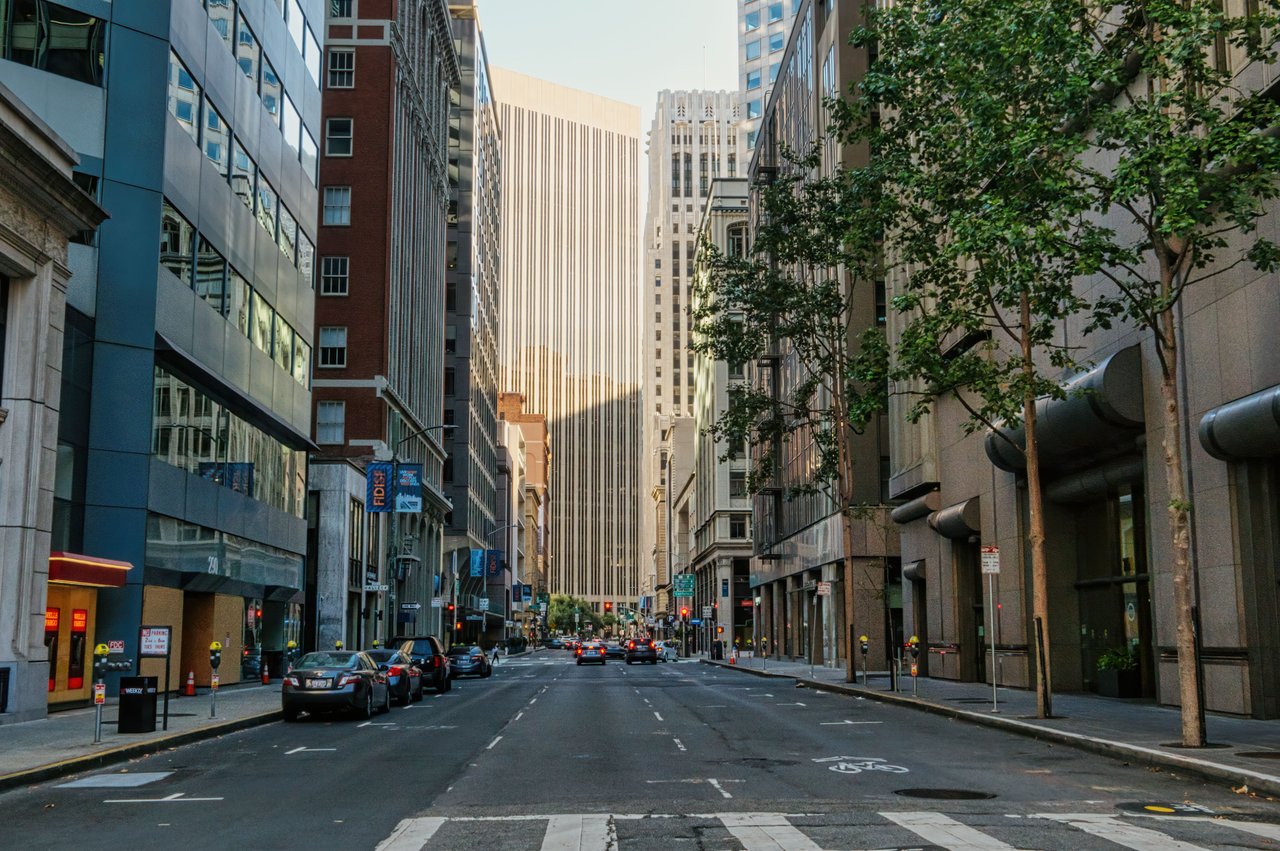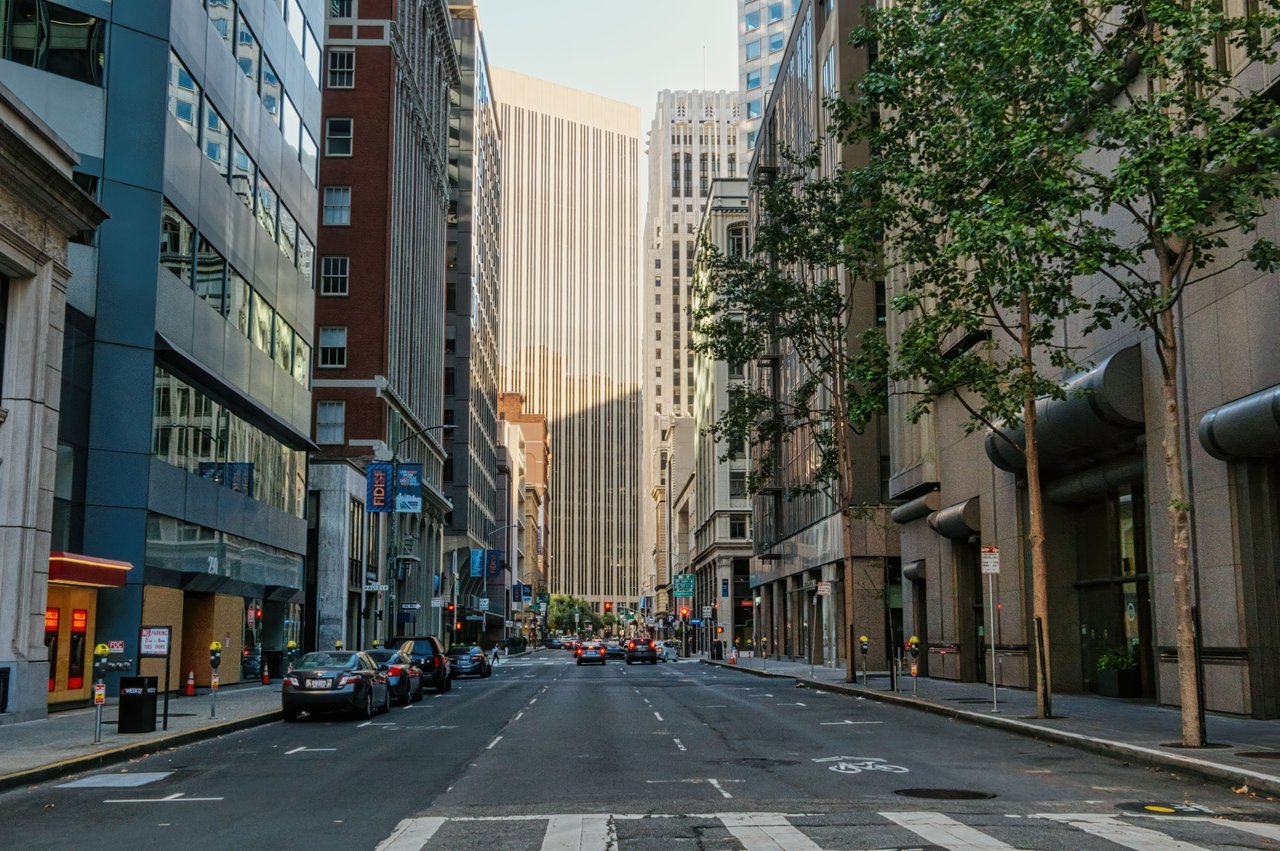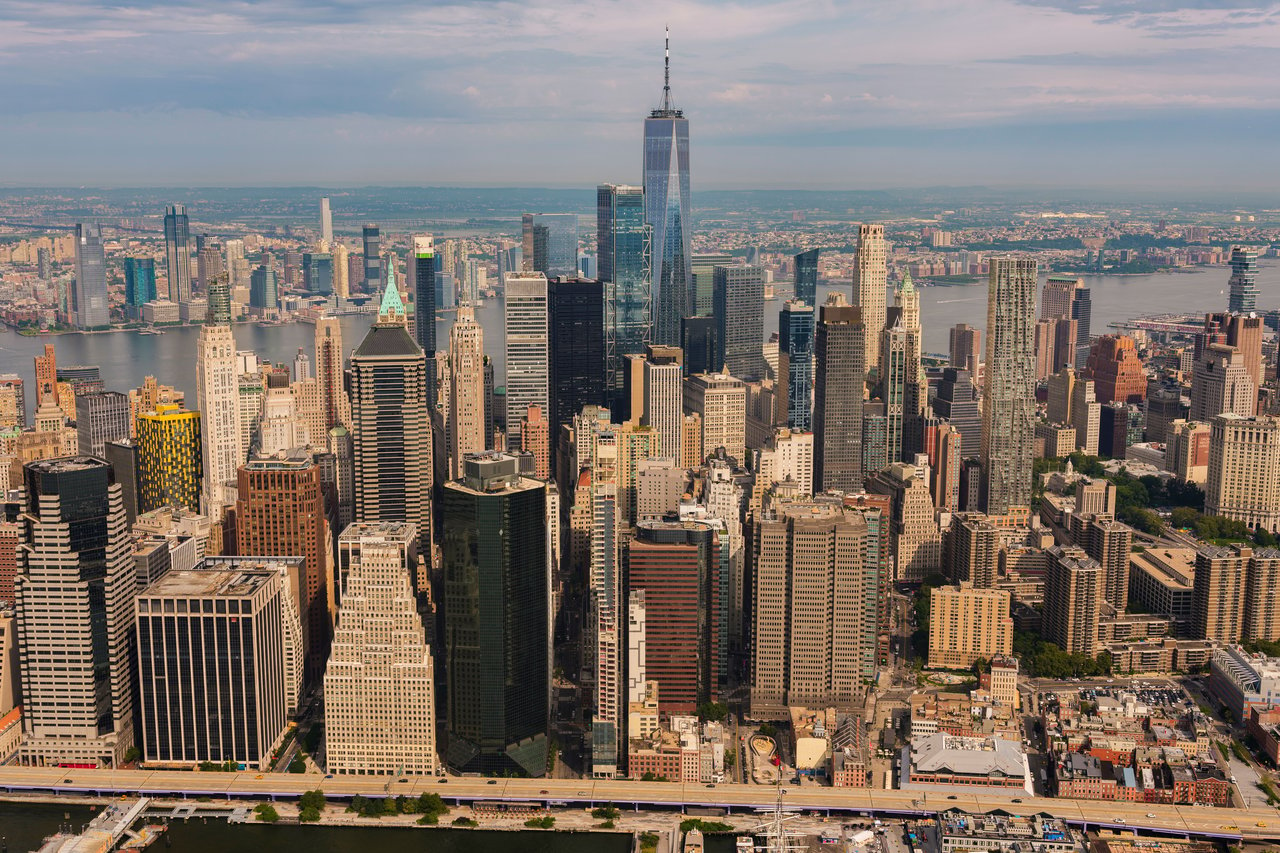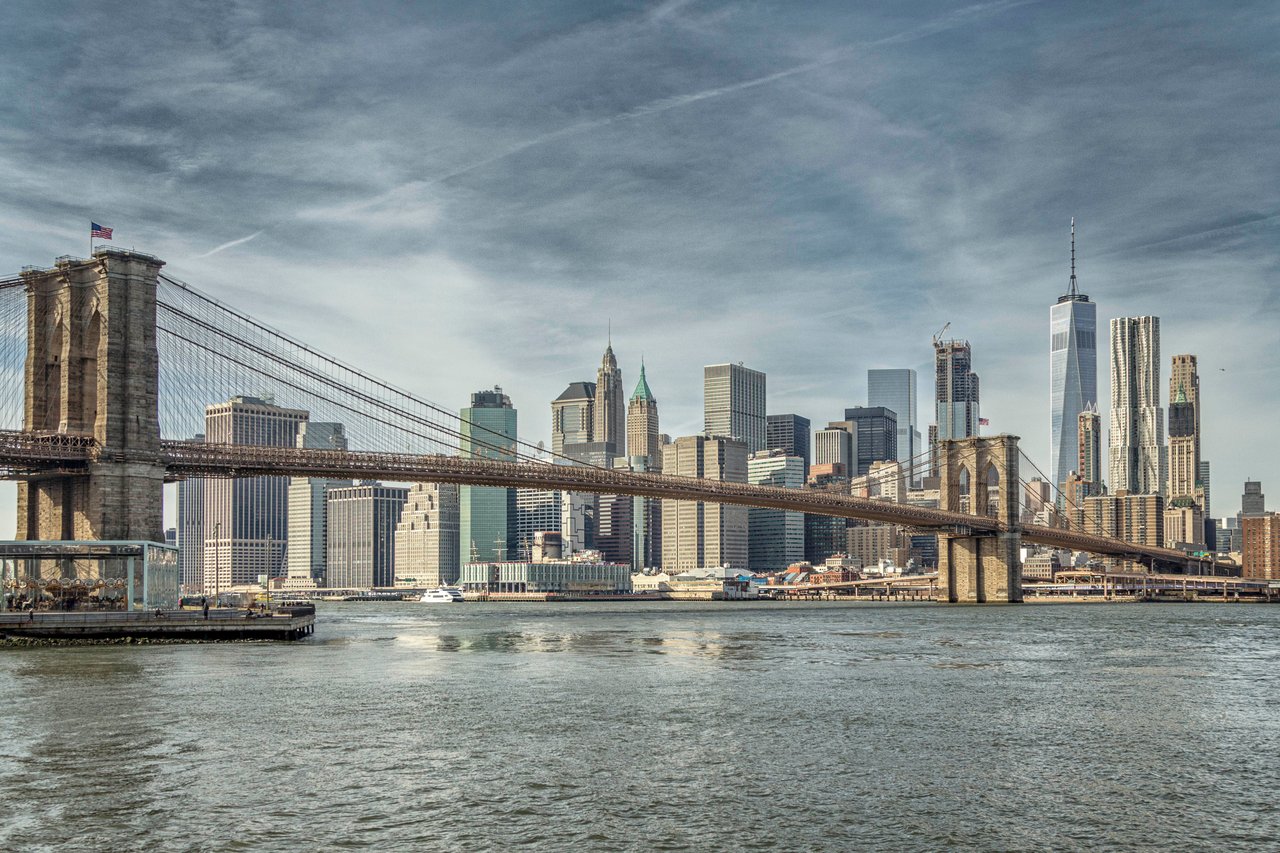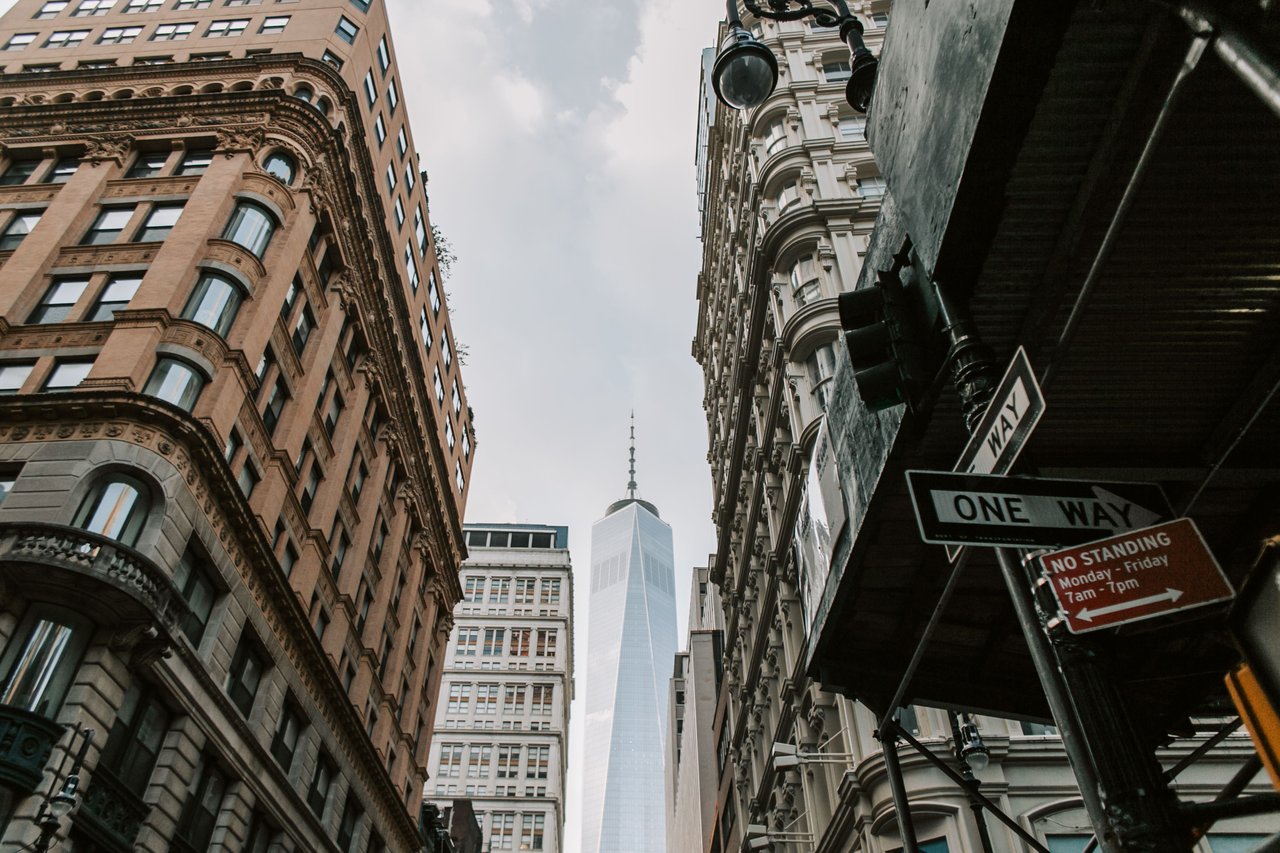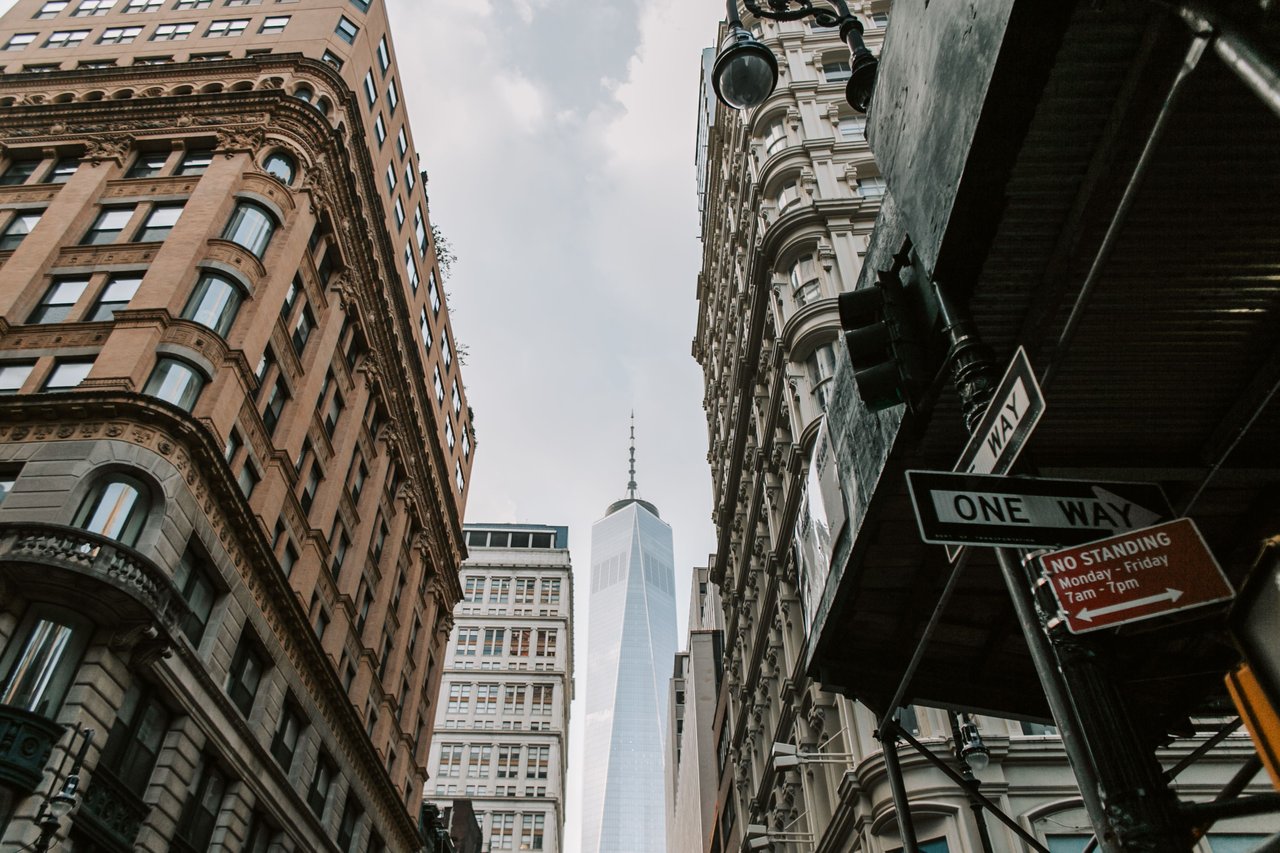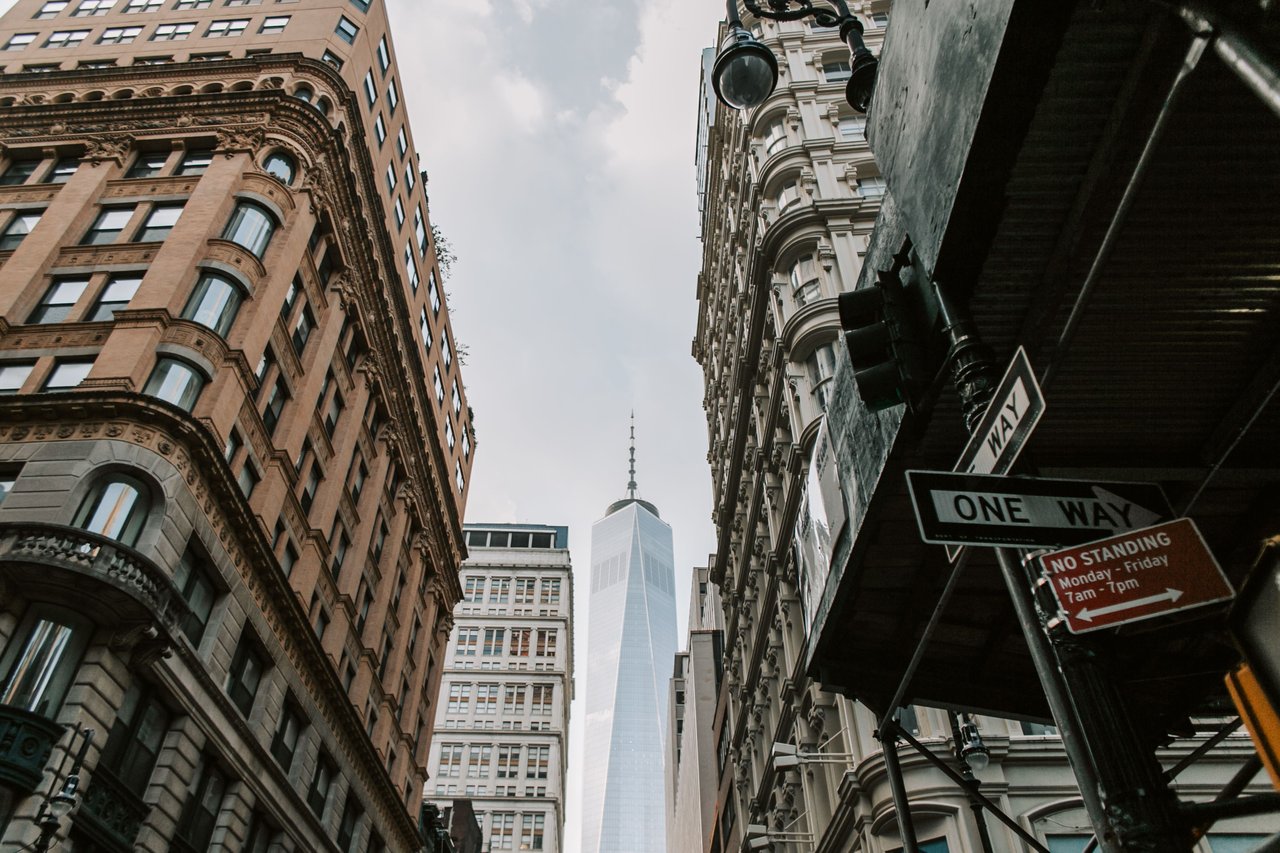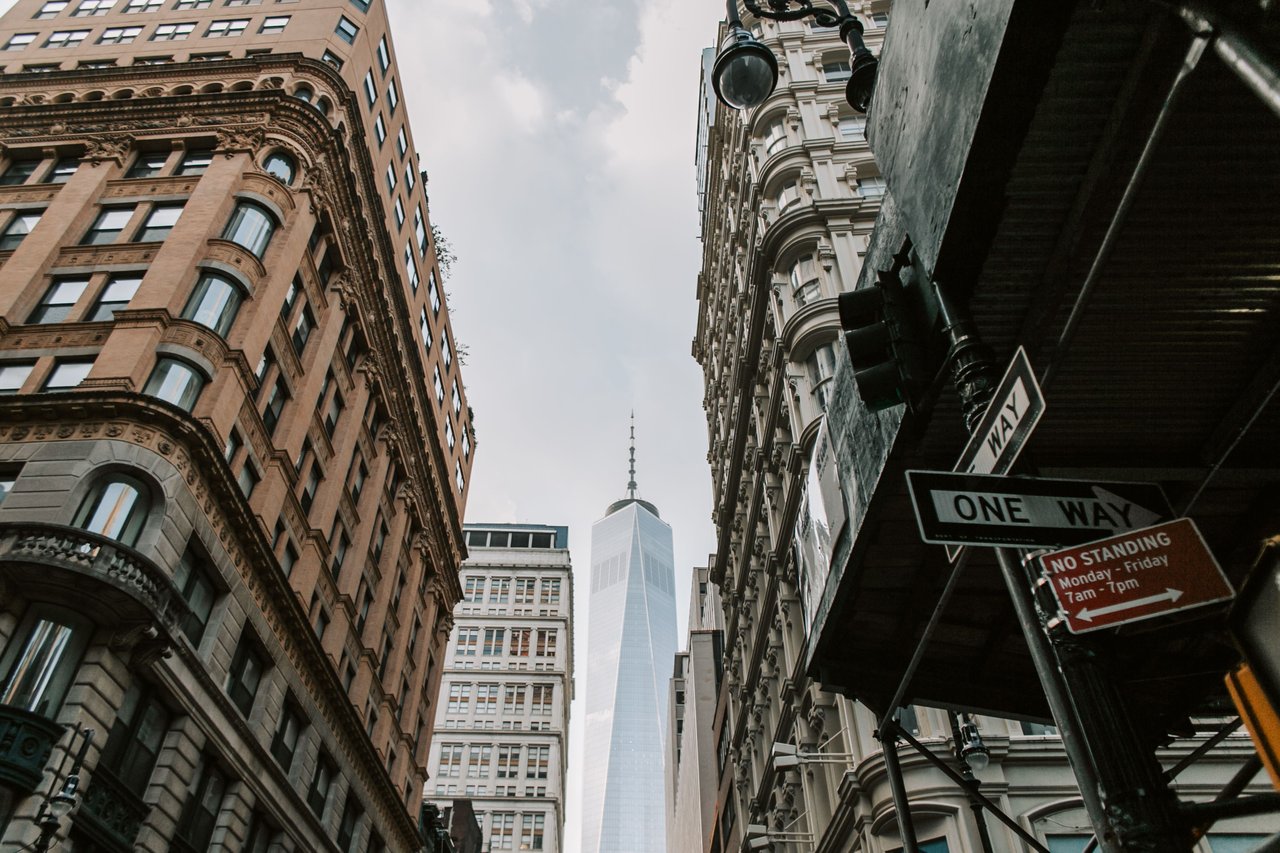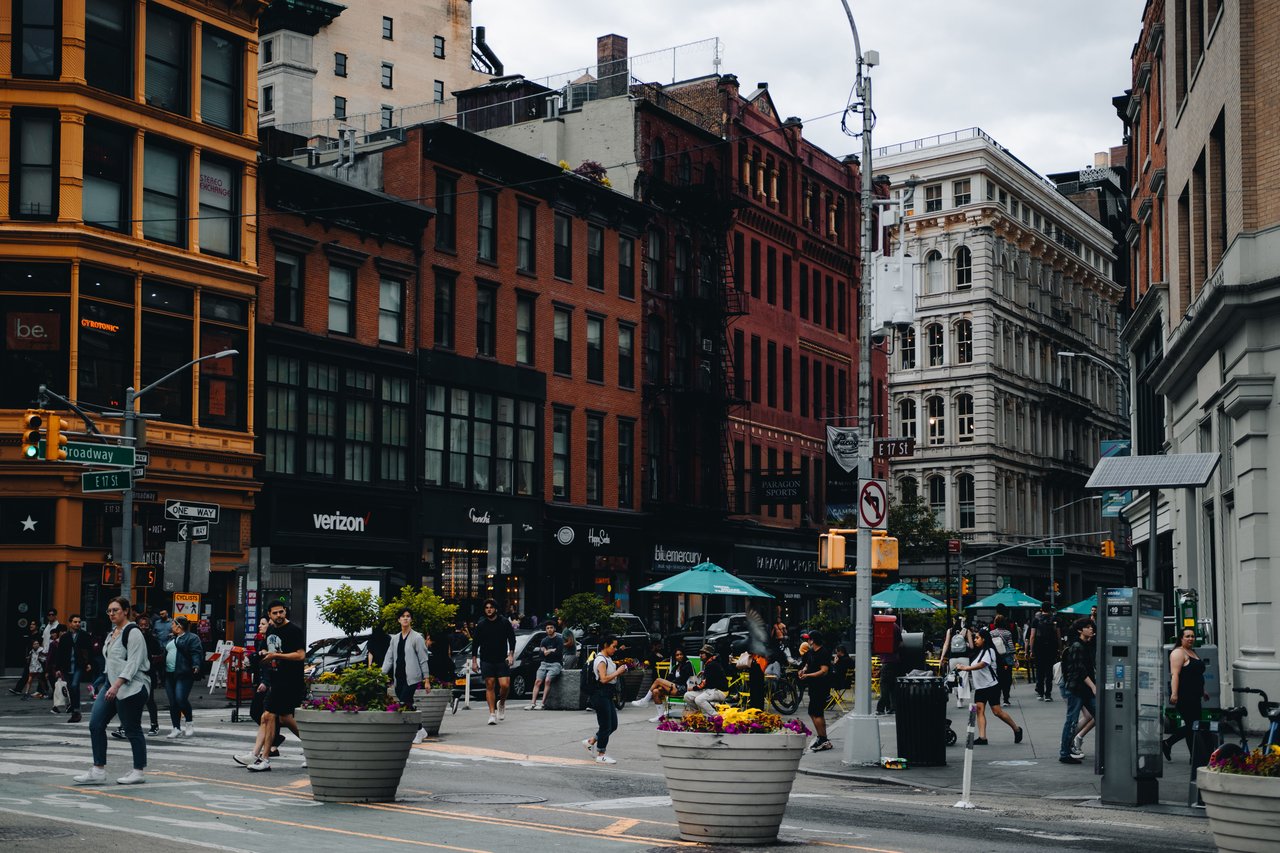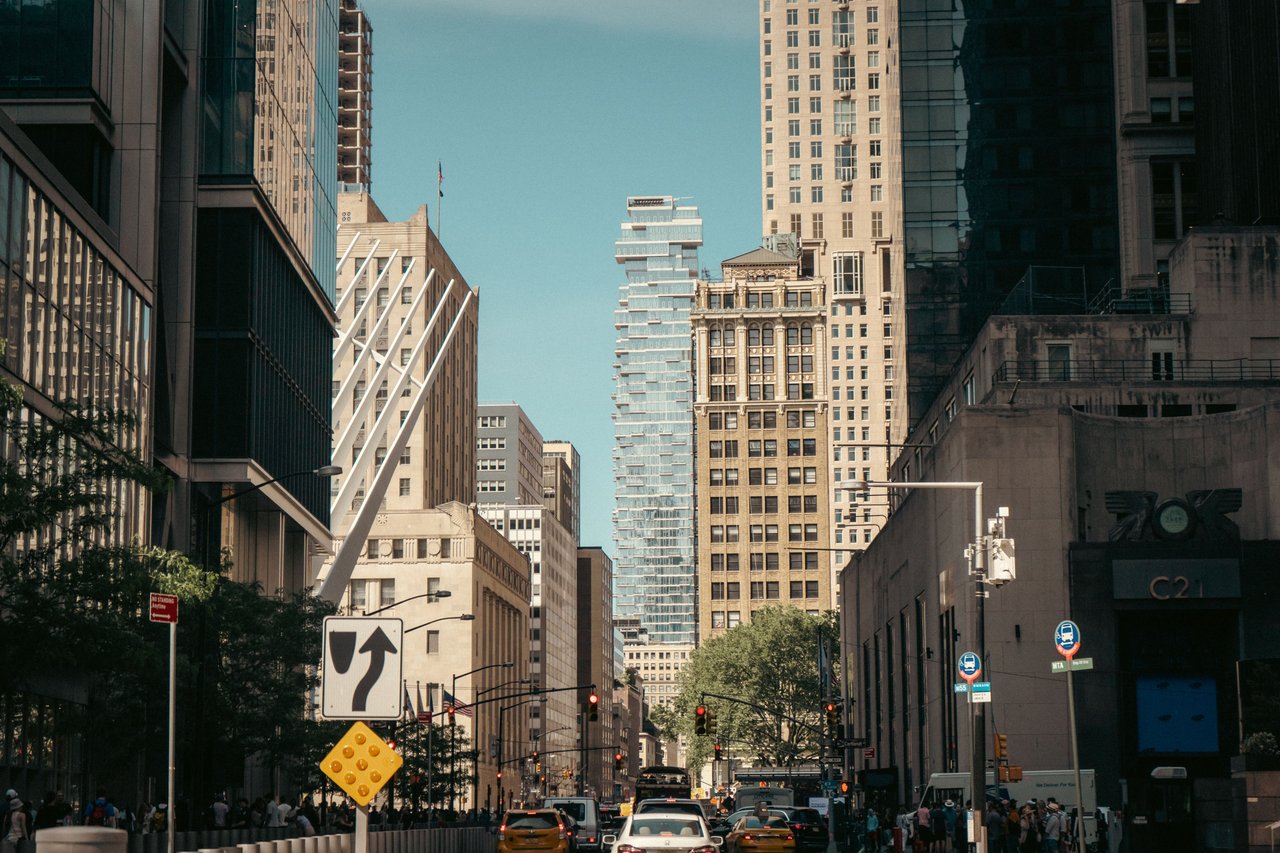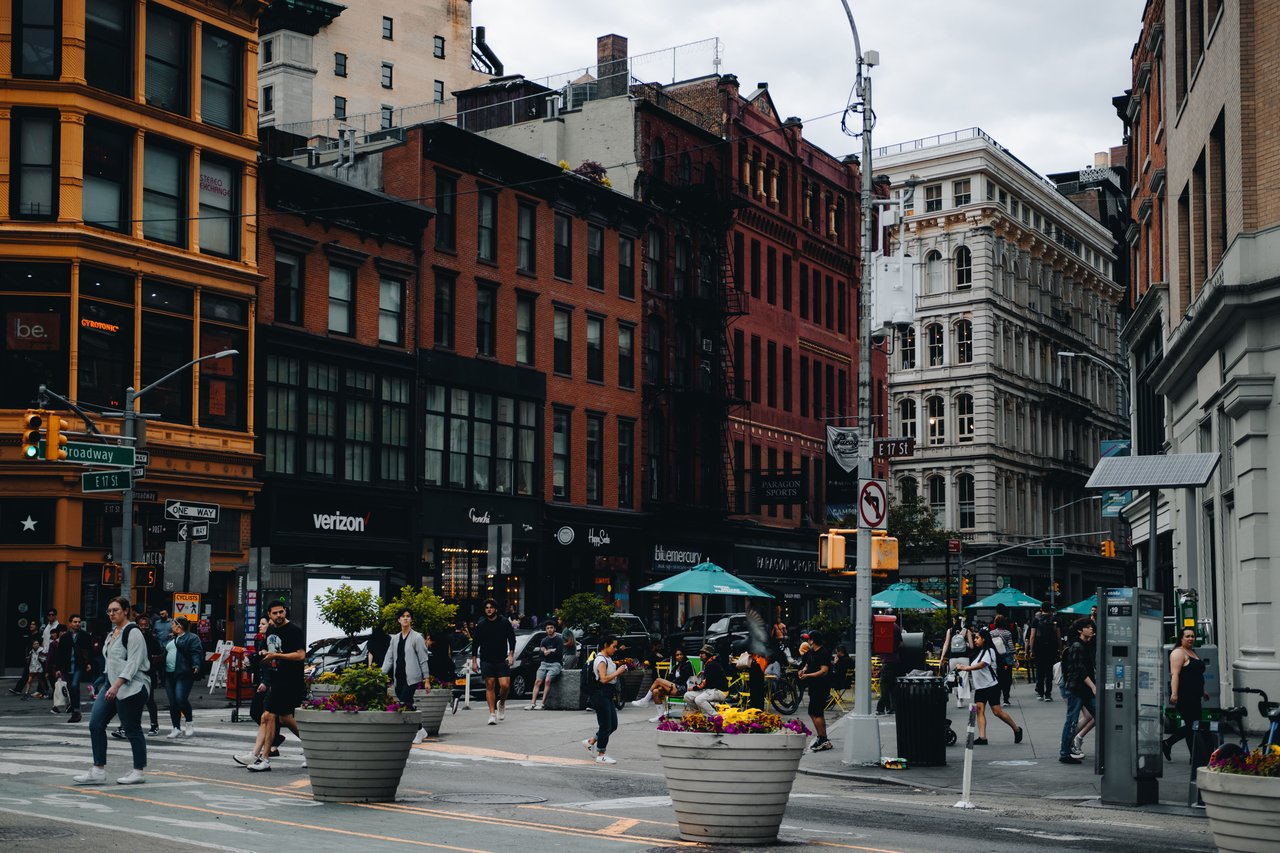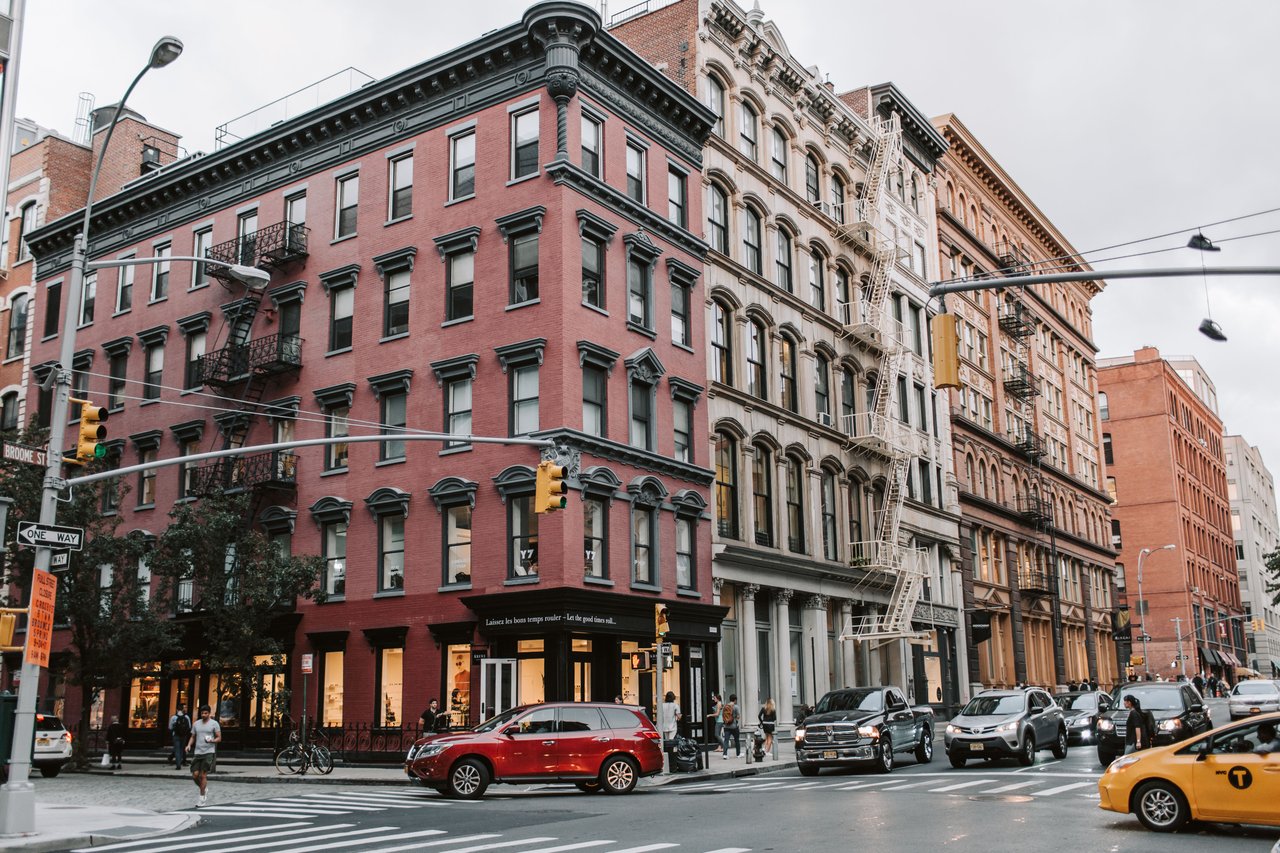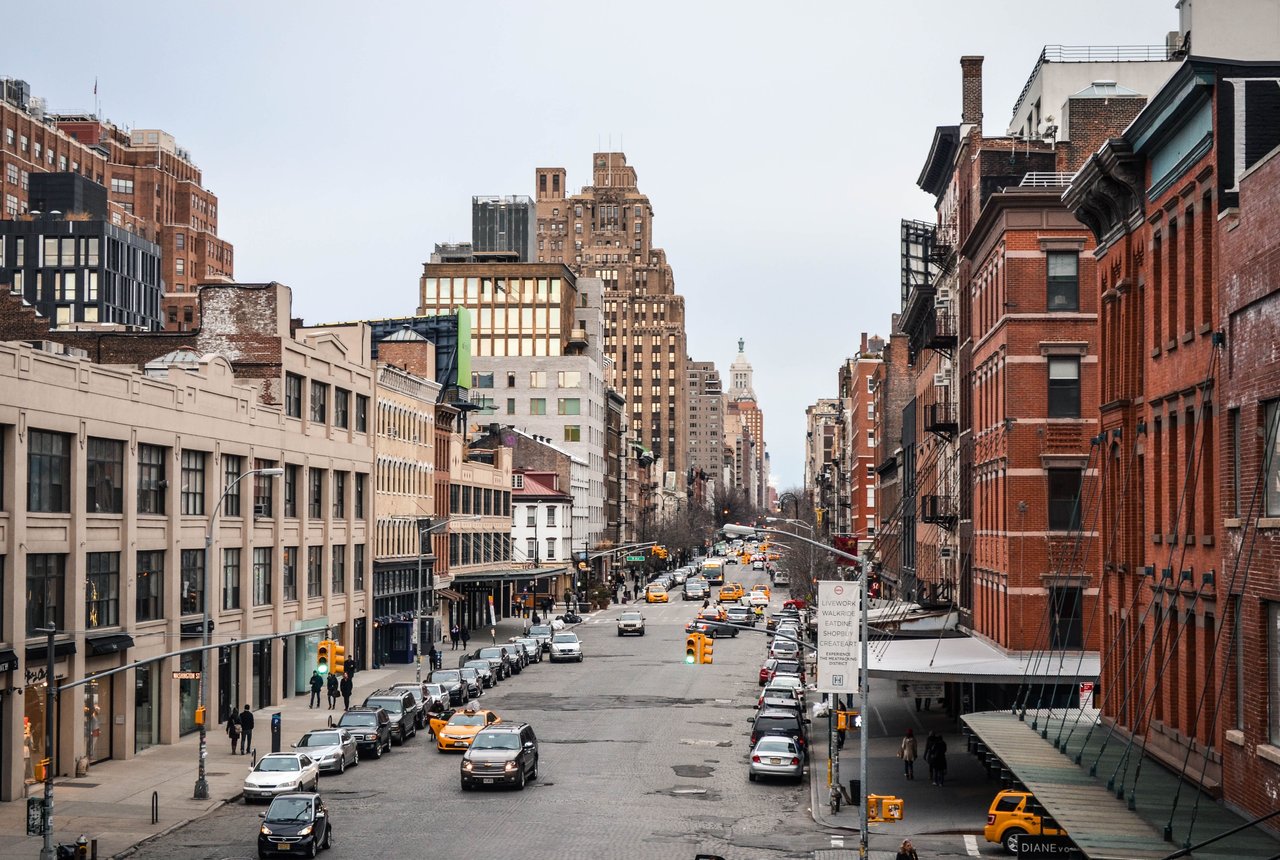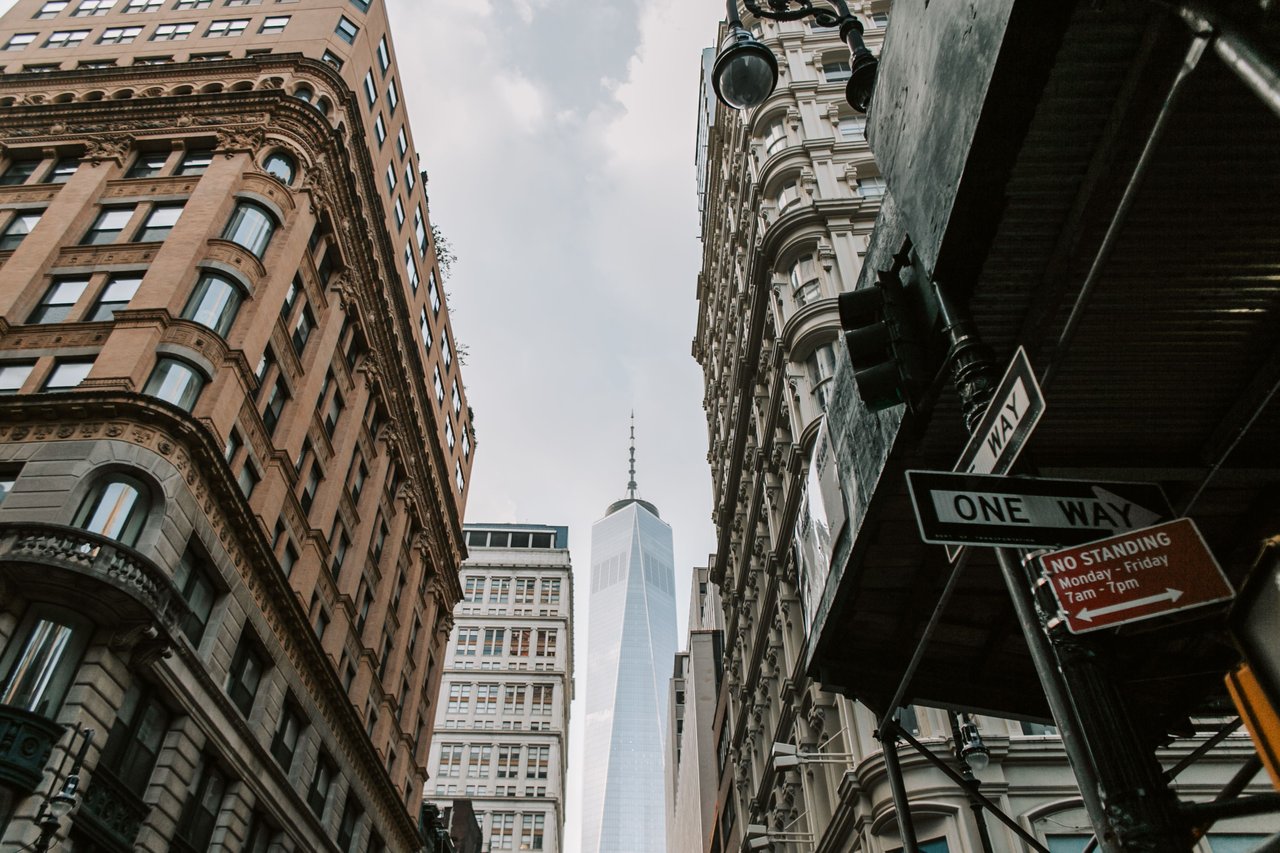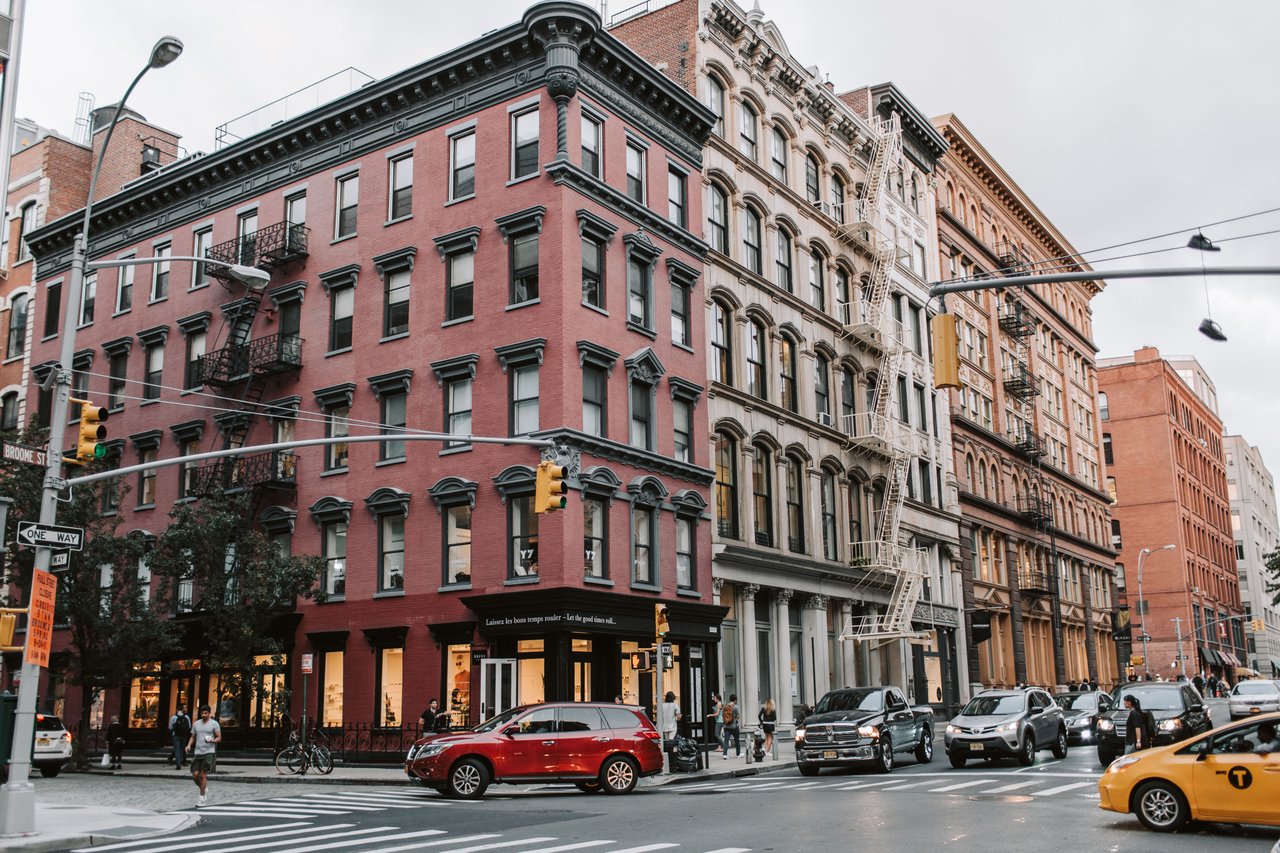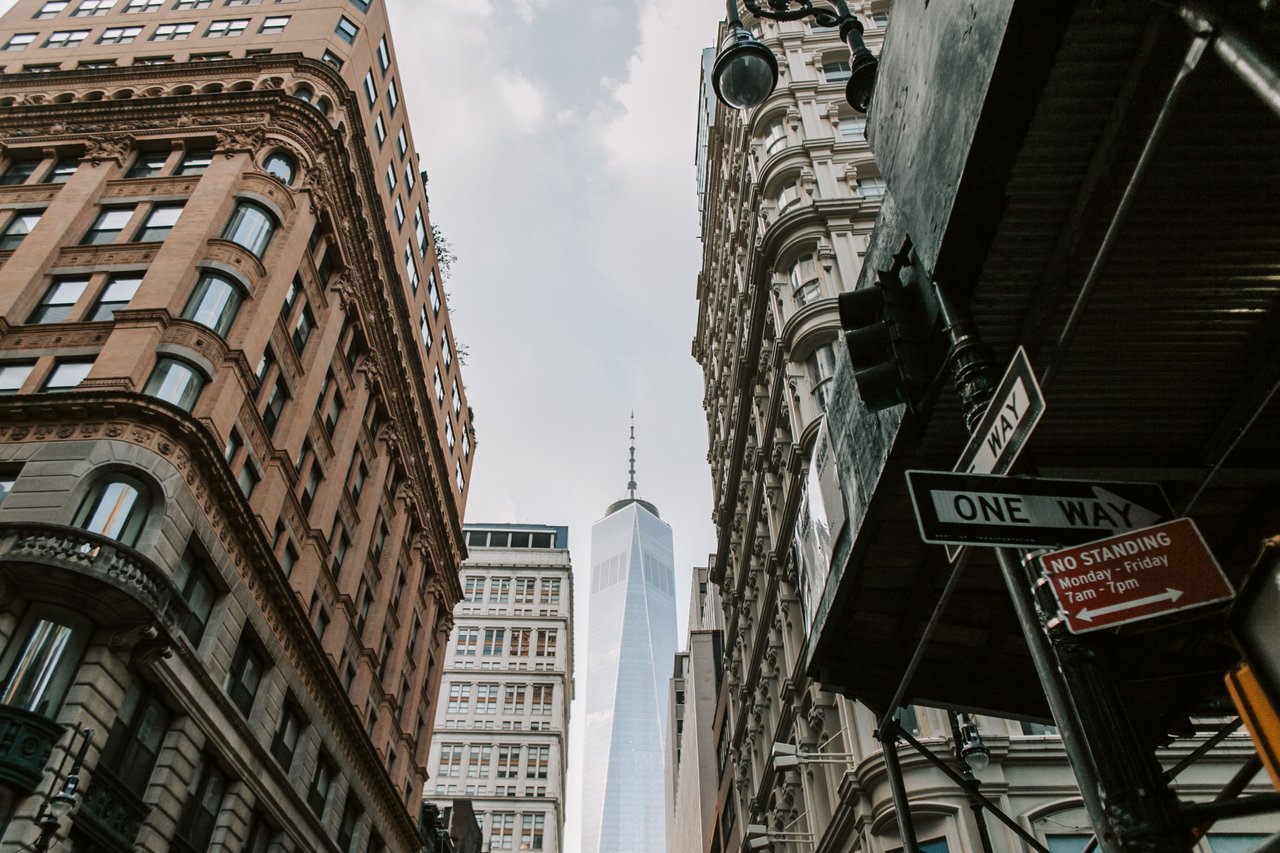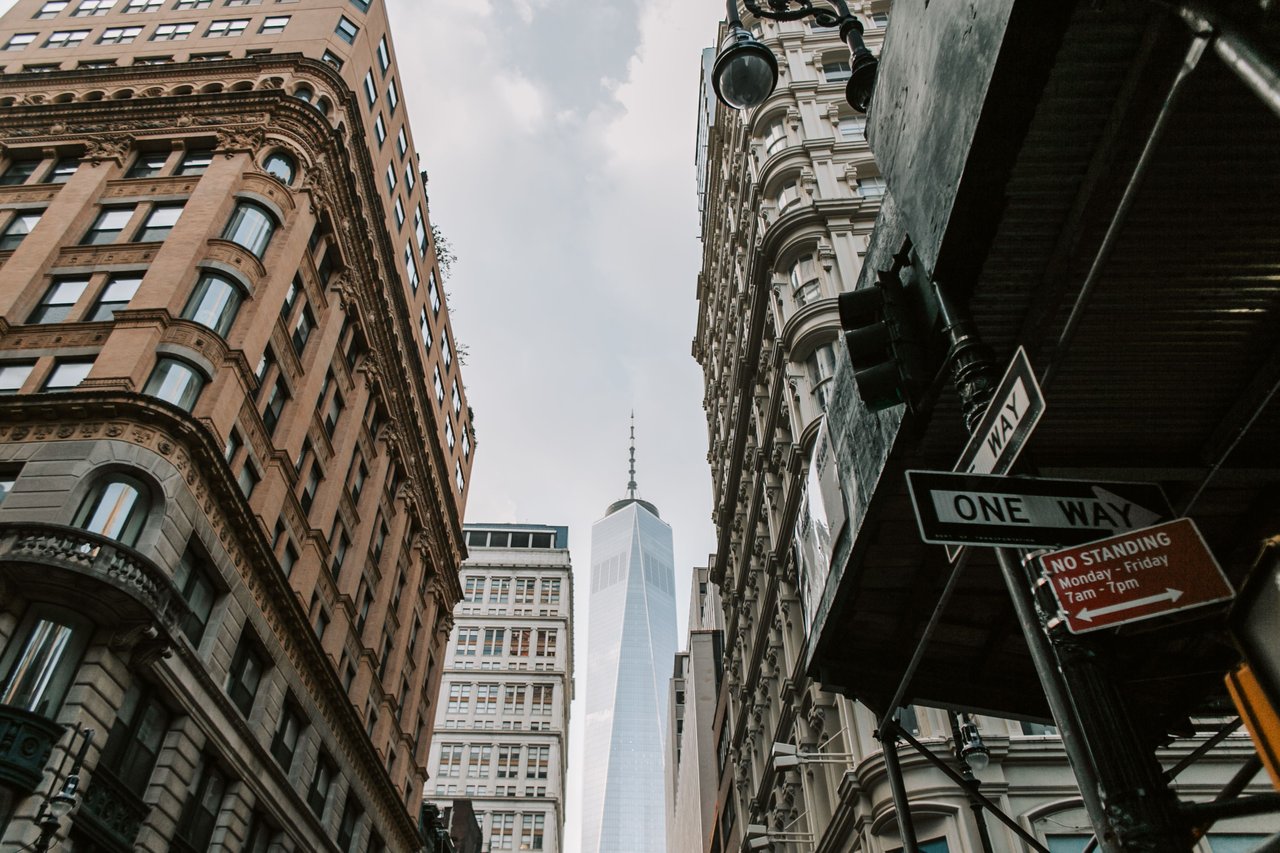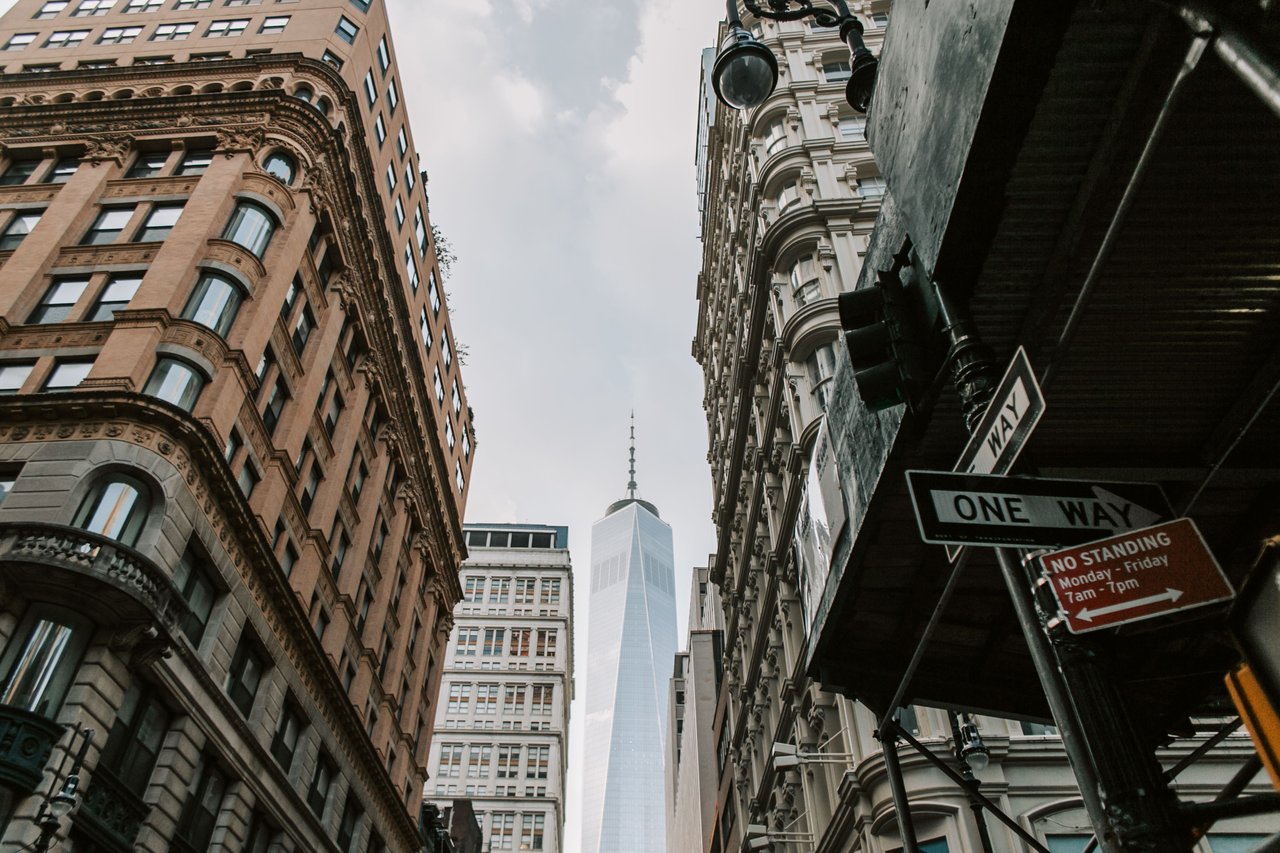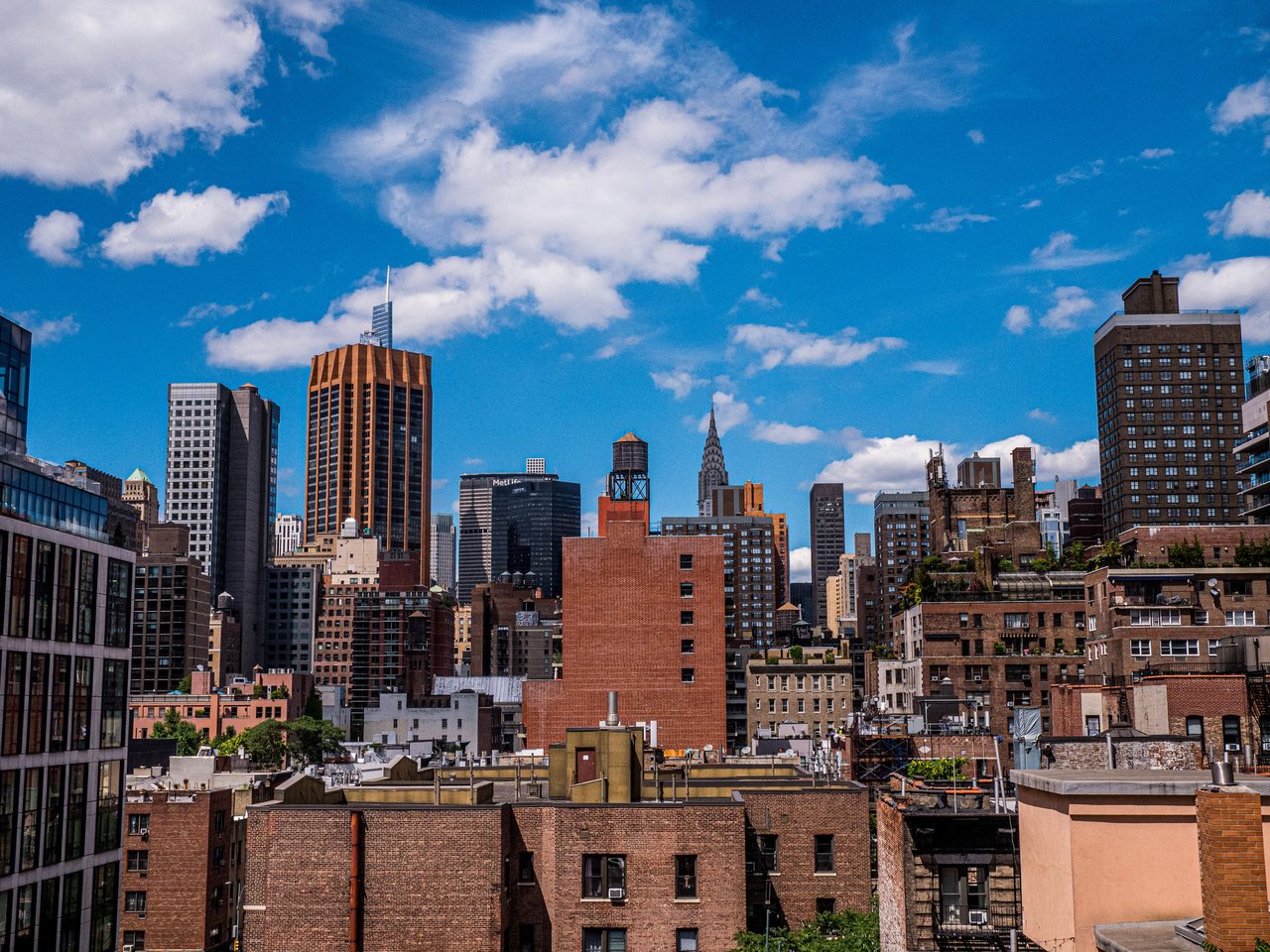
Warren Street offers a remarkable architectural journey through Tribeca, connecting the marble-fronted commercial buildings of nineteenth-century Manhattan with historic brick warehouses, converted residential lofts, and contemporary condominium towers. Running westward from Broadway toward the Hudson River, the street reveals how Lower Manhattan evolved from an early residential district into a major center of wholesale commerce before undergoing another transformation into one of New York City's distinctive residential neighborhoods.
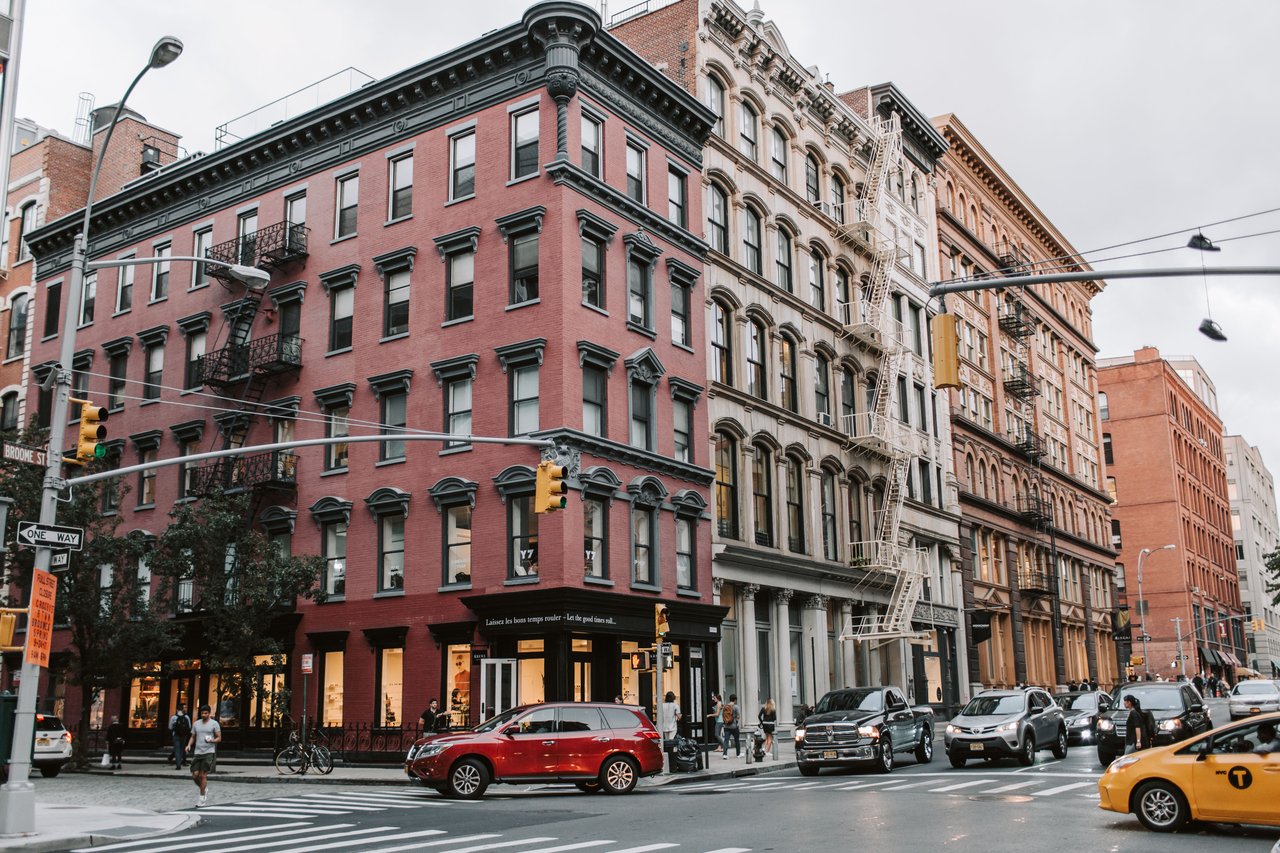
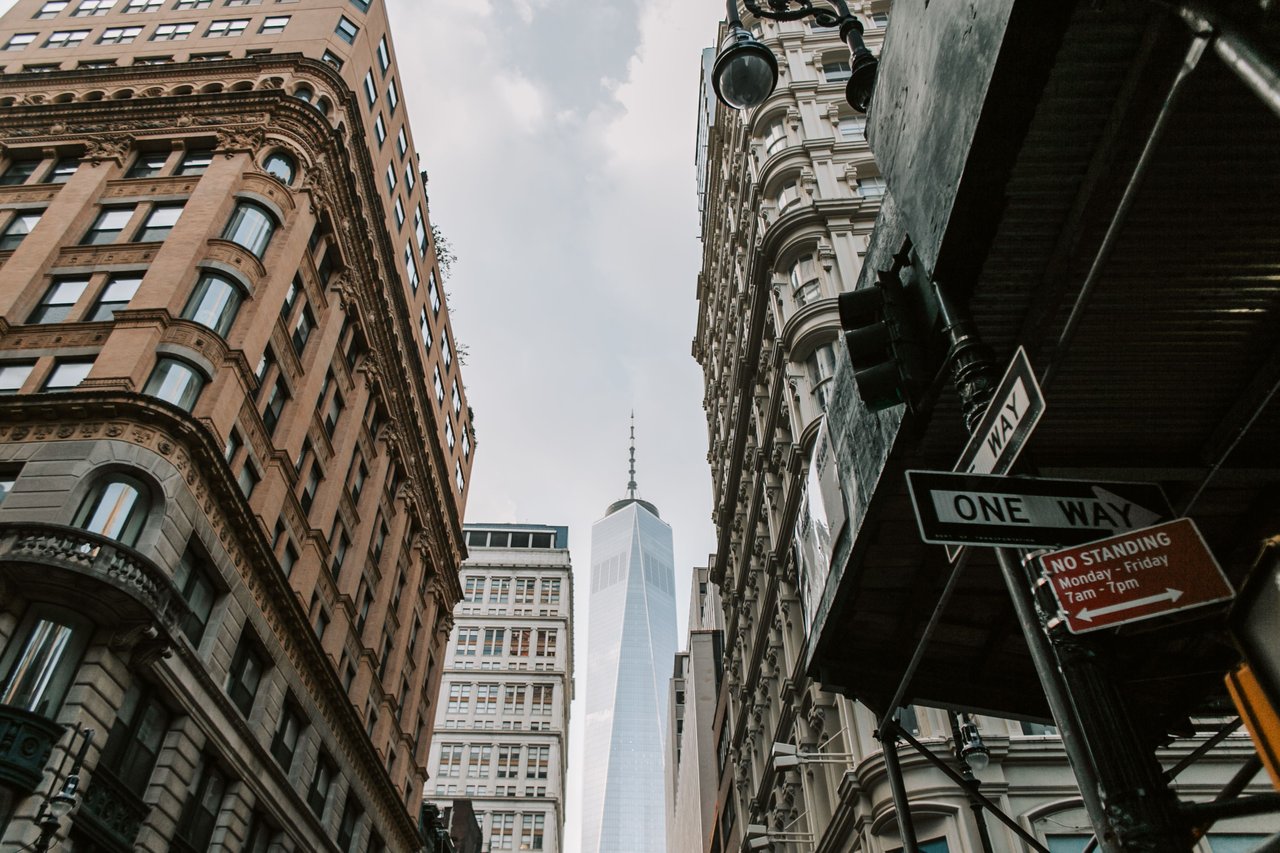
The architectural character of Warren Street changes considerably from block to block. Near Broadway and Church Street, Italianate store-and-loft buildings preserve the elegance of the 1850s commercial boom. Around West Broadway and Hudson Street, later nineteenth-century structures reflect the expansion of warehouses, transportation, and wholesale businesses. Farther west, contemporary residential buildings introduce a different scale and architectural vocabulary, creating a contrast between historic Tribeca and the redevelopment of Manhattan's former commercial waterfront.
Unlike streets that preserve a single architectural period, Warren Street tells its history through these successive layers of construction.
The Origins and Early Development of Warren Street
Warren Street developed during the eighteenth century as Lower Manhattan expanded northward from its original colonial center. Much of the land west of Broadway belonged to Trinity Church, whose extensive property holdings influenced the development of present-day Tribeca.
The subdivision of the Church Farm established a network of streets and building lots that gradually transformed former agricultural land into an urban neighborhood. Warren Street became part of this network, connecting the developing commercial activity around Broadway with the western portion of Manhattan.
During the late eighteenth and early nineteenth centuries, the surrounding blocks contained modest residences, workshops, stables, and small commercial establishments. Many buildings were constructed on narrow lots, creating a streetscape of relatively low structures with simple brick or wood facades.
As New York City's economy expanded, the neighborhood's proximity to Broadway and the Hudson River made it increasingly attractive for commercial development. By the middle of the nineteenth century, much of Warren Street's early residential architecture was being replaced by larger buildings designed for wholesale businesses.
Why Is It Called Warren Street?
Warren Street is generally associated with Joseph Warren, the Massachusetts physician and Revolutionary War leader who died at the Battle of Bunker Hill in 1775.
His death made him an important figure in the early commemoration of the American Revolution, and numerous streets and public places throughout the United States received his name.
The name fits the broader pattern of commemorative street naming that emerged as New York expanded during the years following American independence.
Today, Warren Street retains that historic name even though the architecture along it has changed substantially since the street's earliest development.
Warren Street Before the Commercial Boom
Before the construction of the large commercial buildings that characterize historic Tribeca, Warren Street was primarily associated with residential and small-scale business uses.
Federal-style houses were common throughout the surrounding neighborhood during the early nineteenth century. Their architecture emphasized restrained proportions, regular window arrangements, simple brickwork, and modest cornices.
As residential construction became more substantial during the 1820s and 1830s, Greek Revival details began appearing on buildings throughout Lower Manhattan. Classical door surrounds, heavier lintels, and more prominent cornices introduced a different architectural character.
These early structures occupied relatively narrow lots and were generally much smaller than the commercial buildings constructed during the following decades.
The transformation of Warren Street was not immediate. Some residences were converted into commercial premises before eventually being demolished, while other sites were redeveloped with purpose-built store-and-loft buildings.
The gradual replacement of these earlier structures created the foundations of the architectural streetscape visible today.
The Expansion of Manhattan's Wholesale District
During the middle of the nineteenth century, New York City's wholesale businesses increasingly moved northward from the older commercial districts of Lower Manhattan.
Broadway became an important commercial corridor, and the surrounding streets attracted merchants seeking larger buildings for the storage, display, and distribution of goods.
Warren Street benefited from this expansion because of its location between Broadway and the commercial waterfront.
Beginning in the early 1850s, developers replaced earlier residential buildings with substantial store-and-loft structures. These buildings commonly contained commercial storefronts at street level and flexible upper floors suitable for showrooms, offices, and storage.
The architecture was both practical and ambitious. Large windows provided daylight to commercial interiors, while marble and stone facades conveyed permanence and sophistication.
The rapid pace of redevelopment produced a relatively consistent streetscape of five-story commercial buildings, particularly near Broadway and Church Street.
This period established the architectural identity of eastern Warren Street.
Italianate Architecture on Warren Street
Italianate architecture became the dominant style of Warren Street's commercial expansion during the 1850s.
Inspired by Renaissance palaces, the style introduced carefully organized facades, decorative window surrounds, prominent cornices, and classical architectural details.
On Warren Street, architects adapted these elements to commercial buildings rather than traditional residences. Large storefront openings accommodated wholesale businesses, while upper floors provided generous interior spaces.
Marble became an especially important facade material. Its light appearance and ability to accommodate elaborate decorative carving made it attractive for commercial developers seeking distinctive buildings.
The resulting architecture combined substantial masonry construction with carefully proportioned windows, bracketed cornices, and cast-iron storefront elements.
Several surviving buildings on Warren Street preserve this commercial architectural tradition.
The Historic Commercial Buildings at 41–43 Warren Street
The building at 41–43 Warren Street is an important example of the earliest phase of the street's mid-nineteenth-century commercial redevelopment.
Constructed around 1851–1854, the building was developed for merchant Thomas Suffern, with its design attributed to architect John W. Ritch.
Its Italianate architecture includes a marble upper facade and a commercial ground floor originally incorporating cast-iron architectural elements.
The building was designed for the wholesale dry-goods trade, which required substantial interior spaces and prominent commercial entrances.
Its construction helped establish the architectural character that would become increasingly common along Warren Street during the following decade.
The building is particularly significant because it illustrates the transition from the earlier residential neighborhood to the substantial commercial structures associated with Tribeca's wholesale economy.
The Marble Buildings at 45 and 47 Warren Street
The adjoining buildings at 45 and 47 Warren Street provide an important example of coordinated Italianate commercial architecture.
Constructed around 1854, the buildings were developed on land leased from Trinity Church. Their marble facades reflect the architectural ambitions of Manhattan's expanding wholesale district.
The buildings share a consistent architectural character, with decorative window surrounds, substantial cornices, and commercial storefronts designed to accommodate business activity.
Their architectural relationship demonstrates how developers frequently constructed adjoining buildings with similar heights, proportions, and decorative details.
Although the original storefronts have been modified over time, the upper facades retain important evidence of their nineteenth-century design.
Together, these buildings preserve a significant portion of Warren Street's early commercial architectural history.
The Italianate Commercial Buildings at 49–53 Warren Street
The commercial buildings at 49–53 Warren Street continue the architectural rhythm established by the earlier marble structures along the block.
Constructed during the mid-nineteenth-century wholesale expansion, these buildings reflect the popularity of Italianate architecture for commercial construction.
Their substantial masonry facades, decorative window openings, and prominent cornices demonstrate the influence of Renaissance-inspired design.
The relationship between adjoining structures is especially important. Rather than functioning as isolated architectural landmarks, the buildings contribute to a continuous commercial streetscape.
Their surviving architectural features illustrate the rapid transformation of Warren Street during the 1850s, when substantial store-and-loft buildings replaced earlier residential properties.
Cast-Iron Storefronts and Commercial Innovation
Cast iron played an important role in the development of Warren Street's commercial architecture.
The material allowed architects to create slender columns, decorative capitals, and substantial storefront openings that would have been difficult to achieve using traditional masonry alone.
Cast-iron components could be manufactured in foundries and assembled on construction sites, making elaborate commercial facades more practical.
Along Warren Street, these elements were frequently combined with marble or brick upper stories.
The resulting buildings offered large windows and flexible ground-floor spaces while retaining sophisticated architectural ornamentation.
Some surviving structures preserve historic cast-iron columns and decorative elements, even where storefronts have been altered.
These features reflect the technological innovations that helped transform Manhattan's nineteenth-century commercial architecture.
Warren Street and Broadway
Broadway marks the eastern entrance to Warren Street's historic Tribeca corridor.
During the nineteenth century, Broadway became one of New York City's principal commercial streets, encouraging substantial development along its adjoining blocks.
The commercial buildings near Warren Street reflect this expansion through their substantial masonry facades, decorative cornices, and large windows.
The surrounding architecture also reveals the transition from mid-nineteenth-century store-and-loft buildings to later commercial and office structures.
Broadway's importance as a transportation and business corridor helped establish Warren Street as an attractive location for wholesale merchants.
The architectural development of eastern Warren Street therefore cannot be separated from the commercial growth of Broadway.
Warren Street and Church Street
Church Street intersects Warren Street within an area containing some of Tribeca's important nineteenth-century commercial architecture.
The surrounding blocks developed rapidly during the 1850s, when earlier residential structures were replaced by substantial store-and-loft buildings.
Italianate facades, decorative masonry, and historic cast-iron storefronts became defining architectural features.
The intersection illustrates the importance of corner commercial buildings, which frequently incorporated storefront openings and architectural details along both street elevations.
During the twentieth century, Church Street became an increasingly important transportation corridor, introducing additional changes to the surrounding urban environment.
Despite these developments, surviving nineteenth-century buildings continue to preserve the architectural character of the former wholesale district.
The Tribeca South Historic District Extension
The Tribeca South Historic District Extension, designated in 2002, protects an important group of commercial buildings on Warren Street and nearby blocks.
The extension includes historically significant structures associated with the rapid expansion of Manhattan's wholesale dry-goods trade during the 1850s.
Buildings such as 41–43, 45, and 47 Warren Street demonstrate the architectural importance of this period.
Their marble facades, Italianate details, and surviving cast-iron elements preserve the character of the commercial buildings constructed during the neighborhood's transformation.
The designation recognizes not only the architectural significance of individual structures but also their collective contribution to the historic streetscape.
This distinction is important because the character of Warren Street depends on the continuity of its surviving nineteenth-century commercial buildings.
Warren Street and West Broadway
West Broadway marks an important transition in Warren Street's architectural character.
To the east, the street preserves substantial Italianate commercial buildings associated with the dry-goods trade. Farther west, the architectural landscape becomes more varied, incorporating later nineteenth-century commercial structures and contemporary development.
Historically, this area was shaped by the irregular alignment of West Broadway and the former street network around College Place.
The resulting building sites were not always rectangular, creating unusual intersections and architectural arrangements.
The intersection also illustrates the continuing tension between historic preservation and redevelopment in Tribeca.
Although parts of the surrounding neighborhood are protected by historic district designation, other buildings have remained outside those boundaries.
This difference has influenced the architectural changes taking place around Warren Street and West Broadway.
The Former College Place Street Alignment
One of the less obvious aspects of Warren Street's history is its relationship with College Place, a former street name associated with portions of the present-day West Broadway corridor.
The historical street network around Warren Street developed through several phases of planning and realignment.
As commercial buildings were constructed during the nineteenth century, some sites incorporated irregular boundaries inherited from earlier street arrangements.
These conditions created distinctive corner lots and unusual building footprints.
The surviving street geometry provides evidence of Lower Manhattan's gradual development before the establishment of more standardized street layouts.
Even where original buildings have been altered or replaced, the relationship between Warren Street and West Broadway continues to reflect this layered history.
The Commercial Architecture of Western Warren Street
West of West Broadway, Warren Street developed with a mixture of commercial buildings, warehouses, and later residential structures.
During the nineteenth century, the surrounding neighborhood became increasingly connected to the wholesale and transportation activities associated with Manhattan's western waterfront.
The architecture reflected these practical requirements. Brick masonry, substantial structural systems, large windows, and flexible interior spaces became common characteristics.
Some buildings incorporated Italianate details, while others reflected later commercial architectural styles.
The result was a streetscape less uniform than the marble-fronted blocks farther east.
This architectural variety remains an important feature of western Warren Street.
Warren Street and Hudson Street
Hudson Street connects Warren Street with one of western Tribeca's historic commercial corridors.
During the nineteenth century, the surrounding neighborhood developed with warehouses, wholesale businesses, and transportation-related buildings.
Substantial brick facades and large commercial windows reflected the practical requirements of storage and distribution.
The intersection also became associated with later commercial development as building technology and architectural styles changed.
The surviving street pattern demonstrates the relationship between Warren Street and the broader warehouse district that developed toward the Hudson River.
Warren Street and Greenwich Street
Greenwich Street forms another important north-south connection through western Tribeca.
Historically, the corridor was associated with commercial activity and transportation infrastructure serving the waterfront.
The surrounding architecture includes former warehouse buildings, commercial structures, and contemporary residential developments.
As Manhattan's commercial waterfront declined during the twentieth century, many buildings were adapted for new uses while other sites were redeveloped.
The intersection illustrates the transition from historic Tribeca's warehouse architecture to the larger contemporary residential buildings constructed farther west.
The Transformation of Warren Street's Waterfront Blocks
The western portion of Warren Street underwent substantial changes during the twentieth century.
The decline of traditional waterfront commerce, the relocation of wholesale businesses, and large-scale redevelopment altered the architectural character of the surrounding neighborhood.
Earlier warehouses and commercial buildings were gradually replaced or incorporated into new development projects.
The construction of contemporary residential buildings introduced larger footprints, taller structures, and new architectural materials.
This transformation was especially pronounced near Greenwich Street and West Street, where former commercial sites became attractive for substantial residential development.
The resulting streetscape differs considerably from the historic commercial blocks near Broadway.
The Contemporary Architecture of 101 Warren Street
One of the most recognizable examples of modern architecture along Warren Street is 101 Warren Street, also known as 270 Greenwich Street.
Designed by Skidmore, Owings & Merrill and completed during the late 2000s, the condominium tower introduced a substantial contemporary residential structure to western Tribeca.
Its limestone-and-glass exterior reflects an architectural approach that differs considerably from the smaller nineteenth-century commercial buildings farther east.
The building's large windows, substantial height, and modern structural design demonstrate the changing scale of residential development in Lower Manhattan.
Its architectural composition incorporates contemporary materials while drawing on the masonry traditions associated with the surrounding neighborhood.
The development illustrates how former commercial areas of Tribeca have been transformed into substantial residential districts.
The Relationship Between Historic Lofts and Modern Condominiums
Warren Street contains two distinctly different approaches to residential architecture.
The first is represented by converted nineteenth-century commercial buildings. These structures often contain high ceilings, large windows, substantial masonry walls, and structural elements originally designed for commercial activity.
The second is represented by purpose-built contemporary condominiums, where residential layouts, modern building systems, and amenities are incorporated from the beginning.
The architectural differences are significant.
Historic loft conversions frequently retain irregular floor plans, exposed structural elements, and original commercial proportions. Modern buildings generally offer more standardized residential layouts and contemporary facade systems.
Together, these building types demonstrate how Tribeca's residential architecture has developed through both preservation and new construction.
The Architecture of Converted Commercial Lofts
The conversion of former commercial buildings into residential lofts became one of the defining developments in modern Tribeca.
Warren Street's historic store-and-loft structures were particularly suitable for adaptation because many contained flexible floor plans, substantial windows, and durable structural systems.
Renovations introduced contemporary kitchens, bathrooms, mechanical systems, and residential amenities while retaining distinctive architectural features.
Exposed brick, decorative columns, original masonry, and oversized windows became important characteristics of many converted loft residences.
The resulting interiors combine nineteenth-century commercial architecture with contemporary residential design.
This process of adaptive reuse has allowed significant buildings to remain functional while preserving important elements of their historic character.
Historic Preservation and the Limits of Landmark Protection
Historic preservation has played an important role in shaping Warren Street, but protection does not extend uniformly along the entire corridor.
Some buildings fall within the Tribeca South Historic District Extension, where exterior alterations are subject to review by the New York City Landmarks Preservation Commission.
Other portions of Warren Street lie outside designated historic districts, even where buildings retain nineteenth-century architectural features.
This distinction has become particularly significant around West Broadway, where preservation advocates have sought additional protections for historic commercial structures.
In 2025, a proposal to extend the Tribeca West Historic District to include several buildings near Warren Street and West Broadway was not accepted by the Landmarks Preservation Commission.
The decision illustrates the challenges involved in preserving individual historic buildings outside established district boundaries.
Warren Street therefore provides an important example of how landmark designation, redevelopment, and architectural change interact within a historic neighborhood.
Contemporary Development at West Broadway and Warren Street
The intersection of Warren Street and West Broadway has also become a focal point for contemporary redevelopment.
Historic commercial buildings at the northwest corner, including the former structures associated with 80–86 West Broadway, became the subject of demolition and redevelopment plans during 2025.
The site had been associated with nineteenth-century commercial construction and the historic street alignments surrounding College Place.
Its redevelopment demonstrates how portions of Tribeca outside designated historic districts can experience substantial architectural change.
The contrast between protected nineteenth-century commercial buildings and new residential construction has become an important part of the architectural discussion surrounding Warren Street.
What Does Tribeca Stand For?
Tribeca stands for Triangle Below Canal Street, referring to the neighborhood's location south of Canal Street in Lower Manhattan.
The area was historically associated with Washington Market and the commercial districts that developed along Manhattan's western waterfront.
During the nineteenth century, Tribeca became an important center of wholesale commerce, manufacturing, and warehouse activity.
Its architectural character was shaped by substantial store-and-loft buildings, cast-iron storefronts, brick warehouses, and later commercial structures.
During the twentieth century, former commercial buildings were increasingly converted into residential lofts, while new residential developments transformed parts of the neighborhood.
Warren Street reflects this history particularly clearly because its architecture ranges from Italianate marble commercial buildings to contemporary condominium towers.
Warren Street During the Twentieth Century
During the twentieth century, Warren Street experienced changes similar to those occurring throughout Tribeca.
As wholesale businesses relocated, many commercial buildings lost their original functions.
Some structures remained in commercial use, while others were converted into offices, workshops, and eventually residential lofts.
The substantial construction and flexible layouts of nineteenth-century store-and-loft buildings made them particularly suitable for adaptation.
Historic preservation efforts during the late twentieth century helped protect significant portions of Tribeca's architectural landscape.
At the same time, redevelopment of the western waterfront introduced contemporary residential buildings and larger development sites.
These changes produced the architectural diversity visible along Warren Street today.
Warren Street Today
Today, Warren Street connects several distinct architectural environments within Tribeca.
Near Broadway, historic Italianate commercial buildings preserve the character of Manhattan's nineteenth-century wholesale district.
Around Church Street and West Broadway, marble facades, cast-iron details, and later commercial structures reflect successive phases of architectural development.
Farther west, converted warehouses and contemporary condominium buildings demonstrate the neighborhood's transformation into a residential district.
The contrast between these environments is one of Warren Street's defining characteristics.
Rather than preserving a single architectural moment, the street reveals how Lower Manhattan has continually adapted to changing commercial, residential, and urban conditions.
The Architectural Legacy of Warren Street
Warren Street preserves an important record of Tribeca's transformation over more than two centuries.
Its earliest development reflected the subdivision of former Trinity Church land and the gradual expansion of New York City beyond its colonial center.
The commercial boom of the 1850s introduced elaborate Italianate store-and-loft buildings, marble facades, and cast-iron storefronts.
Later construction reflected the growth of wholesale commerce, transportation, and warehouse activity near the Hudson River.
During the twentieth and early twenty-first centuries, historic loft conversions and contemporary residential developments introduced new architectural forms.
Today, Warren Street remains an important example of how Manhattan's historic commercial architecture and modern residential development coexist within the same urban landscape.
Where is Warren Street in Tribeca, Manhattan?
Warren Street runs through Tribeca, Manhattan, connecting Broadway with the western portion of Lower Manhattan near the Hudson River. Its route passes through historic commercial blocks, former warehouse areas, and contemporary residential developments.
What is the history of Warren Street in Tribeca, Manhattan?
Warren Street developed on land associated with Trinity Church's former Church Farm. Originally containing modest residences and small commercial buildings, it became an important wholesale commercial corridor during the nineteenth century before undergoing substantial residential transformation.
Why is Warren Street famous in Tribeca, Manhattan?
Warren Street is known for its nineteenth-century Italianate commercial buildings, marble facades, historic cast-iron storefronts, converted residential lofts, and contemporary condominium developments.
Why is it called Warren Street in Tribeca, Manhattan?
Warren Street is generally associated with Joseph Warren, a Revolutionary War leader who died at the Battle of Bunker Hill in 1775. His name became widely commemorated following the American Revolution.
What does Tribeca stand for in Manhattan?
Tribeca stands for Triangle Below Canal Street, referring to the neighborhood's location south of Canal Street in Lower Manhattan.
What architectural styles are found on Warren Street in Tribeca, Manhattan?
Warren Street contains Italianate commercial architecture, historic cast-iron storefronts, nineteenth-century brick commercial buildings, converted industrial lofts, and contemporary residential architecture.
Is Warren Street part of Tribeca, Manhattan?
Yes. Warren Street runs through Tribeca, Manhattan, connecting its historic commercial blocks with contemporary residential areas near the western waterfront.
Is Warren Street in a historic district in Tribeca, Manhattan?
Portions of Warren Street are included in the Tribeca South Historic District Extension. Other sections lie outside designated historic districts, so landmark protections vary by property.
What makes Warren Street architecturally significant in Tribeca, Manhattan?
Warren Street preserves an important collection of nineteenth-century commercial buildings, including Italianate marble facades, historic cast-iron storefronts, and former wholesale structures. Its contemporary condominium developments provide a contrast that illustrates the neighborhood's architectural evolution.
What are the historic marble buildings on Warren Street in Tribeca, Manhattan?
The historic marble buildings along Warren Street include commercial structures at 41–43, 45, and 47 Warren Street. Constructed during the early 1850s, they preserve important examples of Italianate store-and-loft architecture.
What is 101 Warren Street in Tribeca, Manhattan?
101 Warren Street is a contemporary condominium development designed by Skidmore, Owings & Merrill and completed during the late 2000s. Its limestone-and-glass architecture contrasts with the nineteenth-century commercial buildings farther east.
Why are there historic commercial buildings on Warren Street in Tribeca, Manhattan?
Warren Street developed as part of Manhattan's nineteenth-century wholesale district because of its proximity to Broadway and the Hudson River waterfront. Merchants required substantial buildings for showrooms, offices, storage, and distribution.
Who can help me sell my townhouse on Warren Street in Tribeca, Manhattan?
The Parviz Team at Compass and Parviz Latipzoda can help you sell your townhouse on Warren Street in Tribeca, Manhattan. The team develops a tailored marketing strategy based on the property's architecture, condition, legal occupancy, and comparable sales. Professional photography, Compass Private Exclusives, and targeted local and international buyer outreach help position the property for qualified buyers. For a free townhouse market valuation, call Parviz at (917) 847-7771.
Who can help me sell my apartment on Warren Street in Tribeca, Manhattan?
The Parviz Team at Compass and Parviz Latipzoda can help you sell your apartment on Warren Street in Tribeca, Manhattan. The team combines strategic pricing, professional photography, digital marketing, and Compass's brokerage network to attract prospective buyers. The marketing approach considers the apartment's layout, condition, building features, and current market competition. For a free apartment market valuation, call Parviz at (917) 847-7771.
Who can help me sell my condo on Warren Street in Tribeca, Manhattan?
The Parviz Team at Compass and Parviz Latipzoda can help you sell your condo on Warren Street in Tribeca, Manhattan. The team evaluates comparable condominium sales, building amenities, common charges, and current buyer demand before developing a customized marketing strategy. Compass Private Exclusives, professional photography, and innovative marketing technology provide additional options for reaching qualified buyers. For a free condo market valuation, call Parviz at (917) 847-7771.
Who can help me sell my co-op on Warren Street in Tribeca, Manhattan?
The Parviz Team at Compass and Parviz Latipzoda can help you sell your co-op on Warren Street in Tribeca, Manhattan. The team provides pricing analysis, professional marketing, buyer qualification, and coordination of cooperative board requirements. Compass's brokerage network and digital tools support the marketing and transaction process. For a free co-op market valuation, call Parviz at (917) 847-7771.
Who can help me sell my loft on Warren Street in Tribeca, Manhattan?
The Parviz Team at Compass and Parviz Latipzoda can help you sell your loft on Warren Street in Tribeca, Manhattan. The team highlights distinctive features such as high ceilings, oversized windows, exposed brick, structural columns, and historic architectural details. Professional photography, Compass Private Exclusives, and global buyer outreach help communicate the property's character to prospective buyers. For a free loft market valuation, call Parviz at (917) 847-7771.
Who can help me sell my multifamily building on Warren Street in Tribeca, Manhattan?
The Parviz Team at Compass and Parviz Latipzoda can help you sell your multifamily building on Warren Street in Tribeca, Manhattan. The team evaluates rental income, operating expenses, legal occupancy, building condition, and comparable investment sales. Professional marketing and targeted investor outreach help position the property within the Manhattan investment market. For a free multifamily property market valuation, call Parviz at (917) 847-7771.
Who can help me sell my mixed-use building on Warren Street in Tribeca, Manhattan?
The Parviz Team at Compass and Parviz Latipzoda can help you sell your mixed-use building on Warren Street in Tribeca, Manhattan. The team analyzes residential and commercial income, lease terms, operating expenses, property condition, and comparable sales. Compass's marketing technology and investor network support a tailored strategy for properties with multiple uses. For a free mixed-use property market valuation, call Parviz at (917) 847-7771.
Who can help me sell my commercial property on Warren Street in Tribeca, Manhattan?
The Parviz Team at Compass and Parviz Latipzoda can help you sell your commercial property on Warren Street in Tribeca, Manhattan. The team evaluates property use, tenant arrangements, lease terms, income potential, and comparable commercial transactions. Professional photography and targeted investor marketing help present the property's investment characteristics. For a free commercial property market valuation, call Parviz at (917) 847-7771.
How much is my townhouse worth on Warren Street in Tribeca, Manhattan?
The Parviz Team at Compass and Parviz Latipzoda can help you determine the value of your townhouse on Warren Street in Tribeca, Manhattan. The team reviews building dimensions, condition, historic architectural features, legal occupancy, and comparable sales to establish a property-specific market assessment. For a free townhouse market valuation, call Parviz at (917) 847-7771.
How much is my apartment worth on Warren Street in Tribeca, Manhattan?
The Parviz Team at Compass and Parviz Latipzoda can help you determine the value of your apartment on Warren Street in Tribeca, Manhattan. The team evaluates apartment size, condition, building amenities, recent comparable sales, and current market demand using Compass's market data and technology. For a free apartment market valuation, call Parviz at (917) 847-7771.
How much is my condo worth on Warren Street in Tribeca, Manhattan?
The Parviz Team at Compass and Parviz Latipzoda can help you determine the value of your condo on Warren Street in Tribeca, Manhattan. The team analyzes square footage, comparable condominium sales, common charges, property taxes, building amenities, and recent market activity. Historic loft conversions are evaluated with particular attention to their layouts and architectural features. For a free condo market valuation, call Parviz at (917) 847-7771.
How much is my co-op worth on Warren Street in Tribeca, Manhattan?
The Parviz Team at Compass and Parviz Latipzoda can help you determine the value of your co-op on Warren Street in Tribeca, Manhattan. The team reviews comparable cooperative sales, monthly maintenance, building financials, apartment condition, and relevant board requirements. For a free co-op market valuation, call Parviz at (917) 847-7771.
How much is my loft worth on Warren Street in Tribeca, Manhattan?
The Parviz Team at Compass and Parviz Latipzoda can help you determine the value of your loft on Warren Street in Tribeca, Manhattan. The team considers square footage, ceiling heights, natural light, historic architectural details, interior condition, and comparable loft transactions. These characteristics can make converted commercial lofts substantially different from conventional apartments. For a free loft market valuation, call Parviz at (917) 847-7771.
How much is my multifamily building worth on Warren Street in Tribeca, Manhattan?
The Parviz Team at Compass and Parviz Latipzoda can help you determine the value of your multifamily building on Warren Street in Tribeca, Manhattan. The team reviews rental income, operating expenses, legal occupancy, building condition, and comparable investment sales to prepare a market-supported valuation. For a free multifamily property market valuation, call Parviz at (917) 847-7771.
How much is my mixed-use building worth on Warren Street in Tribeca, Manhattan?
The Parviz Team at Compass and Parviz Latipzoda can help you determine the value of your mixed-use building on Warren Street in Tribeca, Manhattan. The analysis considers residential and commercial rental income, lease terms, operating expenses, building condition, and comparable investment transactions. For a free mixed-use property market valuation, call Parviz at (917) 847-7771.
Who is the best real estate agent to sell my property on Warren Street in Tribeca, Manhattan?
The Parviz Team at Compass and Parviz Latipzoda can help you sell your property on Warren Street in Tribeca, Manhattan. With more than 14 years of New York City real estate experience and over $200 million in closed transactions, the team provides market analysis, professional photography, Compass Private Exclusives, global buyer outreach, and advanced marketing technology. For a free market evaluation and selling consultation, call Parviz at (917) 847-7771.
Who can help me sell my property privately on Warren Street in Tribeca, Manhattan?
The Parviz Team at Compass and Parviz Latipzoda can help you sell your property privately on Warren Street in Tribeca, Manhattan. Compass Private Exclusives provide an option to market a property discreetly within the Compass brokerage network before considering a public launch. The team coordinates targeted buyer introductions and private showings based on the seller's objectives. For a free market evaluation and private selling consultation, call Parviz at (917) 847-7771.
Who can help me sell my property off-market on Warren Street in Tribeca, Manhattan?
The Parviz Team at Compass and Parviz Latipzoda can help you sell your property off-market on Warren Street in Tribeca, Manhattan. The team develops discreet marketing strategies using Compass Private Exclusives, targeted buyer outreach, and private showings without immediately pursuing broad public advertising. For a free market evaluation, call Parviz at (917) 847-7771.
Who can help me buy a townhouse on Warren Street in Tribeca, Manhattan?
The Parviz Team at Compass and Parviz Latipzoda can help you buy a townhouse on Warren Street in Tribeca, Manhattan. The team assists with property searches, architectural evaluations, comparable sales analysis, private showings, and negotiations. Buyers can also explore available Compass Private Exclusives that match their requirements. For assistance buying a townhouse, call Parviz at (917) 847-7771.
Who can help me buy an apartment on Warren Street in Tribeca, Manhattan?
The Parviz Team at Compass and Parviz Latipzoda can help you buy an apartment on Warren Street in Tribeca, Manhattan. The team identifies available properties, coordinates tours, reviews building information, and helps evaluate asking prices against comparable sales. Compass's search tools provide additional resources throughout the process. To begin your apartment search, call Parviz at (917) 847-7771.
Who can help me buy a condo on Warren Street in Tribeca, Manhattan?
The Parviz Team at Compass and Parviz Latipzoda can help you buy a condo on Warren Street in Tribeca, Manhattan. The team reviews condominium sales, building amenities, common charges, property taxes, and available inventory, including relevant Compass Private Exclusives. For assistance buying a condo, call Parviz at (917) 847-7771.
Who can help me buy a co-op on Warren Street in Tribeca, Manhattan?
The Parviz Team at Compass and Parviz Latipzoda can help you buy a co-op on Warren Street in Tribeca, Manhattan. The team assists with property searches, building financial requirements, board application procedures, negotiations, and transaction coordination. For assistance buying a co-op, call Parviz at (917) 847-7771.
Who can help me buy a loft on Warren Street in Tribeca, Manhattan?
The Parviz Team at Compass and Parviz Latipzoda can help you buy a loft on Warren Street in Tribeca, Manhattan. The team evaluates ceiling heights, architectural features, building condition, legal occupancy, and comparable loft sales while identifying available properties. For assistance buying a loft, call Parviz at (917) 847-7771.
Who can help me buy an investment property on Warren Street in Tribeca, Manhattan?
The Parviz Team at Compass and Parviz Latipzoda can help you buy an investment property on Warren Street in Tribeca, Manhattan. The team reviews rental income, operating expenses, legal occupancy, property condition, and comparable investment transactions while helping identify opportunities that match your investment goals. For an investment property consultation, call Parviz at (917) 847-7771.
Who can help me find off-market properties on Warren Street in Tribeca, Manhattan?
The Parviz Team at Compass and Parviz Latipzoda can help you find off-market properties on Warren Street in Tribeca, Manhattan. The team explores Compass Private Exclusives, privately marketed listings, and targeted property opportunities based on your search criteria. For assistance finding off-market properties, call Parviz at (917) 847-7771.
Who can help me rent out my townhouse on Warren Street in Tribeca, Manhattan?
The Parviz Team at Compass and Parviz Latipzoda can help you rent your townhouse on Warren Street in Tribeca, Manhattan. The team provides rental pricing, professional photography, digital marketing, showings, and application coordination using Compass's technology and marketing resources. For a free townhouse rental market evaluation, call Parviz at (917) 847-7771.
Who can help me rent out my apartment on Warren Street in Tribeca, Manhattan?
The Parviz Team at Compass and Parviz Latipzoda can help you rent your apartment on Warren Street in Tribeca, Manhattan. The team analyzes comparable rentals, prepares professional marketing materials, coordinates showings, and assists with the application process. For a free apartment rental market evaluation, call Parviz at (917) 847-7771.
Who can help me rent out my condo on Warren Street in Tribeca, Manhattan?
The Parviz Team at Compass and Parviz Latipzoda can help you rent your condo on Warren Street in Tribeca, Manhattan. The team provides rental pricing, professional photography, targeted marketing, showings, and coordination of building rental requirements. For a free condo rental market evaluation, call Parviz at (917) 847-7771.
How much can I get for renting my townhouse on Warren Street in Tribeca, Manhattan?
The Parviz Team at Compass and Parviz Latipzoda can help you determine the rental value of your townhouse on Warren Street in Tribeca, Manhattan. The team reviews building size, condition, layout, amenities, and comparable rental properties to estimate achievable market rent. For a free townhouse rental valuation, call Parviz at (917) 847-7771.
How much can I get for renting my apartment on Warren Street in Tribeca, Manhattan?
The Parviz Team at Compass and Parviz Latipzoda can help you determine the rental value of your apartment on Warren Street in Tribeca, Manhattan. The team analyzes square footage, interior condition, building amenities, comparable rentals, and current demand. For a free apartment rental valuation, call Parviz at (917) 847-7771.
Who can help me find a rental on Warren Street in Tribeca, Manhattan?
The Parviz Team at Compass and Parviz Latipzoda can help you find a rental on Warren Street in Tribeca, Manhattan. The team assists with apartment searches, property tours, application preparation, and lease coordination through Compass's property search resources. To begin your rental search, call Parviz at (917) 847-7771.
Who can help me sell an inherited townhouse on Warren Street in Tribeca, Manhattan?
The Parviz Team at Compass and Parviz Latipzoda can help you sell an inherited townhouse on Warren Street in Tribeca, Manhattan. The team provides property valuations, preparation guidance, professional photography, marketing, and coordination with estate attorneys and authorized representatives. Compass Private Exclusives can offer a discreet marketing approach when appropriate. For a free inherited townhouse market valuation, call Parviz at (917) 847-7771.
Who can help me sell an inherited apartment on Warren Street in Tribeca, Manhattan?
The Parviz Team at Compass and Parviz Latipzoda can help you sell an inherited apartment on Warren Street in Tribeca, Manhattan. The team assists with valuation, property preparation, professional marketing, buyer outreach, and coordination with estate attorneys. For a free inherited apartment market valuation, call Parviz at (917) 847-7771.
Who can help me sell an estate property on Warren Street in Tribeca, Manhattan?
The Parviz Team at Compass and Parviz Latipzoda can help authorized estate representatives sell estate-owned property on Warren Street in Tribeca, Manhattan. The team provides market valuations, property preparation guidance, professional photography, buyer outreach, and coordination with estate attorneys. For a free estate property market valuation, call Parviz at (917) 847-7771.
Who is the best probate real estate agent on Warren Street in Tribeca, Manhattan?
The Parviz Team at Compass and Parviz Latipzoda can help you sell a probate property on Warren Street in Tribeca, Manhattan. The team works with authorized estate representatives and attorneys to coordinate property valuations, preparation, marketing, and sales. Compass's brokerage network and marketing tools support a tailored selling strategy. For a free probate property market valuation, call Parviz at (917) 847-7771.
Who can help me sell my expired listing on Warren Street in Tribeca, Manhattan?
The Parviz Team at Compass and Parviz Latipzoda can help you sell a property with an expired listing on Warren Street in Tribeca, Manhattan. The team reviews previous pricing, marketing exposure, photography, and buyer feedback before developing a new strategy using professional photography, Compass Private Exclusives, global buyer outreach, and innovative technology. For a free market evaluation and expired listing review, call Parviz at (917) 847-7771.
My property didn't sell on Warren Street in Tribeca, Manhattan. Who can help?
The Parviz Team at Compass and Parviz Latipzoda can help you sell your property on Warren Street in Tribeca, Manhattan, even if a previous listing did not result in a sale. The team evaluates the earlier pricing and marketing approach, identifies opportunities for improvement, and develops a revised strategy with targeted buyer outreach and Compass marketing resources. For a free market evaluation, call Parviz at (917) 847-7771.
Who can help me relist my property on Warren Street in Tribeca, Manhattan?
The Parviz Team at Compass and Parviz Latipzoda can help you relist your property on Warren Street in Tribeca, Manhattan. The team provides updated market analysis, strategic pricing, professional photography, Compass Private Exclusives, and global buyer outreach to reposition the property for prospective buyers. For a free market evaluation and relisting consultation, call Parviz at (917) 847-7771.
Get a Free Market Evaluation on Warren Street
The Parviz Team at Compass and Parviz Latipzoda can help you determine the value of your townhouse, apartment, condo, co-op, loft, multifamily building, or mixed-use property on Warren Street in Tribeca, Manhattan.
With more than 14 years of New York City real estate experience and over $200 million in closed transactions, the team combines local market knowledge with professional photography, Compass Private Exclusives, global buyer outreach, innovative marketing tools, and advanced real estate technology.
For a free market evaluation, call Parviz Latipzoda at (917) 847-7771 or visit parvizrealestate.com.