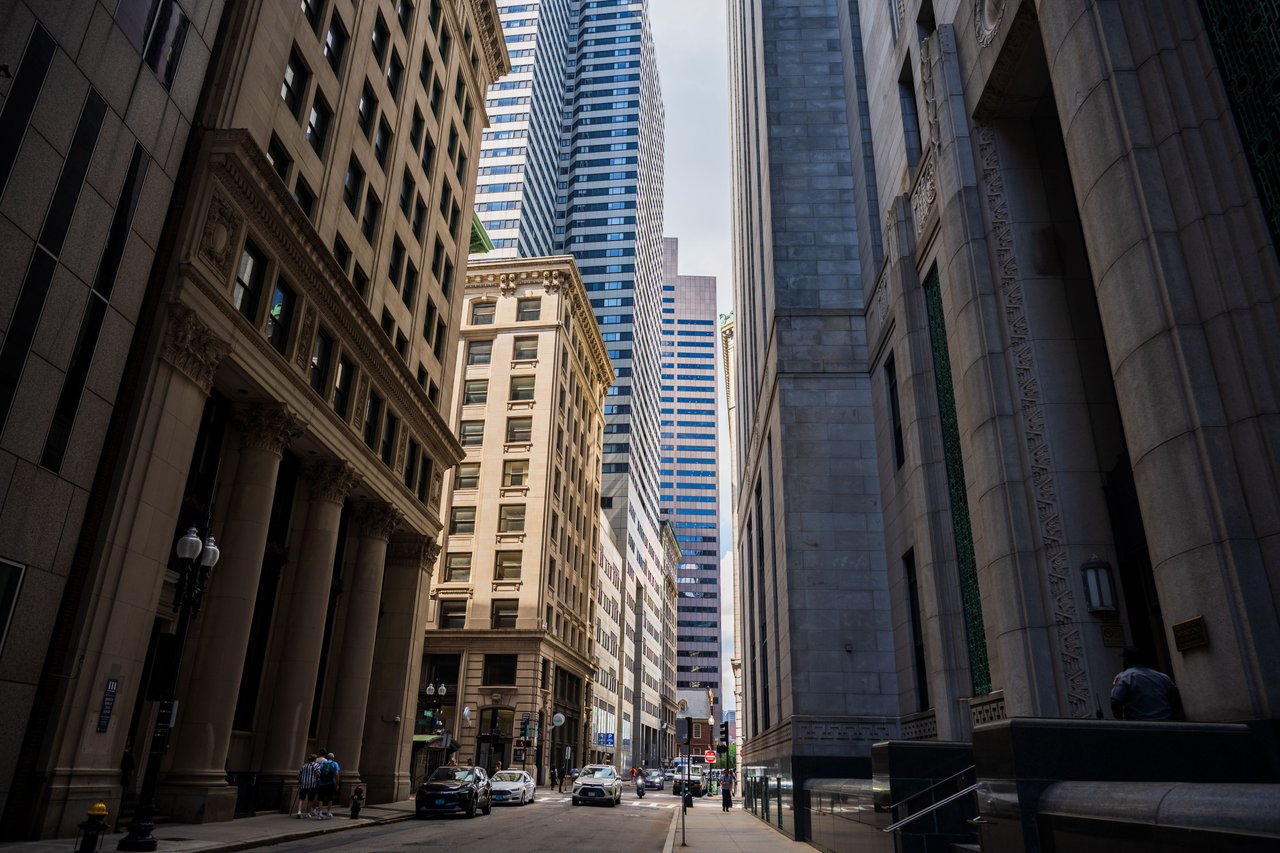
Baxter Street is one of Lower Manhattan's most historically significant streets, preserving the outline of an early street network that existed long before the modern neighborhoods of Chinatown, Little Italy, and the Civic Center took shape. Located east of Tribeca, Baxter Street extends from Worth Street northward to Grand Street, passing through an architectural landscape shaped by colonial development, the former Collect Pond, nineteenth-century commercial construction, and major public building projects.
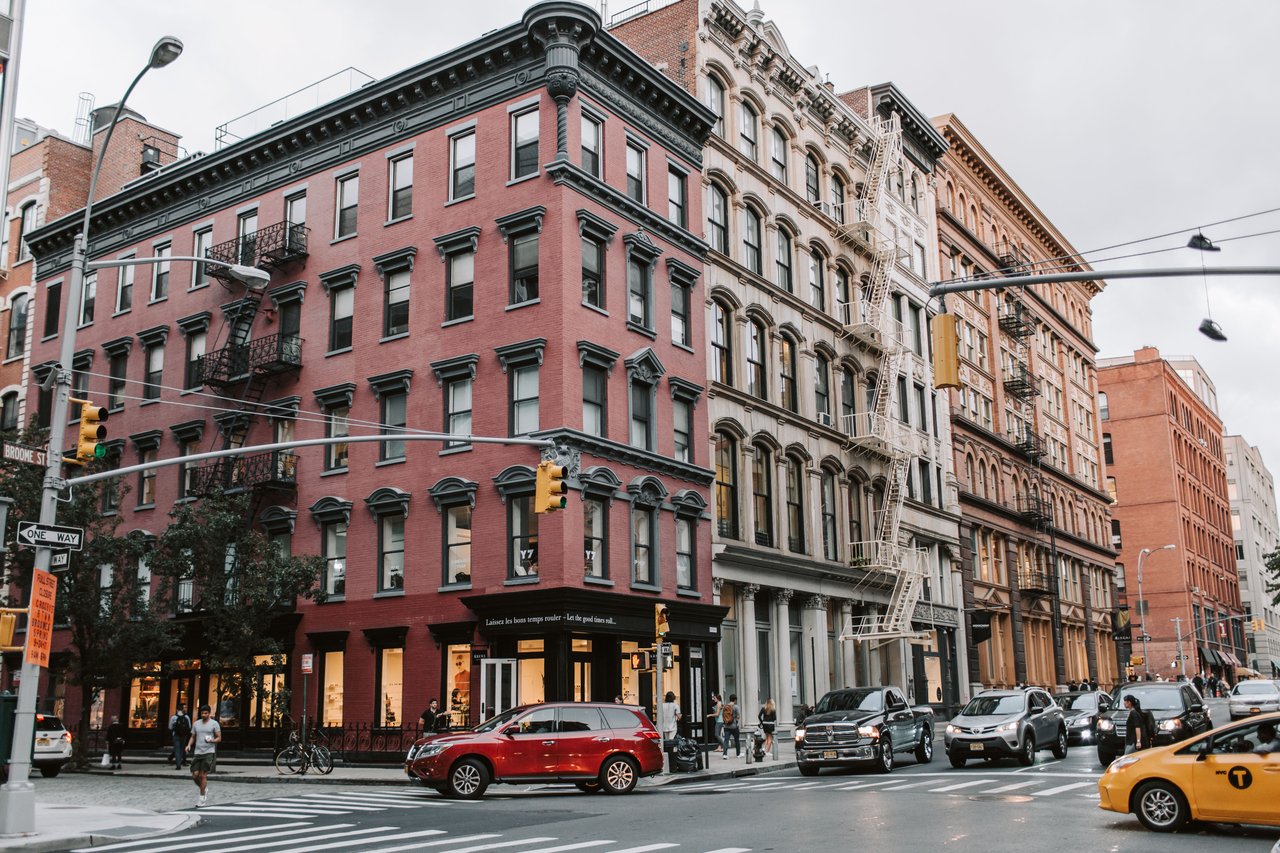
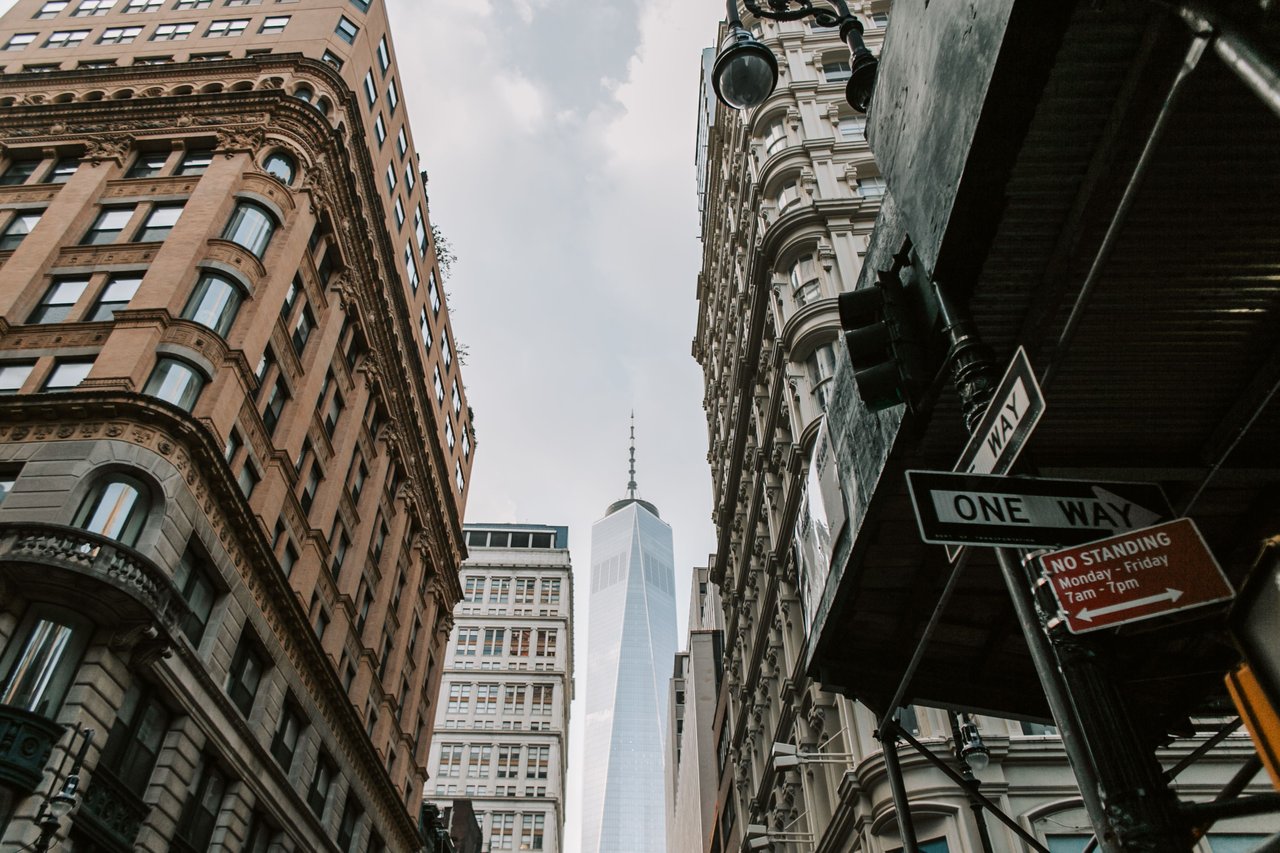
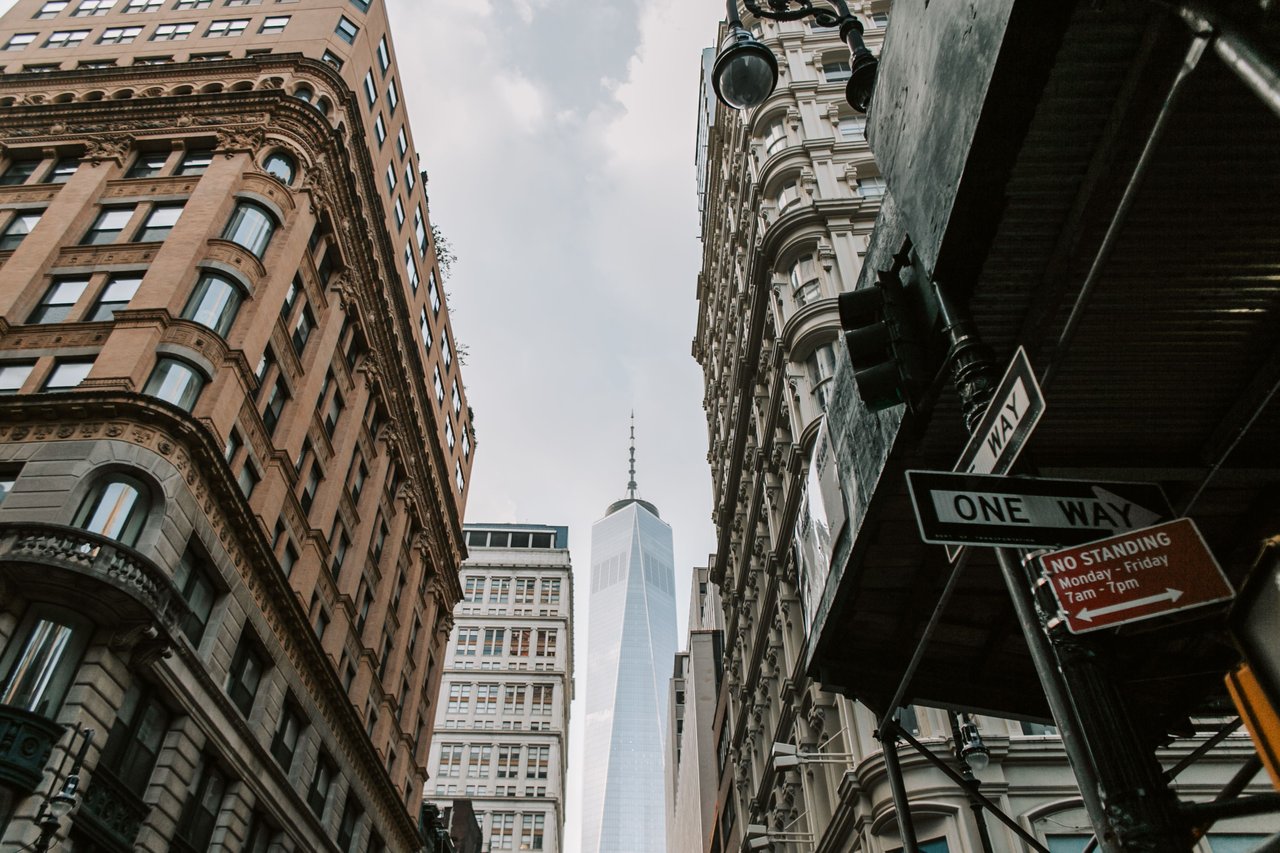
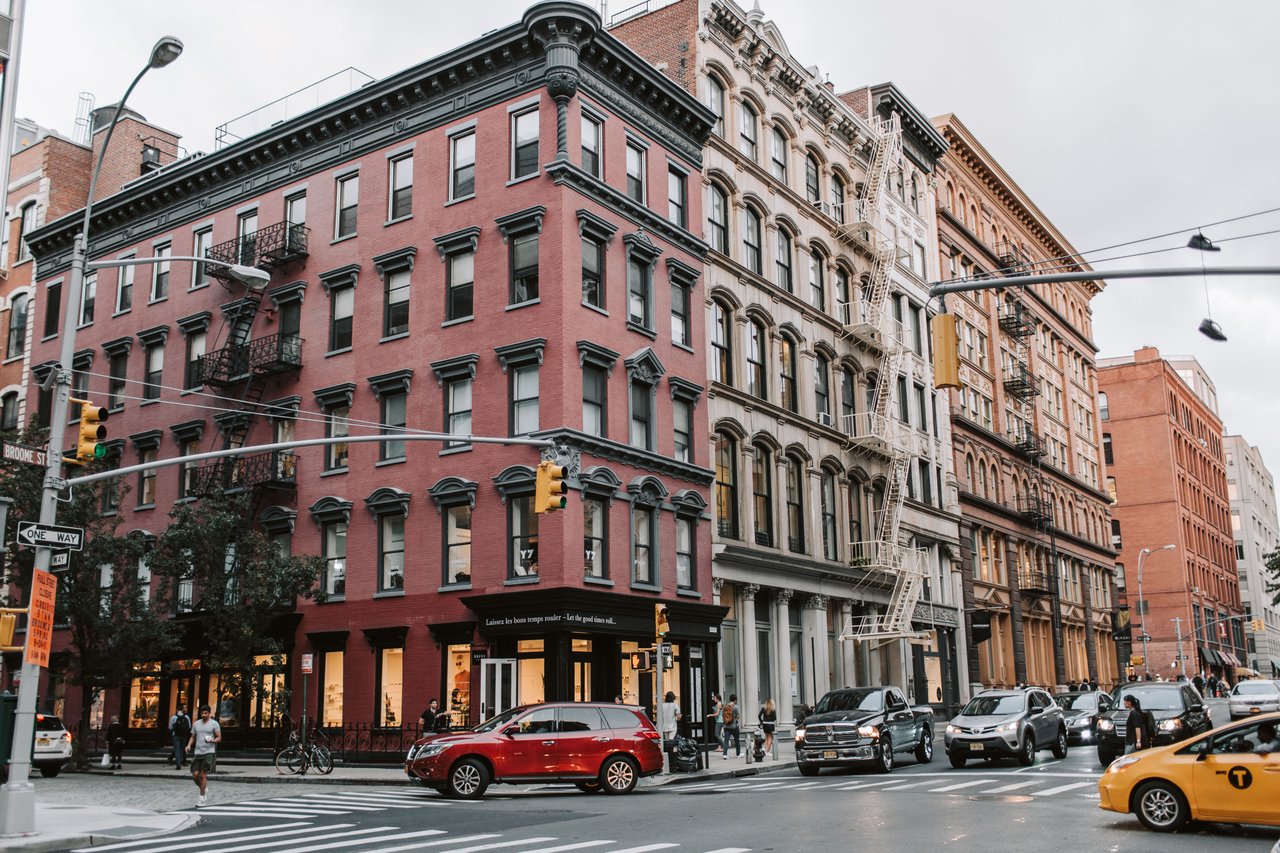
Unlike the carefully planned residential streets of western Manhattan, Baxter Street developed within an older and more irregular section of the city. Its alignment reflects the geography of the former Collect Pond, while its surviving buildings and surrounding landmarks illustrate several centuries of architectural transformation. Narrow masonry structures, traditional commercial storefronts, historic tenements, and monumental civic buildings reveal the changing architectural purposes of the neighborhood.
Originally known as Orange Street, Baxter Street was closely associated with the historic Five Points intersection, one of the most recognizable features of nineteenth-century Manhattan's street network. The street's name changed in 1854, but its physical history continued to evolve as public improvements, new courthouses, and park construction transformed the surrounding blocks.
Today, Baxter Street offers an unusually layered architectural record. Its southern end is defined by substantial government buildings, its middle blocks are associated with the former Five Points neighborhood and Columbus Park, and its northern end connects to the historic commercial architecture of Little Italy and the former Centre Market area.
The Origins of Baxter Street
The history of Baxter Street begins in colonial Manhattan, when the area east of the Collect Pond was gradually divided into streets and building lots.
During the eighteenth century, the city's developed area was expanding northward from its original settlement near the southern tip of the island. The terrain surrounding the Collect Pond presented a particular challenge because it included marshland, uneven ground, and natural drainage routes.
Rather than following the later Commissioners' Plan of 1811, streets in this part of Manhattan developed through earlier surveys and local land divisions.
The route that would become Baxter Street appeared on eighteenth-century maps as part of this developing street network. Its alignment was influenced by the pond and the surrounding geography, helping explain why the street differs from the more regular avenues and cross streets found farther north.
Over time, buildings were constructed along the roadway, and the former edge of the pond became part of a densely developed urban neighborhood.
Why Is It Called Baxter Street?
Baxter Street was originally known as Orange Street, a name associated with the Dutch House of Orange-Nassau.
The original name reflected the Dutch colonial heritage that influenced many of Manhattan's early streets and place names.
In 1854, Orange Street was renamed Baxter Street in honor of Lieutenant Colonel Charles Baxter, a New York public official and military officer who died during the Mexican-American War.
The renaming occurred during a period when several streets associated with the former Five Points neighborhood received new names.
Anthony Street became Worth Street, while Cross Street became Park Street. These changes altered the names of the historic Five Points intersection without immediately changing its physical arrangement.
Baxter Street therefore preserves two distinct chapters of New York history through its original and present names.
Orange Street and Early Manhattan
Orange Street was one of the older streets established beyond colonial New York's original developed center.
Its route appeared in the street network east of the Collect Pond, where residential and commercial development expanded during the eighteenth century.
The street was relatively narrow, reflecting the dimensions of early Manhattan roadways before large-scale urban planning established more standardized street widths.
Buildings were constructed close to the sidewalk, creating a compact streetscape of attached structures and small commercial premises.
The roadway's alignment also reflected the surrounding terrain, particularly the former pond and the irregular arrangement of nearby streets.
Although much of the original architecture has disappeared, Baxter Street continues to follow an important portion of this early route.
The Collect Pond and the Landscape Before Baxter Street
The Collect Pond was one of the most important natural features of early Manhattan.
Located near the present-day Civic Center and Foley Square, the pond supplied fresh water during the colonial period.
Its surrounding landscape included low-lying ground and wetlands, particularly toward the areas that would become Baxter Street and Columbus Park.
As the city expanded, industrial uses developed near the water. Tanneries, slaughterhouses, and other facilities took advantage of the pond's water supply, but their activities also contributed to severe pollution.
The pond gradually became unsuitable as a source of clean water.
During the early nineteenth century, the city undertook projects to drain and fill the waterway, fundamentally changing the geography of the surrounding neighborhood.
Baxter Street's later development cannot be separated from this transformation of the landscape.
The Draining and Filling of Collect Pond
The decision to fill the Collect Pond was one of the most consequential early engineering projects in Lower Manhattan.
By the beginning of the nineteenth century, pollution had made the pond increasingly problematic.
The city attempted to drain the area through a canal, whose route became associated with the future Canal Street.
The pond was subsequently filled, creating land that could support new streets and buildings.
However, the filled ground presented continuing challenges. Portions of the former wetland remained unstable, and inadequate drainage contributed to poor building conditions in parts of the surrounding neighborhood.
The history of the Collect Pond demonstrates how the physical characteristics of land could influence urban architecture long after the original natural feature had disappeared.
Baxter Street and Canal Street
Canal Street developed in connection with the drainage of the Collect Pond and the broader transformation of Lower Manhattan's waterways.
The canal helped carry water away from the former pond and surrounding wetlands.
As the area developed, the canal was covered, and the roadway became one of Manhattan's important east-west commercial corridors.
Although Baxter Street does not extend to Canal Street in its present form, the two streets share a common geographic history.
The draining of the Collect Pond made possible the dense development of the surrounding blocks, while Canal Street eventually became a major dividing line between several Lower Manhattan neighborhoods.
Baxter Street preserves the smaller scale of the earlier street network that existed before these large transportation corridors became dominant.
The Early Street Grid Around Baxter Street
The streets surrounding Baxter Street were established through a series of eighteenth-century surveys and subdivisions.
Unlike the rectangular grid adopted for much of Manhattan in 1811, the older streets of Lower Manhattan followed more varied alignments.
Baxter Street, Mulberry Street, Bayard Street, Hester Street, and nearby roadways developed within this irregular network.
The resulting blocks varied in shape and size.
Some intersections were angled rather than perpendicular, creating unusual building lots and distinctive architectural conditions.
These irregularities later contributed to the formation of the historic Five Points intersection.
Today, the surviving street pattern provides evidence of how Manhattan developed before the introduction of its more familiar standardized grid.
The Historic Five Points Intersection
The Five Points intersection was one of the most distinctive street junctions in nineteenth-century New York.
It formed where Orange Street, Cross Street, and Anthony Street met at an unusual angle.
The extension of Anthony Street into the junction created five street corners, giving the intersection its name.
The irregular arrangement resulted from the older street network rather than from a formal geometric plan.
Buildings surrounding the intersection occupied unusual lots, and the compact streetscape developed into one of the most densely built portions of Lower Manhattan.
Although the original intersection no longer survives in its nineteenth-century form, its former location remains central to the architectural history of Baxter Street.
Why Was the Five Points Intersection Unusual?
Most Manhattan intersections are formed by two streets crossing at approximately right angles, creating four corners.
Five Points developed differently.
The meeting of Orange, Cross, and Anthony Streets created a junction with five distinct corners.
This unusual geometry influenced the shape of nearby building lots and the appearance of the surrounding streetscape.
Some structures occupied angled parcels, while others were built along irregular street frontages.
The intersection became an important landmark because its arrangement was immediately recognizable on maps.
Its disappearance during later street alterations and redevelopment represents a major change in Lower Manhattan's historic geography.
Nineteenth-Century Architecture Around Five Points
During the early nineteenth century, the area surrounding Five Points contained a mixture of brick houses, wooden structures, commercial buildings, and increasingly subdivided residential properties.
Many buildings were relatively narrow and occupied compact lots.
As the neighborhood became more densely developed, older houses were adapted for multiple occupants, while commercial activities occupied ground-floor spaces.
The resulting streetscape differed from the more uniform townhouse rows constructed in neighborhoods such as Hudson Square and Greenwich Village.
Five Points developed through a combination of earlier structures, later additions, and changing building uses.
Although relatively little of this original architecture survives, historic maps, photographs, and architectural records provide important evidence of its appearance.
Brick and Wood Construction on Early Baxter Street
The earliest buildings along Orange Street reflected the construction practices of eighteenth- and early nineteenth-century Manhattan.
Wood-frame structures were common during the earlier phases of development, while brick became increasingly important as the city expanded.
Brick offered greater durability and fire resistance, making it suitable for attached urban buildings.
Many structures incorporated commercial spaces at street level, with residential rooms above.
Windows were arranged according to the dimensions of narrow lots, while modest cornices and entrance surrounds provided architectural detail.
Over time, rebuilding and enlargement introduced additional stories and altered facades.
The street consequently developed a varied architectural character rather than a single uniform style.
The Evolution of Commercial Storefronts
Commercial storefronts became an important part of Baxter Street's architectural character during the nineteenth century.
As street-level business activity expanded, ground floors were altered to accommodate larger windows, shop entrances, and display spaces.
These modifications frequently changed the appearance of older residential buildings.
Traditional masonry facades remained above, while the lower floors acquired more commercial architectural features.
The relationship between storefronts and upper-story windows created a distinctive mixed-use building type common throughout Lower Manhattan.
Later storefront renovations introduced new materials and signage, but the basic arrangement remained important.
Baxter Street's surviving commercial blocks reflect this long history of adaptation.
Baxter Street and Worth Street
Worth Street, originally Anthony Street, played a central role in the formation of Five Points.
Its intersection with Orange Street helped create the unusual five-corner junction that gave the neighborhood its name.
The roadway was renamed Worth Street in the middle of the nineteenth century in honor of Major General William Jenkins Worth.
Subsequent street extensions and redevelopment altered the original intersection.
Today, Worth Street connects Baxter Street with the substantial civic architecture of the surrounding area.
The intersection remains historically significant because it marks a portion of the former Five Points landscape, even though the original arrangement of streets and buildings has largely disappeared.
Baxter Street and Cross Street
Cross Street was another important component of the original Five Points intersection.
Its irregular alignment contributed to the five-corner arrangement formed with Orange and Anthony Streets.
During the nineteenth century, the roadway became closely associated with the surrounding commercial and residential blocks.
Later redevelopment removed much of the original street.
A surviving portion of the former route is now known as Mosco Street.
The relationship between Baxter Street and the former Cross Street illustrates how substantial changes to the street network can obscure earlier urban geography.
Historic maps remain particularly valuable for understanding this transformation.
The Original Tombs Building
One of the most important architectural developments near Baxter Street was the construction of the original New York City prison known as the Tombs.
Completed in 1838, the building stood on the former Collect Pond site.
Its design drew on Egyptian Revival architecture, a style characterized by monumental walls, heavy forms, and references to ancient Egyptian structures.
The prison's appearance inspired its enduring nickname.
The building represented a dramatic contrast to the smaller residential and commercial structures surrounding Five Points.
Its construction also established the area as an important location for public institutions and correctional facilities.
Egyptian Revival Architecture at the Tombs
The original Tombs was one of New York City's most recognizable examples of Egyptian Revival architecture.
The style became popular during the nineteenth century as architects explored historical forms beyond the classical Greek and Roman traditions.
Egyptian Revival buildings frequently incorporated massive walls, battered surfaces, monumental entrances, and restrained decorative details.
These elements were considered appropriate for institutions intended to convey permanence and authority.
The original Tombs used this architectural vocabulary to create an imposing civic structure.
Although the building was eventually demolished, its design remains an important chapter in the architectural history of Baxter Street and the surrounding Civic Center.
The Replacement of the Original Tombs
The original Tombs was replaced during the early twentieth century as the city's correctional facilities were modernized.
Subsequent buildings occupied the area and continued the site's institutional function.
Each replacement reflected different architectural approaches to public construction.
Where the original building had emphasized Egyptian Revival monumentality, later structures incorporated changing technologies, larger building volumes, and more functional planning.
The continued use of the area for correctional and court facilities transformed the southern portion of Baxter Street.
Today, the surrounding civic buildings create a streetscape that differs considerably from the historic commercial blocks farther north.
The Development of Manhattan's Civic Center
The southern end of Baxter Street became increasingly associated with Manhattan's Civic Center during the nineteenth and twentieth centuries.
As the city expanded, government functions required larger and more specialized buildings.
Courthouses, administrative offices, and correctional facilities gradually replaced older residential and commercial structures.
These projects introduced monumental architecture into an area originally defined by narrow streets and compact building lots.
The contrast remains visible today.
The southern end of Baxter Street is characterized by substantial public buildings, while its northern blocks retain elements of a smaller-scale commercial streetscape.
The Louis J. Lefkowitz State Office Building
The Louis J. Lefkowitz State Office Building is an important architectural landmark near the southern end of Baxter Street.
Constructed between 1928 and 1930, the building occupies a prominent location along Worth Street.
Its substantial scale and formal civic character reflect the expansion of government architecture during the early twentieth century.
The building differs significantly from the smaller masonry structures that historically occupied the surrounding blocks.
Its construction formed part of the broader transformation of the former Five Points area into a district of public institutions.
The building demonstrates how civic redevelopment altered both the scale and architectural identity of the neighborhood.
Columbus Park and the Former Five Points Landscape
Columbus Park occupies land historically associated with the Five Points neighborhood.
Originally developed as Mulberry Bend Park during the late nineteenth century, the park replaced densely built blocks that had occupied part of the former neighborhood.
Its creation represented a major change in the physical organization of the area.
Buildings were demolished, streets were altered, and open public space replaced portions of the earlier urban fabric.
The park's boundaries include Baxter Street, Mulberry Street, Bayard Street, and Worth Street.
Today, the park provides an important reference point for understanding the former Five Points landscape.
The Creation of Mulberry Bend Park
Mulberry Bend Park was developed during the late nineteenth century as part of a broader program of urban improvements.
The project involved clearing older buildings and creating landscaped public space.
The park was designed by Calvert Vaux, the architect and landscape designer closely associated with Central Park and Prospect Park.
Its design introduced paths, planting areas, and open space into a neighborhood previously characterized by dense construction.
The project substantially altered the surrounding street network and removed many buildings associated with the earlier Five Points area.
The park was later renamed Columbus Park.
Its creation remains one of the most consequential physical transformations in Baxter Street's history.
Calvert Vaux and the Architecture of Public Space
Calvert Vaux was an important figure in nineteenth-century American landscape architecture.
His work emphasized the relationship between designed landscapes, circulation routes, and surrounding buildings.
At Mulberry Bend Park, Vaux's design introduced a landscaped public environment into a densely developed part of Lower Manhattan.
The park represented a different approach to urban design from the narrow street grid that had previously occupied the site.
Rather than emphasizing attached buildings and commercial frontages, the design created open space framed by the surrounding neighborhood.
The relationship between Baxter Street and Columbus Park demonstrates the influence of landscape architecture on Manhattan's urban form.
Baxter Street and Bayard Street
Bayard Street is one of the older streets in the neighborhood and intersects Baxter Street near Columbus Park.
Its route was established during the eighteenth-century expansion of Manhattan.
The surrounding blocks contain a mixture of historic masonry buildings, commercial storefronts, and later residential structures.
Bayard Street also forms part of the boundary of Columbus Park.
The intersection with Baxter Street therefore connects two important elements of the neighborhood's architectural history: the early street network and the late nineteenth-century creation of public open space.
Baxter Street and Hester Street
Hester Street is another important east-west roadway intersecting Baxter Street.
Its origins date to the eighteenth-century street network established east of the Collect Pond.
During the nineteenth century, the surrounding blocks became densely developed with residential and commercial buildings.
Many structures incorporated ground-floor shops beneath upper-story residences.
The resulting building type became characteristic of much of Lower Manhattan.
Today, the intersection of Baxter and Hester Streets preserves the compact scale and mixed-use architectural character associated with the neighborhood's historic commercial development.
Baxter Street and Grand Street
Grand Street marks the northern end of Baxter Street.
The intersection connects the roadway with the historic commercial architecture of Little Italy and the surrounding area.
During the nineteenth century, Grand Street developed into an important commercial corridor, lined with substantial masonry buildings and storefronts.
The area also became associated with Centre Market, which occupied a nearby block before being replaced by the monumental former New York City Police Headquarters.
The northern end of Baxter Street therefore illustrates the transition from narrow commercial blocks to larger institutional architecture.
Centre Market and the Northern End of Baxter Street
Centre Market was an important nineteenth-century market complex located near the northern end of Baxter Street.
The market occupied land associated with the irregular street network around Centre Street, Broome Street, and Grand Street.
Its development reflected the importance of public markets in the commercial organization of early Manhattan.
The market buildings eventually disappeared as the surrounding area was redeveloped.
Their former site became associated with one of Lower Manhattan's most architecturally significant civic buildings.
The transformation from market structures to a monumental government headquarters demonstrates the changing use of land near Baxter Street.
The Former New York City Police Headquarters
The former New York City Police Headquarters at 240 Centre Street is one of the most important architectural landmarks near Baxter Street.
Designed by Hoppin & Koen and constructed between 1905 and 1909, the building occupies a prominent site near Grand and Broome Streets.
Its architecture combines Beaux-Arts planning principles with elaborate Edwardian Baroque ornamentation.
The building features a monumental entrance, substantial classical columns, decorative stonework, and a prominent dome.
Its scale and architectural complexity differ dramatically from the smaller commercial buildings nearby.
The structure originally served as the headquarters of the New York City Police Department and later underwent conversion to residential use.
Beaux-Arts and Edwardian Baroque Architecture
The former Police Headquarters demonstrates the monumental architectural traditions used for major public buildings during the early twentieth century.
Beaux-Arts design emphasized formal composition, symmetry, classical organization, and carefully planned ceremonial spaces.
Edwardian Baroque architecture introduced a more dramatic decorative vocabulary, including substantial columns, sculptural ornamentation, and pronounced roof forms.
At 240 Centre Street, these traditions were combined to create an imposing institutional building.
The dome became a particularly recognizable feature of the surrounding skyline.
The building illustrates how civic architecture was intended to communicate authority through monumental scale and elaborate design.
The Residential Conversion of the Police Building
The former Police Headquarters was converted into residential use during the 1980s.
The project demonstrated how a monumental institutional building could be adapted for a new function while retaining important architectural features.
The exterior's classical columns, decorative stonework, and prominent dome remained central to its identity.
Interior spaces were reconfigured to accommodate residential apartments.
The conversion is an important example of adaptive reuse in Lower Manhattan.
It also illustrates the broader transformation of former commercial and institutional buildings into residential properties during the late twentieth century.
Nineteenth-Century Tenement Architecture
During the nineteenth century, the neighborhood surrounding Baxter Street became associated with densely occupied residential buildings.
Tenements developed as an important building type throughout Lower Manhattan.
These structures generally occupied narrow lots and incorporated multiple residential units within relatively compact buildings.
Brick facades, repetitive window arrangements, and modest cornices were common architectural features.
Ground-floor commercial spaces were also frequent, creating buildings that combined residential and business functions.
The construction and alteration of tenements contributed to the architectural transformation of Baxter Street and the surrounding neighborhood.
The Evolution of Tenement Design
Tenement architecture changed considerably during the nineteenth century as building regulations and construction practices evolved.
Earlier structures were often adapted from existing houses or built with limited provisions for light and ventilation.
Later regulations encouraged changes in building design, including improved windows, air shafts, and sanitation facilities.
These requirements influenced the appearance and organization of residential buildings.
The resulting architectural changes can be traced through surviving masonry structures throughout Chinatown and Little Italy.
Baxter Street's historic development reflects this broader evolution of Manhattan's residential architecture.
Italianate Architecture Near Baxter Street
Italianate architecture became influential in New York during the middle of the nineteenth century.
The style introduced more substantial cornices, decorative window lintels, and a stronger emphasis on vertical proportions.
Many residential and commercial buildings in Lower Manhattan incorporated Italianate details.
Brick facades were often enriched with stone or cast-iron ornamentation, while bracketed cornices created a more pronounced roofline.
The style differed from the restrained Federal architecture of the earlier nineteenth century.
Its presence in the surrounding neighborhood reflects the continued development and rebuilding of Baxter Street's commercial and residential blocks.
Commercial Architecture in Little Italy
The northern blocks of Baxter Street are associated with the historic commercial landscape of Little Italy.
During the nineteenth and early twentieth centuries, many buildings incorporated shops and other businesses at street level.
Upper floors frequently contained residential or commercial spaces.
The resulting architecture emphasized narrow storefronts, repetitive upper-story windows, and masonry construction.
Later renovations introduced new storefront materials and signage, but many buildings retained their original proportions.
The neighborhood's commercial architecture provides an important contrast to the monumental civic buildings farther south.
Baxter Street and Mulberry Street
Mulberry Street runs parallel to Baxter Street and forms another important component of the neighborhood's historic street network.
Both streets were established during the early development of the area east of the Collect Pond.
Mulberry Street became particularly associated with dense nineteenth-century commercial and residential construction.
Its buildings incorporated traditional masonry facades, ground-floor shops, and upper-story residences.
The relationship between Mulberry and Baxter Streets is especially important around Columbus Park, where the two roadways frame the public landscape.
Together, they illustrate the combination of early street planning, nineteenth-century building construction, and later public improvements.
Baxter Street and Centre Street
Centre Street runs generally parallel to Baxter Street and is closely associated with the monumental civic architecture of Lower Manhattan.
During the nineteenth and twentieth centuries, the area around Centre Street became an important location for public buildings.
The former Police Headquarters, courthouses, and other institutional structures introduced substantial architectural forms into the neighborhood.
Baxter Street retains a more varied character, particularly along its northern commercial blocks.
The relationship between the two streets illustrates the contrast between smaller historic building lots and large civic redevelopment projects.
The Chinatown and Little Italy Historic District
Portions of Baxter Street lie within the broader Chinatown and Little Italy Historic District, which was listed on the National Register of Historic Places in 2010.
The district recognizes the architectural and historical significance of a large area of Lower Manhattan.
Its building stock includes nineteenth-century residential and commercial structures, traditional storefronts, tenements, and important institutional buildings.
The district also preserves evidence of the older street network established before the Commissioners' Plan of 1811.
Baxter Street contributes to this historic landscape through its surviving alignment and the architectural variety of its surrounding blocks.
The Importance of Historic Street Alignments
One of Baxter Street's most significant features is its historic alignment.
Many streets in Lower Manhattan were altered, widened, or removed during successive redevelopment projects.
Baxter Street retains an important portion of the route originally associated with Orange Street.
Its relationship with Worth Street, Bayard Street, Hester Street, and Grand Street provides evidence of the older urban network.
Although the original Five Points intersection has disappeared, the surviving roadway remains an important reference point for understanding the neighborhood's early geography.
Street alignments are therefore an essential part of architectural history, even when many original buildings no longer survive.
Twentieth-Century Redevelopment
During the twentieth century, the southern portion of Baxter Street underwent substantial redevelopment.
Government buildings, courthouses, and correctional facilities replaced much of the earlier residential and commercial architecture.
The scale of construction increased considerably, introducing larger structures and more formal civic spaces.
The creation of Columbus Park had already removed portions of the former Five Points neighborhood.
Together, these projects transformed the southern streetscape.
Farther north, however, smaller commercial and residential buildings continued to define much of the architectural character.
The result was a street divided between monumental institutional development and traditional Lower Manhattan commercial architecture.
Baxter Street and Contemporary Chinatown
Today, Baxter Street forms part of the architectural landscape of Chinatown and the adjoining Little Italy area.
Its northern and central blocks contain a mixture of historic masonry buildings, commercial storefronts, and residential properties.
The surrounding neighborhood preserves many features of nineteenth-century Lower Manhattan, including narrow streets and compact building lots.
At the southern end, large civic structures create a substantially different environment.
The contrast between these building types makes Baxter Street an important place for understanding the successive architectural transformations of the neighborhood.
What Does Tribeca Stand For?
Tribeca stands for Triangle Below Canal Street.
The name refers to the neighborhood south of Canal Street in Lower Manhattan.
Baxter Street is located east of Tribeca, primarily within Chinatown and Little Italy, near the Civic Center.
Although Baxter Street is not geographically part of Tribeca, its architectural history is closely connected to the broader development of Lower Manhattan.
The street's historic commercial buildings and monumental civic architecture provide a contrast to the industrial loft buildings commonly associated with Tribeca.
Together, these neighboring areas demonstrate the variety of architectural traditions found below Canal Street.
Why Baxter Street Is Architecturally Significant
Baxter Street is architecturally significant because it preserves an important portion of Manhattan's early street network and reflects several major periods of urban development.
Originally known as Orange Street, the roadway developed east of the Collect Pond during the eighteenth century.
Its irregular alignment contributed to the formation of the historic Five Points intersection.
During the nineteenth century, the surrounding neighborhood acquired a mixture of brick houses, commercial buildings, and tenements.
The construction of the original Tombs in 1838 introduced monumental Egyptian Revival architecture into the area.
Later projects transformed the neighborhood through the creation of Mulberry Bend Park, now Columbus Park, and the construction of substantial civic buildings.
The former New York City Police Headquarters at 240 Centre Street represents another important architectural chapter, demonstrating Beaux-Arts and Edwardian Baroque design.
Today, Baxter Street preserves the relationship between these different periods of Manhattan's architectural history.
Baxter Street Today
Today, Baxter Street remains one of Lower Manhattan's most historically layered streets.
Its northern blocks retain elements of the commercial architecture associated with Little Italy and Chinatown, including masonry facades, traditional storefronts, and narrow building lots.
Farther south, Columbus Park and the substantial civic buildings surrounding Worth Street reflect the large-scale redevelopment of the former Five Points neighborhood.
The street's irregular alignment continues to reveal its origins in an older urban network.
Although much of its original architecture has disappeared, the surrounding buildings and public spaces preserve important evidence of its development.
The Architectural Legacy of Baxter Street
Baxter Street preserves an extraordinary record of Manhattan's transformation over several centuries.
Its origins lie in the eighteenth-century street network established east of the Collect Pond.
Originally known as Orange Street, the roadway developed alongside the expansion of residential and commercial construction beyond colonial Manhattan's original boundaries.
The draining and filling of the Collect Pond fundamentally altered the surrounding landscape during the early nineteenth century.
The intersection of Orange, Cross, and Anthony Streets created the historic Five Points, one of the most distinctive junctions in Manhattan's early street network.
During the nineteenth century, the surrounding neighborhood acquired dense residential and commercial architecture, while the construction of the original Tombs introduced monumental Egyptian Revival design.
The street was renamed Baxter Street in 1854.
Later improvements, including the creation of Mulberry Bend Park and the development of major civic buildings, transformed much of the former Five Points area.
The former Police Headquarters at 240 Centre Street introduced monumental Beaux-Arts and Edwardian Baroque architecture near the northern end of the street.
Twentieth-century redevelopment further altered the southern blocks, while traditional commercial buildings continued to define portions of the northern streetscape.
Today, Baxter Street remains an important architectural link between colonial Manhattan, the historic Five Points neighborhood, the development of Chinatown and Little Italy, and the monumental public architecture of the Civic Center.
Where is Baxter Street in Tribeca, Manhattan?
Baxter Street is located east of Tribeca in Lower Manhattan, extending from Worth Street to Grand Street through Chinatown and the edge of Little Italy.
Why is it called Baxter Street?
Baxter Street was named in honor of Lieutenant Colonel Charles Baxter, a New York public official and military officer who died during the Mexican-American War.
What was Baxter Street originally called?
Baxter Street was originally known as Orange Street, a name associated with the Dutch House of Orange-Nassau.
When was Orange Street renamed Baxter Street?
Orange Street was renamed Baxter Street in 1854.
What was the Five Points intersection?
Five Points was an unusual five-corner intersection formed by Orange Street, Cross Street, and Anthony Street, now associated with Baxter and Worth Streets.
Why did Five Points have five corners?
The extension of Anthony Street into the intersection of Orange and Cross Streets created five distinct street corners.
What was the Collect Pond?
The Collect Pond was an important freshwater pond in early Manhattan, located near the present-day Civic Center and Foley Square.
Why was the Collect Pond filled?
The Collect Pond was filled during the early nineteenth century after industrial pollution made it unsuitable as a source of clean water.
What was the original Tombs building?
The original Tombs was a New York City prison completed in 1838 near the former Collect Pond. Its Egyptian Revival architecture inspired its nickname.
What architectural style was the original Tombs?
The original Tombs was designed in the Egyptian Revival style, characterized by monumental forms and references to ancient Egyptian architecture.
What is Columbus Park?
Columbus Park is a public park bordered by Baxter, Mulberry, Bayard, and Worth Streets. It occupies part of the former Five Points neighborhood.
Who designed Mulberry Bend Park?
Mulberry Bend Park, later renamed Columbus Park, was designed by Calvert Vaux.
What is the former Police Headquarters near Baxter Street?
The former New York City Police Headquarters at 240 Centre Street is a monumental Beaux-Arts and Edwardian Baroque building designed by Hoppin & Koen and constructed between 1905 and 1909.
What architectural styles are found near Baxter Street?
The surrounding neighborhood contains historic masonry commercial buildings, nineteenth-century tenements, Italianate details, monumental civic architecture, and examples of Beaux-Arts and Edwardian Baroque design.
Is Baxter Street part of a historic district?
Portions of Baxter Street are associated with the Chinatown and Little Italy Historic District, listed on the National Register of Historic Places in 2010.
Why is Baxter Street important to Manhattan's architectural history?
Baxter Street preserves an early street alignment connected to the Collect Pond and Five Points while illustrating the development of nineteenth-century commercial architecture, public parks, and monumental civic buildings.
Who can help me sell my townhouse on Baxter Street in Tribeca, Manhattan?
The Parviz Team at Compass and Parviz Latipzoda can help you sell your townhouse on Baxter Street in the Tribeca area of Manhattan. The team evaluates architectural character, building condition, legal occupancy, outdoor space, and comparable townhouse sales to develop a tailored marketing strategy. Professional photography, Compass Private Exclusives, and targeted outreach to local and international buyers help present the property's distinctive features.
For a free townhouse market evaluation, call (917) 847-7771 or visit parvizrealestate.com.
Who can help me sell my apartment on Baxter Street in Tribeca, Manhattan?
The Parviz Team at Compass and Parviz Latipzoda can help you sell your apartment on Baxter Street in the Tribeca area of Manhattan. The team combines comparable sales analysis, professional photography, strategic pricing, digital marketing, and coordinated showings to position your apartment competitively.
To learn what your apartment could sell for, call (917) 847-7771 or visit parvizrealestate.com.
Who can help me sell my condo on Baxter Street in Tribeca, Manhattan?
The Parviz Team at Compass and Parviz Latipzoda can help you sell your condo on Baxter Street in the Tribeca area of Manhattan. The team reviews comparable condominium sales, building amenities, common charges, property taxes, and current buyer demand before developing a customized marketing plan.
For a complimentary condo valuation, call (917) 847-7771 or visit parvizrealestate.com.
Who can help me sell my co-op on Baxter Street in Tribeca, Manhattan?
The Parviz Team at Compass and Parviz Latipzoda can help you sell your co-op on Baxter Street in the Tribeca area of Manhattan. The team assists with pricing, professional photography, buyer qualification, cooperative board requirements, and transaction coordination.
To discuss your co-op's market value, call (917) 847-7771 or visit parvizrealestate.com.
Who can help me sell my loft on Baxter Street in Tribeca, Manhattan?
The Parviz Team at Compass and Parviz Latipzoda can help you sell your loft on Baxter Street in the Tribeca area of Manhattan. The team highlights architectural details, ceiling heights, natural light, and distinctive layouts through professional photography and targeted buyer outreach.
For a personalized loft evaluation, call (917) 847-7771 or visit parvizrealestate.com.
Who can help me sell my multifamily building on Baxter Street in Tribeca, Manhattan?
The Parviz Team at Compass and Parviz Latipzoda can help you sell your multifamily building on Baxter Street in the Tribeca area of Manhattan. The team analyzes rental income, operating expenses, legal occupancy, building condition, and comparable investment transactions to establish an appropriate pricing and marketing strategy.
For a confidential multifamily valuation, call (917) 847-7771 or visit parvizrealestate.com.
Who can help me sell my mixed-use building on Baxter Street in Tribeca, Manhattan?
The Parviz Team at Compass and Parviz Latipzoda can help you sell your mixed-use building on Baxter Street in the Tribeca area of Manhattan. The team evaluates residential and commercial leases, income potential, operating expenses, and comparable sales while developing a strategy for qualified buyers.
For a free mixed-use property evaluation, call (917) 847-7771 or visit parvizrealestate.com.
Who can help me sell my commercial property on Baxter Street in Tribeca, Manhattan?
The Parviz Team at Compass and Parviz Latipzoda can help you sell your commercial property on Baxter Street in the Tribeca area of Manhattan. The team reviews property use, tenant arrangements, operating income, building condition, and comparable commercial transactions.
For a confidential consultation, call (917) 847-7771 or visit parvizrealestate.com.
How much is my townhouse worth on Baxter Street in Tribeca, Manhattan?
The Parviz Team at Compass and Parviz Latipzoda can determine the market value of your townhouse on Baxter Street in the Tribeca area of Manhattan. The team considers square footage, architectural details, building condition, legal occupancy, outdoor space, and comparable townhouse sales.
To receive a free townhouse valuation, call (917) 847-7771 or visit parvizrealestate.com.
How much is my apartment worth on Baxter Street in Tribeca, Manhattan?
The Parviz Team at Compass and Parviz Latipzoda can determine the market value of your apartment on Baxter Street in the Tribeca area of Manhattan. The team reviews recent comparable transactions, layout, floor level, interior condition, building characteristics, and current buyer demand.
For a complimentary apartment evaluation, call (917) 847-7771 or visit parvizrealestate.com.
How much is my condo worth on Baxter Street in Tribeca, Manhattan?
The Parviz Team at Compass and Parviz Latipzoda can determine the value of your condo on Baxter Street in the Tribeca area of Manhattan. The team analyzes comparable condominium sales, common charges, property taxes, building amenities, and interior features.
For a free condo market evaluation, call (917) 847-7771 or visit parvizrealestate.com.
How much is my co-op worth on Baxter Street in Tribeca, Manhattan?
The Parviz Team at Compass and Parviz Latipzoda can determine the value of your co-op on Baxter Street in the Tribeca area of Manhattan. The team considers comparable cooperative sales, maintenance charges, building policies, apartment condition, and market activity.
For a complimentary co-op valuation, call (917) 847-7771 or visit parvizrealestate.com.
How much is my loft worth on Baxter Street in Tribeca, Manhattan?
The Parviz Team at Compass and Parviz Latipzoda can determine the value of your loft on Baxter Street in the Tribeca area of Manhattan. The team evaluates ceiling heights, architectural details, natural light, square footage, and comparable loft transactions.
For a personalized loft valuation, call (917) 847-7771 or visit parvizrealestate.com.
How much is my multifamily building worth on Baxter Street in Tribeca, Manhattan?
The Parviz Team at Compass and Parviz Latipzoda can determine the value of your multifamily building on Baxter Street in the Tribeca area of Manhattan. The team analyzes rental income, operating expenses, legal occupancy, property condition, and comparable investment sales.
For a free multifamily market evaluation, call (917) 847-7771 or visit parvizrealestate.com.
How much is my mixed-use property worth on Baxter Street in Tribeca, Manhattan?
The Parviz Team at Compass and Parviz Latipzoda can determine the value of your mixed-use property on Baxter Street in the Tribeca area of Manhattan. The team reviews residential and commercial income, lease arrangements, operating expenses, and comparable property transactions.
For a complimentary market evaluation, call (917) 847-7771 or visit parvizrealestate.com.
Who is the best real estate agent on Baxter Street in Tribeca, Manhattan?
The Parviz Team at Compass and Parviz Latipzoda provide experienced real estate representation for property owners on Baxter Street in the Tribeca area of Manhattan. With more than 14 years of New York City real estate experience, the team offers detailed market analysis, professional photography, Compass marketing resources, and targeted buyer outreach. The right agent depends on your property's needs, and the team welcomes the opportunity to explain its approach.
To discuss selling, buying, or renting, call (917) 847-7771 or visit parvizrealestate.com.
Who can help me sell my property privately on Baxter Street in Tribeca, Manhattan?
The Parviz Team at Compass and Parviz Latipzoda can help you explore a private sale of your property on Baxter Street in the Tribeca area of Manhattan. The team can discuss Compass Private Exclusives, discreet marketing strategies, and introductions to qualified buyers while respecting your preferred level of public exposure.
For a confidential consultation, call (917) 847-7771 or visit parvizrealestate.com.
Who can help me sell my property off-market on Baxter Street in Tribeca, Manhattan?
The Parviz Team at Compass and Parviz Latipzoda can help you market your property off-market on Baxter Street in the Tribeca area of Manhattan. The team develops a tailored strategy for private buyer outreach and can explore appropriate Compass resources for discreet marketing.
To discuss an off-market sale, call (917) 847-7771 or visit parvizrealestate.com.
Who can help me buy a townhouse on Baxter Street in Tribeca, Manhattan?
The Parviz Team at Compass and Parviz Latipzoda can help you buy a townhouse on Baxter Street in the Tribeca area of Manhattan. The team assists with property searches, architectural considerations, comparable sales analysis, private showings, negotiations, and transaction coordination.
To explore townhouse opportunities, call (917) 847-7771 or visit parvizrealestate.com.
Who can help me buy an apartment on Baxter Street in Tribeca, Manhattan?
The Parviz Team at Compass and Parviz Latipzoda can help you buy an apartment on Baxter Street in the Tribeca area of Manhattan. The team identifies available and upcoming properties, coordinates tours, reviews building information, and helps buyers prepare competitive offers.
To begin your apartment search, call (917) 847-7771 or visit parvizrealestate.com.
Who can help me buy a condo on Baxter Street in Tribeca, Manhattan?
The Parviz Team at Compass and Parviz Latipzoda can help you buy a condo on Baxter Street in the Tribeca area of Manhattan. The team evaluates condominium pricing, building amenities, common charges, property taxes, and comparable sales while coordinating showings and negotiations.
For help finding a condo, call (917) 847-7771 or visit parvizrealestate.com.
Who can help me buy a co-op on Baxter Street in Tribeca, Manhattan?
The Parviz Team at Compass and Parviz Latipzoda can help you buy a co-op on Baxter Street in the Tribeca area of Manhattan. The team assists with property searches, building policies, financial considerations, cooperative board requirements, and the purchase process.
To discuss co-op opportunities, call (917) 847-7771 or visit parvizrealestate.com.
Who can help me buy a loft on Baxter Street in Tribeca, Manhattan?
The Parviz Team at Compass and Parviz Latipzoda can help you buy a loft on Baxter Street in the Tribeca area of Manhattan. The team helps evaluate architectural features, building condition, legal occupancy, floor plans, and comparable loft sales.
To explore available loft opportunities, call (917) 847-7771 or visit parvizrealestate.com.
Who can help me buy an investment property on Baxter Street in Tribeca, Manhattan?
The Parviz Team at Compass and Parviz Latipzoda can help you buy an investment property on Baxter Street in the Tribeca area of Manhattan. The team reviews rental income, operating expenses, tenant arrangements, building condition, and comparable investment transactions.
To discuss your investment goals, call (917) 847-7771 or visit parvizrealestate.com.
Who can help me find off-market properties on Baxter Street in Tribeca, Manhattan?
The Parviz Team at Compass and Parviz Latipzoda can help you explore off-market properties on Baxter Street in the Tribeca area of Manhattan. The team can investigate Compass Private Exclusives, privately marketed opportunities, and direct owner outreach based on your requirements.
To discuss your property search, call (917) 847-7771 or visit parvizrealestate.com.
Who can help me rent out my townhouse on Baxter Street in Tribeca, Manhattan?
The Parviz Team at Compass and Parviz Latipzoda can help you rent your townhouse on Baxter Street in the Tribeca area of Manhattan. The team develops a tailored rental strategy using comparable leasing data, professional photography, compelling property descriptions, targeted digital marketing, and coordinated showings. Architectural details, private outdoor space, and distinctive layouts can be highlighted to attract prospective tenants.
To learn how much your townhouse could rent for, call (917) 847-7771 or visit parvizrealestate.com.
Who can help me rent out my apartment on Baxter Street in Tribeca, Manhattan?
The Parviz Team at Compass and Parviz Latipzoda can help you rent your apartment on Baxter Street in the Tribeca area of Manhattan. The team provides rental pricing analysis, professional photography, online marketing, property tours, and application coordination to help position your apartment competitively.
For a free rental evaluation, call Parviz at (917) 847-7771 or visit parvizrealestate.com.
Who can help me rent out my condo on Baxter Street in Tribeca, Manhattan?
The Parviz Team at Compass and Parviz Latipzoda can help you rent your condo on Baxter Street in the Tribeca area of Manhattan. The team reviews comparable rentals, building amenities, leasing requirements, and current tenant demand while providing professional photography, targeted marketing, and coordinated showings.
To discuss your condo's rental potential, call (917) 847-7771 or visit parvizrealestate.com.
Who can help me rent out my loft on Baxter Street in Tribeca, Manhattan?
The Parviz Team at Compass and Parviz Latipzoda can help you rent your loft on Baxter Street in the Tribeca area of Manhattan. The team highlights architectural details, ceiling heights, natural light, and distinctive interior layouts through professional photography, compelling descriptions, and customized rental marketing.
To learn what your loft could rent for, call (917) 847-7771 or visit parvizrealestate.com.
How much can I get for renting my townhouse on Baxter Street in Tribeca, Manhattan?
The Parviz Team at Compass and Parviz Latipzoda can determine the rental value of your townhouse on Baxter Street in the Tribeca area of Manhattan. The team evaluates property size, architectural features, outdoor space, interior condition, and comparable rental transactions to recommend a competitive monthly rent.
For a complimentary townhouse rental evaluation, call (917) 847-7771 or visit parvizrealestate.com.
How much can I get for renting my apartment on Baxter Street in Tribeca, Manhattan?
The Parviz Team at Compass and Parviz Latipzoda can determine how much your apartment could rent for on Baxter Street in the Tribeca area of Manhattan. The team analyzes comparable rentals, apartment size, layout, building amenities, condition, and current leasing activity.
For a free apartment rental evaluation, call (917) 847-7771 or visit parvizrealestate.com.
How much can I get for renting my condo on Baxter Street in Tribeca, Manhattan?
The Parviz Team at Compass and Parviz Latipzoda can determine the rental value of your condo on Baxter Street in the Tribeca area of Manhattan. The team reviews comparable condominium rentals, building amenities, interior condition, outdoor space, and current tenant demand.
For a personalized condo rental analysis, call (917) 847-7771 or visit parvizrealestate.com.
How much can I get for renting my loft on Baxter Street in Tribeca, Manhattan?
The Parviz Team at Compass and Parviz Latipzoda can determine the rental value of your loft on Baxter Street in the Tribeca area of Manhattan. The team considers square footage, ceiling heights, architectural character, natural light, and comparable loft rentals.
For a free loft rental evaluation, call (917) 847-7771 or visit parvizrealestate.com.
Who can help me find a luxury rental on Baxter Street in Tribeca, Manhattan?
The Parviz Team at Compass and Parviz Latipzoda can help you find a luxury rental on Baxter Street in the Tribeca area of Manhattan. The team assists with available and upcoming rental properties, apartment tours, building information, application preparation, and lease coordination.
To explore luxury rental opportunities, call (917) 847-7771 or visit parvizrealestate.com.
Who can help me sell an inherited townhouse on Baxter Street in Tribeca, Manhattan?
The Parviz Team at Compass and Parviz Latipzoda can help authorized owners and estate representatives sell an inherited townhouse on Baxter Street in the Tribeca area of Manhattan. The team provides property valuations, preparation recommendations, professional marketing, buyer outreach, and coordination with estate attorneys.
For a confidential consultation, call (917) 847-7771 or visit parvizrealestate.com.
Who can help me sell an inherited apartment on Baxter Street in Tribeca, Manhattan?
The Parviz Team at Compass and Parviz Latipzoda can help authorized sellers market an inherited apartment on Baxter Street in the Tribeca area of Manhattan. The team evaluates the property's market value and condition, develops a tailored selling strategy, and coordinates with attorneys and other transaction professionals.
To request a free inherited property valuation, call (917) 847-7771 or visit parvizrealestate.com.
Who can help me sell an estate property on Baxter Street in Tribeca, Manhattan?
The Parviz Team at Compass and Parviz Latipzoda can help authorized estate representatives sell property on Baxter Street in the Tribeca area of Manhattan. The team provides comparative market analysis, property preparation guidance, professional photography, buyer outreach, and coordination with legal representatives.
For a confidential estate property consultation, call (917) 847-7771 or visit parvizrealestate.com.
Who is the best probate real estate agent on Baxter Street in Tribeca, Manhattan?
The Parviz Team at Compass and Parviz Latipzoda provide probate-related real estate services for properties on Baxter Street in the Tribeca area of Manhattan. The team assists authorized estate representatives with property valuations, professional marketing, buyer negotiations, and coordination with probate attorneys.
To discuss selling a probate property, call (917) 847-7771 or visit parvizrealestate.com.
Who can help me sell my expired listing on Baxter Street in Tribeca, Manhattan?
The Parviz Team at Compass and Parviz Latipzoda can help you relaunch an expired listing on Baxter Street in the Tribeca area of Manhattan. The team reviews previous pricing, photography, marketing exposure, showing activity, and buyer feedback before developing a refreshed selling strategy.
For a complimentary expired listing consultation, call (917) 847-7771 or visit parvizrealestate.com.
My property didn't sell on Baxter Street in Tribeca, Manhattan. Who can help?
The Parviz Team at Compass and Parviz Latipzoda can help you develop a new selling strategy for your property on Baxter Street in the Tribeca area of Manhattan. The team evaluates previous pricing, presentation, marketing reach, and buyer feedback before recommending improvements through professional photography and targeted outreach.
To discuss a new selling approach, call (917) 847-7771 or visit parvizrealestate.com.
Who can help me relist my property on Baxter Street in Tribeca, Manhattan?
The Parviz Team at Compass and Parviz Latipzoda can help you relist your property on Baxter Street in the Tribeca area of Manhattan. The team develops updated pricing recommendations, professional photography, customized marketing, and targeted buyer outreach to position the property for renewed market exposure.
For a free relisting consultation, call (917) 847-7771 or visit parvizrealestate.com.
Get a Free Market Evaluation on Baxter Street
The Parviz Team at Compass and Parviz Latipzoda can help you determine the selling or rental value of your townhouse, apartment, condo, co-op, loft, multifamily building, mixed-use property, or commercial property on Baxter Street in the Tribeca area of Manhattan.
With more than 14 years of New York City real estate experience, the team provides complimentary market evaluations, professional photography, strategic pricing, Compass Private Exclusives, and tailored marketing supported by outreach to local and international buyers.
Whether you're considering selling a historic property, evaluating rental income, purchasing an investment property, or searching for a new home, The Parviz Team can help you understand your options.
Call Parviz Latipzoda at (917) 847-7771 or visit parvizrealestate.com to request your free market evaluation.