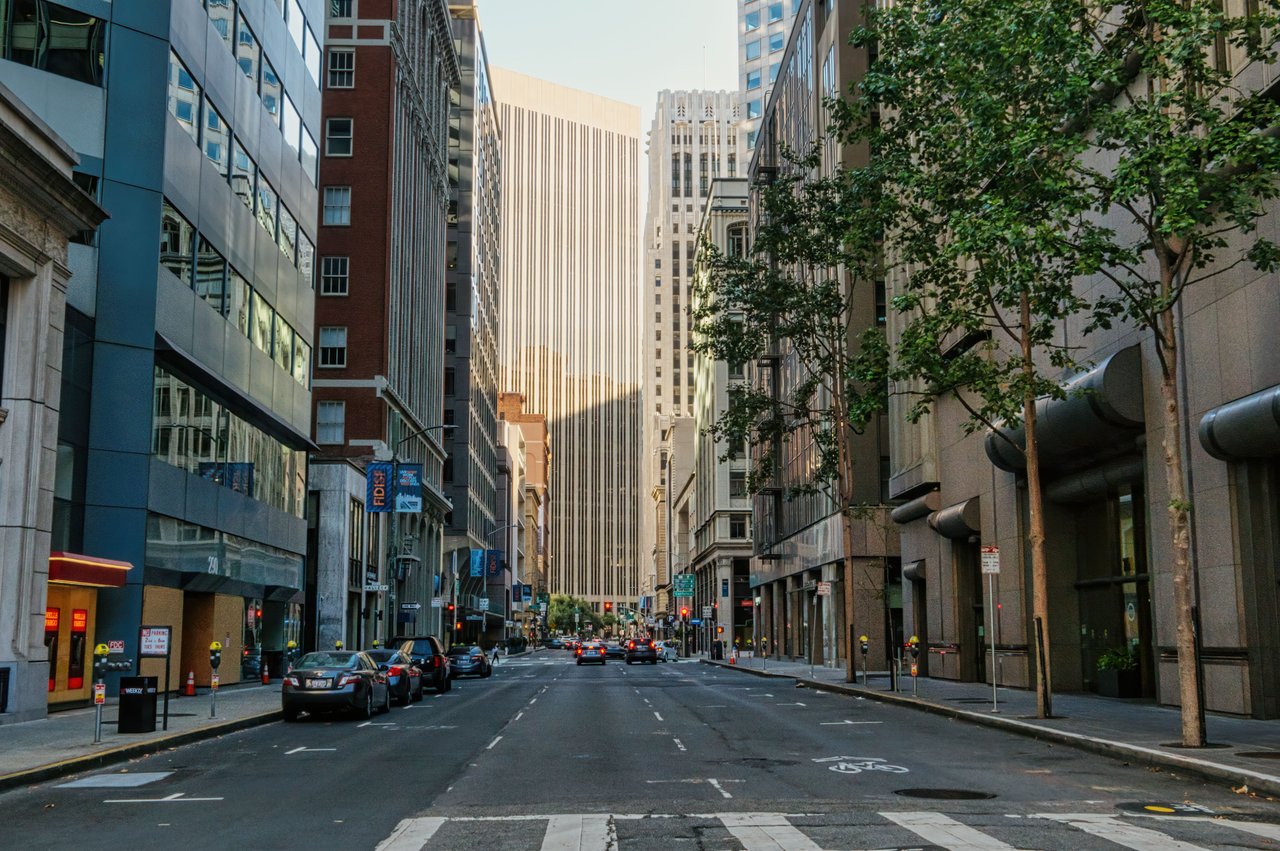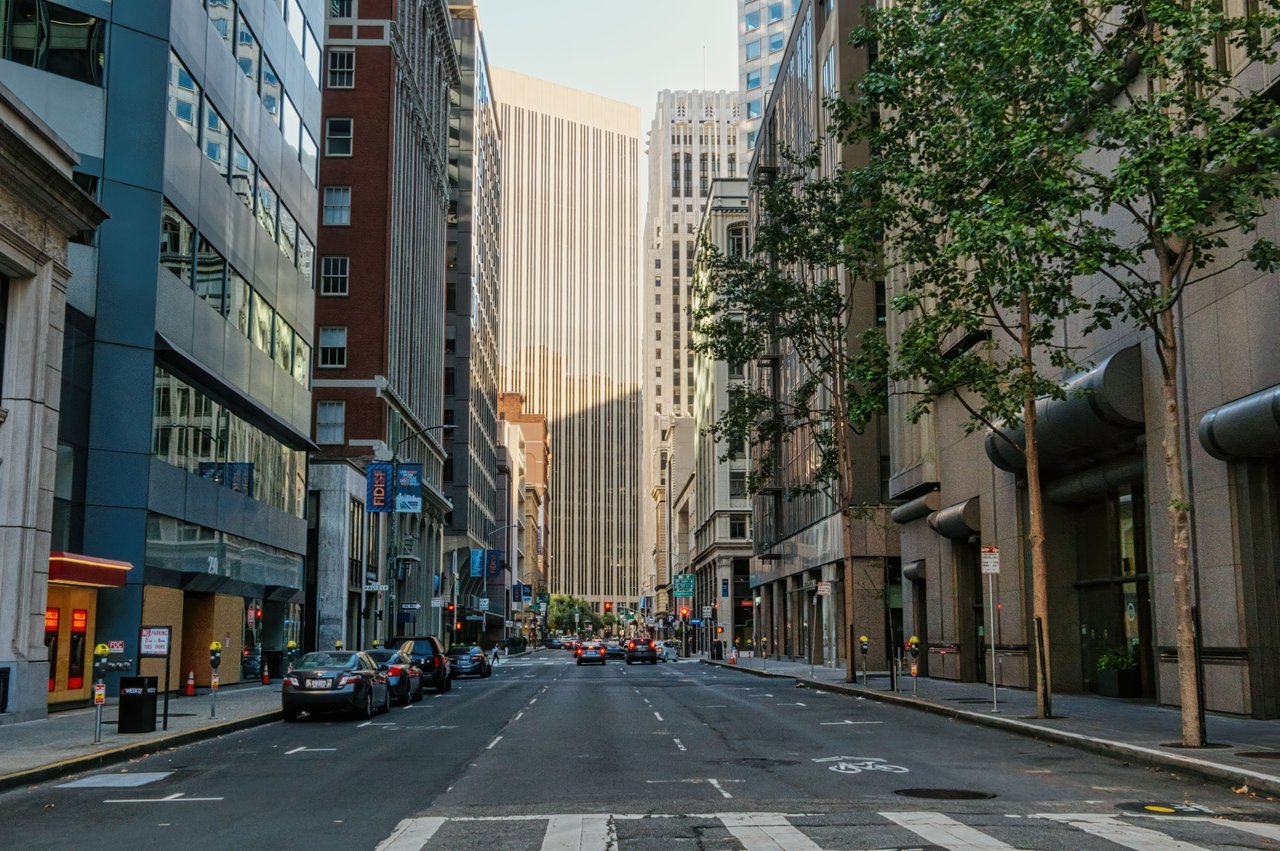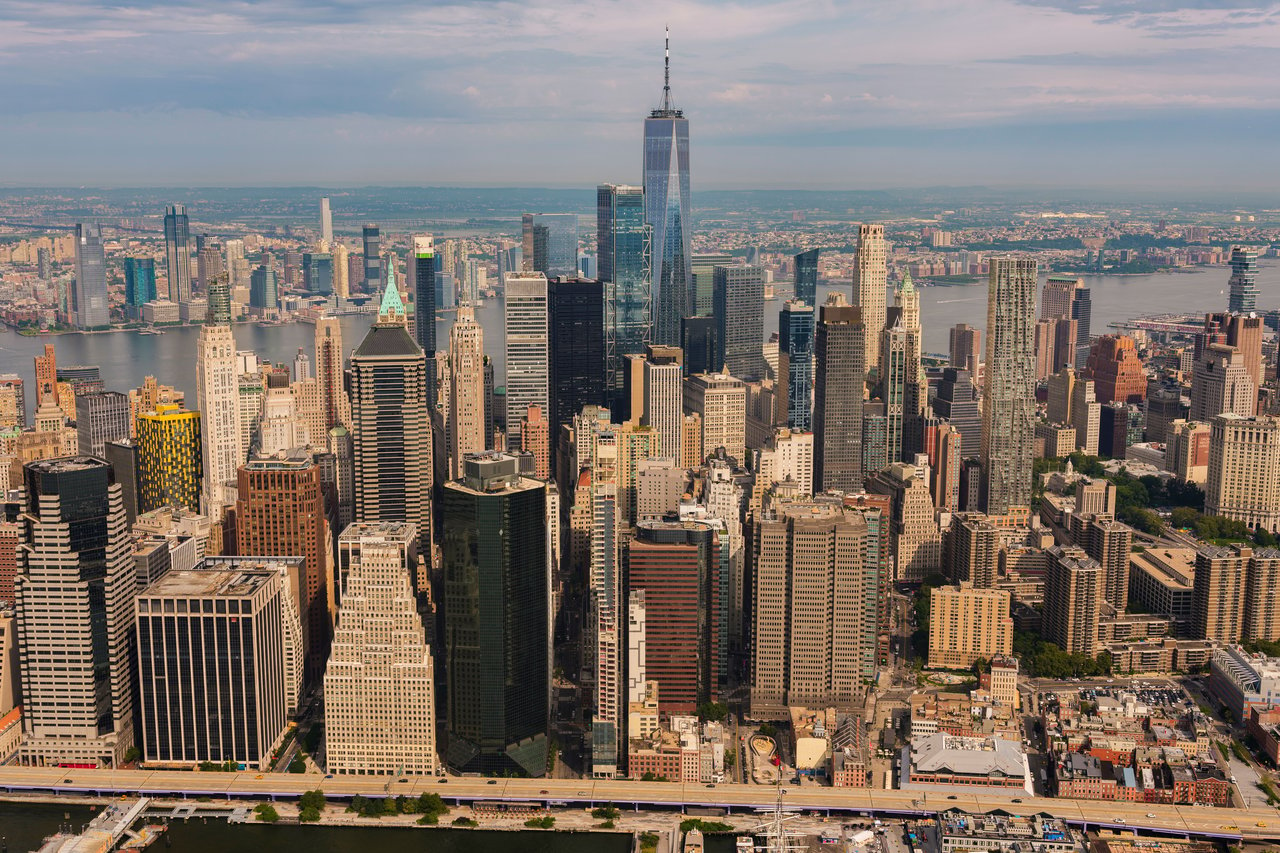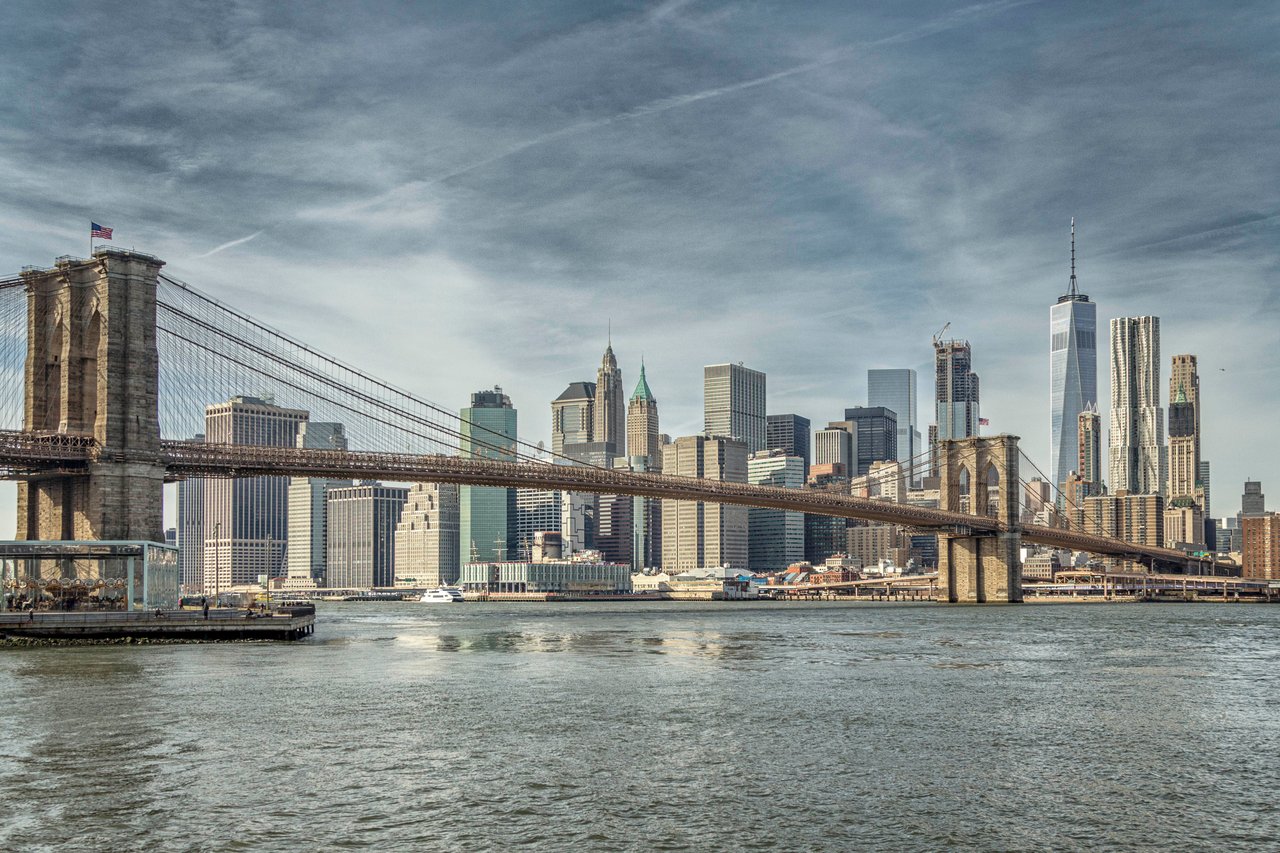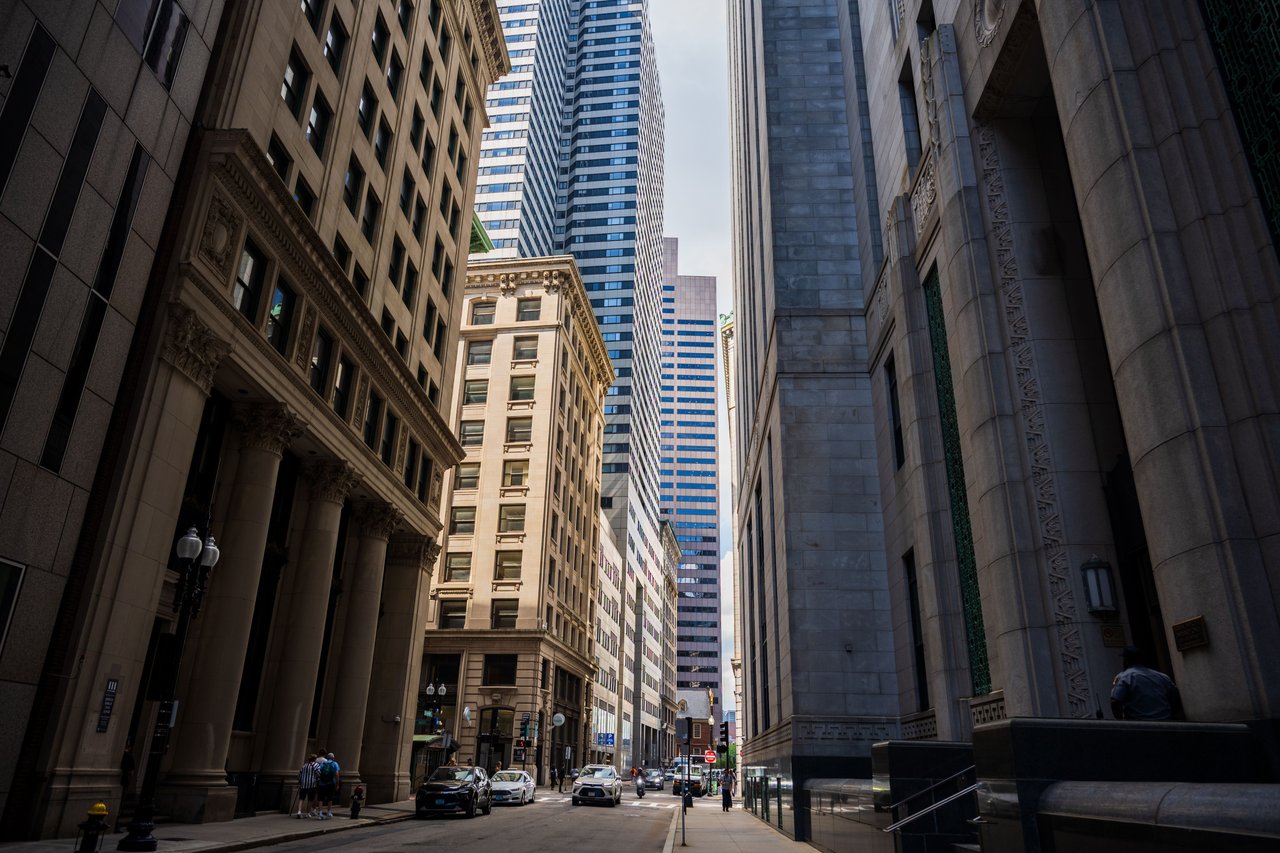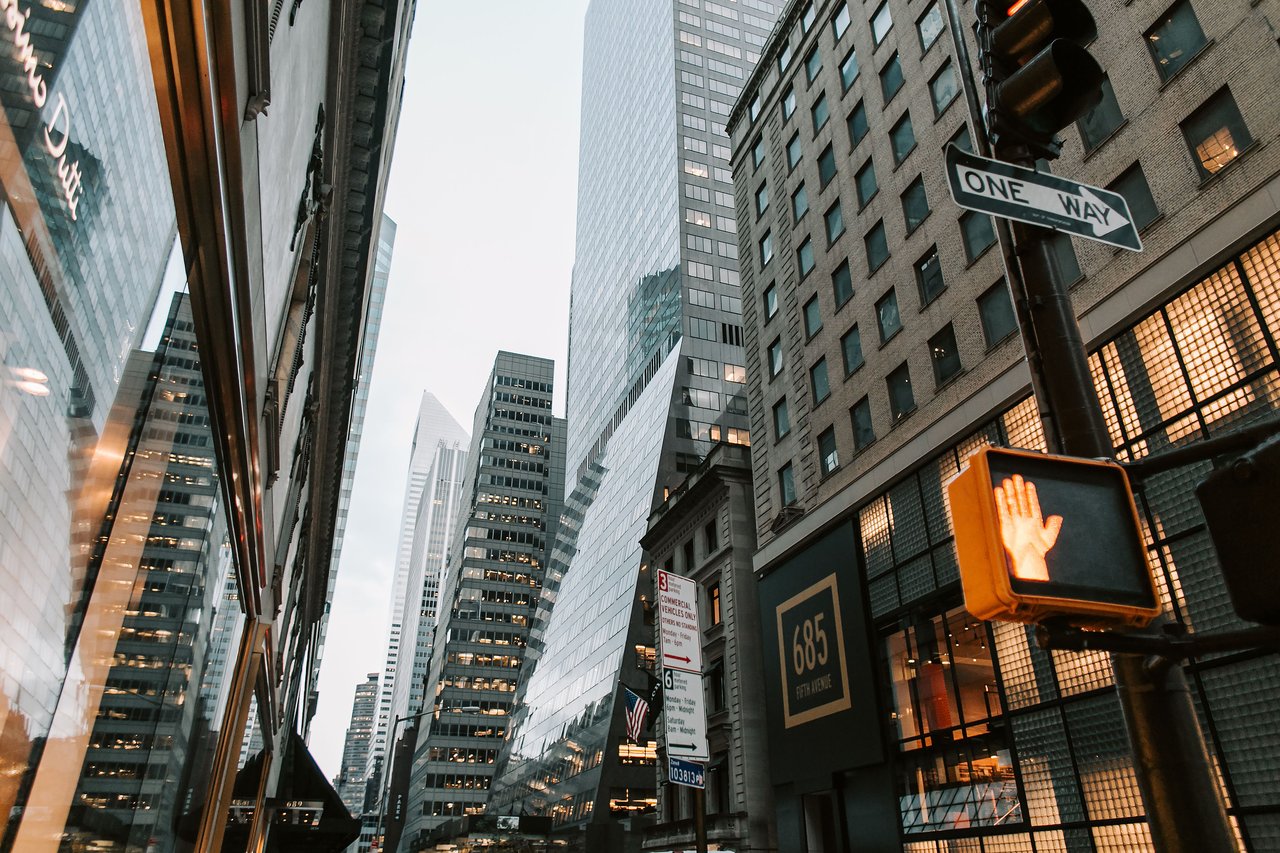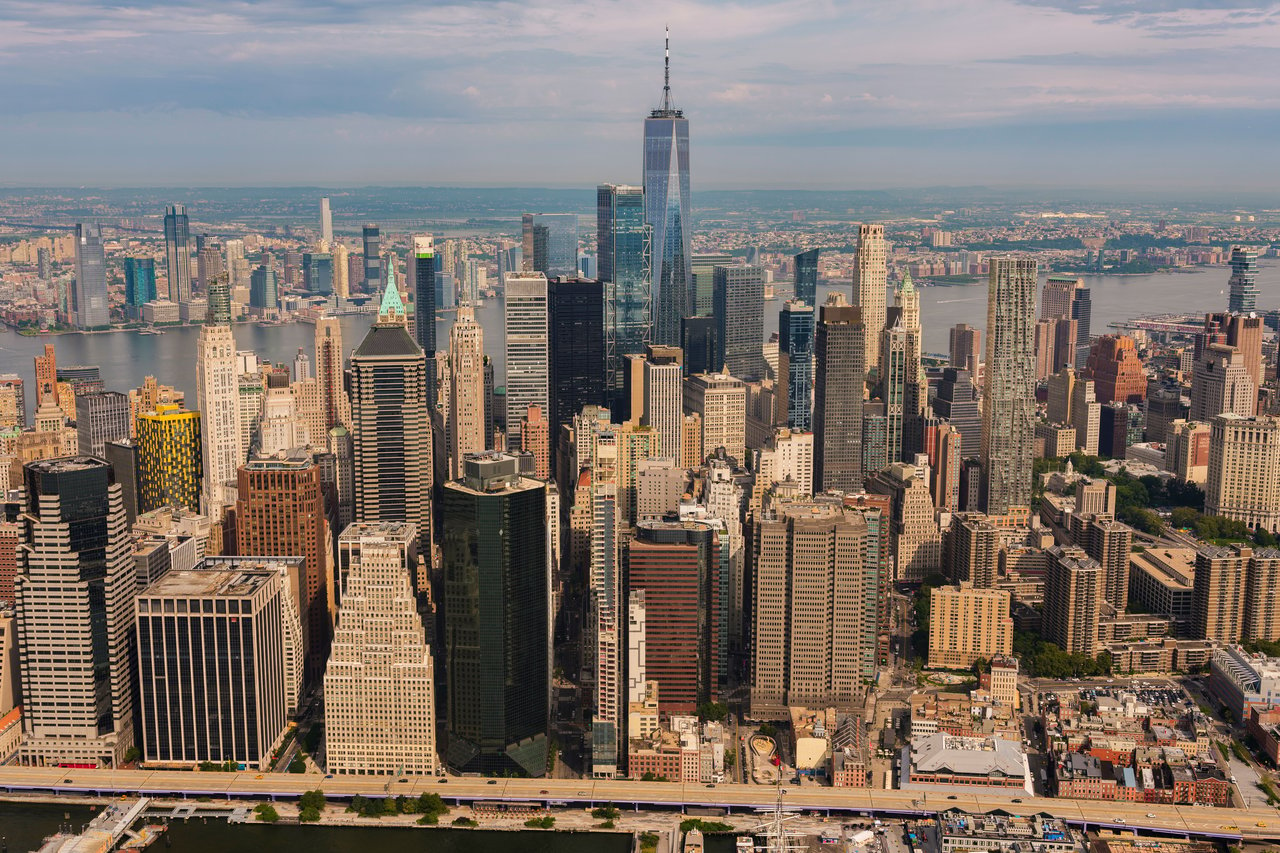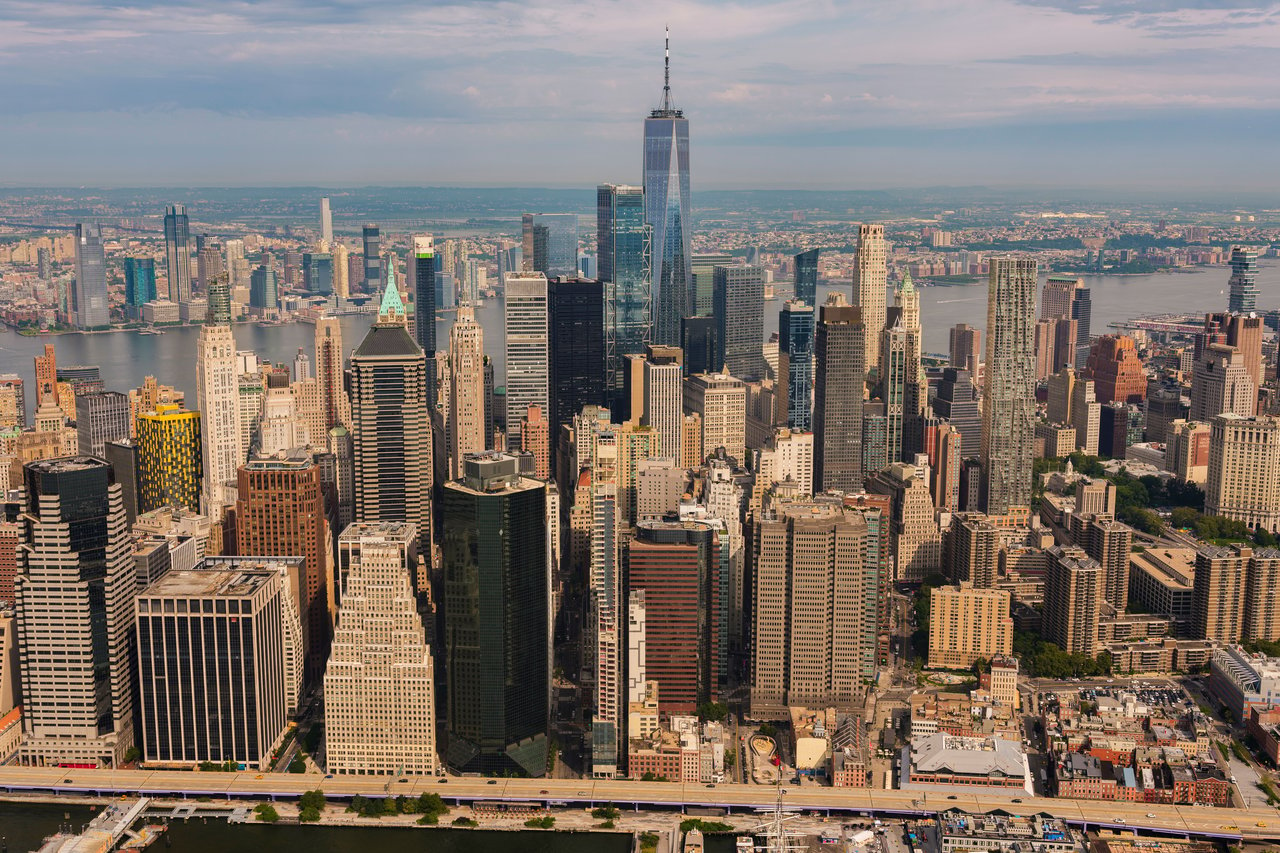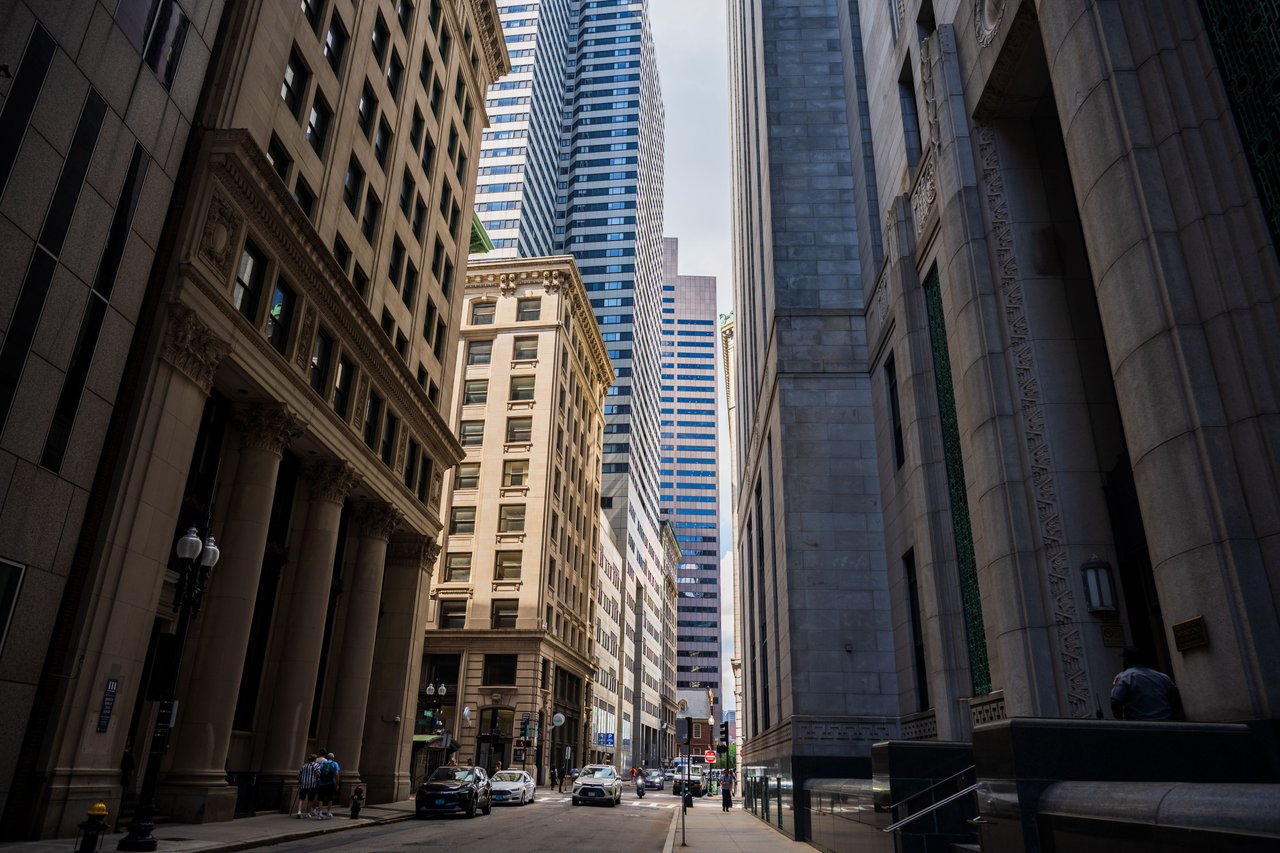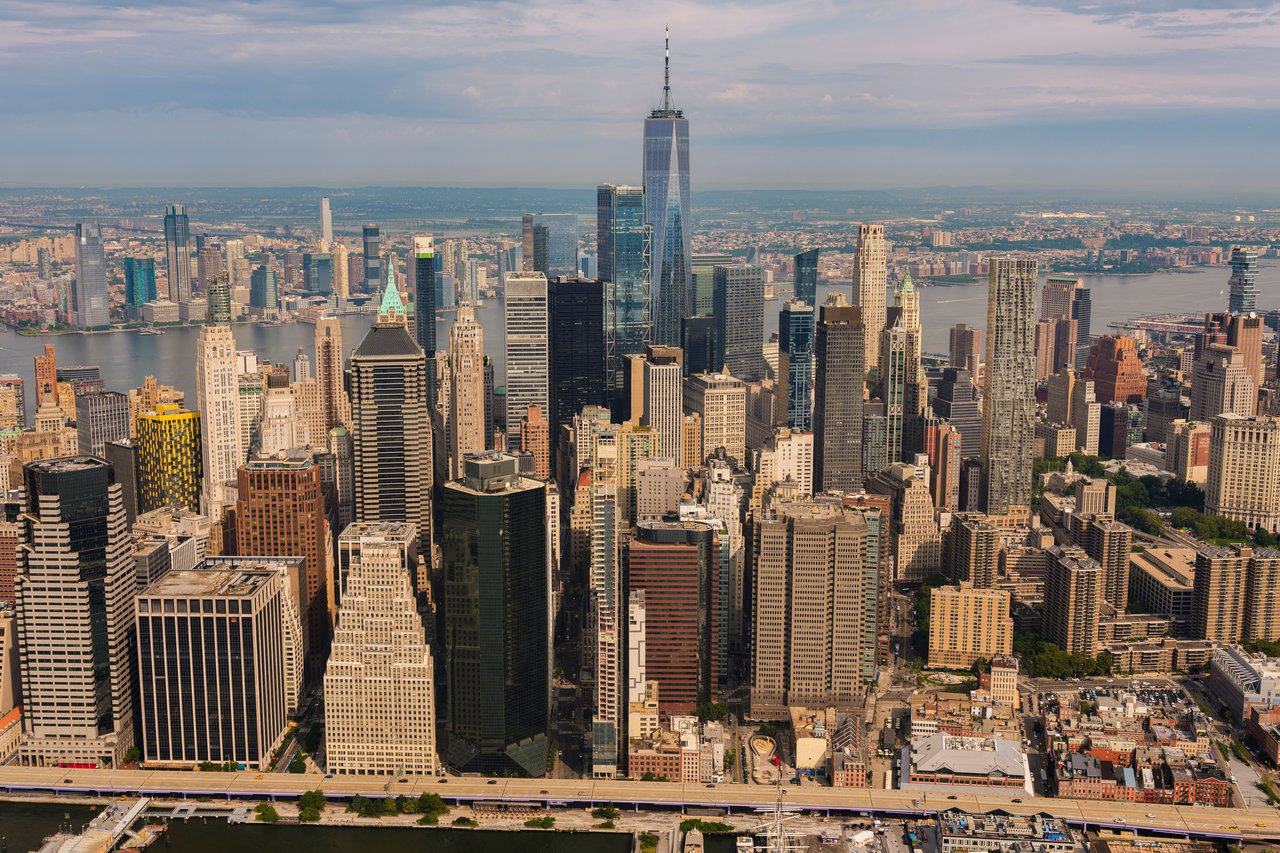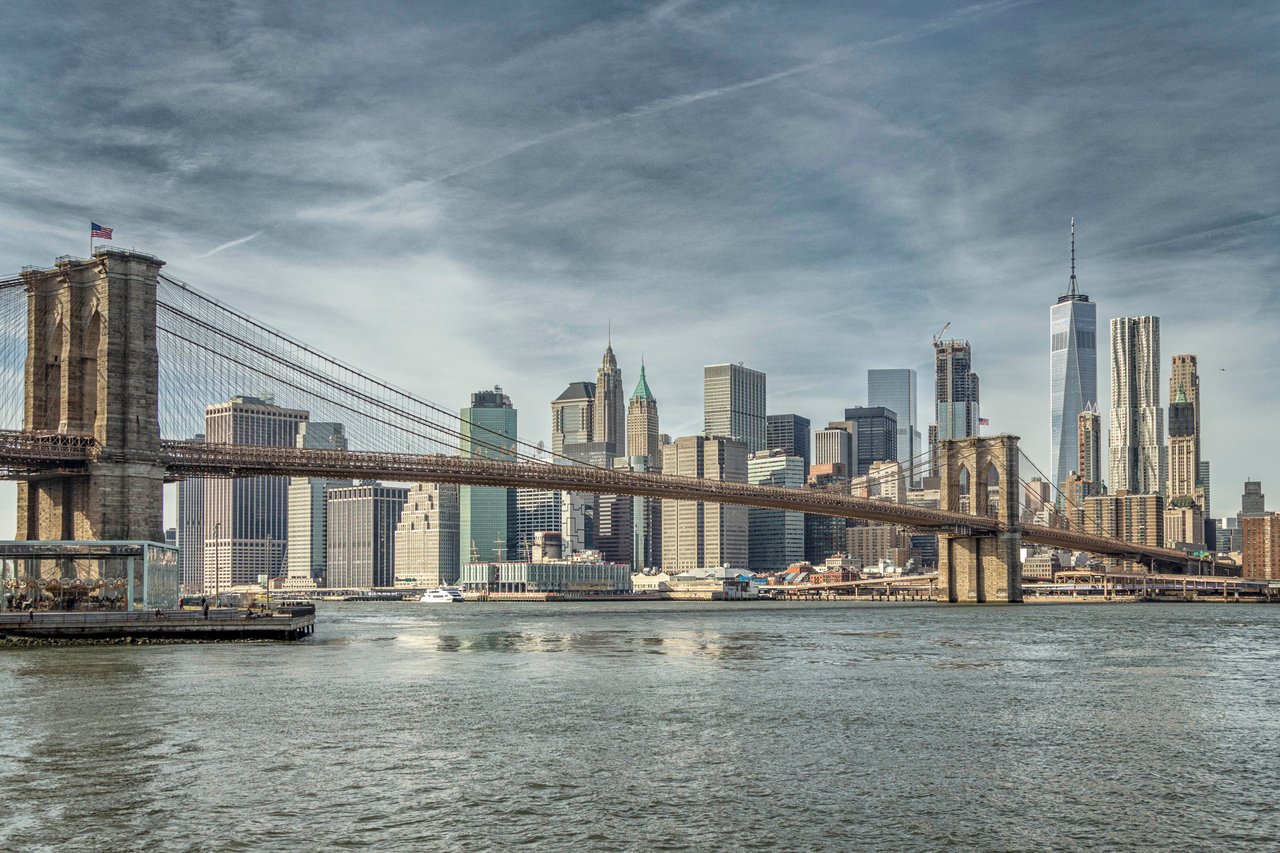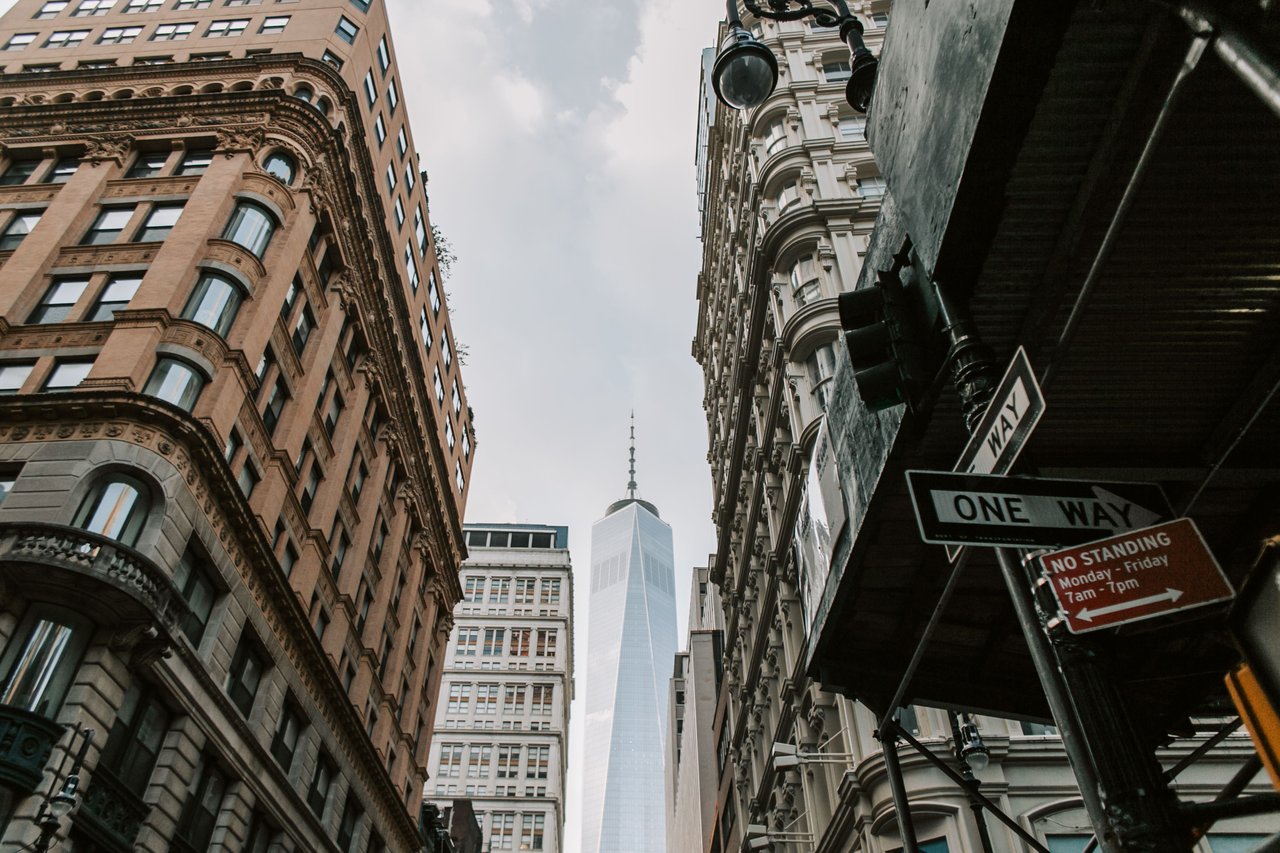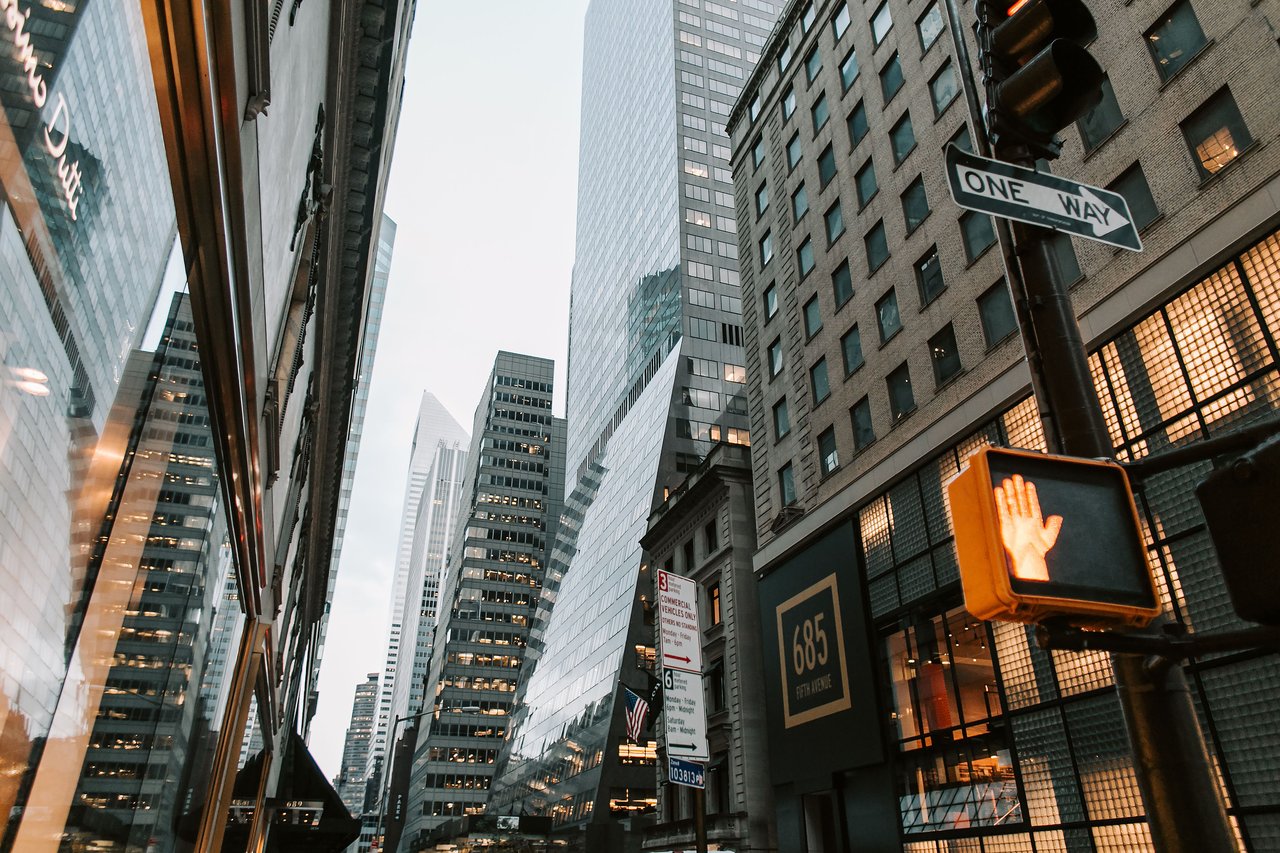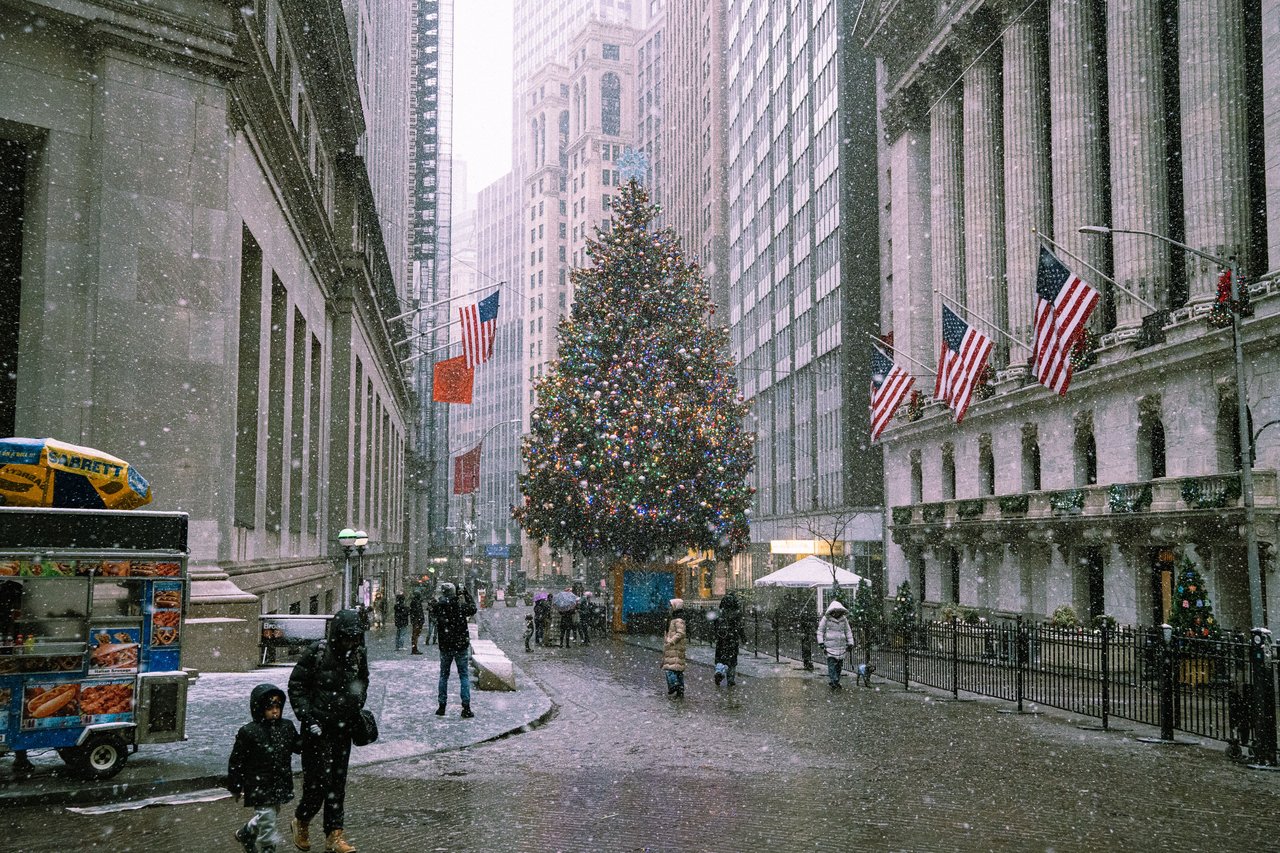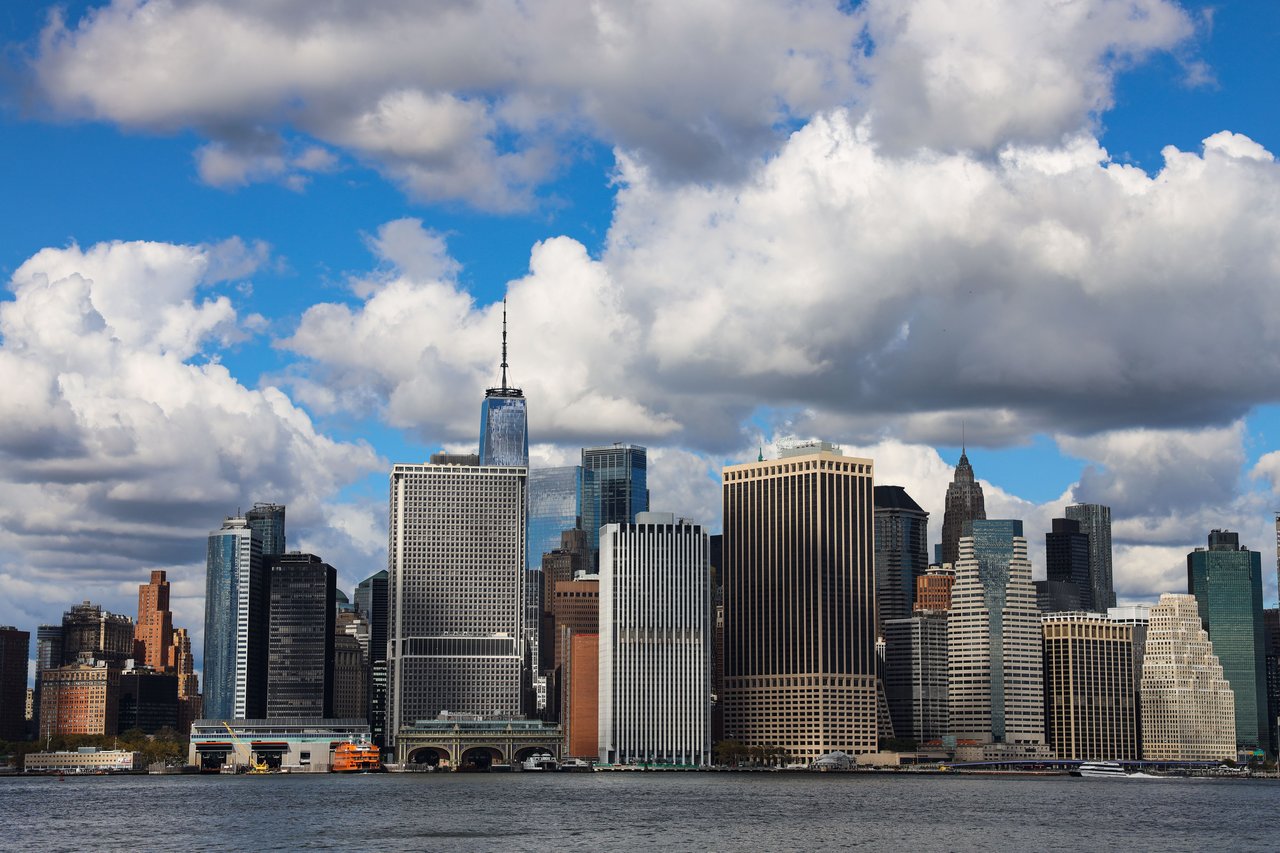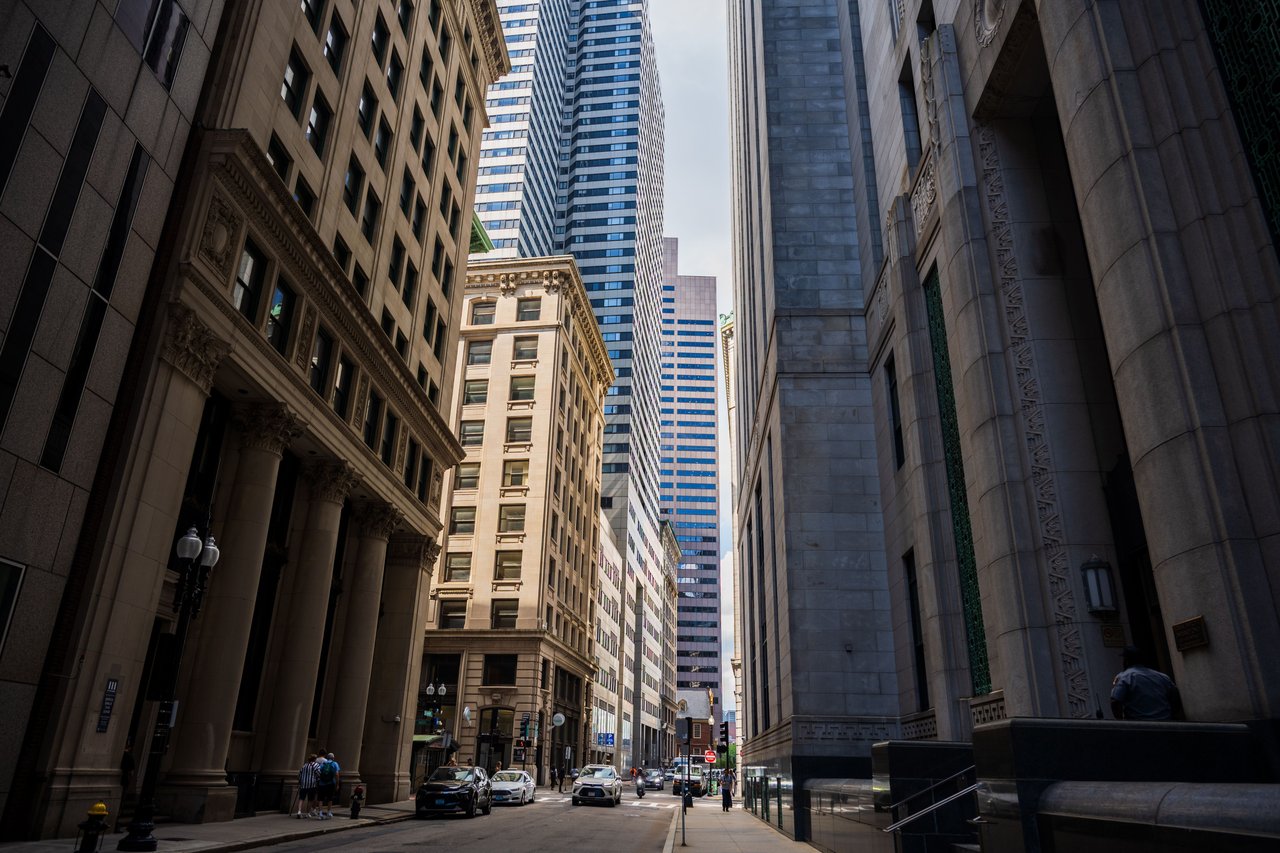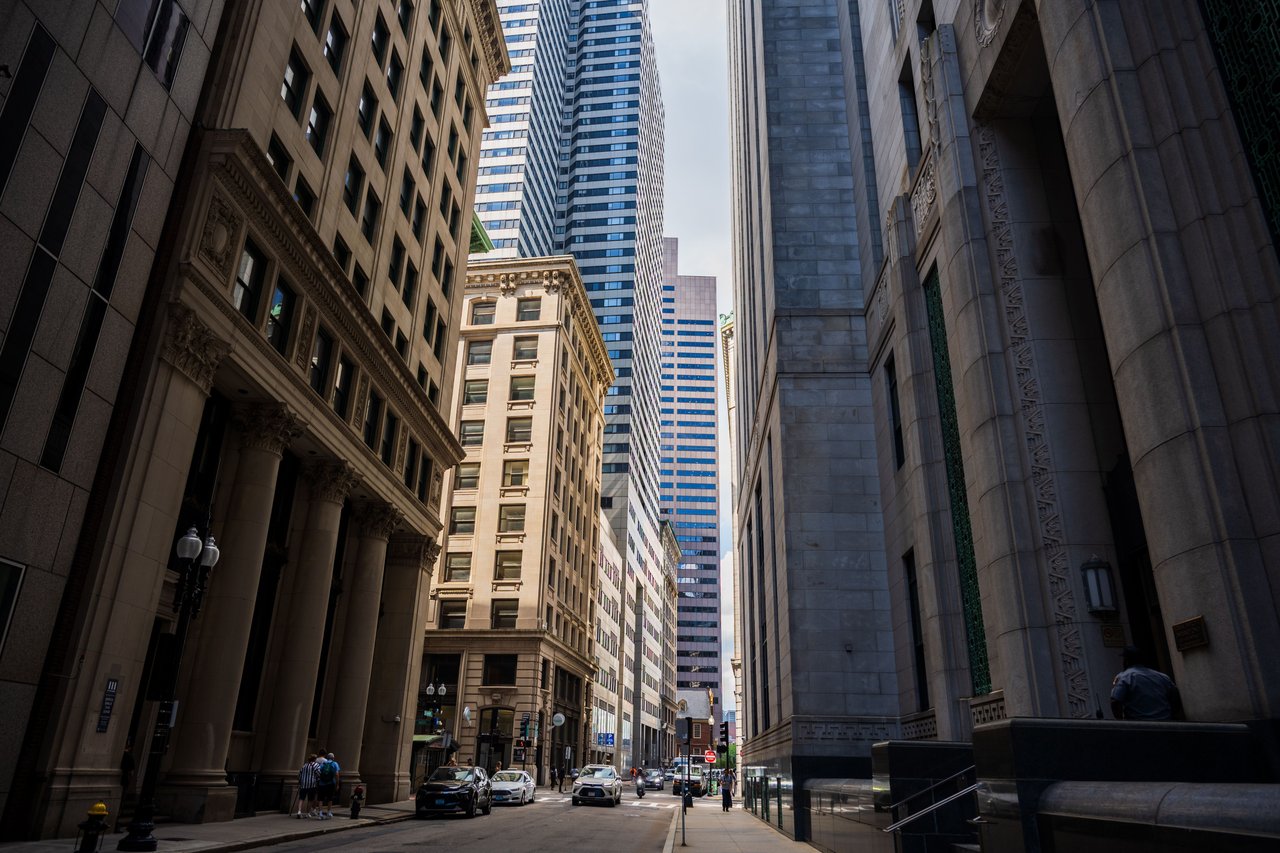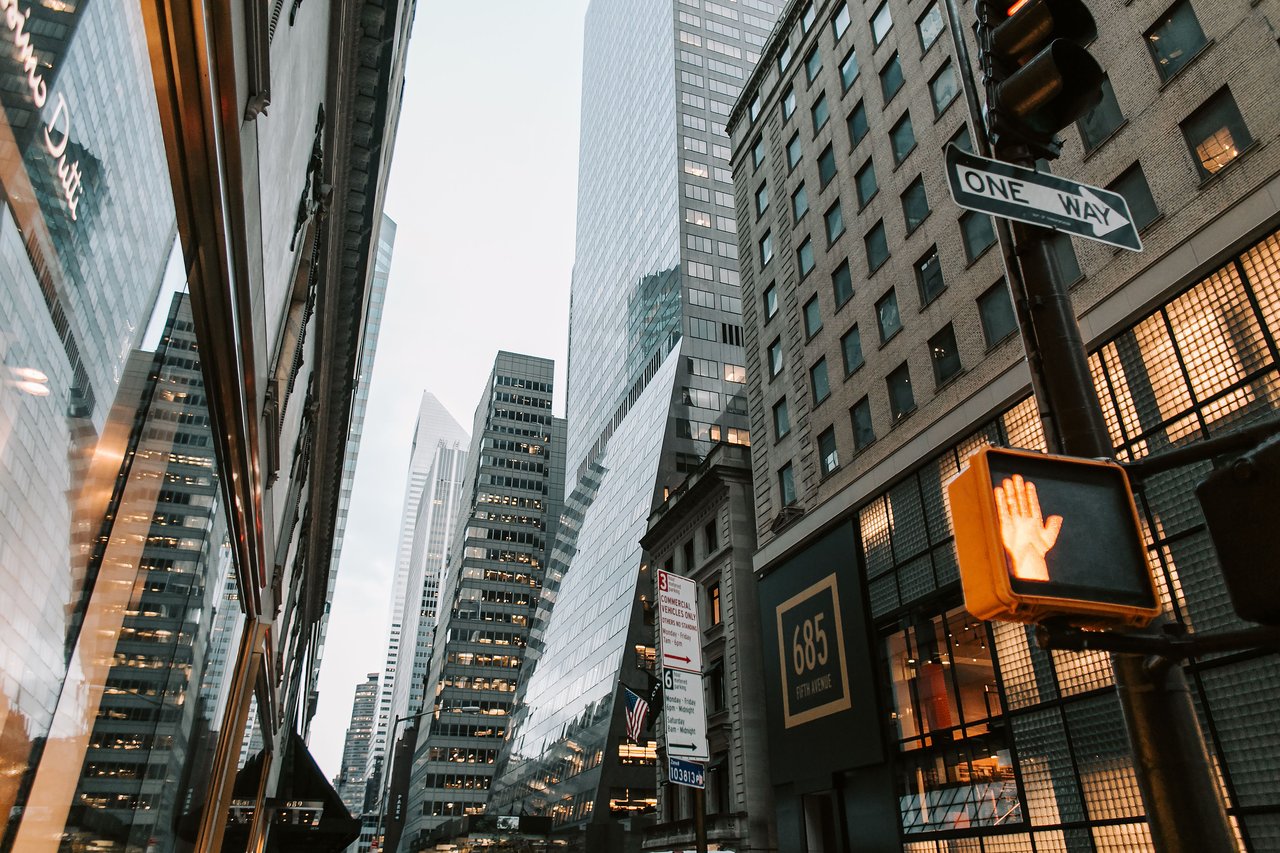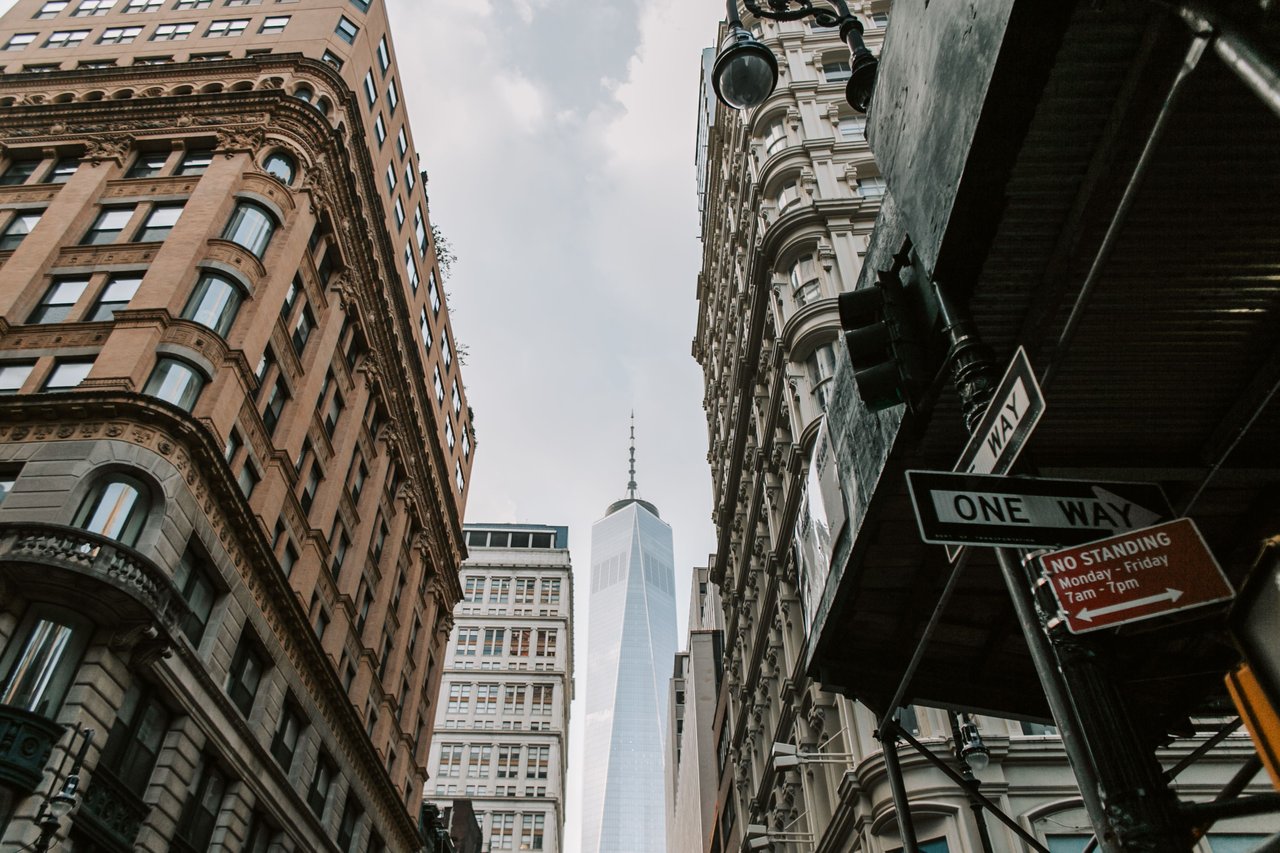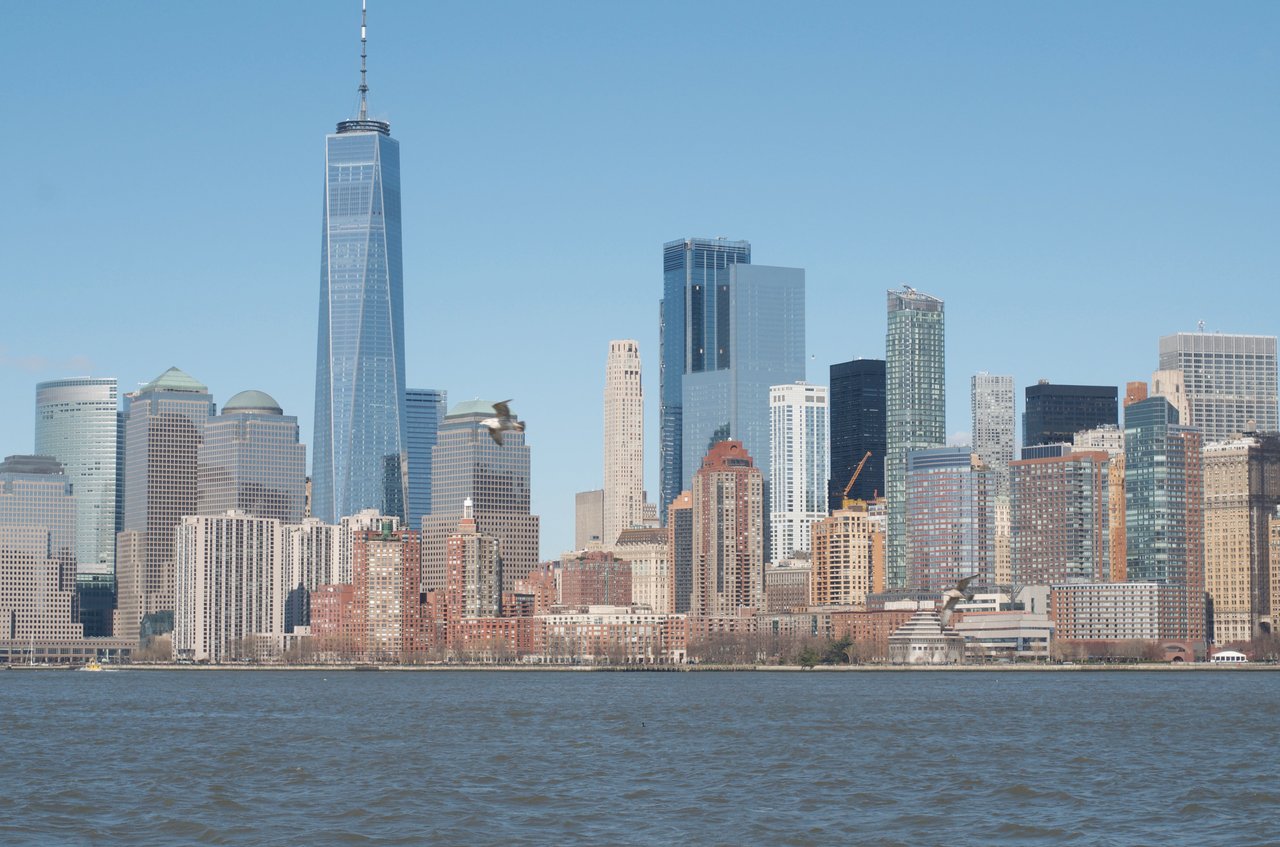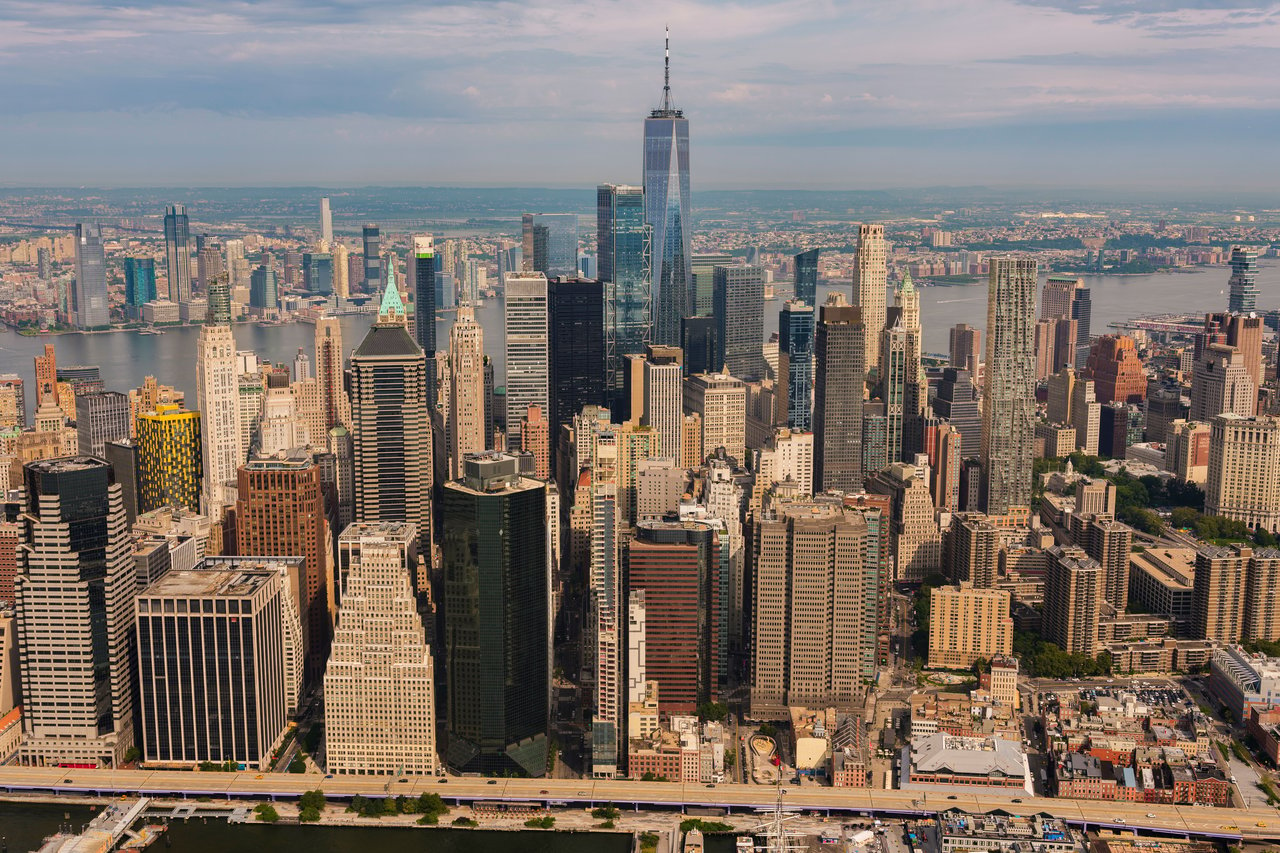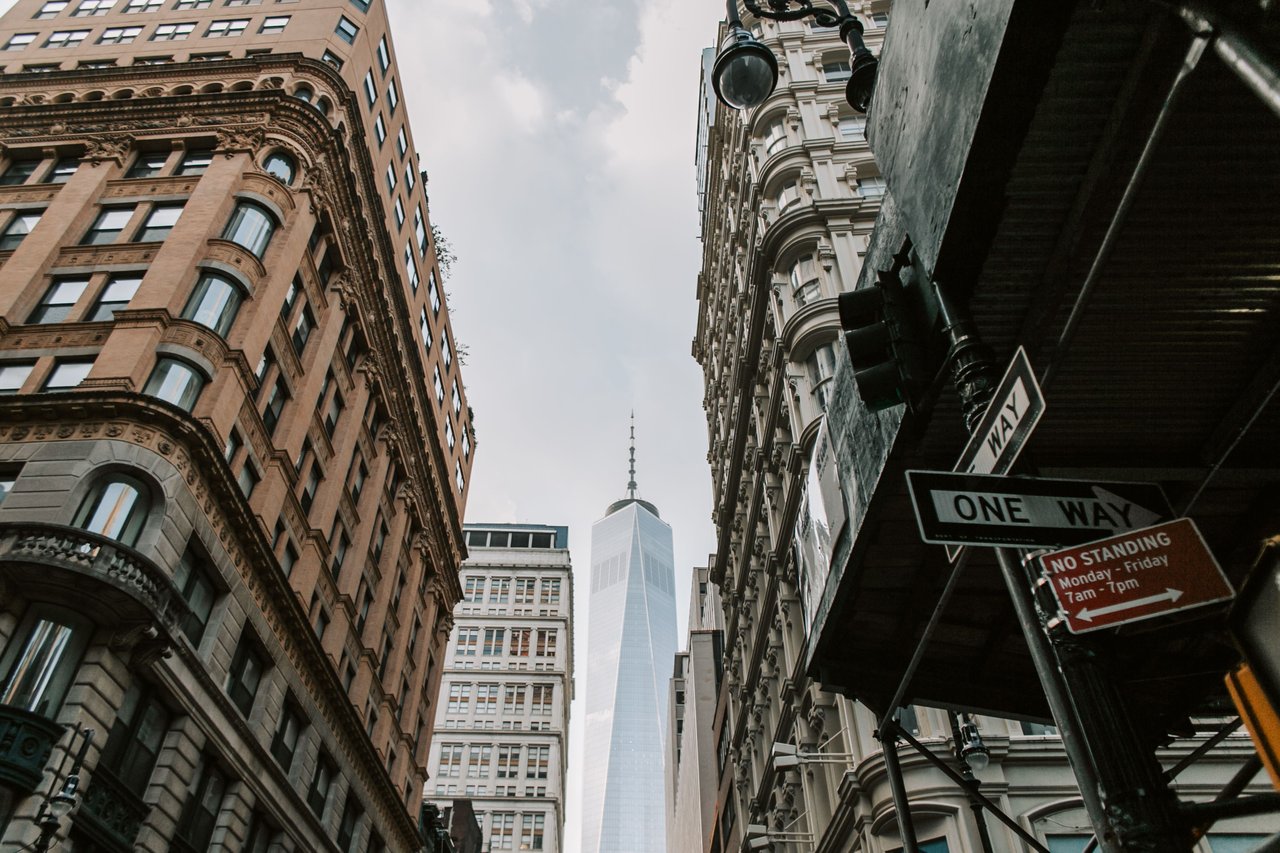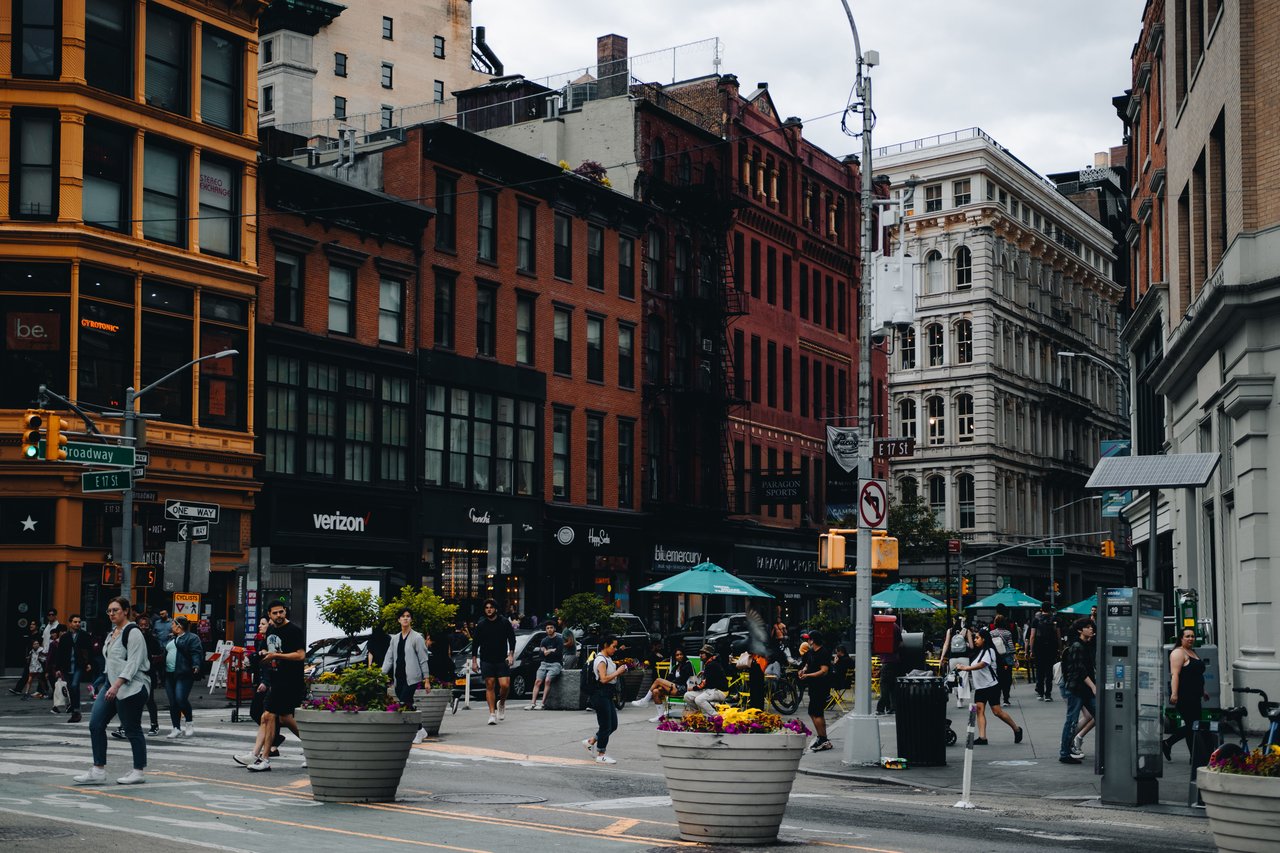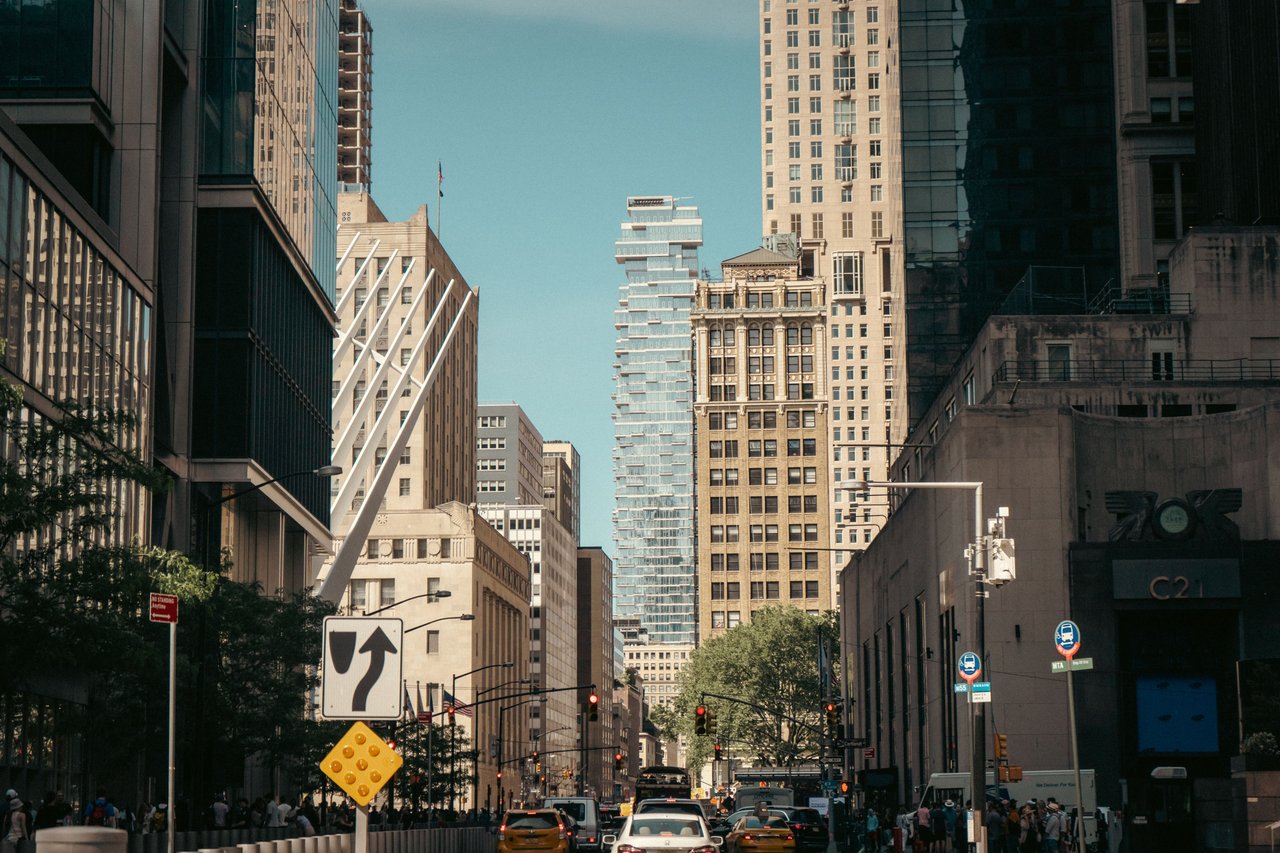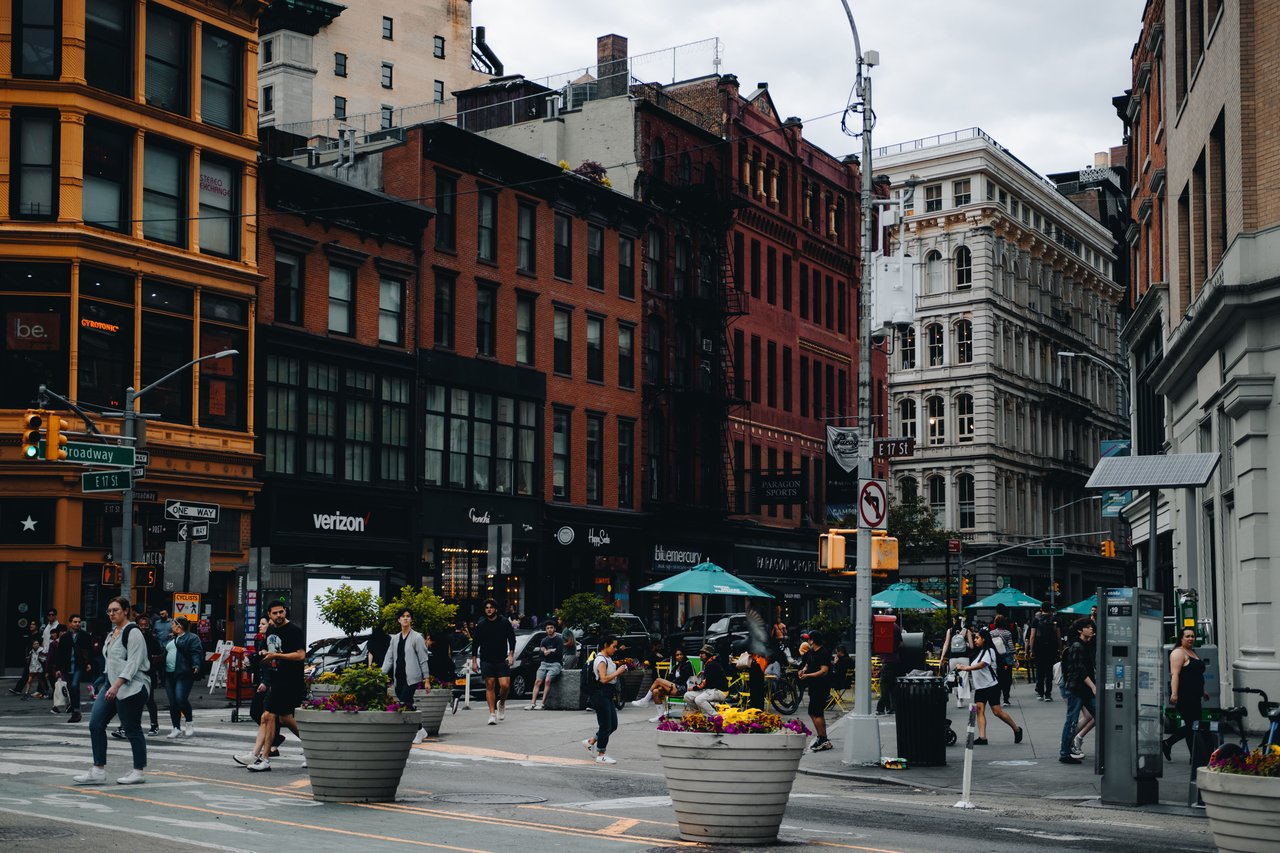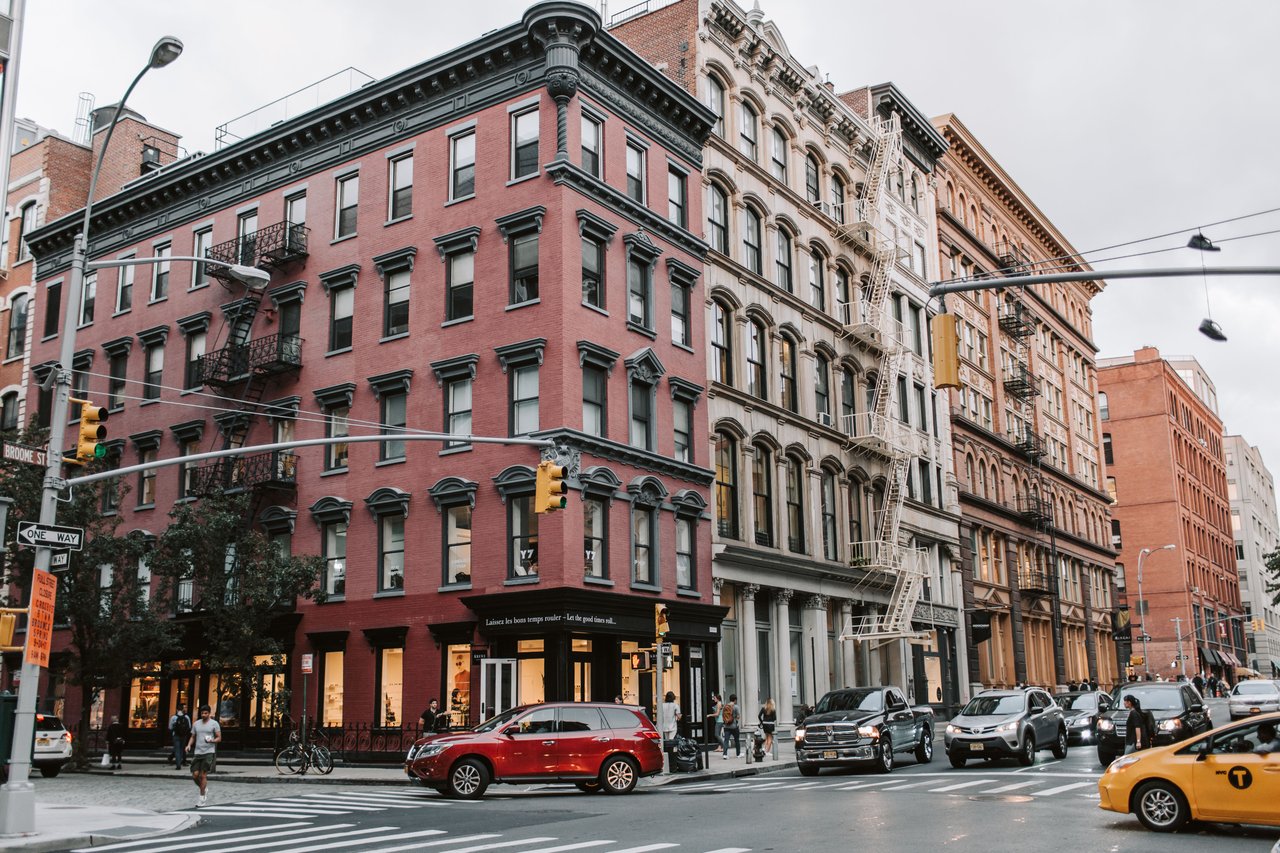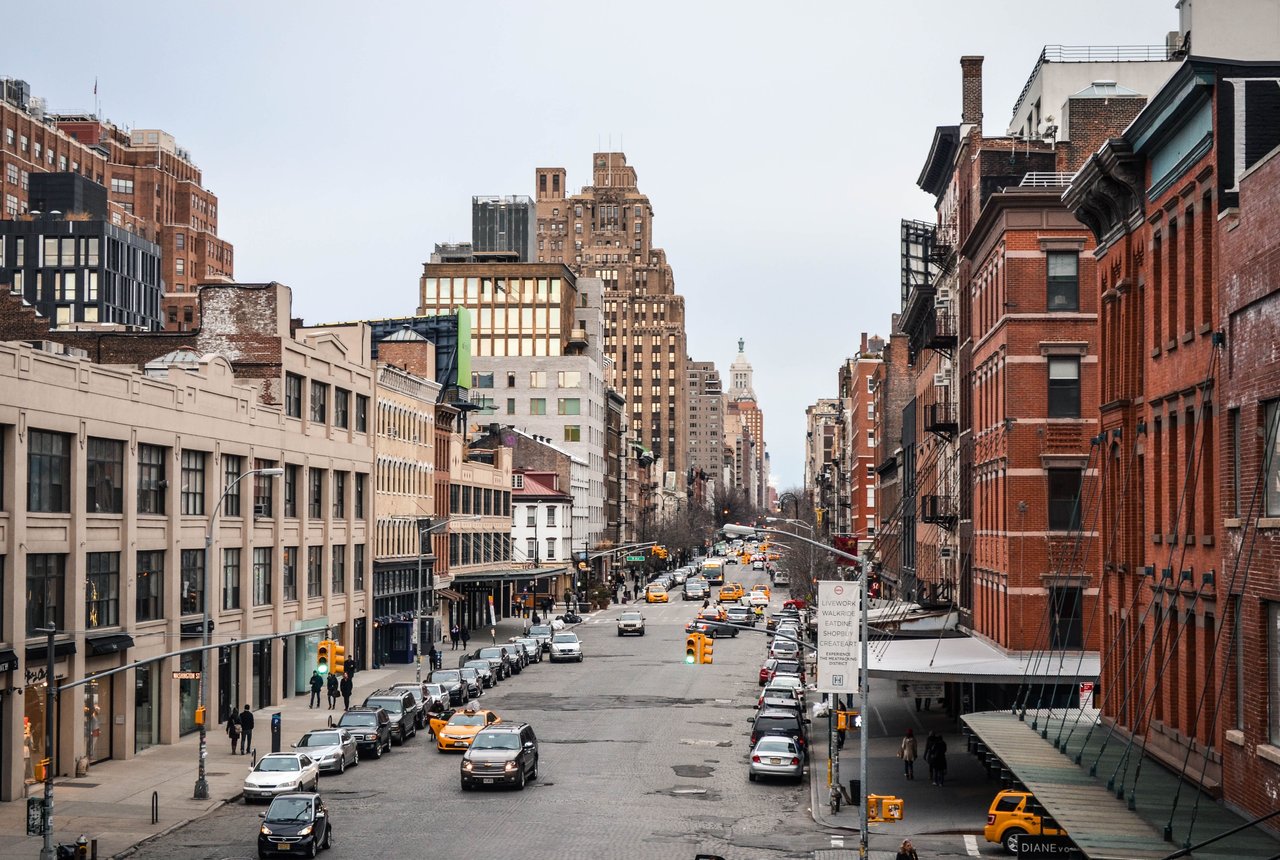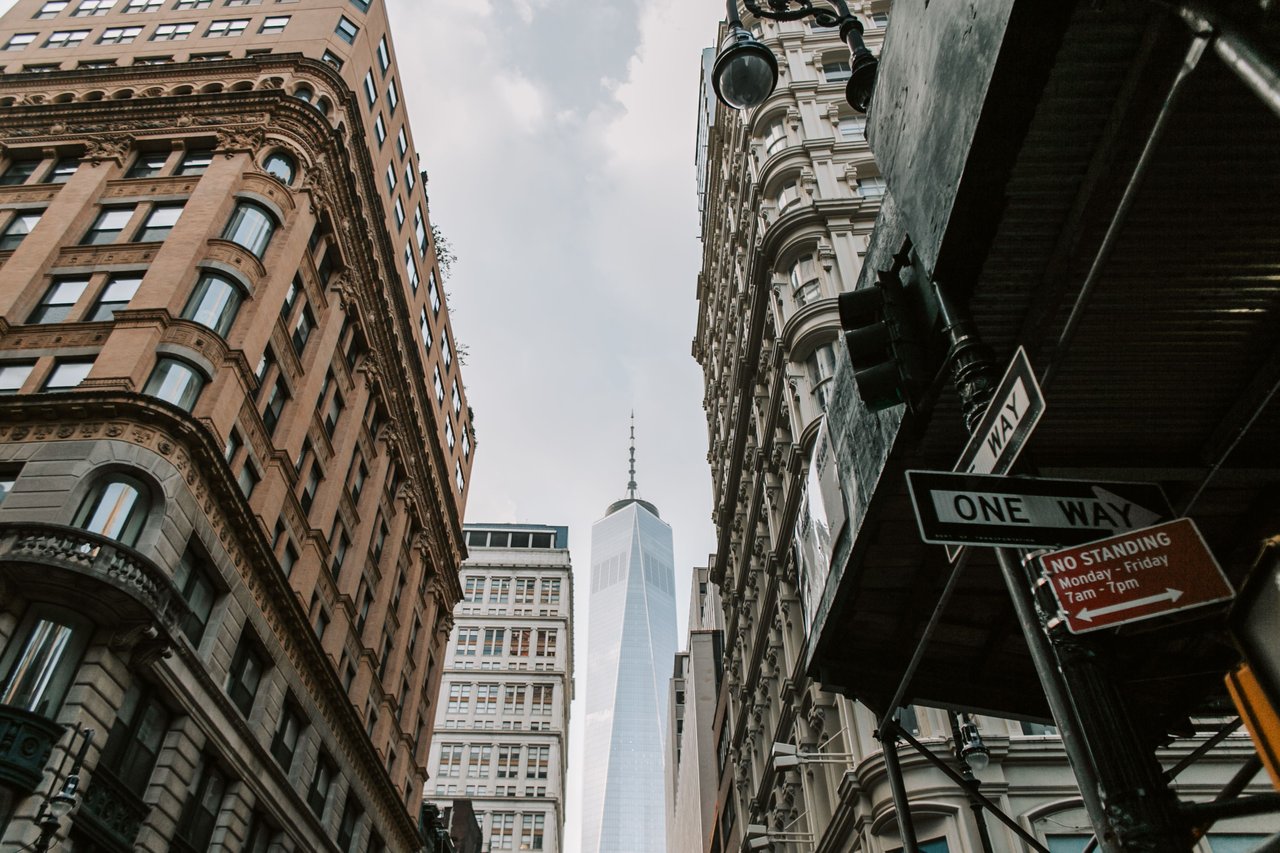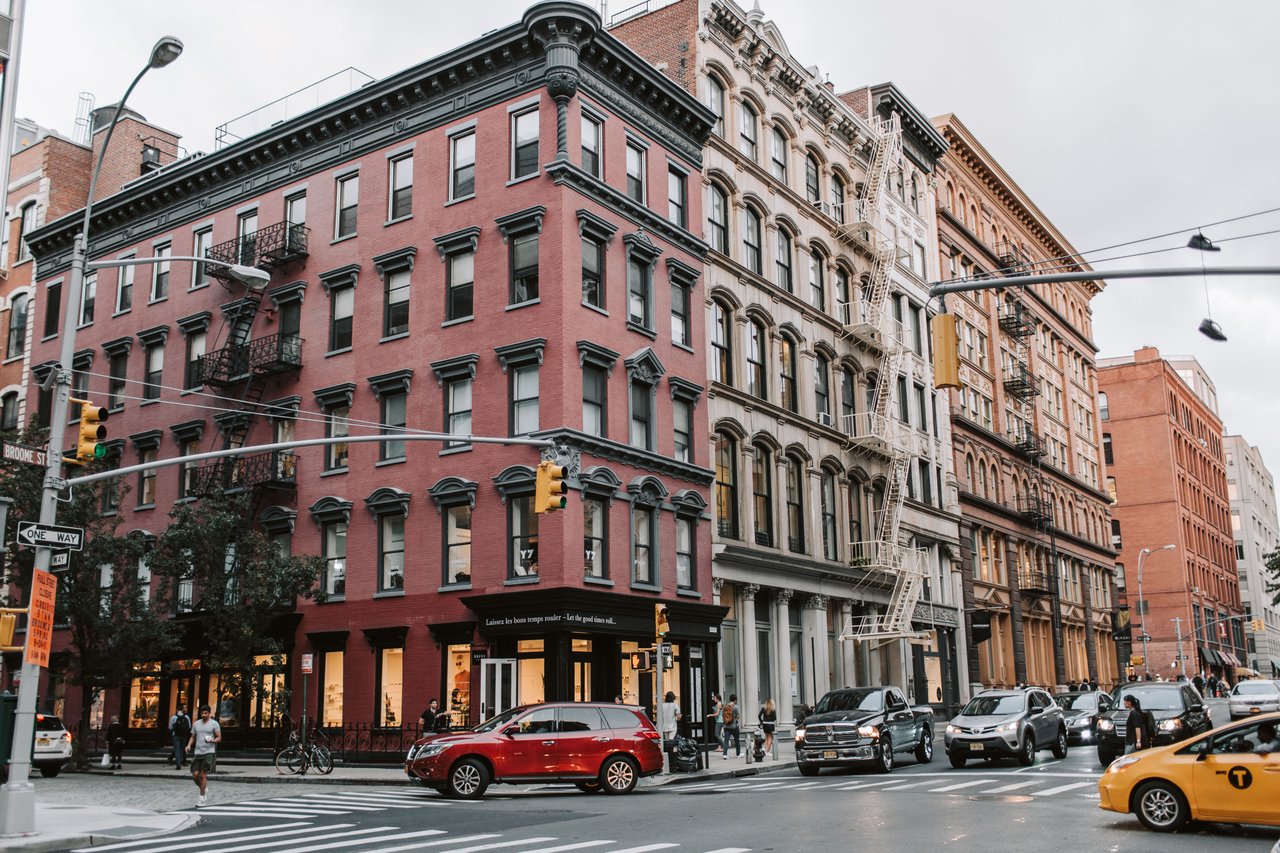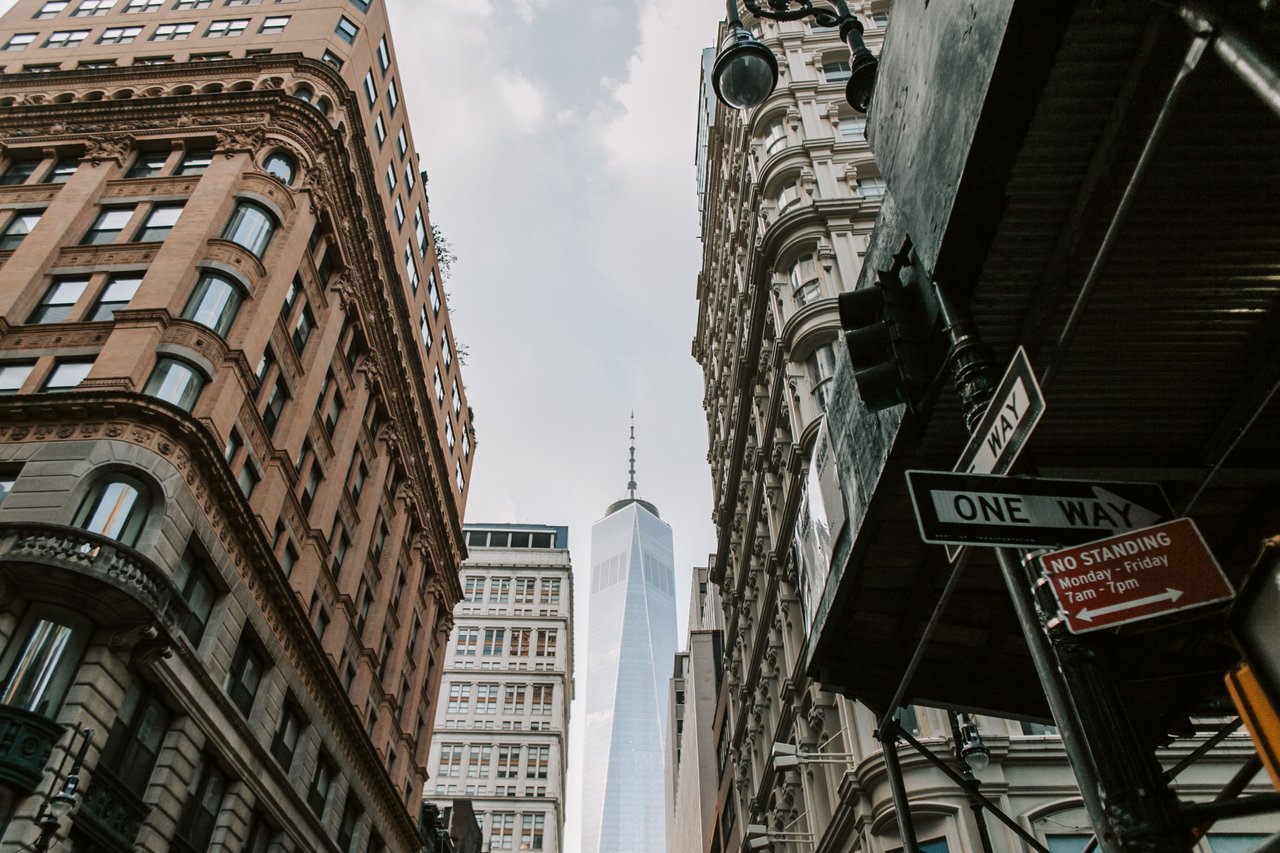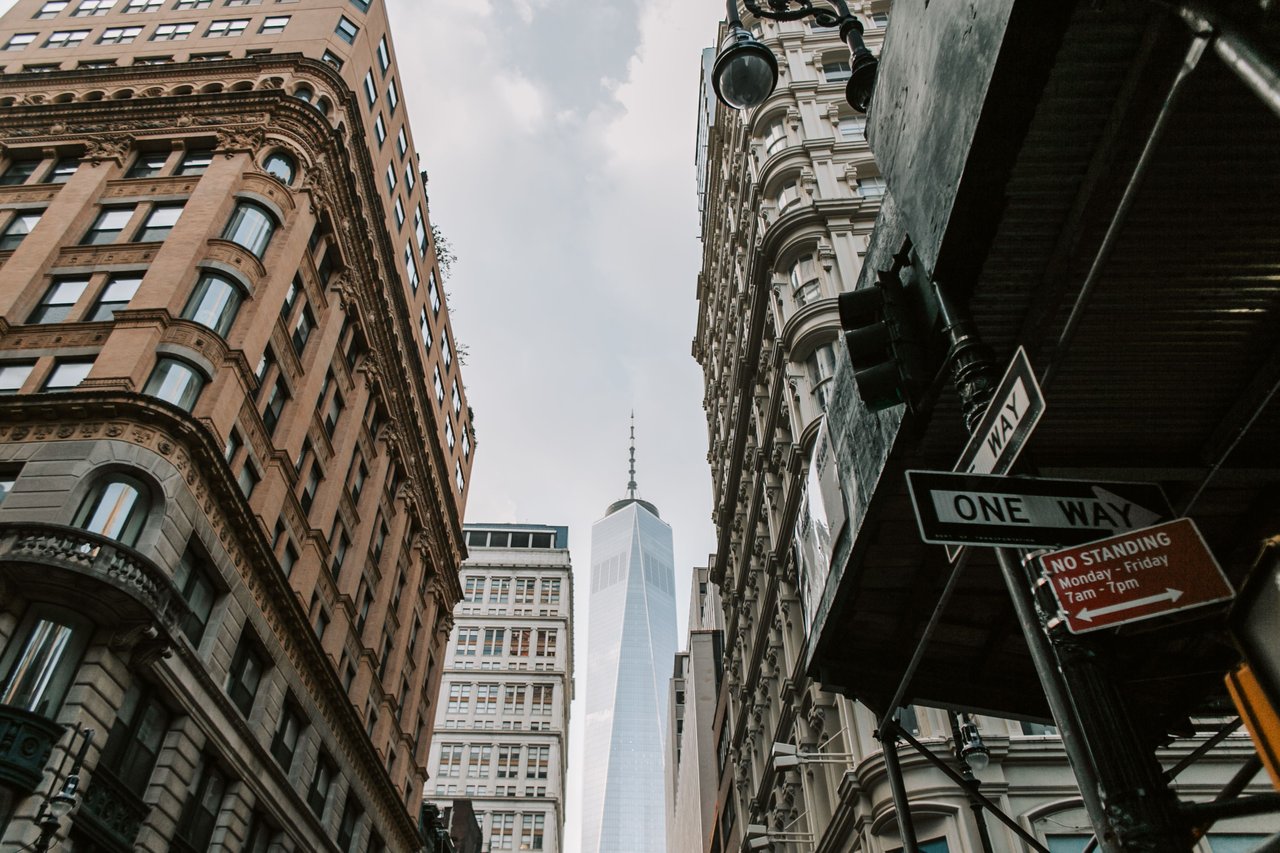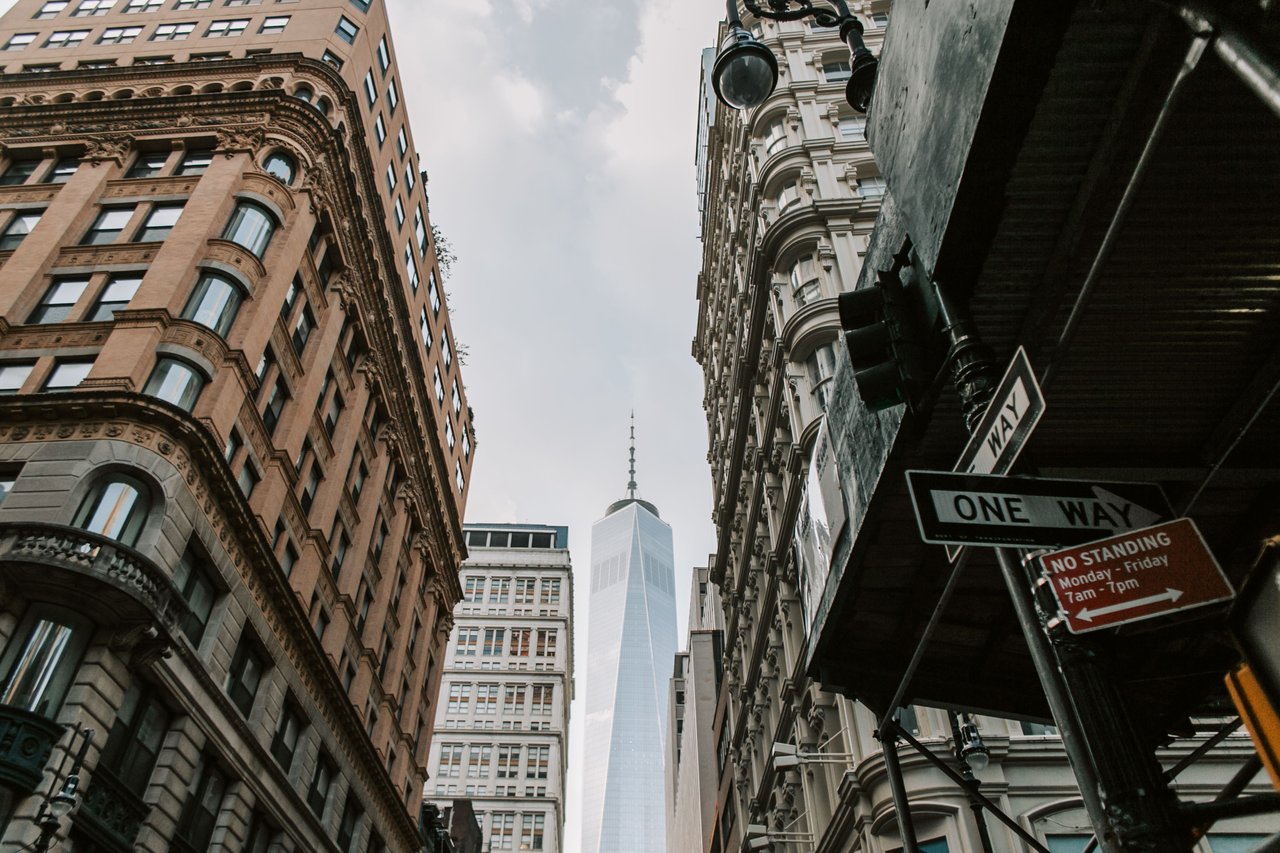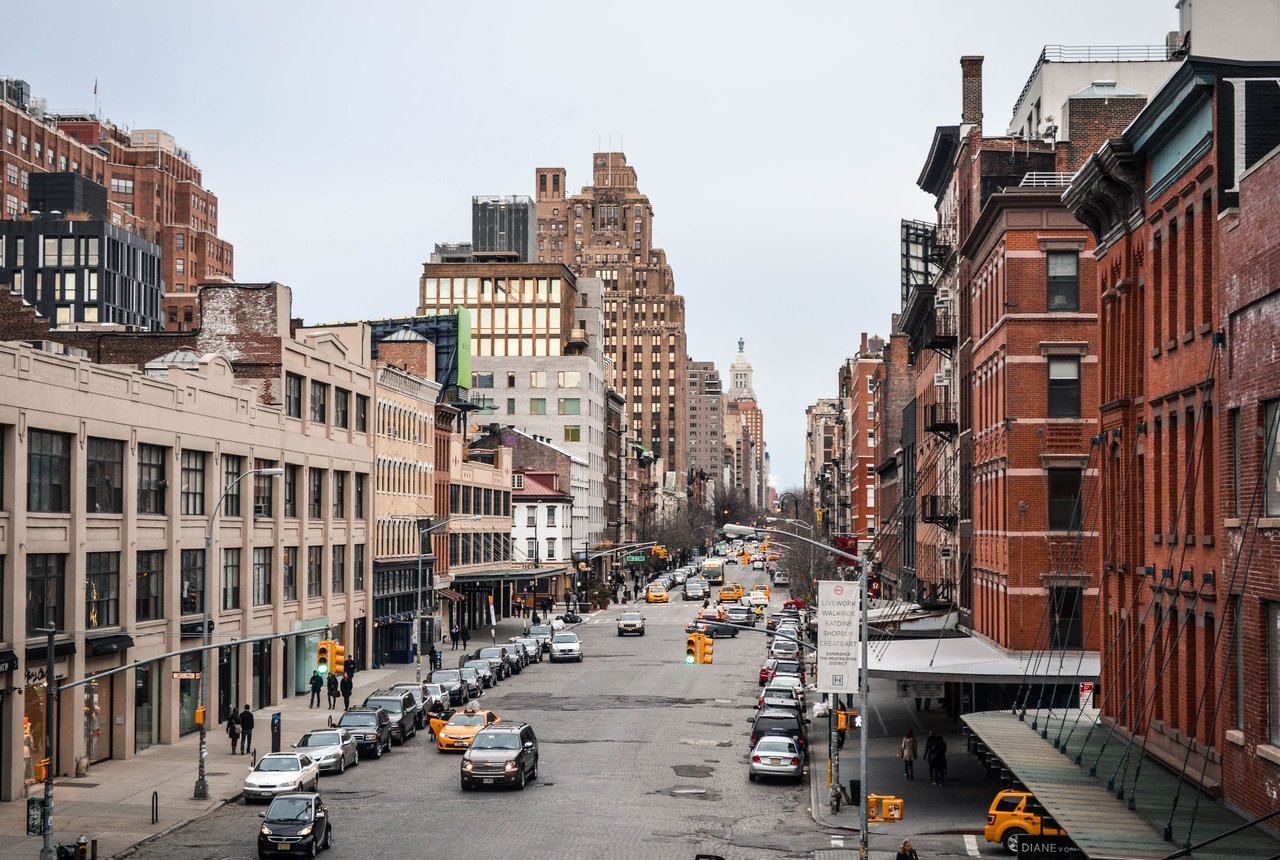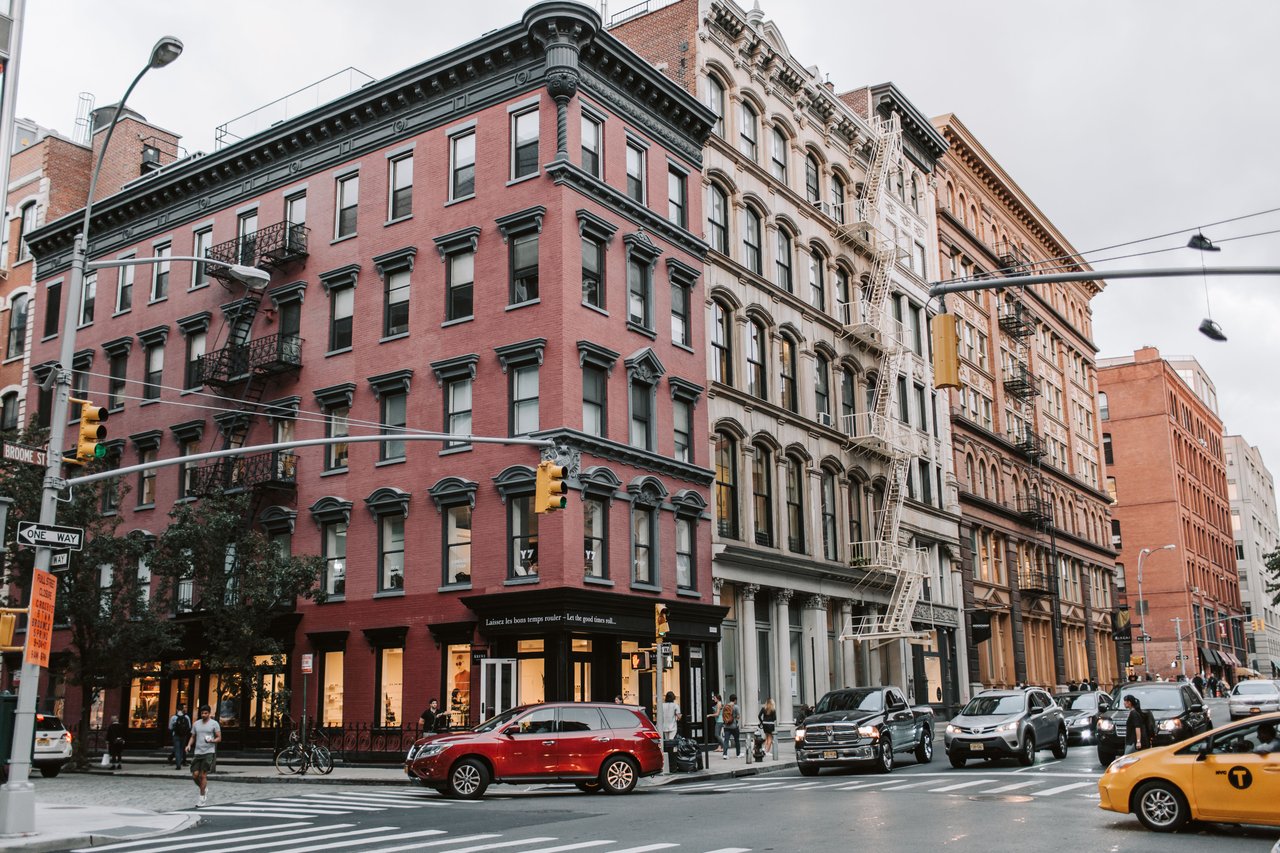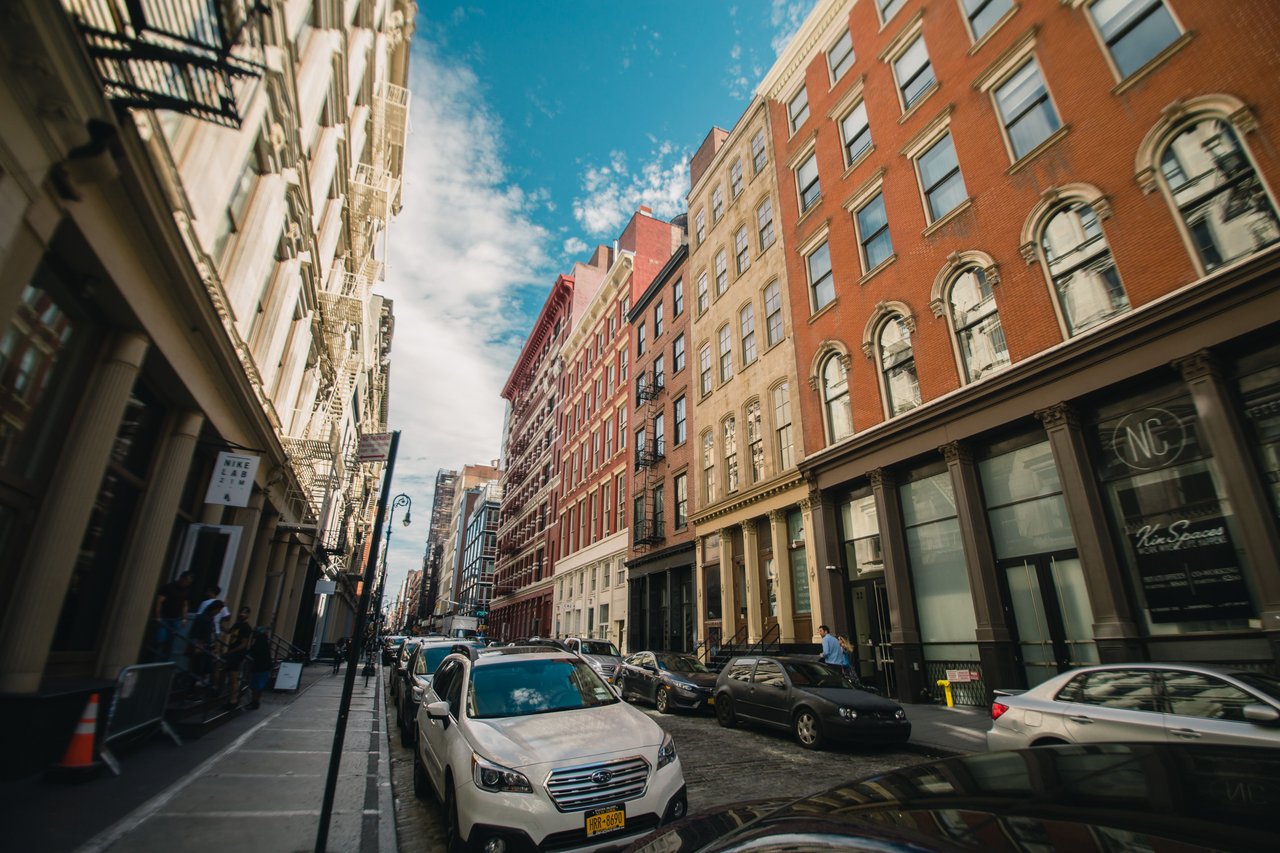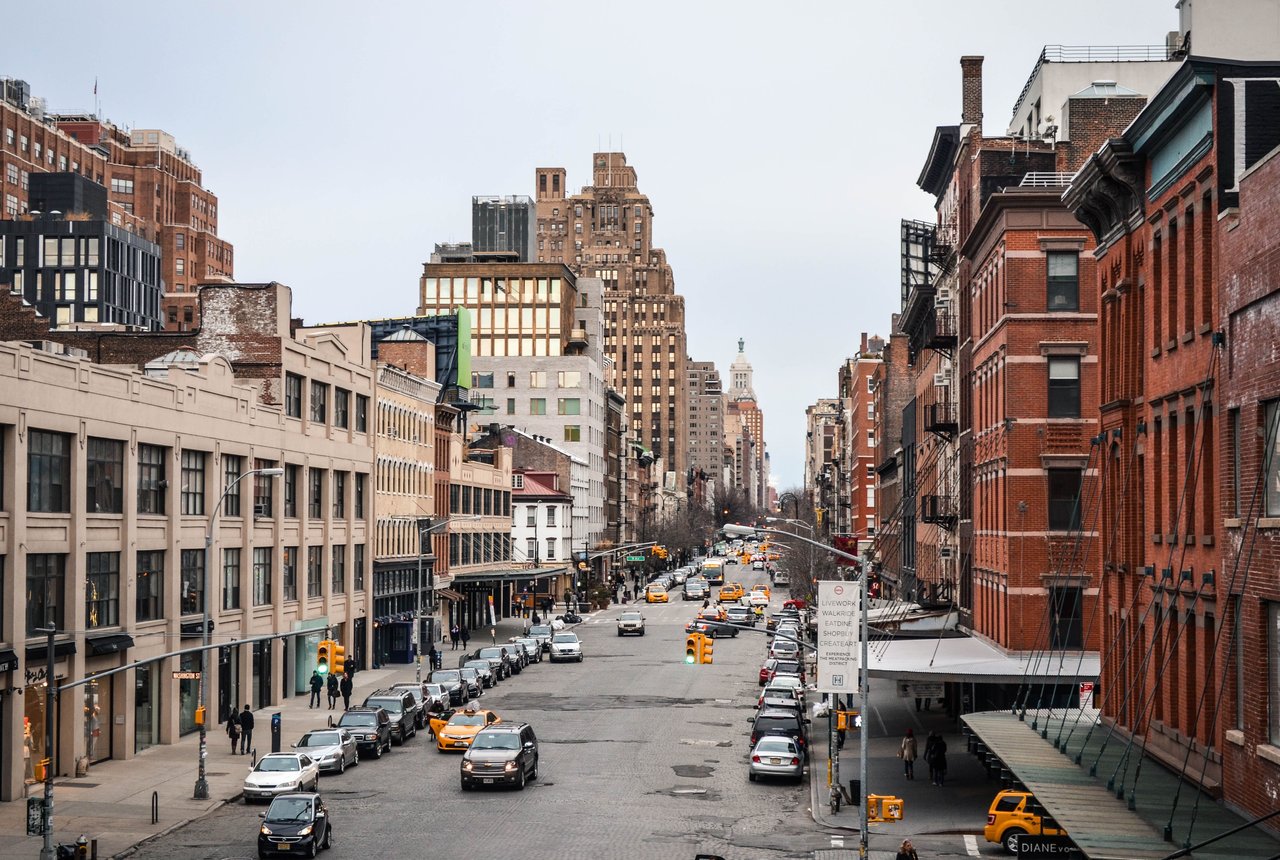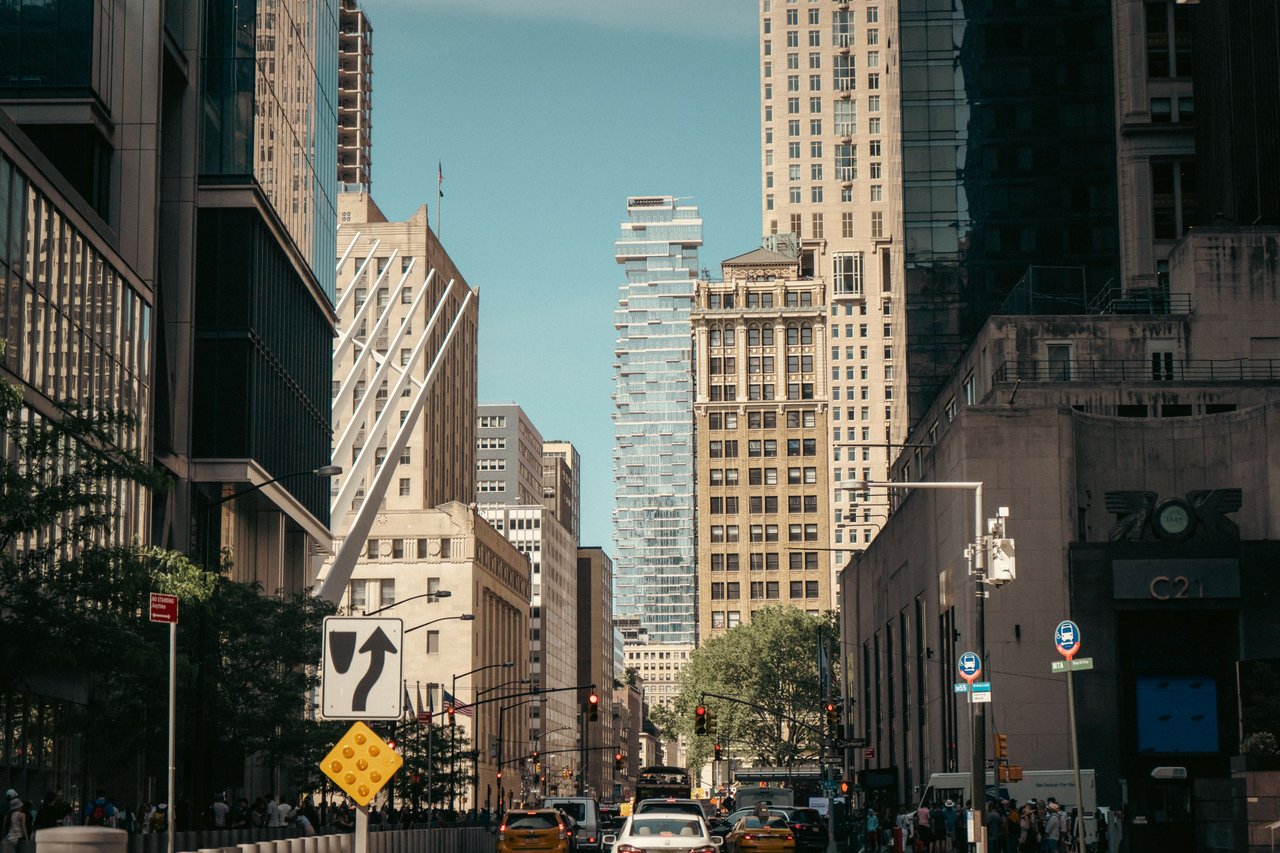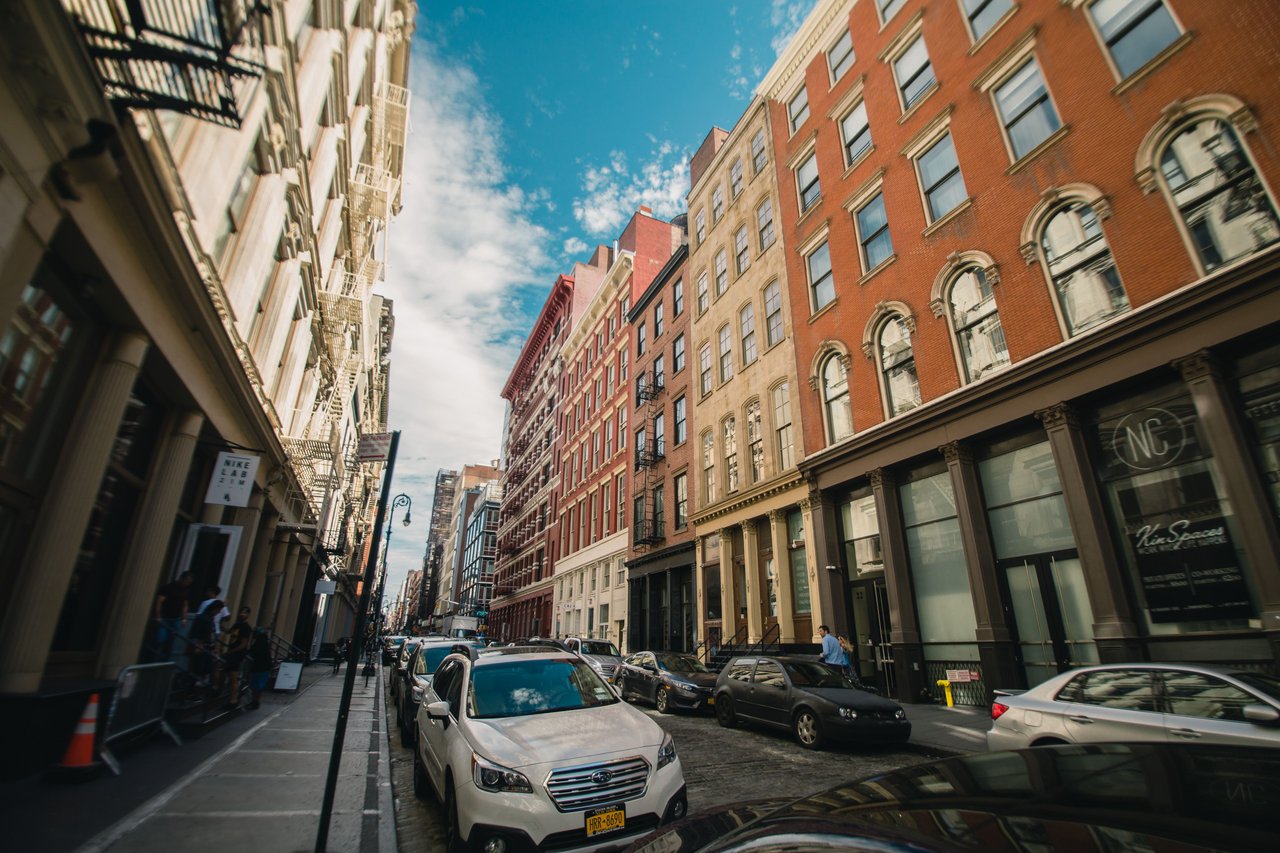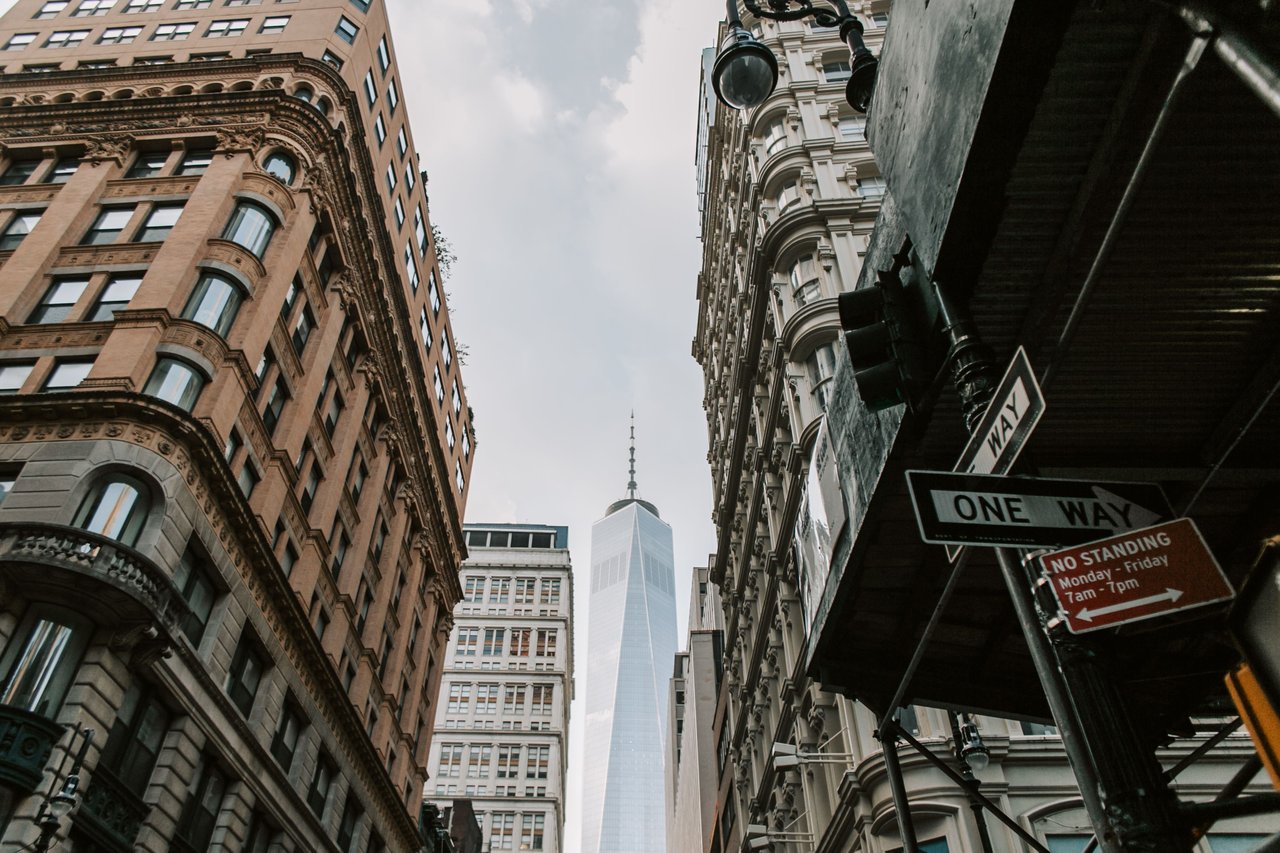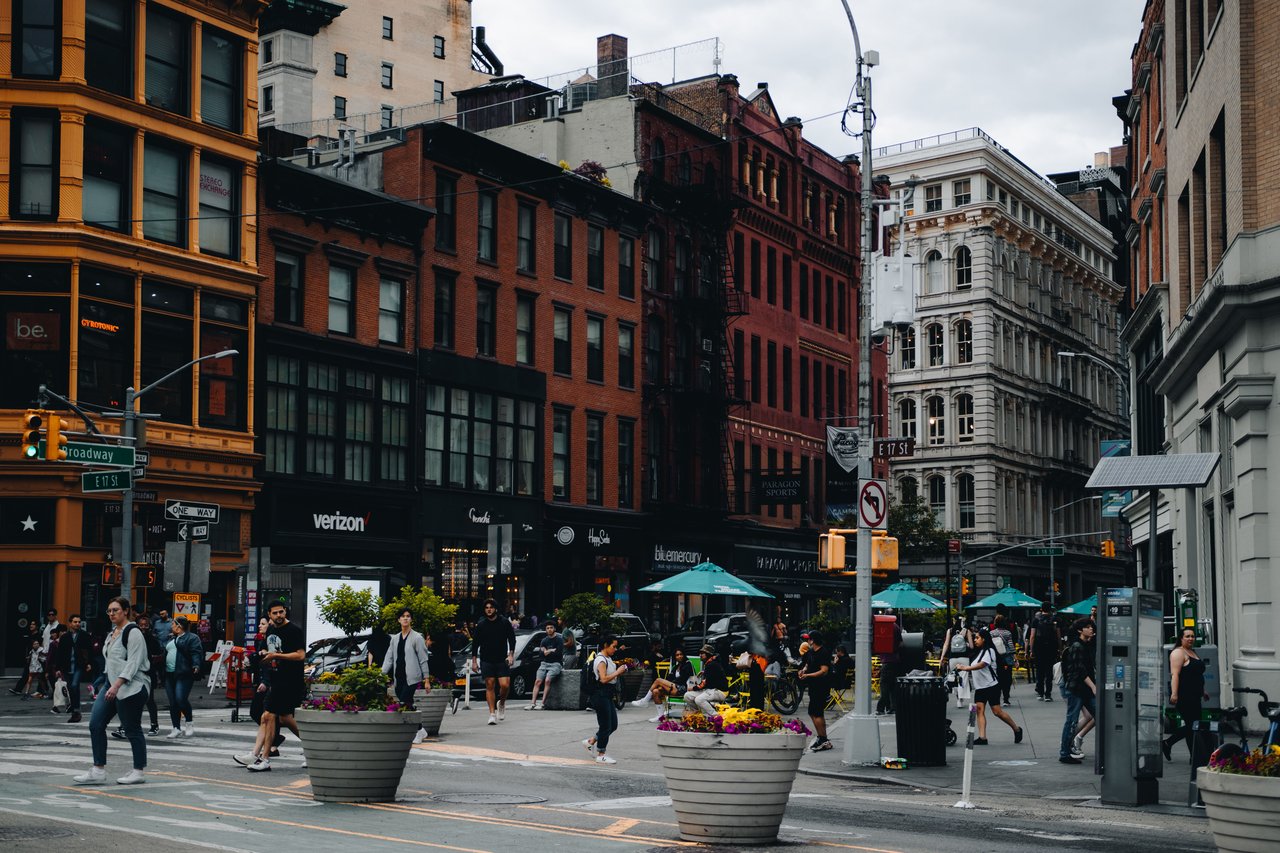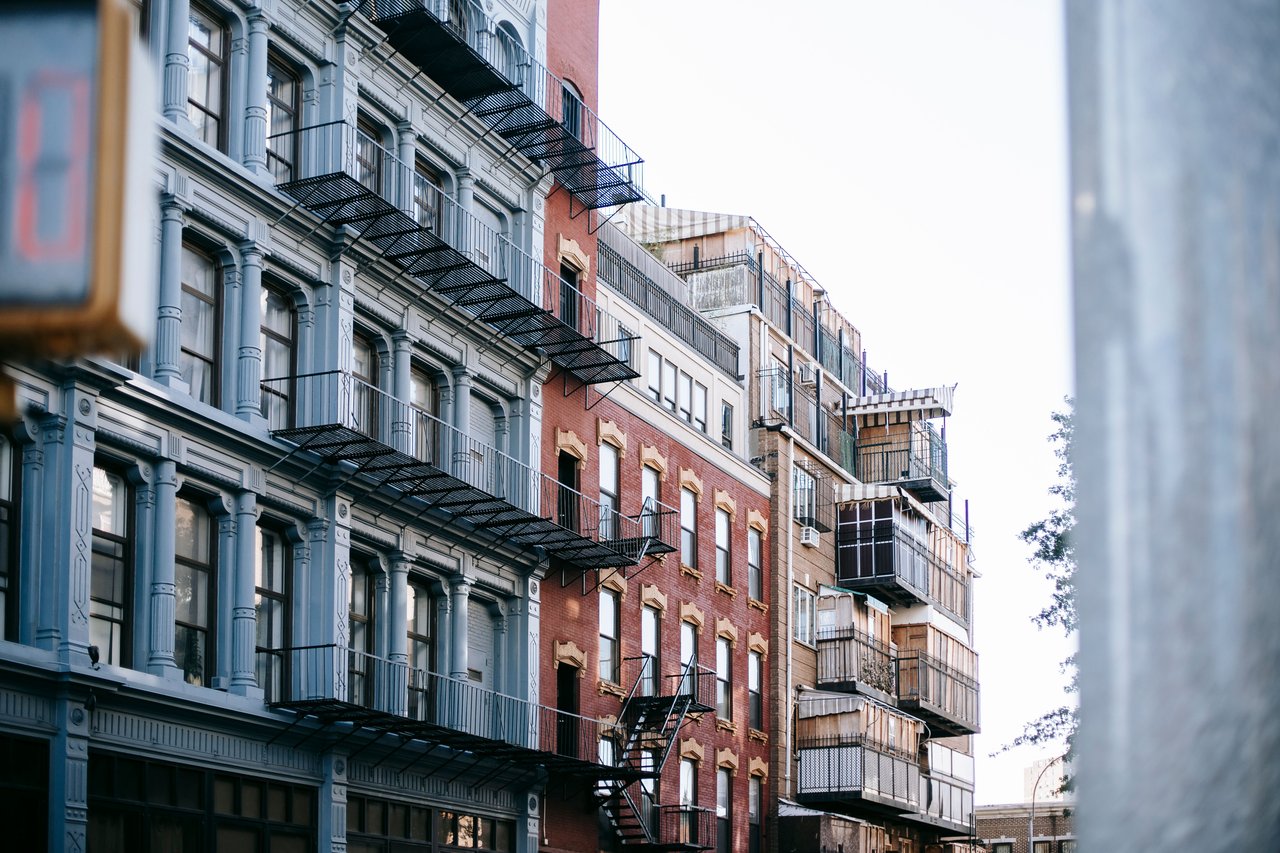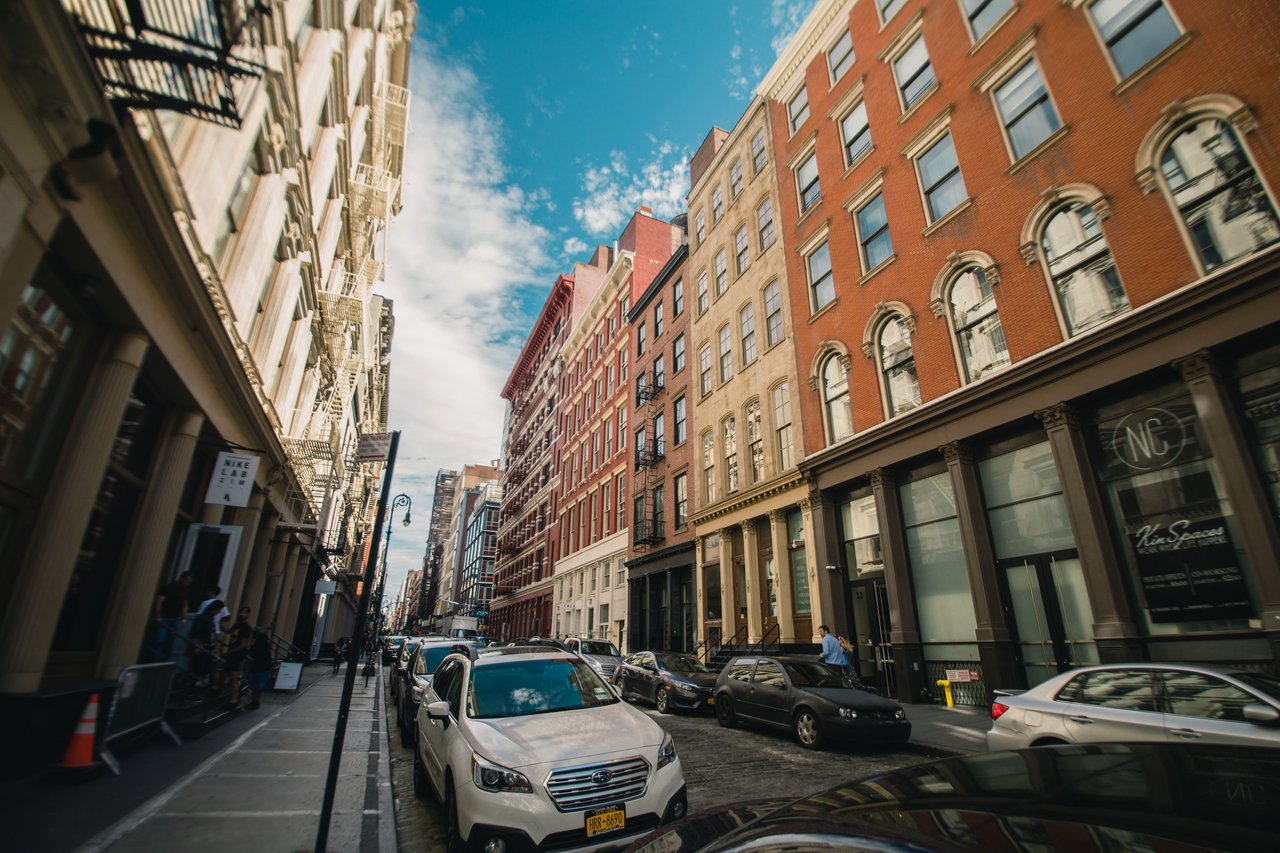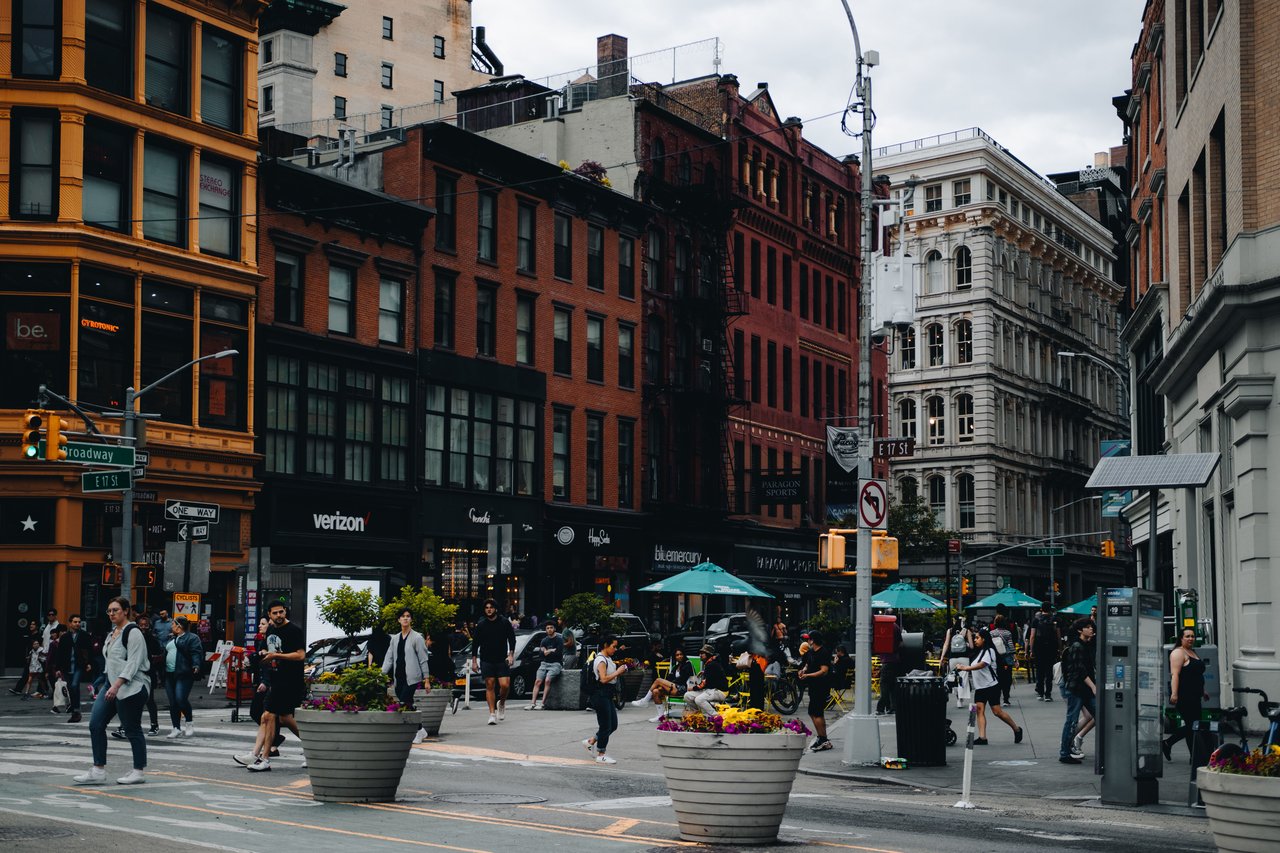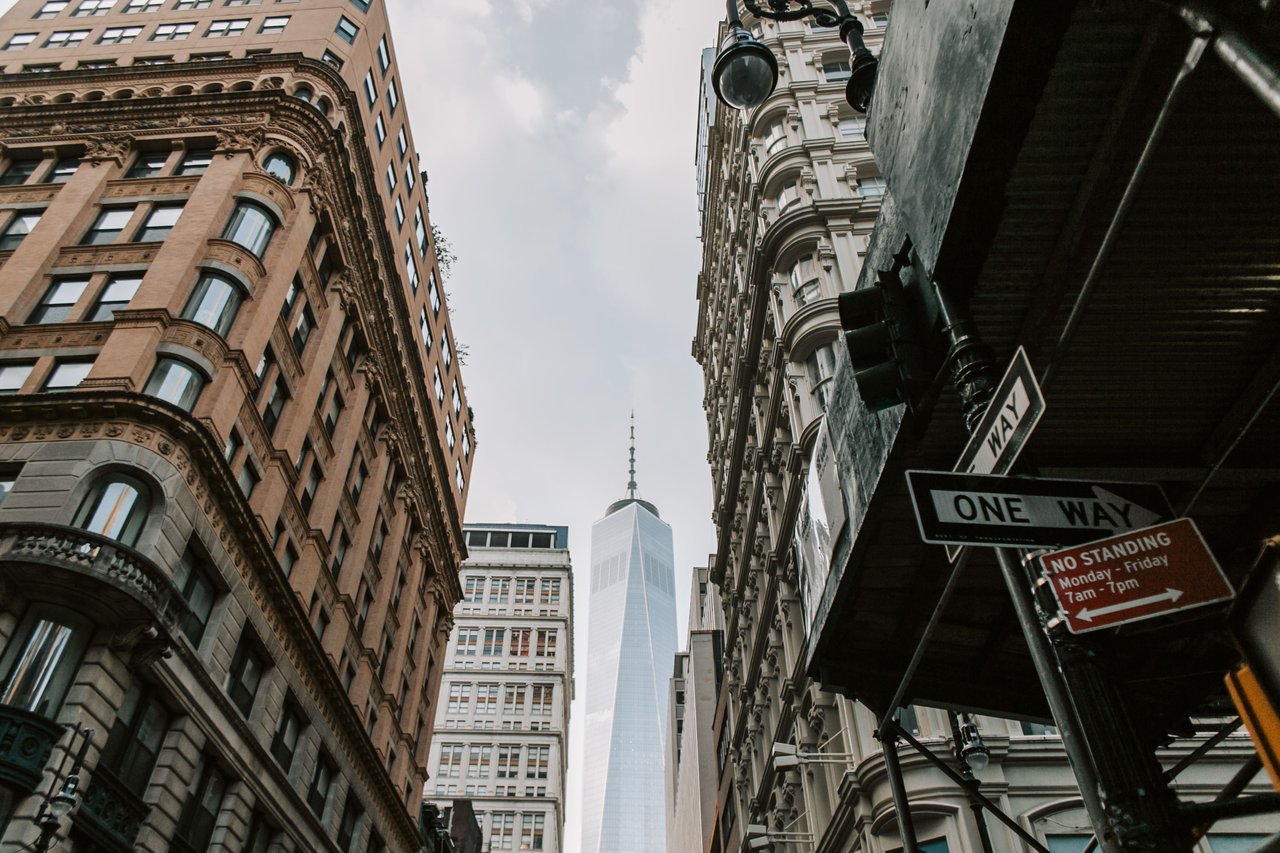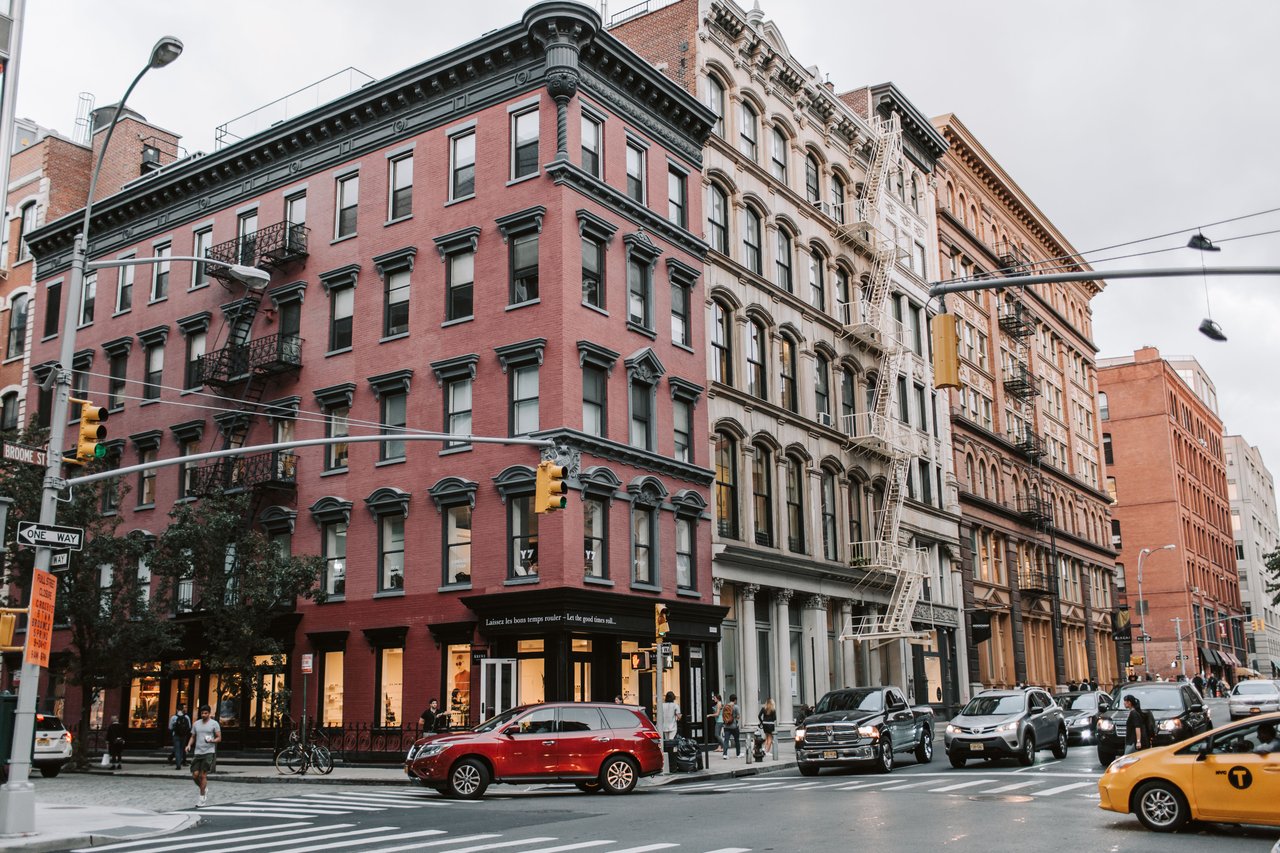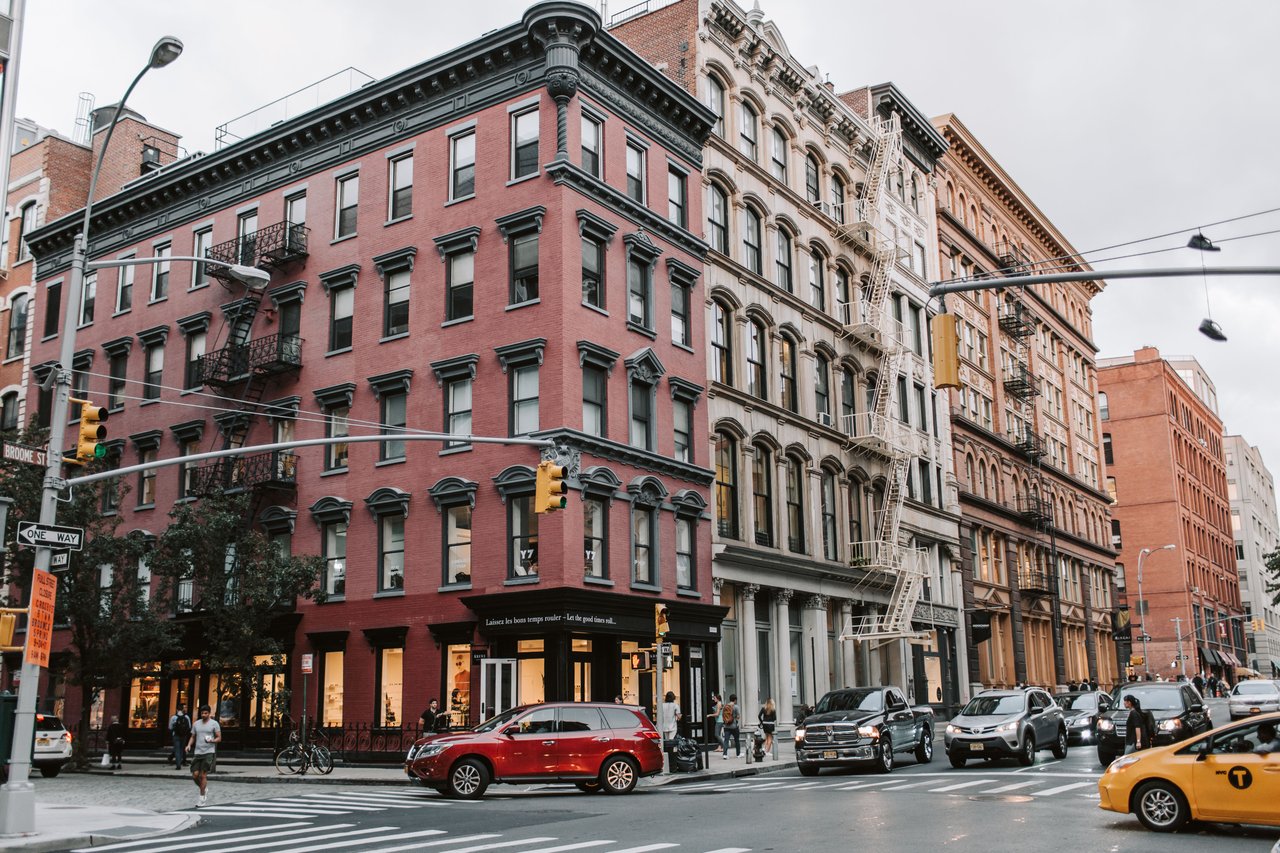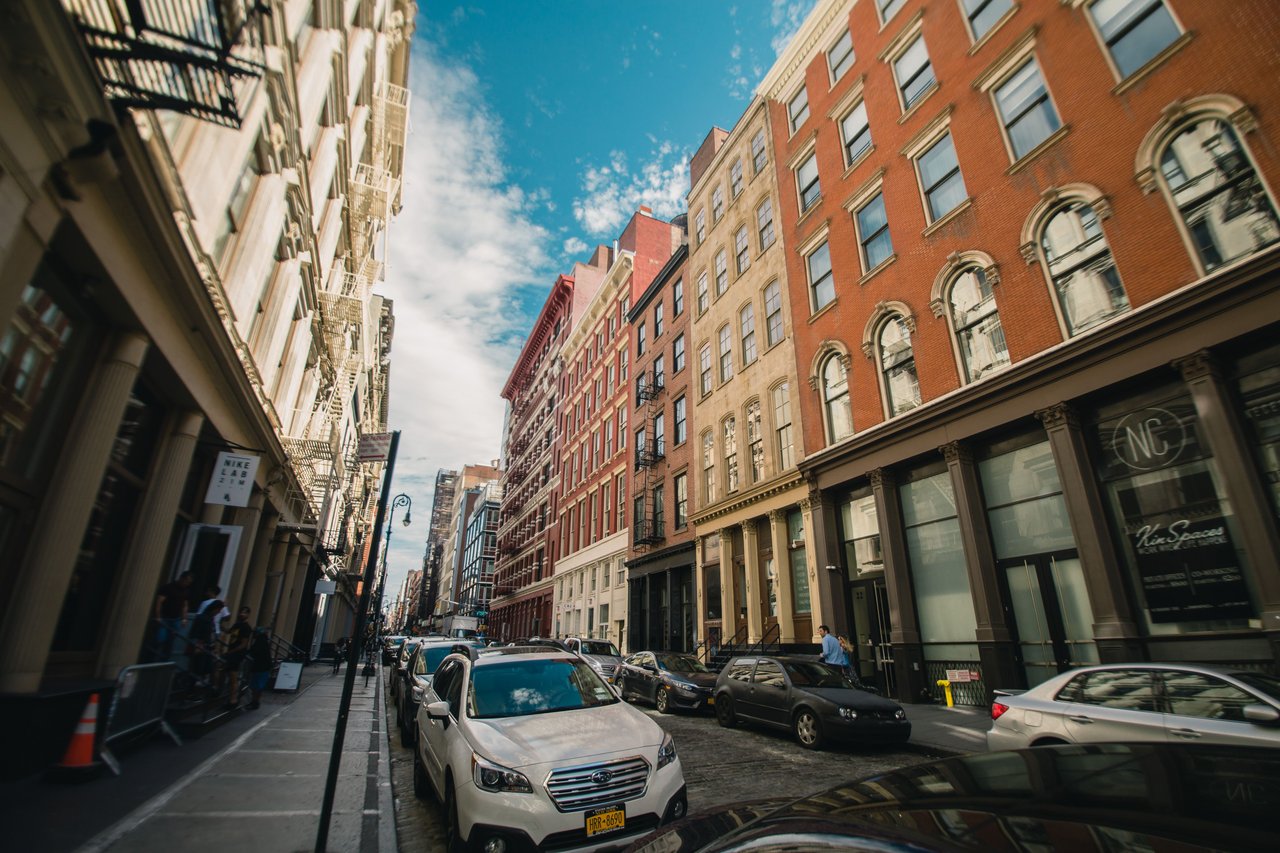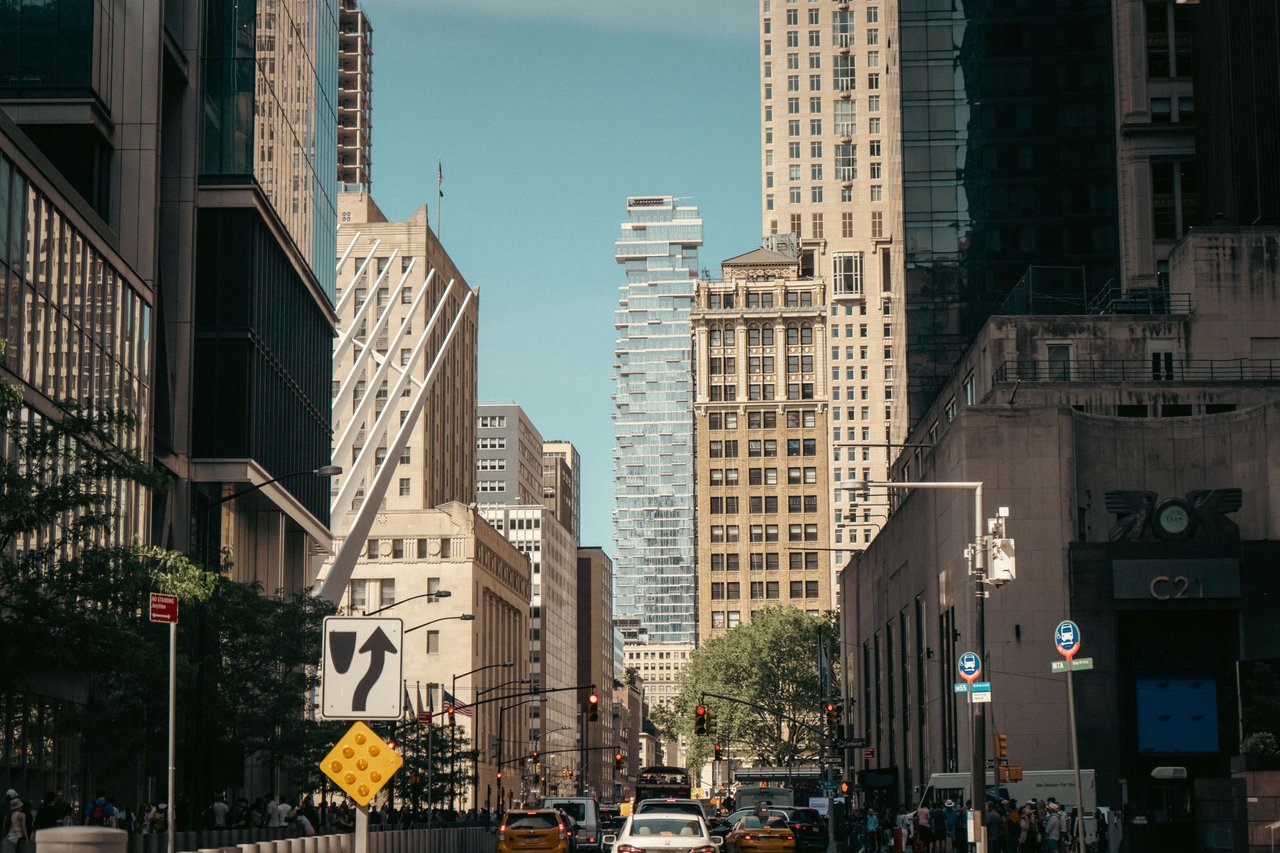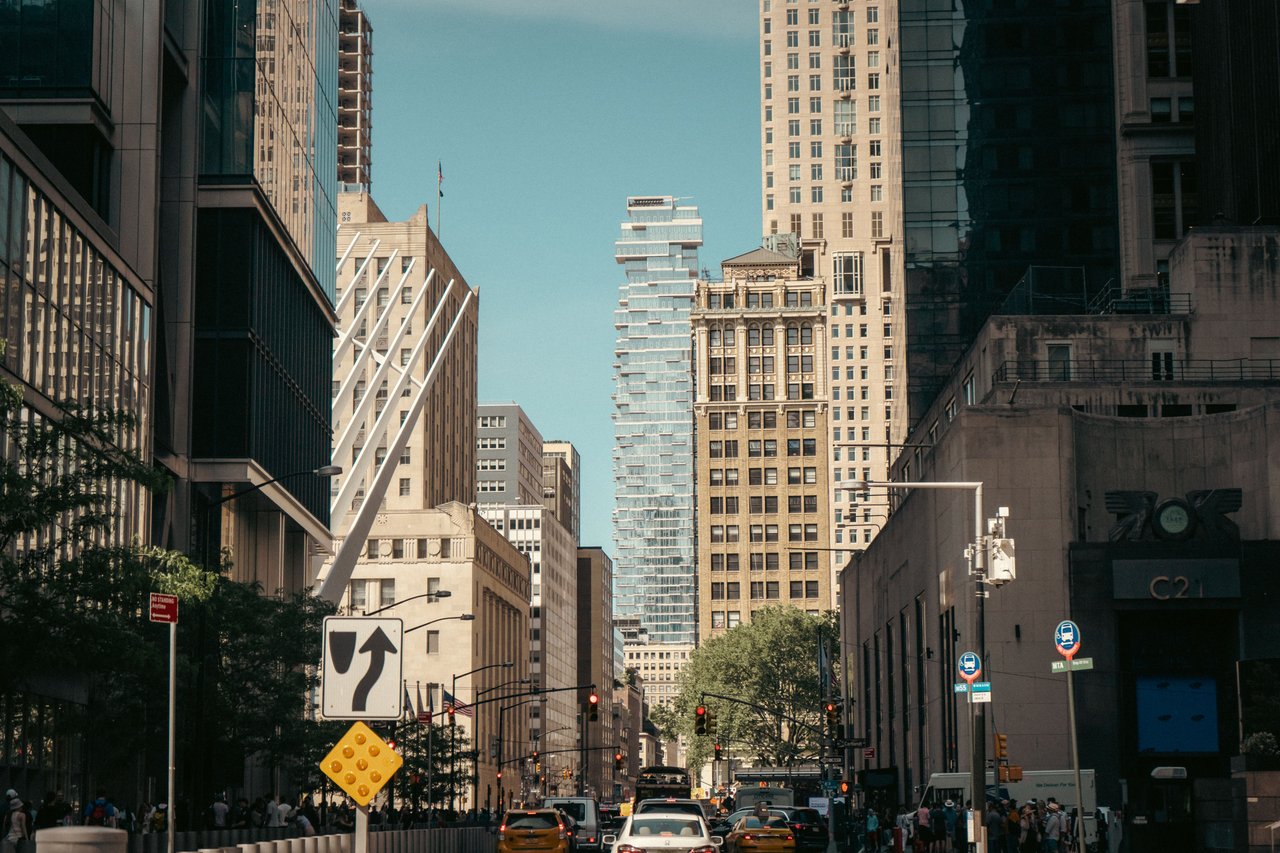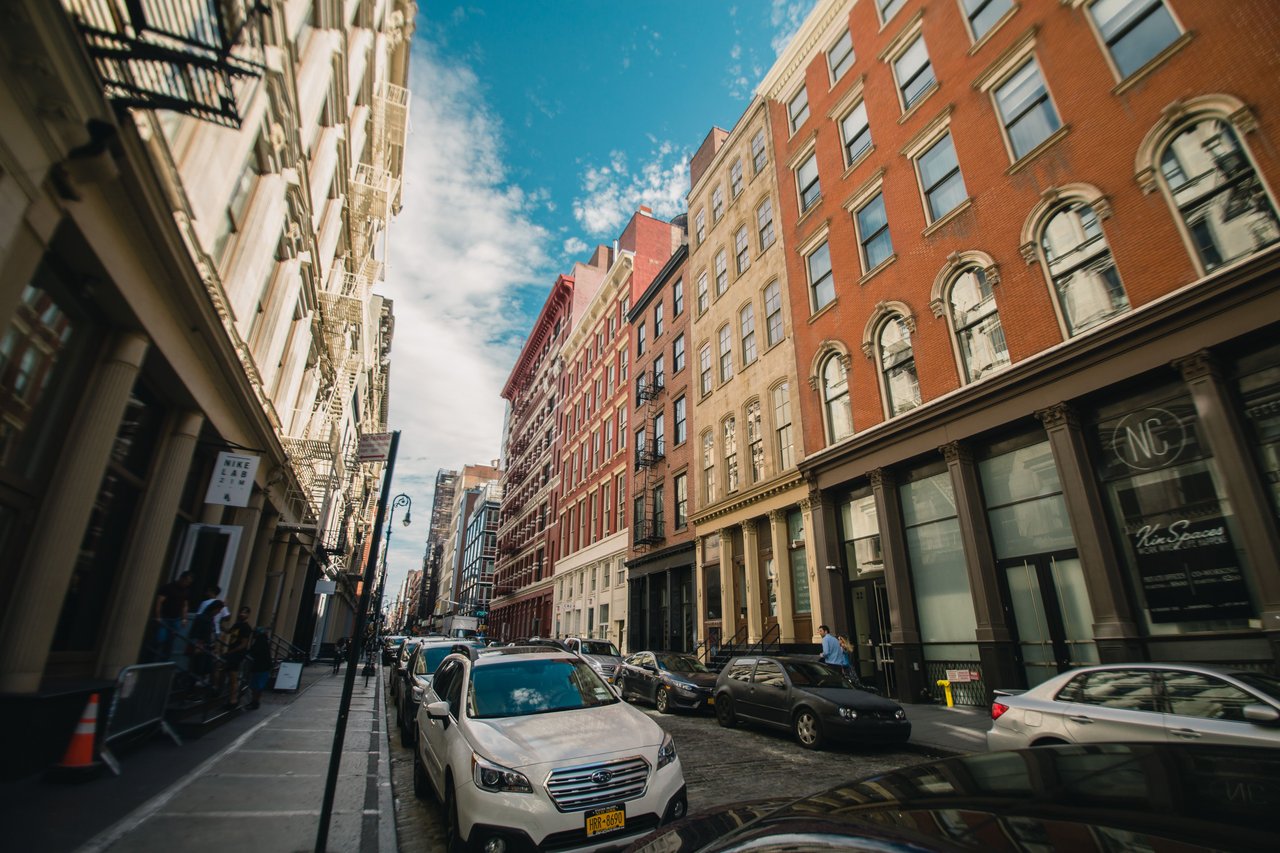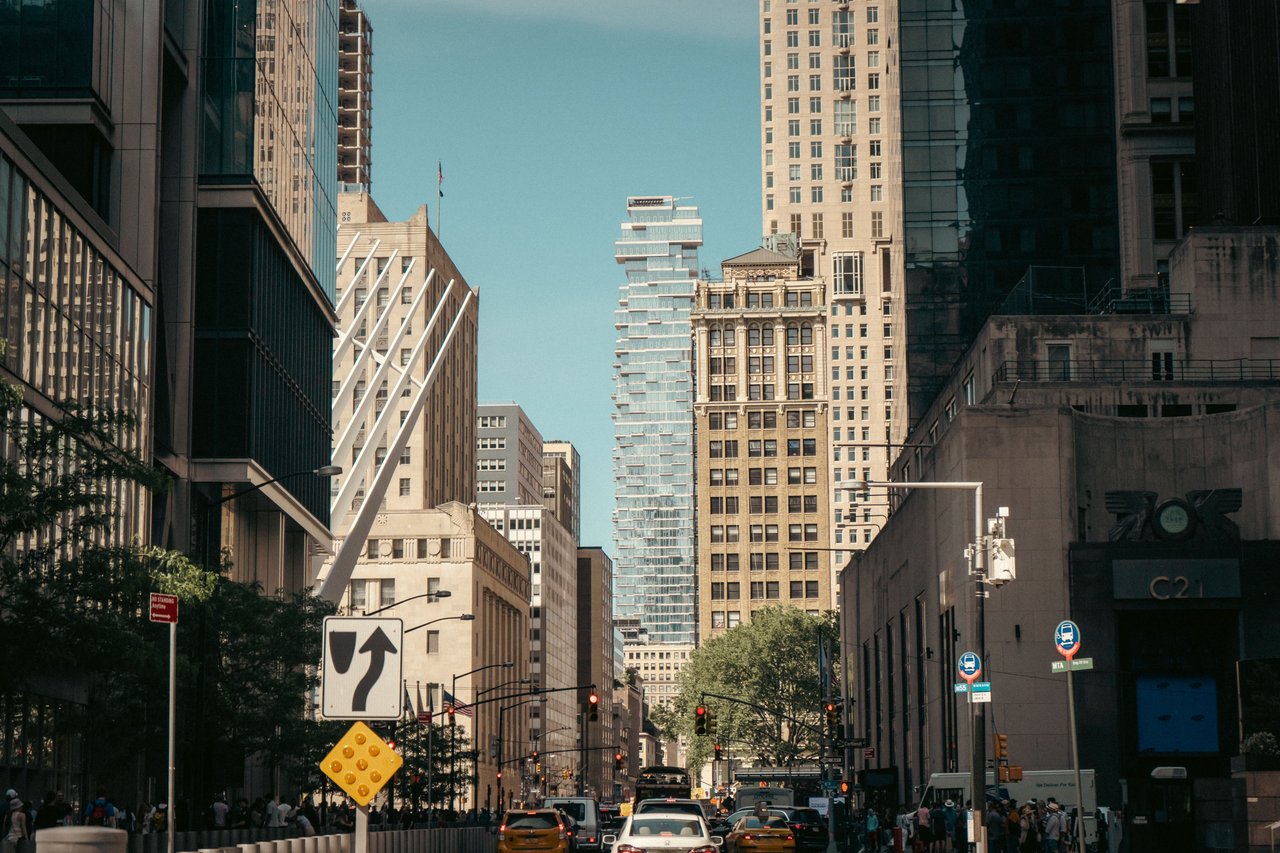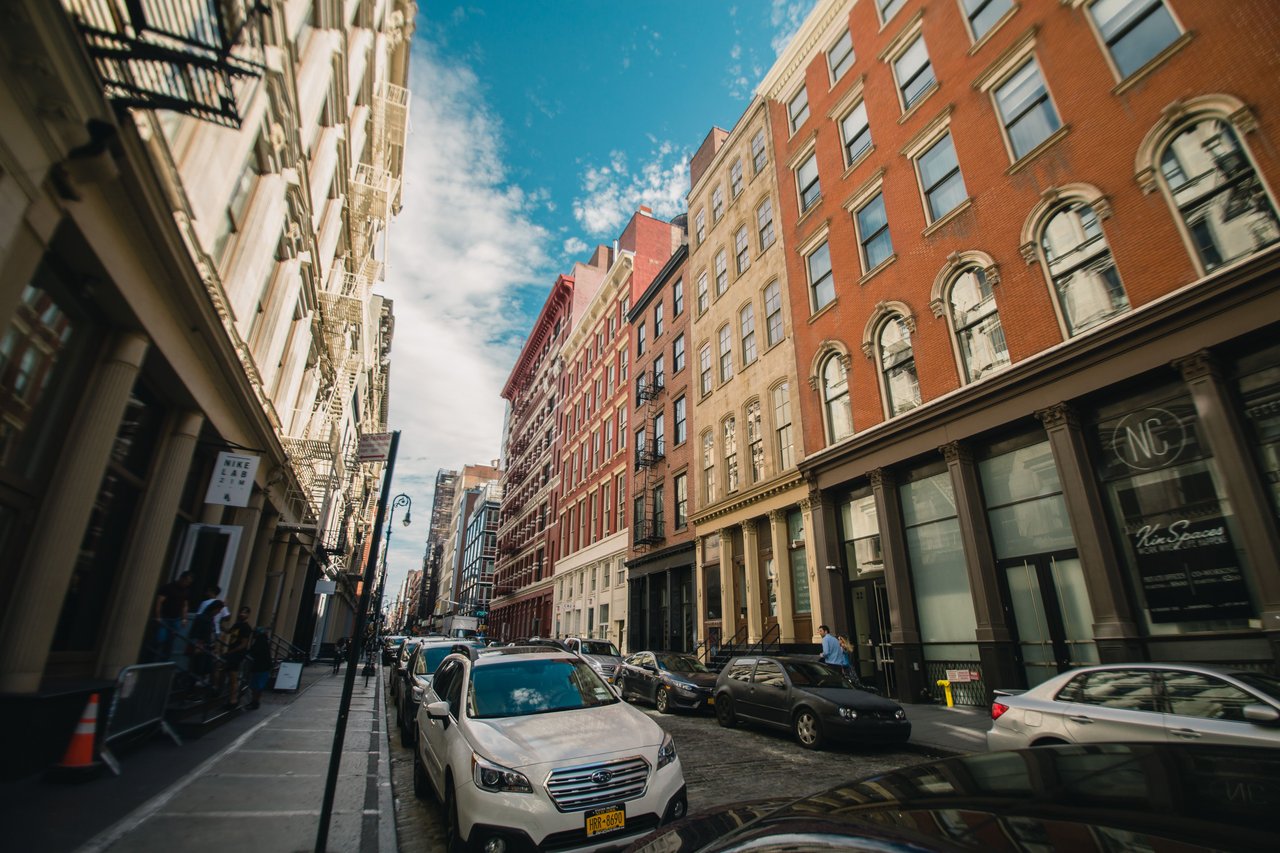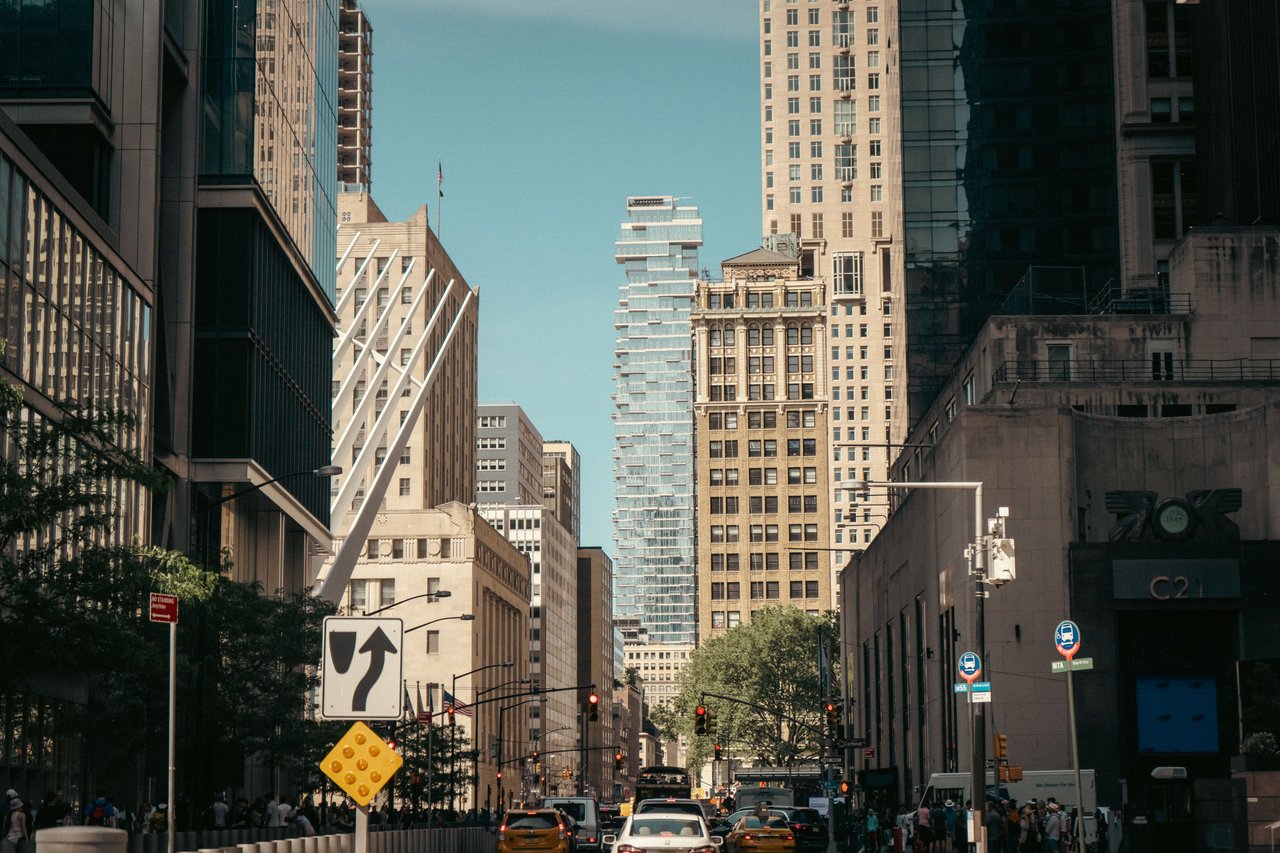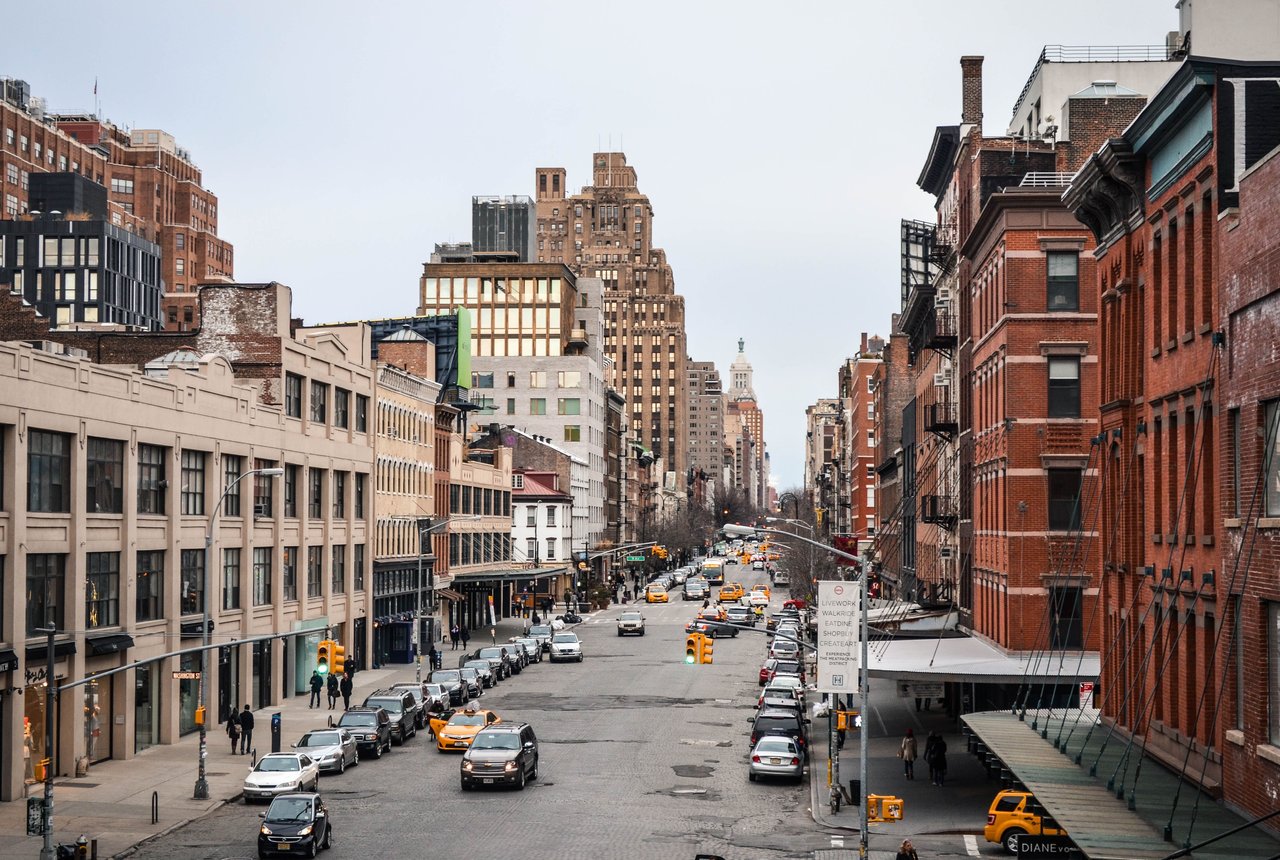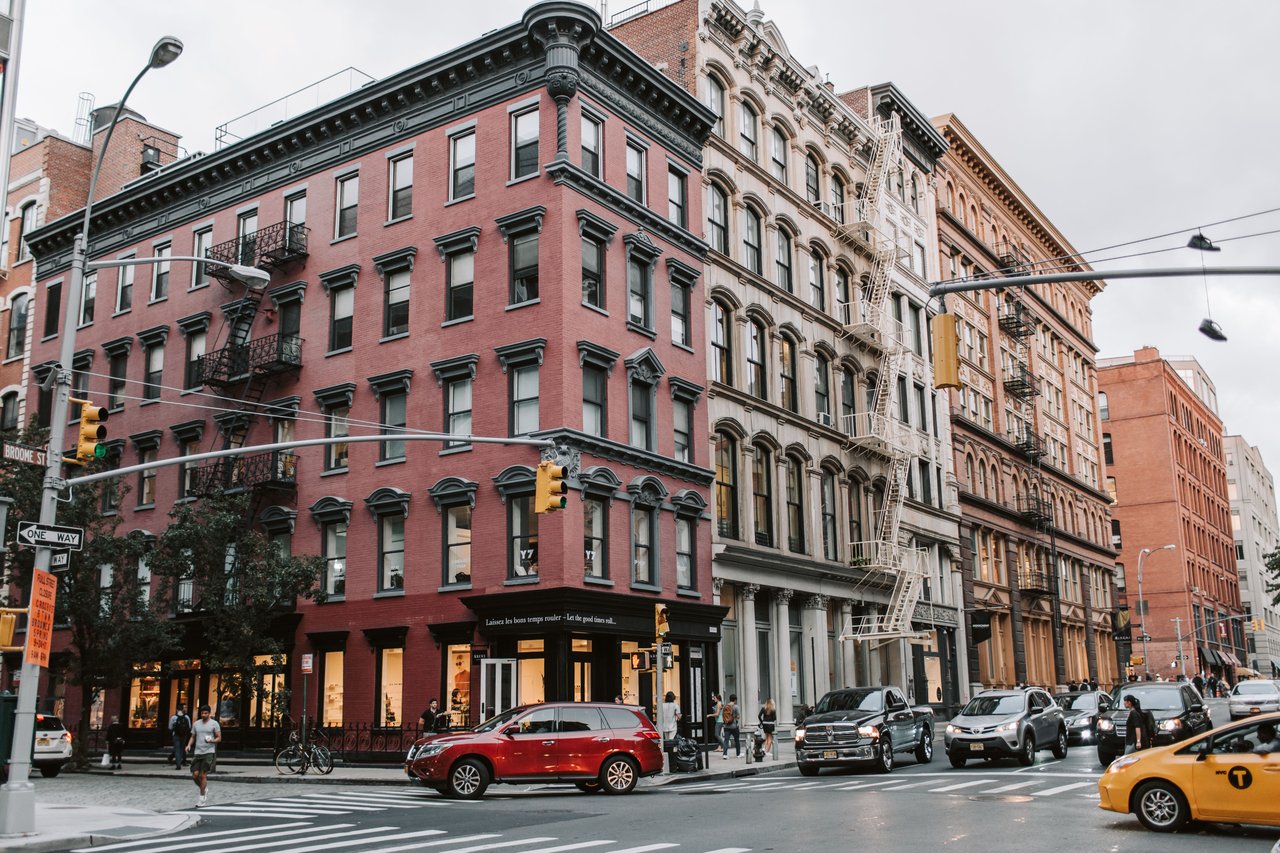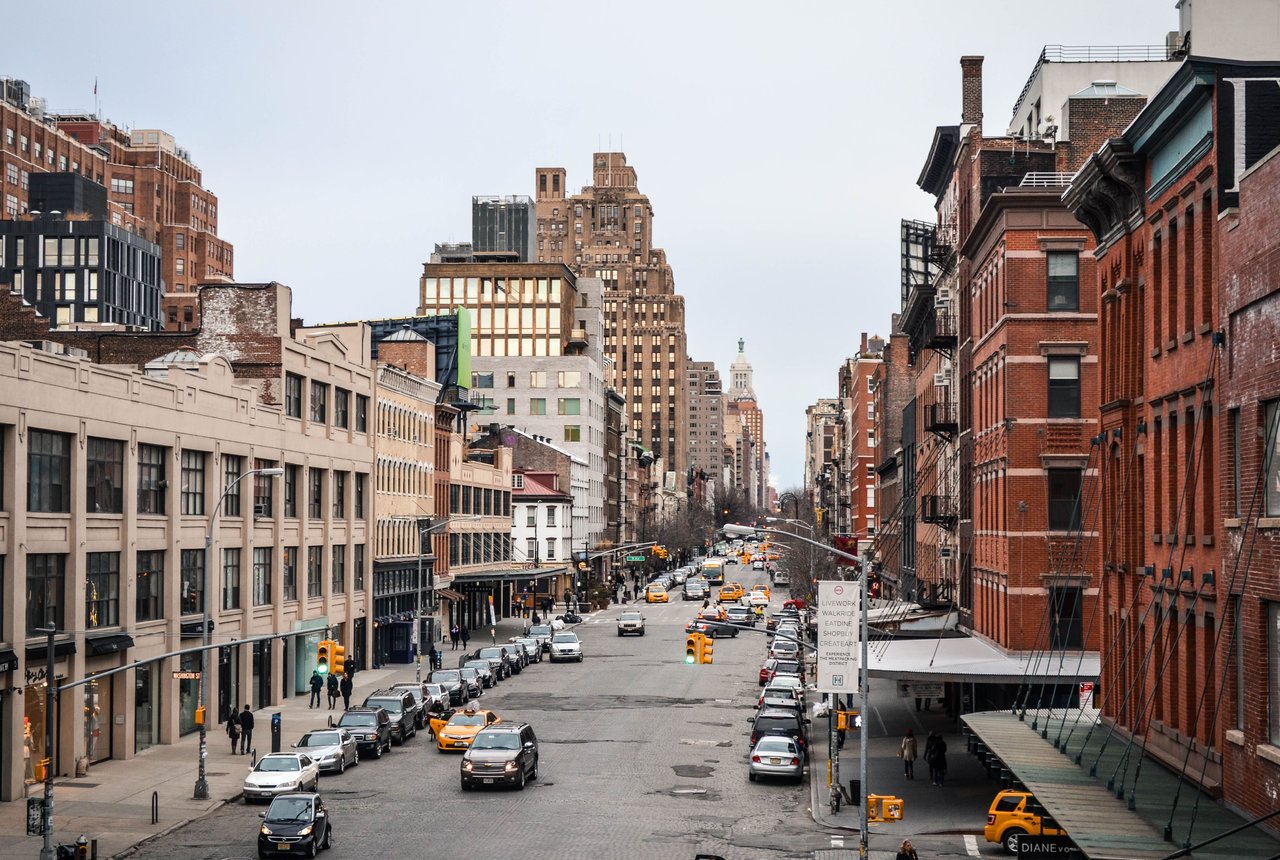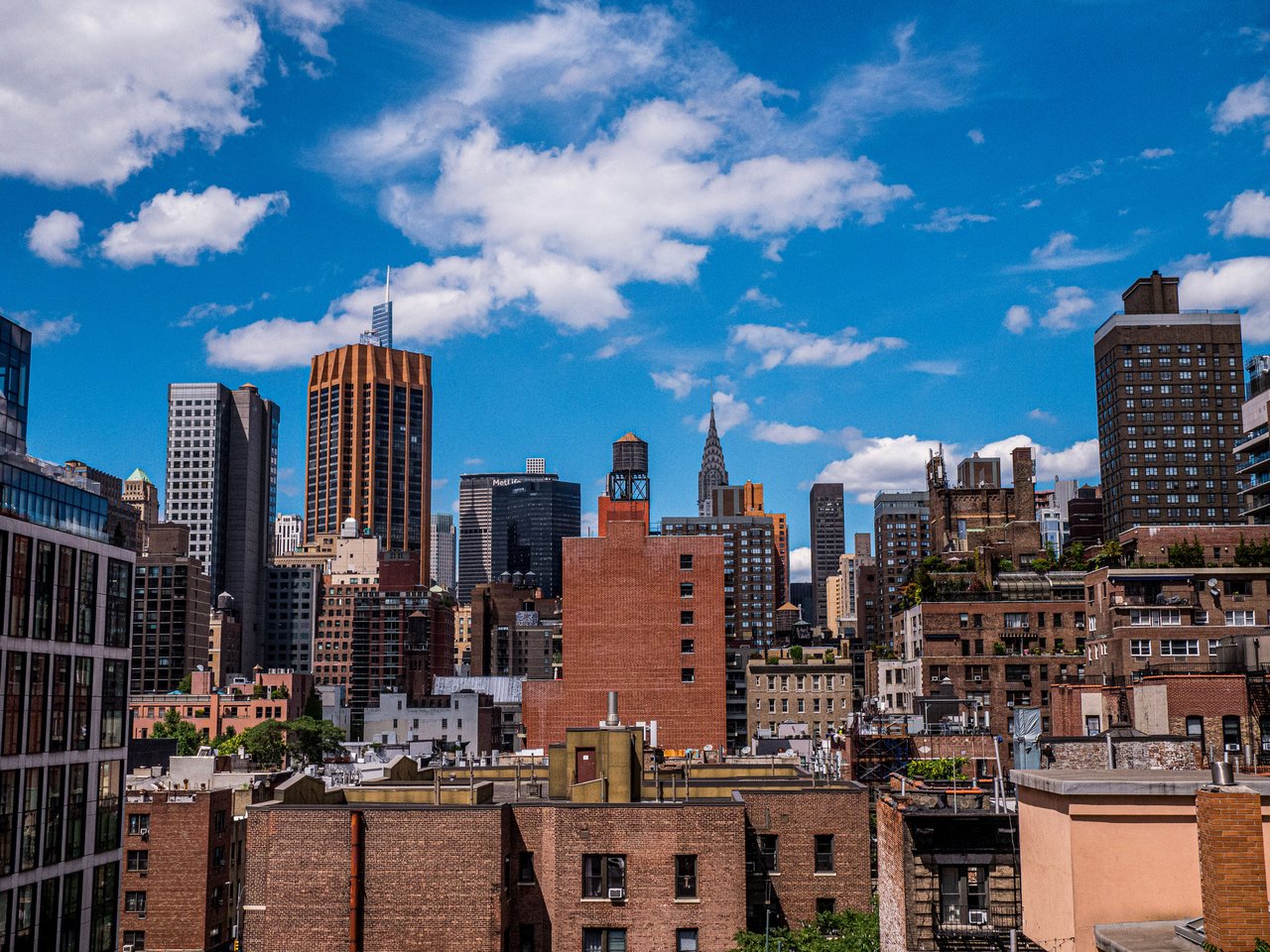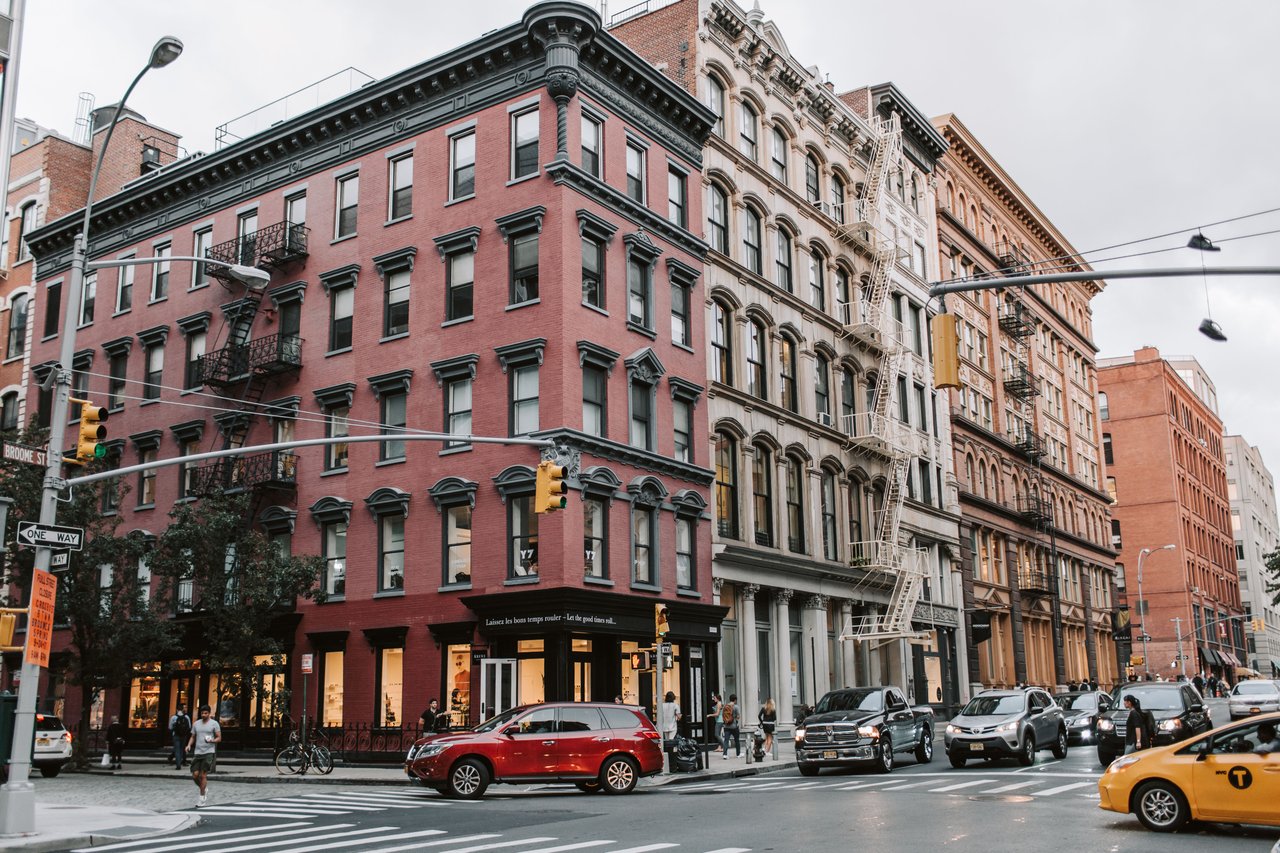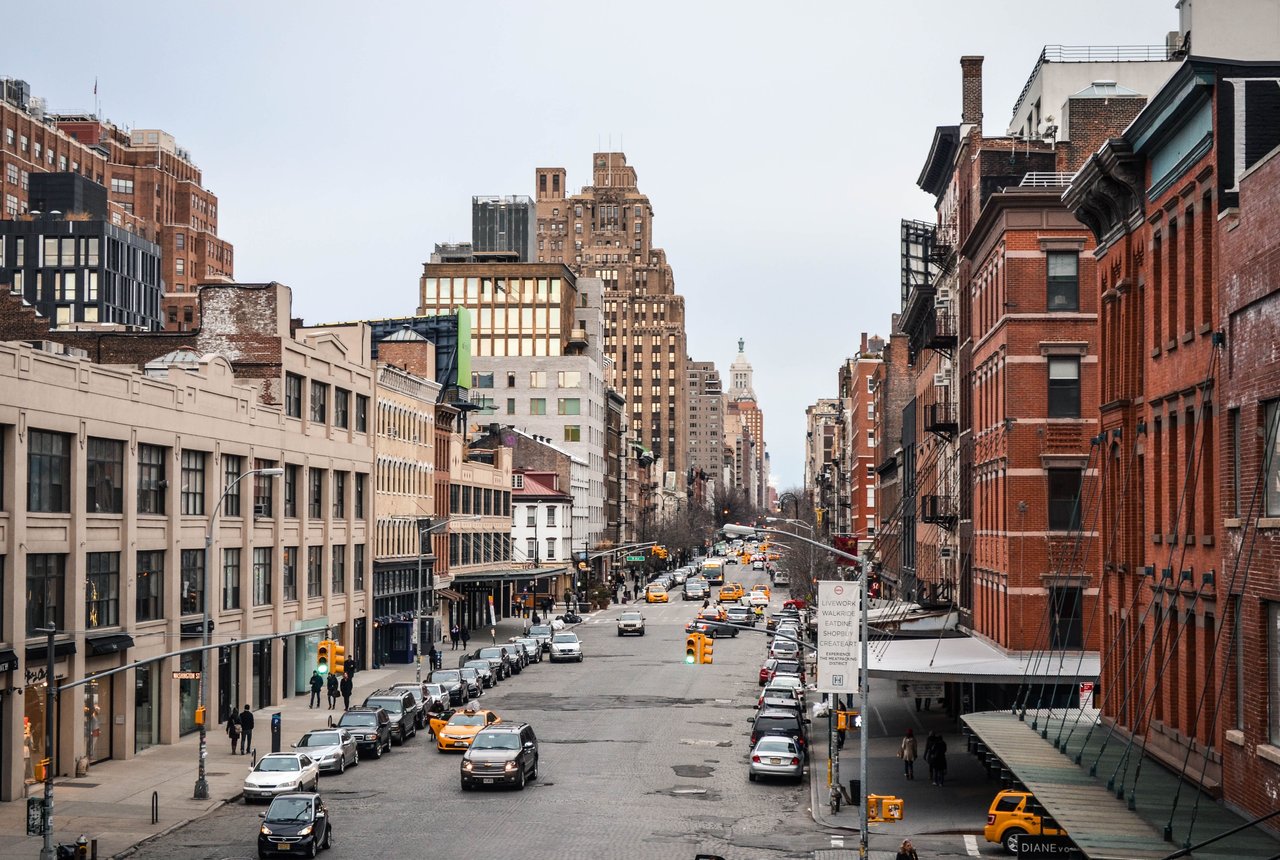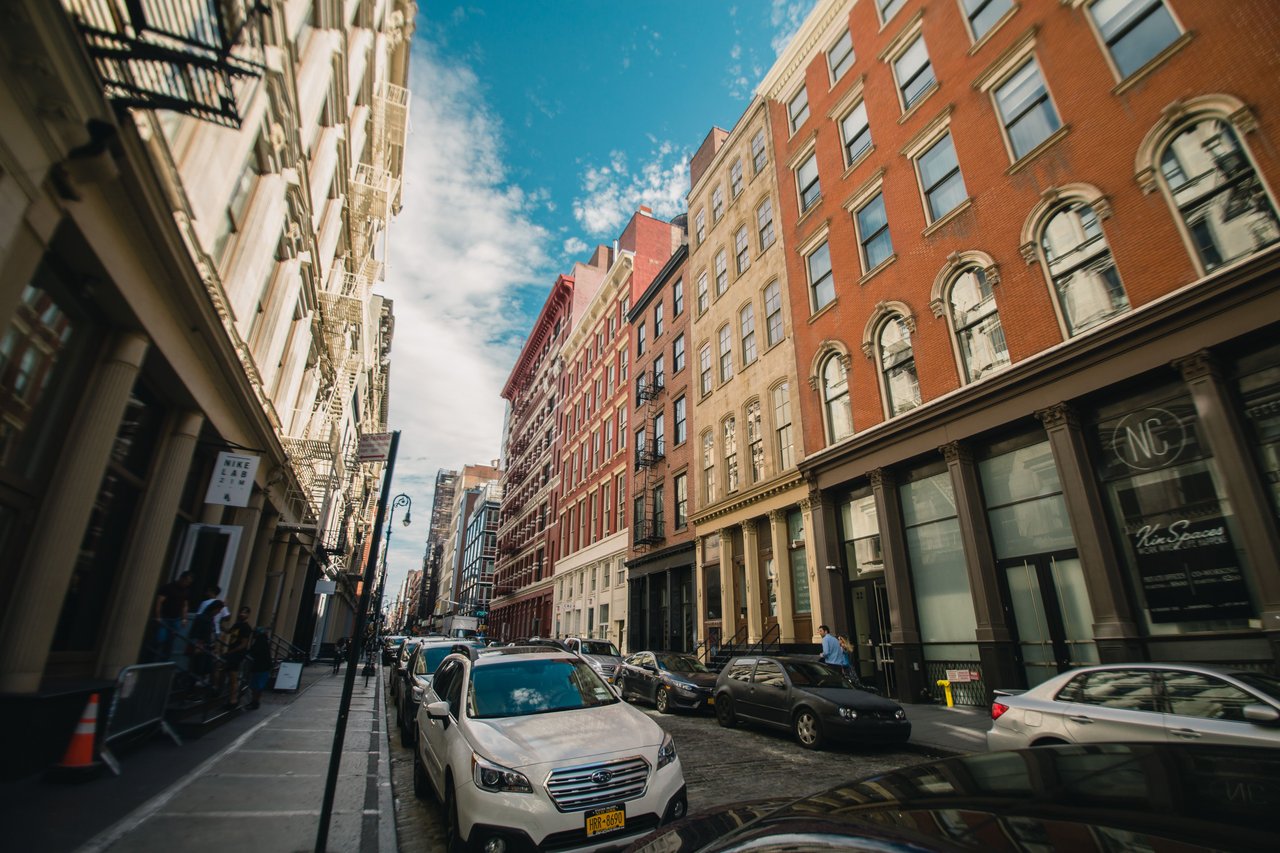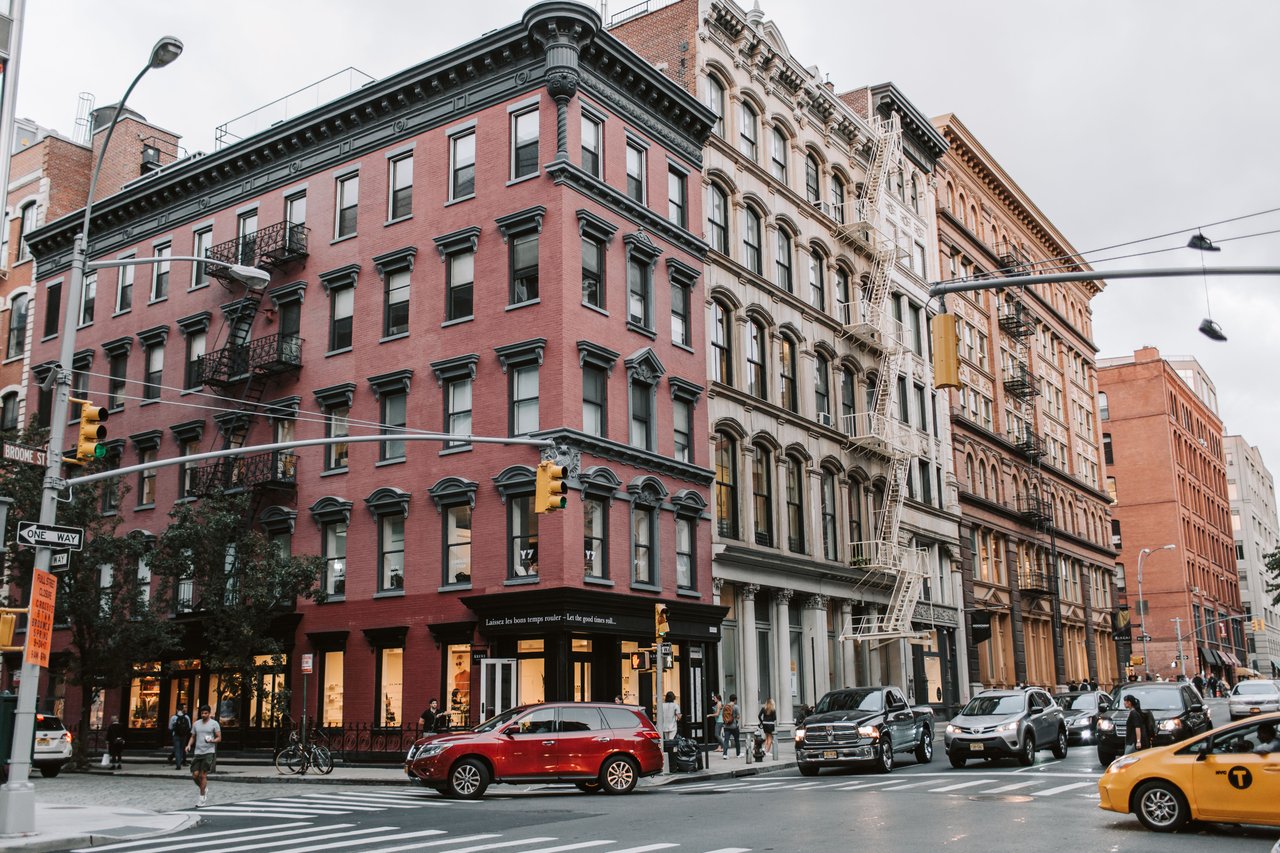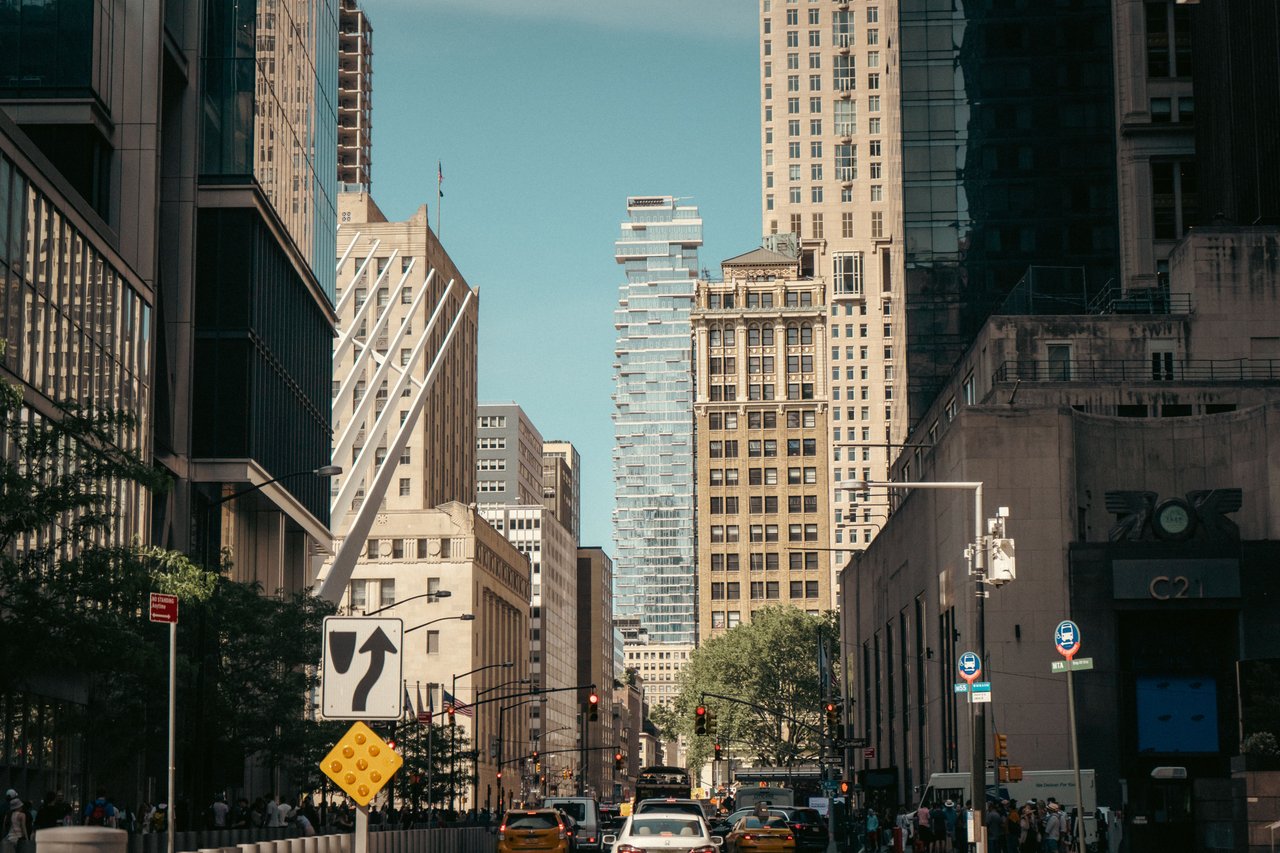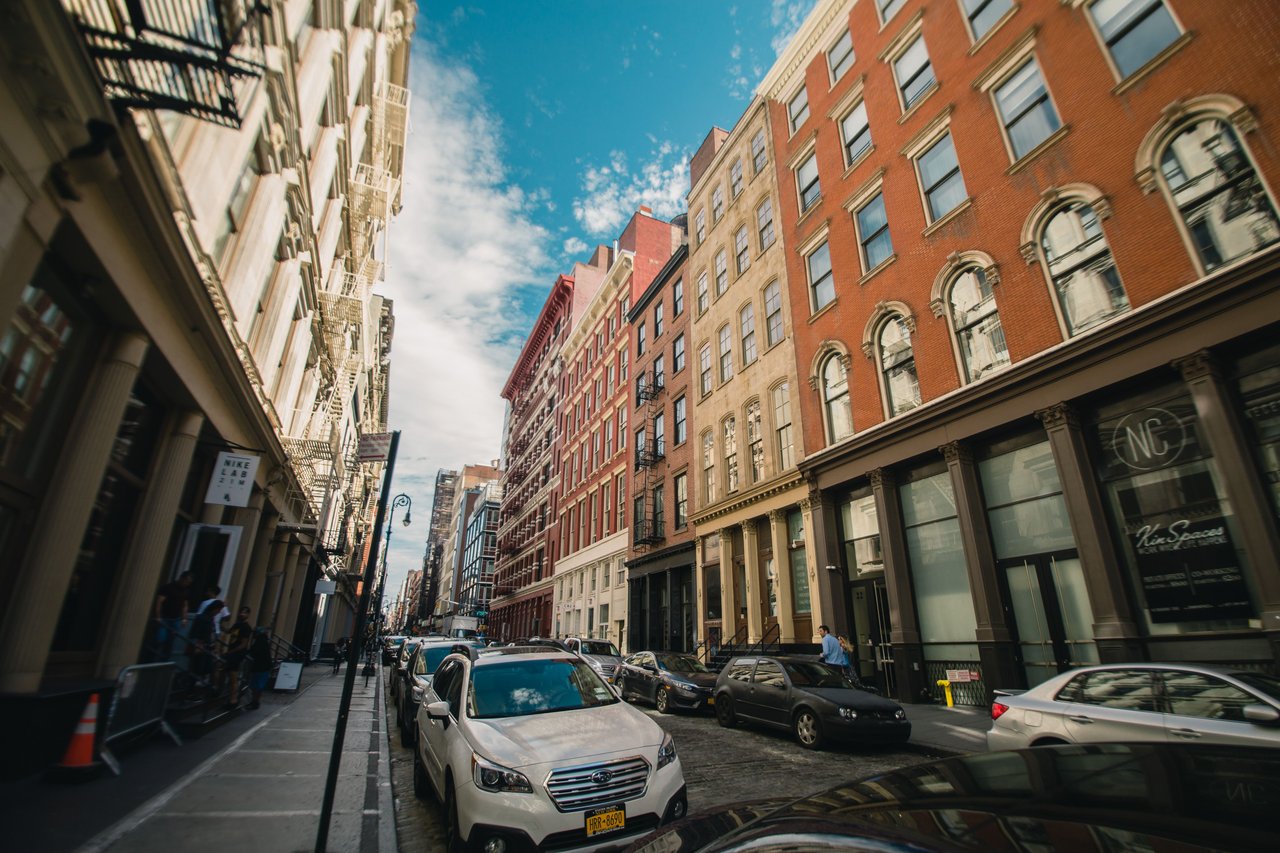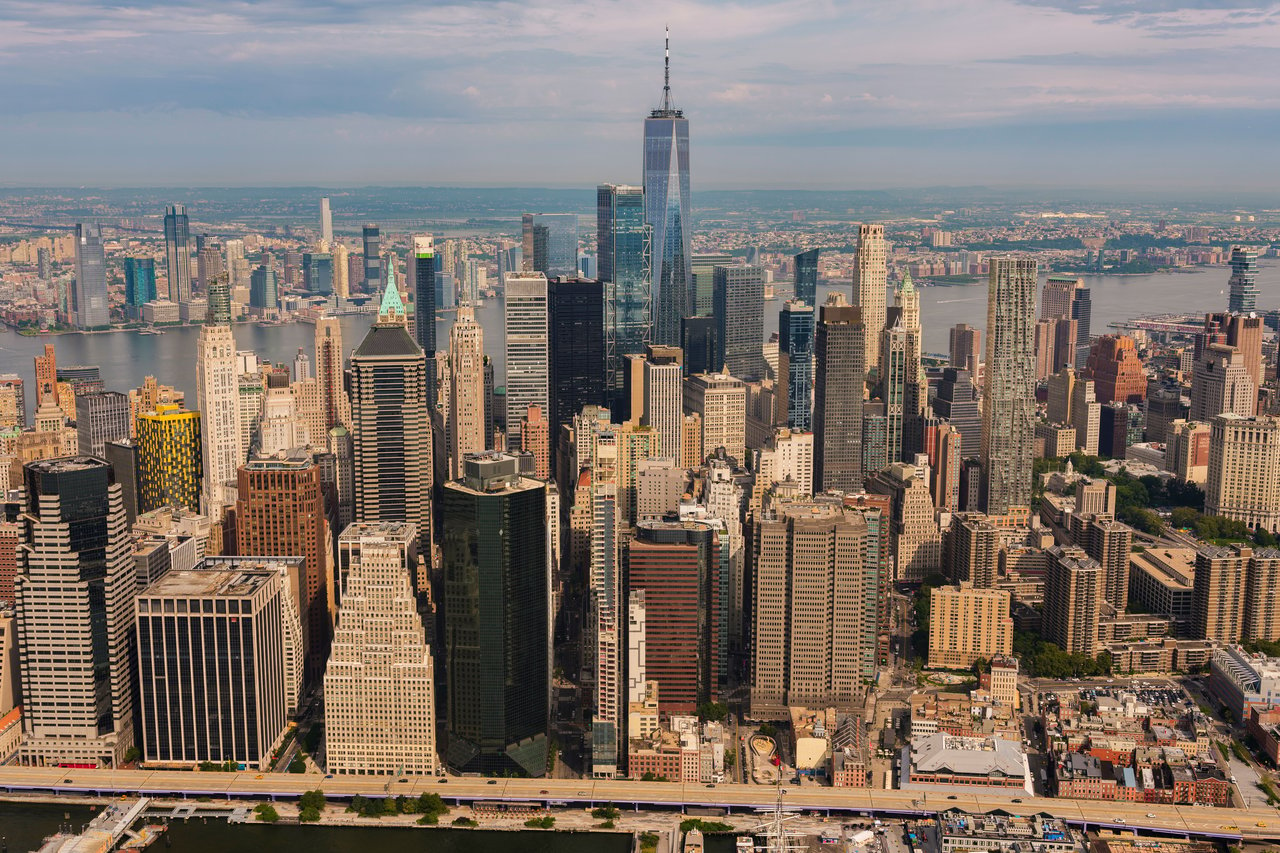
Beekman Street is one of Lower Manhattan's most architecturally distinctive historic streets, connecting Park Row near City Hall Park with South Street along the East River waterfront. Running through the eastern Financial District and the South Street Seaport Historic District, the street reveals the transformation of Manhattan from a colonial settlement into a center of maritime commerce, newspaper publishing, early skyscraper construction, and contemporary urban redevelopment.
Unlike the regular street grid established farther north, Beekman Street follows the older street pattern of Lower Manhattan. Its route crosses Nassau Street, William Street, Gold Street, Pearl Street, Water Street, and Front Street before reaching South Street. Along this relatively short distance, the architecture changes dramatically, from elaborate nineteenth-century commercial buildings near Park Row to historic brick warehouses and mercantile structures near the waterfront.
The street takes its name from the Beekman family, whose history in New York dates to the Dutch colonial period. Its eastern section developed in connection with the East River waterfront, where wharves, markets, warehouses, and shipping-related businesses shaped the surrounding blocks. The section between Pearl Street and South Street acquired its modern alignment during the early nineteenth century, as landfill and commercial development expanded the island's shoreline.
Near Park Row, Beekman Street became an important location for ambitious commercial architecture during the late nineteenth century. The Temple Court Building at 5 Beekman Street, constructed between 1881 and 1883, is among the city's most remarkable surviving early office buildings. Its richly decorated brick and terra-cotta exterior, pointed towers, and extraordinary interior atrium demonstrate the architectural experimentation that preceded the modern skyscraper.
Across the street, the Potter Building at 38 Park Row introduced another elaborate expression of Victorian commercial architecture. Constructed between 1882 and 1886, it combined Queen Anne, Neo-Grec, and Renaissance Revival influences with innovative fire-resistant construction. Together, these buildings established one of Lower Manhattan's most striking concentrations of early high-rise architecture.
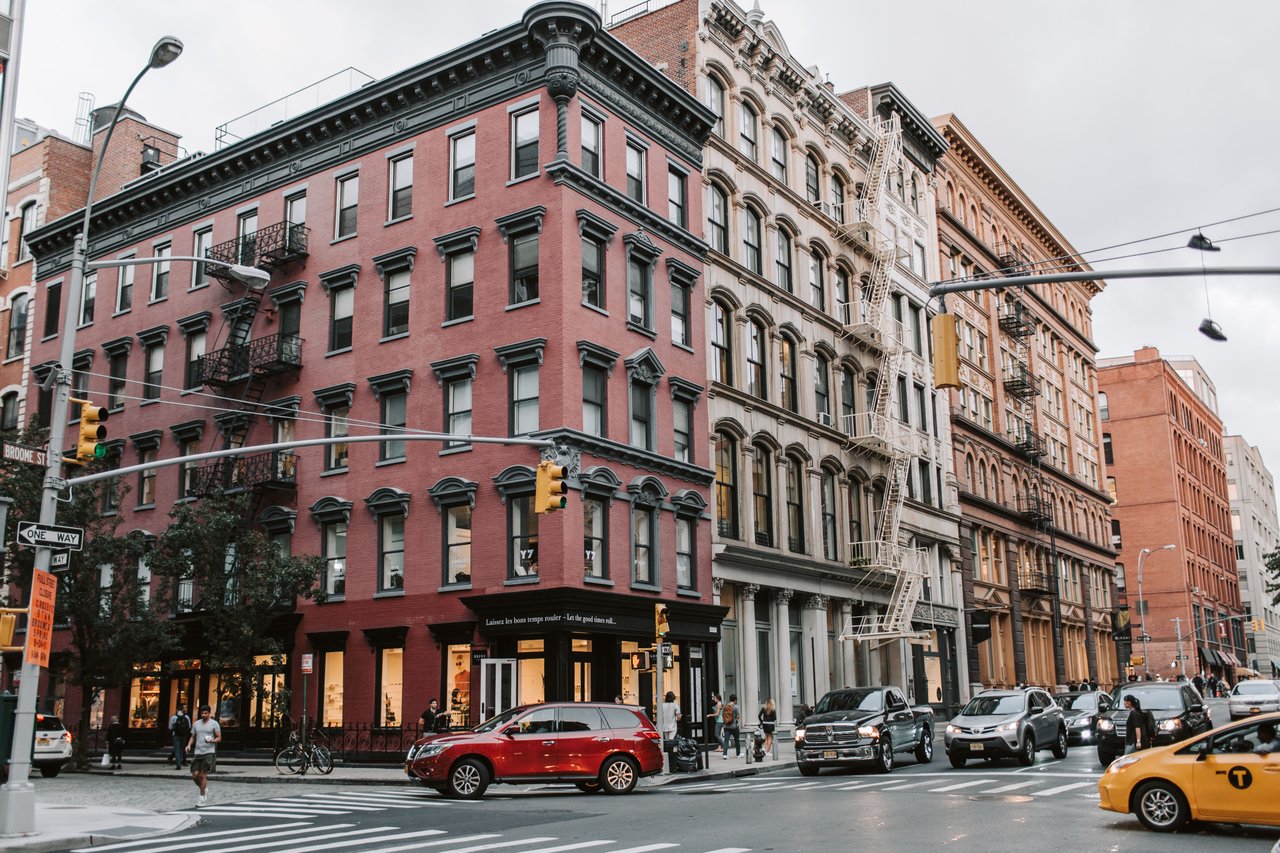
Farther east, Beekman Street enters the historic South Street Seaport district, where nineteenth-century brick buildings preserve the character of the former waterfront marketplace. The Ellen S. Auchmuty Building at 142–144 Beekman Street, designed by George B. Post in 1885, is particularly notable for its Romanesque Revival architecture and maritime-inspired terra-cotta decoration.
Today, Beekman Street combines preserved historic architecture, modern residential towers, institutional buildings, and the surviving street pattern of the old waterfront. Its architectural history illustrates how Lower Manhattan evolved through changing construction methods, commercial activity, historic preservation, and adaptive reuse.
The Origins of Beekman Street
Beekman Street developed within the irregular street network of early Lower Manhattan, where roadways were shaped by the original settlement, property boundaries, and the expanding East River shoreline.
The western section became connected to the commercial and civic district surrounding City Hall Park, while the eastern section developed around wharves, warehouses, and waterfront markets.
As the city expanded during the eighteenth and nineteenth centuries, these areas became increasingly integrated into a continuous street network.
The resulting roadway connected two important centers of Lower Manhattan's development: the civic and publishing district near Park Row and the maritime commercial district near South Street.
Why Is It Called Beekman Street?
Beekman Street takes its name from the Beekman family, whose history in New York extends to the Dutch colonial period.
Willem Beekman arrived in New Amsterdam during the seventeenth century and became an important figure in the early settlement.
The family subsequently held substantial property interests in Manhattan, including land associated with the eastern waterfront.
The street's name preserves this connection to the city's colonial history and the development of its early property boundaries.
Beekman Street During Dutch New Amsterdam
During the seventeenth century, the area surrounding present-day Beekman Street formed part of the expanding settlement of New Amsterdam.
The original street network developed around Fort Amsterdam, commercial properties, and the East River waterfront.
The shoreline lay farther inland than it does today, and many modern waterfront blocks did not yet exist.
As the settlement expanded, streets and lanes connected inland properties with wharves along the river.
These early geographic conditions influenced the development of the later Beekman Street corridor.
Beekman Street and the Original East River Shoreline
The original East River shoreline followed an irregular route through what is now the eastern Financial District.
Present-day Pearl Street was closely associated with the earlier waterfront.
Water Street, Front Street, and South Street developed as the island expanded through successive landfill projects.
Beekman Street eventually connected these parallel waterfront streets.
The changes explain why the eastern portion of Beekman Street reflects a different development history from its western section near Park Row.
Crane's Wharf and the Eastern Section of Beekman Street
Before the eastern section of Beekman Street acquired its present form, a narrow lane known as Crane's Wharf extended from Water Street toward the river.
This passage served the waterfront district when the shoreline and surrounding properties were still developing.
During the early nineteenth century, the city extended Beekman Street eastward from Pearl Street toward South Street.
The extension was established by 1824, creating a more formal connection through the growing commercial waterfront.
This transformation illustrates how Manhattan's historic wharves and narrow lanes became part of the permanent street network.
The Expansion of Beekman Street in the Nineteenth Century
The early nineteenth century brought substantial changes to the eastern end of Beekman Street.
Landfill projects created additional land along the East River.
New streets, wharves, and commercial buildings occupied the reclaimed waterfront.
Beekman Street's extension toward South Street improved access between inland commercial properties and the harbor.
The development encouraged the construction of warehouses, stores, and market-related buildings that defined the district for generations.
Beekman Street and Park Row
Park Row forms the western end of Beekman Street near City Hall Park.
During the nineteenth century, Park Row became associated with major newspaper offices and publishing buildings.
The surrounding streets contained printing establishments, commercial offices, and buildings serving the legal and financial professions.
The intersection with Beekman Street became an important location for increasingly ambitious commercial architecture.
The Potter Building and Temple Court Building remain prominent examples of this development.
Beekman Street and City Hall Park
City Hall Park is one of Lower Manhattan's most historically significant public spaces.
Its development established an important civic center north of the oldest commercial streets.
Beekman Street begins near the eastern side of the park, creating a connection between the civic district and the East River waterfront.
The surrounding architecture reflects the growth of municipal institutions, publishing businesses, and commercial office development.
The relationship between Beekman Street and City Hall Park remains a defining feature of the western end of the roadway.
The Rise of Newspaper Row
During the nineteenth century, Park Row became known as Newspaper Row.
Major publishing companies constructed substantial buildings near City Hall Park, taking advantage of the district's central location.
The architectural competition among newspapers contributed to the development of increasingly tall and elaborate commercial buildings.
Beekman Street occupied an important position within this environment.
Its western blocks preserve several structures associated with the broader transformation of the district into an early center of high-rise commercial architecture.
The Potter Building at 38 Park Row
The Potter Building at 38 Park Row occupies a prominent corner at Beekman Street.
Designed by Norris G. Starkweather and constructed between 1882 and 1886, the building is one of Lower Manhattan's most elaborate surviving examples of nineteenth-century commercial architecture.
Its design combines Queen Anne, Neo-Grec, Renaissance Revival, and other historicist influences.
The exterior incorporates red brick, richly decorated terra cotta, ornamental arches, and a distinctive corner column rising toward a pinnacle.
The building is a designated New York City landmark.
The Architecture of the Potter Building
The Potter Building is distinguished by its unusually rich exterior ornamentation.
Its brick and terra-cotta facades incorporate decorative panels, arched windows, projecting cornices, and elaborate roofline details.
The building's vertical piers emphasize its height, while the ornamental elements create a highly textured exterior.
The prominent corner at Park Row and Beekman Street is particularly important to the architectural composition.
The design reflects the expressive possibilities of commercial architecture before the widespread adoption of modern steel-frame skyscrapers.
Fire-Resistant Construction at the Potter Building
The Potter Building is also significant for its approach to fire-resistant construction.
During the late nineteenth century, major urban fires encouraged architects and developers to reconsider traditional building methods.
The Potter Building incorporated advanced fireproofing techniques and extensive terra-cotta construction.
Its design demonstrated how new building technologies could support increasingly tall commercial structures.
These innovations contributed to the broader development of modern skyscraper construction in New York City.
The Temple Court Building at 5 Beekman Street
The Temple Court Building at 5 Beekman Street is one of Manhattan's most important surviving early office buildings.
Designed by Silliman & Farnsworth and constructed between 1881 and 1883, the building introduced an elaborate commercial design combining Queen Anne, Neo-Grec, and Renaissance Revival influences.
Its exterior incorporates red brick, contrasting stone, terra cotta, and two distinctive towers.
The building's unusual height and richly decorated facade reflect the architectural experimentation taking place before the development of the modern skyscraper.
Temple Court is a designated New York City landmark.
The Architecture of Temple Court
Temple Court is distinguished by its highly decorative masonry exterior and dramatic roofline.
The facade combines red brick, tan stone, granite, and terra-cotta ornamentation.
Its paired towers create a distinctive silhouette above the surrounding streets.
The design incorporates arched windows, projecting cornices, and a carefully organized vertical composition.
These elements reflect the influence of several nineteenth-century architectural traditions.
The building remains one of the most recognizable examples of early commercial high-rise architecture near City Hall Park.
The Historic Atrium of Temple Court
One of Temple Court's most remarkable architectural features is its interior atrium.
The building was constructed around a multistory central space illuminated by a skylight.
Ornamental iron galleries surround the atrium, connecting the building's upper floors.
This arrangement provided natural light to interior offices while creating an impressive architectural space.
The atrium is a rare surviving example of a nineteenth-century commercial building interior of this type.
It was designated a New York City interior landmark in 2024.
The Temple Court Annex
The Temple Court complex was expanded during the late nineteenth century.
The annex extended the commercial property along Nassau Street.
Its architecture complemented the original building while providing additional office space.
The expansion reflected the growing demand for commercial accommodations near the civic and financial districts.
Together, the original building and annex preserve an important example of the evolution of early office architecture.
The Restoration of Temple Court
The Temple Court Building underwent a major restoration and adaptive reuse project during the twenty-first century.
The work preserved important historic exterior features and restored the extraordinary central atrium.
The building reopened as part of The Beekman hotel complex in 2016.
The restoration demonstrates how historic commercial architecture can be adapted for contemporary uses while retaining significant architectural elements.
Its renewed presence has contributed to the preservation of the historic streetscape along Beekman Street.
The Morse Building at 12 Beekman Street
The Morse Building at 12 Beekman Street is another important example of nineteenth-century commercial architecture.
Constructed between 1878 and 1880, it was designed by Silliman & Farnsworth.
The building incorporates red-brick masonry, arched windows, and decorative elements associated with Victorian commercial design.
Its architectural character reflects the influence of Neo-Grec and related nineteenth-century styles.
The building stands near Temple Court, contributing to the concentration of historic commercial structures around Nassau Street.
Beekman Street and Nassau Street
Nassau Street is one of Lower Manhattan's oldest commercial thoroughfares.
Its intersection with Beekman Street contains several significant examples of nineteenth-century architecture.
The Temple Court Building and Morse Building occupy prominent positions near the intersection.
Their construction reflected the demand for offices near the city's legal, commercial, and financial institutions.
The surrounding buildings demonstrate the transition from traditional masonry construction to increasingly ambitious commercial high-rises.
Beekman Street and William Street
William Street is one of Lower Manhattan's historic north-south roadways.
Its development was closely connected to the commercial growth of the Financial District.
Beekman Street intersects William Street near the institutional and commercial blocks east of Nassau Street.
The surrounding architecture includes twentieth-century buildings, modern residential development, and historic commercial structures.
The intersection illustrates the changing scale of Lower Manhattan's architecture.
Beekman Street and Gold Street
Gold Street is another historic roadway within the eastern Financial District.
Its name recalls the early colonial period and the changing names of streets in New Amsterdam.
Beekman Street intersects Gold Street near the modern institutional and residential district.
The surrounding blocks contain buildings from different periods of commercial and civic development.
The intersection demonstrates how historic street alignments have remained in place despite substantial architectural redevelopment.
Beekman Street and Pearl Street
Pearl Street follows a route associated with Manhattan's earlier East River shoreline.
During the colonial period, the waterfront extended much closer to this street than it does today.
Beekman Street crosses Pearl Street before entering the historic Seaport area.
The intersection marks an important transition between the inland commercial district and the waterfront blocks developed through landfill.
Historic buildings east of Pearl Street preserve the character of the former maritime district.
Beekman Street and Water Street
Water Street developed as Manhattan's East River shoreline expanded.
During the eighteenth and nineteenth centuries, the surrounding blocks became associated with shipping, warehouses, and commercial trade.
Beekman Street crosses Water Street within the South Street Seaport Historic District.
The surrounding architecture includes historic brick buildings and commercial structures associated with the former waterfront economy.
The intersection preserves an important part of Lower Manhattan's mercantile streetscape.
Beekman Street and Front Street
Front Street developed on reclaimed waterfront land as Manhattan expanded toward the East River.
Its nineteenth-century buildings accommodated warehouses, commercial offices, and maritime businesses.
Beekman Street intersects Front Street near several significant historic structures.
The architectural character of the area is defined by brick masonry, decorative cornices, cast-iron storefronts, and nineteenth-century commercial design.
The intersection remains an important part of the South Street Seaport Historic District.
Beekman Street and South Street
South Street developed along the East River waterfront as part of Manhattan's expanding port.
Its historic buildings and former wharves reflect the importance of maritime commerce to the city's development.
Beekman Street terminates at South Street.
The eastern end of the roadway preserves the relationship between inland commercial streets and the historic harbor.
The surrounding area remains one of Lower Manhattan's most important architectural landscapes.
The South Street Seaport Historic District
The South Street Seaport Historic District preserves an important collection of nineteenth-century commercial buildings.
Its streets reflect the development of Manhattan's East River waterfront through successive landfill projects.
Beekman Street forms part of the district's historic street network.
The surviving buildings include brick warehouses, loft structures, and commercial properties associated with the former port economy.
Their preservation provides an important architectural record of New York's maritime history.
The Ellen S. Auchmuty Building at 142–144 Beekman Street
The Ellen S. Auchmuty Building at 142–144 Beekman Street is one of the most distinctive historic structures in the Seaport district.
Designed by George B. Post and constructed in 1885, the building incorporates Romanesque Revival architecture.
Its exterior features richly decorated terra cotta and masonry details.
The building is particularly notable for its maritime-inspired ornamentation, which reflects the commercial activities historically associated with the surrounding waterfront.
It remains an important example of nineteenth-century commercial architecture.
The Maritime Ornamentation of 142–144 Beekman Street
The Ellen S. Auchmuty Building incorporates an unusual collection of decorative elements inspired by the waterfront.
Its facade includes terra-cotta details representing marine life and nautical imagery.
Starfish-shaped elements, fish motifs, and shell-inspired ornamentation create a distinctive architectural composition.
These details reflected the building's original relationship with businesses associated with the nearby Fulton Fish Market.
The design demonstrates how nineteenth-century architects incorporated commercial identity into exterior ornamentation.
George B. Post and Beekman Street Architecture
George B. Post was one of New York's most prominent architects during the late nineteenth and early twentieth centuries.
His work included major commercial, civic, and institutional buildings.
For the Ellen S. Auchmuty Building, Post developed a design that combined Romanesque Revival architecture with maritime-inspired decoration.
The project demonstrates his attention to both structural design and architectural ornamentation.
Its surviving facade remains an important example of his commercial work.
The Historic Commercial Buildings Near Water and Front Streets
The blocks between Water Street and Front Street preserve several important examples of nineteenth-century commercial architecture.
Many of the buildings were constructed on land created through earlier waterfront filling.
Their facades incorporate brick masonry, cast-iron elements, decorative cornices, and large windows suited to commercial use.
The buildings reflect the requirements of warehouses, market-related businesses, and commercial offices.
Their relatively modest scale contrasts with the larger modern towers farther west.
The Historic Building at 133 Beekman Street
The building at 133 Beekman Street occupies an important site within the South Street Seaport Historic District.
Constructed in 1914, the structure extends between Water Street and Front Street.
Its architecture incorporates a yellow-brick exterior, large windows, substantial pilasters, and a projecting cornice.
The design reflects the influence of early twentieth-century commercial architecture.
Its location illustrates the continuing development of the waterfront district after the nineteenth century.
The Historic Building at 134 Beekman Street
The building at 134 Beekman Street preserves an important example of nineteenth-century commercial architecture.
The property was developed during the early nineteenth century, with substantial alterations introduced later.
Its brick facade incorporates decorative horizontal banding and a distinctive roofline.
The building's architectural character reflects the gradual adaptation of older commercial properties.
Its survival contributes to the historic streetscape of the Seaport district.
The Development of the Fulton Fish Market
The Fulton Fish Market was an important part of the East River waterfront for nearly two centuries.
Established during the nineteenth century, the market became closely associated with the commercial buildings surrounding Fulton Street, Front Street, and Beekman Street.
Warehouses and related businesses occupied many of the nearby properties.
The architectural character of the district reflected the practical requirements of food distribution and maritime commerce.
The market relocated to the Bronx in 2005, but the historic buildings remain important reminders of the waterfront's former commercial function.
Beekman Street and Nineteenth-Century Warehouse Architecture
Warehouse architecture played an important role in the development of eastern Beekman Street.
Buildings were designed to accommodate storage, commercial operations, and the movement of goods between the waterfront and inland streets.
Brick masonry provided durable exterior construction.
Large windows, substantial floor structures, and practical entrances reflected the requirements of commercial use.
Decorative cornices and carefully proportioned facades introduced architectural distinction to otherwise functional buildings.
The surviving structures remain an important part of the Seaport's historic character.
Beekman Street and Early Skyscraper Construction
The western section of Beekman Street became an important location for the development of early high-rise commercial architecture.
Buildings such as Temple Court and the Potter Building introduced greater height and more sophisticated construction methods.
Architects experimented with fire-resistant materials, elevators, interior light courts, and decorative masonry facades.
These innovations contributed to the architectural development that eventually produced modern steel-frame skyscrapers.
The surviving buildings provide an important record of this transitional period.
Beekman Street and the 1916 Zoning Resolution
The 1916 Zoning Resolution introduced important regulations governing building massing in New York City.
The rules encouraged setbacks designed to preserve light and air along public streets.
The regulations influenced the design of commercial towers throughout Lower Manhattan.
Although many of Beekman Street's most significant buildings predate the resolution, the surrounding district continued to evolve under the new planning framework.
The resulting streetscape combines pre-zoning commercial buildings with later high-rise development.
The Development of Modern Institutional Architecture
During the twentieth century, portions of Beekman Street underwent substantial redevelopment.
Modern institutional buildings replaced some earlier commercial structures.
The area around William Street and Gold Street became associated with medical and educational facilities.
New buildings introduced reinforced concrete, modern facade systems, and larger interior spaces.
These developments created a contrast with the historic masonry architecture near Park Row and the Seaport.
Beekman Street and Lower Manhattan Hospital
The blocks around Beekman Street and William Street contain important institutional architecture associated with Lower Manhattan's medical facilities.
The hospital complex developed through successive construction and expansion projects.
Modern buildings introduced substantial structural systems and functional designs suited to healthcare uses.
The surrounding streetscape reflects the transformation of older commercial blocks into a modern institutional district.
Beekman Street and Contemporary Residential Towers
The late twentieth and early twenty-first centuries brought substantial residential growth to Lower Manhattan.
Former office buildings were converted into apartments, while new residential towers introduced additional housing opportunities.
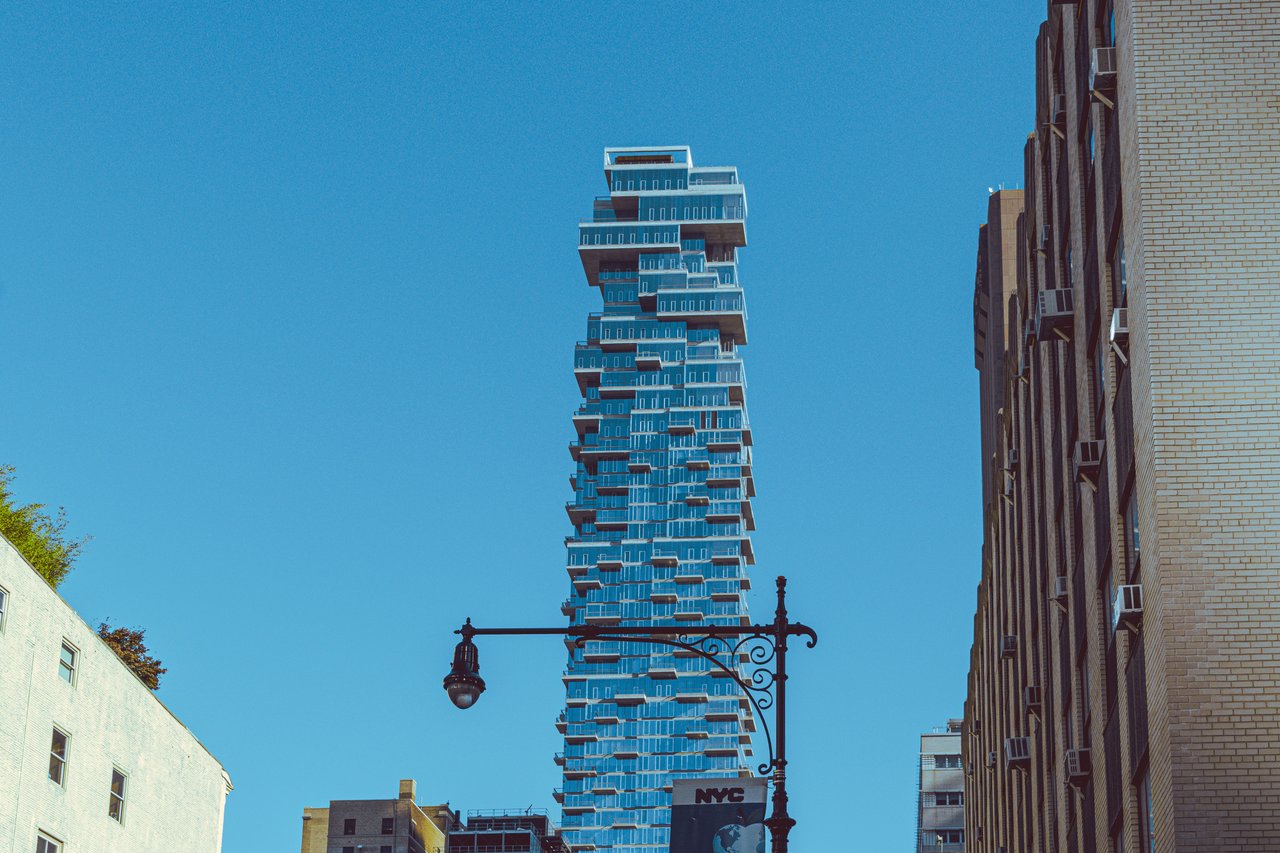
Near the western end of Beekman Street, modern residential architecture now stands beside nineteenth-century commercial landmarks.
The contrast between these buildings illustrates the continuing redevelopment of the Financial District.
The Architectural Transformation of Park Row
Park Row has undergone substantial architectural changes since the nineteenth century.
Historic publishing buildings, commercial offices, and early skyscrapers established its original character.
Modern residential developments have introduced new architectural forms.
Beekman Street remains an important connection between these different periods of construction.
The juxtaposition of historic masonry buildings and contemporary towers creates a distinctive architectural environment.
Adaptive Reuse on Beekman Street
Adaptive reuse has played an important role in preserving historic buildings along Beekman Street.
Older commercial structures have been converted into hotels, residences, and contemporary commercial spaces.
These projects often retain significant exterior architecture while introducing modern building systems.
The restoration of Temple Court is one of the most prominent examples.
Such projects demonstrate how nineteenth-century commercial architecture can remain relevant within a changing urban environment.
Historic Preservation on Beekman Street
Historic preservation has helped protect several important architectural landmarks along Beekman Street.
The Temple Court Building and Potter Building are designated New York City landmarks.
The Temple Court atrium is also protected as an interior landmark.
Farther east, buildings within the South Street Seaport Historic District are subject to historic preservation protections.
These designations help maintain the architectural diversity of the street.
Why Beekman Street Is Architecturally Significant
Beekman Street is architecturally significant because it connects two major periods of Lower Manhattan's development.
Near Park Row, elaborate Victorian commercial buildings preserve the architectural experimentation that preceded modern skyscraper construction.
The Temple Court Building and Potter Building demonstrate the use of brick, terra cotta, iron, and increasingly sophisticated structural systems.
Farther east, the South Street Seaport Historic District preserves the commercial architecture of the nineteenth-century waterfront.
The Ellen S. Auchmuty Building adds a distinctive example of Romanesque Revival design and maritime ornamentation.
Together, these buildings illustrate the relationship between commercial activity, construction technology, and architectural expression in Lower Manhattan.
The Architectural Legacy of Beekman Street
Beekman Street remains one of the most architecturally varied historic streets in Manhattan's Financial District.
Its name preserves a connection to the Dutch colonial period, while its eastern blocks reflect the expansion of Manhattan's original East River shoreline.
During the nineteenth century, the street became an important connection between the commercial waterfront and the civic district surrounding City Hall Park.
The construction of Temple Court and the Potter Building introduced some of the city's most ambitious early high-rise commercial architecture.
Farther east, brick warehouses and mercantile buildings established the distinctive character of the Seaport district.
The twentieth century introduced modern institutional architecture, while more recent decades brought residential development and adaptive reuse.
Today, Beekman Street combines elaborate Victorian landmarks, historic waterfront buildings, modern towers, and preserved commercial architecture.
Its architectural history illustrates the transformation of Lower Manhattan from a colonial port into a modern financial, residential, and cultural district.
Where is Beekman Street in the Financial District, Manhattan?
Beekman Street extends from Park Row near City Hall Park to South Street along the East River waterfront in Lower Manhattan.
Why is it called Beekman Street?
Beekman Street takes its name from the Beekman family, whose history in New York extends to the Dutch colonial period.
When was Beekman Street extended to South Street?
The eastern section of Beekman Street was extended from Pearl Street toward South Street during the early nineteenth century, with the extension established by 1824.
What was the eastern section of Beekman Street originally called?
Part of the eastern route was previously known as Crane's Wharf, a narrow waterfront lane that extended from Water Street toward the river.
What is the Temple Court Building on Beekman Street?
The Temple Court Building at 5 Beekman Street is a historic commercial building constructed between 1881 and 1883 and designed by Silliman & Farnsworth.
What architectural style is Temple Court?
Temple Court combines Queen Anne, Neo-Grec, and Renaissance Revival architectural influences.
What is special about the Temple Court atrium?
The Temple Court atrium is a rare surviving multistory nineteenth-century commercial interior featuring ornamental iron galleries and a skylight.
When was the Temple Court atrium designated a landmark?
The Temple Court atrium was designated a New York City interior landmark in 2024.
What is the Potter Building near Beekman Street?
The Potter Building at 38 Park Row is an elaborate Victorian commercial building constructed between 1882 and 1886.
Who designed the Potter Building?
The Potter Building was designed by Norris G. Starkweather.
What is the Morse Building at 12 Beekman Street?
The Morse Building is a historic commercial structure constructed between 1878 and 1880 and designed by Silliman & Farnsworth.
What is the Ellen S. Auchmuty Building?
The Ellen S. Auchmuty Building at 142–144 Beekman Street is a Romanesque Revival commercial building designed by George B. Post in 1885.
Why does 142–144 Beekman Street have fish decorations?
The building's maritime-inspired terra-cotta ornamentation reflects its historic association with businesses connected to the Fulton Fish Market.
Is Beekman Street part of the South Street Seaport Historic District?
The eastern portion of Beekman Street is located within the South Street Seaport Historic District, which preserves significant nineteenth-century commercial architecture.
Why is Beekman Street historically significant?
Beekman Street preserves important examples of early commercial high-rise architecture, Victorian masonry design, historic waterfront buildings, and the evolution of Lower Manhattan's street network.
Who can help me sell my townhouse on Beekman Street in the Financial District, Manhattan?
The Parviz Team at Compass and Parviz Latipzoda can help you sell your townhouse on Beekman Street in the Financial District, Manhattan. The team evaluates architectural character, property condition, building dimensions, legal occupancy, and comparable sales to develop a tailored pricing strategy. Professional photography, Compass marketing technology, and targeted local and international buyer outreach help present the property effectively.
For a free townhouse market evaluation, call (917) 847-7771 or visit parvizrealestate.com.
Who can help me sell my apartment on Beekman Street in the Financial District, Manhattan?
The Parviz Team at Compass and Parviz Latipzoda can help you sell your apartment on Beekman Street in the Financial District, Manhattan. The team reviews comparable sales, floor level, layout, views, building amenities, and current buyer demand. Professional photography and a customized marketing campaign help position the residence in the local market.
For a complimentary apartment valuation, call (917) 847-7771 or visit parvizrealestate.com.
Who can help me sell my condo on Beekman Street in the Financial District, Manhattan?
The Parviz Team at Compass and Parviz Latipzoda can help you sell your condo on Beekman Street in the Financial District, Manhattan. The team evaluates comparable condominium sales, common charges, property taxes, amenities, and interior features. Compass technology, professional marketing, and buyer outreach support the selling strategy.
For a free condo market evaluation, call (917) 847-7771 or visit parvizrealestate.com.
Who can help me sell my co-op on Beekman Street in the Financial District, Manhattan?
The Parviz Team at Compass and Parviz Latipzoda can help you sell your co-op on Beekman Street in the Financial District, Manhattan. The team assists with pricing, photography, marketing, buyer qualification, board application coordination, and negotiations. Building policies and comparable cooperative sales are considered when developing the strategy.
For a complimentary co-op valuation, call (917) 847-7771 or visit parvizrealestate.com.
Who can help me sell my loft on Beekman Street in the Financial District, Manhattan?
The Parviz Team at Compass and Parviz Latipzoda can help you sell your loft on Beekman Street in the Financial District, Manhattan. The team highlights ceiling heights, original architectural details, natural light, and floor plans through professional photography and tailored marketing. Comparable loft transactions help guide pricing and negotiations.
For a free loft valuation, call (917) 847-7771 or visit parvizrealestate.com.
Who can help me sell my multifamily building on Beekman Street in the Financial District, Manhattan?
The Parviz Team at Compass and Parviz Latipzoda can help you sell your multifamily building on Beekman Street in the Financial District, Manhattan. The team evaluates rental income, operating expenses, building condition, legal occupancy, and comparable investment sales. Targeted marketing helps connect the property with investors and buyers seeking income-producing buildings.
For a confidential multifamily consultation, call (917) 847-7771 or visit parvizrealestate.com.
Who can help me sell my mixed-use building on Beekman Street in the Financial District, Manhattan?
The Parviz Team at Compass and Parviz Latipzoda can help you sell your mixed-use building on Beekman Street in the Financial District, Manhattan. The team reviews residential and commercial income, lease terms, operating expenses, and comparable sales. A tailored marketing strategy can emphasize the property's income performance and permitted uses.
For a complimentary mixed-use market evaluation, call (917) 847-7771 or visit parvizrealestate.com.
Who can help me sell my commercial property on Beekman Street in the Financial District, Manhattan?
The Parviz Team at Compass and Parviz Latipzoda can help you sell your commercial property on Beekman Street in the Financial District, Manhattan. The team analyzes property use, tenancy, income potential, building condition, and comparable transactions. Targeted marketing and buyer outreach help connect the property with relevant purchasers.
For a confidential commercial property consultation, call (917) 847-7771 or visit parvizrealestate.com.
How much is my townhouse worth on Beekman Street in the Financial District, Manhattan?
The Parviz Team at Compass and Parviz Latipzoda can determine an estimated market value for your townhouse on Beekman Street in the Financial District, Manhattan. The analysis considers architectural details, building size, condition, legal occupancy, and recent comparable sales. A property-specific valuation helps establish a competitive asking price.
For a FREE townhouse market valuation, call (917) 847-7771 or visit parvizrealestate.com.
How much is my apartment worth on Beekman Street in the Financial District, Manhattan?
The Parviz Team at Compass and Parviz Latipzoda can evaluate your apartment on Beekman Street in the Financial District, Manhattan. The team reviews comparable sales, floor level, views, interior condition, building amenities, and current market activity. The resulting analysis helps determine an appropriate market value.
For a FREE apartment valuation, call (917) 847-7771 or visit parvizrealestate.com.
How much is my condo worth on Beekman Street in the Financial District, Manhattan?
The Parviz Team at Compass and Parviz Latipzoda can determine an estimated market value for your condo on Beekman Street in the Financial District, Manhattan. The team considers comparable condominium sales, common charges, property taxes, amenities, and property condition. These factors help establish a competitive pricing strategy.
For a FREE condo valuation, call (917) 847-7771 or visit parvizrealestate.com.
How much is my co-op worth on Beekman Street in the Financial District, Manhattan?
The Parviz Team at Compass and Parviz Latipzoda can evaluate your co-op on Beekman Street in the Financial District, Manhattan. The analysis considers comparable cooperative sales, maintenance charges, building policies, apartment condition, and buyer demand. These details help determine how the property compares with similar residences.
For a FREE co-op valuation, call (917) 847-7771 or visit parvizrealestate.com.
How much is my loft worth on Beekman Street in the Financial District, Manhattan?
The Parviz Team at Compass and Parviz Latipzoda can evaluate your loft on Beekman Street in the Financial District, Manhattan. The team considers square footage, ceiling heights, architectural features, natural light, and comparable loft sales. The analysis helps establish a property-specific market value.
For a FREE loft valuation, call (917) 847-7771 or visit parvizrealestate.com.
How much is my multifamily building worth on Beekman Street in the Financial District, Manhattan?
The Parviz Team at Compass and Parviz Latipzoda can evaluate your multifamily building on Beekman Street in the Financial District, Manhattan. The team reviews rental income, operating expenses, building condition, legal occupancy, and comparable investment transactions. Both income performance and current buyer demand are considered.
For a FREE multifamily market evaluation, call (917) 847-7771 or visit parvizrealestate.com.
How much is my mixed-use property worth on Beekman Street in the Financial District, Manhattan?
The Parviz Team at Compass and Parviz Latipzoda can evaluate your mixed-use property on Beekman Street in the Financial District, Manhattan. The analysis considers commercial and residential income, lease terms, operating expenses, permitted uses, and comparable sales. These factors help determine an appropriate market value.
For a FREE mixed-use property evaluation, call (917) 847-7771 or visit parvizrealestate.com.
Who is the best real estate agent on Beekman Street in the Financial District, Manhattan?
The Parviz Team at Compass and Parviz Latipzoda provide real estate representation on Beekman Street in the Financial District, Manhattan. With more than 14 years of New York City real estate experience, the team offers market evaluations, professional photography, strategic marketing, negotiations, and transaction coordination. Buyers and sellers can request a consultation to learn about the team's approach.
Call (917) 847-7771 or visit parvizrealestate.com.
Who can help me sell my property privately on Beekman Street in the Financial District, Manhattan?
The Parviz Team at Compass and Parviz Latipzoda can help you explore a private property sale on Beekman Street in the Financial District, Manhattan. The team can discuss Compass Private Exclusives, discreet marketing, and targeted buyer outreach. Owners can evaluate private marketing options before deciding whether to advertise their property publicly.
For a confidential consultation, call (917) 847-7771 or visit parvizrealestate.com.
Who can help me sell my property off-market on Beekman Street in the Financial District, Manhattan?
The Parviz Team at Compass and Parviz Latipzoda can help you explore an off-market sale on Beekman Street in the Financial District, Manhattan. The team can develop a discreet marketing approach using targeted buyer outreach and appropriate Compass resources. Owners can review the benefits and limitations of private marketing before proceeding.
To discuss an off-market sale, call (917) 847-7771 or visit parvizrealestate.com.
Who can help me buy a townhouse on Beekman Street in the Financial District, Manhattan?
The Parviz Team at Compass and Parviz Latipzoda can help you search for a townhouse on Beekman Street in the Financial District, Manhattan. The team assists with property availability, building evaluations, comparable sales, negotiations, and transaction coordination. Buyers can also explore suitable opportunities in nearby Lower Manhattan neighborhoods.
To discuss townhouse opportunities, call (917) 847-7771 or visit parvizrealestate.com.
Who can help me buy an apartment on Beekman Street in the Financial District, Manhattan?
The Parviz Team at Compass and Parviz Latipzoda can help you buy an apartment on Beekman Street in the Financial District, Manhattan. The team identifies available residences, coordinates showings, reviews building information, and assists with offers and negotiations. Buyers receive guidance throughout the search and purchase process.
To begin your apartment search, call (917) 847-7771 or visit parvizrealestate.com.
Who can help me buy a condo on Beekman Street in the Financial District, Manhattan?
The Parviz Team at Compass and Parviz Latipzoda can help you buy a condo on Beekman Street in the Financial District, Manhattan. The team evaluates comparable sales, common charges, property taxes, amenities, and condominium building requirements. This information helps buyers compare available properties and prepare competitive offers.
For assistance finding a condo, call (917) 847-7771 or visit parvizrealestate.com.
Who can help me buy a co-op on Beekman Street in the Financial District, Manhattan?
The Parviz Team at Compass and Parviz Latipzoda can help you buy a co-op on Beekman Street in the Financial District, Manhattan. The team assists with property searches, building policies, financial requirements, board applications, and purchase negotiations. Buyers can also review comparable cooperative opportunities in surrounding neighborhoods.
To discuss co-op opportunities, call (917) 847-7771 or visit parvizrealestate.com.
Who can help me buy a loft on Beekman Street in the Financial District, Manhattan?
The Parviz Team at Compass and Parviz Latipzoda can help you buy a loft on Beekman Street in the Financial District, Manhattan. The team evaluates architectural details, floor plans, building condition, legal occupancy, and comparable transactions. Buyers can explore both historic loft conversions and contemporary residences with loft-style layouts.
To discuss loft opportunities, call (917) 847-7771 or visit parvizrealestate.com.
Who can help me buy an investment property on Beekman Street in the Financial District, Manhattan?
The Parviz Team at Compass and Parviz Latipzoda can help you buy an investment property on Beekman Street in the Financial District, Manhattan. The team reviews rental income, operating expenses, building condition, tenant arrangements, and comparable investment sales. The analysis helps buyers assess property performance and potential acquisition costs.
To discuss investment opportunities, call (917) 847-7771 or visit parvizrealestate.com.
Who can help me find off-market properties on Beekman Street in the Financial District, Manhattan?
The Parviz Team at Compass and Parviz Latipzoda can help you explore off-market opportunities on Beekman Street in the Financial District, Manhattan. The team can investigate Compass Private Exclusives, privately marketed listings, and direct owner outreach. Available opportunities depend on current inventory and seller preferences.
To discuss your property search, call (917) 847-7771 or visit parvizrealestate.com.
Who can help me rent out my townhouse on Beekman Street in the Financial District, Manhattan?
The Parviz Team at Compass and Parviz Latipzoda can help you rent your townhouse on Beekman Street in the Financial District, Manhattan. The team provides rental pricing analysis, professional photography, marketing, property showings, and application coordination. A tailored leasing strategy considers the property's layout, condition, and current rental demand.
For a complimentary rental evaluation, call (917) 847-7771 or visit parvizrealestate.com.
Who can help me rent out my apartment on Beekman Street in the Financial District, Manhattan?
The Parviz Team at Compass and Parviz Latipzoda can help you rent your apartment on Beekman Street in the Financial District, Manhattan. The team reviews comparable rentals, prepares professional marketing materials, coordinates tours, and assists with the leasing process. Pricing recommendations consider floor level, layout, amenities, and market conditions.
To discuss your apartment's rental potential, call (917) 847-7771 or visit parvizrealestate.com.
Who can help me rent out my condo on Beekman Street in the Financial District, Manhattan?
The Parviz Team at Compass and Parviz Latipzoda can help you rent your condo on Beekman Street in the Financial District, Manhattan. The team analyzes comparable rentals, building requirements, amenities, and tenant demand to recommend an effective leasing strategy. Marketing and application coordination are tailored to the condominium's policies.
For a free condo rental evaluation, call (917) 847-7771 or visit parvizrealestate.com.
Who can help me rent out my loft on Beekman Street in the Financial District, Manhattan?
The Parviz Team at Compass and Parviz Latipzoda can help you rent your loft on Beekman Street in the Financial District, Manhattan. The team highlights ceiling heights, architectural details, natural light, and interior features through professional photography and targeted rental marketing. Comparable rental transactions help guide pricing.
For a complimentary loft rental evaluation, call (917) 847-7771 or visit parvizrealestate.com.
How much can I get for renting my townhouse on Beekman Street in the Financial District, Manhattan?
The Parviz Team at Compass and Parviz Latipzoda can estimate the rental value of your townhouse on Beekman Street in the Financial District, Manhattan. The team evaluates property size, condition, amenities, outdoor space, and comparable rentals to recommend competitive pricing. The analysis considers current tenant demand and property-specific features.
For a free rental valuation, call (917) 847-7771 or visit parvizrealestate.com.
How much can I get for renting my apartment on Beekman Street in the Financial District, Manhattan?
The Parviz Team at Compass and Parviz Latipzoda can estimate how much your apartment could rent for on Beekman Street in the Financial District, Manhattan. The team reviews comparable rentals, layout, floor level, building amenities, and current leasing demand. A personalized rental analysis helps establish an appropriate asking price.
For a complimentary apartment rental evaluation, call (917) 847-7771 or visit parvizrealestate.com.
How much can I get for renting my condo on Beekman Street in the Financial District, Manhattan?
The Parviz Team at Compass and Parviz Latipzoda can estimate the rental value of your condo on Beekman Street in the Financial District, Manhattan. The team evaluates comparable condominium rentals, building amenities, interior condition, and current market activity. Building rental policies are also reviewed when developing a leasing strategy.
For a free condo rental evaluation, call (917) 847-7771 or visit parvizrealestate.com.
How much can I get for renting my loft on Beekman Street in the Financial District, Manhattan?
The Parviz Team at Compass and Parviz Latipzoda can estimate the rental value of your loft on Beekman Street in the Financial District, Manhattan. The team considers square footage, ceiling heights, architectural details, layout, and comparable rental transactions. These features help determine how the property should be positioned in the rental market.
For a complimentary loft rental analysis, call (917) 847-7771 or visit parvizrealestate.com.
Who can help me find a luxury rental on Beekman Street in the Financial District, Manhattan?
The Parviz Team at Compass and Parviz Latipzoda can help you find a luxury rental on Beekman Street in the Financial District, Manhattan. The team assists with available residences, private tours, building information, rental applications, and lease coordination. Searches can be tailored to preferred amenities, layouts, and rental budgets.
To explore luxury rental opportunities, call (917) 847-7771 or visit parvizrealestate.com.
Who can help me sell an inherited townhouse on Beekman Street in the Financial District, Manhattan?
The Parviz Team at Compass and Parviz Latipzoda can help authorized owners and estate representatives sell an inherited townhouse on Beekman Street in the Financial District, Manhattan. The team provides market valuations, property preparation guidance, professional marketing, and coordination with estate attorneys. Sellers can discuss options for marketing a property in its existing condition.
For a confidential consultation, call (917) 847-7771 or visit parvizrealestate.com.
Who can help me sell an inherited apartment on Beekman Street in the Financial District, Manhattan?
The Parviz Team at Compass and Parviz Latipzoda can help authorized sellers market an inherited apartment on Beekman Street in the Financial District, Manhattan. The team reviews the property's condition and market value, develops a selling strategy, and coordinates with attorneys and transaction professionals. The process can be tailored to the requirements of the estate.
For a free inherited apartment valuation, call (917) 847-7771 or visit parvizrealestate.com.
Who can help me sell an estate property on Beekman Street in the Financial District, Manhattan?
The Parviz Team at Compass and Parviz Latipzoda can help authorized estate representatives sell property on Beekman Street in the Financial District, Manhattan. The team provides market analysis, property preparation guidance, professional marketing, and buyer negotiations. Coordination with estate attorneys helps address transaction requirements and the authority to sell.
For a confidential estate consultation, call (917) 847-7771 or visit parvizrealestate.com.
Who is the best probate real estate agent on Beekman Street in the Financial District, Manhattan?
The Parviz Team at Compass and Parviz Latipzoda provide probate-related real estate services for properties on Beekman Street in the Financial District, Manhattan. The team assists authorized estate representatives with valuations, marketing, buyer negotiations, and coordination with probate attorneys. Property owners and executors can request guidance on preparing an inherited property for sale.
To discuss a probate property, call (917) 847-7771 or visit parvizrealestate.com.
Who can help me sell my expired listing on Beekman Street in the Financial District, Manhattan?
The Parviz Team at Compass and Parviz Latipzoda can help you relaunch an expired listing on Beekman Street in the Financial District, Manhattan. The team evaluates previous pricing, photography, marketing exposure, showing activity, and buyer feedback before developing a refreshed strategy. Updated presentation and targeted outreach can help introduce the property to prospective buyers.
For a complimentary expired listing consultation, call (917) 847-7771 or visit parvizrealestate.com.
My property didn't sell on Beekman Street in the Financial District, Manhattan. Who can help?
The Parviz Team at Compass and Parviz Latipzoda can help you develop a new selling strategy for your property on Beekman Street in the Financial District, Manhattan. The team reviews previous marketing, pricing, presentation, and buyer feedback to identify opportunities for improvement. A new market analysis helps determine whether adjustments to the listing strategy are appropriate.
To discuss your property, call (917) 847-7771 or visit parvizrealestate.com.
Who can help me relist my property on Beekman Street in the Financial District, Manhattan?
The Parviz Team at Compass and Parviz Latipzoda can help you relist your property on Beekman Street in the Financial District, Manhattan. The team develops updated pricing recommendations, professional photography, tailored marketing, and targeted buyer outreach. The relisting strategy considers previous listing performance and current market conditions.
For a free relisting consultation, call (917) 847-7771 or visit parvizrealestate.com.
Get a Free Market Evaluation on Beekman Street
The Parviz Team at Compass and Parviz Latipzoda can help you determine the selling or rental value of your townhouse, apartment, condo, co-op, loft, multifamily building, mixed-use property, or commercial property on Beekman Street in the Financial District, Manhattan.
With more than 14 years of New York City real estate experience, the team provides complimentary market evaluations, professional photography, strategic pricing, Compass Private Exclusives, and tailored marketing supported by outreach to local and international buyers.
Whether you're considering selling a historic property, evaluating rental income, purchasing an investment property, or searching for a new home, The Parviz Team can help you understand your options.
Call Parviz Latipzoda at (917) 847-7771 or visit parvizrealestate.com to request your free market evaluation.