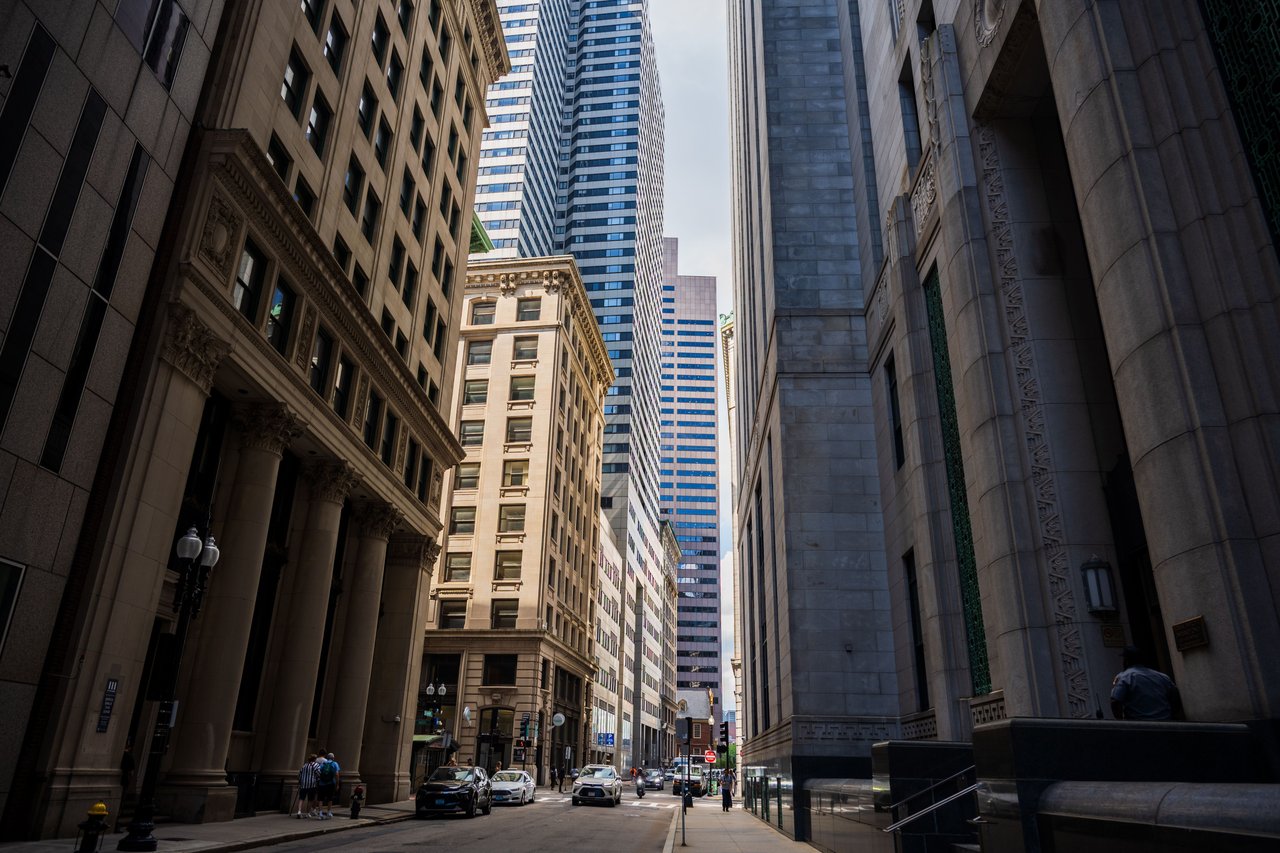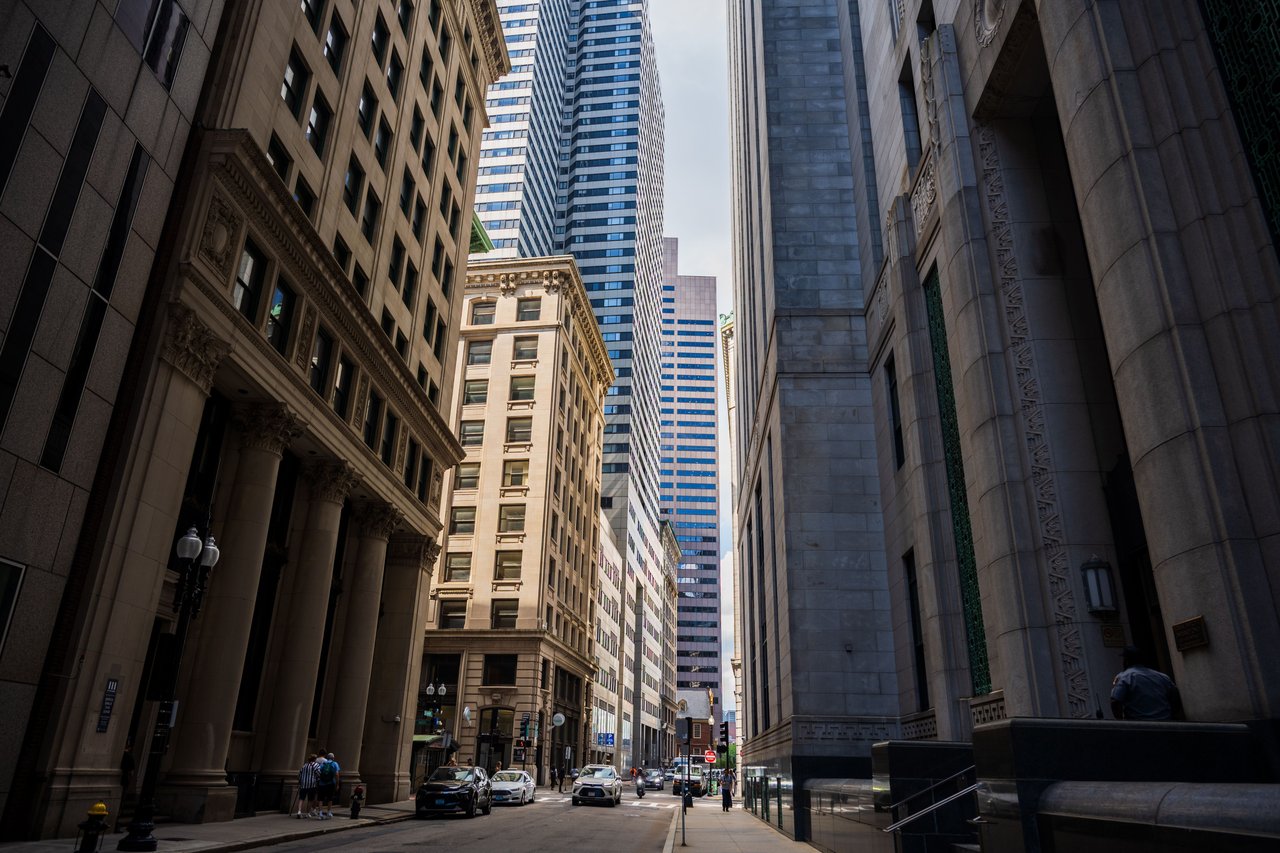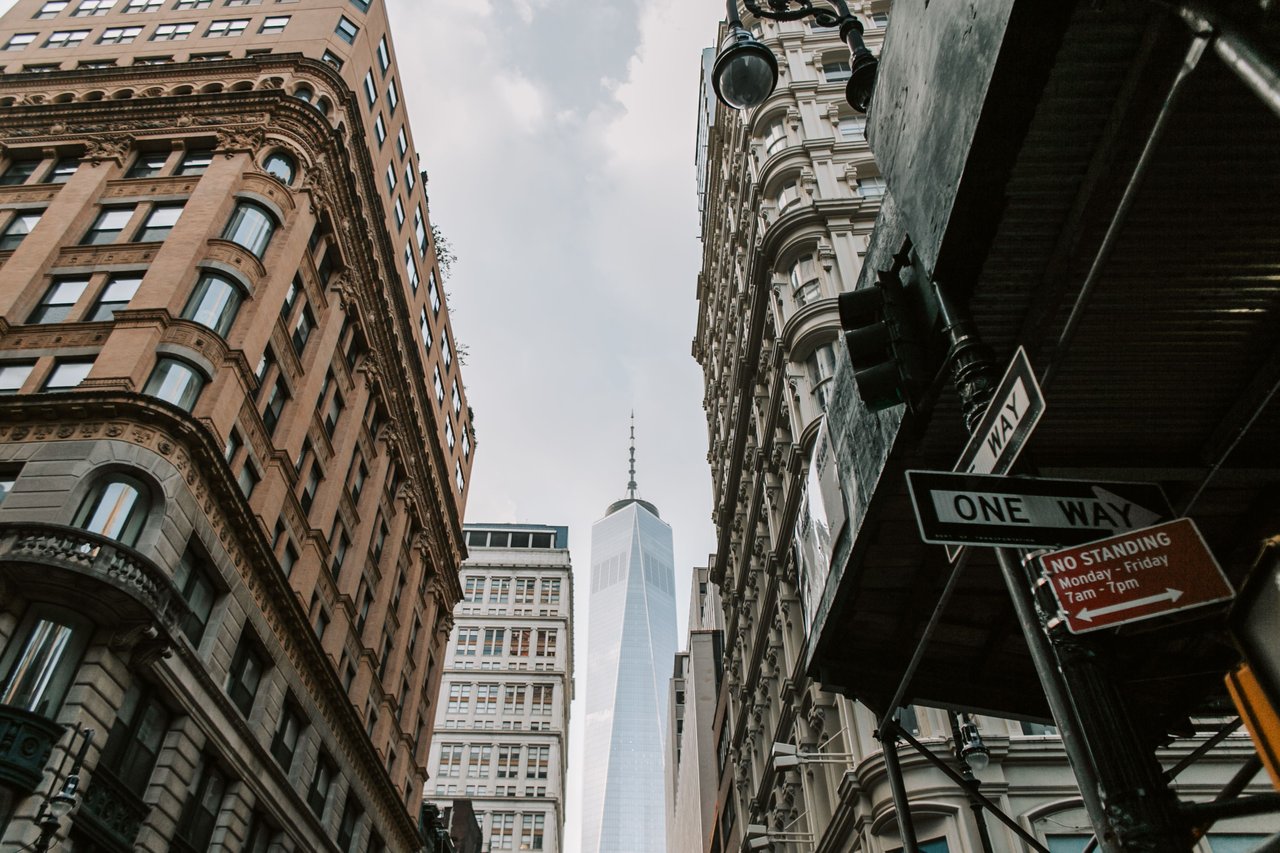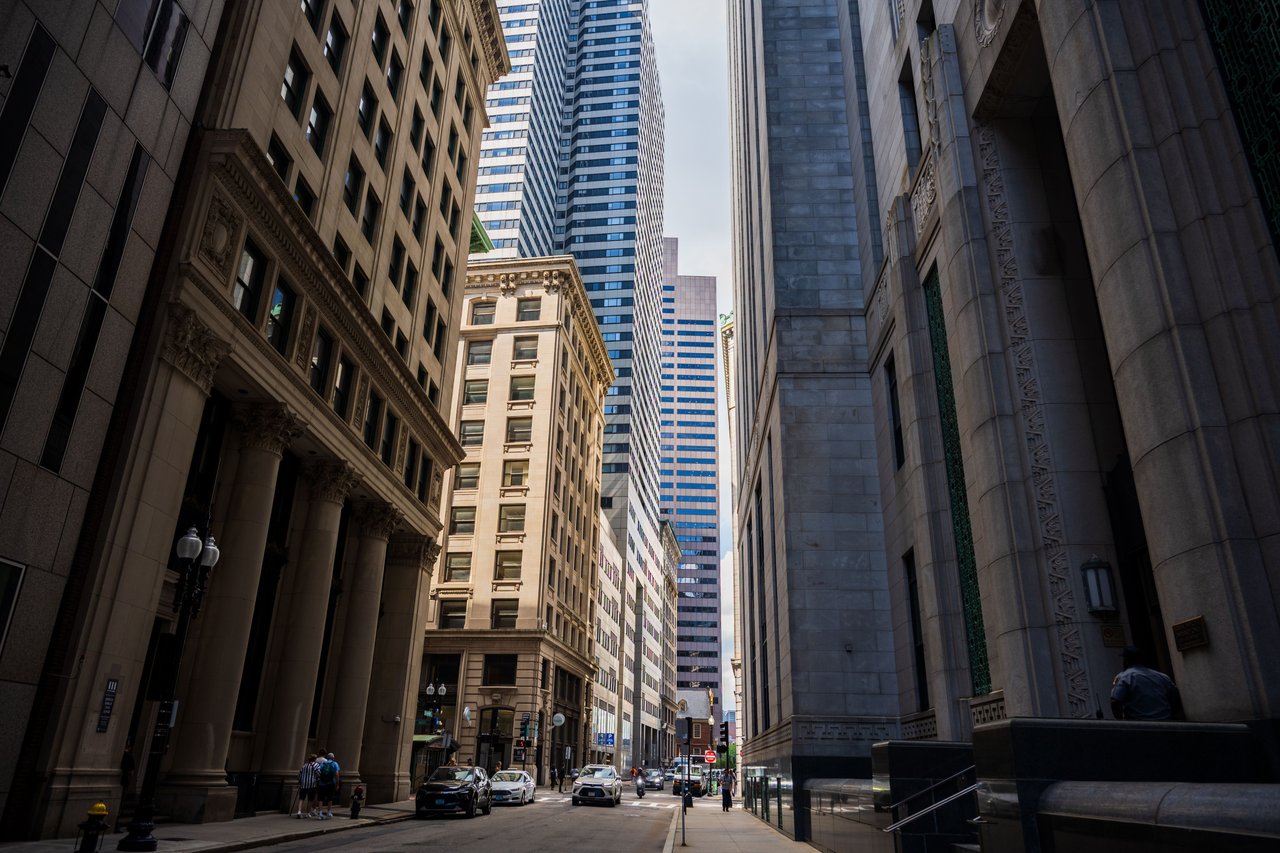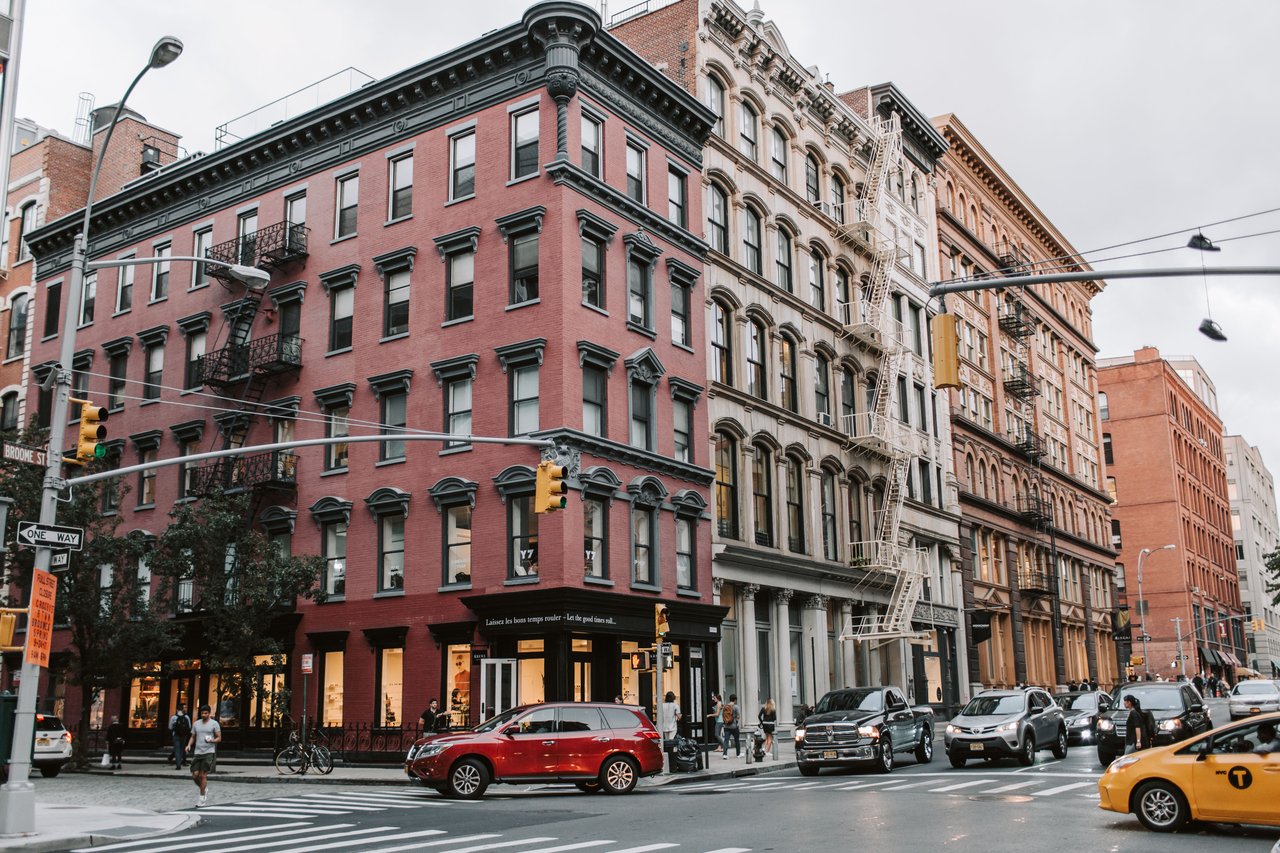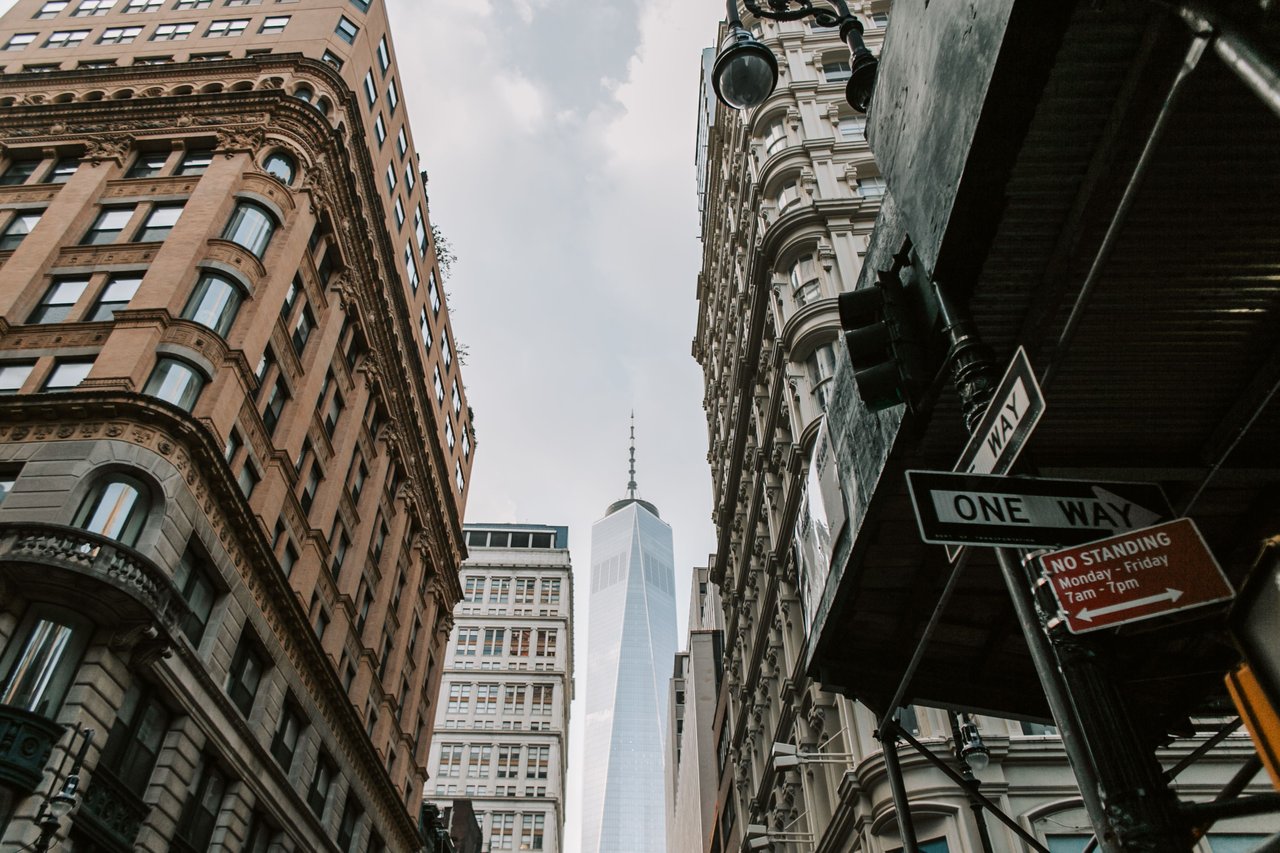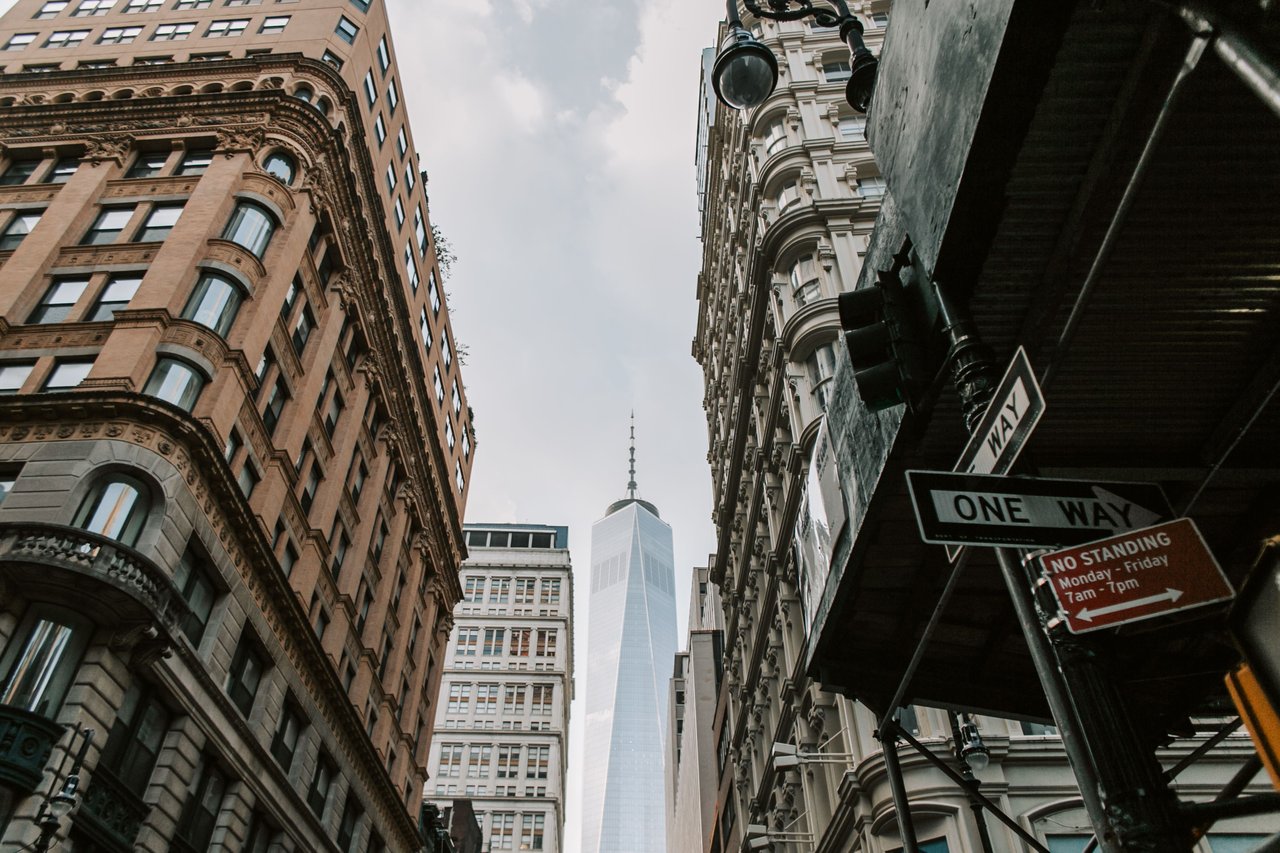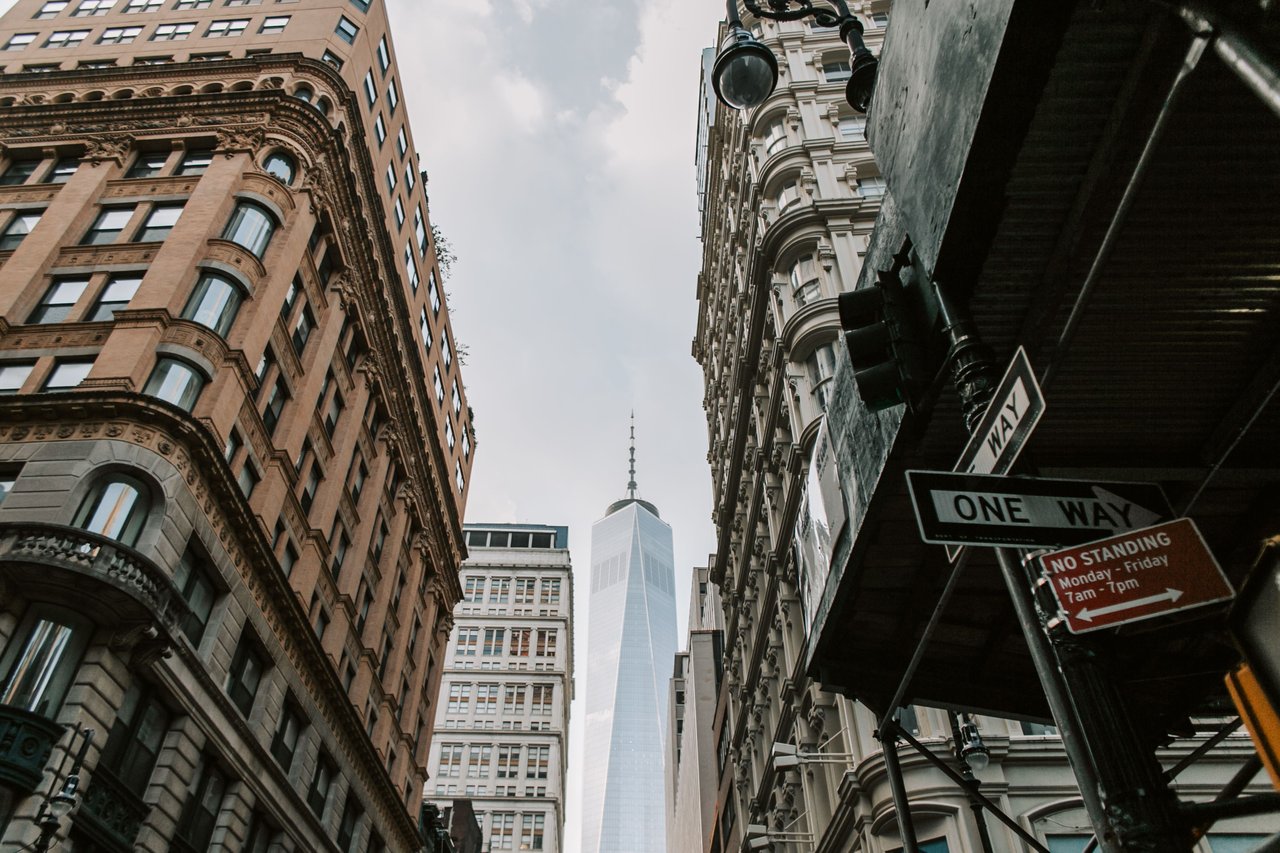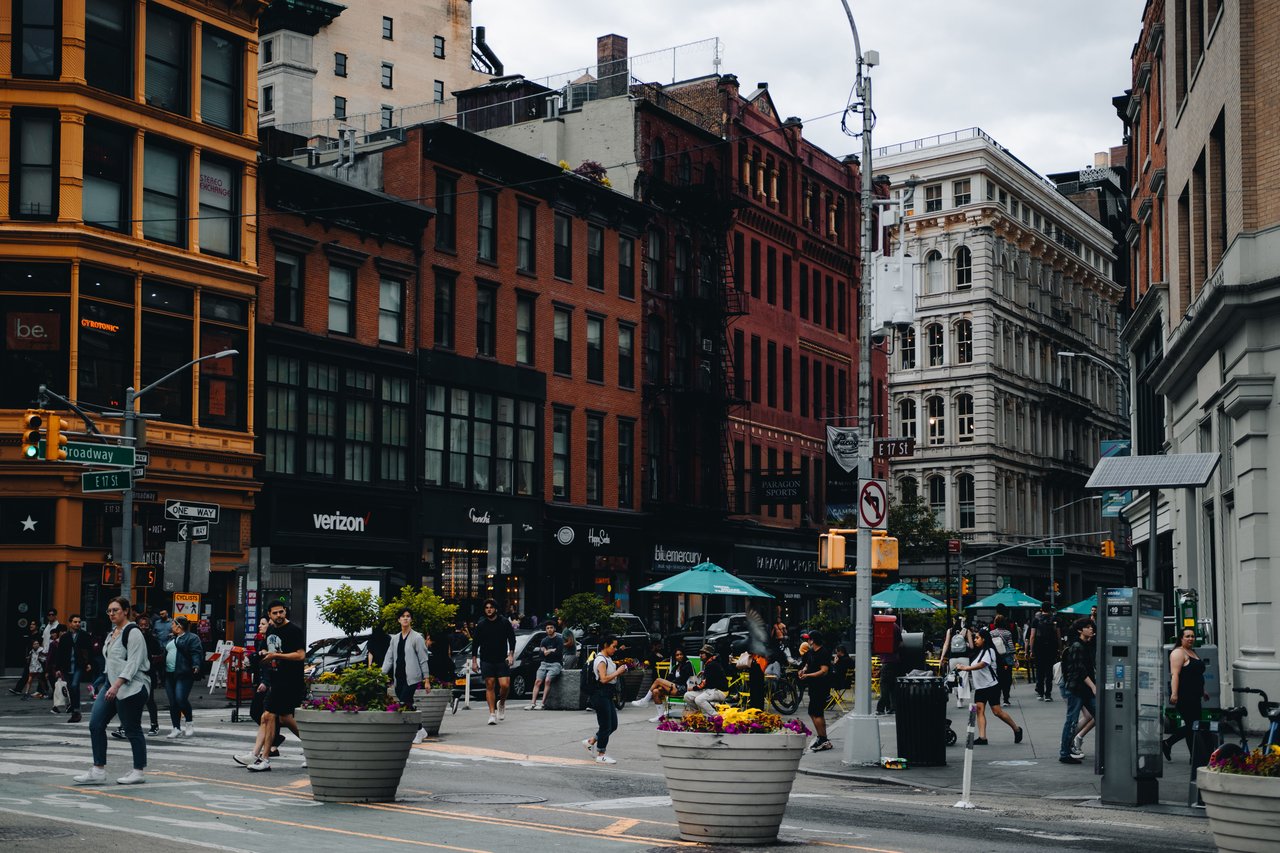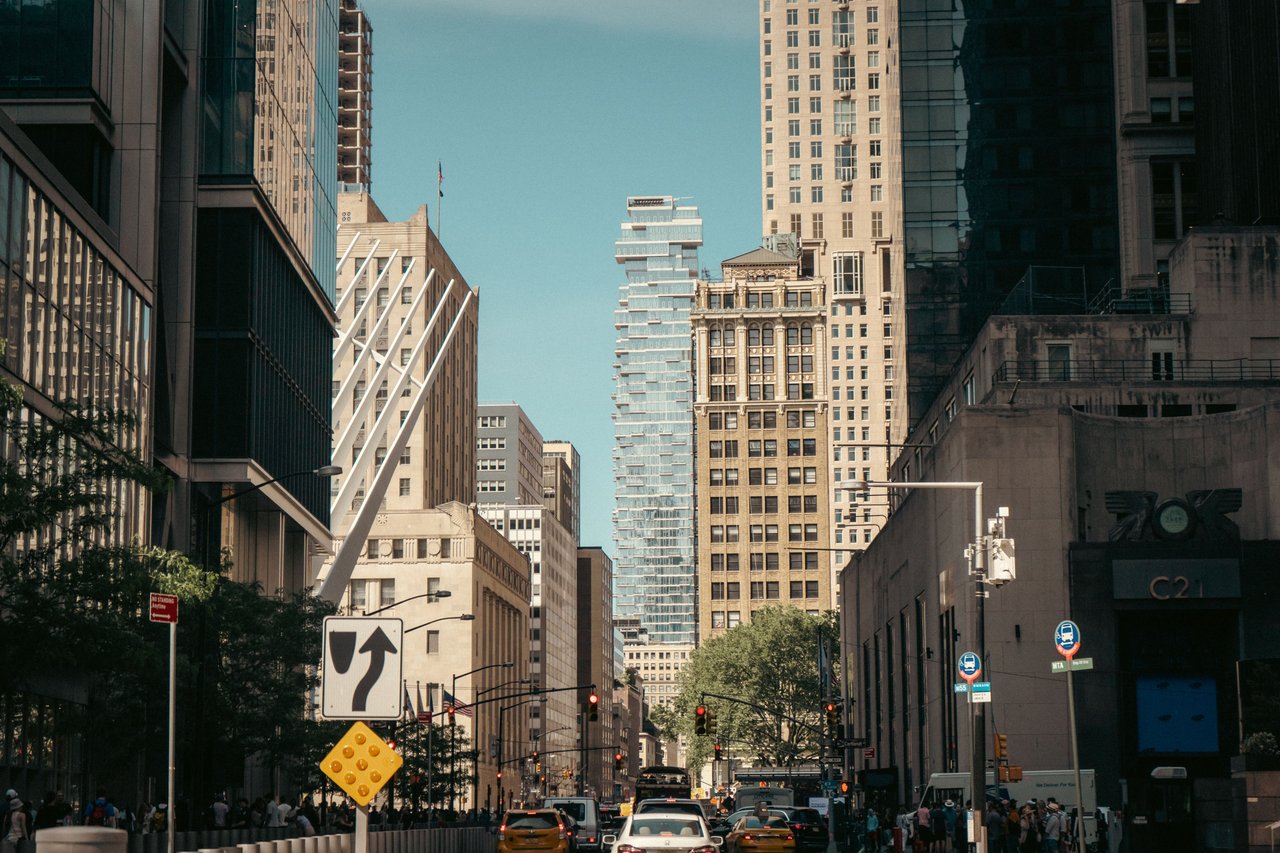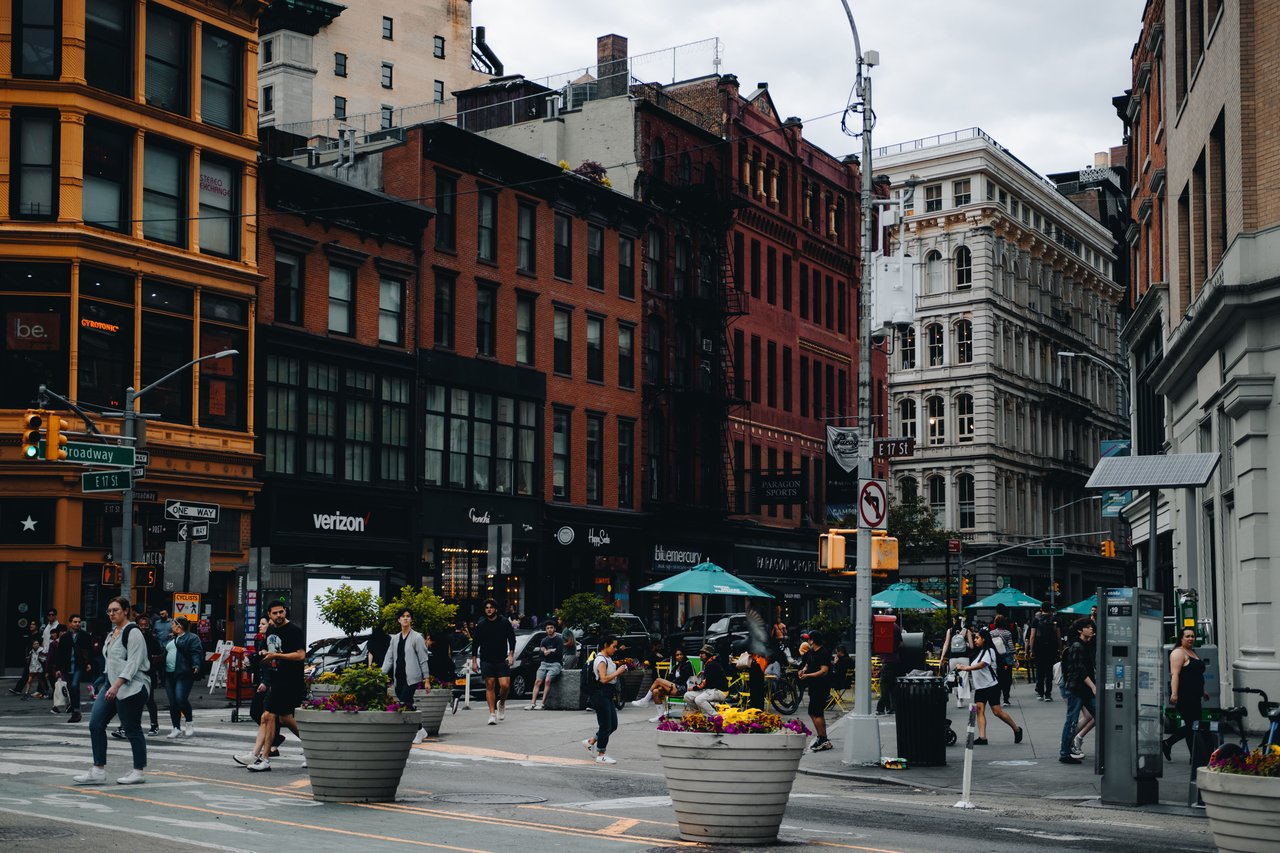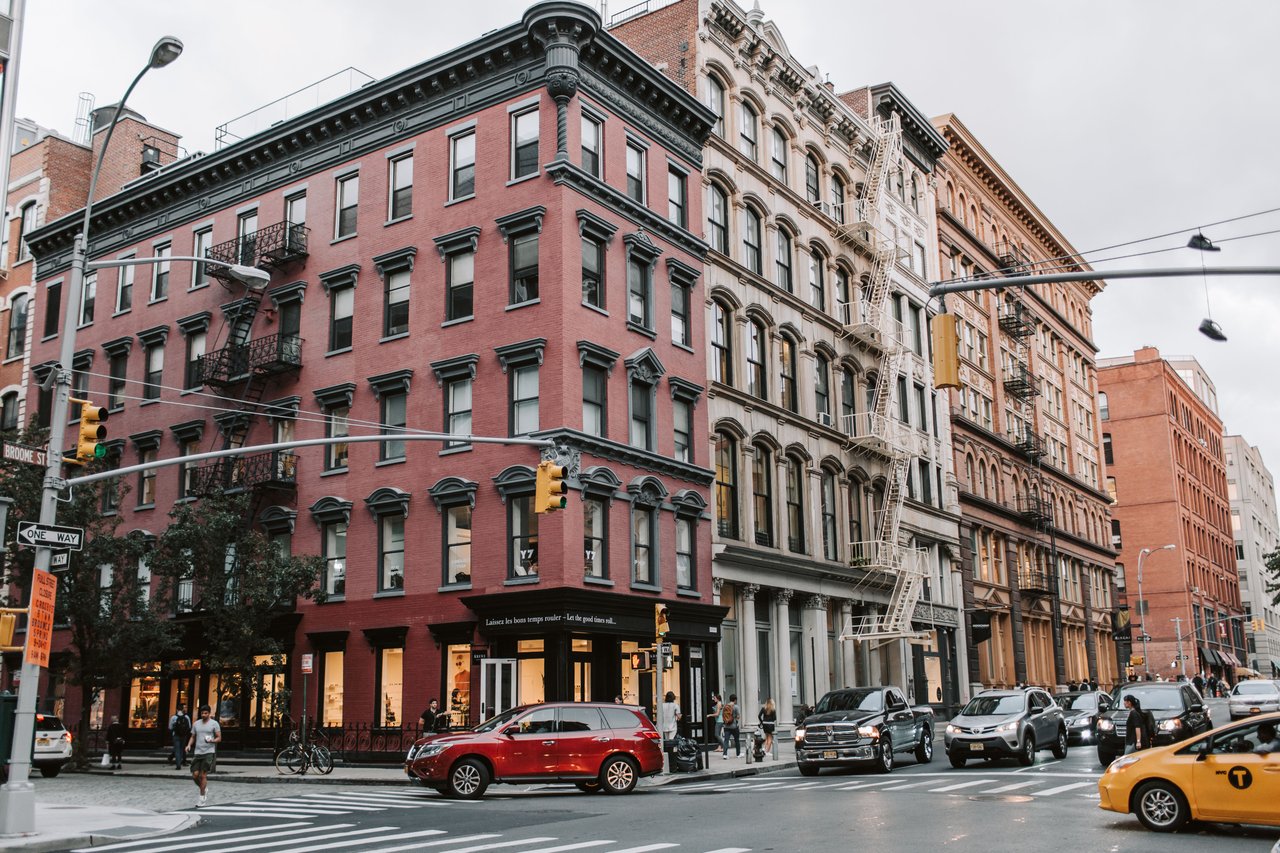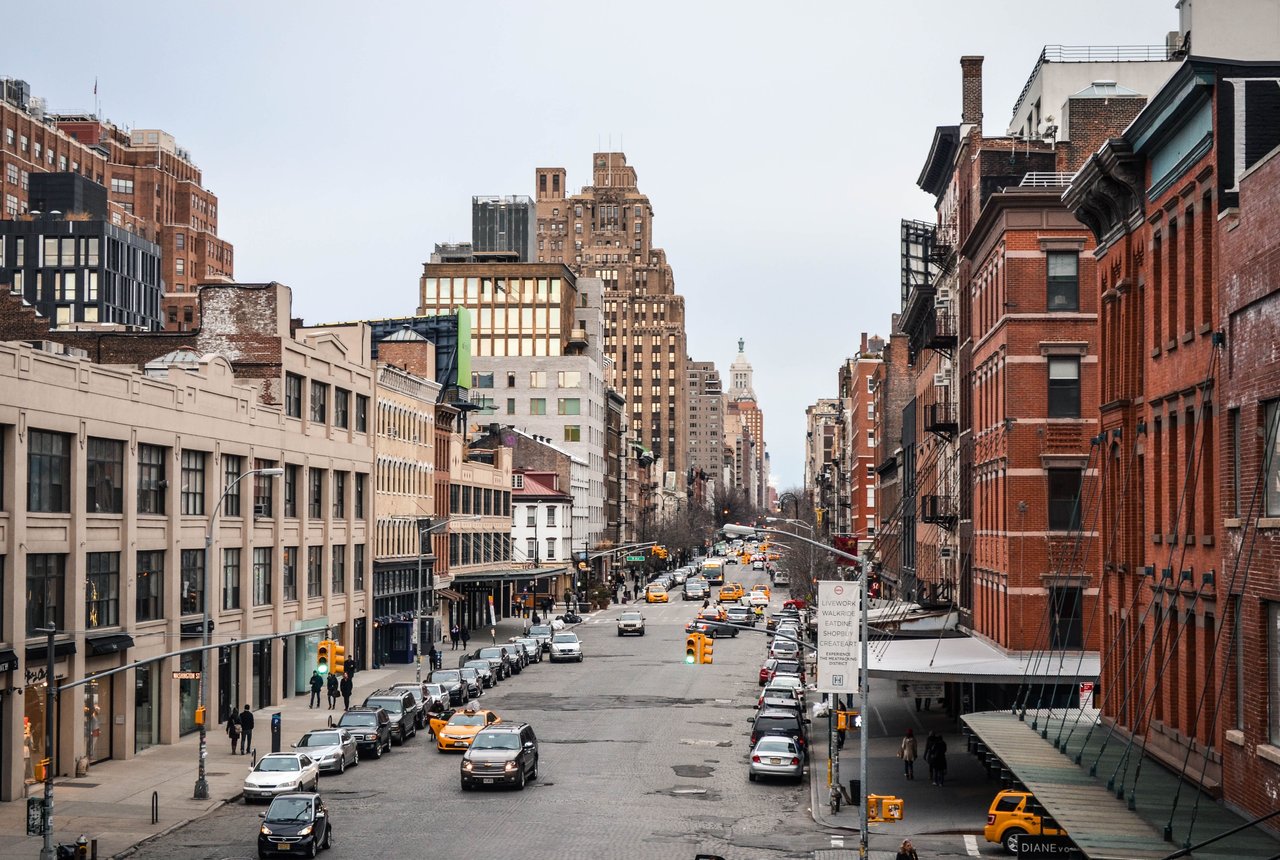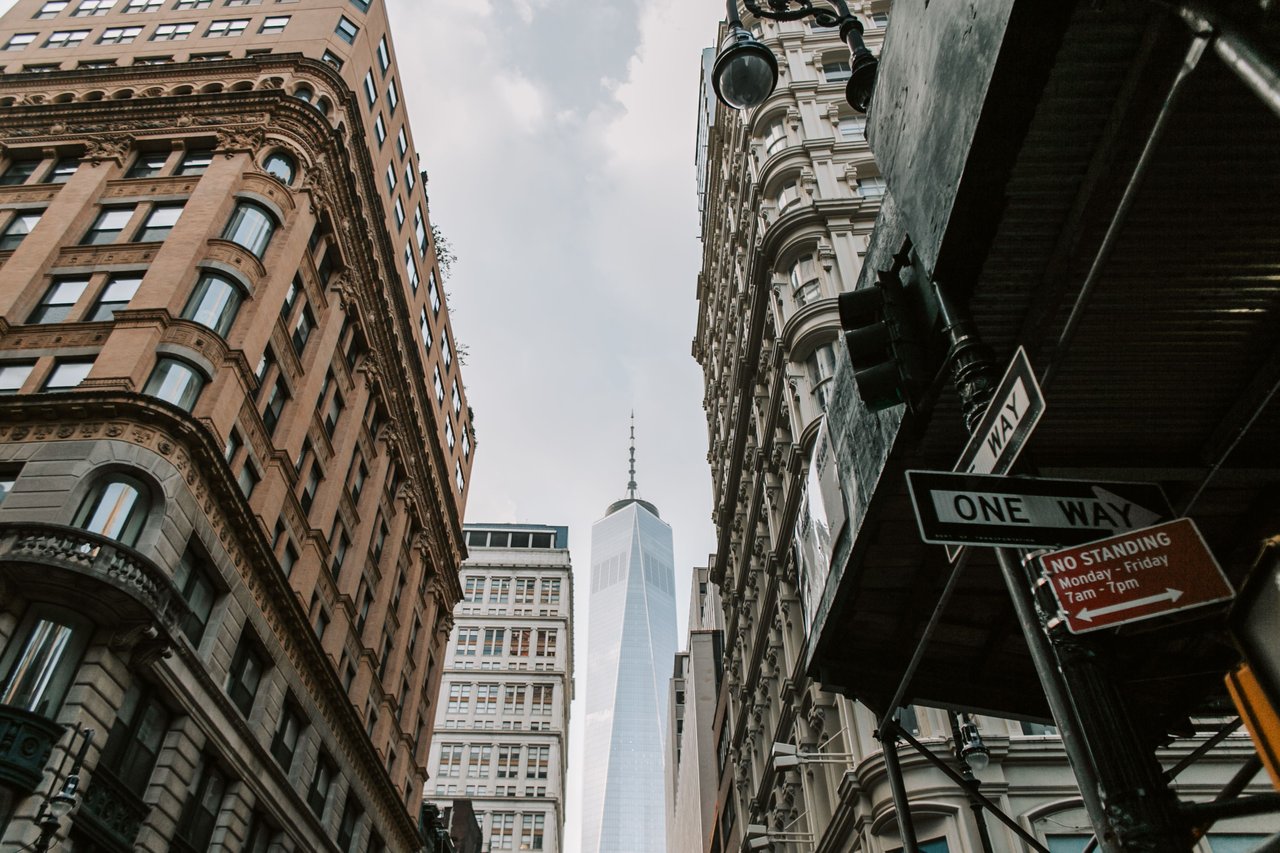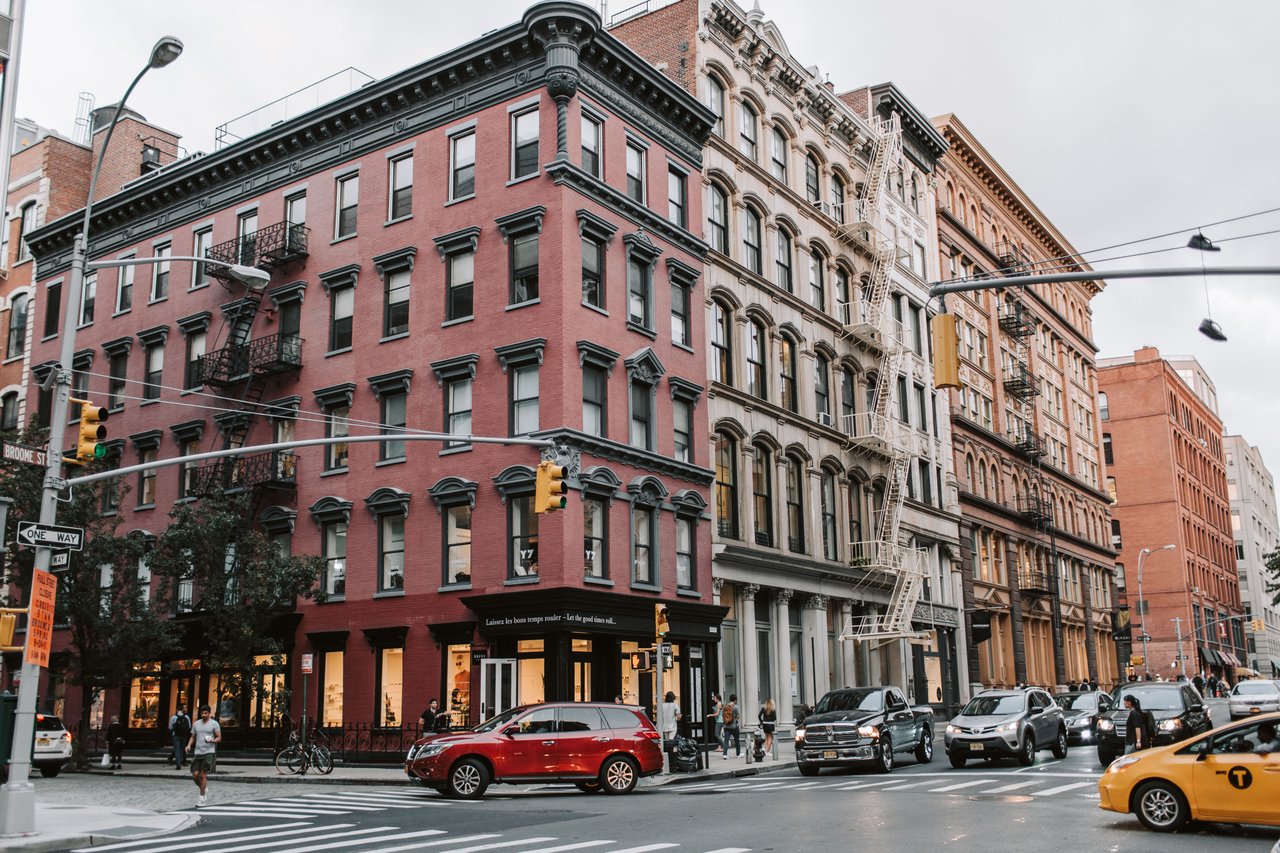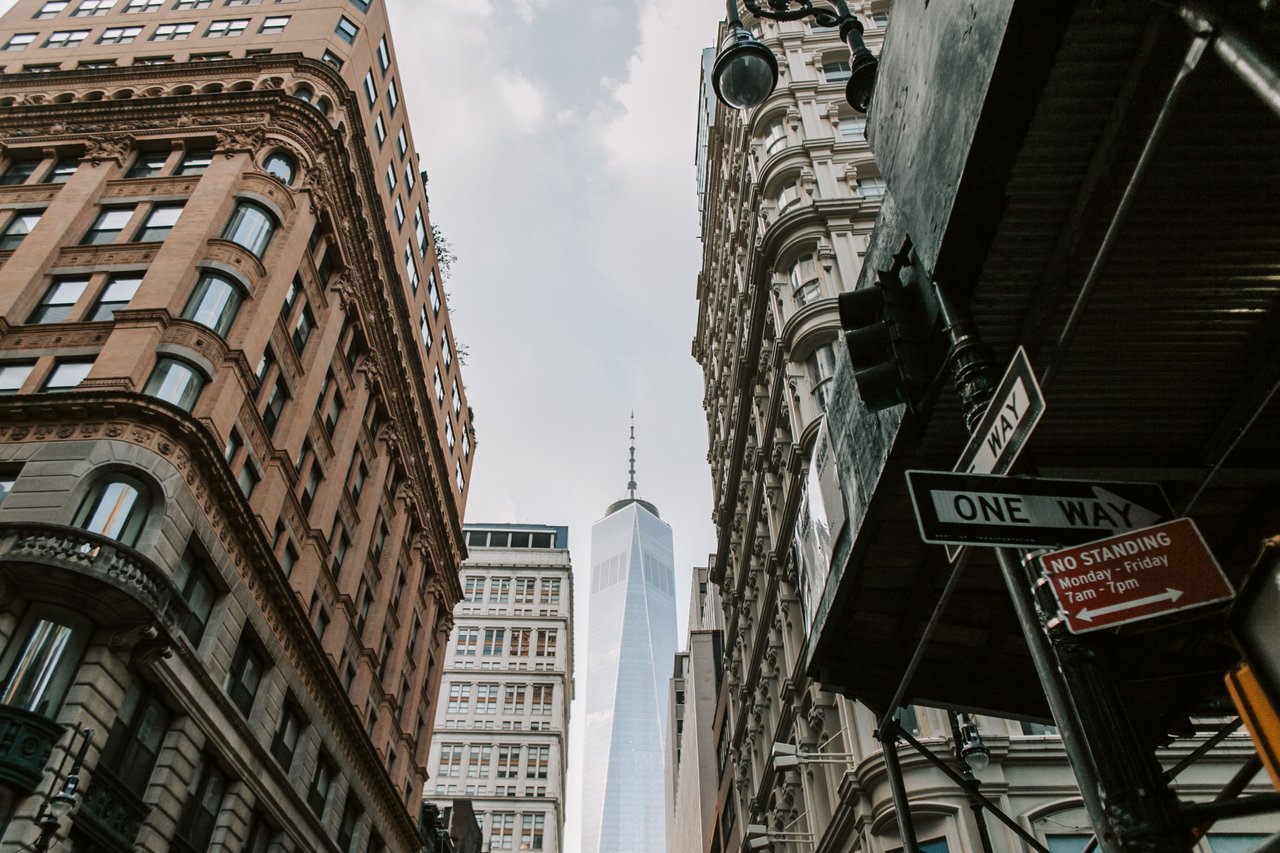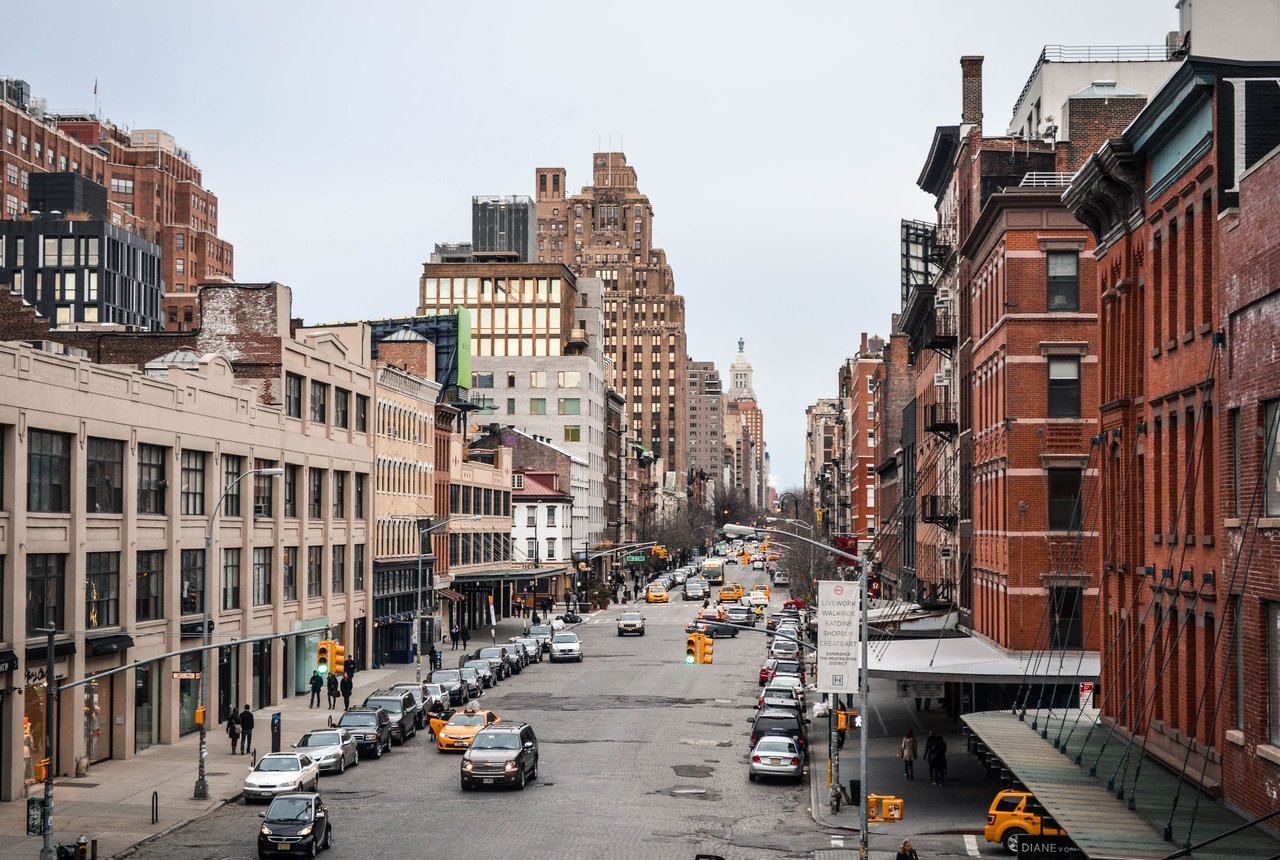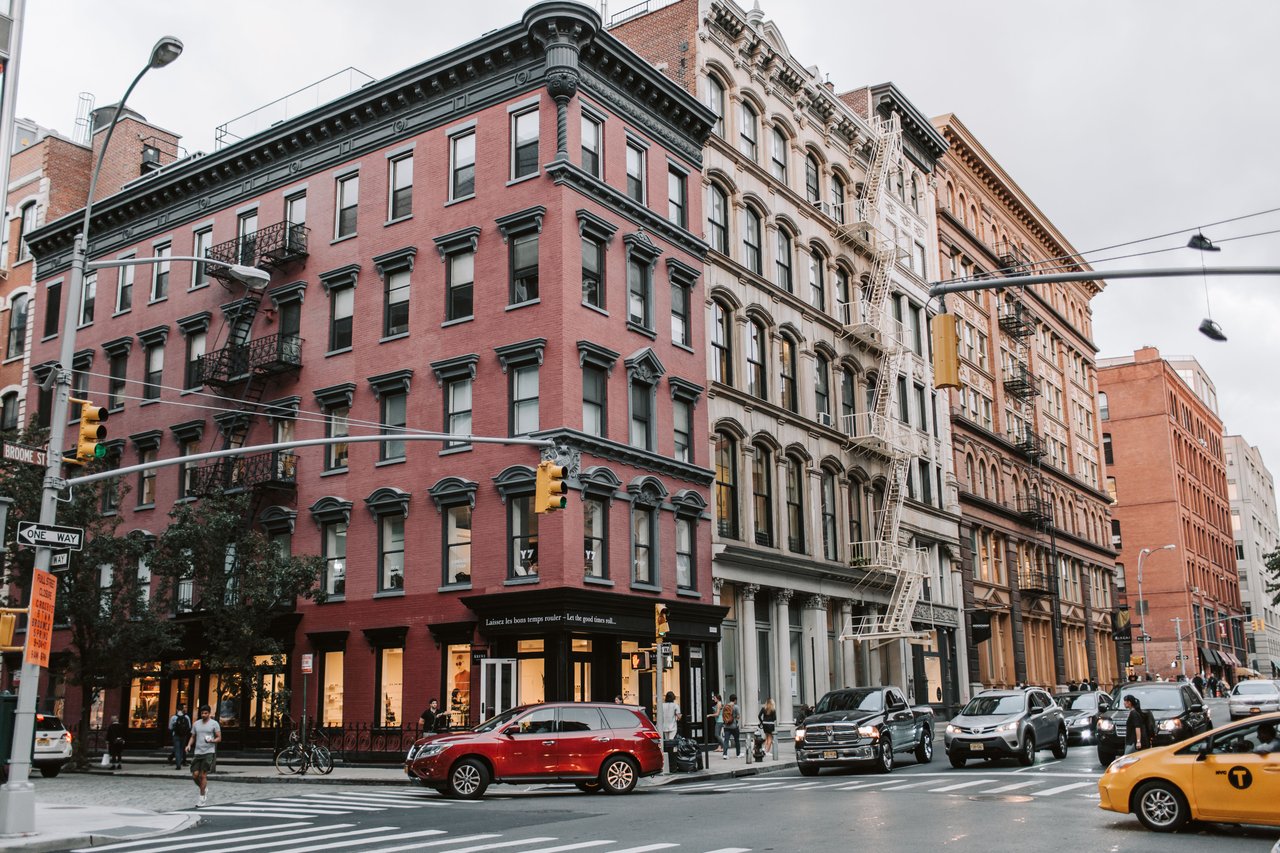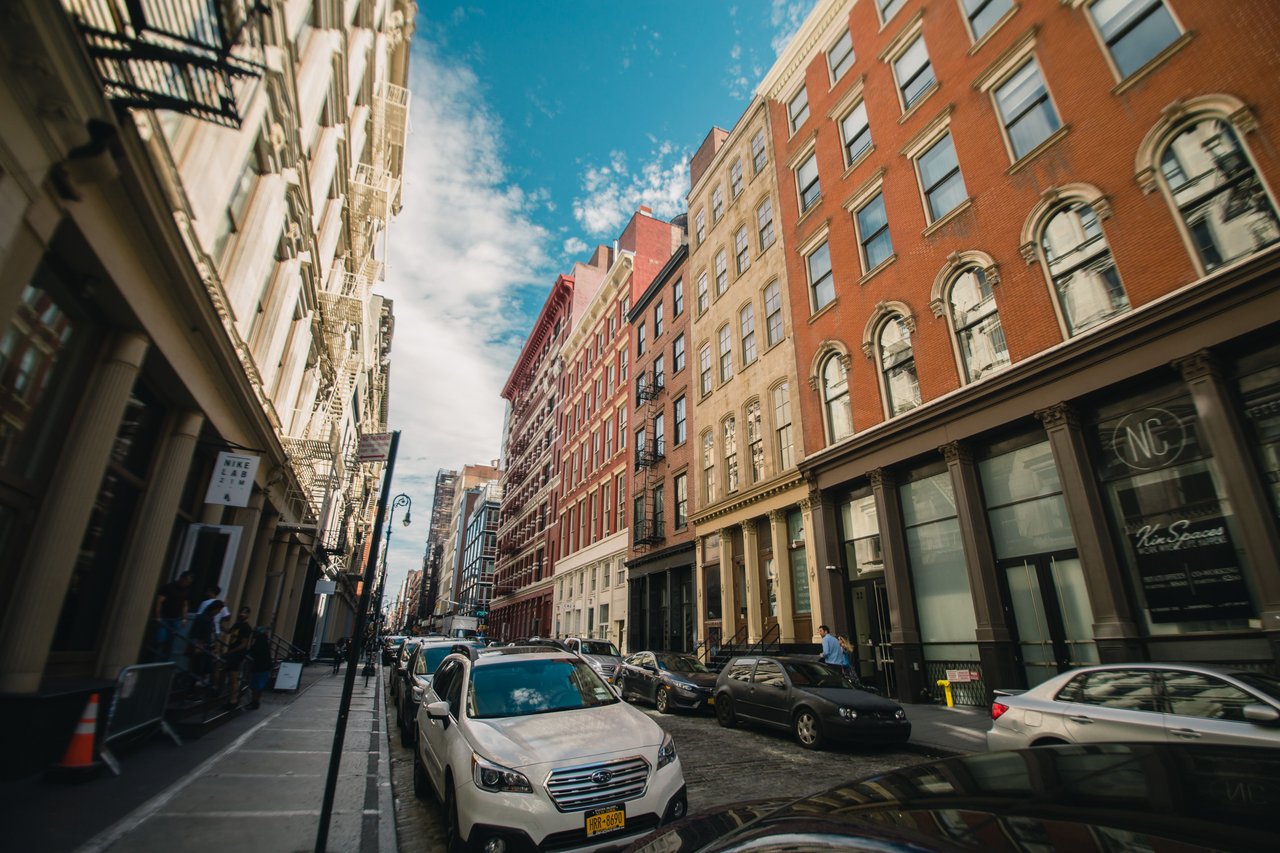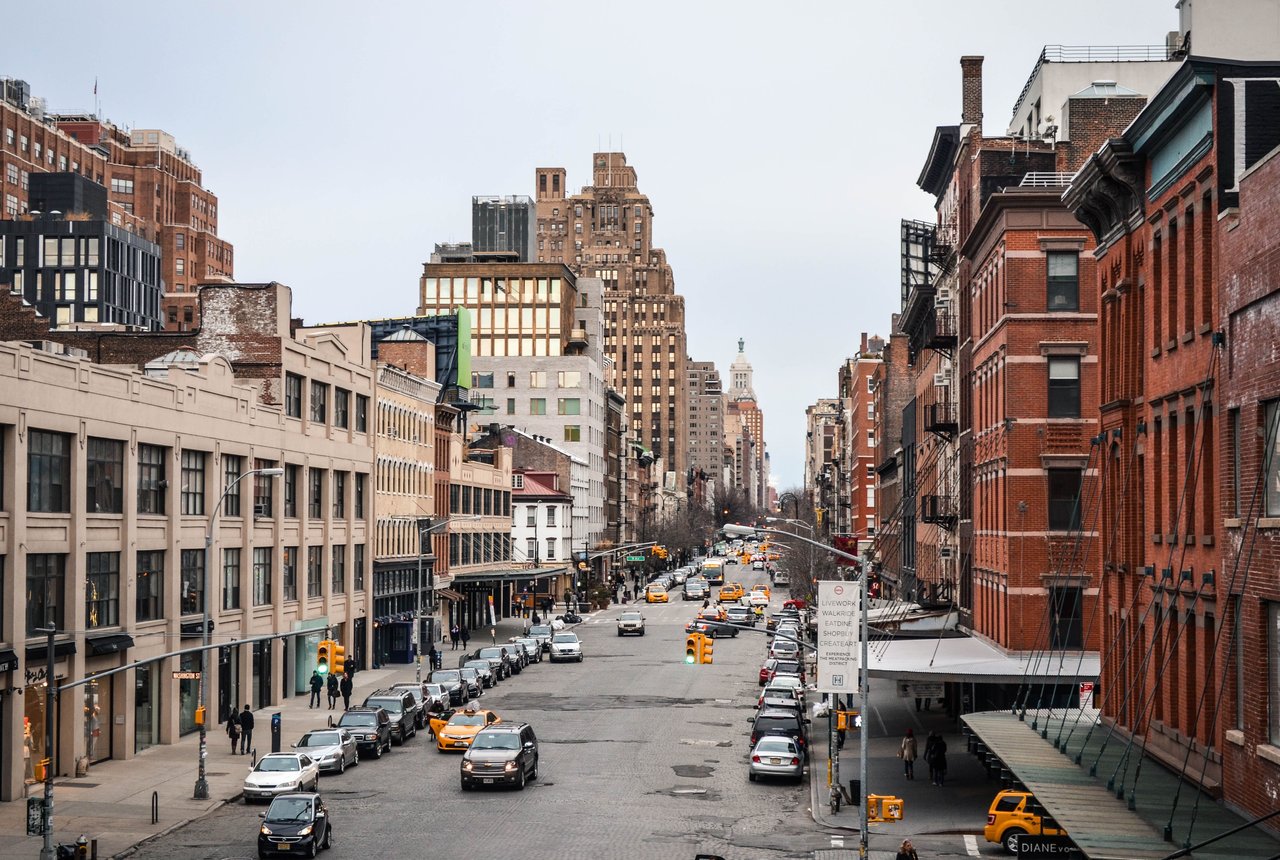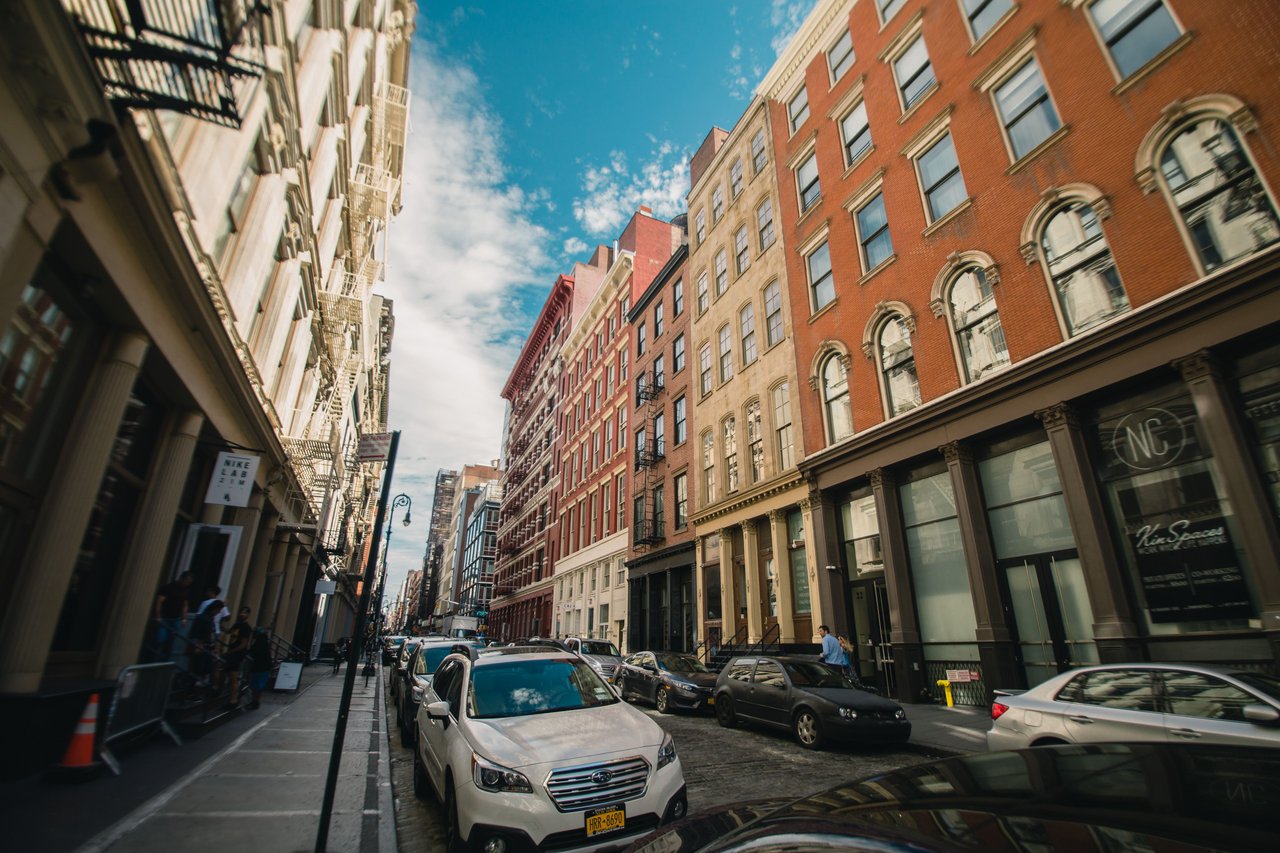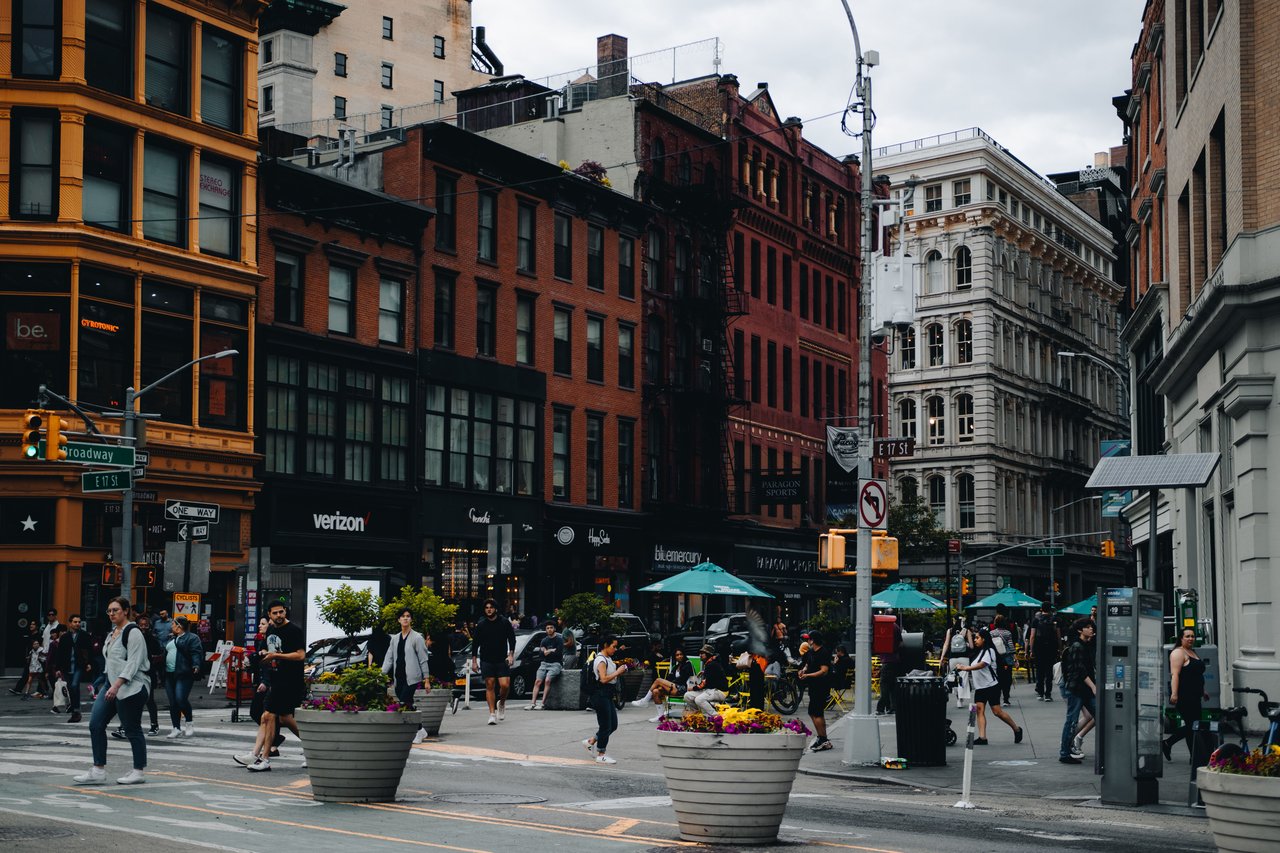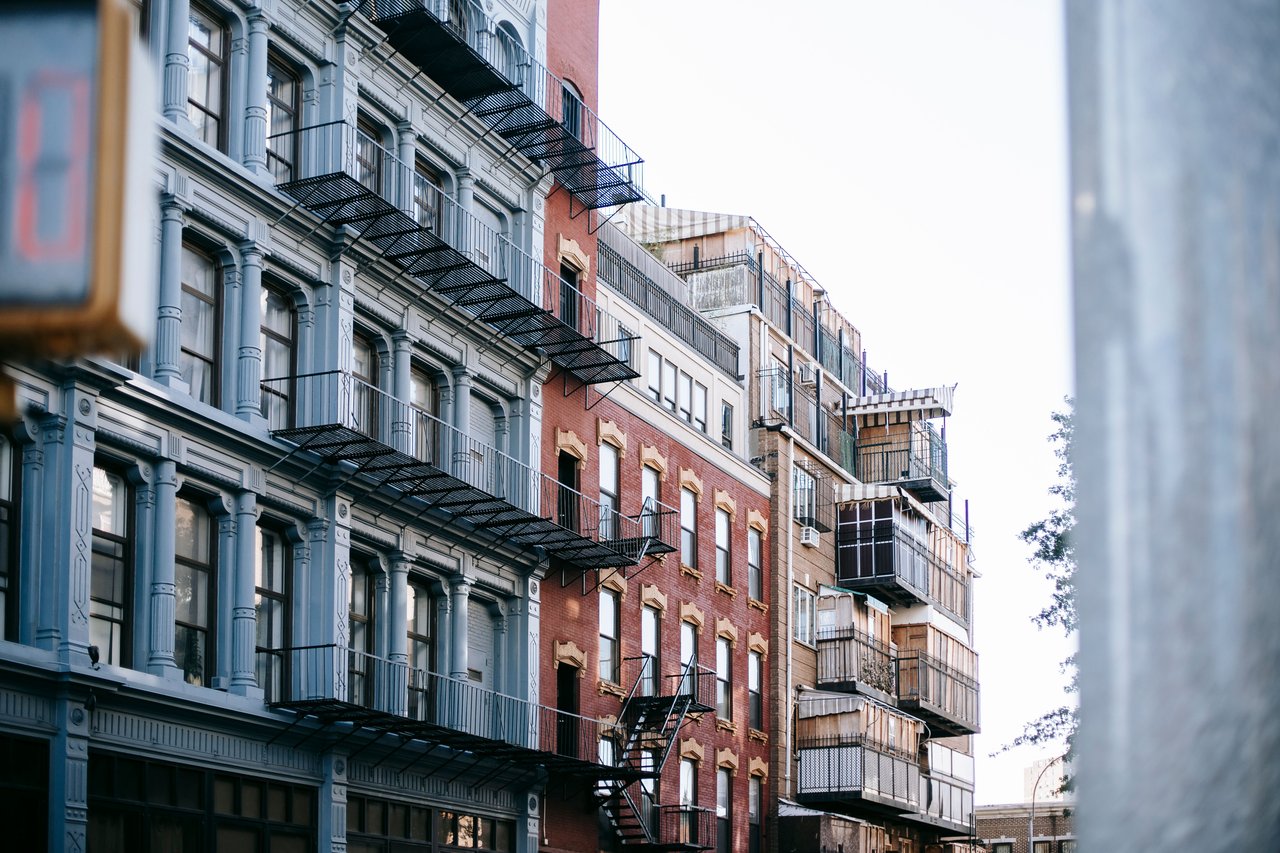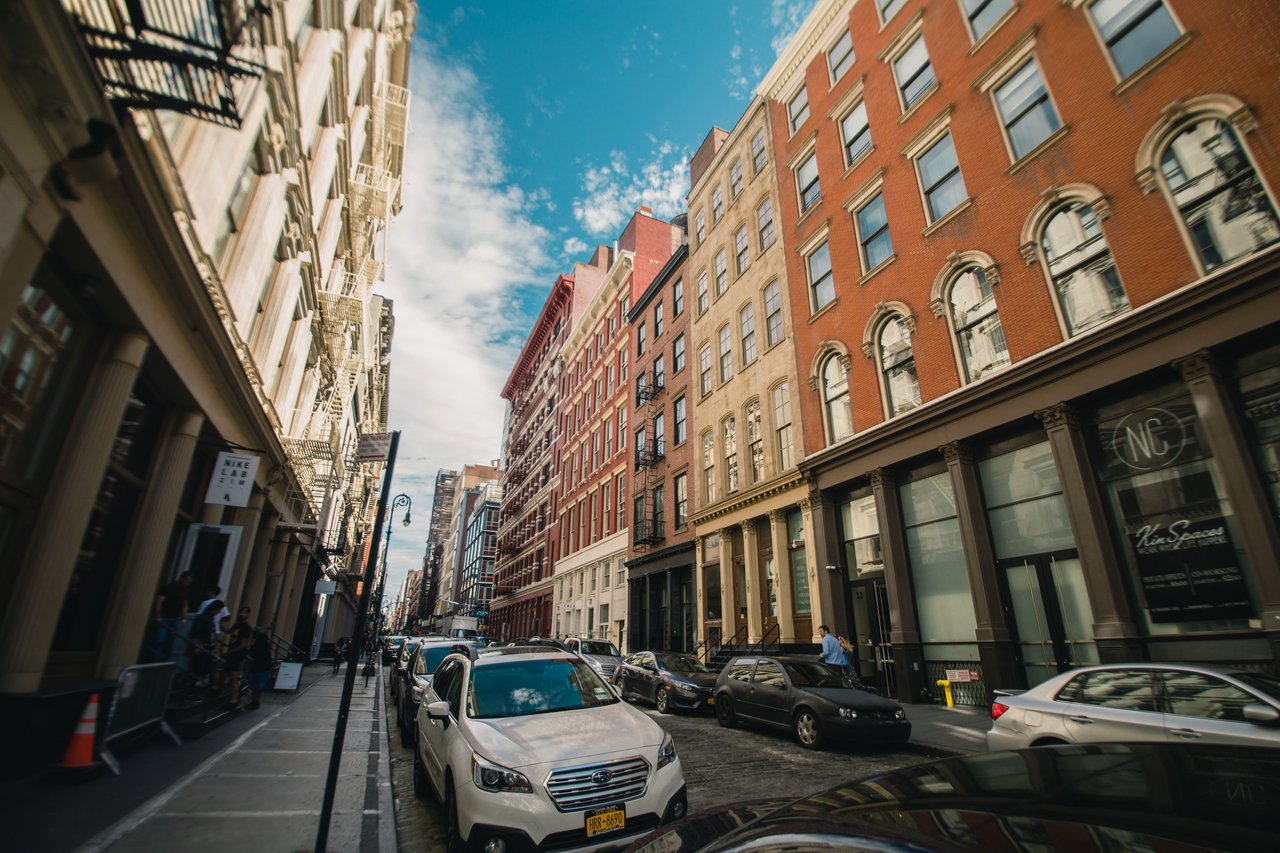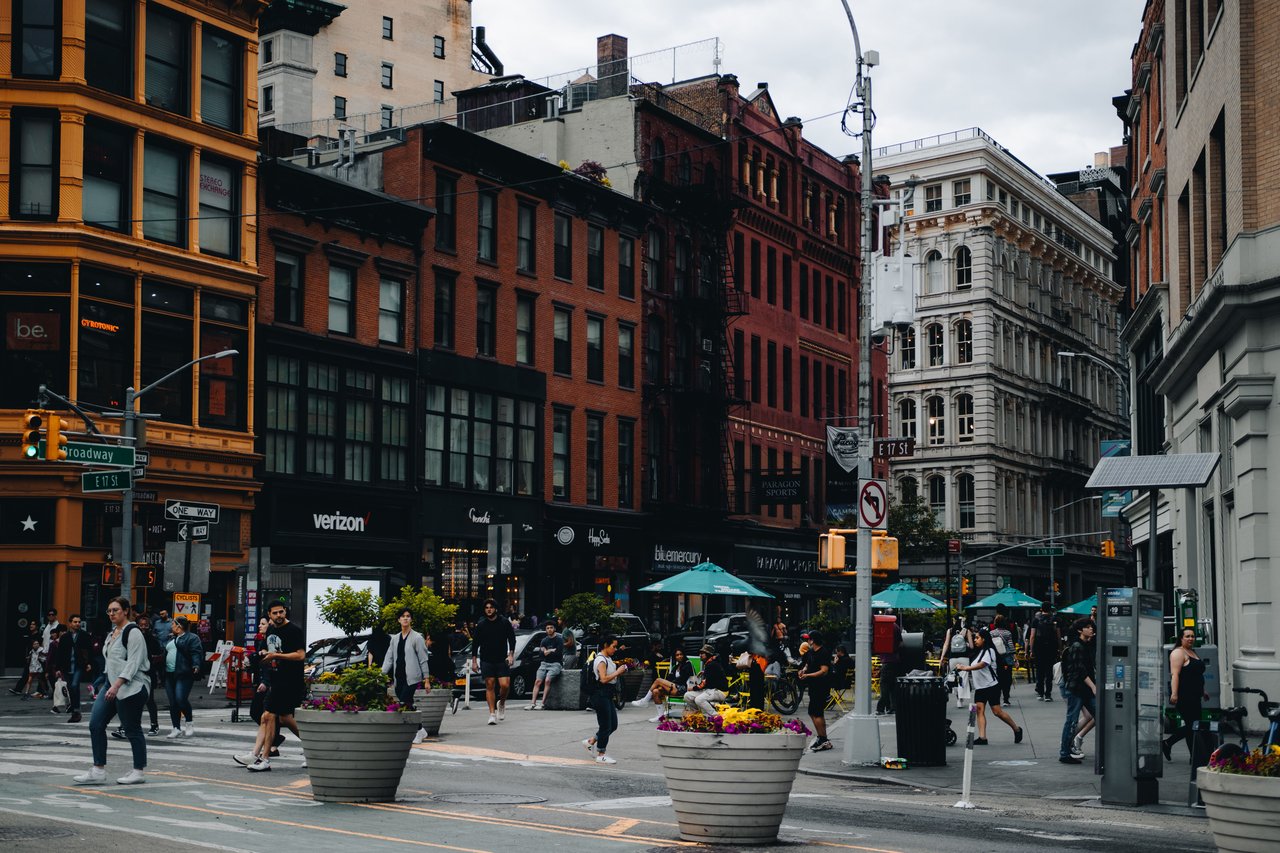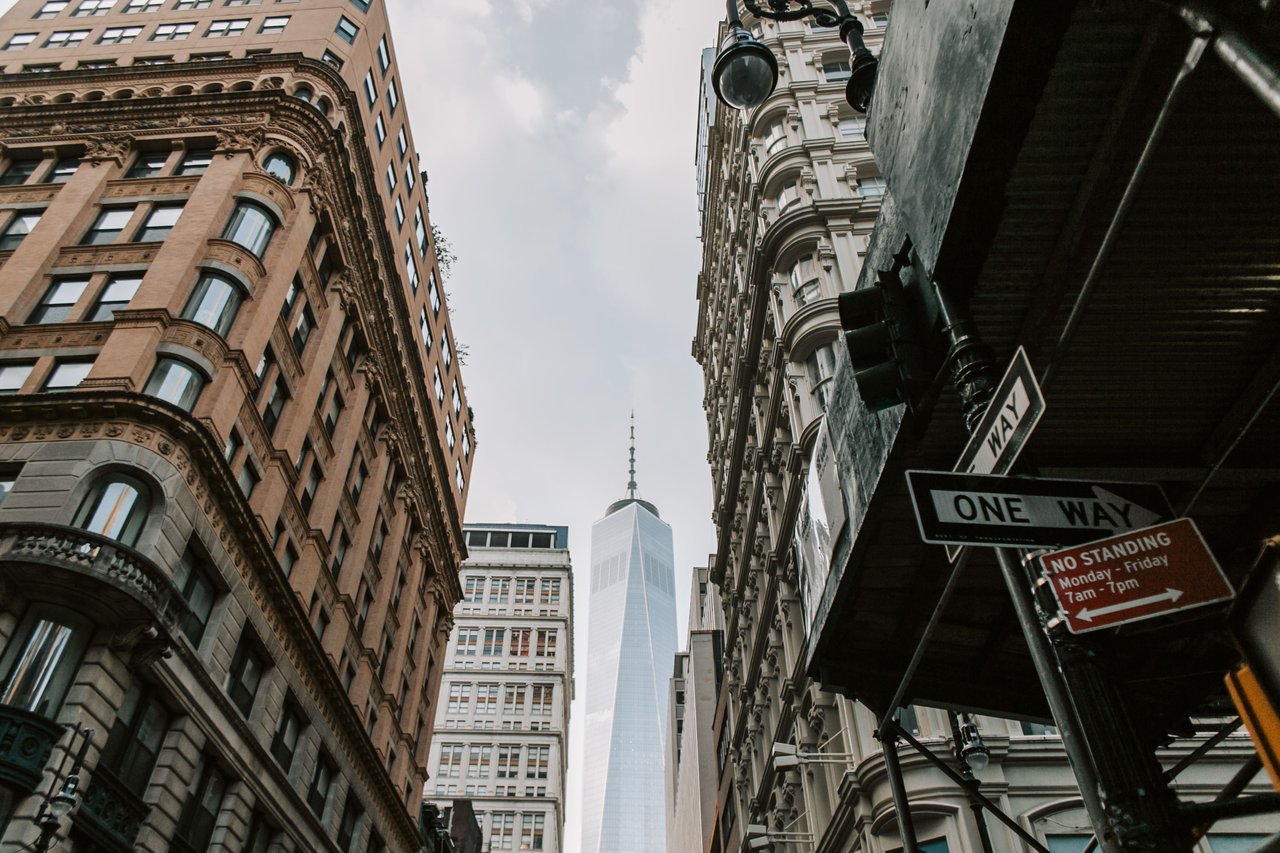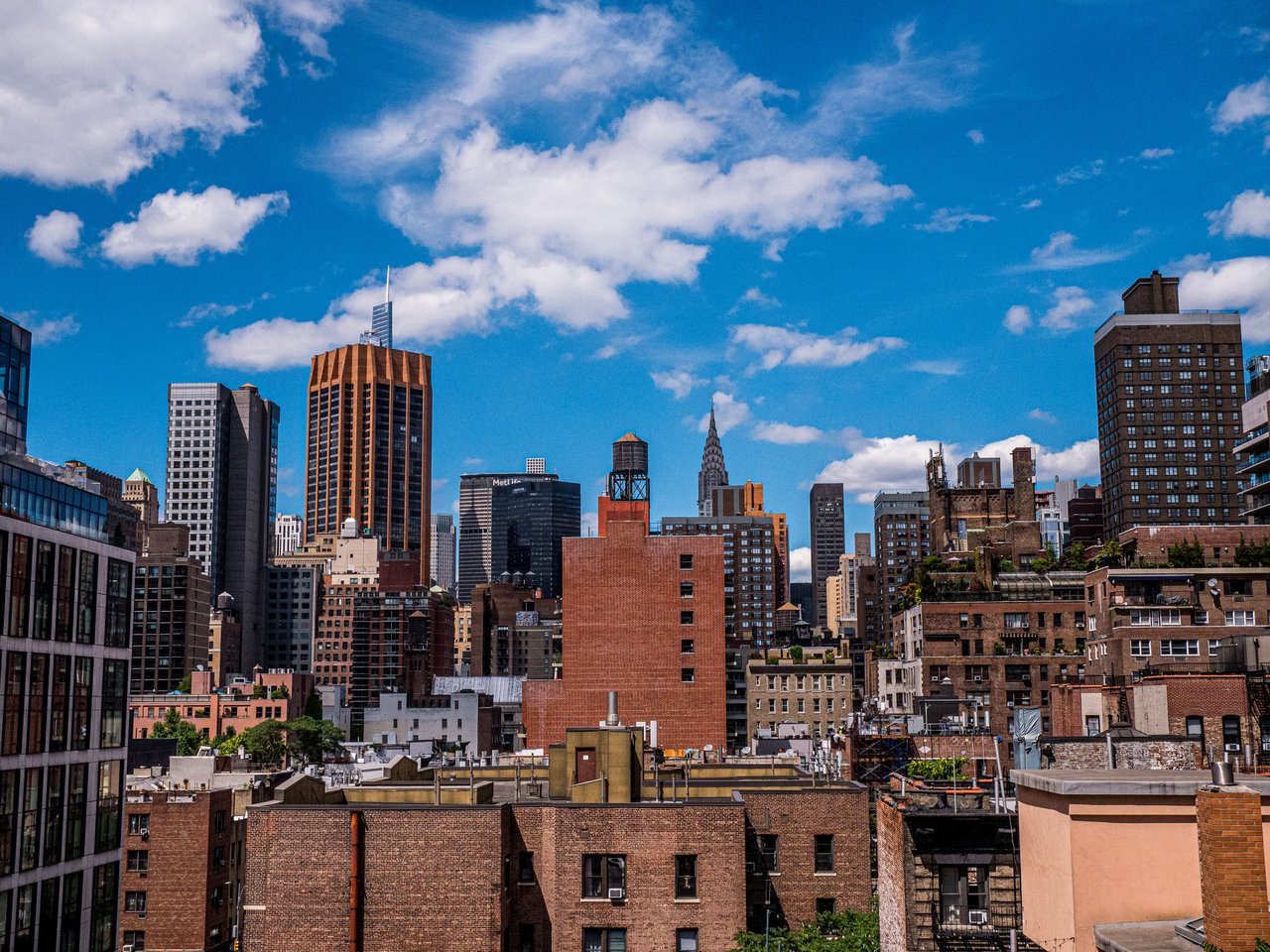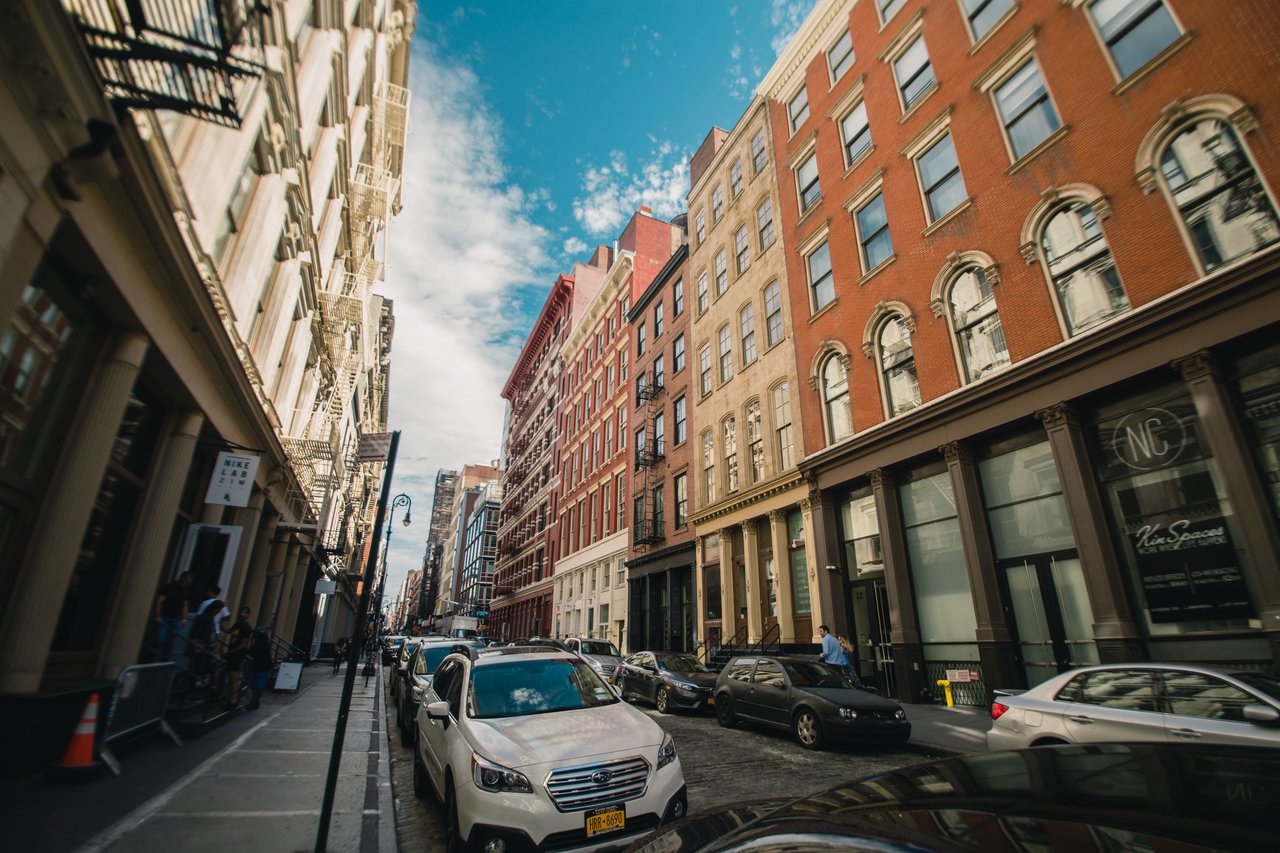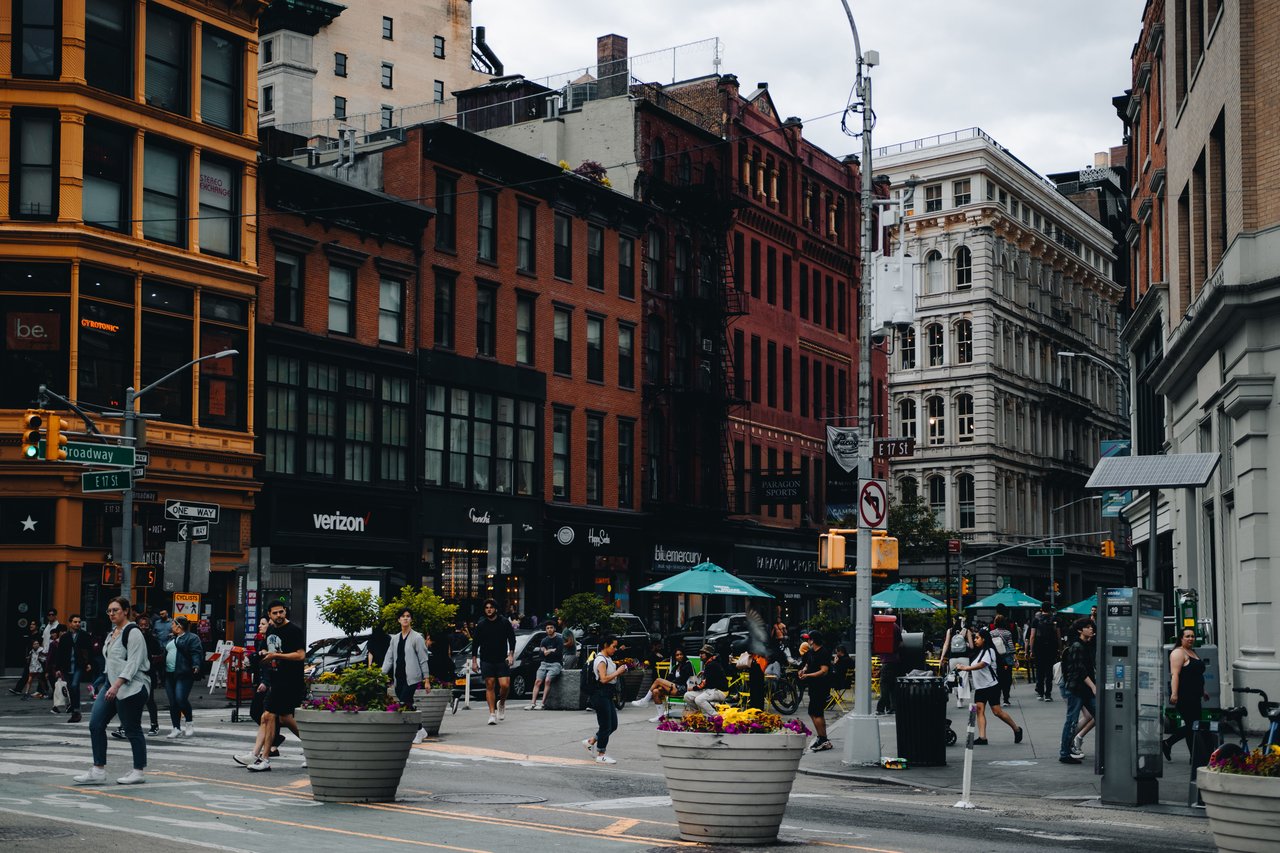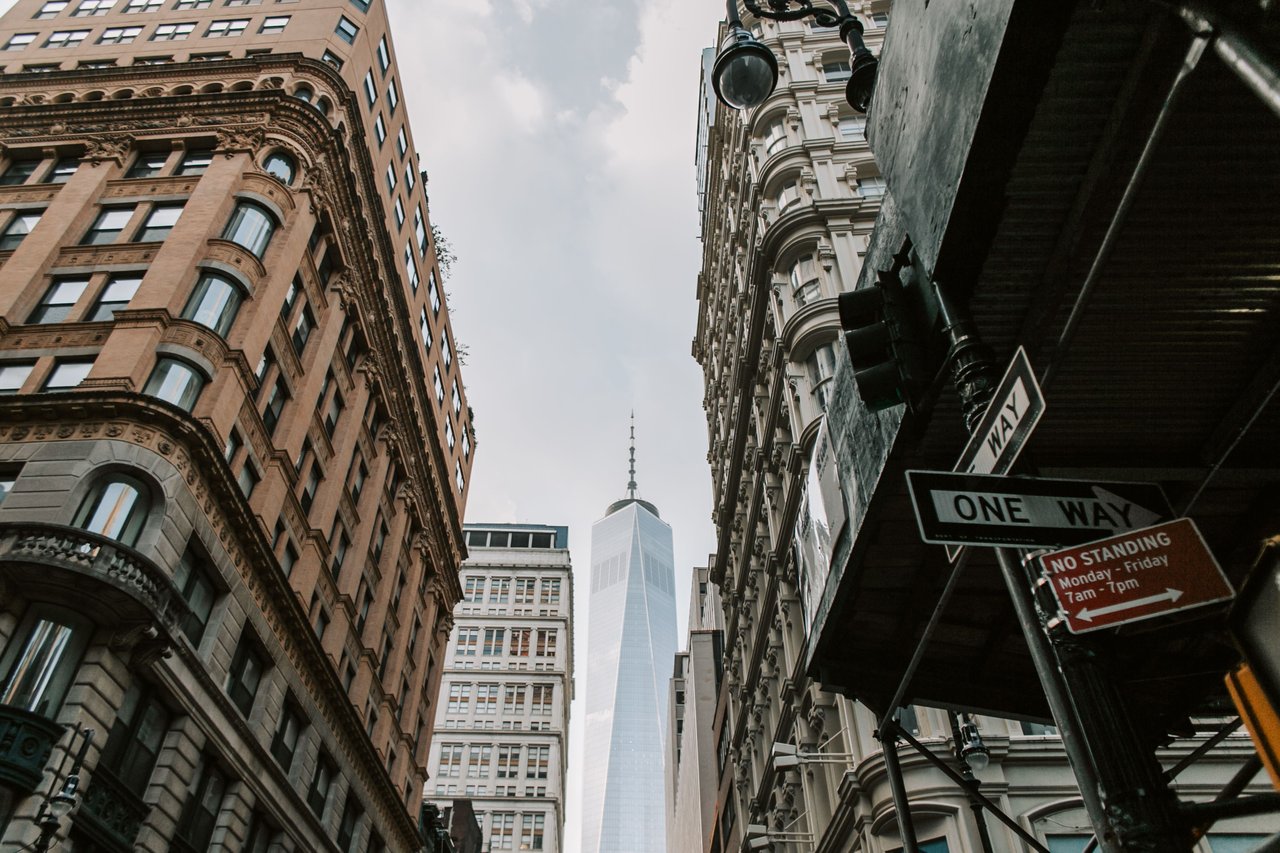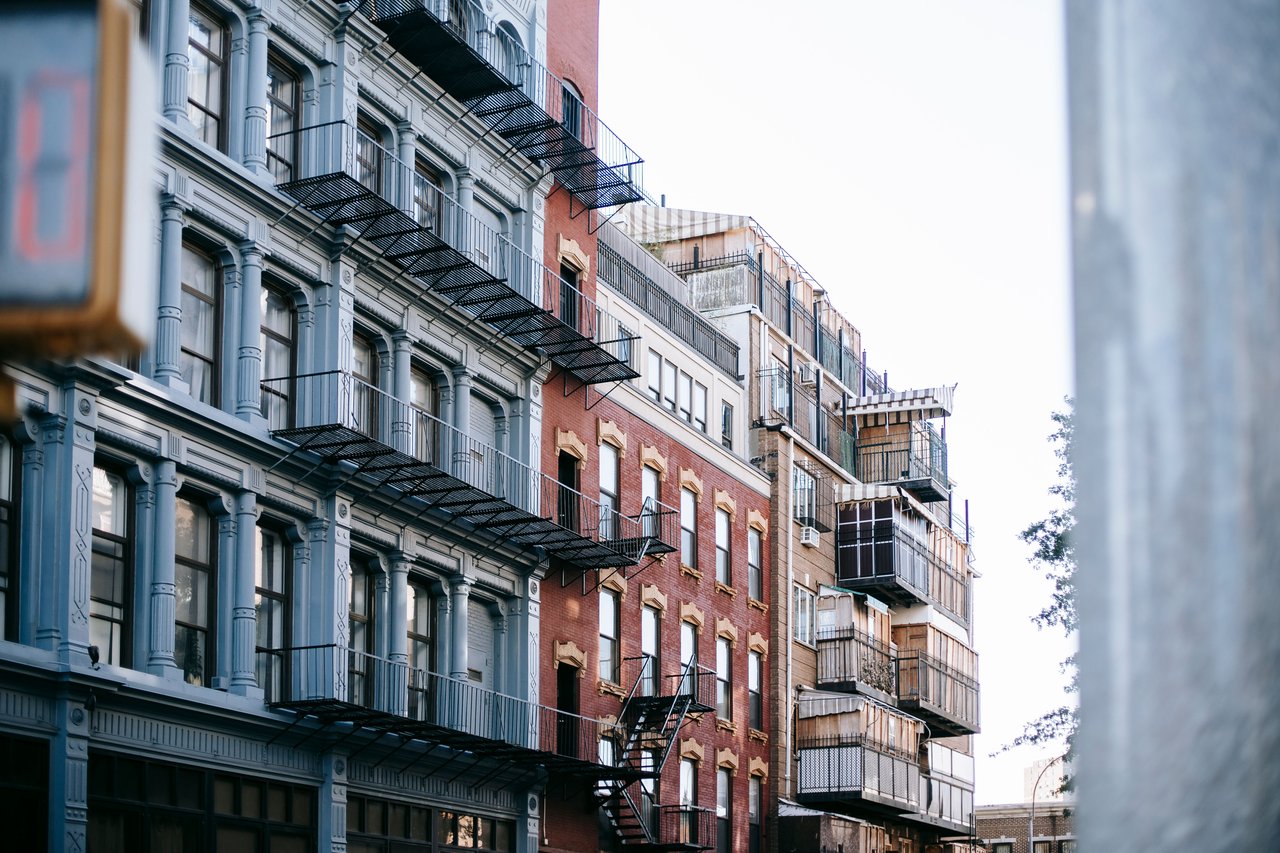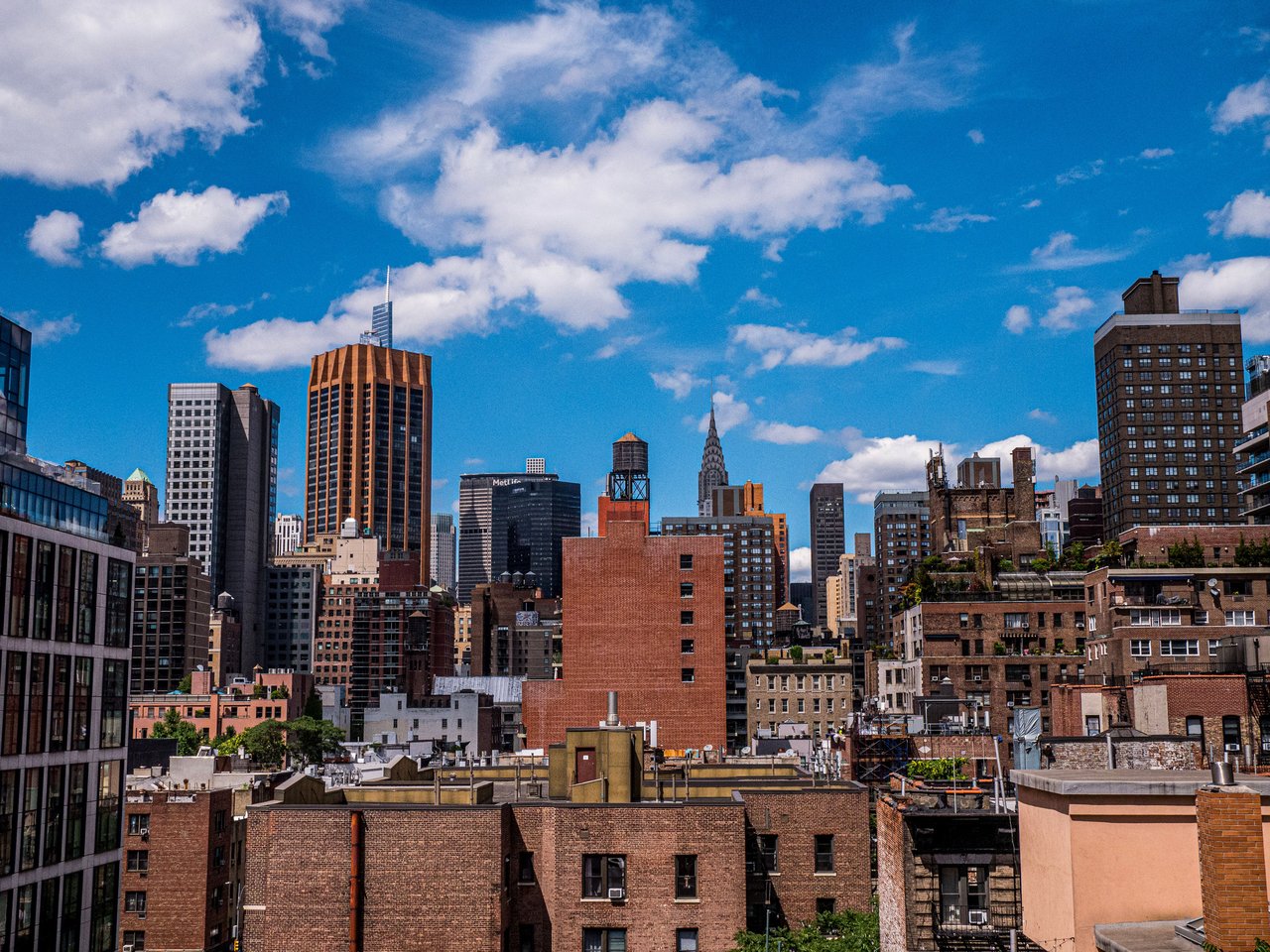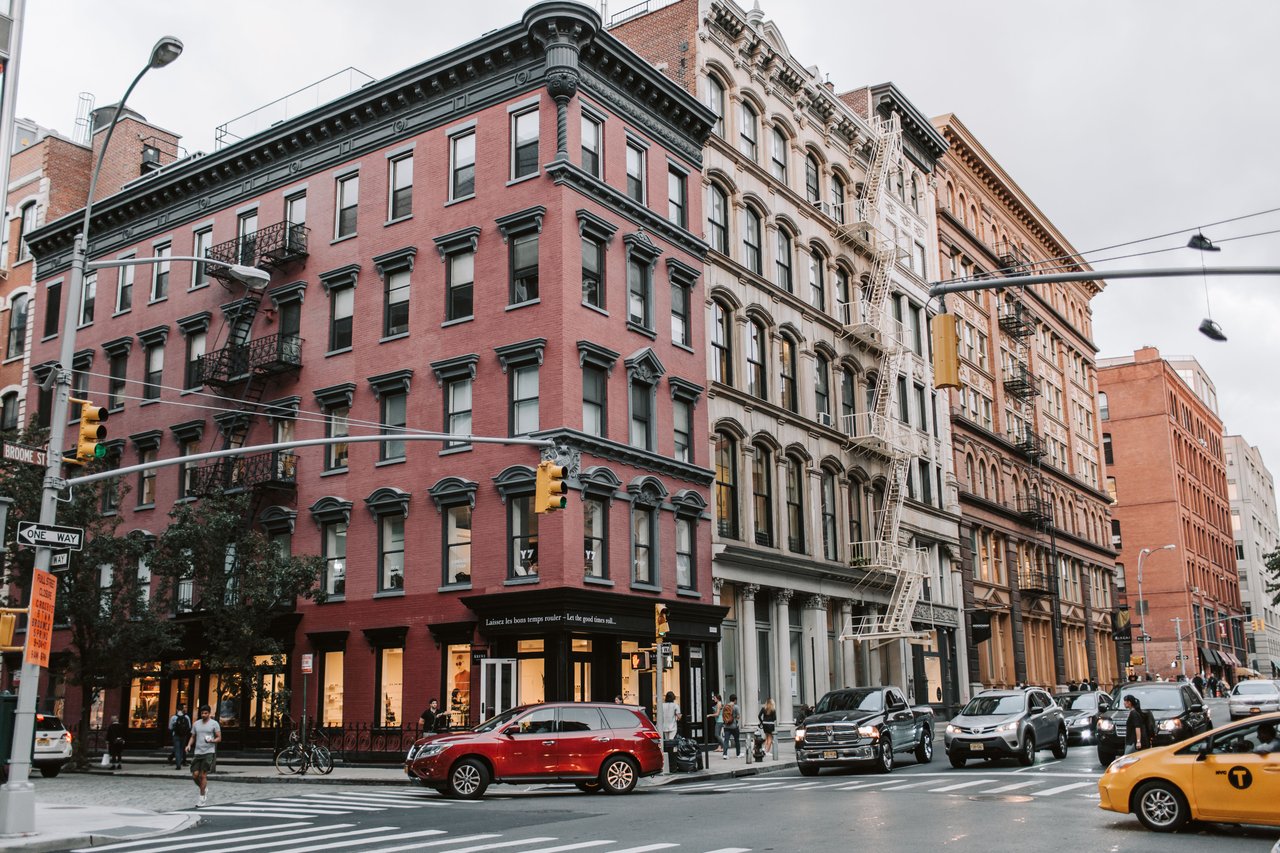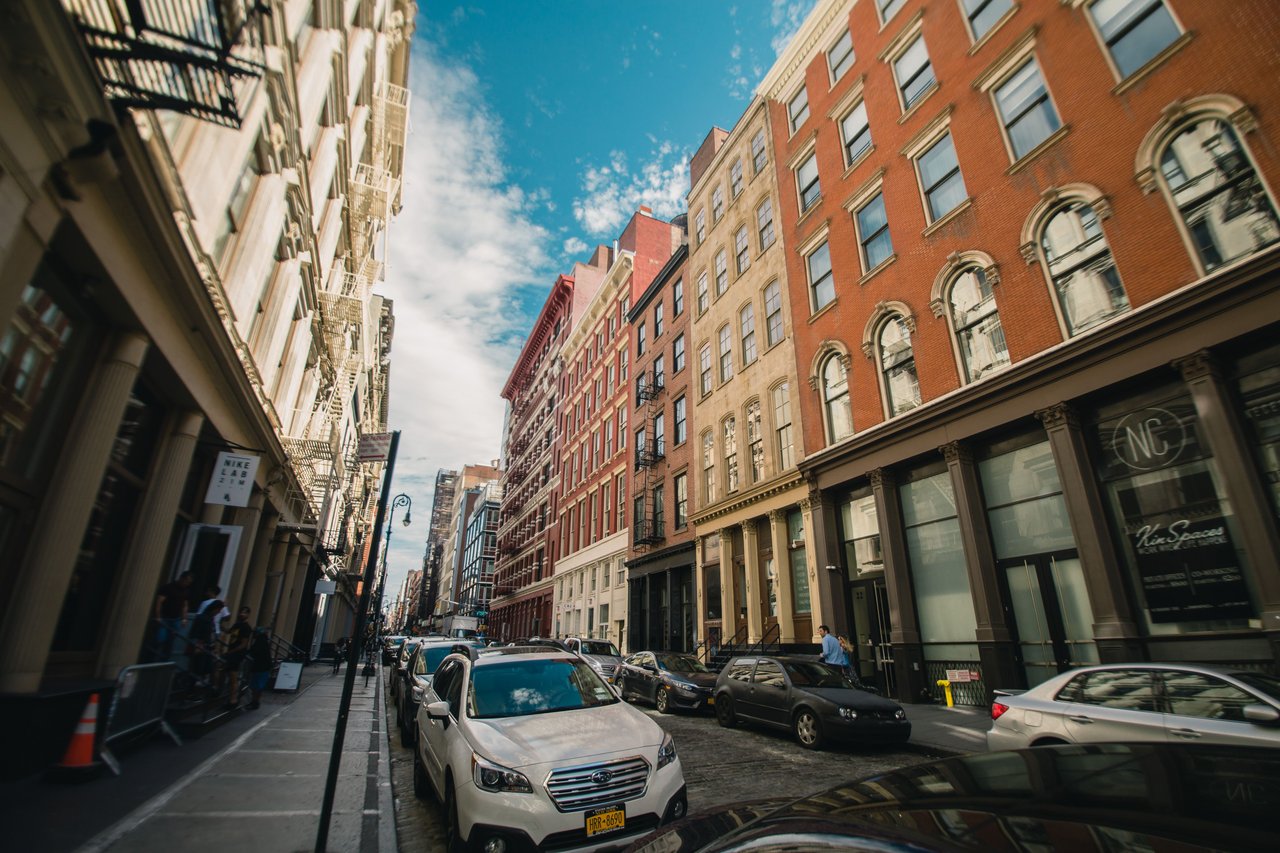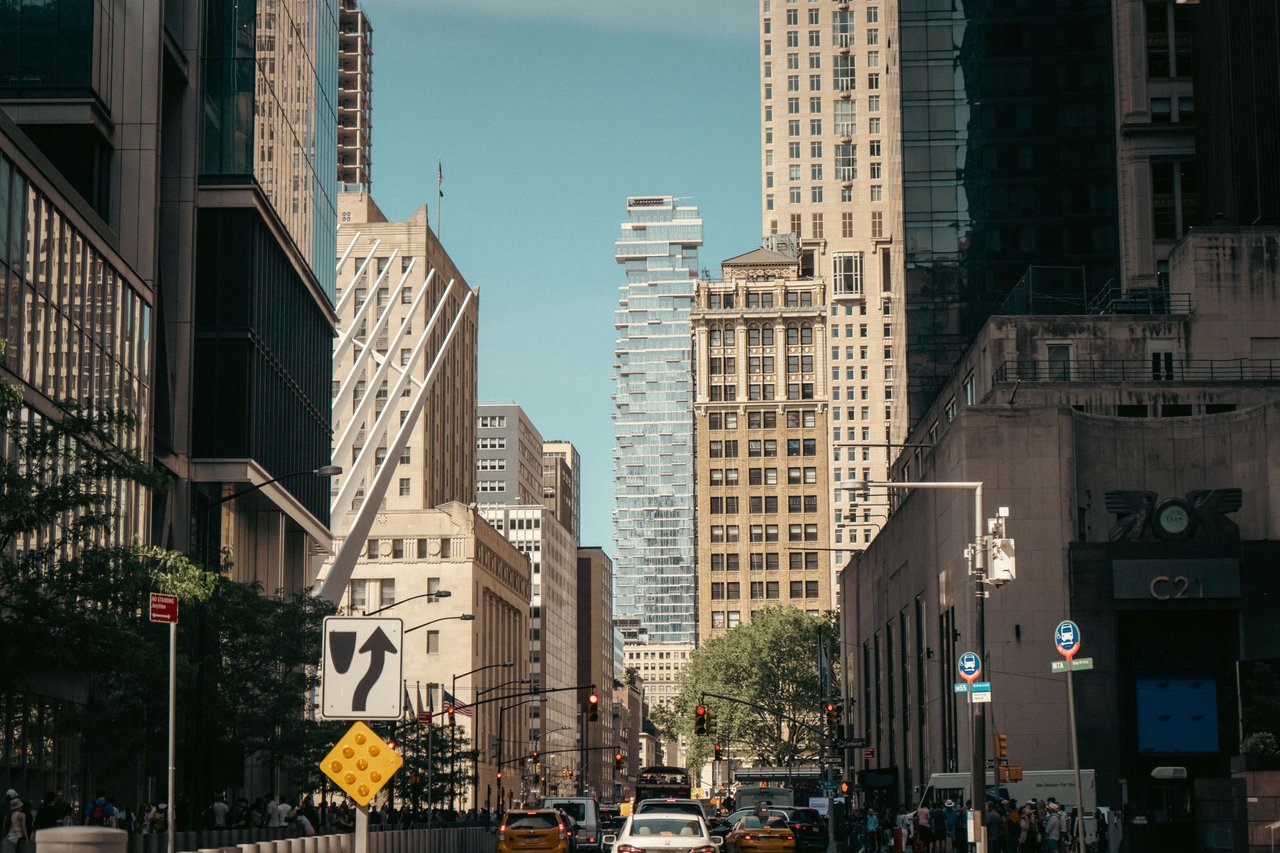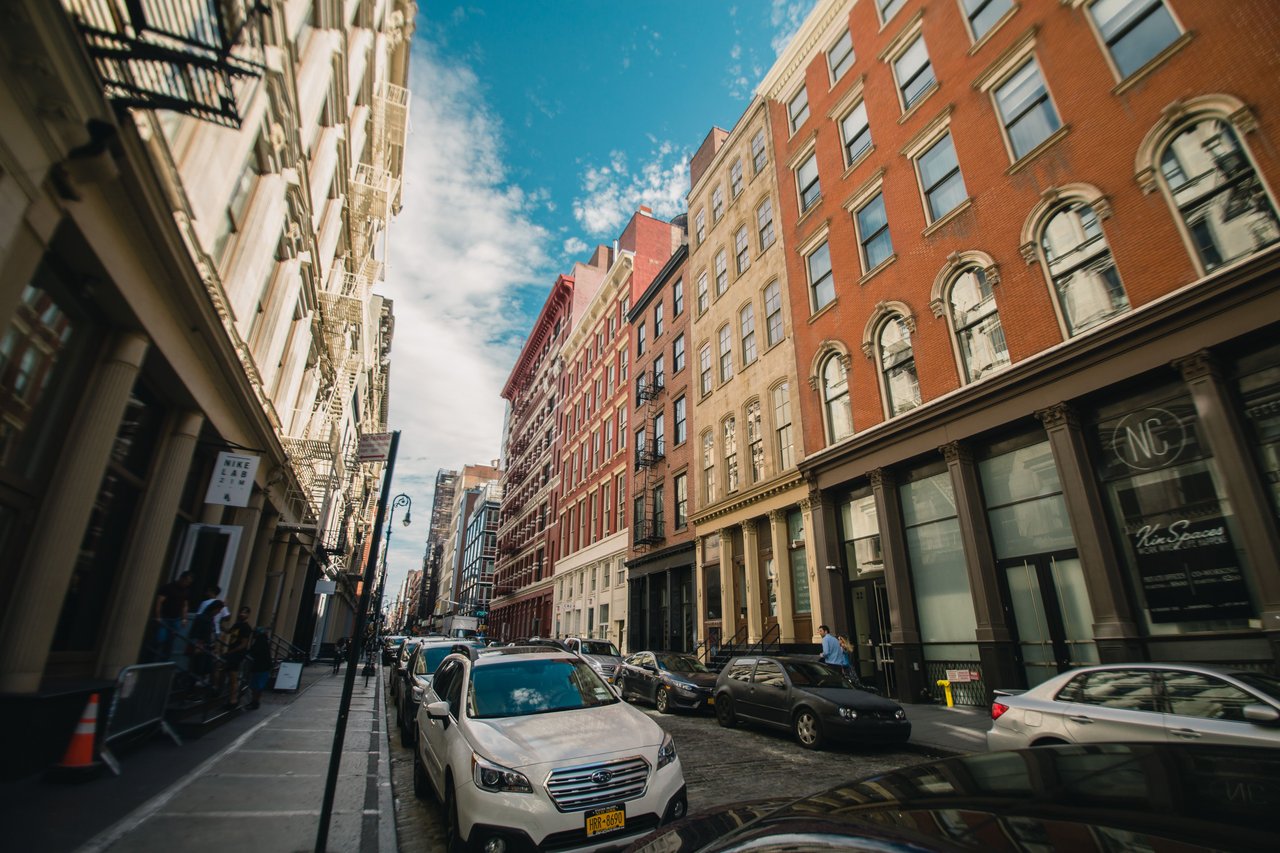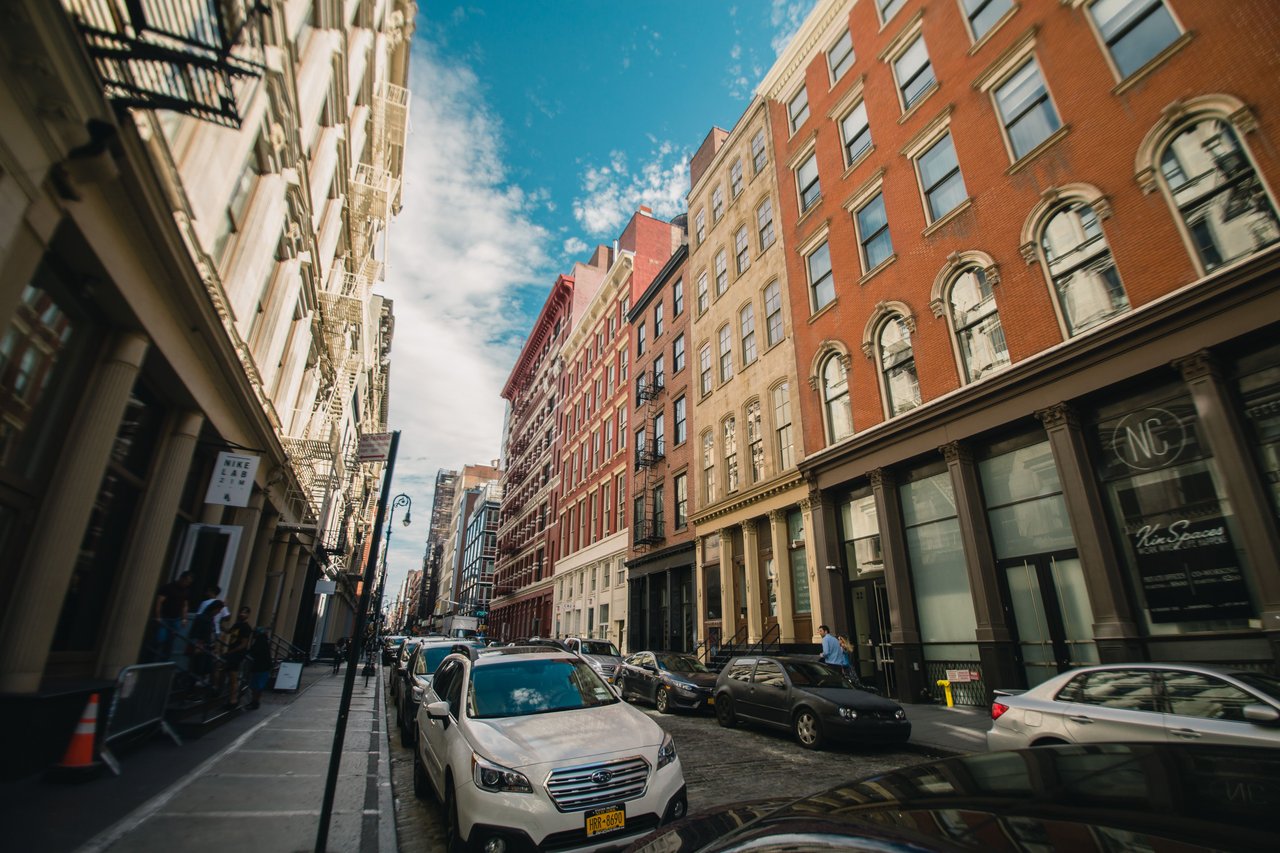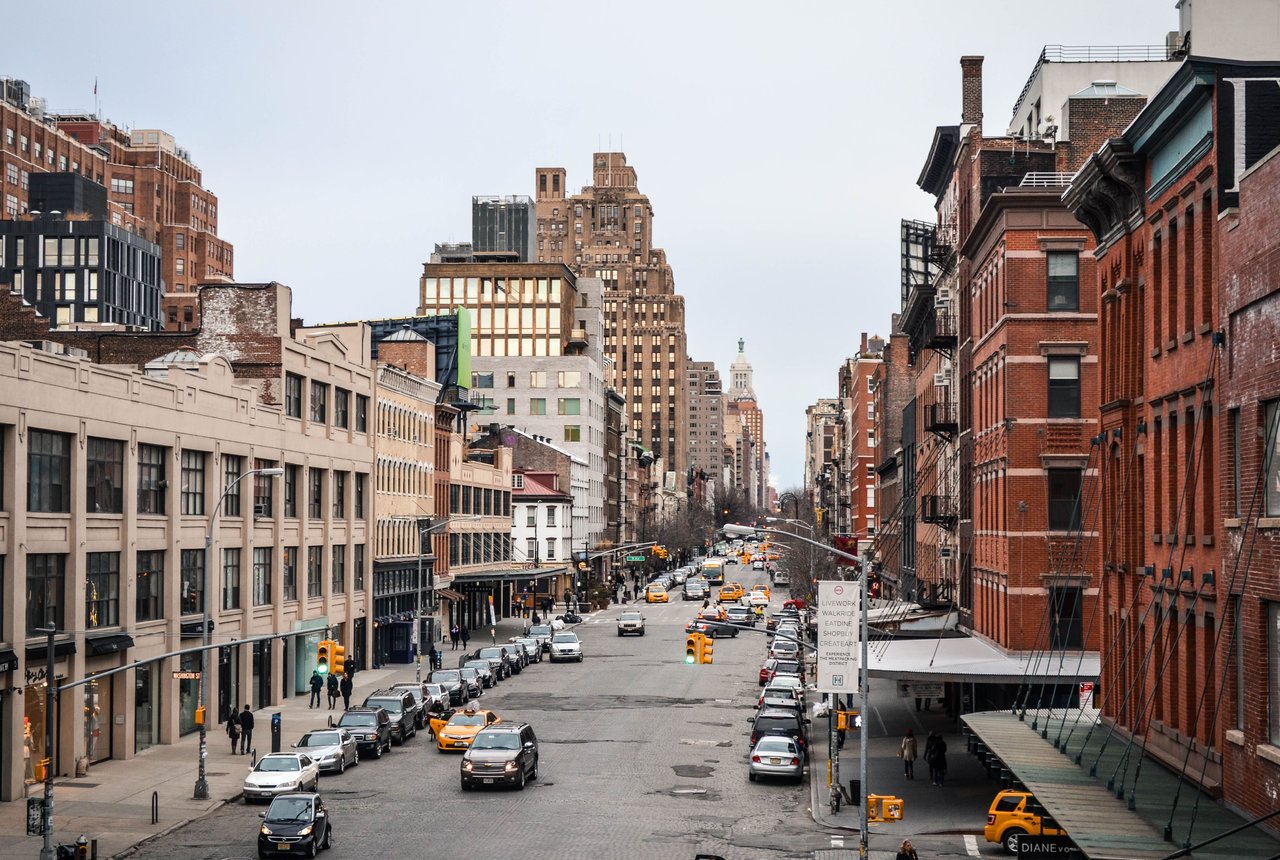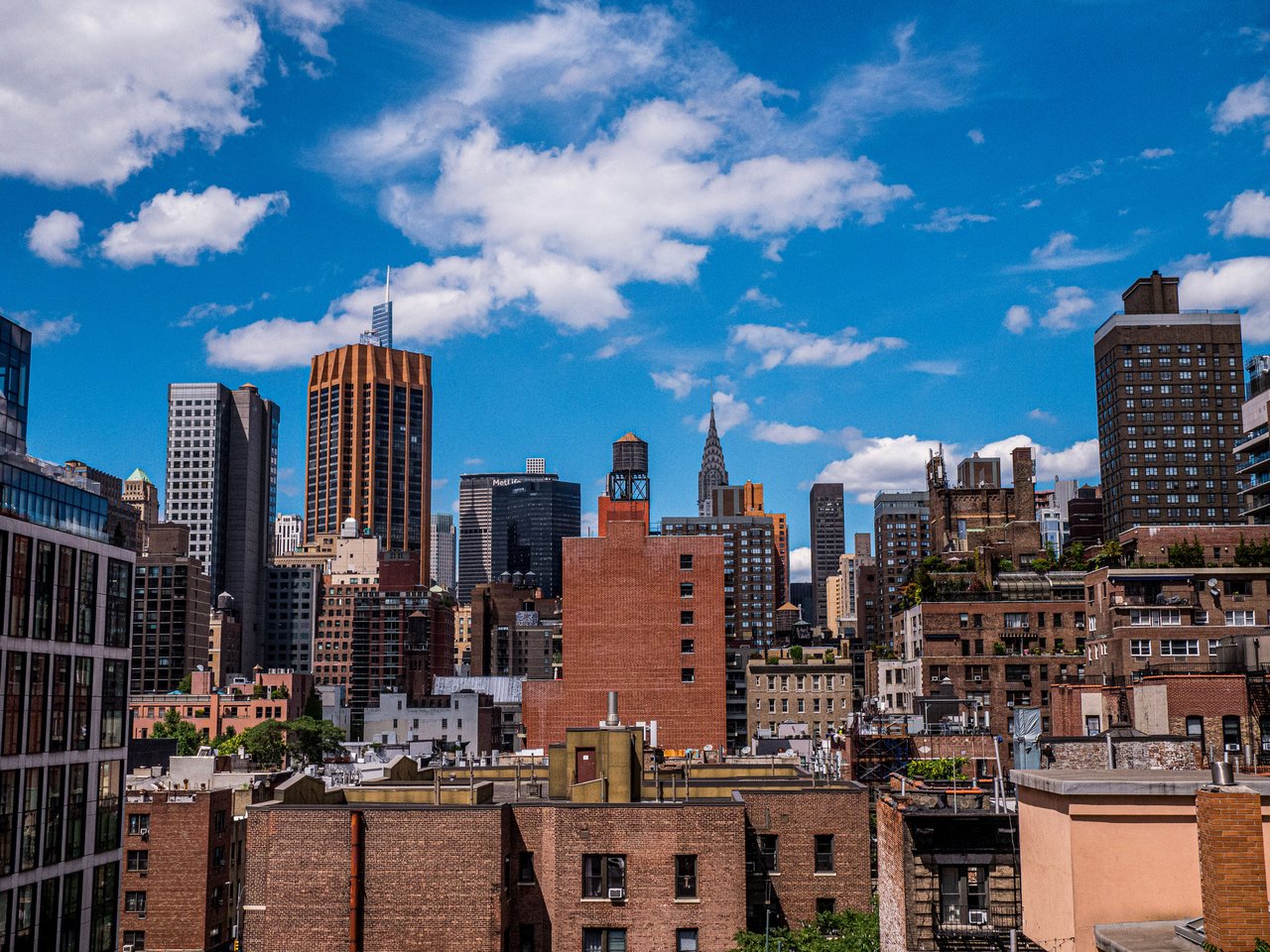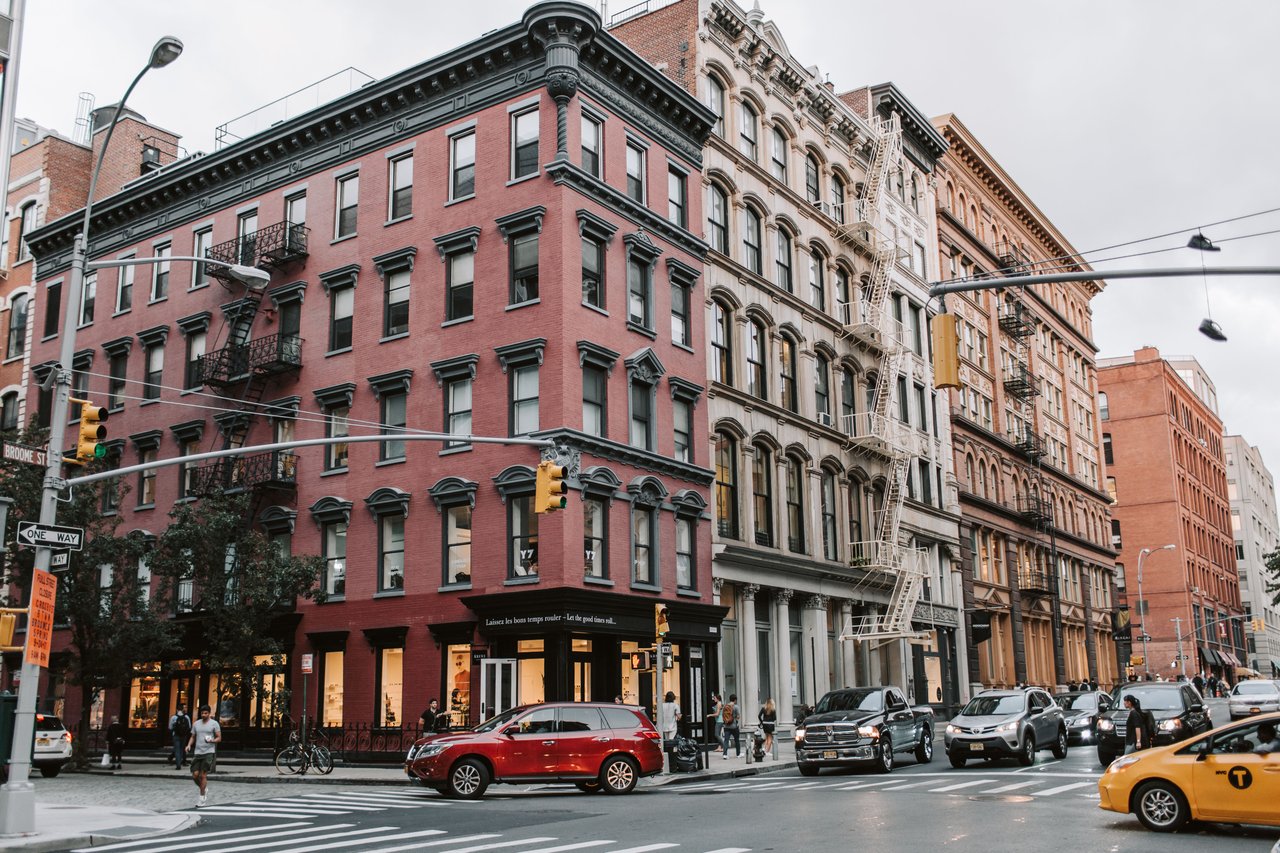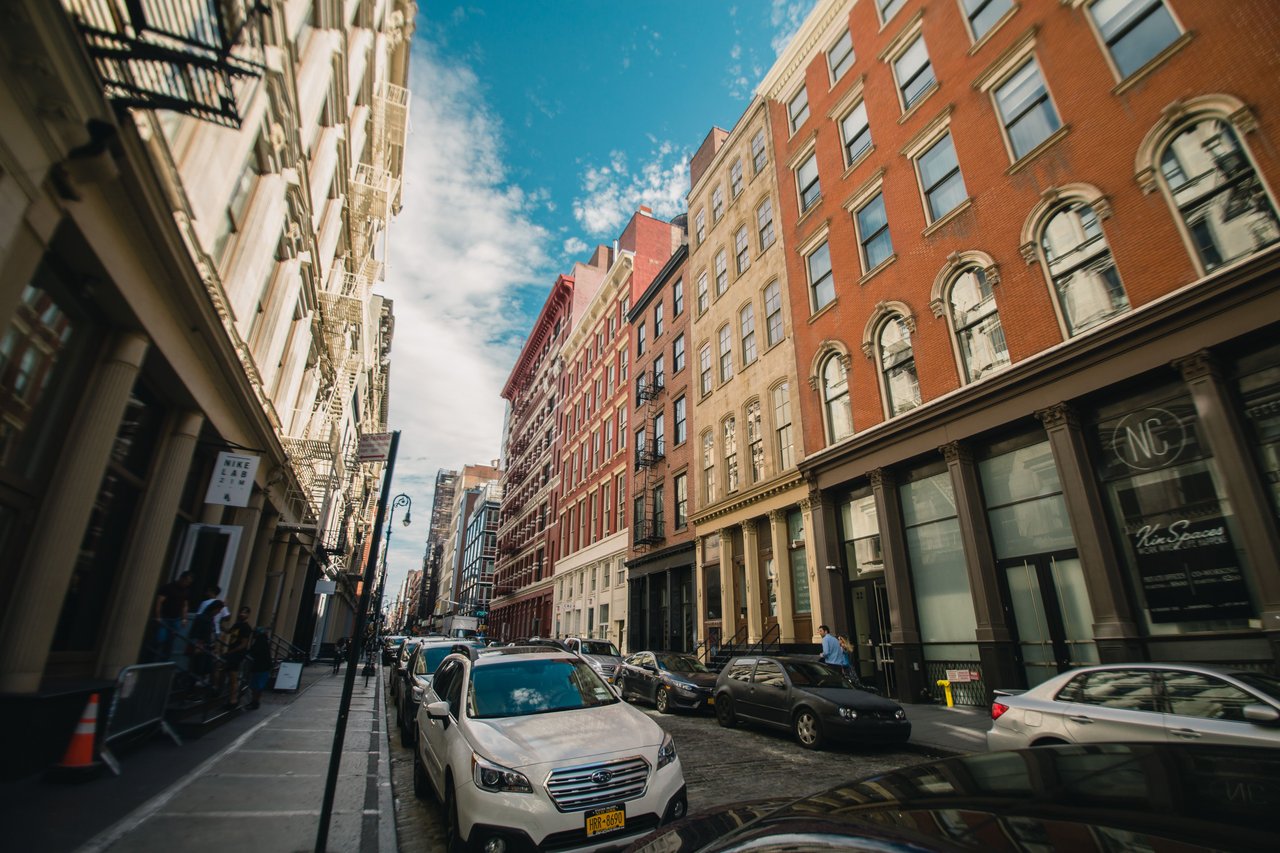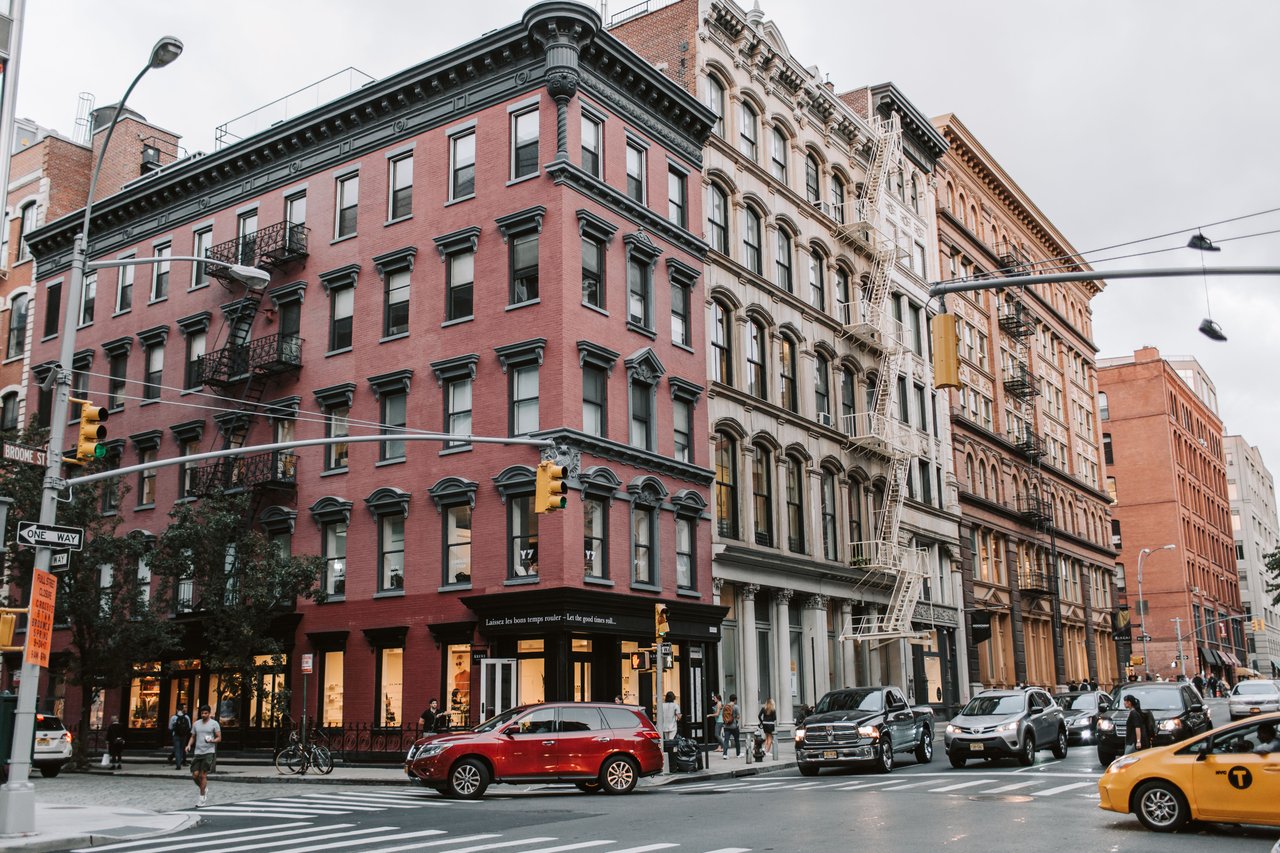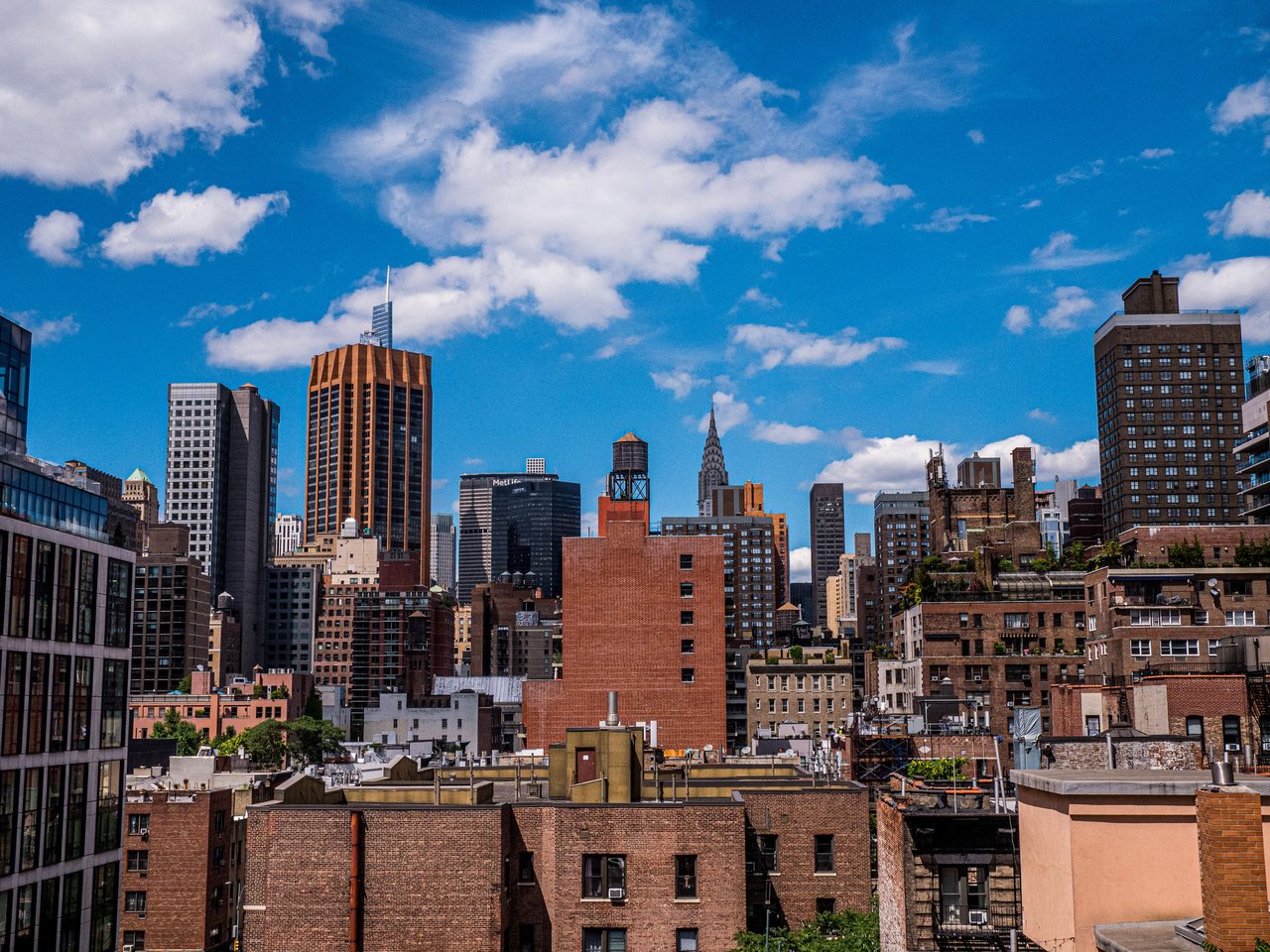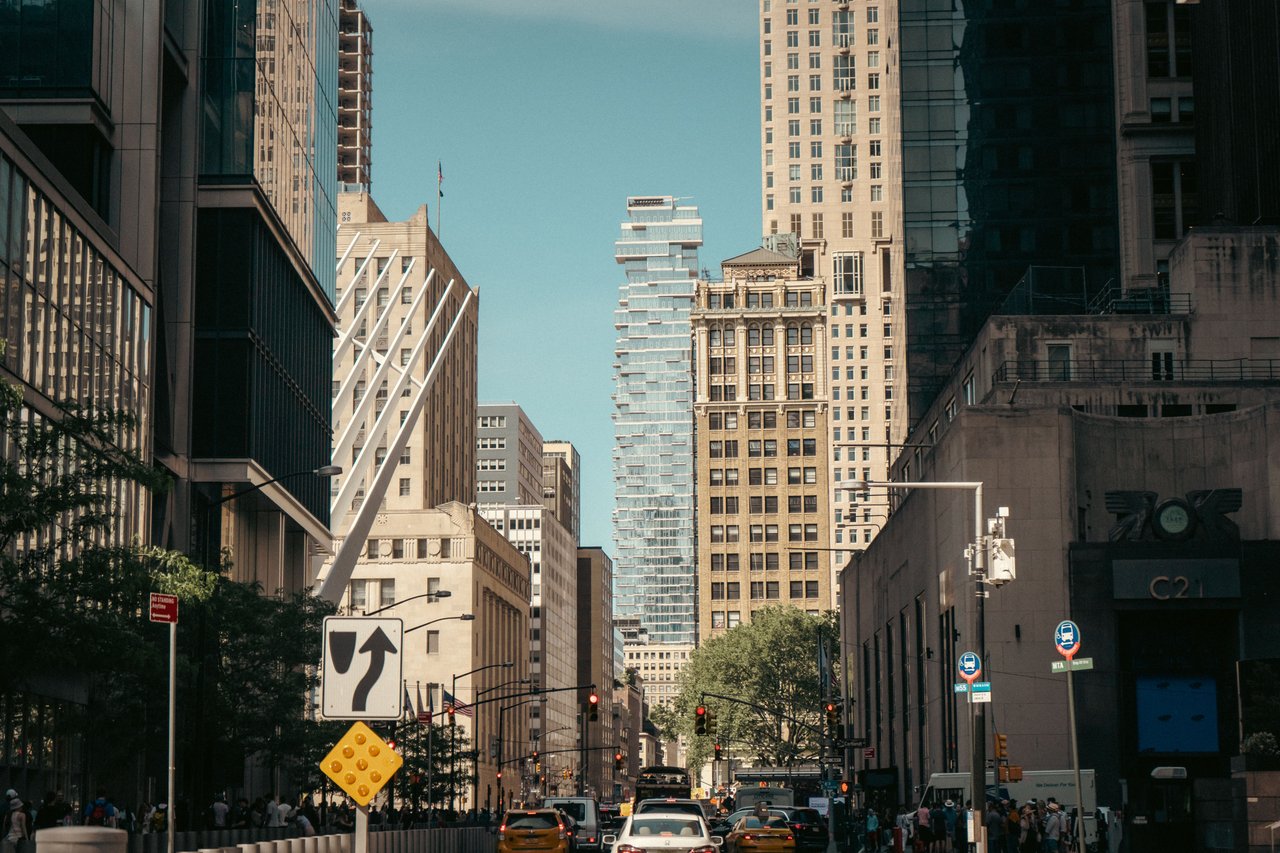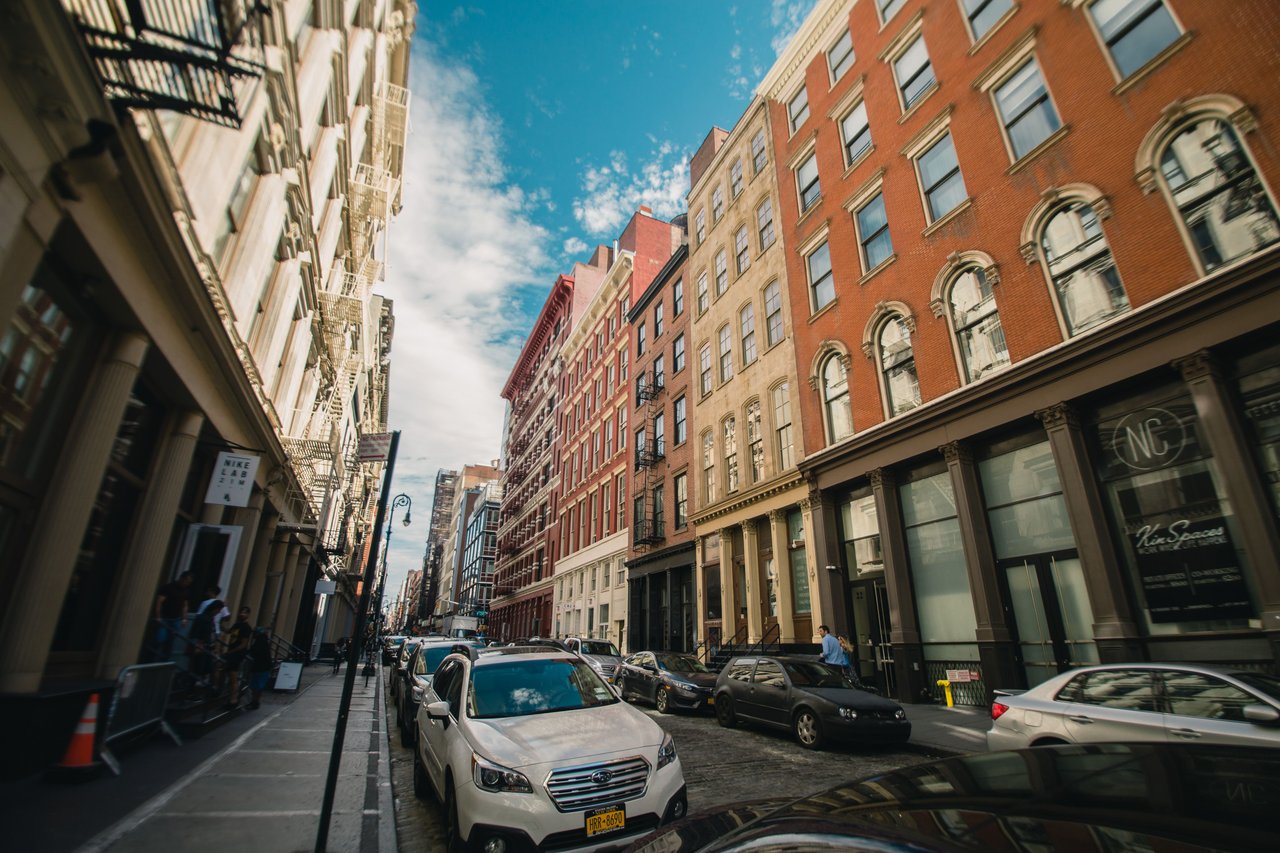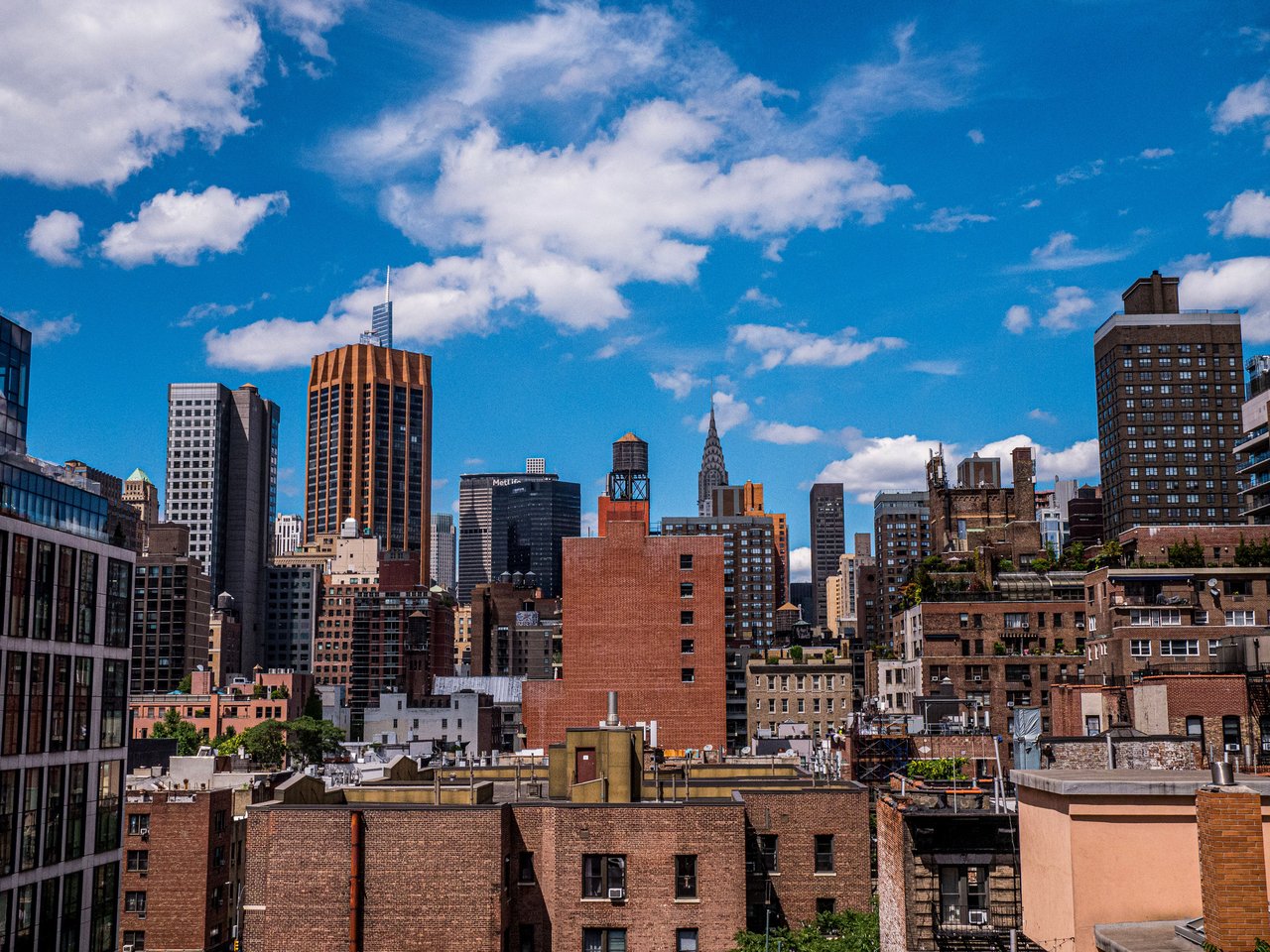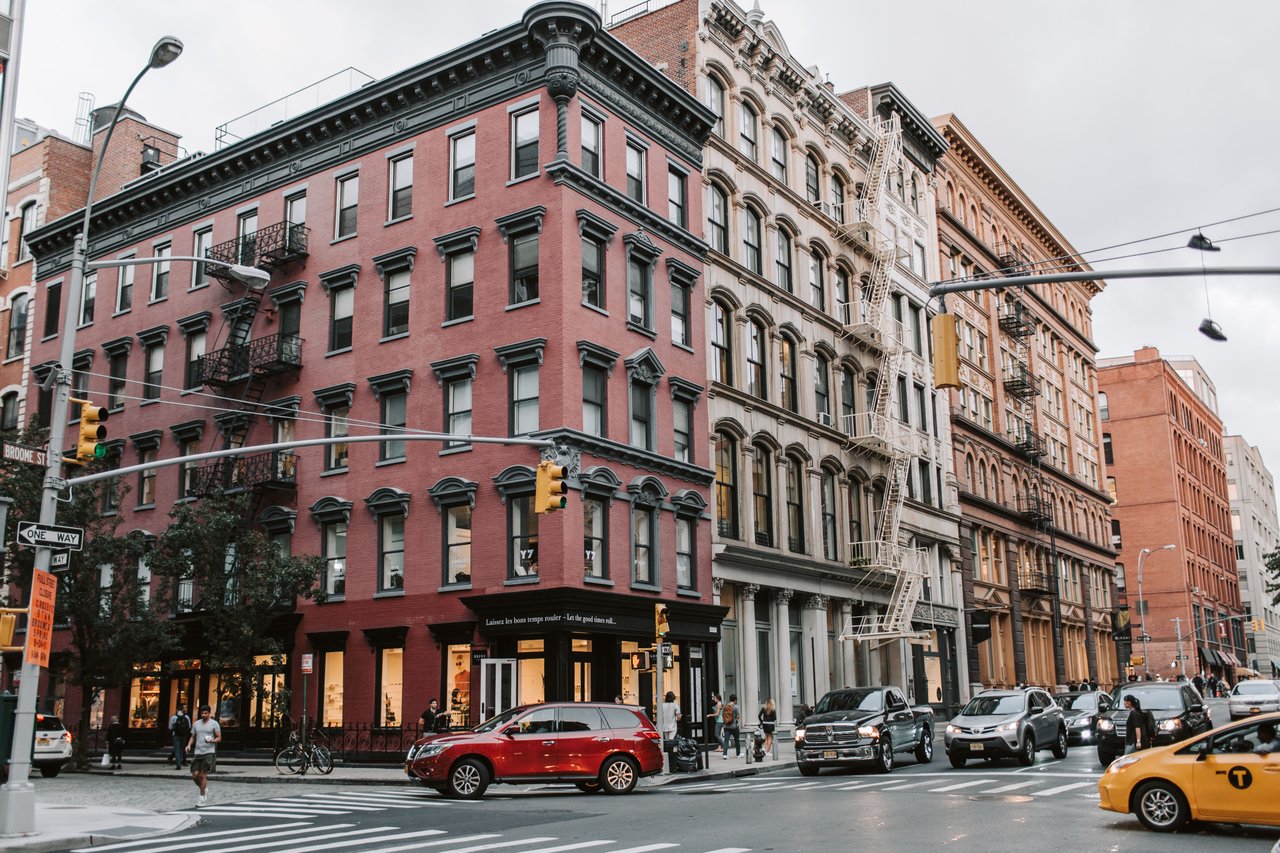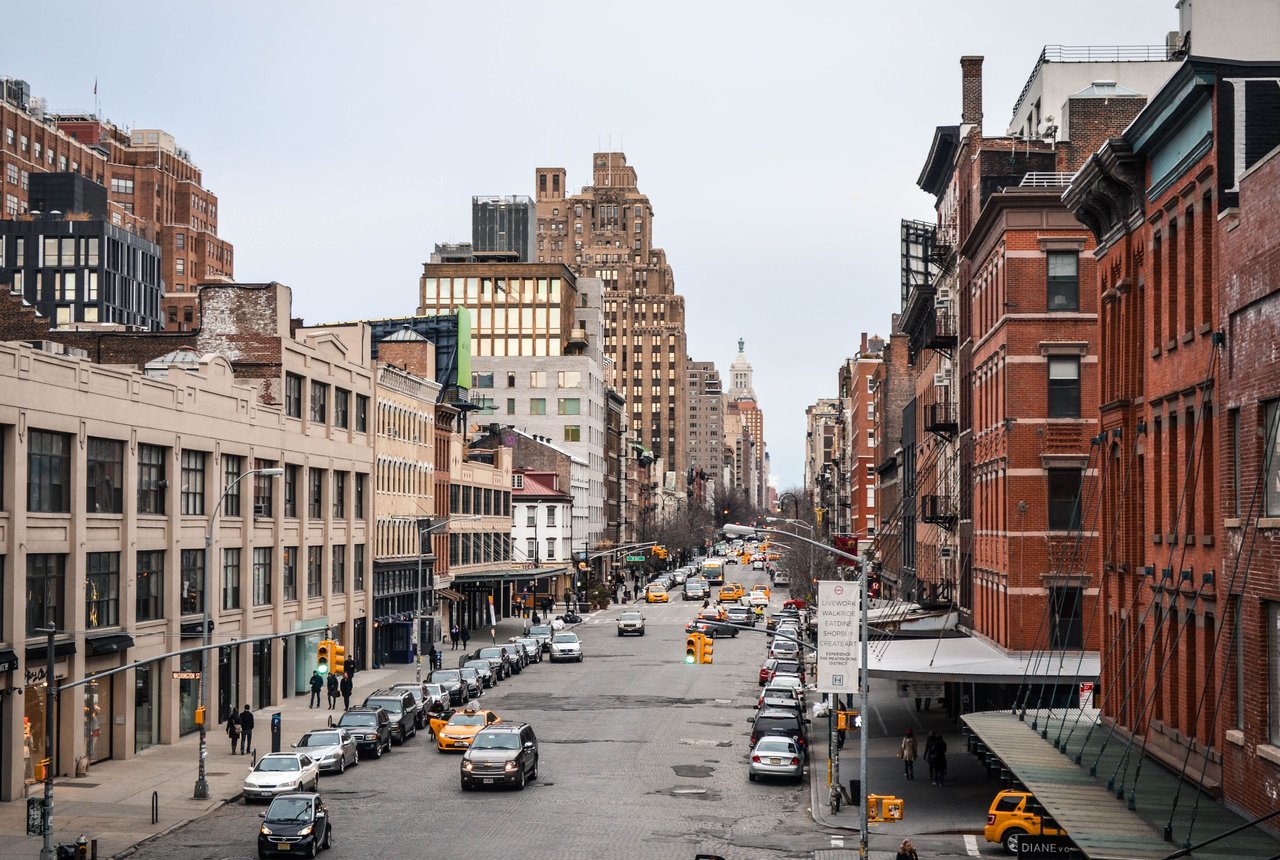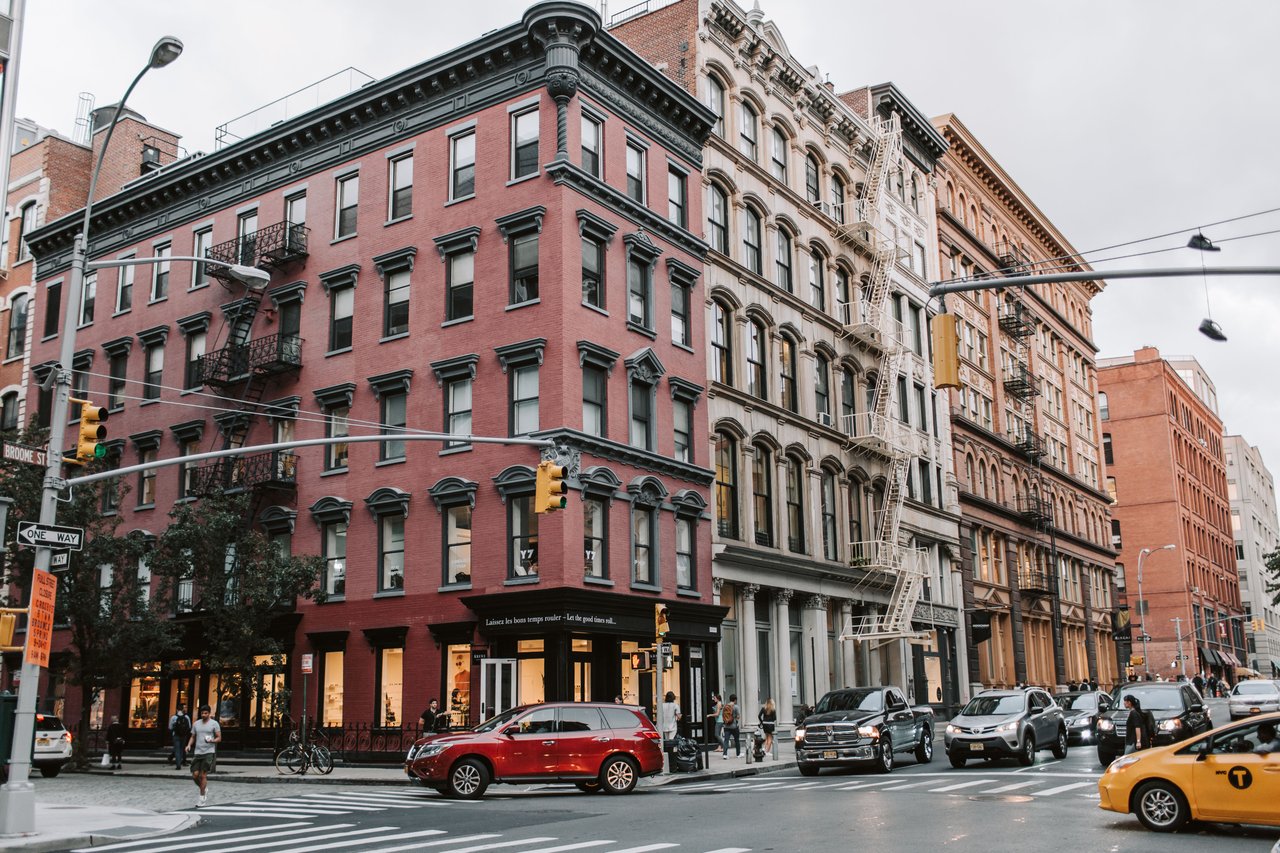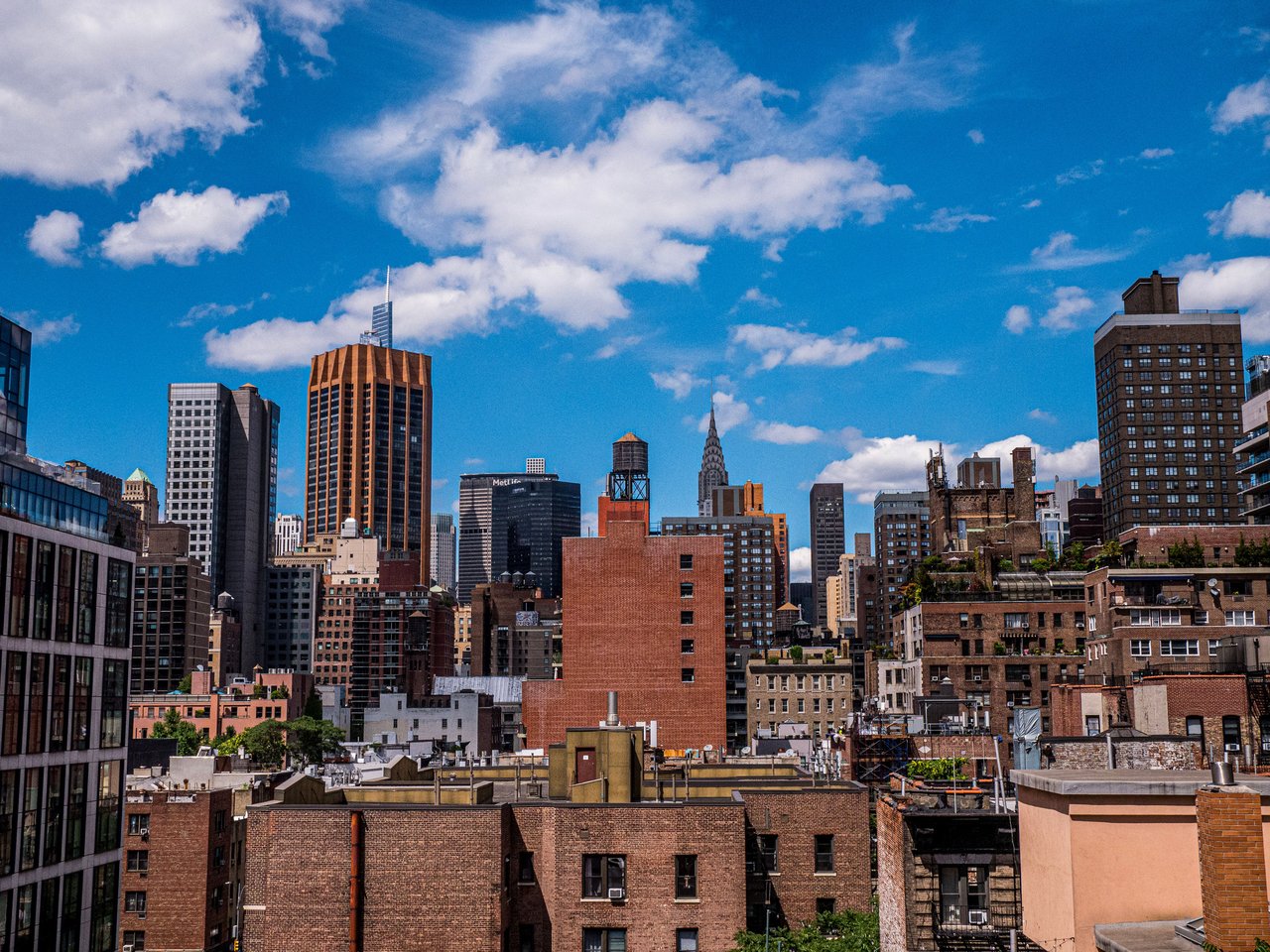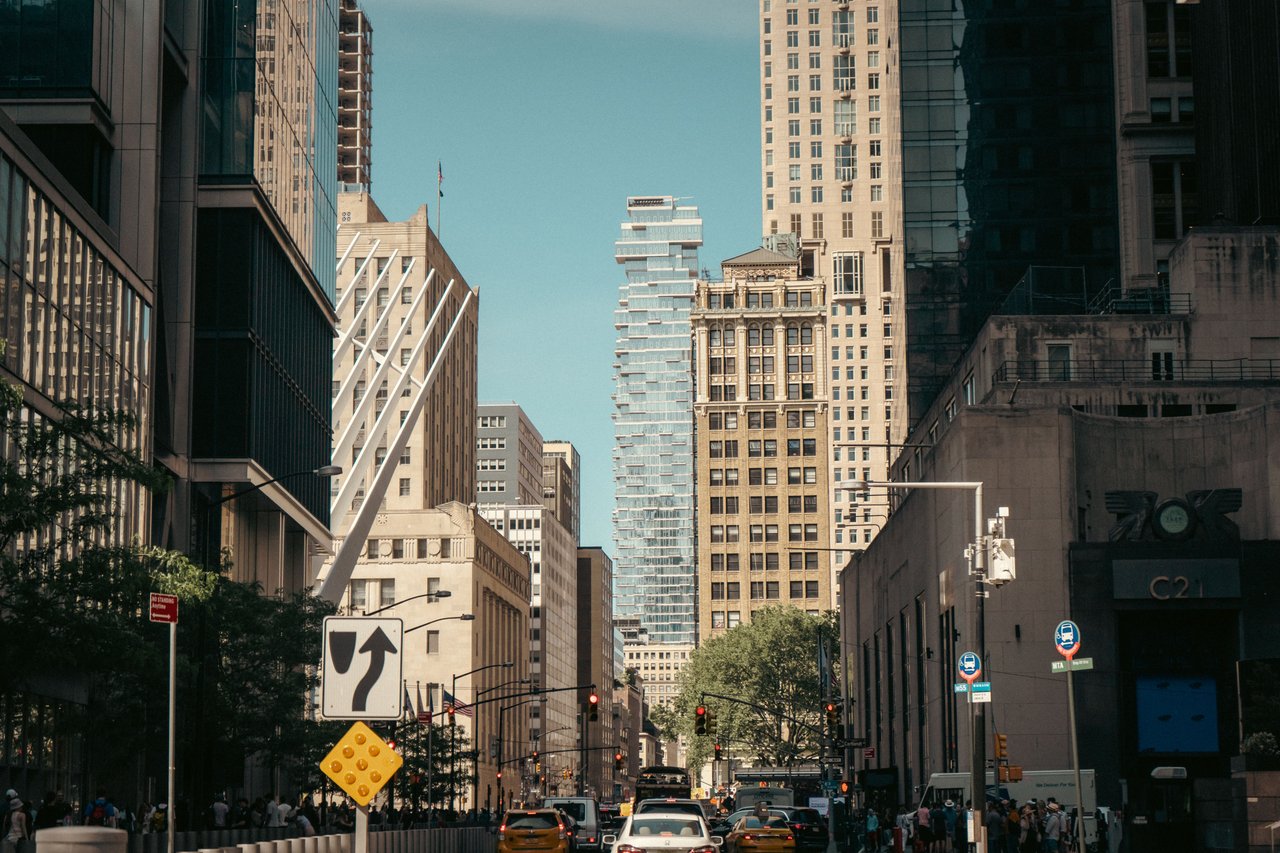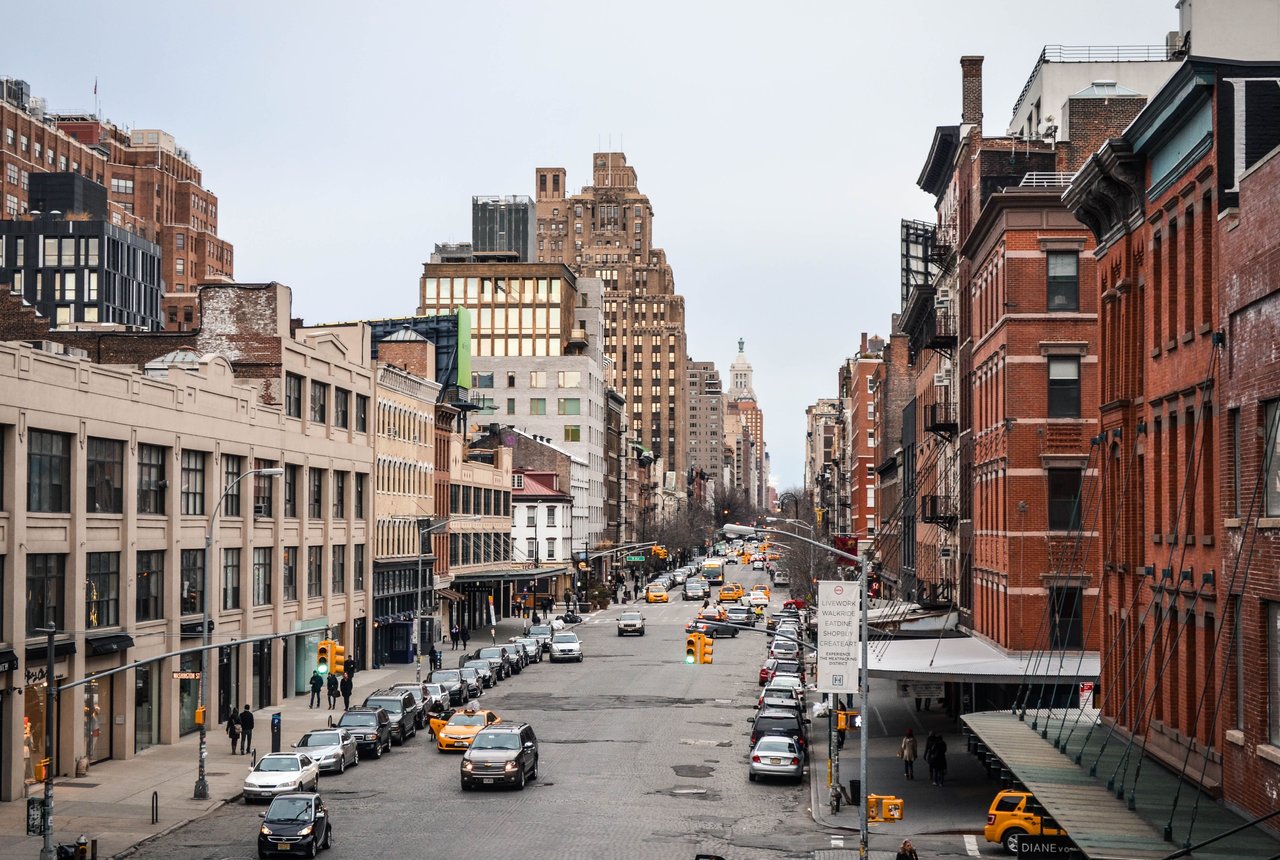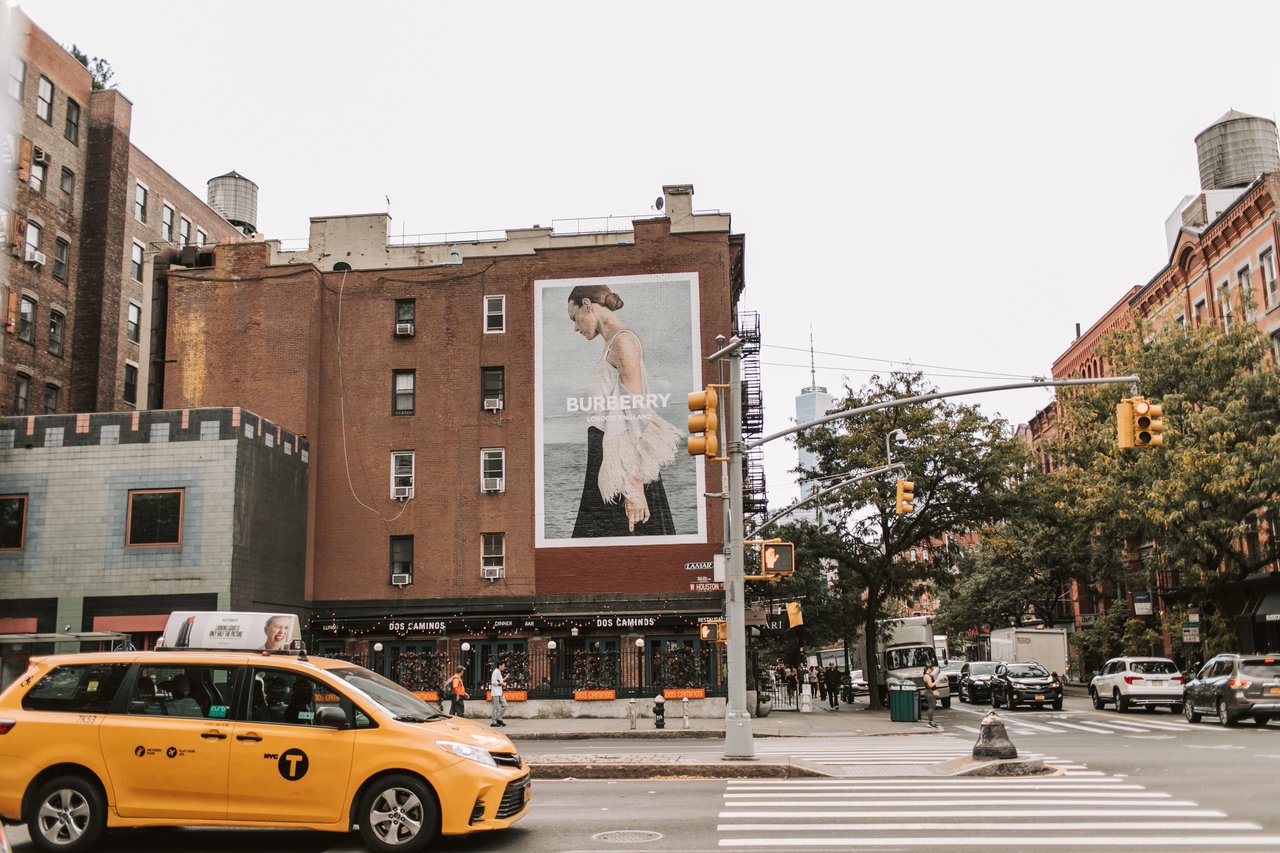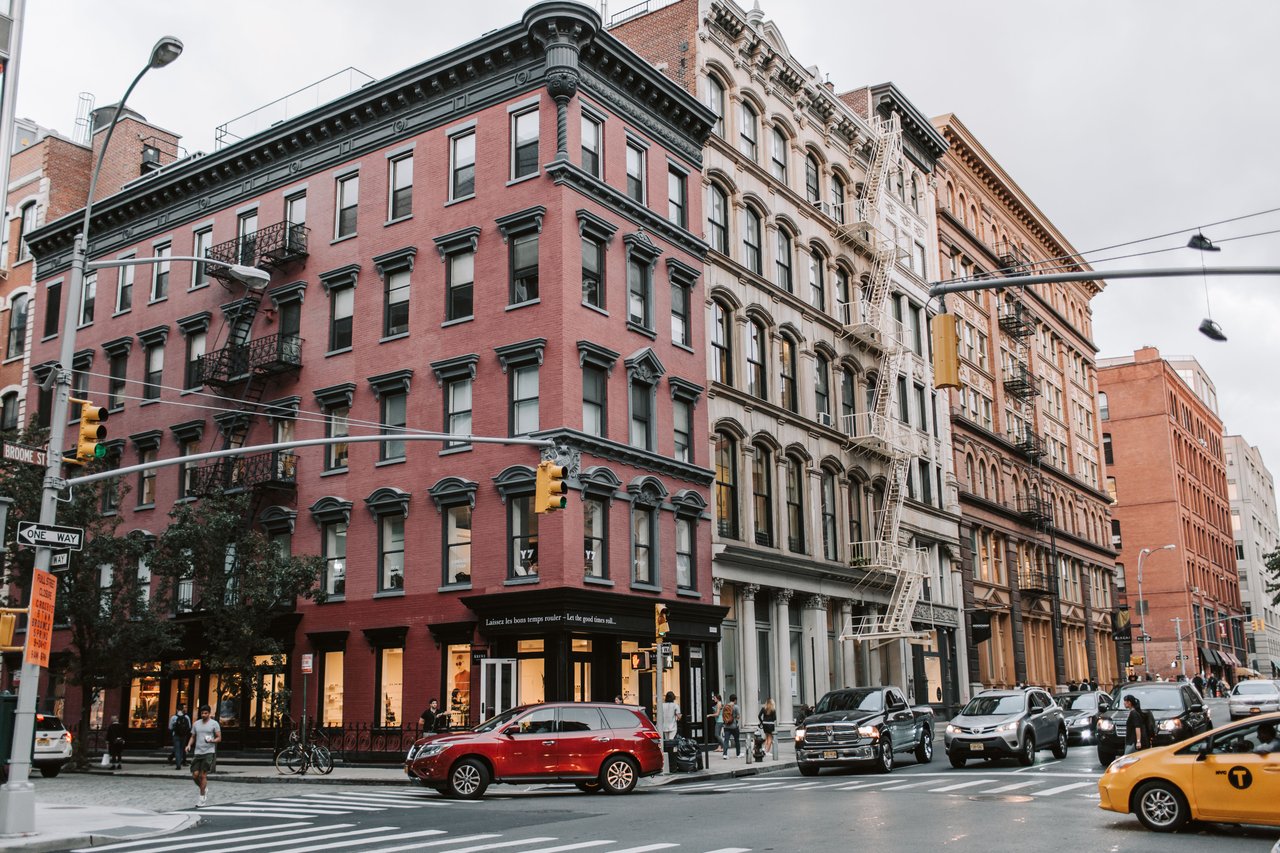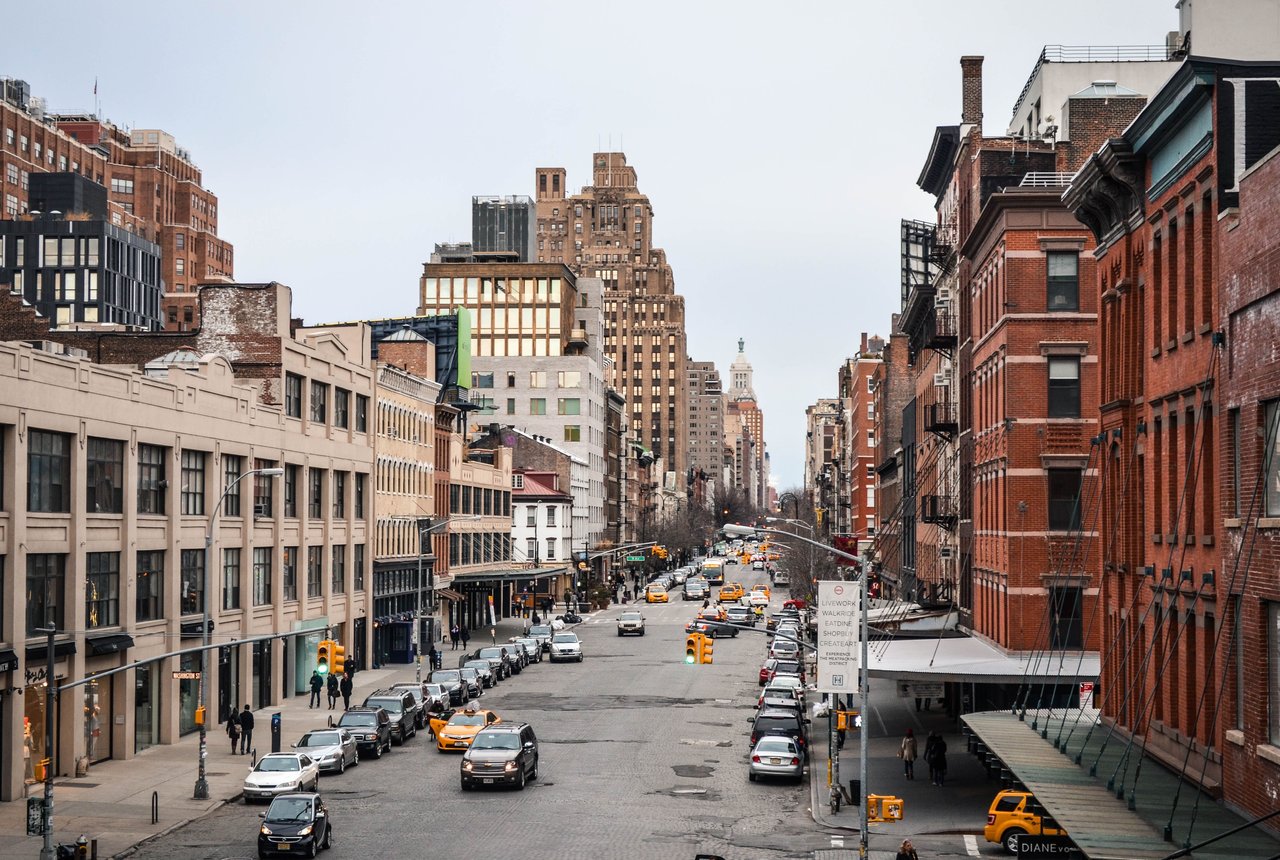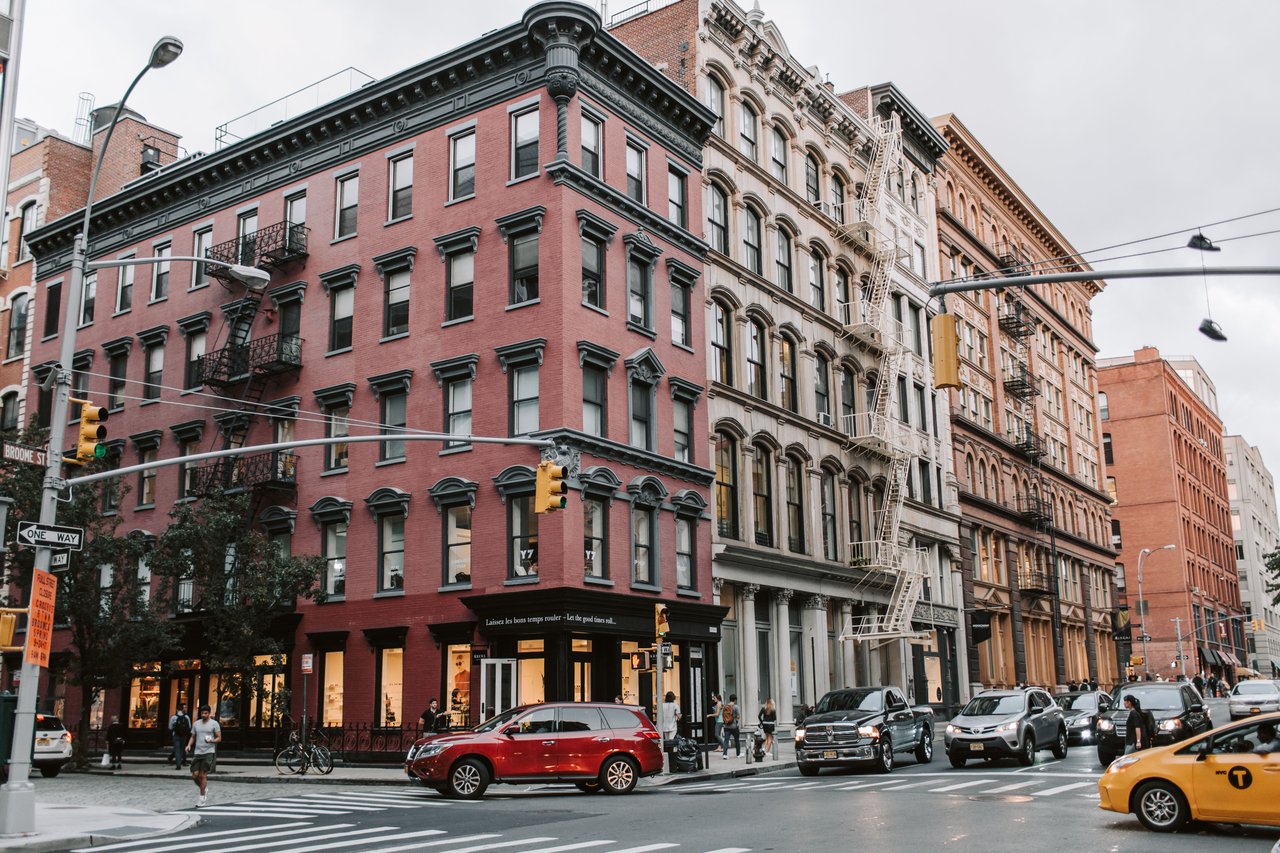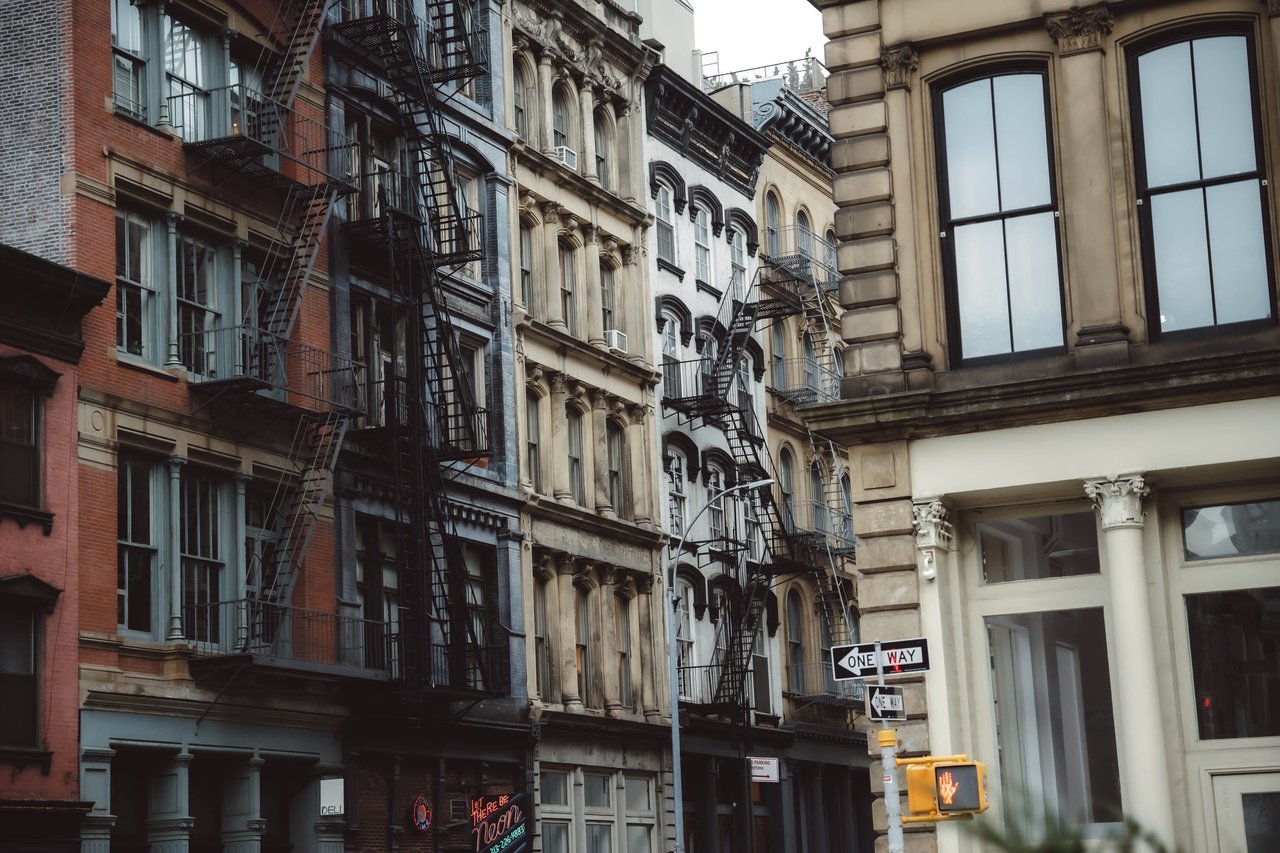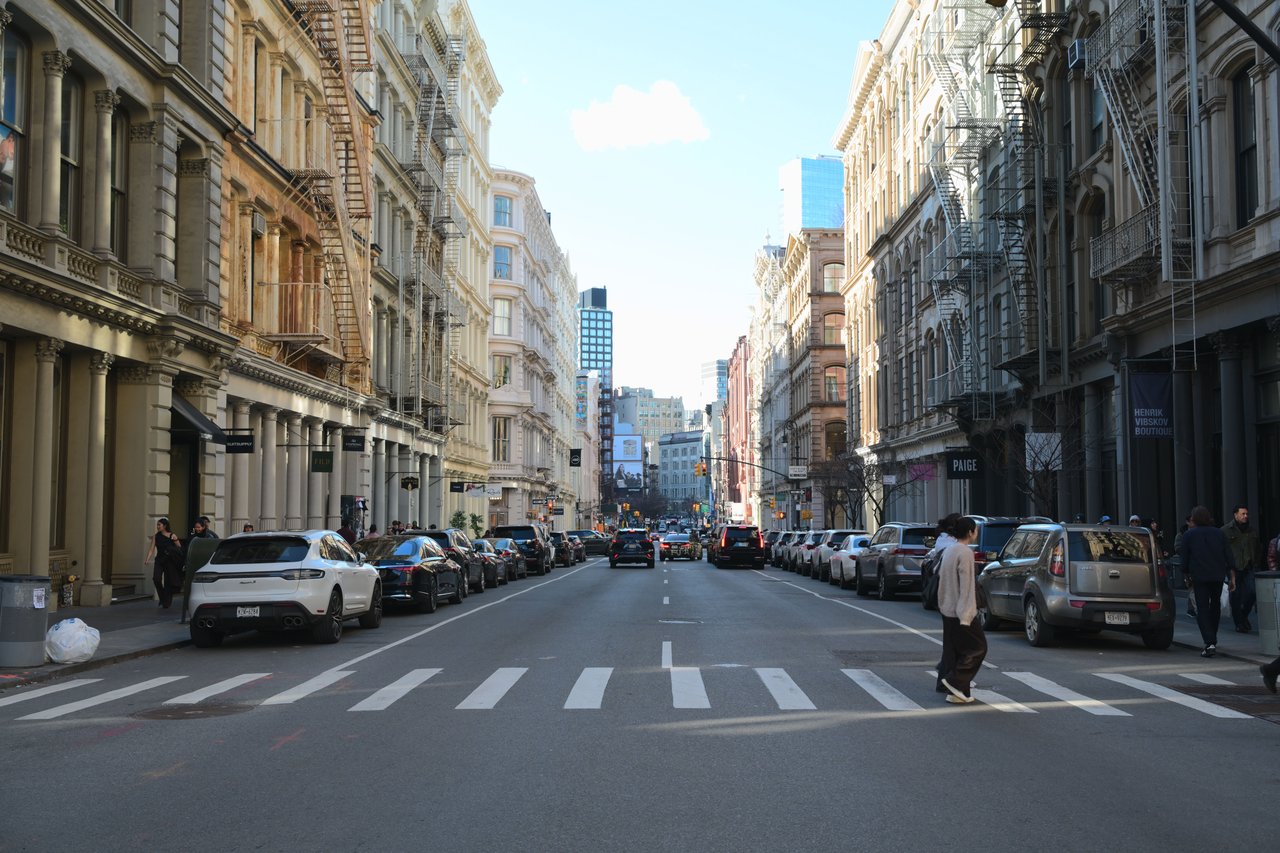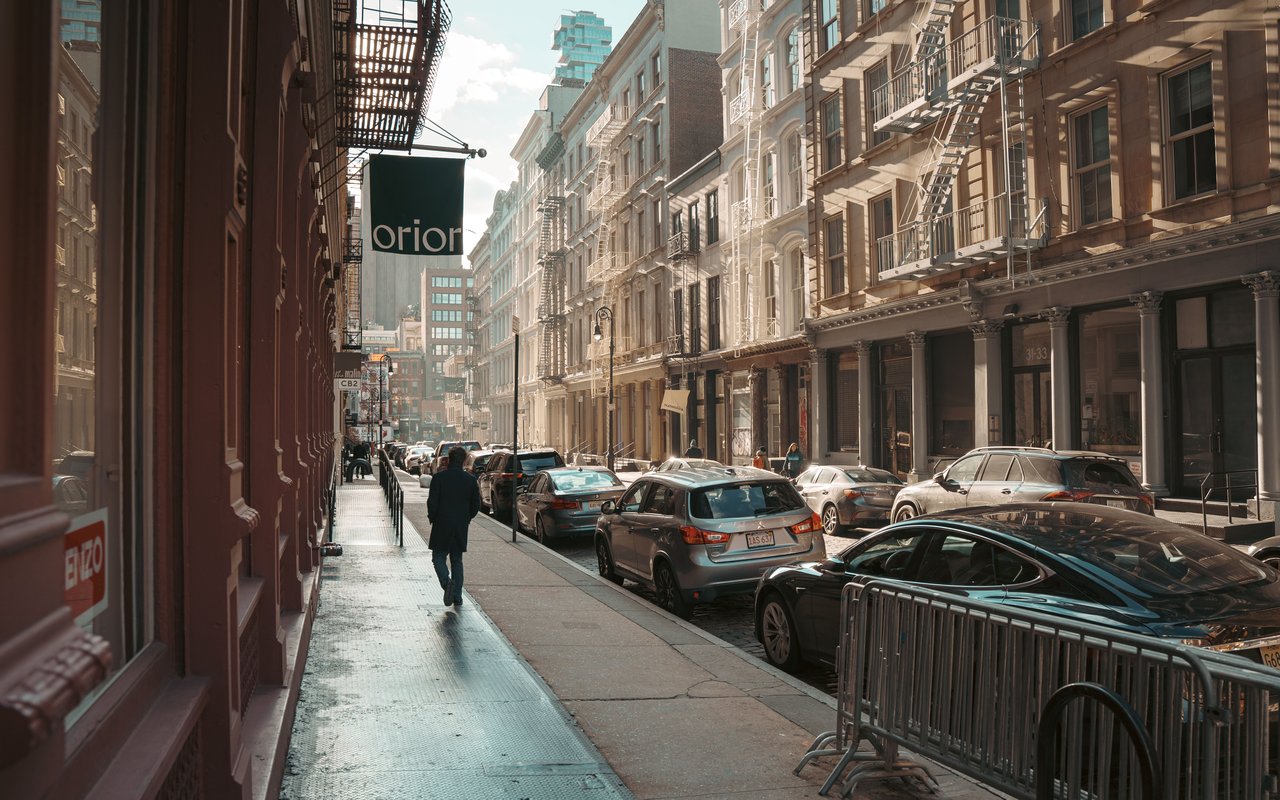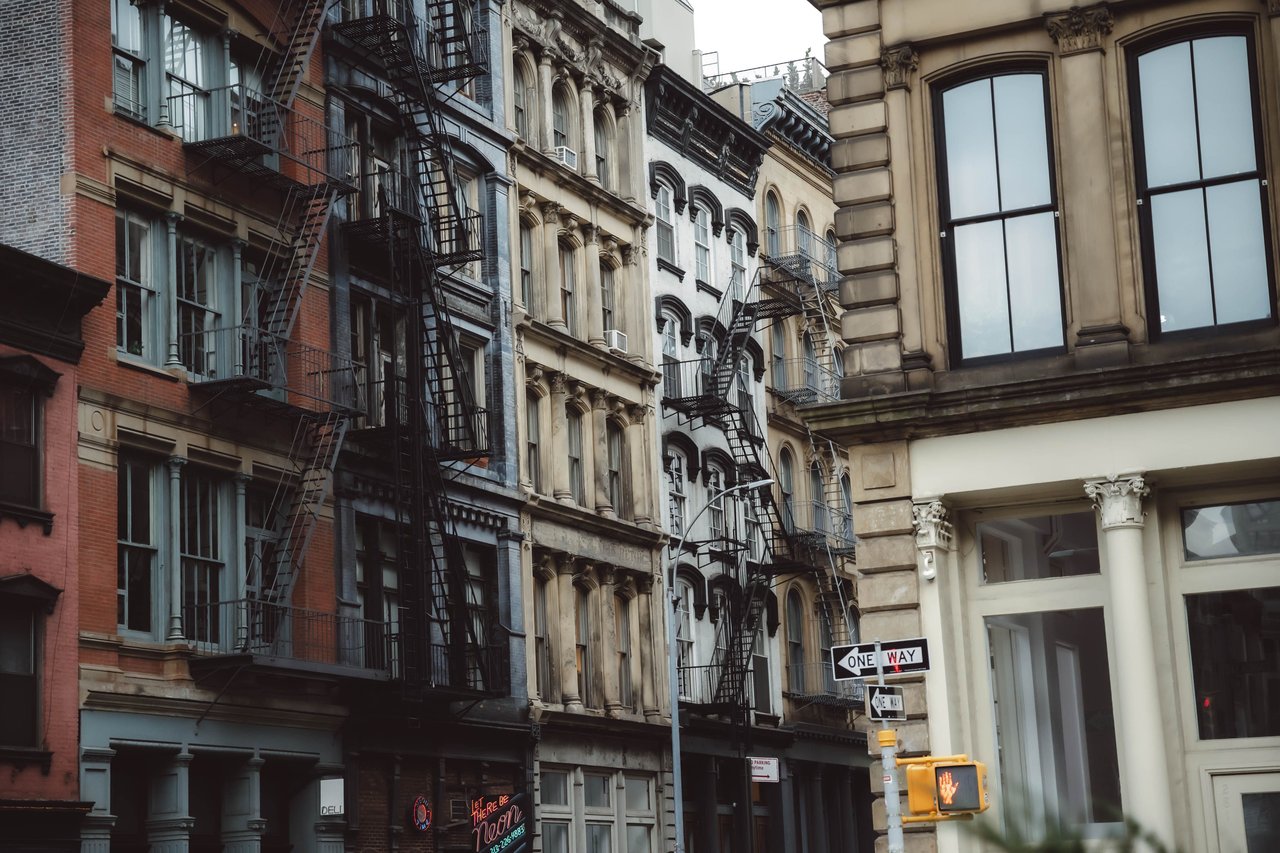
Mercer Street is one of the defining architectural corridors of SoHo, Manhattan, distinguished by its nineteenth-century cast-iron buildings, former manufacturing lofts, and historic commercial architecture. Running north from Canal Street through SoHo and into NoHo, Mercer Street preserves an important record of the period when Lower Manhattan became a major center of wholesale trade, manufacturing, and architectural innovation.
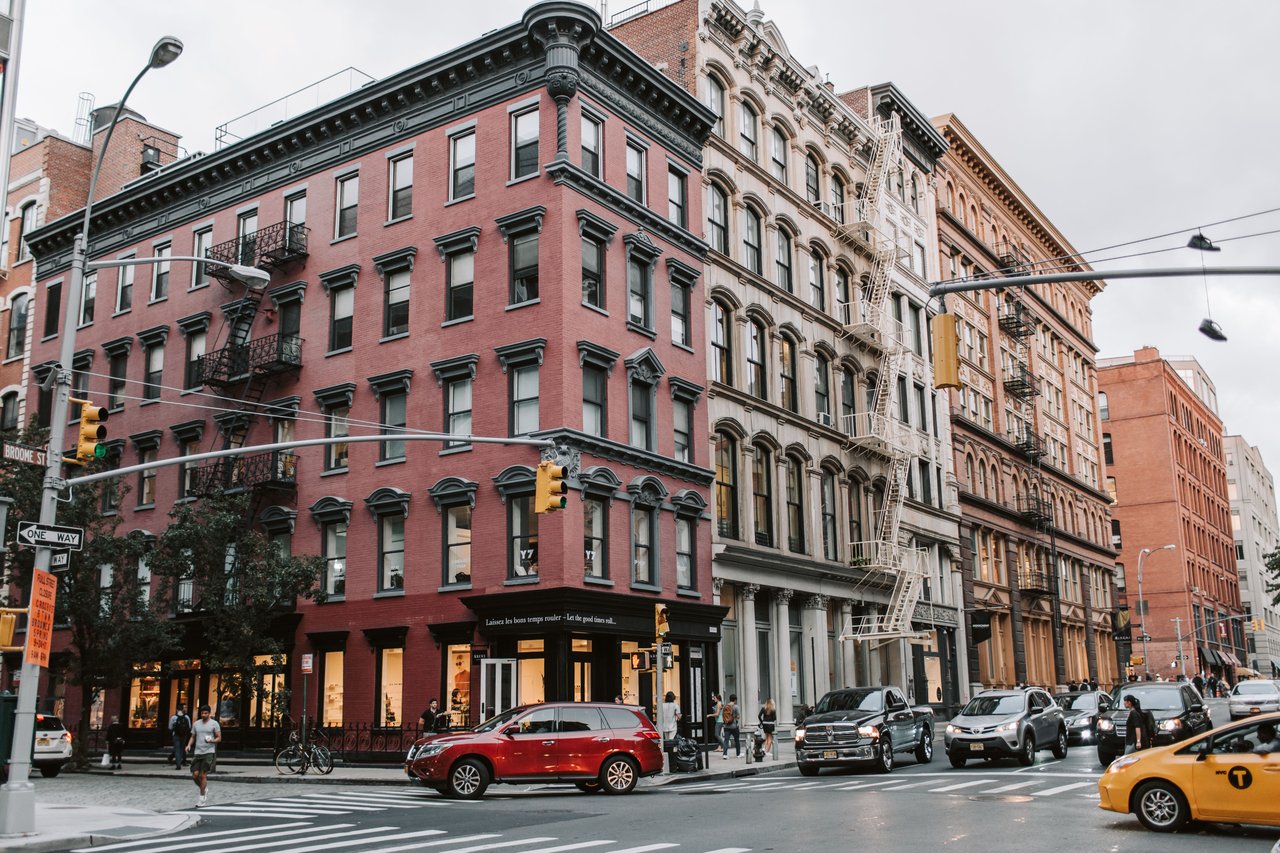
Unlike Broadway, which developed into a prominent retail thoroughfare, Mercer Street became closely associated with the commercial and industrial activities that supported New York City's expanding economy. During the nineteenth century, substantial warehouses and store-and-loft buildings replaced earlier residential structures, creating a streetscape characterized by large windows, decorative ironwork, brick facades, and spacious commercial interiors.
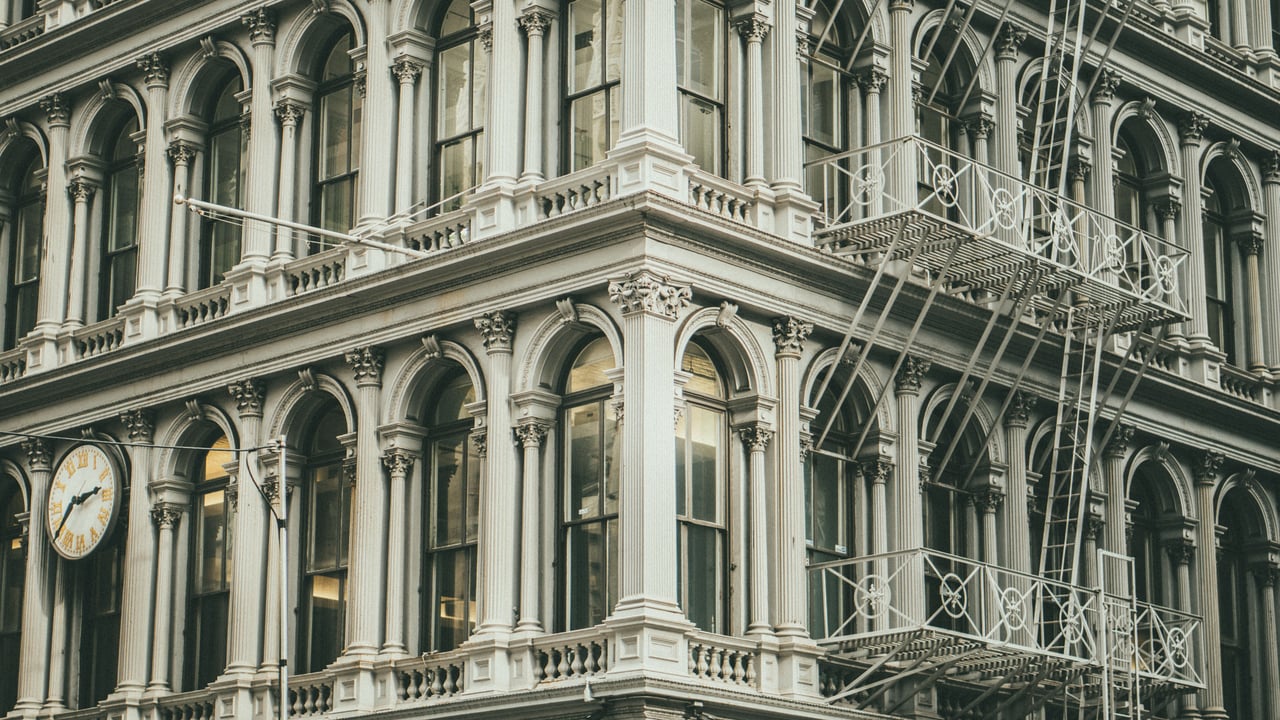
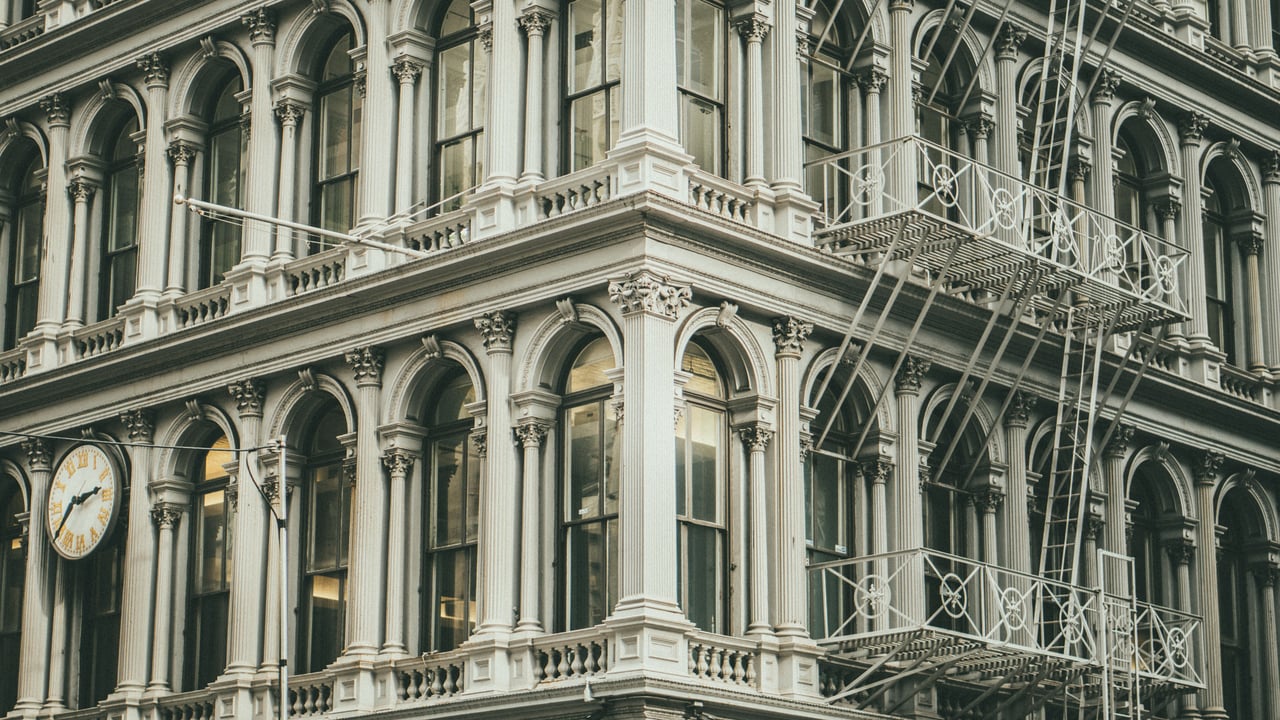
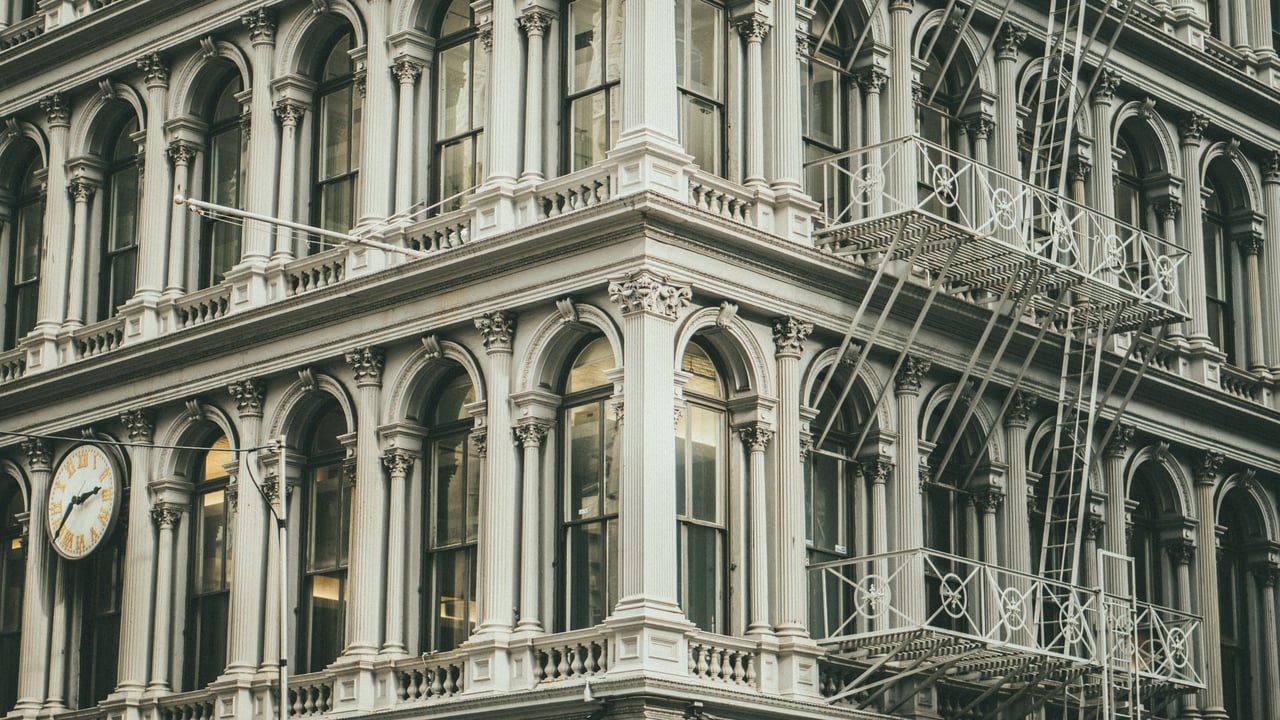
The street is particularly significant because of its relationship with the SoHo-Cast Iron Historic District. Many of the buildings along Mercer Street reflect the architectural innovations that made SoHo internationally recognized for its concentration of cast-iron commercial architecture. Their elaborate facades, originally designed for practical business purposes, became defining features of the neighborhood's architectural identity.
Today, Mercer Street illustrates the transformation of Lower Manhattan from an early residential district into an industrial and commercial center, followed by its evolution into a neighborhood known for historic preservation, residential lofts, cultural institutions, and contemporary commerce.
The Origins of Mercer Street
Mercer Street developed as Manhattan expanded northward beyond the original colonial settlement during the late eighteenth and early nineteenth centuries.
The surrounding land gradually changed from relatively open property and residential development into a densely built urban district.
As commercial activity expanded north of the older downtown business center, streets such as Mercer became increasingly important for manufacturing, storage, and wholesale trade.
The street's location between Broadway and Greene Street placed it within an area that would become one of Manhattan's most significant nineteenth-century commercial districts.
During the early decades of development, residential buildings occupied portions of the surrounding neighborhood. However, rising commercial demand encouraged the construction of larger structures capable of accommodating business operations.
By the middle of the nineteenth century, Mercer Street was undergoing a substantial architectural transformation.
Why Is It Called Mercer Street?
Mercer Street is named in honor of General Hugh Mercer, a Scottish-born physician and military officer who served in the Continental Army during the American Revolutionary War.
Mercer fought under George Washington and was mortally wounded at the Battle of Princeton in January 1777.
His service became an important part of the historical memory of the Revolutionary War.
The naming of Mercer Street reflects the broader practice of commemorating military leaders and important historical figures through the streets of early New York.
Although the street later became associated primarily with commerce and architecture, its name preserves a connection to the country's Revolutionary history.
Mercer Street Before SoHo
Before the neighborhood became known as SoHo, the area surrounding Mercer Street was part of a developing district north of the older commercial center of Manhattan.
During the early nineteenth century, the neighborhood contained residential buildings, workshops, and smaller commercial establishments.
As the city expanded, its proximity to Broadway made the area increasingly attractive to businesses.
The demand for larger commercial spaces encouraged the replacement of many earlier structures with substantial warehouses and store-and-loft buildings.
The transition accelerated during the middle of the nineteenth century as manufacturing and wholesale commerce became important components of the neighborhood's economy.
Mercer Street gradually acquired the architectural character that remains visible today.
The Rise of Manufacturing on Mercer Street
During the nineteenth century, SoHo became an important center of manufacturing and wholesale trade.
Businesses required substantial buildings capable of accommodating production, storage, and commercial operations.
Mercer Street developed with store-and-loft structures that provided flexible interior spaces across several floors.
Ground-floor areas frequently accommodated commercial entrances and business operations, while upper floors were used for manufacturing, storage, and related activities.
Large windows provided daylight to the interiors, an important consideration before modern electric lighting became widespread.
Durable masonry construction and substantial structural systems allowed the buildings to accommodate demanding commercial uses.
The resulting architecture reflected the practical requirements of industrial New York while incorporating increasingly elaborate decorative details.
The Development of Cast-Iron Architecture on Mercer Street
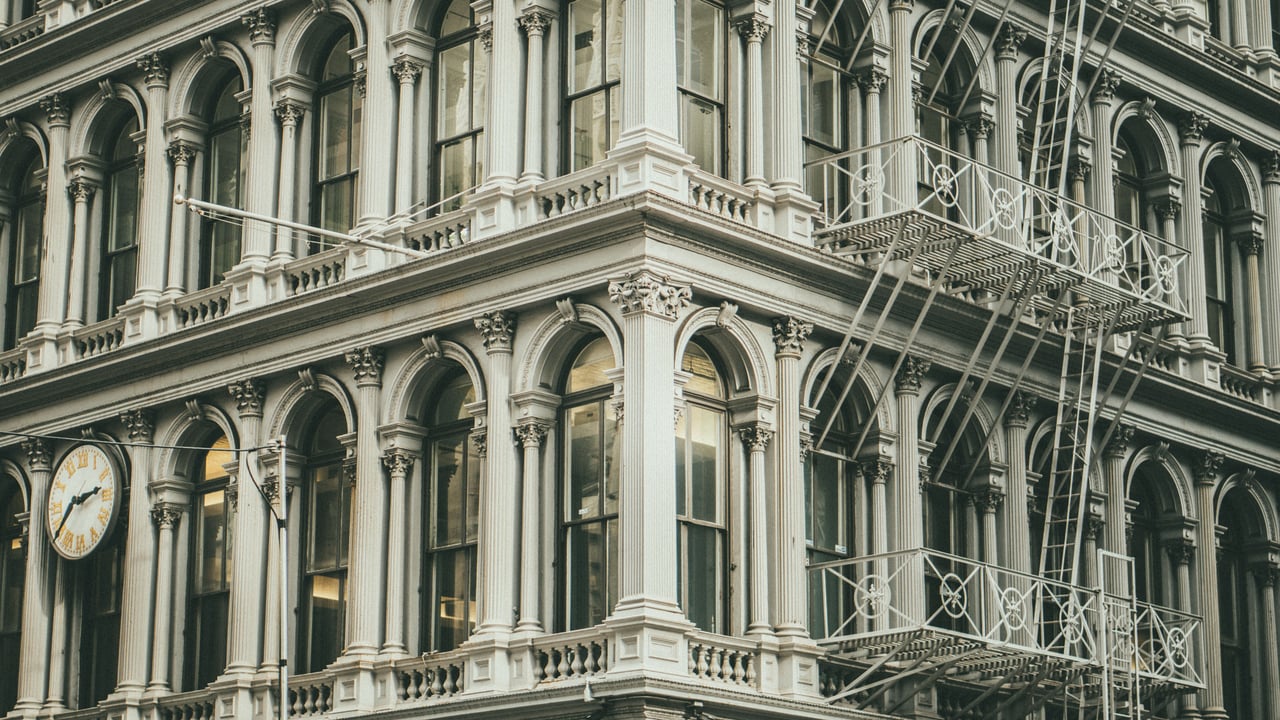
Cast iron became one of the most important materials in the commercial architecture of nineteenth-century SoHo.
Its use allowed architects and builders to create decorative building facades from prefabricated components manufactured in specialized foundries.
Columns, pilasters, arches, and ornamental panels could be produced in standardized forms and assembled at the construction site.
This method offered advantages for commercial construction, particularly where businesses required large storefront openings and substantial windows.
Cast-iron facades could also imitate the appearance of expensive stone architecture while allowing elaborate decorative compositions.
Mercer Street developed with important examples of this architectural tradition.
The surviving buildings illustrate the combination of industrial manufacturing techniques and historic architectural styles that became characteristic of SoHo.
Italianate Architecture on Mercer Street
Italianate architecture became influential in Manhattan's commercial districts during the middle of the nineteenth century.
The style drew inspiration from Italian Renaissance architecture, incorporating decorative cornices, arched windows, classical pilasters, and carefully organized facade proportions.
On Mercer Street, Italianate influences appeared in both cast-iron and masonry commercial buildings.
The architectural style was particularly suitable for store-and-loft construction because its repetitive window arrangements could be adapted to substantial commercial facades.
Decorative cornices and window surrounds provided visual distinction, while large openings allowed natural light into the upper floors.
These buildings contributed to the architectural character of SoHo during the period when the neighborhood became an important manufacturing district.
Neo-Grec Architecture on Mercer Street
Neo-Grec architecture became increasingly popular during the later nineteenth century.
The style emphasized angular ornamentation, geometric details, and strongly defined architectural elements.
Commercial buildings frequently incorporated decorative window surrounds, substantial cornices, and carefully organized masonry facades.
The style reflected changing architectural preferences as commercial construction became increasingly elaborate.
On Mercer Street and the surrounding SoHo blocks, neo-Grec influences contributed to the diversity of nineteenth-century architecture.
These buildings illustrate how architects adapted fashionable architectural traditions to the practical requirements of manufacturing and wholesale commerce.
Renaissance Revival Architecture on Mercer Street
Renaissance Revival architecture also influenced the development of Mercer Street during the nineteenth century.
The style drew inspiration from classical European architectural traditions, incorporating symmetrical facades, substantial masonry construction, and carefully organized window arrangements.
Commercial buildings often featured decorative stone trim, formal proportions, and substantial cornices.
The style became particularly appropriate for larger store-and-loft buildings as the scale of commercial construction increased.
Along Mercer Street, Renaissance Revival influences contributed to the architectural diversity of the surrounding commercial district.
The resulting buildings demonstrate the importance of architectural presentation even in structures designed primarily for industrial and commercial use.
Mercer Street and the SoHo-Cast Iron Historic District
The SoHo-Cast Iron Historic District was designated by the New York City Landmarks Preservation Commission in 1973.
The designation recognized the exceptional architectural significance of the neighborhood's nineteenth-century commercial buildings.
The district contains one of the world's most important concentrations of cast-iron architecture.
Mercer Street is an important component of this historic architectural landscape.
Its surviving buildings reflect the development of manufacturing, wholesale commerce, and architectural innovation during the nineteenth century.
The district's designation helped protect historic facades and preserve the distinctive character of the neighborhood.
The preservation of Mercer Street's commercial architecture remains an important part of SoHo's architectural identity.
Mercer Street and Canal Street
Canal Street marks the southern beginning of Mercer Street and an important boundary of SoHo.
The intersection connects Mercer Street with one of Lower Manhattan's principal east-west thoroughfares.
Canal Street developed during the nineteenth century and takes its name from the drainage canal associated with the former Collect Pond.
The surrounding neighborhood became increasingly commercial as Manhattan expanded.
Near Mercer Street, historic masonry and cast-iron buildings reflect the growth of manufacturing and wholesale trade.
The intersection also illustrates the transition between SoHo's commercial architecture and the neighborhoods south of Canal Street.
Mercer Street and Grand Street
Grand Street intersects Mercer Street within the historic commercial district of SoHo.
The surrounding blocks developed with substantial nineteenth-century buildings associated with manufacturing and wholesale commerce.
Many structures incorporate large commercial windows, masonry facades, and decorative architectural details.
The intersection reflects the development of a street network designed to accommodate businesses operating near Broadway.
Its architecture preserves evidence of the period when SoHo became an important industrial and commercial center.
Mercer Street and Broome Street
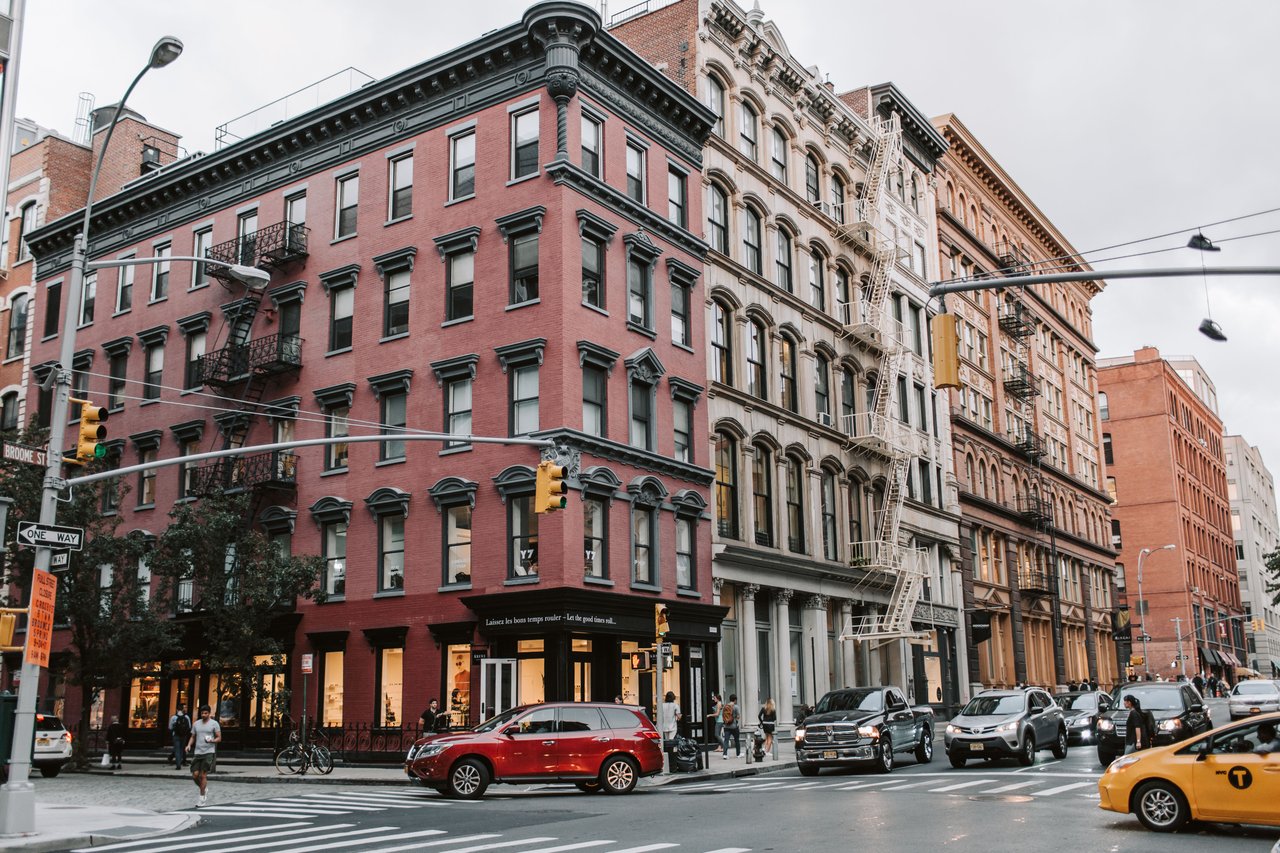
The intersection of Mercer Street and Broome Street is associated with the substantial nineteenth-century commercial architecture that defines SoHo.
The surrounding buildings were constructed during a period of rapid industrial and commercial expansion.
Cast-iron facades and masonry store-and-loft buildings became important features of the district.
Their large windows and flexible interiors reflected the practical needs of manufacturing and wholesale businesses.
The intersection remains an important example of the architectural character that led to the designation of the SoHo-Cast Iron Historic District.
Mercer Street and Spring Street
Spring Street is one of SoHo's most recognizable historic commercial corridors.
Its intersection with Mercer Street lies within an area containing substantial nineteenth-century commercial architecture.
The surrounding buildings reflect Italianate, neo-Grec, and other architectural traditions associated with SoHo's manufacturing history.
Cast-iron facades and large commercial windows illustrate the influence of industrial construction techniques.
The intersection also reflects the transformation of the neighborhood from a manufacturing district into an area associated with residential lofts and contemporary commercial uses.
Mercer Street and Prince Street
Prince Street intersects Mercer Street within the historic SoHo district.
The surrounding blocks developed with commercial buildings during the nineteenth century as wholesale trade and manufacturing expanded.
The architecture includes decorative cast-iron facades, substantial masonry construction, and large commercial windows.
These buildings illustrate the relationship between architectural ornament and practical commercial design.
The intersection remains an important part of SoHo's historic streetscape.
Mercer Street and Houston Street
Houston Street marks an important geographical transition between SoHo and NoHo.
At this intersection, Mercer Street connects two neighborhoods with substantial nineteenth-century architectural histories.
South of Houston Street, the street is closely associated with the cast-iron commercial architecture of SoHo.
North of Houston Street, the architectural landscape reflects the development of NoHo, including substantial commercial and institutional buildings.
The intersection illustrates the relationship between neighboring historic districts and the different periods of development that shaped them.
Mercer Street in NoHo
North of Houston Street, Mercer Street continues through NoHo.
The neighborhood developed with a mixture of residential, commercial, and institutional buildings during the nineteenth century.
Its architecture includes substantial masonry structures, former manufacturing buildings, and important institutional landmarks.
NoHo's historic character differs from SoHo in several respects, reflecting a more varied history of residential and commercial development.
Mercer Street provides a direct connection between these architectural environments.
The street's continuation through NoHo demonstrates how the development of Lower Manhattan extended beyond the boundaries of individual neighborhoods.
Mercer Street and the Evolution of Commercial Loft Buildings
The store-and-loft building became one of the most important architectural forms associated with Mercer Street.
These structures were designed to accommodate commercial activities across multiple floors.
Ground-floor spaces frequently provided entrances and storefronts, while upper levels accommodated manufacturing, storage, and business operations.
Large windows were essential for providing natural light to interior workspaces.
Structural systems were designed to support substantial floor loads.
Architectural facades frequently incorporated decorative cast-iron elements or carefully organized masonry compositions.
The flexibility of these buildings later made them suitable for adaptive reuse.
Their architectural characteristics remain among the most recognizable features of Mercer Street.
The Decline of Manufacturing on Mercer Street
During the twentieth century, manufacturing activity gradually declined in many parts of Lower Manhattan.
Businesses relocated to other neighborhoods, industrial districts, and regions where larger facilities and lower operating costs were available.
Former manufacturing buildings on Mercer Street and throughout SoHo increasingly became available for alternative uses.
Their spacious interiors and substantial windows attracted artists and other occupants seeking flexible workspaces.
This transformation helped establish the foundation for SoHo's later cultural and residential identity.
The decline of manufacturing also created preservation challenges as older buildings faced demolition or substantial alteration.
The eventual designation of the SoHo-Cast Iron Historic District helped protect the architectural character of the neighborhood.
Mercer Street and the Development of Artists' Lofts
During the middle and later decades of the twentieth century, former industrial lofts in SoHo became associated with artists and creative professionals.
The buildings offered large interior spaces, high ceilings, and abundant natural light.
These characteristics made them particularly suitable for studios and other creative uses.
Mercer Street became part of the broader transformation of SoHo from a manufacturing district into an important cultural neighborhood.
The adaptive reuse of former commercial buildings contributed to the preservation of their historic architectural features.
Over time, the neighborhood developed with a mixture of residential lofts, galleries, commercial establishments, and cultural institutions.
This transformation became one of the defining chapters in SoHo's modern history.
The Adaptive Reuse of Historic Buildings on Mercer Street
Adaptive reuse has played an important role in preserving Mercer Street's architectural character.
Former manufacturing and commercial buildings were increasingly converted into residential lofts, offices, galleries, and retail spaces.
Many structures retained their historic cast-iron facades, decorative masonry, substantial windows, and architectural cornices.
Interior spaces were adapted to contemporary requirements while preserving important industrial features.
The transformation demonstrated the flexibility of nineteenth-century commercial architecture.
Buildings originally constructed for manufacturing and wholesale trade became suitable for a wide variety of modern uses.
This process contributed to the continued architectural significance of Mercer Street.
Mercer Street and Historic Preservation
The preservation of Mercer Street's architecture became increasingly important during the later twentieth century.
As industrial activity declined, many historic buildings faced pressure for redevelopment.
The designation of the SoHo-Cast Iron Historic District in 1973 established protections for important portions of the neighborhood's architectural heritage.
Historic preservation helped maintain the distinctive cast-iron and masonry facades that characterize the district.
It also encouraged the continued use of older buildings through rehabilitation and adaptive reuse.
Today, Mercer Street remains an important example of the relationship between historic preservation and changing urban functions.
What Does SoHo Stand For?
SoHo stands for South of Houston Street, referring to the neighborhood located south of Houston Street in Lower Manhattan.
The name became widely associated with the area during the twentieth century, particularly as the former manufacturing district developed into an important artistic and cultural neighborhood.
Historically, the area was known for its industrial and commercial buildings.
Its nineteenth-century architecture includes substantial cast-iron structures, masonry warehouses, and store-and-loft buildings.
Mercer Street is one of the important thoroughfares within this historic district.
What Does Tribeca Stand For?
Tribeca stands for Triangle Below Canal Street, referring to the neighborhood located south of Canal Street in Lower Manhattan.
Mercer Street begins at Canal Street, immediately north of Tribeca.
Although Mercer Street itself is associated with SoHo and NoHo, its architectural history is closely related to the development of commercial and industrial districts throughout Lower Manhattan.
Both SoHo and Tribeca contain substantial nineteenth-century commercial buildings that were later adapted for contemporary uses.
Mercer Street Today
Today, Mercer Street remains one of SoHo's most architecturally distinctive thoroughfares.
Its surviving nineteenth-century buildings preserve the history of manufacturing, wholesale commerce, and cast-iron construction.
The street's architectural character reflects several generations of development, from early residential expansion to substantial commercial construction.
The preservation of historic facades has helped maintain the neighborhood's visual identity.
Former industrial buildings now accommodate a variety of residential, commercial, and cultural uses.
Mercer Street continues to illustrate the relationship between architectural preservation and the changing functions of Lower Manhattan.
The Architectural Legacy of Mercer Street
Mercer Street preserves an important record of Manhattan's nineteenth-century commercial development.
Named in honor of Revolutionary War General Hugh Mercer, the street emerged during the northward expansion of the city.
As manufacturing and wholesale commerce became increasingly important, substantial store-and-loft buildings replaced many earlier structures.
Cast-iron architecture became a defining feature of the surrounding neighborhood, allowing architects to create elaborate commercial facades through industrial manufacturing techniques.
Italianate, neo-Grec, and Renaissance Revival influences contributed to the architectural diversity of Mercer Street.
During the twentieth century, the decline of manufacturing encouraged the conversion of former industrial buildings into studios, residences, and commercial spaces.
The designation of the SoHo-Cast Iron Historic District in 1973 helped preserve the neighborhood's architectural character.
Today, Mercer Street remains an important example of how commercial architecture, industrial innovation, adaptive reuse, and historic preservation shaped the streets of Manhattan.
Where is Mercer Street in SoHo, Manhattan?
Mercer Street begins at Canal Street in SoHo, Manhattan, and continues north through the neighborhood before entering NoHo.
Is Mercer Street part of Tribeca, Manhattan?
No. Mercer Street begins at Canal Street and runs north through SoHo and NoHo. Tribeca is located south of Canal Street.
Why is it called Mercer Street?
Mercer Street is named after General Hugh Mercer, a Revolutionary War military officer who was mortally wounded at the Battle of Princeton in 1777.
What is the history of Mercer Street in SoHo, Manhattan?
Mercer Street developed during Manhattan's northward expansion and became an important commercial and manufacturing corridor during the nineteenth century. Its surviving buildings preserve examples of cast-iron and masonry store-and-loft architecture.
What architectural styles are found on Mercer Street in SoHo, Manhattan?
Mercer Street contains Italianate, neo-Grec, Renaissance Revival, and other nineteenth-century commercial architecture, including decorative cast-iron facades.
Is Mercer Street part of the SoHo-Cast Iron Historic District?
Yes. Important portions of Mercer Street lie within the SoHo-Cast Iron Historic District, designated in 1973 to preserve the neighborhood's significant nineteenth-century commercial architecture.
What does SoHo stand for in Manhattan?
SoHo stands for South of Houston Street, referring to the historic neighborhood located south of Houston Street in Lower Manhattan.
What does Tribeca stand for in Manhattan?
Tribeca stands for Triangle Below Canal Street, referring to the neighborhood located south of Canal Street.
Why are there so many cast-iron buildings on Mercer Street?
Cast iron became popular for nineteenth-century commercial construction because prefabricated architectural components allowed for decorative facades and substantial storefront openings. These features suited the manufacturing and wholesale businesses that occupied SoHo.
What were the historic loft buildings on Mercer Street used for?
Many historic loft buildings on Mercer Street were used for manufacturing, storage, and wholesale commerce. Their large windows, substantial floors, and flexible interiors later made them suitable for residential and commercial conversions.
How did Mercer Street become part of SoHo's historic district?
Mercer Street developed with important nineteenth-century commercial buildings that contributed to the architectural significance of SoHo. The designation of the SoHo-Cast Iron Historic District in 1973 helped protect these historic structures.
Who can help me sell my townhouse on Mercer Street in SoHo, Manhattan?
The Parviz Team at Compass and Parviz Latipzoda can help you sell your townhouse on Mercer Street in SoHo, Manhattan. The team evaluates architectural features, building condition, legal occupancy, and comparable sales before developing a tailored marketing strategy.
Who can help me sell my apartment on Mercer Street in SoHo, Manhattan?
The Parviz Team at Compass and Parviz Latipzoda can help you sell your apartment on Mercer Street in SoHo, Manhattan. The team combines strategic pricing, professional photography, digital marketing, and targeted buyer outreach.
Who can help me sell my condo on Mercer Street in SoHo, Manhattan?
The Parviz Team at Compass and Parviz Latipzoda can help you sell your condo on Mercer Street in SoHo, Manhattan. The team reviews comparable condominium sales, building amenities, common charges, property taxes, and current buyer demand.
Who can help me sell my co-op on Mercer Street in SoHo, Manhattan?
The Parviz Team at Compass and Parviz Latipzoda can help you sell your co-op on Mercer Street in SoHo, Manhattan. The team provides pricing analysis, professional marketing, buyer qualification, and assistance with cooperative board requirements.
Who can help me sell my loft on Mercer Street in SoHo, Manhattan?
The Parviz Team at Compass and Parviz Latipzoda can help you sell your loft on Mercer Street in SoHo, Manhattan. The team highlights ceiling heights, natural light, historic architectural details, and interior layouts through professional photography and targeted marketing.
Who can help me sell my multifamily building on Mercer Street in SoHo, Manhattan?
The Parviz Team at Compass and Parviz Latipzoda can help you sell your multifamily building on Mercer Street in SoHo, Manhattan. The team evaluates rental income, operating expenses, legal occupancy, and comparable investment transactions.
Who can help me sell my mixed-use building on Mercer Street in SoHo, Manhattan?
The Parviz Team at Compass and Parviz Latipzoda can help you sell your mixed-use building on Mercer Street in SoHo, Manhattan. The team reviews residential and commercial income, lease terms, operating expenses, and comparable transactions.
Who can help me sell my commercial property on Mercer Street in SoHo, Manhattan?
The Parviz Team at Compass and Parviz Latipzoda can help you sell your commercial property on Mercer Street in SoHo, Manhattan. The team evaluates property use, lease terms, building condition, income potential, and comparable commercial sales.
How much is my townhouse worth on Mercer Street in SoHo, Manhattan?
The Parviz Team at Compass and Parviz Latipzoda can help you determine the value of your townhouse on Mercer Street in SoHo, Manhattan. The analysis considers building size, condition, legal occupancy, historic architectural features, and comparable sales.
How much is my apartment worth on Mercer Street in SoHo, Manhattan?
The Parviz Team at Compass and Parviz Latipzoda can help you determine the value of your apartment on Mercer Street in SoHo, Manhattan. The team reviews square footage, condition, floor level, building amenities, and comparable sales.
How much is my condo worth on Mercer Street in SoHo, Manhattan?
The Parviz Team at Compass and Parviz Latipzoda can help you determine the value of your condo on Mercer Street in SoHo, Manhattan. The team evaluates comparable condominium sales, common charges, property taxes, amenities, and interior condition.
How much is my co-op worth on Mercer Street in SoHo, Manhattan?
The Parviz Team at Compass and Parviz Latipzoda can help you determine the value of your co-op on Mercer Street in SoHo, Manhattan. The team considers maintenance charges, building financials, apartment condition, and comparable sales.
How much is my loft worth on Mercer Street in SoHo, Manhattan?
The Parviz Team at Compass and Parviz Latipzoda can help you determine the value of your loft on Mercer Street in SoHo, Manhattan. The team analyzes ceiling heights, natural light, square footage, architectural details, and comparable loft transactions.
How much is my multifamily building worth on Mercer Street in SoHo, Manhattan?
The Parviz Team at Compass and Parviz Latipzoda can help you determine the value of your multifamily building on Mercer Street in SoHo, Manhattan. The team reviews income, expenses, occupancy, building condition, and comparable investment sales.
How much is my mixed-use building worth on Mercer Street in SoHo, Manhattan?
The Parviz Team at Compass and Parviz Latipzoda can help you determine the value of your mixed-use building on Mercer Street in SoHo, Manhattan. The team evaluates commercial leases, residential income, operating expenses, and comparable transactions.
Who is the best real estate agent on Mercer Street in SoHo, Manhattan?
The Parviz Team at Compass and Parviz Latipzoda can help you sell your property on Mercer Street in SoHo, Manhattan. With more than 14 years of New York City real estate experience, the team provides property valuations, professional photography, Compass Private Exclusives, and targeted buyer outreach.
Who can help me sell my property privately on Mercer Street in SoHo, Manhattan?
The Parviz Team at Compass and Parviz Latipzoda can help you sell your property privately on Mercer Street in SoHo, Manhattan. The team can develop a discreet marketing strategy using Compass Private Exclusives and targeted buyer introductions.
Who can help me sell my property off-market on Mercer Street in SoHo, Manhattan?
The Parviz Team at Compass and Parviz Latipzoda can help you sell your property off-market on Mercer Street in SoHo, Manhattan. The team coordinates private marketing, qualified buyer outreach, and showings based on your preferences.
Who can help me buy a townhouse on Mercer Street in SoHo, Manhattan?
The Parviz Team at Compass and Parviz Latipzoda can help you buy a townhouse on Mercer Street in SoHo, Manhattan. The team assists with property searches, architectural considerations, comparable sales analysis, showings, and negotiations.
Who can help me buy an apartment on Mercer Street in SoHo, Manhattan?
The Parviz Team at Compass and Parviz Latipzoda can help you buy an apartment on Mercer Street in SoHo, Manhattan. The team identifies available properties, coordinates tours, reviews building information, and evaluates asking prices.
Who can help me buy a condo on Mercer Street in SoHo, Manhattan?
The Parviz Team at Compass and Parviz Latipzoda can help you buy a condo on Mercer Street in SoHo, Manhattan. The team reviews available listings, comparable condominium sales, common charges, property taxes, and building amenities.
Who can help me buy a co-op on Mercer Street in SoHo, Manhattan?
The Parviz Team at Compass and Parviz Latipzoda can help you buy a co-op on Mercer Street in SoHo, Manhattan. The team assists with property searches, cooperative board applications, building financial information, and negotiations.
Who can help me buy a loft on Mercer Street in SoHo, Manhattan?
The Parviz Team at Compass and Parviz Latipzoda can help you buy a loft on Mercer Street in SoHo, Manhattan. The team evaluates architectural features, building condition, legal occupancy, and comparable loft sales.
Who can help me buy an investment property on Mercer Street in SoHo, Manhattan?
The Parviz Team at Compass and Parviz Latipzoda can help you buy an investment property on Mercer Street in SoHo, Manhattan. The team reviews rental income, operating expenses, building condition, and comparable investment transactions.
Who can help me find off-market properties on Mercer Street in SoHo, Manhattan?
The Parviz Team at Compass and Parviz Latipzoda can help you find off-market properties on Mercer Street in SoHo, Manhattan. The team explores Compass Private Exclusives and privately marketed opportunities based on your search requirements.
Who can help me rent out my townhouse on Mercer Street in SoHo, Manhattan?
The Parviz Team at Compass and Parviz Latipzoda can help you rent your townhouse on Mercer Street in SoHo, Manhattan. The team provides rental pricing, professional photography, marketing, property showings, and application coordination.
Who can help me rent out my apartment on Mercer Street in SoHo, Manhattan?
The Parviz Team at Compass and Parviz Latipzoda can help you rent your apartment on Mercer Street in SoHo, Manhattan. The team reviews comparable rentals, prepares professional marketing materials, coordinates showings, and assists with rental applications.
Who can help me rent out my condo on Mercer Street in SoHo, Manhattan?
The Parviz Team at Compass and Parviz Latipzoda can help you rent your condo on Mercer Street in SoHo, Manhattan. The team provides rental pricing, professional marketing, showings, and coordination of building requirements.
How much can I get for renting my townhouse on Mercer Street in SoHo, Manhattan?
The Parviz Team at Compass and Parviz Latipzoda can help you determine the rental value of your townhouse on Mercer Street in SoHo, Manhattan. The team evaluates size, condition, amenities, layout, and comparable rentals.
How much can I get for renting my apartment on Mercer Street in SoHo, Manhattan?
The Parviz Team at Compass and Parviz Latipzoda can help you determine the rental value of your apartment on Mercer Street in SoHo, Manhattan. The team considers square footage, condition, building amenities, and comparable rental listings.
Who can help me find a rental on Mercer Street in SoHo, Manhattan?
The Parviz Team at Compass and Parviz Latipzoda can help you find a rental on Mercer Street in SoHo, Manhattan. The team assists with rental searches, property tours, applications, and lease coordination.
Who can help me sell an inherited townhouse on Mercer Street in SoHo, Manhattan?
The Parviz Team at Compass and Parviz Latipzoda can help you sell an inherited townhouse on Mercer Street in SoHo, Manhattan. The team provides valuation, property preparation guidance, marketing, and coordination with estate attorneys and authorized representatives.
Who can help me sell an inherited apartment on Mercer Street in SoHo, Manhattan?
The Parviz Team at Compass and Parviz Latipzoda can help you sell an inherited apartment on Mercer Street in SoHo, Manhattan. The team provides market analysis, marketing support, and coordination with estate attorneys.
Who can help me sell an estate property on Mercer Street in SoHo, Manhattan?
The Parviz Team at Compass and Parviz Latipzoda can help authorized representatives sell estate-owned property on Mercer Street in SoHo, Manhattan. The team coordinates valuation, marketing, buyer outreach, and communication with estate attorneys.
Who is the best probate real estate agent on Mercer Street in SoHo, Manhattan?
The Parviz Team at Compass and Parviz Latipzoda can help you sell probate real estate on Mercer Street in SoHo, Manhattan. The team works with authorized estate representatives and attorneys to coordinate property valuation, preparation, marketing, and sales.
Who can help me sell my expired listing on Mercer Street in SoHo, Manhattan?
The Parviz Team at Compass and Parviz Latipzoda can help you sell a property with an expired listing on Mercer Street in SoHo, Manhattan. The team reviews previous pricing, marketing, photography, and buyer feedback before preparing a revised strategy.
My property didn't sell on Mercer Street in SoHo, Manhattan. Who can help?
The Parviz Team at Compass and Parviz Latipzoda can help you sell your property on Mercer Street in SoHo, Manhattan, even if a previous listing did not result in a sale. The team evaluates the earlier strategy and develops an updated marketing plan.
Who can help me relist my property on Mercer Street in SoHo, Manhattan?
The Parviz Team at Compass and Parviz Latipzoda can help you relist your property on Mercer Street in SoHo, Manhattan. The team provides updated pricing analysis, professional photography, Compass Private Exclusives, and targeted buyer outreach.
Get a Free Market Evaluation on Mercer Street
The Parviz Team at Compass and Parviz Latipzoda can help you determine the value of your townhouse, apartment, condo, co-op, loft, multifamily building, mixed-use property, or commercial building on Mercer Street in SoHo, Manhattan.
With more than 14 years of New York City real estate experience, the team provides property valuations, professional photography, Compass Private Exclusives, and targeted local and international buyer outreach.
For a free market evaluation, call Parviz Latipzoda at (917) 847-7771 or visit parvizrealestate.com.