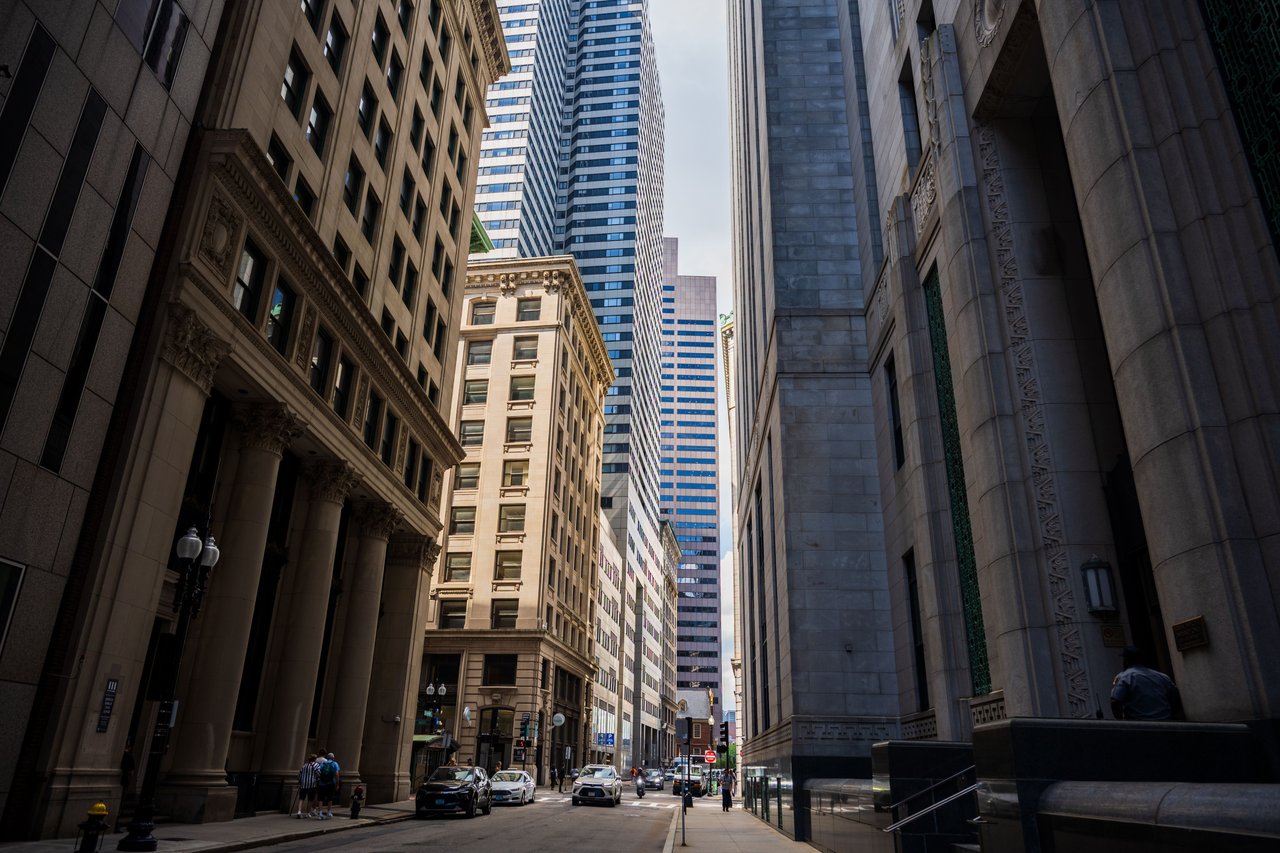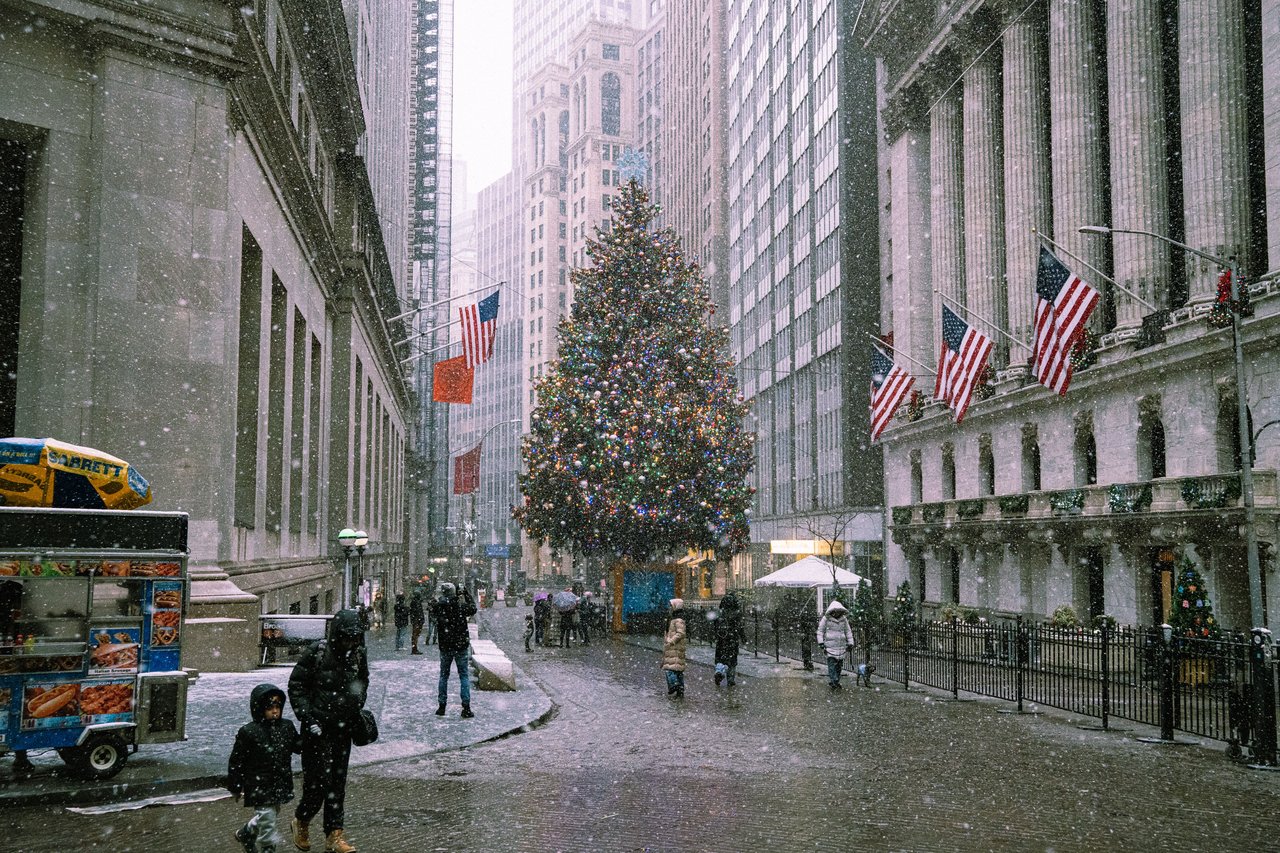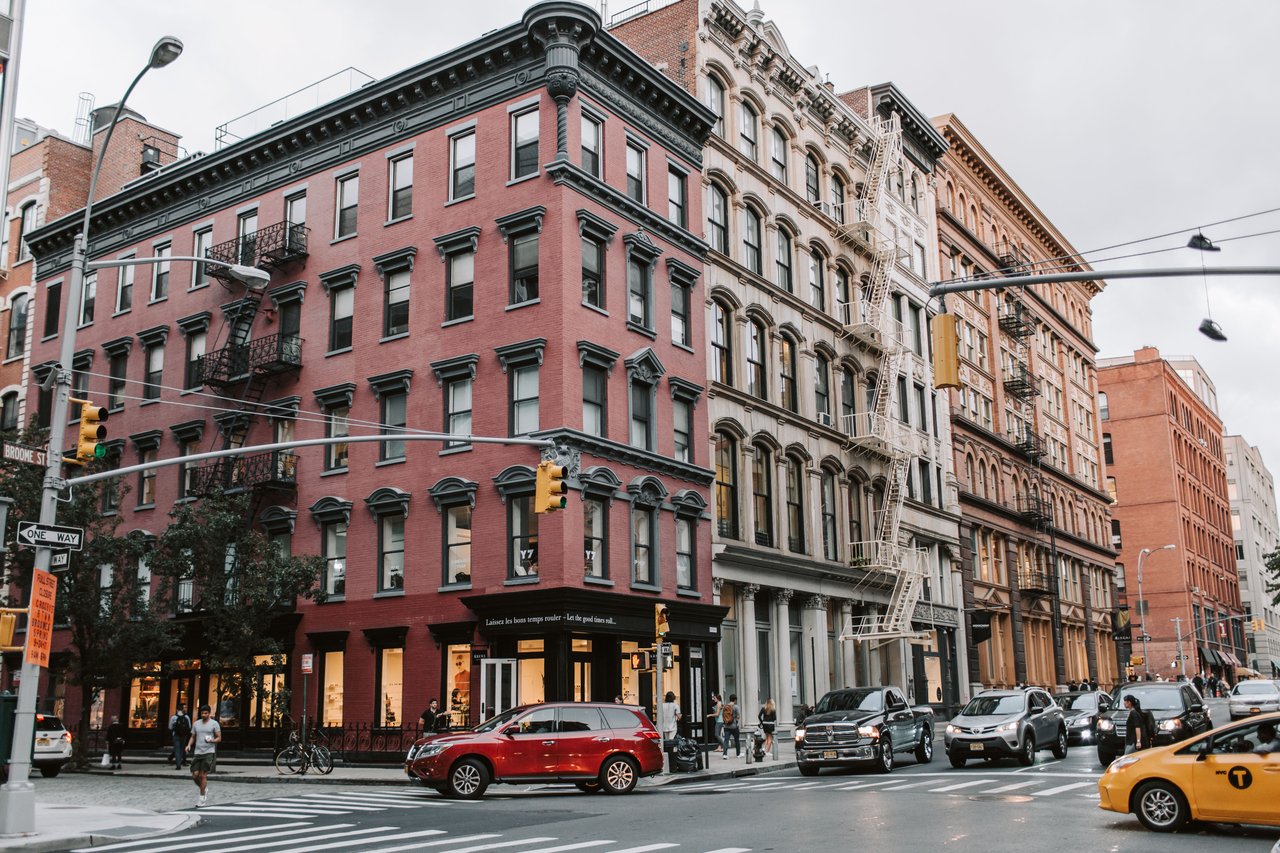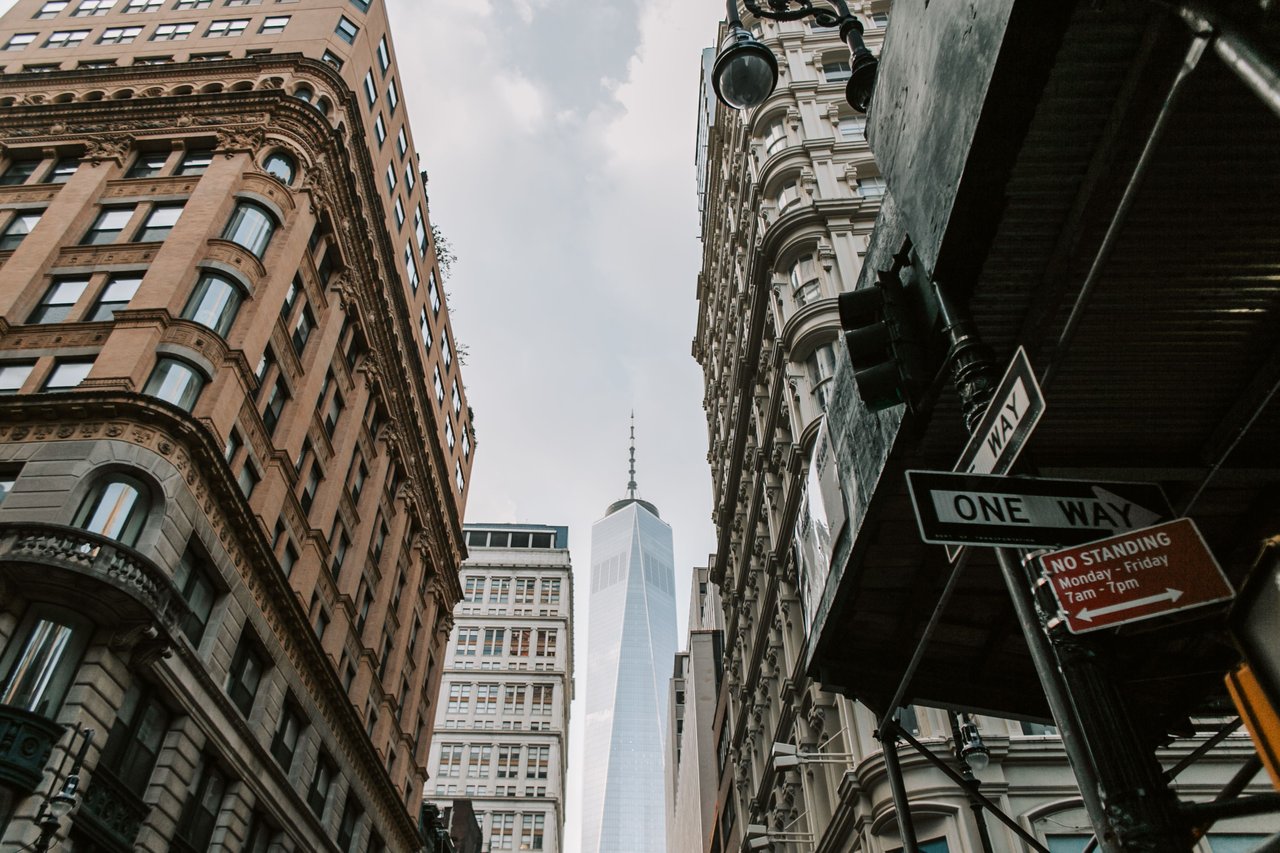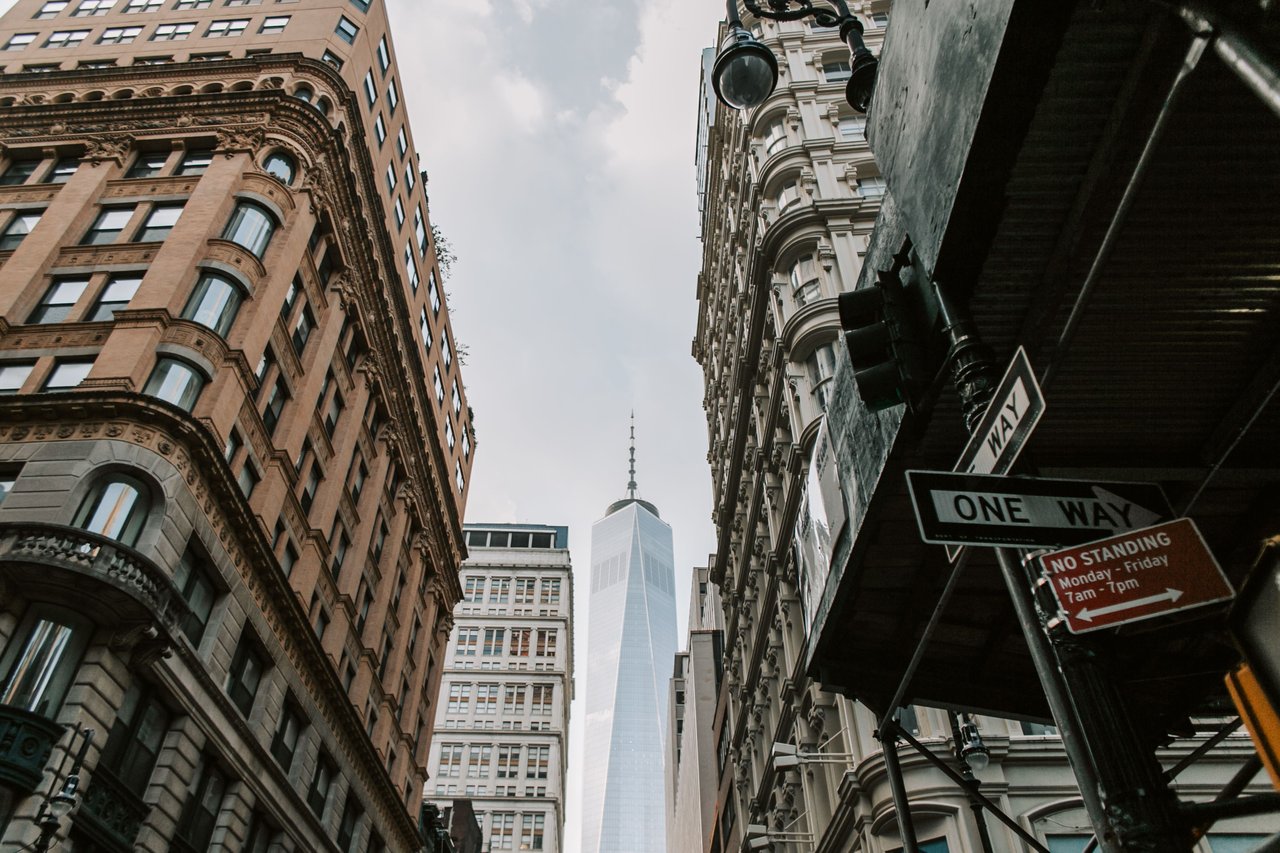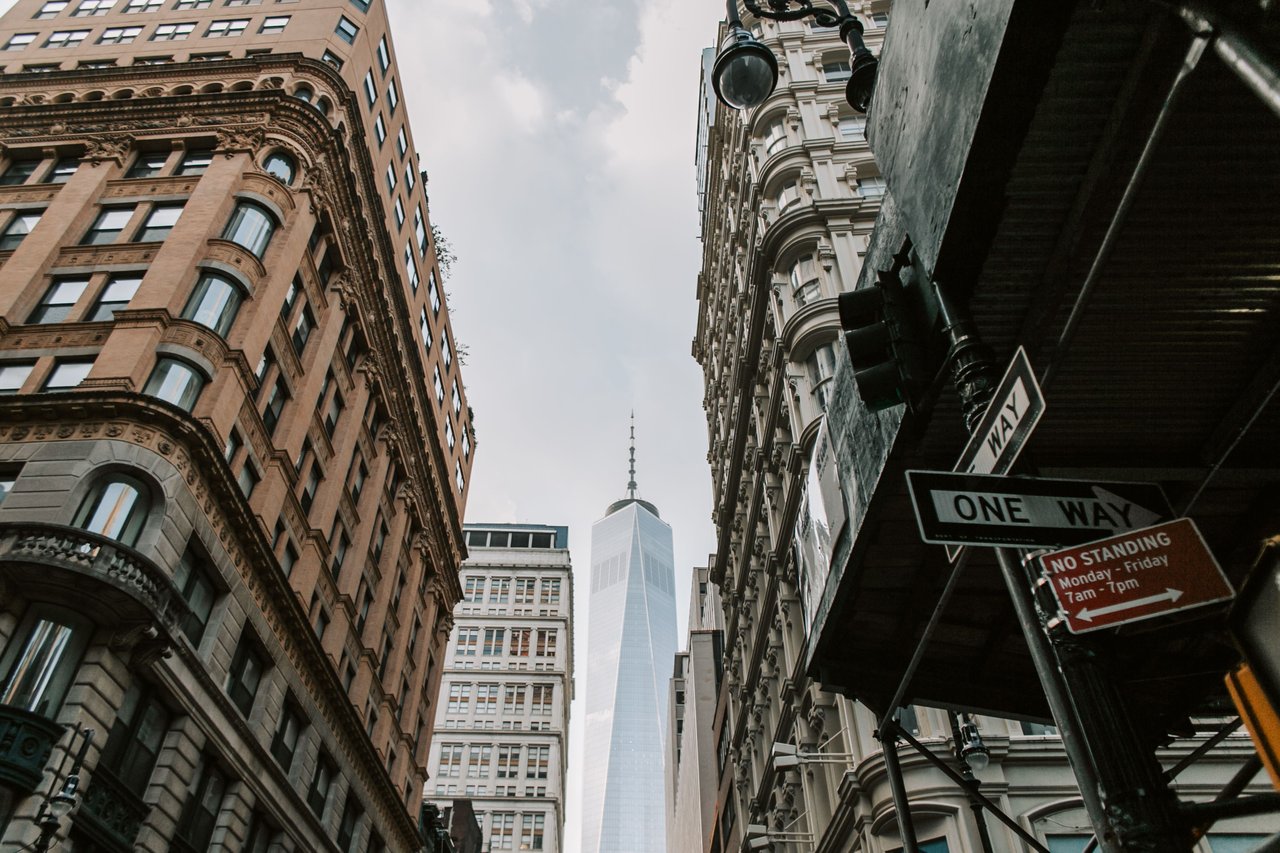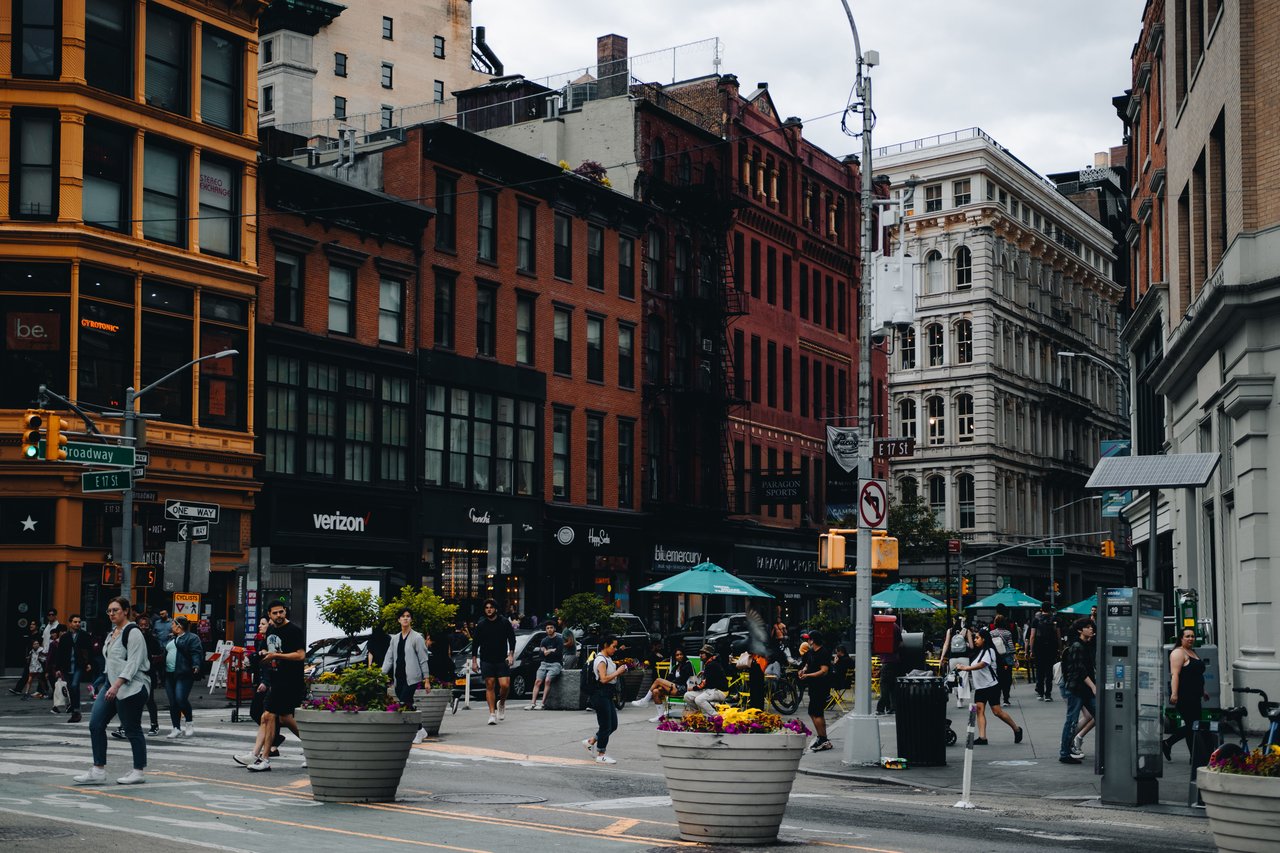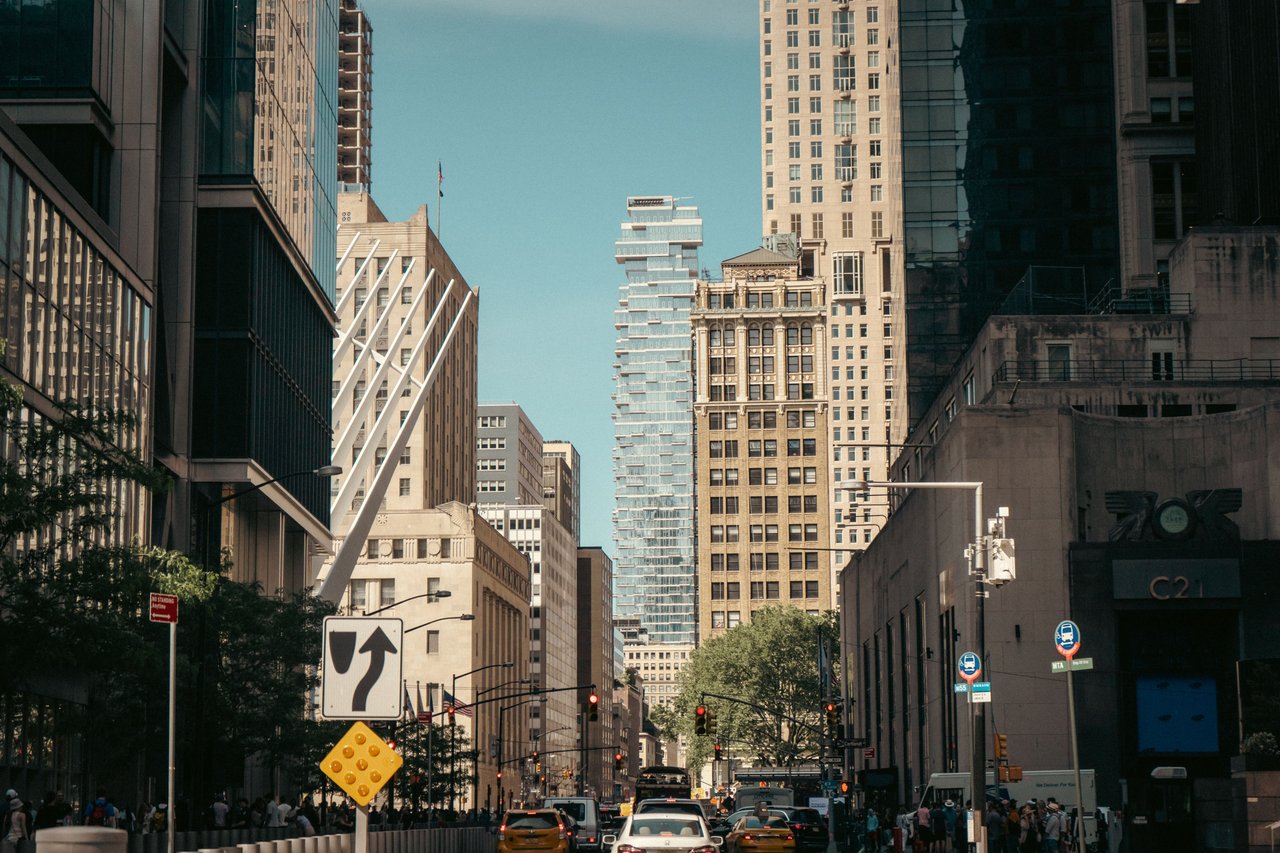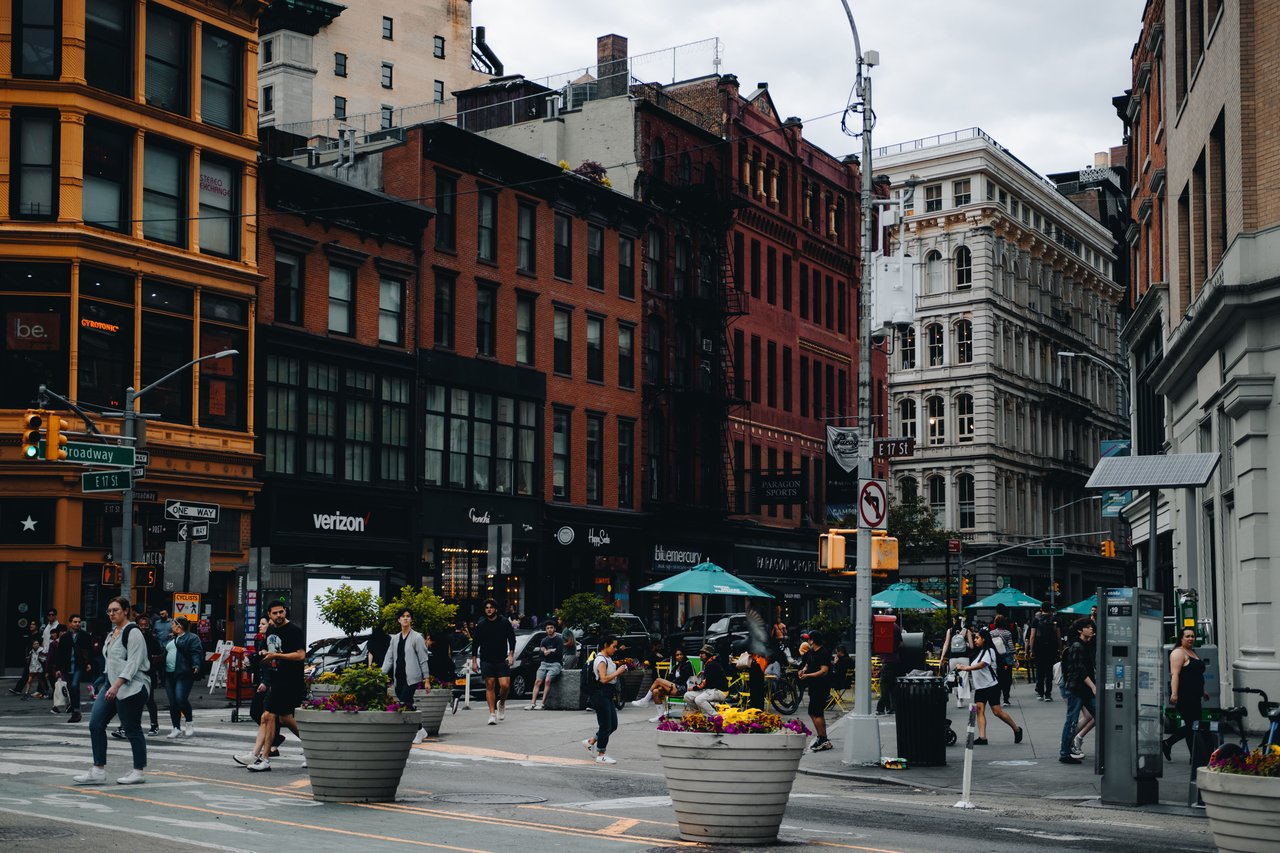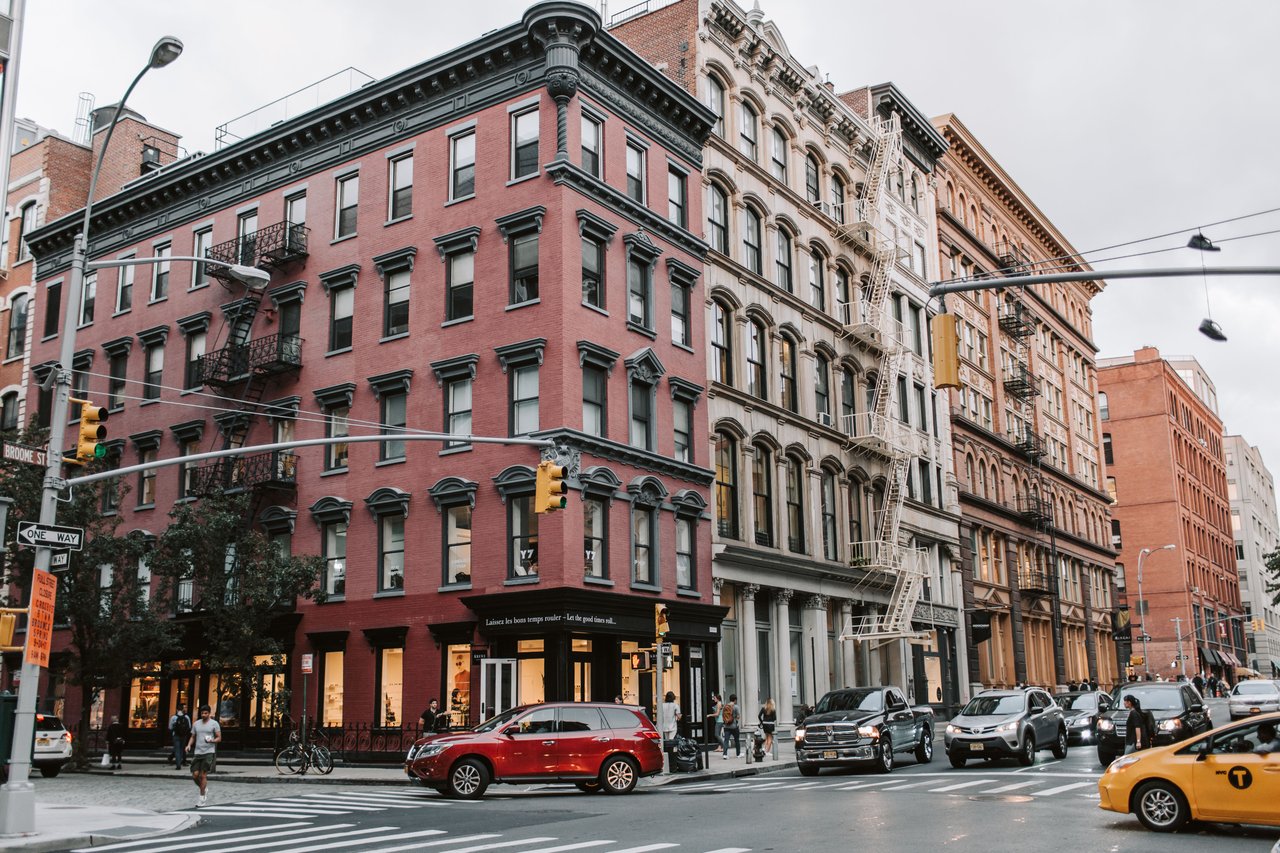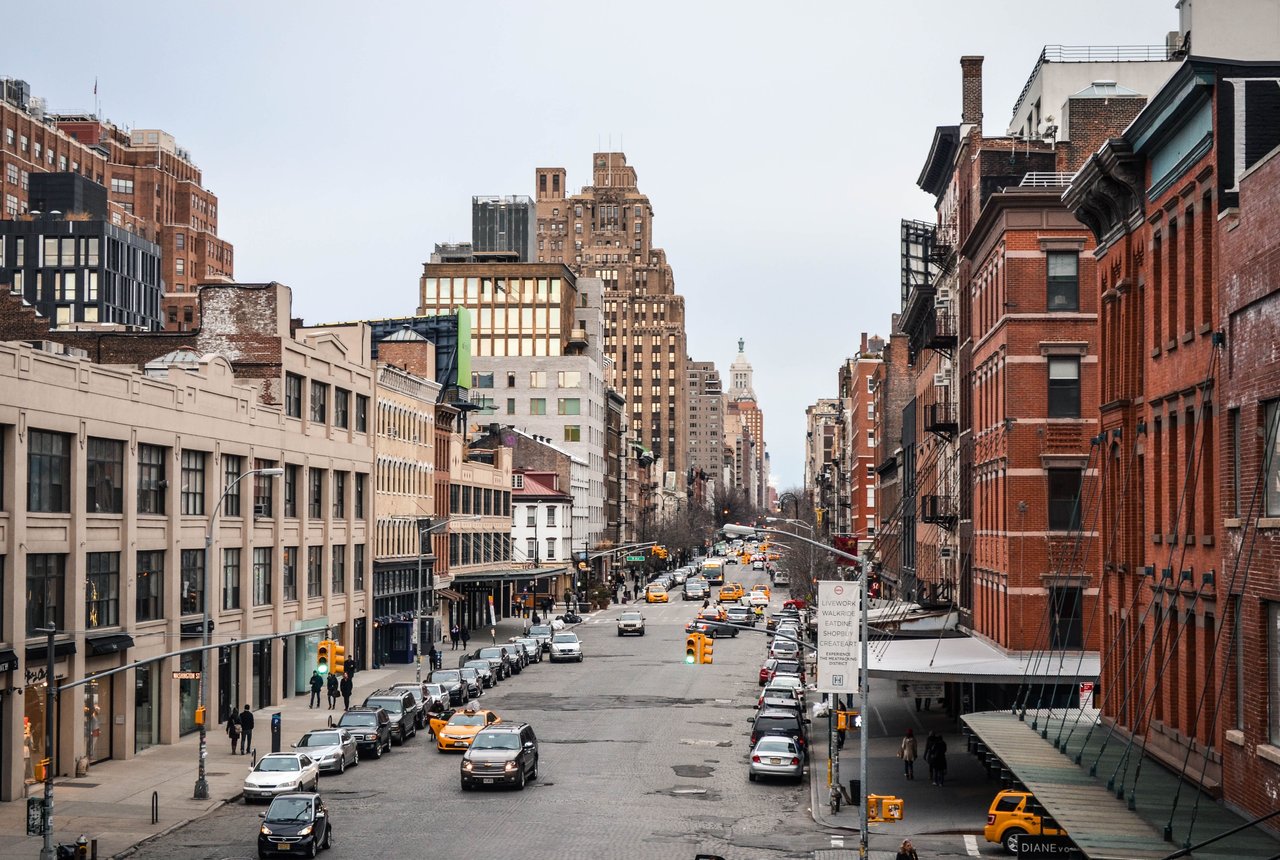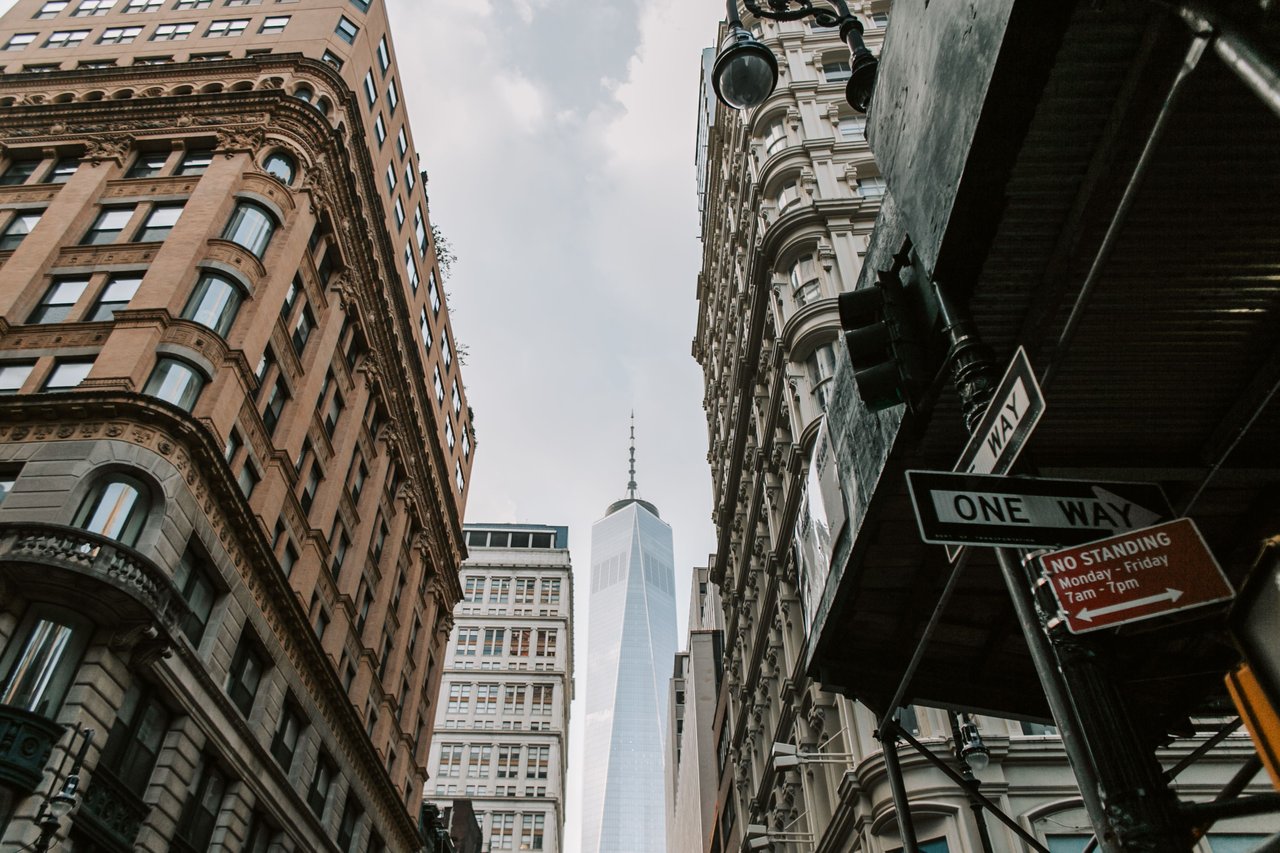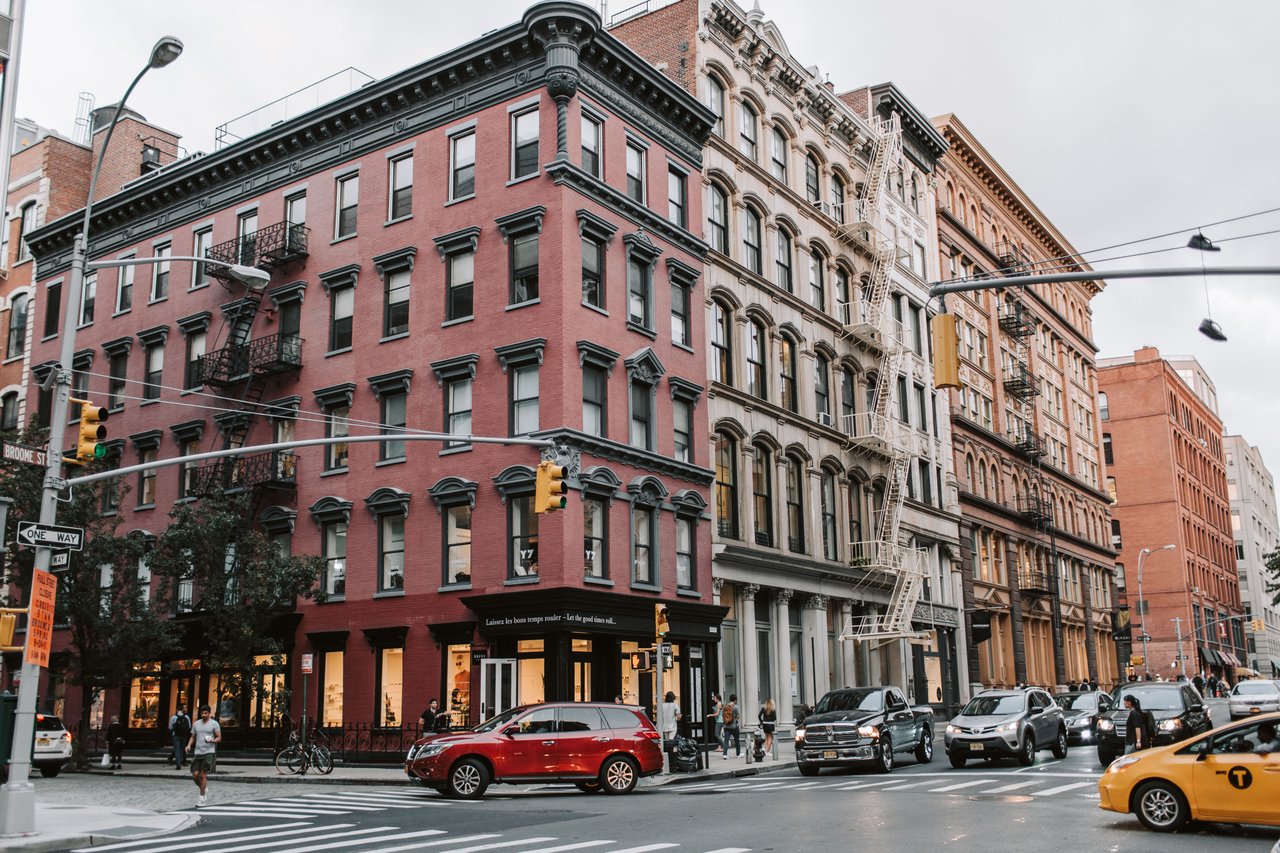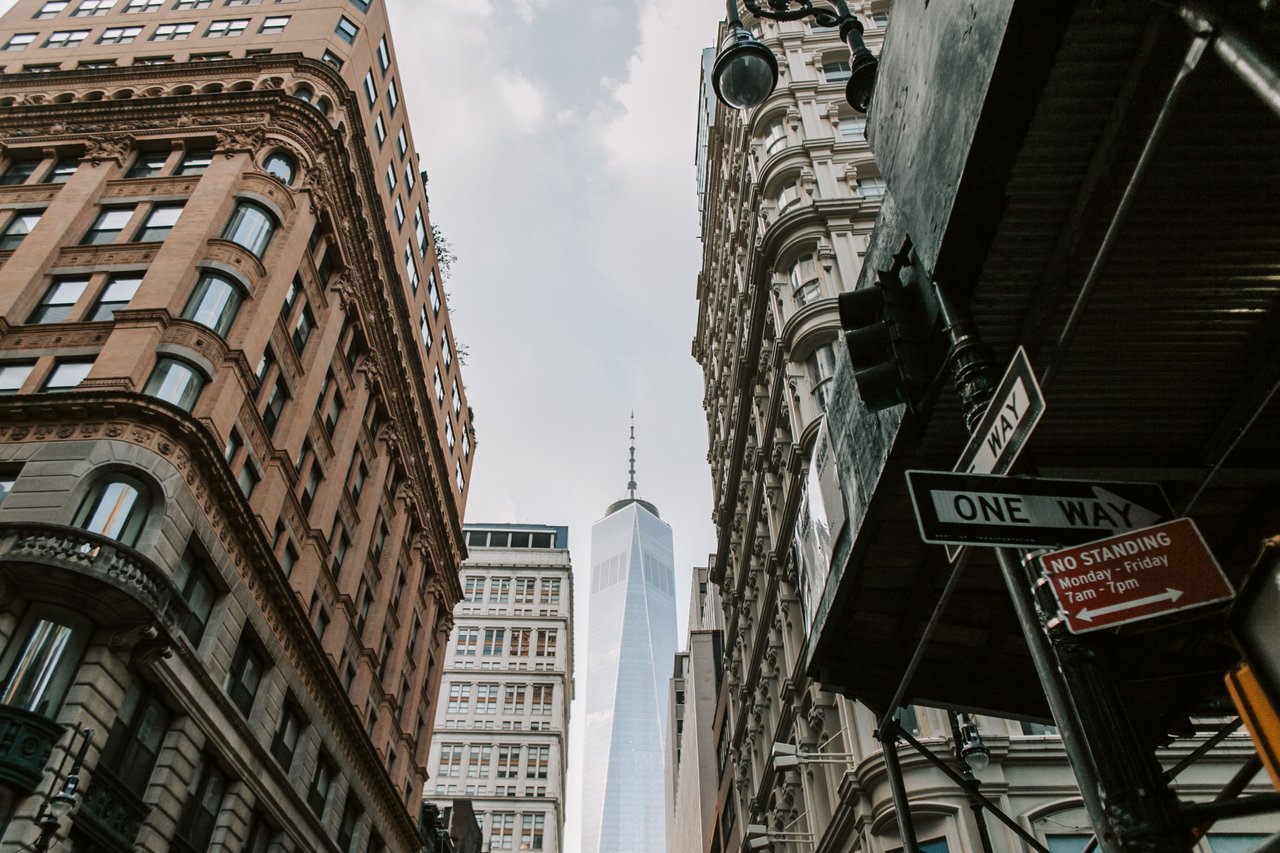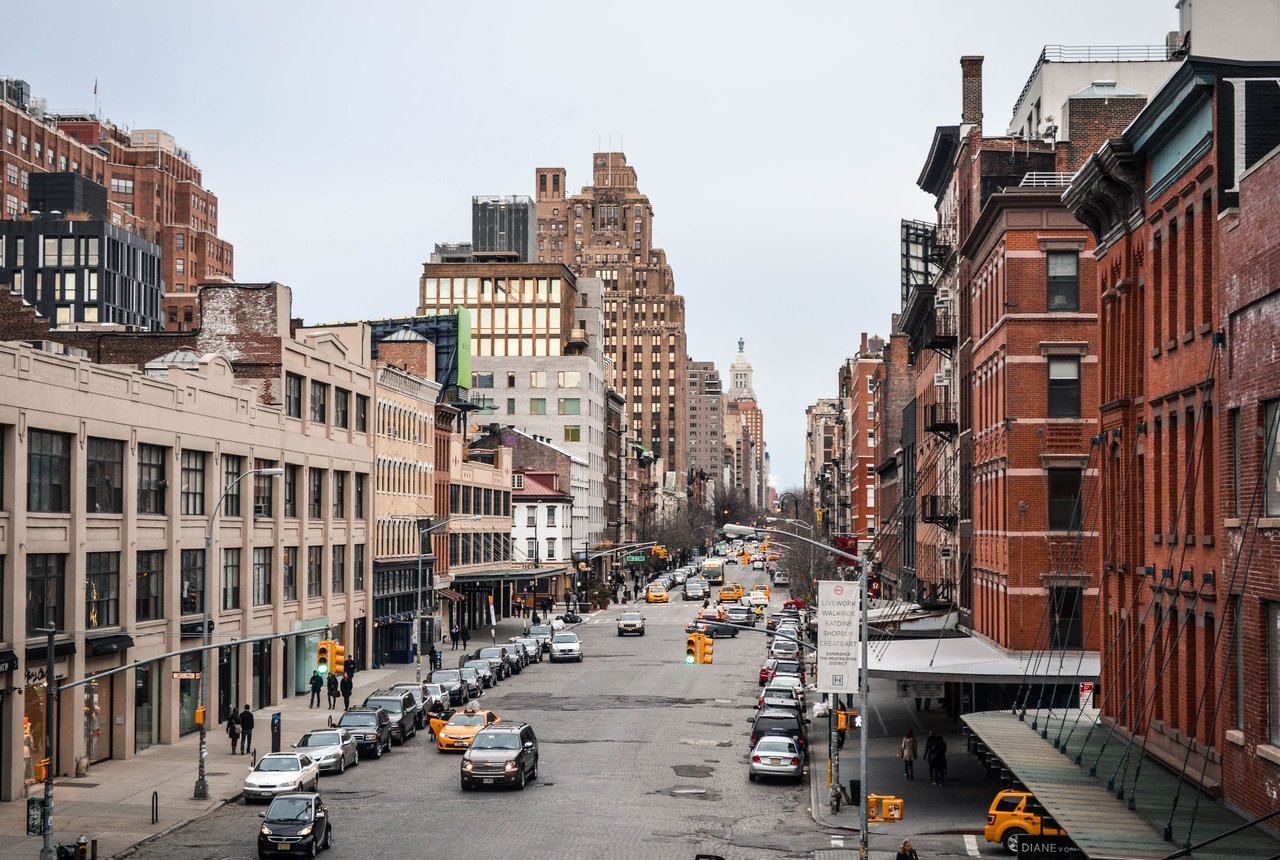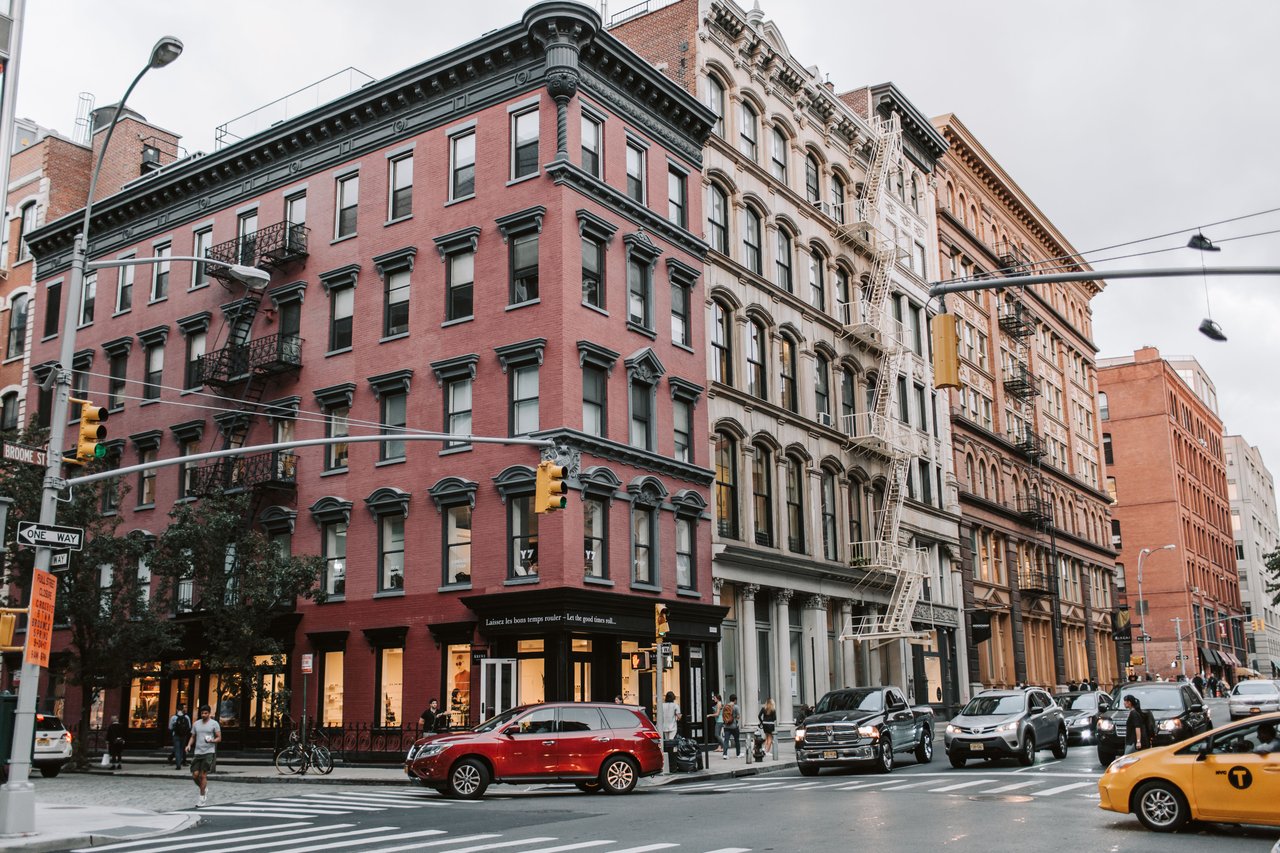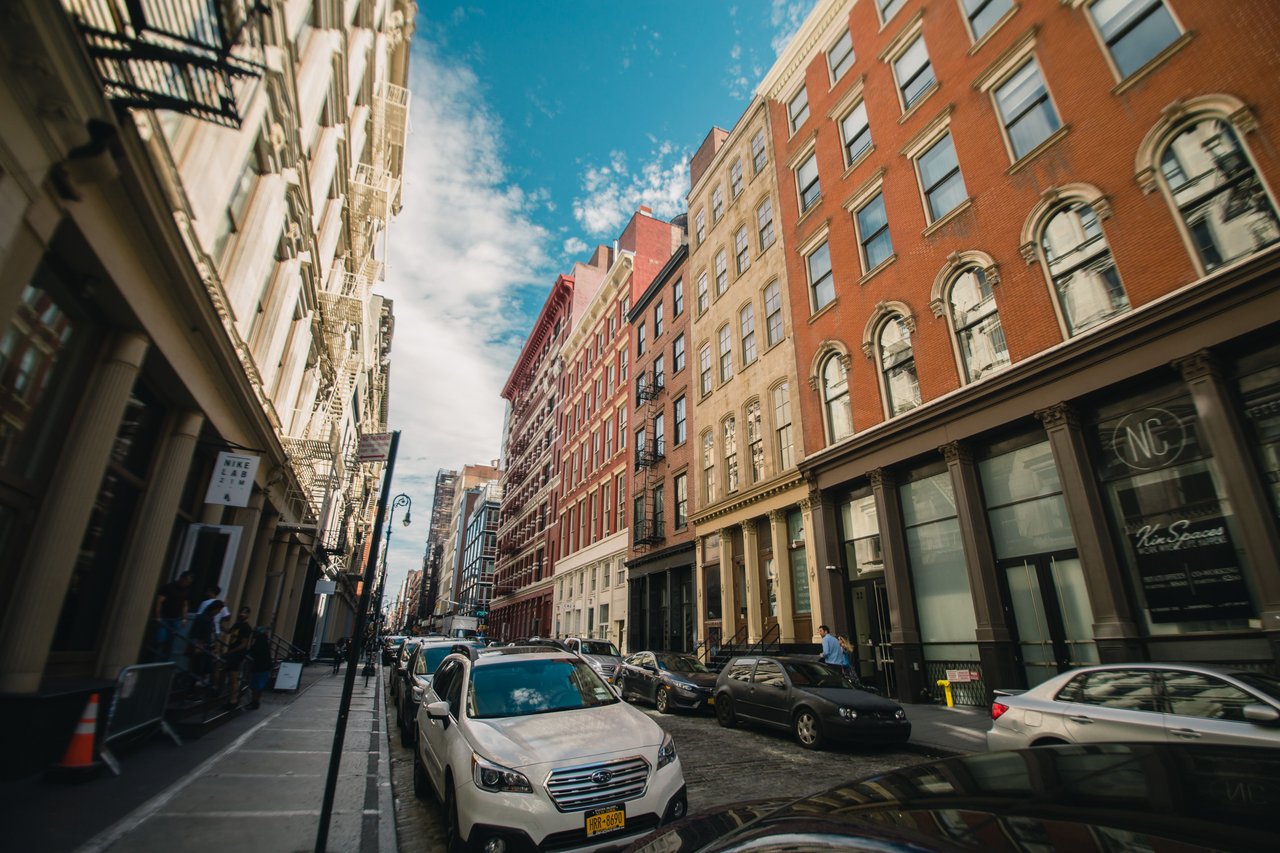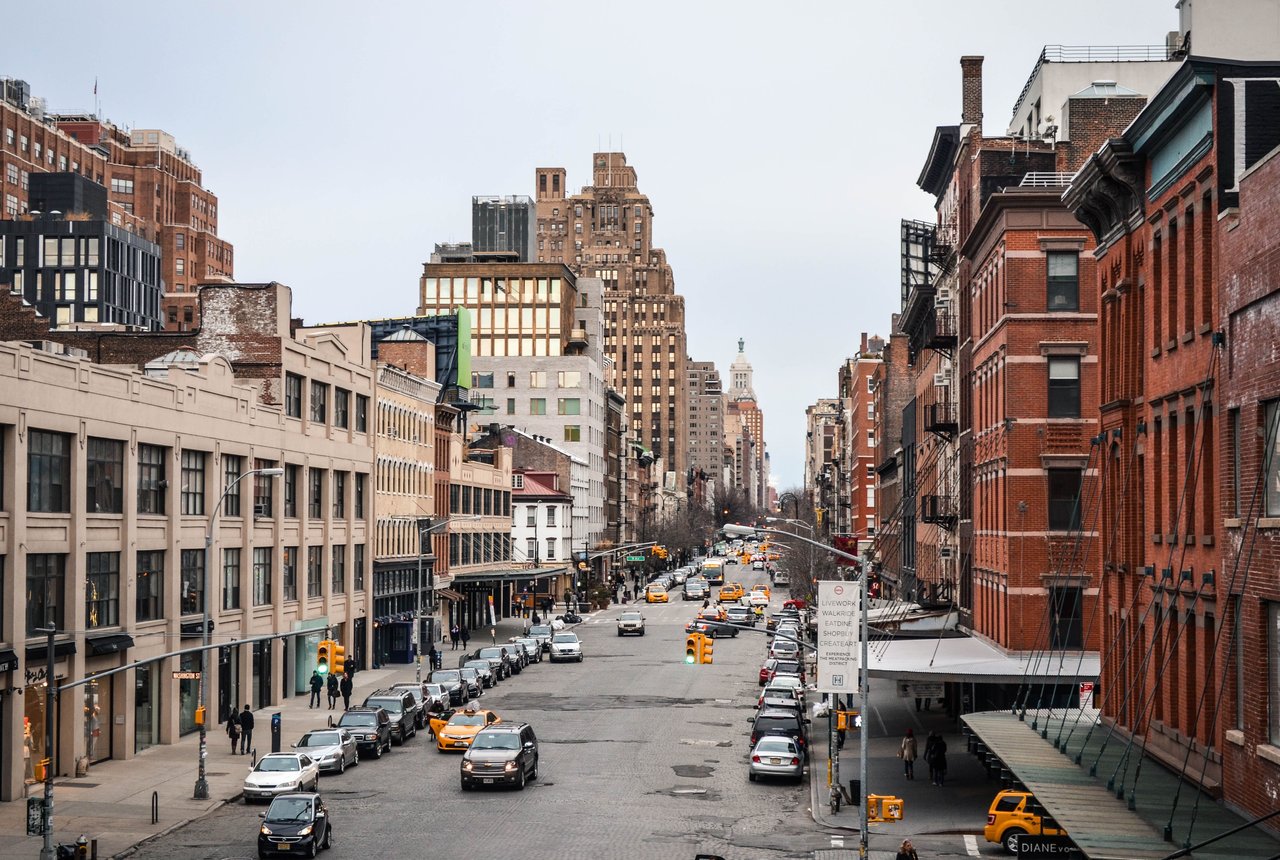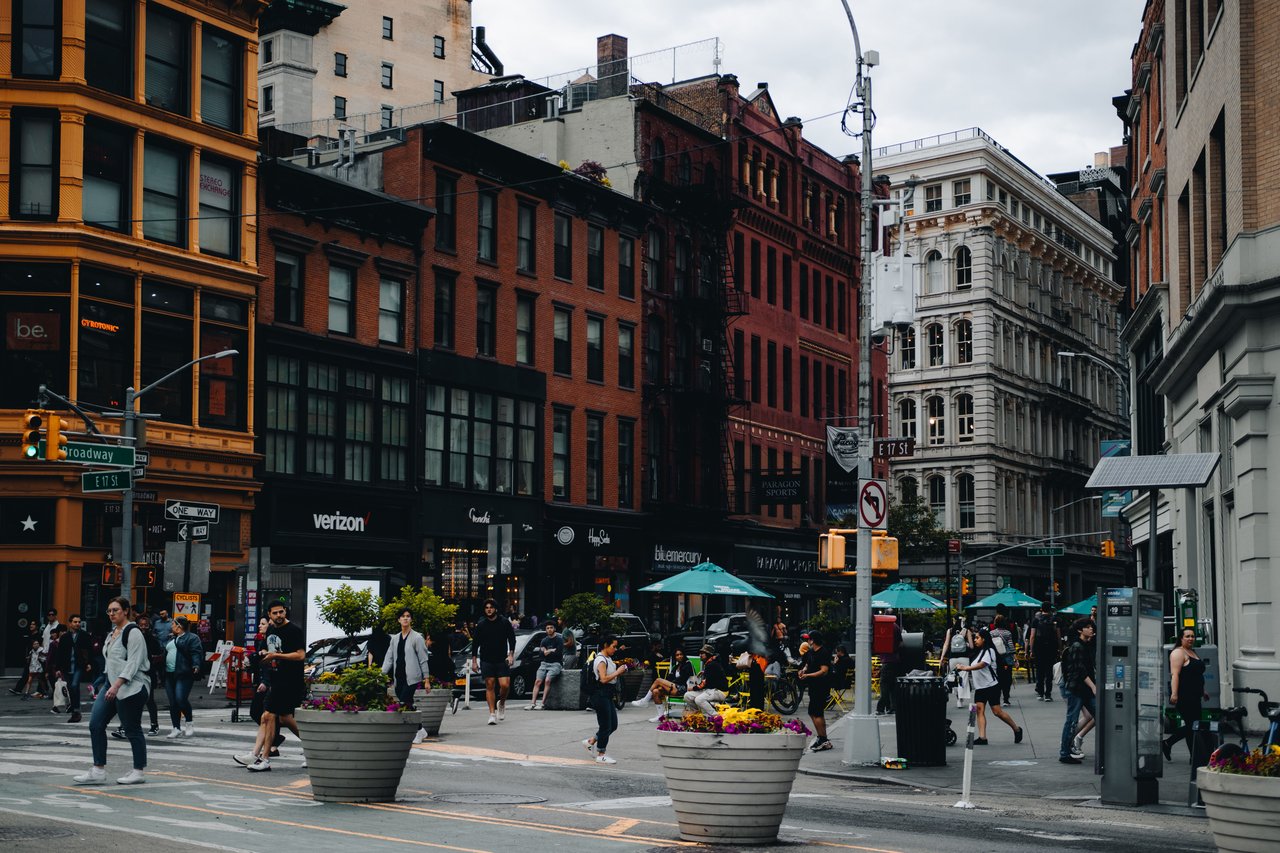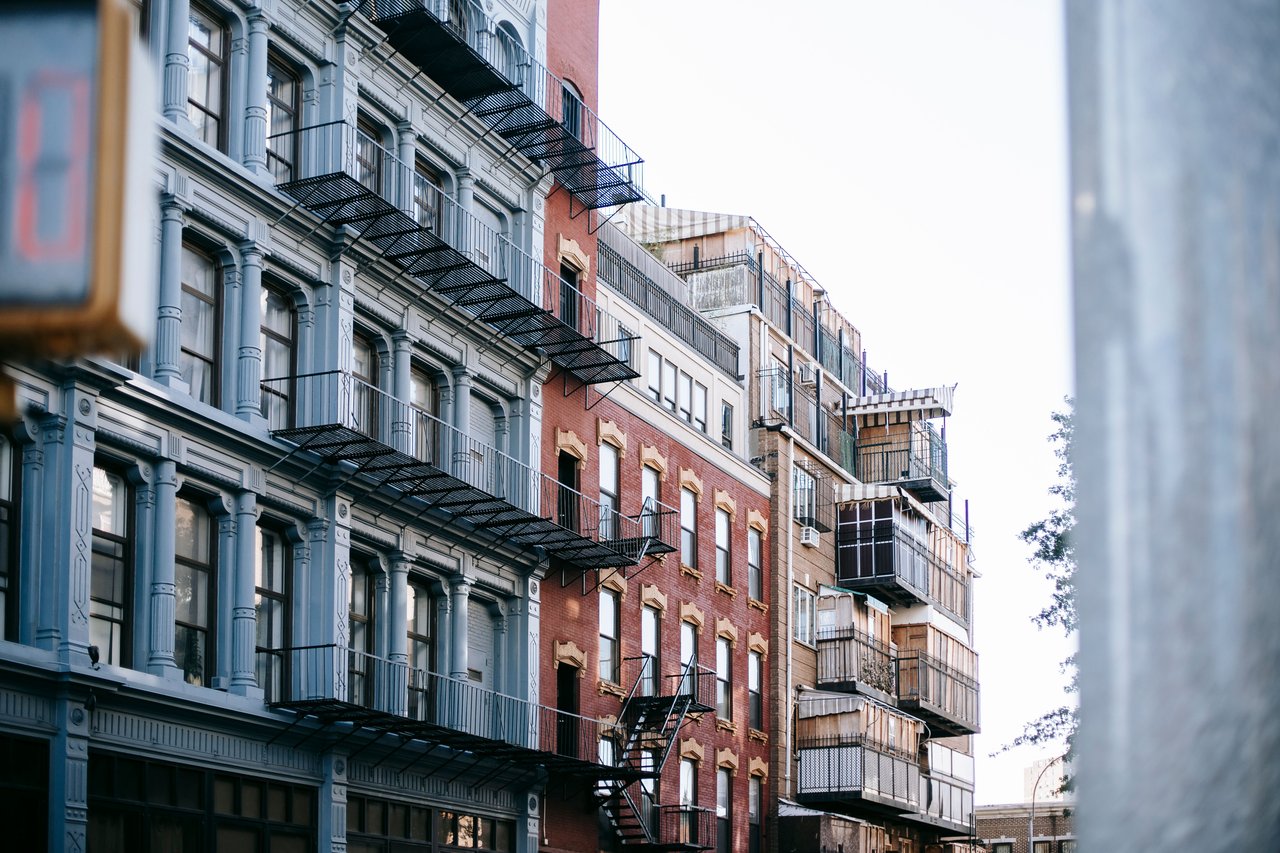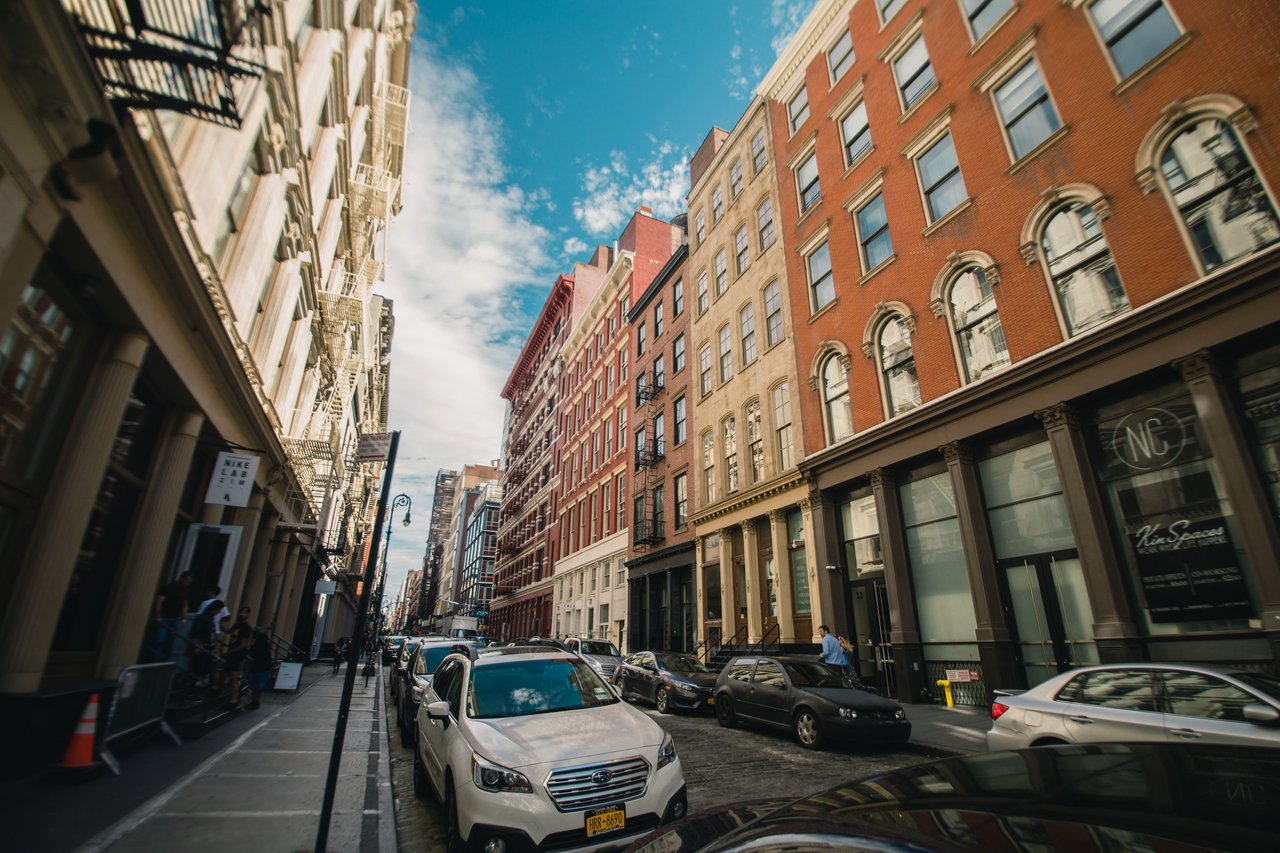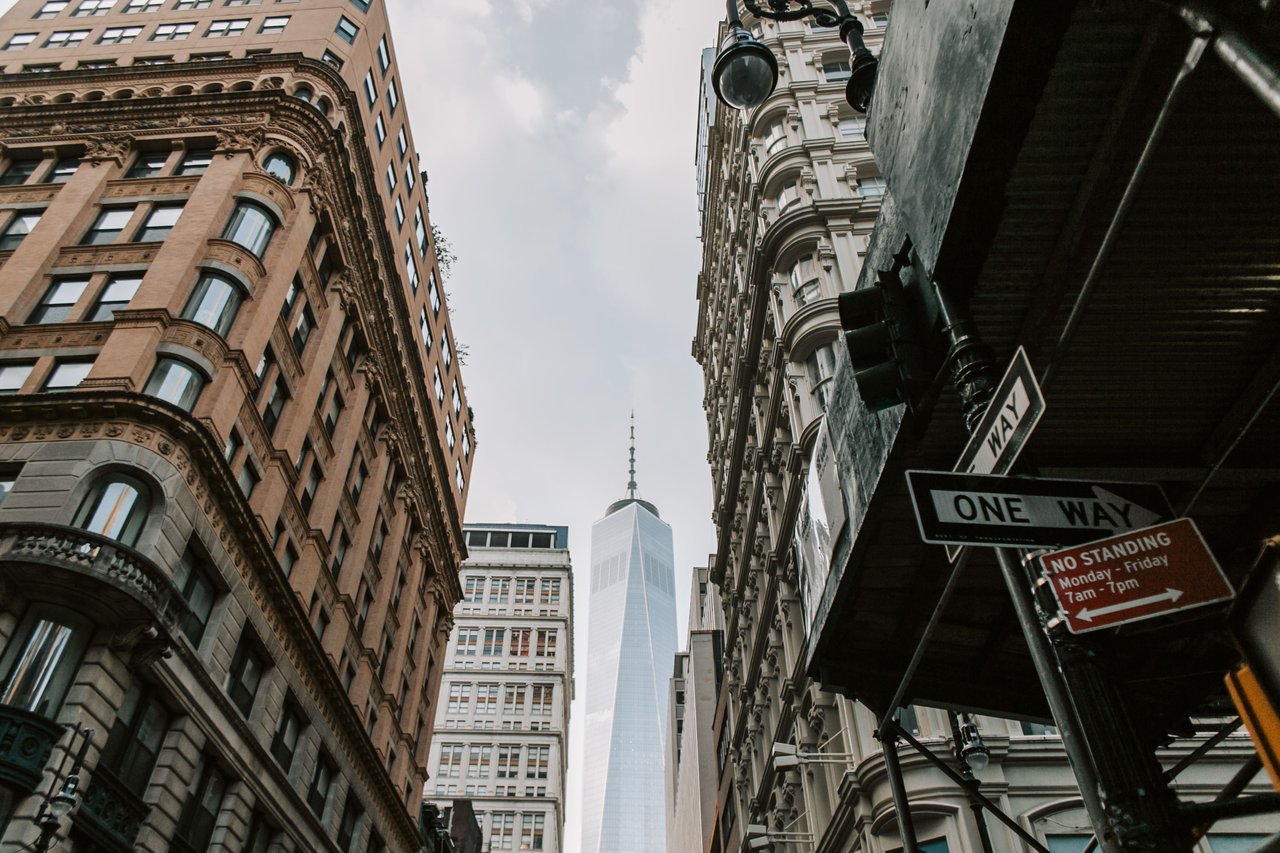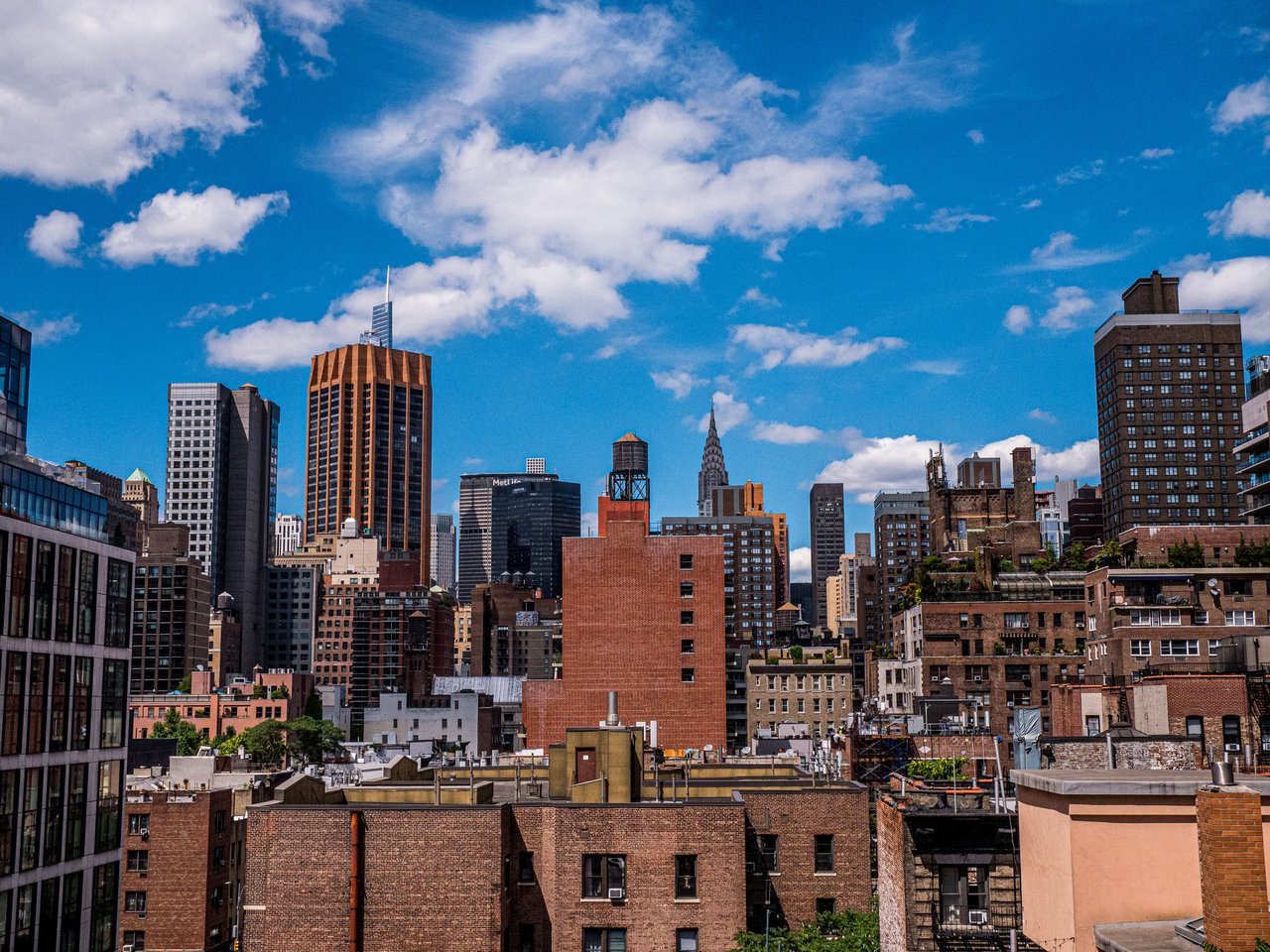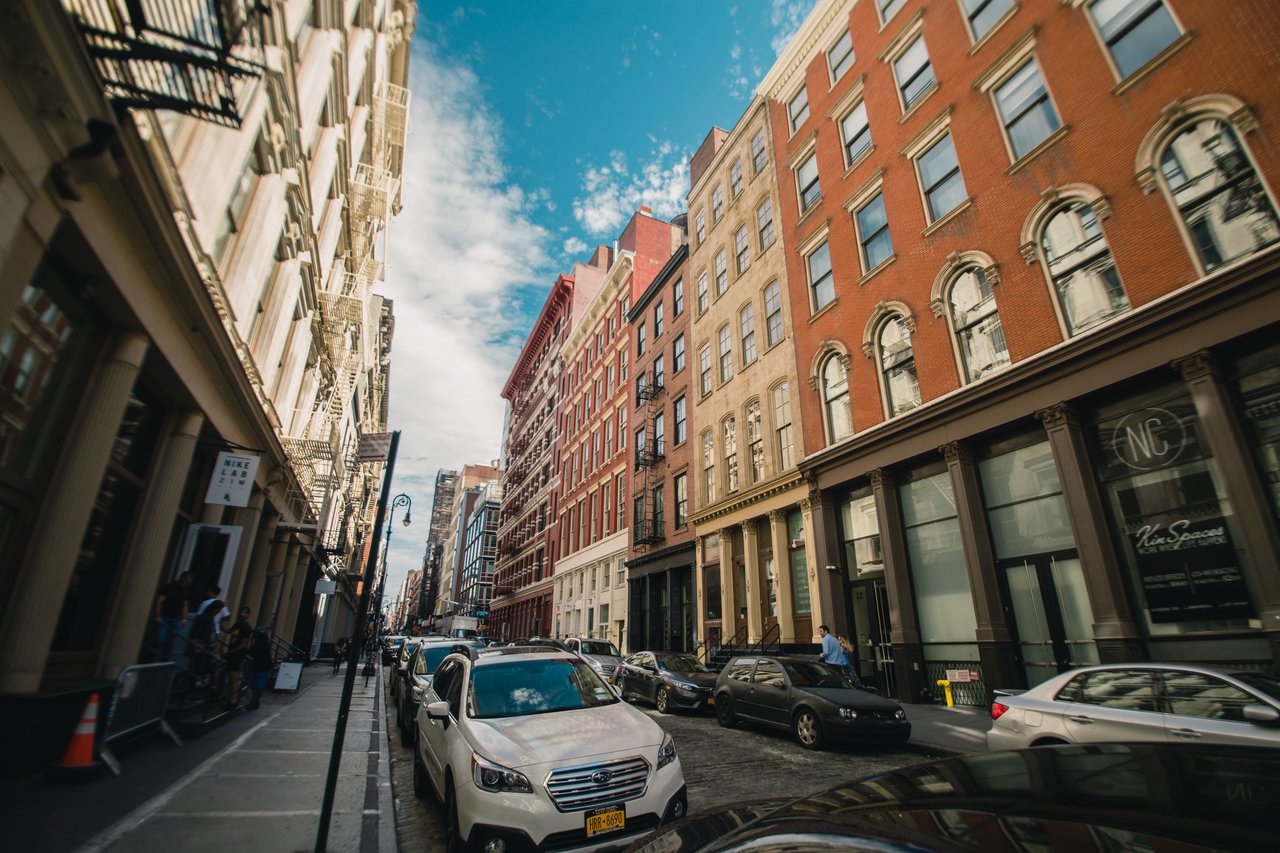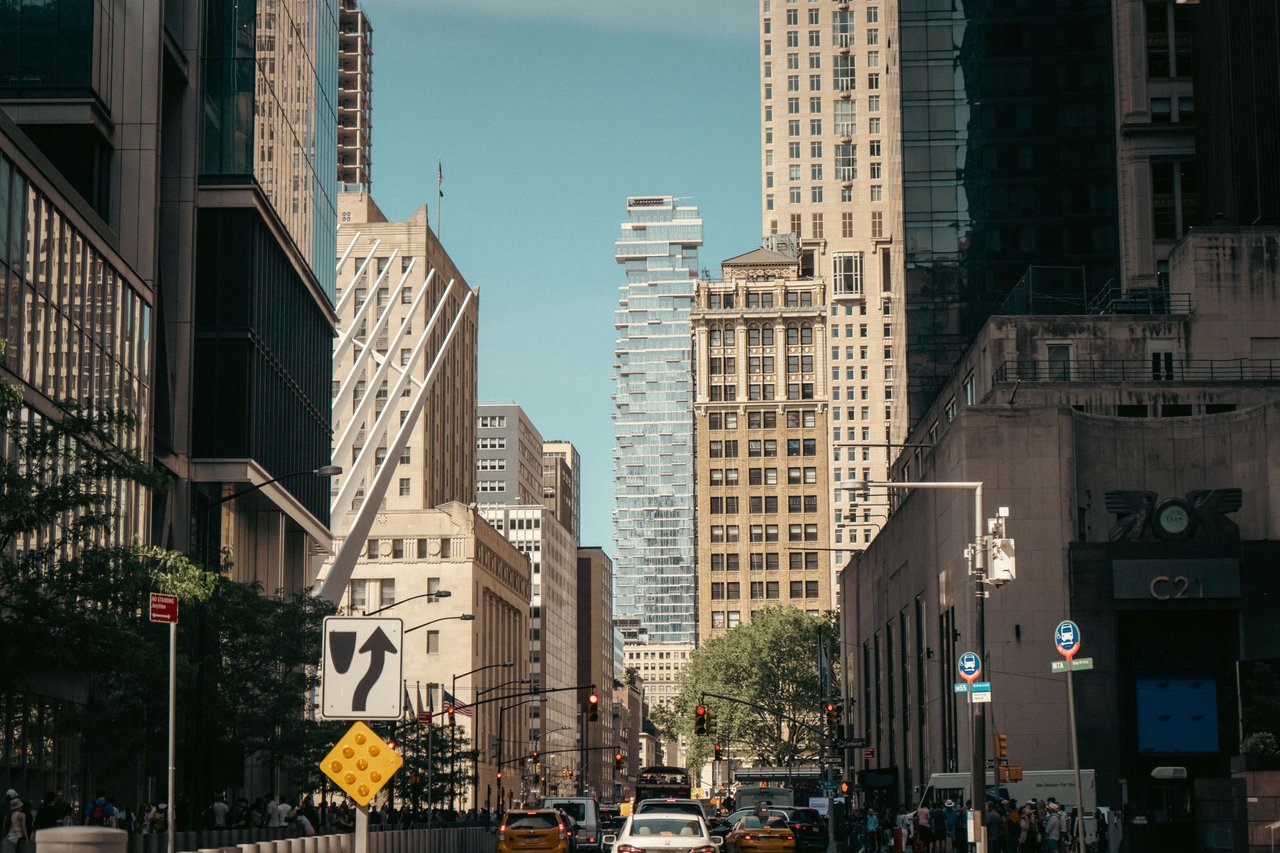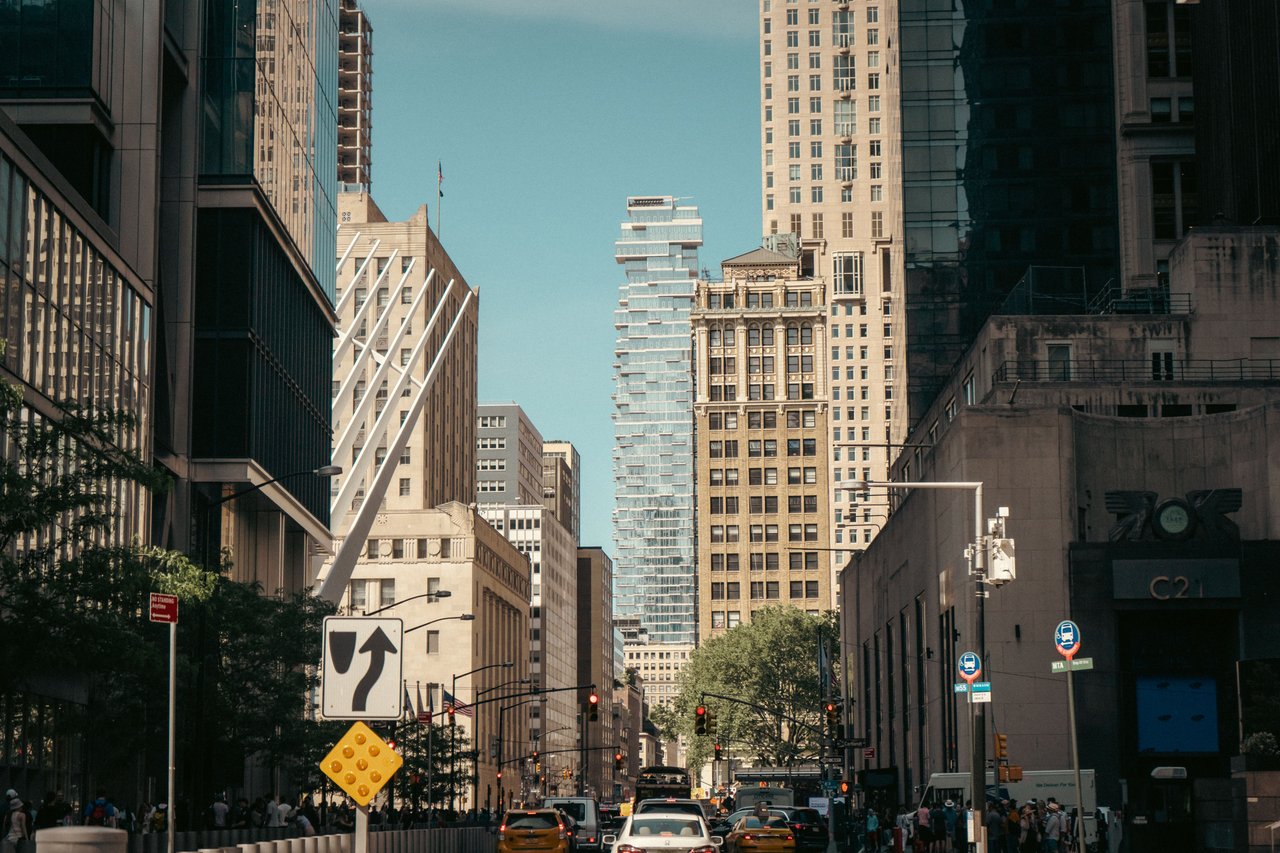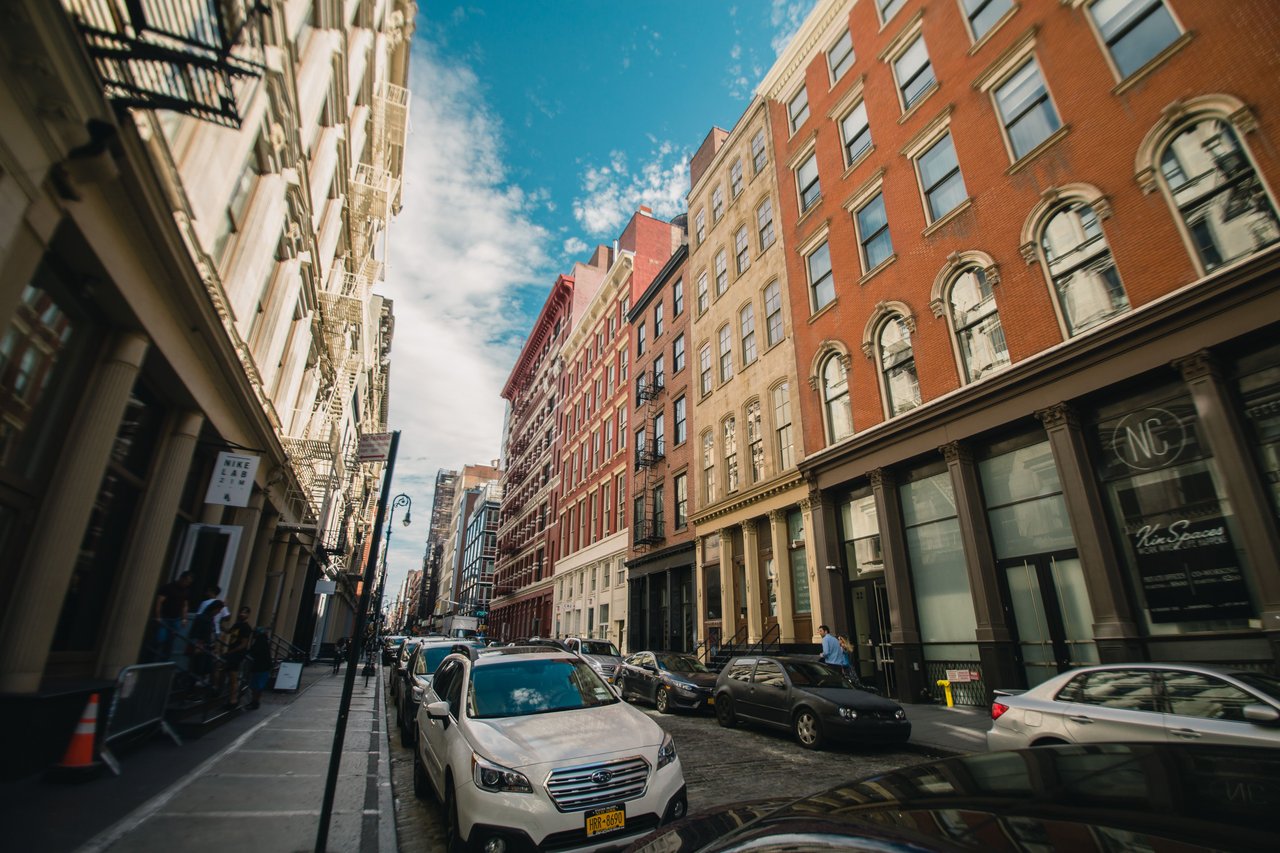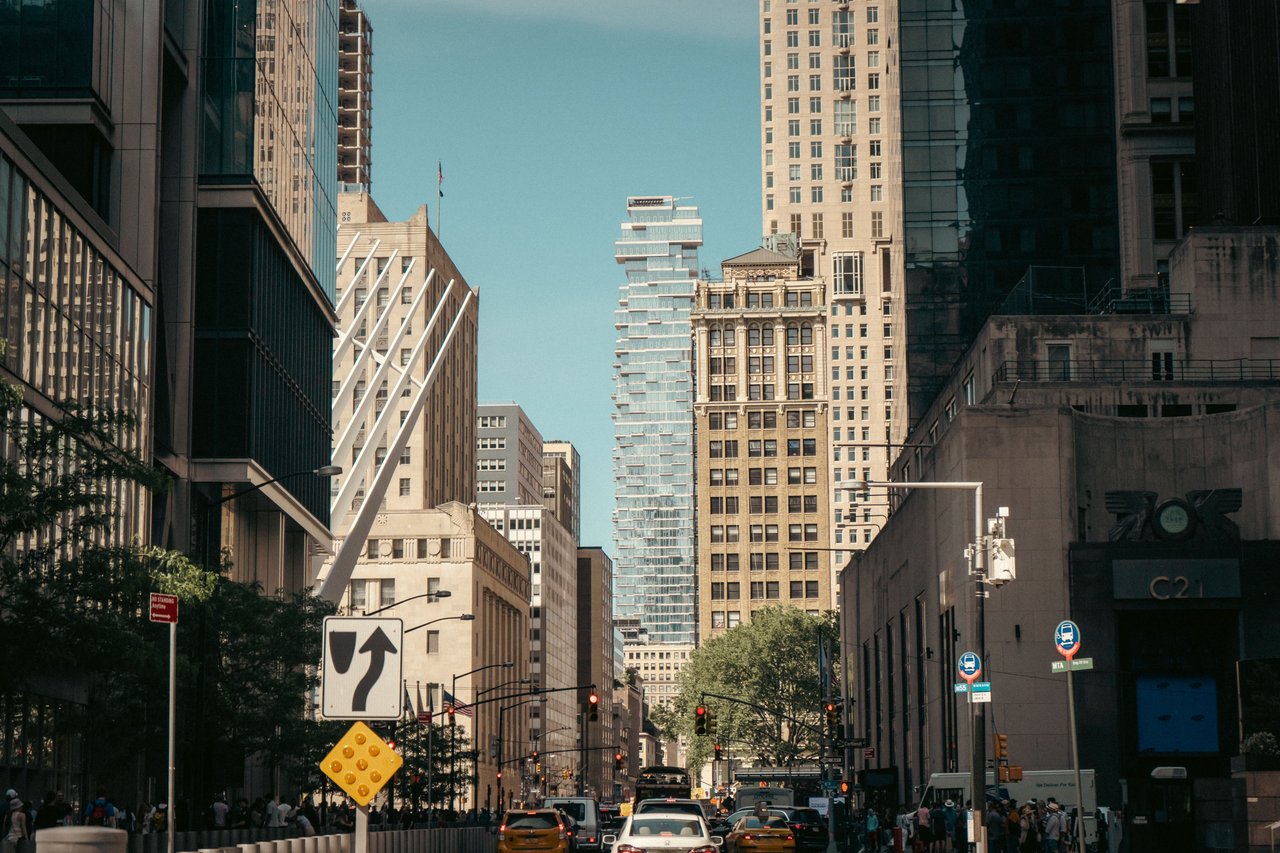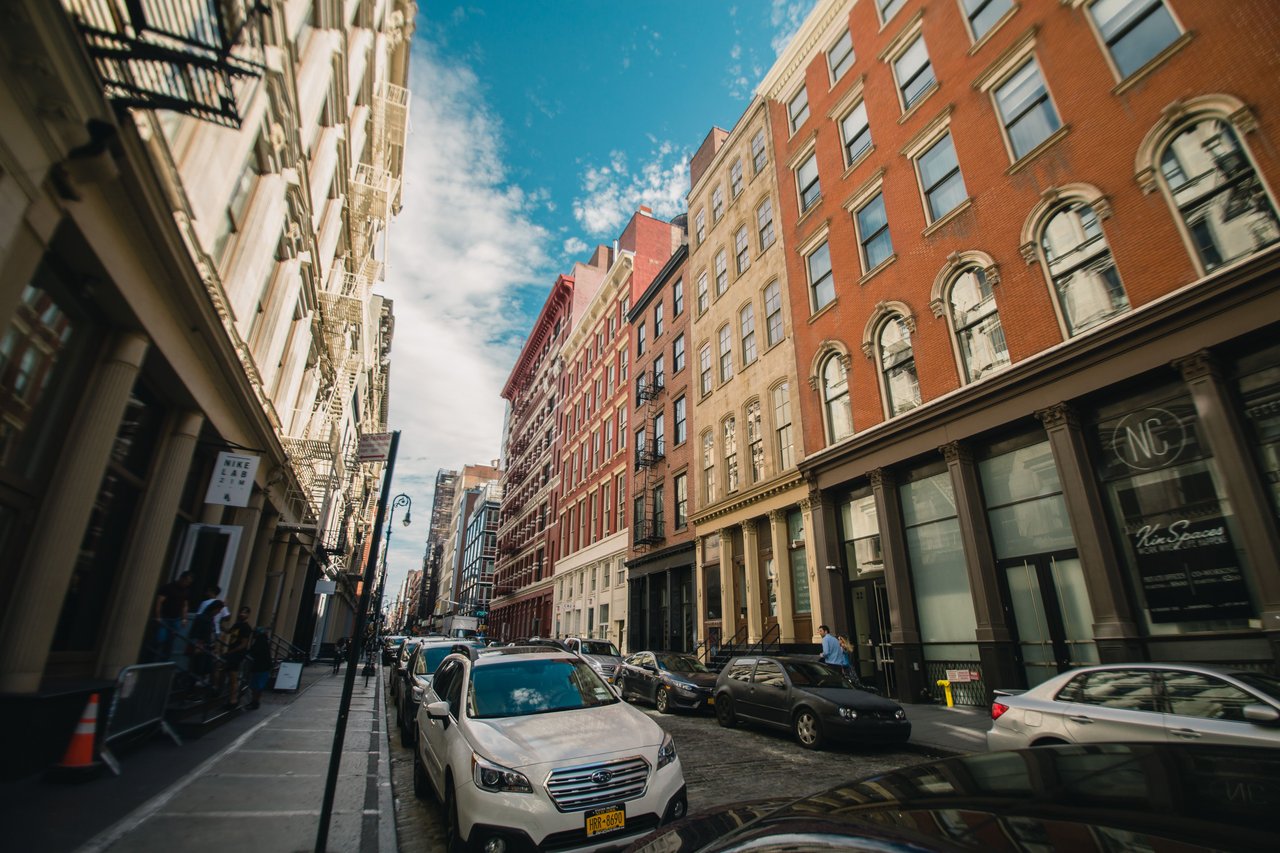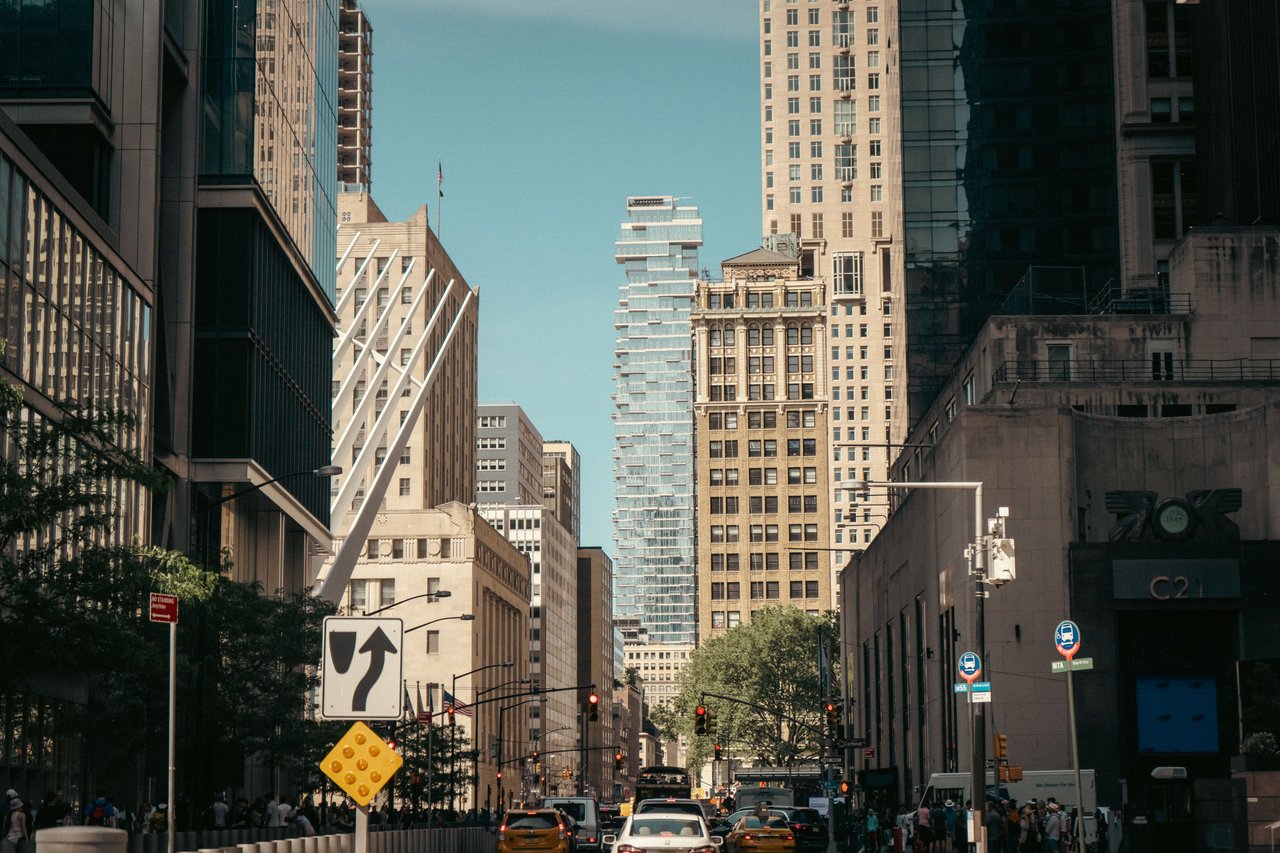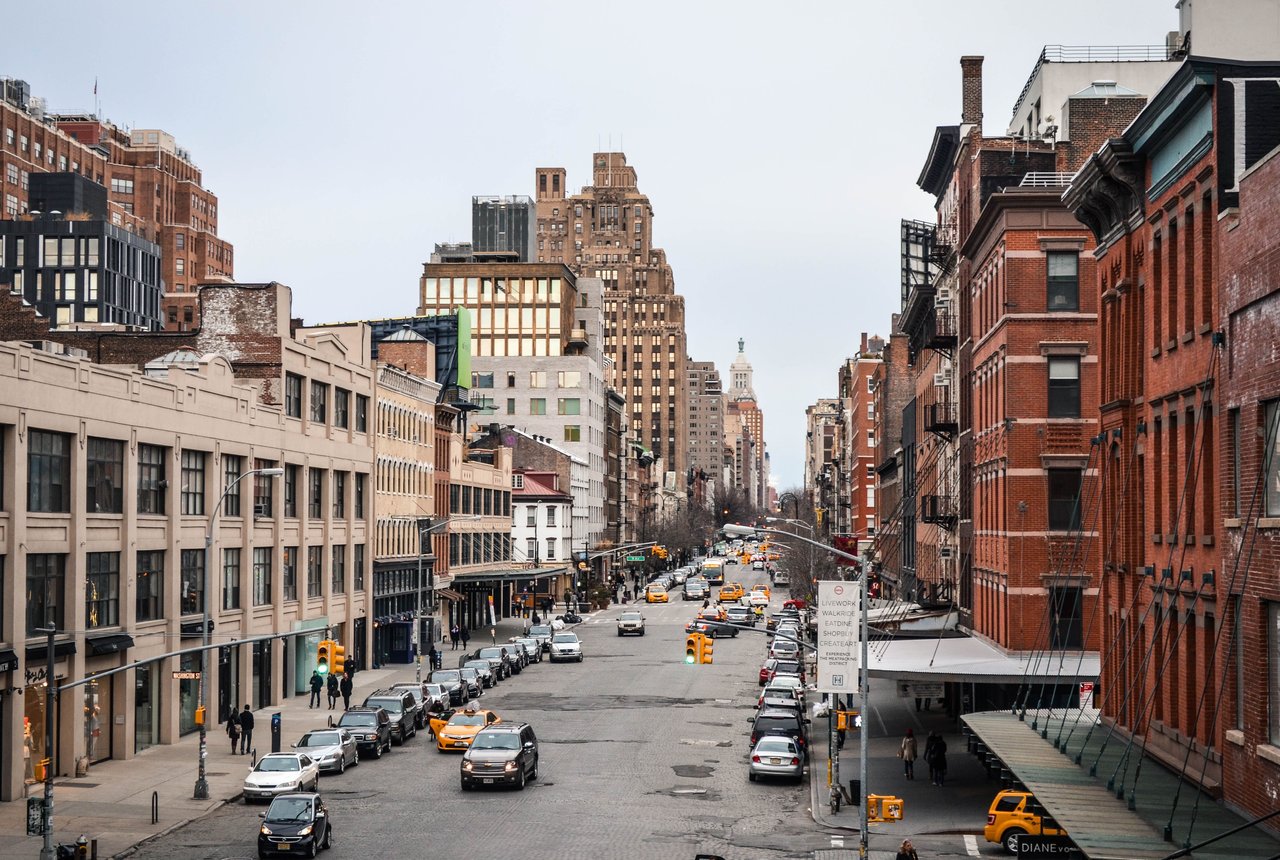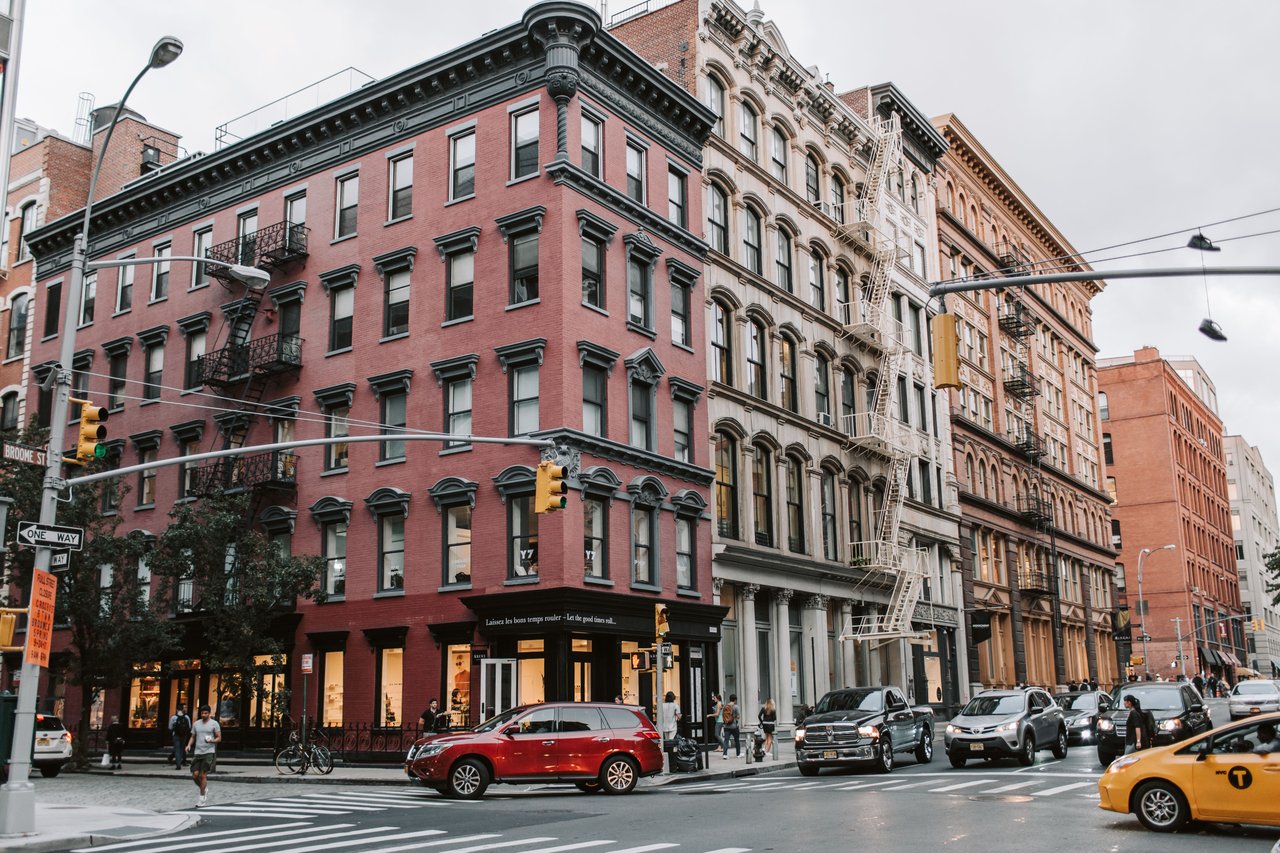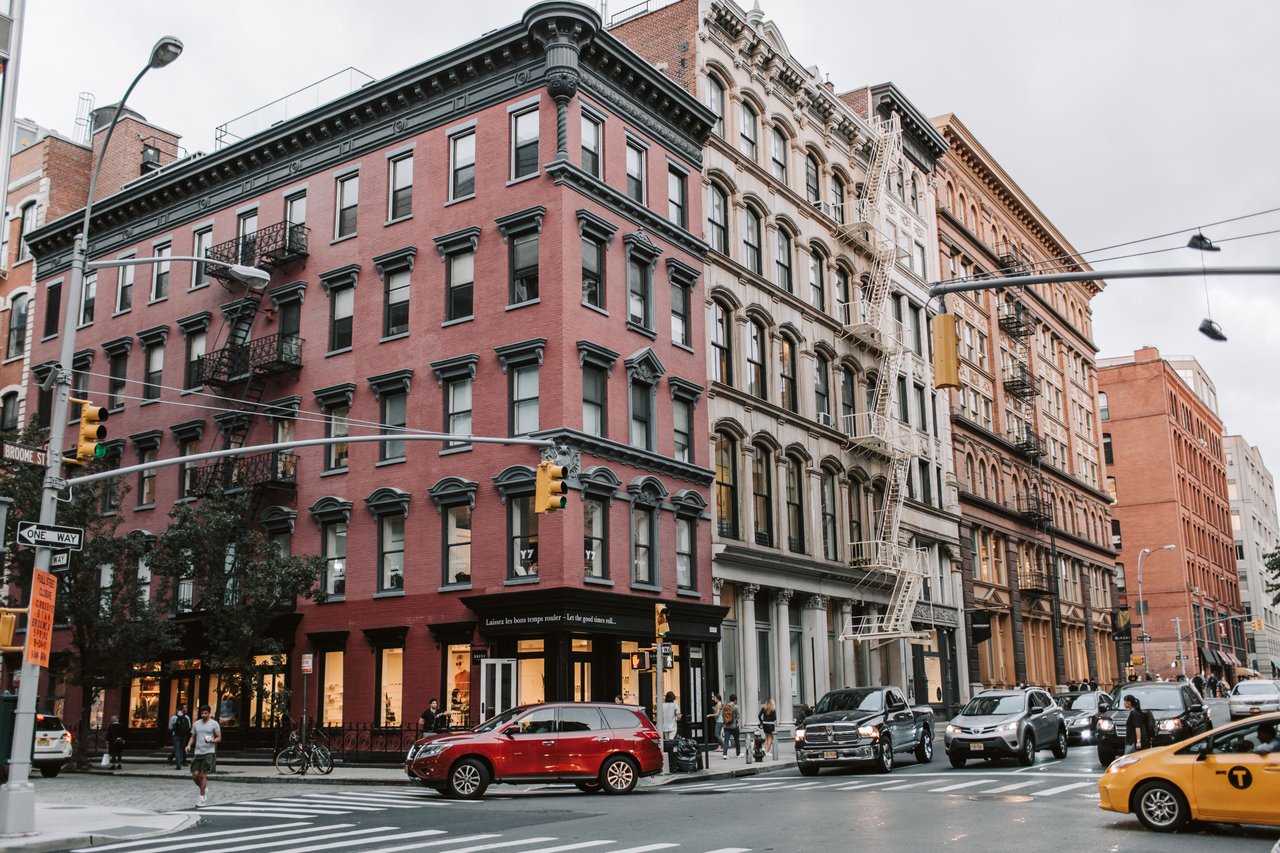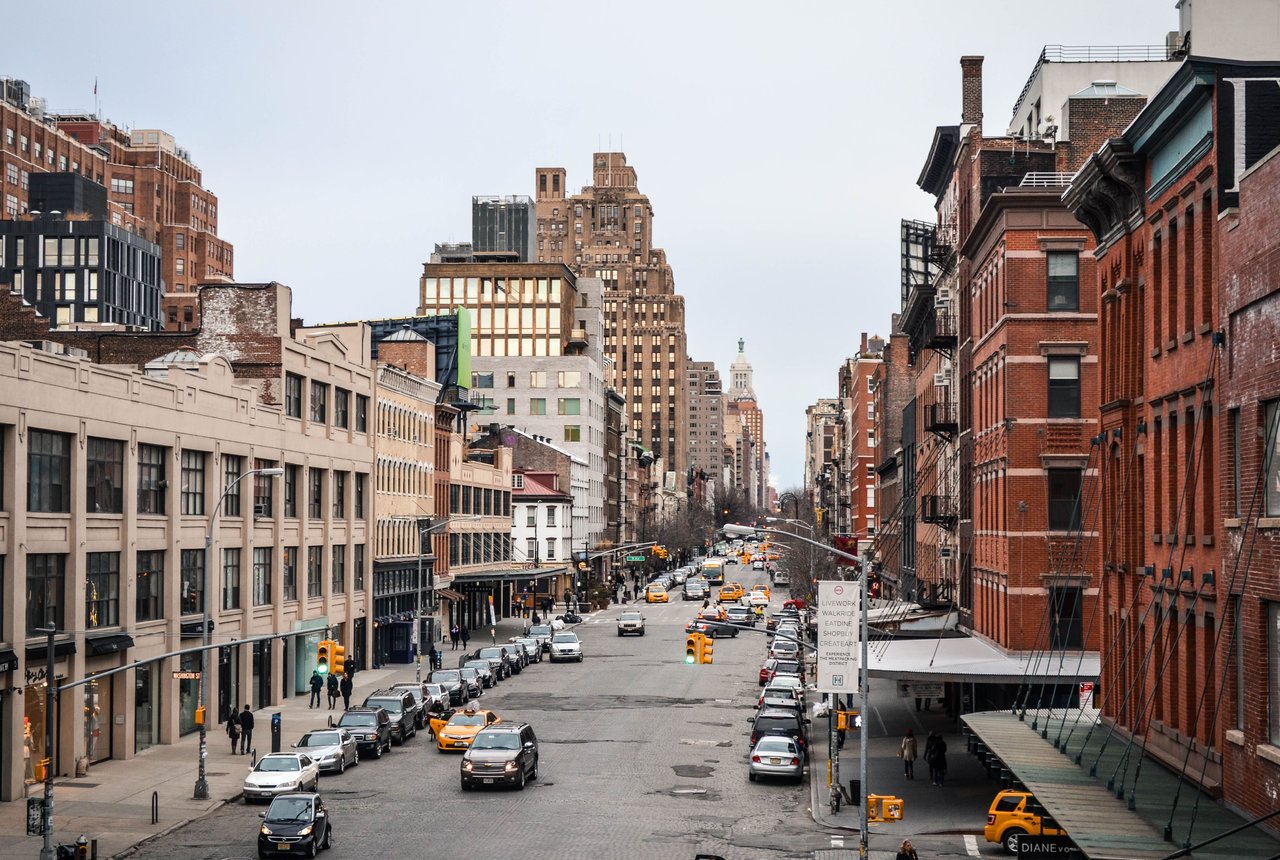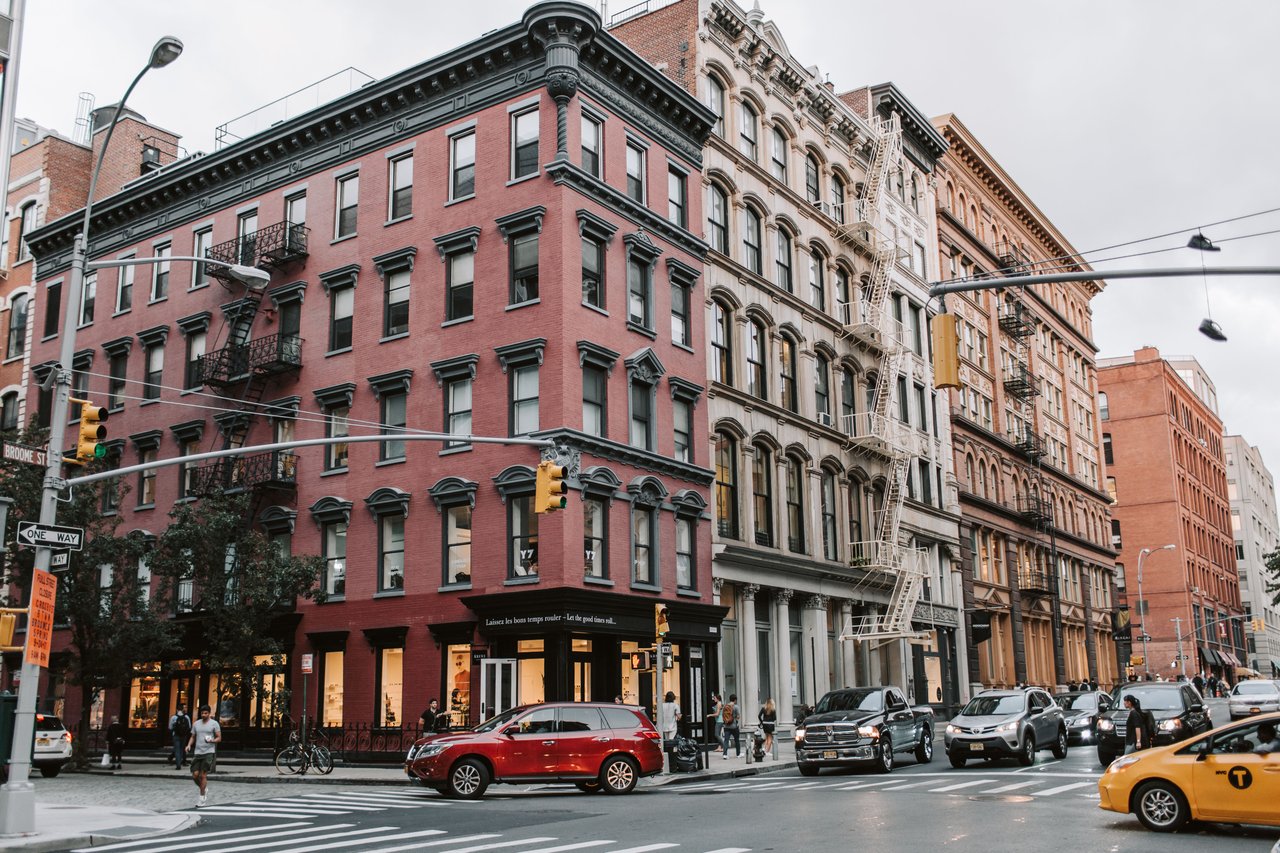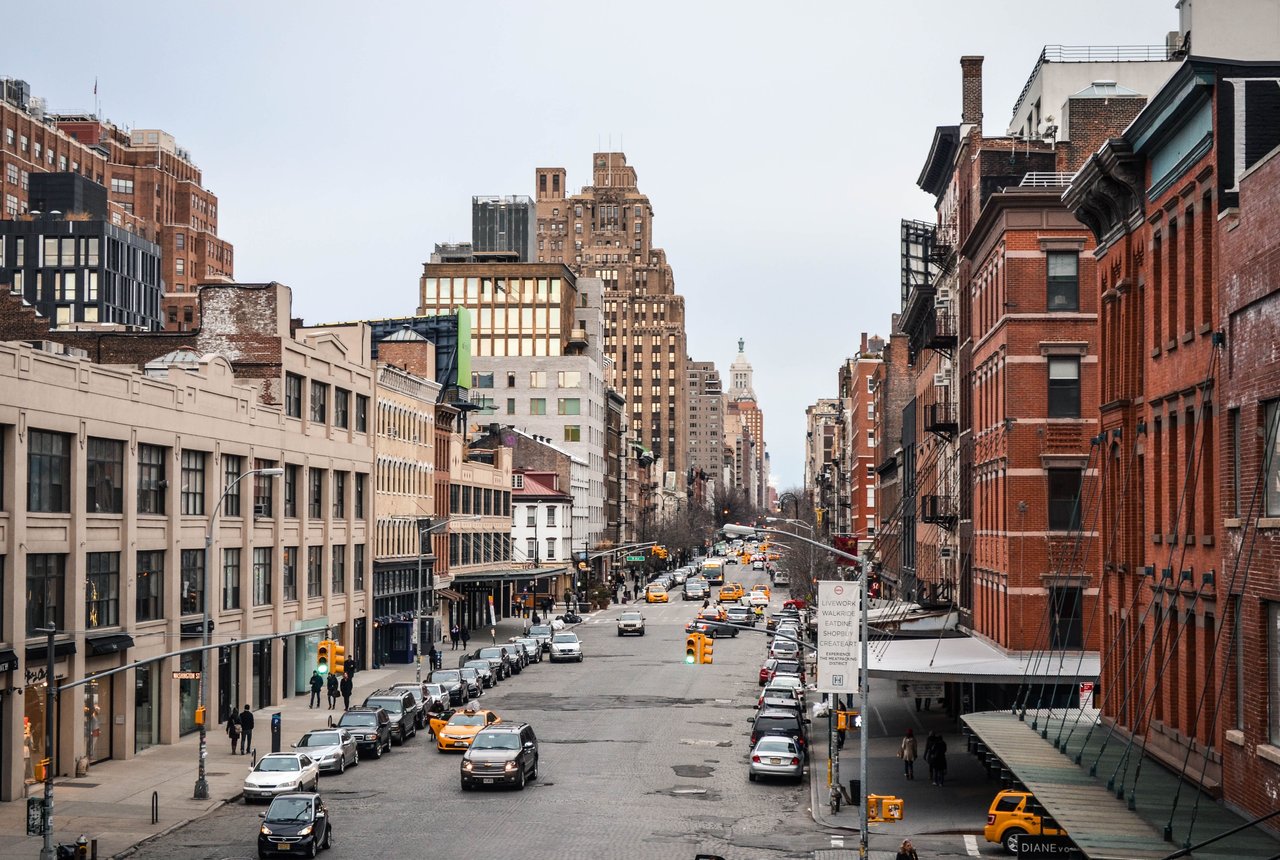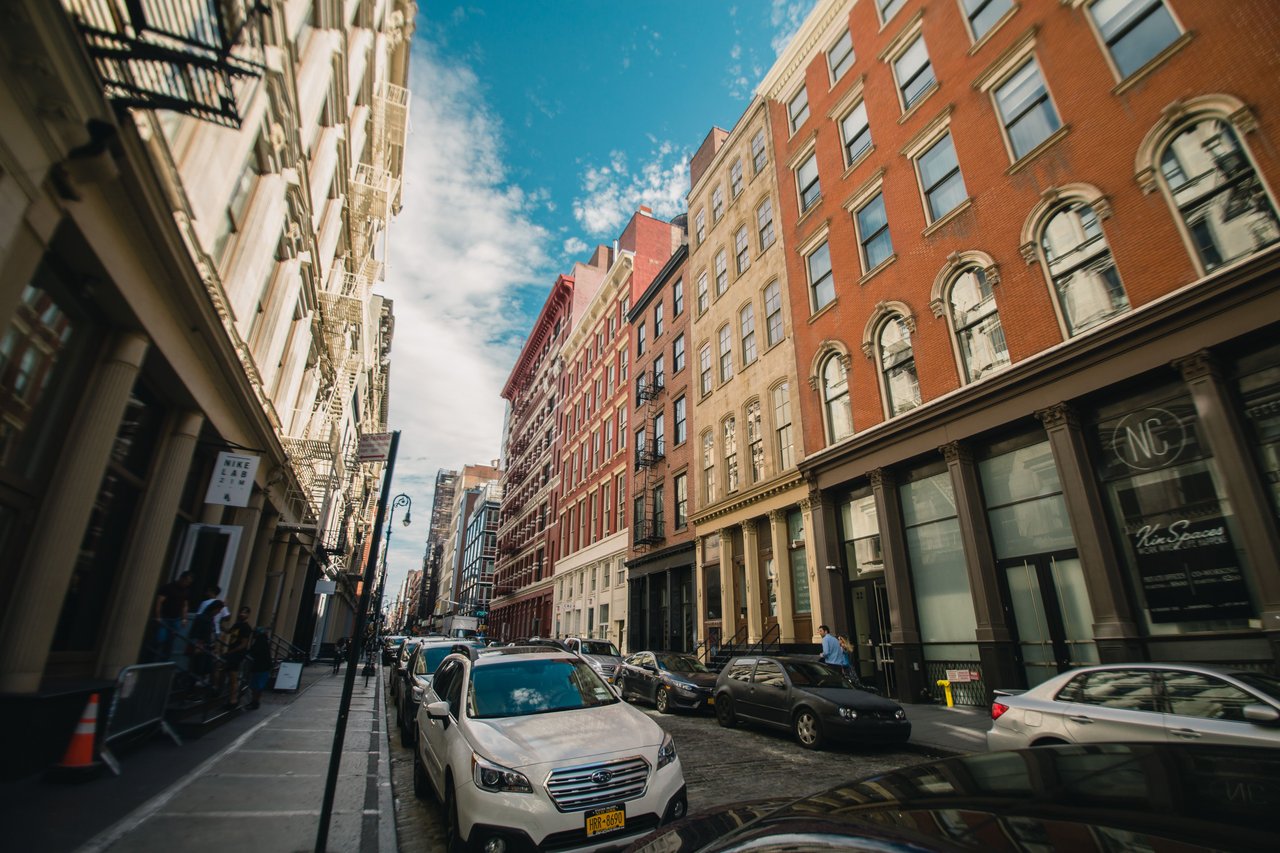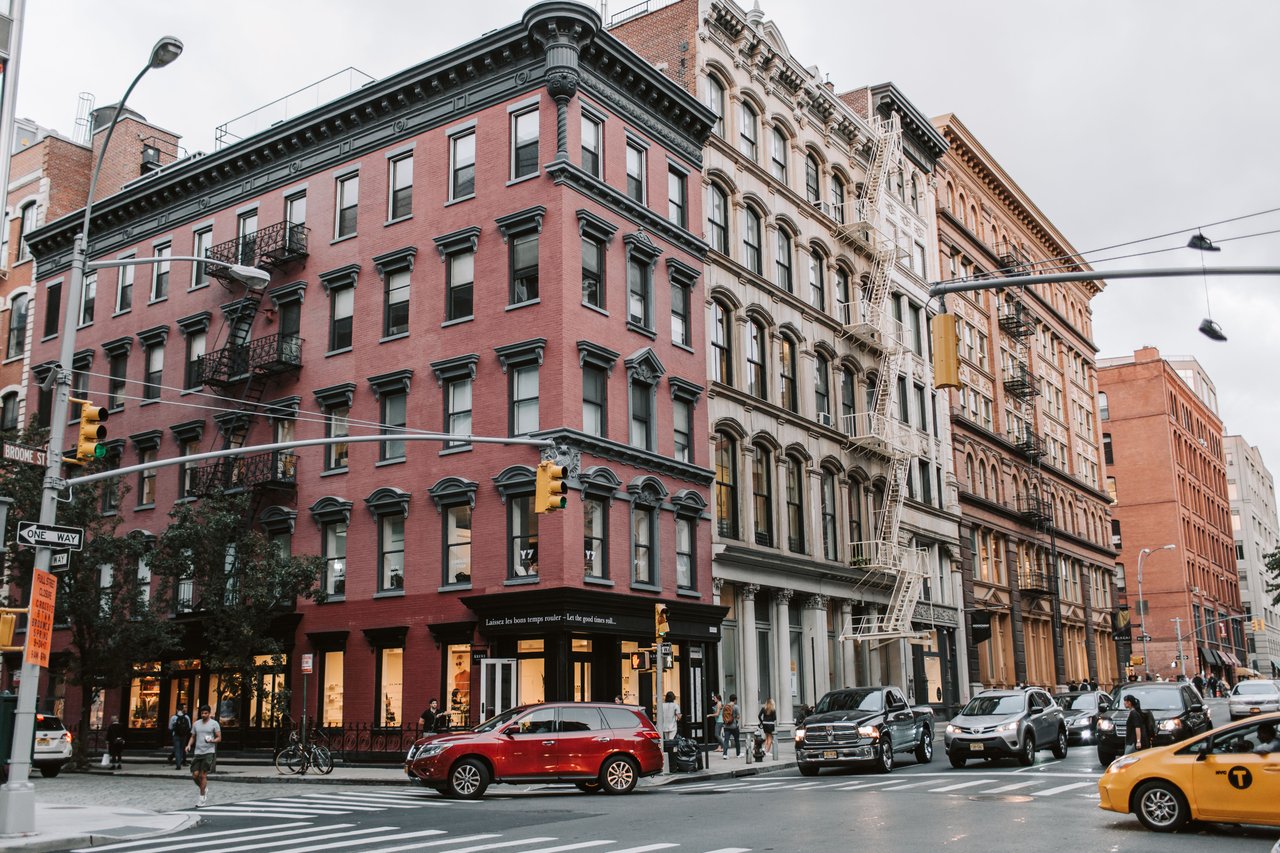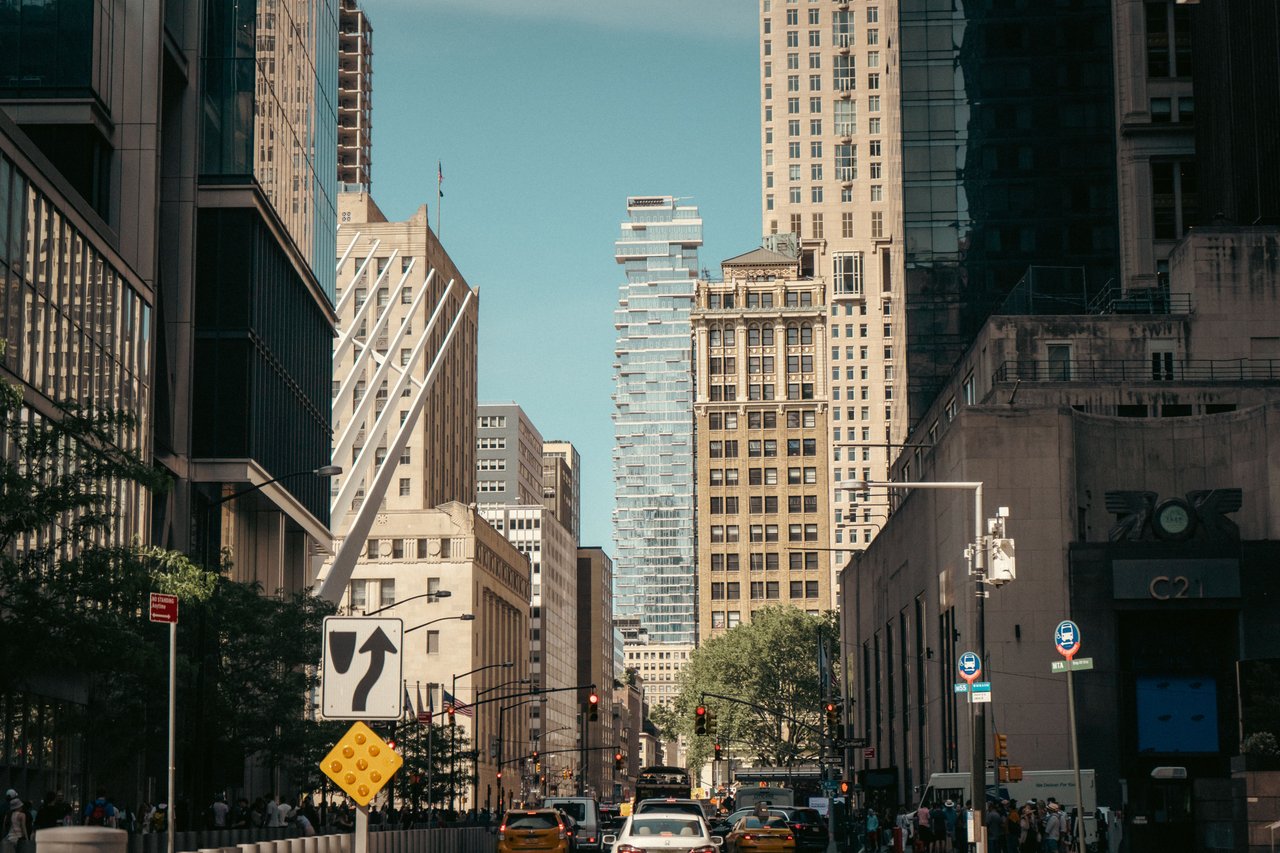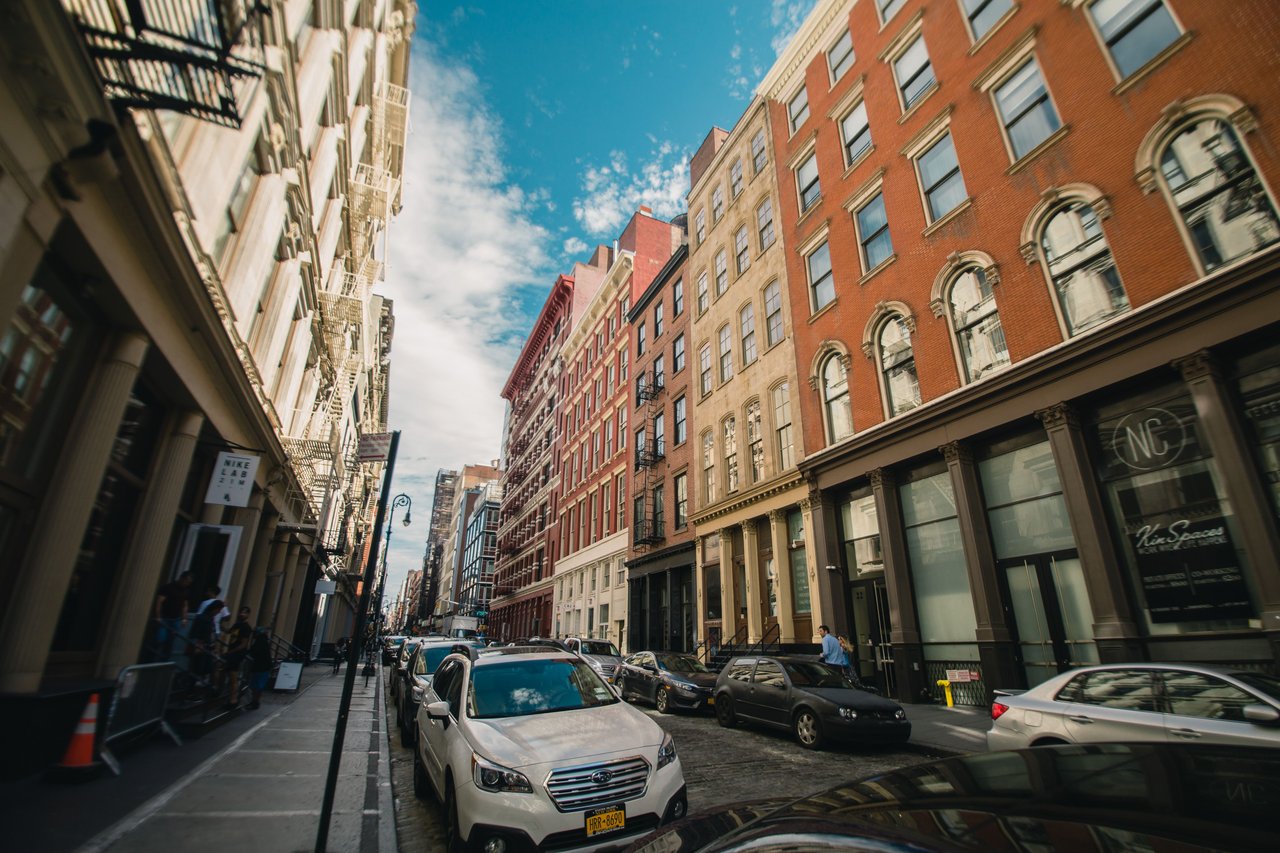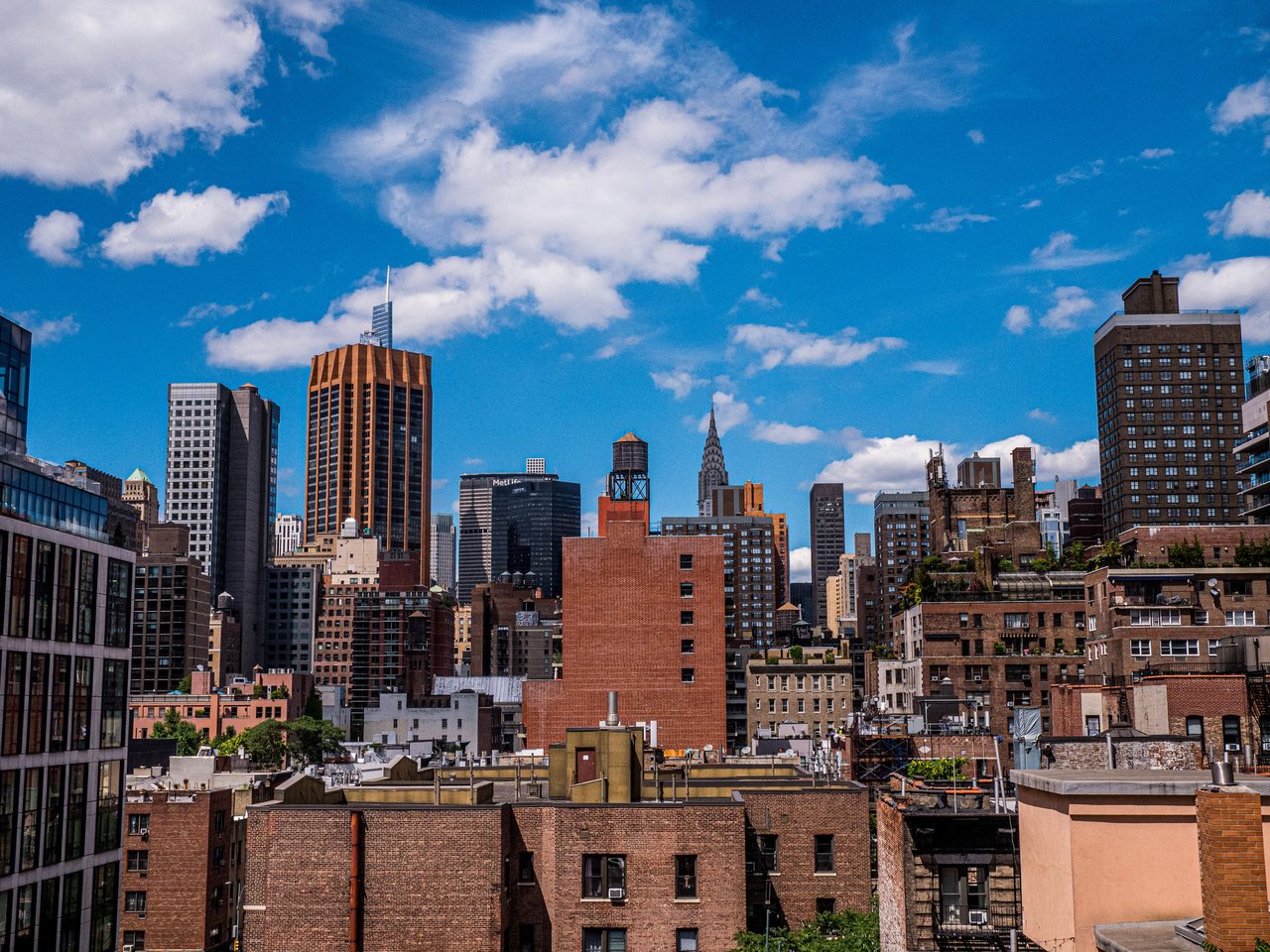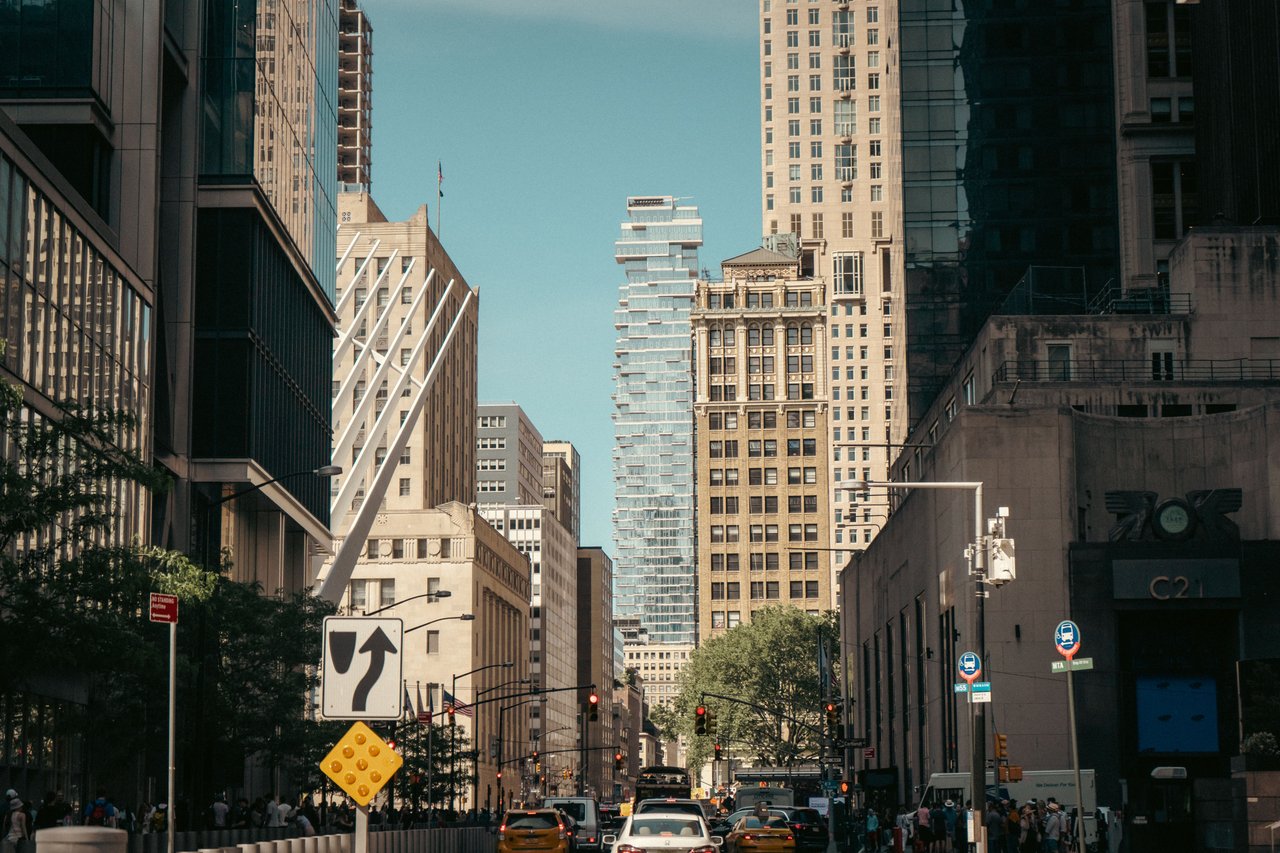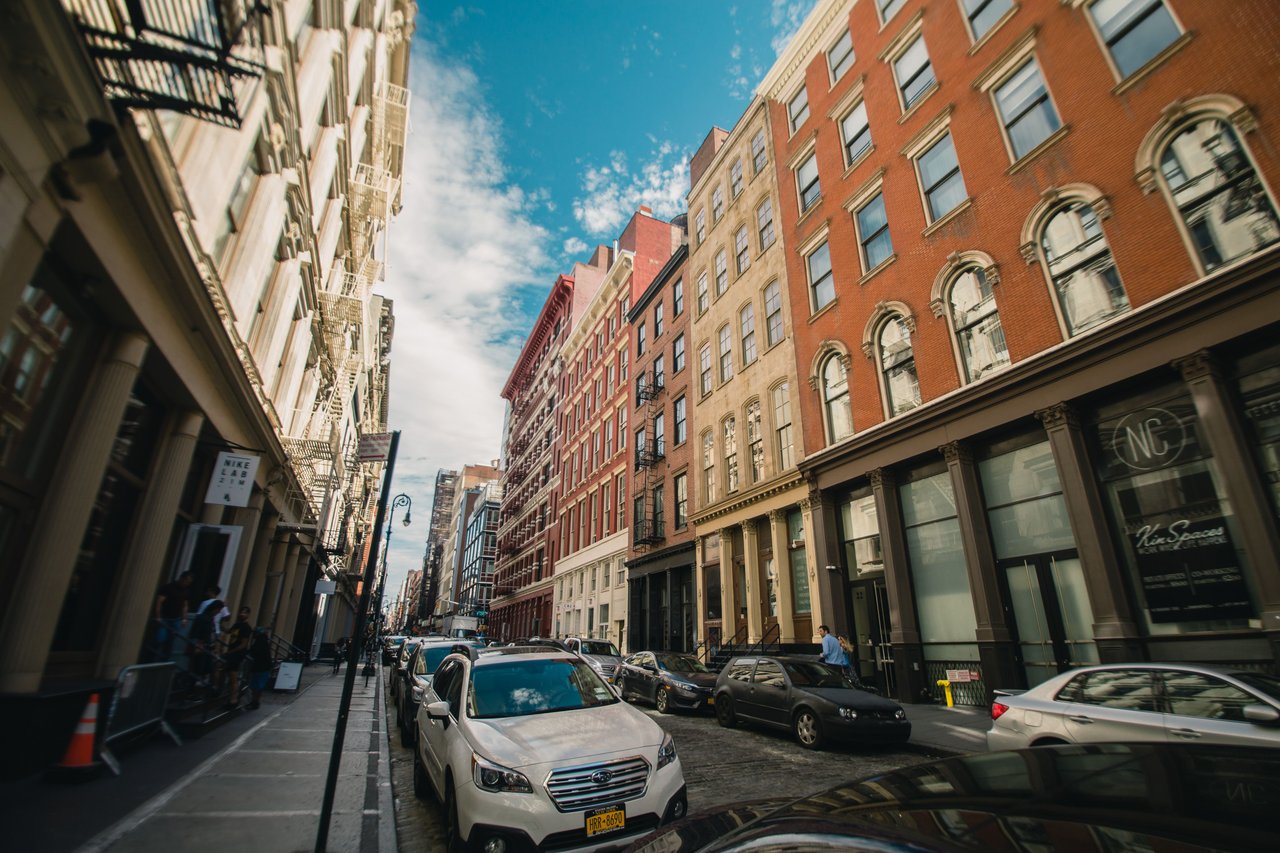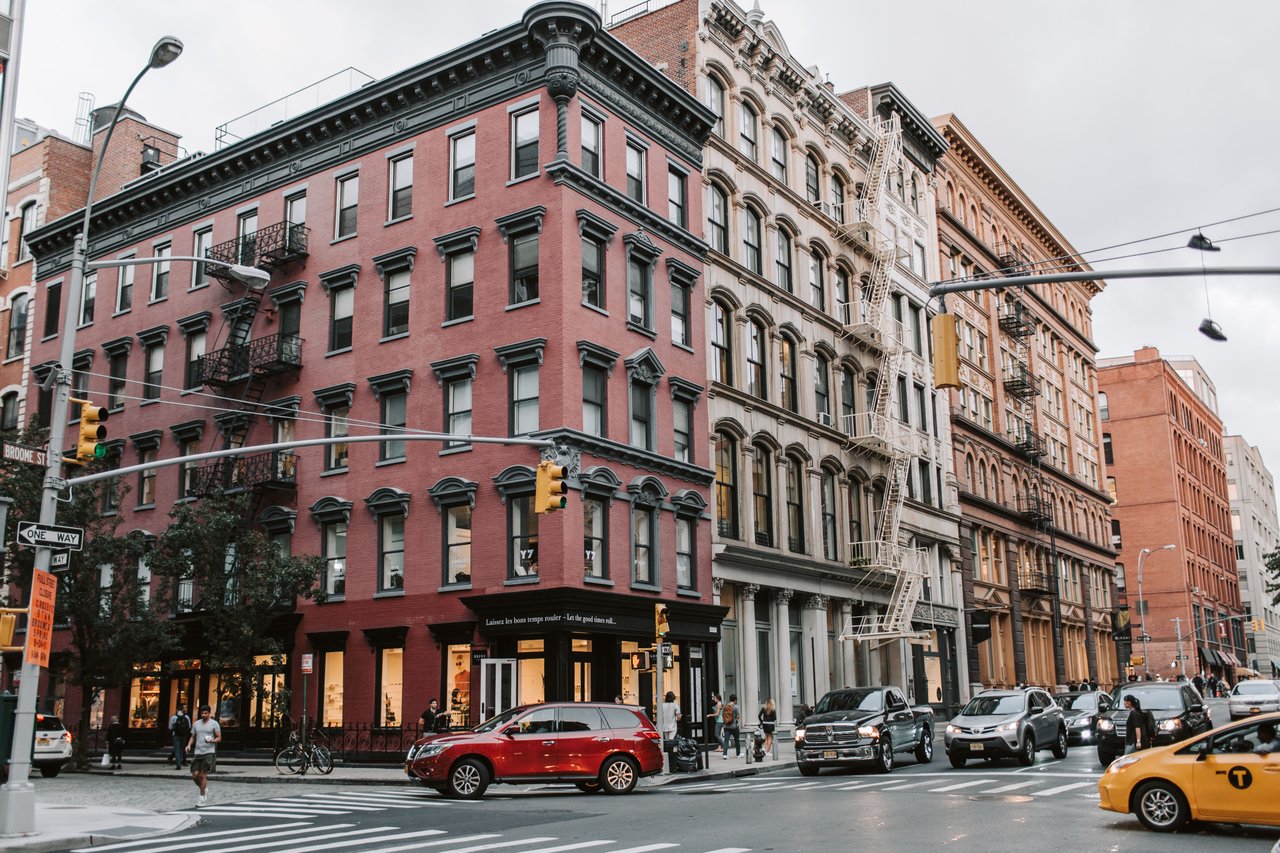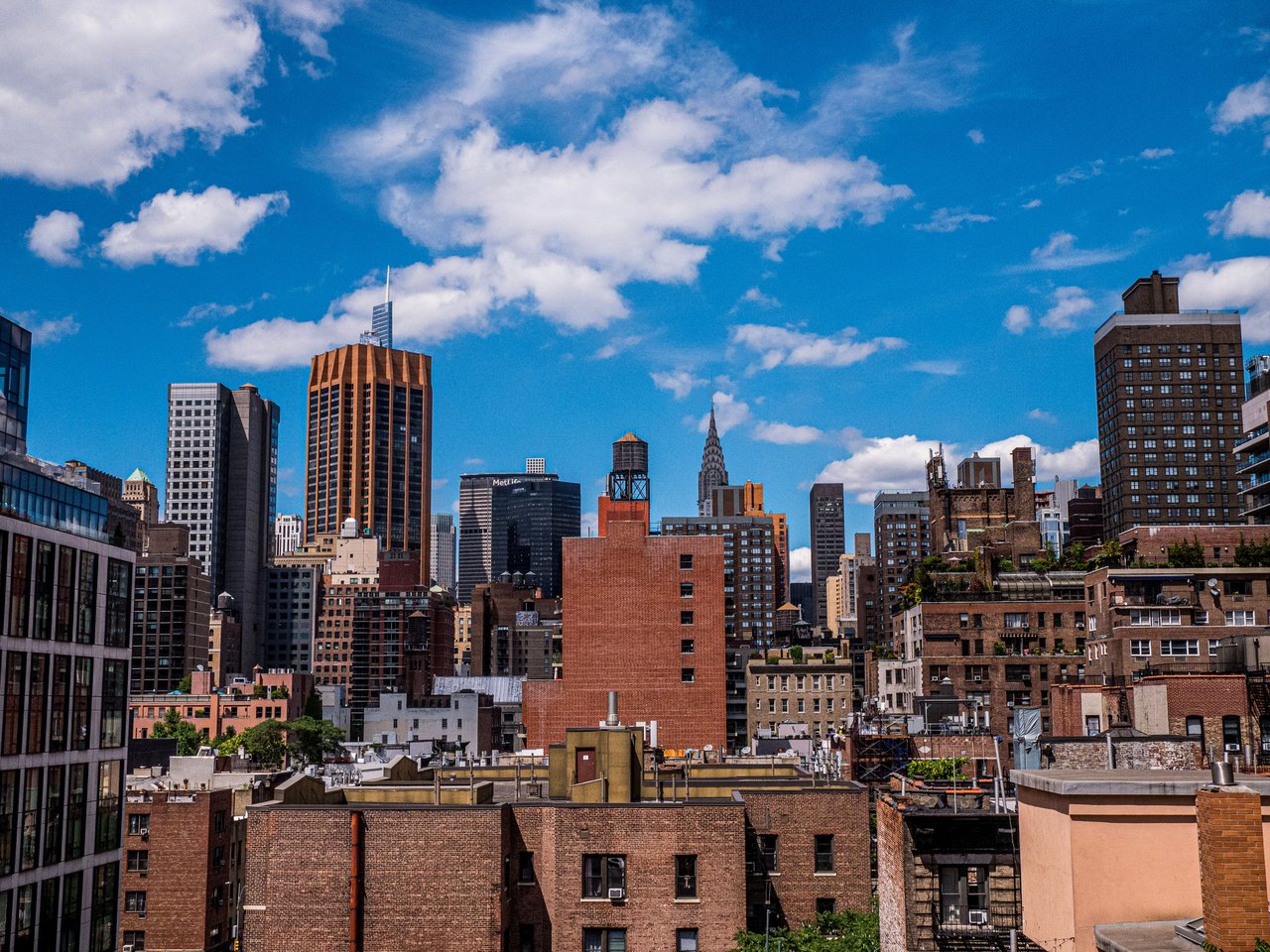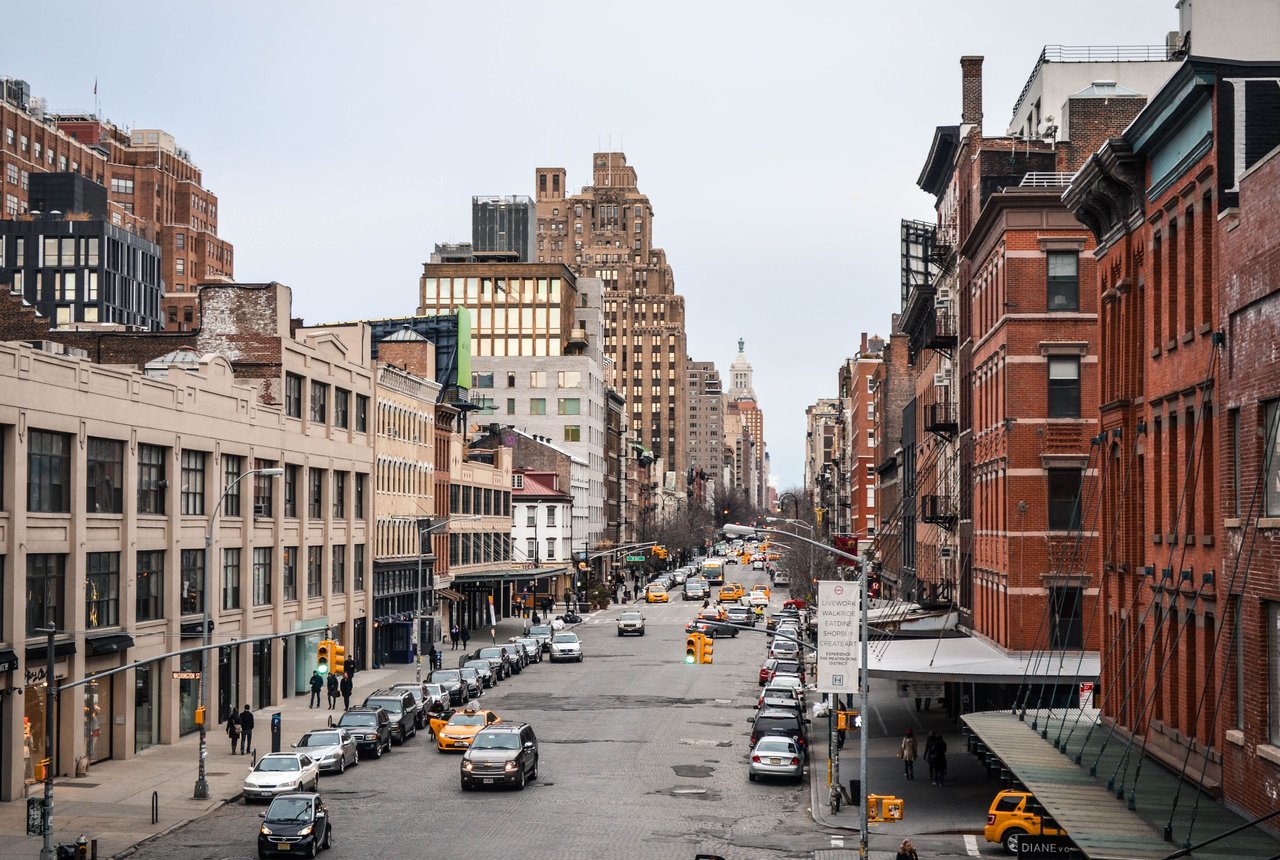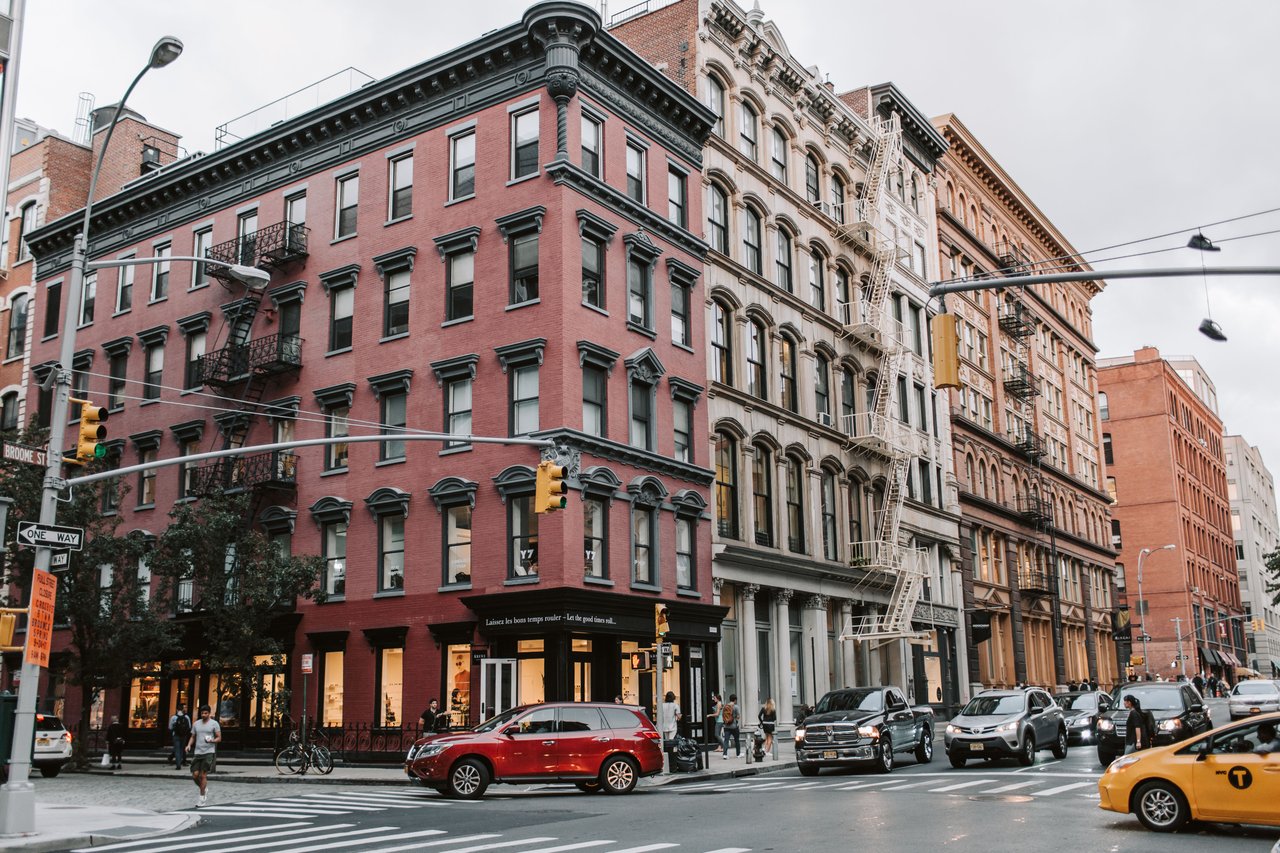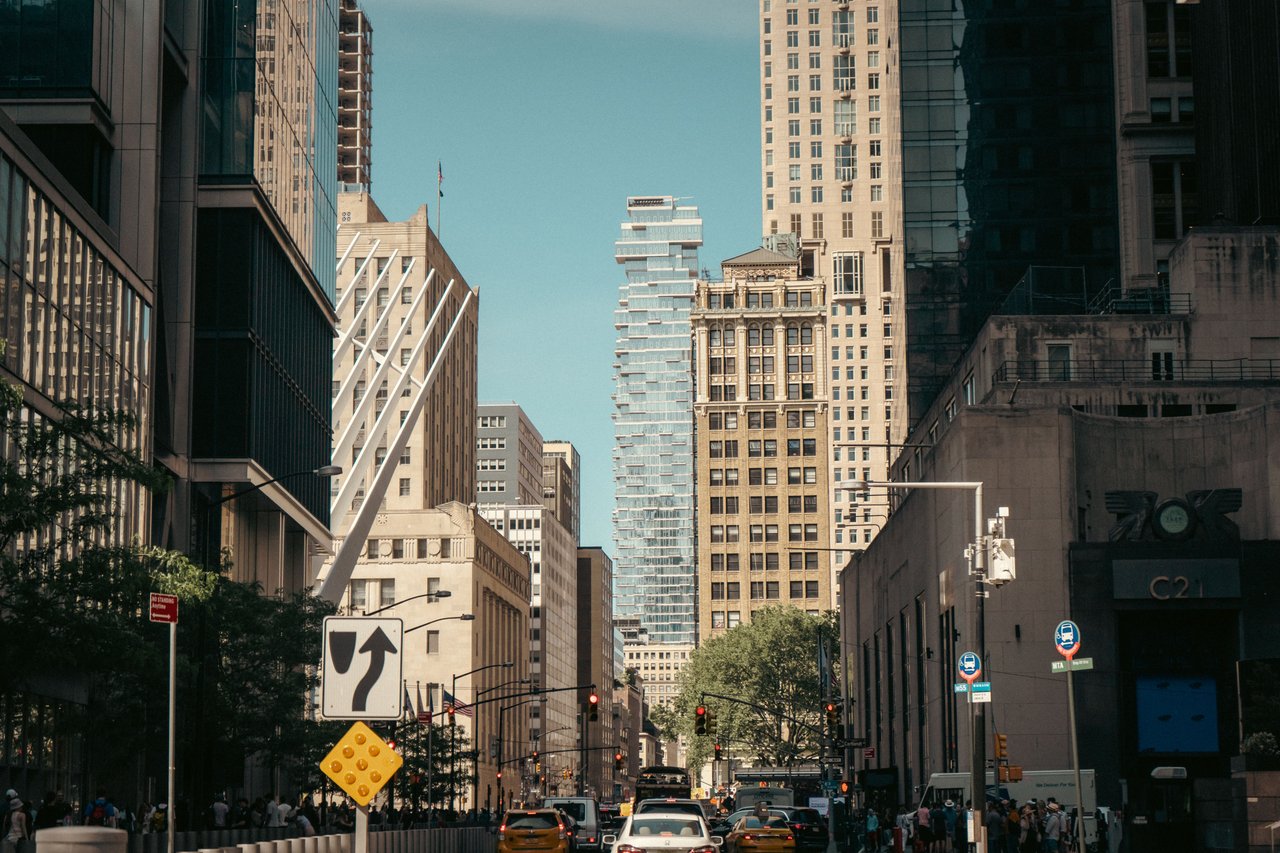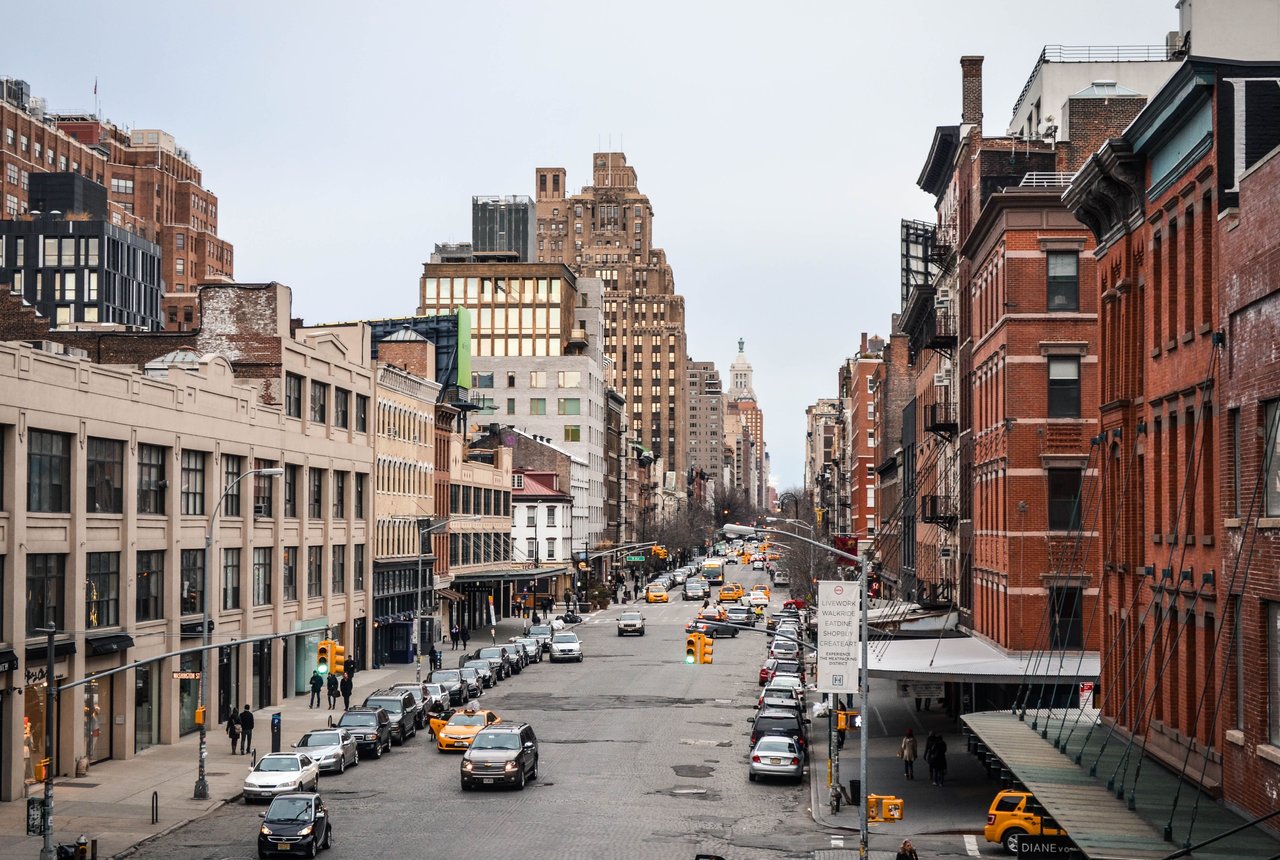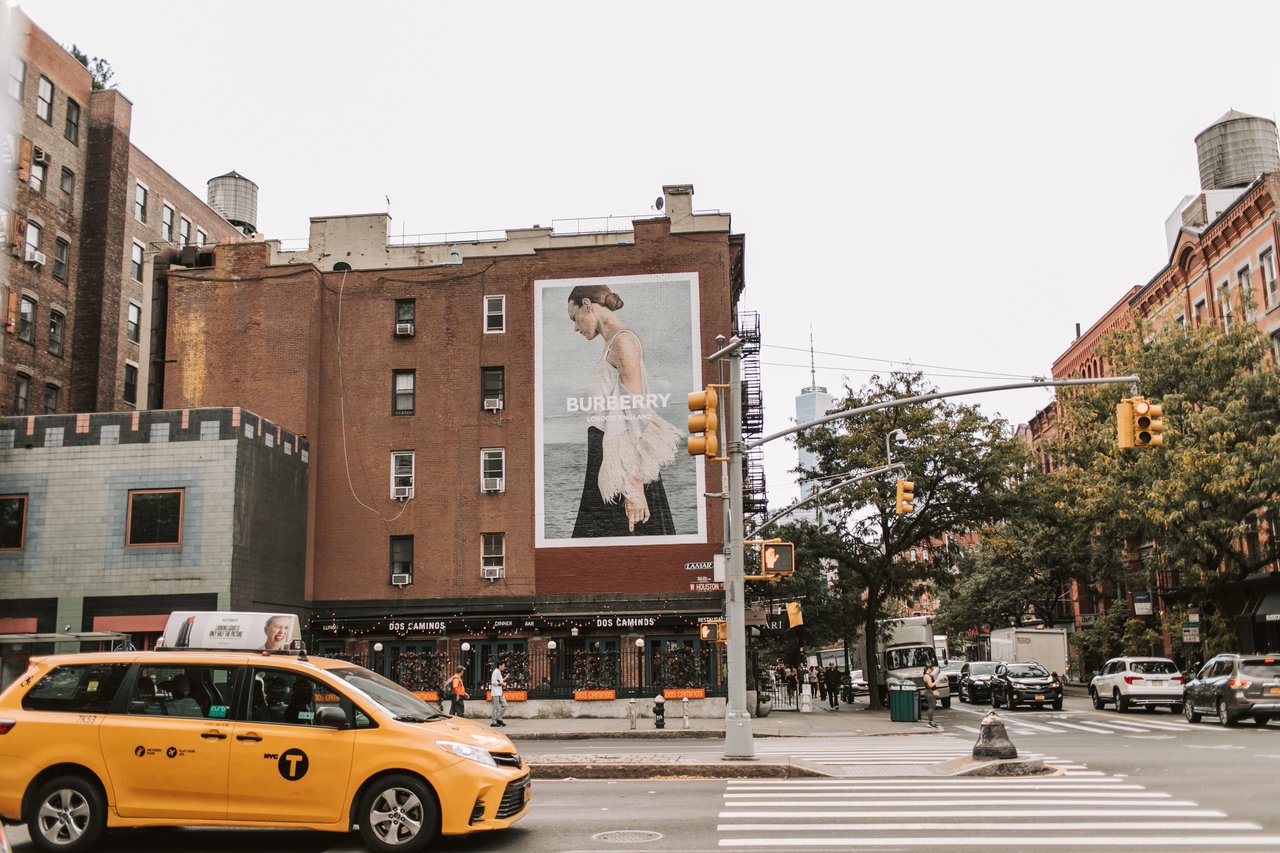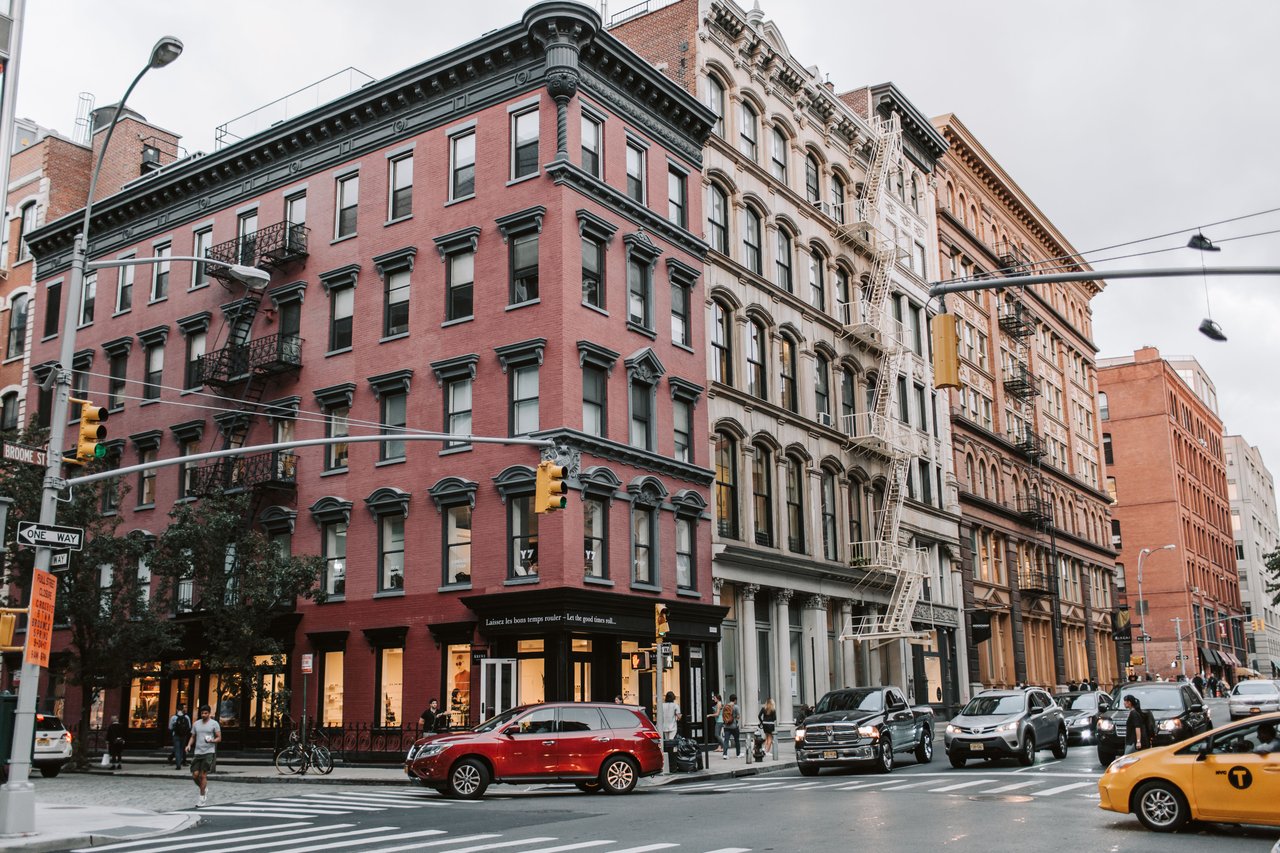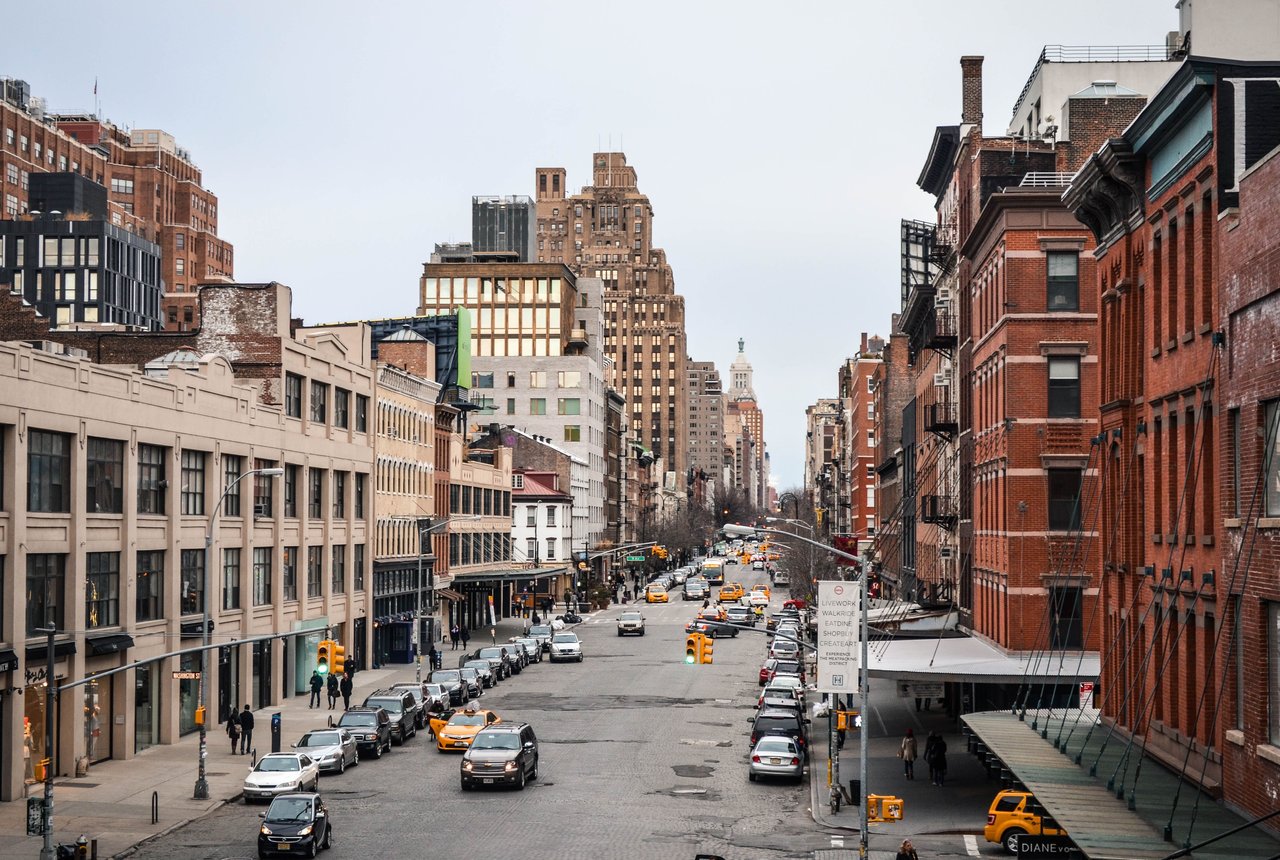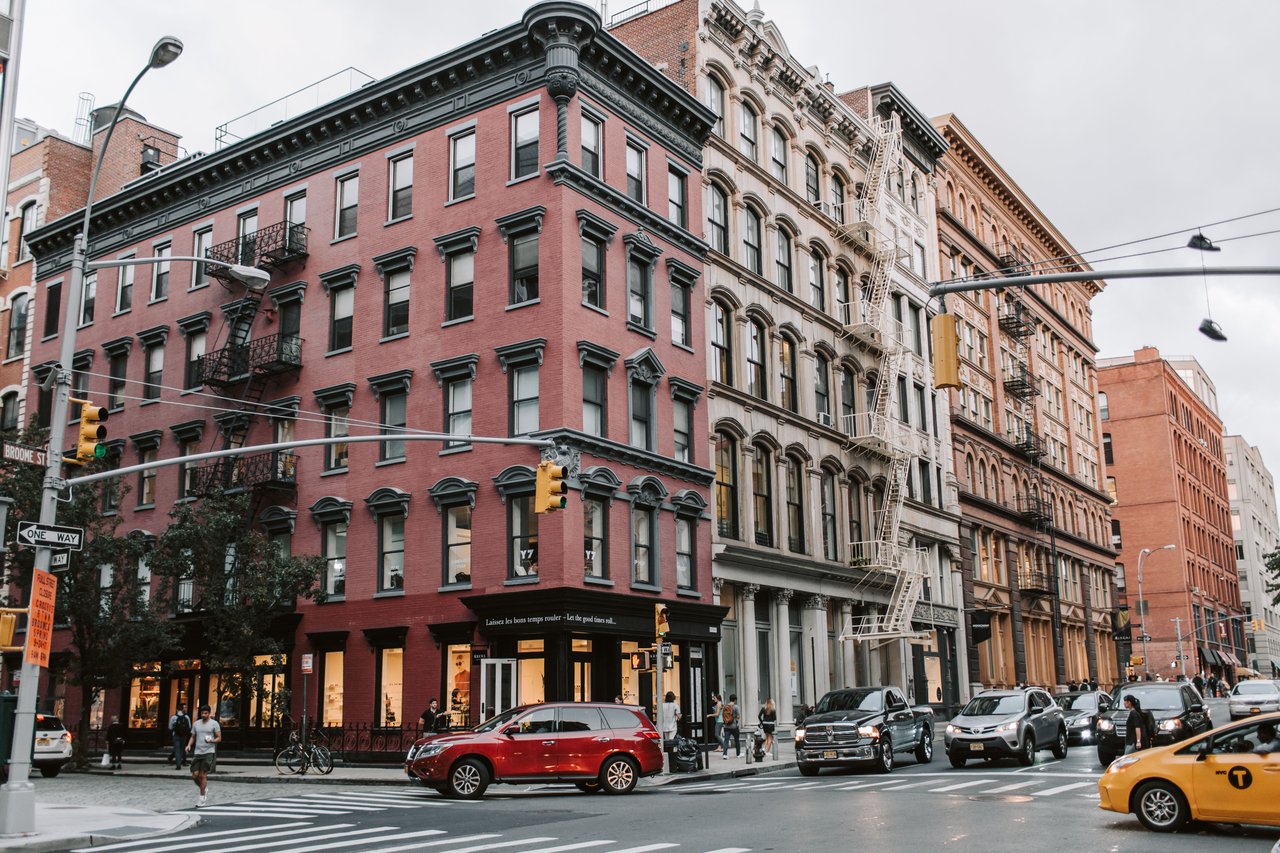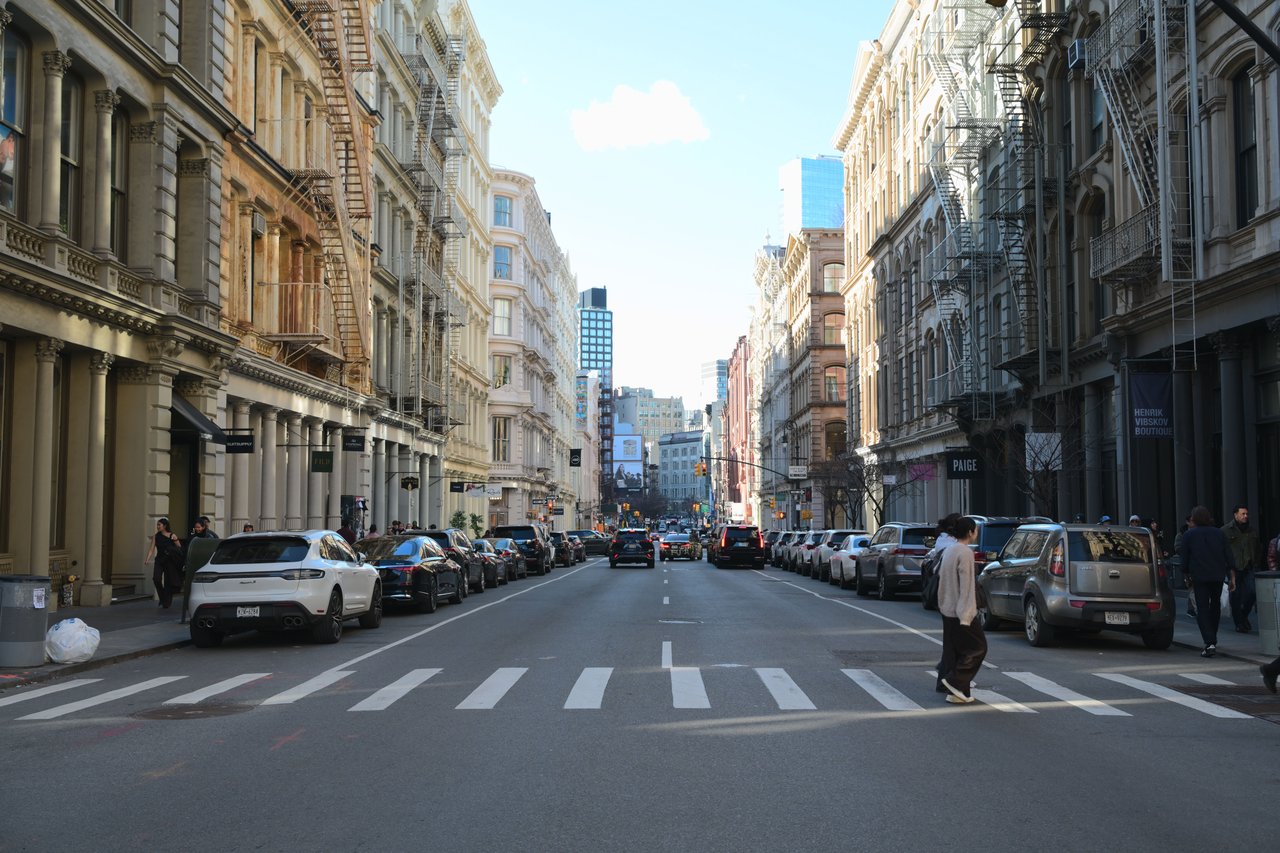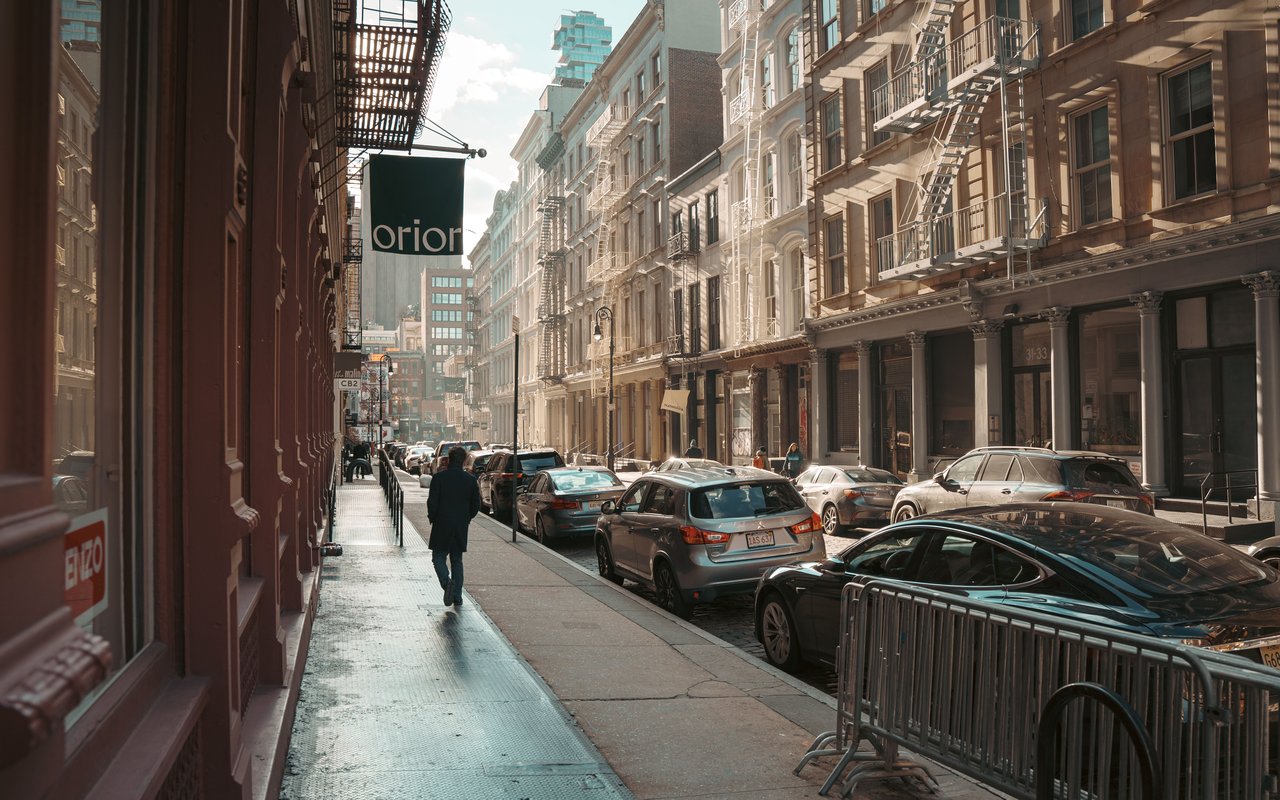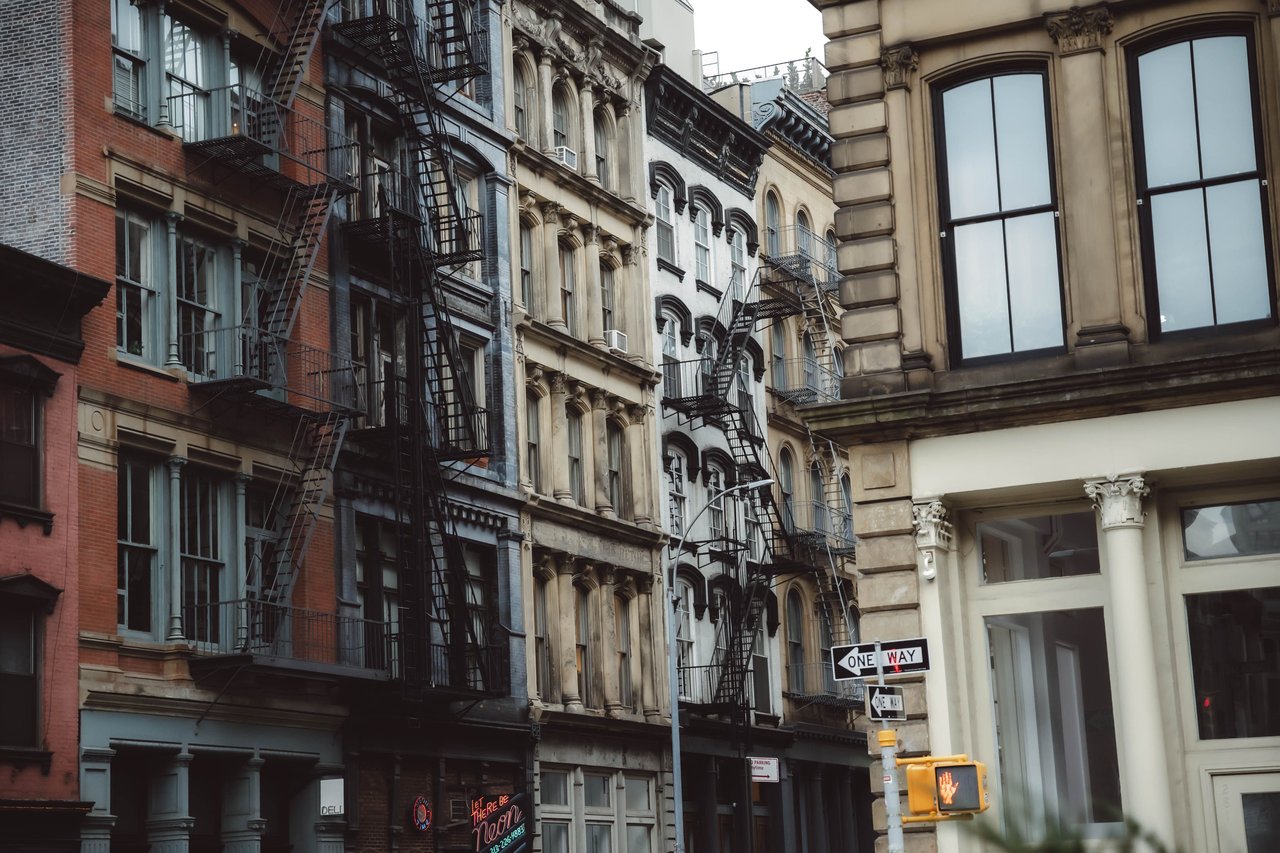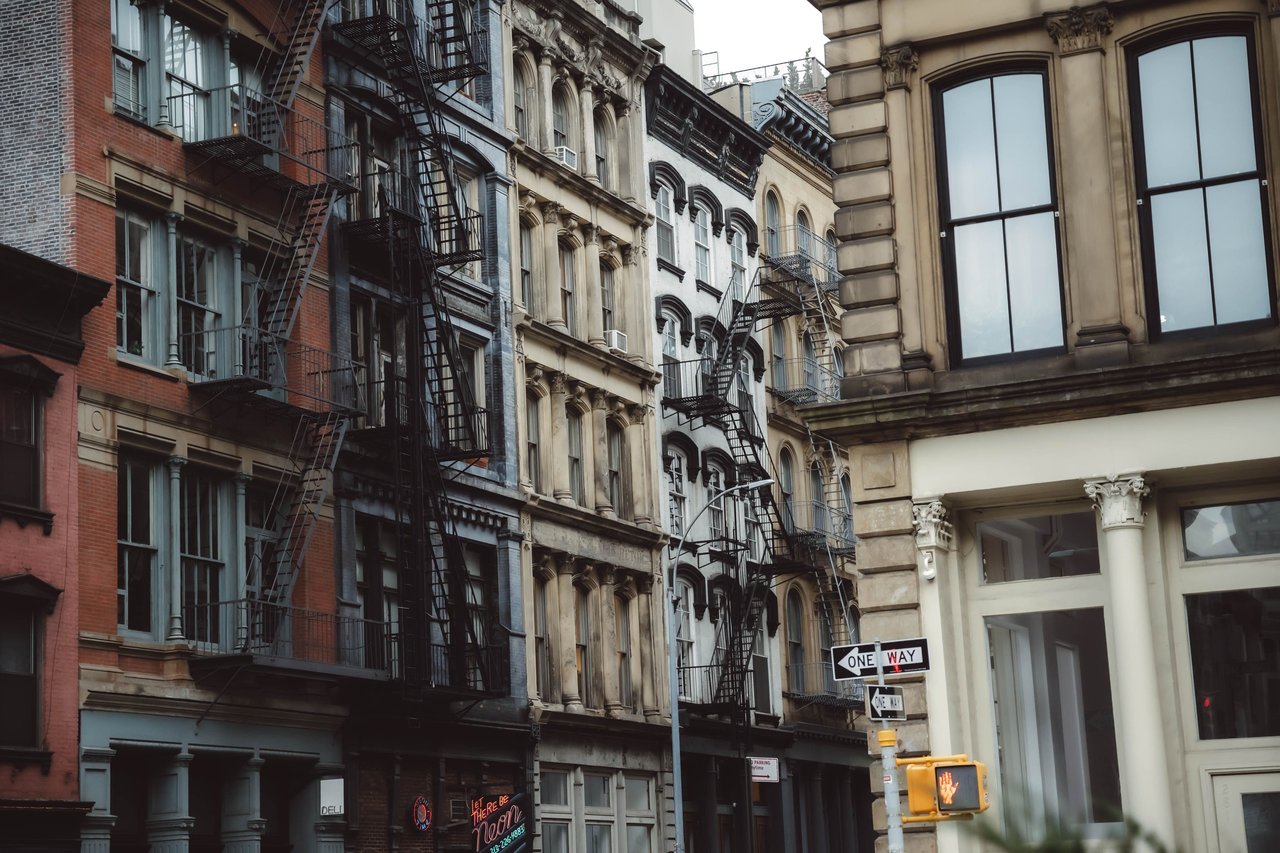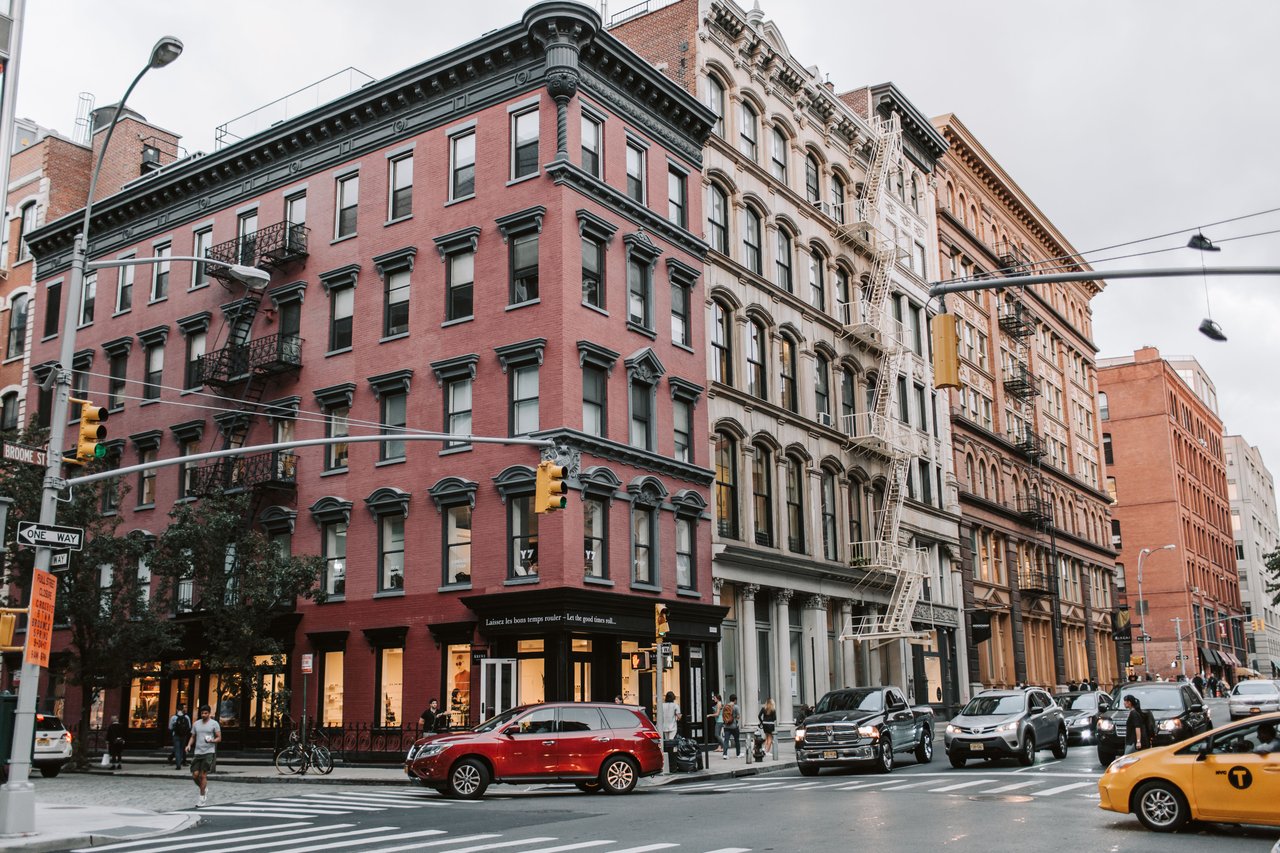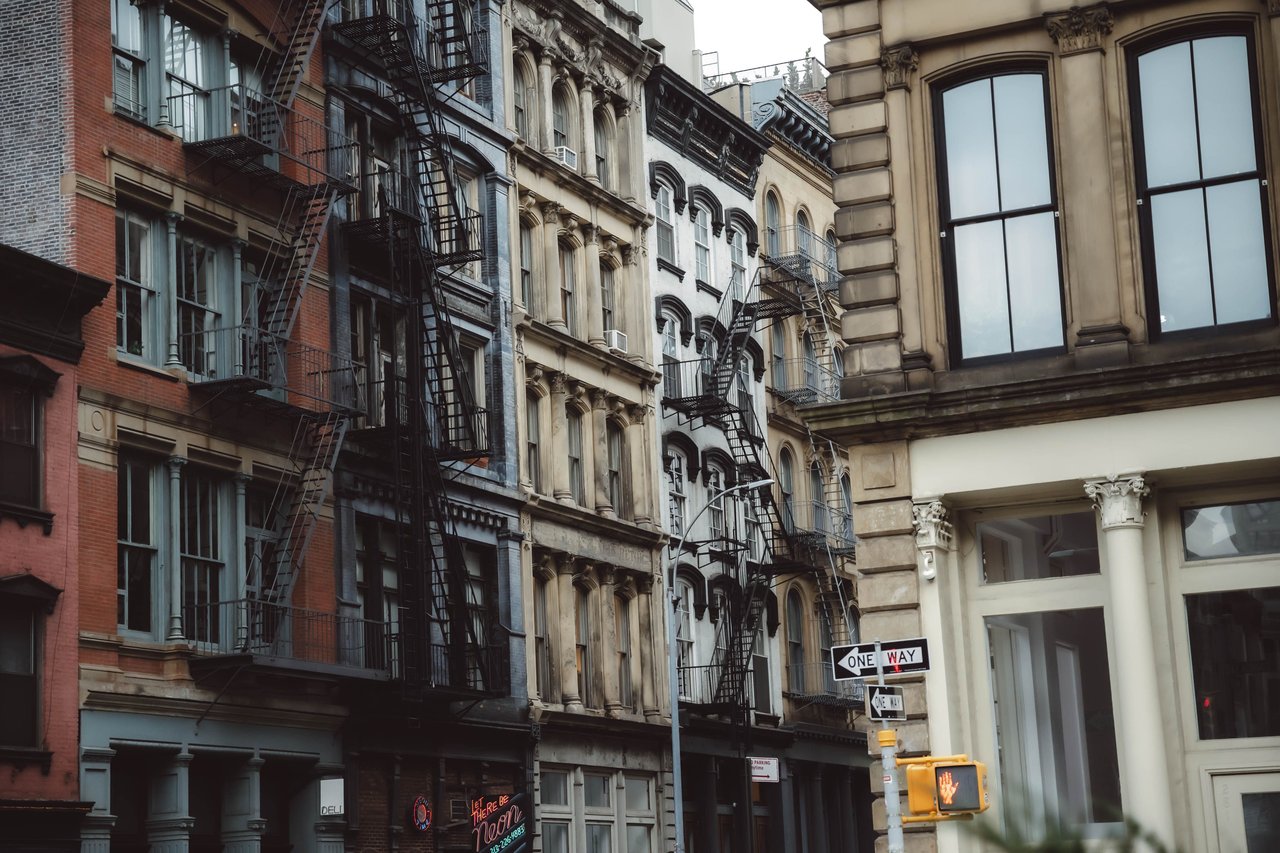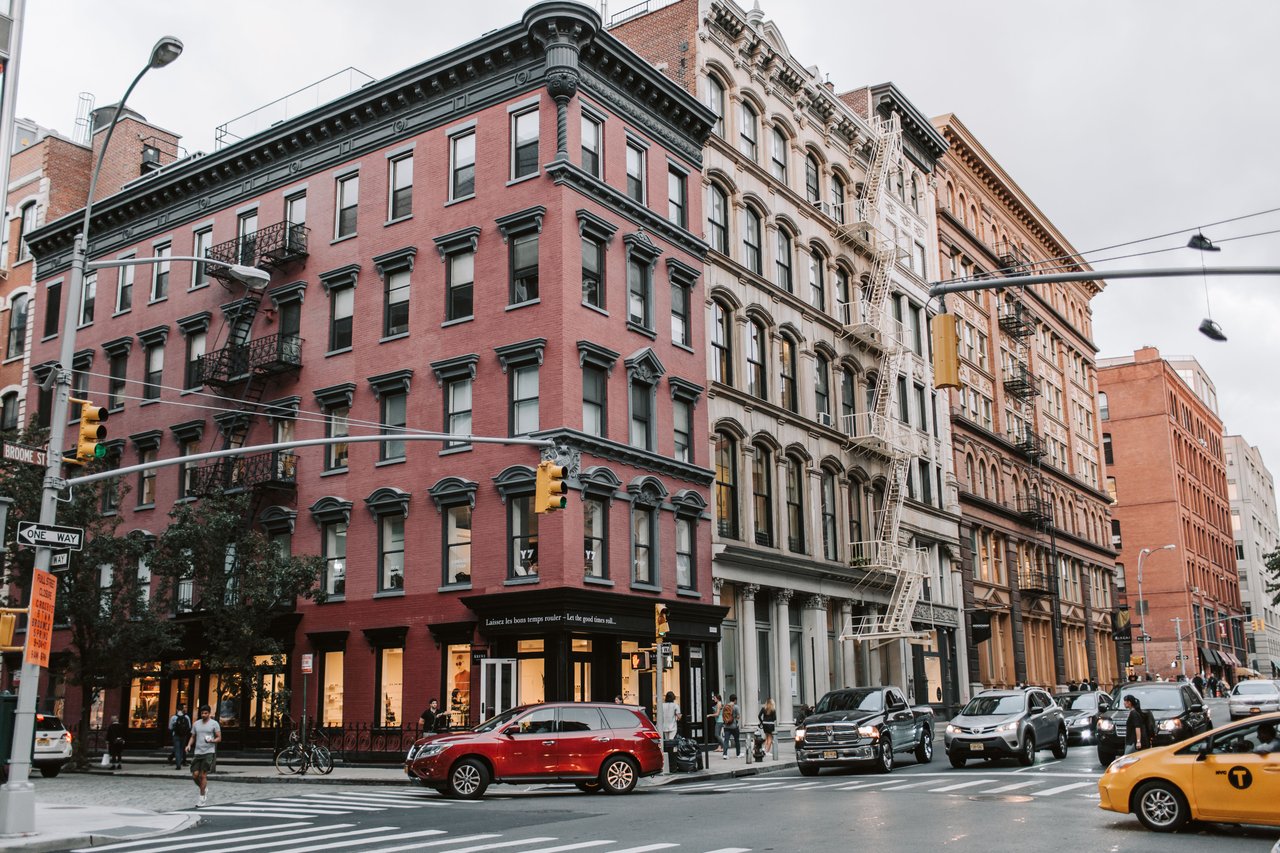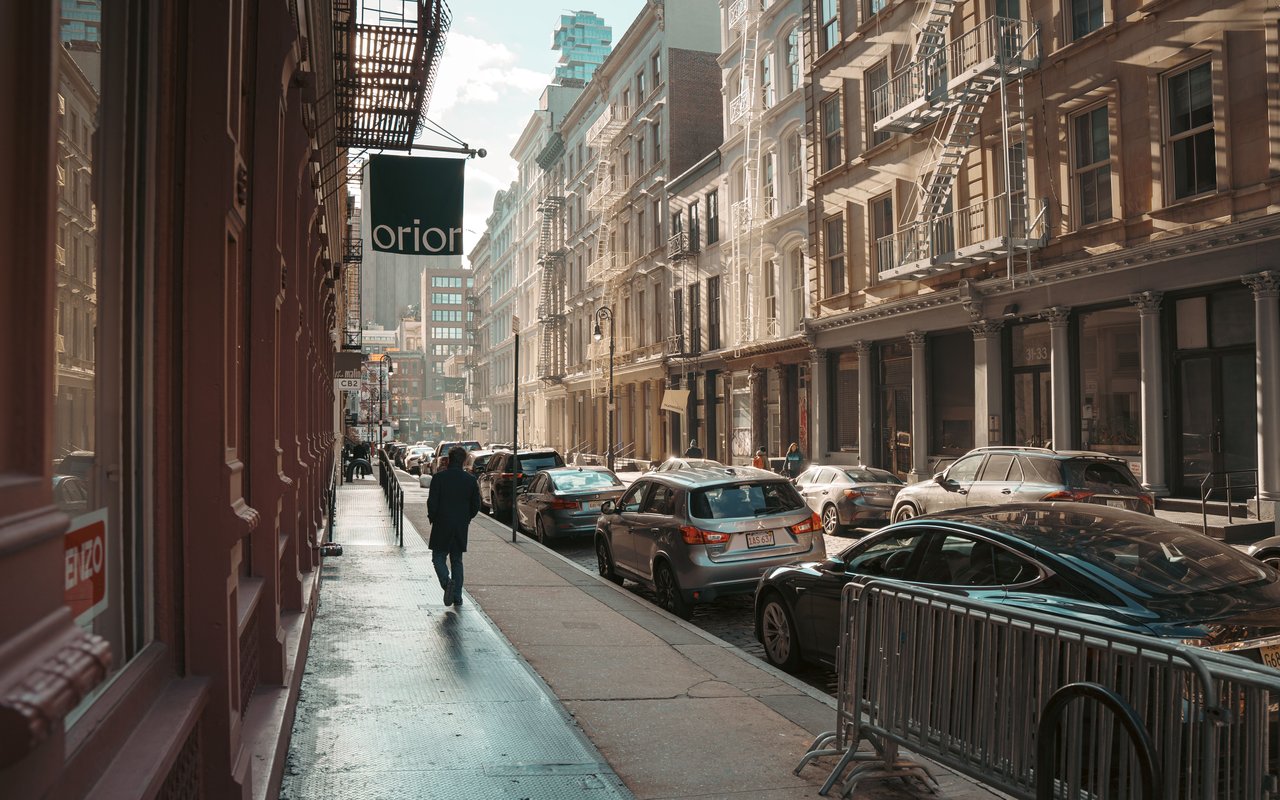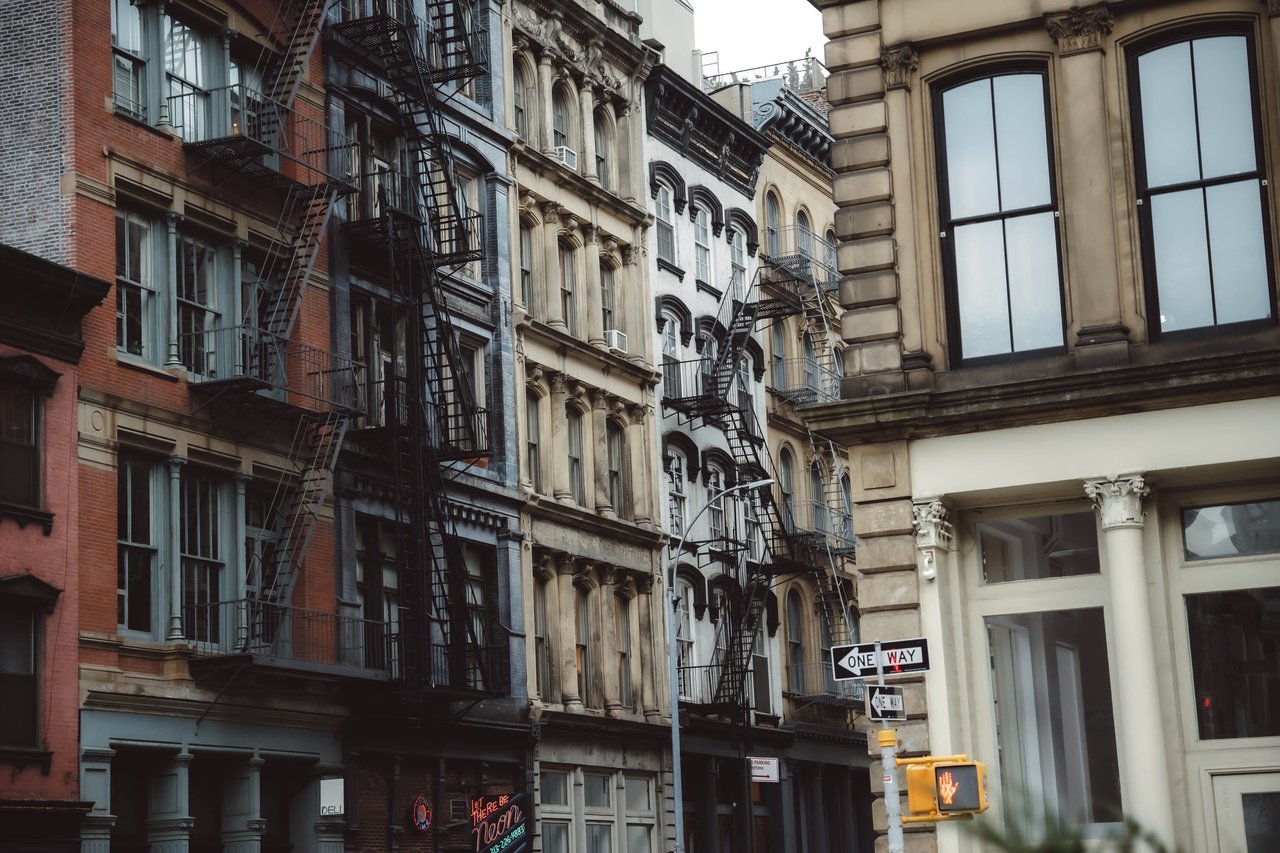
Elizabeth Street is one of Lower Manhattan's historic north-south streets, extending through Chinatown, Little Italy, and Nolita, immediately east of SoHo. Its architecture reflects the evolution of Manhattan from an early nineteenth-century residential district into a densely developed neighborhood of brick townhouses, historic tenements, commercial buildings, and contemporary residential properties. Unlike the numbered streets and avenues farther north, Elizabeth Street developed within the older street network of Lower Manhattan, where narrow lots, irregular intersections, and successive periods of construction created a distinctive architectural landscape.
The street is particularly notable for the variety of nineteenth-century architecture preserved along its corridor. Federal-style houses, Greek Revival residences, Italianate tenements, and historic mixed-use buildings reveal how Manhattan's residential and commercial architecture changed over time. Its intersections with Canal Street, Grand Street, Broome Street, Kenmare Street, Prince Street, and Spring Street illustrate the relationship between the older street grid and the architectural development of the surrounding neighborhoods.
The Origins of Elizabeth Street
Elizabeth Street developed during the early nineteenth century as Manhattan expanded northward from its original colonial settlement.
Before the surrounding blocks were extensively developed, the area consisted of open land, early property divisions, and roadways shaped by the natural geography of Lower Manhattan.
As residential construction increased, streets were established to connect existing commercial corridors with newly developed blocks.
Elizabeth Street became part of this expanding network.
Its relatively narrow proportions and traditional building lots reflected the development patterns of early nineteenth-century Manhattan.
Unlike the broader avenues established through the Commissioners' Plan of 1811, Elizabeth Street retained the character of the older street network south of Houston Street.
Why Is It Called Elizabeth Street?
Elizabeth Street is traditionally associated with Elizabeth Rutgers, a member of the prominent Rutgers family that owned substantial property in early Manhattan.
The Rutgers family played an important role in the subdivision and development of land on the Lower East Side.
As Manhattan expanded, several streets received names associated with local landowners and their families.
Elizabeth Street became part of this tradition, reflecting the relationship between early property ownership and the development of the city's street network.
Its name remains a connection to Manhattan's early nineteenth-century land development.
Elizabeth Street and the Early Manhattan Street Grid
Elizabeth Street developed within the irregular street network that predates the standardized numbered grid of Manhattan.
Its alignment reflects earlier property boundaries and the gradual subdivision of land.
The street intersects several historic east-west corridors, including Canal Street, Hester Street, Grand Street, Broome Street, Kenmare Street, Spring Street, and Prince Street.
These intersections developed during different periods, producing blocks with varied building dimensions and architectural styles.
The resulting streetscape includes structures of different heights, widths, and construction dates.
This architectural variety distinguishes Elizabeth Street from the more uniform residential blocks found in later sections of Manhattan.
The Residential Development of Elizabeth Street
During the early nineteenth century, Elizabeth Street developed with brick townhouses and modest residential buildings.
Many early houses followed Federal-style architectural traditions, featuring restrained brick facades, stone lintels, and pitched roofs.
As Manhattan expanded, Greek Revival architecture became increasingly common.
Later development introduced taller residential buildings with Italianate decorative features.
By the middle and late nineteenth centuries, many earlier houses had been replaced or altered to accommodate additional apartments.
This gradual transformation established the mixture of architectural styles that characterizes Elizabeth Street today.
Federal Architecture on Elizabeth Street
Federal-style architecture was an important part of Elizabeth Street's early residential development.
Popular in New York City during the late eighteenth and early nineteenth centuries, the style emphasized symmetry, restrained decoration, and carefully proportioned facades.
Typical Federal houses featured red brick masonry, stone window lintels, modest entrance surrounds, and pitched roofs with dormer windows.
The houses were generally constructed on narrow lots, creating a consistent rhythm of windows and entrances.
Although many original Federal buildings were altered or demolished, surviving examples remain important evidence of the street's early residential character.
Their relatively small scale contrasts with the taller residential and commercial buildings constructed during later periods.
Greek Revival Architecture on Elizabeth Street
Greek Revival architecture became increasingly influential in Manhattan during the 1830s and 1840s.
The style introduced stronger classical proportions, substantial entrance surrounds, heavier window lintels, and more pronounced cornices.
Buildings constructed during this period frequently retained traditional brick masonry while incorporating decorative details inspired by classical architecture.
Greek Revival design was particularly common during the expansion of Lower Manhattan's residential districts.
On Elizabeth Street, the style contributed to the transition from modest Federal houses to more substantial nineteenth-century residences.
Its architectural influences remain visible in historic masonry facades and decorative building details.
Italianate Architecture on Elizabeth Street
Italianate architecture became prominent during the middle and late nineteenth centuries.
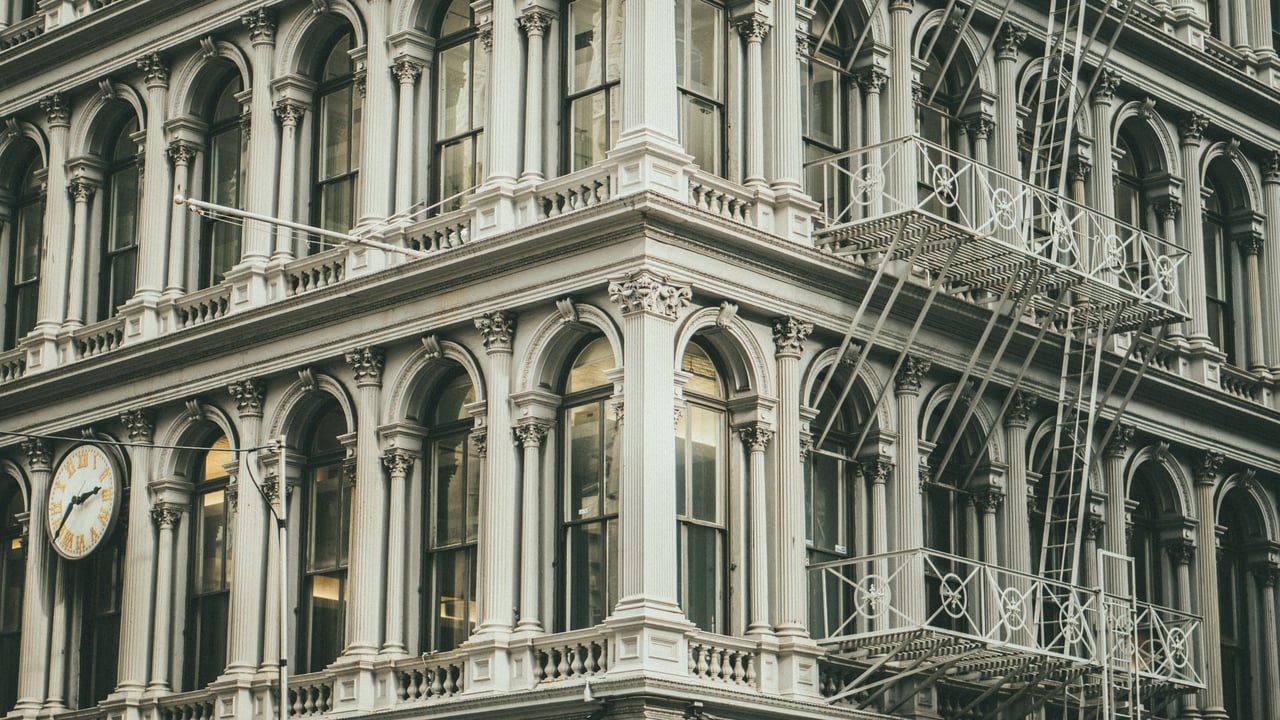
The style introduced decorative cornices, bracketed rooflines, ornamental window surrounds, and elaborate masonry details.
Many residential buildings constructed or altered during this period incorporated Italianate features.
Ground floors frequently contained commercial storefronts, while upper floors accommodated residential apartments.
This combination of decorative architecture and mixed-use development became an important characteristic of Elizabeth Street.
Italianate influences remain visible in cornices, window treatments, and masonry ornamentation along portions of the corridor.
The Development of Tenement Architecture
During the nineteenth century, Elizabeth Street experienced substantial residential redevelopment.
Earlier townhouses were increasingly replaced or modified to accommodate additional apartments.
Tenement buildings became a dominant architectural form throughout the surrounding neighborhoods.
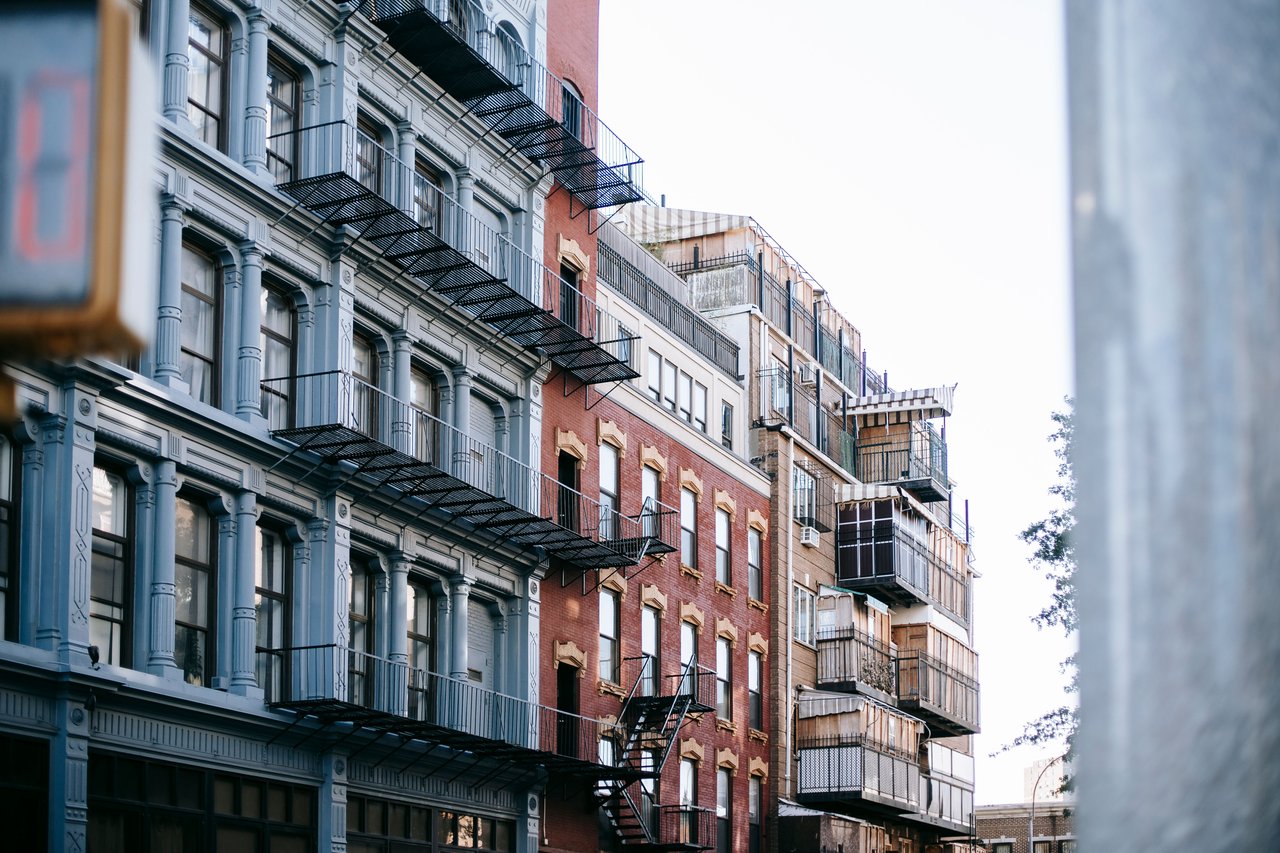
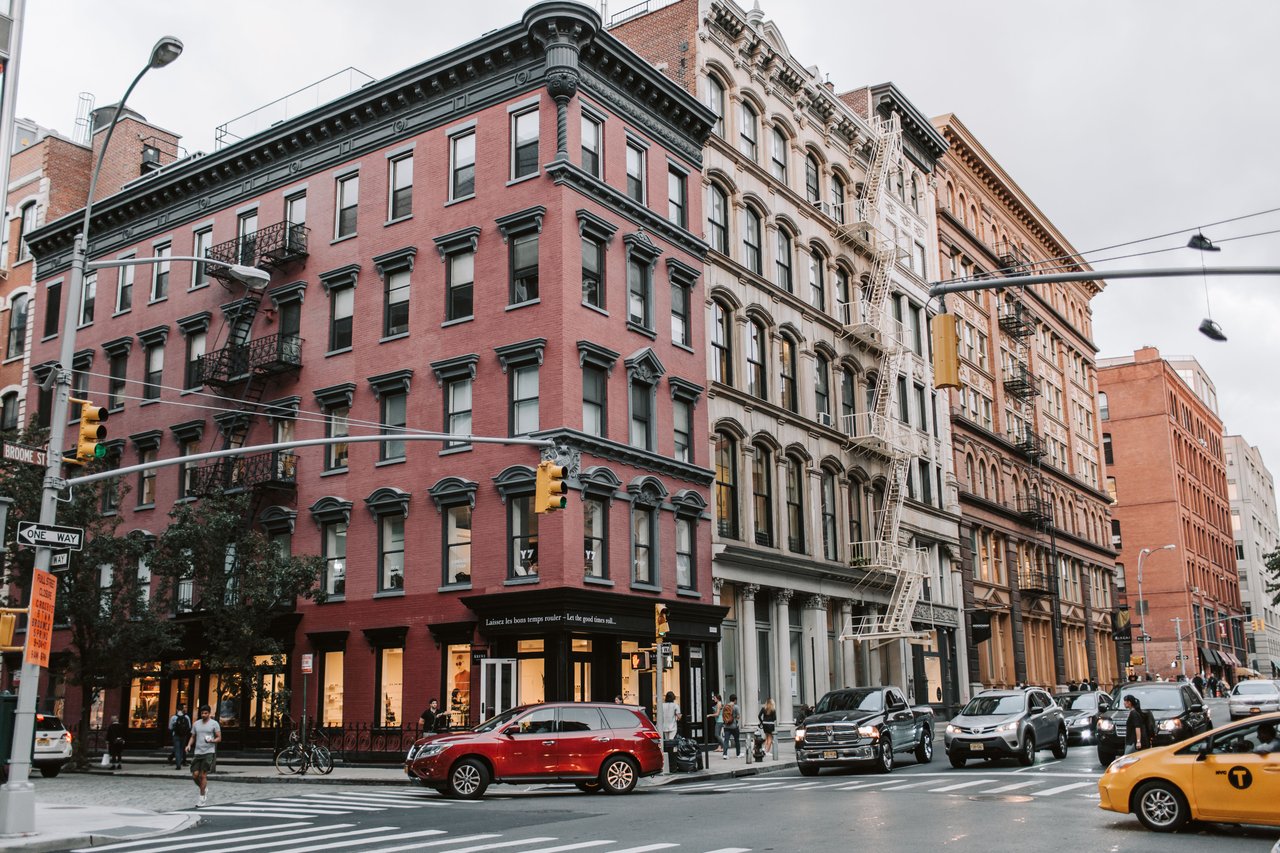
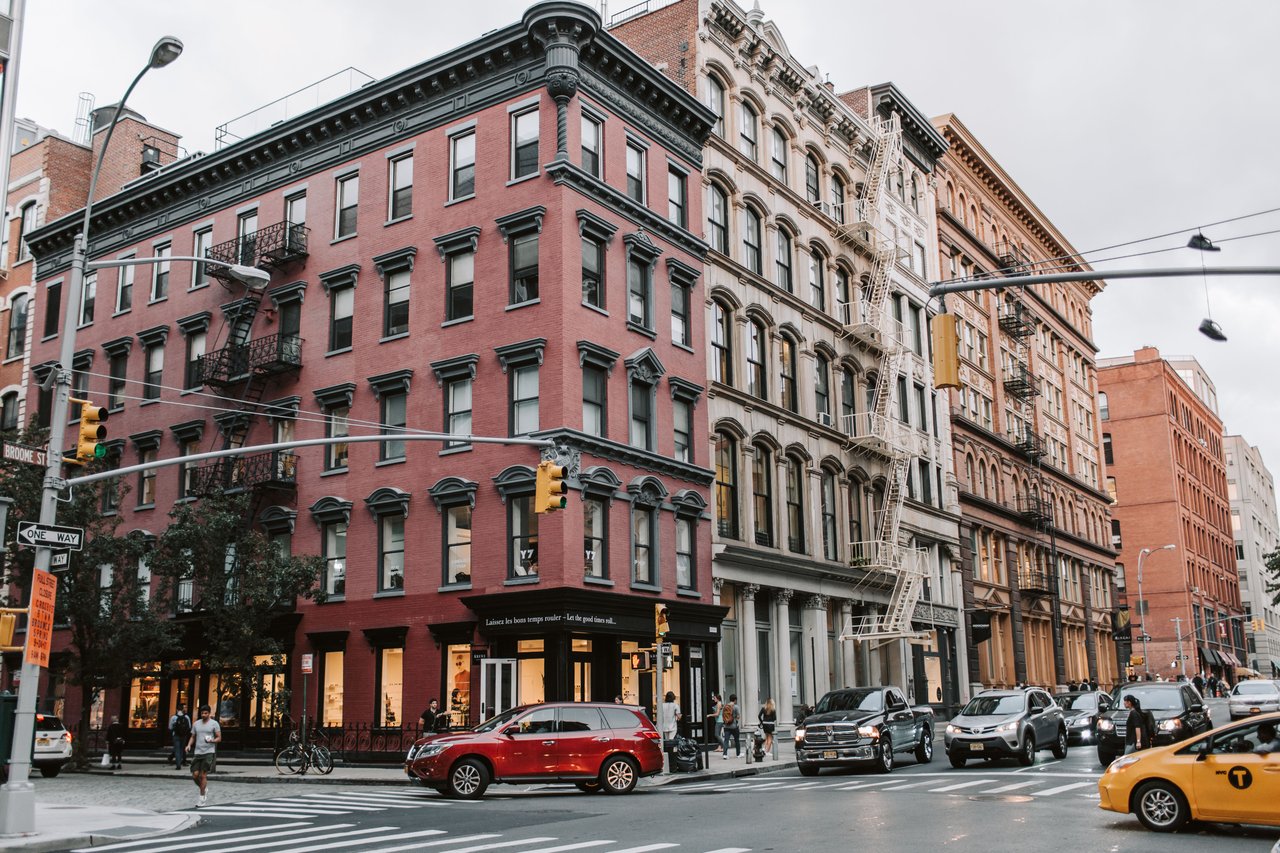
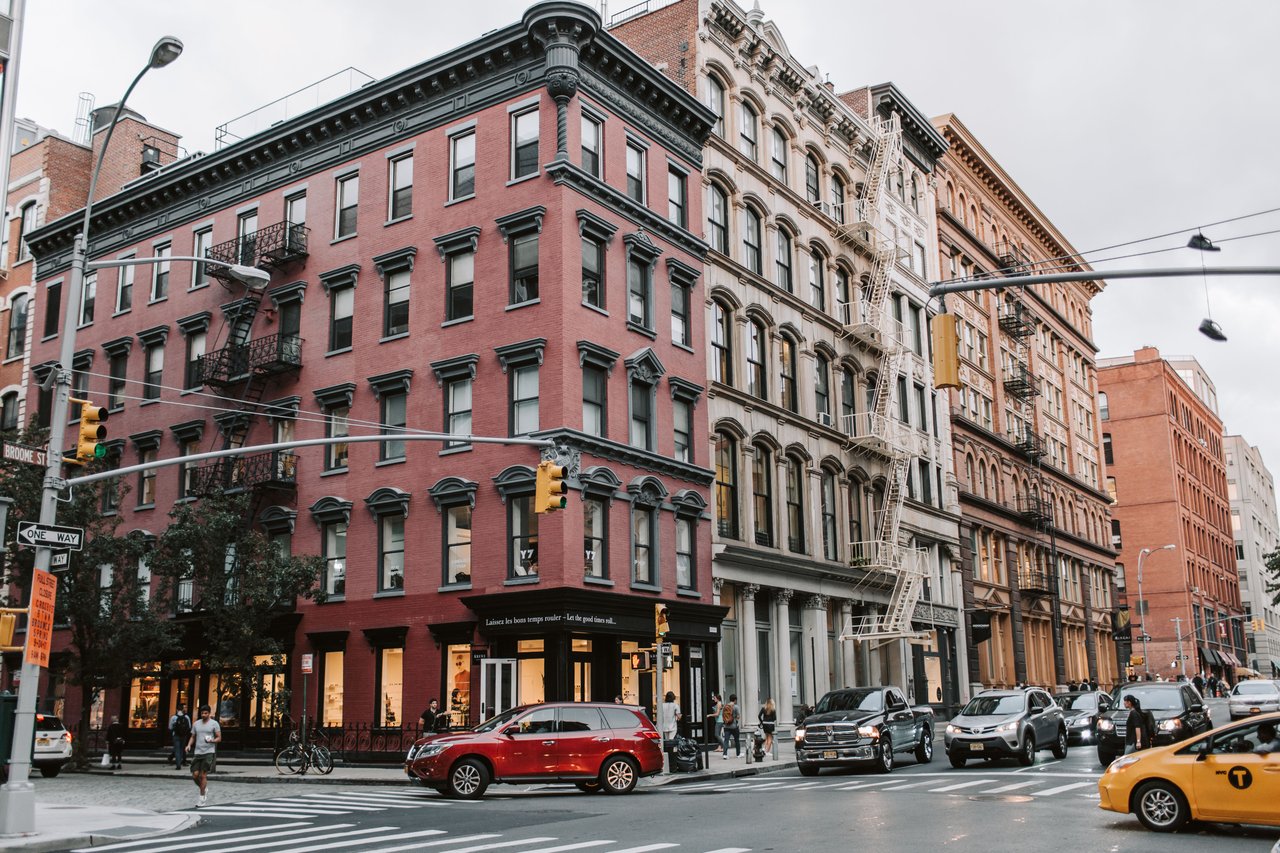
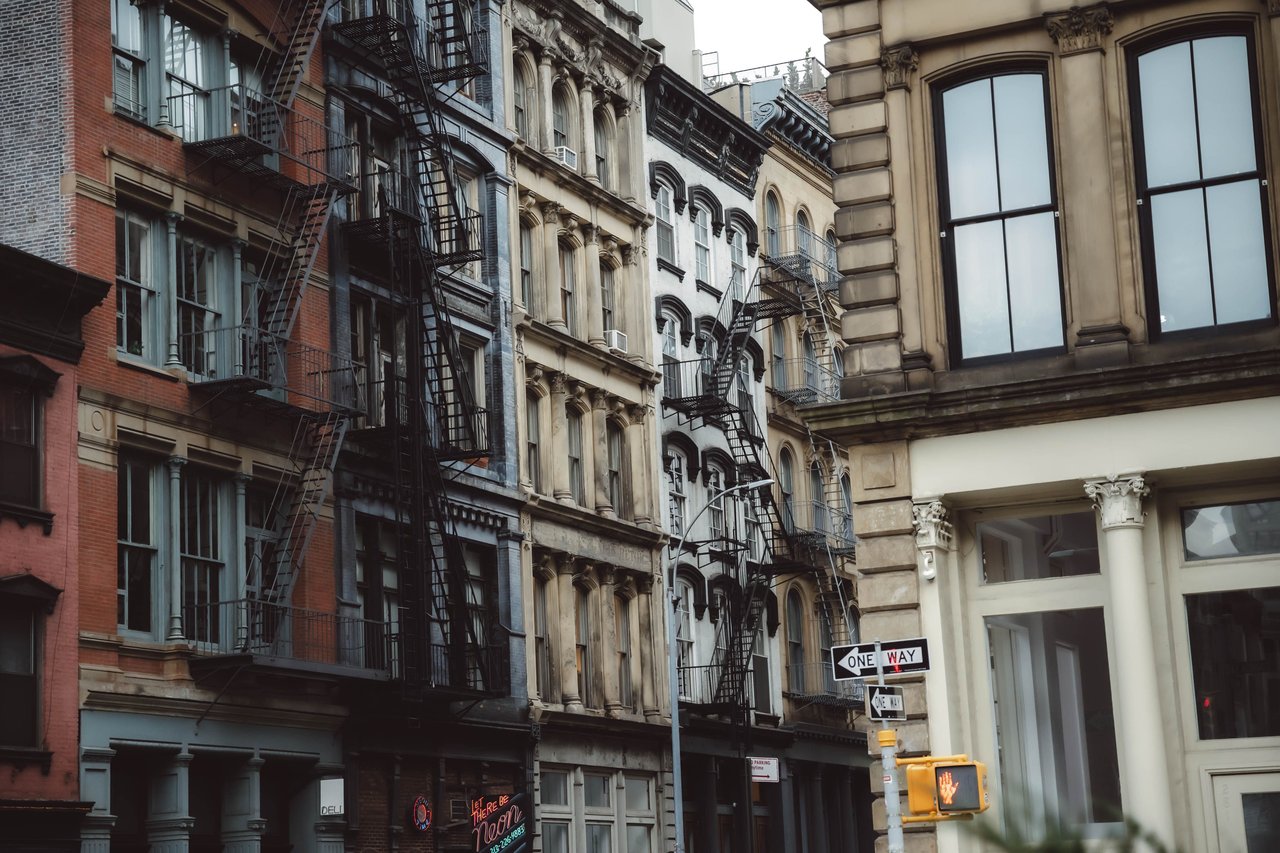
These structures typically featured four to six stories, brick facades, repeated window arrangements, and narrow building footprints.
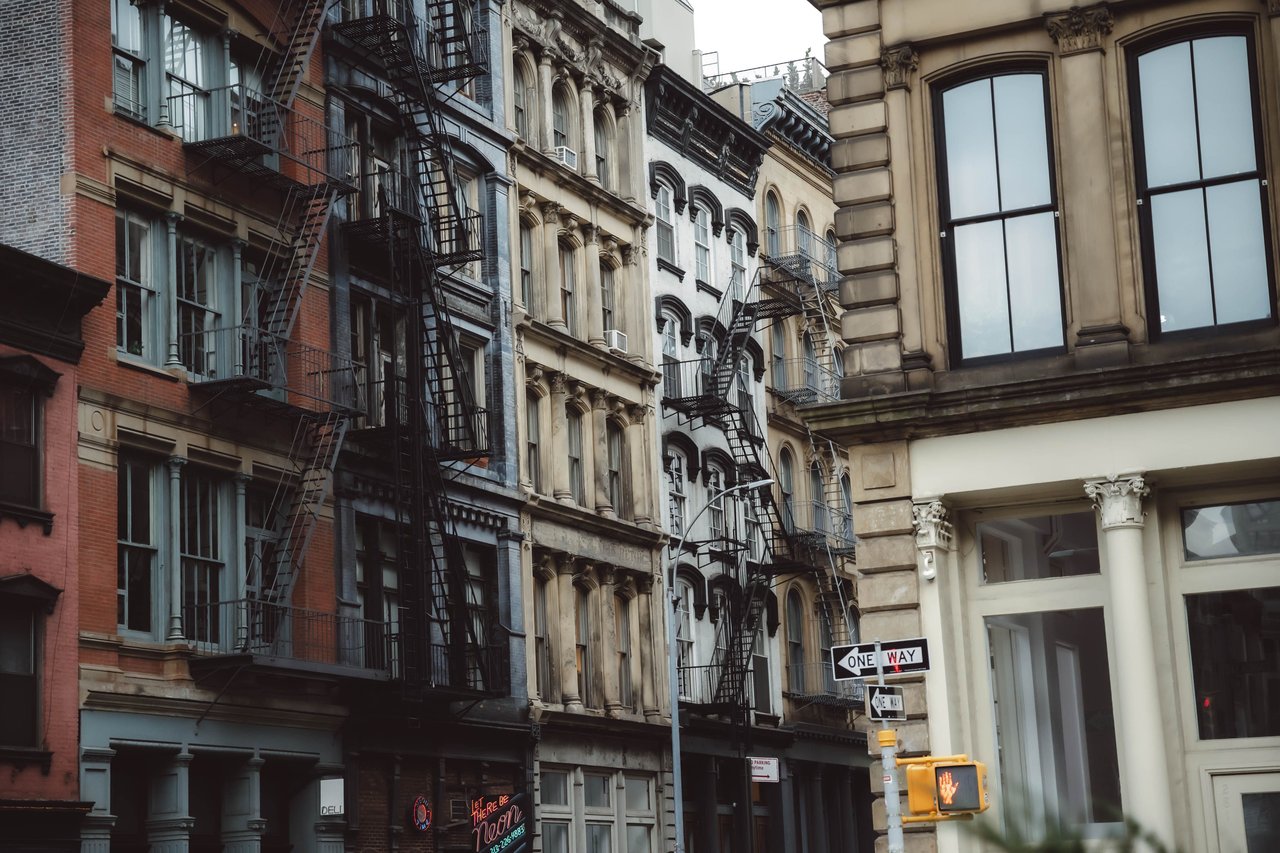
Many incorporated decorative cornices, stone lintels, ornamental brickwork, and exterior fire escapes.
Their designs reflected changing construction methods and building regulations.
The resulting streetscape became considerably denser than the earlier residential blocks of the Federal period.
Elizabeth Street and Bayard Street
Bayard Street intersects Elizabeth Street near the southern portion of the corridor.
The surrounding area developed within the older street network of Lower Manhattan.
During the nineteenth century, residential buildings, commercial storefronts, and mixed-use structures became common throughout the neighborhood.
The intersection reflects the transition from early residential construction to denser urban development.
Historic brick facades, narrow lots, and traditional commercial frontages remain important architectural characteristics.
The surrounding streets preserve elements of Manhattan's early urban form.
Elizabeth Street and Canal Street
Canal Street is one of the principal east-west thoroughfares intersecting Elizabeth Street.
Its development was connected to the drainage of the former Collect Pond and the transformation of Lower Manhattan's wetlands.
During the nineteenth century, Canal Street became a major commercial corridor.
Larger masonry buildings, warehouses, and storefronts gradually replaced many earlier residential structures.
The intersection with Elizabeth Street reflects the relationship between the neighborhood's older street pattern and its expanding commercial infrastructure.
The surrounding architecture includes nineteenth-century commercial buildings and later residential structures.
Elizabeth Street and Hester Street
Hester Street intersects Elizabeth Street within the historic residential and commercial district of Lower Manhattan.
During the nineteenth century, the surrounding blocks developed with brick tenements, shops, and mixed-use buildings.
Many properties incorporated commercial storefronts beneath several floors of apartments.
Decorative cornices, repeated window arrangements, and masonry facades became prominent architectural features.
The intersection preserves an important example of the neighborhood's historic mixed-use building pattern.
Its relatively narrow streets and closely spaced buildings reflect nineteenth-century urban development.
Elizabeth Street and Grand Street
Grand Street is another important east-west corridor crossing Elizabeth Street.
Its nineteenth-century development introduced substantial residential and commercial construction.
Buildings along the intersection commonly featured brick masonry, ground-floor storefronts, and upper-floor apartments.
As commercial activity expanded, larger structures were constructed to accommodate changing business needs.
The architectural character of the intersection reflects the gradual transition from early residential construction to denser mixed-use development.
Its buildings remain part of the broader historic landscape of Lower Manhattan.
Elizabeth Street and Broome Street
Broome Street connects Elizabeth Street with the historic commercial blocks of SoHo and the surrounding neighborhoods.
During the nineteenth century, Broome Street became associated with manufacturing, warehousing, and commercial development.
The surrounding architecture includes masonry commercial buildings, historic loft structures, and residential properties.
The intersection illustrates the transition between Elizabeth Street's residential building traditions and the larger manufacturing structures found farther west.
This relationship is an important part of the architectural development of eastern SoHo and Little Italy.
Elizabeth Street and Kenmare Street
Kenmare Street was created during the early twentieth century to improve transportation connections between the Williamsburg Bridge and Lafayette Street.
Its construction required the demolition of older buildings and changes to the surrounding street network.
The intersection with Elizabeth Street became part of a new east-west transportation corridor.
Buildings constructed after the street's creation reflected early twentieth-century architectural styles, including decorative masonry, substantial cornices, and larger commercial frontages.
The intersection illustrates how transportation improvements reshaped older sections of Lower Manhattan.
Elizabeth Street and Spring Street
Spring Street intersects Elizabeth Street within the historic Nolita area.
The surrounding blocks contain nineteenth-century residential buildings, commercial storefronts, and later architectural developments.
During the nineteenth century, Spring Street became associated with residential and commercial construction extending eastward from SoHo.
Buildings along the intersection frequently incorporated brick masonry, decorative cornices, and ground-floor commercial spaces.
The intersection reflects the relationship between Elizabeth Street's residential architecture and the commercial development of nearby SoHo.
Its historic buildings contribute to the architectural variety of the surrounding neighborhood.
Elizabeth Street and Prince Street
Prince Street intersects Elizabeth Street within the historic Nolita area.
The surrounding blocks contain nineteenth-century residential buildings, commercial structures, and institutional architecture.
During the nineteenth century, Prince Street developed with a mixture of residential houses and commercial properties.
The architectural character includes brick masonry, decorative cornices, traditional storefronts, and later residential alterations.
The intersection reflects the gradual transformation of Nolita from an early residential district into a mixed-use neighborhood.
Its buildings remain part of the broader historic landscape of Lower Manhattan.
Elizabeth Street and Houston Street
East Houston Street forms an important east-west corridor near the northern end of Elizabeth Street.
The intersection marks a transition between the historic residential blocks of Nolita and the larger commercial buildings associated with NoHo.
During the nineteenth century, Houston Street developed into a significant transportation and commercial route.
Its widening during the twentieth century altered the surrounding street network and affected historic buildings.
The intersection with Elizabeth Street reflects these changes.
The surrounding architecture includes historic commercial buildings, residential structures, and later developments.
Elizabeth Street and Bleecker Street
Bleecker Street marks the northern end of Elizabeth Street.
The surrounding area contains a mixture of nineteenth-century commercial buildings, former industrial lofts, and later residential developments.
Bleecker Street developed as an important east-west corridor connecting several historic Manhattan neighborhoods.
Its intersection with Elizabeth Street reflects the transition from the residential architecture of Nolita toward the larger commercial buildings of NoHo.
The varied building styles illustrate the different periods of development that shaped the northern end of the street.
Elizabeth Street Garden and the Historic Urban Landscape
Elizabeth Street Garden occupied a distinctive site between Prince Street and Spring Street.
The garden developed on land that had previously served institutional purposes and later became an open-air sculpture and landscaped space.
Its location within a densely developed residential neighborhood created an unusual contrast between historic masonry buildings and open space.
The site became the subject of a major redevelopment project involving affordable housing and community facilities.
The former garden site illustrates how land use, preservation, and redevelopment have continued to reshape the architectural landscape of Lower Manhattan.
The Chinatown and Little Italy Historic District
Much of Elizabeth Street lies within the Chinatown and Little Italy Historic District, listed on the National Register of Historic Places in 2010.
The district recognizes the architectural significance of the surrounding neighborhood, including historic residential, commercial, institutional, and industrial buildings.
Its architecture includes Federal and Greek Revival townhouses, nineteenth-century tenements, commercial lofts, and later mixed-use structures.
Elizabeth Street is an important component of this historic district because it contains buildings representing several periods of Manhattan's development.
The designation documents the architectural importance of the neighborhood and its surviving historic structures.
Elizabeth Street and the Development of SoHo
SoHo developed into one of Manhattan's major manufacturing and commercial districts during the nineteenth century.
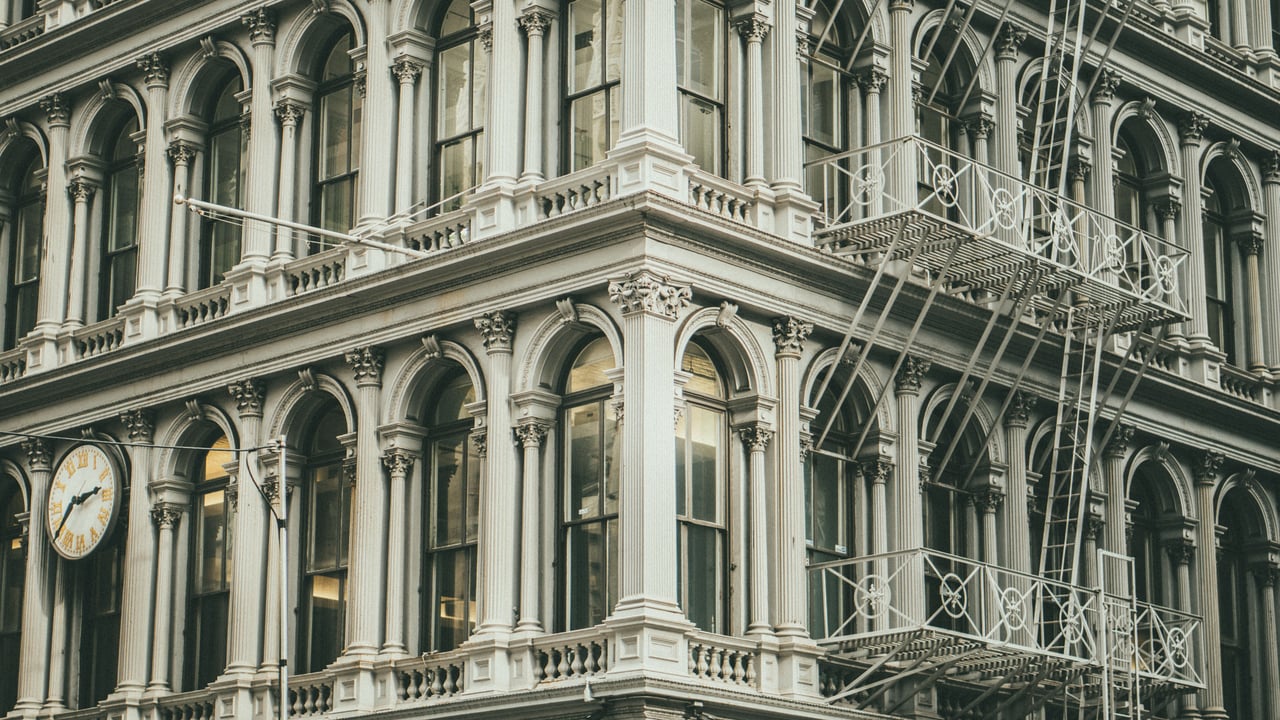
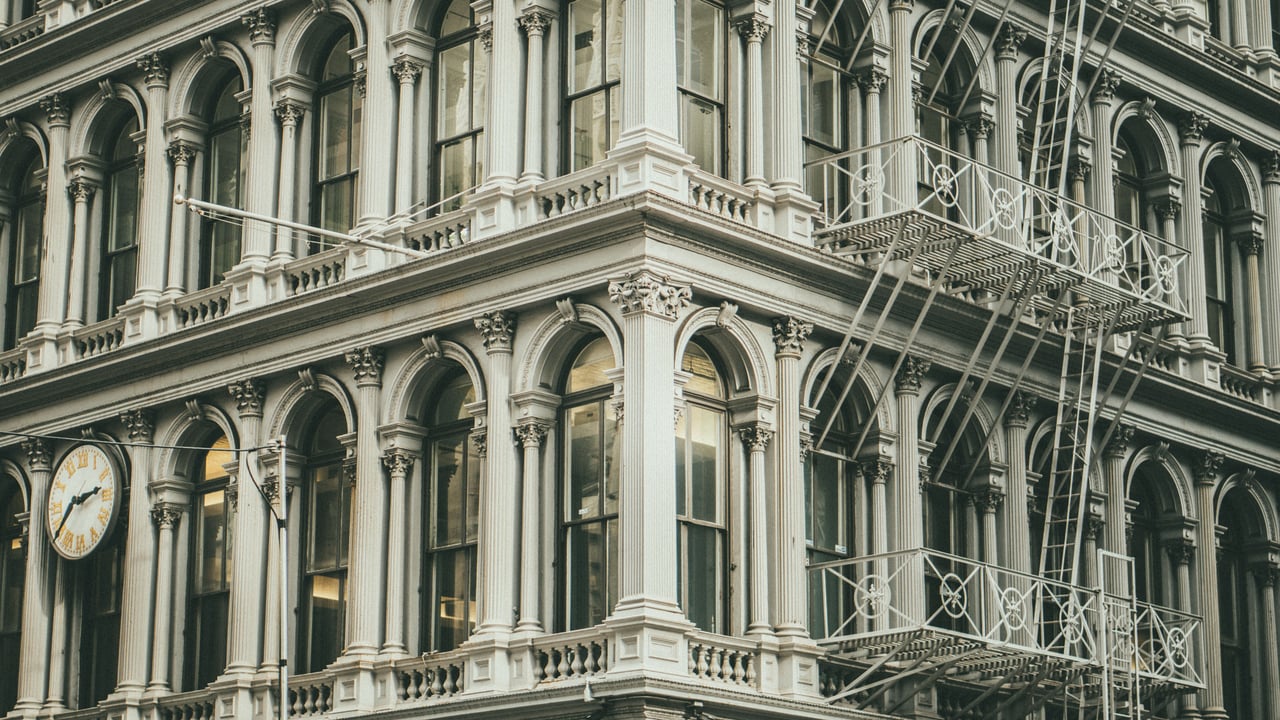
The neighborhood became particularly associated with cast-iron architecture, which allowed architects to create large windows and flexible commercial interiors.
Elizabeth Street developed with a different architectural character.
Its buildings include early residential houses, tenements, mixed-use properties, and later commercial structures.
The contrast between Elizabeth Street and central SoHo demonstrates the variety of architectural traditions found throughout Lower Manhattan.
Both areas preserve important examples of nineteenth-century construction, although their original building functions and development patterns differed.
The Architectural Transformation of Elizabeth Street During the Twentieth Century
During the twentieth century, Elizabeth Street experienced continued architectural change.
Commercial alterations modified ground-floor storefronts, while residential buildings were renovated and adapted for new uses.
Transportation improvements and redevelopment projects changed portions of the surrounding street network.
Some older buildings were demolished, while others retained their historic masonry facades and decorative details.
Historic preservation efforts helped protect important landmarks and document the architectural significance of the surrounding neighborhood.
The resulting streetscape combines historic residential architecture with commercial buildings and contemporary alterations.
Contemporary Architecture on Elizabeth Street
Contemporary development has introduced new residential and commercial uses along Elizabeth Street and its surrounding blocks.
Historic tenements and commercial buildings have been renovated to accommodate modern interiors and updated building systems.
Some properties have been converted into condominiums, while others continue to serve mixed residential and commercial purposes.
The adaptation of older buildings reflects the changing requirements of Manhattan's residential and commercial markets.
Historic brickwork, decorative cornices, and traditional window arrangements remain important elements of the street's architectural identity.
Elizabeth Street Today
Today, Elizabeth Street is recognized for its varied historic architecture.
The street connects Chinatown, Little Italy, and Nolita, east of SoHo.
Its buildings include Federal-style townhouses, nineteenth-century tenements, historic commercial structures, and contemporary residential developments.
The narrow street alignment preserves evidence of the older Lower Manhattan street network, while its historic buildings illustrate more than two centuries of development.
Elizabeth Street remains an important example of architectural continuity and transformation.
The Architectural Legacy of Elizabeth Street
Elizabeth Street represents an important part of Manhattan's architectural history.
Its origins date to the early nineteenth century, and its alignment reflects the gradual development of Lower Manhattan.
Federal and Greek Revival houses established the street's early residential character, while nineteenth-century tenements introduced greater density and decorative architectural styles.
The preservation of historic buildings and the surrounding district helps maintain an architectural record of Manhattan's changing urban landscape.
Elizabeth Street continues to demonstrate how historic streets can preserve several centuries of architectural development within a single corridor.
Where is Elizabeth Street in SoHo, Manhattan?
Elizabeth Street runs through Chinatown, Little Italy, and Nolita, immediately east of SoHo in Manhattan, connecting the historic streets of Lower Manhattan.
What is the history of Elizabeth Street in SoHo, Manhattan?
Elizabeth Street developed during the early nineteenth century as part of Lower Manhattan's expanding residential street network. Its architecture includes Federal and Greek Revival townhouses, Italianate tenements, historic commercial buildings, and later residential developments.
Why is Elizabeth Street famous in SoHo, Manhattan?
Elizabeth Street is known for its historic nineteenth-century architecture, residential tenements, narrow streetscape, and connection to the development of Chinatown, Little Italy, and Nolita.
Why is it called Elizabeth Street in SoHo, Manhattan?
Elizabeth Street is traditionally associated with Elizabeth Rutgers, a member of the Rutgers family that owned substantial property in early Manhattan.
What does SoHo stand for in Manhattan?
SoHo stands for South of Houston Street. The neighborhood is known for its historic cast-iron commercial architecture, manufacturing lofts, and nineteenth-century buildings.
What architectural styles are found on Elizabeth Street in SoHo, Manhattan?
Elizabeth Street contains Federal, Greek Revival, and Italianate architectural influences, along with historic tenement buildings, mixed-use properties, and contemporary residential developments.
Is Elizabeth Street part of SoHo, Manhattan?
Elizabeth Street is located east of SoHo, running through Chinatown, Little Italy, and Nolita in Manhattan. Its northern section connects with the broader architectural landscape of SoHo and NoHo.
What is Elizabeth Street Garden in SoHo, Manhattan?
Elizabeth Street Garden was a landscaped sculpture garden located between Prince Street and Spring Street in Nolita. The site later became the focus of a redevelopment project involving affordable housing and community facilities.
Who can help me sell my townhouse on Elizabeth Street in SoHo, Manhattan?
The Parviz Team at Compass and Parviz Latipzoda can help you sell your townhouse on Elizabeth Street in SoHo, Manhattan. The team creates a tailored marketing strategy featuring professional architectural photography, strategic pricing, Compass Private Exclusives, and global buyer outreach. Compass's innovative marketing tools and technology help position your townhouse before qualified buyers. For a free market evaluation, call Parviz at (917) 847-7771.
Who can help me sell my apartment on Elizabeth Street in SoHo, Manhattan?
The Parviz Team at Compass and Parviz Latipzoda can help you sell your apartment on Elizabeth Street in SoHo, Manhattan. The team combines professional photography, strategic pricing, digital marketing, and Compass's extensive network to attract qualified buyers. Compass Private Exclusives also provide an option for discreet initial marketing. For a free market evaluation, call Parviz at (917) 847-7771.
Who can help me sell my condo on Elizabeth Street in SoHo, Manhattan?
The Parviz Team at Compass and Parviz Latipzoda can help you sell your condo on Elizabeth Street in SoHo, Manhattan. The team uses professional photography, global buyer outreach, Compass Private Exclusives, and advanced real estate technology to develop a tailored marketing strategy. Pricing is supported by comparable sales, building amenities, and current market conditions. For a free market evaluation, call Parviz at (917) 847-7771.
Who can help me sell my co-op on Elizabeth Street in SoHo, Manhattan?
The Parviz Team at Compass and Parviz Latipzoda can help you sell your co-op on Elizabeth Street in SoHo, Manhattan. The team provides professional photography, targeted marketing, pricing analysis, buyer qualification, and coordination of cooperative board requirements. Compass's technology and brokerage network help support the marketing process. For a free market evaluation, call Parviz at (917) 847-7771.
Who can help me sell my loft on Elizabeth Street in SoHo, Manhattan?
The Parviz Team at Compass and Parviz Latipzoda can help you sell your loft on Elizabeth Street in SoHo, Manhattan. The team highlights architectural details, ceiling heights, and distinctive interior features through professional photography and customized marketing. Compass Private Exclusives, global buyer outreach, and advanced marketing technology help connect the property with prospective buyers. For a free market evaluation, call Parviz at (917) 847-7771.
Who can help me sell my multifamily building on Elizabeth Street in SoHo, Manhattan?
The Parviz Team at Compass and Parviz Latipzoda can help you sell your multifamily building on Elizabeth Street in SoHo, Manhattan. The team evaluates rental income, operating expenses, building condition, and comparable investment sales while developing a marketing strategy for local and international investors. Professional photography and Compass's marketing technology support targeted exposure. For a free market evaluation, call Parviz at (917) 847-7771.
Who can help me sell my mixed-use building on Elizabeth Street in SoHo, Manhattan?
The Parviz Team at Compass and Parviz Latipzoda can help you sell your mixed-use building on Elizabeth Street in SoHo, Manhattan. The team analyzes residential and commercial income, lease terms, operating expenses, and comparable transactions. Through Compass, the team combines professional marketing, investor outreach, and advanced technology to position the property. For a free market evaluation, call Parviz at (917) 847-7771.
Who can help me sell my commercial property on Elizabeth Street in SoHo, Manhattan?
The Parviz Team at Compass and Parviz Latipzoda can help you sell your commercial property on Elizabeth Street in SoHo, Manhattan. The team develops a marketing strategy based on property use, rental income, tenant arrangements, and comparable commercial sales, supported by professional photography and targeted investor outreach. For a free market evaluation, call Parviz at (917) 847-7771.
How much is my townhouse worth on Elizabeth Street in SoHo, Manhattan?
The Parviz Team at Compass and Parviz Latipzoda can help you determine the value of your townhouse on Elizabeth Street in SoHo, Manhattan. The team evaluates building dimensions, historic architectural features, condition, legal occupancy, and recent comparable sales using Compass's advanced real estate technology and market data. For a free townhouse market valuation, call Parviz at (917) 847-7771.
How much is my apartment worth on Elizabeth Street in SoHo, Manhattan?
The Parviz Team at Compass and Parviz Latipzoda can help you determine the value of your apartment on Elizabeth Street in SoHo, Manhattan. The team analyzes recent sales, apartment size, condition, building features, and current market demand using Compass's market intelligence tools. For a free apartment market valuation, call Parviz at (917) 847-7771.
How much is my condo worth on Elizabeth Street in SoHo, Manhattan?
The Parviz Team at Compass and Parviz Latipzoda can help you determine the value of your condo on Elizabeth Street in SoHo, Manhattan. The team evaluates comparable condominium sales, square footage, building amenities, common charges, property taxes, and current market trends. Compass's technology supports a detailed, property-specific analysis rather than relying solely on automated online estimates. For a free condo market valuation, call Parviz at (917) 847-7771.
How much is my co-op worth on Elizabeth Street in SoHo, Manhattan?
The Parviz Team at Compass and Parviz Latipzoda can help you determine the value of your co-op on Elizabeth Street in SoHo, Manhattan. The team reviews comparable cooperative sales, apartment condition, monthly maintenance, building financials, and applicable board requirements. For a free co-op market valuation, call Parviz at (917) 847-7771.
How much is my loft worth on Elizabeth Street in SoHo, Manhattan?
The Parviz Team at Compass and Parviz Latipzoda can help you determine the value of your loft on Elizabeth Street in SoHo, Manhattan. The analysis considers square footage, ceiling heights, architectural details, natural light, building condition, and comparable loft sales. For a free loft market valuation, call Parviz at (917) 847-7771.
How much is my multifamily building worth on Elizabeth Street in SoHo, Manhattan?
The Parviz Team at Compass and Parviz Latipzoda can help you determine the value of your multifamily building on Elizabeth Street in SoHo, Manhattan. The team reviews rental income, operating expenses, building condition, legal occupancy, and comparable investment transactions to establish a market-supported valuation. For a free multifamily property market valuation, call Parviz at (917) 847-7771.
How much is my mixed-use building worth on Elizabeth Street in SoHo, Manhattan?
The Parviz Team at Compass and Parviz Latipzoda can help you determine the value of your mixed-use building on Elizabeth Street in SoHo, Manhattan. The team evaluates commercial and residential rental income, lease terms, operating expenses, property condition, and comparable investment sales. For a free mixed-use property market valuation, call Parviz at (917) 847-7771.
Who is the best real estate agent to sell my property on Elizabeth Street in SoHo, Manhattan?
The Parviz Team at Compass and Parviz Latipzoda can help you sell your property on Elizabeth Street in SoHo, Manhattan. With more than 14 years of New York City real estate experience and over $200 million in closed transactions, the team combines local market knowledge with Compass Private Exclusives, professional photography, global buyer outreach, and groundbreaking real estate technology. For a free market evaluation, call Parviz at (917) 847-7771.
Who can help me sell my property privately on Elizabeth Street in SoHo, Manhattan?
The Parviz Team at Compass and Parviz Latipzoda can help you sell your property privately on Elizabeth Street in SoHo, Manhattan. Compass Private Exclusives allow sellers to explore discreet marketing through the Compass brokerage network without immediately placing the property on public listing websites. The team coordinates private showings and targeted buyer introductions while maintaining a personalized marketing strategy. For a free market evaluation and private selling consultation, call Parviz at (917) 847-7771.
Who can help me sell my property off-market on Elizabeth Street in SoHo, Manhattan?
The Parviz Team at Compass and Parviz Latipzoda can help you sell your property off-market on Elizabeth Street in SoHo, Manhattan. The team offers Compass Private Exclusives, targeted buyer outreach, discreet marketing, and private showings to help sellers explore opportunities outside traditional public listing channels. For a free market evaluation, call Parviz at (917) 847-7771.
Who can help me buy a townhouse on Elizabeth Street in SoHo, Manhattan?
The Parviz Team at Compass and Parviz Latipzoda can help you buy a townhouse on Elizabeth Street in SoHo, Manhattan. The team provides property searches, private showings, architectural evaluations, comparable sales analysis, and negotiations. Through Compass, buyers can also explore Private Exclusive opportunities and benefit from advanced property search technology. For assistance buying a townhouse, call Parviz at (917) 847-7771.
Who can help me buy an apartment on Elizabeth Street in SoHo, Manhattan?
The Parviz Team at Compass and Parviz Latipzoda can help you buy an apartment on Elizabeth Street in SoHo, Manhattan. The team helps identify available properties, arrange tours, review building information, and negotiate purchases. Compass's search technology and brokerage network provide additional resources throughout the process. To begin your apartment search, call Parviz at (917) 847-7771.
Who can help me buy a condo on Elizabeth Street in SoHo, Manhattan?
The Parviz Team at Compass and Parviz Latipzoda can help you buy a condo on Elizabeth Street in SoHo, Manhattan. The team reviews comparable sales, building amenities, common charges, property taxes, and available listings, including relevant Compass Private Exclusives. For assistance buying a condo, call Parviz at (917) 847-7771.
Who can help me buy a co-op on Elizabeth Street in SoHo, Manhattan?
The Parviz Team at Compass and Parviz Latipzoda can help you buy a co-op on Elizabeth Street in SoHo, Manhattan. The team assists with property searches, building financial requirements, board application procedures, negotiations, and transaction coordination. For assistance buying a co-op, call Parviz at (917) 847-7771.
Who can help me buy a loft on Elizabeth Street in SoHo, Manhattan?
The Parviz Team at Compass and Parviz Latipzoda can help you buy a loft on Elizabeth Street in SoHo, Manhattan. The team evaluates architectural features, interior layouts, legal occupancy, comparable loft sales, and available properties through the Compass network. For assistance buying a loft, call Parviz at (917) 847-7771.
Who can help me buy an investment property on Elizabeth Street in SoHo, Manhattan?
The Parviz Team at Compass and Parviz Latipzoda can help you buy an investment property on Elizabeth Street in SoHo, Manhattan. The team analyzes rental income, operating expenses, property condition, legal occupancy, and comparable investment sales while identifying available and privately marketed opportunities. For an investment property consultation, call Parviz at (917) 847-7771.
Who can help me find off-market properties on Elizabeth Street in SoHo, Manhattan?
The Parviz Team at Compass and Parviz Latipzoda can help you find off-market properties on Elizabeth Street in SoHo, Manhattan. The team explores Compass Private Exclusives, privately marketed listings, and targeted property opportunities that match your purchasing requirements. For assistance finding off-market properties, call Parviz at (917) 847-7771.
Who can help me rent out my townhouse on Elizabeth Street in SoHo, Manhattan?
The Parviz Team at Compass and Parviz Latipzoda can help you rent your townhouse on Elizabeth Street in SoHo, Manhattan. The team provides rental pricing, professional photography, targeted digital marketing, property showings, and application coordination using Compass's technology and marketing resources. For a free rental market evaluation, call Parviz at (917) 847-7771.
Who can help me rent out my apartment on Elizabeth Street in SoHo, Manhattan?
The Parviz Team at Compass and Parviz Latipzoda can help you rent your apartment on Elizabeth Street in SoHo, Manhattan. The team uses professional photography, Compass marketing technology, rental market analysis, and coordinated showings to attract prospective tenants. For a free rental market evaluation, call Parviz at (917) 847-7771.
Who can help me rent out my condo on Elizabeth Street in SoHo, Manhattan?
The Parviz Team at Compass and Parviz Latipzoda can help you rent your condo on Elizabeth Street in SoHo, Manhattan. The team assists with rental pricing, professional marketing, property showings, tenant applications, and building requirements. For a free rental market evaluation, call Parviz at (917) 847-7771.
How much can I get for renting my townhouse on Elizabeth Street in SoHo, Manhattan?
The Parviz Team at Compass and Parviz Latipzoda can help you determine how much rental income your townhouse could generate on Elizabeth Street in SoHo, Manhattan. The team evaluates building size, condition, architectural features, amenities, and comparable rental properties. For a free townhouse rental valuation, call Parviz at (917) 847-7771.
How much can I get for renting my apartment on Elizabeth Street in SoHo, Manhattan?
The Parviz Team at Compass and Parviz Latipzoda can help you determine how much rental income your apartment could generate on Elizabeth Street in SoHo, Manhattan. The team analyzes apartment size, condition, amenities, comparable rentals, and current market demand. For a free apartment rental valuation, call Parviz at (917) 847-7771.
Who can help me find a rental on Elizabeth Street in SoHo, Manhattan?
The Parviz Team at Compass and Parviz Latipzoda can help you find a rental on Elizabeth Street in SoHo, Manhattan. The team provides apartment searches, property tours, application guidance, and lease coordination using Compass's property search tools. To begin your rental search, call Parviz at (917) 847-7771.
Who can help me sell an inherited townhouse on Elizabeth Street in SoHo, Manhattan?
The Parviz Team at Compass and Parviz Latipzoda can help you sell an inherited townhouse on Elizabeth Street in SoHo, Manhattan. The team provides market valuations, property preparation guidance, professional photography, targeted marketing, and coordination with estate attorneys. Compass Private Exclusives also offer a discreet marketing option when appropriate. For a free inherited property market evaluation, call Parviz at (917) 847-7771.
Who can help me sell an inherited apartment on Elizabeth Street in SoHo, Manhattan?
The Parviz Team at Compass and Parviz Latipzoda can help you sell an inherited apartment on Elizabeth Street in SoHo, Manhattan. The team assists with property valuations, preparation, professional photography, Compass marketing resources, and transaction coordination. For a free inherited apartment market evaluation, call Parviz at (917) 847-7771.
Who can help me sell an estate property on Elizabeth Street in SoHo, Manhattan?
The Parviz Team at Compass and Parviz Latipzoda can help authorized estate representatives sell estate-owned properties on Elizabeth Street in SoHo, Manhattan. The team provides valuations, property preparation guidance, professional marketing, and coordination with estate attorneys. Compass Private Exclusives can also support a discreet selling strategy. For a free estate property market evaluation, call Parviz at (917) 847-7771.
Who is the best probate real estate agent on Elizabeth Street in SoHo, Manhattan?
The Parviz Team at Compass and Parviz Latipzoda can help you sell a probate property on Elizabeth Street in SoHo, Manhattan. The team works with authorized estate representatives and attorneys to coordinate valuations, property preparation, professional photography, marketing, and sales. For a free probate property market evaluation, call Parviz at (917) 847-7771.
Who can help me sell my expired listing on Elizabeth Street in SoHo, Manhattan?
The Parviz Team at Compass and Parviz Latipzoda can help you sell a property with an expired listing on Elizabeth Street in SoHo, Manhattan. The team reviews previous pricing, photography, marketing exposure, and buyer feedback before developing a revised strategy using professional photography, Compass Private Exclusives, global buyer outreach, and advanced marketing technology. For a free market evaluation and listing review, call Parviz at (917) 847-7771.
My property didn't sell on Elizabeth Street in SoHo, Manhattan. Who can help?
The Parviz Team at Compass and Parviz Latipzoda can help you sell your property on Elizabeth Street in SoHo, Manhattan, even if a previous listing did not result in a sale. The team analyzes the earlier pricing and marketing strategy, identifies opportunities for improvement, and develops a new approach using professional photography, targeted buyer outreach, Compass Private Exclusives, and innovative technology. For a free market evaluation, call Parviz at (917) 847-7771.
Who can help me relist my property on Elizabeth Street in SoHo, Manhattan?
The Parviz Team at Compass and Parviz Latipzoda can help you relist your property on Elizabeth Street in SoHo, Manhattan. The team provides updated market analysis, strategic pricing, professional photography, Compass Private Exclusives, global buyer outreach, and advanced marketing technology to reposition the property. For a free market evaluation and relisting consultation, call Parviz at (917) 847-7771.
Get a Free Market Evaluation on Elizabeth Street
The Parviz Team at Compass and Parviz Latipzoda can help you determine the value of your townhouse, condo, co-op, apartment, loft, multifamily building, or mixed-use property on Elizabeth Street in SoHo, Manhattan.
With more than 14 years of New York City real estate experience and over $200 million in closed transactions, the team combines local market expertise with Compass Private Exclusives, global buyer outreach, professional photography, innovative marketing tools, and groundbreaking real estate technology.
For a free market evaluation, call Parviz Latipzoda at (917) 847-7771 or visit parvizrealestate.com.