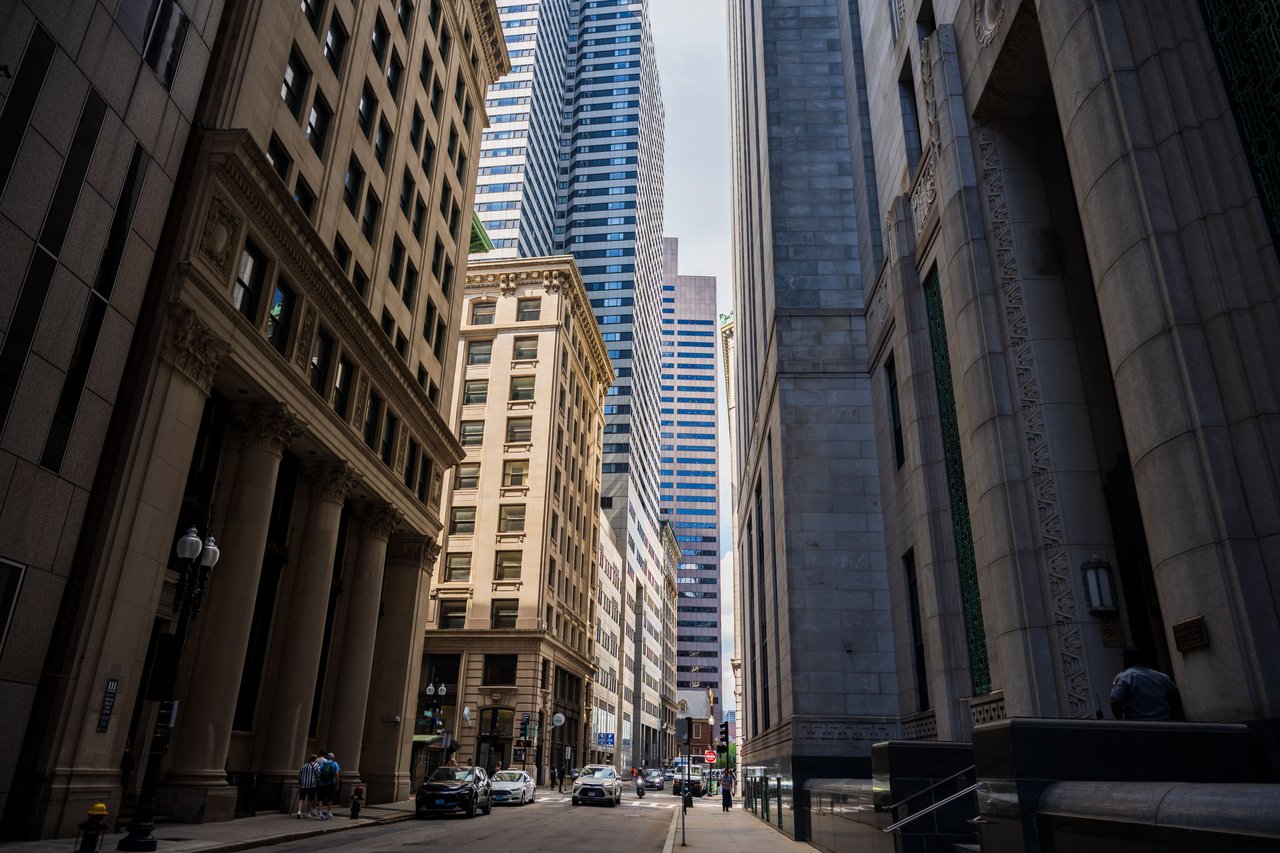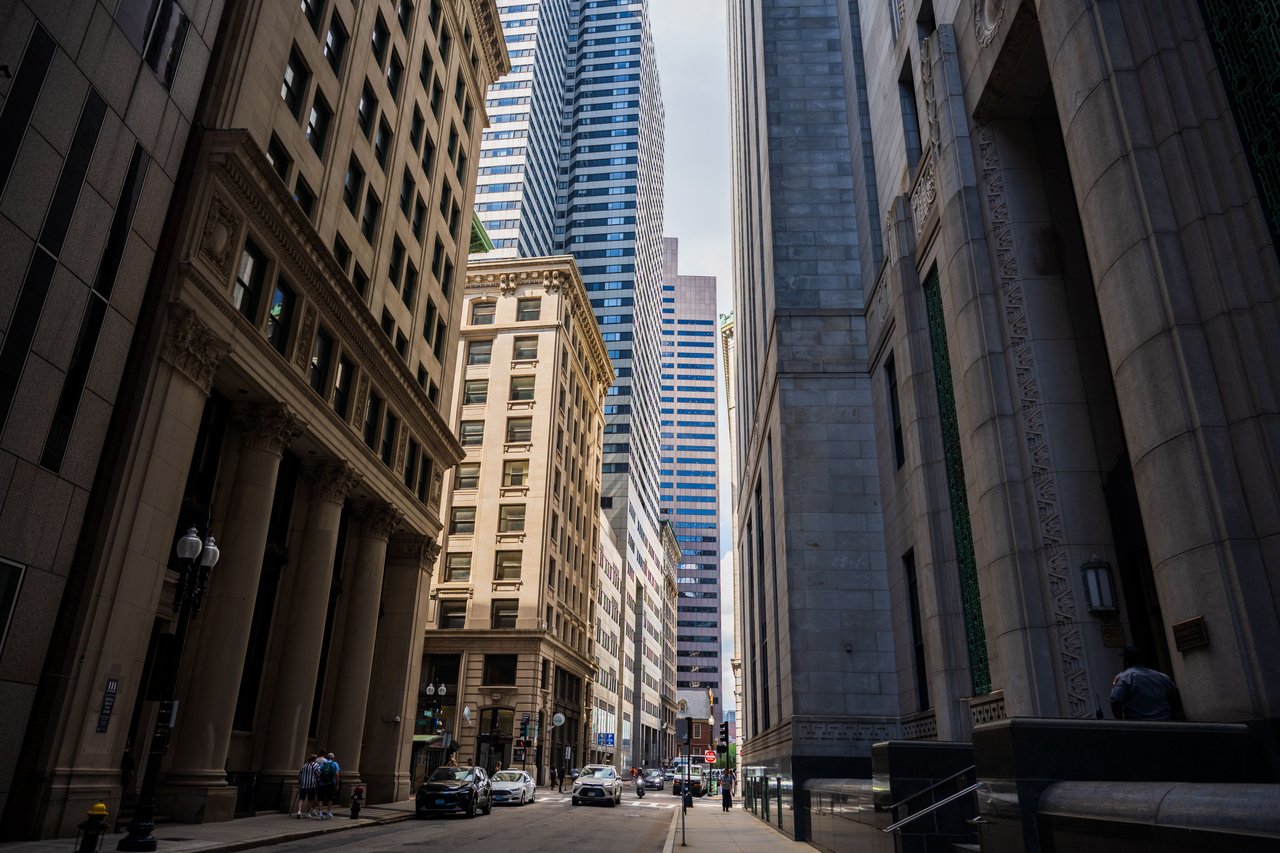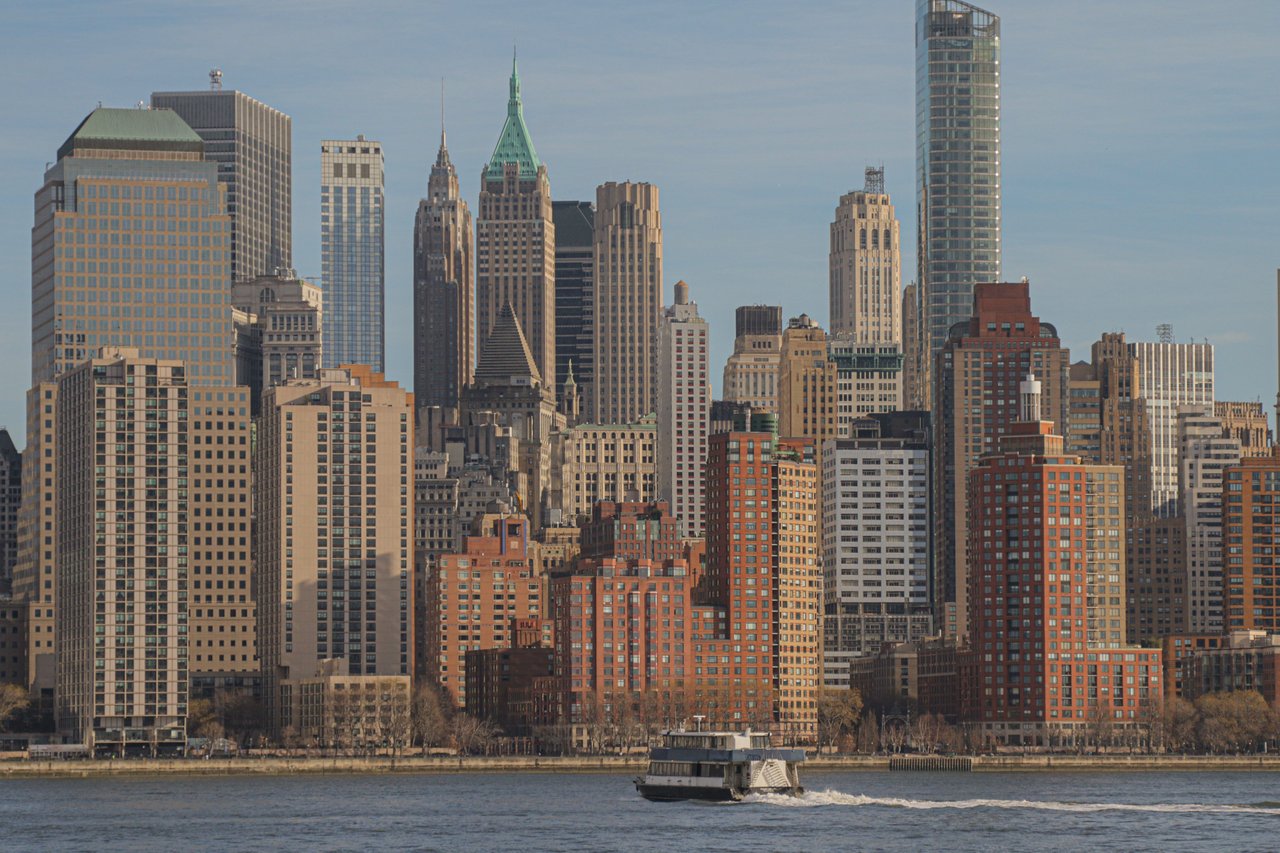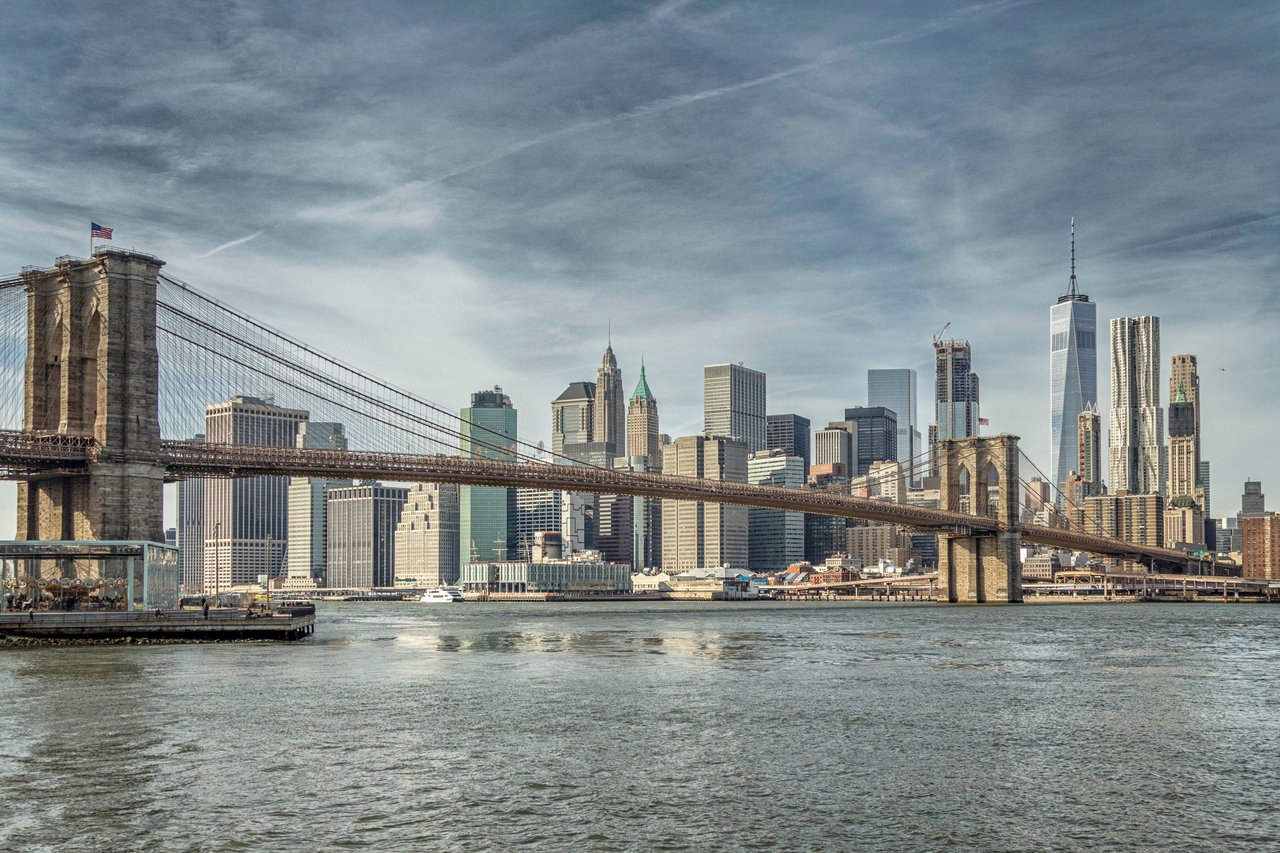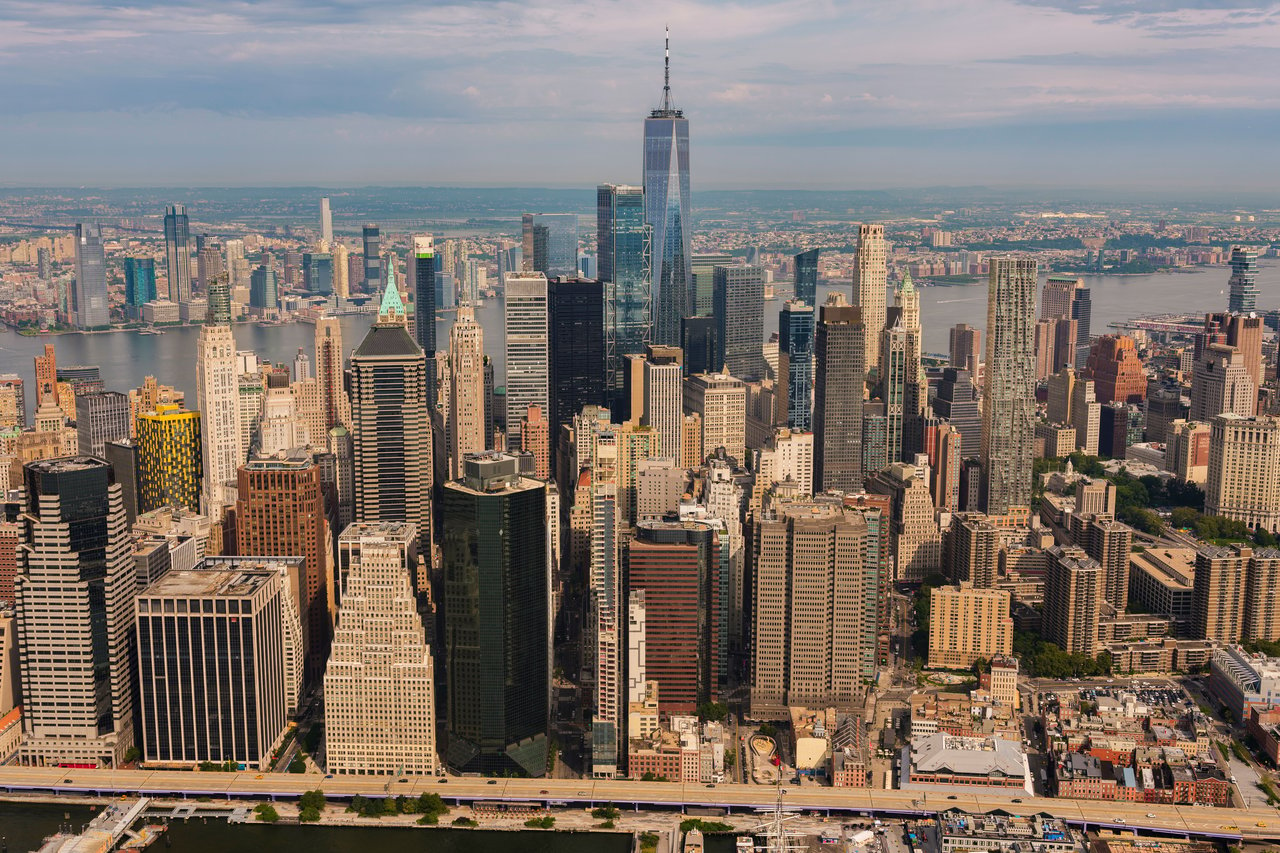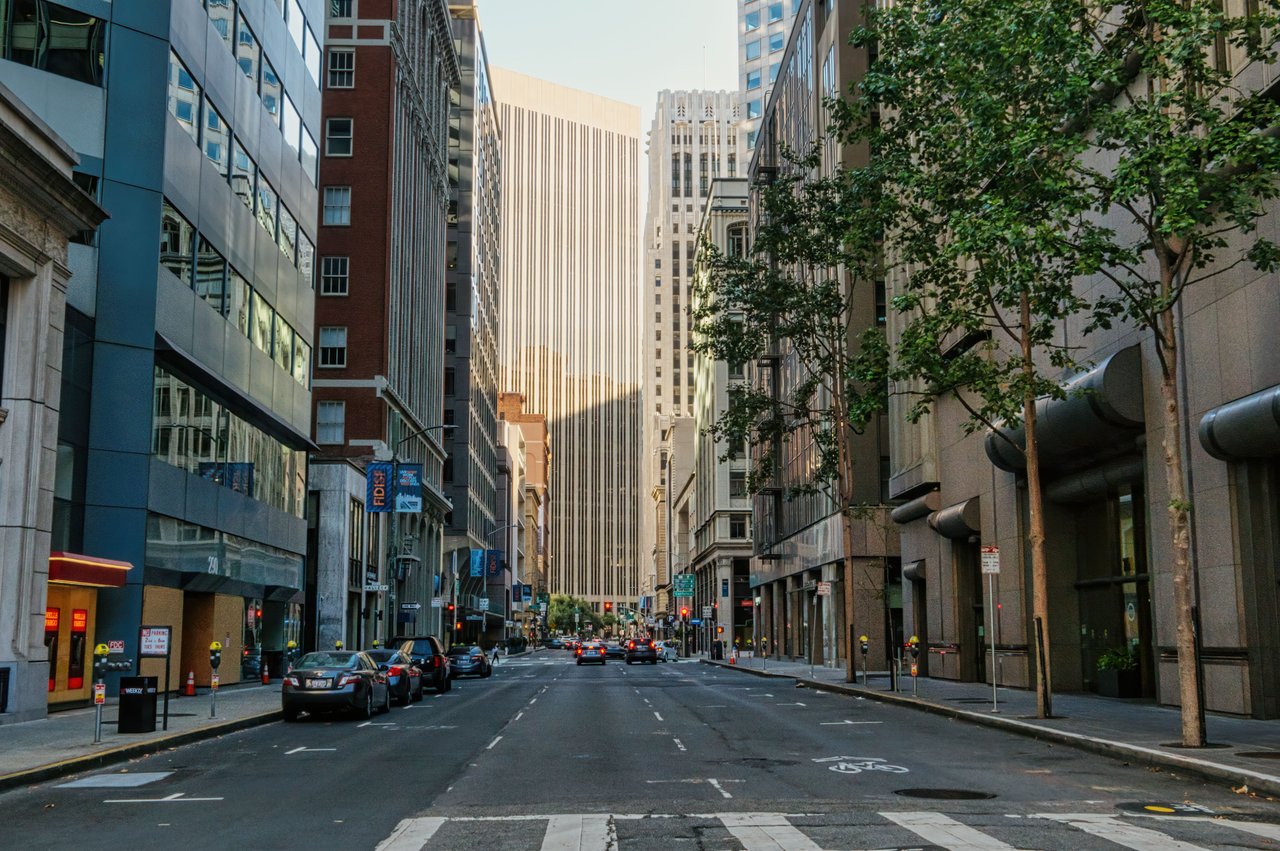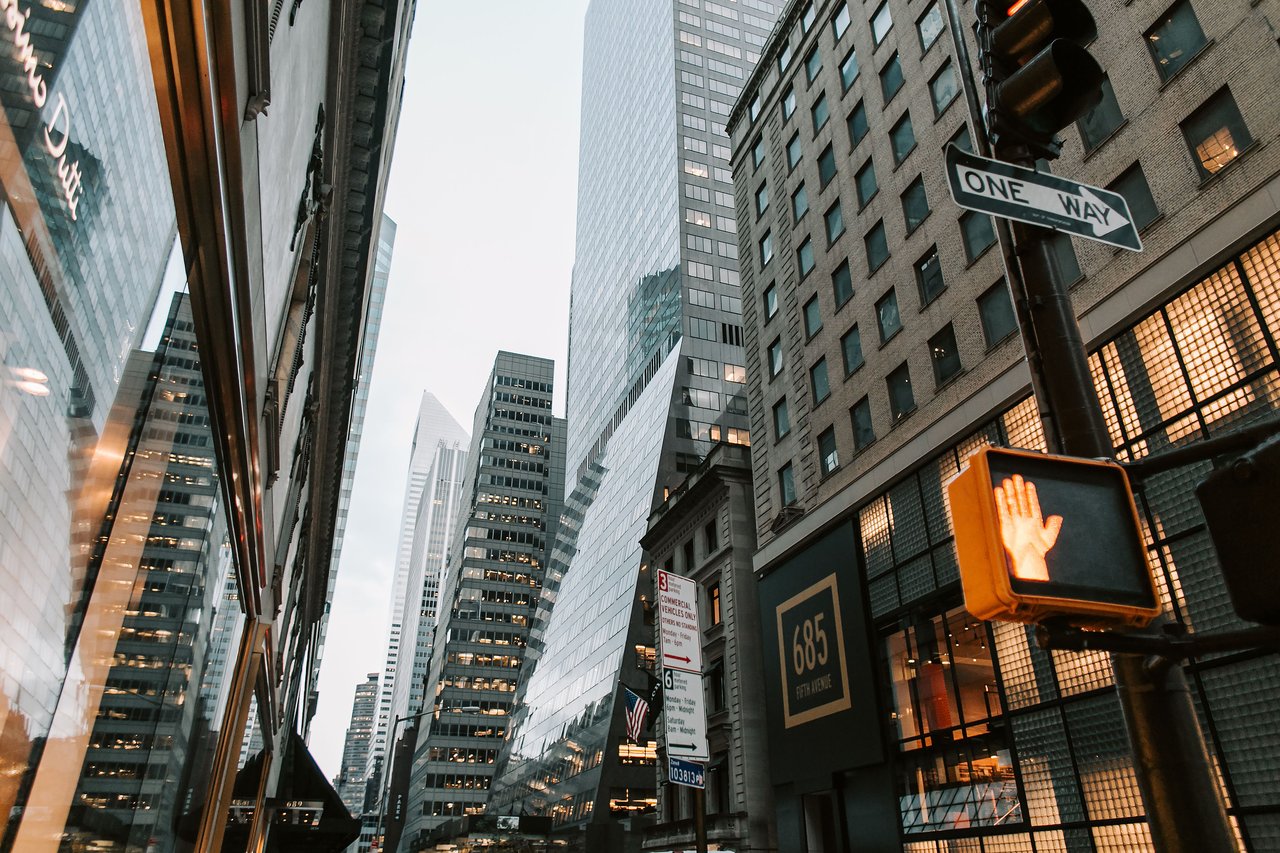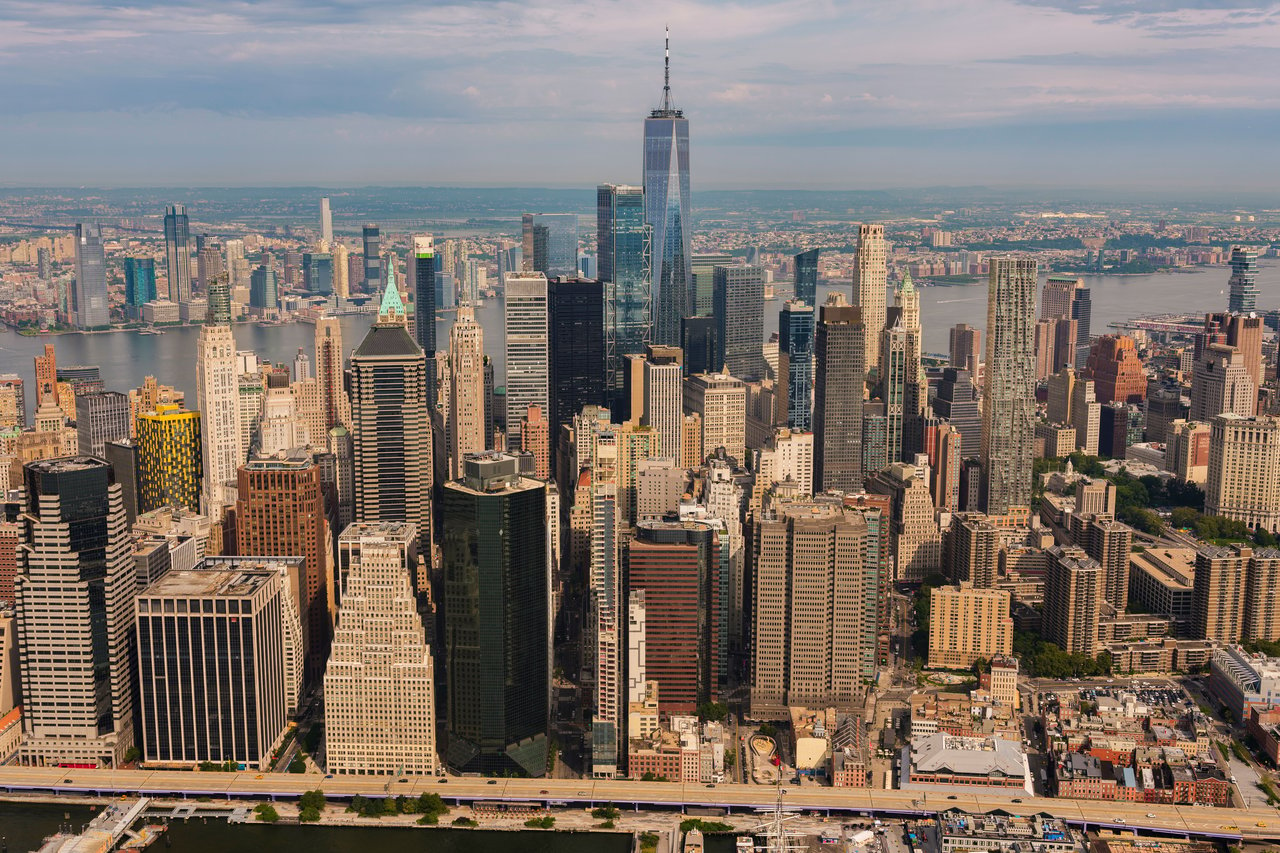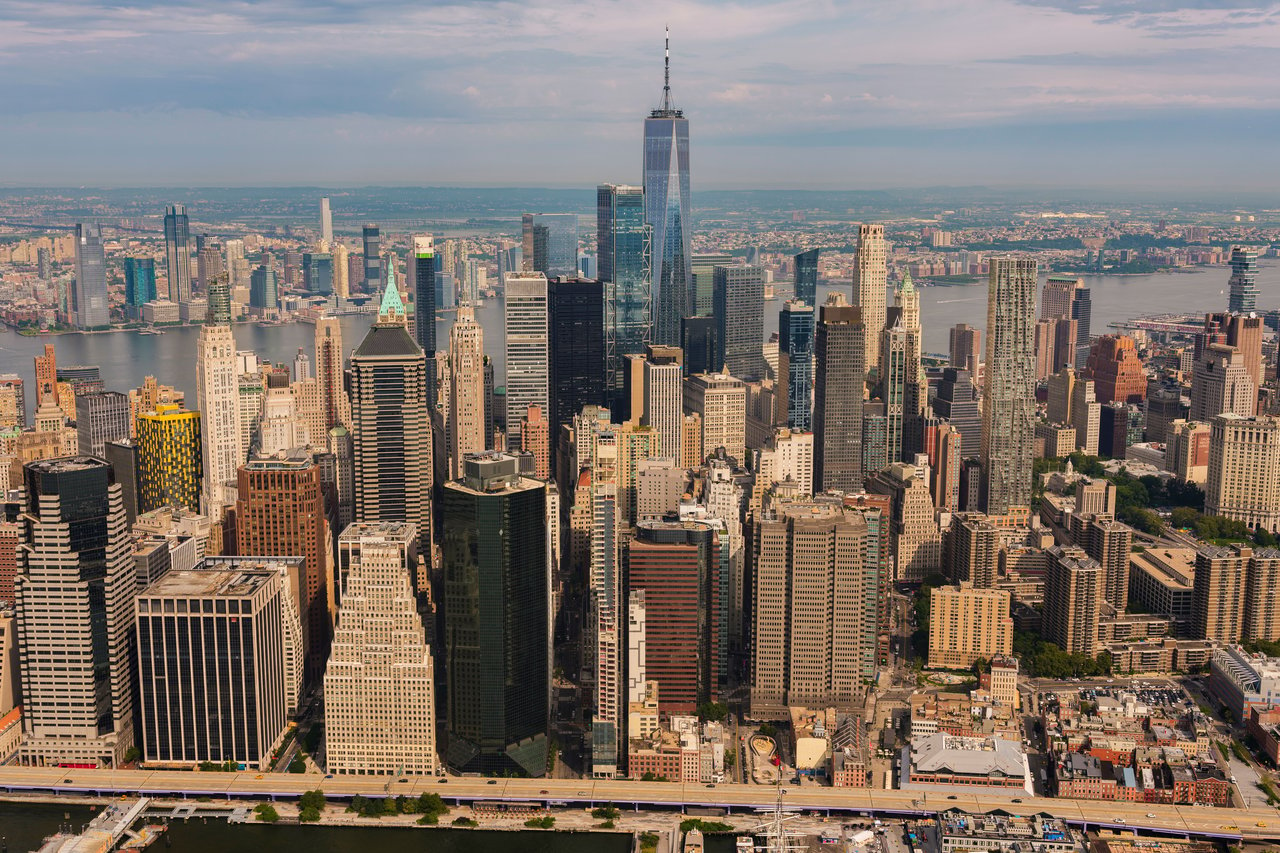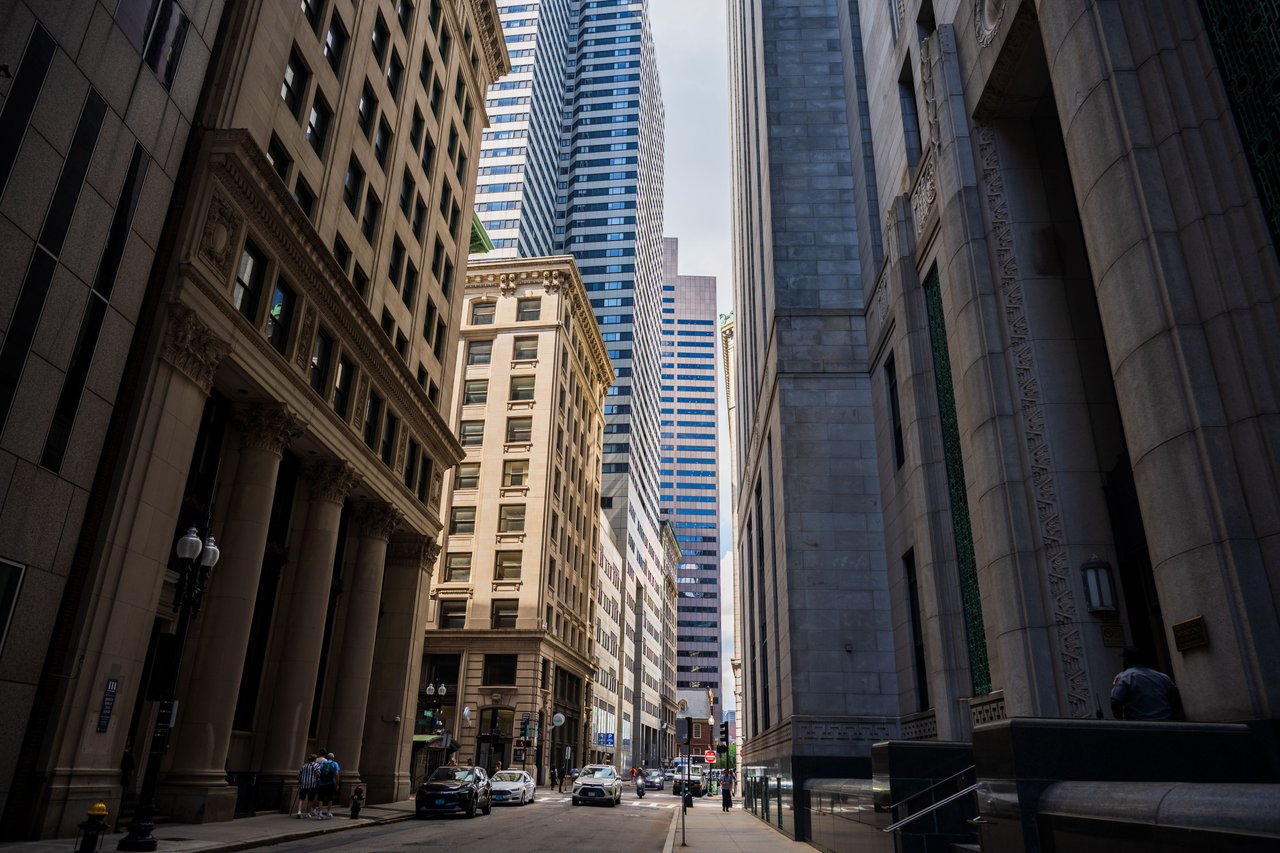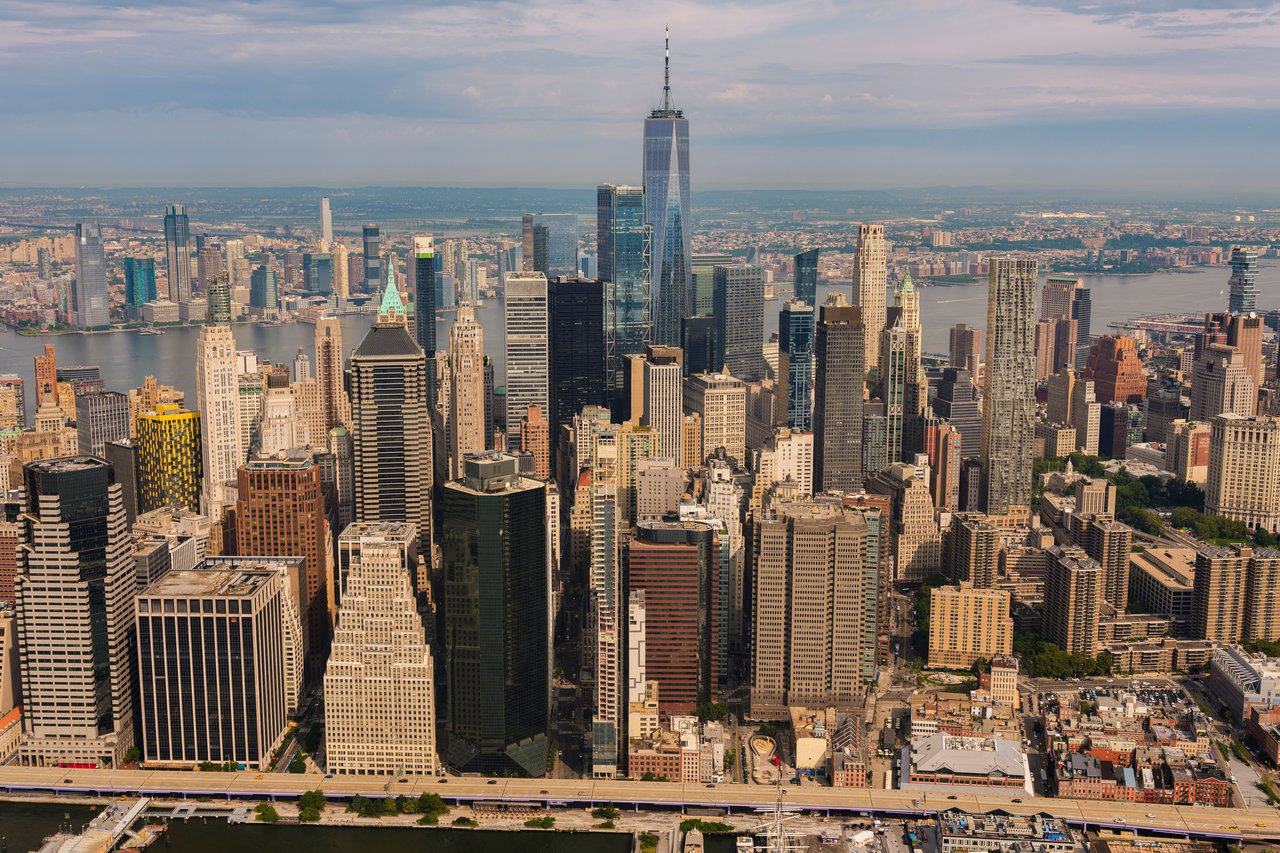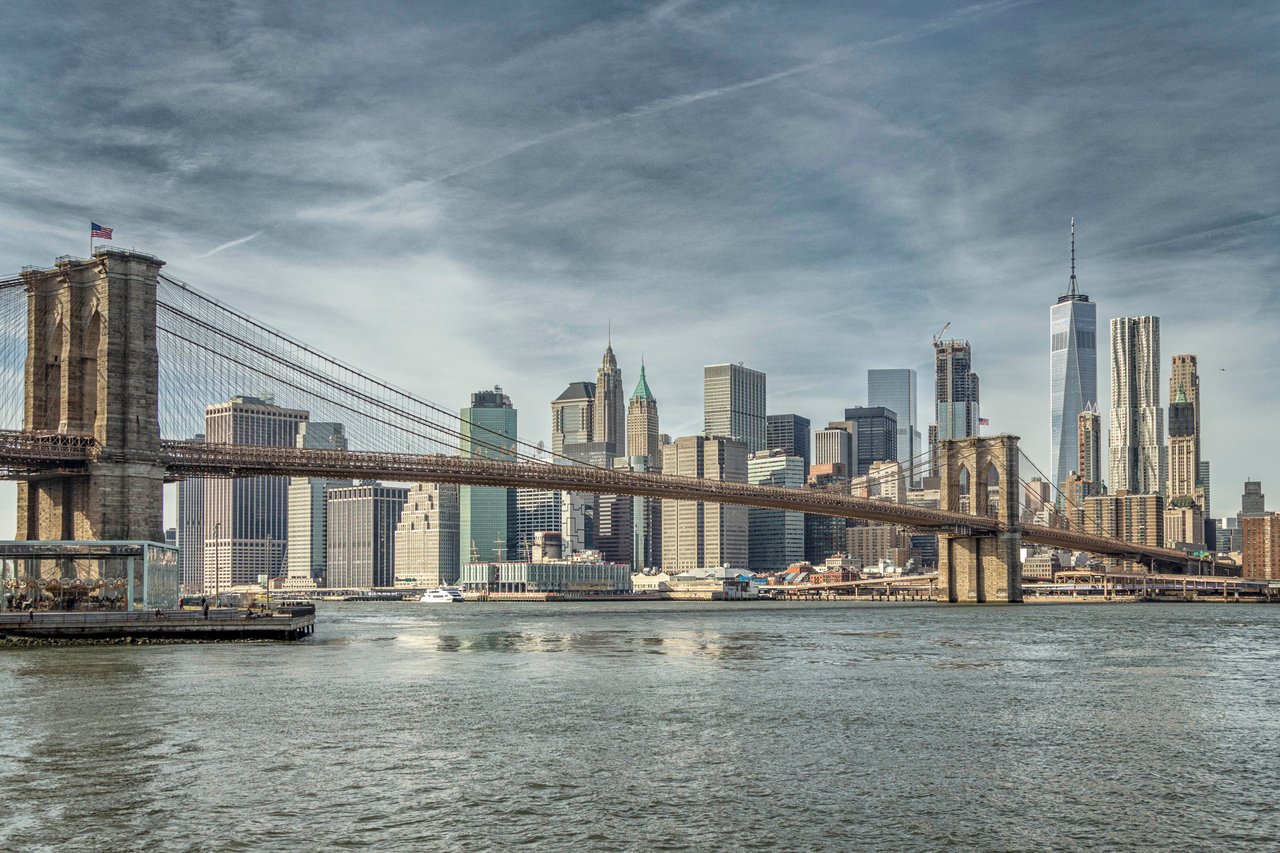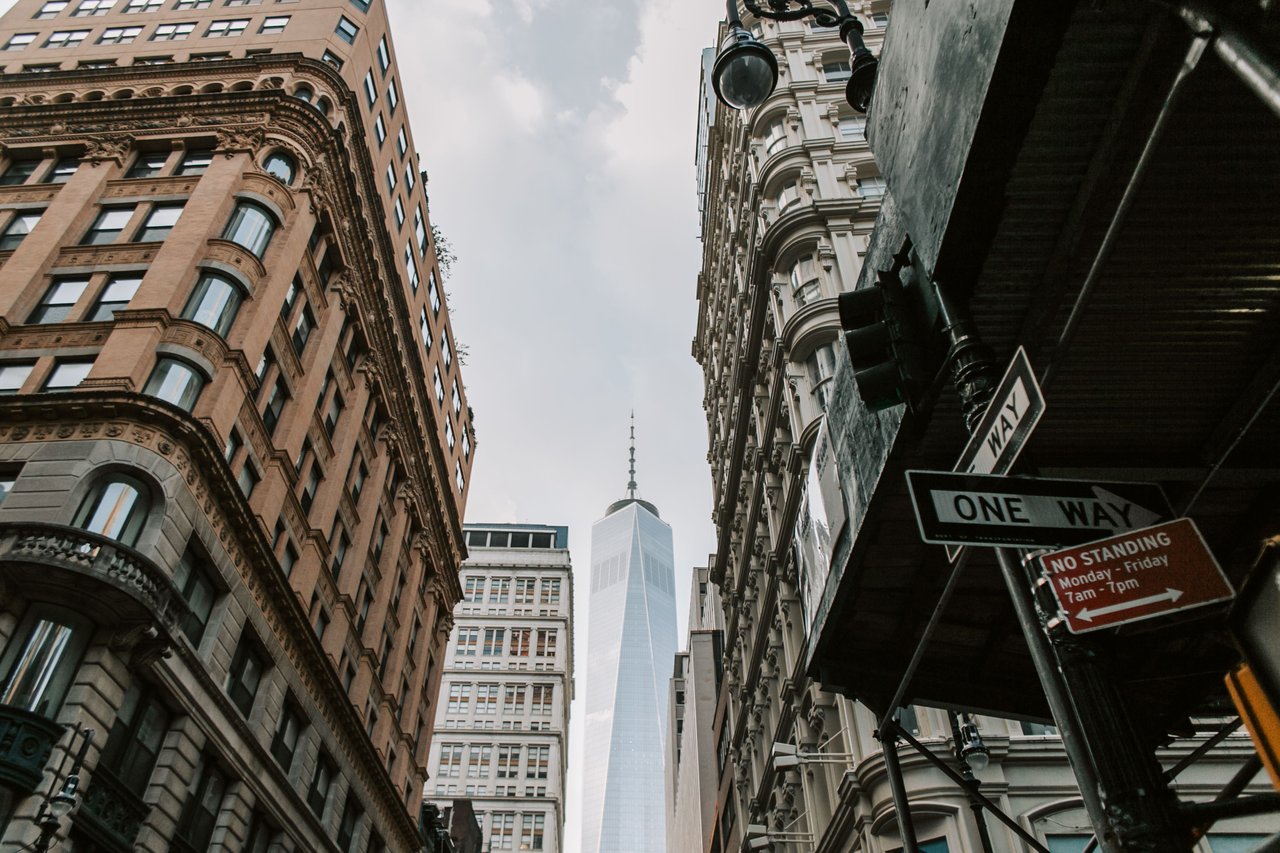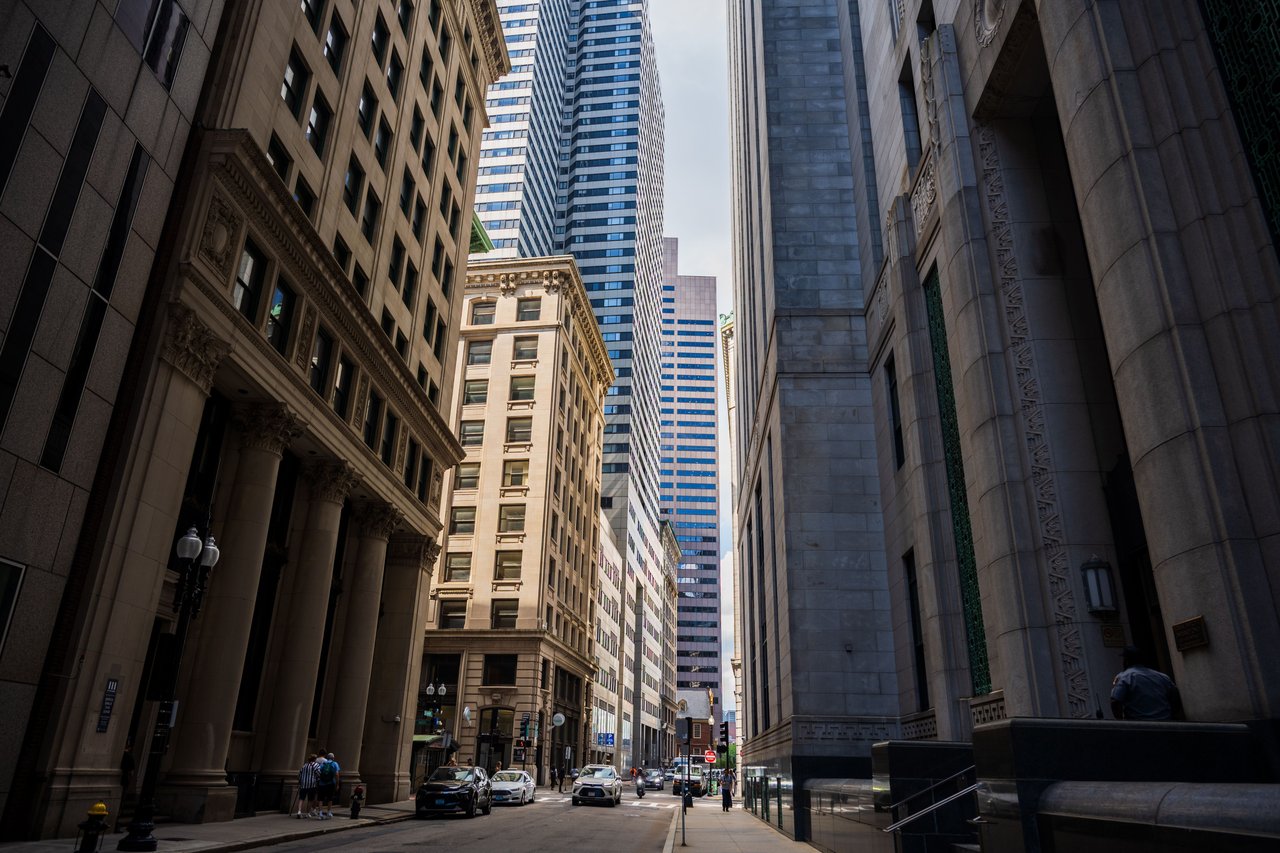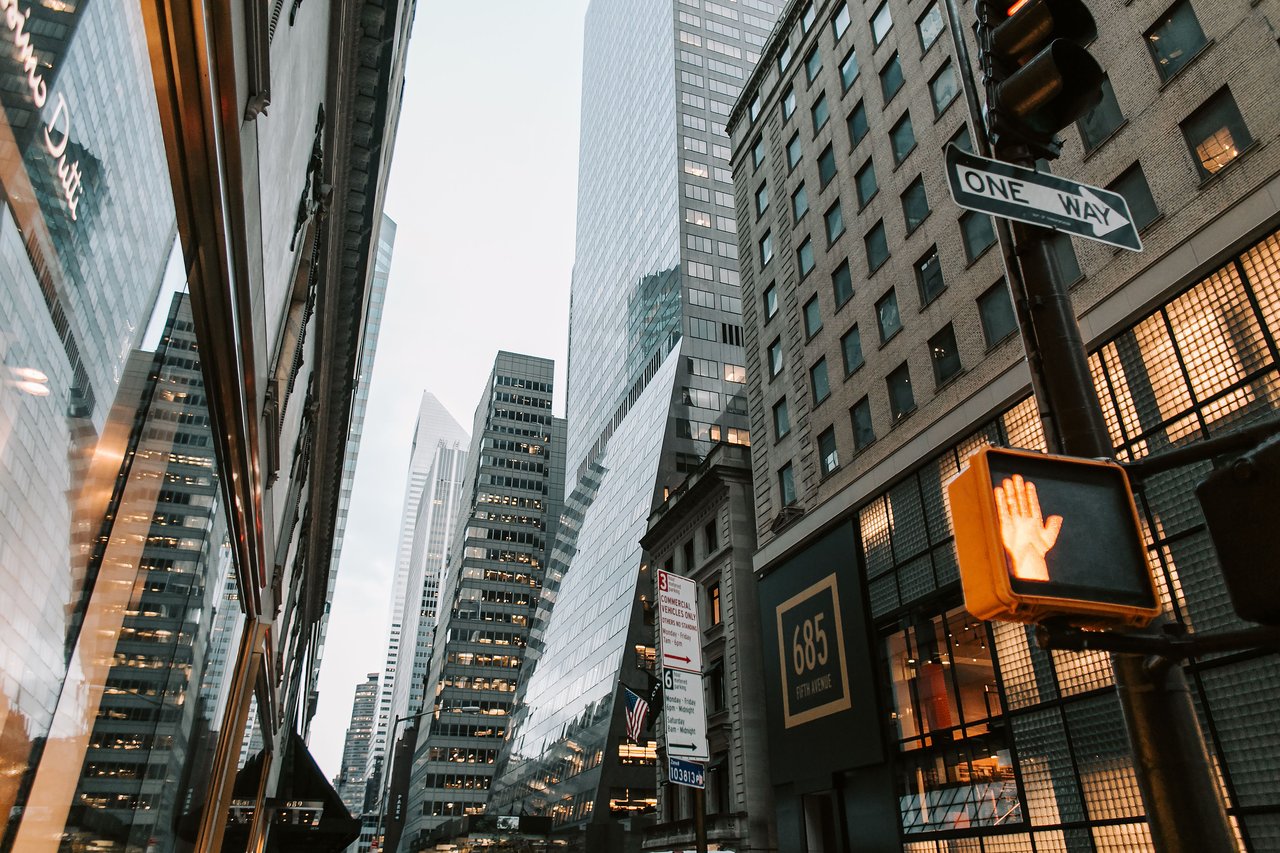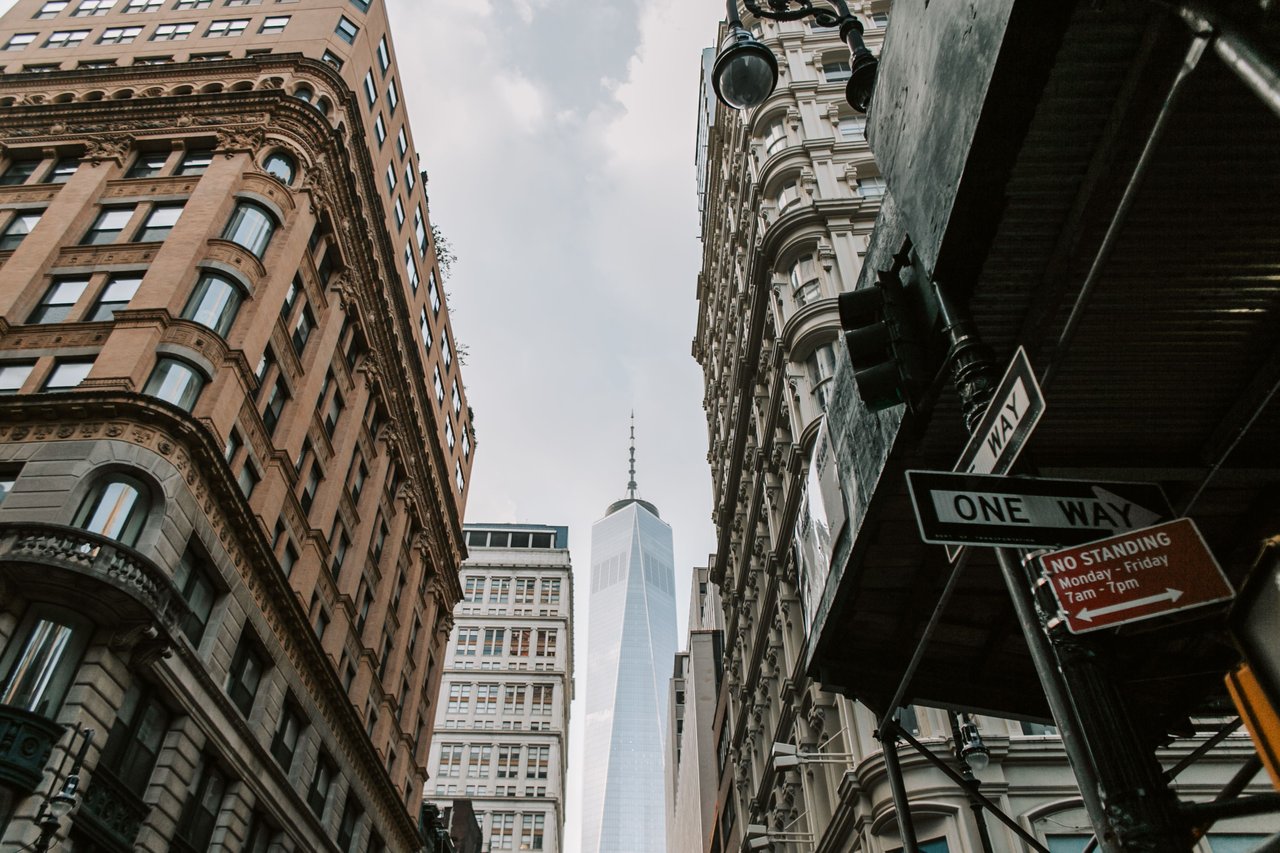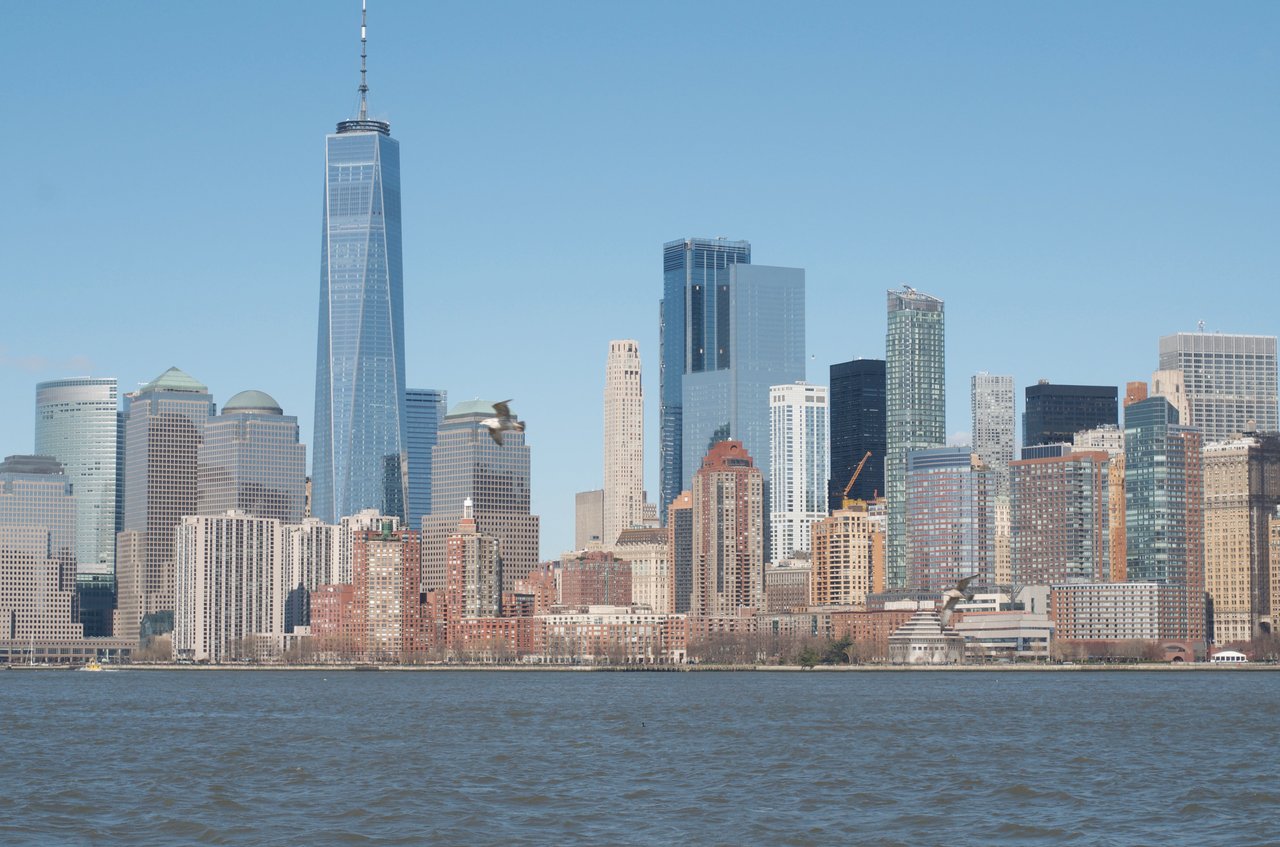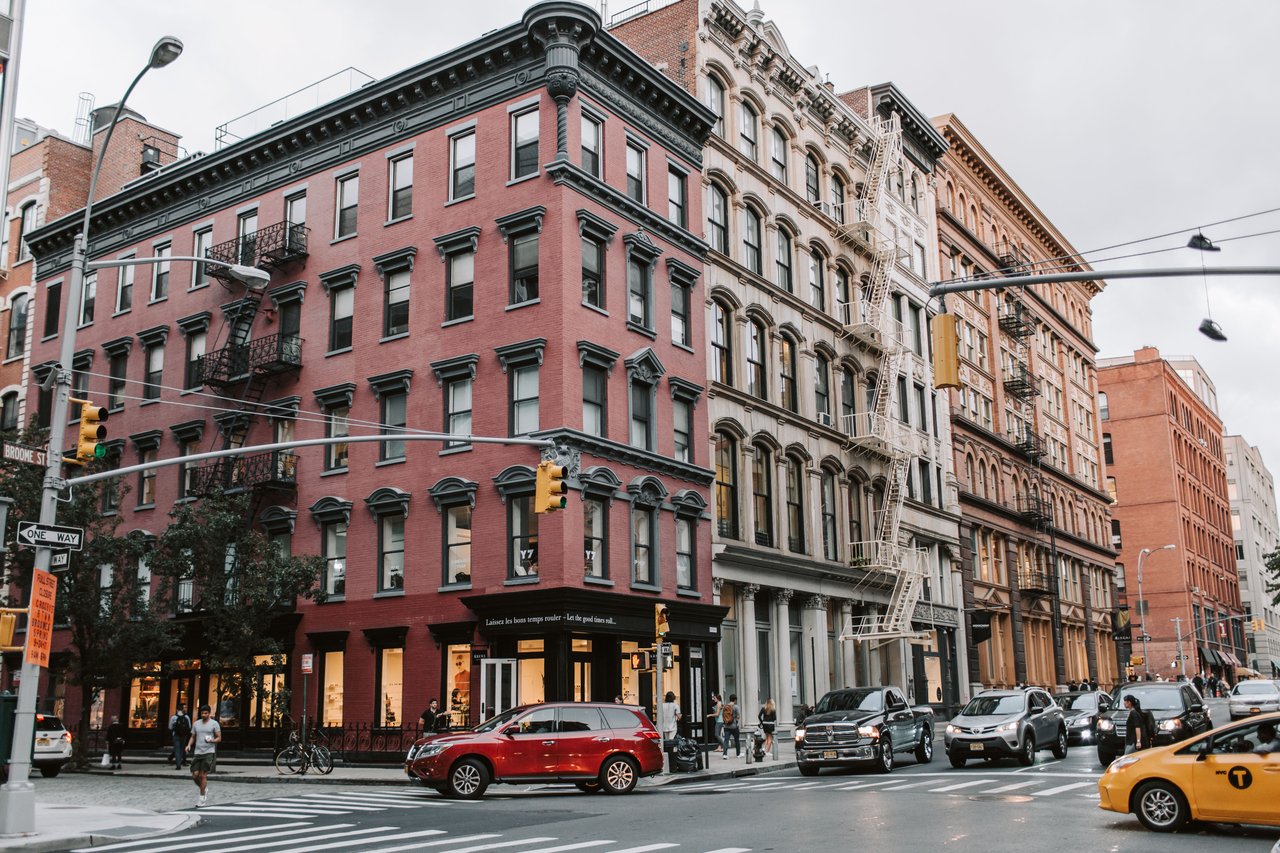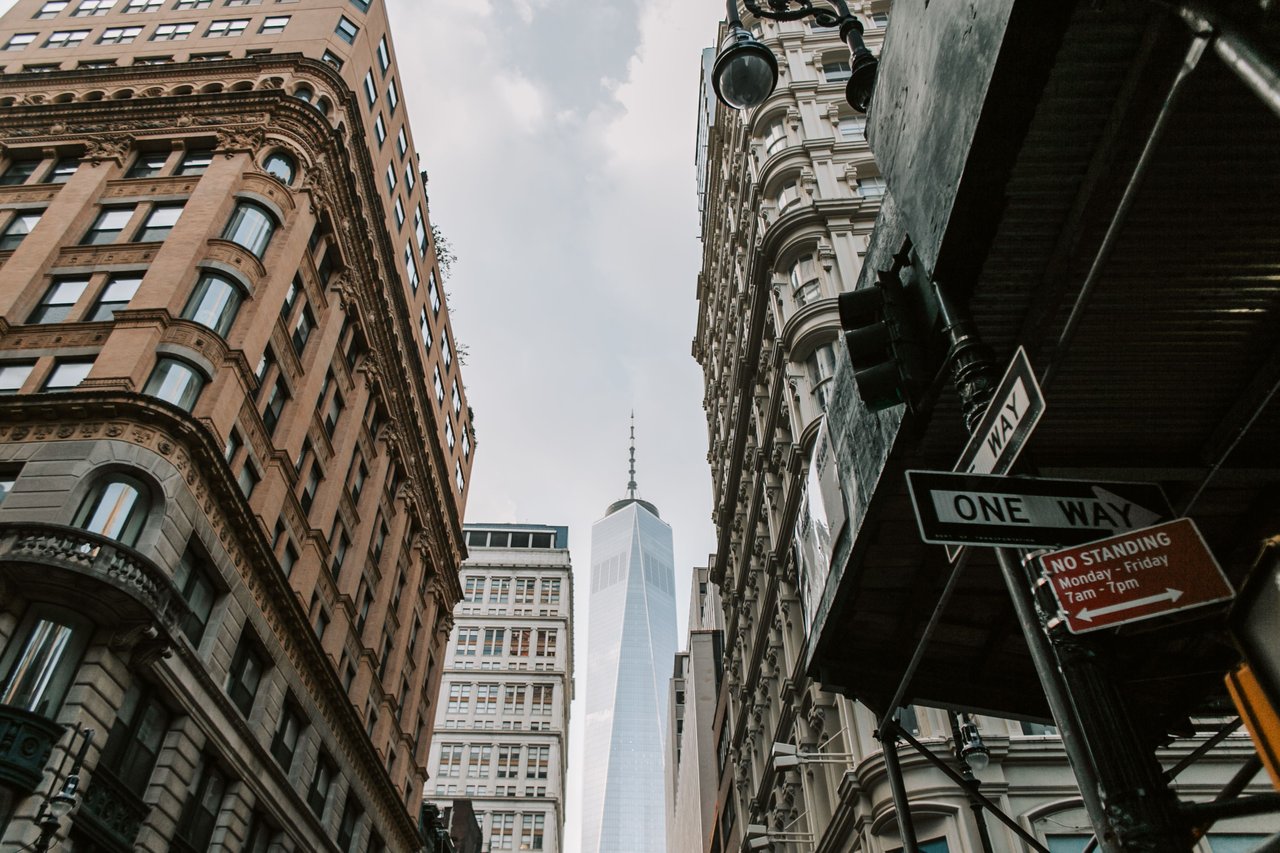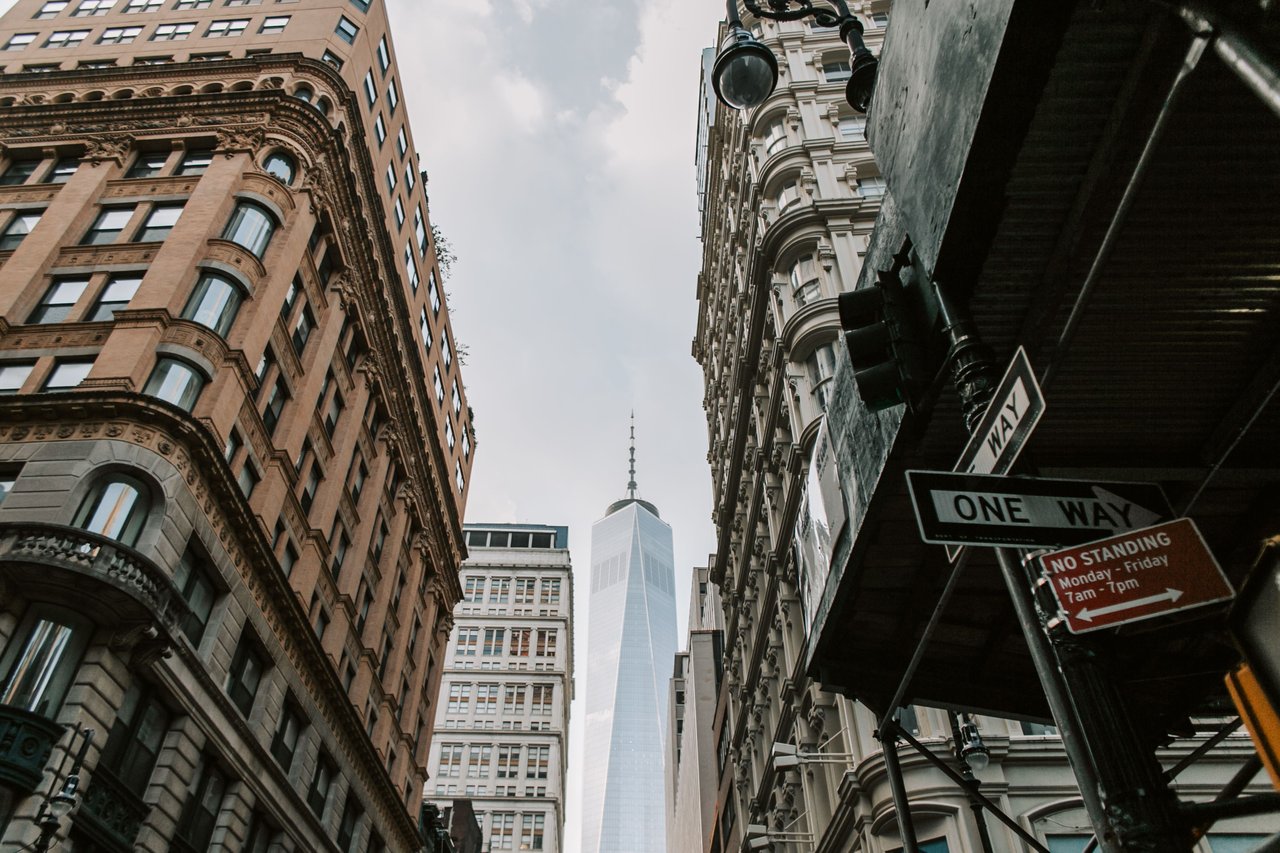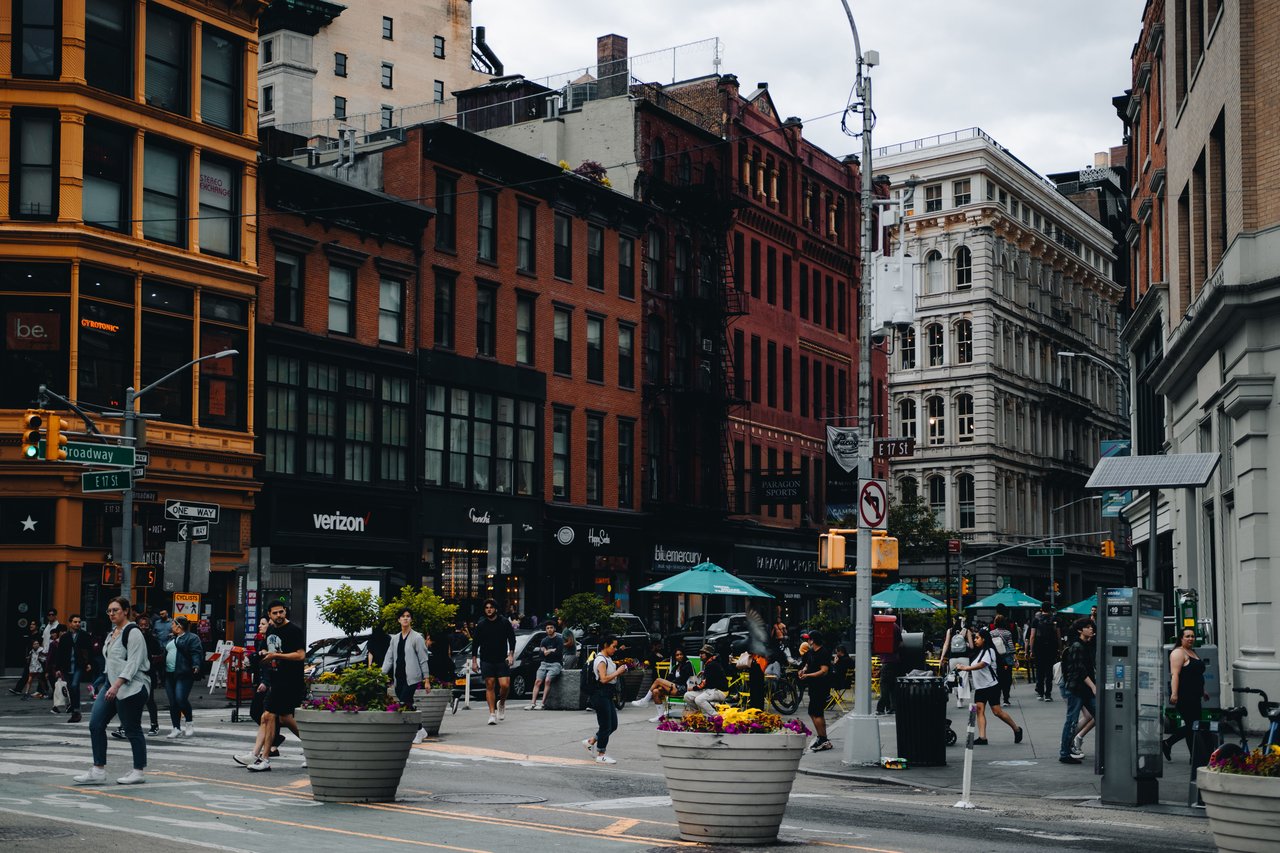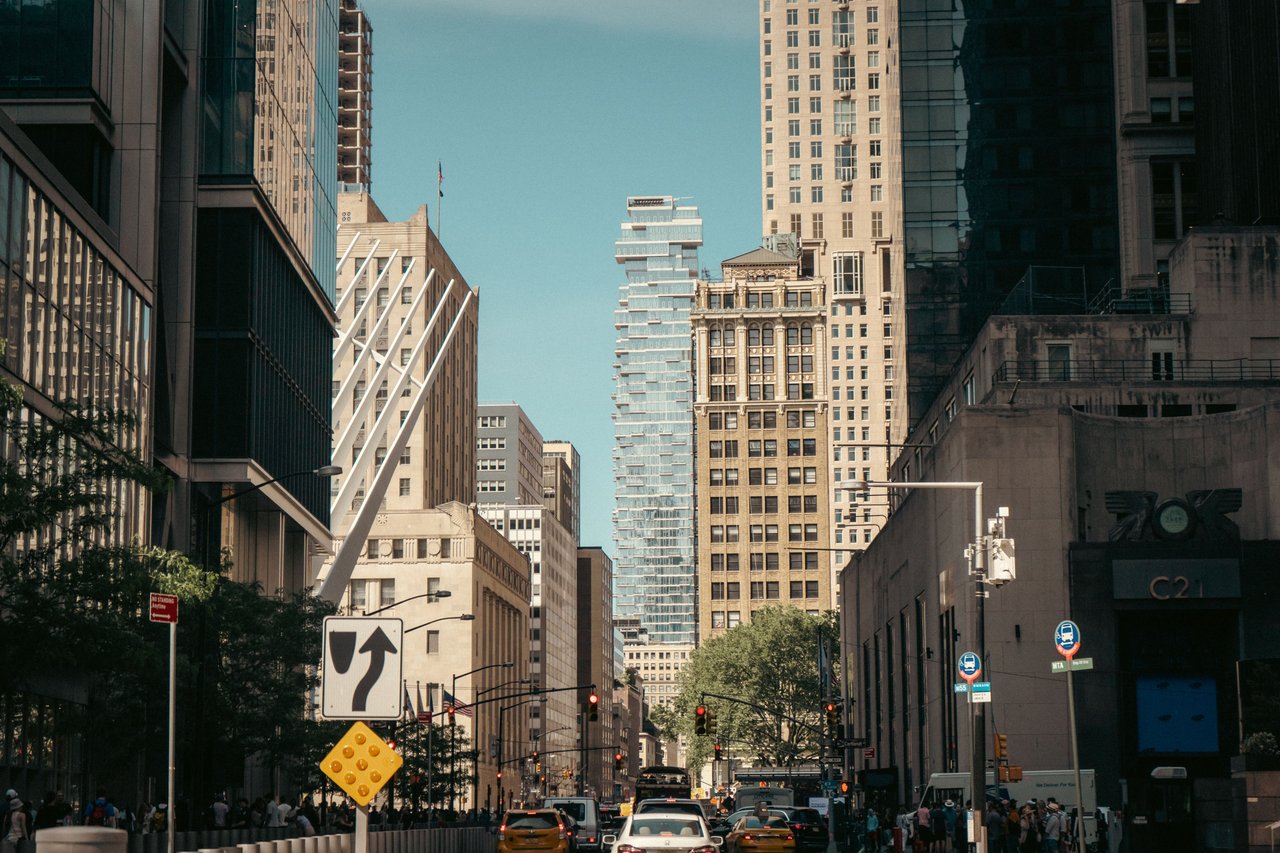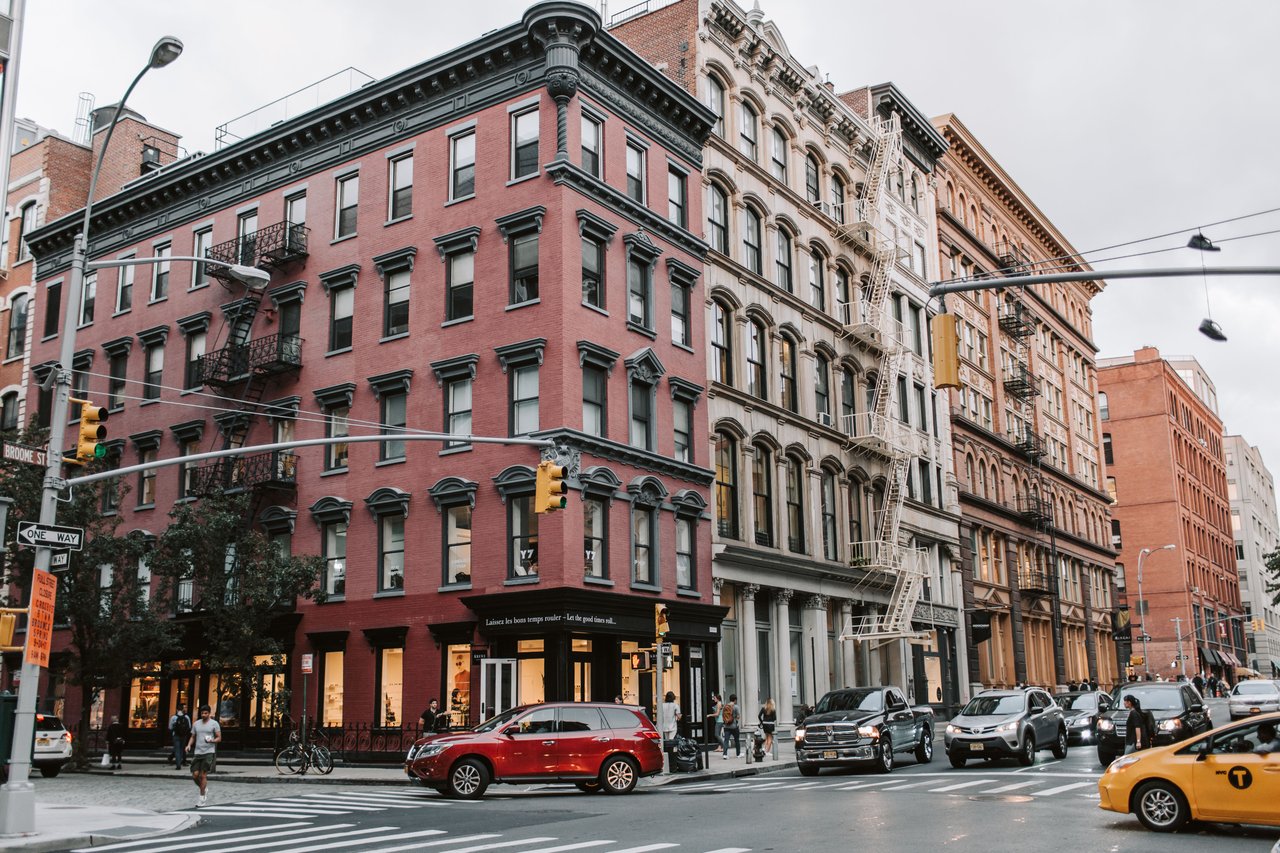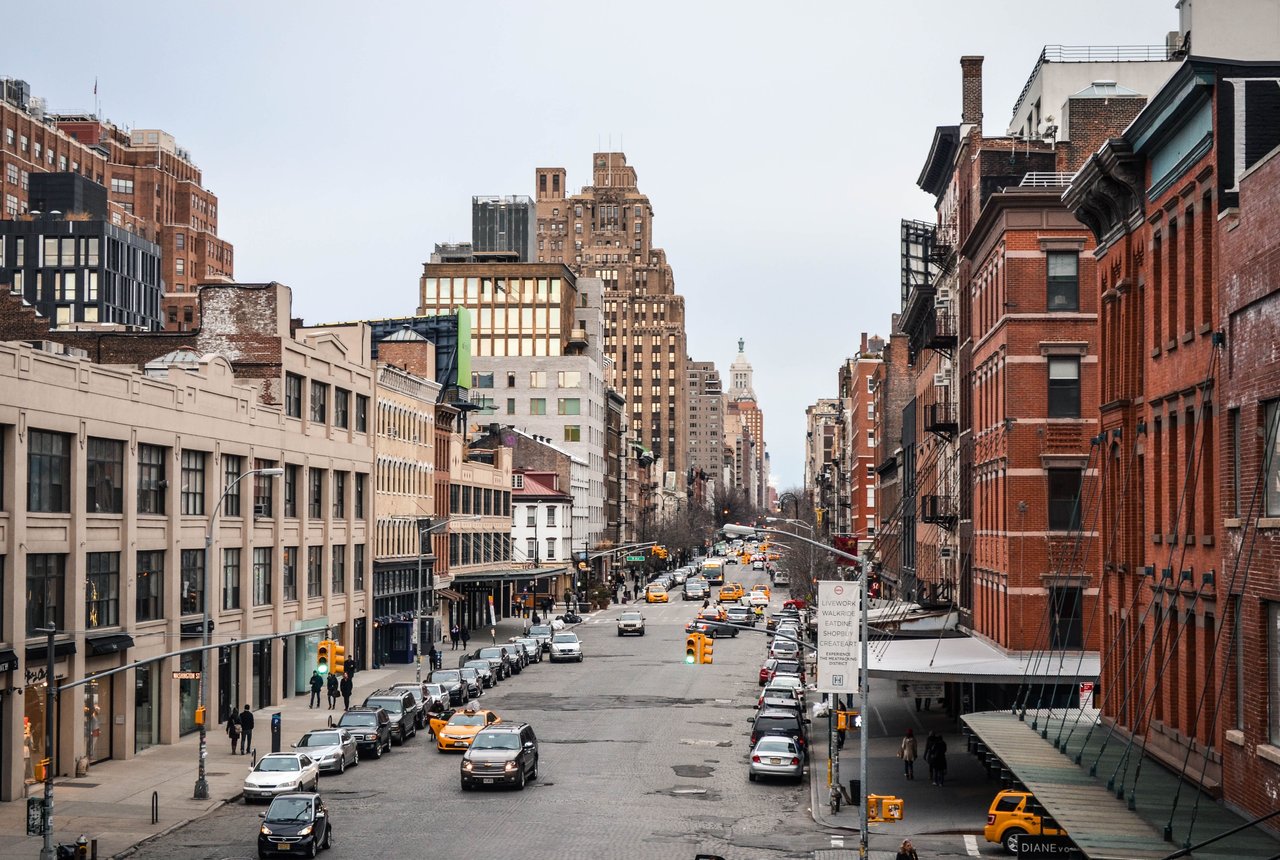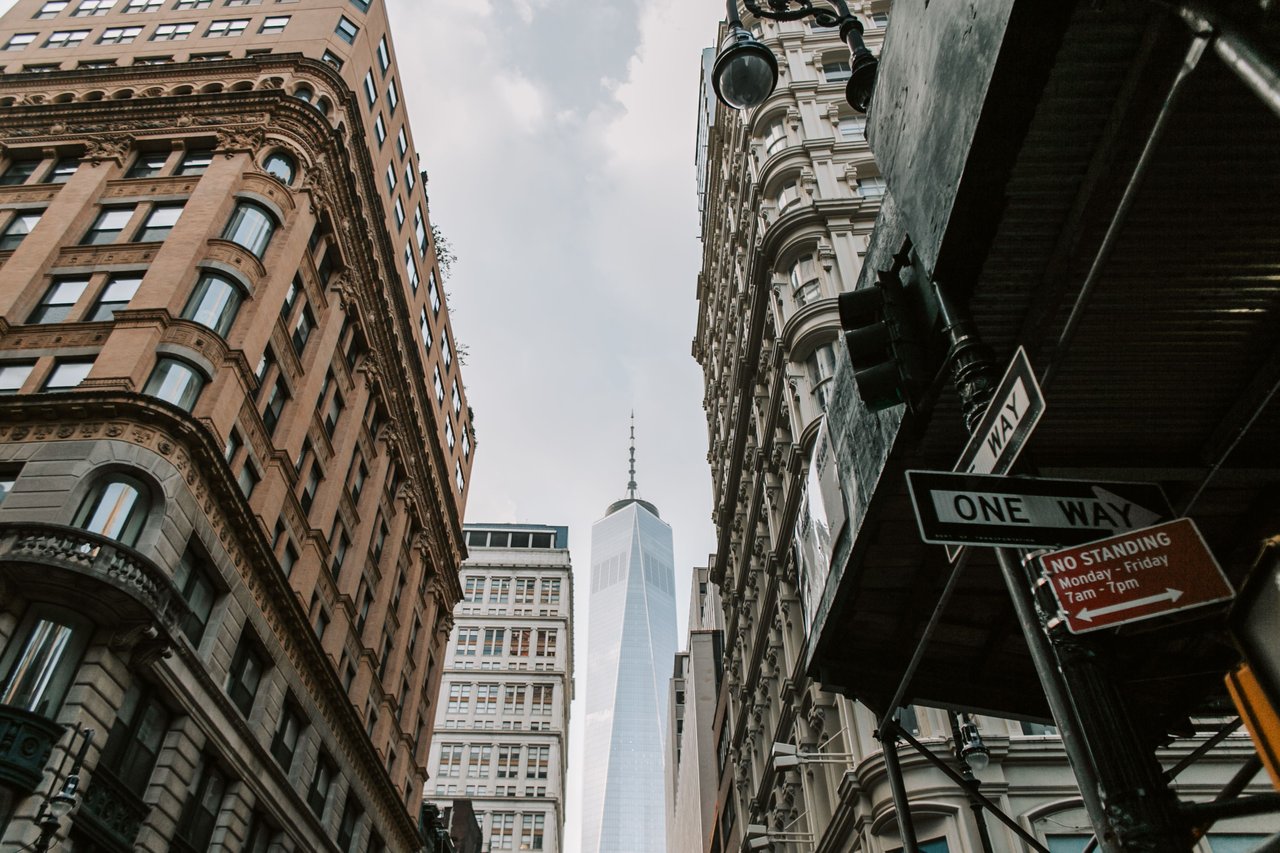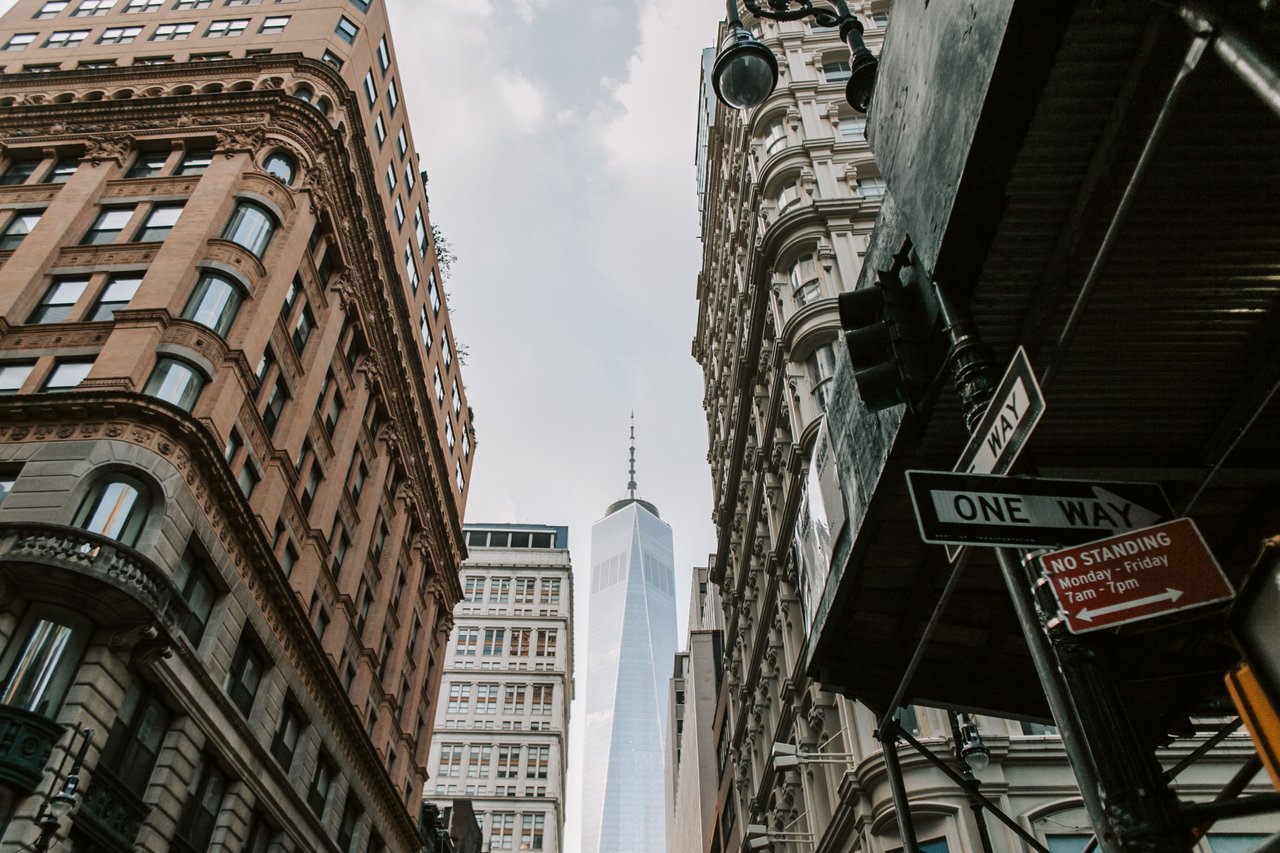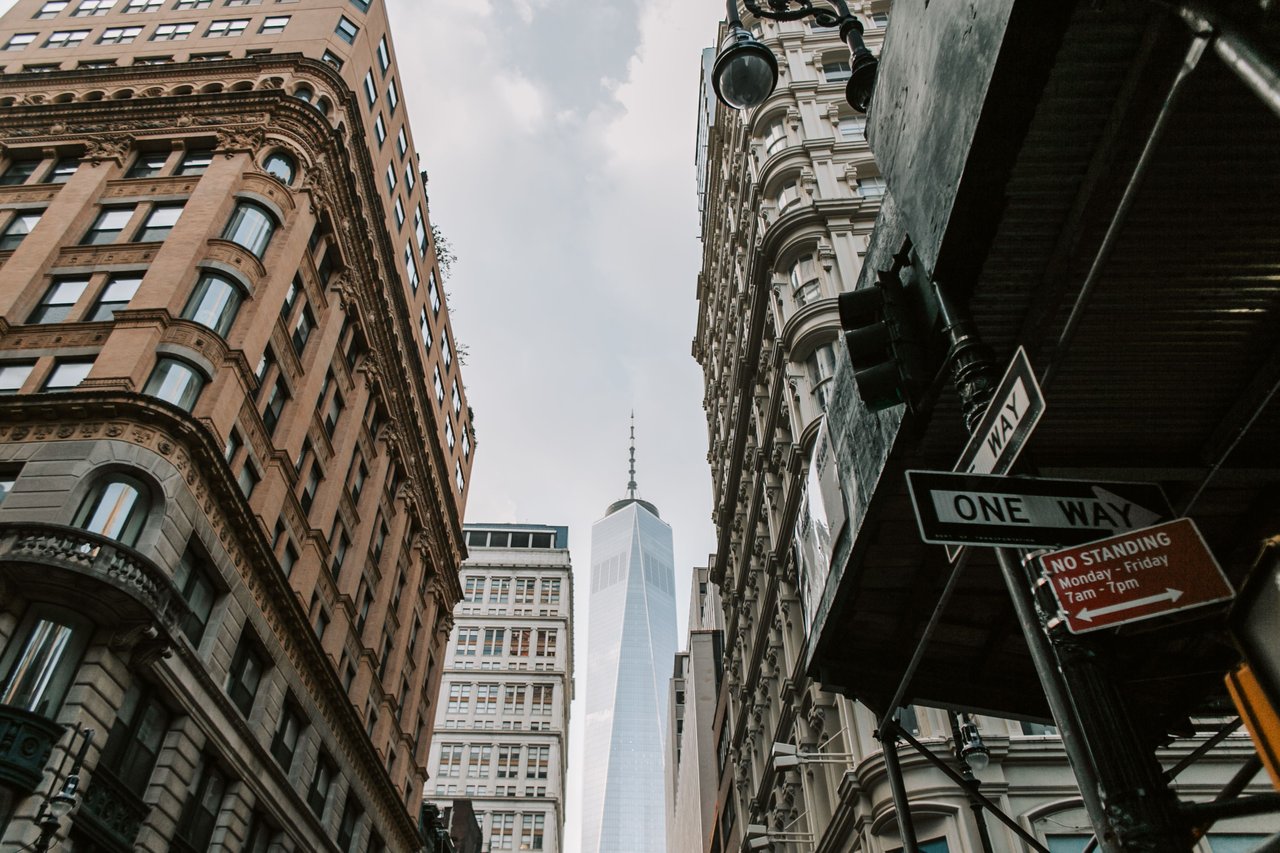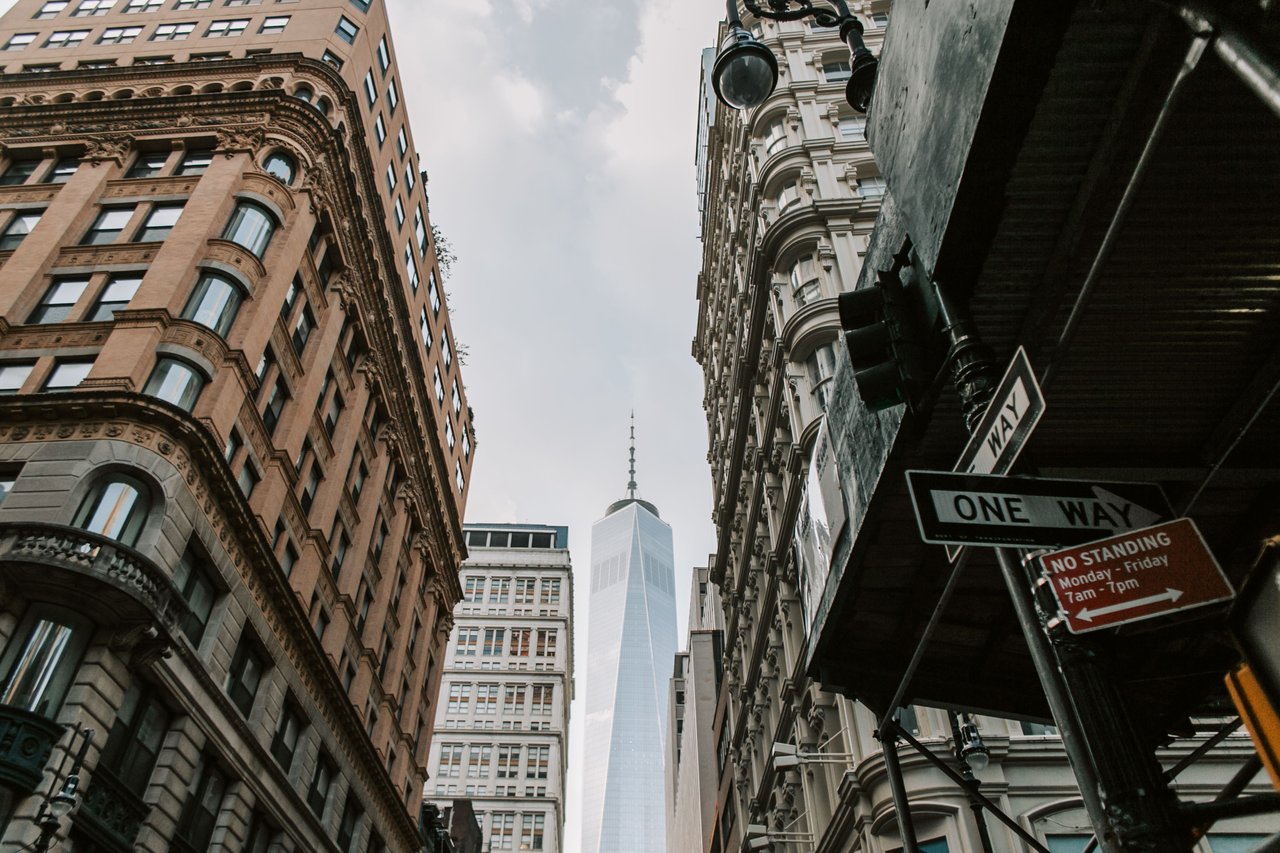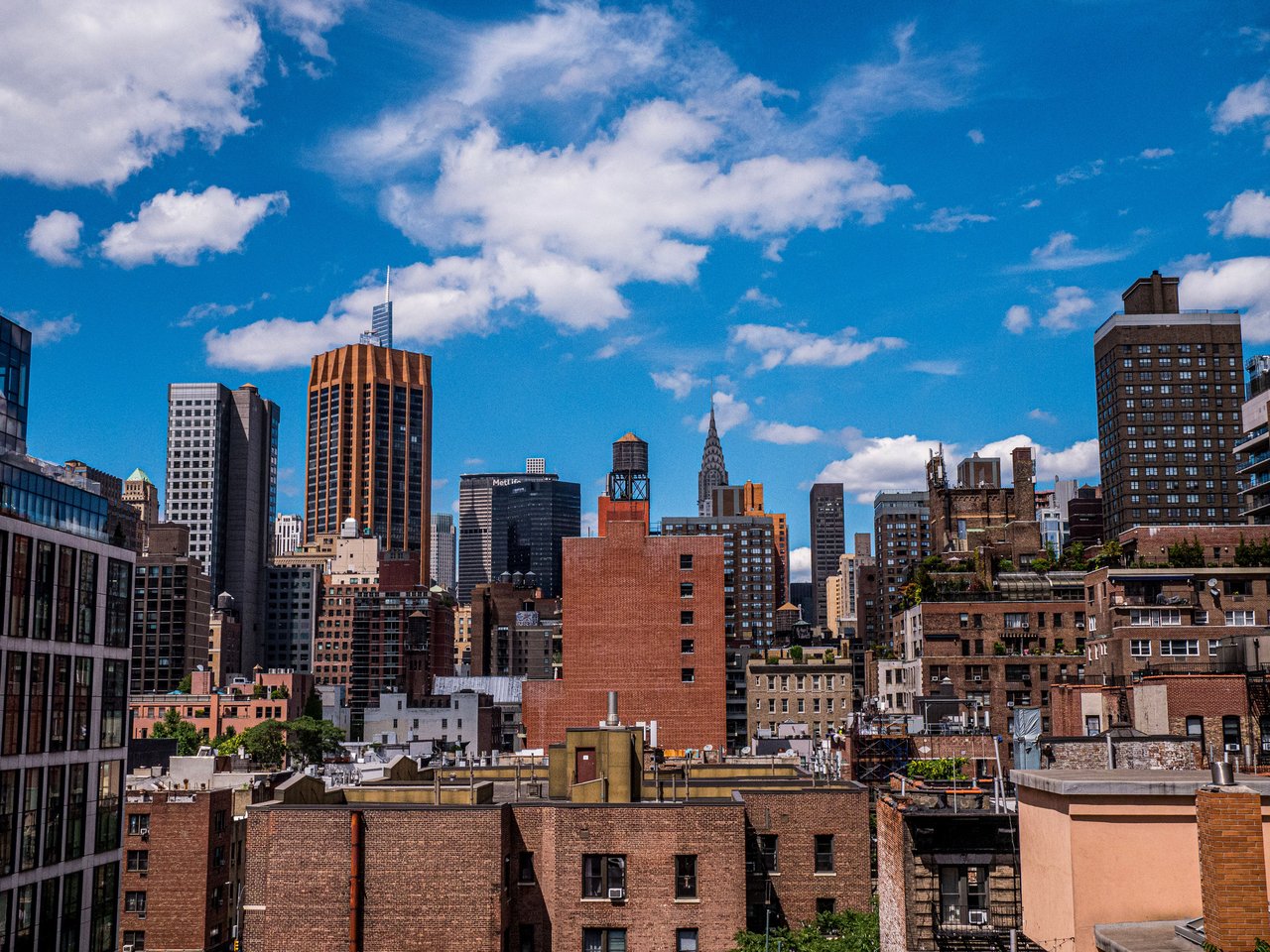
Duane Street is one of Tribeca's most architecturally distinctive streets, where the commercial history of nineteenth-century Manhattan remains visible in rows of marble-fronted loft buildings, elaborate brick warehouses, cast-iron storefronts, and one of New York City's oldest public parks. Stretching from Broadway toward the western edge of Tribeca, the street offers an unusually rich architectural journey through the neighborhood's transformation from early residential development into a major center of wholesale commerce and, eventually, residential loft living.
What makes Duane Street particularly remarkable is the relationship between its buildings and its public spaces. Near Broadway and Church Street, ornate Italianate commercial buildings reflect the expansion of Manhattan's dry-goods trade during the 1850s and 1860s. Farther west, substantial Romanesque Revival warehouses surround Duane Park, creating one of Tribeca's most recognizable historic streetscapes. The contrast between these architectural environments reveals how different commercial activities shaped the street over more than two centuries.
The Origins and Early Development of Duane Street
Duane Street developed during the final years of the eighteenth century, when the land that would become Tribeca was being divided into streets and building lots. Its eastern section originally crossed portions of the Anthony Rutgers farm, while its western blocks were associated with land that had become part of Trinity Church's Lower Farm.
The street's early history is somewhat complicated because different sections originally carried different names. The eastern portion was known as Anthony Street and later Barley Street, while the western section developed around the street alignment that would become Duane Street.
By the 1790s, the surrounding neighborhood was beginning to take on the appearance of a permanent urban district. Modest brick and wood-frame houses stood beside workshops, small commercial premises, and undeveloped parcels. The street was regulated in 1797 and paved in 1798, reflecting the city's efforts to establish a more organized network of roads.
In 1809, the eastern section was renamed Duane Street, creating a more continuous identity for the roadway. Over the following decades, residential buildings gradually gave way to larger commercial structures as Manhattan's wholesale economy expanded northward.
Why Is It Called Duane Street?
Duane Street takes its name from James Duane, who served as mayor of New York City from 1784 to 1789, immediately following the American Revolution. His name was associated with the street's western section during the late eighteenth century, while the eastern portion officially received the name in 1809.
The naming reflects a period when Lower Manhattan's streets were being established through the subdivision of former farms and private estates. As new roadways connected older parts of the city with developing land farther north, street names increasingly commemorated important public figures.
Duane Street's name also survives in Duane Park, the small triangular public space near Hudson Street that has become one of Tribeca's most recognizable historic landmarks.
Although the surrounding buildings changed dramatically during the nineteenth century, both the street and park retained their historic names.
The Landscape Before Tribeca's Commercial Development
Before Duane Street became a commercial corridor, much of the surrounding neighborhood consisted of former farmland, low-lying ground, and gradually developing residential blocks. The street network was shaped by earlier property boundaries rather than the regular numbered grid introduced farther north.
The western section crossed land historically associated with Trinity Church's Lower Farm, while the eastern blocks developed through the subdivision of the Rutgers estate. These different landholdings influenced the alignment of the surrounding streets and contributed to the irregular intersections that remain characteristic of Tribeca.
The Hudson River waterfront was considerably closer to the western commercial district before later landfill and waterfront improvements extended the shoreline. As streets were established and building lots developed, Duane Street became an important connection between Broadway and the commercial activity along the river.
This relationship between inland commercial streets and the waterfront would eventually influence the construction of substantial warehouses and wholesale buildings along the corridor.
The First Houses on Duane Street
During the late eighteenth and early nineteenth centuries, Duane Street was primarily residential. Brick and wood-frame houses occupied narrow lots, often accompanied by small workshops or ground-floor commercial spaces.
Federal architecture influenced many of the earliest buildings. Their restrained facades, regularly arranged windows, and modest proportions reflected the architectural traditions of early Manhattan. Later construction incorporated Greek Revival features, including stronger classical proportions, heavier window lintels, and more substantial cornices.
The street was not exclusively residential. Churches, stables, shops, and small commercial buildings appeared among the houses, creating a mixed architectural environment before the wholesale expansion of the mid-nineteenth century.
As commercial demand increased, these earlier buildings were gradually converted or demolished. By the 1850s and early 1860s, the eastern blocks were undergoing a particularly rapid transformation into substantial store-and-loft buildings.
The Rise of Manhattan's Wholesale District
Duane Street's architectural transformation was closely connected to the expansion of Manhattan's dry-goods trade. During the nineteenth century, wholesale businesses increasingly moved northward from the older commercial districts of Lower Manhattan, seeking larger buildings near Broadway and the developing transportation network.
The blocks between Broadway and West Broadway became particularly attractive for commercial construction. Developers replaced earlier residences with five-story store-and-loft buildings designed to accommodate showrooms, offices, storage, and other business activities.
These structures differed considerably from the modest houses that preceded them. Their larger windows provided daylight to commercial interiors, while substantial masonry walls and flexible floor plans accommodated changing business requirements.
Architectural appearance also became increasingly important. Developers commissioned elaborate facades using marble, brick, and cast iron, producing buildings that combined commercial practicality with sophisticated nineteenth-century design.
The surviving structures on Duane Street preserve this period of extraordinary architectural expansion.
Italianate Architecture on Duane Street
Italianate architecture became one of the defining styles of eastern Duane Street during the 1850s and 1860s. Inspired by Italian Renaissance palaces, the style emphasized carefully proportioned facades, decorative window surrounds, prominent cornices, and classical ornamentation.
On Duane Street, Italianate design was adapted to commercial buildings rather than traditional residences. Large storefront openings provided space for wholesale businesses, while upper floors incorporated repeated windows and substantial masonry details.
The most elaborate examples used white marble to create striking commercial facades. Decorative pediments, pilasters, balustrades, and projecting cornices gave these buildings a sense of permanence and architectural importance.
The concentration of Italianate buildings between West Broadway and Church Street remains one of the street's most distinctive historic features.
The Marble Commercial Buildings at 142–146 Duane Street
Among the most impressive architectural groups on Duane Street are the three marble-fronted buildings at 142, 144, and 146 Duane Street. Constructed between 1859 and 1860 for dry-goods merchants James Benkard and Benjamin Hutton, the buildings reflect the prosperity of Manhattan's nineteenth-century wholesale trade.
Their Italianate facades draw inspiration from Renaissance palaces in Rome and Florence. The marble exteriors feature elaborate window surrounds, decorative pediments, corner quoins, molded lintels, and substantial cornices.
At street level, fluted columns with Corinthian capitals introduce a classical character to the commercial storefronts. Above, the carefully arranged windows and ornamental details create a consistent architectural rhythm across the three adjoining buildings.
Although the structures were designed for practical commercial use, their exteriors demonstrate the considerable architectural investment associated with the dry-goods industry.
Today, the group remains one of the most recognizable examples of nineteenth-century Italianate commercial architecture in Tribeca.
The Italianate Facades at 129 and 131–135 Duane Street
Across the street, the buildings at 129 and 131–135 Duane Street provide another exceptional example of Italianate commercial architecture.
Constructed during the early 1860s, the buildings feature marble facades with dramatic double-height arcades, decorative pilasters, and balustrades. Their architectural composition emphasizes verticality while maintaining the proportions of traditional Renaissance-inspired commercial buildings.
The building at 129 Duane Street includes a substantial dentiled and bracketed stone cornice, while 131–135 Duane Street incorporates a cast-iron cornice with a distinctive arched gable.
The relationship between these buildings and the marble-fronted structures across the street creates an unusually cohesive architectural environment.
Together, they demonstrate how nineteenth-century commercial developers used elaborate design to distinguish their buildings while contributing to the architectural character of an entire block.
Cast-Iron Architecture and Historic Storefronts
Cast iron played an important role in Duane Street's commercial development. The material allowed architects to create decorative storefronts with slender columns, large windows, and substantial entrances suitable for wholesale businesses.
Unlike traditional carved masonry, cast-iron architectural elements could be manufactured in foundries and assembled on-site. This approach made it possible to reproduce elaborate classical details while accommodating the practical requirements of commercial buildings.
Along Duane Street, cast iron was frequently combined with marble or brick upper stories. The resulting facades offered both architectural ornamentation and the open ground-floor spaces required for commercial activity.
Historic cast-iron storefronts remain important elements of the street's nineteenth-century character, particularly within the Tribeca South Historic District.
Duane Street and Broadway
Broadway marks the eastern commercial entrance to Duane Street and provides an important connection to Manhattan's historic wholesale district.
During the nineteenth century, Broadway became one of the city's principal commercial corridors, encouraging substantial development along the surrounding streets. The blocks immediately west of Broadway were gradually transformed from residential properties into larger store-and-loft buildings.
The architecture near the intersection reflects this commercial expansion, with masonry facades, decorative cornices, and substantial window openings characteristic of nineteenth-century wholesale construction.
The nearby commercial landmarks along Broadway also illustrate the increasing scale and sophistication of buildings constructed during the late nineteenth and early twentieth centuries.
Duane Street's relationship with Broadway helped establish its importance as a commercial route connecting the city's inland business district with the warehouse areas farther west.
Duane Street and Church Street
Church Street intersects Duane Street within an area containing some of Tribeca's most distinctive commercial architecture.
The block between Church Street and West Broadway is particularly notable for its Italianate marble buildings, many constructed during the late 1850s and early 1860s.
The surrounding architecture reflects the rapid replacement of earlier residential properties with substantial wholesale structures. Five-story buildings, decorative masonry facades, cast-iron storefronts, and prominent cornices became defining features of the streetscape.
Church Street also became an important transportation corridor during the twentieth century, introducing additional infrastructure and changes to the surrounding urban environment.
Despite these developments, the surviving commercial buildings continue to preserve the architectural character of nineteenth-century Tribeca.
Duane Street and West Broadway
West Broadway marks an important transition in Duane Street's architectural character. To the east, ornate Italianate commercial buildings reflect the development of Manhattan's dry-goods district. To the west, the architecture increasingly incorporates substantial brick warehouses and later nineteenth-century commercial structures.
The intersection therefore reveals the relationship between two different phases of Tribeca's commercial development.
The buildings near West Broadway preserve decorative masonry details, substantial storefronts, and the flexible floor plans characteristic of nineteenth-century store-and-loft construction.
As commercial activity expanded toward the Hudson River, larger warehouse buildings gradually appeared farther west, creating the architectural environment associated with the Tribeca West Historic District.
The Warehouse Architecture of Western Duane Street
The western portion of Duane Street developed into an important warehouse district during the nineteenth century. Its proximity to the Hudson River waterfront and the Washington Market district encouraged the construction of substantial buildings designed for storage and wholesale distribution.
These warehouses were generally larger and more utilitarian than the ornate marble commercial buildings farther east. Brick facades, repeated window openings, loading platforms, and substantial structural systems became common architectural features.
During the 1870s and 1880s, developers increasingly incorporated Romanesque Revival and Renaissance Revival details into warehouse construction. Rounded arches, decorative brickwork, substantial cornices, and terra-cotta ornamentation introduced architectural sophistication to buildings originally designed for practical commercial purposes.
The resulting streetscape remains one of the defining features of western Tribeca.
Duane Street and the Washington Market District
The architectural development of western Duane Street was closely connected to Washington Market, which became one of Manhattan's principal wholesale food markets during the nineteenth century.
Warehouses along the surrounding streets were constructed to accommodate the storage and distribution of food products and other goods. Their architecture reflected these requirements through substantial floors, large loading openings, and durable masonry construction.
Many buildings near Duane Park were originally used for warehouse operations associated with the market. Some accommodated dairy products, while others supported the broader wholesale trade.
Protective entrance canopies became a recognizable feature of the neighborhood. These structures helped shield goods from direct sunlight and weather during loading and unloading.
Although the original commercial activities have largely disappeared, the surviving warehouses and entrance canopies preserve important evidence of the district's architectural and industrial history.
The History of Duane Park
Duane Park is one of Tribeca's most historically significant public spaces. Located near the intersection of Duane Street and Hudson Street, the small triangular park occupies an unusual piece of land created by the meeting of different street alignments.
The park's origins date to 1797, when New York City purchased the triangular parcel from Trinity Church for five dollars and reserved it for public use.
Its irregular shape reflects the early development of the surrounding street network. As streets were laid out during the 1790s, the intersection created a parcel too small for conventional building development but suitable for a public open space.
In 1804, the park was planted as a formal garden with geometric planting beds and an enclosing fence. The small landscape provided a visual contrast to the increasingly dense buildings surrounding it.
Duane Park is commonly recognized as New York City's second-oldest public park after Bowling Green and as an especially early example of a neighborhood-scale public green space.
Its survival makes it one of the most distinctive historic features of western Tribeca.
The Landscape Architecture of Duane Park
Duane Park's appearance evolved considerably during the nineteenth and twentieth centuries. Although its original planting scheme was formal and geometric, later redesigns introduced a more picturesque landscape.
In 1887, landscape architect Calvert Vaux helped redesign the park, incorporating curved pathways and a more naturalistic arrangement of planting areas.
The redesign reflected changing approaches to urban park design during the late nineteenth century, when landscaped public spaces were increasingly intended to provide visual relief from dense commercial streets.
During the 1940s, the park's earlier landscape was substantially altered, and much of its planted area was paved.
A major restoration during the late twentieth century introduced a design by landscape architect Signe Nielsen that drew inspiration from the historic Vaux plan.
Today, the park's paths, plantings, and carefully maintained landscape provide a distinctive setting for the surrounding nineteenth-century warehouse buildings.
Romanesque Revival Architecture Around Duane Park
The buildings surrounding Duane Park form one of Tribeca's most architecturally coherent warehouse ensembles.
Several were constructed during the 1880s and 1890s, when Romanesque Revival architecture became increasingly popular for commercial buildings. The style emphasized substantial masonry, rounded arches, decorative brickwork, and strong architectural massing.
The buildings at 161–163, 165–169, and 173 Duane Street demonstrate these characteristics through their brick, brownstone, and terra-cotta facades.
Their substantial proportions and decorative details reflect the architectural ambitions of warehouse developers during the late nineteenth century.
The relationship between these buildings and the landscaped park creates an unusually distinctive streetscape, where commercial architecture and public space remain closely connected.
The Romanesque Revival Warehouse at 165–169 Duane Street
One of the most visually prominent buildings surrounding Duane Park is the warehouse at 165–169 Duane Street, designed by architect Stephen D. Hatch and constructed in 1881.
The building is particularly notable for its substantial Romanesque Revival architecture and distinctive gabled corner tower.
Its facade incorporates decorative brickwork, rounded arches, and substantial masonry details that emphasize the building's commercial origins.
The corner tower creates a strong architectural focal point overlooking the park, contributing to the distinctive appearance of the surrounding streetscape.
The building demonstrates how warehouse architecture could combine practical interior spaces with elaborate exterior design.
The Historic Warehouses at 161–163 and 173 Duane Street
The buildings at 161–163 and 173 Duane Street contribute significantly to the architectural character of Duane Park.
The warehouse at 161–163 Duane Street was designed by Babcock & Morgan and constructed in 1891–1892. Its Romanesque Revival facade incorporates decorative masonry and architectural details characteristic of late nineteenth-century commercial construction.
The building at 173 Duane Street, designed by Babb & Cook and constructed in 1880, reflects a similar architectural tradition.
Together with the neighboring warehouse at 165–169 Duane Street, these structures establish a visually consistent group of substantial commercial buildings overlooking the park.
Their preservation demonstrates the importance of the relationship between individual historic structures and the broader architectural streetscape.
The Distinctive Architecture of 168 Duane Street
The building at 168 Duane Street, designed by Stephen D. Hatch and constructed in 1886, is another notable component of the historic architectural ensemble surrounding Duane Park.
Its facade incorporates a distinctive Flemish-inspired silhouette, creating a contrast with the Romanesque Revival buildings nearby.
The building's decorative roofline and substantial masonry construction reflect the architectural experimentation of late nineteenth-century commercial design.
Its appearance contributes to the architectural variety of Duane Park while maintaining the scale and material character of the surrounding warehouses.
The building remains an important example of how architects incorporated different European architectural influences into Tribeca's commercial structures.
Historic Cast Iron and Adaptive Reuse at 172 Duane Street
The building at 172 Duane Street provides an important example of the relationship between historic preservation and contemporary architectural adaptation.
Originally constructed in 1871–1872 to designs by Jacob Weber, the building retained its historic cast-iron facade during a later renovation that introduced contemporary glass elements behind it.
The contrast between the preserved nineteenth-century ironwork and the modern interior creates a distinctive architectural composition.
Rather than completely replacing the historic exterior, the renovation demonstrates how significant architectural materials can be retained while adapting a commercial building for contemporary use.
The building is particularly notable because its design illustrates the continuing architectural relevance of Tribeca's historic commercial structures.
Duane Street and Hudson Street
Hudson Street intersects Duane Street near Duane Park, where the surrounding architecture reflects the development of western Tribeca's warehouse district.
During the nineteenth century, the area became closely associated with wholesale commerce and the movement of goods between Manhattan's markets and waterfront.
Substantial brick warehouses, decorative masonry facades, and historic loading platforms established the architectural character of the intersection.
The unusual configuration of Duane Park also distinguishes this section from the more regular commercial blocks farther east.
Today, the relationship between the park, surrounding warehouses, and historic street alignments makes the intersection one of Tribeca's most recognizable architectural settings.
Duane Street and Greenwich Street
Greenwich Street connects Duane Street with another important historic commercial corridor of western Tribeca.
During the nineteenth century, Greenwich Street was associated with warehouses, transportation infrastructure, and businesses serving the Hudson River waterfront.
The surrounding architecture reflects these activities through substantial brick construction, repeated window openings, and commercial buildings designed for storage and distribution.
The intersection illustrates the practical relationship between Duane Street's warehouse buildings and the transportation routes that supported Manhattan's wholesale economy.
Although many buildings have been adapted for new uses, the historic commercial proportions and masonry facades remain important features of the surrounding neighborhood.
Duane Street and Washington Street
Washington Street occupies an important place in the architectural history of western Tribeca, where nineteenth-century warehouses and commercial buildings developed close to the Hudson River.
Near Duane Street, the surrounding blocks historically supported the movement and storage of goods associated with the waterfront and Washington Market.
The architecture emphasized durable masonry construction, flexible interior spaces, and practical loading arrangements.
As commercial activity declined during the twentieth century, many former warehouse buildings were converted for residential or office use.
The surviving structures help preserve the relationship between Duane Street and the historic commercial waterfront of Lower Manhattan.
The Tribeca South Historic District
The Tribeca South Historic District was designated by the New York City Landmarks Preservation Commission in 1992, protecting an exceptional collection of nineteenth-century commercial architecture.
Both sides of Duane Street between West Broadway and Church Street are included within the district.
This section contains some of the neighborhood's most elaborate Italianate store-and-loft buildings, including the marble-fronted structures at 129, 131–135, and 142–146 Duane Street.
Their decorative facades, substantial cornices, and cast-iron storefronts preserve the architectural character of Manhattan's nineteenth-century dry-goods district.
The district is particularly significant because it protects a coherent historic streetscape rather than isolated buildings.
The Tribeca West Historic District
The Tribeca West Historic District was designated in 1991, preserving an important collection of nineteenth-century warehouse and commercial architecture.
Western Duane Street forms a significant part of the district, particularly around Duane Park.
The surrounding buildings demonstrate Romanesque Revival, Italianate, and other commercial architectural traditions of the late nineteenth century.
Brick facades, decorative masonry, substantial cornices, historic loading platforms, and entrance canopies preserve the practical and architectural characteristics of the former warehouse district.
The designation has helped maintain the historic relationship between the buildings, streets, and public spaces of western Tribeca.
Historic Loading Platforms, Sidewalks, and Warehouse Canopies
Duane Street's architectural character extends beyond its buildings. Historic loading platforms, entrance canopies, and sidewalk materials preserve important evidence of the neighborhood's commercial history.
During the nineteenth century, warehouses required practical arrangements for moving goods between streets and interior storage areas. Raised loading platforms and broad commercial entrances became common features of warehouse construction.
Protective canopies were particularly important in areas associated with food storage and distribution, where goods needed to be shielded from direct sunlight and weather.
Granite sidewalk slabs and other durable paving materials also contributed to the practical infrastructure of the commercial district.
Many of these features remain visible today, reinforcing the historic character of Duane Street and its surrounding blocks.
What Does Tribeca Stand For?
Tribeca stands for Triangle Below Canal Street, referring to the neighborhood's location south of Canal Street in Lower Manhattan.
The area was historically associated with Washington Market and the surrounding commercial and warehouse districts before the Tribeca name became widely established during the twentieth century.
Today, Tribeca is recognized for its nineteenth-century commercial loft buildings, substantial brick warehouses, historic cast-iron storefronts, and preserved architectural streetscapes.
Duane Street is particularly representative of this identity because it contains both ornate wholesale buildings and substantial warehouse architecture, connected by one of the city's oldest public parks.
The Transformation of Duane Street During the Twentieth Century
During the twentieth century, Duane Street experienced substantial changes as wholesale businesses relocated and former commercial buildings were adapted for new uses.
The decline of traditional manufacturing and market-related activities created opportunities for the conversion of warehouse buildings into offices, galleries, and residential lofts.
Many renovations retained historic masonry facades, decorative cornices, cast-iron storefronts, and substantial windows while introducing modern building systems.
The designation of the Tribeca West and Tribeca South Historic Districts in the early 1990s established important protections for surviving architectural features.
At the same time, the restoration of Duane Park helped reinforce the historic character of the surrounding streetscape.
These developments allowed Duane Street to evolve while preserving much of its nineteenth-century architectural identity.
The Conversion of Historic Lofts into Residential Properties
The conversion of former commercial buildings into residential lofts became one of the defining architectural developments of modern Tribeca.
Duane Street's historic warehouses and store-and-loft buildings were particularly suitable for adaptation because many contained high ceilings, large windows, substantial structural systems, and flexible interior layouts.
Renovations introduced contemporary kitchens, bathrooms, mechanical systems, and residential amenities while retaining distinctive architectural features.
Exposed brick, structural columns, oversized windows, and historic commercial proportions became important characteristics of many converted loft residences.
The resulting properties combine the architectural character of nineteenth-century commercial buildings with the requirements of contemporary residential living.
Adaptive reuse has played an important role in preserving Duane Street's historic architecture while allowing its buildings to remain functional.
Contemporary Architecture and Historic Preservation
Contemporary development along Duane Street takes place within an architectural landscape shaped by more than two centuries of construction.
The street contains buildings within the Tribeca South and Tribeca West Historic Districts, historically significant commercial structures, and later residential developments.
Within designated historic districts, exterior alterations are subject to applicable review by the New York City Landmarks Preservation Commission.
Modern renovations can introduce updated mechanical systems, contemporary interiors, and residential amenities while retaining important historic facades, storefronts, and decorative details.
The relationship between preservation and adaptation remains central to Duane Street's architectural character.
Duane Street Today
Today, Duane Street remains one of Tribeca's most architecturally distinctive streets.
Its eastern blocks preserve elaborate Italianate marble commercial buildings, decorative cast-iron storefronts, and the historic architecture of Manhattan's former dry-goods district.
Farther west, substantial brick warehouses and Romanesque Revival buildings surround Duane Park, creating a particularly recognizable historic streetscape.
Many former commercial buildings now accommodate residential lofts, offices, and contemporary businesses, while their historic exteriors continue to define the street.
The relationship between its architecture and public spaces makes Duane Street an exceptional example of Tribeca's preservation and transformation.
The Architectural Legacy of Duane Street
Duane Street preserves an extraordinary record of Manhattan's development from the late eighteenth century to the present.
Originally established through the subdivision of former private landholdings, the street evolved from a modest residential corridor into an important center of wholesale commerce and warehouse activity.
Its eastern blocks retain ornate Italianate marble commercial buildings, while its western sections preserve substantial Romanesque Revival warehouses and historic loading infrastructure.
Duane Park adds another significant architectural and landscape element, preserving an early public space within a dense commercial environment.
Together, these features make Duane Street one of Tribeca's most historically significant corridors, demonstrating how commercial innovation, architectural preservation, and adaptive reuse have shaped Lower Manhattan.
Where is Duane Street in Tribeca, Manhattan?
Duane Street runs through Tribeca, Manhattan, from the Broadway area westward toward the former Hudson River waterfront. It passes through the historic commercial districts surrounding Church Street and West Broadway and the warehouse streetscape around Duane Park.
What is the history of Duane Street in Tribeca, Manhattan?
Duane Street developed during the late eighteenth century from sections originally associated with Anthony Street and Barley Street. The eastern portion received the Duane Street name in 1809, and the corridor became an important center of wholesale commerce during the nineteenth century.
Why is Duane Street famous in Tribeca, Manhattan?
Duane Street is known for its historic Italianate marble commercial buildings, Romanesque Revival warehouses, cast-iron storefronts, and Duane Park, one of New York City's oldest public parks.
Why is it called Duane Street in Tribeca, Manhattan?
Duane Street was named for James Duane, who served as mayor of New York City from 1784 to 1789. The name reflects the street's late eighteenth-century origins and the early development of Tribeca.
What does Tribeca stand for in Manhattan?
Tribeca stands for Triangle Below Canal Street, referring to the neighborhood's location south of Canal Street in Lower Manhattan.
What architectural styles are found on Duane Street in Tribeca, Manhattan?
Duane Street contains Italianate, Romanesque Revival, Renaissance-inspired, and other nineteenth-century commercial architectural influences, along with historic cast-iron storefronts, marble loft facades, and substantial brick warehouses.
Is Duane Street part of Tribeca, Manhattan?
Yes. Duane Street runs through Tribeca, Manhattan, and forms an important part of the neighborhood's historic commercial and warehouse landscape.
Is Duane Street in a historic district in Tribeca, Manhattan?
Yes. Portions of Duane Street are included in the Tribeca South and Tribeca West Historic Districts, which preserve important examples of nineteenth-century commercial and warehouse architecture.
What makes Duane Street architecturally significant in Tribeca, Manhattan?
Duane Street preserves an exceptional collection of nineteenth-century commercial buildings, including elaborate Italianate marble facades, Romanesque Revival warehouses, historic cast-iron storefronts, and substantial loading infrastructure. Duane Park adds an important historic landscape element.
What is Duane Park in Tribeca, Manhattan?
Duane Park is a small triangular public park near Hudson Street, established in 1797. Its historic landscape and surrounding nineteenth-century warehouses make it one of Tribeca's most distinctive public spaces.
What are the historic marble buildings on Duane Street in Tribeca, Manhattan?
The historic marble buildings at 129, 131–135, and 142–146 Duane Street are important examples of Italianate commercial architecture constructed during the late 1850s and early 1860s. Their facades feature decorative arches, pilasters, pediments, balustrades, and substantial cornices.
Why are there so many historic warehouses on Duane Street in Tribeca, Manhattan?
Duane Street developed as an important warehouse corridor because of its proximity to the Hudson River waterfront and the Washington Market district. Many buildings were constructed during the nineteenth century for storage, wholesale distribution, and related commercial activities.
Who can help me sell my townhouse on Duane Street in Tribeca, Manhattan?
The Parviz Team at Compass and Parviz Latipzoda can help you sell your townhouse on Duane Street in Tribeca, Manhattan. The team develops a tailored strategy based on the property's architecture, condition, legal occupancy, and comparable sales. Professional photography, Compass Private Exclusives, and targeted local and international buyer outreach help position the property for qualified buyers. For a free townhouse market valuation, call Parviz at (917) 847-7771.
Who can help me sell my apartment on Duane Street in Tribeca, Manhattan?
The Parviz Team at Compass and Parviz Latipzoda can help you sell your apartment on Duane Street in Tribeca, Manhattan. The team combines strategic pricing, professional photography, digital marketing, and Compass's brokerage network to attract prospective buyers. The marketing approach considers the apartment's layout, condition, building features, and current market competition. For a free apartment market valuation, call Parviz at (917) 847-7771.
Who can help me sell my condo on Duane Street in Tribeca, Manhattan?
The Parviz Team at Compass and Parviz Latipzoda can help you sell your condo on Duane Street in Tribeca, Manhattan. The team evaluates comparable condominium sales, building amenities, common charges, and current buyer demand before developing a customized marketing strategy. Compass Private Exclusives, professional photography, and innovative marketing technology provide additional options for reaching qualified buyers. For a free condo market valuation, call Parviz at (917) 847-7771.
Who can help me sell my co-op on Duane Street in Tribeca, Manhattan?
The Parviz Team at Compass and Parviz Latipzoda can help you sell your co-op on Duane Street in Tribeca, Manhattan. The team provides pricing analysis, professional marketing, buyer qualification, and coordination of cooperative board requirements. Compass's brokerage network and digital tools support the marketing and transaction process. For a free co-op market valuation, call Parviz at (917) 847-7771.
Who can help me sell my loft on Duane Street in Tribeca, Manhattan?
The Parviz Team at Compass and Parviz Latipzoda can help you sell your loft on Duane Street in Tribeca, Manhattan. The team highlights distinctive features such as high ceilings, oversized windows, exposed brick, structural columns, and historic architectural details. Professional photography, Compass Private Exclusives, and global buyer outreach help communicate the property's character to prospective buyers. For a free loft market valuation, call Parviz at (917) 847-7771.
Who can help me sell my multifamily building on Duane Street in Tribeca, Manhattan?
The Parviz Team at Compass and Parviz Latipzoda can help you sell your multifamily building on Duane Street in Tribeca, Manhattan. The team evaluates rental income, operating expenses, legal occupancy, building condition, and comparable investment sales. Professional marketing and targeted investor outreach help position the property within the Manhattan investment market. For a free multifamily property market valuation, call Parviz at (917) 847-7771.
Who can help me sell my mixed-use building on Duane Street in Tribeca, Manhattan?
The Parviz Team at Compass and Parviz Latipzoda can help you sell your mixed-use building on Duane Street in Tribeca, Manhattan. The team analyzes residential and commercial income, lease terms, operating expenses, property condition, and comparable sales. Compass's marketing technology and investor network support a tailored strategy for properties with multiple uses. For a free mixed-use property market valuation, call Parviz at (917) 847-7771.
Who can help me sell my commercial property on Duane Street in Tribeca, Manhattan?
The Parviz Team at Compass and Parviz Latipzoda can help you sell your commercial property on Duane Street in Tribeca, Manhattan. The team evaluates property use, tenant arrangements, lease terms, income potential, and comparable commercial transactions. Professional photography and targeted investor marketing help present the property's investment characteristics. For a free commercial property market valuation, call Parviz at (917) 847-7771.
How much is my townhouse worth on Duane Street in Tribeca, Manhattan?
The Parviz Team at Compass and Parviz Latipzoda can help you determine the value of your townhouse on Duane Street in Tribeca, Manhattan. The team reviews building dimensions, condition, historic architectural features, legal occupancy, and comparable sales to establish a property-specific market assessment. For a free townhouse market valuation, call Parviz at (917) 847-7771.
How much is my apartment worth on Duane Street in Tribeca, Manhattan?
The Parviz Team at Compass and Parviz Latipzoda can help you determine the value of your apartment on Duane Street in Tribeca, Manhattan. The team evaluates apartment size, condition, building amenities, recent comparable sales, and current market demand using Compass's market data and technology. For a free apartment market valuation, call Parviz at (917) 847-7771.
How much is my condo worth on Duane Street in Tribeca, Manhattan?
The Parviz Team at Compass and Parviz Latipzoda can help you determine the value of your condo on Duane Street in Tribeca, Manhattan. The team analyzes square footage, comparable condominium sales, common charges, property taxes, building amenities, and recent market activity. Historic loft conversions are evaluated with particular attention to their layouts and architectural features. For a free condo market valuation, call Parviz at (917) 847-7771.
How much is my co-op worth on Duane Street in Tribeca, Manhattan?
The Parviz Team at Compass and Parviz Latipzoda can help you determine the value of your co-op on Duane Street in Tribeca, Manhattan. The team reviews comparable cooperative sales, monthly maintenance, building financials, apartment condition, and relevant board requirements. For a free co-op market valuation, call Parviz at (917) 847-7771.
How much is my loft worth on Duane Street in Tribeca, Manhattan?
The Parviz Team at Compass and Parviz Latipzoda can help you determine the value of your loft on Duane Street in Tribeca, Manhattan. The team considers square footage, ceiling heights, natural light, historic architectural details, interior condition, and comparable loft transactions. These characteristics can make converted commercial lofts substantially different from conventional apartments. For a free loft market valuation, call Parviz at (917) 847-7771.
How much is my multifamily building worth on Duane Street in Tribeca, Manhattan?
The Parviz Team at Compass and Parviz Latipzoda can help you determine the value of your multifamily building on Duane Street in Tribeca, Manhattan. The team reviews rental income, operating expenses, legal occupancy, building condition, and comparable investment sales to prepare a market-supported valuation. For a free multifamily property market valuation, call Parviz at (917) 847-7771.
How much is my mixed-use building worth on Duane Street in Tribeca, Manhattan?
The Parviz Team at Compass and Parviz Latipzoda can help you determine the value of your mixed-use building on Duane Street in Tribeca, Manhattan. The analysis considers residential and commercial rental income, lease terms, operating expenses, building condition, and comparable investment transactions. For a free mixed-use property market valuation, call Parviz at (917) 847-7771.
Who is the best real estate agent to sell my property on Duane Street in Tribeca, Manhattan?
The Parviz Team at Compass and Parviz Latipzoda can help you sell your property on Duane Street in Tribeca, Manhattan. With more than 14 years of New York City real estate experience and over $200 million in closed transactions, the team provides market analysis, professional photography, Compass Private Exclusives, global buyer outreach, and advanced marketing technology. For a free market evaluation and selling consultation, call Parviz at (917) 847-7771.
Who can help me sell my property privately on Duane Street in Tribeca, Manhattan?
The Parviz Team at Compass and Parviz Latipzoda can help you sell your property privately on Duane Street in Tribeca, Manhattan. Compass Private Exclusives provide an option to market a property discreetly within the Compass brokerage network before considering a public launch. The team coordinates targeted buyer introductions and private showings based on the seller's objectives. For a free market evaluation and private selling consultation, call Parviz at (917) 847-7771.
Who can help me sell my property off-market on Duane Street in Tribeca, Manhattan?
The Parviz Team at Compass and Parviz Latipzoda can help you sell your property off-market on Duane Street in Tribeca, Manhattan. The team develops discreet marketing strategies using Compass Private Exclusives, targeted buyer outreach, and private showings without immediately pursuing broad public advertising. For a free market evaluation, call Parviz at (917) 847-7771.
Who can help me buy a townhouse on Duane Street in Tribeca, Manhattan?
The Parviz Team at Compass and Parviz Latipzoda can help you buy a townhouse on Duane Street in Tribeca, Manhattan. The team assists with property searches, architectural evaluations, comparable sales analysis, private showings, and negotiations. Buyers can also explore available Compass Private Exclusives that match their requirements. For assistance buying a townhouse, call Parviz at (917) 847-7771.
Who can help me buy an apartment on Duane Street in Tribeca, Manhattan?
The Parviz Team at Compass and Parviz Latipzoda can help you buy an apartment on Duane Street in Tribeca, Manhattan. The team identifies available properties, coordinates tours, reviews building information, and helps evaluate asking prices against comparable sales. Compass's search tools provide additional resources throughout the process. To begin your apartment search, call Parviz at (917) 847-7771.
Who can help me buy a condo on Duane Street in Tribeca, Manhattan?
The Parviz Team at Compass and Parviz Latipzoda can help you buy a condo on Duane Street in Tribeca, Manhattan. The team reviews condominium sales, building amenities, common charges, property taxes, and available inventory, including relevant Compass Private Exclusives. For assistance buying a condo, call Parviz at (917) 847-7771.
Who can help me buy a co-op on Duane Street in Tribeca, Manhattan?
The Parviz Team at Compass and Parviz Latipzoda can help you buy a co-op on Duane Street in Tribeca, Manhattan. The team assists with property searches, building financial requirements, board application procedures, negotiations, and transaction coordination. For assistance buying a co-op, call Parviz at (917) 847-7771.
Who can help me buy a loft on Duane Street in Tribeca, Manhattan?
The Parviz Team at Compass and Parviz Latipzoda can help you buy a loft on Duane Street in Tribeca, Manhattan. The team evaluates ceiling heights, architectural features, building condition, legal occupancy, and comparable loft sales while identifying available properties. For assistance buying a loft, call Parviz at (917) 847-7771.
Who can help me buy an investment property on Duane Street in Tribeca, Manhattan?
The Parviz Team at Compass and Parviz Latipzoda can help you buy an investment property on Duane Street in Tribeca, Manhattan. The team reviews rental income, operating expenses, legal occupancy, property condition, and comparable investment transactions while helping identify opportunities that match your investment goals. For an investment property consultation, call Parviz at (917) 847-7771.
Who can help me find off-market properties on Duane Street in Tribeca, Manhattan?
The Parviz Team at Compass and Parviz Latipzoda can help you find off-market properties on Duane Street in Tribeca, Manhattan. The team explores Compass Private Exclusives, privately marketed listings, and targeted property opportunities based on your search criteria. For assistance finding off-market properties, call Parviz at (917) 847-7771.
Who can help me rent out my townhouse on Duane Street in Tribeca, Manhattan?
The Parviz Team at Compass and Parviz Latipzoda can help you rent your townhouse on Duane Street in Tribeca, Manhattan. The team provides rental pricing, professional photography, digital marketing, showings, and application coordination using Compass's technology and marketing resources. For a free townhouse rental market evaluation, call Parviz at (917) 847-7771.
Who can help me rent out my apartment on Duane Street in Tribeca, Manhattan?
The Parviz Team at Compass and Parviz Latipzoda can help you rent your apartment on Duane Street in Tribeca, Manhattan. The team analyzes comparable rentals, prepares professional marketing materials, coordinates showings, and assists with the application process. For a free apartment rental market evaluation, call Parviz at (917) 847-7771.
Who can help me rent out my condo on Duane Street in Tribeca, Manhattan?
The Parviz Team at Compass and Parviz Latipzoda can help you rent your condo on Duane Street in Tribeca, Manhattan. The team provides rental pricing, professional photography, targeted marketing, showings, and coordination of building rental requirements. For a free condo rental market evaluation, call Parviz at (917) 847-7771.
How much can I get for renting my townhouse on Duane Street in Tribeca, Manhattan?
The Parviz Team at Compass and Parviz Latipzoda can help you determine the rental value of your townhouse on Duane Street in Tribeca, Manhattan. The team reviews building size, condition, layout, amenities, and comparable rental properties to estimate achievable market rent. For a free townhouse rental valuation, call Parviz at (917) 847-7771.
How much can I get for renting my apartment on Duane Street in Tribeca, Manhattan?
The Parviz Team at Compass and Parviz Latipzoda can help you determine the rental value of your apartment on Duane Street in Tribeca, Manhattan. The team analyzes square footage, interior condition, building amenities, comparable rentals, and current demand. For a free apartment rental valuation, call Parviz at (917) 847-7771.
Who can help me find a rental on Duane Street in Tribeca, Manhattan?
The Parviz Team at Compass and Parviz Latipzoda can help you find a rental on Duane Street in Tribeca, Manhattan. The team assists with apartment searches, property tours, application preparation, and lease coordination through Compass's property search resources. To begin your rental search, call Parviz at (917) 847-7771.
Who can help me sell an inherited townhouse on Duane Street in Tribeca, Manhattan?
The Parviz Team at Compass and Parviz Latipzoda can help you sell an inherited townhouse on Duane Street in Tribeca, Manhattan. The team provides property valuations, preparation guidance, professional photography, marketing, and coordination with estate attorneys and authorized representatives. Compass Private Exclusives can offer a discreet marketing approach when appropriate. For a free inherited townhouse market valuation, call Parviz at (917) 847-7771.
Who can help me sell an inherited apartment on Duane Street in Tribeca, Manhattan?
The Parviz Team at Compass and Parviz Latipzoda can help you sell an inherited apartment on Duane Street in Tribeca, Manhattan. The team assists with valuation, property preparation, professional marketing, buyer outreach, and coordination with estate attorneys. For a free inherited apartment market valuation, call Parviz at (917) 847-7771.
Who can help me sell an estate property on Duane Street in Tribeca, Manhattan?
The Parviz Team at Compass and Parviz Latipzoda can help authorized estate representatives sell estate-owned property on Duane Street in Tribeca, Manhattan. The team provides market valuations, property preparation guidance, professional photography, buyer outreach, and coordination with estate attorneys. For a free estate property market valuation, call Parviz at (917) 847-7771.
Who is the best probate real estate agent on Duane Street in Tribeca, Manhattan?
The Parviz Team at Compass and Parviz Latipzoda can help you sell a probate property on Duane Street in Tribeca, Manhattan. The team works with authorized estate representatives and attorneys to coordinate property valuations, preparation, marketing, and sales. Compass's brokerage network and marketing tools support a tailored selling strategy. For a free probate property market valuation, call Parviz at (917) 847-7771.
Who can help me sell my expired listing on Duane Street in Tribeca, Manhattan?
The Parviz Team at Compass and Parviz Latipzoda can help you sell a property with an expired listing on Duane Street in Tribeca, Manhattan. The team reviews previous pricing, marketing exposure, photography, and buyer feedback before developing a new strategy using professional photography, Compass Private Exclusives, global buyer outreach, and innovative technology. For a free market evaluation and expired listing review, call Parviz at (917) 847-7771.
My property didn't sell on Duane Street in Tribeca, Manhattan. Who can help?
The Parviz Team at Compass and Parviz Latipzoda can help you sell your property on Duane Street in Tribeca, Manhattan, even if a previous listing did not result in a sale. The team evaluates the earlier pricing and marketing approach, identifies opportunities for improvement, and develops a revised strategy with targeted buyer outreach and Compass marketing resources. For a free market evaluation, call Parviz at (917) 847-7771.
Who can help me relist my property on Duane Street in Tribeca, Manhattan?
The Parviz Team at Compass and Parviz Latipzoda can help you relist your property on Duane Street in Tribeca, Manhattan. The team provides updated market analysis, strategic pricing, professional photography, Compass Private Exclusives, and global buyer outreach to reposition the property for prospective buyers. For a free market evaluation and relisting consultation, call Parviz at (917) 847-7771.
Get a Free Market Evaluation on Duane Street
The Parviz Team at Compass and Parviz Latipzoda can help you determine the value of your townhouse, apartment, condo, co-op, loft, multifamily building, or mixed-use property on Duane Street in Tribeca, Manhattan.
With more than 14 years of New York City real estate experience and over $200 million in closed transactions, the team combines local market knowledge with professional photography, Compass Private Exclusives, global buyer outreach, innovative marketing tools, and advanced real estate technology.
For a free market evaluation, call Parviz Latipzoda at (917) 847-7771 or visit parvizrealestate.com.