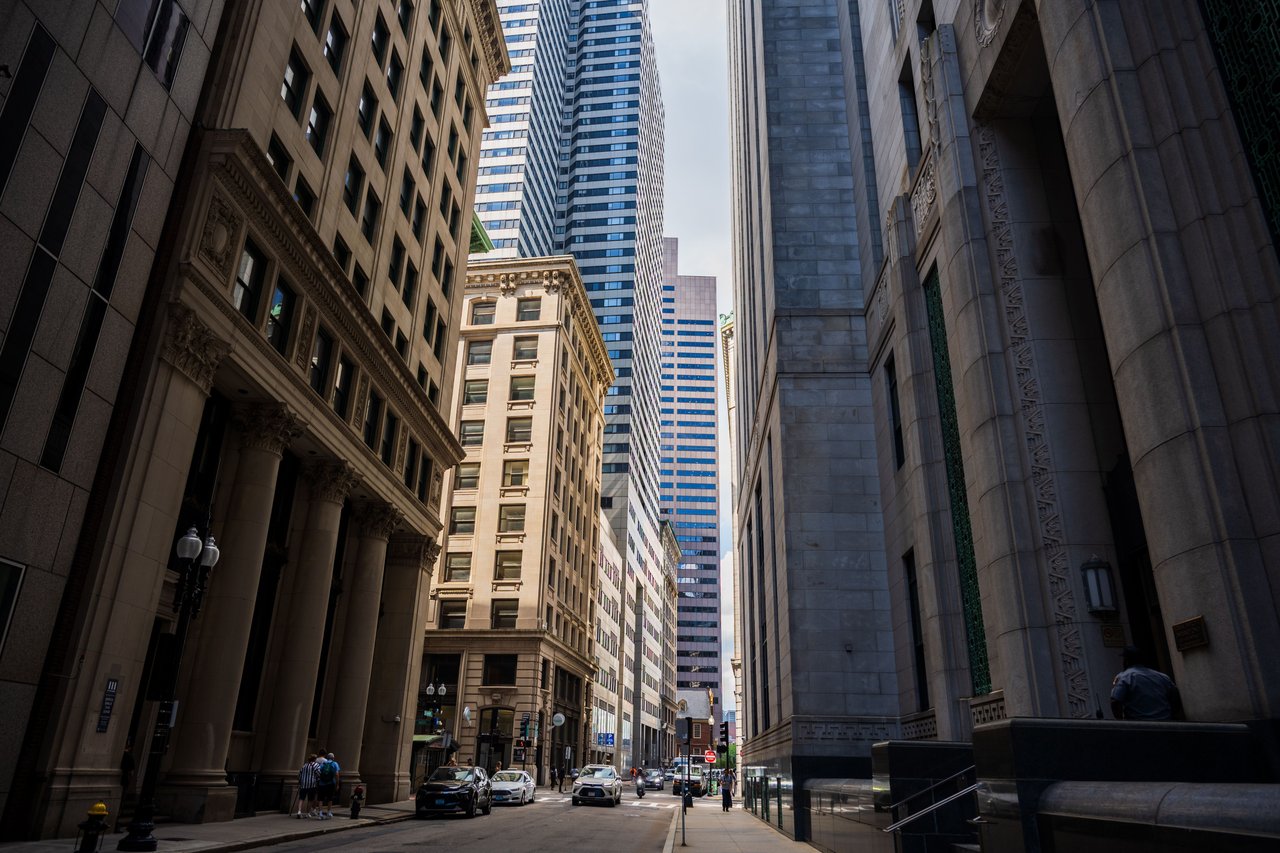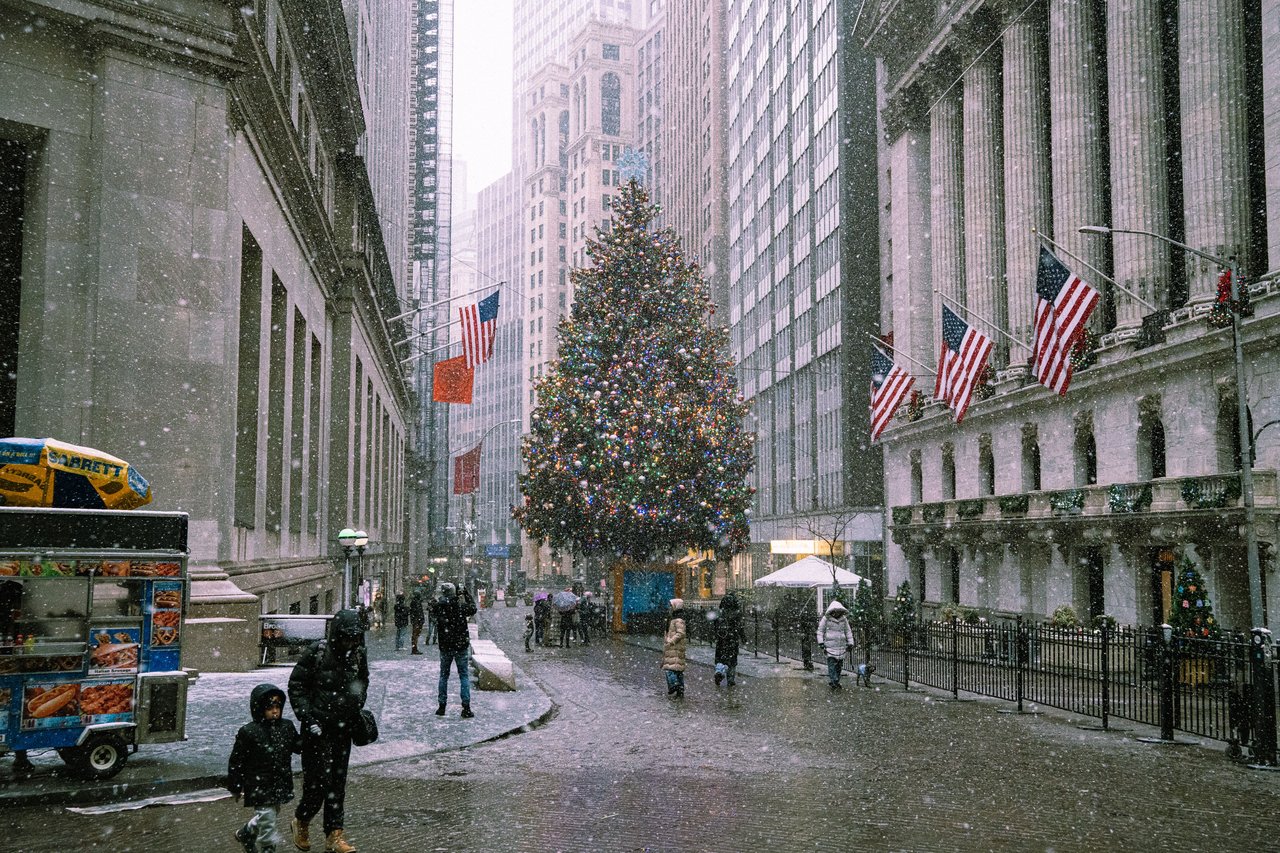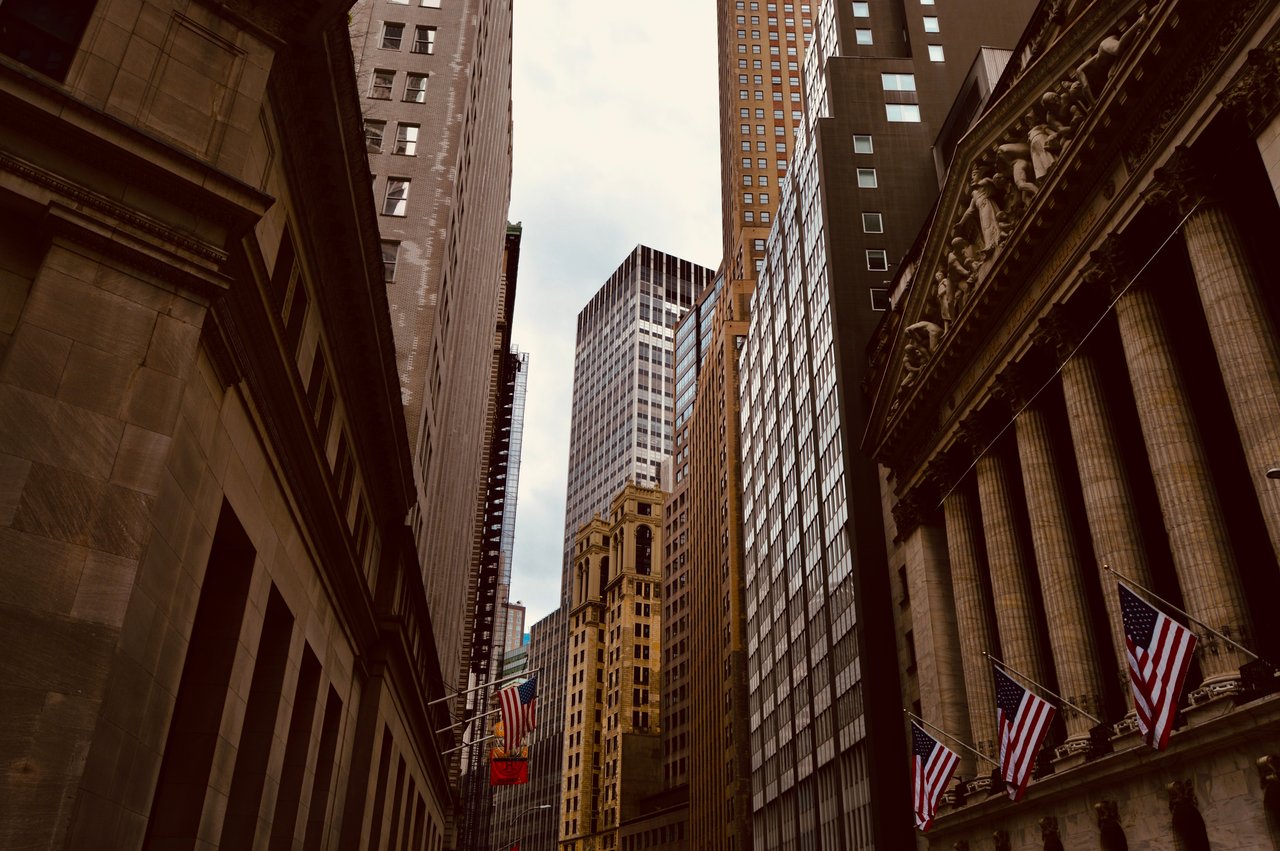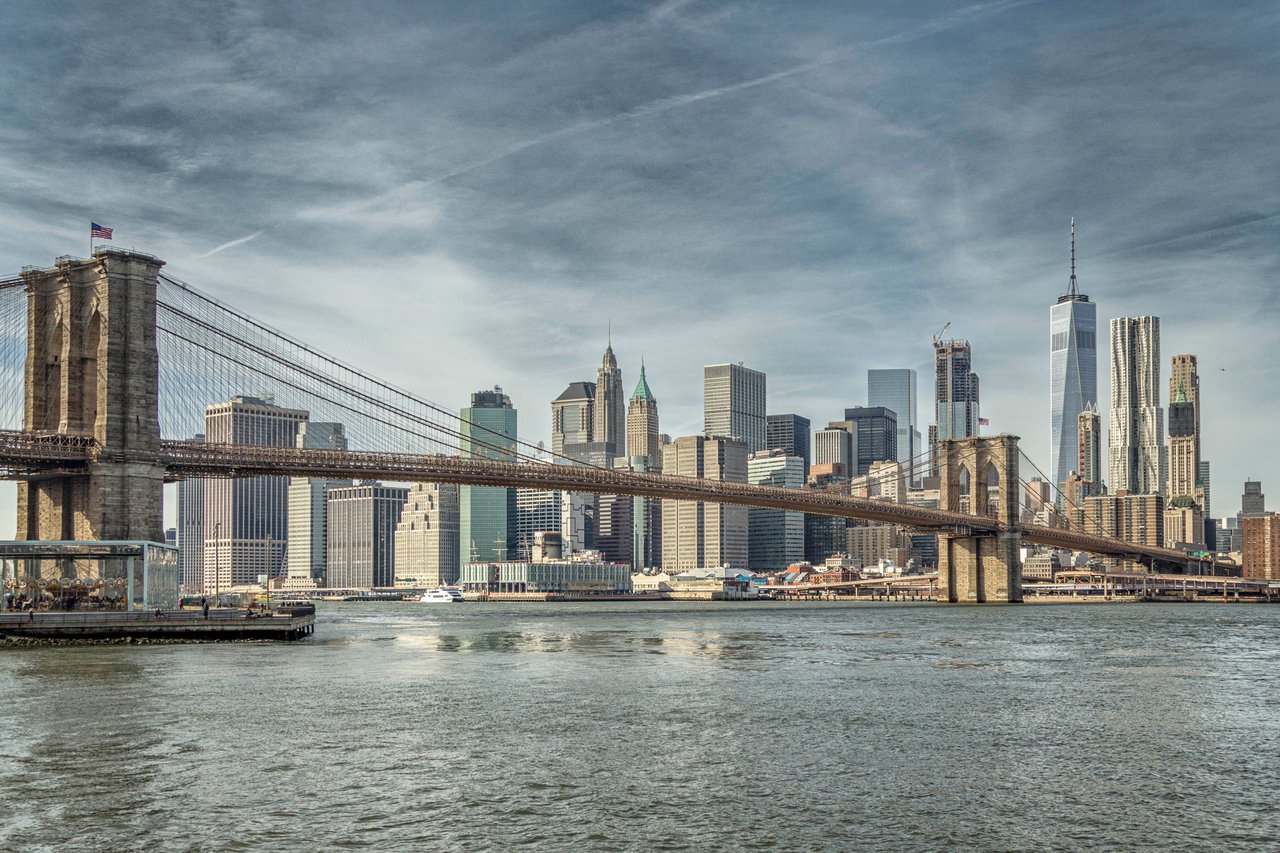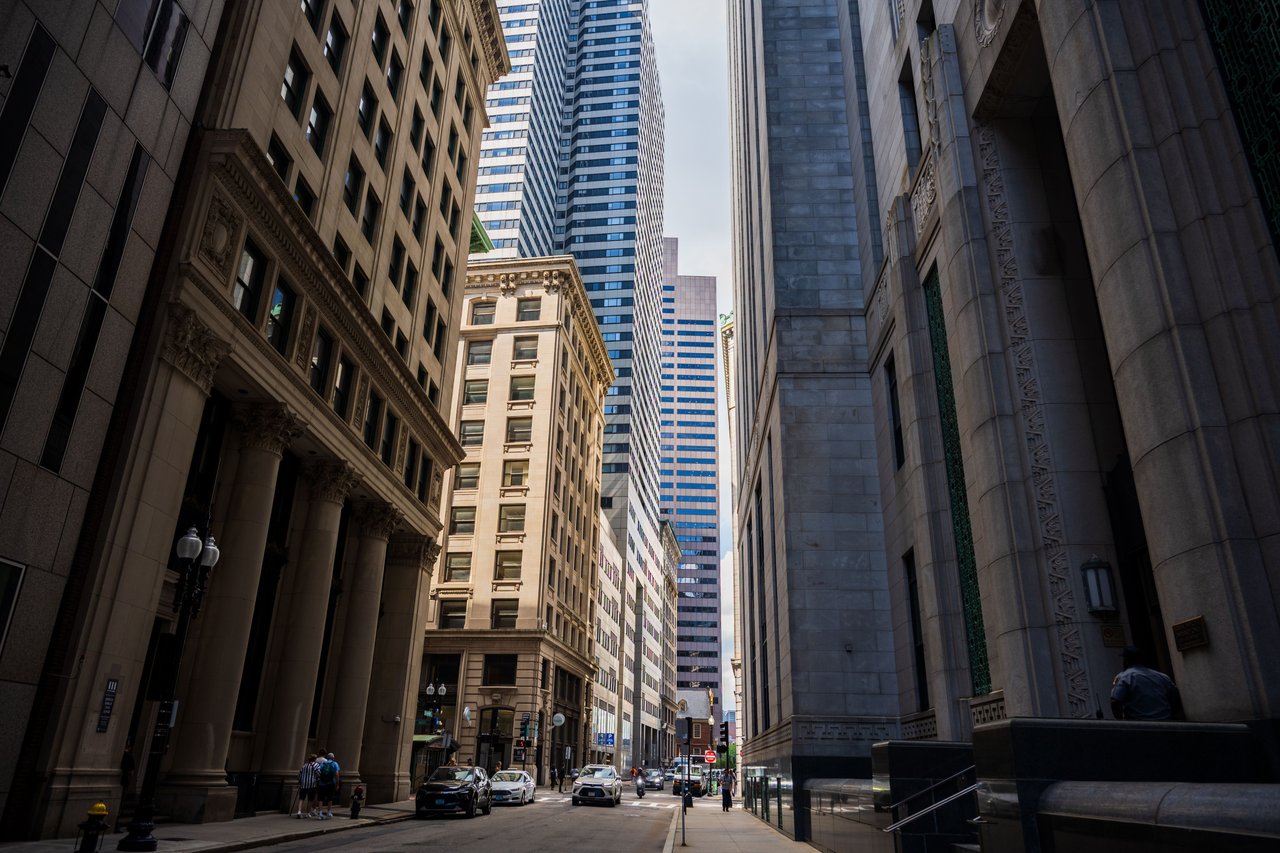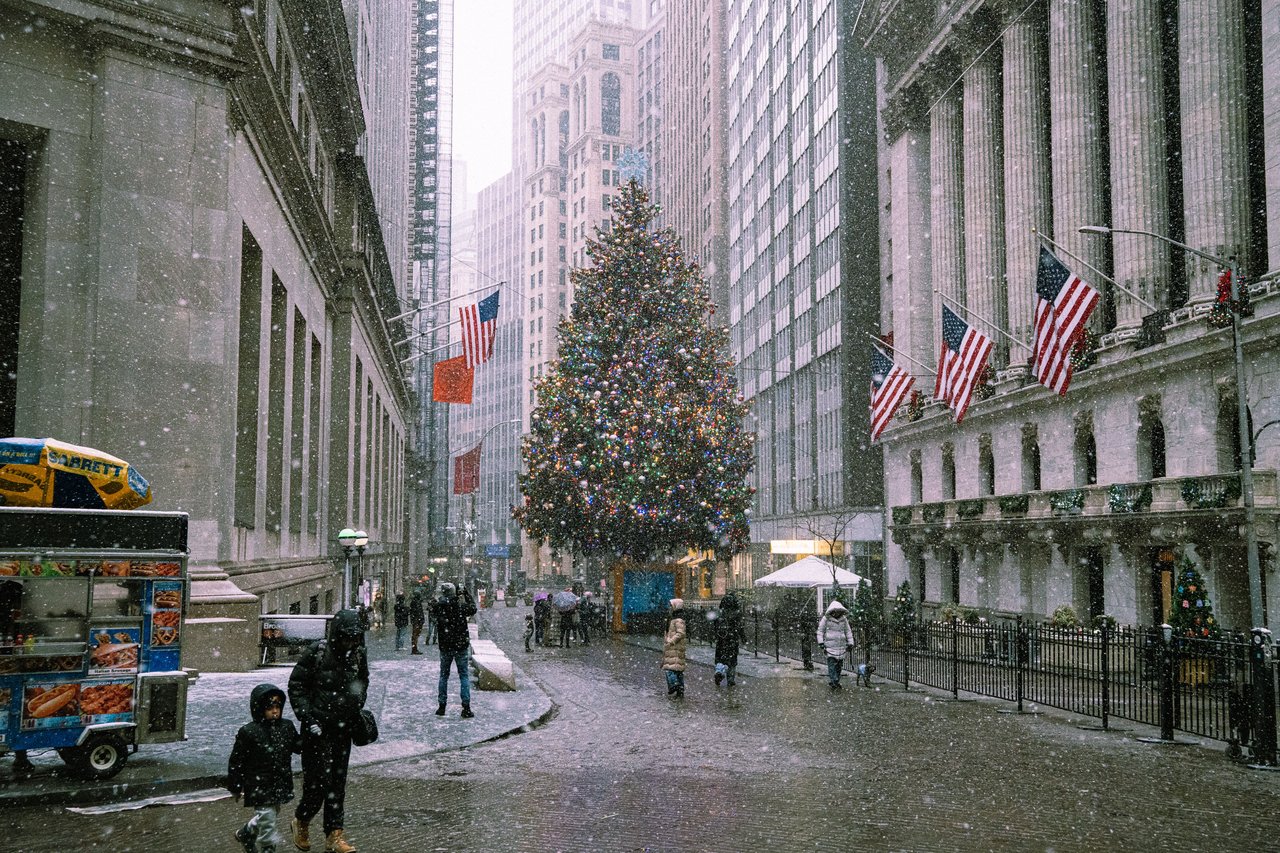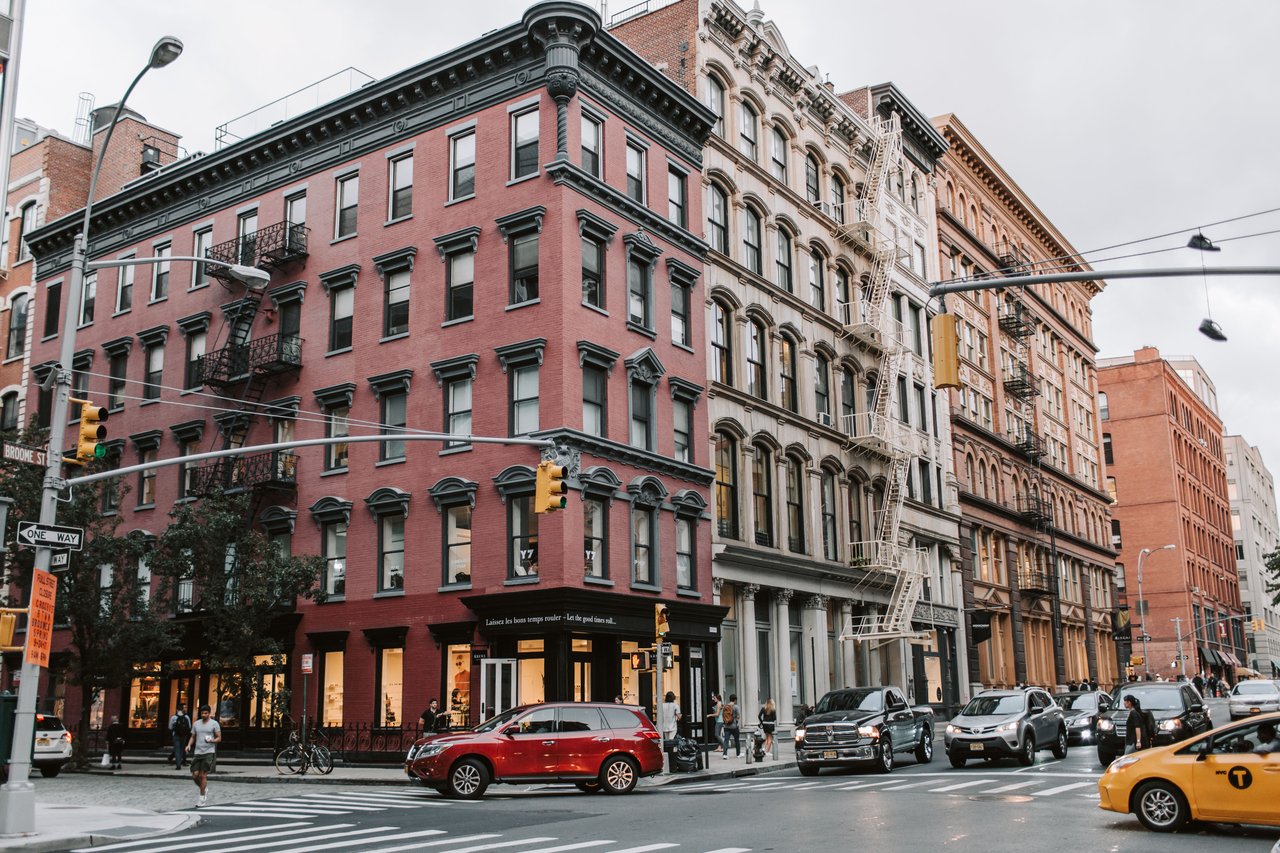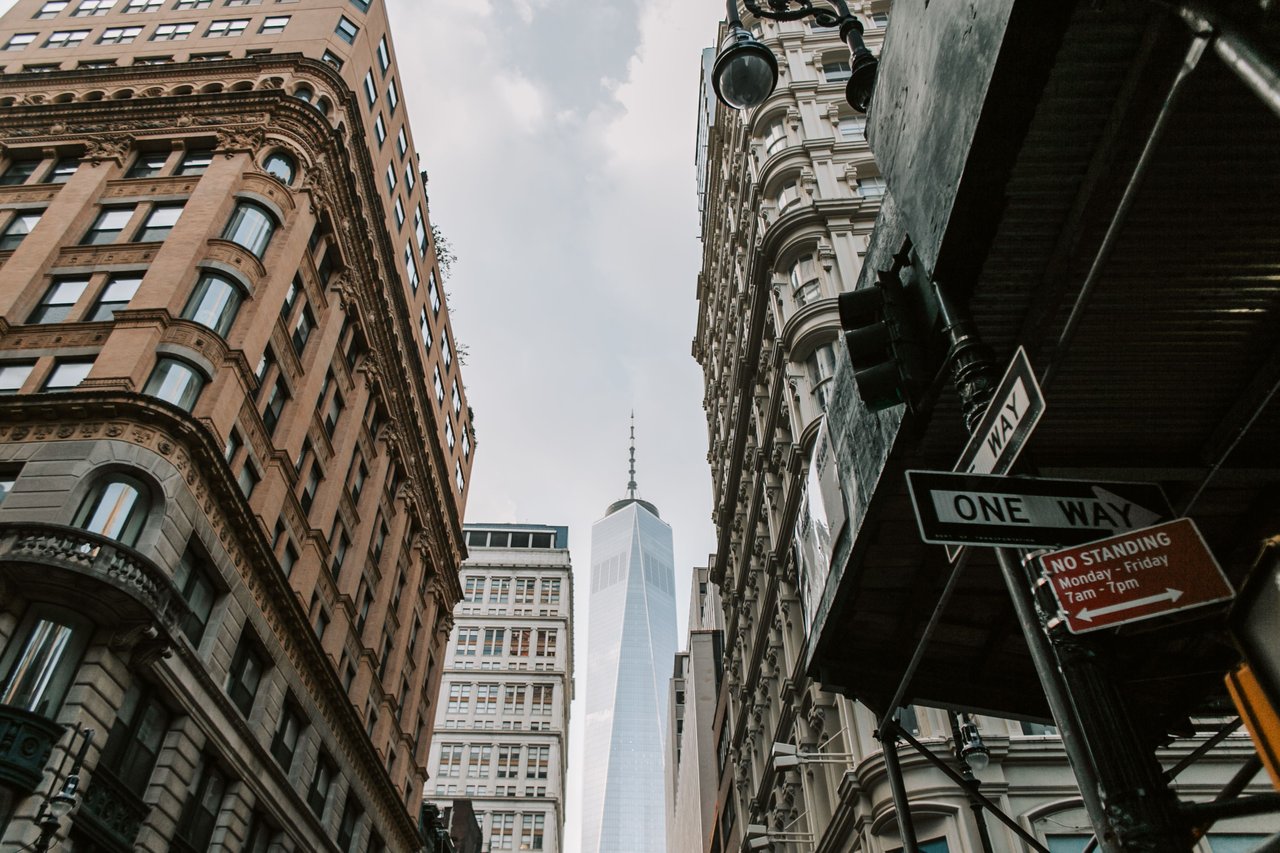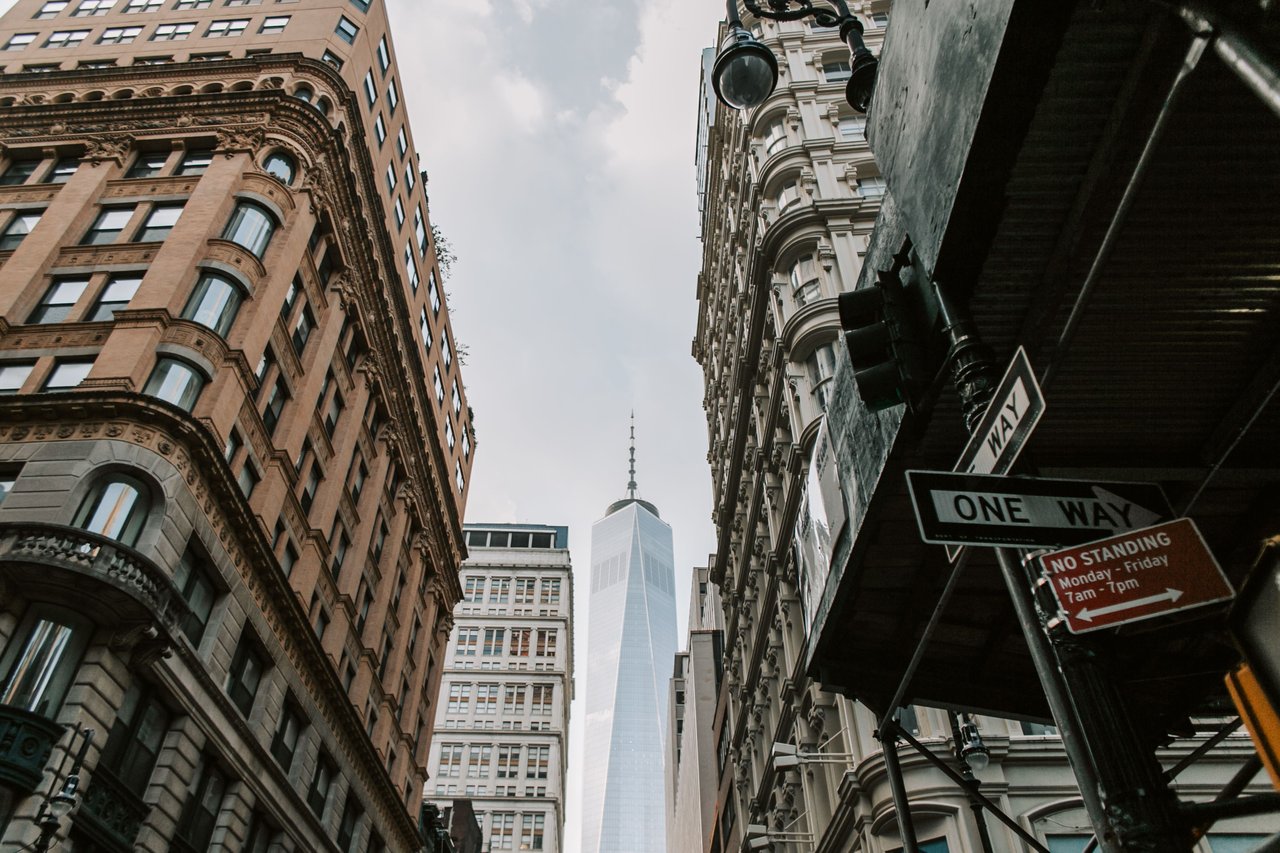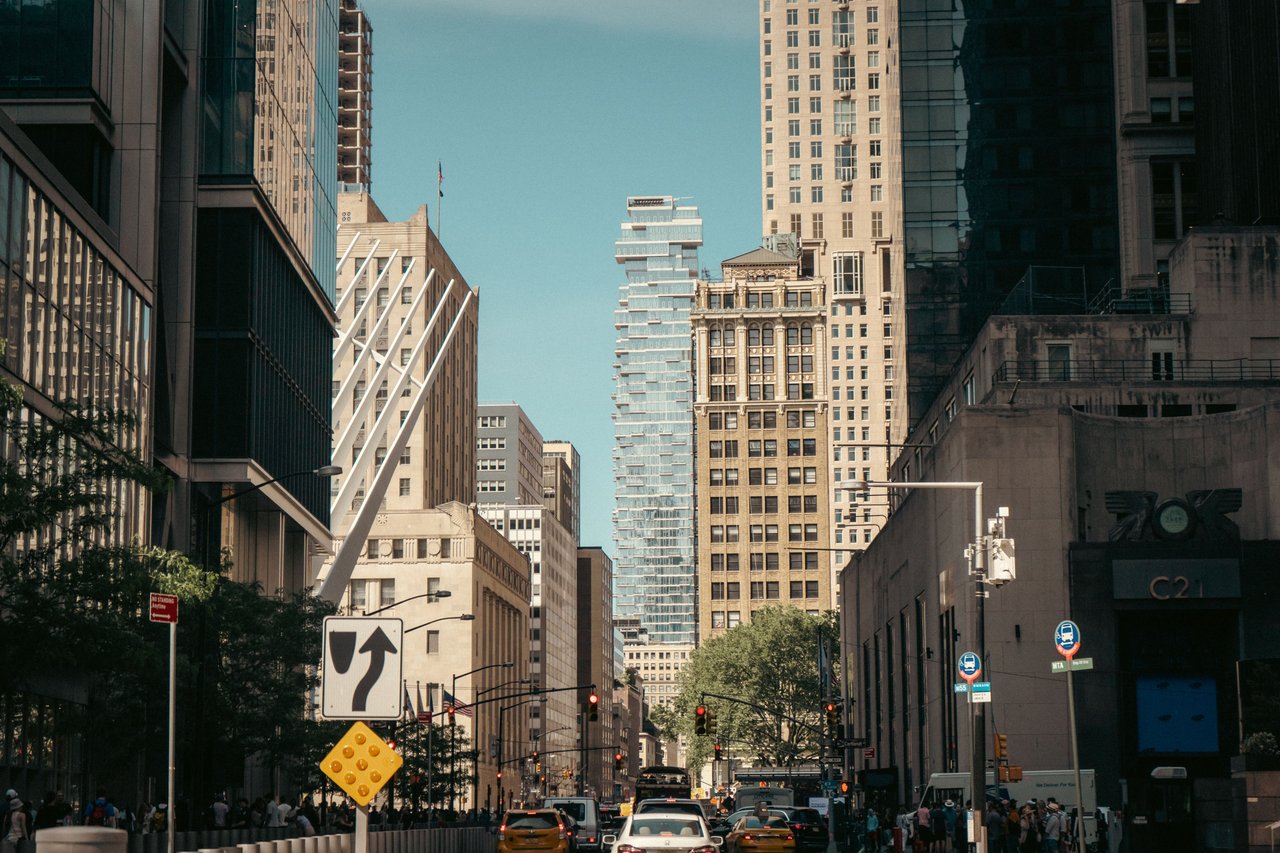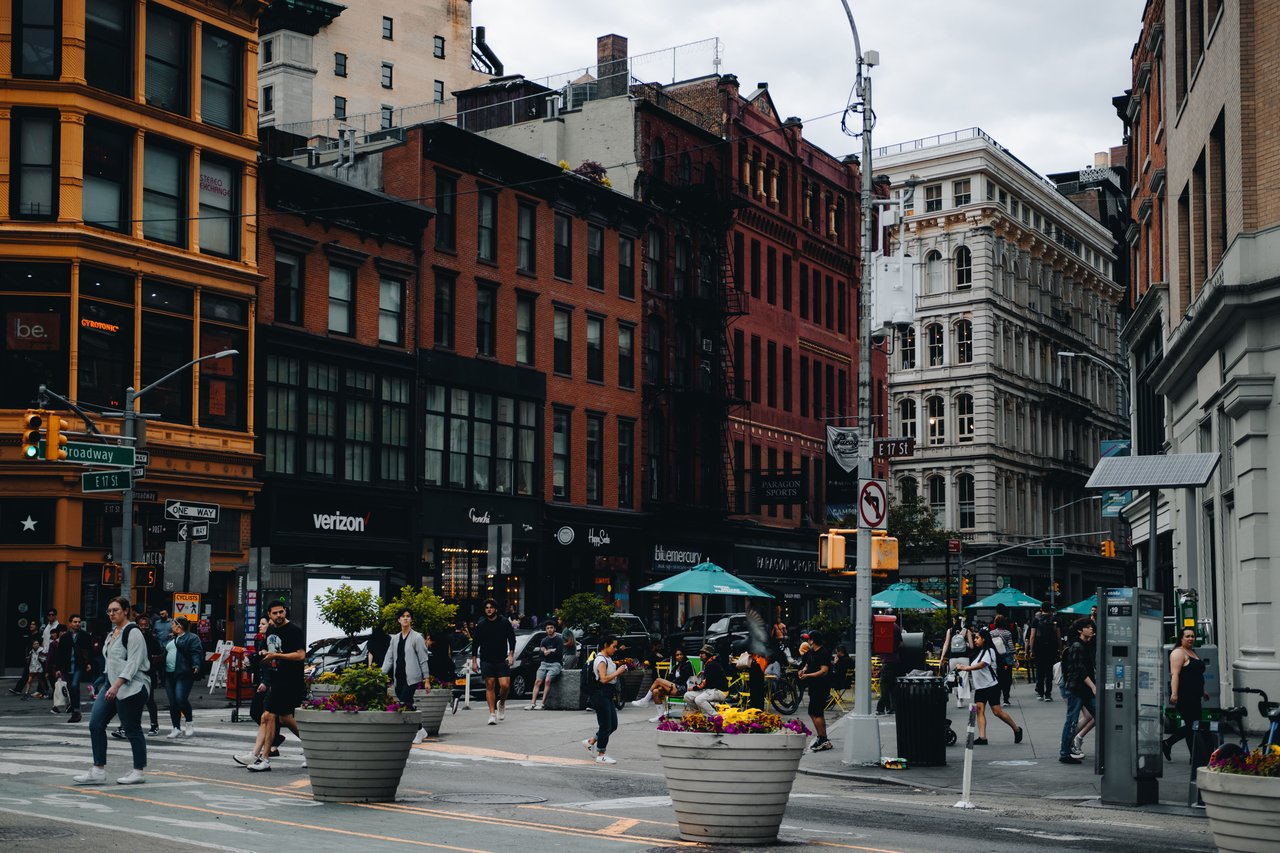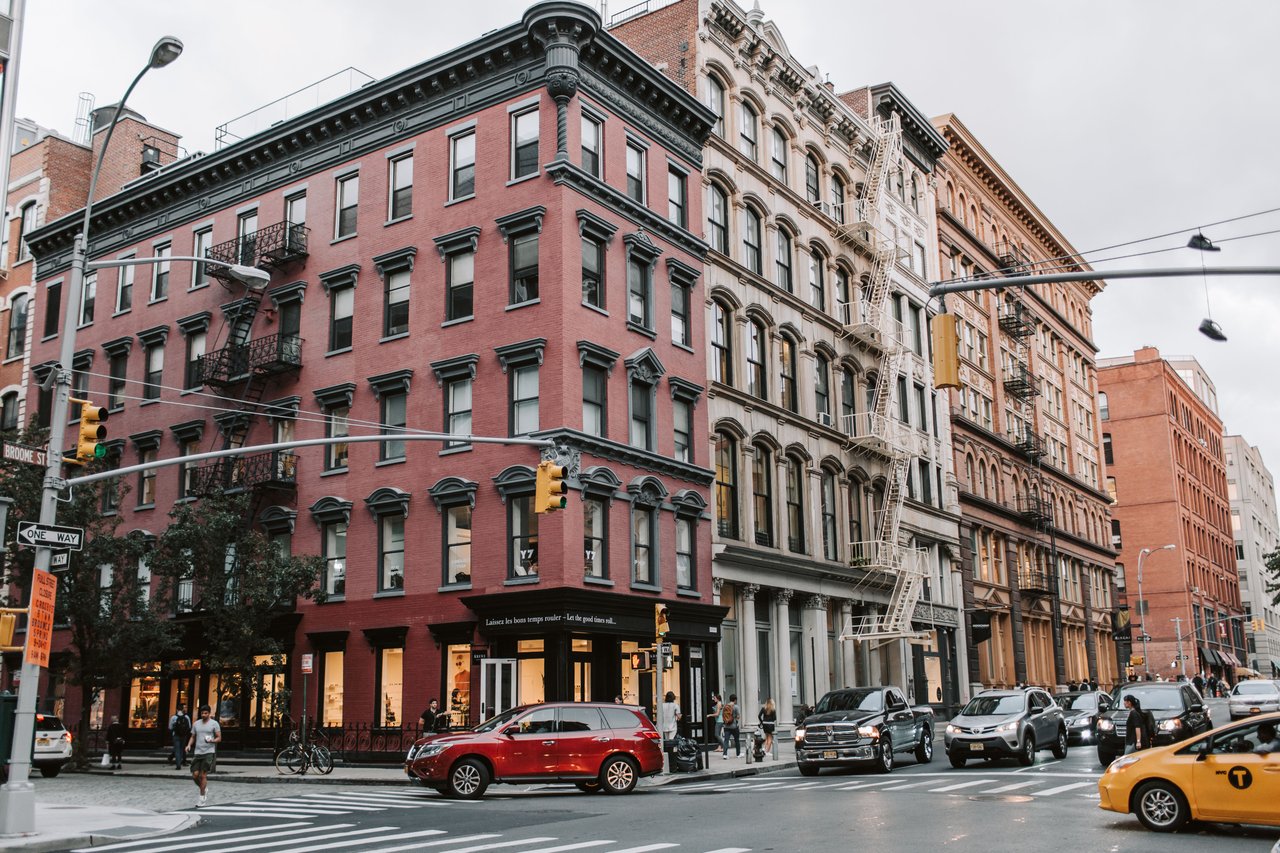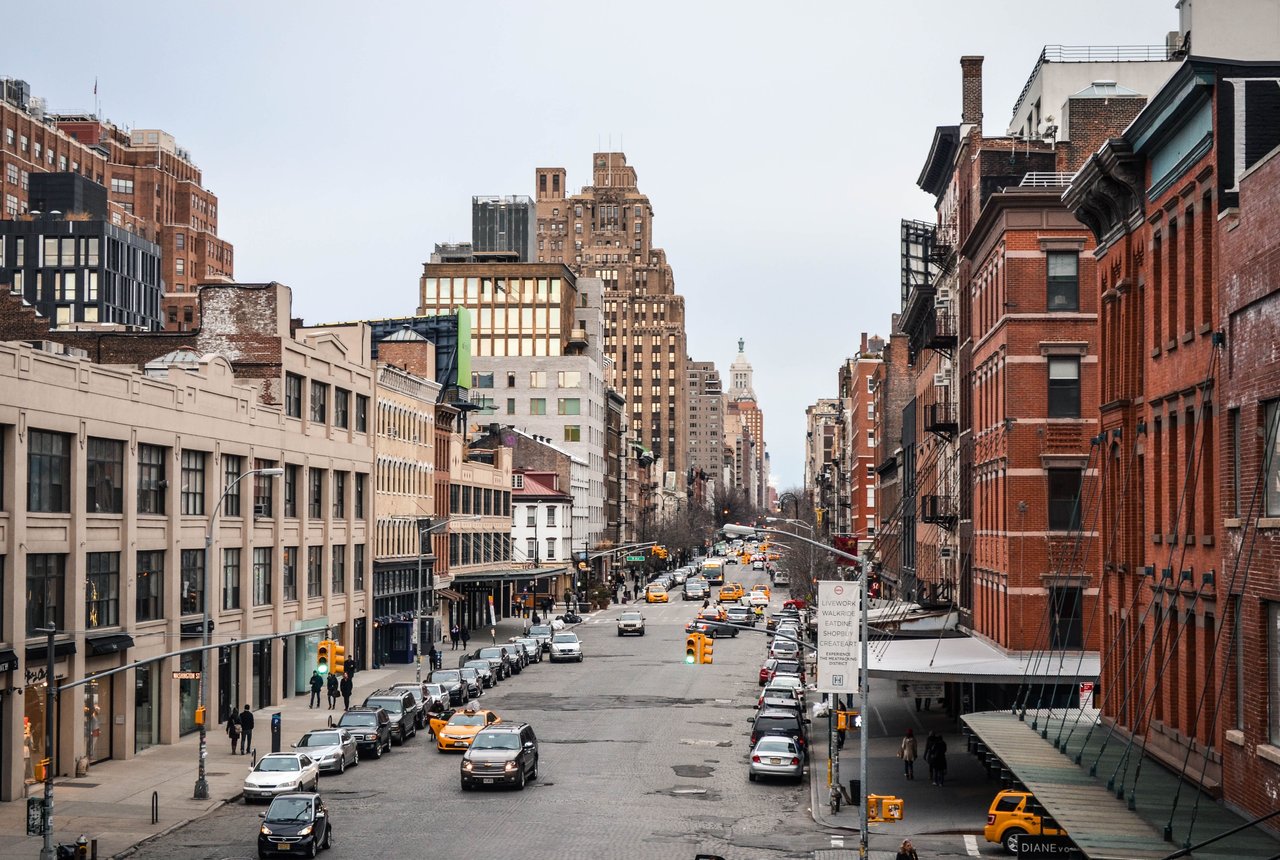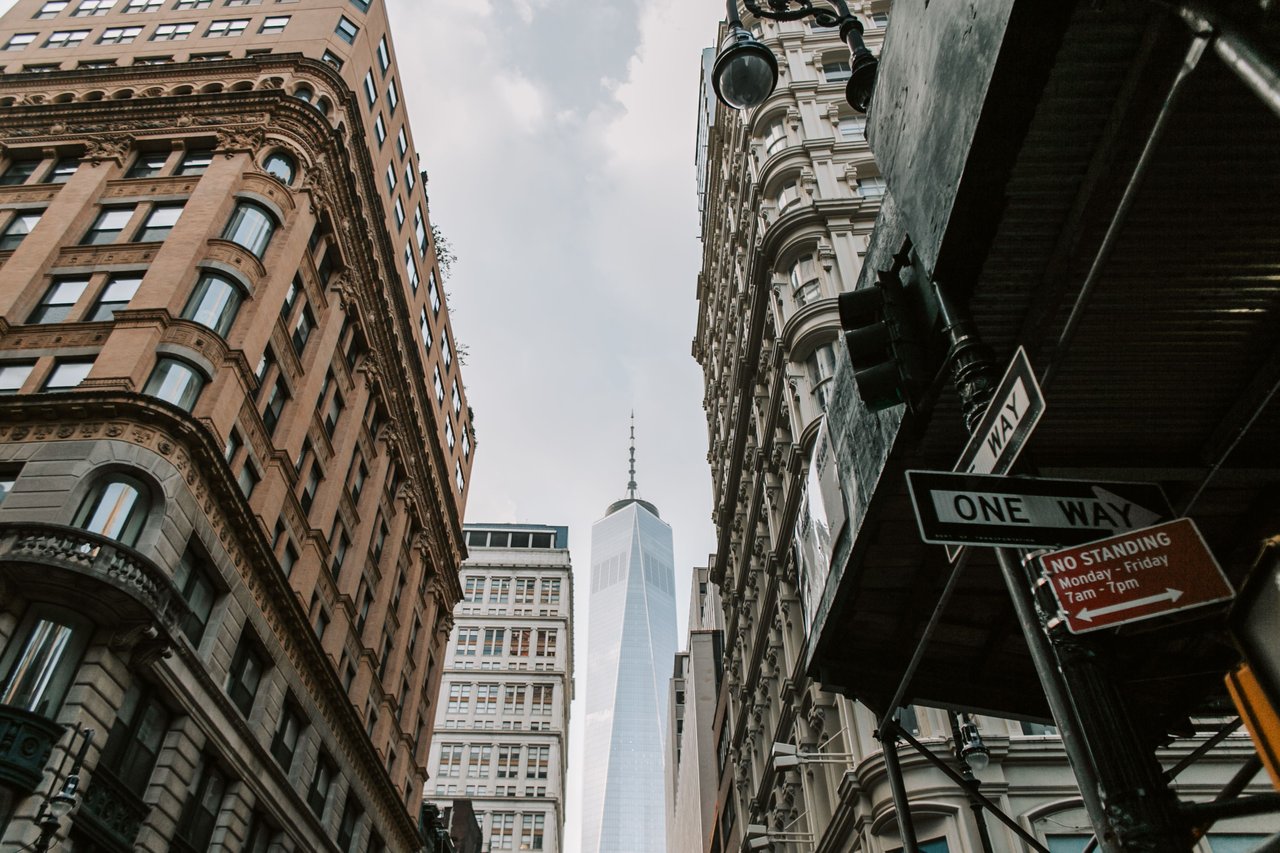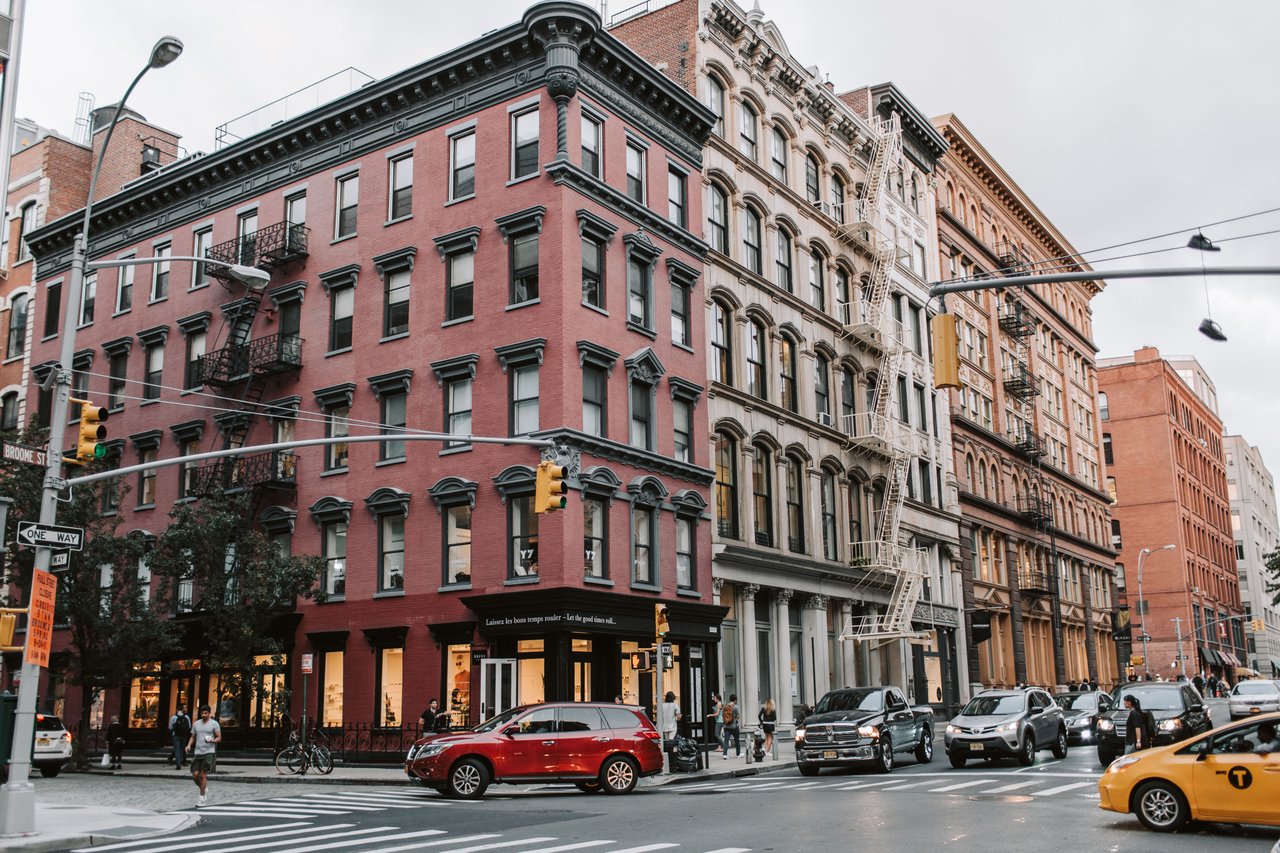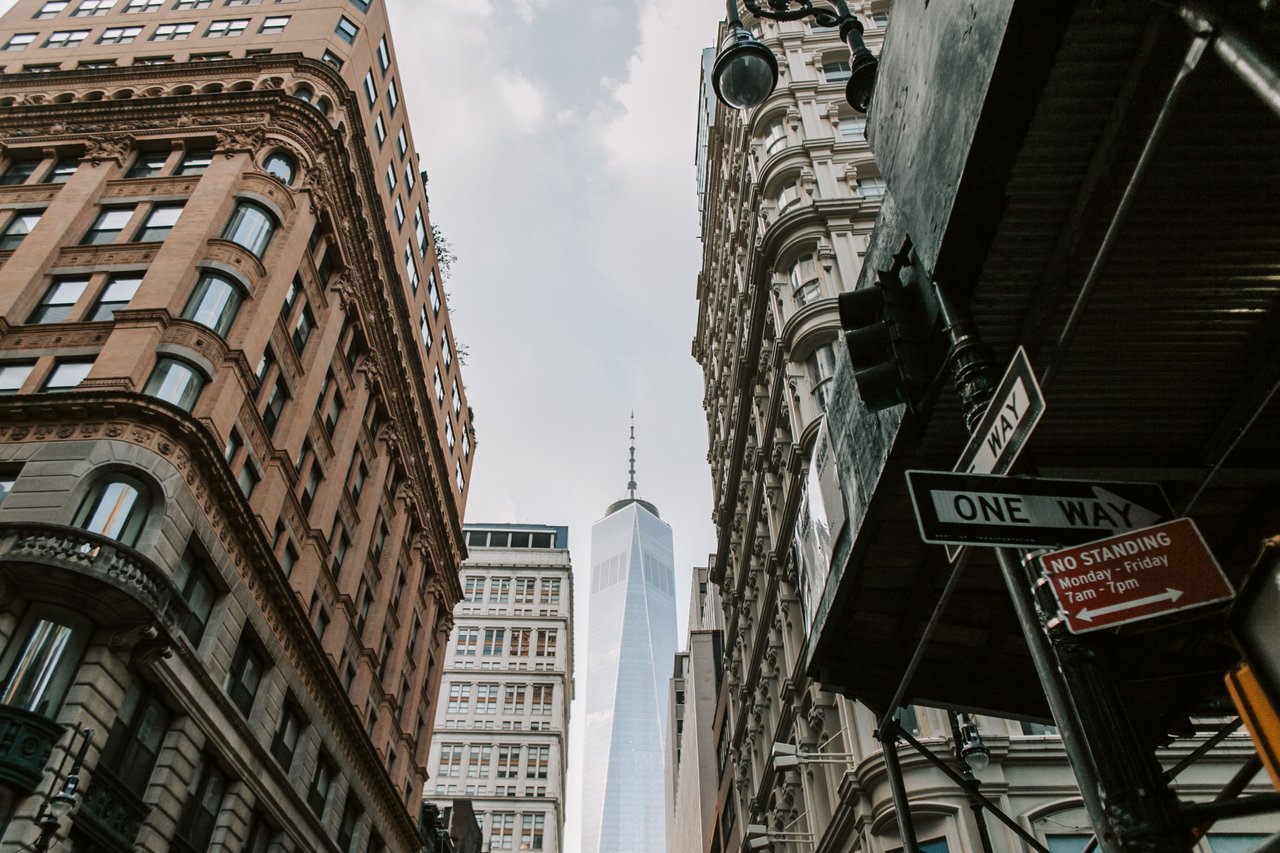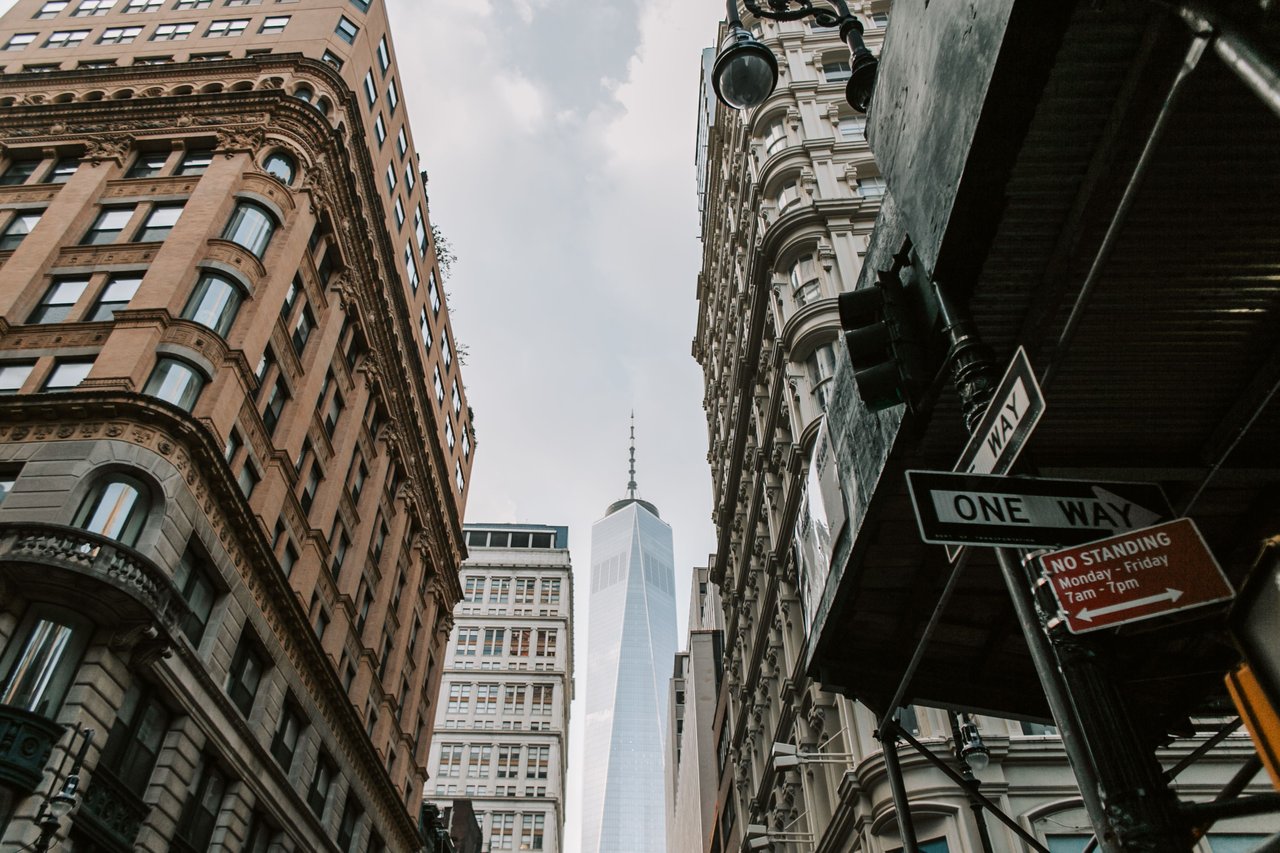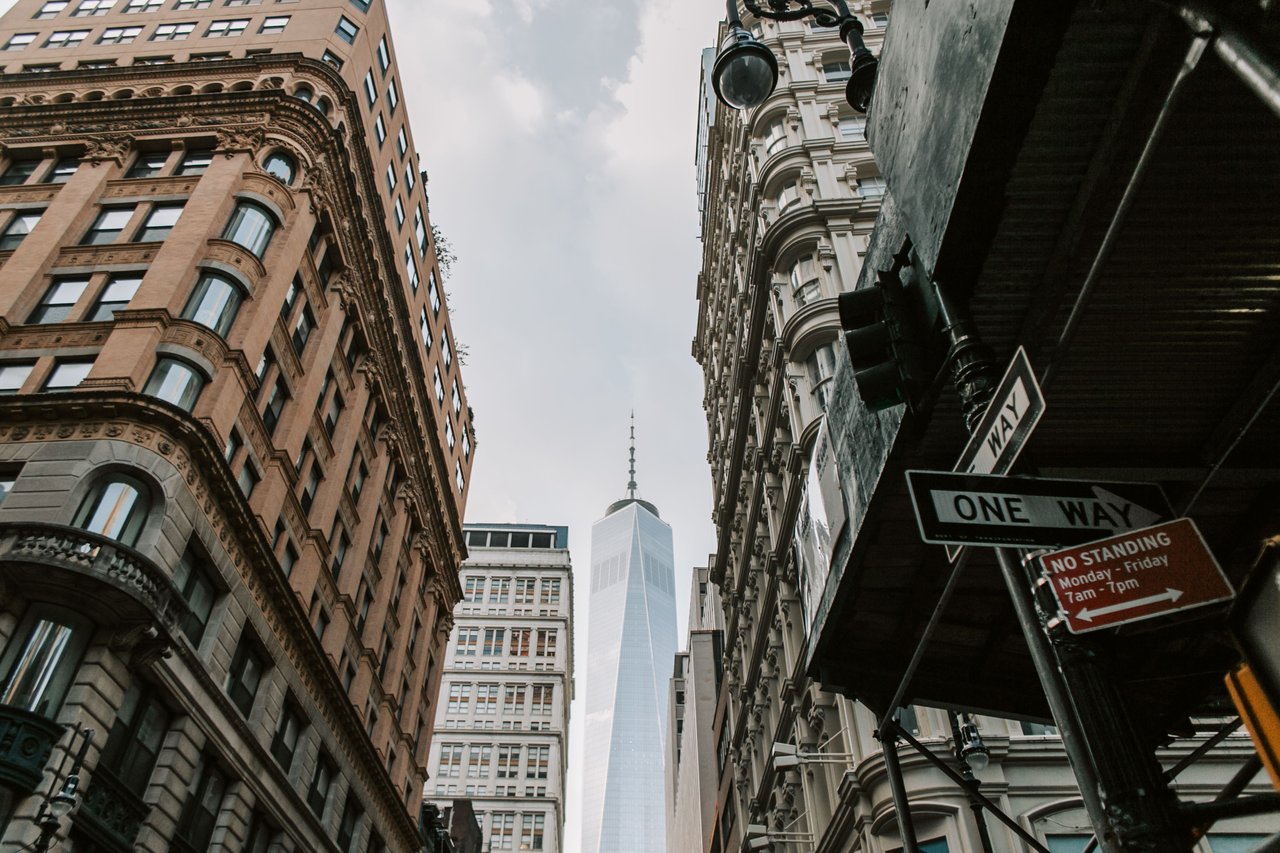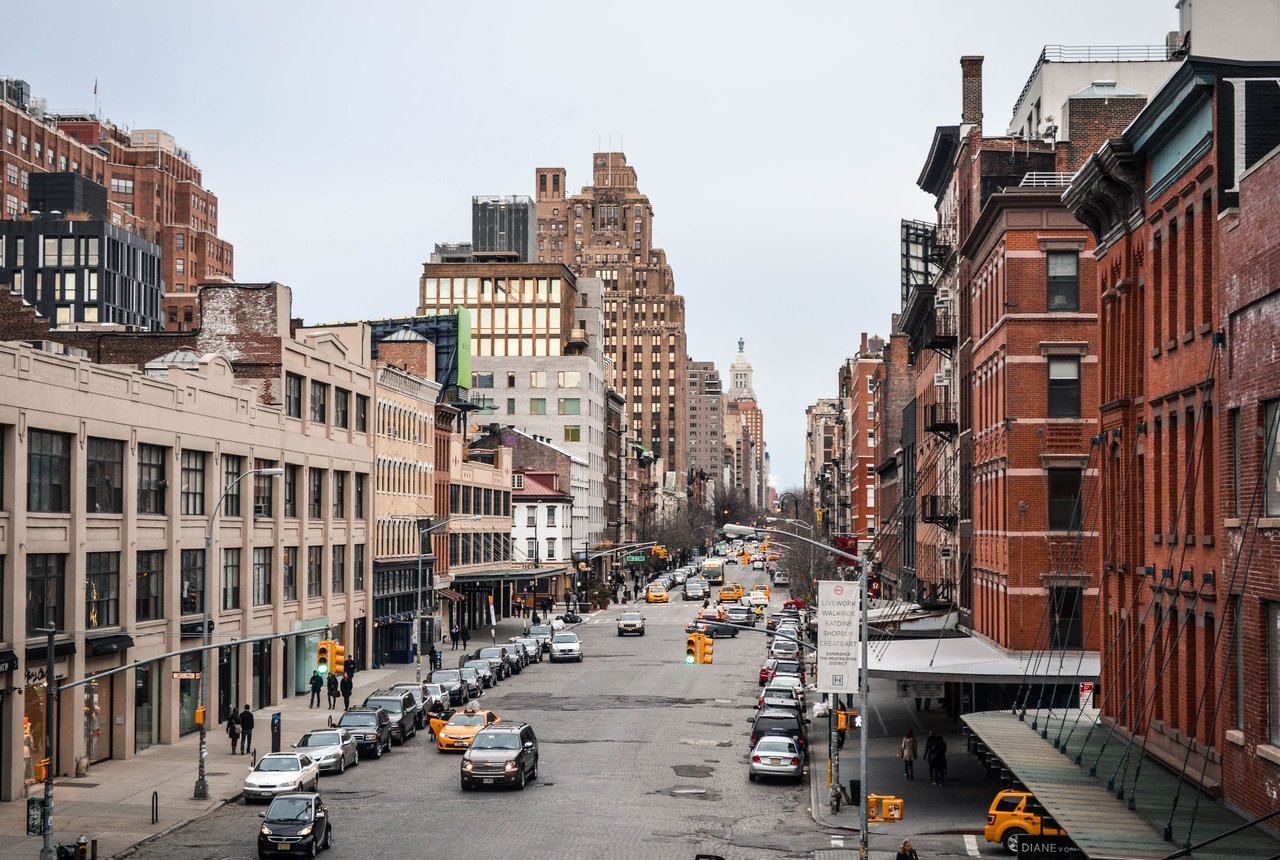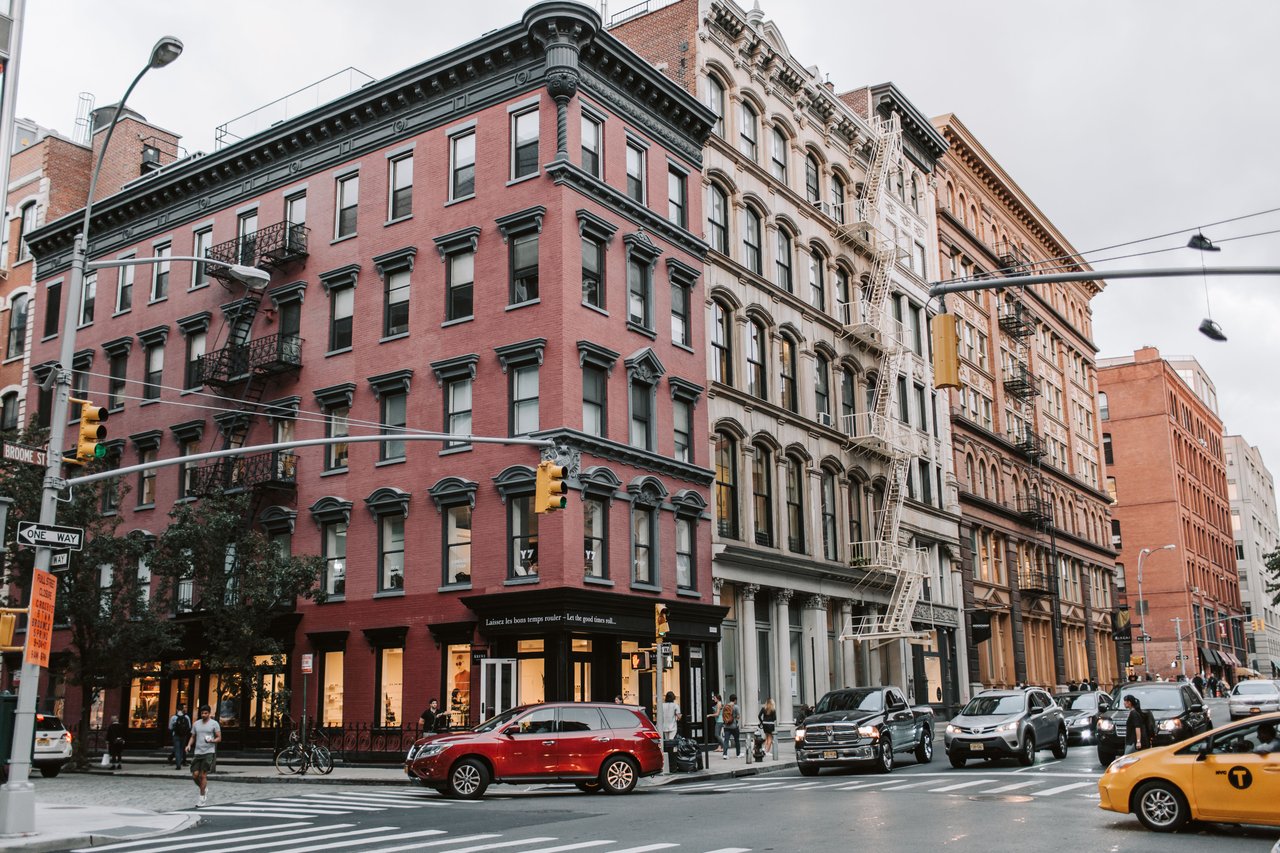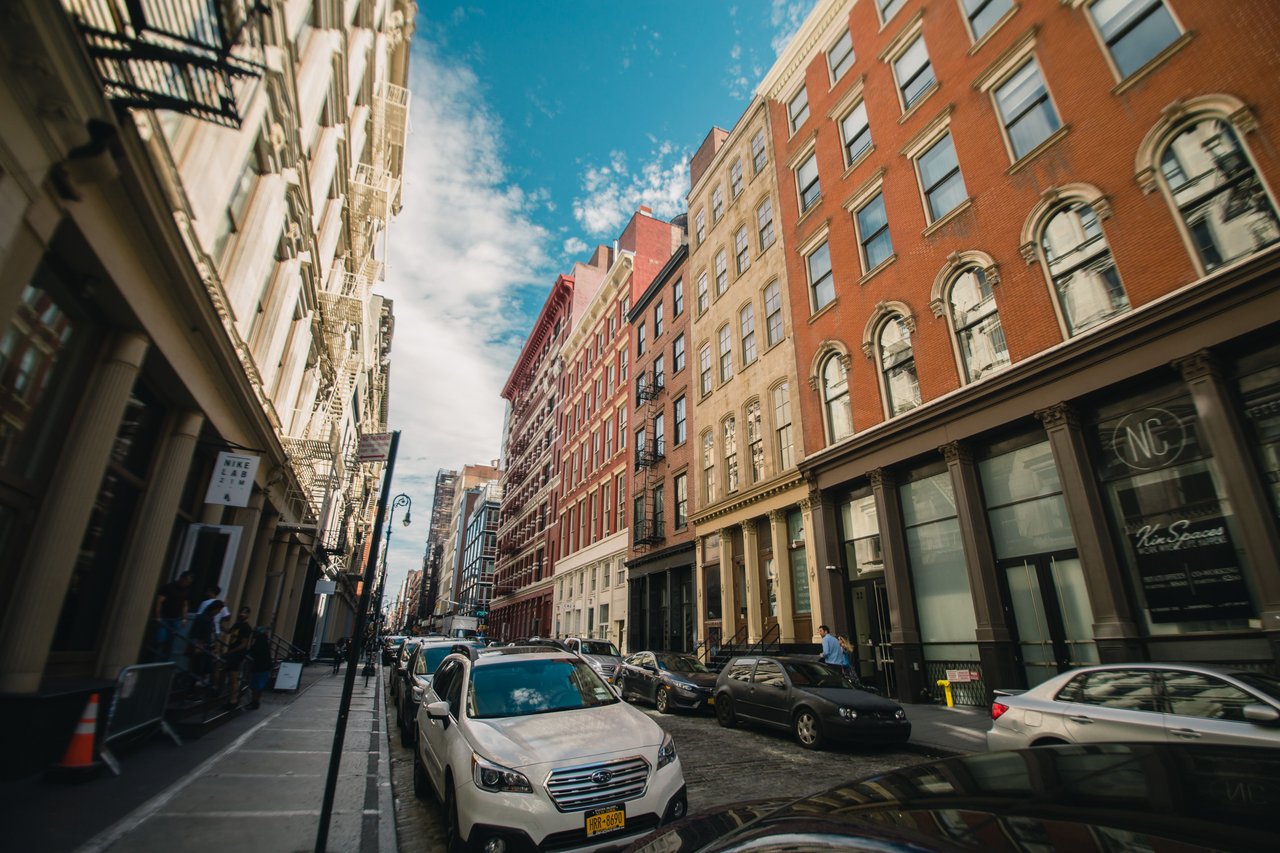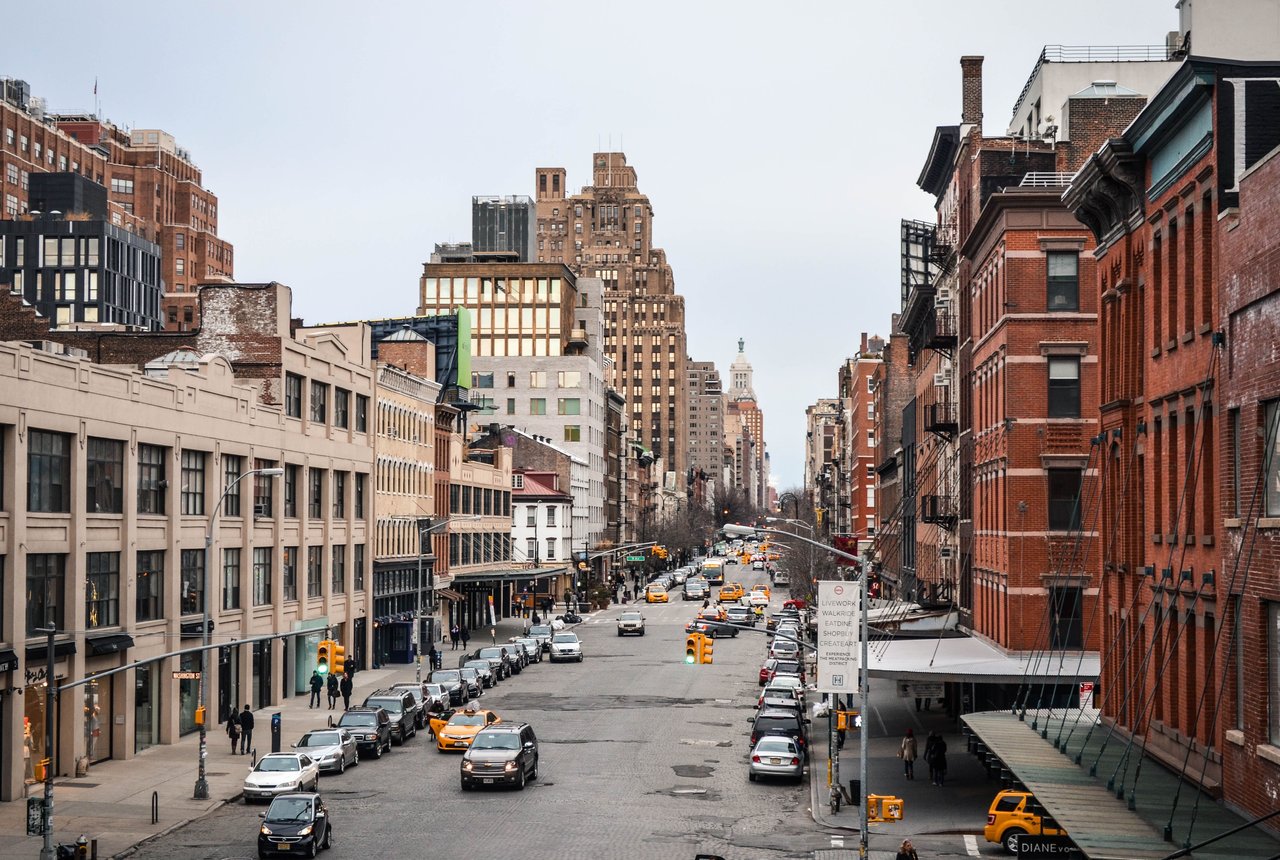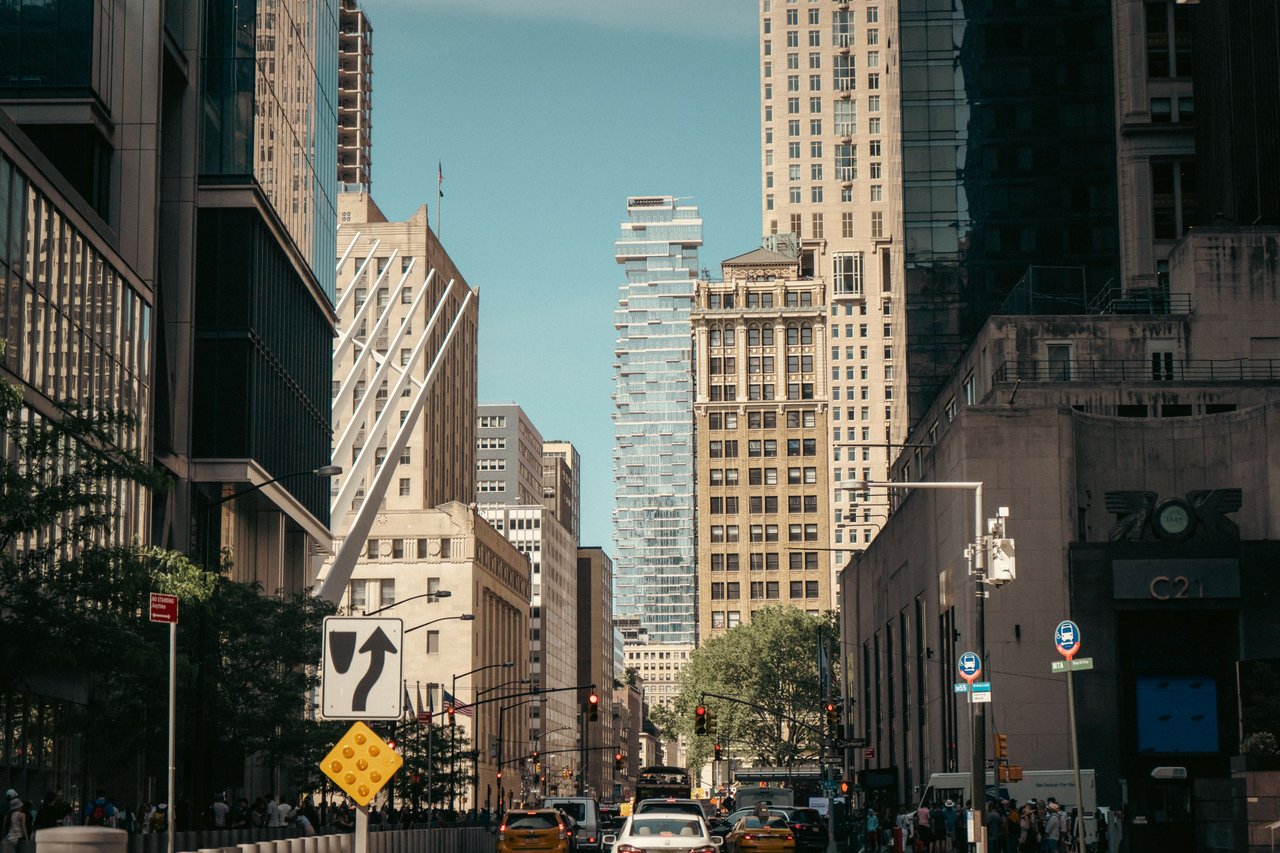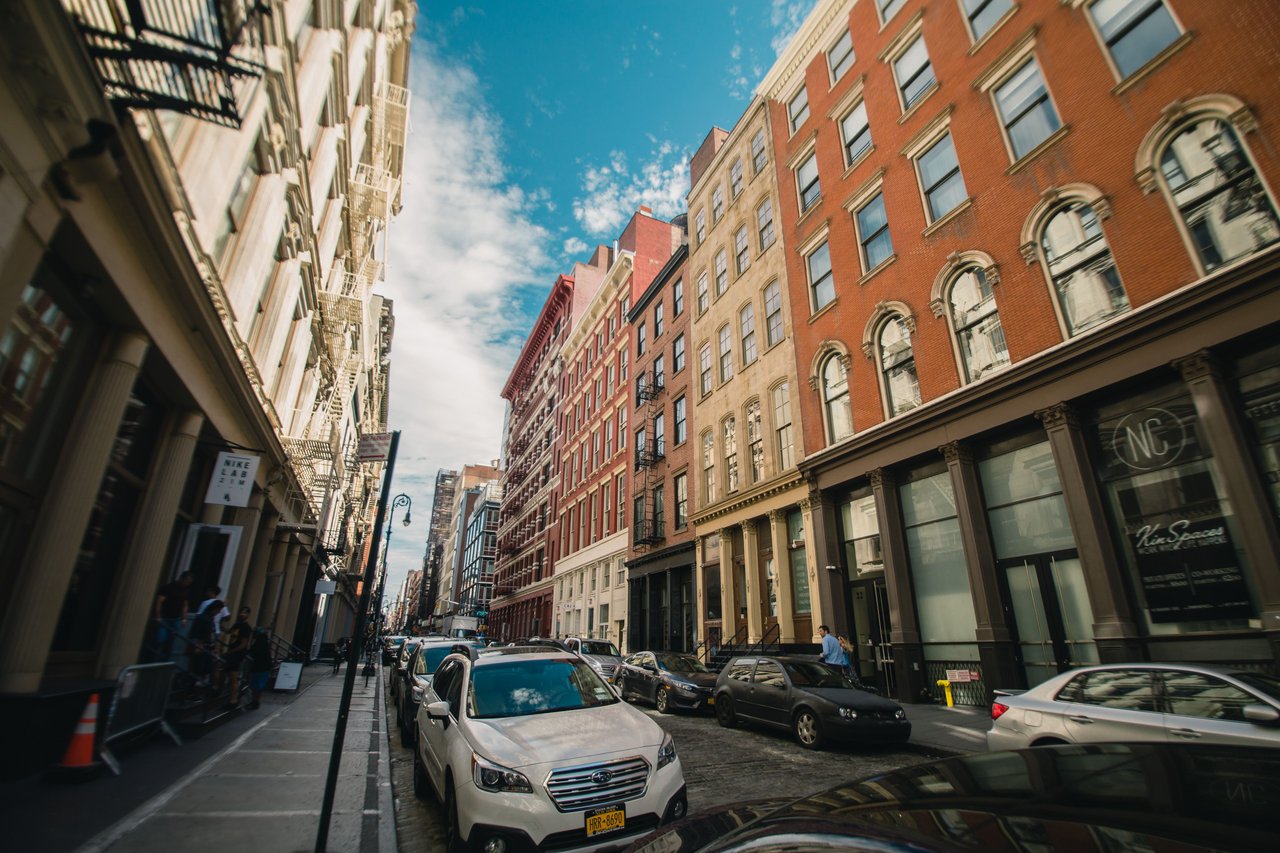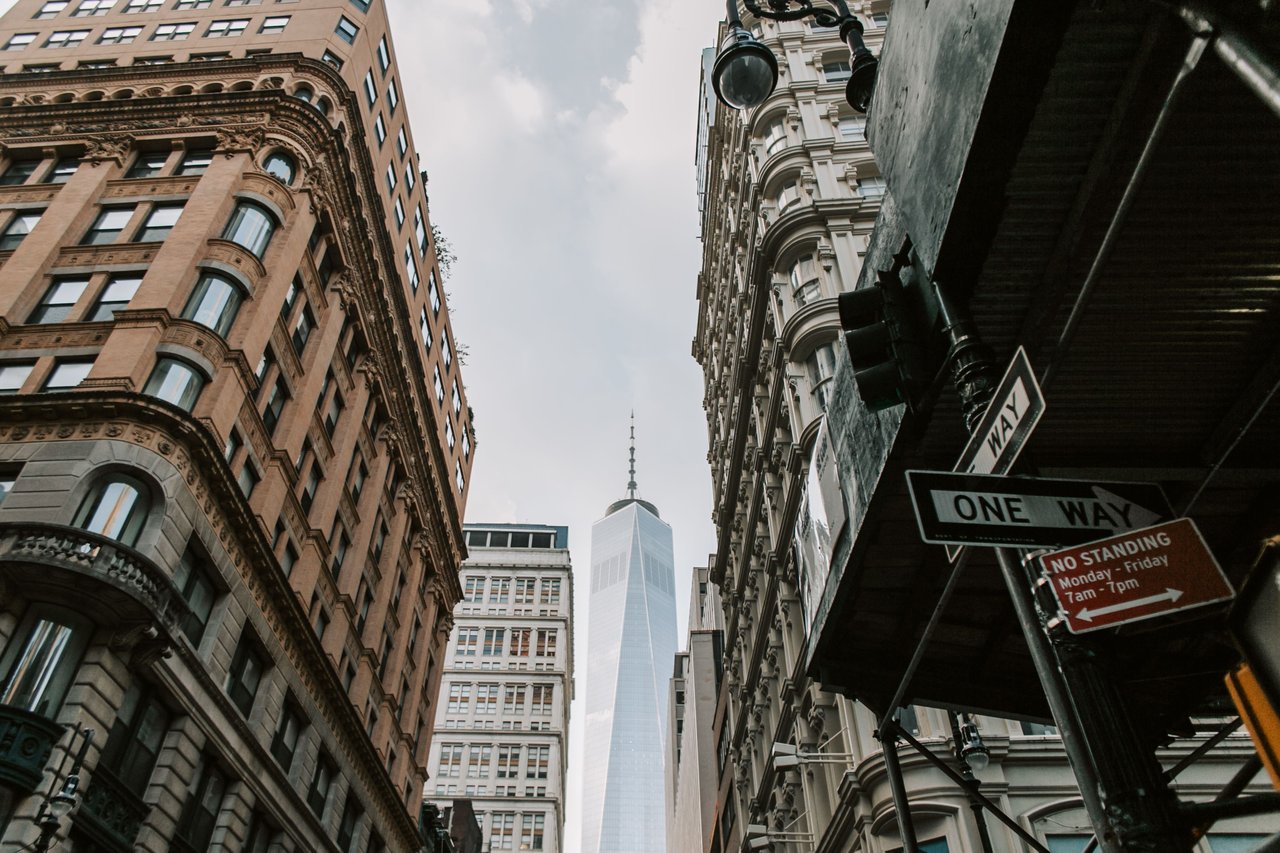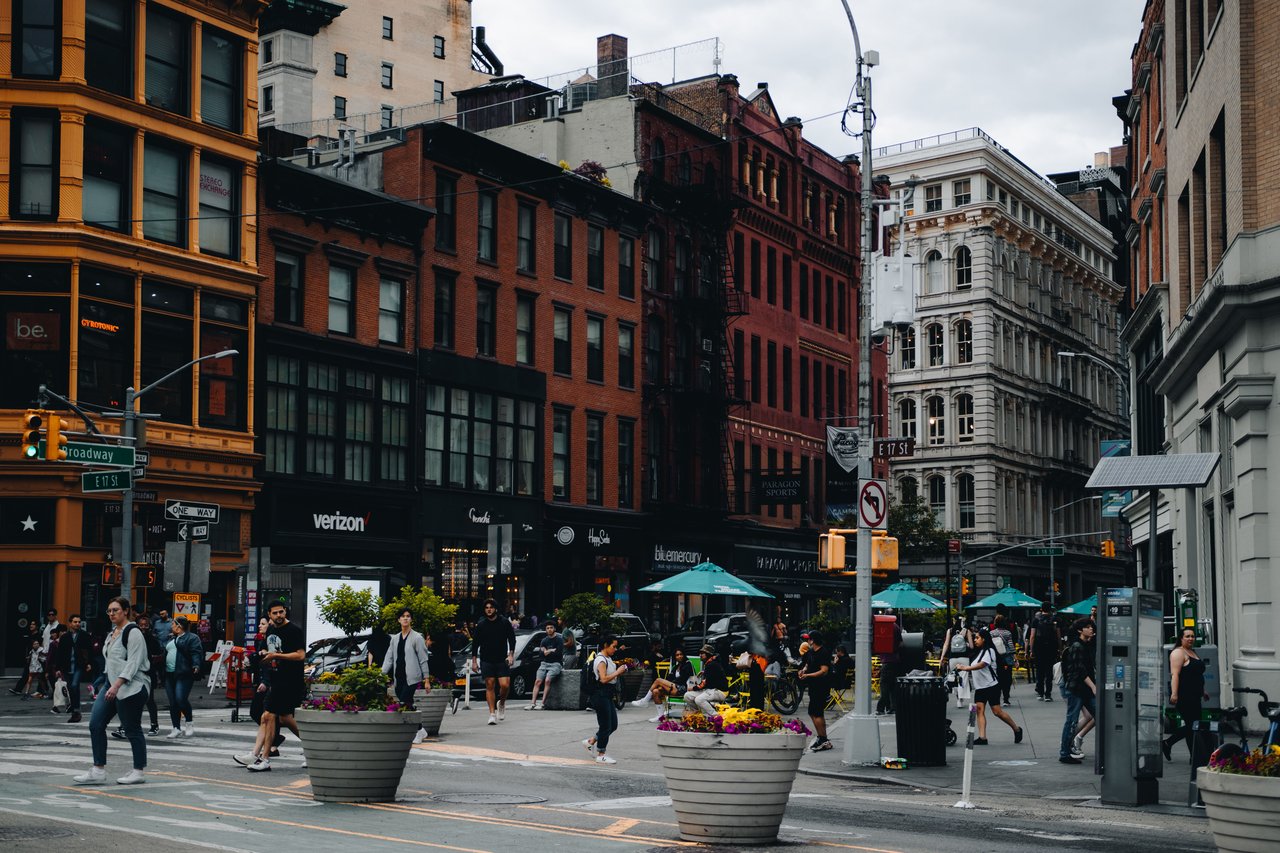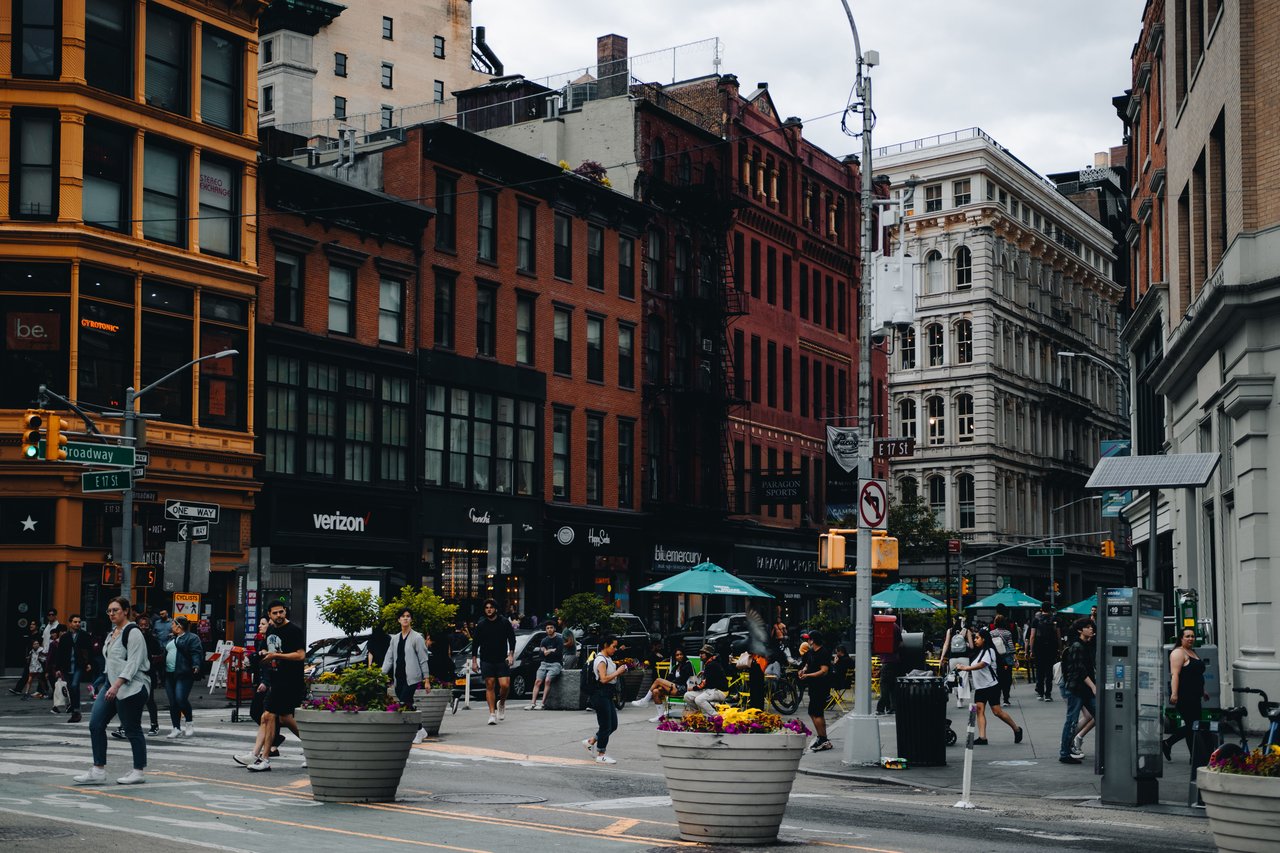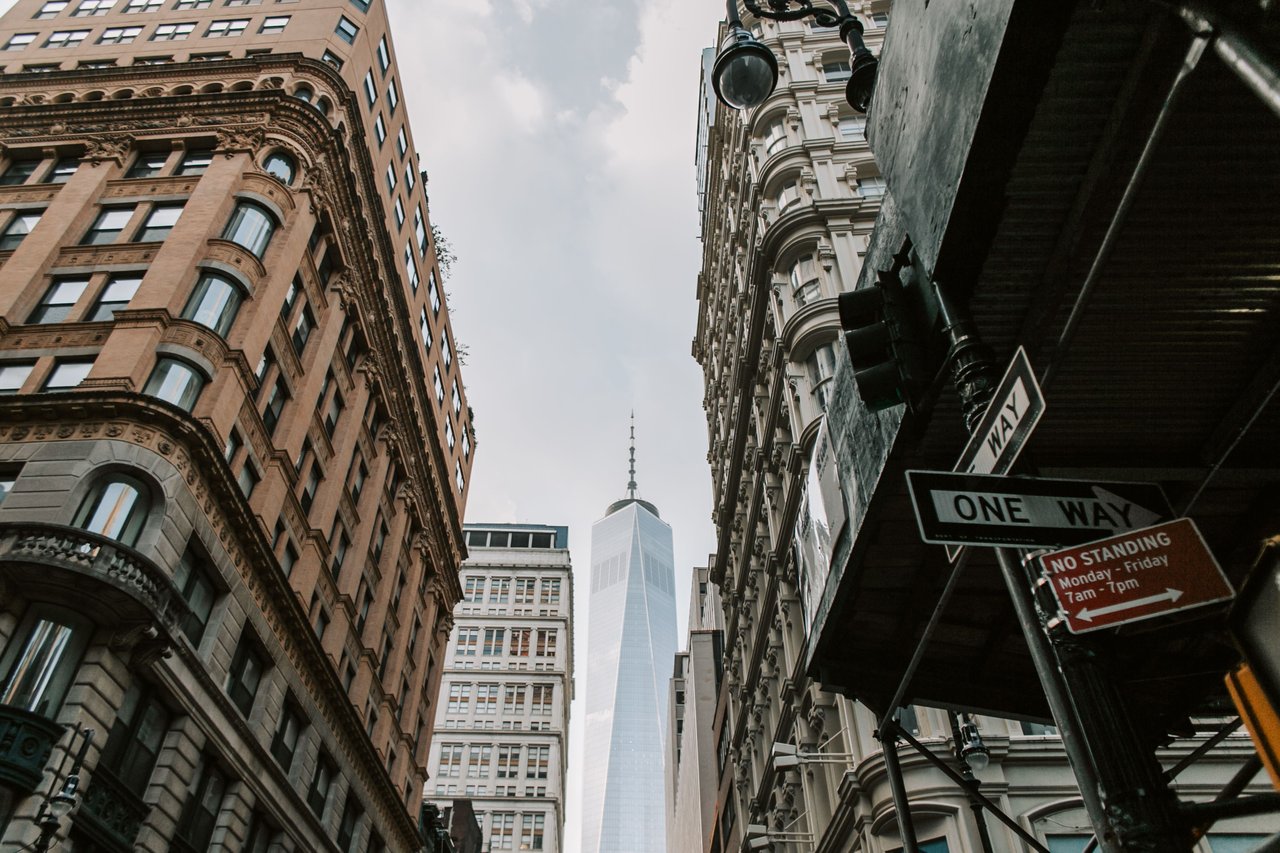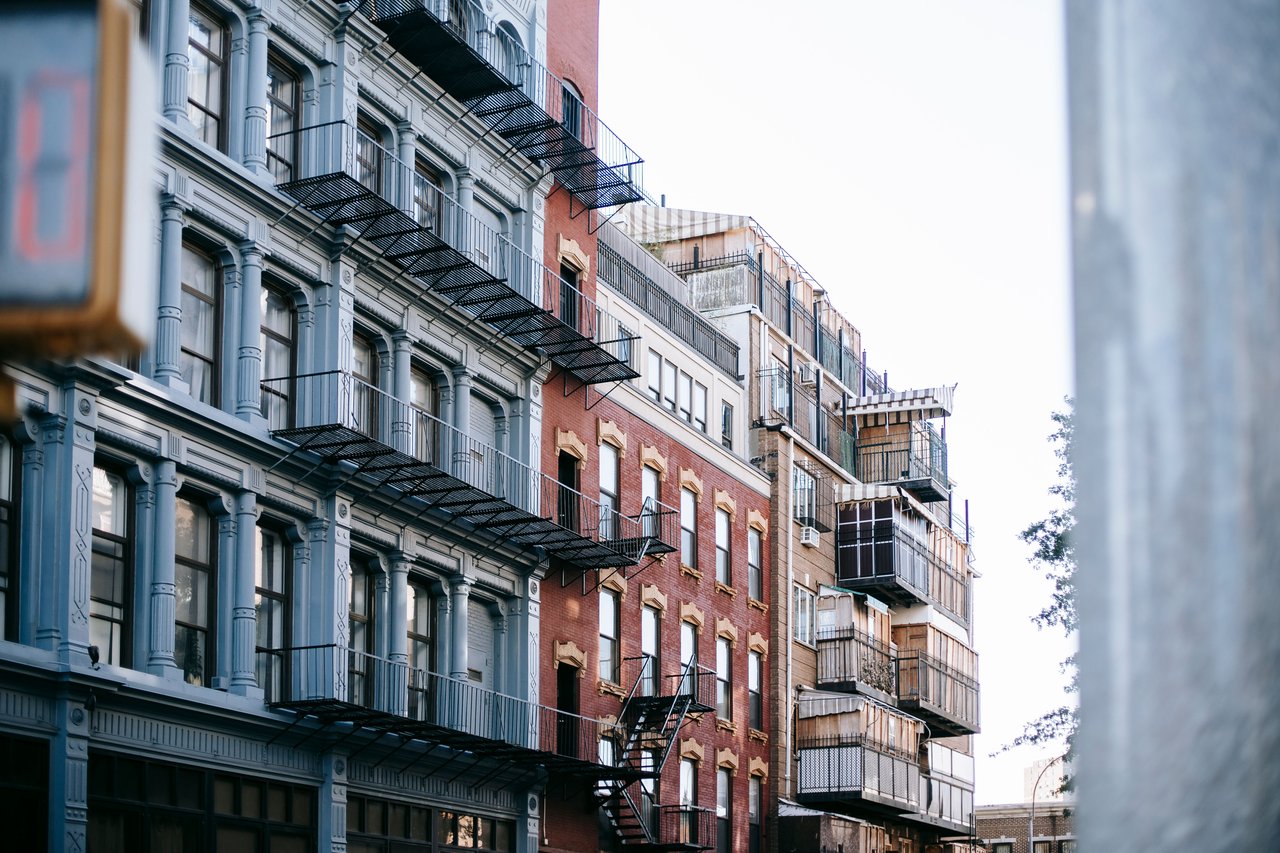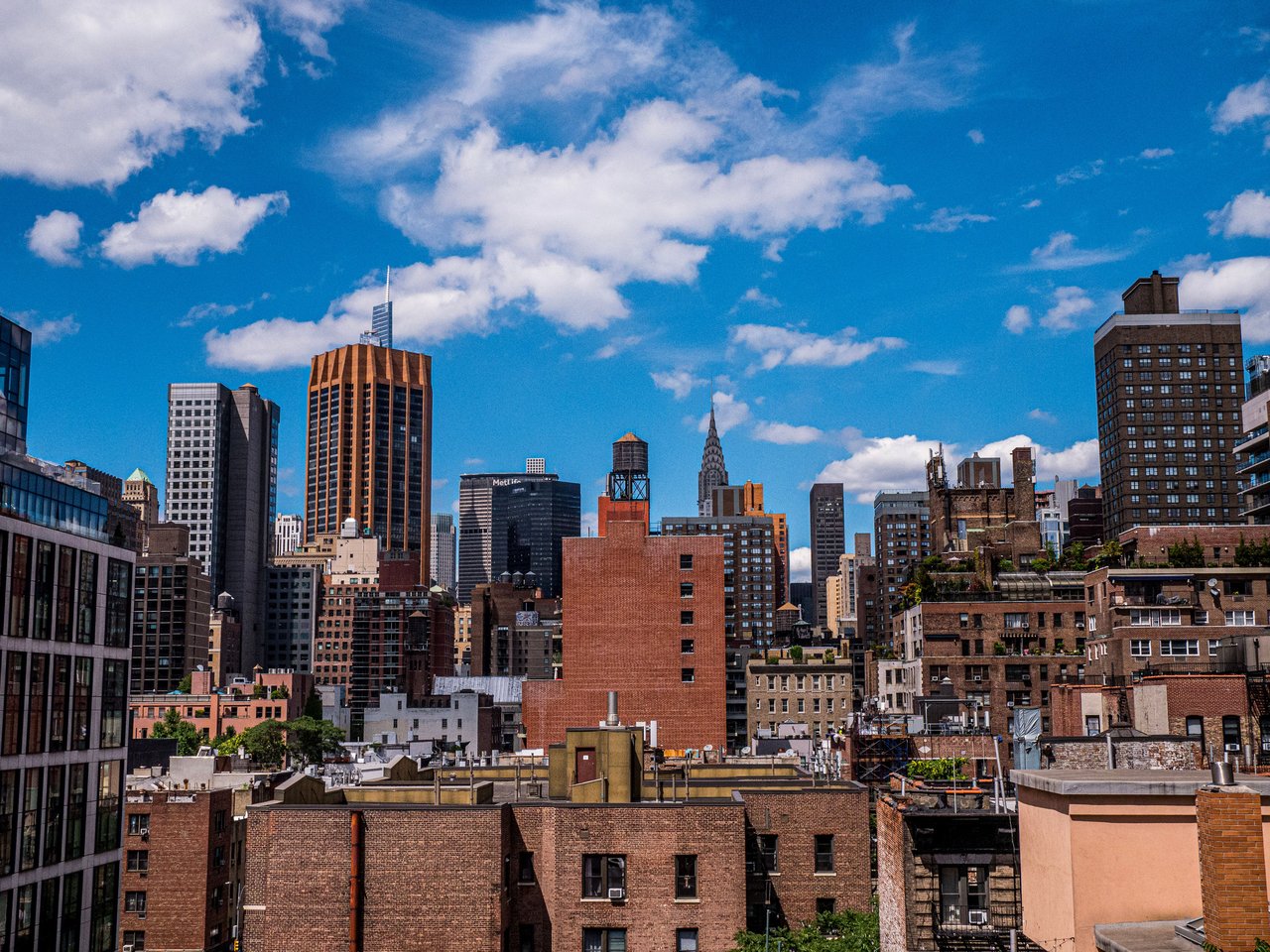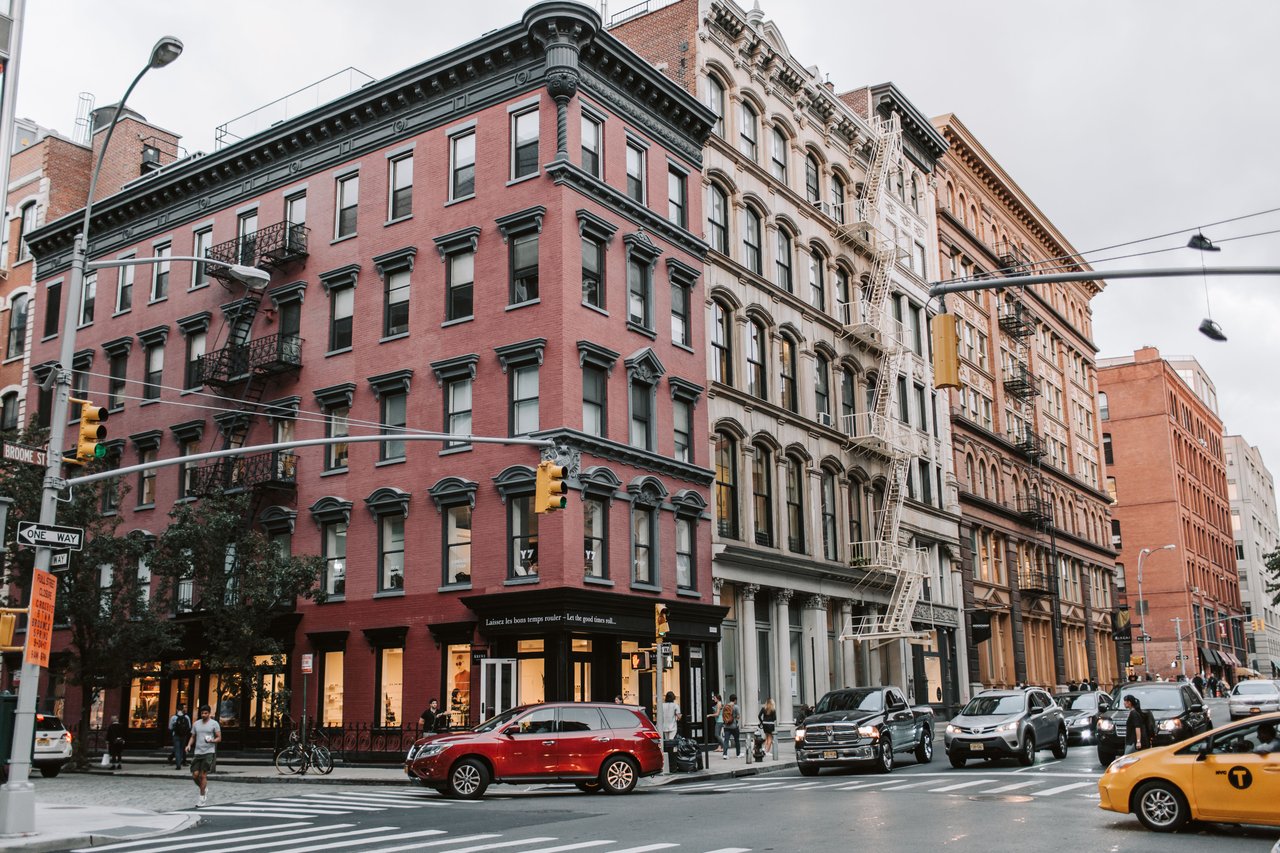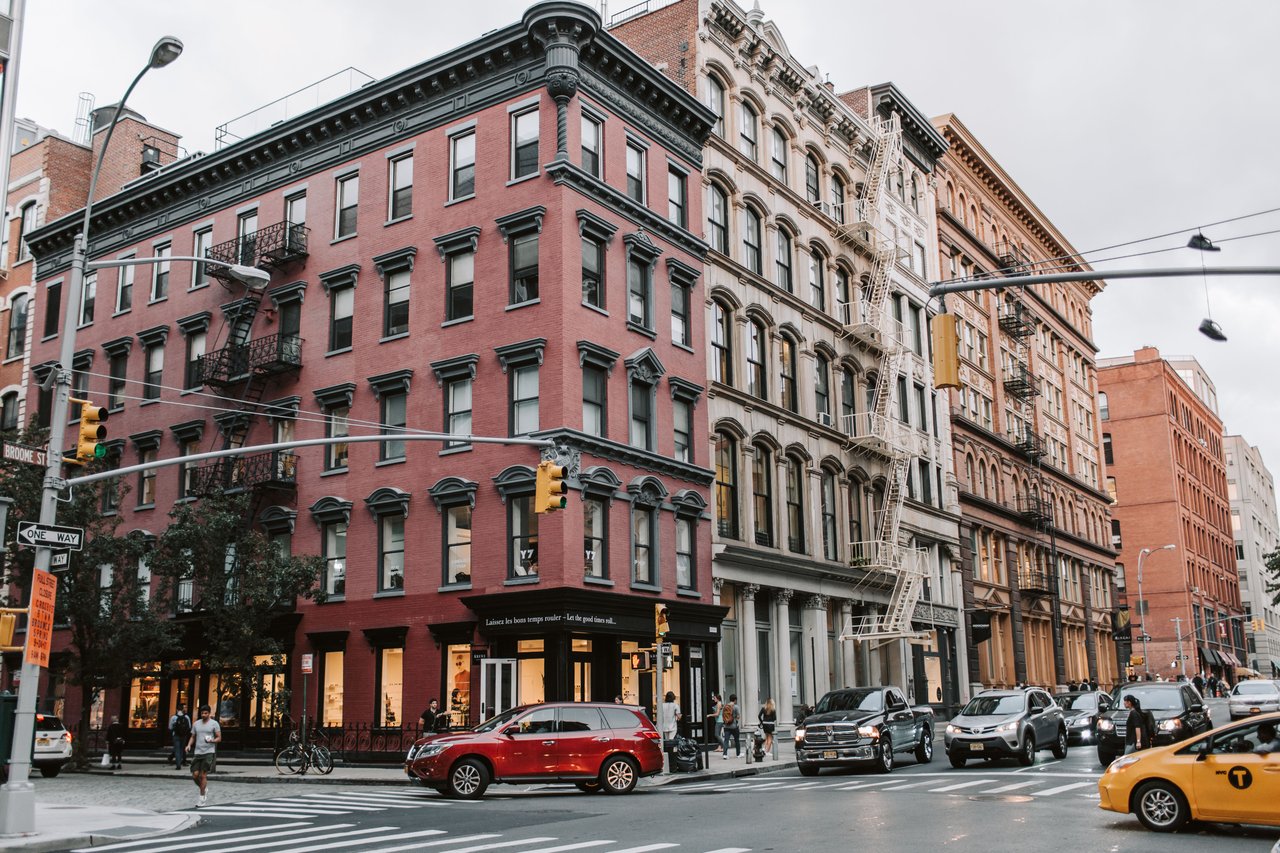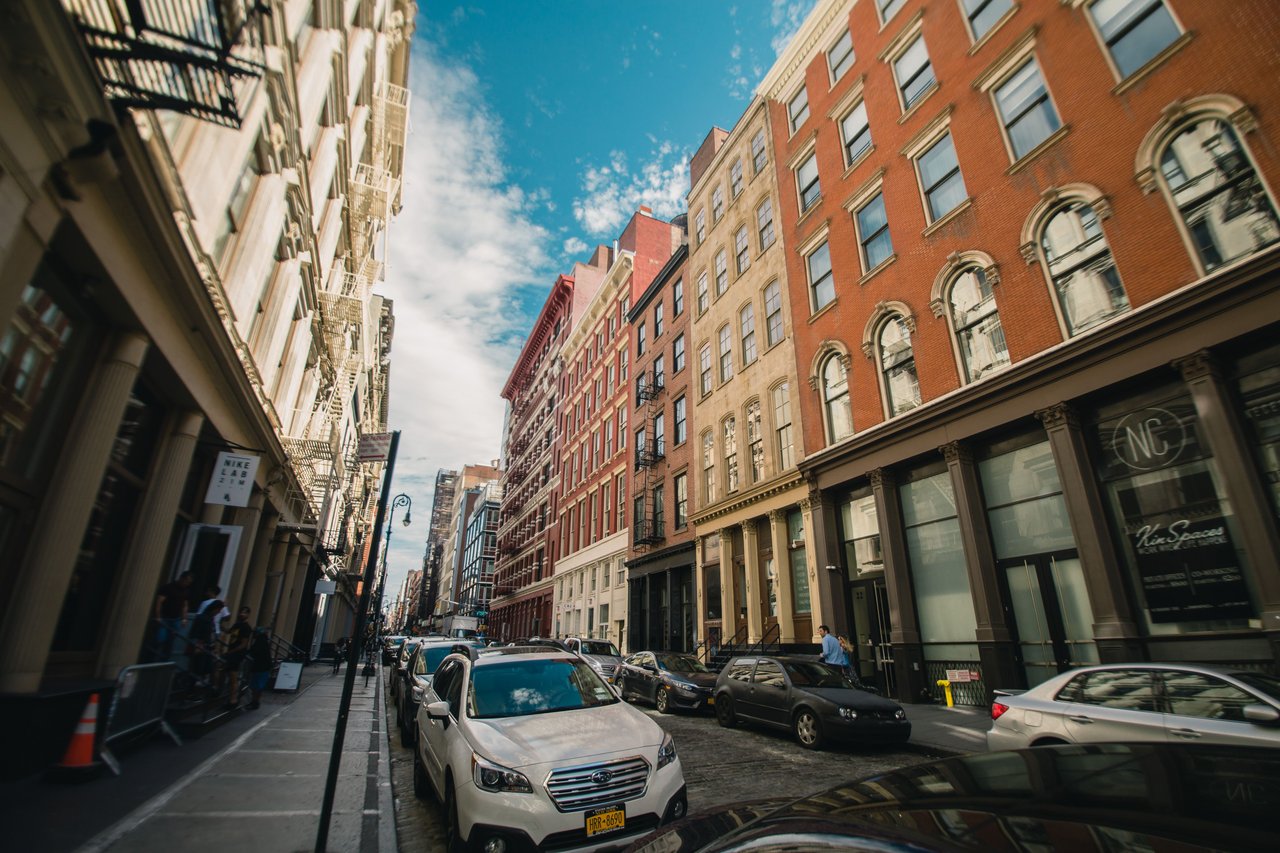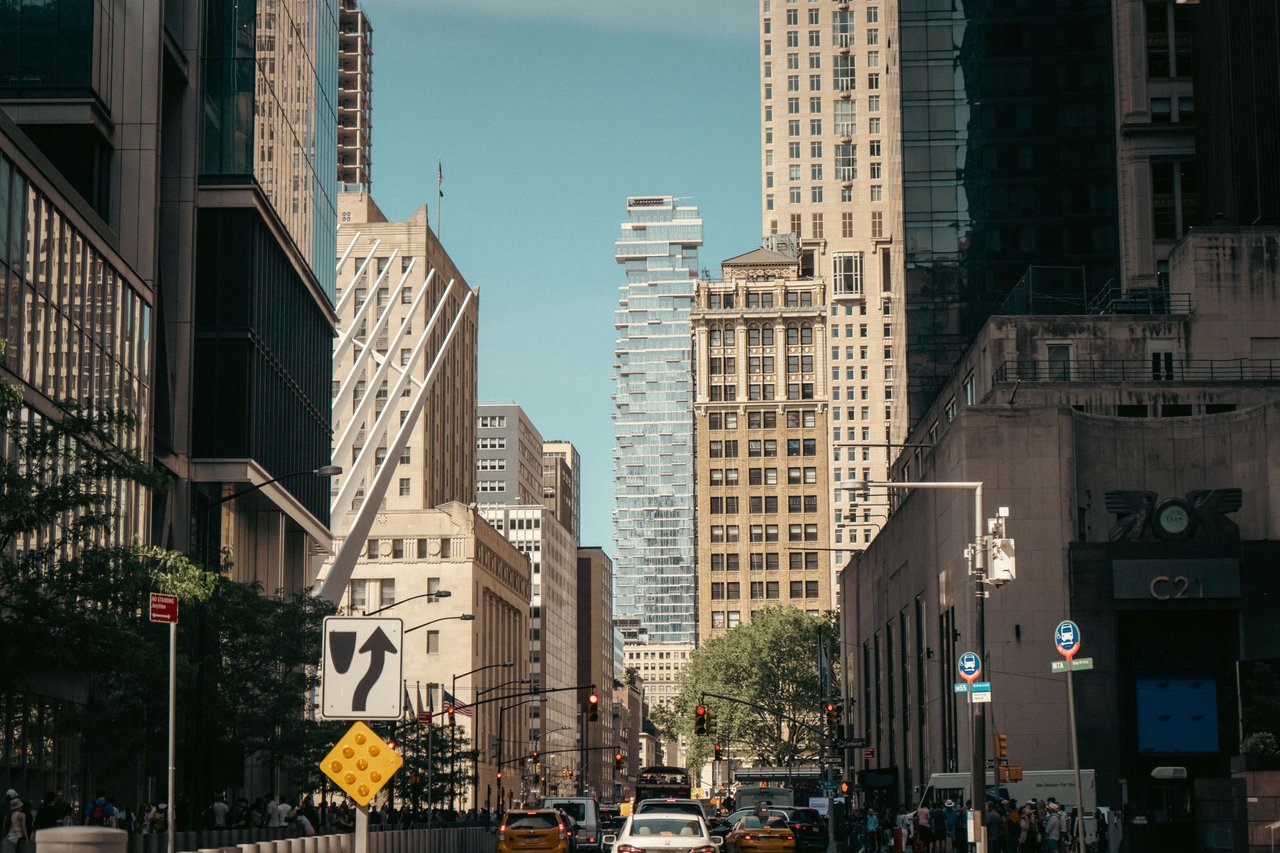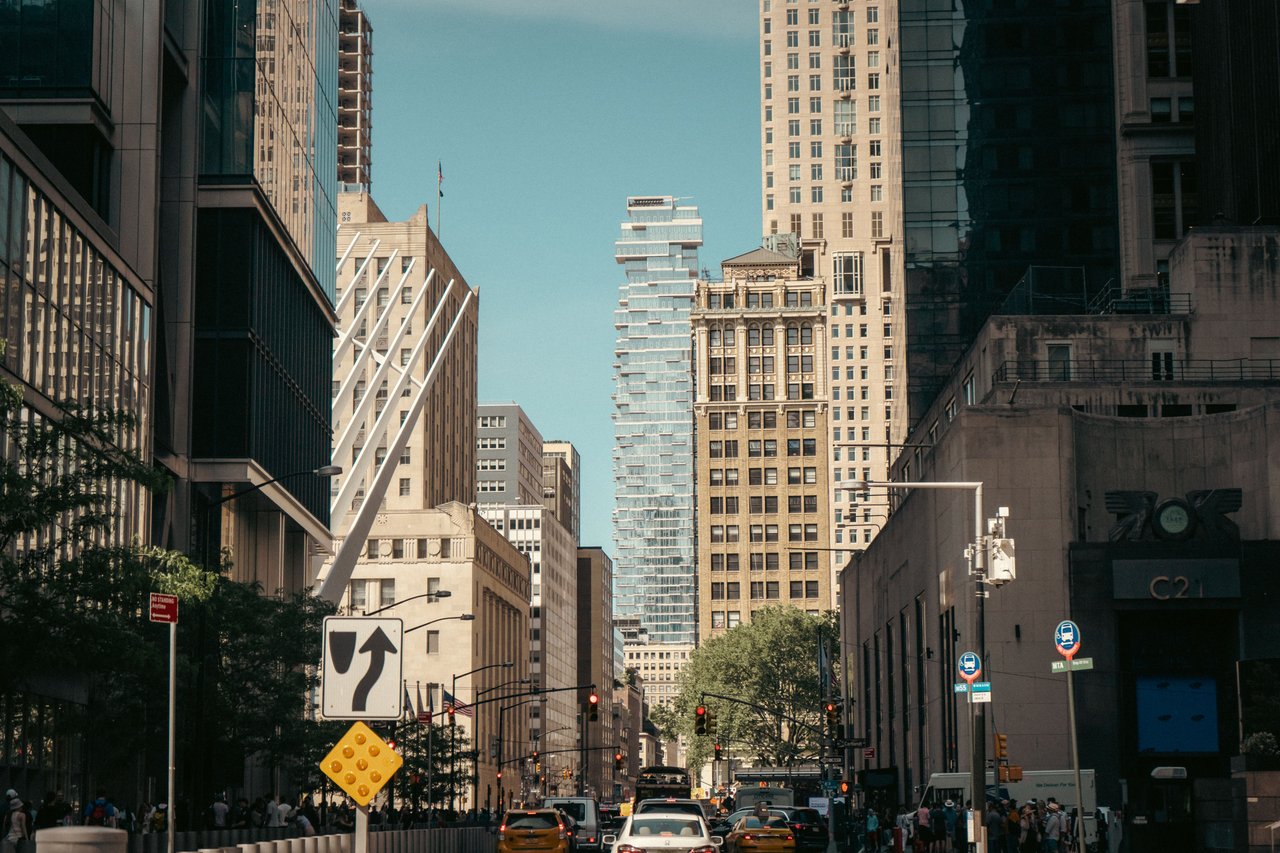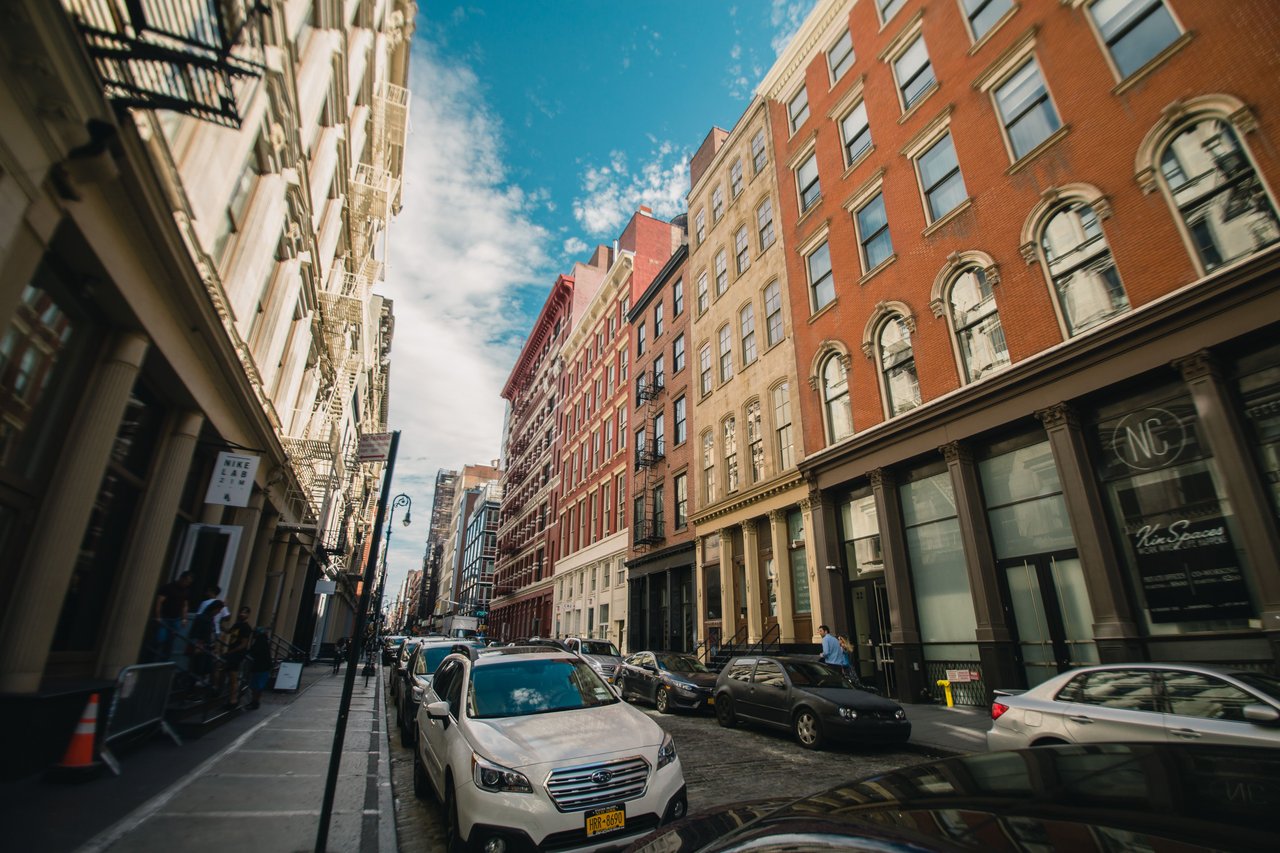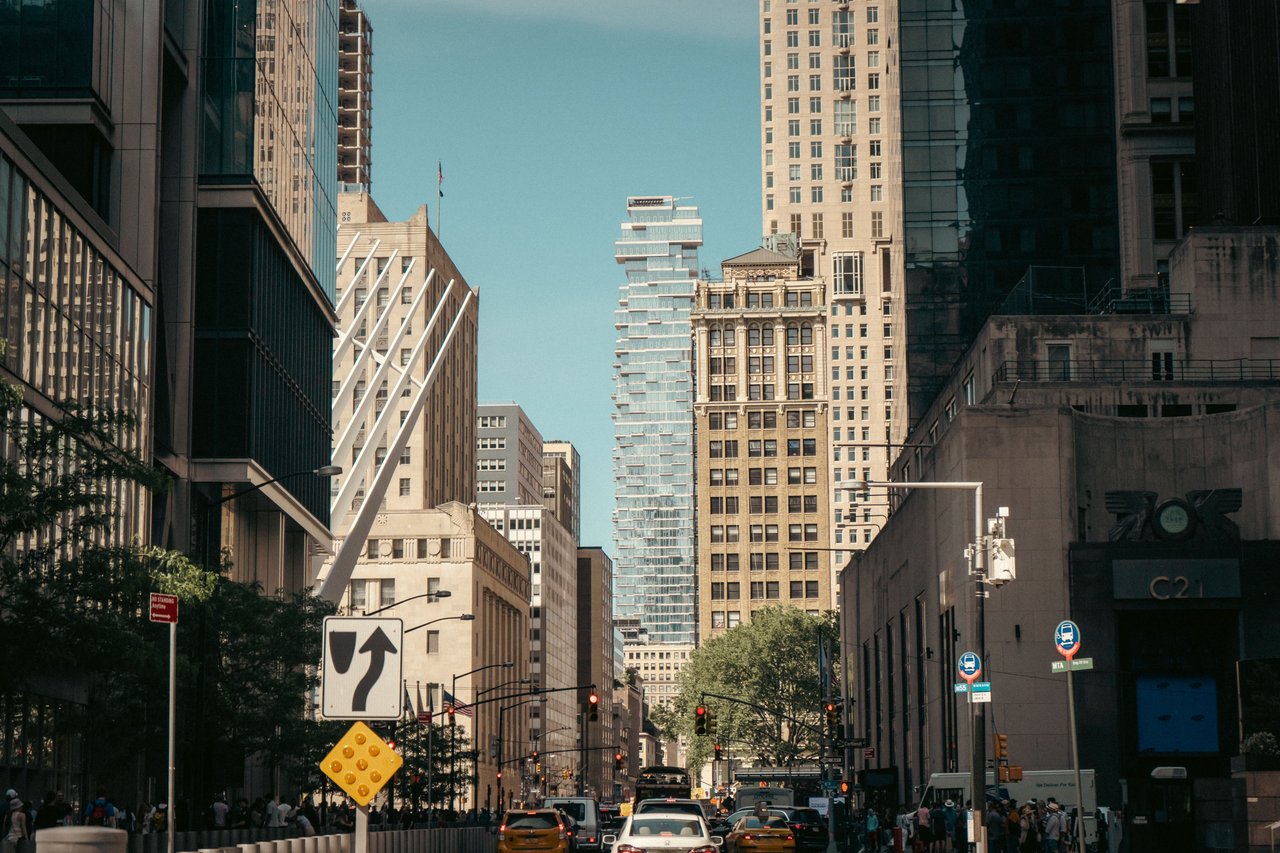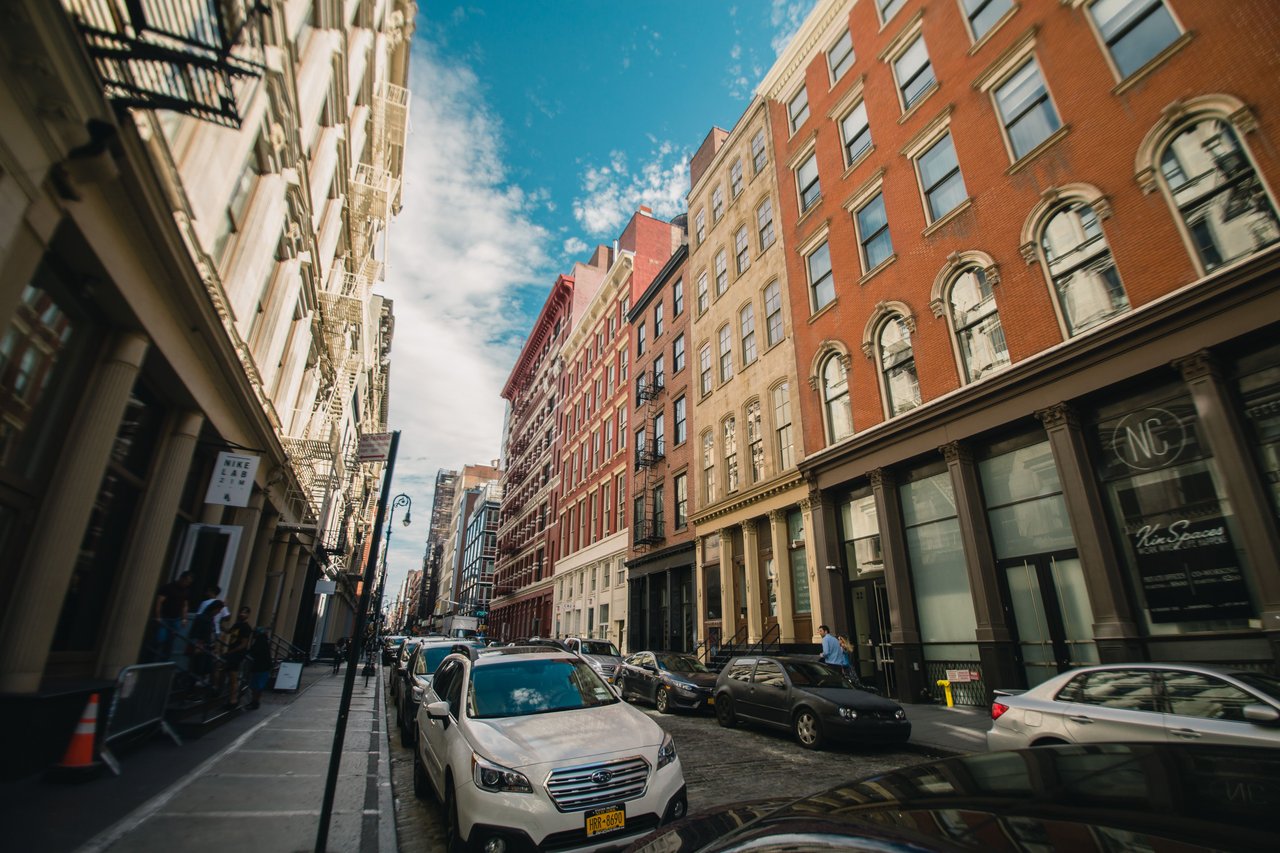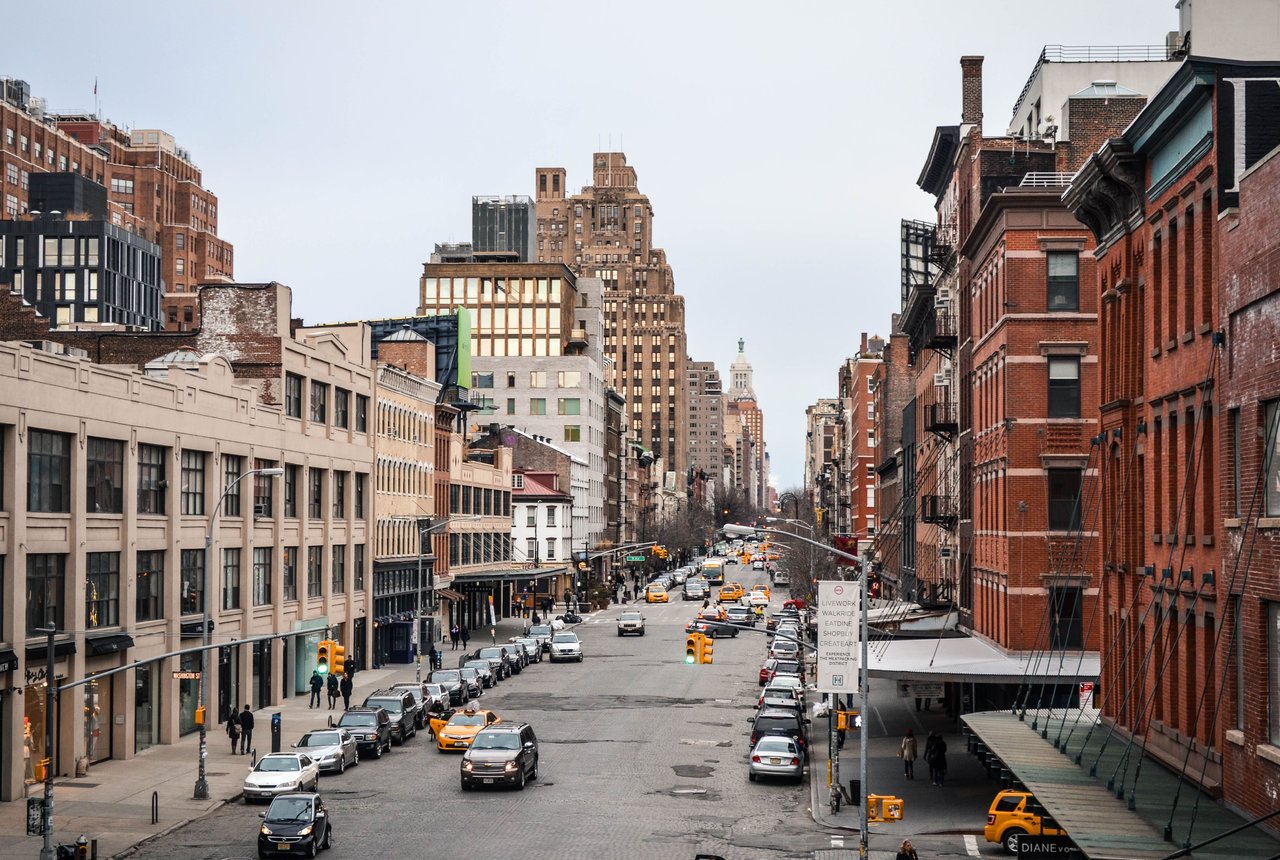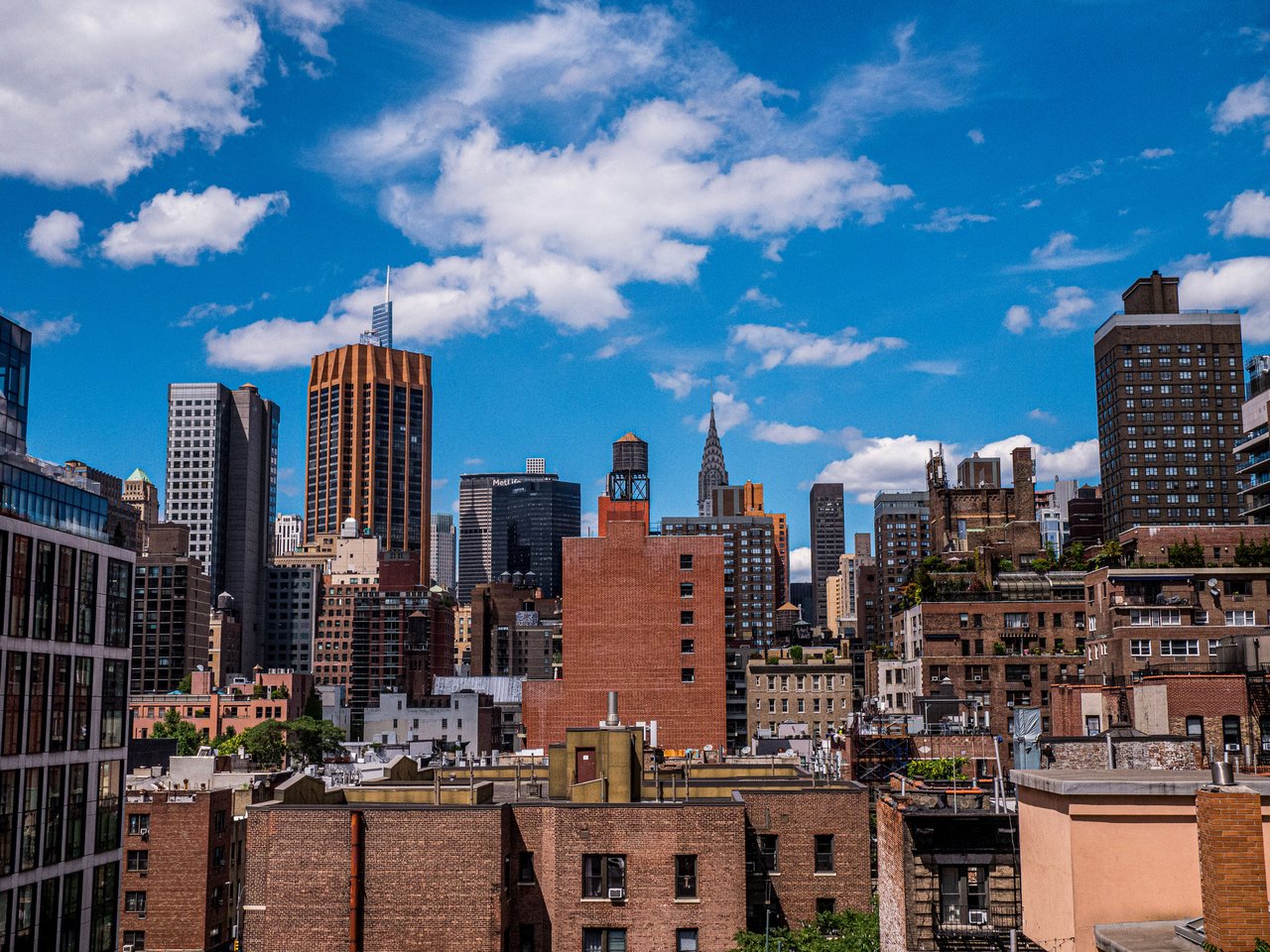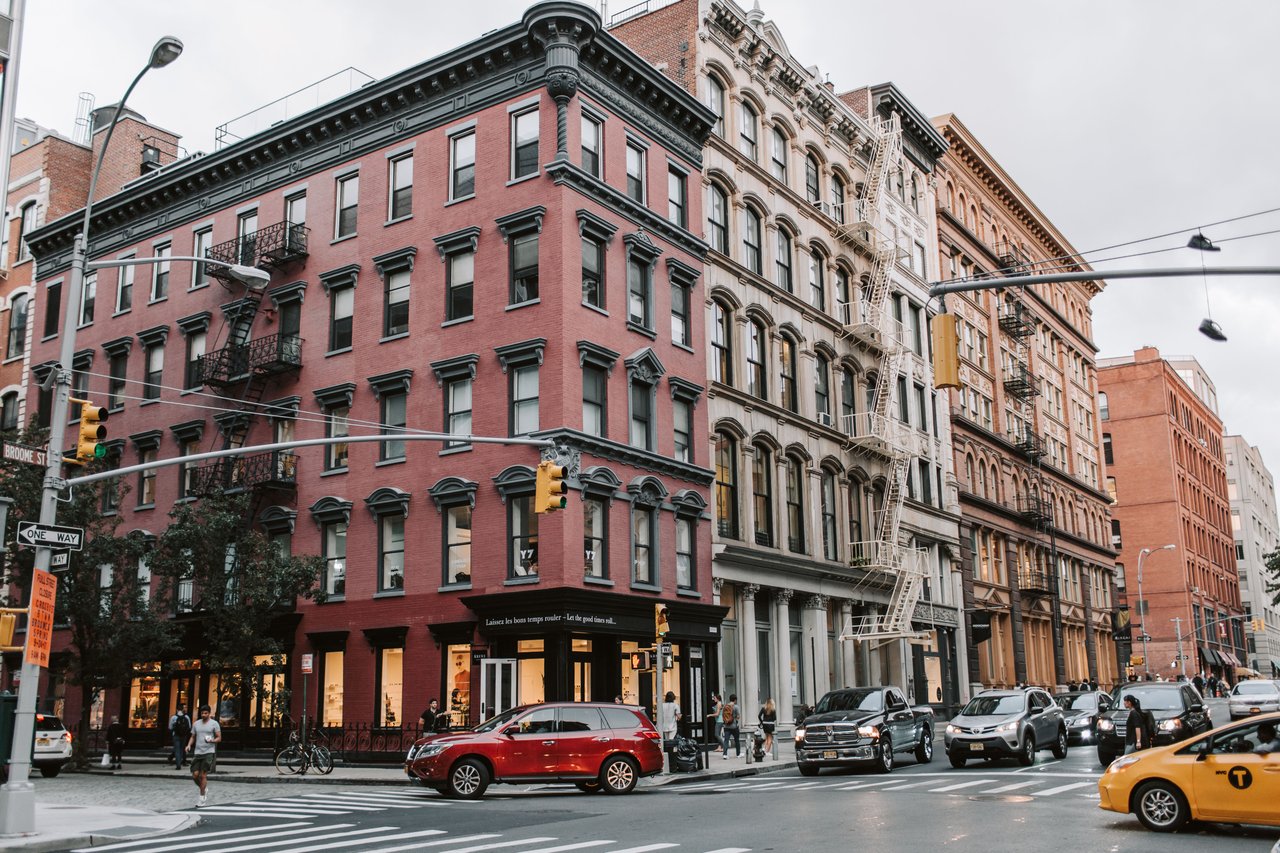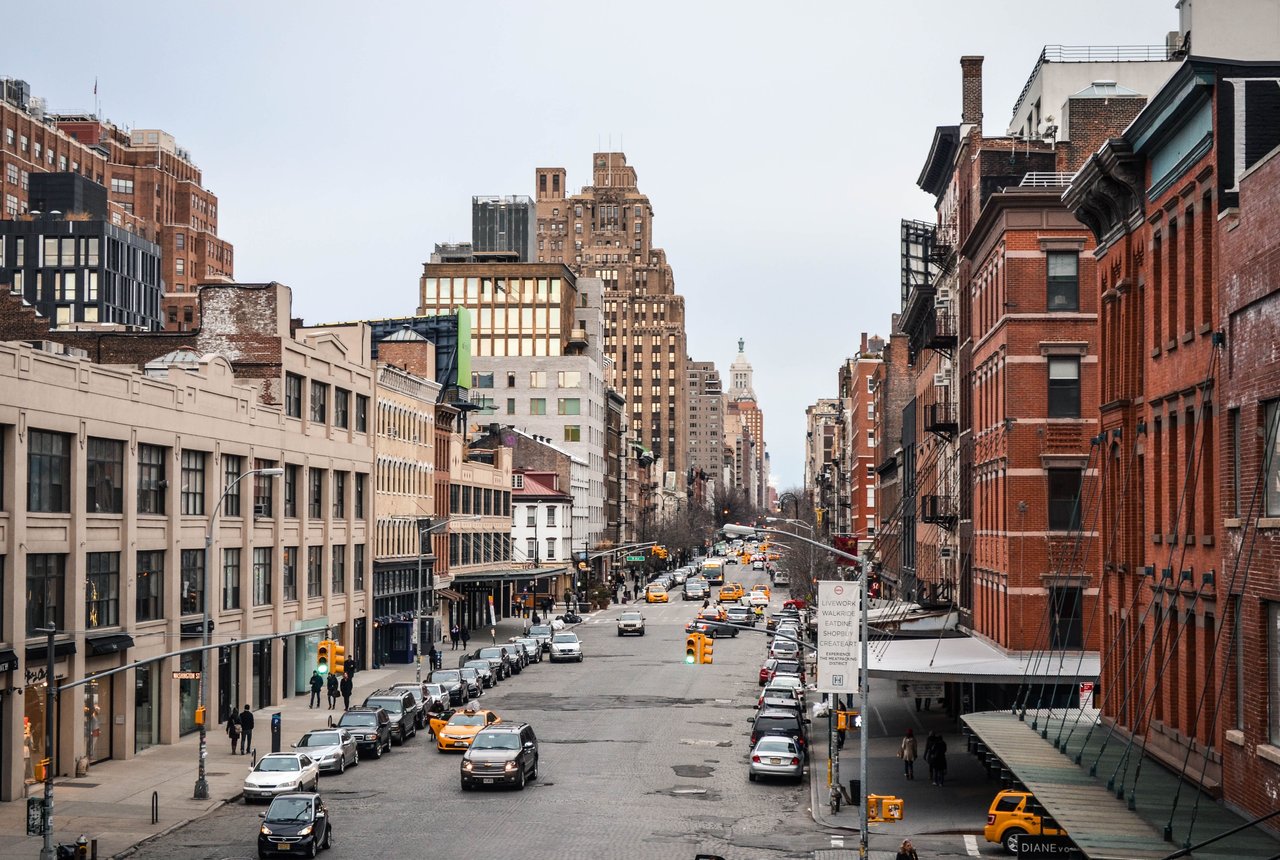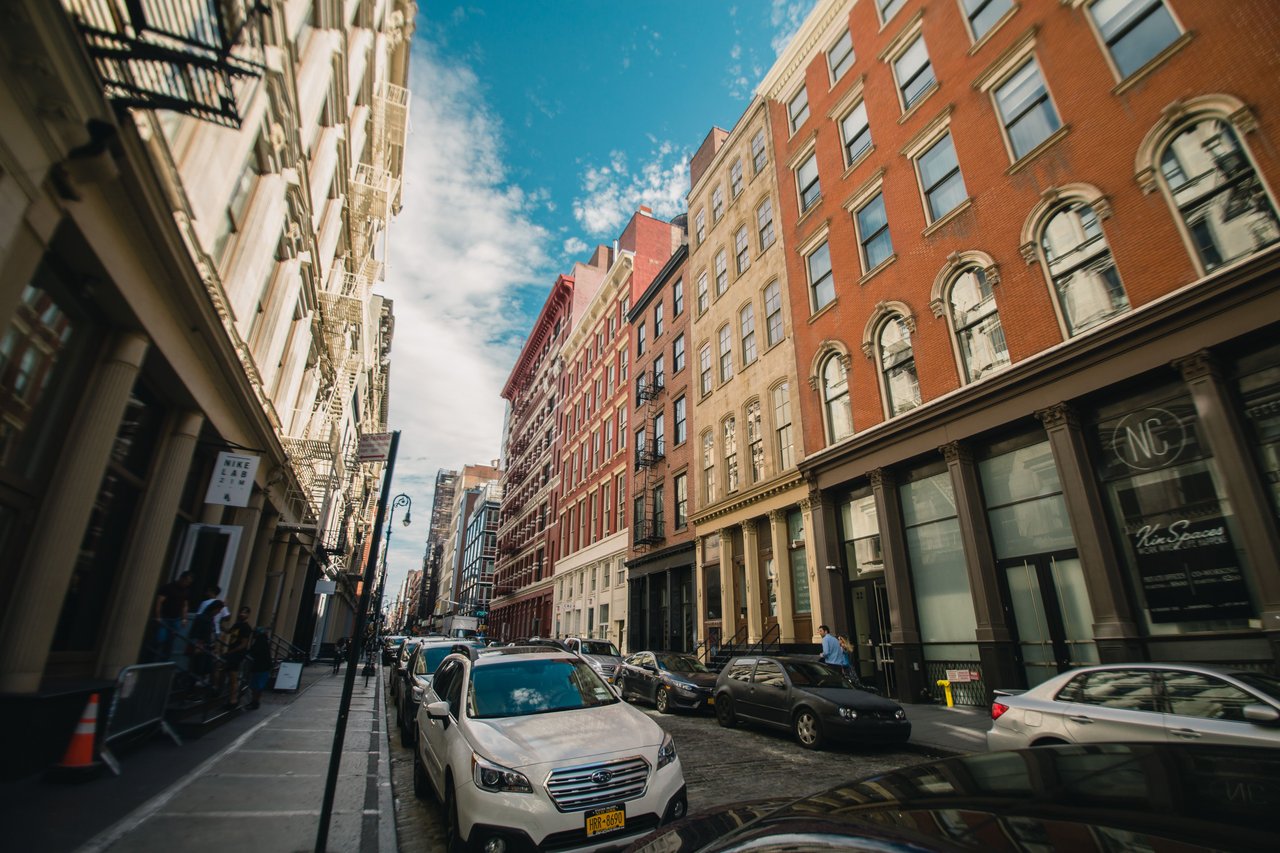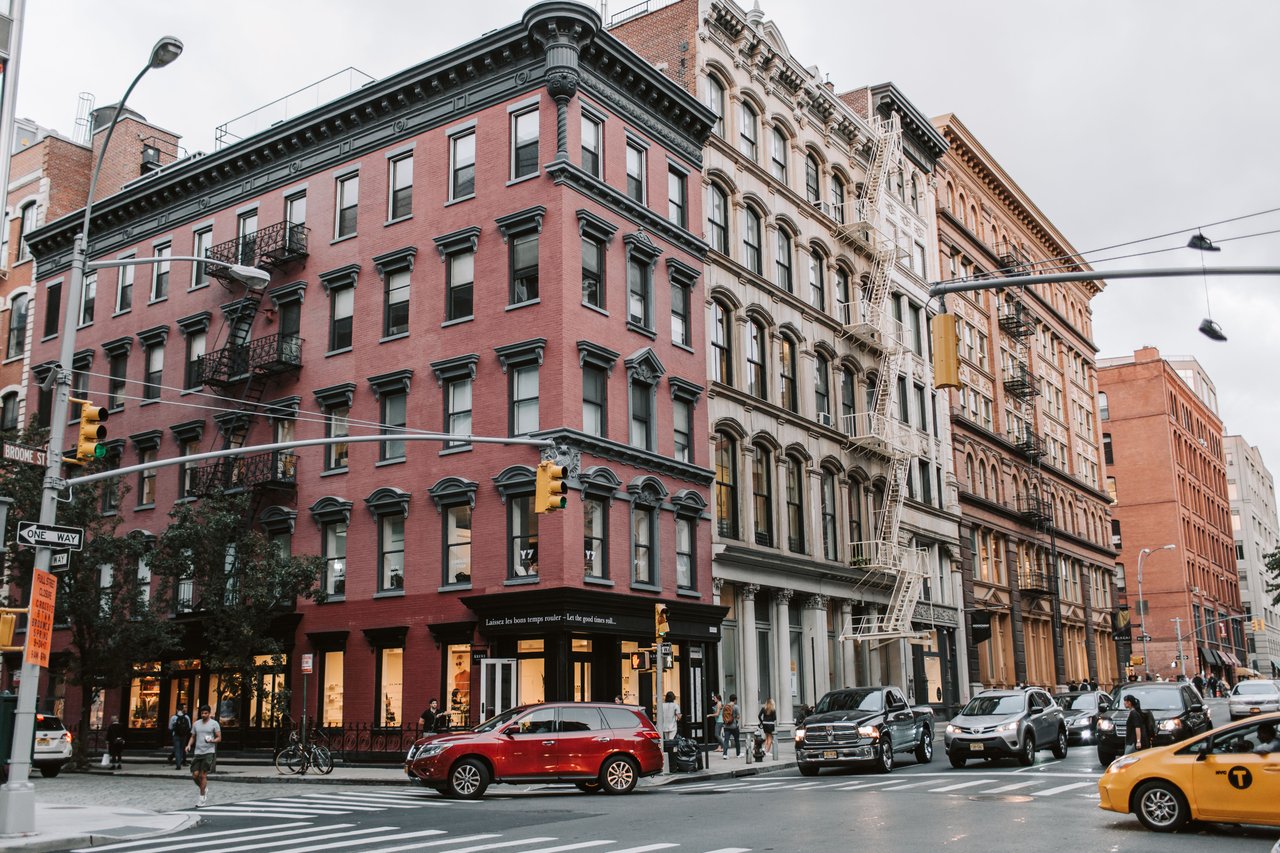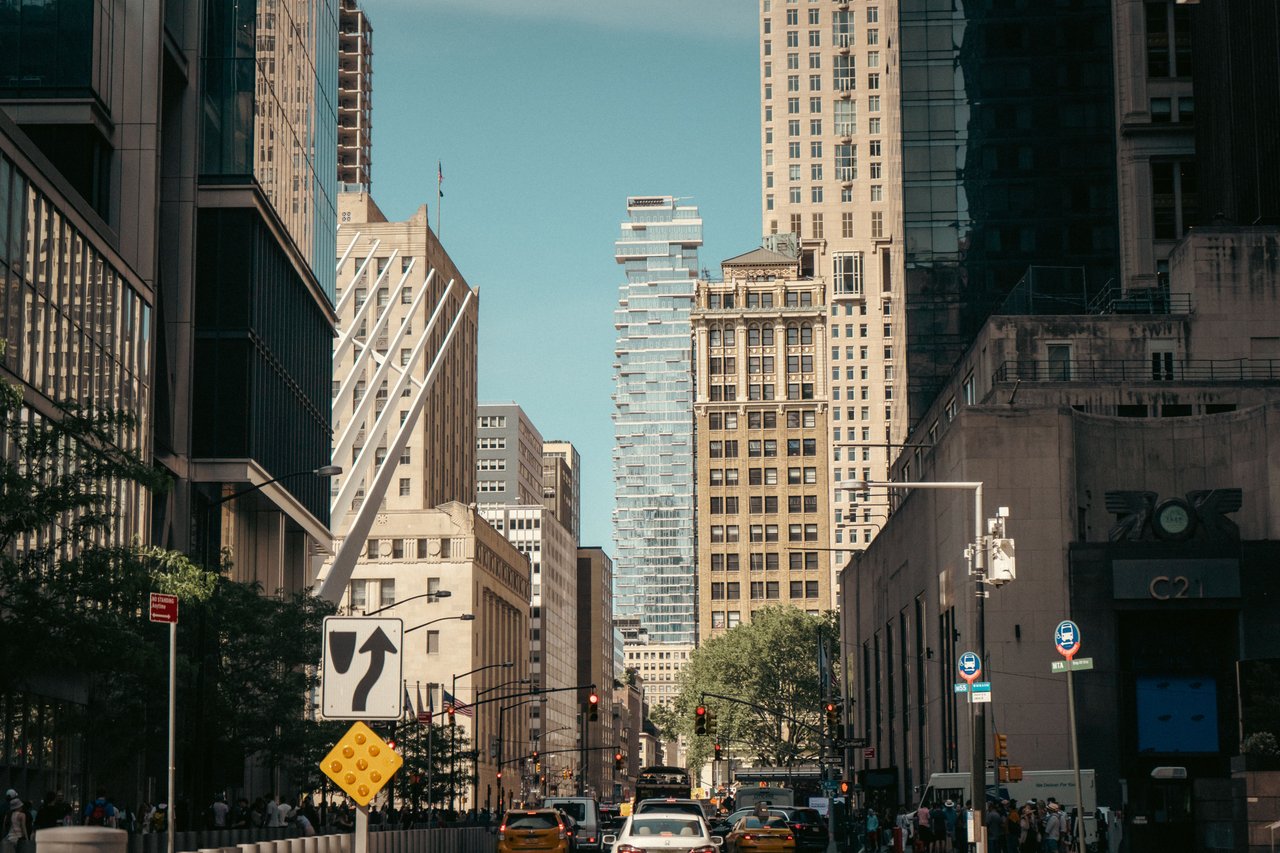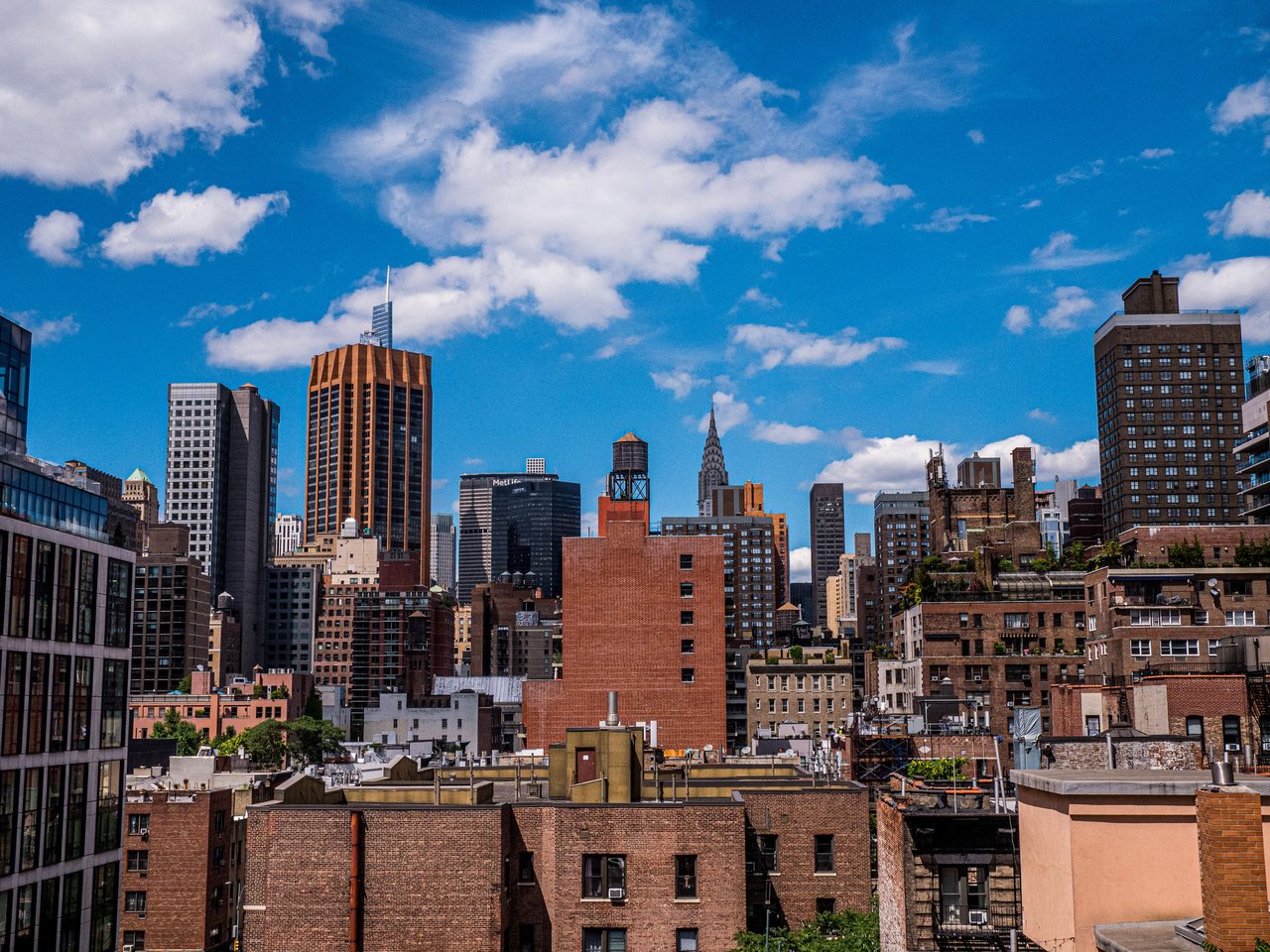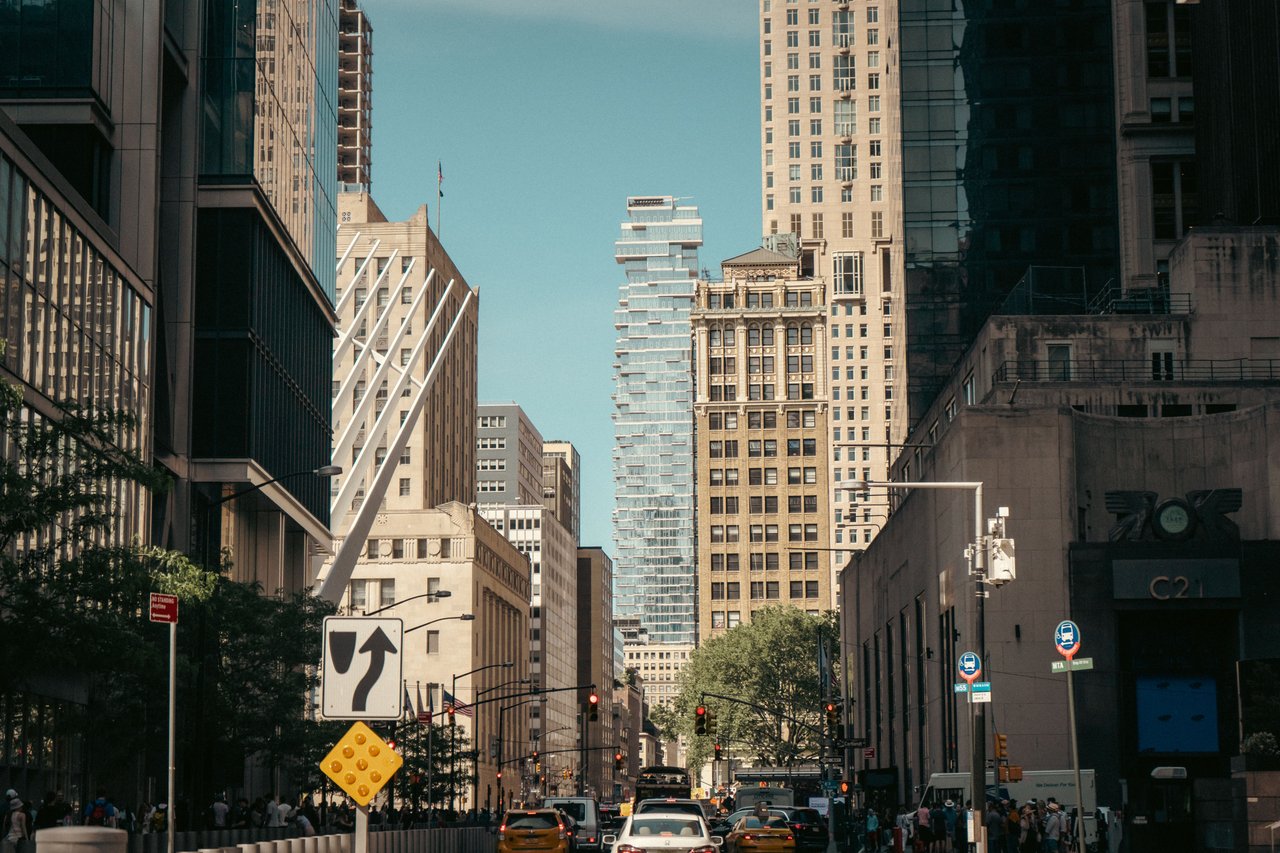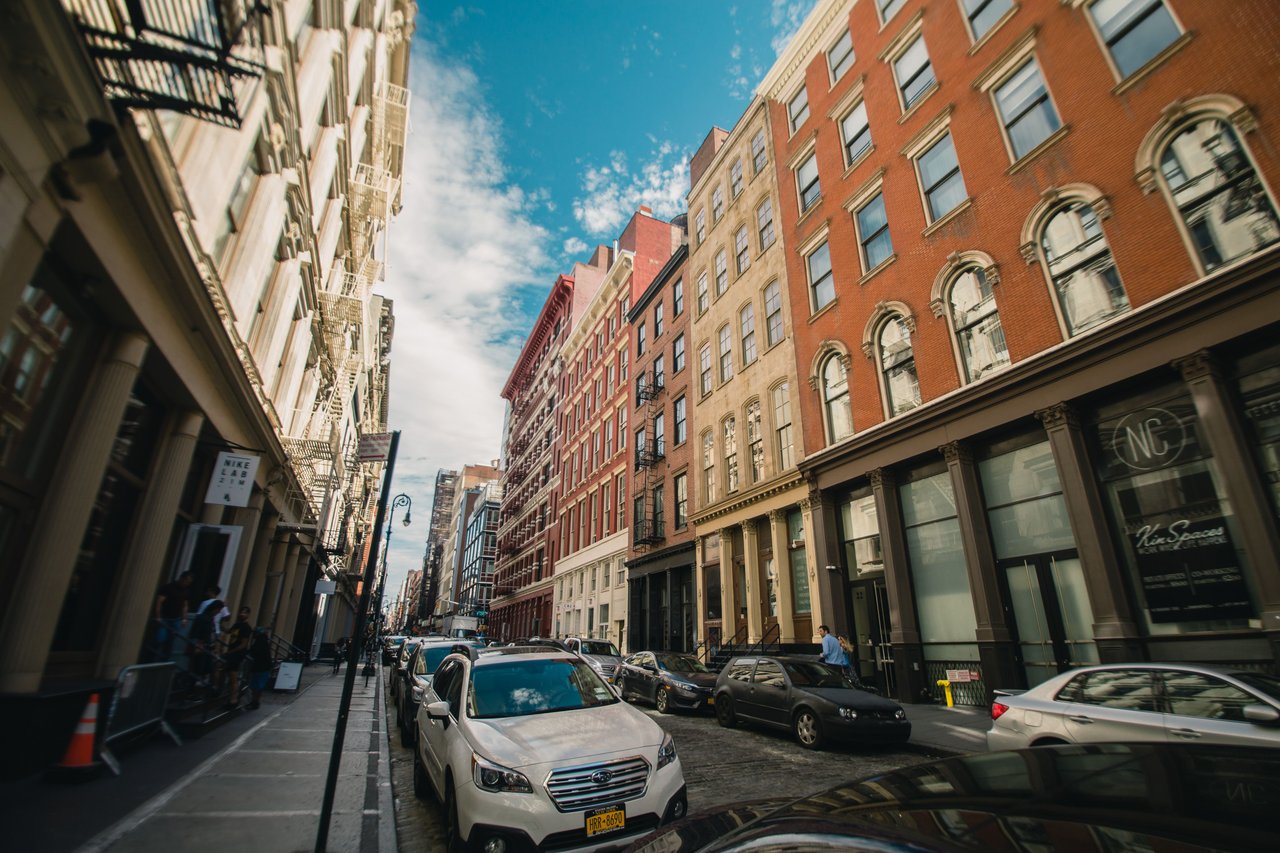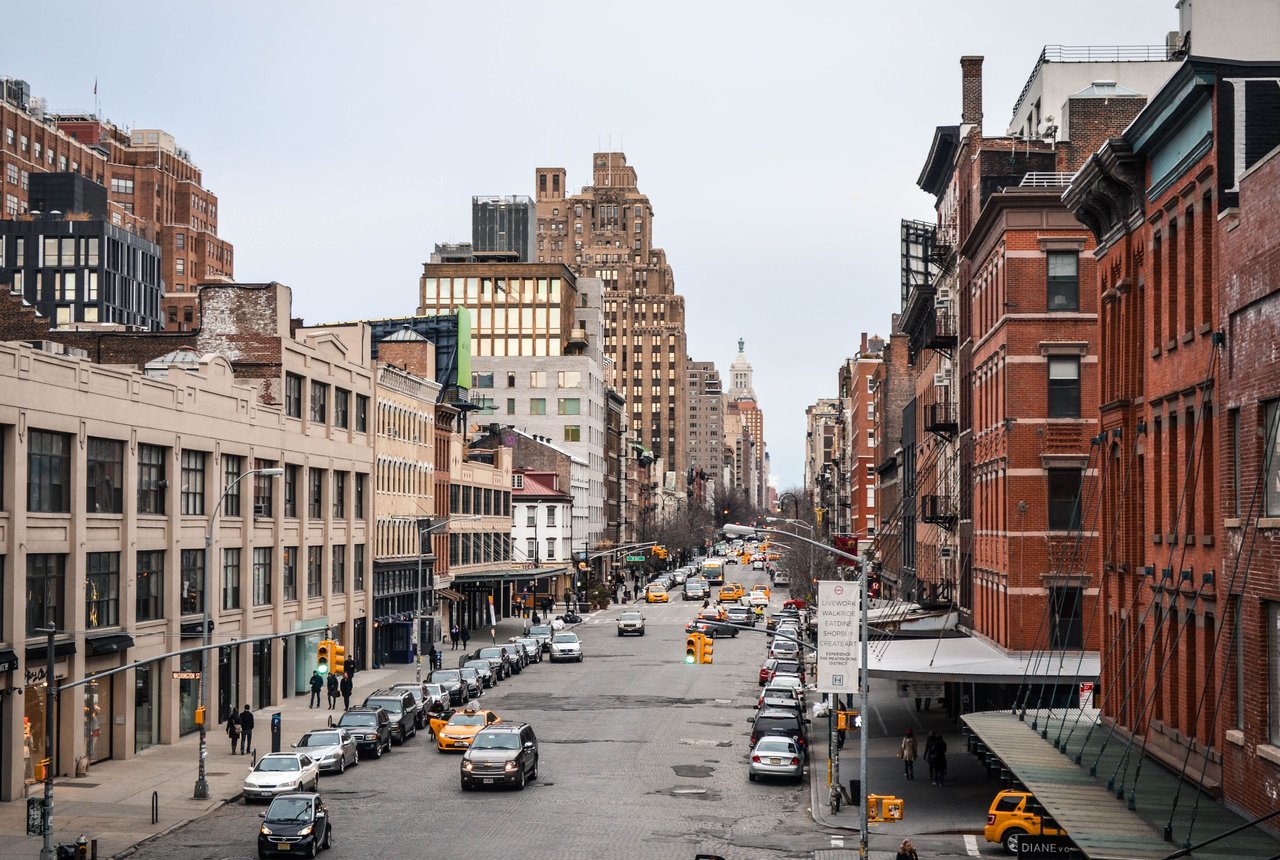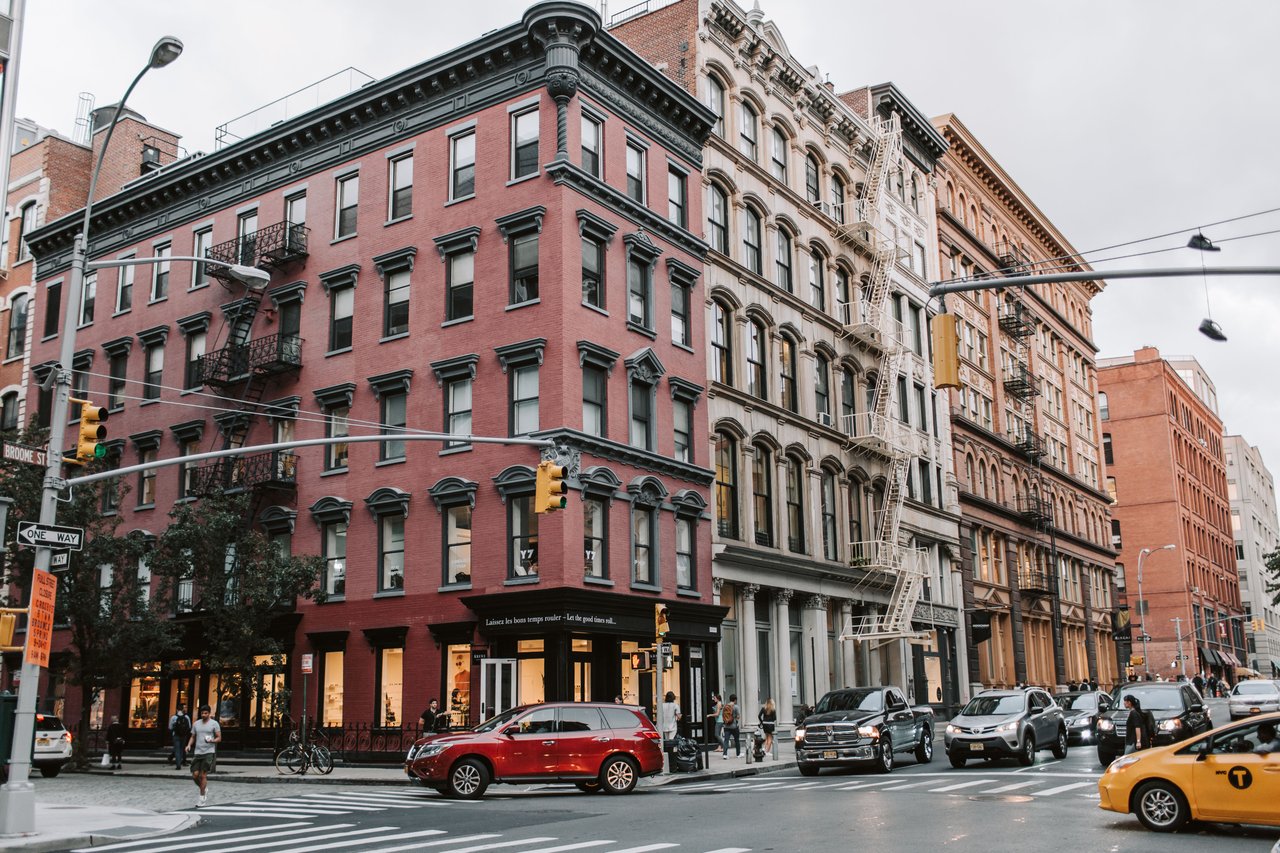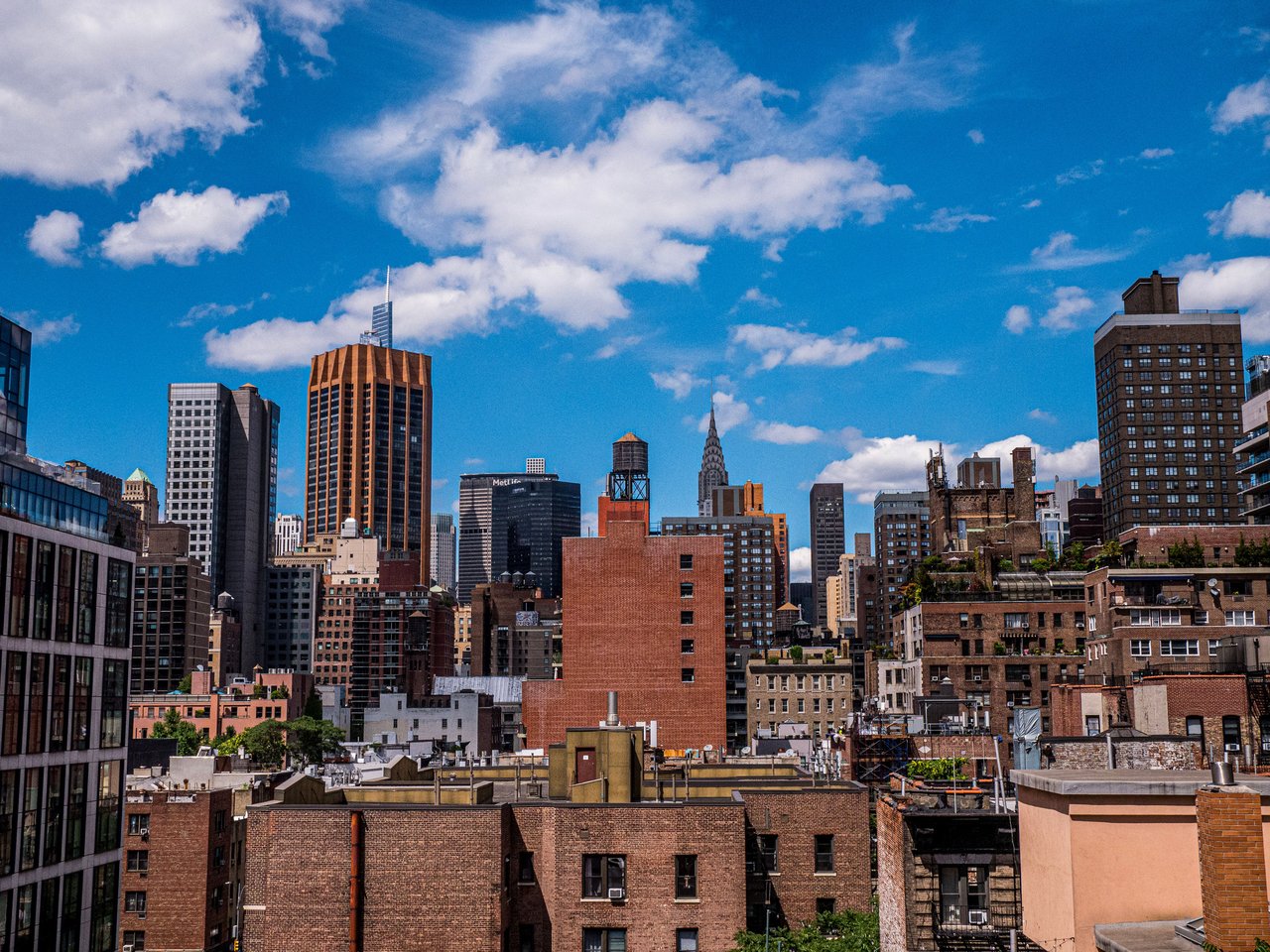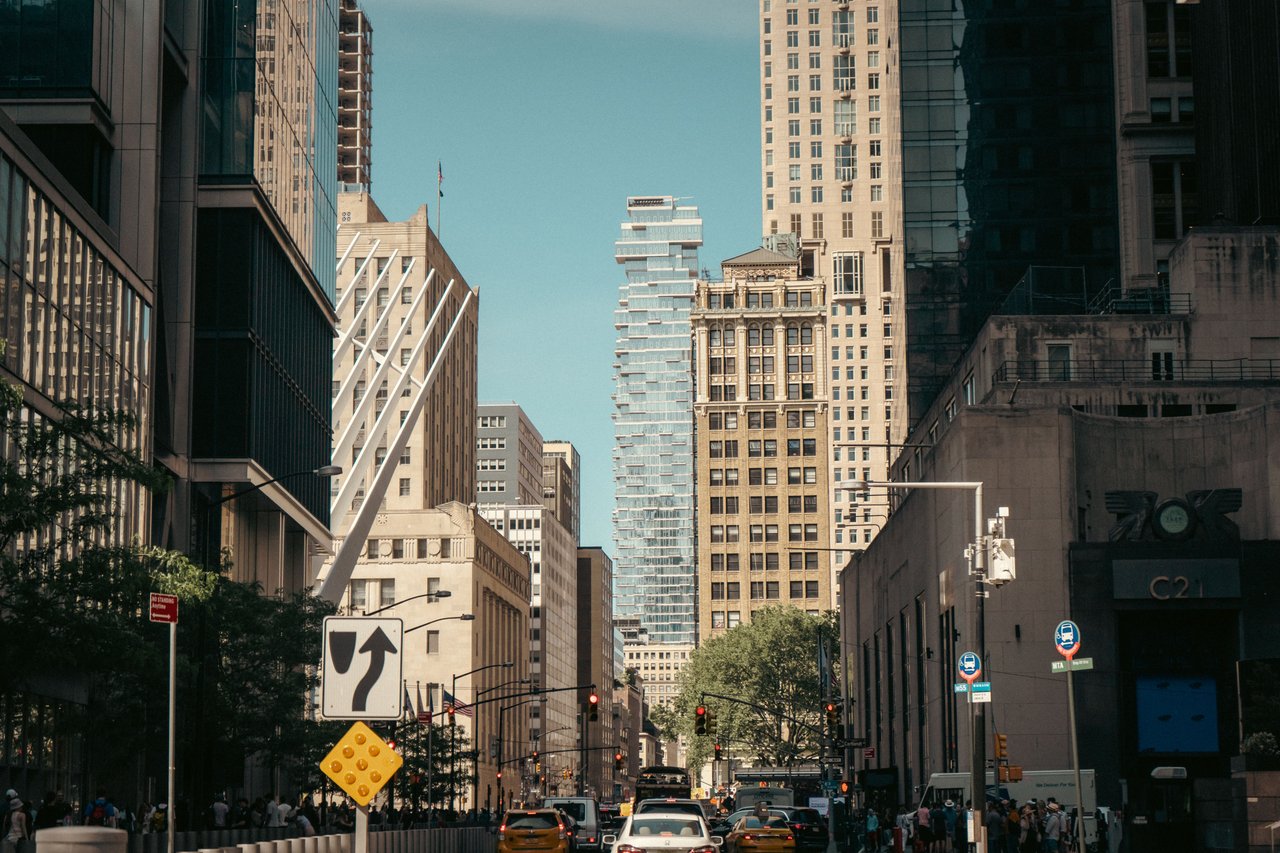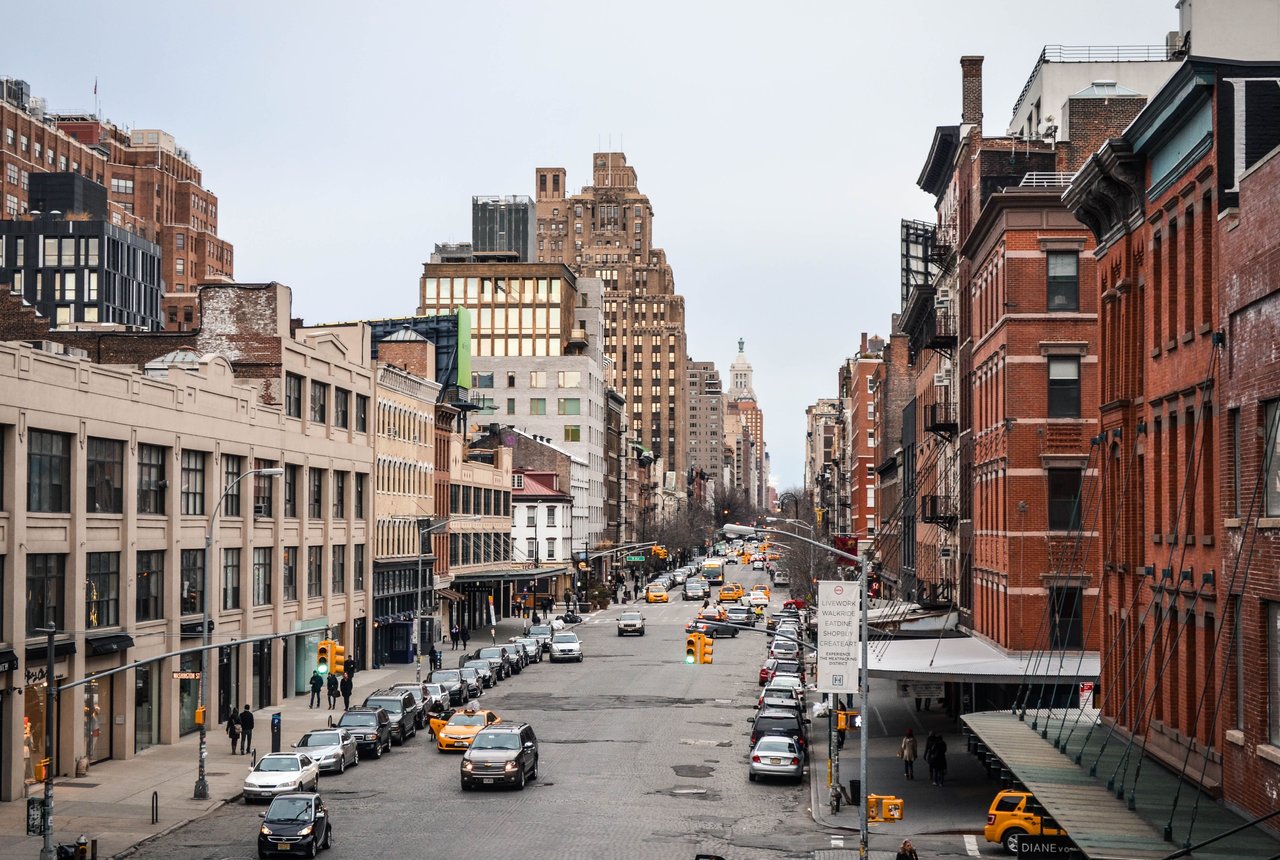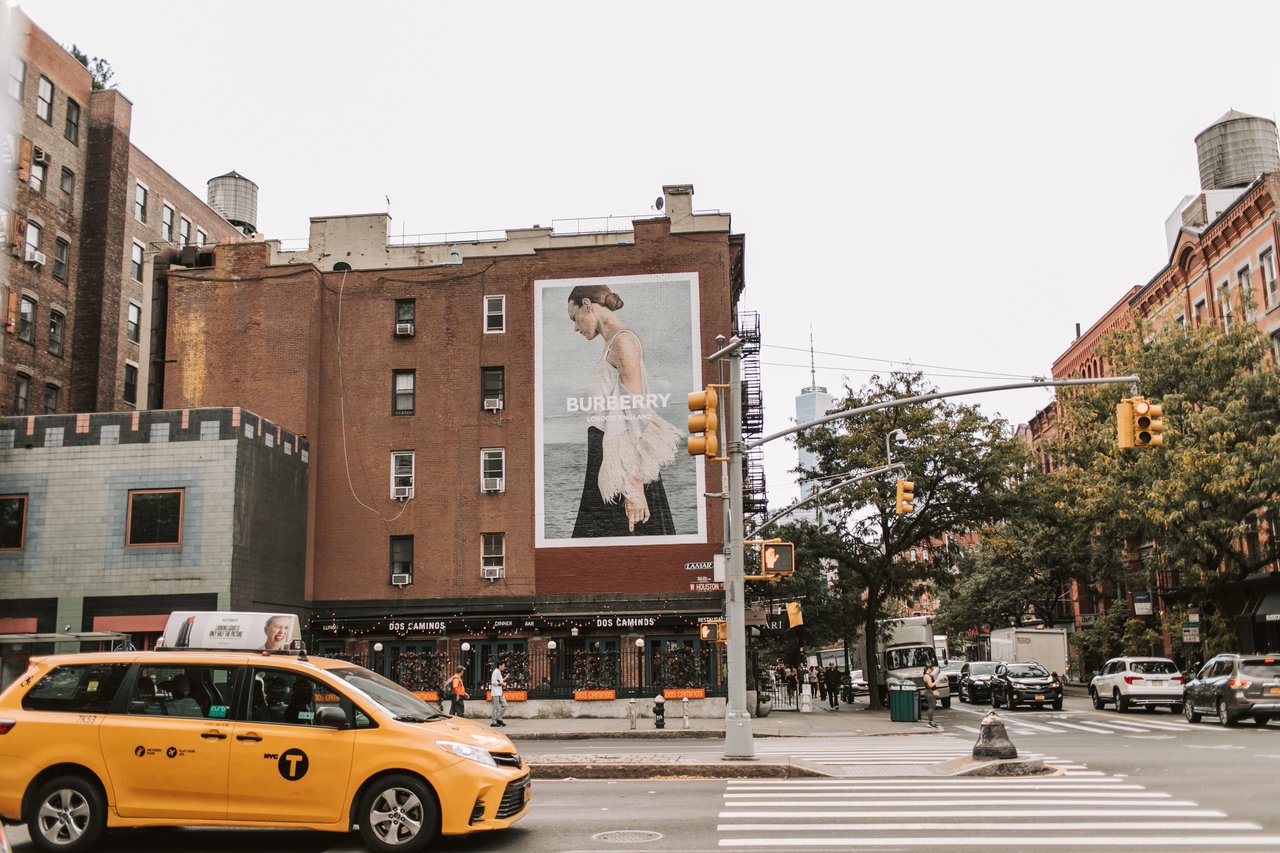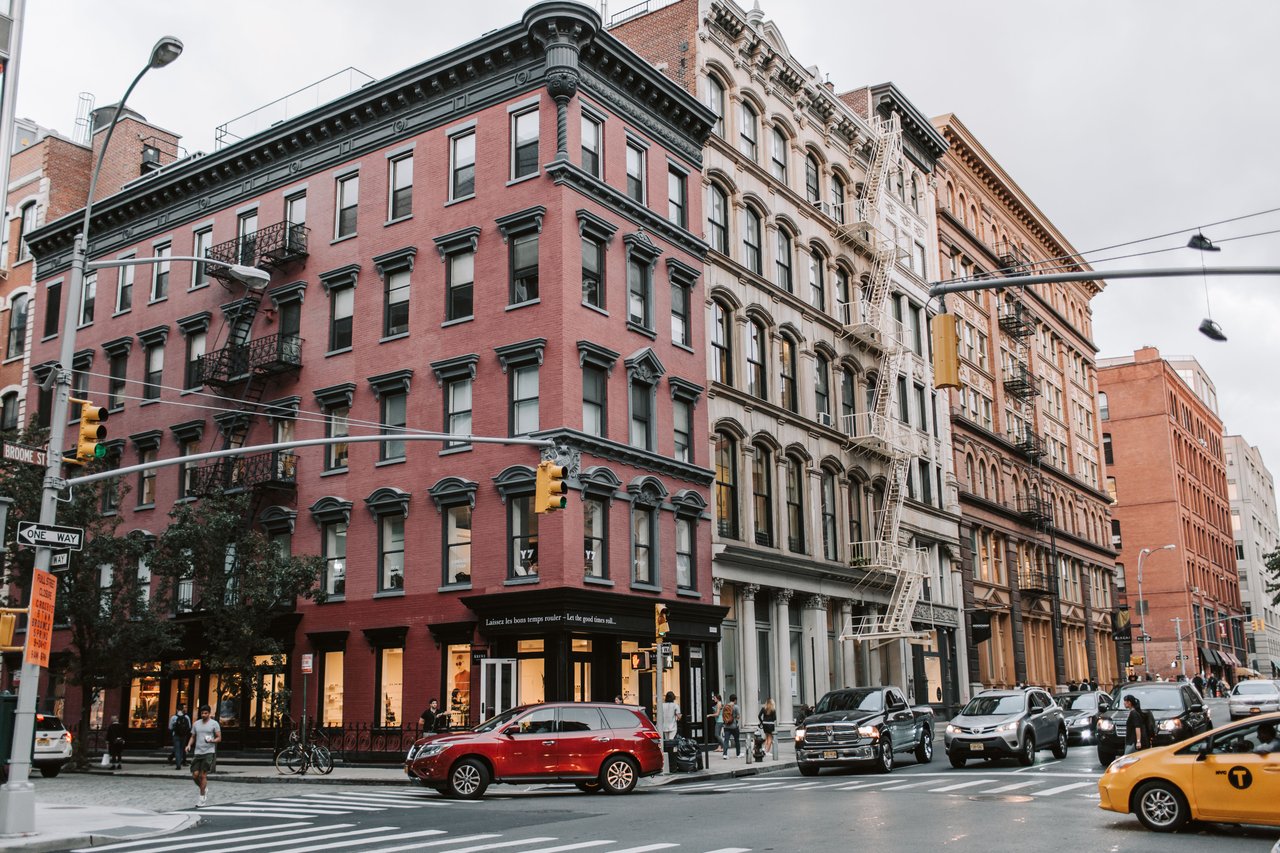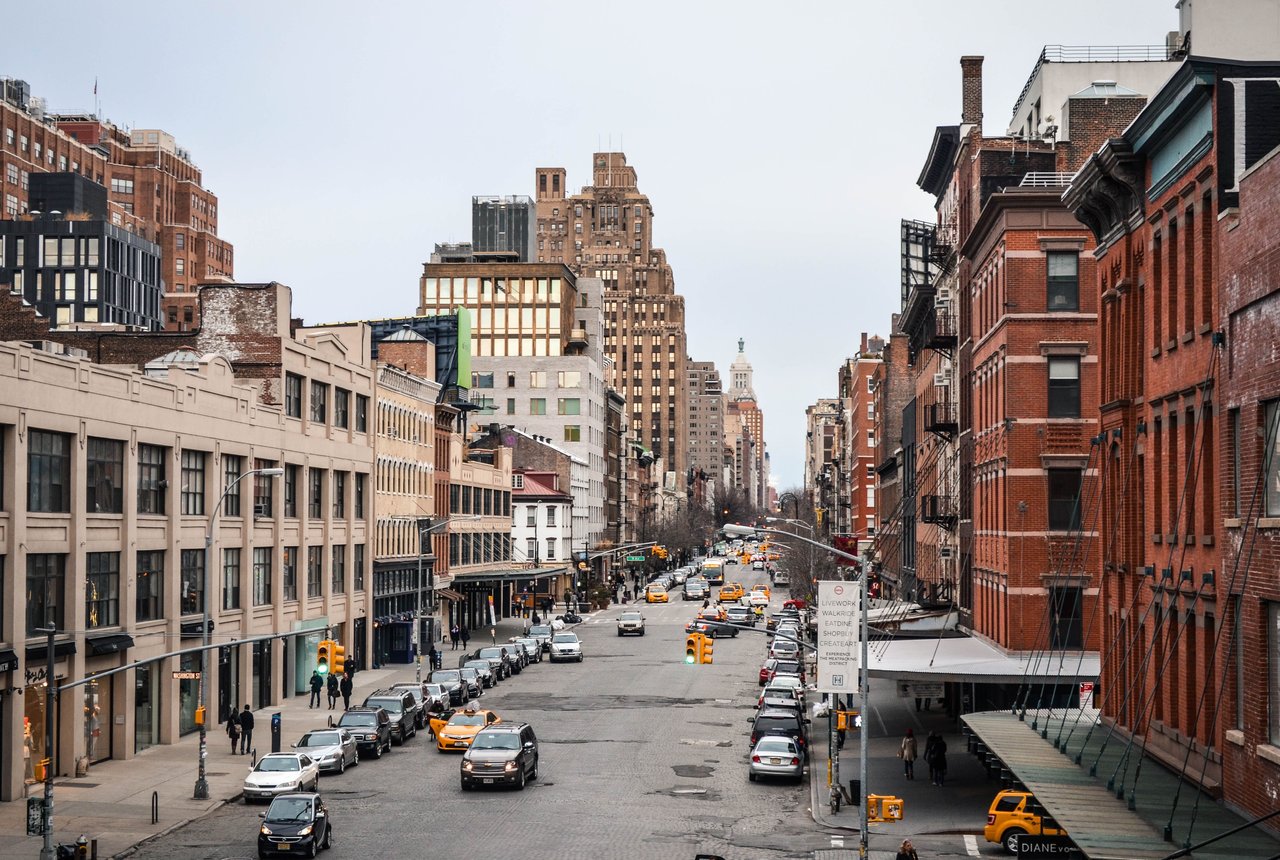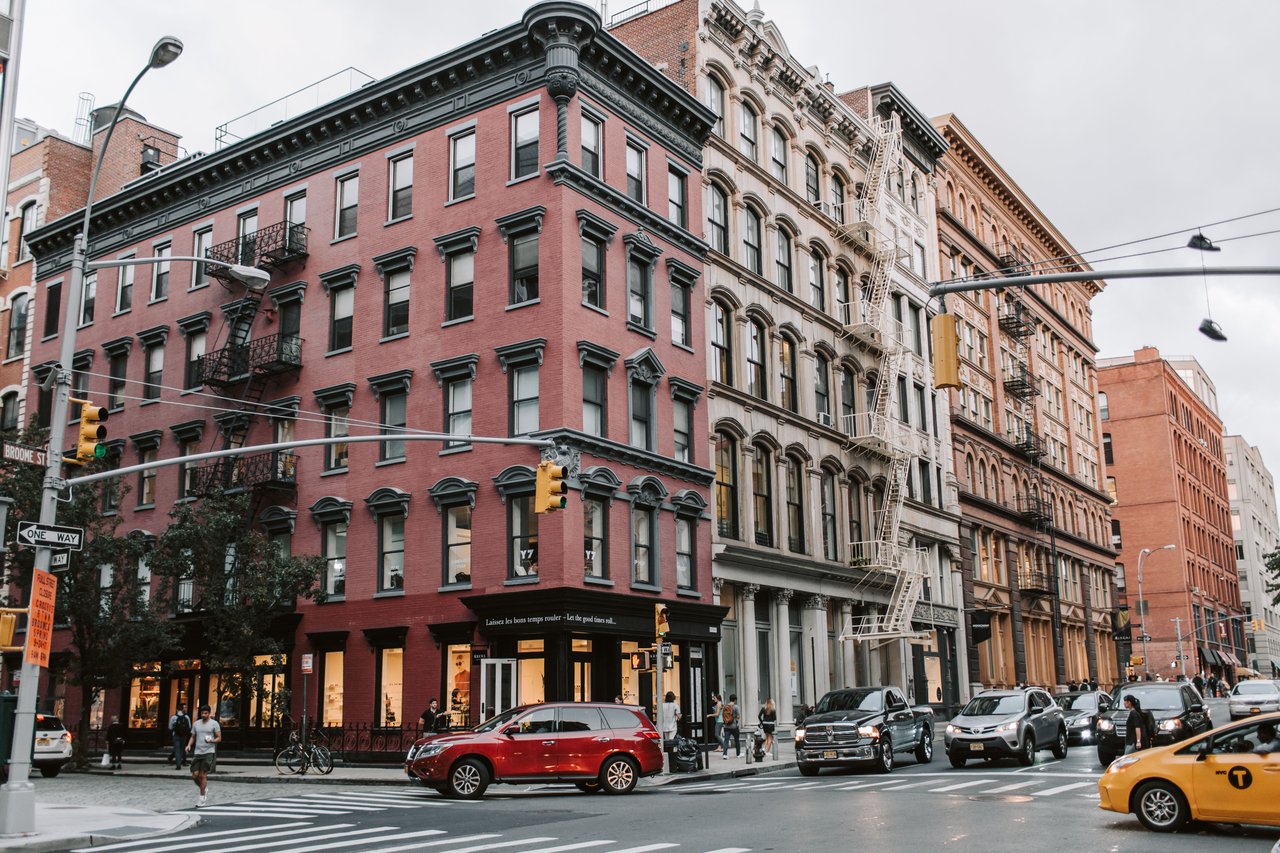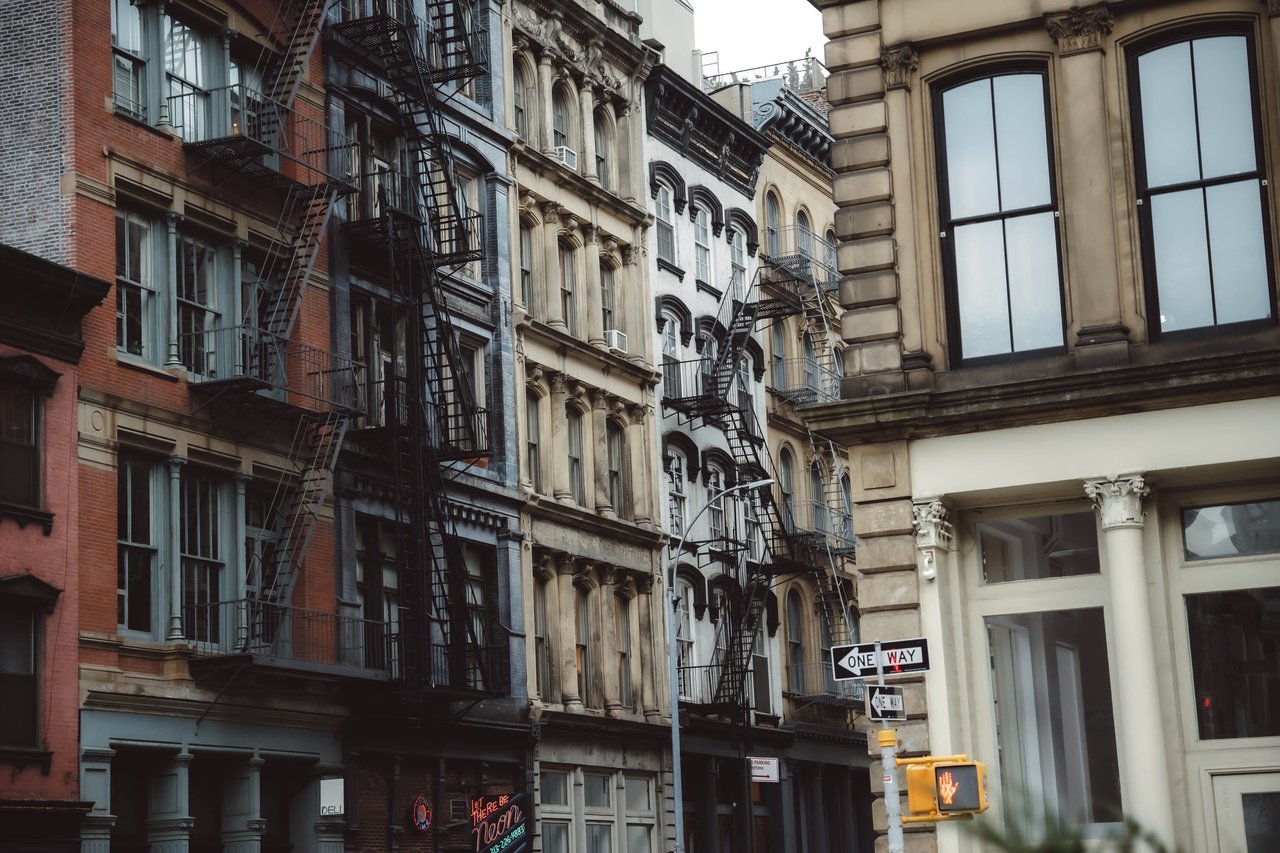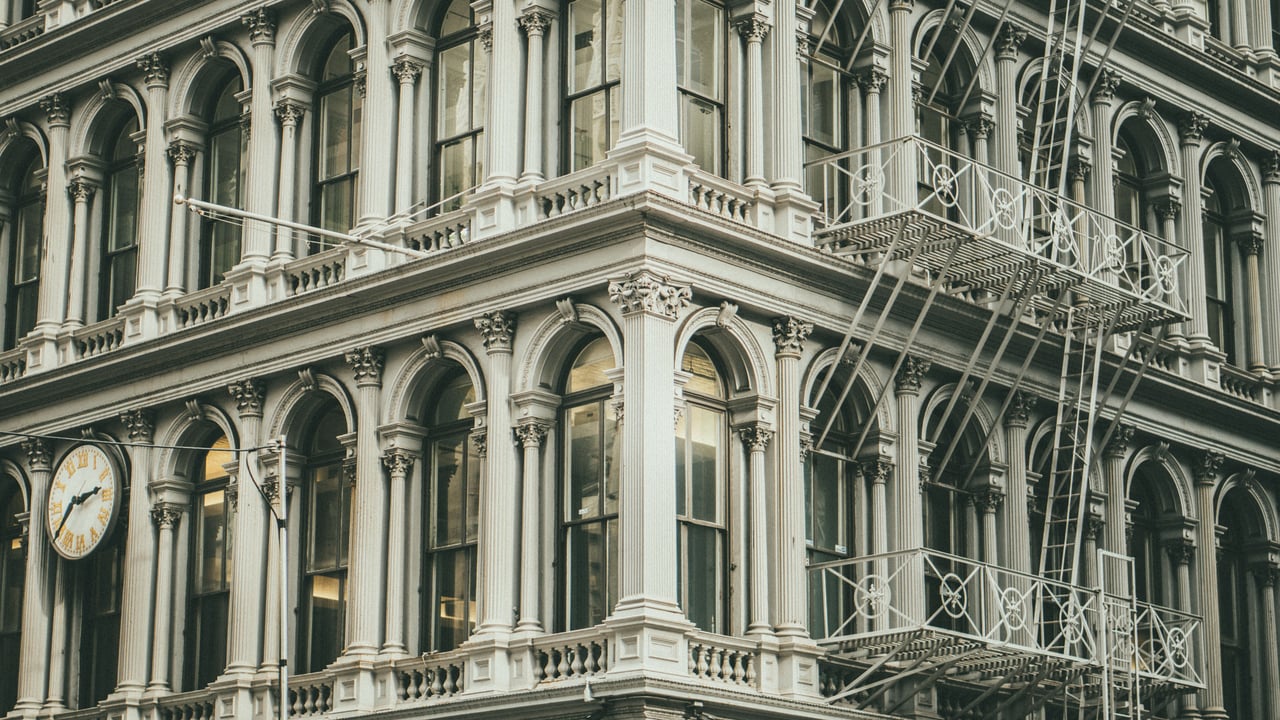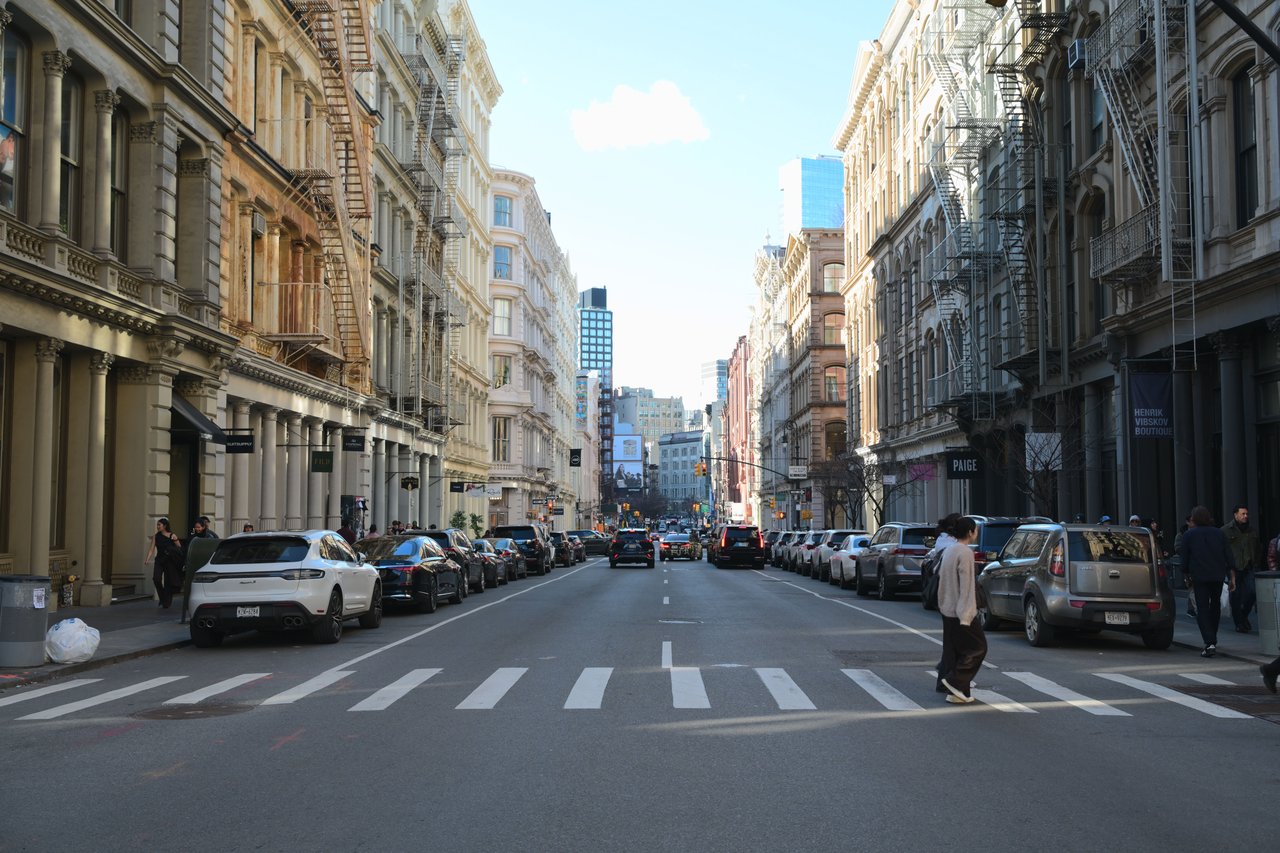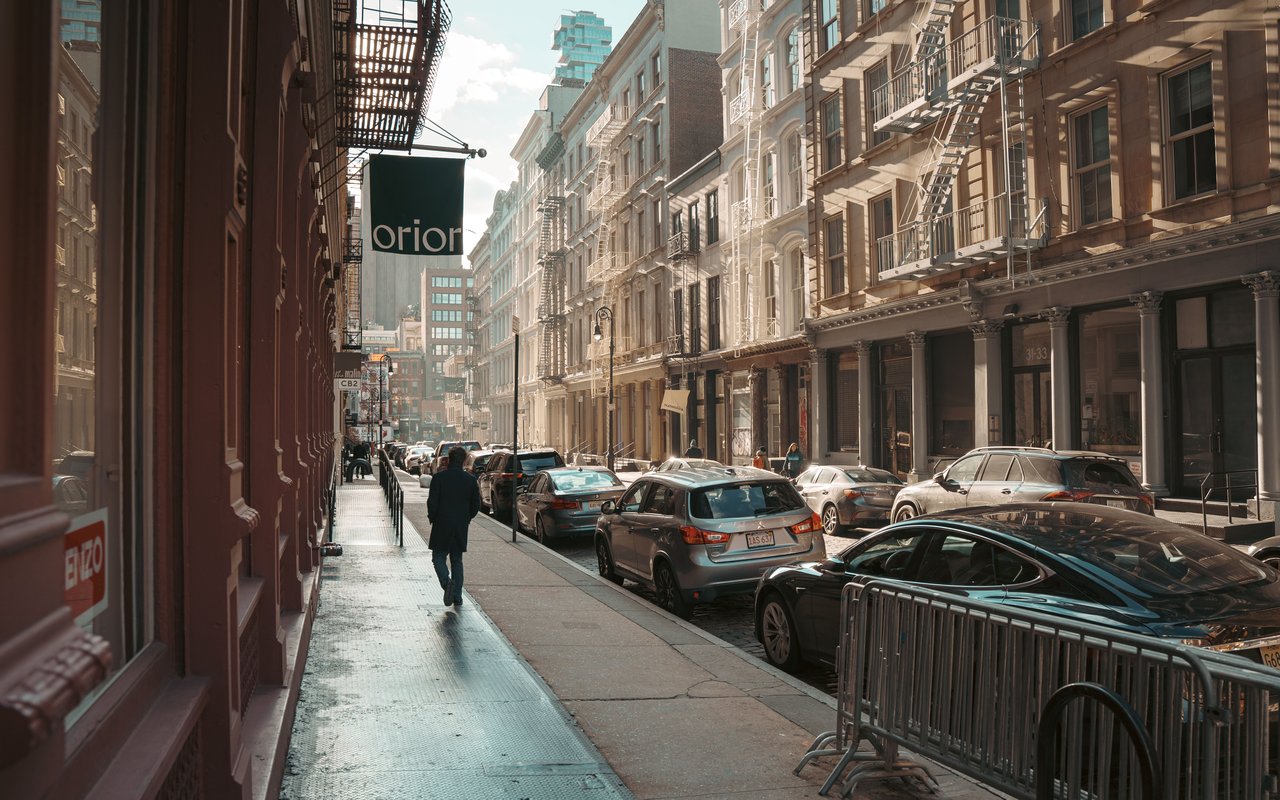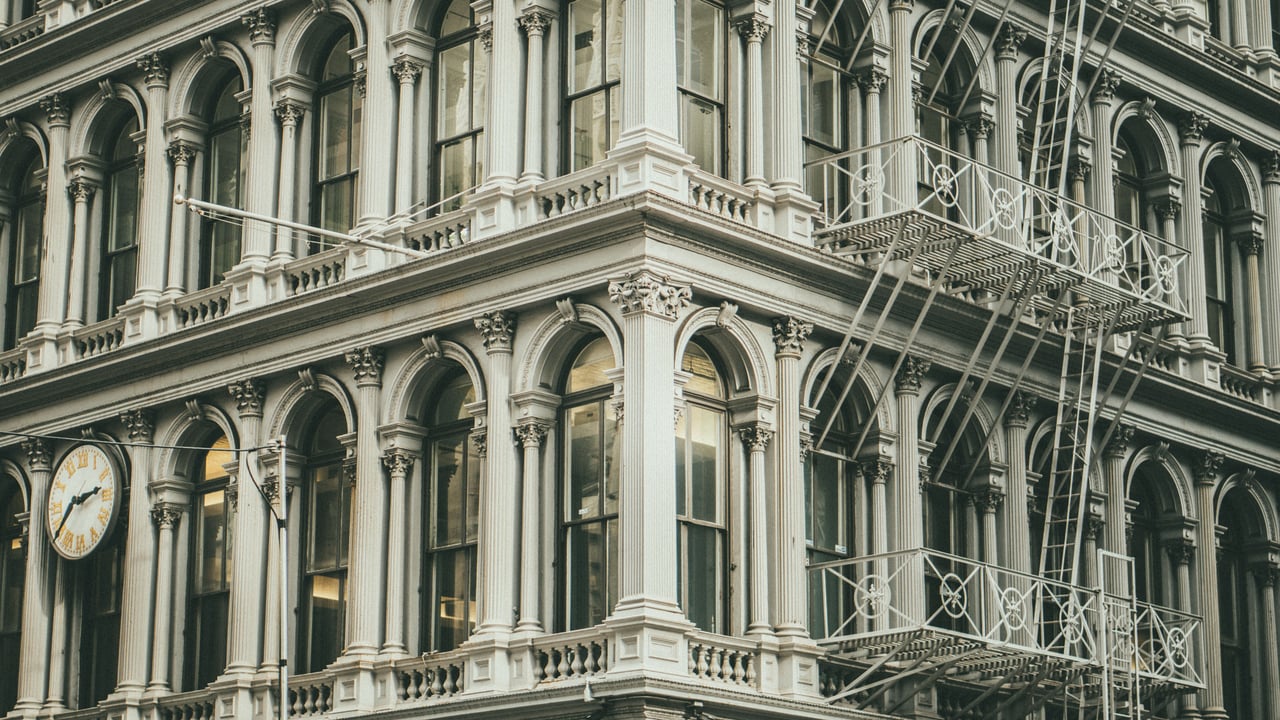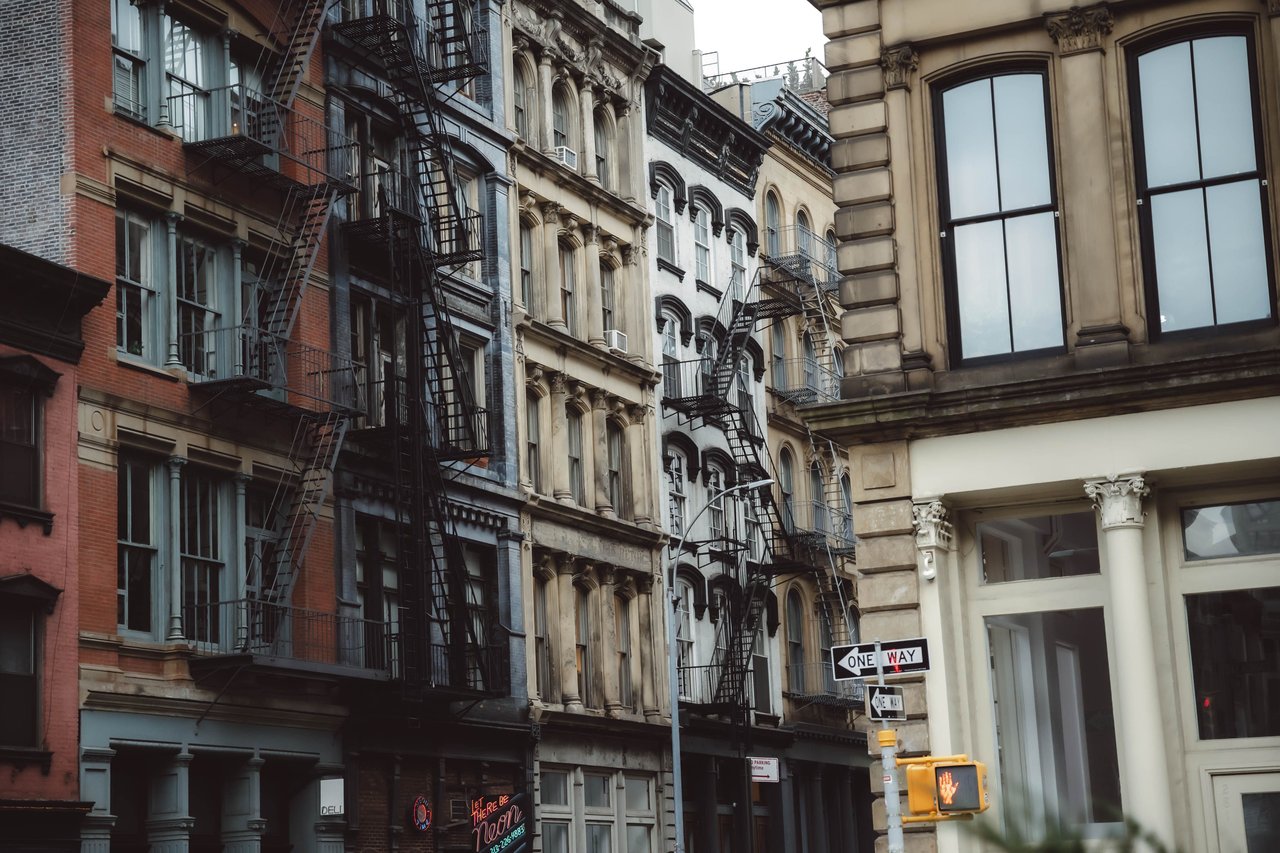
Bayard Street is one of Lower Manhattan's historic streets, extending through Chinatown from Baxter Street to the Bowery. Although it lies east of Tribeca, its history is closely connected to the early development of Manhattan, particularly the transformation of the land surrounding the former Collect Pond and the historic Five Points neighborhood. Its narrow roadway, traditional masonry buildings, commercial storefronts, and relationship with Columbus Park reflect more than two centuries of architectural change.
Unlike the broad avenues and regular intersections that define much of Manhattan, Bayard Street belongs to an older street network established before the Commissioners' Plan of 1811. The surrounding blocks developed through early land divisions, the construction of modest houses, and the gradual replacement of those structures with larger residential and commercial buildings. The result is a streetscape shaped by different architectural periods rather than a single coordinated plan.
One of Bayard Street's most distinctive features is its relationship with Columbus Park, formerly Mulberry Bend Park. The park occupies land once associated with the densely developed Five Points area, and its creation in the late nineteenth century dramatically changed the appearance of the neighborhood. Along Bayard Street, the contrast between landscaped public space and traditional urban buildings illustrates how architecture and city planning transformed Lower Manhattan.
Today, Bayard Street preserves an important combination of early street geography, nineteenth-century masonry construction, mixed-use architecture, and public landscape design. Its architectural character provides a valuable perspective on the development of Chinatown and the neighboring historic districts of Lower Manhattan.
The Origins of Bayard Street
Bayard Street developed as Manhattan expanded northward from its original colonial settlement. During the eighteenth century, the area surrounding the future roadway contained privately owned properties, early streets, and land influenced by the nearby Collect Pond. As these properties were divided into smaller building lots, new residential and commercial construction gradually established the neighborhood's urban character.
The street formed part of a network that developed before Manhattan adopted its standardized grid. Nearby roadways such as Mulberry Street, Mott Street, and Baxter Street followed earlier land divisions and local geographic conditions. Consequently, the blocks were often narrower and less uniform than those found farther north.
By the nineteenth century, Bayard Street had become part of a densely developed area of Lower Manhattan. Brick houses, commercial structures, and later tenements occupied its relatively compact lots. As buildings were enlarged or replaced, the street acquired the architectural variety that remains characteristic of its historic surroundings.
Why Is It Called Bayard Street?
Bayard Street takes its name from the Bayard family, one of the prominent landowning families of colonial New York. Nicholas Bayard, a nephew of Peter Stuyvesant, held extensive property interests in Manhattan, and the family's landholdings influenced the development of several neighborhoods.
During the eighteenth century, large estates throughout Manhattan were gradually subdivided into streets and building lots. The Bayard family's property interests formed part of this transformation, as land that had previously been held in substantial parcels became integrated into the growing city.
The name Bayard Street preserves a connection to this earlier period of Manhattan's history, when family estates, private surveys, and the expansion of commercial activity helped determine the layout of the city's streets.
Bayard Street and the Collect Pond
The Collect Pond was one of the most important natural features of early Manhattan. Located near the present-day Civic Center, the freshwater pond influenced the surrounding terrain and the development of nearby roadways. Its edges included low-lying ground and wetlands that affected where buildings could be constructed.
During the colonial period, the pond served as a water source, but industrial activity gradually contributed to its pollution. Tanneries, slaughterhouses, and other operations developed nearby, and by the beginning of the nineteenth century, the water had become increasingly unsuitable for use.
The city eventually drained and filled the pond, making additional land available for development. This process transformed the surrounding neighborhood, although portions of the filled ground continued to present drainage and construction challenges.
Bayard Street's proximity to the former pond helps explain its relationship with the older, irregular street network around Baxter Street, Mulberry Street, and the historic Five Points area.
The Early Architecture of Bayard Street
The earliest buildings along Bayard Street reflected the modest residential construction of late eighteenth- and early nineteenth-century Manhattan. Narrow lots encouraged compact building forms, while structures were generally placed close to the sidewalk to maximize usable space.
Wood-frame construction was common in the earlier city, but brick became increasingly important as development intensified. Early masonry houses often featured restrained facades, regularly spaced windows, simple entrances, and pitched roofs. These characteristics reflected the practical requirements of urban construction and the architectural preferences of the period.
As commercial activity increased, some houses were adapted for business uses. Storefronts appeared at street level, while upper floors continued to serve residential purposes. This pattern of adaptation eventually became one of the defining features of Lower Manhattan's historic streets.
Federal and Greek Revival Architecture
Federal architecture influenced Manhattan's residential development during the late eighteenth and early nineteenth centuries. Buildings in this style generally emphasized symmetry, restrained ornamentation, brick construction, and carefully proportioned windows. Many early houses also incorporated pitched roofs and dormers.
Greek Revival architecture became increasingly popular during the 1820s and 1830s, introducing stronger classical proportions, substantial entrance surrounds, and more pronounced architectural details. Throughout Lower Manhattan, these styles reflected the transition from modest early houses to more formal urban residences.
Although much of Bayard Street's earliest building stock was replaced during later redevelopment, the surrounding neighborhood retains the historic lot patterns and masonry traditions established during this period. These early architectural influences helped shape the building forms that preceded the larger tenements and commercial structures of the later nineteenth century.
The Development of Nineteenth-Century Masonry Buildings
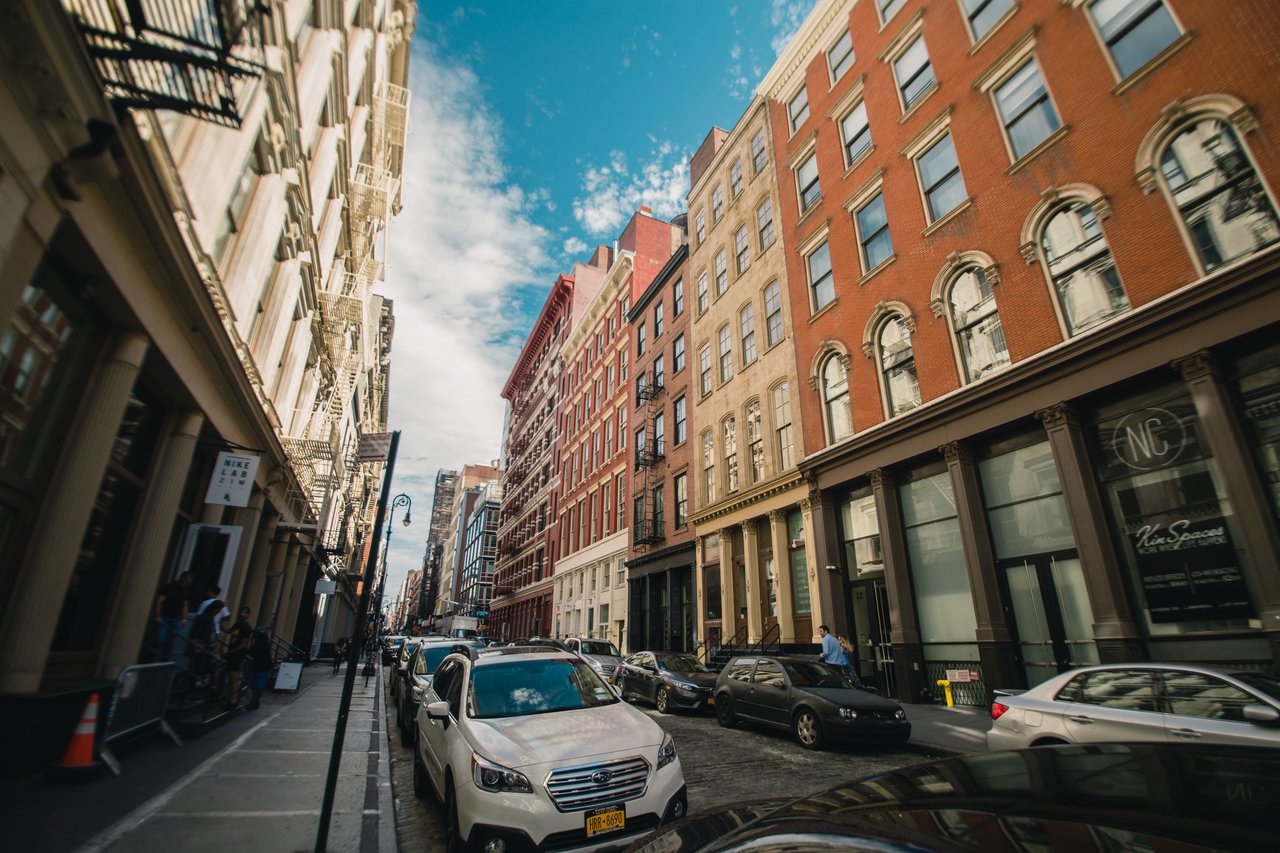
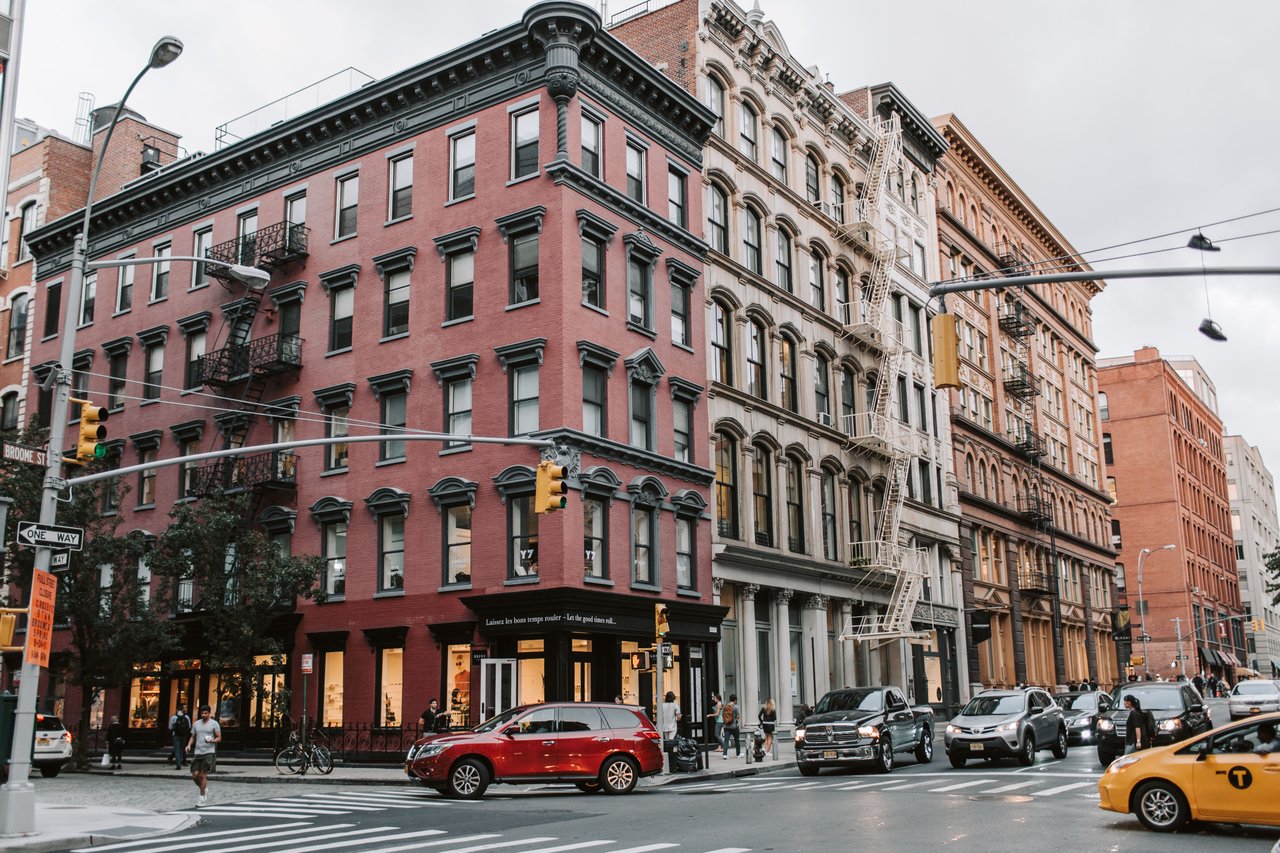
During the nineteenth century, Bayard Street underwent a gradual transformation as larger masonry buildings replaced many earlier houses. Increasing demand for residential and commercial space encouraged construction on narrow lots, often with several stories above street-level businesses.
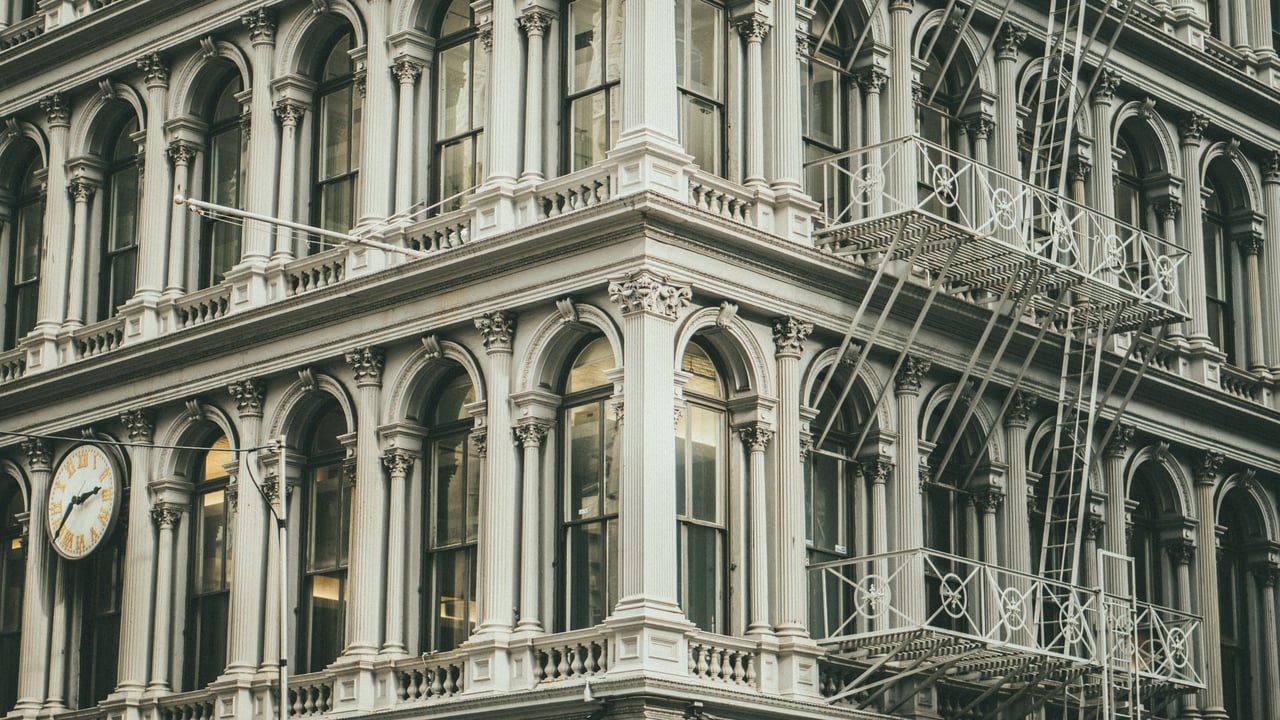
Brick became the dominant material, while stone window lintels, decorative cornices, and masonry detailing provided architectural distinction. Many buildings incorporated repetitive window arrangements that reflected the organization of rooms within the upper floors.
The resulting streetscape developed through individual construction projects rather than a single coordinated building campaign. Differences in building height, facade ornamentation, and storefront design created the varied architectural appearance associated with Bayard Street today.
Italianate Architecture on Bayard Street
Italianate architecture became influential in New York during the middle of the nineteenth century. Inspired by Italian Renaissance building traditions, the style introduced taller proportions, decorative window surrounds, bracketed cornices, and substantial facade ornamentation.
The style was particularly adaptable to Manhattan's narrow building lots. Brick residential and commercial buildings could incorporate Italianate details without requiring unusually large parcels or complex building plans.
Throughout the surrounding Chinatown and Little Italy neighborhoods, Italianate design became an important part of the nineteenth-century architectural landscape. Its influence can be recognized in the proportions and decorative traditions of surviving masonry buildings near Bayard Street.
The Evolution of Tenement Architecture
Tenement architecture became increasingly important in Lower Manhattan during the nineteenth century. As residential density increased, taller buildings were constructed to accommodate multiple apartments within relatively compact footprints.
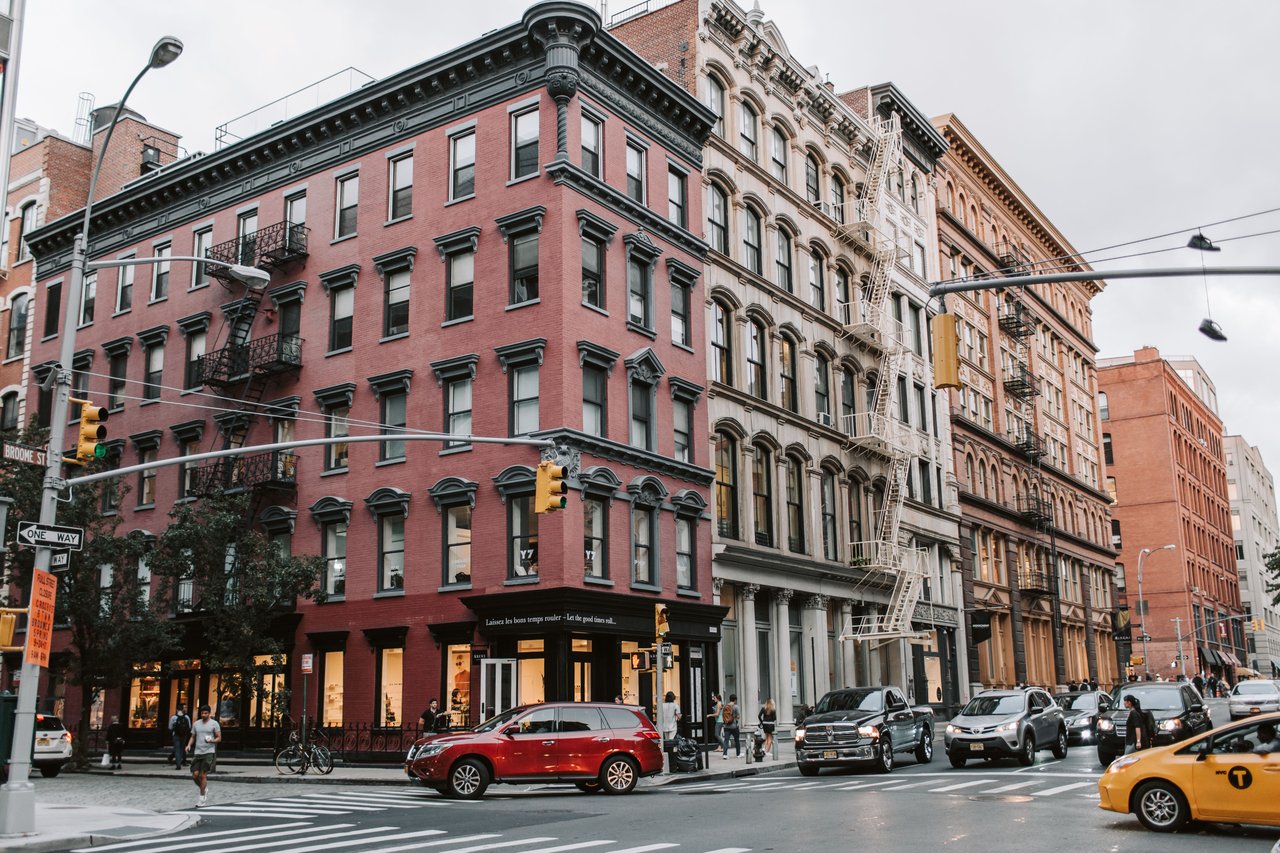
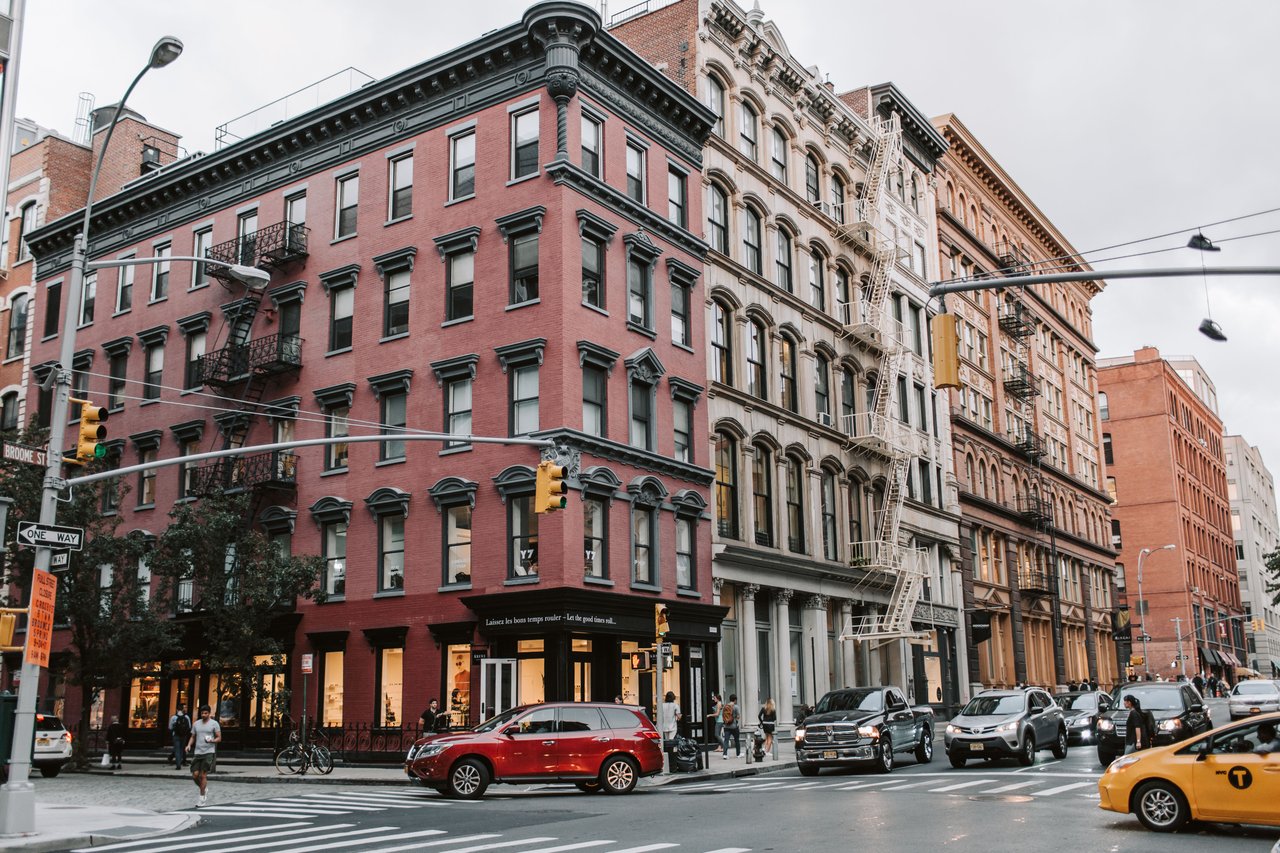
Many tenements rose four, five, or six stories and incorporated brick facades with regularly arranged windows. Decorative cornices and masonry lintels provided visual interest, while ground-floor storefronts often supported commercial activity.
Building regulations gradually influenced the design of these structures. The Tenement House Act of 1879 encouraged changes to ventilation, while the Tenement House Act of 1901 introduced more comprehensive requirements for light, air, and sanitation.
These changes affected building layouts and exterior appearances throughout Lower Manhattan. Bayard Street's historic residential architecture reflects the broader evolution of tenement construction and the increasing complexity of urban housing design.
Commercial Storefronts and Mixed-Use Buildings
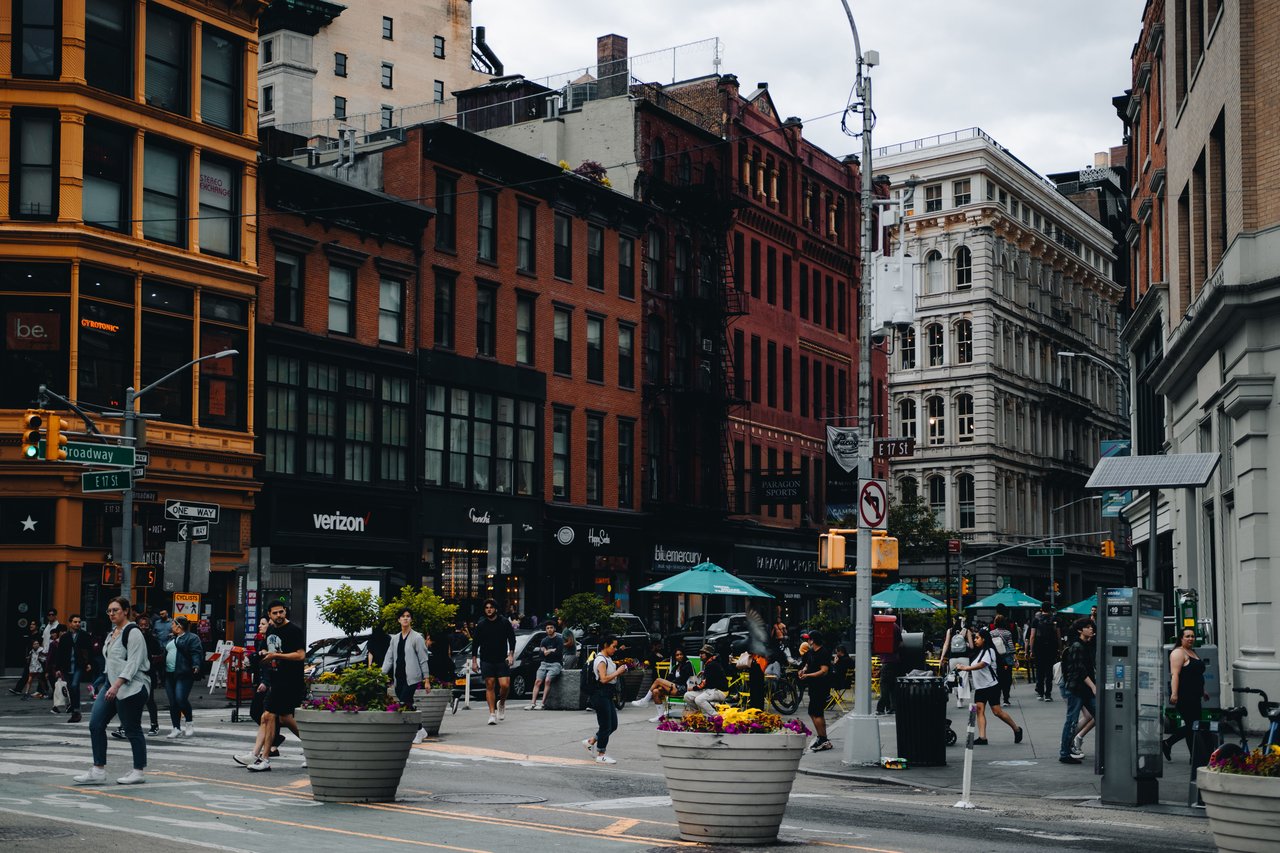
One of Bayard Street's defining architectural characteristics is the combination of residential upper floors and commercial ground-floor spaces. This arrangement became common throughout Lower Manhattan as neighborhoods developed into increasingly active commercial districts.
Storefronts often featured large display windows, separate entrances, and decorative framing. Above them, residential floors retained more regular window patterns and traditional masonry details.
Over time, many storefronts were modified to accommodate new uses, materials, and signage. These changes created a layered appearance in which older upper facades coexist with more recently altered commercial spaces.
The resulting architecture illustrates how historic buildings can remain in use through successive periods of adaptation without necessarily losing their original structural form.
Bayard Street and the Historic Five Points
Bayard Street is closely connected to the history of Five Points, one of Manhattan's most distinctive nineteenth-century street intersections. The original junction formed where Orange Street, Cross Street, and Anthony Street met at unusual angles, creating five street corners.
These roadways are associated with present-day Baxter Street, Mosco Street, and Worth Street. Their irregular arrangement reflected the older street network surrounding the former Collect Pond.
Although Bayard Street did not form the original Five Points intersection, it lay immediately beside the surrounding neighborhood. The area's narrow blocks, compact building lots, and dense construction influenced its architectural development.
Later redevelopment dramatically changed the original landscape. Buildings were demolished, portions of the street network were altered, and new public spaces replaced some of the earlier residential blocks.
The History of Mulberry Bend
Mulberry Bend was the curved portion of Mulberry Street near the former Collect Pond and Five Points. Its unusual alignment originated in the natural geography of the area, where early roadways followed the edges of low-lying land.
During the nineteenth century, the surrounding blocks became densely constructed with residential and commercial buildings. Narrow lots supported attached masonry structures, while additions and rear buildings increased the amount of developed space.
The area eventually became the focus of a major public improvement project. Rather than retaining the existing blocks, the city acquired and cleared properties to create a landscaped park.
This transformation permanently changed the southern end of Bayard Street and established the open public landscape that now defines one side of the roadway.
The Creation of Mulberry Bend Park
Mulberry Bend Park was developed during the late nineteenth century as part of an ambitious program of urban improvements. The project involved demolishing existing buildings and replacing densely developed blocks with landscaped open space.
The park was designed by Calvert Vaux, the architect and landscape designer associated with Central Park and Prospect Park. His design introduced paths, planting areas, and recreational space into an area previously dominated by closely spaced buildings.
The park opened in 1897 and represented a significant departure from the neighborhood's earlier physical organization. Instead of continuous masonry facades and narrow streets, the new landscape provided open views and a substantial public gathering space.
Bayard Street became one of the park's defining boundaries, creating a distinctive relationship between the historic roadway and the newly designed landscape.
Calvert Vaux and the Architecture of Public Space
Calvert Vaux was one of the most influential landscape architects of nineteenth-century New York. His work emphasized the relationship between circulation, planting, architectural surroundings, and the experience of public space.
At Mulberry Bend Park, Vaux introduced a landscape intended to provide open space within a densely built section of Lower Manhattan. The design incorporated pedestrian paths and planted areas that contrasted with the rigid geometry of the surrounding building lots.
The project demonstrated how landscape architecture could transform an established urban neighborhood. Rather than simply adding a new building, the city reorganized an entire section of the streetscape.
The relationship between Bayard Street and the park remains an important example of this approach to urban design.
The Transformation into Columbus Park
Mulberry Bend Park was renamed Columbus Park in 1911. The park occupies the block bounded by Baxter Street, Mulberry Street, Bayard Street, and Worth Street.
Its creation removed a substantial portion of the earlier Five Points neighborhood, replacing residential and commercial buildings with landscaped public space. The surrounding streets retained their historic alignments, but the architectural relationship between them changed dramatically.
Today, Columbus Park remains an important geographic and architectural reference point for Chinatown. Its open landscape contrasts with the traditional masonry buildings surrounding it, particularly along Bayard Street.
The park also preserves the legacy of late nineteenth-century urban planning and the transformation of the former Mulberry Bend.
Bayard Street and Baxter Street
Baxter Street forms the western end of Bayard Street and is closely associated with the historic Five Points neighborhood. Originally known as Orange Street, Baxter Street was renamed during the nineteenth century.
The intersection of Baxter and Bayard Streets lies beside Columbus Park, where the historic street network meets the landscaped public space created during the late nineteenth century.
The surrounding architecture reflects several periods of development. Traditional masonry buildings and commercial storefronts remain important features, while the nearby Civic Center contains much larger institutional structures.
This intersection provides an important perspective on the contrast between older residential and commercial blocks and the monumental architecture introduced through later redevelopment.
Bayard Street and Mulberry Street
Mulberry Street is one of the oldest roadways in the neighborhood and intersects Bayard Street along the northern boundary of Columbus Park.
The street's unusual alignment was influenced by the former Collect Pond, and its historic bend became an important feature of the surrounding area.
During the nineteenth century, Mulberry Street developed with a mixture of houses, tenements, commercial buildings, and institutional structures. Its architecture includes Federal, Italianate, Second Empire, and later revival-style influences.
At Bayard Street, the relationship between Mulberry Street and Columbus Park illustrates how the original urban fabric was altered by the creation of public open space.
Bayard Street and Mott Street
Mott Street is one of the principal historic roadways intersecting Bayard Street. Its development reflects the expansion of residential and commercial architecture throughout Lower Manhattan during the nineteenth century.
The surrounding blocks contain traditional masonry buildings with ground-floor storefronts and upper-story residential spaces. Many structures occupy narrow lots and incorporate repetitive windows, decorative cornices, and other details associated with nineteenth-century construction.
The intersection of Bayard and Mott Streets preserves the compact scale of the older street network. Buildings stand close to the sidewalk, creating a continuous architectural frontage that differs from the larger institutional buildings found near the Civic Center.
Bayard Street and Elizabeth Street
Elizabeth Street intersects Bayard Street within the historic commercial landscape of Chinatown. The roadway developed as part of Lower Manhattan's early street network and became increasingly built up during the nineteenth century.
The surrounding buildings reflect the evolution of mixed-use architecture, with commercial spaces at street level and residential floors above. Brick facades, regularly arranged windows, and traditional cornices contribute to the architectural character.
The intersection demonstrates how older residential streets adapted to commercial activity while retaining their relatively narrow dimensions and historic building patterns.
Bayard Street and the Bowery
The Bowery marks the eastern end of Bayard Street and is one of Manhattan's oldest roadways. Its origins are associated with the route leading north from the original colonial settlement toward the farms and estates beyond the developed city.
During the nineteenth century, the Bowery became a major commercial corridor. Larger buildings, substantial storefronts, and institutional structures appeared along the roadway, creating an architectural scale that differed from the smaller streets intersecting it.
The meeting of Bayard Street and the Bowery illustrates the relationship between a historic local street and one of Lower Manhattan's most important transportation and commercial routes.
The Bowery's Architectural Influence
The Bowery played an important role in the development of commercial architecture throughout Lower Manhattan. As the roadway became increasingly important, its buildings incorporated larger storefronts, substantial masonry facades, and a variety of architectural styles.
Italianate, Neo-Grec, Renaissance Revival, and later commercial designs became part of the Bowery's architectural landscape. These styles reflected changing construction practices and the growth of larger commercial buildings.
Bayard Street connects directly with this historic corridor, linking the compact building lots of Chinatown with the broader architectural development of the Bowery.
The Architectural Importance of Historic Cornices
Cornices are an important feature of nineteenth-century masonry architecture. They form the projecting decorative elements at the top of building facades and help establish the visual character of the roofline.
During the Italianate and Neo-Grec periods, cornices often incorporated brackets, moldings, and geometric ornamentation. Metal and wood were commonly used to create elaborate details.
Along historic streets such as Bayard, cornices contribute to the architectural continuity of buildings constructed during different periods. Even when storefronts have been renovated, the upper facades and rooflines may retain elements of their original design.
Fire Escapes and the Changing Appearance of Tenements
Exterior fire escapes became an increasingly recognizable feature of Manhattan's residential buildings during the nineteenth and twentieth centuries. Their installation reflected changing fire safety requirements and the evolution of multifamily housing.
Metal platforms, stairways, and railings were added to many masonry facades, creating a distinctive architectural layer. Although primarily functional, these structures became an important part of the visual character of traditional tenement buildings.
On Bayard Street and throughout Chinatown, fire escapes illustrate how building regulations influenced the appearance of the streetscape over time.
The Chinatown and Little Italy Historic District
Bayard Street forms part of the historic architectural landscape recognized by the Chinatown and Little Italy Historic District, which was listed on the National Register of Historic Places in 2010.
The district includes a substantial collection of nineteenth- and early twentieth-century residential, commercial, and institutional buildings. Its architecture reflects successive periods of construction, including Federal, Italianate, Neo-Grec, Romanesque Revival, and other historic styles.
The district also recognizes the importance of the older street network, which developed before Manhattan's standardized grid.
Bayard Street contributes to this historic environment through its narrow roadway, compact building lots, masonry buildings, and relationship with Columbus Park.
Twentieth-Century Architectural Changes
During the twentieth century, Bayard Street continued to evolve as buildings were renovated, storefronts were altered, and commercial requirements changed.
Many older masonry structures remained in use, while ground floors acquired new entrances, display windows, and signage. Upper stories frequently retained historic window arrangements and cornice details.
The surrounding neighborhood also experienced substantial redevelopment, particularly near the Civic Center and major commercial corridors. Nevertheless, Bayard Street retained its historic alignment and much of its traditional architectural scale.
This combination of continuity and adaptation remains an important feature of the street's character.
Preservation and Adaptive Reuse
The preservation of Bayard Street's historic architecture involves maintaining important building features while allowing properties to accommodate contemporary uses.
Traditional masonry facades, window arrangements, decorative cornices, and historic storefront proportions contribute to the street's architectural identity. Changes to these elements can significantly affect the appearance of individual buildings and the continuity of the surrounding streetscape.
Adaptive reuse allows older buildings to remain functional while preserving important architectural characteristics. Throughout Lower Manhattan, residential and commercial properties have undergone successive alterations without necessarily losing their original building forms.
Bayard Street illustrates this ongoing relationship between historic construction and contemporary urban life.
What Does Tribeca Stand For?
Tribeca stands for Triangle Below Canal Street, referring to the Lower Manhattan neighborhood located south of Canal Street.
Bayard Street lies east of Tribeca, within Chinatown. Although the two areas have different architectural histories, both developed through the expansion of Lower Manhattan during the eighteenth and nineteenth centuries.
Tribeca became particularly associated with industrial loft buildings and substantial commercial warehouses, while Bayard Street developed through smaller residential lots, tenement construction, and mixed-use commercial buildings.
Together, these neighboring areas demonstrate the architectural variety found in Manhattan's historic downtown neighborhoods.
Why Bayard Street Is Architecturally Significant
Bayard Street is architecturally significant because it preserves an important portion of Manhattan's early street network and illustrates the transformation of Lower Manhattan's residential and commercial architecture.
Its origins are connected to the eighteenth-century development of the land surrounding the Collect Pond. During the nineteenth century, the street acquired increasingly substantial masonry buildings, including residential tenements and mixed-use properties.
Italianate and other revival-style influences contributed to the appearance of the surrounding streetscape, while changing building regulations affected residential construction.
The creation of Mulberry Bend Park in 1897 dramatically altered the southern part of the neighborhood, replacing densely developed blocks with landscaped public space. The park, renamed Columbus Park in 1911, remains one of Bayard Street's most important architectural and geographic features.
Today, Bayard Street preserves the relationship between historic street planning, nineteenth-century masonry buildings, traditional commercial storefronts, and late nineteenth-century landscape architecture.
The Architectural Legacy of Bayard Street
Bayard Street offers an important architectural record of Lower Manhattan's development over more than two centuries. Its name preserves the history of the Bayard family, while its alignment reflects the older street network established before the Commissioners' Plan of 1811.
The draining and filling of the Collect Pond helped transform the surrounding land during the early nineteenth century, allowing increasingly dense residential and commercial construction.
As the neighborhood developed, earlier houses were replaced or enlarged with taller masonry buildings. Italianate details, decorative cornices, and mixed-use storefront arrangements became important features of the streetscape.
The creation of Mulberry Bend Park, now Columbus Park, permanently changed the southern portion of the neighborhood. The landscaped public space introduced a new relationship between Bayard Street and its surrounding buildings.
Today, the street remains an important part of Chinatown's historic architecture, preserving a combination of early urban planning, nineteenth-century building traditions, and public landscape design.
Where is Bayard Street in Tribeca, Manhattan?
Bayard Street is located east of Tribeca in Lower Manhattan, extending through Chinatown from Baxter Street to the Bowery.
Why is it called Bayard Street?
Bayard Street takes its name from the Bayard family, prominent colonial New York landowners whose properties influenced the development of Manhattan.
How old is Bayard Street?
Bayard Street developed within Lower Manhattan's early street network, which was established before the Commissioners' Plan of 1811.
What was the Collect Pond near Bayard Street?
The Collect Pond was a freshwater pond near the present-day Civic Center. It was drained and filled during the early nineteenth century, transforming the surrounding landscape.
What was Five Points near Bayard Street?
Five Points was a historic neighborhood centered on an unusual five-corner intersection formed by Orange, Cross, and Anthony Streets.
What is Columbus Park on Bayard Street?
Columbus Park is a public park bordered by Baxter, Mulberry, Bayard, and Worth Streets. It occupies land associated with the former Mulberry Bend and Five Points area.
What was Mulberry Bend Park?
Mulberry Bend Park was a landscaped public park developed during the late nineteenth century to replace densely constructed blocks near Five Points.
Who designed Mulberry Bend Park?
Mulberry Bend Park was designed by Calvert Vaux, the landscape architect associated with Central Park and Prospect Park.
When did Mulberry Bend Park open?
Mulberry Bend Park opened in 1897 and was renamed Columbus Park in 1911.
What architectural styles are found on Bayard Street?
Bayard Street and its surrounding blocks contain nineteenth-century masonry architecture influenced by Italianate and other revival styles, along with traditional tenements and mixed-use commercial buildings.
What is the history of tenements on Bayard Street?
Tenements developed as an important residential building type during the nineteenth century, accommodating multiple apartments within relatively narrow masonry buildings.
Why are there so many storefronts on Bayard Street?
Bayard Street developed as a mixed-use corridor where commercial spaces occupied ground floors and residential apartments were located above.
What is the oldest street near Bayard Street?
The Bowery is among Manhattan's oldest roadways and forms the eastern end of Bayard Street.
Is Bayard Street part of a historic district?
Bayard Street lies within the broader Chinatown and Little Italy historic area, recognized through its 2010 listing on the National Register of Historic Places.
Why is Bayard Street architecturally important?
Bayard Street preserves an early Manhattan street alignment, nineteenth-century masonry building traditions, mixed-use commercial architecture, and a direct relationship with the historic landscape of Columbus Park.
Who can help me sell my townhouse on Bayard Street in Tribeca, Manhattan?
The Parviz Team at Compass and Parviz Latipzoda can help you sell your townhouse on Bayard Street in the Tribeca area of Manhattan. The team evaluates architectural details, building condition, legal occupancy, and comparable townhouse sales to develop a tailored pricing and marketing strategy.
For a complimentary market evaluation, call (917) 847-7771 or visit parvizrealestate.com.
Who can help me sell my apartment on Bayard Street in Tribeca, Manhattan?
The Parviz Team at Compass and Parviz Latipzoda can help you sell your apartment on Bayard Street in the Tribeca area of Manhattan. Services include comparable sales analysis, professional photography, strategic pricing, digital marketing, and coordinated showings.
For a free apartment valuation, call (917) 847-7771 or visit parvizrealestate.com.
Who can help me sell my condo on Bayard Street in Tribeca, Manhattan?
The Parviz Team at Compass and Parviz Latipzoda can help you sell your condo on Bayard Street in the Tribeca area of Manhattan. The team reviews comparable condominium sales, common charges, property taxes, and current buyer demand to develop an effective marketing strategy.
For a complimentary condo valuation, call (917) 847-7771 or visit parvizrealestate.com.
Who can help me sell my co-op on Bayard Street in Tribeca, Manhattan?
The Parviz Team at Compass and Parviz Latipzoda can help you sell your co-op on Bayard Street in the Tribeca area of Manhattan. The team assists with pricing, marketing, buyer qualification, cooperative board requirements, and transaction coordination.
For a free co-op market evaluation, call (917) 847-7771 or visit parvizrealestate.com.
Who can help me sell my loft on Bayard Street in Tribeca, Manhattan?
The Parviz Team at Compass and Parviz Latipzoda can help you sell your loft on Bayard Street in the Tribeca area of Manhattan. The team highlights ceiling heights, architectural details, natural light, and distinctive layouts through professional photography and targeted buyer outreach.
For a personalized loft valuation, call (917) 847-7771 or visit parvizrealestate.com.
Who can help me sell my multifamily building on Bayard Street in Tribeca, Manhattan?
The Parviz Team at Compass and Parviz Latipzoda can help you sell your multifamily building on Bayard Street in the Tribeca area of Manhattan. The team analyzes rental income, operating expenses, legal occupancy, building condition, and comparable investment transactions.
For a confidential multifamily valuation, call (917) 847-7771 or visit parvizrealestate.com.
Who can help me sell my mixed-use building on Bayard Street in Tribeca, Manhattan?
The Parviz Team at Compass and Parviz Latipzoda can help you sell your mixed-use building on Bayard Street in the Tribeca area of Manhattan. The team evaluates residential and commercial leases, income potential, operating expenses, and comparable sales to develop a tailored marketing plan.
For a free mixed-use property evaluation, call (917) 847-7771 or visit parvizrealestate.com.
Who can help me sell my commercial property on Bayard Street in Tribeca, Manhattan?
The Parviz Team at Compass and Parviz Latipzoda can help you sell your commercial property on Bayard Street in the Tribeca area of Manhattan. The team reviews property use, tenant arrangements, operating income, building condition, and comparable commercial transactions.
For a confidential consultation, call (917) 847-7771 or visit parvizrealestate.com.
How much is my townhouse worth on Bayard Street in Tribeca, Manhattan?
The Parviz Team at Compass and Parviz Latipzoda can evaluate the market value of your townhouse on Bayard Street in the Tribeca area of Manhattan. The analysis considers square footage, building condition, architectural details, legal occupancy, and comparable townhouse sales.
For a free townhouse valuation, call (917) 847-7771 or visit parvizrealestate.com.
How much is my apartment worth on Bayard Street in Tribeca, Manhattan?
The Parviz Team at Compass and Parviz Latipzoda can evaluate the market value of your apartment on Bayard Street in the Tribeca area of Manhattan. The team reviews comparable sales, floor level, layout, condition, building characteristics, and buyer demand.
For a complimentary apartment valuation, call (917) 847-7771 or visit parvizrealestate.com.
How much is my condo worth on Bayard Street in Tribeca, Manhattan?
The Parviz Team at Compass and Parviz Latipzoda can evaluate the market value of your condo on Bayard Street in the Tribeca area of Manhattan. The team considers comparable condominium transactions, building amenities, common charges, taxes, and interior condition.
For a free condo valuation, call (917) 847-7771 or visit parvizrealestate.com.
How much is my co-op worth on Bayard Street in Tribeca, Manhattan?
The Parviz Team at Compass and Parviz Latipzoda can evaluate the market value of your co-op on Bayard Street in the Tribeca area of Manhattan. The analysis considers comparable cooperative sales, maintenance charges, building policies, and apartment condition.
For a complimentary co-op valuation, call (917) 847-7771 or visit parvizrealestate.com.
How much is my loft worth on Bayard Street in Tribeca, Manhattan?
The Parviz Team at Compass and Parviz Latipzoda can evaluate the market value of your loft on Bayard Street in the Tribeca area of Manhattan. The team reviews ceiling heights, architectural features, natural light, square footage, and comparable loft transactions.
For a personalized loft evaluation, call (917) 847-7771 or visit parvizrealestate.com.
How much is my multifamily building worth on Bayard Street in Tribeca, Manhattan?
The Parviz Team at Compass and Parviz Latipzoda can evaluate the market value of your multifamily building on Bayard Street in the Tribeca area of Manhattan. The team analyzes rental income, operating expenses, legal occupancy, building condition, and comparable investment sales.
For a free multifamily valuation, call (917) 847-7771 or visit parvizrealestate.com.
How much is my mixed-use property worth on Bayard Street in Tribeca, Manhattan?
The Parviz Team at Compass and Parviz Latipzoda can evaluate the market value of your mixed-use property on Bayard Street in the Tribeca area of Manhattan. The analysis considers residential and commercial leases, operating expenses, income potential, and comparable property transactions.
For a complimentary mixed-use valuation, call (917) 847-7771 or visit parvizrealestate.com.
Who is the best real estate agent on Bayard Street in Tribeca, Manhattan?
The Parviz Team at Compass and Parviz Latipzoda provide experienced real estate representation for properties on Bayard Street in the Tribeca area of Manhattan. With more than 14 years of New York City real estate experience, the team offers market analysis, professional photography, tailored marketing, and buyer outreach.
To discuss your property, call (917) 847-7771 or visit parvizrealestate.com.
Who can help me sell my property privately on Bayard Street in Tribeca, Manhattan?
The Parviz Team at Compass and Parviz Latipzoda can help you explore a private sale on Bayard Street in the Tribeca area of Manhattan. The team can discuss Compass Private Exclusives, discreet marketing strategies, and outreach to qualified buyers.
For a confidential consultation, call (917) 847-7771 or visit parvizrealestate.com.
Who can help me sell my property off-market on Bayard Street in Tribeca, Manhattan?
The Parviz Team at Compass and Parviz Latipzoda can help you market your property off-market on Bayard Street in the Tribeca area of Manhattan. The team develops a tailored approach to private buyer outreach while considering your preferred level of exposure.
To discuss off-market selling options, call (917) 847-7771 or visit parvizrealestate.com.
Who can help me buy a townhouse on Bayard Street in Tribeca, Manhattan?
The Parviz Team at Compass and Parviz Latipzoda can help you buy a townhouse on Bayard Street in the Tribeca area of Manhattan. The team assists with property searches, comparable sales analysis, showings, negotiations, and transaction coordination.
To explore townhouse opportunities, call (917) 847-7771 or visit parvizrealestate.com.
Who can help me buy an apartment on Bayard Street in Tribeca, Manhattan?
The Parviz Team at Compass and Parviz Latipzoda can help you buy an apartment on Bayard Street in the Tribeca area of Manhattan. The team identifies available and upcoming properties, coordinates tours, reviews building information, and assists with offer preparation.
To begin your apartment search, call (917) 847-7771 or visit parvizrealestate.com.
Who can help me buy a condo on Bayard Street in Tribeca, Manhattan?
The Parviz Team at Compass and Parviz Latipzoda can help you buy a condo on Bayard Street in the Tribeca area of Manhattan. The team evaluates condominium pricing, building amenities, common charges, property taxes, and comparable sales.
For help finding a condo, call (917) 847-7771 or visit parvizrealestate.com.
Who can help me buy a co-op on Bayard Street in Tribeca, Manhattan?
The Parviz Team at Compass and Parviz Latipzoda can help you buy a co-op on Bayard Street in the Tribeca area of Manhattan. The team assists with property searches, building policies, financial considerations, board requirements, and the purchase process.
To explore co-op opportunities, call (917) 847-7771 or visit parvizrealestate.com.
Who can help me buy a loft on Bayard Street in Tribeca, Manhattan?
The Parviz Team at Compass and Parviz Latipzoda can help you buy a loft on Bayard Street in the Tribeca area of Manhattan. The team reviews architectural features, building condition, legal occupancy, floor plans, and comparable sales.
To discuss loft opportunities, call (917) 847-7771 or visit parvizrealestate.com.
Who can help me buy an investment property on Bayard Street in Tribeca, Manhattan?
The Parviz Team at Compass and Parviz Latipzoda can help you buy an investment property on Bayard Street in the Tribeca area of Manhattan. The team analyzes rental income, operating expenses, tenant arrangements, building condition, and comparable investment transactions.
To discuss investment opportunities, call (917) 847-7771 or visit parvizrealestate.com.
Who can help me find off-market properties on Bayard Street in Tribeca, Manhattan?
The Parviz Team at Compass and Parviz Latipzoda can help you explore off-market opportunities on Bayard Street in the Tribeca area of Manhattan. The team can investigate Compass Private Exclusives and privately marketed properties that match your requirements.
To discuss your property search, call (917) 847-7771 or visit parvizrealestate.com.
Who can help me rent out my townhouse on Bayard Street in Tribeca, Manhattan?
The Parviz Team at Compass and Parviz Latipzoda can help you rent your townhouse on Bayard Street in the Tribeca area of Manhattan. The team provides rental pricing analysis, professional photography, marketing, property tours, and application coordination.
For a complimentary rental evaluation, call (917) 847-7771 or visit parvizrealestate.com.
Who can help me rent out my apartment on Bayard Street in Tribeca, Manhattan?
The Parviz Team at Compass and Parviz Latipzoda can help you rent your apartment on Bayard Street in the Tribeca area of Manhattan. The team reviews comparable rentals, develops a marketing strategy, coordinates showings, and assists with the leasing process.
To learn your apartment's rental value, call (917) 847-7771 or visit parvizrealestate.com.
Who can help me rent out my condo on Bayard Street in Tribeca, Manhattan?
The Parviz Team at Compass and Parviz Latipzoda can help you rent your condo on Bayard Street in the Tribeca area of Manhattan. The team reviews building leasing requirements, comparable rental listings, property features, and tenant demand.
For a complimentary condo rental evaluation, call (917) 847-7771 or visit parvizrealestate.com.
Who can help me rent out my loft on Bayard Street in Tribeca, Manhattan?
The Parviz Team at Compass and Parviz Latipzoda can help you rent your loft on Bayard Street in the Tribeca area of Manhattan. The team highlights architectural features, ceiling heights, natural light, and interior layouts through professional photography and targeted rental marketing.
For a personalized loft rental evaluation, call (917) 847-7771 or visit parvizrealestate.com.
How much can I get for renting my townhouse on Bayard Street in Tribeca, Manhattan?
The Parviz Team at Compass and Parviz Latipzoda can evaluate the rental value of your townhouse on Bayard Street in the Tribeca area of Manhattan. The team considers property size, interior condition, outdoor space, and comparable rental transactions.
For a free townhouse rental evaluation, call (917) 847-7771 or visit parvizrealestate.com.
How much can I get for renting my apartment on Bayard Street in Tribeca, Manhattan?
The Parviz Team at Compass and Parviz Latipzoda can evaluate the rental value of your apartment on Bayard Street in the Tribeca area of Manhattan. The analysis considers layout, floor level, building amenities, interior condition, and comparable rentals.
For a complimentary apartment rental analysis, call (917) 847-7771 or visit parvizrealestate.com.
How much can I get for renting my condo on Bayard Street in Tribeca, Manhattan?
The Parviz Team at Compass and Parviz Latipzoda can evaluate the rental value of your condo on Bayard Street in the Tribeca area of Manhattan. The team considers building amenities, apartment condition, comparable condominium rentals, and current leasing demand.
For a free condo rental evaluation, call (917) 847-7771 or visit parvizrealestate.com.
How much can I get for renting my loft on Bayard Street in Tribeca, Manhattan?
The Parviz Team at Compass and Parviz Latipzoda can evaluate the rental value of your loft on Bayard Street in the Tribeca area of Manhattan. The team reviews square footage, ceiling heights, architectural character, natural light, and comparable loft rentals.
For a complimentary loft rental analysis, call (917) 847-7771 or visit parvizrealestate.com.
Who can help me find a luxury rental on Bayard Street in Tribeca, Manhattan?
The Parviz Team at Compass and Parviz Latipzoda can help you find a luxury rental on Bayard Street in the Tribeca area of Manhattan. The team assists with available properties, tours, building information, application preparation, and leasing coordination.
To explore rental opportunities, call (917) 847-7771 or visit parvizrealestate.com.
Who can help me sell an inherited townhouse on Bayard Street in Tribeca, Manhattan?
The Parviz Team at Compass and Parviz Latipzoda can help authorized owners and estate representatives sell an inherited townhouse on Bayard Street in the Tribeca area of Manhattan. The team provides valuations, property preparation guidance, marketing, and coordination with estate attorneys.
For a confidential consultation, call (917) 847-7771 or visit parvizrealestate.com.
Who can help me sell an inherited apartment on Bayard Street in Tribeca, Manhattan?
The Parviz Team at Compass and Parviz Latipzoda can help authorized sellers market an inherited apartment on Bayard Street in the Tribeca area of Manhattan. The team reviews the property's value and condition, develops a selling strategy, and coordinates with legal representatives.
For a complimentary inherited property valuation, call (917) 847-7771 or visit parvizrealestate.com.
Who can help me sell an estate property on Bayard Street in Tribeca, Manhattan?
The Parviz Team at Compass and Parviz Latipzoda can help authorized estate representatives sell property on Bayard Street in the Tribeca area of Manhattan. The team provides comparative market analysis, professional marketing, buyer outreach, and coordination with estate attorneys.
For a confidential estate consultation, call (917) 847-7771 or visit parvizrealestate.com.
Who is the best probate real estate agent on Bayard Street in Tribeca, Manhattan?
The Parviz Team at Compass and Parviz Latipzoda provide probate-related real estate services for properties on Bayard Street in the Tribeca area of Manhattan. The team assists authorized representatives with valuations, property marketing, buyer negotiations, and coordination with probate attorneys.
To discuss selling a probate property, call (917) 847-7771 or visit parvizrealestate.com.
Who can help me sell my expired listing on Bayard Street in Tribeca, Manhattan?
The Parviz Team at Compass and Parviz Latipzoda can help you relaunch an expired listing on Bayard Street in the Tribeca area of Manhattan. The team reviews previous pricing, photography, marketing exposure, showing activity, and buyer feedback before developing a refreshed strategy.
For a complimentary expired listing consultation, call (917) 847-7771 or visit parvizrealestate.com.
My property didn't sell on Bayard Street in Tribeca, Manhattan. Who can help?
The Parviz Team at Compass and Parviz Latipzoda can help you develop a new selling strategy for your property on Bayard Street in the Tribeca area of Manhattan. The team evaluates previous pricing, presentation, marketing reach, and buyer feedback before recommending improvements.
To discuss a new approach, call (917) 847-7771 or visit parvizrealestate.com.
Who can help me relist my property on Bayard Street in Tribeca, Manhattan?
The Parviz Team at Compass and Parviz Latipzoda can help you relist your property on Bayard Street in the Tribeca area of Manhattan. The team develops updated pricing recommendations, professional photography, customized marketing, and targeted buyer outreach.
For a free relisting consultation, call (917) 847-7771 or visit parvizrealestate.com.
Get a Free Market Evaluation on Bayard Street
The Parviz Team at Compass and Parviz Latipzoda can help you determine the selling or rental value of your townhouse, apartment, condo, co-op, loft, multifamily building, mixed-use property, or commercial property on Bayard Street in the Tribeca area of Manhattan.
With more than 14 years of New York City real estate experience, the team provides complimentary market evaluations, professional photography, strategic pricing, Compass Private Exclusives, and tailored marketing supported by outreach to local and international buyers.
Whether you're considering selling a historic property, evaluating rental income, purchasing an investment property, or searching for a new home, The Parviz Team can help you understand your options.
Call Parviz Latipzoda at (917) 847-7771 or visit parvizrealestate.com to request your free market evaluation.