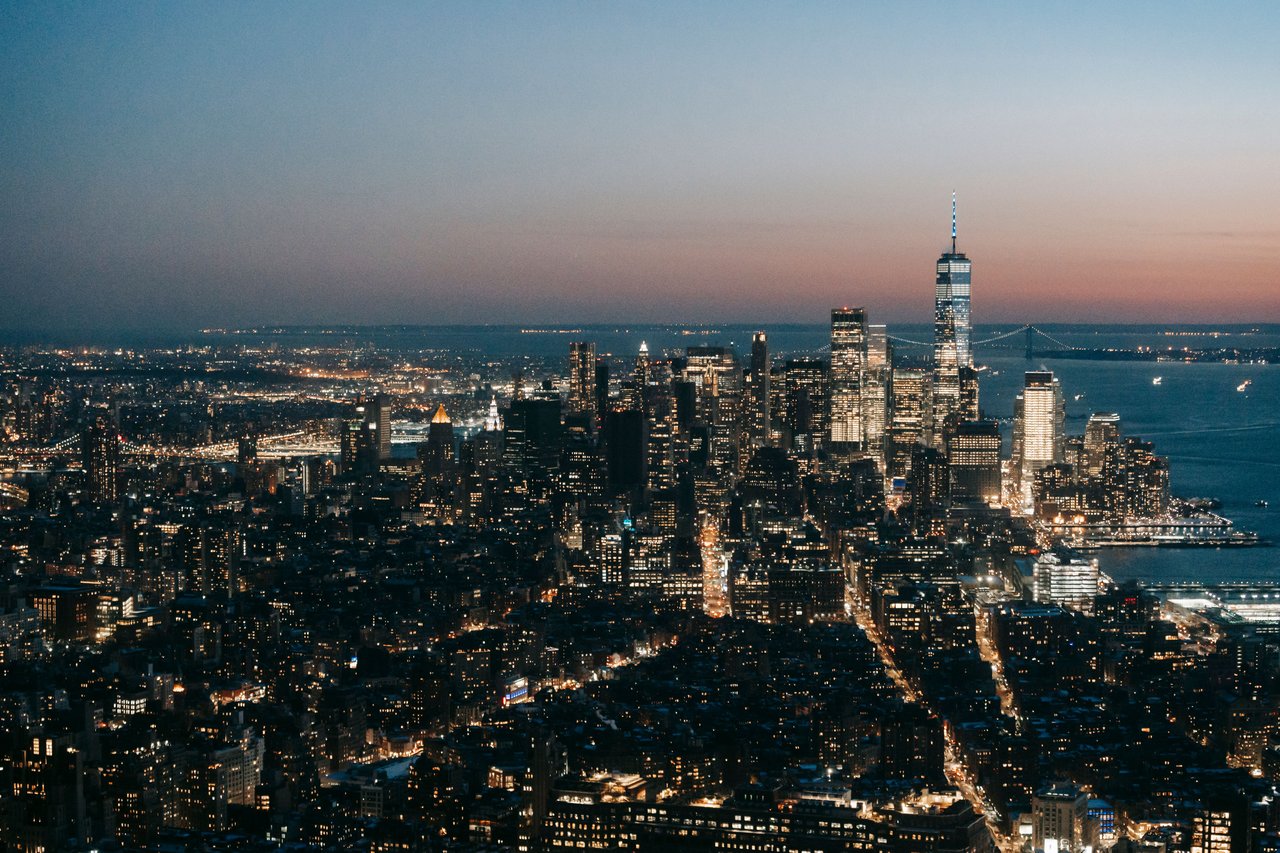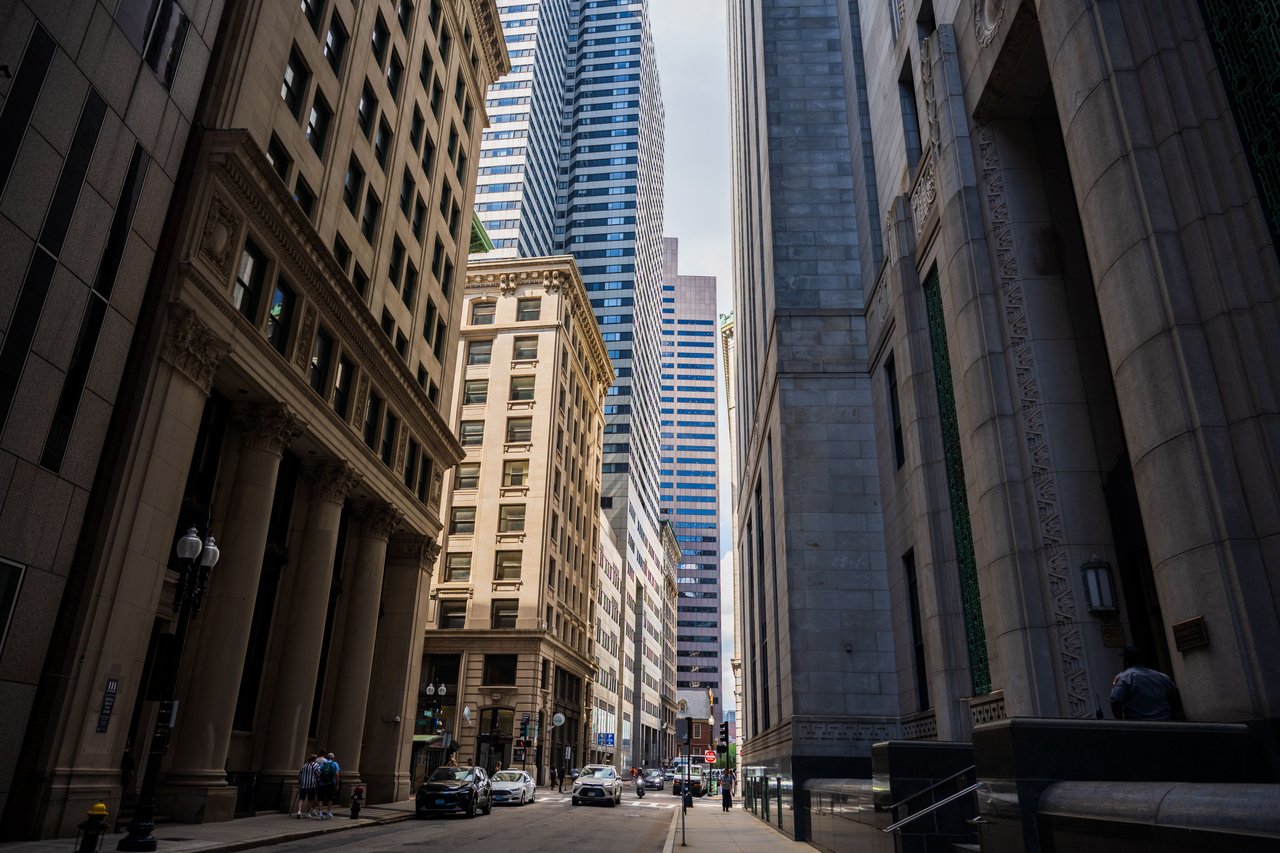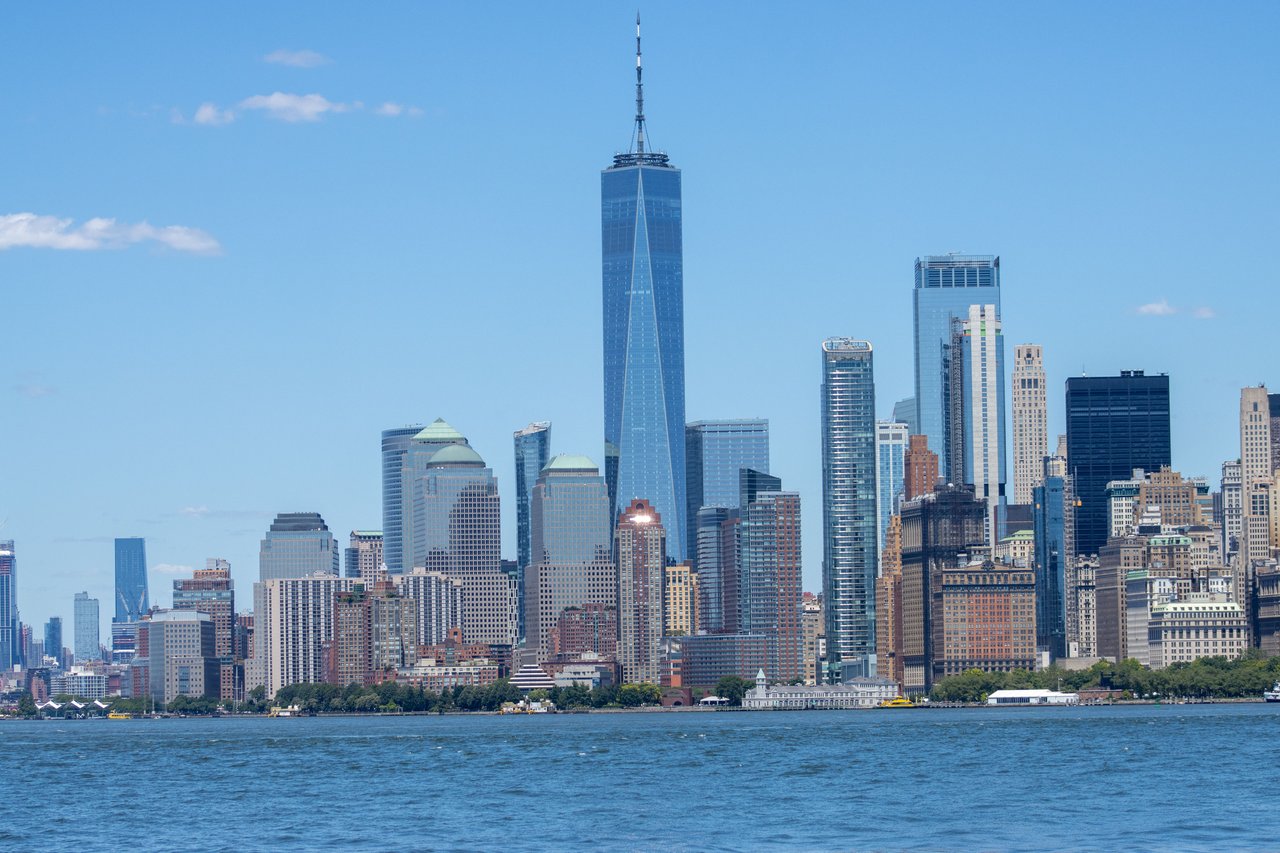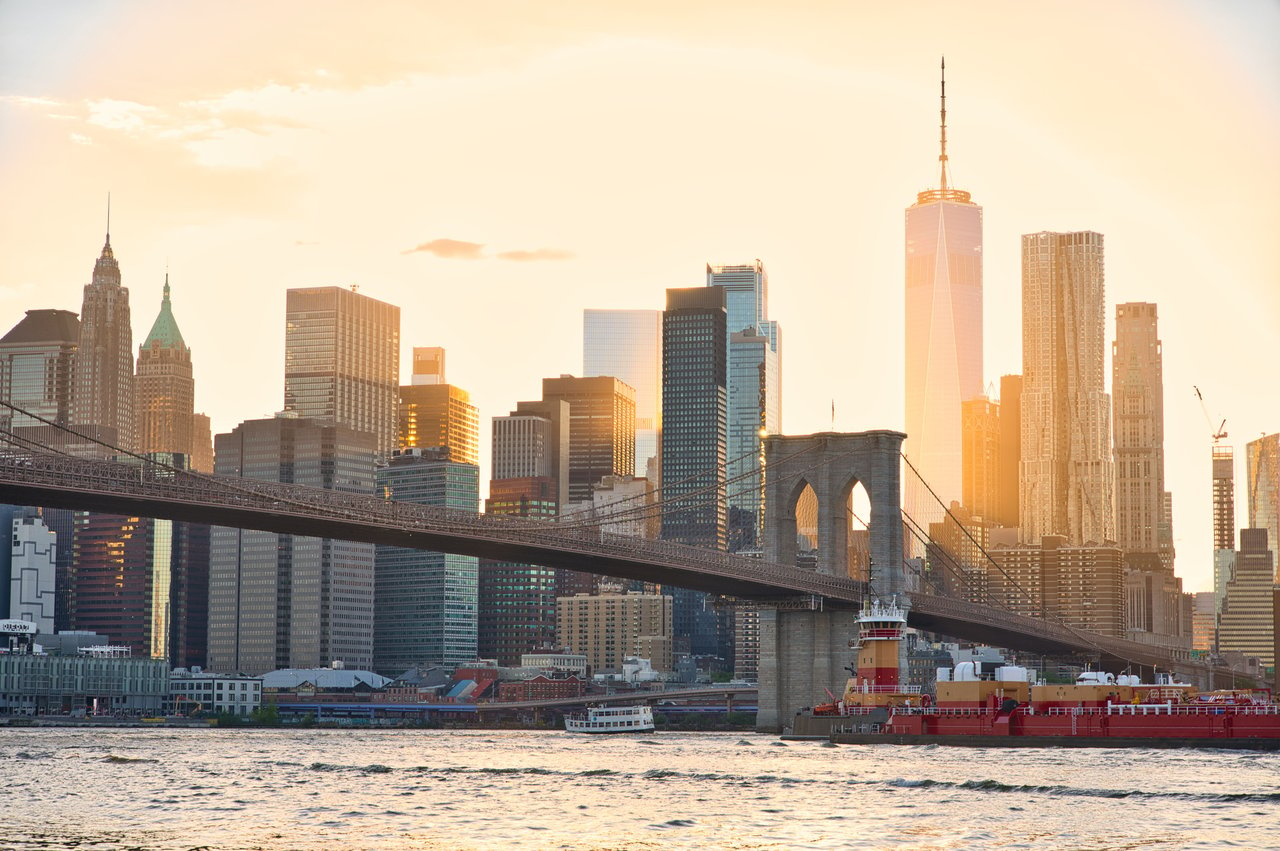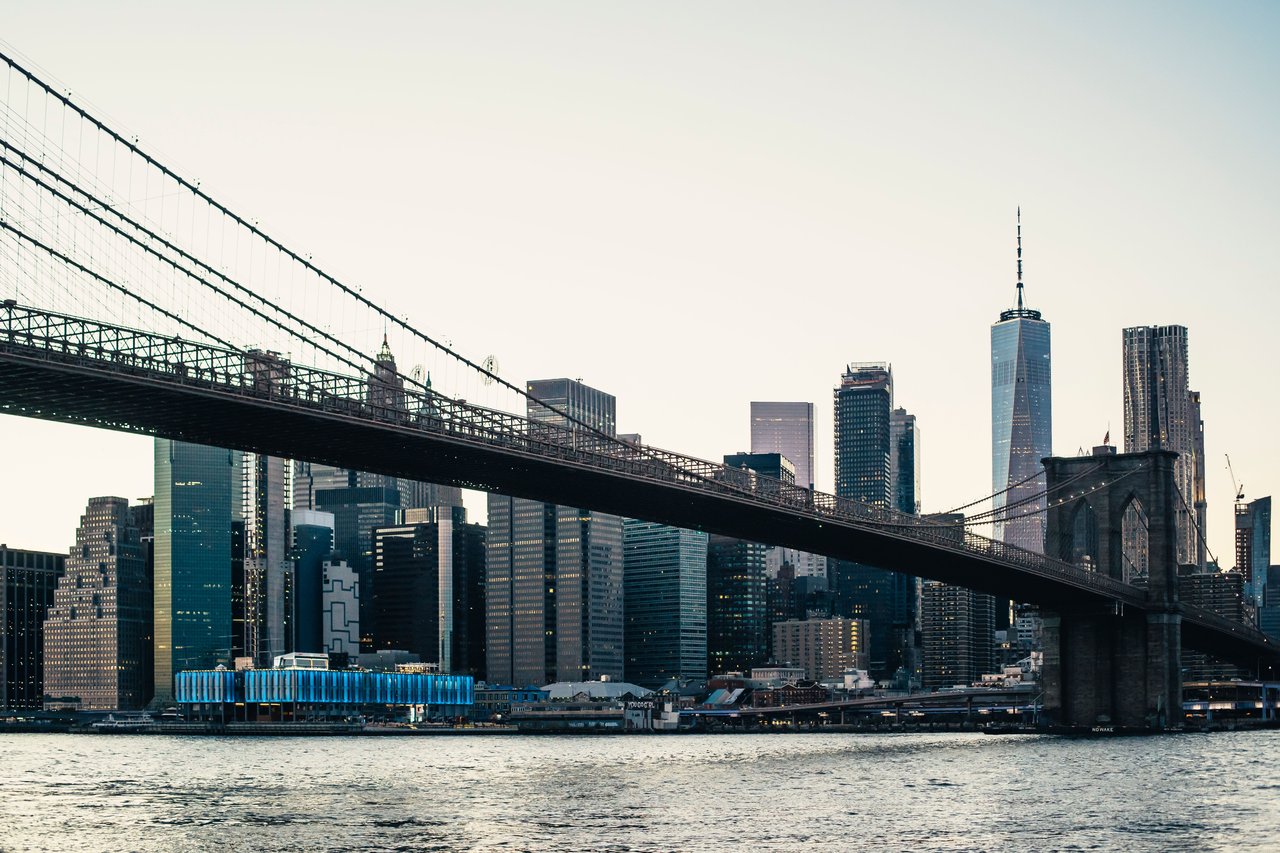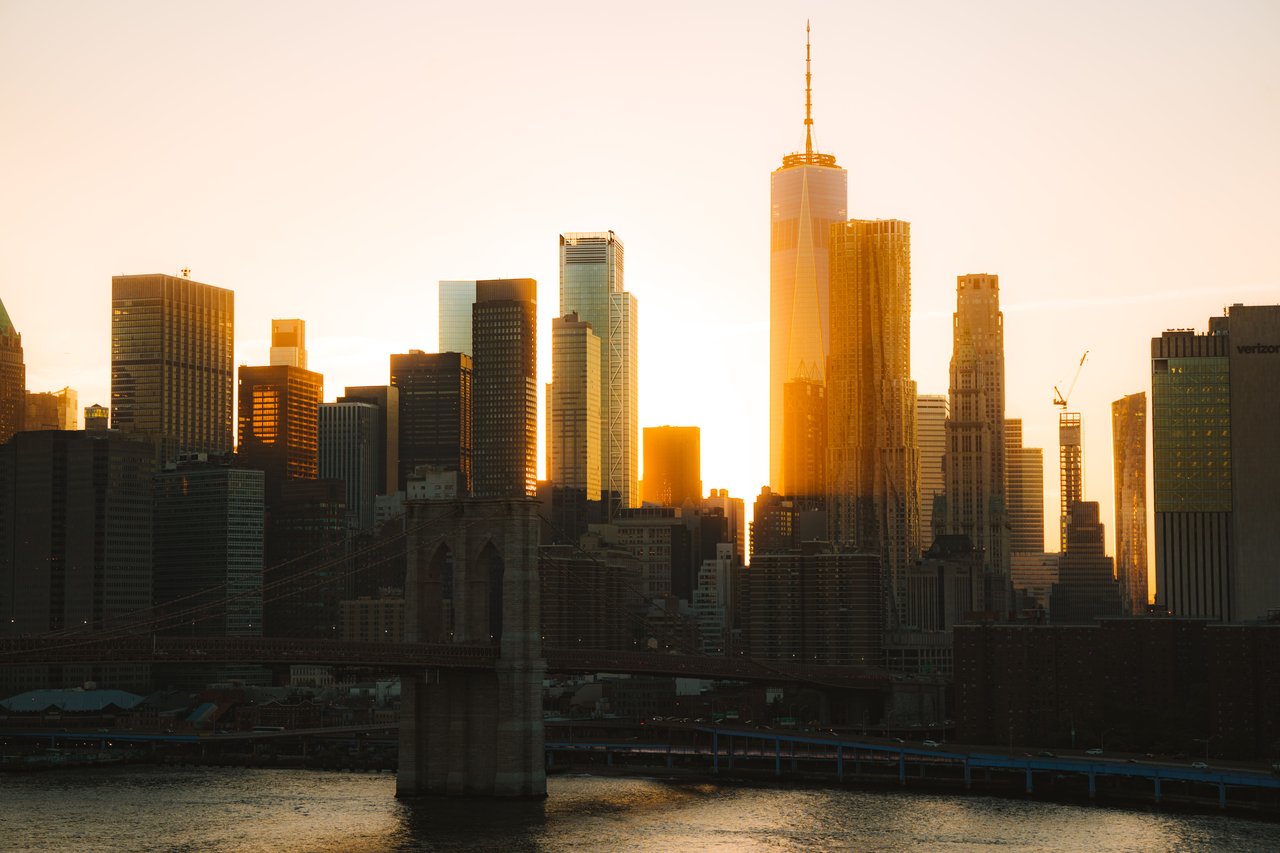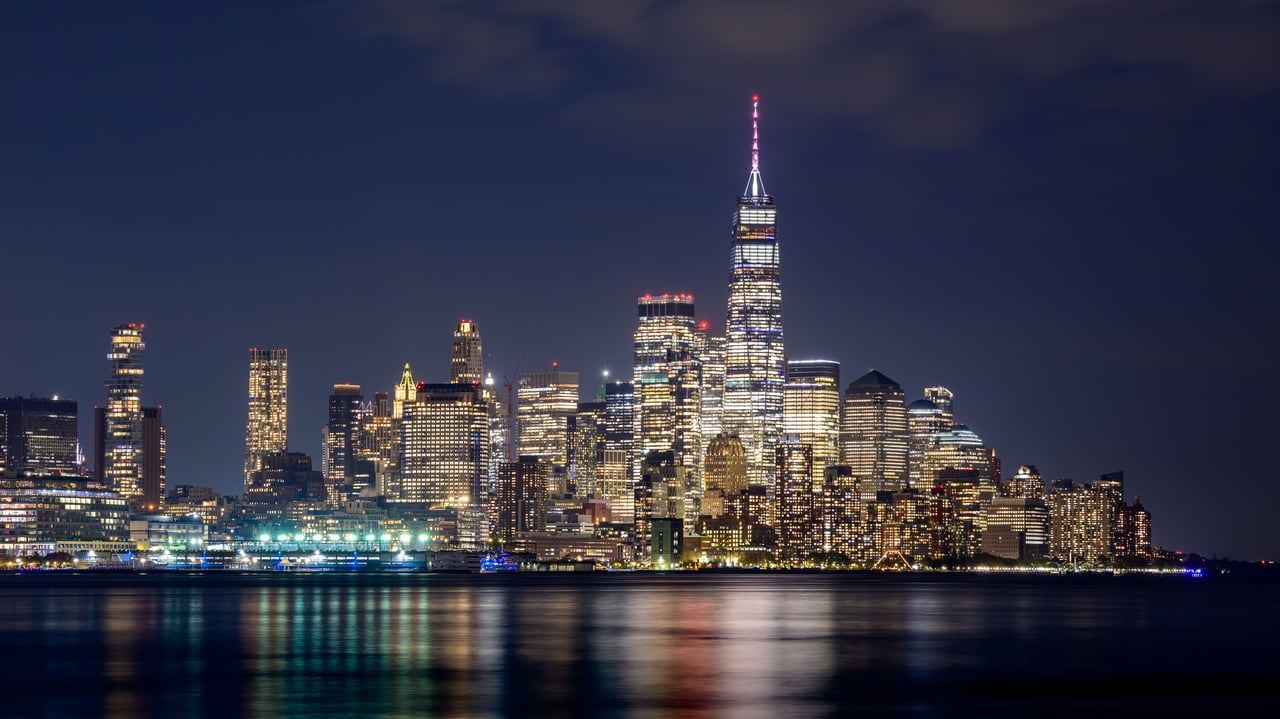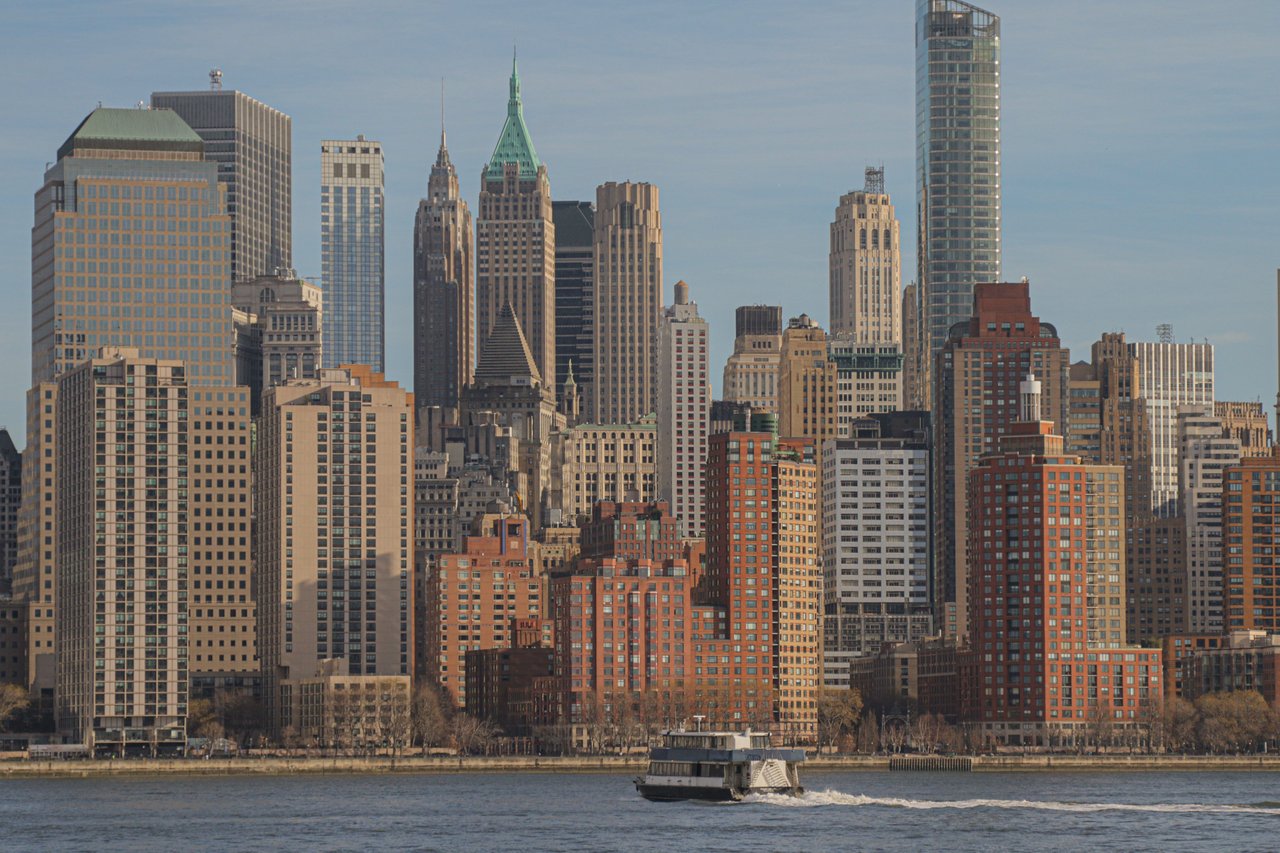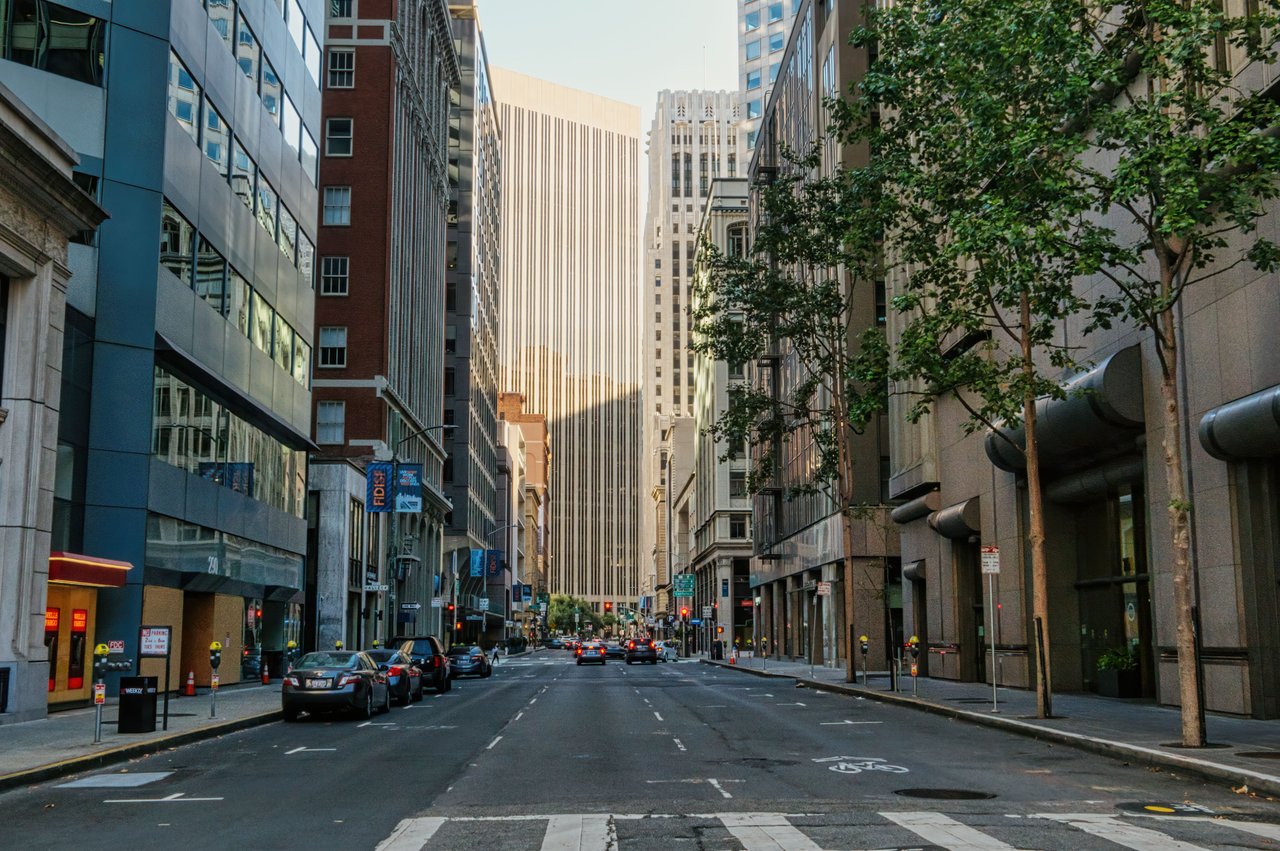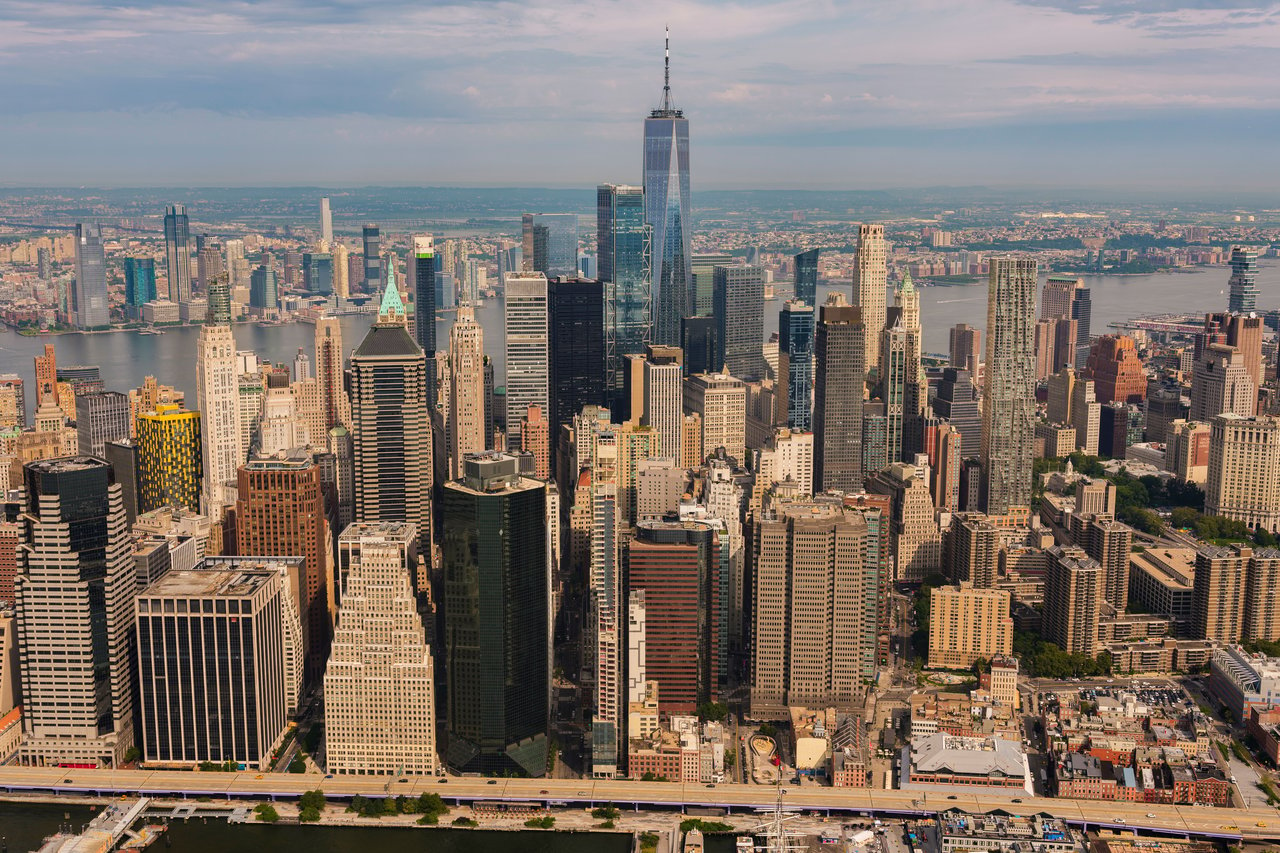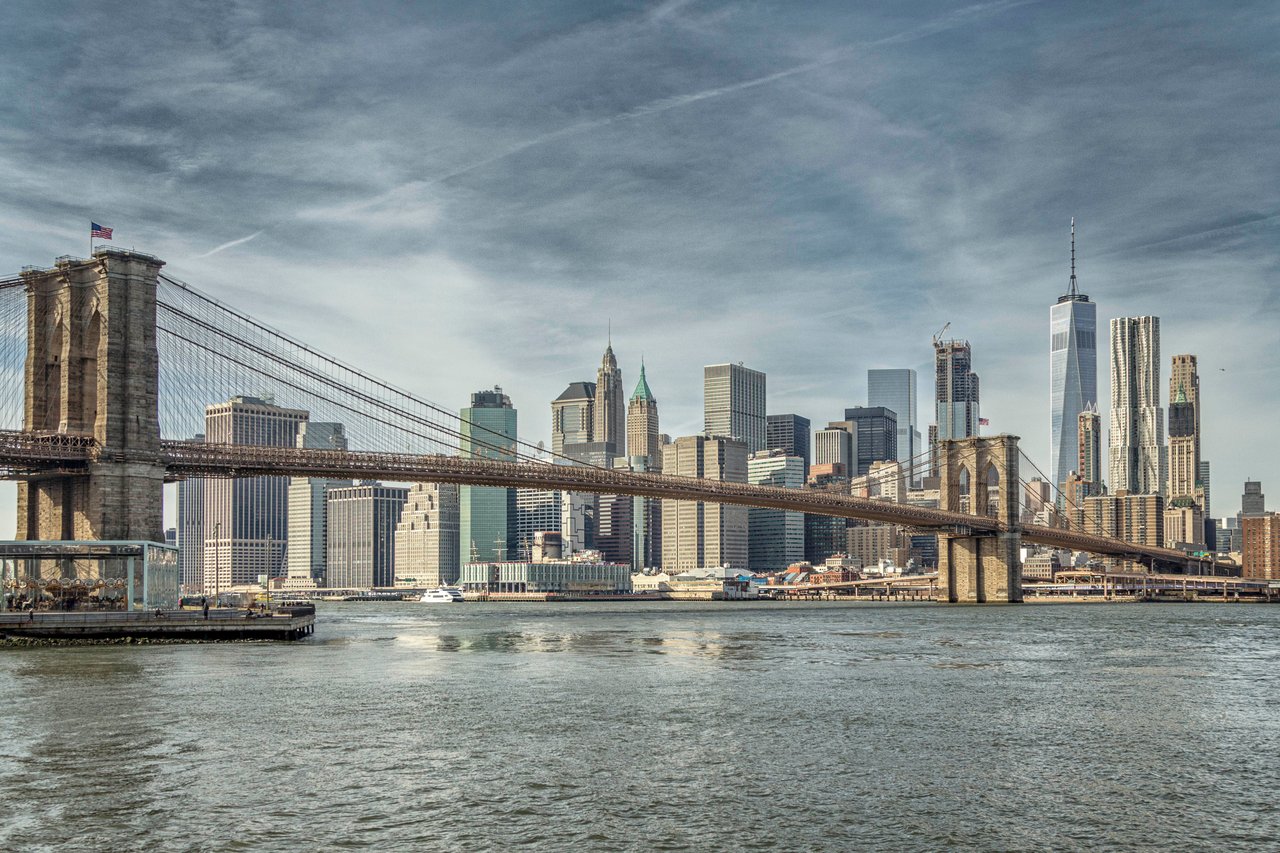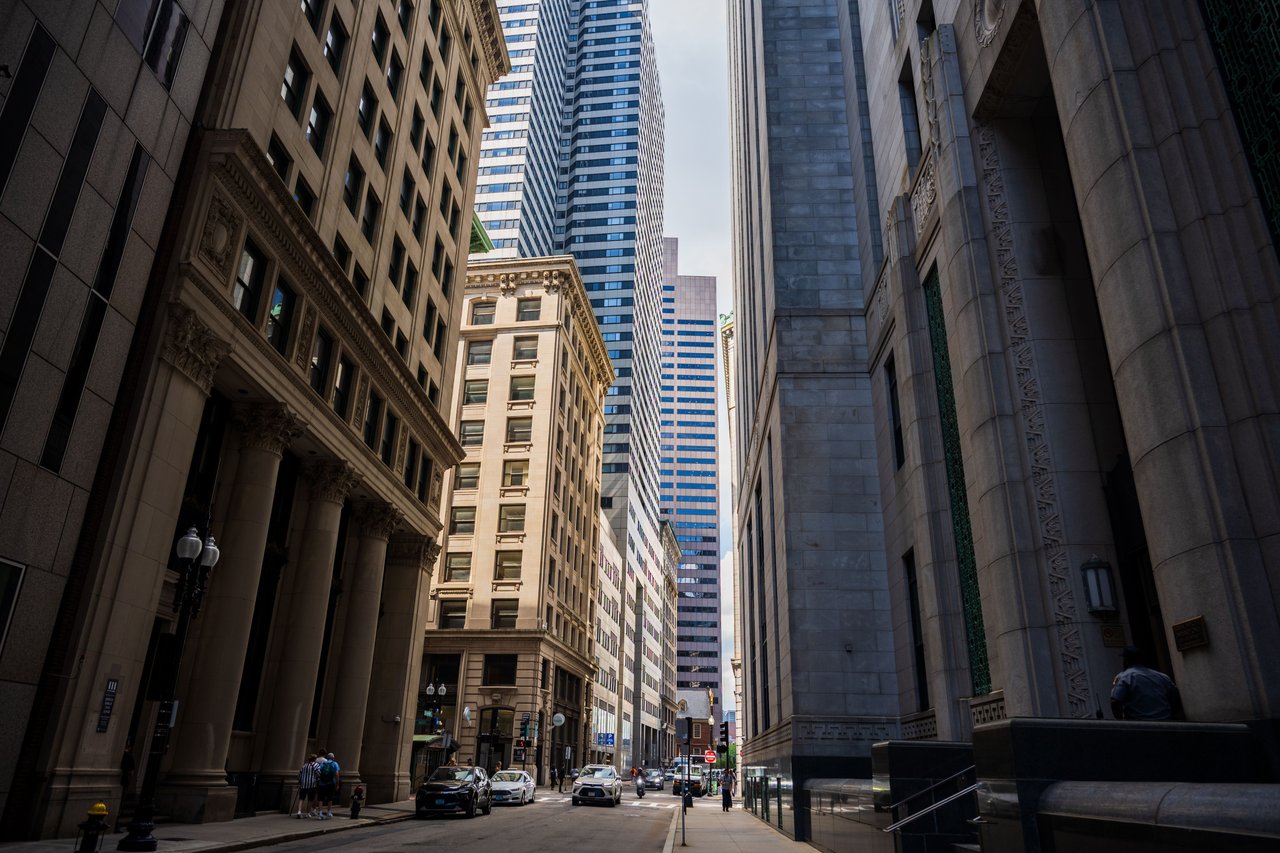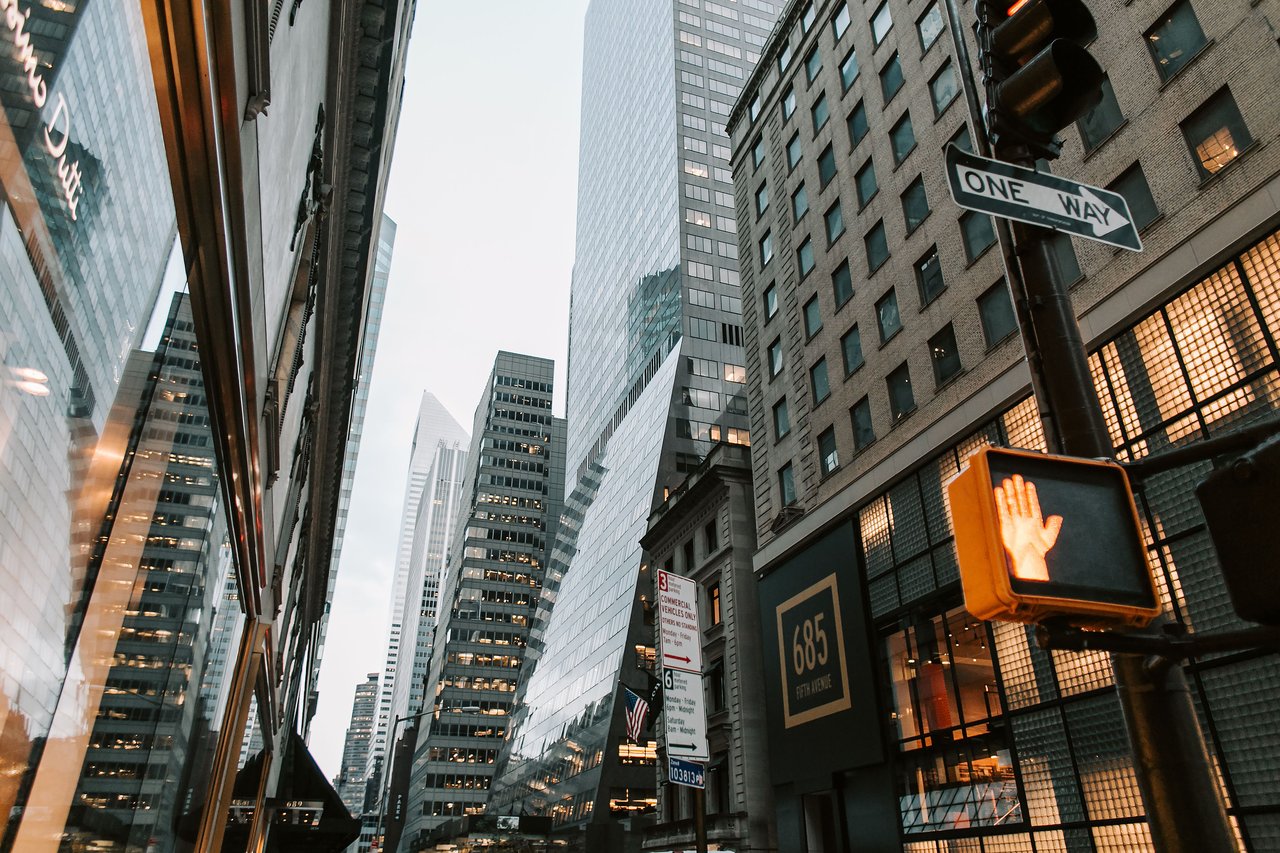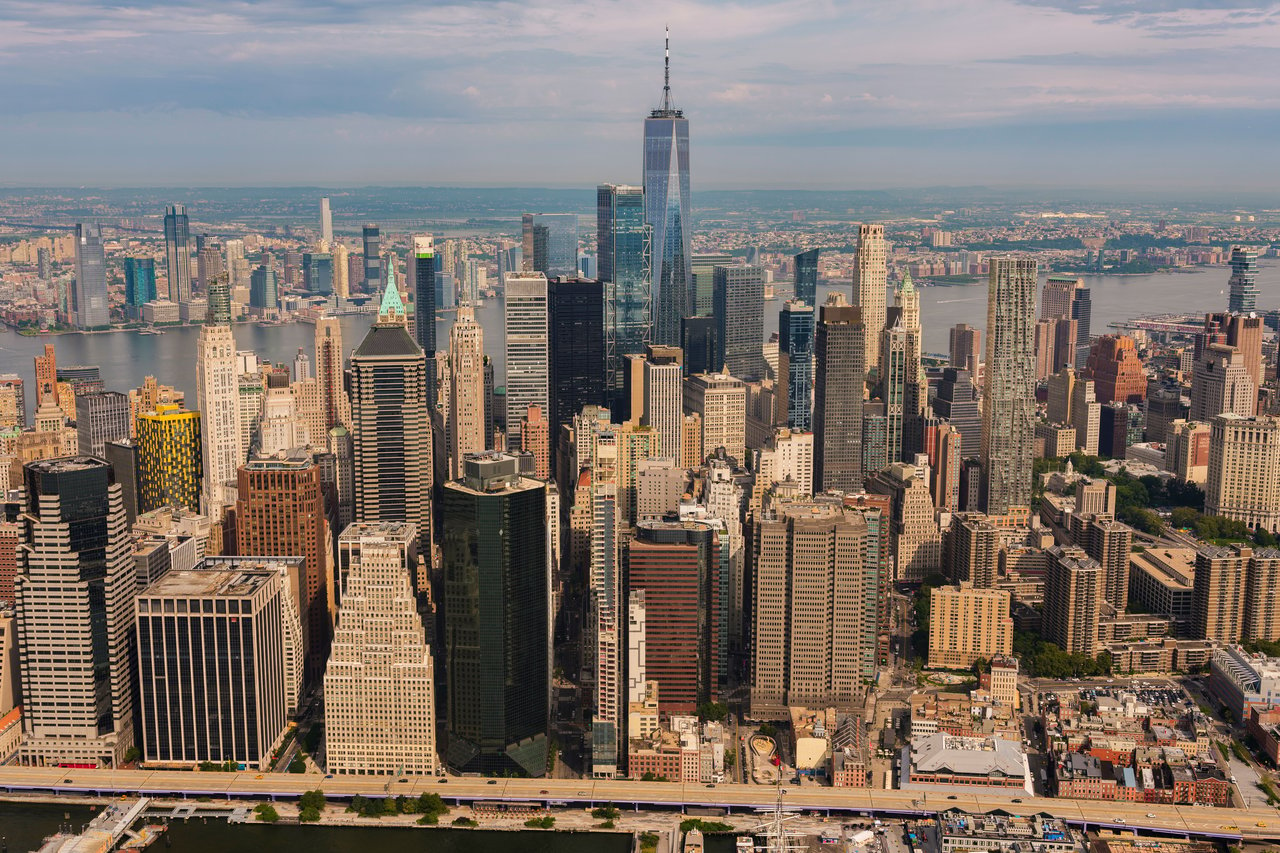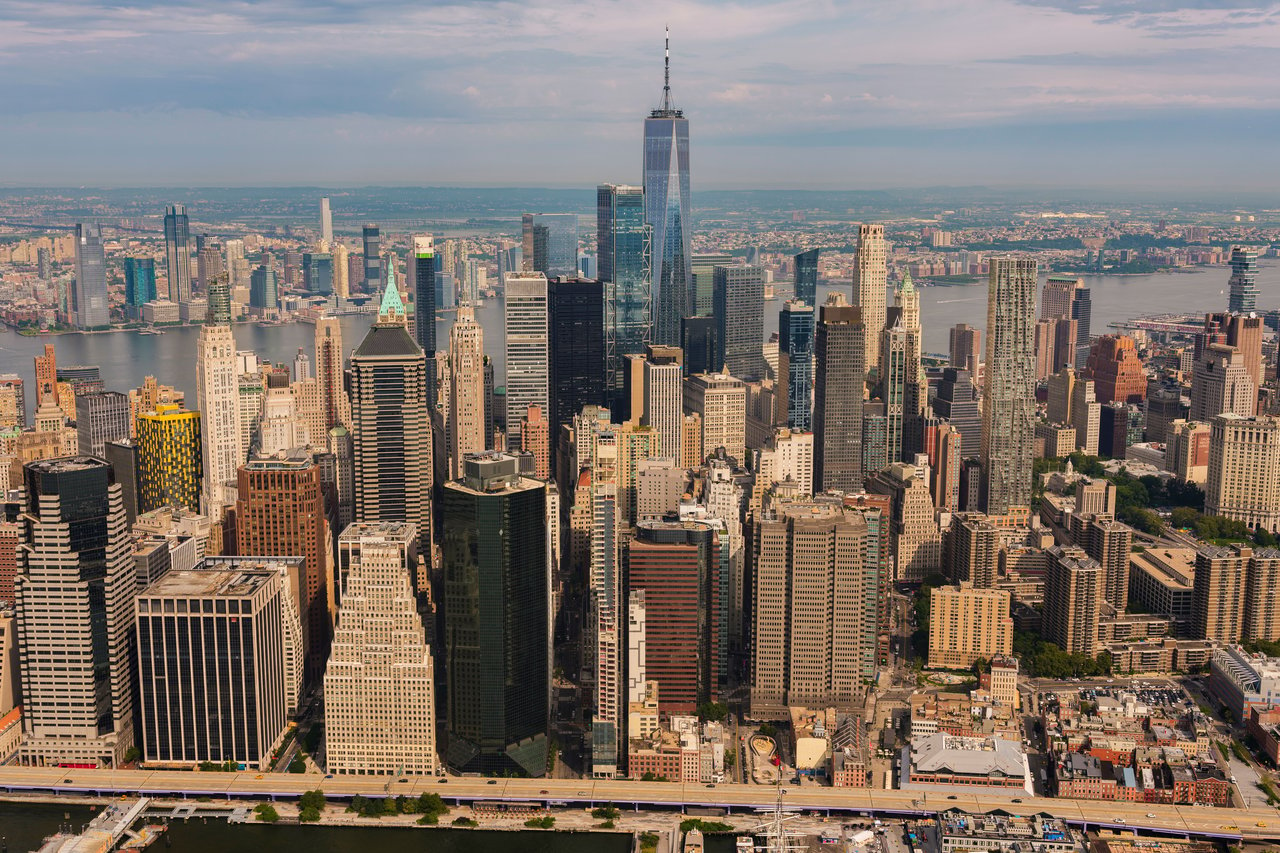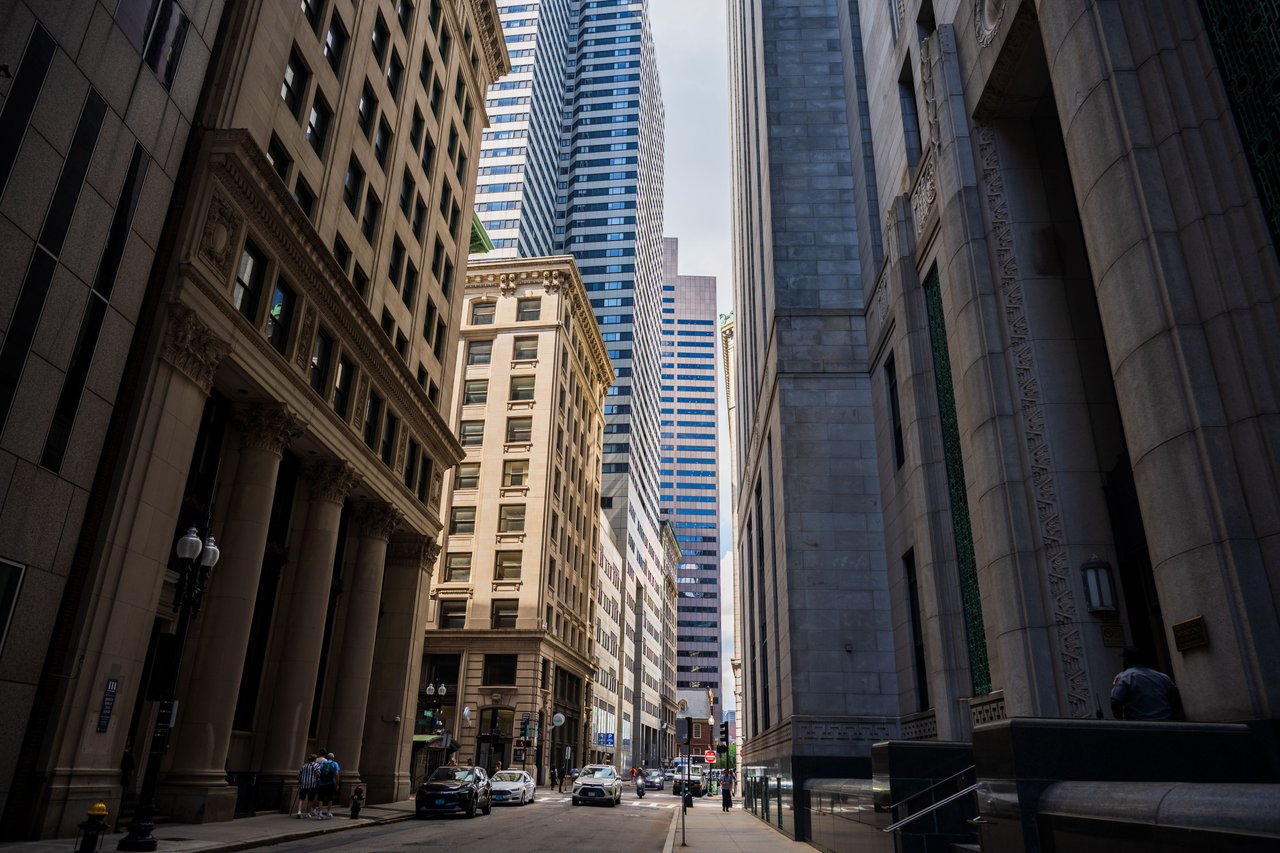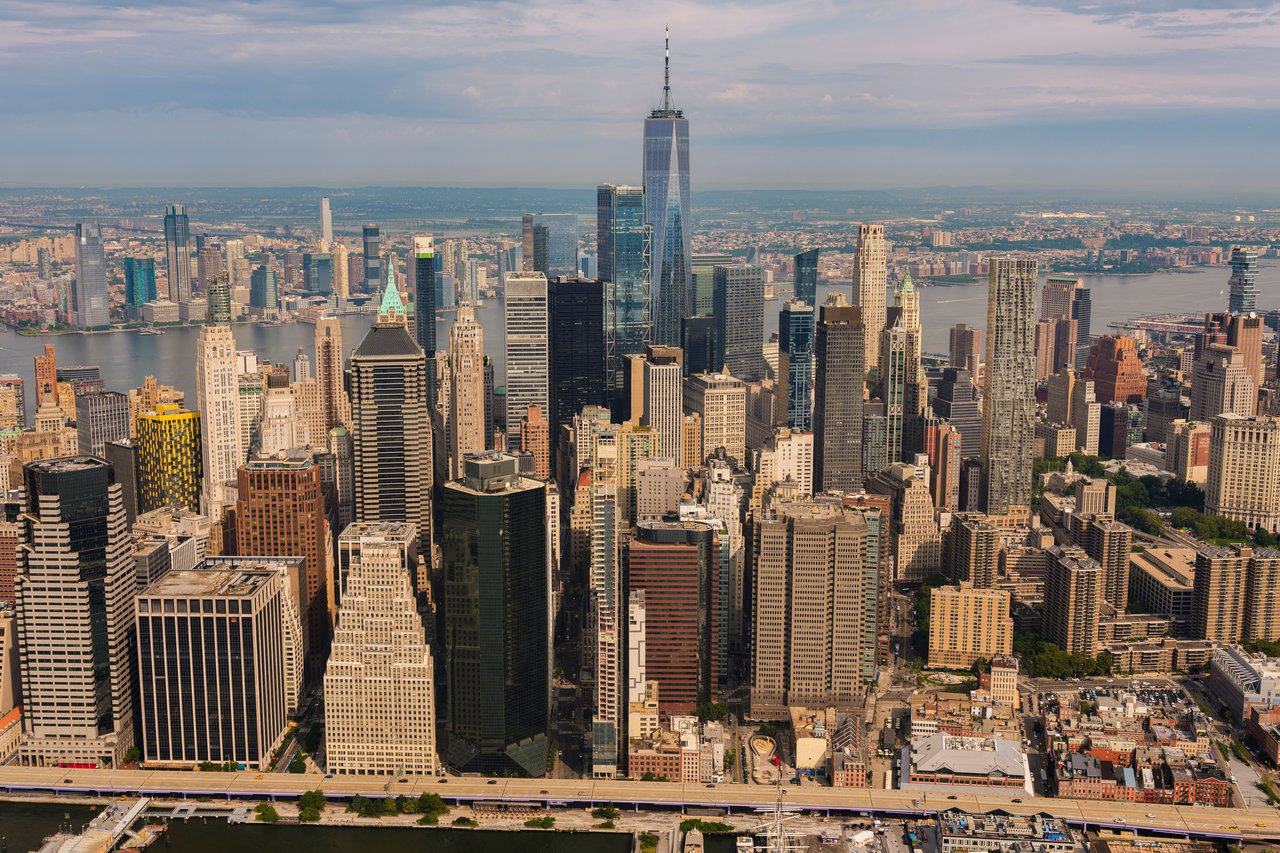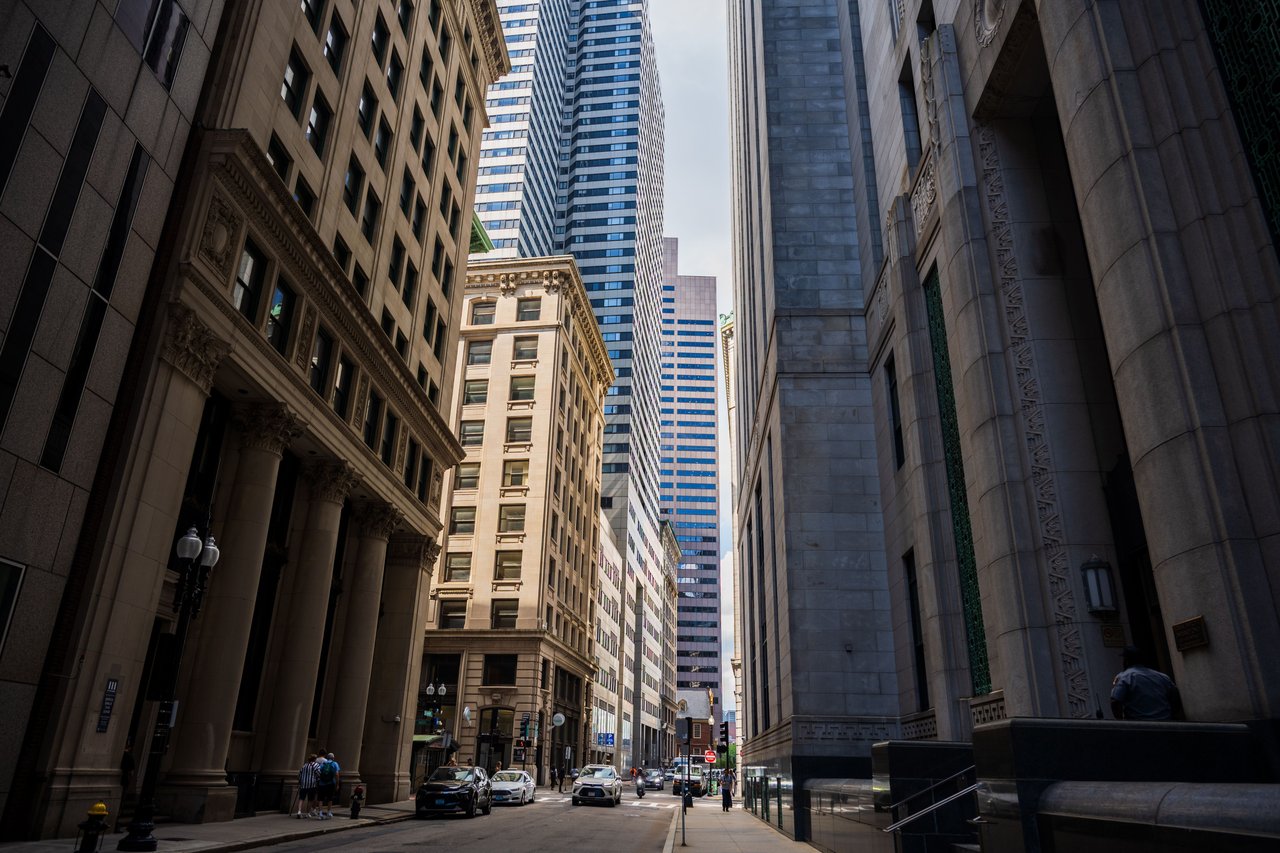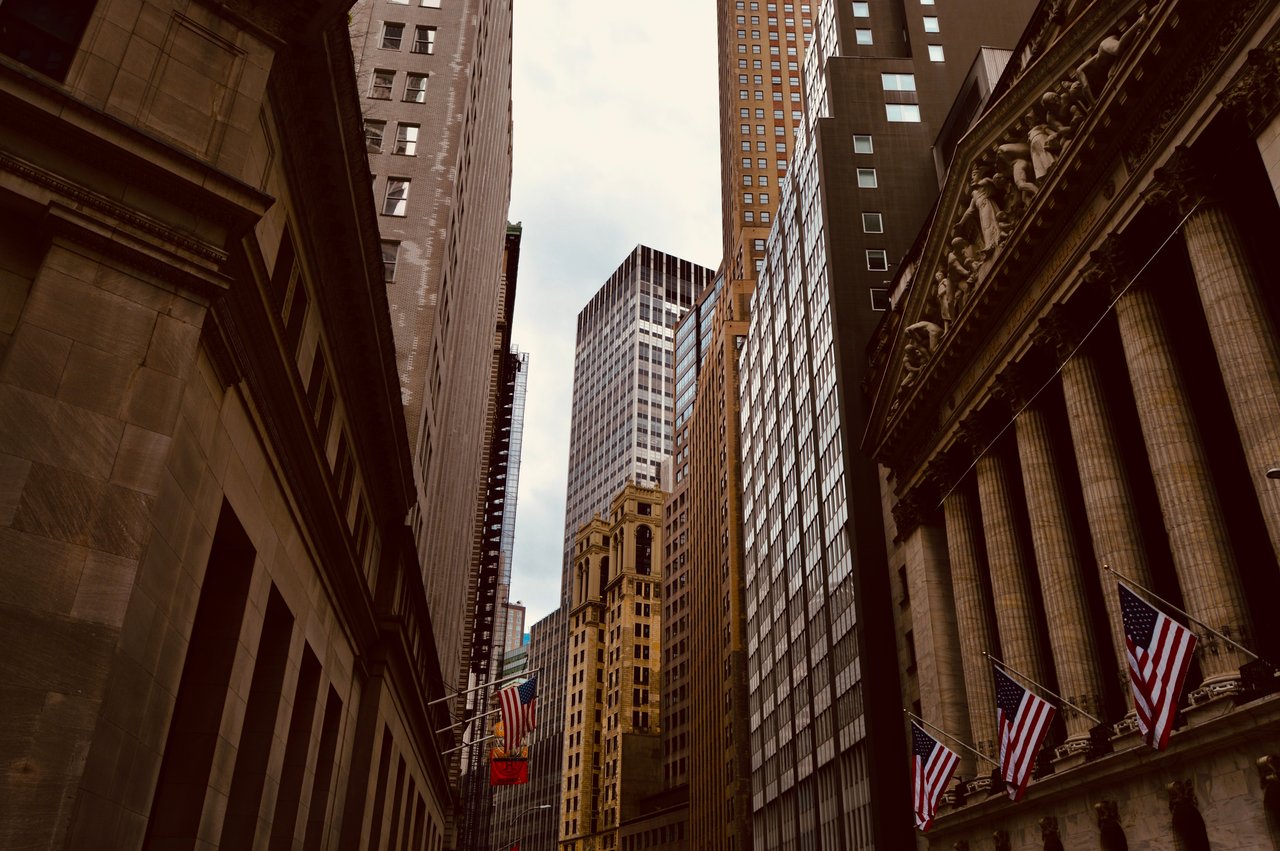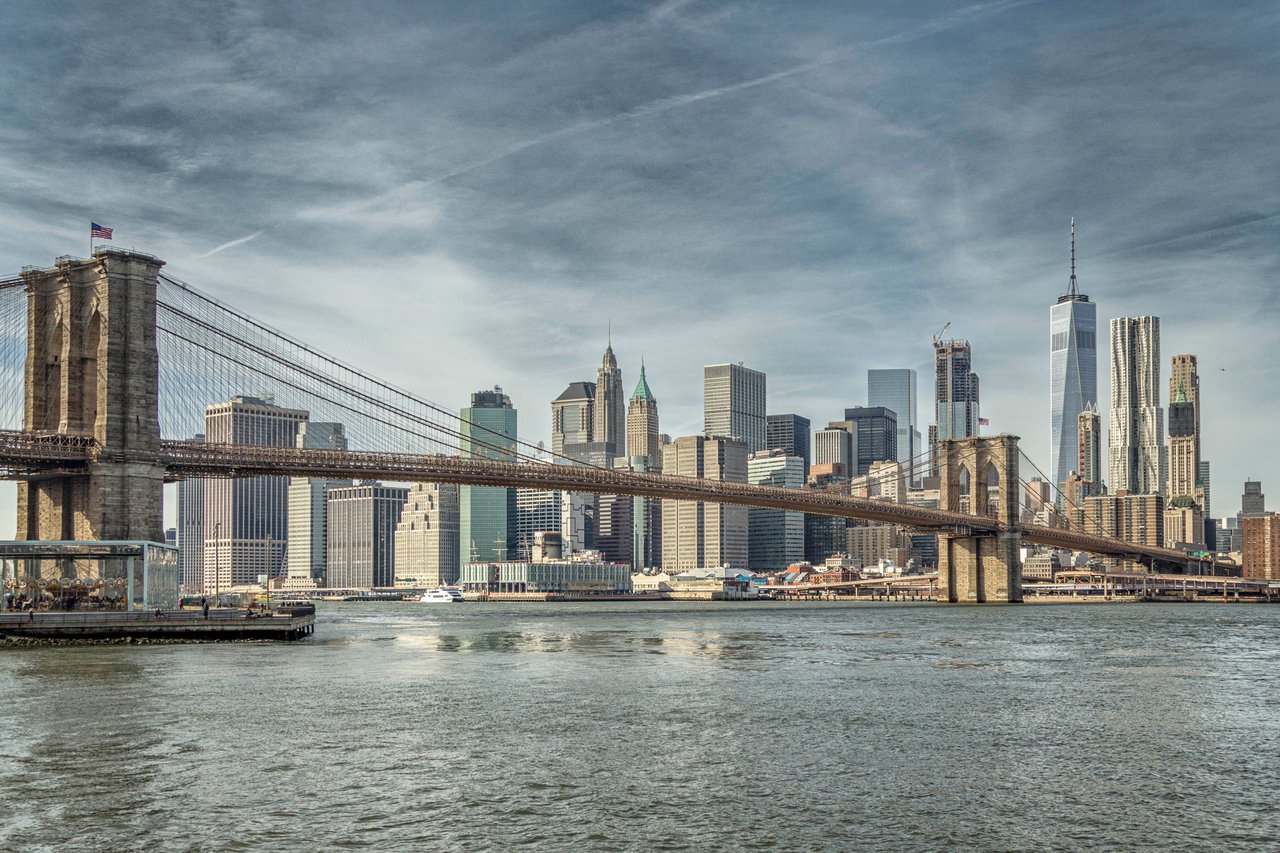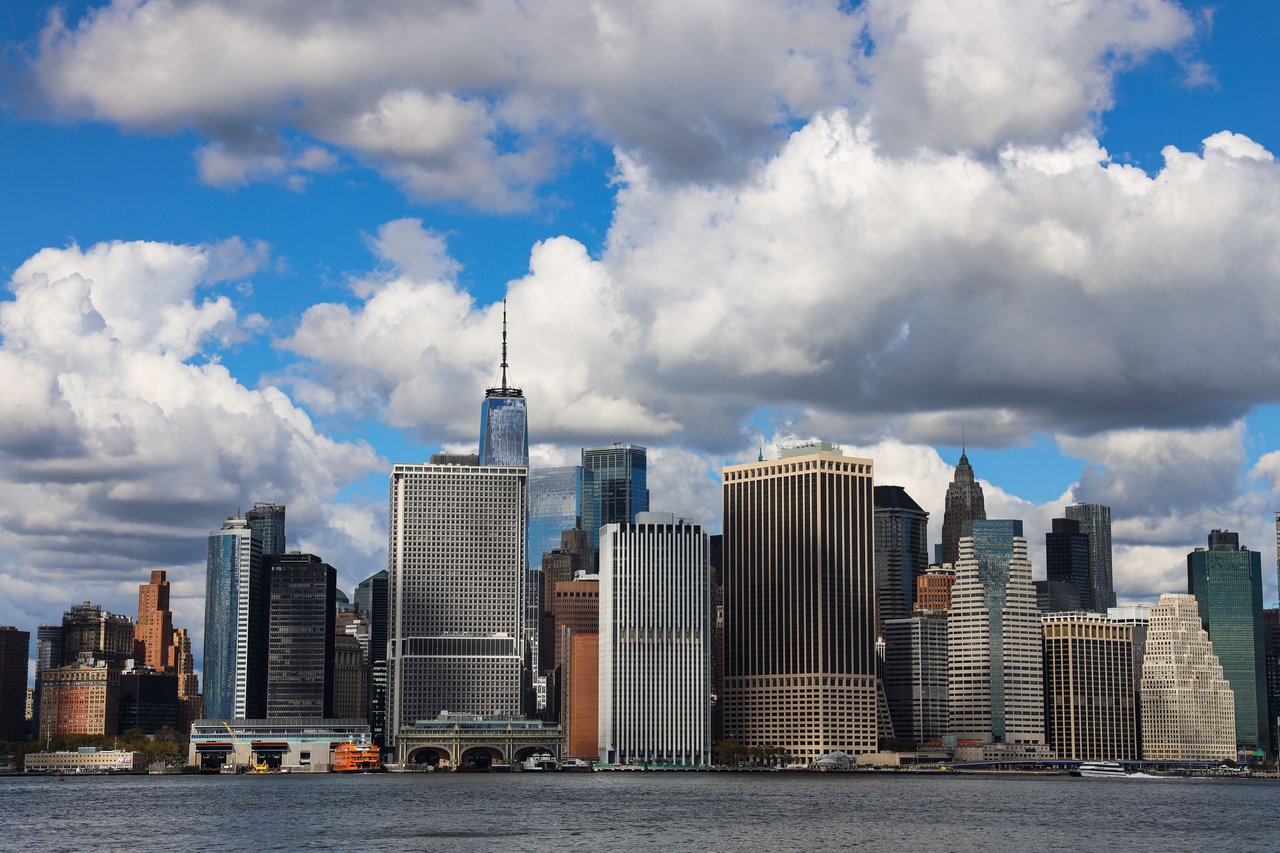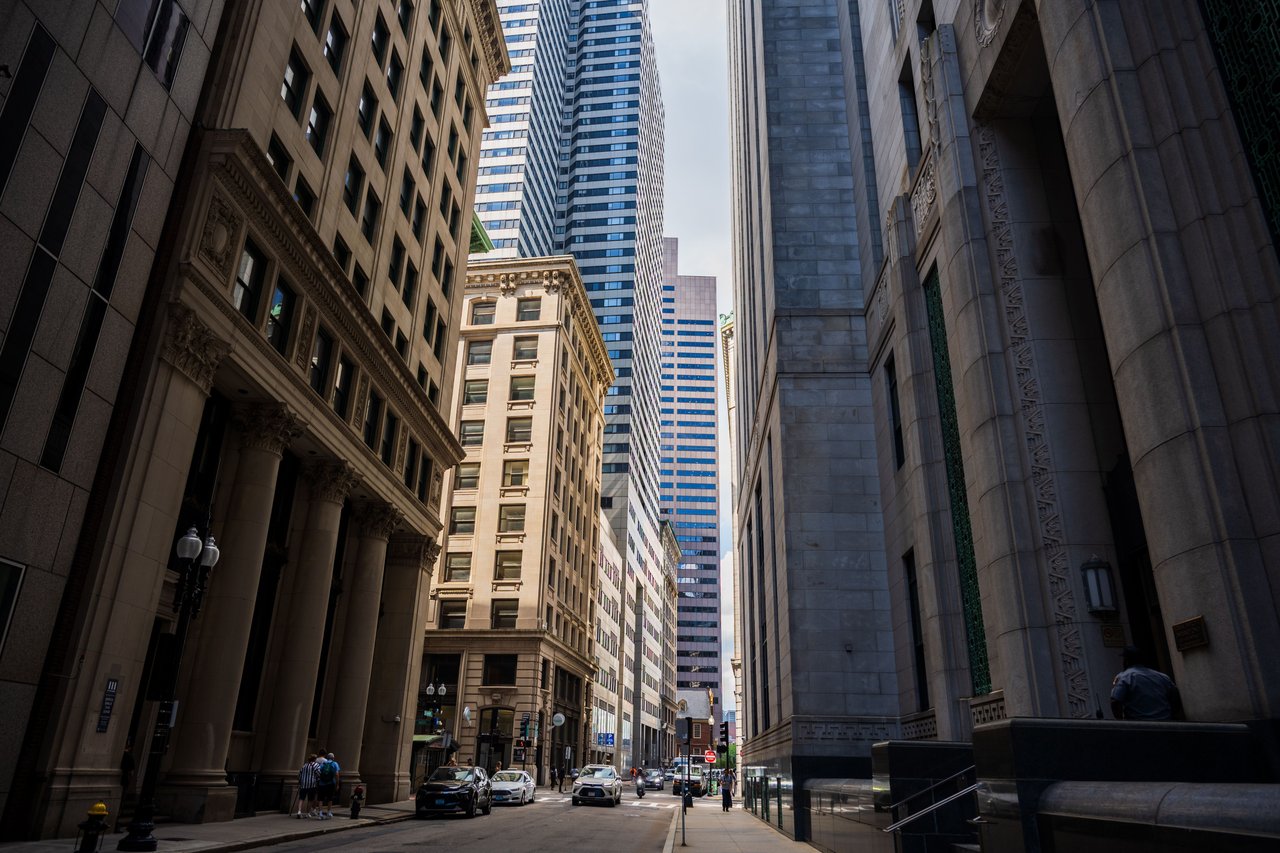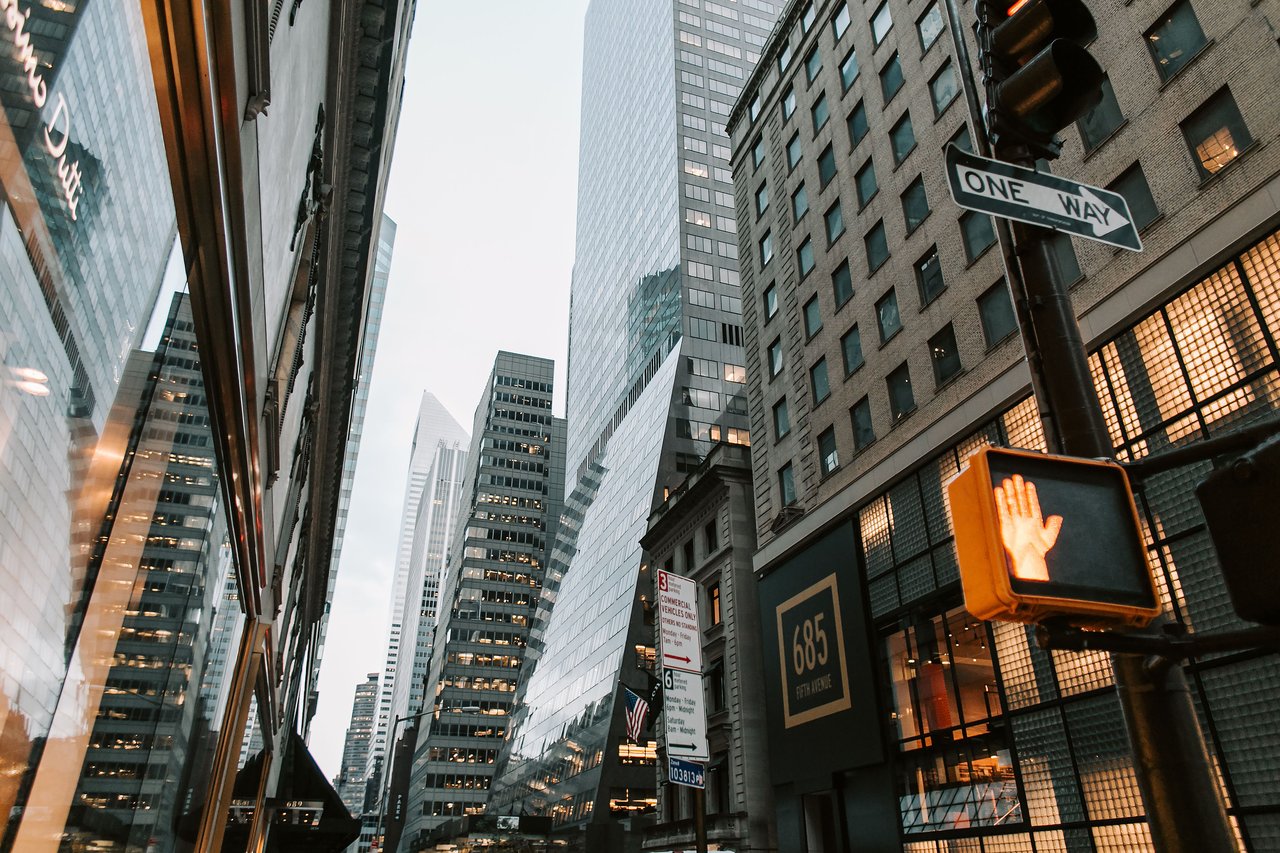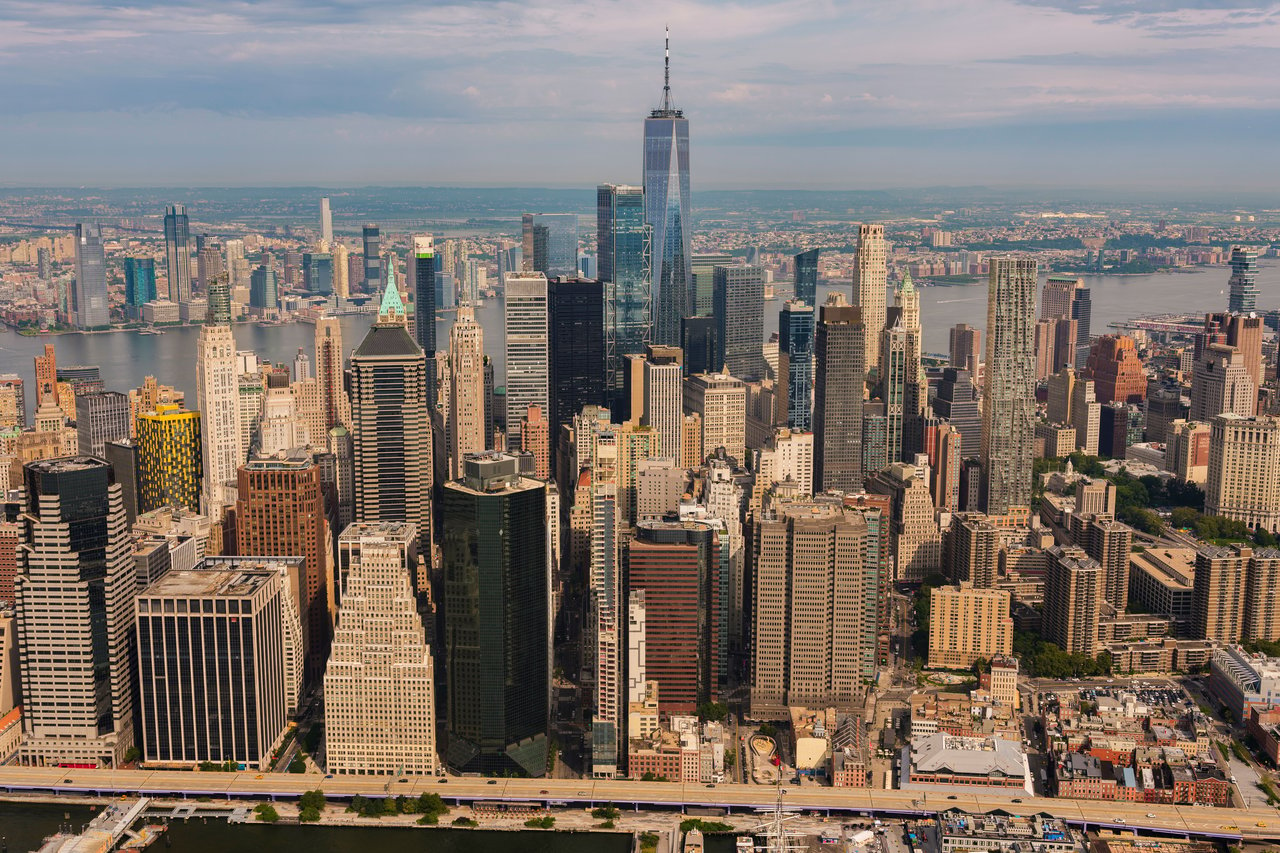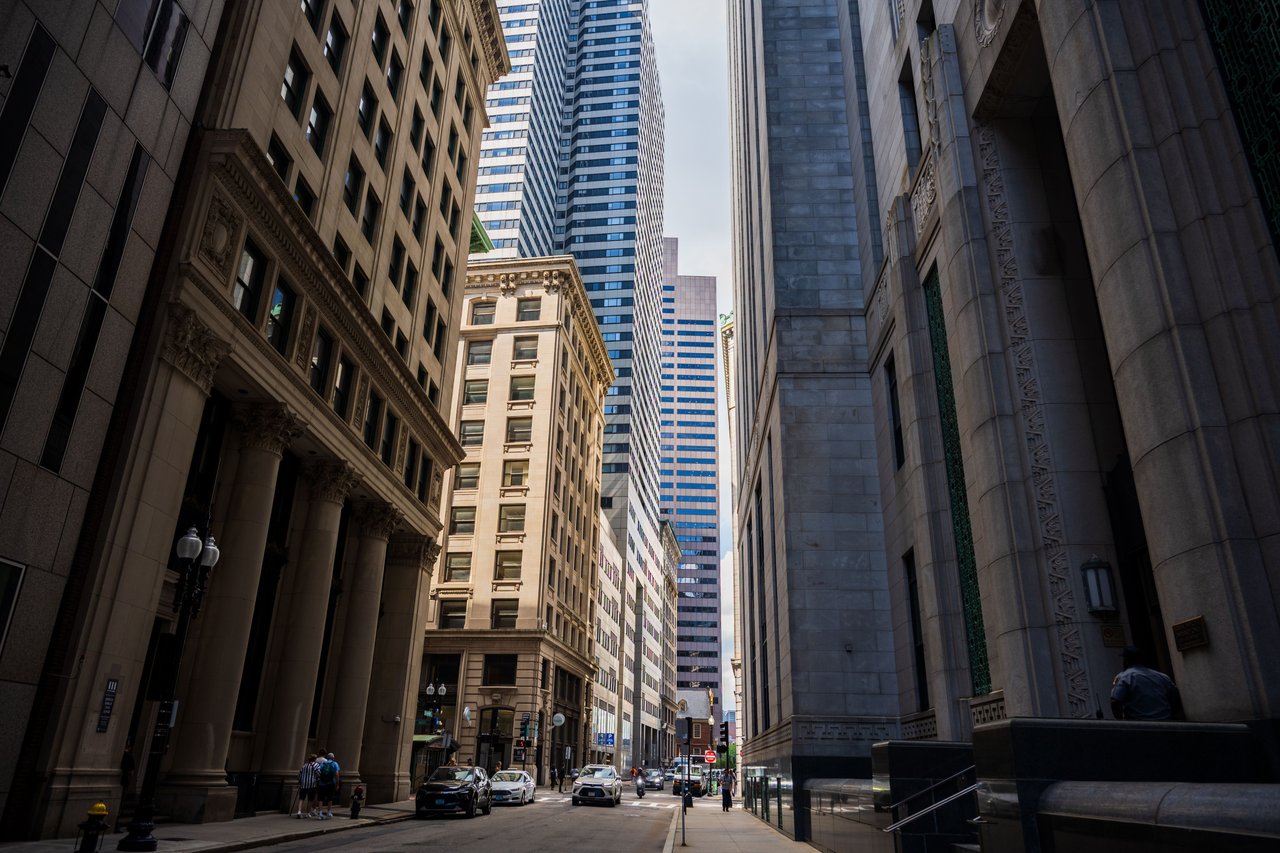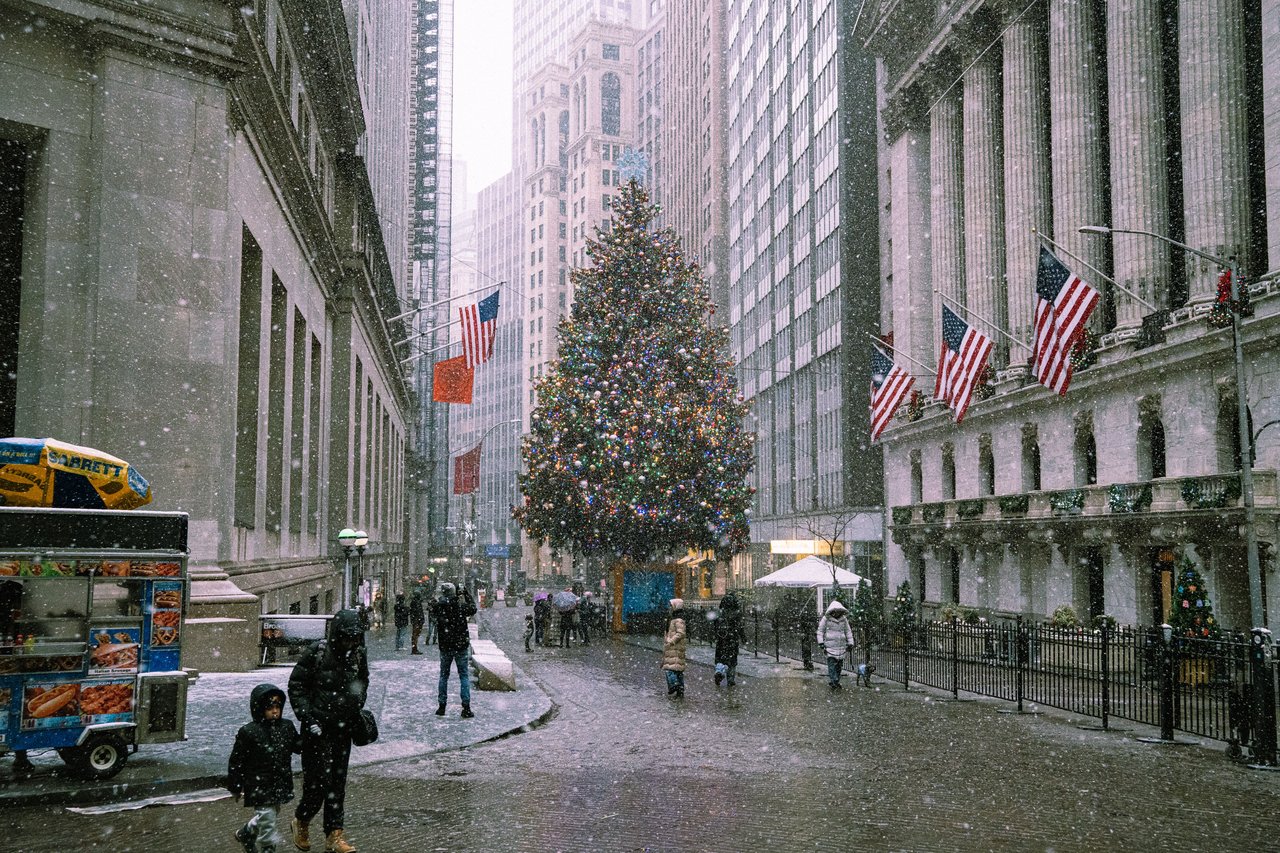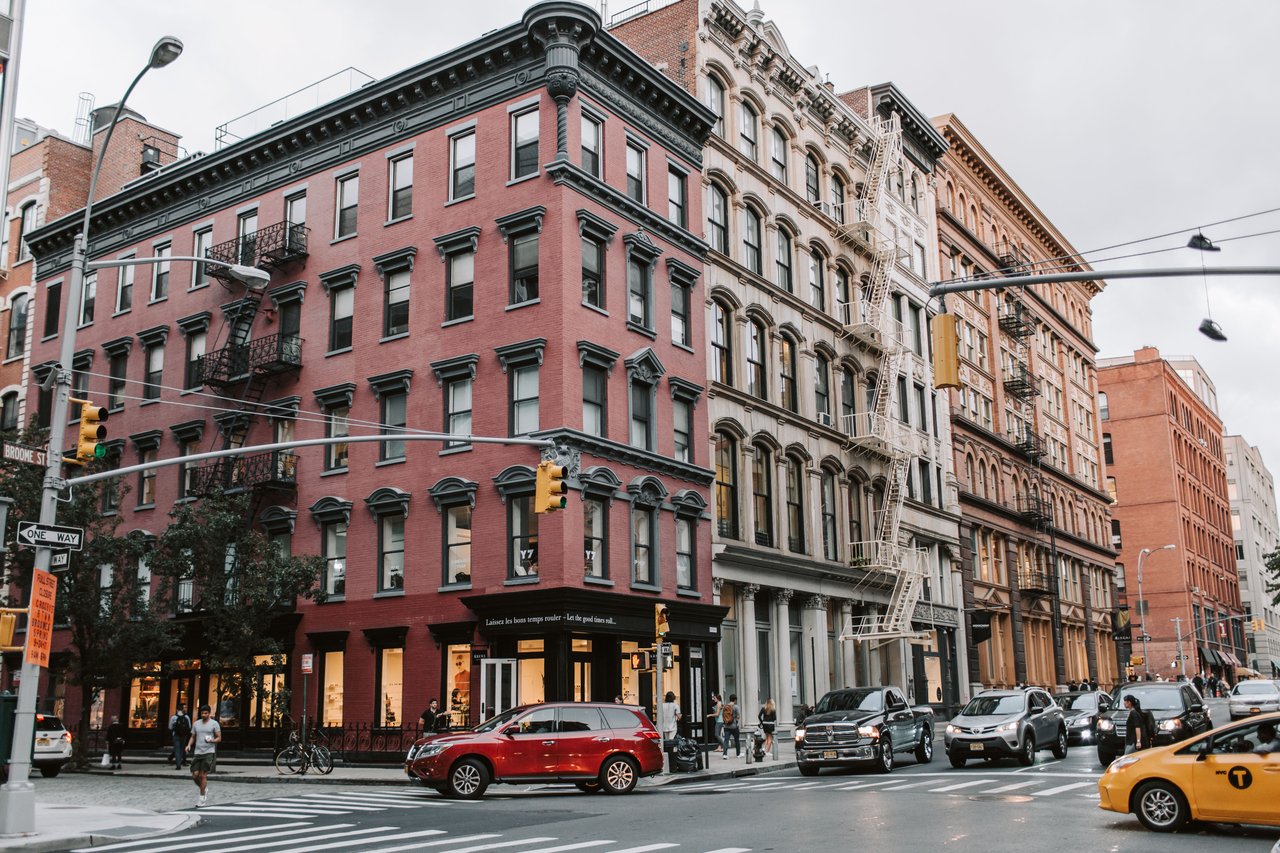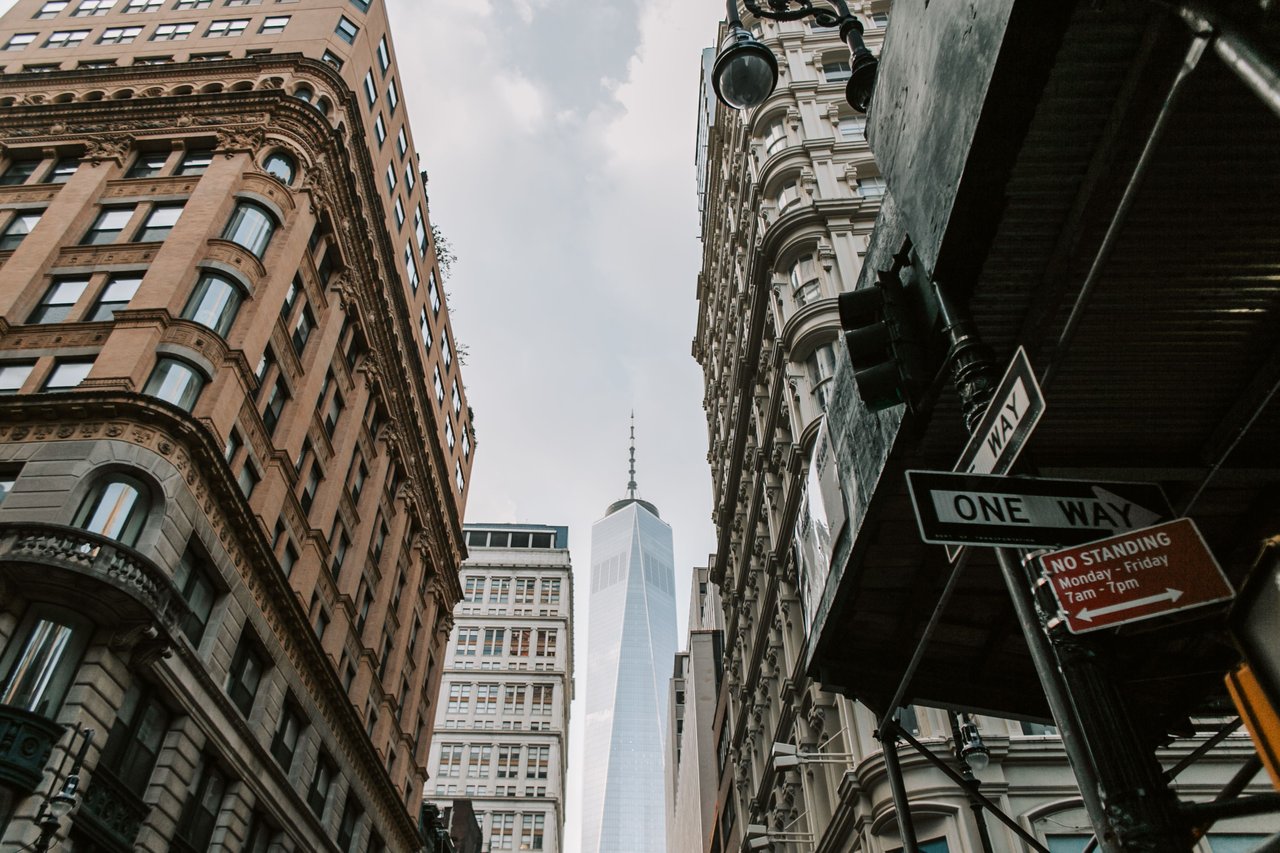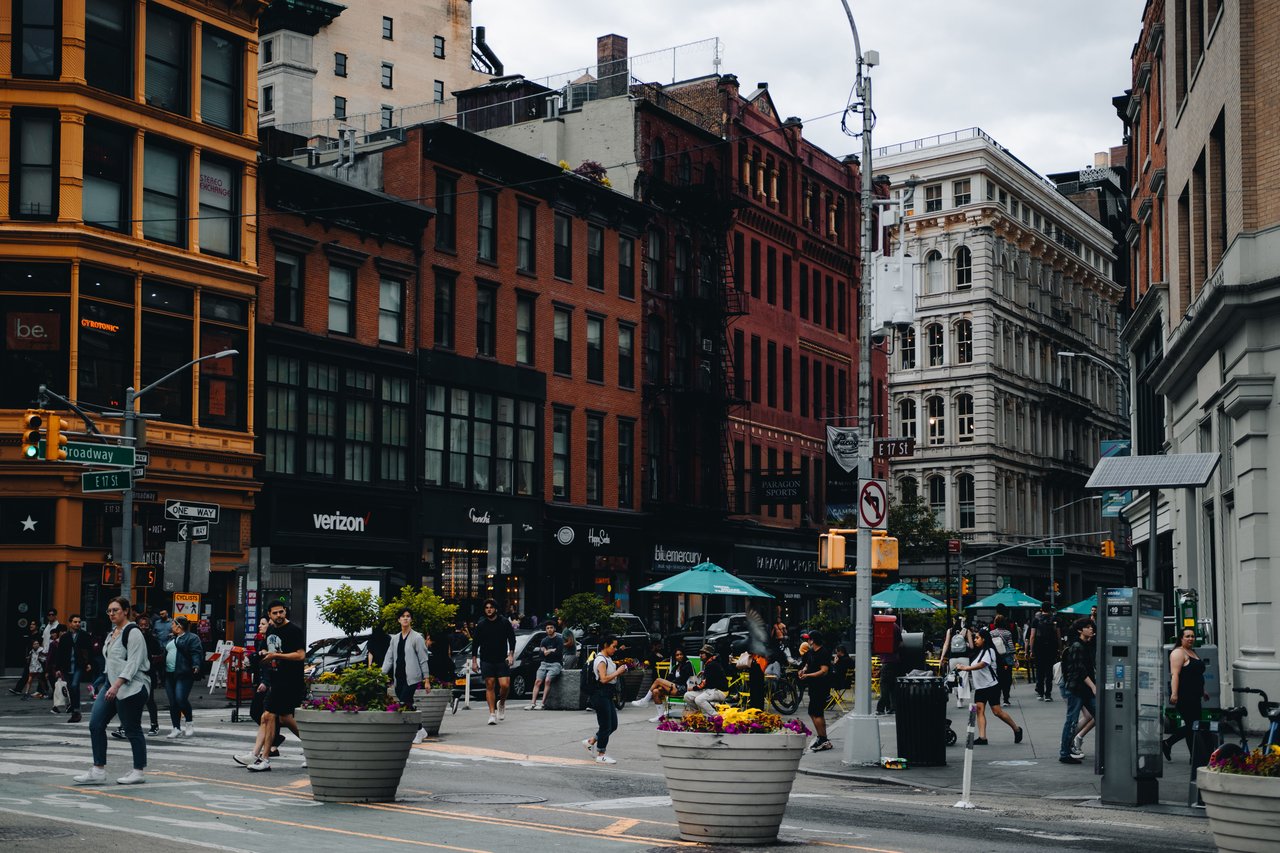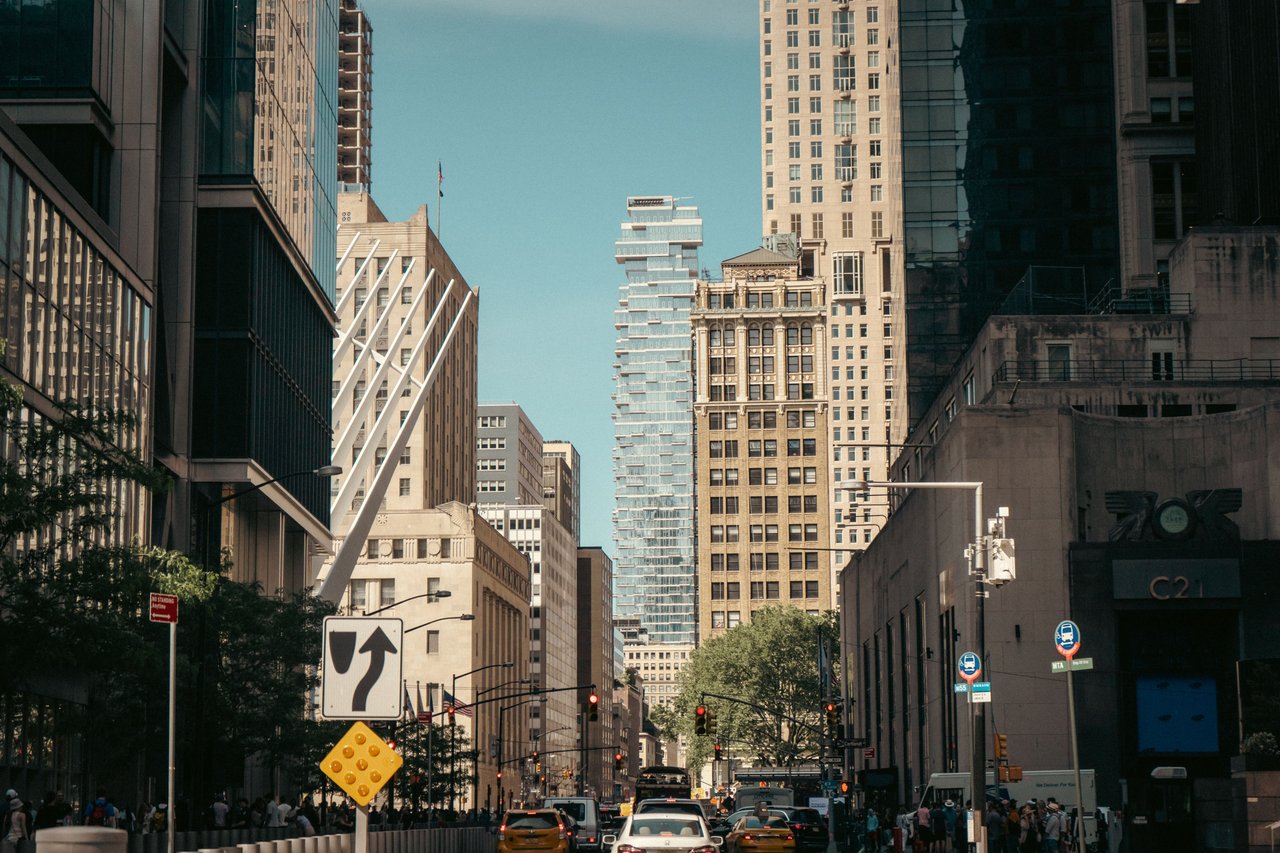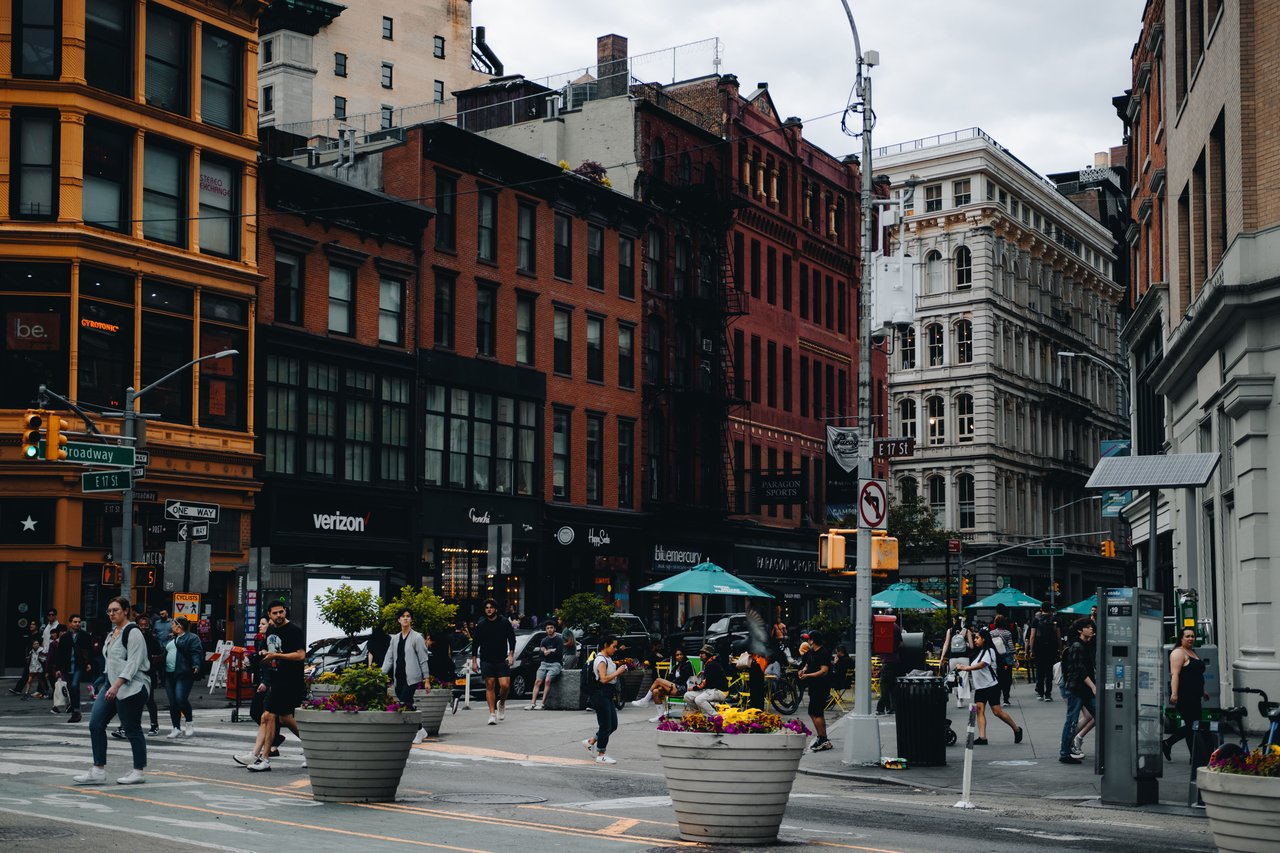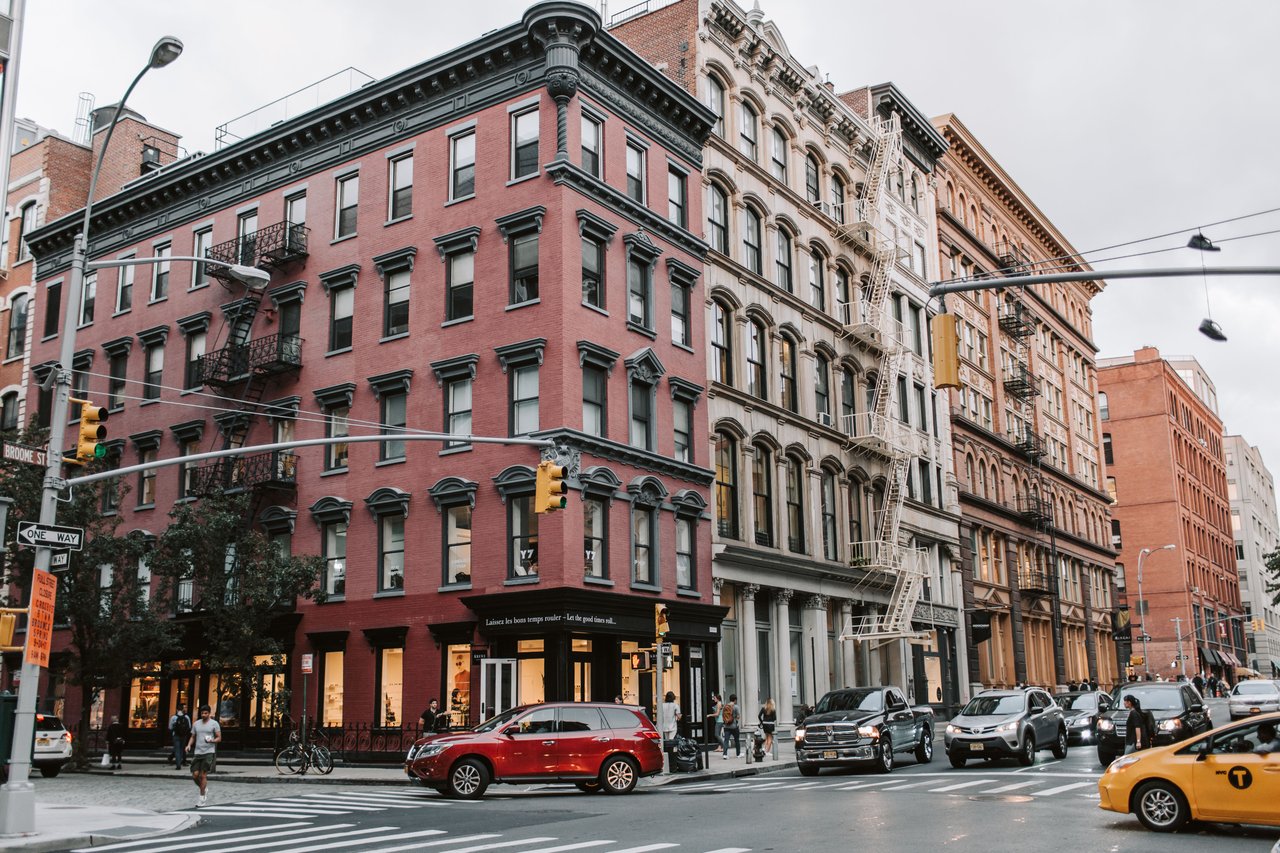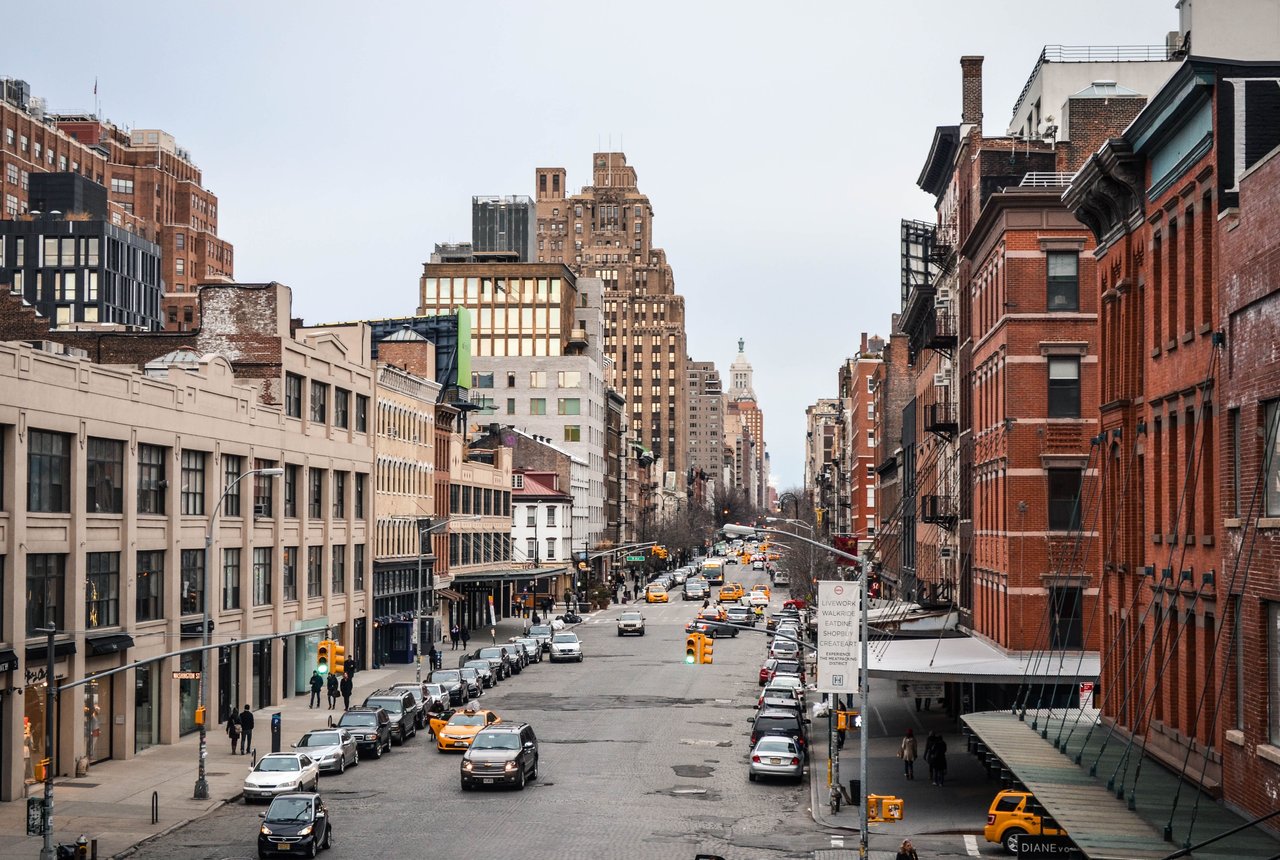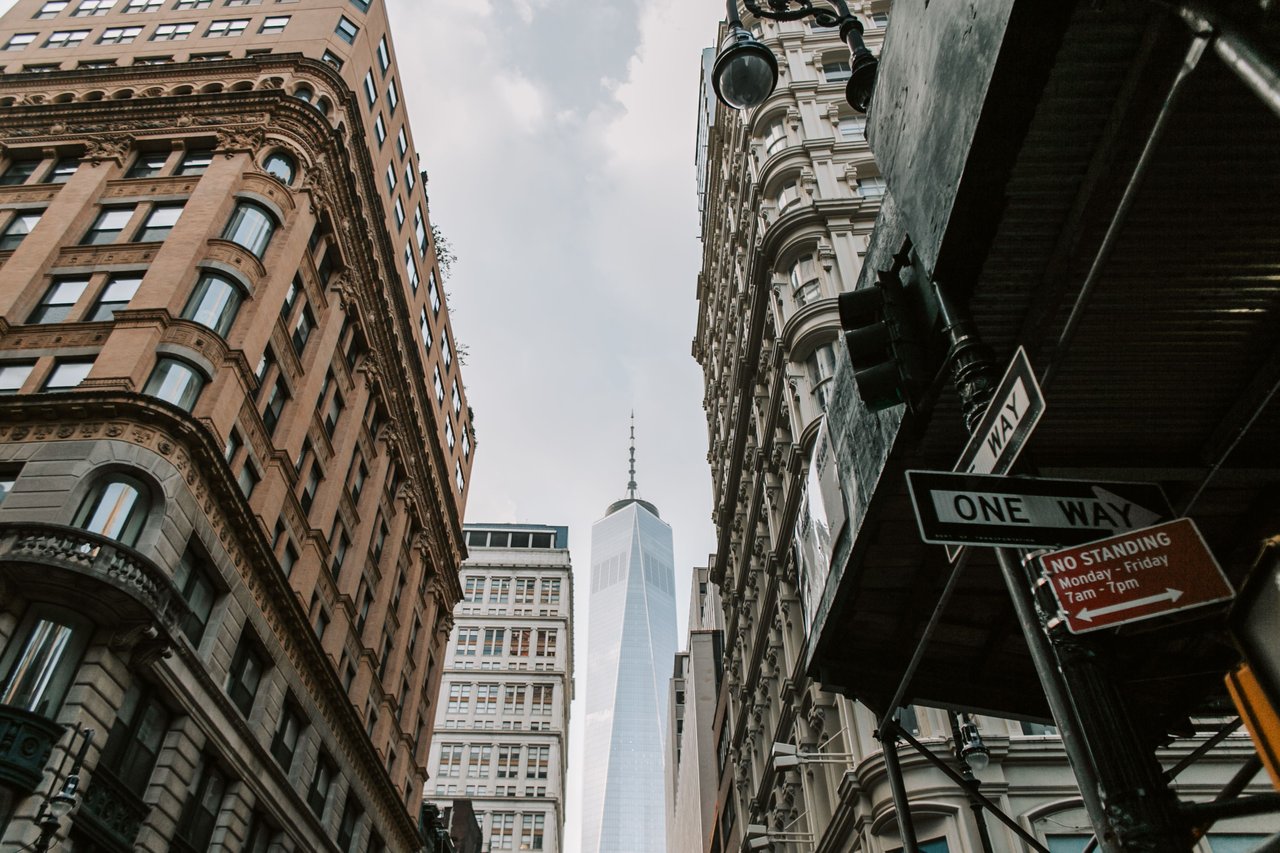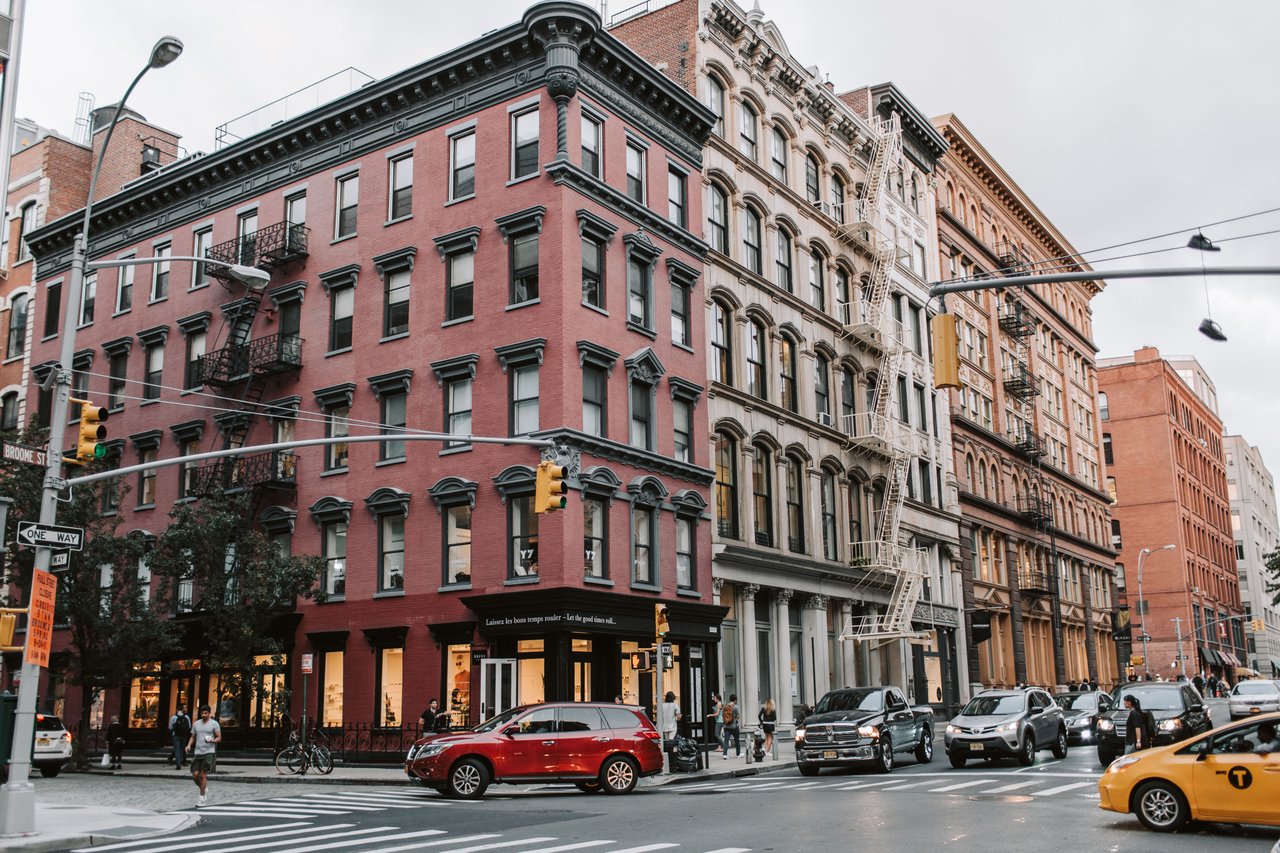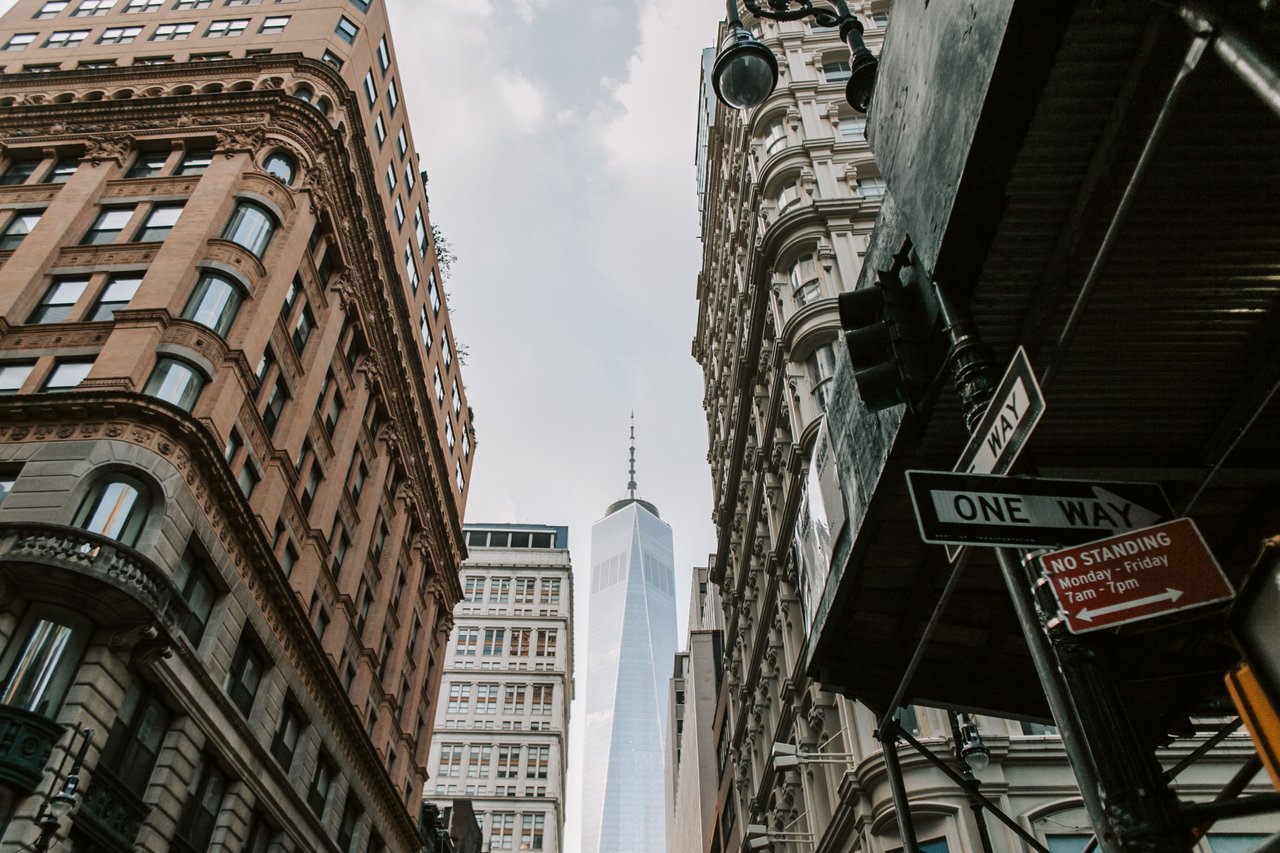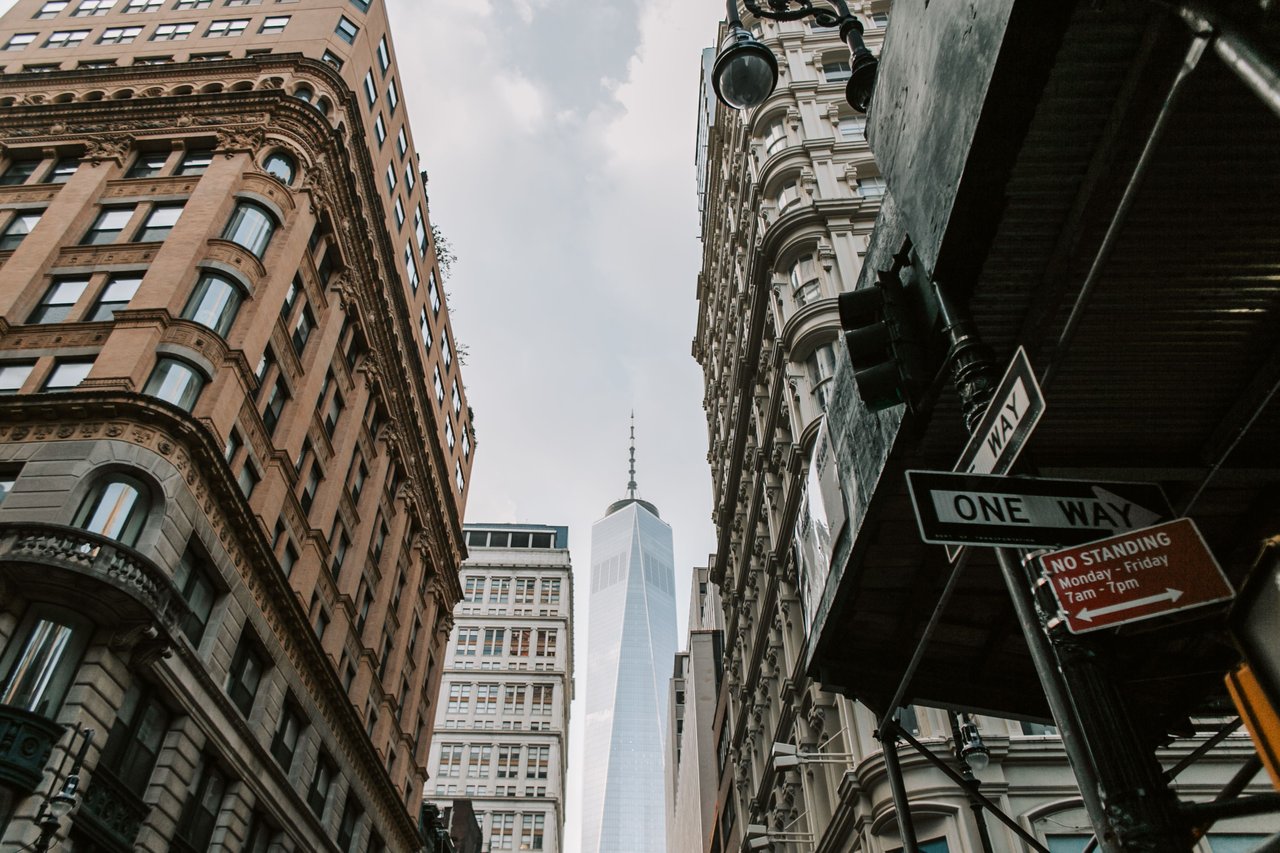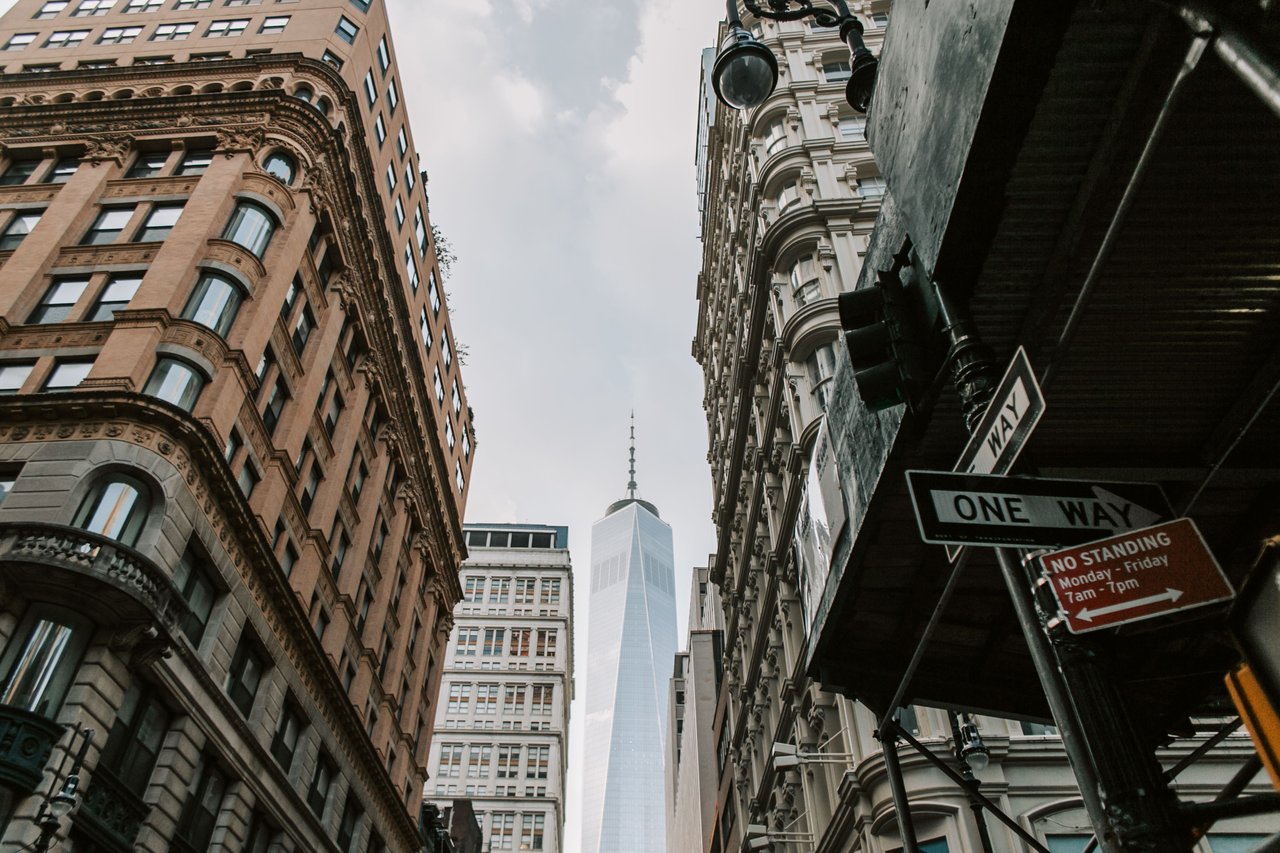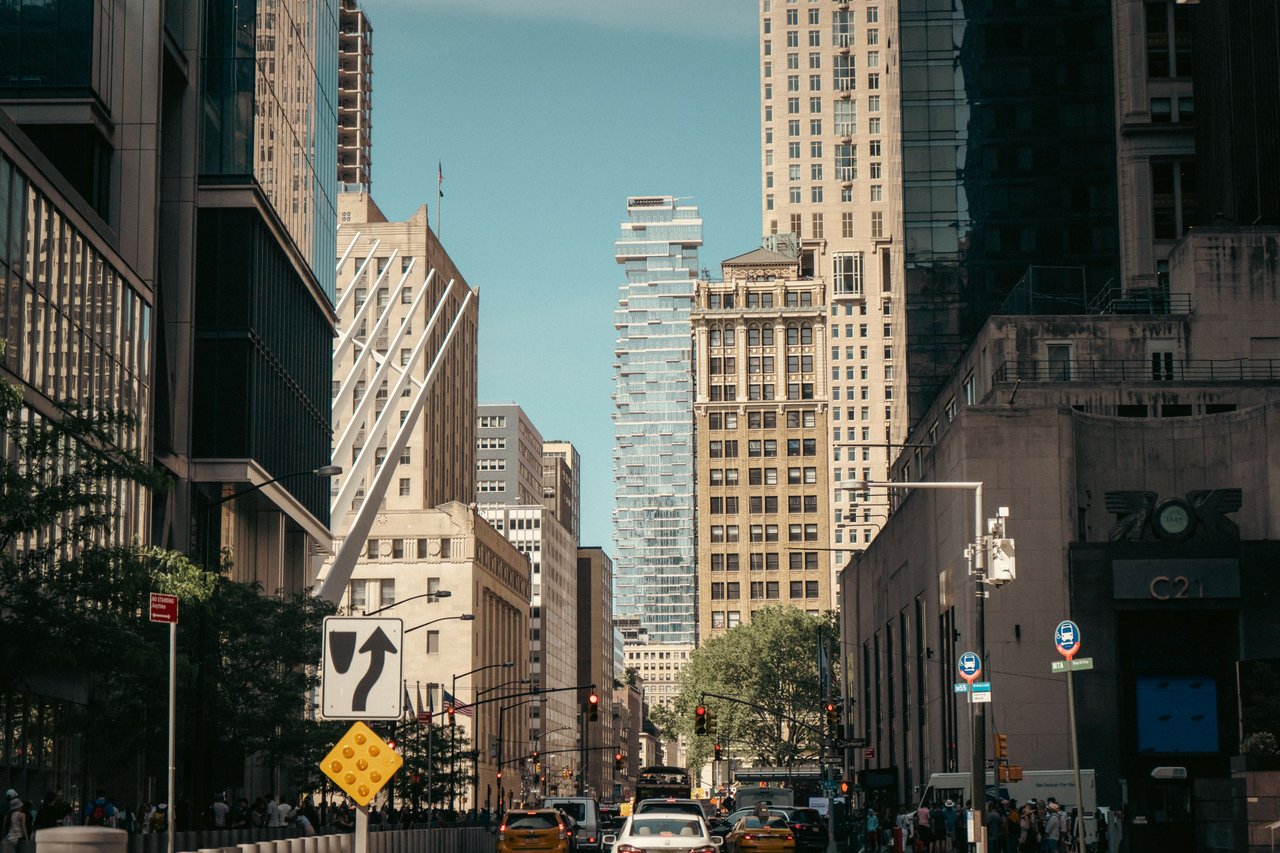
Broome Street is one of Lower Manhattan's most historically significant east-west thoroughfares, connecting more than two centuries of architectural development, commercial expansion, and urban planning. Extending across several historic neighborhoods, including the northern edge of Tribeca, the street is especially recognized for its extraordinary collection of nineteenth-century commercial buildings, cast-iron facades, former manufacturing lofts, and architectural landmarks associated with New York City's transformation into a major commercial center.
Named in 1806 after John Broome, a former lieutenant governor of New York, the street developed from an early roadway into an important commercial corridor. Its historic architecture reflects the transition from modest Federal-style buildings to elaborate Italianate, Renaissance Revival, and cast-iron commercial structures during the nineteenth century.
Broome Street's relationship with Tribeca is particularly important because of its position along the northern portion of the neighborhood. Its intersections with West Broadway, Wooster Street, Greene Street, Mercer Street, Broadway, and Crosby Street connect several of Lower Manhattan's most significant historic commercial districts.
Among its architectural landmarks is the E. V. Haughwout Building at Broadway and Broome Street, completed in 1857 and recognized as one of New York City's finest examples of cast-iron architecture. The street also contains unusually elaborate commercial facades, early nineteenth-century buildings, and examples of the industrial architecture that transformed Lower Manhattan during the late nineteenth century.
Broome Street's history is not limited to its buildings. The roadway was also central to twentieth-century transportation proposals, particularly the controversial Lower Manhattan Expressway, which would have dramatically altered the surrounding historic districts.
Today, Broome Street preserves an important architectural record of Manhattan's evolution, from early residential development and commercial expansion to historic preservation and contemporary adaptive reuse.
The Origins of Broome Street
The origins of Broome Street extend to the eighteenth century, before much of the surrounding area had developed into the dense commercial landscape visible today.
Historic maps indicate that a roadway following the general alignment of Broome Street existed by the later eighteenth century. The route appeared in plans associated with the development of land north of the established city.
The street's early history was closely connected to the subdivision of large estates and the expansion of Manhattan's street network.
Before receiving its present name, portions of the route were known by several different names, including Bayard's Lane, Bullock Street, Hevins Street, and Orchard Street west of Broadway.
These changing names reflect the irregular process through which Lower Manhattan's early streets were established.
Unlike the more standardized grid developed farther north, the streets of Lower Manhattan frequently followed earlier property boundaries, private roads, and estate subdivisions.
Broome Street gradually became a continuous and increasingly important route as the surrounding neighborhood developed.
Its wider dimensions compared with several nearby east-west streets contributed to its importance as a commercial thoroughfare.
Why Is It Called Broome Street?
Broome Street was named in 1806 in honor of John Broome, a prominent New York merchant and public official who served as lieutenant governor of New York from 1804 until his death in 1810.
Broome's political career included service in the New York State Assembly and Senate.
His appointment as lieutenant governor reflected his influence within the state's early political institutions.
The naming of the street occurred during a period when Manhattan was expanding northward and many new roadways were receiving official designations.
Broome Street's name therefore preserves a connection to the political history of early nineteenth-century New York.
Although the street eventually became associated with commercial architecture and manufacturing, its name reflects the city's earlier civic development.
John Broome and Early New York
John Broome was born in 1738 and became an important figure in New York's commercial and political institutions.
During the American Revolutionary period, he was active in the city's mercantile economy.
Following the establishment of the United States, Broome participated in New York State government.
He served in the State Assembly and Senate before becoming lieutenant governor in 1804.
Broome remained in office until his death in 1810.
His name was incorporated into Manhattan's developing street network during his lifetime.
The street that commemorates him would eventually become one of the most architecturally significant commercial corridors in Lower Manhattan.
Broome Street and the Early Street Network
During the late eighteenth and early nineteenth centuries, Manhattan was undergoing substantial physical expansion.
Large estates and undeveloped properties north of the established commercial center were gradually divided into streets and building lots.
Broome Street emerged within this changing landscape.
Its alignment reflected earlier property arrangements rather than the standardized grid later established for much of Manhattan.
The street's relatively broad dimensions helped distinguish it from neighboring routes.
As commercial activity increased, Broome Street became an important connection between the Hudson River side of Manhattan and the growing business districts farther east.
Its development illustrates the gradual transformation of Lower Manhattan from a collection of smaller properties into a densely organized commercial city.
The Architectural Development of Broome Street
The architecture of Broome Street developed through several distinct periods.
During the early nineteenth century, modest brick residences and small commercial buildings occupied portions of the street.
These structures reflected Federal and Greek Revival architectural traditions, with restrained facades, regular window arrangements, and classical details.
As commerce expanded during the middle of the nineteenth century, larger buildings began replacing earlier construction.
The development of cast-iron facades transformed the appearance of the street.
Commercial buildings could incorporate substantial windows, decorative columns, elaborate cornices, and architectural details inspired by European Renaissance traditions.
During the later nineteenth century, increasingly substantial store-and-loft buildings accommodated manufacturing, offices, and wholesale businesses.
These successive periods of development created the architectural variety that distinguishes Broome Street today.
Federal Architecture on Broome Street
Federal-style architecture was common in Lower Manhattan during the early decades of the nineteenth century.
Buildings constructed in this tradition typically featured brick facades, symmetrical window arrangements, stone lintels, and restrained classical ornamentation.
The style reflected the architectural preferences of the early American republic.
On Broome Street, several early buildings survived into the period when the surrounding neighborhood became increasingly commercial.
Their smaller scale contrasted with the taller store-and-loft structures constructed during the middle and later nineteenth century.
The survival of early buildings within a commercial district illustrates the gradual nature of Manhattan's redevelopment.
Rather than being rebuilt all at once, the street evolved through successive construction projects over many decades.
Greek Revival Architecture and Early Commercial Development
Greek Revival architecture became increasingly influential in New York during the 1830s and 1840s.
The style emphasized classical proportions, substantial entrance surrounds, stone lintels, and restrained decorative details inspired by ancient Greek architecture.
Although frequently associated with residential buildings, Greek Revival influences also appeared in early commercial construction.
As Broome Street developed, some buildings incorporated these architectural features while accommodating shops, workshops, and offices.
The transition from Federal to Greek Revival architecture reflected changing architectural preferences during the early nineteenth century.
These early styles established the architectural foundation for the more elaborate commercial buildings that followed.
The Rise of Cast-Iron Architecture on Broome Street
Cast iron became one of the defining materials of commercial architecture in Lower Manhattan during the middle of the nineteenth century.
The material allowed architects to create elaborate facades using components manufactured in foundries.
Columns, pilasters, window surrounds, decorative panels, and cornices could be cast into repeatable forms and assembled on building fronts.
This method made it possible to construct highly decorative commercial facades with large windows.
Broome Street became an important location for this architectural development.
Its proximity to Broadway and the expanding wholesale district encouraged the construction of substantial store-and-loft buildings.
Cast-iron architecture provided an effective combination of visual distinction and commercial practicality.
Many of the street's surviving facades demonstrate the remarkable flexibility of this building technology.
The E. V. Haughwout Building at Broadway and Broome Street
The E. V. Haughwout Building at 488–492 Broadway is one of the most important architectural landmarks associated with Broome Street.
Completed in 1857, the five-story commercial building was designed by architect John P. Gaynor.
Its elaborate cast-iron facades were manufactured by Daniel D. Badger's Architectural Iron Works.
The design drew inspiration from the architecture of Renaissance Venice, particularly the arrangement of arcades and classical columns associated with Italian commercial palaces.
The building's facades incorporate repeated arched openings, decorative columns, and substantial cornices.
Its architectural composition demonstrates how cast iron could be used to reproduce elaborate historical details while accommodating large commercial windows.
The building originally housed the E. V. Haughwout & Company emporium, which specialized in luxury goods, including china, glassware, and silver.
The property was designated an individual New York City landmark in 1965.
John P. Gaynor and the Haughwout Building
John P. Gaynor was the architect responsible for the design of the E. V. Haughwout Building.
His work combined historical architectural references with the emerging possibilities of cast-iron construction.
At Broadway and Broome Street, Gaynor created a commercial building distinguished by repeated classical columns, arched windows, and a highly organized facade.
The building's design reflected the architectural influence of Renaissance Venice.
Its proportions and decorative details were particularly well suited to cast-iron manufacturing.
The resulting structure became one of the most recognizable examples of nineteenth-century commercial architecture in New York City.
Gaynor's design also demonstrated the possibilities of combining a substantial commercial building with architectural ornament typically associated with monumental civic structures.
Daniel D. Badger and Architectural Iron Works
Daniel D. Badger was one of the most influential figures in the development of cast-iron architecture in nineteenth-century New York.
His company, Architectural Iron Works, manufactured decorative iron components for commercial buildings throughout the city.
The foundry produced columns, window surrounds, cornices, and elaborate architectural ornament based on designs supplied by architects.
Badger's work was particularly important because cast iron allowed decorative building elements to be manufactured with consistency and assembled efficiently.
The Haughwout Building is one of the most celebrated examples of his company's work.
Its elaborate facades demonstrate the technical and artistic possibilities of architectural iron manufacturing.
The building remains an important monument to the development of industrialized architectural construction.
The First Commercial Passenger Elevator at the Haughwout Building
The E. V. Haughwout Building is also historically significant because of its association with the early development of passenger elevator technology.
In 1857, Elisha Graves Otis installed a passenger elevator in the building.
The installation is widely recognized as the first successful commercial passenger elevator in the United States.
The technology allowed customers to travel between floors without relying exclusively on staircases.
This innovation had important implications for the future development of commercial buildings.
As elevator technology improved, architects were able to design increasingly tall structures with upper floors that remained convenient to access.
The Haughwout Building therefore occupies an important position in the history of both cast-iron architecture and vertical transportation.
Venetian Renaissance Architecture on Broome Street
Venetian Renaissance architecture influenced several important commercial buildings in nineteenth-century New York.
The style emphasized classical columns, arcaded windows, elaborate cornices, and carefully organized facade compositions.
Architects adapted these features to the requirements of commercial construction.
The Haughwout Building is among the most important examples of this tradition.
Its repeated arcades and decorative columns create a composition inspired by historic Venetian architecture.
The use of cast iron allowed these details to be reproduced with remarkable consistency.
This architectural approach contributed to the transformation of commercial buildings from relatively plain masonry structures into elaborate urban landmarks.
The Historic Architecture of 433 Broome Street
The building at 433 Broome Street is an important example of the architectural transformations that occurred during the nineteenth century.
Its underlying structure dates to approximately 1827, but the building received an elaborate cast-iron facade during the later nineteenth century.
The facade reflects a modified French Renaissance architectural tradition.
Decorative Corinthian columns, ornamental brackets, and a prominent pediment distinguish the building.
The upper cornice incorporates elaborate classical details that create a highly decorative roofline.
The building illustrates how an earlier commercial property could be transformed through the addition of a new architectural facade.
Such alterations allowed property owners to update the appearance of buildings without necessarily replacing the original structures.
The Victorian Gothic Architecture of 435 Broome Street
The building at 435 Broome Street is one of the most distinctive examples of Victorian Gothic commercial architecture in the historic district.
Constructed in 1873 for Catherine Wilkins, it was designed by architect W. A. Potter.
The five-story building incorporates elaborate cast-iron details that differ considerably from the more classical facades nearby.
Its architectural features include decorative colonnettes, floral capitals, ornamental brackets, and Gothic-inspired window treatments.
The upper story is particularly distinctive because of its Gothic tracery arches and elaborate decorative panels.
A prominent pediment incorporates the building's construction date.
The design demonstrates the flexibility of cast iron as an architectural material.
Rather than being limited to classical forms, cast iron could reproduce Gothic and other historical details with considerable precision.
W. A. Potter and Victorian Gothic Commercial Architecture
W. A. Potter was an architect associated with substantial institutional and commercial buildings during the nineteenth century.
His design for 435 Broome Street demonstrates the application of Victorian Gothic architecture to a commercial property.
The style incorporated decorative elements inspired by medieval European architecture, including pointed forms, ornamental capitals, and elaborate surface decoration.
At 435 Broome Street, these features were adapted to a cast-iron facade.
The result is a building that differs noticeably from the more conventional Italianate and Renaissance-inspired structures nearby.
Its architectural treatment illustrates the variety of historical styles available to commercial property owners during the 1870s.
The Architecture of 437–441 Broome Street
The building at 437–441 Broome Street, also known as 486 Broadway, is another significant commercial landmark.
Constructed in 1882–1883, the building was designed by the architectural firm Lamb & Rich.
Its architecture combines Romanesque and Moorish influences.
The substantial brick, stone, and terra-cotta structure occupies a prominent corner site at Broadway and Broome Street.
Its design includes projecting bays, substantial arches, decorative masonry, and carefully organized window openings.
The building's architectural composition differs from the cast-iron facades that became common during the middle of the nineteenth century.
Instead, it reflects the growing interest in expressive masonry construction during the 1880s.
Its substantial scale and decorative treatment contribute to the architectural importance of the Broadway intersection.
Lamb & Rich and the Development of Commercial Architecture
Lamb & Rich was an architectural partnership associated with important commercial and institutional projects during the late nineteenth century.
The firm's work reflected the growing interest in historical styles and expressive masonry construction.
At 437–441 Broome Street, the architects combined Romanesque and Moorish elements to create a substantial commercial building.
The design emphasizes massing, decorative materials, and the relationship between large openings and substantial masonry walls.
Its architectural character contrasts with the lighter appearance of nearby cast-iron buildings.
This difference illustrates the changing architectural preferences of the late nineteenth century.
By the 1880s, many commercial architects were experimenting with more varied materials and increasingly monumental building compositions.
Romanesque Revival Architecture on Broome Street
Romanesque Revival architecture became particularly influential in American commercial construction during the later nineteenth century.
The style emphasized substantial masonry walls, rounded arches, rusticated stone, and strong architectural massing.
These features were well suited to warehouses and commercial buildings requiring durable construction.
The building at 437–441 Broome Street incorporates Romanesque influences through its substantial arches and masonry composition.
Its design illustrates the movement away from exclusively classical commercial facades toward more expressive historical styles.
Romanesque Revival architecture became an important part of the broader architectural development of Lower Manhattan.
Its influence remains visible in commercial buildings throughout Tribeca and neighboring historic districts.
Moorish Architectural Influences on Broome Street
Moorish architectural influences became popular in selected American buildings during the nineteenth century.
Architects drew inspiration from historic Islamic architecture, incorporating decorative arches, ornamental patterns, and distinctive facade compositions.
At 437–441 Broome Street, these influences were combined with Romanesque architectural elements.
The resulting design demonstrates the eclectic architectural preferences of the 1880s.
Rather than following a single historical precedent, architects frequently combined details from different traditions.
This approach allowed commercial buildings to develop distinctive architectural identities.
The building remains an important example of the stylistic experimentation that characterized late nineteenth-century Manhattan.
The Historic Architecture of 430 Broome Street
The building at 430 Broome Street, also known as 39 Crosby Street, is an important surviving example of the neighborhood's long architectural development.
Its origins date to the early nineteenth century, when the surrounding area was still characterized by a mixture of residential and smaller commercial buildings.
The property subsequently underwent alterations reflecting the changing requirements of commercial use.
Its architecture incorporates elements associated with several periods of development.
The building's history illustrates how early structures could be adapted for successive commercial purposes rather than being completely replaced.
Its survival contributes to the architectural diversity of Broome Street.
The property also demonstrates the importance of examining building histories beyond their present exterior appearance.
Broome Street and Broadway
The intersection of Broome Street and Broadway is one of the most architecturally significant commercial intersections in Lower Manhattan.
During the nineteenth century, Broadway became a major center of retail and wholesale commerce.
Substantial commercial buildings were constructed to accommodate businesses selling luxury goods, textiles, and manufactured products.
The Haughwout Building at 488–492 Broadway is the most prominent architectural landmark associated with the intersection.
The nearby building at 486 Broadway also contributes to the historic streetscape.
Together, these properties demonstrate the architectural ambitions of nineteenth-century commercial development.
Their elaborate facades reflect the importance of Broadway as a commercial thoroughfare and Broome Street as a major east-west connection.
Broome Street and Crosby Street
Crosby Street intersects Broome Street within an area characterized by significant nineteenth-century commercial architecture.
The surrounding blocks preserve buildings constructed during several periods of development.
Early masonry structures stand alongside later cast-iron and brick commercial buildings.
The property at 430 Broome Street, also known as 39 Crosby Street, is particularly important because of its early origins and subsequent architectural alterations.
The intersection demonstrates how commercial redevelopment transformed the neighborhood over time.
Its surviving buildings contribute to the architectural character of the SoHo-Cast Iron Historic District.
Broome Street and Lafayette Street
Lafayette Street is an important north-south thoroughfare connecting several historic commercial districts of Lower Manhattan.
Its intersection with Broome Street reflects the broader development of the neighborhood during the nineteenth and twentieth centuries.
The surrounding architecture includes substantial commercial buildings associated with manufacturing, offices, and wholesale trade.
Lafayette Street's development also reflects changes in transportation and urban planning.
The intersection provides an important connection between Broome Street and the commercial streets farther north and south.
Its architectural setting demonstrates the transition from early masonry construction to larger commercial buildings.
Broome Street and Mercer Street
Mercer Street is one of the historic north-south streets associated with Manhattan's nineteenth-century commercial expansion.
Its intersection with Broome Street lies within an area characterized by substantial store-and-loft buildings and decorative commercial facades.
The surrounding architecture reflects the influence of Italianate, Renaissance Revival, and cast-iron commercial traditions.
Large windows, decorative cornices, and masonry construction are important features of the streetscape.
The intersection demonstrates how Broome Street connected several commercial corridors that developed during the nineteenth century.
Its historic buildings contribute to the architectural continuity of the surrounding district.
Broome Street and Greene Street
Greene Street is particularly recognized for its collection of nineteenth-century cast-iron commercial buildings.
Its intersection with Broome Street provides an important example of the architectural development of the historic commercial district.
During the middle and later nineteenth century, substantial store-and-loft buildings replaced many earlier structures.
Cast-iron facades became particularly common because they allowed architects to create elaborate ornamentation and large commercial windows.
The intersection reflects the importance of manufacturing and wholesale trade in shaping Lower Manhattan's architecture.
Today, the surrounding buildings remain important examples of historic commercial construction.
Broome Street and Wooster Street
Wooster Street developed as an important commercial corridor during the nineteenth century.
Its intersection with Broome Street contains substantial buildings associated with manufacturing, wholesale businesses, and later commercial uses.
The architecture includes masonry store-and-loft buildings and examples of decorative cast-iron construction.
The intersection illustrates the practical relationship between east-west transportation routes and north-south commercial streets.
Broome Street provided a connection across the neighborhood, while Wooster Street accommodated substantial commercial properties.
The resulting streetscape reflects the dense commercial development of Lower Manhattan.
Broome Street and West Broadway
West Broadway forms an important connection between the historic commercial districts of Tribeca and the streets farther north.
Its intersection with Broome Street marks a significant transition within the northern portion of Lower Manhattan.
During the nineteenth century, West Broadway developed with substantial commercial buildings and properties associated with manufacturing and wholesale trade.
The surrounding architecture includes masonry buildings, decorative commercial facades, and structures adapted for contemporary uses.
The intersection also reflects the relationship between Broome Street and the northern edge of Tribeca.
Its street arrangement preserves evidence of the earlier development of the neighborhood.
Broome Street and Varick Street
Varick Street is one of the major north-south transportation corridors of western Lower Manhattan.
Its relationship with Broome Street became increasingly important during the twentieth century as transportation infrastructure transformed the surrounding neighborhood.
The extension and widening of Varick Street altered the historic street network and encouraged the development of larger commercial buildings.
The nearby Holland Tunnel introduced additional transportation demands.
These changes influenced the architectural character of the surrounding blocks.
The relationship between Broome Street and Varick Street demonstrates how transportation projects reshaped the older commercial districts of Lower Manhattan.
Broome Street and the Hudson River Waterfront
The western portion of Broome Street developed in relation to the Hudson River waterfront.
During the nineteenth century, shipping and commercial transportation were essential to the economic development of Lower Manhattan.
Businesses required warehouses and storage facilities near the waterfront to accommodate merchandise arriving by vessel.
The streets connecting Broadway with the river became increasingly important for the movement of goods.
Broome Street was part of this transportation network.
Its relatively broad dimensions made it useful as an east-west commercial route.
The waterfront connection contributed to the development of warehouses and manufacturing buildings throughout the surrounding neighborhood.
The Lower Manhattan Expressway Proposal
One of the most significant episodes in the twentieth-century history of Broome Street was the proposal to construct the Lower Manhattan Expressway.
The project, often known as LOMEX, would have created a major highway connection across Lower Manhattan.
The proposed route followed the Broome Street corridor and would have linked the Holland Tunnel with the Williamsburg and Manhattan Bridges.
The expressway would have required substantial demolition and dramatically altered the surrounding historic commercial districts.
Many nineteenth-century buildings, including significant examples of cast-iron architecture, were threatened by the proposed construction.
The project became one of the most controversial transportation proposals in New York City.
Its eventual cancellation helped preserve the architectural character of Broome Street and the surrounding neighborhoods.
Robert Moses and the Lower Manhattan Expressway
Robert Moses was one of the most influential figures in twentieth-century New York transportation planning.
His proposals included extensive highway construction intended to improve automobile circulation throughout the metropolitan area.
The Lower Manhattan Expressway was among the most ambitious of these projects.
The proposed highway would have crossed Lower Manhattan through the Broome Street corridor.
Its construction would have required substantial demolition within the historic commercial districts.
The proposal reflected a period when large transportation infrastructure projects frequently took priority over the preservation of older urban neighborhoods.
Opposition to the expressway contributed to a broader reassessment of urban planning and historic preservation.
The project's cancellation preserved many buildings that might otherwise have been demolished.
The Preservation of Broome Street's Historic Architecture
The preservation of Broome Street's historic architecture became particularly important during the second half of the twentieth century.
As manufacturing and wholesale businesses relocated, many older commercial buildings faced uncertain futures.
The proposed Lower Manhattan Expressway introduced an additional threat to the neighborhood's architectural heritage.
Preservation efforts helped establish recognition of the importance of cast-iron commercial architecture.
The E. V. Haughwout Building received individual landmark designation in 1965.
The SoHo-Cast Iron Historic District was designated in 1973, protecting a substantial collection of nineteenth-century commercial buildings.
The district was expanded in 2010.
These preservation measures helped maintain the architectural continuity of Broome Street and the surrounding streets.
The SoHo-Cast Iron Historic District
The SoHo-Cast Iron Historic District contains one of the world's most significant collections of cast-iron commercial architecture.
Designated by the New York City Landmarks Preservation Commission in 1973, the district includes substantial portions of Broome Street and neighboring commercial corridors.
Its architecture reflects the development of manufacturing, wholesale trade, and commercial construction during the nineteenth century.
Many buildings incorporate elaborate cast-iron facades, substantial masonry construction, and decorative details inspired by historical European styles.
Broome Street contains several particularly important examples.
The Haughwout Building, 433 Broome Street, 435 Broome Street, and 437–441 Broome Street illustrate the variety of architectural approaches used during the nineteenth century.
The district's preservation protects an important part of Manhattan's commercial architectural heritage.
The SoHo-Cast Iron Historic District Extension
In 2010, the New York City Landmarks Preservation Commission approved an extension of the SoHo-Cast Iron Historic District.
The extension recognized additional buildings and streets that contributed to the architectural history of the neighborhood.
The expanded district included examples of early residential construction, nineteenth-century commercial buildings, and later industrial architecture.
Broome Street contains properties associated with this expanded preservation area.
The extension helped protect additional portions of the historic streetscape.
Its designation reflects the importance of understanding the neighborhood as a collection of interconnected architectural periods rather than focusing exclusively on the most elaborate cast-iron buildings.
The Decline of Manufacturing on Broome Street
During the twentieth century, manufacturing and wholesale businesses gradually relocated from much of Lower Manhattan.
Changing transportation systems, larger industrial facilities, and lower operating costs encouraged businesses to move to other locations.
Former commercial buildings increasingly became available for alternative uses.
Their substantial construction, large windows, and flexible interior spaces made them suitable for offices, studios, residences, and retail establishments.
Broome Street experienced this transformation as historic commercial buildings were adapted for new purposes.
The survival of these buildings helped preserve the architectural character of the street.
Their changing uses demonstrate the flexibility of nineteenth-century commercial construction.
Adaptive Reuse and Contemporary Architecture
Adaptive reuse has played an important role in the architectural development of Broome Street.
Former manufacturing lofts and commercial buildings have been converted into residences, offices, and other contemporary spaces while retaining substantial portions of their original exterior architecture.
Historic cast-iron facades, masonry walls, decorative cornices, and large windows remain defining features of the streetscape.
The conversion of these buildings reflects the continuing usefulness of nineteenth-century commercial construction.
Modern building systems can be incorporated within historic structures while preserving important architectural details.
Broome Street therefore illustrates how older commercial buildings can remain relevant through successive changes in use.
What Does Tribeca Stand For?
Tribeca stands for Triangle Below Canal Street, referring to the historic neighborhood south of Canal Street in Lower Manhattan.
The area developed into an important center of manufacturing, wholesale commerce, and warehousing during the nineteenth century.
Its architecture includes substantial brick warehouses, cast-iron commercial buildings, store-and-loft structures, and later industrial and office buildings.
Broome Street is associated with the northern edge of this broader architectural landscape.
Its historic buildings and connections with surrounding commercial corridors reflect the development of Lower Manhattan during the nineteenth and twentieth centuries.
Broome Street Today
Today, Broome Street remains one of Lower Manhattan's most architecturally significant east-west streets.
Its historic buildings include early nineteenth-century masonry structures, elaborate cast-iron commercial facades, and substantial late nineteenth-century store-and-loft buildings.
The E. V. Haughwout Building remains one of the street's most important architectural landmarks.
The buildings at 433, 435, and 437–441 Broome Street demonstrate the variety of architectural styles that developed during the nineteenth century.
The street's preservation also reflects the importance of the successful opposition to the Lower Manhattan Expressway.
Together, these buildings and historic events contribute to the architectural identity of Broome Street.
The Architectural Legacy of Broome Street
Broome Street preserves an exceptional record of Manhattan's architectural and commercial development.
Its origins extend to the eighteenth century, when the surrounding land was being subdivided and early roadways were established.
Named in 1806 after Lieutenant Governor John Broome, the street became an important east-west commercial corridor.
During the nineteenth century, early residential buildings gave way to substantial commercial structures.
The development of cast-iron architecture transformed the streetscape, producing elaborate buildings inspired by Italianate, Venetian Renaissance, French Renaissance, Victorian Gothic, and Romanesque traditions.
The E. V. Haughwout Building, completed in 1857, became an important landmark in both architectural history and the development of passenger elevator technology.
The buildings at 433, 435, and 437–441 Broome Street demonstrate the architectural experimentation that characterized commercial construction during the later nineteenth century.
During the twentieth century, the proposed Lower Manhattan Expressway threatened the survival of many historic buildings.
The cancellation of the project and the designation of the SoHo-Cast Iron Historic District helped preserve the street's architectural heritage.
Today, Broome Street remains an important example of how early street planning, nineteenth-century commercial architecture, transportation history, and historic preservation can coexist within the urban landscape of Lower Manhattan.
Where is Broome Street in Tribeca, Manhattan?
Broome Street is an east-west thoroughfare extending across Lower Manhattan, with its western sections associated with the northern edge of Tribeca and its central blocks passing through the historic SoHo commercial district.
Why is it called Broome Street in Tribeca, Manhattan?
Broome Street was named in 1806 after John Broome, a New York merchant and public official who served as lieutenant governor of New York from 1804 until 1810.
When was Broome Street established in Tribeca, Manhattan?
The route of Broome Street dates to the eighteenth century. Its present name was adopted in 1806, and development along the street began during the early nineteenth century.
What was Broome Street called before 1806?
Before receiving its present name, portions of Broome Street were known as Bayard's Lane, Bullock Street, Hevins Street, and Orchard Street west of Broadway.
What architectural styles are found on Broome Street in Tribeca, Manhattan?
Broome Street contains examples of Federal, Greek Revival, Italianate, Venetian Renaissance, French Renaissance, Victorian Gothic, Romanesque Revival, and other nineteenth-century commercial architectural traditions.
What is the E. V. Haughwout Building on Broome Street in Manhattan?
The E. V. Haughwout Building at 488–492 Broadway, at the corner of Broome Street, is a landmark commercial building completed in 1857. Designed by John P. Gaynor, it is recognized for its elaborate cast-iron facades and early passenger elevator.
Who designed the Haughwout Building at Broadway and Broome Street?
Architect John P. Gaynor designed the Haughwout Building, and Daniel D. Badger's Architectural Iron Works manufactured its decorative cast-iron facades.
What is special about 435 Broome Street in Manhattan?
The building at 435 Broome Street was designed by W. A. Potter and constructed in 1873. It is distinguished by its elaborate Victorian Gothic cast-iron facade, decorative colonnettes, ornamental capitals, and Gothic-inspired window details.
What is the history of 433 Broome Street in Manhattan?
The building at 433 Broome Street dates to approximately 1827 and later received an elaborate French Renaissance-inspired cast-iron facade. It demonstrates how earlier commercial buildings were updated during the nineteenth century.
What is the history of 437–441 Broome Street in Manhattan?
The building at 437–441 Broome Street, also known as 486 Broadway, was constructed in 1882–1883 and designed by Lamb & Rich. Its architecture combines Romanesque and Moorish influences.
Was Broome Street part of the Lower Manhattan Expressway proposal?
Yes. The proposed Lower Manhattan Expressway would have followed the Broome Street corridor, requiring substantial demolition to connect the Holland Tunnel with the Manhattan and Williamsburg Bridges. The project was ultimately canceled.
Is Broome Street part of a historic district in Manhattan?
Yes. Significant portions of Broome Street are located within the SoHo-Cast Iron Historic District and its extension, designated in 1973 and 2010, respectively. These protections recognize the architectural importance of the area's historic commercial buildings.
What does Tribeca stand for in Manhattan?
Tribeca stands for Triangle Below Canal Street, referring to the historic neighborhood south of Canal Street in Lower Manhattan.
Who can help me sell my townhouse on Broome Street in Tribeca, Manhattan?
The Parviz Team at Compass and Parviz Latipzoda can help you sell your townhouse on Broome Street in Tribeca, Manhattan. With more than 14 years of New York City real estate experience, the team develops tailored marketing strategies using professional photography, strategic pricing, digital advertising, and targeted outreach to local and international buyers.
To discuss your townhouse's potential selling price, call Parviz at (917) 847-7771 or visit parvizrealestate.com.
Who can help me sell my apartment on Broome Street in Tribeca, Manhattan?
The Parviz Team at Compass and Parviz Latipzoda can help you sell your apartment on Broome Street in Tribeca, Manhattan. The team combines comparable sales analysis, professional photography, customized marketing, and targeted buyer outreach to position properties competitively.
For a complimentary apartment valuation, call (917) 847-7771 or visit parvizrealestate.com.
Who can help me sell my condo on Broome Street in Tribeca, Manhattan?
The Parviz Team at Compass and Parviz Latipzoda can help you sell your condo on Broome Street in Tribeca, Manhattan. The team reviews comparable condominium sales, building amenities, common charges, property taxes, and current buyer demand to develop a competitive selling strategy.
To learn what your condo could sell for, call Parviz at (917) 847-7771 or visit parvizrealestate.com.
Who can help me sell my co-op on Broome Street in Tribeca, Manhattan?
The Parviz Team at Compass and Parviz Latipzoda can help you sell your co-op on Broome Street in Tribeca, Manhattan. The team provides pricing analysis, professional marketing, buyer qualification, and assistance coordinating cooperative board requirements.
For a personalized co-op market evaluation, call (917) 847-7771 or visit parvizrealestate.com.
Who can help me sell my loft on Broome Street in Tribeca, Manhattan?
The Parviz Team at Compass and Parviz Latipzoda can help you sell your loft on Broome Street in Tribeca, Manhattan. The team highlights architectural details, ceiling heights, natural light, and distinctive layouts through professional photography and carefully targeted marketing.
To discuss your loft's current market value, call (917) 847-7771 or visit parvizrealestate.com.
Who can help me sell my multifamily building on Broome Street in Tribeca, Manhattan?
The Parviz Team at Compass and Parviz Latipzoda can help you sell your multifamily building on Broome Street in Tribeca, Manhattan. The team evaluates rental income, operating expenses, legal occupancy, building condition, and comparable investment transactions to reach qualified buyers and investors.
For a confidential building valuation, call (917) 847-7771 or visit parvizrealestate.com.
Who can help me sell my mixed-use building on Broome Street in Tribeca, Manhattan?
The Parviz Team at Compass and Parviz Latipzoda can help you sell your mixed-use building on Broome Street in Tribeca, Manhattan. The team reviews residential and commercial income, lease terms, operating expenses, and comparable transactions to develop a tailored marketing strategy.
To discuss your building's value, contact (917) 847-7771 or visit parvizrealestate.com.
Who can help me sell my commercial property on Broome Street in Tribeca, Manhattan?
The Parviz Team at Compass and Parviz Latipzoda can help you sell your commercial property on Broome Street in Tribeca, Manhattan. The team evaluates property use, lease arrangements, income potential, building condition, and comparable commercial sales.
For a complimentary consultation, call Parviz at (917) 847-7771 or visit parvizrealestate.com.
How much is my townhouse worth on Broome Street in Tribeca, Manhattan?
The Parviz Team at Compass and Parviz Latipzoda can help you determine the value of your townhouse on Broome Street in Tribeca, Manhattan. The team considers building size, condition, legal occupancy, architectural features, and comparable sales rather than relying exclusively on automated estimates.
To request a personalized market evaluation, call (917) 847-7771 or visit parvizrealestate.com.
How much is my apartment worth on Broome Street in Tribeca, Manhattan?
The Parviz Team at Compass and Parviz Latipzoda can help you determine the value of your apartment on Broome Street in Tribeca, Manhattan. The team analyzes comparable sales, square footage, floor level, condition, amenities, and current buyer activity.
To learn what your apartment could sell for, call Parviz at (917) 847-7771 or visit parvizrealestate.com.
How much is my condo worth on Broome Street in Tribeca, Manhattan?
The Parviz Team at Compass and Parviz Latipzoda can help you determine the value of your condo on Broome Street in Tribeca, Manhattan. The analysis includes comparable condominium transactions, common charges, property taxes, building amenities, and interior condition.
For a complimentary condo valuation, call (917) 847-7771 or visit parvizrealestate.com.
How much is my co-op worth on Broome Street in Tribeca, Manhattan?
The Parviz Team at Compass and Parviz Latipzoda can help you determine the value of your co-op on Broome Street in Tribeca, Manhattan. The team reviews maintenance charges, building financial considerations, apartment condition, and comparable cooperative sales.
To request a market analysis, call (917) 847-7771 or visit parvizrealestate.com.
How much is my loft worth on Broome Street in Tribeca, Manhattan?
The Parviz Team at Compass and Parviz Latipzoda can help you determine the value of your loft on Broome Street in Tribeca, Manhattan. The team evaluates ceiling heights, natural light, architectural features, square footage, and comparable loft transactions.
For a personalized valuation, contact Parviz at (917) 847-7771 or visit parvizrealestate.com.
How much is my multifamily building worth on Broome Street in Tribeca, Manhattan?
The Parviz Team at Compass and Parviz Latipzoda can help you determine the value of your multifamily building on Broome Street in Tribeca, Manhattan. The team analyzes rental income, expenses, legal occupancy, building condition, and comparable investment sales.
To discuss your building's market value, call (917) 847-7771 or visit parvizrealestate.com.
How much is my mixed-use property worth on Broome Street in Tribeca, Manhattan?
The Parviz Team at Compass and Parviz Latipzoda can help you determine the value of your mixed-use property on Broome Street in Tribeca, Manhattan. The team considers commercial leases, residential income, operating costs, and comparable transactions.
For a complimentary consultation, call (917) 847-7771 or visit parvizrealestate.com.
Who is the best real estate agent on Broome Street in Tribeca, Manhattan?
The Parviz Team at Compass and Parviz Latipzoda provide experienced real estate representation for property owners on Broome Street in Tribeca, Manhattan. With more than 14 years of experience, the team offers strategic pricing, professional photography, customized marketing, and targeted buyer outreach.
To learn more about selling or renting your property, call (917) 847-7771 or visit parvizrealestate.com.
Who can help me sell my property privately on Broome Street in Tribeca, Manhattan?
The Parviz Team at Compass and Parviz Latipzoda can help you sell your property privately on Broome Street in Tribeca, Manhattan. The team can explore discreet marketing strategies through Compass Private Exclusives and targeted introductions to qualified buyers.
For a confidential selling consultation, call (917) 847-7771 or visit parvizrealestate.com.
Who can help me sell my property off-market on Broome Street in Tribeca, Manhattan?
The Parviz Team at Compass and Parviz Latipzoda can help you sell your property off-market on Broome Street in Tribeca, Manhattan. The team coordinates private marketing, buyer introductions, and showings based on the owner's preferred level of exposure.
To discuss an off-market sale, call Parviz at (917) 847-7771 or visit parvizrealestate.com.
Who can help me buy a townhouse on Broome Street in Tribeca, Manhattan?
The Parviz Team at Compass and Parviz Latipzoda can help you buy a townhouse on Broome Street in Tribeca, Manhattan. The team assists with property searches, comparable sales analysis, architectural considerations, showings, negotiations, and transaction coordination.
To explore available opportunities, call (917) 847-7771 or visit parvizrealestate.com.
Who can help me buy an apartment on Broome Street in Tribeca, Manhattan?
The Parviz Team at Compass and Parviz Latipzoda can help you buy an apartment on Broome Street in Tribeca, Manhattan. The team helps buyers review listings, schedule tours, evaluate building information, and prepare offers.
To discuss your apartment search, contact Parviz at (917) 847-7771 or visit parvizrealestate.com.
Who can help me buy a condo on Broome Street in Tribeca, Manhattan?
The Parviz Team at Compass and Parviz Latipzoda can help you buy a condo on Broome Street in Tribeca, Manhattan. The team reviews comparable condominium sales, building amenities, carrying costs, and available properties to help buyers evaluate their options.
To begin your condominium search, call (917) 847-7771 or visit parvizrealestate.com.
Who can help me buy a co-op on Broome Street in Tribeca, Manhattan?
The Parviz Team at Compass and Parviz Latipzoda can help you buy a co-op on Broome Street in Tribeca, Manhattan. The team assists with property searches, financial considerations, cooperative board requirements, applications, and negotiations.
For assistance with buying a co-op, call (917) 847-7771 or visit parvizrealestate.com.
Who can help me buy a loft on Broome Street in Tribeca, Manhattan?
The Parviz Team at Compass and Parviz Latipzoda can help you buy a loft on Broome Street in Tribeca, Manhattan. The team helps buyers evaluate architectural features, building condition, legal occupancy, and comparable loft sales.
To explore loft opportunities, contact Parviz at (917) 847-7771 or visit parvizrealestate.com.
Who can help me buy an investment property on Broome Street in Tribeca, Manhattan?
The Parviz Team at Compass and Parviz Latipzoda can help you buy an investment property on Broome Street in Tribeca, Manhattan. The team reviews income potential, operating expenses, occupancy, building condition, and comparable investment transactions.
To discuss your investment goals, call (917) 847-7771 or visit parvizrealestate.com.
Who can help me find off-market properties on Broome Street in Tribeca, Manhattan?
The Parviz Team at Compass and Parviz Latipzoda can help you find off-market property opportunities on Broome Street in Tribeca, Manhattan. The team can explore Compass Private Exclusives, privately marketed listings, and direct owner outreach based on your requirements.
For assistance finding available and upcoming properties, call (917) 847-7771 or visit parvizrealestate.com.
Who can help me rent out my townhouse on Broome Street in Tribeca, Manhattan?
The Parviz Team at Compass and Parviz Latipzoda can help you rent your townhouse on Broome Street in Tribeca, Manhattan. The team markets luxury rentals and distinctive residential properties using professional photography, strategic pricing, compelling property descriptions, digital advertising, and coordinated showings.
To find out how much rental income your townhouse could generate, call Parviz at (917) 847-7771 or visit parvizrealestate.com.
Who can help me rent out my apartment on Broome Street in Tribeca, Manhattan?
The Parviz Team at Compass and Parviz Latipzoda can help you rent your apartment on Broome Street in Tribeca, Manhattan. The team works with luxury rentals and residential properties throughout Manhattan, using professional real estate photography, rental market analysis, targeted marketing, and organized showings to attract prospective tenants.
To learn how much you could rent your apartment for, call Parviz Latipzoda at (917) 847-7771 or visit parvizrealestate.com for a complimentary rental evaluation.
Who can help me rent out my condo on Broome Street in Tribeca, Manhattan?
The Parviz Team at Compass and Parviz Latipzoda can help you rent your condo on Broome Street in Tribeca, Manhattan. The team combines professional photography, competitive rental pricing, digital marketing, property showings, and coordination of building application requirements.
If you're considering renting your condo, call (917) 847-7771 or visit parvizrealestate.com to find out its rental potential.
Who can help me rent out my loft on Broome Street in Tribeca, Manhattan?
The Parviz Team at Compass and Parviz Latipzoda can help you rent your loft on Broome Street in Tribeca, Manhattan. The team highlights distinctive architectural features such as high ceilings, large windows, open layouts, and historic details through professional photography and carefully prepared rental marketing.
To discuss what your loft could rent for, call Parviz at (917) 847-7771 or visit parvizrealestate.com.
How much can I get for renting my townhouse on Broome Street in Tribeca, Manhattan?
The Parviz Team at Compass and Parviz Latipzoda can help you determine the rental value of your townhouse on Broome Street in Tribeca, Manhattan. The team reviews property size, condition, layout, outdoor space, amenities, and comparable luxury rentals to establish a competitive asking rent.
To find out how much monthly rental income your townhouse could generate, call (917) 847-7771 or visit parvizrealestate.com.
How much can I get for renting my apartment on Broome Street in Tribeca, Manhattan?
The Parviz Team at Compass and Parviz Latipzoda can help you determine how much you can rent your apartment for on Broome Street in Tribeca, Manhattan. The team analyzes comparable rentals, recent leasing activity, building amenities, square footage, and interior condition to recommend an appropriate rental price.
For a complimentary rental evaluation and professional marketing consultation, call Parviz at (917) 847-7771 or visit parvizrealestate.com.
How much can I get for renting my condo on Broome Street in Tribeca, Manhattan?
The Parviz Team at Compass and Parviz Latipzoda can help you determine the rental value of your condo on Broome Street in Tribeca, Manhattan. The team evaluates comparable luxury condominium rentals, building amenities, property condition, and current tenant demand.
To learn what your condo could rent for, call (917) 847-7771 or visit parvizrealestate.com.
How much can I get for renting my loft on Broome Street in Tribeca, Manhattan?
The Parviz Team at Compass and Parviz Latipzoda can help you determine the rental value of your loft on Broome Street in Tribeca, Manhattan. The team considers ceiling heights, natural light, architectural details, layout, and comparable loft rentals.
For a personalized rental analysis, call (917) 847-7771 or visit parvizrealestate.com.
Who can help me find a luxury rental on Broome Street in Tribeca, Manhattan?
The Parviz Team at Compass and Parviz Latipzoda can help you find a luxury rental on Broome Street in Tribeca, Manhattan. The team assists with available and upcoming rental listings, apartment tours, application preparation, and lease coordination.
To discuss your preferred apartment size, budget, and move-in timeline, call (917) 847-7771 or visit parvizrealestate.com.
Who can help me sell an inherited townhouse on Broome Street in Tribeca, Manhattan?
The Parviz Team at Compass and Parviz Latipzoda can help you sell an inherited townhouse on Broome Street in Tribeca, Manhattan. The team works with authorized estate representatives and attorneys to coordinate property valuation, preparation, professional marketing, and buyer outreach.
For a confidential consultation about an inherited property, call (917) 847-7771 or visit parvizrealestate.com.
Who can help me sell an inherited apartment on Broome Street in Tribeca, Manhattan?
The Parviz Team at Compass and Parviz Latipzoda can help you sell an inherited apartment on Broome Street in Tribeca, Manhattan. The team assists authorized sellers with pricing, property preparation, professional photography, marketing, and coordination with estate attorneys.
To discuss the property's value and potential next steps, call Parviz at (917) 847-7771 or visit parvizrealestate.com.
Who can help me sell an estate property on Broome Street in Tribeca, Manhattan?
The Parviz Team at Compass and Parviz Latipzoda can help authorized representatives sell estate-owned property on Broome Street in Tribeca, Manhattan. The team provides market analysis, property preparation guidance, tailored marketing, and coordination with legal representatives.
For a complimentary estate property evaluation, call (917) 847-7771 or visit parvizrealestate.com.
Who is the best probate real estate agent on Broome Street in Tribeca, Manhattan?
The Parviz Team at Compass and Parviz Latipzoda provide probate-related real estate services for properties on Broome Street in Tribeca, Manhattan. The team assists authorized estate representatives with property valuations, professional marketing, buyer outreach, and coordination with attorneys.
To discuss selling a probate property, contact Parviz at (917) 847-7771 or visit parvizrealestate.com.
Who can help me sell my expired listing on Broome Street in Tribeca, Manhattan?
The Parviz Team at Compass and Parviz Latipzoda can help you sell a property with an expired listing on Broome Street in Tribeca, Manhattan. The team reviews the previous asking price, marketing exposure, photography, showing activity, and buyer feedback before developing a revised selling strategy.
If your listing expired without a sale, call (917) 847-7771 or visit parvizrealestate.com to discuss a fresh approach.
My property didn't sell on Broome Street in Tribeca, Manhattan. Who can help?
The Parviz Team at Compass and Parviz Latipzoda can help you sell your property on Broome Street in Tribeca, Manhattan, even if a previous listing did not result in a sale. The team evaluates pricing, presentation, marketing reach, and buyer feedback to identify opportunities for improvement.
To discuss what could be done differently, call Parviz at (917) 847-7771 or visit parvizrealestate.com.
Who can help me relist my property on Broome Street in Tribeca, Manhattan?
The Parviz Team at Compass and Parviz Latipzoda can help you relist your property on Broome Street in Tribeca, Manhattan. The team develops updated pricing recommendations, professional photography, targeted digital marketing, and buyer outreach to give the property a refreshed market presentation.
For a complimentary relisting consultation, call (917) 847-7771 or visit parvizrealestate.com.
Get a Free Market Evaluation on Broome Street
The Parviz Team at Compass and Parviz Latipzoda can help you determine the selling or rental value of your townhouse, apartment, condo, co-op, loft, multifamily building, mixed-use property, or commercial property on Broome Street in Tribeca, Manhattan.
With more than 14 years of New York City real estate experience, the team provides complimentary market evaluations, professional photography, tailored marketing strategies, Compass Private Exclusives, and targeted outreach to local and international buyers.
Whether you're preparing to sell, exploring your property's rental potential, searching for a new apartment, or considering an investment purchase, The Parviz Team can help you understand your options.
Call Parviz Latipzoda at (917) 847-7771 or visit parvizrealestate.com to get started.